Visual abstracts
New randomized trials and meta-analyses from leading journals at a glance: who was studied, what was compared, and what was found. Every paper is free to read in full.
All specialtiesCardiology 4877Oncology 4138Gastroenterology & Hepatology 1942Infectious Disease 3837Neurology 1905Psychiatry & Mental Health 2273Pulmonology 2143Critical Care 1365Endocrinology & Diabetes 2580Pediatrics 2980Surgery 2559Orthopedics & Sports Medicine 931Neurosurgery 537Cardiothoracic & Vascular Surgery 674Plastic & Reconstructive Surgery 591Nephrology 1133Rheumatology 823Hematology 1109Dermatology 621Ophthalmology 543Obstetrics & Gynecology 1686Public & Global Health 1058Radiology & Imaging 648Anesthesiology 986Urology 764ENT (Otolaryngology) 503Emergency Medicine 511Allergy & Immunology 313Geriatrics 981Family Medicine & Primary Care 562Medical Genetics & Genomics 676Pathology & Laboratory Medicine 159Physical Medicine & Rehabilitation 757Palliative Care 444Nutrition 1588Digital Health & AI 2201General Medicine 321
Finerenone and quality of life in heart failure: component-level analyses and clinical relevance of the Kansas City cardiomyopathy questionnaire
Double-blind, randomized, placebo-controlled trialBenefit found
How does finerenone affect quality of life in heart failure patients?
Who
5006
Patients with heart failure with mildly reduced or preserved ejection fraction
Compared
Finerenone
Placebo
Main outcome
Kansas City Cardiomyopathy Questionnaire score changes
Bottom line: Finerenone was associated with modest improvements in health status, most notably lower limb oedema and fatigue.
Eur J Heart Fail · 2026-03-12Download image

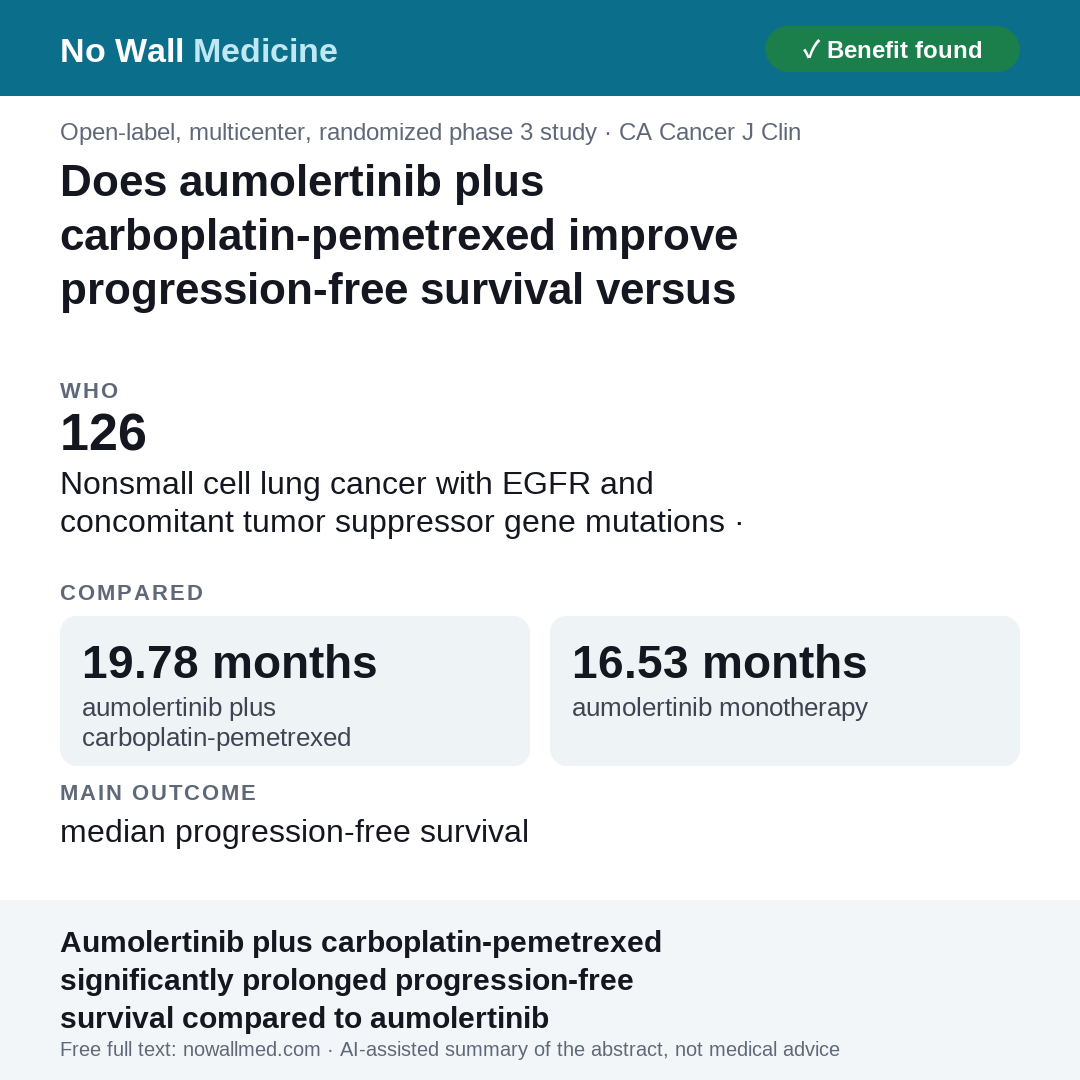
Aumolertinib with carboplatin-pemetrexed versus aumolertinib for nonsmall cell lung cancer with EGFR and concomitant tumor suppressor genes (ACROSS2): An open-label, multicenter, randomized phase 3 study
Open-label, multicenter, randomized phase 3 studyBenefit found
Does aumolertinib plus carboplatin-pemetrexed improve progression-free survival versus aumolertinib monotherapy?
Who
126
Nonsmall cell lung cancer with EGFR and concomitant tumor suppressor gene mutations · multicenter
Compared
19.78 monthsaumolertinib plus carboplatin-pemetrexed
16.53 monthsaumolertinib monotherapy
Main outcome
median progression-free survival
Result: hazard ratio 0.58 (95% confidence interval 0.34-0.97)
Bottom line: Aumolertinib plus carboplatin-pemetrexed significantly prolonged progression-free survival compared to aumolertinib monotherapy in this population.
Limitation: Overall survival data were immature
CA Cancer J Clin · 2026-03-12Download image
Serotype-specific Immunity and Association With Pneumococcal Carriage Following 3+1, 3+0, and 2+1 Schedules of 10-valent Pneumococcal Conjugate Vaccine
Randomized controlled trialNo clear difference
Is immunity linked to pneumococcal carriage?
Who
Infants in Vietnam · Vietnam
Compared
3 + 1 schedule
3 + 0 schedule
2 + 1 schedule
Main outcome
Pneumococcal carriage
Bottom line: No link between immunity and carriage found
J Infect Dis · 2026-03-12Download image

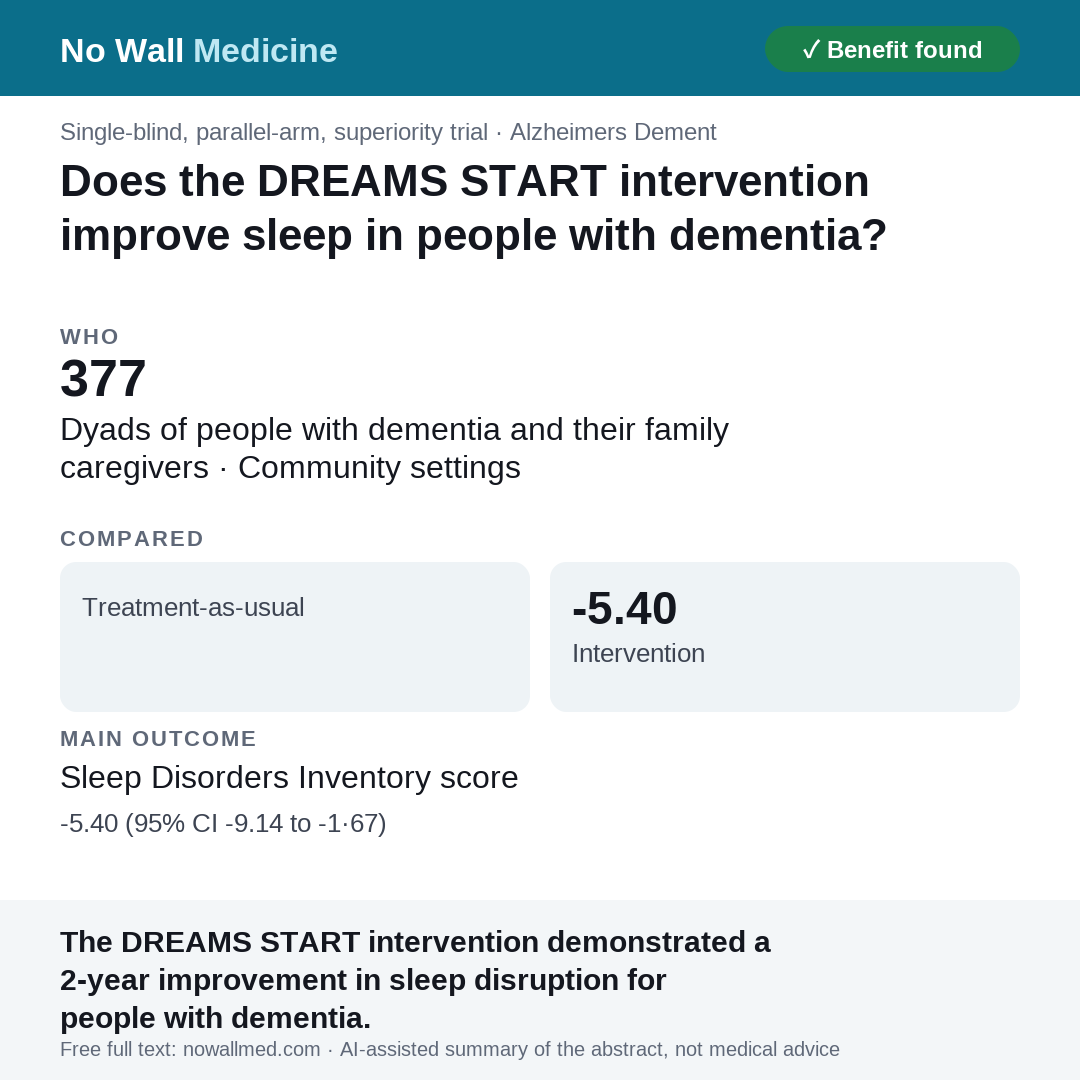
The DREAMS START intervention for sleep in dementia: Long-term follow-up of a randomized controlled trial
Single-blind, parallel-arm, superiority trialBenefit found
Does the DREAMS START intervention improve sleep in people with dementia?
Who
377
Dyads of people with dementia and their family caregivers · Community settings
Compared
Treatment-as-usual
-5.40Intervention
Main outcome
Sleep Disorders Inventory score
Result: -5.40 (95% CI -9.14 to -1·67)
Bottom line: The DREAMS START intervention demonstrated a 2-year improvement in sleep disruption for people with dementia.
Limitation: Only 177 dyads (46.9%) were followed up at 24 months.
Alzheimers Dement · 2026-03-12Download image
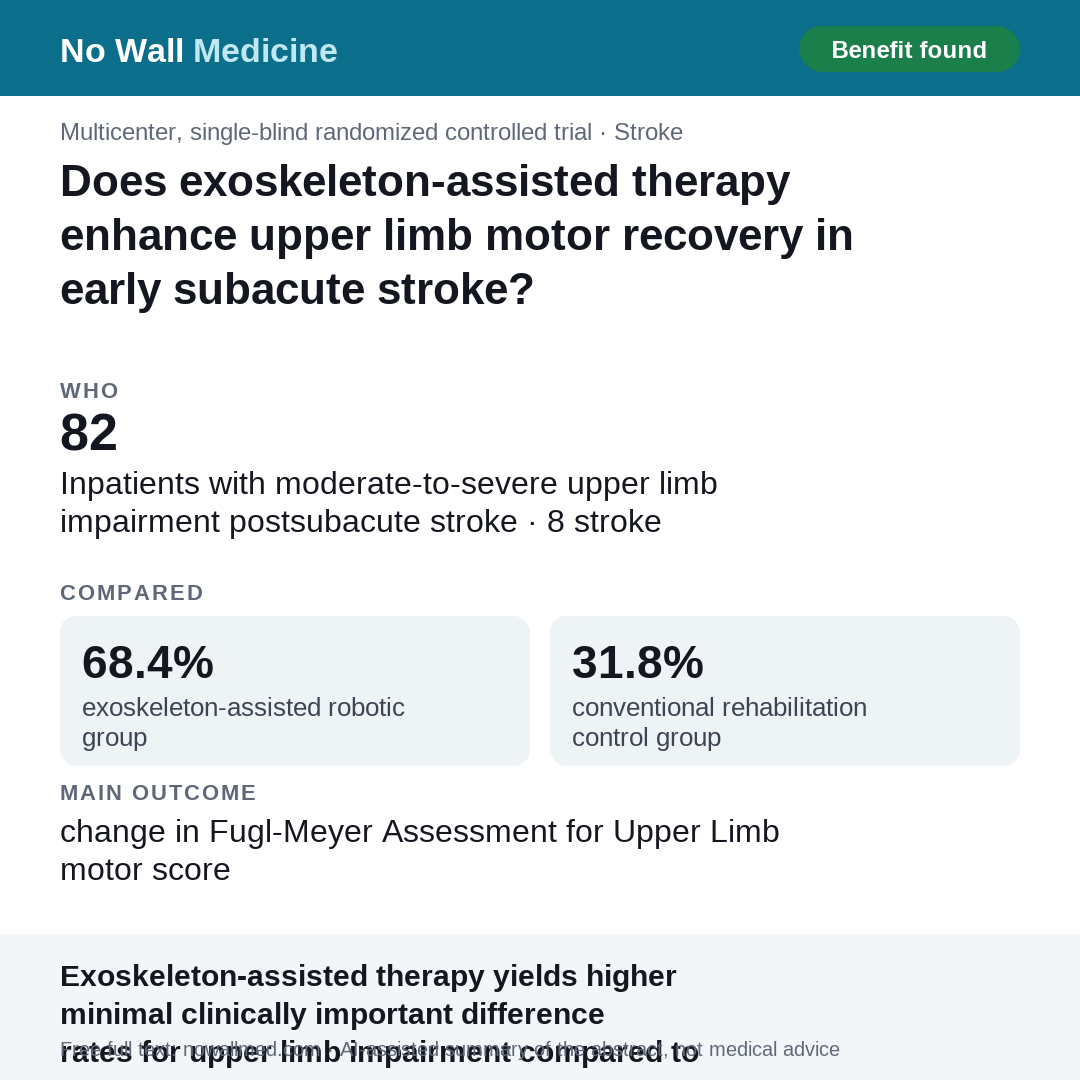
Exoskeleton-Assisted Therapy Enhances Upper Limb Motor Recovery in Early Subacute Stroke: A Multicenter, Single-Blind Randomized Controlled Trial
Multicenter, single-blind randomized controlled trialBenefit found
Does exoskeleton-assisted therapy enhance upper limb motor recovery in early subacute stroke?
Who
82
Inpatients with moderate-to-severe upper limb impairment postsubacute stroke · 8 stroke neurorehabilitation units
Compared
68.4%exoskeleton-assisted robotic group
31.8%conventional rehabilitation control group
Main outcome
change in Fugl-Meyer Assessment for Upper Limb motor score
Result: odds ratio 4.64 (95% CI 1.83-11.8)
Bottom line: Exoskeleton-assisted therapy yields higher minimal clinically important difference rates for upper limb impairment compared to conventional therapy.
Stroke · 2026-03-12Download image
Evaluation of novel assays of non-ceruloplasmin copper to monitor chelation treatment in patients with Wilson disease
Post hoc analysis of randomized trialBenefit found
Can non-ceruloplasmin copper assays monitor chelation therapy in stable Wilson disease?
Who
53
Patients with clinically stable Wilson disease taking penicillamine
Compared
Continued penicillamine
Same dose trientine-tetrahydrochloride
Main outcome
Non-ceruloplasmin-bound copper and urinary copper excretion
Bottom line: Newer non-ceruloplasmin copper assays show potential to guide chelation therapy in stable Wilson disease patients.
JHEP Rep · 2026-03-12Download image

Effect of the extubation predictive score (ExPreS) on reintubation in the ICU: a randomized controlled trial
Randomized, controlled superiority trialMixed results
Does the Extubation Predictive Score reduce reintubation within 48 hours in mechanically ventilated adults?
Who
540
Adults ventilated at least 24 hours who passed a spontaneous breathing trial · Two intensive care units of a Brazilian university hospital
Compared
13.0%Standard protocol
8.0%Extubation Predictive Score algorithm
Main outcome
Extubation failure defined as reintubation within 48 hours
Bottom line: The Extubation Predictive Score showed lower reintubation rates, but the primary intention-to-treat analysis did not reach statistical significance.
Limitation: Findings warrant confirmation in larger multicenter studies.
Crit Care · 2026-03-12Download image

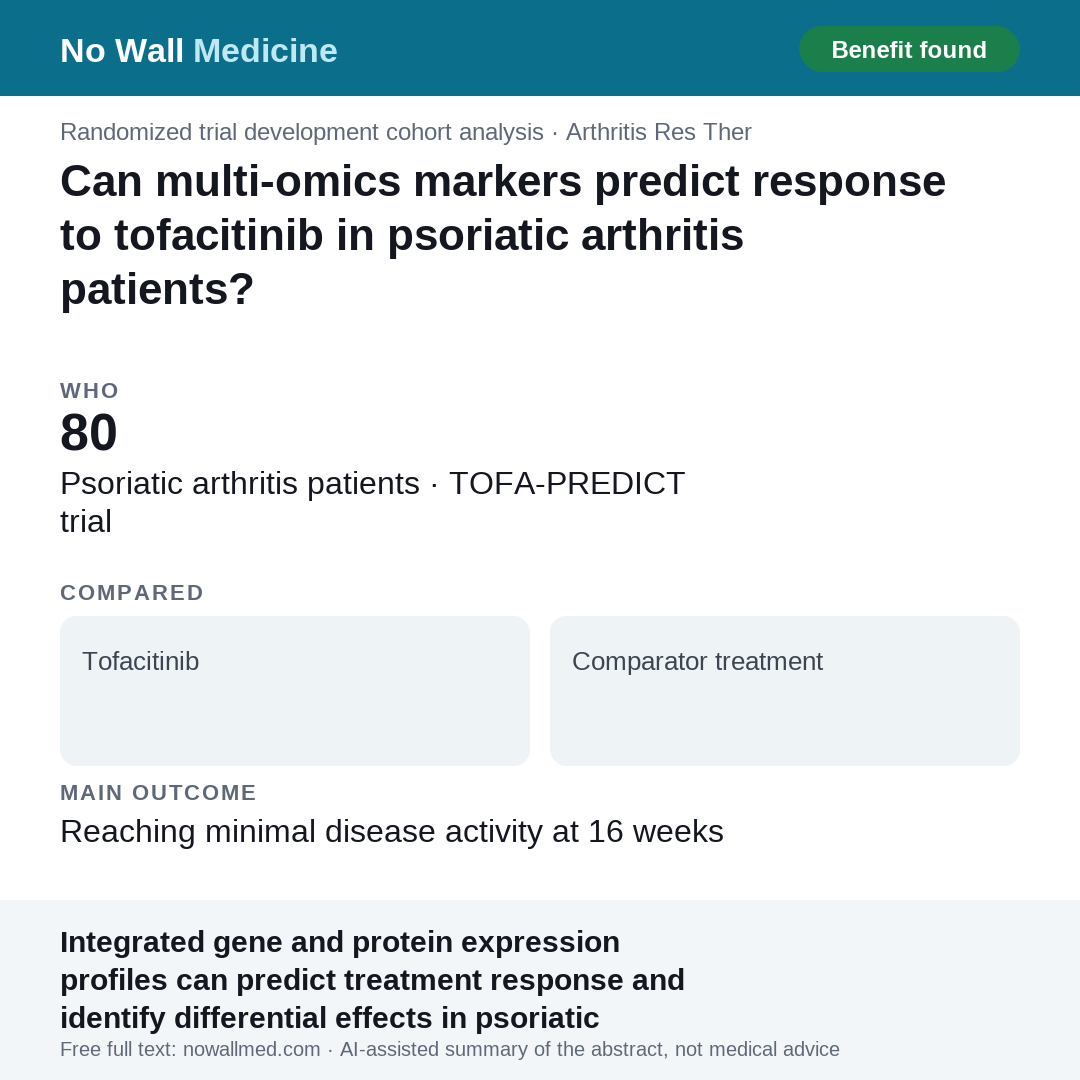
Predicting clinical response in psoriatic arthritis through integrative analysis of transcriptomics and proteomics
Randomized trial development cohort analysisBenefit found
Can multi-omics markers predict response to tofacitinib in psoriatic arthritis patients?
Who
80
Psoriatic arthritis patients · TOFA-PREDICT trial
Compared
Tofacitinib
Comparator treatment
Main outcome
Reaching minimal disease activity at 16 weeks
Result: AUC 0.70 ± 0.19
Bottom line: Integrated gene and protein expression profiles can predict treatment response and identify differential effects in psoriatic arthritis.
Arthritis Res Ther · 2026-03-12Download image
Meta-analysis of computerised working memory training: behavioural gains, training parameters, transfer mechanisms, and neural correlates
Meta-analysis of 45 neuroimaging studiesBenefit found
Does computerised working memory training improve cognitive task performance and modulate brain activation?
Who
Not specified
Compared
Computerised working memory training
Controls
Main outcome
Behavioural cognitive task performance
Result: Hedges' g = 0.503 (95% CI 0.363 to 0.642)
Bottom line: Computerised working memory training provides moderate behavioural benefits and reproducible modulation of task-related brain activation.
NPJ Digit Med · 2026-03-12Download image

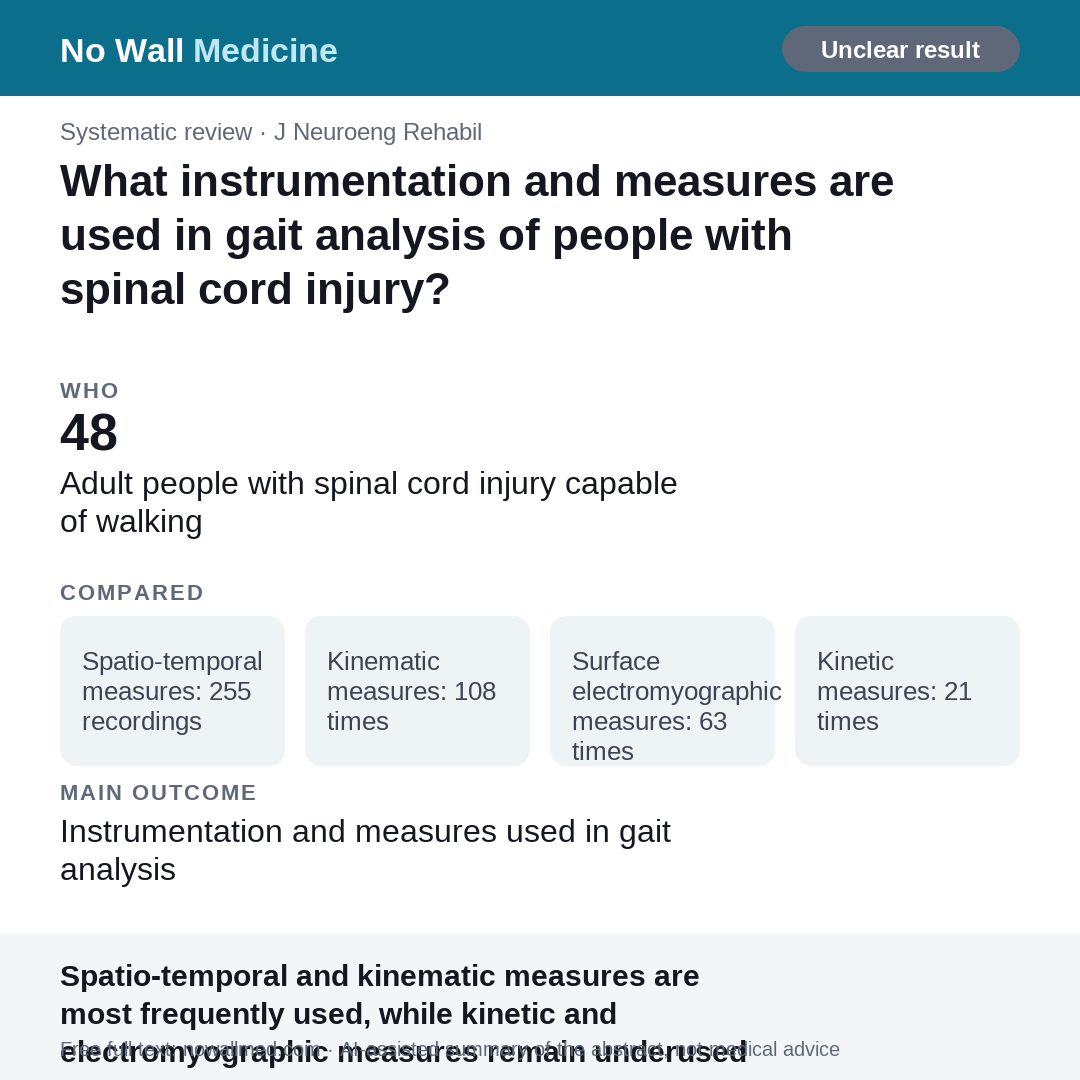
Gait analysis methods in people with spinal cord injury: a systematic review
Systematic reviewUnclear result
What instrumentation and measures are used in gait analysis of people with spinal cord injury?
Who
48
Adult people with spinal cord injury capable of walking
Compared
Spatio-temporal measures: 255 recordings
Kinematic measures: 108 times
Surface electromyographic measures: 63 times
Kinetic measures: 21 times
Main outcome
Instrumentation and measures used in gait analysis
Bottom line: Spatio-temporal and kinematic measures are most frequently used, while kinetic and electromyographic measures remain underused in spinal cord injury gait analysis.
Limitation: Over half of studies were fair quality and nearly half had level of evidence 2.
J Neuroeng Rehabil · 2026-03-12Download image
Ethical perspectives in palliative care for chronic patients: a systematic review of nurses' experiences in home and hospital settings
Systematic reviewMixed results
What are nurses' ethical perspectives, challenges, and supporting interventions in palliative care?
Who
Nurses providing palliative care for patients with chronic diseases · Hospital and home settings
Compared
Clinical decision-making and autonomy
Justice and resource allocation
Beneficence and patient-centered care
Non-maleficence and moral distress
Main outcome
Nurses' ethical perspectives, challenges, and professional interventions
Bottom line: Nurses face substantial ethical challenges including decision-making dilemmas, resource scarcity, and moral distress in palliative care settings.
BMC Palliat Care · 2026-03-12Download image

Effects of Digital Health Interventions on Functional and Psychological Outcomes in Older Patients With Hip Fractures: Systematic Review and Meta-Analysis of Randomized Controlled Trials
Systematic review and meta-analysis of randomized controlled trialsBenefit found
Do digital health interventions improve functional and psychological outcomes in older patients with hip fractures?
Who
Adults aged 60 years and older with hip fractures
Compared
Digital health interventions
Control
Main outcome
functional and psychological outcomes
Result: standardized mean difference 0.80 (95% CI 0.33-1.26) for hip function
Bottom line: Digital health interventions may improve hip function and functional independence in older adults with hip fractures.
Limitation: substantial heterogeneity indicated by a wide 95% prediction interval spanning positive or negative values
J Med Internet Res · 2026-03-12Download image

The Effects of Digital Health Interventions on Motor Symptoms, Nonmotor Symptoms, and Quality of Life in Patients With Parkinson Disease: Systematic Review and Meta-Analysis of Randomized Controlled Trials
Systematic review and meta-analysis of randomized controlled trialsMixed results
Do digital health interventions improve motor, nonmotor symptoms, and quality of life in Parkinson disease?
Who
5594
Patients with Parkinson disease
Compared
Digital health interventions
Control
Main outcome
motor symptoms, nonmotor symptoms, and quality of life
Result: motor symptoms SMD=-0.39 (95% CI -0.60 to -0.18)
Bottom line: Digital health interventions improved motor and nonmotor symptoms, but showed no significant effect on quality of life.
Limitation: low to very low certainty of evidence, wide prediction intervals, high risk of bias, and substantial heterogeneity
J Med Internet Res · 2026-03-12Download image

Spherical Equivalent Refraction Versus Axial Length for Monitoring Childhood Myopia and Estimating Disease Risk: A Systematic Review and Meta-Analysis
Systematic review and meta-analysisMixed results
Is spherical equivalent refraction or axial length better for monitoring myopia and predicting pathology?
Who
Population-based observational studies with at least 200 eyes · PubMed and Embase searched from 1990 to July 2025
Compared
Axial length: retinal pathology odds ratio 3.85 per +1 mm
Spherical equivalent refraction: cataract odds ratio 3.09 to 4.58
Main outcome
monitoring myopia progression and predicting myopia-related pathology
Bottom line: Axial length identifies high retinal risk, but spherical equivalent refraction better captures cataract and glaucoma risk across most patients.
Limitation: Certainty of evidence was lower for incidence and descriptive blocks.
Am J Ophthalmol · 2026-03-11Download image

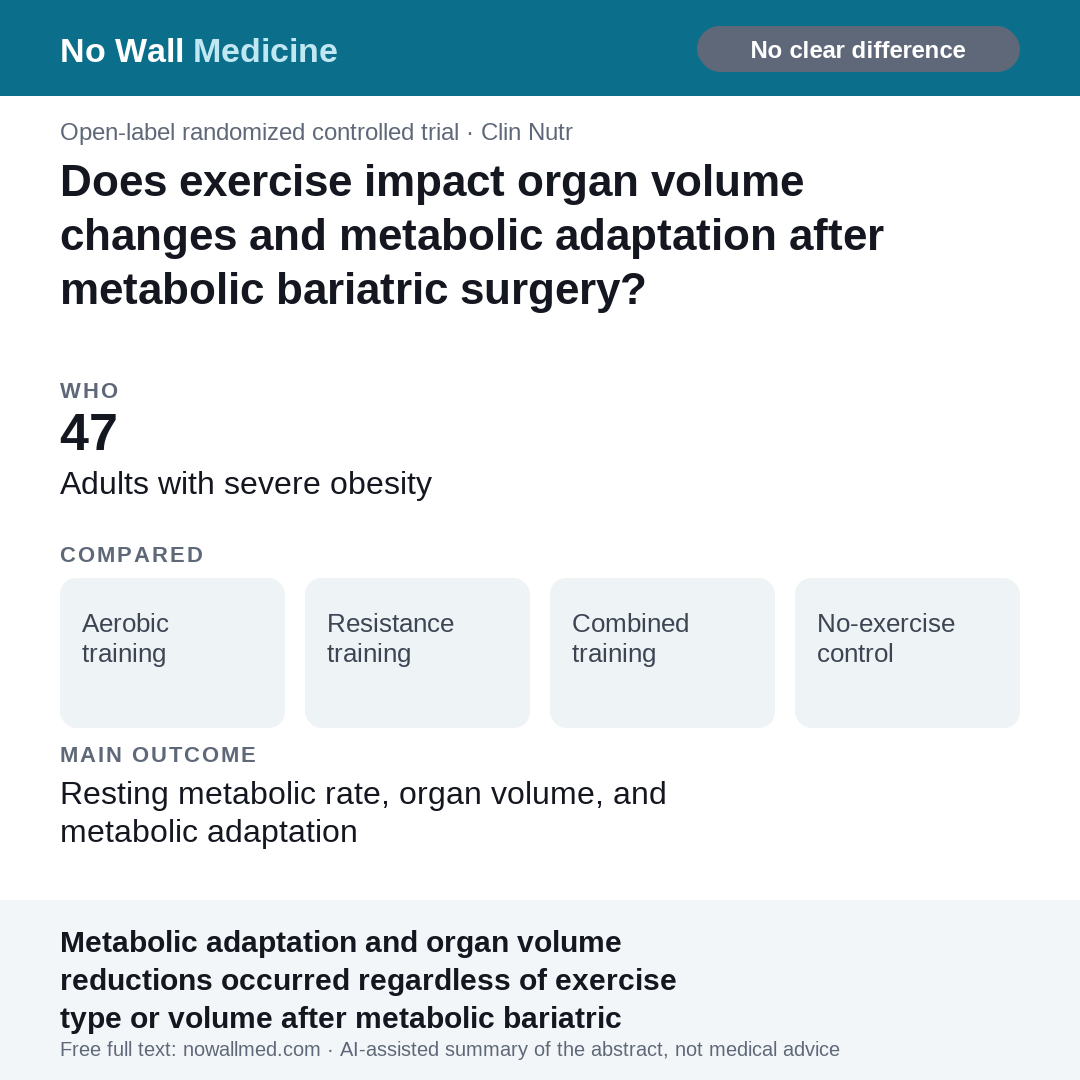
Liver and Kidney volume Reduction May Underlie Metabolic Adaptation After Metabolic Bariatric Surgery: A sub-study of the "POWER" Randomized clinical trial
Open-label randomized controlled trialNo clear difference
Does exercise impact organ volume changes and metabolic adaptation after metabolic bariatric surgery?
Who
47
Adults with severe obesity
Compared
Aerobic training
Resistance training
Combined training
No-exercise control
Main outcome
Resting metabolic rate, organ volume, and metabolic adaptation
Bottom line: Metabolic adaptation and organ volume reductions occurred regardless of exercise type or volume after metabolic bariatric surgery.
Clin Nutr · 2026-03-11Download image
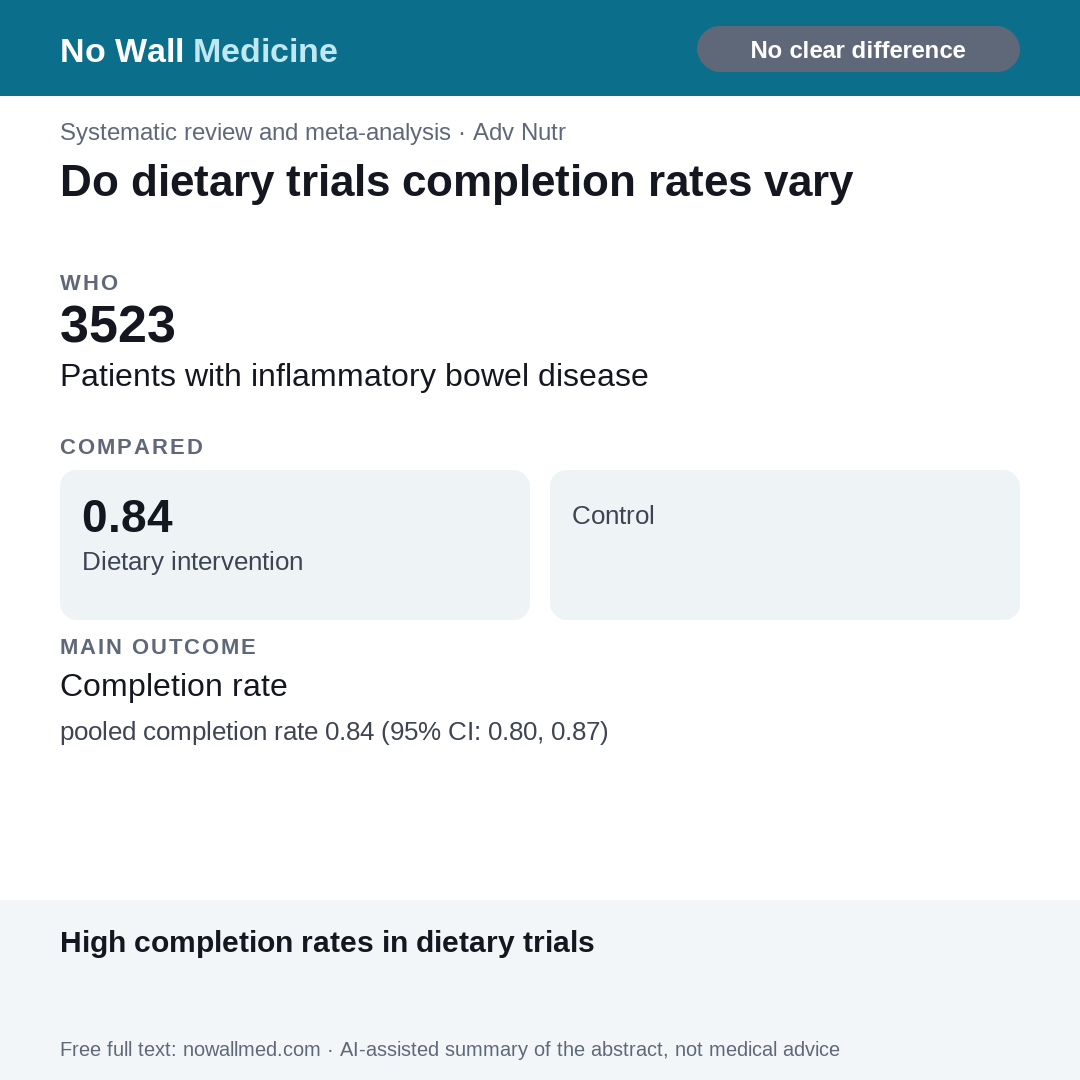
Study Design Complexity and Participant Completion in Dietary Trials for Inflammatory Bowel Disease: A Systematic Review and Metaresearch Study
Systematic review and meta-analysisNo clear difference
Do dietary trials completion rates vary
Who
3523
Patients with inflammatory bowel disease
Compared
0.84Dietary intervention
Control
Main outcome
Completion rate
Result: pooled completion rate 0.84 (95% CI: 0.80, 0.87)
Bottom line: High completion rates in dietary trials
Adv Nutr · 2026-03-11Download image
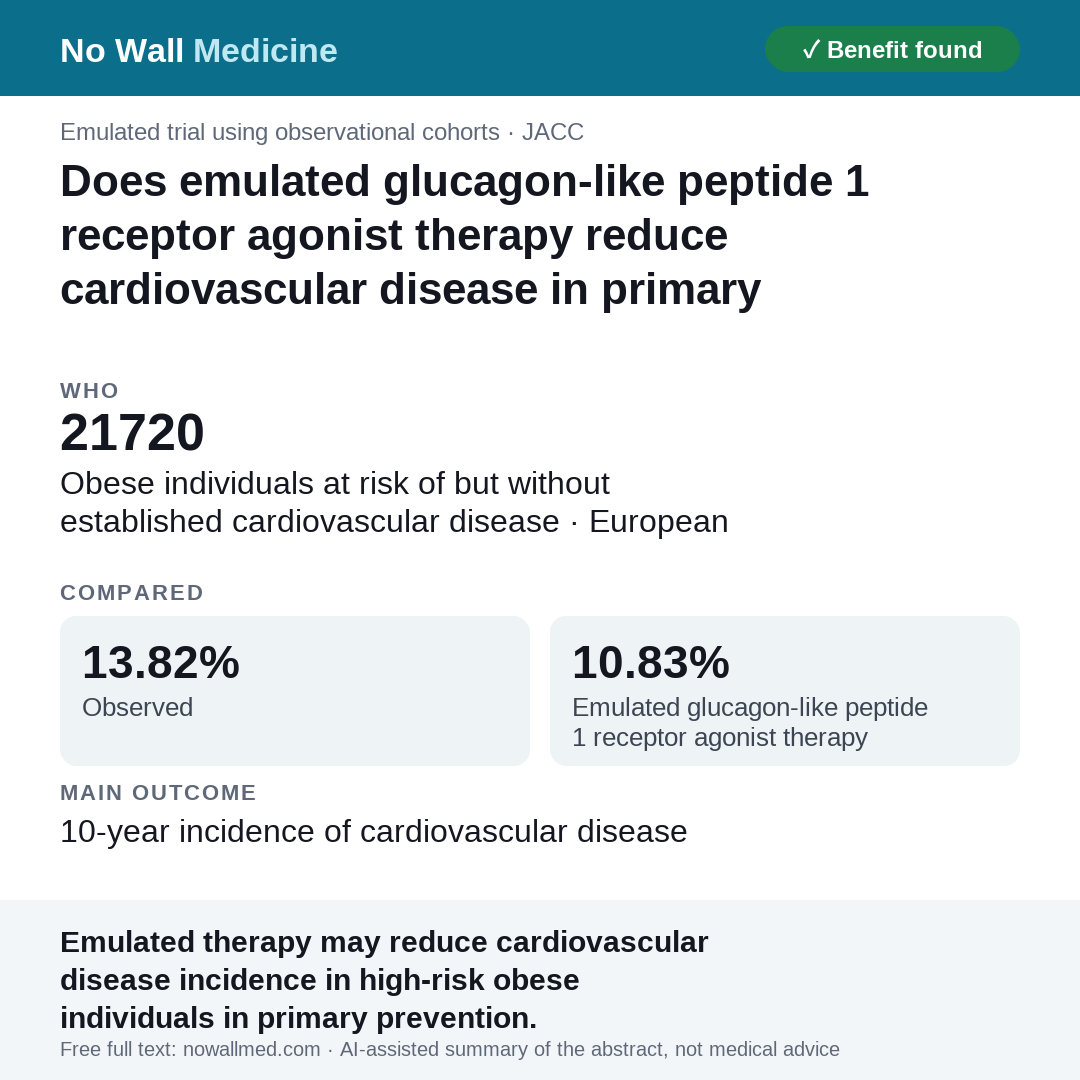
Emulated Effects of Glucagon-Like Peptide 1 Receptor Agonist Therapy in the General Population
Emulated trial using observational cohortsBenefit found
Does emulated glucagon-like peptide 1 receptor agonist therapy reduce cardiovascular disease in primary prevention?
Who
21720
Obese individuals at risk of but without established cardiovascular disease · European and North American cohorts
Compared
13.82%Observed (95% CI: 11.94%-15.71%)
10.83%Emulated glucagon-like peptide 1 receptor agonist therapy (95% CI: 9.27%-12.39%)
Main outcome
10-year incidence of cardiovascular disease
Result: absolute reduction of 2.99% (95% CI: 2.67%-3.31%)
Bottom line: Emulated therapy may reduce cardiovascular disease incidence in high-risk obese individuals in primary prevention.
Limitation: Modeled risk reductions were attenuated in nonobese and lower risk groups and with lower compliance.
JACC · 2026-03-11Download image
Low- vs standard-dose regimens as induction for pediatric AML: a multicenter, randomized noninferiority trial
Randomized, multicenter, noninferiority trialBenefit found
Is low-dose chemotherapy noninferior to standard-dose chemotherapy for induction in pediatric AML?
Who
Patients with acute myeloid leukemia aged under 18 years · Multicenter
Compared
Low-dose chemotherapy: 95.1% complete remission or complete remission with incomplete count recovery
Standard-dose chemotherapy: 95.3% complete remission or complete remission with incomplete count recovery
Main outcome
Complete remission or complete remission with incomplete count recovery rates
Bottom line: Low-dose chemotherapy induction is noninferior to standard-dose chemotherapy for pediatric acute myeloid leukemia patients.
Blood · 2026-03-11Download image

Long-Term Outcomes of Left Bundle-Branch Pacing vs Biventricular Pacing in Heart Failure: The HeartSync-LBBP Randomized Clinical Trial
Multicenter, prospective, randomized clinical trialBenefit found
Are long-term clinical outcomes better with left bundle-branch pacing or biventricular pacing?
Who
200
Patients with left bundle-branch block and ejection fraction ≤35% · 6 centers in China
Compared
8%Left bundle-branch pacing
28%Biventricular pacing
Main outcome
Time to death from any cause or heart failure hospitalization
Result: hazard ratio 0.26 (95% CI, 0.12-0.57)
Bottom line: Left bundle-branch pacing was superior to biventricular pacing in reducing death or heart failure hospitalization.
JAMA Cardiol · 2026-03-11Download image

Conduction System vs Biventricular Pacing in Heart Failure: The PhysioSync-HF Randomized Clinical Trial
Multicenter, noninferiority randomized clinical trialHarm found
Is conduction system pacing noninferior to biventricular pacing for heart failure outcomes?
Who
173
Adults with symptomatic heart failure, reduced ejection fraction, and left bundle-branch block · 14 hospitals across all regions of Brazil
Compared
Conduction system pacing
Biventricular pacing
Main outcome
Death, heart failure hospitalizations, urgent heart failure visits, and change in ejection fraction
Result: odds ratio 2.36 (95% CI, 1.37-4.06)
Bottom line: Conduction system pacing was inferior to biventricular pacing for the composite primary endpoint in patients with heart failure.
JAMA Cardiol · 2026-03-11Download image