Visual abstracts
New randomized trials and meta-analyses from leading journals at a glance: who was studied, what was compared, and what was found. Every paper is free to read in full.
All specialtiesCardiology 2802Oncology 2374Gastroenterology & Hepatology 1083Infectious Disease 1779Neurology 1127Psychiatry & Mental Health 1290Pulmonology 1168Critical Care 774Endocrinology & Diabetes 1442Pediatrics 1655Surgery 1449Orthopedics & Sports Medicine 509Neurosurgery 341Cardiothoracic & Vascular Surgery 313Plastic & Reconstructive Surgery 407Nephrology 585Rheumatology 424Hematology 606Dermatology 329Ophthalmology 319Obstetrics & Gynecology 924Public & Global Health 517Radiology & Imaging 391Anesthesiology 564Urology 464ENT (Otolaryngology) 323Emergency Medicine 309Allergy & Immunology 175Geriatrics 597Family Medicine & Primary Care 320Medical Genetics & Genomics 321Pathology & Laboratory Medicine 92Physical Medicine & Rehabilitation 449Palliative Care 243Nutrition 758Digital Health & AI 1332General Medicine 201
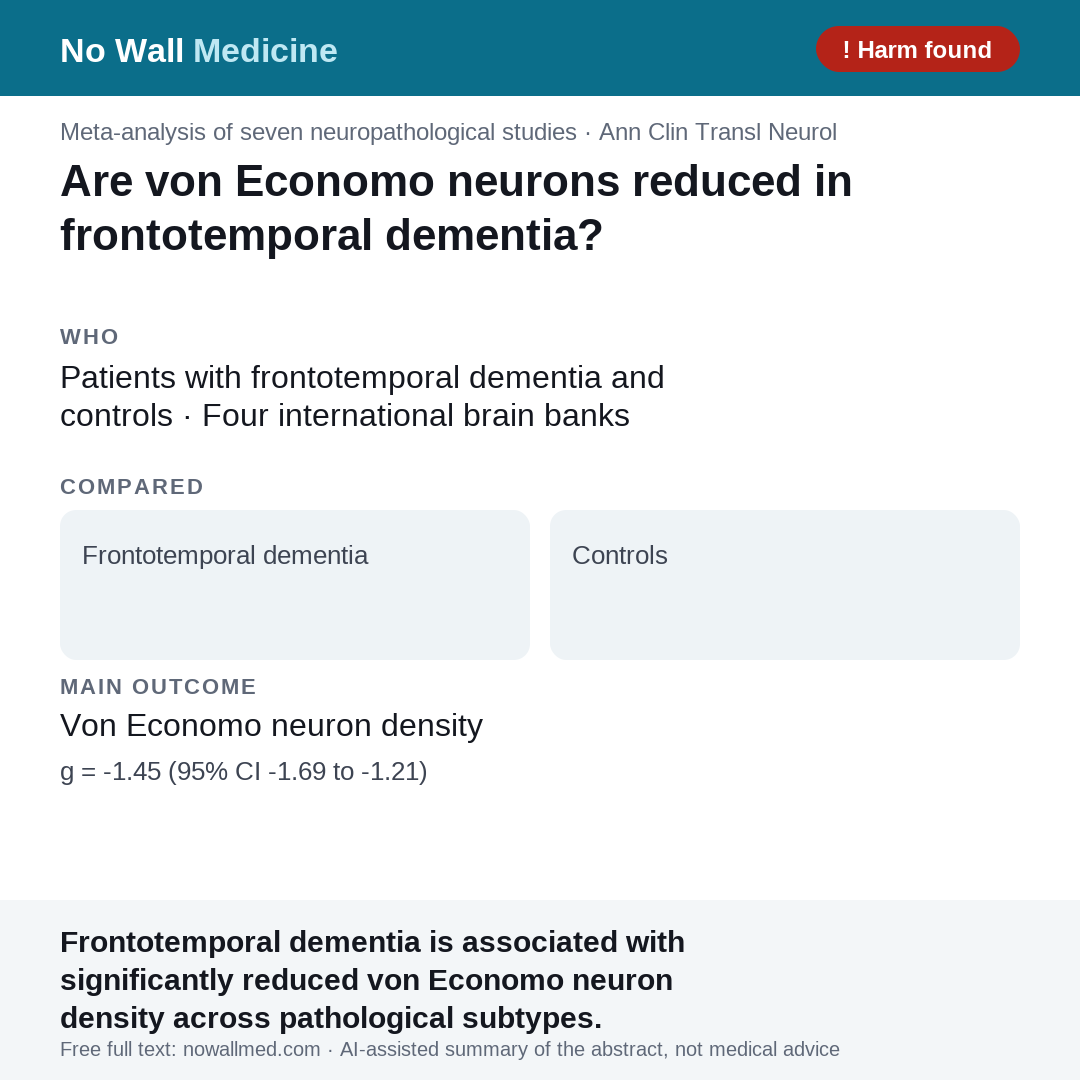
Von Economo Neuron Loss in Frontotemporal Dementia: A Meta-Analysis of Neuropathological Studies
Meta-analysis of seven neuropathological studiesHarm found
Are von Economo neurons reduced in frontotemporal dementia?
Who
Patients with frontotemporal dementia and controls · Four international brain banks
Compared
Frontotemporal dementia
Controls
Main outcome
Von Economo neuron density
Result: g = -1.45 (95% CI -1.69 to -1.21)
Bottom line: Frontotemporal dementia is associated with significantly reduced von Economo neuron density across pathological subtypes.
Ann Clin Transl Neurol · 2026-03-06Download image
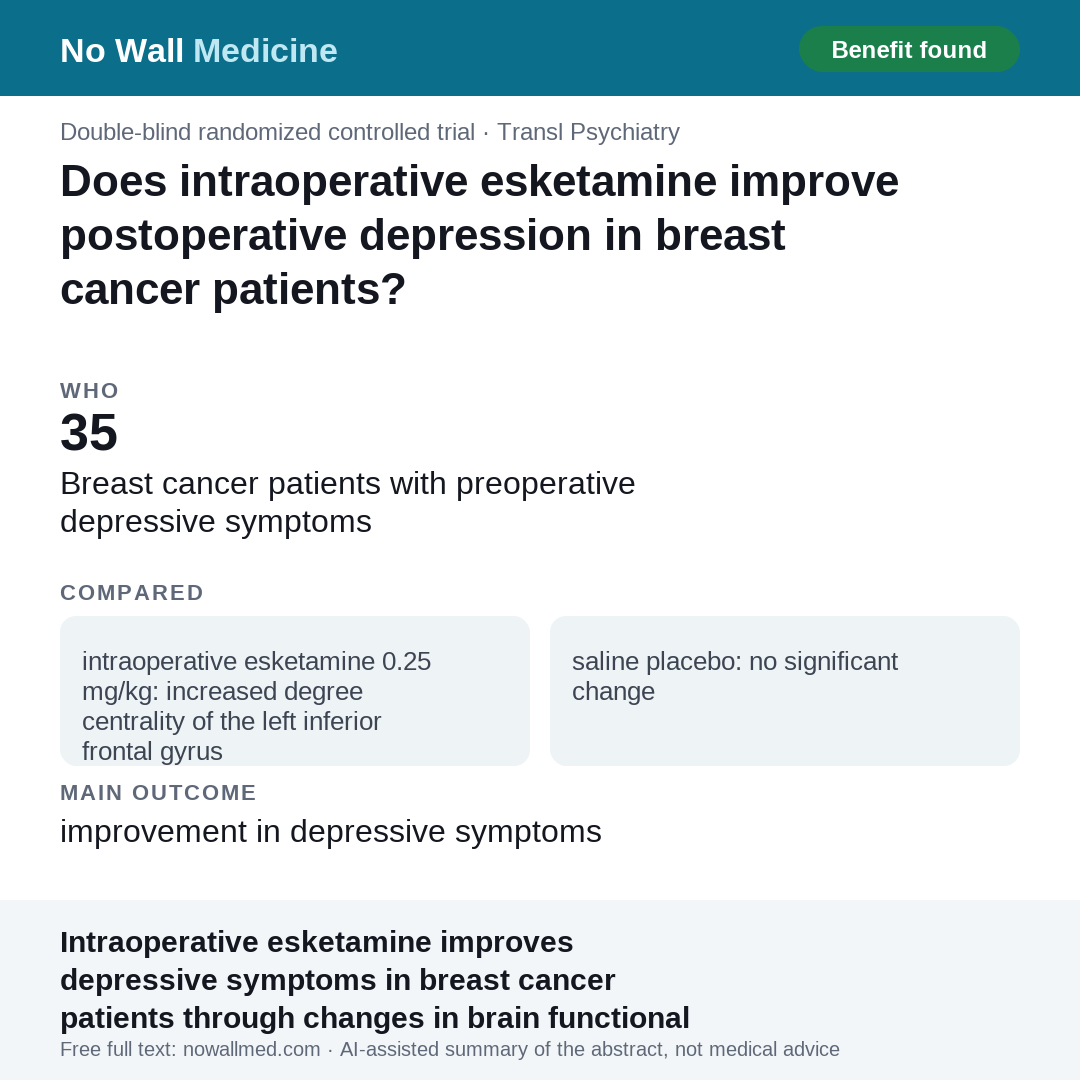
Brain functional network correlates and predictors of the perioperative antidepressant effect of esketamine in breast cancer patients: a double-blind randomized controlled trial using resting-state fMRI and graph theory
Double-blind randomized controlled trialBenefit found
Does intraoperative esketamine improve postoperative depression in breast cancer patients?
Who
35
Breast cancer patients with preoperative depressive symptoms
Compared
intraoperative esketamine 0.25 mg/kg: increased degree centrality of the left inferior frontal gyrus
saline placebo: no significant change
Main outcome
improvement in depressive symptoms
Bottom line: Intraoperative esketamine improves depressive symptoms in breast cancer patients through changes in brain functional network measures.
Transl Psychiatry · 2026-03-06Download image
Understanding real-world effectiveness of nirsevimab and the characteristics of breakthrough RSV infections: a study protocol of individual-participant-level data meta-analysis (the GEMINI study)
Individual-participant-level data meta-analysis study protocolUnclear result
What is the real-world effectiveness of nirsevimab and characteristics of breakthrough RSV infections?
Who
Infants and young children · International
Compared
nirsevimab group
unvaccinated or vaccinated but not infected
Main outcome
nirsevimab effectiveness and breakthrough infection characteristics
Bottom line: This study protocol aims to assess nirsevimab effectiveness and breakthrough respiratory syncytial virus infection characteristics.
BMJ Open Respir Res · 2026-03-06Download image

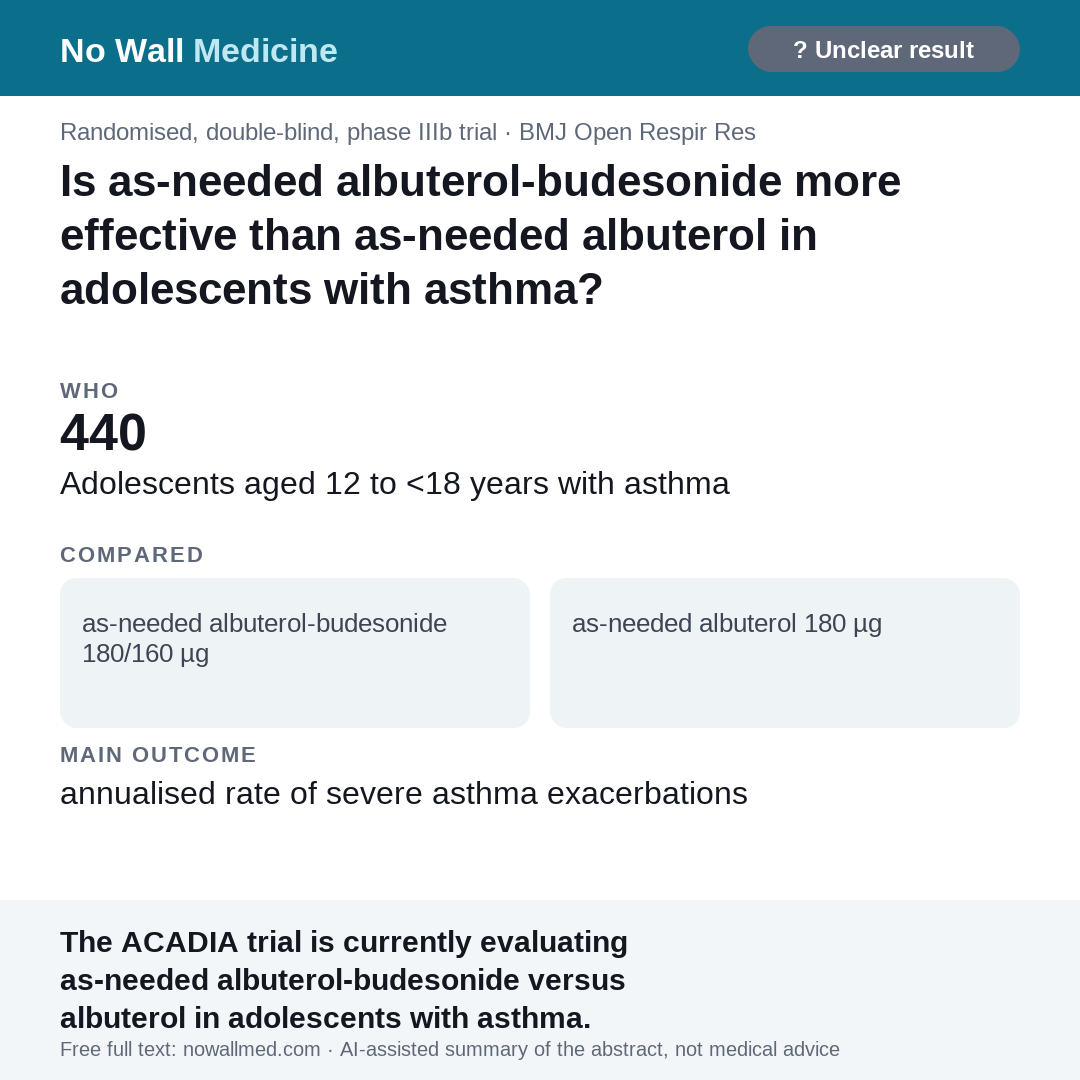
Efficacy and safety of as-needed albuterol-budesonide versus albuterol in patients with asthma aged 12 to <18 years: design of the randomised, double-blind, parallel-group phase IIIb ACADIA trial
Randomised, double-blind, phase IIIb trialUnclear result
Is as-needed albuterol-budesonide more effective than as-needed albuterol in adolescents with asthma?
Who
440
Adolescents aged 12 to <18 years with asthma
Compared
as-needed albuterol-budesonide 180/160 µg
as-needed albuterol 180 µg
Main outcome
annualised rate of severe asthma exacerbations
Bottom line: The ACADIA trial is currently evaluating as-needed albuterol-budesonide versus albuterol in adolescents with asthma.
BMJ Open Respir Res · 2026-03-06Download image
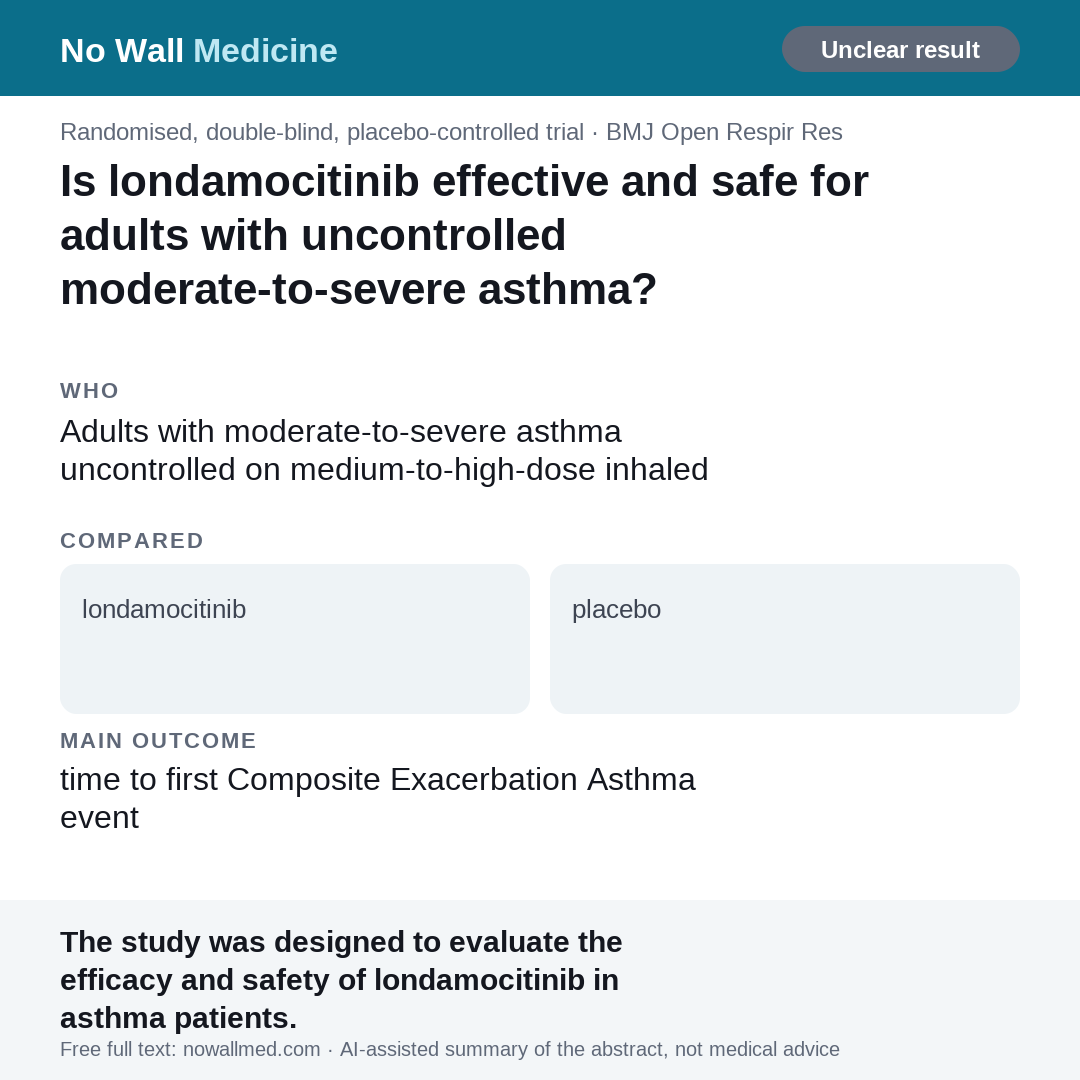
Phase 2a randomised, double-blind, placebo-controlled study to evaluate the efficacy and safety of londamocitinib (AZD4604) two times per day for 12 weeks in adult patients with moderate-to-severe asthma uncontrolled on medium-high-dose ICS-LABA
Randomised, double-blind, placebo-controlled trialUnclear result
Is londamocitinib effective and safe for adults with uncontrolled moderate-to-severe asthma?
Who
Adults with moderate-to-severe asthma uncontrolled on medium-to-high-dose inhaled corticosteroid/long-acting beta2-agonist
Compared
londamocitinib
placebo
Main outcome
time to first Composite Exacerbation Asthma event
Bottom line: The study was designed to evaluate the efficacy and safety of londamocitinib in asthma patients.
BMJ Open Respir Res · 2026-03-06Download image
Comparing artificial intelligence and healthcare professional performance in surgical and interventional video analysis: a systematic review and meta-analysis
Systematic review and meta-analysisBenefit found
How does artificial intelligence performance compare to healthcare professionals in video analysis?
Who
76
Studies comparing artificial intelligence and healthcare professionals in video analysis
Compared
Artificial intelligence: relative risk 1.12 (95% CI 1.07-1.19) for sensitivity
Unassisted healthcare professionals
AI-assisted healthcare professionals: relative risk 1.18 (95% CI 1.12-1.25) for sensitivity
Main outcome
Sensitivity and specificity in surgical and interventional video analysis
Result: relative risk 1.12 (95% CI 1.07-1.19) for sensitivity
Bottom line: Artificial intelligence and AI-assisted professionals showed significantly greater sensitivity than unassisted healthcare professionals in video analysis.
NPJ Digit Med · 2026-03-06Download image

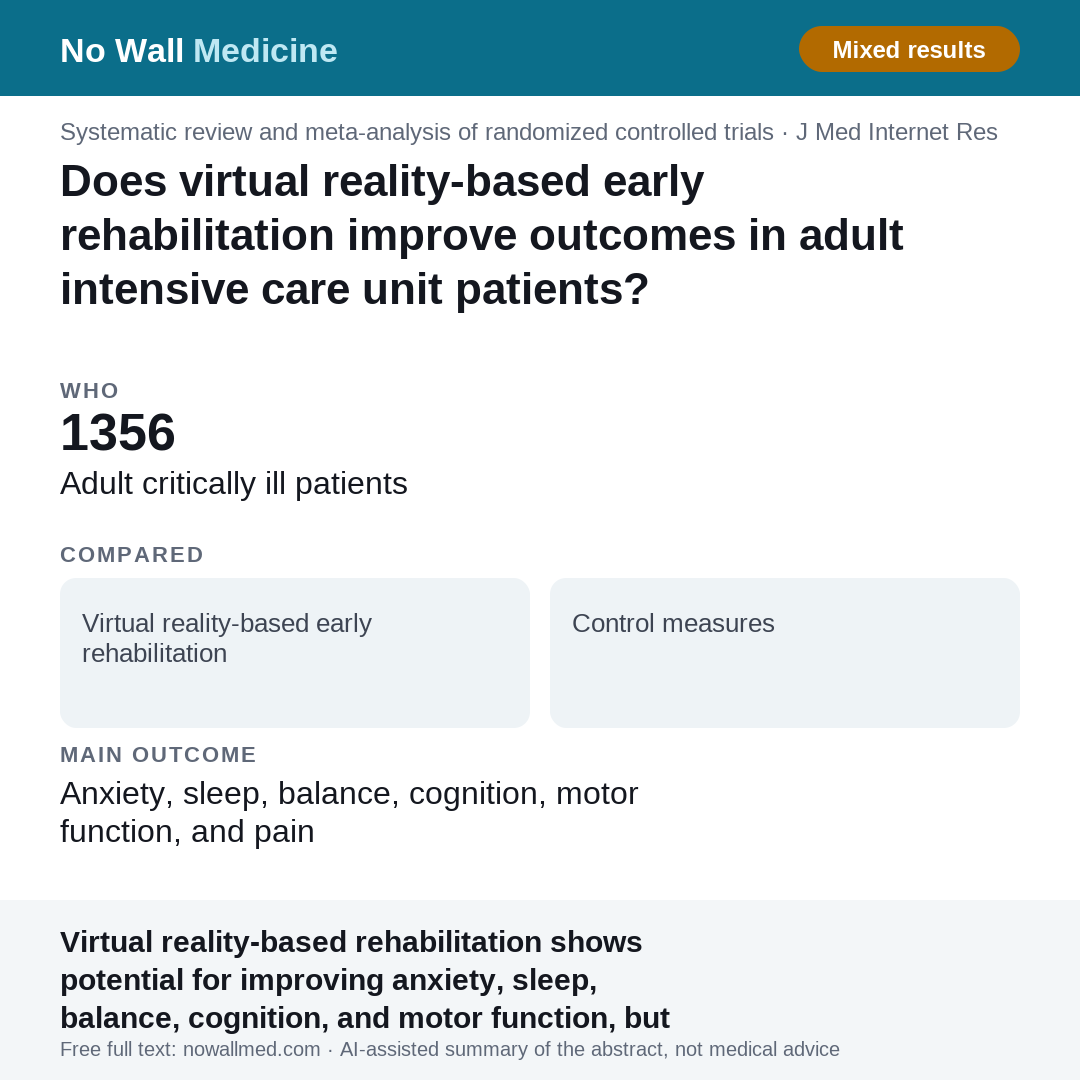
Effectiveness of Virtual Reality-Based Early Rehabilitation Strategies on Pain, Sleep, Anxiety, Balance, Cognition, and Limb Motor Function in Adult Intensive Care Unit Patients: Systematic Review and Meta-Analysis of Randomized Controlled Trials
Systematic review and meta-analysis of randomized controlled trialsMixed results
Does virtual reality-based early rehabilitation improve outcomes in adult intensive care unit patients?
Who
1356
Adult critically ill patients
Compared
Virtual reality-based early rehabilitation
Control measures
Main outcome
Anxiety, sleep, balance, cognition, motor function, and pain
Result: SMD -0.86 (95% CI -1.85 to 0.13) for anxiety; SMD 3.36 (95% CI 0.77-5.94) for subjective sleep
Bottom line: Virtual reality-based rehabilitation shows potential for improving anxiety, sleep, balance, cognition, and motor function, but evidence certainty is low.
Limitation: High risk of bias, substantial heterogeneity, and imprecision in the included studies.
J Med Internet Res · 2026-03-06Download image
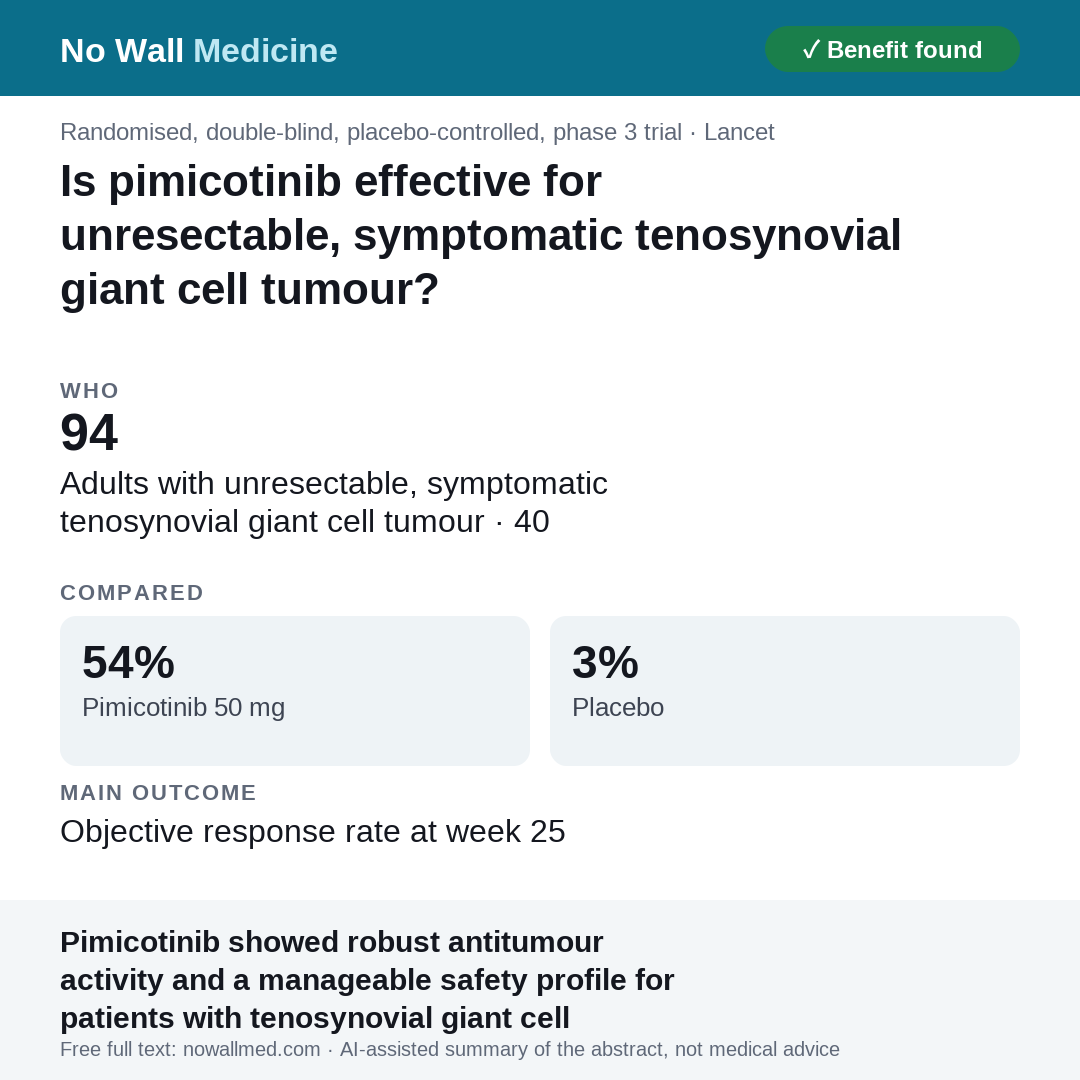
Pimicotinib versus placebo for tenosynovial giant cell tumour (MANEUVER): an international, randomised, placebo-controlled, phase 3 trial
Randomised, double-blind, placebo-controlled, phase 3 trialBenefit found
Is pimicotinib effective for unresectable, symptomatic tenosynovial giant cell tumour?
Who
94
Adults with unresectable, symptomatic tenosynovial giant cell tumour · 40 specialised hospitals in Asia, Europe, and North America
Compared
54%Pimicotinib 50 mg (34 of 63)
3%Placebo (one of 31)
Main outcome
Objective response rate at week 25
Result: absolute difference 51% (95% CI 33-63)
Bottom line: Pimicotinib showed robust antitumour activity and a manageable safety profile for patients with tenosynovial giant cell tumour.
Limitation: Missing data were not imputed and only observed data were analysed.
Funded by: Abbisko Therapeutics
Lancet · 2026-03-05Download image
Chemsex and uptake of HIV pre-exposure prophylaxis among adult cisgender gay, bisexual and other men who have sex with men worldwide: a systematic review with meta-analysis
Meta-analysis of 28 studiesBenefit found
PrEP uptake among gay men who engage in chemsex
Who
36339
adult cisgender gay, bisexual and other men who have sex with men · three world regions
Compared
39%chemsex users (95% CI: 29-49%)
non chemsex users
Main outcome
pre-exposure prophylaxis uptake
Result: odds ratio 3.44 (95% CI: 2.70-4.38)
Bottom line: Chemsex is associated with increased PrEP uptake
Limitation: high heterogeneity and lack of standardized definitions
Funded by: Research Group of the HIV Unit
eClinicalMedicine · 2026-03-05Download image

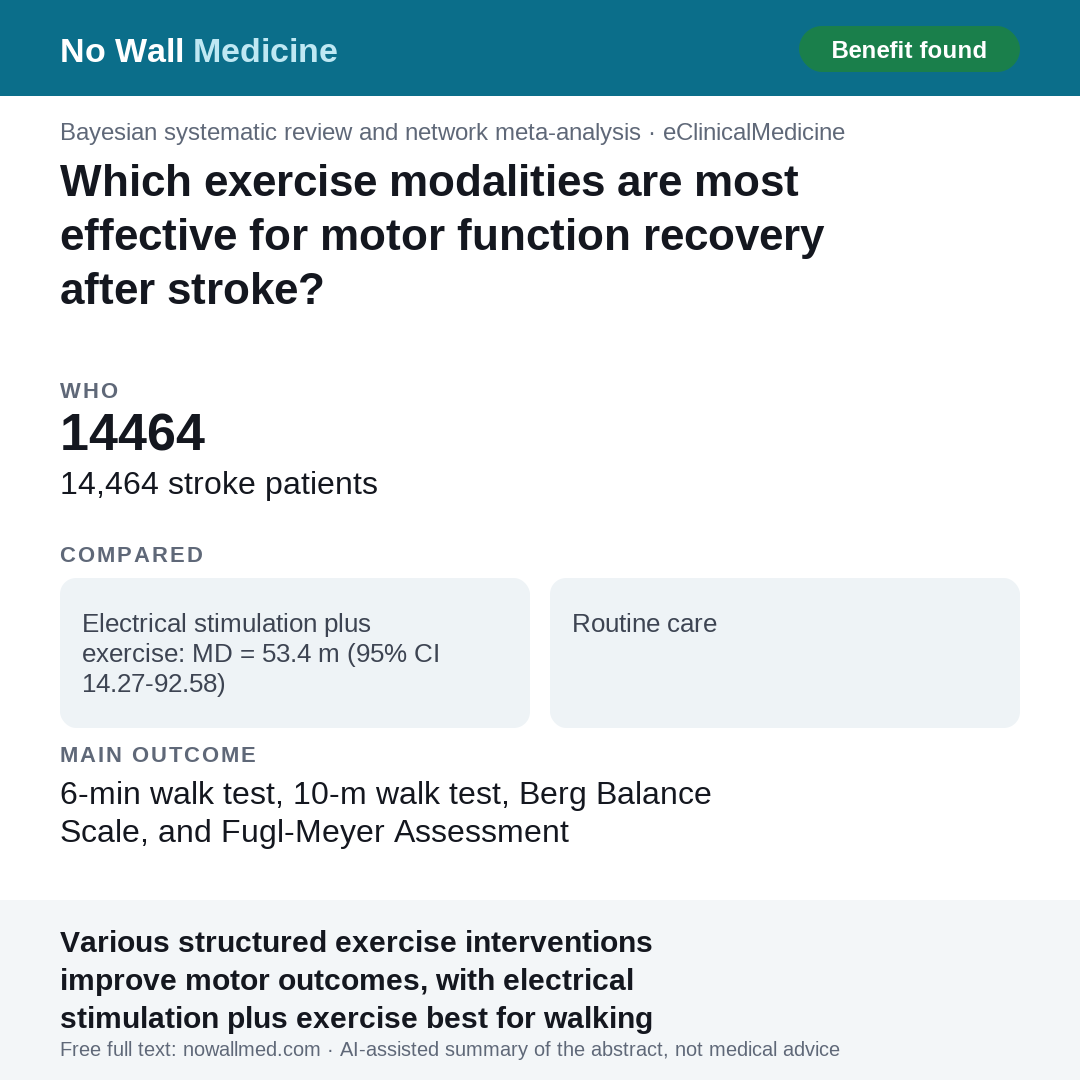
Optimal exercise modalities for enhancing motor function recovery after stroke: a Bayesian systematic review with pairwise and network meta-analyses
Bayesian systematic review and network meta-analysisBenefit found
Which exercise modalities are most effective for motor function recovery after stroke?
Who
14464
14,464 stroke patients
Compared
Electrical stimulation plus exercise: MD = 53.4 m (95% CI 14.27-92.58)
Routine care
Main outcome
6-min walk test, 10-m walk test, Berg Balance Scale, and Fugl-Meyer Assessment
Result: MD = 53.4 m, 95% CI 14.27-92.58
Bottom line: Various structured exercise interventions improve motor outcomes, with electrical stimulation plus exercise best for walking endurance.
Limitation: Substantial heterogeneity was observed in several pooled comparisons.
eClinicalMedicine · 2026-03-05Download image
Availability and effectiveness of multicomponent interventions for early psychosis in 20 low-income and middle-income countries: a systematic review
Systematic reviewBenefit found
What are the types and effectiveness of multicomponent interventions for early psychosis in low-income and middle-income countries?
Who
152
Individuals with first-episode psychosis or clinical high-risk for psychosis · 20 low-income and middle-income countries
Compared
First-episode psychosis with psychological or psychosocial components: improved outcomes
First-episode psychosis with medication alone
Main outcome
Effectiveness across 15 pre-defined outcomes
Bottom line: Adding psychological or psychosocial components to medication improves outcomes for first-episode psychosis in low-income and middle-income countries.
Limitation: Limited and moderate-quality evidence and scarce psychological and psychosocial components.
Funded by: Canadian Institutes of Health Research
eClinicalMedicine · 2026-03-05Download image

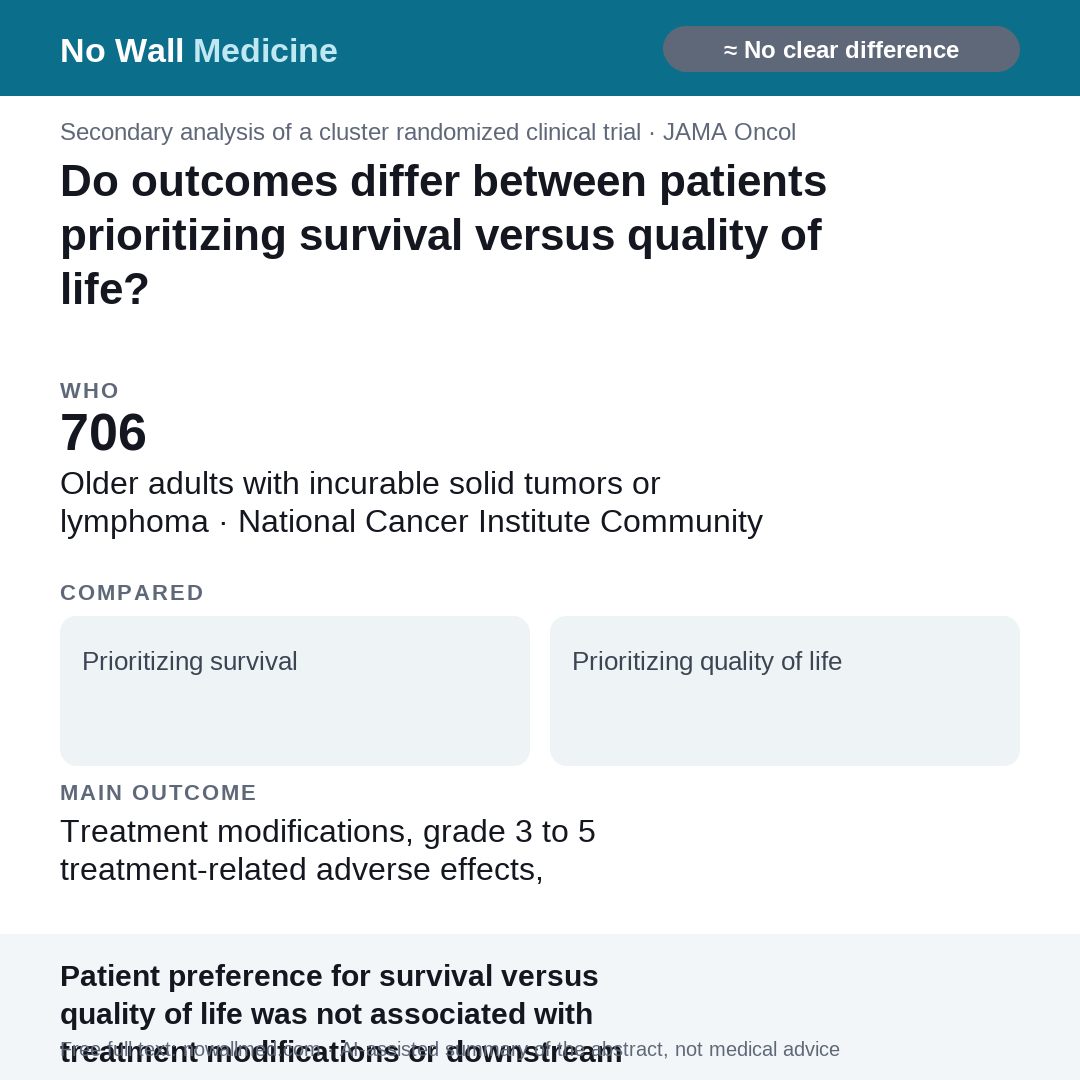
Outcomes of Older Adults With Advanced Cancer Who Prefer Quality of Life vs Prolonging Survival: A Secondary Analysis of the GAP70+ Cluster Randomized Clinical Trial
Secondary analysis of a cluster randomized clinical trialNo clear difference
Do outcomes differ between patients prioritizing survival versus quality of life?
Who
706
Older adults with incurable solid tumors or lymphoma · National Cancer Institute Community Oncology Research Program centers
Compared
Prioritizing survival
Prioritizing quality of life
Main outcome
Treatment modifications, grade 3 to 5 treatment-related adverse effects, hospitalization, and survival
Result: no significant associations identified
Bottom line: Patient preference for survival versus quality of life was not associated with treatment modifications or downstream clinical outcomes.
JAMA Oncol · 2026-03-05Download image
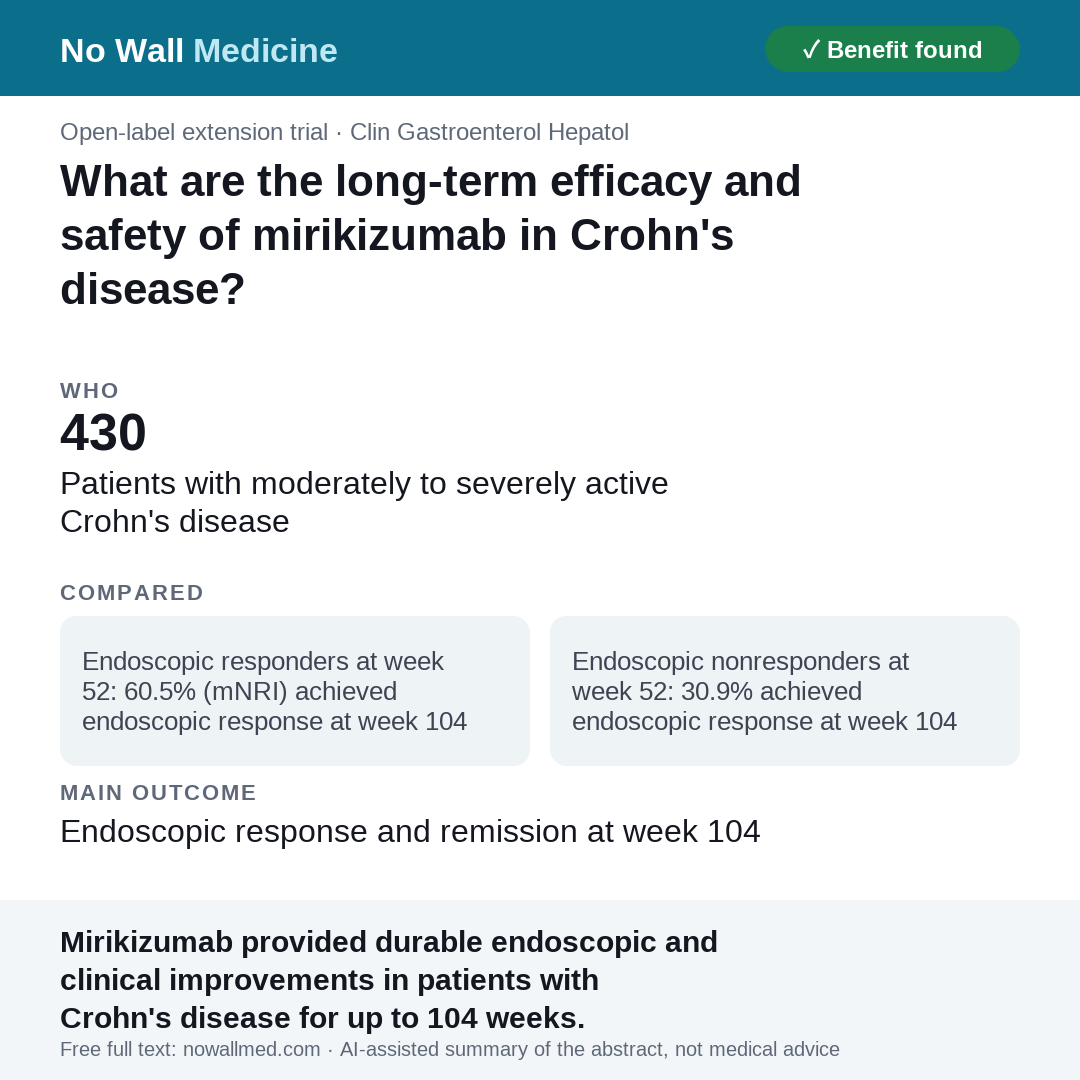
Mirikizumab Long-Term Efficacy and Safety in Patients With Crohn's Disease: Results From the VIVID-2 Open-Label Extension Trial
Open-label extension trialBenefit found
What are the long-term efficacy and safety of mirikizumab in Crohn's disease?
Who
430
Patients with moderately to severely active Crohn's disease
Compared
Endoscopic responders at week 52: 60.5% (mNRI) achieved endoscopic response at week 104
Endoscopic nonresponders at week 52: 30.9% achieved endoscopic response at week 104
Main outcome
Endoscopic response and remission at week 104
Bottom line: Mirikizumab provided durable endoscopic and clinical improvements in patients with Crohn's disease for up to 104 weeks.
Clin Gastroenterol Hepatol · 2026-03-05Download image
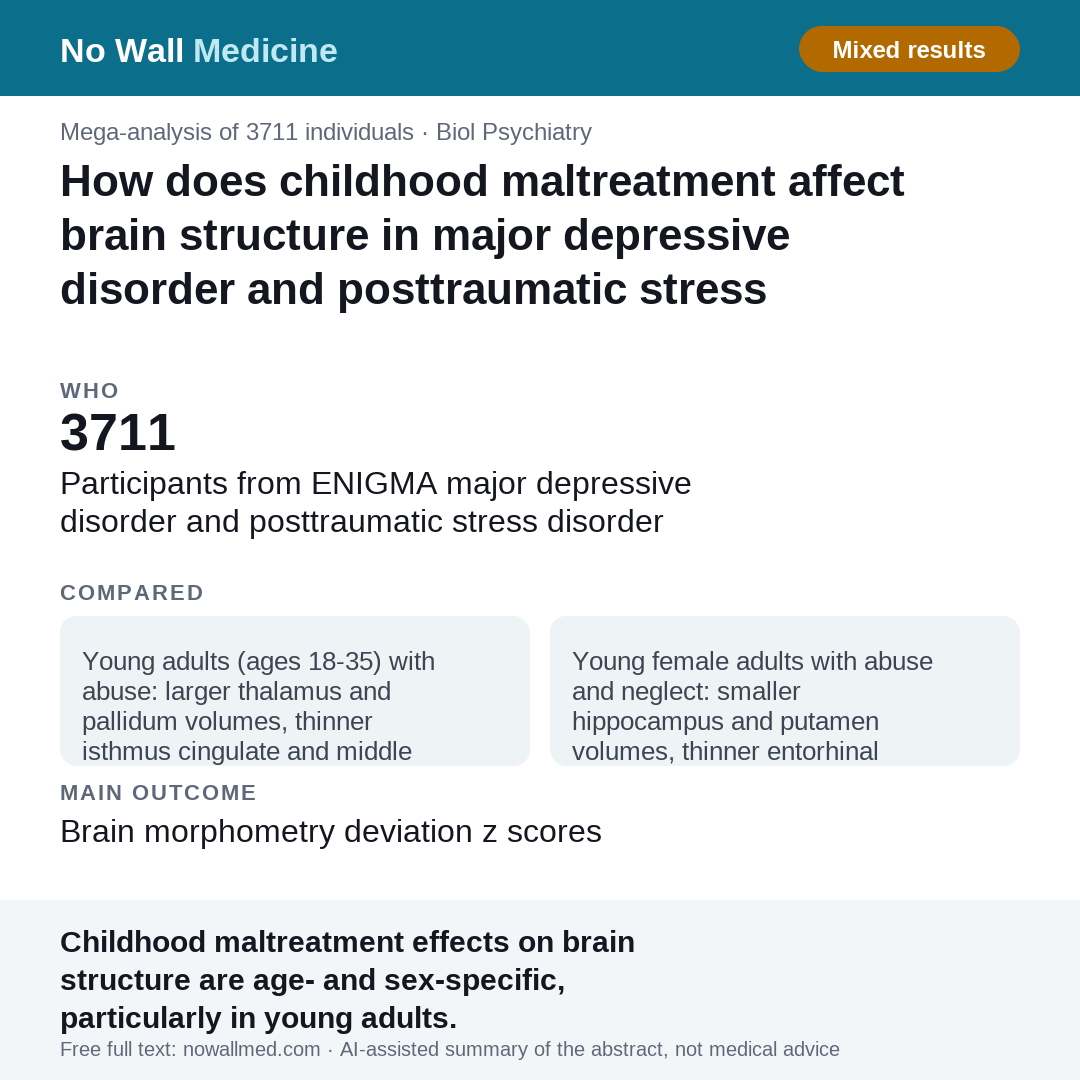
Childhood Maltreatment and Deviations From Normative Brain Structure: A Mega-Analysis of 3711 Individuals From the ENIGMA Major Depressive Disorder and ENIGMA Posttraumatic Stress Disorder Working Groups
Mega-analysis of 3711 individualsMixed results
How does childhood maltreatment affect brain structure in major depressive disorder and posttraumatic stress disorder?
Who
3711
Participants from ENIGMA major depressive disorder and posttraumatic stress disorder working groups · 25 sites
Compared
Young adults (ages 18-35) with abuse: larger thalamus and pallidum volumes, thinner isthmus cingulate and middle frontal regions
Young female adults with abuse and neglect: smaller hippocampus and putamen volumes, thinner entorhinal cortex
Main outcome
Brain morphometry deviation z scores
Bottom line: Childhood maltreatment effects on brain structure are age- and sex-specific, particularly in young adults.
Biol Psychiatry · 2026-03-05Download image
Systematic Review and Meta-Analysis of Allergic Contact Dermatitis from 2-Octyl Cyanoacrylate Adhesives
Systematic review and meta-analysisBenefit found
What is the incidence and risk factors for allergic contact dermatitis from 2-octyl cyanoacrylate adhesives?
Who
26330
Exposed patients undergoing human wound closure
Compared
4%All patients (95% CI 3% to 5%)
4%Orthopaedic cohorts
8%Plastic surgery cohorts
Main outcome
Incidence of allergic contact dermatitis
Result: 4% (95% CI 3% to 5%)
Bottom line: The pooled incidence of allergic contact dermatitis from 2-octyl cyanoacrylate is 4%, with increased risk upon reexposure.
Limitation: Substantial heterogeneity (I2 = 94.5%)
J Am Coll Surg · 2026-03-05Download image

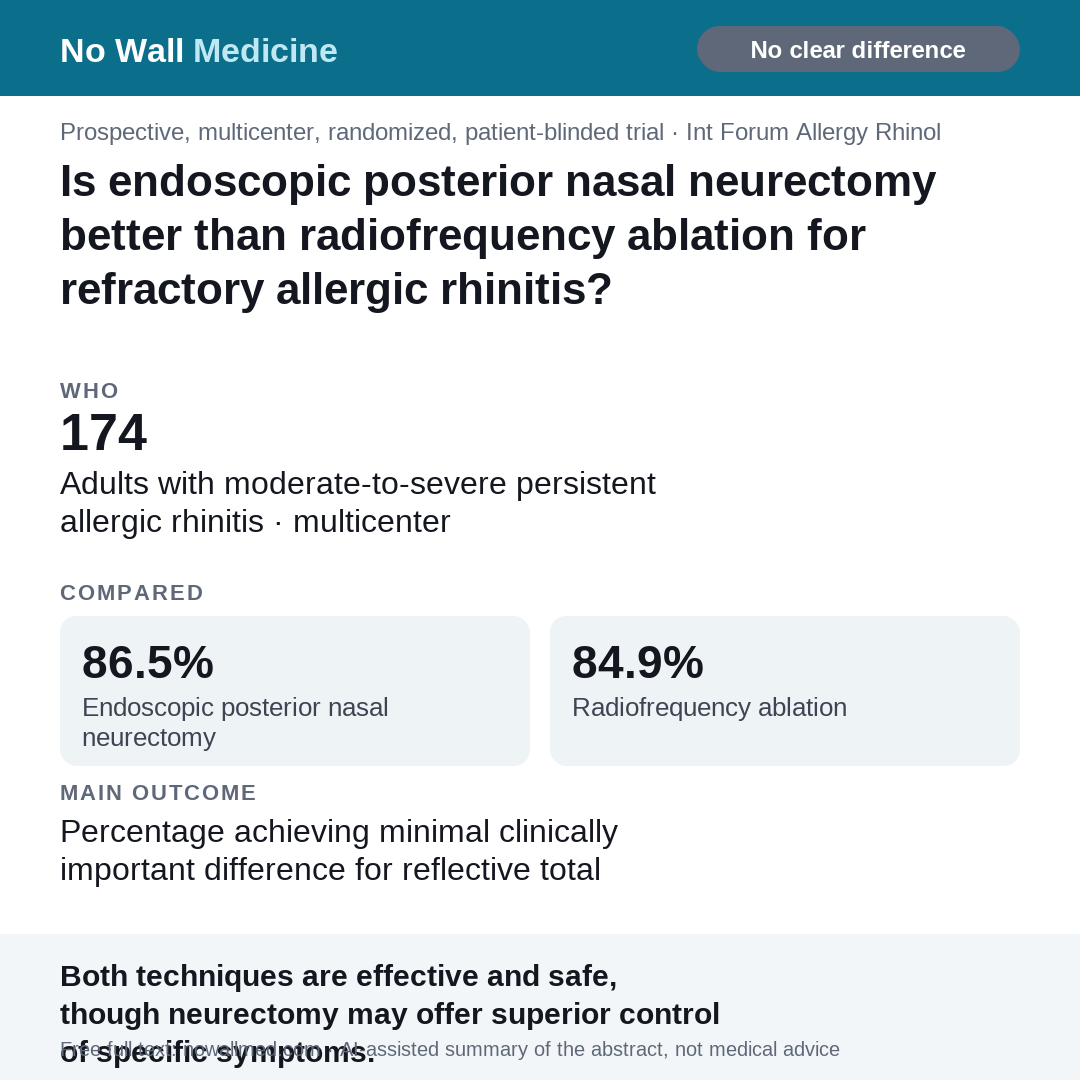
Endoscopic Posterior Nasal Neurectomy Versus Radiofrequency Ablation in Refractory Allergic Rhinitis: A 2-Year Randomized Controlled Trial of Clinical Outcomes and Immunomodulatory Responses
Prospective, multicenter, randomized, patient-blinded trialNo clear difference
Is endoscopic posterior nasal neurectomy better than radiofrequency ablation for refractory allergic rhinitis?
Who
174
Adults with moderate-to-severe persistent allergic rhinitis · multicenter
Compared
86.5%Endoscopic posterior nasal neurectomy (95% CI, 80.0-95.0%)
84.9%Radiofrequency ablation (95% CI, 78.0-94.0%)
Main outcome
Percentage achieving minimal clinically important difference for reflective total nasal symptom score
Bottom line: Both techniques are effective and safe, though neurectomy may offer superior control of specific symptoms.
Int Forum Allergy Rhinol · 2026-03-05Download image
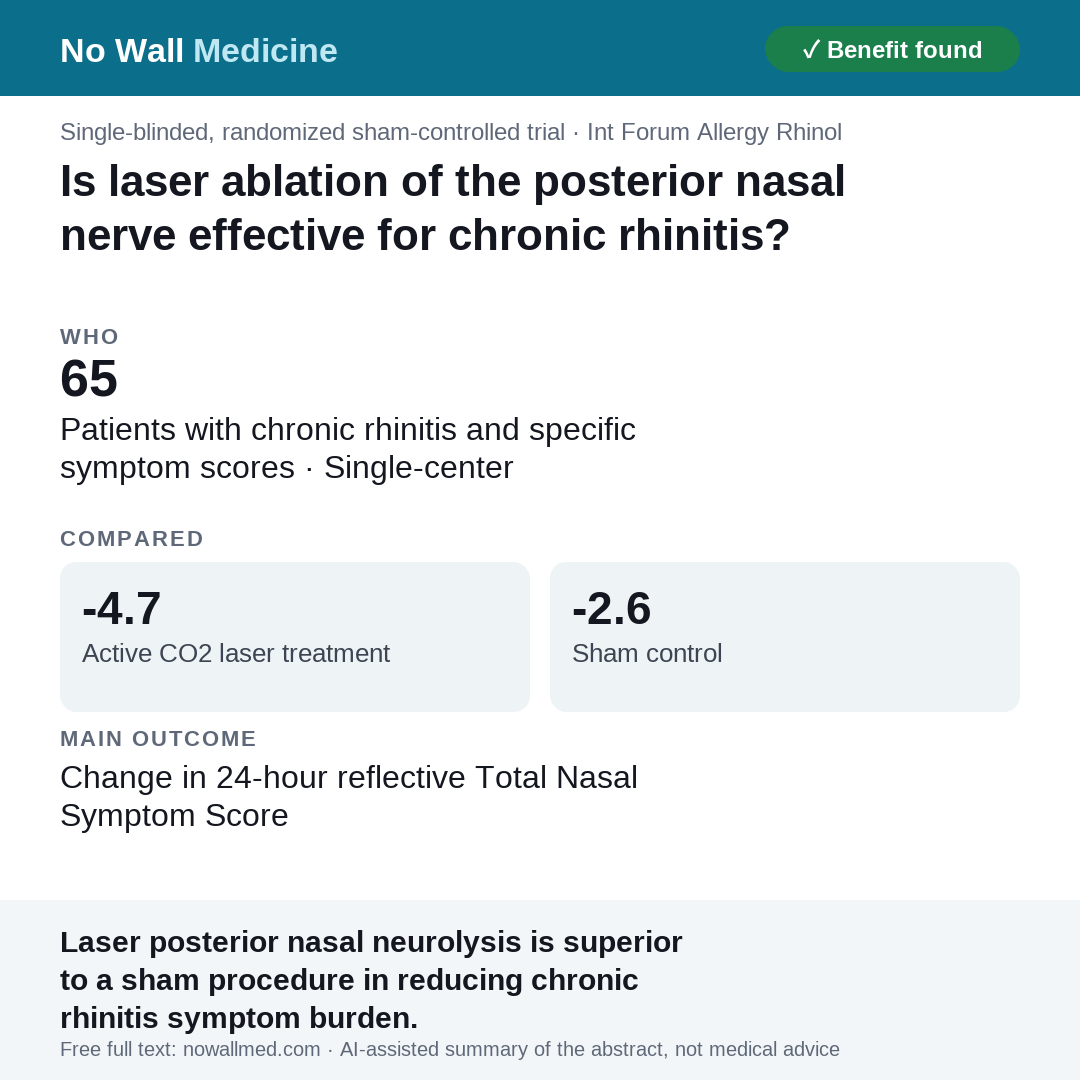
Effect of Laser Posterior Nasal Neurolysis for the Treatment of Chronic Rhinitis: A Randomized Controlled Trial
Single-blinded, randomized sham-controlled trialBenefit found
Is laser ablation of the posterior nasal nerve effective for chronic rhinitis?
Who
65
Patients with chronic rhinitis and specific symptom scores · Single-center
Compared
-4.7Active CO2 laser treatment (95% CI, -5.5 to -3.9)
-2.6Sham control (95% CI, -3.4 to -1.8)
Main outcome
Change in 24-hour reflective Total Nasal Symptom Score
Bottom line: Laser posterior nasal neurolysis is superior to a sham procedure in reducing chronic rhinitis symptom burden.
Int Forum Allergy Rhinol · 2026-03-05Download image
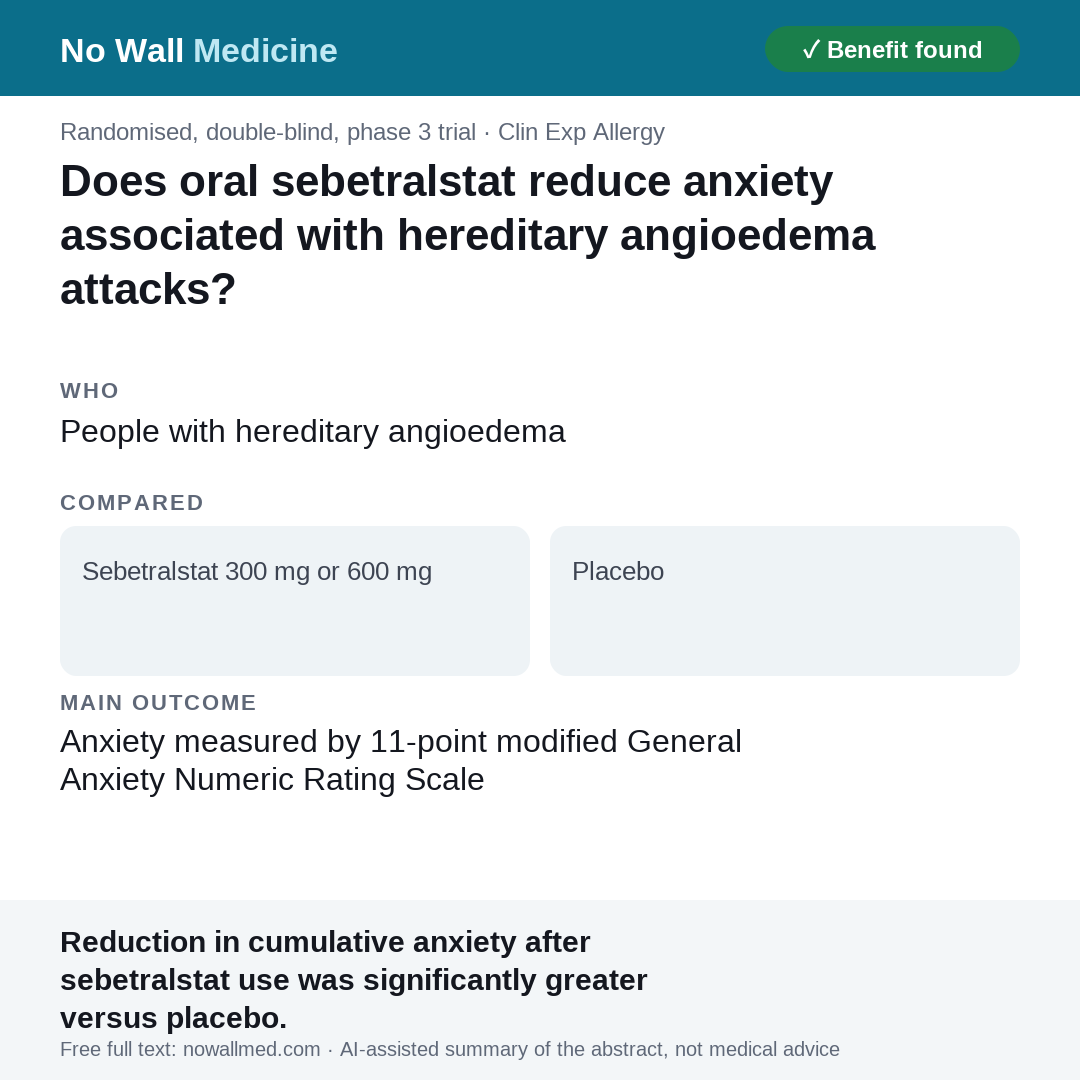
Impact of Oral Sebetralstat on Anxiety Associated With Hereditary Angioedema Attacks
Randomised, double-blind, phase 3 trialBenefit found
Does oral sebetralstat reduce anxiety associated with hereditary angioedema attacks?
Who
People with hereditary angioedema
Compared
Sebetralstat 300 mg or 600 mg
Placebo
Main outcome
Anxiety measured by 11-point modified General Anxiety Numeric Rating Scale
Bottom line: Reduction in cumulative anxiety after sebetralstat use was significantly greater versus placebo.
Funded by: KalVista Pharmaceuticals
Clin Exp Allergy · 2026-03-05Download image
Popliteal plexus block in total knee arthroplasty: a single-center randomized controlled double-blinded trial
Randomized, double-blinded trialBenefit found
Does adding popliteal plexus block to continuous femoral nerve block decrease postoperative opioid requirement?
Who
66
Patients undergoing total knee arthroplasty · single-center
Compared
continuous femoral nerve block and popliteal plexus block: 6.1 mg (0.5-14.5)
continuous femoral nerve block alone: 10 mg (5.0-17.3)
Main outcome
12-hour postoperative morphine-equivalent consumption
Bottom line: Adding popliteal plexus block decreases 12-hour opioid utilization, but the small effect size may limit clinical relevance.
Reg Anesth Pain Med · 2026-03-05Download image

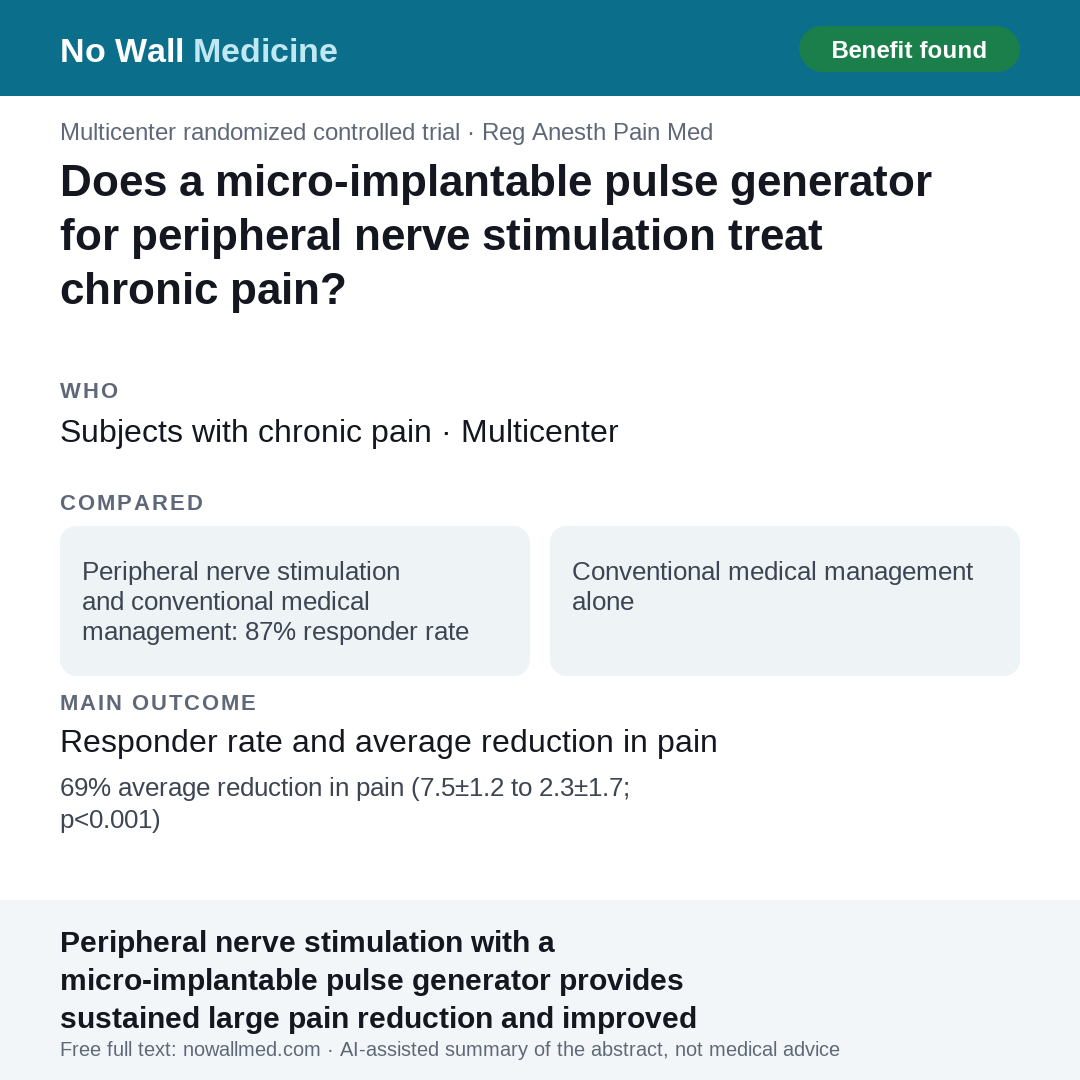
Clinical study of a micro-implantable pulse generator for the treatment of peripheral neuropathic pain: 12-month results from the COMFORT-randomized controlled trial
Multicenter randomized controlled trialBenefit found
Does a micro-implantable pulse generator for peripheral nerve stimulation treat chronic pain?
Who
Subjects with chronic pain · Multicenter
Compared
Peripheral nerve stimulation and conventional medical management: 87% responder rate
Conventional medical management alone
Main outcome
Responder rate and average reduction in pain
Result: 69% average reduction in pain (7.5±1.2 to 2.3±1.7; p<0.001)
Bottom line: Peripheral nerve stimulation with a micro-implantable pulse generator provides sustained large pain reduction and improved patient-reported outcomes.
Reg Anesth Pain Med · 2026-03-05Download image