Visual abstracts
New randomized trials and meta-analyses from leading journals at a glance: who was studied, what was compared, and what was found. Every paper is free to read in full.
All specialtiesCardiology 4763Oncology 4042Gastroenterology & Hepatology 1902Infectious Disease 3756Neurology 1872Psychiatry & Mental Health 2214Pulmonology 2042Critical Care 1319Endocrinology & Diabetes 2544Pediatrics 2889Surgery 2479Orthopedics & Sports Medicine 917Neurosurgery 525Cardiothoracic & Vascular Surgery 656Plastic & Reconstructive Surgery 574Nephrology 1107Rheumatology 810Hematology 1090Dermatology 611Ophthalmology 532Obstetrics & Gynecology 1645Public & Global Health 1037Radiology & Imaging 617Anesthesiology 957Urology 745ENT (Otolaryngology) 494Emergency Medicine 481Allergy & Immunology 309Geriatrics 972Family Medicine & Primary Care 533Medical Genetics & Genomics 659Pathology & Laboratory Medicine 156Physical Medicine & Rehabilitation 734Palliative Care 421Nutrition 1560Digital Health & AI 2133General Medicine 318
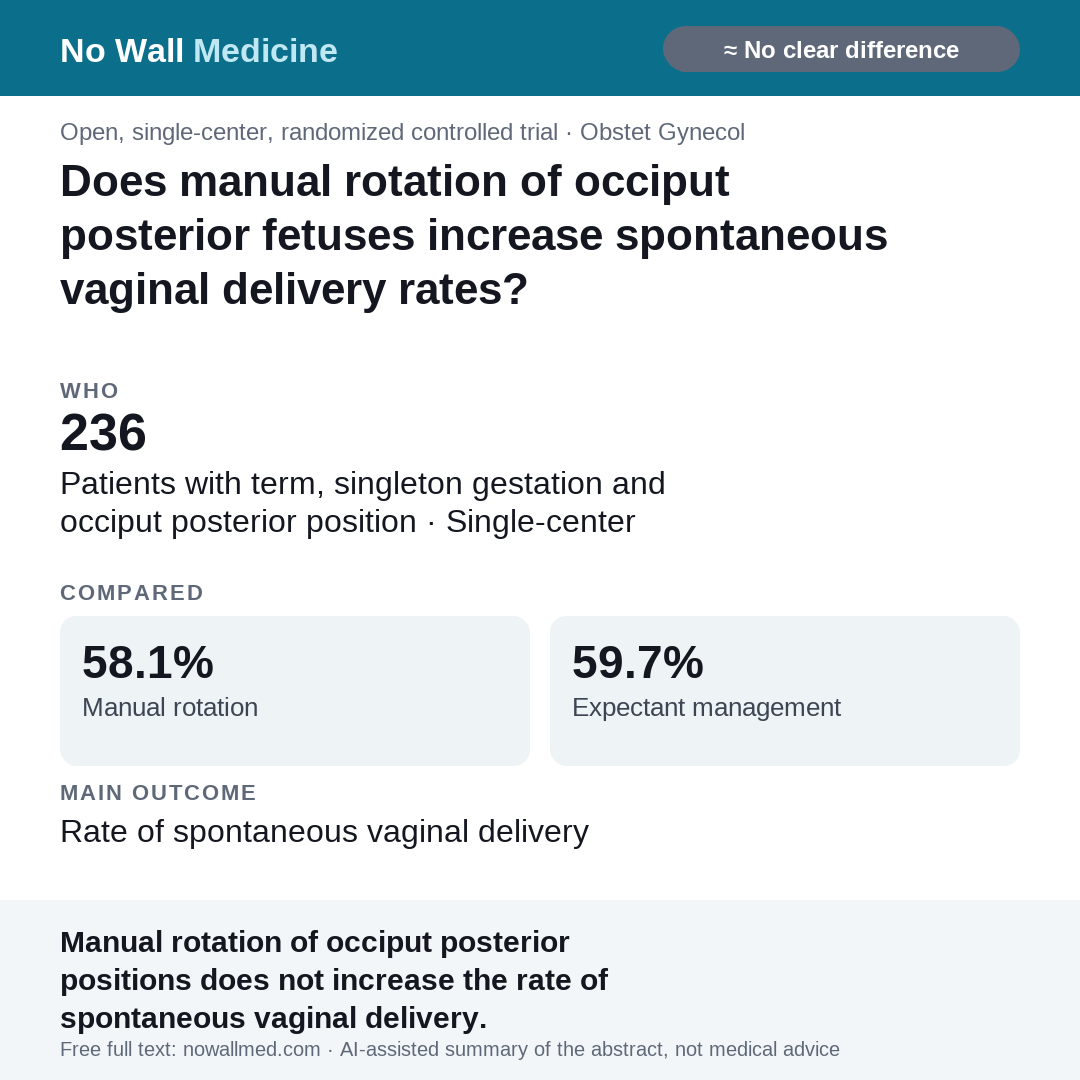
Delivery Mode After Manual Rotation of Occiput Posterior Fetal Positions: A Randomized Controlled Trial
Open, single-center, randomized controlled trialNo clear difference
Does manual rotation of occiput posterior fetuses increase spontaneous vaginal delivery rates?
Who
236
Patients with term, singleton gestation and occiput posterior position · Single-center
Compared
58.1%Manual rotation
59.7%Expectant management
Main outcome
Rate of spontaneous vaginal delivery
Result: risk difference -1.6 (95% CI -14.1 to 11.0)
Bottom line: Manual rotation of occiput posterior positions does not increase the rate of spontaneous vaginal delivery.
Obstet Gynecol · 2021-05-07Download image
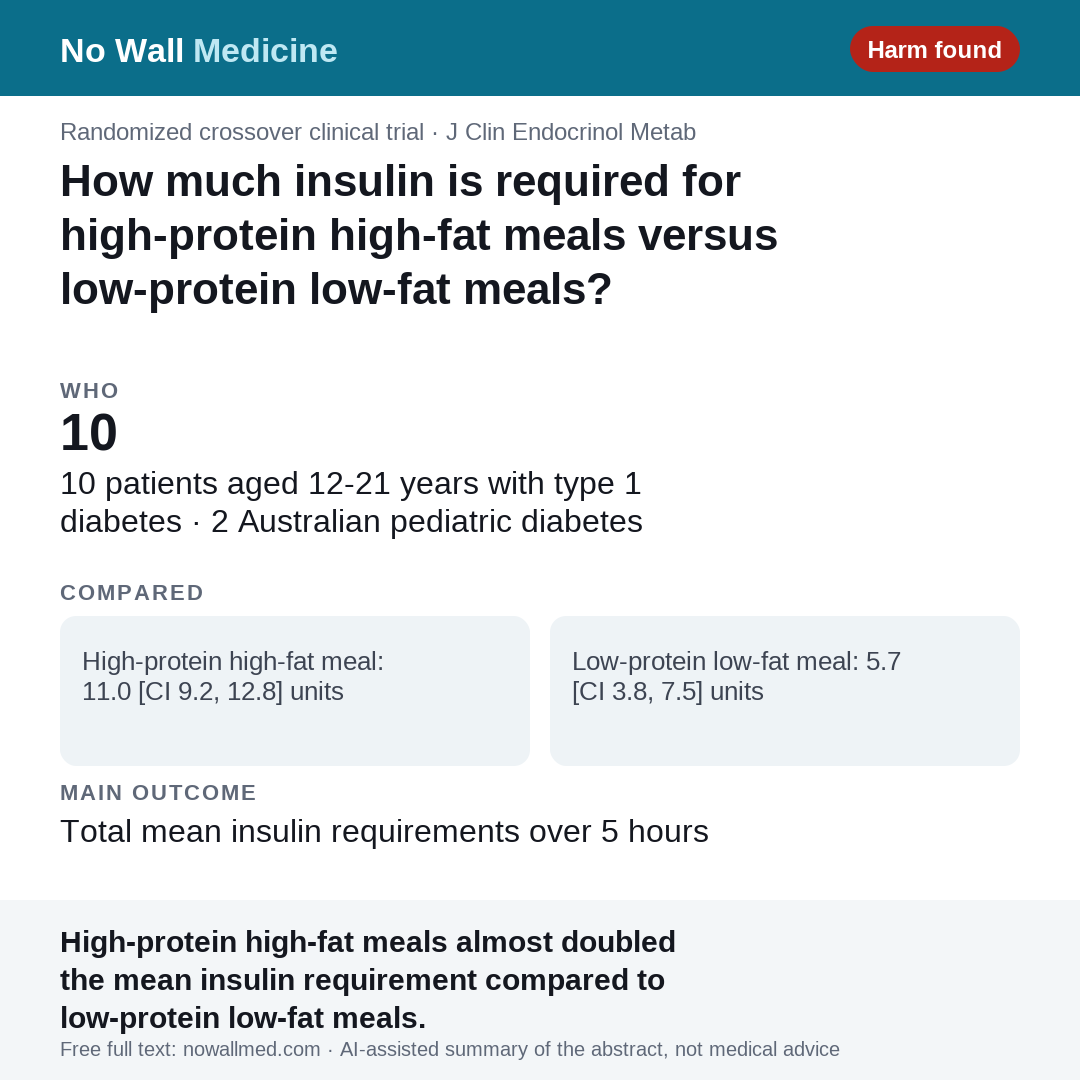
Additional Insulin Is Required in Both the Early and Late Postprandial Periods for Meals High in Protein and Fat: A Randomized Trial
Randomized crossover clinical trialHarm found
How much insulin is required for high-protein high-fat meals versus low-protein low-fat meals?
Who
10
10 patients aged 12-21 years with type 1 diabetes · 2 Australian pediatric diabetes centers
Compared
High-protein high-fat meal: 11.0 [CI 9.2, 12.8] units
Low-protein low-fat meal: 5.7 [CI 3.8, 7.5] units
Main outcome
Total mean insulin requirements over 5 hours
Bottom line: High-protein high-fat meals almost doubled the mean insulin requirement compared to low-protein low-fat meals.
J Clin Endocrinol Metab · 2021-05-07Download image
Metagenomic analysis of mother-infant gut microbiome reveals global distinct and shared microbial signatures
Metagenomic analysis of eight studiesMixed results
What are the global distinct and shared microbial signatures between mother and infant gut microbiota?
Who
468
376 mother-infant dyads · six countries
Compared
maternal gut microbiota: higher diversity at species and strain levels
infant gut microbiota: not higher diversity in metabolic functions
Main outcome
shared species and strains and metabolic functions
Bottom line: Mothers and infants share species and strains influenced by delivery mode and feeding regimen.
Gut Microbes · 2021-05-07Download image

Association of Structural Magnetic Resonance Imaging Measures With Psychosis Onset in Individuals at Clinical High Risk for Developing Psychosis: An ENIGMA Working Group Mega-analysis
Mega-analysis and meta-analysisMixed results
Are there structural neuroimaging differences in individuals at clinical high risk for psychosis?
Who
3169
Individuals at clinical high risk for psychosis and healthy controls · 31 international sites
Compared
Clinical high risk: widespread lower cortical thickness measures (mean Cohen d = -0.13)
Healthy controls
Main outcome
regional cortical thickness, surface area, and subcortical volumes
Result: mean Cohen d = -0.22; 95% CI, -0.35 to 0.10
Bottom line: Individuals at clinical high risk showed widespread lower cortical thickness, with some regions associated with psychosis conversion.
JAMA Psychiatry · 2021-05-06Download image

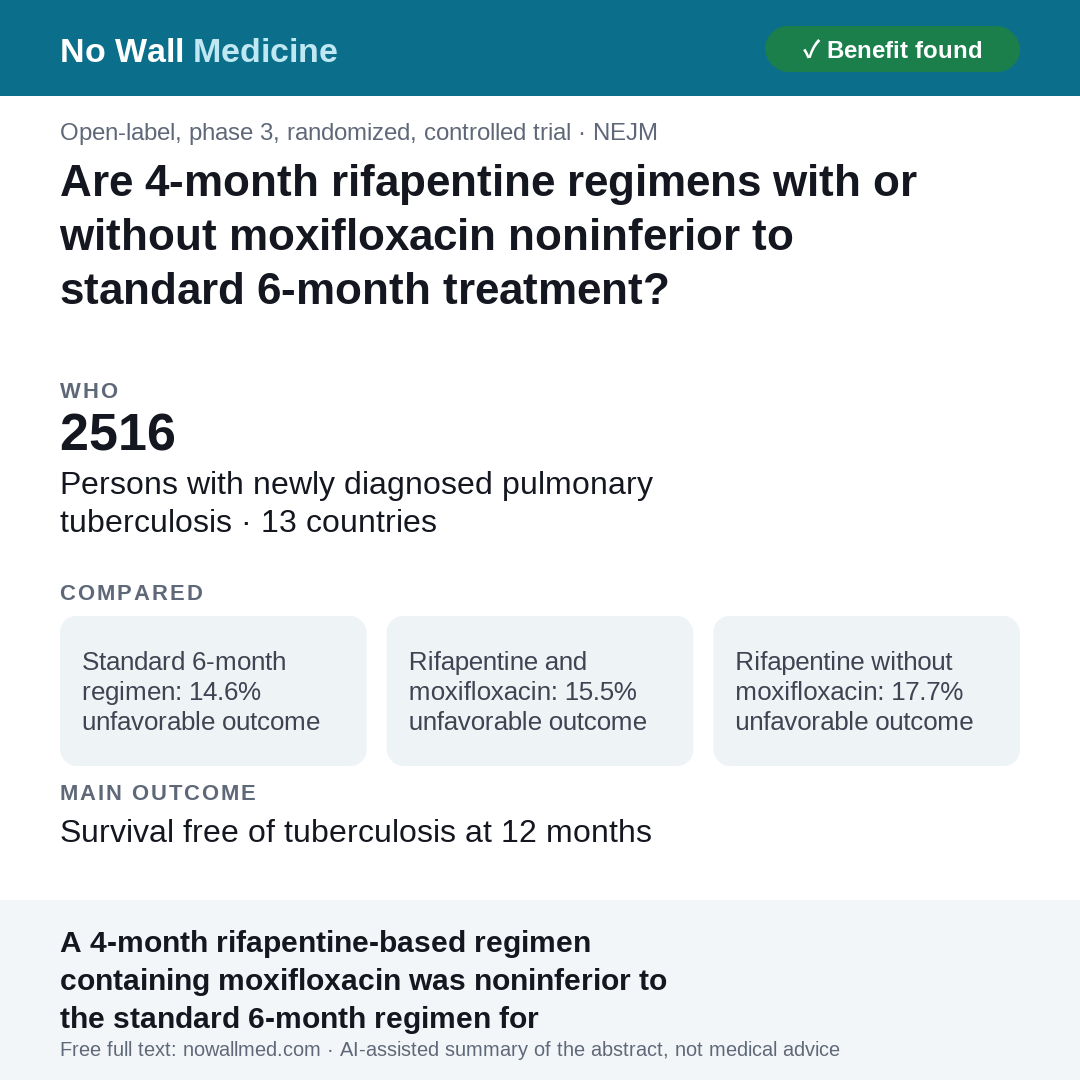
Four-Month Rifapentine Regimens with or without Moxifloxacin for Tuberculosis
Open-label, phase 3, randomized, controlled trialBenefit found
Are 4-month rifapentine regimens with or without moxifloxacin noninferior to standard 6-month treatment?
Who
2516
Persons with newly diagnosed pulmonary tuberculosis · 13 countries
Compared
Standard 6-month regimen: 14.6% unfavorable outcome
Rifapentine and moxifloxacin: 15.5% unfavorable outcome
Rifapentine without moxifloxacin: 17.7% unfavorable outcome
Main outcome
Survival free of tuberculosis at 12 months
Result: difference, 1.0 percentage point; 95% CI, -2.6 to 4.5
Bottom line: A 4-month rifapentine-based regimen containing moxifloxacin was noninferior to the standard 6-month regimen for tuberculosis.
Funded by: Centers for Disease Control and Prevention and others
NEJM · 2021-05-05Download image
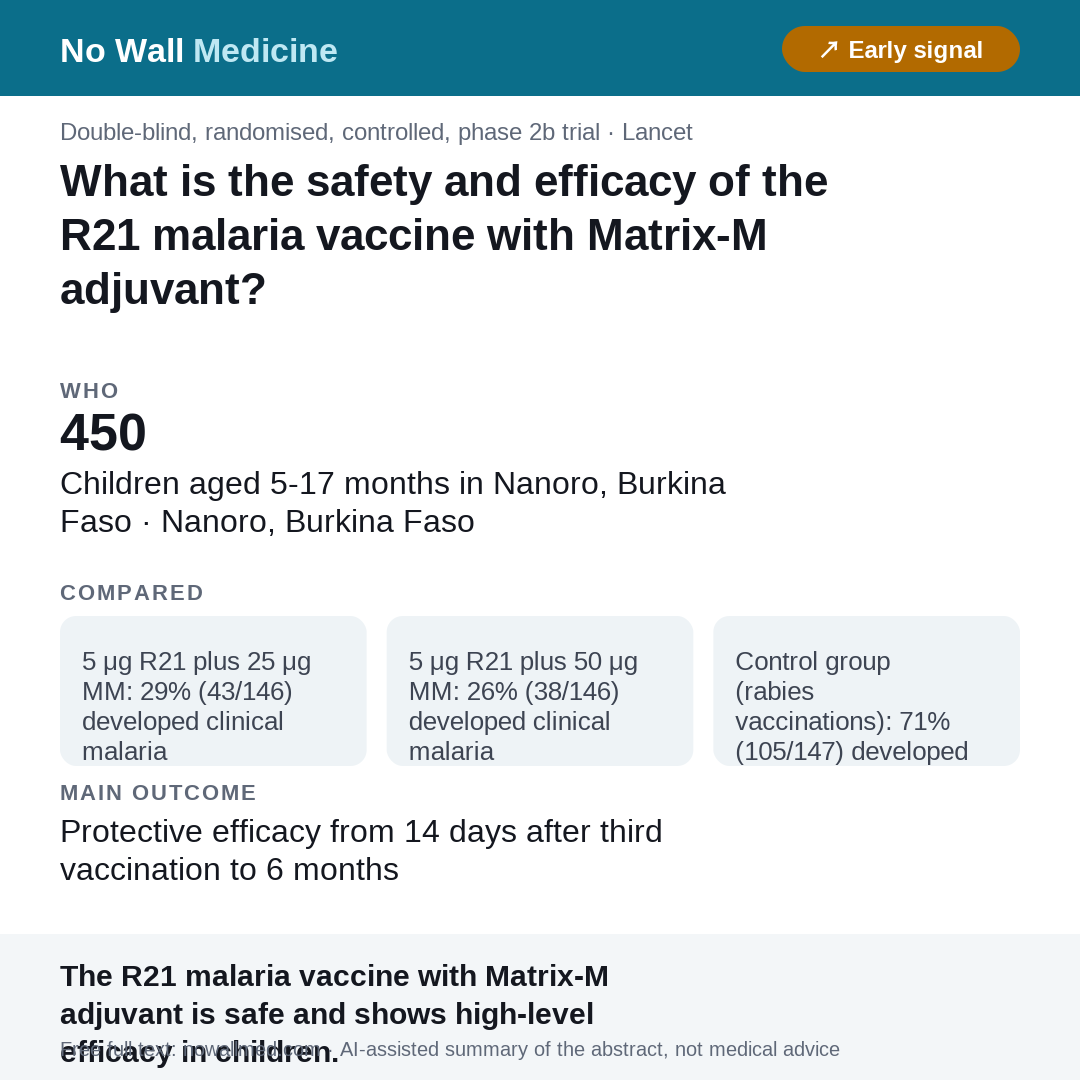
Efficacy of a low-dose candidate malaria vaccine, R21 in adjuvant Matrix-M, with seasonal administration to children in Burkina Faso: a randomised controlled trial
Double-blind, randomised, controlled, phase 2b trialEarly signal
What is the safety and efficacy of the R21 malaria vaccine with Matrix-M adjuvant?
Who
450
Children aged 5-17 months in Nanoro, Burkina Faso · Nanoro, Burkina Faso
Compared
5 μg R21 plus 25 μg MM: 29% (43/146) developed clinical malaria
5 μg R21 plus 50 μg MM: 26% (38/146) developed clinical malaria
Control group (rabies vaccinations): 71% (105/147) developed clinical malaria
Main outcome
Protective efficacy from 14 days after third vaccination to 6 months
Result: vaccine efficacy was 74% (95% CI 63-82) in group 1 and 77% (67-84) in group 2
Bottom line: The R21 malaria vaccine with Matrix-M adjuvant is safe and shows high-level efficacy in children.
Funded by: European & Developing Countries Clinical Trials Partnership, Wellcome Trust, NIHR
Lancet · 2021-05-05Download image
Randomised controlled trial of oxygen therapy and high-flow nasal therapy in African children with pneumonia
Open-label fractional-factorial randomized controlled trialMixed results
Does oxygen therapy or high-flow nasal therapy improve mortality in African children with pneumonia?
Who
1852
Ugandan and Kenyan children with severe pneumonia and hypoxaemia · Uganda and Kenya
Compared
9.3%High-flow nasal therapy (severe hypoxaemia)
13.4%Low-flow oxygen (severe hypoxaemia)
1.1%High-flow nasal therapy (hypoxaemia)
2.5%Low-flow oxygen (hypoxaemia)
Main outcome
48 hour mortality
Result: adjusted odds ratio HFNT vs LFO 0.60 (0.33-1.06)
Bottom line: High-flow nasal therapy showed potential benefit in reducing mortality, but results were not statistically significant.
Intensive Care Med · 2021-05-05Download image

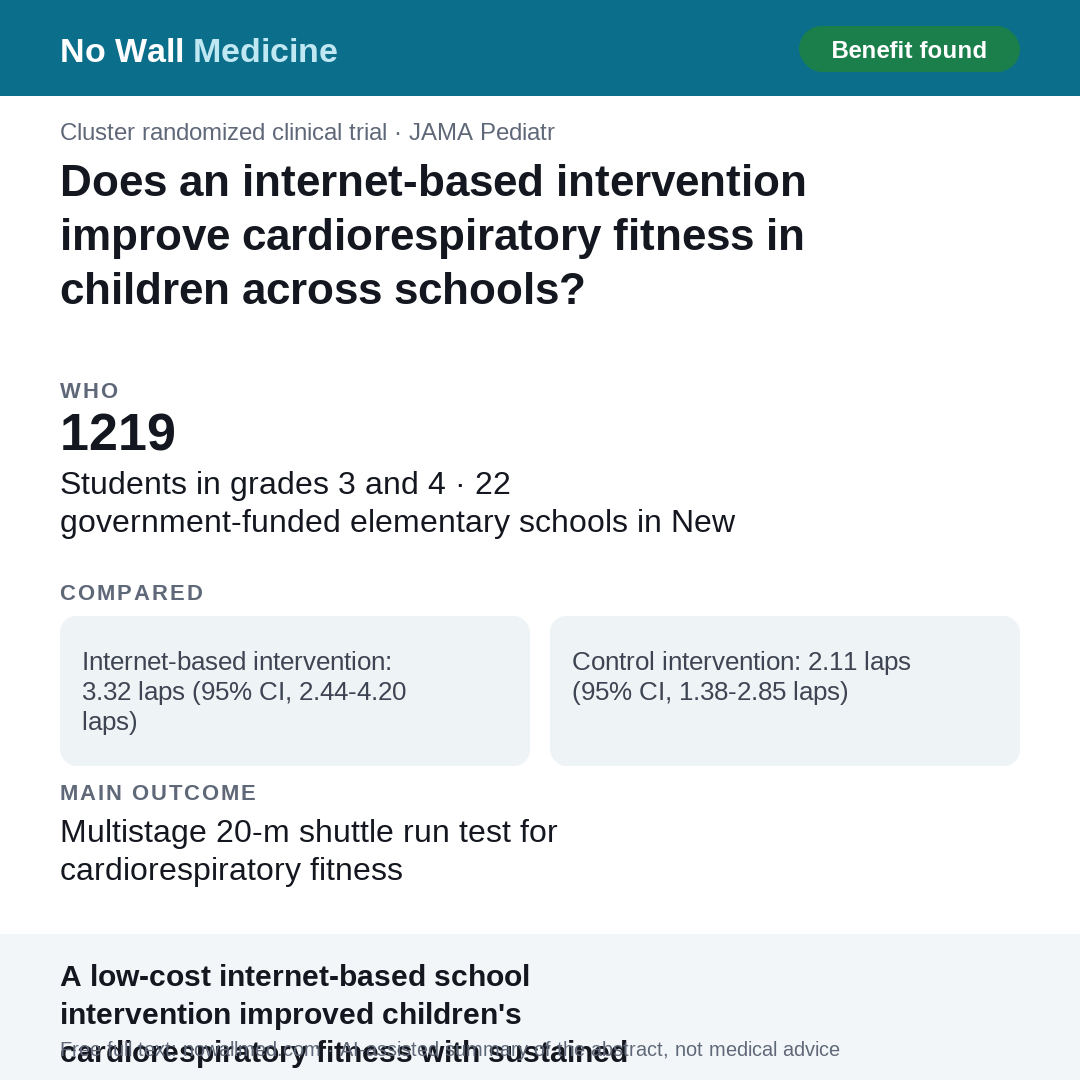
Effect of a Scalable School-Based Intervention on Cardiorespiratory Fitness in Children: A Cluster Randomized Clinical Trial
Cluster randomized clinical trialBenefit found
Does an internet-based intervention improve cardiorespiratory fitness in children across schools?
Who
1219
Students in grades 3 and 4 · 22 government-funded elementary schools in New South Wales, Australia
Compared
Internet-based intervention: 3.32 laps (95% CI, 2.44-4.20 laps)
Control intervention: 2.11 laps (95% CI, 1.38-2.85 laps)
Main outcome
Multistage 20-m shuttle run test for cardiorespiratory fitness
Result: adjusted difference = 2.22 laps (95% CI, 0.89-3.55 laps) at 24 months
Bottom line: A low-cost internet-based school intervention improved children's cardiorespiratory fitness with sustained effects over 24 months.
JAMA Pediatr · 2021-05-04Download image
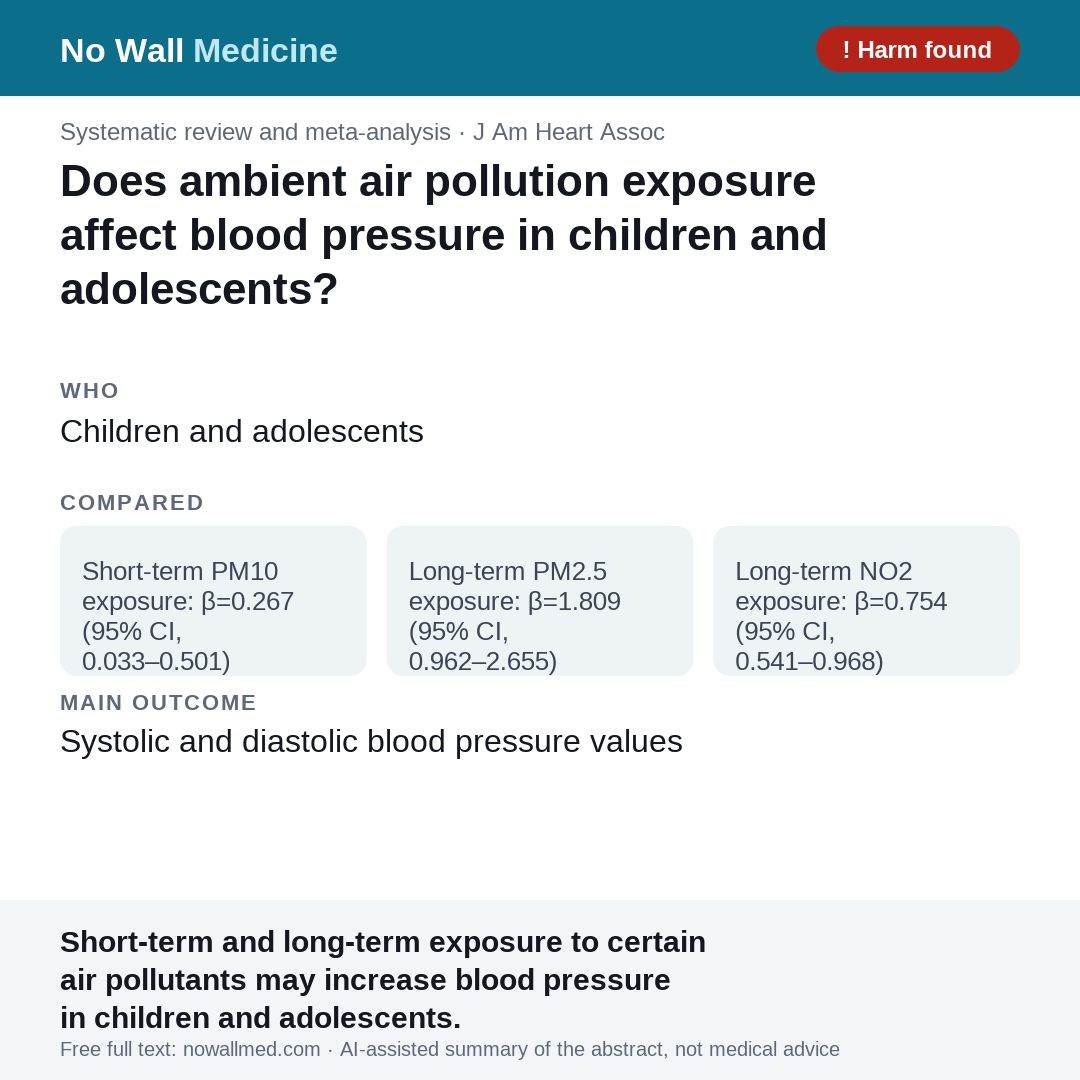
Effects of Ambient Air Pollution on Blood Pressure Among Children and Adolescents: A Systematic Review and Meta-Analysis
Systematic review and meta-analysisHarm found
Does ambient air pollution exposure affect blood pressure in children and adolescents?
Who
Children and adolescents
Compared
Short-term PM10 exposure: β=0.267 (95% CI, 0.033‒0.501)
Long-term PM2.5 exposure: β=1.809 (95% CI, 0.962‒2.655)
Long-term NO2 exposure: β=0.754 (95% CI, 0.541‒0.968)
Main outcome
Systolic and diastolic blood pressure values
Bottom line: Short-term and long-term exposure to certain air pollutants may increase blood pressure in children and adolescents.
J Am Heart Assoc · 2021-05-04Download image
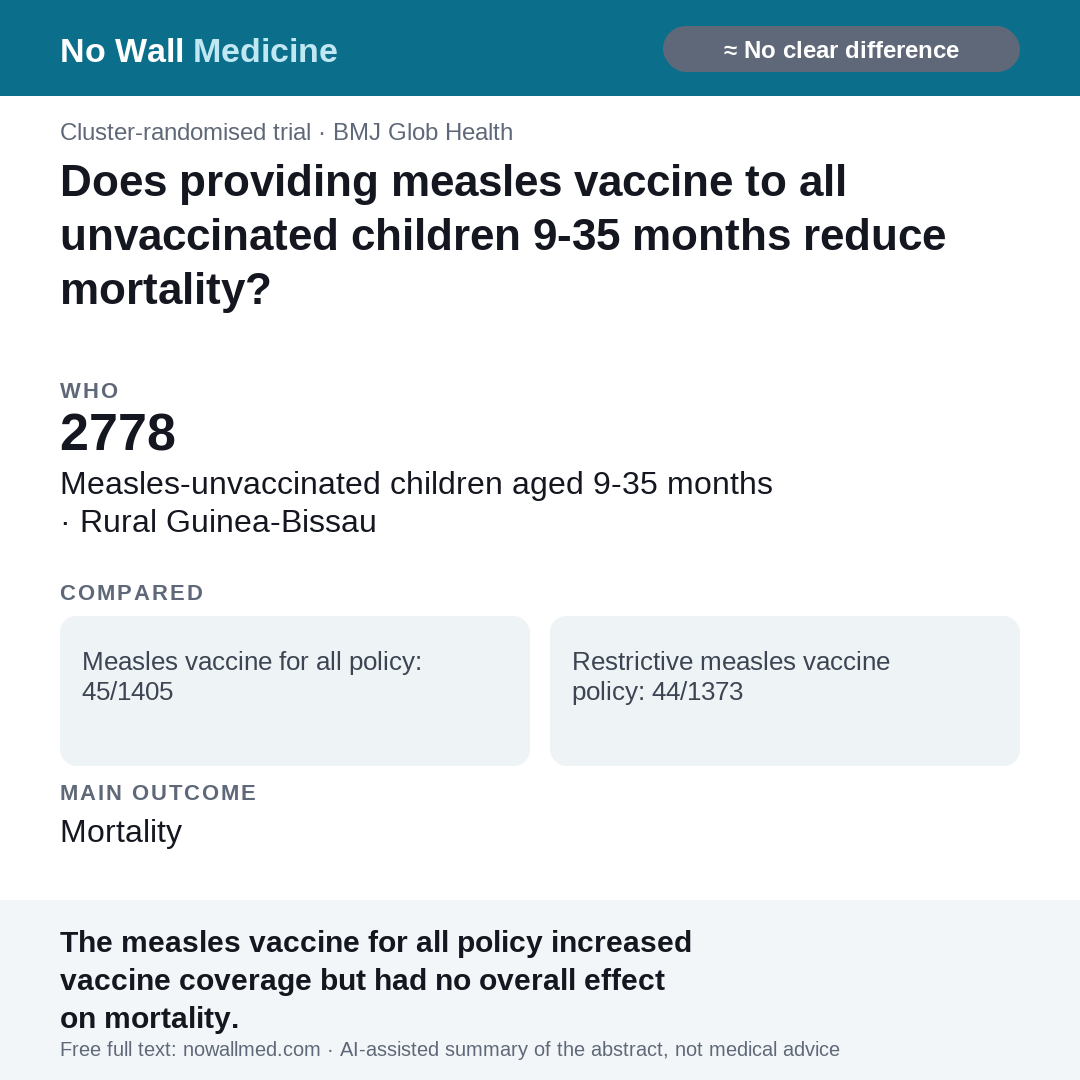
The mortality effects of disregarding the strategy to save doses of measles vaccine: a cluster-randomised trial in Guinea-Bissau
Cluster-randomised trialNo clear difference
Does providing measles vaccine to all unvaccinated children 9-35 months reduce mortality?
Who
2778
Measles-unvaccinated children aged 9-35 months · Rural Guinea-Bissau
Compared
Measles vaccine for all policy: 45/1405
Restrictive measles vaccine policy: 44/1373
Main outcome
Mortality
Result: hazard ratio 0.95 (95% CI 0.64 to 1.43)
Bottom line: The measles vaccine for all policy increased vaccine coverage but had no overall effect on mortality.
BMJ Glob Health · 2021-05-04Download image
Prevalence of Bacterial Meningitis Among Febrile Infants Aged 29-60 Days With Positive Urinalysis Results: A Systematic Review and Meta-analysis
Systematic review and meta-analysisNo clear difference
What is the prevalence of bacterial meningitis among febrile infants 29-60 days with positive urinalysis?
Who
25374
Healthy, full-term, well-appearing febrile infants aged 29 to 60 days
Compared
0.44%Positive urinalysis (95% CI, 0.25%-0.78%)
0.50%Negative urinalysis (95% CI, 0.33%-0.76%)
Main outcome
Prevalence of culture-proven bacterial meningitis
Result: odds ratio 0.74 (95% CI 0.39-1.38)
Bottom line: Bacterial meningitis prevalence was not higher in febrile infants with positive urinalysis compared to those with negative results.
JAMA Netw Open · 2021-05-03Download image

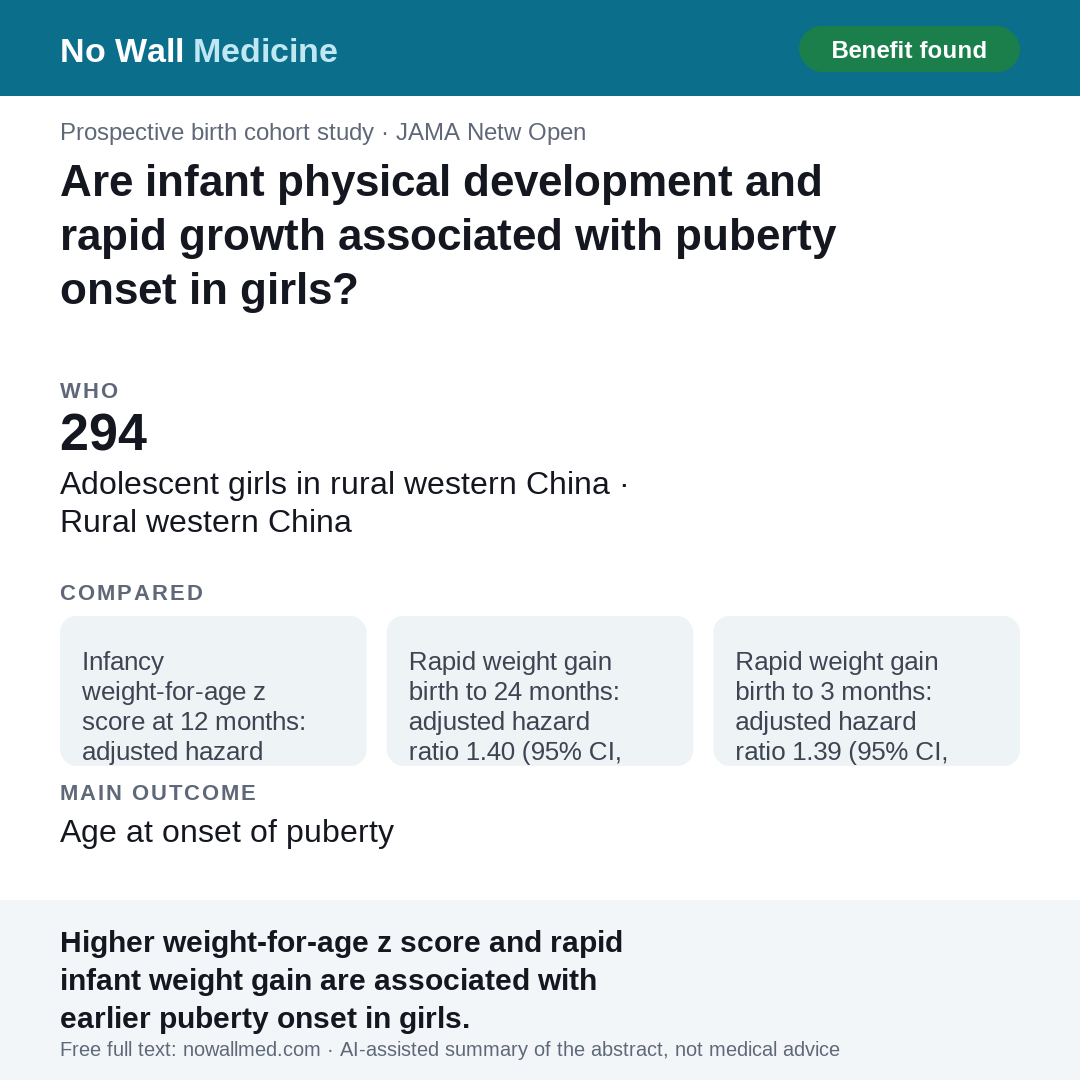
Association of Infant Physical Development and Rapid Growth With Pubertal Onset Among Girls in Rural China
Prospective birth cohort studyKey finding
Are infant physical development and rapid growth associated with puberty onset in girls?
Who
294
Adolescent girls in rural western China · Rural western China
Compared
Infancy weight-for-age z score at 12 months: adjusted hazard ratio 1.20 (95% CI, 1.01-1.44)
Rapid weight gain birth to 24 months: adjusted hazard ratio 1.40 (95% CI, 1.01-1.93)
Rapid weight gain birth to 3 months: adjusted hazard ratio 1.39 (95% CI, 1.02-1.91)
Main outcome
Age at onset of puberty
Bottom line: Higher weight-for-age z score and rapid infant weight gain are associated with earlier puberty onset in girls.
JAMA Netw Open · 2021-05-03Download image
Treatment of pediatric alopecia areata: A systematic review
Systematic reviewMixed results
What are the effective treatment modalities for pediatric alopecia areata?
Who
1032
Patients under 18 years old with alopecia areata
Compared
Topical corticosteroids: highest level of evidence
Contact immunotherapy: followed by topical corticosteroids
Main outcome
Effectiveness of current treatment modalities
Bottom line: Topical corticosteroids are the preferred first-line treatment, followed by contact immunotherapy for pediatric alopecia areata.
Limitation: English-only articles and no meta-analysis was performed.
J Am Acad Dermatol · 2021-04-30Download image

A Systematic Review of Measures of Breakthrough Pain and Their Psychometric Properties
Systematic reviewMixed results
What tools assess breakthrough pain and what are their psychometric properties?
Who
Patients of any age with any condition
Compared
Breakthrough Pain Assessment Tool: sufficient content validity and at least low-quality evidence for sufficient internal consistency
Other tools: need further evaluation
Main outcome
Psychometric properties of breakthrough pain measurement tools
Bottom line: Only the Breakthrough Pain Assessment Tool showed sufficient content validity and internal consistency for adults with cancer.
J Pain Symptom Manage · 2021-04-30Download image

A Peer-to-Peer Live-Streaming Intervention for Children During COVID-19 Homeschooling to Promote Physical Activity and Reduce Anxiety and Eye Strain: Cluster Randomized Controlled Trial
Cluster randomized controlled trialBenefit found
Does a digital behavior change intervention reduce anxiety and eye strain in homeschooled children?
Who
954
Homeschooled grade 7 students · 12 middle schools in southern China
Compared
-0.23Intervention (95% CI -0.27 to -0.20)
0.12Control (95% CI 0.09-0.16)
Main outcome
Change in self-reported anxiety score
Result: unadjusted difference -0.36 (95% CI -0.63 to -0.08)
Bottom line: A digital behavior change intervention reduced children's anxiety and eye strain during COVID-19-associated online schooling.
J Med Internet Res · 2021-04-30Download image

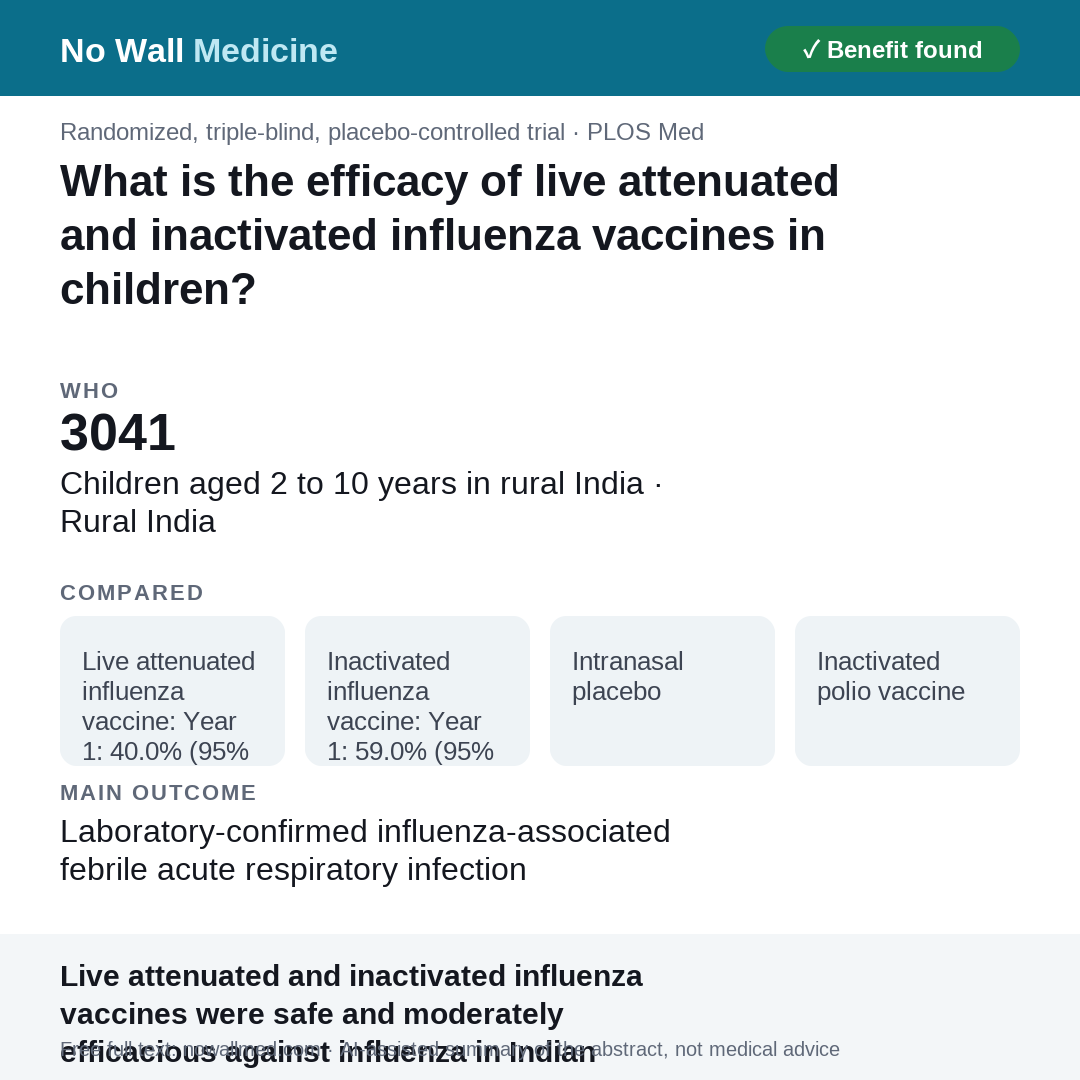
Efficacy of live attenuated and inactivated influenza vaccines among children in rural India: A 2-year, randomized, triple-blind, placebo-controlled trial
Randomized, triple-blind, placebo-controlled trialBenefit found
What is the efficacy of live attenuated and inactivated influenza vaccines in children?
Who
3041
Children aged 2 to 10 years in rural India · Rural India
Compared
Live attenuated influenza vaccine: Year 1: 40.0% (95% CI 25.2 to 51.9); Year 2: 51.9% (95% CI 42.0 to 60.1)
Inactivated influenza vaccine: Year 1: 59.0% (95% CI 47.8 to 67.9); Year 2: 49.9% (95% CI 39.2 to 58.7)
Intranasal placebo
Inactivated polio vaccine
Main outcome
Laboratory-confirmed influenza-associated febrile acute respiratory infection
Bottom line: Live attenuated and inactivated influenza vaccines were safe and moderately efficacious against influenza in Indian children.
Limitation: Differing dosage requirements between nasal and injectable vaccines and no immunogenicity studies conducted.
PLOS Med · 2021-04-29Download image
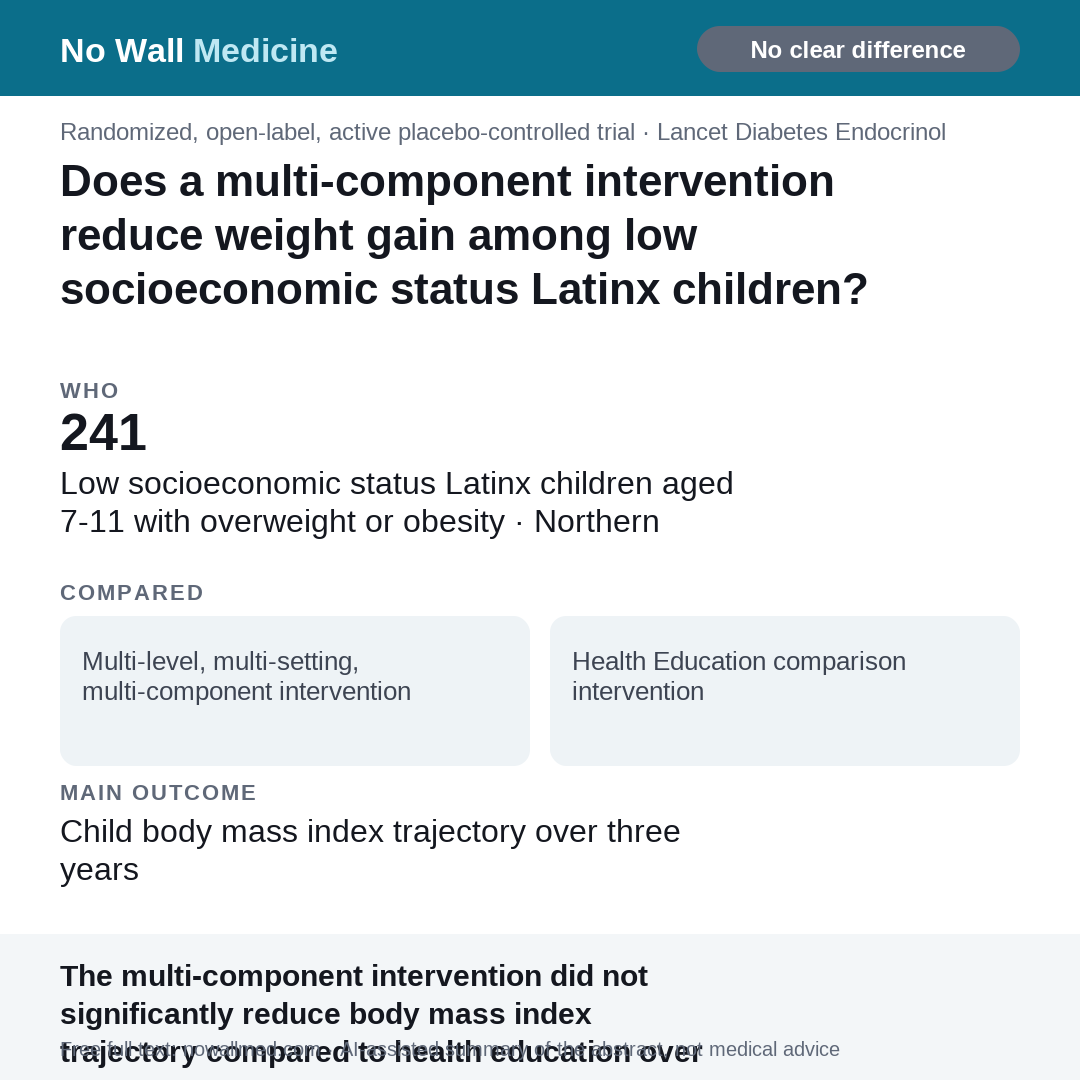
A community-based, multi-level, multi-setting, multi-component intervention to reduce weight gain among low socioeconomic status Latinx children with overweight or obesity: The Stanford GOALS randomised controlled trial
Randomized, open-label, active placebo-controlled trialNo clear difference
Does a multi-component intervention reduce weight gain among low socioeconomic status Latinx children?
Who
241
Low socioeconomic status Latinx children aged 7-11 with overweight or obesity · Northern California, USA
Compared
Multi-level, multi-setting, multi-component intervention
Health Education comparison intervention
Main outcome
Child body mass index trajectory over three years
Result: mean adjusted difference -0·25 (95% CI -0·90 to 0·40) kg/m2
Bottom line: The multi-component intervention did not significantly reduce body mass index trajectory compared to health education over three years.
Funded by: US National Institutes of Health
Lancet Diabetes Endocrinol · 2021-04-29Download image
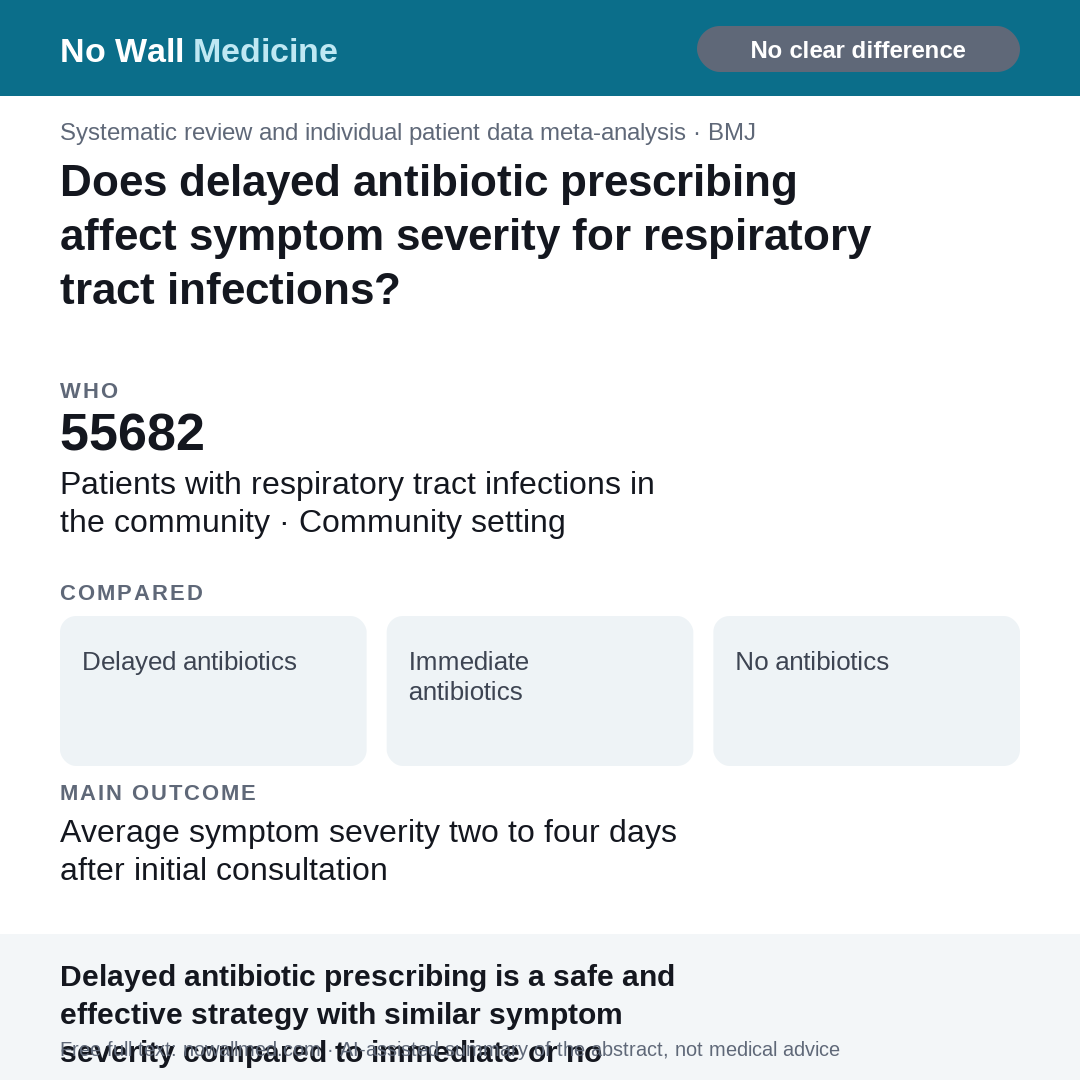
Delayed antibiotic prescribing for respiratory tract infections: individual patient data meta-analysis
Systematic review and individual patient data meta-analysisNo clear difference
Does delayed antibiotic prescribing affect symptom severity for respiratory tract infections?
Who
55682
Patients with respiratory tract infections in the community · Community setting
Compared
Delayed antibiotics
Immediate antibiotics
No antibiotics
Main outcome
Average symptom severity two to four days after initial consultation
Result: adjusted mean difference -0.003 (95% CI -0.12 to 0.11)
Bottom line: Delayed antibiotic prescribing is a safe and effective strategy with similar symptom severity compared to immediate or no antibiotics.
BMJ · 2021-04-28Download image
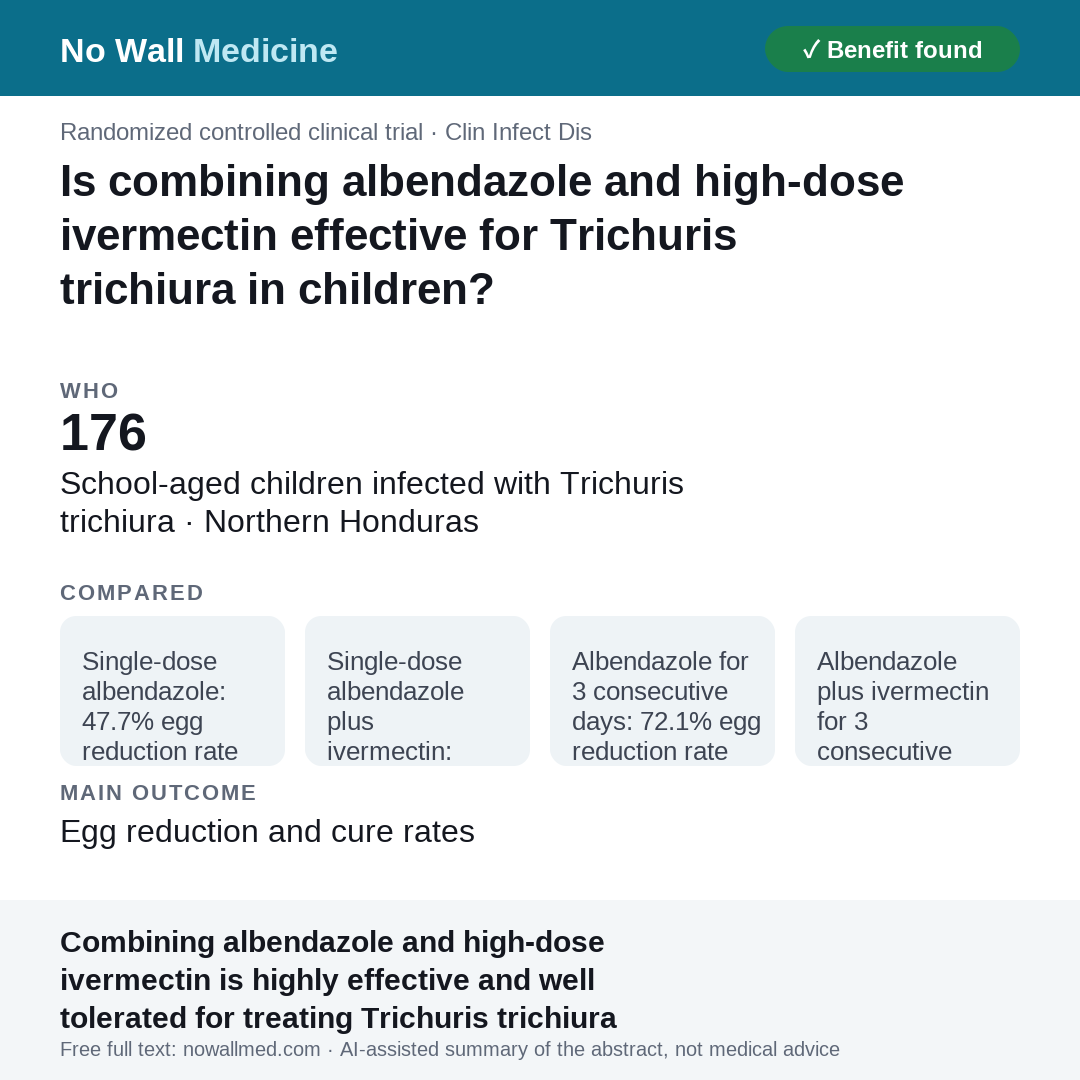
Efficacy and Safety of Albendazole and High-Dose Ivermectin Coadministration in School-Aged Children Infected With Trichuris trichiura in Honduras: A Randomized Controlled Trial
Randomized controlled clinical trialBenefit found
Is combining albendazole and high-dose ivermectin effective for Trichuris trichiura in children?
Who
176
School-aged children infected with Trichuris trichiura · Northern Honduras
Compared
Single-dose albendazole: 47.7% egg reduction rate
Single-dose albendazole plus ivermectin: 96.7% egg reduction rate
Albendazole for 3 consecutive days: 72.1% egg reduction rate
Albendazole plus ivermectin for 3 consecutive days: 100% egg reduction rate
Main outcome
Egg reduction and cure rates
Bottom line: Combining albendazole and high-dose ivermectin is highly effective and well tolerated for treating Trichuris trichiura infections.
Clin Infect Dis · 2021-04-28Download image
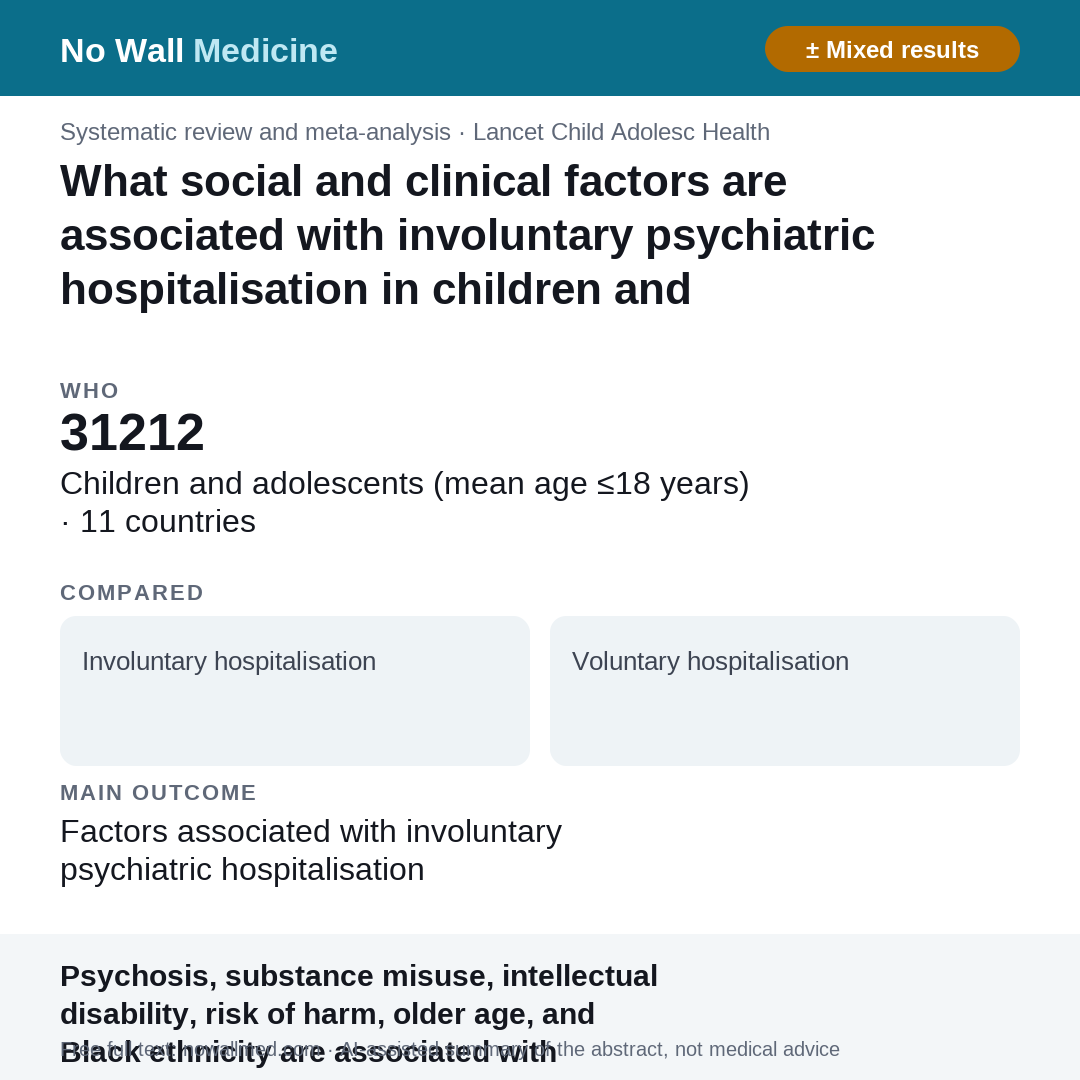
Clinical and social factors associated with involuntary psychiatric hospitalisation in children and adolescents: a systematic review, meta-analysis, and narrative synthesis
Systematic review and meta-analysisMixed results
What social and clinical factors are associated with involuntary psychiatric hospitalisation in children and adolescents?
Who
31212
Children and adolescents (mean age ≤18 years) · 11 countries
Compared
Involuntary hospitalisation
Voluntary hospitalisation
Main outcome
Factors associated with involuntary psychiatric hospitalisation
Result: psychosis odds ratio 3·63 (95% CI 2·43-5·44)
Bottom line: Psychosis, substance misuse, intellectual disability, risk of harm, older age, and Black ethnicity are associated with involuntary hospitalisation.
Funded by: UK National Institute for Health Research and Wellcome Trust
Lancet Child Adolesc Health · 2021-04-28Download image