Visual abstracts
New randomized trials and meta-analyses from leading journals at a glance: who was studied, what was compared, and what was found. Every paper is free to read in full.
All specialtiesCardiology 4763Oncology 4042Gastroenterology & Hepatology 1902Infectious Disease 3756Neurology 1872Psychiatry & Mental Health 2214Pulmonology 2042Critical Care 1319Endocrinology & Diabetes 2544Pediatrics 2889Surgery 2479Orthopedics & Sports Medicine 917Neurosurgery 525Cardiothoracic & Vascular Surgery 656Plastic & Reconstructive Surgery 574Nephrology 1107Rheumatology 810Hematology 1090Dermatology 611Ophthalmology 532Obstetrics & Gynecology 1645Public & Global Health 1037Radiology & Imaging 617Anesthesiology 957Urology 745ENT (Otolaryngology) 494Emergency Medicine 481Allergy & Immunology 309Geriatrics 972Family Medicine & Primary Care 533Medical Genetics & Genomics 659Pathology & Laboratory Medicine 156Physical Medicine & Rehabilitation 734Palliative Care 421Nutrition 1560Digital Health & AI 2133General Medicine 318
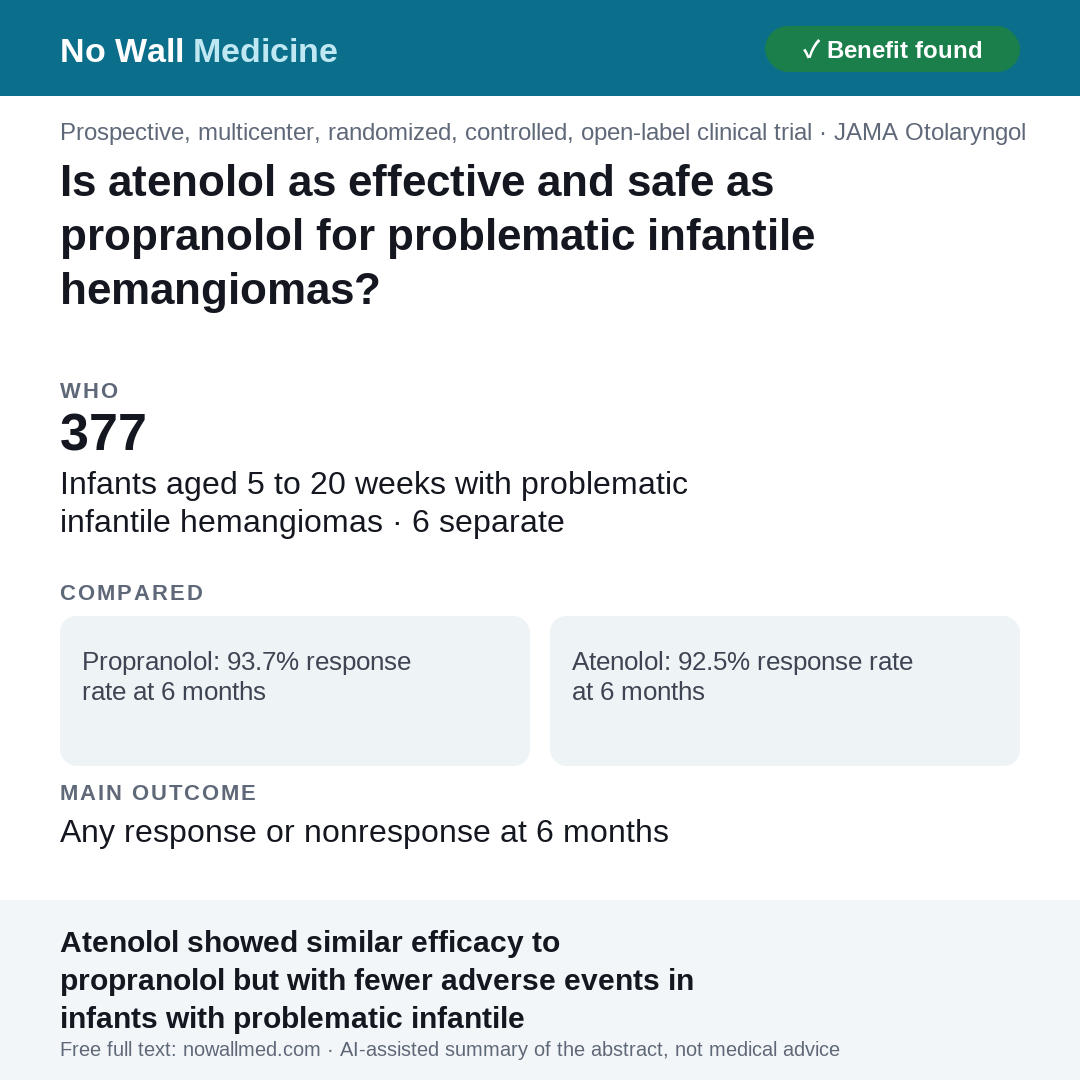
Efficacy and Safety of Propranolol vs Atenolol in Infants With Problematic Infantile Hemangiomas: A Randomized Clinical Trial
Prospective, multicenter, randomized, controlled, open-label clinical trialBenefit found
Is atenolol as effective and safe as propranolol for problematic infantile hemangiomas?
Who
377
Infants aged 5 to 20 weeks with problematic infantile hemangiomas · 6 separate investigation sites in China
Compared
Propranolol: 93.7% response rate at 6 months
Atenolol: 92.5% response rate at 6 months
Main outcome
Any response or nonresponse at 6 months
Result: difference 1.2% (95% CI, -4.1% to 6.6%)
Bottom line: Atenolol showed similar efficacy to propranolol but with fewer adverse events in infants with problematic infantile hemangiomas.
JAMA Otolaryngol · 2021-04-16Download image
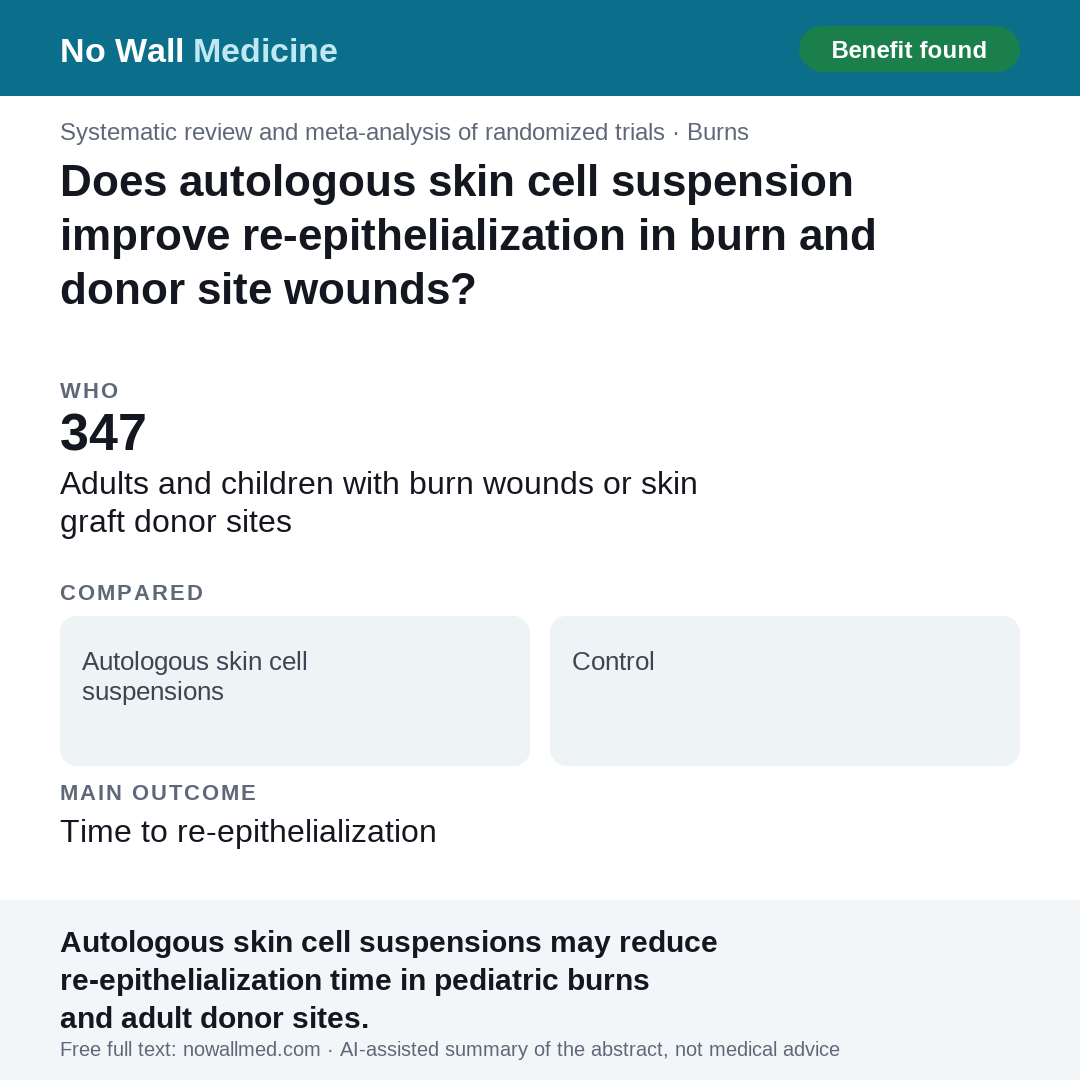
A systematic review and meta-analysis of randomized trials evaluating the efficacy of autologous skin cell suspensions for re-epithelialization of acute partial thickness burn injuries and split-thickness skin graft donor sites
Systematic review and meta-analysis of randomized trialsBenefit, low certainty
Does autologous skin cell suspension improve re-epithelialization in burn and donor site wounds?
Who
347
Adults and children with burn wounds or skin graft donor sites
Compared
Autologous skin cell suspensions
Control
Main outcome
Time to re-epithelialization
Result: SMD -1.75 (95% CI: -3.45 to -0.05) in pediatric burn wounds; SMD -5.71 (95% CI: -10.61 to -0.81) in adult donor sites
Bottom line: Autologous skin cell suspensions may reduce re-epithelialization time in pediatric burns and adult donor sites.
Limitation: The certainty of evidence was very low.
Burns · 2021-04-16Download image
What constitutes a palliative care need in people with serious illnesses across Africa? A mixed-methods systematic review of the concept and evidence
Mixed methods systematic reviewMixed results
What constitutes a palliative care need in people with serious illnesses across Africa?
Who
Patients and families with serious illness in Africa · Africa
Compared
HIV/AIDS patients: 99 studies
Cancer patients: 59 studies
Main outcome
Palliative care needs including physical, psychological, social, practical, and spiritual needs
Bottom line: Palliative care must reflect context-driven specific needs including health literacy, social, and spiritual requirements in Africa.
Palliat Med · 2021-04-16Download image

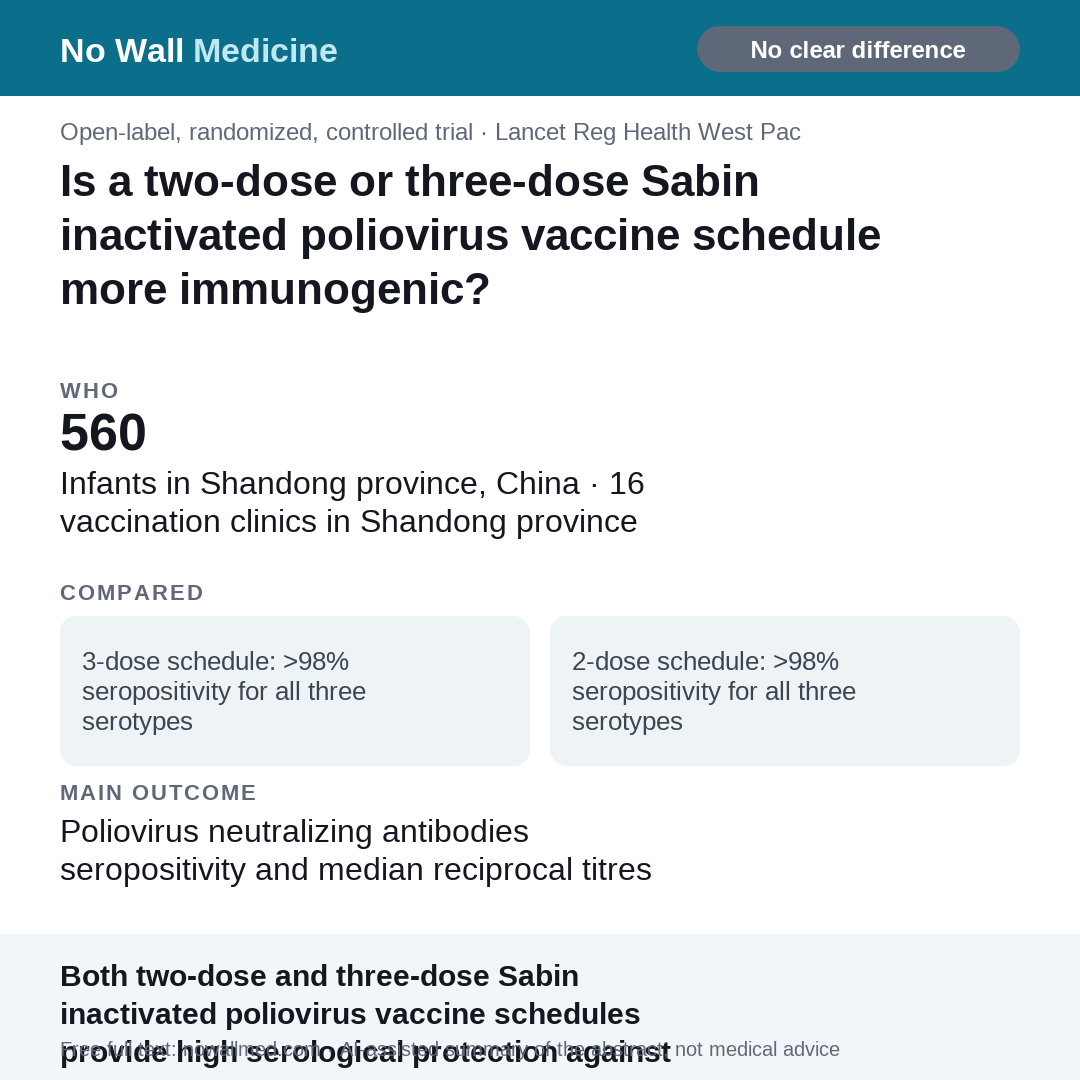
Immunogenicity of two-dose and three-dose vaccination schedules with Sabin inactivated poliovirus vaccine in China: An open-label, randomized, controlled trial
Open-label, randomized, controlled trialNo clear difference
Is a two-dose or three-dose Sabin inactivated poliovirus vaccine schedule more immunogenic?
Who
560
Infants in Shandong province, China · 16 vaccination clinics in Shandong province
Compared
3-dose schedule: >98% seropositivity for all three serotypes
2-dose schedule: >98% seropositivity for all three serotypes
Main outcome
Poliovirus neutralizing antibodies seropositivity and median reciprocal titres
Bottom line: Both two-dose and three-dose Sabin inactivated poliovirus vaccine schedules provide high serological protection against poliomyelitis.
Funded by: World Health Organization and Rotary International
Lancet Reg Health West Pac · 2021-04-16Download image
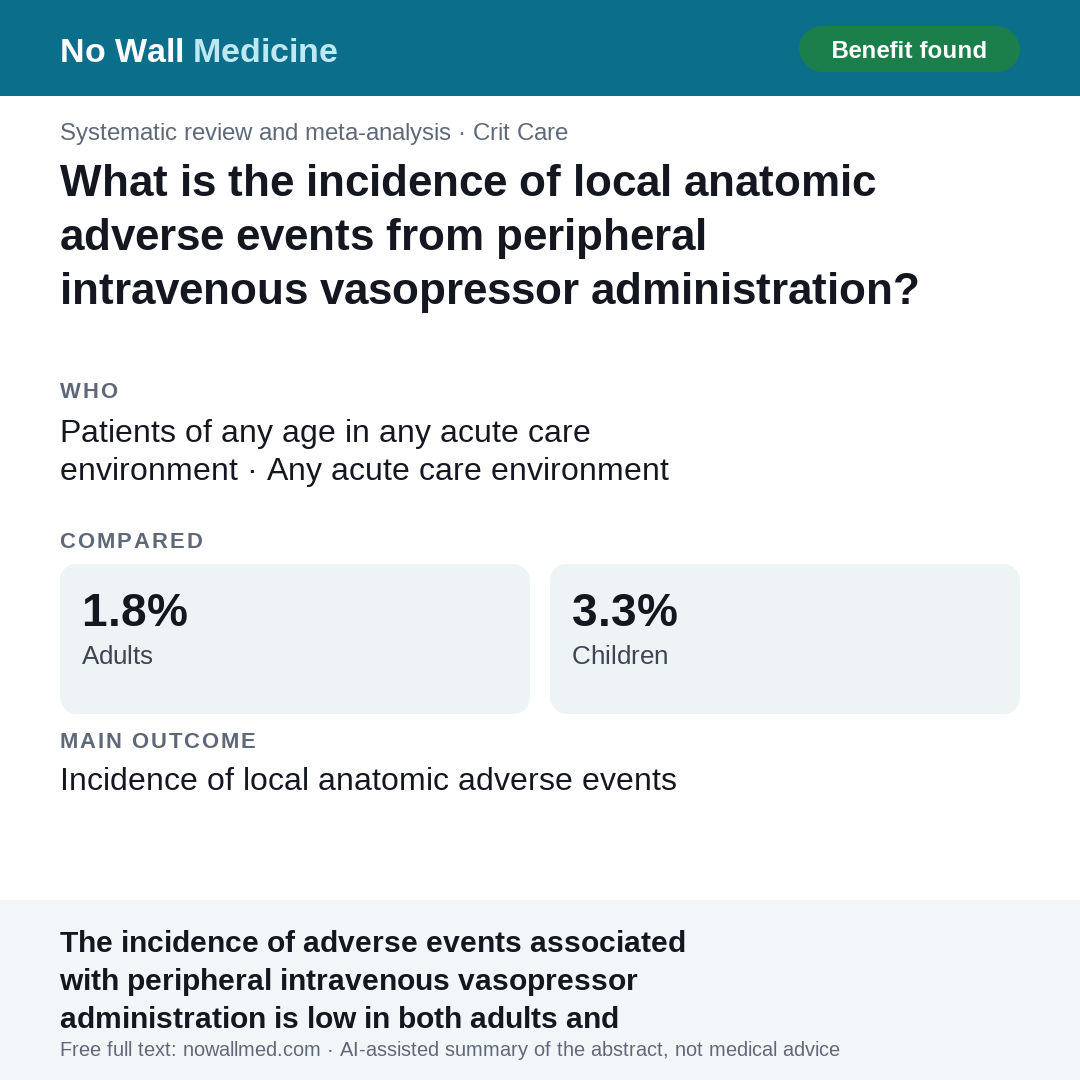
Adverse events associated with administration of vasopressor medications through a peripheral intravenous catheter: a systematic review and meta-analysis
Systematic review and meta-analysisKey finding
What is the incidence of local anatomic adverse events from peripheral intravenous vasopressor administration?
Who
Patients of any age in any acute care environment · Any acute care environment
Compared
1.8%Adults (95% CI 0.1-4.8%)
3.3%Children (95% CI 0.0-10.1%)
Main outcome
Incidence of local anatomic adverse events
Bottom line: The incidence of adverse events associated with peripheral intravenous vasopressor administration is low in both adults and children.
Limitation: Most studies had high or some concern for risk of bias.
Crit Care · 2021-04-16Download image
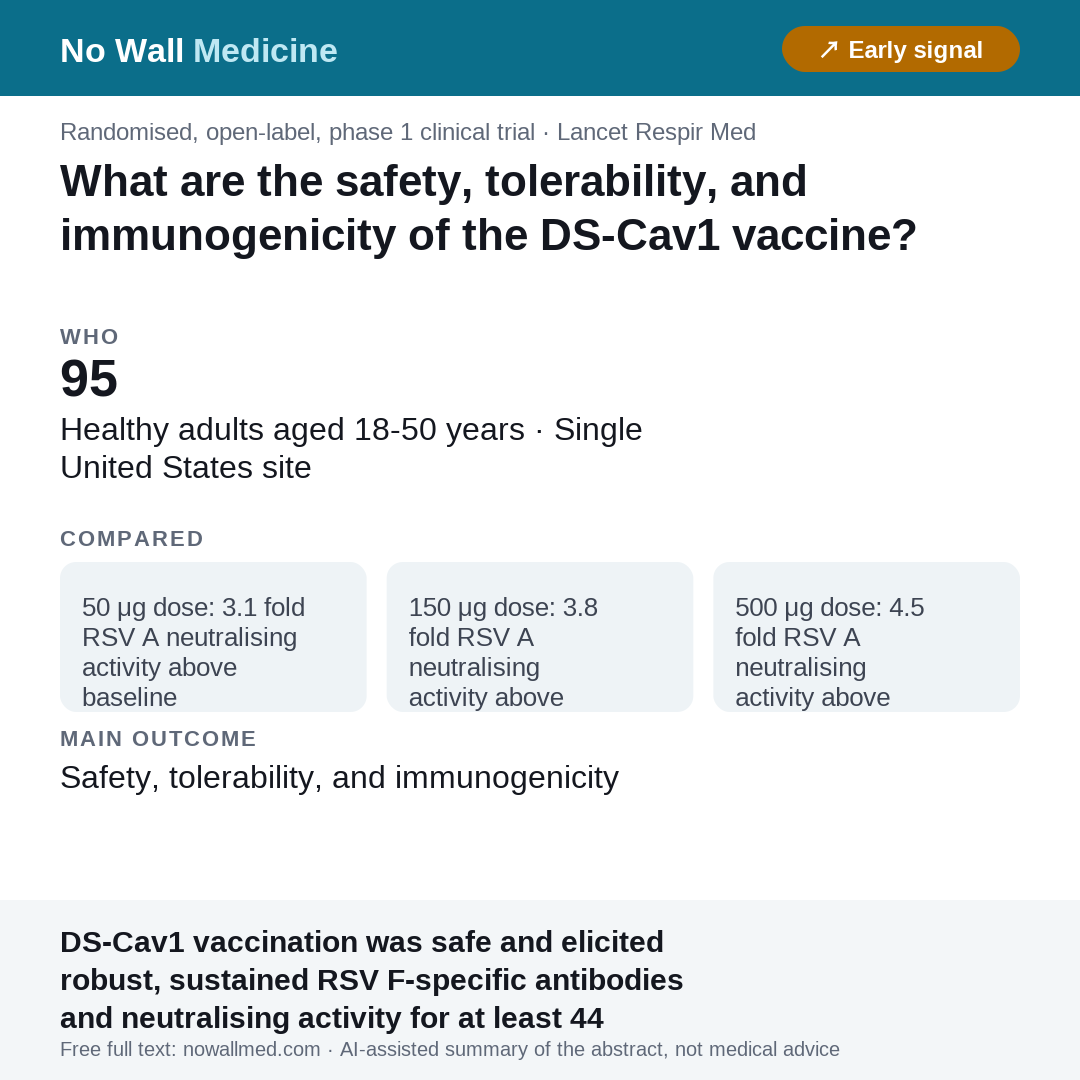
Safety, tolerability, and immunogenicity of the respiratory syncytial virus prefusion F subunit vaccine DS-Cav1: a phase 1, randomised, open-label, dose-escalation clinical trial
Randomised, open-label, phase 1 clinical trialEarly signal
What are the safety, tolerability, and immunogenicity of the DS-Cav1 vaccine?
Who
95
Healthy adults aged 18-50 years · Single United States site
Compared
50 μg dose: 3.1 fold RSV A neutralising activity above baseline
150 μg dose: 3.8 fold RSV A neutralising activity above baseline
500 μg dose: 4.5 fold RSV A neutralising activity above baseline
Main outcome
Safety, tolerability, and immunogenicity
Bottom line: DS-Cav1 vaccination was safe and elicited robust, sustained RSV F-specific antibodies and neutralising activity for at least 44 weeks.
Funded by: National Institutes of Allergy and Infectious Diseases
Lancet Respir Med · 2021-04-14Download image
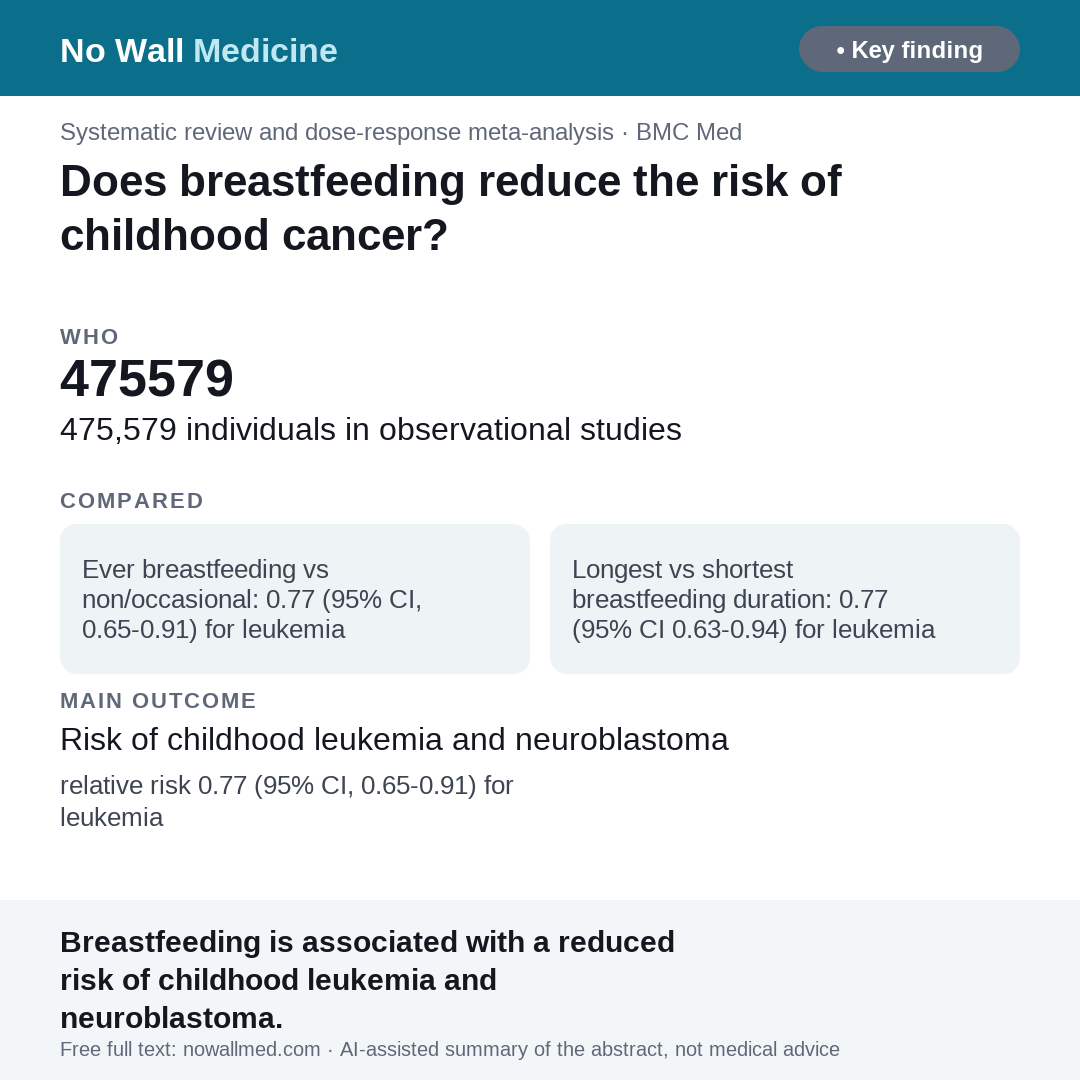
Breastfeeding and the risk of childhood cancer: a systematic review and dose-response meta-analysis
Systematic review and dose-response meta-analysisKey finding
Does breastfeeding reduce the risk of childhood cancer?
Who
475579
475,579 individuals in observational studies
Compared
Ever breastfeeding vs non/occasional: 0.77 (95% CI, 0.65-0.91) for leukemia
Longest vs shortest breastfeeding duration: 0.77 (95% CI 0.63-0.94) for leukemia
Main outcome
Risk of childhood leukemia and neuroblastoma
Result: relative risk 0.77 (95% CI, 0.65-0.91) for leukemia
Bottom line: Breastfeeding is associated with a reduced risk of childhood leukemia and neuroblastoma.
Limitation: Further studies are warranted to confirm the association with childhood neuroblastoma.
BMC Med · 2021-04-13Download image
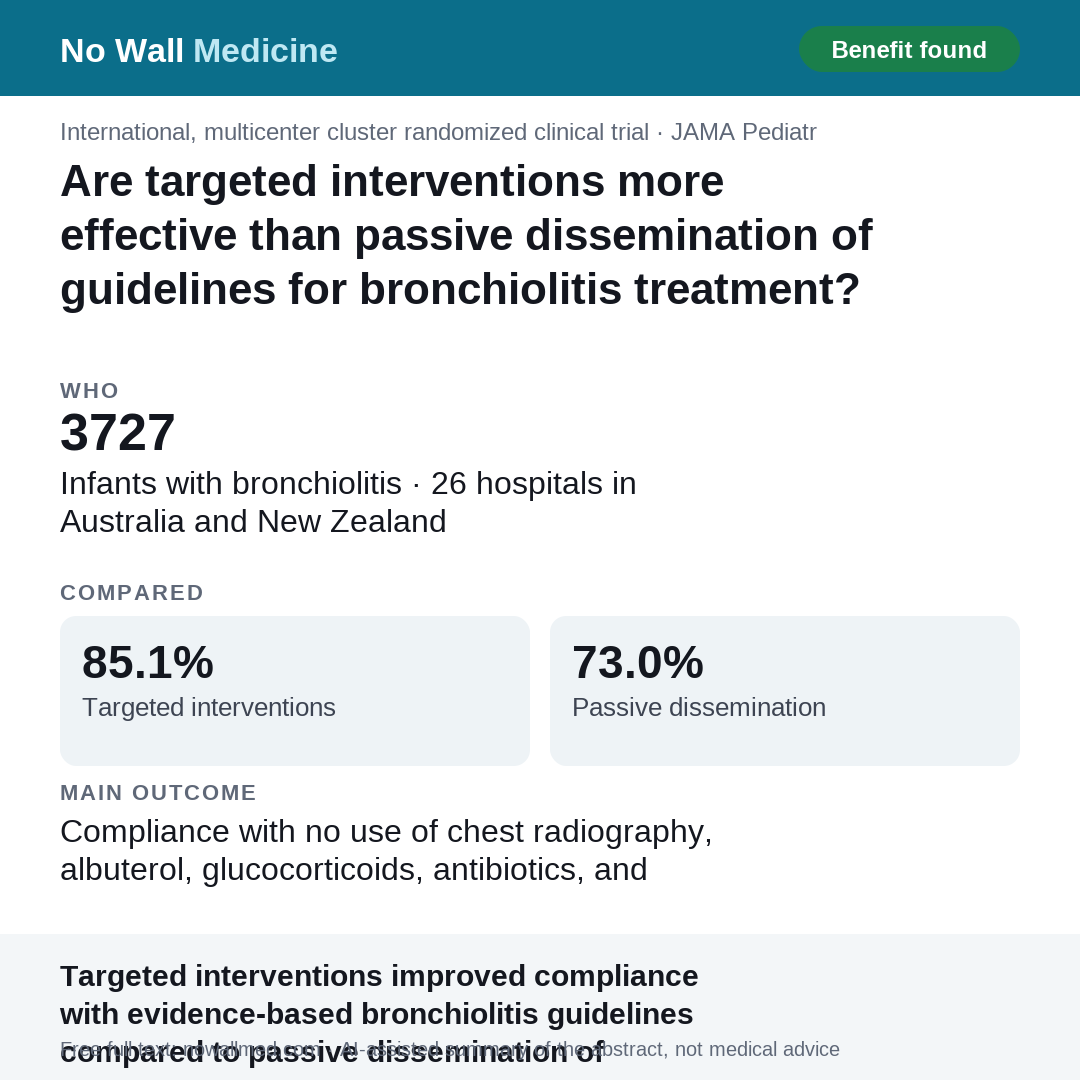
Effectiveness of Targeted Interventions on Treatment of Infants With Bronchiolitis: A Randomized Clinical Trial
International, multicenter cluster randomized clinical trialBenefit found
Are targeted interventions more effective than passive dissemination of guidelines for bronchiolitis treatment?
Who
3727
Infants with bronchiolitis · 26 hospitals in Australia and New Zealand
Compared
85.1%Targeted interventions (95% CI, 82.6%-89.7%)
73.0%Passive dissemination (95% CI, 65.3%-78.8%)
Main outcome
Compliance with no use of chest radiography, albuterol, glucocorticoids, antibiotics, and epinephrine
Result: adjusted risk difference, 14.1%; 95% CI, 6.5%-21.7%
Bottom line: Targeted interventions improved compliance with evidence-based bronchiolitis guidelines compared to passive dissemination of guidelines.
JAMA Pediatr · 2021-04-13Download image
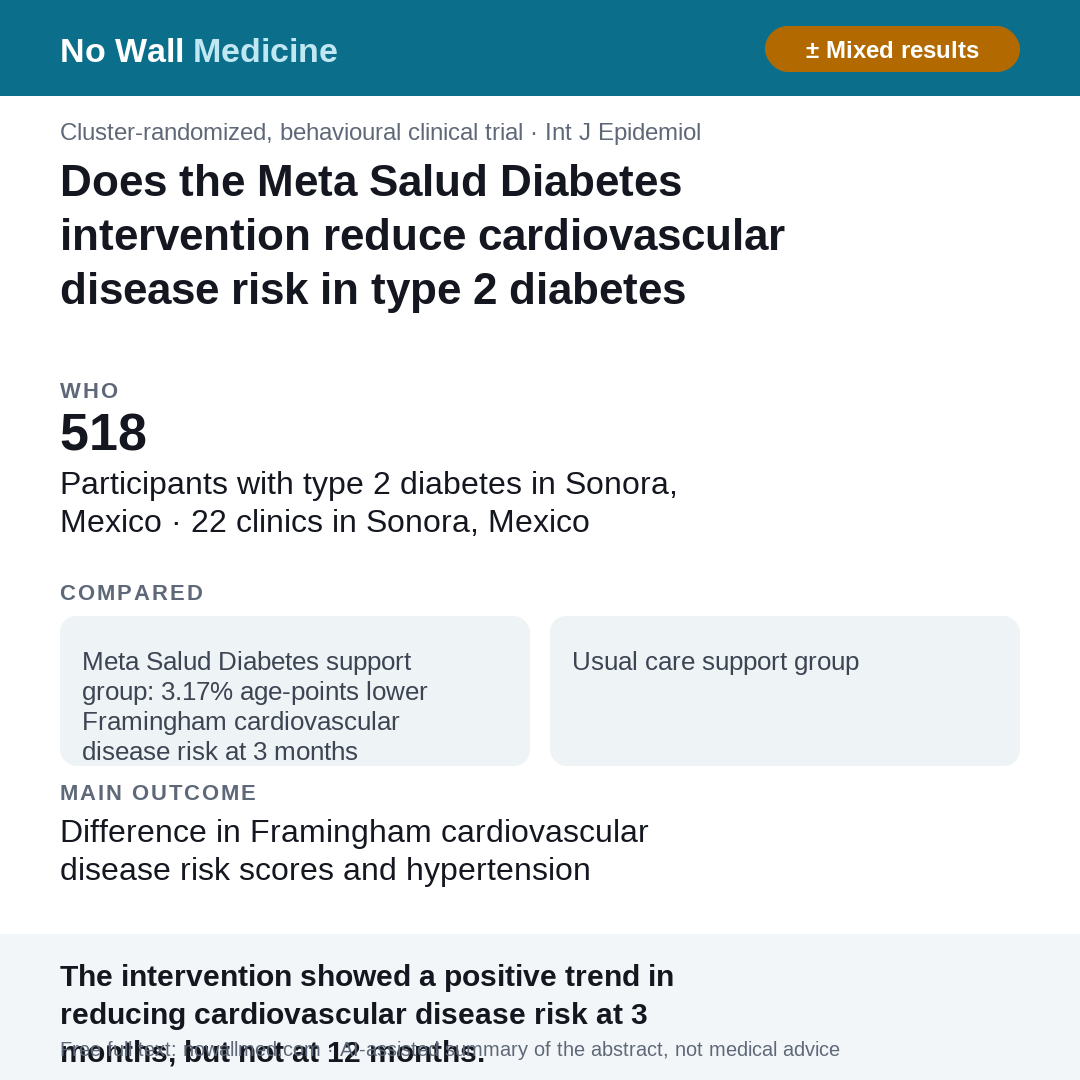
Meta Salud Diabetes for cardiovascular disease prevention in Mexico: a cluster-randomized behavioural clinical trial
Cluster-randomized, behavioural clinical trialMixed results
Does the Meta Salud Diabetes intervention reduce cardiovascular disease risk in type 2 diabetes patients?
Who
518
Participants with type 2 diabetes in Sonora, Mexico · 22 clinics in Sonora, Mexico
Compared
Meta Salud Diabetes support group: 3.17% age-points lower Framingham cardiovascular disease risk at 3 months
Usual care support group
Main outcome
Difference in Framingham cardiovascular disease risk scores and hypertension
Result: -3.17% age-points (95% CI -5.60 to -0.75) at 3 months
Bottom line: The intervention showed a positive trend in reducing cardiovascular disease risk at 3 months, but not at 12 months.
Int J Epidemiol · 2021-04-13Download image
Healthcare professionals' views of the use of oral morphine and transmucosal diamorphine in the management of paediatric breakthrough pain and the feasibility of a randomised controlled trial: A focus group study (DIPPER)
Focus group studyMixed results
What are healthcare professionals' views on transmucosal diamorphine versus oral morphine for paediatric breakthrough pain?
Who
28
Doctors, nurses and pharmacists caring for children with life-limiting illnesses · United Kingdom
Compared
Oral morphine: slow onset and unpredictable response
Transmucosal diamorphine: quick onset and easy administration
Main outcome
Healthcare professionals' perspectives on pain management and trial feasibility
Bottom line: Transmucosal diamorphine offers quick onset, but lacks licensed preparations and prescribing guidance for paediatric breakthrough pain management.
Palliat Med · 2021-04-13Download image

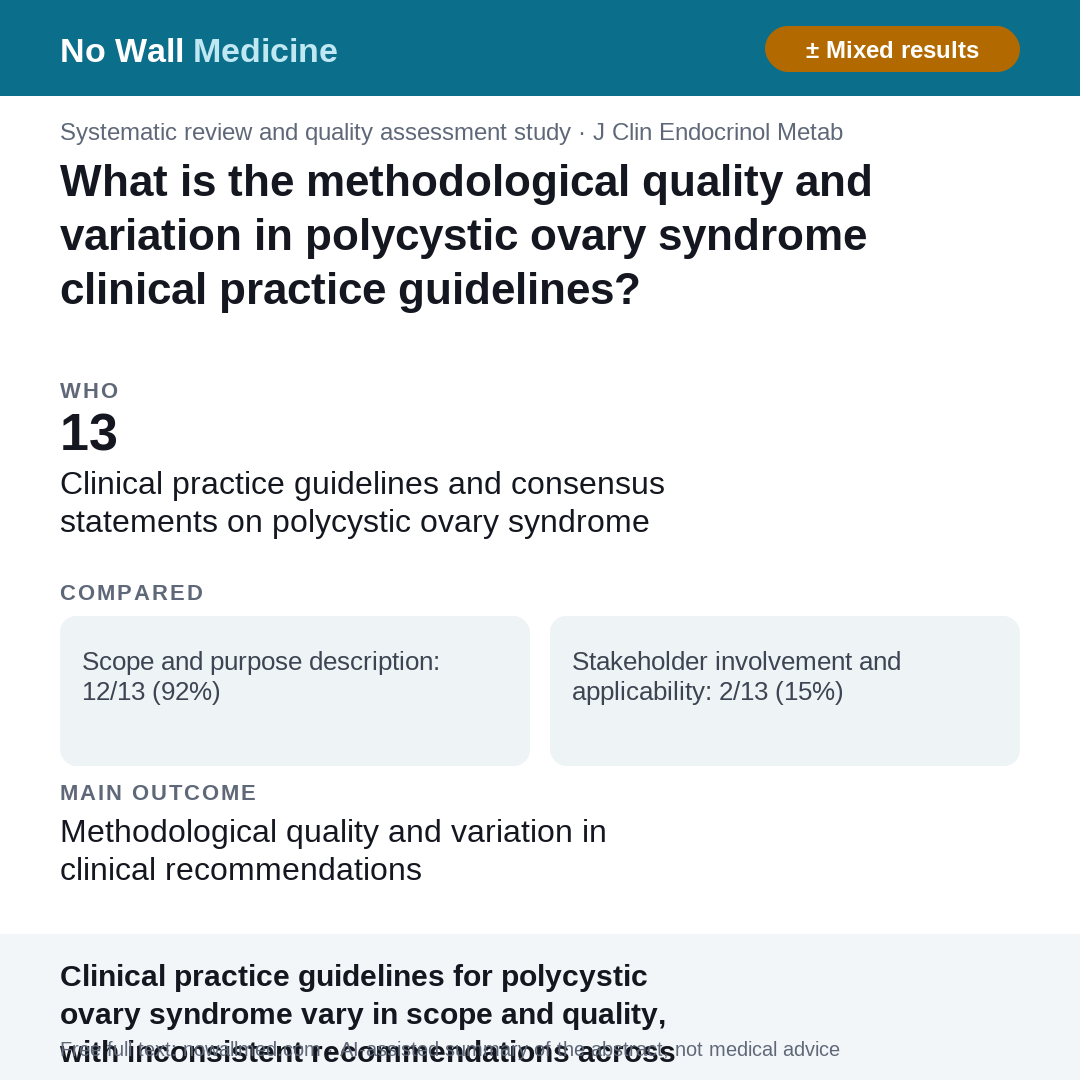
Clinical Practice Guidelines on the Diagnosis and Management of Polycystic Ovary Syndrome: A Systematic Review and Quality Assessment Study
Systematic review and quality assessment studyMixed results
What is the methodological quality and variation in polycystic ovary syndrome clinical practice guidelines?
Who
13
Clinical practice guidelines and consensus statements on polycystic ovary syndrome
Compared
Scope and purpose description: 12/13 (92%)
Stakeholder involvement and applicability: 2/13 (15%)
Main outcome
Methodological quality and variation in clinical recommendations
Bottom line: Clinical practice guidelines for polycystic ovary syndrome vary in scope and quality, with inconsistent recommendations across several disease domains.
J Clin Endocrinol Metab · 2021-04-12Download image
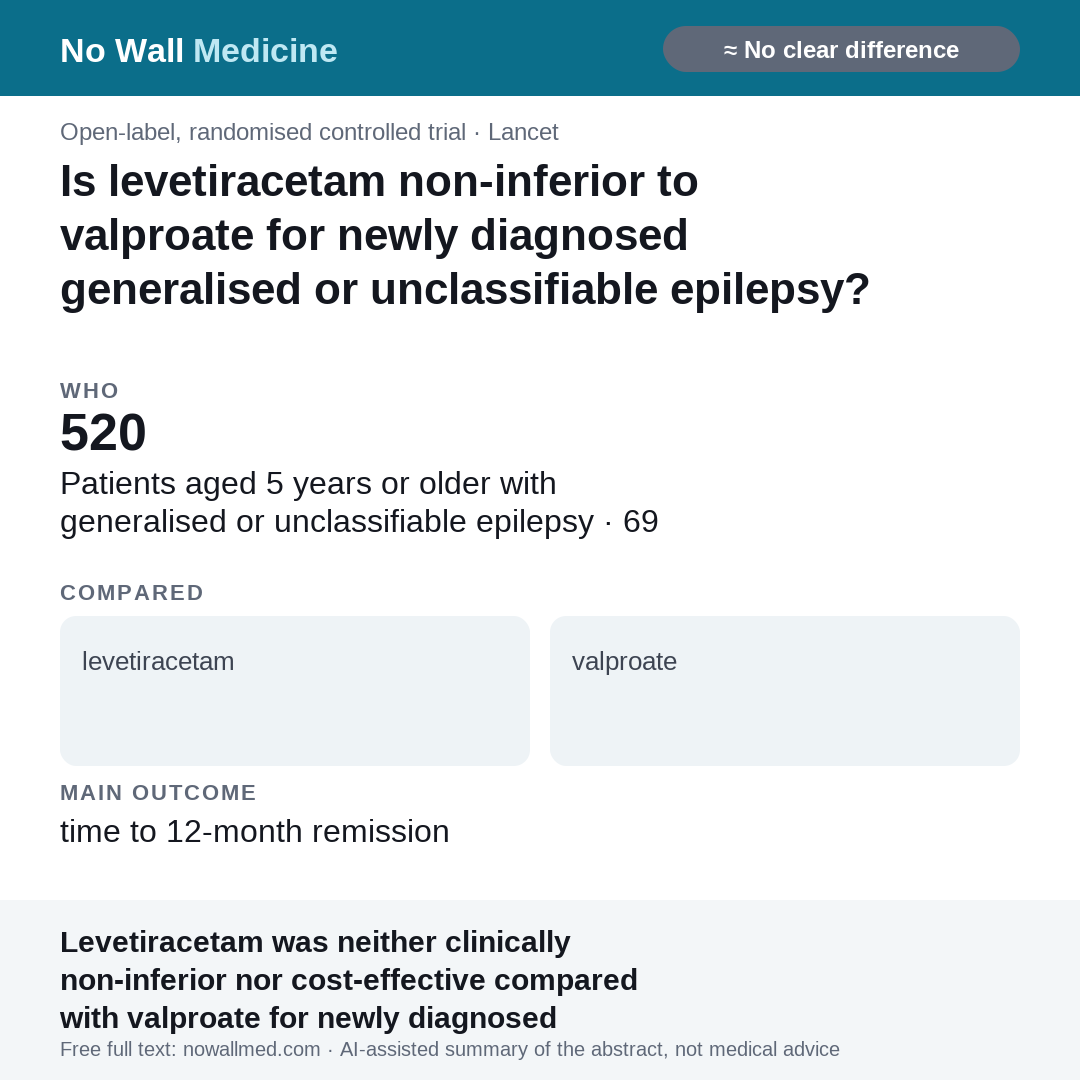
The SANAD II study of the effectiveness and cost-effectiveness of valproate versus levetiracetam for newly diagnosed generalised and unclassifiable epilepsy: an open-label, non-inferiority, multicentre, phase 4, randomised controlled trial
Open-label, randomised controlled trialNo clear difference
Is levetiracetam non-inferior to valproate for newly diagnosed generalised or unclassifiable epilepsy?
Who
520
Patients aged 5 years or older with generalised or unclassifiable epilepsy · 69 centres across the United Kingdom
Compared
levetiracetam
valproate
Main outcome
time to 12-month remission
Result: hazard ratio 1.19 (95% CI 0.96 to 1.47)
Bottom line: Levetiracetam was neither clinically non-inferior nor cost-effective compared with valproate for newly diagnosed generalised or unclassifiable epilepsy.
Funded by: National Institute for Health Research Health Technology Assessment Programme
Lancet · 2021-04-11Download image
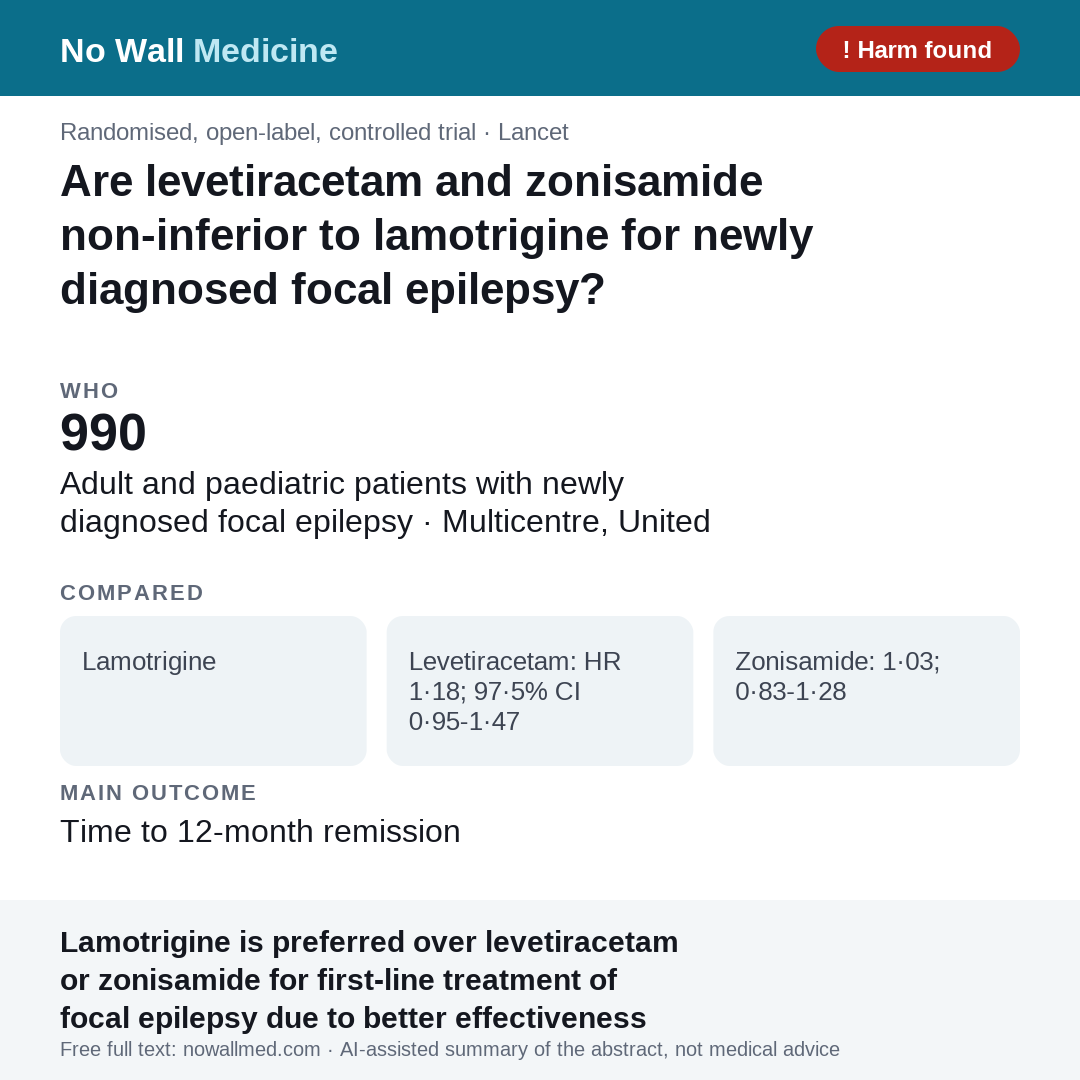
The SANAD II study of the effectiveness and cost-effectiveness of levetiracetam, zonisamide, or lamotrigine for newly diagnosed focal epilepsy: an open-label, non-inferiority, multicentre, phase 4, randomised controlled trial
Randomised, open-label, controlled trialHarm found
Are levetiracetam and zonisamide non-inferior to lamotrigine for newly diagnosed focal epilepsy?
Who
990
Adult and paediatric patients with newly diagnosed focal epilepsy · Multicentre, United Kingdom
Compared
Lamotrigine
Levetiracetam: HR 1·18; 97·5% CI 0·95-1·47
Zonisamide: 1·03; 0·83-1·28
Main outcome
Time to 12-month remission
Result: hazard ratio 1·18 (97.5% CI 0.95 to 1.47) for levetiracetam
Bottom line: Lamotrigine is preferred over levetiracetam or zonisamide for first-line treatment of focal epilepsy due to better effectiveness and cost-utility.
Lancet · 2021-04-11Download image
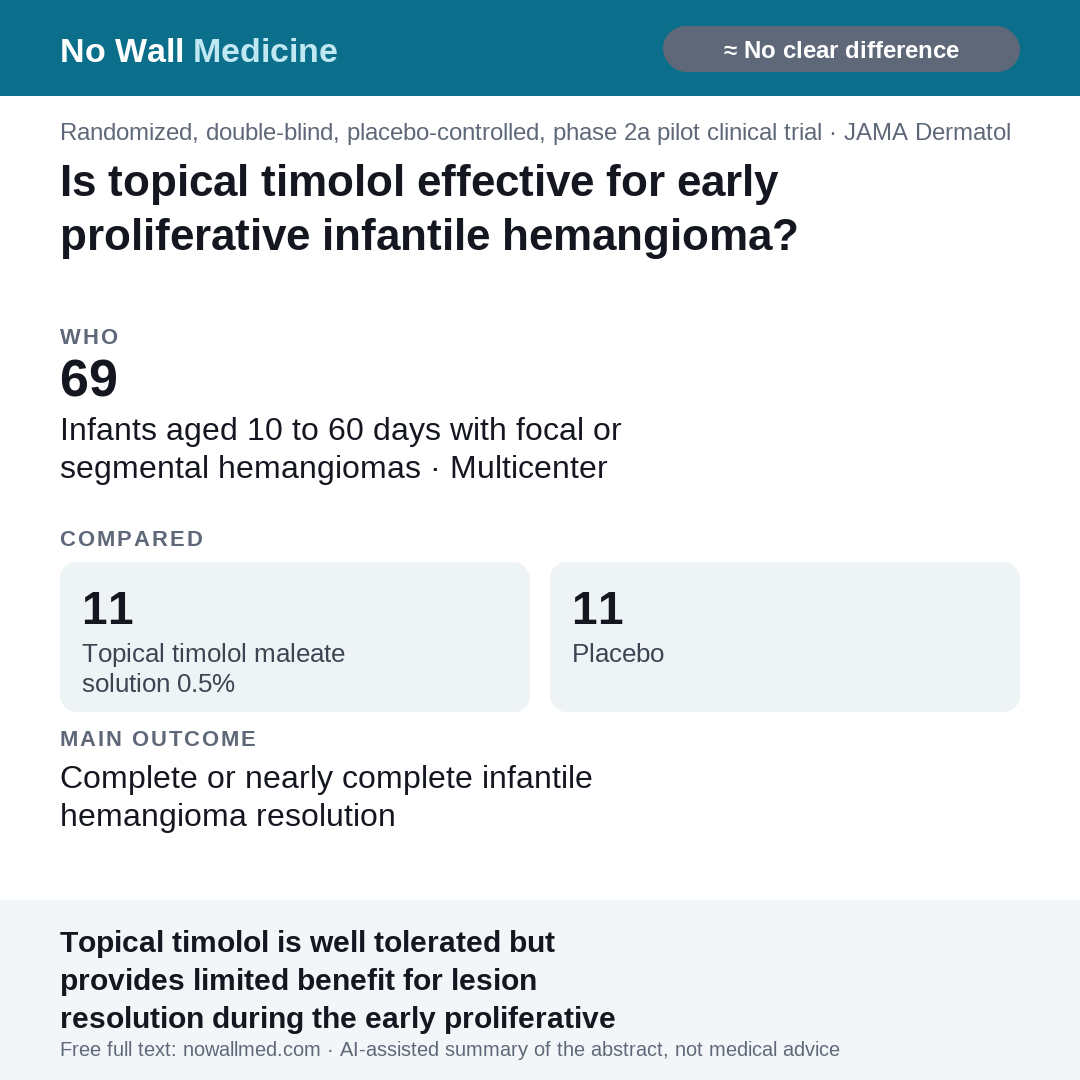
Improved housing versus usual practice for additional protection against clinical malaria in The Gambia (RooPfs): a household-randomised controlled trial
Randomized controlled trialHarm found
Improved housing vs usual practice for malaria protection
Who
800
Children in The Gambia aged 6 months to 13 years · Upper River Region of The Gambia
Compared
Unmodified houses: 0.12 episodes per child-year
Modified houses: 0.20 episodes per child-year
Main outcome
Incidence of clinical malaria
Result: unadjusted incidence rate ratio 1.68 (95% CI 1.11 to 2.55)
Bottom line: Improved housing did not protect against malaria
Funded by: Medical Research Council, UK Department for International Development, and Wellcome Trust
Lancet Planet Health · 2021-04-11Download image
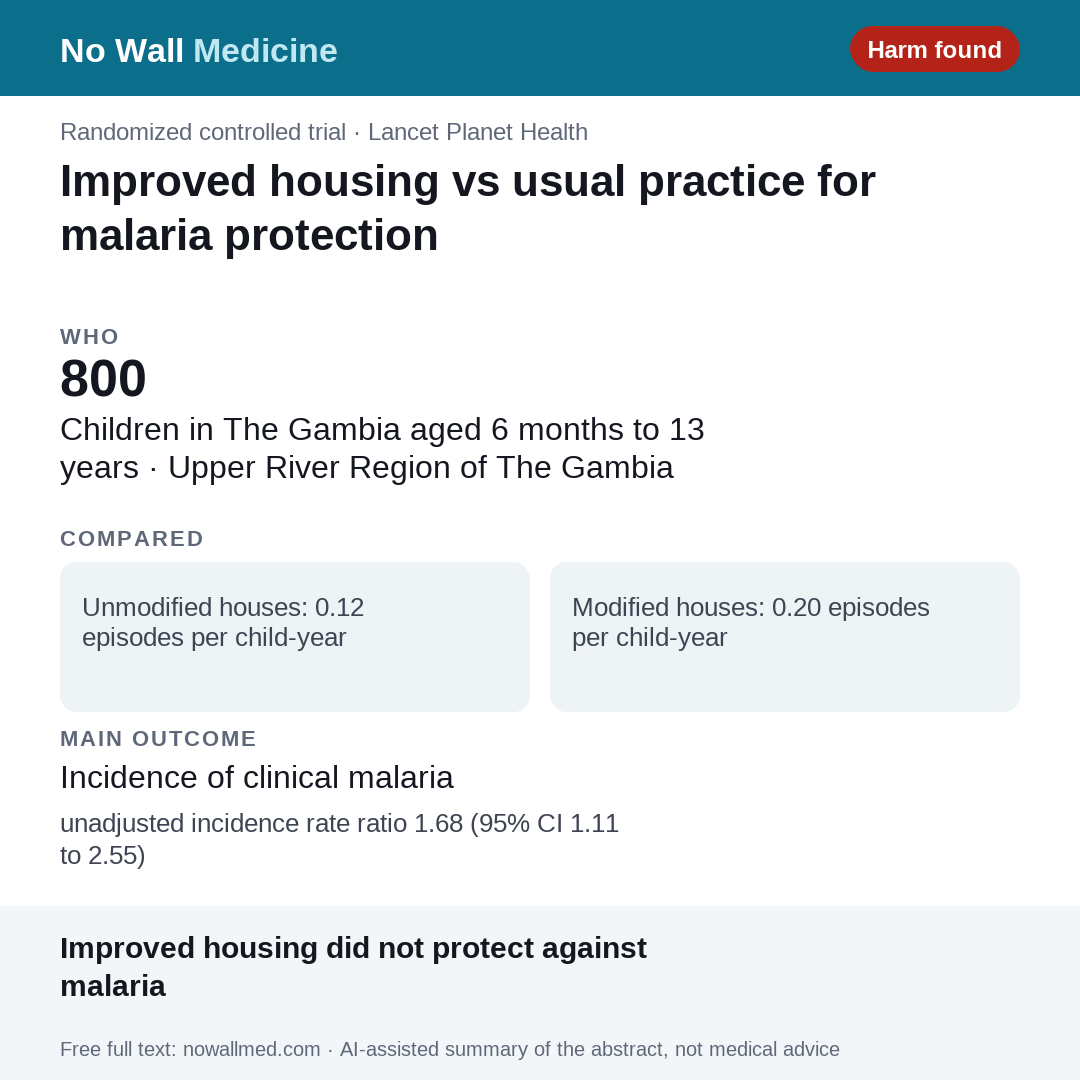
Ready-to-Use Therapeutic Food (RUTF) Containing Low or No Dairy Compared to Standard RUTF for Children with Severe Acute Malnutrition: A Systematic Review and Meta-Analysis
Systematic review and meta-analysisHarm found
Is ready-to-use therapeutic food with low or no dairy effective for severe acute malnutrition?
Who
Children with severe acute malnutrition
Compared
Nondairy or lower-dairy ready-to-use therapeutic food: less weight gain
Standard ready-to-use therapeutic food
Main outcome
Weight gain, recovery, and weight-for-age z scores
Result: standardized mean difference: -0.20; 95% CI: -0.26, -0.15
Bottom line: Lower dairy or dairy-free ready-to-use therapeutic food may be less effective for weight gain and recovery in children.
Adv Nutr · 2021-04-11Download image
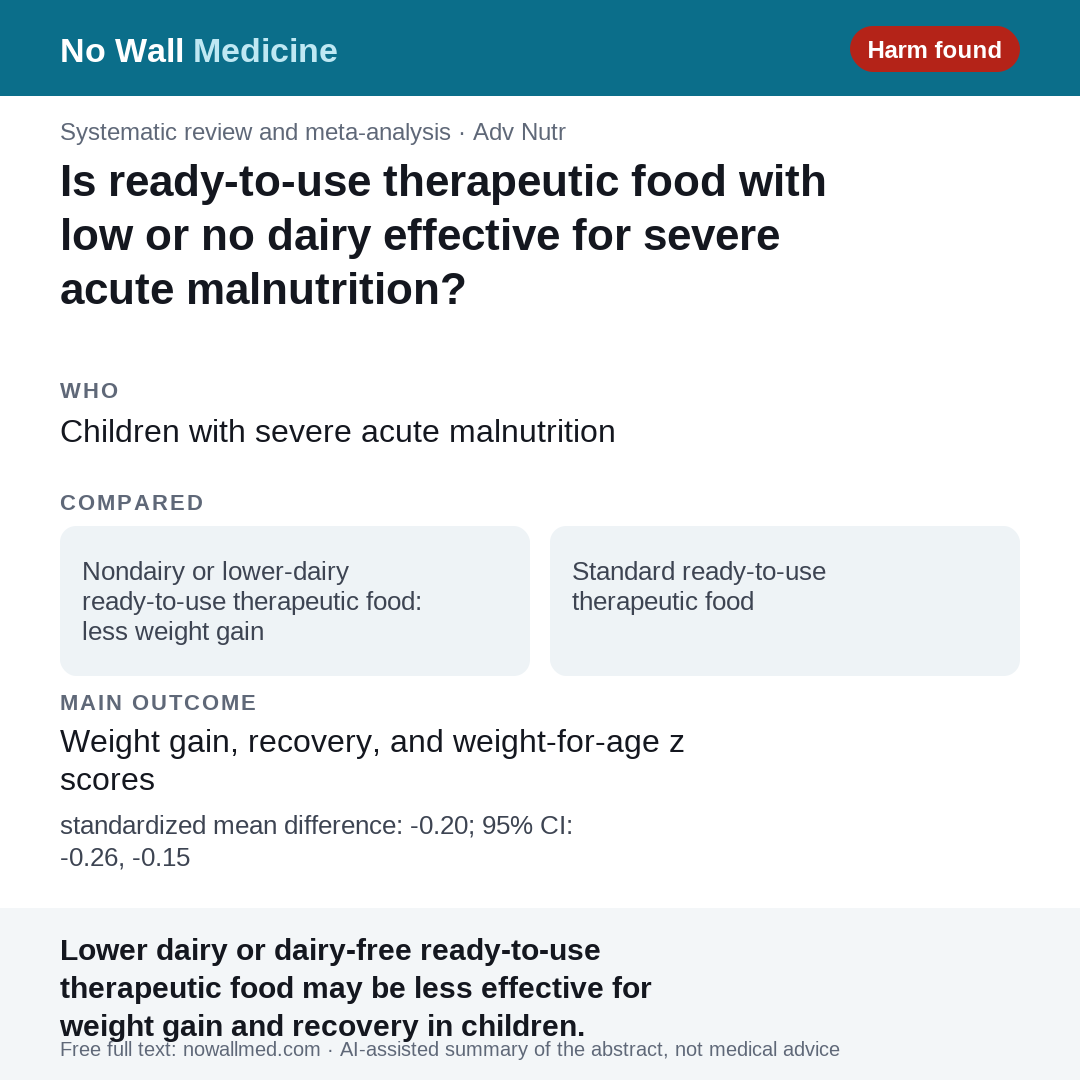
Mental Health Interventions to Improve Psychological Outcomes in Informal Caregivers of Critically Ill Patients: A Systematic Review and Meta-Analysis
Systematic review and meta-analysisMixed results
Do mental health interventions improve psychological outcomes in informal caregivers of critically ill patients?
Who
12676
Informal caregivers of critically ill patients · Adult, pediatric, or neonatal intensive care units
Compared
Mental health interventions
Controls
Main outcome
Psychological outcomes including anxiety, depression, and positive psychological traits
Result: anxiety ratio of means 0.92 (95% CI, 0.87-0.97); depression ratio of means 0.83 (95% CI, 0.69-0.99)
Bottom line: Interventions improved short-term anxiety, depression, humanity, and transcendence, but increased caregiver burden.
Crit Care Med · 2021-04-08Download image
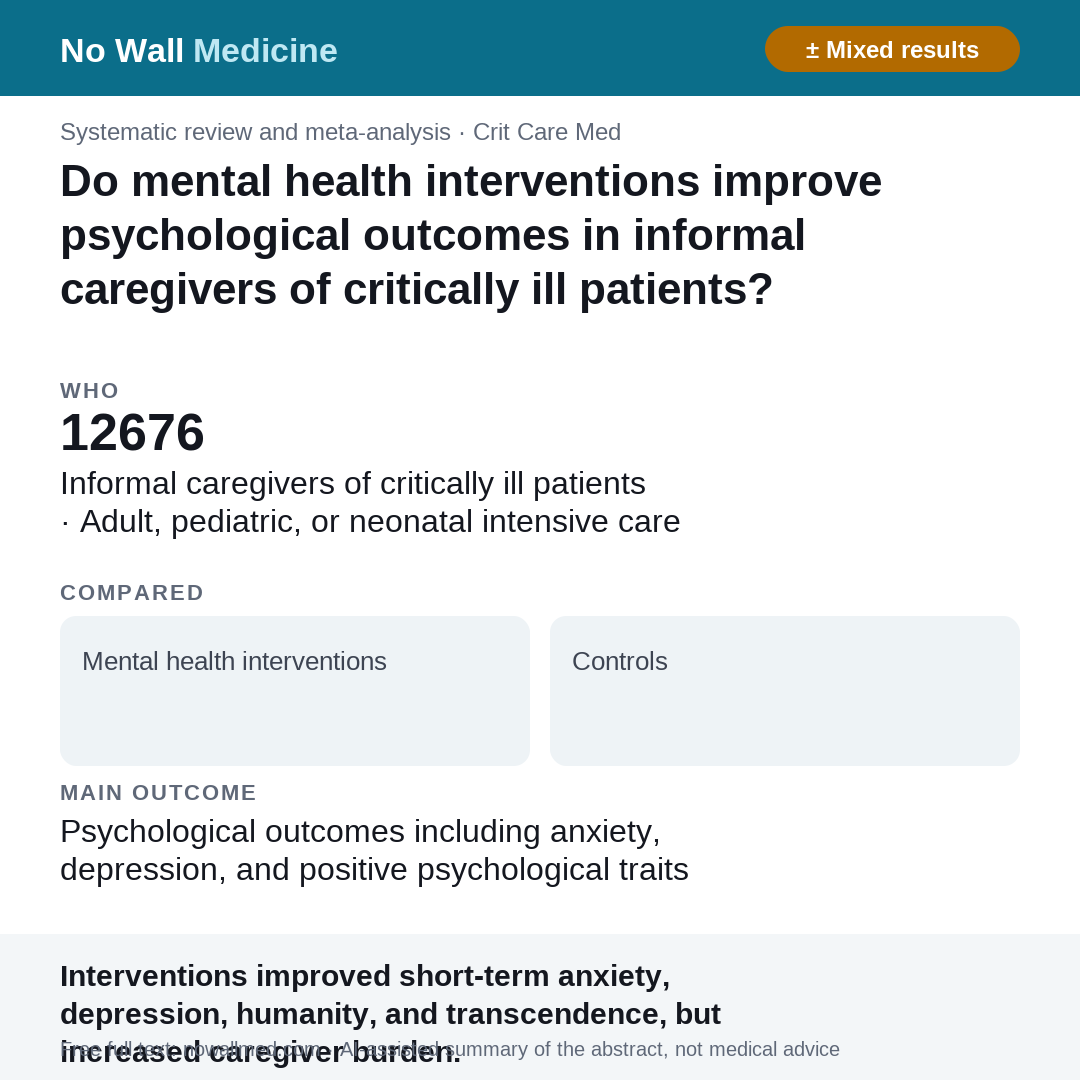
Efficacy and Safety of Topical Timolol for the Treatment of Infantile Hemangioma in the Early Proliferative Stage: A Randomized Clinical Trial
Randomized, double-blind, placebo-controlled, phase 2a pilot clinical trialNo clear difference
Is topical timolol effective for early proliferative infantile hemangioma?
Who
69
Infants aged 10 to 60 days with focal or segmental hemangiomas · Multicenter
Compared
11Topical timolol maleate solution 0.5% (42%)
11Placebo (36%)
Main outcome
Complete or nearly complete infantile hemangioma resolution
Result: odds ratio 1.33 (95% CI 0.45-3.89)
Bottom line: Topical timolol is well tolerated but provides limited benefit for lesion resolution during the early proliferative stage.
JAMA Dermatol · 2021-04-08Download image
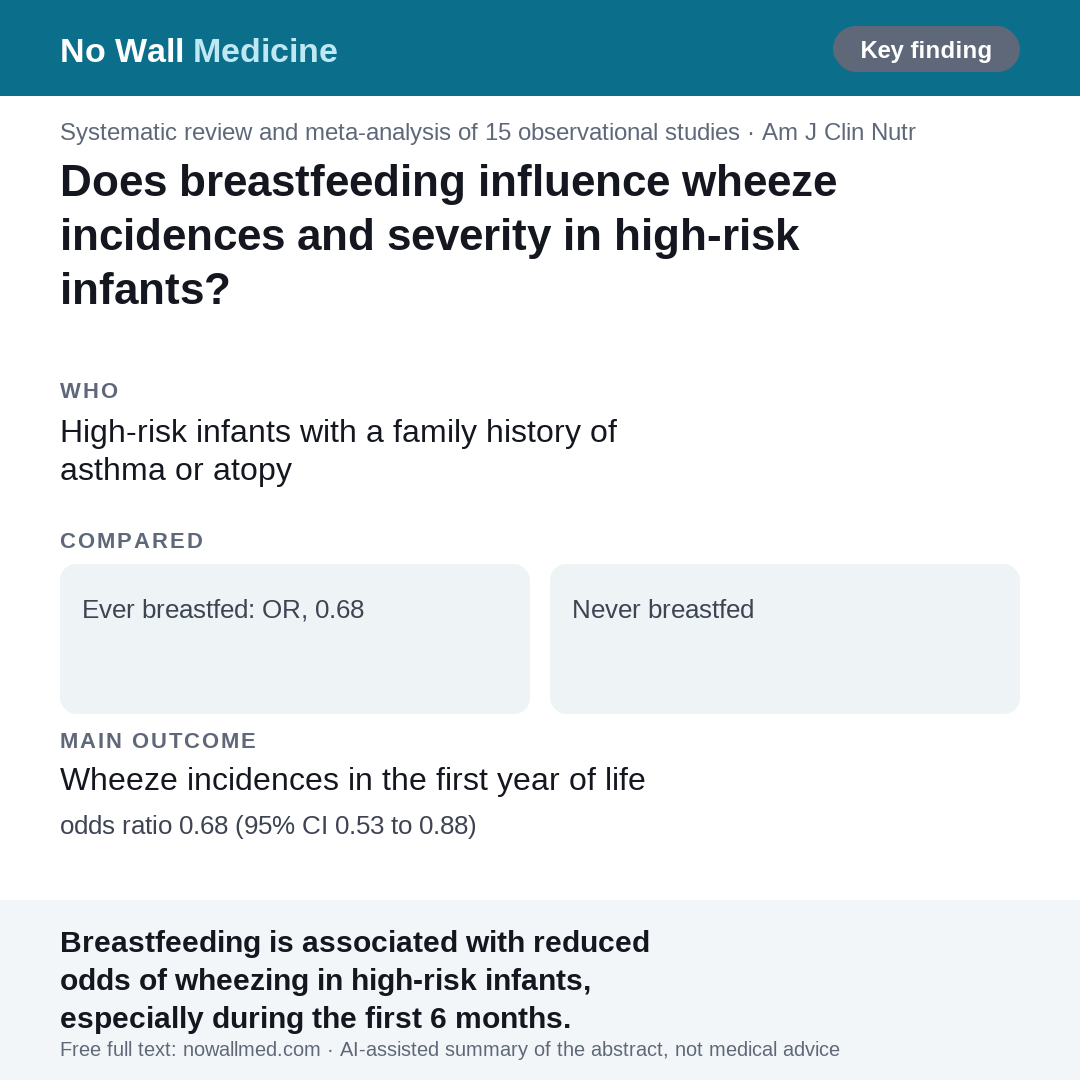
Breastfeeding and wheeze-related outcomes in high-risk infants: A systematic review and meta-analysis
Systematic review and meta-analysis of 15 observational studiesKey finding
Does breastfeeding influence wheeze incidences and severity in high-risk infants?
Who
High-risk infants with a family history of asthma or atopy
Compared
Ever breastfed: OR, 0.68
Never breastfed
Main outcome
Wheeze incidences in the first year of life
Result: odds ratio 0.68 (95% CI 0.53 to 0.88)
Bottom line: Breastfeeding is associated with reduced odds of wheezing in high-risk infants, especially during the first 6 months.
Am J Clin Nutr · 2021-04-08Download image
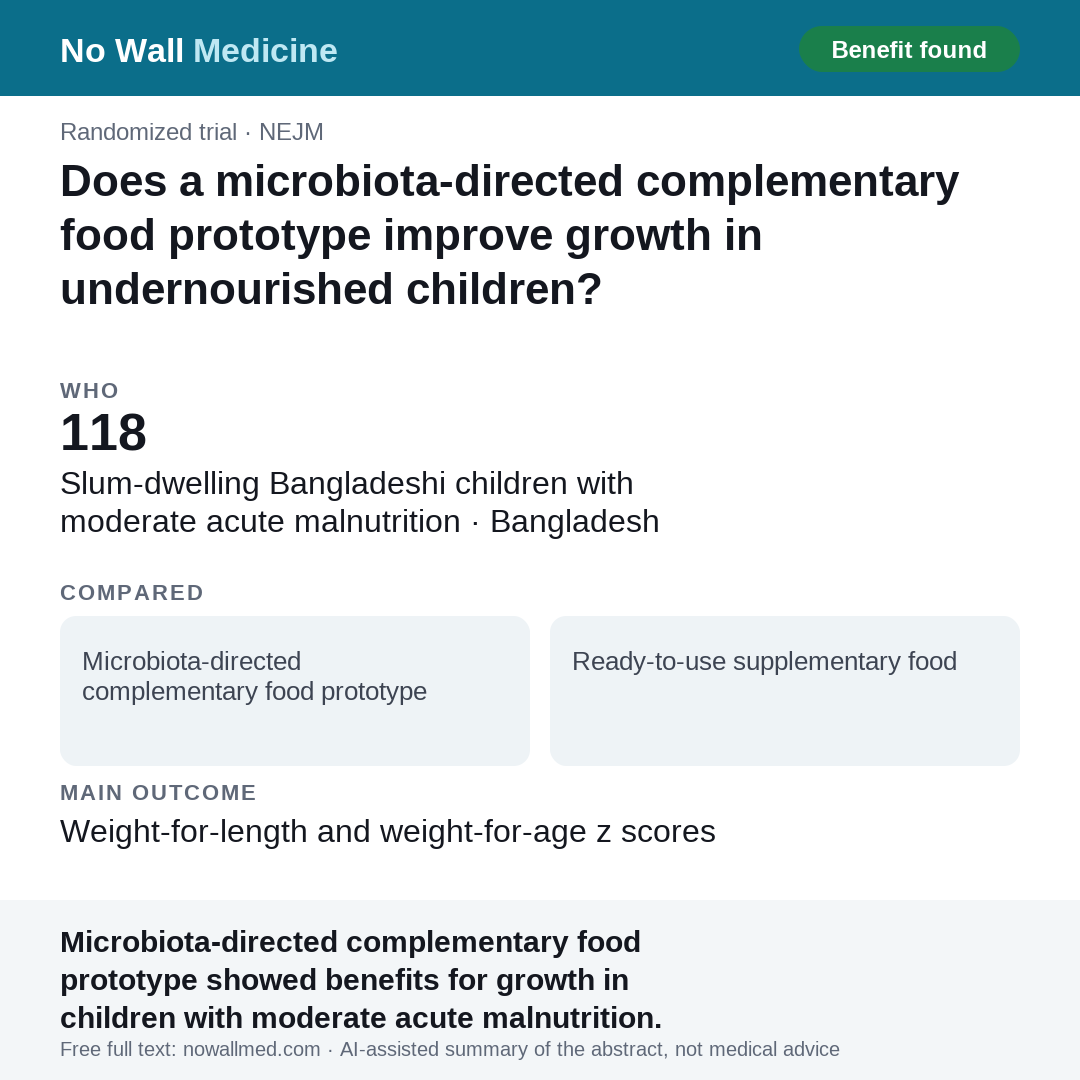
A Microbiota-Directed Food Intervention for Undernourished Children
Randomized trialBenefit found
Does a microbiota-directed complementary food prototype improve growth in undernourished children?
Who
118
Slum-dwelling Bangladeshi children with moderate acute malnutrition · Bangladesh
Compared
Microbiota-directed complementary food prototype
Ready-to-use supplementary food
Main outcome
Weight-for-length and weight-for-age z scores
Bottom line: Microbiota-directed complementary food prototype showed benefits for growth in children with moderate acute malnutrition.
Funded by: Bill and Melinda Gates Foundation and National Institutes of Health
NEJM · 2021-04-07Download image
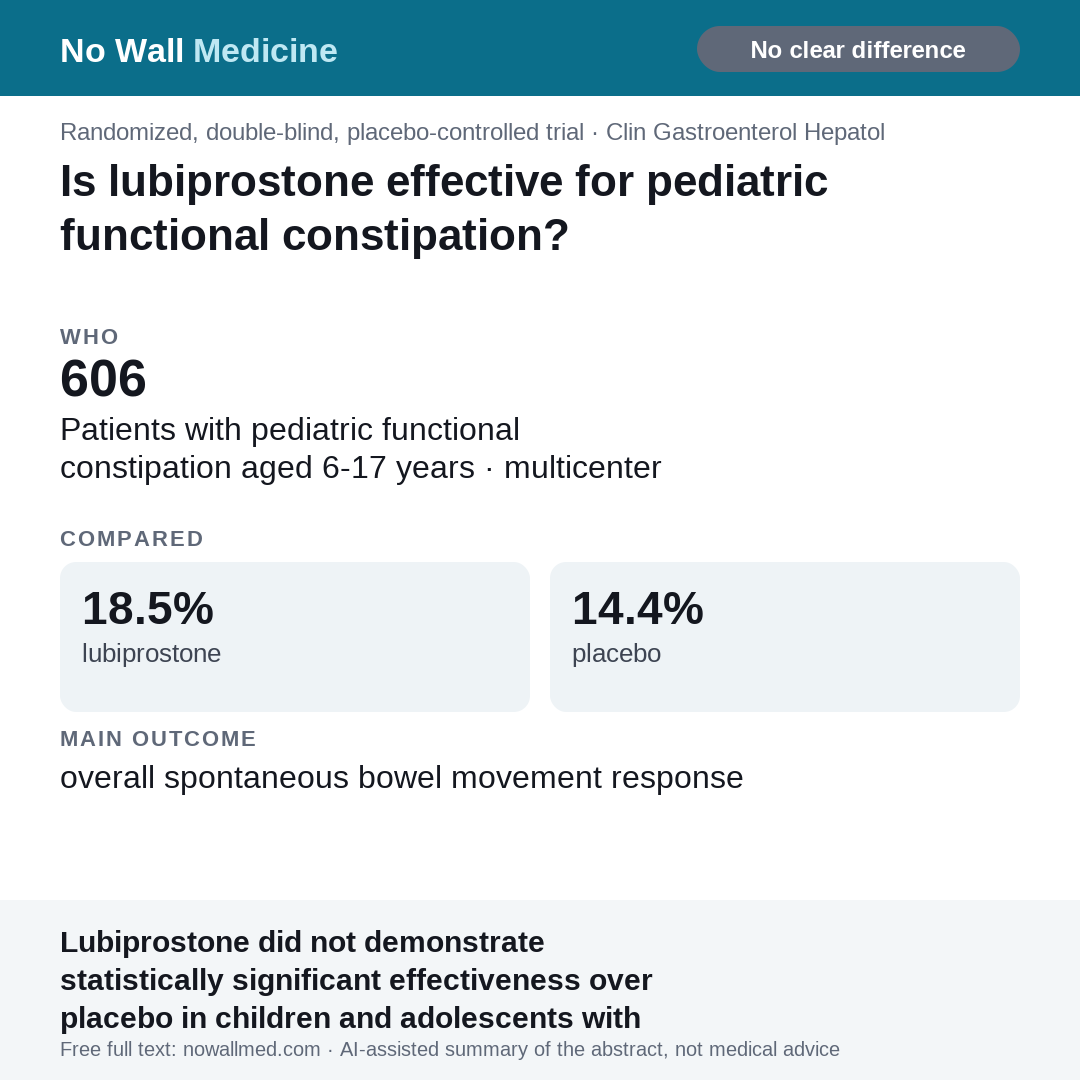
Lubiprostone for Pediatric Functional Constipation: Randomized, Controlled, Double-Blind Study With Long-term Extension
Randomized, double-blind, placebo-controlled trialNo clear difference
Is lubiprostone effective for pediatric functional constipation?
Who
606
Patients with pediatric functional constipation aged 6-17 years · multicenter
Compared
18.5%lubiprostone
14.4%placebo
Main outcome
overall spontaneous bowel movement response
Bottom line: Lubiprostone did not demonstrate statistically significant effectiveness over placebo in children and adolescents with pediatric functional constipation.
Clin Gastroenterol Hepatol · 2021-04-07Download image