Visual abstracts
New randomized trials and meta-analyses from leading journals at a glance: who was studied, what was compared, and what was found. Every paper is free to read in full.
All specialtiesCardiology 840Oncology 760Gastroenterology & Hepatology 306Infectious Disease 626Neurology 350Psychiatry & Mental Health 430Pulmonology 365Critical Care 243Endocrinology & Diabetes 480Pediatrics 534Surgery 319Orthopedics & Sports Medicine 161Neurosurgery 89Cardiothoracic & Vascular Surgery 87Plastic & Reconstructive Surgery 118Nephrology 197Rheumatology 108Hematology 181Dermatology 78Ophthalmology 97Obstetrics & Gynecology 261Public & Global Health 167Radiology & Imaging 96Anesthesiology 107Urology 162ENT (Otolaryngology) 86Emergency Medicine 68Allergy & Immunology 58Geriatrics 160Family Medicine & Primary Care 111Medical Genetics & Genomics 91Pathology & Laboratory Medicine 24Physical Medicine & Rehabilitation 148Palliative Care 81Nutrition 223Digital Health & AI 460General Medicine 101
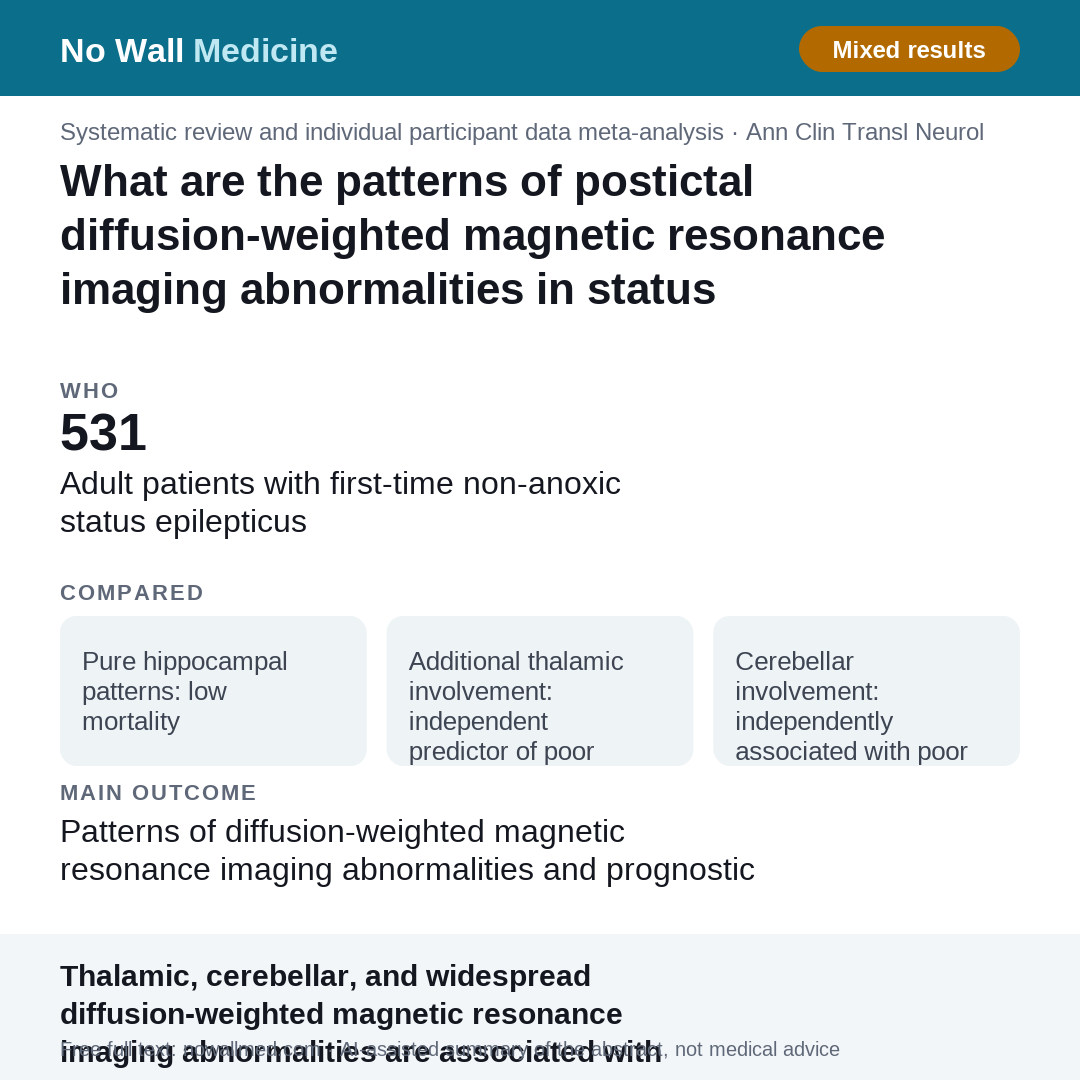
Patterns of Postictal Abnormalities in Relation to Status Epilepticus in Adults
Systematic review and individual participant data meta-analysisMixed results
What are the patterns of postictal diffusion-weighted magnetic resonance imaging abnormalities in status epilepticus?
Who
531
Adult patients with first-time non-anoxic status epilepticus
Compared
Pure hippocampal patterns: low mortality
Additional thalamic involvement: independent predictor of poor functional outcome
Cerebellar involvement: independently associated with poor functional outcome
Main outcome
Patterns of diffusion-weighted magnetic resonance imaging abnormalities and prognostic impact
Bottom line: Thalamic, cerebellar, and widespread diffusion-weighted magnetic resonance imaging abnormalities are associated with worse outcomes in status epilepticus.
Ann Clin Transl Neurol · 2025-12-29Download image
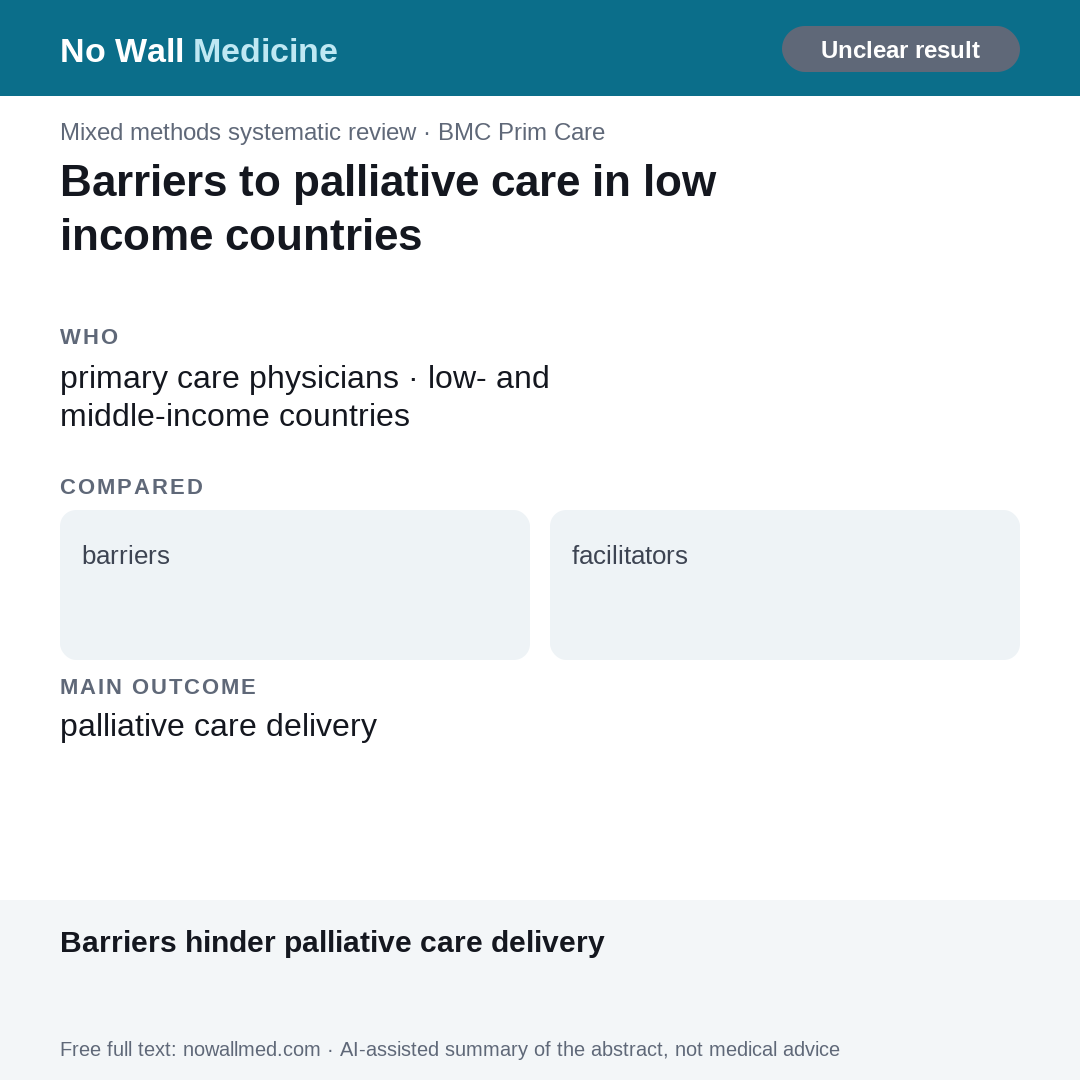
Facilitators and barriers primary care physicians face in providing palliative care in low- and middle-income countries: a mixed methods systematic review
Mixed methods systematic reviewUnclear result
Barriers to palliative care in low income countries
Who
primary care physicians · low- and middle-income countries
Compared
barriers
facilitators
Main outcome
palliative care delivery
Bottom line: Barriers hinder palliative care delivery
BMC Prim Care · 2025-12-29Download image
Short-term efficacy of biologics in moderate-to-severe hidradenitis suppurativa: A systematic review and NMA
Systematic literature review and network meta-analysisBenefit found
What is the comparative short-term efficacy of approved biologic therapies in moderate-to-severe hidradenitis suppurativa?
Who
Patients with moderate-to-severe hidradenitis suppurativa
Compared
Bimekizumab
Secukinumab or Adalimumab
Main outcome
Hidradenitis Suppurativa Clinical Response and severity scores
Result: HiSCR75 odds ratio 1.85 (bimekizumab vs secukinumab Q4W)
Bottom line: Bimekizumab demonstrated the most efficacious short-term results across all predefined outcomes compared to secukinumab and adalimumab.
J Eur Acad Dermatol Venereol · 2025-12-28Download image

Cangrelor in critically ill patients with cardiogenic shock or post-cardiac arrest undergoing percutaneous coronary intervention: a systematic review and meta-analysis
Systematic review and meta-analysis of 12 studiesBenefit found
Does intravenous cangrelor improve efficacy and safety in critically ill patients undergoing percutaneous coronary intervention?
Who
4537
Critically ill patients with cardiogenic shock or post-cardiac arrest
Compared
Adjunctive cangrelor
Oral P2Y12 inhibitor
Main outcome
All-cause mortality, cardiovascular mortality, stent thrombosis, myocardial infarction, stroke, and TIMI 3 flow
Result: RR, 0.90; 95% CI, 0.82–0.98
Bottom line: Intravenous cangrelor reduced all-cause mortality and improved coronary flow in hemodynamically unstable patients undergoing percutaneous coronary intervention.
Limitation: Pending confirmation of overall clinical benefit in large-scale randomized trials.
Crit Care · 2025-12-28Download image

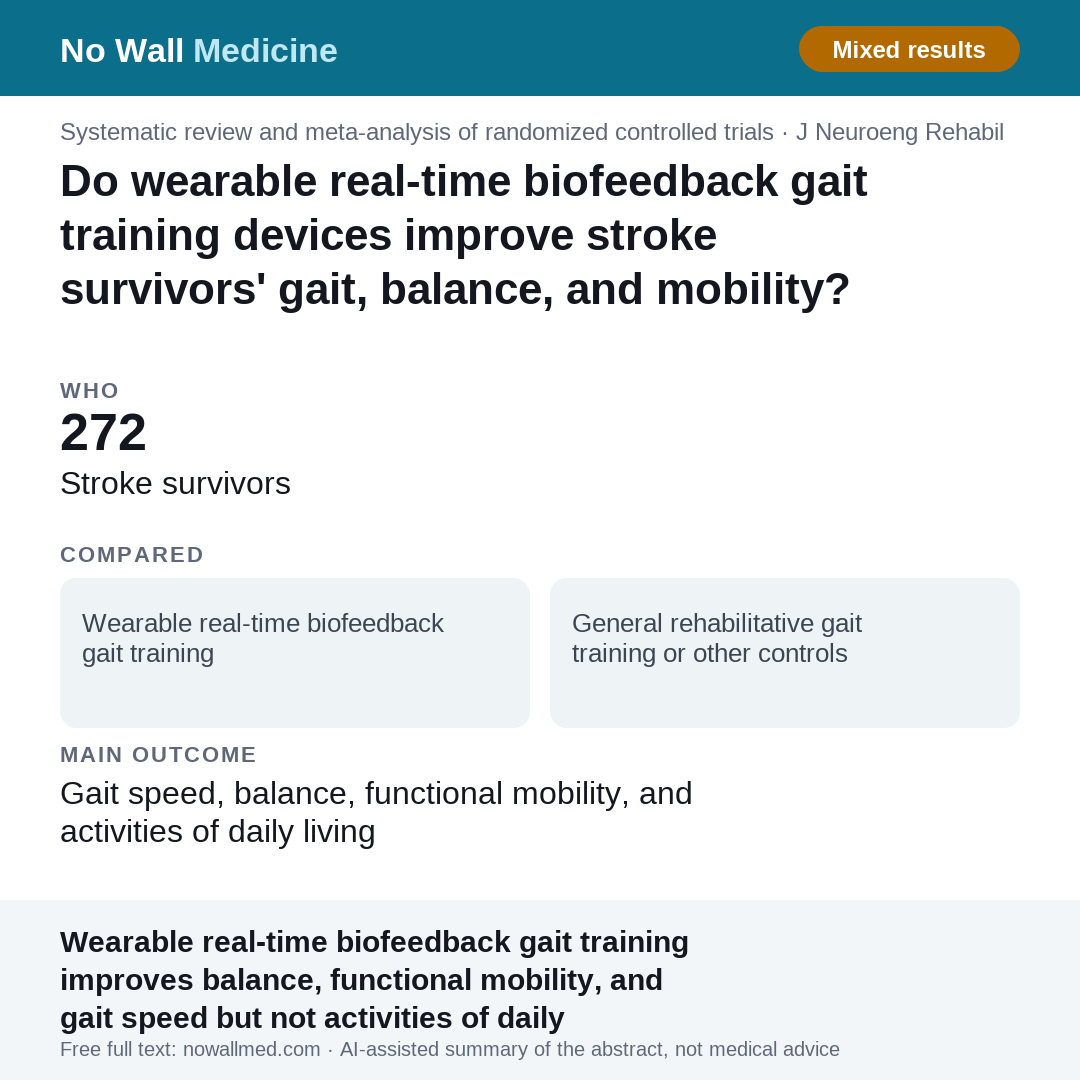
Can wearable real-time biofeedback gait training devices improve gait speed, balance, functional mobility and activities of daily living (ADL) in individuals post-stroke? A systematic review and meta-analysis of randomized controlled trials
Systematic review and meta-analysis of randomized controlled trialsMixed results
Do wearable real-time biofeedback gait training devices improve stroke survivors' gait, balance, and mobility?
Who
272
Stroke survivors
Compared
Wearable real-time biofeedback gait training
General rehabilitative gait training or other controls
Main outcome
Gait speed, balance, functional mobility, and activities of daily living
Result: SMD 0.41 (P=0.02) for gait speed; SMD 0.44 (P=0.03) for Berg Balance Scale; SMD -0.36 (P=0.01) for Timed Up and Go Test
Bottom line: Wearable real-time biofeedback gait training improves balance, functional mobility, and gait speed but not activities of daily living.
J Neuroeng Rehabil · 2025-12-28Download image
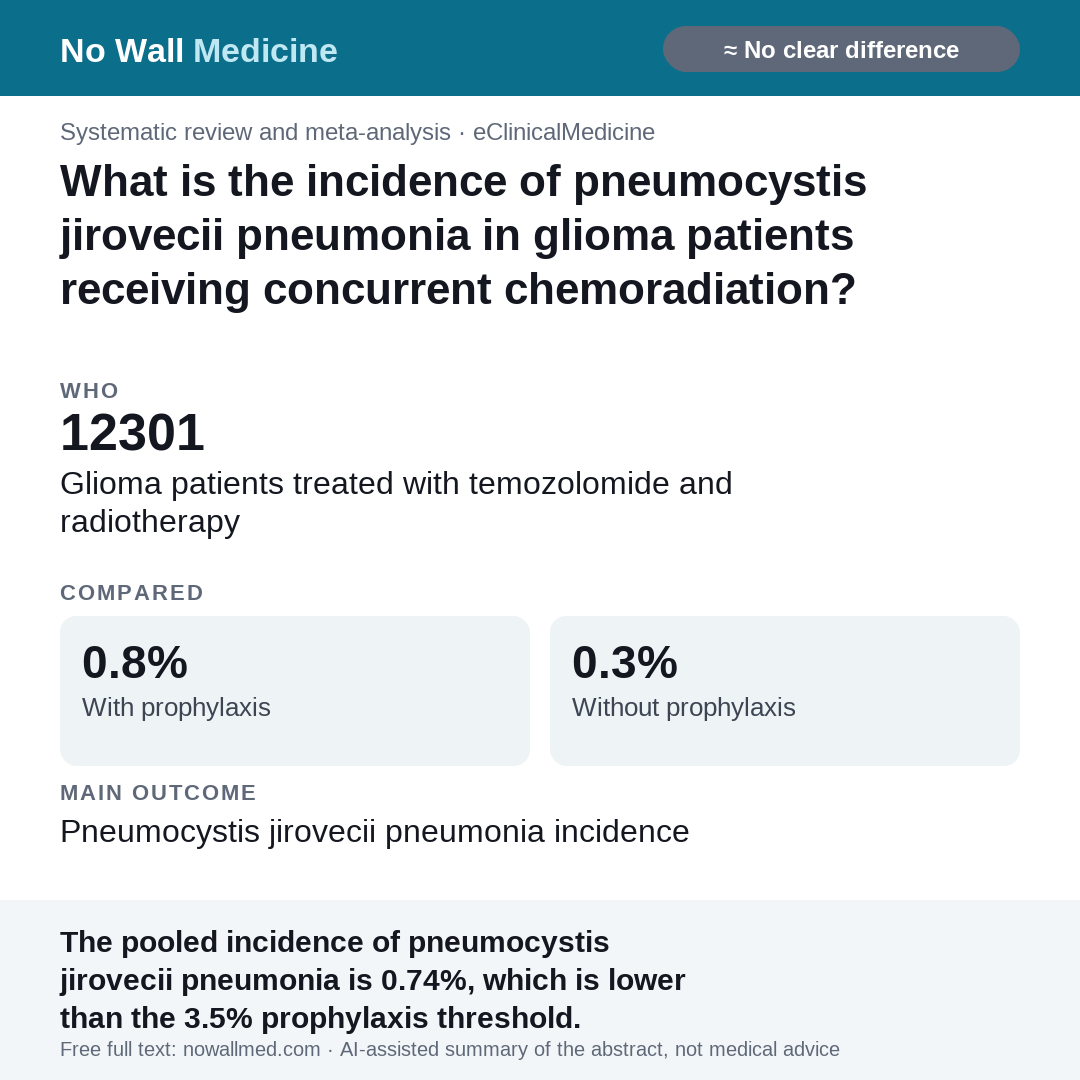
Pneumocystis jirovecii pneumonia prophylaxis in patients with glioma receiving concurrent chemoradiation: a systematic review and meta-analysis
Systematic review and meta-analysisNo clear difference
What is the incidence of pneumocystis jirovecii pneumonia in glioma patients receiving concurrent chemoradiation?
Who
12301
Glioma patients treated with temozolomide and radiotherapy
Compared
0.8%With prophylaxis (14/1765)
0.3%Without prophylaxis (9/2719)
Main outcome
Pneumocystis jirovecii pneumonia incidence
Result: 0.74% (95% CI, 0.59-0.93%)
Bottom line: The pooled incidence of pneumocystis jirovecii pneumonia is 0.74%, which is lower than the 3.5% prophylaxis threshold.
Limitation: Heterogeneity in study populations, lack of standardized diagnostic confirmation, and incomplete reporting of steroid administration.
Funded by: Qassim University
eClinicalMedicine · 2025-12-27Download image
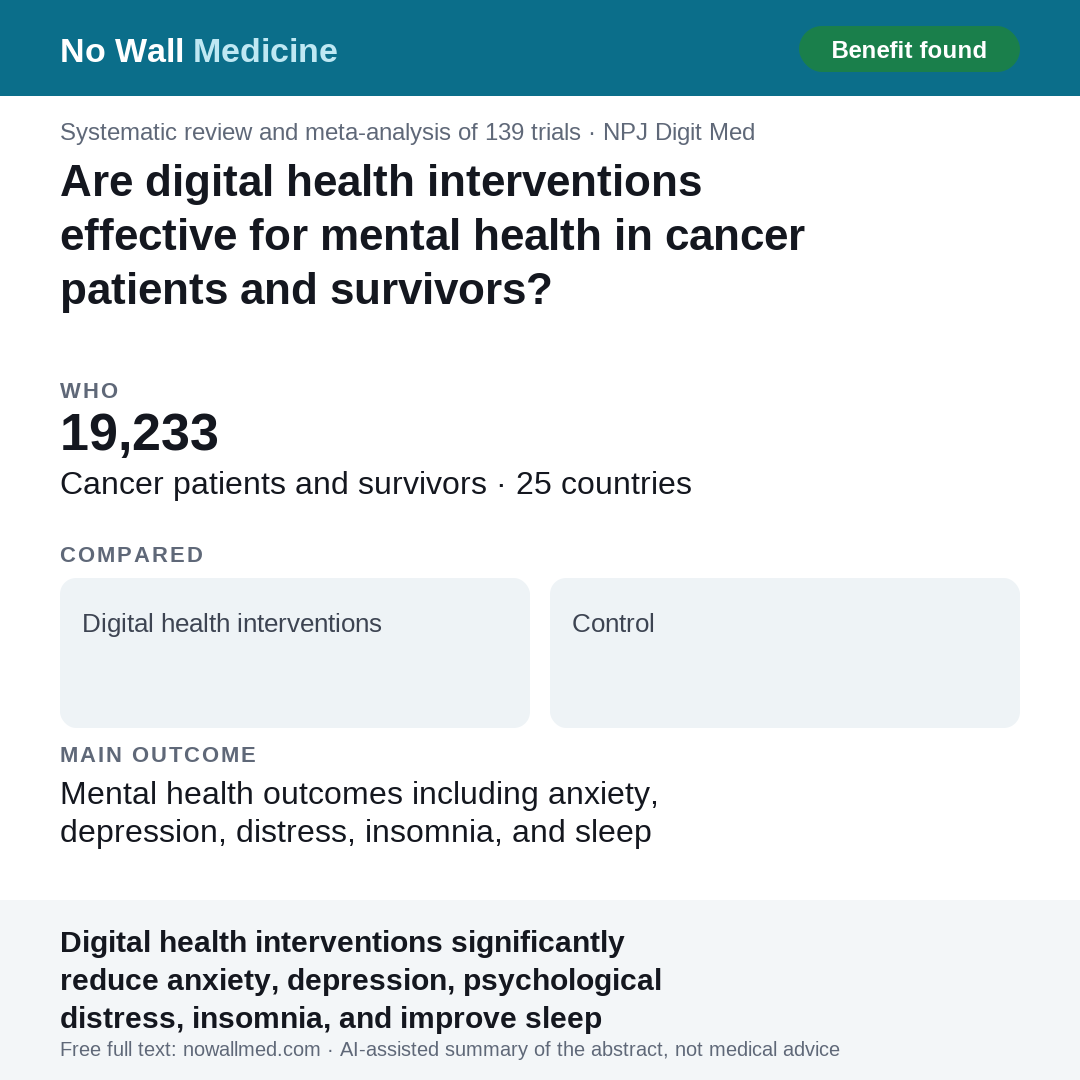
Systematic review and meta-analysis of digital interventions for mental health in cancer patients and survivors
Systematic review and meta-analysis of 139 trialsBenefit found
Are digital health interventions effective for mental health in cancer patients and survivors?
Who
19,233
Cancer patients and survivors · 25 countries
Compared
Digital health interventions
Control
Main outcome
Mental health outcomes including anxiety, depression, distress, insomnia, and sleep quality
Bottom line: Digital health interventions significantly reduce anxiety, depression, psychological distress, insomnia, and improve sleep quality in cancer populations.
NPJ Digit Med · 2025-12-27Download image
Editor's Choice - The Prevalence of Abdominal Aortic Aneurysm in First Degree Relatives: A Systematic Review and Meta-analysis
Systematic review and meta-analysisBenefit found
What is the prevalence and risk of abdominal aortic aneurysm in first degree relatives?
Who
First degree relatives of patients with abdominal aortic aneurysm
Compared
First degree relatives
General population
Main outcome
Prevalence and risk of abdominal aortic aneurysm development
Result: odds ratio 3.19 (95% CI 1.90 - 5.37)
Bottom line: First degree relatives are three times more likely to develop abdominal aortic aneurysm, supporting targeted screening.
Eur J Vasc Endovasc Surg · 2025-12-26Download image

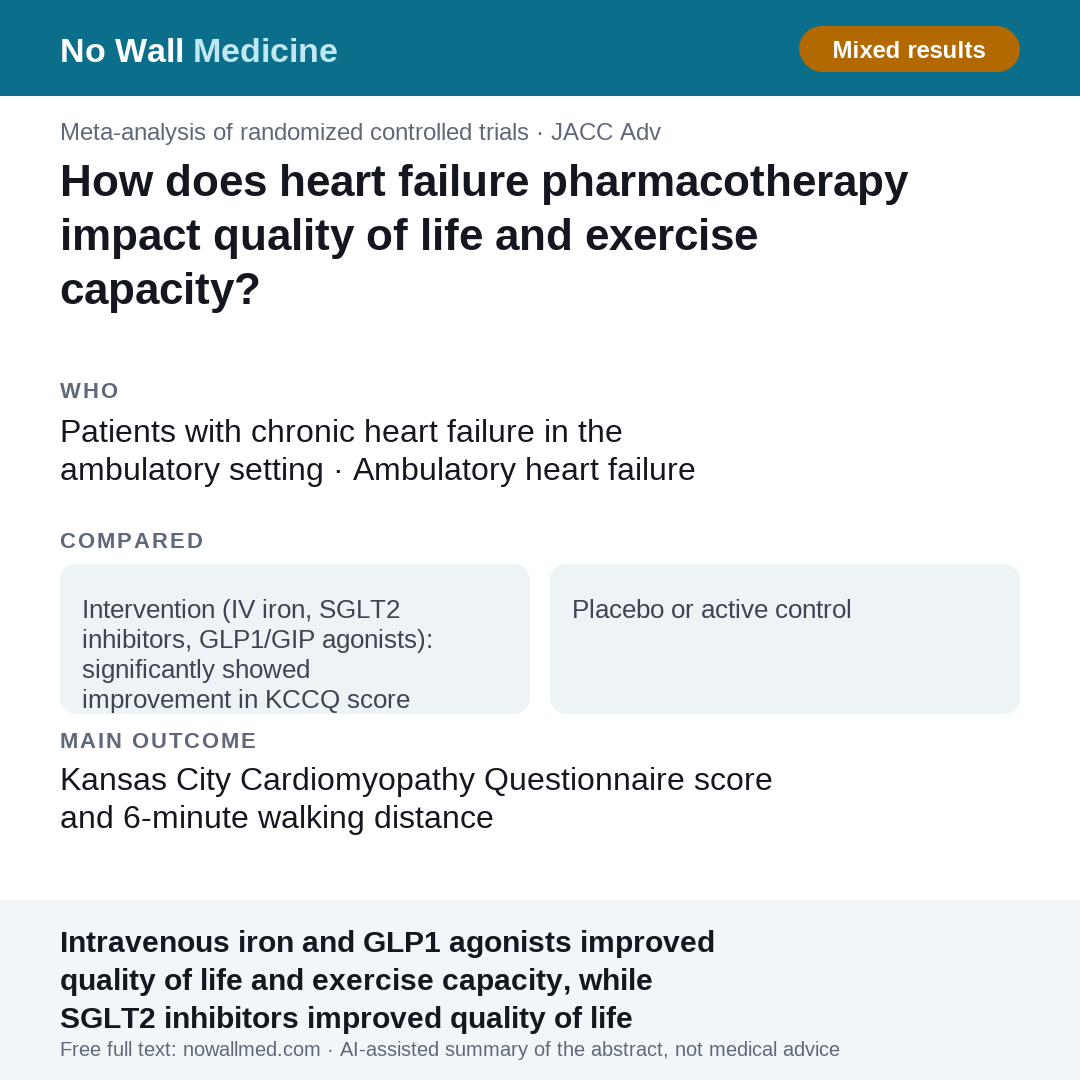
Patient-Centered Outcomes in Heart Failure Pharmacotherapy: A Meta-Analysis of Randomized Controlled Trials
Meta-analysis of randomized controlled trialsMixed results
How does heart failure pharmacotherapy impact quality of life and exercise capacity?
Who
Patients with chronic heart failure in the ambulatory setting · Ambulatory heart failure setting
Compared
Intervention (IV iron, SGLT2 inhibitors, GLP1/GIP agonists): significantly showed improvement in KCCQ score
Placebo or active control
Main outcome
Kansas City Cardiomyopathy Questionnaire score and 6-minute walking distance
Bottom line: Intravenous iron and GLP1 agonists improved quality of life and exercise capacity, while SGLT2 inhibitors improved quality of life only.
JACC Adv · 2025-12-25Download image
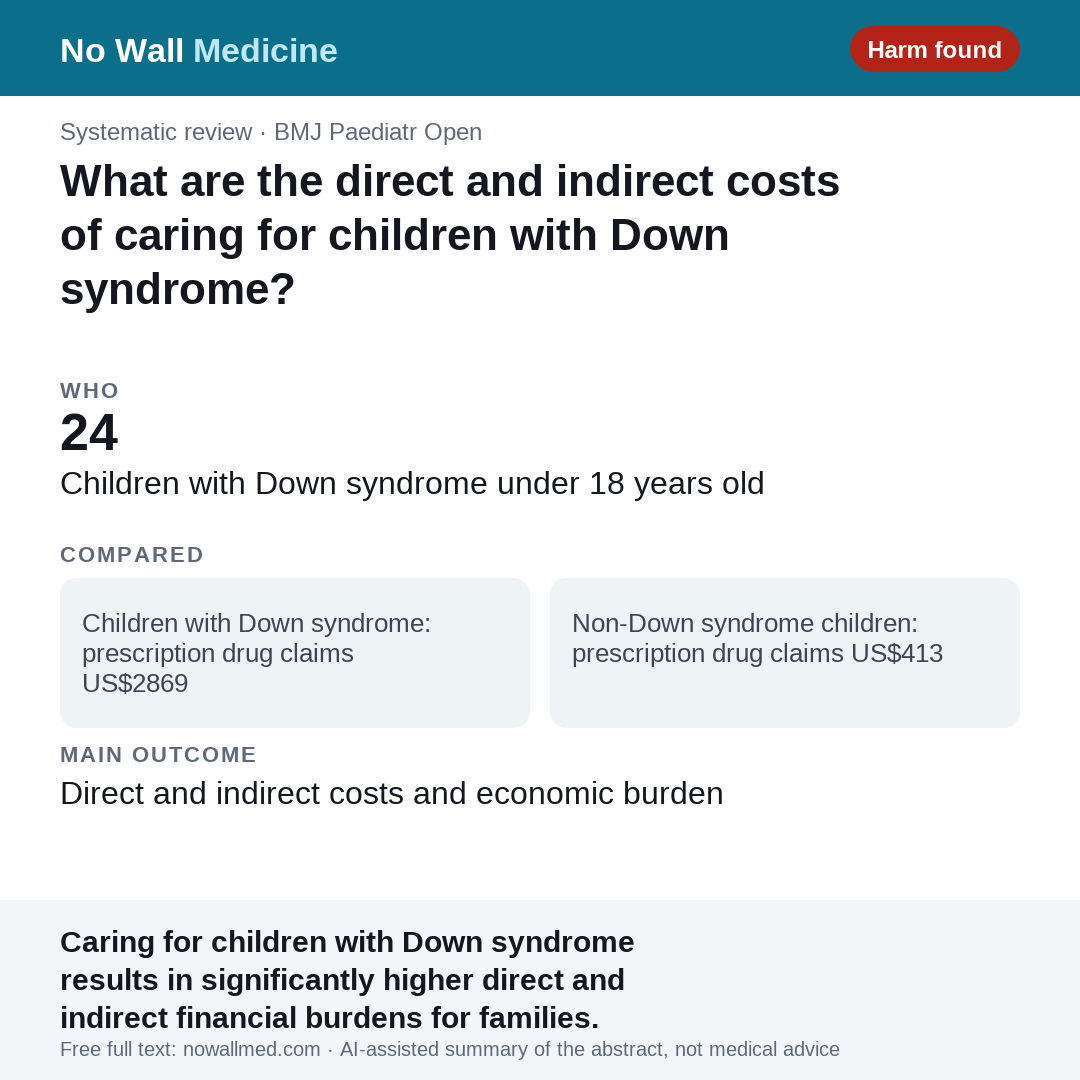
Cost and economic burden associated with caring for children with Down syndrome: a systematic review
Systematic reviewHarm found
What are the direct and indirect costs of caring for children with Down syndrome?
Who
24
Children with Down syndrome under 18 years old
Compared
Children with Down syndrome: prescription drug claims US$2869
Non-Down syndrome children: prescription drug claims US$413
Main outcome
Direct and indirect costs and economic burden
Bottom line: Caring for children with Down syndrome results in significantly higher direct and indirect financial burdens for families.
BMJ Paediatr Open · 2025-12-25Download image
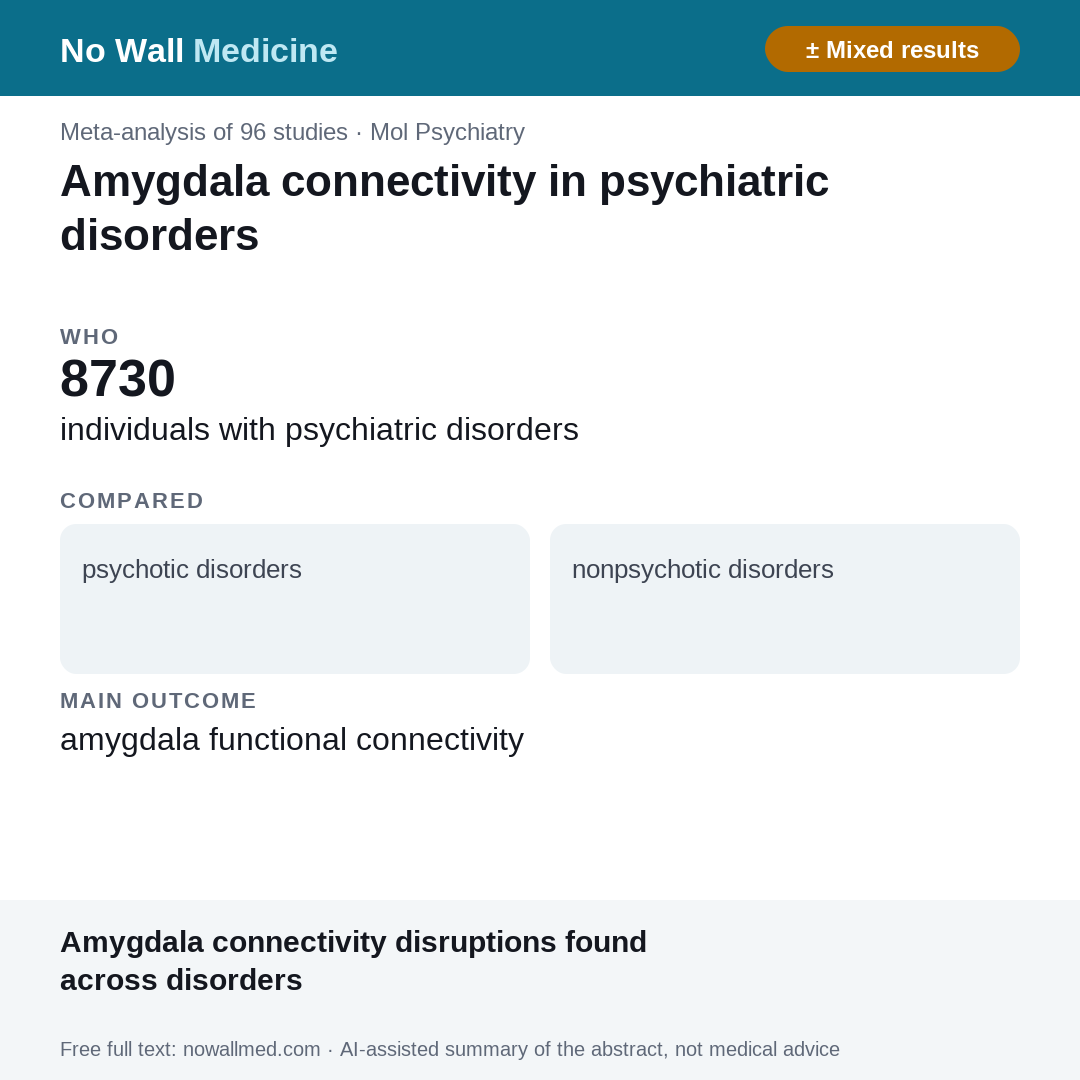
Common alterations of whole and subregion-specific amygdala intrinsic functional connectivity across psychiatric disorders: a meta-analysis
Meta-analysis of 96 studiesMixed results
Amygdala connectivity in psychiatric disorders
Who
8730
individuals with psychiatric disorders
Compared
psychotic disorders
nonpsychotic disorders
Main outcome
amygdala functional connectivity
Bottom line: Amygdala connectivity disruptions found across disorders
Mol Psychiatry · 2025-12-24Download image
CT and MRI radiomics in cardiovascular risk prediction: a systematic review and meta-analysis by the EuSoMII Radiomics Auditing Group
Meta-analysis of 9 studiesBenefit found
Cardiovascular radiomics predict events
Who
202
cardiac disease patients
Compared
0.81Radiomics (95% CI: 0.75-0.87)
Control
Main outcome
cardiovascular events prediction
Result: pooled AUC 0.81 (95% CI: 0.75-0.87)
Bottom line: Radiomics predicts cardiovascular events moderately
Limitation: high heterogeneity and publication bias
Eur Radiol · 2025-12-24Download image

Guideline of guidelines: management of small testicular masses
Systematic review of five international guidelinesBenefit found
What are the international guidelines for managing small testicular masses?
Who
Patients with small testicular masses
Compared
Testis-sparing surgery
Radical orchidectomy
Main outcome
Management recommendations for small testicular masses
Bottom line: Guidelines favor testis-sparing surgery in suitable cases to balance oncological control and functional outcomes.
BJU Int · 2025-12-24Download image

Nafamostat mesilate as anticoagulant for blood purification: a systematic review and meta-analysis
Systematic review and meta-analysis of 16 studiesBenefit found
Is nafamostat mesilate effective compared to conventional anticoagulants or no anticoagulation?
Who
4349
Patients undergoing blood purification or renal replacement therapy
Compared
Nafamostat mesilate
Conventional anticoagulants or no anticoagulation
Main outcome
Bleeding, clotting, mortality, filter life, and hospitalization length
Result: risk of bleeding RR: 0.53 (95% CI: 0.29-0.97)
Bottom line: Nafamostat mesilate shows lower bleeding risk than conventional anticoagulants and longer filter life than no anticoagulation.
Crit Care · 2025-12-24Download image

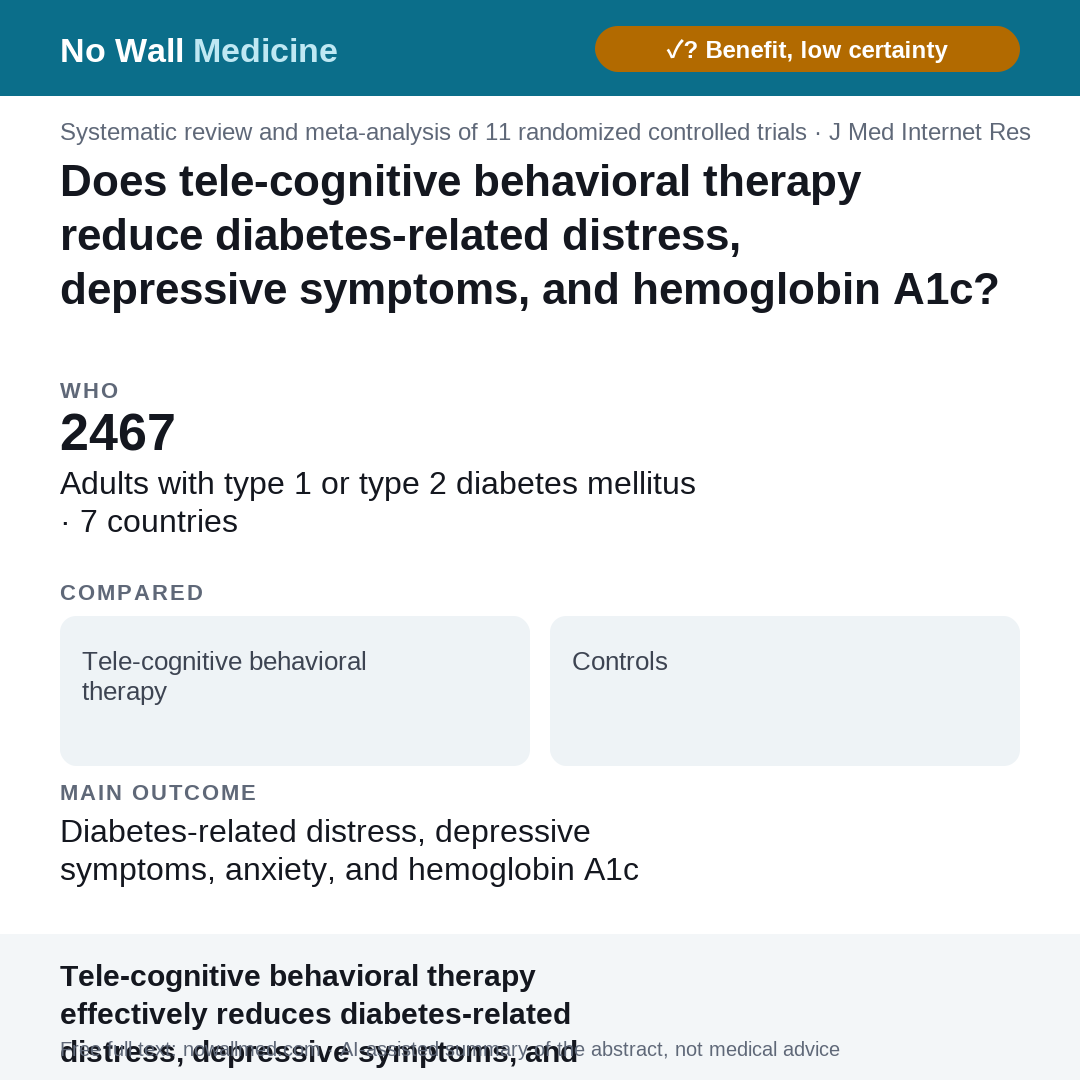
Tele-Cognitive Behavioral Therapy for the Treatment of Diabetes-Related Distress in Individuals With Diabetes Mellitus: Systematic Review and Meta-Analysis of Randomized Controlled Trials
Systematic review and meta-analysis of 11 randomized controlled trialsBenefit found
Does tele-cognitive behavioral therapy reduce diabetes-related distress, depressive symptoms, and hemoglobin A1c?
Who
2467
Adults with type 1 or type 2 diabetes mellitus · 7 countries
Compared
Tele-cognitive behavioral therapy
Controls
Main outcome
Diabetes-related distress, depressive symptoms, anxiety, and hemoglobin A1c
Result: SMD -0.34 (95% CI -0.58 to -0.09) for diabetes-related distress
Bottom line: Tele-cognitive behavioral therapy effectively reduces diabetes-related distress, depressive symptoms, and hemoglobin A1c levels.
Limitation: Substantial heterogeneity, moderate risk of bias, and low certainty of evidence.
J Med Internet Res · 2025-12-24Download image
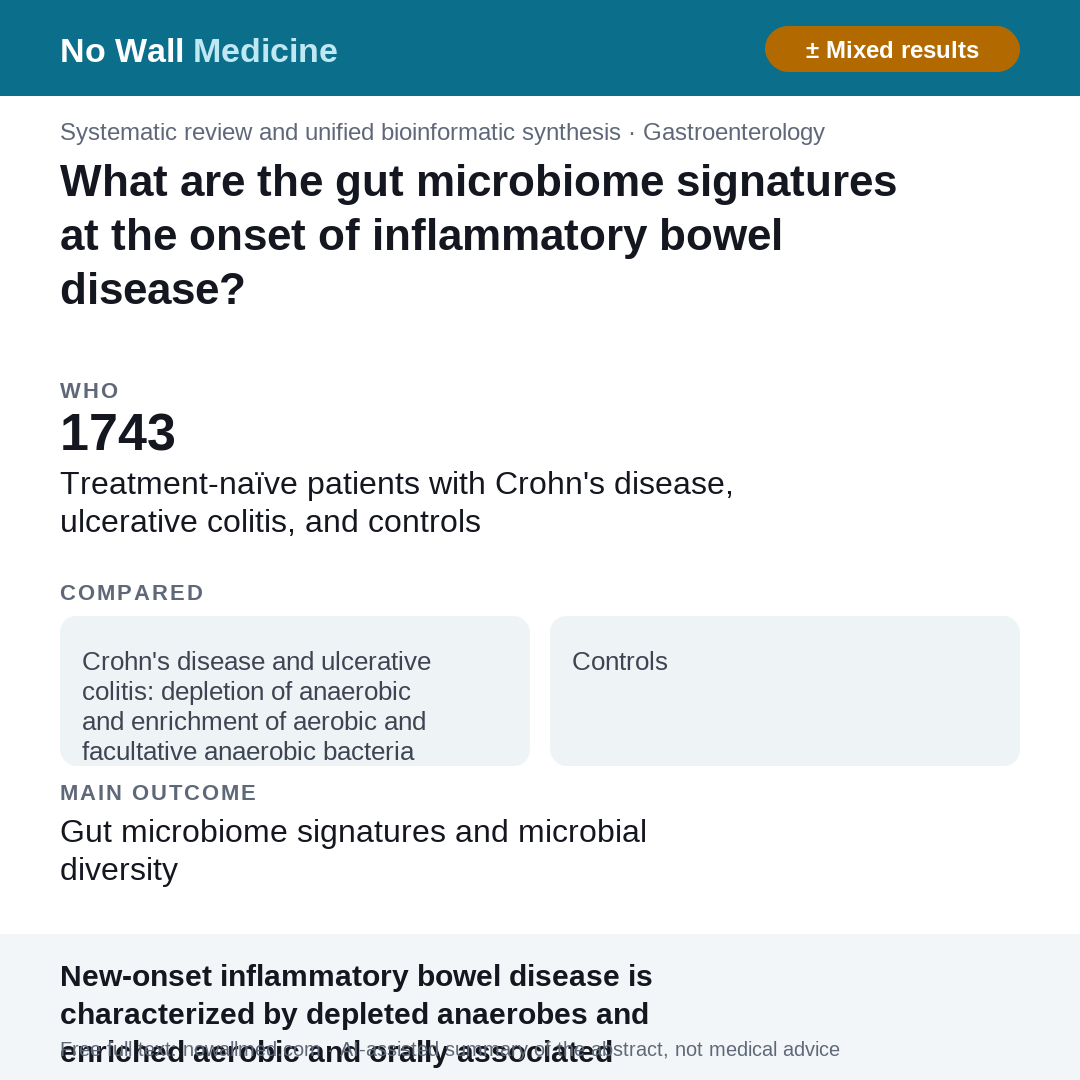
The Gut Microbiome at the Onset of Inflammatory Bowel Disease: A Systematic Review and Unified Bioinformatic Synthesis
Systematic review and unified bioinformatic synthesisMixed results
What are the gut microbiome signatures at the onset of inflammatory bowel disease?
Who
1743
Treatment-naïve patients with Crohn's disease, ulcerative colitis, and controls
Compared
Crohn's disease and ulcerative colitis: depletion of anaerobic and enrichment of aerobic and facultative anaerobic bacteria
Controls
Main outcome
Gut microbiome signatures and microbial diversity
Bottom line: New-onset inflammatory bowel disease is characterized by depleted anaerobes and enriched aerobic and orally associated bacteria.
Gastroenterology · 2025-12-23Download image
Processing Speed Impairment in Schizophrenia: An Updated Systematic Review and Meta-Analysis
Systematic review and meta-analysisBenefit found
Is there a central processing speed impairment in people with schizophrenia?
Who
People with schizophrenia and healthy controls
Compared
People with schizophrenia: g = -1.52 (95% CI, -1.65 to -1.40) for symbol coding
Controls
Main outcome
Degree of cognitive impairment in symbol coding tests
Result: g = -1.52 (95% CI, -1.65 to -1.40)
Bottom line: People with schizophrenia show significant processing speed impairment, which may be central to global cognitive impairments.
JAMA Psychiatry · 2025-12-23Download image

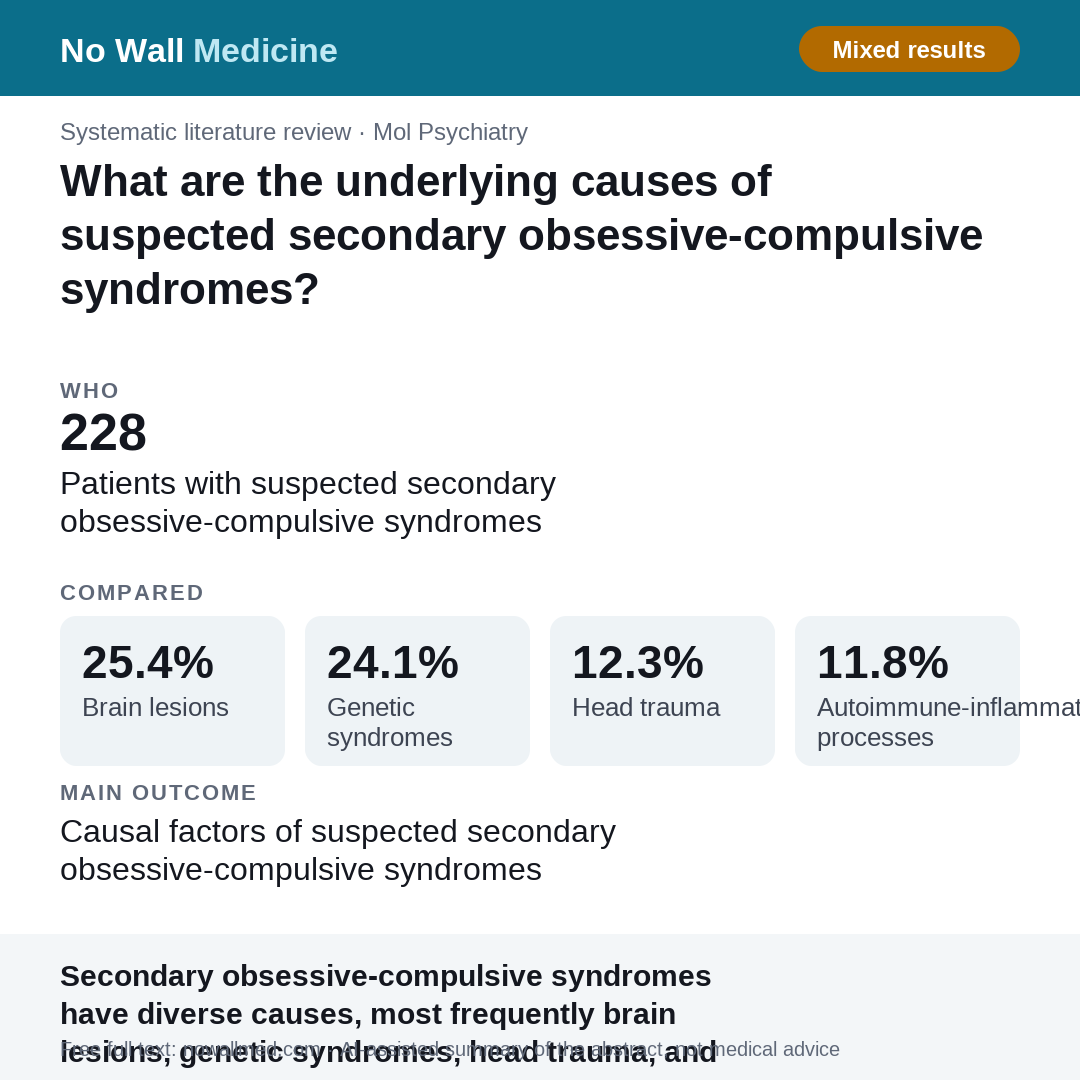
Secondary obsessive-compulsive syndromes: a systematic literature review resulting in 228 suspected cases
Systematic literature reviewMixed results
What are the underlying causes of suspected secondary obsessive-compulsive syndromes?
Who
228
Patients with suspected secondary obsessive-compulsive syndromes
Compared
25.4%Brain lesions
24.1%Genetic syndromes
12.3%Head trauma
11.8%Autoimmune-inflammatory processes
Main outcome
Causal factors of suspected secondary obsessive-compulsive syndromes
Bottom line: Secondary obsessive-compulsive syndromes have diverse causes, most frequently brain lesions, genetic syndromes, head trauma, and autoimmune-inflammatory processes.
Mol Psychiatry · 2025-12-23Download image
The effect of hypercortisolism treatment on dyslipidemia in Cushing syndrome: systematic review and meta-analysis
Systematic review and meta-analysisBenefit found
What are the effects of Cushing syndrome treatment on serum lipid levels?
Who
Patients with Cushing syndrome
Compared
Before treatment
After treatment: significant decrease in serum total cholesterol, low-density lipoprotein cholesterol, and triglycerides
Main outcome
Serum lipid levels
Result: mean difference -26.49 (95% CI -29.95 to -23.04) for total cholesterol
Bottom line: Treatment of Cushing syndrome significantly improves serum total cholesterol, low-density lipoprotein cholesterol, and triglyceride levels.
J Clin Endocrinol Metab · 2025-12-23Download image

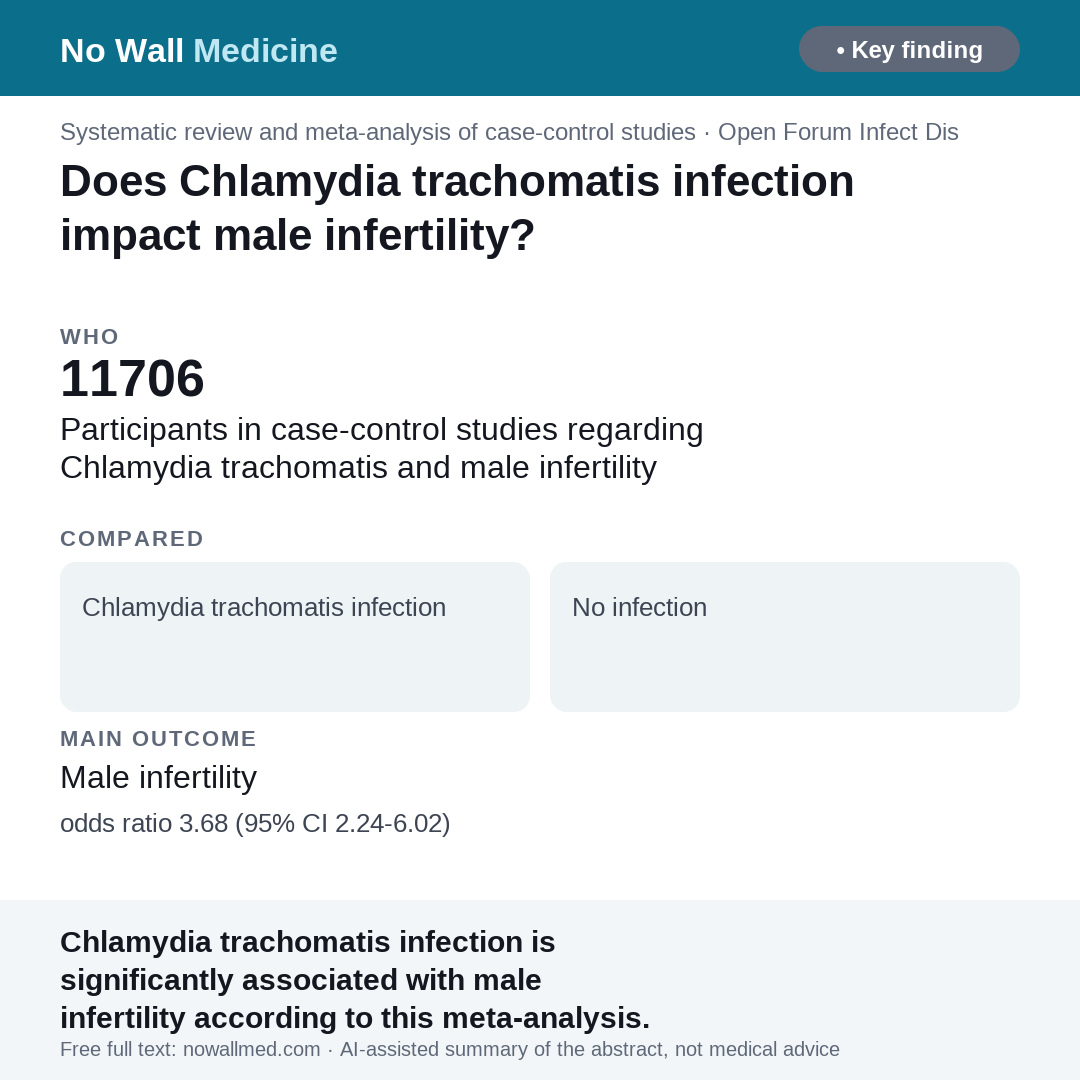
The Impact of Chlamydia trachomatis on Male Infertility: A Systematic Review and Meta-Analysis
Systematic review and meta-analysis of case-control studiesBenefit found
Does Chlamydia trachomatis infection impact male infertility?
Who
11706
Participants in case-control studies regarding Chlamydia trachomatis and male infertility
Compared
Chlamydia trachomatis infection
No infection
Main outcome
Male infertility
Result: odds ratio 3.68 (95% CI 2.24-6.02)
Bottom line: Chlamydia trachomatis infection is significantly associated with male infertility according to this meta-analysis.
Limitation: Confounding, bias, and lack of geographical representativeness limit inference.
Open Forum Infect Dis · 2025-12-23Download image