Visual abstracts
New randomized trials and meta-analyses from leading journals at a glance: who was studied, what was compared, and what was found. Every paper is free to read in full.
All specialtiesCardiology 4763Oncology 4043Gastroenterology & Hepatology 1903Infectious Disease 3756Neurology 1872Psychiatry & Mental Health 2216Pulmonology 2044Critical Care 1319Endocrinology & Diabetes 2544Pediatrics 2889Surgery 2480Orthopedics & Sports Medicine 917Neurosurgery 525Cardiothoracic & Vascular Surgery 656Plastic & Reconstructive Surgery 574Nephrology 1107Rheumatology 810Hematology 1090Dermatology 611Ophthalmology 532Obstetrics & Gynecology 1645Public & Global Health 1037Radiology & Imaging 619Anesthesiology 958Urology 745ENT (Otolaryngology) 494Emergency Medicine 481Allergy & Immunology 309Geriatrics 972Family Medicine & Primary Care 534Medical Genetics & Genomics 659Pathology & Laboratory Medicine 156Physical Medicine & Rehabilitation 734Palliative Care 421Nutrition 1560Digital Health & AI 2137General Medicine 318
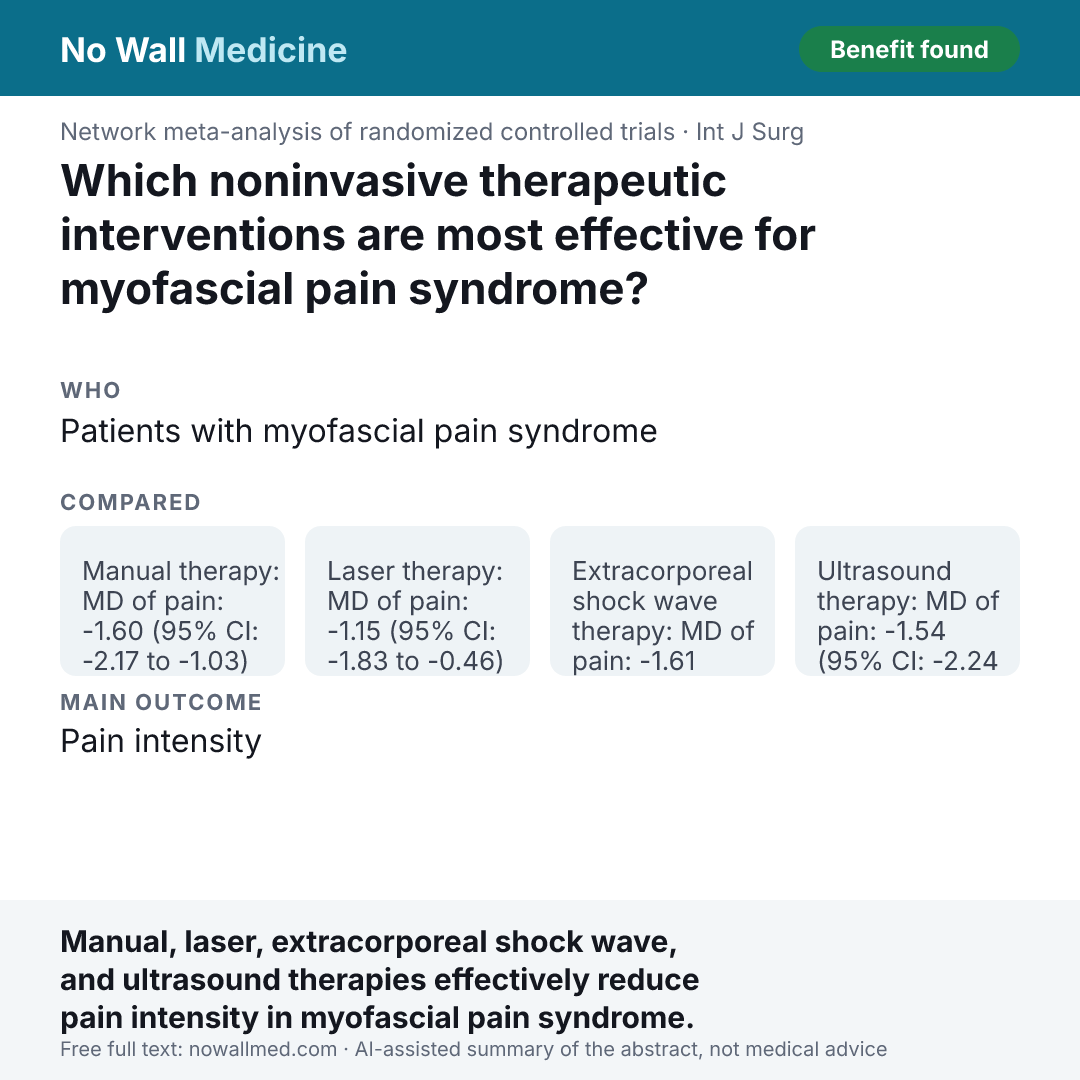
Comparative effectiveness of noninvasive therapeutic interventions for myofascial pain syndrome: a network meta-analysis of randomized controlled trials
Network meta-analysis of randomized controlled trialsBenefit found
Which noninvasive therapeutic interventions are most effective for myofascial pain syndrome?
Who
Patients with myofascial pain syndrome
Compared
Manual therapy: MD of pain: -1.60 (95% CI: -2.17 to -1.03)
Laser therapy: MD of pain: -1.15 (95% CI: -1.83 to -0.46)
Extracorporeal shock wave therapy: MD of pain: -1.61 (95% CI: -2.43 to -0.78)
Ultrasound therapy: MD of pain: -1.54 (95% CI: -2.24 to -0.84)
Main outcome
Pain intensity
Bottom line: Manual, laser, extracorporeal shock wave, and ultrasound therapies effectively reduce pain intensity in myofascial pain syndrome.
Int J Surg · 2024-02-01 · Save PNG
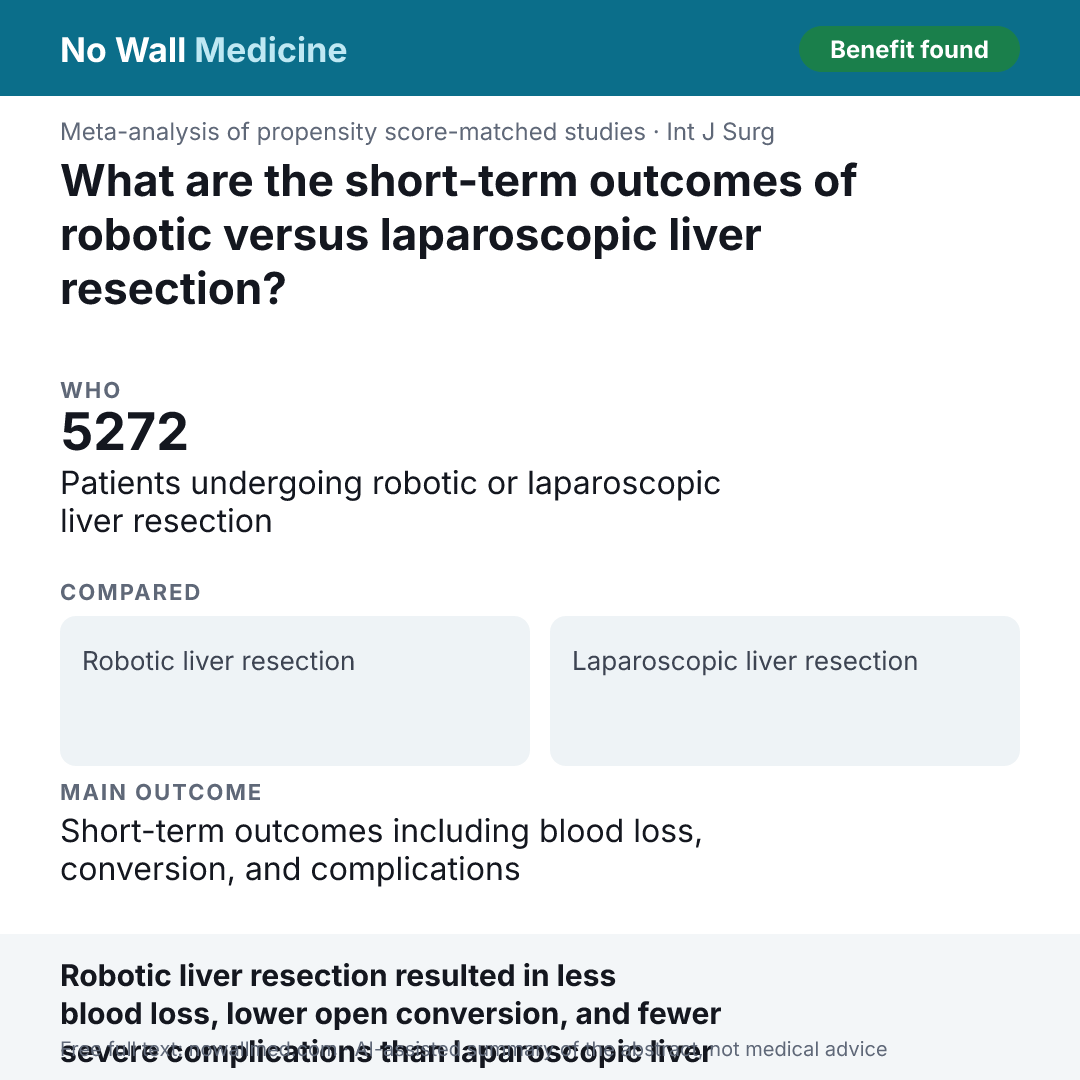
Comparison of short-term outcomes between robotic and laparoscopic liver resection: a meta-analysis of propensity score-matched studies
Meta-analysis of propensity score-matched studiesBenefit found
What are the short-term outcomes of robotic versus laparoscopic liver resection?
Who
5272
Patients undergoing robotic or laparoscopic liver resection
Compared
Robotic liver resection
Laparoscopic liver resection
Main outcome
Short-term outcomes including blood loss, conversion, and complications
Result: open conversion OR 0.46 (95% CI 0.37-0.58)
Bottom line: Robotic liver resection resulted in less blood loss, lower open conversion, and fewer severe complications than laparoscopic liver resection.
Int J Surg · 2024-02-01 · Save PNG
Efficacy of electroacupuncture in improving postoperative ileus in patients receiving colorectal surgery: a systematic review and meta-analysis
Meta-analysis of 16 randomized controlled trialsBenefit found
Does electroacupuncture improve postoperative ileus in patients receiving colorectal surgery?
Who
1562
Patients receiving colorectal surgery
Compared
Electroacupuncture
Standard care
Main outcome
Time to first flatus
Result: mean difference -10.1 h, P <0.00001
Bottom line: Electroacupuncture is associated with faster gastrointestinal recovery and reduced pain after colorectal surgery.
Int J Surg · 2024-02-01 · Save PNG

Diagnostic test accuracy of preoperative nutritional screening tools in adults for malnutrition: a systematic review and network meta-analysis
Systematic review and network meta-analysisKey finding
What is the diagnostic accuracy of preoperative nutritional screening tools for malnutrition?
Who
5695
Adults undergoing surgery · After hospital admission before surgery
Compared
Malnutrition Universal Screening Tool: sensitivity 86%, 95% CI: 75-93%; specificity 89%, 95% CI: 83-93%
Nutritional Risk Index: relative sensitivity 0.93, 95% CI: 0.77-1.13
Main outcome
Diagnostic test accuracy for preoperative malnutrition
Result: relative specificity 0.75 (95% CI 0.61 to 0.92) for NRI compared to MUST
Bottom line: The Malnutrition Universal Screening Tool had the highest accuracy for screening preoperative malnutrition among easy-to-use bedside tests.
Limitation: Eleven studies were at high risk of bias due to lack of blinded assessments.
Int J Surg · 2024-02-01 · Save PNG

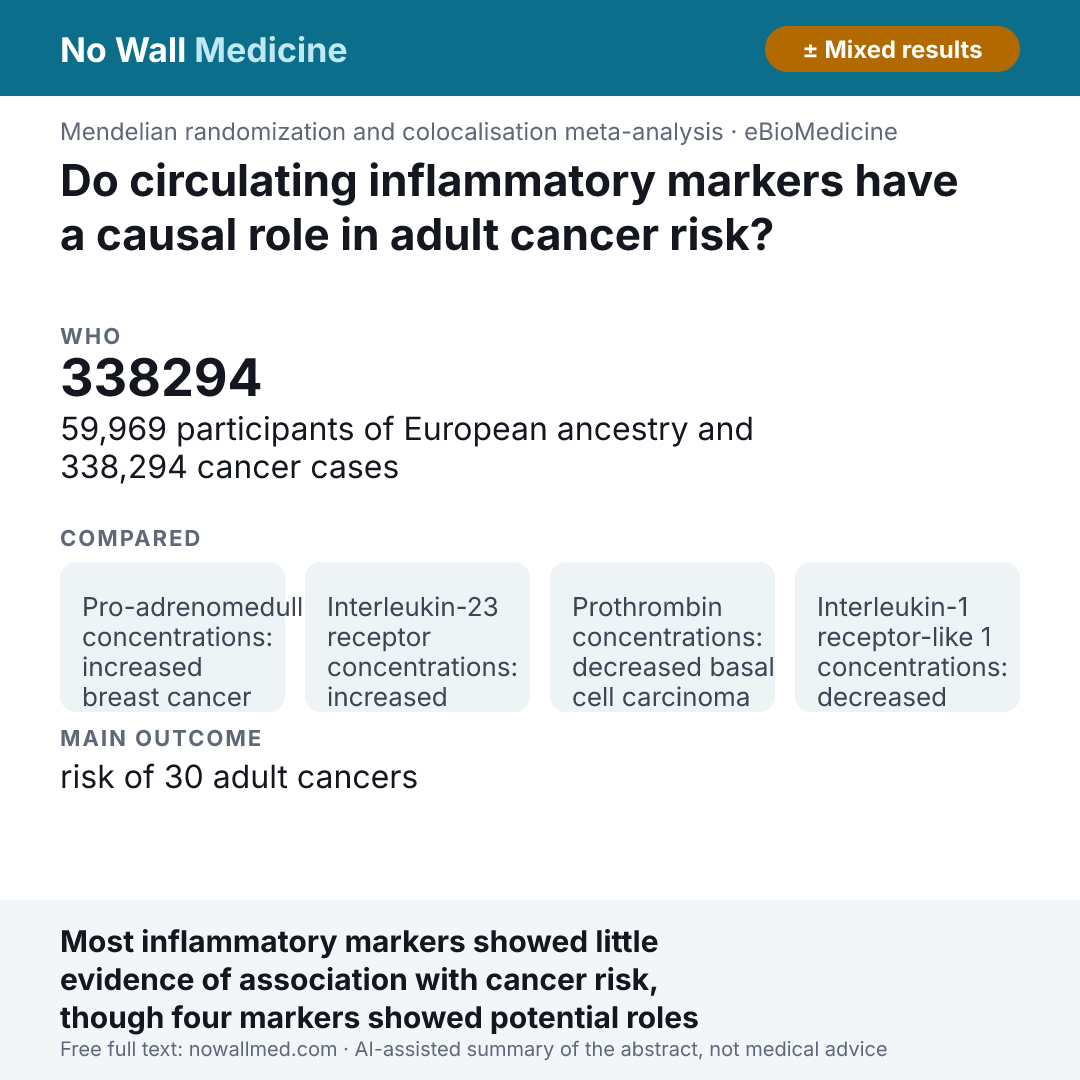
Association between circulating inflammatory markers and adult cancer risk: a Mendelian randomization analysis
Mendelian randomization and colocalisation meta-analysisMixed results
Do circulating inflammatory markers have a causal role in adult cancer risk?
Who
338294
59,969 participants of European ancestry and 338,294 cancer cases
Compared
Pro-adrenomedullin concentrations: increased breast cancer risk (OR: 1.19, 95% CI: 1.10-1.29)
Interleukin-23 receptor concentrations: increased pancreatic cancer risk (OR: 1.42, 95% CI: 1.20-1.69)
Prothrombin concentrations: decreased basal cell carcinoma risk (OR: 0.66, 95% CI: 0.53-0.81)
Interleukin-1 receptor-like 1 concentrations: decreased triple-negative breast cancer risk (OR: 0.92, 95% CI: 0.88-0.97)
Main outcome
risk of 30 adult cancers
Bottom line: Most inflammatory markers showed little evidence of association with cancer risk, though four markers showed potential roles in specific cancers.
Funded by: Cancer Research UK, World Cancer Research Fund, NIHR, Medical Research Council
eBioMedicine · 2024-02-01 · Save PNG
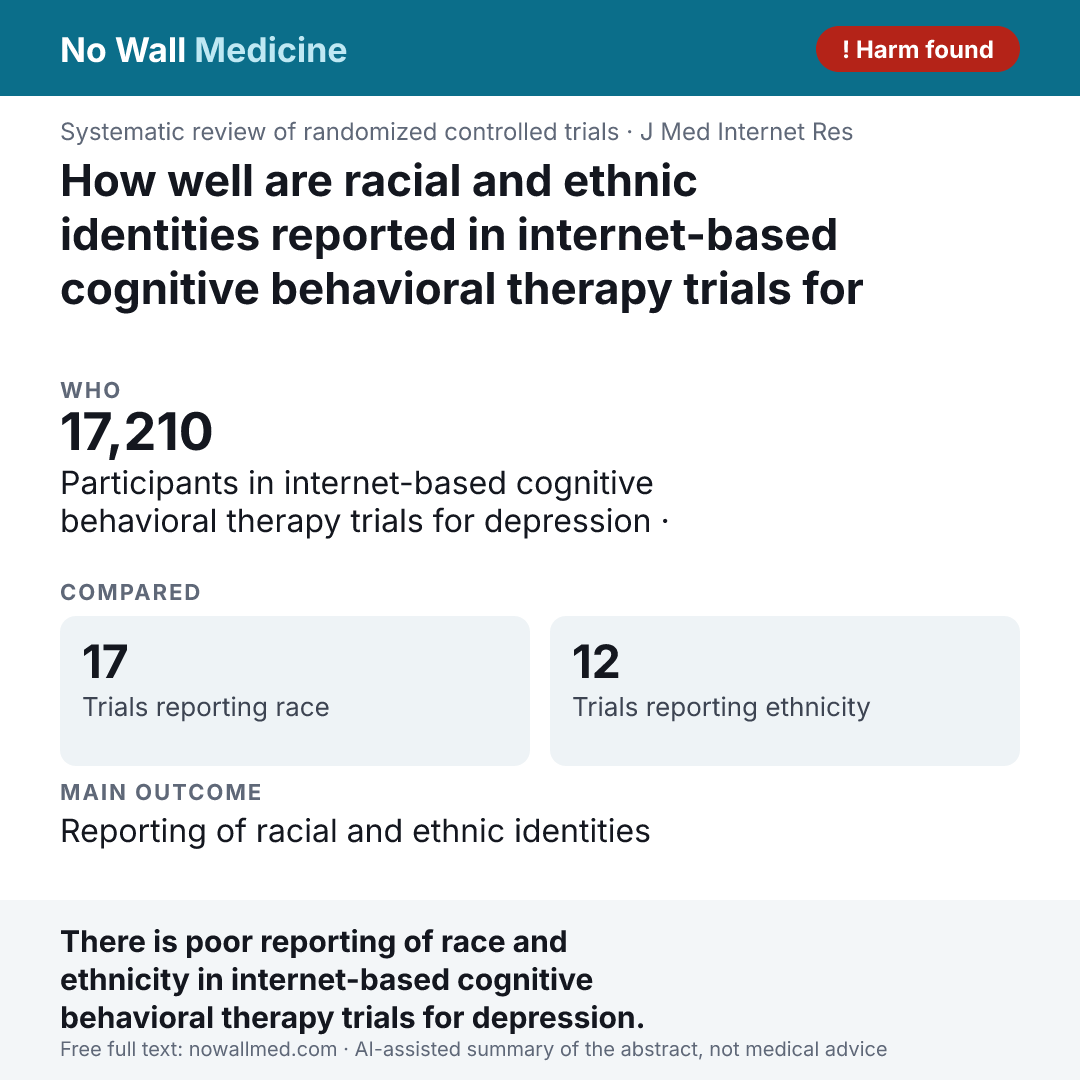
Race, Ethnicity, and Other Cultural Background Factors in Trials of Internet-Based Cognitive Behavioral Therapy for Depression: Systematic Review
Systematic review of randomized controlled trialsHarm found
How well are racial and ethnic identities reported in internet-based cognitive behavioral therapy trials for depression?
Who
17,210
Participants in internet-based cognitive behavioral therapy trials for depression · Global, with heavy United States focus
Compared
17Trials reporting race (27%)
12Trials reporting ethnicity (19%)
Main outcome
Reporting of racial and ethnic identities
Bottom line: There is poor reporting of race and ethnicity in internet-based cognitive behavioral therapy trials for depression.
Limitation: Underreporting does not necessarily indicate underrepresentation in the actual study population.
J Med Internet Res · 2024-02-01 · Save PNG
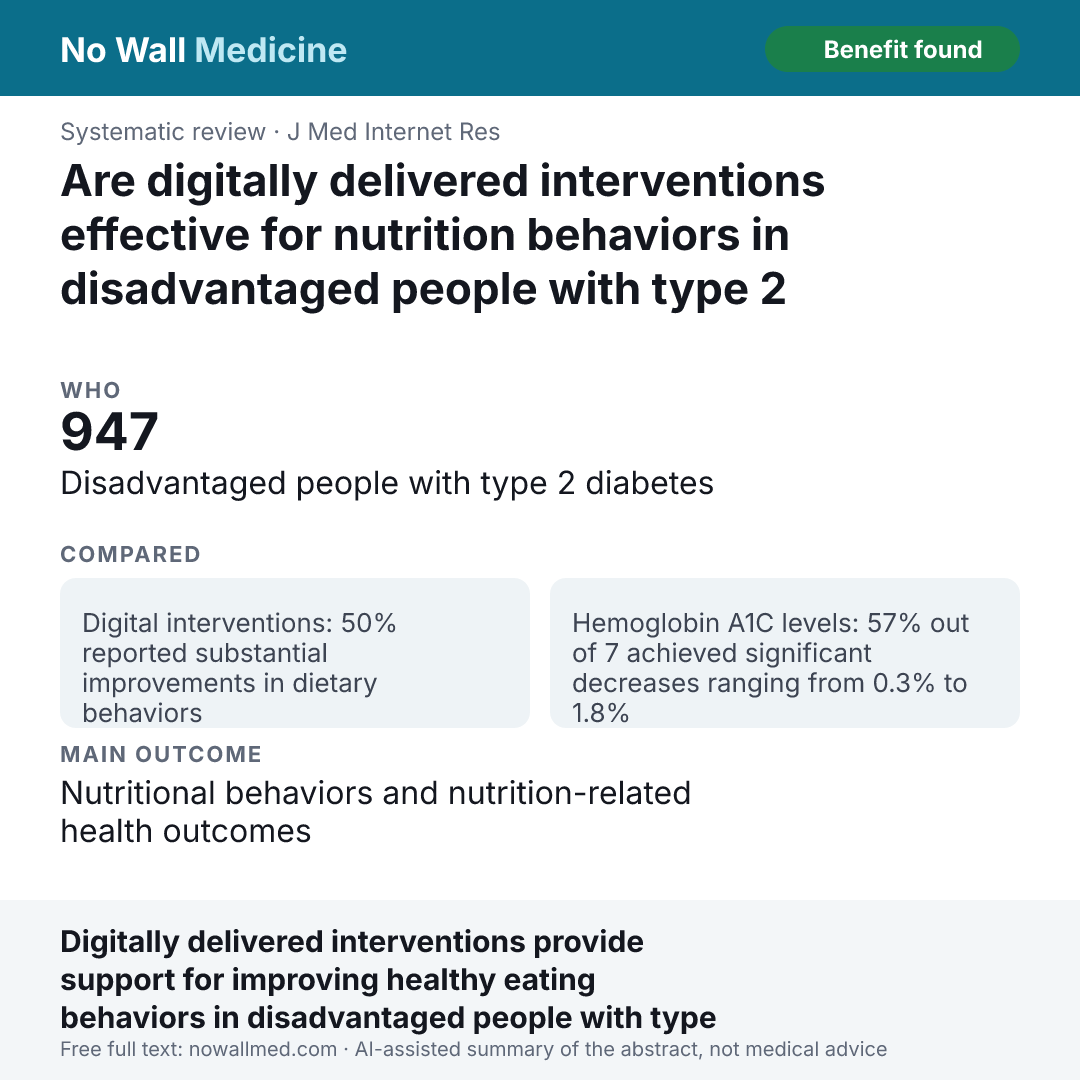
Digitally Delivered Interventions to Improve Nutrition Behaviors Among Resource-Poor and Ethnic Minority Groups With Type 2 Diabetes: Systematic Review
Systematic reviewBenefit found
Are digitally delivered interventions effective for nutrition behaviors in disadvantaged people with type 2 diabetes?
Who
947
Disadvantaged people with type 2 diabetes
Compared
Digital interventions: 50% reported substantial improvements in dietary behaviors
Hemoglobin A1C levels: 57% out of 7 achieved significant decreases ranging from 0.3% to 1.8%
Main outcome
Nutritional behaviors and nutrition-related health outcomes
Bottom line: Digitally delivered interventions provide support for improving healthy eating behaviors in disadvantaged people with type 2 diabetes.
Limitation: Further research is needed to identify specific features of effective digital interventions.
J Med Internet Res · 2024-02-01 · Save PNG
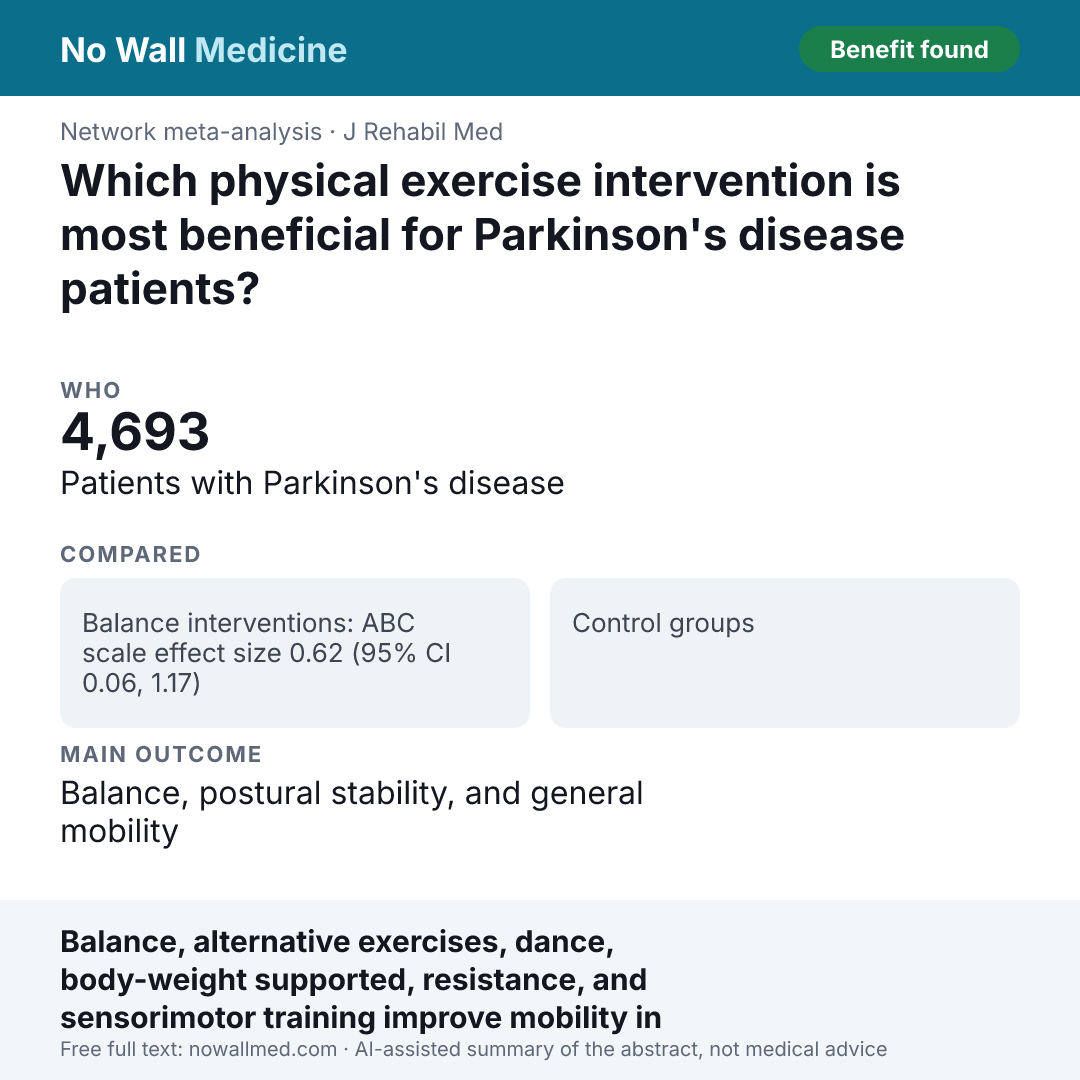
Effects of physical exercise interventions on balance, postural stability and general mobility in Parkinson's disease: a network meta-analysis
Network meta-analysisBenefit found
Which physical exercise intervention is most beneficial for Parkinson's disease patients?
Who
4,693
Patients with Parkinson's disease
Compared
Balance interventions: ABC scale effect size 0.62 (95% CI 0.06, 1.17)
Control groups
Main outcome
Balance, postural stability, and general mobility
Bottom line: Balance, alternative exercises, dance, body-weight supported, resistance, and sensorimotor training improve mobility in Parkinson's disease.
J Rehabil Med · 2024-02-01 · Save PNG
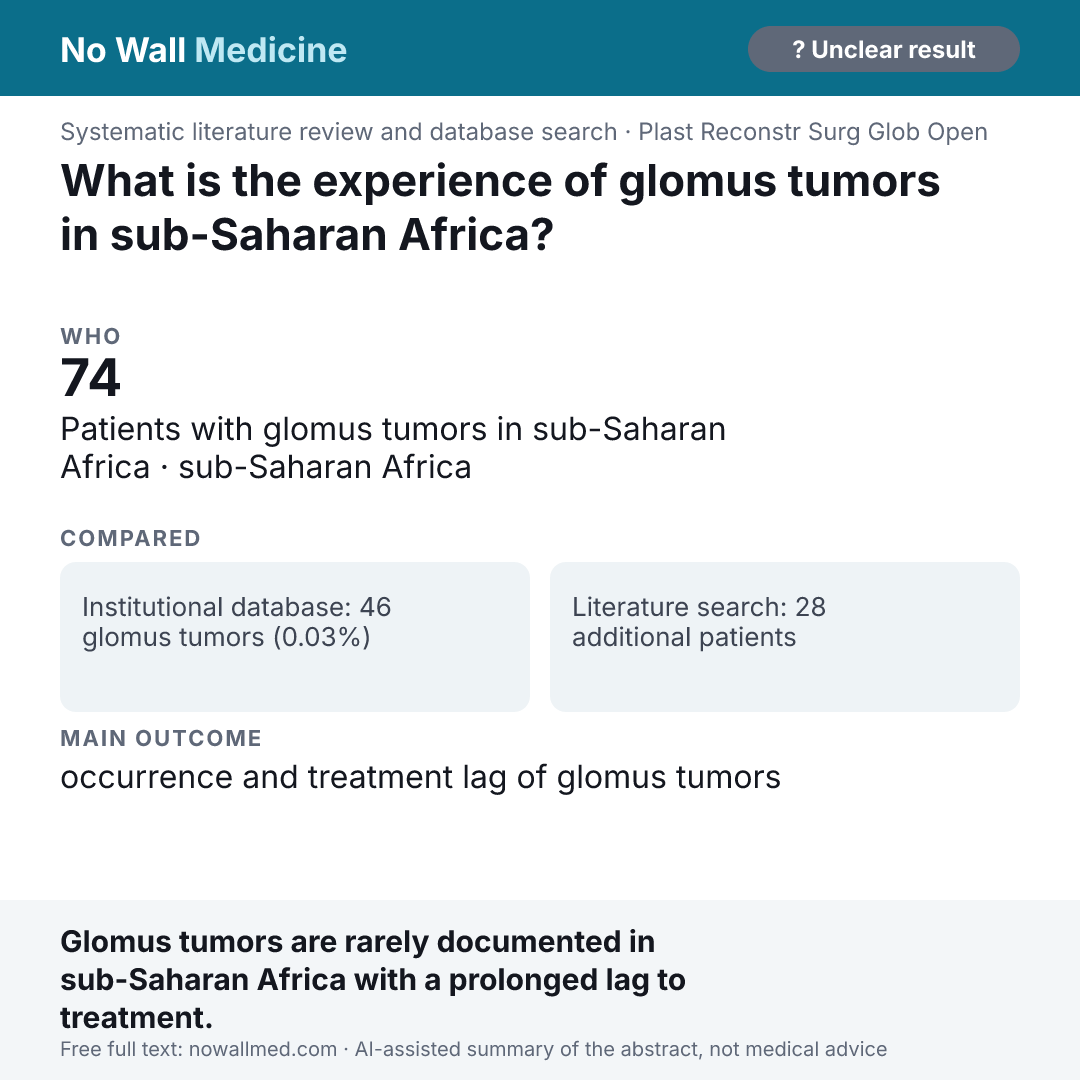
Glomus Tumors: A Systematic Review of the Sub-Saharan Africa Experience
Systematic literature review and database searchUnclear result
What is the experience of glomus tumors in sub-Saharan Africa?
Who
74
Patients with glomus tumors in sub-Saharan Africa · sub-Saharan Africa
Compared
Institutional database: 46 glomus tumors (0.03%)
Literature search: 28 additional patients
Main outcome
occurrence and treatment lag of glomus tumors
Bottom line: Glomus tumors are rarely documented in sub-Saharan Africa with a prolonged lag to treatment.
Plast Reconstr Surg Glob Open · 2024-02-01 · Save PNG
Cutaneous manifestations of myelodysplastic syndrome: A systematic review
Systematic reviewMixed results
What are the prevalence, types, and prognostic significance of cutaneous manifestations in myelodysplastic syndrome?
Who
134
Patients with myelodysplastic syndrome
Compared
Neutrophilic dermatoses: 39.2% death
Vasculitis: 50% death
Granulomatous: 62.5% death
Connective tissue disease: 14.3% death
Main outcome
Prevalence, types, and prognosis of skin lesions
Bottom line: Cutaneous manifestations vary in type and are associated with poor prognosis, including high rates of death and leukemia transformation.
Limitation: The review consists of case reports and case series.
Skin Health Dis · 2024-02-01 · Save PNG

Systematic Review of Tularemia During Pregnancy
Systematic literature reviewMixed results
What are the clinical manifestations and outcomes of tularemia during pregnancy?
Who
52
Pregnant patients with tularemia · 9 countries
Compared
Antimicrobial treatment: 1 pregnancy loss and 1 fetal death
Untreated: 1 pregnancy loss and 3 fetal deaths
Main outcome
maternal, fetal, and neonatal outcomes
Bottom line: Tularemia causes pregnancy complications, but adverse outcomes may be lower with antimicrobial treatment.
Limitation: Small number of cases (52) across 30 articles.
Clin Infect Dis · 2024-01-31 · Save PNG

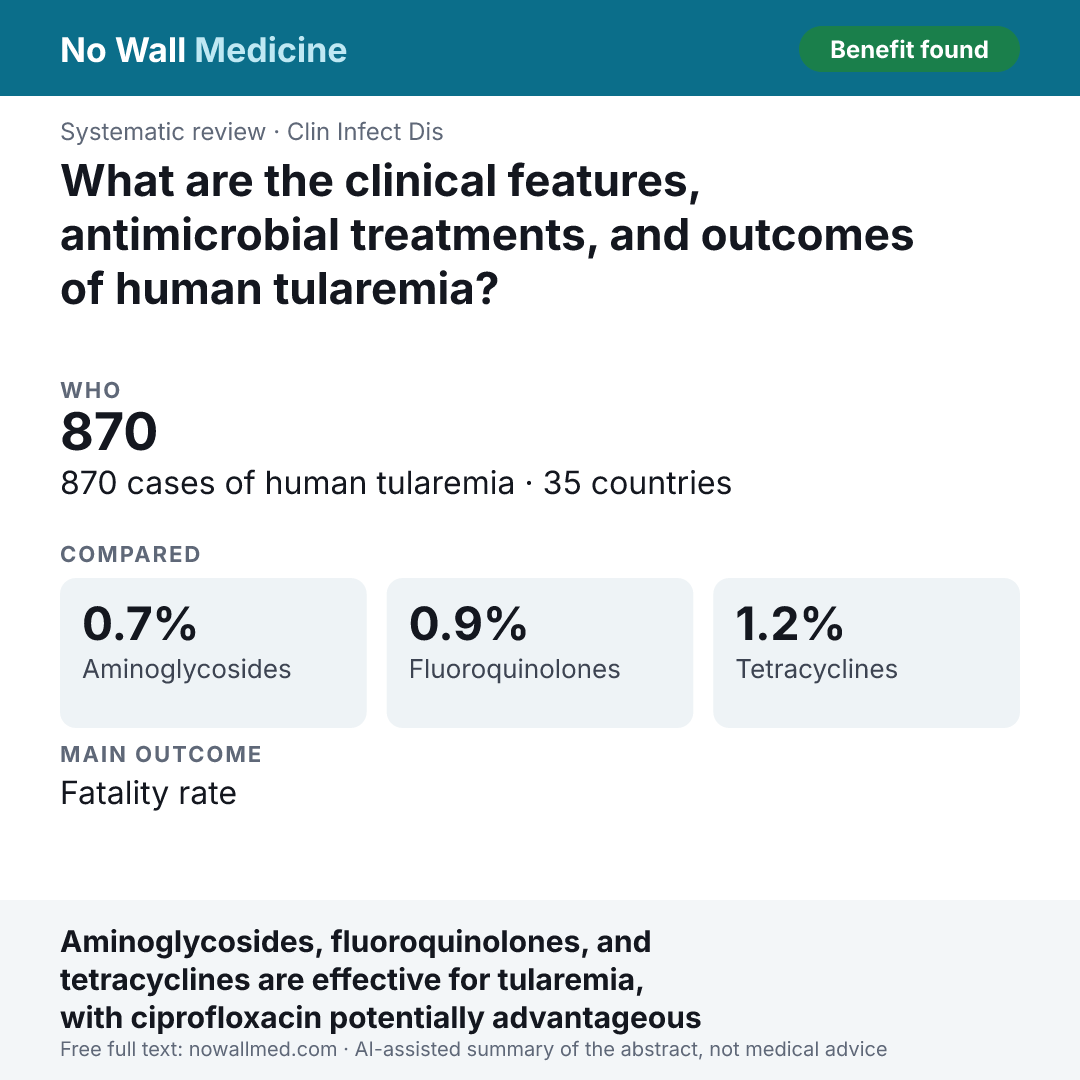
Systematic Review: Clinical Features, Antimicrobial Treatment, and Outcomes of Human Tularemia, 1993-2023
Systematic reviewBenefit found
What are the clinical features, antimicrobial treatments, and outcomes of human tularemia?
Who
870
870 cases of human tularemia · 35 countries
Compared
0.7%Aminoglycosides
0.9%Fluoroquinolones
1.2%Tetracyclines
Main outcome
Fatality rate
Bottom line: Aminoglycosides, fluoroquinolones, and tetracyclines are effective for tularemia, with ciprofloxacin potentially advantageous for pneumonic disease.
Clin Infect Dis · 2024-01-31 · Save PNG
Meta-analysis of ACE inhibitor-induced angioedema identifies novel risk locus
Genome-wide association study meta-analysisKey finding
What are the genetic risk factors for angiotensin-converting enzyme inhibitor-induced angioedema?
Who
1000
European patients with angiotensin-converting enzyme inhibitor-induced angioedema · 8 cohorts
Compared
ACE inhibitor-induced angioedema
Control
Main outcome
Identification of genetic risk loci
Bottom line: Meta-analysis identified three genome-wide significant risk loci involving bradykinin signaling, coagulation, and fibrinolysis pathways.
Limitation: The exploratory cross-ancestry analysis was limited to African-American patients.
JACI · 2024-01-31 · Save PNG

Association of metformin use and cancer incidence: a systematic review and meta-analysis
Systematic review and meta-analysisKey finding
Is metformin use associated with cancer incidence?
Who
Patients with cancer incidence information
Compared
Metformin use
No metformin use
Main outcome
Cancer incidence
Result: relative risk 0.55 (95% confidence interval 0.30 to 0.80) in case-control studies
Bottom line: Metformin use may be associated with a decreased risk of many cancer types.
Limitation: High heterogeneity and risk of publication bias limit confidence in these results.
J Natl Cancer Inst · 2024-01-31 · Save PNG

Comparison of Effectiveness Among Different Sodium-Glucose Cotransoporter-2 Inhibitors According to Underlying Conditions: A Network Meta-Analysis of Randomized Controlled Trials
Network meta-analysis of 21 randomized controlled trialsMixed results
How do different sodium-glucose cotransporter-2 inhibitors compare in effectiveness and safety?
Who
96196
Participants with or without diabetes and chronic kidney disease
Compared
SGLT2 inhibitors
Placebo
Main outcome
Composite of cardiovascular death and hospitalizations for heart failure
Bottom line: No significant differences in primary efficacy outcomes among inhibitors, though empagliflozin might be preferred without chronic kidney disease.
J Am Heart Assoc · 2024-01-31 · Save PNG

Cannabis use among cancer patients and survivors in the United States: a systematic review
Systematic reviewKey finding
Cannabis use among cancer patients
Who
cancer patients and survivors · United States
Compared
cannabis users
non-users
Main outcome
symptom management
Bottom line: Cannabis may help manage symptoms
Limitation: need longitudinal studies
JNCI Cancer Spectr · 2024-01-31 · Save PNG

Evaluating the efficacy of biologics with and without methotrexate in the treatment of psoriatic arthritis: a network meta-analysis
Bayesian network meta-analysisNo clear difference
Does adding methotrexate to biologics improve efficacy in psoriatic arthritis?
Who
adults with active psoriatic arthritis
Compared
biologic monotherapy
biologics with methotrexate
Main outcome
American College of Rheumatology 20%, 50% and 70% improvement response
Bottom line: Adding methotrexate to biologics did not improve efficacy outcomes compared to biologic monotherapy for psoriatic arthritis.
Limitation: limited by fewer trials
RMD Open · 2024-01-31 · Save PNG

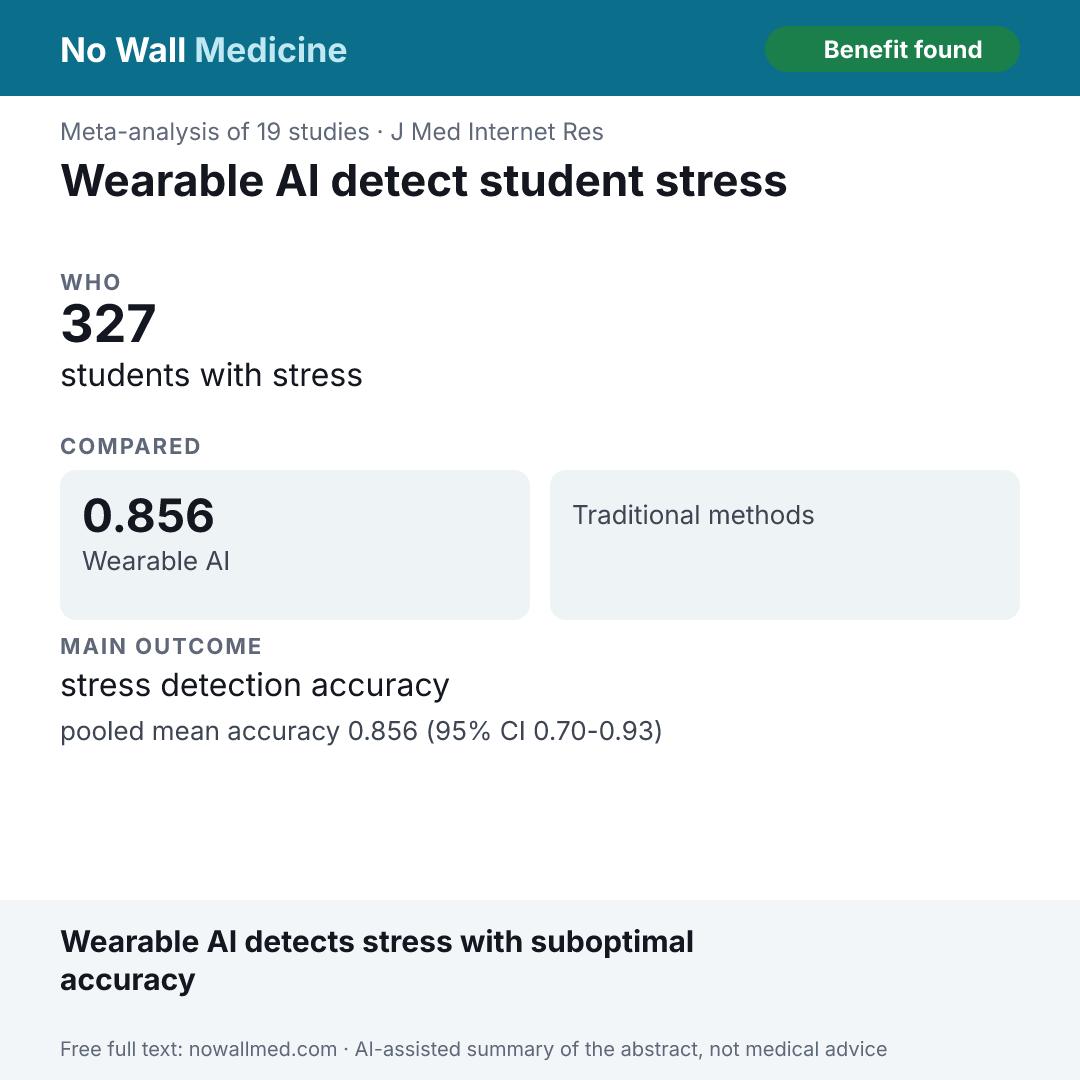
The Performance of Wearable AI in Detecting Stress Among Students: Systematic Review and Meta-Analysis
Meta-analysis of 19 studiesBenefit found
Wearable AI detect student stress
Who
327
students with stress
Compared
0.856Wearable AI (95% CI 0.70-0.93)
Traditional methods
Main outcome
stress detection accuracy
Result: pooled mean accuracy 0.856 (95% CI 0.70-0.93)
Bottom line: Wearable AI detects stress with suboptimal accuracy
Limitation: confounding factors and limited evidence
J Med Internet Res · 2024-01-31 · Save PNG
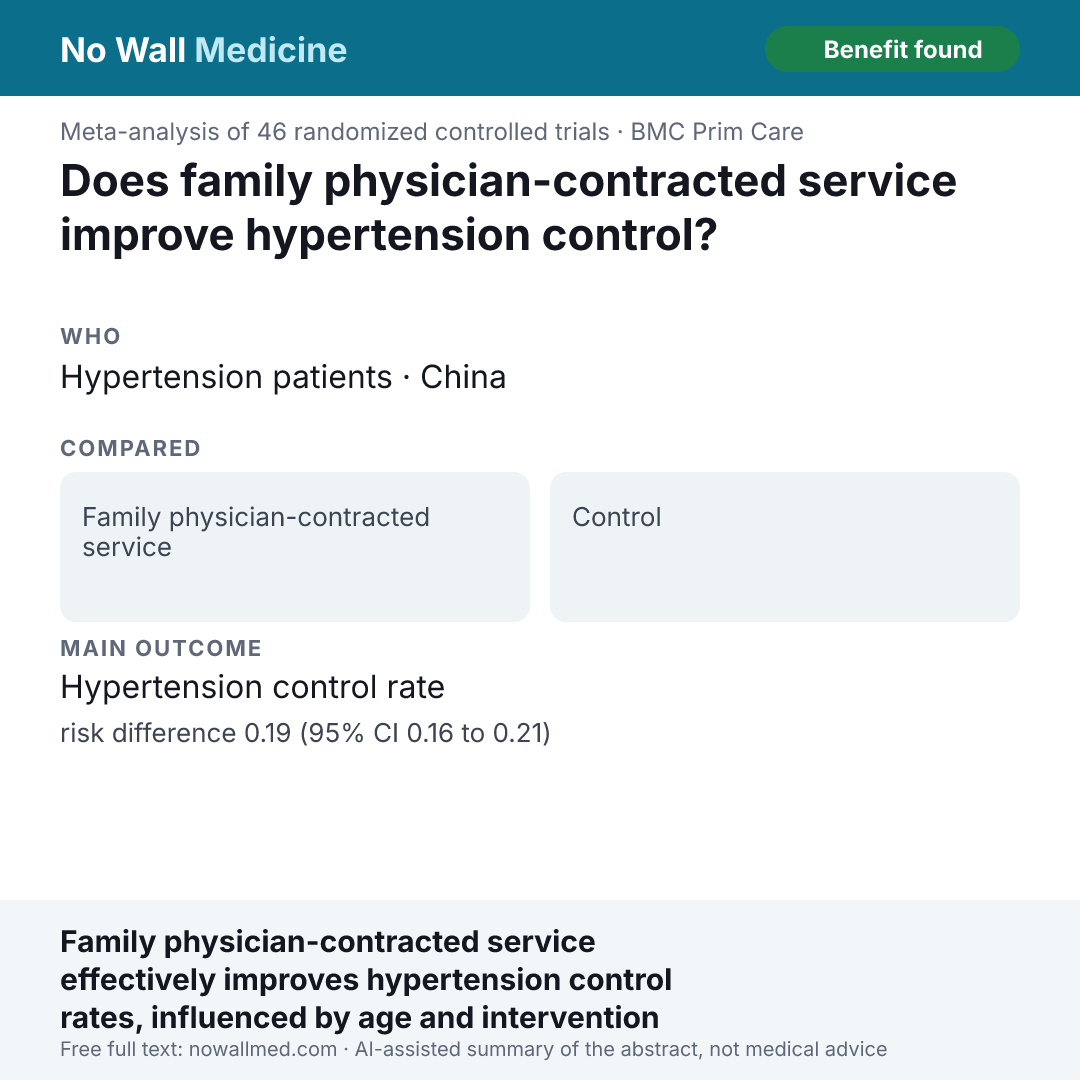
Research on the control rate of hypertension under family physician-contracted service
Meta-analysis of 46 randomized controlled trialsBenefit found
Does family physician-contracted service improve hypertension control?
Who
Hypertension patients · China
Compared
Family physician-contracted service
Control
Main outcome
Hypertension control rate
Result: risk difference 0.19 (95% CI 0.16 to 0.21)
Bottom line: Family physician-contracted service effectively improves hypertension control rates, influenced by age and intervention mode.
BMC Prim Care · 2024-01-31 · Save PNG
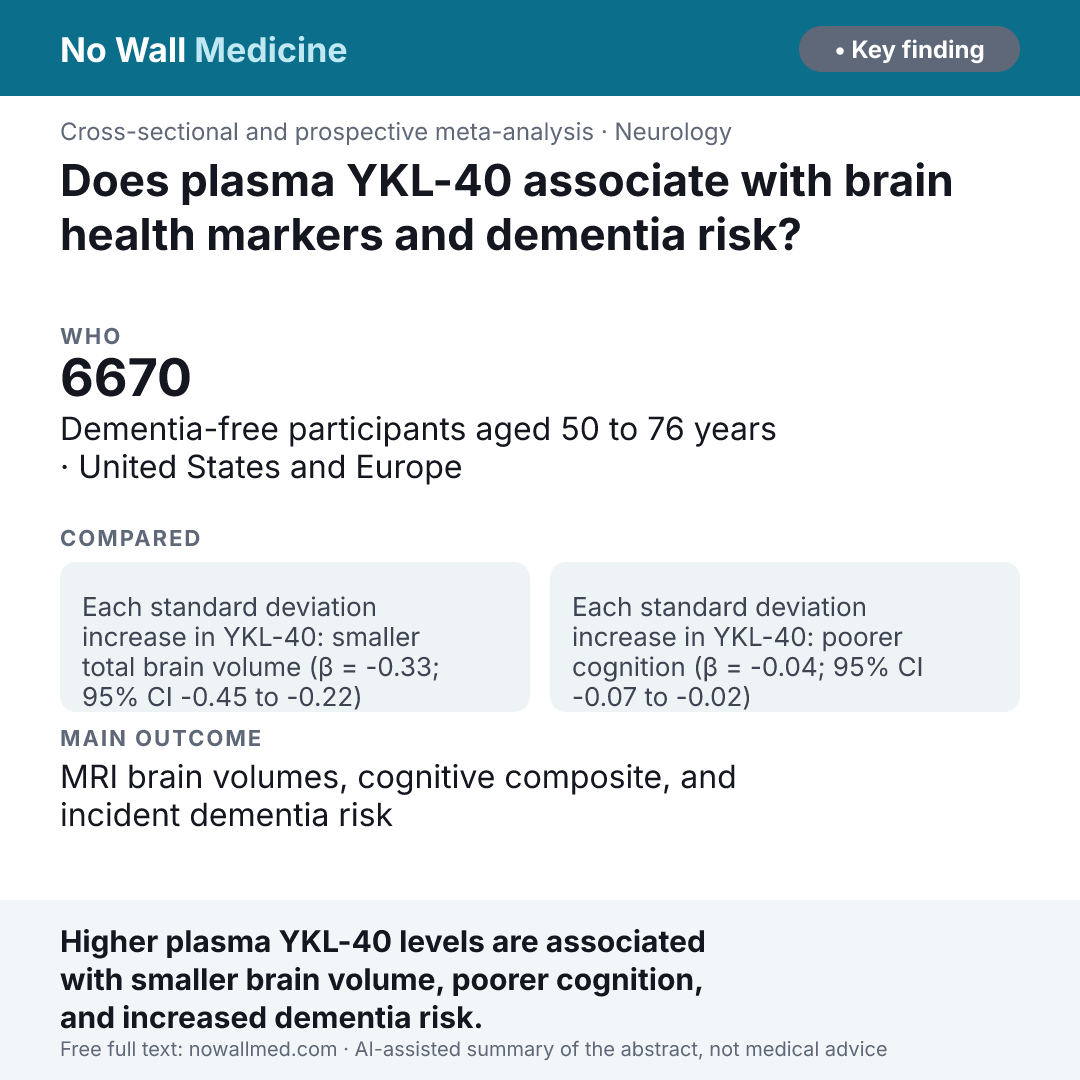
Association of Plasma YKL-40 With MRI, CSF, and Cognitive Markers of Brain Health and Dementia
Cross-sectional and prospective meta-analysisKey finding
Does plasma YKL-40 associate with brain health markers and dementia risk?
Who
6670
Dementia-free participants aged 50 to 76 years · United States and Europe
Compared
Each standard deviation increase in YKL-40: smaller total brain volume (β = -0.33; 95% CI -0.45 to -0.22)
Each standard deviation increase in YKL-40: poorer cognition (β = -0.04; 95% CI -0.07 to -0.02)
Main outcome
MRI brain volumes, cognitive composite, and incident dementia risk
Result: hazard ratio 1.64; 95% CI 1.25-2.16
Bottom line: Higher plasma YKL-40 levels are associated with smaller brain volume, poorer cognition, and increased dementia risk.
Neurology · 2024-01-30 · Save PNG