Visual abstracts
New randomized trials and meta-analyses from leading journals at a glance: who was studied, what was compared, and what was found. Every paper is free to read in full.
All specialtiesCardiology 4763Oncology 4043Gastroenterology & Hepatology 1903Infectious Disease 3756Neurology 1872Psychiatry & Mental Health 2216Pulmonology 2044Critical Care 1319Endocrinology & Diabetes 2544Pediatrics 2889Surgery 2480Orthopedics & Sports Medicine 917Neurosurgery 525Cardiothoracic & Vascular Surgery 656Plastic & Reconstructive Surgery 574Nephrology 1107Rheumatology 810Hematology 1090Dermatology 611Ophthalmology 532Obstetrics & Gynecology 1645Public & Global Health 1037Radiology & Imaging 619Anesthesiology 958Urology 745ENT (Otolaryngology) 494Emergency Medicine 481Allergy & Immunology 309Geriatrics 972Family Medicine & Primary Care 534Medical Genetics & Genomics 659Pathology & Laboratory Medicine 156Physical Medicine & Rehabilitation 734Palliative Care 421Nutrition 1560Digital Health & AI 2137General Medicine 318
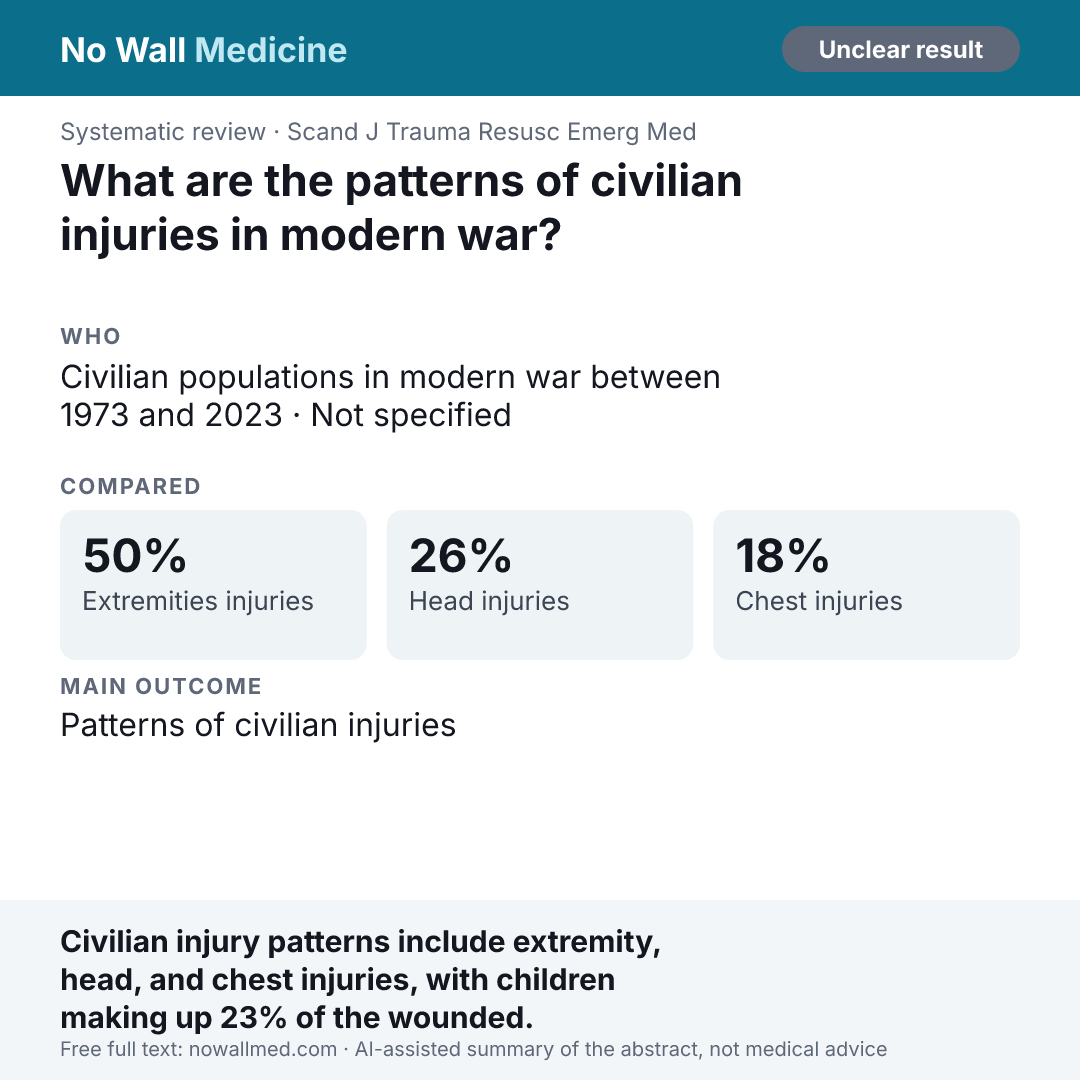
Civilian pattern of injuries in armed conflicts - a systematic review
Systematic reviewUnclear result
What are the patterns of civilian injuries in modern war?
Who
Civilian populations in modern war between 1973 and 2023 · Not specified
Compared
50%Extremities injuries
26%Head injuries
18%Chest injuries
Main outcome
Patterns of civilian injuries
Bottom line: Civilian injury patterns include extremity, head, and chest injuries, with children making up 23% of the wounded.
Scand J Trauma Resusc Emerg Med · 2024-12-04 · Save PNG
The efficacy of psychological treatments on body dysmorphic disorder: a meta-analysis and trial sequential analysis of randomized controlled trials
Meta-analysis and trial sequential analysisBenefit found
Are psychological treatments effective for body dysmorphic disorder?
Who
905
Participants with body dysmorphic disorder
Compared
Psychological treatment: g = -0.97 for body dysmorphic disorder symptoms
Control
Main outcome
Body dysmorphic disorder symptoms and related outcomes
Bottom line: Psychological treatments effectively reduce body dysmorphic disorder symptoms and improve related outcomes.
Limitation: Remaining outcome variables did not meet the desired level of evidence in trial sequential analysis.
Psychol Med · 2024-12-03 · Save PNG

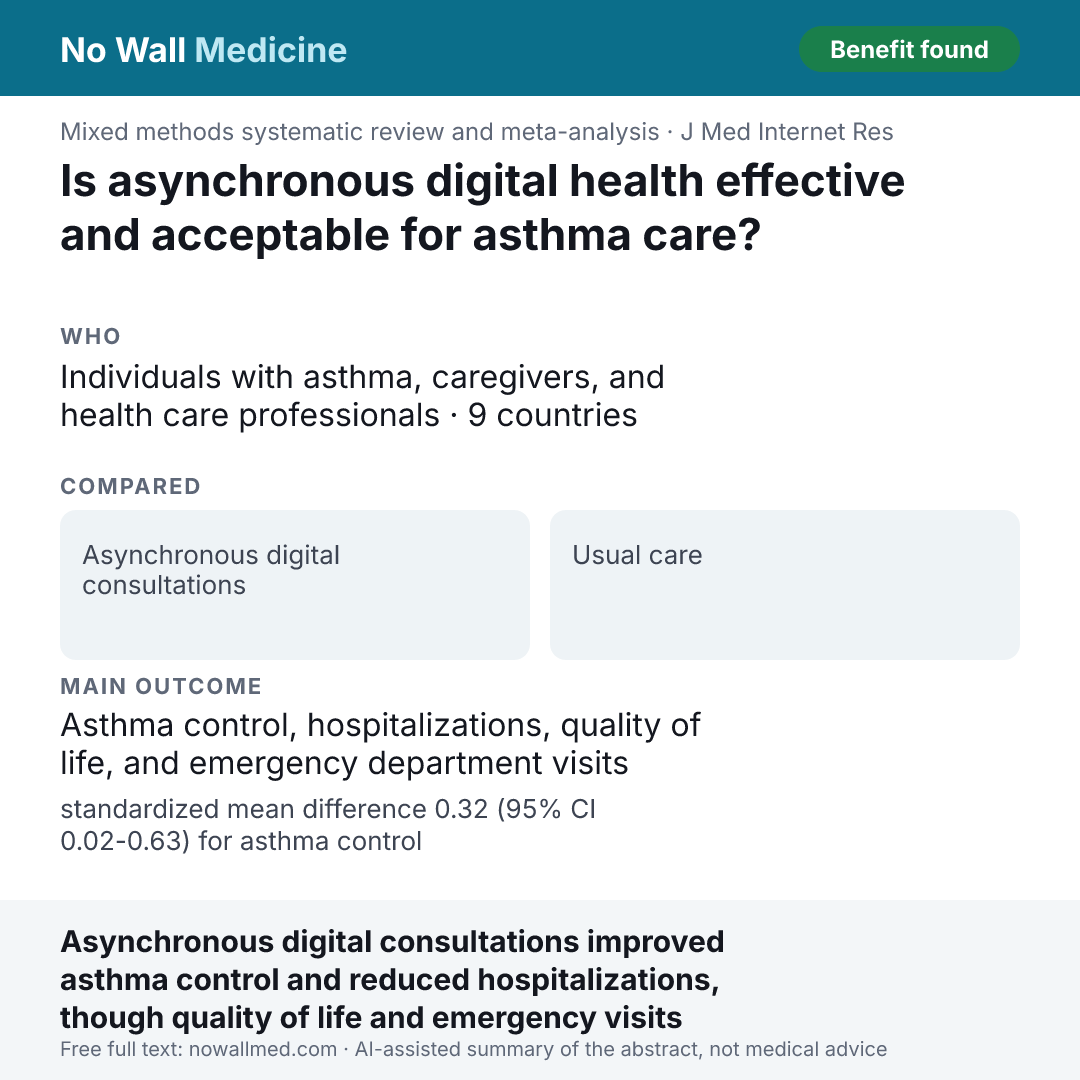
Effectiveness and Acceptability of Asynchronous Digital Health in Asthma Care: Mixed Methods Systematic Review
Mixed methods systematic review and meta-analysisBenefit found
Is asynchronous digital health effective and acceptable for asthma care?
Who
Individuals with asthma, caregivers, and health care professionals · 9 countries
Compared
Asynchronous digital consultations
Usual care
Main outcome
Asthma control, hospitalizations, quality of life, and emergency department visits
Result: standardized mean difference 0.32 (95% CI 0.02-0.63) for asthma control
Bottom line: Asynchronous digital consultations improved asthma control and reduced hospitalizations, though quality of life and emergency visits showed no significant difference.
Limitation: low confidence in evidence
J Med Internet Res · 2024-12-03 · Save PNG
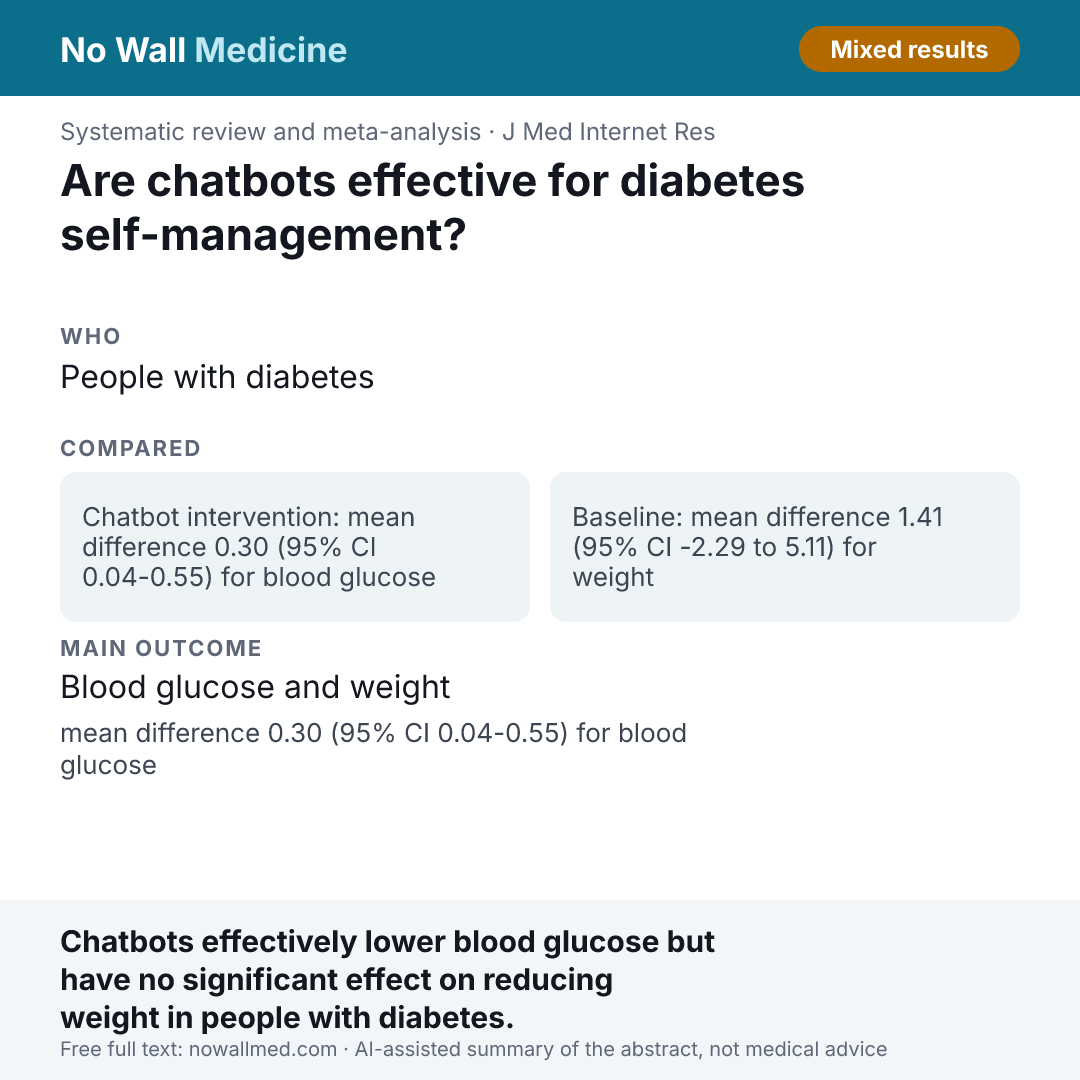
Application of Chatbots to Help Patients Self-Manage Diabetes: Systematic Review and Meta-Analysis
Systematic review and meta-analysisMixed results
Are chatbots effective for diabetes self-management?
Who
People with diabetes
Compared
Chatbot intervention: mean difference 0.30 (95% CI 0.04-0.55) for blood glucose
Baseline: mean difference 1.41 (95% CI -2.29 to 5.11) for weight
Main outcome
Blood glucose and weight
Result: mean difference 0.30 (95% CI 0.04-0.55) for blood glucose
Bottom line: Chatbots effectively lower blood glucose but have no significant effect on reducing weight in people with diabetes.
Limitation: The evidence level of current research is low, with few randomized controlled trials.
J Med Internet Res · 2024-12-03 · Save PNG
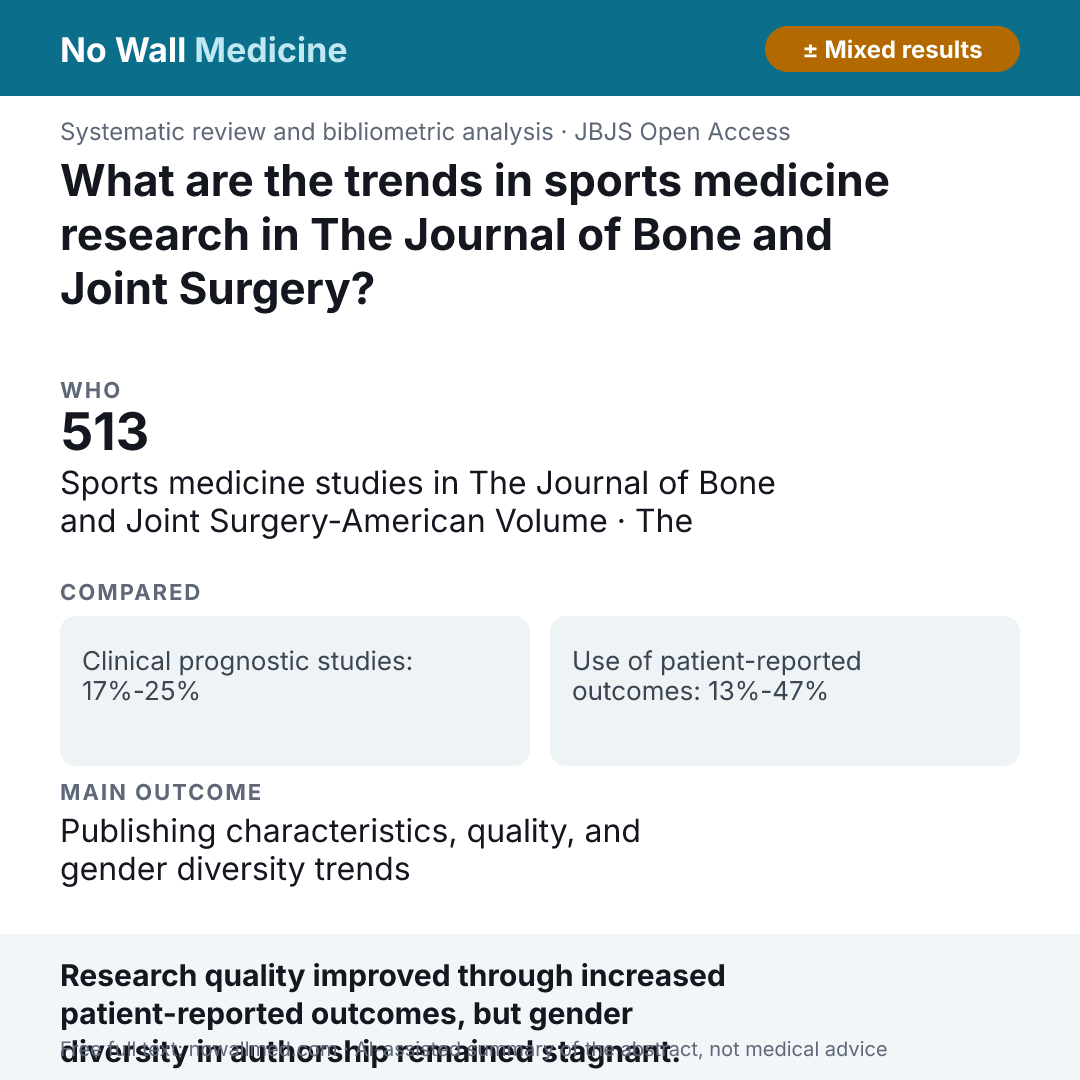
A 15-Year Bibliometric Analysis of Sports Medicine Studies in The Journal of Bone and Joint Surgery: A Systematic Review
Systematic review and bibliometric analysisMixed results
What are the trends in sports medicine research in The Journal of Bone and Joint Surgery?
Who
513
Sports medicine studies in The Journal of Bone and Joint Surgery-American Volume · The Journal of Bone and Joint Surgery-American Volume
Compared
Clinical prognostic studies: 17%-25%
Use of patient-reported outcomes: 13%-47%
Main outcome
Publishing characteristics, quality, and gender diversity trends
Bottom line: Research quality improved through increased patient-reported outcomes, but gender diversity in authorship remained stagnant.
JBJS Open Access · 2024-12-03 · Save PNG
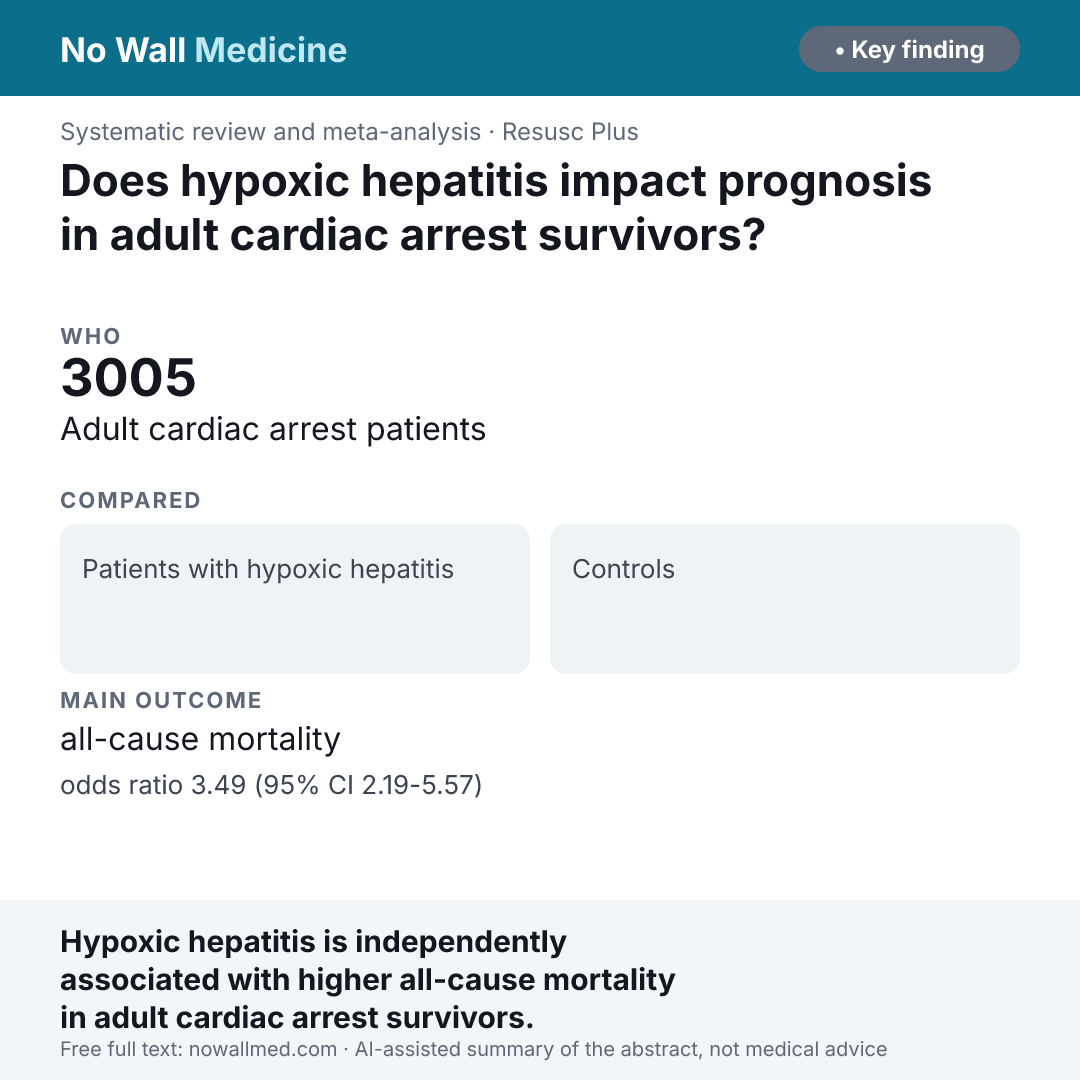
Hypoxic hepatitis in survivors of cardiac arrest: A systematic review and meta-analysis
Systematic review and meta-analysisKey finding
Does hypoxic hepatitis impact prognosis in adult cardiac arrest survivors?
Who
3005
Adult cardiac arrest patients
Compared
Patients with hypoxic hepatitis
Controls
Main outcome
all-cause mortality
Result: odds ratio 3.49 (95% CI 2.19-5.57)
Bottom line: Hypoxic hepatitis is independently associated with higher all-cause mortality in adult cardiac arrest survivors.
Limitation: Further prospective, well-designed studies are needed to validate findings.
Resusc Plus · 2024-12-03 · Save PNG
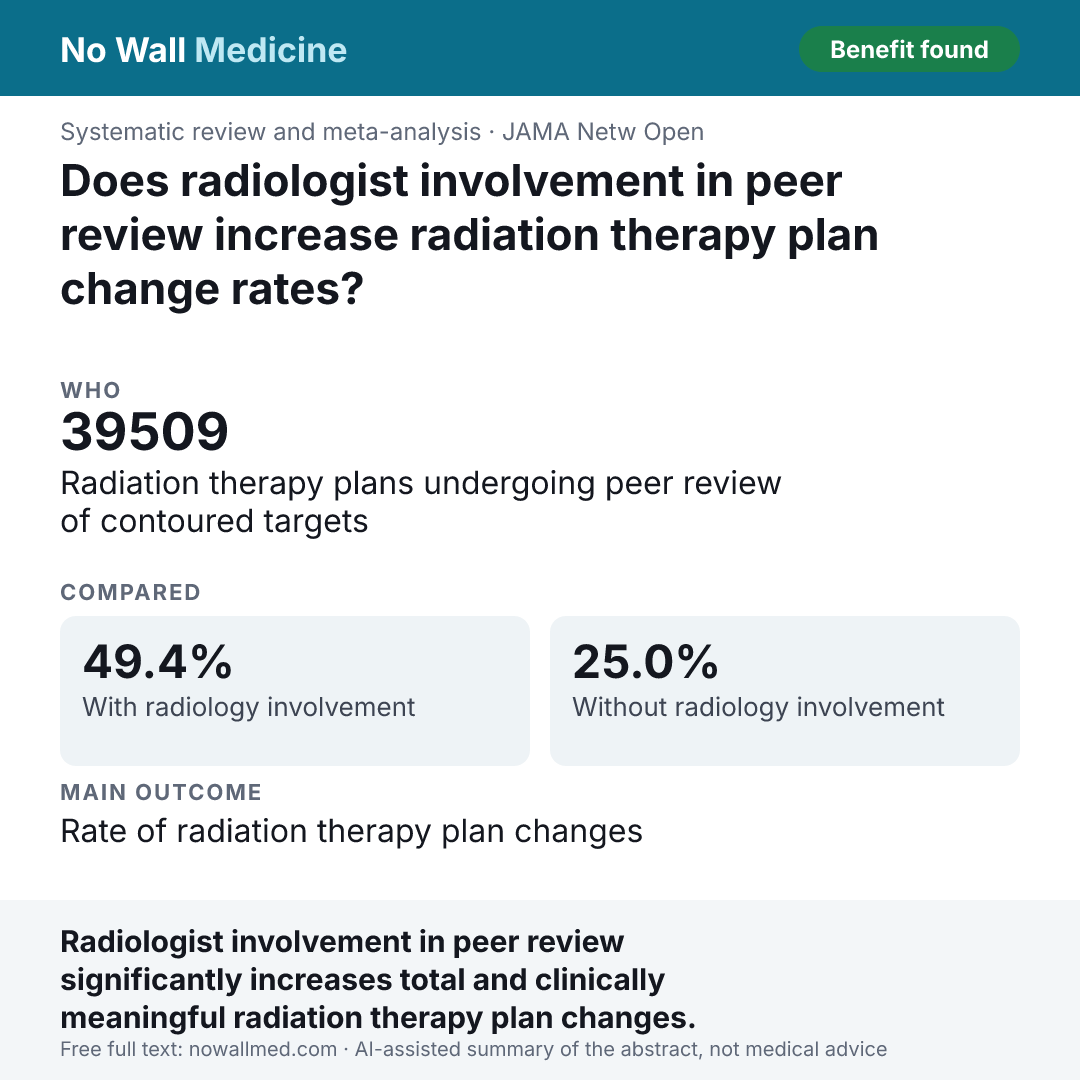
Radiologist Involvement in Radiation Oncology Peer Review: A Systematic Review and Meta-Analysis
Systematic review and meta-analysisBenefit found
Does radiologist involvement in peer review increase radiation therapy plan change rates?
Who
39509
Radiation therapy plans undergoing peer review of contoured targets
Compared
49.4%With radiology involvement (95% CI, 28.6%-70.1%)
25.0%Without radiology involvement (95% CI, 17.0%-33.1%)
Main outcome
Rate of radiation therapy plan changes
Result: 49.4% (95% CI, 28.6%-70.1%) vs 25.0% (95% CI, 17.0%-33.1%)
Bottom line: Radiologist involvement in peer review significantly increases total and clinically meaningful radiation therapy plan changes.
JAMA Netw Open · 2024-12-02 · Save PNG
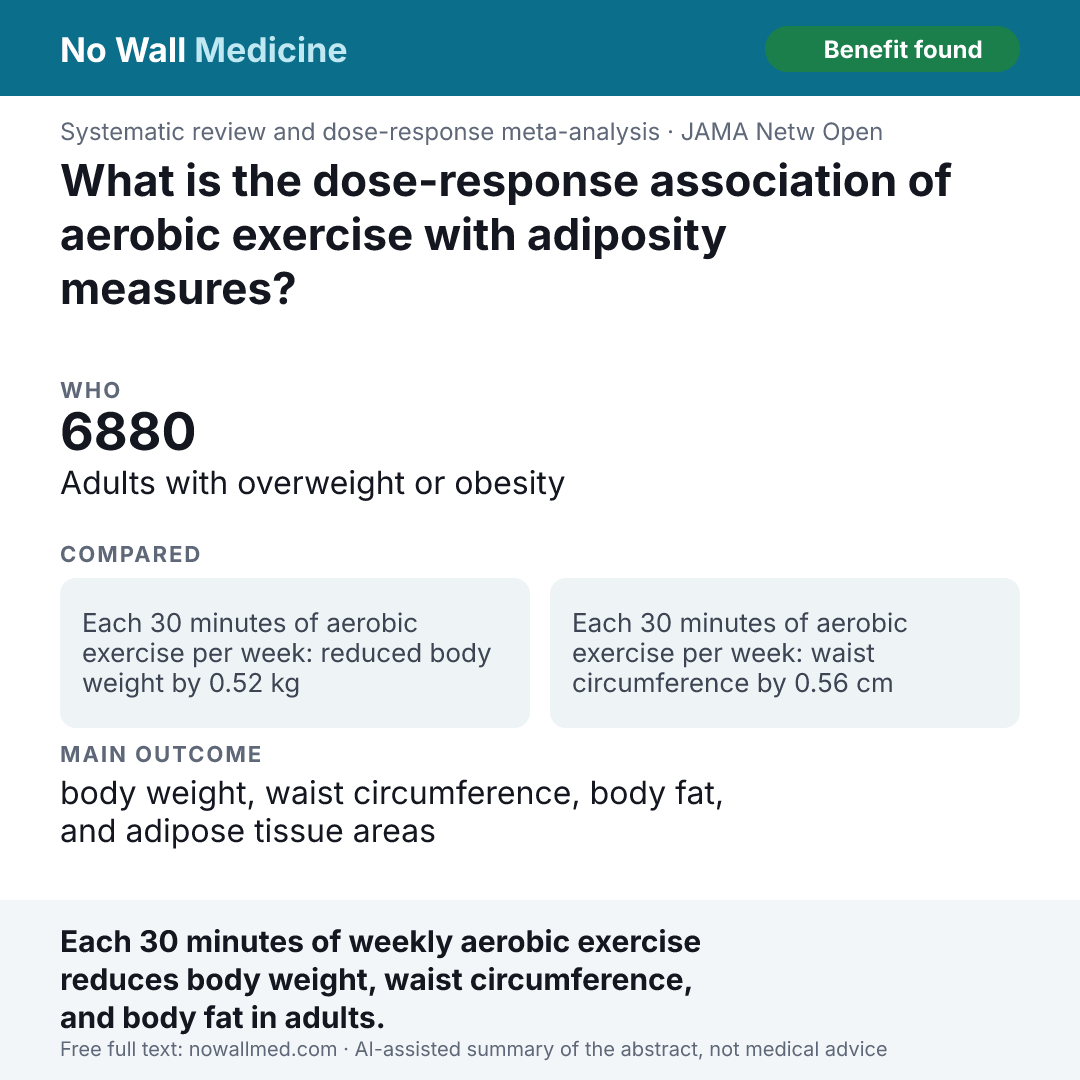
Aerobic Exercise and Weight Loss in Adults: A Systematic Review and Dose-Response Meta-Analysis
Systematic review and dose-response meta-analysisBenefit found
What is the dose-response association of aerobic exercise with adiposity measures?
Who
6880
Adults with overweight or obesity
Compared
Each 30 minutes of aerobic exercise per week: reduced body weight by 0.52 kg
Each 30 minutes of aerobic exercise per week: waist circumference by 0.56 cm
Main outcome
body weight, waist circumference, body fat, and adipose tissue areas
Result: mean difference -0.52 kg (95% CI, -0.61 to -0.44 kg) per 30 minutes
Bottom line: Each 30 minutes of weekly aerobic exercise reduces body weight, waist circumference, and body fat in adults.
JAMA Netw Open · 2024-12-02 · Save PNG
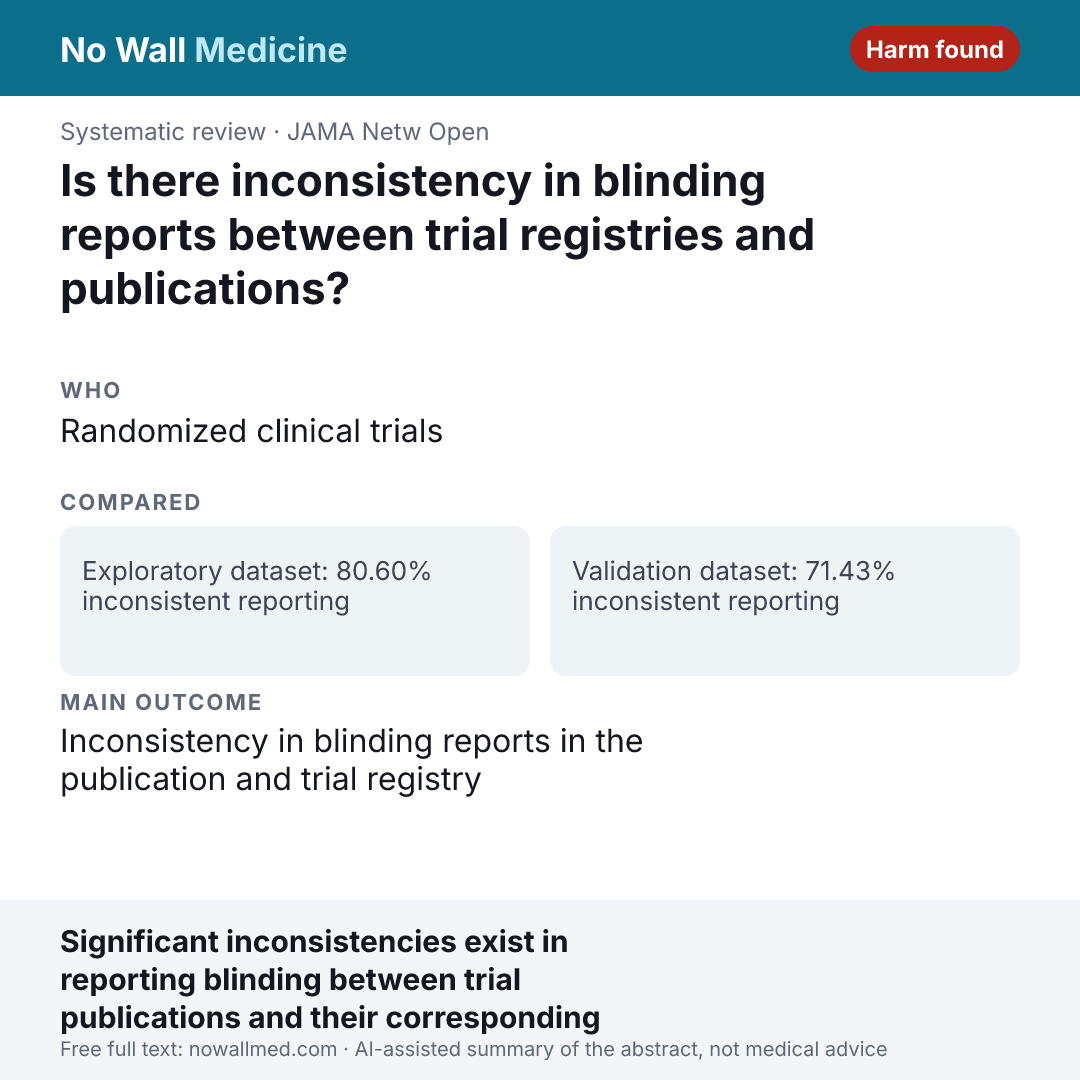
Discordant Information on Blinding in Trial Registries and Published Research: A Systematic Review
Systematic reviewHarm found
Is there inconsistency in blinding reports between trial registries and publications?
Who
Randomized clinical trials
Compared
Exploratory dataset: 80.60% inconsistent reporting
Validation dataset: 71.43% inconsistent reporting
Main outcome
Inconsistency in blinding reports in the publication and trial registry
Bottom line: Significant inconsistencies exist in reporting blinding between trial publications and their corresponding registries, potentially reintroducing bias.
JAMA Netw Open · 2024-12-02 · Save PNG
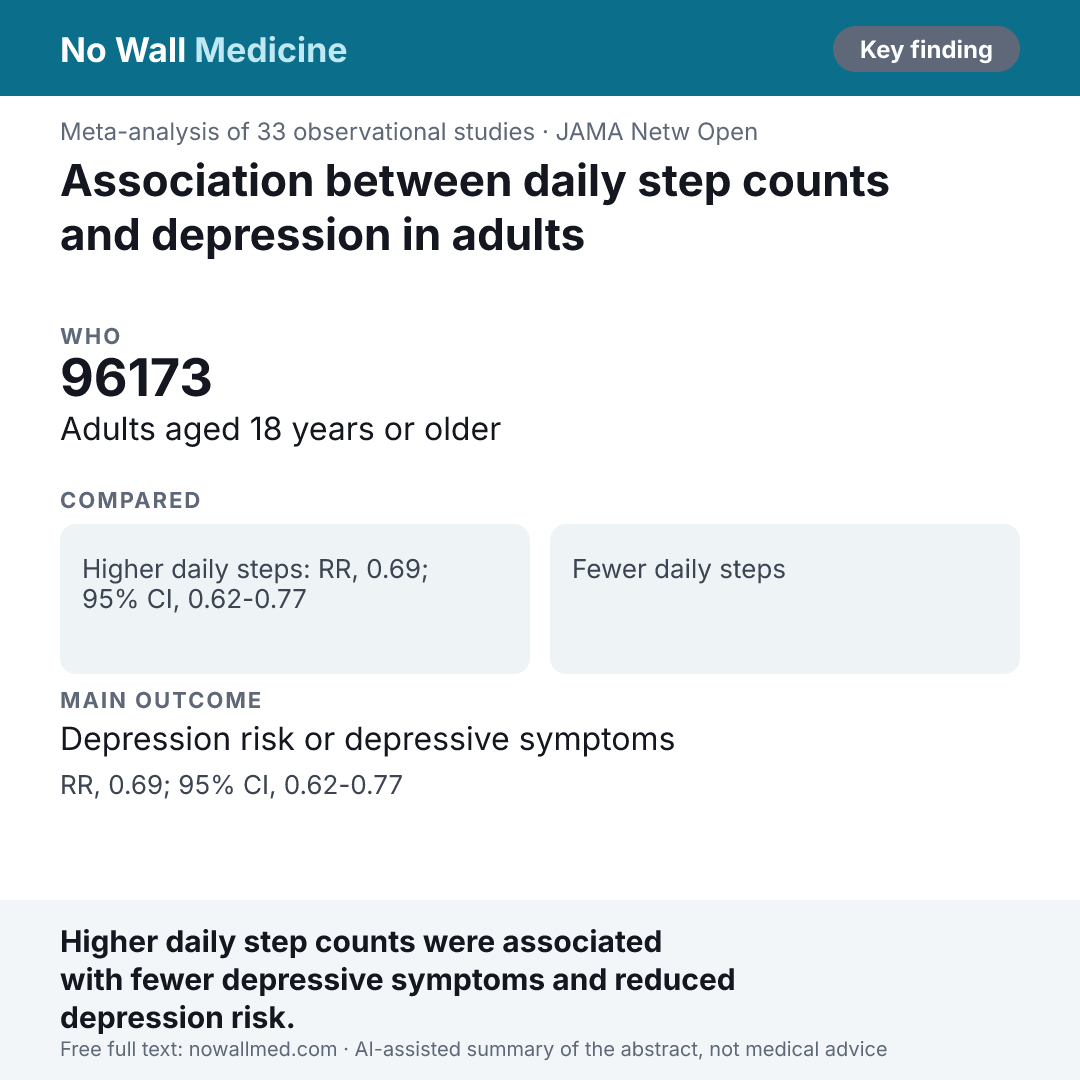
Daily Step Count and Depression in Adults: A Systematic Review and Meta-Analysis
Meta-analysis of 33 observational studiesKey finding
Association between daily step counts and depression in adults
Who
96173
Adults aged 18 years or older
Compared
Higher daily steps: RR, 0.69; 95% CI, 0.62-0.77
Fewer daily steps
Main outcome
Depression risk or depressive symptoms
Result: RR, 0.69; 95% CI, 0.62-0.77
Bottom line: Higher daily step counts were associated with fewer depressive symptoms and reduced depression risk.
Limitation: Further prospective cohort studies are needed to clarify the potential protective role.
JAMA Netw Open · 2024-12-02 · Save PNG
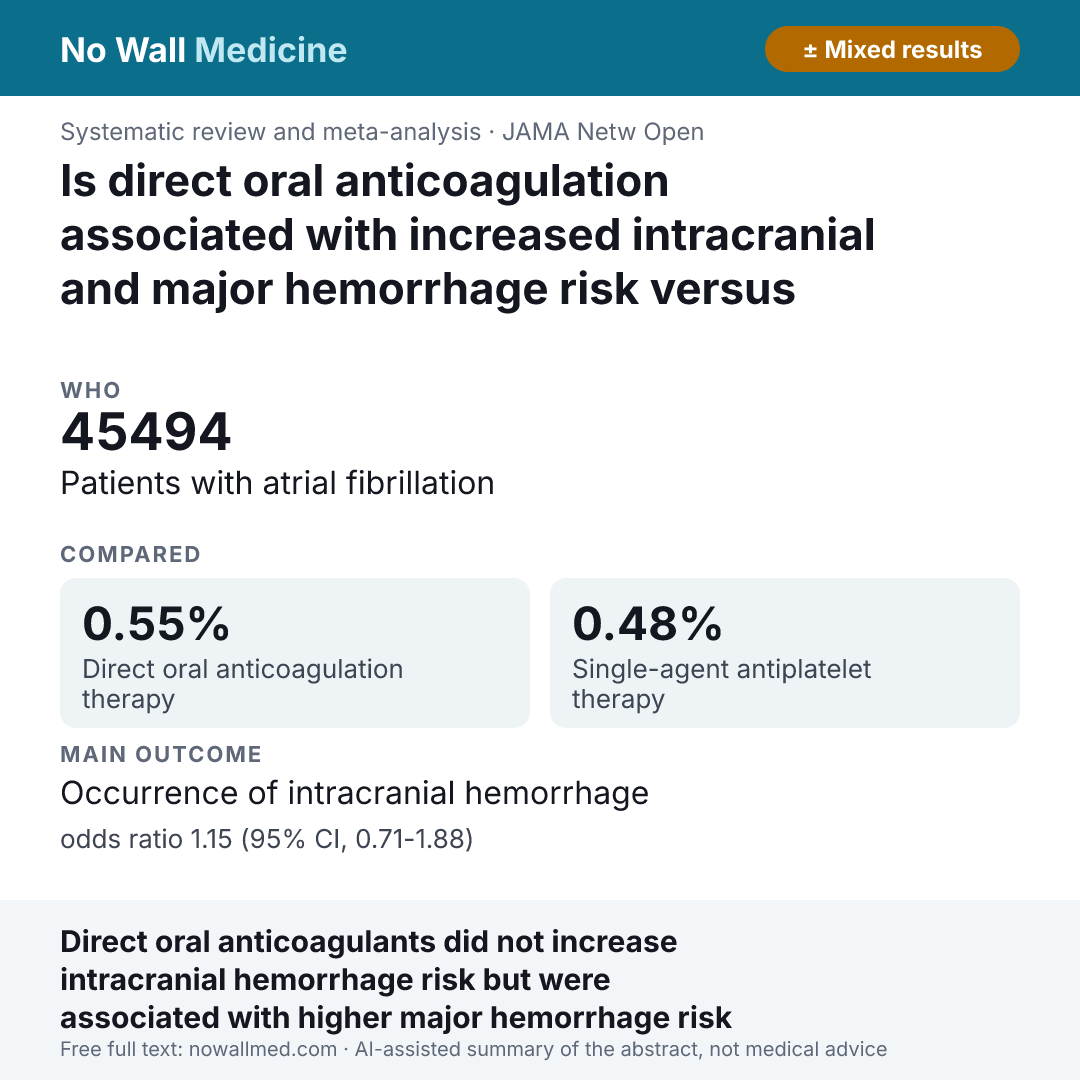
Risk of Intracranial Hemorrhage Associated With Direct Oral Anticoagulation vs Antiplatelet Therapy: A Systematic Review and Meta-Analysis
Systematic review and meta-analysisMixed results
Is direct oral anticoagulation associated with increased intracranial and major hemorrhage risk versus antiplatelet therapy?
Who
45494
Patients with atrial fibrillation
Compared
0.55%Direct oral anticoagulation therapy
0.48%Single-agent antiplatelet therapy
Main outcome
Occurrence of intracranial hemorrhage
Result: odds ratio 1.15 (95% CI, 0.71-1.88)
Bottom line: Direct oral anticoagulants did not increase intracranial hemorrhage risk but were associated with higher major hemorrhage risk than antiplatelet therapy.
JAMA Netw Open · 2024-12-02 · Save PNG
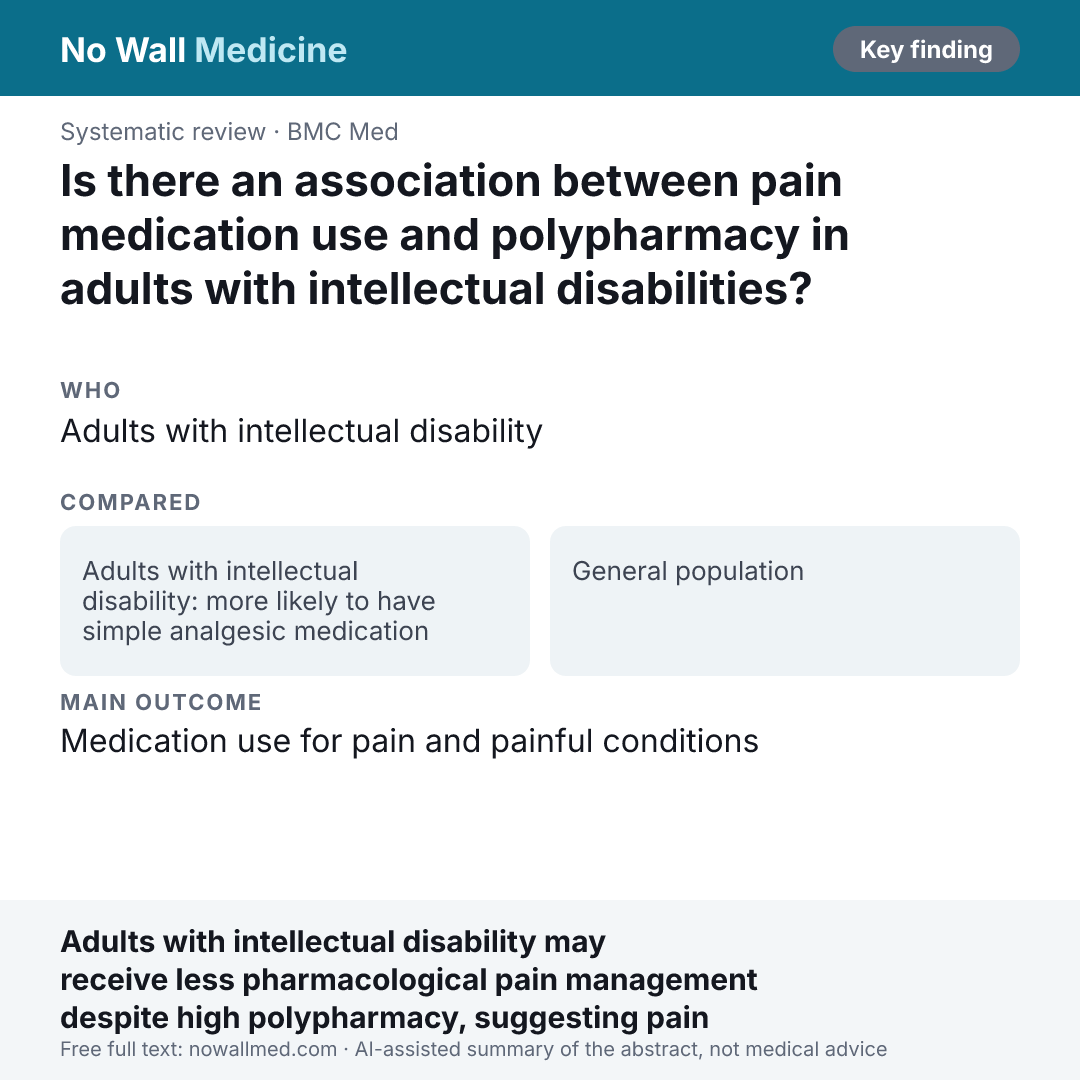
Investigating pain-related medication use and contribution to polypharmacy in adults with intellectual disabilities: a systematic review
Systematic reviewKey finding
Is there an association between pain medication use and polypharmacy in adults with intellectual disabilities?
Who
Adults with intellectual disability
Compared
Adults with intellectual disability: more likely to have simple analgesic medication
General population
Main outcome
Medication use for pain and painful conditions
Bottom line: Adults with intellectual disability may receive less pharmacological pain management despite high polypharmacy, suggesting pain is under-treated.
BMC Med · 2024-12-02 · Save PNG
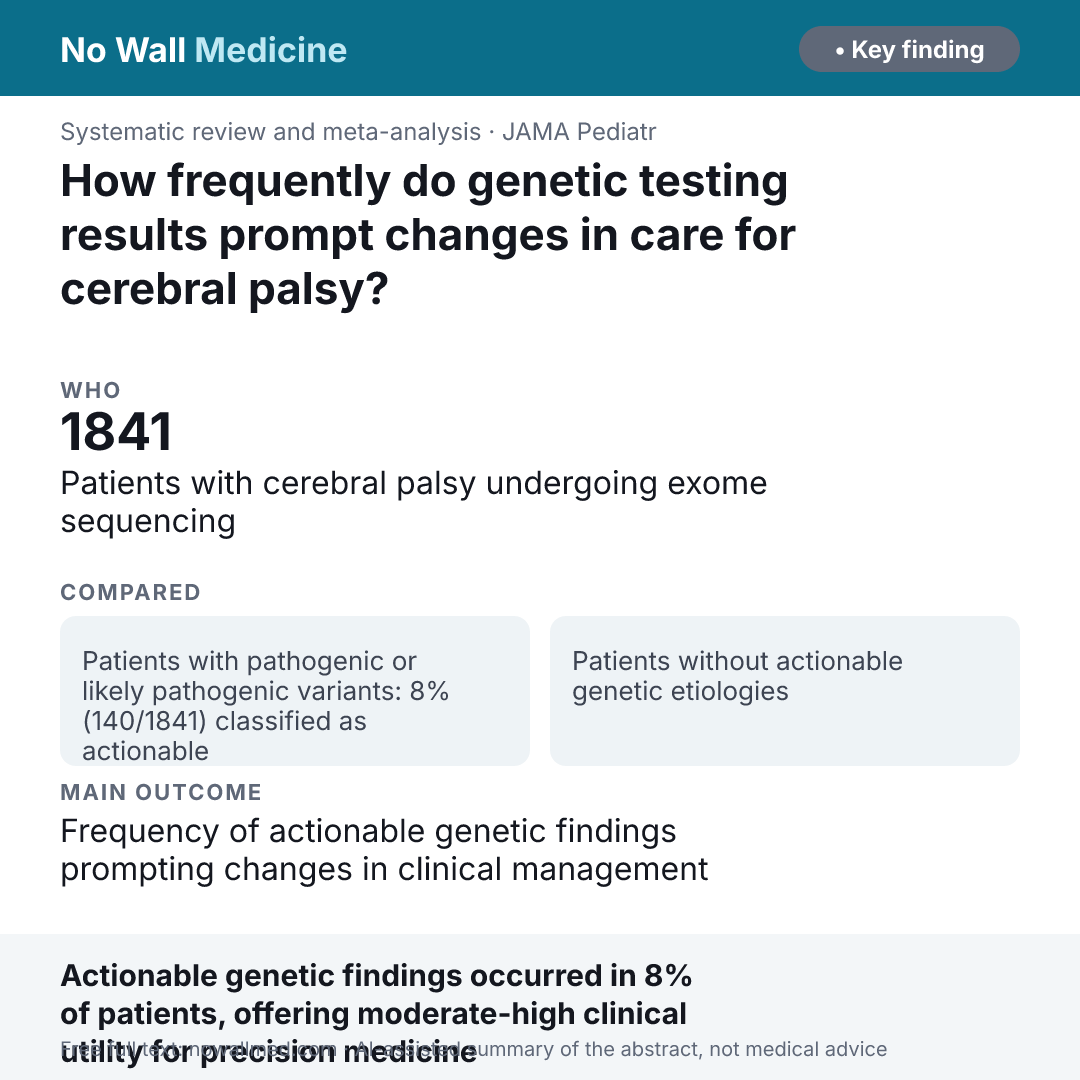
Clinical Actionability of Genetic Findings in Cerebral Palsy: A Systematic Review and Meta-Analysis
Systematic review and meta-analysisKey finding
How frequently do genetic testing results prompt changes in care for cerebral palsy?
Who
1841
Patients with cerebral palsy undergoing exome sequencing
Compared
Patients with pathogenic or likely pathogenic variants: 8% (140/1841) classified as actionable
Patients without actionable genetic etiologies
Main outcome
Frequency of actionable genetic findings prompting changes in clinical management
Bottom line: Actionable genetic findings occurred in 8% of patients, offering moderate-high clinical utility for precision medicine interventions.
Limitation: The relatively limited evidence base underscores the need for additional research.
JAMA Pediatr · 2024-12-02 · Save PNG
Associations of cannabis use, tobacco use, and incident anxiety, mood, and psychotic disorders: a systematic review and meta-analysis
Systematic review and meta-analysisMixed results
Do cannabis and tobacco use associate with incident anxiety, mood, and psychotic disorders?
Who
General population samples in longitudinal studies
Compared
Tobacco use and mood disorders: risk ratio 1.39 (95% confidence interval 1.30-1.47)
Tobacco use and anxiety disorders: risk ratio 1.21 (95% confidence interval 0.87-1.68)
Cannabis use and psychotic disorders: risk ratio 3.19 (95% confidence interval 2.07-4.90)
Cannabis use and mood disorders: risk ratio 1.31 (95% confidence interval 0.92-1.86)
Main outcome
Incident anxiety, mood, and psychotic disorders
Bottom line: Tobacco use associates with mood disorders and cannabis use associates with psychotic disorders, but other associations were unclear.
Limitation: Only 27% of studies were high quality and potential overestimation of effects was suggested.
Psychol Med · 2024-12-02 · Save PNG

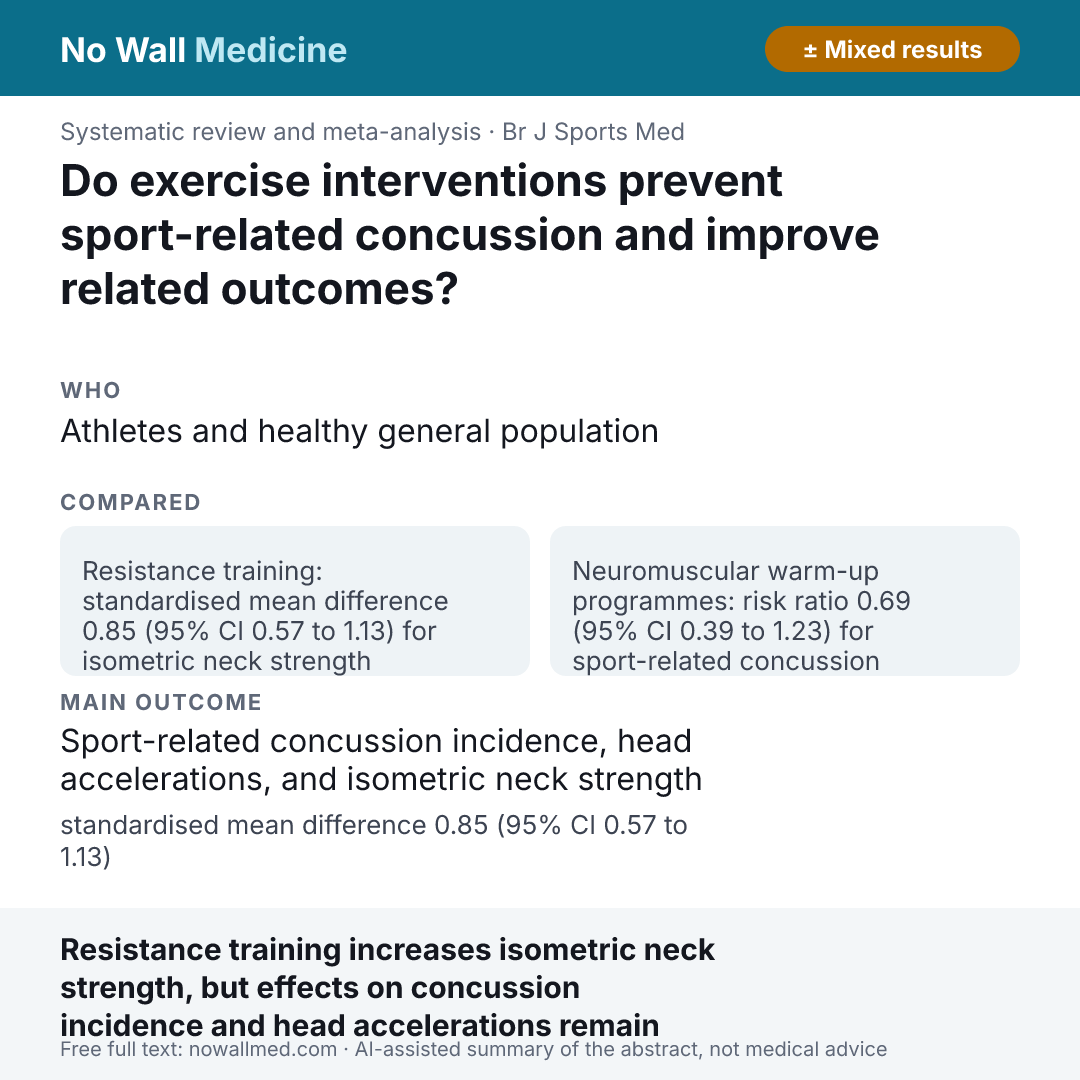
Efficacy of exercise interventions on prevention of sport-related concussion and related outcomes: a systematic review and meta-analysis
Systematic review and meta-analysisMixed results
Do exercise interventions prevent sport-related concussion and improve related outcomes?
Who
Athletes and healthy general population
Compared
Resistance training: standardised mean difference 0.85 (95% CI 0.57 to 1.13) for isometric neck strength
Neuromuscular warm-up programmes: risk ratio 0.69 (95% CI 0.39 to 1.23) for sport-related concussion incidence
Main outcome
Sport-related concussion incidence, head accelerations, and isometric neck strength
Result: standardised mean difference 0.85 (95% CI 0.57 to 1.13)
Bottom line: Resistance training increases isometric neck strength, but effects on concussion incidence and head accelerations remain unproven.
Br J Sports Med · 2024-12-02 · Save PNG
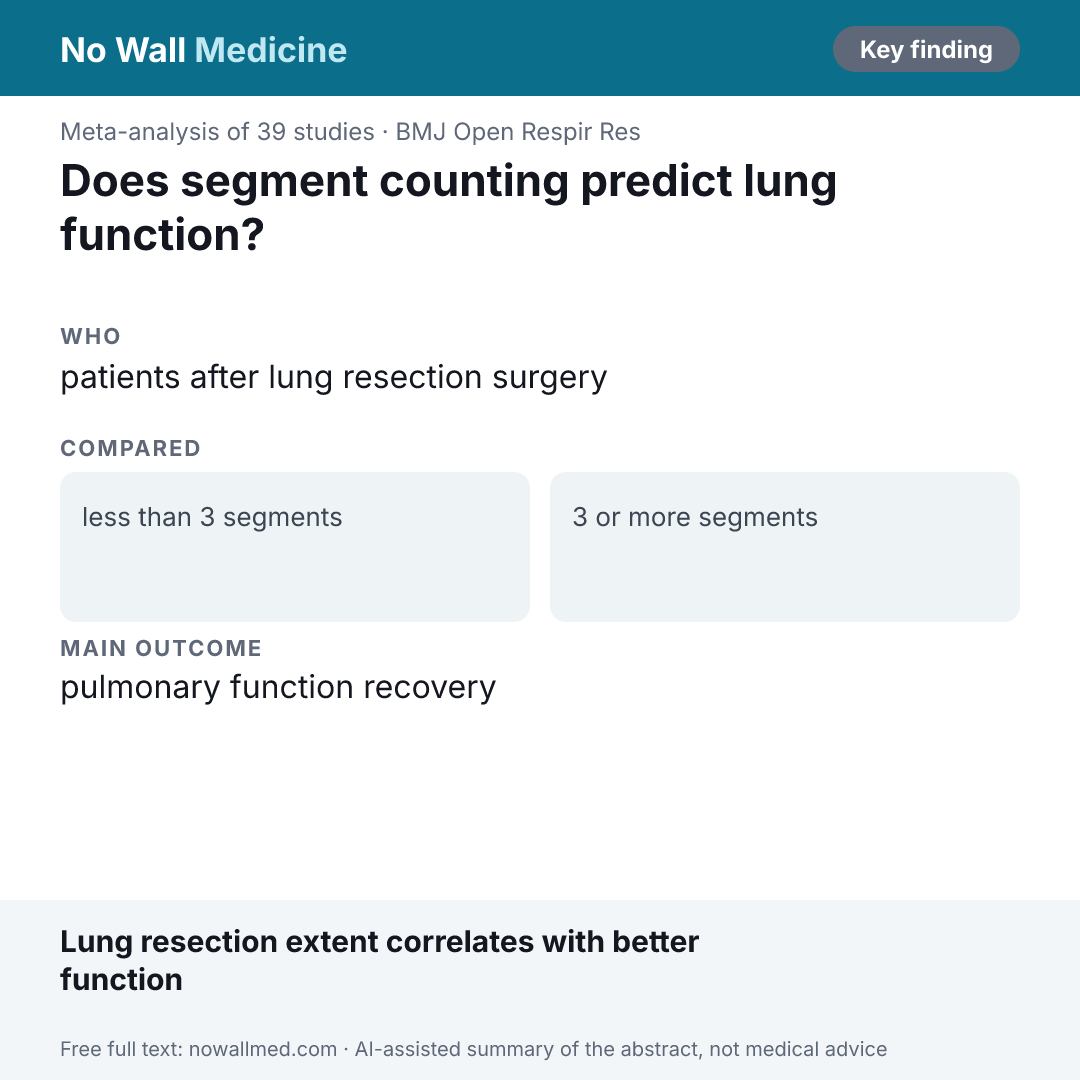
Compensatory function change by segment-counting method in predicted postoperative pulmonary function at 1 year after surgery: systematic review and meta-analysis
Meta-analysis of 39 studiesKey finding
Does segment counting predict lung function?
Who
patients after lung resection surgery
Compared
less than 3 segments
3 or more segments
Main outcome
pulmonary function recovery
Bottom line: Lung resection extent correlates with better function
Limitation: moderate heterogeneity and selection bias
BMJ Open Respir Res · 2024-12-02 · Save PNG
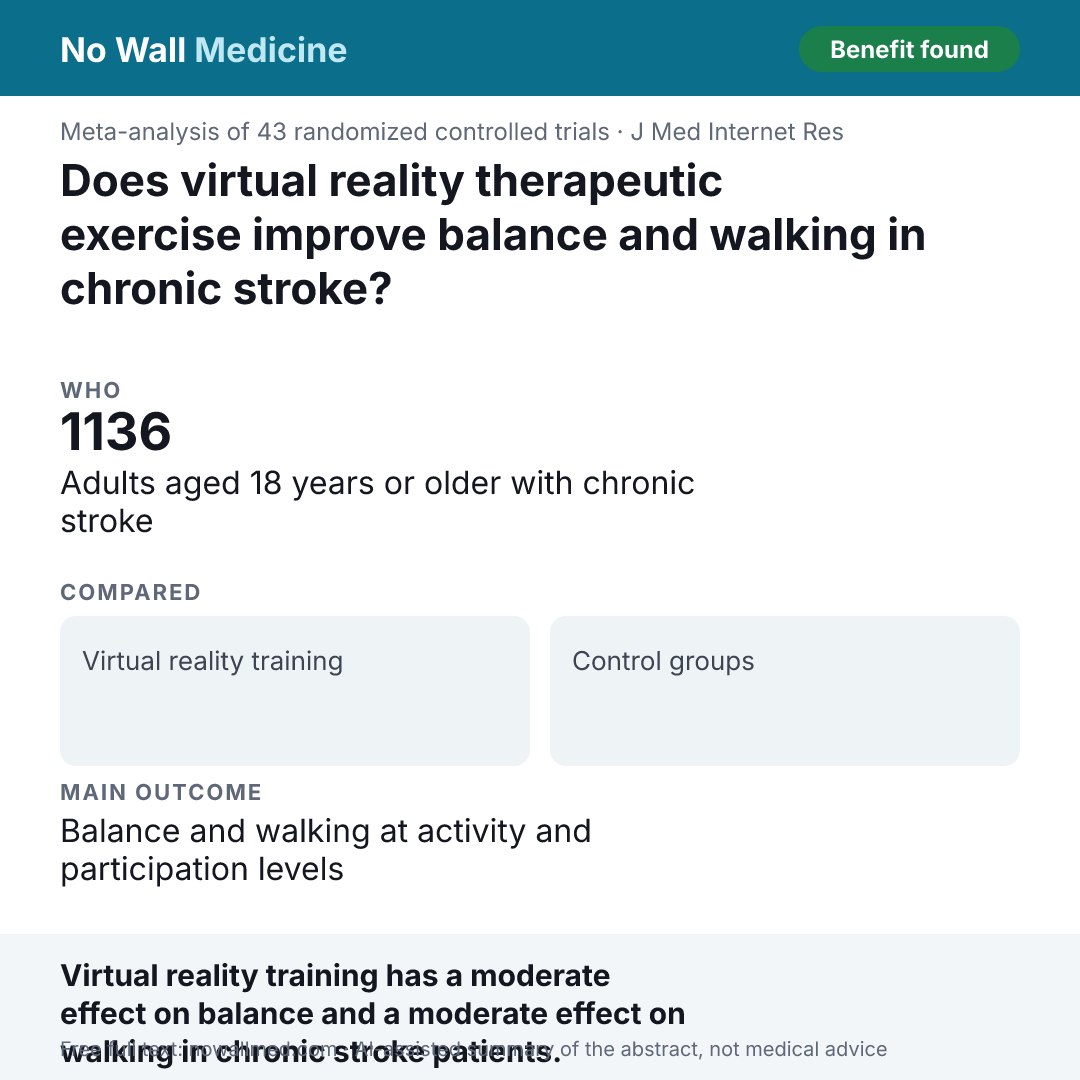
The Effectiveness of Therapeutic Exercise Interventions With Virtual Reality on Balance and Walking Among Persons With Chronic Stroke: Systematic Review, Meta-Analysis, and Meta-Regression of Randomized Controlled Trials
Meta-analysis of 43 randomized controlled trialsBenefit found
Does virtual reality therapeutic exercise improve balance and walking in chronic stroke?
Who
1136
Adults aged 18 years or older with chronic stroke
Compared
Virtual reality training
Control groups
Main outcome
Balance and walking at activity and participation levels
Result: standardized mean difference 0.51 (95% CI 0.29-0.72) for balance; standardized mean difference 0.31 (95% CI 0.09-0.53) for walking
Bottom line: Virtual reality training has a moderate effect on balance and a moderate effect on walking in chronic stroke patients.
J Med Internet Res · 2024-12-02 · Save PNG
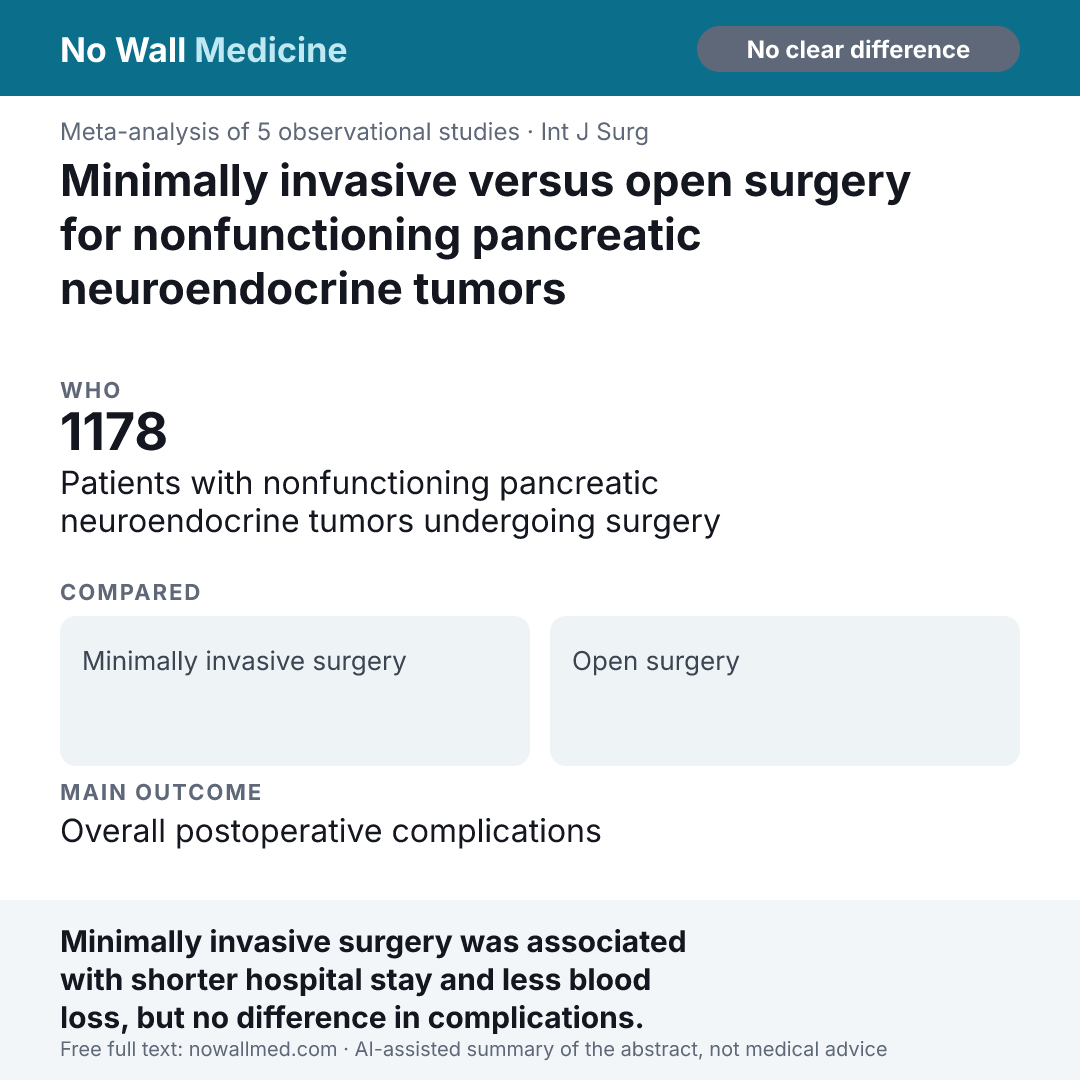
Minimally invasive versus open surgery for nonfunctioning pancreatic neuroendocrine tumors: a systematic review and meta-analysis
Meta-analysis of 5 observational studiesNo clear difference
Minimally invasive versus open surgery for nonfunctioning pancreatic neuroendocrine tumors
Who
1178
Patients with nonfunctioning pancreatic neuroendocrine tumors undergoing surgery
Compared
Minimally invasive surgery
Open surgery
Main outcome
Overall postoperative complications
Result: OR=0.78, 95% CI [0.59-1.03]
Bottom line: Minimally invasive surgery was associated with shorter hospital stay and less blood loss, but no difference in complications.
Int J Surg · 2024-12-01 · Save PNG
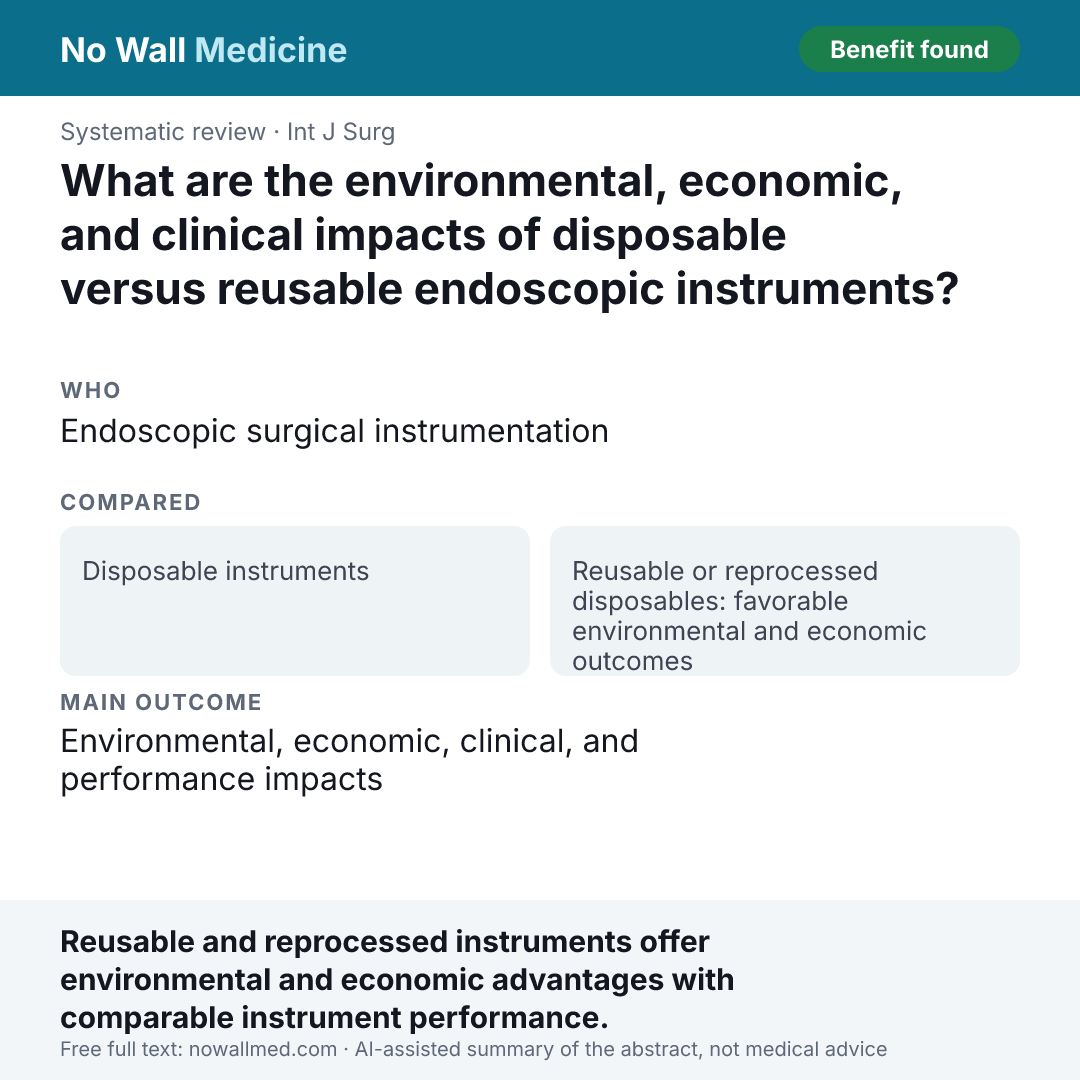
Beyond single-use: a systematic review of environmental, economic, and clinical impacts of endoscopic surgical instrumentation
Systematic reviewBenefit found
What are the environmental, economic, and clinical impacts of disposable versus reusable endoscopic instruments?
Who
Endoscopic surgical instrumentation
Compared
Disposable instruments
Reusable or reprocessed disposables: favorable environmental and economic outcomes
Main outcome
Environmental, economic, clinical, and performance impacts
Bottom line: Reusable and reprocessed instruments offer environmental and economic advantages with comparable instrument performance.
Int J Surg · 2024-12-01 · Save PNG
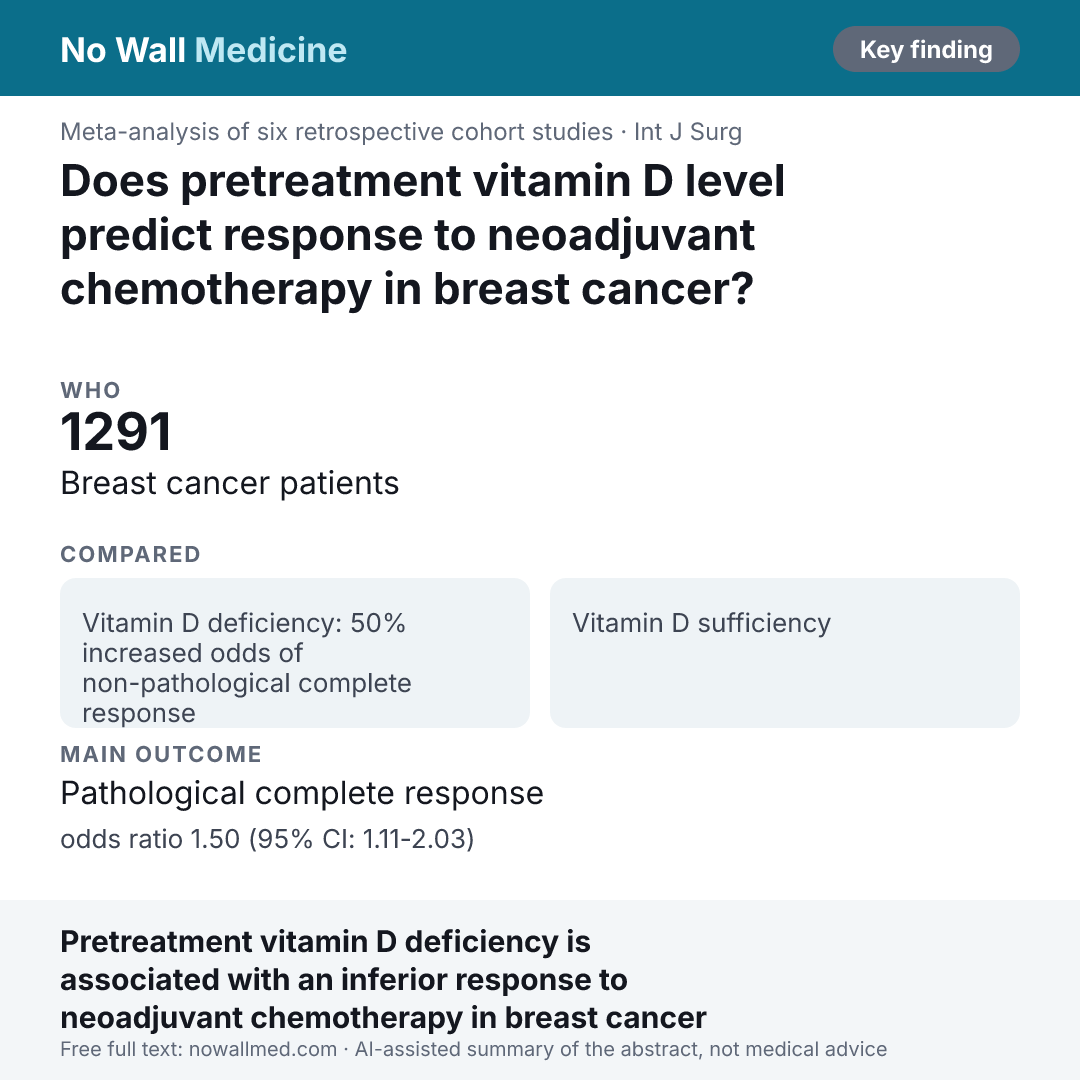
Pretreatment plasma vitamin D and response to neoadjuvant chemotherapy in breast cancer: evidence from pooled analysis of cohort studies
Meta-analysis of six retrospective cohort studiesKey finding
Does pretreatment vitamin D level predict response to neoadjuvant chemotherapy in breast cancer?
Who
1291
Breast cancer patients
Compared
Vitamin D deficiency: 50% increased odds of non-pathological complete response
Vitamin D sufficiency
Main outcome
Pathological complete response
Result: odds ratio 1.50 (95% CI: 1.11-2.03)
Bottom line: Pretreatment vitamin D deficiency is associated with an inferior response to neoadjuvant chemotherapy in breast cancer patients.
Int J Surg · 2024-12-01 · Save PNG