Visual abstracts
New randomized trials and meta-analyses from leading journals at a glance: who was studied, what was compared, and what was found. Every paper is free to read in full.
All specialtiesCardiology 4763Oncology 4043Gastroenterology & Hepatology 1903Infectious Disease 3756Neurology 1872Psychiatry & Mental Health 2216Pulmonology 2044Critical Care 1319Endocrinology & Diabetes 2544Pediatrics 2889Surgery 2480Orthopedics & Sports Medicine 917Neurosurgery 525Cardiothoracic & Vascular Surgery 656Plastic & Reconstructive Surgery 574Nephrology 1107Rheumatology 810Hematology 1090Dermatology 611Ophthalmology 532Obstetrics & Gynecology 1645Public & Global Health 1037Radiology & Imaging 619Anesthesiology 958Urology 745ENT (Otolaryngology) 494Emergency Medicine 481Allergy & Immunology 309Geriatrics 972Family Medicine & Primary Care 534Medical Genetics & Genomics 659Pathology & Laboratory Medicine 156Physical Medicine & Rehabilitation 734Palliative Care 421Nutrition 1560Digital Health & AI 2137General Medicine 318
Viscoelastic haemostatic assays to guide therapy in elective surgery: an updated systematic review and meta-analysis
Systematic review and meta-analysis of 20 randomized controlled trialsBenefit found
Does viscoelastic haemostatic assay guided therapy improve clinical efficacy in elective surgery?
Who
Patients undergoing major elective surgery
Compared
Viscoelastic haemostatic assay guided therapy
Standard therapy
Main outcome
Blood product requirements, theatre or intensive care duration, and surgical reintervention
Result: standardised mean difference (95%CI) -0.33 (-0.56 to -0.10) for platelets
Bottom line: Viscoelastic haemostatic assay guided therapy may reduce blood product transfusion requirements and blood loss during major elective surgery.
Limitation: The overall quality of evidence was modest.
Anaesthesia · 2024-11-14 · Save PNG

Microfocused Ultrasound With Visualization (MFU-V) Effectiveness and Safety: A Systematic Review and Meta-Analysis
Systematic review and meta-analysisBenefit found
What is the effectiveness and safety of microfocused ultrasound with visualization?
Who
Patients undergoing microfocused ultrasound with visualization
Compared
89%Global aesthetic improvement (95% CI: 81%-94%)
84%Patient reported improvement (95% CI: 73%-91%)
84%Patient satisfaction (95% CI: 61%-94%)
Main outcome
Aesthetic effectiveness, patient satisfaction, skin quality, and safety
Bottom line: Microfocused ultrasound with visualization shows notable aesthetic improvement and satisfaction with a favorable safety profile despite moderate pain.
Limitation: Potential misclassification of neutral responses as positive may overestimate treatment efficacy.
Aesthet Surg J · 2024-11-14 · Save PNG

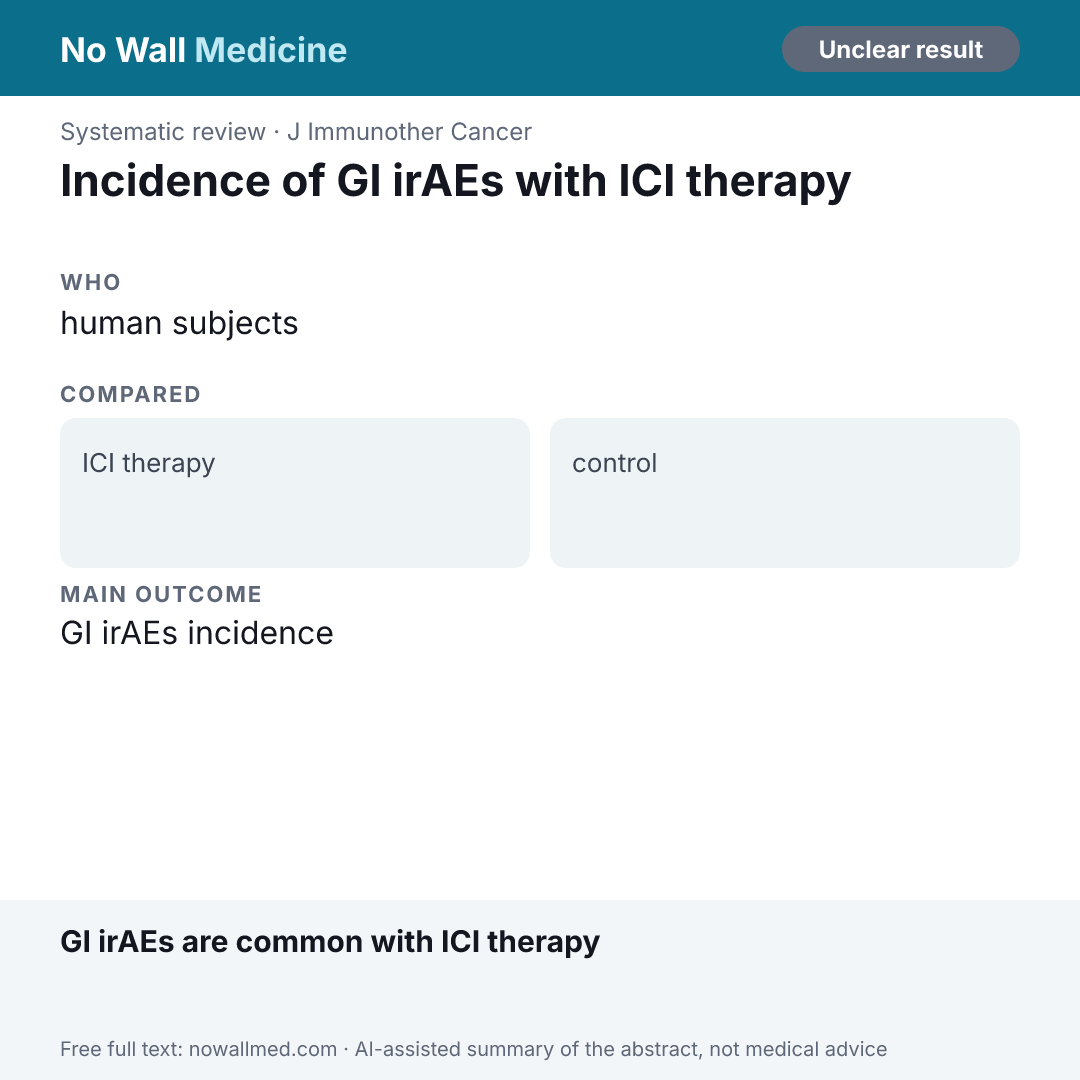
Systematic review of immune checkpoint inhibitor-related gastrointestinal, hepatobiliary, and pancreatic adverse events
Systematic reviewUnclear result
Incidence of GI irAEs with ICI therapy
Who
human subjects
Compared
ICI therapy
control
Main outcome
GI irAEs incidence
Bottom line: GI irAEs are common with ICI therapy
Limitation: no risk of bias tools used
J Immunother Cancer · 2024-11-14 · Save PNG
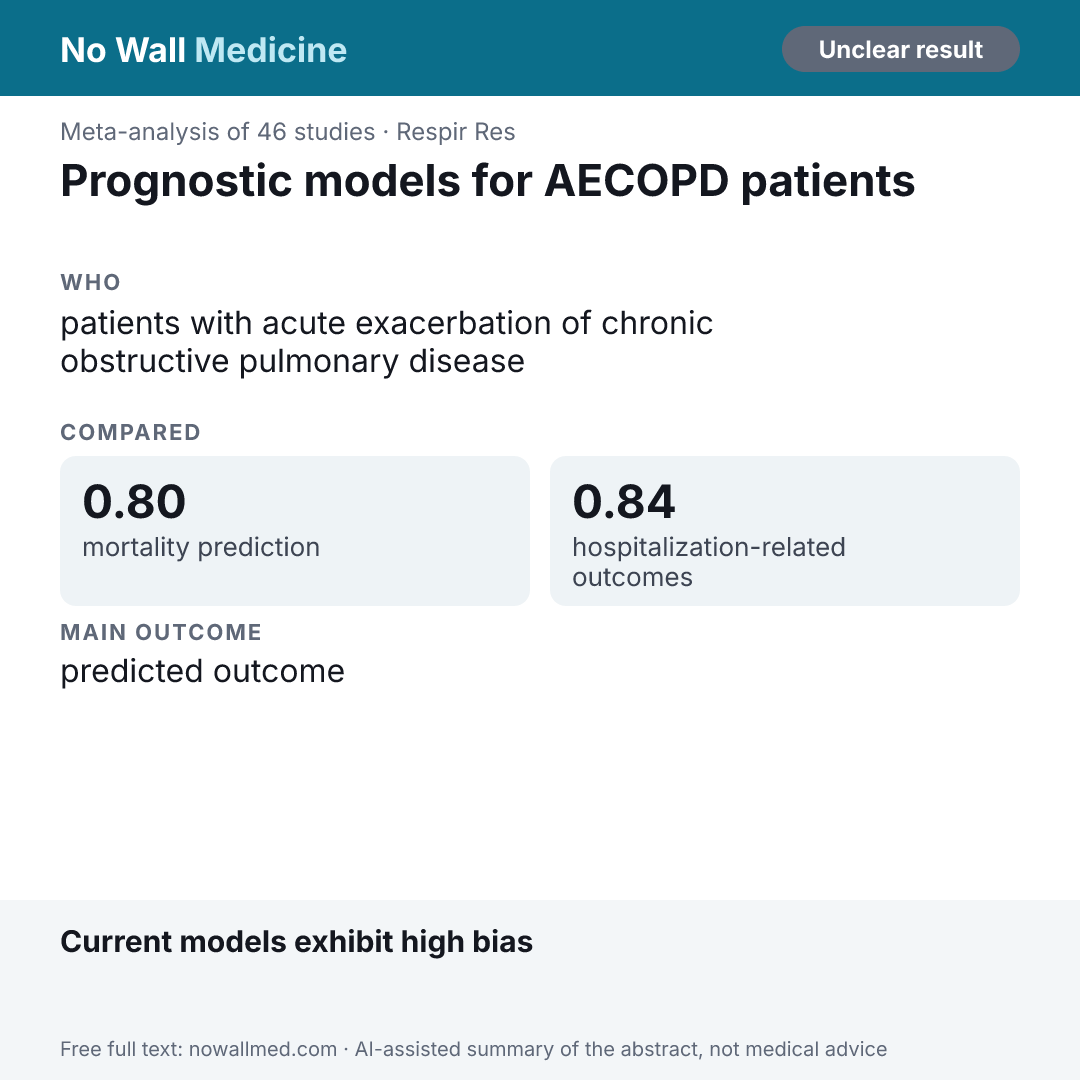
Prognostic risk prediction model for patients with acute exacerbation of chronic obstructive pulmonary disease (AECOPD): a systematic review and meta-analysis
Meta-analysis of 46 studiesUnclear result
Prognostic models for AECOPD patients
Who
patients with acute exacerbation of chronic obstructive pulmonary disease
Compared
0.80mortality prediction
0.84hospitalization-related outcomes
Main outcome
predicted outcome
Bottom line: Current models exhibit high bias
Limitation: high overall risk of bias
Respir Res · 2024-11-14 · Save PNG
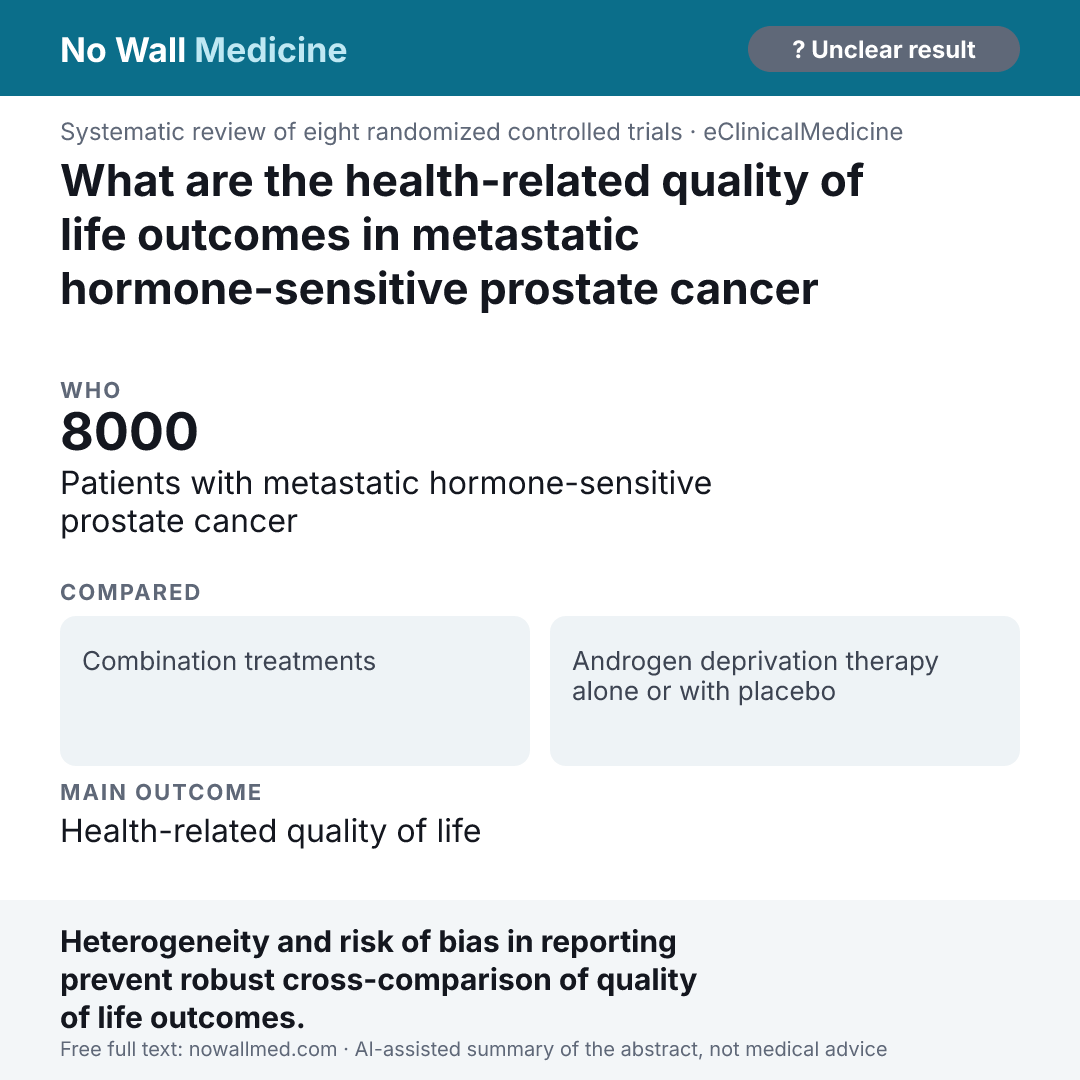
Health-related quality of life outcomes in randomized controlled trials in metastatic hormone-sensitive prostate cancer: a systematic review
Systematic review of eight randomized controlled trialsUnclear result
What are the health-related quality of life outcomes in metastatic hormone-sensitive prostate cancer trials?
Who
8000
Patients with metastatic hormone-sensitive prostate cancer
Compared
Combination treatments
Androgen deprivation therapy alone or with placebo
Main outcome
Health-related quality of life
Bottom line: Heterogeneity and risk of bias in reporting prevent robust cross-comparison of quality of life outcomes.
Limitation: Conceptual and methodological heterogeneity and risk of biases hamper cross-comparison.
eClinicalMedicine · 2024-11-13 · Save PNG
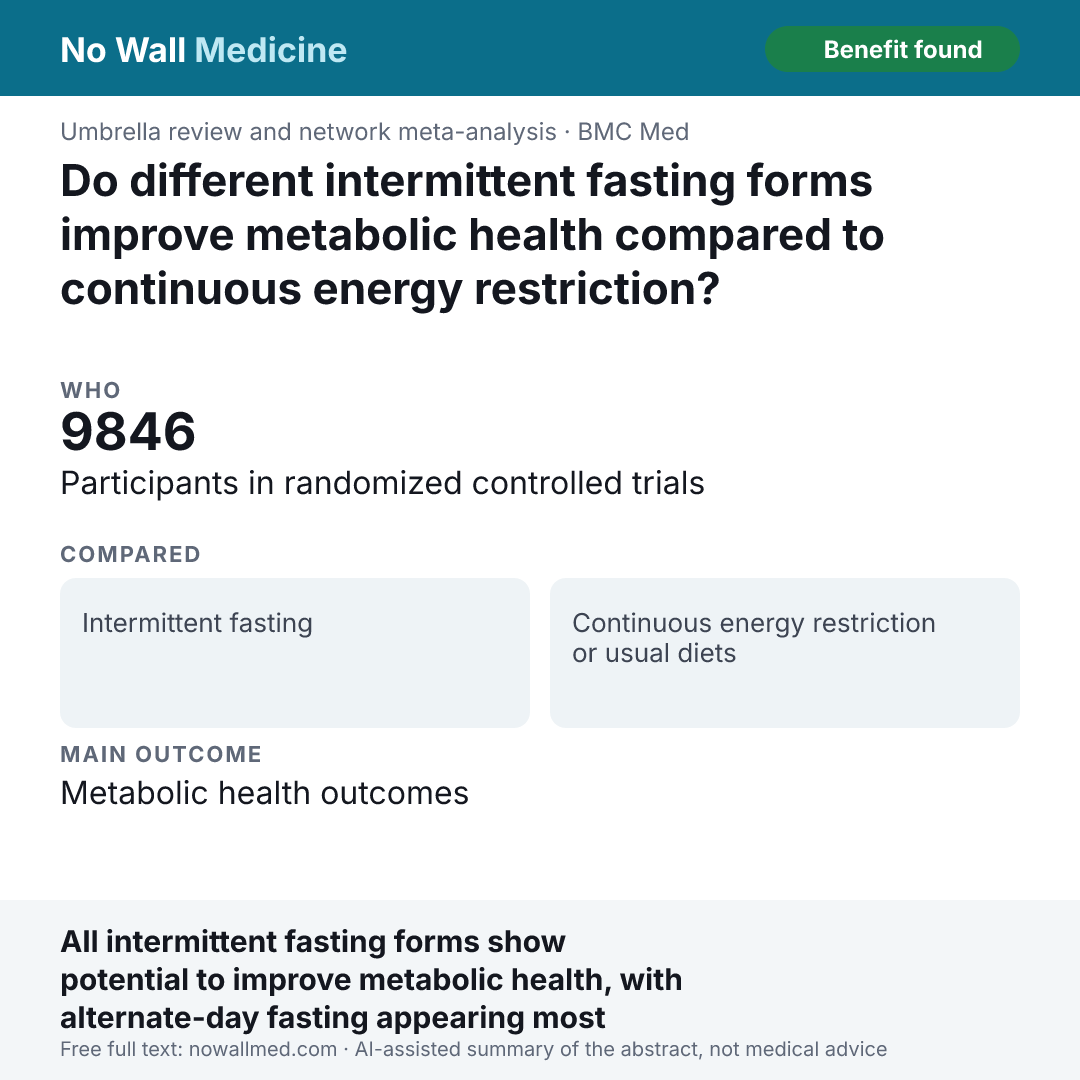
Effects of different types of intermittent fasting on metabolic outcomes: an umbrella review and network meta-analysis
Umbrella review and network meta-analysisBenefit found
Do different intermittent fasting forms improve metabolic health compared to continuous energy restriction?
Who
9846
Participants in randomized controlled trials
Compared
Intermittent fasting
Continuous energy restriction or usual diets
Main outcome
Metabolic health outcomes
Bottom line: All intermittent fasting forms show potential to improve metabolic health, with alternate-day fasting appearing most effective.
Limitation: Further high-quality trials are warranted to confirm relative efficacy.
BMC Med · 2024-11-13 · Save PNG
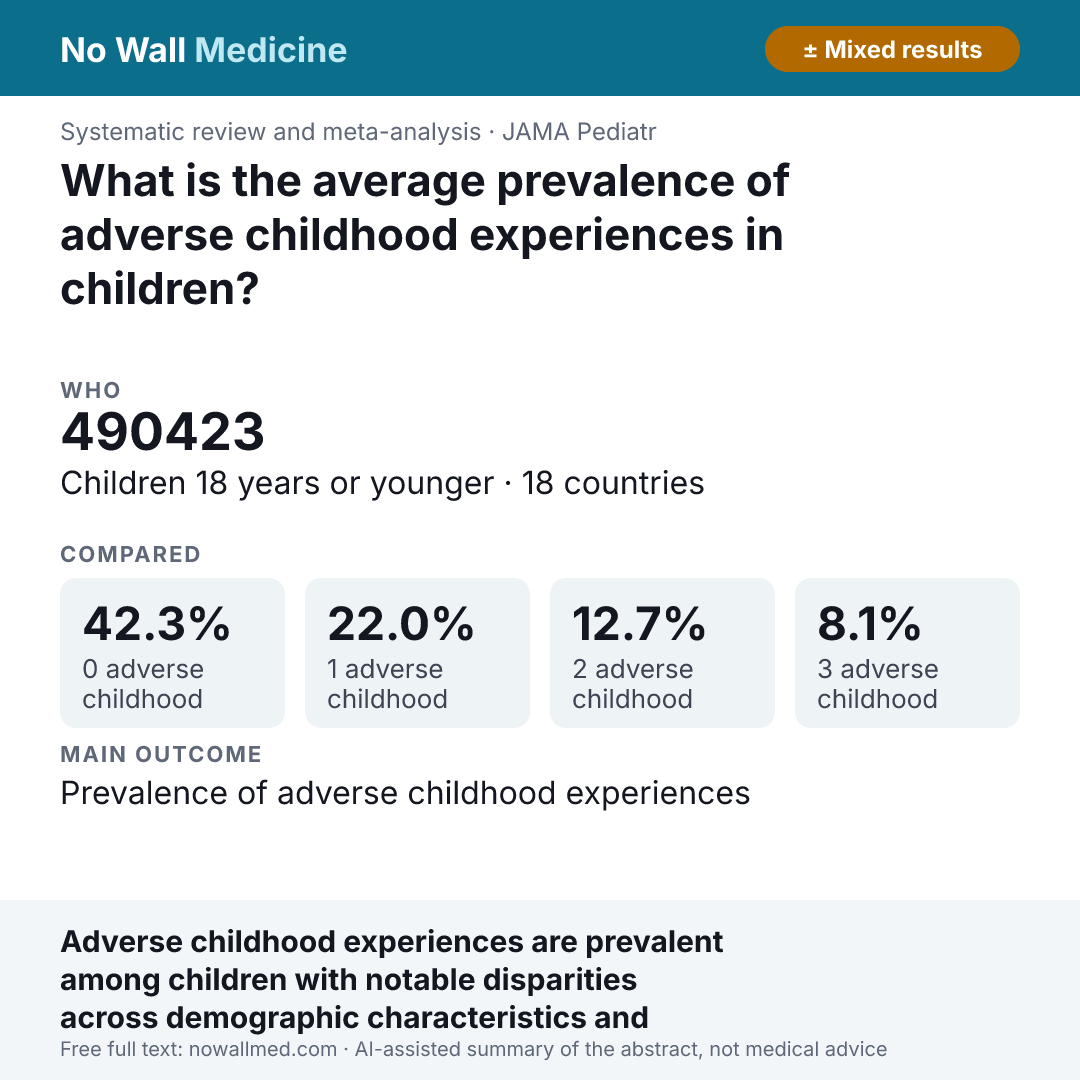
Prevalence of Adverse Childhood Experiences in Child Population Samples: A Systematic Review and Meta-Analysis
Systematic review and meta-analysisMixed results
What is the average prevalence of adverse childhood experiences in children?
Who
490423
Children 18 years or younger · 18 countries
Compared
42.3%0 adverse childhood experiences (95% CI, 25.3%-52.7%)
22.0%1 adverse childhood experience (95% CI, 9.9%-32.7%)
12.7%2 adverse childhood experiences (95% CI, 3.8%-22.3%)
8.1%3 adverse childhood experiences (95% CI, 1.4%-16.8%)
Main outcome
Prevalence of adverse childhood experiences
Bottom line: Adverse childhood experiences are prevalent among children with notable disparities across demographic characteristics and contexts.
JAMA Pediatr · 2024-11-13 · Save PNG
Skin Cancer Diagnosis by Lesion, Physician, and Examination Type: A Systematic Review and Meta-Analysis
Systematic review and meta-analysisMixed results
How do physician specialty, experience, and examination method affect skin cancer diagnostic accuracy?
Who
Dermatologists and primary care physicians examining skin lesions
Compared
Experienced dermatologists (keratinocytic carcinoma, dermoscopy): sensitivity 83.7% and specificity 87.4%
Experienced dermatologists (keratinocytic carcinoma, clinical examination): sensitivity 79.0% and specificity 89.1%
Primary care physicians (keratinocytic carcinoma): sensitivity 81.4% and specificity 80.1%
Experienced dermatologists (melanoma, dermoscopy): sensitivity 85.7% and specificity 81.3%
Main outcome
Diagnostic sensitivity and specificity for skin cancer
Bottom line: Diagnostic accuracy for skin cancer varies significantly by physician specialty, experience level, and the examination method used.
JAMA Dermatol · 2024-11-13 · Save PNG

Epidemiology and Risk Factors for Testicular Cancer: A Systematic Review
Systematic review and meta-analysisMixed results
What are the epidemiology and risk factors for testicular germ cell tumors?
Who
Global populations regarding testicular germ cell tumors
Compared
Prenatal or early-life risk factors
Control
Main outcome
Testicular germ cell tumor incidence
Result: odds ratio 1.44
Bottom line: Testicular germ cell tumor incidence is rising, influenced by genetic predisposition and early life exposures.
Limitation: Constrained evidence quality, heterogeneity in study types, and limited data volume.
Eur Urol · 2024-11-13 · Save PNG

Therapeutics for Nipah virus disease: a systematic review to support prioritisation of drug candidates for clinical trials
Systematic reviewKey finding
Which therapeutics should be prioritized for clinical trials for Nipah virus disease?
Who
Patients with Nipah virus disease or other henipaviral diseases
Compared
1F5, m102.4, remdesivir
Control
Main outcome
Safety and efficacy of therapeutic options
Bottom line: Sufficient evidence exists to suggest trialling 1F5, m102.4, and remdesivir for prophylaxis and early treatment.
Lancet Microbe · 2024-11-13 · Save PNG

Exploiting blood-based biomarkers to align preclinical models with human traumatic brain injury
Systematic literature reviewBenefit found
Can blood-based biomarkers align preclinical rodent models with human traumatic brain injury?
Who
74
Rodent models of traumatic brain injury
Compared
GFAP (moderate-to-severe TBI vs sham): 30-fold increase
UCH-L1 (moderate-to-severe TBI vs sham): 4-fold increase
NfL (moderate-to-severe TBI vs sham): 18-fold increase
t-Tau (moderate-to-severe TBI vs sham): 6-fold increase
Main outcome
Temporal trajectories of blood biomarkers in rodent models
Bottom line: Blood biomarkers show injury-dependent elevations and distinct temporal profiles that may help calibrate preclinical models to human clinical observations.
Limitation: Relationship between Tau levels and underlying neurodegeneration has yet to be addressed.
Brain · 2024-11-13 · Save PNG

An international core outcome set for primary progressive aphasia (COS-PPA): Consensus-based recommendations for communication interventions across research and clinical settings
Consensus-based recommendationsUnclear result
Core outcomes for primary progressive aphasia
Who
82, 91
people with primary progressive aphasia and care partners · international
Compared
people with PPA
care partners
Main outcome
important outcome constructs
Bottom line: Core outcomes identified for primary progressive aphasia
Limitation: no measurement instruments agreed
Alzheimers Dement · 2024-11-13 · Save PNG

Impact of DPP-4 Inhibitors on Interleukin Levels in Type 2 Diabetes Mellitus
Meta-analysis of 14 randomized controlled trialsMixed results
Do dipeptidyl peptidase-4 inhibitors impact interleukin levels in type 2 diabetes mellitus?
Who
850
Patients with type 2 diabetes mellitus
Compared
Dipeptidyl peptidase-4 inhibitors
Placebo or active agents
Main outcome
Interleukin concentrations
Result: IL-6: -0.54 pg/mL (95% CI, -0.82 to -0.25); IL-1β: -16.33 pg/mL (95% CI, -19.56 to -13.11); IL-18: -13.55 pg/mL (95% CI, -76.95 to 49.85)
Bottom line: Dipeptidyl peptidase-4 inhibitors significantly lowered interleukin-6 and interleukin-1 beta concentrations in patients with type 2 diabetes mellitus.
J Clin Endocrinol Metab · 2024-11-13 · Save PNG

Mild behavioural impairment in Parkinson's disease: a systematic review
Systematic reviewMixed results
What are the prevalence and characteristics of mild behavioural impairment in Parkinson's disease?
Who
People with Parkinson's disease · Five separate research institutions
Compared
Mild behavioural impairment symptoms: Affective dysregulation and impulse control disorders were primary contributors
Mild behavioural impairment symptoms: Abnormal perception was least contributor
Main outcome
Prevalence and characteristics of mild behavioural impairment
Bottom line: Mild behavioural impairment in early-stage Parkinson's disease is characterized primarily by mood and impulse control disorders.
Limitation: Methodological differences and varying conceptualizations of mild behavioural impairment affected reported prevalence rates.
Age Ageing · 2024-11-13 · Save PNG

Editor's Choice - Reporting and Methodological Quality of Systematic Reviews Underpinning Clinical Practice Guidelines for Vascular Surgery: A Systematic Review
Systematic reviewMixed results
What is the reporting and methodological quality of systematic reviews informing vascular surgery guidelines?
Who
215
Systematic reviews informing vascular surgery clinical practice guidelines · MEDLINE and Embase
Compared
Reporting completeness (PRISMA): mean 63%
Methodological quality (AMSTAR 2): mean 50%
Main outcome
Reporting and methodological quality of systematic reviews
Bottom line: Systematic reviews informing vascular surgery guidelines were of moderate quality at best, with recent and funded reviews performing better.
Eur J Vasc Endovasc Surg · 2024-11-13 · Save PNG

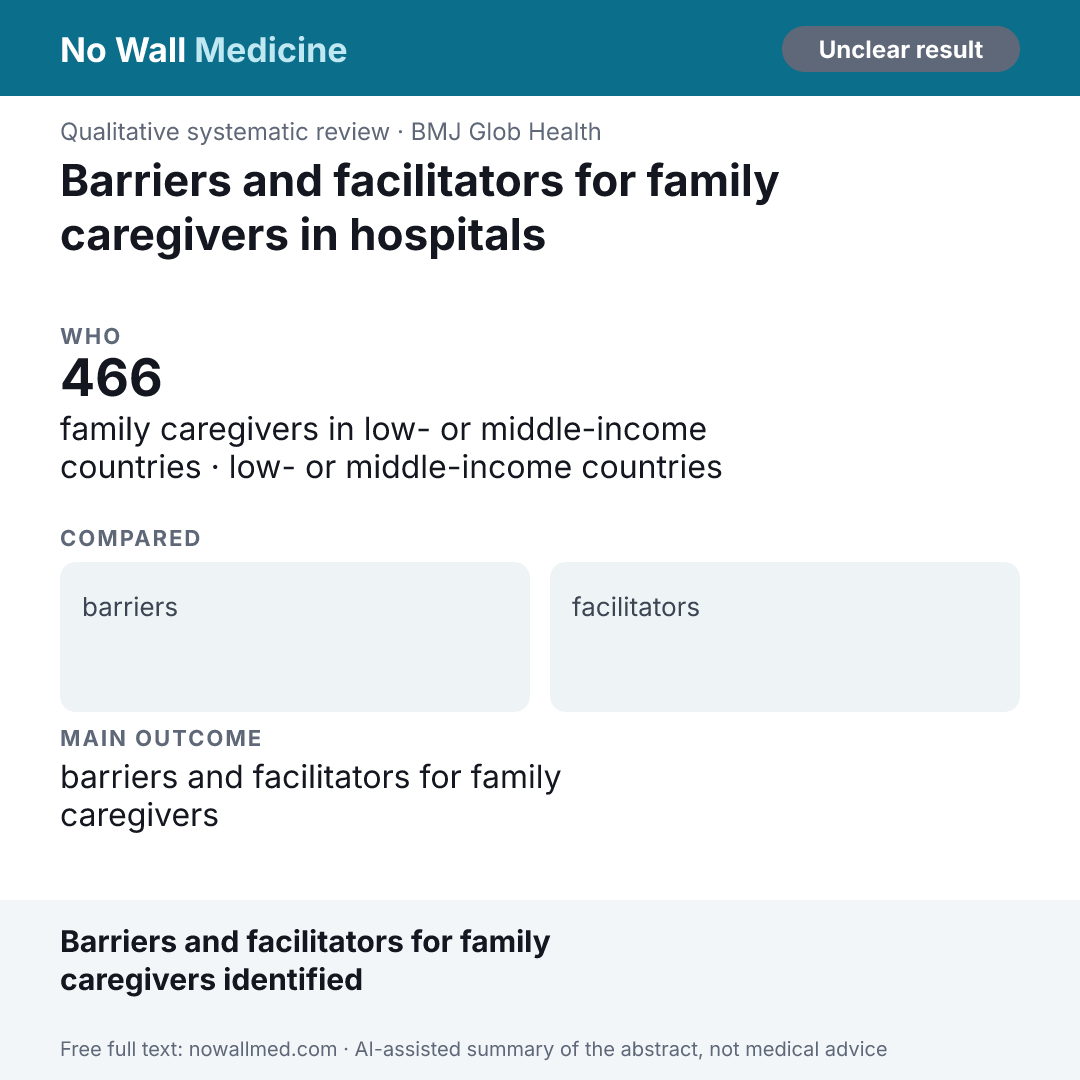
The barriers and facilitators family caregivers experience when participating in resource-limited hospital care: a qualitative systematic review
Qualitative systematic reviewUnclear result
Barriers and facilitators for family caregivers in hospitals
Who
466
family caregivers in low- or middle-income countries · low- or middle-income countries
Compared
barriers
facilitators
Main outcome
barriers and facilitators for family caregivers
Bottom line: Barriers and facilitators for family caregivers identified
Limitation: limited contexts and stakeholders
BMJ Glob Health · 2024-11-13 · Save PNG
Impact of fever on the outcome non-anoxic acute brain injury patients: a systematic review and meta-analysis
Systematic review and meta-analysisHarm found
Does fever impact neurological outcomes and mortality in acute brain injury patients?
Who
460,825
Patients with acute brain injury in intensive care units
Compared
Fever
No fever
Main outcome
Neurological outcome and mortality
Result: odds ratio 2.37 (95% CI 2.08-2.71) for unfavorable neurological outcome
Bottom line: Fever is associated with increased risk of poor neurological outcomes and mortality in acute brain injury patients.
Crit Care · 2024-11-13 · Save PNG

Exercise-based telerehabilitation for patients with multiple sclerosis using physical activity: a systematic review
Systematic reviewBenefit found
Is exercise-based telerehabilitation effective, feasible, safe, and adherent for multiple sclerosis patients?
Who
People with multiple sclerosis
Compared
Telerehabilitation: 5 out of 10 studies showed significant improvements
Usual care
Main outcome
Feasibility, effectiveness, safety, and adherence
Bottom line: Telerehabilitation is comparable to regular centre-based rehabilitation regarding feasibility, safety, and effectiveness.
J Rehabil Med · 2024-11-13 · Save PNG

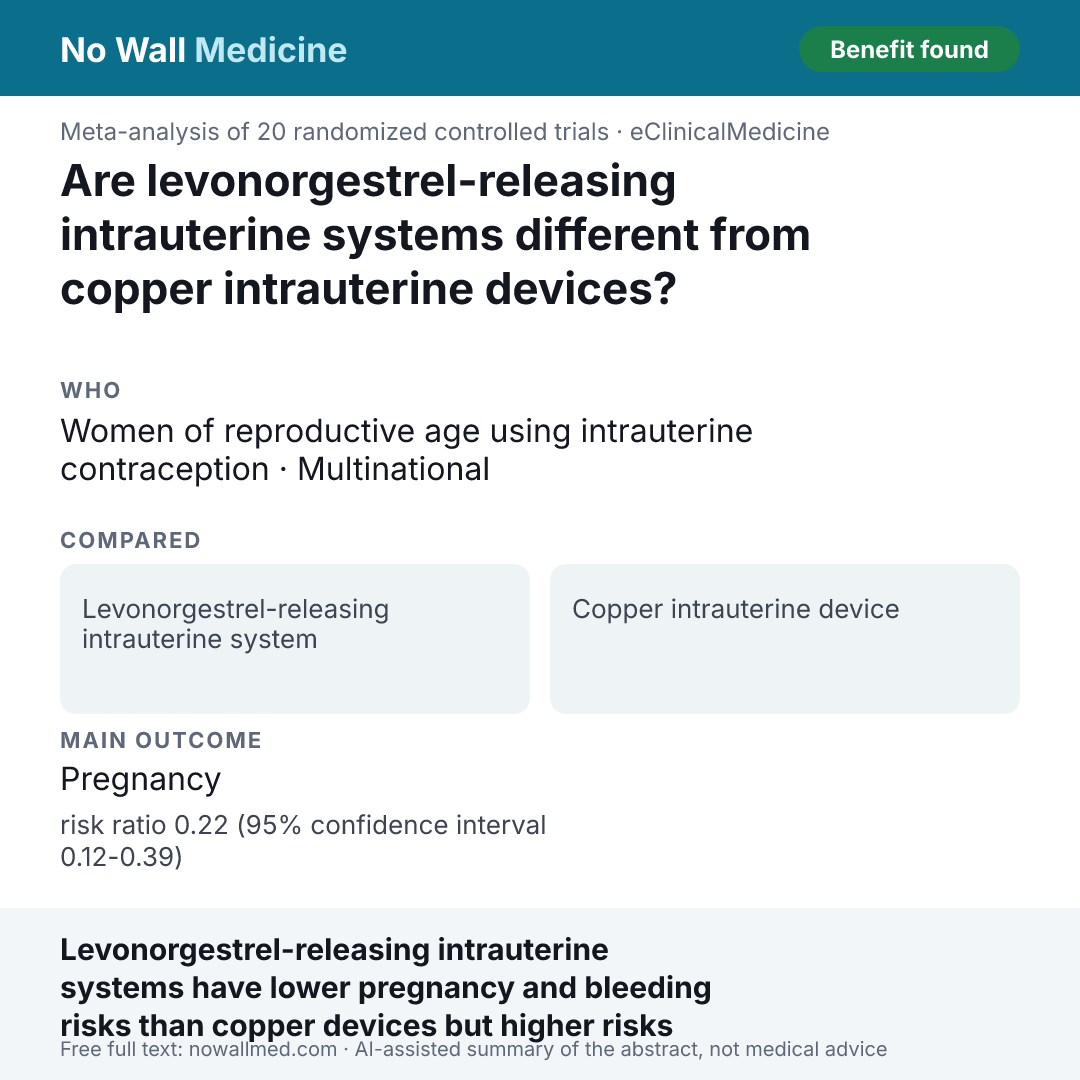
Contraception with levonorgestrel-releasing intrauterine system versus copper intrauterine device: a meta-analysis of randomized controlled trials
Meta-analysis of 20 randomized controlled trialsBenefit found
Are levonorgestrel-releasing intrauterine systems different from copper intrauterine devices?
Who
Women of reproductive age using intrauterine contraception · Multinational
Compared
Levonorgestrel-releasing intrauterine system
Copper intrauterine device
Main outcome
Pregnancy
Result: risk ratio 0.22 (95% confidence interval 0.12-0.39)
Bottom line: Levonorgestrel-releasing intrauterine systems have lower pregnancy and bleeding risks than copper devices but higher risks of amenorrhea.
Funded by: Hunan Provincial Natural Foundation of China and others
eClinicalMedicine · 2024-11-12 · Save PNG
Diagnostic test accuracy of the Fungitell serum (1→3)-β-D-glucan assay for the diagnosis of Pneumocystis jirovecii pneumonia: a systematic review and meta-analysis
Systematic review and meta-analysisKey finding
What is the diagnostic accuracy of the Fungitell beta-D-glucan assay for Pneumocystis jirovecii pneumonia?
Who
5111
Patients with risk factors for Pneumocystis jirovecii pneumonia
Compared
Conventional cut-off 80 pg/mL: sensitivity 83.5% and specificity 75.5%
Rule-in threshold 400 pg/mL: sensitivity 63.5% and specificity 93.6%
Main outcome
Diagnostic test accuracy of the Fungitell beta-D-glucan assay
Bottom line: A categorical approach using 80 pg/mL to rule-out and 400 pg/mL to rule-in may improve interpretation.
Limitation: More accurate estimates of pretest probability and further external validation are required.
Clin Microbiol Infect · 2024-11-12 · Save PNG