Visual abstracts
New randomized trials and meta-analyses from leading journals at a glance: who was studied, what was compared, and what was found. Every paper is free to read in full.
All specialtiesCardiology 4763Oncology 4042Gastroenterology & Hepatology 1902Infectious Disease 3756Neurology 1872Psychiatry & Mental Health 2214Pulmonology 2042Critical Care 1319Endocrinology & Diabetes 2544Pediatrics 2889Surgery 2479Orthopedics & Sports Medicine 917Neurosurgery 525Cardiothoracic & Vascular Surgery 656Plastic & Reconstructive Surgery 574Nephrology 1107Rheumatology 810Hematology 1090Dermatology 611Ophthalmology 532Obstetrics & Gynecology 1645Public & Global Health 1037Radiology & Imaging 617Anesthesiology 957Urology 745ENT (Otolaryngology) 494Emergency Medicine 481Allergy & Immunology 309Geriatrics 972Family Medicine & Primary Care 533Medical Genetics & Genomics 659Pathology & Laboratory Medicine 156Physical Medicine & Rehabilitation 734Palliative Care 421Nutrition 1560Digital Health & AI 2133General Medicine 318
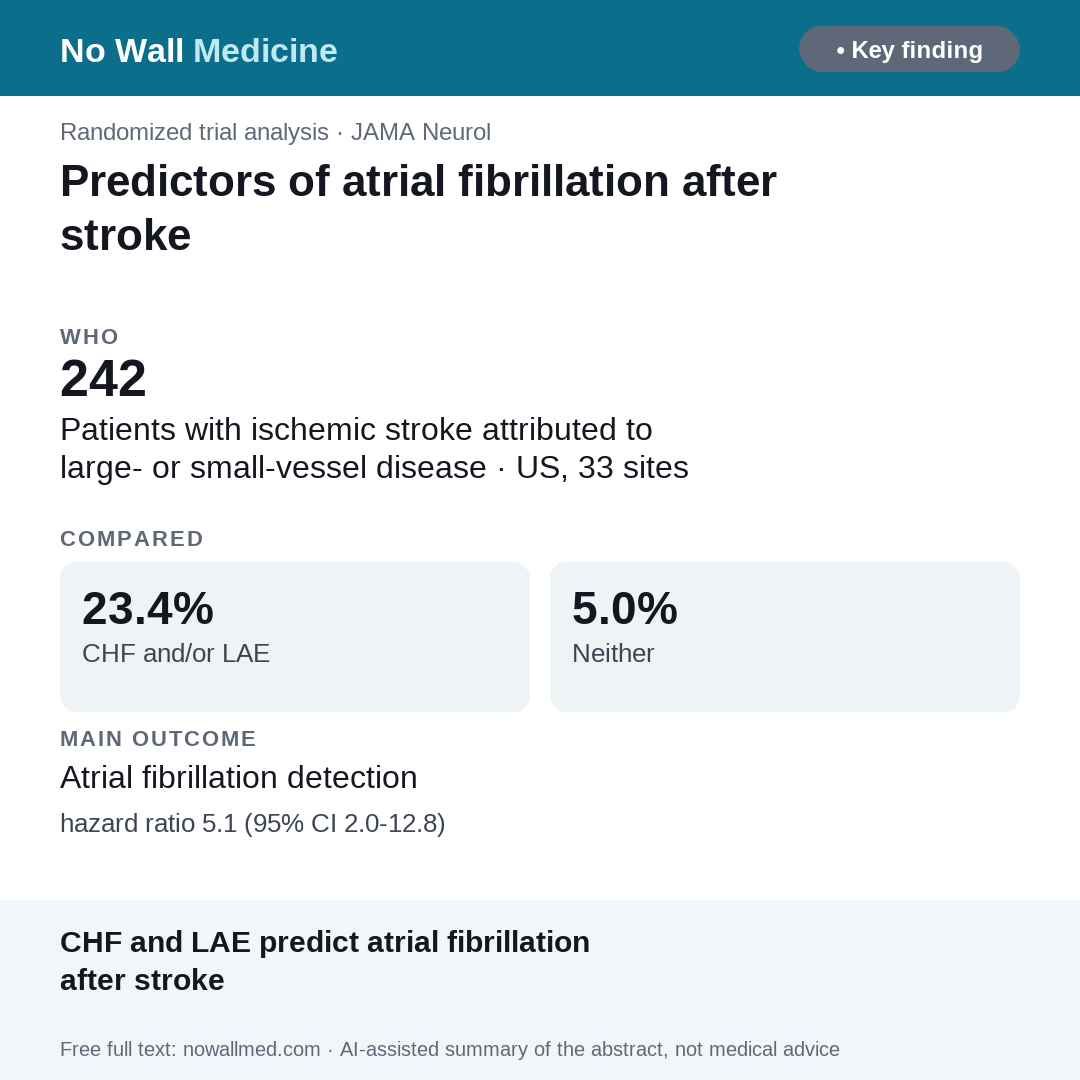
Predictors of Atrial Fibrillation in Patients With Stroke Attributed to Large- or Small-Vessel Disease: A Prespecified Secondary Analysis of the STROKE AF Randomized Clinical Trial
Randomized trial analysisKey finding
Predictors of atrial fibrillation after stroke
Who
242
Patients with ischemic stroke attributed to large- or small-vessel disease · US, 33 sites
Compared
23.4%CHF and/or LAE
5.0%Neither
Main outcome
Atrial fibrillation detection
Result: hazard ratio 5.1 (95% CI 2.0-12.8)
Bottom line: CHF and LAE predict atrial fibrillation after stroke
Limitation: not powered for clinical predictors
JAMA Neurol · 2022-11-15Download image
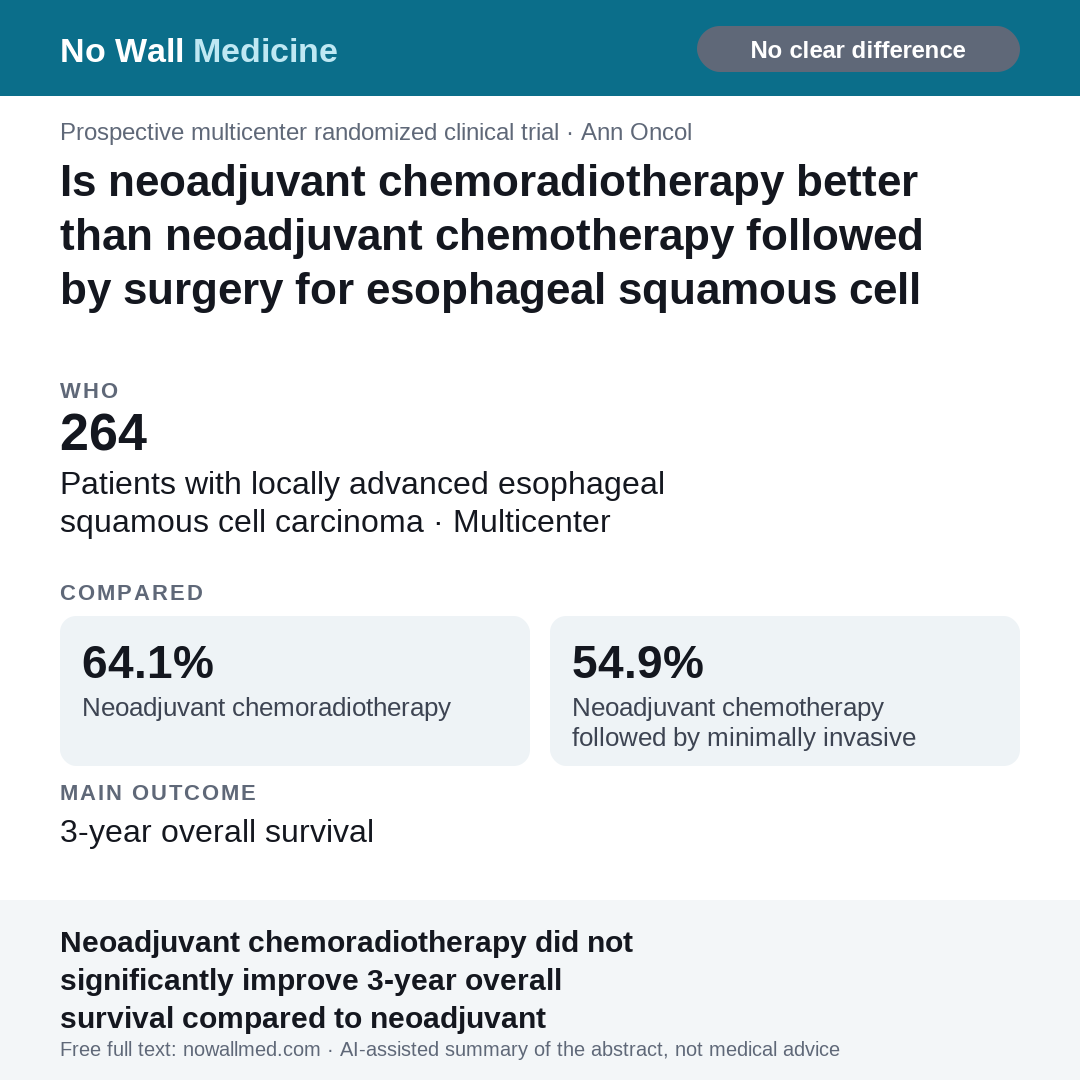
Neoadjuvant chemoradiotherapy versus neoadjuvant chemotherapy followed by minimally invasive esophagectomy for locally advanced esophageal squamous cell carcinoma: a prospective multicenter randomized clinical trial
Prospective multicenter randomized clinical trialNo clear difference
Is neoadjuvant chemoradiotherapy better than neoadjuvant chemotherapy followed by surgery for esophageal squamous cell carcinoma?
Who
264
Patients with locally advanced esophageal squamous cell carcinoma · Multicenter
Compared
64.1%Neoadjuvant chemoradiotherapy (95% CI 56.4% to 72.9%)
54.9%Neoadjuvant chemotherapy followed by minimally invasive esophagectomy (95% CI 47.0% to 64.2%)
Main outcome
3-year overall survival
Result: hazard ratio 0.82 (95% CI 0.58-1.18)
Bottom line: Neoadjuvant chemoradiotherapy did not significantly improve 3-year overall survival compared to neoadjuvant chemotherapy followed by surgery.
Ann Oncol · 2022-11-15Download image
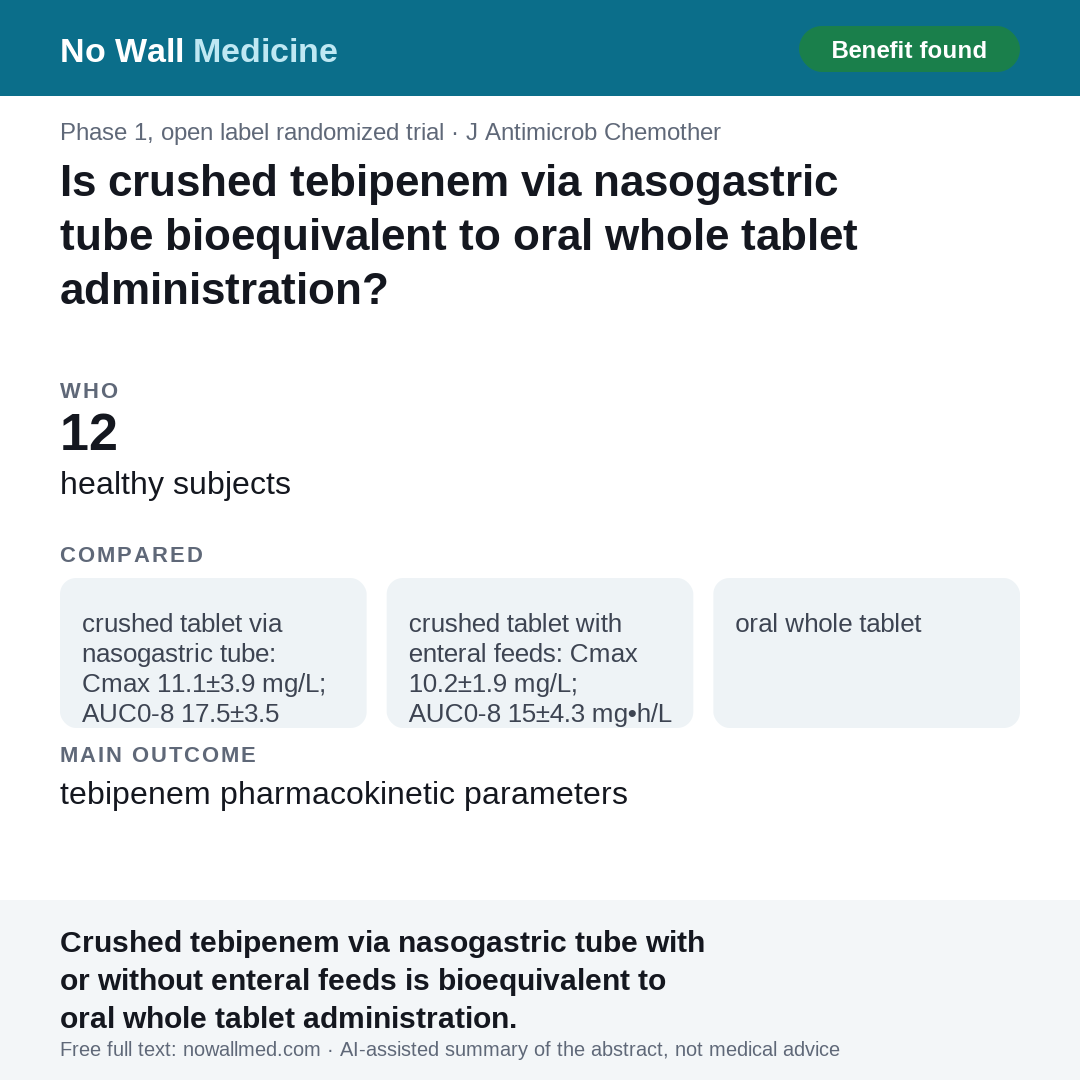
Relative bioavailability of crushed tebipenem administered through a nasogastric tube with and without enteral feeding
Phase 1, open label randomized trialEarly signal
Is crushed tebipenem via nasogastric tube bioequivalent to oral whole tablet administration?
Who
12
healthy subjects
Compared
crushed tablet via nasogastric tube: Cmax 11.1±3.9 mg/L; AUC0-8 17.5±3.5 mg•h/L
crushed tablet with enteral feeds: Cmax 10.2±1.9 mg/L; AUC0-8 15±4.3 mg•h/L
oral whole tablet
Main outcome
tebipenem pharmacokinetic parameters
Bottom line: Crushed tebipenem via nasogastric tube with or without enteral feeds is bioequivalent to oral whole tablet administration.
J Antimicrob Chemother · 2022-11-15Download image
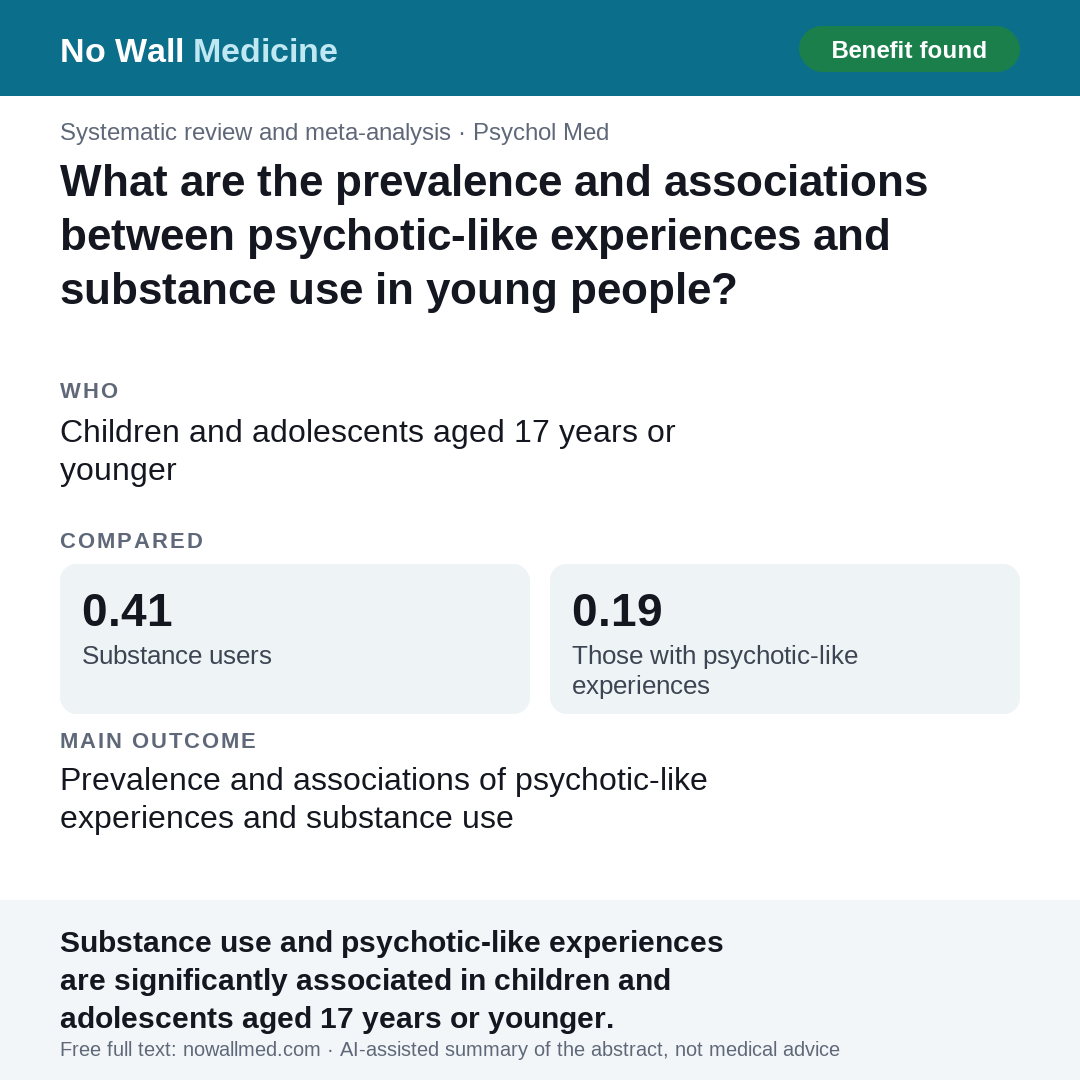
Substance use and psychotic-like experiences in young people: a systematic review and meta-analysis
Systematic review and meta-analysisKey finding
What are the prevalence and associations between psychotic-like experiences and substance use in young people?
Who
Children and adolescents aged 17 years or younger
Compared
0.41Substance users (95% CI 0.32-0.51)
0.19Those with psychotic-like experiences (95% CI 0.12-0.28)
Main outcome
Prevalence and associations of psychotic-like experiences and substance use
Result: odds ratio 1.77 (95% CI 1.55-2.02)
Bottom line: Substance use and psychotic-like experiences are significantly associated in children and adolescents aged 17 years or younger.
Psychol Med · 2022-11-15Download image
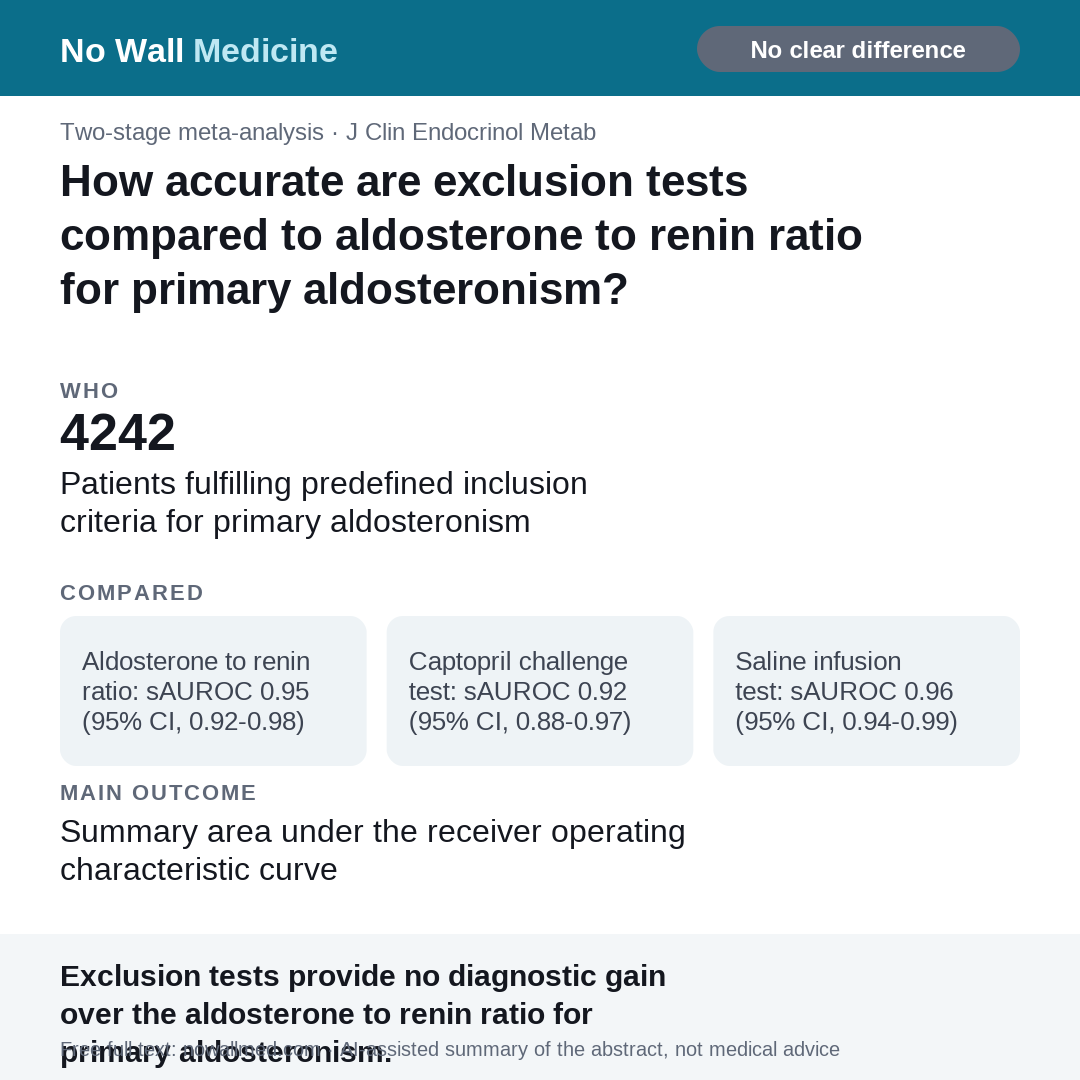
Exclusion Tests in Unilateral Primary Aldosteronism (ExcluPA) Study
Two-stage meta-analysisNo clear difference
How accurate are exclusion tests compared to aldosterone to renin ratio for primary aldosteronism?
Who
4242
Patients fulfilling predefined inclusion criteria for primary aldosteronism
Compared
Aldosterone to renin ratio: sAUROC 0.95 (95% CI, 0.92-0.98)
Captopril challenge test: sAUROC 0.92 (95% CI, 0.88-0.97)
Saline infusion test: sAUROC 0.96 (95% CI, 0.94-0.99)
Main outcome
Summary area under the receiver operating characteristic curve
Bottom line: Exclusion tests provide no diagnostic gain over the aldosterone to renin ratio for primary aldosteronism.
Limitation: High accuracy may be due to selection of patients with high pretest probability.
J Clin Endocrinol Metab · 2022-11-15Download image
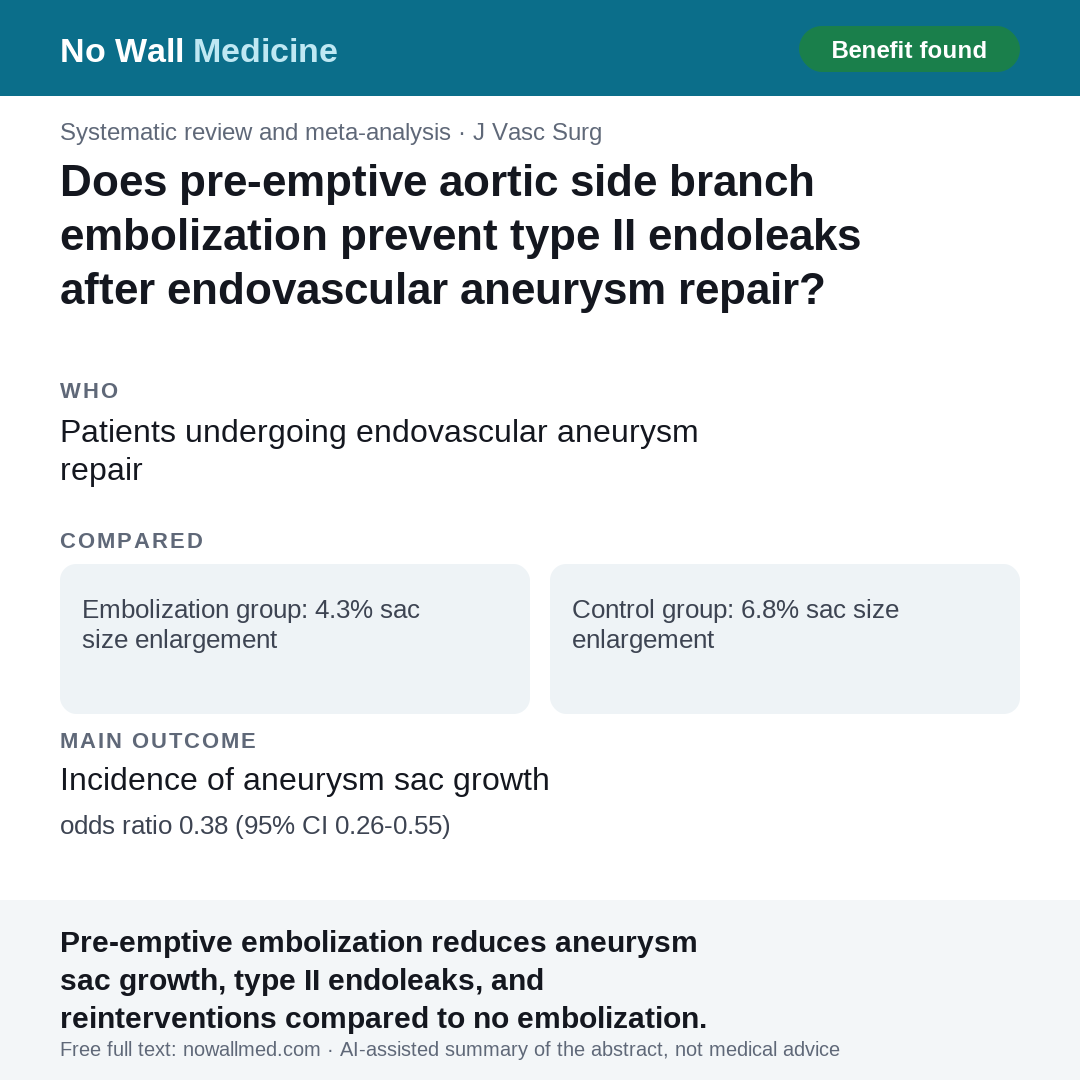
An updated systematic review and meta-analysis of pre-emptive aortic side branch embolization to prevent type II endoleaks after endovascular aneurysm repair
Systematic review and meta-analysisBenefit found
Does pre-emptive aortic side branch embolization prevent type II endoleaks after endovascular aneurysm repair?
Who
Patients undergoing endovascular aneurysm repair
Compared
Embolization group: 4.3% sac size enlargement
Control group: 6.8% sac size enlargement
Main outcome
Incidence of aneurysm sac growth
Result: odds ratio 0.38 (95% CI 0.26-0.55)
Bottom line: Pre-emptive embolization reduces aneurysm sac growth, type II endoleaks, and reinterventions compared to no embolization.
Limitation: Higher level of evidence is required regarding cost-effectiveness and potential effect on rupture.
J Vasc Surg · 2022-11-15Download image
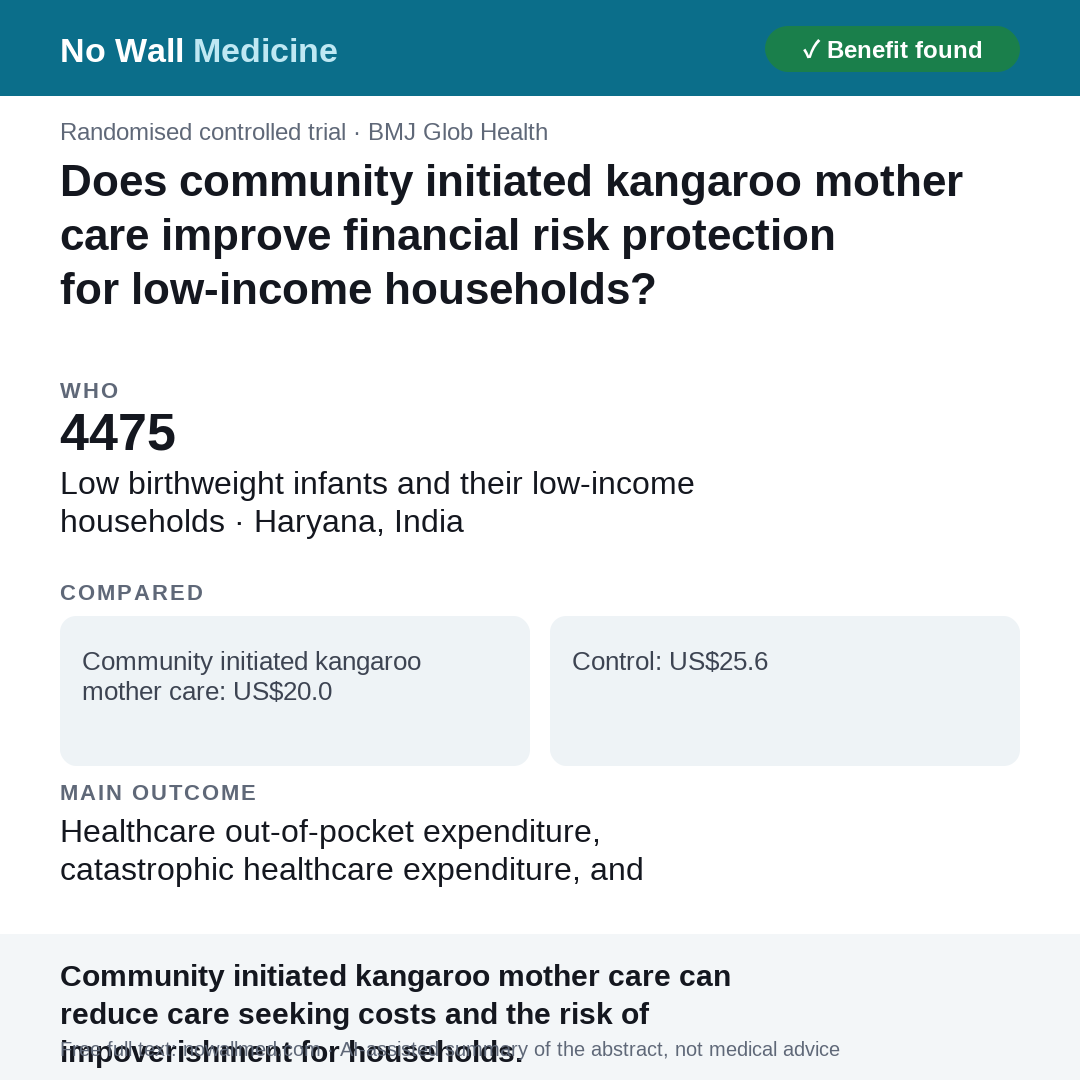
Effect of kangaroo mother care initiated in community settings on financial risk protection of low-income households: a randomised controlled trial in Haryana, India
Randomised controlled trialBenefit found
Does community initiated kangaroo mother care improve financial risk protection for low-income households?
Who
4475
Low birthweight infants and their low-income households · Haryana, India
Compared
Community initiated kangaroo mother care: US$20.0
Control: US$25.6
Main outcome
Healthcare out-of-pocket expenditure, catastrophic healthcare expenditure, and impoverishment
Result: hazard ratio 0.56 (95% CI 0.36 to 0.89) for impoverishment
Bottom line: Community initiated kangaroo mother care can reduce care seeking costs and the risk of impoverishment for households.
BMJ Glob Health · 2022-11-15Download image
Meta-analysis of genome-wide association studies of hoarding symptoms in 27,537 individuals
Meta-analysis of genome-wide association studiesMixed results
What are the genetic associations of hoarding symptoms?
Who
27537
27,537 individuals from seven international cohorts · seven international cohorts
Compared
Hoarding symptoms
Schizophrenia and autism spectrum disorder: significantly associated
Main outcome
genetic association with hoarding symptoms
Bottom line: Hoarding symptoms are heritable and genetically associated with schizophrenia and autism spectrum disorder.
Limitation: limited power to detect any genome-wide significant loci
Transl Psychiatry · 2022-11-15Download image

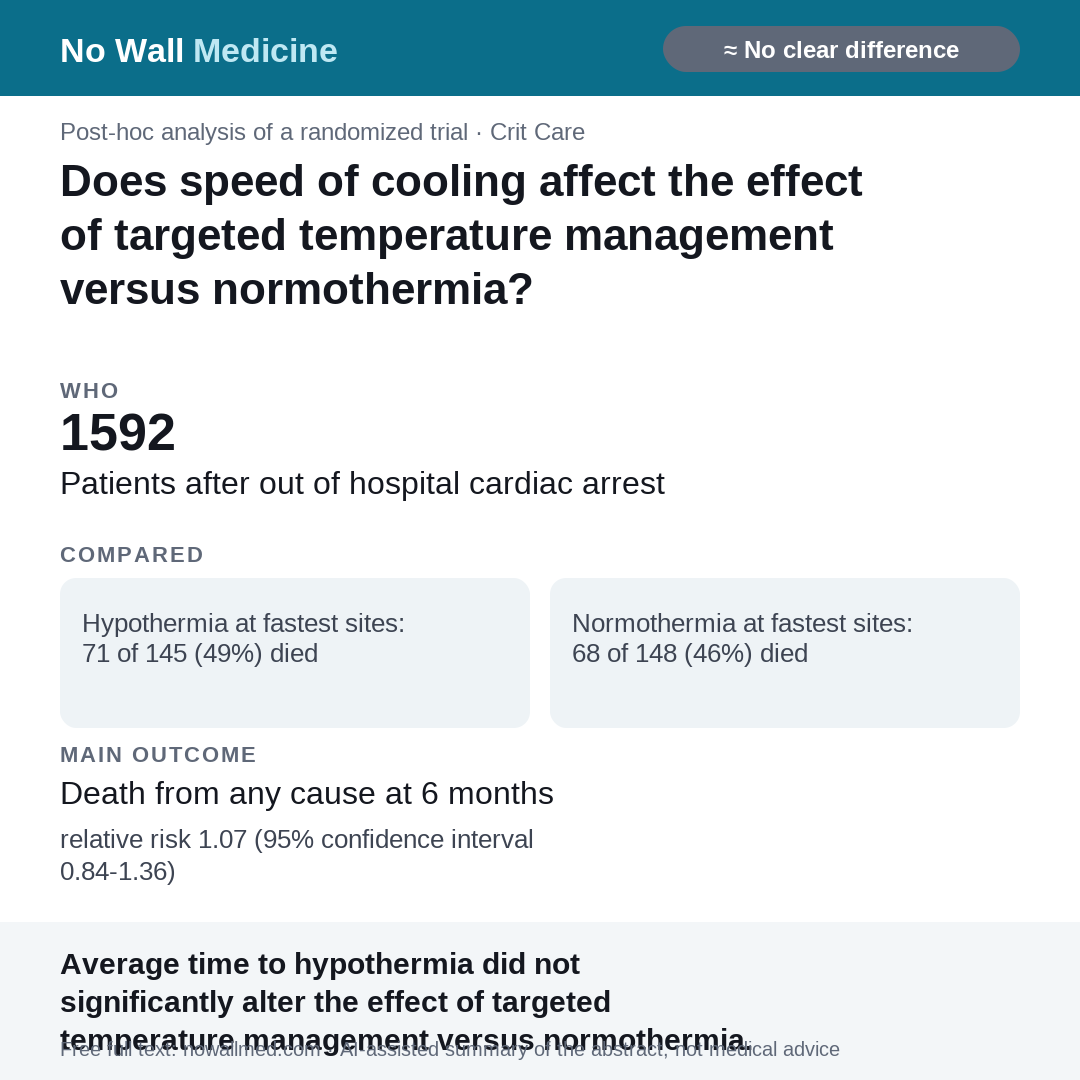
Speed of cooling after cardiac arrest in relation to the intervention effect: a sub-study from the TTM2-trial
Post-hoc analysis of a randomized trialNo clear difference
Does speed of cooling affect the effect of targeted temperature management versus normothermia?
Who
1592
Patients after out of hospital cardiac arrest
Compared
Hypothermia at fastest sites: 71 of 145 (49%) died
Normothermia at fastest sites: 68 of 148 (46%) died
Main outcome
Death from any cause at 6 months
Result: relative risk 1.07 (95% confidence interval 0.84-1.36)
Bottom line: Average time to hypothermia did not significantly alter the effect of targeted temperature management versus normothermia.
Limitation: This was a post-hoc analysis of the TTM-2 trial.
Crit Care · 2022-11-15Download image
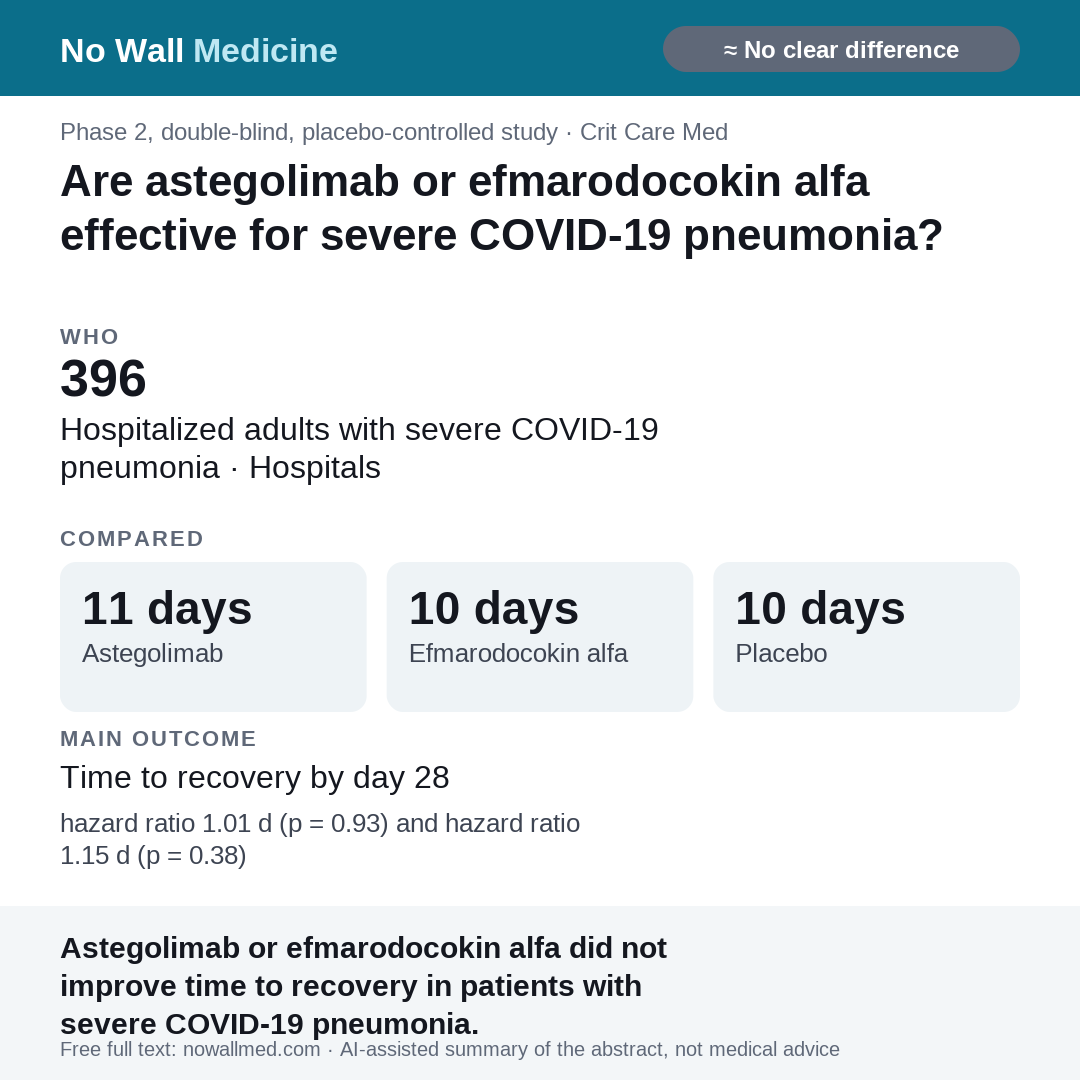
Astegolimab or Efmarodocokin Alfa in Patients With Severe COVID-19 Pneumonia: A Randomized, Phase 2 Trial
Phase 2, double-blind, placebo-controlled studyNo clear difference
Are astegolimab or efmarodocokin alfa effective for severe COVID-19 pneumonia?
Who
396
Hospitalized adults with severe COVID-19 pneumonia · Hospitals
Compared
11 daysAstegolimab
10 daysEfmarodocokin alfa
10 daysPlacebo
Main outcome
Time to recovery by day 28
Result: hazard ratio 1.01 d (p = 0.93) and hazard ratio 1.15 d (p = 0.38)
Bottom line: Astegolimab or efmarodocokin alfa did not improve time to recovery in patients with severe COVID-19 pneumonia.
Crit Care Med · 2022-11-14Download image
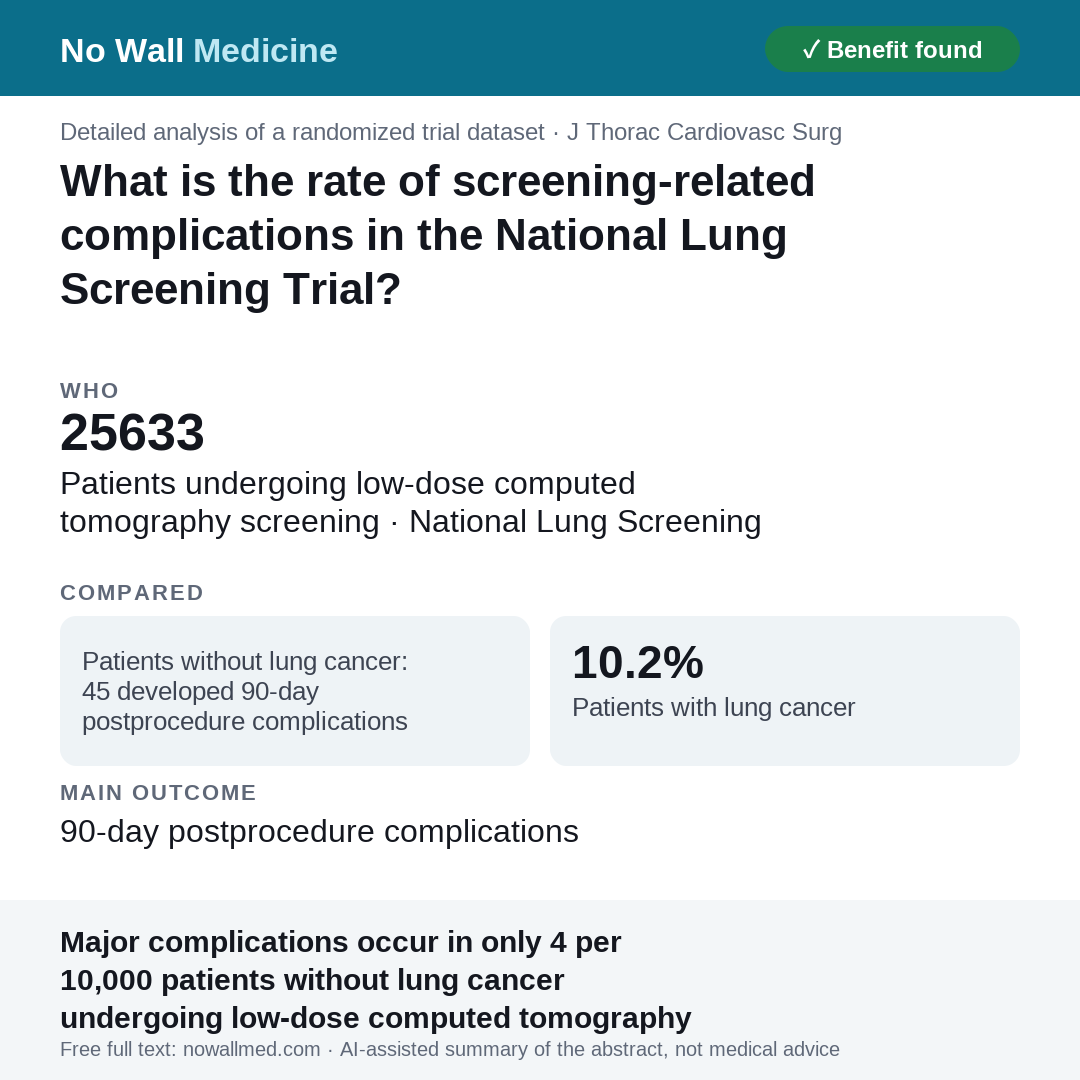
Overestimation of screening-related complications in the National Lung Screening Trial
Detailed analysis of a randomized trial datasetBenefit found
What is the rate of screening-related complications in the National Lung Screening Trial?
Who
25633
Patients undergoing low-dose computed tomography screening · National Lung Screening Trial
Compared
Patients without lung cancer: 45 developed 90-day postprocedure complications
10.2%Patients with lung cancer
Main outcome
90-day postprocedure complications
Bottom line: Major complications occur in only 4 per 10,000 patients without lung cancer undergoing low-dose computed tomography screening.
J Thorac Cardiovasc Surg · 2022-11-14Download image
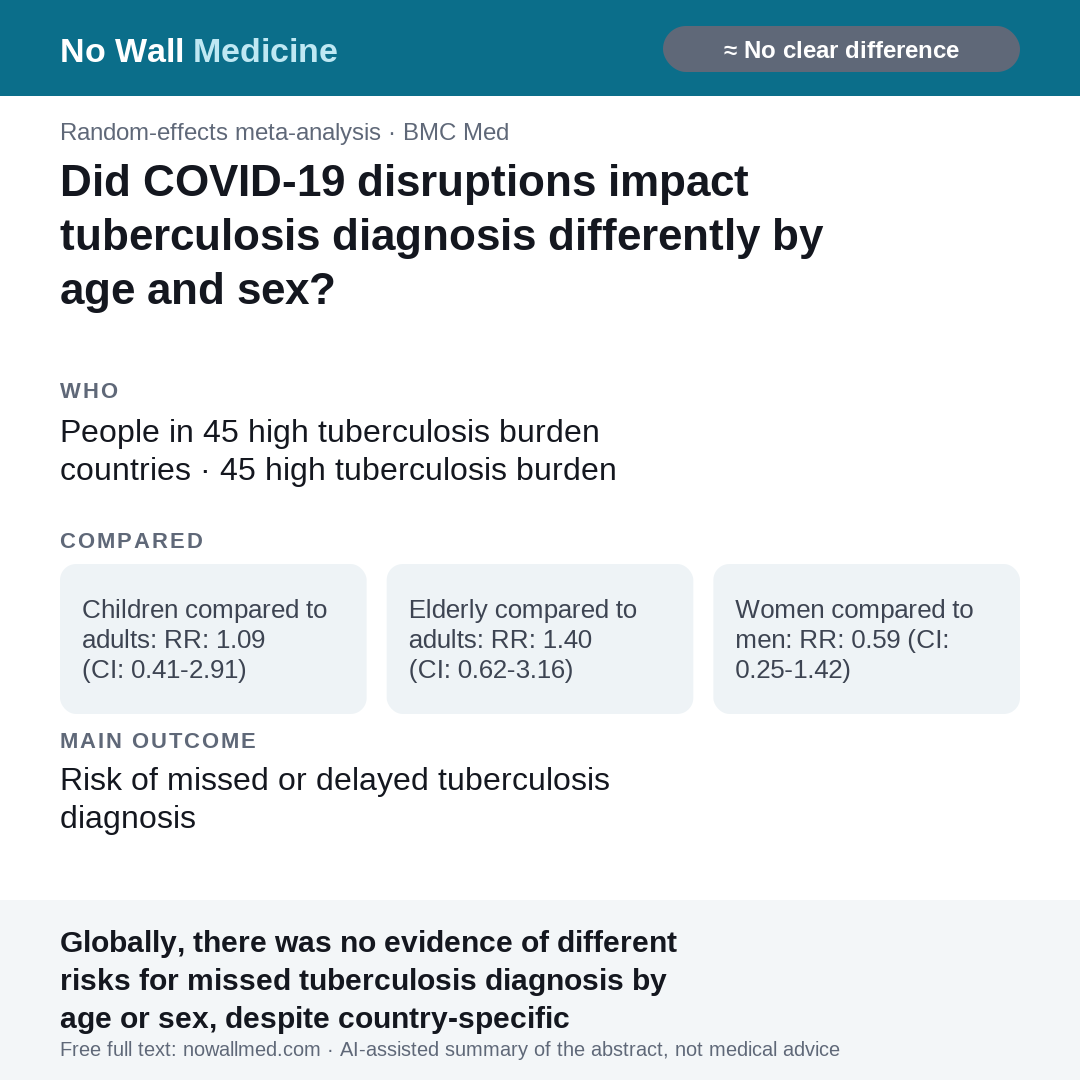
Inequalities in the impact of COVID-19-associated disruptions on tuberculosis diagnosis by age and sex in 45 high TB burden countries
Random-effects meta-analysisNo clear difference
Did COVID-19 disruptions impact tuberculosis diagnosis differently by age and sex?
Who
People in 45 high tuberculosis burden countries · 45 high tuberculosis burden countries
Compared
Children compared to adults: RR: 1.09 (CI: 0.41-2.91)
Elderly compared to adults: RR: 1.40 (CI: 0.62-3.16)
Women compared to men: RR: 0.59 (CI: 0.25-1.42)
Main outcome
Risk of missed or delayed tuberculosis diagnosis
Bottom line: Globally, there was no evidence of different risks for missed tuberculosis diagnosis by age or sex, despite country-specific disparities.
Limitation: Disparities in risk by age and/or sex were found in some regions and most countries.
BMC Med · 2022-11-14Download image
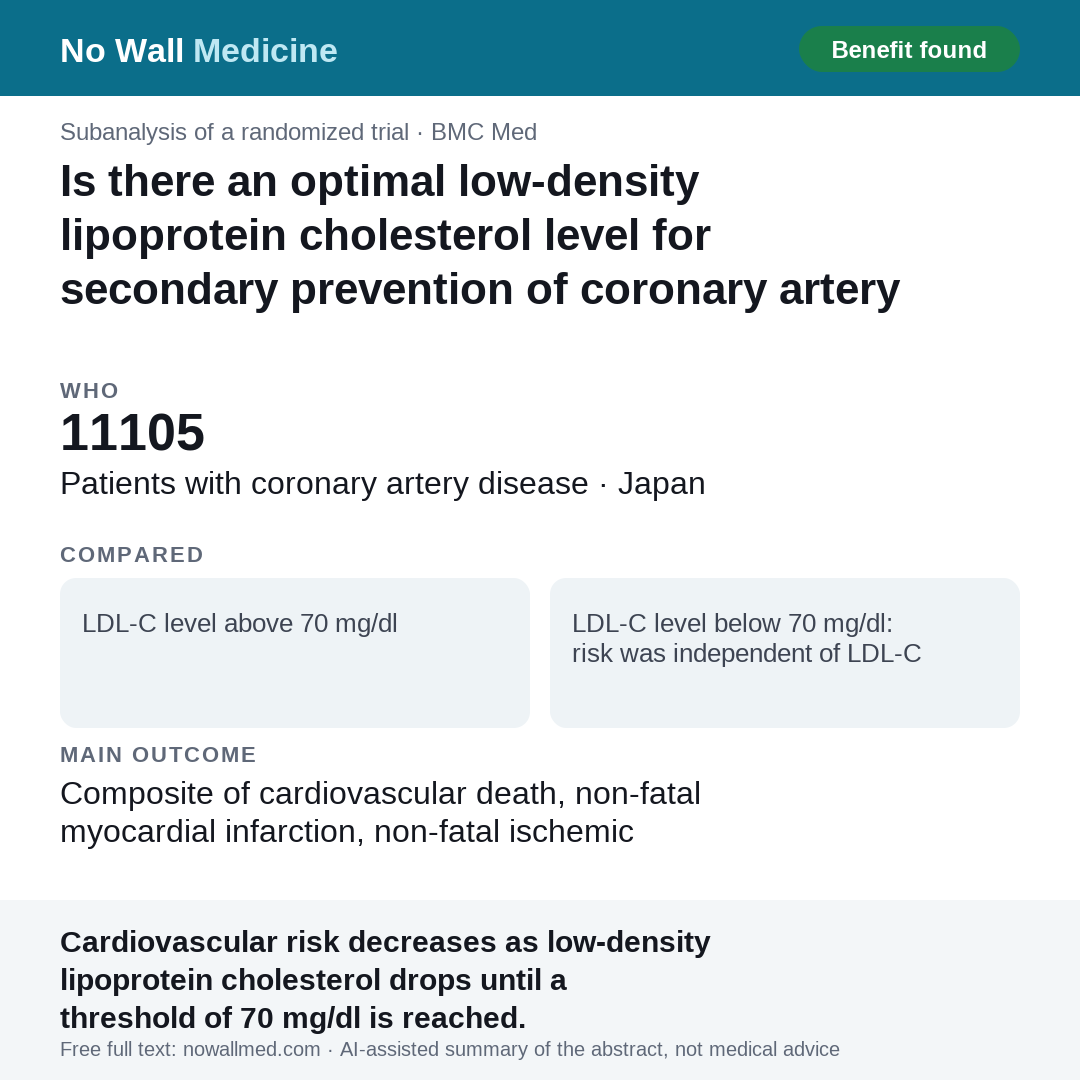
Optimal target of LDL cholesterol level for statin treatment: challenges to monotonic relationship with cardiovascular events
Subanalysis of a randomized trialBenefit found
Is there an optimal low-density lipoprotein cholesterol level for secondary prevention of coronary artery disease?
Who
11105
Patients with coronary artery disease · Japan
Compared
LDL-C level above 70 mg/dl
LDL-C level below 70 mg/dl: risk was independent of LDL-C
Main outcome
Composite of cardiovascular death, non-fatal myocardial infarction, non-fatal ischemic stroke, and unstable angina
Result: hazard ratio 1.07 (95% confidence interval 1.01-1.13) as LDL-C increased by 10 mg/dl above 70 mg/dl
Bottom line: Cardiovascular risk decreases as low-density lipoprotein cholesterol drops until a threshold of 70 mg/dl is reached.
BMC Med · 2022-11-14Download image
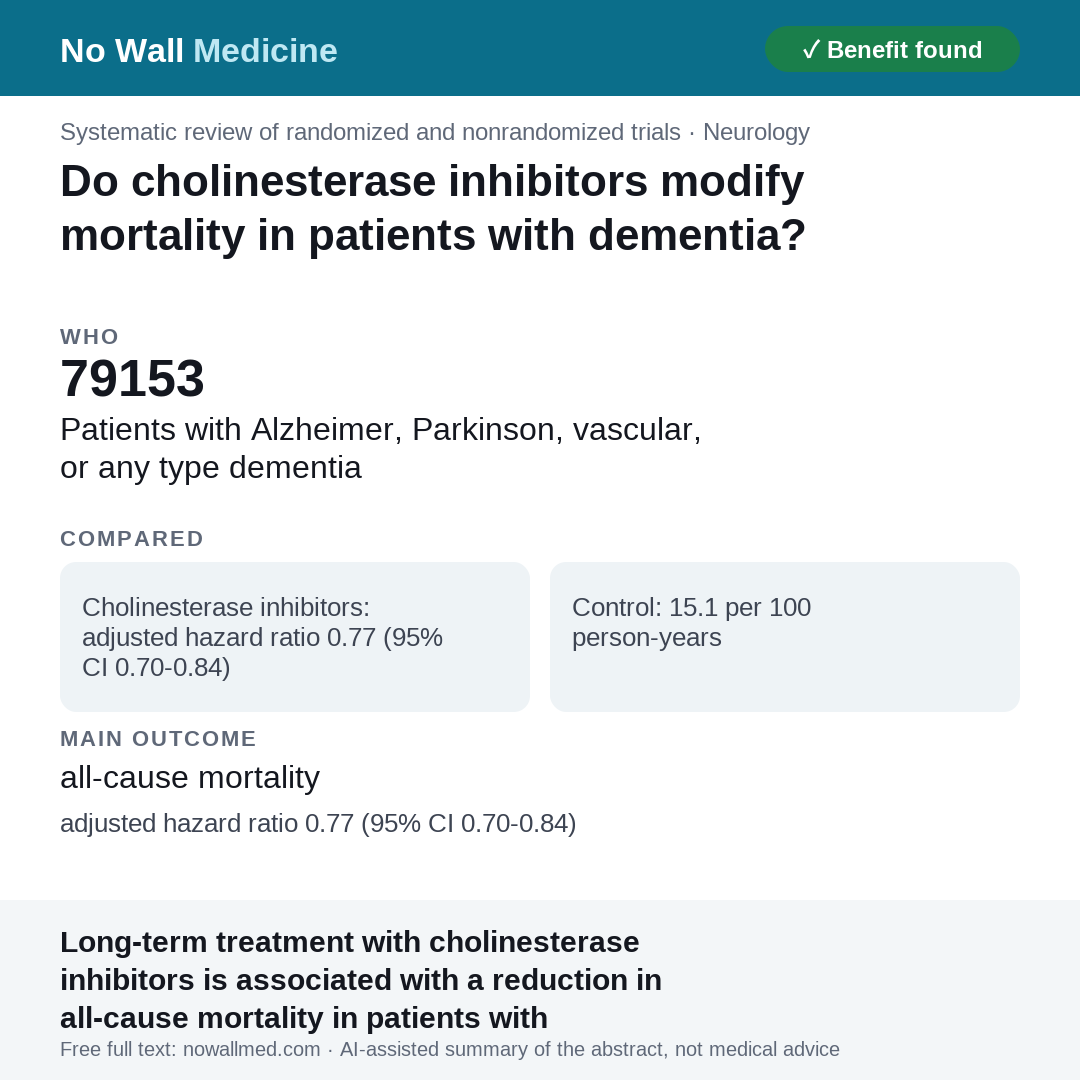
Effect of Cholinesterase Inhibitors on Mortality in Patients With Dementia: A Systematic Review of Randomized and Nonrandomized Trials
Systematic review of randomized and nonrandomized trialsBenefit found
Do cholinesterase inhibitors modify mortality in patients with dementia?
Who
79153
Patients with Alzheimer, Parkinson, vascular, or any type dementia
Compared
Cholinesterase inhibitors: adjusted hazard ratio 0.77 (95% CI 0.70-0.84)
Control: 15.1 per 100 person-years
Main outcome
all-cause mortality
Result: adjusted hazard ratio 0.77 (95% CI 0.70-0.84)
Bottom line: Long-term treatment with cholinesterase inhibitors is associated with a reduction in all-cause mortality in patients with dementia.
Limitation: Trial sequential analysis was not conclusive for cardiovascular mortality.
Neurology · 2022-11-14Download image
Safety of synthetic and biological DMARDs: a systematic literature review informing the 2022 update of the EULAR recommendations for the management of rheumatoid arthritis
Systematic literature reviewMixed results
What is the safety profile of synthetic and biological disease-modifying antirheumatic drugs in rheumatoid arthritis?
Who
Patients with rheumatoid arthritis
Compared
Biological disease-modifying antirheumatic drugs
Conventional synthetic disease-modifying antirheumatic drugs
Janus kinase inhibitors
Main outcome
Safety outcomes including serious infections, malignancies, and cardiovascular events
Bottom line: Biological disease-modifying antirheumatic drugs have a demonstrated safety profile, but Janus kinase inhibitors may increase infection and malignancy risks.
Limitation: Whether differences between tofacitinib and tumor necrosis factor inhibitors apply to other Janus kinase inhibitors needs further evaluation.
Ann Rheum Dis · 2022-11-14Download image

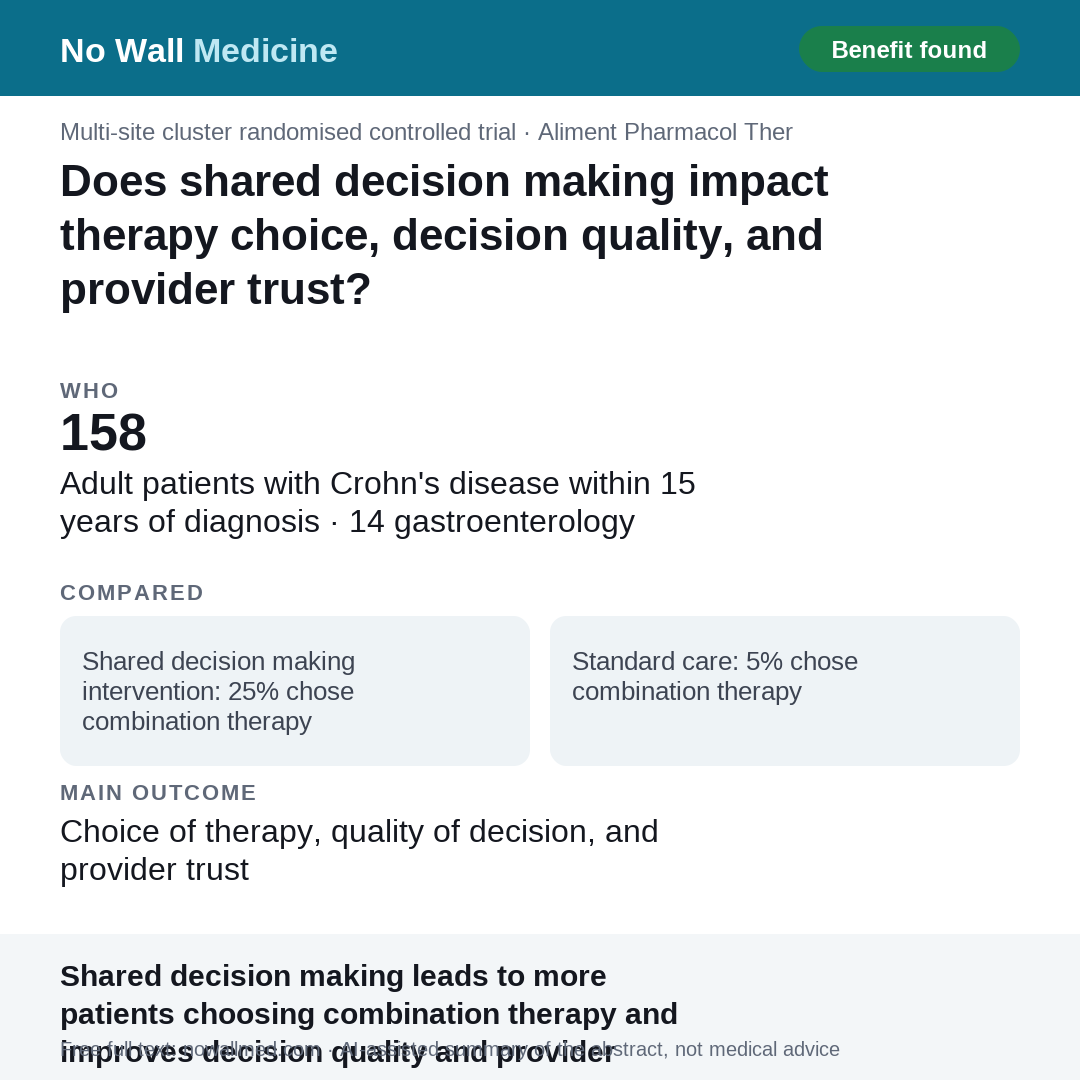
Crohn's disease shared decision making intervention leads to more patients choosing combination therapy: a cluster randomised controlled trial
Multi-site cluster randomised controlled trialBenefit found
Does shared decision making impact therapy choice, decision quality, and provider trust?
Who
158
Adult patients with Crohn's disease within 15 years of diagnosis · 14 gastroenterology practices in the United States
Compared
Shared decision making intervention: 25% chose combination therapy
Standard care: 5% chose combination therapy
Main outcome
Choice of therapy, quality of decision, and provider trust
Bottom line: Shared decision making leads to more patients choosing combination therapy and improves decision quality and provider trust.
Aliment Pharmacol Ther · 2022-11-14Download image
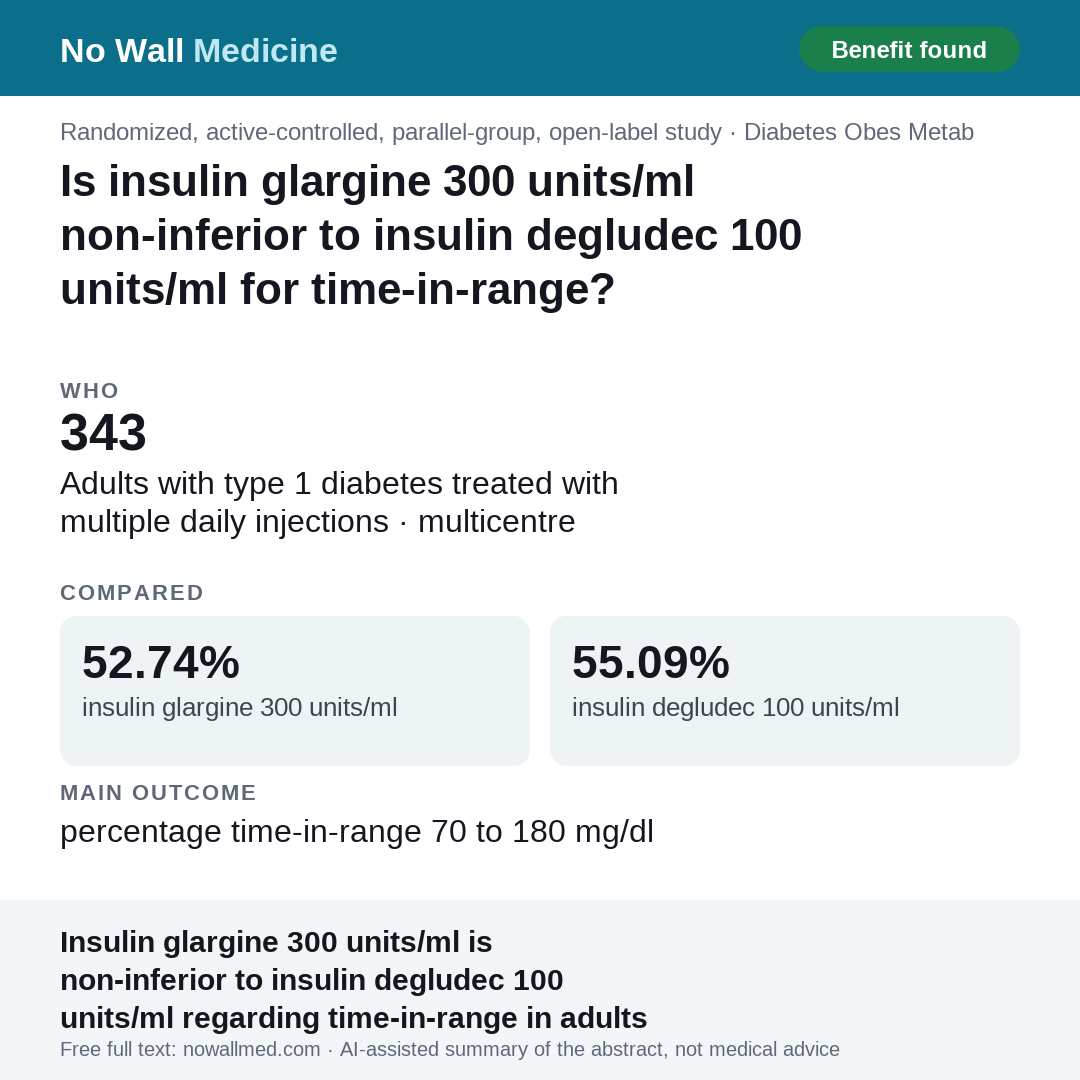
Continuous glucose monitoring-based time-in-range using insulin glargine 300 units/ml versus insulin degludec 100 units/ml in type 1 diabetes: The head-to-head randomized controlled InRange trial
Randomized, active-controlled, parallel-group, open-label studyBenefit found
Is insulin glargine 300 units/ml non-inferior to insulin degludec 100 units/ml for time-in-range?
Who
343
Adults with type 1 diabetes treated with multiple daily injections · multicentre
Compared
52.74%insulin glargine 300 units/ml (51.06%, 54.42%)
55.09%insulin degludec 100 units/ml (53.34%, 56.84%)
Main outcome
percentage time-in-range 70 to 180 mg/dl
Result: least squares mean difference 3.16% (0.88%, 5.44%)
Bottom line: Insulin glargine 300 units/ml is non-inferior to insulin degludec 100 units/ml regarding time-in-range in adults with type 1 diabetes.
Diabetes Obes Metab · 2022-11-14Download image
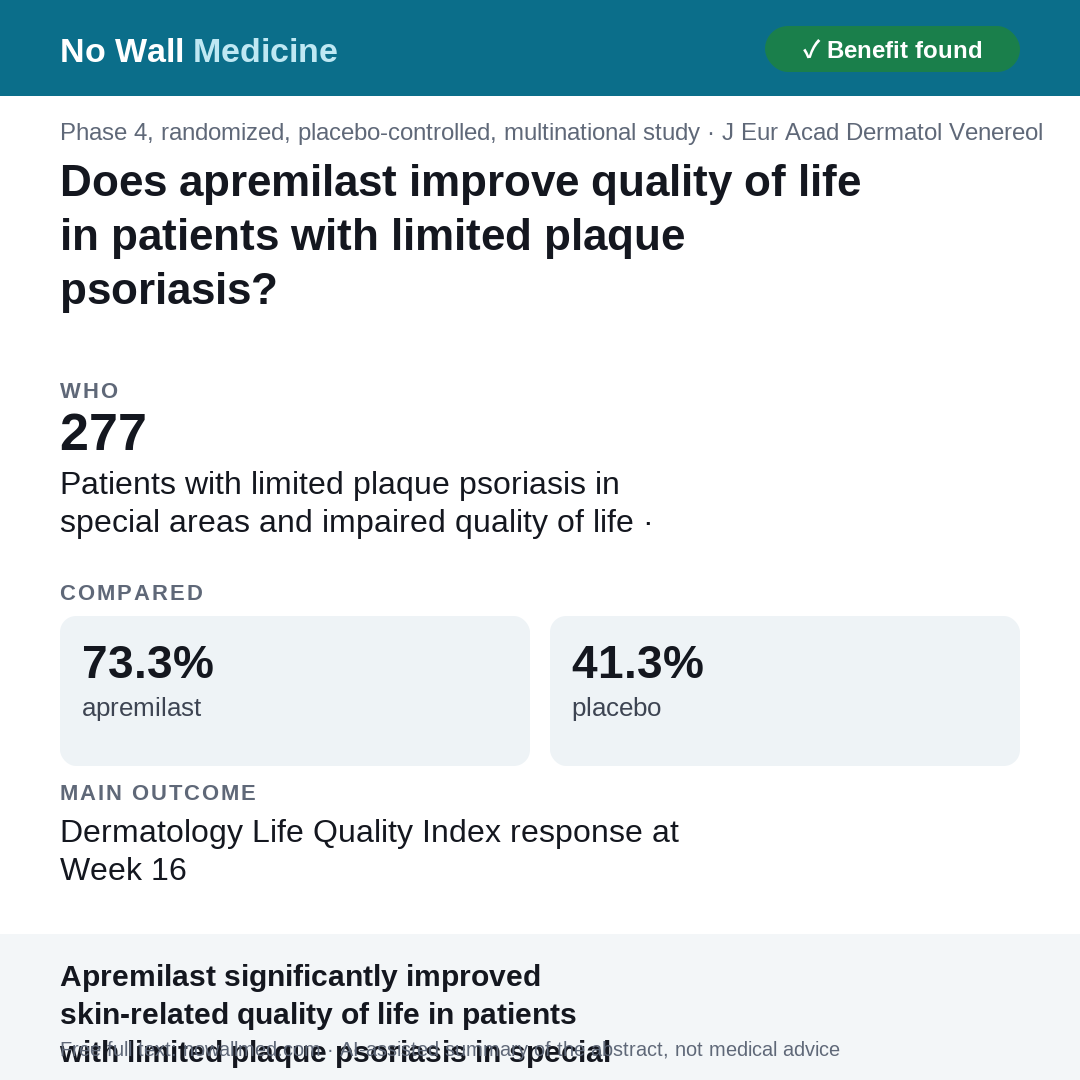
Efficacy and safety of apremilast in patients with limited skin involvement, plaque psoriasis in special areas and impaired quality of life: Results from the EMBRACE randomized trial
Phase 4, randomized, placebo-controlled, multinational studyBenefit found
Does apremilast improve quality of life in patients with limited plaque psoriasis?
Who
277
Patients with limited plaque psoriasis in special areas and impaired quality of life · multinational
Compared
73.3%apremilast
41.3%placebo
Main outcome
Dermatology Life Quality Index response at Week 16
Bottom line: Apremilast significantly improved skin-related quality of life in patients with limited plaque psoriasis in special areas.
J Eur Acad Dermatol Venereol · 2022-11-14Download image
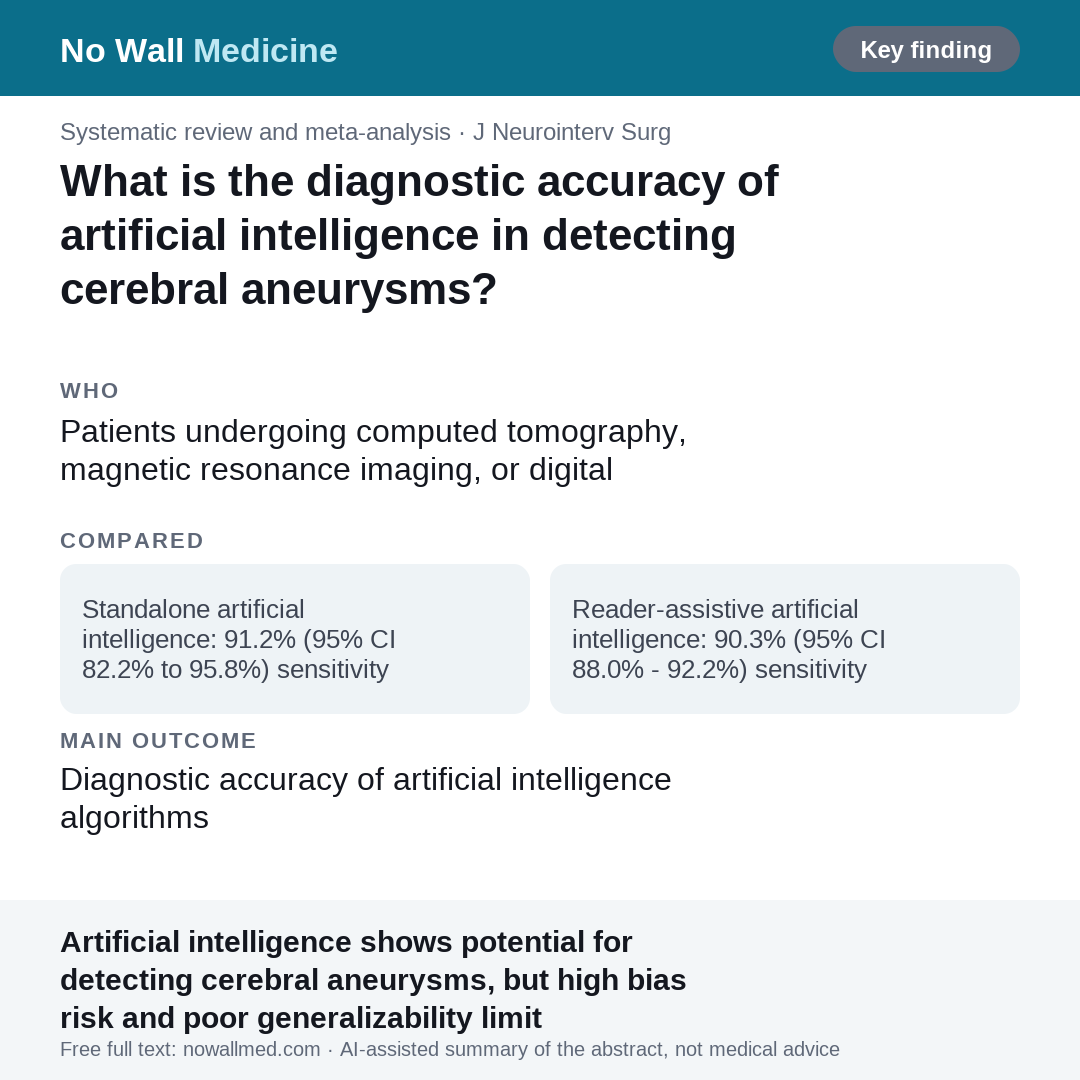
Detection of cerebral aneurysms using artificial intelligence: a systematic review and meta-analysis
Systematic review and meta-analysisKey finding
What is the diagnostic accuracy of artificial intelligence in detecting cerebral aneurysms?
Who
Patients undergoing computed tomography, magnetic resonance imaging, or digital subtraction angiography
Compared
Standalone artificial intelligence: 91.2% (95% CI 82.2% to 95.8%) sensitivity
Reader-assistive artificial intelligence: 90.3% (95% CI 88.0% - 92.2%) sensitivity
Main outcome
Diagnostic accuracy of artificial intelligence algorithms
Result: standalone ROC-AUC 0.936; reader-assistive ROC-AUC 0.910
Bottom line: Artificial intelligence shows potential for detecting cerebral aneurysms, but high bias risk and poor generalizability limit conclusions.
Limitation: Most studies had high bias risk and applicability concerns, limiting conclusions.
J Neurointerv Surg · 2022-11-14Download image
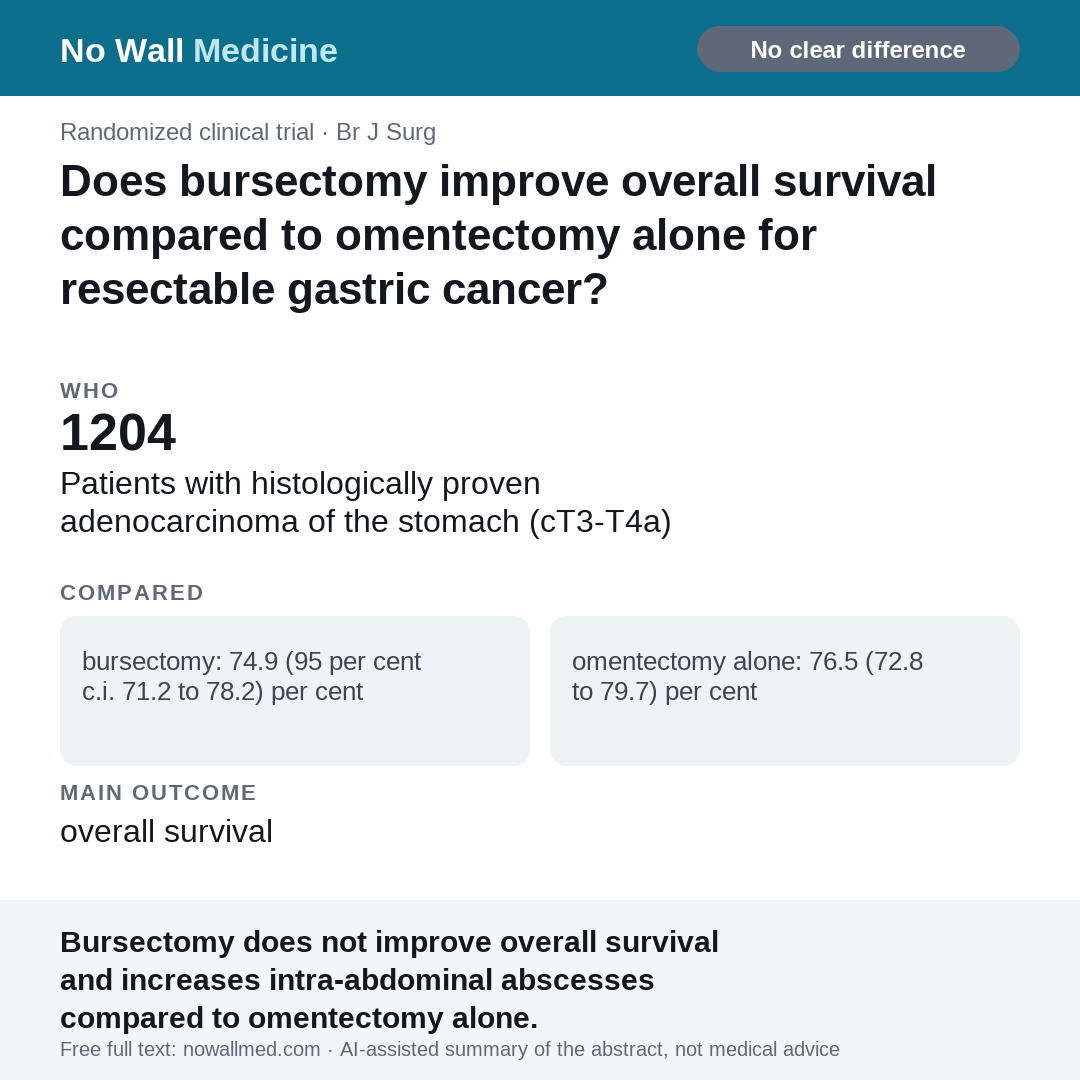
Five-year follow-up of a randomized clinical trial comparing bursectomy and omentectomy alone for resectable gastric cancer (JCOG1001)
Randomized clinical trialNo clear difference
Does bursectomy improve overall survival compared to omentectomy alone for resectable gastric cancer?
Who
1204
Patients with histologically proven adenocarcinoma of the stomach (cT3-T4a)
Compared
bursectomy: 74.9 (95 per cent c.i. 71.2 to 78.2) per cent
omentectomy alone: 76.5 (72.8 to 79.7) per cent
Main outcome
overall survival
Result: adjusted hazard ratio 1.03 (95 per cent c.i. 0.83 to 1.27)
Bottom line: Bursectomy does not improve overall survival and increases intra-abdominal abscesses compared to omentectomy alone.
Br J Surg · 2022-11-13Download image