Visual abstracts
New randomized trials and meta-analyses from leading journals at a glance: who was studied, what was compared, and what was found. Every paper is free to read in full.
All specialtiesCardiology 4763Oncology 4043Gastroenterology & Hepatology 1903Infectious Disease 3756Neurology 1872Psychiatry & Mental Health 2216Pulmonology 2044Critical Care 1319Endocrinology & Diabetes 2544Pediatrics 2889Surgery 2480Orthopedics & Sports Medicine 917Neurosurgery 525Cardiothoracic & Vascular Surgery 656Plastic & Reconstructive Surgery 574Nephrology 1107Rheumatology 810Hematology 1090Dermatology 611Ophthalmology 532Obstetrics & Gynecology 1645Public & Global Health 1037Radiology & Imaging 619Anesthesiology 958Urology 745ENT (Otolaryngology) 494Emergency Medicine 481Allergy & Immunology 309Geriatrics 972Family Medicine & Primary Care 534Medical Genetics & Genomics 659Pathology & Laboratory Medicine 156Physical Medicine & Rehabilitation 734Palliative Care 421Nutrition 1560Digital Health & AI 2137General Medicine 318
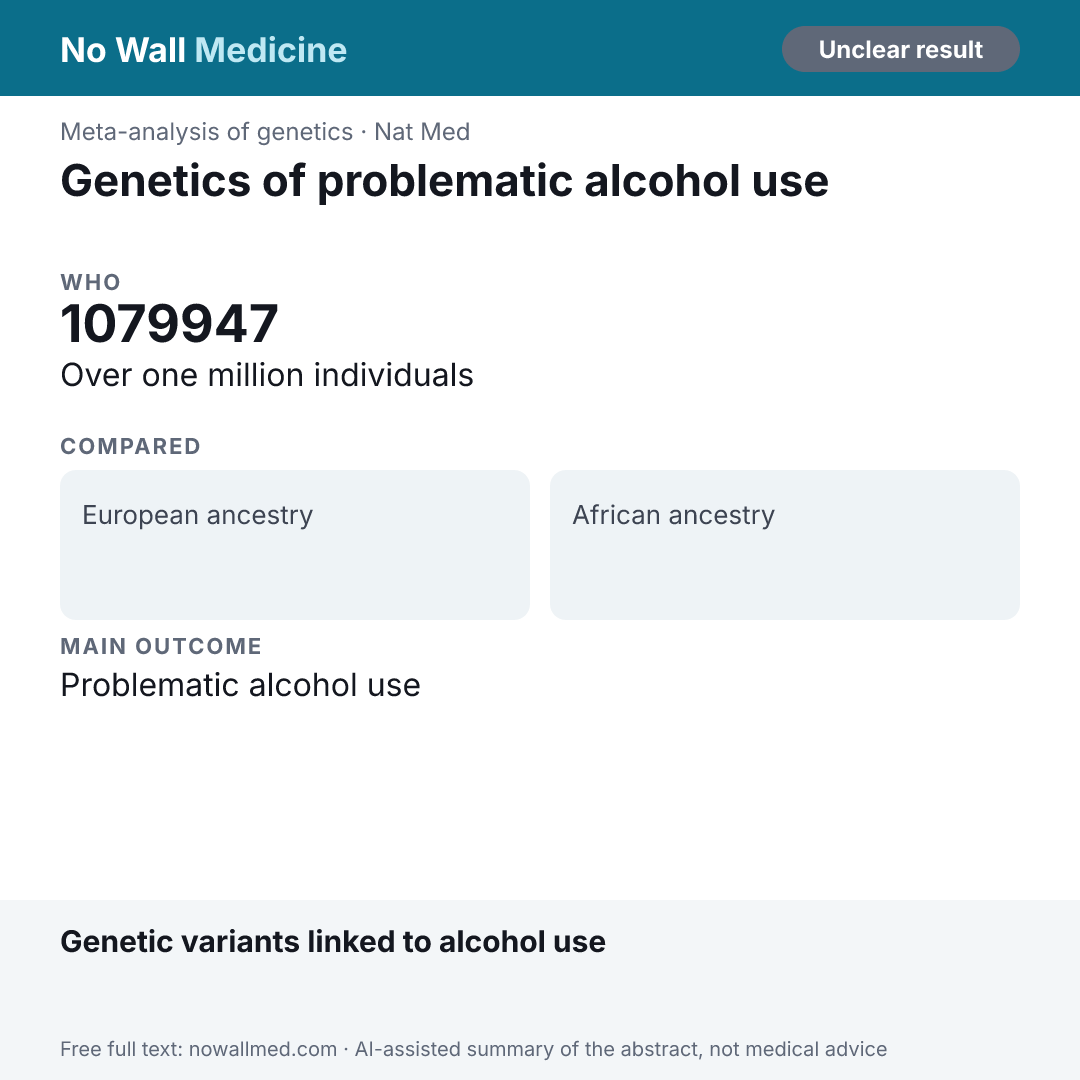
Multi-ancestry study of the genetics of problematic alcohol use in over 1 million individuals
Meta-analysis of geneticsUnclear result
Genetics of problematic alcohol use
Who
1079947
Over one million individuals
Compared
European ancestry
African ancestry
Main outcome
Problematic alcohol use
Bottom line: Genetic variants linked to alcohol use
Nat Med · 2023-12-07 · Save PNG
Genome-Wide Analyses of Vocabulary Size in Infancy and Toddlerhood: Associations With Attention-Deficit/Hyperactivity Disorder, Literacy, and Cognition-Related Traits
Meta-genome-wide association studyMixed results
What are the genetic associations of early-life vocabulary with literacy, cognition, and ADHD?
Who
17298
17,298 children of European descent · English, Dutch, and Danish studies
Compared
Infant expressive vocabulary: SNP-h2 = 0.08-0.24
Toddler expressive vocabulary
Toddler receptive vocabulary
Main outcome
Genetic correlations with literacy, cognition, and neurodevelopmental conditions
Bottom line: Genetic architecture of early vocabulary changes, showing varying associations with literacy, intelligence, and ADHD risk during development.
Biol Psychiatry · 2023-12-07 · Save PNG

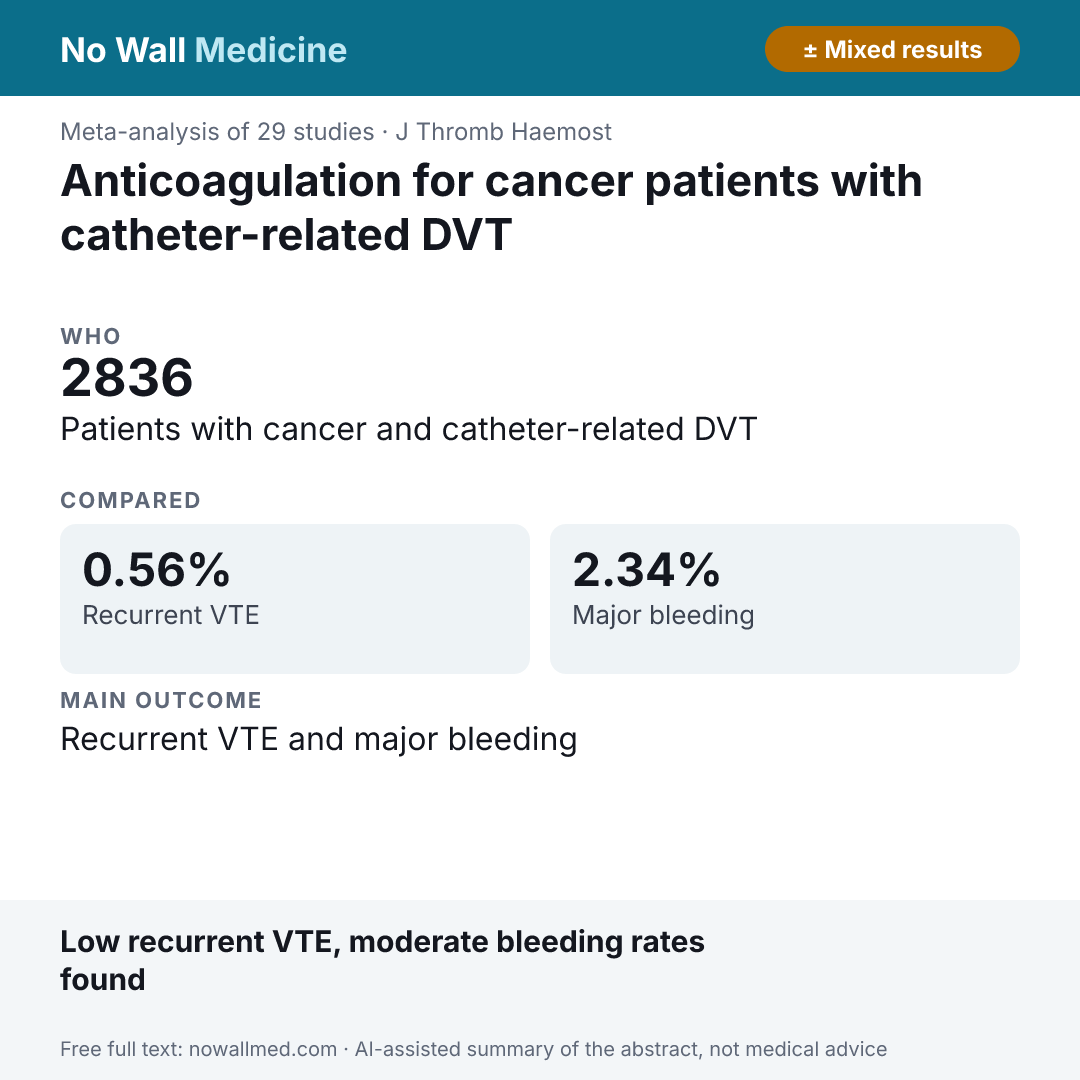
Management of catheter-related upper extremity deep vein thrombosis in patients with cancer: a systematic review and meta-analysis
Meta-analysis of 29 studiesMixed results
Anticoagulation for cancer patients with catheter-related DVT
Who
2836
Patients with cancer and catheter-related DVT
Compared
0.56%Recurrent VTE (95% CI, 0.10%-3.01%)
2.34%Major bleeding (95% CI, 1.14%-4.76%)
Main outcome
Recurrent VTE and major bleeding
Bottom line: Low recurrent VTE, moderate bleeding rates found
Limitation: High heterogeneity and bias
J Thromb Haemost · 2023-12-07 · Save PNG
Long-term mortality burden trends attributed to black carbon and PM2·5 from wildfire emissions across the continental USA from 2000 to 2020: a deep learning modelling study
Deep learning modelling studyMixed results
What are the trends in black carbon, fine particulate matter, and attributable mortality in the USA?
Who
Populated areas across the continental USA · Continental USA
Compared
Overall USA (2000-2020): 4200 premature deaths per year reduction (95% CI 2960-5050)
Western USA (since 2010): 670 premature deaths increase (460-810)
Main outcome
Annual fine particulate matter and black carbon attributable mortality burden
Bottom line: While overall mortality from fine particles decreased, increasing wildfires in the western USA have reversed these trends since 2010.
Funded by: NASA and NOAA
Lancet Planet Health · 2023-12-07 · Save PNG

Clinical Outcome Assessments in Encephalitis: A Systematic Review
Systematic reviewUnclear result
PROMs for encephalitis patients
Who
patients with encephalitis
Compared
disease-specific PROMs
generic PROMs
Main outcome
Health-Related Quality of Life
Bottom line: No validated PROMs found for encephalitis
Neurol Neuroimmunol Neuroinflamm · 2023-12-07 · Save PNG

Defining the Clinicoradiologic Syndrome of SARS-CoV-2 Acute Necrotizing Encephalopathy: A Systematic Review and 3 New Pediatric Cases
Systematic review and case seriesMixed results
What are the clinical and neuroimaging features of SARS-CoV-2-related acute necrotizing encephalopathy?
Who
20
Patients with SARS-CoV-2 infection and acute necrotizing encephalopathy
Compared
Children: 62.5% had seizures
Adults: 33.3% had seizures
Main outcome
Clinical and neuroimaging features of acute necrotizing encephalopathy
Bottom line: SARS-CoV-2 acute necrotizing encephalopathy shows similar clinical and neuroimaging features in children and adults, with high mortality.
Neurol Neuroimmunol Neuroinflamm · 2023-12-07 · Save PNG

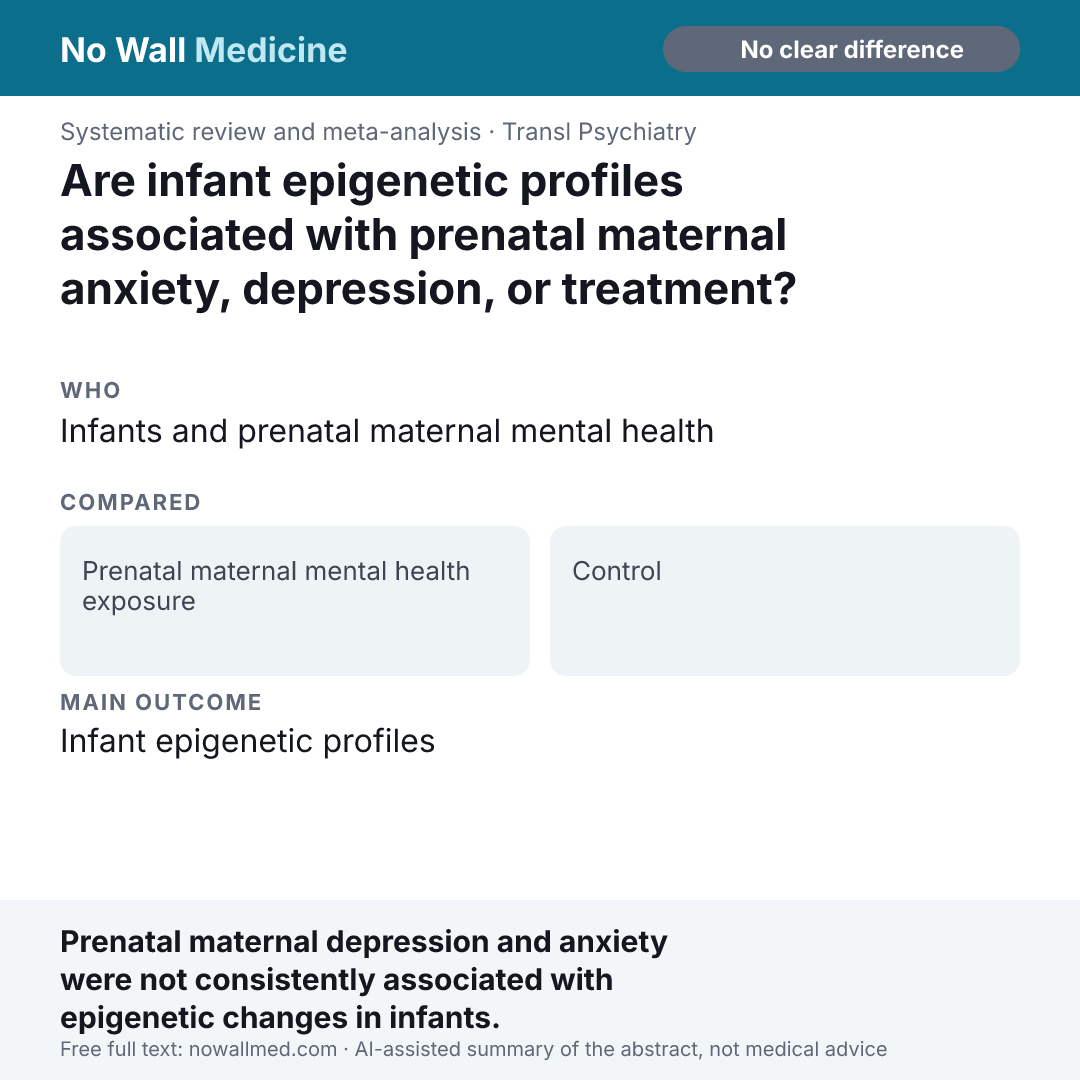
Epigenome-wide association studies of prenatal maternal mental health and infant epigenetic profiles: a systematic review
Systematic review and meta-analysisNo clear difference
Are infant epigenetic profiles associated with prenatal maternal anxiety, depression, or treatment?
Who
Infants and prenatal maternal mental health
Compared
Prenatal maternal mental health exposure
Control
Main outcome
Infant epigenetic profiles
Bottom line: Prenatal maternal depression and anxiety were not consistently associated with epigenetic changes in infants.
Limitation: Small sample size, potential exposure misclassification, and statistical challenges.
Transl Psychiatry · 2023-12-07 · Save PNG
Impaired learning, memory, and extinction in posttraumatic stress disorder: translational meta-analysis of clinical and preclinical studies
Preregistered meta-analysisMixed results
Are learning, memory, and extinction processes impaired in posttraumatic stress disorder across species?
Who
Humans with posttraumatic stress disorder and animal models
Compared
Humans: general impairment of learning, memory and extinction processes
Animals: impaired neutral learning/memory and fear extinction
Main outcome
learning, memory, and extinction processes
Bottom line: Impaired neutral learning and fear extinction are stable across species, but emotional memory results differ between humans and animals.
Limitation: Clinical data on fear/trauma memory was limited.
Transl Psychiatry · 2023-12-07 · Save PNG

Proenkephalin as a biomarker correlates with acute kidney injury: a systematic review with meta-analysis and trial sequential analysis
Systematic review and meta-analysisKey finding
Does proenkephalin A 119-159 correlate with the development of acute kidney injury?
Who
3969
Patients across 11 observational studies
Compared
Proenkephalin A 119-159 detection: sensitivity 0.69 (95% CI 0.62-0.75)
Proenkephalin A 119-159 detection: specificity 0.76 (95% CI 0.68-0.82)
Main outcome
Diagnostic accuracy for identifying acute kidney injury
Result: pooled diagnostic accuracy of 0.77 (95% CI 0.73-0.81)
Bottom line: Proenkephalin A 119-159 shows potential for early detection of acute kidney injury using a 57.3 pmol/L cutoff.
Crit Care · 2023-12-07 · Save PNG

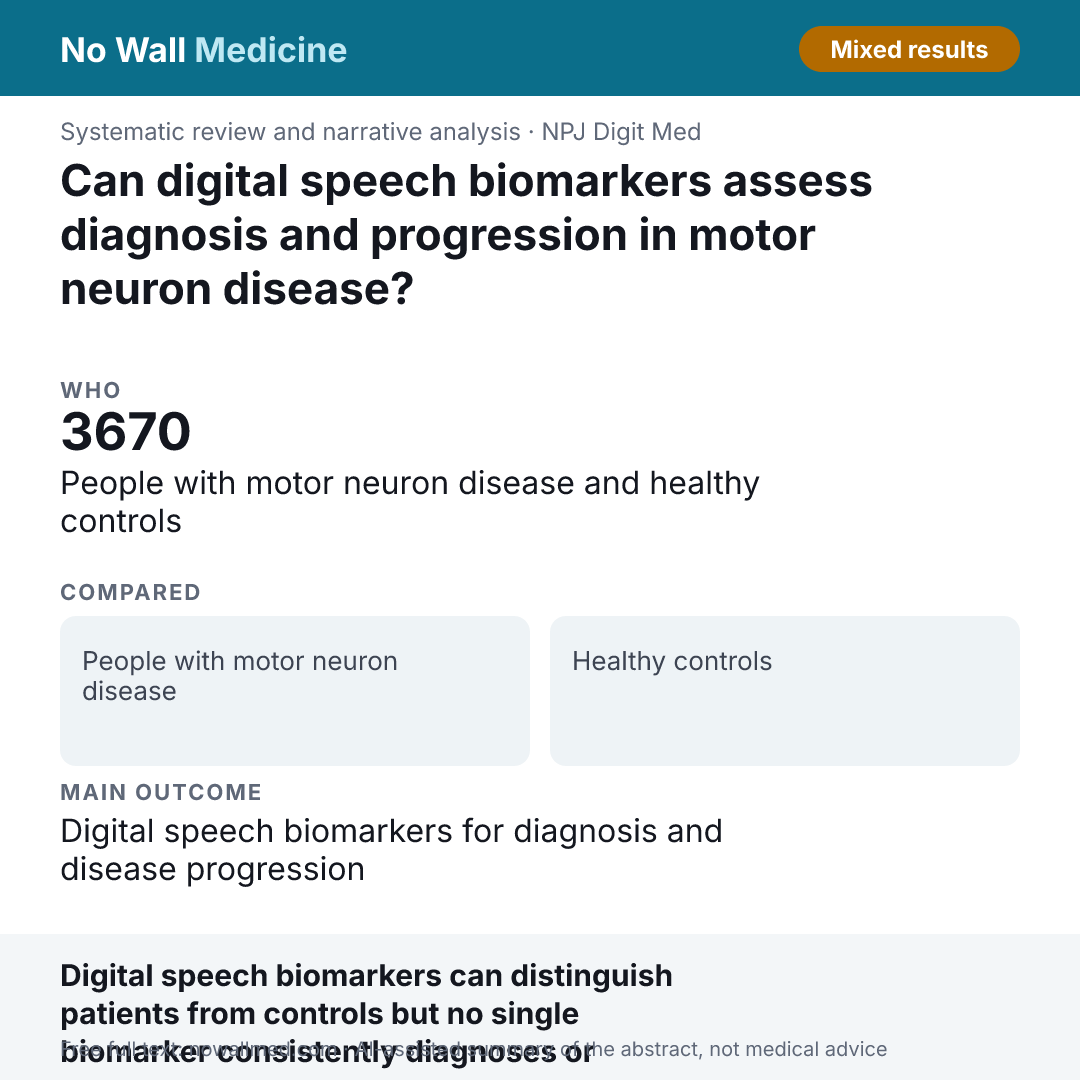
A systematic review and narrative analysis of digital speech biomarkers in Motor Neuron Disease
Systematic review and narrative analysisMixed results
Can digital speech biomarkers assess diagnosis and progression in motor neuron disease?
Who
3670
People with motor neuron disease and healthy controls
Compared
People with motor neuron disease
Healthy controls
Main outcome
Digital speech biomarkers for diagnosis and disease progression
Bottom line: Digital speech biomarkers can distinguish patients from controls but no single biomarker consistently diagnoses or prognosticates disease.
NPJ Digit Med · 2023-12-07 · Save PNG
Correlation between second and first primary cancer: systematic review and meta-analysis of 9 million cancer patients
Systematic review and meta-analysisMixed results
Is there a correlation between first primary cancer and second primary cancer?
Who
9617643
Patients with a first primary cancer and second primary cancer
Compared
First primary cancer patients
677430Second primary cancer patients
Main outcome
Correlation between first and second primary cancers
Bottom line: Specific first primary cancers are associated with increased risks of certain second primary cancers, requiring close clinical follow-up.
Br J Surg · 2023-12-06 · Save PNG

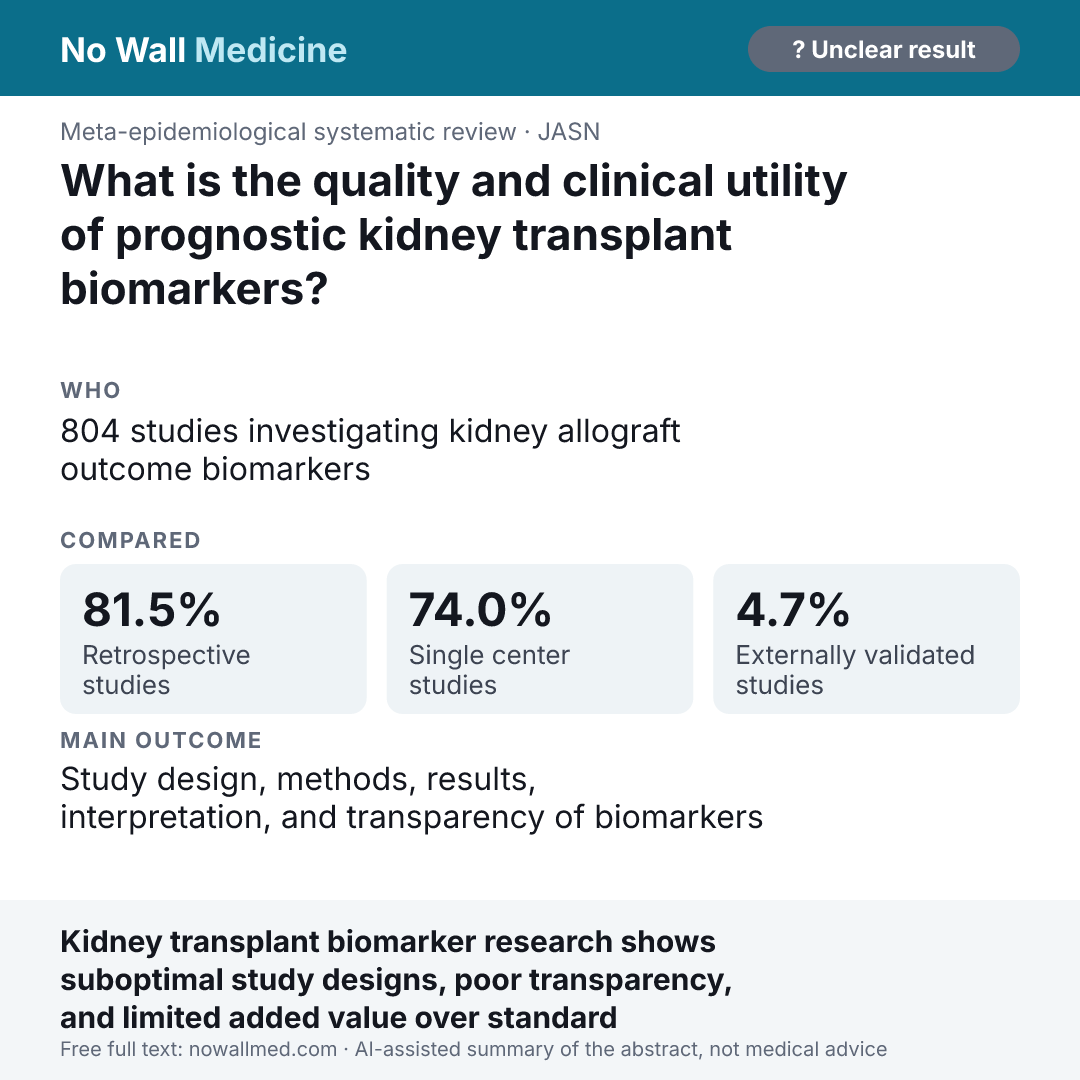
Prognostic Biomarkers in Kidney Transplantation: A Systematic Review and Critical Appraisal
Meta-epidemiological systematic reviewUnclear result
What is the quality and clinical utility of prognostic kidney transplant biomarkers?
Who
804 studies investigating kidney allograft outcome biomarkers
Compared
81.5%Retrospective studies
74.0%Single center studies
4.7%Externally validated studies
Main outcome
Study design, methods, results, interpretation, and transparency of biomarkers
Bottom line: Kidney transplant biomarker research shows suboptimal study designs, poor transparency, and limited added value over standard monitoring.
Limitation: Most studies were single-center, retrospective, with small patient numbers and few clinical events.
JASN · 2023-12-06 · Save PNG
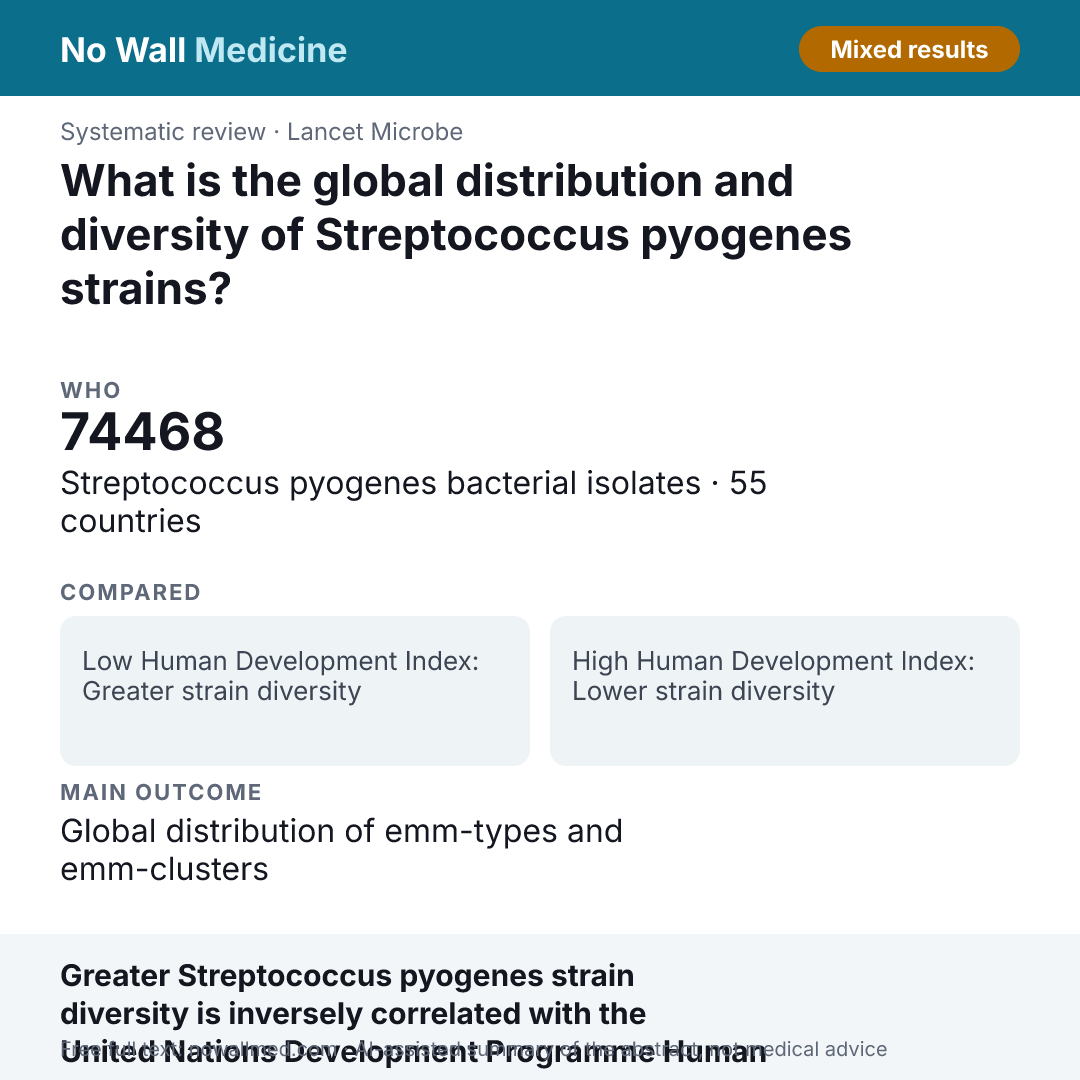
Global Streptococcus pyogenes strain diversity, disease associations, and implications for vaccine development: a systematic review
Systematic reviewMixed results
What is the global distribution and diversity of Streptococcus pyogenes strains?
Who
74468
Streptococcus pyogenes bacterial isolates · 55 countries
Compared
Low Human Development Index: Greater strain diversity
High Human Development Index: Lower strain diversity
Main outcome
Global distribution of emm-types and emm-clusters
Result: r=-0·72; p<0·0001
Bottom line: Greater Streptococcus pyogenes strain diversity is inversely correlated with the United Nations Development Programme Human Development Index.
Lancet Microbe · 2023-12-06 · Save PNG
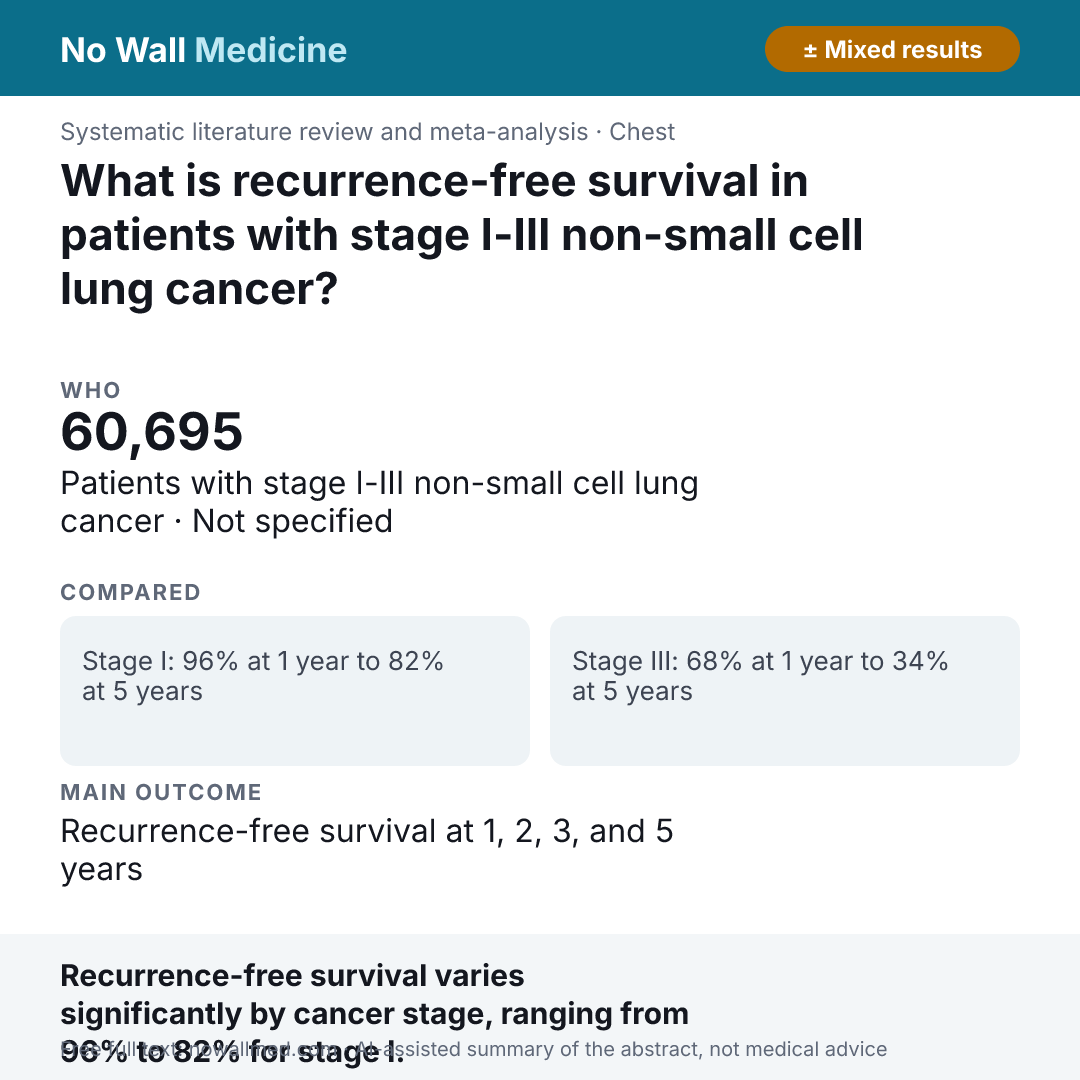
Recurrence-Free Survival in Patients With Surgically Resected Non-Small Cell Lung Cancer: A Systematic Literature Review and Meta-Analysis
Systematic literature review and meta-analysisMixed results
What is recurrence-free survival in patients with stage I-III non-small cell lung cancer?
Who
60,695
Patients with stage I-III non-small cell lung cancer · Not specified
Compared
Stage I: 96% at 1 year to 82% at 5 years
Stage III: 68% at 1 year to 34% at 5 years
Main outcome
Recurrence-free survival at 1, 2, 3, and 5 years
Bottom line: Recurrence-free survival varies significantly by cancer stage, ranging from 96% to 82% for stage I.
Chest · 2023-12-06 · Save PNG
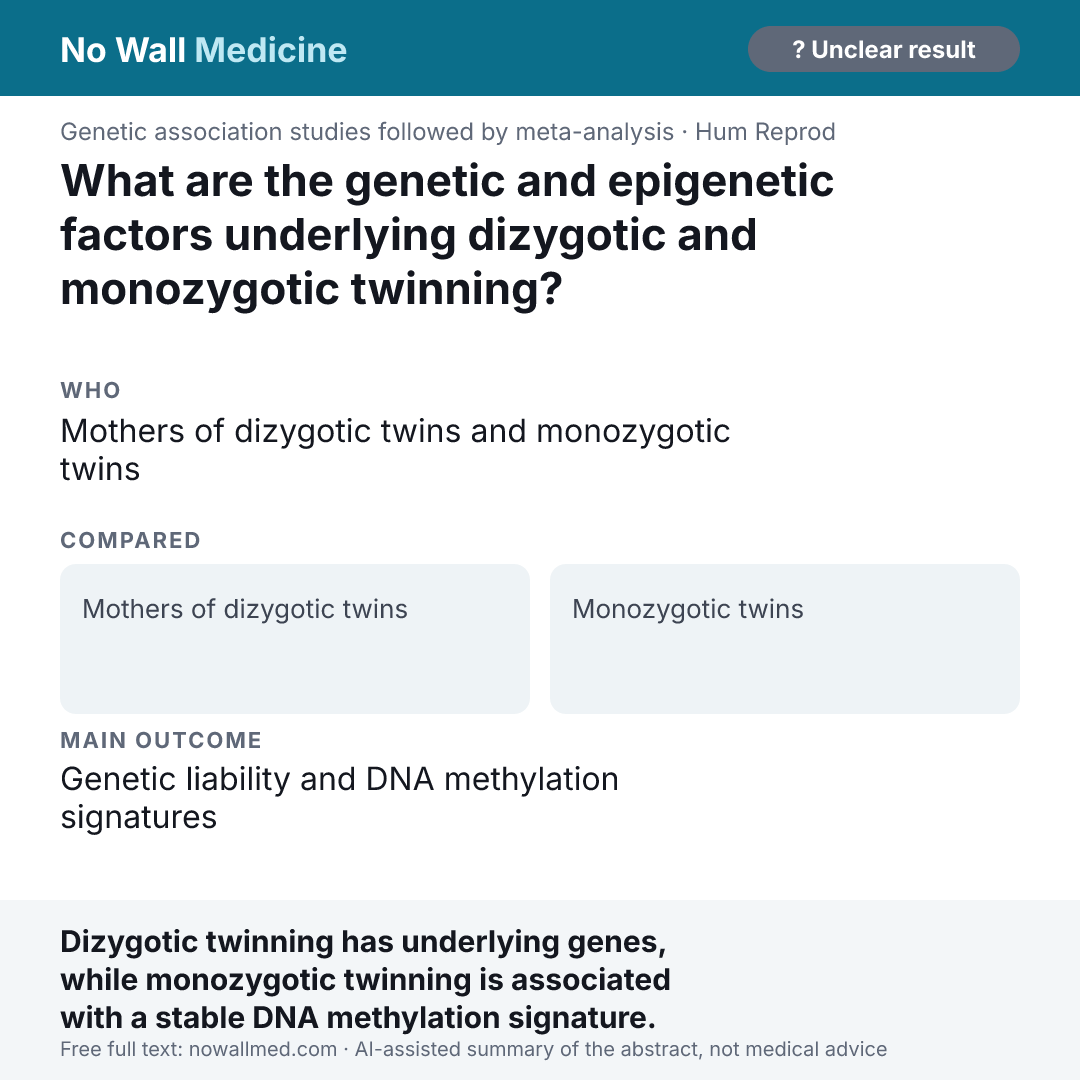
New insights into the (epi)genetics of twinning
Genetic association studies followed by meta-analysisUnclear result
What are the genetic and epigenetic factors underlying dizygotic and monozygotic twinning?
Who
Mothers of dizygotic twins and monozygotic twins
Compared
Mothers of dizygotic twins
Monozygotic twins
Main outcome
Genetic liability and DNA methylation signatures
Bottom line: Dizygotic twinning has underlying genes, while monozygotic twinning is associated with a stable DNA methylation signature.
Hum Reprod · 2023-12-06 · Save PNG
A systematic review and meta-analysis of total endovascular versus hybrid repair for the treatment of thoracoabdominal aortic aneurysms
Systematic review and meta-analysisBenefit found
Is total endovascular repair better than hybrid repair for thoracoabdominal aortic aneurysms?
Who
Patients with thoracoabdominal aortic aneurysms
Compared
Total endovascular repair: lower in-hospital/30-day mortality, bowel ischemia, and long-term dialysis
Hybrid repair
Main outcome
In-hospital/30-day mortality and postoperative complications
Result: odds ratio 0.27 (95% CI 0.20-0.36)
Bottom line: Total endovascular repair is associated with lower mortality, bowel ischemia, and long-term dialysis compared to hybrid repair.
Limitation: Only five articles were included for final analysis.
J Vasc Surg · 2023-12-06 · Save PNG

A systematic practice review: Providing palliative care for people with Parkinson's disease and their caregivers
Systematic reviewUnclear result
How to improve palliative care for Parkinson's disease
Who
People with Parkinson's disease and caregivers
Compared
Palliative care
Standard care
Main outcome
Quality of life
Bottom line: Palliative care improves quality of life
Limitation: Limited data on referral indicators
Palliat Med · 2023-12-06 · Save PNG

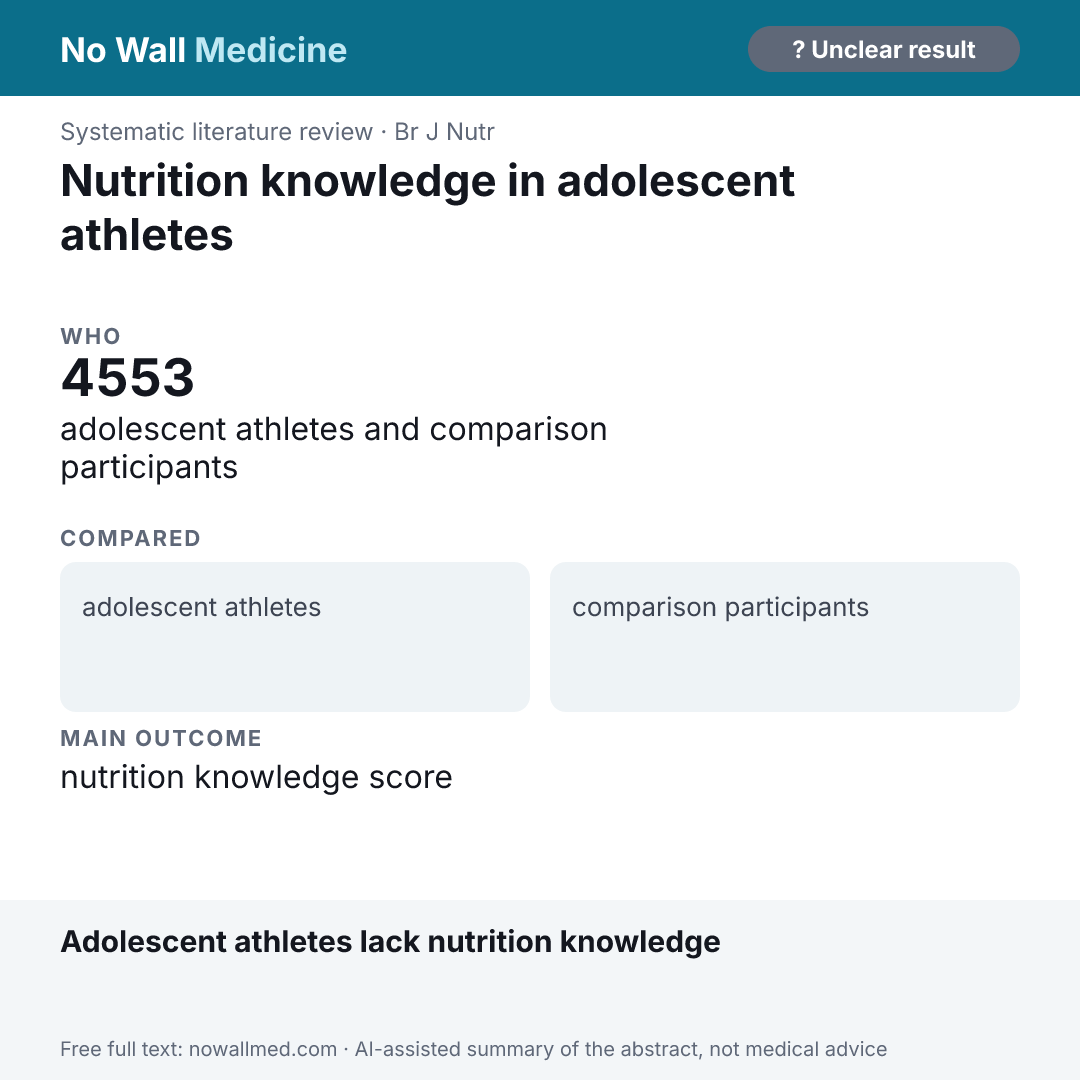
Adolescent athletes have better general than sports nutrition knowledge and lack awareness of supplement recommendations: a systematic literature review
Systematic literature reviewUnclear result
Nutrition knowledge in adolescent athletes
Who
4553
adolescent athletes and comparison participants
Compared
adolescent athletes
comparison participants
Main outcome
nutrition knowledge score
Bottom line: Adolescent athletes lack nutrition knowledge
Limitation: heterogenous questionnaires lacking validation
Br J Nutr · 2023-12-06 · Save PNG
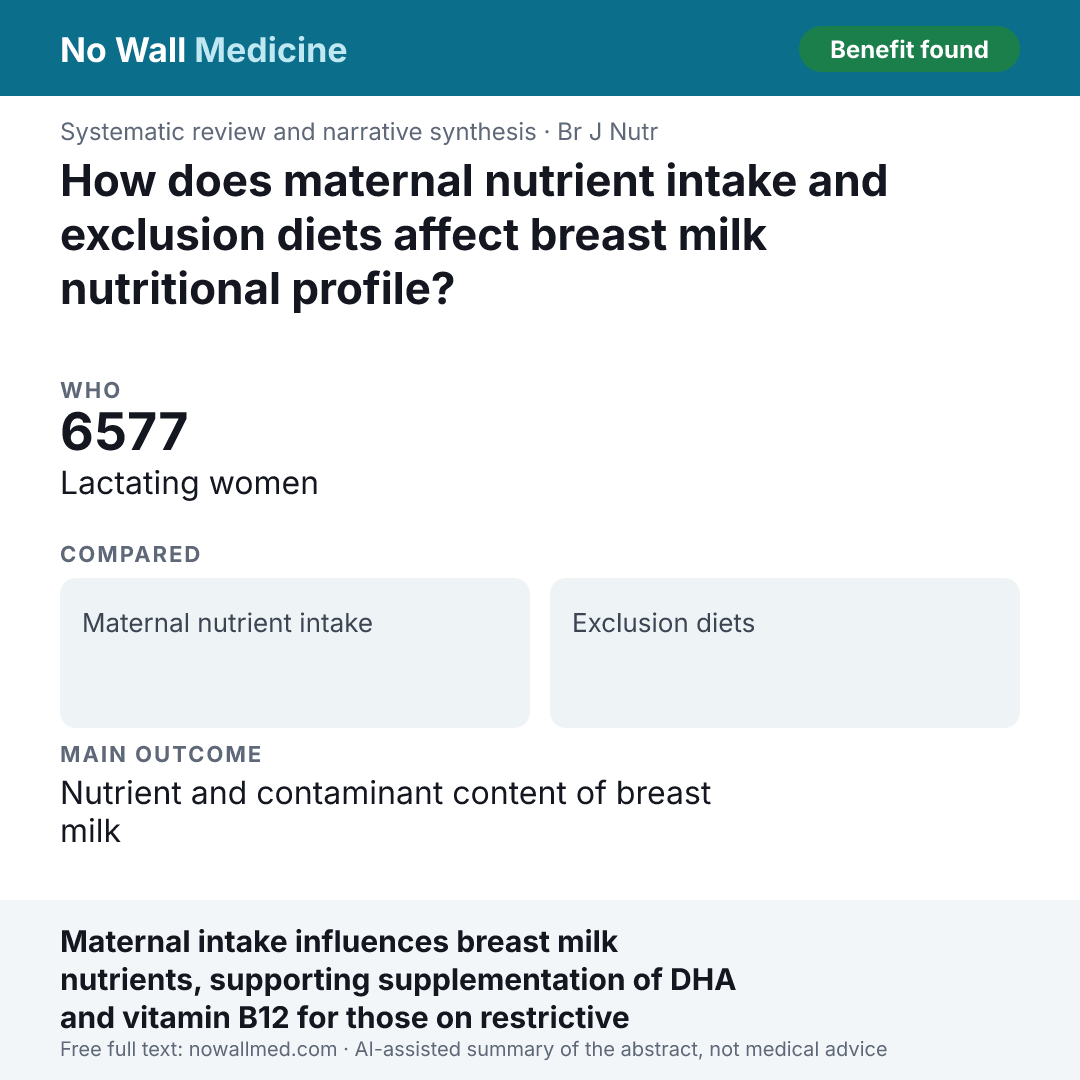
Evaluating the relationship between the nutrient intake of lactating women and their breast milk nutritional profile: a systematic review and narrative synthesis
Systematic review and narrative synthesisBenefit found
How does maternal nutrient intake and exclusion diets affect breast milk nutritional profile?
Who
6577
Lactating women
Compared
Maternal nutrient intake
Exclusion diets
Main outcome
Nutrient and contaminant content of breast milk
Bottom line: Maternal intake influences breast milk nutrients, supporting supplementation of DHA and vitamin B12 for those on restrictive diets.
Limitation: High heterogeneity among studies and paucity of evidence for certain nutrients.
Br J Nutr · 2023-12-06 · Save PNG
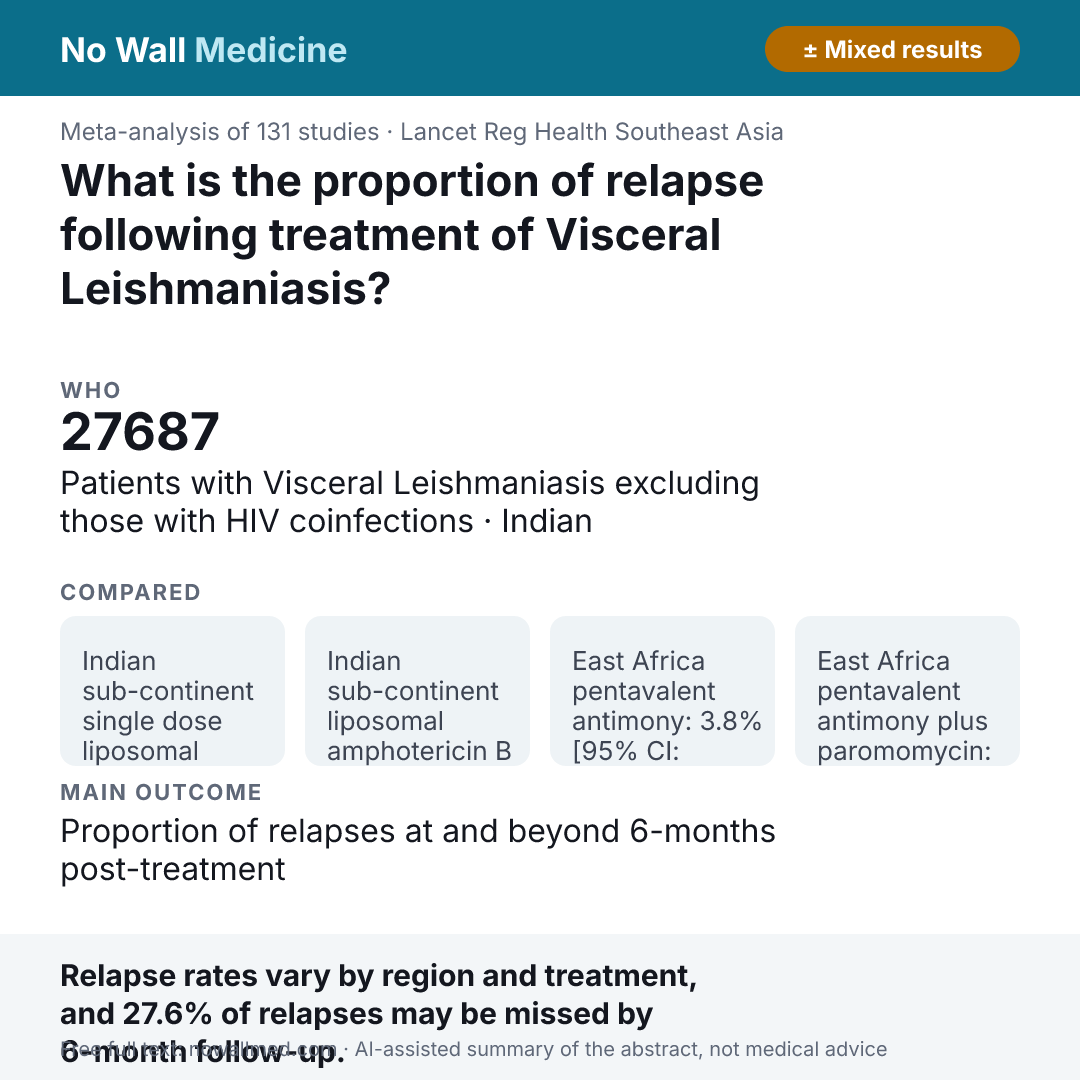
Estimating the proportion of relapse following treatment of Visceral Leishmaniasis: meta-analysis using Infectious Diseases Data Observatory (IDDO) systematic review
Meta-analysis of 131 studiesMixed results
What is the proportion of relapse following treatment of Visceral Leishmaniasis?
Who
27687
Patients with Visceral Leishmaniasis excluding those with HIV coinfections · Indian sub-continent and East Africa
Compared
Indian sub-continent single dose liposomal amphotericin B: 4.5% [95% CI: 2.6%-7.5%; I2 = 66.2%]
Indian sub-continent liposomal amphotericin B combination therapy: 1.5% [95% CI: 0.7%-3.3%; I2 = 0%]
East Africa pentavalent antimony: 3.8% [95% CI: 1.3%-10.9%; I2 = 75.8%]
East Africa pentavalent antimony plus paromomycin: 13.0% [95% CI: 4.3%-33.6%; I2 = 0%]
Main outcome
Proportion of relapses at and beyond 6-months post-treatment
Bottom line: Relapse rates vary by region and treatment, and 27.6% of relapses may be missed by 6-month follow-up.
Funded by: Wellcome Trust
Lancet Reg Health Southeast Asia · 2023-12-06 · Save PNG