Visual abstracts
New randomized trials and meta-analyses from leading journals at a glance: who was studied, what was compared, and what was found. Every paper is free to read in full.
All specialtiesCardiology 4765Oncology 4048Gastroenterology & Hepatology 1906Infectious Disease 3759Neurology 1874Psychiatry & Mental Health 2217Pulmonology 2046Critical Care 1323Endocrinology & Diabetes 2545Pediatrics 2891Surgery 2482Orthopedics & Sports Medicine 917Neurosurgery 526Cardiothoracic & Vascular Surgery 657Plastic & Reconstructive Surgery 574Nephrology 1108Rheumatology 810Hematology 1090Dermatology 611Ophthalmology 532Obstetrics & Gynecology 1646Public & Global Health 1037Radiology & Imaging 620Anesthesiology 958Urology 745ENT (Otolaryngology) 494Emergency Medicine 481Allergy & Immunology 309Geriatrics 973Family Medicine & Primary Care 534Medical Genetics & Genomics 659Pathology & Laboratory Medicine 156Physical Medicine & Rehabilitation 736Palliative Care 421Nutrition 1561Digital Health & AI 2136General Medicine 316
Outcomes of patients with advanced solid tumors who discontinued immune-checkpoint inhibitors: a systematic review and meta-analysis
Meta-analysis of 36 studiesMixed results
Outcome after stopping immune checkpoint inhibitors
Who
2180
Patients with advanced solid tumors
Compared
43.0 monthsMelanoma
13.5 monthsNon-small cell lung cancer
10.0 monthsRenal cell carcinoma
Main outcome
Progression-free survival
Result: pooled median PFS 24.7 months (95% CI 18.8-30.6)
Bottom line: Stopping immune checkpoint inhibitors has varying outcomes
Funded by: Italian Ministry of University and Research
eClinicalMedicine · 2024-06-20 · Save PNG

Postrecurrence Treatment in Neoadjuvant or Adjuvant FDA Registration Trials: A Systematic Review
Systematic reviewHarm found
What proportion of FDA registration trials report quality of postrecurrence treatment?
Who
FDA registration trials of systemic therapy in adjuvant or neoadjuvant settings · United States Food and Drug Administration trials
Compared
Trials with no postrecurrence data: 6 of 14 (43%)
Trials with appropriate postrecurrence treatment: 2 of 14 (14%)
Trials with suboptimal postrecurrence treatment: 6 of 8 (75%)
Main outcome
Proportion and quality of postrecurrence treatment
Bottom line: Many oncology trials lack postrecurrence data, and when reported, treatment is often suboptimal.
JAMA Oncol · 2024-06-20 · Save PNG

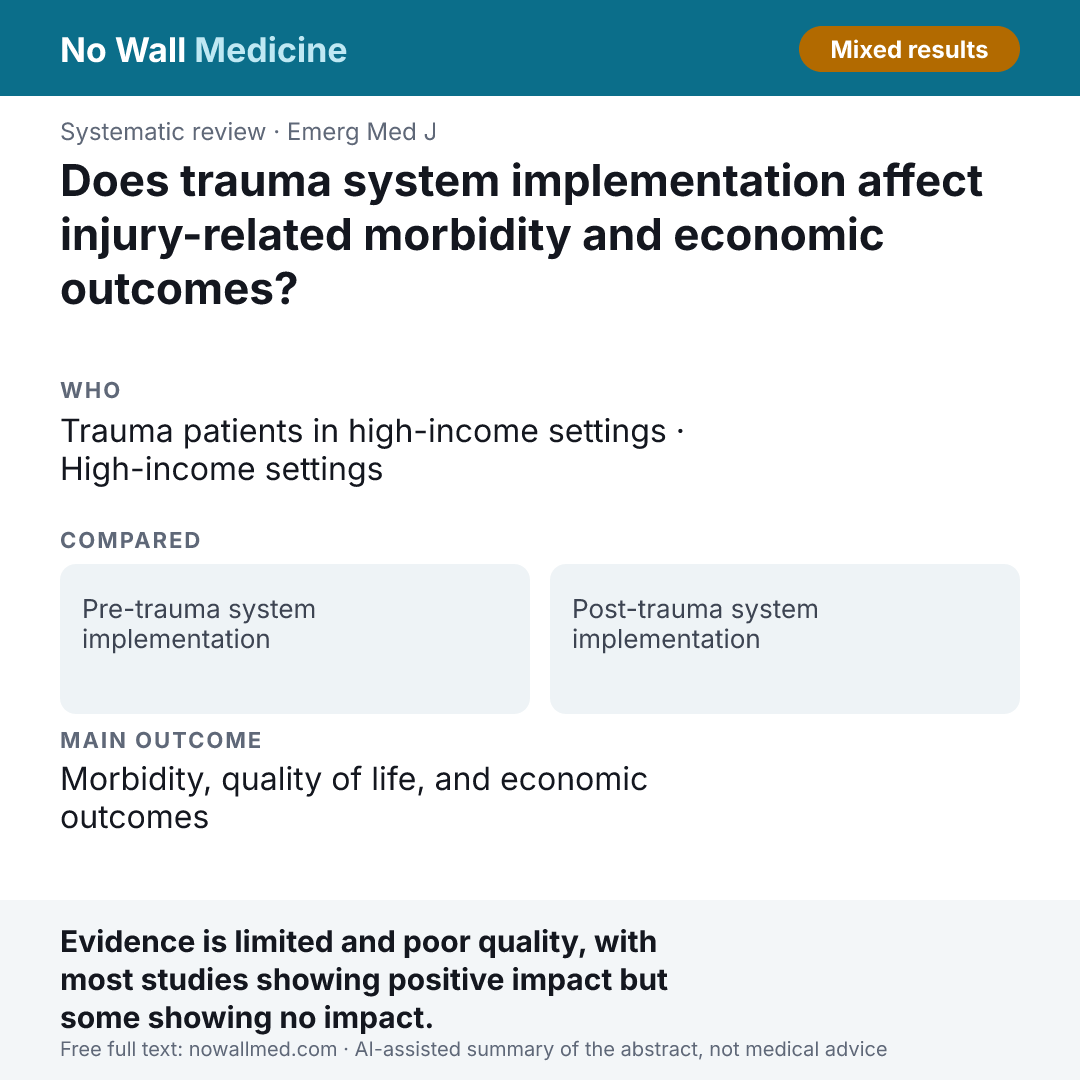
Does the implementation of a trauma system affect injury-related morbidity and economic outcomes? A systematic review
Systematic reviewMixed results
Does trauma system implementation affect injury-related morbidity and economic outcomes?
Who
Trauma patients in high-income settings · High-income settings
Compared
Pre-trauma system implementation
Post-trauma system implementation
Main outcome
Morbidity, quality of life, and economic outcomes
Bottom line: Evidence is limited and poor quality, with most studies showing positive impact but some showing no impact.
Limitation: Overall study quality was poor, with all studies demonstrating a severe risk of bias.
Emerg Med J · 2024-06-20 · Save PNG
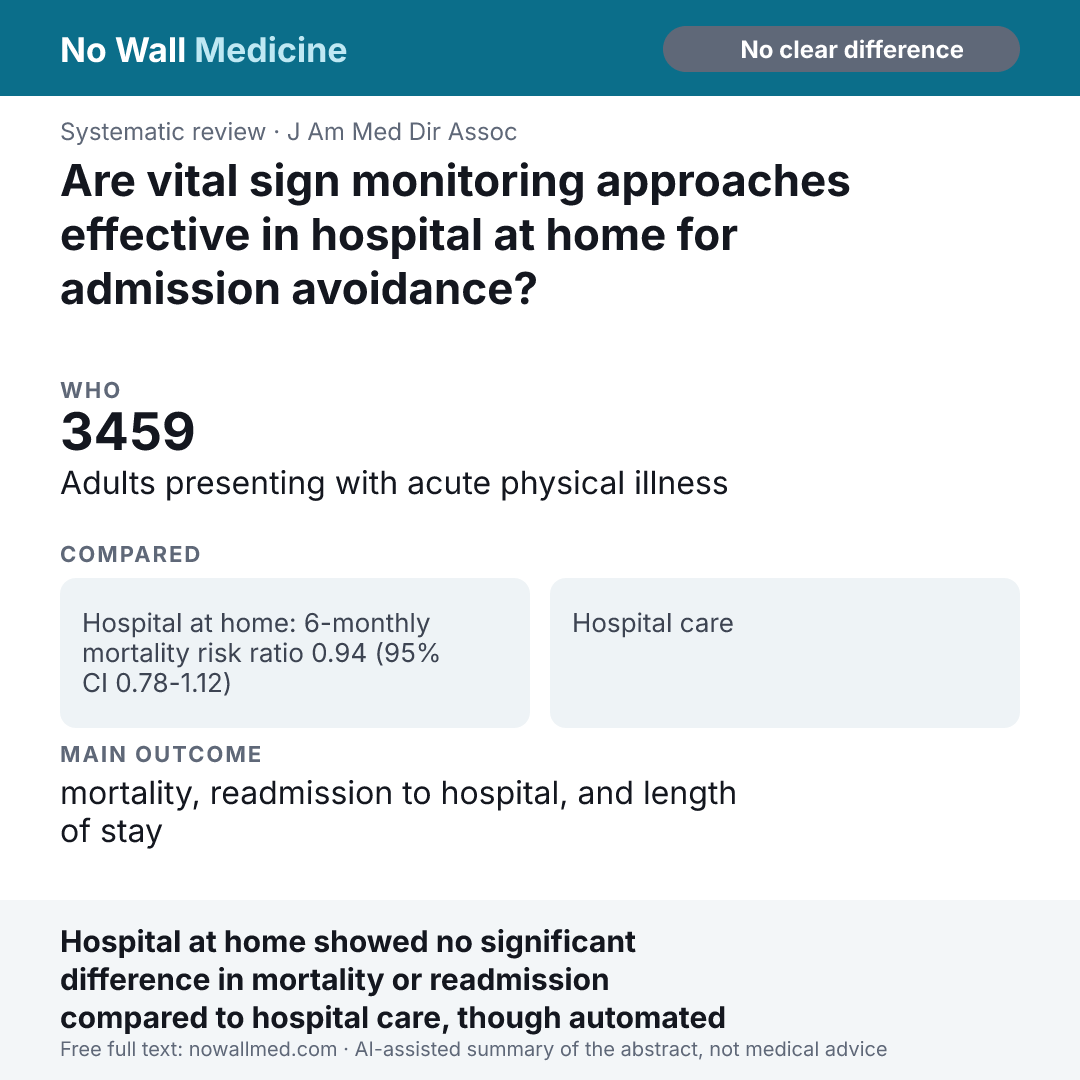
Remote Vital Sign Monitoring in Admission Avoidance Hospital at Home: A Systematic Review
Systematic reviewNo clear difference
Are vital sign monitoring approaches effective in hospital at home for admission avoidance?
Who
3459
Adults presenting with acute physical illness
Compared
Hospital at home: 6-monthly mortality risk ratio 0.94 (95% CI 0.78-1.12)
Hospital care
Main outcome
mortality, readmission to hospital, and length of stay
Result: readmission to hospital risk ratio 1.02 (95% CI 0.77-1.35)
Bottom line: Hospital at home showed no significant difference in mortality or readmission compared to hospital care, though automated monitoring reduced readmissions.
Limitation: Reporting was insufficient in the majority of studies for classification of monitoring approaches.
J Am Med Dir Assoc · 2024-06-20 · Save PNG
A cost-effectiveness analysis of the use of oral ibrexafungerp versus fluconazole for acute vulvovaginal candidiasis in the UK NHS primary care service
Cost-effectiveness analysis using systematic review and Phase 2 trial dataNo clear difference
Is oral ibrexafungerp cost-effective compared to fluconazole for acute vulvovaginal candidiasis?
Who
Patients with acute vulvovaginal candidiasis · United Kingdom National Health Service primary care
Compared
Ibrexafungerp
Fluconazole
Main outcome
Incremental cost-effectiveness ratio based on reduced need for follow-up medication
Result: incremental cost-effectiveness ratio of £2185.74
Bottom line: Ibrexafungerp is more costly and only slightly more effective than fluconazole, making fluconazole more cost-effective.
Br J Gen Pract · 2024-06-20 · Save PNG

Total triage model in general practice: a systematic review of the opportunities and challenges
Systematic reviewMixed results
Total triage in general practice
Who
23
patients and staff in general practice · UK
Compared
Total triage
Traditional care
Main outcome
access to primary care
Bottom line: Total triage has mixed effects on care
Br J Gen Pract · 2024-06-20 · Save PNG

Non-pharmacological interventions in the management of dementia-related psychosis
Systematic literature review and meta-analysisBenefit found
How effective are non-pharmacological interventions in managing dementia-related psychosis?
Who
Older adults with dementia-related psychosis · Global
Compared
Non-pharmacological interventions
Antipsychotic medications
Main outcome
Management of dementia-related psychosis
Bottom line: Person-centred care, robot pets, cognitive rehabilitation, and music therapy significantly decreased psychosis.
Br J Gen Pract · 2024-06-20 · Save PNG

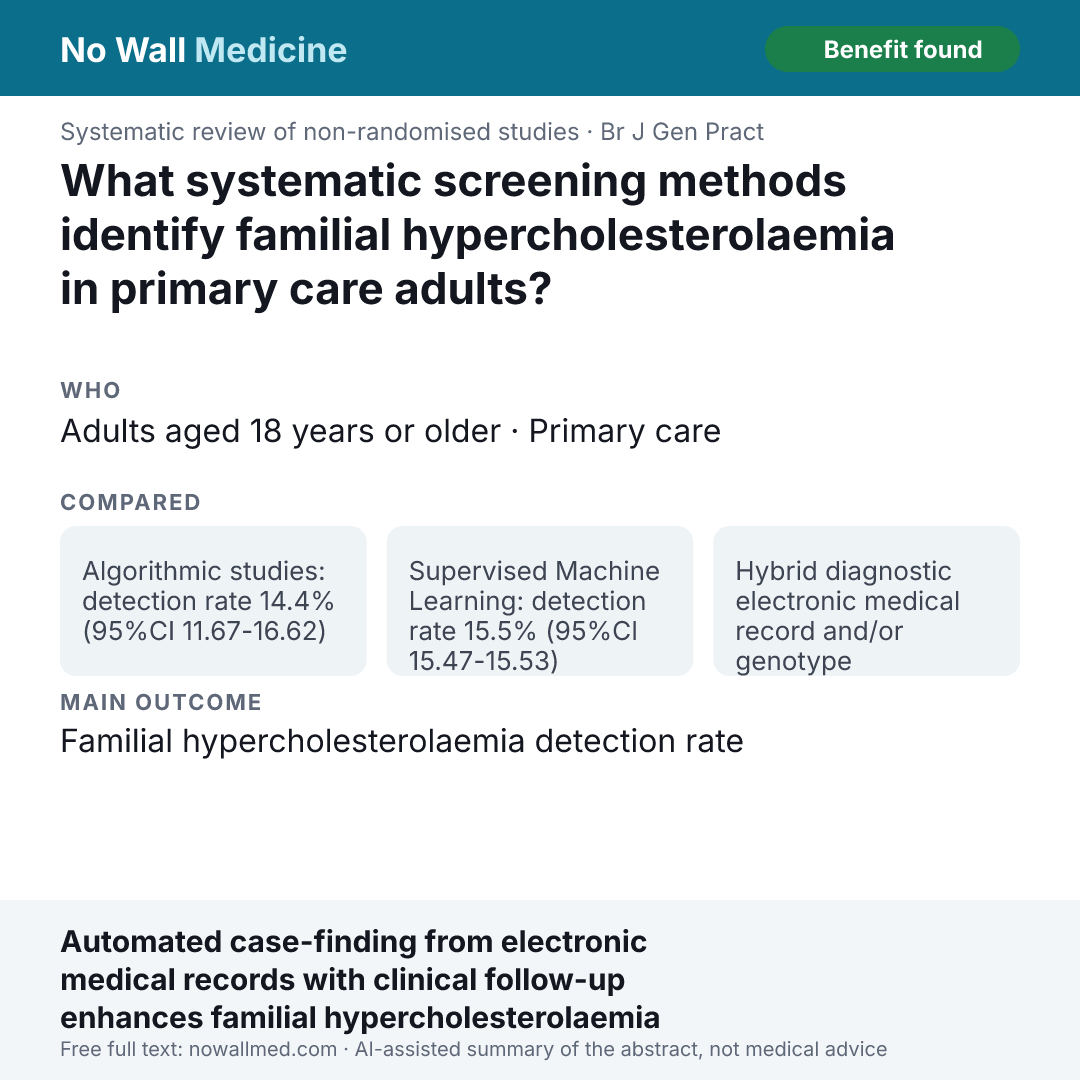
Advancing familial hypercholesterolaemia (FH) screening in primary care: an updated systematic review of systematic screening methods for identificaton of FH
Systematic review of non-randomised studiesBenefit found
What systematic screening methods identify familial hypercholesterolaemia in primary care adults?
Who
Adults aged 18 years or older · Primary care
Compared
Algorithmic studies: detection rate 14.4% (95%CI 11.67-16.62)
Supervised Machine Learning: detection rate 15.5% (95%CI 15.47-15.53)
Hybrid diagnostic electronic medical record and/or genotype confirmation: detection rate 25.0% (95%CI 16.30-35.8)
Main outcome
Familial hypercholesterolaemia detection rate
Bottom line: Automated case-finding from electronic medical records with clinical follow-up enhances familial hypercholesterolaemia identification in primary care.
Limitation: No randomised, controlled studies were identified.
Br J Gen Pract · 2024-06-20 · Save PNG
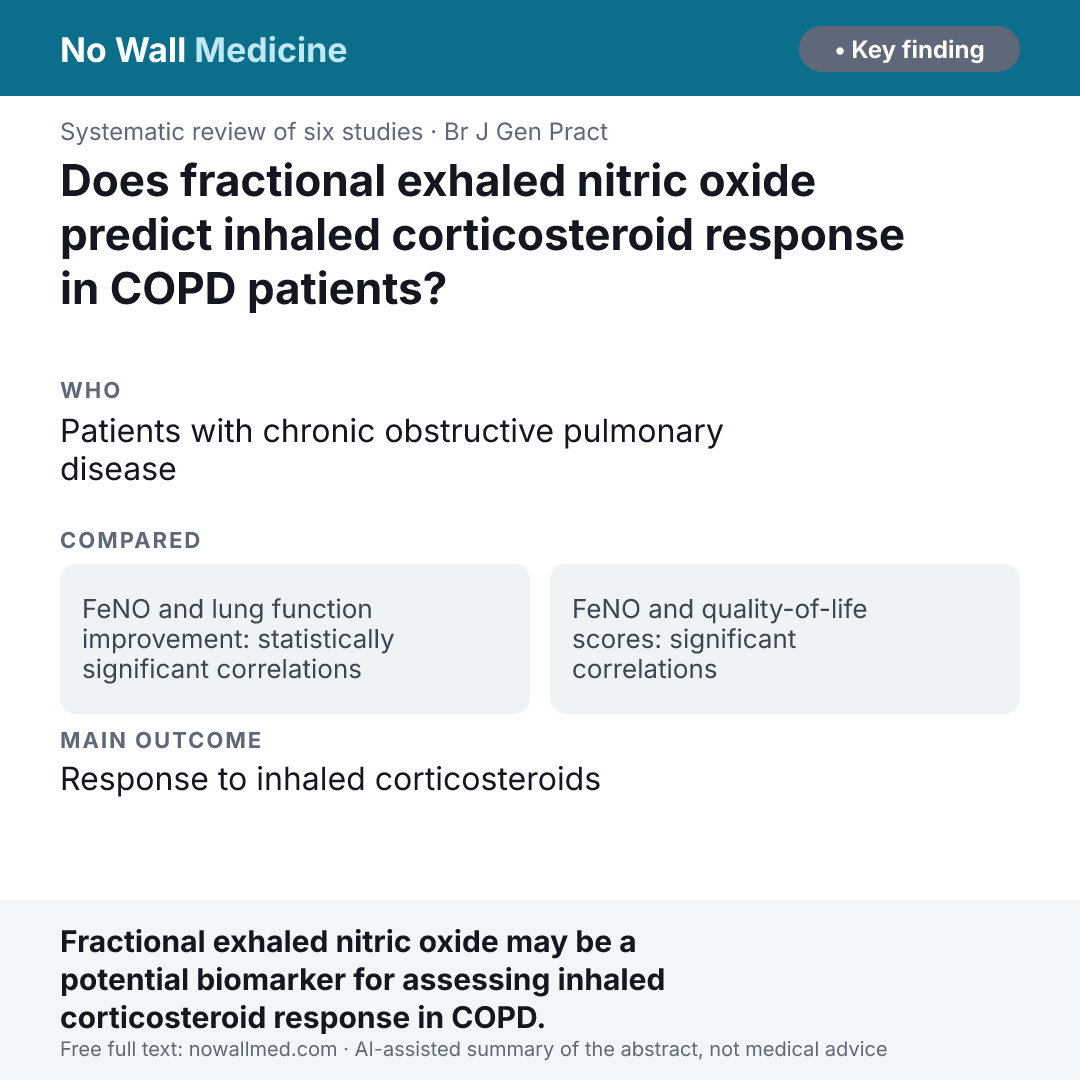
Role of FeNO in predicting the responsiveness of inhaled corticosteroids in COPD: a systematic review
Systematic review of six studiesKey finding
Does fractional exhaled nitric oxide predict inhaled corticosteroid response in COPD patients?
Who
Patients with chronic obstructive pulmonary disease
Compared
FeNO and lung function improvement: statistically significant correlations
FeNO and quality-of-life scores: significant correlations
Main outcome
Response to inhaled corticosteroids
Bottom line: Fractional exhaled nitric oxide may be a potential biomarker for assessing inhaled corticosteroid response in COPD.
Limitation: Small sample size and short duration of studies
Br J Gen Pract · 2024-06-20 · Save PNG
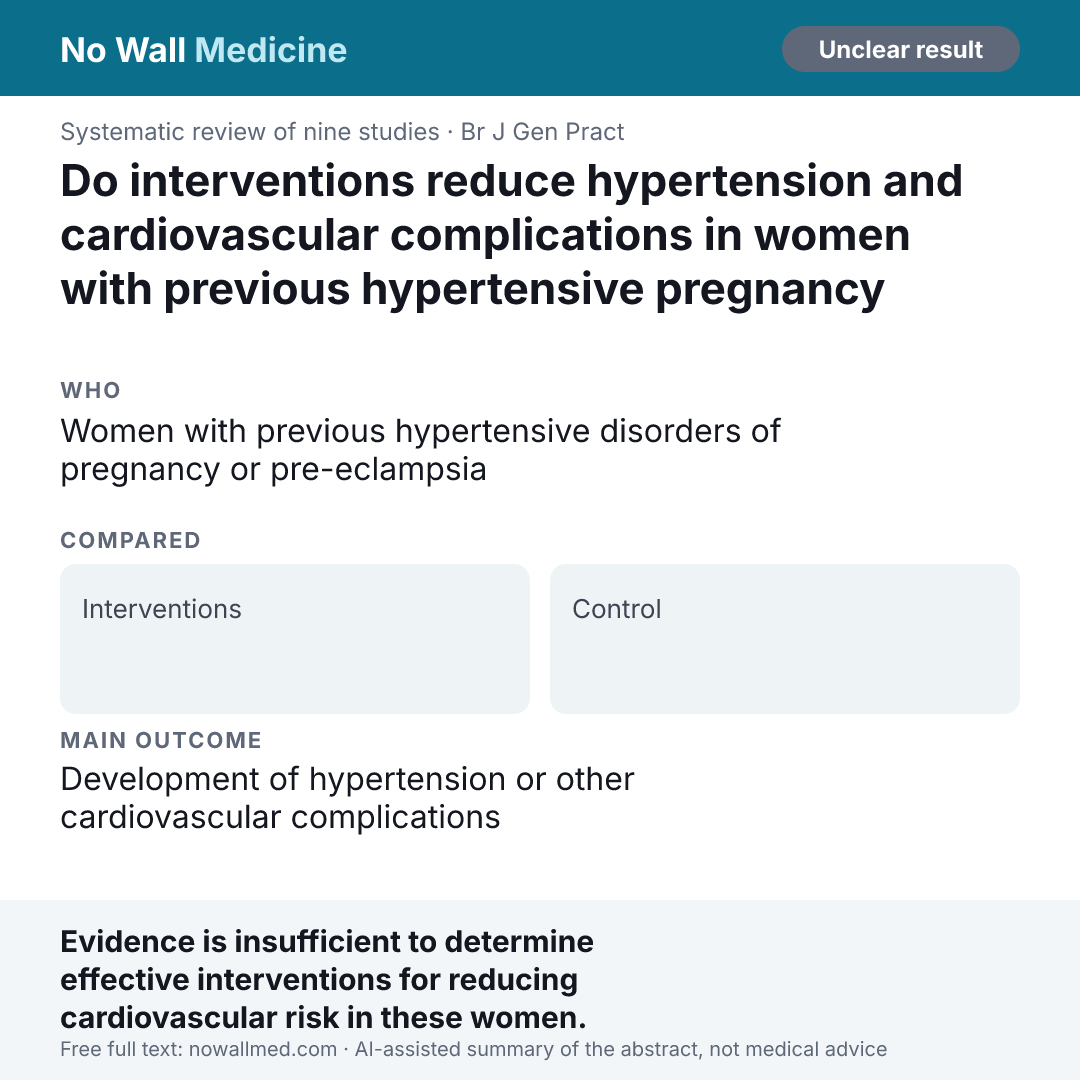
What interventions are effective in reducing development of hypertension and other cardiovascular complications in women who have had hypertensive disorders of pregnancy? A systematic review
Systematic review of nine studiesUnclear result
Do interventions reduce hypertension and cardiovascular complications in women with previous hypertensive pregnancy disorders?
Who
Women with previous hypertensive disorders of pregnancy or pre-eclampsia
Compared
Interventions
Control
Main outcome
Development of hypertension or other cardiovascular complications
Bottom line: Evidence is insufficient to determine effective interventions for reducing cardiovascular risk in these women.
Limitation: The majority of studies were of low quality.
Br J Gen Pract · 2024-06-20 · Save PNG
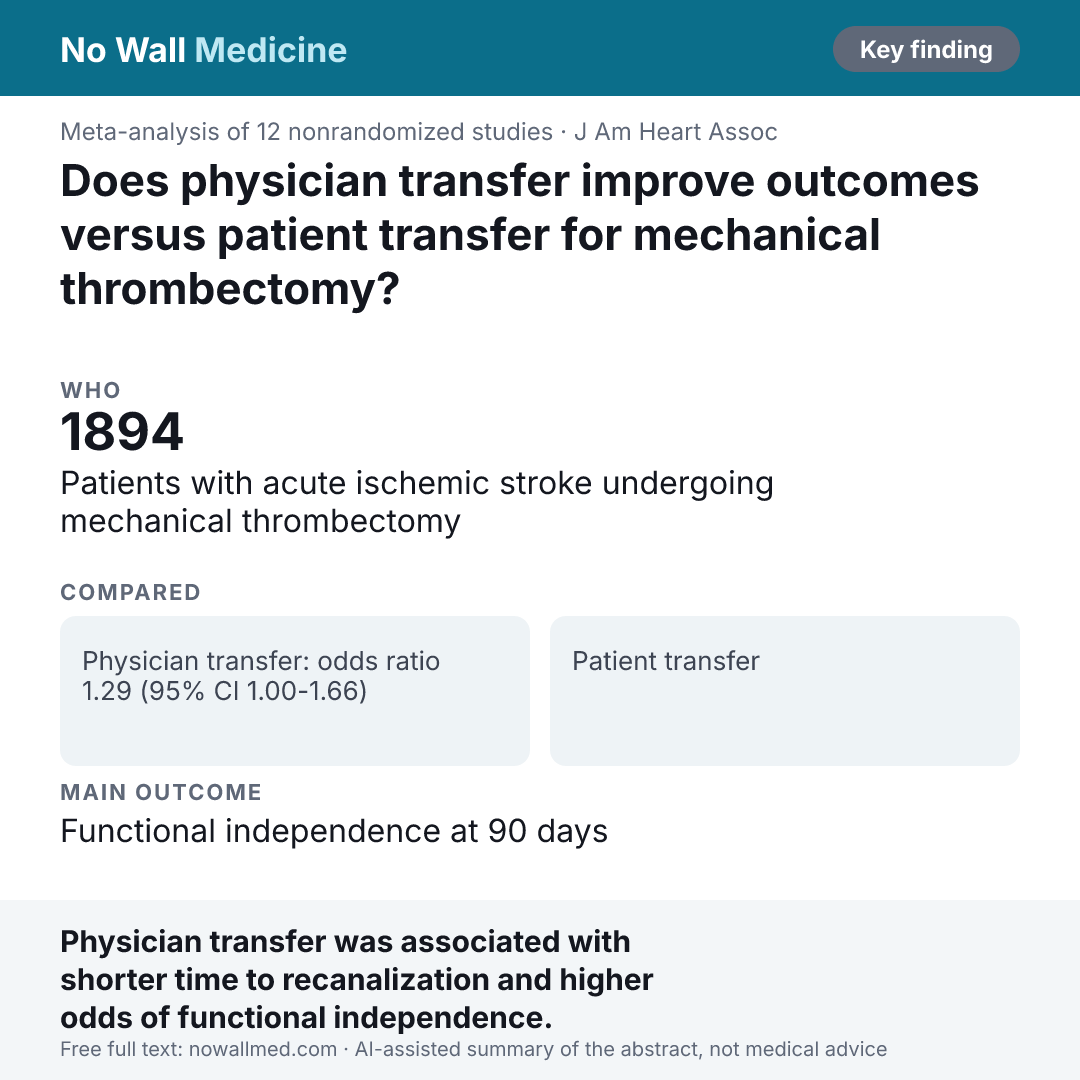
Physician Transfer Versus Patient Transfer for Mechanical Thrombectomy in Patients With Acute Ischemic Stroke: A Systematic Review and Meta-Analysis
Meta-analysis of 12 nonrandomized studiesKey finding
Does physician transfer improve outcomes versus patient transfer for mechanical thrombectomy?
Who
1894
Patients with acute ischemic stroke undergoing mechanical thrombectomy
Compared
Physician transfer: odds ratio 1.29 (95% CI 1.00-1.66)
Patient transfer
Main outcome
Functional independence at 90 days
Result: odds ratio 1.29 (95% CI 1.00-1.66)
Bottom line: Physician transfer was associated with shorter time to recanalization and higher odds of functional independence.
J Am Heart Assoc · 2024-06-20 · Save PNG
Meaningful consumer involvement in cancer care: a systematic review on co-design methods and processes
Systematic reviewMixed results
How is co-design applied in oncology research, practice, and policy?
Who
Adults with cancer
Compared
Co-design initiatives: 74% in outpatient setting
Co-design initiatives: 49% used co-production approach
Main outcome
Application and reporting of co-design methods and processes
Bottom line: Co-design in oncology shows opportunities for improvement in methodology, recruitment, and reporting of participant involvement.
JNCI Cancer Spectr · 2024-06-20 · Save PNG

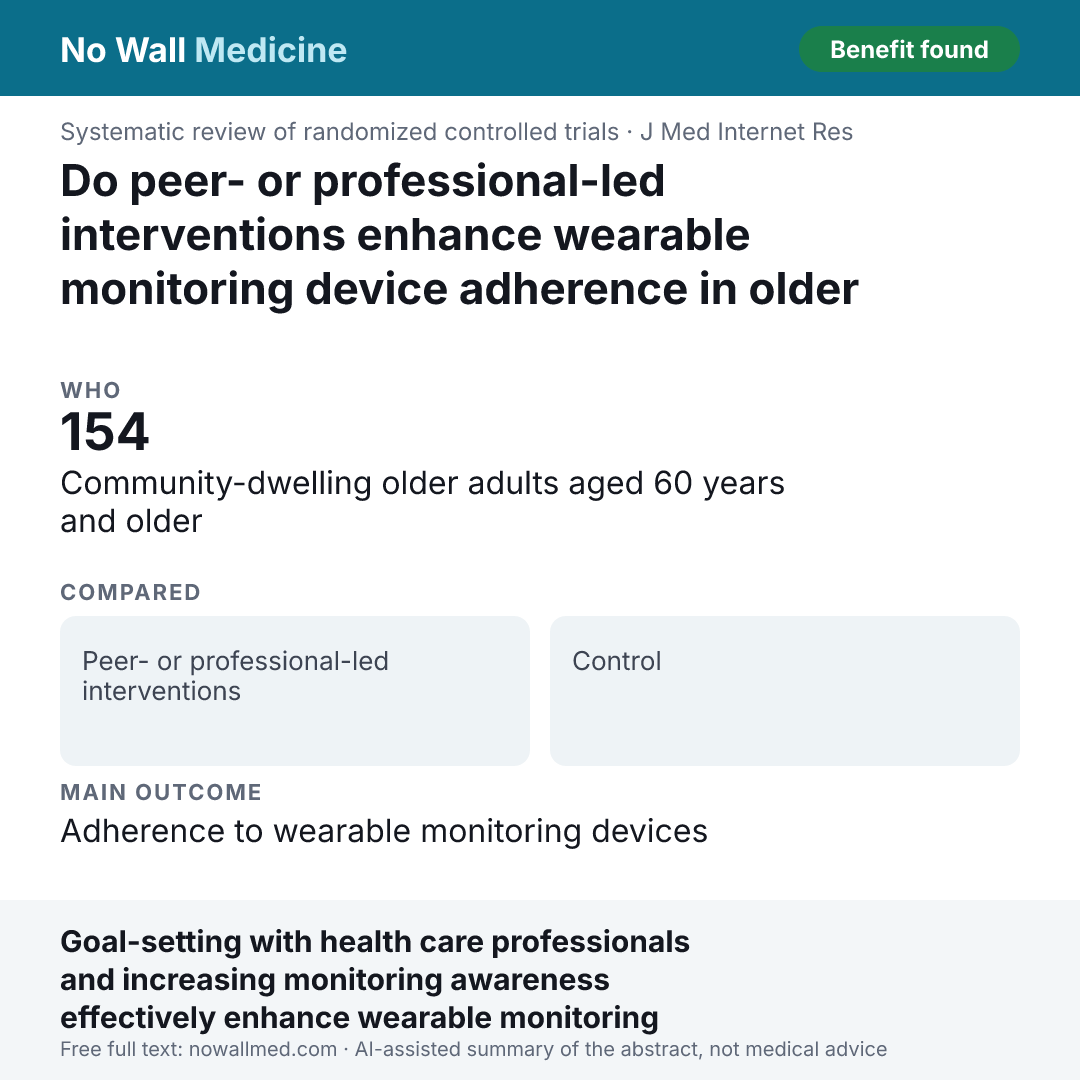
Effects of Peer- or Professional-Led Support in Enhancing Adherence to Wearable Monitoring Devices Among Community-Dwelling Older Adults: Systematic Review of Randomized Controlled Trials
Systematic review of randomized controlled trialsBenefit found
Do peer- or professional-led interventions enhance wearable monitoring device adherence in older adults?
Who
154
Community-dwelling older adults aged 60 years and older
Compared
Peer- or professional-led interventions
Control
Main outcome
Adherence to wearable monitoring devices
Bottom line: Goal-setting with health care professionals and increasing monitoring awareness effectively enhance wearable monitoring device adherence in older adults.
J Med Internet Res · 2024-06-20 · Save PNG
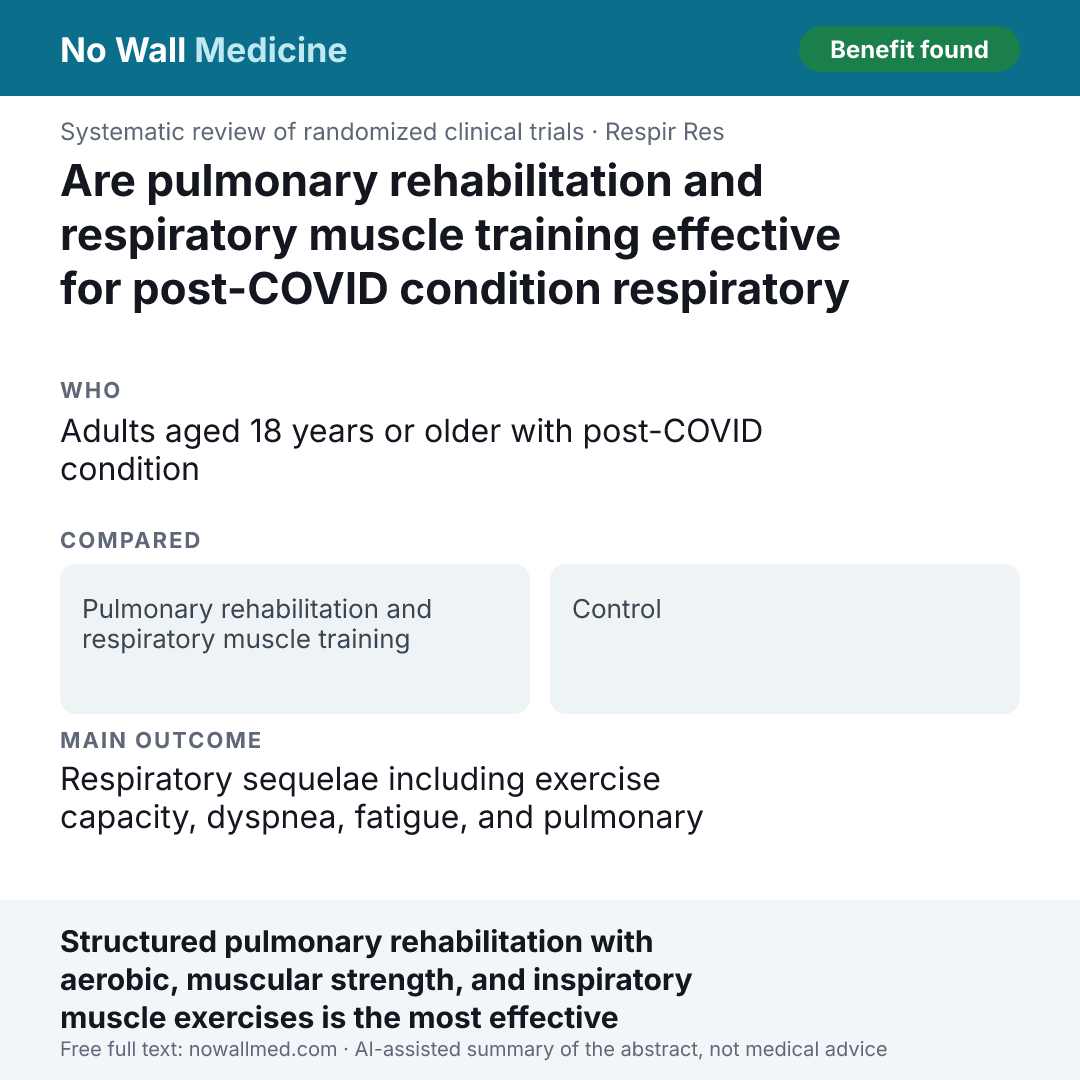
Effectiveness of pulmonary rehabilitation programmes and/or respiratory muscle training in patients with post-COVID conditions: a systematic review
Systematic review of randomized clinical trialsBenefit found
Are pulmonary rehabilitation and respiratory muscle training effective for post-COVID condition respiratory sequelae?
Who
Adults aged 18 years or older with post-COVID condition
Compared
Pulmonary rehabilitation and respiratory muscle training
Control
Main outcome
Respiratory sequelae including exercise capacity, dyspnea, fatigue, and pulmonary function
Bottom line: Structured pulmonary rehabilitation with aerobic, muscular strength, and inspiratory muscle exercises is the most effective treatment.
Respir Res · 2024-06-19 · Save PNG
Early discharge hospital at home as alternative to routine hospital care for older people: a systematic review and meta-analysis
Systematic review and meta-analysisMixed results
Is hospital at home an effective alternative to routine hospital care for older people?
Who
Older people
Compared
Hospital at home
Routine hospital care
Main outcome
Mortality, readmission, treatment duration, functional and mental status
Bottom line: Hospital at home may decrease mortality and treatment duration, but effects on readmission, mental, and functional status are inconclusive.
Limitation: Low-certainty evidence for decreased mortality and inconclusive results for other metrics.
BMC Med · 2024-06-18 · Save PNG

Clinical Characteristics Associated With Response to Biologics in the Treatment of Psoriasis: A Meta-analysis
Meta-analysis of 40 studiesMixed results
What clinical characteristics are associated with biologic treatment response in psoriasis?
Who
21438
Patients with psoriasis
Compared
Observational studies
Randomized clinical trials
Main outcome
Psoriasis Area and Severity Index 90 at 26 weeks
Bottom line: Smoking, previous biologic exposure, older age, and higher body mass index were associated with poorer biologic response in observational studies.
Limitation: It remains unclear if these characteristics influence response differently for different available biologics.
JAMA Dermatol · 2024-06-18 · Save PNG

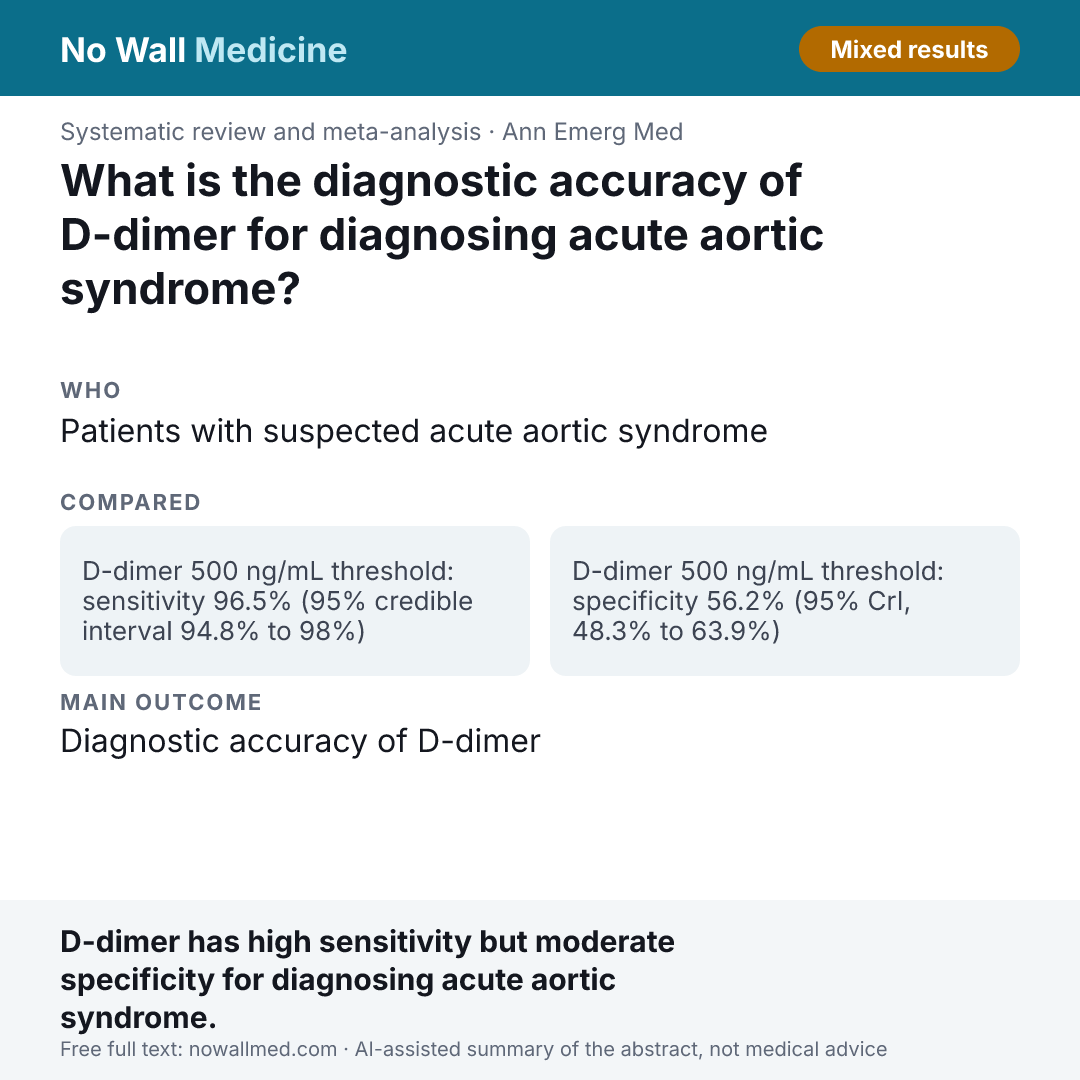
Diagnostic Accuracy of D-Dimer for Acute Aortic Syndromes: Systematic Review and Meta-Analysis
Systematic review and meta-analysisMixed results
What is the diagnostic accuracy of D-dimer for diagnosing acute aortic syndrome?
Who
Patients with suspected acute aortic syndrome
Compared
D-dimer 500 ng/mL threshold: sensitivity 96.5% (95% credible interval 94.8% to 98%)
D-dimer 500 ng/mL threshold: specificity 56.2% (95% CrI, 48.3% to 63.9%)
Main outcome
Diagnostic accuracy of D-dimer
Bottom line: D-dimer has high sensitivity but moderate specificity for diagnosing acute aortic syndrome.
Limitation: Risk of bias domains were mostly unclear due to limited study reporting.
Ann Emerg Med · 2024-06-18 · Save PNG
Impact of Social Determinants of Health on Hypertension Outcomes: A Systematic Review
Systematic reviewBenefit found
Do social factors affect hypertension
Who
US adults · United States
Compared
Higher social factors: lower hypertension prevalence
Lower social factors: higher hypertension prevalence
Main outcome
Hypertension outcomes
Bottom line: Social factors affect hypertension outcomes
Hypertension · 2024-06-18 · Save PNG

Pregnancy and birth complications and long-term maternal mental health outcomes: A systematic review and meta-analysis
Systematic review and meta-analysisKey finding
Do pregnancy and birth complications associate with long-term maternal mental health outcomes?
Who
3973631
Participants in 33 studies
Compared
Termination of pregnancy: depression aOR 1.49 (95% CI 1.20-1.83)
Miscarriage: depression aOR 1.97 (95% CI 1.38-2.82)
Preterm birth: depression aOR 1.37 (95% CI 1.32-1.42)
Main outcome
Long-term maternal mental health outcomes
Bottom line: Pregnancy and birth complications increase the odds of long-term depression, anxiety disorder, and post-traumatic stress disorder.
BJOG · 2024-06-18 · Save PNG

Educational needs and preferences of adult patients with acute pain: a mixed-methods systematic review
Mixed-methods systematic reviewBenefit found
What are the educational needs and preferences of adult patients with acute pain?
Who
1847
Adult patients with postsurgical and posttraumatic pain · Not specified
Compared
Patient needs: pain intensity, duration, medication use, and adverse effects
Patient preferences: in-person education, involving caregivers, and information from physicians first
Main outcome
Patients' needs and preferences for acute pain education
Bottom line: Adults with acute pain prefer in-person education involving caregivers and information regarding pain intensity, duration, and medication.
Limitation: Results still need to be confirmed with different patient populations.
Pain · 2024-06-18 · Save PNG