Visual abstracts
New randomized trials and meta-analyses from leading journals at a glance: who was studied, what was compared, and what was found. Every paper is free to read in full.
All specialtiesCardiology 4763Oncology 4042Gastroenterology & Hepatology 1902Infectious Disease 3756Neurology 1872Psychiatry & Mental Health 2214Pulmonology 2042Critical Care 1319Endocrinology & Diabetes 2544Pediatrics 2889Surgery 2479Orthopedics & Sports Medicine 917Neurosurgery 525Cardiothoracic & Vascular Surgery 656Plastic & Reconstructive Surgery 574Nephrology 1107Rheumatology 810Hematology 1090Dermatology 611Ophthalmology 532Obstetrics & Gynecology 1645Public & Global Health 1037Radiology & Imaging 617Anesthesiology 957Urology 745ENT (Otolaryngology) 494Emergency Medicine 481Allergy & Immunology 309Geriatrics 972Family Medicine & Primary Care 533Medical Genetics & Genomics 659Pathology & Laboratory Medicine 156Physical Medicine & Rehabilitation 734Palliative Care 421Nutrition 1560Digital Health & AI 2133General Medicine 318
A systematic review and meta-analysis of real-world studies evaluating the association between beta-blocker use and postoperative adverse events of carotid endarterectomy
Systematic review and meta-analysisHarm found
Is beta-blocker use associated with postoperative adverse events of carotid endarterectomy?
Who
24,161
Patients undergoing carotid endarterectomy
Compared
Beta-blocker users
Nonusers
Main outcome
Composite postoperative adverse events
Result: odds ratio 1.35 (95% CI 1.15-1.59)
Bottom line: Beta-blocker use is associated with an increased risk of postoperative adverse outcomes after carotid endarterectomy in real-world data.
Limitation: Included studies were observational, including case-control and cohort studies.
J Vasc Surg · 2021-11-14Download image

A systematic review of thromboelastography utilization in vascular and endovascular surgery
Systematic reviewUnclear result
How is thromboelastography utilized in vascular and endovascular surgery?
Who
Patients undergoing vascular or endovascular surgery
Compared
Cerebrovascular disease: predict carotid plaque stability and analyze platelet function
Peripheral arterial disease: predict disease severity and analyze contrast impact
Venous thromboembolic events: predict hypercoagulability and thromboembolic events
Perioperative bleeding: predict hemorrhage and transfusion requirements
Main outcome
Utilization of thromboelastography in vascular surgery
Bottom line: Thromboelastography is used to predict complications and manage coagulation in various vascular surgery contexts.
J Vasc Surg · 2021-11-14Download image

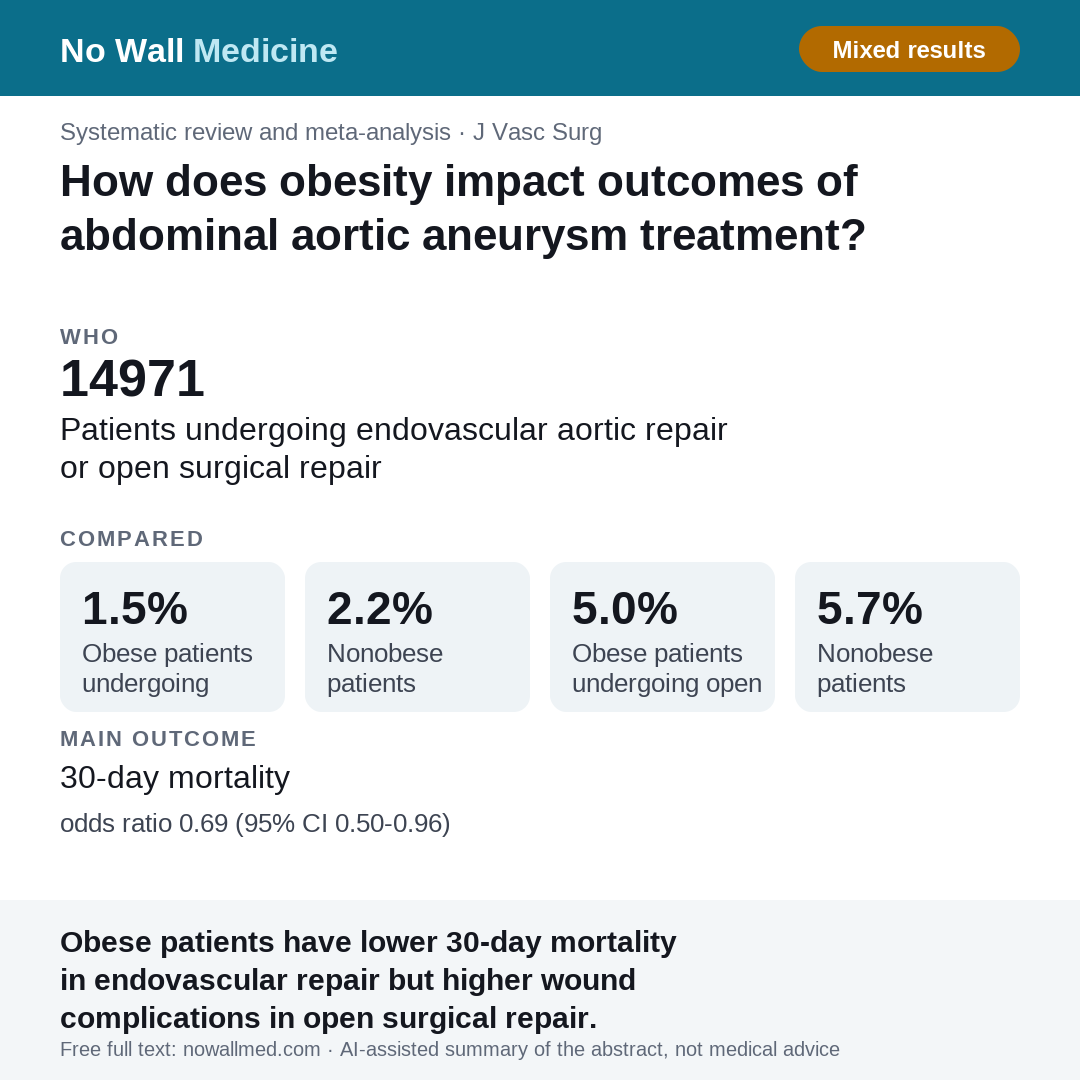
A systematic review and meta-analysis evaluating the impact of obesity on outcomes of abdominal aortic aneurysm treatment
Systematic review and meta-analysisMixed results
How does obesity impact outcomes of abdominal aortic aneurysm treatment?
Who
14971
Patients undergoing endovascular aortic repair or open surgical repair
Compared
1.5%Obese patients undergoing endovascular aortic repair
2.2%Nonobese patients undergoing endovascular aortic repair
5.0%Obese patients undergoing open surgical repair
5.7%Nonobese patients undergoing open surgical repair
Main outcome
30-day mortality
Result: odds ratio 0.69 (95% CI 0.50-0.96)
Bottom line: Obese patients have lower 30-day mortality in endovascular repair but higher wound complications in open surgical repair.
J Vasc Surg · 2021-11-14Download image
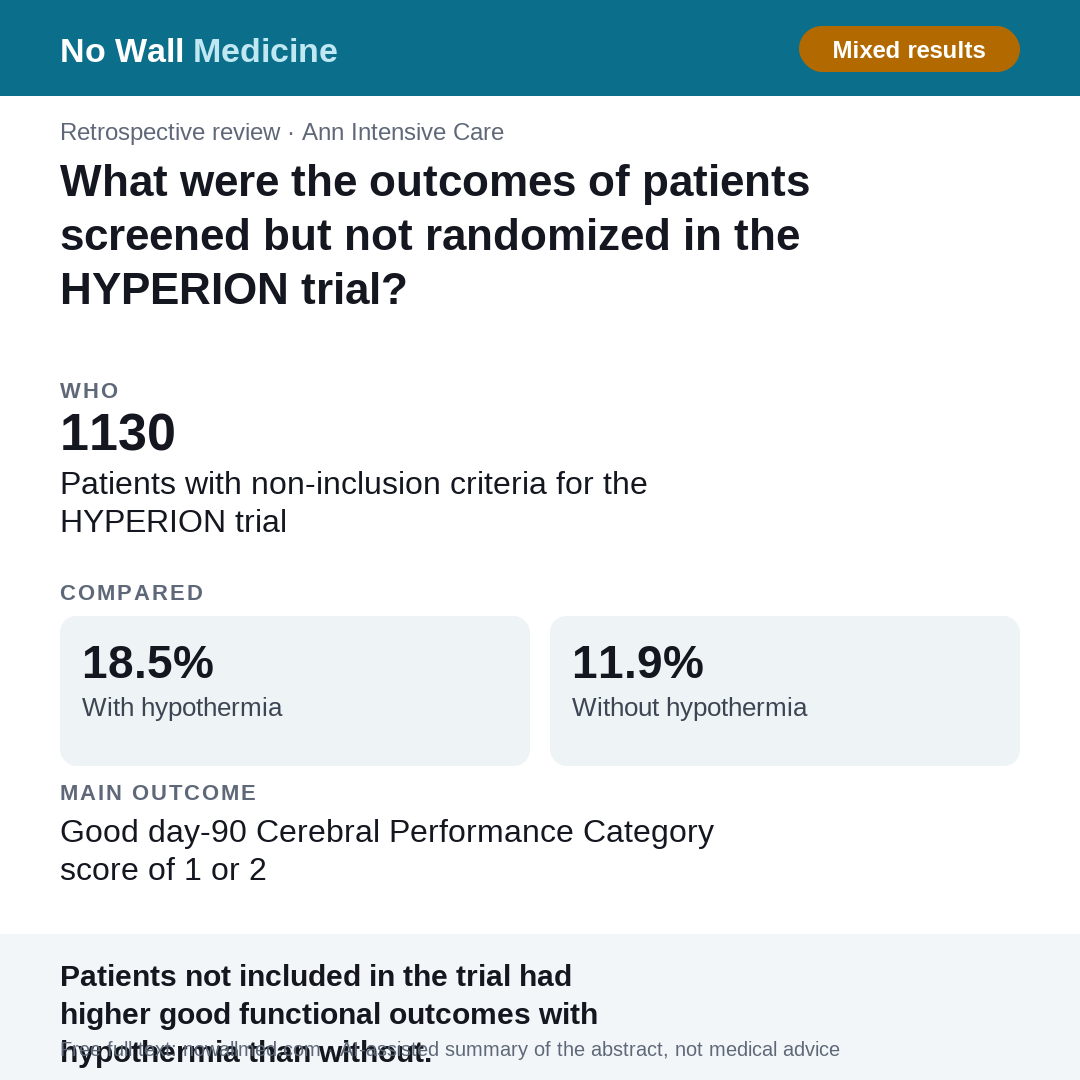
Insights from patients screened but not randomised in the HYPERION trial
Retrospective reviewMixed results
What were the outcomes of patients screened but not randomized in the HYPERION trial?
Who
1130
Patients with non-inclusion criteria for the HYPERION trial
Compared
18.5%With hypothermia
11.9%Without hypothermia
Main outcome
Good day-90 Cerebral Performance Category score of 1 or 2
Bottom line: Patients not included in the trial had higher good functional outcomes with hypothermia than without.
Ann Intensive Care · 2021-11-14Download image
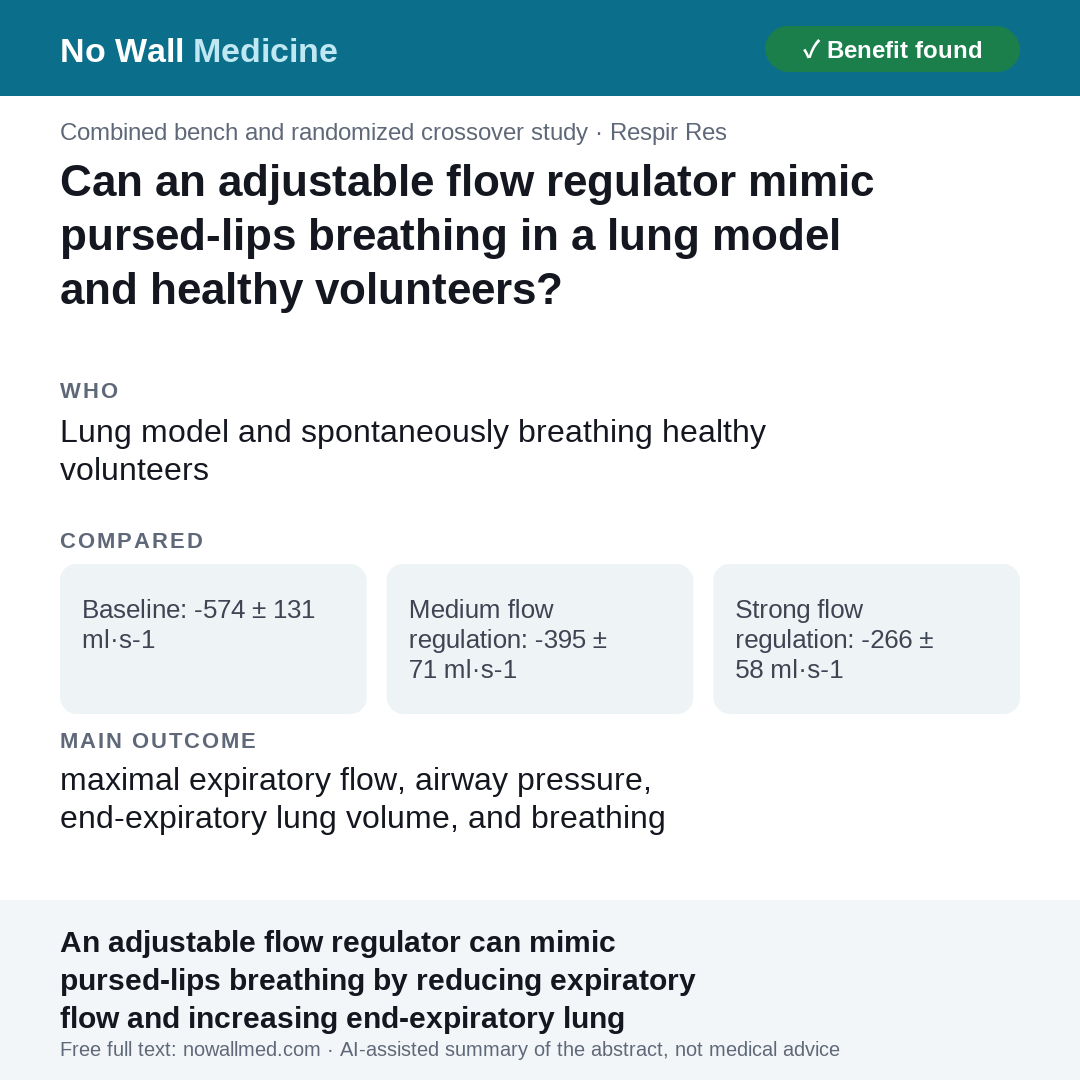
Control of the expiratory flow in a lung model and in healthy volunteers with an adjustable flow regulator: a combined bench and randomized crossover study
Combined bench and randomized crossover studyBenefit found
Can an adjustable flow regulator mimic pursed-lips breathing in a lung model and healthy volunteers?
Who
Lung model and spontaneously breathing healthy volunteers
Compared
Baseline: -574 ± 131 ml·s-1
Medium flow regulation: -395 ± 71 ml·s-1
Strong flow regulation: -266 ± 58 ml·s-1
Main outcome
maximal expiratory flow, airway pressure, end-expiratory lung volume, and breathing discomfort
Bottom line: An adjustable flow regulator can mimic pursed-lips breathing by reducing expiratory flow and increasing end-expiratory lung volume.
Respir Res · 2021-11-14Download image
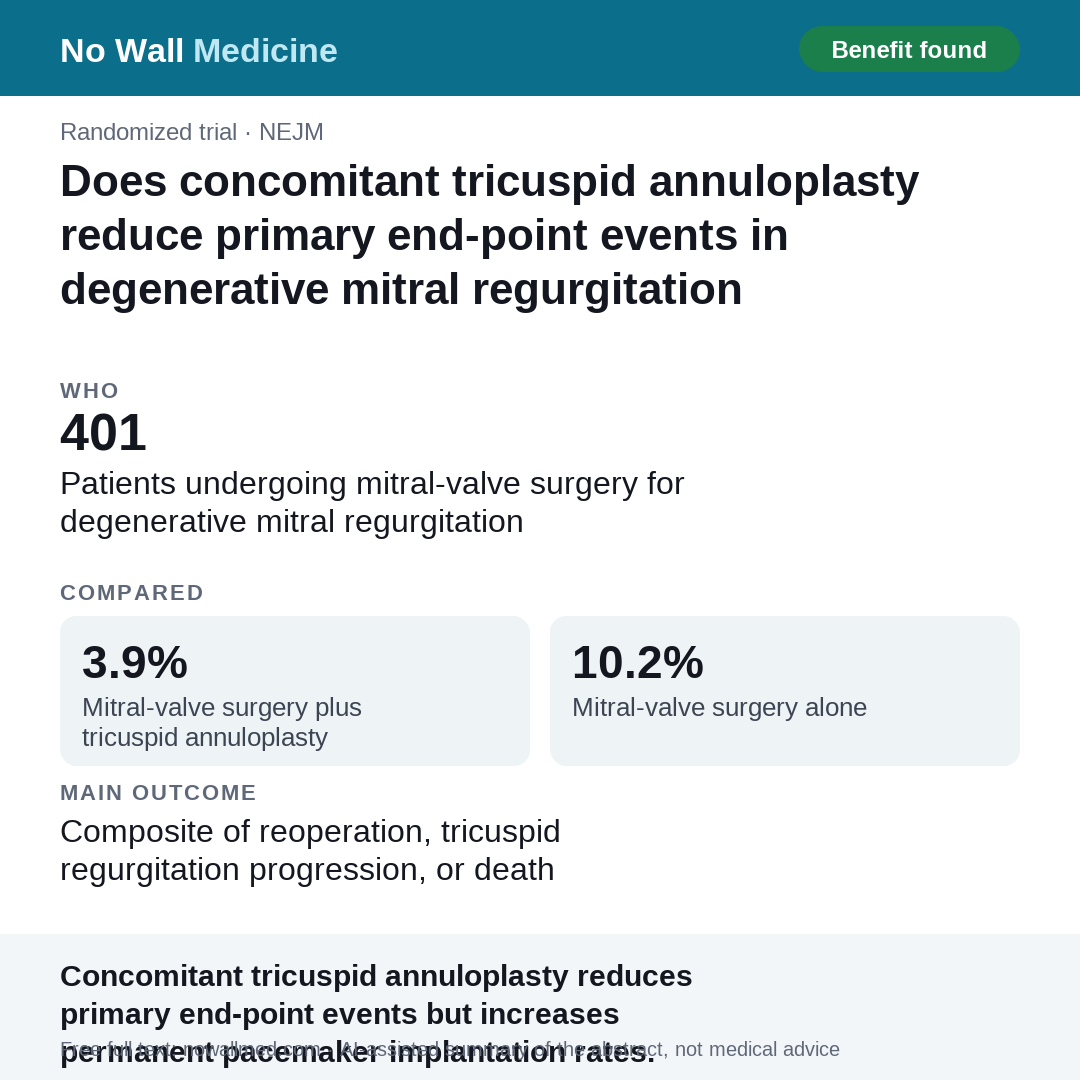
Concomitant Tricuspid Repair in Patients with Degenerative Mitral Regurgitation
Randomized trialBenefit found
Does concomitant tricuspid annuloplasty reduce primary end-point events in degenerative mitral regurgitation surgery?
Who
401
Patients undergoing mitral-valve surgery for degenerative mitral regurgitation
Compared
3.9%Mitral-valve surgery plus tricuspid annuloplasty
10.2%Mitral-valve surgery alone
Main outcome
Composite of reoperation, tricuspid regurgitation progression, or death
Result: relative risk 0.37 (95% CI 0.16 to 0.86)
Bottom line: Concomitant tricuspid annuloplasty reduces primary end-point events but increases permanent pacemaker implantation rates.
Limitation: Whether reduced progression of tricuspid regurgitation results in long-term clinical benefit requires longer follow-up.
Funded by: National Heart, Lung, and Blood Institute; German Center for Cardiovascular Research
NEJM · 2021-11-13Download image
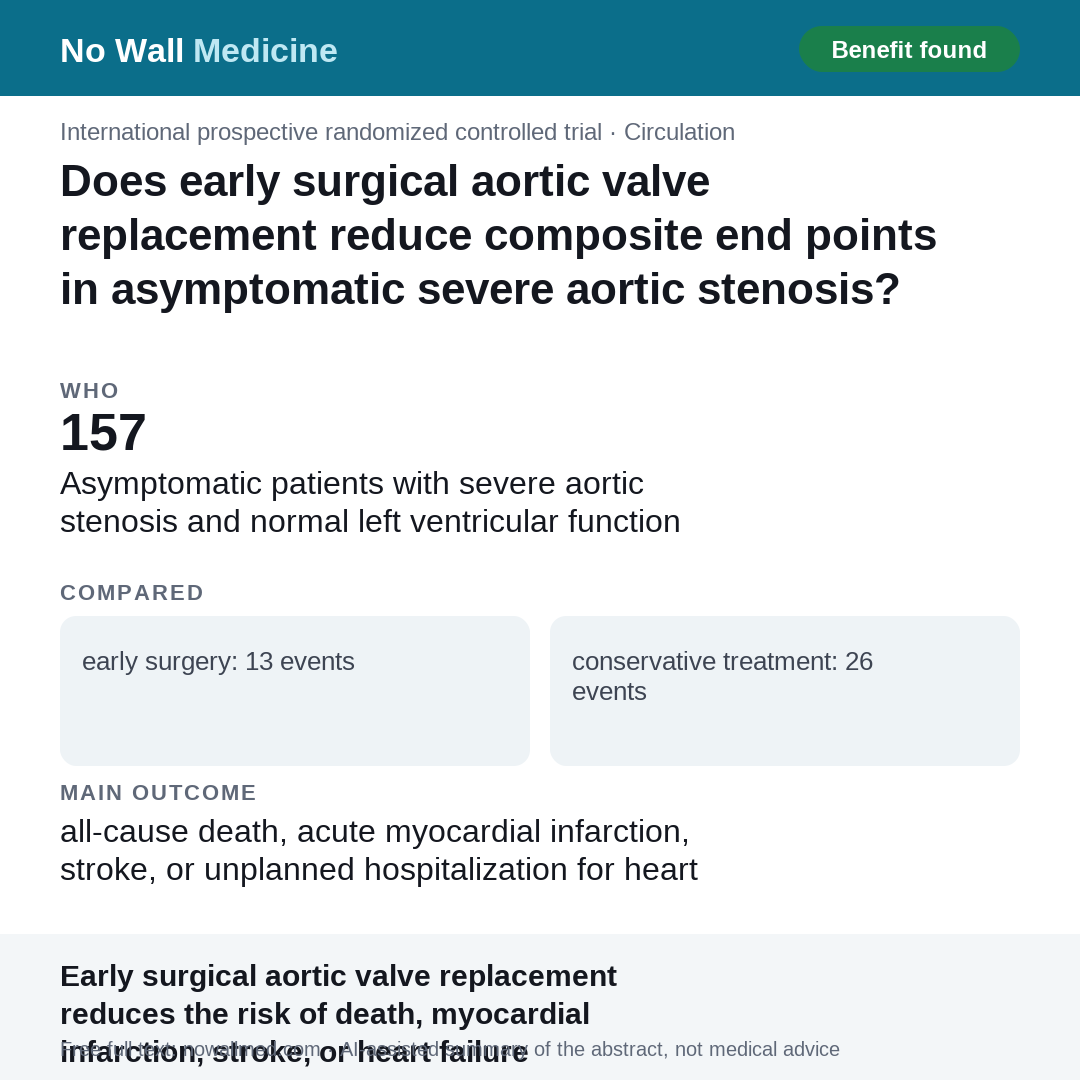
Aortic Valve Replacement Versus Conservative Treatment in Asymptomatic Severe Aortic Stenosis: The AVATAR Trial
International prospective randomized controlled trialBenefit found
Does early surgical aortic valve replacement reduce composite end points in asymptomatic severe aortic stenosis?
Who
157
Asymptomatic patients with severe aortic stenosis and normal left ventricular function · 9 centers in 7 European countries
Compared
early surgery: 13 events
conservative treatment: 26 events
Main outcome
all-cause death, acute myocardial infarction, stroke, or unplanned hospitalization for heart failure
Result: hazard ratio, 0.46 (95% CI, 0.23-0.90)
Bottom line: Early surgical aortic valve replacement reduces the risk of death, myocardial infarction, stroke, or heart failure hospitalization in asymptomatic patients.
Circulation · 2021-11-13Download image
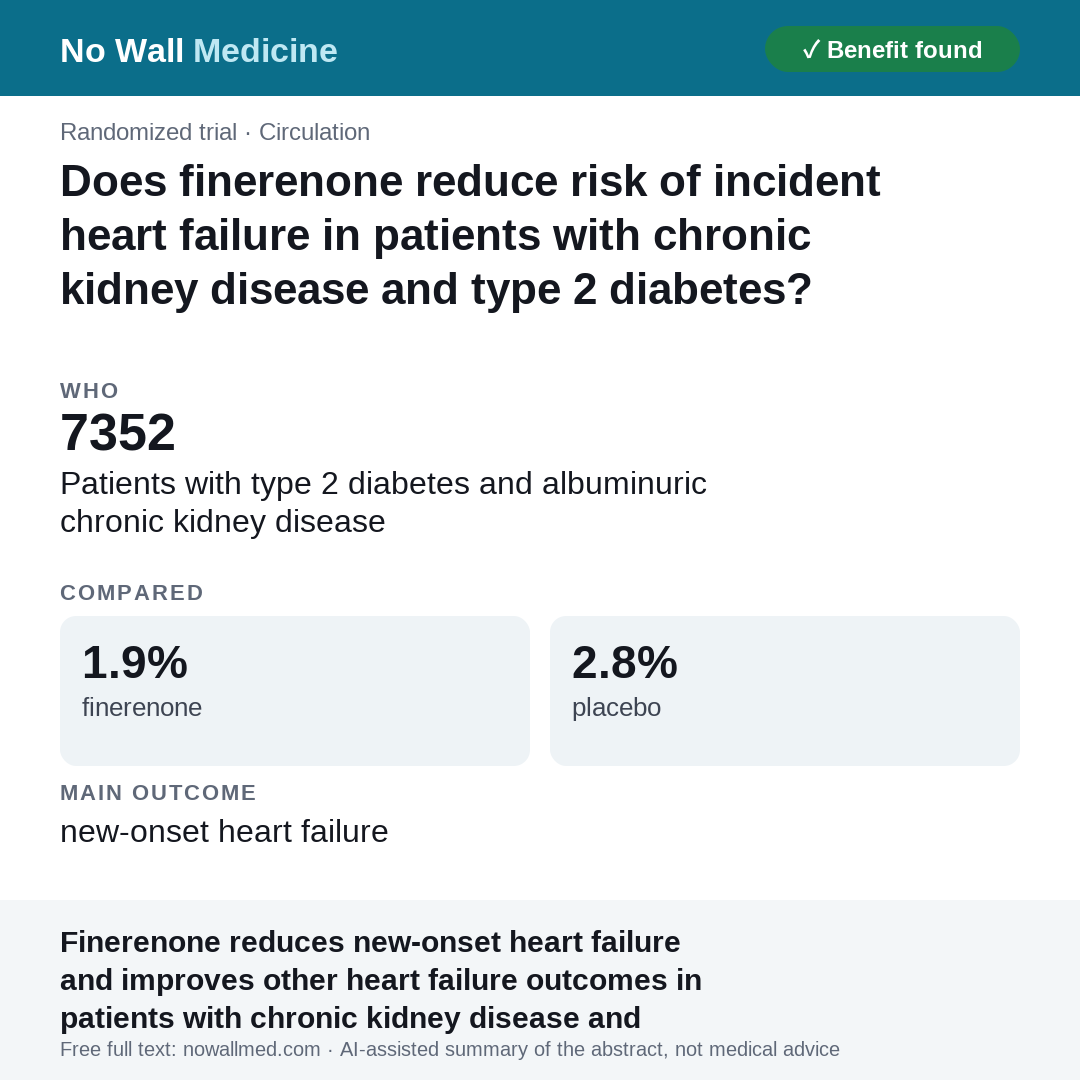
Finerenone Reduces Risk of Incident Heart Failure in Patients With Chronic Kidney Disease and Type 2 Diabetes: Analyses From the FIGARO-DKD Trial
Randomized trialBenefit found
Does finerenone reduce risk of incident heart failure in patients with chronic kidney disease and type 2 diabetes?
Who
7352
Patients with type 2 diabetes and albuminuric chronic kidney disease
Compared
1.9%finerenone
2.8%placebo
Main outcome
new-onset heart failure
Result: hazard ratio 0.68 (95% CI 0.50-0.93)
Bottom line: Finerenone reduces new-onset heart failure and improves other heart failure outcomes in patients with chronic kidney disease and type 2 diabetes.
Circulation · 2021-11-13Download image
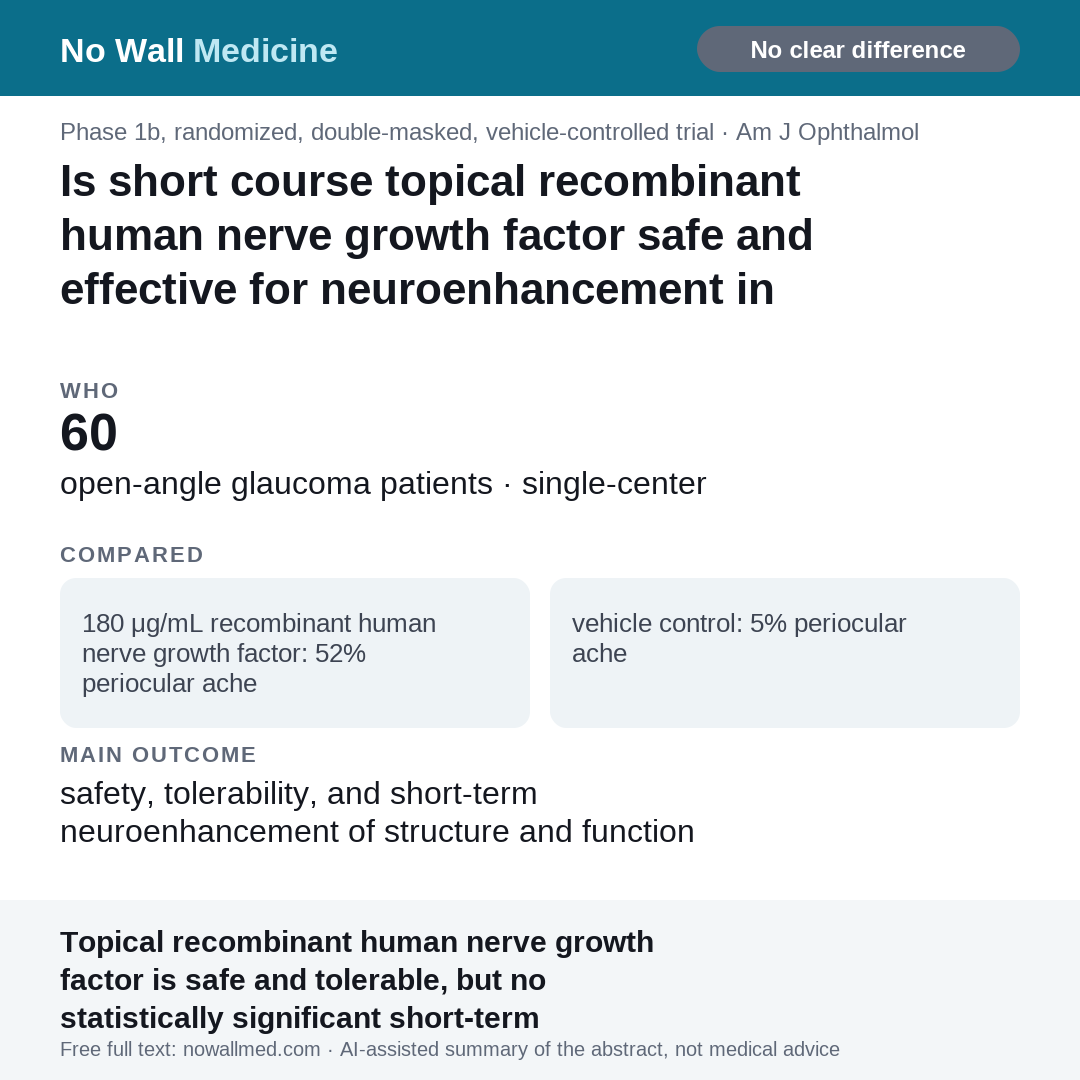
Phase 1b Randomized Controlled Study of Short Course Topical Recombinant Human Nerve Growth Factor (rhNGF) for Neuroenhancement in Glaucoma: Safety, Tolerability, and Efficacy Measure Outcomes
Phase 1b, randomized, double-masked, vehicle-controlled trialNo clear difference
Is short course topical recombinant human nerve growth factor safe and effective for neuroenhancement in glaucoma?
Who
60
open-angle glaucoma patients · single-center
Compared
180 μg/mL recombinant human nerve growth factor: 52% periocular ache
vehicle control: 5% periocular ache
Main outcome
safety, tolerability, and short-term neuroenhancement of structure and function
Bottom line: Topical recombinant human nerve growth factor is safe and tolerable, but no statistically significant short-term neuroenhancement was detected.
Funded by: American Ophthalmological Society
Am J Ophthalmol · 2021-11-13Download image
Accuracy of Signs, Symptoms, and Hematologic Parameters for the Diagnosis of Infectious Mononucleosis: A Systematic Review and Meta-Analysis
Systematic review and meta-analysisMixed results
How accurate are symptoms, signs, and hematologic parameters for diagnosing infectious mononucleosis?
Who
Patients with suspected infectious mononucleosis
Compared
Clinical findings
Hematologic parameters
Main outcome
Diagnostic accuracy of symptoms, signs, and hematologic parameters
Bottom line: Hematologic parameters are more accurate than symptoms and signs for diagnosing infectious mononucleosis.
J Am Board Fam Med · 2021-11-13Download image

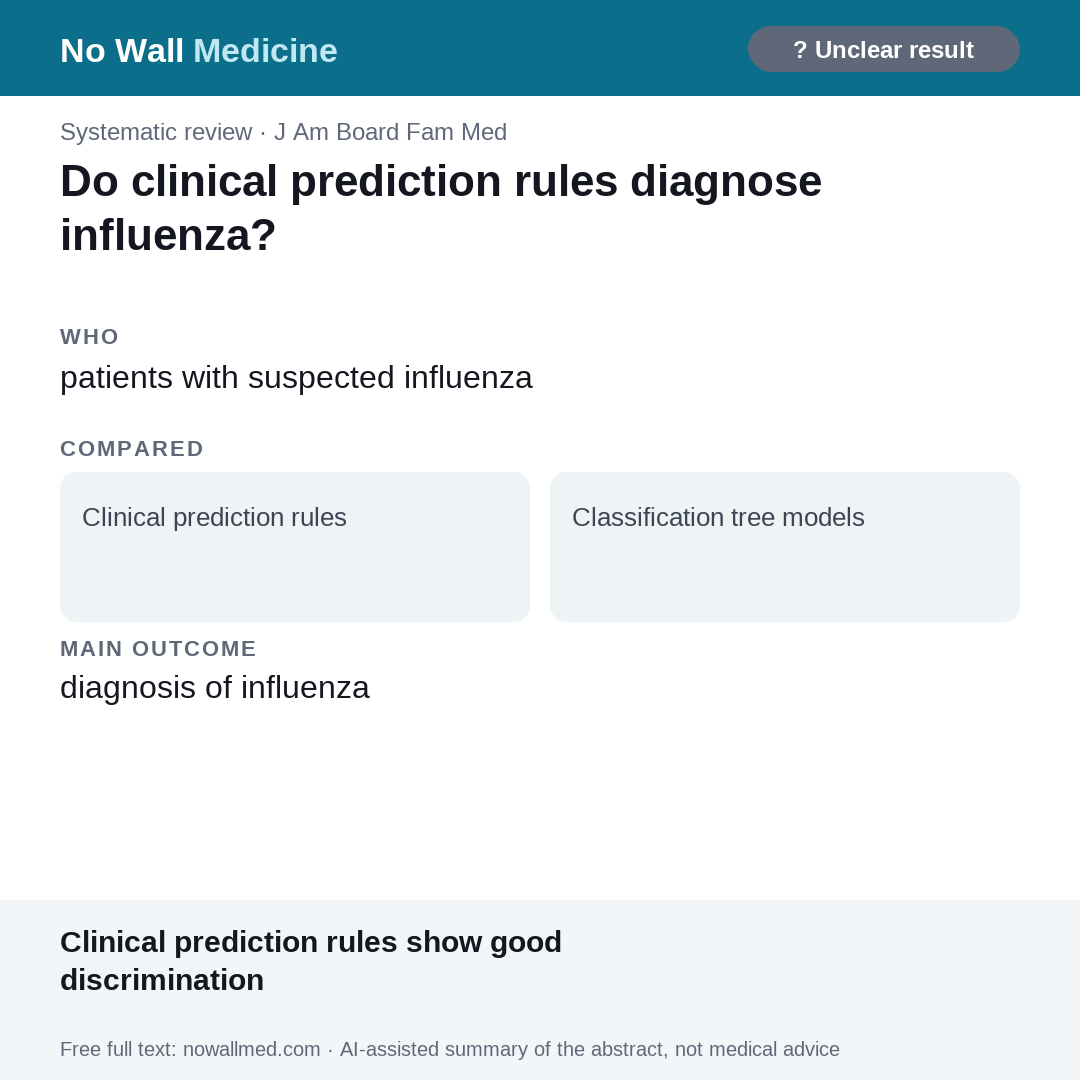
A Systematic Review of Clinical Prediction Rules for the Diagnosis of Influenza
Systematic reviewUnclear result
Do clinical prediction rules diagnose influenza?
Who
patients with suspected influenza
Compared
Clinical prediction rules
Classification tree models
Main outcome
diagnosis of influenza
Bottom line: Clinical prediction rules show good discrimination
Limitation: inadequate data reporting
J Am Board Fam Med · 2021-11-13Download image
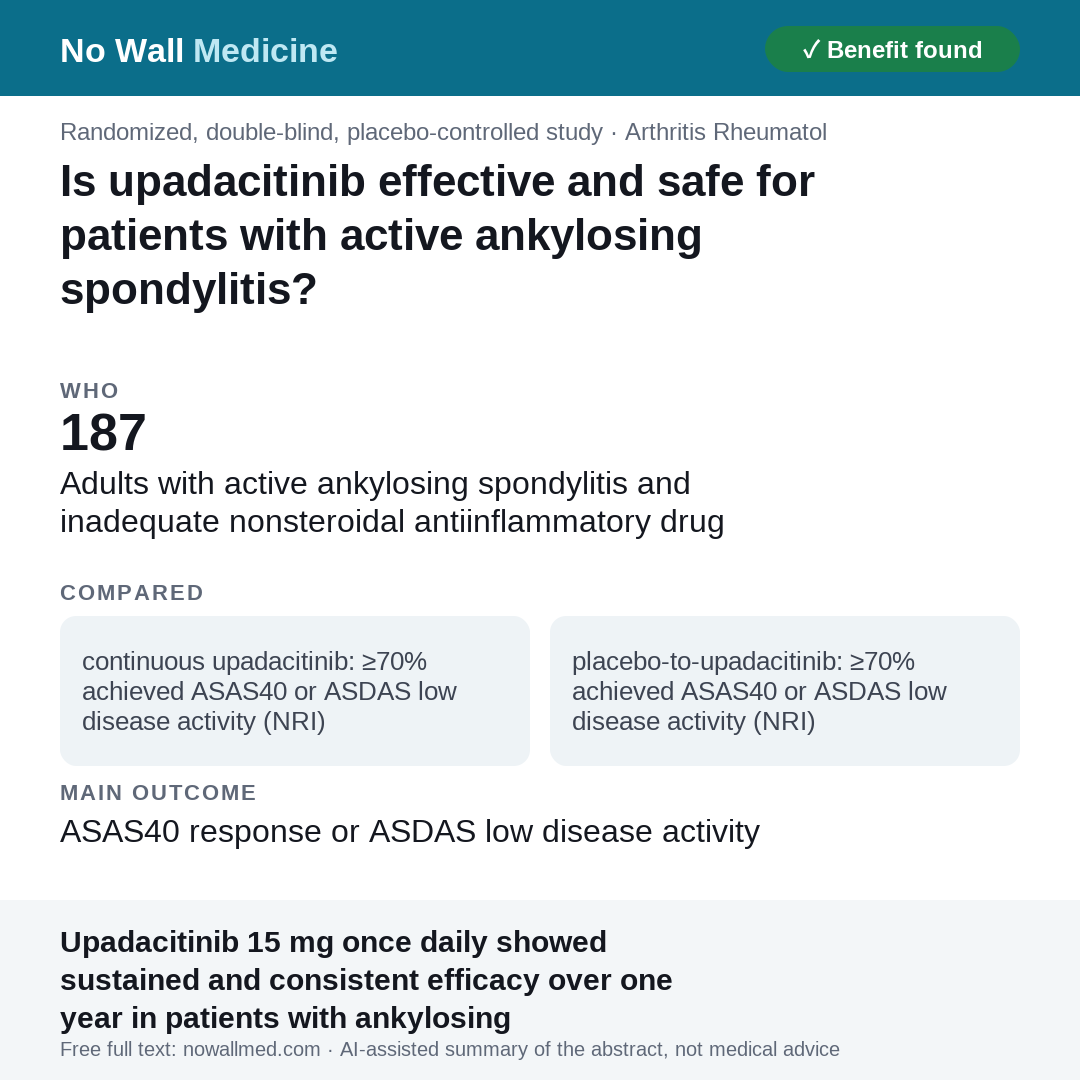
Safety and Efficacy of Upadacitinib in Patients With Active Ankylosing Spondylitis and an Inadequate Response to Nonsteroidal Antiinflammatory Drug Therapy: One-Year Results of a Double-Blind, Placebo-Controlled Study and Open-Label Extension
Randomized, double-blind, placebo-controlled studyBenefit found
Is upadacitinib effective and safe for patients with active ankylosing spondylitis?
Who
187
Adults with active ankylosing spondylitis and inadequate nonsteroidal antiinflammatory drug response
Compared
continuous upadacitinib: ≥70% achieved ASAS40 or ASDAS low disease activity (NRI)
placebo-to-upadacitinib: ≥70% achieved ASAS40 or ASDAS low disease activity (NRI)
Main outcome
ASAS40 response or ASDAS low disease activity
Bottom line: Upadacitinib 15 mg once daily showed sustained and consistent efficacy over one year in patients with ankylosing spondylitis.
Arthritis Rheumatol · 2021-11-12Download image
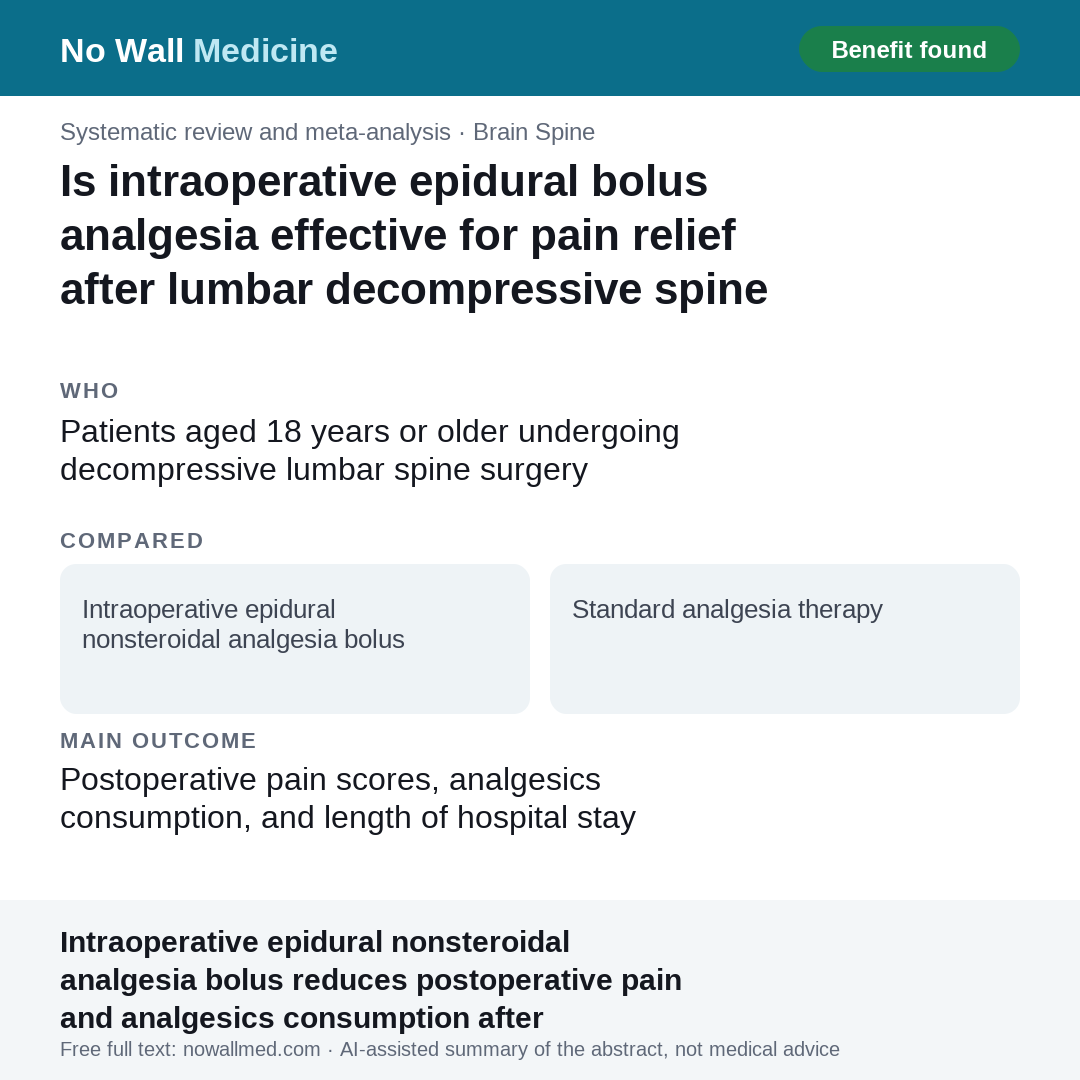
Intraoperative epidural analgesia for pain relief after lumbar decompressive spine surgery: A systematic review and meta-analysis
Systematic review and meta-analysisBenefit found
Is intraoperative epidural bolus analgesia effective for pain relief after lumbar decompressive spine surgery?
Who
Patients aged 18 years or older undergoing decompressive lumbar spine surgery
Compared
Intraoperative epidural nonsteroidal analgesia bolus
Standard analgesia therapy
Main outcome
Postoperative pain scores, analgesics consumption, and length of hospital stay
Bottom line: Intraoperative epidural nonsteroidal analgesia bolus reduces postoperative pain and analgesics consumption after decompressive spinal surgery.
Brain Spine · 2021-11-12Download image
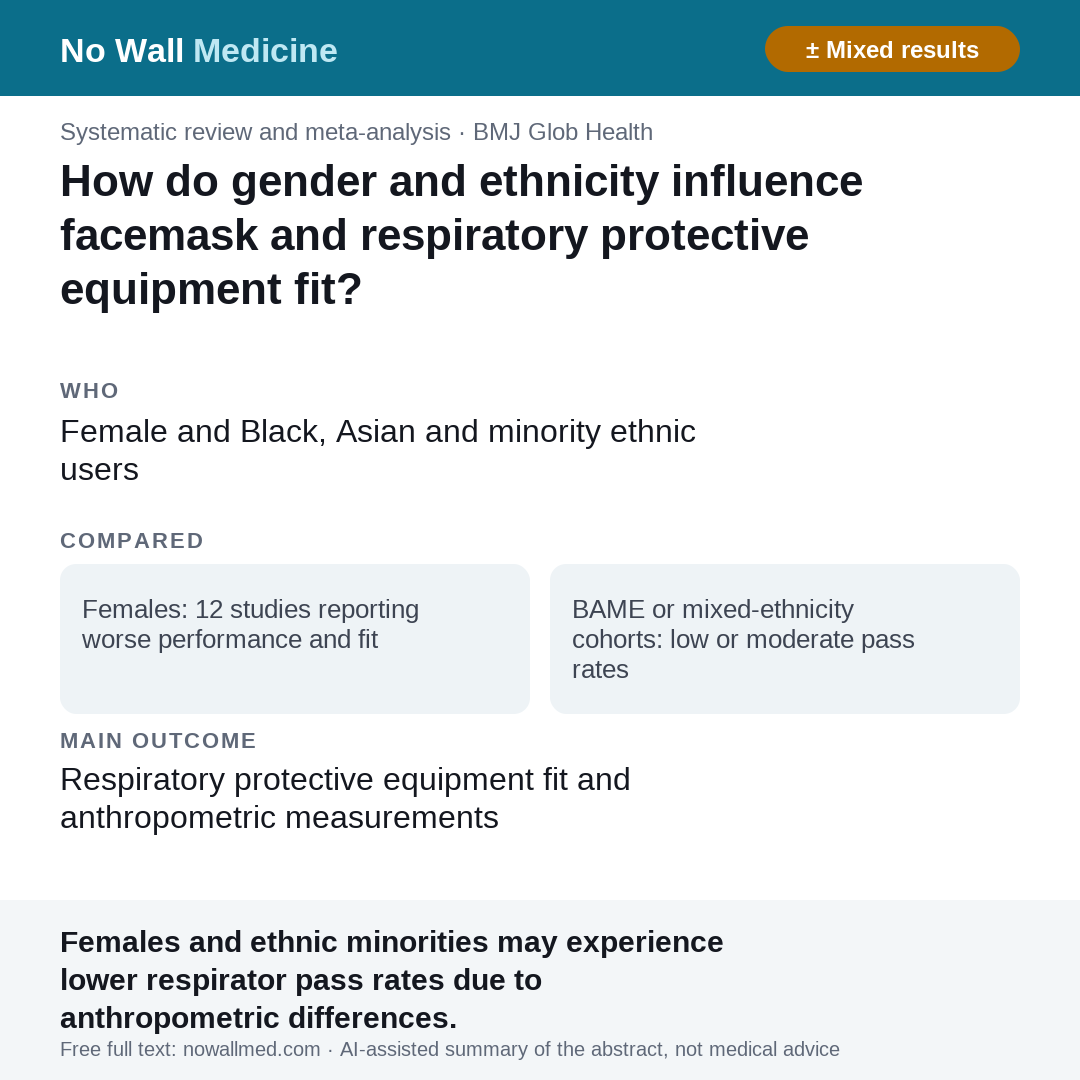
The influence of gender and ethnicity on facemasks and respiratory protective equipment fit: a systematic review and meta-analysis
Systematic review and meta-analysisMixed results
How do gender and ethnicity influence facemask and respiratory protective equipment fit?
Who
Female and Black, Asian and minority ethnic users
Compared
Females: 12 studies reporting worse performance and fit
BAME or mixed-ethnicity cohorts: low or moderate pass rates
Main outcome
Respiratory protective equipment fit and anthropometric measurements
Bottom line: Females and ethnic minorities may experience lower respirator pass rates due to anthropometric differences.
Limitation: Small sample size, lack of power calculations, and significant heterogeneity in study designs.
BMJ Glob Health · 2021-11-12Download image
Hospital-acquired infections caused by enterococci: a systematic review and meta-analysis, WHO European Region, 1 January 2010 to 4 February 2020
Random-effects meta-analysis of 75 studiesHarm found
What are the incidence, mortality, and proportion of hospital-acquired infections caused by enterococci?
Who
Patients in the World Health Organization European Region · World Health Organization European Region
Compared
10.9%Enterococcus species (95% CI: 8.7-13.4)
1.1%Vancomycin-resistant Enterococcus species (95% CI: 0.21-2.7)
Main outcome
Incidence, mortality, and proportion of hospital-acquired infections
Bottom line: Enterococcus species cause significant hospital-acquired infections and are associated with high mortality rates.
Euro Surveill · 2021-11-12Download image

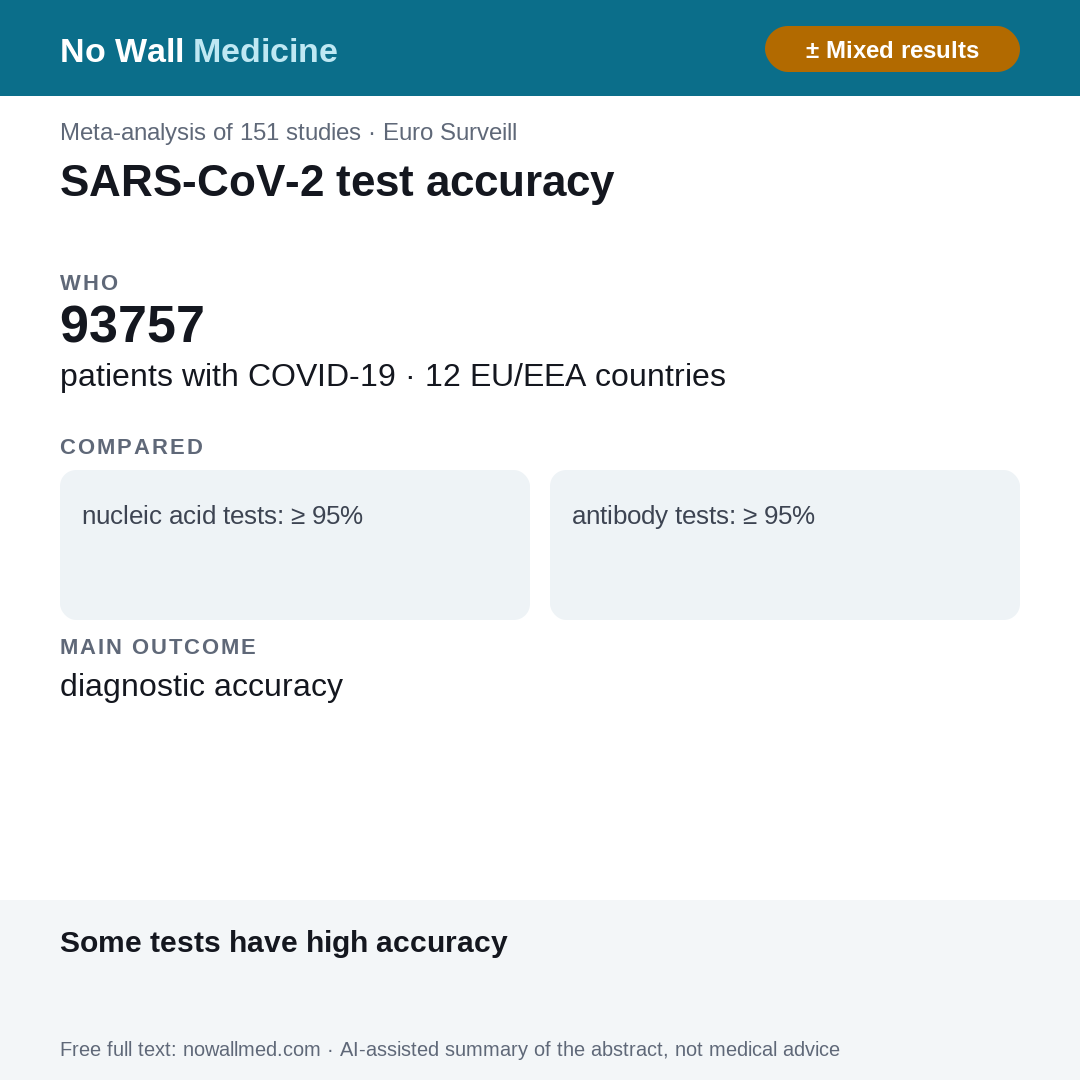
Meta-analysis of the clinical performance of commercial SARS-CoV-2 nucleic acid and antibody tests up to 22 August 2020
Meta-analysis of 151 studiesMixed results
SARS-CoV-2 test accuracy
Who
93757
patients with COVID-19 · 12 EU/EEA countries
Compared
nucleic acid tests: ≥ 95%
antibody tests: ≥ 95%
Main outcome
diagnostic accuracy
Bottom line: Some tests have high accuracy
Euro Surveill · 2021-11-12Download image
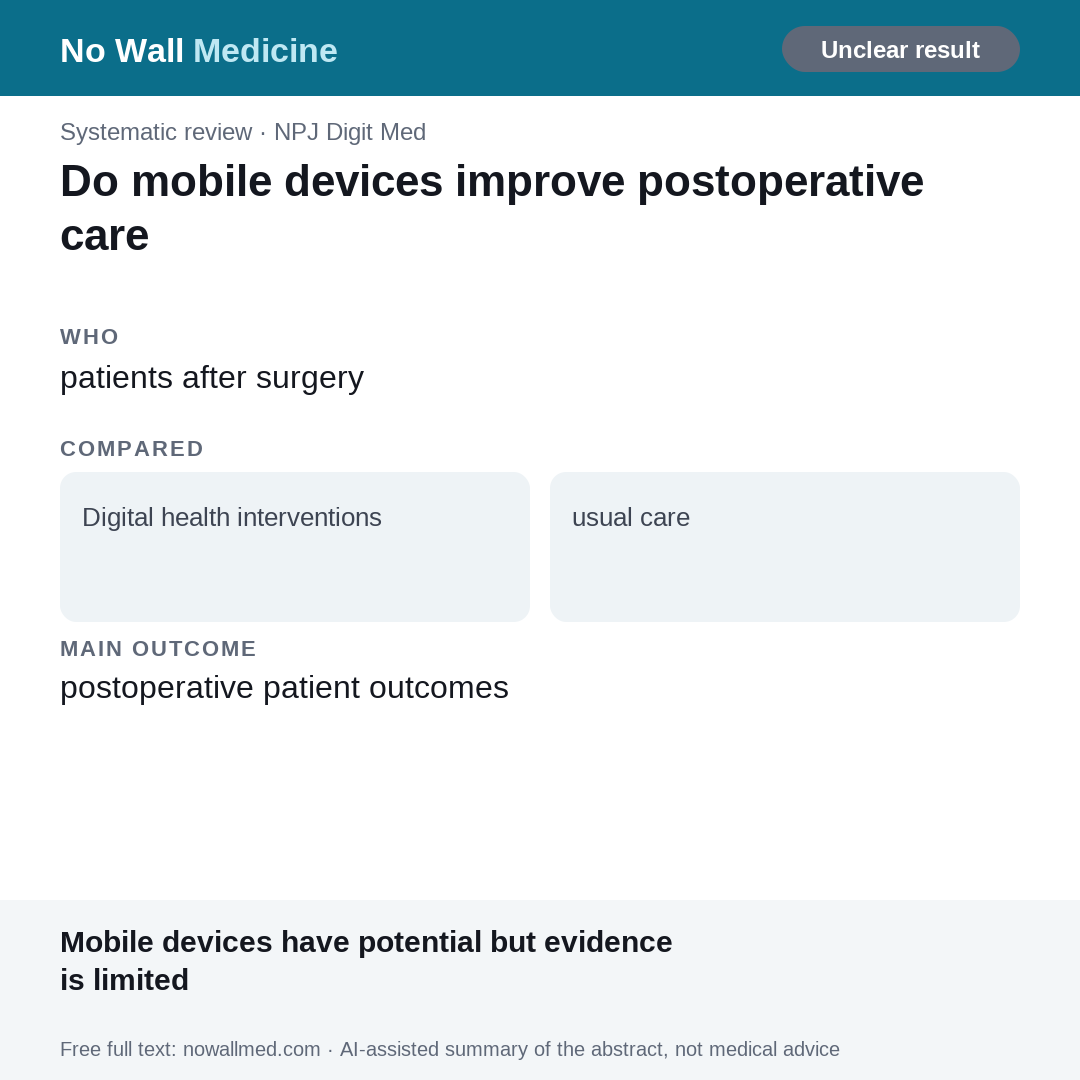
Mobile devices and wearable technology for measuring patient outcomes after surgery: a systematic review
Systematic reviewUnclear result
Do mobile devices improve postoperative care
Who
patients after surgery
Compared
Digital health interventions
usual care
Main outcome
postoperative patient outcomes
Bottom line: Mobile devices have potential but evidence is limited
Limitation: suboptimal reporting standards
NPJ Digit Med · 2021-11-12Download image
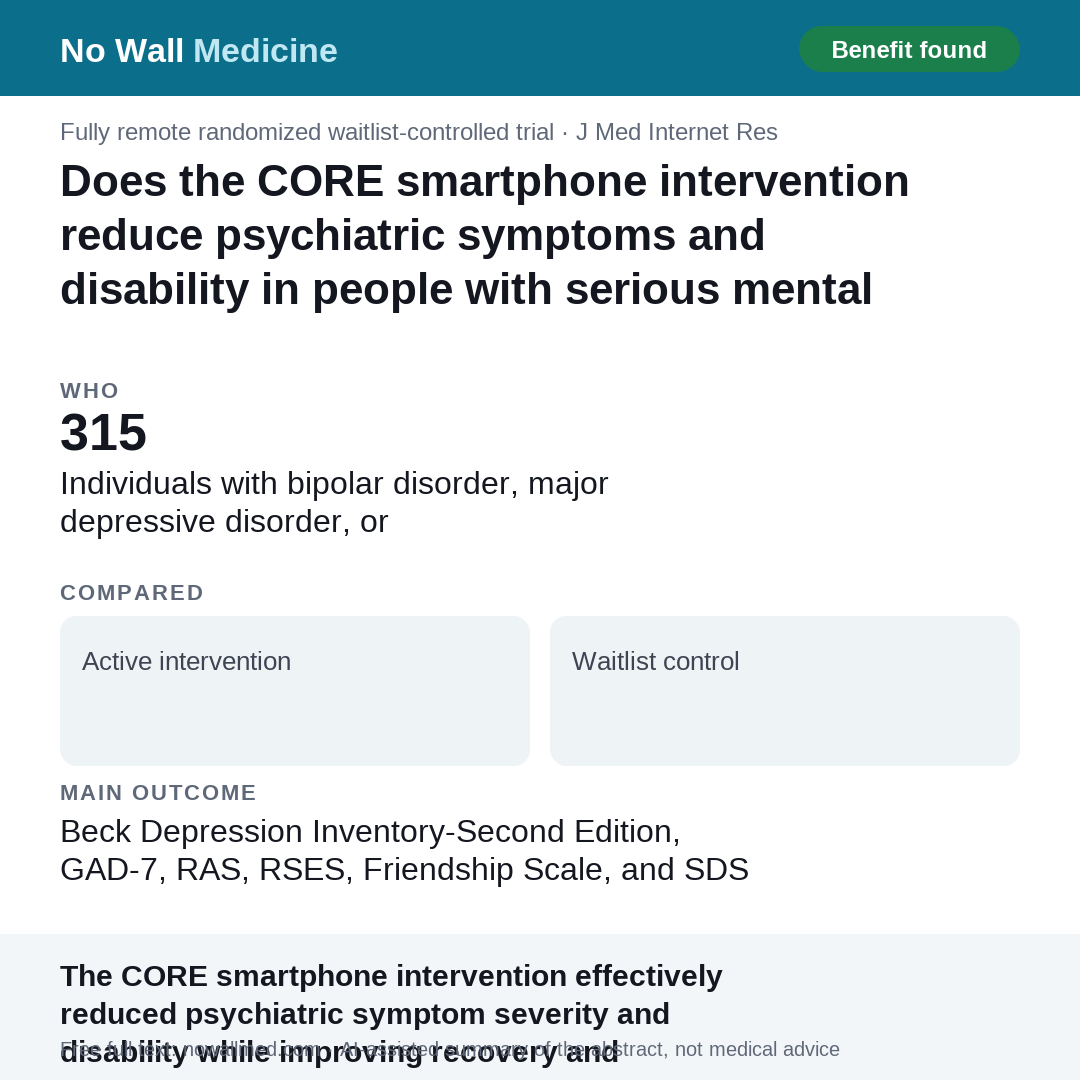
A Smartphone Intervention for People With Serious Mental Illness: Fully Remote Randomized Controlled Trial of CORE
Fully remote randomized waitlist-controlled trialBenefit found
Does the CORE smartphone intervention reduce psychiatric symptoms and disability in people with serious mental illness?
Who
315
Individuals with bipolar disorder, major depressive disorder, or schizophrenia/schizoaffective disorder · 45 states, via the web
Compared
Active intervention
Waitlist control
Main outcome
Beck Depression Inventory-Second Edition, GAD-7, RAS, RSES, Friendship Scale, and SDS
Result: BDI-II d=0.58, RAS d=0.61, RSES d=0.64, SDS d=0.44, GAD-7 d=0.20
Bottom line: The CORE smartphone intervention effectively reduced psychiatric symptom severity and disability while improving recovery and self-esteem.
Limitation: Study retention remains challenging.
J Med Internet Res · 2021-11-12Download image
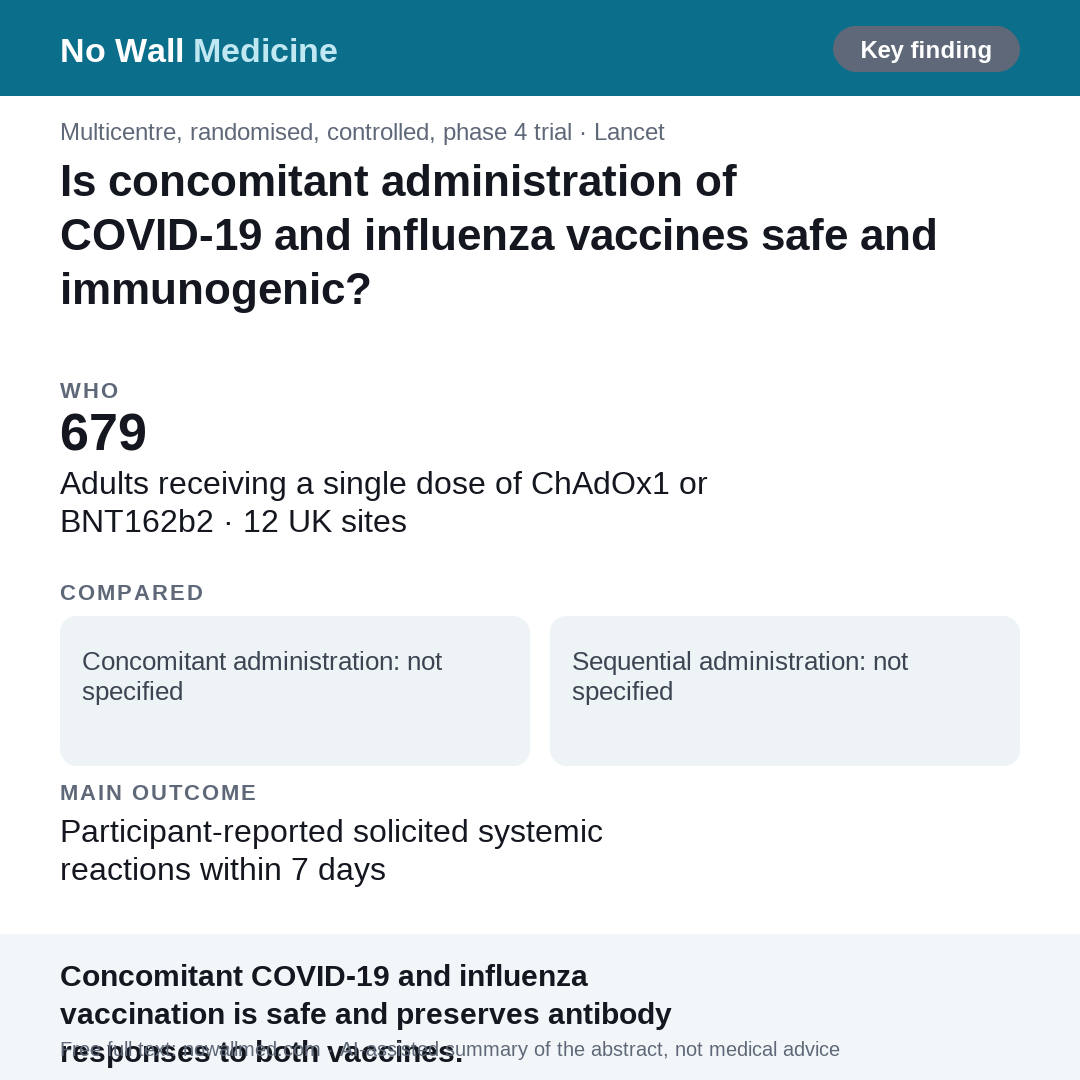
Safety and immunogenicity of concomitant administration of COVID-19 vaccines (ChAdOx1 or BNT162b2) with seasonal influenza vaccines in adults in the UK (ComFluCOV): a multicentre, randomised, controlled, phase 4 trial
Multicentre, randomised, controlled, phase 4 trialKey finding
Is concomitant administration of COVID-19 and influenza vaccines safe and immunogenic?
Who
679
Adults receiving a single dose of ChAdOx1 or BNT162b2 · 12 UK sites
Compared
Concomitant administration: not specified
Sequential administration: not specified
Main outcome
Participant-reported solicited systemic reactions within 7 days
Bottom line: Concomitant COVID-19 and influenza vaccination is safe and preserves antibody responses to both vaccines.
Funded by: National Institute for Health Research Policy Research Programme
Lancet · 2021-11-11Download image
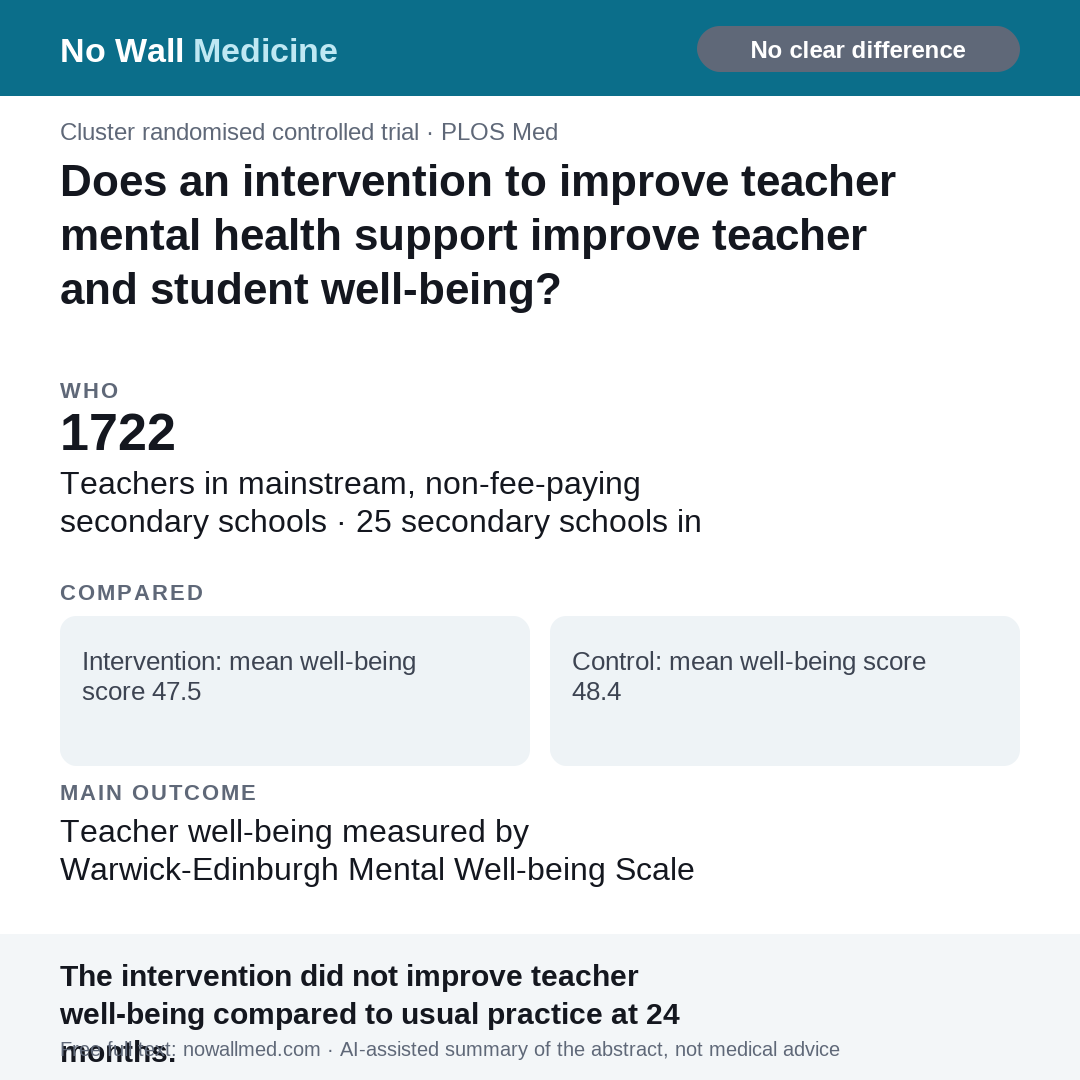
An intervention to improve teacher well-being support and training to support students in UK high schools (the WISE study): A cluster randomised controlled trial
Cluster randomised controlled trialNo clear difference
Does an intervention to improve teacher mental health support improve teacher and student well-being?
Who
1722
Teachers in mainstream, non-fee-paying secondary schools · 25 secondary schools in the United Kingdom
Compared
Intervention: mean well-being score 47.5
Control: mean well-being score 48.4
Main outcome
Teacher well-being measured by Warwick-Edinburgh Mental Well-being Scale
Result: adjusted mean difference -0.90 (95% CI -2.07 to 0.27)
Bottom line: The intervention did not improve teacher well-being compared to usual practice at 24 months.
Limitation: Lack of blinding of research participants and the self-report nature of the outcome measures.
PLOS Med · 2021-11-11Download image