Visual abstracts
New randomized trials and meta-analyses from leading journals at a glance: who was studied, what was compared, and what was found. Every paper is free to read in full.
All specialtiesCardiology 4763Oncology 4042Gastroenterology & Hepatology 1902Infectious Disease 3756Neurology 1872Psychiatry & Mental Health 2214Pulmonology 2042Critical Care 1319Endocrinology & Diabetes 2544Pediatrics 2889Surgery 2479Orthopedics & Sports Medicine 917Neurosurgery 525Cardiothoracic & Vascular Surgery 656Plastic & Reconstructive Surgery 574Nephrology 1107Rheumatology 810Hematology 1090Dermatology 611Ophthalmology 532Obstetrics & Gynecology 1645Public & Global Health 1037Radiology & Imaging 617Anesthesiology 957Urology 745ENT (Otolaryngology) 494Emergency Medicine 481Allergy & Immunology 309Geriatrics 972Family Medicine & Primary Care 533Medical Genetics & Genomics 659Pathology & Laboratory Medicine 156Physical Medicine & Rehabilitation 734Palliative Care 421Nutrition 1560Digital Health & AI 2133General Medicine 318
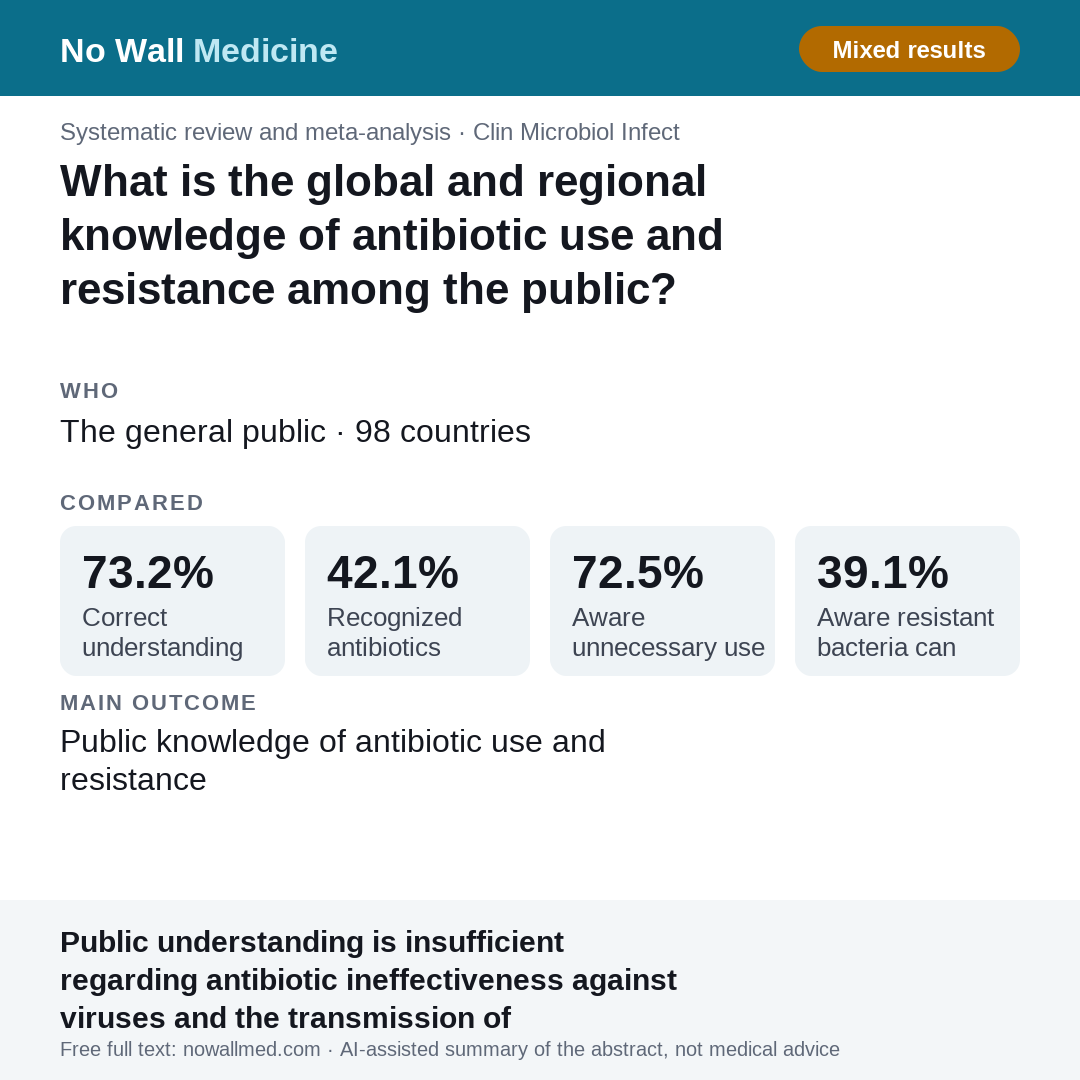
Global and regional knowledge of antibiotic use and resistance among the general public: a systematic review and meta-analysis
Systematic review and meta-analysisMixed results
What is the global and regional knowledge of antibiotic use and resistance among the public?
Who
The general public · 98 countries
Compared
73.2%Correct understanding antibiotics effective against bacteria (95% CI, 70.2-76.0)
42.1%Recognized antibiotics ineffective against viral infections (95% CI, 39.2-44.9)
72.5%Aware unnecessary use reduces effectiveness (95% CI, 69.9-75.0)
39.1%Aware resistant bacteria can spread person to person (95% CI, 33.7-44.6)
Main outcome
Public knowledge of antibiotic use and resistance
Bottom line: Public understanding is insufficient regarding antibiotic ineffectiveness against viruses and the transmission of antibiotic-resistant bacteria.
Clin Microbiol Infect · 2025-11-22Download image
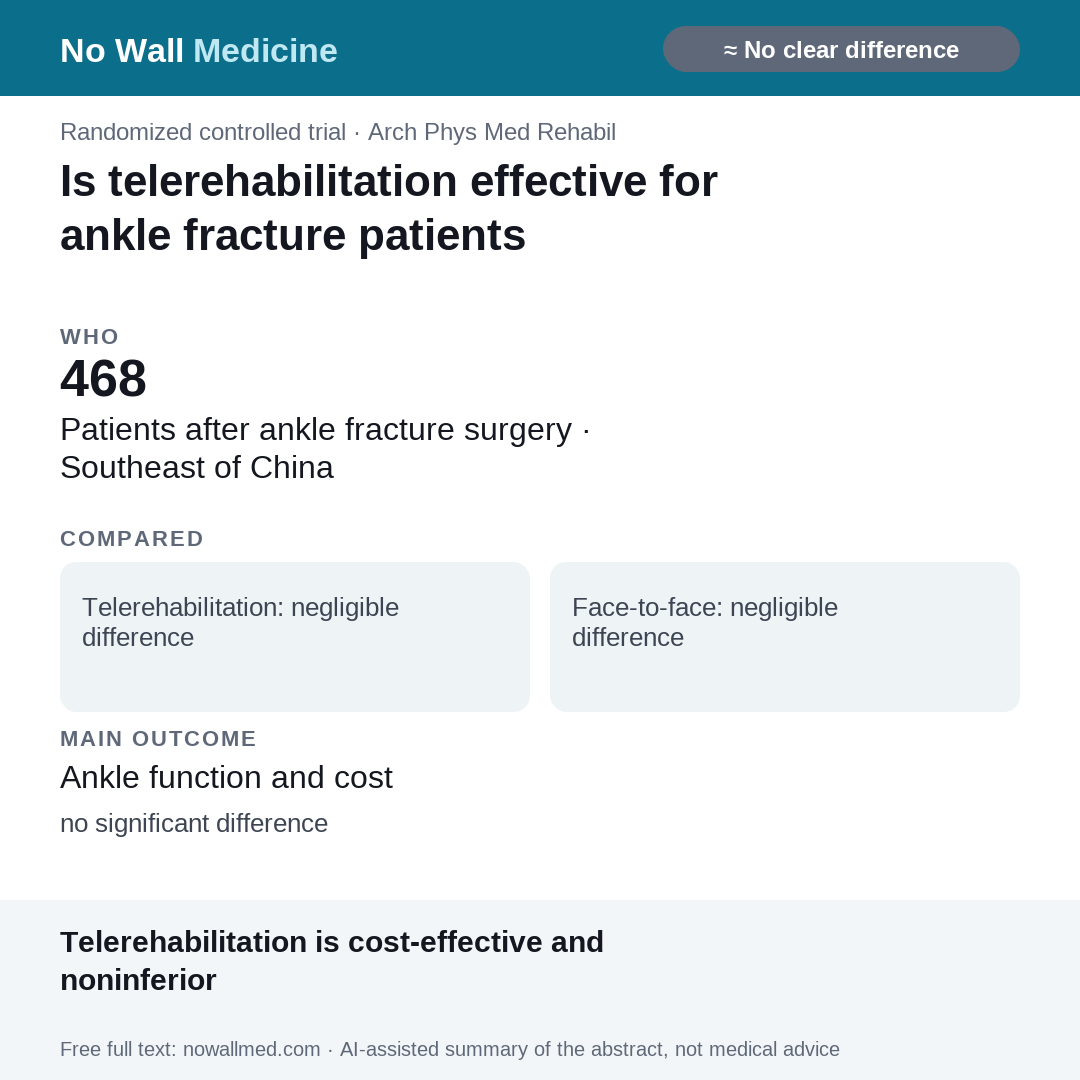
Telerehabilitation for Patients After ORIF for Ankle Fracture: A Noninferiority Randomized Controlled Trial
Randomized controlled trialNo clear difference
Is telerehabilitation effective for ankle fracture patients
Who
468
Patients after ankle fracture surgery · Southeast of China
Compared
Telerehabilitation: negligible difference
Face-to-face: negligible difference
Main outcome
Ankle function and cost
Result: no significant difference
Bottom line: Telerehabilitation is cost-effective and noninferior
Arch Phys Med Rehabil · 2025-11-22Download image
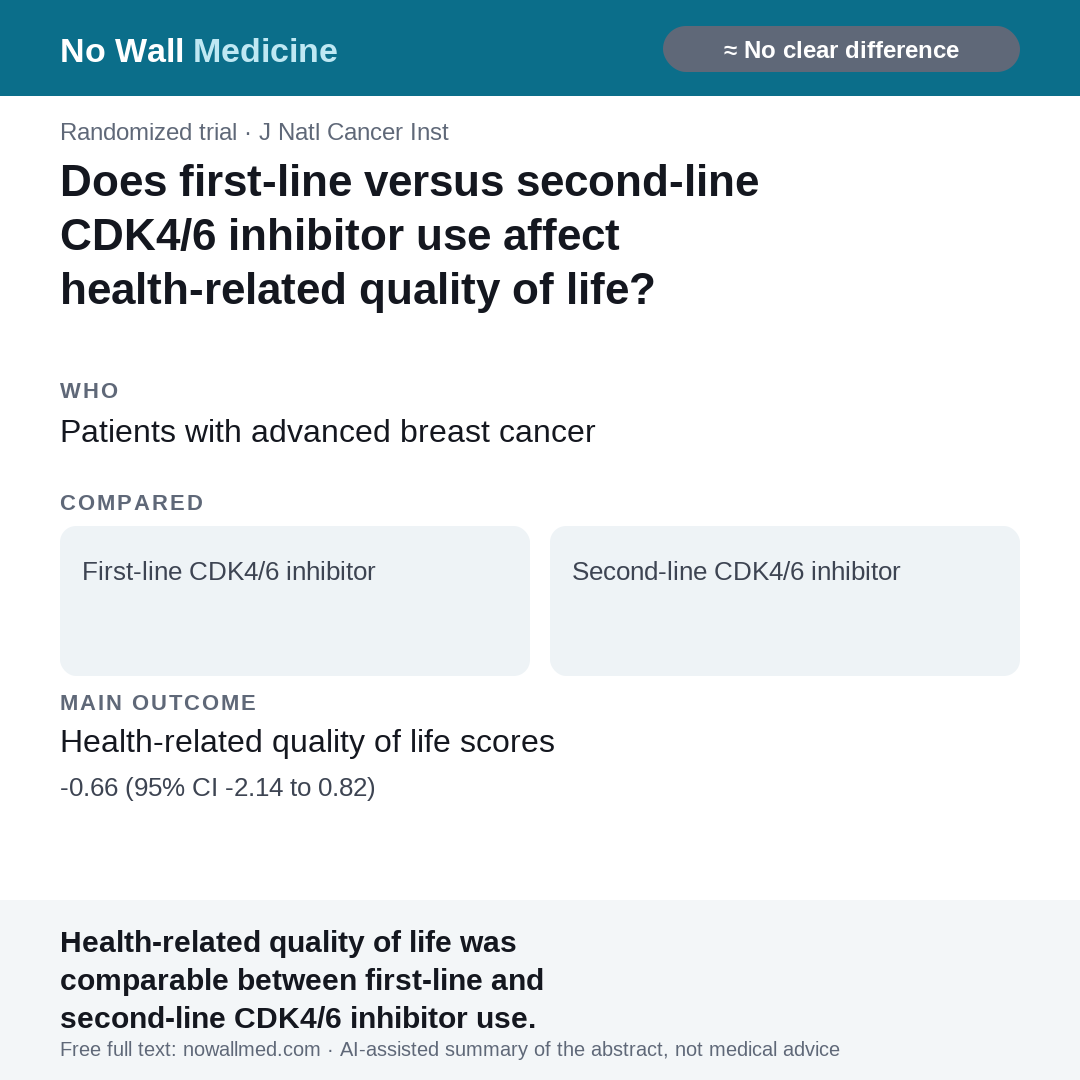
Health-related quality of life with first- vs second-line CDK4/6 inhibitor use in advanced breast cancer: results from the SONIA trial
Randomized trialNo clear difference
Does first-line versus second-line CDK4/6 inhibitor use affect health-related quality of life?
Who
Patients with advanced breast cancer
Compared
First-line CDK4/6 inhibitor
Second-line CDK4/6 inhibitor
Main outcome
Health-related quality of life scores
Result: -0.66 (95% CI -2.14 to 0.82)
Bottom line: Health-related quality of life was comparable between first-line and second-line CDK4/6 inhibitor use.
J Natl Cancer Inst · 2025-11-22Download image
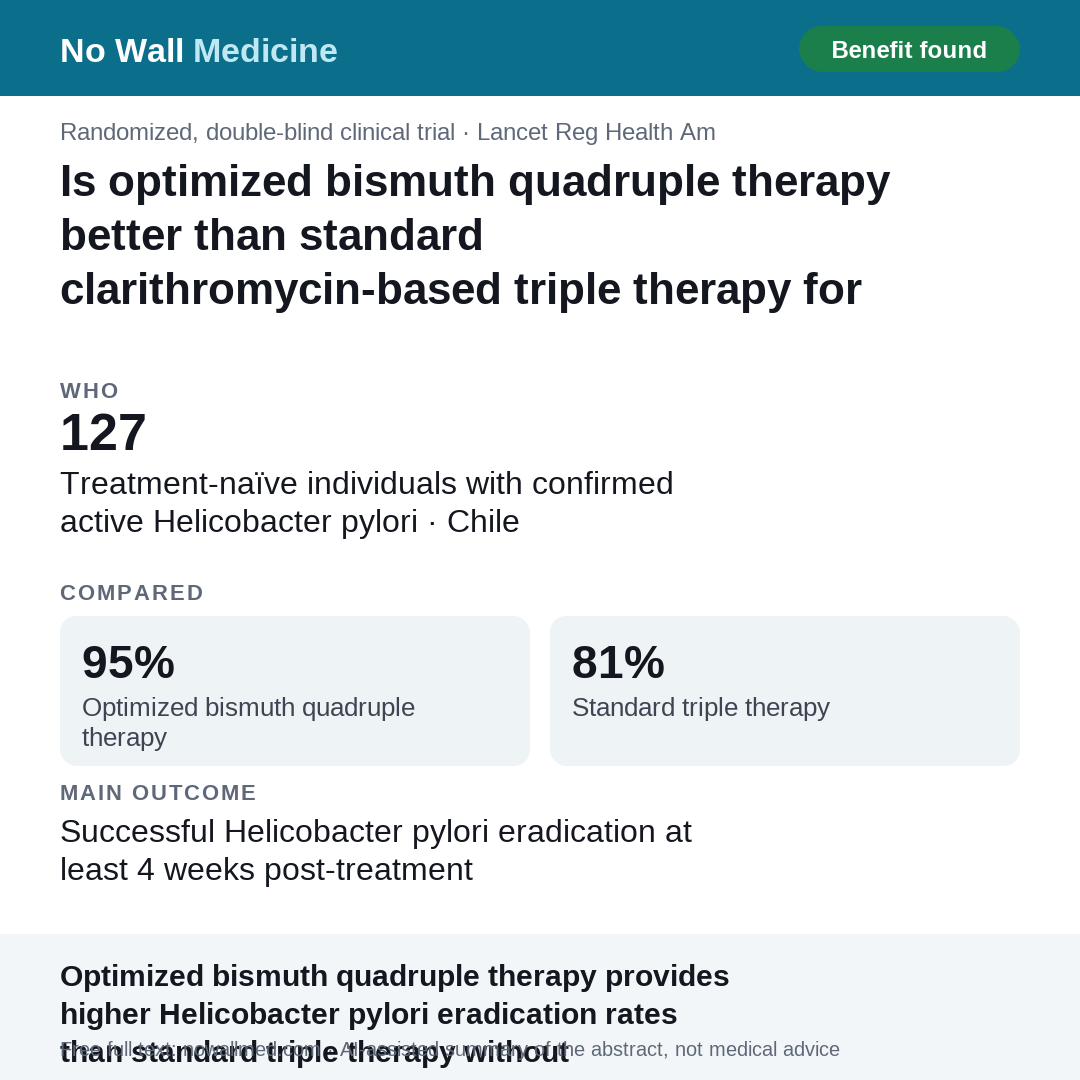
Comparison between optimized bismuth quadruple therapy and standard clarithromycin-based triple therapy for first-line Helicobacter pylori eradication: a double-blind randomized controlled trial
Randomized, double-blind clinical trialBenefit found
Is optimized bismuth quadruple therapy better than standard clarithromycin-based triple therapy for Helicobacter pylori eradication?
Who
127
Treatment-naïve individuals with confirmed active Helicobacter pylori · Chile
Compared
95%Optimized bismuth quadruple therapy (60/63)
81%Standard triple therapy (52/64)
Main outcome
Successful Helicobacter pylori eradication at least 4 weeks post-treatment
Result: 95% CI 86%-99% vs 81% (52/64) [70%-89%], p = 0.033
Bottom line: Optimized bismuth quadruple therapy provides higher Helicobacter pylori eradication rates than standard triple therapy without increasing adverse events.
Funded by: FONDECYT, ANID-FONDAP, and Horizon 2020 program
Lancet Reg Health Am · 2025-11-22Download image
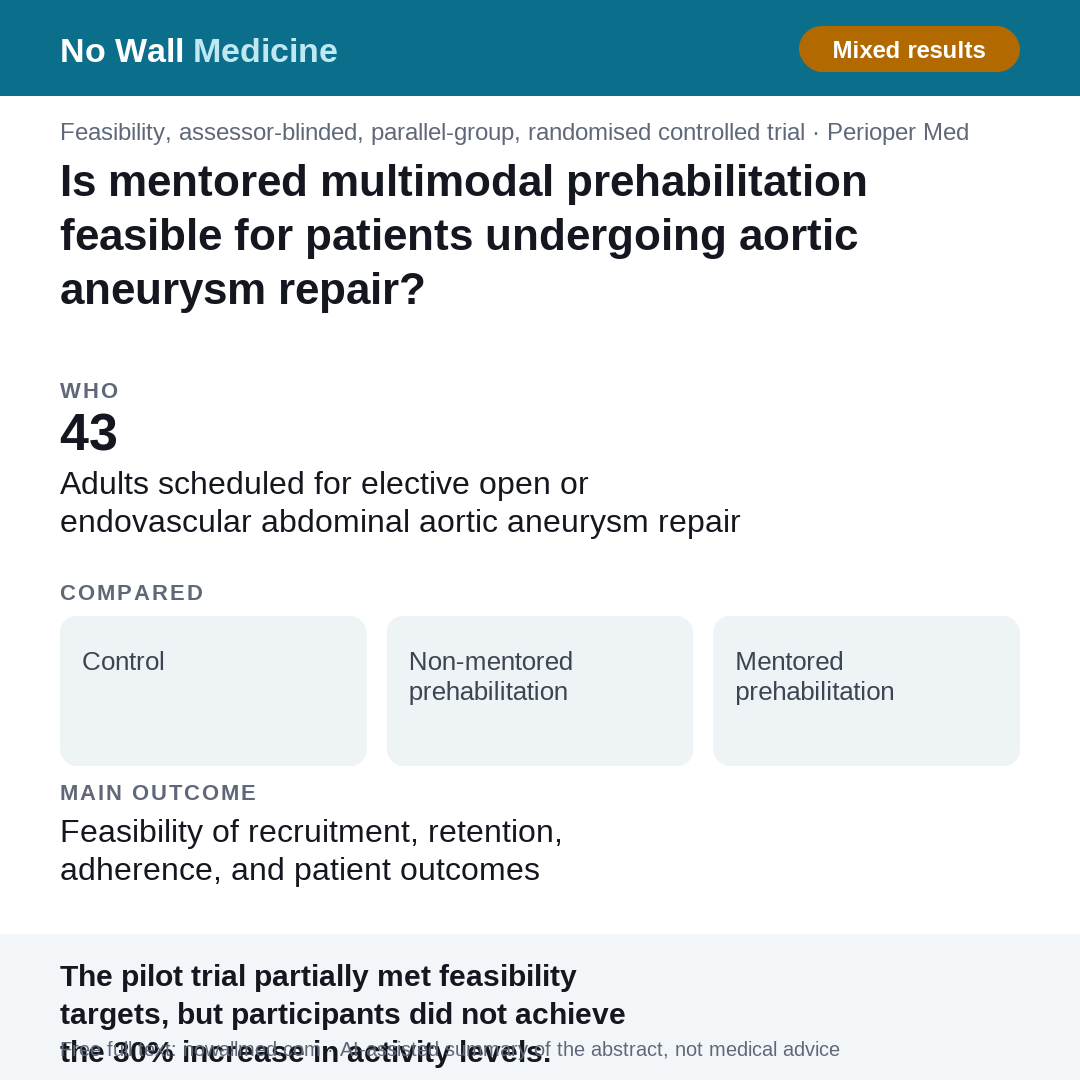
Mentored multimodal prehabilitation for aortic aneurysm surgery: a pilot randomised controlled trial
Feasibility, assessor-blinded, parallel-group, randomised controlled trialMixed results
Is mentored multimodal prehabilitation feasible for patients undergoing aortic aneurysm repair?
Who
43
Adults scheduled for elective open or endovascular abdominal aortic aneurysm repair
Compared
Control
Non-mentored prehabilitation
Mentored prehabilitation
Main outcome
Feasibility of recruitment, retention, adherence, and patient outcomes
Bottom line: The pilot trial partially met feasibility targets, but participants did not achieve the 30% increase in activity levels.
Limitation: Low tracker adherence (53.5%) was usually due to device failure.
Perioper Med · 2025-11-22Download image
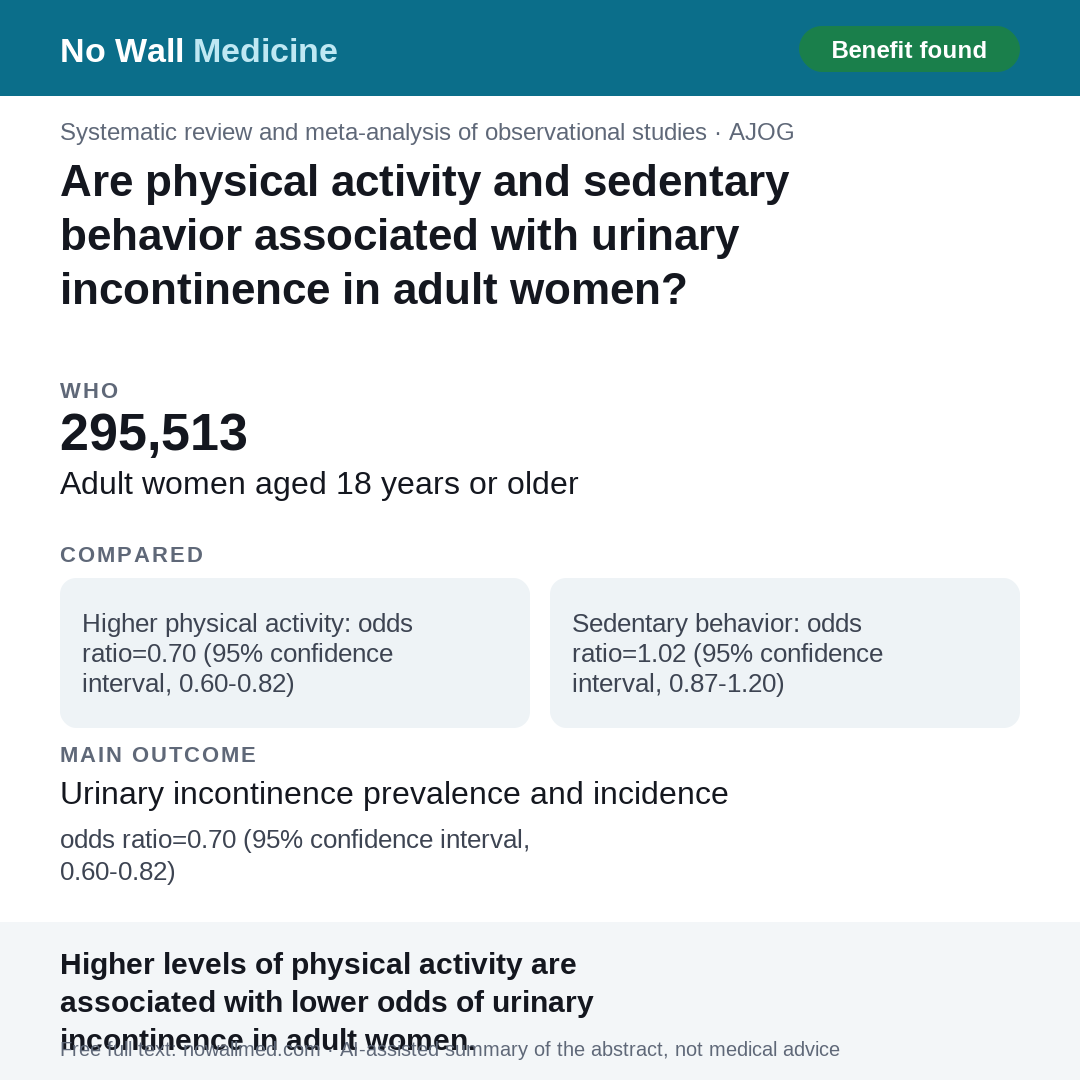
Association of physical activity and sedentary behavior with urinary incontinence in adult women: a systematic review and meta-analysis of observational studies
Systematic review and meta-analysis of observational studiesKey finding
Are physical activity and sedentary behavior associated with urinary incontinence in adult women?
Who
295,513
Adult women aged 18 years or older
Compared
Higher physical activity: odds ratio=0.70 (95% confidence interval, 0.60-0.82)
Sedentary behavior: odds ratio=1.02 (95% confidence interval, 0.87-1.20)
Main outcome
Urinary incontinence prevalence and incidence
Result: odds ratio=0.70 (95% confidence interval, 0.60-0.82)
Bottom line: Higher levels of physical activity are associated with lower odds of urinary incontinence in adult women.
Limitation: Robust longitudinal and intervention studies using objective measures are warranted.
AJOG · 2025-11-21Download image
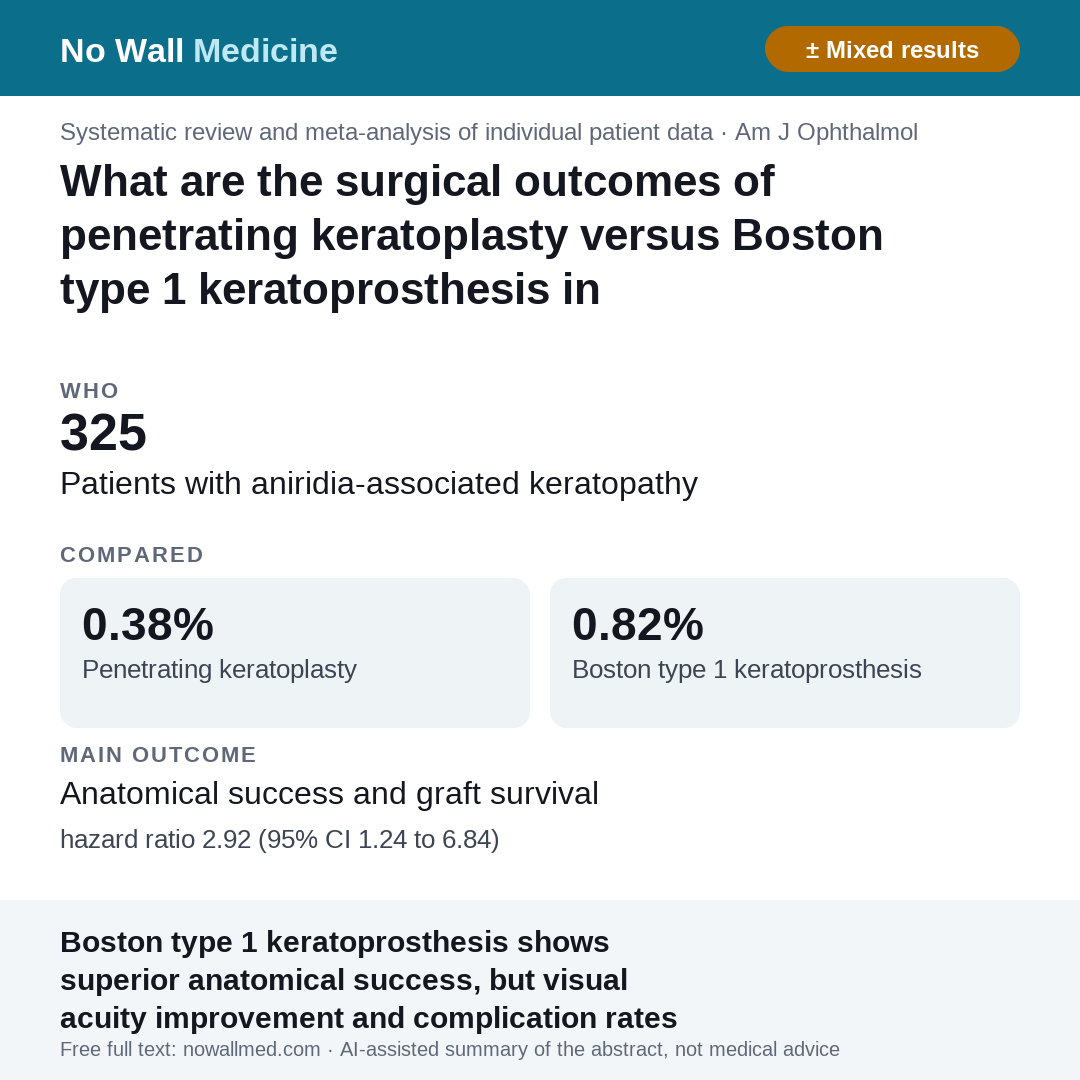
Outcomes of Penetrating Keratoplasty and Boston Type 1 Keratoprosthesis in Aniridia-Associated Keratopathy: A Systematic Review and Meta-Analysis
Systematic review and meta-analysis of individual patient dataMixed results
What are the surgical outcomes of penetrating keratoplasty versus Boston type 1 keratoprosthesis in aniridia-associated keratopathy?
Who
325
Patients with aniridia-associated keratopathy
Compared
0.38%Penetrating keratoplasty (95% CI: 0.13 to 0.72)
0.82%Boston type 1 keratoprosthesis (95% CI: 0.65 to 0.92)
Main outcome
Anatomical success and graft survival
Result: hazard ratio 2.92 (95% CI 1.24 to 6.84)
Bottom line: Boston type 1 keratoprosthesis shows superior anatomical success, but visual acuity improvement and complication rates are similar to penetrating keratoplasty.
Limitation: Small sample size, limited follow-up duration, and heterogeneity of study designs.
Am J Ophthalmol · 2025-11-21Download image
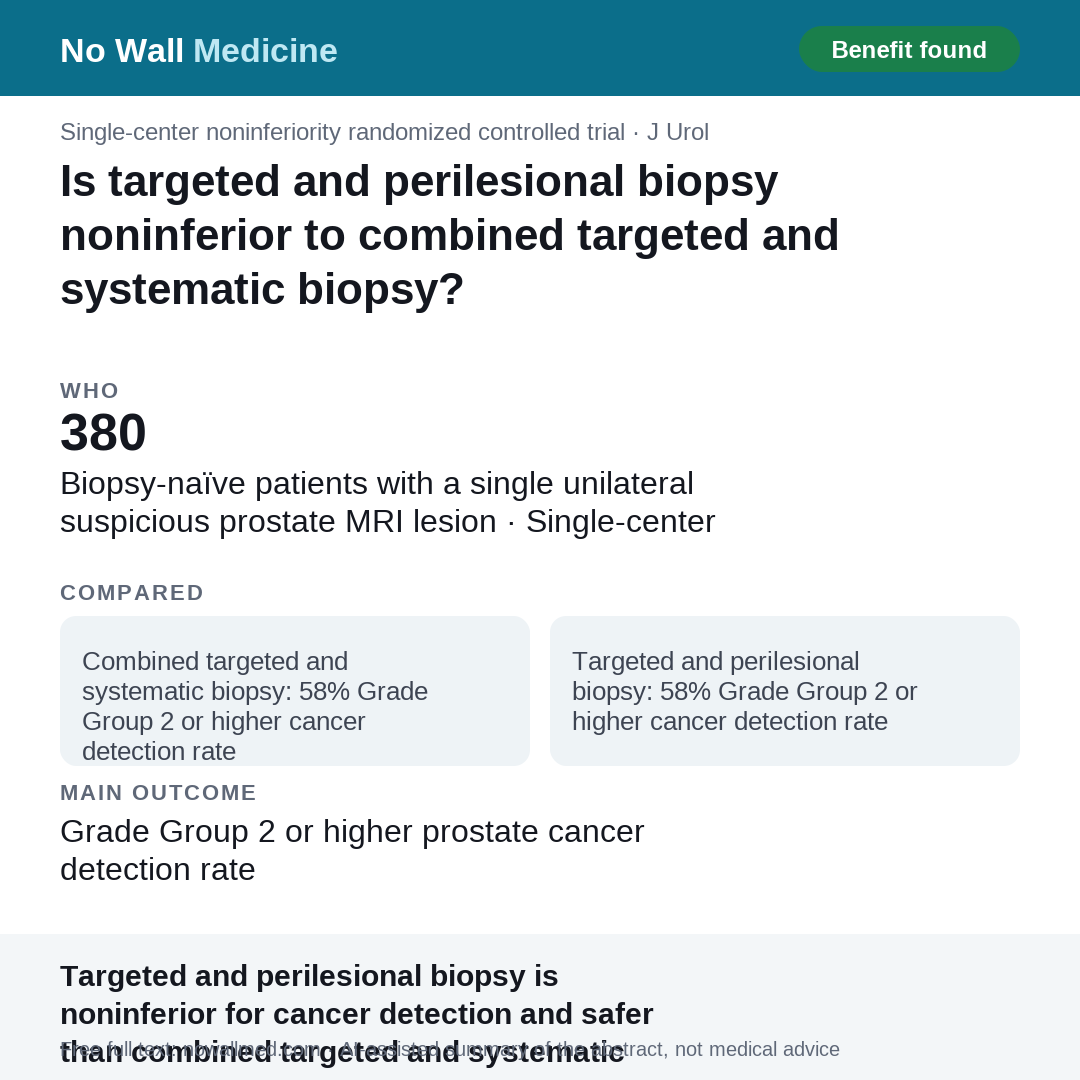
Comprehensive Evaluation of Targeted and Perilesional Biopsy in Biopsy-Naïve Patients With Prostate Positive Magnetic Resonance Imaging: PERI-PRO Noninferiority Randomized Controlled Trial
Single-center noninferiority randomized controlled trialBenefit found
Is targeted and perilesional biopsy noninferior to combined targeted and systematic biopsy?
Who
380
Biopsy-naïve patients with a single unilateral suspicious prostate MRI lesion · Single-center
Compared
Combined targeted and systematic biopsy: 58% Grade Group 2 or higher cancer detection rate
Targeted and perilesional biopsy: 58% Grade Group 2 or higher cancer detection rate
Main outcome
Grade Group 2 or higher prostate cancer detection rate
Result: risk difference 0.53% (95% CI -9.4% to 11%)
Bottom line: Targeted and perilesional biopsy is noninferior for cancer detection and safer than combined targeted and systematic biopsy.
J Urol · 2025-11-21Download image
Effect of Postdiagnosis Diet and Lifestyle on Clinical Outcomes in Prostate Cancer Survivors: A Systematic Review
Systematic reviewKey finding
Do postdiagnosis diet and lifestyle patterns affect prostate cancer clinical outcomes?
Who
Adult men diagnosed with prostate cancer
Compared
Healthy dietary and lifestyle patterns: potentially lower risk of prostate cancer progression and prostate cancer-specific mortality
Western dietary pattern and high insulinemic potential foods: associated with increased risk of all-cause mortality
Main outcome
Prostate cancer progression, recurrence, mortality, and prostate specific antigen kinetics
Bottom line: Healthy dietary practices and lifestyle behaviors may reduce prostate cancer progression and all-cause mortality.
J Urol · 2025-11-21Download image

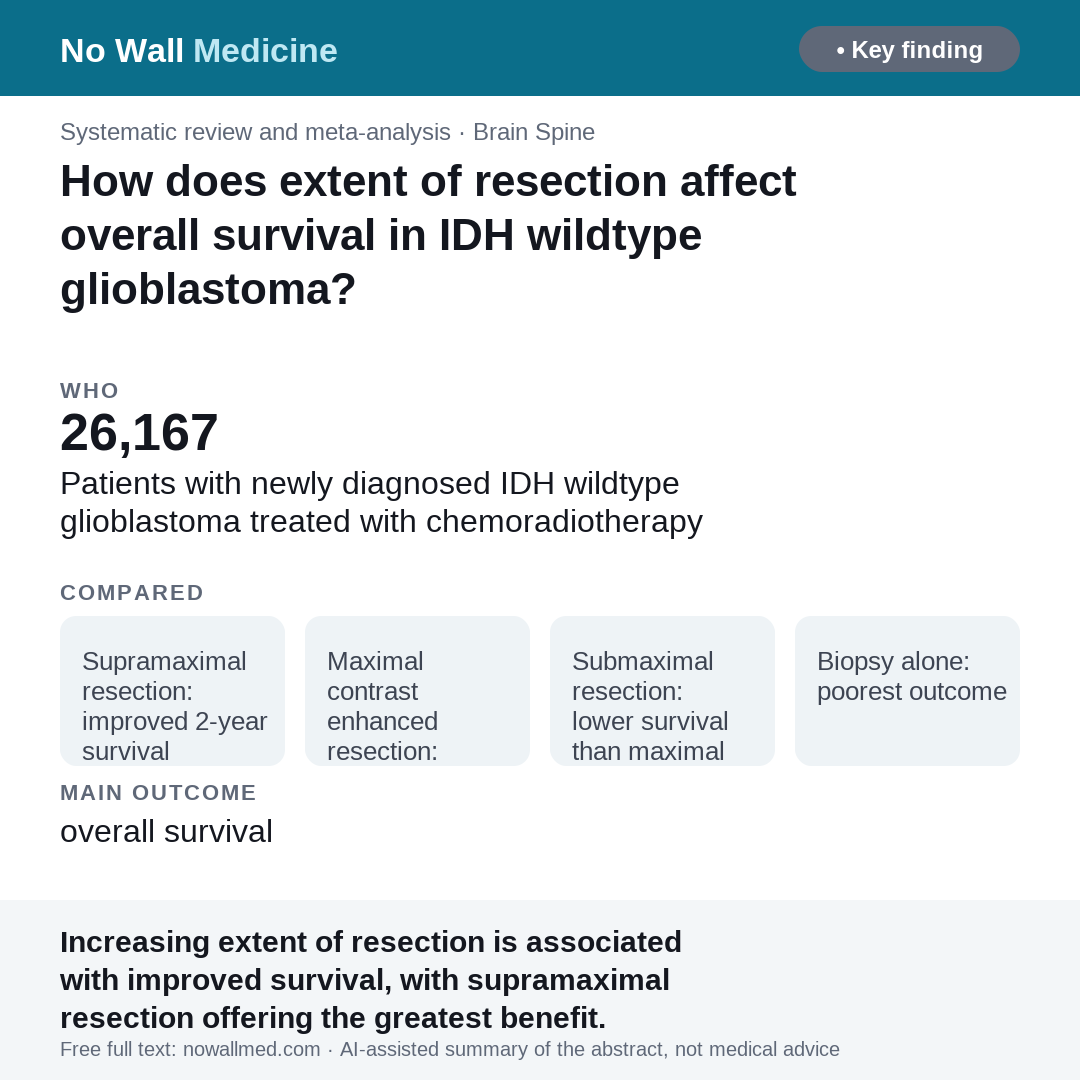
Extent of resection and its association with overall survival in newly diagnosed IDH wildtype glioblastoma treated with concomitant radiochemotherapy: a systematic review and meta-analysis
Systematic review and meta-analysisKey finding
How does extent of resection affect overall survival in IDH wildtype glioblastoma?
Who
26,167
Patients with newly diagnosed IDH wildtype glioblastoma treated with chemoradiotherapy
Compared
Supramaximal resection: improved 2-year survival
Maximal contrast enhanced resection: higher 1-year and 2-year survival
Submaximal resection: lower survival than maximal resection
Biopsy alone: poorest outcome
Main outcome
overall survival
Result: RR 0.70 (95 % CI 0.55-0.88) for 2-year survival
Bottom line: Increasing extent of resection is associated with improved survival, with supramaximal resection offering the greatest benefit.
Limitation: Need for prospective studies with standardized resection classifications
Brain Spine · 2025-11-21Download image
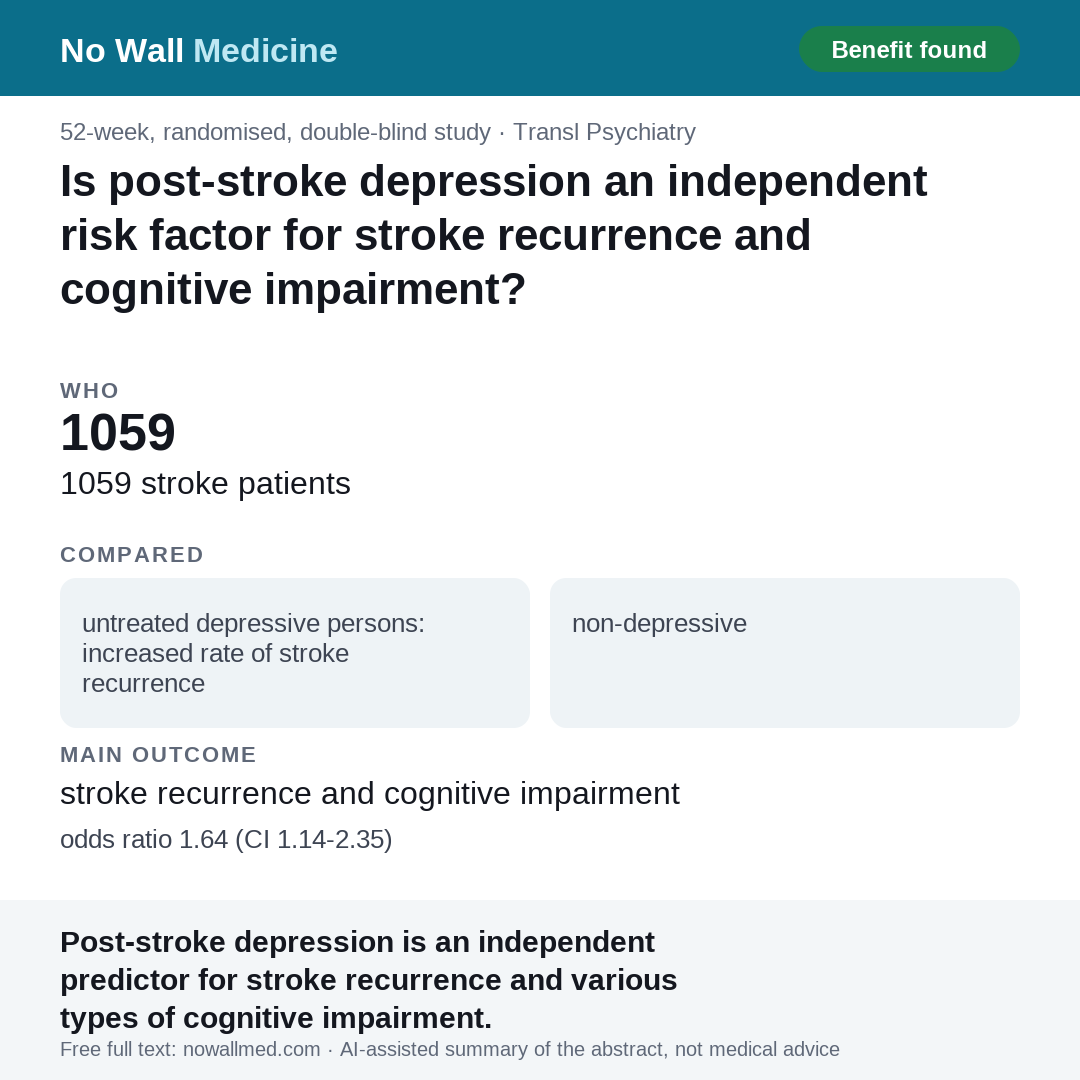
Depression is an independent risk factor for stroke reccurence and cognitive impairment in stroke patients
52-week, randomised, double-blind studyBenefit found
Is post-stroke depression an independent risk factor for stroke recurrence and cognitive impairment?
Who
1059
1059 stroke patients
Compared
untreated depressive persons: increased rate of stroke recurrence
non-depressive
Main outcome
stroke recurrence and cognitive impairment
Result: odds ratio 1.64 (CI 1.14-2.35)
Bottom line: Post-stroke depression is an independent predictor for stroke recurrence and various types of cognitive impairment.
Limitation: further research is needed to demonstrate the efficacy of treatment on stroke recurrence.
Transl Psychiatry · 2025-11-21Download image
Common neural dysfunction in psychiatric disorders: Insights from a meta-analysis of resting-state fMRI studies
Transdiagnostic meta-analysisBenefit found
Are there shared neural mechanisms across different psychiatric disorders?
Who
Patients with psychiatric disorders and healthy controls
Compared
Patients: elevated ALFF/fALFF in lateral orbitofrontal cortex, anterior insula, and caudate
Healthy controls
Main outcome
Spontaneous brain activity measures (ALFF/fALFF and ReHo)
Bottom line: Patients across psychiatric disorders show shared neural aberrations in brain regions related to cognitive and emotional processing.
Transl Psychiatry · 2025-11-21Download image

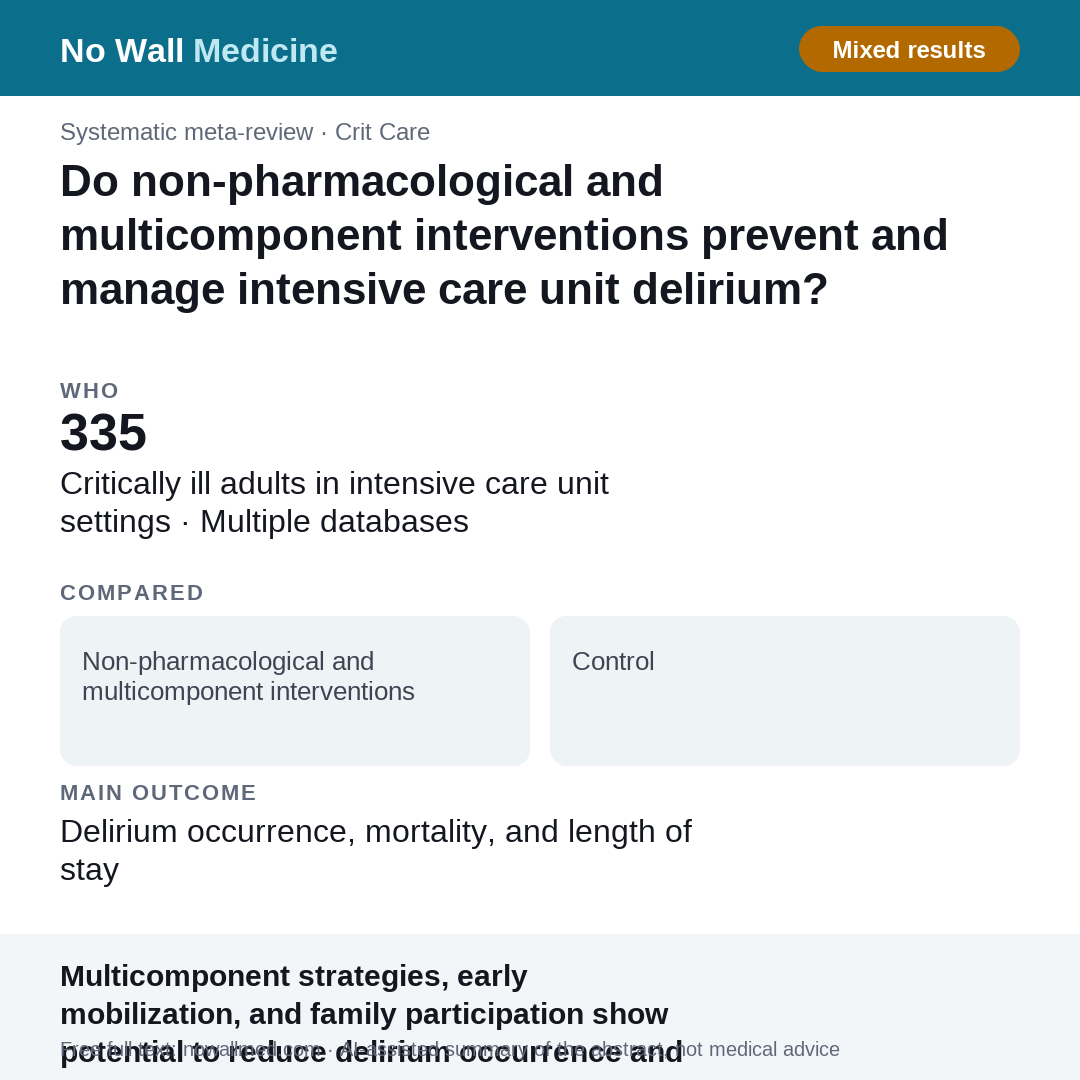
A systematic meta-review of interventions to prevent and manage delirium in the Intensive Care Unit: Part 2 - Non-pharmacological and multicomponent interventions
Systematic meta-reviewMixed results
Do non-pharmacological and multicomponent interventions prevent and manage intensive care unit delirium?
Who
Critically ill adults in intensive care unit settings · Multiple databases
Compared
Non-pharmacological and multicomponent interventions
Control
Main outcome
Delirium occurrence, mortality, and length of stay
Bottom line: Multicomponent strategies, early mobilization, and family participation show potential to reduce delirium occurrence and duration.
Crit Care · 2025-11-21Download image
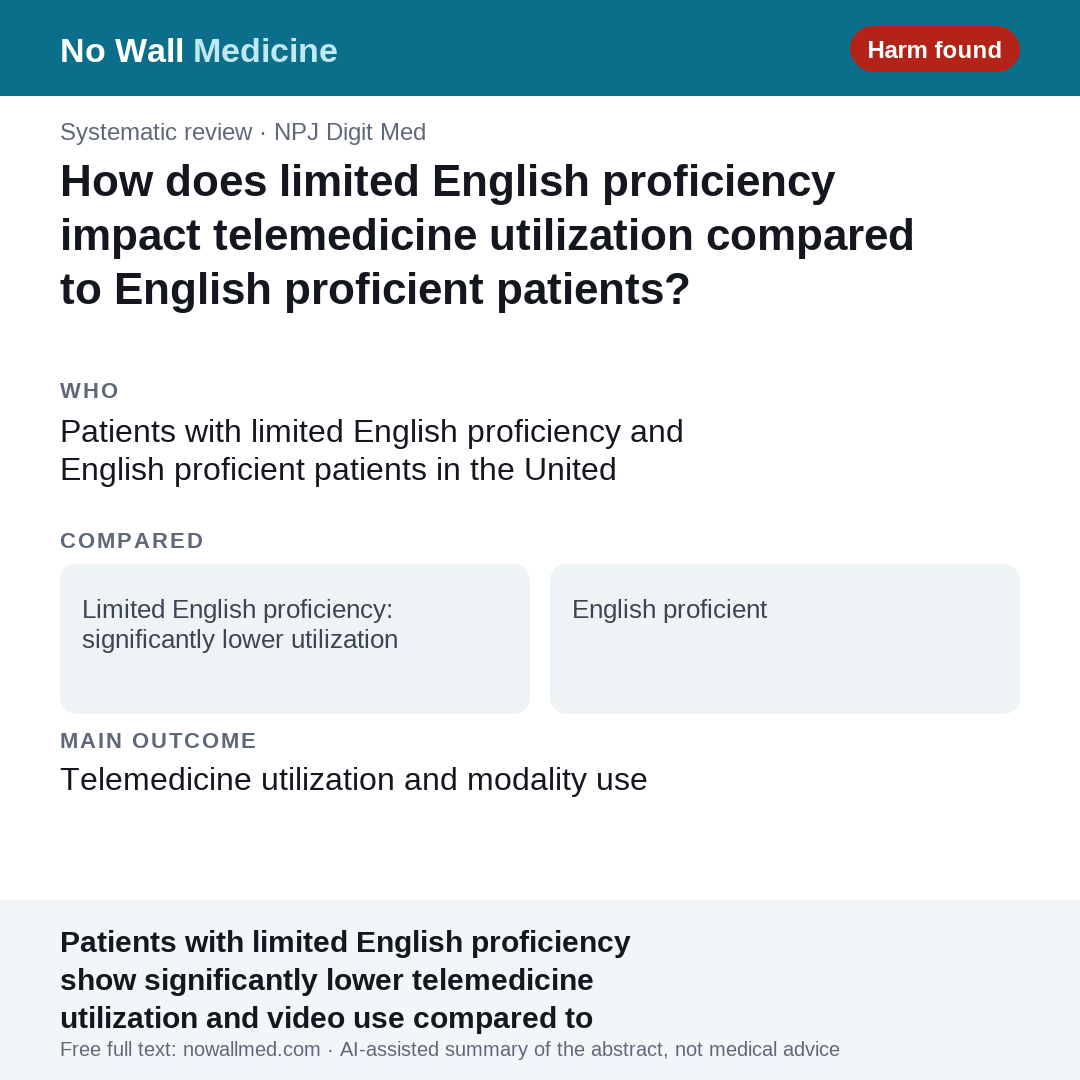
How limited english proficiency impacts patient engagement with telemedicine: a systematic review
Systematic reviewHarm found
How does limited English proficiency impact telemedicine utilization compared to English proficient patients?
Who
Patients with limited English proficiency and English proficient patients in the United States · United States
Compared
Limited English proficiency: significantly lower utilization
English proficient
Main outcome
Telemedicine utilization and modality use
Bottom line: Patients with limited English proficiency show significantly lower telemedicine utilization and video use compared to English proficient patients.
NPJ Digit Med · 2025-11-21Download image
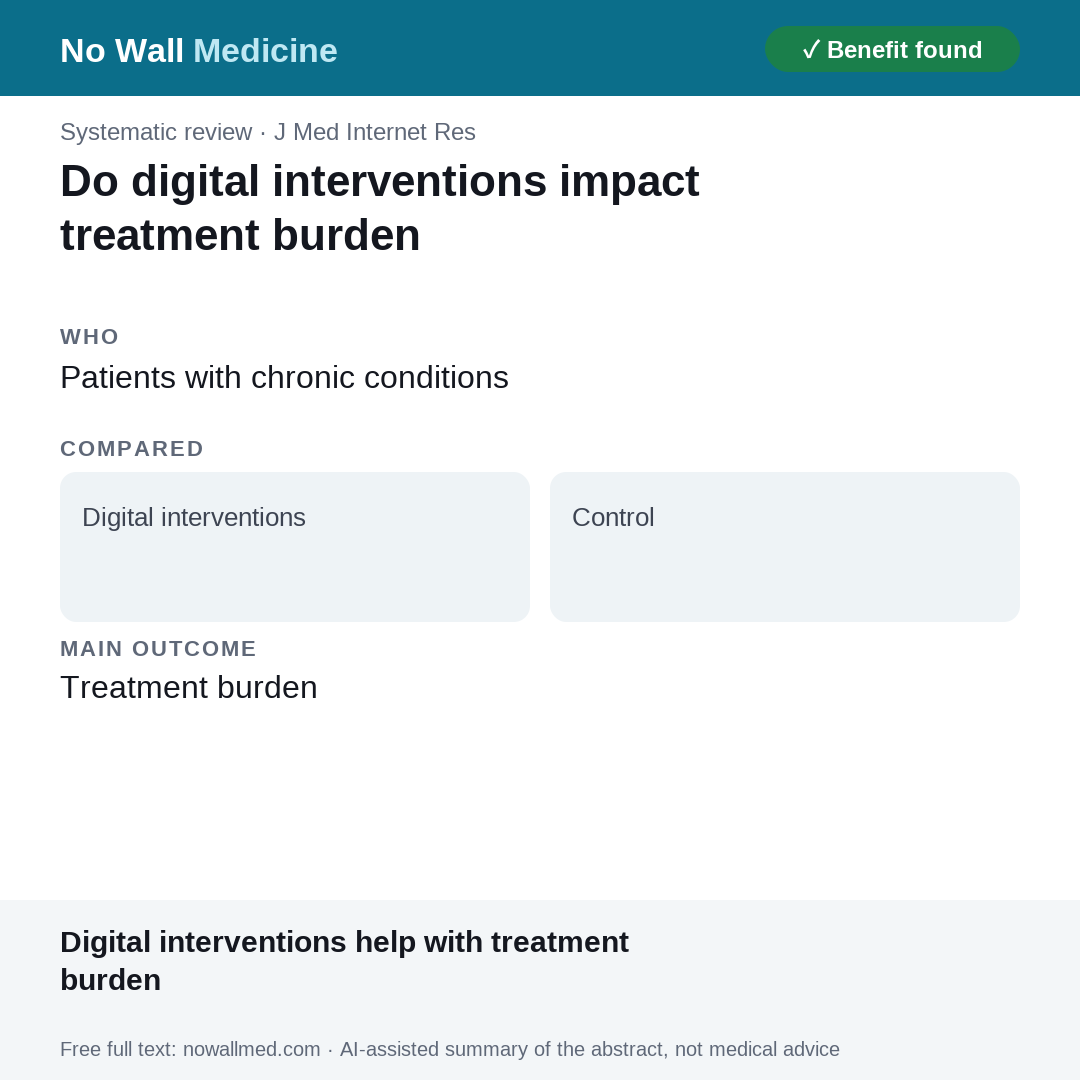
Impact of Digital Interventions on the Treatment Burden of Patients With Chronic Conditions: Systematic Review
Systematic reviewBenefit found
Do digital interventions impact treatment burden
Who
Patients with chronic conditions
Compared
Digital interventions
Control
Main outcome
Treatment burden
Bottom line: Digital interventions help with treatment burden
J Med Internet Res · 2025-11-21Download image
Moderated Online Social Therapy (MOST) in Help-Seeking Young People: Pilot Randomized Controlled Study
Pilot randomized controlled studyEarly signal
Is Moderated Online Social Therapy feasible for third-level students?
Who
74
Third-level students who recently completed counseling · University counseling service
Compared
Intervention arm: modest gains in social function and cognitive function
Control arm
Main outcome
social, occupational, cognitive functioning, depression, anxiety, and loneliness
Bottom line: Moderated Online Social Therapy is feasible and shows potential for supporting youth mental health in university settings.
J Med Internet Res · 2025-11-21Download image

Detection and Management of Geographic Atrophy Secondary to Age-Related Macular Degeneration Using Noninvasive Retinal Images and Artificial Intelligence: Systematic Review
Systematic reviewBenefit found
How does artificial intelligence perform in detecting and managing geographic atrophy?
Who
24592
Patients with geographic atrophy secondary to dry age-related macular degeneration · Multiple countries including United States, United Kingdom, and China
Compared
Artificial intelligence
Clinical experts
Main outcome
Performance in geographic atrophy detection, assessment, progression, and lesion prediction
Bottom line: Deep learning algorithms show remarkable performance in geographic atrophy management, comparable to clinical experts using noninvasive retinal imaging.
Limitation: Need for enhanced reporting, data diversity, and rigorous external validation in prospective multicenter studies.
J Med Internet Res · 2025-11-21Download image

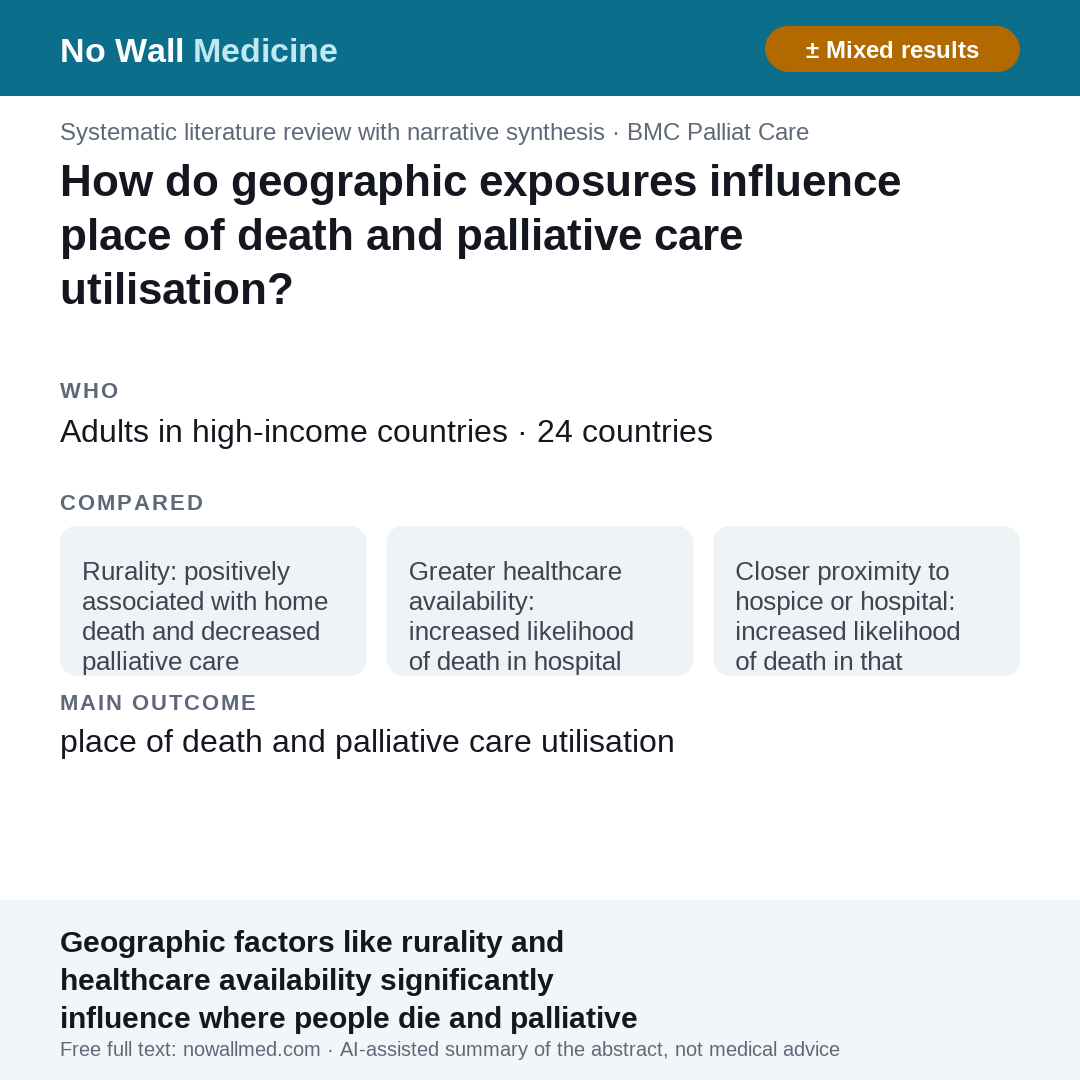
Geographic variations in place of death and palliative care utilisation in the last three months of life in high-income countries: a systematic review
Systematic literature review with narrative synthesisMixed results
How do geographic exposures influence place of death and palliative care utilisation?
Who
Adults in high-income countries · 24 countries
Compared
Rurality: positively associated with home death and decreased palliative care utilisation
Greater healthcare availability: increased likelihood of death in hospital or long-term care facilities
Closer proximity to hospice or hospital: increased likelihood of death in that facility
Main outcome
place of death and palliative care utilisation
Bottom line: Geographic factors like rurality and healthcare availability significantly influence where people die and palliative care use.
BMC Palliat Care · 2025-11-21Download image
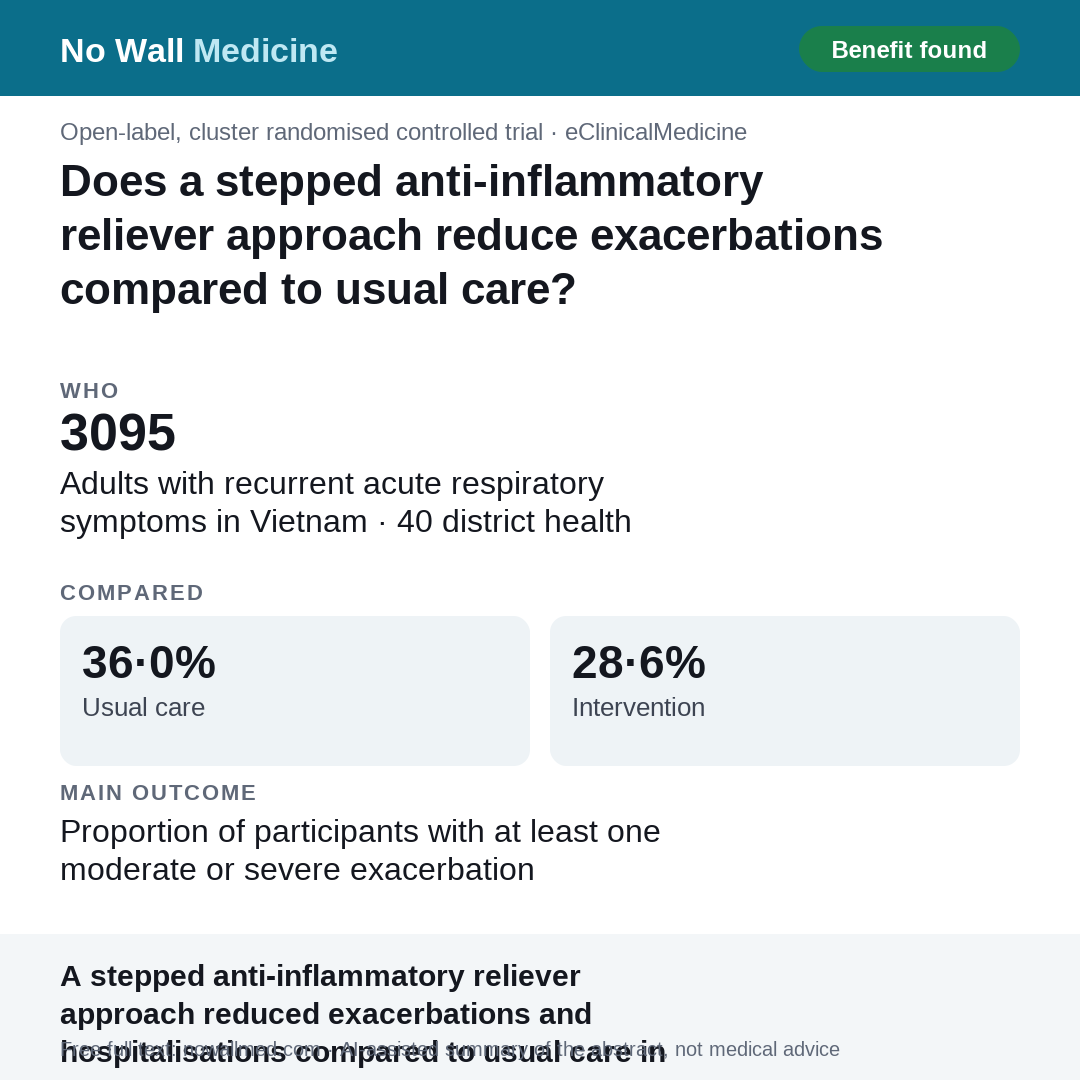
Implementation of a stepped anti-inflammatory reliever therapy intervention with budesonide-formoterol 160/4·5 mcg by Turbuhaler versus usual care for adults presenting during exacerbations of obstructive lung disease suggestive of asthma or chronic obstructive pulmonary disease in a resource-limited setting: an open-label, cluster randomised trial
Open-label, cluster randomised controlled trialEarly signal
Does a stepped anti-inflammatory reliever approach reduce exacerbations compared to usual care?
Who
3095
Adults with recurrent acute respiratory symptoms in Vietnam · 40 district health facilities in Vietnam
Compared
36·0%Usual care (511/1421)
28·6%Intervention (478/1674)
Main outcome
Proportion of participants with at least one moderate or severe exacerbation
Result: relative risk (RR) 0·794; 95% CI 0·649-0·971
Bottom line: A stepped anti-inflammatory reliever approach reduced exacerbations and hospitalisations compared to usual care in resource-limited settings.
Funded by: National Health and Medical Research Council of Australia
eClinicalMedicine · 2025-11-20Download image
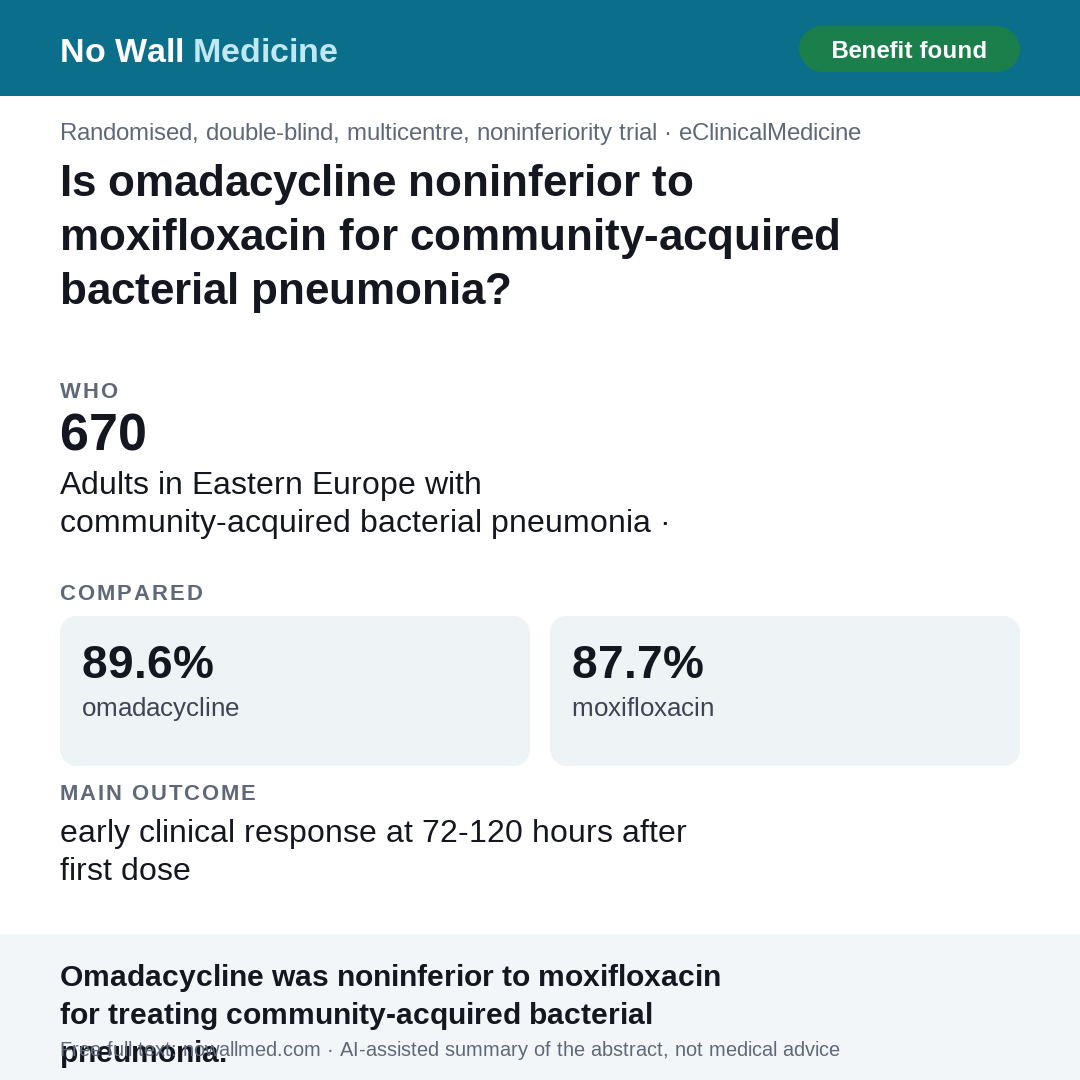
Omadacycline versus moxifloxacin for community-acquired bacterial pneumonia (OPTIC-2): a phase 3b, randomised, double-blind, multicentre, controlled, noninferiority trial
Randomised, double-blind, multicentre, noninferiority trialBenefit found
Is omadacycline noninferior to moxifloxacin for community-acquired bacterial pneumonia?
Who
670
Adults in Eastern Europe with community-acquired bacterial pneumonia · Eastern Europe
Compared
89.6%omadacycline
87.7%moxifloxacin
Main outcome
early clinical response at 72-120 hours after first dose
Result: treatment difference [95% CI]: 1.9 [-3.0, 6.8]
Bottom line: Omadacycline was noninferior to moxifloxacin for treating community-acquired bacterial pneumonia.
Funded by: Paratek Pharmaceuticals, Inc. and U.S. Department of Health and Human Services
eClinicalMedicine · 2025-11-20Download image