Visual abstracts
New randomized trials and meta-analyses from leading journals at a glance: who was studied, what was compared, and what was found. Every paper is free to read in full.
All specialtiesCardiology 842Oncology 763Gastroenterology & Hepatology 307Infectious Disease 626Neurology 350Psychiatry & Mental Health 430Pulmonology 366Critical Care 245Endocrinology & Diabetes 480Pediatrics 536Surgery 324Orthopedics & Sports Medicine 162Neurosurgery 93Cardiothoracic & Vascular Surgery 87Plastic & Reconstructive Surgery 124Nephrology 197Rheumatology 108Hematology 182Dermatology 80Ophthalmology 97Obstetrics & Gynecology 261Public & Global Health 167Radiology & Imaging 98Anesthesiology 114Urology 162ENT (Otolaryngology) 91Emergency Medicine 73Allergy & Immunology 58Geriatrics 160Family Medicine & Primary Care 111Medical Genetics & Genomics 91Pathology & Laboratory Medicine 24Physical Medicine & Rehabilitation 148Palliative Care 81Nutrition 223Digital Health & AI 460General Medicine 101
Circulating inflammatory proteins associated with risks of schizophrenia, bipolar disorder, and major depressive disorder: a mendelian randomization study
Mendelian randomization studyMixed results
Do circulating inflammatory proteins have causal links to schizophrenia, bipolar disorder, and major depressive disorder?
Who
People of European ancestry · Psychiatric Genomics Consortium and FinnGen biobank
Compared
Elevated C-reactive protein: OR = 0.93
Elevated fractalkine: OR = 0.92
Elevated Delta and Notch-like epidermal growth factor-related receptor: OR = 1.07
Elevated eukaryotic translation initiation factor 4E-binding protein 1: OR = 1.09
Main outcome
Risk of schizophrenia, bipolar disorder, and major depressive disorder
Bottom line: Specific inflammatory proteins show causal associations with increased or decreased risks for schizophrenia, bipolar disorder, and major depressive disorder.
Limitation: Further experimental studies are warranted to elucidate the underlying biological mechanisms.
Transl Psychiatry · 2025-12-23Download image

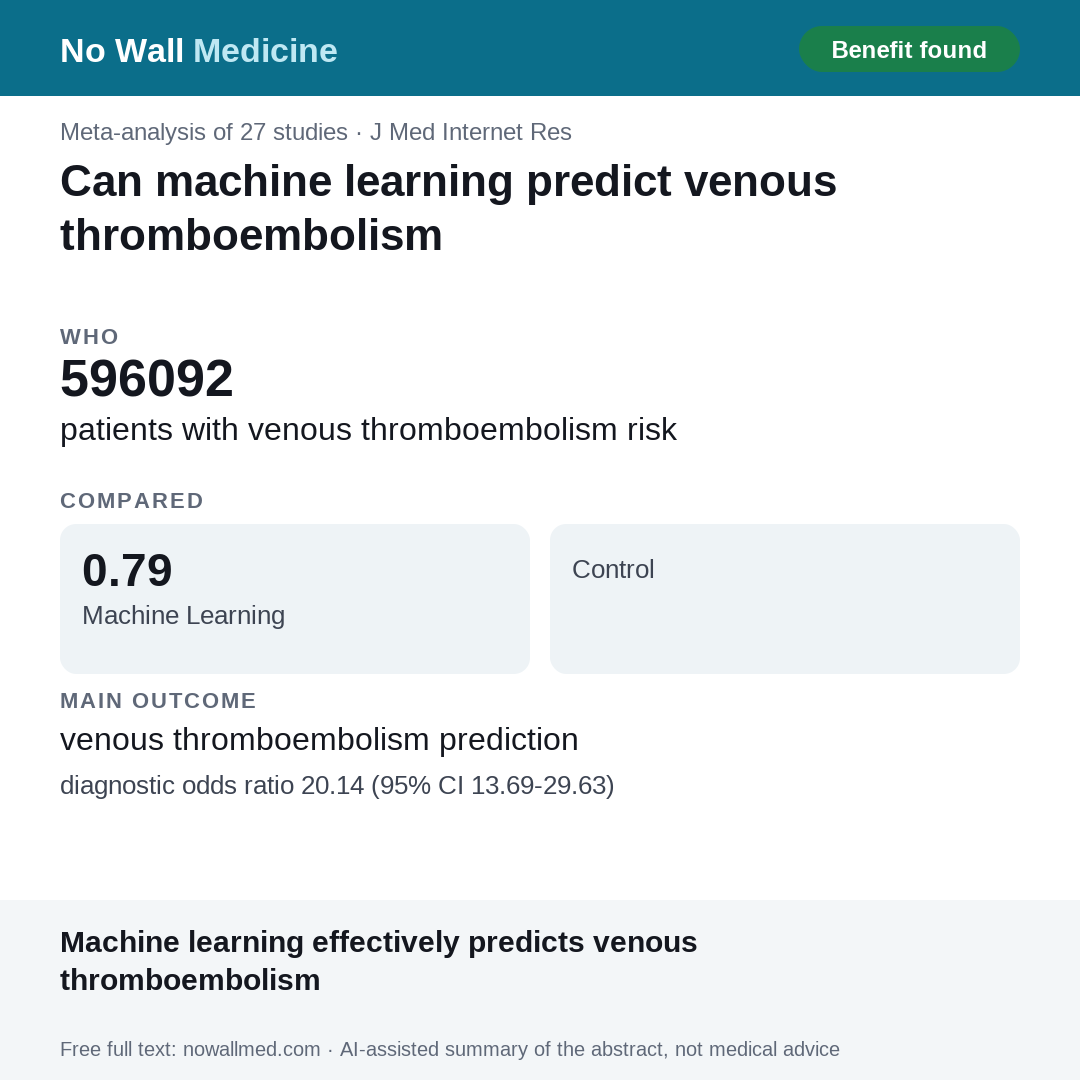
Machine Learning in the Prediction of Venous Thromboembolism: Systematic Review and Meta-Analysis
Meta-analysis of 27 studiesBenefit found
Can machine learning predict venous thromboembolism
Who
596092
patients with venous thromboembolism risk
Compared
0.79Machine Learning (95% CI 0.78-0.80)
Control
Main outcome
venous thromboembolism prediction
Result: diagnostic odds ratio 20.14 (95% CI 13.69-29.63)
Bottom line: Machine learning effectively predicts venous thromboembolism
Limitation: high risk of bias in most studies
J Med Internet Res · 2025-12-23Download image
Outcome reporting for liver transplantation machine perfusion studies: a systematic review
Systematic reviewMixed results
How is outcome reporting quality in liver transplantation machine perfusion studies?
Who
166
Studies examining perfusion techniques in liver transplantation
Compared
Hypothermic machine perfusion: median 9.0 core outcome sets
Normothermic machine perfusion: median 5.0 core outcome sets
Normothermic regional perfusion
Main outcome
Quality of outcome reporting using core outcome sets
Bottom line: There is significant variability in reporting post-transplant complications in liver transplantation machine perfusion studies.
Limitation: Significant heterogeneity in outcome parameter definitions and time-points of assessment.
eClinicalMedicine · 2025-12-22Download image

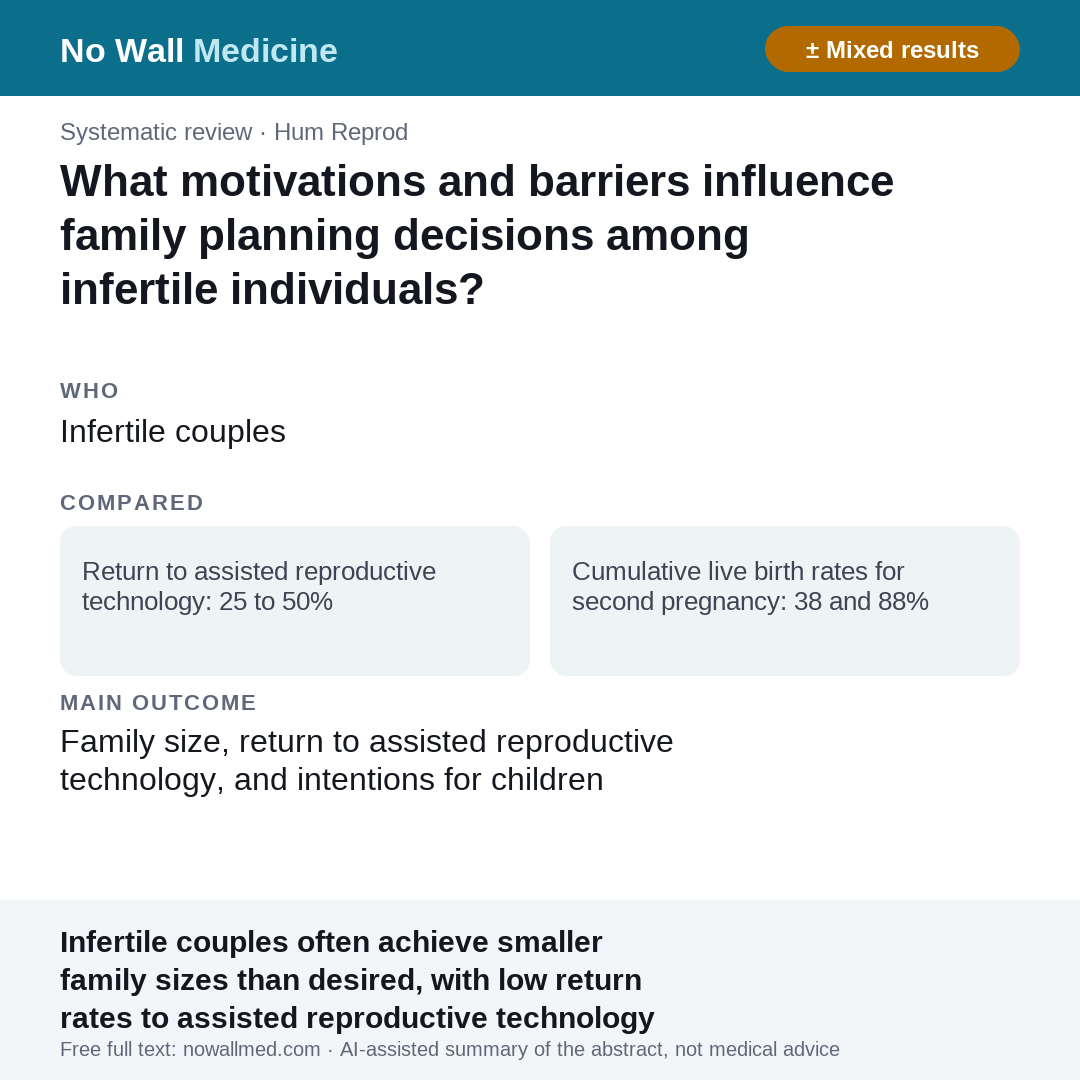
Family planning of infertile couples: a systematic review of intentions regarding parenthood and return to ART
Systematic reviewMixed results
What motivations and barriers influence family planning decisions among infertile individuals?
Who
9
Infertile couples
Compared
Return to assisted reproductive technology: 25 to 50%
Cumulative live birth rates for second pregnancy: 38 and 88%
Main outcome
Family size, return to assisted reproductive technology, and intentions for children
Bottom line: Infertile couples often achieve smaller family sizes than desired, with low return rates to assisted reproductive technology for subsequent children.
Limitation: Scarcity of evidence and high heterogeneity across studies may have limited comparability.
Funded by: Università degli Studi di Milano and Italian Ministry of Health
Hum Reprod · 2025-12-22Download image
Menopause hormone therapy and risk of mild cognitive impairment or dementia: a systematic review and meta-analysis
Systematic review and meta-analysisNo clear difference
Does menopause hormone therapy affect risk of mild cognitive impairment or dementia?
Who
1016055
Peri-menopausal or post-menopausal women
Compared
Menopause hormone therapy
No menopause hormone therapy
Main outcome
Incident mild cognitive impairment or dementia
Bottom line: Menopause hormone therapy use showed no significant association with the risk of mild cognitive impairment or dementia.
Limitation: Certainty of evidence ranged from moderate to very low.
Funded by: The Public Health Agency of Canada
Lancet Healthy Longev · 2025-12-22Download image

Optimising non-pharmacological interventions in people with non-tuberculous mycobacterial pulmonary disease: a systematic review
Systematic reviewUnclear result
What is the impact of non-pharmacological interventions in non-tuberculous mycobacterial pulmonary disease?
Who
People with non-tuberculous mycobacterial pulmonary disease
Compared
Airway clearance techniques: positive impact
Nutrition, pulmonary rehabilitation, or psychological care: no relevant studies
Main outcome
Impact of non-pharmacological interventions
Bottom line: Airway clearance techniques show potential, but significant evidence gaps remain for other non-pharmacological interventions.
Limitation: There was little evidence regarding the impact of non-pharmacological interventions in non-tuberculous mycobacterial pulmonary disease.
ERJ Open Res · 2025-12-22Download image

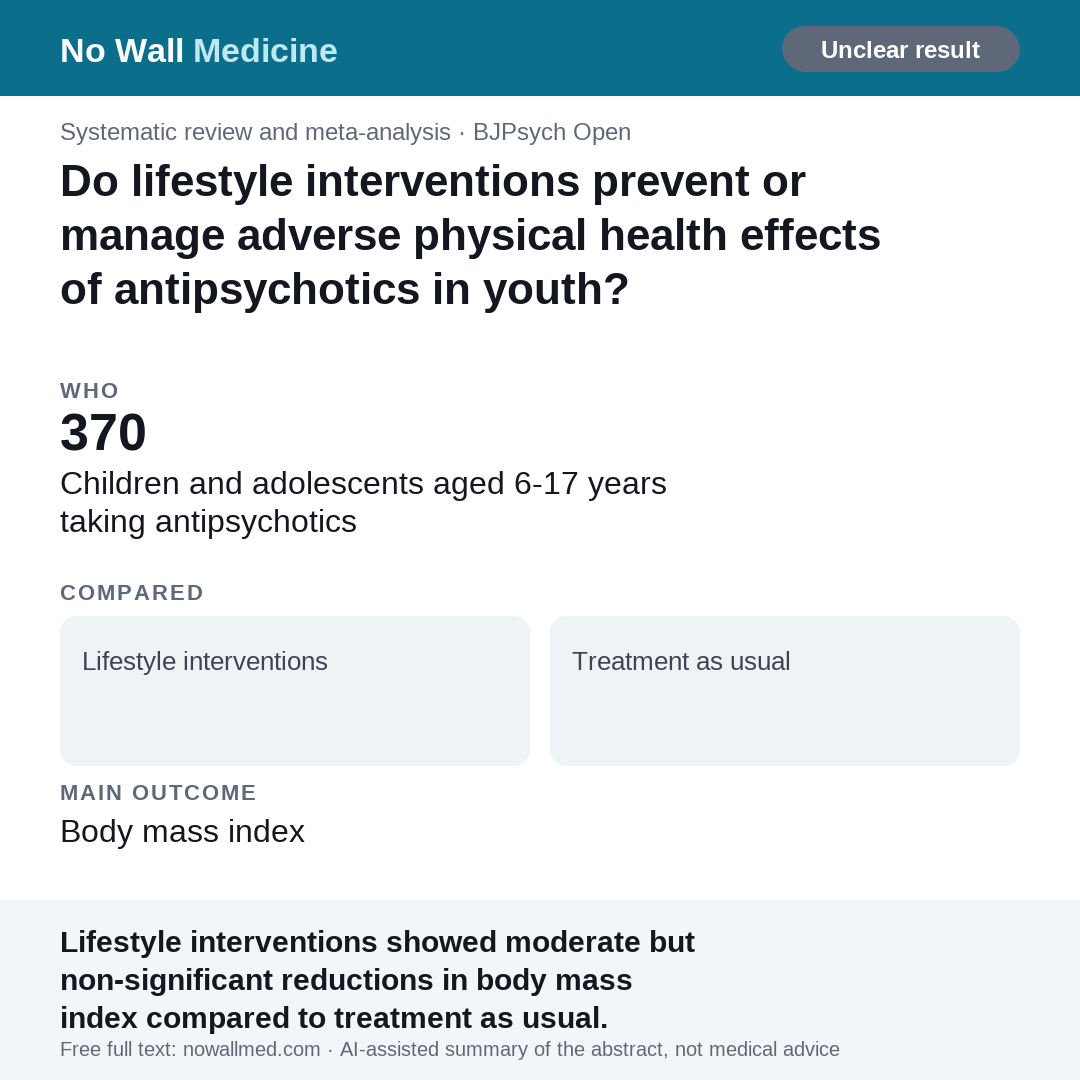
Effectiveness of lifestyle interventions for preventing or managing the adverse cardiometabolic and other physical health effects of antipsychotic medications in children and adolescents: systematic review and meta-analysis
Systematic review and meta-analysisUnclear result
Do lifestyle interventions prevent or manage adverse physical health effects of antipsychotics in youth?
Who
370
Children and adolescents aged 6-17 years taking antipsychotics
Compared
Lifestyle interventions
Treatment as usual
Main outcome
Body mass index
Result: standard mean difference -0.70 (95% CI: -1.70 to 0.31)
Bottom line: Lifestyle interventions showed moderate but non-significant reductions in body mass index compared to treatment as usual.
Limitation: Limited number of trials, small samples, and high risk of bias.
BJPsych Open · 2025-12-22Download image
Systematic review and meta-analysis of humoral immunity proteins and mortality in sepsis
Systematic review and meta-analysisMixed results
Are humoral immunity protein levels different between survivors and non-survivors in sepsis?
Who
6,330
Adult patients with sepsis
Compared
Survivors
Non-survivors
Main outcome
Levels of humoral immunity proteins
Bottom line: Survivors had higher C3 and C4 levels, while C4a and IgA were lower compared to non-survivors.
Crit Care · 2025-12-22Download image

Prognostic Prediction Models for Ulcerative Colitis: Systematic Review and Meta-Analysis
Meta-analysis of 30 studiesMixed results
Do prognostic models predict ulcerative colitis outcomes
Who
7452
patients with ulcerative colitis · China and Japan
Compared
prognostic models
control
Main outcome
predictive performance
Result: pooled area under the curve 0.84 (95% CI 0.77-0.92)
Bottom line: Prognostic models have potential but high bias risk
Limitation: high risk of bias and limited generalizability
J Med Internet Res · 2025-12-22Download image

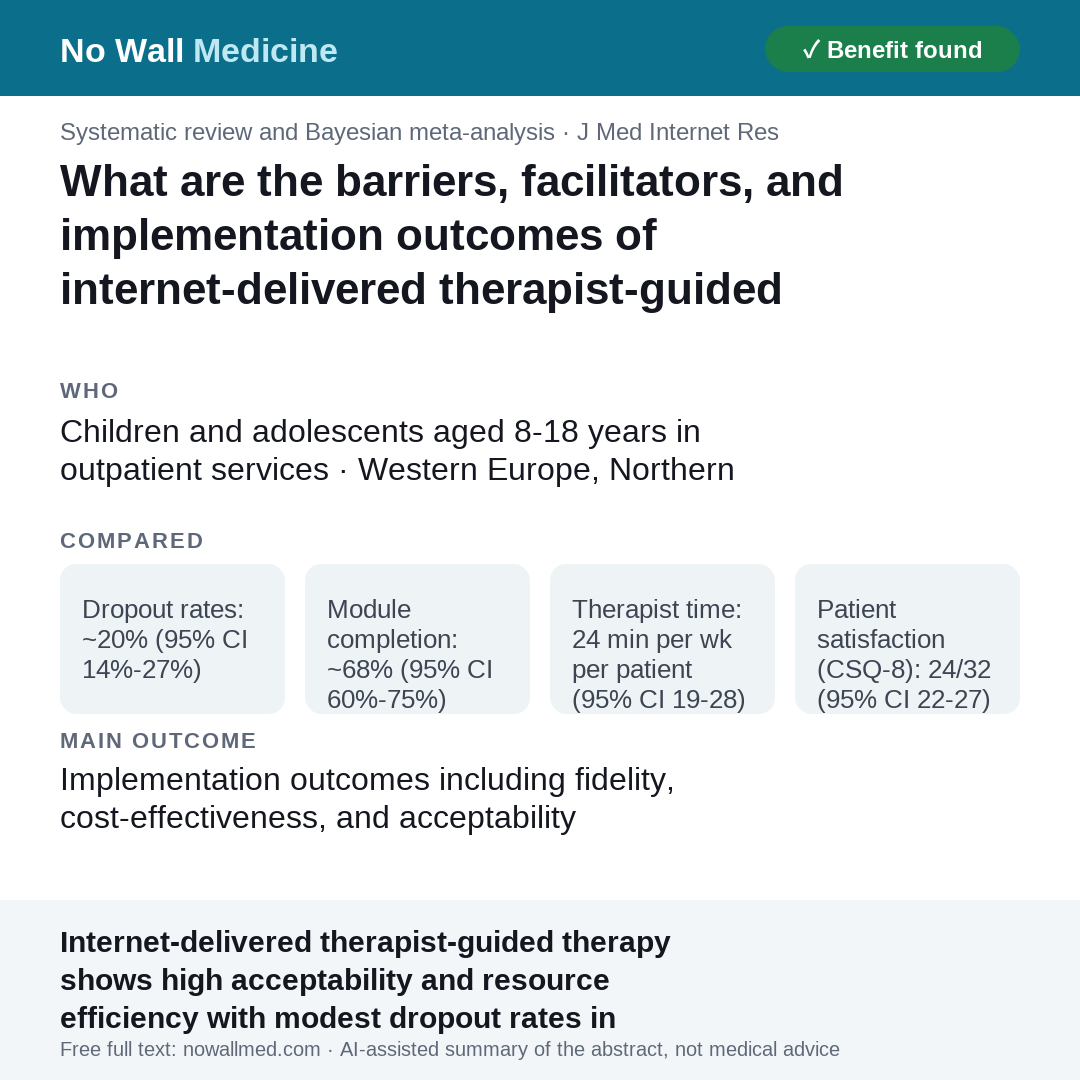
Barriers to and Facilitators of Implementation of Internet-Delivered Therapist-Guided Therapy in Child and Adolescent Mental Health Services: Systematic Review and Bayesian Meta-Analysis
Systematic review and Bayesian meta-analysisBenefit found
What are the barriers, facilitators, and implementation outcomes of internet-delivered therapist-guided therapy in child mental health services?
Who
50
Children and adolescents aged 8-18 years in outpatient services · Western Europe, Northern America, and Oceania
Compared
Dropout rates: ~20% (95% CI 14%-27%)
Module completion: ~68% (95% CI 60%-75%)
Therapist time: 24 min per wk per patient (95% CI 19-28)
Patient satisfaction (CSQ-8): 24/32 (95% CI 22-27)
Main outcome
Implementation outcomes including fidelity, cost-effectiveness, and acceptability
Bottom line: Internet-delivered therapist-guided therapy shows high acceptability and resource efficiency with modest dropout rates in child mental health services.
J Med Internet Res · 2025-12-22Download image
Prevalence of type 2 diabetes among global Indigenous adult populations: a systematic review
Systematic reviewHarm found
What is the prevalence of type 2 diabetes among global Indigenous adult populations?
Who
Indigenous adult populations aged 18 years and older · 37 countries
Compared
Indigenous populations: 0 to 40%
Global prevalence
Main outcome
Type 2 diabetes prevalence
Bottom line: Type 2 diabetes prevalence among Indigenous adults was markedly higher than global averages from 1980 to 2020.
Limitation: Potential publication bias, which may have led to fewer studies being included.
Diabetologia · 2025-12-21Download image

Burnout among paediatric surgeons: a systematic review and meta-analysis
Systematic review and meta-analysisBenefit found
What is the prevalence of burnout among paediatric surgeons?
Who
2757
Paediatric surgeons
Compared
22.4%Maslach Burnout Inventory tools
44.9%Non-Maslach Burnout Inventory tools
Main outcome
Burnout prevalence
Result: 29.4% (95% CI 20.3% to 40.5%)
Bottom line: Nearly one in three paediatric surgeons experience burnout, with a pooled prevalence of 29.4%.
Limitation: Substantial heterogeneity (I²=96.4%) was observed among the included studies.
BMJ Paediatr Open · 2025-12-21Download image

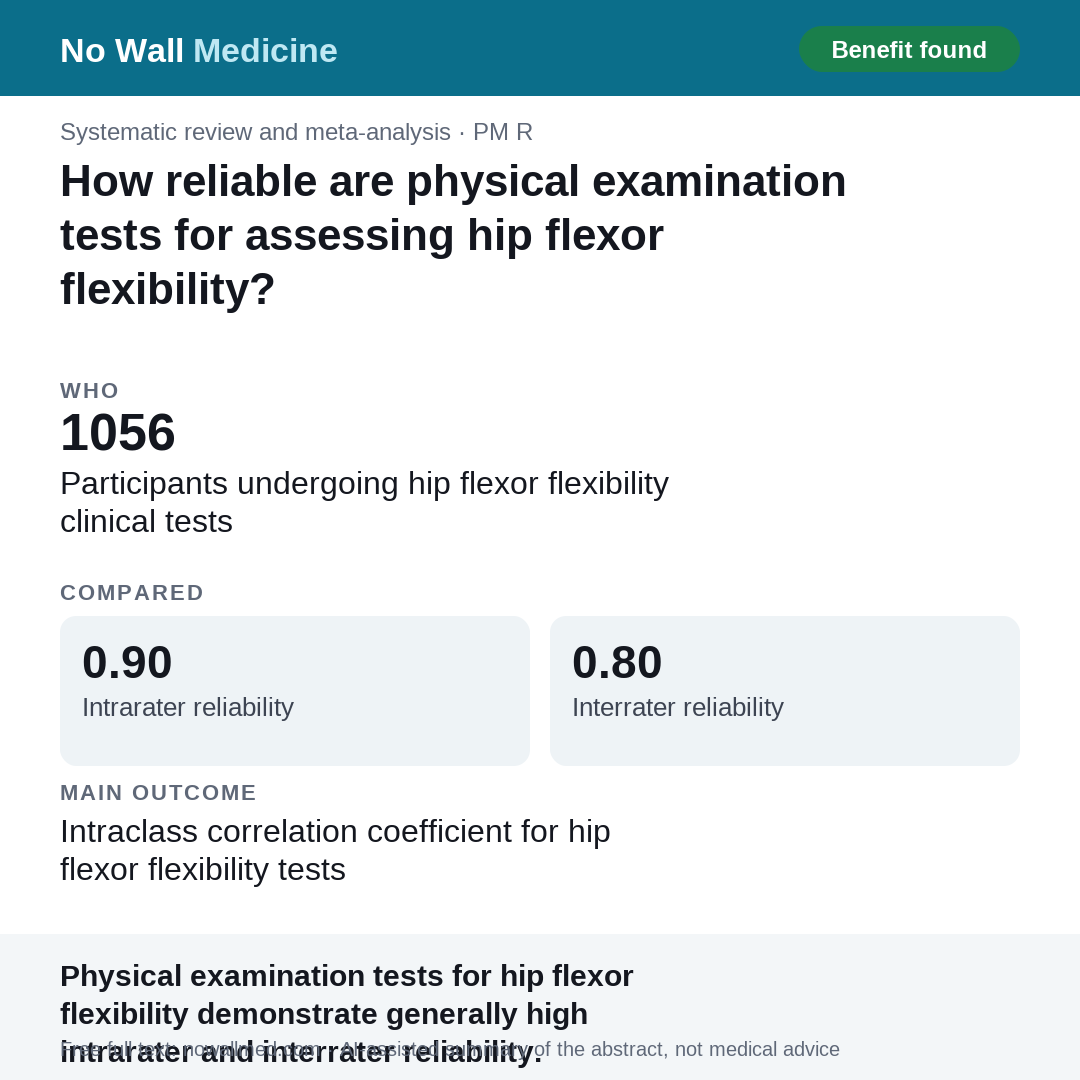
Reliability of physical examination tests for assessing hip flexor flexibility: A systematic review and meta-analysis
Systematic review and meta-analysisBenefit found
How reliable are physical examination tests for assessing hip flexor flexibility?
Who
1056
Participants undergoing hip flexor flexibility clinical tests
Compared
0.90Intrarater reliability (95% CI, 0.85-0.95)
0.80Interrater reliability (95% CI, 0.71-0.88)
Main outcome
Intraclass correlation coefficient for hip flexor flexibility tests
Bottom line: Physical examination tests for hip flexor flexibility demonstrate generally high intrarater and interrater reliability.
Limitation: Substantial heterogeneity was observed, particularly for the Modified Thomas Test and Thomas Test.
PM R · 2025-12-20Download image
Technologies for the three-dimensional assessment and treatment of unilateral spatial neglect in individuals with stroke: a systematic review
Systematic reviewUnclear result
What are the features and outcomes of three-dimensional technologies for unilateral spatial neglect?
Who
Individuals with unilateral spatial neglect following stroke
Compared
Assessment studies: 15 studies
Treatment studies: 17 studies
Technical studies: 5 studies
Main outcome
Features, development level, and reported outcomes of three-dimensional technologies
Bottom line: Three-dimensional technologies for unilateral spatial neglect are in early experimental phases with significant methodological variability.
Limitation: Methodological variability, heterogeneity of technologies and outcomes, and lack of standardized protocols.
J Neuroeng Rehabil · 2025-12-20Download image

A multi-ancestry meta genome-wide association study of migraine among veterans: associations with traumatic brain injury, depression, and post-traumatic stress disorder
Meta-analysis of a genome-wide association studyMixed results
What are the genetic associations of migraine and its links to psychiatric comorbidities in Veterans?
Who
433,000
Predominantly male Veterans · Million Veteran Program
Compared
87,859Migraine cases
Migraine and neuropsychiatric disorders: high genetic correlations
Main outcome
Genome-wide significant loci and causal links to psychiatric disorders
Bottom line: The study identified 49 significant loci but found no causal links between migraine and psychiatric disorders.
Limitation: Minimal vascular tissue enrichment potentially reflecting the predominantly male Veteran sample composition.
Mol Psychiatry · 2025-12-19Download image

Etiology-specific optimal timing of surgical intervention for intracranial hemorrhage: a systematic review and network meta-analysis
Systematic review and network meta-analysisMixed results
What is the optimal timing for surgical intervention in intracranial hemorrhage?
Who
5919
Patients with intracranial hemorrhage including intracerebral and aneurysmal subarachnoid hemorrhage
Compared
Surgery within 24 hours: OR: 0.53 (95% CI: 0.31-0.92) for poor Glasgow Outcome Scale
Surgery delayed beyond 7 days: worse functional recovery
Main outcome
Glasgow Outcome Scale scores, mortality, and rebleeding
Result: OR: 0.53 (95% CI: 0.31-0.92) for poor Glasgow Outcome Scale
Bottom line: Early surgery within 24-48 hours improves outcomes, but optimal timing depends on the specific type of hemorrhage.
Limitation: Further high-quality randomized trials are needed to refine clinical guidelines.
Int J Surg · 2025-12-19Download image

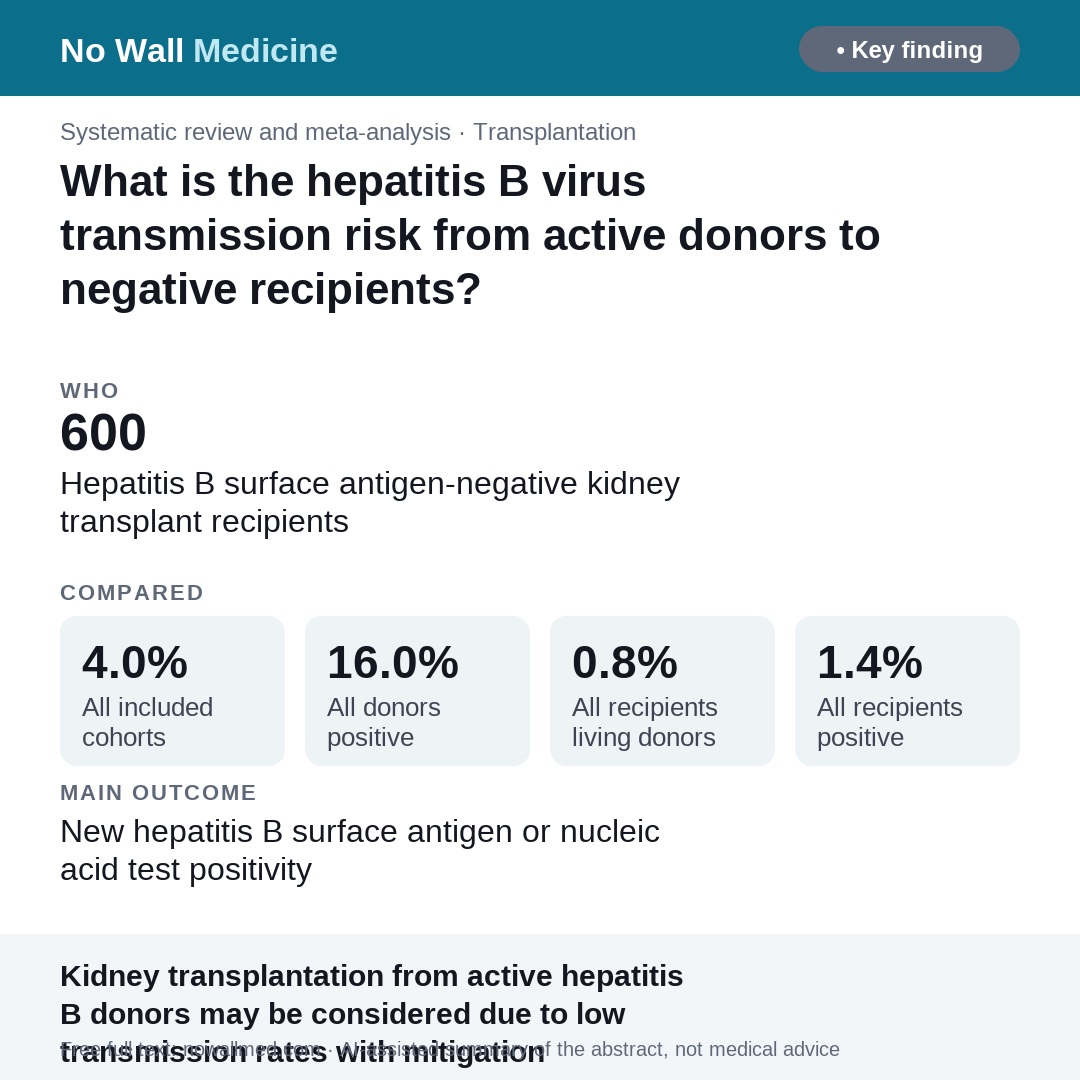
Transmission Risk of Intentional Transplantation of Kidneys From Donors With Active Hepatitis B to Recipients Without Active Hepatitis B: A Systematic Review and Meta-Analysis
Systematic review and meta-analysisBenefit found
What is the hepatitis B virus transmission risk from active donors to negative recipients?
Who
600
Hepatitis B surface antigen-negative kidney transplant recipients
Compared
4.0%All included cohorts
16.0%All donors positive nucleic acid test
0.8%All recipients living donors
1.4%All recipients positive surface antibody
Main outcome
New hepatitis B surface antigen or nucleic acid test positivity
Result: 4.0% (95% CI, 1.8%-8.3%)
Bottom line: Kidney transplantation from active hepatitis B donors may be considered due to low transmission rates with mitigation strategies.
Limitation: Some between-study variance was observed.
Transplantation · 2025-12-19Download image
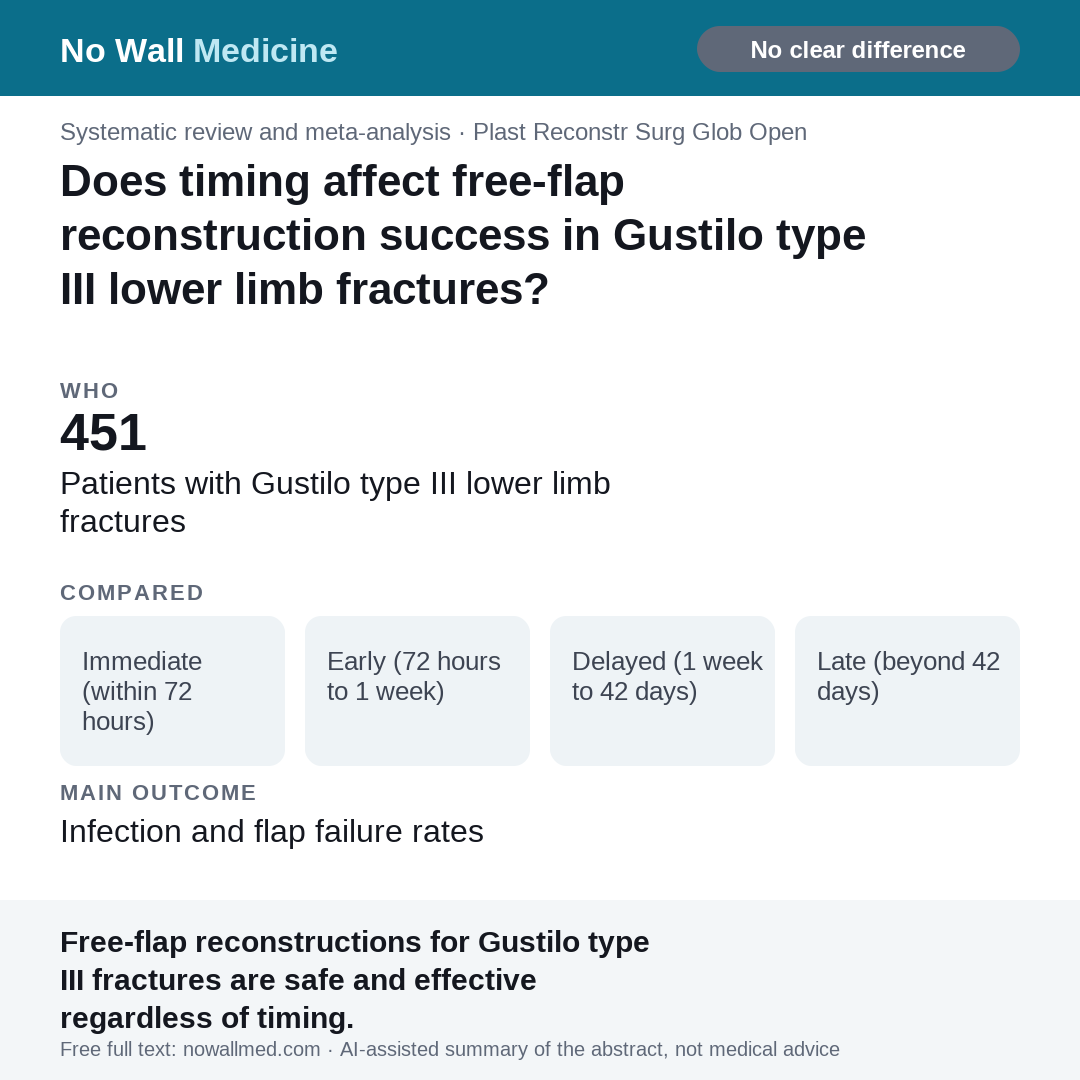
Timing for Free-Flap Reconstruction for Gustilo Type III Lower Limb Fractures: Systematic Review and Meta-analysis
Systematic review and meta-analysisNo clear difference
Does timing affect free-flap reconstruction success in Gustilo type III lower limb fractures?
Who
451
Patients with Gustilo type III lower limb fractures
Compared
Immediate (within 72 hours)
Early (72 hours to 1 week)
Delayed (1 week to 42 days)
Late (beyond 42 days)
Main outcome
Infection and flap failure rates
Bottom line: Free-flap reconstructions for Gustilo type III fractures are safe and effective regardless of timing.
Limitation: Comprehensive data assessing the effect of timing on outcomes are still limited.
Plast Reconstr Surg Glob Open · 2025-12-19Download image
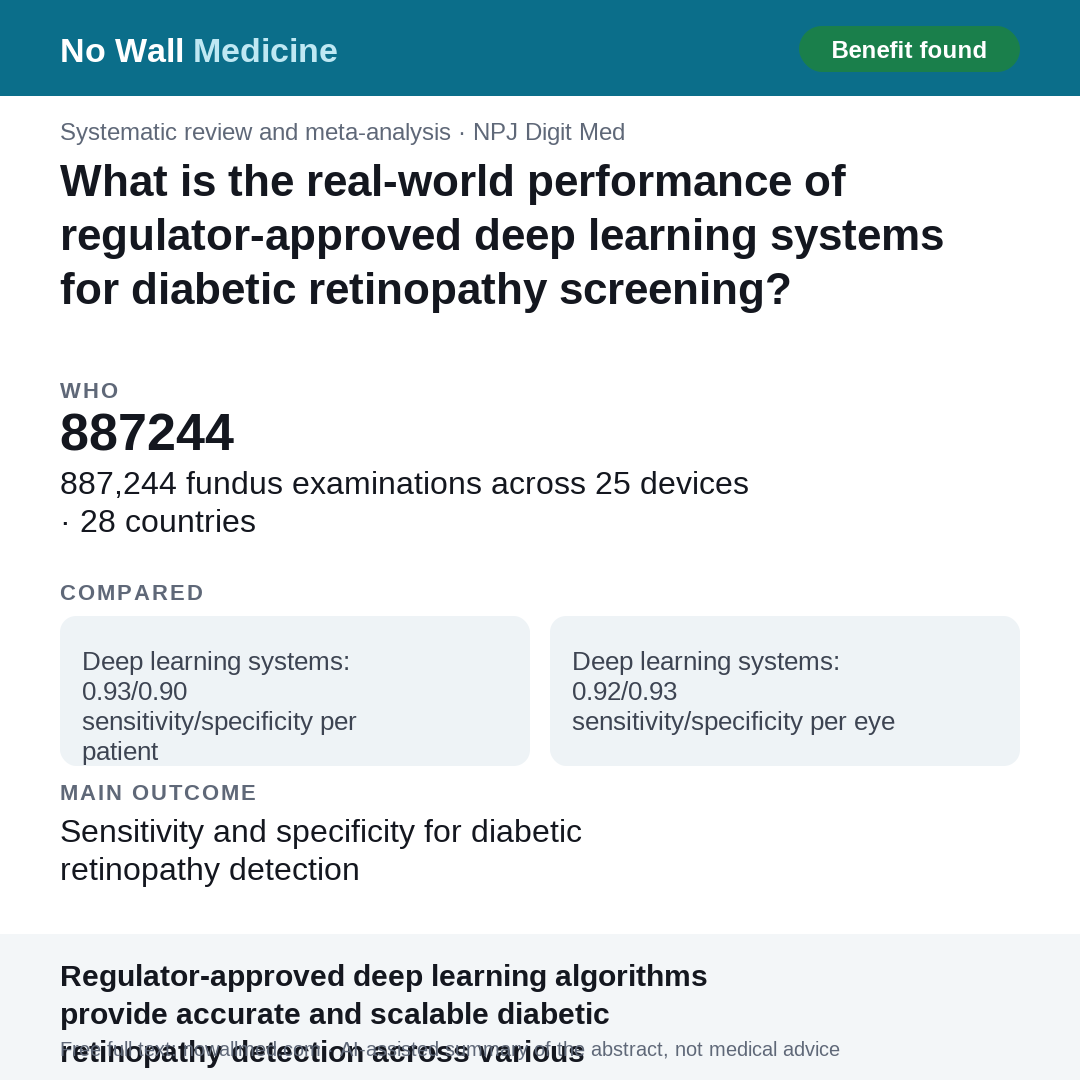
Systematic review and meta-analysis of regulator-approved deep learning systems for fundus diabetic retinopathy detections
Systematic review and meta-analysisBenefit found
What is the real-world performance of regulator-approved deep learning systems for diabetic retinopathy screening?
Who
887244
887,244 fundus examinations across 25 devices · 28 countries
Compared
Deep learning systems: 0.93/0.90 sensitivity/specificity per patient
Deep learning systems: 0.92/0.93 sensitivity/specificity per eye
Main outcome
Sensitivity and specificity for diabetic retinopathy detection
Bottom line: Regulator-approved deep learning algorithms provide accurate and scalable diabetic retinopathy detection across various settings.
Limitation: Heterogeneity explained by disease severity, income level, image gradability, and diagnostic criteria.
NPJ Digit Med · 2025-12-19Download image
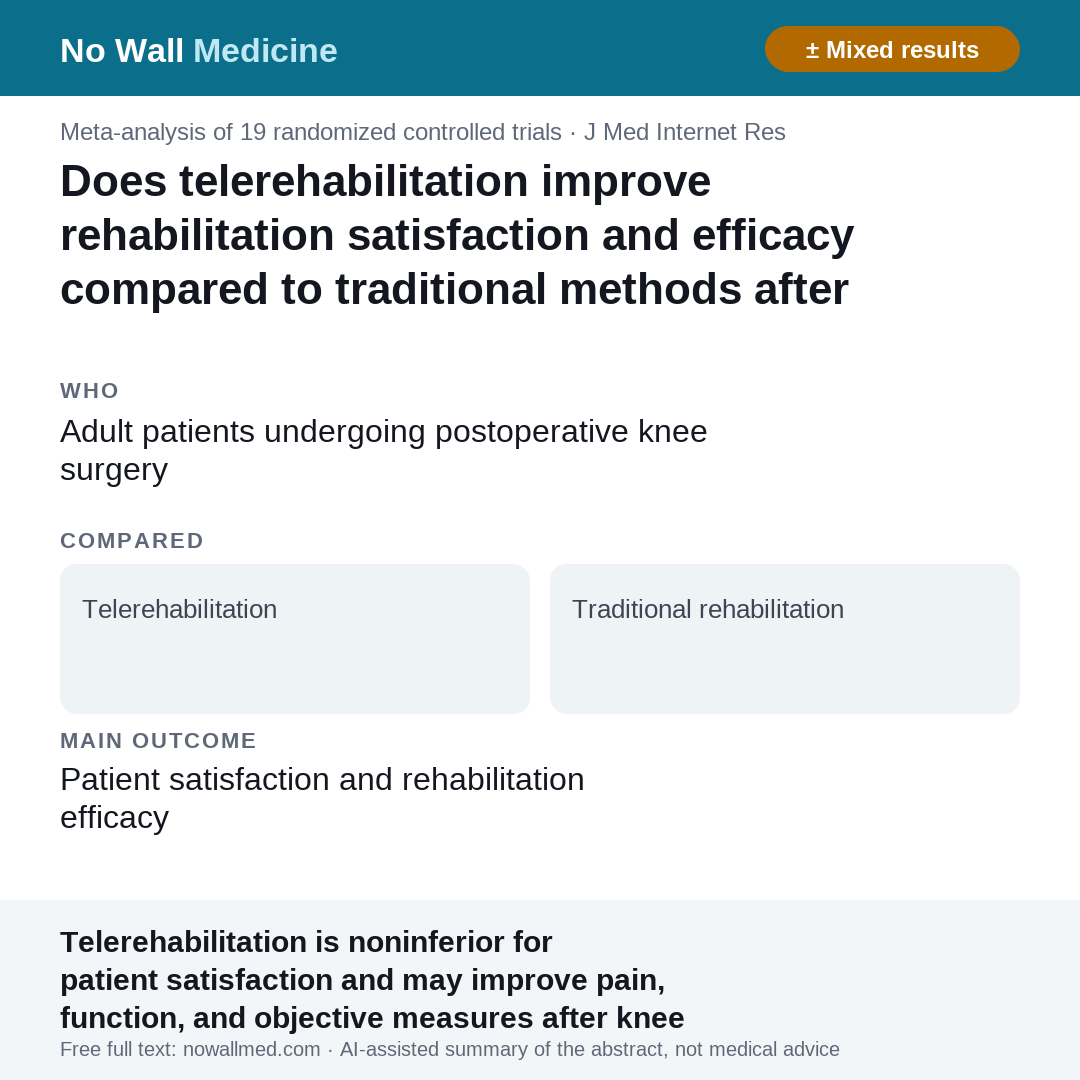
Impact of Telerehabilitation on Rehabilitation Efficacy and Patient Satisfaction After Knee Surgery: Systematic Review and Meta-Analysis of Randomized Controlled Trials
Meta-analysis of 19 randomized controlled trialsMixed results
Does telerehabilitation improve rehabilitation satisfaction and efficacy compared to traditional methods after knee surgery?
Who
Adult patients undergoing postoperative knee surgery
Compared
Telerehabilitation
Traditional rehabilitation
Main outcome
Patient satisfaction and rehabilitation efficacy
Result: standardized mean difference 0.15 (95% CI -0.48 to 0.78) for satisfaction
Bottom line: Telerehabilitation is noninferior for patient satisfaction and may improve pain, function, and objective measures after knee surgery.
Limitation: Between-study variability indicates that effects vary by context, requiring individualized implementation.
J Med Internet Res · 2025-12-19Download image