Visual abstracts
New randomized trials and meta-analyses from leading journals at a glance: who was studied, what was compared, and what was found. Every paper is free to read in full.
All specialtiesCardiology 4763Oncology 4043Gastroenterology & Hepatology 1903Infectious Disease 3756Neurology 1872Psychiatry & Mental Health 2216Pulmonology 2044Critical Care 1319Endocrinology & Diabetes 2544Pediatrics 2889Surgery 2480Orthopedics & Sports Medicine 917Neurosurgery 525Cardiothoracic & Vascular Surgery 656Plastic & Reconstructive Surgery 574Nephrology 1107Rheumatology 810Hematology 1090Dermatology 611Ophthalmology 532Obstetrics & Gynecology 1645Public & Global Health 1037Radiology & Imaging 619Anesthesiology 958Urology 745ENT (Otolaryngology) 494Emergency Medicine 481Allergy & Immunology 309Geriatrics 972Family Medicine & Primary Care 534Medical Genetics & Genomics 659Pathology & Laboratory Medicine 156Physical Medicine & Rehabilitation 734Palliative Care 421Nutrition 1560Digital Health & AI 2137General Medicine 318
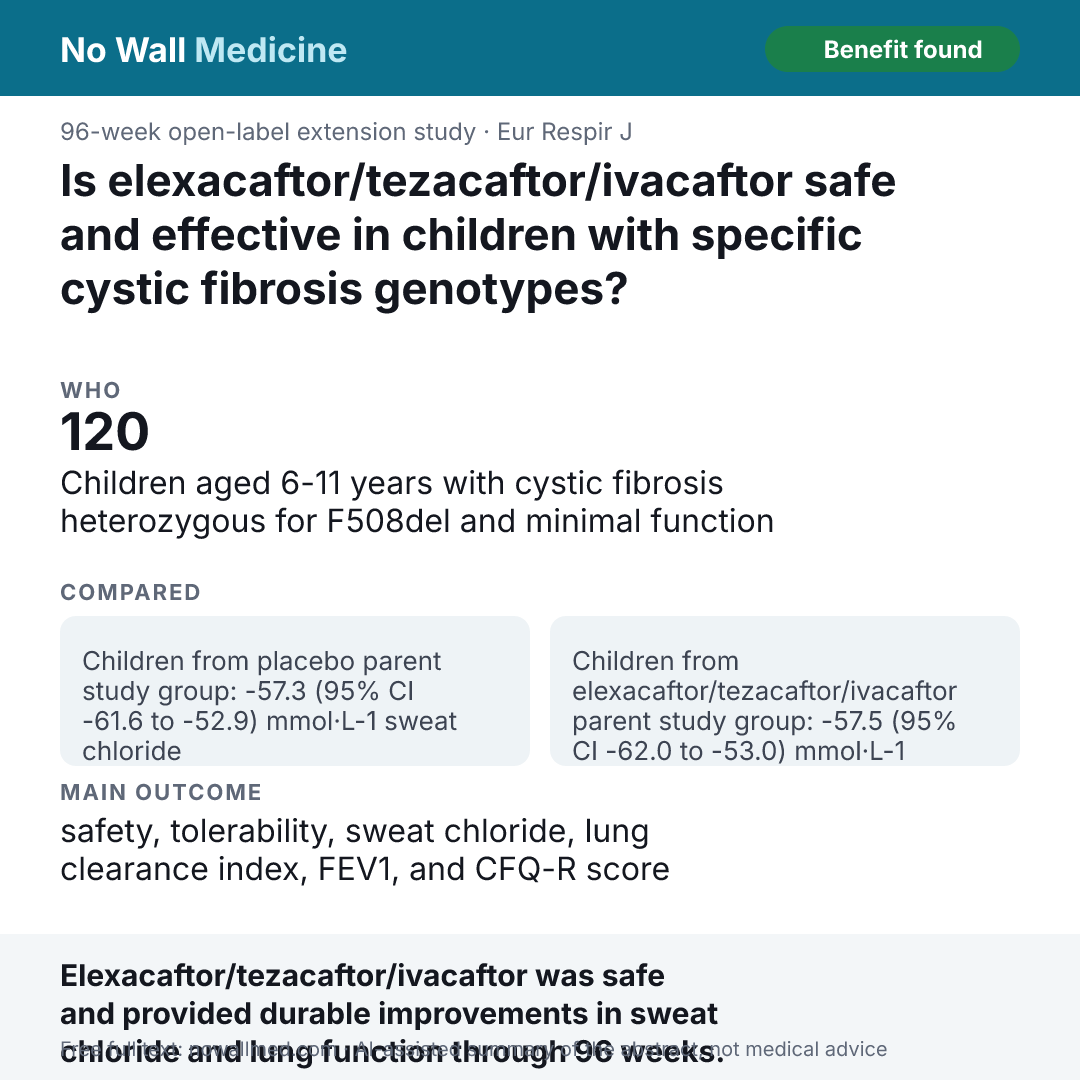
Elexacaftor/tezacaftor/ivacaftor in children aged ≥6 years with cystic fibrosis heterozygous for F508del and a minimal function mutation: results from a 96-week open-label extension study
96-week open-label extension studyBenefit found
Is elexacaftor/tezacaftor/ivacaftor safe and effective in children with specific cystic fibrosis genotypes?
Who
120
Children aged 6-11 years with cystic fibrosis heterozygous for F508del and minimal function mutations
Compared
Children from placebo parent study group: -57.3 (95% CI -61.6 to -52.9) mmol·L-1 sweat chloride
Children from elexacaftor/tezacaftor/ivacaftor parent study group: -57.5 (95% CI -62.0 to -53.0) mmol·L-1 sweat chloride
Main outcome
safety, tolerability, sweat chloride, lung clearance index, FEV1, and CFQ-R score
Bottom line: Elexacaftor/tezacaftor/ivacaftor was safe and provided durable improvements in sweat chloride and lung function through 96 weeks.
Eur Respir J · 2025-07-14 · Save PNG
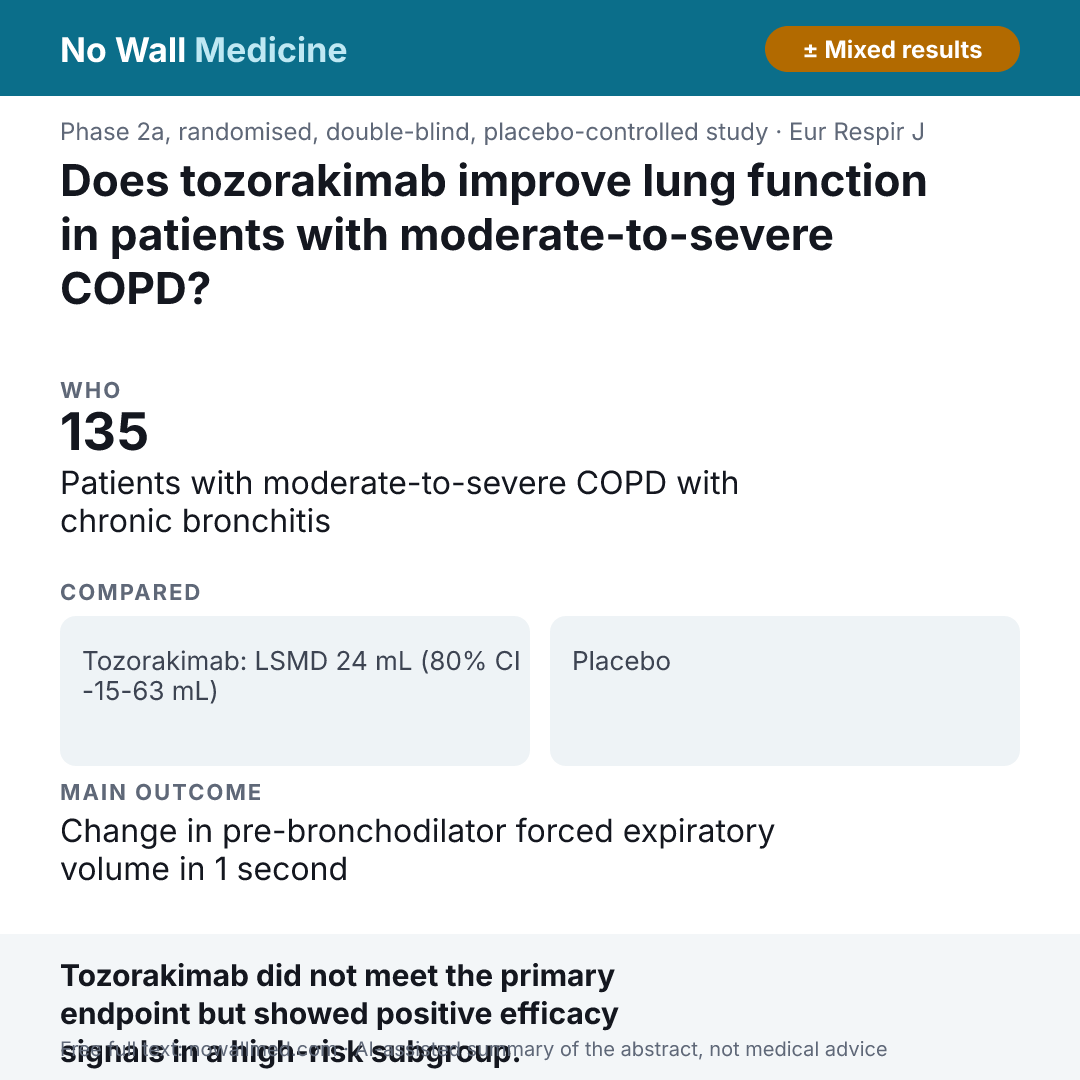
A phase 2a trial of the IL-33 monoclonal antibody tozorakimab in patients with COPD: FRONTIER-4
Phase 2a, randomised, double-blind, placebo-controlled studyMixed results
Does tozorakimab improve lung function in patients with moderate-to-severe COPD?
Who
135
Patients with moderate-to-severe COPD with chronic bronchitis
Compared
Tozorakimab: LSMD 24 mL (80% CI -15-63 mL)
Placebo
Main outcome
Change in pre-bronchodilator forced expiratory volume in 1 second
Result: LSMD 24 mL, 80% CI -15-63 mL
Bottom line: Tozorakimab did not meet the primary endpoint but showed positive efficacy signals in a high-risk subgroup.
Eur Respir J · 2025-07-14 · Save PNG
A Systematic Review Supporting the Endocrine Society Clinical Practice Guideline on Management of Primary Aldosteronism
Systematic reviewMixed results
What are the best management strategies for primary aldosteronism?
Who
Patients with primary aldosteronism
Compared
Adrenal venous sampling: better post-adrenalectomy biochemical cure rate
Computed tomography alone
Surgical therapy: better blood pressure control than medical therapy
Medical therapy
Main outcome
Management outcomes including blood pressure control and biochemical cure
Bottom line: Surgical therapy may improve blood pressure control, and adrenal venous sampling may improve biochemical cure rates.
J Clin Endocrinol Metab · 2025-07-14 · Save PNG

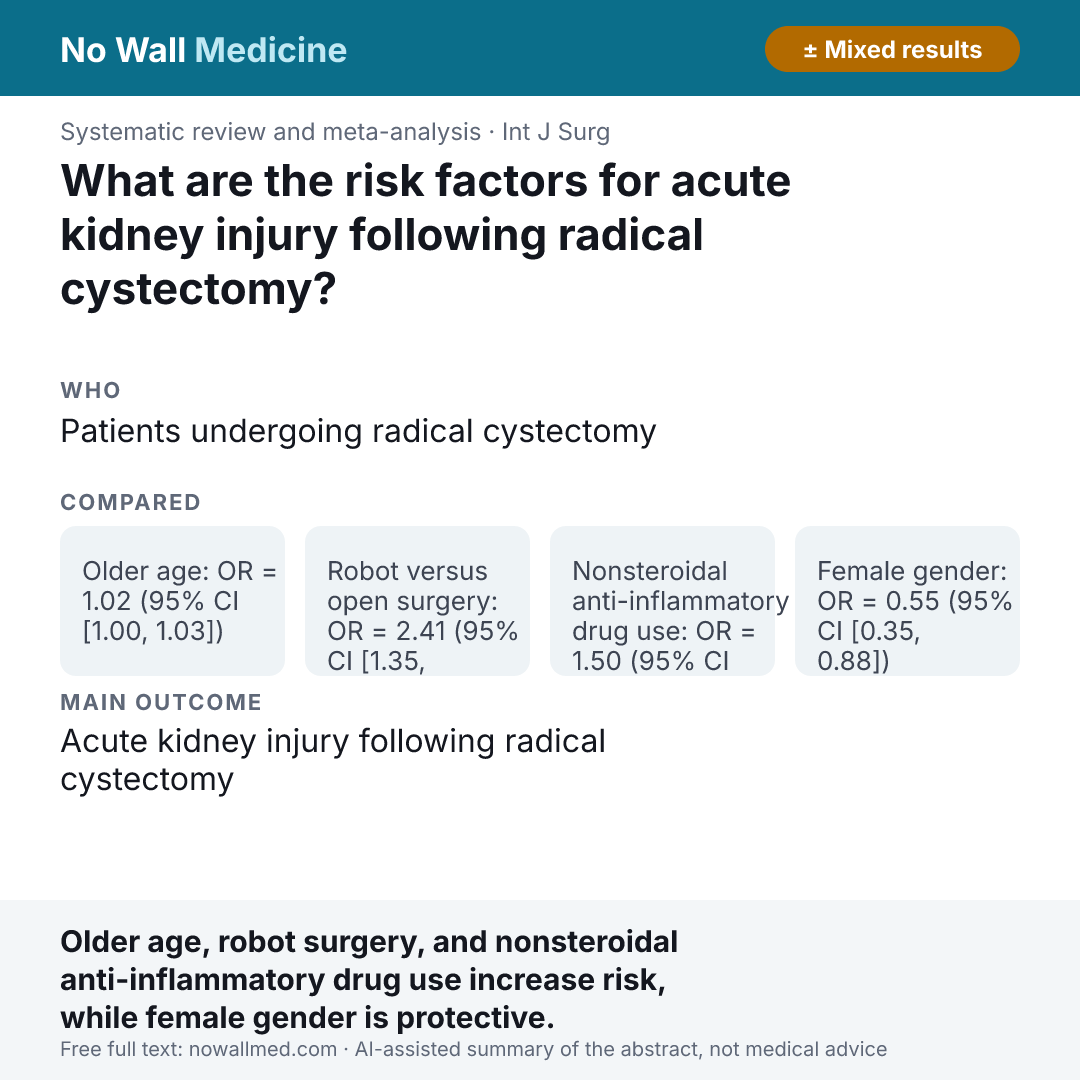
Risk factors for acute kidney injury following radical cystectomy: a systematic review and meta-analysis
Systematic review and meta-analysisMixed results
What are the risk factors for acute kidney injury following radical cystectomy?
Who
Patients undergoing radical cystectomy
Compared
Older age: OR = 1.02 (95% CI [1.00, 1.03])
Robot versus open surgery: OR = 2.41 (95% CI [1.35, 4.31])
Nonsteroidal anti-inflammatory drug use: OR = 1.50 (95% CI [1.01, 2.23])
Female gender: OR = 0.55 (95% CI [0.35, 0.88])
Main outcome
Acute kidney injury following radical cystectomy
Bottom line: Older age, robot surgery, and nonsteroidal anti-inflammatory drug use increase risk, while female gender is protective.
Limitation: Most of these risk factors exhibited minimal effect sizes.
Int J Surg · 2025-07-14 · Save PNG
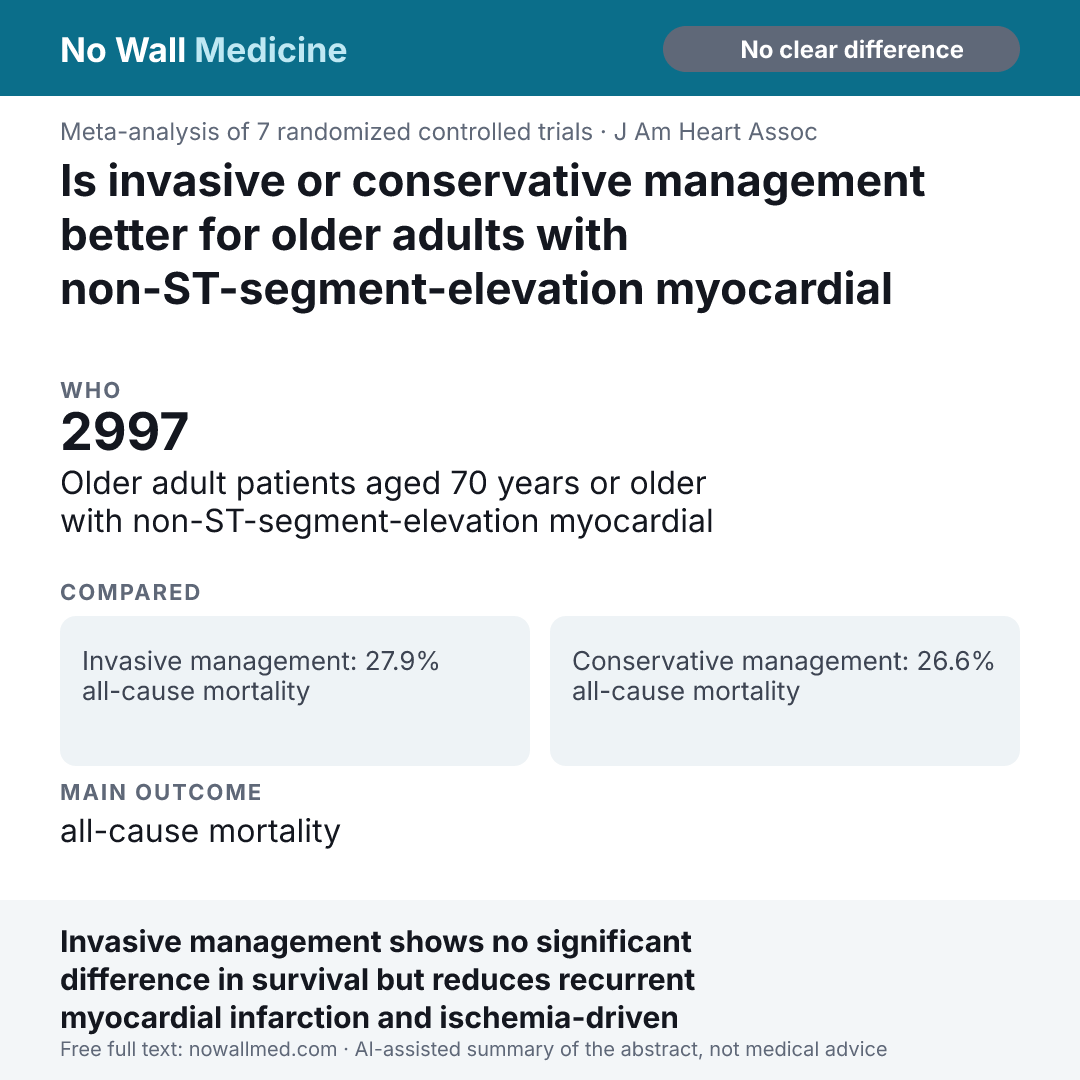
Pregnancy and Long-Term Kidney Function in CKD: A Systematic Review and Meta-Analysis
Systematic review and meta-analysisMixed results
Does pregnancy affect long-term kidney function in women with chronic kidney disease?
Who
2945
Women with preexisting chronic kidney disease
Compared
Mild chronic kidney disease: SMD, −0.22 [−0.56 to 0.13]
Advanced chronic kidney disease: SMD, −0.55 [−0.80 to −0.30]
Main outcome
Standardized mean difference in kidney function before versus after pregnancy
Result: pooled eGFR decline −8.96 ml/min (−17.4 to −0.48)
Bottom line: Pregnancy does not impair long-term kidney function in mild chronic kidney disease but may cause decline in advanced stages.
Limitation: Scarce studies including estimated glomerular filtration rate slopes prepregnancy and postpregnancy limit understanding of natural disease progression.
CJASN · 2025-07-14 · Save PNG
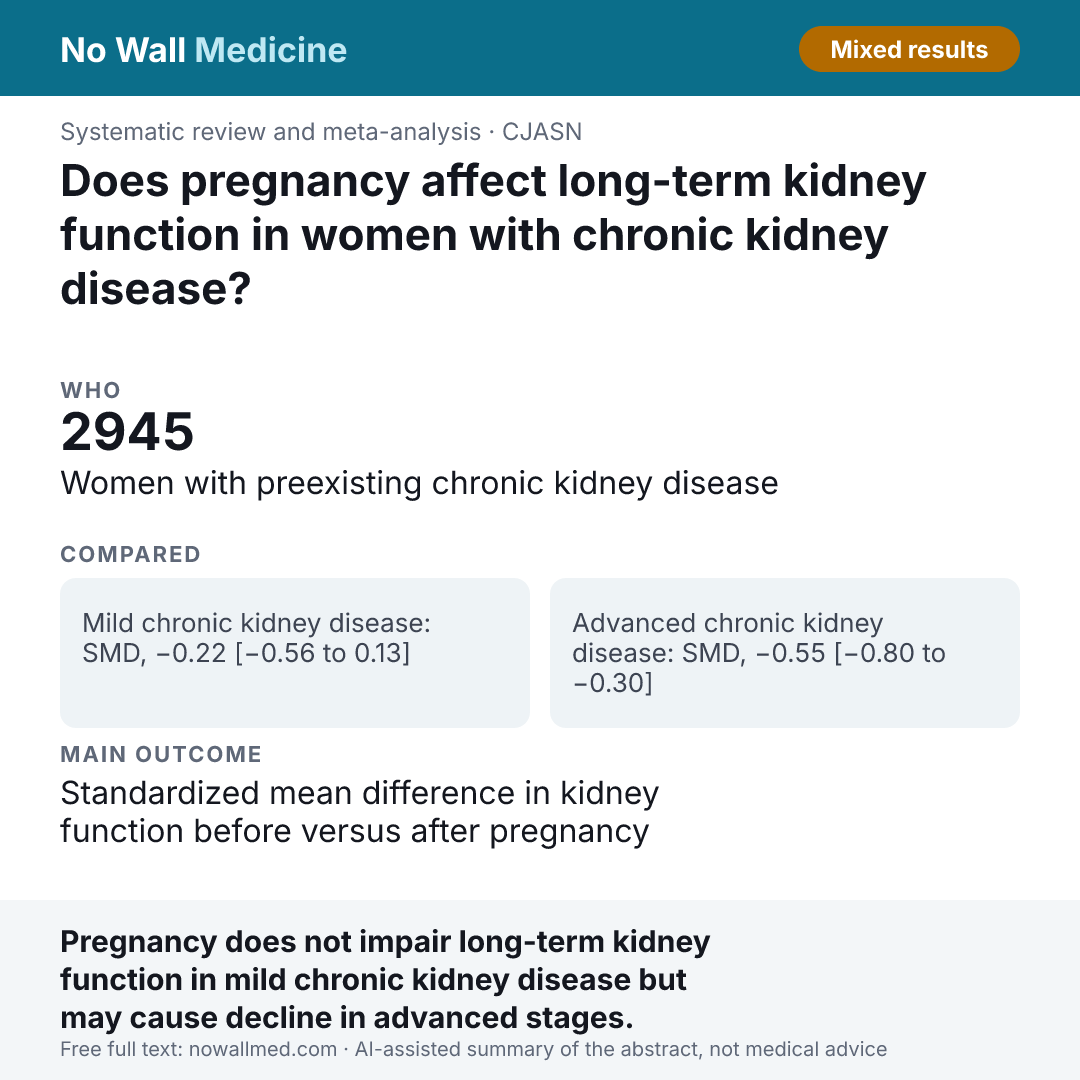
Sodium-Glucose Cotransporter 2 Inhibition and Hospitalizations in Patients with CKD: A Meta-Analysis of Kidney Outcome Trials
Meta-analysis of three placebo-controlled trials and post hoc analysisBenefit found
Do sodium-glucose cotransporter 2 inhibitors reduce all-cause hospitalizations in patients with chronic kidney disease?
Who
Patients with chronic kidney disease
Compared
Sodium-glucose cotransporter 2 inhibitors: 15% reduction
Placebo
Main outcome
First and subsequent all-cause hospitalizations
Result: hazard ratio 0.85 (95% CI 0.78 to 0.95)
Bottom line: Sodium-glucose cotransporter 2 inhibitors reduce the risk of all-cause hospitalizations in patients with chronic kidney disease.
CJASN · 2025-07-14 · Save PNG
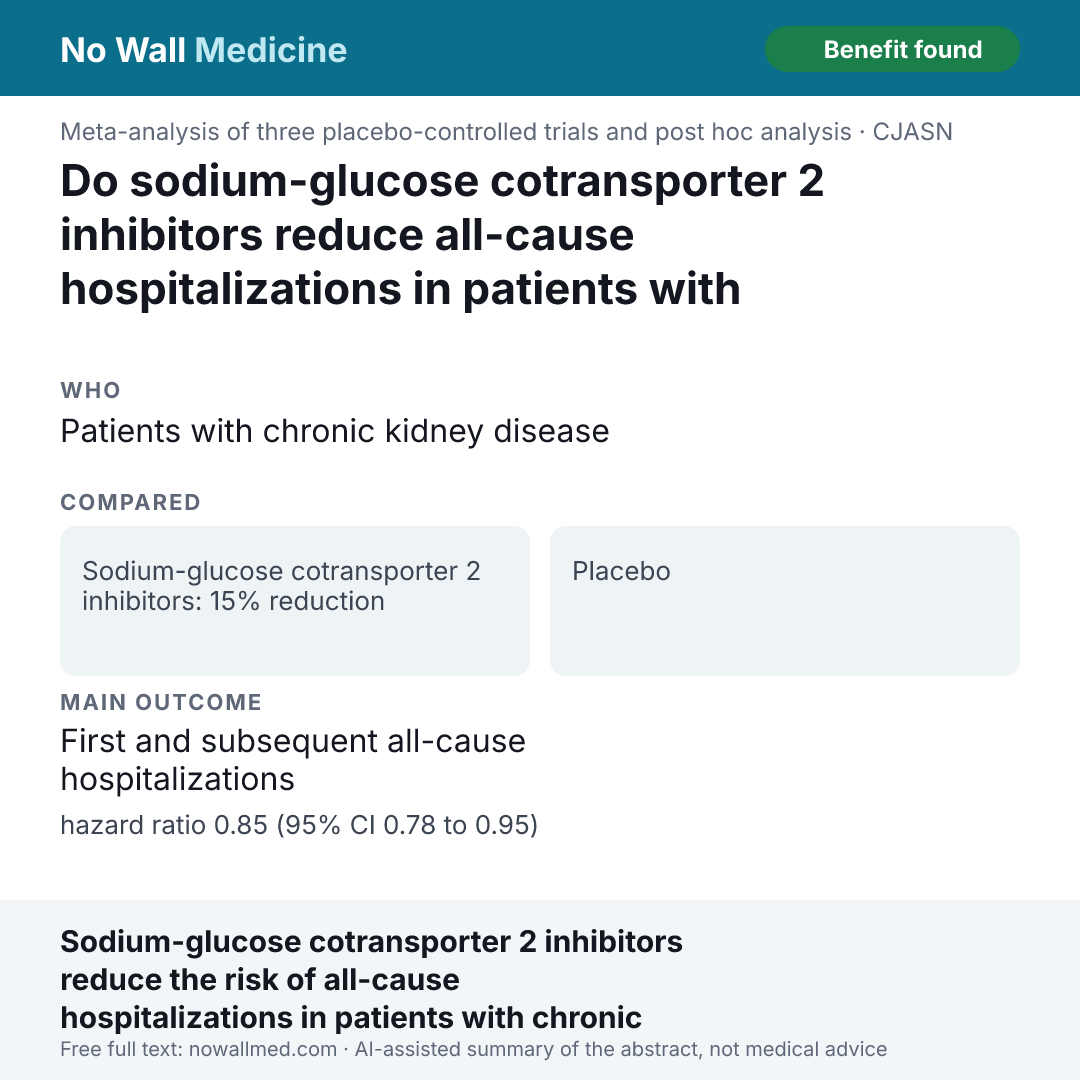
Gene therapy for intracranial aneurysms: systemic review
Systemic reviewUnclear result
Gene therapy for aneurysms
Who
patients with intracranial aneurysms
Compared
gene therapy
standard treatment
Main outcome
aneurysm development
Bottom line: Gene therapy may improve aneurysm outcomes
J Neurointerv Surg · 2025-07-14 · Save PNG
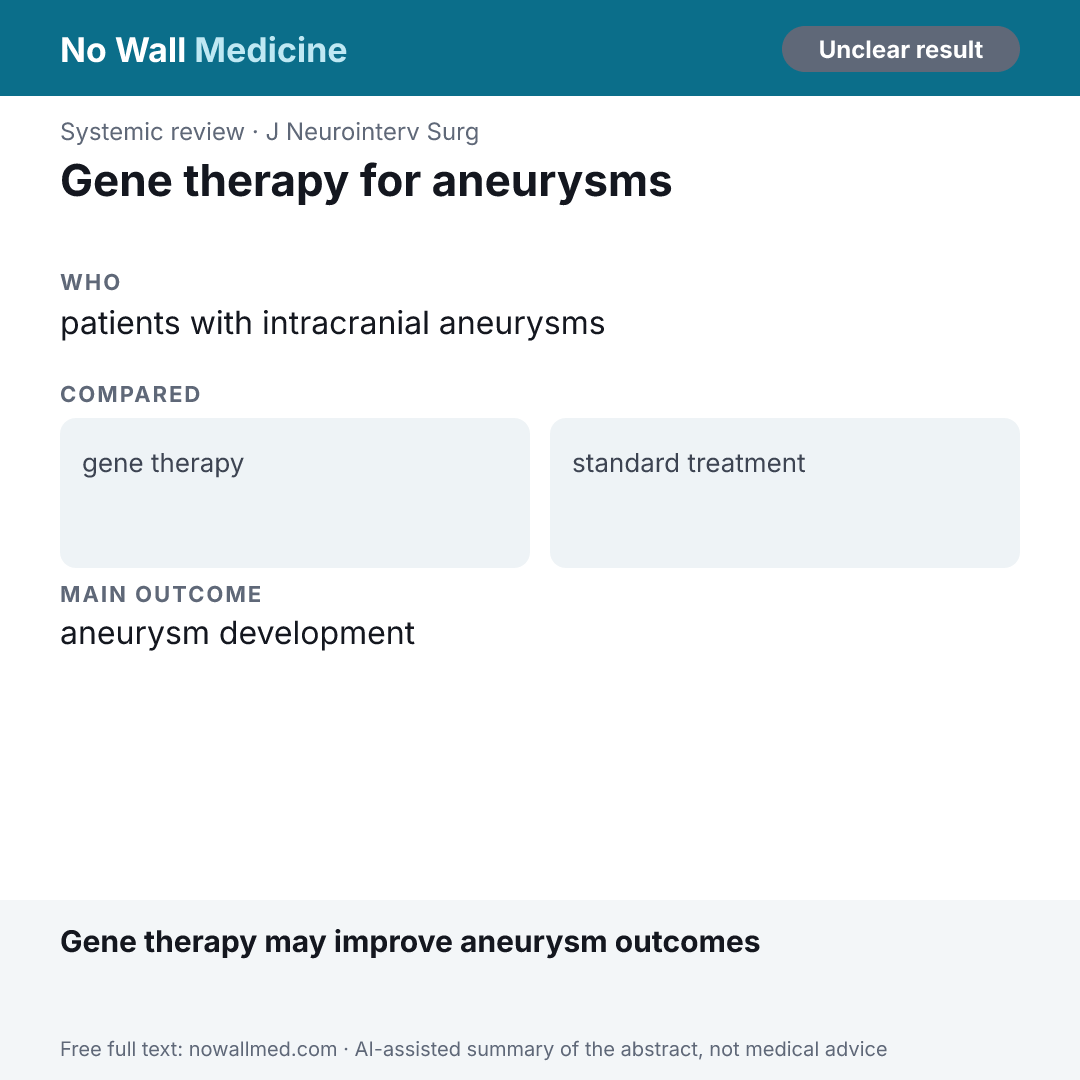
Invasive Versus Conservative Management Among Older Adult Patients With Non-ST-Segment-Elevation Myocardial Infarction: A Meta-Analysis of Randomized Controlled Trials
Meta-analysis of 7 randomized controlled trialsNo clear difference
Is invasive or conservative management better for older adults with non-ST-segment-elevation myocardial infarction?
Who
2997
Older adult patients aged 70 years or older with non-ST-segment-elevation myocardial infarction
Compared
Invasive management: 27.9% all-cause mortality
Conservative management: 26.6% all-cause mortality
Main outcome
all-cause mortality
Result: risk ratio 1.05 (95% CI 0.94-1.18)
Bottom line: Invasive management shows no significant difference in survival but reduces recurrent myocardial infarction and ischemia-driven revascularization in older adults.
J Am Heart Assoc · 2025-07-14 · Save PNG
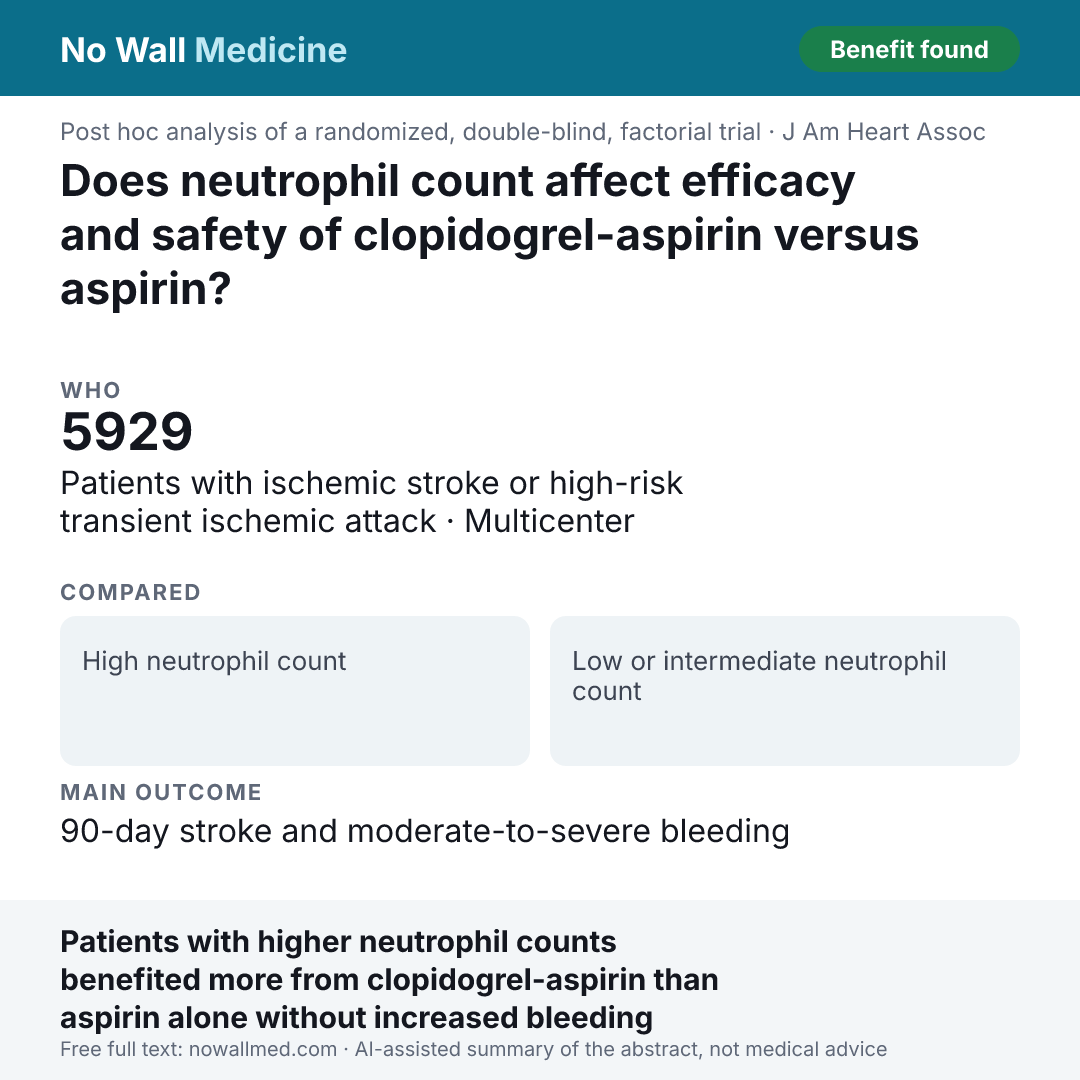
Relationship Between Neutrophil Count and 90-Day Outcomes and Effect of Dual Antiplatelet Therapy in Patients With Acute Ischemic Stroke or Transient Ischemic Attack: A Post Hoc Analysis of the INSPIRES Trial
Post hoc analysis of a randomized, double-blind, factorial trialBenefit found
Does neutrophil count affect efficacy and safety of clopidogrel-aspirin versus aspirin?
Who
5929
Patients with ischemic stroke or high-risk transient ischemic attack · Multicenter
Compared
High neutrophil count
Low or intermediate neutrophil count
Main outcome
90-day stroke and moderate-to-severe bleeding
Bottom line: Patients with higher neutrophil counts benefited more from clopidogrel-aspirin than aspirin alone without increased bleeding risk.
Limitation: Further research is needed to explore the mechanism.
J Am Heart Assoc · 2025-07-14 · Save PNG
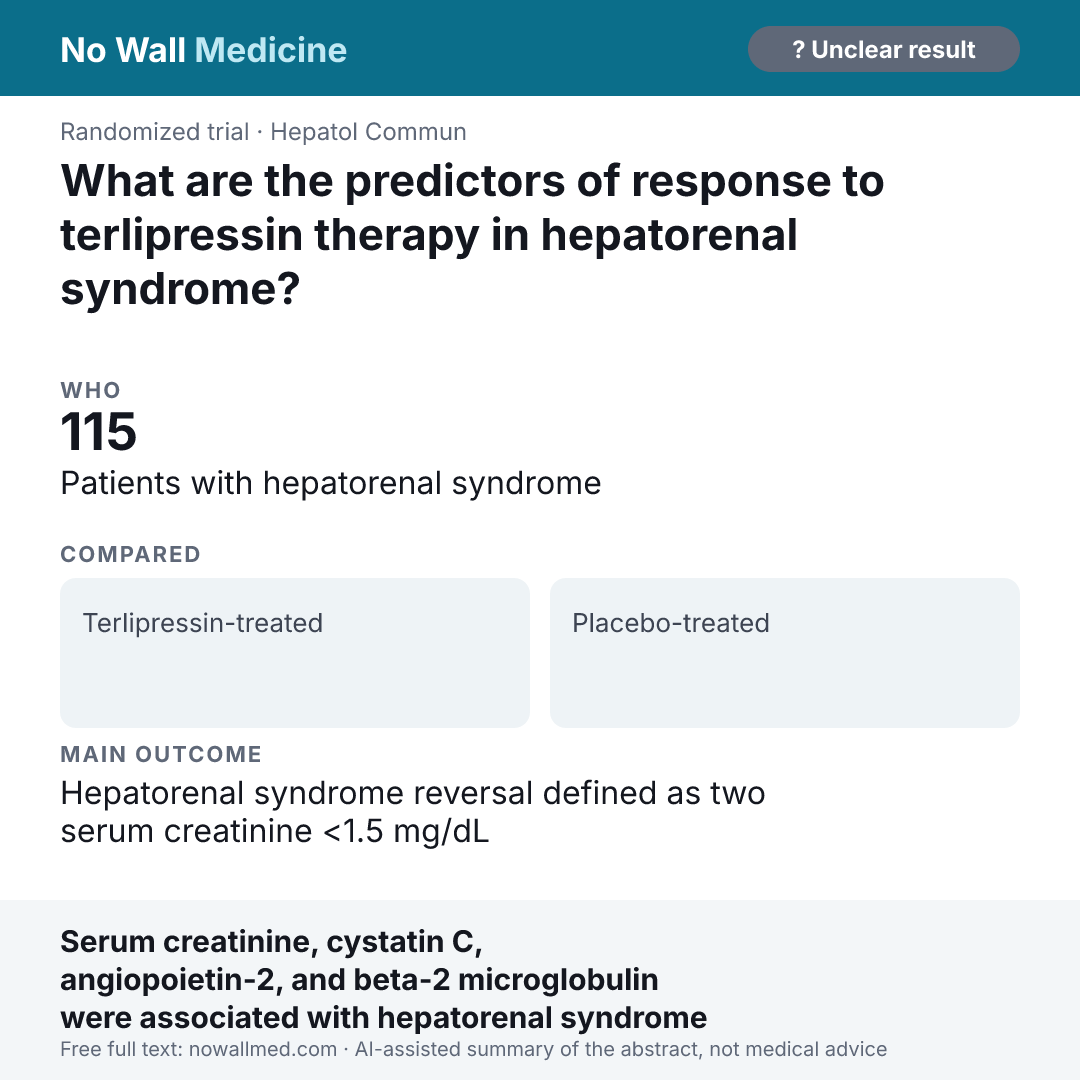
Predictors of response to terlipressin therapy in hepatorenal syndrome: Metabolomic and proteomic analysis from the CONFIRM trial
Randomized trialUnclear result
What are the predictors of response to terlipressin therapy in hepatorenal syndrome?
Who
115
Patients with hepatorenal syndrome
Compared
Terlipressin-treated
Placebo-treated
Main outcome
Hepatorenal syndrome reversal defined as two serum creatinine <1.5 mg/dL
Bottom line: Serum creatinine, cystatin C, angiopoietin-2, and beta-2 microglobulin were associated with hepatorenal syndrome reversal.
Hepatol Commun · 2025-07-14 · Save PNG
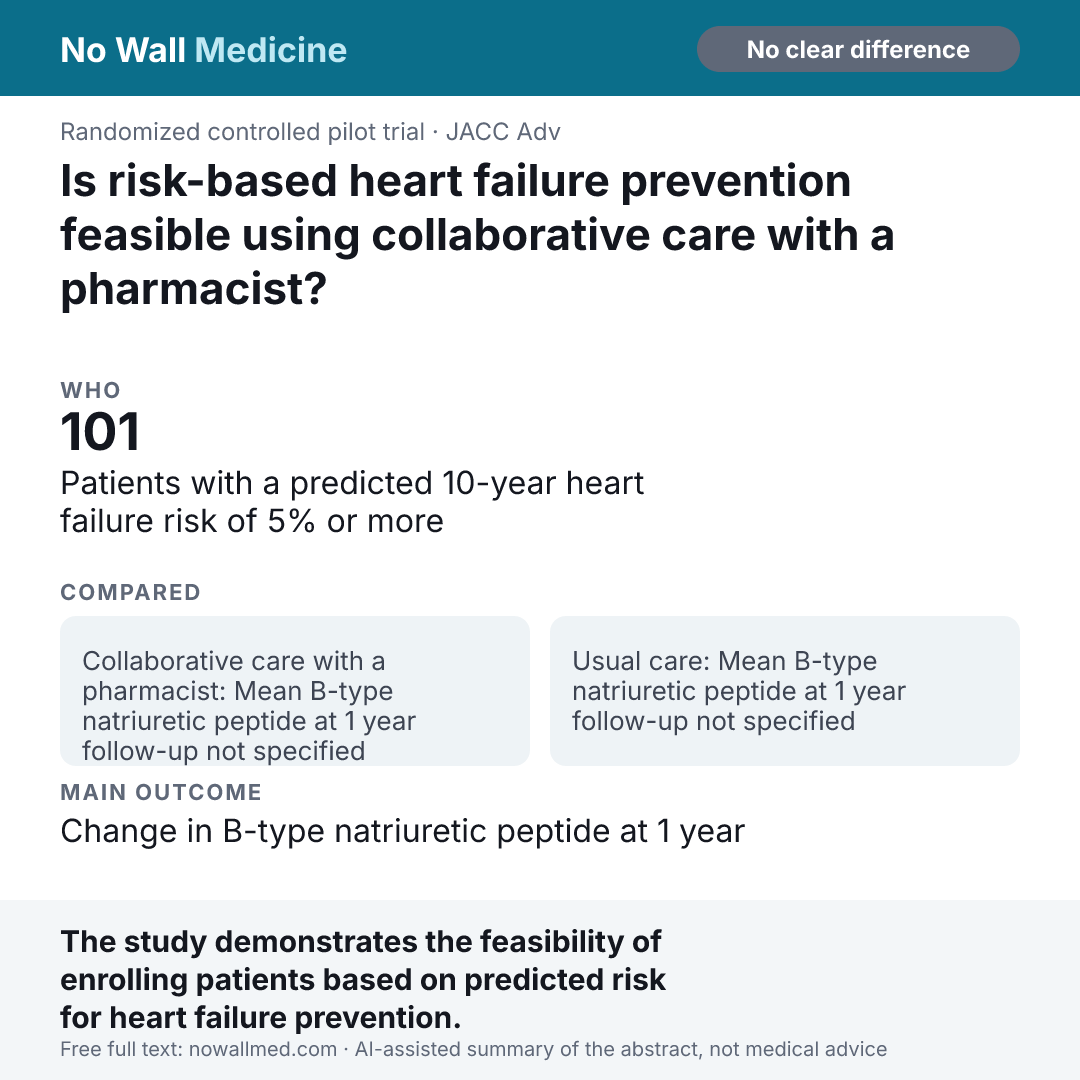
Feasibility of the Implementation of Tools for Heart Failure Risk Prediction: A Randomized Controlled Pilot Trial
Randomized controlled pilot trialNo clear difference
Is risk-based heart failure prevention feasible using collaborative care with a pharmacist?
Who
101
Patients with a predicted 10-year heart failure risk of 5% or more
Compared
Collaborative care with a pharmacist: Mean B-type natriuretic peptide at 1 year follow-up not specified
Usual care: Mean B-type natriuretic peptide at 1 year follow-up not specified
Main outcome
Change in B-type natriuretic peptide at 1 year
Result: -9.0 (-20.6 to 2.6, P = 0.13)
Bottom line: The study demonstrates the feasibility of enrolling patients based on predicted risk for heart failure prevention.
Limitation: Larger follow-up studies are needed to determine efficacy and long-term impact.
JACC Adv · 2025-07-14 · Save PNG
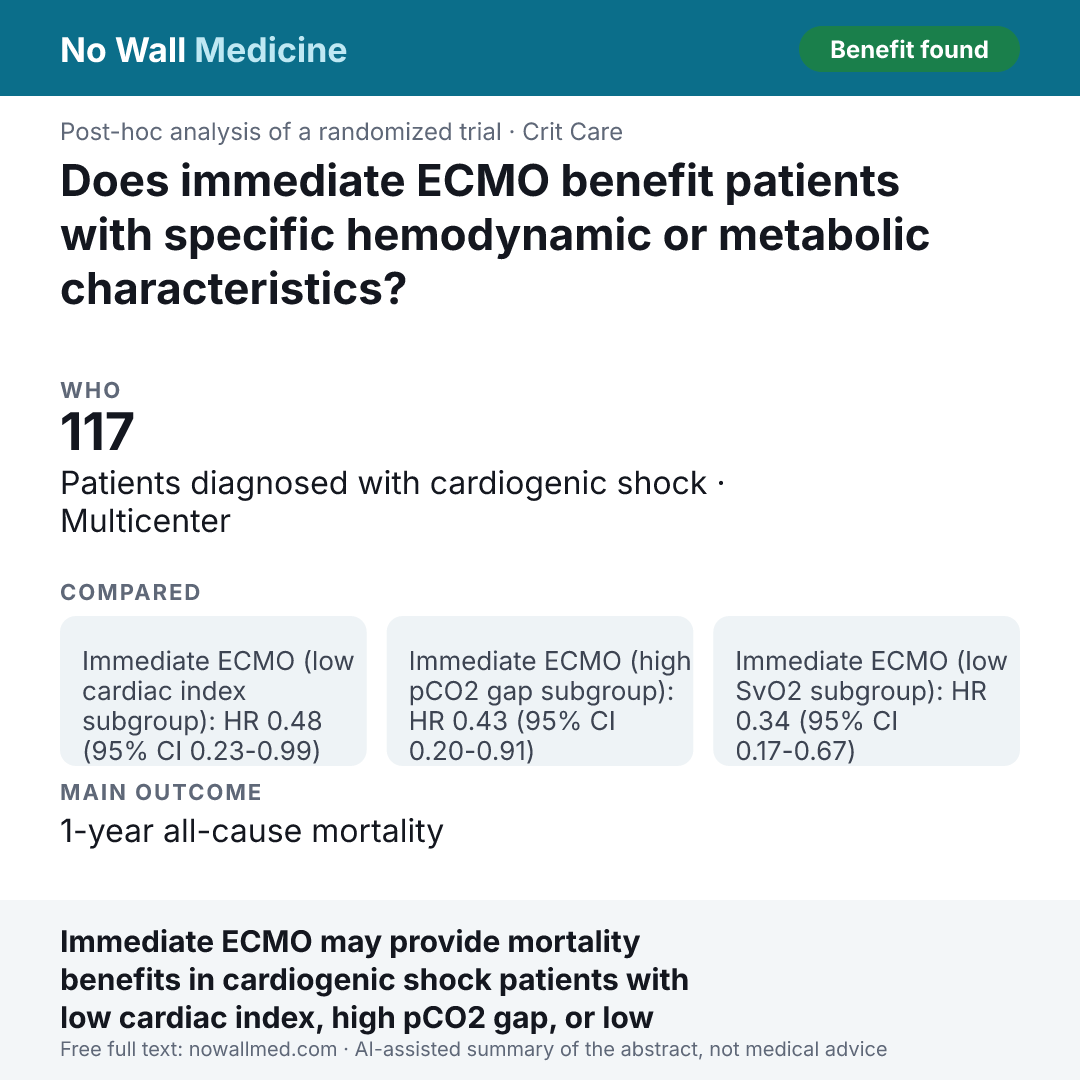
Cardiac index, SvO2 or pCO2 gap may determine benefit from ECMO in cardiogenic shock: post-hoc analysis of the multicenter, randomized ECMO-CS trial
Post-hoc analysis of a randomized trialBenefit found
Does immediate ECMO benefit patients with specific hemodynamic or metabolic characteristics?
Who
117
Patients diagnosed with cardiogenic shock · Multicenter
Compared
Immediate ECMO (low cardiac index subgroup): HR 0.48 (95% CI 0.23-0.99)
Immediate ECMO (high pCO2 gap subgroup): HR 0.43 (95% CI 0.20-0.91)
Immediate ECMO (low SvO2 subgroup): HR 0.34 (95% CI 0.17-0.67)
Main outcome
1-year all-cause mortality
Bottom line: Immediate ECMO may provide mortality benefits in cardiogenic shock patients with low cardiac index, high pCO2 gap, or low SvO2.
Crit Care · 2025-07-14 · Save PNG
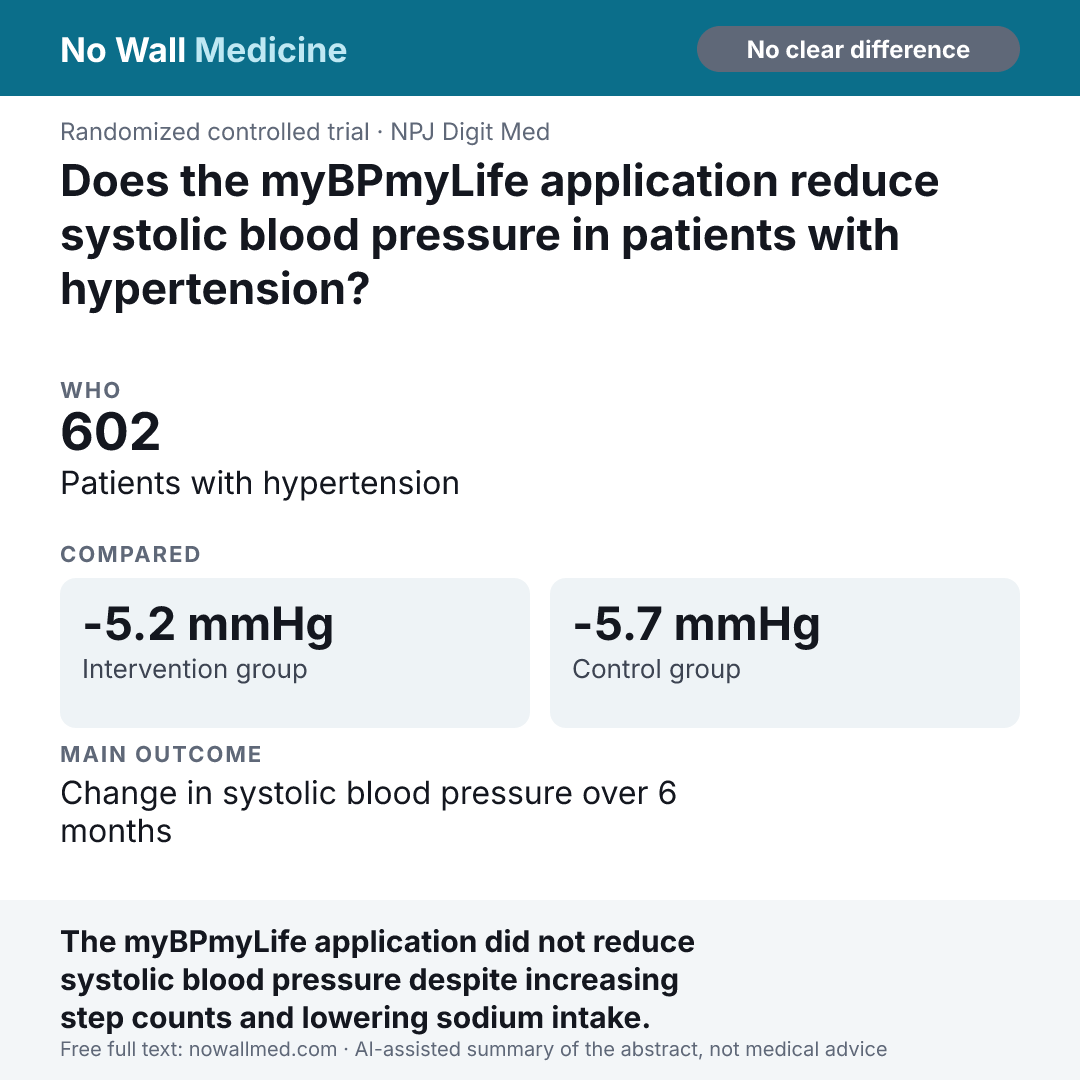
Physical activity and diet just-in-time adaptive intervention to reduce blood pressure: a randomized controlled trial
Randomized controlled trialNo clear difference
Does the myBPmyLife application reduce systolic blood pressure in patients with hypertension?
Who
602
Patients with hypertension
Compared
-5.2 mmHgIntervention group
-5.7 mmHgControl group
Main outcome
Change in systolic blood pressure over 6 months
Bottom line: The myBPmyLife application did not reduce systolic blood pressure despite increasing step counts and lowering sodium intake.
NPJ Digit Med · 2025-07-14 · Save PNG
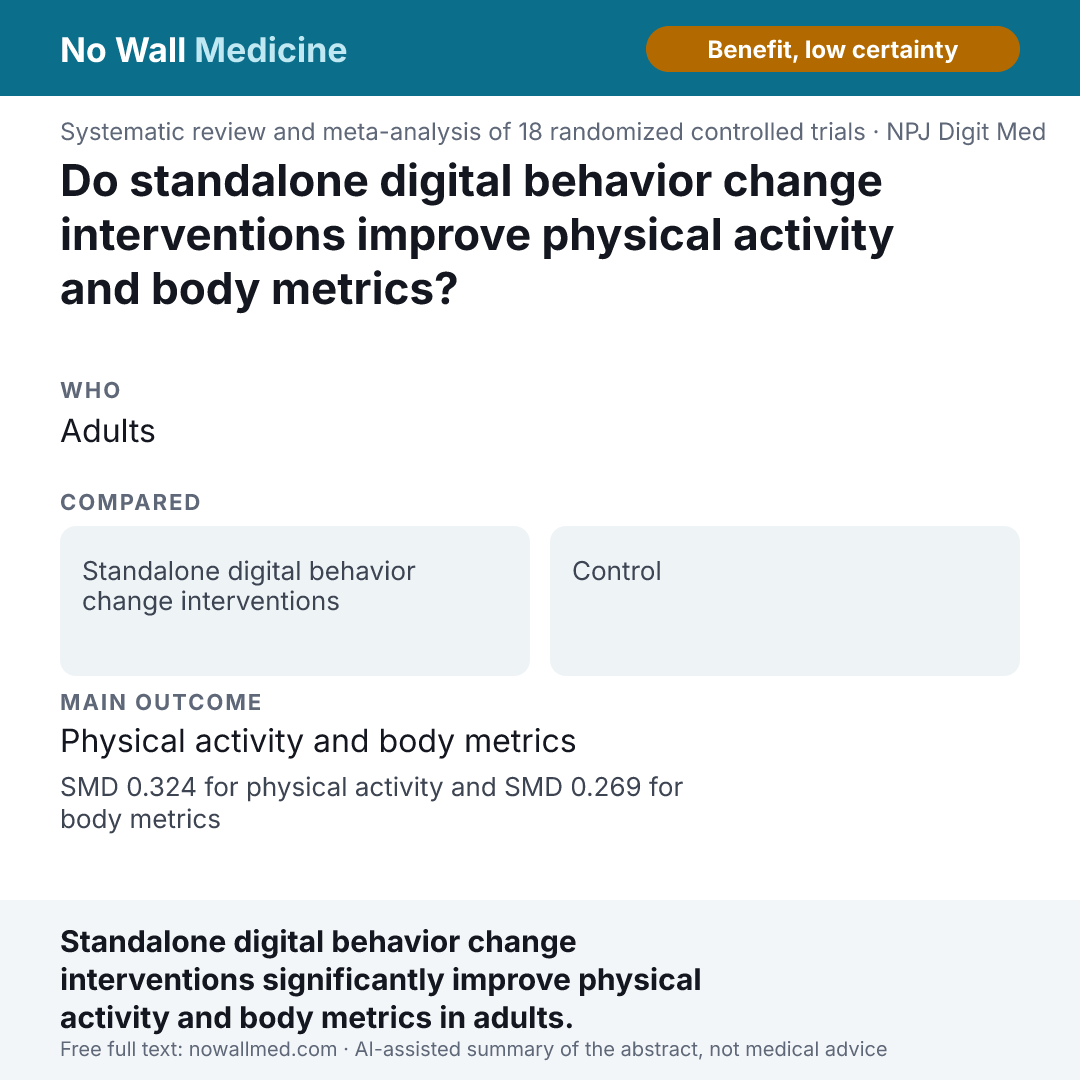
Systematic review and meta analysis of standalone digital behavior change interventions on physical activity
Systematic review and meta-analysis of 18 randomized controlled trialsBenefit, low certainty
Do standalone digital behavior change interventions improve physical activity and body metrics?
Who
Adults
Compared
Standalone digital behavior change interventions
Control
Main outcome
Physical activity and body metrics
Result: SMD 0.324 for physical activity and SMD 0.269 for body metrics
Bottom line: Standalone digital behavior change interventions significantly improve physical activity and body metrics in adults.
Limitation: Publication bias and risk of bias downgraded the certainty of evidence.
NPJ Digit Med · 2025-07-14 · Save PNG
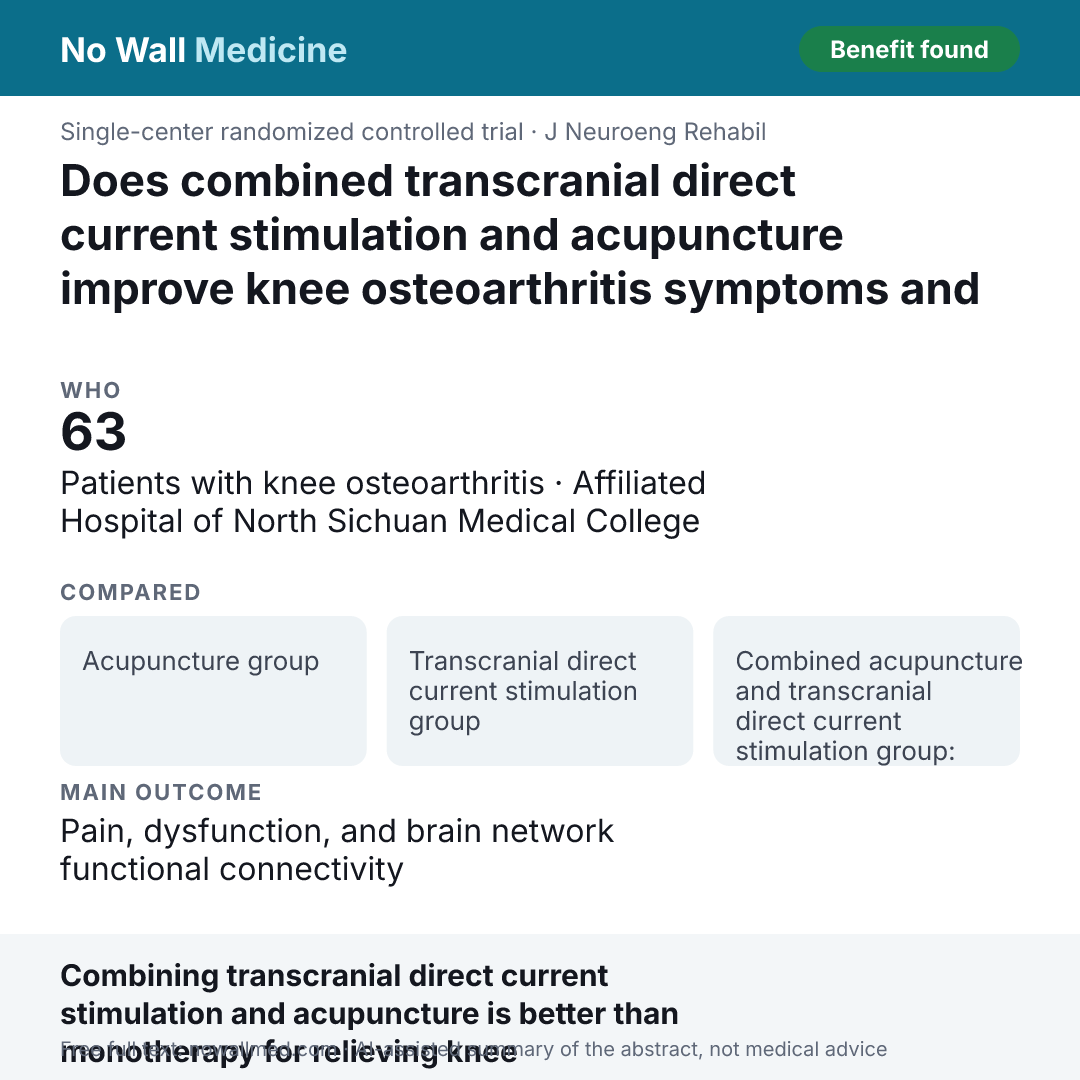
Effects of transcranial direct current stimulation combined with acupuncture therapy on brain network functional connectivity in patients with knee osteoarthritis: a single-center randomized controlled trial
Single-center randomized controlled trialBenefit found
Does combined transcranial direct current stimulation and acupuncture improve knee osteoarthritis symptoms and brain connectivity?
Who
63
Patients with knee osteoarthritis · Affiliated Hospital of North Sichuan Medical College
Compared
Acupuncture group
Transcranial direct current stimulation group
Combined acupuncture and transcranial direct current stimulation group: greater improvements in the VAS score, WOMAC score, and Lequesne indexes
Main outcome
Pain, dysfunction, and brain network functional connectivity
Bottom line: Combining transcranial direct current stimulation and acupuncture is better than monotherapy for relieving knee osteoarthritis pain and dysfunction.
J Neuroeng Rehabil · 2025-07-14 · Save PNG
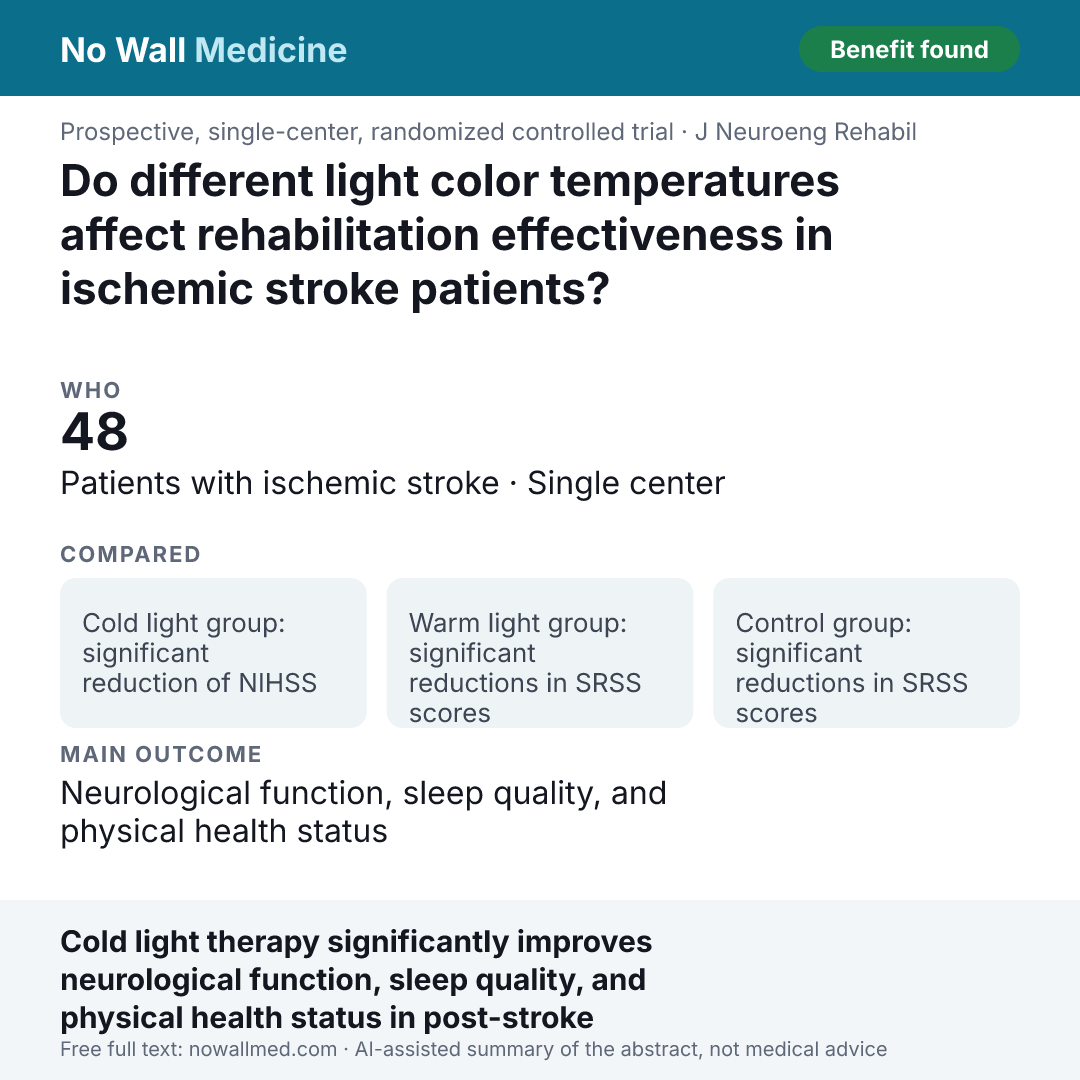
Different light color temperatures in the morning on the effectiveness of rehabilitation training in patients with ischemic stroke: a prospective, single-center, randomized controlled clinical trial
Prospective, single-center, randomized controlled trialBenefit found
Do different light color temperatures affect rehabilitation effectiveness in ischemic stroke patients?
Who
48
Patients with ischemic stroke · Single center
Compared
Cold light group: significant reduction of NIHSS
Warm light group: significant reductions in SRSS scores
Control group: significant reductions in SRSS scores
Main outcome
Neurological function, sleep quality, and physical health status
Bottom line: Cold light therapy significantly improves neurological function, sleep quality, and physical health status in post-stroke patients.
J Neuroeng Rehabil · 2025-07-14 · Save PNG
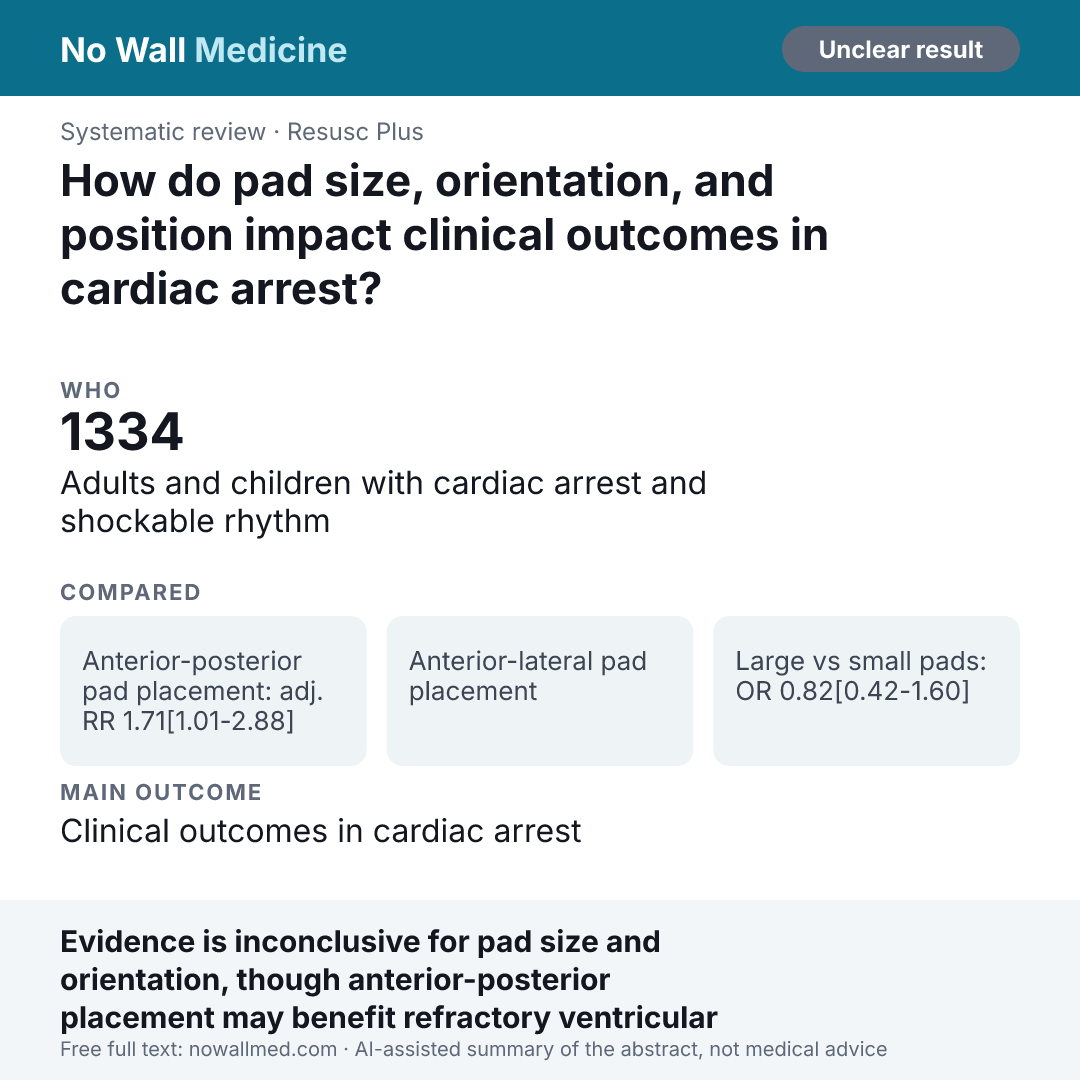
Pad size, orientation, and placement for defibrillation during basic life support: A systematic review
Systematic reviewUnclear result
How do pad size, orientation, and position impact clinical outcomes in cardiac arrest?
Who
1334
Adults and children with cardiac arrest and shockable rhythm
Compared
Anterior-posterior pad placement: adj. RR 1.71[1.01-2.88]
Anterior-lateral pad placement
Large vs small pads: OR 0.82[0.42-1.60]
Main outcome
Clinical outcomes in cardiac arrest
Result: adj. RR 1.71[1.01-2.88]
Bottom line: Evidence is inconclusive for pad size and orientation, though anterior-posterior placement may benefit refractory ventricular fibrillation.
Limitation: Sparse evidence, conflicting data, and high risk of bias in observational studies.
Resusc Plus · 2025-07-14 · Save PNG
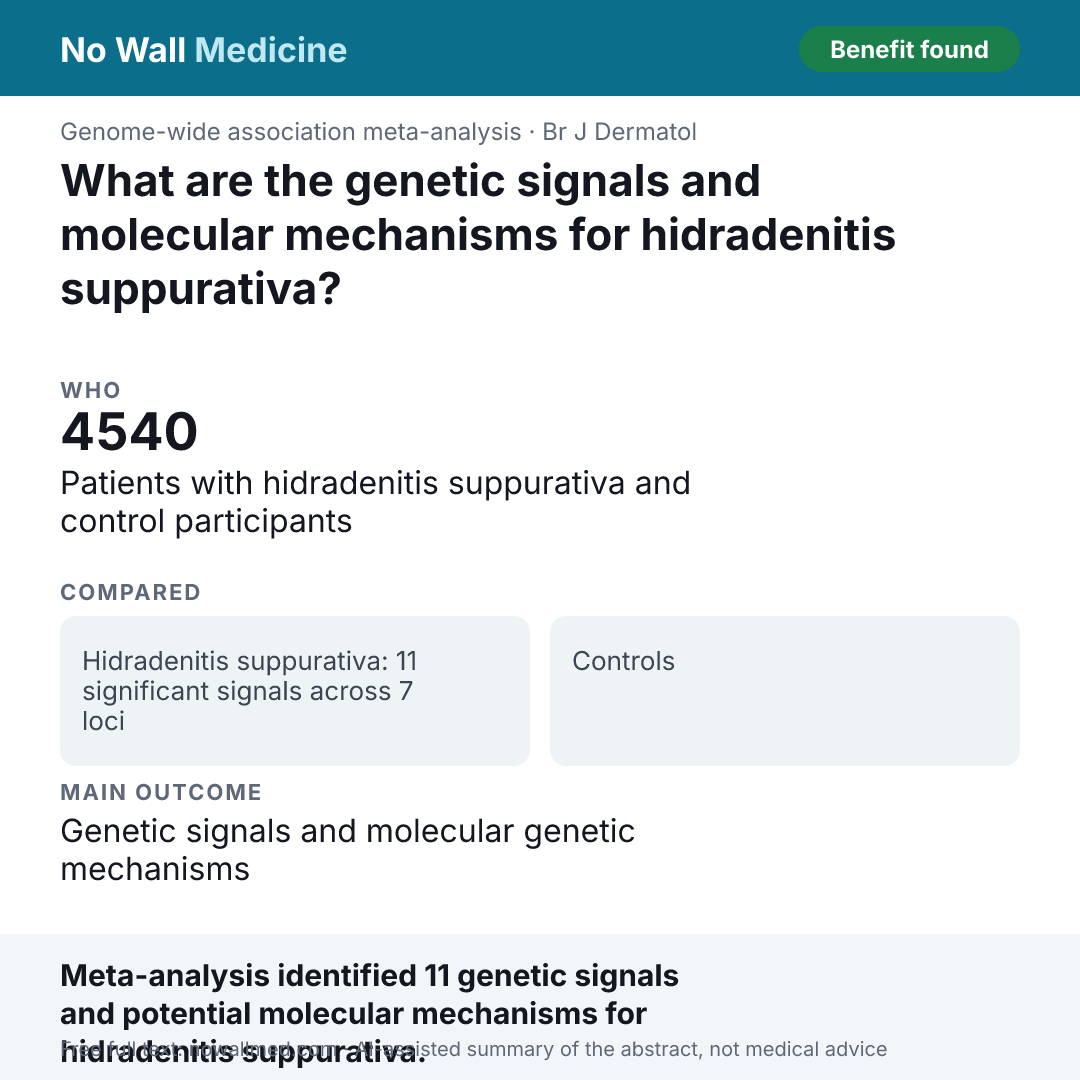
Genomic loci and molecular genetic mechanisms for hidradenitis suppurativa
Genome-wide association meta-analysisBenefit found
What are the genetic signals and molecular mechanisms for hidradenitis suppurativa?
Who
4540
Patients with hidradenitis suppurativa and control participants
Compared
Hidradenitis suppurativa: 11 significant signals across 7 loci
Controls
Main outcome
Genetic signals and molecular genetic mechanisms
Bottom line: Meta-analysis identified 11 genetic signals and potential molecular mechanisms for hidradenitis suppurativa.
Br J Dermatol · 2025-07-13 · Save PNG
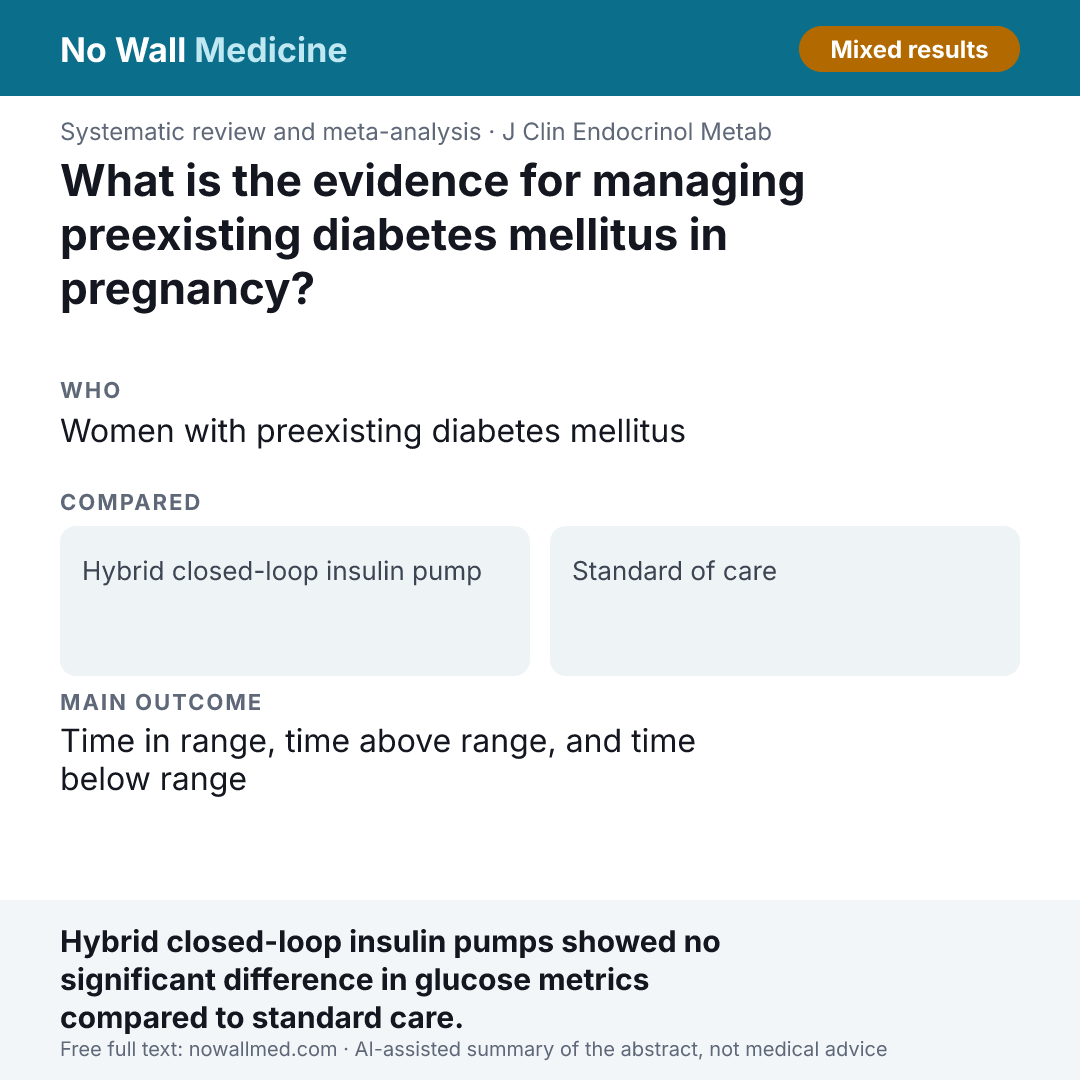
A Systematic Review Supporting the Clinical Practice Guidelines on the Management of Preexisting Diabetes and Pregnancy
Systematic review and meta-analysisMixed results
What is the evidence for managing preexisting diabetes mellitus in pregnancy?
Who
Women with preexisting diabetes mellitus
Compared
Hybrid closed-loop insulin pump
Standard of care
Main outcome
Time in range, time above range, and time below range
Bottom line: Hybrid closed-loop insulin pumps showed no significant difference in glucose metrics compared to standard care.
Limitation: Retrospective evidence regarding induction of labor was subject to likely confounding.
J Clin Endocrinol Metab · 2025-07-13 · Save PNG
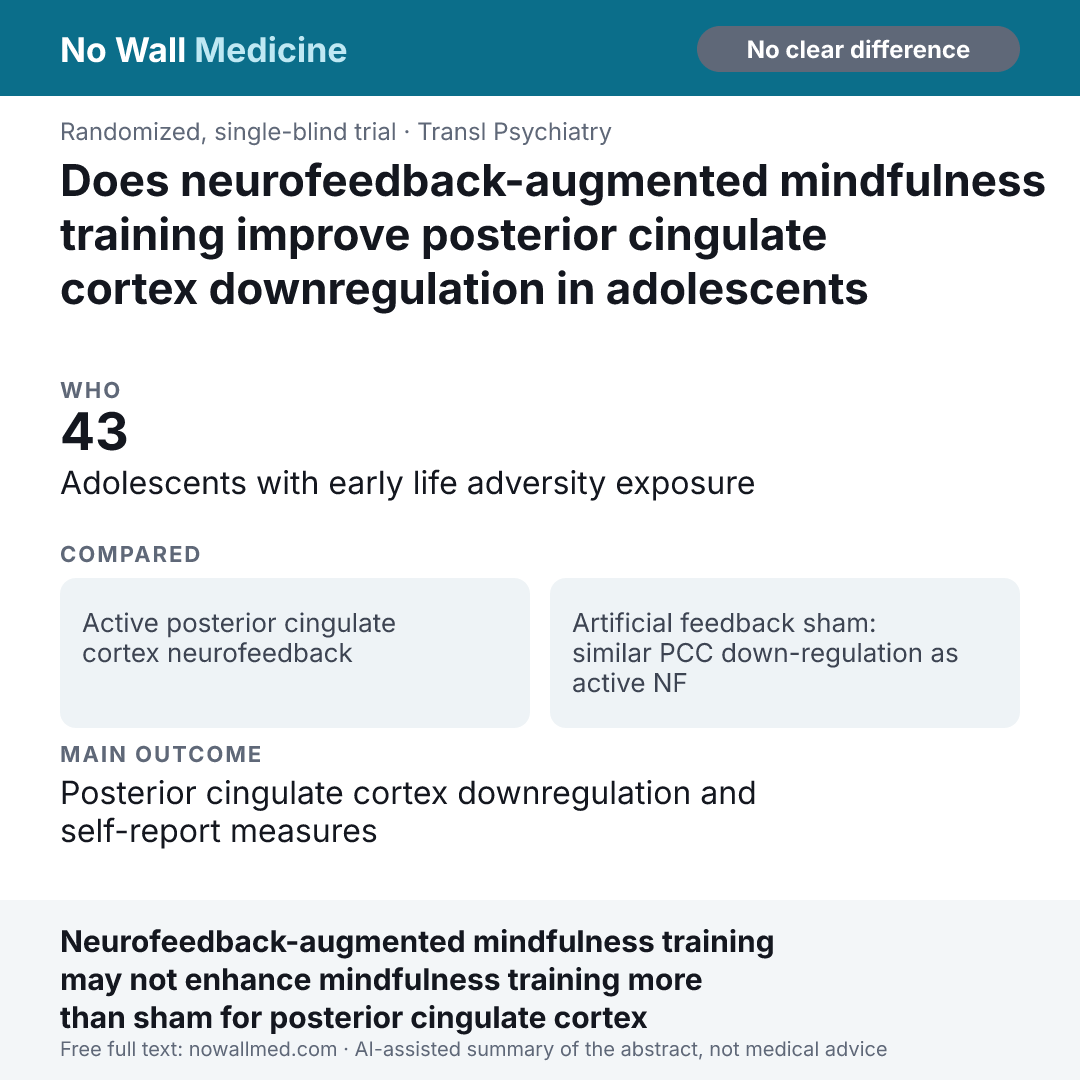
Posterior cingulate cortex downregulation training using fMRI neurofeedback in adolescents with early life adversity exposure: a randomized, single-blind trial
Randomized, single-blind trialNo clear difference
Does neurofeedback-augmented mindfulness training improve posterior cingulate cortex downregulation in adolescents with early life adversity?
Who
43
Adolescents with early life adversity exposure
Compared
Active posterior cingulate cortex neurofeedback
Artificial feedback sham: similar PCC down-regulation as active NF
Main outcome
Posterior cingulate cortex downregulation and self-report measures
Bottom line: Neurofeedback-augmented mindfulness training may not enhance mindfulness training more than sham for posterior cingulate cortex regulation.
Transl Psychiatry · 2025-07-13 · Save PNG