Visual abstracts
New randomized trials and meta-analyses from leading journals at a glance: who was studied, what was compared, and what was found. Every paper is free to read in full.
All specialtiesCardiology 4763Oncology 4042Gastroenterology & Hepatology 1902Infectious Disease 3756Neurology 1872Psychiatry & Mental Health 2214Pulmonology 2042Critical Care 1319Endocrinology & Diabetes 2544Pediatrics 2889Surgery 2479Orthopedics & Sports Medicine 917Neurosurgery 525Cardiothoracic & Vascular Surgery 656Plastic & Reconstructive Surgery 574Nephrology 1107Rheumatology 810Hematology 1090Dermatology 611Ophthalmology 532Obstetrics & Gynecology 1645Public & Global Health 1037Radiology & Imaging 617Anesthesiology 957Urology 745ENT (Otolaryngology) 494Emergency Medicine 481Allergy & Immunology 309Geriatrics 972Family Medicine & Primary Care 533Medical Genetics & Genomics 659Pathology & Laboratory Medicine 156Physical Medicine & Rehabilitation 734Palliative Care 421Nutrition 1560Digital Health & AI 2133General Medicine 318
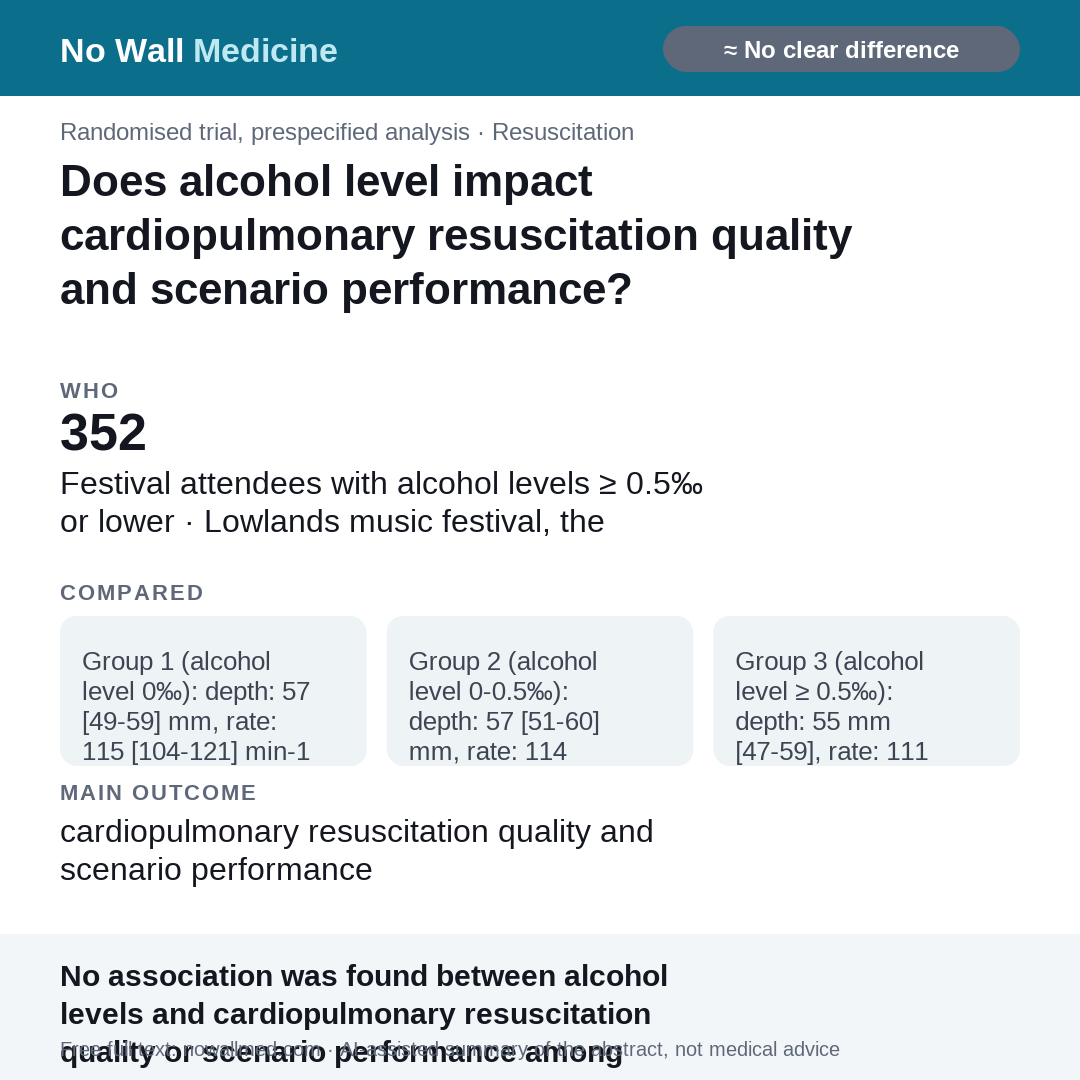
The impact of alcohol use on the quality of cardiopulmonary resuscitation among festival attendees: A prespecified analysis of a randomised trial
Randomised trial, prespecified analysisNo clear difference
Does alcohol level impact cardiopulmonary resuscitation quality and scenario performance?
Who
352
Festival attendees with alcohol levels ≥ 0.5‰ or lower · Lowlands music festival, the Netherlands
Compared
Group 1 (alcohol level 0‰): depth: 57 [49-59] mm, rate: 115 [104-121] min-1
Group 2 (alcohol level 0-0.5‰): depth: 57 [51-60] mm, rate: 114 [106-122] min-1
Group 3 (alcohol level ≥ 0.5‰): depth: 55 mm [47-59], rate: 111 min-1 [95-120]
Main outcome
cardiopulmonary resuscitation quality and scenario performance
Bottom line: No association was found between alcohol levels and cardiopulmonary resuscitation quality or scenario performance among festival attendees.
Resuscitation · 2022-10-11Download image
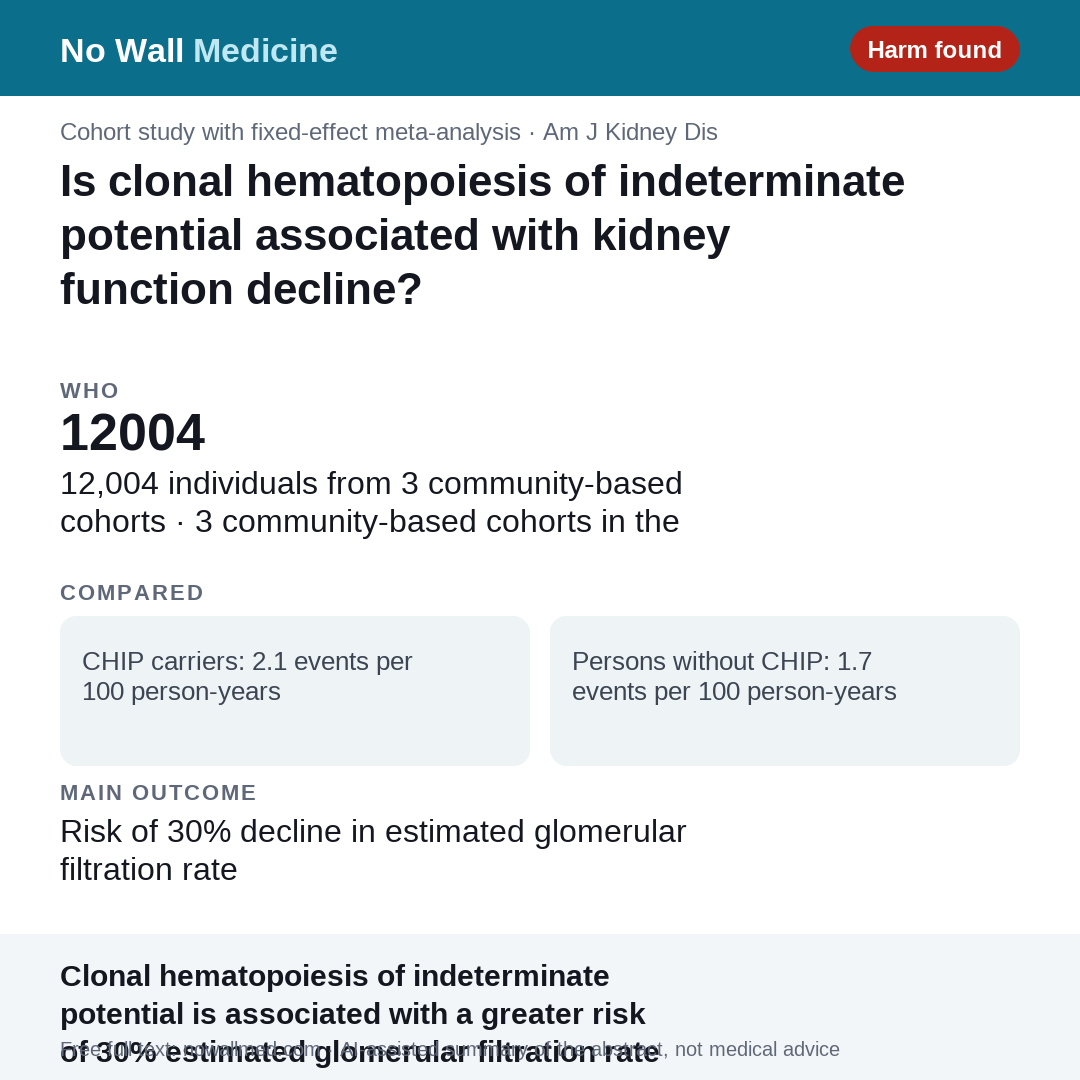
Clonal Hematopoiesis of Indeterminate Potential and Kidney Function Decline in the General Population
Cohort study with fixed-effect meta-analysisHarm found
Is clonal hematopoiesis of indeterminate potential associated with kidney function decline?
Who
12004
12,004 individuals from 3 community-based cohorts · 3 community-based cohorts in the TOPMed Consortium
Compared
CHIP carriers: 2.1 events per 100 person-years
Persons without CHIP: 1.7 events per 100 person-years
Main outcome
Risk of 30% decline in estimated glomerular filtration rate
Result: 17% (95% CI, 1%-36%) higher
Bottom line: Clonal hematopoiesis of indeterminate potential is associated with a greater risk of 30% estimated glomerular filtration rate decline.
Limitation: Small number of participants with moderate-to-advanced kidney disease and restricted set of driver variants.
Am J Kidney Dis · 2022-10-11Download image
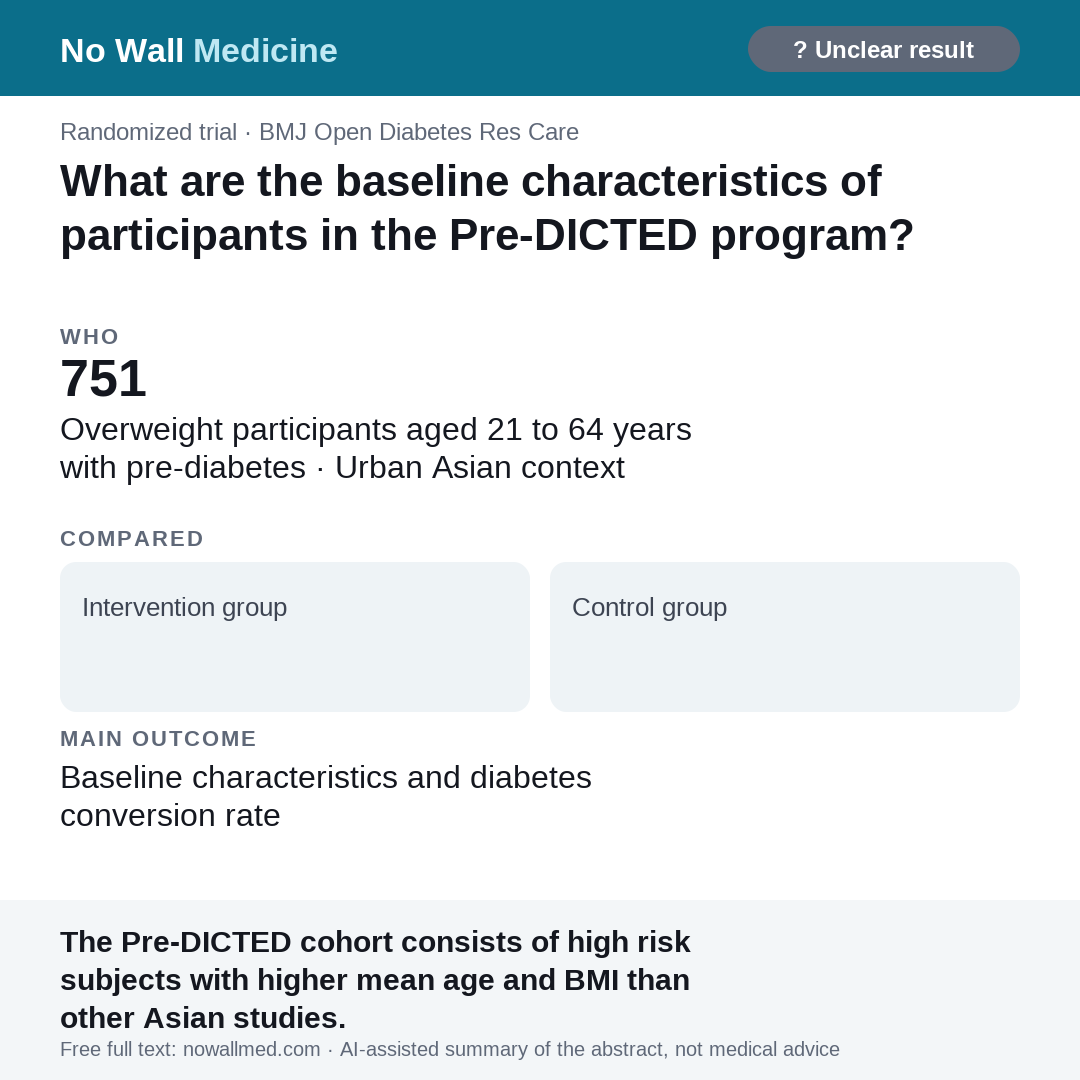
Baseline characteristics of participants in the Pre-Diabetes Interventions and Continued Tracking to Ease-out Diabetes (Pre-DICTED) Program
Randomized trialUnclear result
What are the baseline characteristics of participants in the Pre-DICTED program?
Who
751
Overweight participants aged 21 to 64 years with pre-diabetes · Urban Asian context
Compared
Intervention group
Control group
Main outcome
Baseline characteristics and diabetes conversion rate
Bottom line: The Pre-DICTED cohort consists of high risk subjects with higher mean age and BMI than other Asian studies.
BMJ Open Diabetes Res Care · 2022-10-11Download image
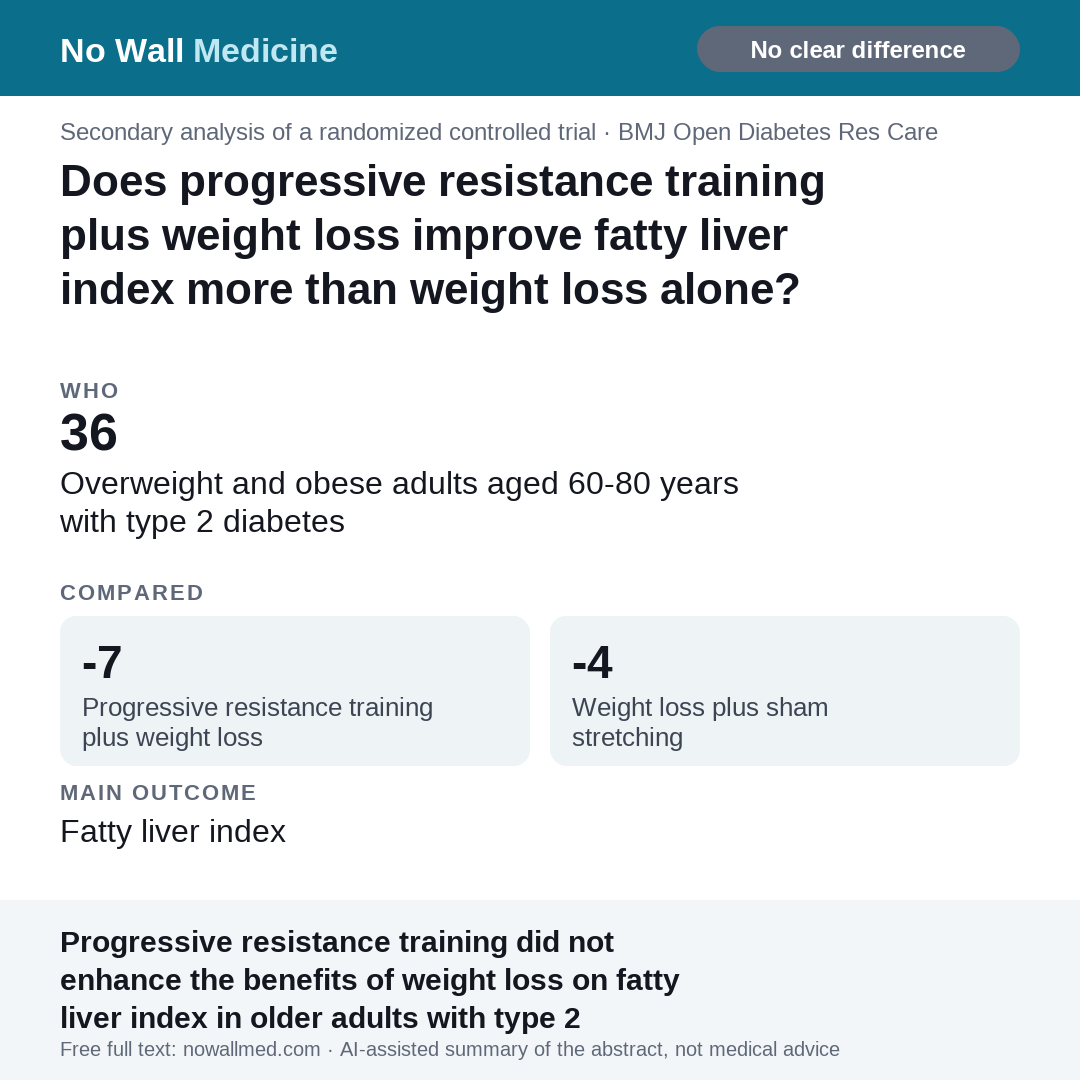
Effect of progressive resistance training with weight loss compared with weight loss alone on the fatty liver index in older adults with type 2 diabetes: secondary analysis of a 12-month randomized controlled trial
Secondary analysis of a randomized controlled trialNo clear difference
Does progressive resistance training plus weight loss improve fatty liver index more than weight loss alone?
Who
36
Overweight and obese adults aged 60-80 years with type 2 diabetes
Compared
-7Progressive resistance training plus weight loss (-11 to -2)
-4Weight loss plus sham stretching (-10 to 1)
Main outcome
Fatty liver index
Bottom line: Progressive resistance training did not enhance the benefits of weight loss on fatty liver index in older adults with type 2 diabetes.
BMJ Open Diabetes Res Care · 2022-10-11Download image
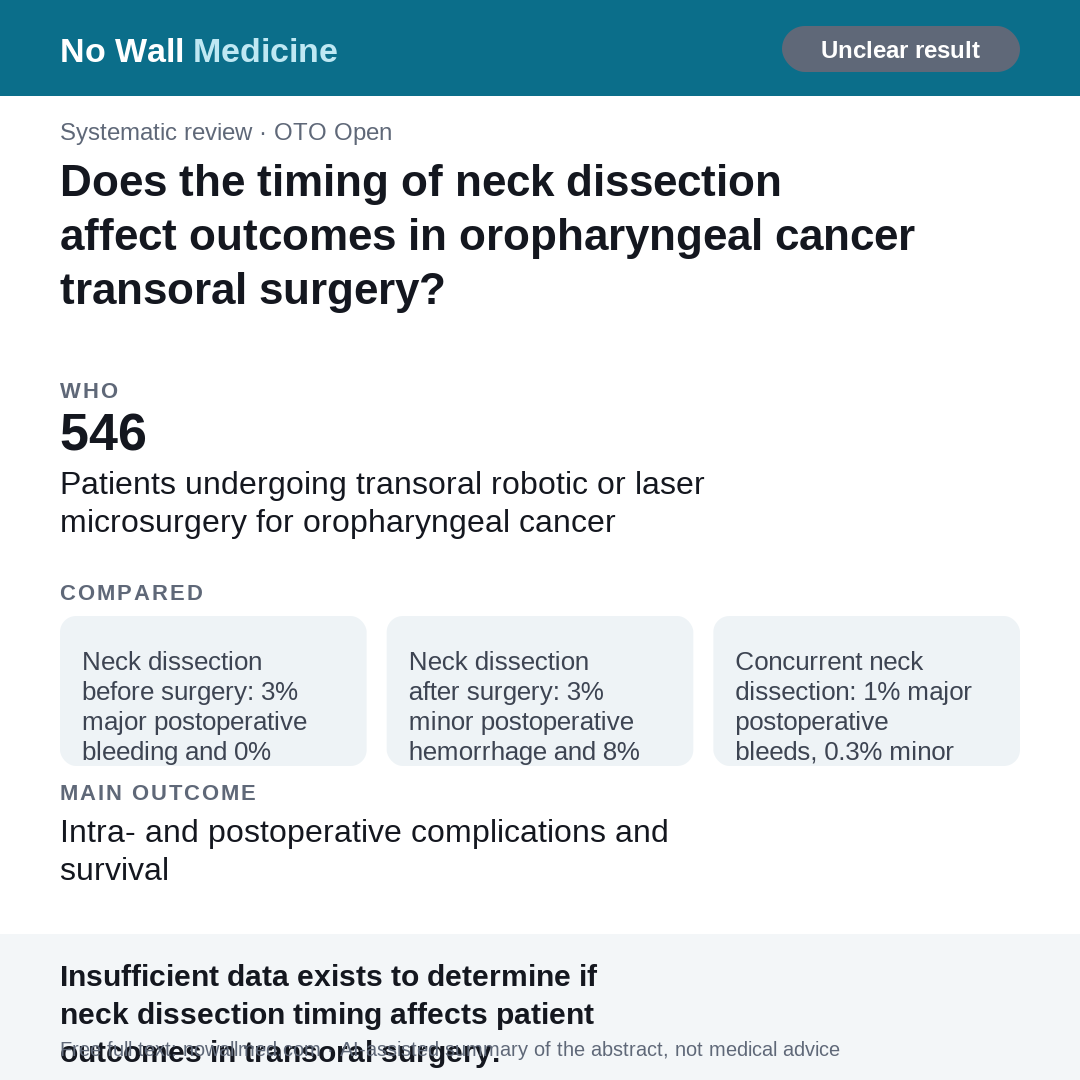
Neck Dissection Timing in Transoral Robotic or Laser Microsurgery in Oropharyngeal Cancer: A Systematic Review
Systematic reviewUnclear result
Does the timing of neck dissection affect outcomes in oropharyngeal cancer transoral surgery?
Who
546
Patients undergoing transoral robotic or laser microsurgery for oropharyngeal cancer
Compared
Neck dissection before surgery: 3% major postoperative bleeding and 0% fistula rates
Neck dissection after surgery: 3% minor postoperative hemorrhage and 8% intraoperative fistulae
Concurrent neck dissection: 1% major postoperative bleeds, 0.3% minor bleeds, 4% intraoperative fistulas, 0.3% postoperative fistulas
Main outcome
Intra- and postoperative complications and survival
Bottom line: Insufficient data exists to determine if neck dissection timing affects patient outcomes in transoral surgery.
Limitation: Insufficient data to comment on whether timing affects patient outcomes.
OTO Open · 2022-10-11Download image
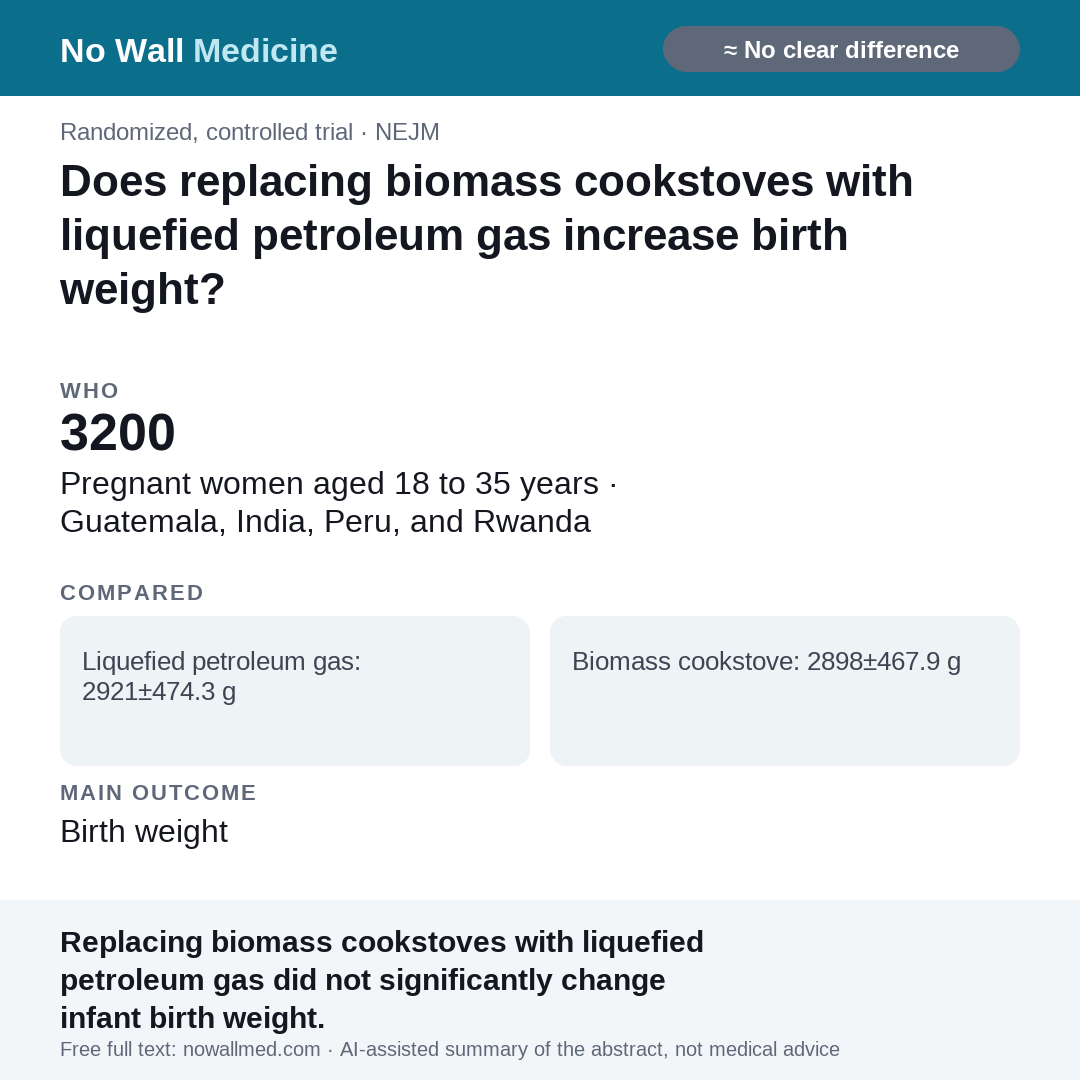
Liquefied Petroleum Gas or Biomass for Cooking and Effects on Birth Weight
Randomized, controlled trialNo clear difference
Does replacing biomass cookstoves with liquefied petroleum gas increase birth weight?
Who
3200
Pregnant women aged 18 to 35 years · Guatemala, India, Peru, and Rwanda
Compared
Liquefied petroleum gas: 2921±474.3 g
Biomass cookstove: 2898±467.9 g
Main outcome
Birth weight
Result: adjusted mean difference 19.6 g (95% confidence interval, -10.1 to 49.2)
Bottom line: Replacing biomass cookstoves with liquefied petroleum gas did not significantly change infant birth weight.
Funded by: National Institutes of Health and Bill and Melinda Gates Foundation
NEJM · 2022-10-10Download image
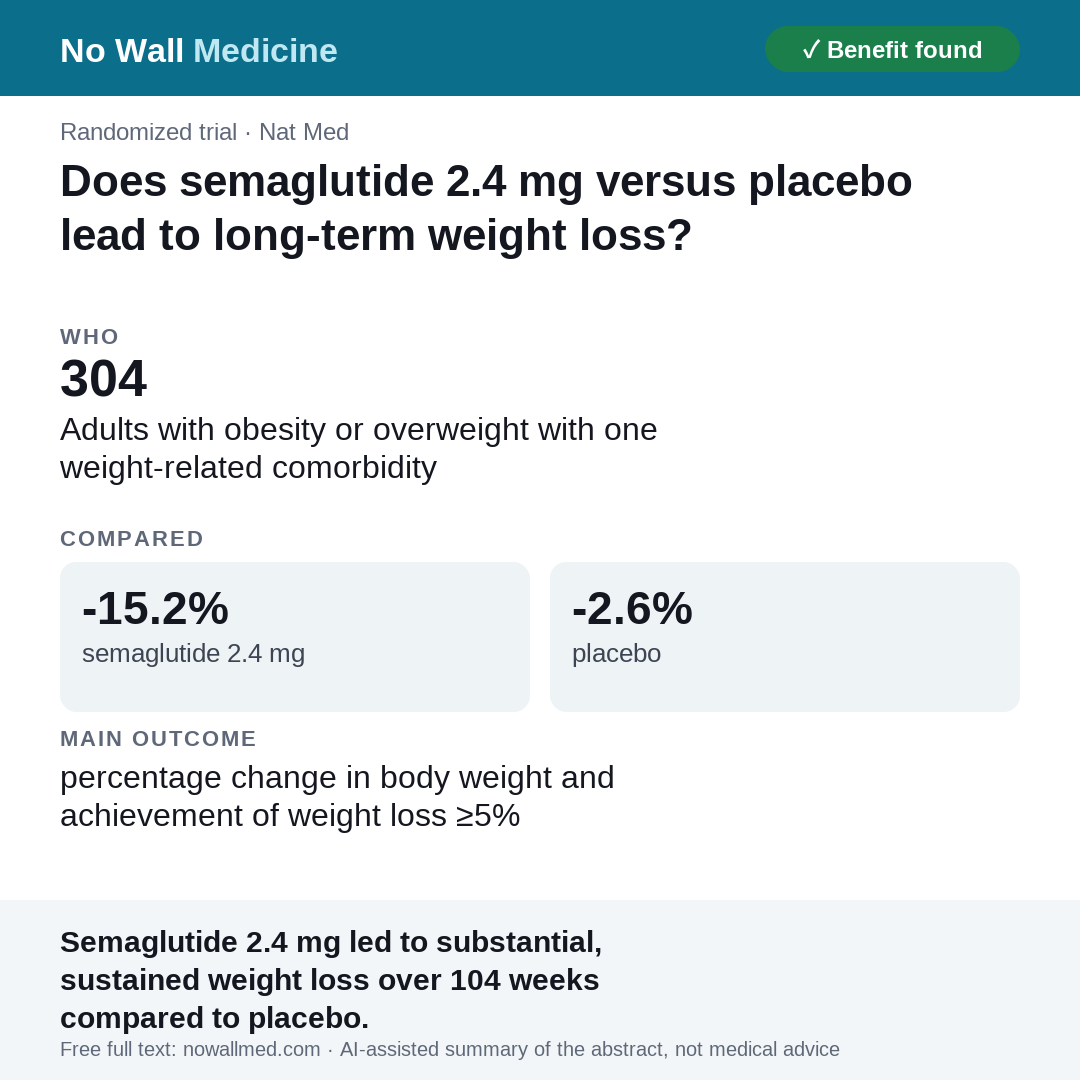
Two-year effects of semaglutide in adults with overweight or obesity: the STEP 5 trial
Randomized trialBenefit found
Does semaglutide 2.4 mg versus placebo lead to long-term weight loss?
Who
304
Adults with obesity or overweight with one weight-related comorbidity
Compared
-15.2%semaglutide 2.4 mg
-2.6%placebo
Main outcome
percentage change in body weight and achievement of weight loss ≥5%
Result: -12.6 %-points (95% confidence interval, -15.3 to -9.8)
Bottom line: Semaglutide 2.4 mg led to substantial, sustained weight loss over 104 weeks compared to placebo.
Nat Med · 2022-10-10Download image
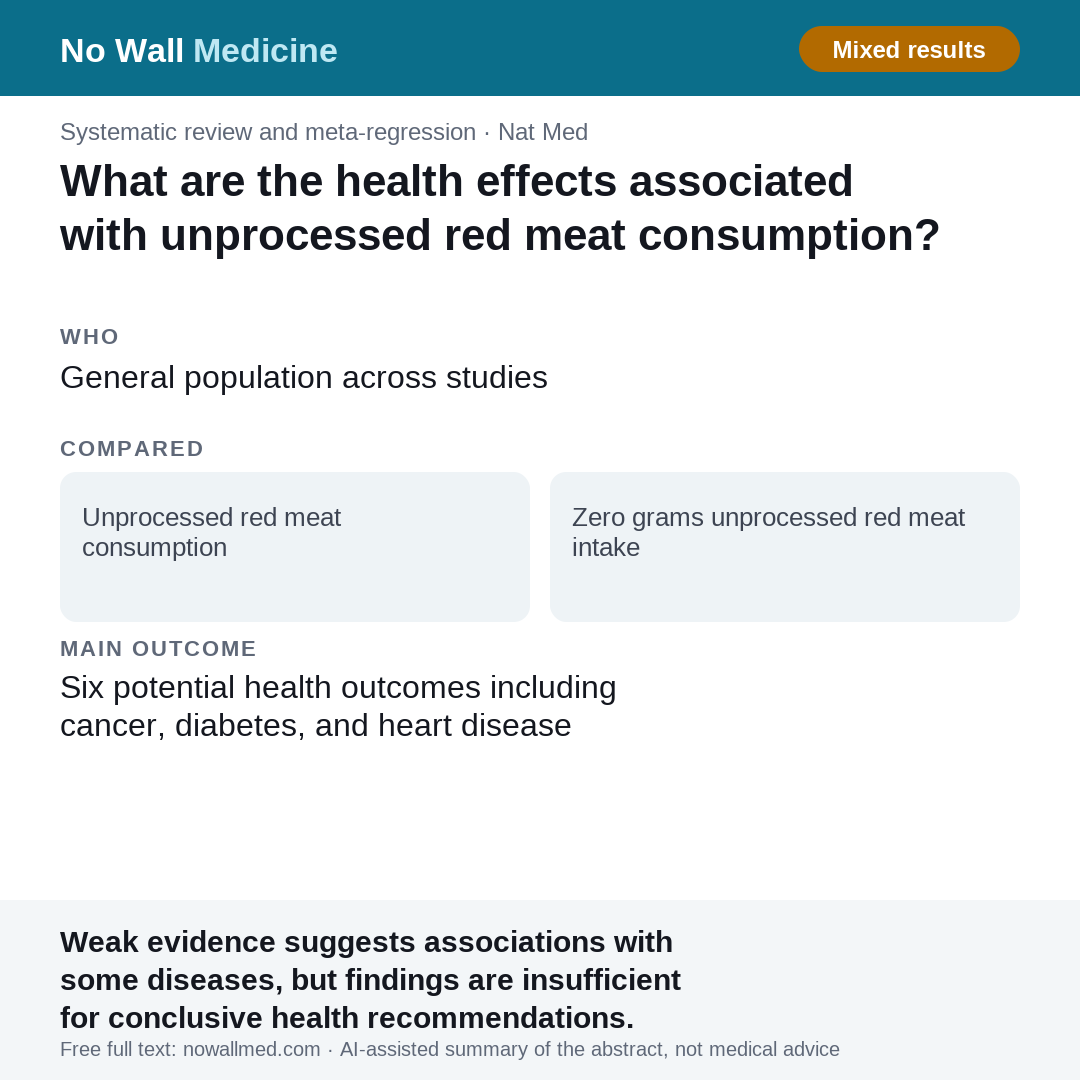
Health effects associated with consumption of unprocessed red meat: a Burden of Proof study
Systematic review and meta-regressionMixed results
What are the health effects associated with unprocessed red meat consumption?
Who
General population across studies
Compared
Unprocessed red meat consumption
Zero grams unprocessed red meat intake
Main outcome
Six potential health outcomes including cancer, diabetes, and heart disease
Bottom line: Weak evidence suggests associations with some diseases, but findings are insufficient for conclusive health recommendations.
Nat Med · 2022-10-10Download image
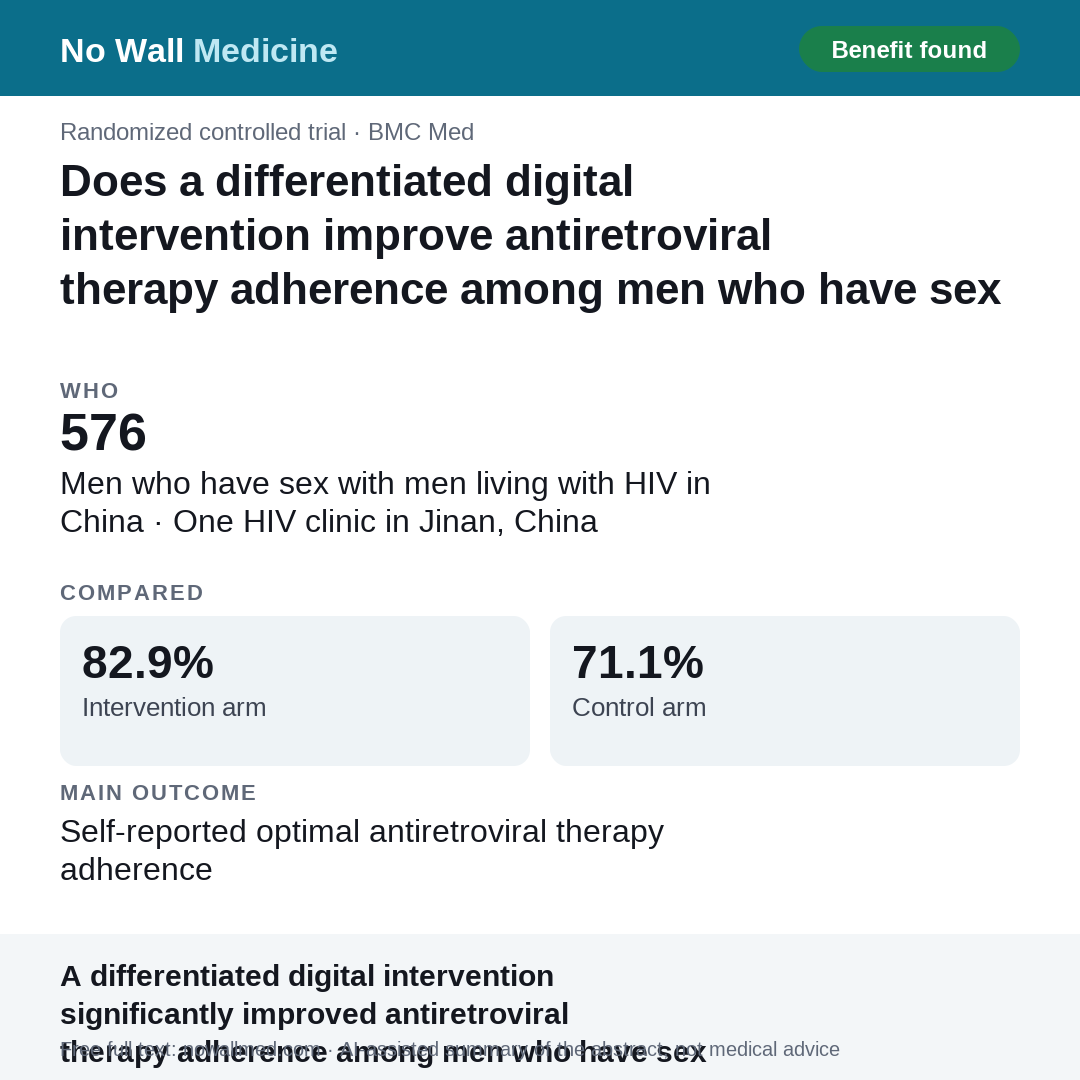
A differentiated digital intervention to improve antiretroviral therapy adherence among men who have sex with men living with HIV in China: a randomized controlled trial
Randomized controlled trialBenefit found
Does a differentiated digital intervention improve antiretroviral therapy adherence among men who have sex with men?
Who
576
Men who have sex with men living with HIV in China · One HIV clinic in Jinan, China
Compared
82.9%Intervention arm
71.1%Control arm
Main outcome
Self-reported optimal antiretroviral therapy adherence
Result: RR 1.74 (95% CI 1.21-2.50)
Bottom line: A differentiated digital intervention significantly improved antiretroviral therapy adherence among men who have sex with men living with HIV.
BMC Med · 2022-10-10Download image
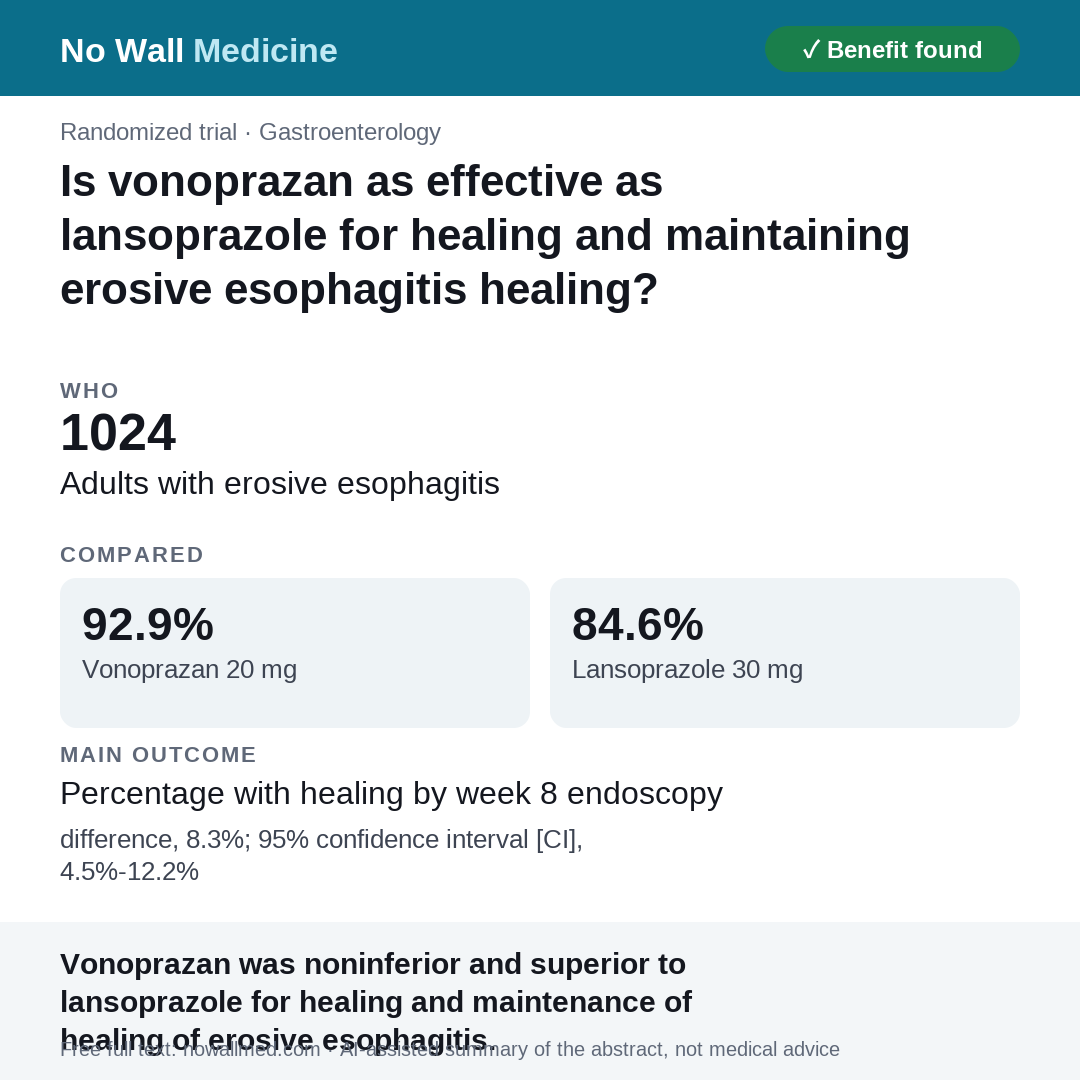
Vonoprazan Versus Lansoprazole for Healing and Maintenance of Healing of Erosive Esophagitis: A Randomized Trial
Randomized trialBenefit found
Is vonoprazan as effective as lansoprazole for healing and maintaining erosive esophagitis healing?
Who
1024
Adults with erosive esophagitis
Compared
92.9%Vonoprazan 20 mg
84.6%Lansoprazole 30 mg
Main outcome
Percentage with healing by week 8 endoscopy
Result: difference, 8.3%; 95% confidence interval [CI], 4.5%-12.2%
Bottom line: Vonoprazan was noninferior and superior to lansoprazole for healing and maintenance of healing of erosive esophagitis.
Gastroenterology · 2022-10-10Download image
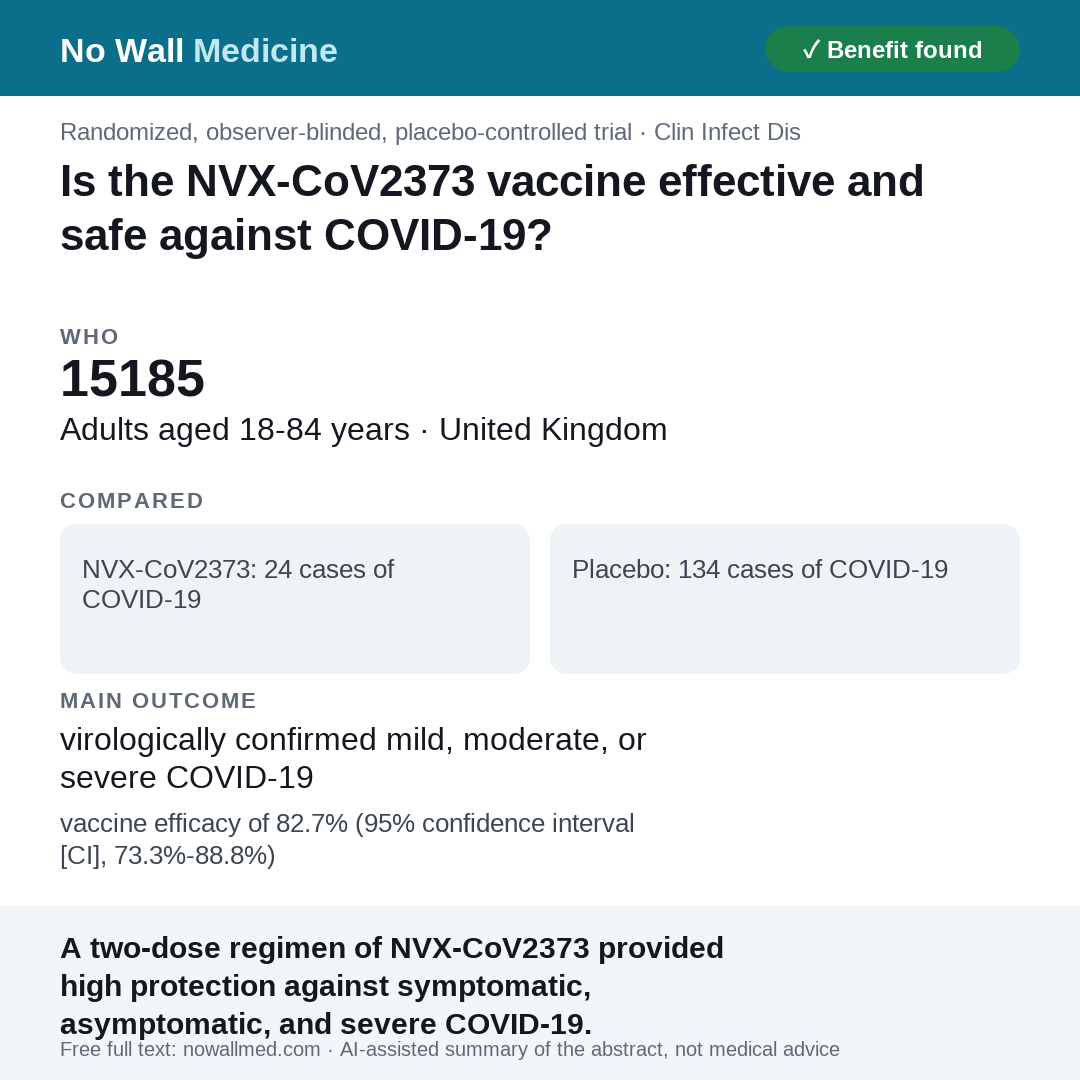
Safety and Efficacy of the NVX-CoV2373 Coronavirus Disease 2019 Vaccine at Completion of the Placebo-Controlled Phase of a Randomized Controlled Trial
Randomized, observer-blinded, placebo-controlled trialBenefit found
Is the NVX-CoV2373 vaccine effective and safe against COVID-19?
Who
15185
Adults aged 18-84 years · United Kingdom
Compared
NVX-CoV2373: 24 cases of COVID-19
Placebo: 134 cases of COVID-19
Main outcome
virologically confirmed mild, moderate, or severe COVID-19
Result: vaccine efficacy of 82.7% (95% confidence interval [CI], 73.3%-88.8%)
Bottom line: A two-dose regimen of NVX-CoV2373 provided high protection against symptomatic, asymptomatic, and severe COVID-19.
Clin Infect Dis · 2022-10-10Download image
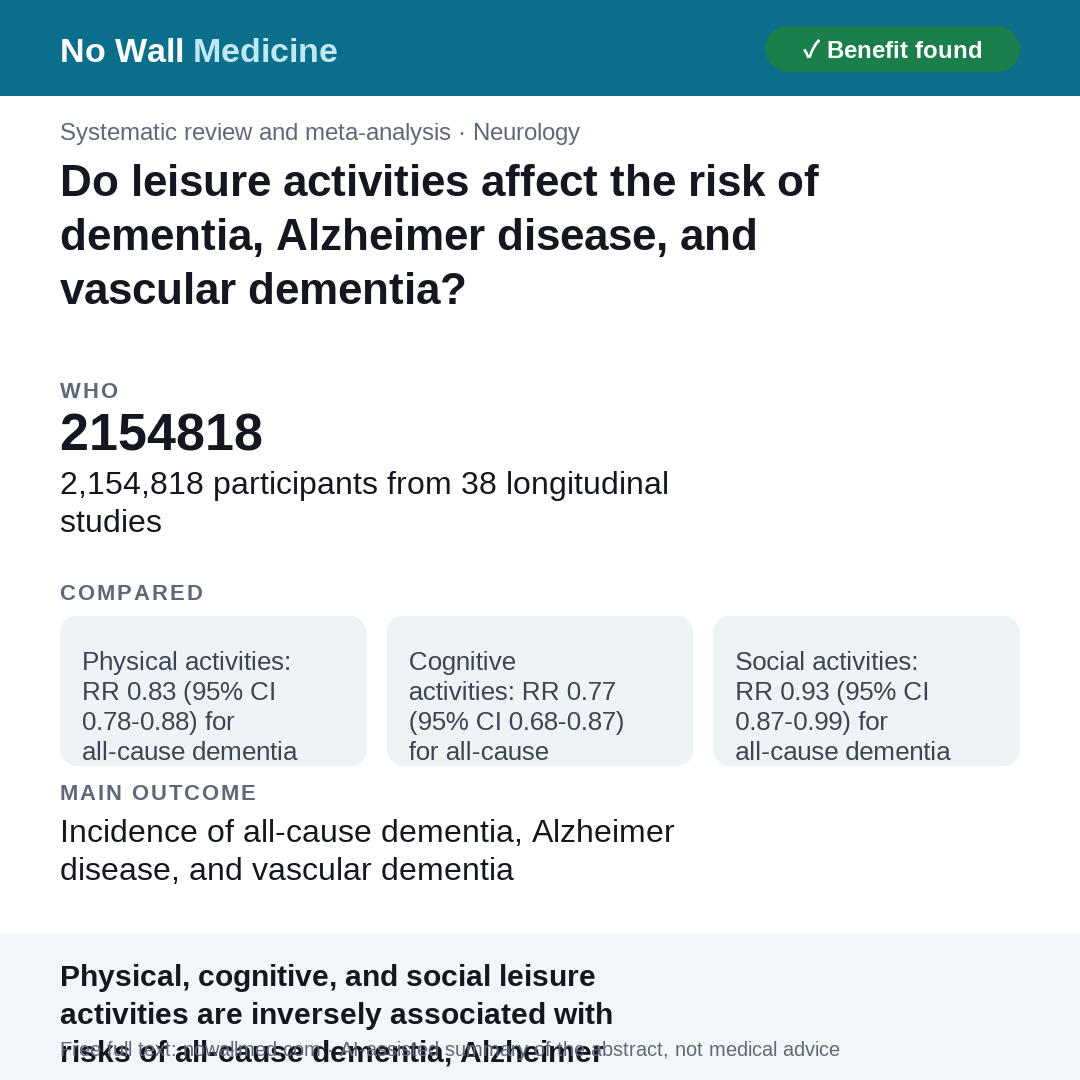
Leisure Activities and the Risk of Dementia: A Systematic Review and Meta-analysis
Systematic review and meta-analysisBenefit found
Do leisure activities affect the risk of dementia, Alzheimer disease, and vascular dementia?
Who
2154818
2,154,818 participants from 38 longitudinal studies
Compared
Physical activities: RR 0.83 (95% CI 0.78-0.88) for all-cause dementia
Cognitive activities: RR 0.77 (95% CI 0.68-0.87) for all-cause dementia
Social activities: RR 0.93 (95% CI 0.87-0.99) for all-cause dementia
Main outcome
Incidence of all-cause dementia, Alzheimer disease, and vascular dementia
Bottom line: Physical, cognitive, and social leisure activities are inversely associated with risks of all-cause dementia, Alzheimer disease, and vascular dementia.
Neurology · 2022-10-10Download image
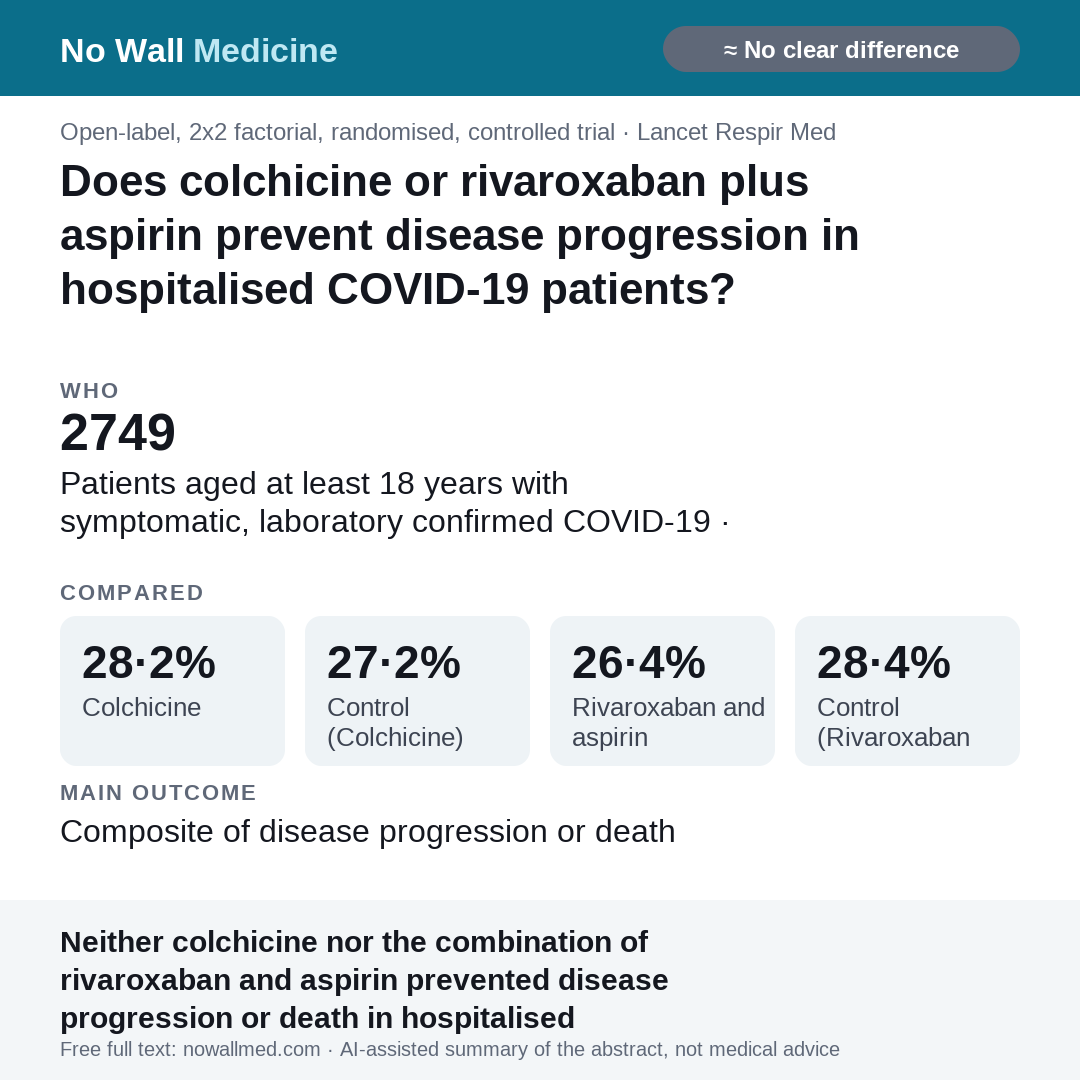
Colchicine and the combination of rivaroxaban and aspirin in patients hospitalised with COVID-19 (ACT): an open-label, factorial, randomised, controlled trial
Open-label, 2x2 factorial, randomised, controlled trialNo clear difference
Does colchicine or rivaroxaban plus aspirin prevent disease progression in hospitalised COVID-19 patients?
Who
2749
Patients aged at least 18 years with symptomatic, laboratory confirmed COVID-19 · 62 clinical centres in 11 countries
Compared
28·2%Colchicine
27·2%Control (Colchicine)
26·4%Rivaroxaban and aspirin
28·4%Control (Rivaroxaban and aspirin)
Main outcome
Composite of disease progression or death
Result: hazard ratio 1·04, 95% CI 0·90-1·21; HR 0·92, 95% CI 0·78-1·09
Bottom line: Neither colchicine nor the combination of rivaroxaban and aspirin prevented disease progression or death in hospitalised COVID-19 patients.
Funded by: Canadian Institutes for Health Research, Bayer, and others
Lancet Respir Med · 2022-10-10Download image
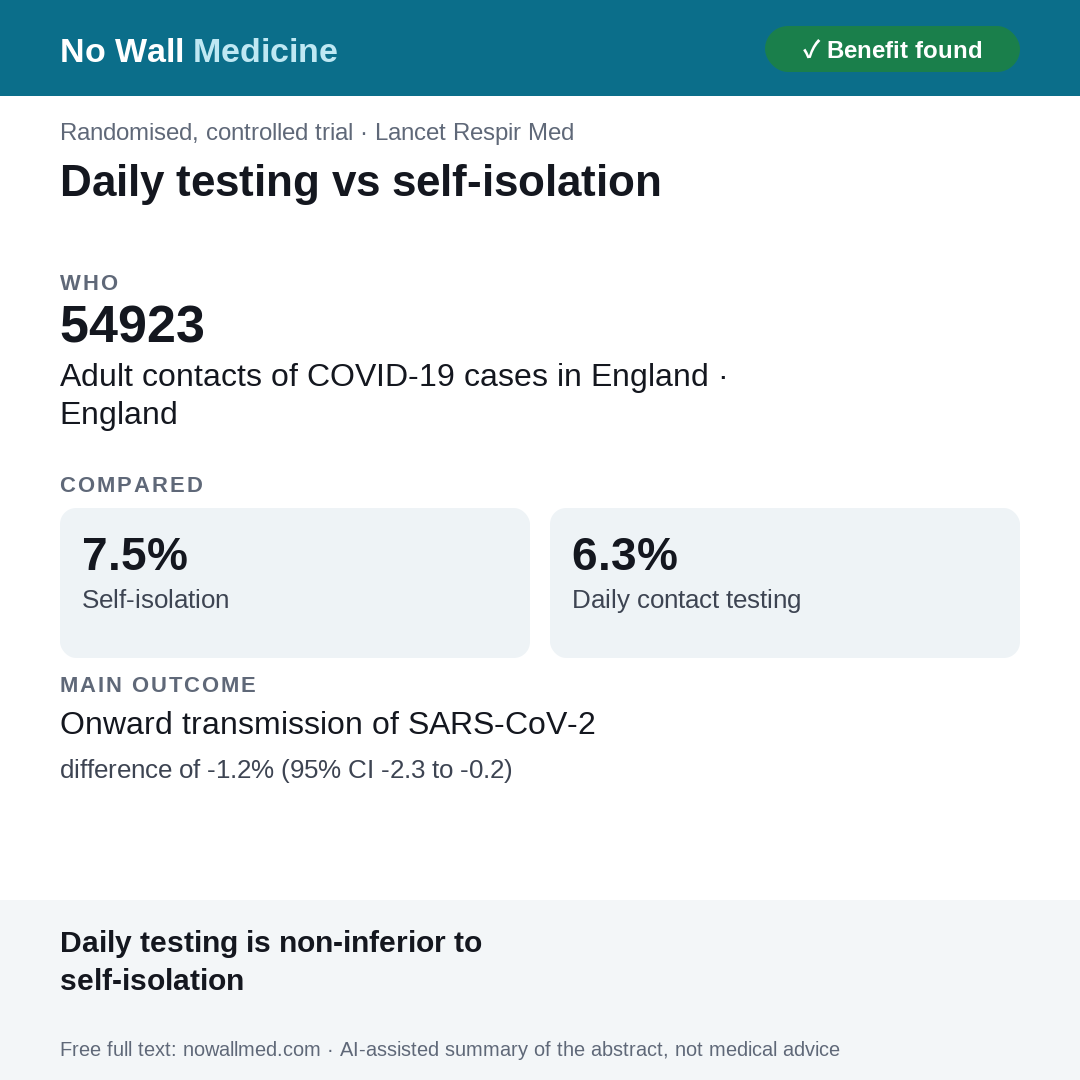
Daily use of lateral flow devices by contacts of confirmed COVID-19 cases to enable exemption from isolation compared with standard self-isolation to reduce onward transmission of SARS-CoV-2 in England: a randomised, controlled, non-inferiority trial
Randomised, controlled trialBenefit found
Daily testing vs self-isolation
Who
54923
Adult contacts of COVID-19 cases in England · England
Compared
7.5%Self-isolation
6.3%Daily contact testing
Main outcome
Onward transmission of SARS-CoV-2
Result: difference of -1.2% (95% CI -2.3 to -0.2)
Bottom line: Daily testing is non-inferior to self-isolation
Funded by: UK Government Department of Health and Social Care
Lancet Respir Med · 2022-10-10Download image
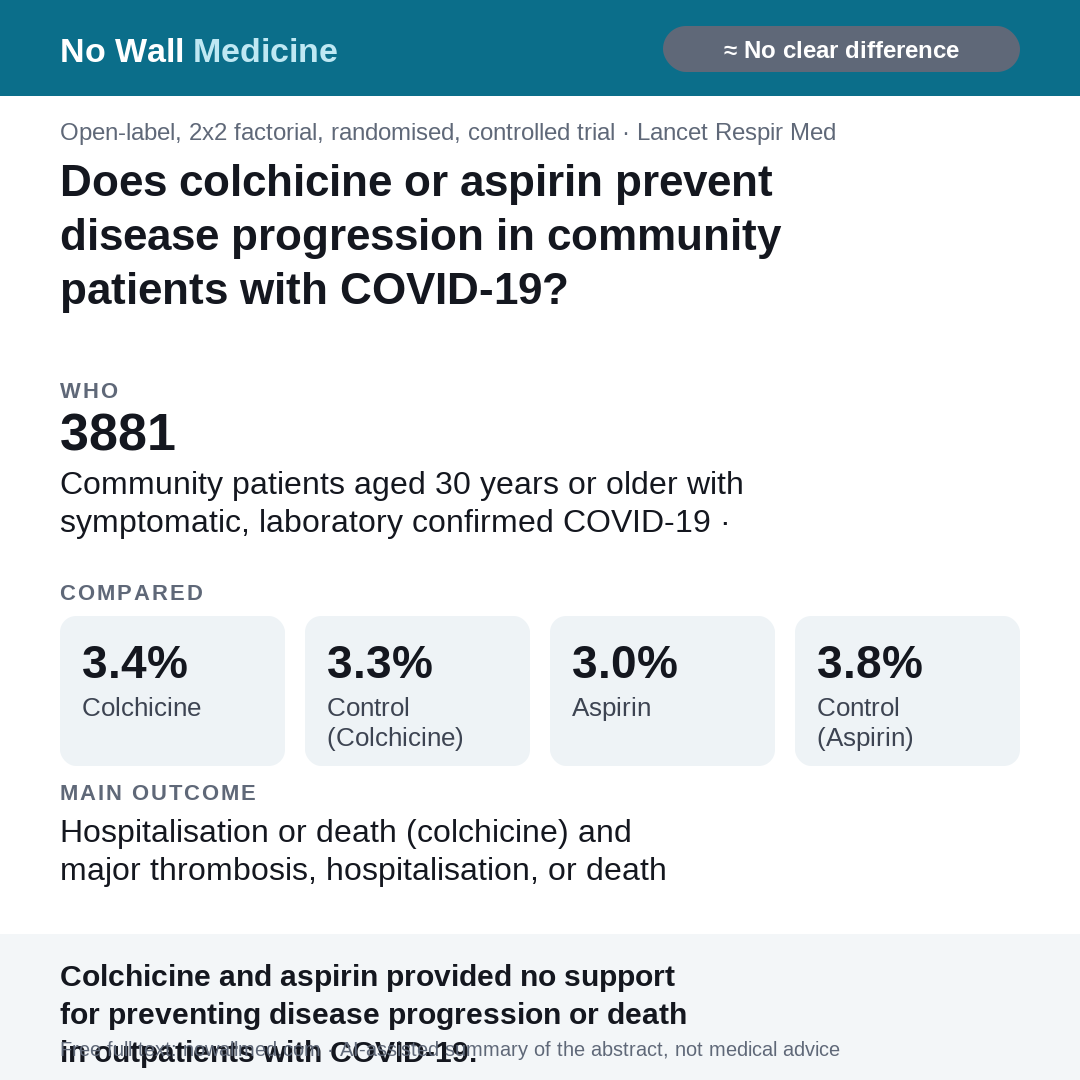
Colchicine and aspirin in community patients with COVID-19 (ACT): an open-label, factorial, randomised, controlled trial
Open-label, 2x2 factorial, randomised, controlled trialNo clear difference
Does colchicine or aspirin prevent disease progression in community patients with COVID-19?
Who
3881
Community patients aged 30 years or older with symptomatic, laboratory confirmed COVID-19 · 48 clinical sites in 11 countries
Compared
3.4%Colchicine (66/1939)
3.3%Control (Colchicine) (65/1942)
3.0%Aspirin (59/1945)
3.8%Control (Aspirin) (73/1936)
Main outcome
Hospitalisation or death (colchicine) and major thrombosis, hospitalisation, or death (aspirin)
Result: hazard ratio 1.02 (95% CI 0.72-1.43) for colchicine; HR 0.80 (95% CI 0.57-1.13) for aspirin
Bottom line: Colchicine and aspirin provided no support for preventing disease progression or death in outpatients with COVID-19.
Lancet Respir Med · 2022-10-10Download image
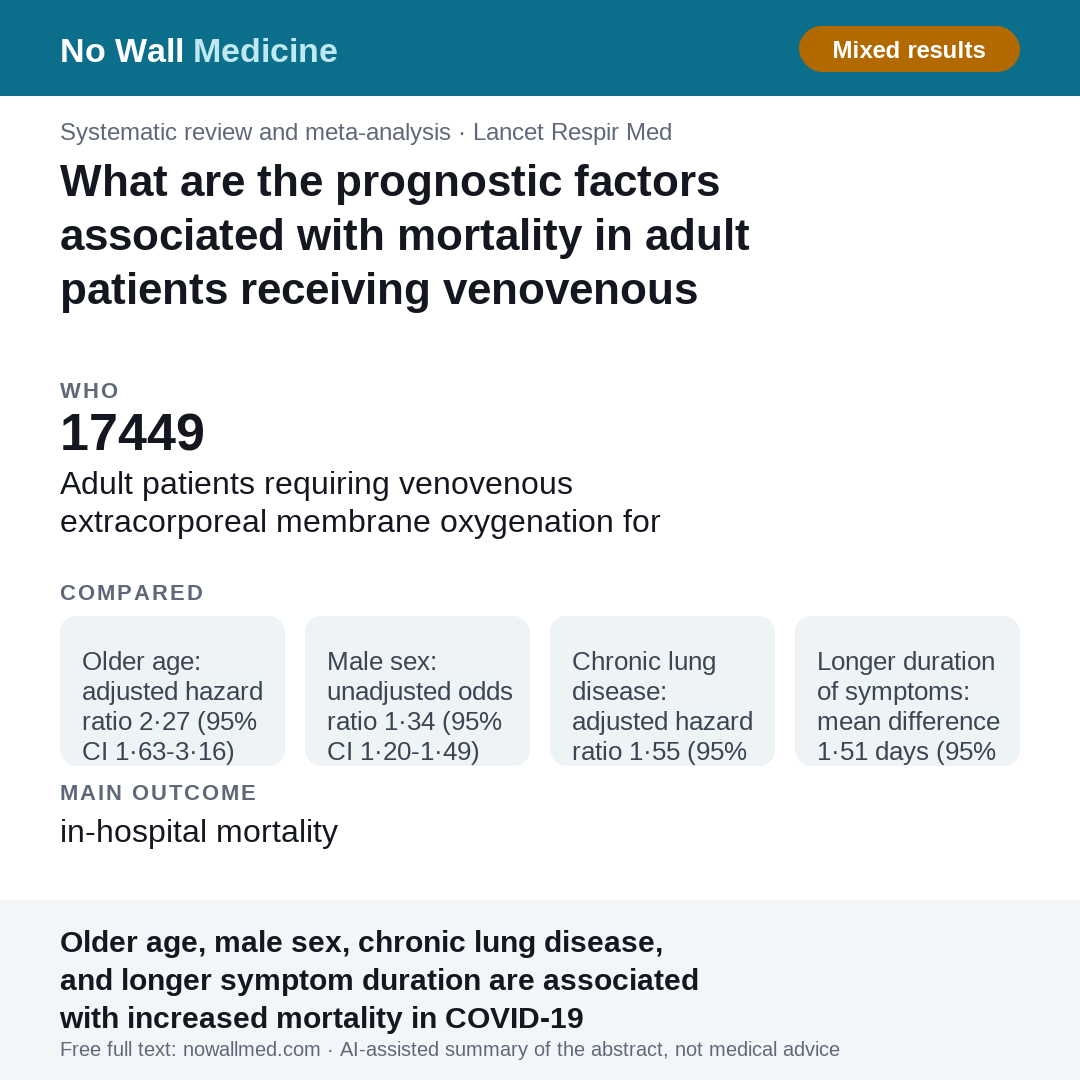
Prognostic factors associated with mortality among patients receiving venovenous extracorporeal membrane oxygenation for COVID-19: a systematic review and meta-analysis
Systematic review and meta-analysisMixed results
What are the prognostic factors associated with mortality in adult patients receiving venovenous extracorporeal membrane oxygenation for COVID-19?
Who
17449
Adult patients requiring venovenous extracorporeal membrane oxygenation for COVID-19-associated acute respiratory distress syndrome
Compared
Older age: adjusted hazard ratio 2·27 (95% CI 1·63-3·16)
Male sex: unadjusted odds ratio 1·34 (95% CI 1·20-1·49)
Chronic lung disease: adjusted hazard ratio 1·55 (95% CI 1·20-2·00)
Longer duration of symptoms: mean difference 1·51 days (95% CI 0·36-2·65)
Main outcome
in-hospital mortality
Bottom line: Older age, male sex, chronic lung disease, and longer symptom duration are associated with increased mortality in COVID-19 patients receiving venovenous extracorporeal membrane oxygenation.
Lancet Respir Med · 2022-10-10Download image
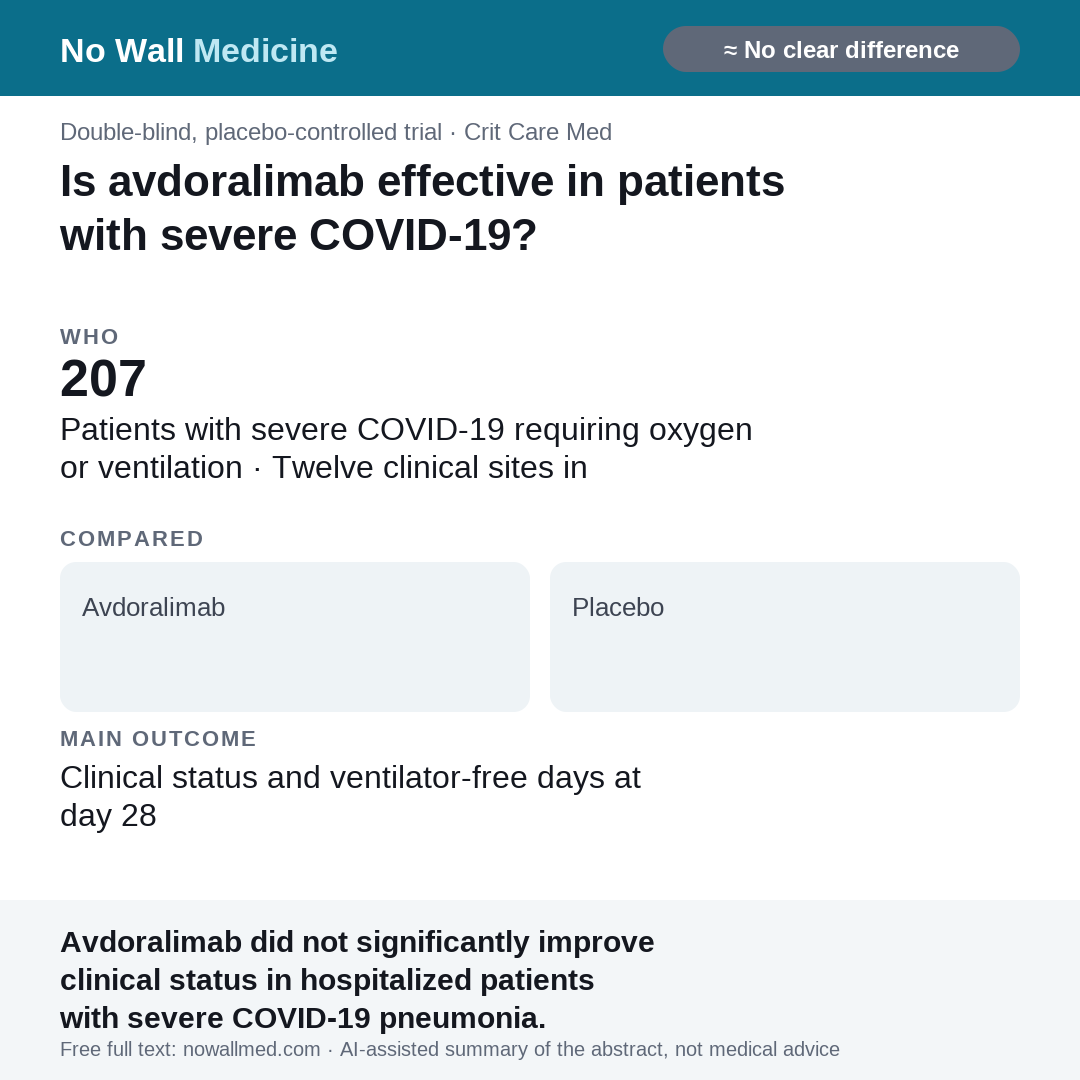
Avdoralimab (Anti-C5aR1 mAb) Versus Placebo in Patients With Severe COVID-19: Results From a Randomized Controlled Trial (FOR COVID Elimination [FORCE])
Double-blind, placebo-controlled trialNo clear difference
Is avdoralimab effective in patients with severe COVID-19?
Who
207
Patients with severe COVID-19 requiring oxygen or ventilation · Twelve clinical sites in France
Compared
Avdoralimab
Placebo
Main outcome
Clinical status and ventilator-free days at day 28
Result: -0.26 (95% CI, -1.2 to 0.7; p = 0.7) in cohort 1
Bottom line: Avdoralimab did not significantly improve clinical status in hospitalized patients with severe COVID-19 pneumonia.
Funded by: Innate Pharma
Crit Care Med · 2022-10-10Download image
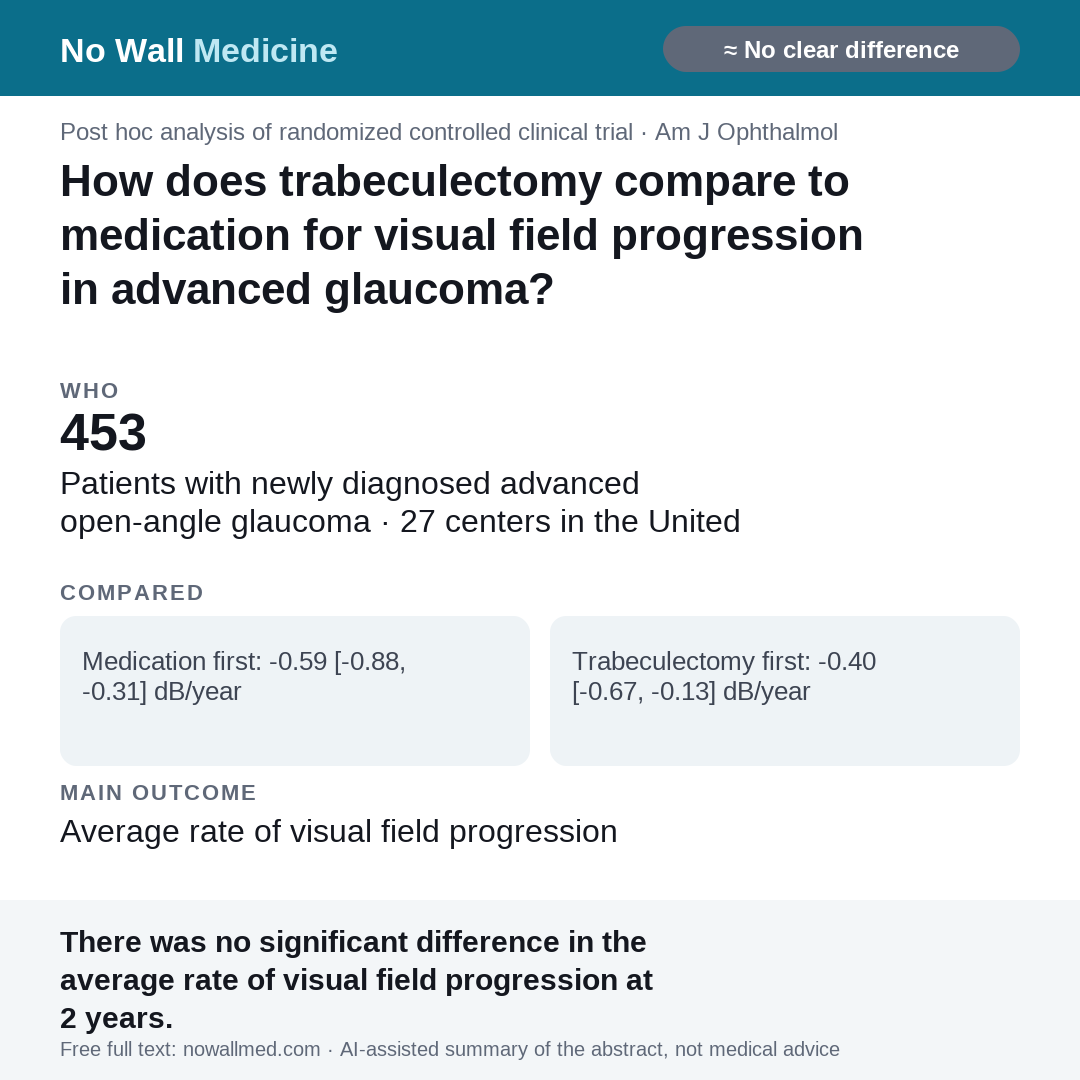
Two-Year Visual Field Outcomes of the Treatment of Advanced Glaucoma Study (TAGS)
Post hoc analysis of randomized controlled clinical trialNo clear difference
How does trabeculectomy compare to medication for visual field progression in advanced glaucoma?
Who
453
Patients with newly diagnosed advanced open-angle glaucoma · 27 centers in the United Kingdom
Compared
Medication first: -0.59 [-0.88, -0.31] dB/year
Trabeculectomy first: -0.40 [-0.67, -0.13] dB/year
Main outcome
Average rate of visual field progression
Bottom line: There was no significant difference in the average rate of visual field progression at 2 years.
Am J Ophthalmol · 2022-10-10Download image
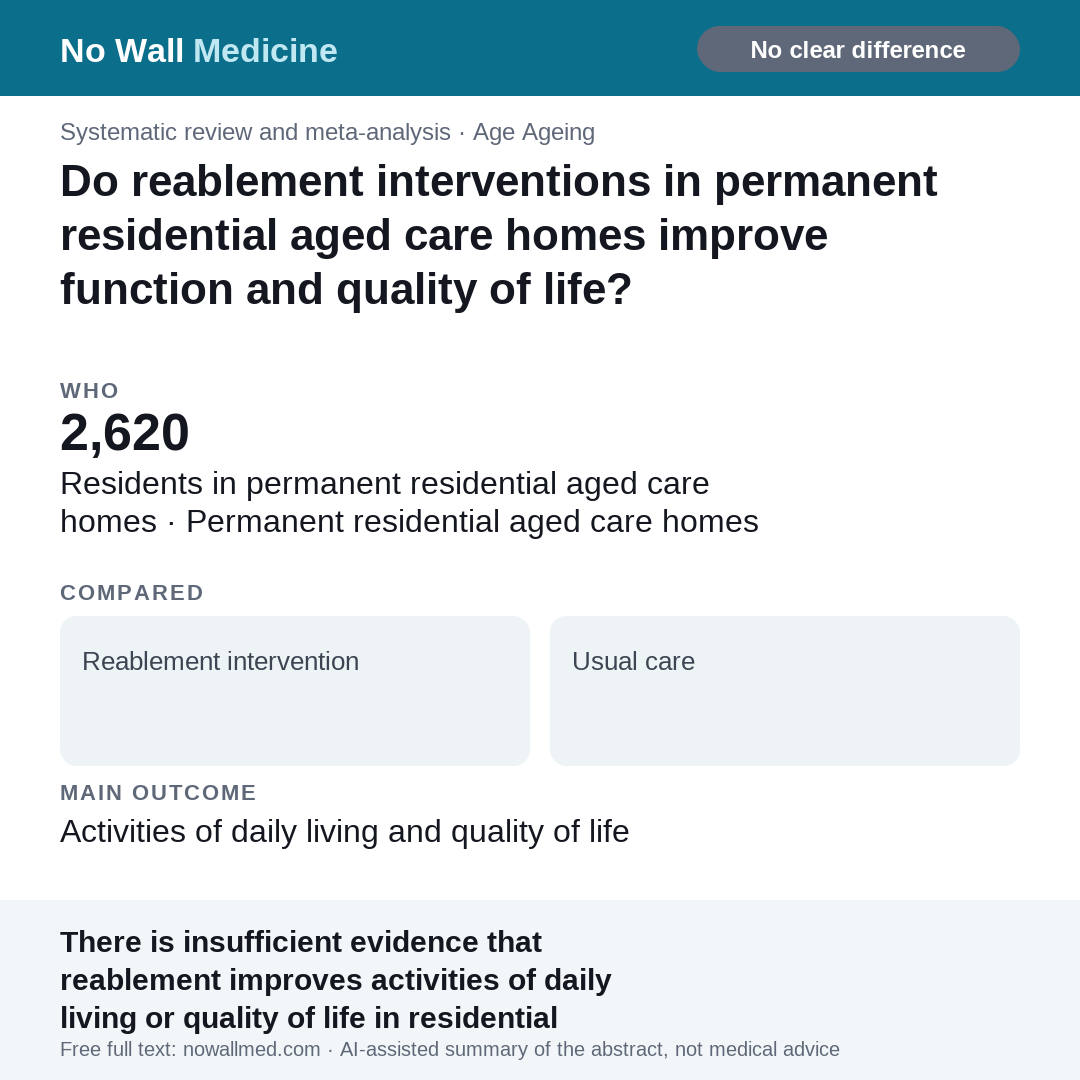
A systematic review and meta-analysis of reablement interventions for people in permanent residential aged care homes
Systematic review and meta-analysisNo clear difference
Do reablement interventions in permanent residential aged care homes improve function and quality of life?
Who
2,620
Residents in permanent residential aged care homes · Permanent residential aged care homes
Compared
Reablement intervention
Usual care
Main outcome
Activities of daily living and quality of life
Result: standardised mean difference 0.17 (95% CI -0.25 to 0.59) for activities of daily living
Bottom line: There is insufficient evidence that reablement improves activities of daily living or quality of life in residential aged care.
Limitation: Clinical heterogeneity is considerable and evidence quality is very low.
Age Ageing · 2022-10-10Download image
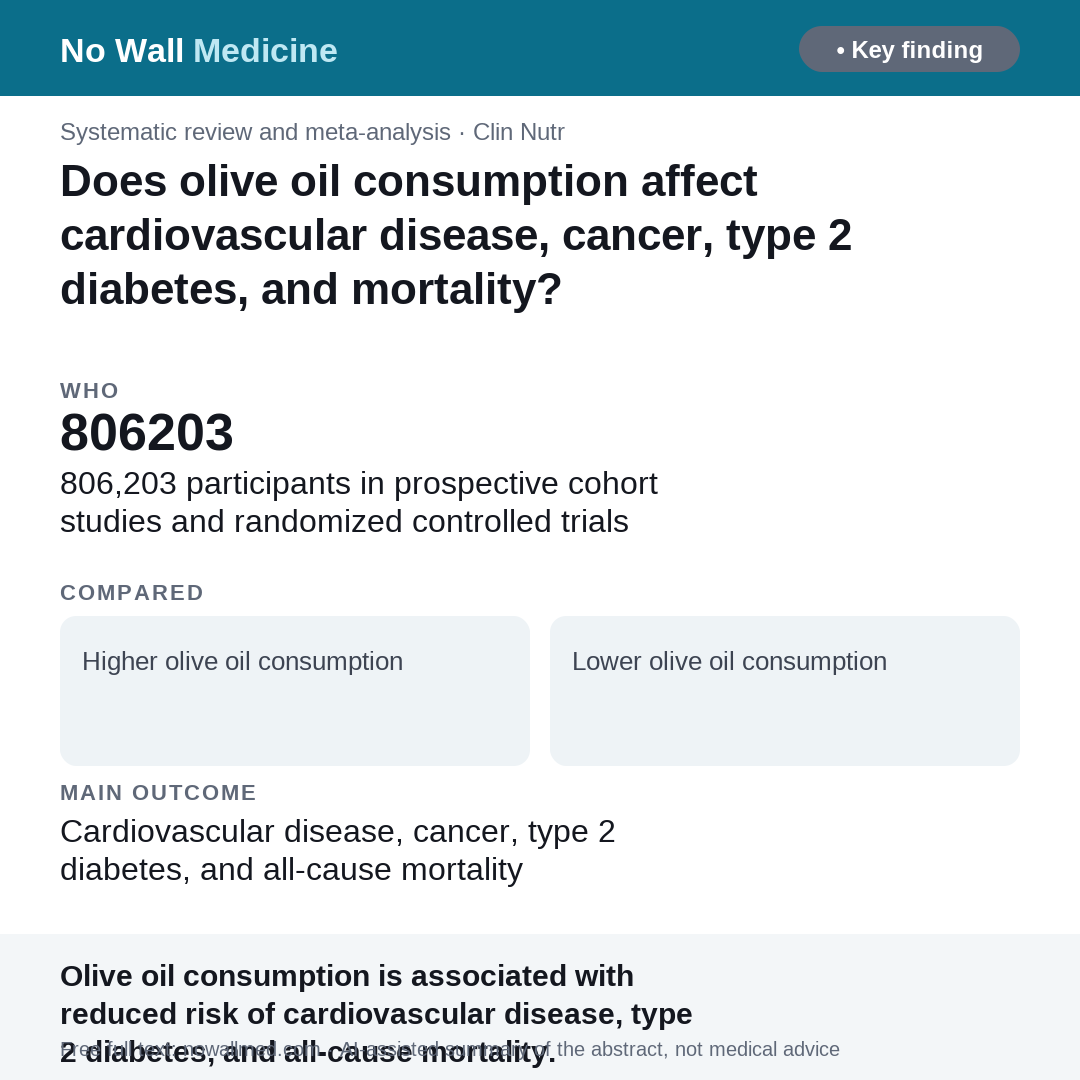
Effect of olive oil consumption on cardiovascular disease, cancer, type 2 diabetes, and all-cause mortality: A systematic review and meta-analysis
Systematic review and meta-analysisKey finding
Does olive oil consumption affect cardiovascular disease, cancer, type 2 diabetes, and mortality?
Who
806203
806,203 participants in prospective cohort studies and randomized controlled trials
Compared
Higher olive oil consumption
Lower olive oil consumption
Main outcome
Cardiovascular disease, cancer, type 2 diabetes, and all-cause mortality
Result: RR 0.84 (95% CI 0.76 to 0.94) for cardiovascular disease
Bottom line: Olive oil consumption is associated with reduced risk of cardiovascular disease, type 2 diabetes, and all-cause mortality.
Clin Nutr · 2022-10-10Download image