Visual abstracts
New randomized trials and meta-analyses from leading journals at a glance: who was studied, what was compared, and what was found. Every paper is free to read in full.
All specialtiesCardiology 4763Oncology 4042Gastroenterology & Hepatology 1902Infectious Disease 3756Neurology 1872Psychiatry & Mental Health 2214Pulmonology 2042Critical Care 1319Endocrinology & Diabetes 2544Pediatrics 2889Surgery 2479Orthopedics & Sports Medicine 917Neurosurgery 525Cardiothoracic & Vascular Surgery 656Plastic & Reconstructive Surgery 574Nephrology 1107Rheumatology 810Hematology 1090Dermatology 611Ophthalmology 532Obstetrics & Gynecology 1645Public & Global Health 1037Radiology & Imaging 617Anesthesiology 957Urology 745ENT (Otolaryngology) 494Emergency Medicine 481Allergy & Immunology 309Geriatrics 972Family Medicine & Primary Care 533Medical Genetics & Genomics 659Pathology & Laboratory Medicine 156Physical Medicine & Rehabilitation 734Palliative Care 421Nutrition 1560Digital Health & AI 2133General Medicine 318
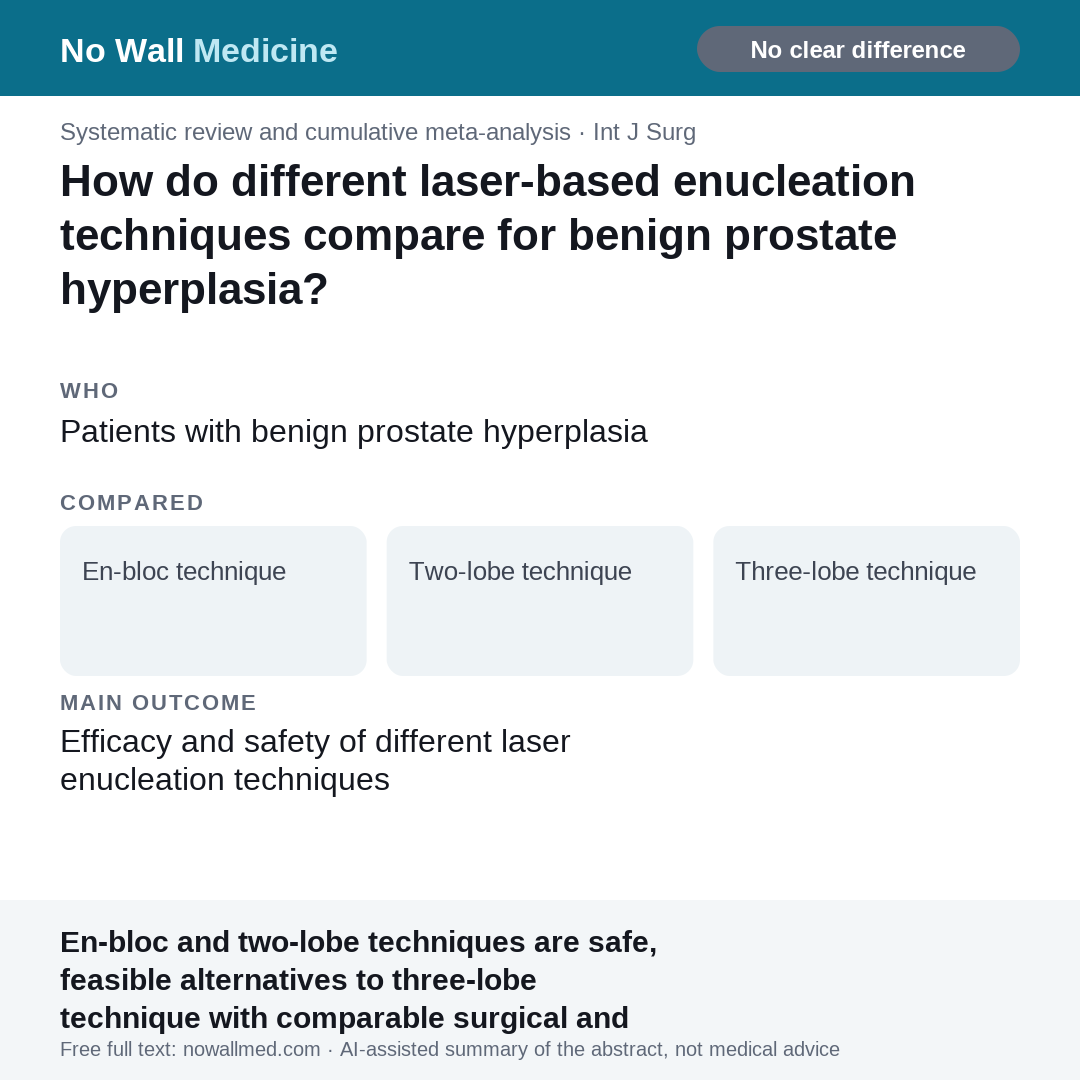
Comparison of different laser-based enucleation techniques for benign prostate hyperplasia: A systematic review and meta-analysis
Systematic review and cumulative meta-analysisNo clear difference
How do different laser-based enucleation techniques compare for benign prostate hyperplasia?
Who
Patients with benign prostate hyperplasia
Compared
En-bloc technique
Two-lobe technique
Three-lobe technique
Main outcome
Efficacy and safety of different laser enucleation techniques
Bottom line: En-bloc and two-lobe techniques are safe, feasible alternatives to three-lobe technique with comparable surgical and functional outcomes.
Int J Surg · 2021-09-30Download image
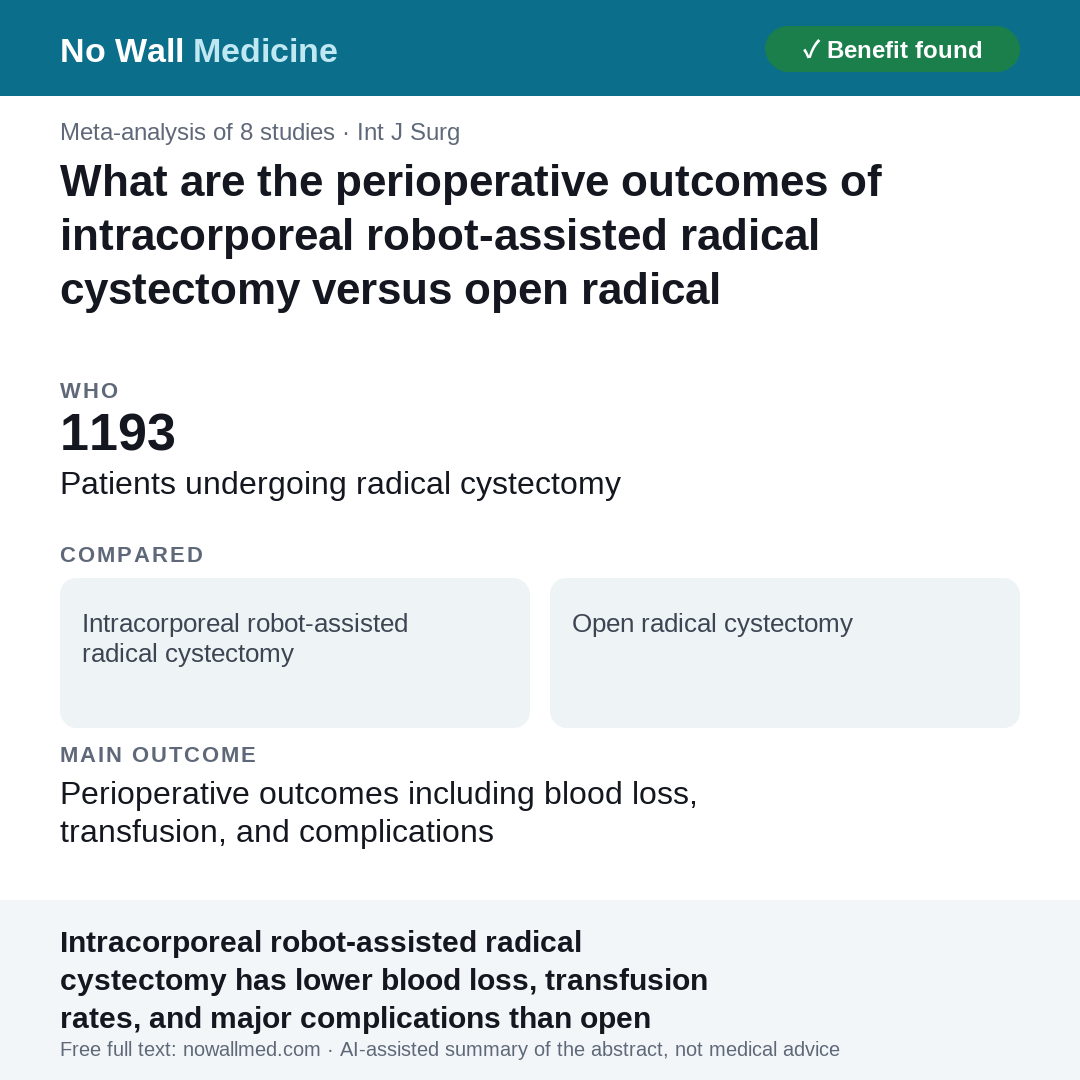
Perioperative outcomes of intracorporeal robot-assisted radical cystectomy versus open radical cystectomy: A systematic review and meta-analysis of comparative studies
Meta-analysis of 8 studiesBenefit found
What are the perioperative outcomes of intracorporeal robot-assisted radical cystectomy versus open radical cystectomy?
Who
1193
Patients undergoing radical cystectomy
Compared
Intracorporeal robot-assisted radical cystectomy
Open radical cystectomy
Main outcome
Perioperative outcomes including blood loss, transfusion, and complications
Result: weighted mean difference -449.25 (95% CI -566.47 to -332.03) for blood loss
Bottom line: Intracorporeal robot-assisted radical cystectomy has lower blood loss, transfusion rates, and major complications than open radical cystectomy.
Int J Surg · 2021-09-30Download image
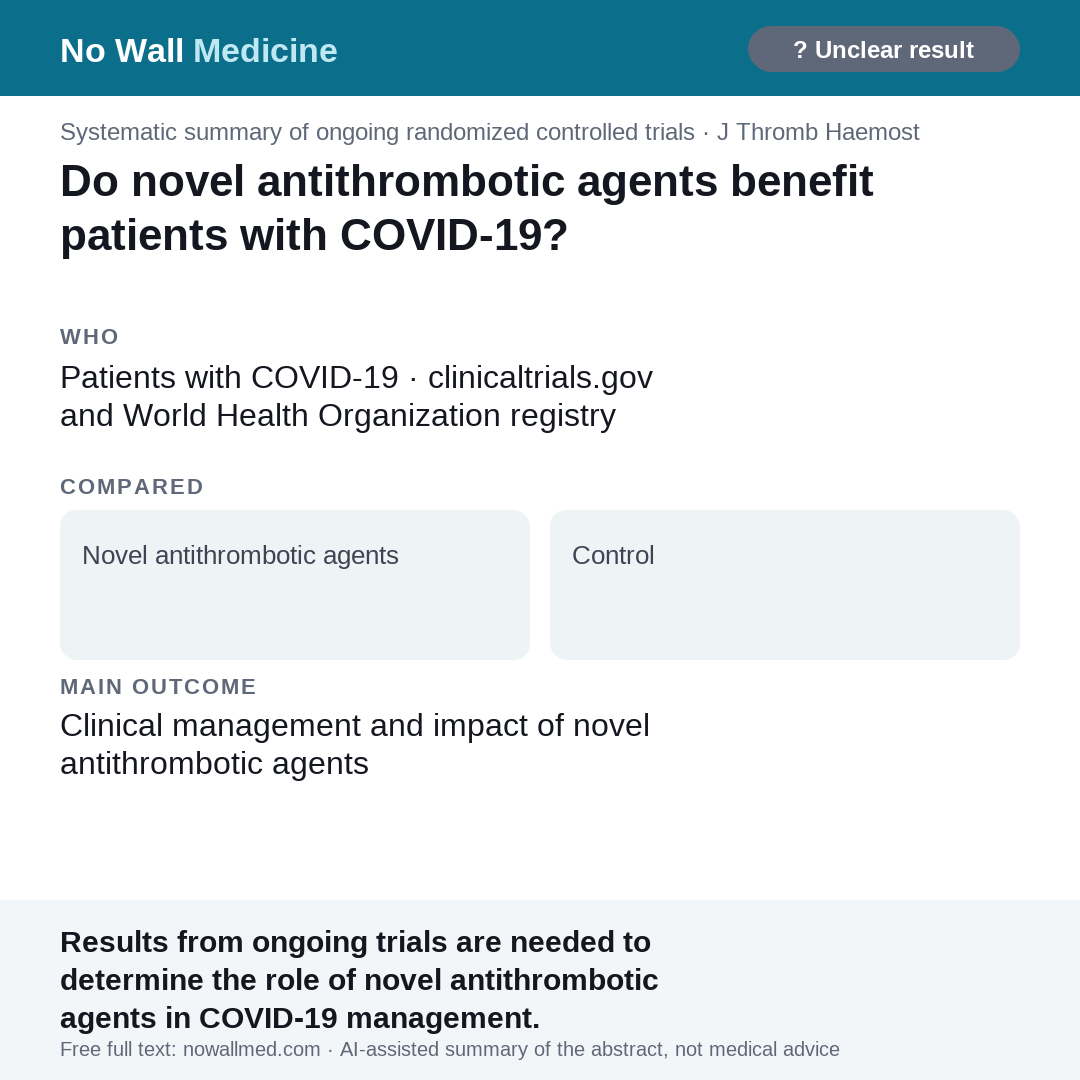
Use of novel antithrombotic agents for COVID-19: Systematic summary of ongoing randomized controlled trials
Systematic summary of ongoing randomized controlled trialsUnclear result
Do novel antithrombotic agents benefit patients with COVID-19?
Who
Patients with COVID-19 · clinicaltrials.gov and World Health Organization registry
Compared
Novel antithrombotic agents
Control
Main outcome
Clinical management and impact of novel antithrombotic agents
Bottom line: Results from ongoing trials are needed to determine the role of novel antithrombotic agents in COVID-19 management.
J Thromb Haemost · 2021-09-30Download image
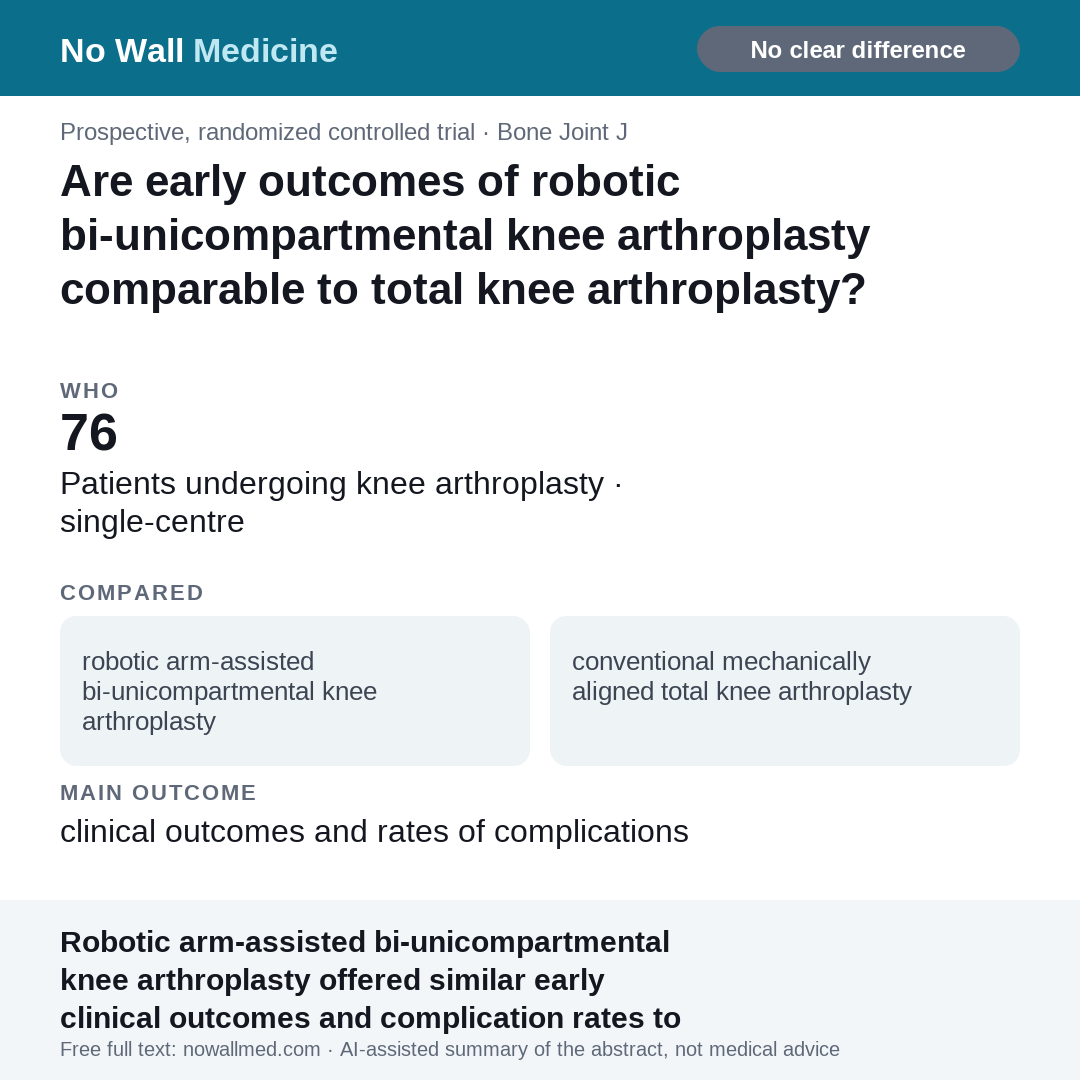
Early outcomes after robotic arm-assisted bi-unicompartmental knee arthroplasty compared with total knee arthroplasty: a prospective, randomized controlled trial
Prospective, randomized controlled trialNo clear difference
Are early outcomes of robotic bi-unicompartmental knee arthroplasty comparable to total knee arthroplasty?
Who
76
Patients undergoing knee arthroplasty · single-centre
Compared
robotic arm-assisted bi-unicompartmental knee arthroplasty
conventional mechanically aligned total knee arthroplasty
Main outcome
clinical outcomes and rates of complications
Bottom line: Robotic arm-assisted bi-unicompartmental knee arthroplasty offered similar early clinical outcomes and complication rates to total knee arthroplasty.
Bone Joint J · 2021-09-30Download image
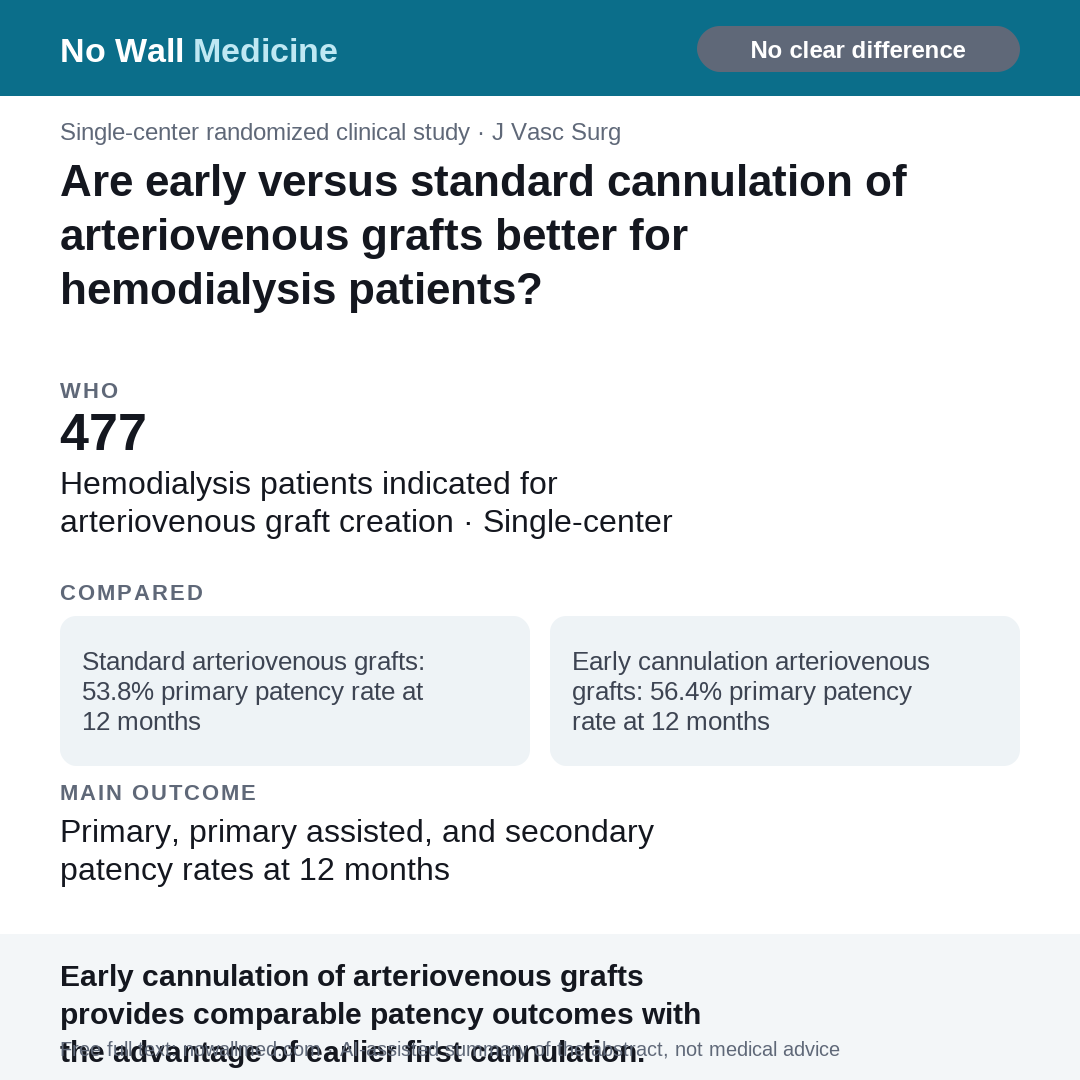
A randomized controlled study of early versus standard cannulation of arteriovenous grafts in hemodialysis patients
Single-center randomized clinical studyNo clear difference
Are early versus standard cannulation of arteriovenous grafts better for hemodialysis patients?
Who
477
Hemodialysis patients indicated for arteriovenous graft creation · Single-center
Compared
Standard arteriovenous grafts: 53.8% primary patency rate at 12 months
Early cannulation arteriovenous grafts: 56.4% primary patency rate at 12 months
Main outcome
Primary, primary assisted, and secondary patency rates at 12 months
Bottom line: Early cannulation of arteriovenous grafts provides comparable patency outcomes with the advantage of earlier first cannulation.
J Vasc Surg · 2021-09-30Download image
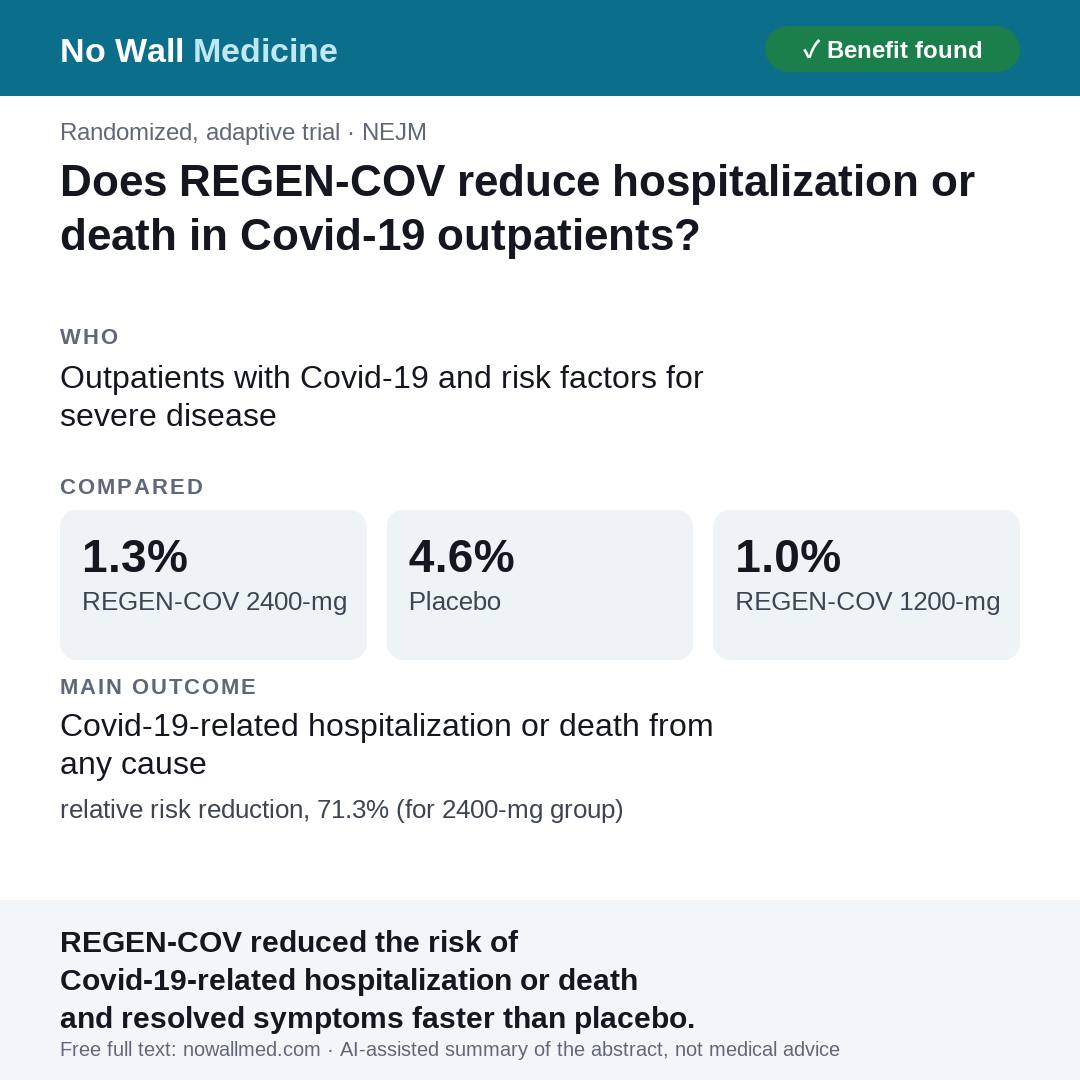
REGEN-COV Antibody Combination and Outcomes in Outpatients with Covid-19
Randomized, adaptive trialBenefit found
Does REGEN-COV reduce hospitalization or death in Covid-19 outpatients?
Who
Outpatients with Covid-19 and risk factors for severe disease
Compared
1.3%REGEN-COV 2400-mg
4.6%Placebo
1.0%REGEN-COV 1200-mg
Main outcome
Covid-19-related hospitalization or death from any cause
Result: relative risk reduction, 71.3% (for 2400-mg group)
Bottom line: REGEN-COV reduced the risk of Covid-19-related hospitalization or death and resolved symptoms faster than placebo.
Funded by: Regeneron Pharmaceuticals and others
NEJM · 2021-09-29Download image
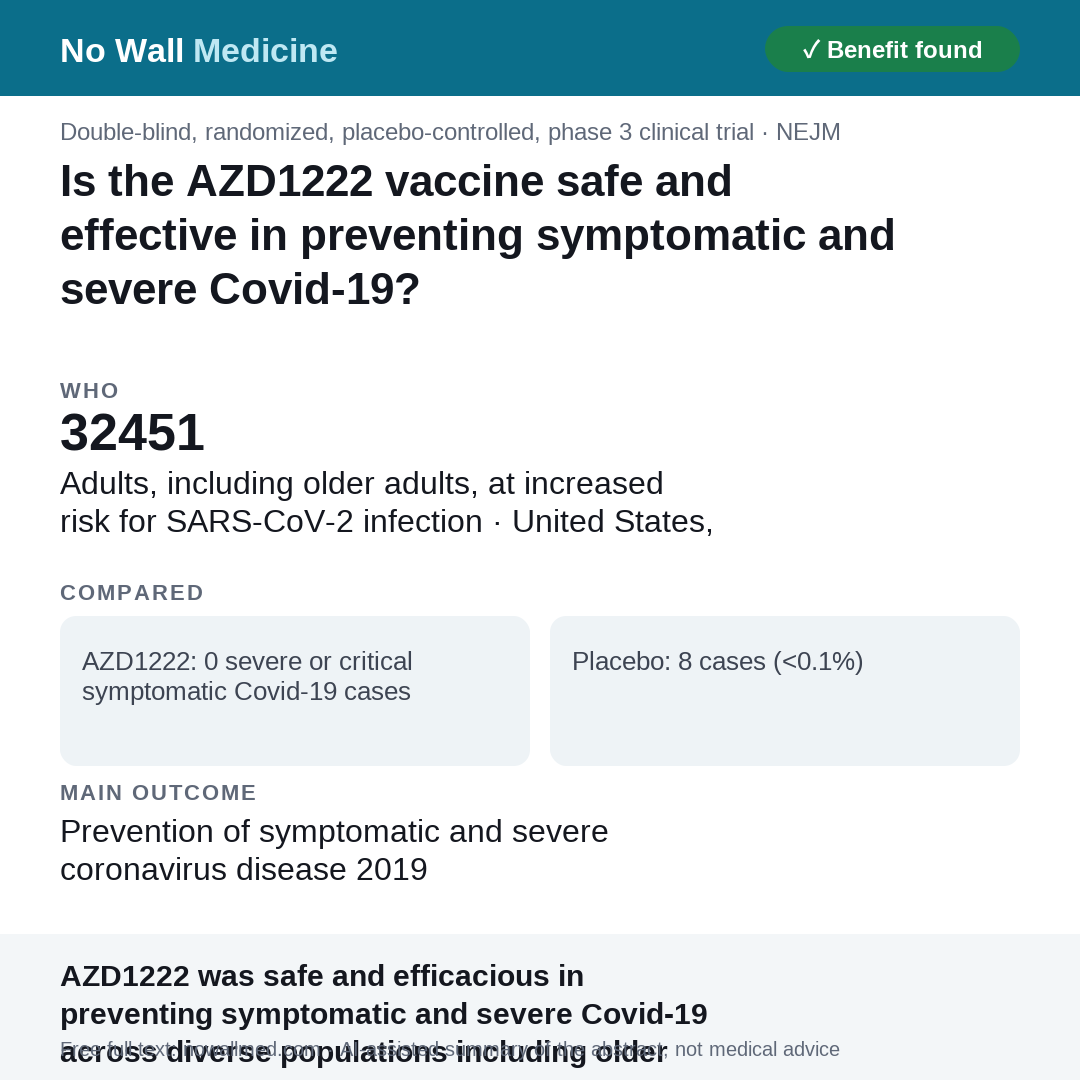
Phase 3 Safety and Efficacy of AZD1222 (ChAdOx1 nCoV-19) Covid-19 Vaccine
Double-blind, randomized, placebo-controlled, phase 3 clinical trialBenefit found
Is the AZD1222 vaccine safe and effective in preventing symptomatic and severe Covid-19?
Who
32451
Adults, including older adults, at increased risk for SARS-CoV-2 infection · United States, Chile, and Peru
Compared
AZD1222: 0 severe or critical symptomatic Covid-19 cases
Placebo: 8 cases (<0.1%)
Main outcome
Prevention of symptomatic and severe coronavirus disease 2019
Result: overall estimated vaccine efficacy 74.0% (95% CI, 65.3 to 80.5)
Bottom line: AZD1222 was safe and efficacious in preventing symptomatic and severe Covid-19 across diverse populations including older adults.
Funded by: AstraZeneca and others
NEJM · 2021-09-29Download image
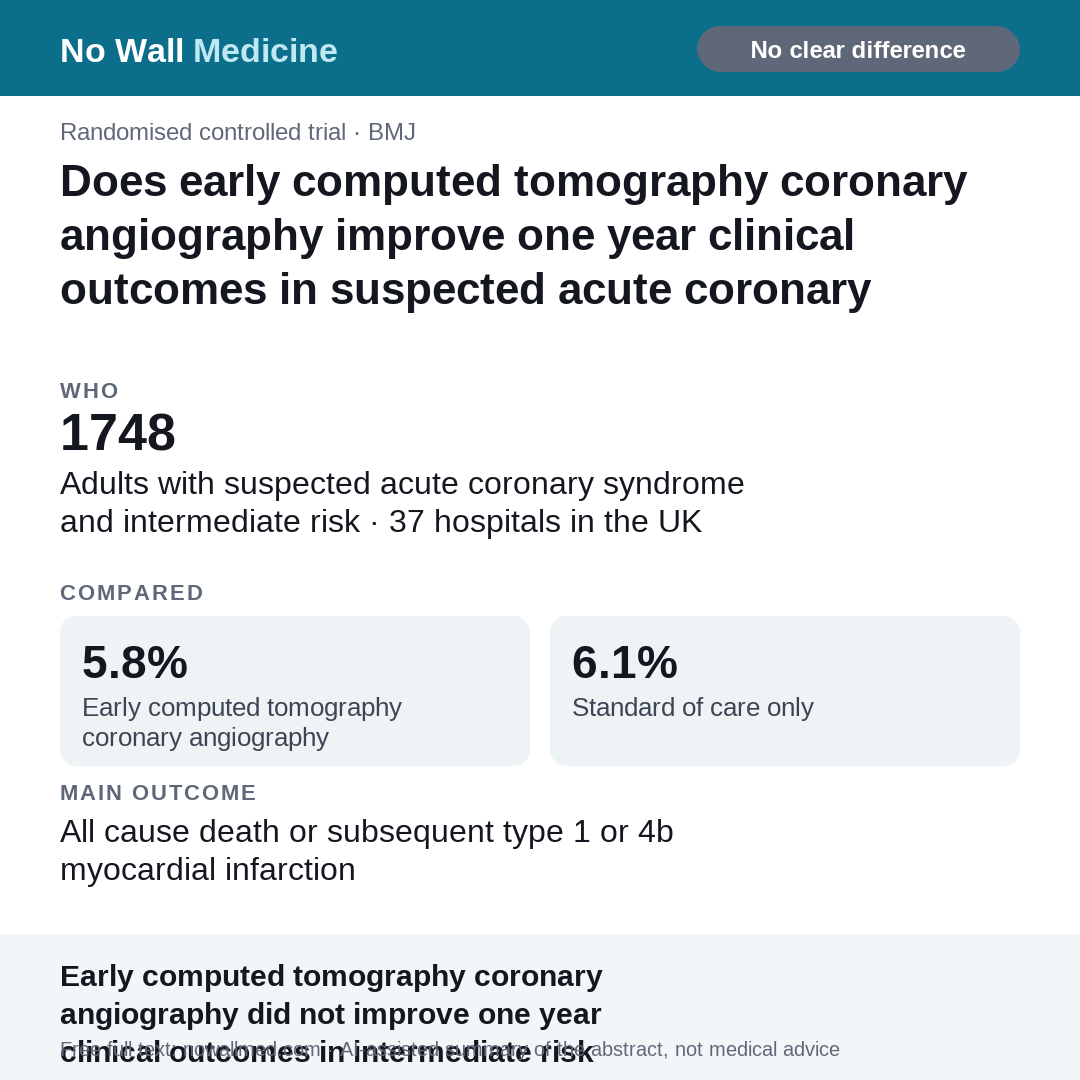
Early computed tomography coronary angiography in patients with suspected acute coronary syndrome: randomised controlled trial
Randomised controlled trialNo clear difference
Does early computed tomography coronary angiography improve one year clinical outcomes in suspected acute coronary syndrome?
Who
1748
Adults with suspected acute coronary syndrome and intermediate risk · 37 hospitals in the UK
Compared
5.8%Early computed tomography coronary angiography
6.1%Standard of care only
Main outcome
All cause death or subsequent type 1 or 4b myocardial infarction
Result: adjusted hazard ratio 0.91 (95% confidence interval 0.62 to 1.35)
Bottom line: Early computed tomography coronary angiography did not improve one year clinical outcomes in intermediate risk patients with suspected acute coronary syndrome.
BMJ · 2021-09-29Download image
Serologic Response to Coronavirus Disease 2019 (COVID-19) Vaccination in Patients With Immune-Mediated Inflammatory Diseases: A Systematic Review and Meta-analysis
Systematic review and meta-analysisKey finding
What is the serologic response to COVID-19 vaccination in patients with immune-mediated inflammatory diseases?
Who
5360
Patients with immune-mediated inflammatory diseases
Compared
Patients with immune-mediated inflammatory diseases: 83.4% (95% CI, 76.8%-88.4%) after 2 doses
Controls
Main outcome
Proportion of patients achieving a serologic response
Result: odds ratio 0.086 (95% CI 0.036-0.206)
Bottom line: Patients with immune-mediated inflammatory diseases have a reduced serologic response to messenger RNA COVID-19 vaccines.
Gastroenterology · 2021-09-29Download image

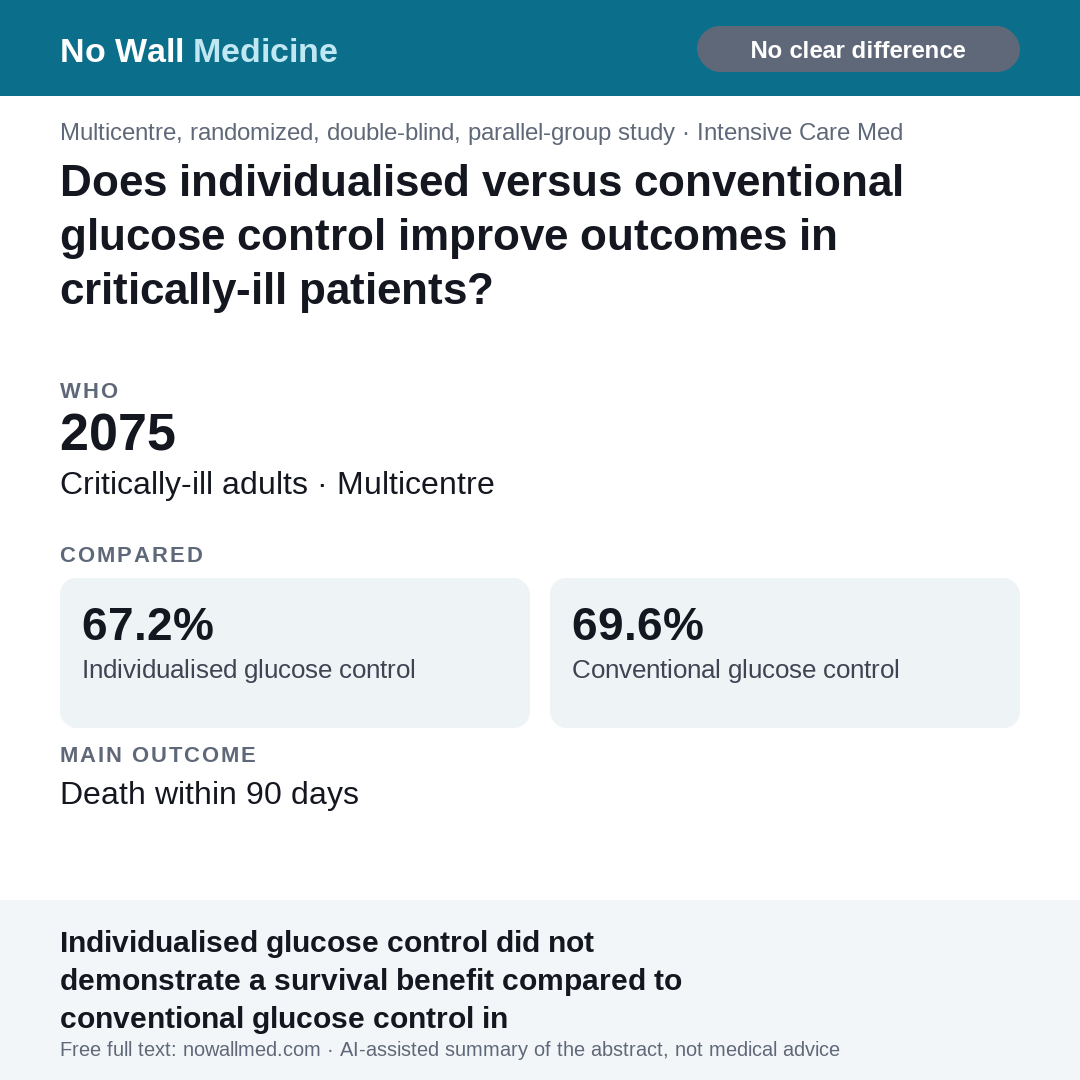
Individualised versus conventional glucose control in critically-ill patients: the CONTROLING study-a randomized clinical trial
Multicentre, randomized, double-blind, parallel-group studyNo clear difference
Does individualised versus conventional glucose control improve outcomes in critically-ill patients?
Who
2075
Critically-ill adults · Multicentre
Compared
67.2%Individualised glucose control (95% CI 64.2%; 70.3%)
69.6%Conventional glucose control (95% CI 66.7%; 72.5%)
Main outcome
Death within 90 days
Bottom line: Individualised glucose control did not demonstrate a survival benefit compared to conventional glucose control in critically-ill patients.
Intensive Care Med · 2021-09-29Download image
Continuous Versus Routine Standardized Electroencephalogram for Outcome Prediction in Critically Ill Adults: Analysis From a Randomized Trial
Retrospective analysis of a randomized controlled trialKey finding
Does continuous versus routine electroencephalogram better predict mortality or functional outcome?
Who
364
Adults with acute disorder of consciousness · Multiple adult intensive care units
Compared
Continuous electroencephalogram: 84.62% (95%CI, 75.02-90.97) positive predictive value
Routine electroencephalogram: 70.91% (95% CI, 59.62-80.10%) positive predictive value
Main outcome
Mortality and modified Rankin scale at 6 months
Bottom line: Continuous electroencephalogram provides more prognostic information for mortality than routine electroencephalogram in critically ill adults.
Limitation: Retrospective analysis of data from a randomized controlled trial
Crit Care Med · 2021-09-29Download image

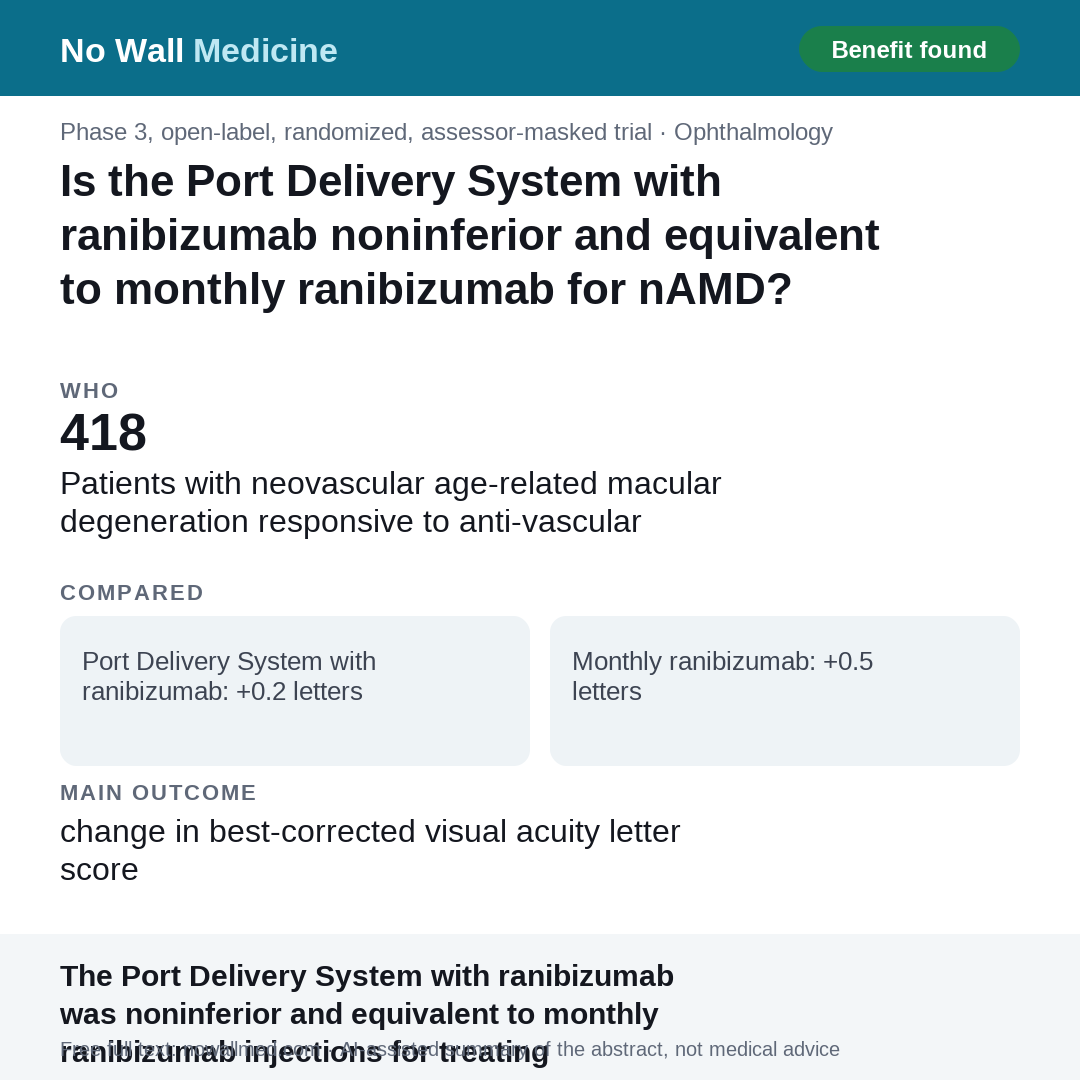
Archway Randomized Phase 3 Trial of the Port Delivery System with Ranibizumab for Neovascular Age-Related Macular Degeneration
Phase 3, open-label, randomized, assessor-masked trialBenefit found
Is the Port Delivery System with ranibizumab noninferior and equivalent to monthly ranibizumab for nAMD?
Who
418
Patients with neovascular age-related macular degeneration responsive to anti-vascular endothelial growth factor therapy
Compared
Port Delivery System with ranibizumab: +0.2 letters
Monthly ranibizumab: +0.5 letters
Main outcome
change in best-corrected visual acuity letter score
Result: difference -0.3 letters (95% CI -1.7 to 1.1 letters)
Bottom line: The Port Delivery System with ranibizumab was noninferior and equivalent to monthly ranibizumab injections for treating neovascular age-related macular degeneration.
Ophthalmology · 2021-09-29Download image
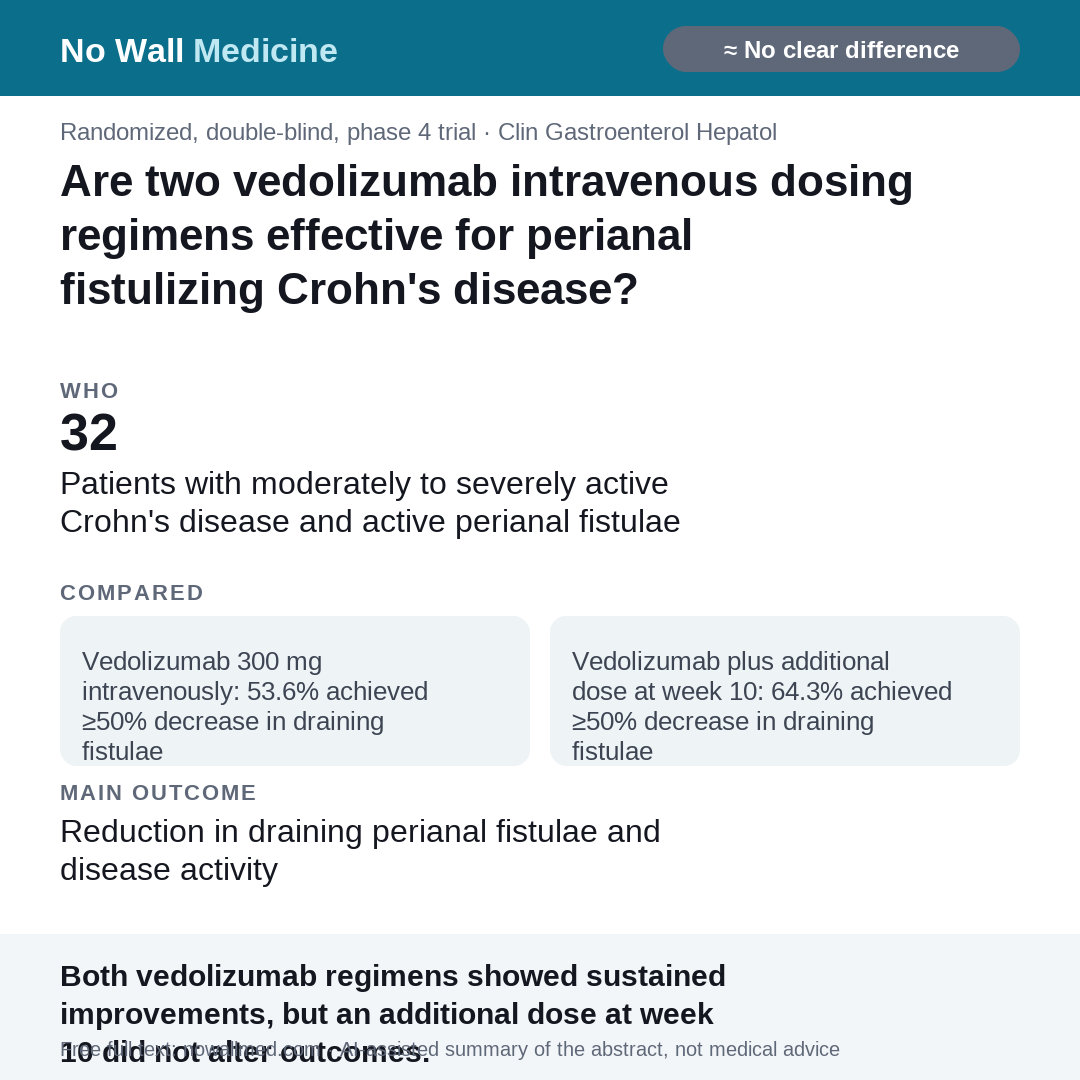
Efficacy and Safety of 2 Vedolizumab Intravenous Regimens for Perianal Fistulizing Crohn's Disease: ENTERPRISE Study
Randomized, double-blind, phase 4 trialNo clear difference
Are two vedolizumab intravenous dosing regimens effective for perianal fistulizing Crohn's disease?
Who
32
Patients with moderately to severely active Crohn's disease and active perianal fistulae
Compared
Vedolizumab 300 mg intravenously: 53.6% achieved ≥50% decrease in draining fistulae
Vedolizumab plus additional dose at week 10: 64.3% achieved ≥50% decrease in draining fistulae
Main outcome
Reduction in draining perianal fistulae and disease activity
Bottom line: Both vedolizumab regimens showed sustained improvements, but an additional dose at week 10 did not alter outcomes.
Clin Gastroenterol Hepatol · 2021-09-29Download image
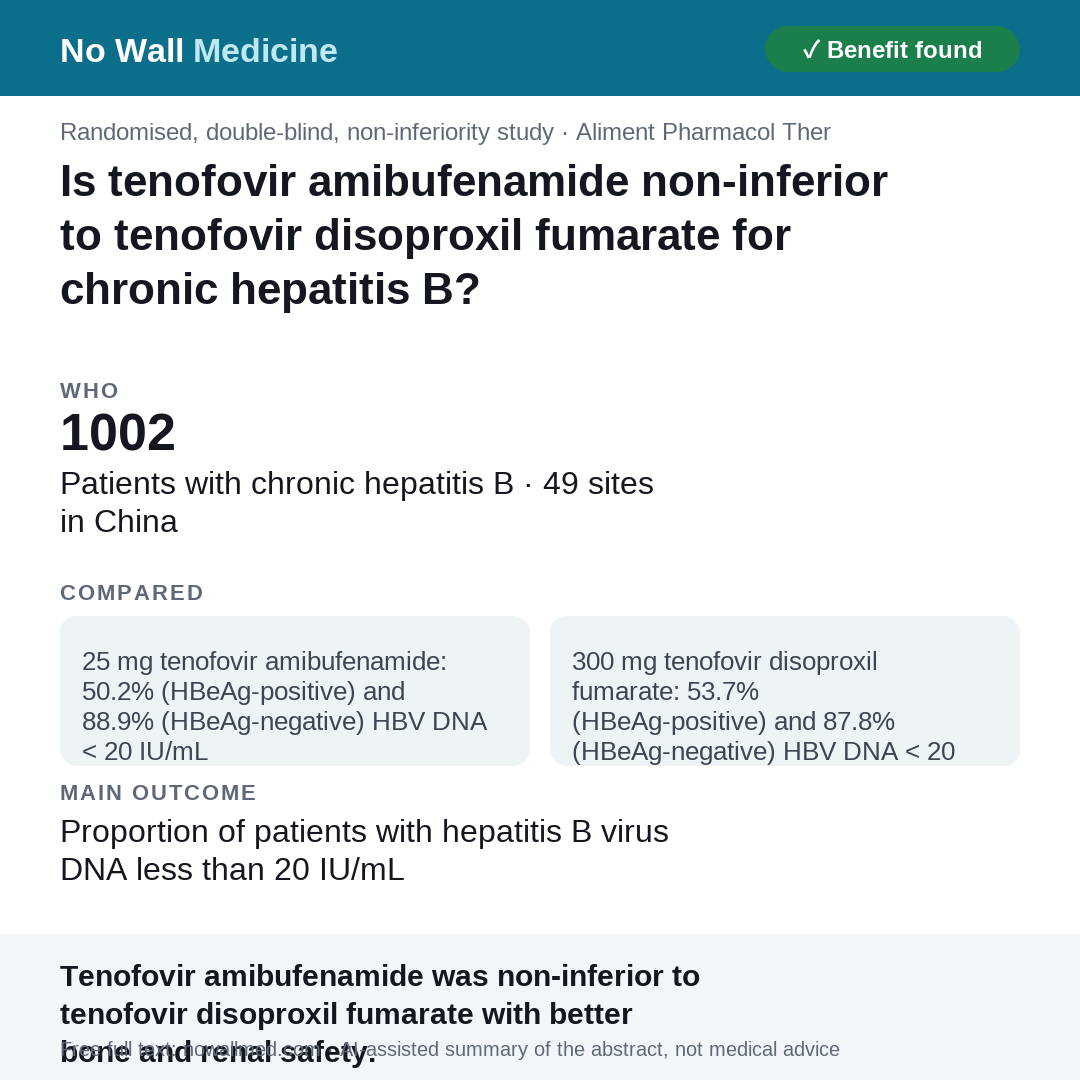
Randomised clinical trial: 48 weeks of treatment with tenofovir amibufenamide versus tenofovir disoproxil fumarate for patients with chronic hepatitis B
Randomised, double-blind, non-inferiority studyBenefit found
Is tenofovir amibufenamide non-inferior to tenofovir disoproxil fumarate for chronic hepatitis B?
Who
1002
Patients with chronic hepatitis B · 49 sites in China
Compared
25 mg tenofovir amibufenamide: 50.2% (HBeAg-positive) and 88.9% (HBeAg-negative) HBV DNA < 20 IU/mL
300 mg tenofovir disoproxil fumarate: 53.7% (HBeAg-positive) and 87.8% (HBeAg-negative) HBV DNA < 20 IU/mL
Main outcome
Proportion of patients with hepatitis B virus DNA less than 20 IU/mL
Bottom line: Tenofovir amibufenamide was non-inferior to tenofovir disoproxil fumarate with better bone and renal safety.
Aliment Pharmacol Ther · 2021-09-29Download image
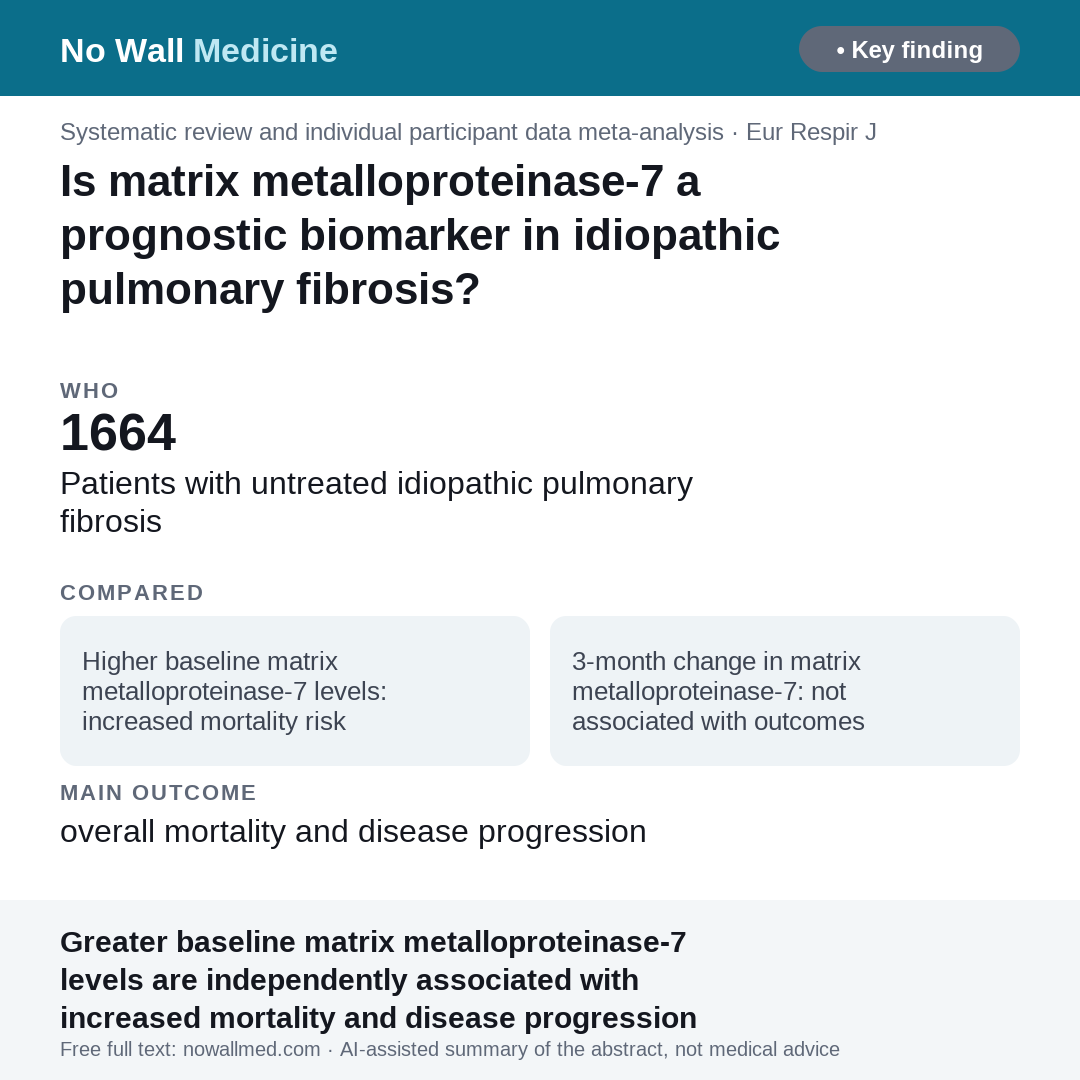
A systematic review of blood biomarkers with individual participant data meta-analysis of matrix metalloproteinase-7 in idiopathic pulmonary fibrosis
Systematic review and individual participant data meta-analysisKey finding
Is matrix metalloproteinase-7 a prognostic biomarker in idiopathic pulmonary fibrosis?
Who
1664
Patients with untreated idiopathic pulmonary fibrosis
Compared
Higher baseline matrix metalloproteinase-7 levels: increased mortality risk
3-month change in matrix metalloproteinase-7: not associated with outcomes
Main outcome
overall mortality and disease progression
Result: adjusted hazard ratio 1.23 (95% CI 1.03-1.48)
Bottom line: Greater baseline matrix metalloproteinase-7 levels are independently associated with increased mortality and disease progression risk in untreated idiopathic pulmonary fibrosis.
Eur Respir J · 2021-09-29Download image
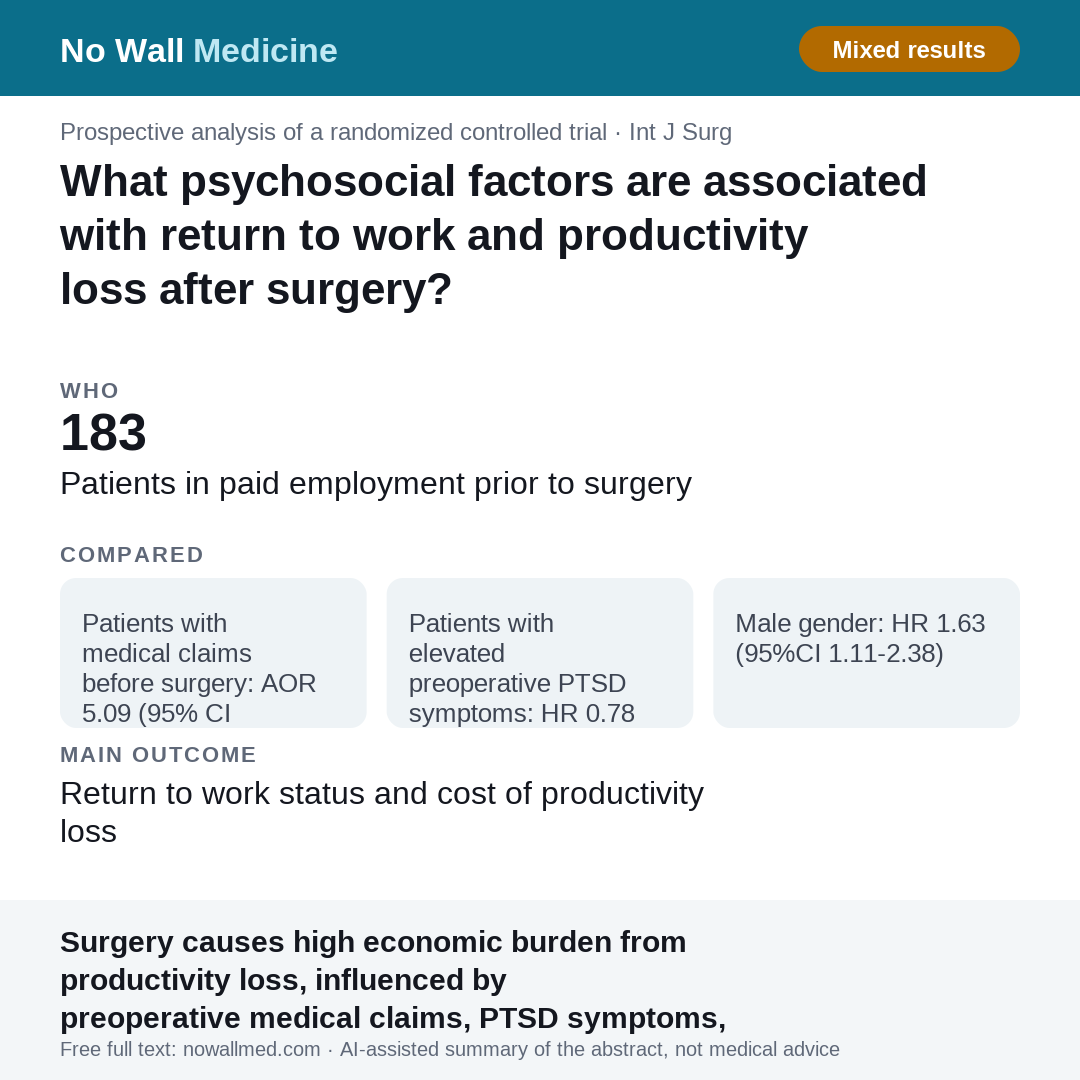
Return to work and productivity loss after surgery: A health economic evaluation
Prospective analysis of a randomized controlled trialMixed results
What psychosocial factors are associated with return to work and productivity loss after surgery?
Who
183
Patients in paid employment prior to surgery
Compared
Patients with medical claims before surgery: AOR 5.09 (95% CI 1.73-14.96)
Patients with elevated preoperative PTSD symptoms: HR 0.78 (95%CI 0.63-0.96)
Male gender: HR 1.63 (95%CI 1.11-2.38)
Main outcome
Return to work status and cost of productivity loss
Bottom line: Surgery causes high economic burden from productivity loss, influenced by preoperative medical claims, PTSD symptoms, and gender.
Int J Surg · 2021-09-29Download image
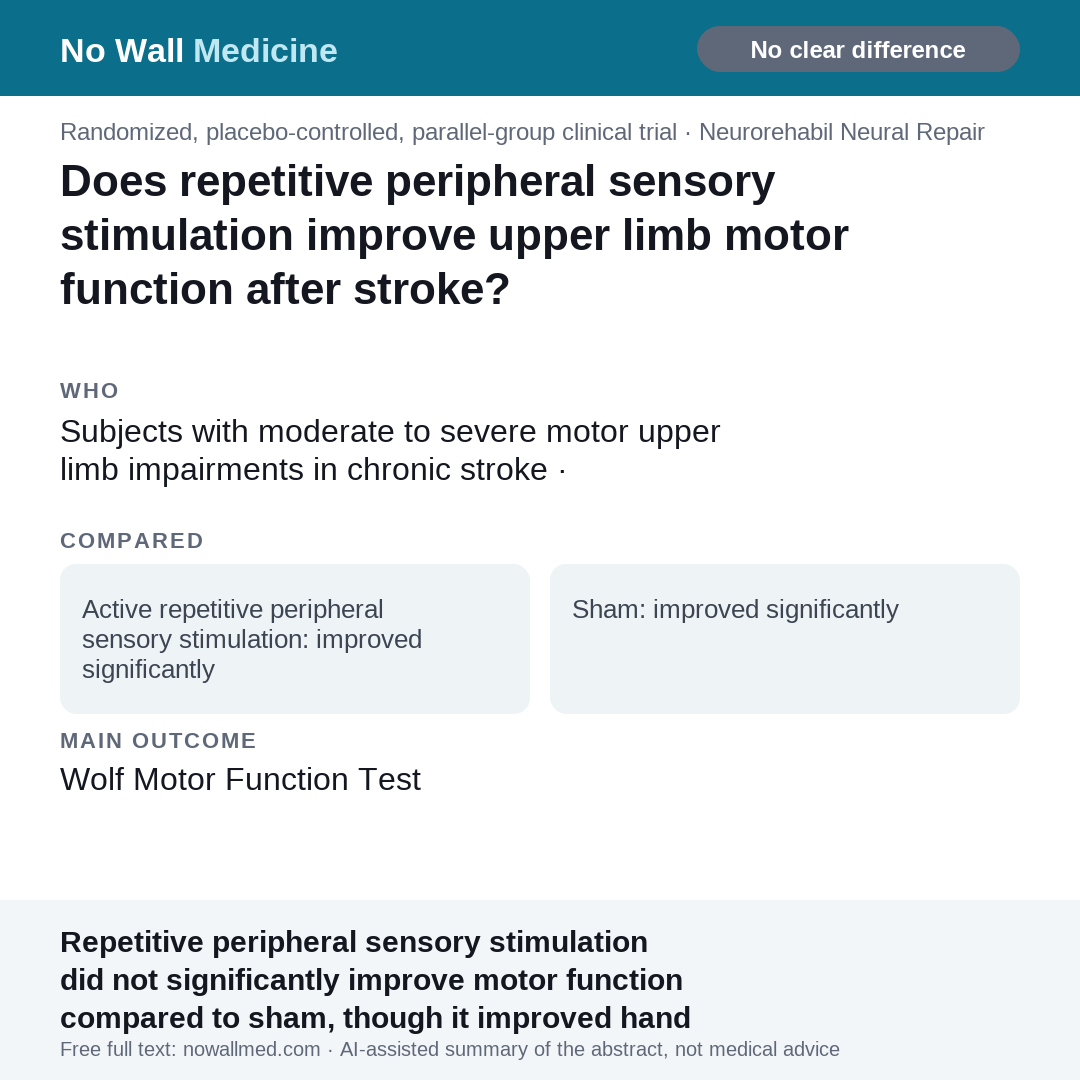
Repetitive Peripheral Sensory Stimulation as an Add-On Intervention for Upper Limb Rehabilitation in Stroke: A Randomized Trial
Randomized, placebo-controlled, parallel-group clinical trialNo clear difference
Does repetitive peripheral sensory stimulation improve upper limb motor function after stroke?
Who
Subjects with moderate to severe motor upper limb impairments in chronic stroke · Single-center
Compared
Active repetitive peripheral sensory stimulation: improved significantly
Sham: improved significantly
Main outcome
Wolf Motor Function Test
Bottom line: Repetitive peripheral sensory stimulation did not significantly improve motor function compared to sham, though it improved hand strength.
Neurorehabil Neural Repair · 2021-09-29Download image
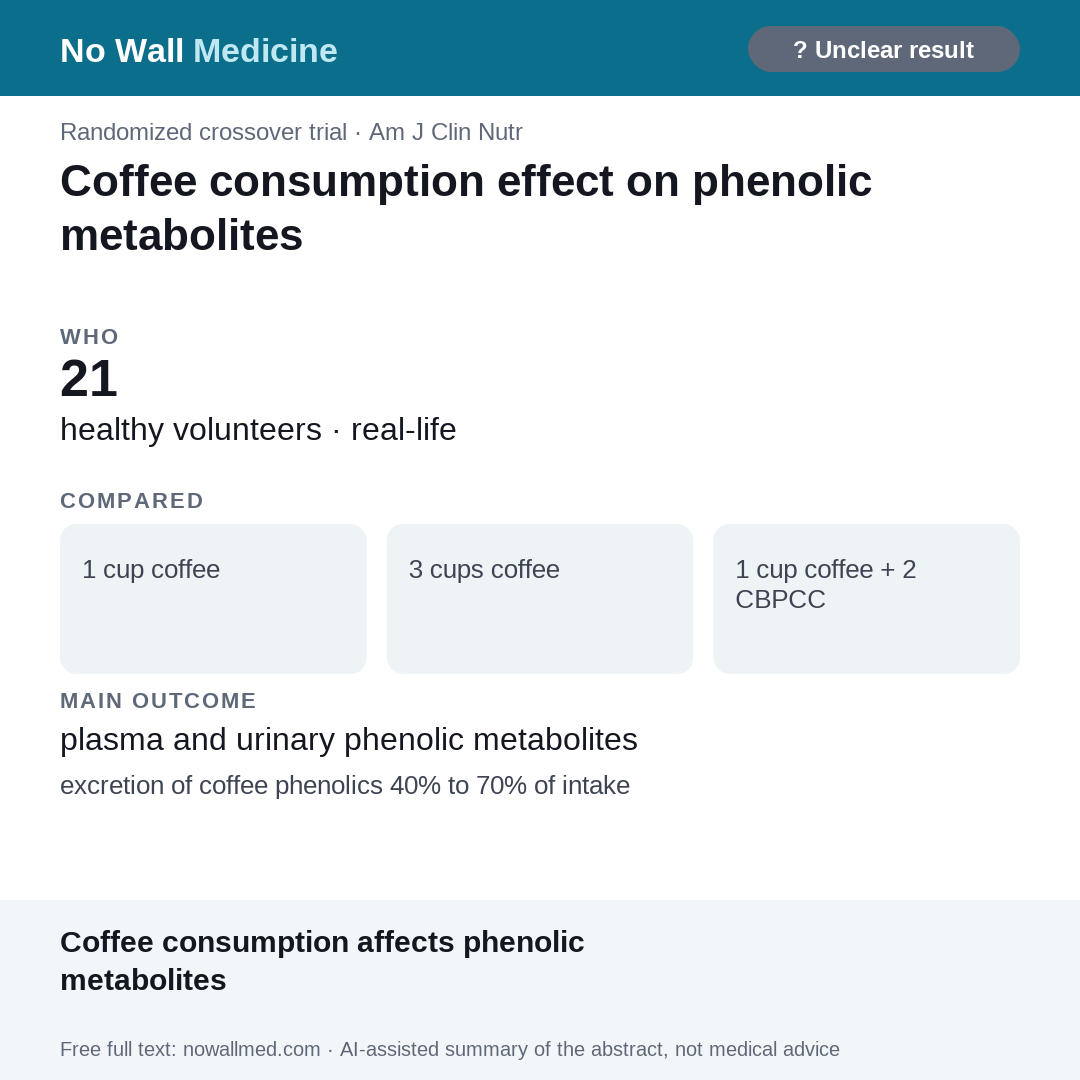
Effect of different patterns of consumption of coffee and a cocoa-based product containing coffee on the nutrikinetics and urinary excretion of phenolic compounds
Randomized crossover trialUnclear result
Coffee consumption effect on phenolic metabolites
Who
21
healthy volunteers · real-life
Compared
1 cup coffee
3 cups coffee
1 cup coffee + 2 CBPCC
Main outcome
plasma and urinary phenolic metabolites
Result: excretion of coffee phenolics 40% to 70% of intake
Bottom line: Coffee consumption affects phenolic metabolites
Am J Clin Nutr · 2021-09-29Download image
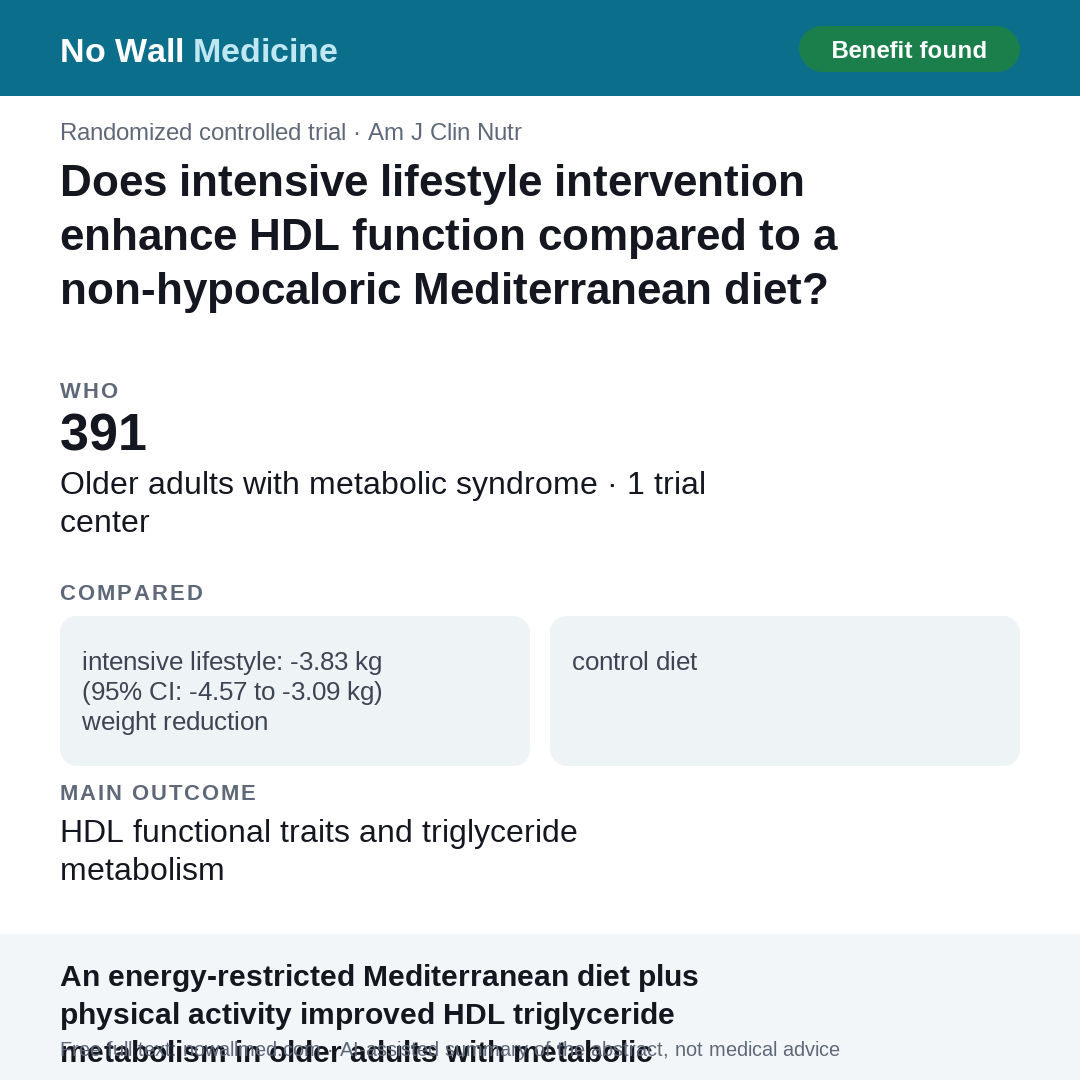
A lifestyle intervention with an energy-restricted Mediterranean diet and physical activity enhances HDL function: a substudy of the PREDIMED-Plus randomized controlled trial
Randomized controlled trialBenefit found
Does intensive lifestyle intervention enhance HDL function compared to a non-hypocaloric Mediterranean diet?
Who
391
Older adults with metabolic syndrome · 1 trial center
Compared
intensive lifestyle: -3.83 kg (95% CI: -4.57 to -3.09 kg) weight reduction
control diet
Main outcome
HDL functional traits and triglyceride metabolism
Result: -0.15 mg/g protein (95% CI: -0.29 to -0.014 mg/g protein) for triglycerides
Bottom line: An energy-restricted Mediterranean diet plus physical activity improved HDL triglyceride metabolism in older adults with metabolic syndrome.
Am J Clin Nutr · 2021-09-29Download image
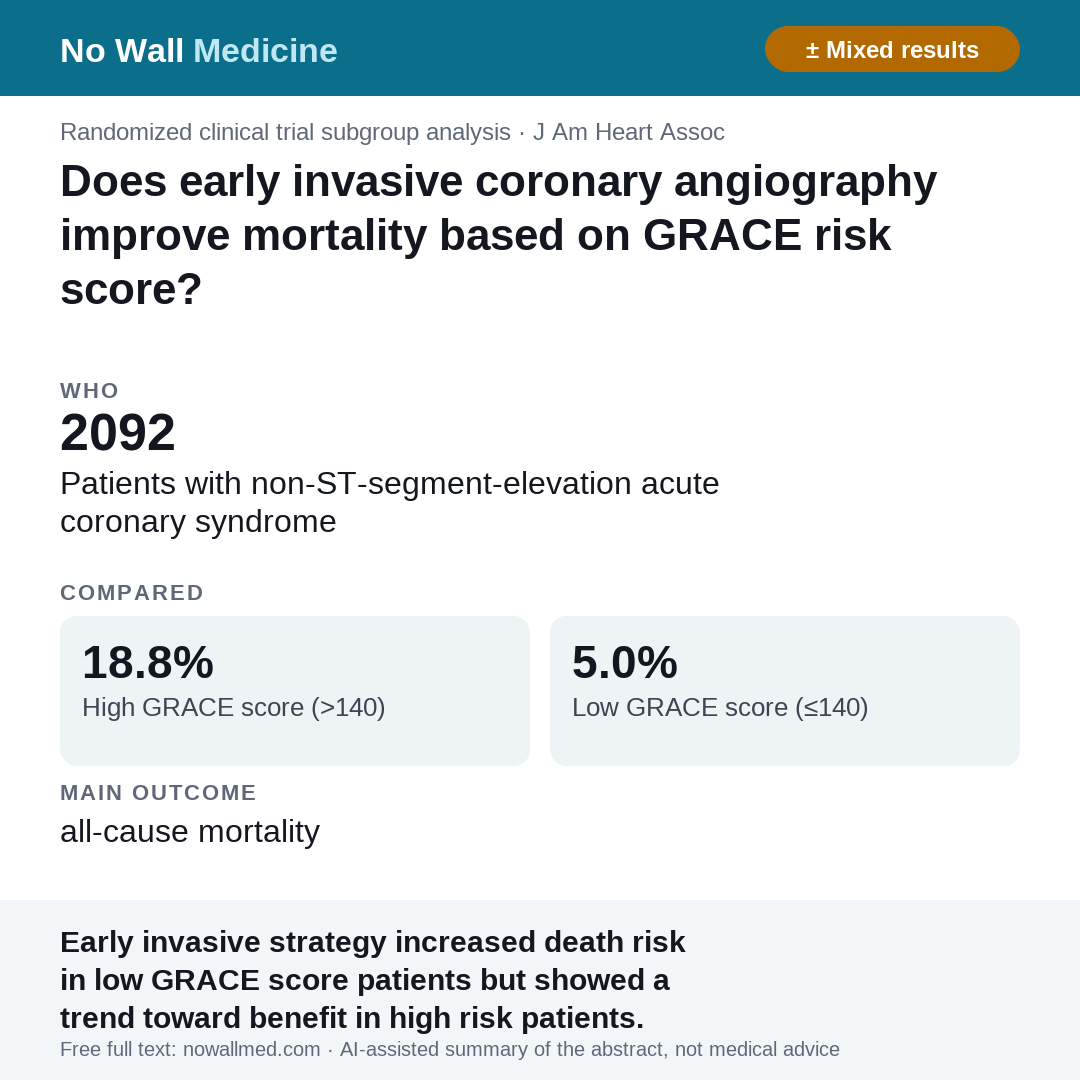
Importance of Risk Assessment in Timing of Invasive Coronary Evaluation and Treatment of Patients With Non-ST-Segment-Elevation Acute Coronary Syndrome: Insights From the VERDICT Trial
Randomized clinical trial subgroup analysisMixed results
Does early invasive coronary angiography improve mortality based on GRACE risk score?
Who
2092
Patients with non-ST-segment-elevation acute coronary syndrome
Compared
18.8%High GRACE score (>140)
5.0%Low GRACE score (≤140)
Main outcome
all-cause mortality
Result: hazard ratio 2.04 (95% CI 1.16-3.59) for low risk
Bottom line: Early invasive strategy increased death risk in low GRACE score patients but showed a trend toward benefit in high risk patients.
J Am Heart Assoc · 2021-09-29Download image