Visual abstracts
New randomized trials and meta-analyses from leading journals at a glance: who was studied, what was compared, and what was found. Every paper is free to read in full.
All specialtiesCardiology 4763Oncology 4042Gastroenterology & Hepatology 1902Infectious Disease 3756Neurology 1872Psychiatry & Mental Health 2214Pulmonology 2042Critical Care 1319Endocrinology & Diabetes 2544Pediatrics 2889Surgery 2479Orthopedics & Sports Medicine 917Neurosurgery 525Cardiothoracic & Vascular Surgery 656Plastic & Reconstructive Surgery 574Nephrology 1107Rheumatology 810Hematology 1090Dermatology 611Ophthalmology 532Obstetrics & Gynecology 1645Public & Global Health 1037Radiology & Imaging 617Anesthesiology 957Urology 745ENT (Otolaryngology) 494Emergency Medicine 481Allergy & Immunology 309Geriatrics 972Family Medicine & Primary Care 533Medical Genetics & Genomics 659Pathology & Laboratory Medicine 156Physical Medicine & Rehabilitation 734Palliative Care 421Nutrition 1560Digital Health & AI 2133General Medicine 318
Editor's Choice - Systematic Review and Meta-Analysis of Contemporary Abdominal Aortic Aneurysm Growth Rates
Systematic review and meta-analysisNo clear difference
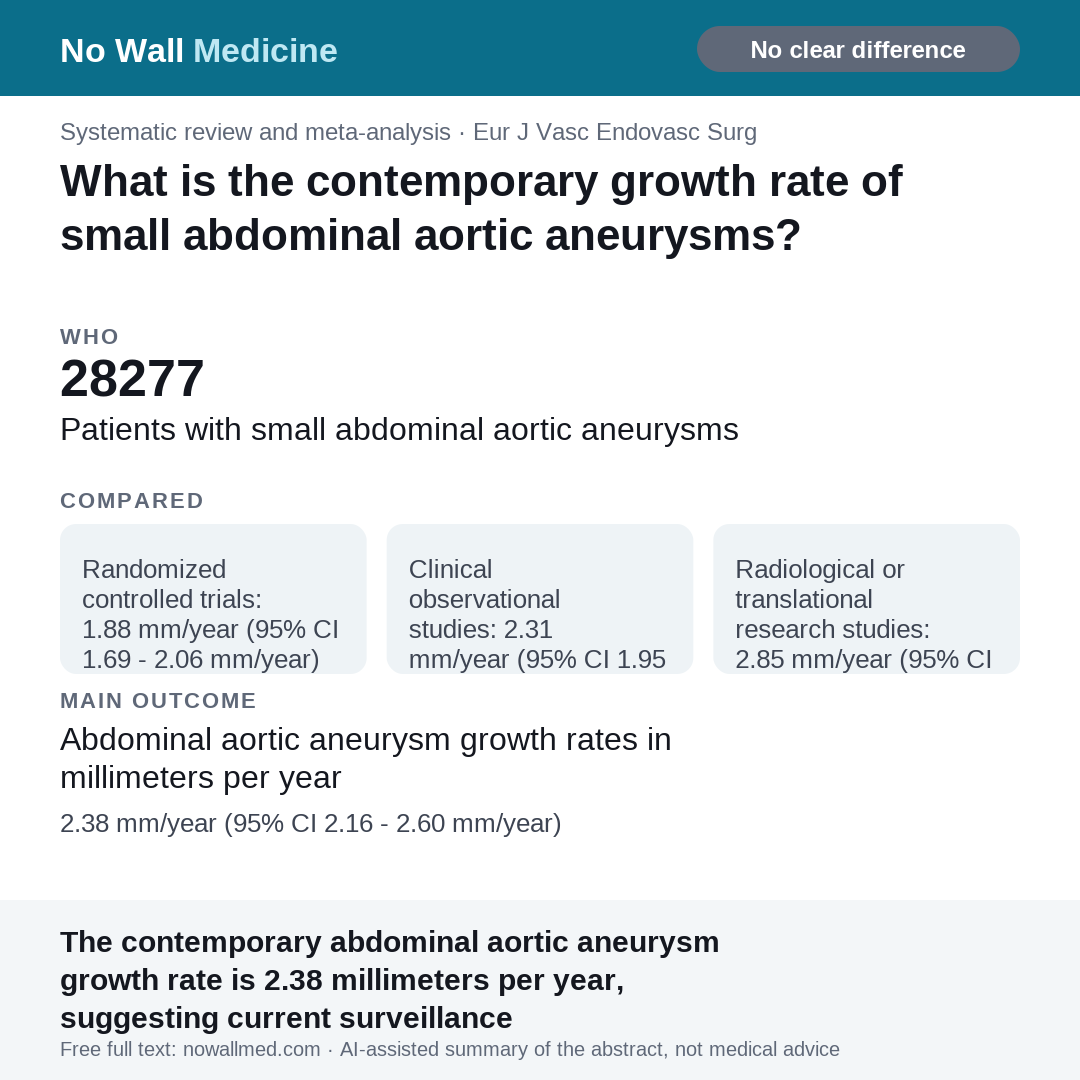
What is the contemporary growth rate of small abdominal aortic aneurysms?
Who
28277
Patients with small abdominal aortic aneurysms
Compared
Randomized controlled trials: 1.88 mm/year (95% CI 1.69 - 2.06 mm/year)
Clinical observational studies: 2.31 mm/year (95% CI 1.95 - 2.67 mm/year)
Radiological or translational research studies: 2.85 mm/year (95% CI 2.44 - 3.26 mm/year)
Main outcome
Abdominal aortic aneurysm growth rates in millimeters per year
Result: 2.38 mm/year (95% CI 2.16 - 2.60 mm/year)
Bottom line: The contemporary abdominal aortic aneurysm growth rate is 2.38 millimeters per year, suggesting current surveillance recommendations remain valid.
Limitation: High heterogeneity, small study publication bias, and 27 studies with moderate to high risk of bias.
Eur J Vasc Endovasc Surg · 2023-09-28Download image
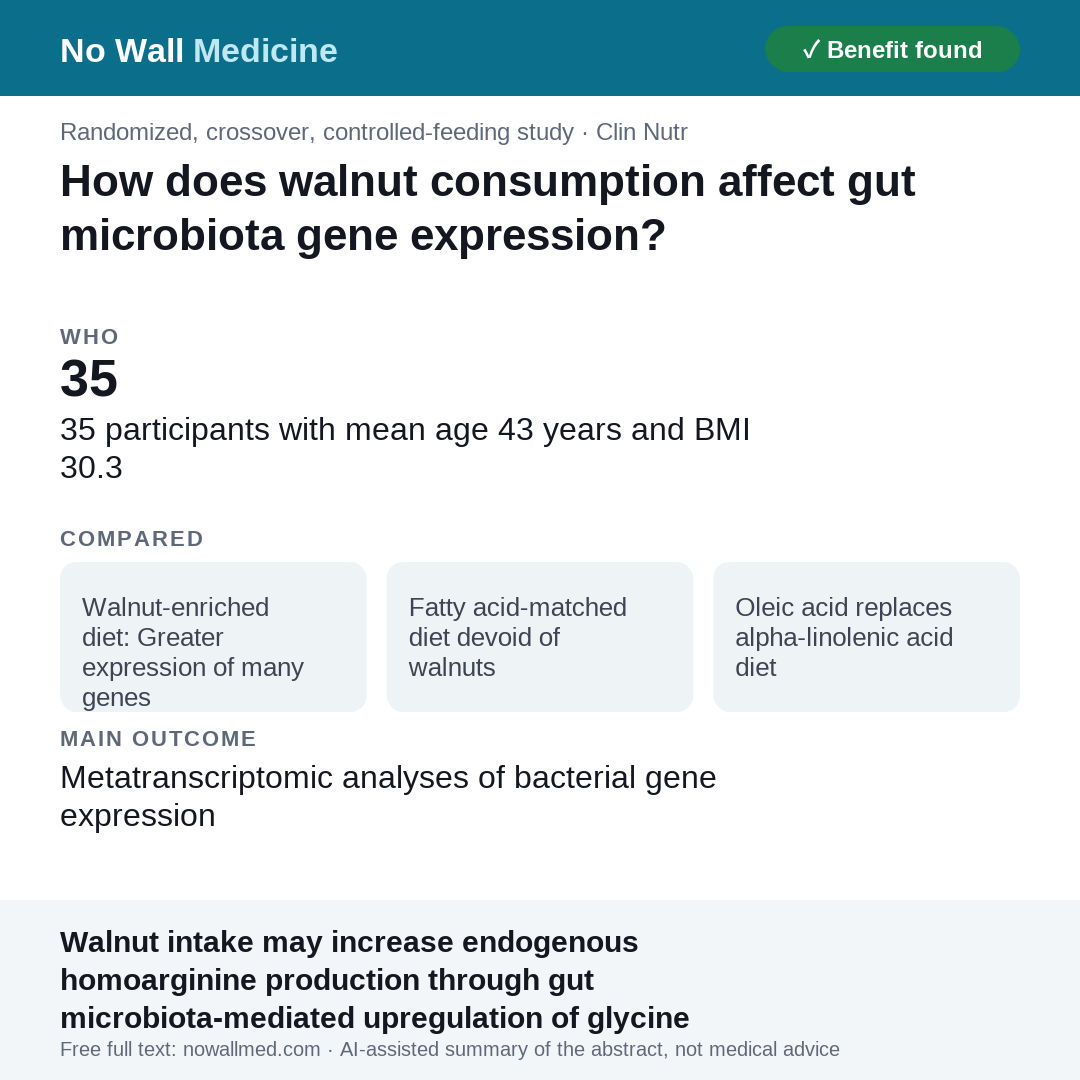
Walnut consumption and gut microbial metabolism: Results of an exploratory analysis from a randomized, crossover, controlled-feeding study
Randomized, crossover, controlled-feeding studyBenefit found
How does walnut consumption affect gut microbiota gene expression?
Who
35
35 participants with mean age 43 years and BMI 30.3
Compared
Walnut-enriched diet: Greater expression of many genes
Fatty acid-matched diet devoid of walnuts
Oleic acid replaces alpha-linolenic acid diet
Main outcome
Metatranscriptomic analyses of bacterial gene expression
Bottom line: Walnut intake may increase endogenous homoarginine production through gut microbiota-mediated upregulation of glycine amidinotransferase.
Limitation: The study was exploratory in nature and requires replication.
Clin Nutr · 2023-09-28Download image
Educational Effectiveness of Telementoring as a Continuing Professional Development Intervention for Surgeons in Practice: A Systematic Review
Systematic reviewKey finding
Is telementoring effective for surgeons
Who
178
surgeons in practice
Compared
Telementoring
Control
Main outcome
educational effectiveness
Bottom line: Telementoring is effective for surgeons
Ann Surg Open · 2023-09-28Download image

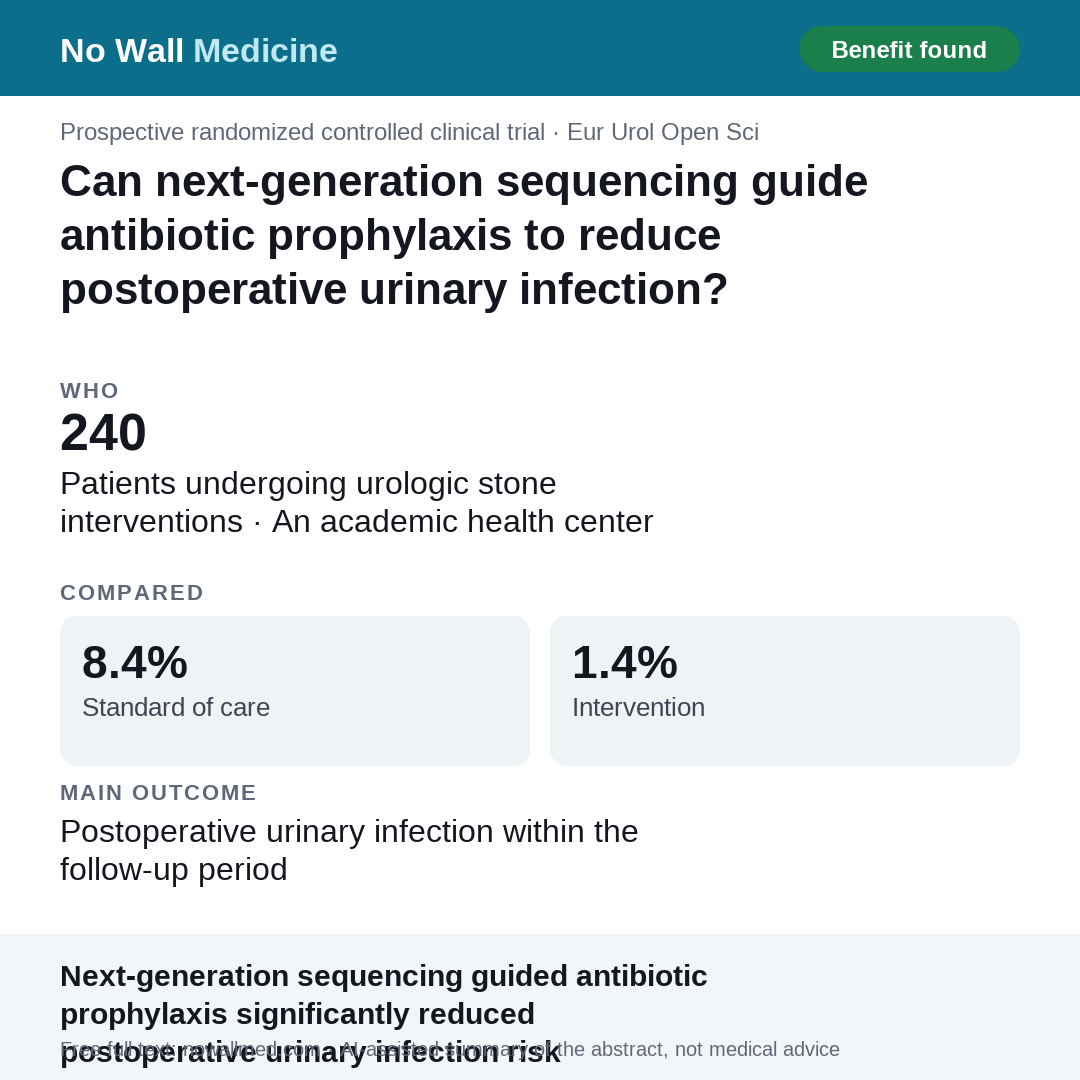
Comparative Effectiveness Randomized Clinical Trial Using Next-generation Microbial Sequencing to Direct Prophylactic Antibiotic Choice Before Urologic Stone Lithotripsy Using an Interprofessional Model
Prospective randomized controlled clinical trialBenefit found
Can next-generation sequencing guide antibiotic prophylaxis to reduce postoperative urinary infection?
Who
240
Patients undergoing urologic stone interventions · An academic health center
Compared
8.4%Standard of care
1.4%Intervention
Main outcome
Postoperative urinary infection within the follow-up period
Result: -7.1% (-0.73%, 15%)
Bottom line: Next-generation sequencing guided antibiotic prophylaxis significantly reduced postoperative urinary infection risk compared to standard of care.
Limitation: Treatment efficacy may be limited by the ability to adhere to the recommended protocol.
Eur Urol Open Sci · 2023-09-28Download image
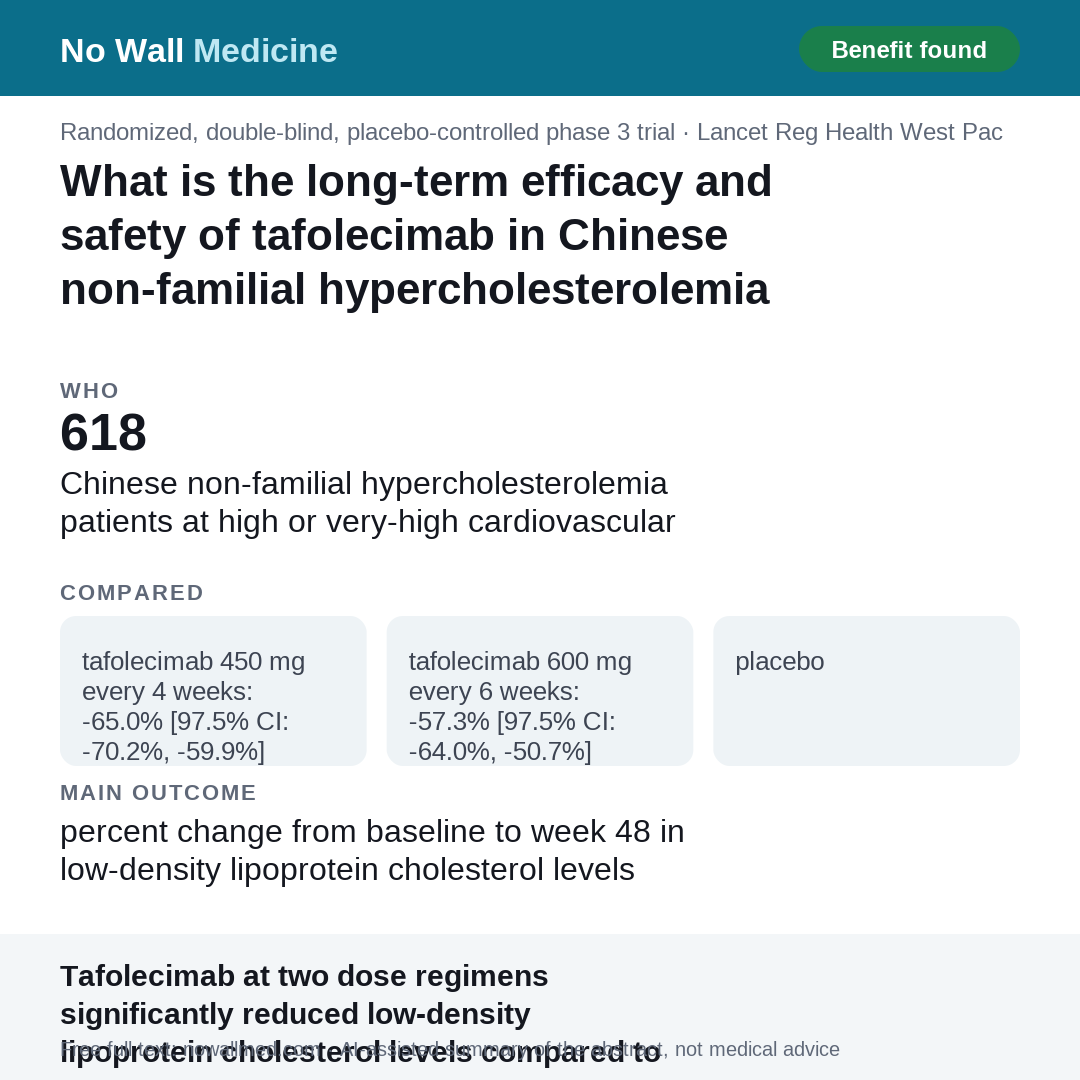
Tafolecimab in Chinese patients with non-familial hypercholesterolemia (CREDIT-1): a 48-week randomized, double-blind, placebo-controlled phase 3 trial
Randomized, double-blind, placebo-controlled phase 3 trialBenefit found
What is the long-term efficacy and safety of tafolecimab in Chinese non-familial hypercholesterolemia patients?
Who
618
Chinese non-familial hypercholesterolemia patients at high or very-high cardiovascular risk
Compared
tafolecimab 450 mg every 4 weeks: -65.0% [97.5% CI: -70.2%, -59.9%]
tafolecimab 600 mg every 6 weeks: -57.3% [97.5% CI: -64.0%, -50.7%]
placebo
Main outcome
percent change from baseline to week 48 in low-density lipoprotein cholesterol levels
Bottom line: Tafolecimab at two dose regimens significantly reduced low-density lipoprotein cholesterol levels compared to placebo in Chinese patients.
Funded by: Innovent Biologics, Inc.
Lancet Reg Health West Pac · 2023-09-28Download image
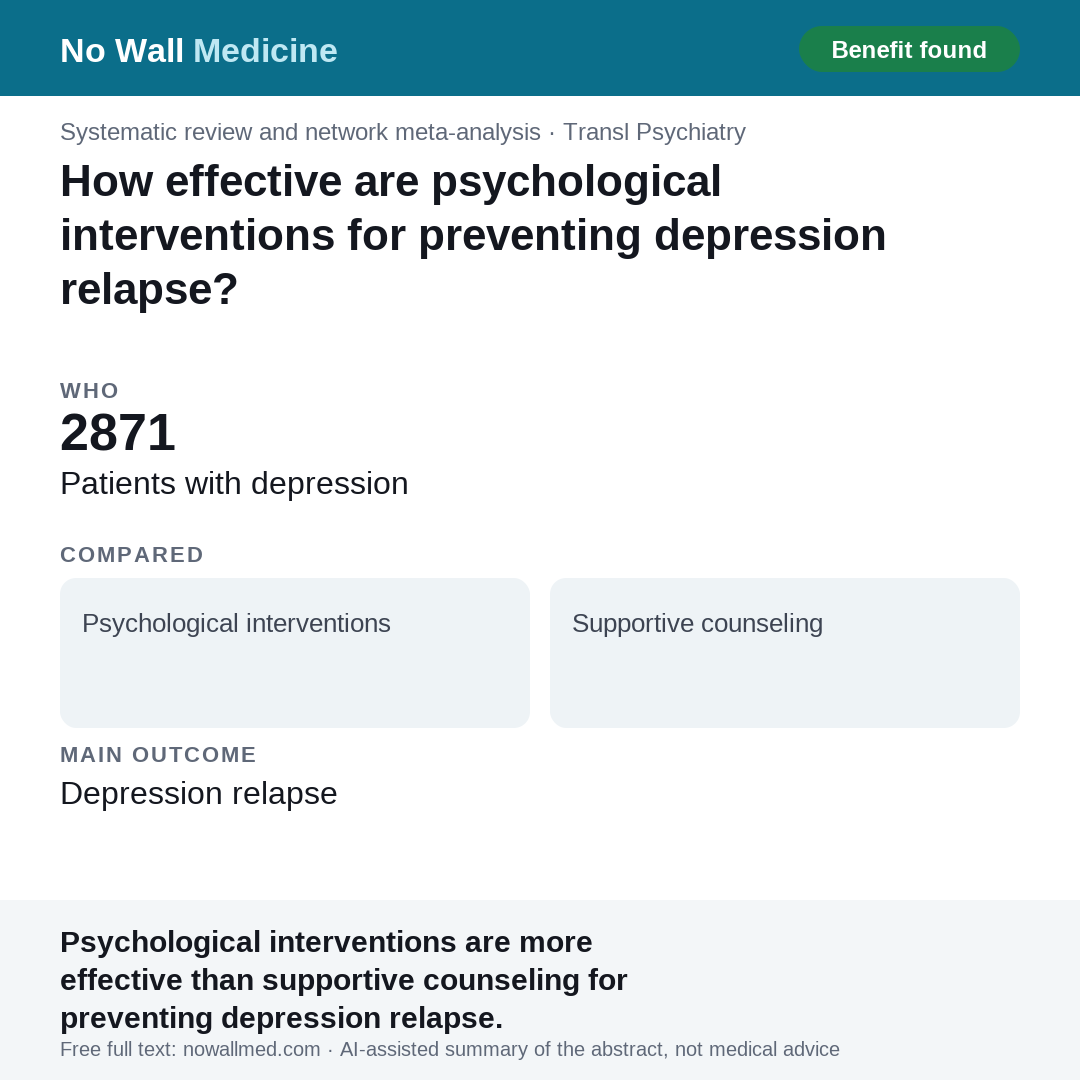
Psychological interventions for the prevention of depression relapse: systematic review and network meta-analysis
Systematic review and network meta-analysisBenefit found
How effective are psychological interventions for preventing depression relapse?
Who
2871
Patients with depression
Compared
Psychological interventions
Supportive counseling
Main outcome
Depression relapse
Bottom line: Psychological interventions are more effective than supportive counseling for preventing depression relapse.
Transl Psychiatry · 2023-09-28Download image
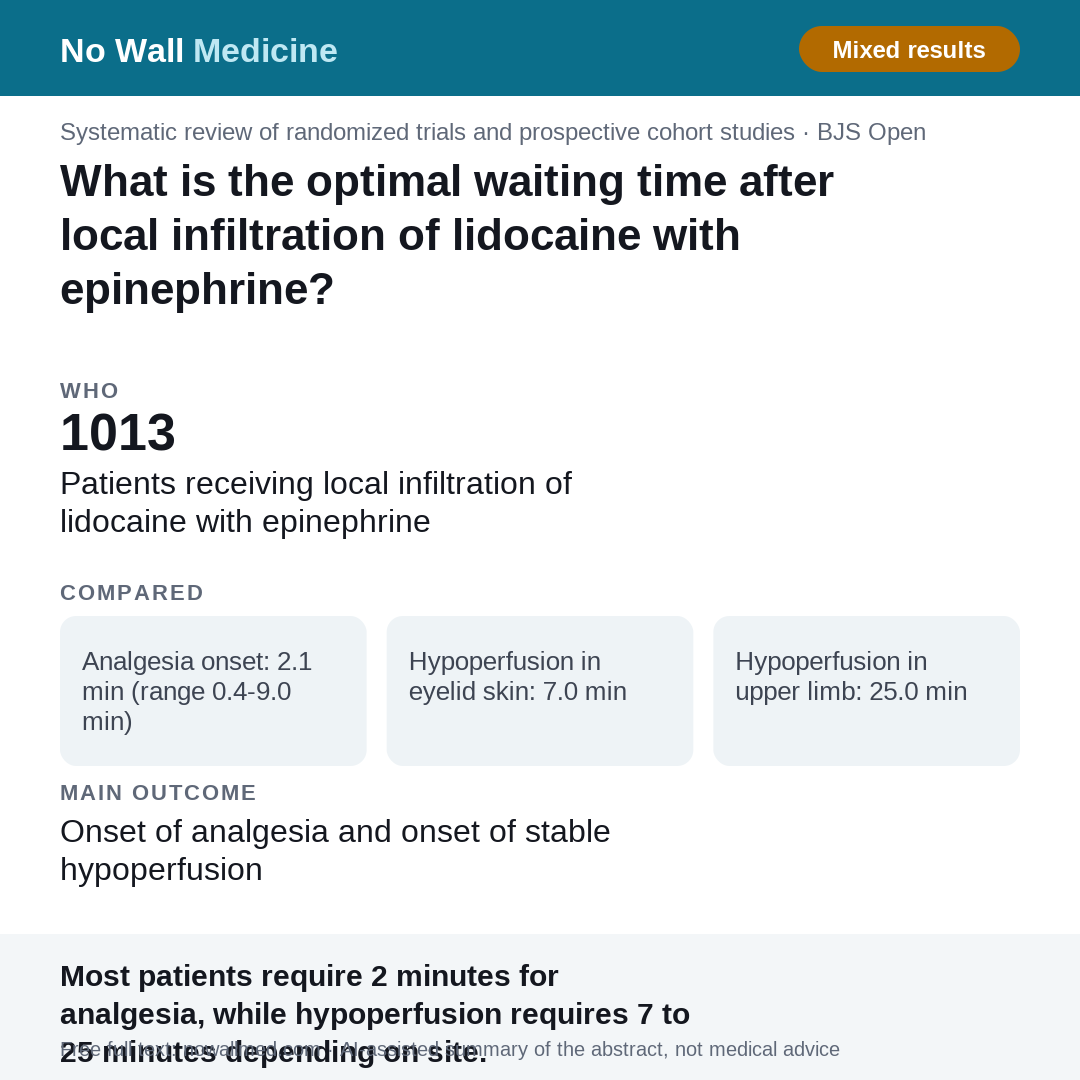
How long to wait after local infiltration anaesthesia: systematic review
Systematic review of randomized trials and prospective cohort studiesMixed results
What is the optimal waiting time after local infiltration of lidocaine with epinephrine?
Who
1013
Patients receiving local infiltration of lidocaine with epinephrine
Compared
Analgesia onset: 2.1 min (range 0.4-9.0 min)
Hypoperfusion in eyelid skin: 7.0 min
Hypoperfusion in upper limb: 25.0 min
Main outcome
Onset of analgesia and onset of stable hypoperfusion
Bottom line: Most patients require 2 minutes for analgesia, while hypoperfusion requires 7 to 25 minutes depending on site.
Limitation: Results varied significantly due to differences in anatomic sites, depth, resolution, and artefacts.
BJS Open · 2023-09-28Download image
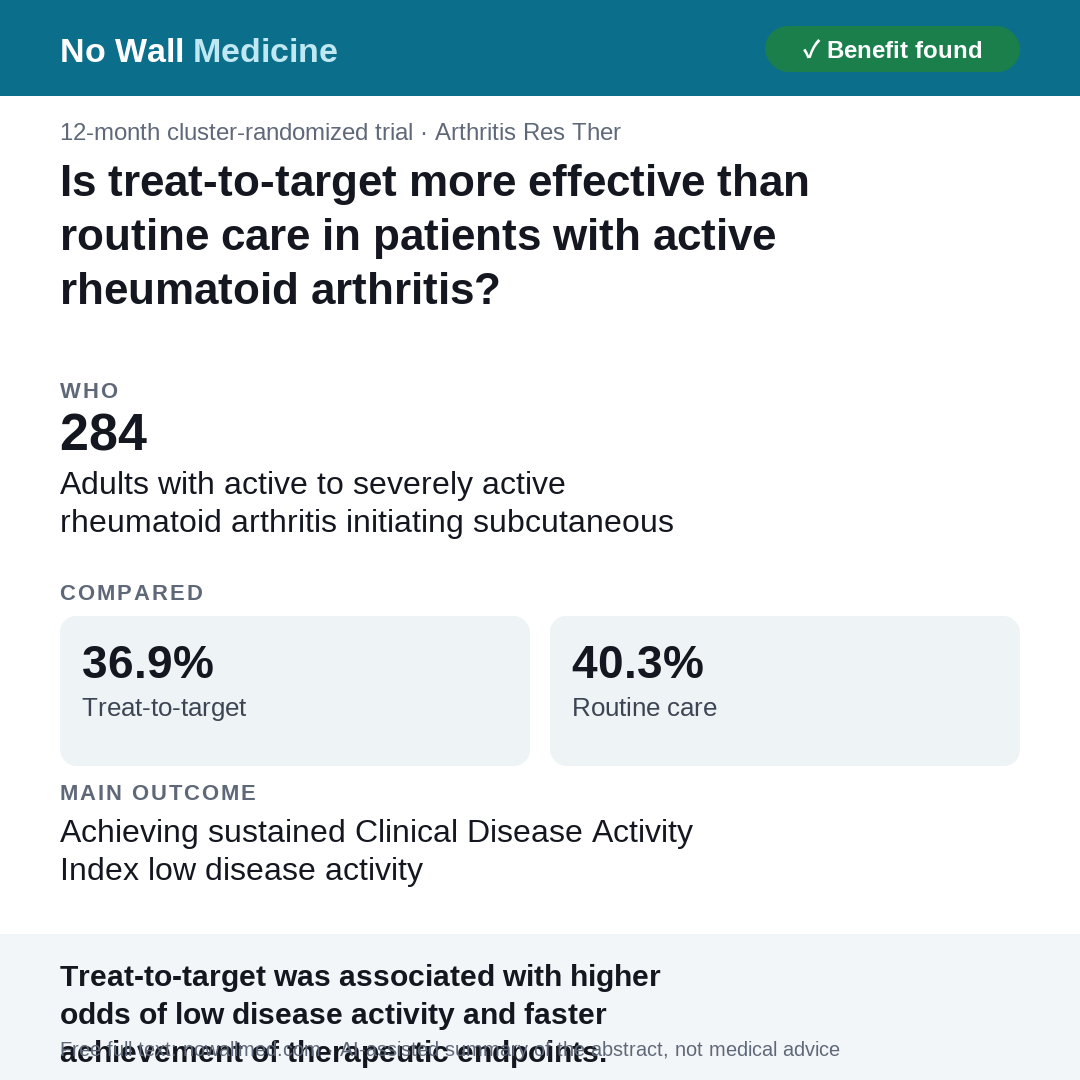
Effectiveness of a treat-to-target strategy in patients with moderate to severely active rheumatoid arthritis treated with abatacept
12-month cluster-randomized trialBenefit found
Is treat-to-target more effective than routine care in patients with active rheumatoid arthritis?
Who
284
Adults with active to severely active rheumatoid arthritis initiating subcutaneous abatacept
Compared
36.9%Treat-to-target
40.3%Routine care
Main outcome
Achieving sustained Clinical Disease Activity Index low disease activity
Result: odds ratio 1.33 (95% confidence interval 1.03-1.71)
Bottom line: Treat-to-target was associated with higher odds of low disease activity and faster achievement of therapeutic endpoints.
Arthritis Res Ther · 2023-09-28Download image
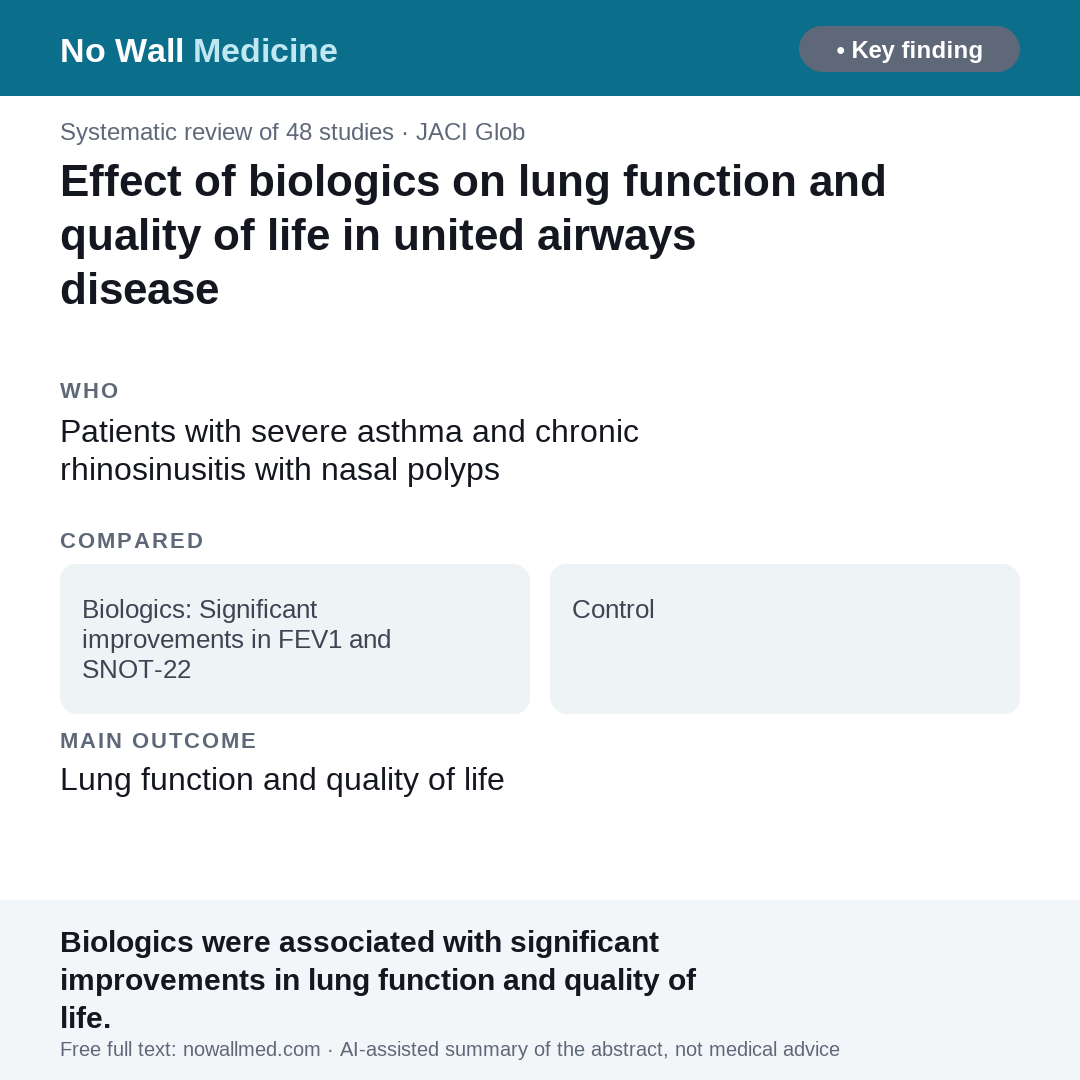
The effect of biologics in lung function and quality of life of patients with united airways disease: A systematic review
Systematic review of 48 studiesKey finding
Effect of biologics on lung function and quality of life in united airways disease
Who
Patients with severe asthma and chronic rhinosinusitis with nasal polyps
Compared
Biologics: Significant improvements in FEV1 and SNOT-22
Control
Main outcome
Lung function and quality of life
Bottom line: Biologics were associated with significant improvements in lung function and quality of life.
Limitation: High heterogeneity of populations and outcome measurements across studies
JACI Glob · 2023-09-28Download image
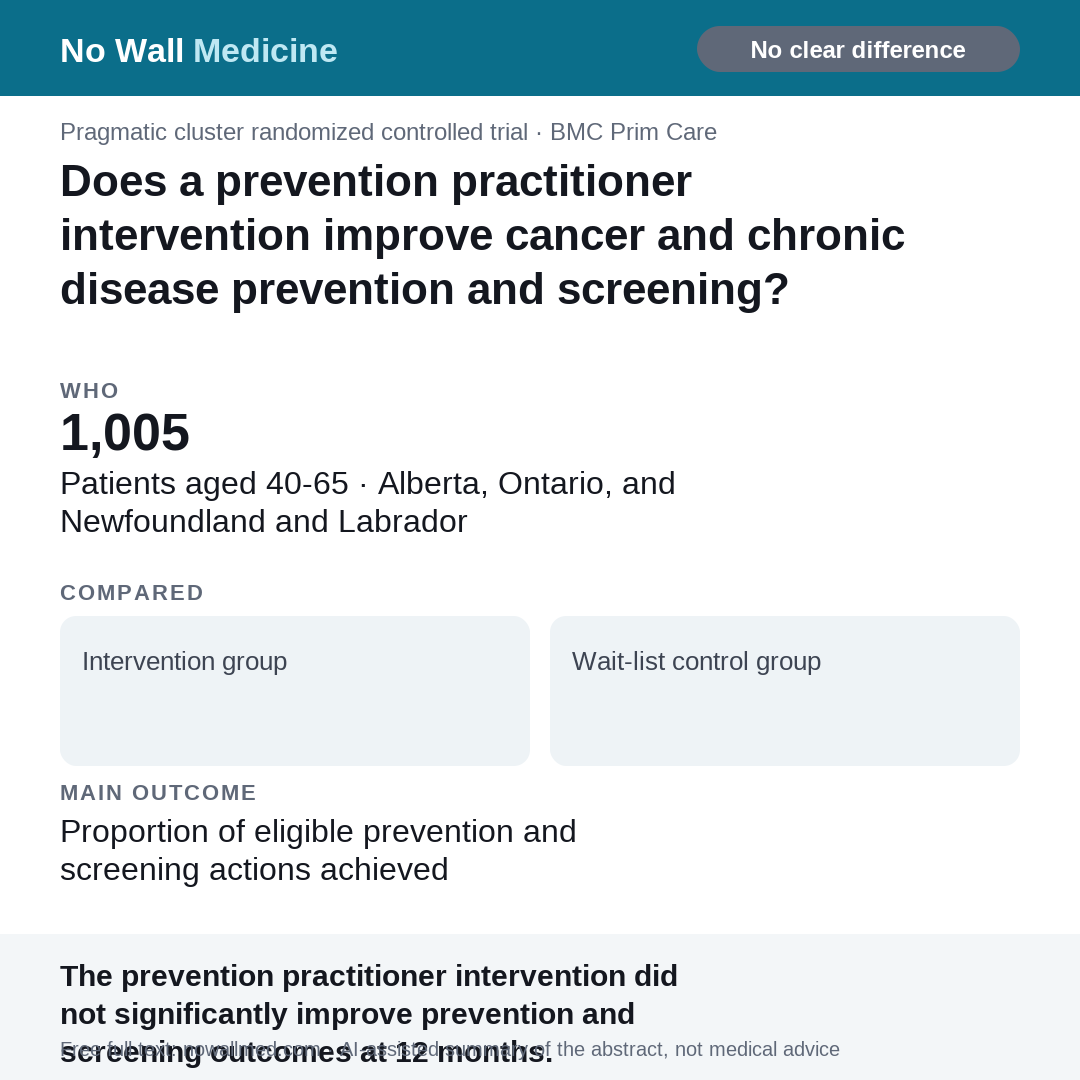
Results from the BETTER WISE trial: a pragmatic cluster two arm parallel randomized controlled trial for primary prevention and screening in primary care during the COVID-19 pandemic
Pragmatic cluster randomized controlled trialNo clear difference
Does a prevention practitioner intervention improve cancer and chronic disease prevention and screening?
Who
1,005
Patients aged 40-65 · Alberta, Ontario, and Newfoundland and Labrador
Compared
Intervention group
Wait-list control group
Main outcome
Proportion of eligible prevention and screening actions achieved
Bottom line: The prevention practitioner intervention did not significantly improve prevention and screening outcomes at 12 months.
BMC Prim Care · 2023-09-28Download image
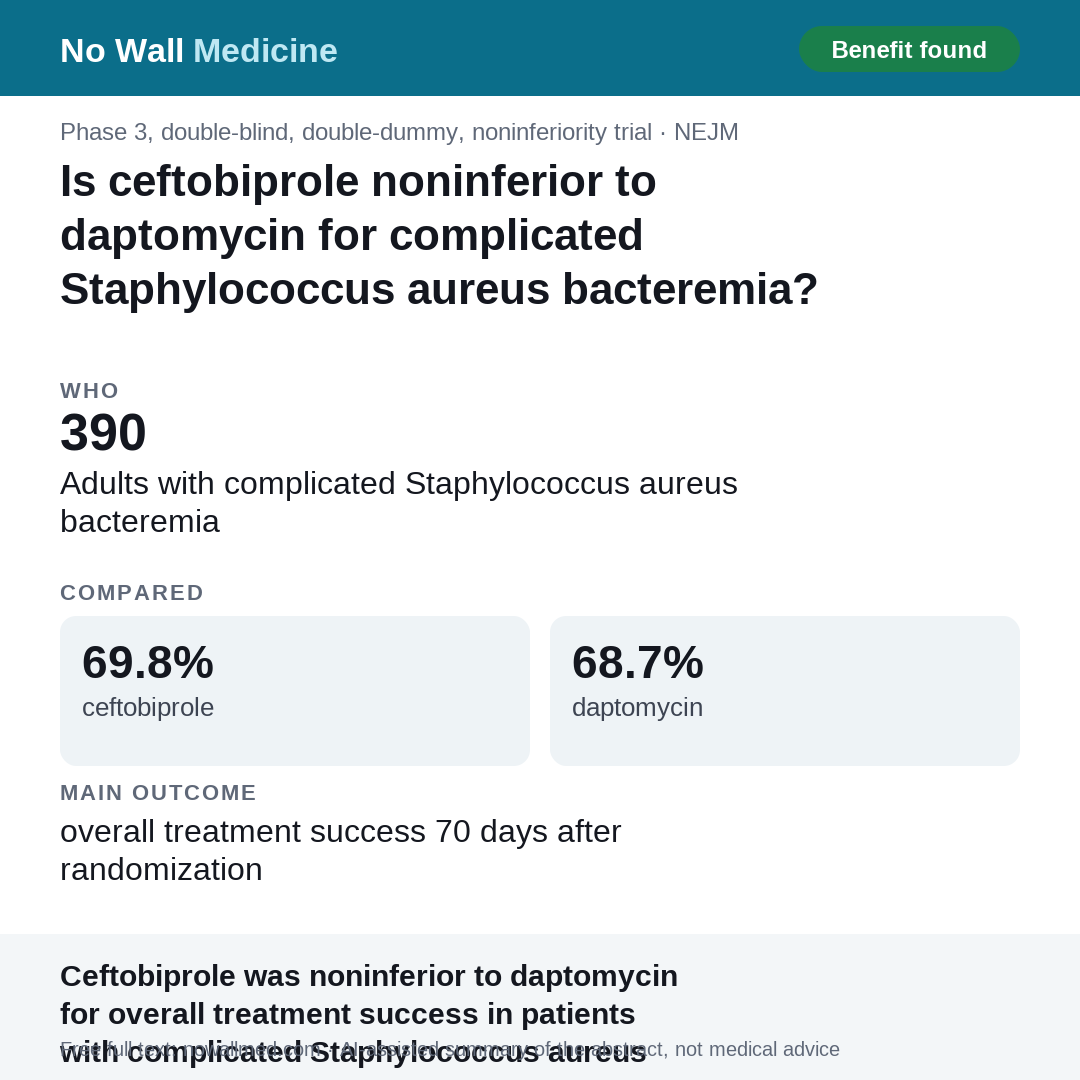
Ceftobiprole for Treatment of Complicated Staphylococcus aureus Bacteremia
Phase 3, double-blind, double-dummy, noninferiority trialBenefit found
Is ceftobiprole noninferior to daptomycin for complicated Staphylococcus aureus bacteremia?
Who
390
Adults with complicated Staphylococcus aureus bacteremia
Compared
69.8%ceftobiprole
68.7%daptomycin
Main outcome
overall treatment success 70 days after randomization
Result: adjusted difference, 2.0 percentage points; 95% confidence interval [-7.1 to 11.1]
Bottom line: Ceftobiprole was noninferior to daptomycin for overall treatment success in patients with complicated Staphylococcus aureus bacteremia.
Funded by: Basilea Pharmaceutica International and the U.S. Department of Health and Human Services
NEJM · 2023-09-27Download image
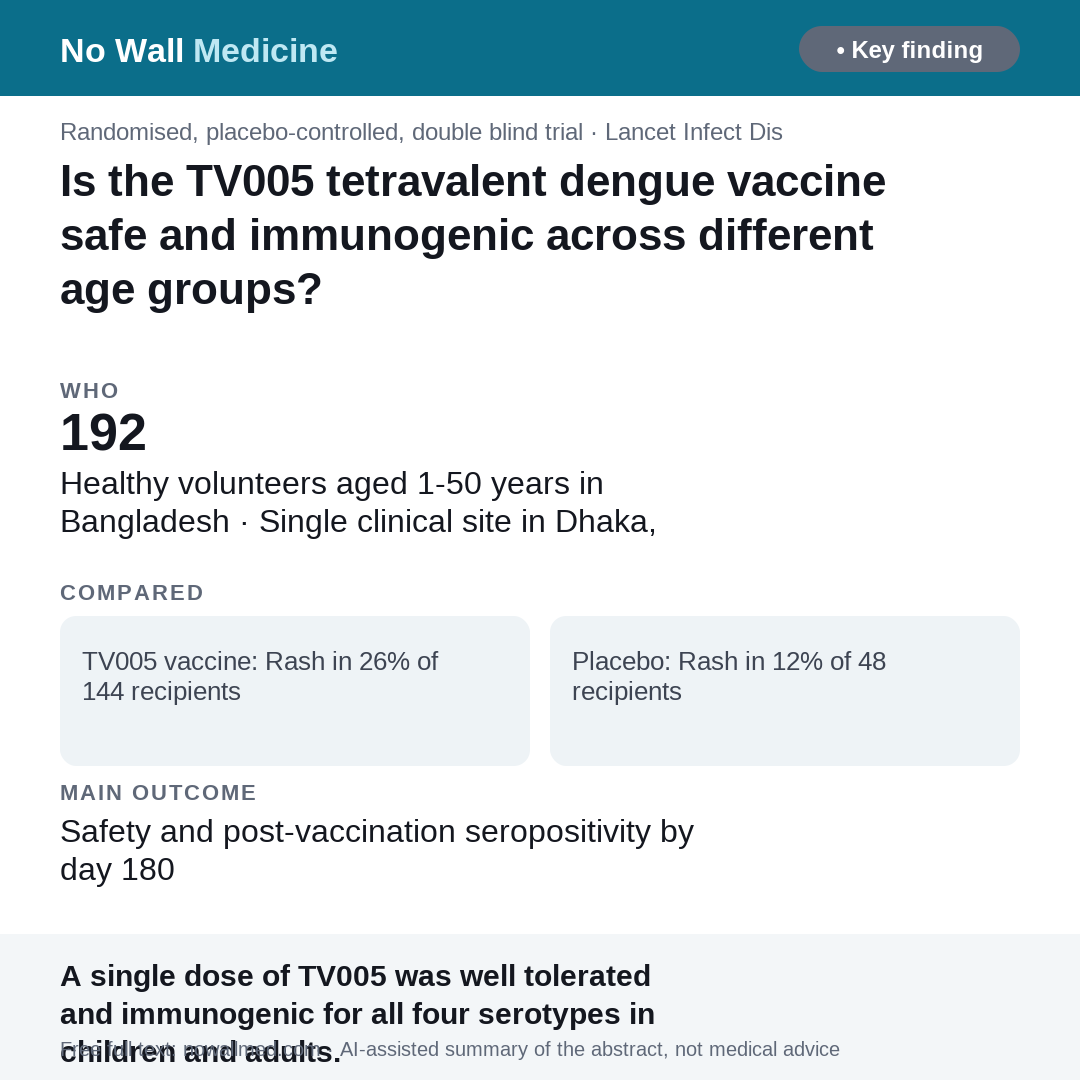
Safety and durable immunogenicity of the TV005 tetravalent dengue vaccine, across serotypes and age groups, in dengue-endemic Bangladesh: a randomised, controlled trial
Randomised, placebo-controlled, double blind trialKey finding
Is the TV005 tetravalent dengue vaccine safe and immunogenic across different age groups?
Who
192
Healthy volunteers aged 1-50 years in Bangladesh · Single clinical site in Dhaka, Bangladesh
Compared
TV005 vaccine: Rash in 26% of 144 recipients
Placebo: Rash in 12% of 48 recipients
Main outcome
Safety and post-vaccination seropositivity by day 180
Bottom line: A single dose of TV005 was well tolerated and immunogenic for all four serotypes in children and adults.
Limitation: Antibody titres for DENV 1, 3, and 4 waned by 3 years in the youngest cohort.
Funded by: National Institutes of Health and Johns Hopkins University
Lancet Infect Dis · 2023-09-27Download image
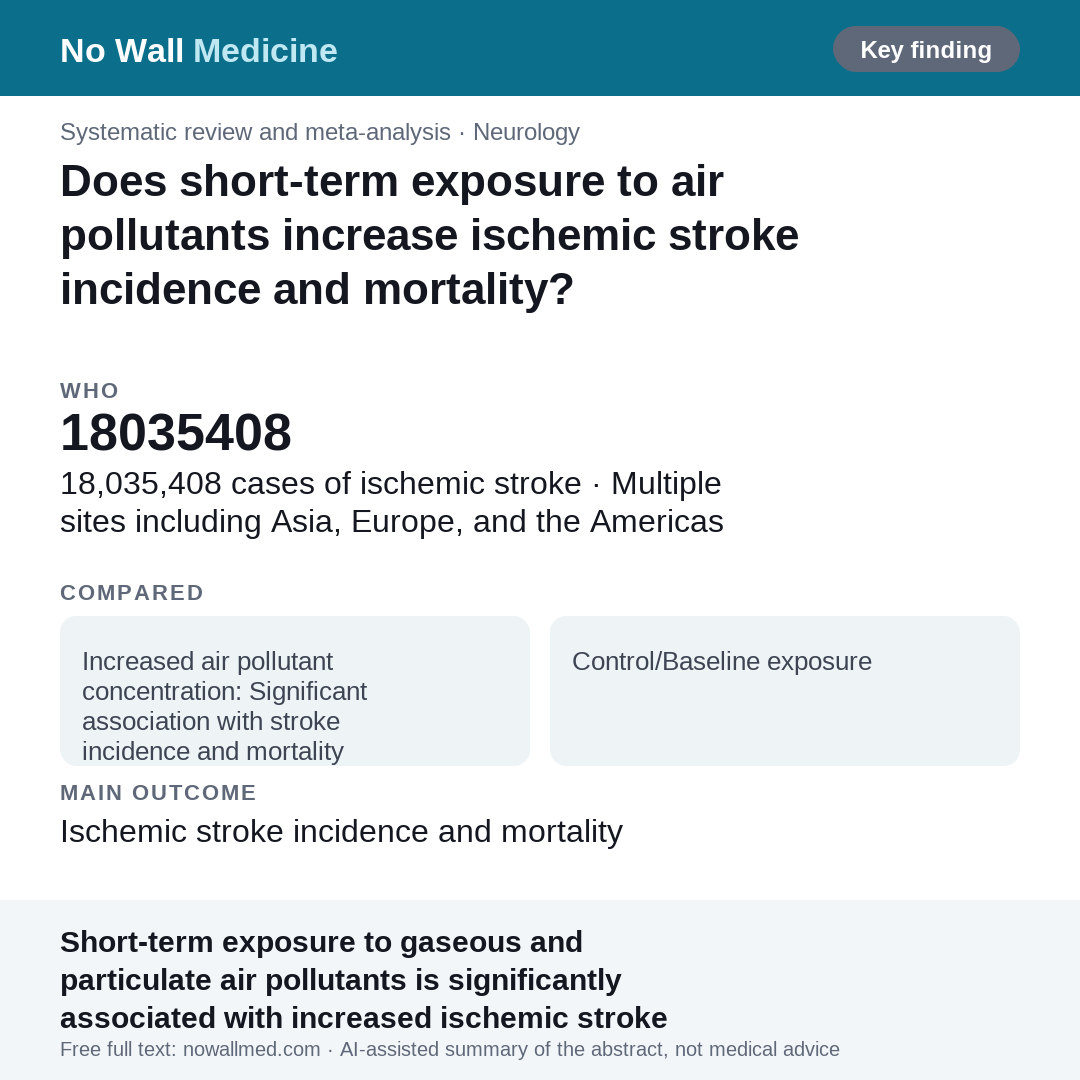
Short-term Exposure to Air Pollution and Ischemic Stroke: A Systematic Review and Meta-analysis
Systematic review and meta-analysisKey finding
Does short-term exposure to air pollutants increase ischemic stroke incidence and mortality?
Who
18035408
18,035,408 cases of ischemic stroke · Multiple sites including Asia, Europe, and the Americas
Compared
Increased air pollutant concentration: Significant association with stroke incidence and mortality
Control/Baseline exposure
Main outcome
Ischemic stroke incidence and mortality
Result: RR = 1.28 (95% CI 1.21-1.36) for nitrogen dioxide incidence
Bottom line: Short-term exposure to gaseous and particulate air pollutants is significantly associated with increased ischemic stroke incidence and mortality.
Limitation: None of the included studies were conducted in Africa.
Neurology · 2023-09-27Download image
Emotional Experience of People With Schizophrenia and People at Risk for Psychosis: A Meta-Analysis
Meta-analysis of 111 studiesHarm found
Do people with schizophrenia or at risk for psychosis have aberrant emotional experiences of normative stimuli?
Who
6913
People with schizophrenia, at risk for psychosis, and healthy controls
Compared
Clinical groups combined: less positive pleasant stimuli (Hedges g = -0.19)
Healthy controls
Main outcome
Three scales of emotional experience in response to stimuli
Result: Hedges g = -0.19 (pleasant unipolar positive), Hedges g = -0.28 (pleasant bipolar valence)
Bottom line: People with schizophrenia or at risk for psychosis experience aberrant emotions, including less positive responses to pleasant stimuli.
JAMA Psychiatry · 2023-09-27Download image

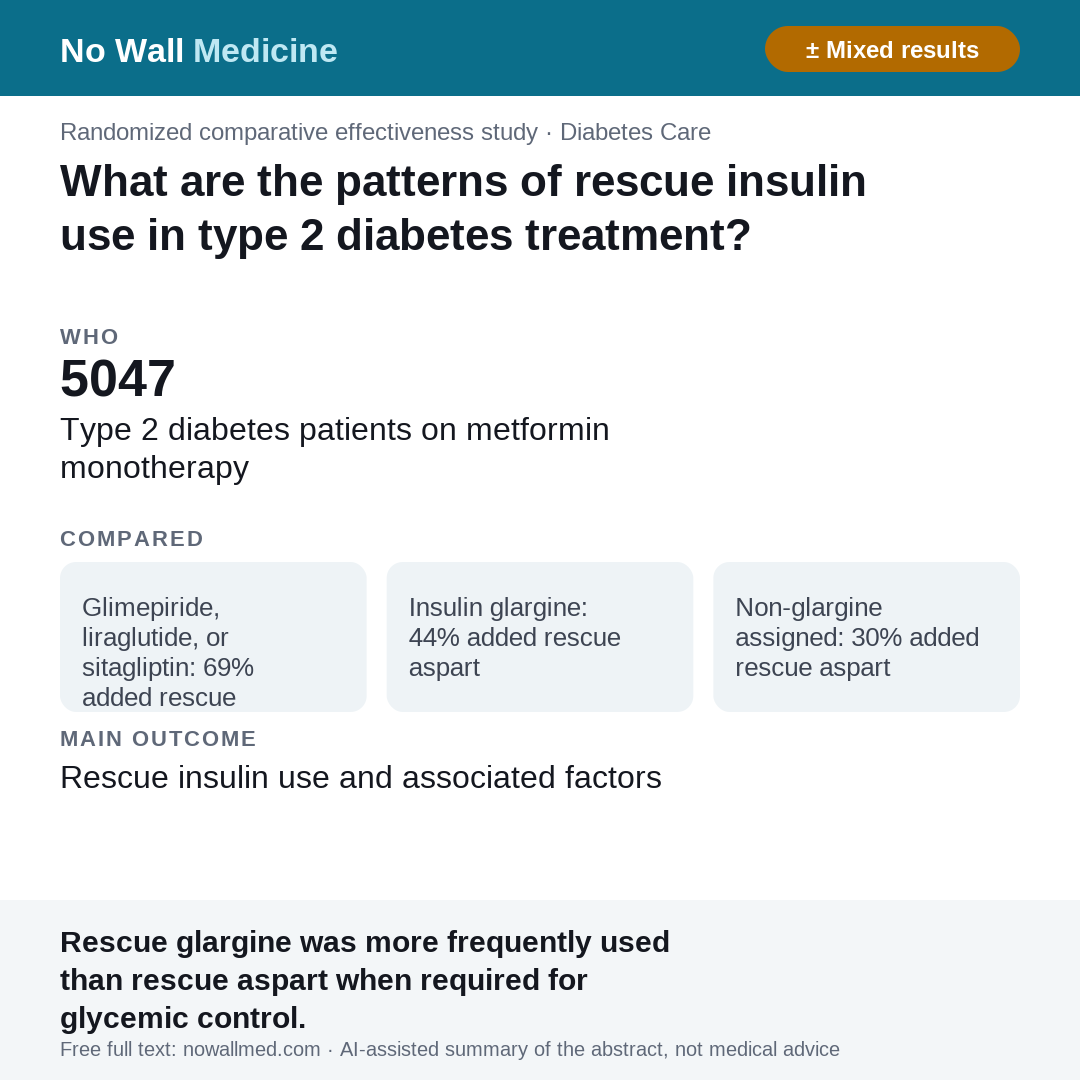
The Use of Rescue Insulin in the Glycemia Reduction Approaches in Diabetes: A Comparative Effectiveness Study (GRADE)
Randomized comparative effectiveness studyMixed results
What are the patterns of rescue insulin use in type 2 diabetes treatment?
Who
5047
Type 2 diabetes patients on metformin monotherapy
Compared
Glimepiride, liraglutide, or sitagliptin: 69% added rescue glargine
Insulin glargine: 44% added rescue aspart
Non-glargine assigned: 30% added rescue aspart
Main outcome
Rescue insulin use and associated factors
Bottom line: Rescue glargine was more frequently used than rescue aspart when required for glycemic control.
Diabetes Care · 2023-09-27Download image
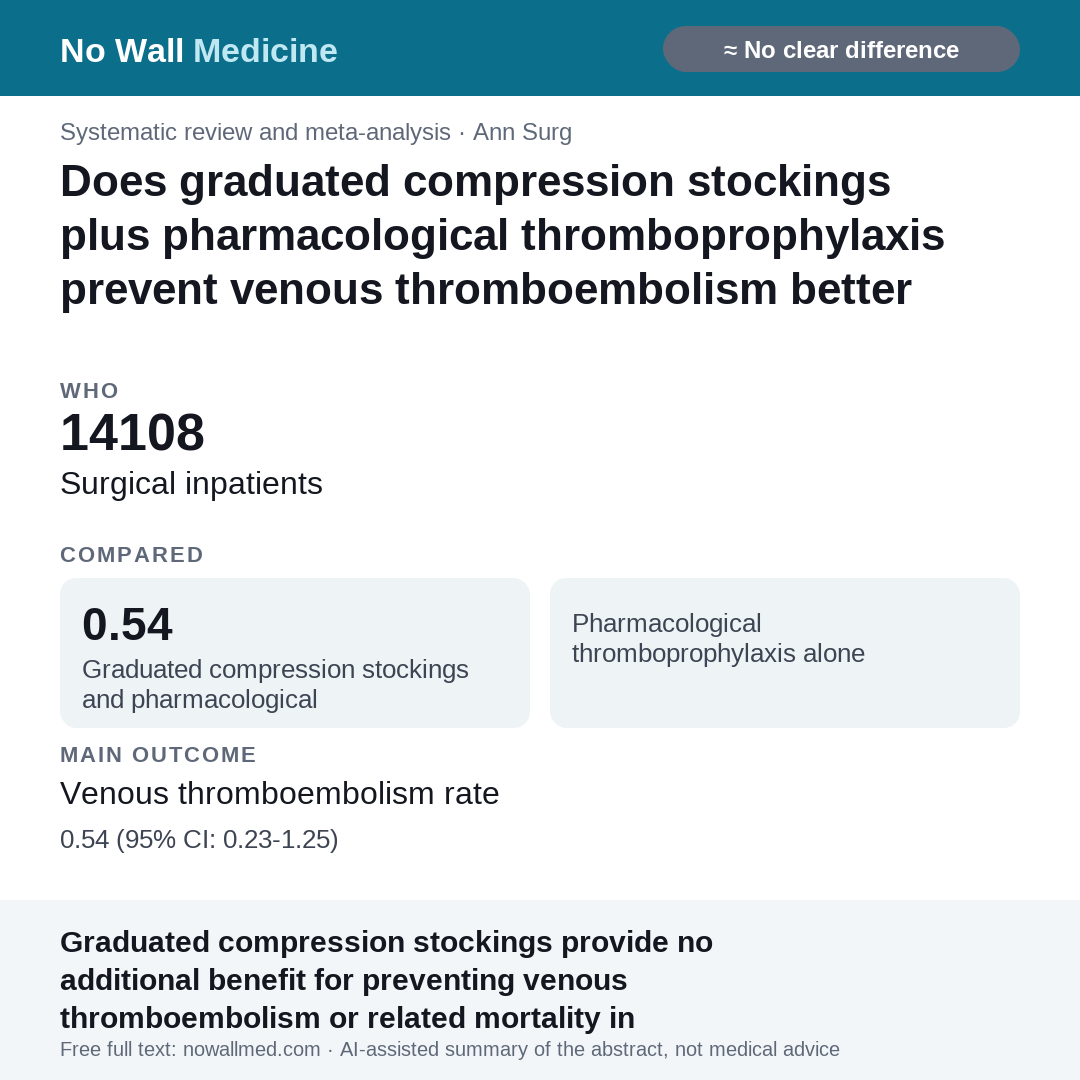
An Updated Systematic Review and Meta-analysis of the Impact of Graduated Compression Stockings in Addition to Pharmacological Thromboprophylaxis for Prevention of Venous Thromboembolism in Surgical Inpatients
Systematic review and meta-analysisNo clear difference
Does graduated compression stockings plus pharmacological thromboprophylaxis prevent venous thromboembolism better than pharmacological thromboprophylaxis alone?
Who
14108
Surgical inpatients
Compared
0.54Graduated compression stockings and pharmacological thromboprophylaxis (95% CI: 0.23-1.25)
Pharmacological thromboprophylaxis alone
Main outcome
Venous thromboembolism rate
Result: 0.54 (95% CI: 0.23-1.25)
Bottom line: Graduated compression stockings provide no additional benefit for preventing venous thromboembolism or related mortality in surgical inpatients.
Ann Surg · 2023-09-27Download image
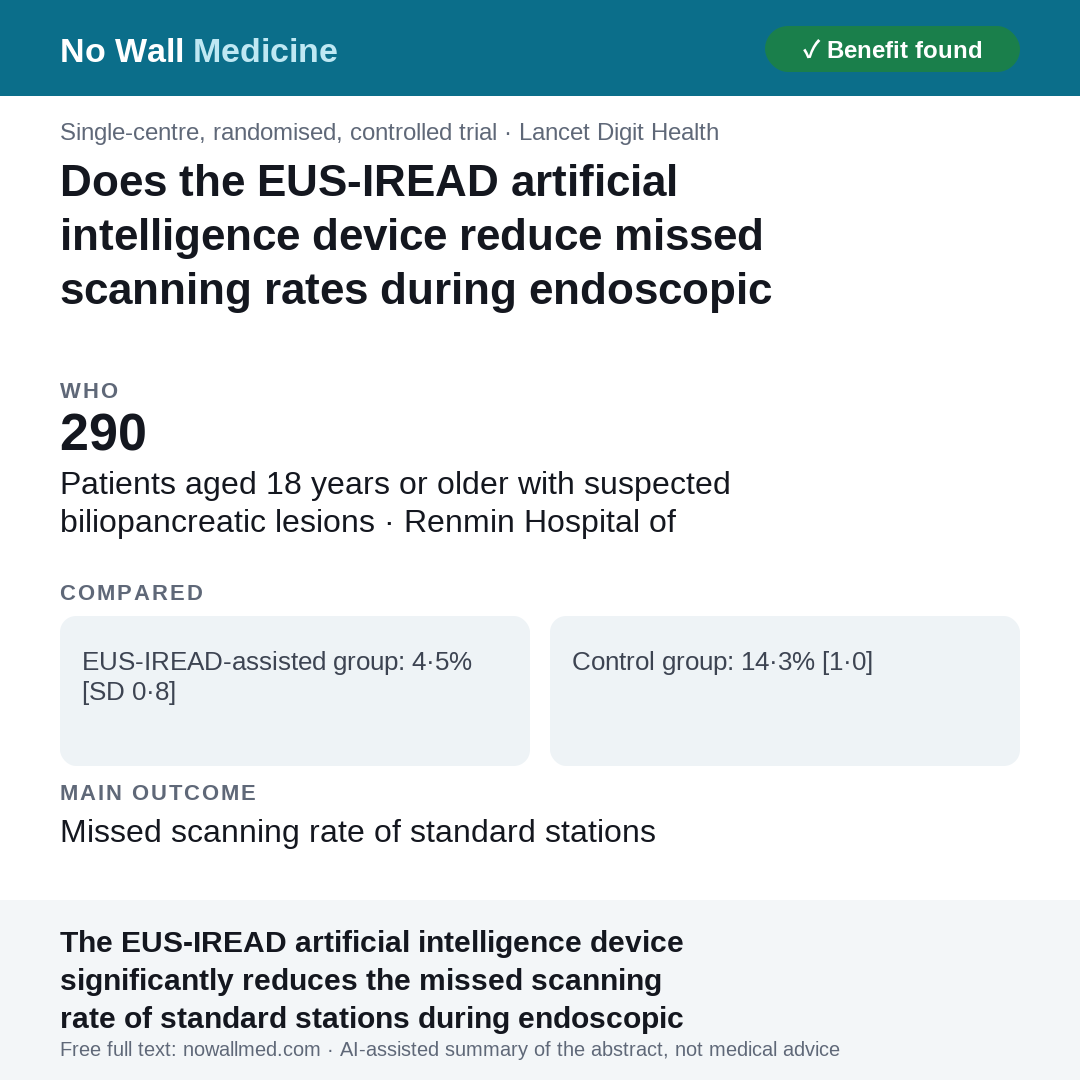
Validation of a real-time biliopancreatic endoscopic ultrasonography analytical device in China: a prospective, single-centre, randomised, controlled trial
Single-centre, randomised, controlled trialBenefit found
Does the EUS-IREAD artificial intelligence device reduce missed scanning rates during endoscopic ultrasonography?
Who
290
Patients aged 18 years or older with suspected biliopancreatic lesions · Renmin Hospital of Wuhan University, China
Compared
EUS-IREAD-assisted group: 4·5% [SD 0·8]
Control group: 14·3% [1·0]
Main outcome
Missed scanning rate of standard stations
Result: -9·8% [95% CI -12·2 to -7·5]; odds ratio 3·6 [95% Cl 2·6 to 4·9]
Bottom line: The EUS-IREAD artificial intelligence device significantly reduces the missed scanning rate of standard stations during endoscopic ultrasonography procedures.
Funded by: Health Commission of Hubei Province and Wuhan University
Lancet Digit Health · 2023-09-27Download image
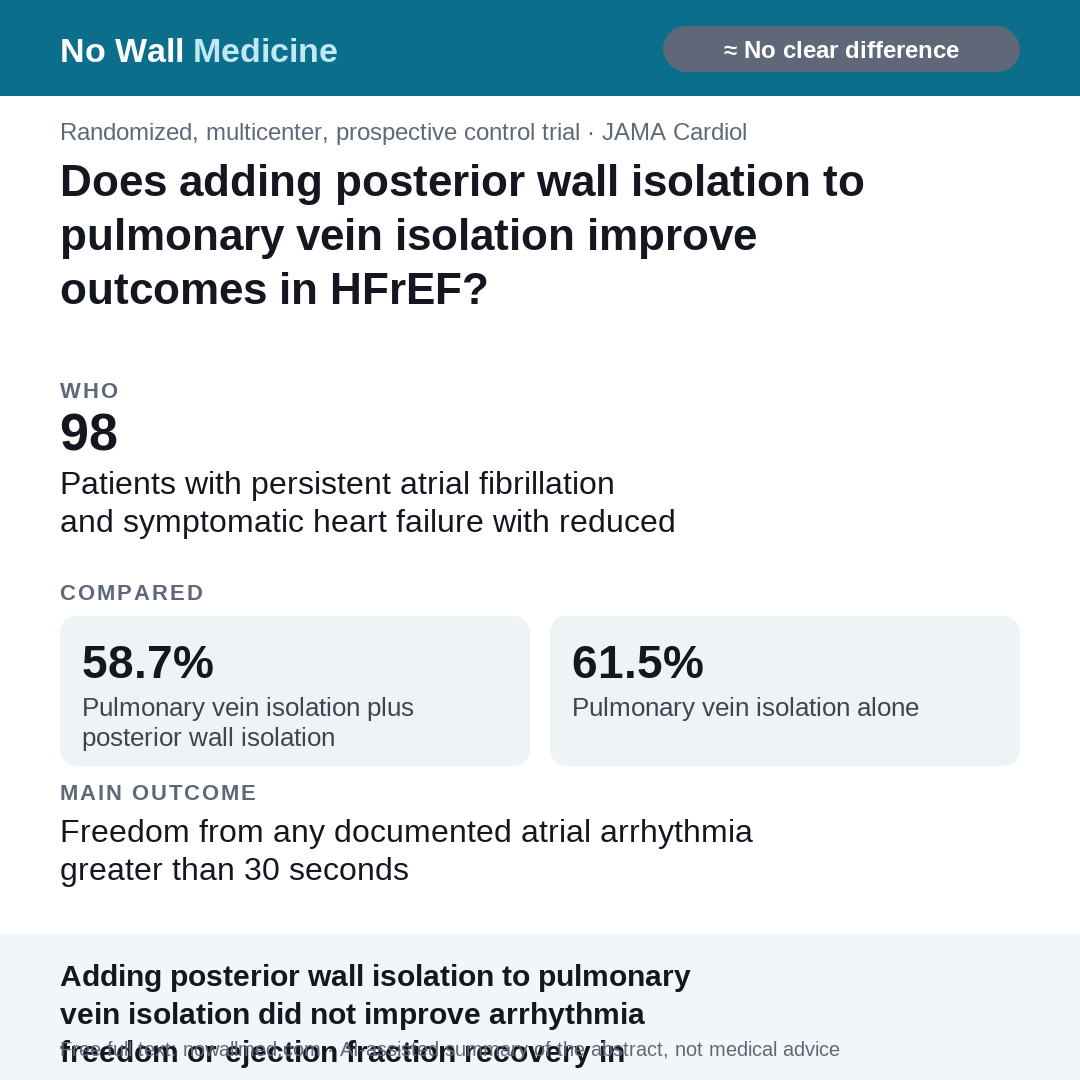
The Role of Posterior Wall Isolation in Catheter Ablation for Persistent Atrial Fibrillation and Systolic Heart Failure: A Secondary Analysis of a Randomized Clinical Trial
Randomized, multicenter, prospective control trialNo clear difference
Does adding posterior wall isolation to pulmonary vein isolation improve outcomes in HFrEF?
Who
98
Patients with persistent atrial fibrillation and symptomatic heart failure with reduced ejection fraction · 11 centers in Australia, Canada, and UK
Compared
58.7%Pulmonary vein isolation plus posterior wall isolation
61.5%Pulmonary vein isolation alone
Main outcome
Freedom from any documented atrial arrhythmia greater than 30 seconds
Result: hazard ratio 1.02 (95% CI 0.54-1.91)
Bottom line: Adding posterior wall isolation to pulmonary vein isolation did not improve arrhythmia freedom or ejection fraction recovery in these patients.
Limitation: This was an ad hoc secondary analysis of the CAPLA trial
JAMA Cardiol · 2023-09-27Download image
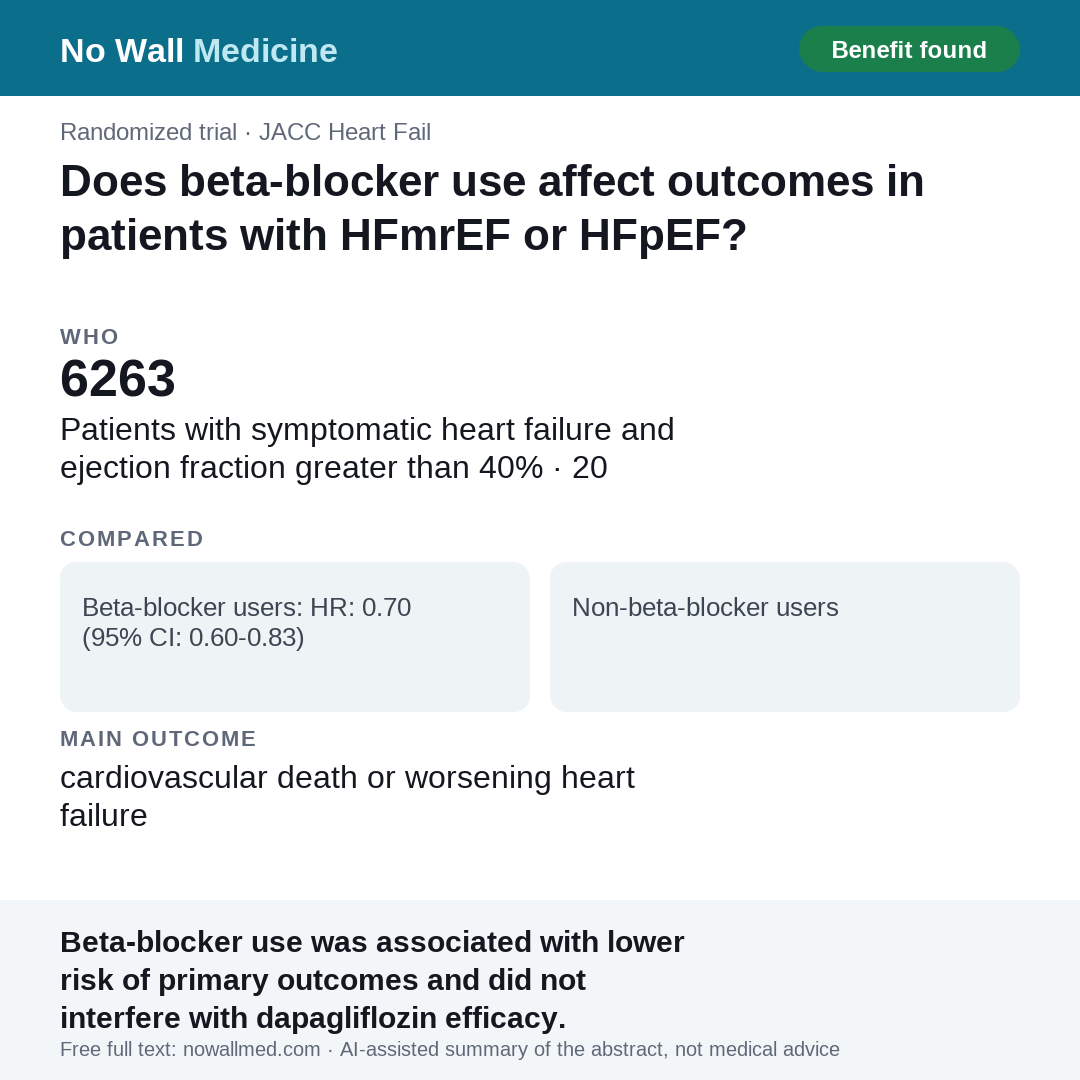
Contemporary Use and Implications of Beta-Blockers in Patients With HFmrEF or HFpEF: The DELIVER Trial
Randomized trialBenefit found
Does beta-blocker use affect outcomes in patients with HFmrEF or HFpEF?
Who
6263
Patients with symptomatic heart failure and ejection fraction greater than 40% · 20 countries
Compared
Beta-blocker users: HR: 0.70 (95% CI: 0.60-0.83)
Non-beta-blocker users
Main outcome
cardiovascular death or worsening heart failure
Result: hazard ratio 0.70 (95% CI 0.60-0.83)
Bottom line: Beta-blocker use was associated with lower risk of primary outcomes and did not interfere with dapagliflozin efficacy.
JACC Heart Fail · 2023-09-27Download image
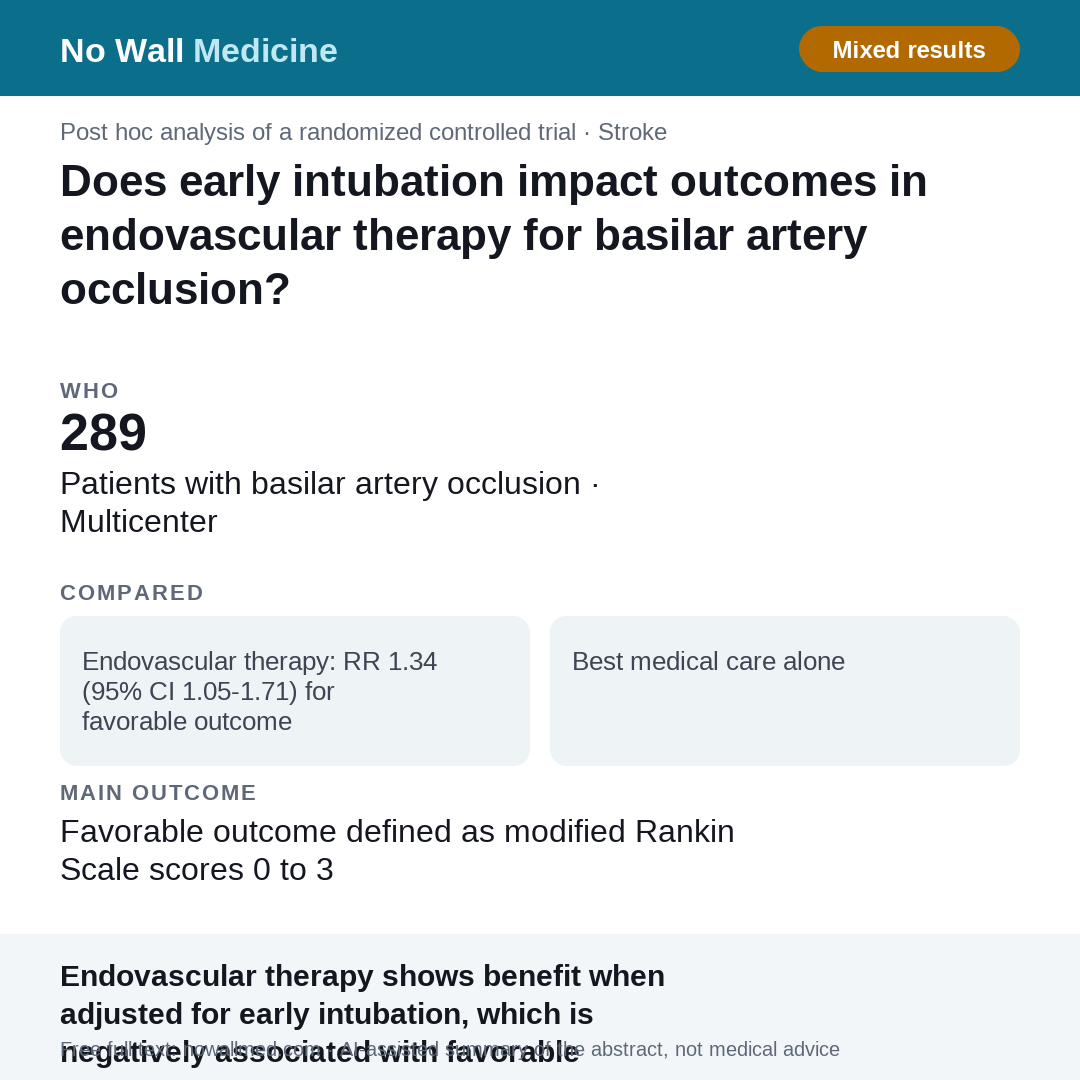
Early Intubation in Endovascular Therapy for Basilar Artery Occlusion: A Post Hoc Analysis of the BASICS Trial
Post hoc analysis of a randomized controlled trialMixed results
Does early intubation impact outcomes in endovascular therapy for basilar artery occlusion?
Who
289
Patients with basilar artery occlusion · Multicenter
Compared
Endovascular therapy: RR 1.34 (95% CI 1.05-1.71) for favorable outcome
Best medical care alone
Main outcome
Favorable outcome defined as modified Rankin Scale scores 0 to 3
Result: RR 1.34 (95% CI 1.05-1.71)
Bottom line: Endovascular therapy shows benefit when adjusted for early intubation, which is negatively associated with favorable outcomes.
Stroke · 2023-09-27Download image