Visual abstracts
New randomized trials and meta-analyses from leading journals at a glance: who was studied, what was compared, and what was found. Every paper is free to read in full.
All specialtiesCardiology 4877Oncology 4136Gastroenterology & Hepatology 1942Infectious Disease 3836Neurology 1904Psychiatry & Mental Health 2273Pulmonology 2143Critical Care 1364Endocrinology & Diabetes 2580Pediatrics 2980Surgery 2556Orthopedics & Sports Medicine 931Neurosurgery 537Cardiothoracic & Vascular Surgery 674Plastic & Reconstructive Surgery 591Nephrology 1133Rheumatology 823Hematology 1109Dermatology 621Ophthalmology 543Obstetrics & Gynecology 1686Public & Global Health 1058Radiology & Imaging 648Anesthesiology 986Urology 764ENT (Otolaryngology) 503Emergency Medicine 511Allergy & Immunology 313Geriatrics 979Family Medicine & Primary Care 562Medical Genetics & Genomics 676Pathology & Laboratory Medicine 159Physical Medicine & Rehabilitation 757Palliative Care 444Nutrition 1588Digital Health & AI 2197General Medicine 320
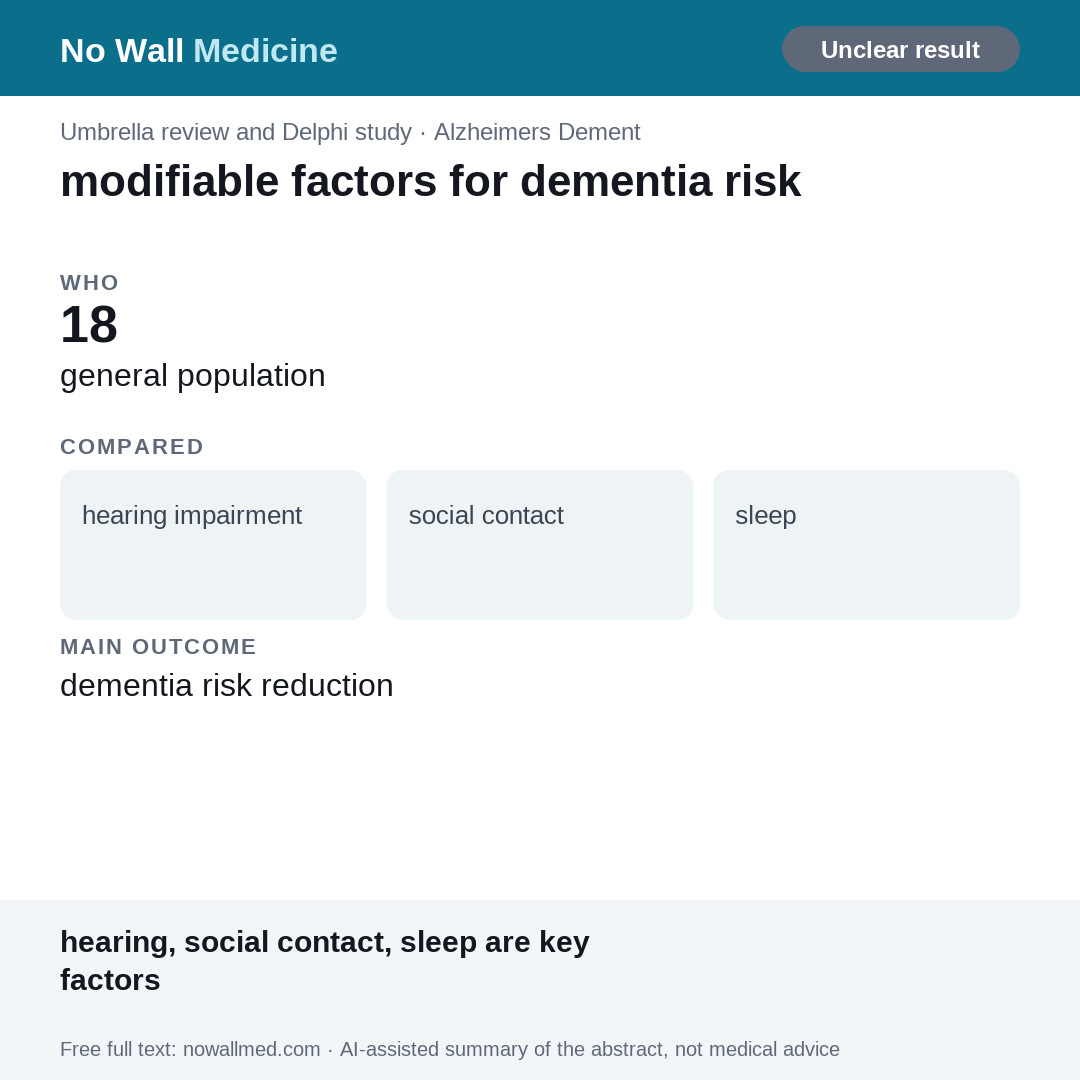
Umbrella review and Delphi study on modifiable factors for dementia risk reduction
Umbrella review and Delphi studyUnclear result
modifiable factors for dementia risk
Who
18
general population
Compared
hearing impairment
social contact
sleep
Main outcome
dementia risk reduction
Bottom line: hearing, social contact, sleep are key factors
Alzheimers Dement · 2023-12-30Download image
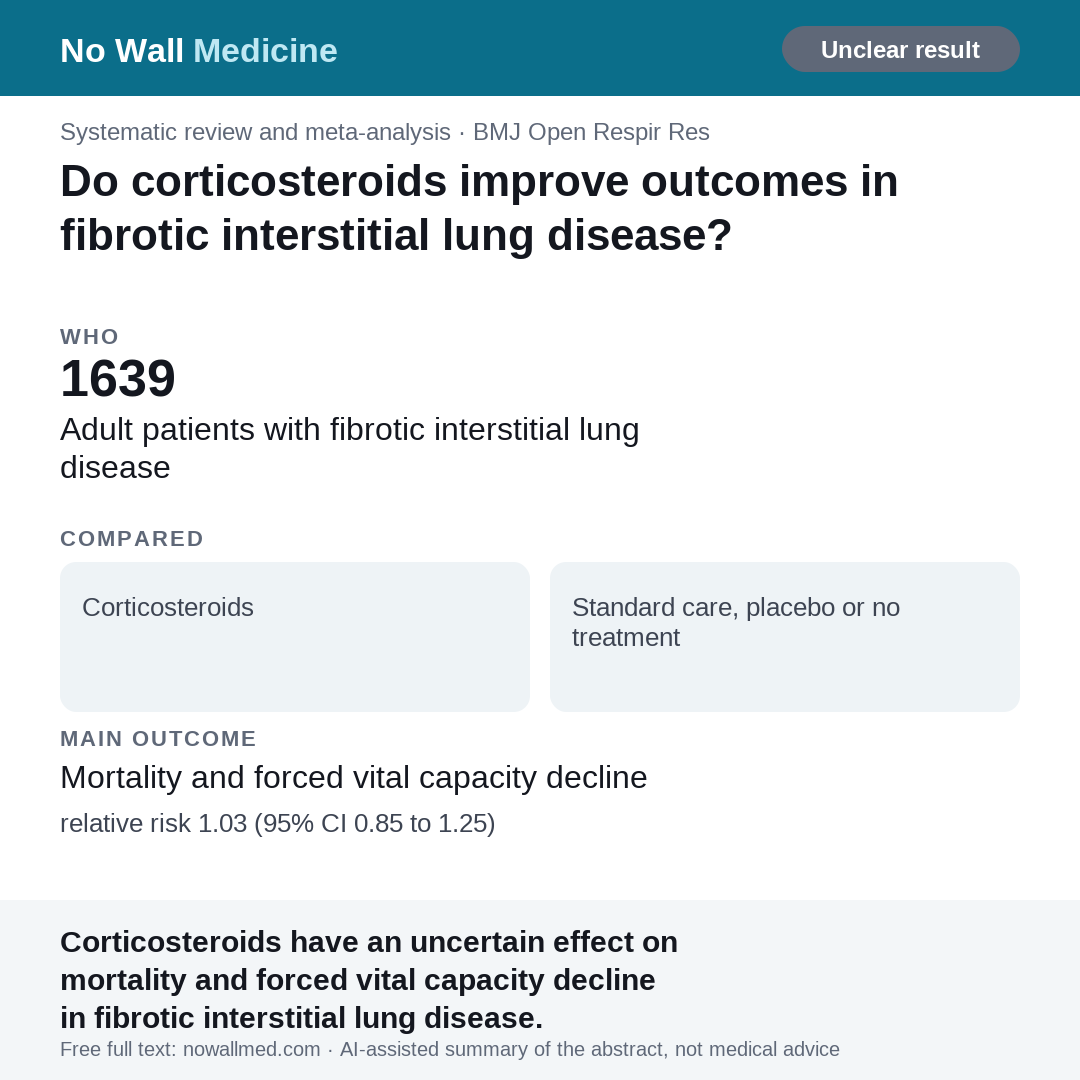
Systemic corticosteroids in fibrotic lung disease: a systematic review and meta-analysis
Systematic review and meta-analysisUnclear result
Do corticosteroids improve outcomes in fibrotic interstitial lung disease?
Who
1639
Adult patients with fibrotic interstitial lung disease
Compared
Corticosteroids
Standard care, placebo or no treatment
Main outcome
Mortality and forced vital capacity decline
Result: relative risk 1.03 (95% CI 0.85 to 1.25)
Bottom line: Corticosteroids have an uncertain effect on mortality and forced vital capacity decline in fibrotic interstitial lung disease.
Limitation: Current evidence is limited and of low certainty.
BMJ Open Respir Res · 2023-12-30Download image
Route of drug administration in out-of-hospital cardiac arrest: A protocol for a randomised controlled trial (PARAMEDIC-3)
Pragmatic, open-label, multi-centre, superiority randomised controlled trialUnclear result
Is an intraosseous first strategy more effective than intravenous first for drug administration?
Who
15000
Adults who have sustained an out-of-hospital cardiac arrest · English and Welsh ambulance services
Compared
intraosseous access first strategy
intravenous access first strategy
Main outcome
survival at 30-days
Bottom line: This protocol describes a trial to evaluate intraosseous versus intravenous first access in out-of-hospital cardiac arrest.
Resusc Plus · 2023-12-30Download image

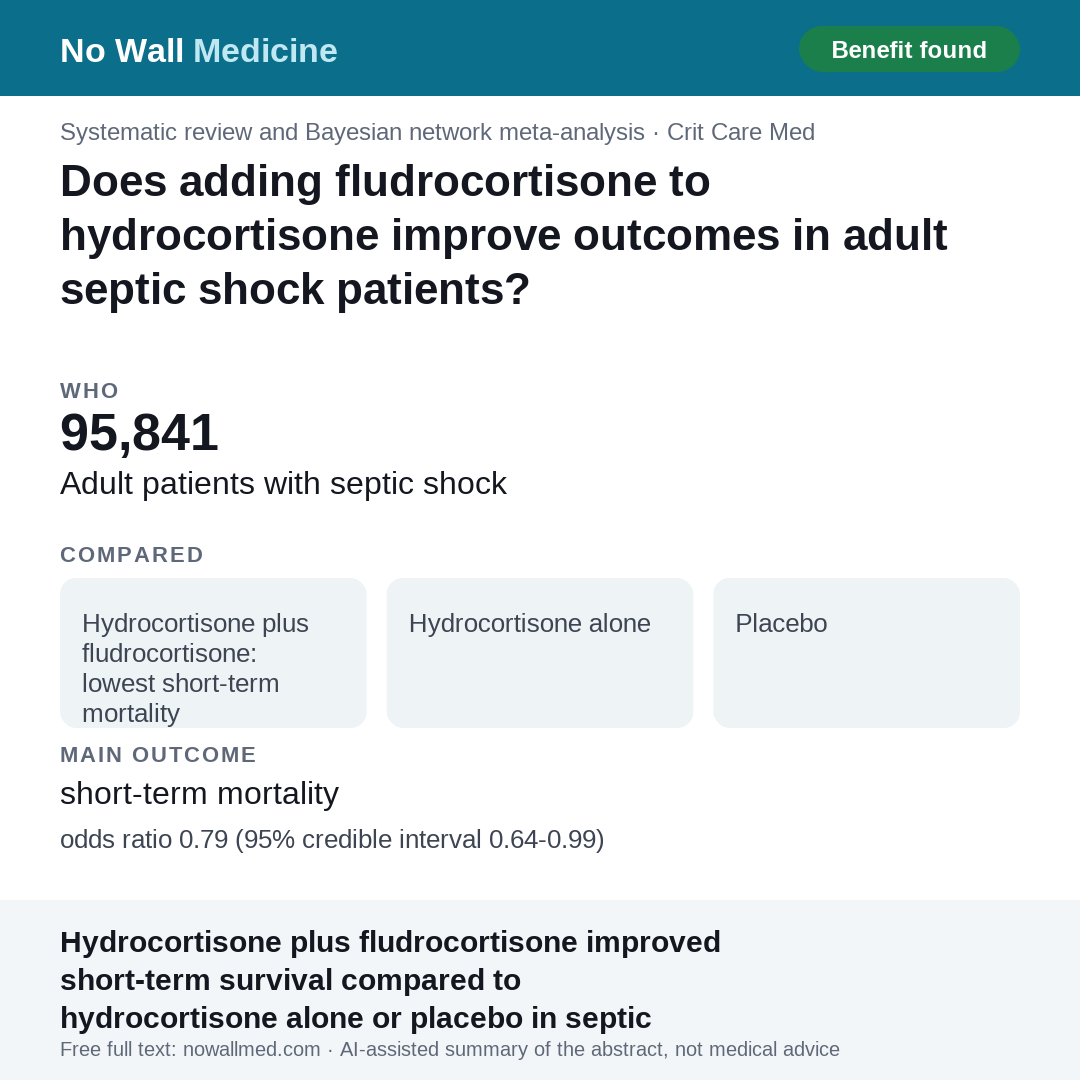
Do We Need to Administer Fludrocortisone in Addition to Hydrocortisone in Adult Patients With Septic Shock? An Updated Systematic Review With Bayesian Network Meta-Analysis of Randomized Controlled Trials and an Observational Study With Target Trial Emulation
Systematic review and Bayesian network meta-analysisBenefit found
Does adding fludrocortisone to hydrocortisone improve outcomes in adult septic shock patients?
Who
95,841
Adult patients with septic shock
Compared
Hydrocortisone plus fludrocortisone: lowest short-term mortality
Hydrocortisone alone
Placebo
Main outcome
short-term mortality
Result: odds ratio 0.79 (95% credible interval 0.64-0.99)
Bottom line: Hydrocortisone plus fludrocortisone improved short-term survival compared to hydrocortisone alone or placebo in septic shock.
Limitation: low certainty of evidence and wide number needed to treat range
Crit Care Med · 2023-12-29Download image
What is the rationale for mesenchymal stromal cells based therapies in the management of hemophilic arthropathies?
Systematic reviewUnclear result
What is the rationale for mesenchymal stromal cell based therapies in hemophilic arthropathies?
Who
Patients with hemophilia A and B and hemophilic arthropathy
Compared
Mesenchymal stromal cells
Standard treatments
Main outcome
Management of hemophilic arthropathy and synovial inflammation
Bottom line: Mesenchymal stromal cells show potential for delivering missing factors or reducing synovial inflammation in hemophilic arthropathy.
Osteoarthritis Cartilage · 2023-12-29Download image

Process Evaluation of a Double-Blind Randomized Controlled Trial to Assess the Efficacy and Safety of a Quadruple Ultra-Low-Dose Treatment for Hypertension Within a Federally Qualified Health Center Network (QUARTET USA)
Mixed-methods process evaluation of a randomized controlled trialBenefit found
What are perceptions of low-dose quadruple therapy for hypertension management?
Who
62
Patients and health care professionals in a clinical trial · Federally Qualified Health Center Network
Compared
Patients: 80% were satisfied with low-dose quadruple therapy
Patients: 96% were certain benefits outweighed disadvantages
Patients: 96% reported low-dose quadruple therapy was convenient
Main outcome
Patient and health care professional perceptions of treatment
Bottom line: Low-dose quadruple therapy was an acceptable strategy for hypertension treatment among patients and health care professionals.
Limitation: Health care professionals perceived limitations in titration inflexibility, adverse effects, and costs.
J Am Heart Assoc · 2023-12-29Download image
Cost-Effectiveness of Icosapent Ethyl in REDUCE-IT USA: Results From Patients Randomized in the United States
Participant-level analysis and Markov modelBenefit found
Is icosapent ethyl cost-effective compared with standard care in US patients?
Who
3146
REDUCE-IT USA participants · United States
Compared
Icosapent ethyl: 3.28 in-trial and 10.36 lifetime quality-adjusted life-years
Standard care: 3.13 in-trial and 9.83 lifetime quality-adjusted life-years
Main outcome
Incremental cost-effectiveness ratio
Bottom line: Icosapent ethyl is cost-effective and potentially a dominant strategy compared to standard care in US patients.
J Am Heart Assoc · 2023-12-29Download image
Effects of Continuous Accelerated Pacing on Cardiac Structure and Function in Patients With Heart Failure With Preserved Ejection Fraction: Insights From the myPACE Randomized Clinical Trial
Randomized clinical trialMixed results
Does continuous accelerated pacing affect cardiac structure and function in heart failure patients?
Who
100
Patients with heart failure with preserved ejection fraction
Compared
accelerated personalized pacing: septal wall thickness 1.1 [0.2] cm
usual care: septal wall thickness 1.2 [0.2] cm
Main outcome
left ventricular structure and function
Bottom line: Accelerated pacing was associated with reduced wall thickness and minor ejection fraction reduction but improved quality of life.
J Am Heart Assoc · 2023-12-29Download image
*SMARTSIM* A multicenter prospective randomized trial of 3D virtual reality versus traditional patient simulation
Multicenter prospective randomized trialNo clear difference
Does 3D virtual reality simulation compare to traditional simulation for paramedic students?
Who
174
Paramedic students from 11 cohorts in 10 accredited programs · United States
Compared
70%Traditional simulation
70%3D virtual reality simulation
Main outcome
Median exam score
Bottom line: Three-dimensional virtual reality patient simulation showed no statistical difference in exam scores compared to traditional in-person simulation.
JACEP Open · 2023-12-29Download image

Procedural sedation and analgesia versus general anesthesia for hysteroscopic myomectomy (PROSECCO trial): A multicenter randomized controlled trial
Multicenter, randomized controlled noninferiority trialUnclear result
Is procedural sedation and analgesia noninferior to general anesthesia for hysteroscopic myomectomy?
Who
209
Women with type 0 or 1 fibroids · 14 university and teaching hospitals in the Netherlands
Compared
87.8%Procedural sedation and analgesia
88.8%General anesthesia
Main outcome
Percentage of complete resections
Result: risk difference -1.01% (95% CI -10.36 to 8.34)
Bottom line: Procedural sedation and analgesia was safe and led to shorter hospitalization, though noninferiority for resection completeness was not shown.
Limitation: The choice of primary outcome and the fact that the study was underpowered.
PLOS Med · 2023-12-28Download image
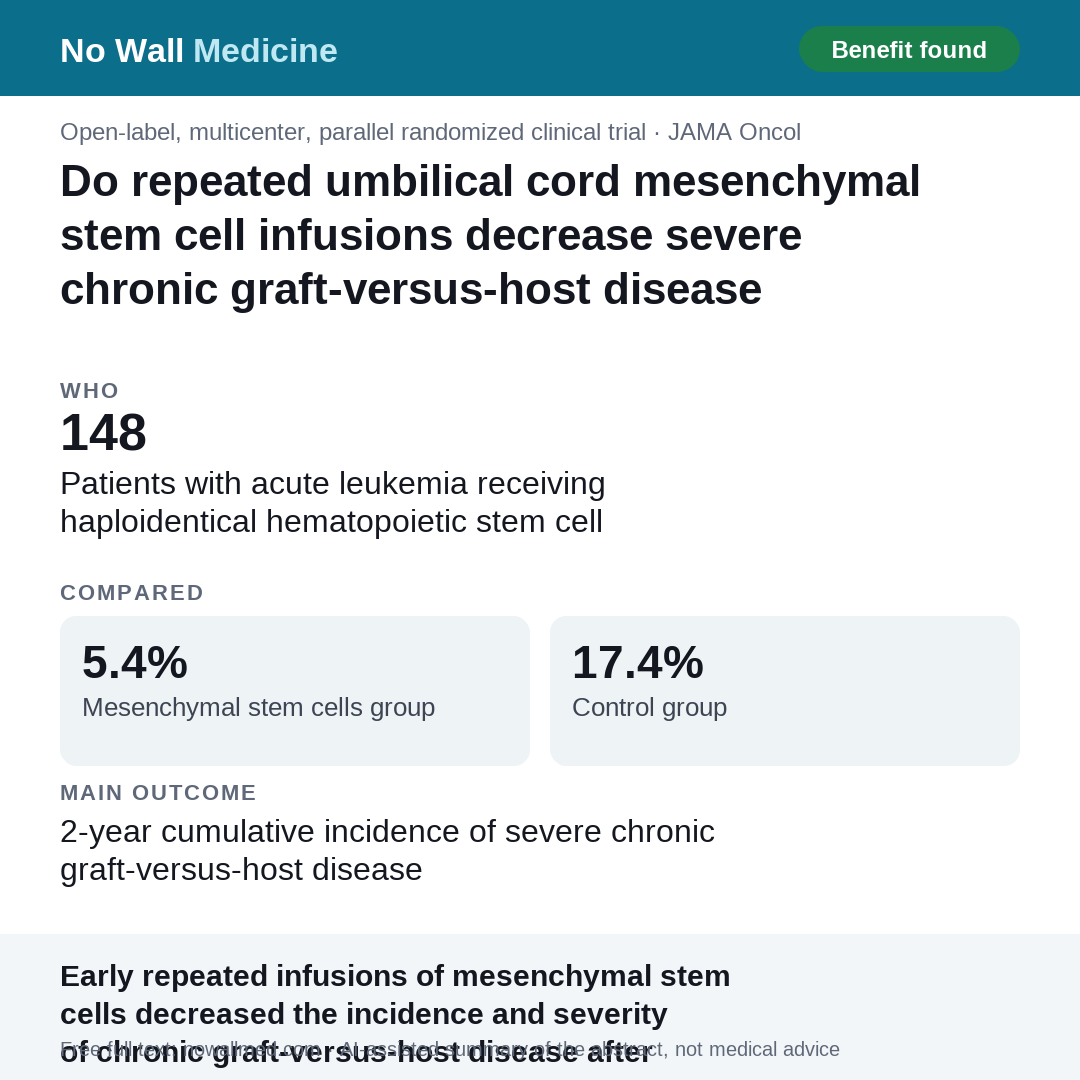
Mesenchymal Stem Cells for Prophylaxis of Chronic Graft-vs-Host Disease After Haploidentical Hematopoietic Stem Cell Transplant: An Open-Label Randomized Clinical Trial
Open-label, multicenter, parallel randomized clinical trialBenefit found
Do repeated umbilical cord mesenchymal stem cell infusions decrease severe chronic graft-versus-host disease incidence?
Who
148
Patients with acute leukemia receiving haploidentical hematopoietic stem cell transplant · Multicenter
Compared
5.4%Mesenchymal stem cells group (95% CI, 1.8%-14.0%)
17.4%Control group (95% CI, 10.1%-28.5%)
Main outcome
2-year cumulative incidence of severe chronic graft-versus-host disease
Result: hazard ratio 0.29 (95% CI, 0.10-0.88)
Bottom line: Early repeated infusions of mesenchymal stem cells decreased the incidence and severity of chronic graft-versus-host disease after haploidentical transplant.
JAMA Oncol · 2023-12-28Download image
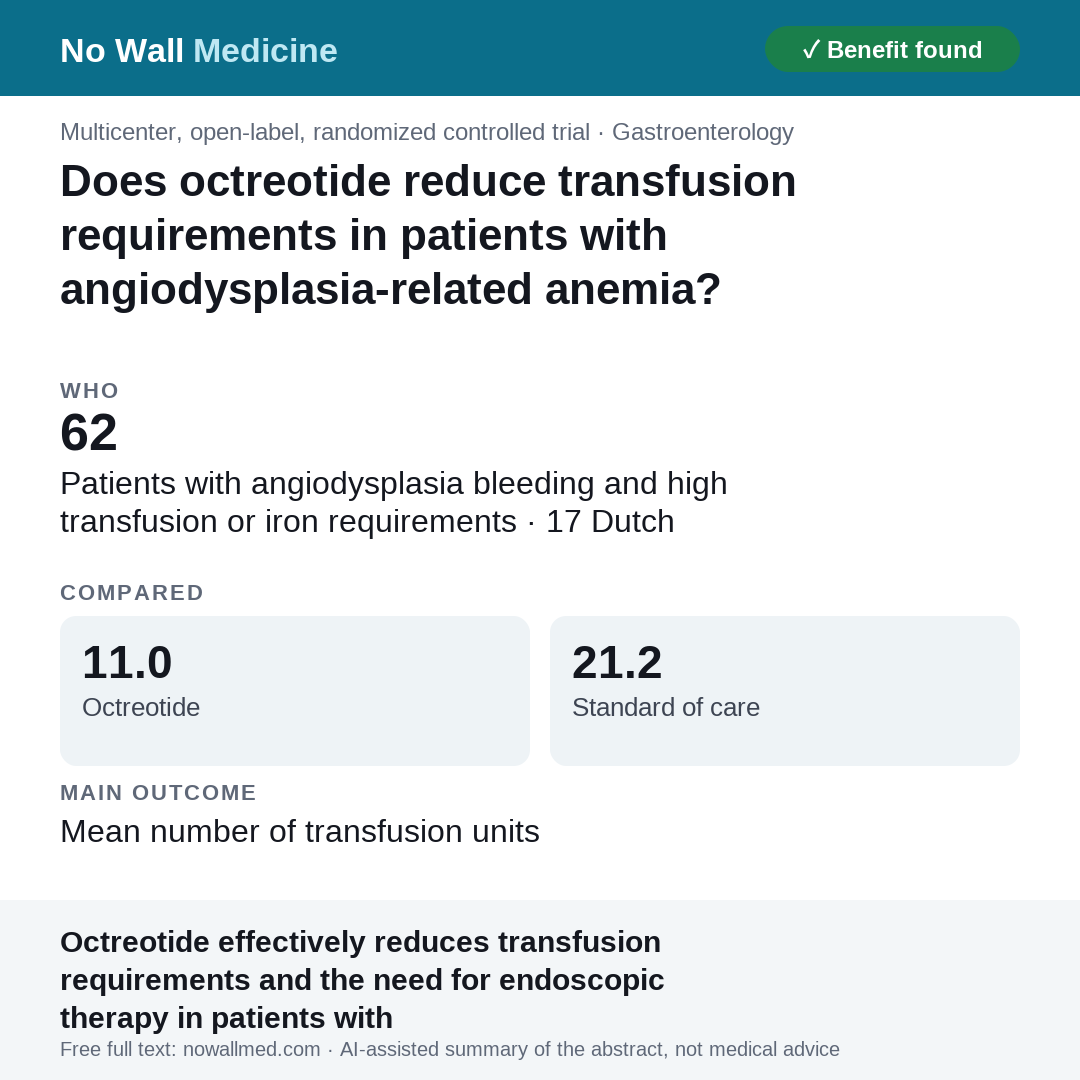
Standard of Care Versus Octreotide in Angiodysplasia-Related Bleeding (the OCEAN Study): A Multicenter Randomized Controlled Trial
Multicenter, open-label, randomized controlled trialBenefit found
Does octreotide reduce transfusion requirements in patients with angiodysplasia-related anemia?
Who
62
Patients with angiodysplasia bleeding and high transfusion or iron requirements · 17 Dutch hospitals
Compared
11.0Octreotide (95% confidence interval 5.5-16.5)
21.2Standard of care (95% confidence interval 15.7-26.7)
Main outcome
Mean number of transfusion units
Result: mean difference -10.2 (95% CI 2.4-18.1)
Bottom line: Octreotide effectively reduces transfusion requirements and the need for endoscopic therapy in patients with angiodysplasia-related anemia.
Gastroenterology · 2023-12-28Download image
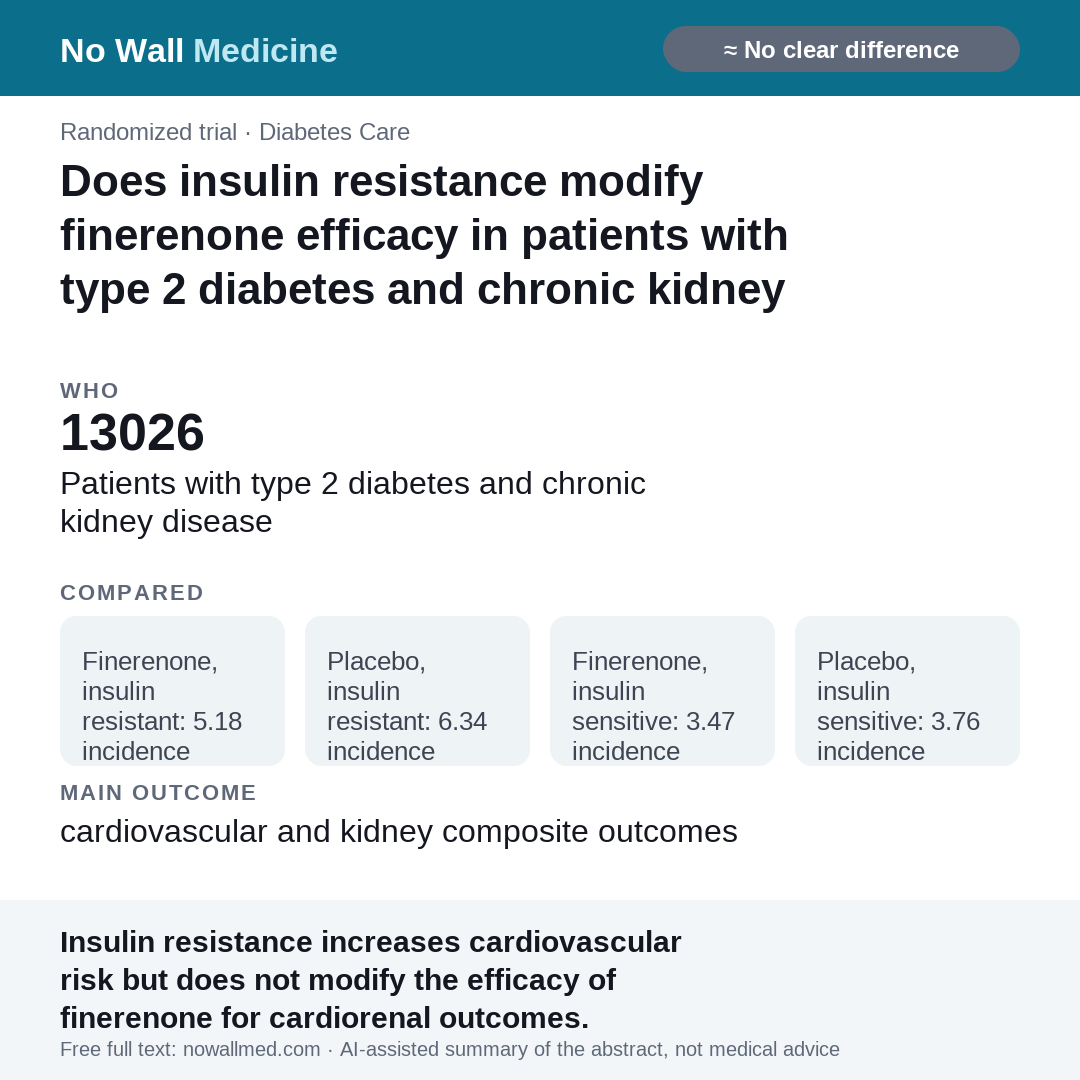
Outcomes With Finerenone in Patients With Chronic Kidney Disease and Type 2 Diabetes by Baseline Insulin Resistance
Randomized trialNo clear difference
Does insulin resistance modify finerenone efficacy in patients with type 2 diabetes and chronic kidney disease?
Who
13026
Patients with type 2 diabetes and chronic kidney disease
Compared
Finerenone, insulin resistant: 5.18 incidence rate/100 patient-years
Placebo, insulin resistant: 6.34 incidence rate/100 patient-years
Finerenone, insulin sensitive: 3.47 incidence rate/100 patient-years
Placebo, insulin sensitive: 3.76 incidence rate/100 patient-years
Main outcome
cardiovascular and kidney composite outcomes
Result: hazard ratio 0.81 (95% CI 0.72-0.92) for cardiovascular in insulin resistant
Bottom line: Insulin resistance increases cardiovascular risk but does not modify the efficacy of finerenone for cardiorenal outcomes.
Diabetes Care · 2023-12-28Download image
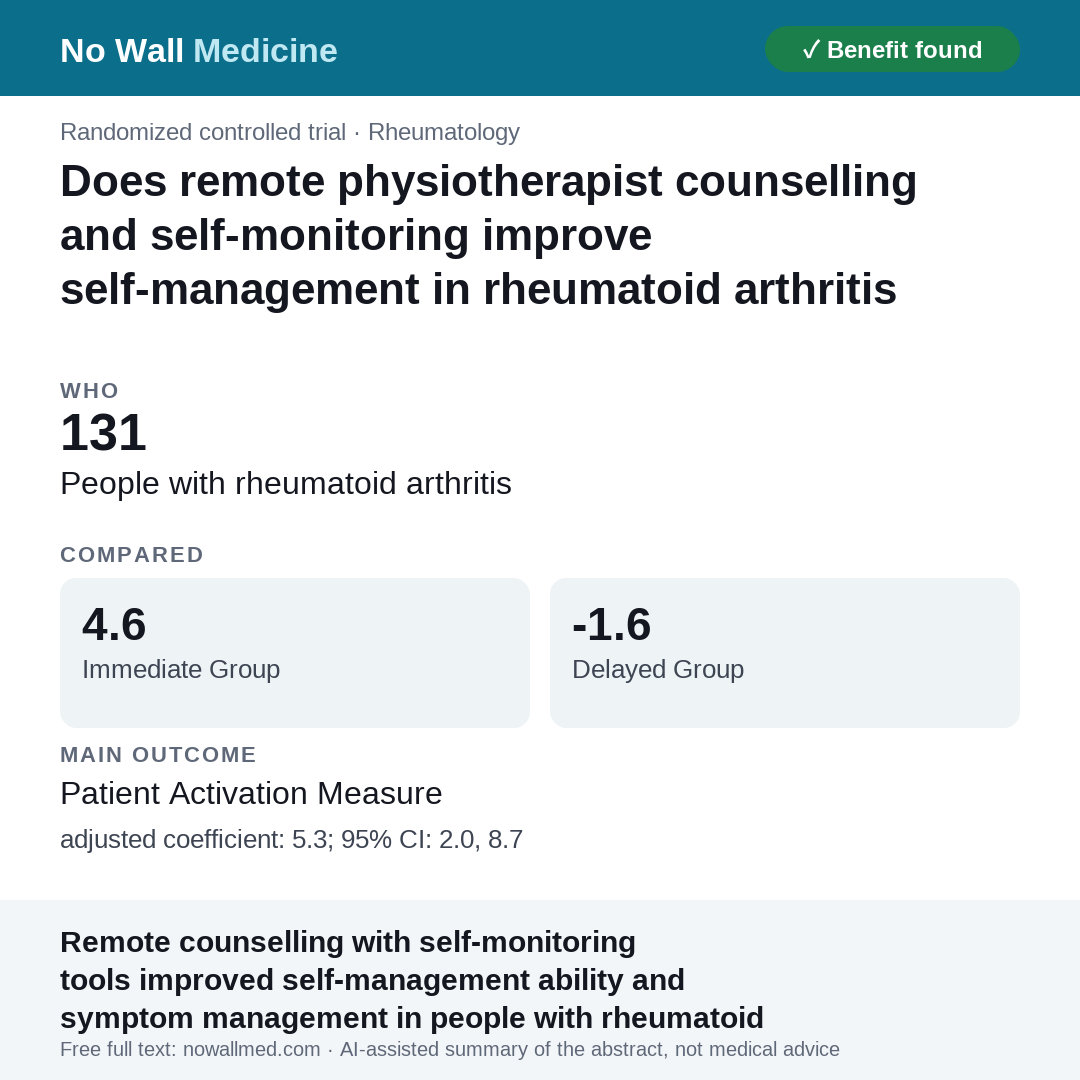
Effect of digital monitoring and counselling on self-management ability in patients with rheumatoid arthritis: a randomised controlled trial
Randomized controlled trialBenefit found
Does remote physiotherapist counselling and self-monitoring improve self-management in rheumatoid arthritis patients?
Who
131
People with rheumatoid arthritis
Compared
4.6Immediate Group (Standard Deviation = 14.7)
-1.6Delayed Group (SD = 12.5)
Main outcome
Patient Activation Measure
Result: adjusted coefficient: 5.3; 95% CI: 2.0, 8.7
Bottom line: Remote counselling with self-monitoring tools improved self-management ability and symptom management in people with rheumatoid arthritis.
Limitation: 80.2% completed during the COVID-19 pandemic
Rheumatology · 2023-12-28Download image
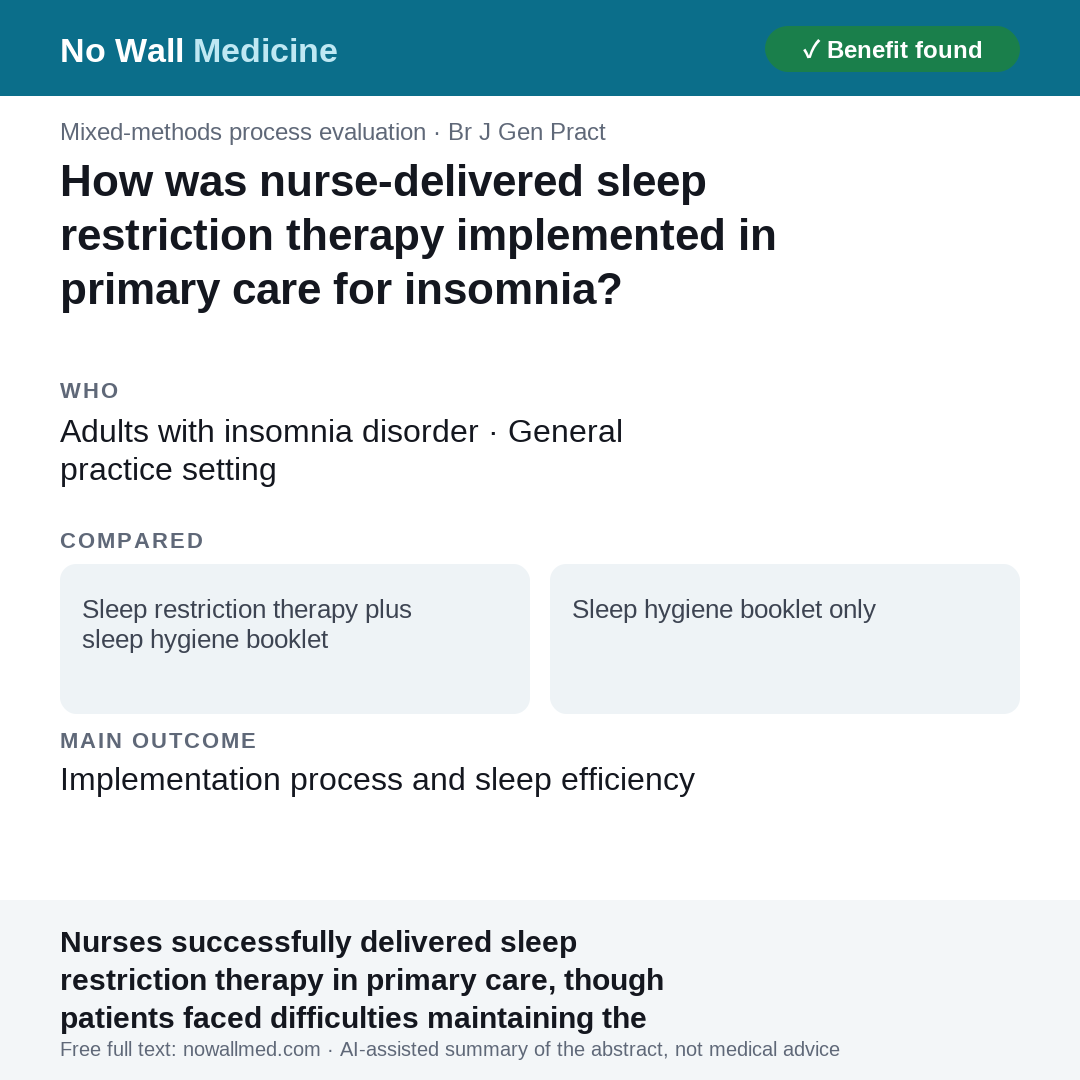
Nurse-delivered sleep restriction therapy in primary care for adults with insomnia disorder: a mixed-methods process evaluation
Mixed-methods process evaluationBenefit found
How was nurse-delivered sleep restriction therapy implemented in primary care for insomnia?
Who
Adults with insomnia disorder · General practice setting
Compared
Sleep restriction therapy plus sleep hygiene booklet
Sleep hygiene booklet only
Main outcome
Implementation process and sleep efficiency
Bottom line: Nurses successfully delivered sleep restriction therapy in primary care, though patients faced difficulties maintaining the intervention.
Br J Gen Pract · 2023-12-28Download image
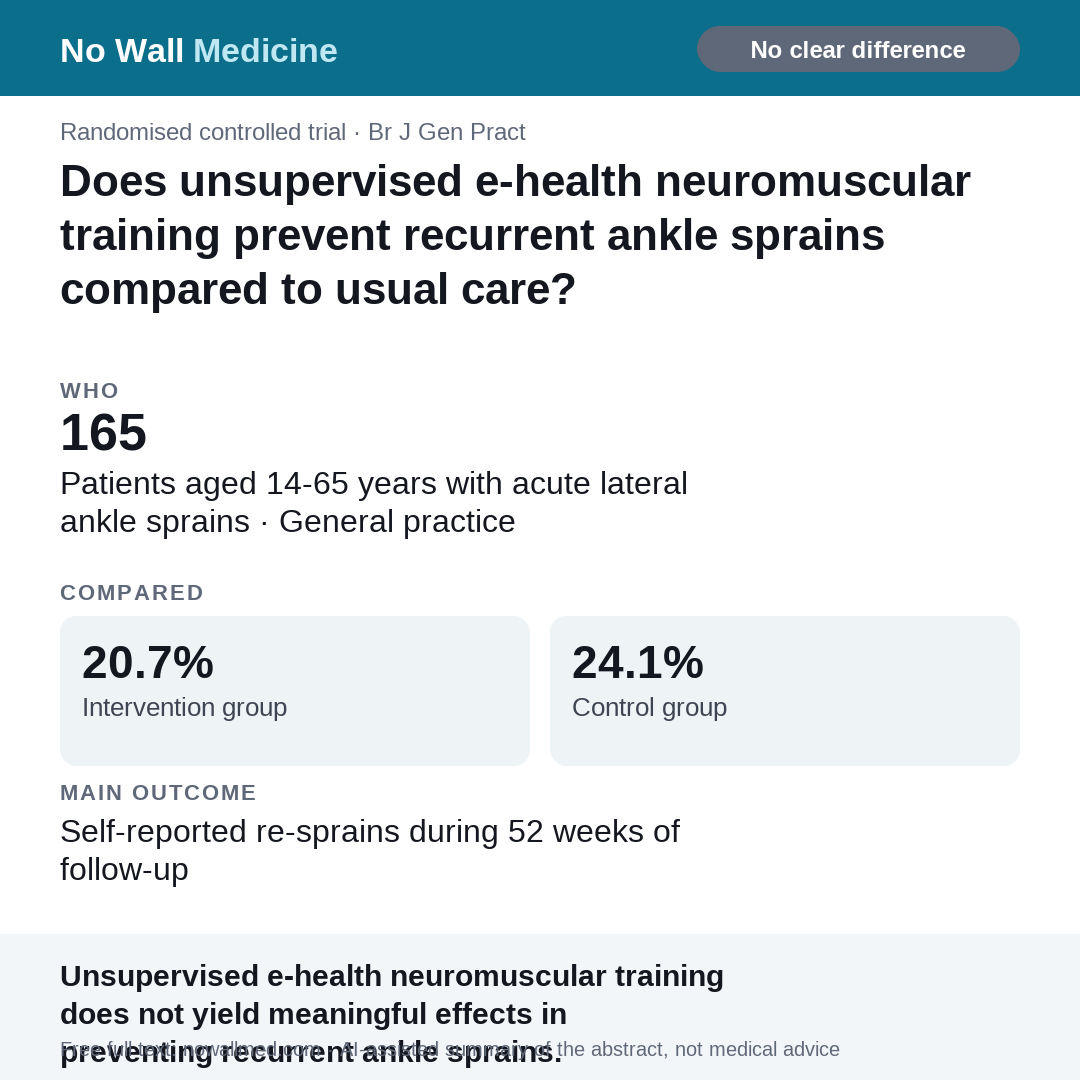
E-health intervention for preventing recurrent ankle sprains: a randomised controlled trial in general practice
Randomised controlled trialNo clear difference
Does unsupervised e-health neuromuscular training prevent recurrent ankle sprains compared to usual care?
Who
165
Patients aged 14-65 years with acute lateral ankle sprains · General practice
Compared
20.7%Intervention group (17/82)
24.1%Control group (20/83)
Main outcome
Self-reported re-sprains during 52 weeks of follow-up
Result: hazard ratio 1.14, 95% confidence interval = 0.59 to 2.21
Bottom line: Unsupervised e-health neuromuscular training does not yield meaningful effects in preventing recurrent ankle sprains.
Limitation: The adherence rate to the programme was low (6.1%, 5/82).
Br J Gen Pract · 2023-12-28Download image
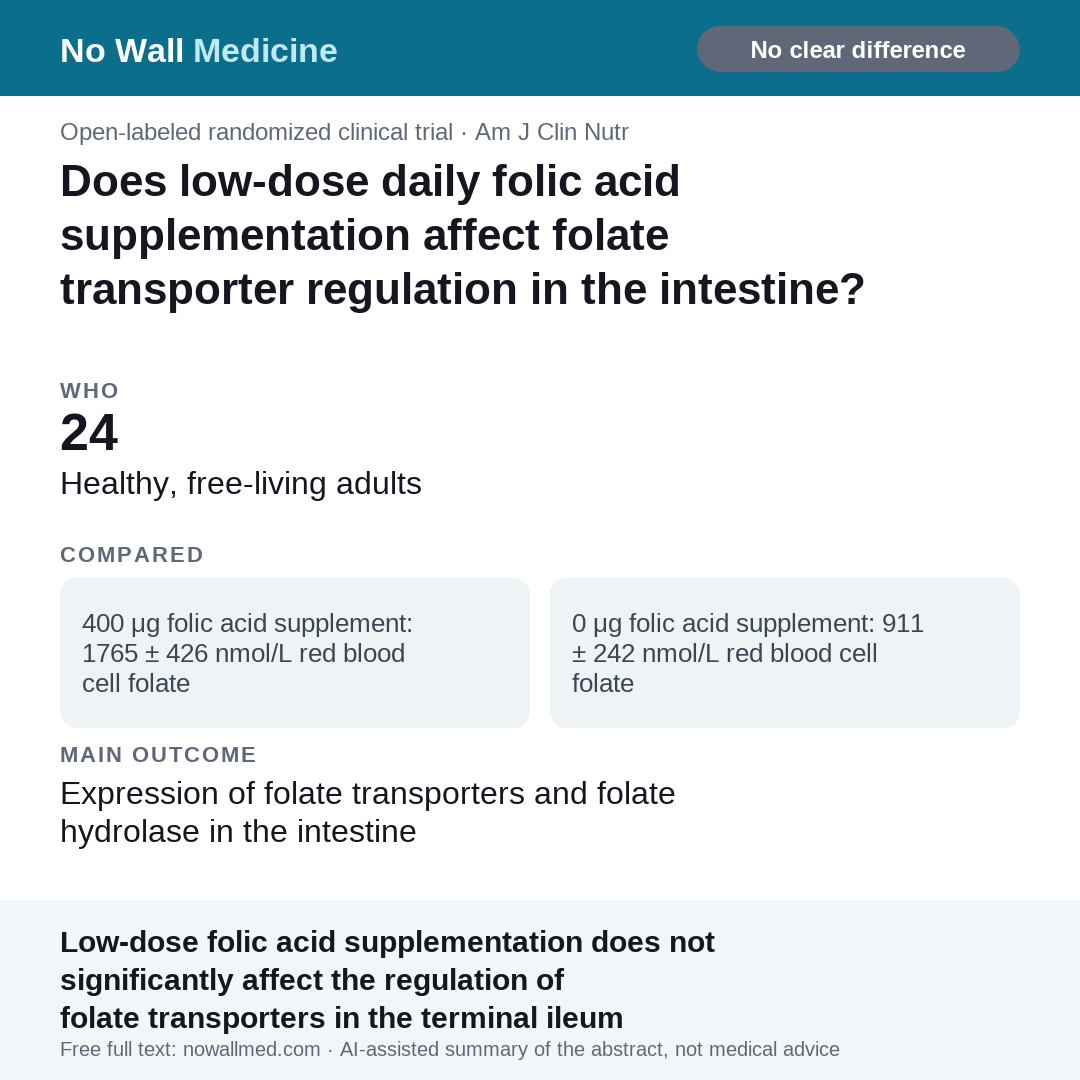
Low-dose daily folic acid (400 μg) supplementation does not affect regulation of folate transporters found present throughout the terminal ileum and colon of humans: a randomized clinical trial
Open-labeled randomized clinical trialNo clear difference
Does low-dose daily folic acid supplementation affect folate transporter regulation in the intestine?
Who
24
Healthy, free-living adults
Compared
400 μg folic acid supplement: 1765 ± 426 nmol/L red blood cell folate
0 μg folic acid supplement: 911 ± 242 nmol/L red blood cell folate
Main outcome
Expression of folate transporters and folate hydrolase in the intestine
Bottom line: Low-dose folic acid supplementation does not significantly affect the regulation of folate transporters in the terminal ileum and colon.
Am J Clin Nutr · 2023-12-28Download image
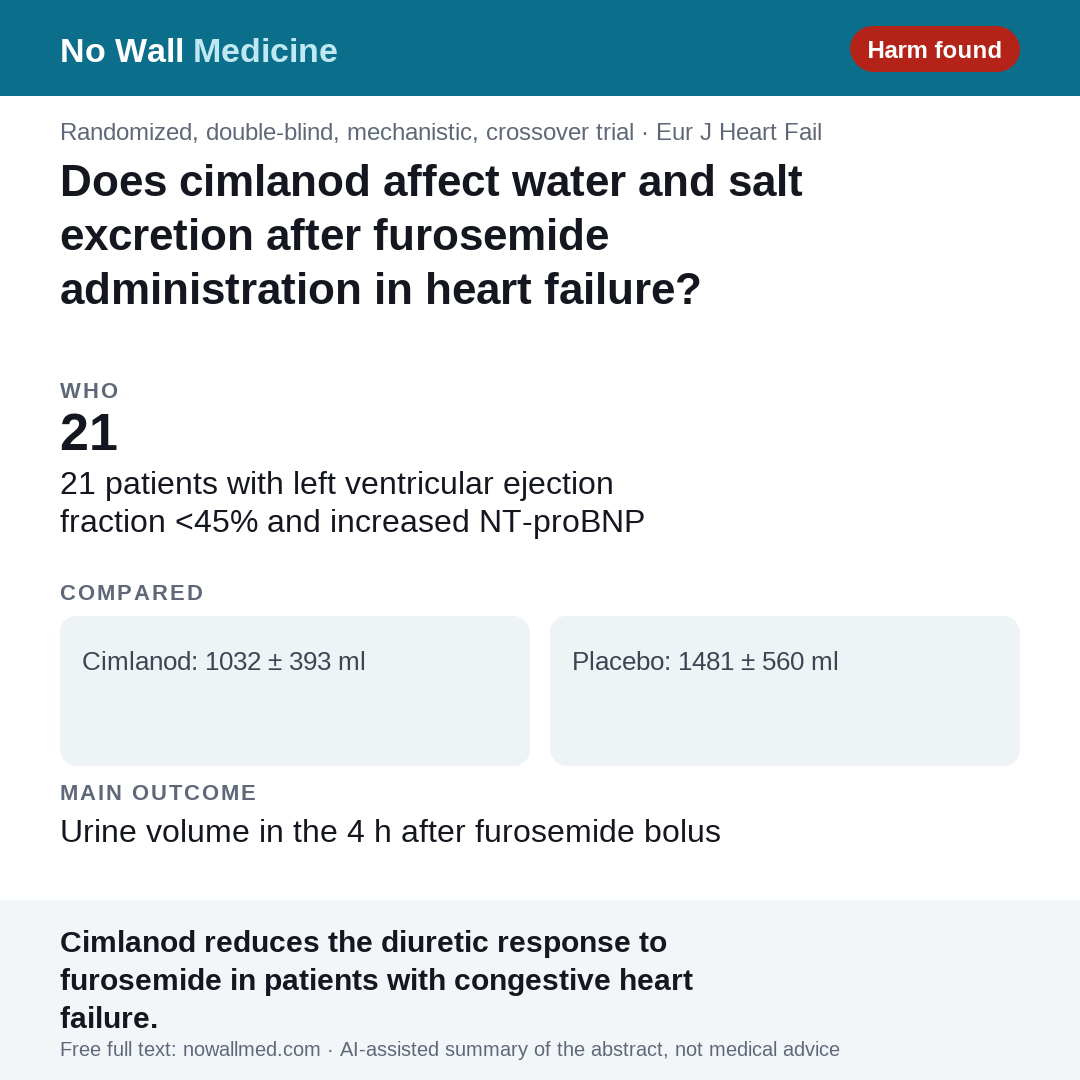
Impact of vasodilators on diuretic response in patients with congestive heart failure: A mechanistic trial of cimlanod (BMS-986231)
Randomized, double-blind, mechanistic, crossover trialHarm found
Does cimlanod affect water and salt excretion after furosemide administration in heart failure?
Who
21
21 patients with left ventricular ejection fraction <45% and increased NT-proBNP
Compared
Cimlanod: 1032 ± 393 ml
Placebo: 1481 ± 560 ml
Main outcome
Urine volume in the 4 h after furosemide bolus
Bottom line: Cimlanod reduces the diuretic response to furosemide in patients with congestive heart failure.
Eur J Heart Fail · 2023-12-28Download image
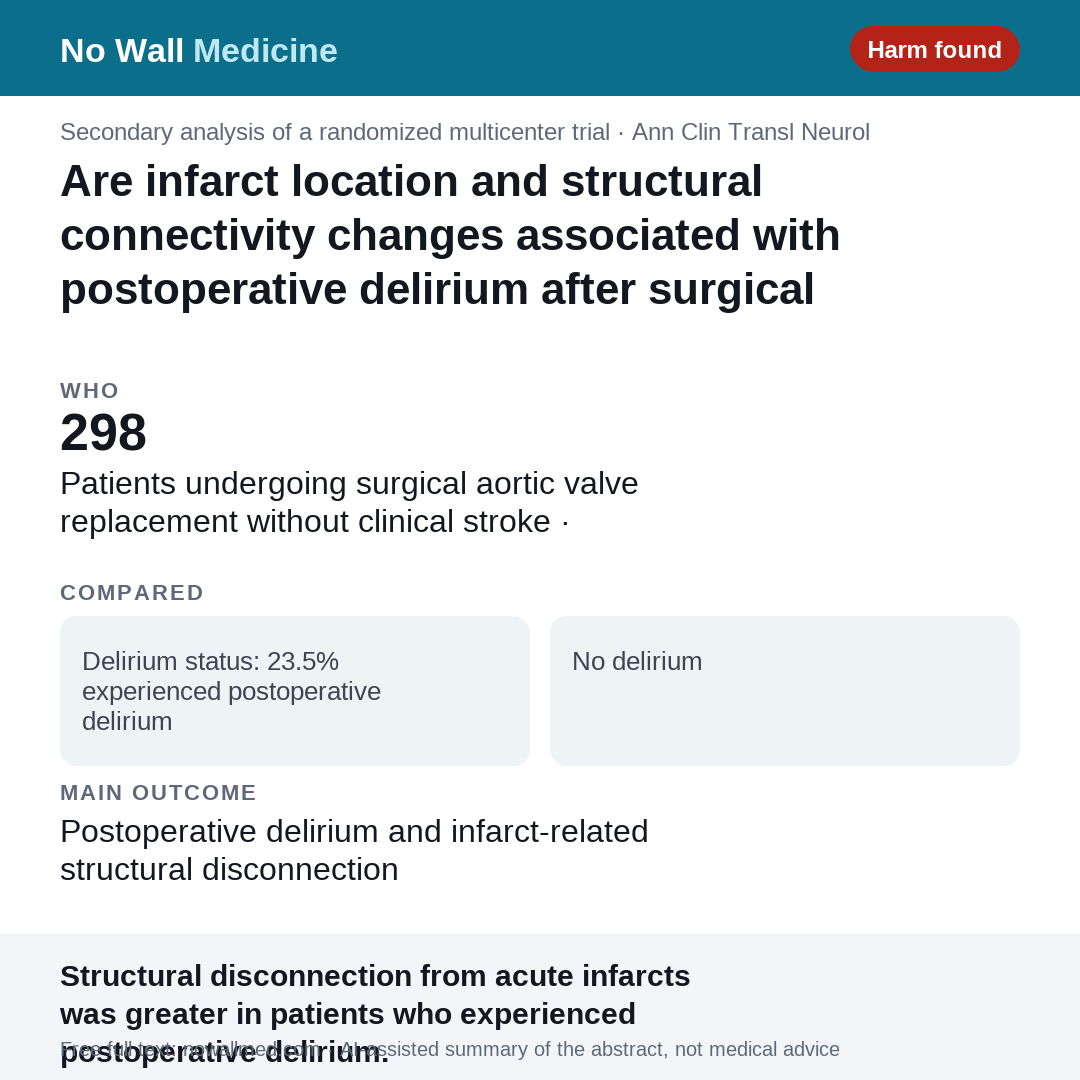
Infarct-related structural disconnection and delirium in surgical aortic valve replacement patients
Secondary analysis of a randomized multicenter trialHarm found
Are infarct location and structural connectivity changes associated with postoperative delirium after surgical aortic valve replacement?
Who
298
Patients undergoing surgical aortic valve replacement without clinical stroke · Multicenter
Compared
Delirium status: 23.5% experienced postoperative delirium
No delirium
Main outcome
Postoperative delirium and infarct-related structural disconnection
Bottom line: Structural disconnection from acute infarcts was greater in patients who experienced postoperative delirium.
Ann Clin Transl Neurol · 2023-12-28Download image
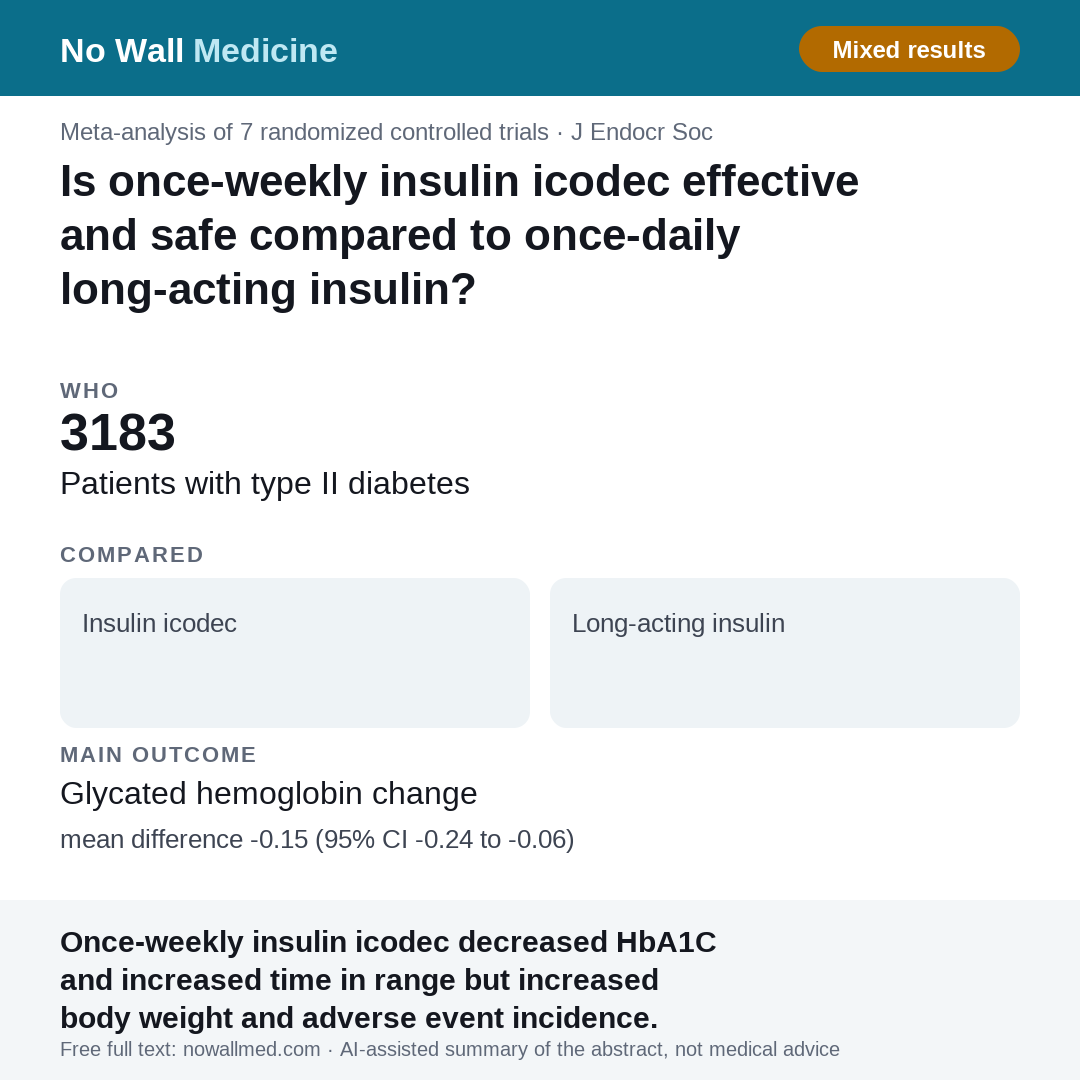
Once-weekly Insulin Icodec Versus Once-daily Long-acting Insulin for Type II Diabetes: A Meta-analysis of Randomized Controlled Trials
Meta-analysis of 7 randomized controlled trialsMixed results
Is once-weekly insulin icodec effective and safe compared to once-daily long-acting insulin?
Who
3183
Patients with type II diabetes
Compared
Insulin icodec
Long-acting insulin
Main outcome
Glycated hemoglobin change
Result: mean difference -0.15 (95% CI -0.24 to -0.06)
Bottom line: Once-weekly insulin icodec decreased HbA1C and increased time in range but increased body weight and adverse event incidence.
J Endocr Soc · 2023-12-28Download image