Visual abstracts
New randomized trials and meta-analyses from leading journals at a glance: who was studied, what was compared, and what was found. Every paper is free to read in full.
All specialtiesCardiology 322Oncology 242Gastroenterology & Hepatology 139Infectious Disease 250Neurology 146Psychiatry & Mental Health 213Pulmonology 144Critical Care 96Endocrinology & Diabetes 191Pediatrics 143Surgery 95Orthopedics & Sports Medicine 64Neurosurgery 18Cardiothoracic & Vascular Surgery 34Plastic & Reconstructive Surgery 64Nephrology 64Rheumatology 64Hematology 75Dermatology 32Ophthalmology 56Obstetrics & Gynecology 93Public & Global Health 96Radiology & Imaging 26Anesthesiology 55Urology 74ENT (Otolaryngology) 40Emergency Medicine 30Allergy & Immunology 31Geriatrics 91Family Medicine & Primary Care 49Medical Genetics & Genomics 29Pathology & Laboratory Medicine 5Physical Medicine & Rehabilitation 81Palliative Care 47Nutrition 111Digital Health & AI 273General Medicine 41
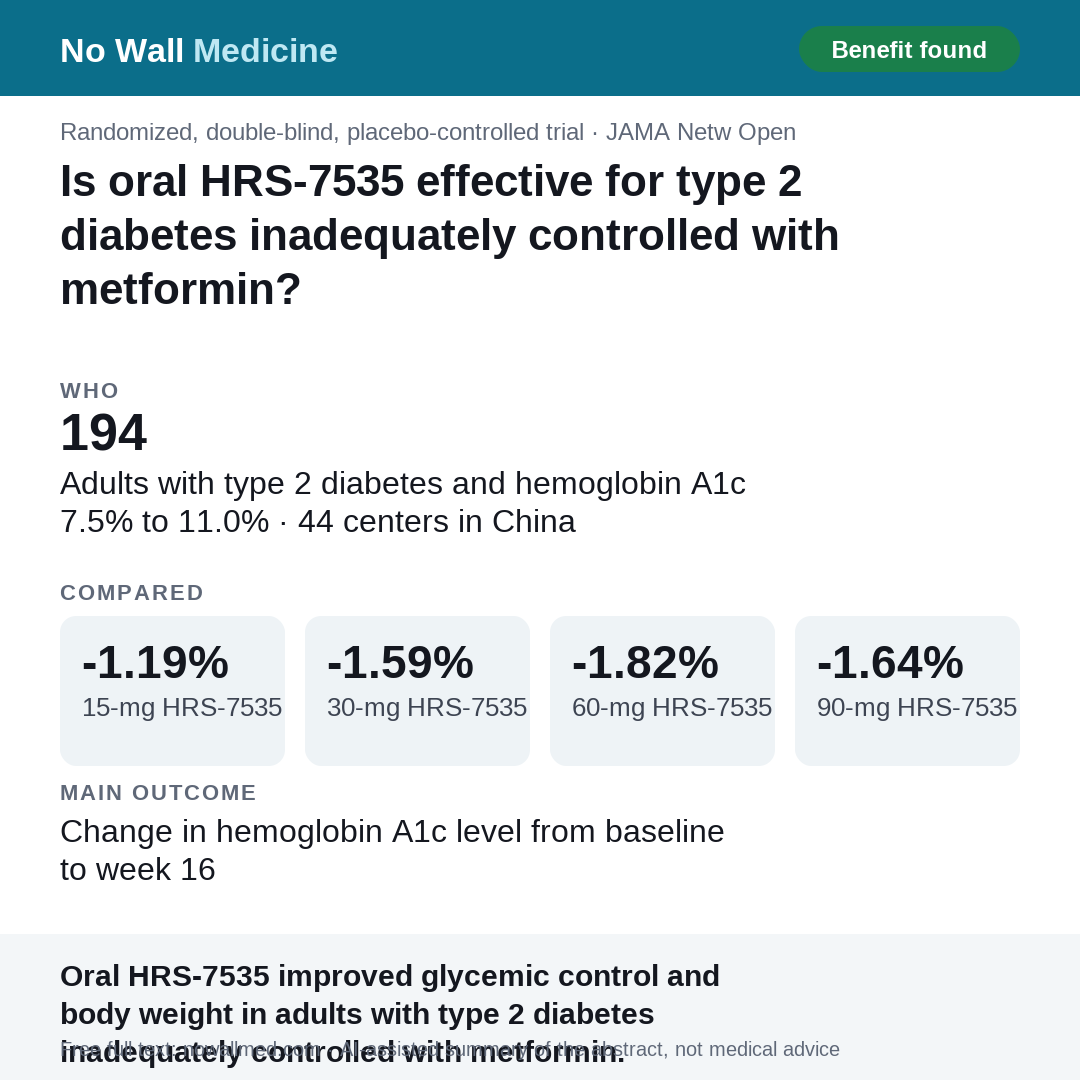
HRS-7535 for Type 2 Diabetes Inadequately Controlled With Metformin: A Randomized Clinical Trial
Randomized, double-blind, placebo-controlled trialBenefit found
Is oral HRS-7535 effective for type 2 diabetes inadequately controlled with metformin?
Who
194
Adults with type 2 diabetes and hemoglobin A1c 7.5% to 11.0% · 44 centers in China
Compared
-1.19%15-mg HRS-7535 (95% CI, -1.54% to -0.84%)
-1.59%30-mg HRS-7535 (95% CI, -1.94% to -1.24%)
-1.82%60-mg HRS-7535 (95% CI, -2.16% to -1.48%)
-1.64%90-mg HRS-7535 (95% CI, -1.97% to -1.30%)
Main outcome
Change in hemoglobin A1c level from baseline to week 16
Result: placebo-adjusted differences ranged from -0.94% (95% CI, -1.43% to -0.45%) to -1.57% (95% CI, -2.05% to -1.08%)
Bottom line: Oral HRS-7535 improved glycemic control and body weight in adults with type 2 diabetes inadequately controlled with metformin.
Limitation: pending confirmation in phase 3 trials
JAMA Netw Open · 2026-06-01Download image
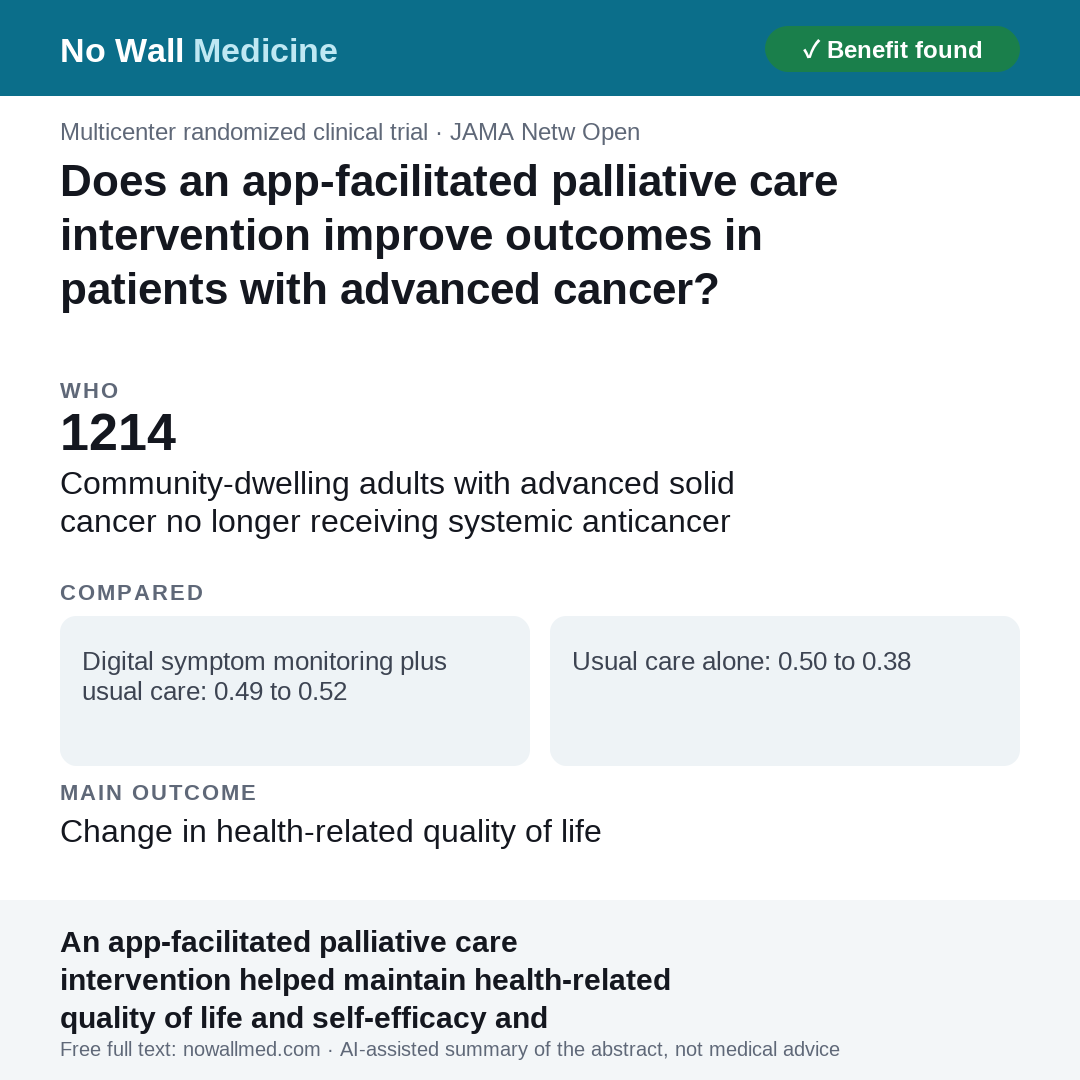
Digital Self-Management of Symptoms and Quality of Life for Patients With Advanced Cancer: A Randomized Clinical Trial
Multicenter randomized clinical trialBenefit found
Does an app-facilitated palliative care intervention improve outcomes in patients with advanced cancer?
Who
1214
Community-dwelling adults with advanced solid cancer no longer receiving systemic anticancer treatment · 6 palliative care clinics in Hong Kong
Compared
Digital symptom monitoring plus usual care: 0.49 to 0.52
Usual care alone: 0.50 to 0.38
Main outcome
Change in health-related quality of life
Result: mean difference in change, -0.15 (95% CI, -0.21 to -0.10)
Bottom line: An app-facilitated palliative care intervention helped maintain health-related quality of life and self-efficacy and reduced unplanned hospitalizations.
JAMA Netw Open · 2026-06-01Download image
Japanese Encephalitis Vaccine Decision Aid for Travelers: A Randomized Clinical Trial
Parallel-group, single-blind randomized clinical trialBenefit found
Does a web-based decision aid improve decision-making and vaccine uptake among travelers?
Who
769
Adults planning travel to Japanese encephalitis-endemic countries · Online across Australia
Compared
42.9%Japanese encephalitis vaccine decision aid (69/161)
28.3%Online government resource (53/187)
Main outcome
Self-reported vaccine uptake
Result: adjusted odds ratio 2.22 (95% CI 1.36 to 3.61)
Bottom line: The web-based decision aid was associated with higher Japanese encephalitis vaccine uptake among travelers compared to an online government resource.
JAMA Netw Open · 2026-06-01Download image

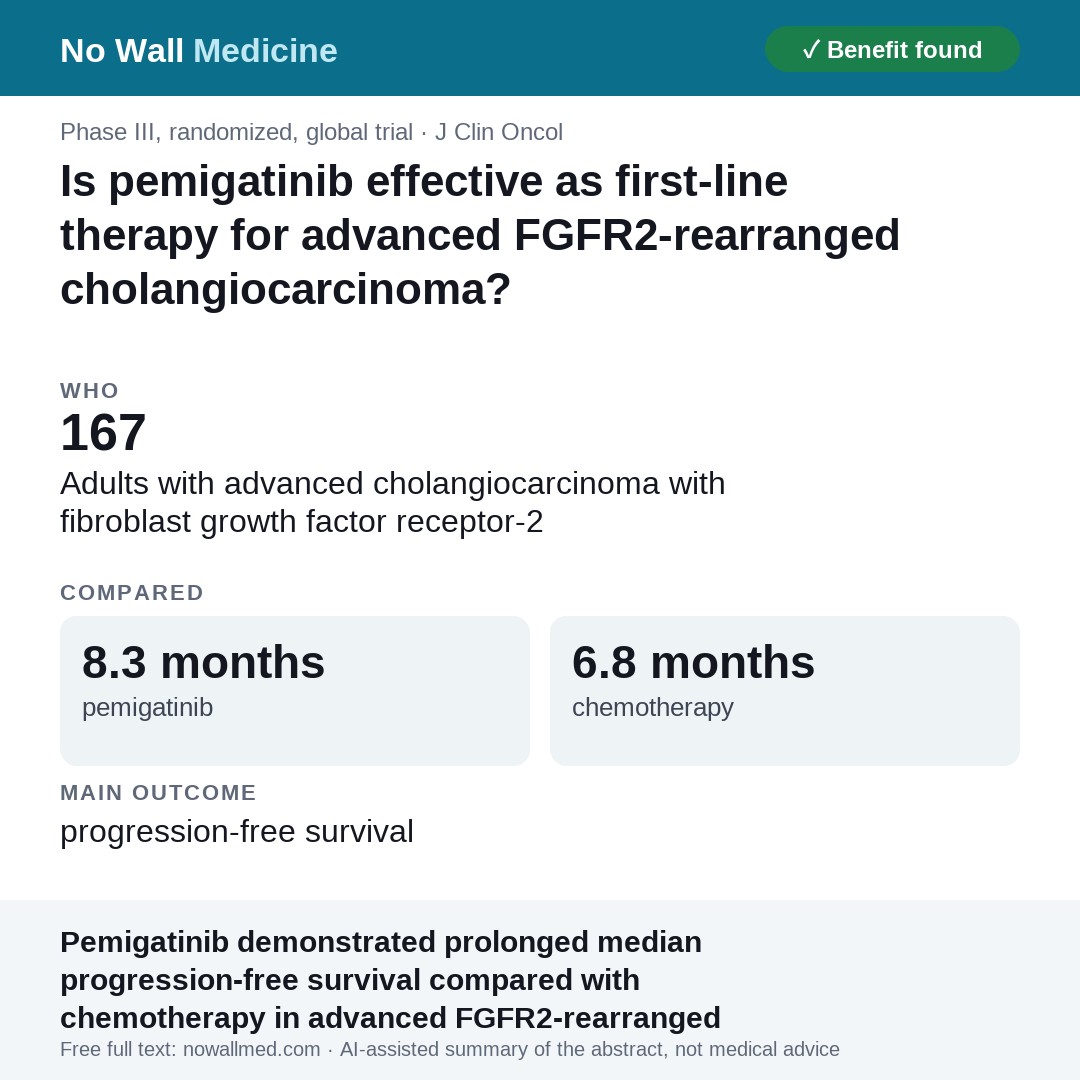
Pemigatinib for Unresectable or Metastatic Cholangiocarcinoma With Fibroblast Growth Factor Receptor-2 Rearrangement: Results From the Phase III FIGHT-302 Trial
Phase III, randomized, global trialBenefit found
Is pemigatinib effective as first-line therapy for advanced FGFR2-rearranged cholangiocarcinoma?
Who
167
Adults with advanced cholangiocarcinoma with fibroblast growth factor receptor-2 rearrangement · Global
Compared
8.3 monthspemigatinib
6.8 monthschemotherapy
Main outcome
progression-free survival
Result: hazard ratio 0.58 (95% CI 0.39 to 0.87)
Bottom line: Pemigatinib demonstrated prolonged median progression-free survival compared with chemotherapy in advanced FGFR2-rearranged cholangiocarcinoma.
J Clin Oncol · 2026-06-01Download image
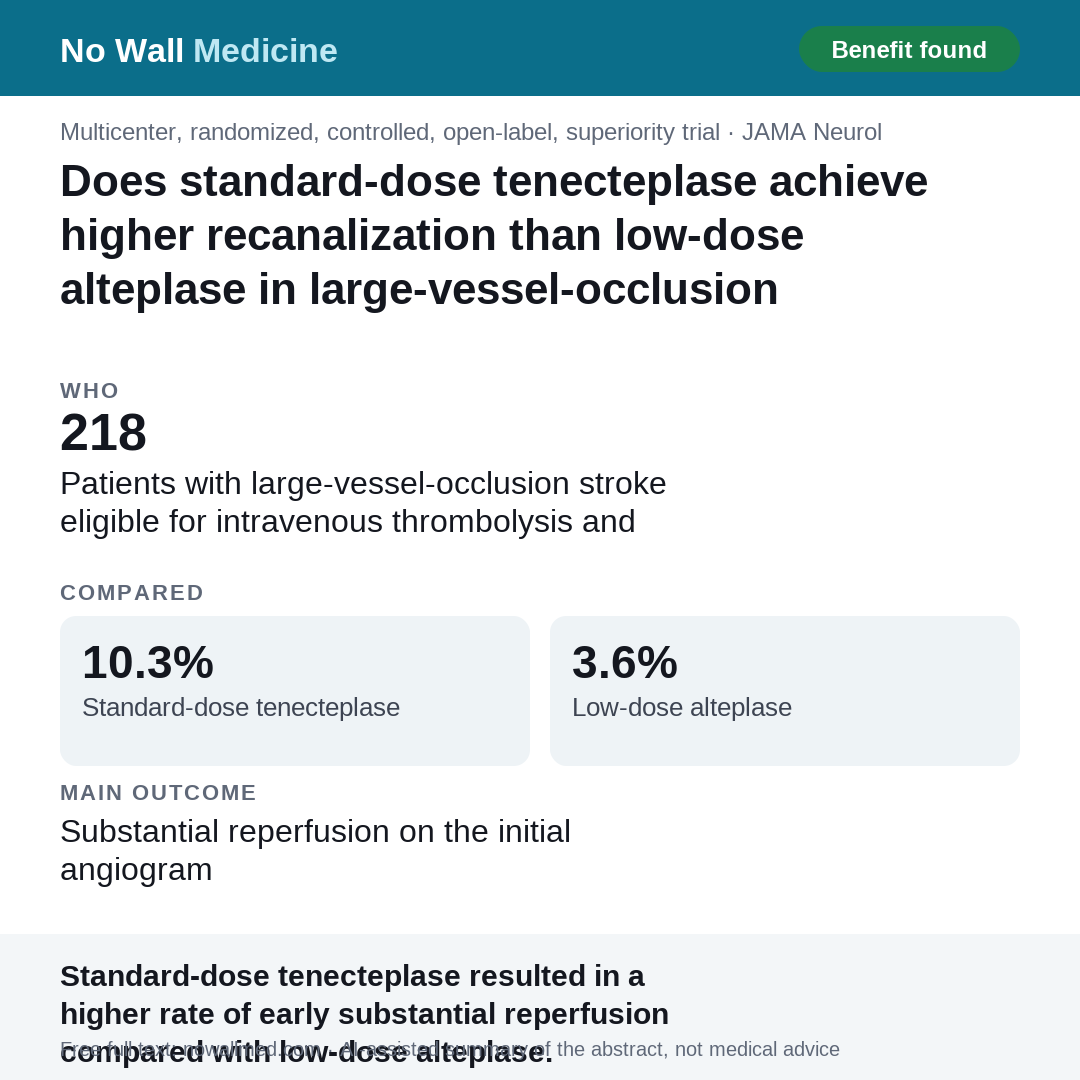
Standard-Dose Tenecteplase vs Low-Dose Alteplase for Acute Ischemic Stroke From Large-Vessel Occlusion: A Randomized Clinical Trial
Multicenter, randomized, controlled, open-label, superiority trialBenefit found
Does standard-dose tenecteplase achieve higher recanalization than low-dose alteplase in large-vessel-occlusion stroke?
Who
218
Patients with large-vessel-occlusion stroke eligible for intravenous thrombolysis and mechanical thrombectomy · Multicenter
Compared
10.3%Standard-dose tenecteplase
3.6%Low-dose alteplase
Main outcome
Substantial reperfusion on the initial angiogram
Result: absolute difference, 6.5 percentage points; 90% CI, 0.89-12.1
Bottom line: Standard-dose tenecteplase resulted in a higher rate of early substantial reperfusion compared with low-dose alteplase.
JAMA Neurol · 2026-06-01Download image
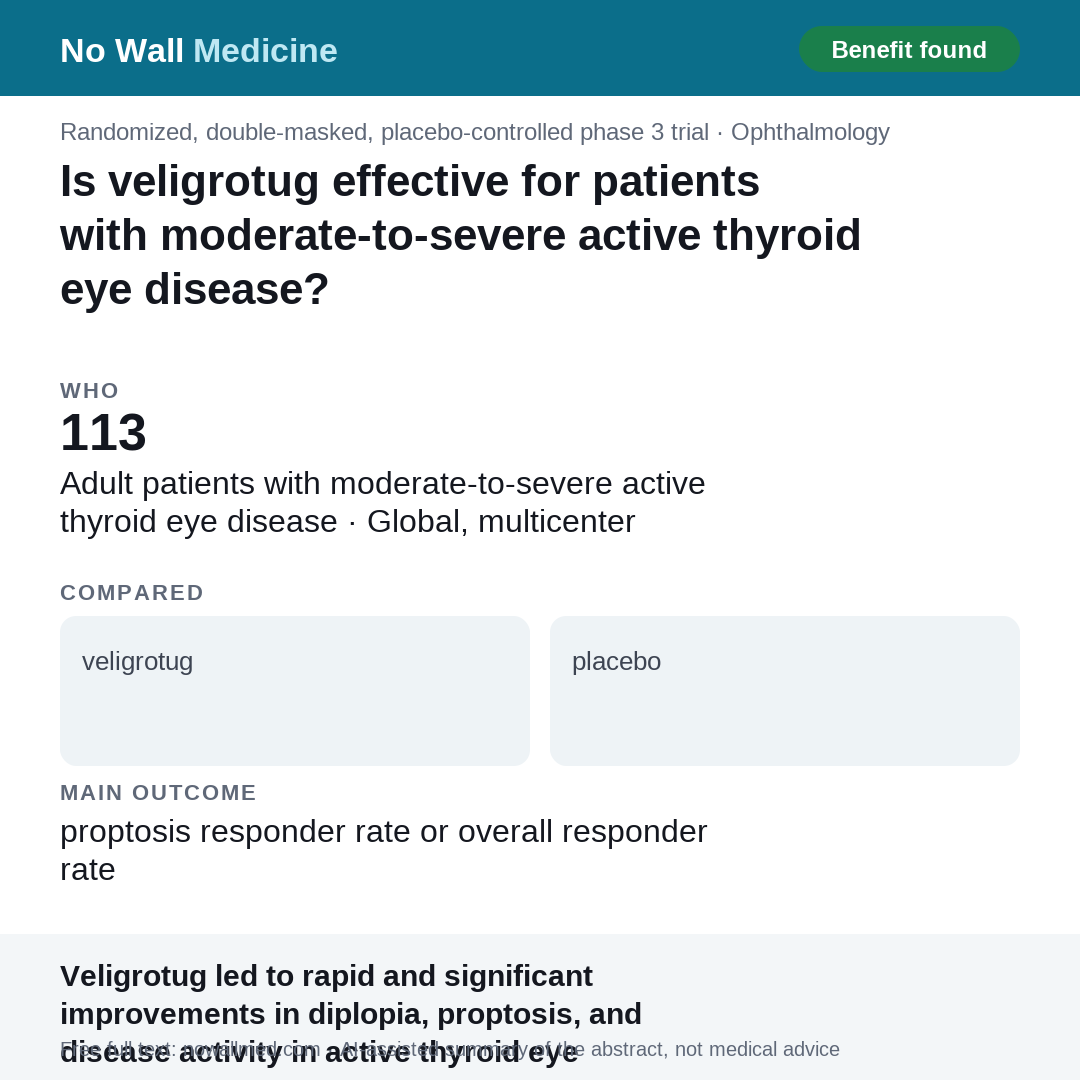
THRIVE: A Phase 3, Randomized, Double-Masked, Placebo-Controlled Study of Veligrotug for Active Thyroid Eye Disease
Randomized, double-masked, placebo-controlled phase 3 trialBenefit found
Is veligrotug effective and safe for patients with active thyroid eye disease?
Who
113
Adult patients with moderate-to-severe active thyroid eye disease · Global, multicenter
Compared
67%Veligrotug (overall responder rate)
5%Placebo (overall responder rate)
Main outcome
Proptosis responder rate or overall responder rate
Bottom line: Veligrotug led to rapid and significant improvements in diplopia, proptosis, and disease activity in active thyroid eye disease.
Ophthalmology · 2026-06-01Download image
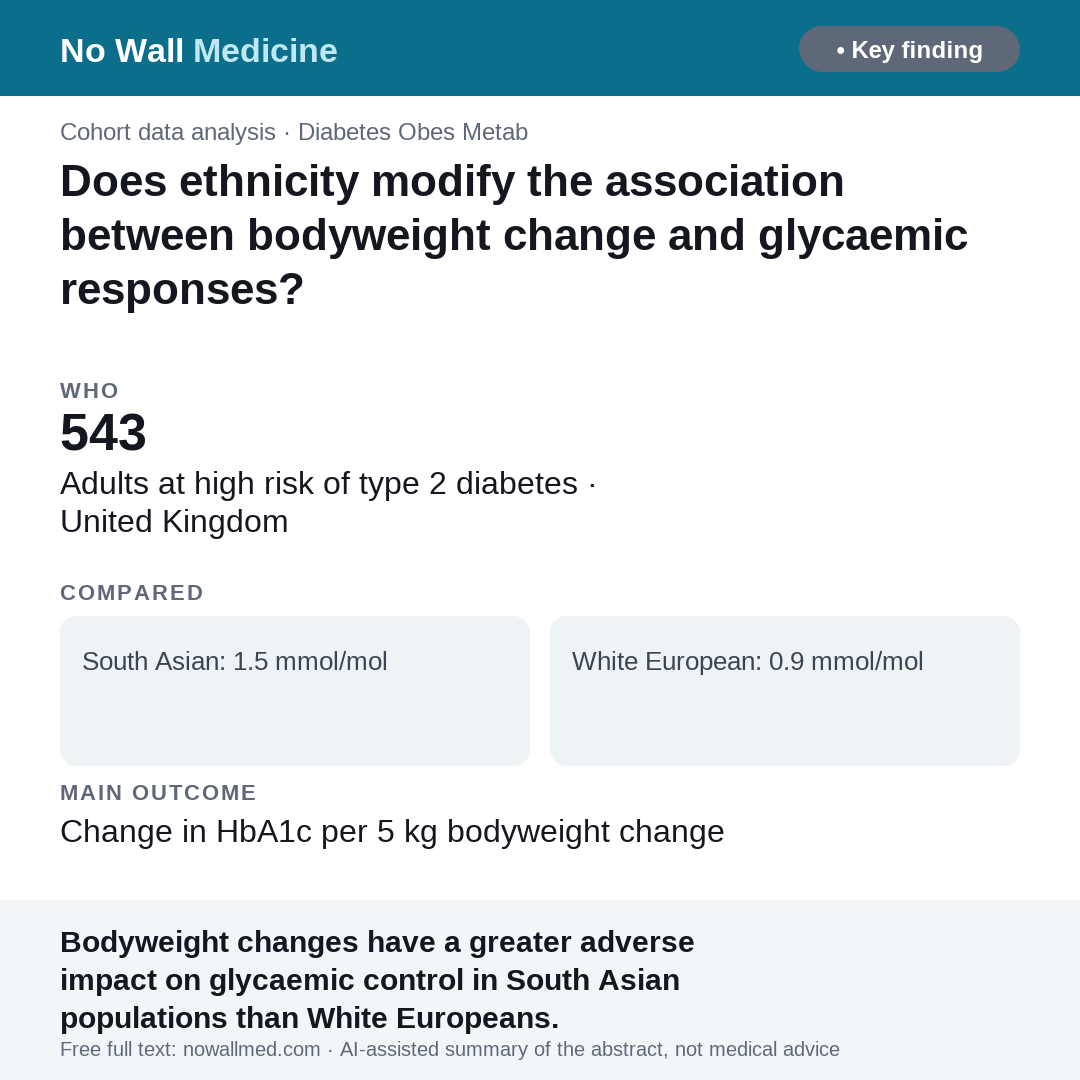
Greater Glycaemic Responses to Bodyweight Change in South Asians Than White Europeans at High Risk of Type 2 Diabetes
Cohort data analysisHarm found
Does ethnicity modify the association between bodyweight change and glycaemic responses?
Who
543
Adults at high risk of type 2 diabetes · United Kingdom
Compared
South Asian: 1.5 mmol/mol
White European: 0.9 mmol/mol
Main outcome
Change in HbA1c per 5 kg bodyweight change
Result: 1.5 mmol/mol (95% CI: 1.0-2.0) vs 0.9 mmol/mol (95% CI: 0.6-1.3)
Bottom line: Bodyweight changes have a greater adverse impact on glycaemic control in South Asian populations than White Europeans.
Diabetes Obes Metab · 2026-06-01Download image
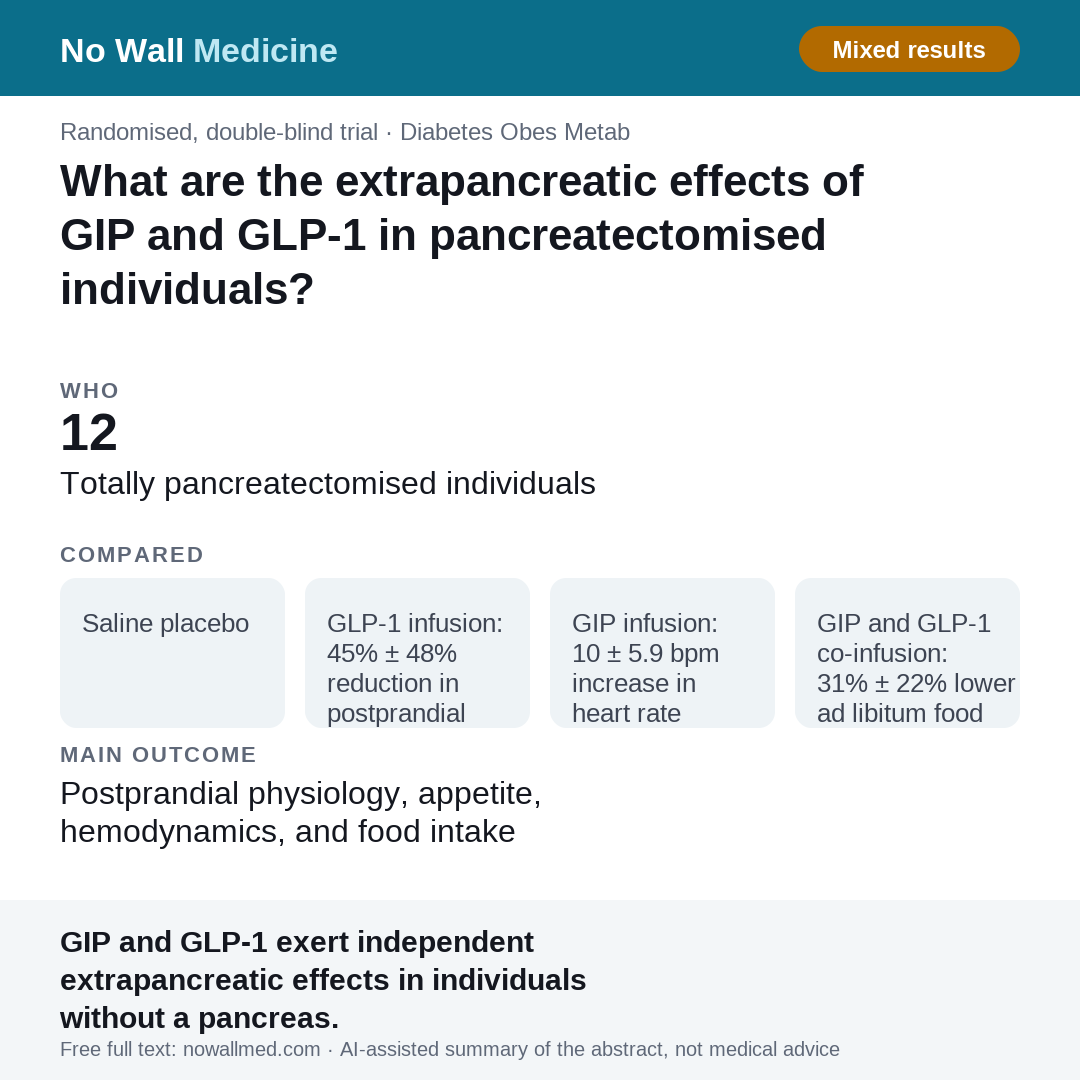
Acute GIP and GLP-1 Administration Exerts Differential Metabolic Effects in Totally Pancreatectomised Individuals
Randomised, double-blind trialMixed results
What are the extrapancreatic effects of GIP and GLP-1 in pancreatectomised individuals?
Who
12
Totally pancreatectomised individuals
Compared
Saline placebo
GLP-1 infusion: 45% ± 48% reduction in postprandial glucose excursions
GIP infusion: 10 ± 5.9 bpm increase in heart rate
GIP and GLP-1 co-infusion: 31% ± 22% lower ad libitum food intake
Main outcome
Postprandial physiology, appetite, hemodynamics, and food intake
Bottom line: GIP and GLP-1 exert independent extrapancreatic effects in individuals without a pancreas.
Diabetes Obes Metab · 2026-06-01Download image
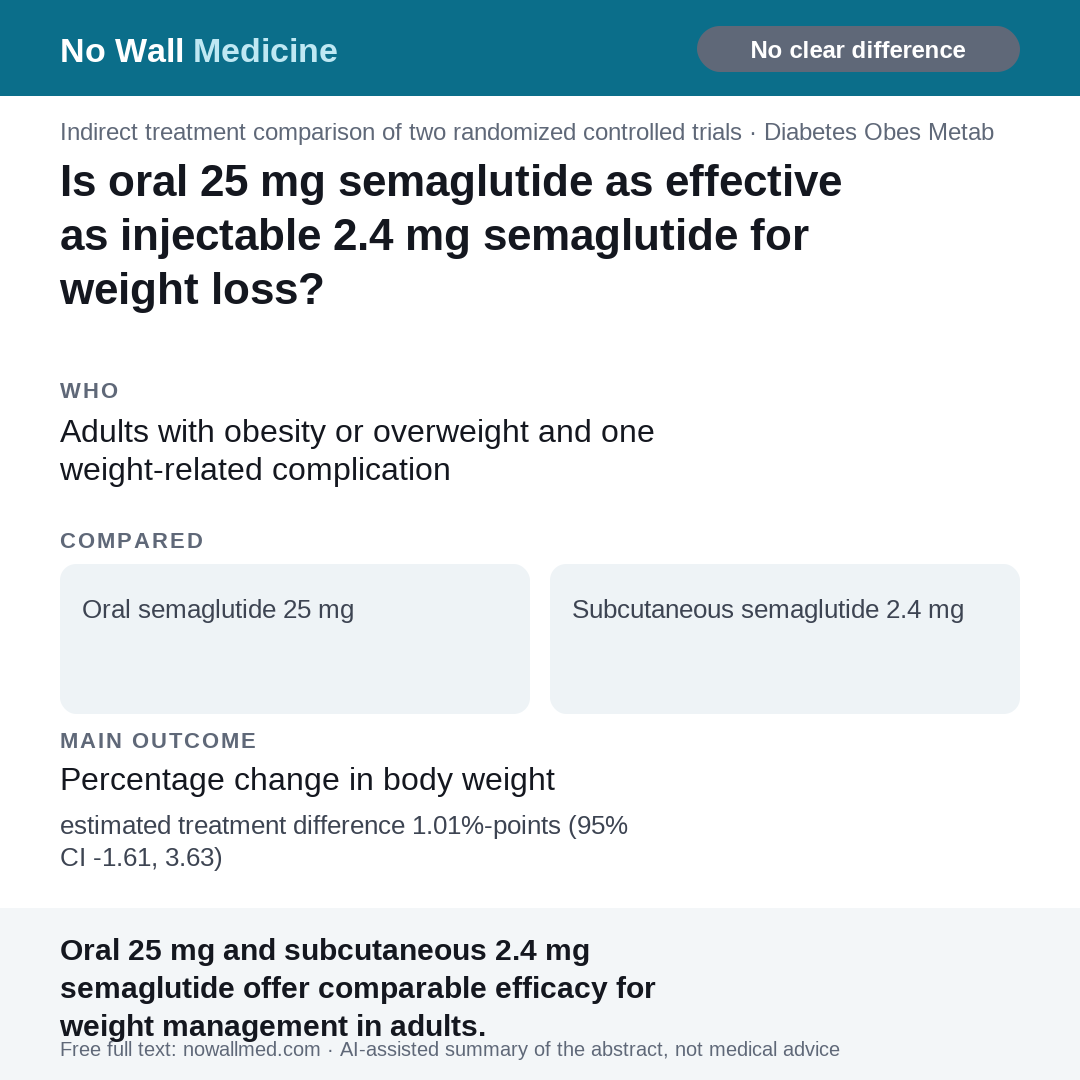
Semaglutide 25 mg Oral Versus Semaglutide 2.4 mg Injectable: An Indirect Treatment Comparison of Weight Loss Outcomes
Indirect treatment comparison of two randomized controlled trialsNo clear difference
Is oral 25 mg semaglutide as effective as injectable 2.4 mg semaglutide for weight loss?
Who
Adults with obesity or overweight and one weight-related complication
Compared
Oral semaglutide 25 mg
Subcutaneous semaglutide 2.4 mg
Main outcome
Percentage change in body weight
Result: estimated treatment difference 1.01%-points (95% CI -1.61, 3.63)
Bottom line: Oral 25 mg and subcutaneous 2.4 mg semaglutide offer comparable efficacy for weight management in adults.
Diabetes Obes Metab · 2026-06-01Download image
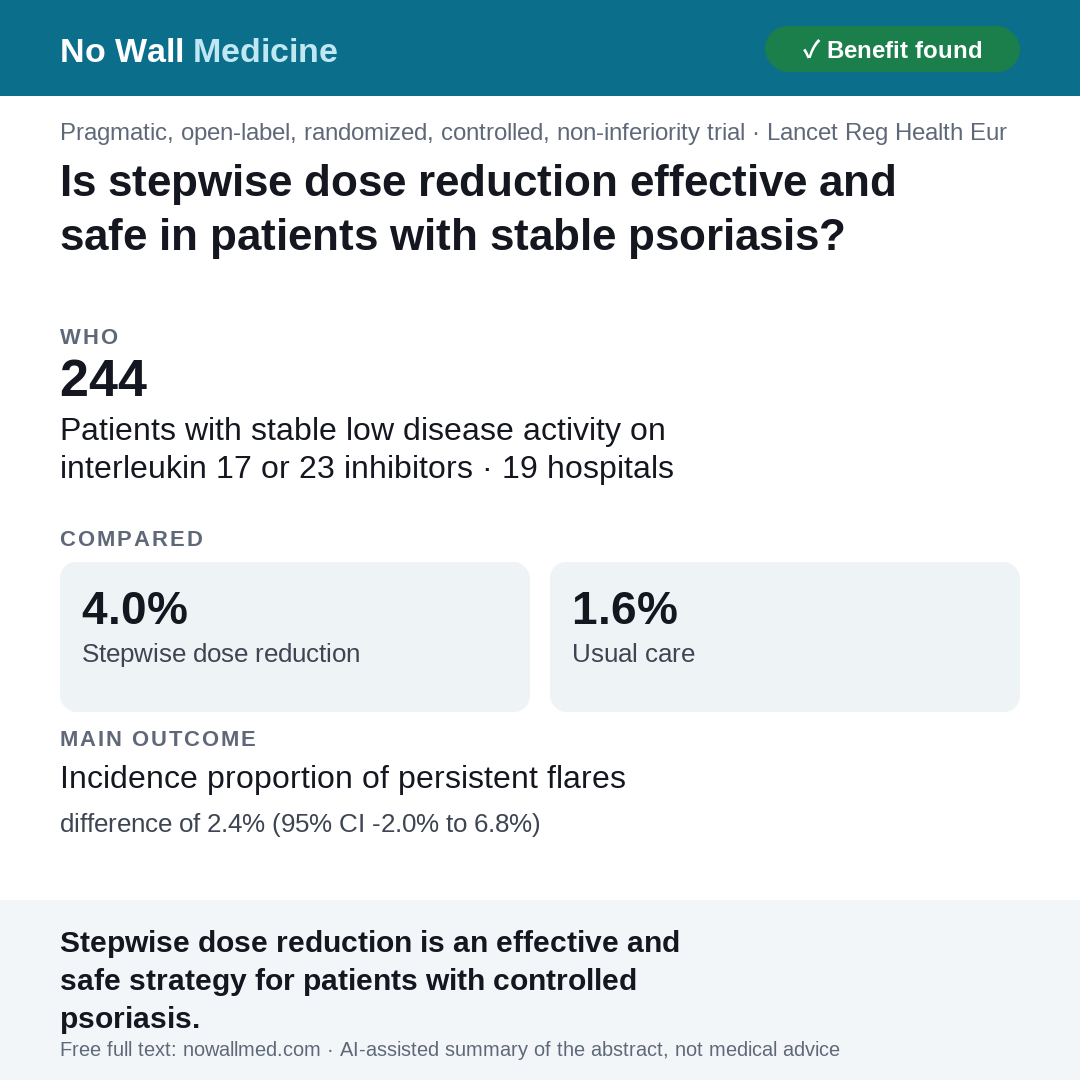
Dose Reduction of IL17 and IL23 Inhibitors in Psoriasis (BeNeBio study): An International, Pragmatic, Multicentre, Randomised, Controlled, Non-Inferiority Trial
Pragmatic, open-label, randomized, controlled, non-inferiority trialBenefit found
Is stepwise dose reduction effective and safe in patients with stable psoriasis?
Who
244
Patients with stable low disease activity on interleukin 17 or 23 inhibitors · 19 hospitals in the Netherlands and Belgium
Compared
4.0%Stepwise dose reduction
1.6%Usual care
Main outcome
Incidence proportion of persistent flares
Result: difference of 2.4% (95% CI -2.0% to 6.8%)
Bottom line: Stepwise dose reduction is an effective and safe strategy for patients with controlled psoriasis.
Funded by: ZonMw and KCE Trials
Lancet Reg Health Eur · 2026-06-01Download image
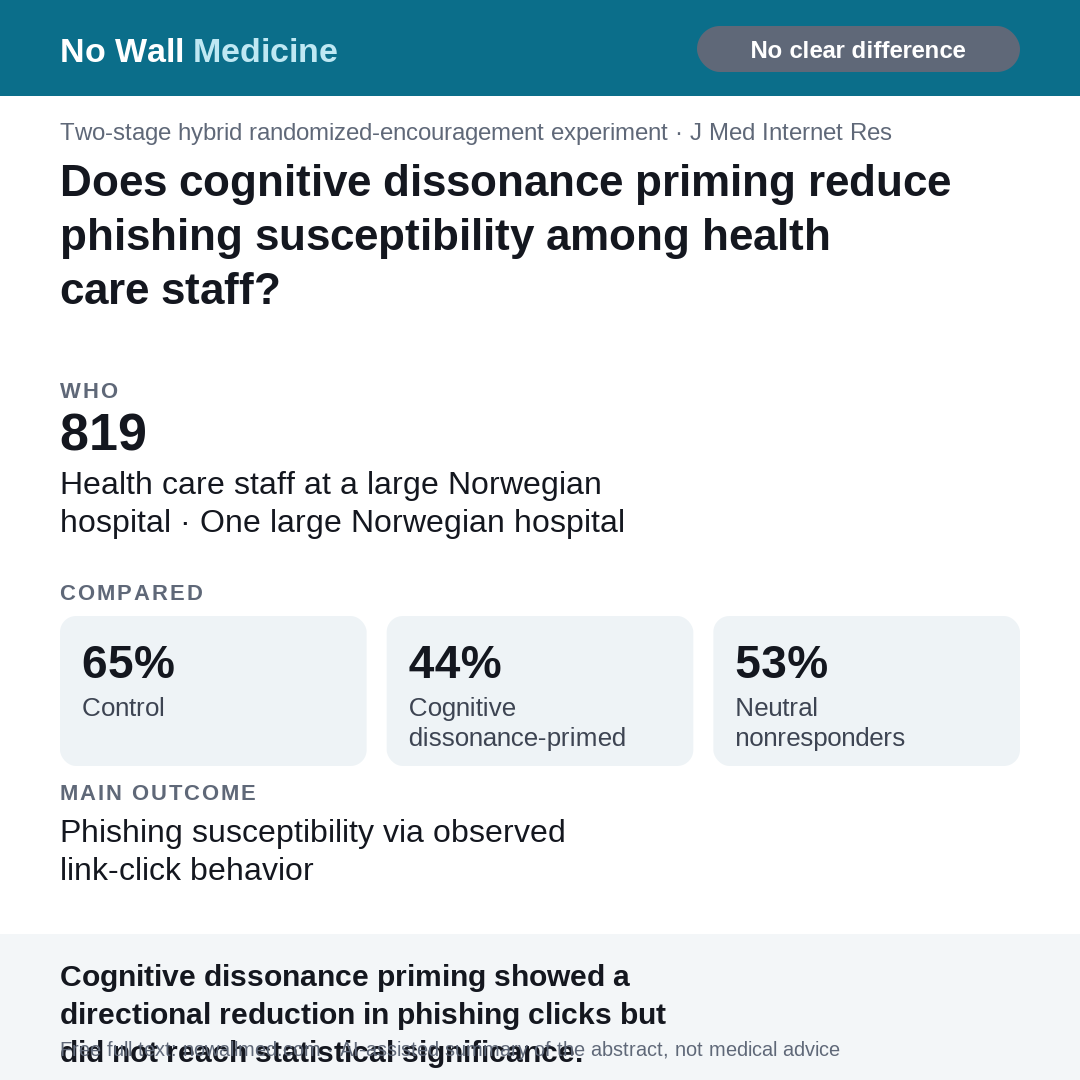
Cognitive Dissonance-Based Priming Intervention: Randomized Encouragement With in-the-Wild Phishing Simulation Attack in Health Care
Two-stage hybrid randomized-encouragement experimentNo clear difference
Does cognitive dissonance priming reduce phishing susceptibility among health care staff?
Who
819
Health care staff at a large Norwegian hospital · One large Norwegian hospital
Compared
65%Control (22/34)
44%Cognitive dissonance-primed (14/32)
53%Neutral nonresponders (396/753)
Main outcome
Phishing susceptibility via observed link-click behavior
Result: chi-square 3.00 (P=.22)
Bottom line: Cognitive dissonance priming showed a directional reduction in phishing clicks but did not reach statistical significance.
Limitation: Small sample size for survey analyses and imprecise effect estimates with wide confidence intervals.
J Med Internet Res · 2026-06-01Download image
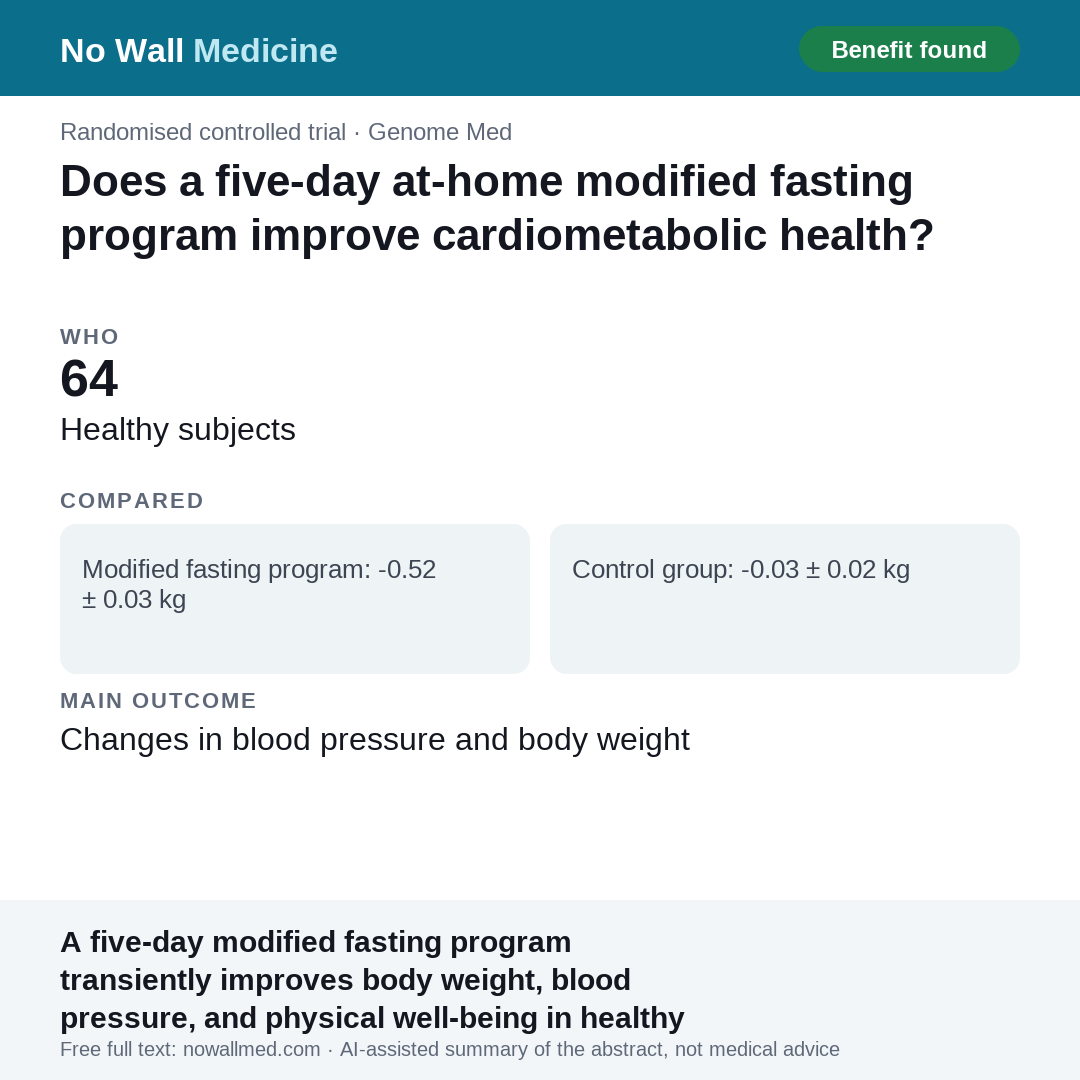
Health benefits of a five-day at-home modified fasting program: a randomised controlled trial
Randomised controlled trialBenefit found
Does a five-day at-home modified fasting program improve cardiometabolic health?
Who
64
Healthy subjects
Compared
Modified fasting program: -0.52 ± 0.03 kg
Control group: -0.03 ± 0.02 kg
Main outcome
Changes in blood pressure and body weight
Bottom line: A five-day modified fasting program transiently improves body weight, blood pressure, and physical well-being in healthy individuals.
Genome Med · 2026-06-01Download image
3D-Printed vs Commercial Distal Caps for ESD: Multicenter Randomized Ex Vivo Noninferiority Trial (ENDOPRINT Trial)
Multicenter randomized ex vivo noninferiority trialBenefit found
Is a 3D-printed distal cap noninferior to a commercial cap for endoscopic submucosal dissection?
Who
99
Ex vivo porcine models · 3 centers in Prague, Olomouc, and Boston
Compared
3D-printed cap: 17.3 minutes
Commercial Olympus cap: 17.3 minutes
Main outcome
Median procedure time
Bottom line: 3D-printed distal caps are as efficient and safe as commercial caps with superior visibility and ergonomics.
Clin Transl Gastroenterol · 2026-06-01Download image

Efficacy of 1 L PEG Ascorbate vs Sodium Picosulfate With Magnesium Citrate Bowel Preparations for Capsule Colonoscopy and Pan-Intestinal Capsule Endoscopy: A Prospective Study
Prospective, single-center, researcher-blinded, randomized trialBenefit found
Is 1 L polyethylene glycol with ascorbic acid more effective than sodium picosulfate with magnesium citrate?
Who
220
Adult outpatients referred for capsule colonoscopy or pan-intestinal capsule endoscopy · Single-center
Compared
1 L polyethylene glycol with ascorbic acid: 70.0% adequate bowel cleansing
Sodium picosulfate with magnesium citrate: 47.1% adequate bowel cleansing
Main outcome
Adequate bowel cleansing and procedure completion
Bottom line: Polyethylene glycol with ascorbic acid provides superior bowel cleansing compared to sodium picosulfate with magnesium citrate.
Clin Transl Gastroenterol · 2026-06-01Download image

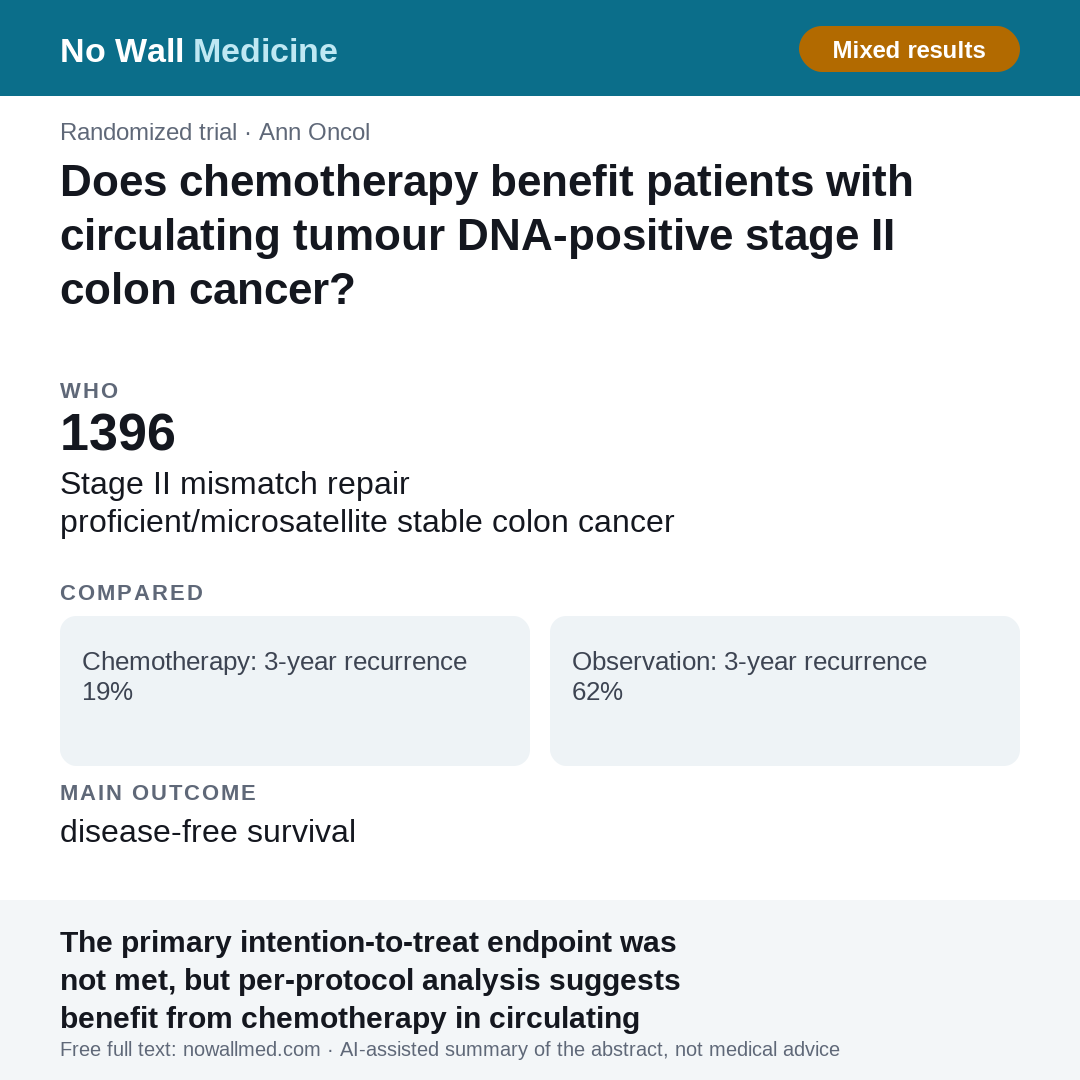
Chemotherapy for patients with circulating tumour DNA-positive, stage II colon cancer (CIRCULATE)-an AIO/ABCSG trial
Randomized trialMixed results
Does chemotherapy benefit patients with circulating tumour DNA-positive stage II colon cancer?
Who
1396
Stage II mismatch repair proficient/microsatellite stable colon cancer patients · Germany and Austria
Compared
Chemotherapy: 3-year recurrence 19%
Observation: 3-year recurrence 62%
Main outcome
disease-free survival
Result: hazard ratio 0.55 (95% CI 0.21 to 1.48)
Bottom line: The primary intention-to-treat endpoint was not met, but per-protocol analysis suggests benefit from chemotherapy in circulating tumour DNA-positive patients.
Limitation: The trial ended early due to funding expiry, potentially reducing statistical power.
Ann Oncol · 2026-05-31Download image
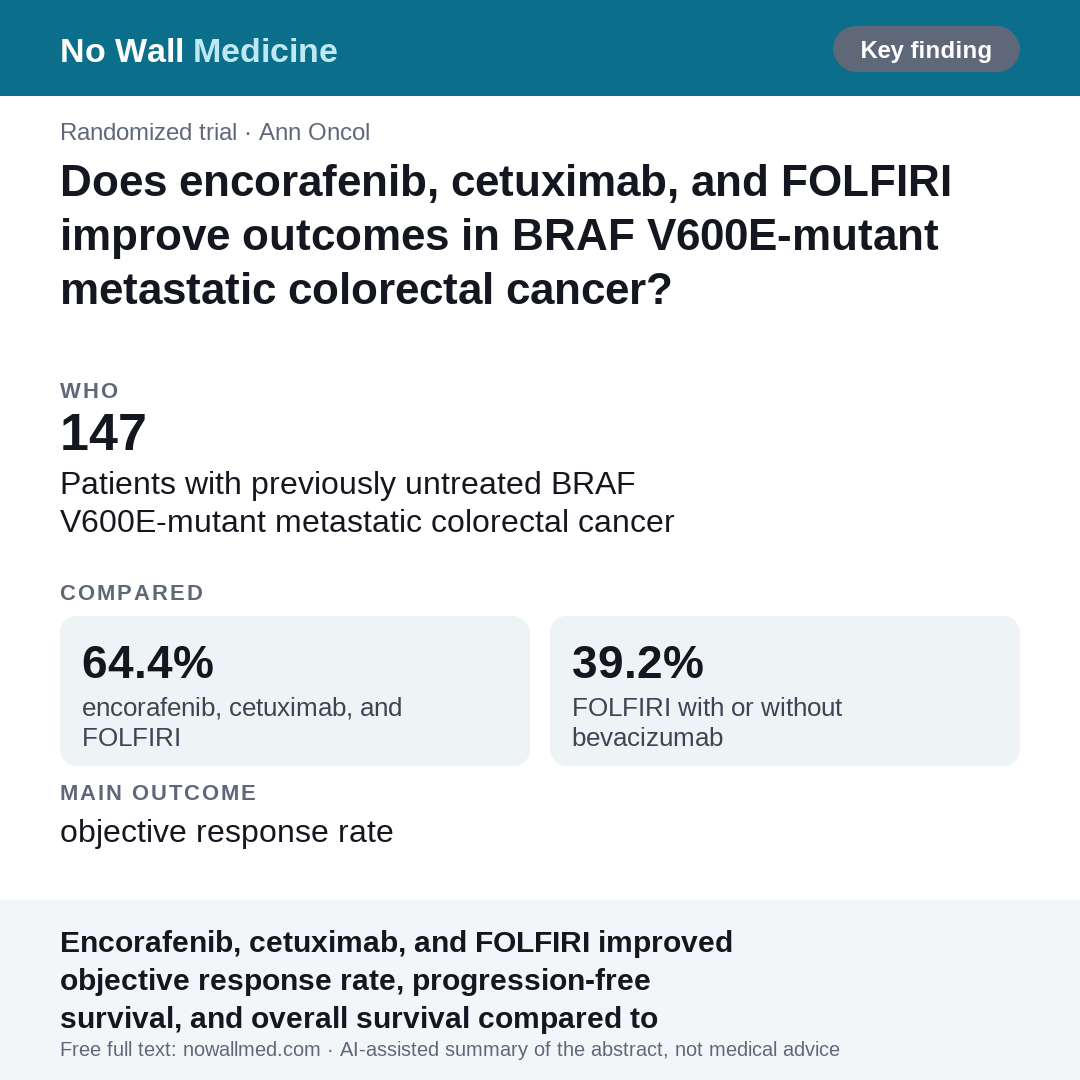
A randomised study of encorafenib, cetuximab, and FOLFIRI versus FOLFIRI with or without bevacizumab in BRAF V600E-mutant colorectal cancer: BREAKWATER Cohort 3
Randomized trialBenefit found
Does encorafenib, cetuximab, and FOLFIRI improve outcomes in BRAF V600E-mutant metastatic colorectal cancer?
Who
147
Patients with previously untreated BRAF V600E-mutant metastatic colorectal cancer
Compared
64.4%encorafenib, cetuximab, and FOLFIRI
39.2%FOLFIRI with or without bevacizumab
Main outcome
objective response rate
Result: hazard ratio 0.44 (95% CI 0.27-0.70)
Bottom line: Encorafenib, cetuximab, and FOLFIRI improved objective response rate, progression-free survival, and overall survival compared to control.
Ann Oncol · 2026-05-31Download image
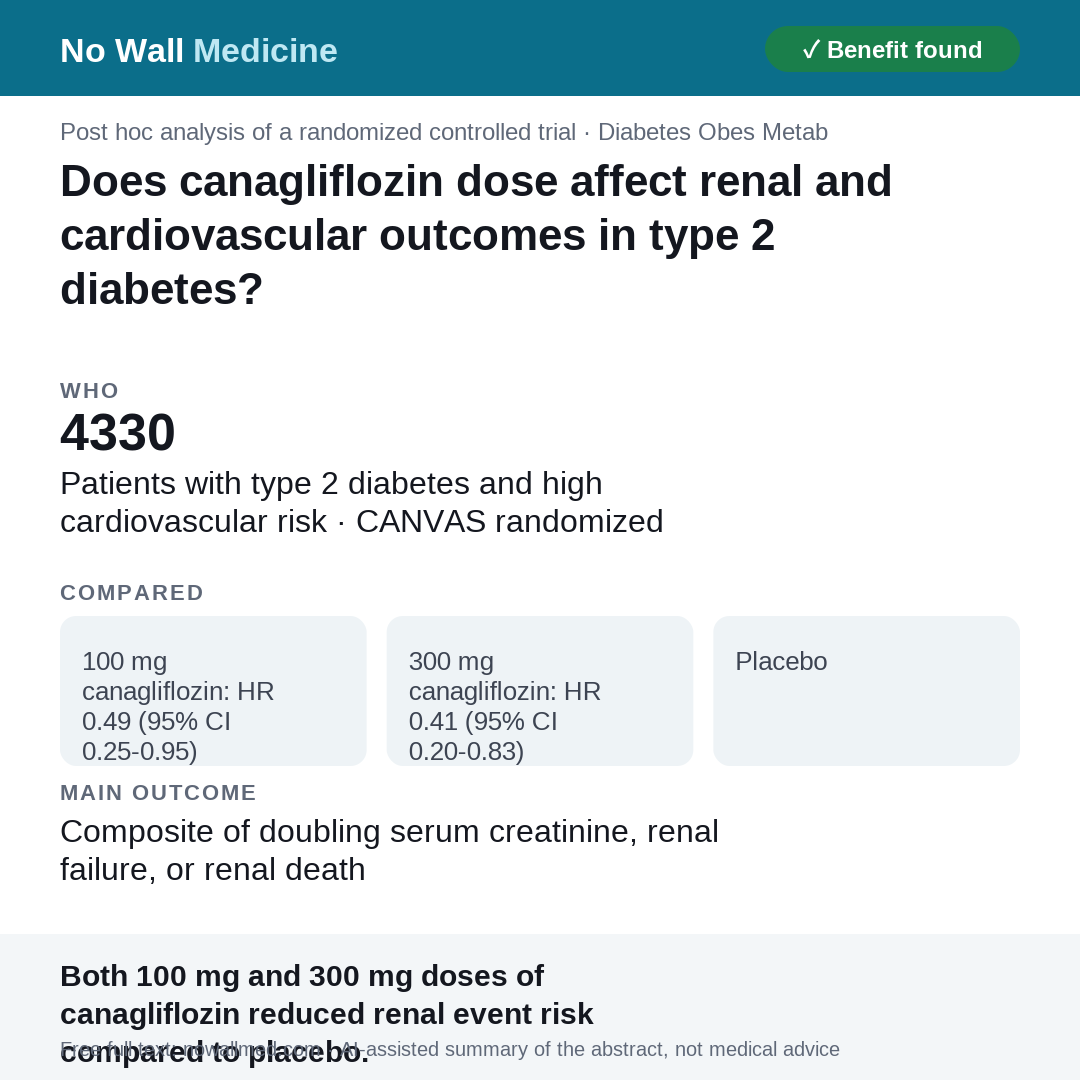
The Effect of Canagliflozin Dose on Renal and Cardiovascular Outcomes in Type 2 Diabetes and High Cardiovascular Risk
Post hoc analysis of a randomized controlled trialBenefit found
Does canagliflozin dose affect renal and cardiovascular outcomes in type 2 diabetes?
Who
4330
Patients with type 2 diabetes and high cardiovascular risk · CANVAS randomized controlled trial
Compared
100 mg canagliflozin: HR 0.49 (95% CI 0.25-0.95)
300 mg canagliflozin: HR 0.41 (95% CI 0.20-0.83)
Placebo
Main outcome
Composite of doubling serum creatinine, renal failure, or renal death
Result: hazard ratio 0.85; 95% confidence interval 0.38-1.89
Bottom line: Both 100 mg and 300 mg doses of canagliflozin reduced renal event risk compared to placebo.
Limitation: This was a post hoc analysis
Diabetes Obes Metab · 2026-05-31Download image
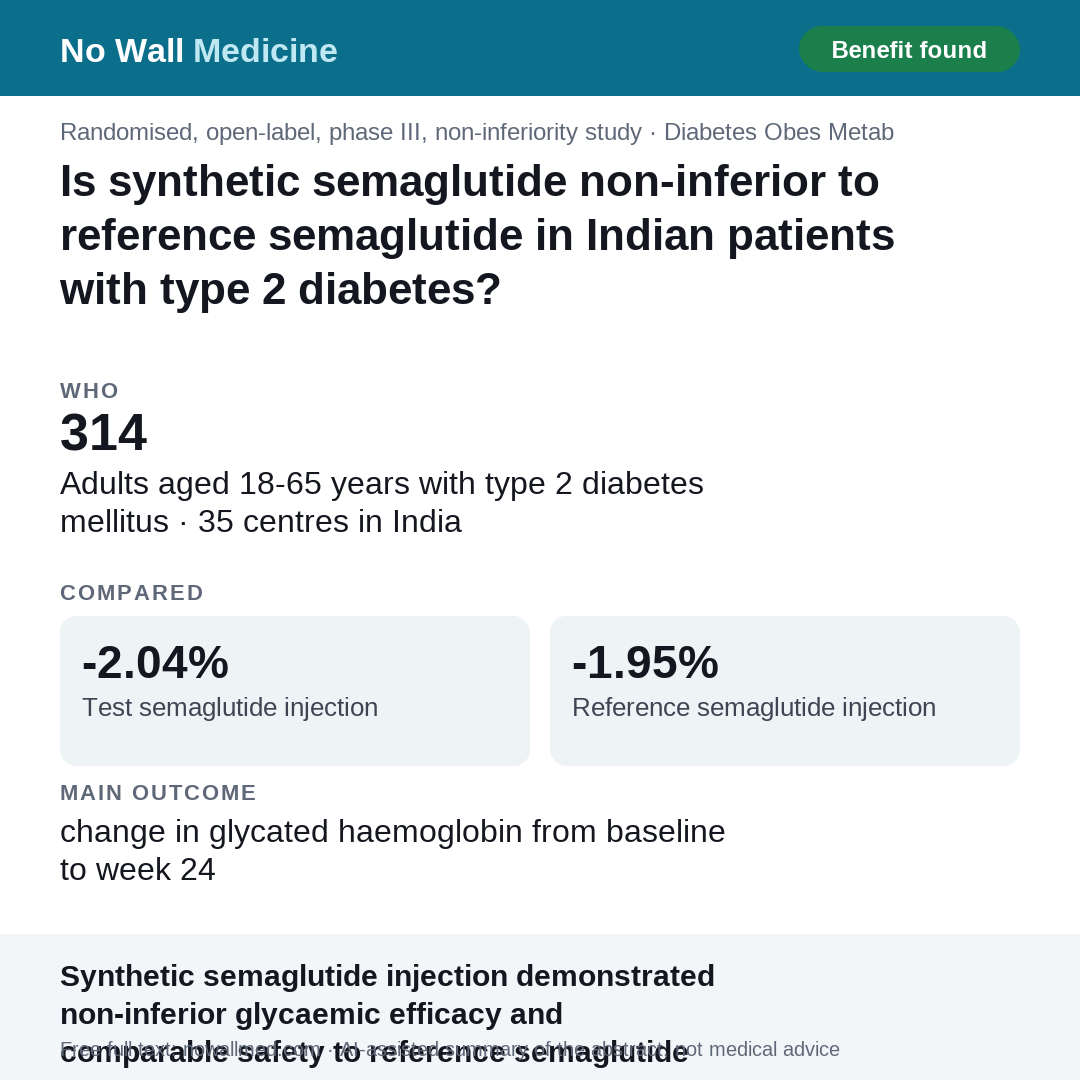
Semaglutide Injection in Indian Patients With Type 2 Diabetes Mellitus: A Randomised, Phase III, Active-Controlled Study
Randomised, open-label, phase III, non-inferiority studyBenefit found
Is synthetic semaglutide non-inferior to reference semaglutide in Indian patients with type 2 diabetes?
Who
314
Adults aged 18-65 years with type 2 diabetes mellitus · 35 centres in India
Compared
-2.04%Test semaglutide injection
-1.95%Reference semaglutide injection
Main outcome
change in glycated haemoglobin from baseline to week 24
Result: -0.09% (95% CI: -0.26 to 0.09)
Bottom line: Synthetic semaglutide injection demonstrated non-inferior glycaemic efficacy and comparable safety to reference semaglutide in Indian patients.
Diabetes Obes Metab · 2026-05-31Download image
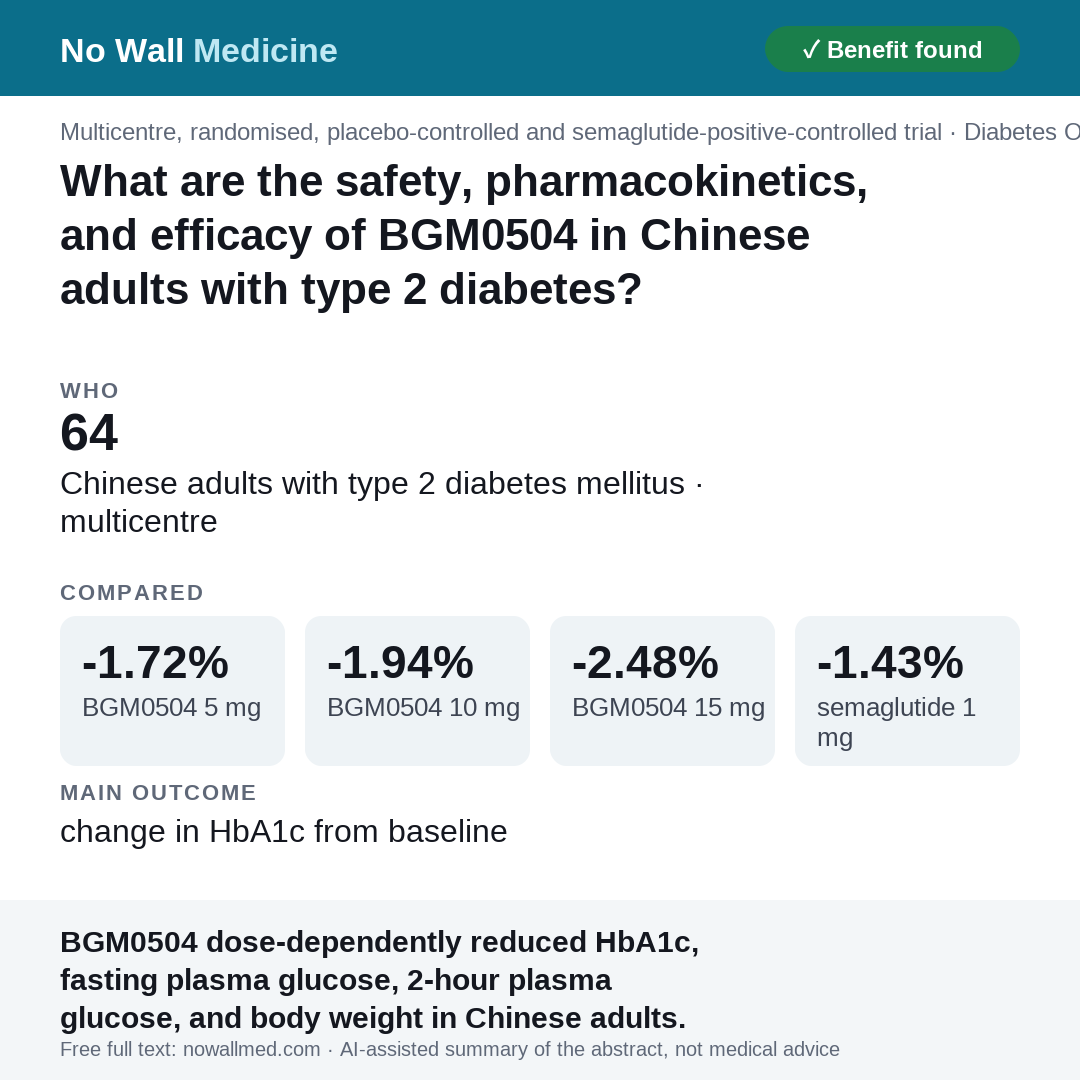
Evaluation of the Safety, Efficacy and Pharmacokinetics of BGM0504 in Chinese Adults With Type 2 Diabetes: A Multicentre, Randomised, Controlled and Double-Blind Phase II Trial
Multicentre, randomised, placebo-controlled and semaglutide-positive-controlled trialBenefit found
What are the safety, pharmacokinetics, and efficacy of BGM0504 in Chinese adults with type 2 diabetes?
Who
64
Chinese adults with type 2 diabetes mellitus · multicentre
Compared
-1.72%BGM0504 5 mg
-1.94%BGM0504 10 mg
-2.48%BGM0504 15 mg
-1.43%semaglutide 1 mg
Main outcome
change in HbA1c from baseline
Result: treatment differences versus placebo (LSM) ranging from -1.82% to -2.56%
Bottom line: BGM0504 dose-dependently reduced HbA1c, fasting plasma glucose, 2-hour plasma glucose, and body weight in Chinese adults.
Diabetes Obes Metab · 2026-05-31Download image
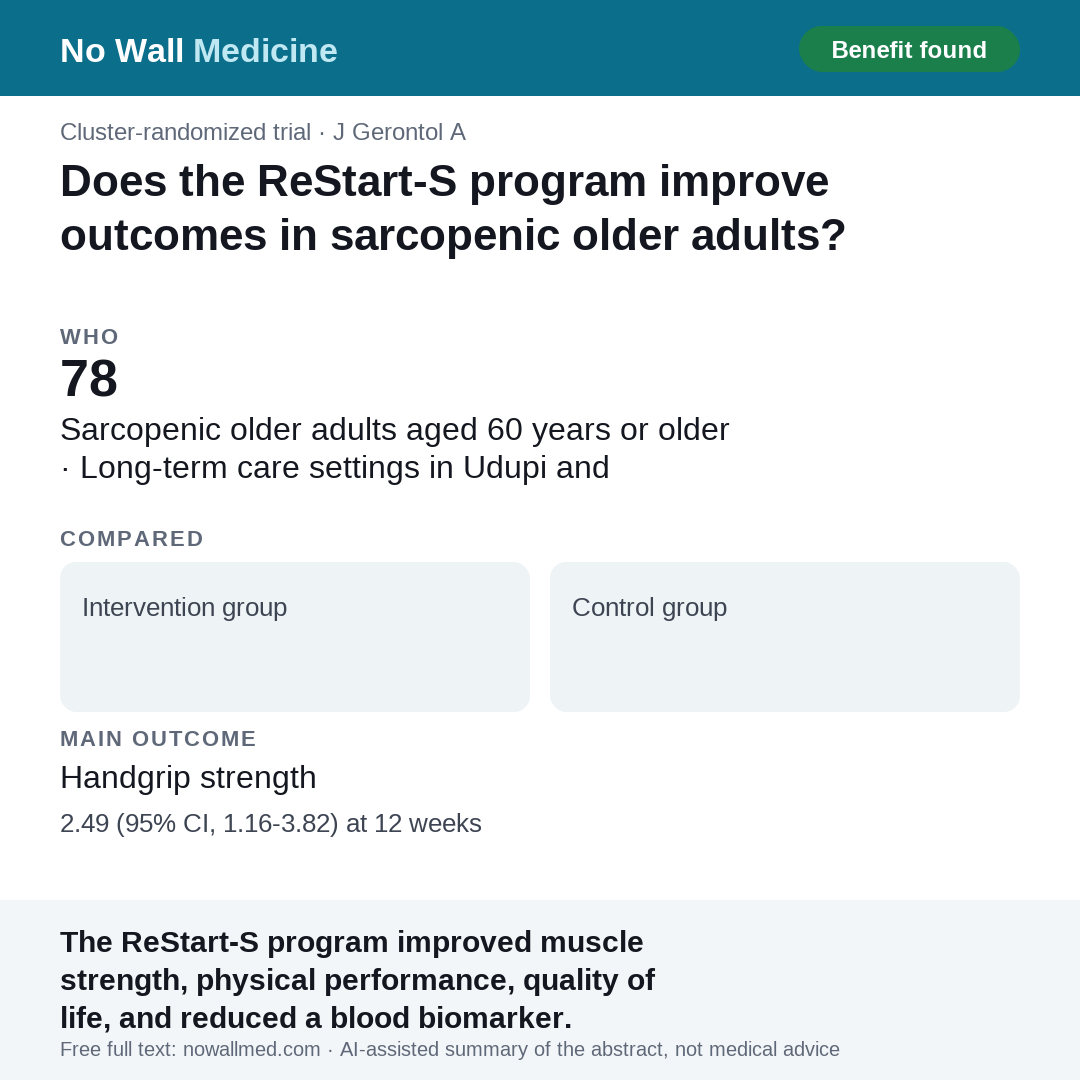
Cluster randomized trial of reablement strategies targeting sarcopenia (ReStart-S) in long-term care settings
Cluster-randomized trialBenefit found
Does the ReStart-S program improve outcomes in sarcopenic older adults?
Who
78
Sarcopenic older adults aged 60 years or older · Long-term care settings in Udupi and neighboring districts
Compared
Intervention group
Control group
Main outcome
Handgrip strength
Result: 2.49 (95% CI, 1.16-3.82) at 12 weeks
Bottom line: The ReStart-S program improved muscle strength, physical performance, quality of life, and reduced a blood biomarker.
J Gerontol A · 2026-05-31Download image