Visual abstracts
New randomized trials and meta-analyses from leading journals at a glance: who was studied, what was compared, and what was found. Every paper is free to read in full.
All specialtiesCardiology 3334Oncology 2855Gastroenterology & Hepatology 1313Infectious Disease 2268Neurology 1341Psychiatry & Mental Health 1582Pulmonology 1417Critical Care 946Endocrinology & Diabetes 1696Pediatrics 2024Surgery 1784Orthopedics & Sports Medicine 607Neurosurgery 395Cardiothoracic & Vascular Surgery 388Plastic & Reconstructive Surgery 468Nephrology 717Rheumatology 522Hematology 737Dermatology 414Ophthalmology 372Obstetrics & Gynecology 1129Public & Global Health 637Radiology & Imaging 470Anesthesiology 682Urology 566ENT (Otolaryngology) 367Emergency Medicine 361Allergy & Immunology 206Geriatrics 701Family Medicine & Primary Care 387Medical Genetics & Genomics 414Pathology & Laboratory Medicine 110Physical Medicine & Rehabilitation 526Palliative Care 304Nutrition 982Digital Health & AI 1588General Medicine 236
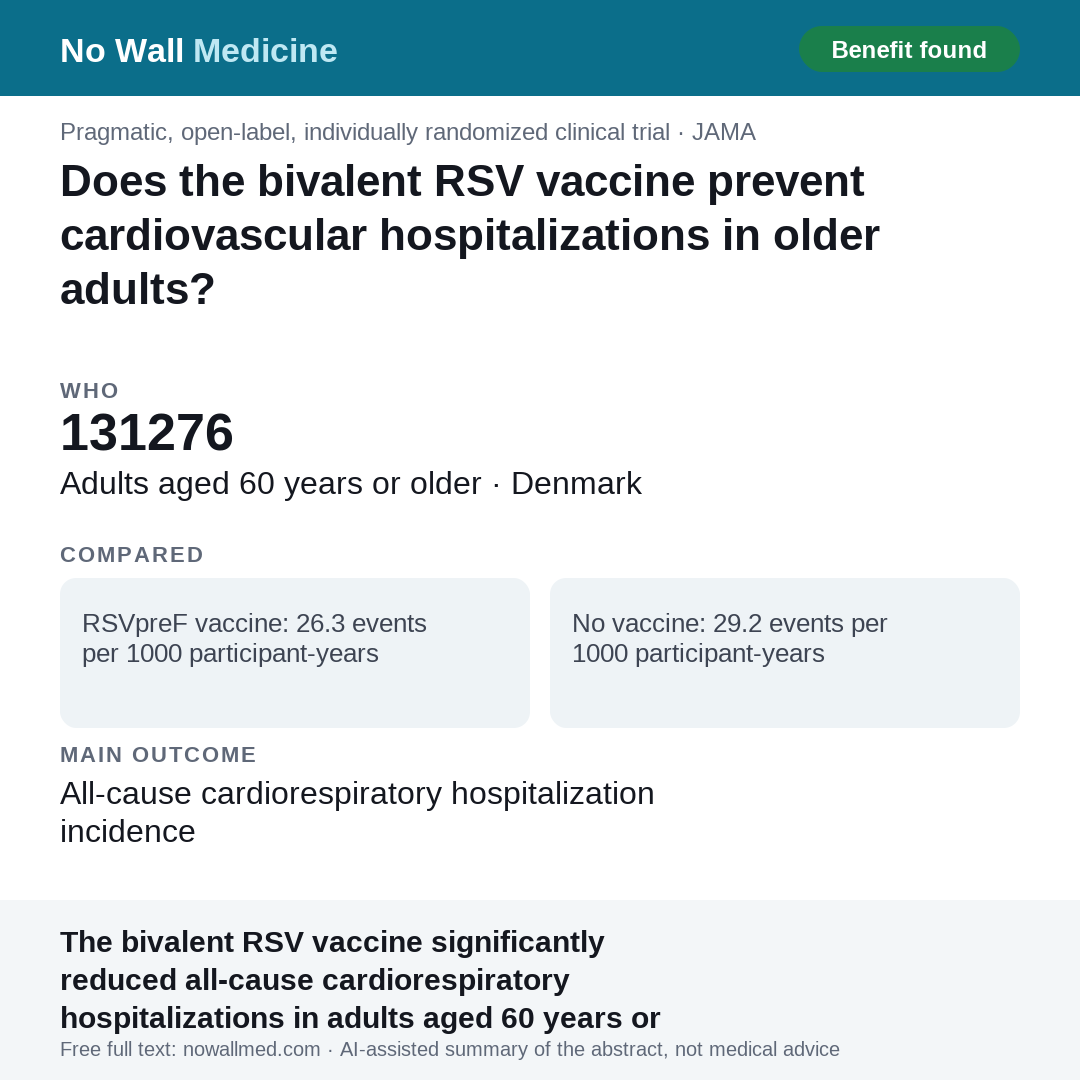
Bivalent RSV Prefusion F Protein-Based Vaccine for Preventing Cardiovascular Hospitalizations in Older Adults: A Prespecified Analysis of the DAN-RSV Trial
Pragmatic, open-label, individually randomized clinical trialBenefit found
Does the bivalent RSV vaccine prevent cardiovascular hospitalizations in older adults?
Who
131276
Adults aged 60 years or older · Denmark
Compared
RSVpreF vaccine: 26.3 events per 1000 participant-years
No vaccine: 29.2 events per 1000 participant-years
Main outcome
All-cause cardiorespiratory hospitalization incidence
Result: vaccine effectiveness, 9.9% (95% CI, 0.3%-18.7%)
Bottom line: The bivalent RSV vaccine significantly reduced all-cause cardiorespiratory hospitalizations in adults aged 60 years or older.
JAMA · 2025-09-01Download image
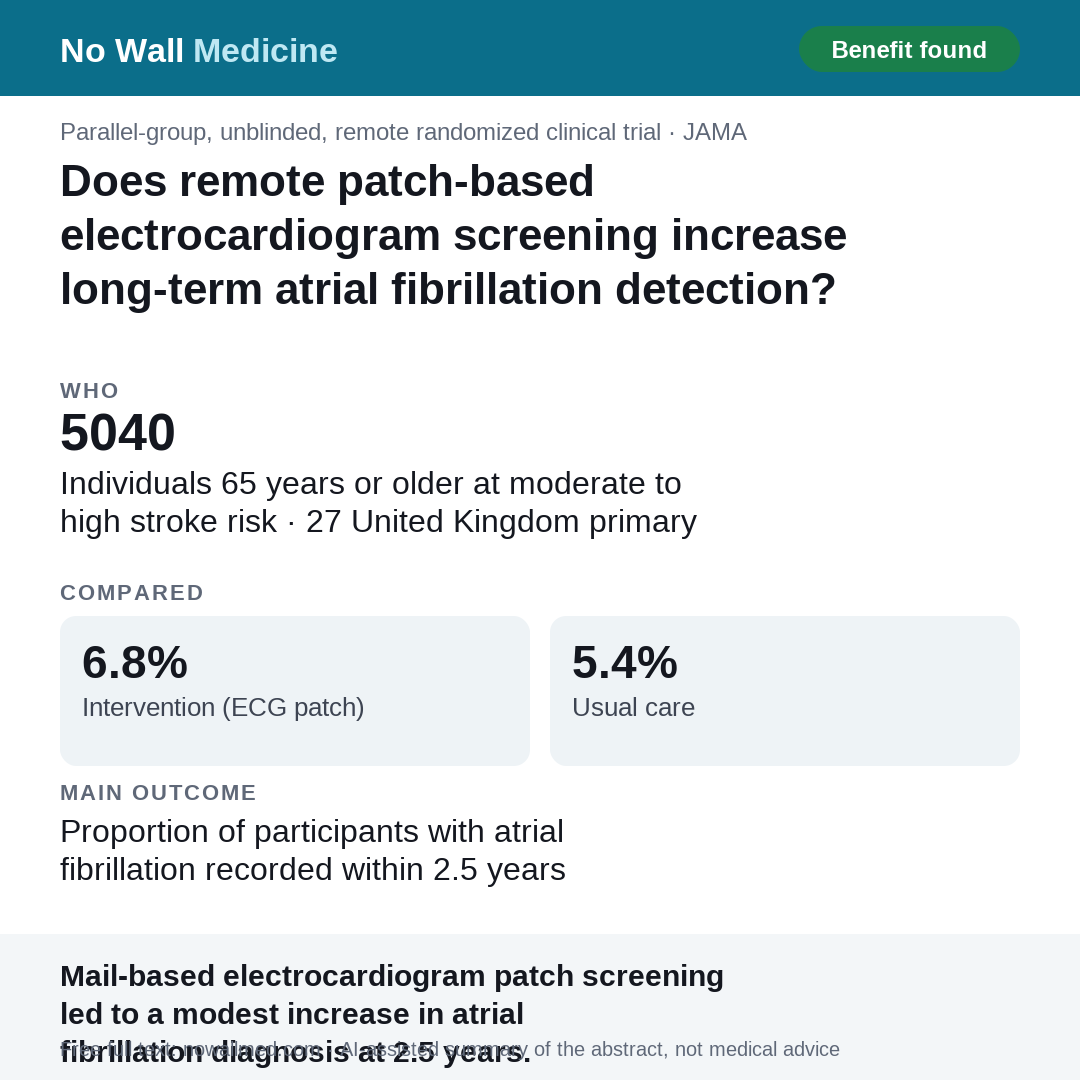
Remote Screening for Asymptomatic Atrial Fibrillation: The AMALFI Randomized Clinical Trial
Parallel-group, unblinded, remote randomized clinical trialBenefit found
Does remote patch-based electrocardiogram screening increase long-term atrial fibrillation detection?
Who
5040
Individuals 65 years or older at moderate to high stroke risk · 27 United Kingdom primary care practices
Compared
6.8%Intervention (ECG patch)
5.4%Usual care
Main outcome
Proportion of participants with atrial fibrillation recorded within 2.5 years
Result: ratio of proportions 1.26 (95% CI 1.02-1.57)
Bottom line: Mail-based electrocardiogram patch screening led to a modest increase in atrial fibrillation diagnosis at 2.5 years.
JAMA · 2025-09-01Download image
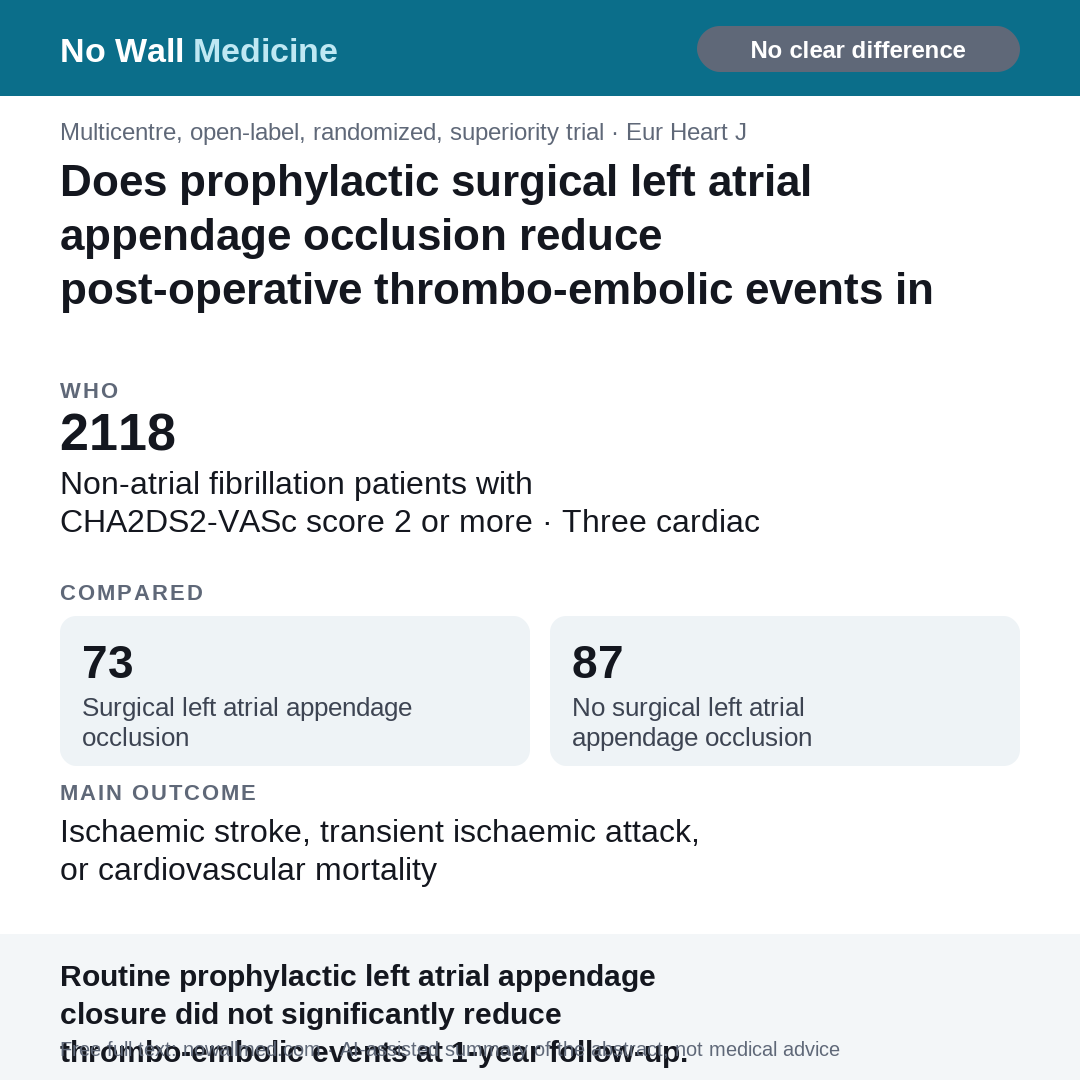
Surgical left atrial appendage occlusion in valvular heart disease without atrial fibrillation: the OPINION trial
Multicentre, open-label, randomized, superiority trialNo clear difference
Does prophylactic surgical left atrial appendage occlusion reduce post-operative thrombo-embolic events in valvular surgery patients?
Who
2118
Non-atrial fibrillation patients with CHA2DS2-VASc score 2 or more · Three cardiac surgery centres in China
Compared
73Surgical left atrial appendage occlusion (6.9%)
87No surgical left atrial appendage occlusion (8.2%)
Main outcome
Ischaemic stroke, transient ischaemic attack, or cardiovascular mortality
Result: hazard ratio 0.83 (95% confidence interval 0.61-1.14)
Bottom line: Routine prophylactic left atrial appendage closure did not significantly reduce thrombo-embolic events at 1-year follow-up.
Eur Heart J · 2025-09-01Download image
Win Ratio Aligns With and Enhances Interpretation of REPRIEVE's Primary Findings
Win ratio analysis of a randomized trialBenefit found
Does the win ratio align with and enhance interpretation of pitavastatin findings?
Who
People with human immunodeficiency virus and cardiovascular disease
Compared
pitavastatin
placebo
Main outcome
Death, stroke, and myocardial infarction
Bottom line: Win ratio analysis aligns with primary findings, showing pitavastatin provides protection against death, stroke, and myocardial infarction.
Clin Infect Dis · 2025-09-01Download image
Safety of Factor XI Inhibition With Abelacimab in Atrial Fibrillation by Kidney Function: A Prespecified Analysis of the AZALEA-TIMI 71 Randomized Clinical Trial
Randomized clinical trial secondary analysisBenefit found
Is abelacimab safer than rivaroxaban across different kidney function levels in atrial fibrillation?
Who
1284
Patients with atrial fibrillation and creatinine clearance at least 15 mL/min
Compared
Abelacimab: not specified
Rivaroxaban: not specified
Main outcome
Major or clinically relevant nonmajor bleeding
Result: hazard ratio 0.26 (95% CI, 0.12-0.54) for CrCl ≤50 mL/min; hazard ratio 0.40 (95% CI, 0.26-0.62) for CrCl >50 mL/min
Bottom line: Abelacimab consistently reduced major or clinically relevant nonmajor bleeding compared to rivaroxaban regardless of kidney function.
Limitation: Larger studies are necessary to characterize the efficacy of abelacimab for stroke prevention in atrial fibrillation.
JAMA Cardiol · 2025-09-01Download image
High-Dose vs Standard-Dose Influenza Vaccine and Cardiovascular Outcomes in Older Adults: A Prespecified Secondary Analysis of the DANFLU-2 Randomized Clinical Trial
Pragmatic, open-label, randomized clinical trialBenefit found
Is high-dose influenza vaccine more effective than standard-dose against cardiovascular outcomes in older adults?
Who
332438
Older adults aged 65 years or older in Denmark · Denmark
Compared
7.5%High-dose inactivated influenza vaccine (rVE for cardiovascular disease hospitalization)
Standard-dose inactivated influenza vaccine
Main outcome
Hospitalization for any cardiovascular disease
Result: relative vaccine effectiveness 7.5% (95% CI 1.5% to 12.5%)
Bottom line: High-dose influenza vaccine was associated with reduced cardiovascular and heart failure hospitalizations compared to standard-dose vaccine.
Limitation: Findings are exploratory because the primary end point of influenza-related hospitalization was neutral.
JAMA Cardiol · 2025-09-01Download image
Systolic Blood Pressure and Microaxial Flow Pump-Associated Survival in Infarct-Related Cardiogenic Shock: A Post Hoc Analysis of the DanGer Shock Randomized Clinical Trial
Randomized clinical trialBenefit found
Does blood pressure affect microaxial flow pump survival benefit
Who
351
Adult patients with cardiogenic shock · Denmark, Germany, United Kingdom
Compared
Low SBP: odds ratio 0.34
High SBP: odds ratio 0.96
Main outcome
All-cause mortality at 180 days
Result: odds ratio 0.34 (95% CI 0.18 to 0.63)
Bottom line: Microaxial flow pump helps patients with low blood pressure
Limitation: post hoc analysis
JAMA Cardiol · 2025-09-01Download image
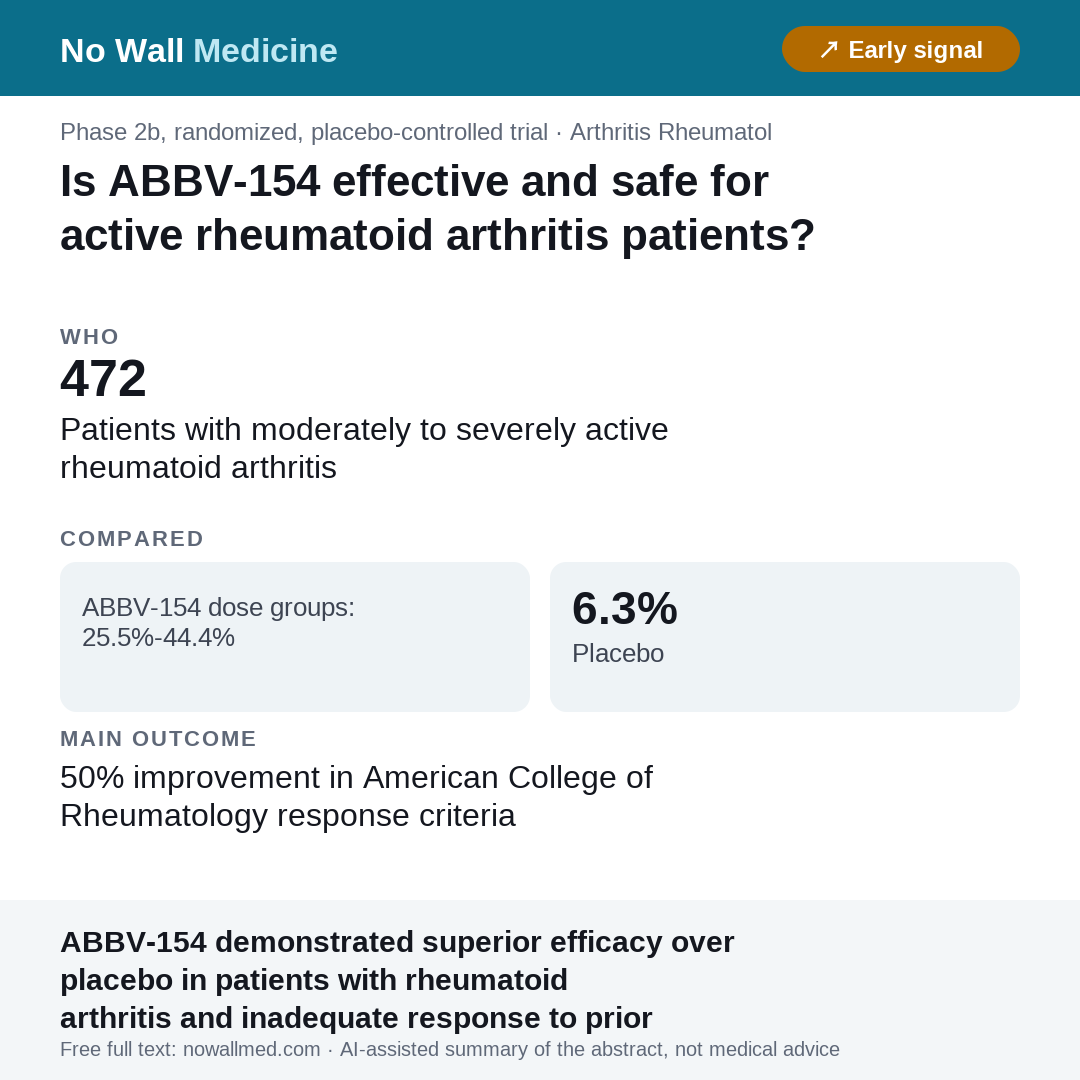
Efficacy and Safety of ABBV-154 for the Treatment of Active Rheumatoid Arthritis: A Phase 2b, Randomized, Placebo-Controlled Trial
Phase 2b, randomized, placebo-controlled trialBenefit found
Is ABBV-154 effective and safe for active rheumatoid arthritis patients?
Who
472
Patients with moderately to severely active rheumatoid arthritis
Compared
ABBV-154 dose groups: 25.5%-44.4%
6.3%Placebo
Main outcome
50% improvement in American College of Rheumatology response criteria
Bottom line: ABBV-154 demonstrated superior efficacy over placebo in patients with rheumatoid arthritis and inadequate response to prior treatments.
Arthritis Rheumatol · 2025-09-01Download image
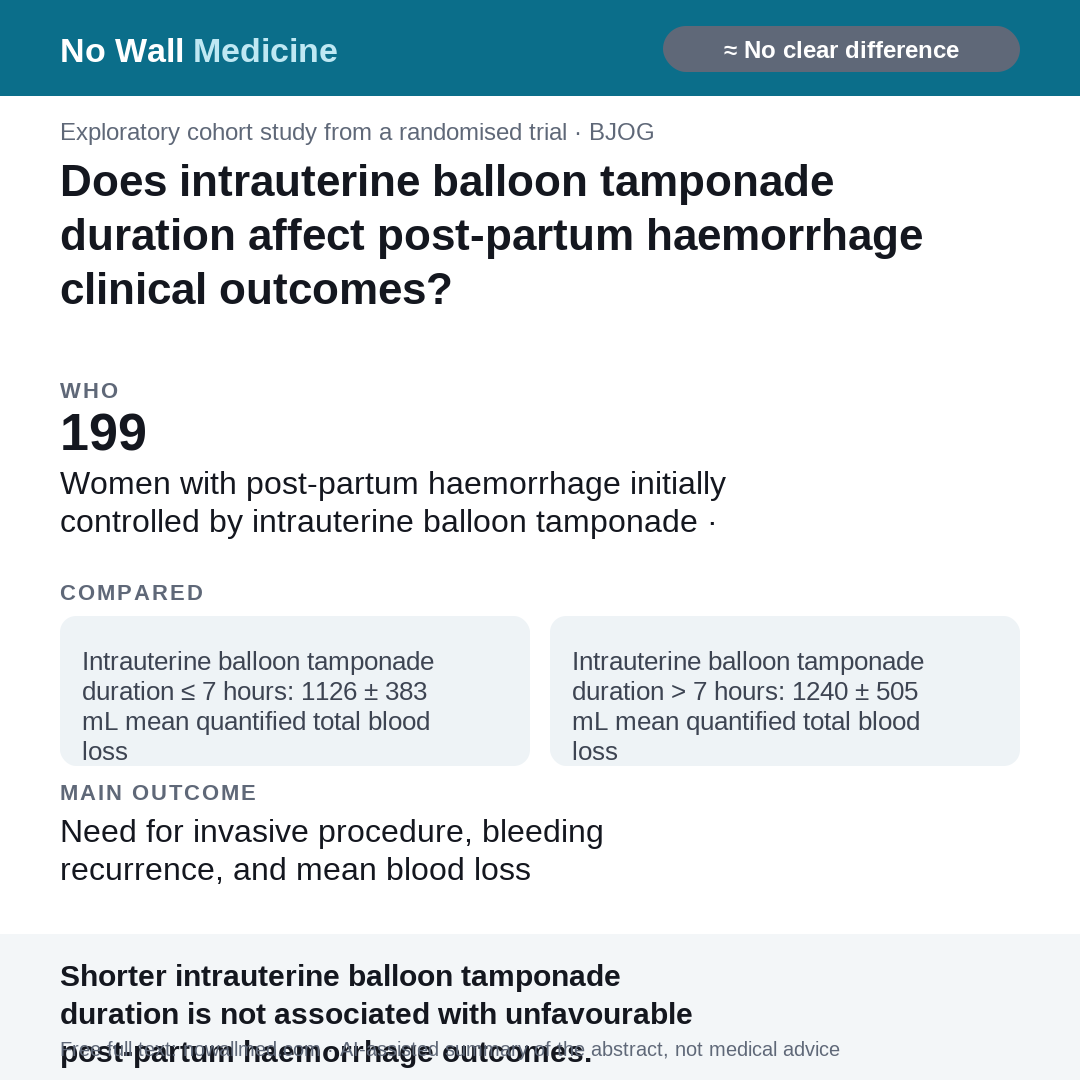
Duration of Intrauterine Balloon Tamponade in Post-Partum Haemorrhage Management After Vaginal Delivery: A Secondary Cohort Analysis From the French TUB Trial
Exploratory cohort study from a randomised trialNo clear difference
Does intrauterine balloon tamponade duration affect post-partum haemorrhage clinical outcomes?
Who
199
Women with post-partum haemorrhage initially controlled by intrauterine balloon tamponade · Eighteen hospitals in France
Compared
Intrauterine balloon tamponade duration ≤ 7 hours: 1126 ± 383 mL mean quantified total blood loss
Intrauterine balloon tamponade duration > 7 hours: 1240 ± 505 mL mean quantified total blood loss
Main outcome
Need for invasive procedure, bleeding recurrence, and mean blood loss
Bottom line: Shorter intrauterine balloon tamponade duration is not associated with unfavourable post-partum haemorrhage outcomes.
Limitation: Imbalance in clinical indication between groups.
BJOG · 2025-09-01Download image
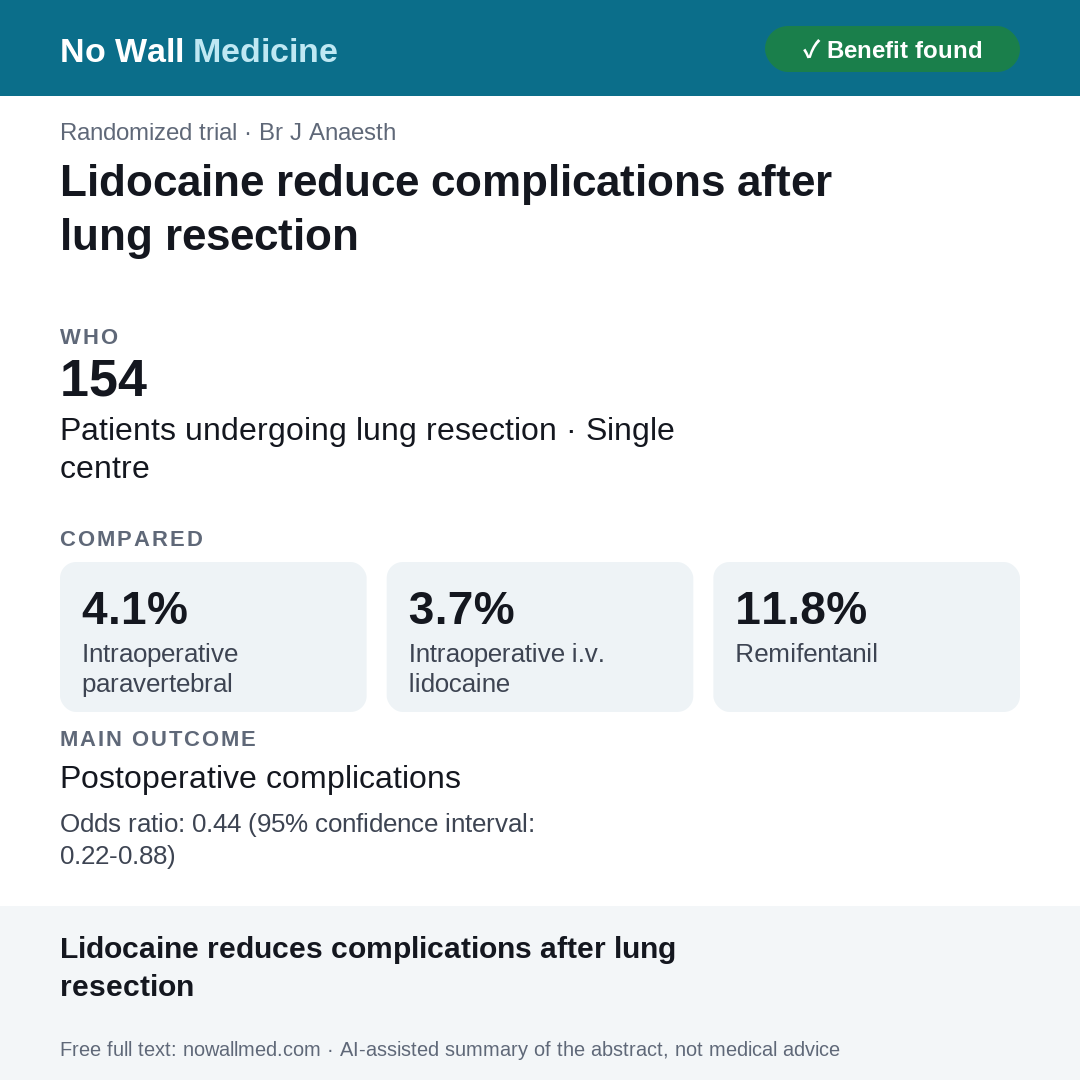
Effect of intraoperative paravertebral or intravenous lidocaine infusion on postoperative complications and inflammation after lung resection surgery: a randomised controlled trial
Randomized trialBenefit found
Lidocaine reduce complications after lung resection
Who
154
Patients undergoing lung resection · Single centre
Compared
4.1%Intraoperative paravertebral lidocaine
3.7%Intraoperative i.v. lidocaine
11.8%Remifentanil
Main outcome
Postoperative complications
Result: Odds ratio: 0.44 (95% confidence interval: 0.22-0.88)
Bottom line: Lidocaine reduces complications after lung resection
Br J Anaesth · 2025-09-01Download image
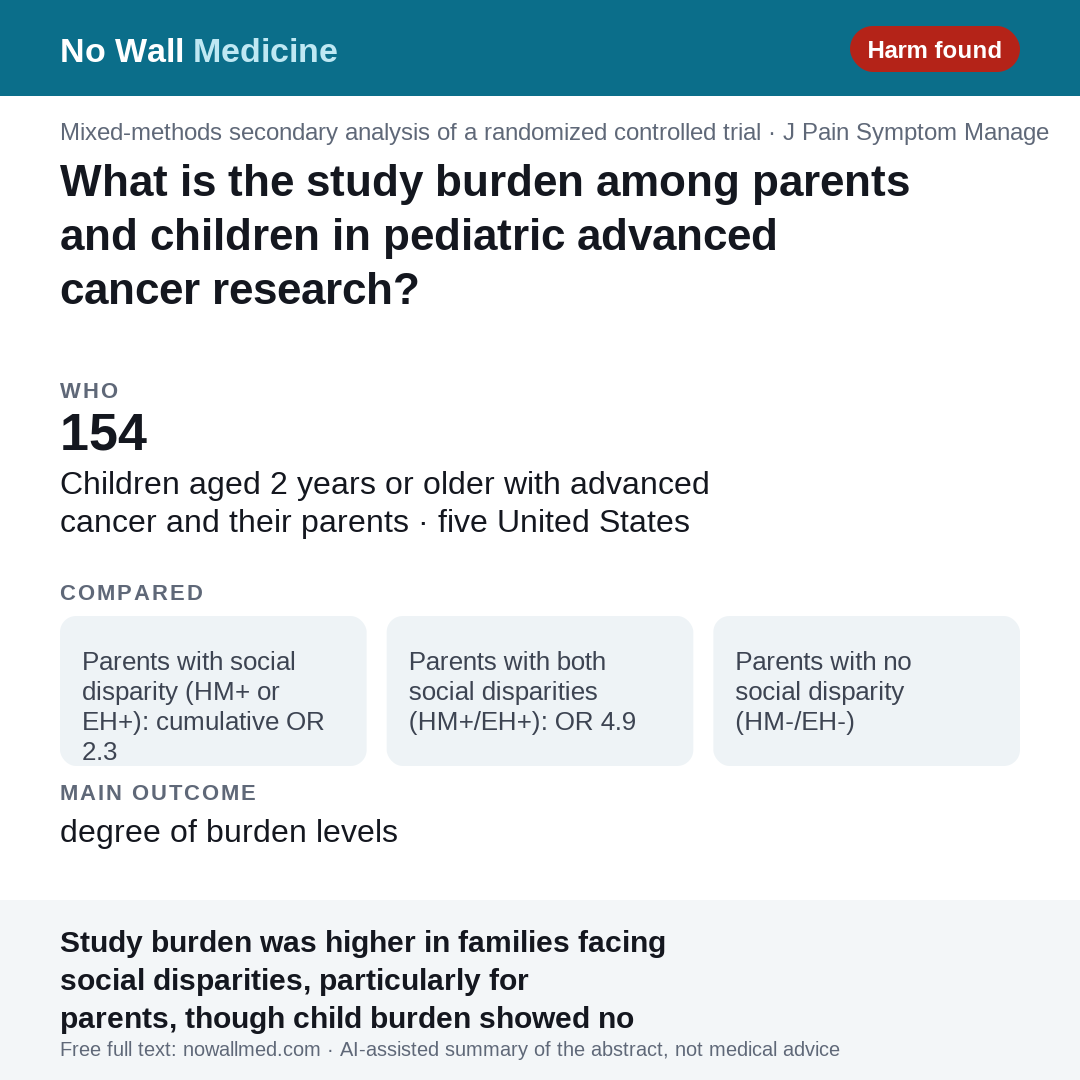
Research Burden in Pediatric Cancer: A Mixed Methods Study From the PediQUEST Response Trial
Mixed-methods secondary analysis of a randomized controlled trialHarm found
What is the study burden among parents and children in pediatric advanced cancer research?
Who
154
Children aged 2 years or older with advanced cancer and their parents · five United States pediatric cancer centers
Compared
Parents with social disparity (HM+ or EH+): cumulative OR 2.3
Parents with both social disparities (HM+/EH+): OR 4.9
Parents with no social disparity (HM-/EH-)
Main outcome
degree of burden levels
Result: cumulative OR 2.3 (95% CI 1.1, 5.1); OR 4.9 (95% CI 1.9, 12.2)
Bottom line: Study burden was higher in families facing social disparities, particularly for parents, though child burden showed no associations.
J Pain Symptom Manage · 2025-09-01Download image
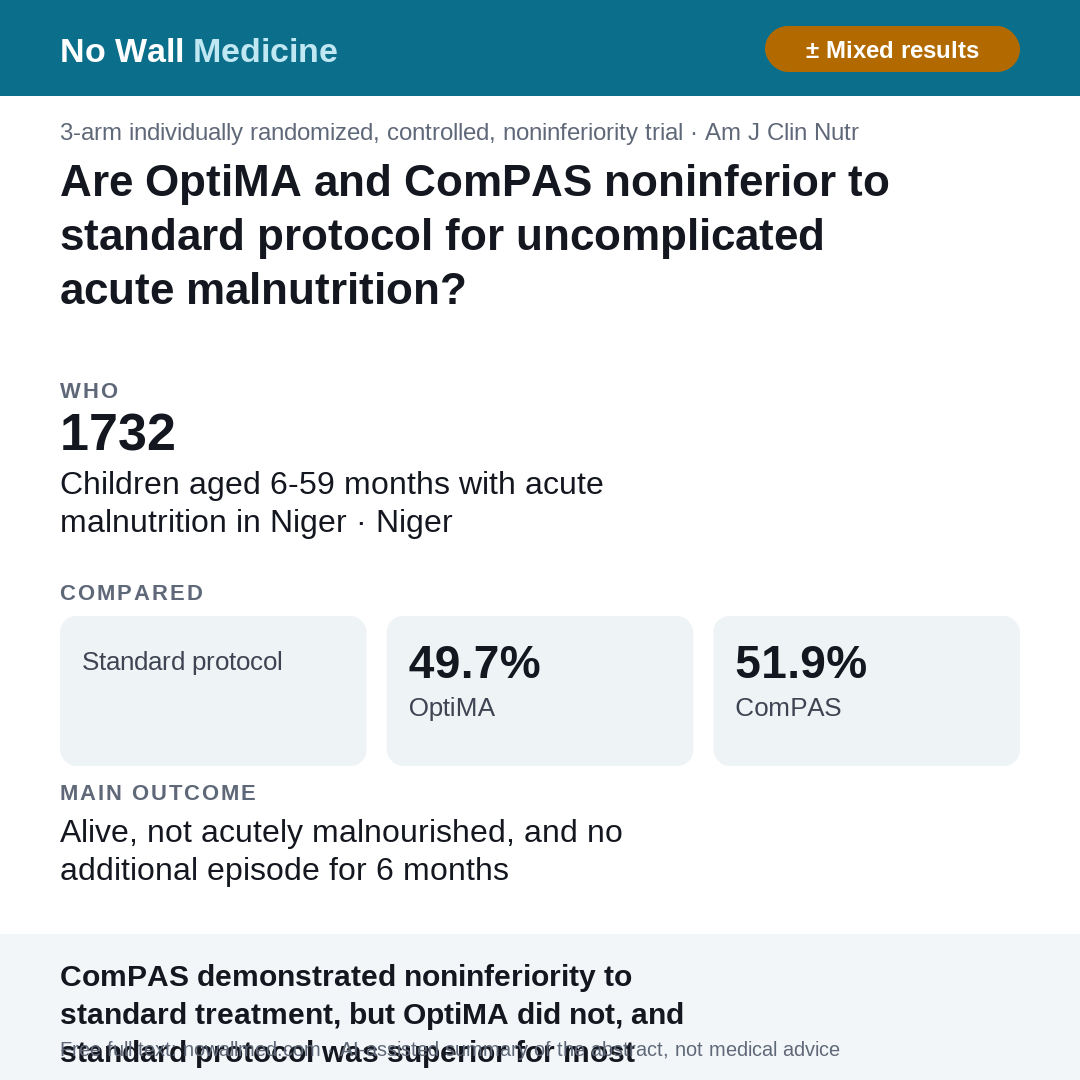
Optimizing management of uncomplicated acute malnutrition in children in rural Niger: a 3-arm individually randomized, controlled, noninferiority trial
3-arm individually randomized, controlled, noninferiority trialMixed results
Are OptiMA and ComPAS noninferior to standard protocol for uncomplicated acute malnutrition?
Who
1732
Children aged 6-59 months with acute malnutrition in Niger · Niger
Compared
Standard protocol
49.7%OptiMA
51.9%ComPAS
Main outcome
Alive, not acutely malnourished, and no additional episode for 6 months
Result: difference 1.0% (97.5% CI -5.5% to 7.6%) for ComPAS
Bottom line: ComPAS demonstrated noninferiority to standard treatment, but OptiMA did not, and standard protocol was superior for most malnourished children.
Limitation: 20% more missed visits in OptiMA and ComPAS
Am J Clin Nutr · 2025-09-01Download image
Palbociclib and trastuzumab for HER2-positive metastatic breast cancer: final overall survival results of cohort A and B of SOLTI-1303-PATRICIA trial
Phase II randomized trialMixed results
What are the overall survival results for palbociclib and trastuzumab in HER2-positive metastatic breast cancer?
Who
71
Hormone receptor-positive/human epidermal growth factor receptor 2-positive metastatic breast cancer patients
Compared
Cohort A (estrogen receptor-negative): 13.3% 4-year overall survival rate
Cohort B1 (estrogen receptor-positive, no additional therapy): 35.7% 4-year overall survival rate
Cohort B2 (estrogen receptor-positive, letrozole): 32.3% 4-year overall survival rate
Main outcome
overall survival
Result: median overall survival 29.8 months [95% confidence interval 20.9-38.0 months]
Bottom line: Overall survival varied by hormone receptor status and gene expression profiling in HER2-positive metastatic breast cancer.
ESMO Open · 2025-09-01Download image

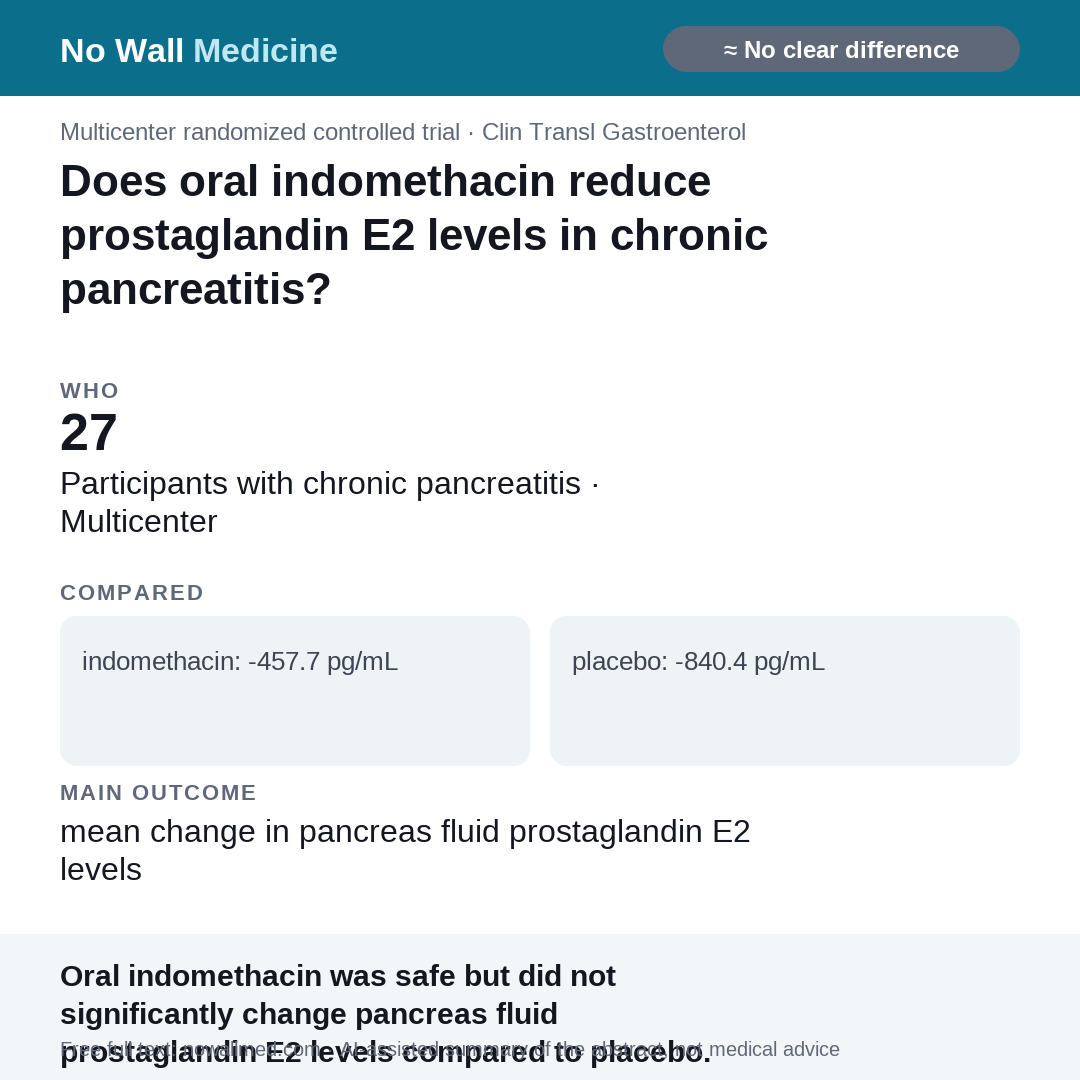
Oral Indomethacin for Chronic Pancreatitis: Results From the PAIR Randomized Placebo-Controlled Trial
Multicenter randomized controlled trialNo clear difference
Does oral indomethacin reduce prostaglandin E2 levels in chronic pancreatitis?
Who
27
Participants with chronic pancreatitis · Multicenter
Compared
indomethacin: -457.7 pg/mL
placebo: -840.4 pg/mL
Main outcome
mean change in pancreas fluid prostaglandin E2 levels
Bottom line: Oral indomethacin was safe but did not significantly change pancreas fluid prostaglandin E2 levels compared to placebo.
Clin Transl Gastroenterol · 2025-09-01Download image
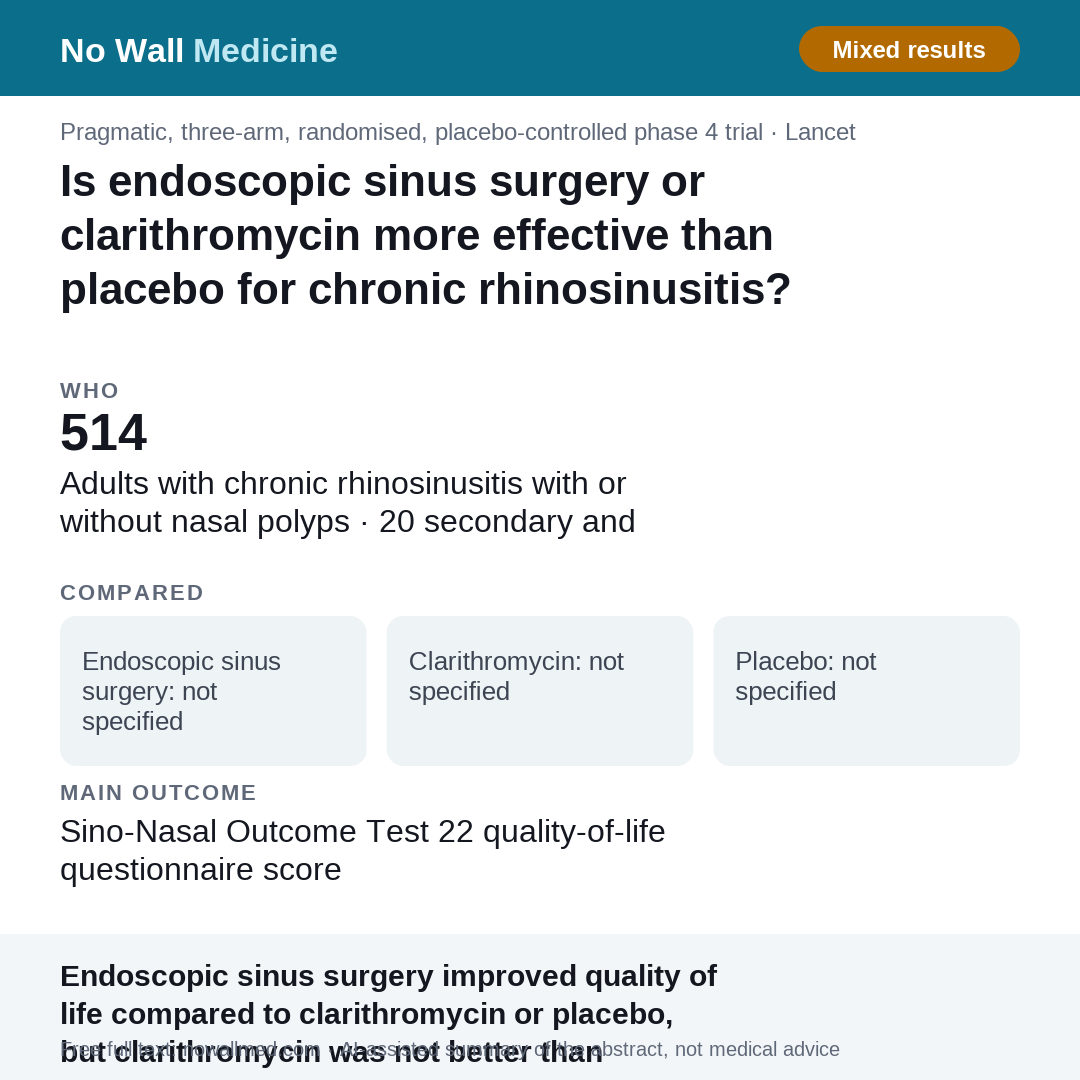
The clinical effectiveness of clarithromycin versus endoscopic sinus surgery for adults with chronic rhinosinusitis with and without nasal polyps (MACRO): a pragmatic, multicentre, three-arm, randomised, placebo-controlled phase 4 trial
Pragmatic, three-arm, randomised, placebo-controlled phase 4 trialMixed results
Is endoscopic sinus surgery or clarithromycin more effective than placebo for chronic rhinosinusitis?
Who
514
Adults with chronic rhinosinusitis with or without nasal polyps · 20 secondary and tertiary care sites in the UK
Compared
Endoscopic sinus surgery: not specified
Clarithromycin: not specified
Placebo: not specified
Main outcome
Sino-Nasal Outcome Test 22 quality-of-life questionnaire score
Result: adjusted mean difference -18·13 (98·33% CI -24·26 to -11·99) vs clarithromycin
Bottom line: Endoscopic sinus surgery improved quality of life compared to clarithromycin or placebo, but clarithromycin was not better than placebo.
Funded by: National Institute for Health and Care Research
Lancet · 2025-08-31Download image
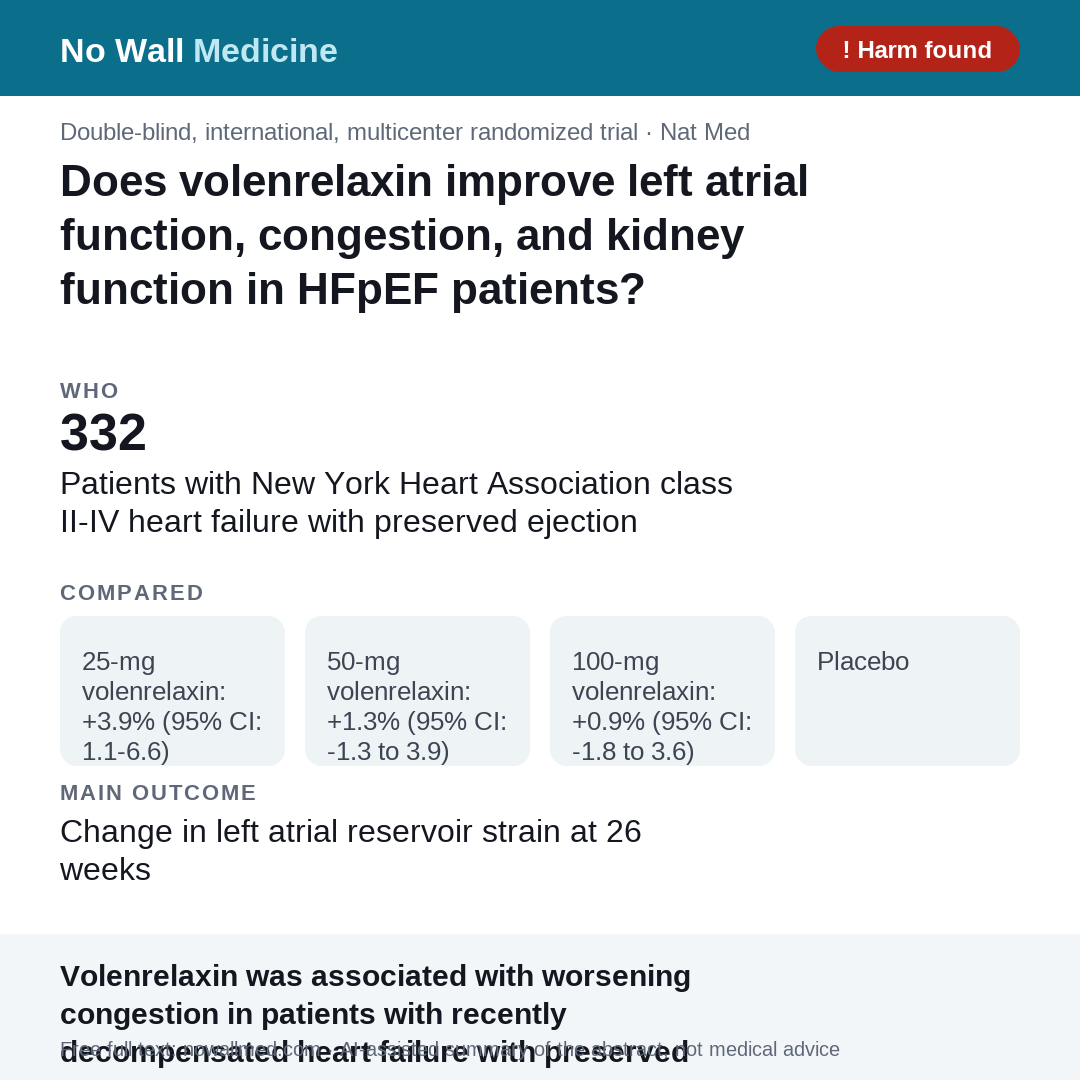
Effects of volenrelaxin in worsening heart failure with preserved ejection fraction: a phase 2 randomized trial
Double-blind, international, multicenter randomized trialHarm found
Does volenrelaxin improve left atrial function, congestion, and kidney function in HFpEF patients?
Who
332
Patients with New York Heart Association class II-IV heart failure with preserved ejection fraction · International, multicenter
Compared
25-mg volenrelaxin: +3.9% (95% CI: 1.1-6.6)
50-mg volenrelaxin: +1.3% (95% CI: -1.3 to 3.9)
100-mg volenrelaxin: +0.9% (95% CI: -1.8 to 3.6)
Placebo
Main outcome
Change in left atrial reservoir strain at 26 weeks
Result: hazard ratio 2.64 (95% CI 0.93-7.56)
Bottom line: Volenrelaxin was associated with worsening congestion in patients with recently decompensated heart failure with preserved ejection fraction.
Nat Med · 2025-08-31Download image
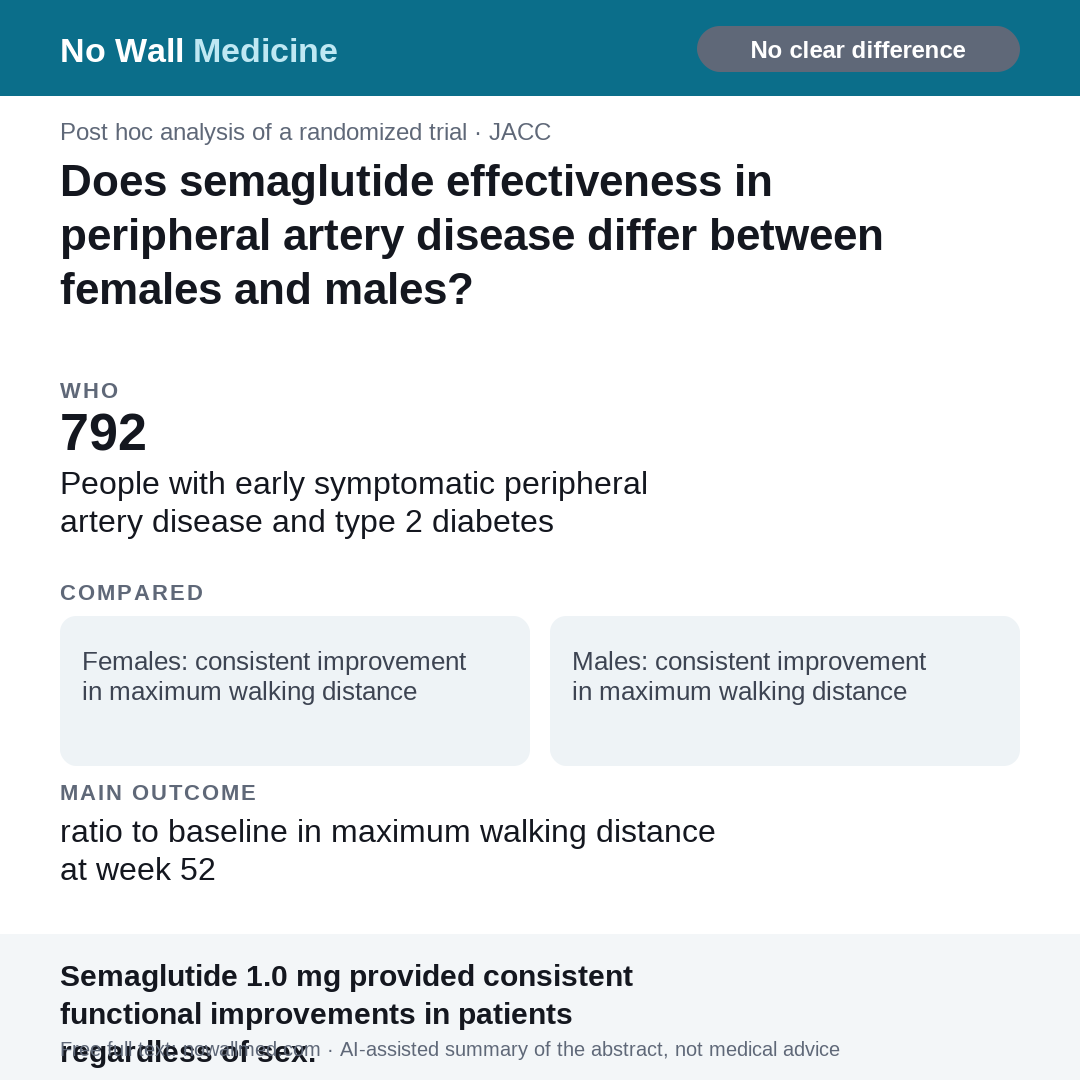
Sex Differences in Effectiveness of Semaglutide in Patients With Peripheral Artery Disease: The STRIDE Trial
Post hoc analysis of a randomized trialNo clear difference
Does semaglutide effectiveness in peripheral artery disease differ between females and males?
Who
792
People with early symptomatic peripheral artery disease and type 2 diabetes
Compared
Females: consistent improvement in maximum walking distance
Males: consistent improvement in maximum walking distance
Main outcome
ratio to baseline in maximum walking distance at week 52
Result: P-interaction value = 0.65
Bottom line: Semaglutide 1.0 mg provided consistent functional improvements in patients regardless of sex.
JACC · 2025-08-31Download image
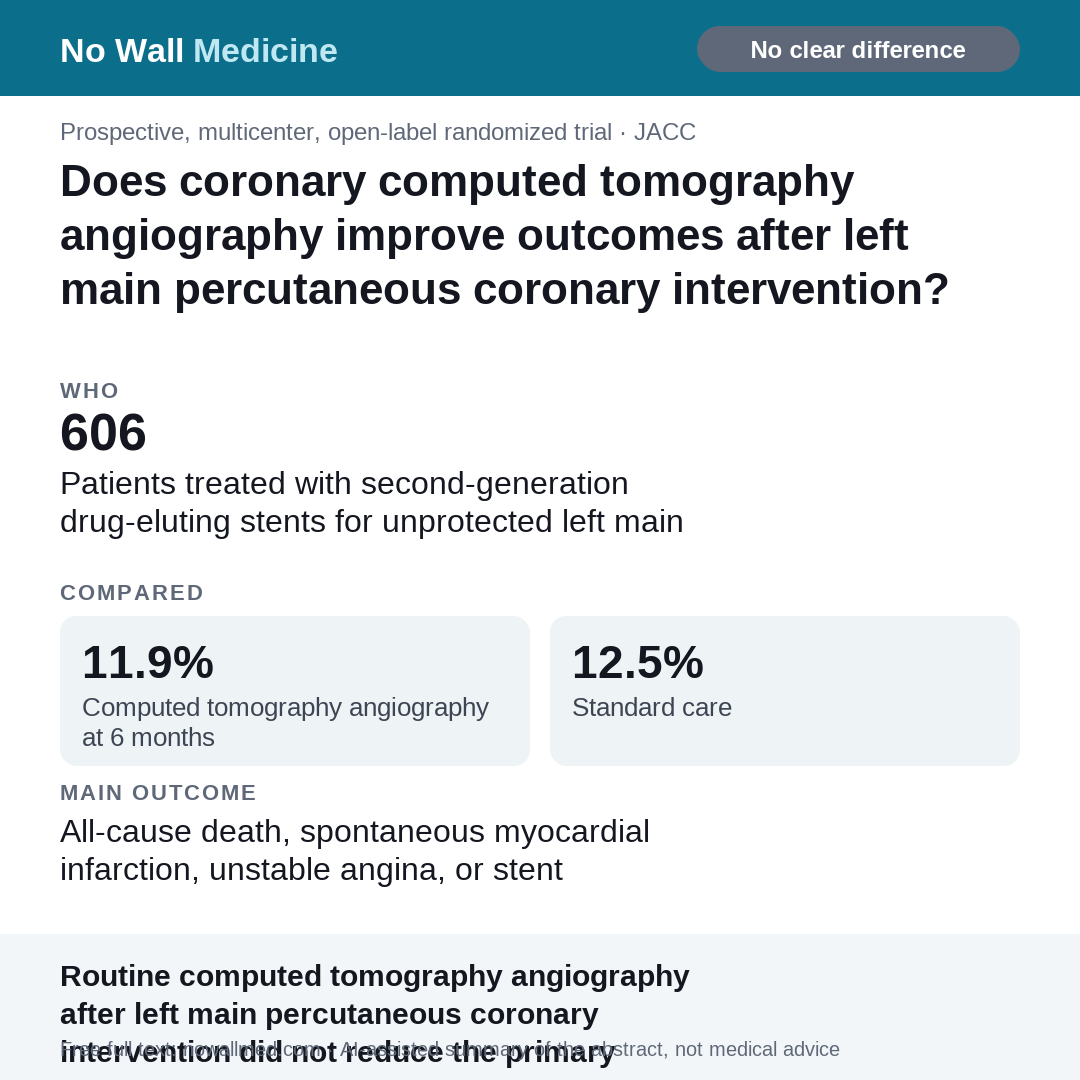
Computed Tomography Angiography or Standard Care After Left Main PCI?
Prospective, multicenter, open-label randomized trialNo clear difference
Does coronary computed tomography angiography improve outcomes after left main percutaneous coronary intervention?
Who
606
Patients treated with second-generation drug-eluting stents for unprotected left main disease · Multicenter
Compared
11.9%Computed tomography angiography at 6 months
12.5%Standard care
Main outcome
All-cause death, spontaneous myocardial infarction, unstable angina, or stent thrombosis
Result: hazard ratio 0.97 (95% CI 0.76-1.23)
Bottom line: Routine computed tomography angiography after left main percutaneous coronary intervention did not reduce the primary composite clinical endpoint.
JACC · 2025-08-31Download image
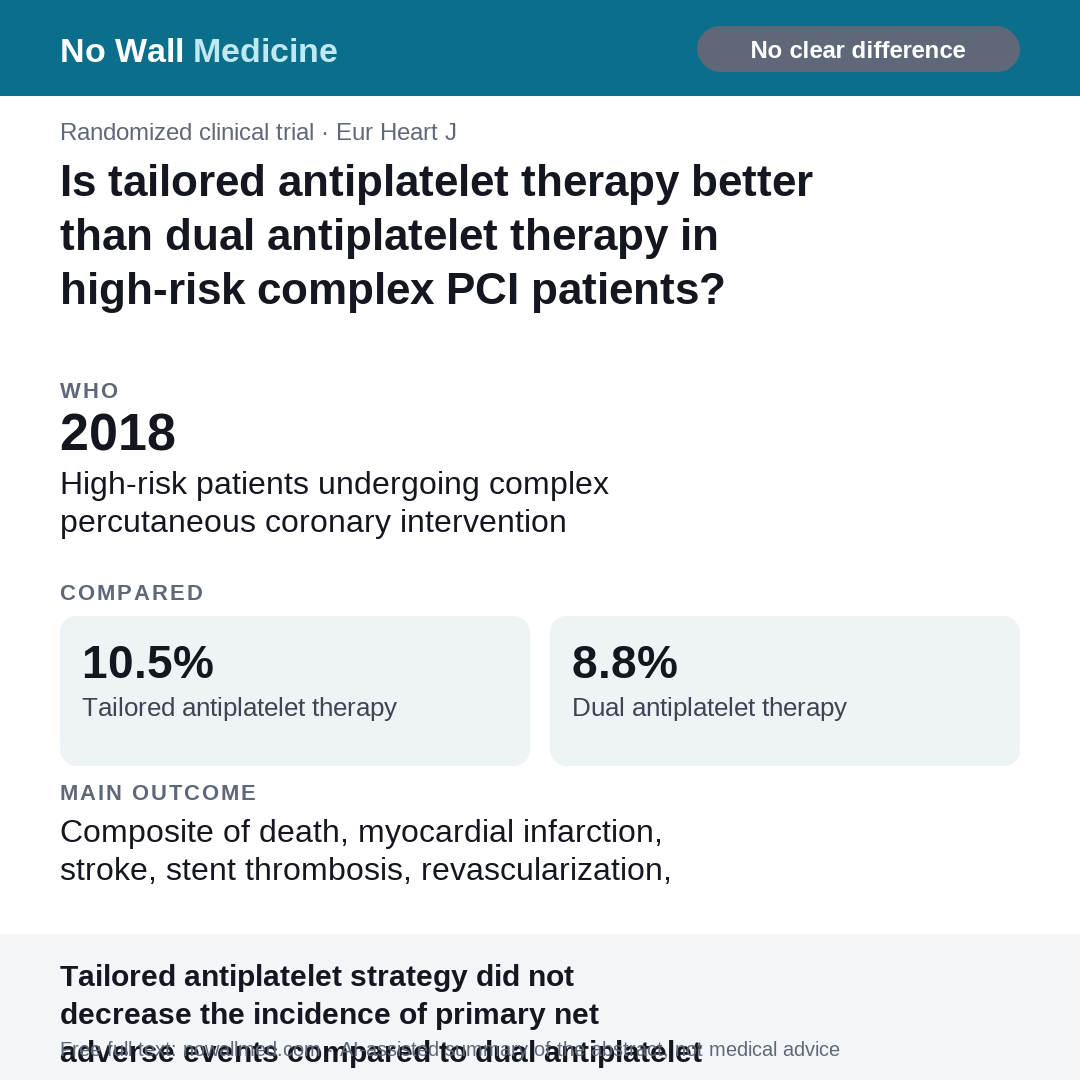
Temporal modulation of antiplatelet therapy in high-risk patients undergoing complex percutaneous coronary intervention: the TAILORED-CHIP randomized clinical trial
Randomized clinical trialNo clear difference
Is tailored antiplatelet therapy better than dual antiplatelet therapy in high-risk complex PCI patients?
Who
2018
High-risk patients undergoing complex percutaneous coronary intervention
Compared
10.5%Tailored antiplatelet therapy
8.8%Dual antiplatelet therapy
Main outcome
Composite of death, myocardial infarction, stroke, stent thrombosis, revascularization, and bleeding
Result: hazard ratio 1.19 (95% CI 0.90-1.58)
Bottom line: Tailored antiplatelet strategy did not decrease the incidence of primary net adverse events compared to dual antiplatelet therapy.
Eur Heart J · 2025-08-31Download image
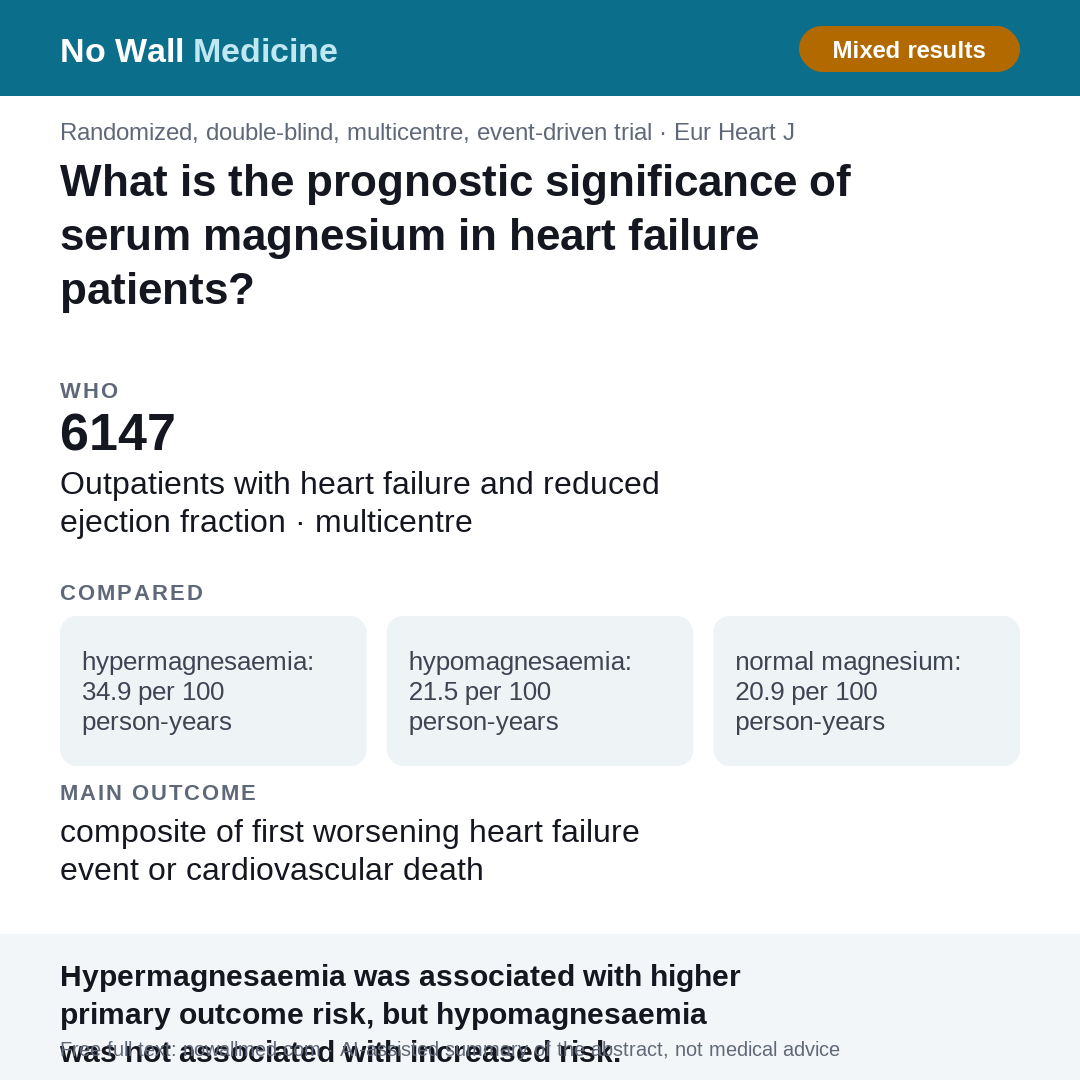
Serum magnesium and outcomes in heart failure with reduced ejection fraction: the GALACTIC-HF trial
Randomized, double-blind, multicentre, event-driven trialMixed results
What is the prognostic significance of serum magnesium in heart failure patients?
Who
6147
Outpatients with heart failure and reduced ejection fraction · multicentre
Compared
hypermagnesaemia: 34.9 per 100 person-years
hypomagnesaemia: 21.5 per 100 person-years
normal magnesium: 20.9 per 100 person-years
Main outcome
composite of first worsening heart failure event or cardiovascular death
Bottom line: Hypermagnesaemia was associated with higher primary outcome risk, but hypomagnesaemia was not associated with increased risk.
Eur Heart J · 2025-08-31Download image