Visual abstracts
New randomized trials and meta-analyses from leading journals at a glance: who was studied, what was compared, and what was found. Every paper is free to read in full.
All specialtiesCardiology 4877Oncology 4138Gastroenterology & Hepatology 1942Infectious Disease 3837Neurology 1905Psychiatry & Mental Health 2273Pulmonology 2143Critical Care 1365Endocrinology & Diabetes 2580Pediatrics 2980Surgery 2559Orthopedics & Sports Medicine 931Neurosurgery 537Cardiothoracic & Vascular Surgery 674Plastic & Reconstructive Surgery 591Nephrology 1133Rheumatology 823Hematology 1109Dermatology 621Ophthalmology 543Obstetrics & Gynecology 1686Public & Global Health 1058Radiology & Imaging 648Anesthesiology 986Urology 764ENT (Otolaryngology) 503Emergency Medicine 511Allergy & Immunology 313Geriatrics 981Family Medicine & Primary Care 562Medical Genetics & Genomics 676Pathology & Laboratory Medicine 159Physical Medicine & Rehabilitation 757Palliative Care 444Nutrition 1588Digital Health & AI 2201General Medicine 321
Maternal and Child Health Following 2 Home Visiting Interventions vs Control: Five-Year Follow-Up of a Randomized Clinical Trial
Randomized clinical trialBenefit found
How do two home visiting staffing models affect maternal and child health outcomes?
Who
525
Low-income pregnant women with at least one psychosocial risk factor · 15 municipalities in Germany
Compared
Tandem model: fewer internalizing child behavioral problems (ATE, 2.98; 95% CI, -5.49 to -0.47)
Midwife-only model: beneficial effects on abusive parenting, parenting stress, and maternal mental health
Control groups
Main outcome
developmental disorders, child behavioral problems, parenting, maternal mental health, and life satisfaction
Bottom line: Both staffing models produced positive effects, with more effects observed in the midwife-only model.
JAMA Pediatr · 2025-02-03Download image

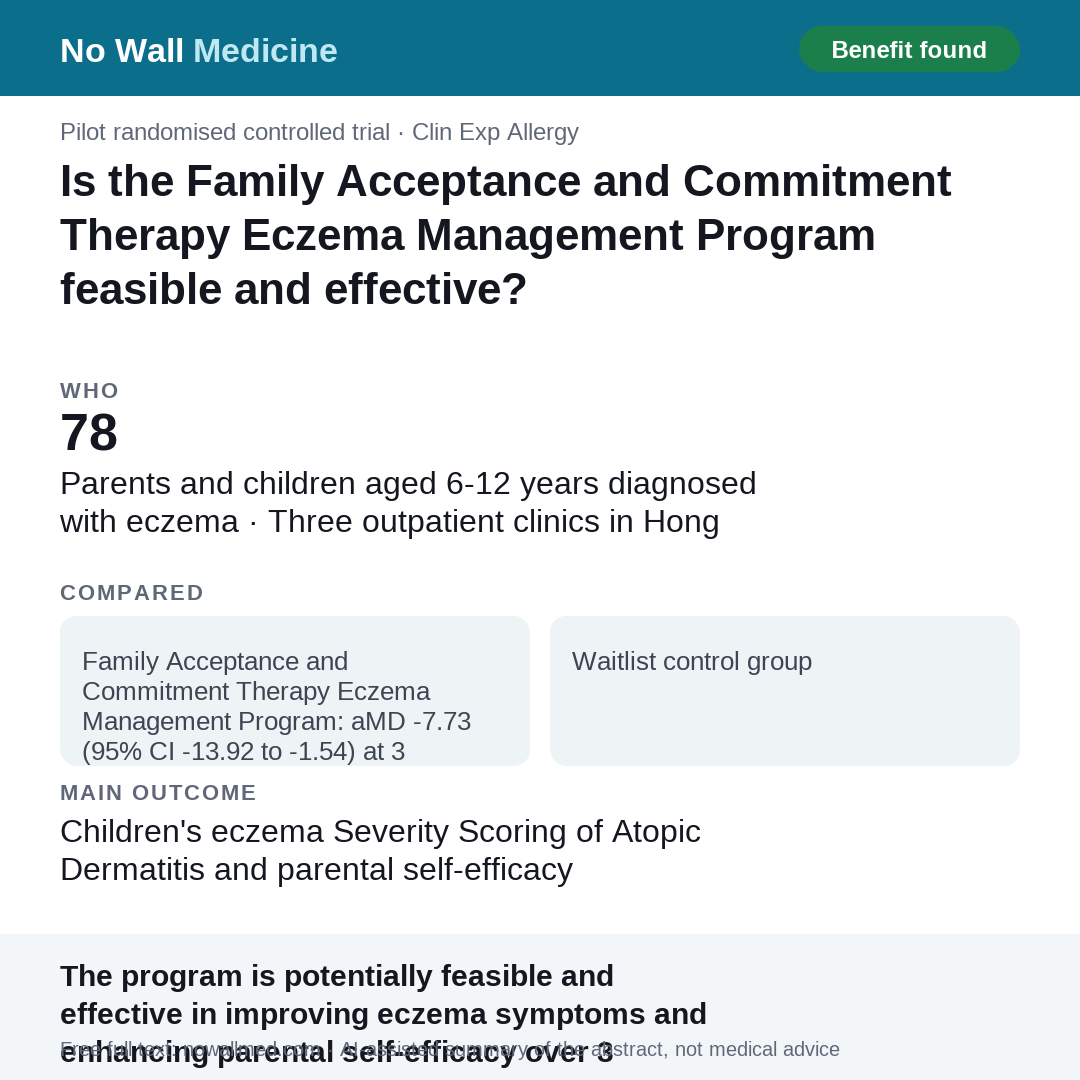
Acceptance and Commitment Therapy Eczema Management Program for Children With Eczema: A Pilot Randomised Controlled Trial
Pilot randomised controlled trialBenefit found
Is the Family Acceptance and Commitment Therapy Eczema Management Program feasible and effective?
Who
78
Parents and children aged 6-12 years diagnosed with eczema · Three outpatient clinics in Hong Kong
Compared
Family Acceptance and Commitment Therapy Eczema Management Program: aMD -7.73 (95% CI -13.92 to -1.54) at 3 months
Waitlist control group
Main outcome
Children's eczema Severity Scoring of Atopic Dermatitis and parental self-efficacy
Result: aMD -7.73 (95% CI -13.92 to -1.54)
Bottom line: The program is potentially feasible and effective in improving eczema symptoms and enhancing parental self-efficacy over 3 months.
Clin Exp Allergy · 2025-02-03Download image
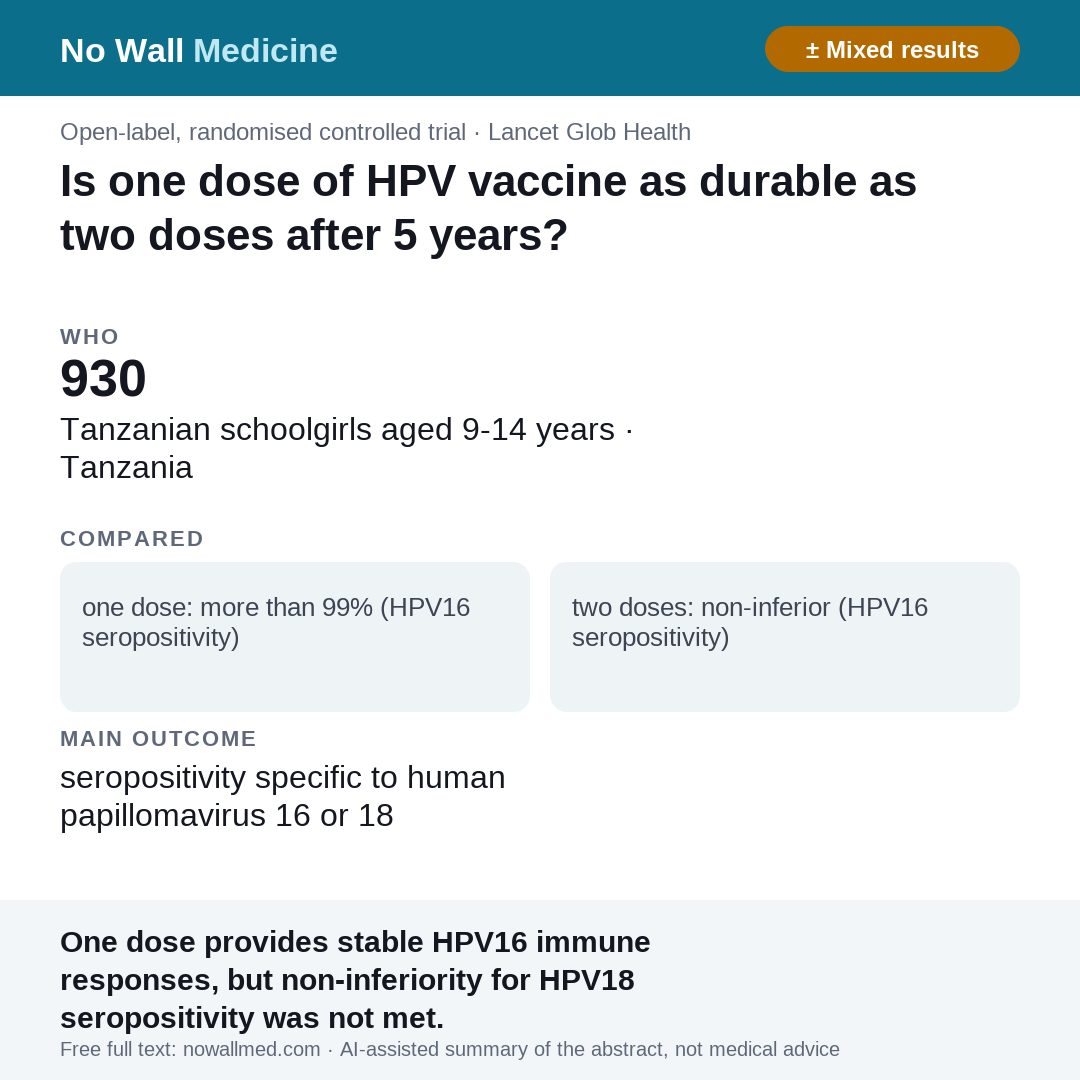
Durability of immunogenicity at 5 years after a single dose of human papillomavirus vaccine compared with two doses in Tanzanian girls aged 9-14 years: results of the long-term extension of the DoRIS randomised trial
Open-label, randomised controlled trialMixed results
Is one dose of HPV vaccine as durable as two doses after 5 years?
Who
930
Tanzanian schoolgirls aged 9-14 years · Tanzania
Compared
one dose: more than 99% (HPV16 seropositivity)
two doses: non-inferior (HPV16 seropositivity)
Main outcome
seropositivity specific to human papillomavirus 16 or 18
Bottom line: One dose provides stable HPV16 immune responses, but non-inferiority for HPV18 seropositivity was not met.
Limitation: ongoing surveillance for potential waning immunity after a single dose is needed
Funded by: UK government, Wellcome Trust, and Bill & Melinda Gates Foundation
Lancet Glob Health · 2025-02-01Download image
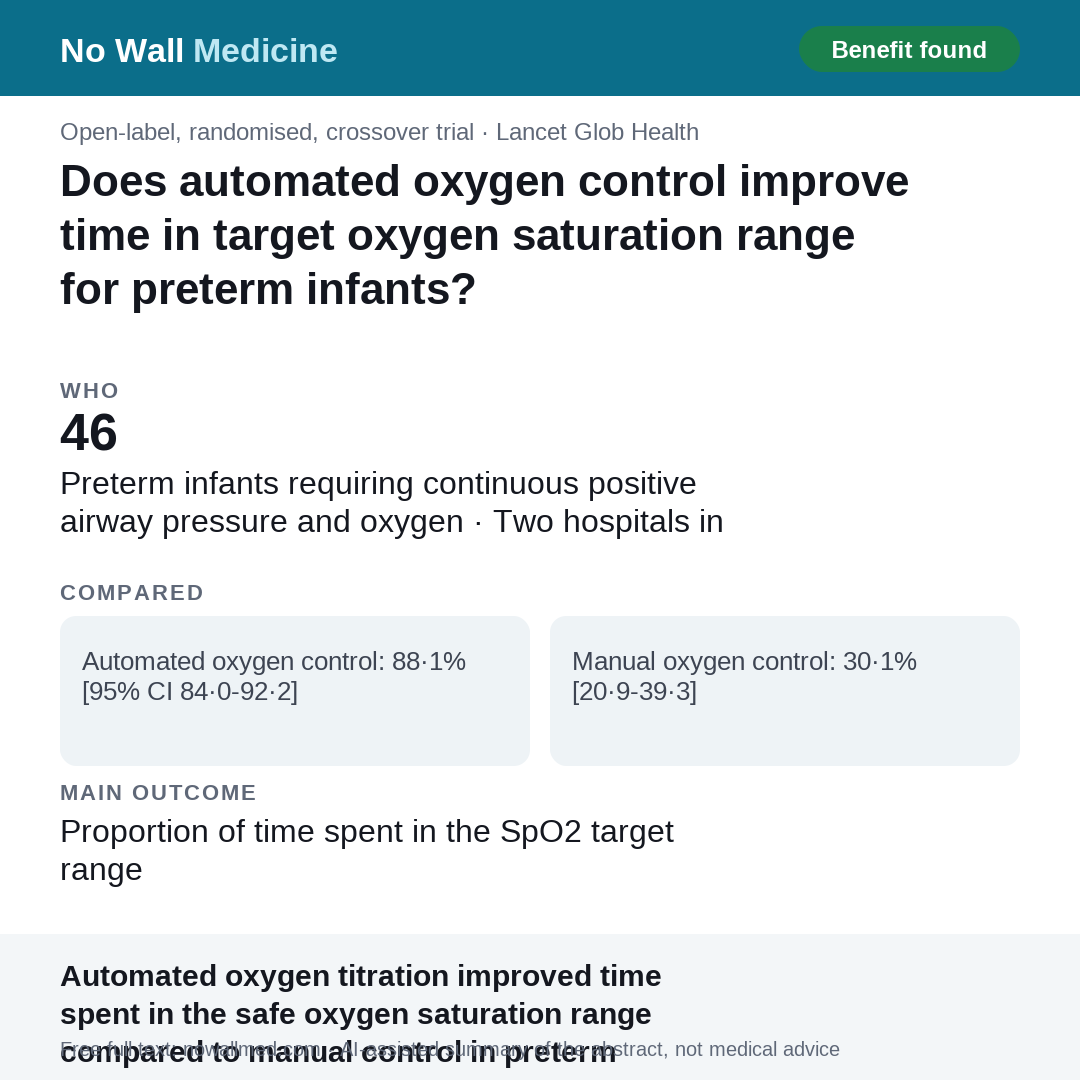
Automated oxygen control for preterm infants receiving continuous positive airway pressure in southwest Nigeria: an open-label, randomised, crossover trial
Open-label, randomised, crossover trialBenefit found
Does automated oxygen control improve time in target oxygen saturation range for preterm infants?
Who
46
Preterm infants requiring continuous positive airway pressure and oxygen · Two hospitals in southwest Nigeria
Compared
Automated oxygen control: 88·1% [95% CI 84·0-92·2]
Manual oxygen control: 30·1% [20·9-39·3]
Main outcome
Proportion of time spent in the SpO2 target range
Result: adjusted mean difference 58·0% [95% CI 48·0-67·9]
Bottom line: Automated oxygen titration improved time spent in the safe oxygen saturation range compared to manual control in preterm infants.
Funded by: National Health and Medical Research Council Australia and University of Tasmania
Lancet Glob Health · 2025-02-01Download image
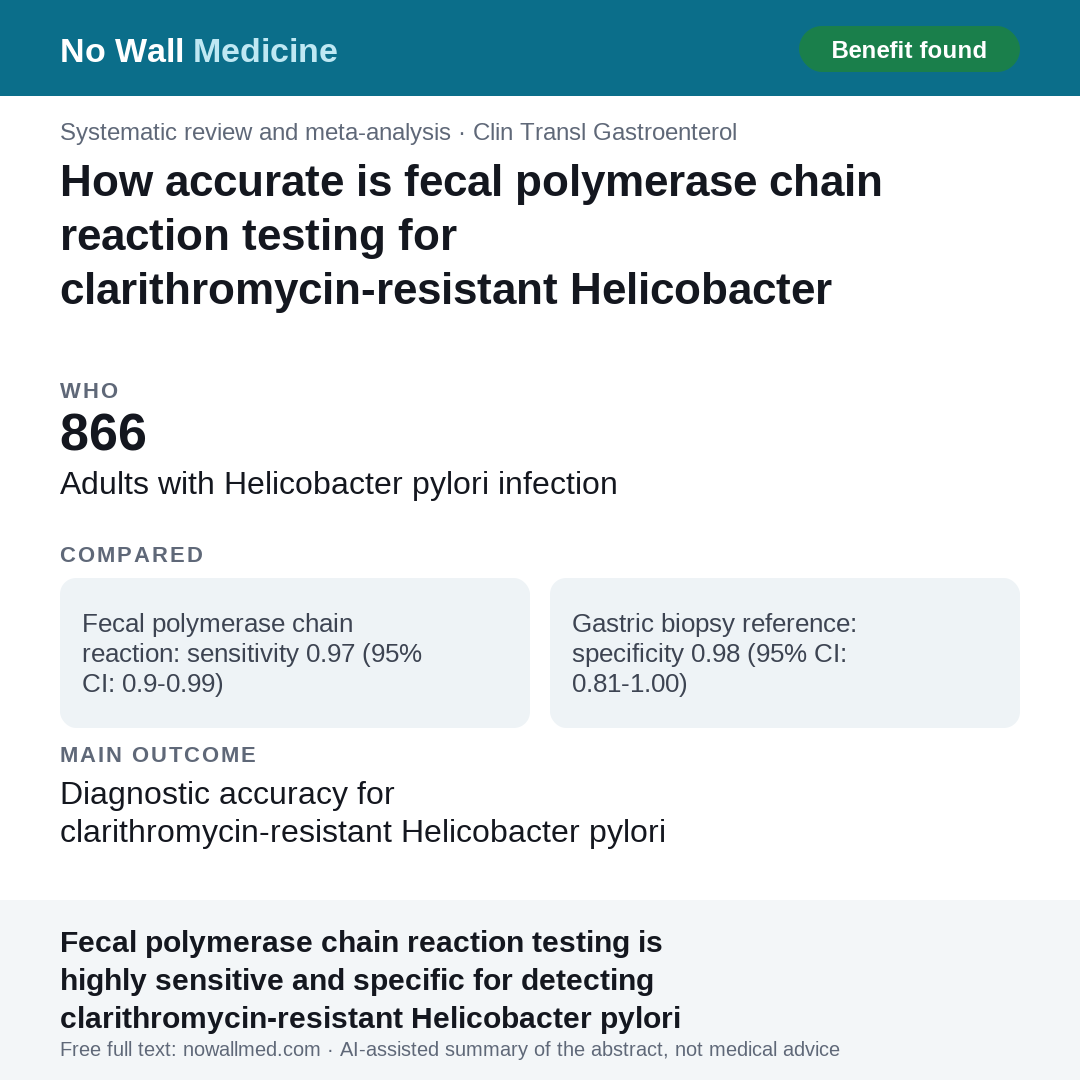
Accuracy of Fecal Polymerase Chain Reaction Testing in Clarithromycin-Resistant Helicobacter Pylori: A Systematic Review and Meta-Analysis
Systematic review and meta-analysisBenefit found
How accurate is fecal polymerase chain reaction testing for clarithromycin-resistant Helicobacter pylori?
Who
866
Adults with Helicobacter pylori infection
Compared
Fecal polymerase chain reaction: sensitivity 0.97 (95% CI: 0.9-0.99)
Gastric biopsy reference: specificity 0.98 (95% CI: 0.81-1.00)
Main outcome
Diagnostic accuracy for clarithromycin-resistant Helicobacter pylori
Result: diagnostic odds ratio 1843.92 (95% CI 134.28-25,321.3)
Bottom line: Fecal polymerase chain reaction testing is highly sensitive and specific for detecting clarithromycin-resistant Helicobacter pylori strains.
Clin Transl Gastroenterol · 2025-02-01Download image
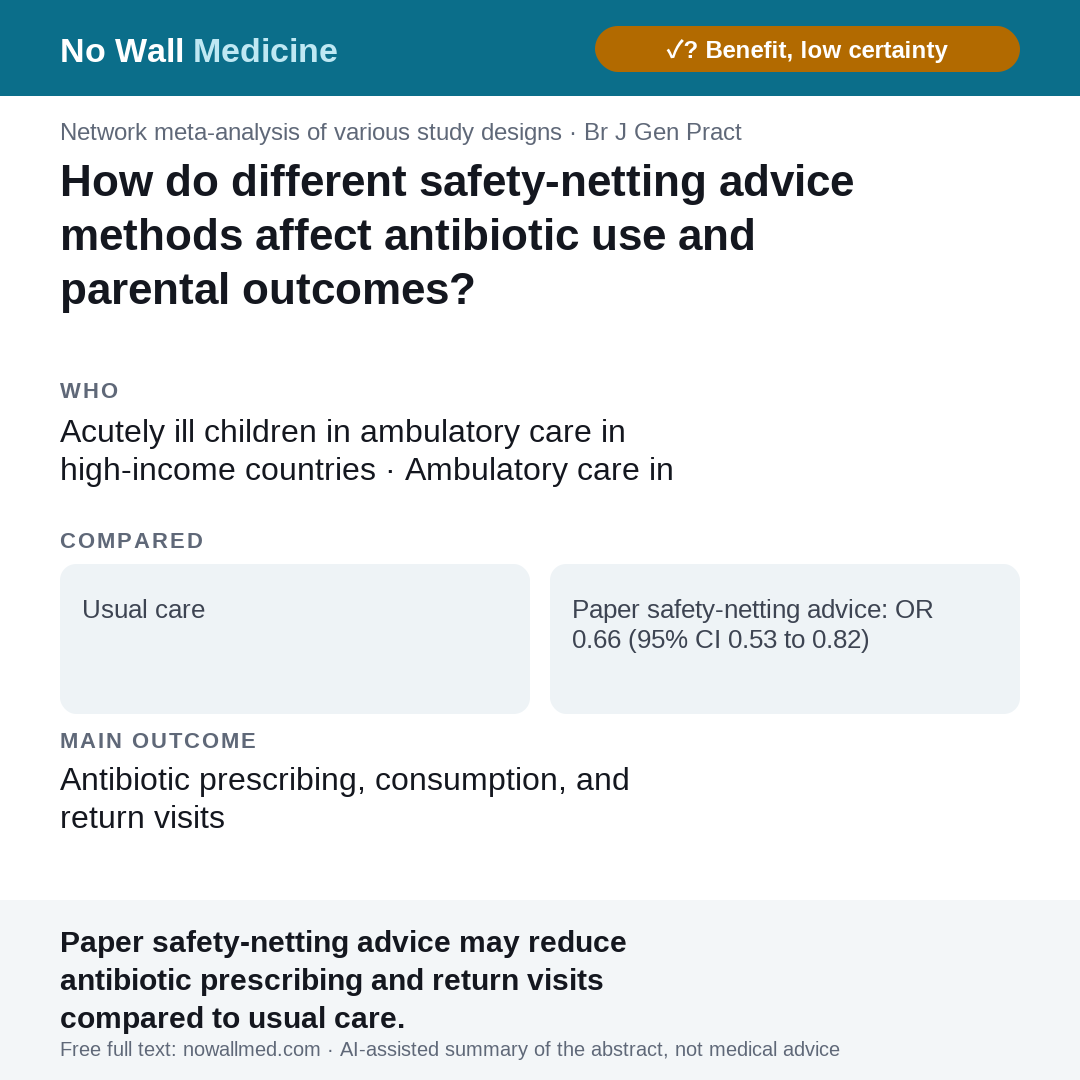
Effectiveness of safety-netting approaches for acutely ill children: a network meta-analysis
Network meta-analysis of various study designsBenefit found
How do different safety-netting advice methods affect antibiotic use and parental outcomes?
Who
Acutely ill children in ambulatory care in high-income countries · Ambulatory care in high-income countries
Compared
Usual care
Paper safety-netting advice: OR 0.66 (95% CI 0.53 to 0.82)
Main outcome
Antibiotic prescribing, consumption, and return visits
Result: odds ratio 0.66 (95% CI 0.53 to 0.82)
Bottom line: Paper safety-netting advice may reduce antibiotic prescribing and return visits compared to usual care.
Limitation: Certainty of evidence for some outcomes was very low.
Br J Gen Pract · 2025-01-30Download image
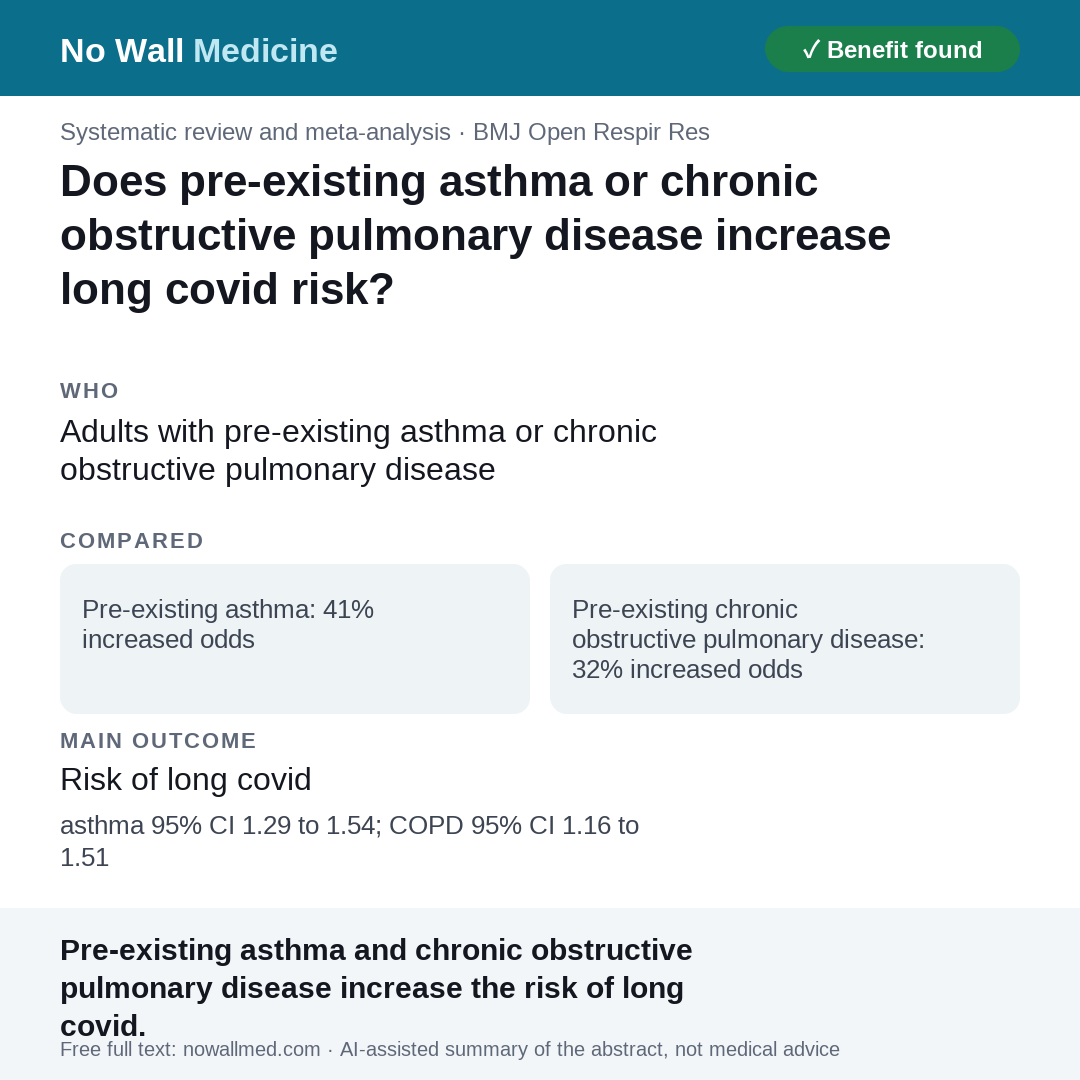
Risk of long covid in patients with pre-existing chronic respiratory diseases: a systematic review and meta-analysis
Systematic review and meta-analysisBenefit found
Does pre-existing asthma or chronic obstructive pulmonary disease increase long covid risk?
Who
Adults with pre-existing asthma or chronic obstructive pulmonary disease
Compared
Pre-existing asthma: 41% increased odds
Pre-existing chronic obstructive pulmonary disease: 32% increased odds
Main outcome
Risk of long covid
Result: asthma 95% CI 1.29 to 1.54; COPD 95% CI 1.16 to 1.51
Bottom line: Pre-existing asthma and chronic obstructive pulmonary disease increase the risk of long covid.
Limitation: Potential confounding and inconsistent measurement of exposure and outcome variables.
BMJ Open Respir Res · 2025-01-30Download image
Guided Self-Help vs Group Treatment for Children With Obesity: A Randomized Clinical Trial
Randomized clinical trialBenefit found
Is guided self-help noninferior to group treatment for child weight loss?
Who
150
Children aged 7.0 to 12.9 years with obesity and their parents · San Diego Metropolitan area
Compared
Guided self-help family-based behavioral treatment: ΔBMIz = -0.02
Family-based behavioral treatment: ΔBMIz = -0.02
Main outcome
Child weight loss
Result: ΔBMIz = -0.02 [90% credible interval [CI] -0.08 to 0.05]
Bottom line: Guided self-help provided similar weight loss for children with less contact hours and lower cost than group treatment.
Pediatrics · 2025-01-29Download image

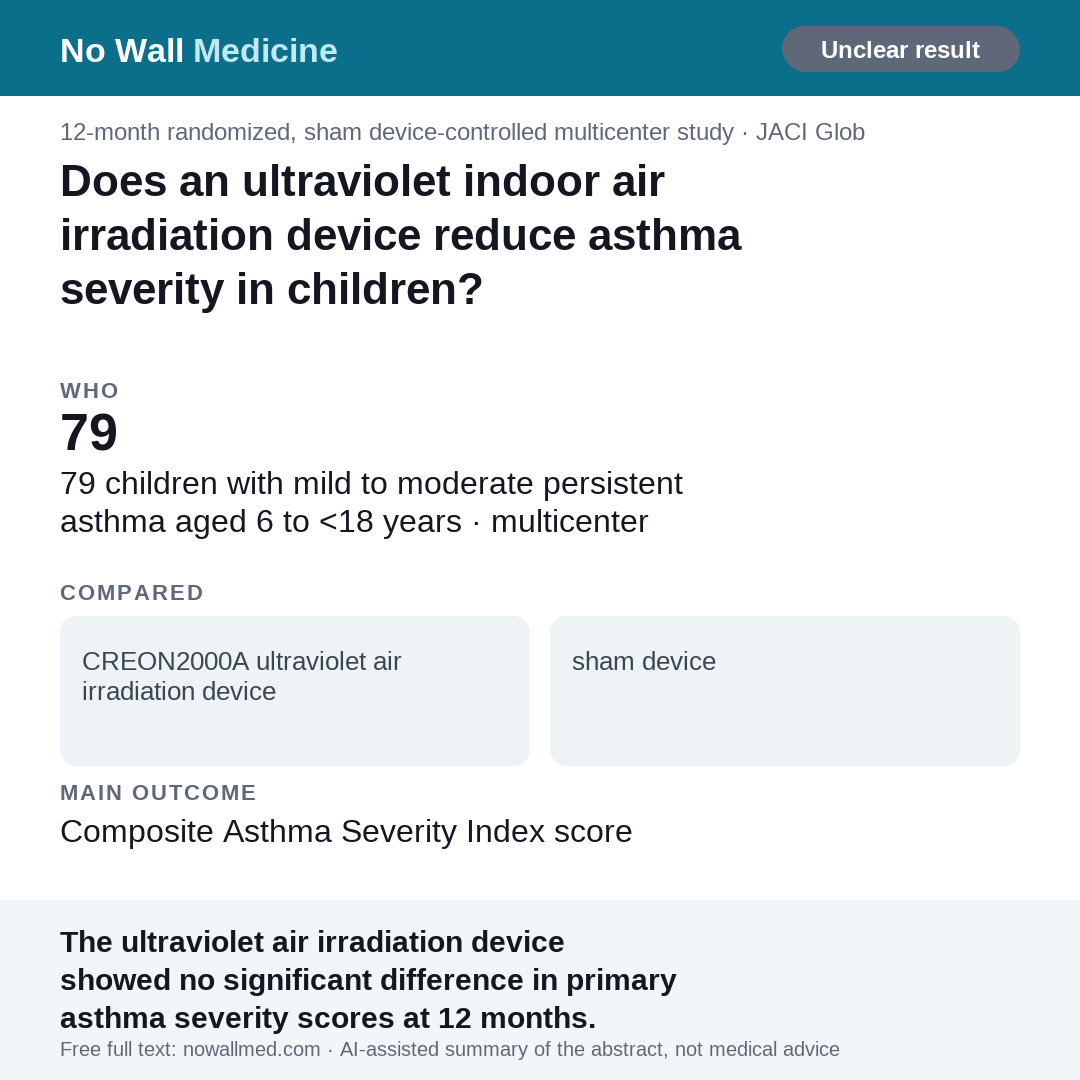
Randomized trial of ultraviolet irradiation units installed in homes of children and adolescents with asthma
12-month randomized, sham device-controlled multicenter studyUnclear result
Does an ultraviolet indoor air irradiation device reduce asthma severity in children?
Who
79
79 children with mild to moderate persistent asthma aged 6 to <18 years · multicenter
Compared
CREON2000A ultraviolet air irradiation device
sham device
Main outcome
Composite Asthma Severity Index score
Result: difference 0.53 (95% confidence interval, -0.576, 1.628)
Bottom line: The ultraviolet air irradiation device showed no significant difference in primary asthma severity scores at 12 months.
JACI Glob · 2025-01-29Download image
Robotic surgery for paediatric neurogenic lower urinary tract dysfunction: a systematic review
Systematic review and meta-analysisBenefit found
Are robot-assisted surgeries effective for paediatric neurogenic lower urinary tract dysfunction?
Who
Paediatric patients aged under 18 years with neurogenic lower urinary tract dysfunction
Compared
Robotic appendicovesicostomy
Open appendicovesicostomy
Main outcome
Length of stay, operative time, complications, and re-intervention rates
Bottom line: Robot-assisted surgery may reduce hospital stays compared to open surgery with comparable complication rates.
Limitation: Heterogeneity in study designs, small sample sizes, and single-centre experiences.
BJU Int · 2025-01-28Download image
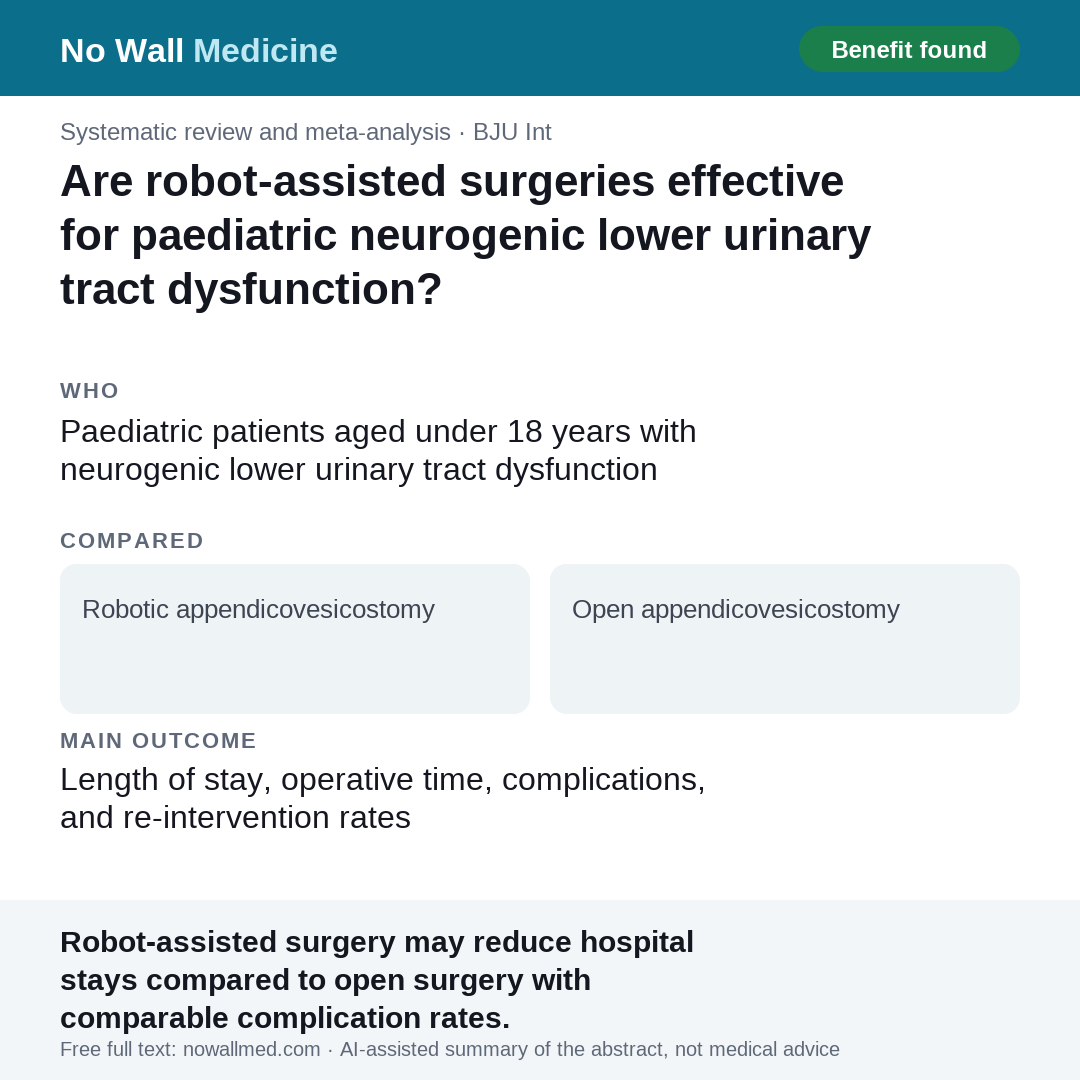
First-Attempt Success in Ultrasound-Guided vs Standard Peripheral Intravenous Catheter Insertion: The EPIC Superiority Randomized Clinical Trial
Open-label, pragmatic, superiority, randomized clinical trialBenefit found
Is ultrasound-guided versus standard peripheral intravenous catheter insertion more successful in children?
Who
164
Children ages 0-18 years requiring peripheral intravenous catheter insertion · An Australian quaternary pediatric hospital
Compared
Ultrasound-guided insertion: 72 children [85.7%]
Standard technique: 26 children [32.5%]
Main outcome
First-time insertion success
Result: risk difference 53.6% (95% CI, 41.7%-65.4%)
Bottom line: Ultrasound-guided peripheral intravenous catheter insertion improves first-time insertion success across all risk categories in children.
JAMA Pediatr · 2025-01-27Download image
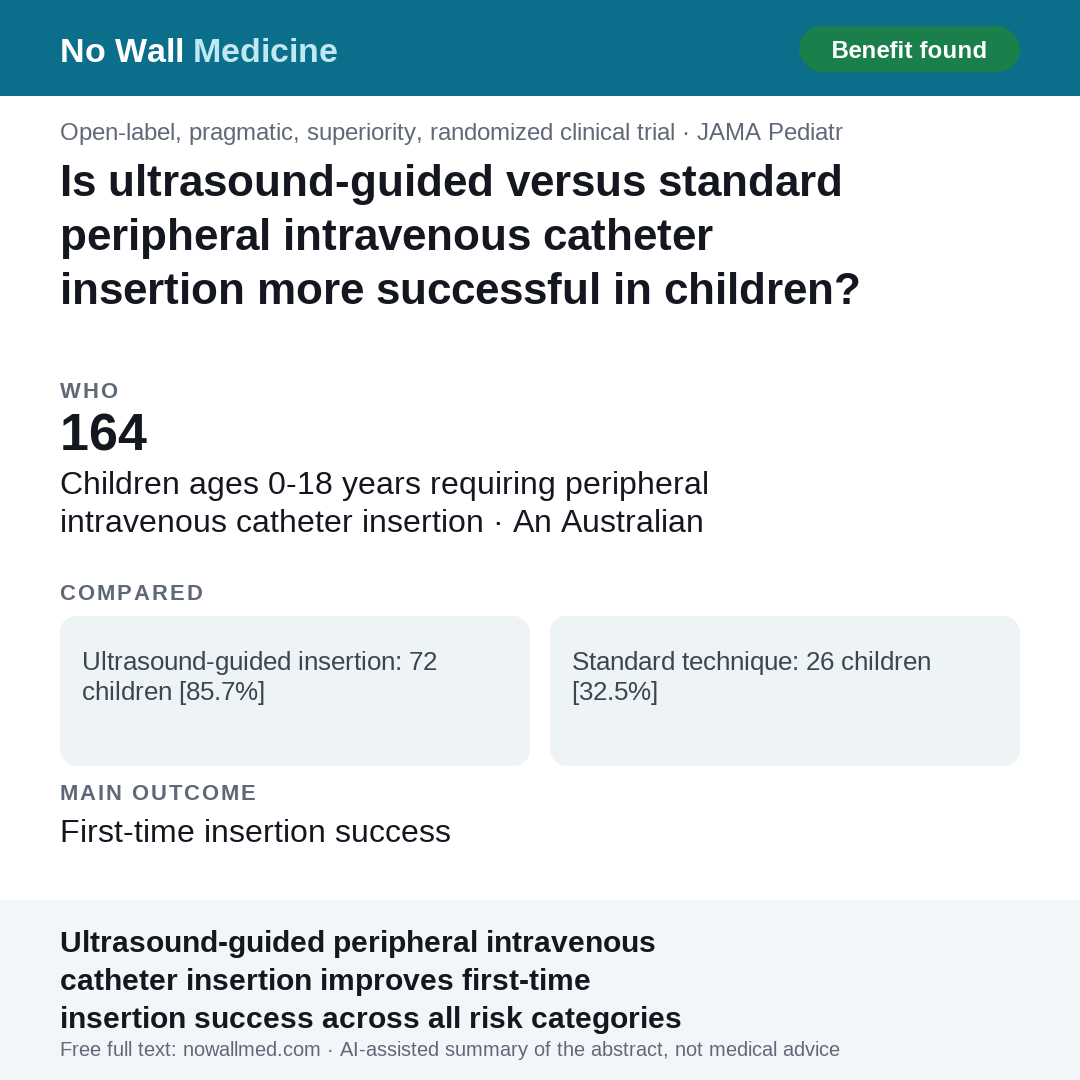
Identifying the Strongest Correlates of Condom Use Among US Adolescents: A Systematic Review and Meta-Analysis
Systematic review and meta-analysisMixed results
What are the strongest psychosocial correlates of condom use among US adolescents?
Who
251713
United States adolescents with mean age 16.2 years · United States
Compared
Condom use at first sex: Pearson r 0.47 (95% CI, 0.36-0.56)
Condom use intentions: Pearson r 0.42 (95% CI, 0.35-0.48)
Condom communication with a partner: Pearson r 0.41 (95% CI, 0.29-0.52)
Safer sex knowledge: Pearson r -0.03 (95% CI, -0.10 to 0.05)
Main outcome
Adolescent-reported condom use behavior
Bottom line: Condom use at first sex, intentions, and partner communication are the strongest correlates of adolescent condom use.
Limitation: Most effects were statistically significantly heterogeneous.
JAMA Pediatr · 2025-01-27Download image
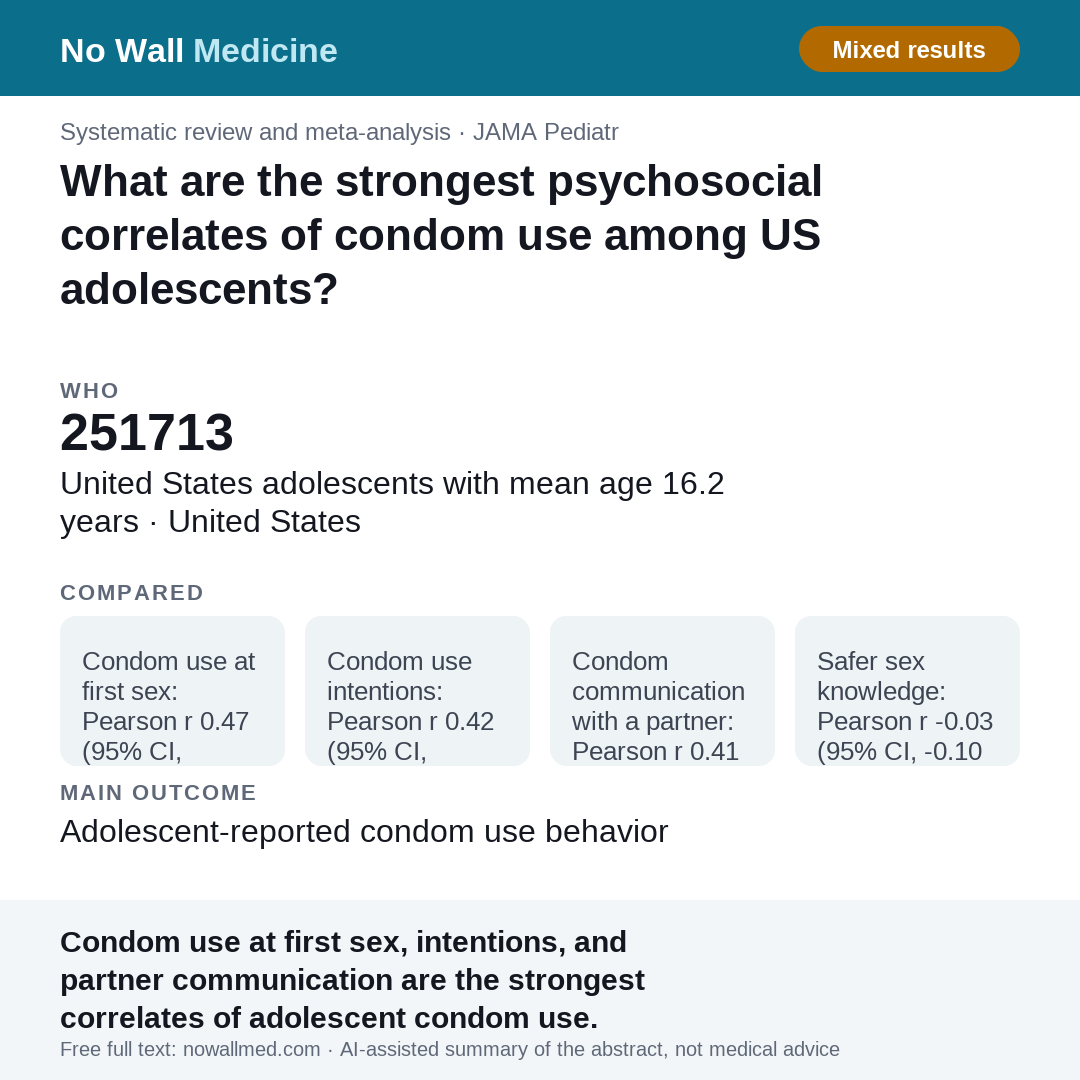
Vaccine efficacy of NVX-CoV2373 against SARS-CoV-2 infection in adolescents in the USA: an ancillary study to a phase 3, observer-blinded, randomised, placebo-controlled trial
Randomized, observer-blinded trialBenefit found
Vaccine efficacy against SARS-CoV-2 infection
Who
1196
Healthy adolescents aged twelve to seventeen years · USA, forty seven sites
Compared
Immediate vaccine: 14.9 cases per 100 person-years
Delayed vaccine: 54.2 cases per 100 person-years
Main outcome
SARS-CoV-2 infection
Result: vaccine efficacy 73.5% (95% CI 47.1 to 86.7)
Bottom line: Vaccine reduces SARS-CoV-2 infection
Funded by: US Department of Health and Human Services
Lancet Microbe · 2025-01-27Download image
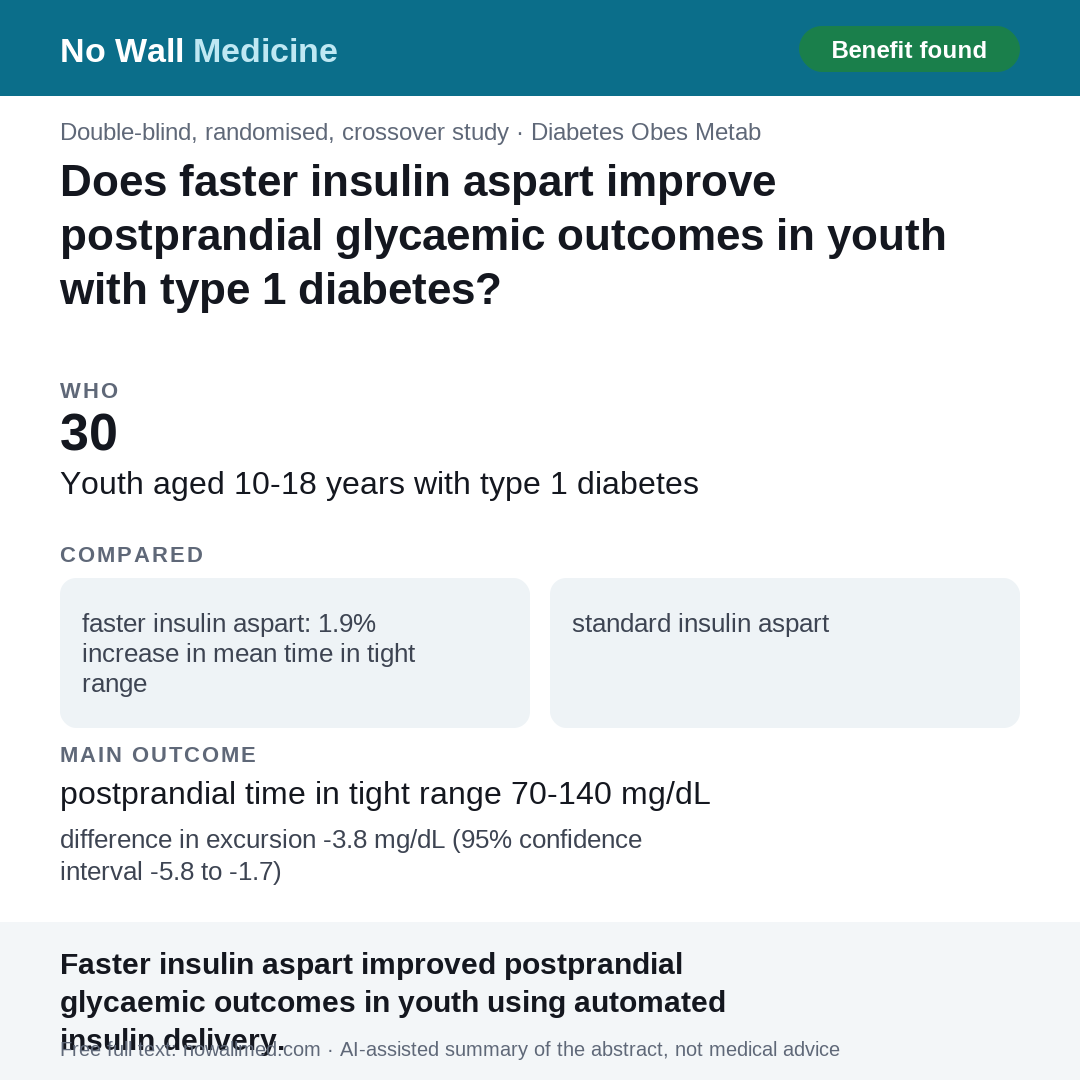
Postprandial time in tight range with faster insulin aspart compared with standard insulin aspart in youth with type 1 diabetes using automated insulin delivery
Double-blind, randomised, crossover studyBenefit found
Does faster insulin aspart improve postprandial glycaemic outcomes in youth with type 1 diabetes?
Who
30
Youth aged 10-18 years with type 1 diabetes
Compared
faster insulin aspart: 1.9% increase in mean time in tight range
standard insulin aspart
Main outcome
postprandial time in tight range 70-140 mg/dL
Result: difference in excursion -3.8 mg/dL (95% confidence interval -5.8 to -1.7)
Bottom line: Faster insulin aspart improved postprandial glycaemic outcomes in youth using automated insulin delivery.
Diabetes Obes Metab · 2025-01-27Download image
Tumour spectrum in AKT1-related Proteus syndrome: a systematic review of clinical reports and series
Systematic reviewUnclear result
Tumour spectrum in Proteus syndrome
Who
205
individuals with Proteus syndrome
Compared
19%with tumour (38/205)
without tumour
Main outcome
tumour diagnosis
Bottom line: 19% of individuals had tumour diagnosis
J Med Genet · 2025-01-27Download image

Portraying the full picture of Neurofibromatosis-Noonan syndrome: a systematic review of literature
Systematic reviewMixed results
What are the clinical, epidemiological, and genetic features of Neurofibromatosis-Noonan syndrome?
Who
42
Patients with Neurofibromatosis-Noonan syndrome
Compared
Clinical features: café au lait macules, facial dysmorphia, short stature, pectus abnormalities, broad neck, lentigines
Comorbidities: Macrocephaly 26%, scoliosis 42.4%, cardiopathies 36.9%, tumours 18.4%
Genetic foundation: NF1 gene mutations 87.5%
Main outcome
Epidemiological, clinical, genetic, and comorbid features
Bottom line: Neurofibromatosis-Noonan syndrome combines features of neurofibromatosis type 1 and Noonan syndrome, requiring careful clinical screening.
J Med Genet · 2025-01-27Download image

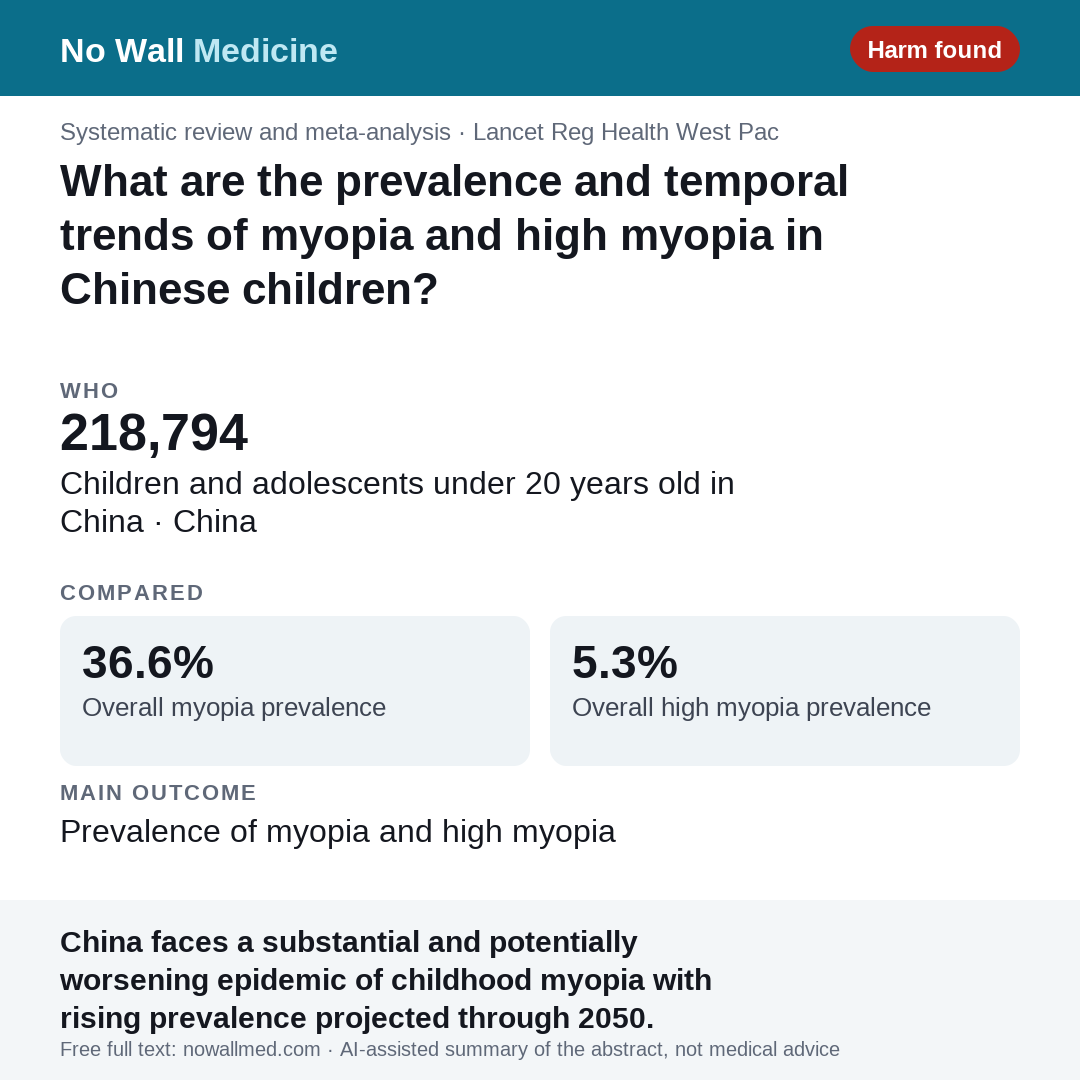
Prevalence and temporal trends in myopia and high myopia children in China: a systematic review and meta-analysis with projections from 2020 to 2050
Systematic review and meta-analysisHarm found
What are the prevalence and temporal trends of myopia and high myopia in Chinese children?
Who
218,794
Children and adolescents under 20 years old in China · China
Compared
36.6%Overall myopia prevalence (95% CI: 36.4%, 36.8%)
5.3%Overall high myopia prevalence
Main outcome
Prevalence of myopia and high myopia
Bottom line: China faces a substantial and potentially worsening epidemic of childhood myopia with rising prevalence projected through 2050.
Funded by: Science and Technology Innovation Program of Hunan Province, China
Lancet Reg Health West Pac · 2025-01-27Download image
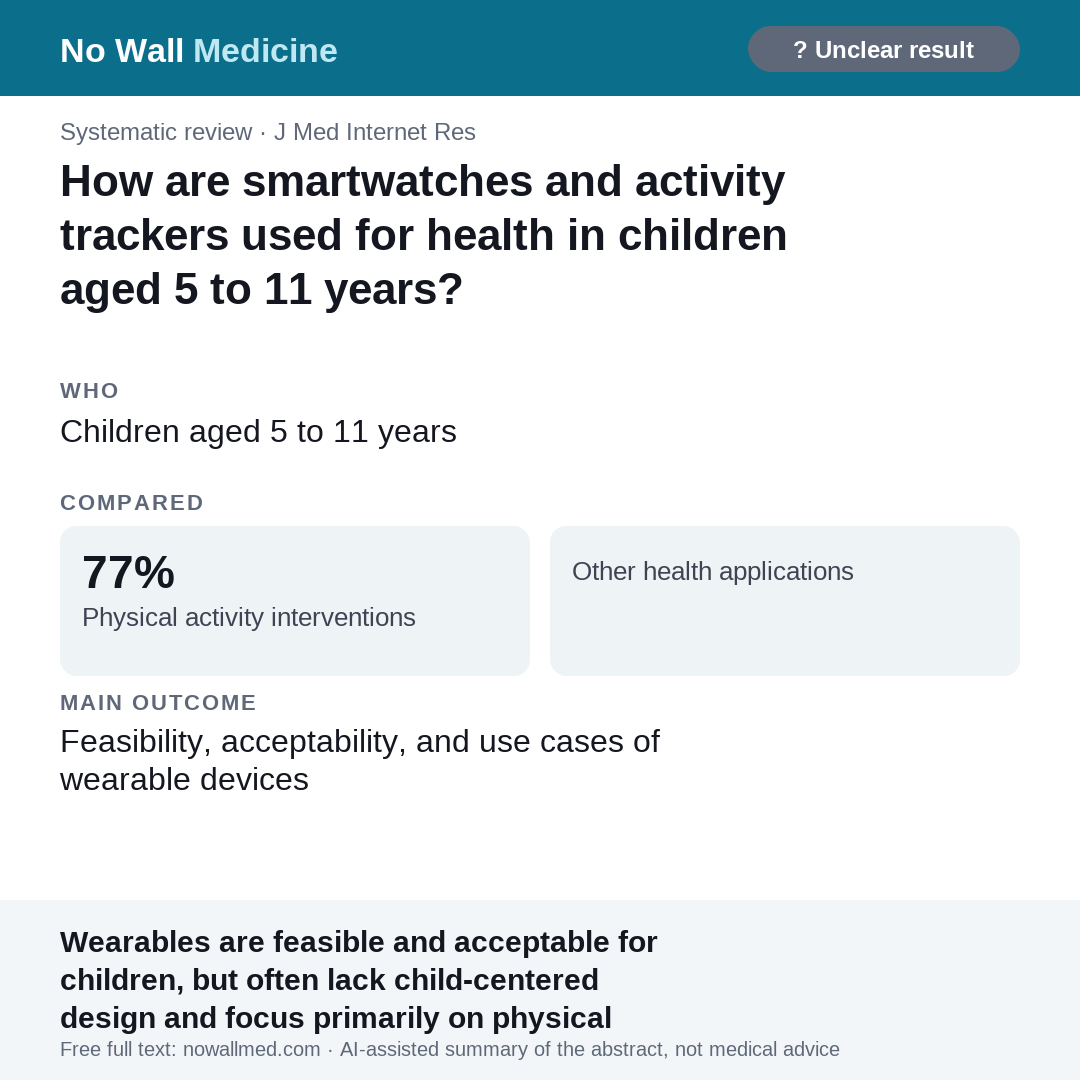
Exploring the Use of Smartwatches and Activity Trackers for Health-Related Purposes for Children Aged 5 to 11 years: Systematic Review
Systematic reviewUnclear result
How are smartwatches and activity trackers used for health in children aged 5 to 11 years?
Who
Children aged 5 to 11 years
Compared
77%Physical activity interventions (10/13)
Other health applications
Main outcome
Feasibility, acceptability, and use cases of wearable devices
Bottom line: Wearables are feasible and acceptable for children, but often lack child-centered design and focus primarily on physical activity.
Limitation: Studies often lacked a child-focused approach, with 23% gathering feedback only from parents.
J Med Internet Res · 2025-01-27Download image
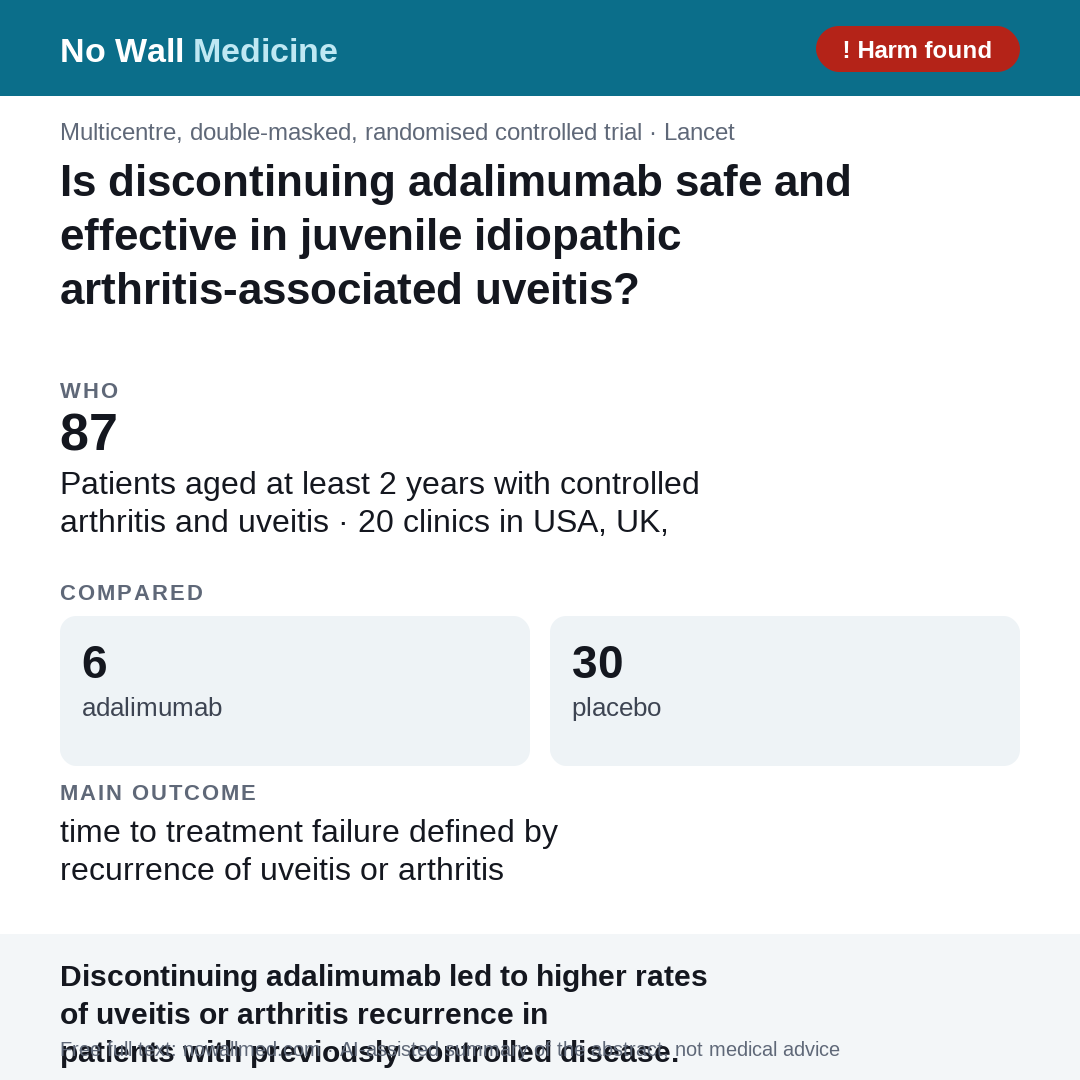
Stopping of adalimumab in juvenile idiopathic arthritis-associated uveitis (ADJUST): a multicentre, double-masked, randomised controlled trial
Multicentre, double-masked, randomised controlled trialHarm found
Is discontinuing adalimumab safe and effective in juvenile idiopathic arthritis-associated uveitis?
Who
87
Patients aged at least 2 years with controlled arthritis and uveitis · 20 clinics in USA, UK, and Australia
Compared
6adalimumab (14%)
30placebo (68%)
Main outcome
time to treatment failure defined by recurrence of uveitis or arthritis
Result: hazard ratio 8·7 (95% CI 3·6-21·2)
Bottom line: Discontinuing adalimumab led to higher rates of uveitis or arthritis recurrence in patients with previously controlled disease.
Funded by: US National Institutes of Health (National Eye Institute)
Lancet · 2025-01-26Download image
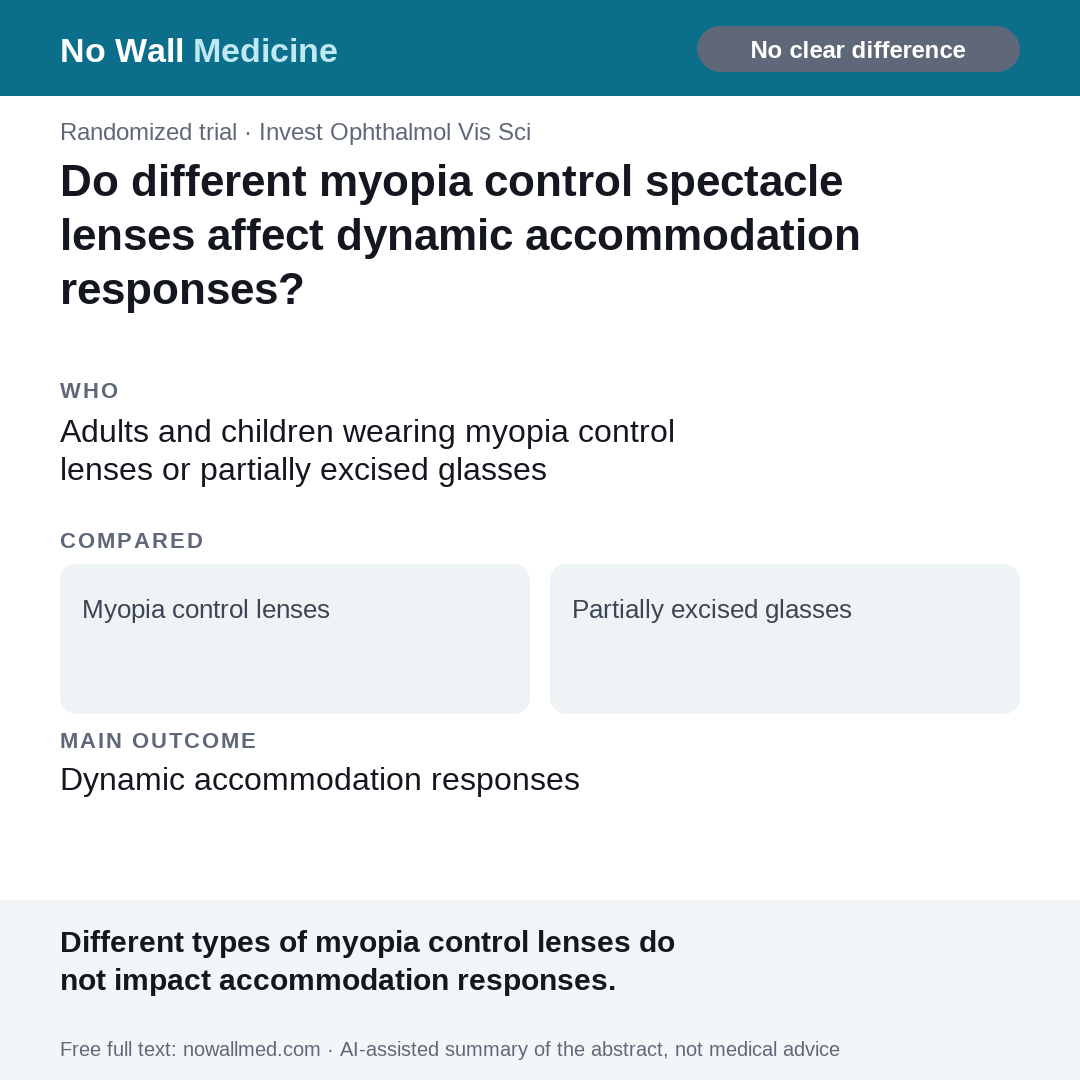
Dynamic Accommodation Responses in Subjects Wearing Myopia Control Spectacles Modifying Peripheral Refraction
Randomized trialNo clear difference
Do different myopia control spectacle lenses affect dynamic accommodation responses?
Who
Adults and children wearing myopia control lenses or partially excised glasses
Compared
Myopia control lenses
Partially excised glasses
Main outcome
Dynamic accommodation responses
Bottom line: Different types of myopia control lenses do not impact accommodation responses.
Invest Ophthalmol Vis Sci · 2025-01-24Download image