Visual abstracts
New randomized trials and meta-analyses from leading journals at a glance: who was studied, what was compared, and what was found. Every paper is free to read in full.
All specialtiesCardiology 4832Oncology 4114Gastroenterology & Hepatology 1934Infectious Disease 3824Neurology 1899Psychiatry & Mental Health 2256Pulmonology 2082Critical Care 1345Endocrinology & Diabetes 2572Pediatrics 2940Surgery 2525Orthopedics & Sports Medicine 926Neurosurgery 534Cardiothoracic & Vascular Surgery 671Plastic & Reconstructive Surgery 591Nephrology 1124Rheumatology 823Hematology 1104Dermatology 620Ophthalmology 543Obstetrics & Gynecology 1684Public & Global Health 1056Radiology & Imaging 641Anesthesiology 962Urology 754ENT (Otolaryngology) 503Emergency Medicine 489Allergy & Immunology 313Geriatrics 981Family Medicine & Primary Care 541Medical Genetics & Genomics 675Pathology & Laboratory Medicine 157Physical Medicine & Rehabilitation 751Palliative Care 424Nutrition 1580Digital Health & AI 2195General Medicine 321
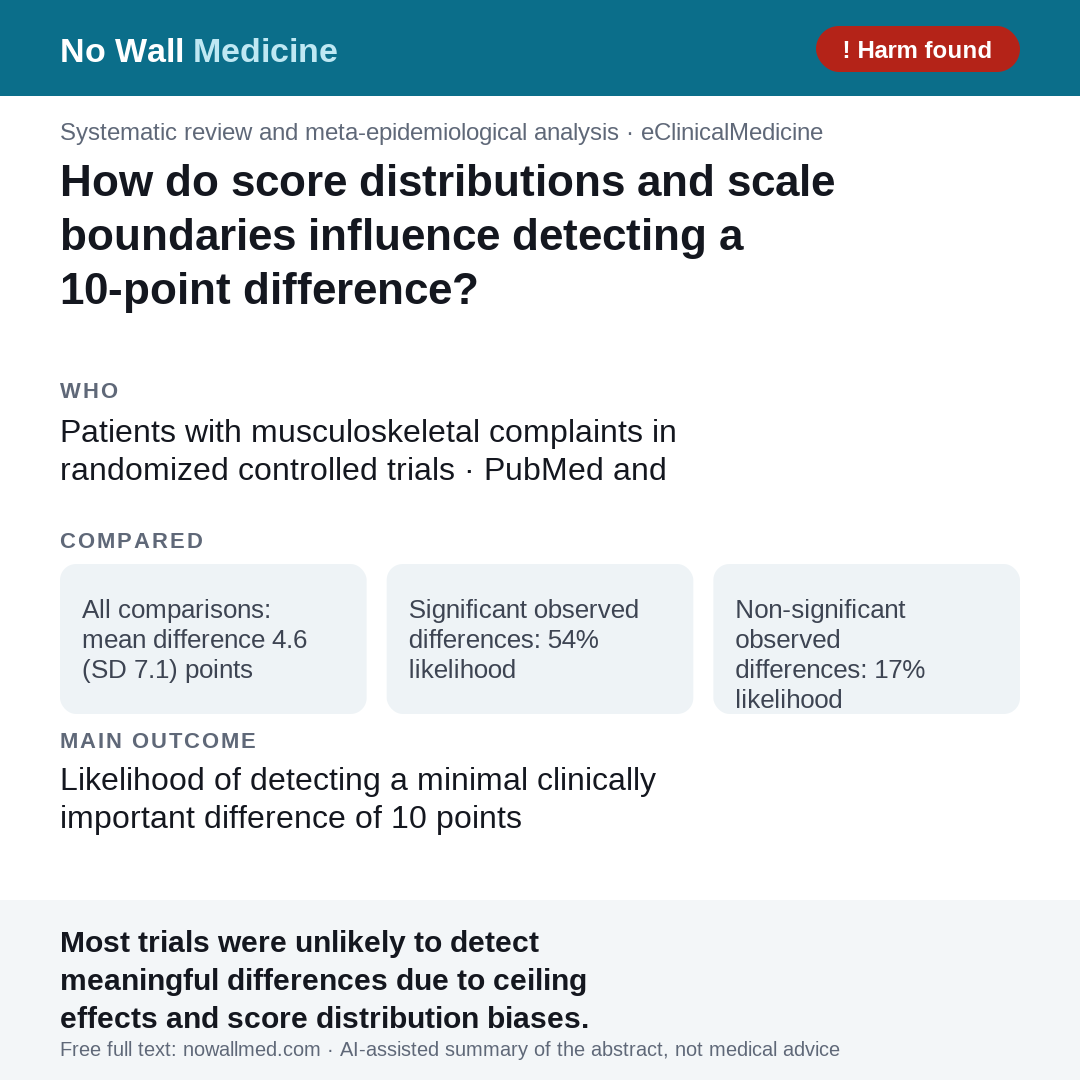
The sensitivity of patient-reported outcome measures in surgical and non-surgical care: a systematic review and meta-epidemiological evaluation of randomised controlled trials
Systematic review and meta-epidemiological analysisHarm found
How do score distributions and scale boundaries influence detecting a 10-point difference?
Who
Patients with musculoskeletal complaints in randomized controlled trials · PubMed and Scopus
Compared
All comparisons: mean difference 4.6 (SD 7.1) points
Significant observed differences: 54% likelihood
Non-significant observed differences: 17% likelihood
Main outcome
Likelihood of detecting a minimal clinically important difference of 10 points
Result: mean likelihood of detecting at least a 10-point difference was 19%
Bottom line: Most trials were unlikely to detect meaningful differences due to ceiling effects and score distribution biases.
eClinicalMedicine · 2026-01-29Download image
Early interventions for first onset of symptoms of mental health conditions: an umbrella review of systematic reviews
Umbrella review of systematic reviewsMixed results
What is the effectiveness, implementation, and experience of early intervention for mental health symptoms?
Who
Young people under 25 with early mental health symptoms
Compared
Early intervention for psychosis
High risk of psychosis: limited effectiveness in preventing transition
Main outcome
Effectiveness, implementation, and experiences of care
Bottom line: Early intervention shows potential for psychosis, but evidence for other mental health conditions remains limited and requires more research.
Limitation: Little high-quality evidence regarding diagnoses other than psychosis.
BMC Med · 2026-01-29Download image

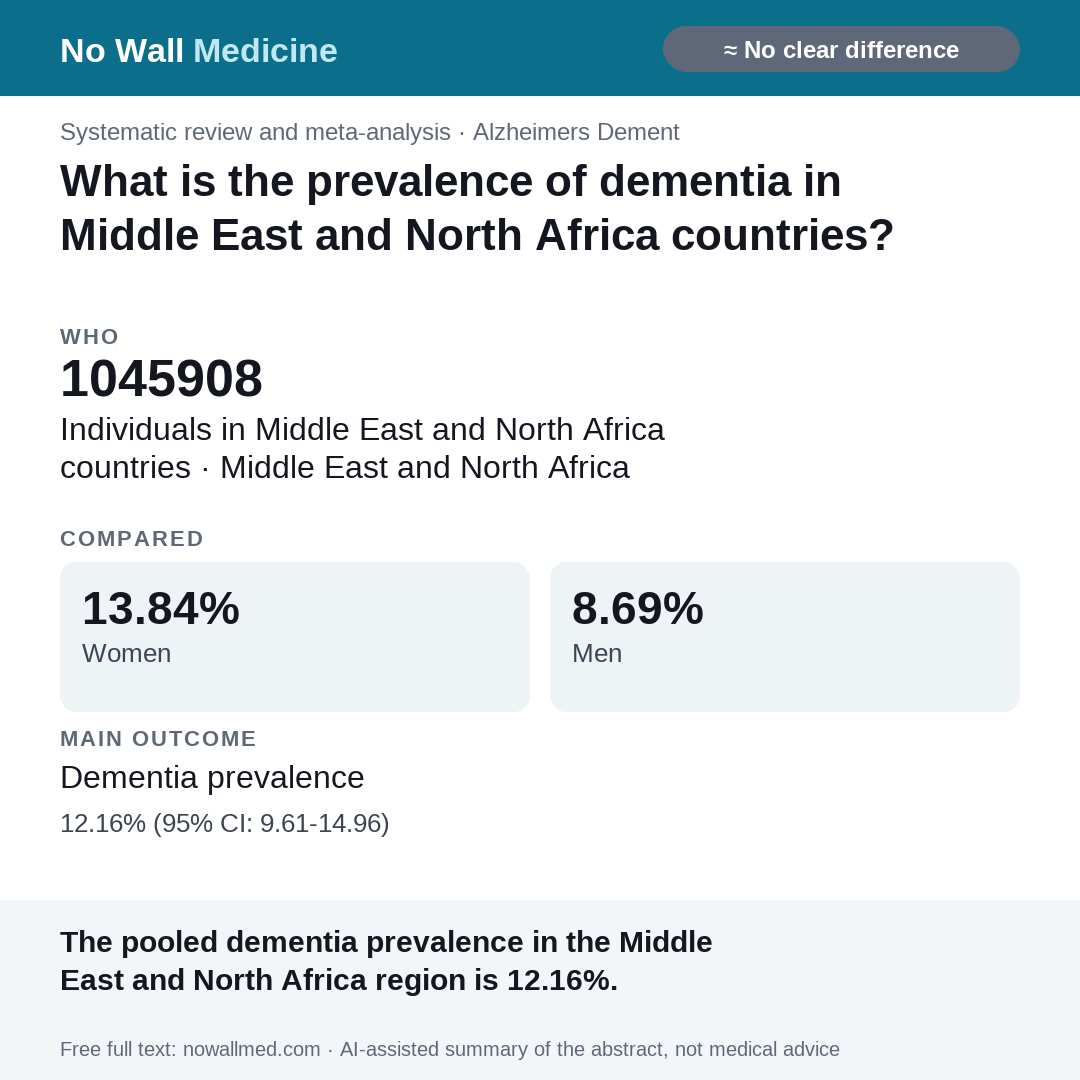
Prevalence of dementia in selected Middle East and North Africa (MENA) countries: A systematic review and meta-analysis
Systematic review and meta-analysisNo clear difference
What is the prevalence of dementia in Middle East and North Africa countries?
Who
1045908
Individuals in Middle East and North Africa countries · Middle East and North Africa
Compared
13.84%Women
8.69%Men
Main outcome
Dementia prevalence
Result: 12.16% (95% CI: 9.61-14.96)
Bottom line: The pooled dementia prevalence in the Middle East and North Africa region is 12.16%.
Alzheimers Dement · 2026-01-29Download image
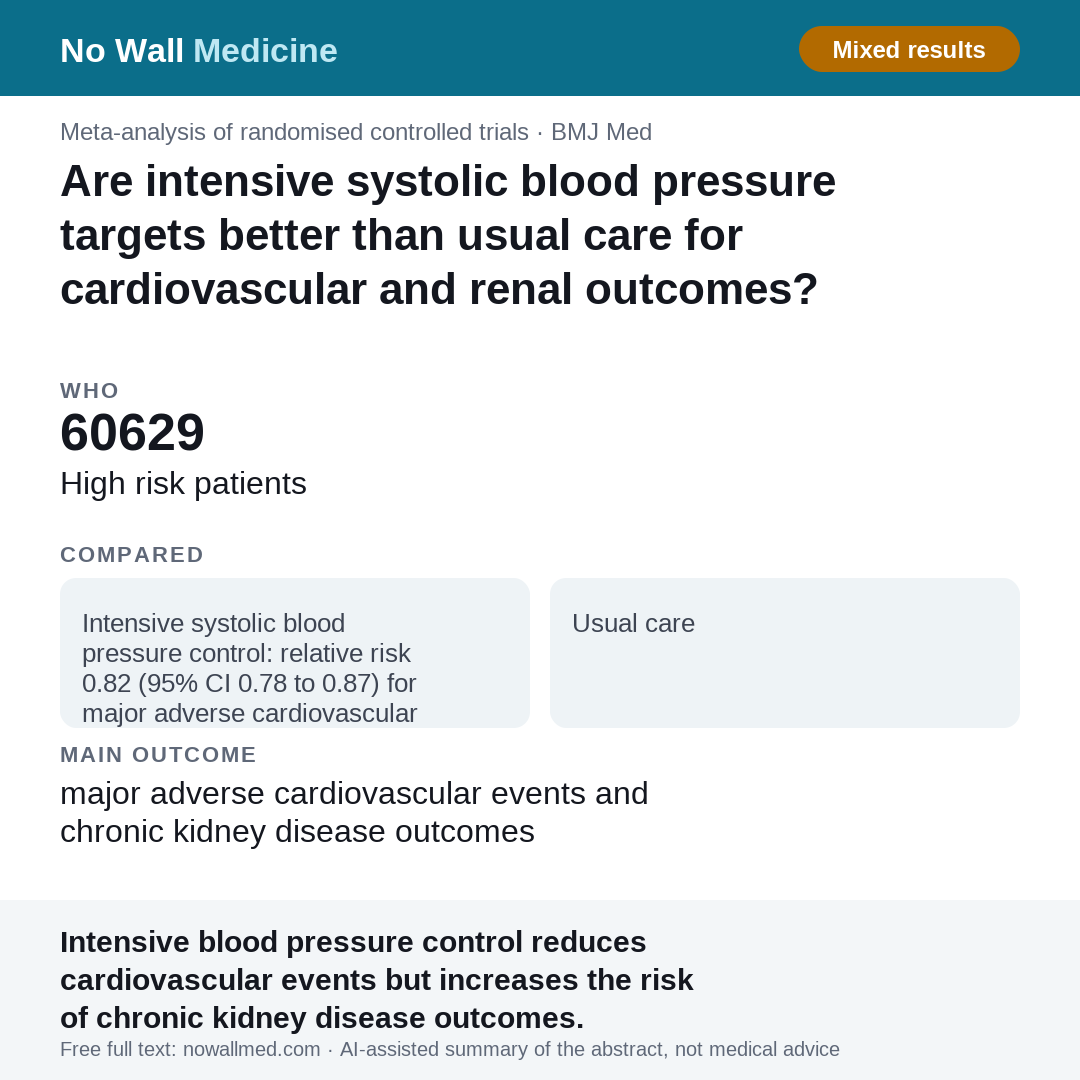
Outcome specific optimal systolic blood pressure targets in high risk patients, balancing cardiovascular benefits, renal risks, and cancer prevention: meta-analysis of randomised controlled trials
Meta-analysis of randomised controlled trialsMixed results
Are intensive systolic blood pressure targets better than usual care for cardiovascular and renal outcomes?
Who
60629
High risk patients
Compared
Intensive systolic blood pressure control: relative risk 0.82 (95% CI 0.78 to 0.87) for major adverse cardiovascular events
Usual care
Main outcome
major adverse cardiovascular events and chronic kidney disease outcomes
Result: relative risk 0.82 (95% CI 0.78 to 0.87) for cardiovascular events; relative risk 1.40 (95% CI 1.01 to 1.94) for chronic kidney disease
Bottom line: Intensive blood pressure control reduces cardiovascular events but increases the risk of chronic kidney disease outcomes.
BMJ Med · 2026-01-29Download image
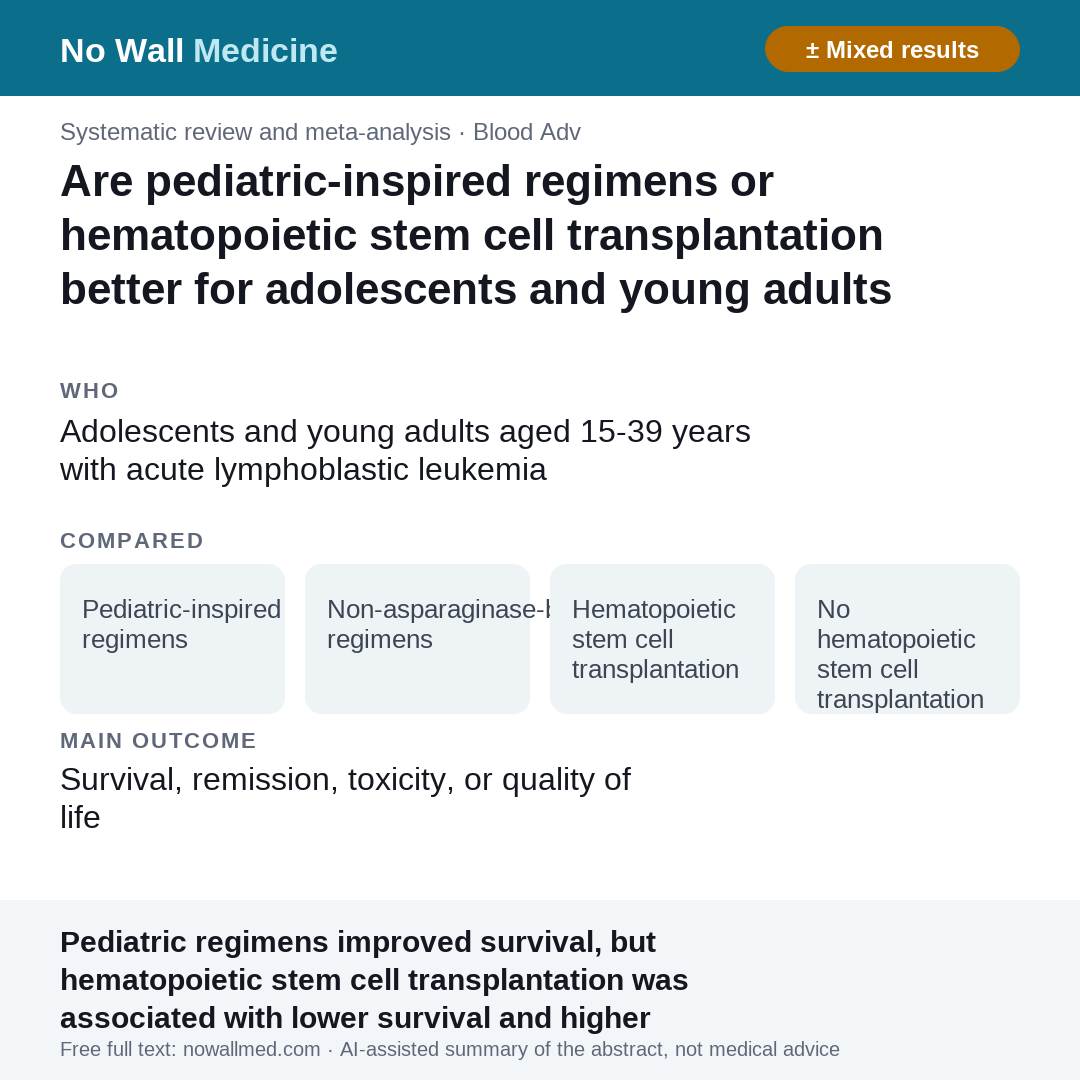
Pediatric-inspired regimens and HSCT for adolescents and young adults with acute lymphoblastic leukemia
Systematic review and meta-analysisMixed results
Are pediatric-inspired regimens or hematopoietic stem cell transplantation better for adolescents and young adults with leukemia?
Who
Adolescents and young adults aged 15-39 years with acute lymphoblastic leukemia
Compared
Pediatric-inspired regimens
Non-asparaginase-based regimens
Hematopoietic stem cell transplantation
No hematopoietic stem cell transplantation
Main outcome
Survival, remission, toxicity, or quality of life
Result: pediatric regimens 5-year overall survival RR 1.40 (95% CI 1.18-1.65); HSCT 5-year overall survival RR 0.72 (95% CI 0.61-0.84)
Bottom line: Pediatric regimens improved survival, but hematopoietic stem cell transplantation was associated with lower survival and higher mortality.
Limitation: Studies were mostly of poor quality with sparse randomized controlled trials yielding low-certainty findings.
Blood Adv · 2026-01-29Download image
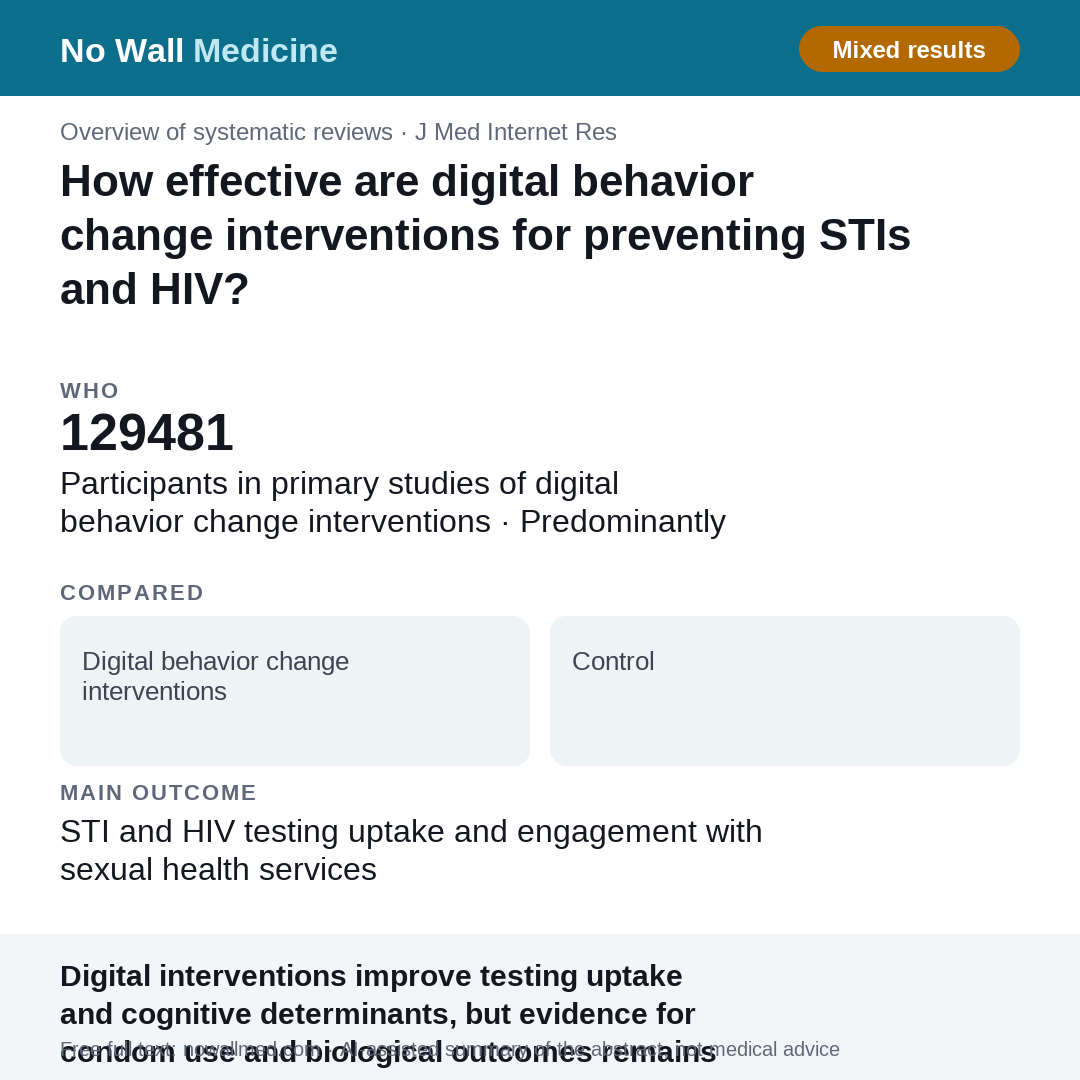
Behavioral Determinants and Effectiveness of Digital Behavior Change Interventions for the Prevention of Sexually Transmitted Infections and HIV: Overview of Systematic Reviews
Overview of systematic reviewsMixed results
How effective are digital behavior change interventions for preventing STIs and HIV?
Who
129481
Participants in primary studies of digital behavior change interventions · Predominantly high-income settings
Compared
Digital behavior change interventions
Control
Main outcome
STI and HIV testing uptake and engagement with sexual health services
Bottom line: Digital interventions improve testing uptake and cognitive determinants, but evidence for condom use and biological outcomes remains mixed.
Limitation: Limited evidence from low- and middle-income countries and minimal reporting of sex- or gender-disaggregated outcomes.
J Med Internet Res · 2026-01-29Download image
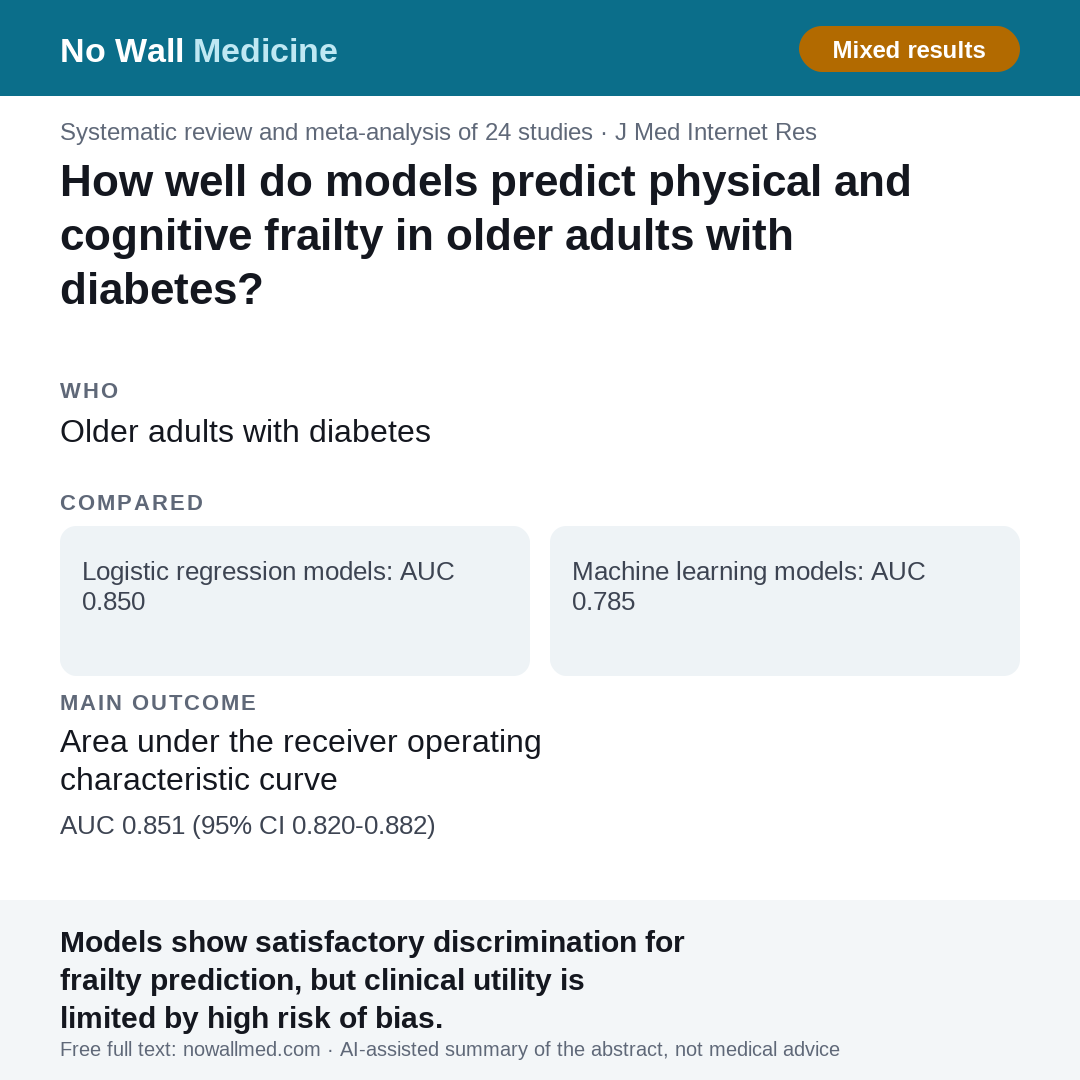
Characterization of Models for Identifying Physical and Cognitive Frailty in Older Adults With Diabetes: Systematic Review and Meta-Analysis
Systematic review and meta-analysis of 24 studiesMixed results
How well do models predict physical and cognitive frailty in older adults with diabetes?
Who
Older adults with diabetes
Compared
Logistic regression models: AUC 0.850
Machine learning models: AUC 0.785
Main outcome
Area under the receiver operating characteristic curve
Result: AUC 0.851 (95% CI 0.820-0.882)
Bottom line: Models show satisfactory discrimination for frailty prediction, but clinical utility is limited by high risk of bias.
Limitation: All included studies were assessed as having a high risk of bias.
J Med Internet Res · 2026-01-29Download image
A systematic review and meta-analysis on surgery for lumbar disc herniation: optimal timing of surgery, return to work and outcomes compared with conservative management
Systematic review and meta-analysisMixed results
Is surgery or conservative management better for lumbar disc herniations?
Who
Patients with lumbar disc herniations and radicular pain
Compared
Surgery: better outcomes at short term evaluation
Conservative care: comparable with surgery at long-term follow-up
Main outcome
Leg pain, disability, and return to work
Bottom line: Surgery provides better short-term relief for leg pain and disability, but long-term outcomes are comparable to conservative care.
Limitation: No universal consensus exists regarding the optimal timing of surgery.
Brain Spine · 2026-01-29Download image

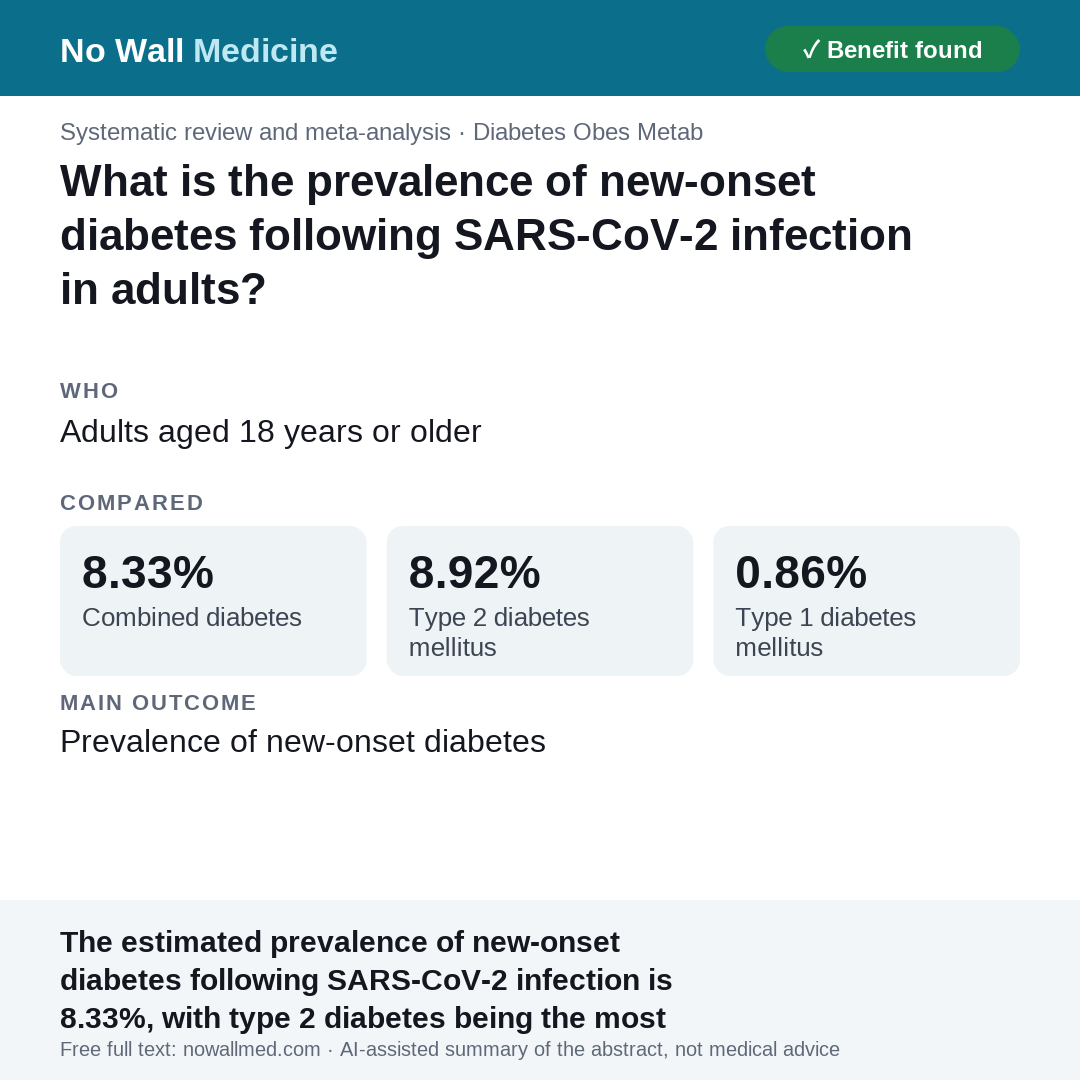
Prevalence of new-onset diabetes following COVID-19 infection: A systematic review and meta-analysis
Systematic review and meta-analysisBenefit found
What is the prevalence of new-onset diabetes following SARS-CoV-2 infection in adults?
Who
Adults aged 18 years or older
Compared
8.33%Combined diabetes (95% CI 7.47, 9.18%)
8.92%Type 2 diabetes mellitus (95% CI 7.88%, 9.96%)
0.86%Type 1 diabetes mellitus (95% CI 0.0072%, 0.0099%)
Main outcome
Prevalence of new-onset diabetes
Bottom line: The estimated prevalence of new-onset diabetes following SARS-CoV-2 infection is 8.33%, with type 2 diabetes being the most common.
Diabetes Obes Metab · 2026-01-28Download image
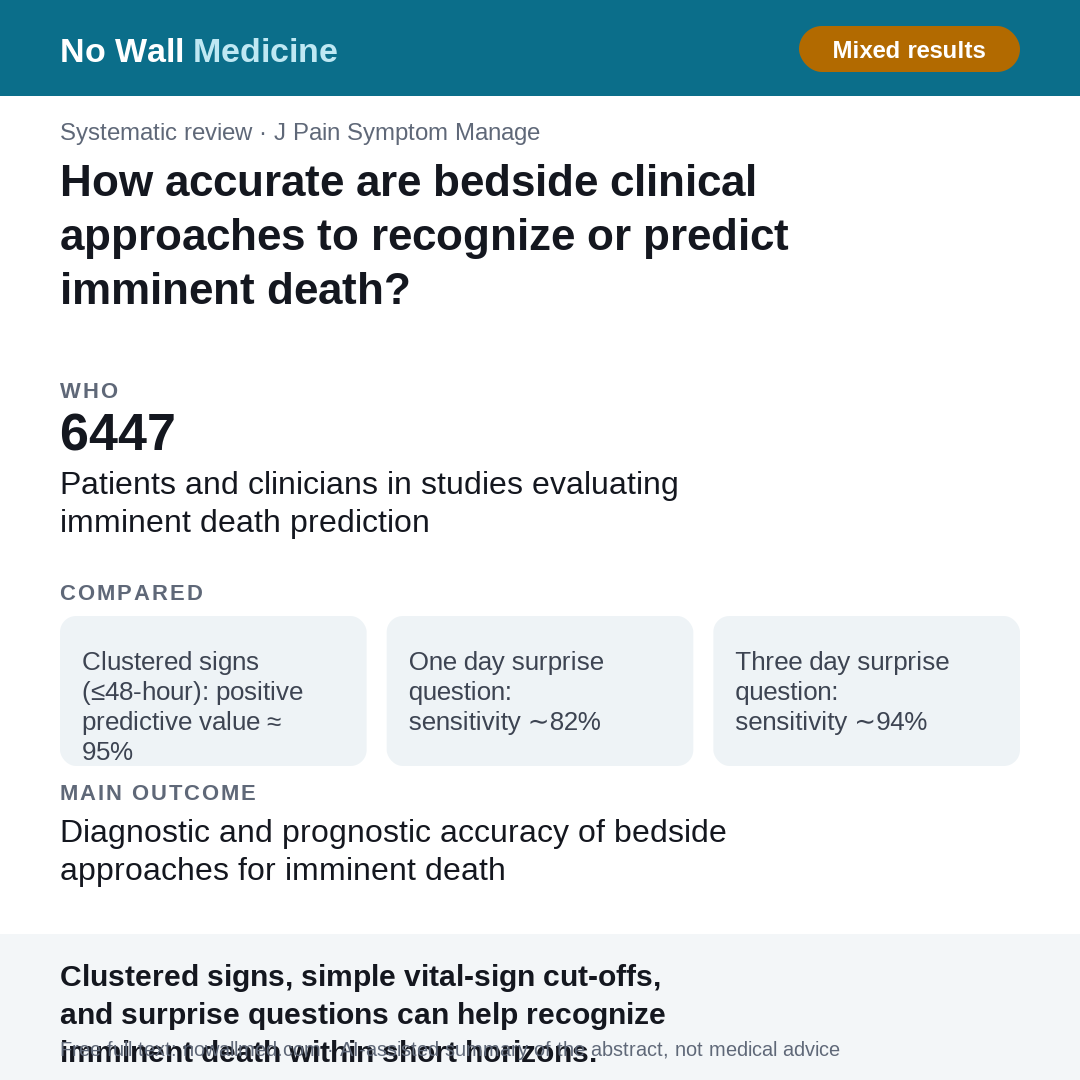
Recognizing and Predicting the Syndrome of Imminent Death (≤14 Days): A Systematic Review
Systematic reviewMixed results
How accurate are bedside clinical approaches to recognize or predict imminent death?
Who
6447
Patients and clinicians in studies evaluating imminent death prediction
Compared
Clustered signs (≤48-hour): positive predictive value ≈ 95%
One day surprise question: sensitivity ∼82%
Three day surprise question: sensitivity ∼94%
Main outcome
Diagnostic and prognostic accuracy of bedside approaches for imminent death
Bottom line: Clustered signs, simple vital-sign cut-offs, and surprise questions can help recognize imminent death within short horizons.
Limitation: Prospective external validation with standardized horizons and calibration reporting is needed.
J Pain Symptom Manage · 2026-01-28Download image
The hepatitis B care cascade among key populations towards global elimination: a systematic review and meta-analysis
Systematic review and meta-analysisMixed results
What is the hepatitis B care cascade among key populations?
Who
329
People living with HIV, men who have sex with men, female sex workers, drug users, and detainees · Across World Health Organization regions
Compared
People living with HIV: vaccination 16.3%, screening 68.8%, linkage to care 88.1%, treatment 88.9%, adherence 86.1%, HBV positivity 7.6%, virological suppression 75.7%, functional cure 8.4%
Men who have sex with men: vaccination 48.0%, screening 59.9%
Female sex workers: vaccination 10.3%, HBV positivity 7.1%
Drug users: functional cure 15.4%
Main outcome
Hepatitis B care cascade indicators
Bottom line: Hepatitis B vaccination and screening are suboptimal across all key populations despite strong treatment coverage in people living with HIV.
Limitation: Data for most key populations other than people living with HIV were sparse.
Funded by: National Key R&D Program of China, Bill & Melinda Gates Foundation
Lancet Reg Health West Pac · 2026-01-28Download image

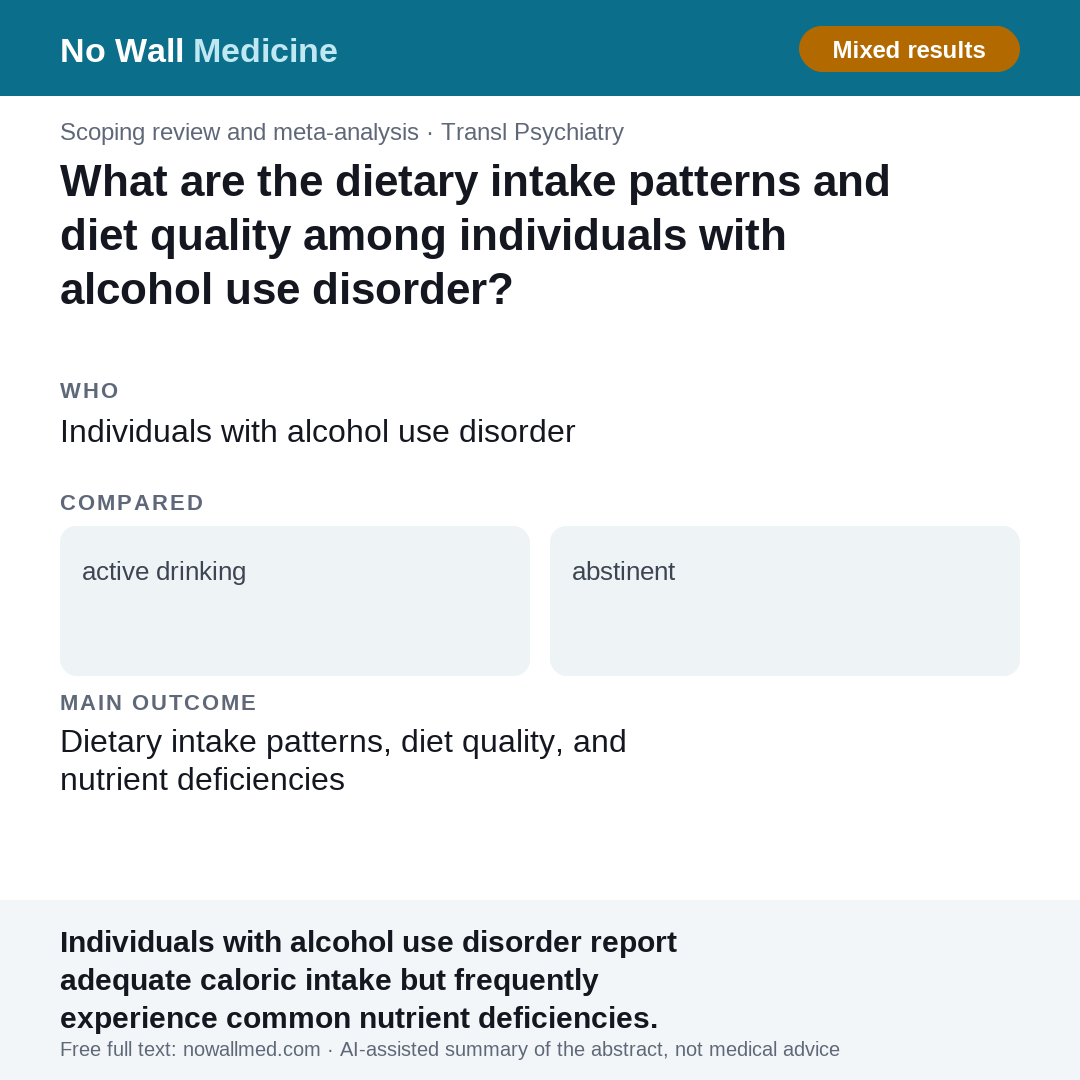
Dietary intake, quality, and assessment tools in individuals with problematic alcohol use: a scoping review and meta-analysis
Scoping review and meta-analysisMixed results
What are the dietary intake patterns and diet quality among individuals with alcohol use disorder?
Who
Individuals with alcohol use disorder
Compared
active drinking
abstinent
Main outcome
Dietary intake patterns, diet quality, and nutrient deficiencies
Bottom line: Individuals with alcohol use disorder report adequate caloric intake but frequently experience common nutrient deficiencies.
Limitation: Considerable variability in reporting dietary variables and assessment tools across studies.
Transl Psychiatry · 2026-01-28Download image
Cost analyses in randomized trials on robot-assisted surgery: systematic review
Systematic review of randomized clinical trialsMixed results
What is the quality of cost analyses in randomized trials comparing robot-assisted surgery?
Who
5832
Patients undergoing robot-assisted surgery versus alternative surgical approaches · PubMed, EMBASE, Cochrane Library, and Web of Science
Compared
Robot-assisted surgery: more expensive in 33 of 36 RCTs (92%)
Alternative surgical approaches
Main outcome
Methodological quality and comprehensiveness of cost analyses
Bottom line: Robot-assisted surgery was more expensive in most trials, but cost assessments in randomized trials are often inadequate and biased.
Limitation: Substantial risk of bias, methodological heterogeneity, and partial cost reporting.
BJS Open · 2026-01-28Download image

Human-large language model collaboration in clinical medicine: a systematic review and meta-analysis
Systematic review and meta-analysisMixed results
Does human-large language model collaboration improve clinical medicine workflows compared to human-only workflows?
Who
Clinical medicine workflows · Four databases
Compared
Human plus artificial intelligence
Human only
Main outcome
Composite diagnostic and management scores
Result: Mean Difference +4.88 percentage points (95% CI +0.65 to +9.12)
Bottom line: Collaboration improved composite diagnostic scores, but diagnostic accuracy was non-significant and factual error rates remained high.
NPJ Digit Med · 2026-01-28Download image

Efficacy of Brain-Computer Interface Therapy for Upper Limb Rehabilitation in Chronic Stroke: Systematic Review and Meta-Analysis of Randomized Controlled Trials
Meta-analysis of 21 randomized controlled trialsBenefit found
Does brain-computer interface therapy improve upper limb rehabilitation in chronic stroke?
Who
650
Adults with chronic stroke
Compared
Brain-computer interface training
Control interventions
Main outcome
Upper limb motor function, muscle tone, and activities of daily living
Result: FMA-UE: MD 2.50, 95% CI 0.60-4.40
Bottom line: Brain-computer interface training improves motor function and activities of daily living in chronic stroke, especially when combined with functional electrical stimulation.
Limitation: Small number of studies in subgroups and high risk of bias in several trials.
J Med Internet Res · 2026-01-28Download image

Machine Learning Techniques Used for the Identification of Sociodemographic Factors Associated With Cancer: Systematic Literature Review
Systematic literature reviewUnclear result
Machine learning for cancer sociodemographics
Who
19
Cancer patients and general population
Compared
Supervised ML
Random forest
Main outcome
Cancer related outcomes
Bottom line: Machine learning has potential for cancer sociodemographics
Limitation: Research is fragmented and inconsistent
J Med Internet Res · 2026-01-28Download image

Outcomes and complications of autologous versus alloplastic grafts in augmentation rhinoplasty: A systematic review of studies from 2000 to 2024
Systematic review and meta-analysisBenefit found
What are the outcomes and complications of autologous versus alloplastic grafts in augmentation rhinoplasty?
Who
7019
Patients undergoing augmentation rhinoplasty
Compared
Autologous grafts
Alloplastic implants
Main outcome
Infection risk
Result: odds ratio 0.19 (95% CI: 0.09-0.42)
Bottom line: Autologous grafts have a significantly lower risk of infection compared to alloplastic implants in augmentation rhinoplasty.
Limitation: Future studies should incorporate standardized patient-reported outcome measures and longer follow-up.
JPRAS Open · 2026-01-28Download image

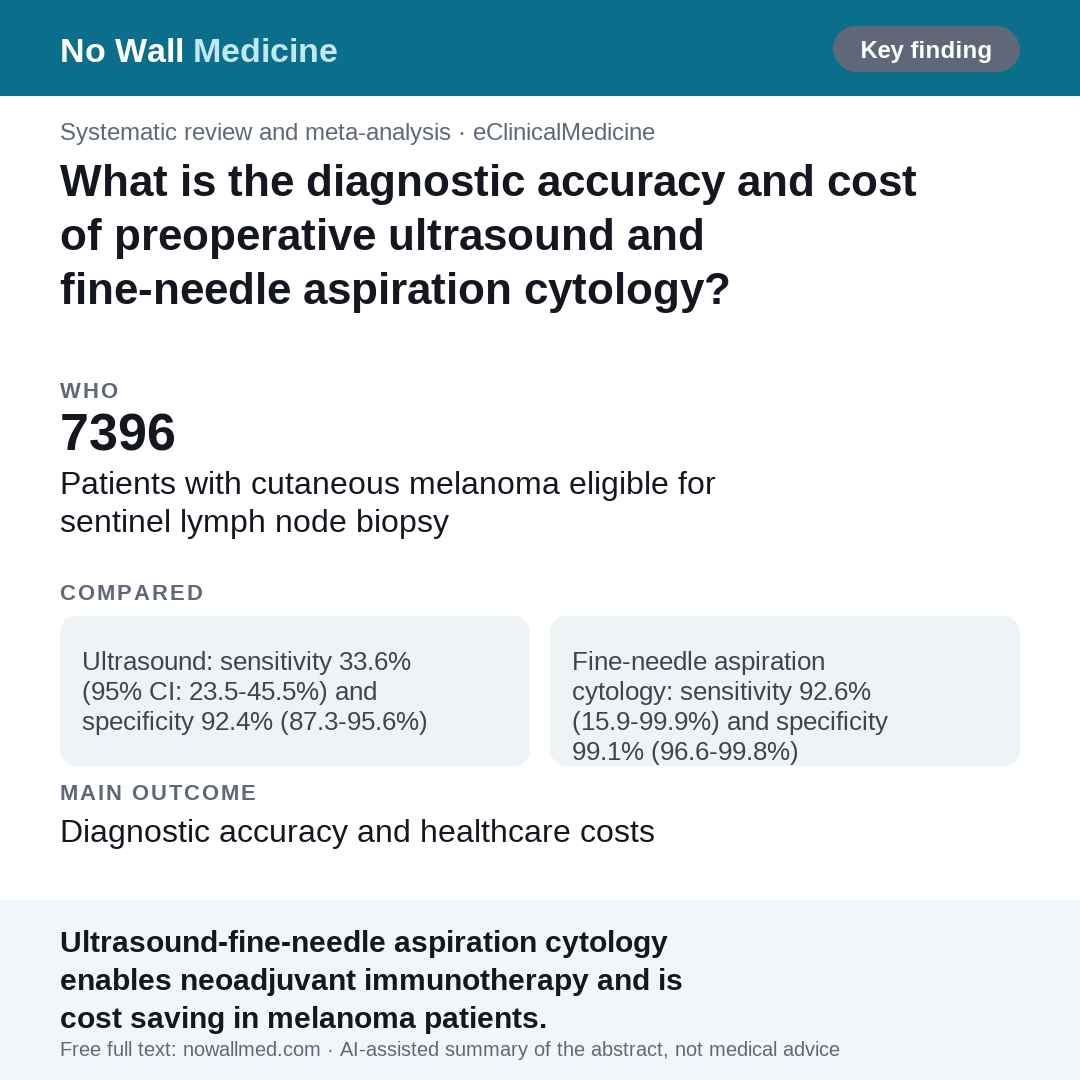
Preoperative ultrasound before sentinel lymph node biopsy in melanoma in the era of neoadjuvant treatment: a systematic review and meta-analysis of diagnostic performance and cost analysis
Systematic review and meta-analysisBenefit found
What is the diagnostic accuracy and cost of preoperative ultrasound and fine-needle aspiration cytology?
Who
7396
Patients with cutaneous melanoma eligible for sentinel lymph node biopsy
Compared
Ultrasound: sensitivity 33.6% (95% CI: 23.5-45.5%) and specificity 92.4% (87.3-95.6%)
Fine-needle aspiration cytology: sensitivity 92.6% (15.9-99.9%) and specificity 99.1% (96.6-99.8%)
Main outcome
Diagnostic accuracy and healthcare costs
Bottom line: Ultrasound-fine-needle aspiration cytology enables neoadjuvant immunotherapy and is cost saving in melanoma patients.
Limitation: Unclear risk of bias in patient selection and index test domains and substantial heterogeneity.
eClinicalMedicine · 2026-01-27Download image
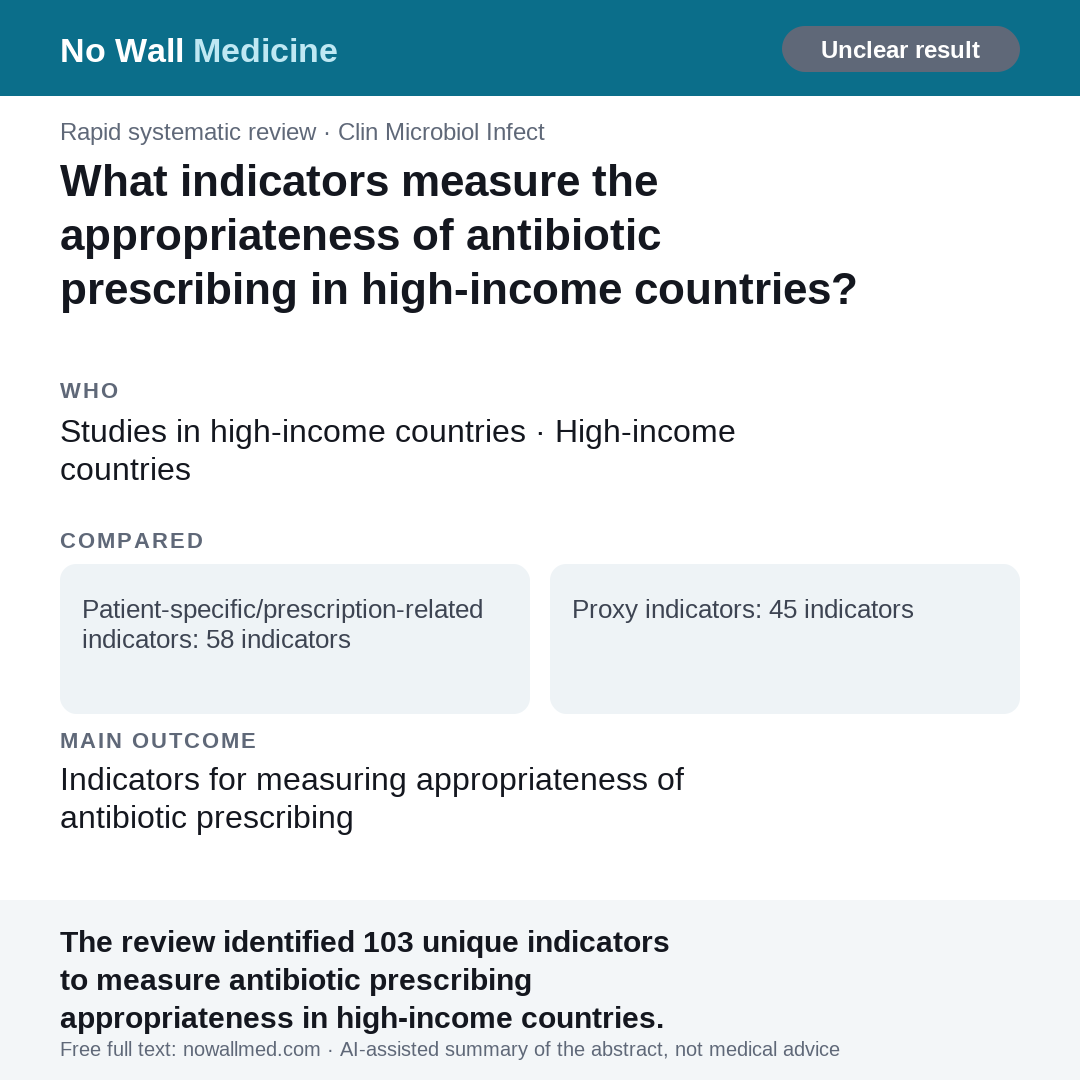
Identifying indicators for measuring appropriateness of antibiotic prescribing in high-income countries: a rapid systematic review
Rapid systematic reviewUnclear result
What indicators measure the appropriateness of antibiotic prescribing in high-income countries?
Who
Studies in high-income countries · High-income countries
Compared
Patient-specific/prescription-related indicators: 58 indicators
Proxy indicators: 45 indicators
Main outcome
Indicators for measuring appropriateness of antibiotic prescribing
Bottom line: The review identified 103 unique indicators to measure antibiotic prescribing appropriateness in high-income countries.
Clin Microbiol Infect · 2026-01-27Download image
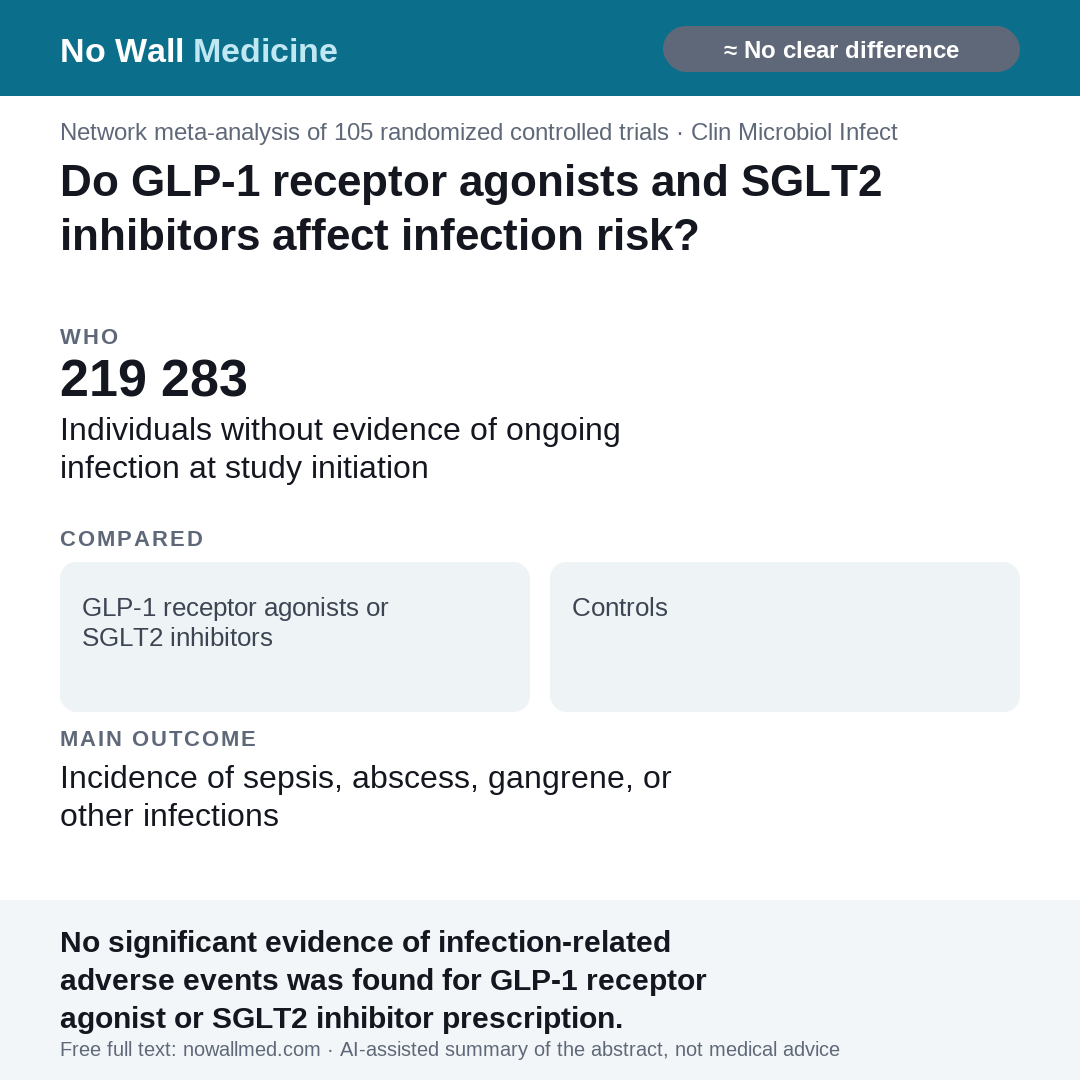
The effect of GLP-1 receptor agonist and SGLT2 inhibitor on infection risk: network meta-analysis
Network meta-analysis of 105 randomized controlled trialsNo clear difference
Do GLP-1 receptor agonists and SGLT2 inhibitors affect infection risk?
Who
219 283
Individuals without evidence of ongoing infection at study initiation
Compared
GLP-1 receptor agonists or SGLT2 inhibitors
Controls
Main outcome
Incidence of sepsis, abscess, gangrene, or other infections
Bottom line: No significant evidence of infection-related adverse events was found for GLP-1 receptor agonist or SGLT2 inhibitor prescription.
Clin Microbiol Infect · 2026-01-27Download image