Visual abstracts
New randomized trials and meta-analyses from leading journals at a glance: who was studied, what was compared, and what was found. Every paper is free to read in full.
All specialtiesCardiology 3958Oncology 3370Gastroenterology & Hepatology 1563Infectious Disease 2908Neurology 1562Psychiatry & Mental Health 1852Pulmonology 1698Critical Care 1111Endocrinology & Diabetes 2033Pediatrics 2377Surgery 2092Orthopedics & Sports Medicine 747Neurosurgery 456Cardiothoracic & Vascular Surgery 491Plastic & Reconstructive Surgery 530Nephrology 868Rheumatology 646Hematology 883Dermatology 497Ophthalmology 433Obstetrics & Gynecology 1381Public & Global Health 780Radiology & Imaging 536Anesthesiology 798Urology 639ENT (Otolaryngology) 428Emergency Medicine 420Allergy & Immunology 249Geriatrics 816Family Medicine & Primary Care 469Medical Genetics & Genomics 538Pathology & Laboratory Medicine 137Physical Medicine & Rehabilitation 604Palliative Care 356Nutrition 1198Digital Health & AI 1825General Medicine 274
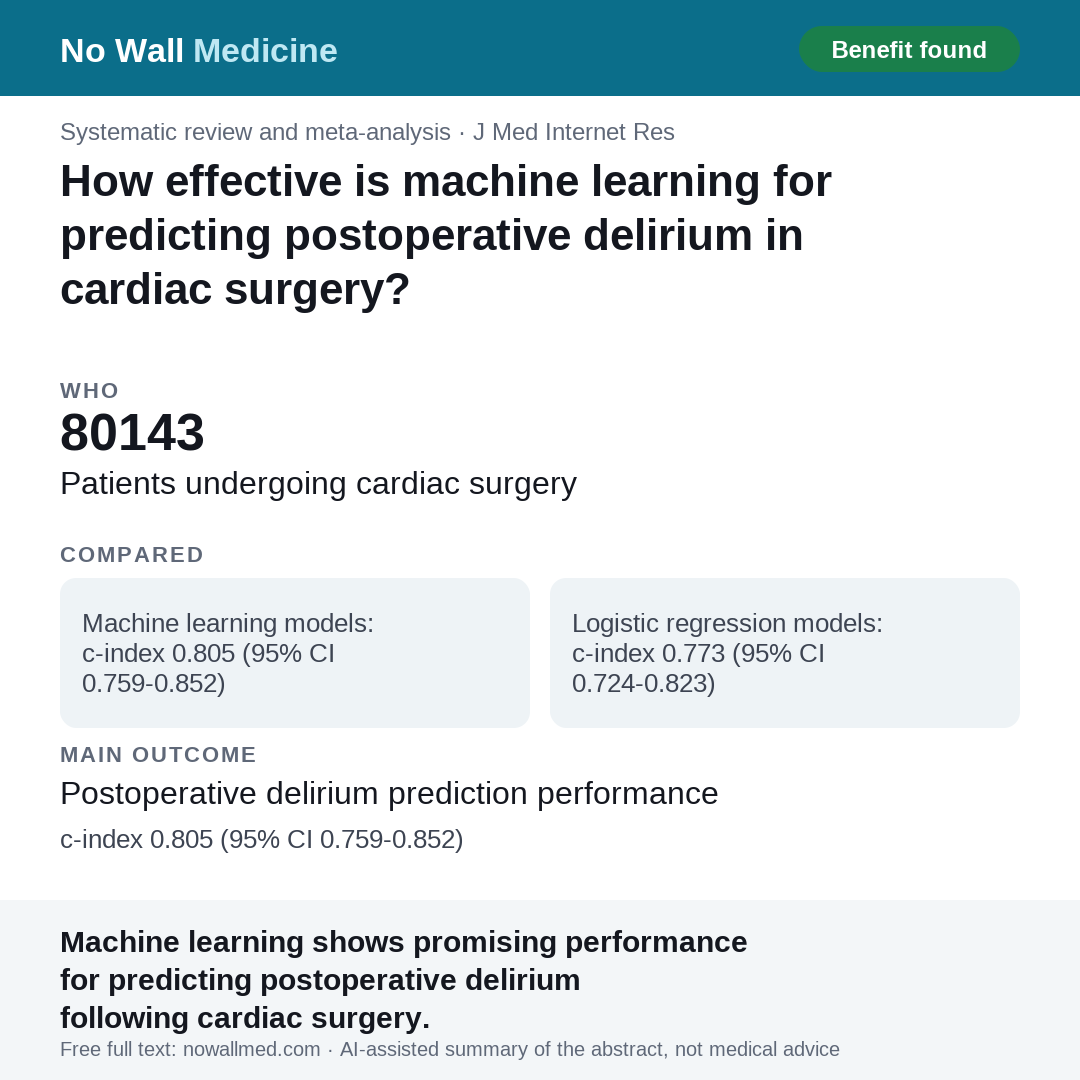
The Predictive Value of Machine Learning for Postoperative Delirium in Cardiac Surgery: Systematic Review and Meta-Analysis
Systematic review and meta-analysisBenefit found
How effective is machine learning for predicting postoperative delirium in cardiac surgery?
Who
80143
Patients undergoing cardiac surgery
Compared
Machine learning models: c-index 0.805 (95% CI 0.759-0.852)
Logistic regression models: c-index 0.773 (95% CI 0.724-0.823)
Main outcome
Postoperative delirium prediction performance
Result: c-index 0.805 (95% CI 0.759-0.852)
Bottom line: Machine learning shows promising performance for predicting postoperative delirium following cardiac surgery.
Limitation: Limited number of studies and validation approaches necessitate cautious interpretation.
J Med Internet Res · 2026-02-23Download image
Barriers and enablers of implementing spiritual care at the end of life: a mixed-methods systematic review using the theoretical domains framework
Mixed-methods systematic reviewMixed results
What are the barriers and enablers of implementing spiritual care at the end of life?
Who
Patients and healthcare providers in palliative care
Compared
Barriers: 16 sub-themes
Enablers: 16 sub-themes
Main outcome
Barriers and enablers of implementing spiritual care
Bottom line: Implementation requires shifting from spiritual rescue toward longitudinal spiritual integration and multidisciplinary training.
BMC Palliat Care · 2026-02-23Download image

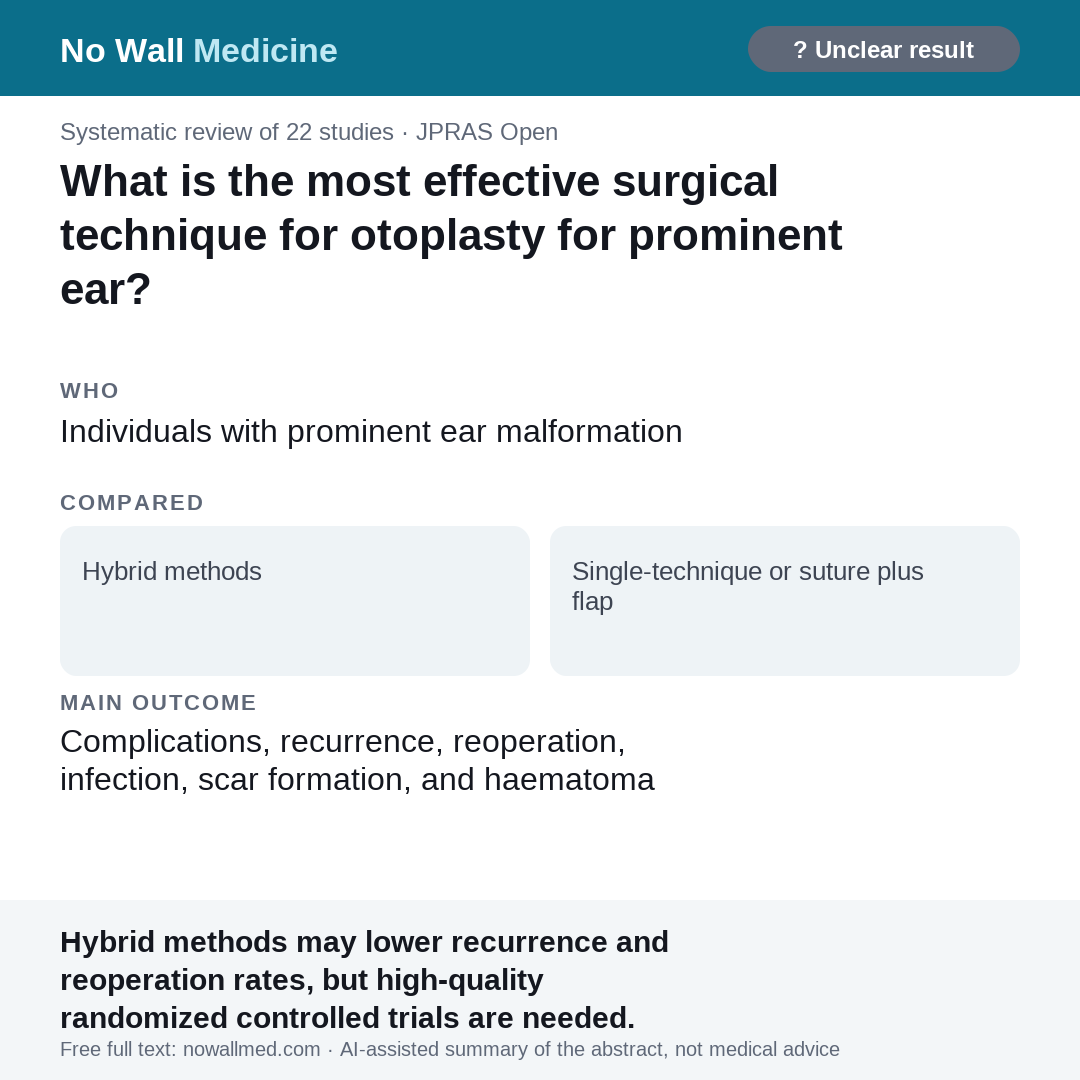
Otoplasty for prominent ear: A systematic review of surgical techniques
Systematic review of 22 studiesUnclear result
What is the most effective surgical technique for otoplasty for prominent ear?
Who
Individuals with prominent ear malformation
Compared
Hybrid methods
Single-technique or suture plus flap
Main outcome
Complications, recurrence, reoperation, infection, scar formation, and haematoma
Bottom line: Hybrid methods may lower recurrence and reoperation rates, but high-quality randomized controlled trials are needed.
Limitation: High-quality, long-term randomised control trials are required to determine the superior technique.
JPRAS Open · 2026-02-23Download image
Outcomes of deprescribing for people with life-limiting conditions: A systematic review
Systematic reviewBenefit found
What are the outcomes of deprescribing in people with life-limiting conditions?
Who
People with life-limiting conditions · Nursing homes, long-term care facilities, and hospitals
Compared
Deprescribing
Control
Main outcome
Clinical outcomes including medication burden, mortality, and costs
Bottom line: Deprescribing may reduce medication burden and costs, though mortality impacts and risks require careful monitoring.
Limitation: Further research should explore how outcomes vary by disease condition and medication type.
Palliat Med · 2026-02-22Download image

A Systematic Review and Meta-Analysis of the Recurrence of Autoimmune Encephalitis
Systematic review and meta-analysis of 39 observational studiesMixed results
What is the recurrence rate and risk factors for autoimmune encephalitis?
Who
Patients with autoimmune encephalitis
Compared
0.162Overall autoimmune encephalitis (95% CI, 0.121-0.207)
0.148Anti-NMDAR encephalitis (95% CI, 0.108-0.193)
Main outcome
Recurrence rate of autoimmune encephalitis
Bottom line: The overall recurrence rate was 0.162, with second-line treatment and teratoma removal decreasing recurrence risk.
Ann Clin Transl Neurol · 2026-02-22Download image

The influence of immunohistochemistry-based subtypes on overall survival in breast cancer spine metastases: a systematic review and meta-analysis
Systematic review and meta-analysisMixed results
How do immunohistochemistry-based subtypes influence overall survival in breast cancer spinal metastases?
Who
672
Patients with breast cancer spinal metastases
Compared
28.9 monthsHormone receptor positive (95% CI 26.0-35.6)
43.7 monthsHuman epidermal growth factor receptor 2-enriched (31.9-48.7)
10.7 monthsTriple-negative breast cancer (8.9-19.2)
Main outcome
overall survival
Bottom line: Survival varies significantly by subtype, with HER2-enriched and hormone receptor-positive subtypes showing better outcomes than triple-negative breast cancer.
BMC Med · 2026-02-21Download image

Autologous Tissue Substitutes for Ureteral Reconstruction: A Systematic Review of Surgical Techniques and Outcomes
Systematic review and narrative synthesisBenefit found
What are the surgical techniques and outcomes for ureteral reconstruction using autologous tissue substitutes?
Who
559
Patients with ureteral strictures
Compared
Buccal or lingual mucosa grafts: 85-100%
Appendiceal techniques: 85-93%
100%Vesical mucosa grafts
Main outcome
Short-term success rates of ureteral reconstruction
Bottom line: Autologous tissue substitutes are viable options for ureteral reconstruction, with success rates depending on the graft type used.
Limitation: Retrospective nature of most studies, heterogeneous reporting, and short follow-up.
Eur Urol Open Sci · 2026-02-21Download image

Perioperative anesthesia management of GLP-1 receptor agonists: a systematic review of potential risks
Systematic reviewUnclear result
Does glucagon-like peptide-1 receptor agonist use increase perioperative regurgitation and aspiration?
Who
Patients using glucagon-like peptide-1 receptor agonists · PubMed, Google Scholar, SCOPUS, MEDLINE, and EMBASE
Compared
Glucagon-like peptide-1 receptor agonist users
Control
Main outcome
Regurgitation and aspiration events
Bottom line: Evidence linking glucagon-like peptide-1 receptor agonists to increased regurgitation or aspiration events remains highly inconsistent.
Limitation: Variability in studies, potential confounding factors, and severe heterogeneity of conclusions.
Perioper Med · 2026-02-21Download image

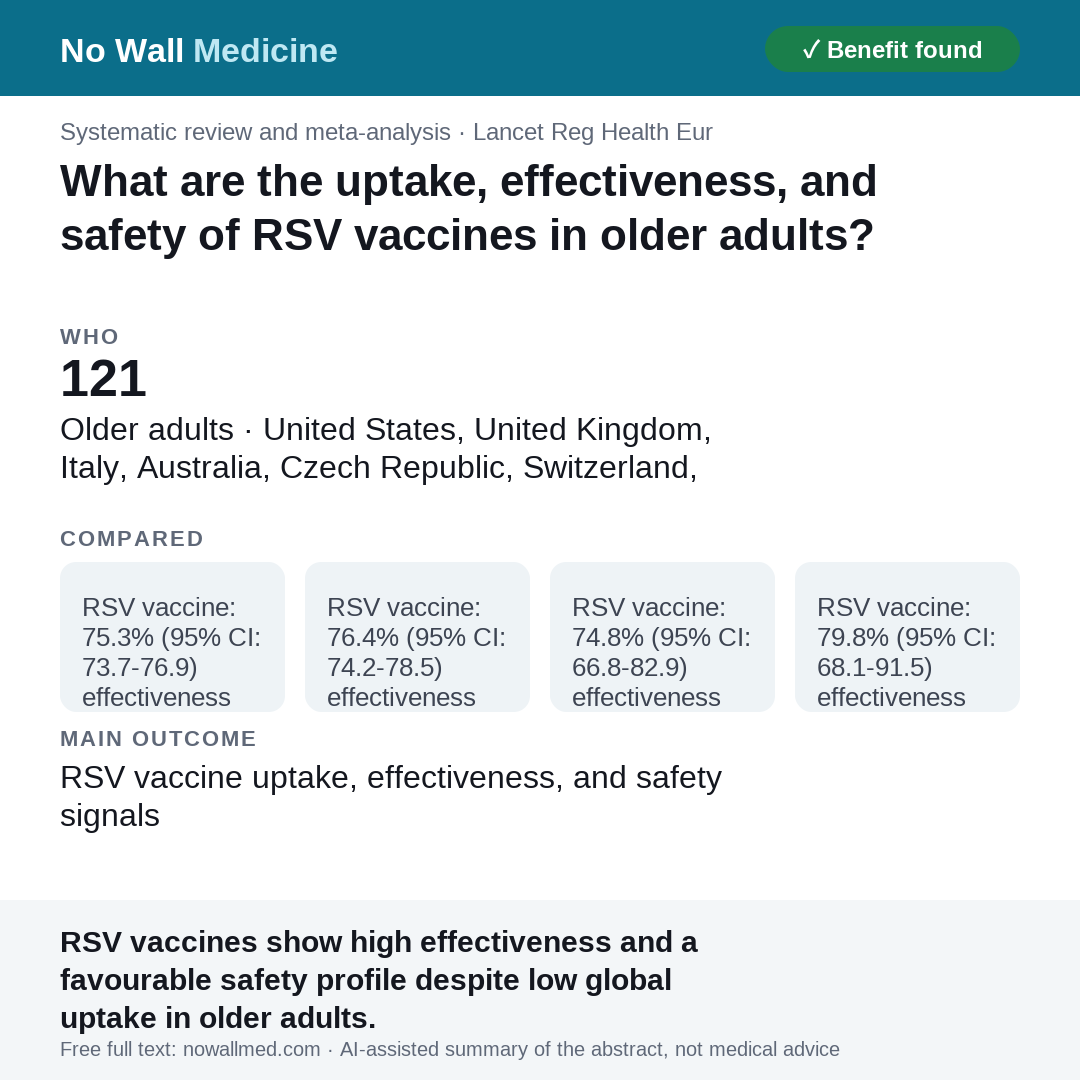
Real-world evidence on RSV vaccine uptake, effectiveness, and safety in older adults: a systematic review and meta-analysis
Systematic review and meta-analysisBenefit found
What are the uptake, effectiveness, and safety of RSV vaccines in older adults?
Who
121
Older adults · United States, United Kingdom, Italy, Australia, Czech Republic, Switzerland, France, Canada, and Israel
Compared
RSV vaccine: 75.3% (95% CI: 73.7-76.9) effectiveness against any laboratory-confirmed RSV-positive infection
RSV vaccine: 76.4% (95% CI: 74.2-78.5) effectiveness against RSV-related emergency department or urgent care visits
RSV vaccine: 74.8% (95% CI: 66.8-82.9) effectiveness against RSV-related hospital admissions
RSV vaccine: 79.8% (95% CI: 68.1-91.5) effectiveness against severe RSV-associated disease
Main outcome
RSV vaccine uptake, effectiveness, and safety signals
Bottom line: RSV vaccines show high effectiveness and a favourable safety profile despite low global uptake in older adults.
Lancet Reg Health Eur · 2026-02-20Download image
Pharmacological and Genetic Targeting of Inflammatory Chemokine Receptors CCR1, CCR2, and CCR5 in Atherosclerosis: A Systematic Review and Meta-Analysis of Preclinical Studies
Systematic review and meta-analysis of preclinical studiesBenefit found
Does inhibiting chemokine receptors CCR1, CCR2, and CCR5 reduce atherosclerotic burden?
Who
Murine models of atherosclerosis or hyperlipidemia
Compared
CCR2 inhibition: SMD=-1.14 (95% CI, -1.47 to -0.81) for lesion size
CCR5 inhibition: SMD=-1.06 (95% CI, -1.64 to -0.48) for lesion size
Main outcome
Lesion size and morphological composition
Result: CCR2: SMD=-1.14 (95% CI, -1.47 to -0.81); CCR5: SMD=-1.06 (95% CI, -1.64 to -0.48)
Bottom line: Inhibition of CCR2 or CCR5 is protective in experimental atherosclerosis, while CCR1 effects are less clear.
J Am Heart Assoc · 2026-02-20Download image

Mothership Versus Drip-and-Ship Models in Acute Stroke Care: A Time-Sensitive Meta-Analysis
Systematic review and meta-analysisNo clear difference
Do mothership or drip-and-ship models provide superior outcomes in acute ischemic stroke?
Who
16485
Patients with anterior circulation large vessel occlusion treated with mechanical thrombectomy
Compared
Mothership model
Drip-and-ship model
Main outcome
90-day functional independence
Result: odds ratio 1.12 (95% CI 0.94-1.32)
Bottom line: Mothership and drip-and-ship models show no significant difference in 90-day functional independence.
J Am Heart Assoc · 2026-02-20Download image

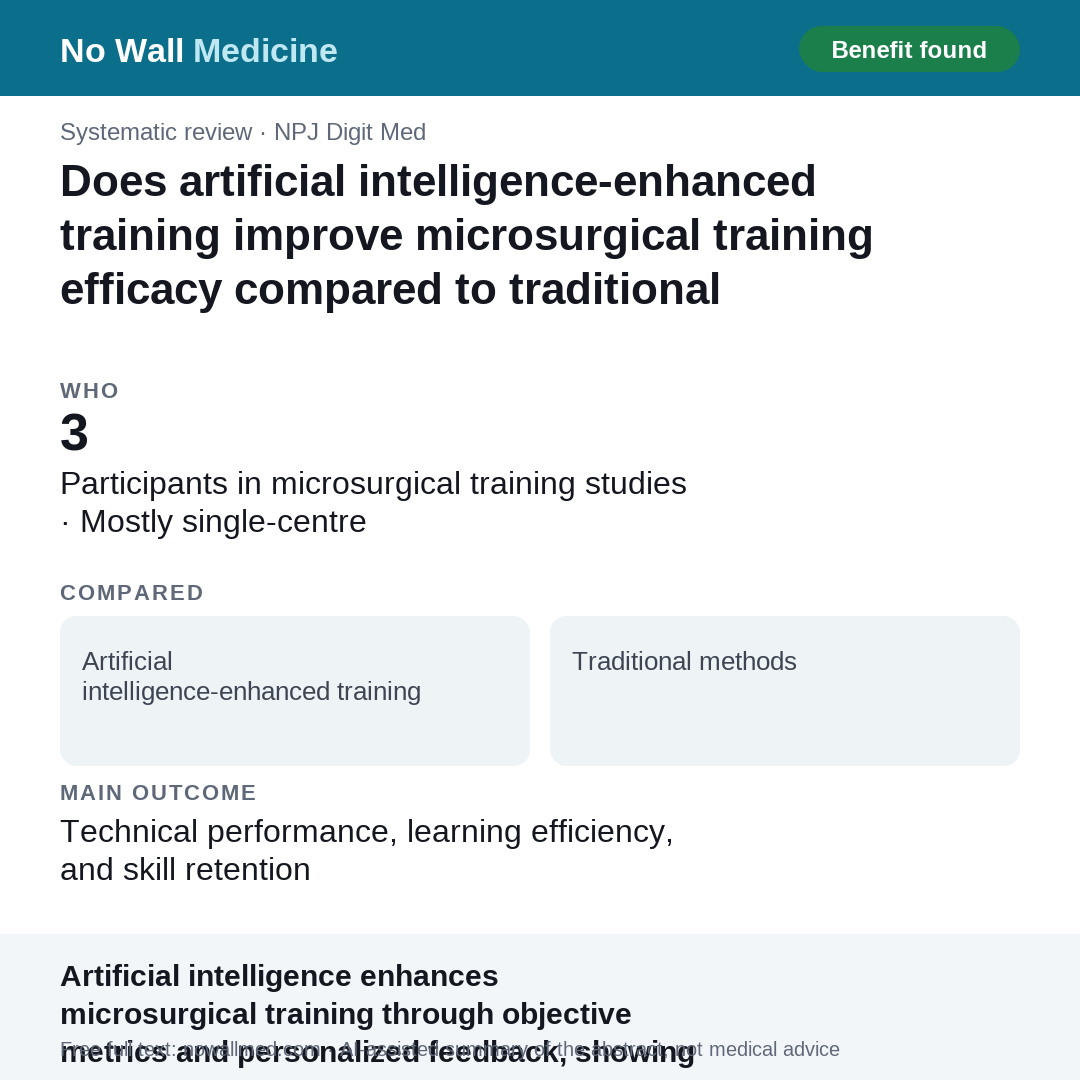
Artificial intelligence-enhanced microsurgical training: a systematic review
Systematic reviewBenefit found
Does artificial intelligence-enhanced training improve microsurgical training efficacy compared to traditional methods?
Who
3
Participants in microsurgical training studies · Mostly single-centre
Compared
Artificial intelligence-enhanced training
Traditional methods
Main outcome
Technical performance, learning efficiency, and skill retention
Bottom line: Artificial intelligence enhances microsurgical training through objective metrics and personalized feedback, showing promising technical advantages in simulations.
Limitation: Heterogeneous, low-quality evidence and poor external validation limit generalisability.
NPJ Digit Med · 2026-02-20Download image
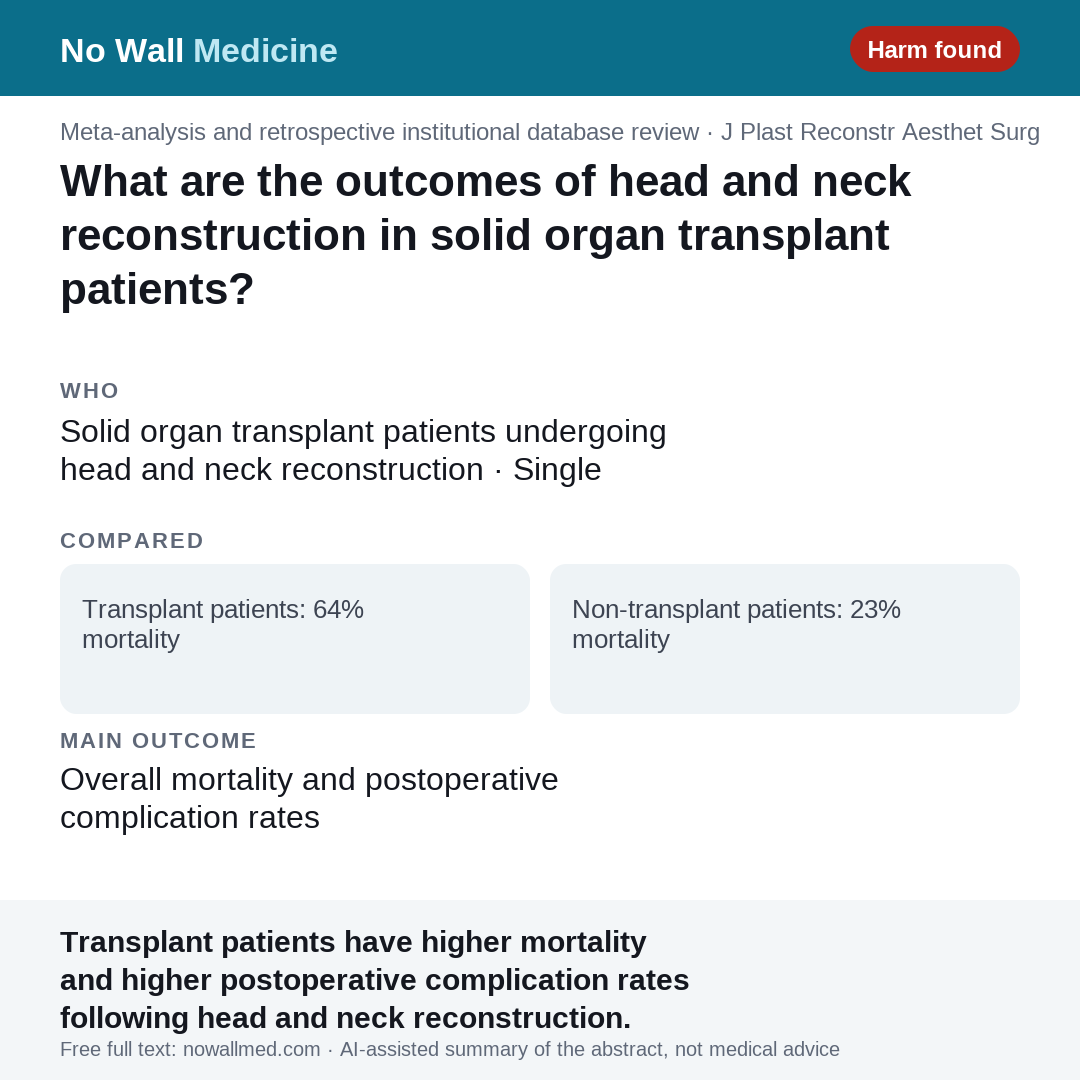
Outcomes of microvascular head and neck reconstruction in solid organ transplant patients: A single institution experience and meta-analysis
Meta-analysis and retrospective institutional database reviewHarm found
What are the outcomes of head and neck reconstruction in solid organ transplant patients?
Who
Solid organ transplant patients undergoing head and neck reconstruction · Single institution
Compared
Transplant patients: 64% mortality
Non-transplant patients: 23% mortality
Main outcome
Overall mortality and postoperative complication rates
Bottom line: Transplant patients have higher mortality and higher postoperative complication rates following head and neck reconstruction.
Limitation: Data on outcomes in this immunosuppressed population remain limited.
J Plast Reconstr Aesthet Surg · 2026-02-19Download image
Efficacy and safety of anti-prediabetic drugs in patients with prediabetes: a Bayesian network meta-analysis
Bayesian network meta-analysisBenefit found
What are the efficacy and safety of anti-prediabetic drugs in patients with prediabetes?
Who
16610
adults with prediabetes
Compared
anti-prediabetic drugs: HbA1c (MD, -0.94 ~ -0.27%)
placebo
Main outcome
hemoglobin A1c, fasting plasma glucose, weight loss, and body mass index
Bottom line: Most anti-prediabetic drugs significantly reduce hemoglobin A1c, fasting plasma glucose, weight, and body mass index compared to placebo.
BMC Med · 2026-02-19Download image

A Systematic Review on the Impact of Donor Characteristics and Donor Milk Handling on Infant Health and Growth
Systematic reviewUnclear result
How do donor characteristics and milk handling impact premature infant health and growth?
Who
Premature infants fed donor human milk
Compared
Standard donor human milk
Modified donor human milk
Main outcome
Infant health and growth
Bottom line: There is a complete lack of evidence to support the efficacy of various donor milk interventions.
Adv Nutr · 2026-02-19Download image

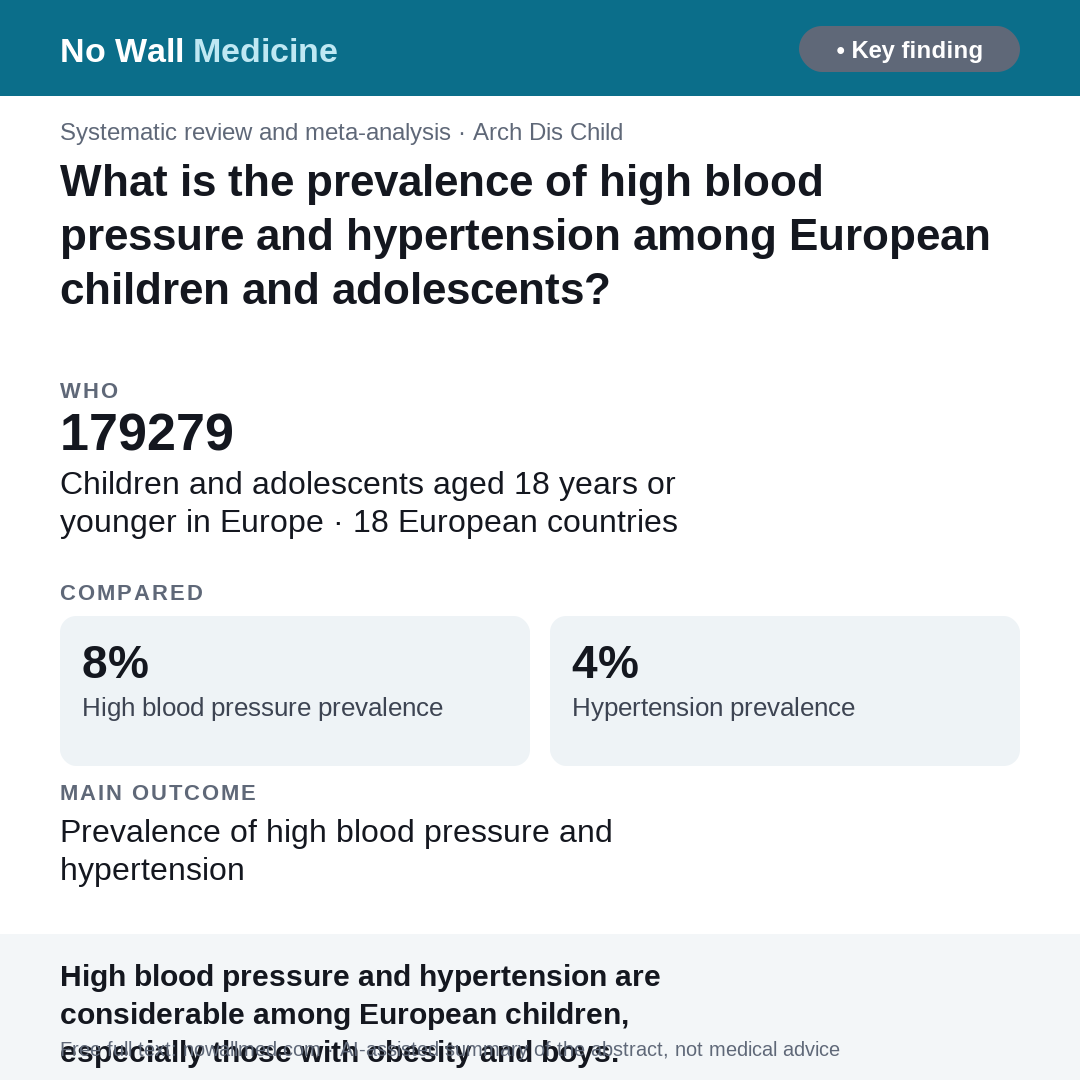
Prevalence of high blood pressure and hypertension among children and adolescents in Europe: a systematic review and meta-analysis
Systematic review and meta-analysisBenefit found
What is the prevalence of high blood pressure and hypertension among European children and adolescents?
Who
179279
Children and adolescents aged 18 years or younger in Europe · 18 European countries
Compared
8%High blood pressure prevalence (95% CI 7% to 10%)
4%Hypertension prevalence (95% CI 3% to 5%)
Main outcome
Prevalence of high blood pressure and hypertension
Bottom line: High blood pressure and hypertension are considerable among European children, especially those with obesity and boys.
Limitation: Moderate or high risk of bias and variability in blood pressure measurement methods.
Arch Dis Child · 2026-02-19Download image
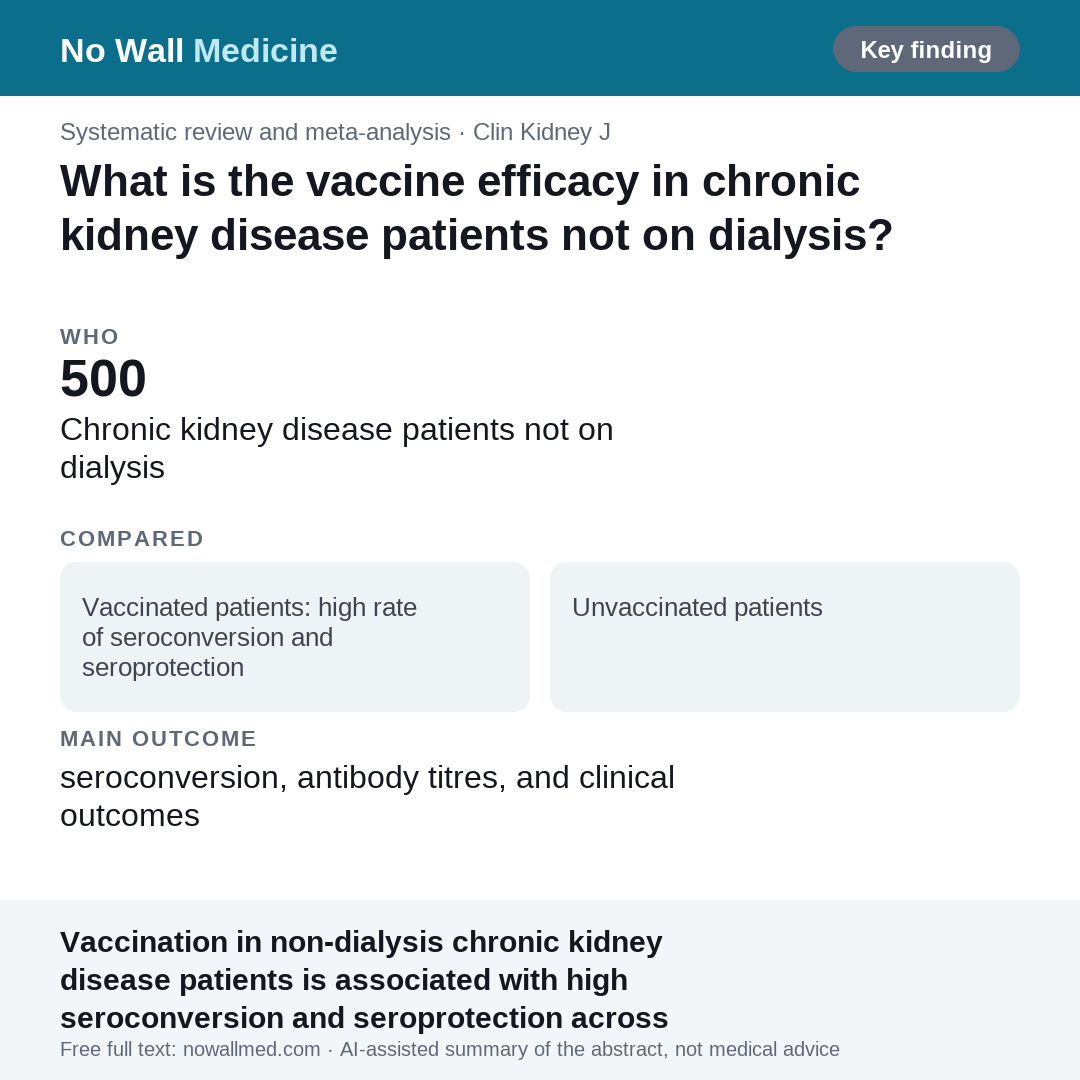
Vaccine efficacy in CKD patients not on dialysis: a systematic review and meta-analysis
Systematic review and meta-analysisBenefit found
What is the vaccine efficacy in chronic kidney disease patients not on dialysis?
Who
500
Chronic kidney disease patients not on dialysis
Compared
Vaccinated patients: high rate of seroconversion and seroprotection
Unvaccinated patients
Main outcome
seroconversion, antibody titres, and clinical outcomes
Bottom line: Vaccination in non-dialysis chronic kidney disease patients is associated with high seroconversion and seroprotection across multiple vaccines.
Limitation: Surrogate markers may not fully reflect clinical effectiveness regarding infection-related morbidities and mortalities.
Clin Kidney J · 2026-02-19Download image
Large language models in systematic review and meta-analysis of surgical treatments for vaginal vault prolapse
Systematic review and meta-analysisMixed results
How do large language models perform in systematic reviews of vaginal vault prolapse surgery?
Who
1668
Women with vaginal vault prolapse
Compared
Sacrocolpopexy: higher anatomic success than sacrospinous fixation
Sacrospinous fixation
Transvaginal mesh: improved 3-year objective success compared with sacrospinous fixation
Sacrospinous fixation: higher reoperation rates (5-16% vs 2-4%) than sacrocolpopexy
Main outcome
Anatomic success, objective success, and reoperation rates
Result: OR 1.42, 95% CI 0.71-2.84; OR 1.84, 95% CI 1.13-2.99
Bottom line: Large language models can efficiently synthesize evidence, but surgical comparisons showed no single conclusive superior technique.
NPJ Digit Med · 2026-02-19Download image

Securing Federated Learning With Blockchain in the Medical Field: Systematic Literature Review
Systematic literature reviewBenefit found
How does blockchain-based federated learning enhance security and privacy in the medical field?
Who
Studies on blockchain-based federated learning in medicine · PubMed, IEEE Xplore, Web of Science, and Google Scholar
Compared
Blockchain-based federated learning
Traditional centralized systems
Main outcome
Data security, privacy-preserving collaboration, and practical medical applications
Bottom line: Blockchain-based federated learning enhances data security and privacy for collaborative medical artificial intelligence applications.
Limitation: Current technical and practical challenges exist.
J Med Internet Res · 2026-02-19Download image

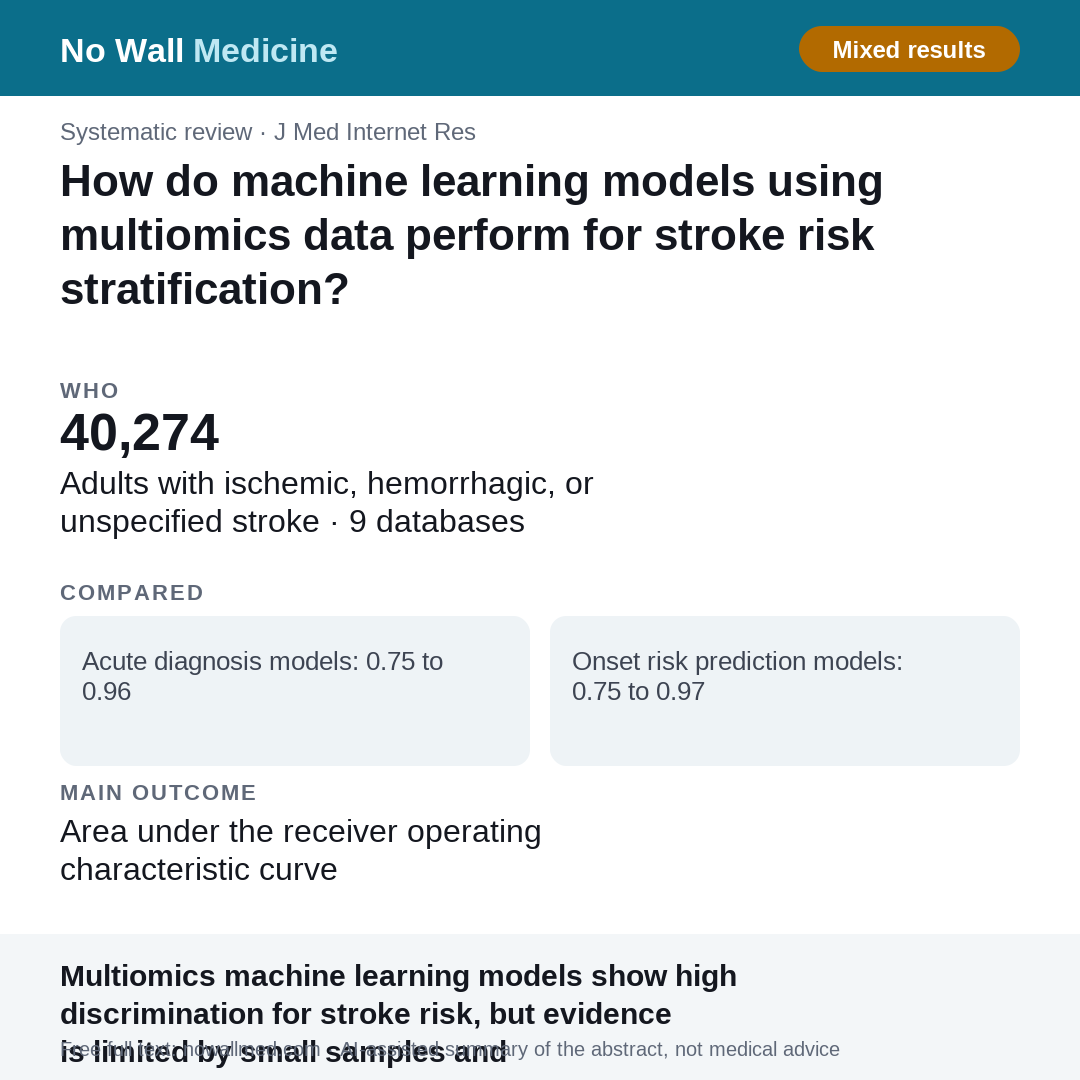
Machine Learning for Predicting Stroke Risk Stratification Using Multiomics Data: Systematic Review
Systematic reviewMixed results
How do machine learning models using multiomics data perform for stroke risk stratification?
Who
40,274
Adults with ischemic, hemorrhagic, or unspecified stroke · 9 databases
Compared
Acute diagnosis models: 0.75 to 0.96
Onset risk prediction models: 0.75 to 0.97
Main outcome
Area under the receiver operating characteristic curve
Bottom line: Multiomics machine learning models show high discrimination for stroke risk, but evidence is limited by small samples and heterogeneous designs.
Limitation: Small sample sizes, heterogeneous designs, and incomplete reporting hinder reproducibility and generalizability.
J Med Internet Res · 2026-02-19Download image