Visual abstracts
New randomized trials and meta-analyses from leading journals at a glance: who was studied, what was compared, and what was found. Every paper is free to read in full.
All specialtiesCardiology 4763Oncology 4043Gastroenterology & Hepatology 1903Infectious Disease 3756Neurology 1872Psychiatry & Mental Health 2216Pulmonology 2044Critical Care 1319Endocrinology & Diabetes 2544Pediatrics 2889Surgery 2480Orthopedics & Sports Medicine 917Neurosurgery 525Cardiothoracic & Vascular Surgery 656Plastic & Reconstructive Surgery 574Nephrology 1107Rheumatology 810Hematology 1090Dermatology 611Ophthalmology 532Obstetrics & Gynecology 1645Public & Global Health 1037Radiology & Imaging 619Anesthesiology 958Urology 745ENT (Otolaryngology) 494Emergency Medicine 481Allergy & Immunology 309Geriatrics 972Family Medicine & Primary Care 534Medical Genetics & Genomics 659Pathology & Laboratory Medicine 156Physical Medicine & Rehabilitation 734Palliative Care 421Nutrition 1560Digital Health & AI 2137General Medicine 318
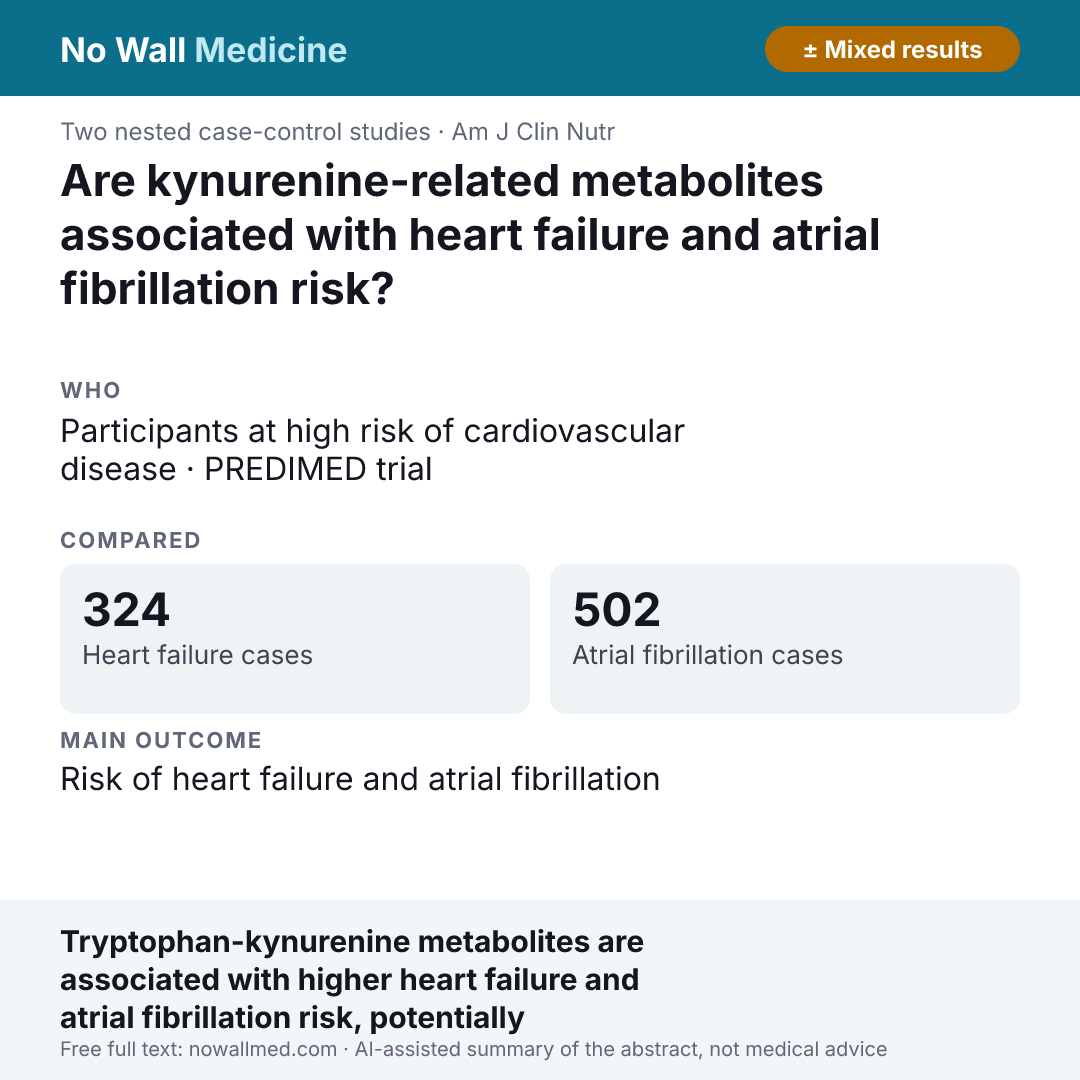
Metabolomics of the tryptophan-kynurenine degradation pathway and risk of atrial fibrillation and heart failure: potential modification effect of Mediterranean diet
Two nested case-control studiesMixed results
Are kynurenine-related metabolites associated with heart failure and atrial fibrillation risk?
Who
Participants at high risk of cardiovascular disease · PREDIMED trial
Compared
324Heart failure cases
502Atrial fibrillation cases
Main outcome
Risk of heart failure and atrial fibrillation
Bottom line: Tryptophan-kynurenine metabolites are associated with higher heart failure and atrial fibrillation risk, potentially modified by Mediterranean diet.
Am J Clin Nutr · 2021-07-23 · Save PNG
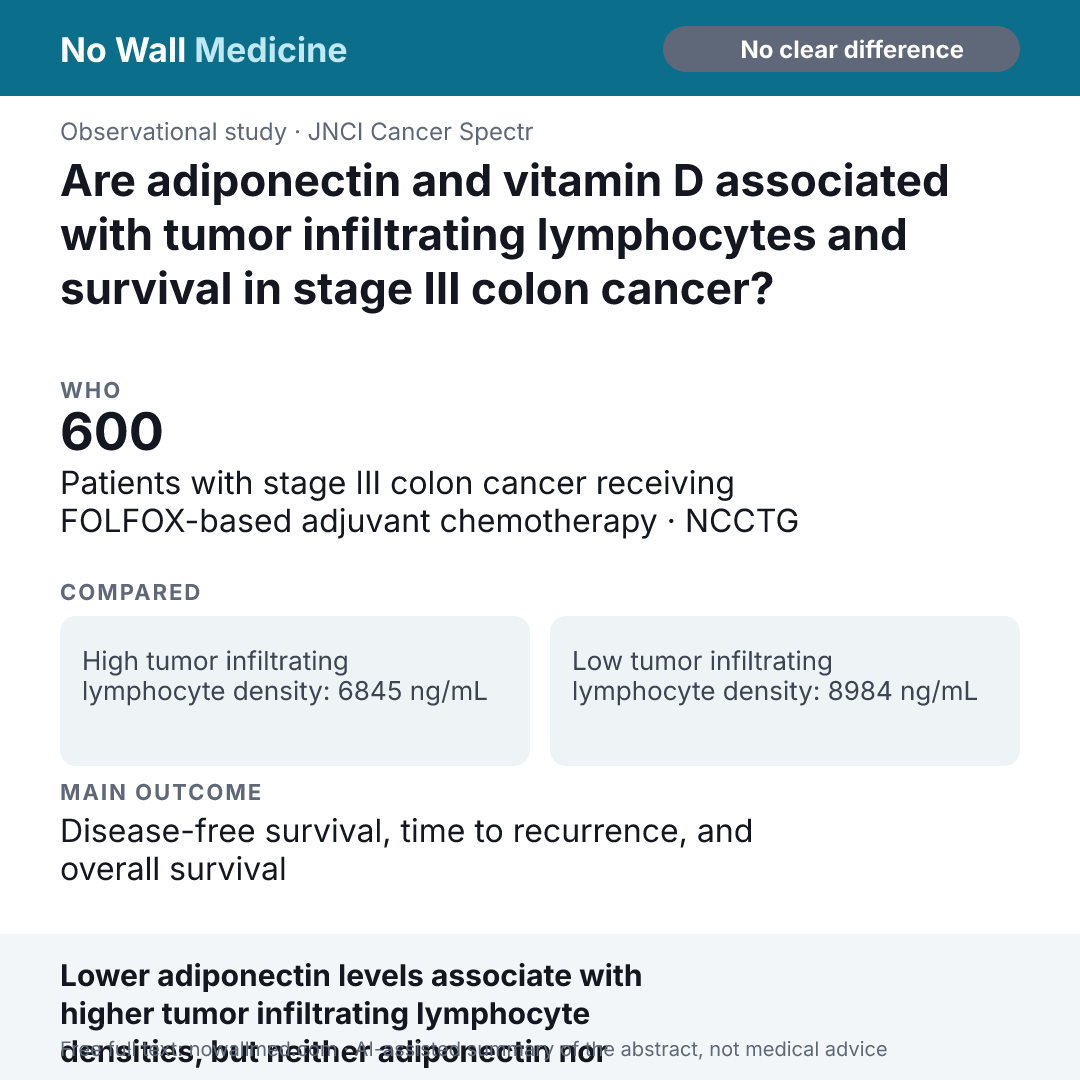
Association of Adiponectin and Vitamin D With Tumor Infiltrating Lymphocytes and Survival in Stage III Colon Cancer
Observational studyNo clear difference
Are adiponectin and vitamin D associated with tumor infiltrating lymphocytes and survival in stage III colon cancer?
Who
600
Patients with stage III colon cancer receiving FOLFOX-based adjuvant chemotherapy · NCCTG N0147 Alliance
Compared
High tumor infiltrating lymphocyte density: 6845 ng/mL
Low tumor infiltrating lymphocyte density: 8984 ng/mL
Main outcome
Disease-free survival, time to recurrence, and overall survival
Bottom line: Lower adiponectin levels associate with higher tumor infiltrating lymphocyte densities, but neither adiponectin nor vitamin D independently predict survival.
JNCI Cancer Spectr · 2021-07-23 · Save PNG
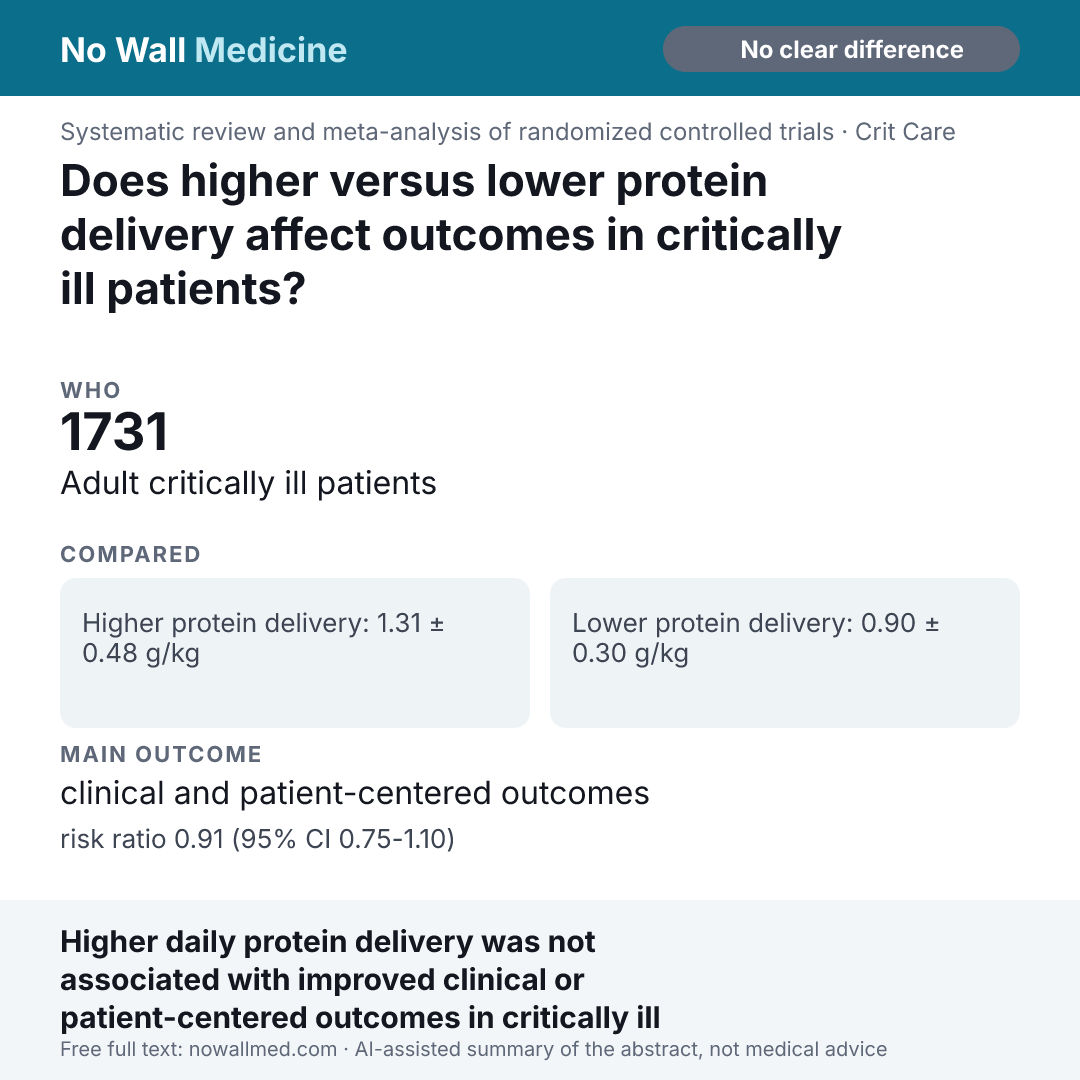
The effect of higher versus lower protein delivery in critically ill patients: a systematic review and meta-analysis of randomized controlled trials
Systematic review and meta-analysis of randomized controlled trialsNo clear difference
Does higher versus lower protein delivery affect outcomes in critically ill patients?
Who
1731
Adult critically ill patients
Compared
Higher protein delivery: 1.31 ± 0.48 g/kg
Lower protein delivery: 0.90 ± 0.30 g/kg
Main outcome
clinical and patient-centered outcomes
Result: risk ratio 0.91 (95% CI 0.75-1.10)
Bottom line: Higher daily protein delivery was not associated with improved clinical or patient-centered outcomes in critically ill patients.
Crit Care · 2021-07-23 · Save PNG
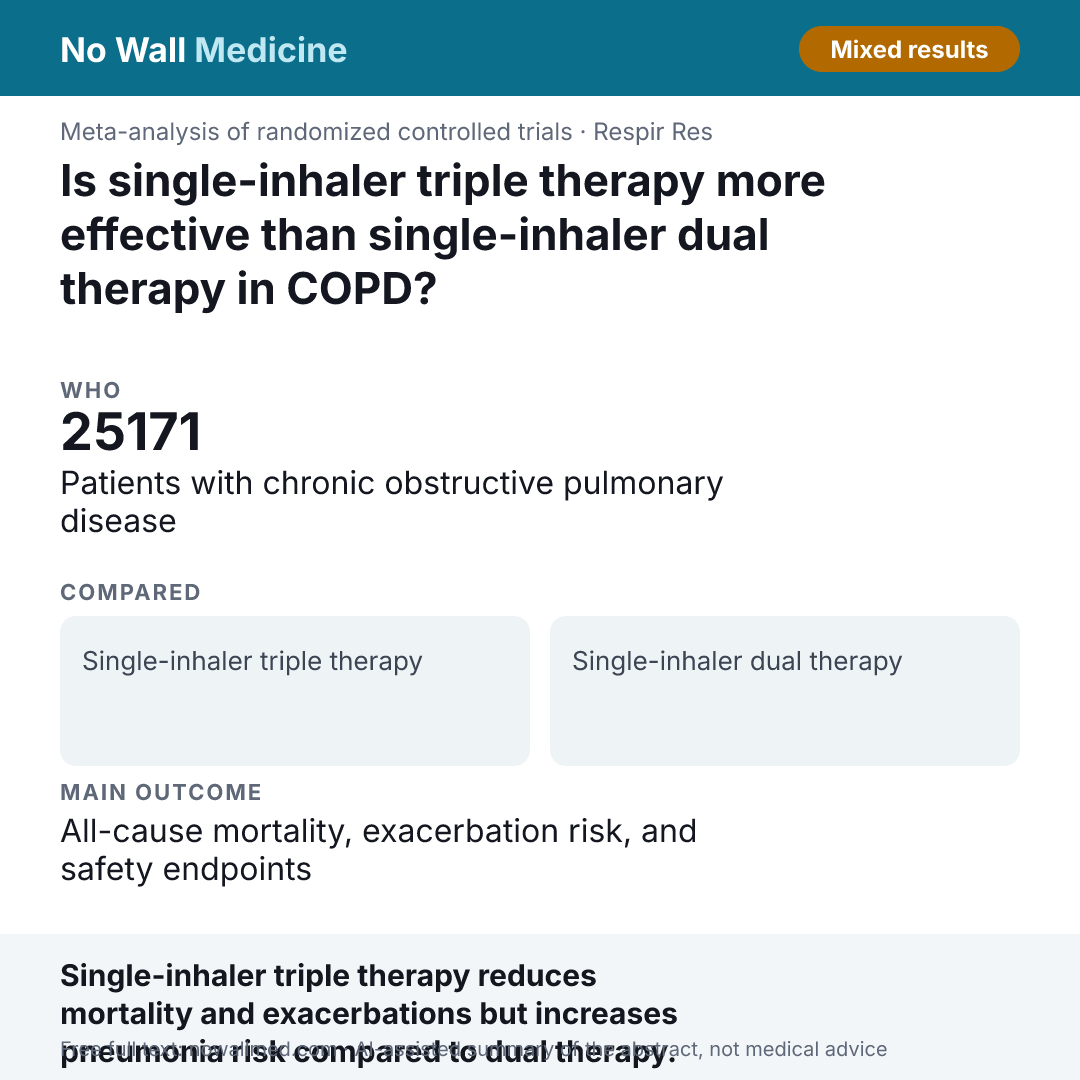
Single-inhaler triple vs single-inhaler dual therapy in patients with chronic obstructive pulmonary disease: a meta-analysis of randomized control trials
Meta-analysis of randomized controlled trialsMixed results
Is single-inhaler triple therapy more effective than single-inhaler dual therapy in COPD?
Who
25171
Patients with chronic obstructive pulmonary disease
Compared
Single-inhaler triple therapy
Single-inhaler dual therapy
Main outcome
All-cause mortality, exacerbation risk, and safety endpoints
Result: risk ratio 0.70 (95% CI 0.56-0.88) for all-cause mortality
Bottom line: Single-inhaler triple therapy reduces mortality and exacerbations but increases pneumonia risk compared to dual therapy.
Respir Res · 2021-07-23 · Save PNG
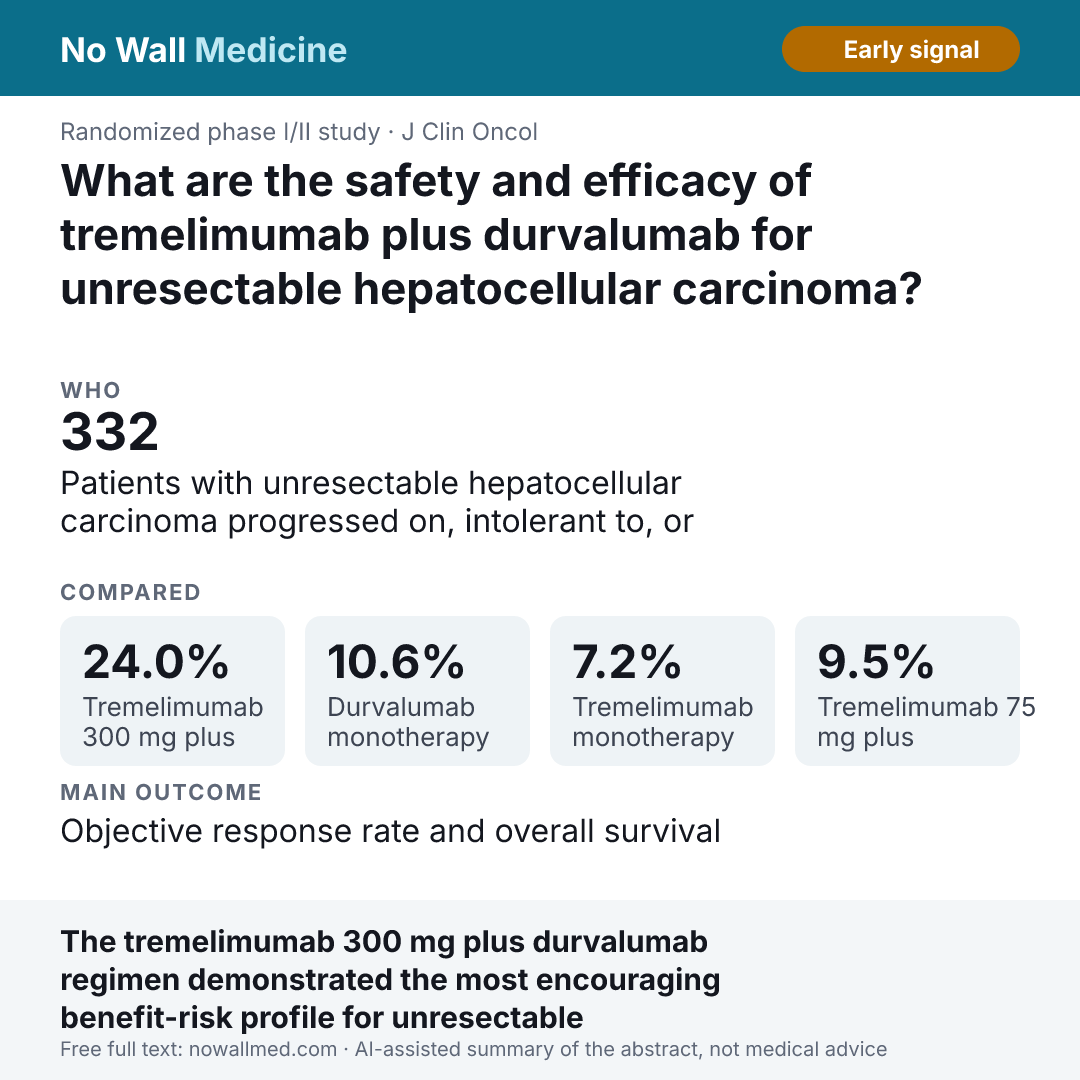
Safety, Efficacy, and Pharmacodynamics of Tremelimumab Plus Durvalumab for Patients With Unresectable Hepatocellular Carcinoma: Randomized Expansion of a Phase I/II Study
Randomized phase I/II studyEarly signal
What are the safety and efficacy of tremelimumab plus durvalumab for unresectable hepatocellular carcinoma?
Who
332
Patients with unresectable hepatocellular carcinoma progressed on, intolerant to, or refused sorafenib
Compared
24.0%Tremelimumab 300 mg plus durvalumab (14.9 to 35.3)
10.6%Durvalumab monotherapy (5.4 to 18.1)
7.2%Tremelimumab monotherapy (2.4 to 16.1)
9.5%Tremelimumab 75 mg plus durvalumab (4.2 to 17.9)
Main outcome
Objective response rate and overall survival
Bottom line: The tremelimumab 300 mg plus durvalumab regimen demonstrated the most encouraging benefit-risk profile for unresectable hepatocellular carcinoma.
J Clin Oncol · 2021-07-22 · Save PNG
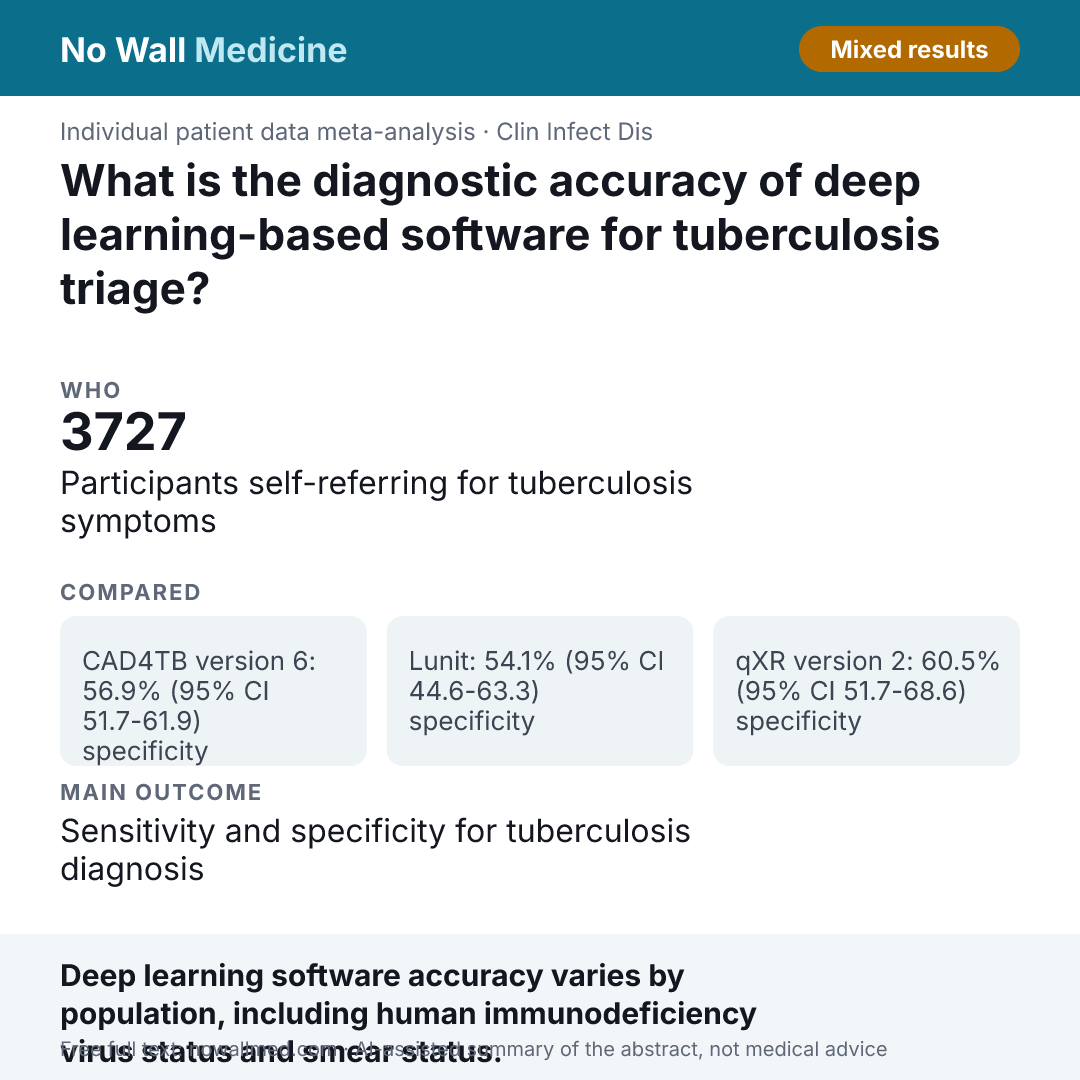
Chest X-ray Analysis With Deep Learning-Based Software as a Triage Test for Pulmonary Tuberculosis: An Individual Patient Data Meta-Analysis of Diagnostic Accuracy
Individual patient data meta-analysisMixed results
What is the diagnostic accuracy of deep learning-based software for tuberculosis triage?
Who
3727
Participants self-referring for tuberculosis symptoms
Compared
CAD4TB version 6: 56.9% (95% CI 51.7-61.9) specificity
Lunit: 54.1% (95% CI 44.6-63.3) specificity
qXR version 2: 60.5% (95% CI 51.7-68.6) specificity
Main outcome
Sensitivity and specificity for tuberculosis diagnosis
Bottom line: Deep learning software accuracy varies by population, including human immunodeficiency virus status and smear status.
Clin Infect Dis · 2021-07-22 · Save PNG
Evaluation of Cognitive Behavioral Therapy vs Mindfulness Meditation in Brain Changes During Reappraisal and Acceptance Among Patients With Social Anxiety Disorder: A Randomized Clinical Trial
Randomized clinical trialNo clear difference
Do cognitive behavioral group therapy and mindfulness meditation affect brain changes and negative emotion in social anxiety disorder?
Who
95
Unmedicated adults diagnosed with generalized social anxiety disorder · Stanford University psychology department
Compared
Cognitive behavioral group therapy: significant decrease in negative emotion
Mindfulness-based stress reduction: significant decrease in negative emotion
Waitlist
Main outcome
Changes in self-reported negative emotion and functional magnetic resonance imaging signal
Bottom line: Cognitive behavioral group therapy and mindfulness meditation both effectively improve emotion regulation and brain activity in social anxiety disorder.
JAMA Psychiatry · 2021-07-22 · Save PNG

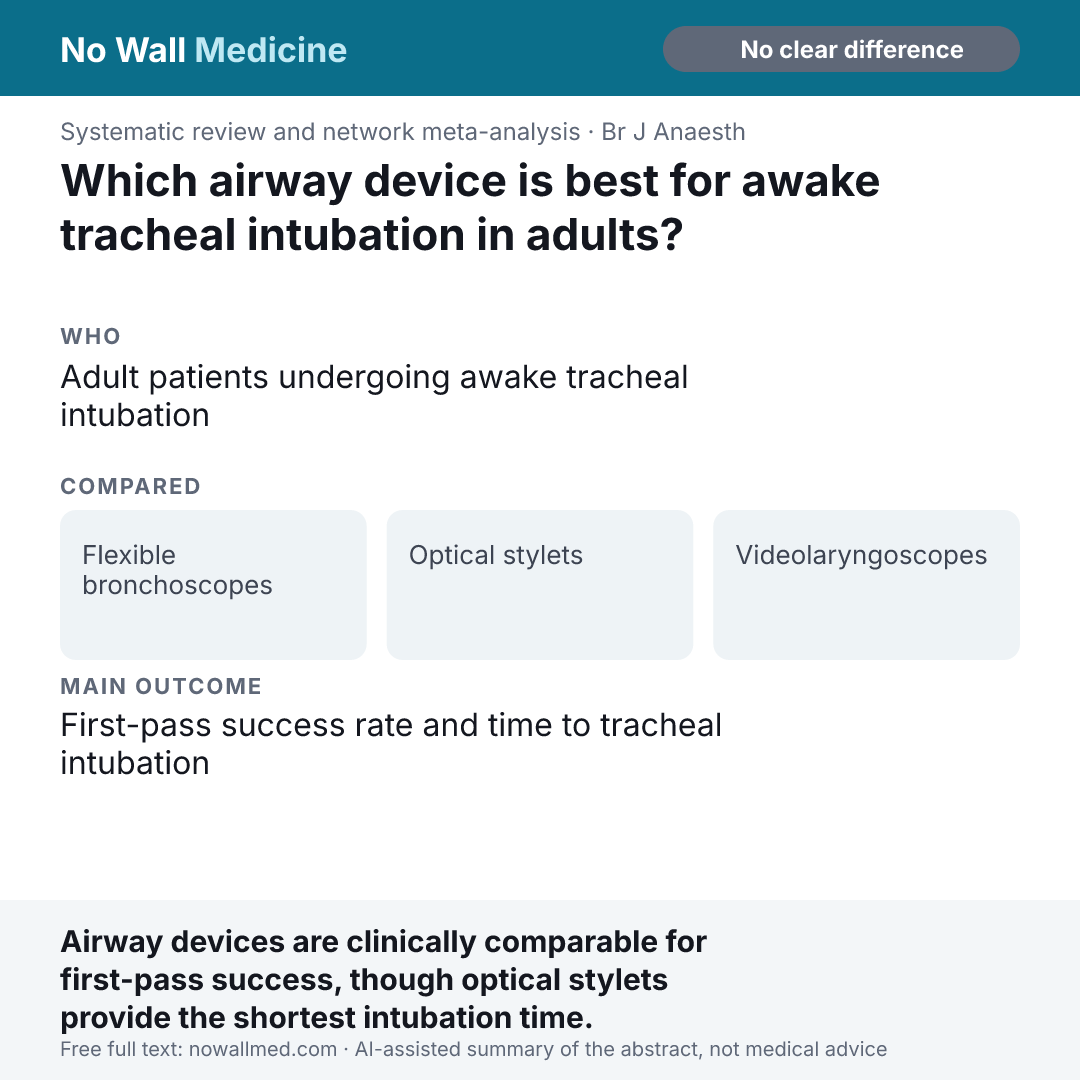
Airway devices for awake tracheal intubation in adults: a systematic review and network meta-analysis
Systematic review and network meta-analysisNo clear difference
Which airway device is best for awake tracheal intubation in adults?
Who
Adult patients undergoing awake tracheal intubation
Compared
Flexible bronchoscopes
Optical stylets
Videolaryngoscopes
Main outcome
First-pass success rate and time to tracheal intubation
Bottom line: Airway devices are clinically comparable for first-pass success, though optical stylets provide the shortest intubation time.
Br J Anaesth · 2021-07-22 · Save PNG
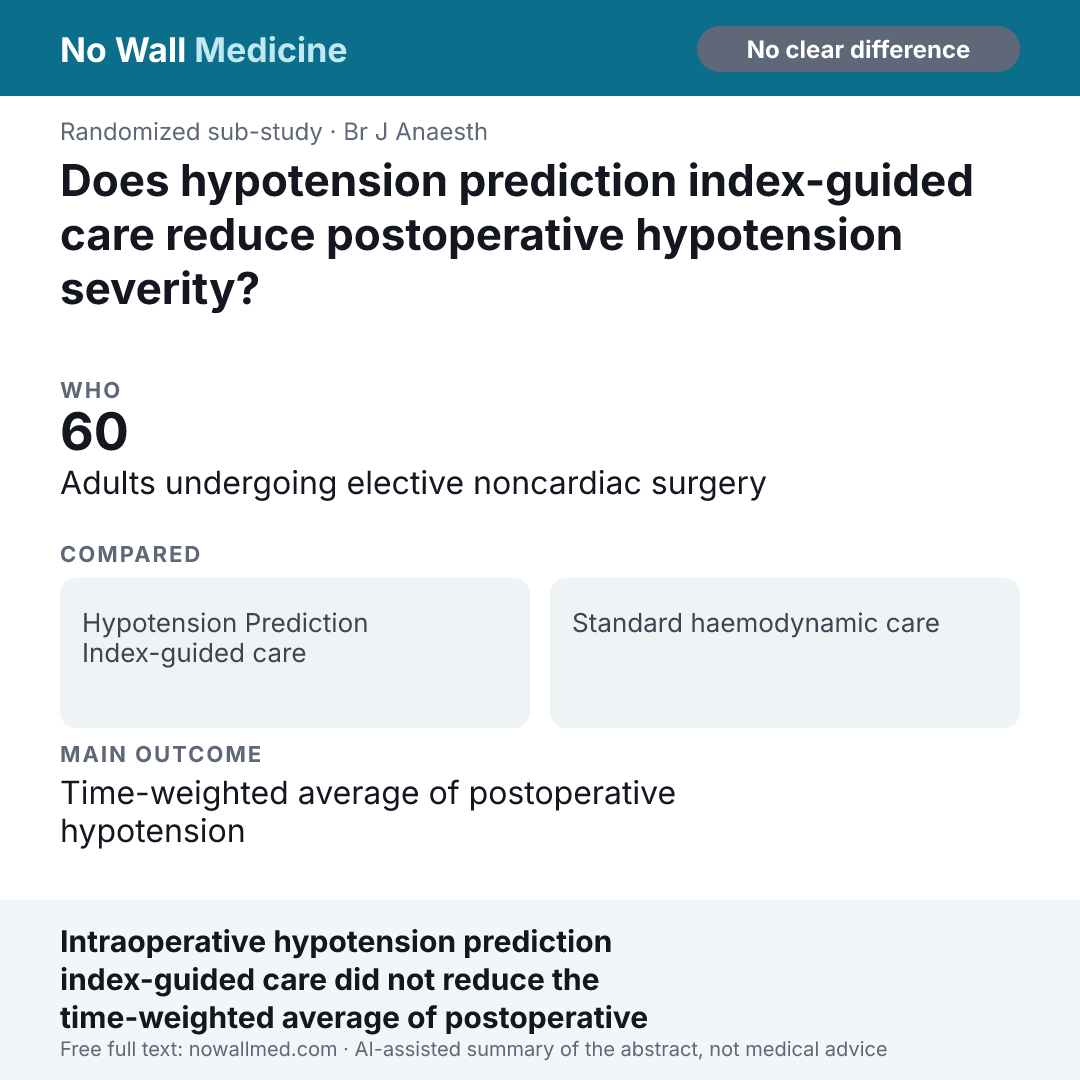
Effect of Hypotension Prediction Index-guided intraoperative haemodynamic care on depth and duration of postoperative hypotension: a sub-study of the Hypotension Prediction trial
Randomized sub-studyNo clear difference
Does hypotension prediction index-guided care reduce postoperative hypotension severity?
Who
60
Adults undergoing elective noncardiac surgery
Compared
Hypotension Prediction Index-guided care
Standard haemodynamic care
Main outcome
Time-weighted average of postoperative hypotension
Result: adjusted median difference 0.118; 95% confidence interval 0-0.332
Bottom line: Intraoperative hypotension prediction index-guided care did not reduce the time-weighted average of postoperative hypotension.
Br J Anaesth · 2021-07-22 · Save PNG
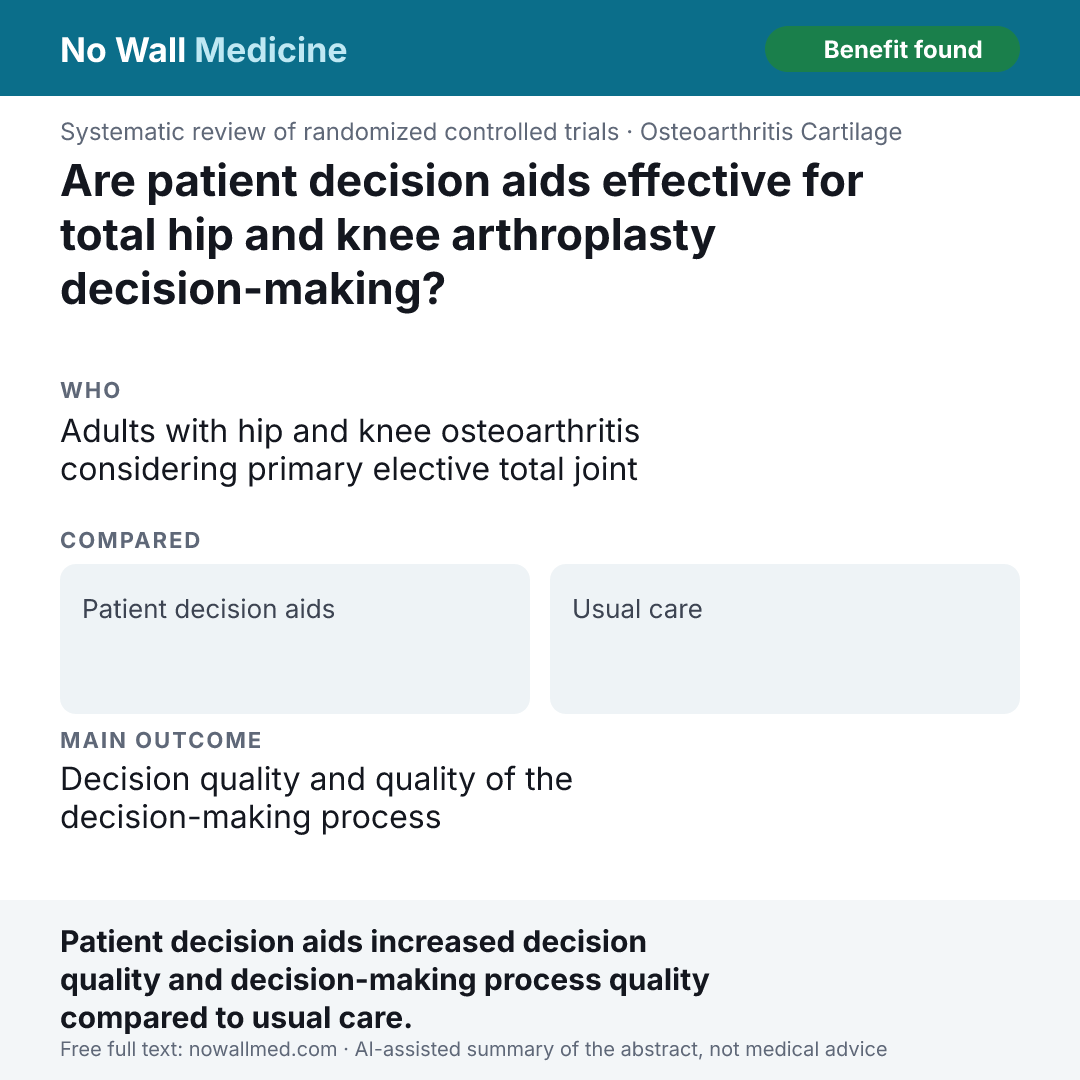
Effectiveness of patient decision aids for total hip and knee arthroplasty decision-making: a systematic review
Systematic review of randomized controlled trialsBenefit found
Are patient decision aids effective for total hip and knee arthroplasty decision-making?
Who
Adults with hip and knee osteoarthritis considering primary elective total joint arthroplasty · North America
Compared
Patient decision aids
Usual care
Main outcome
Decision quality and quality of the decision-making process
Bottom line: Patient decision aids increased decision quality and decision-making process quality compared to usual care.
Limitation: Low to very low GRADE certainty of evidence
Osteoarthritis Cartilage · 2021-07-22 · Save PNG
Critical appraisal of the contemporary use of atherectomy to treat femoropopliteal atherosclerotic disease
Systematic review and meta-analysisNo clear difference
What are the outcomes and complications of atherectomy for femoropopliteal atherosclerotic disease?
Who
1900
Patients with femoropopliteal atherosclerotic disease
Compared
Atherectomy: 72.6% primary patency at 12-month median follow-up
Without atherectomy
Main outcome
Patency rates, clinical improvement, morbidity, and mortality
Bottom line: Atherectomy is safe and improves ankle brachial index, but lacks demonstrated superiority over alternatives to justify pervasive use.
Limitation: Findings were based on heterogeneous studies that skewed generalizable conclusions about efficacy.
J Vasc Surg · 2021-07-22 · Save PNG

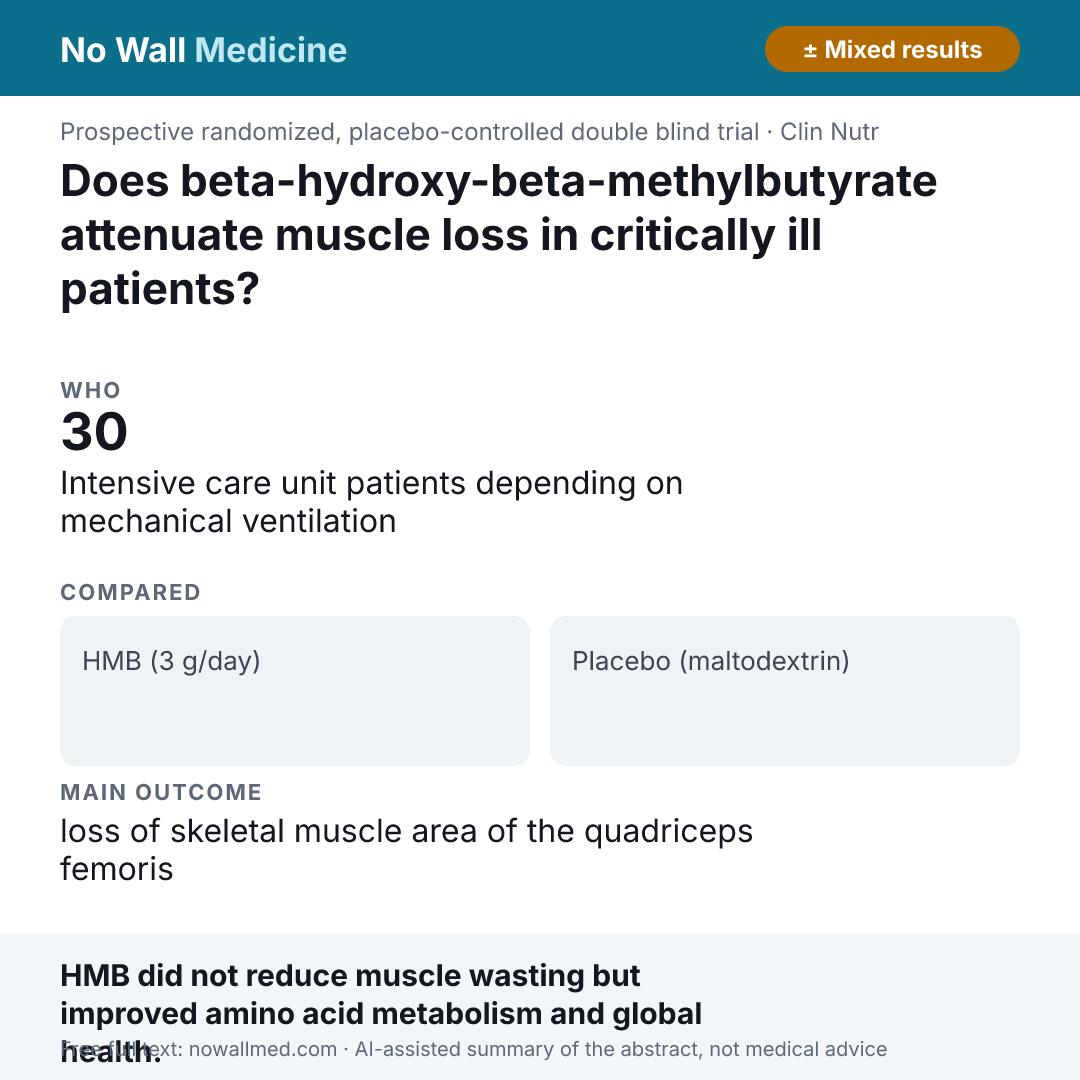
Impact of β-hydroxy-β-methylbutyrate (HMB) on muscle loss and protein metabolism in critically ill patients: A RCT
Prospective randomized, placebo-controlled double blind trialMixed results
Does beta-hydroxy-beta-methylbutyrate attenuate muscle loss in critically ill patients?
Who
30
Intensive care unit patients depending on mechanical ventilation
Compared
HMB (3 g/day)
Placebo (maltodextrin)
Main outcome
loss of skeletal muscle area of the quadriceps femoris
Bottom line: HMB did not reduce muscle wasting but improved amino acid metabolism and global health.
Clin Nutr · 2021-07-22 · Save PNG
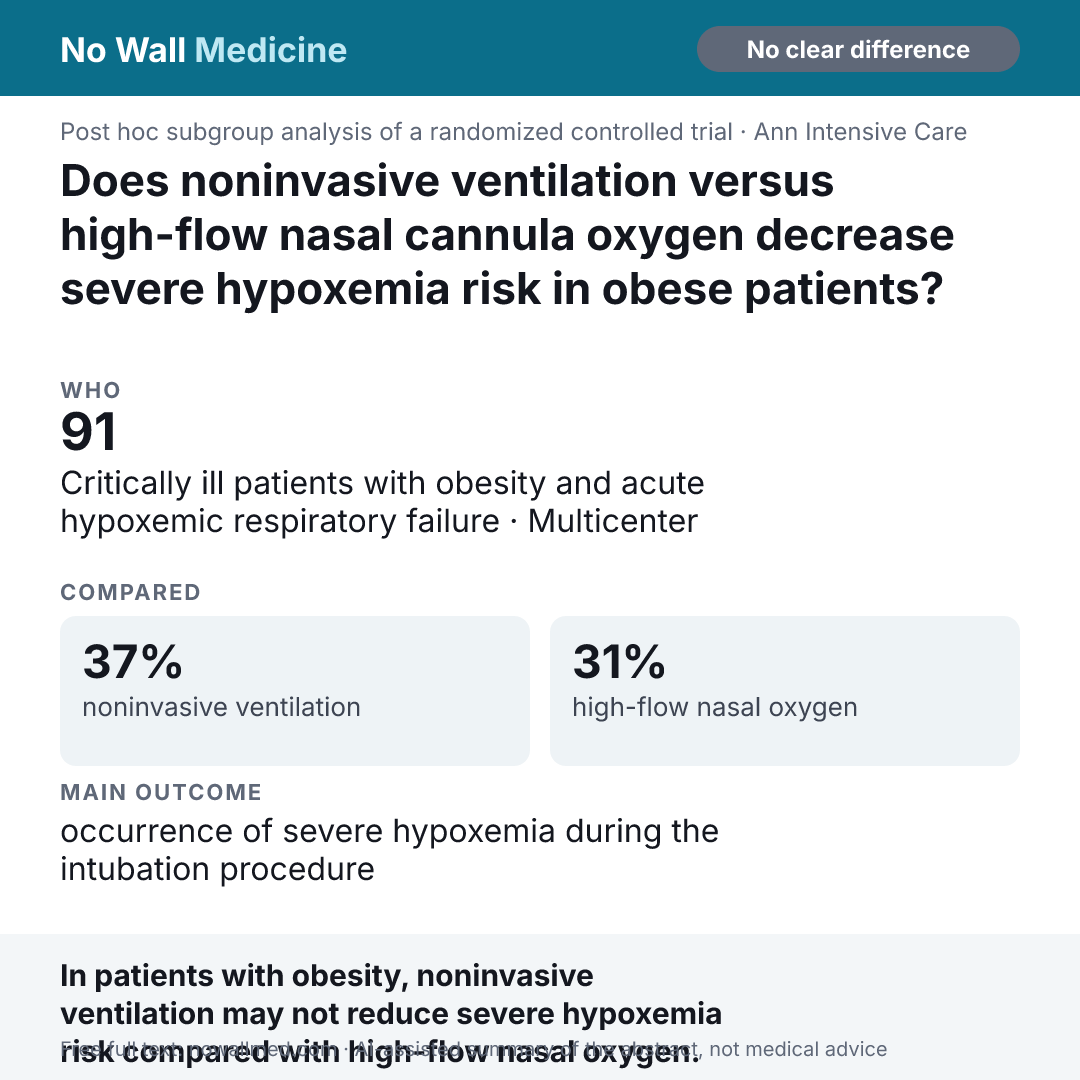
Noninvasive ventilation vs. high-flow nasal cannula oxygen for preoxygenation before intubation in patients with obesity: a post hoc analysis of a randomized controlled trial
Post hoc subgroup analysis of a randomized controlled trialNo clear difference
Does noninvasive ventilation versus high-flow nasal cannula oxygen decrease severe hypoxemia risk in obese patients?
Who
91
Critically ill patients with obesity and acute hypoxemic respiratory failure · Multicenter
Compared
37%noninvasive ventilation (15/40)
31%high-flow nasal oxygen (16/51)
Main outcome
occurrence of severe hypoxemia during the intubation procedure
Result: difference, 6%; 95% CI -13 to 25%
Bottom line: In patients with obesity, noninvasive ventilation may not reduce severe hypoxemia risk compared with high-flow nasal oxygen.
Limitation: This was a post hoc subgroup analysis of a randomized controlled trial.
Ann Intensive Care · 2021-07-22 · Save PNG
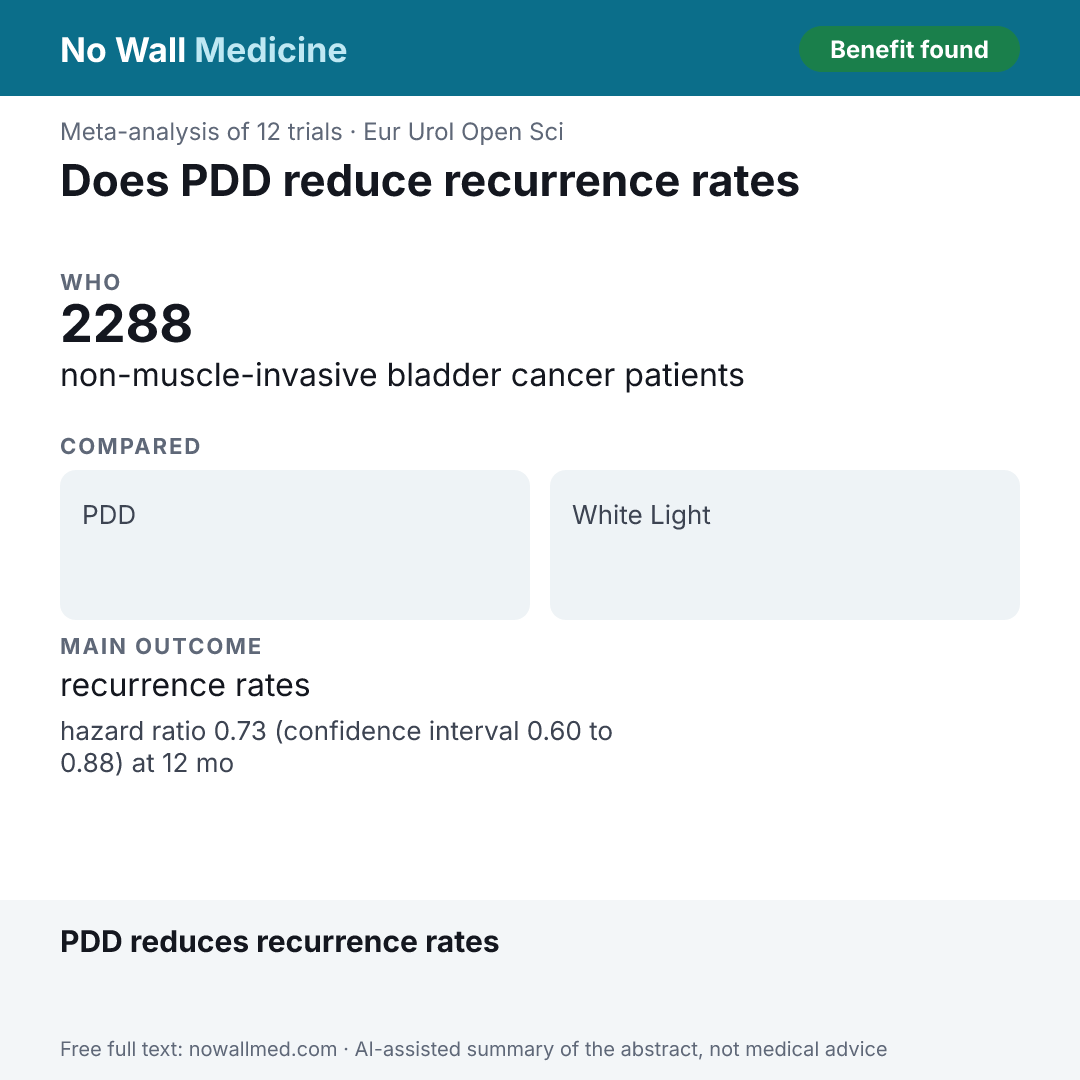
Time to Turn on the Blue Lights: A Systematic Review and Meta-analysis of Photodynamic Diagnosis for Bladder Cancer
Meta-analysis of 12 trialsBenefit found
Does PDD reduce recurrence rates
Who
2288
non-muscle-invasive bladder cancer patients
Compared
PDD
White Light
Main outcome
recurrence rates
Result: hazard ratio 0.73 (confidence interval 0.60 to 0.88) at 12 mo
Bottom line: PDD reduces recurrence rates
Limitation: evidence of moderate certainty
Eur Urol Open Sci · 2021-07-22 · Save PNG
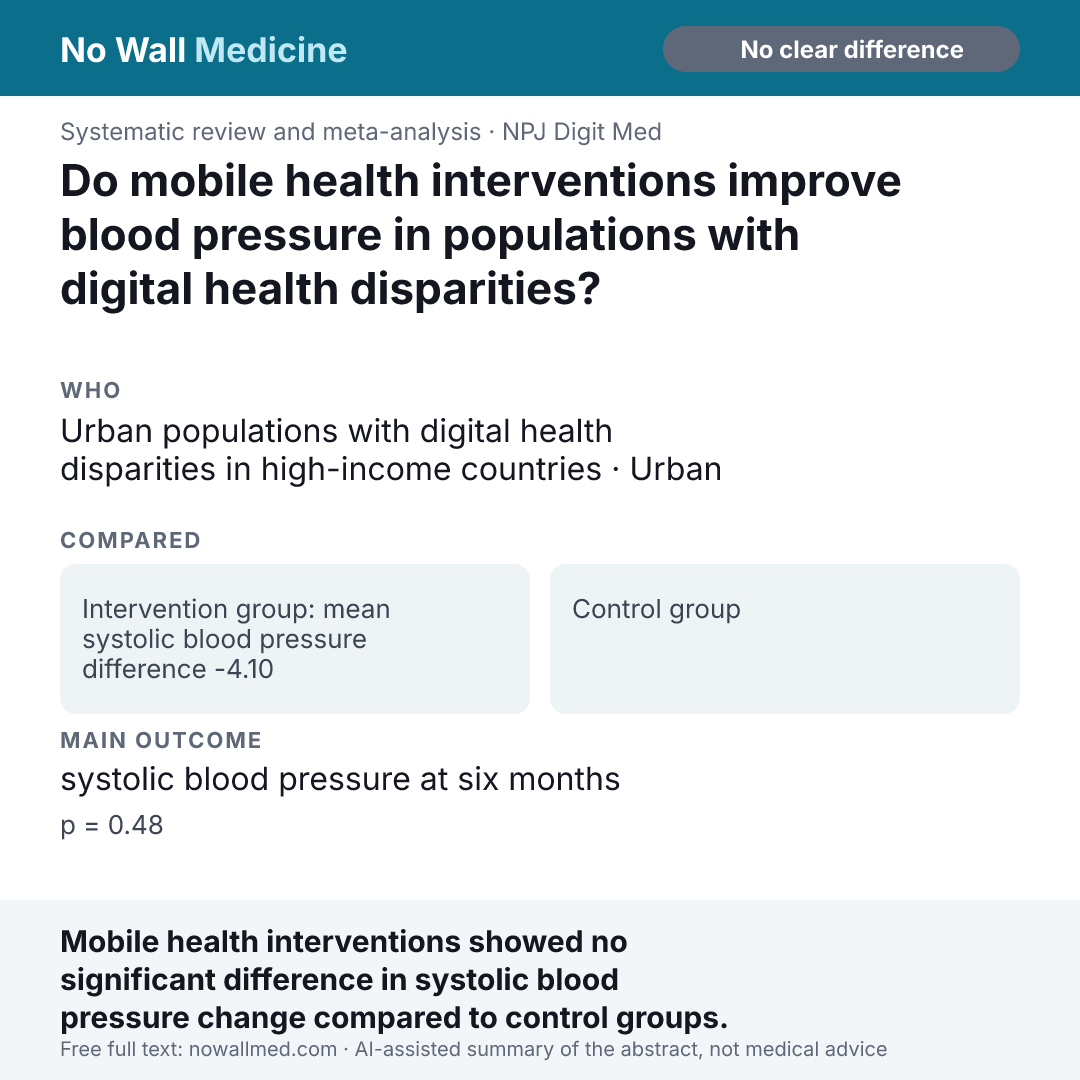
Mobile health strategies for blood pressure self-management in urban populations with digital barriers: systematic review and meta-analyses
Systematic review and meta-analysisNo clear difference
Do mobile health interventions improve blood pressure in populations with digital health disparities?
Who
Urban populations with digital health disparities in high-income countries · Urban settings in high-income countries
Compared
Intervention group: mean systolic blood pressure difference -4.10
Control group
Main outcome
systolic blood pressure at six months
Result: p = 0.48
Bottom line: Mobile health interventions showed no significant difference in systolic blood pressure change compared to control groups.
Limitation: Few studies included older, limited educational attainment, or minority populations.
NPJ Digit Med · 2021-07-22 · Save PNG
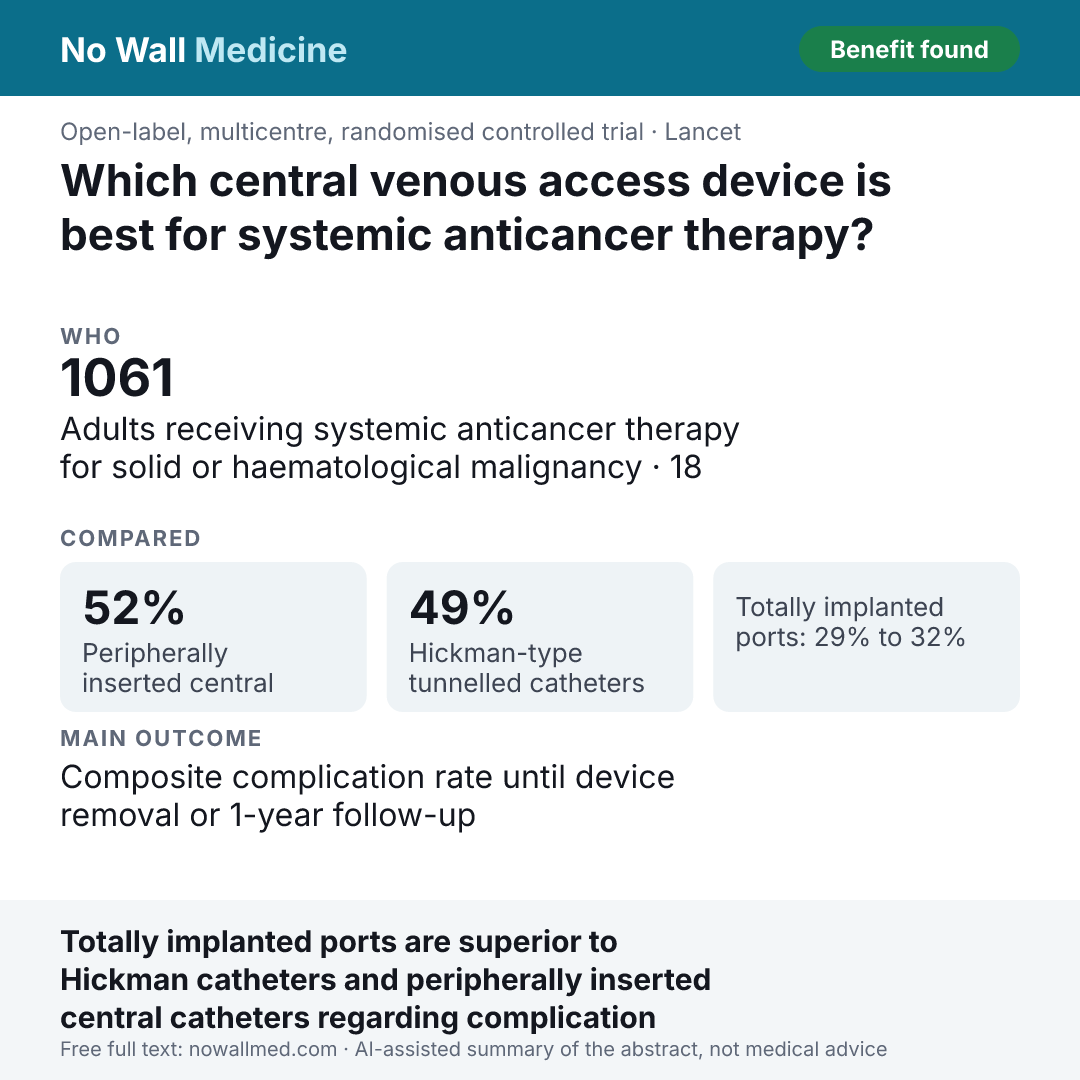
Central venous access devices for the delivery of systemic anticancer therapy (CAVA): a randomised controlled trial
Open-label, multicentre, randomised controlled trialBenefit found
Which central venous access device is best for systemic anticancer therapy?
Who
1061
Adults receiving systemic anticancer therapy for solid or haematological malignancy · 18 oncology units in the UK
Compared
52%Peripherally inserted central catheters
49%Hickman-type tunnelled catheters
Totally implanted ports: 29% to 32%
Main outcome
Composite complication rate until device removal or 1-year follow-up
Result: PORT vs Hickman OR 0.54 (95% CI 0.37 to 0.77); PORT vs PICC OR 0.52 (95% CI 0.33 to 0.83)
Bottom line: Totally implanted ports are superior to Hickman catheters and peripherally inserted central catheters regarding complication rates.
Funded by: UK National Institute for Health Research Health Technology Assessment Programme
Lancet · 2021-07-21 · Save PNG
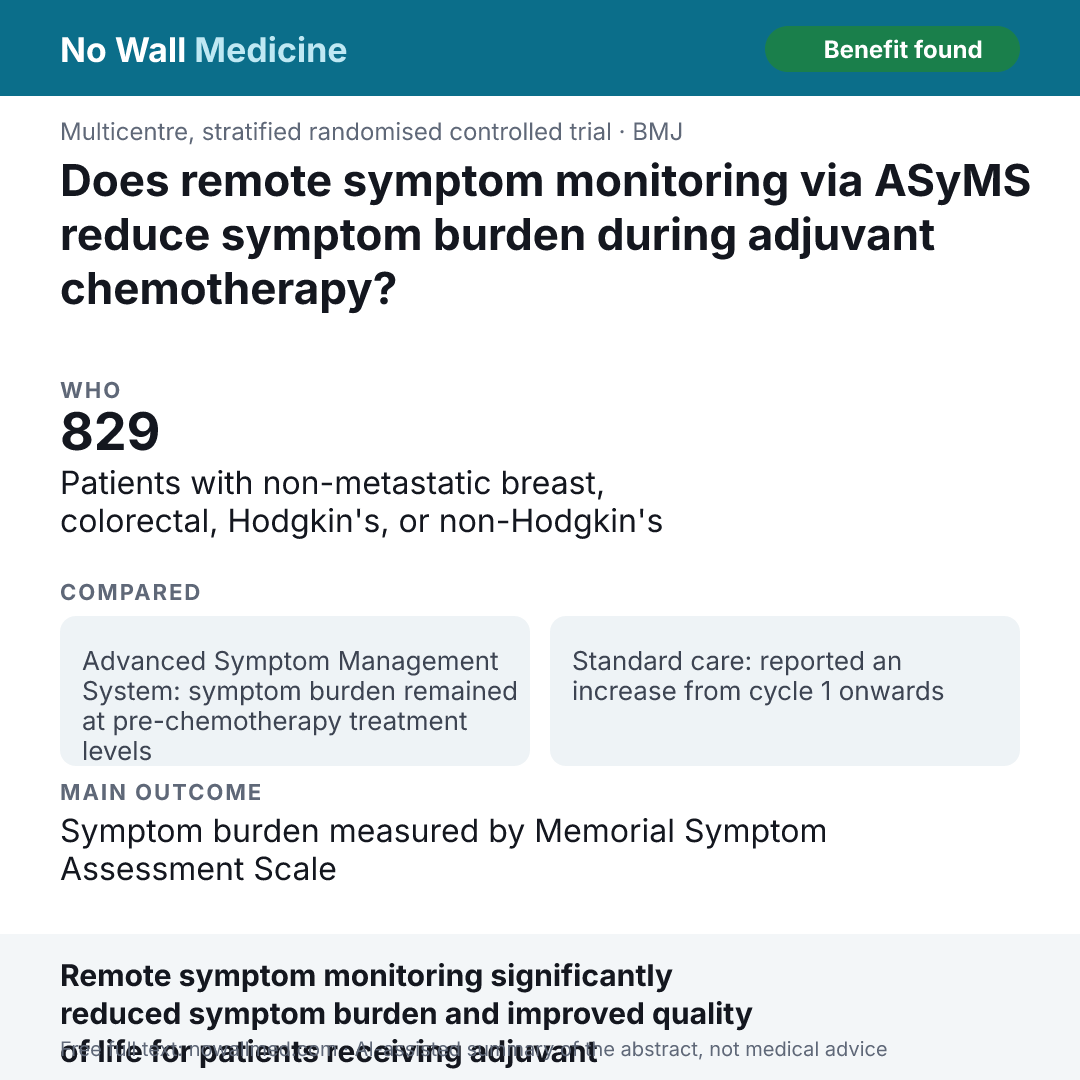
Real time remote symptom monitoring during chemotherapy for cancer: European multicentre randomised controlled trial (eSMART)
Multicentre, stratified randomised controlled trialBenefit found
Does remote symptom monitoring via ASyMS reduce symptom burden during adjuvant chemotherapy?
Who
829
Patients with non-metastatic breast, colorectal, Hodgkin's, or non-Hodgkin's lymphoma · Twelve cancer centres in five European countries
Compared
Advanced Symptom Management System: symptom burden remained at pre-chemotherapy treatment levels
Standard care: reported an increase from cycle 1 onwards
Main outcome
Symptom burden measured by Memorial Symptom Assessment Scale
Result: least squares absolute mean difference -0.15 (95% CI -0.19 to -0.12)
Bottom line: Remote symptom monitoring significantly reduced symptom burden and improved quality of life for patients receiving adjuvant chemotherapy.
BMJ · 2021-07-21 · Save PNG
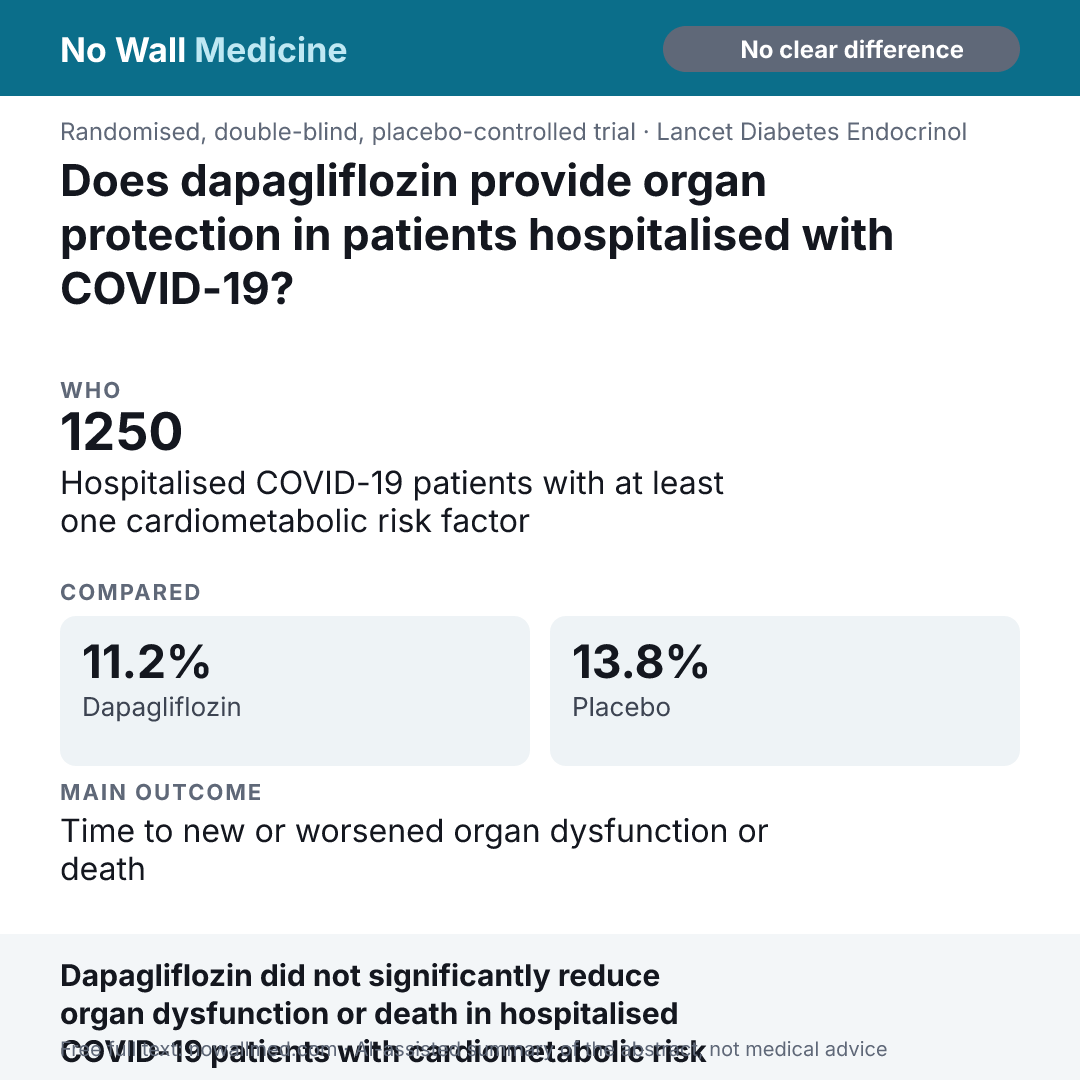
Dapagliflozin in patients with cardiometabolic risk factors hospitalised with COVID-19 (DARE-19): a randomised, double-blind, placebo-controlled, phase 3 trial
Randomised, double-blind, placebo-controlled trialNo clear difference
Does dapagliflozin provide organ protection in patients hospitalised with COVID-19?
Who
1250
Hospitalised COVID-19 patients with at least one cardiometabolic risk factor
Compared
11.2%Dapagliflozin
13.8%Placebo
Main outcome
Time to new or worsened organ dysfunction or death
Result: hazard ratio 0.80, 95% CI 0.58-1.10
Bottom line: Dapagliflozin did not significantly reduce organ dysfunction or death in hospitalised COVID-19 patients with cardiometabolic risk factors.
Funded by: AstraZeneca
Lancet Diabetes Endocrinol · 2021-07-21 · Save PNG
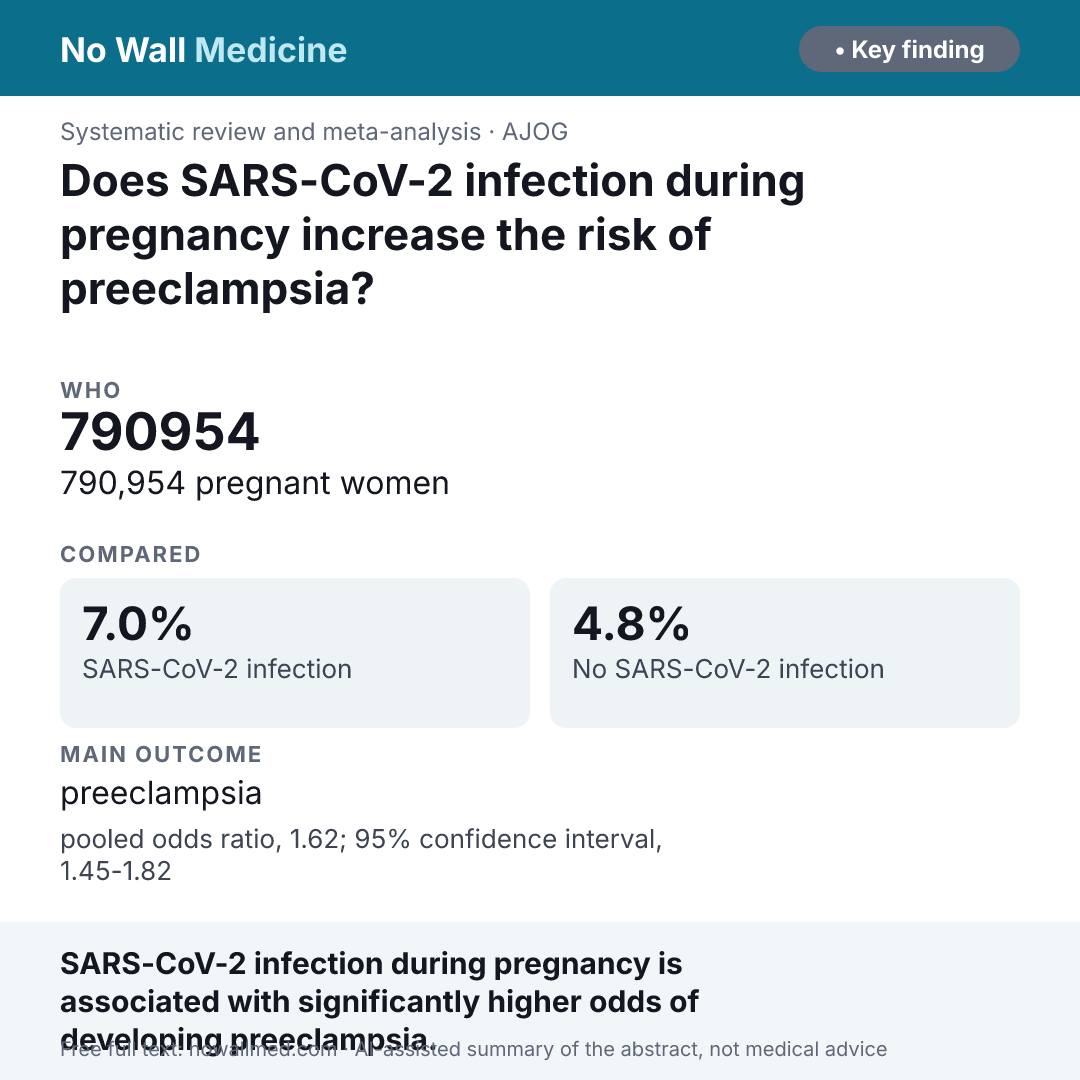
SARS-CoV-2 infection during pregnancy and risk of preeclampsia: a systematic review and meta-analysis
Systematic review and meta-analysisKey finding
Does SARS-CoV-2 infection during pregnancy increase the risk of preeclampsia?
Who
790954
790,954 pregnant women
Compared
7.0%SARS-CoV-2 infection
4.8%No SARS-CoV-2 infection
Main outcome
preeclampsia
Result: pooled odds ratio, 1.62; 95% confidence interval, 1.45-1.82
Bottom line: SARS-CoV-2 infection during pregnancy is associated with significantly higher odds of developing preeclampsia.
AJOG · 2021-07-21 · Save PNG
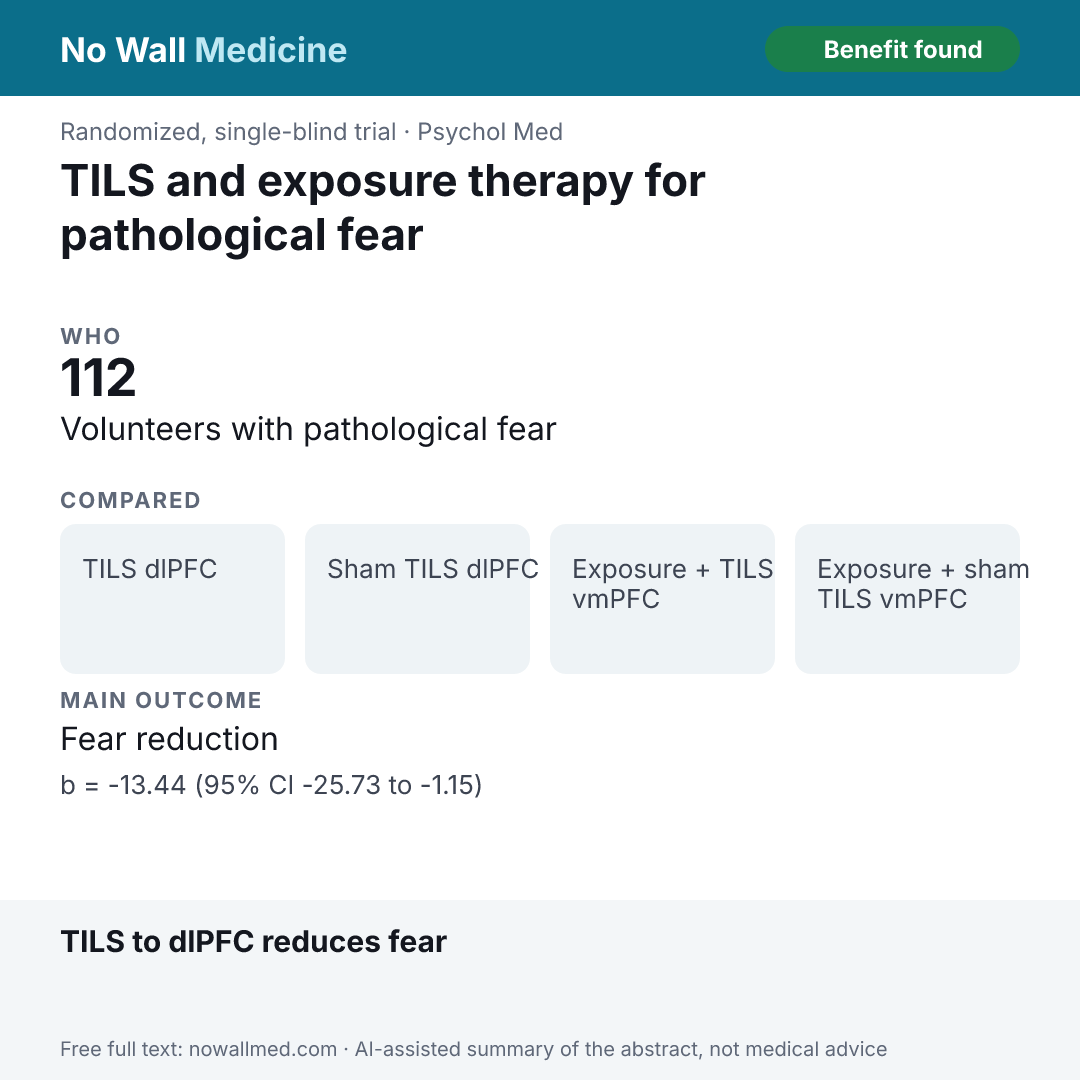
Singular and combined effects of transcranial infrared laser stimulation and exposure therapy on pathological fear: a randomized clinical trial
Randomized, single-blind trialBenefit found
TILS and exposure therapy for pathological fear
Who
112
Volunteers with pathological fear
Compared
TILS dlPFC
Sham TILS dlPFC
Exposure + TILS vmPFC
Exposure + sham TILS vmPFC
Main outcome
Fear reduction
Result: b = -13.44 (95% CI -25.73 to -1.15)
Bottom line: TILS to dlPFC reduces fear
Psychol Med · 2021-07-21 · Save PNG