Visual abstracts
New randomized trials and meta-analyses from leading journals at a glance: who was studied, what was compared, and what was found. Every paper is free to read in full.
All specialtiesCardiology 953Oncology 847Gastroenterology & Hepatology 349Infectious Disease 663Neurology 390Psychiatry & Mental Health 477Pulmonology 415Critical Care 283Endocrinology & Diabetes 527Pediatrics 595Surgery 393Orthopedics & Sports Medicine 178Neurosurgery 128Cardiothoracic & Vascular Surgery 91Plastic & Reconstructive Surgery 145Nephrology 211Rheumatology 119Hematology 205Dermatology 89Ophthalmology 113Obstetrics & Gynecology 292Public & Global Health 185Radiology & Imaging 117Anesthesiology 154Urology 183ENT (Otolaryngology) 123Emergency Medicine 105Allergy & Immunology 65Geriatrics 176Family Medicine & Primary Care 123Medical Genetics & Genomics 94Pathology & Laboratory Medicine 30Physical Medicine & Rehabilitation 151Palliative Care 84Nutrition 230Digital Health & AI 490General Medicine 105
Pharmacodynamics of Camizestrant Treatment in Postmenopausal Women With Estrogen Receptor-Positive, Human Epidermal Growth Factor Receptor 2-Negative Primary Breast Cancer: Results From the Randomized, Presurgical SERENA-3 Study
Open-label, parallel-group trialBenefit found
What are the pharmacodynamic effects of camizestrant in postmenopausal women with certain breast cancer?
Who
132
Postmenopausal women with estrogen receptor-positive, human epidermal growth factor receptor 2-negative breast cancer
Compared
Camizestrant 75, 150, or 300 mg: ER expression was reduced by approximately 65%
Camizestrant 75 or 150 mg: ER expression was reduced by approximately 65%
Main outcome
Estrogen receptor expression, activity, and tumor proliferation
Bottom line: Camizestrant 75 mg once daily is well-tolerated and achieves maximal estrogen receptor reduction and proliferation suppression.
J Clin Oncol · 2026-01-16Download image

Predictive value of cervical length measured after 24 weeks for spontaneous preterm birth: systematic review and meta-analysis
Systematic review and meta-analysisBenefit found
Does transvaginal cervical length after 24 weeks predict spontaneous preterm birth?
Who
26776
Asymptomatic women with spontaneous preterm birth or term birth
Compared
Spontaneous preterm birth: shorter cervical length
Term birth
Main outcome
Transvaginal cervical length and prediction of spontaneous preterm birth
Result: mean difference -5.47 (95% CI -7.52 to -3.43)
Bottom line: Shorter transvaginal cervical length after 24 weeks predicts spontaneous preterm birth, with a 25.5 mm cutoff being useful.
AJOG · 2026-01-16Download image

Exploratory Analysis of Biomarkers and Treatment Outcomes from the COLUMBUS Study in BRAF V600E/K-Mutant Advanced or Metastatic Melanoma
Retrospective analysis of phase III trial dataMixed results
What molecular correlates are associated with treatment benefit in BRAF mutant advanced melanoma?
Who
921
Patients with BRAF V600E/K-mutant advanced or metastatic melanoma
Compared
encorafenib plus binimetinib
vemurafenib
Main outcome
progression-free and overall survival
Bottom line: Encorafenib plus binimetinib benefits were greatest in patients with high tumor mutational burden or tumor-immune infiltration.
Clin Cancer Res · 2026-01-16Download image

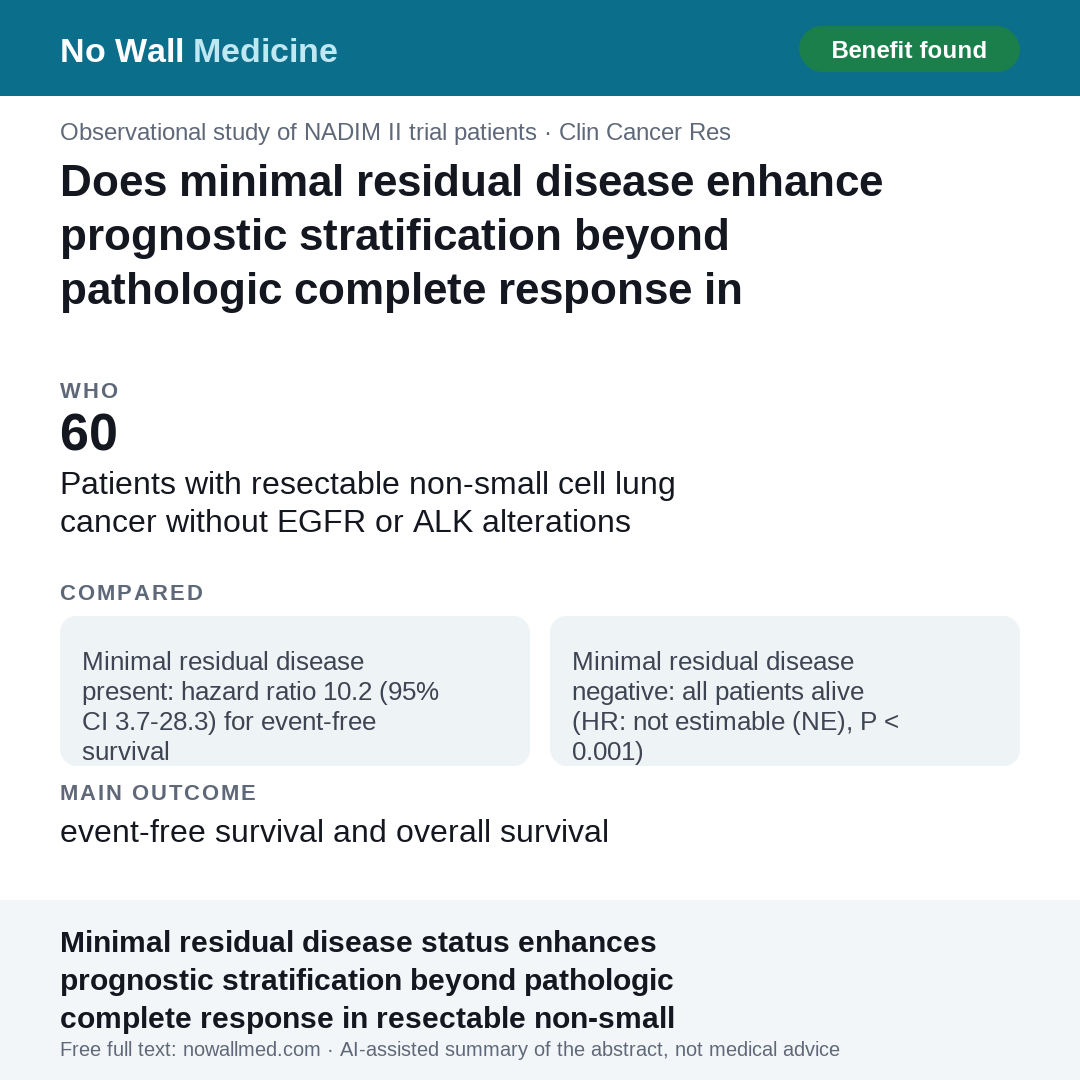
Minimal Residual Disease Enhances Prognostic Stratification beyond Pathologic Response in Resectable Non-Small Cell Lung Cancer
Observational study of NADIM II trial patientsBenefit found
Does minimal residual disease enhance prognostic stratification beyond pathologic complete response in resectable non-small cell lung cancer?
Who
60
Patients with resectable non-small cell lung cancer without EGFR or ALK alterations
Compared
Minimal residual disease present: hazard ratio 10.2 (95% CI 3.7-28.3) for event-free survival
Minimal residual disease negative: all patients alive (HR: not estimable (NE), P < 0.001)
Main outcome
event-free survival and overall survival
Result: hazard ratio 10.2 (95% CI 3.7-28.3)
Bottom line: Minimal residual disease status enhances prognostic stratification beyond pathologic complete response in resectable non-small cell lung cancer.
Clin Cancer Res · 2026-01-16Download image
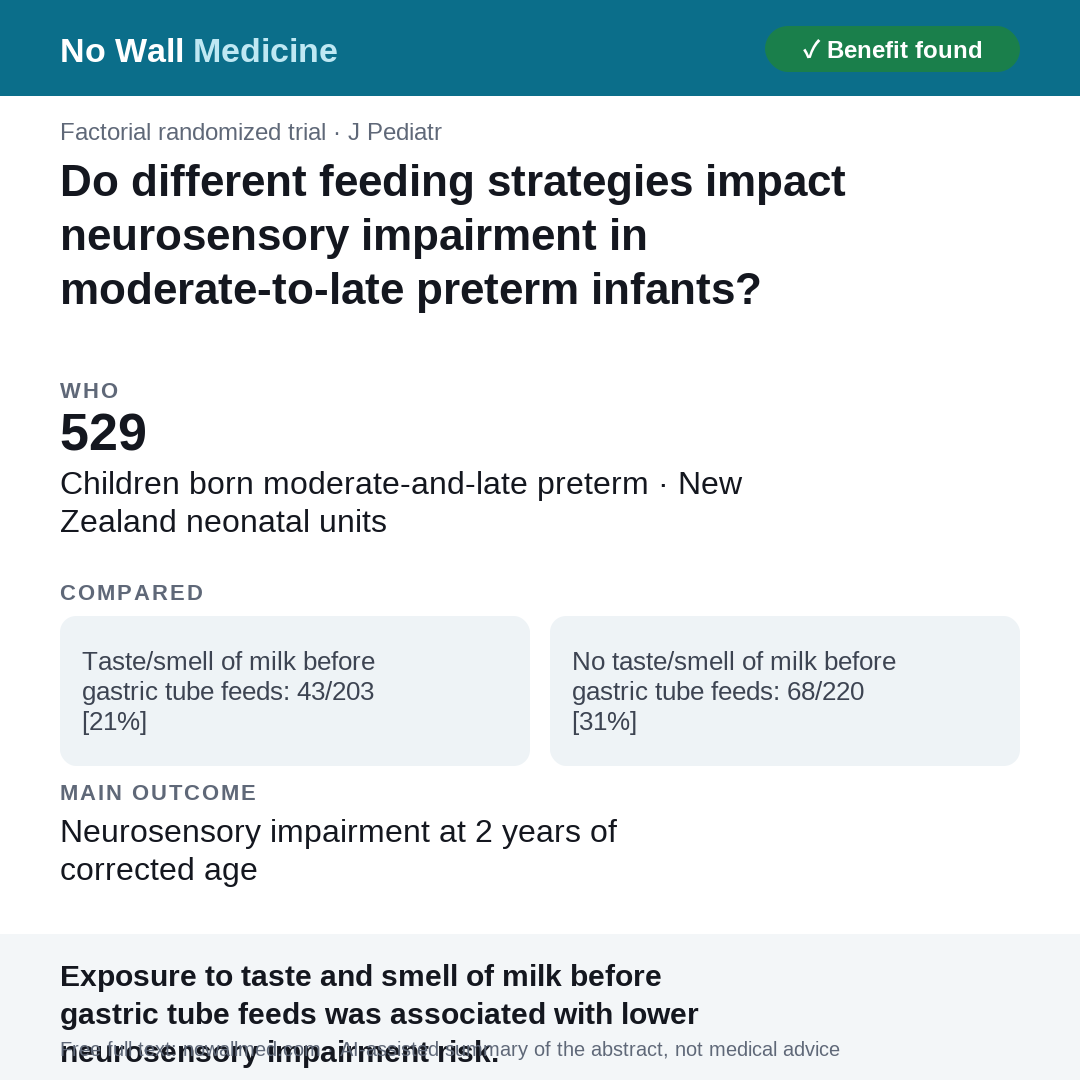
Two-Year Follow-Up of the Different Approaches to Feeding Infants Born Moderate-to-Late Preterm: Determinants of Feed Intolerance, Body Composition, and Development (DIAMOND) Randomized Trial
Factorial randomized trialBenefit found
Do different feeding strategies impact neurosensory impairment in moderate-to-late preterm infants?
Who
529
Children born moderate-and-late preterm · New Zealand neonatal units
Compared
Taste/smell of milk before gastric tube feeds: 43/203 [21%]
No taste/smell of milk before gastric tube feeds: 68/220 [31%]
Main outcome
Neurosensory impairment at 2 years of corrected age
Result: adjusted risk ratio 0.7 (95% CI 0.5-0.9)
Bottom line: Exposure to taste and smell of milk before gastric tube feeds was associated with lower neurosensory impairment risk.
J Pediatr · 2026-01-16Download image
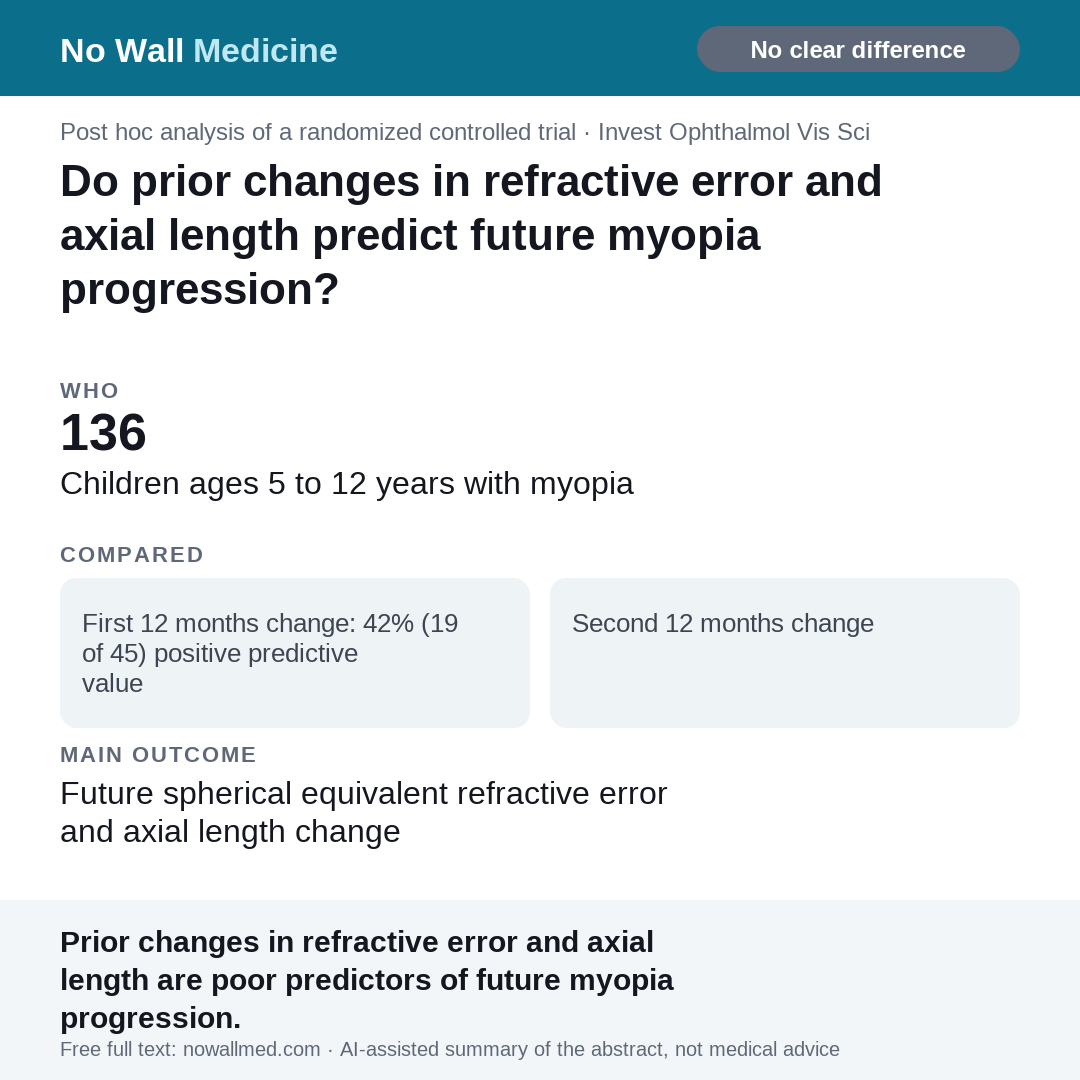
Does Past Myopia Progression Predict Future Progression?
Post hoc analysis of a randomized controlled trialNo clear difference
Do prior changes in refractive error and axial length predict future myopia progression?
Who
136
Children ages 5 to 12 years with myopia
Compared
First 12 months change: 42% (19 of 45) positive predictive value
Second 12 months change
Main outcome
Future spherical equivalent refractive error and axial length change
Result: 0.20 D per additional 1.00 D (95% CI, 0.02 to 0.39)
Bottom line: Prior changes in refractive error and axial length are poor predictors of future myopia progression.
Limitation: This was a post hoc analysis of a randomized controlled trial.
Invest Ophthalmol Vis Sci · 2026-01-16Download image
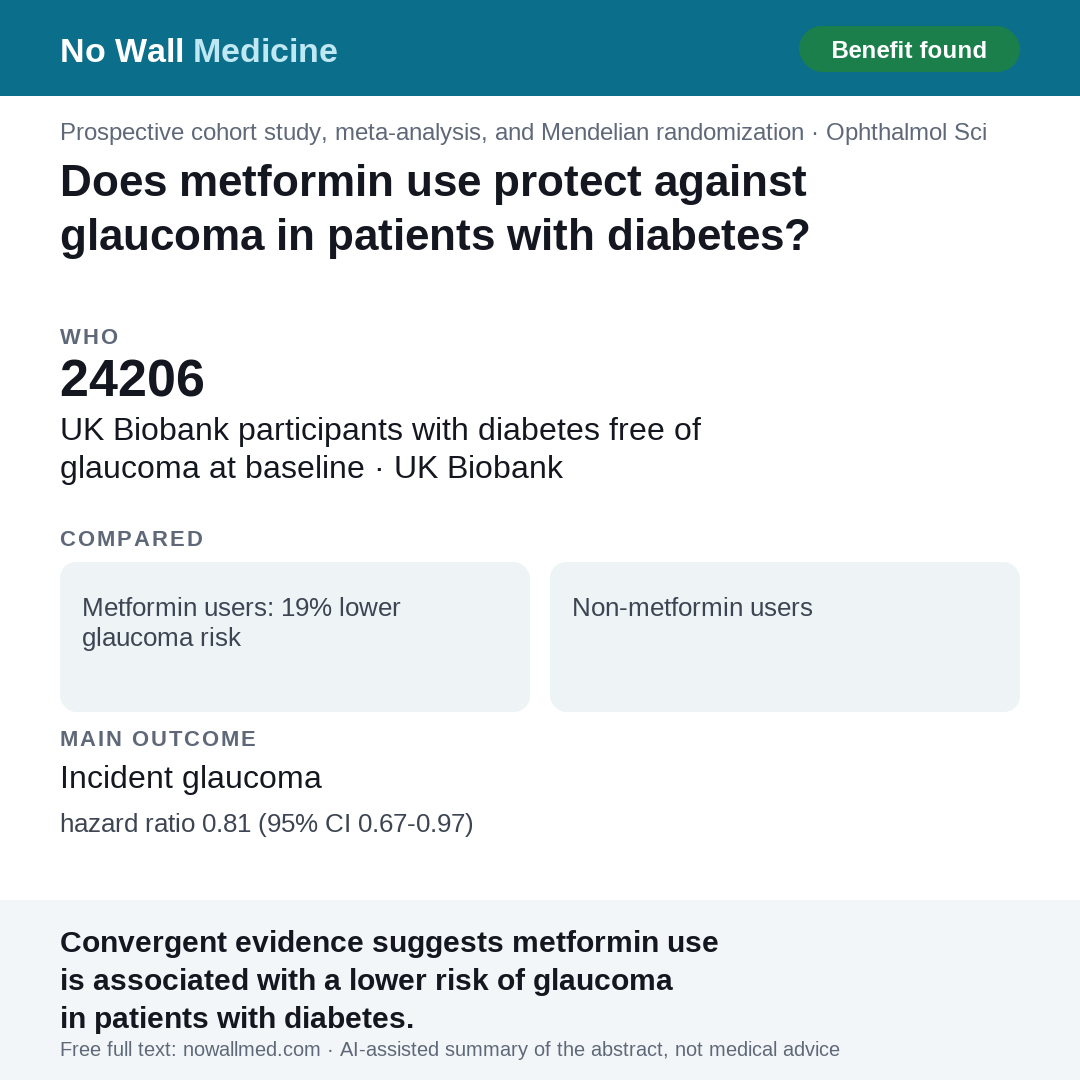
Protective Role of Metformin in Glaucoma: Prospective Cohort Study, Meta-Analysis, and Drug-Target Mendelian Randomization
Prospective cohort study, meta-analysis, and Mendelian randomizationBenefit found
Does metformin use protect against glaucoma in patients with diabetes?
Who
24206
UK Biobank participants with diabetes free of glaucoma at baseline · UK Biobank
Compared
Metformin users: 19% lower glaucoma risk
Non-metformin users
Main outcome
Incident glaucoma
Result: hazard ratio 0.81 (95% CI 0.67-0.97)
Bottom line: Convergent evidence suggests metformin use is associated with a lower risk of glaucoma in patients with diabetes.
Limitation: The authors suggest the need for randomized clinical trials to evaluate potential preventive therapy.
Ophthalmol Sci · 2026-01-16Download image
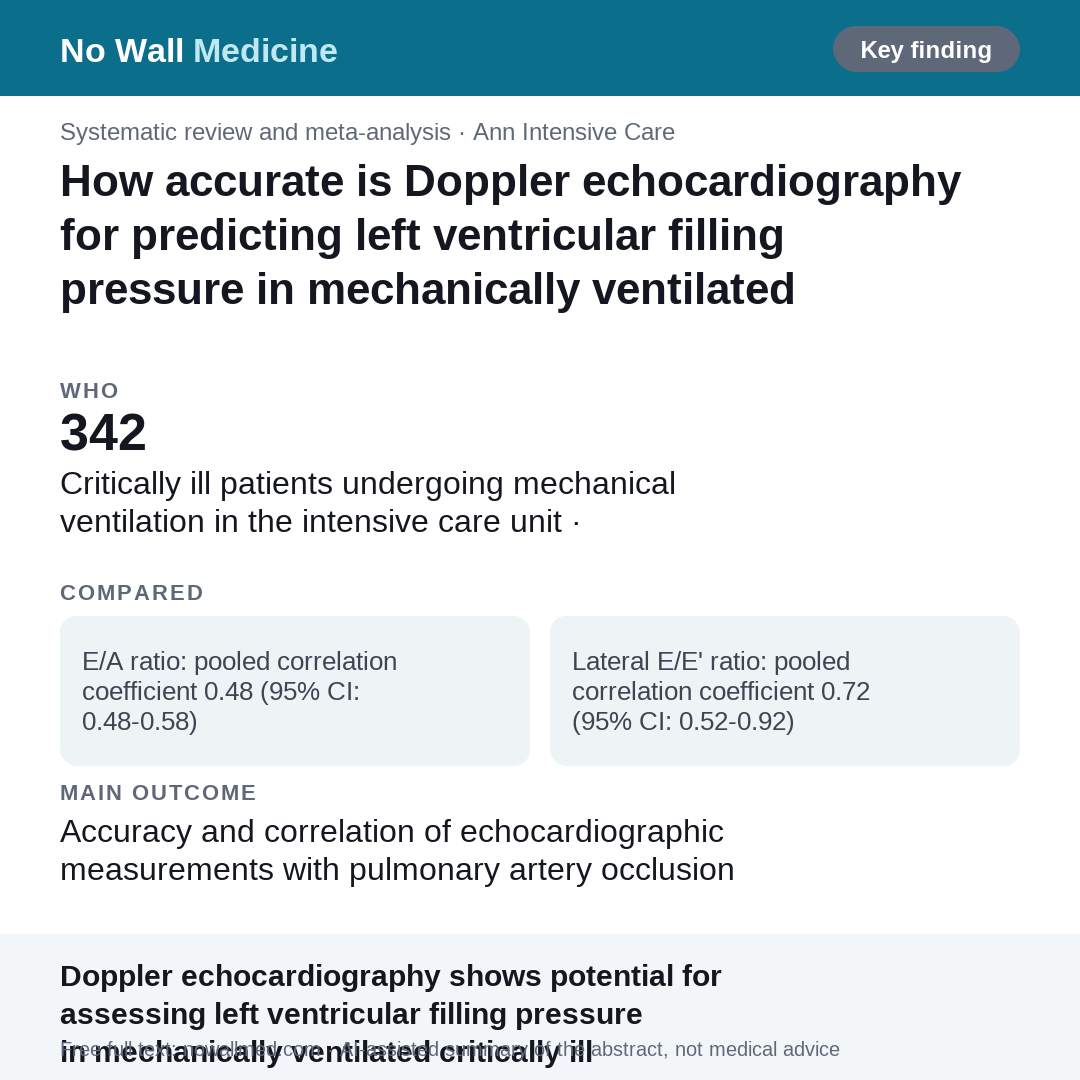
Echocardiographic assessment of left ventricular filling pressure compared to pulmonary artery catheter in mechanically ventilated patients: Systematic review and meta-analysis
Systematic review and meta-analysisBenefit found
How accurate is Doppler echocardiography for predicting left ventricular filling pressure in mechanically ventilated patients?
Who
342
Critically ill patients undergoing mechanical ventilation in the intensive care unit · Intensive care unit
Compared
E/A ratio: pooled correlation coefficient 0.48 (95% CI: 0.48-0.58)
Lateral E/E' ratio: pooled correlation coefficient 0.72 (95% CI: 0.52-0.92)
Main outcome
Accuracy and correlation of echocardiographic measurements with pulmonary artery occlusion pressure
Bottom line: Doppler echocardiography shows potential for assessing left ventricular filling pressure in mechanically ventilated critically ill patients.
Limitation: Small sample sizes, high heterogeneity, and very low level of evidence.
Ann Intensive Care · 2026-01-16Download image
Effect of glucagon-like peptide-1 receptor agonists on histologic MASH: A meta-analysis of randomized controlled trials
Meta-analysis of 6 randomized controlled trialsBenefit found
Do glucagon-like peptide-1 receptor agonists improve histologic features of metabolic dysfunction-associated steatohepatitis?
Who
1555
Patients with biopsy-confirmed metabolic dysfunction-associated steatohepatitis
Compared
Glucagon-like peptide-1 receptor agonists
Placebo
Main outcome
Resolution of metabolic dysfunction-associated steatohepatitis without worsening of fibrosis
Result: odds ratio 4.16 (95% CI 2.33-7.42)
Bottom line: Glucagon-like peptide-1 receptor agonists are associated with metabolic dysfunction-associated steatohepatitis resolution and fibrosis regression.
Hepatol Commun · 2026-01-16Download image

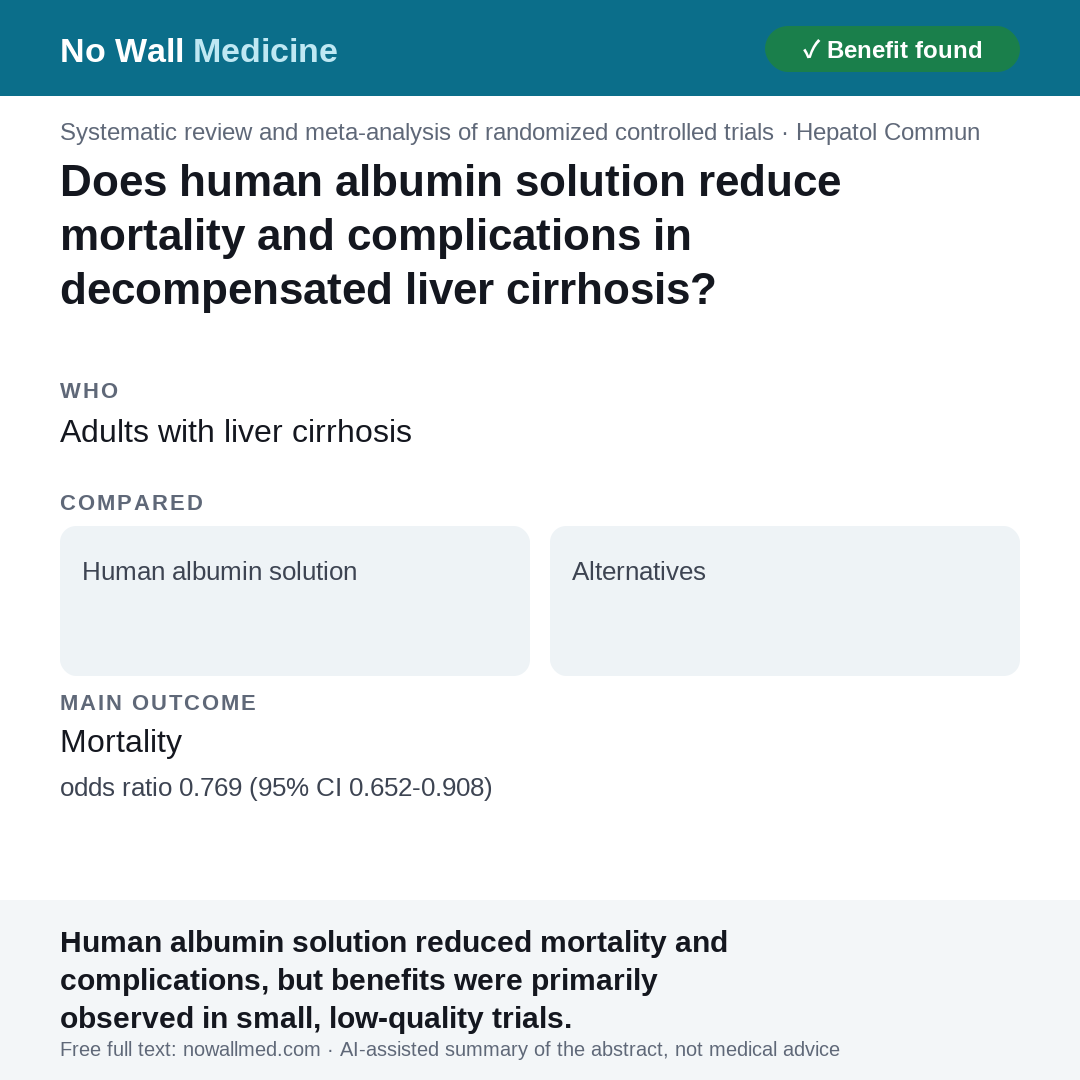
A systematic review and meta-analysis of the use of human albumin solution for treating the complications of liver cirrhosis
Systematic review and meta-analysis of randomized controlled trialsBenefit found
Does human albumin solution reduce mortality and complications in decompensated liver cirrhosis?
Who
Adults with liver cirrhosis
Compared
Human albumin solution
Alternatives
Main outcome
Mortality
Result: odds ratio 0.769 (95% CI 0.652-0.908)
Bottom line: Human albumin solution reduced mortality and complications, but benefits were primarily observed in small, low-quality trials.
Limitation: Benefits were primarily observed in small, low-quality trials.
Hepatol Commun · 2026-01-16Download image
The prevalence of autism spectrum traits and autism spectrum disorders in children and adolescents with obsessive compulsive disorder: systematic review and meta-analysis
Systematic review and meta-analysisBenefit found
What is the prevalence of autism spectrum traits and disorders in children with obsessive compulsive disorder?
Who
Children and adolescents with obsessive compulsive disorder
Compared
8.0%Children and adolescents with obsessive compulsive disorder (95% CI 5.0-13%)
Control groups
Main outcome
Prevalence of autism spectrum traits or diagnosis
Result: standardised mean difference 1.23 (95% CI 0.76-1.69)
Bottom line: Children and adolescents with obsessive compulsive disorder show higher prevalence of autism spectrum traits and diagnosis.
Limitation: Limited data and methodological constraints in trials limit generalisability.
BJPsych Open · 2026-01-16Download image

Association of genetic variation with age at diagnosis in type 1 diabetes
Meta genome-wide association studiesBenefit found
What genetic variations are associated with age at diagnosis in type 1 diabetes?
Who
5910
Individuals from eight cohorts with type 1 diabetes
Compared
MHC region locus rs76730244: p=4.9×10⁻⁹
Previously identified SNPs: 6 were confirmed
Main outcome
Age at diagnosis in type 1 diabetes
Bottom line: New genetic loci in the major histocompatibility complex region are associated with type 1 diabetes age at diagnosis.
BMJ Open Diabetes Res Care · 2026-01-16Download image

A phase III, randomised, double-blind, multi-dose, placebo- and naproxen-controlled study to evaluate the efficacy and safety of fasinumab in patients with pain due to osteoarthritis of the knee or hip
Randomised, double-blind, phase III trialBenefit found
Is fasinumab effective and safe for moderate-to-severe osteoarthritis pain?
Who
3307
Patients with moderate-to-severe osteoarthritis of the knee or hip
Compared
fasinumab 1 mg every 4 weeks: WOMAC pain -2.90 and physical function -2.78
fasinumab 1 mg every 8 weeks: WOMAC pain and physical function not specified
naproxen 500 mg twice daily: WOMAC pain -2.61 and physical function -2.41
placebo: WOMAC pain -2.32 and physical function -2.10
Main outcome
Changes in Western Ontario and McMaster University Osteoarthritis Index scores
Bottom line: Fasinumab 1 mg every 4 weeks achieved clinically meaningful improvements in pain and physical function versus placebo and naproxen.
Limitation: Adjudicated arthropathies and joint replacements were higher in fasinumab groups than placebo and naproxen groups.
RMD Open · 2026-01-16Download image

Transdiagnostic Internet-delivered intervention for children and adolescents with anxiety and depressive disorders: a randomized controlled trial
Randomized controlled trialBenefit found
Is a transdiagnostic internet-delivered intervention effective for youths with anxiety and depressive disorders?
Who
106
Romanian youths aged 11-17 with anxiety and/or depressive disorder · Romania
Compared
REBTonAd group: higher remission rate and clinical reliable change indices
Waitlist condition
Main outcome
Internalizing problems
Result: standardized mean difference -0.60 (95% CI -0.96 to -0.25)
Bottom line: The internet-delivered REBTonAd intervention significantly reduced internalizing problems in youths with anxiety and depressive disorders.
NPJ Digit Med · 2026-01-16Download image

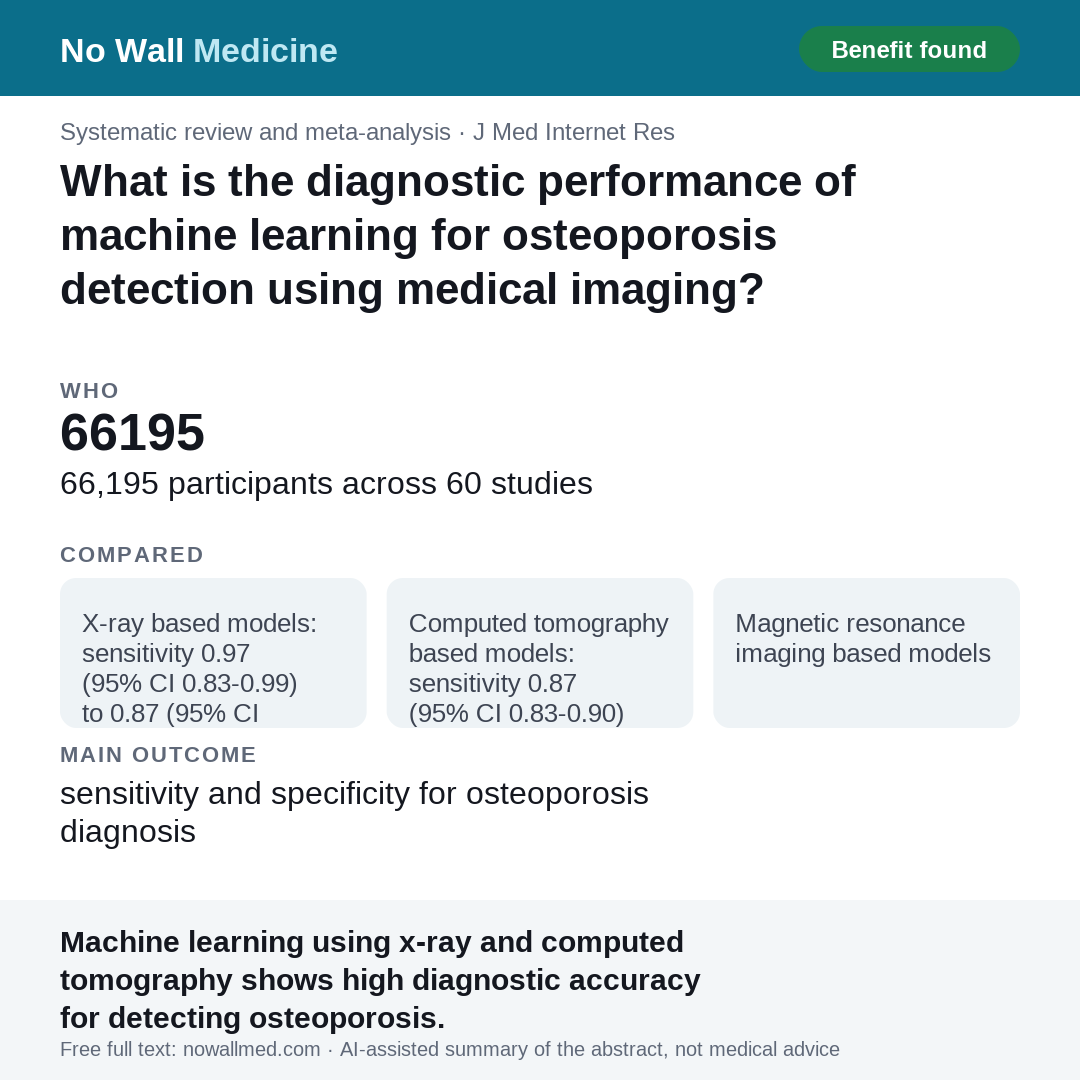
The Diagnostic Value of Image-Based Machine Learning for Osteoporosis: Systematic Review and Meta-Analysis
Systematic review and meta-analysisBenefit found
What is the diagnostic performance of machine learning for osteoporosis detection using medical imaging?
Who
66195
66,195 participants across 60 studies
Compared
X-ray based models: sensitivity 0.97 (95% CI 0.83-0.99) to 0.87 (95% CI 0.77-0.93)
Computed tomography based models: sensitivity 0.87 (95% CI 0.83-0.90) to 0.91 (95% CI 0.87-0.94)
Magnetic resonance imaging based models
Main outcome
sensitivity and specificity for osteoporosis diagnosis
Bottom line: Machine learning using x-ray and computed tomography shows high diagnostic accuracy for detecting osteoporosis.
Limitation: Limited number of original studies using magnetic resonance imaging and lack of adequate external validation.
J Med Internet Res · 2026-01-16Download image
Genotype-stratified adjunctive dexamethasone for tuberculous meningitis in HIV-negative adults: a randomized controlled phase 3 trial
Randomized controlled trialNo clear difference
Does dexamethasone help HIV-negative adults with tuberculous meningitis?
Who
613
HIV-negative Vietnamese adults with tuberculous meningitis · Vietnam
Compared
35.4%Dexamethasone (108/305)
35.7%Placebo (110/308)
Main outcome
All-cause death or new neurological event
Result: hazard ratio of 0.99, 96% confidence interval 0.748-1.31
Bottom line: Dexamethasone does not help most patients
Nat Med · 2026-01-15Download image

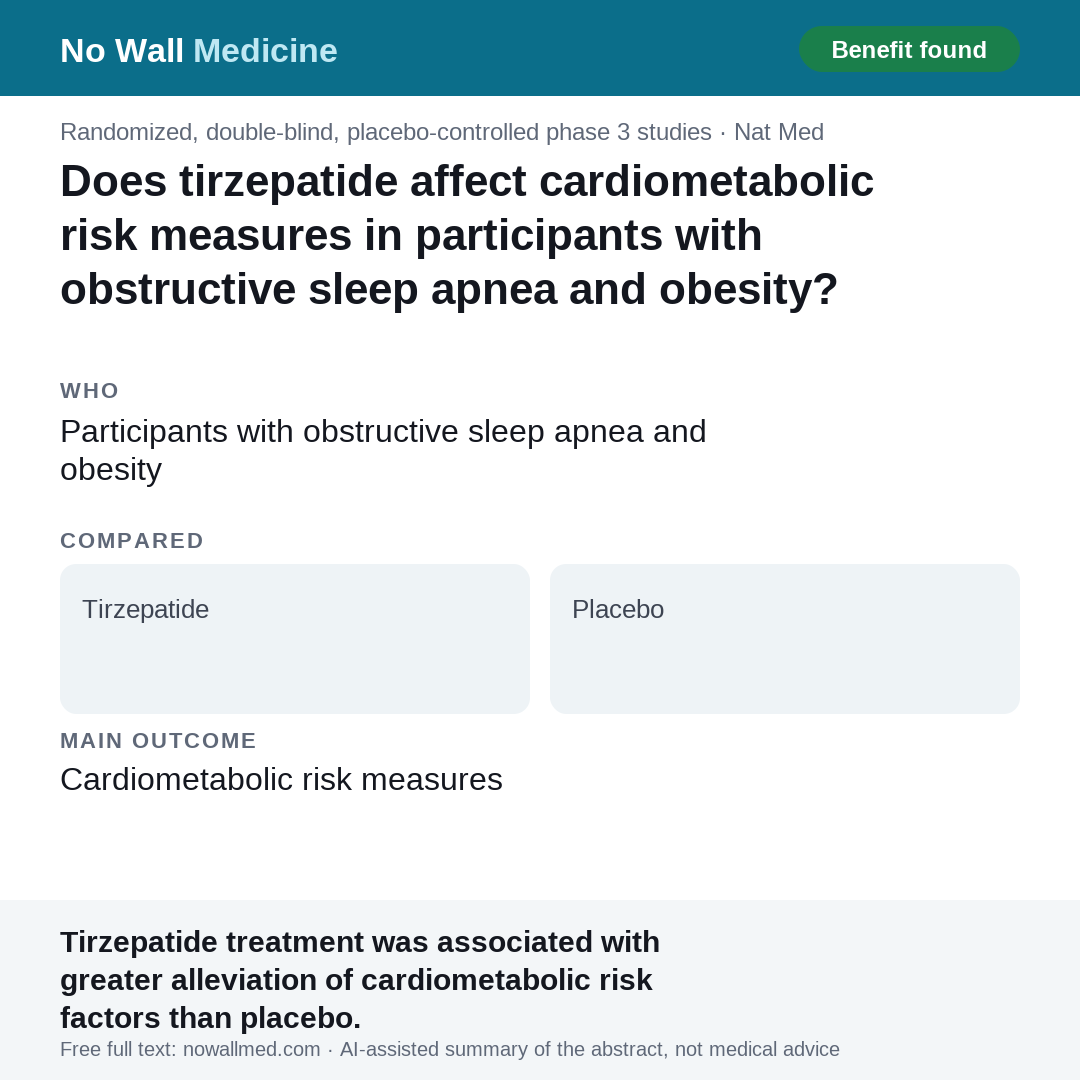
Tirzepatide on obstructive sleep apnea-related cardiometabolic risk: secondary outcomes of the SURMOUNT-OSA randomized trial
Randomized, double-blind, placebo-controlled phase 3 studiesBenefit found
Does tirzepatide affect cardiometabolic risk measures in participants with obstructive sleep apnea and obesity?
Who
Participants with obstructive sleep apnea and obesity
Compared
Tirzepatide
Placebo
Main outcome
Cardiometabolic risk measures
Bottom line: Tirzepatide treatment was associated with greater alleviation of cardiometabolic risk factors than placebo.
Nat Med · 2026-01-15Download image
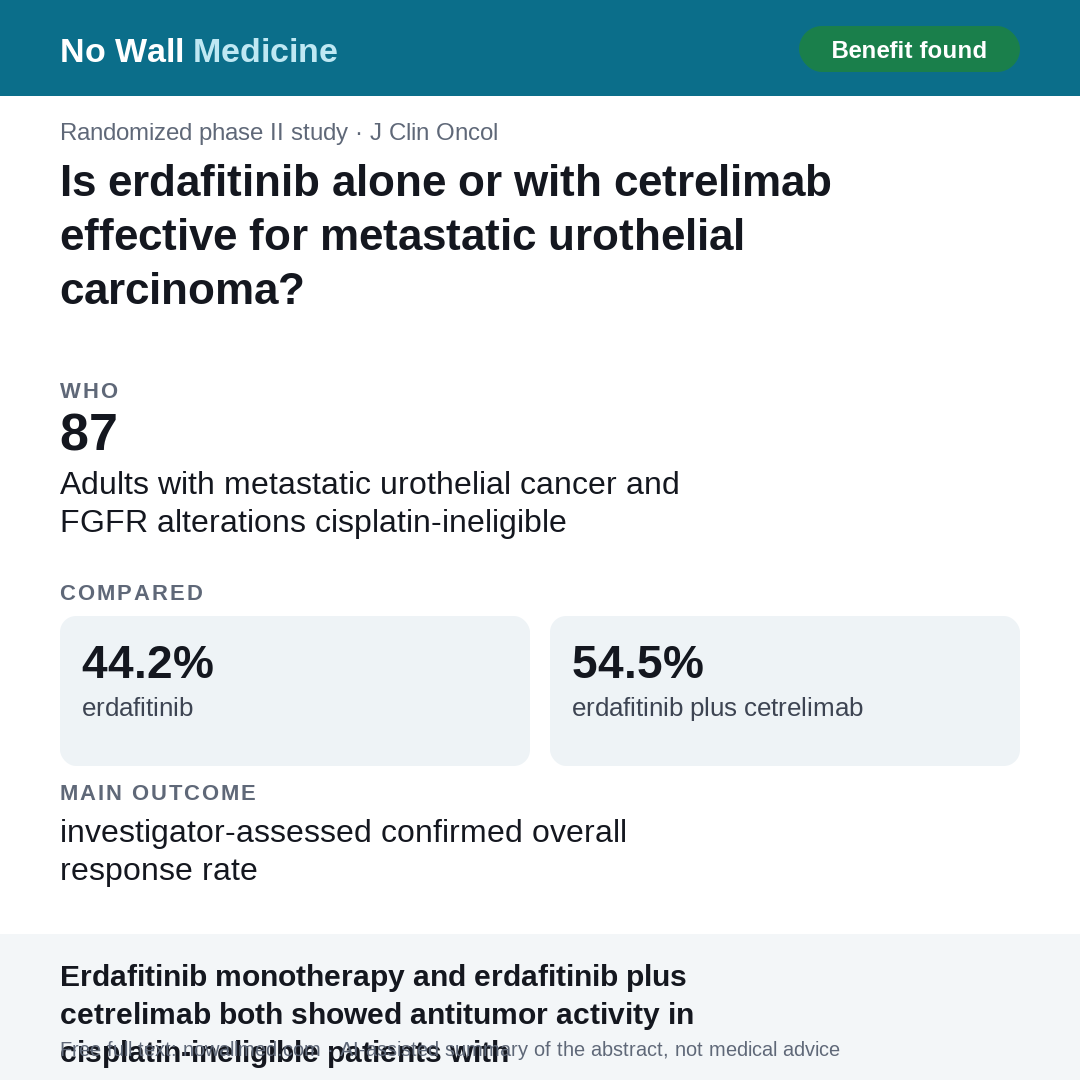
Erdafitinib or Erdafitinib Plus Cetrelimab for Patients With Metastatic Urothelial Carcinoma and FGFR Alterations: Final Results From the Phase II NORSE Study
Randomized phase II studyBenefit found
Is erdafitinib alone or with cetrelimab effective for metastatic urothelial carcinoma?
Who
87
Adults with metastatic urothelial cancer and FGFR alterations cisplatin-ineligible
Compared
44.2%erdafitinib (95% CI, 29.1 to 60.1)
54.5%erdafitinib plus cetrelimab (95% CI, 38.8 to 69.6)
Main outcome
investigator-assessed confirmed overall response rate
Bottom line: Erdafitinib monotherapy and erdafitinib plus cetrelimab both showed antitumor activity in cisplatin-ineligible patients with metastatic urothelial cancer.
Limitation: No statistical hypotheses were tested
J Clin Oncol · 2026-01-15Download image
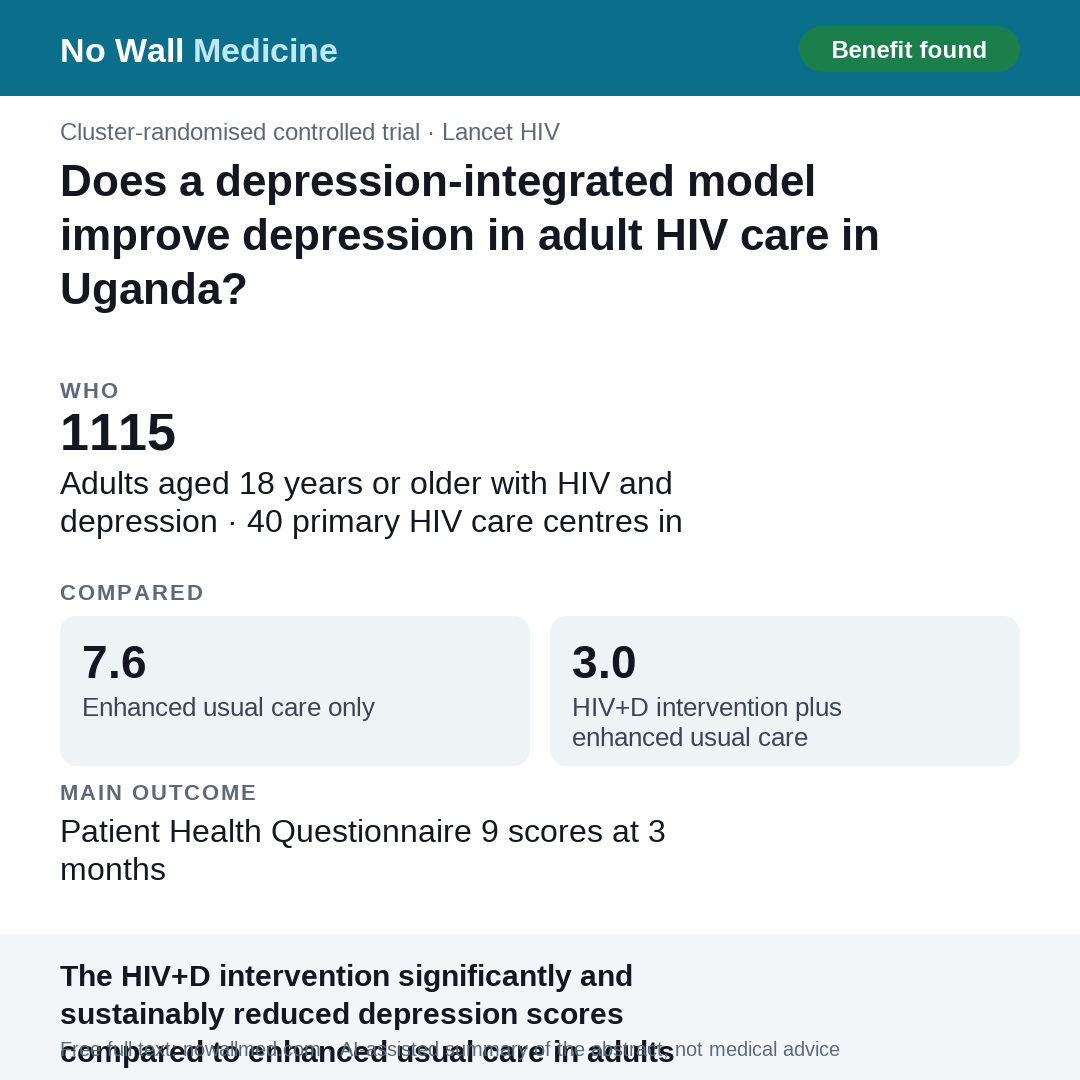
Assessing the effectiveness of a depression-integrated model in adult HIV care in Uganda (the HIV+D trial): a cluster-randomised controlled trial
Cluster-randomised controlled trialBenefit found
Does a depression-integrated model improve depression in adult HIV care in Uganda?
Who
1115
Adults aged 18 years or older with HIV and depression · 40 primary HIV care centres in three districts in Uganda
Compared
7.6Enhanced usual care only (SD 4.2)
3.0HIV+D intervention plus enhanced usual care (SD 3.2)
Main outcome
Patient Health Questionnaire 9 scores at 3 months
Result: adjusted mean difference 4.4; 95% CI 3.4-5.5
Bottom line: The HIV+D intervention significantly and sustainably reduced depression scores compared to enhanced usual care in adults with HIV.
Funded by: Wellcome Trust
Lancet HIV · 2026-01-15Download image
All-cause and cause-specific mortality risk in individuals with eating disorders: systematic review and meta-analysis of relative risk and aggravating or attenuating factors
Meta-analysis of 83 studiesHarm found
Mortality risk in eating disorders
Who
307710
Individuals with eating disorders versus general population
Compared
Eating disorders
General population
Main outcome
All-cause mortality
Result: Risk ratio 4.92 (95% CI 4.03 to 6.00)
Bottom line: Eating disorders increase mortality risk
World Psychiatry · 2026-01-15Download image