Visual abstracts
New randomized trials and meta-analyses from leading journals at a glance: who was studied, what was compared, and what was found. Every paper is free to read in full.
All specialtiesCardiology 4763Oncology 4042Gastroenterology & Hepatology 1902Infectious Disease 3756Neurology 1872Psychiatry & Mental Health 2214Pulmonology 2042Critical Care 1319Endocrinology & Diabetes 2544Pediatrics 2889Surgery 2479Orthopedics & Sports Medicine 917Neurosurgery 525Cardiothoracic & Vascular Surgery 656Plastic & Reconstructive Surgery 574Nephrology 1107Rheumatology 810Hematology 1090Dermatology 611Ophthalmology 532Obstetrics & Gynecology 1645Public & Global Health 1037Radiology & Imaging 617Anesthesiology 957Urology 745ENT (Otolaryngology) 494Emergency Medicine 481Allergy & Immunology 309Geriatrics 972Family Medicine & Primary Care 533Medical Genetics & Genomics 659Pathology & Laboratory Medicine 156Physical Medicine & Rehabilitation 734Palliative Care 421Nutrition 1560Digital Health & AI 2133General Medicine 318
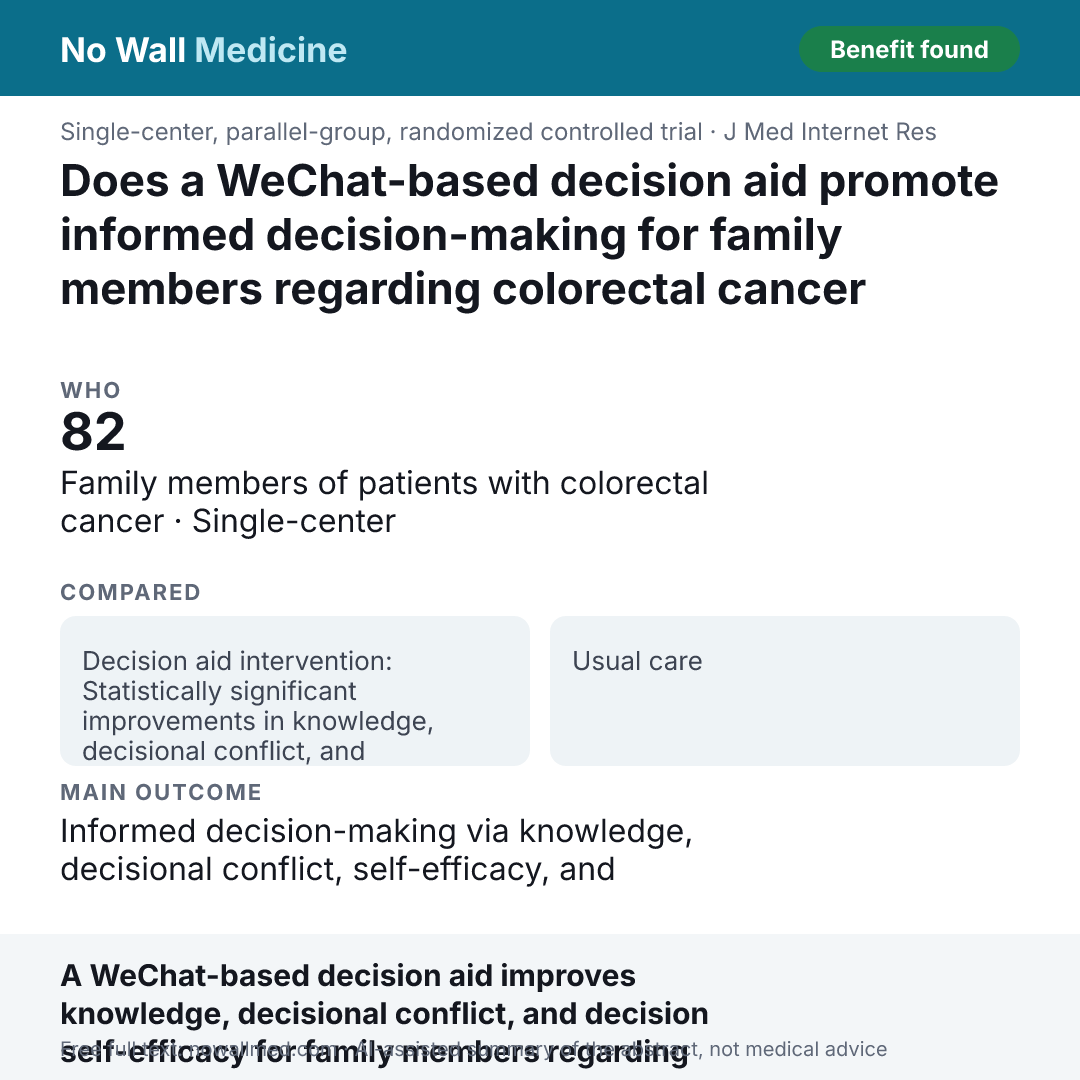
A WeChat-Based Decision Aid Intervention to Promote Informed Decision-Making for Family Members Regarding the Genetic Testing of Patients With Colorectal Cancer: Randomized Controlled Trial
Single-center, parallel-group, randomized controlled trialBenefit found
Does a WeChat-based decision aid promote informed decision-making for family members regarding colorectal cancer genetic testing?
Who
82
Family members of patients with colorectal cancer · Single-center
Compared
Decision aid intervention: Statistically significant improvements in knowledge, decisional conflict, and decision self-efficacy
Usual care
Main outcome
Informed decision-making via knowledge, decisional conflict, self-efficacy, and preparation
Bottom line: A WeChat-based decision aid improves knowledge, decisional conflict, and decision self-efficacy for family members regarding genetic testing.
Limitation: The tool requires optimization and evaluation using more advanced technology than WeChat.
J Med Internet Res · 2025-04-21 · Save PNG
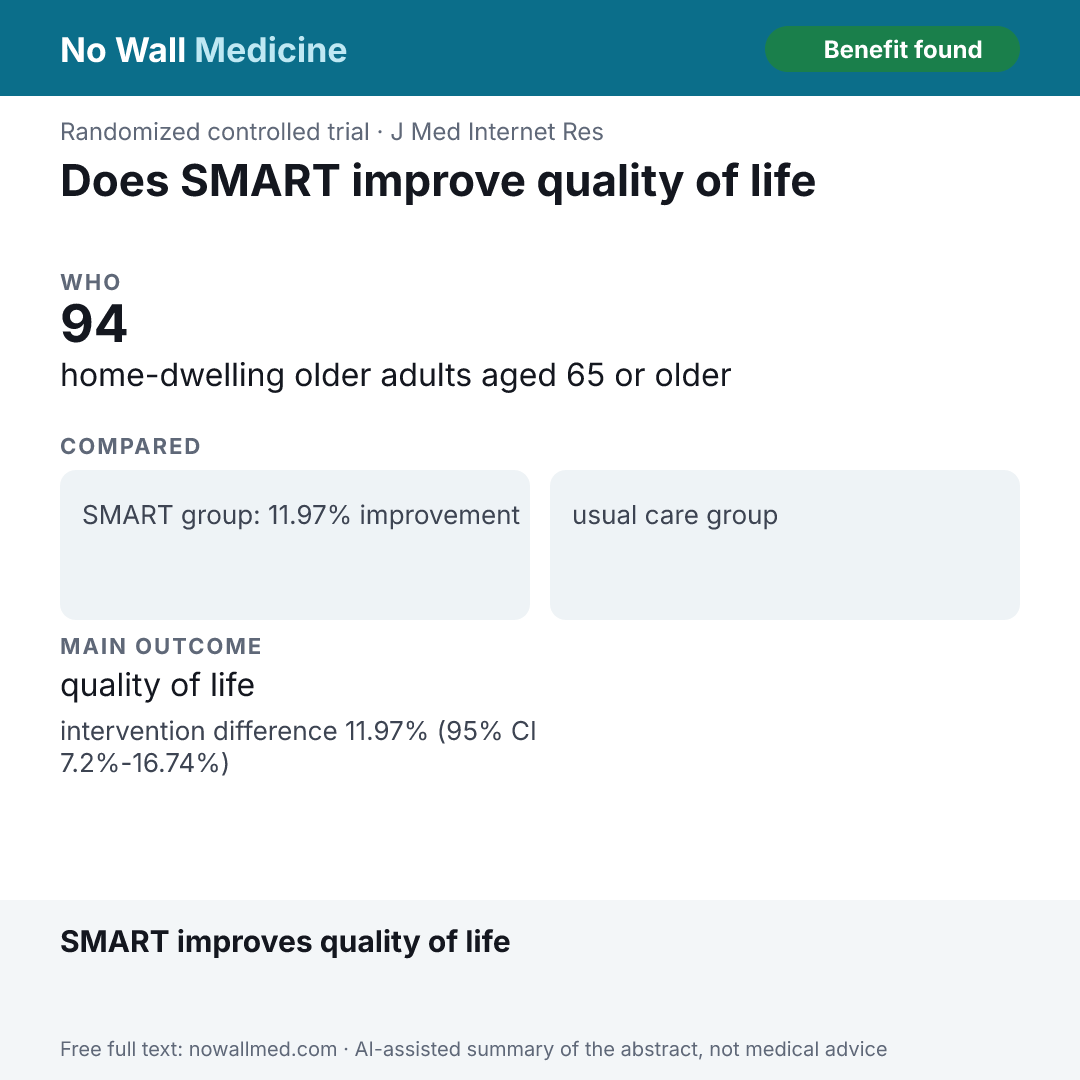
Efficacy of an Intelligent and Integrated Older Adult Care Model on Quality of Life Among Home-Dwelling Older Adults: Randomized Controlled Trial
Randomized controlled trialBenefit found
Does SMART improve quality of life
Who
94
home-dwelling older adults aged 65 or older
Compared
SMART group: 11.97% improvement
usual care group
Main outcome
quality of life
Result: intervention difference 11.97% (95% CI 7.2%-16.74%)
Bottom line: SMART improves quality of life
J Med Internet Res · 2025-04-21 · Save PNG
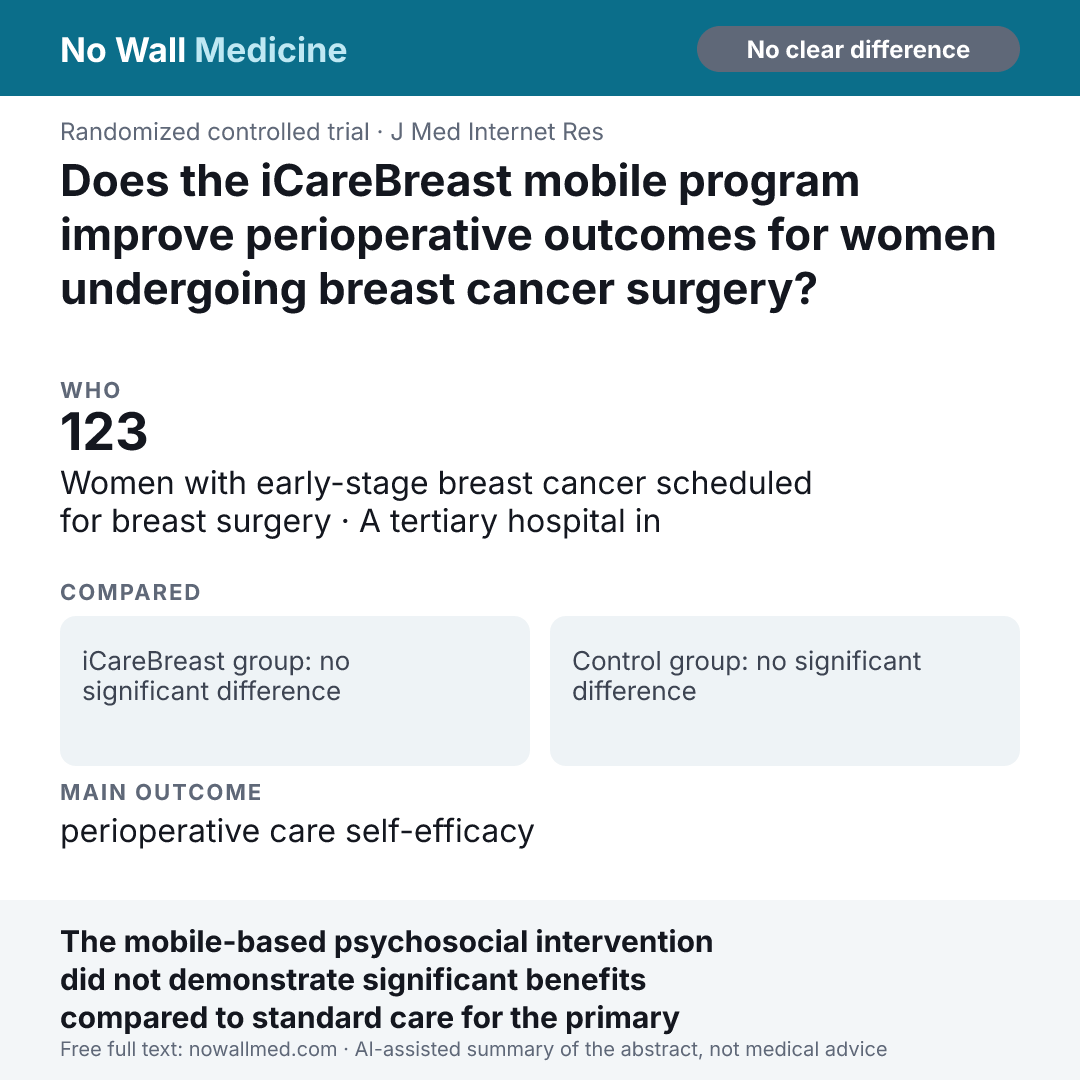
Effectiveness of an Innovative Mobile-Based Perioperative Care Program for Women Undergoing Breast Cancer Surgery (iCareBreast): Randomized Controlled Trial
Randomized controlled trialNo clear difference
Does the iCareBreast mobile program improve perioperative outcomes for women undergoing breast cancer surgery?
Who
123
Women with early-stage breast cancer scheduled for breast surgery · A tertiary hospital in Singapore
Compared
iCareBreast group: no significant difference
Control group: no significant difference
Main outcome
perioperative care self-efficacy
Result: mean difference -1.63 (95% CI -3.43 to 0.18)
Bottom line: The mobile-based psychosocial intervention did not demonstrate significant benefits compared to standard care for the primary outcome.
Limitation: The study suggests the need to refine the app and optimize user engagement strategies.
J Med Internet Res · 2025-04-21 · Save PNG
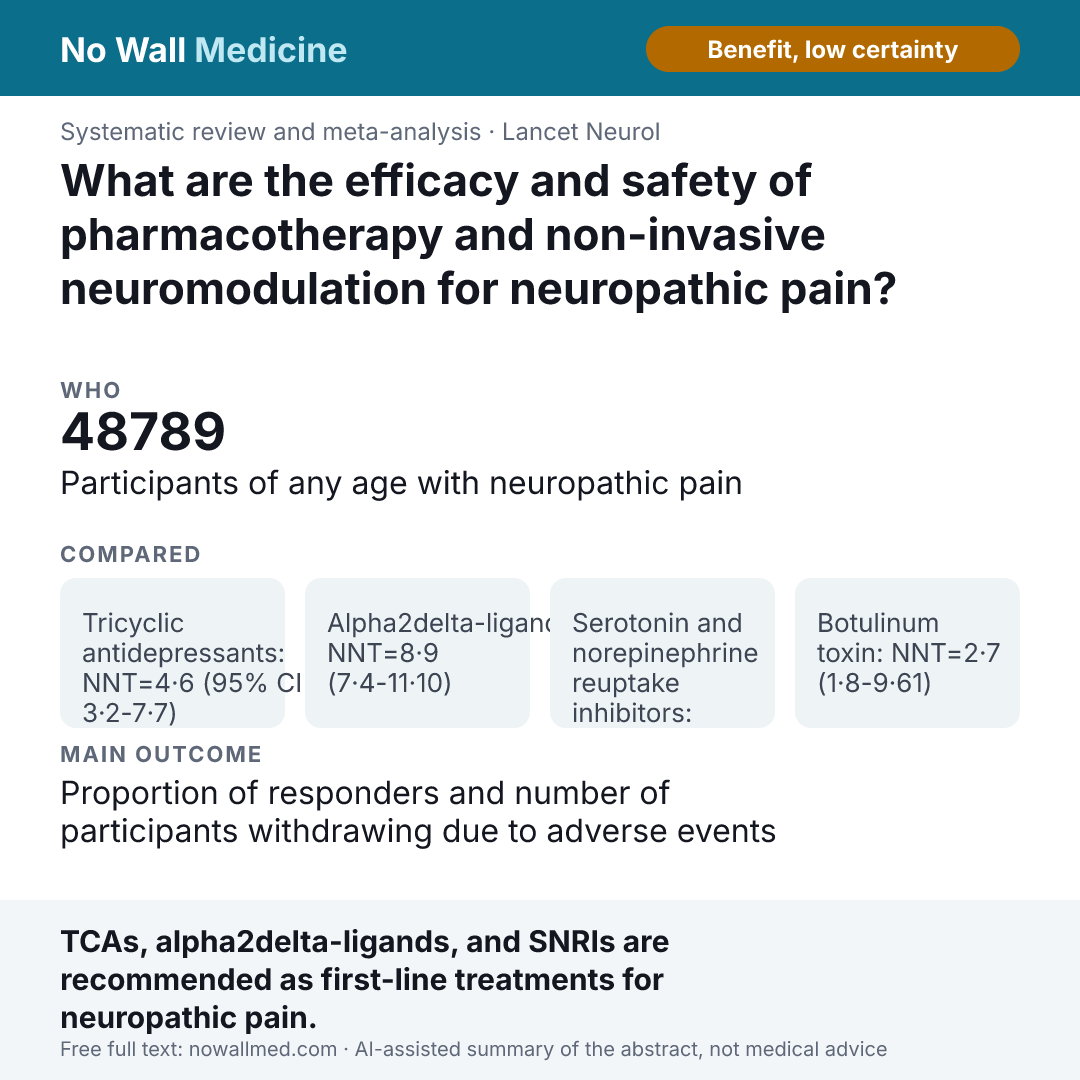
Pharmacotherapy and non-invasive neuromodulation for neuropathic pain: a systematic review and meta-analysis
Systematic review and meta-analysisBenefit, low certainty
What are the efficacy and safety of pharmacotherapy and non-invasive neuromodulation for neuropathic pain?
Who
48789
Participants of any age with neuropathic pain
Compared
Tricyclic antidepressants: NNT=4·6 (95% CI 3·2-7·7)
Alpha2delta-ligands: NNT=8·9 (7·4-11·10)
Serotonin and norepinephrine reuptake inhibitors: NNT=7·4 (5·6-10·9)
Botulinum toxin: NNT=2·7 (1·8-9·61)
Main outcome
Proportion of responders and number of participants withdrawing due to adverse events
Bottom line: TCAs, alpha2delta-ligands, and SNRIs are recommended as first-line treatments for neuropathic pain.
Lancet Neurol · 2025-04-20 · Save PNG
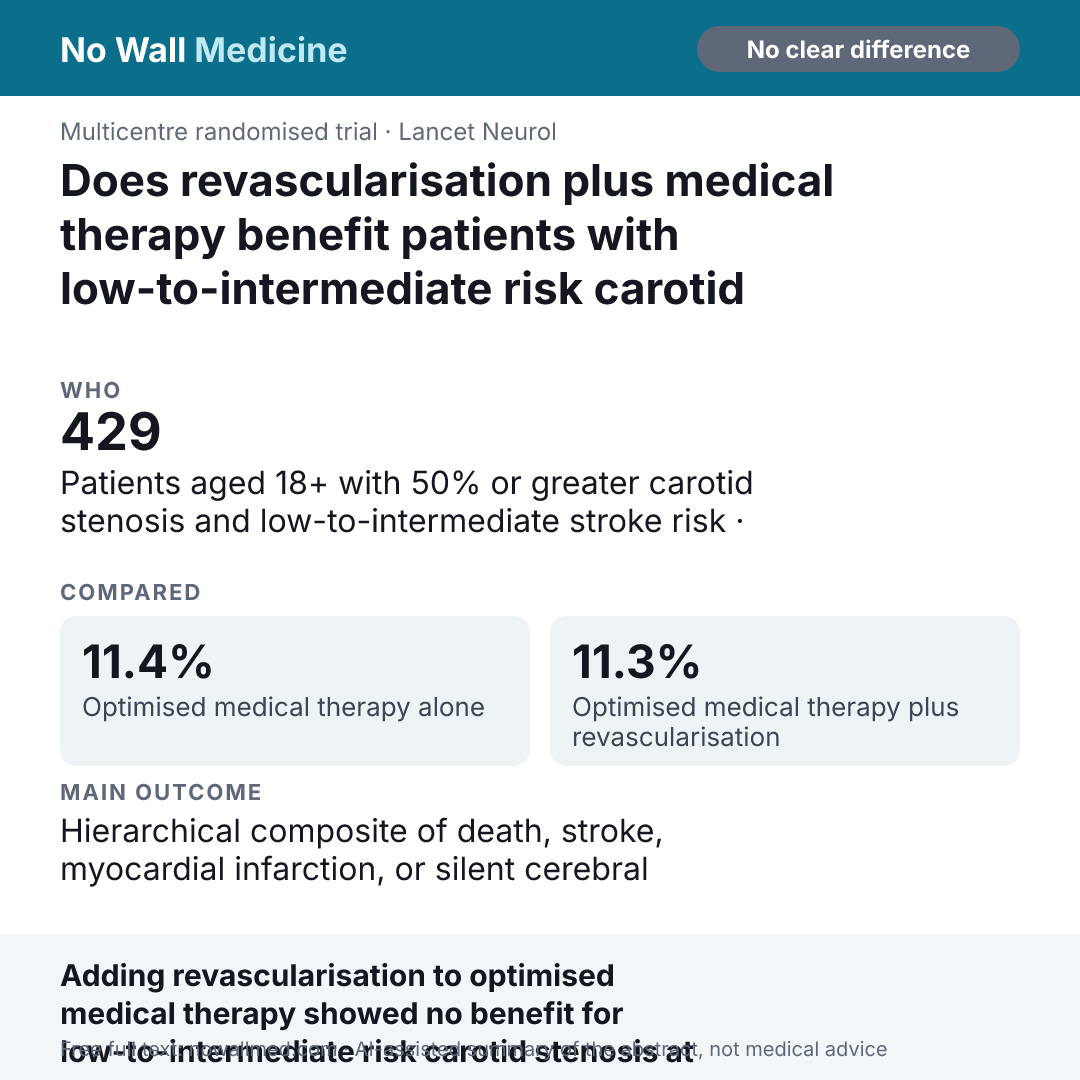
Optimised medical therapy alone versus optimised medical therapy plus revascularisation for asymptomatic or low-to-intermediate risk symptomatic carotid stenosis (ECST-2): 2-year interim results of a multicentre randomised trial
Multicentre randomised trialNo clear difference
Does revascularisation plus medical therapy benefit patients with low-to-intermediate risk carotid stenosis?
Who
429
Patients aged 18+ with 50% or greater carotid stenosis and low-to-intermediate stroke risk · 30 centres in Europe and Canada
Compared
11.4%Optimised medical therapy alone
11.3%Optimised medical therapy plus revascularisation
Main outcome
Hierarchical composite of death, stroke, myocardial infarction, or silent cerebral infarction
Result: win ratio 1.01 (95% CI 0.60-1.70)
Bottom line: Adding revascularisation to optimised medical therapy showed no benefit for low-to-intermediate risk carotid stenosis at 2 years.
Lancet Neurol · 2025-04-20 · Save PNG
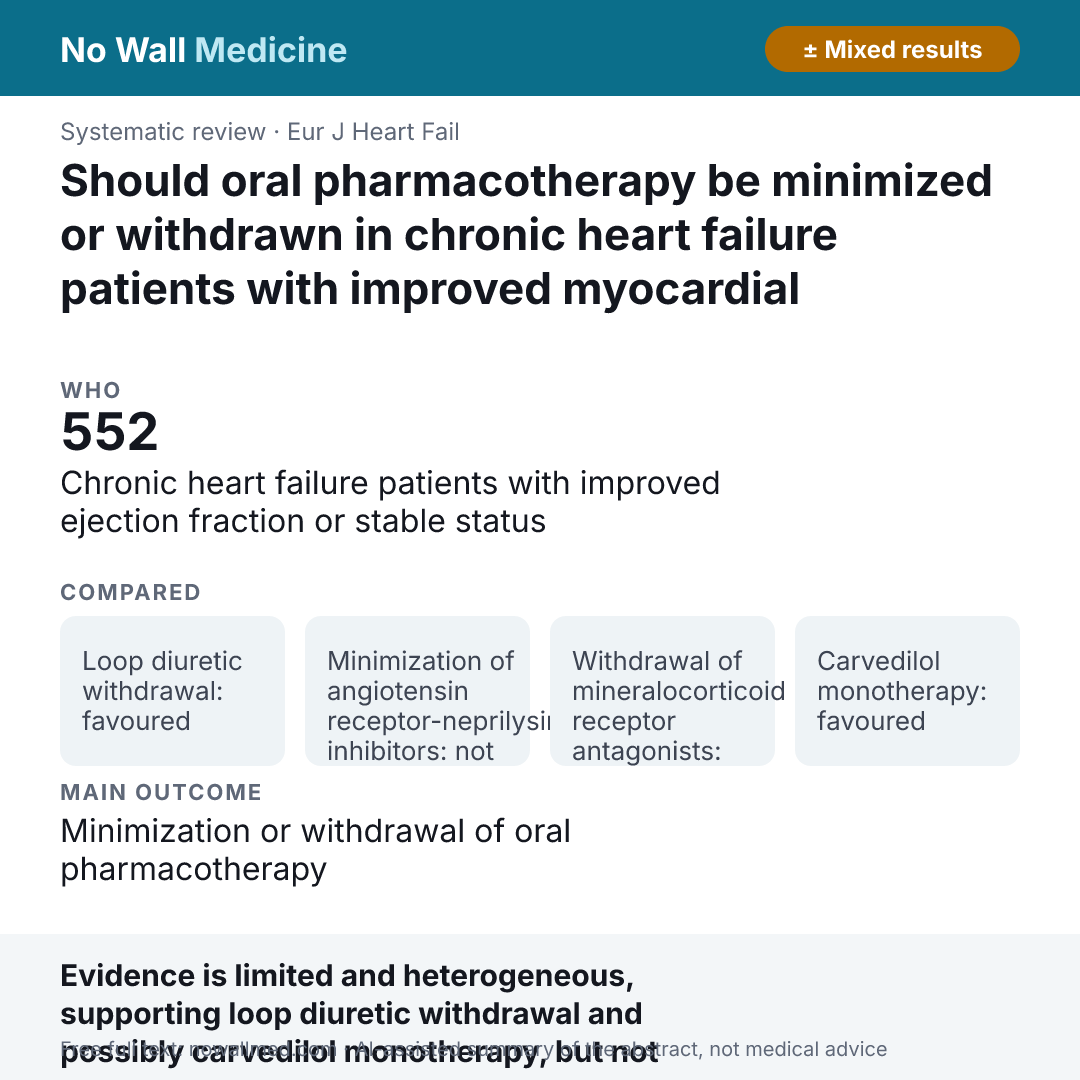
Minimization or withdrawal of oral pharmacotherapy in chronic heart failure patients with improved myocardial function: A systematic review
Systematic reviewMixed results
Should oral pharmacotherapy be minimized or withdrawn in chronic heart failure patients with improved myocardial function?
Who
552
Chronic heart failure patients with improved ejection fraction or stable status
Compared
Loop diuretic withdrawal: favoured
Minimization of angiotensin receptor-neprilysin inhibitors: not favourable
Withdrawal of mineralocorticoid receptor antagonists: not favourable
Carvedilol monotherapy: favoured
Main outcome
Minimization or withdrawal of oral pharmacotherapy
Bottom line: Evidence is limited and heterogeneous, supporting loop diuretic withdrawal and possibly carvedilol monotherapy, but not renin-angiotensin system inhibitors or mineralocorticoid receptor antagonists.
Limitation: Findings were heterogeneous due to variations in study design and protocols.
Eur J Heart Fail · 2025-04-20 · Save PNG
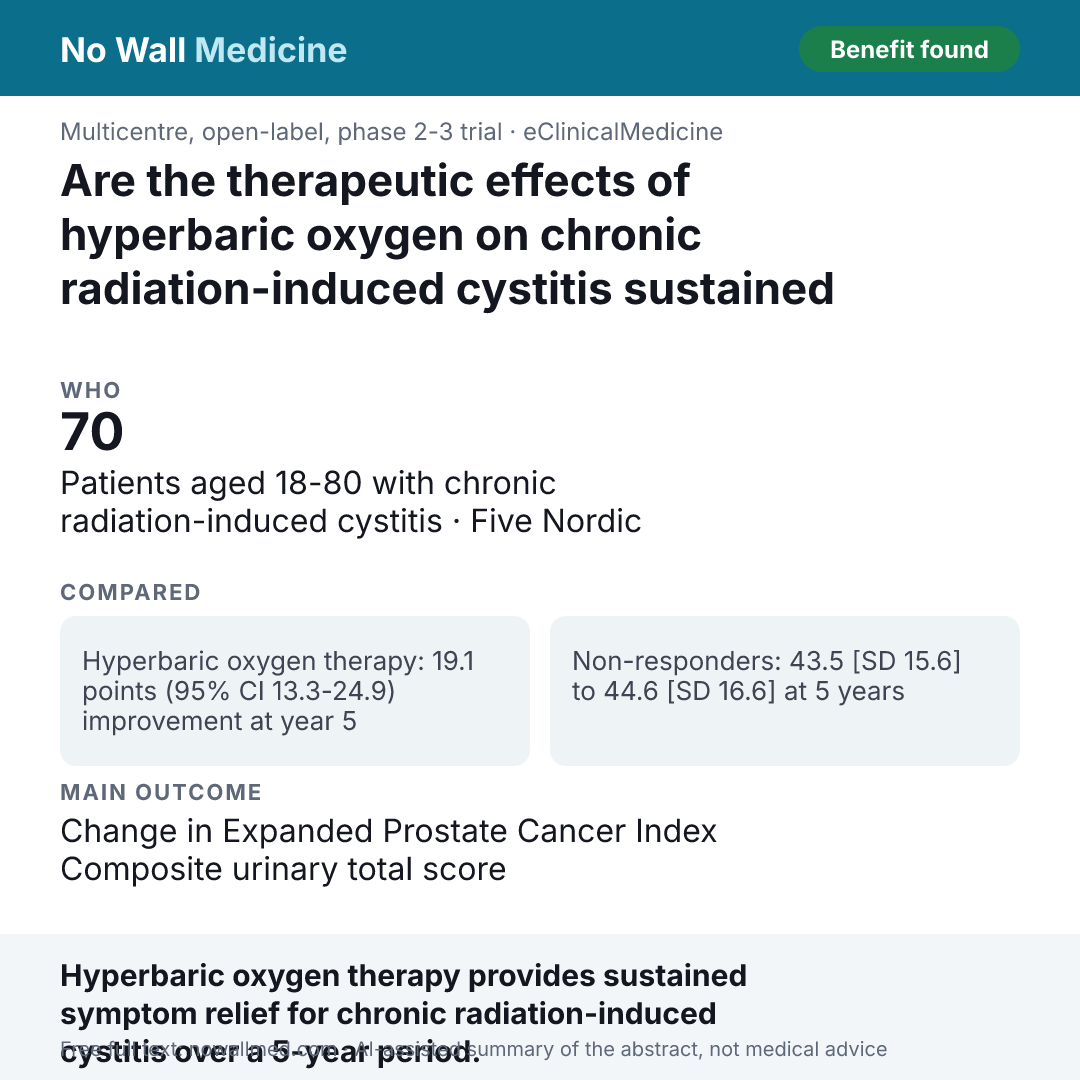
Radiation-induced cystitis treated with hyperbaric oxygen therapy (RICH-ART): long-term follow-up of a randomised controlled, phase 2-3 trial
Multicentre, open-label, phase 2-3 trialBenefit found
Are the therapeutic effects of hyperbaric oxygen on chronic radiation-induced cystitis sustained long-term?
Who
70
Patients aged 18-80 with chronic radiation-induced cystitis · Five Nordic hospitals
Compared
Hyperbaric oxygen therapy: 19.1 points (95% CI 13.3-24.9) improvement at year 5
Non-responders: 43.5 [SD 15.6] to 44.6 [SD 16.6] at 5 years
Main outcome
Change in Expanded Prostate Cancer Index Composite urinary total score
Bottom line: Hyperbaric oxygen therapy provides sustained symptom relief for chronic radiation-induced cystitis over a 5-year period.
Limitation: Follow-up was terminated 6 months early due to administrative constraints and lack of funding.
Funded by: Region Västra Götaland, Sahlgrenska University Hospital, Lions Cancer Research Fund
eClinicalMedicine · 2025-04-19 · Save PNG
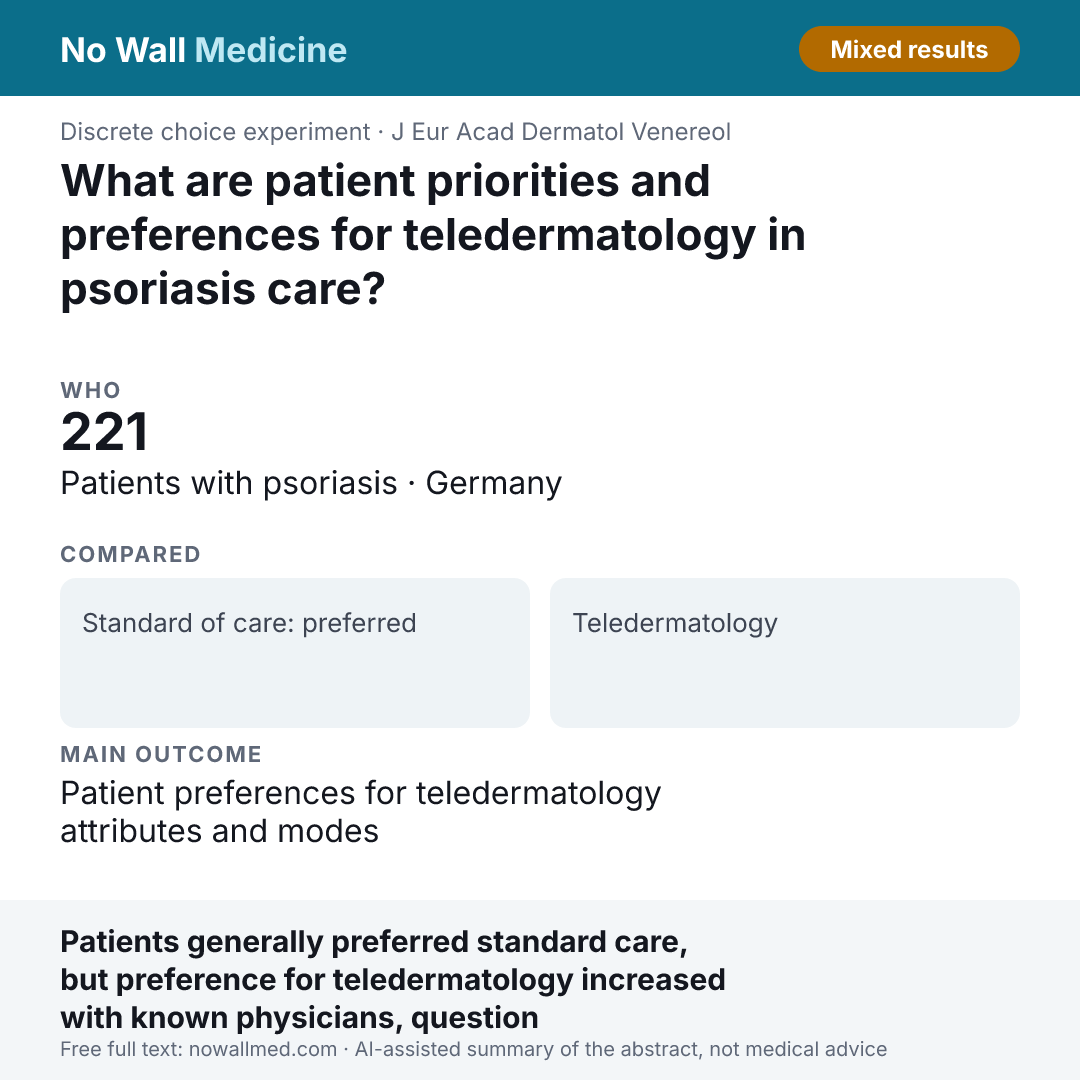
Understanding patient priorities in teledermatology for psoriasis: A discrete choice experiment
Discrete choice experimentMixed results
What are patient priorities and preferences for teledermatology in psoriasis care?
Who
221
Patients with psoriasis · Germany
Compared
Standard of care: preferred
Teledermatology
Main outcome
Patient preferences for teledermatology attributes and modes
Bottom line: Patients generally preferred standard care, but preference for teledermatology increased with known physicians, question opportunities, and acknowledgment of concerns.
J Eur Acad Dermatol Venereol · 2025-04-19 · Save PNG
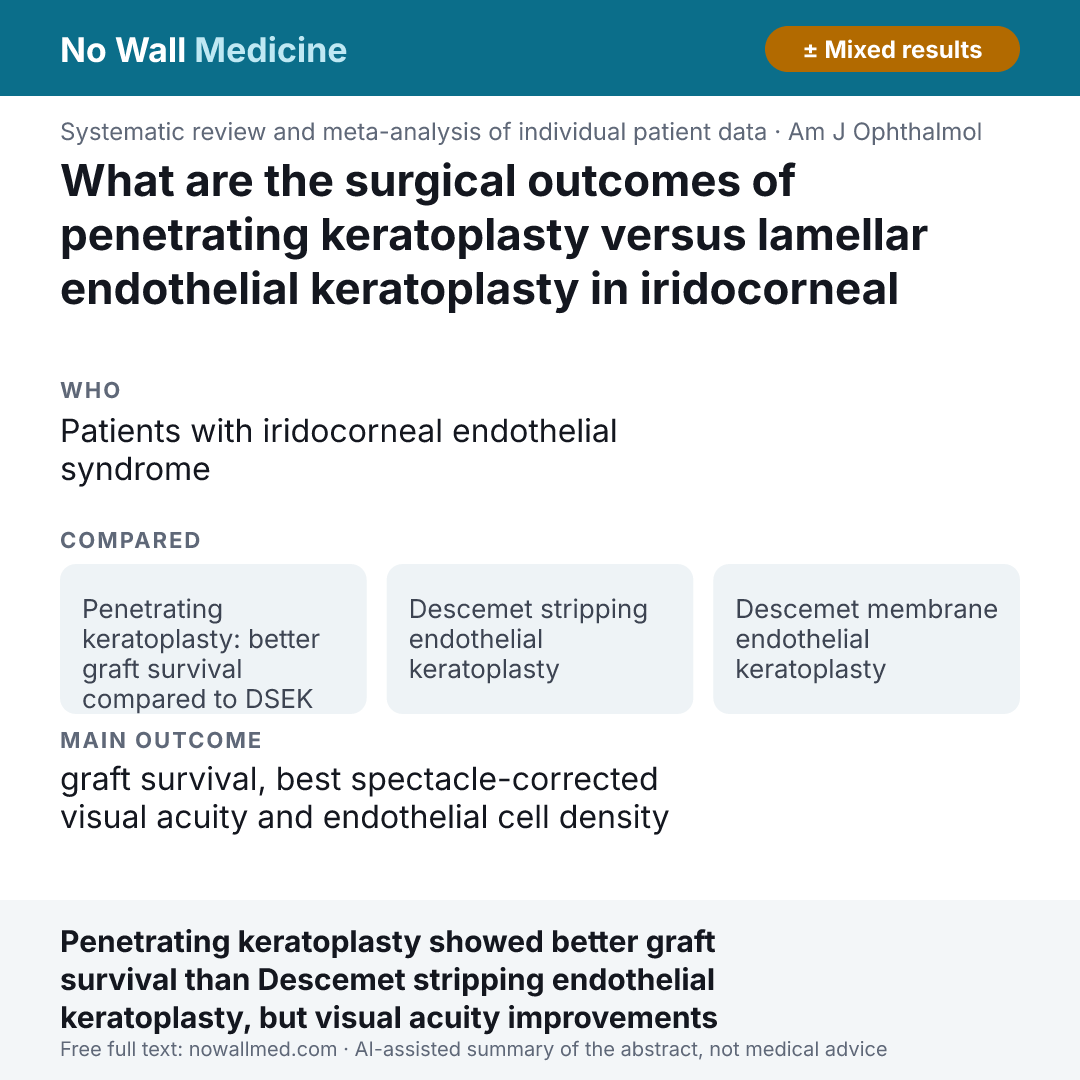
Outcomes of Penetrating Keratoplasty Versus Lamellar Endothelial Keratoplasty in Iridocorneal Endothelial Syndrome: A Systematic Review and Meta-Analysis
Systematic review and meta-analysis of individual patient dataMixed results
What are the surgical outcomes of penetrating keratoplasty versus lamellar endothelial keratoplasty in iridocorneal endothelial syndrome?
Who
Patients with iridocorneal endothelial syndrome
Compared
Penetrating keratoplasty: better graft survival compared to DSEK
Descemet stripping endothelial keratoplasty
Descemet membrane endothelial keratoplasty
Main outcome
graft survival, best spectacle-corrected visual acuity and endothelial cell density
Bottom line: Penetrating keratoplasty showed better graft survival than Descemet stripping endothelial keratoplasty, but visual acuity improvements were comparable across all procedures.
Limitation: further research and additional evidence are needed to draw more definitive conclusions
Am J Ophthalmol · 2025-04-19 · Save PNG
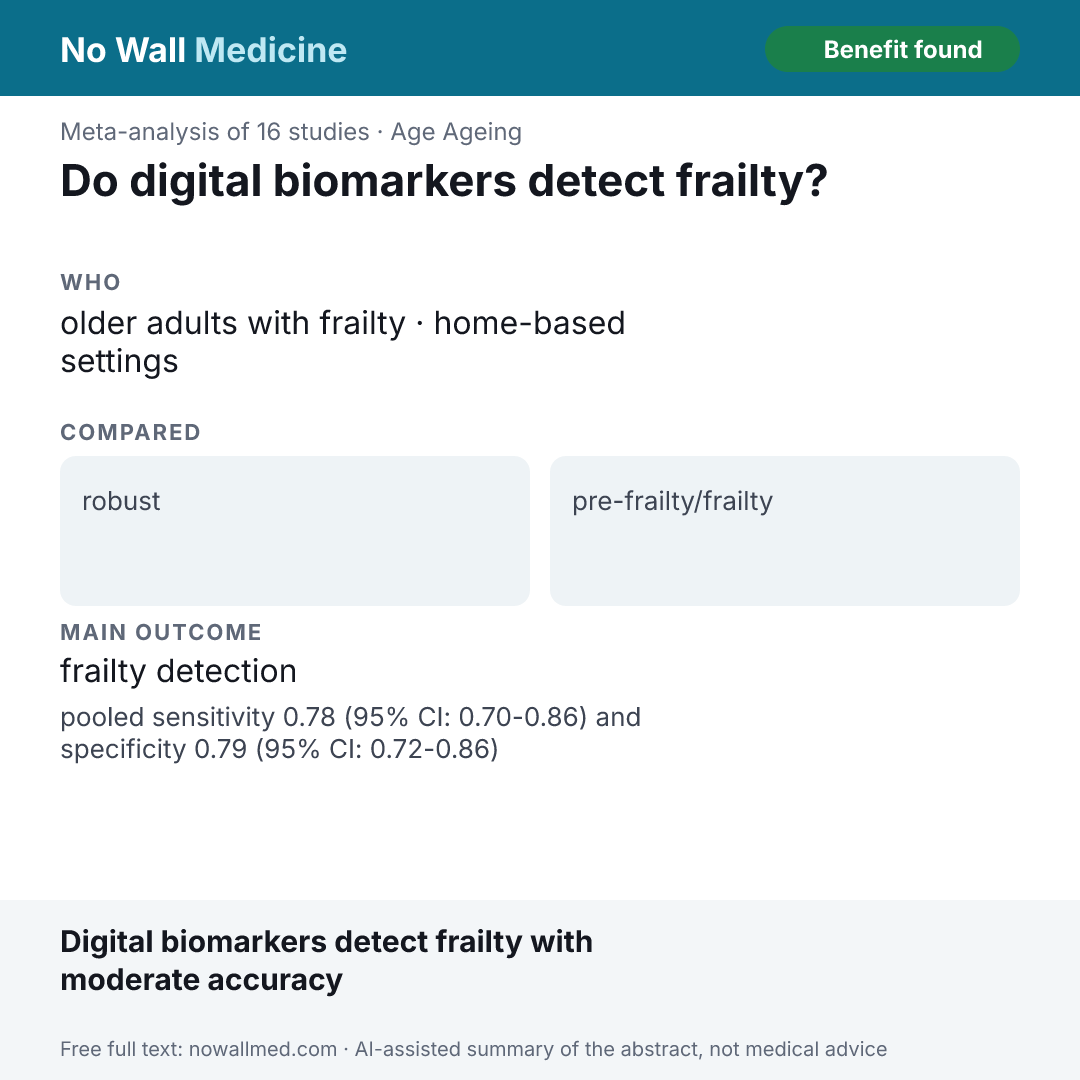
Digital biomarkers for real-life, home-based monitoring of frailty: a systematic review and meta-analysis
Meta-analysis of 16 studiesBenefit found
Do digital biomarkers detect frailty?
Who
older adults with frailty · home-based settings
Compared
robust
pre-frailty/frailty
Main outcome
frailty detection
Result: pooled sensitivity 0.78 (95% CI: 0.70-0.86) and specificity 0.79 (95% CI: 0.72-0.86)
Bottom line: Digital biomarkers detect frailty with moderate accuracy
Limitation: high or unclear risk of bias
Age Ageing · 2025-04-19 · Save PNG
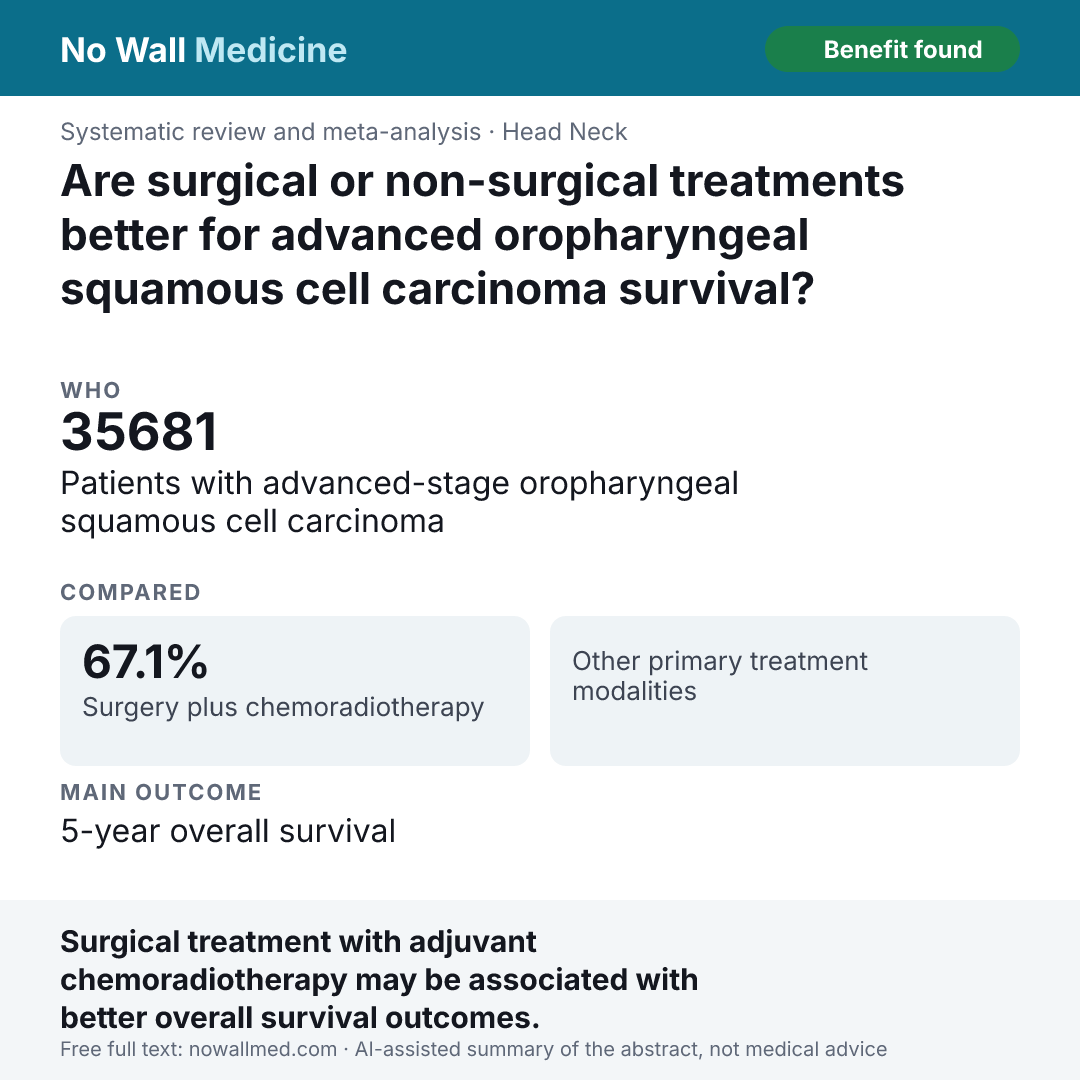
Surgical Versus Non-Surgical Treatment of Advanced Oropharyngeal Squamous Cell Carcinoma: A Systematic Review and Meta-Analysis
Systematic review and meta-analysisBenefit found
Are surgical or non-surgical treatments better for advanced oropharyngeal squamous cell carcinoma survival?
Who
35681
Patients with advanced-stage oropharyngeal squamous cell carcinoma
Compared
67.1%Surgery plus chemoradiotherapy (95% CI 55.6-77.6)
Other primary treatment modalities
Main outcome
5-year overall survival
Bottom line: Surgical treatment with adjuvant chemoradiotherapy may be associated with better overall survival outcomes.
Head Neck · 2025-04-19 · Save PNG
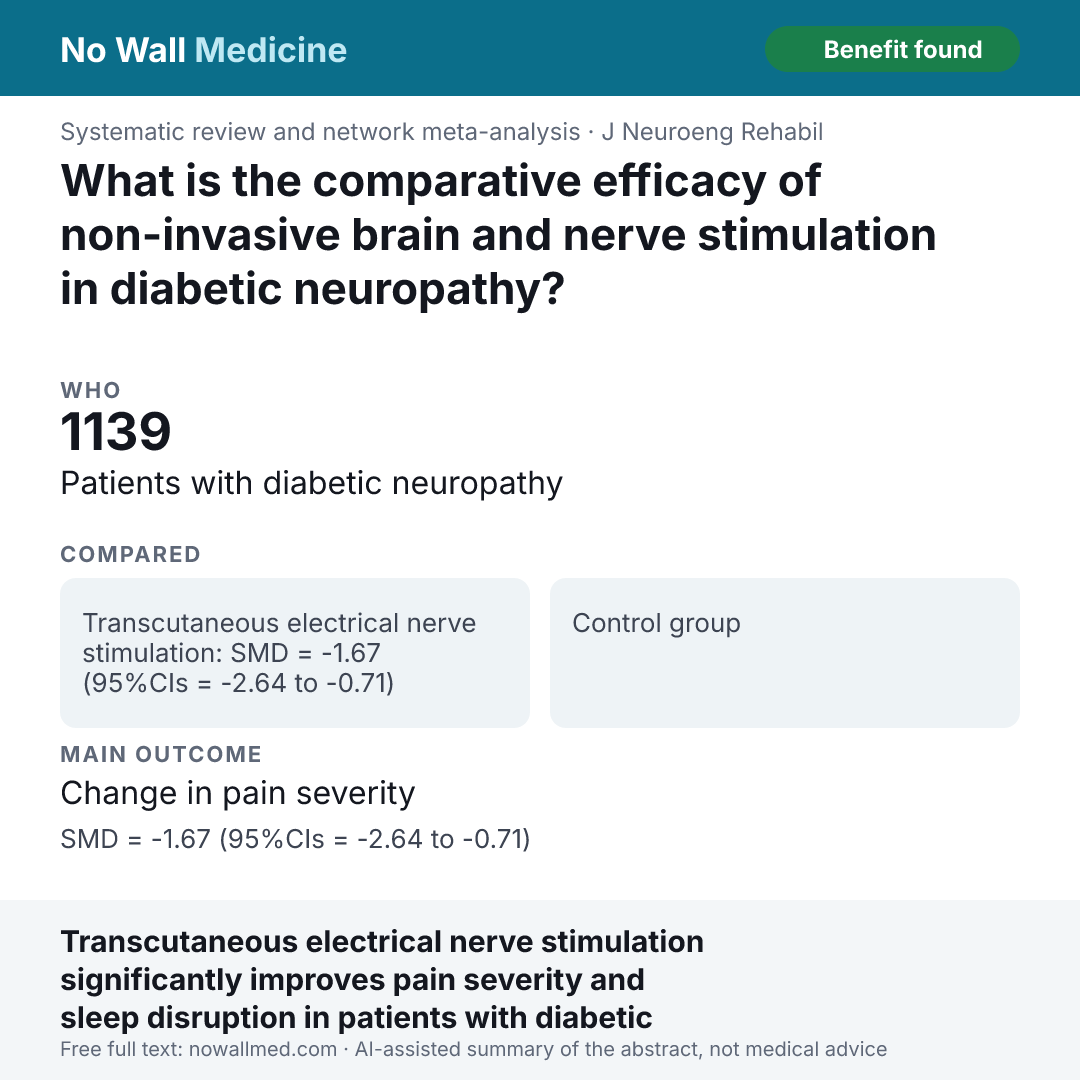
The comparative evidence of efficacy of non-invasive brain and nerve stimulation in diabetic neuropathy: a systematic review and network meta-analysis
Systematic review and network meta-analysisBenefit found
What is the comparative efficacy of non-invasive brain and nerve stimulation in diabetic neuropathy?
Who
1139
Patients with diabetic neuropathy
Compared
Transcutaneous electrical nerve stimulation: SMD = -1.67 (95%CIs = -2.64 to -0.71)
Control group
Main outcome
Change in pain severity
Result: SMD = -1.67 (95%CIs = -2.64 to -0.71)
Bottom line: Transcutaneous electrical nerve stimulation significantly improves pain severity and sleep disruption in patients with diabetic neuropathy.
Limitation: Future well-designed randomized controlled trials with longer treatment durations are recommended.
J Neuroeng Rehabil · 2025-04-19 · Save PNG
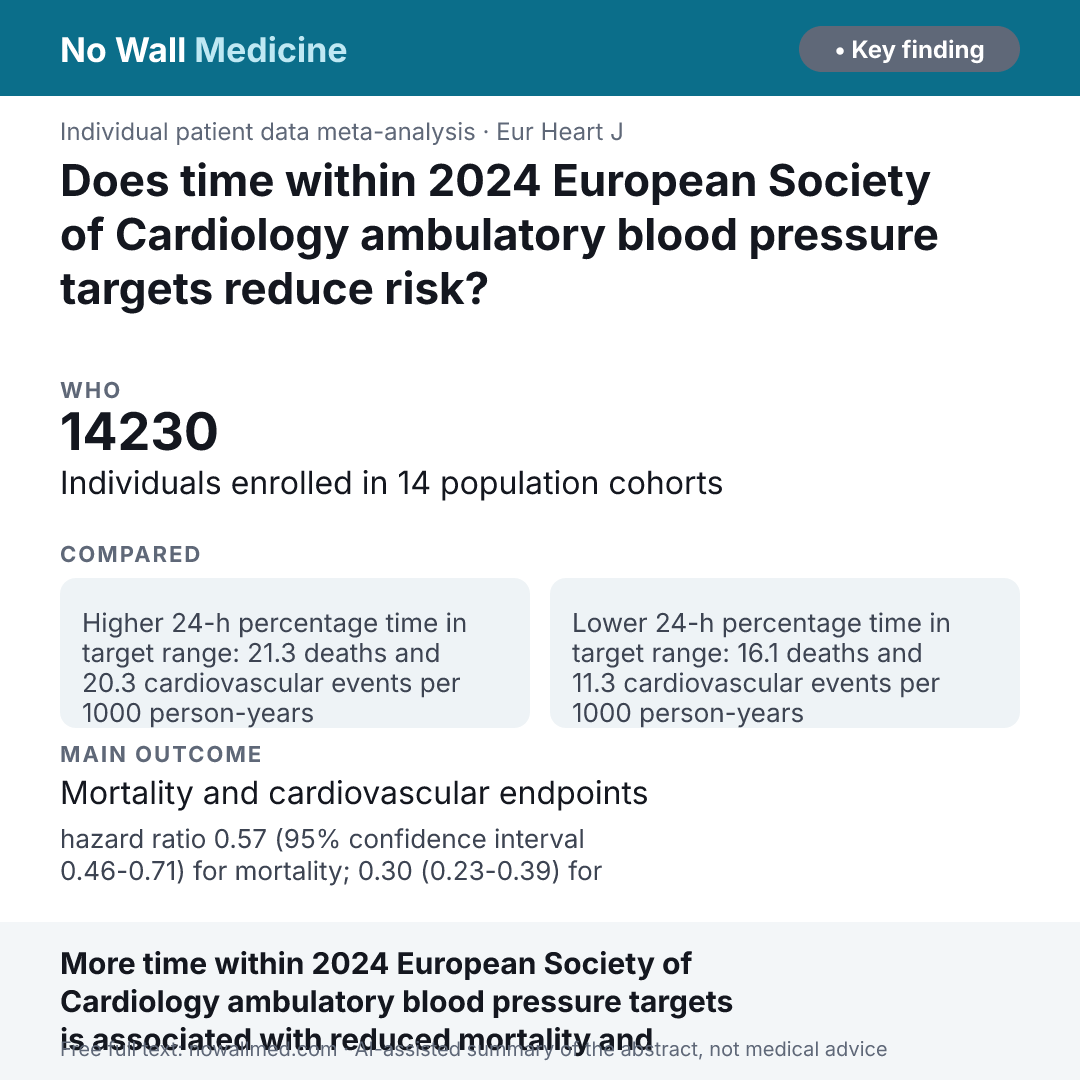
Ambulatory blood pressure monitoring, European guideline targets, and cardiovascular outcomes: an individual patient data meta-analysis
Individual patient data meta-analysisKey finding
Does time within 2024 European Society of Cardiology ambulatory blood pressure targets reduce risk?
Who
14230
Individuals enrolled in 14 population cohorts
Compared
Higher 24-h percentage time in target range: 21.3 deaths and 20.3 cardiovascular events per 1000 person-years
Lower 24-h percentage time in target range: 16.1 deaths and 11.3 cardiovascular events per 1000 person-years
Main outcome
Mortality and cardiovascular endpoints
Result: hazard ratio 0.57 (95% confidence interval 0.46-0.71) for mortality; 0.30 (0.23-0.39) for cardiovascular endpoints
Bottom line: More time within 2024 European Society of Cardiology ambulatory blood pressure targets is associated with reduced mortality and cardiovascular events.
Eur Heart J · 2025-04-18 · Save PNG
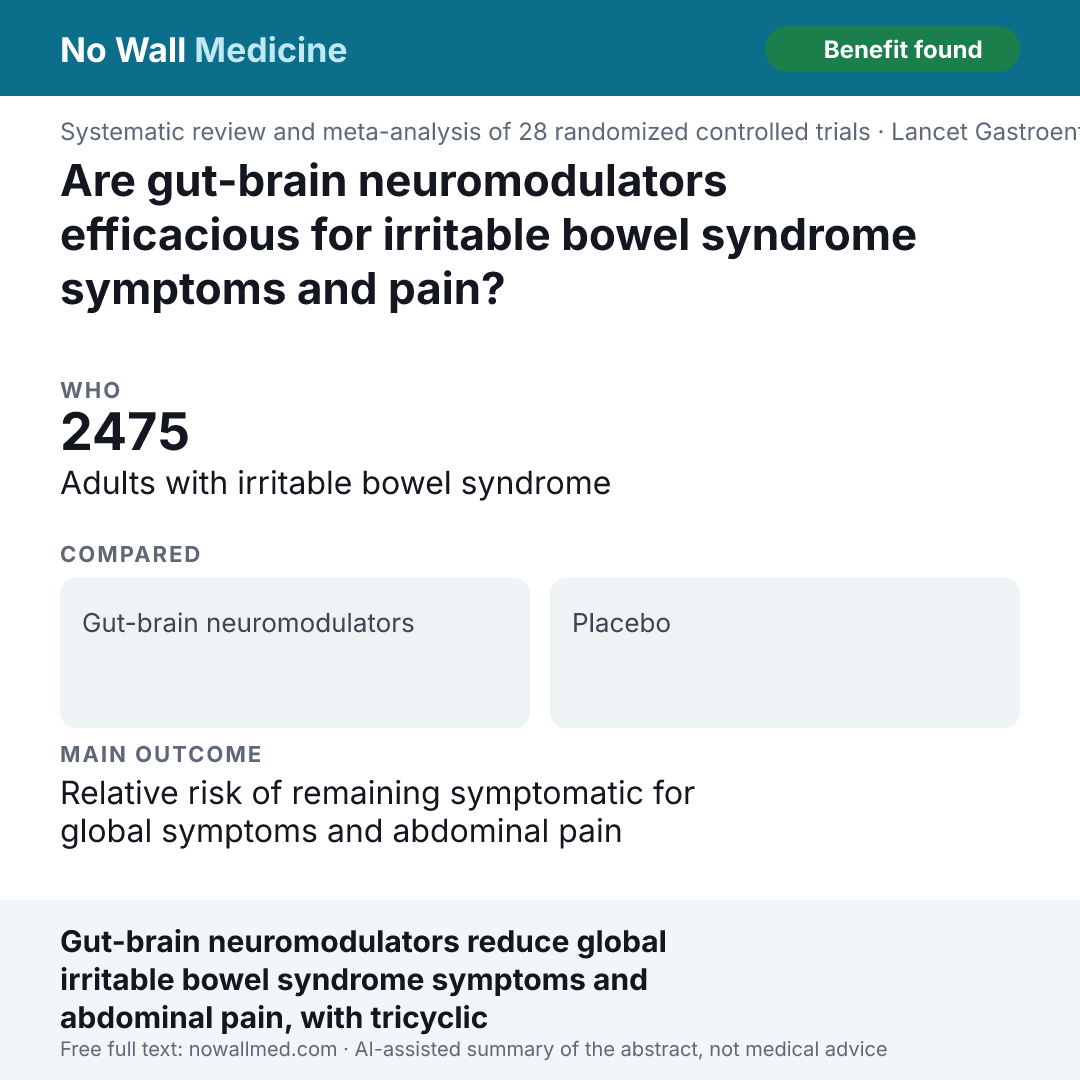
Efficacy of gut-brain neuromodulators in irritable bowel syndrome: an updated systematic review and meta-analysis
Systematic review and meta-analysis of 28 randomized controlled trialsBenefit found
Are gut-brain neuromodulators efficacious for irritable bowel syndrome symptoms and pain?
Who
2475
Adults with irritable bowel syndrome
Compared
Gut-brain neuromodulators
Placebo
Main outcome
Relative risk of remaining symptomatic for global symptoms and abdominal pain
Result: relative risk 0.77 (95% CI 0.69-0.87) for global symptoms; relative risk 0.72 (95% CI 0.62-0.83) for abdominal pain
Bottom line: Gut-brain neuromodulators reduce global irritable bowel syndrome symptoms and abdominal pain, with tricyclic antidepressants showing the best evidence.
Lancet Gastroenterol Hepatol · 2025-04-18 · Save PNG
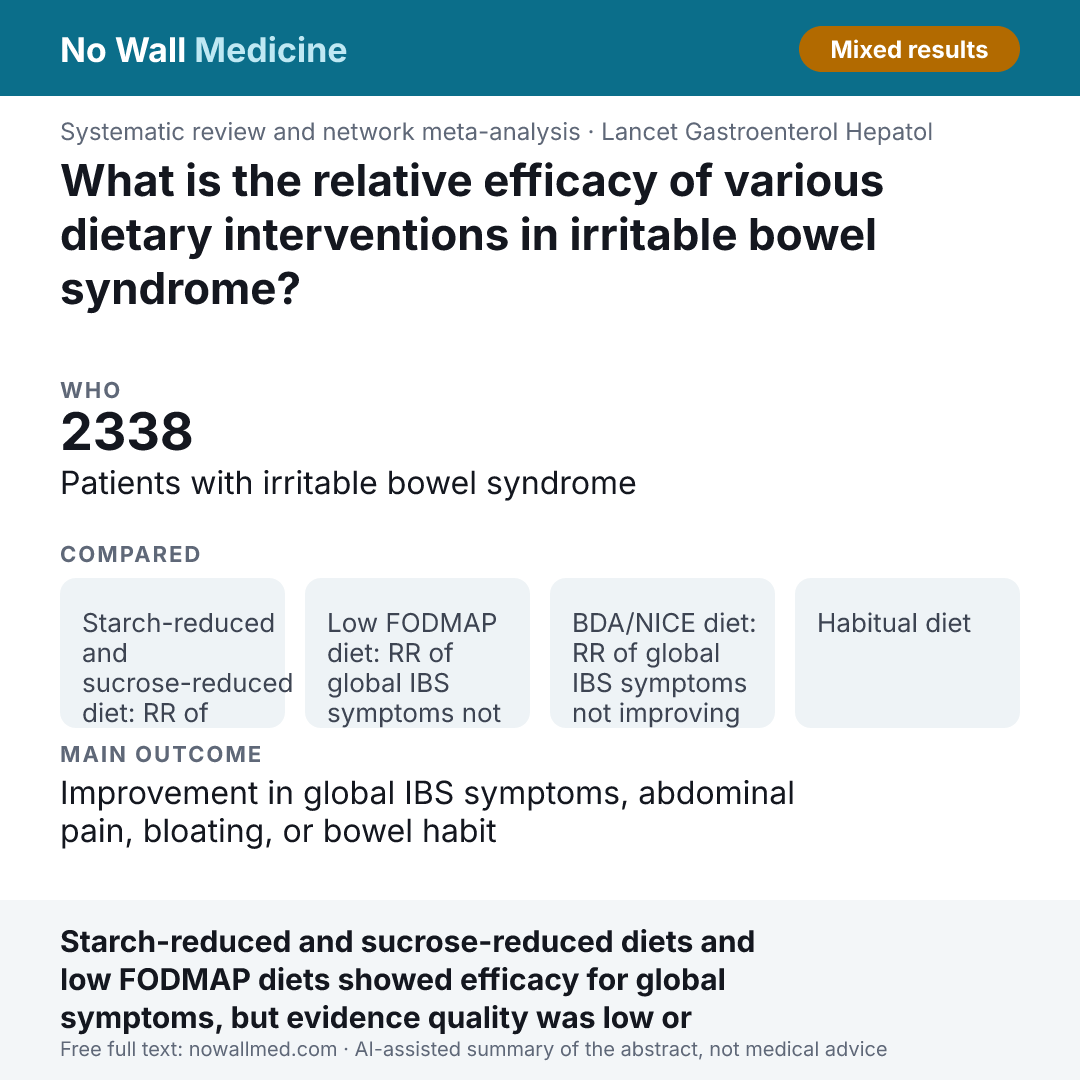
Efficacy of dietary interventions in irritable bowel syndrome: a systematic review and network meta-analysis
Systematic review and network meta-analysisMixed results
What is the relative efficacy of various dietary interventions in irritable bowel syndrome?
Who
2338
Patients with irritable bowel syndrome
Compared
Starch-reduced and sucrose-reduced diet: RR of global IBS symptoms not improving 0·41 (95% CI 0·26-0·67)
Low FODMAP diet: RR of global IBS symptoms not improving 0·51 (95% CI 0·37-0·70)
BDA/NICE diet: RR of global IBS symptoms not improving 0·62 (95% CI 0·43-0·90)
Habitual diet
Main outcome
Improvement in global IBS symptoms, abdominal pain, bloating, or bowel habit
Bottom line: Starch-reduced and sucrose-reduced diets and low FODMAP diets showed efficacy for global symptoms, but evidence quality was low or very low.
Limitation: All comparisons across the network were rated as low or very low confidence.
Lancet Gastroenterol Hepatol · 2025-04-18 · Save PNG
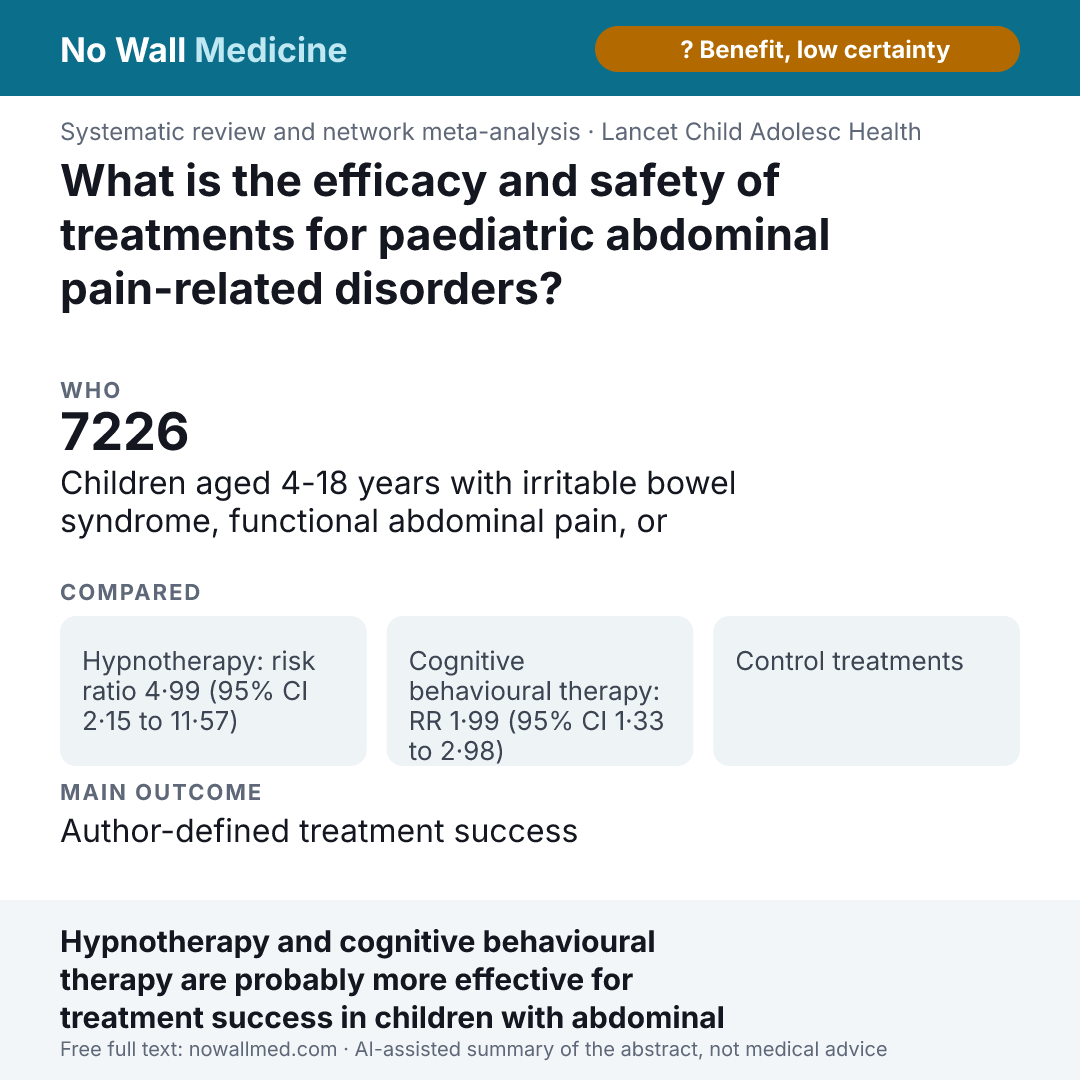
Efficacy of interventions for the treatment of irritable bowel syndrome, functional abdominal pain-not otherwise specified, and abdominal migraine in children: a systematic review and network meta-analysis
Systematic review and network meta-analysisBenefit, low certainty
What is the efficacy and safety of treatments for paediatric abdominal pain-related disorders?
Who
7226
Children aged 4-18 years with irritable bowel syndrome, functional abdominal pain, or abdominal migraine
Compared
Hypnotherapy: risk ratio 4·99 (95% CI 2·15 to 11·57)
Cognitive behavioural therapy: RR 1·99 (95% CI 1·33 to 2·98)
Control treatments
Main outcome
Author-defined treatment success
Result: hypnotherapy risk ratio 4·99 (95% CI 2·15 to 11·57); cognitive behavioural therapy RR 1·99 (95% CI 1·33 to 2·98)
Bottom line: Hypnotherapy and cognitive behavioural therapy are probably more effective for treatment success in children with abdominal pain-related disorders.
Lancet Child Adolesc Health · 2025-04-18 · Save PNG
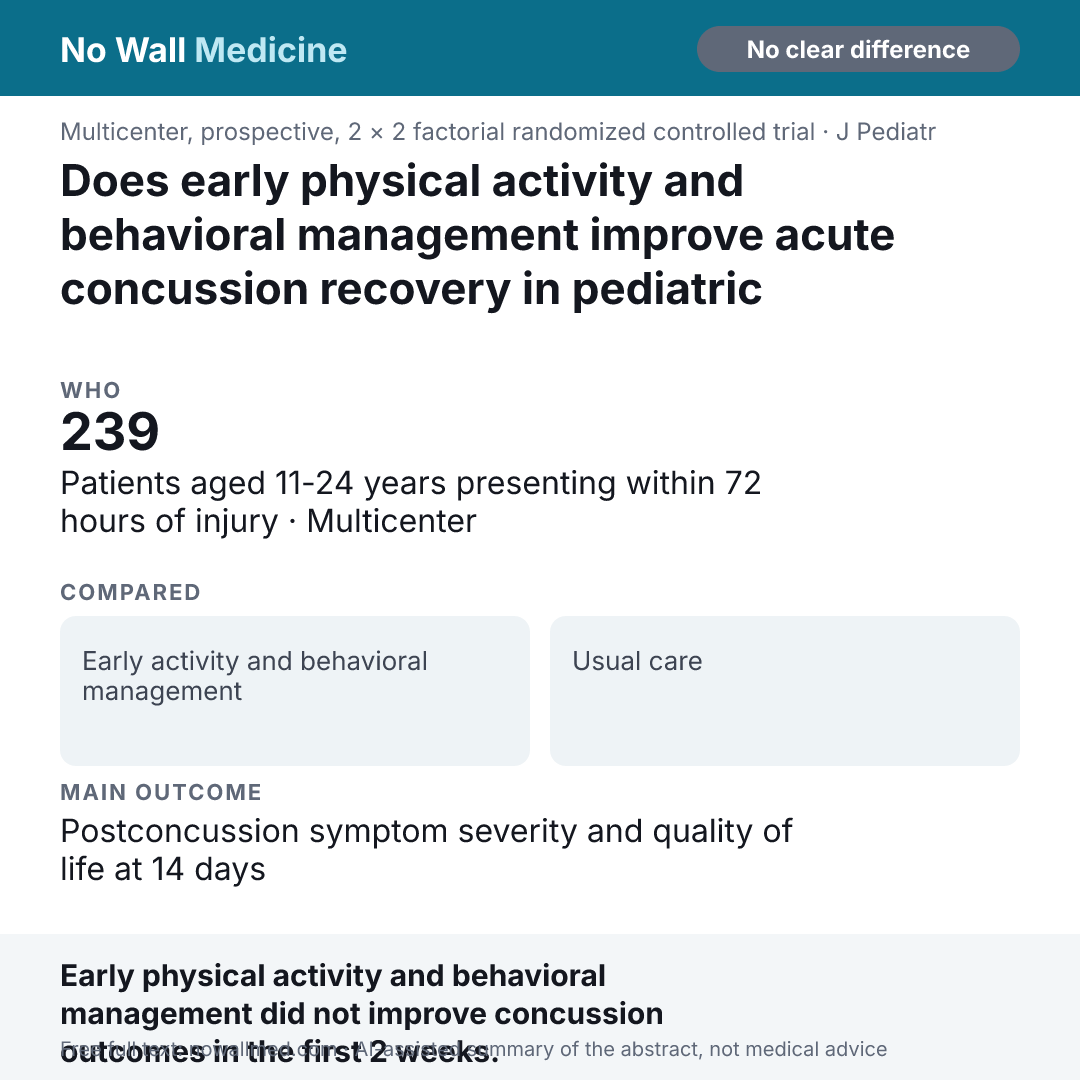
Impact of Early Activity and Behavioral Management on Acute Concussion Recovery: A Randomized Controlled Trial
Multicenter, prospective, 2 × 2 factorial randomized controlled trialNo clear difference
Does early physical activity and behavioral management improve acute concussion recovery in pediatric patients?
Who
239
Patients aged 11-24 years presenting within 72 hours of injury · Multicenter
Compared
Early activity and behavioral management
Usual care
Main outcome
Postconcussion symptom severity and quality of life at 14 days
Bottom line: Early physical activity and behavioral management did not improve concussion outcomes in the first 2 weeks.
J Pediatr · 2025-04-18 · Save PNG
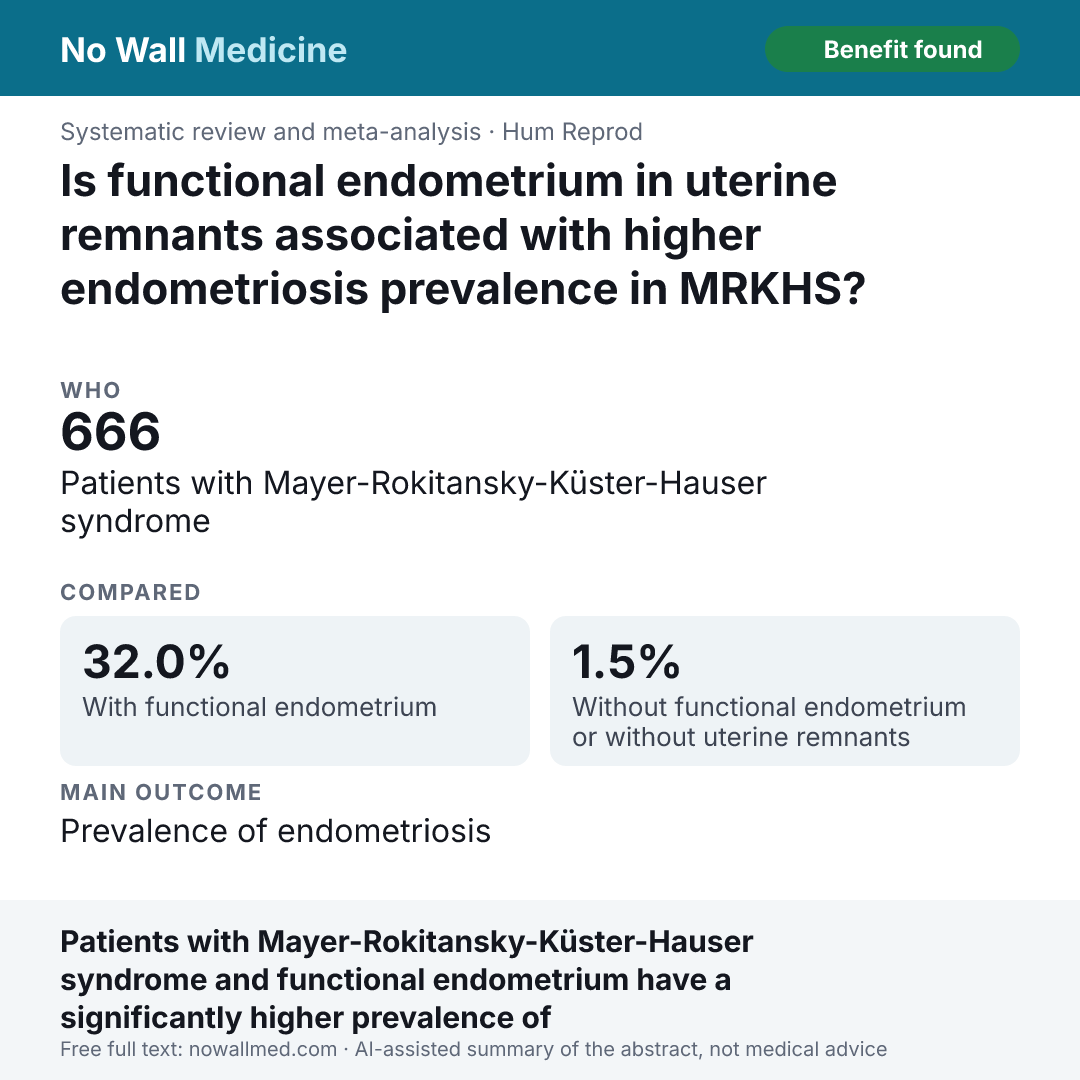
Prevalence of endometriosis in Mayer-Rokitansky-Küster-Hauser syndrome variants: a systematic review and meta-analysis
Systematic review and meta-analysisBenefit found
Is functional endometrium in uterine remnants associated with higher endometriosis prevalence in MRKHS?
Who
666
Patients with Mayer-Rokitansky-Küster-Hauser syndrome
Compared
32.0%With functional endometrium (64/200; 95% CI, 25.9-38.8%)
1.5%Without functional endometrium or without uterine remnants (7/466; 95% CI, 0.7-3.1%)
Main outcome
Prevalence of endometriosis
Bottom line: Patients with Mayer-Rokitansky-Küster-Hauser syndrome and functional endometrium have a significantly higher prevalence of endometriosis.
Hum Reprod · 2025-04-18 · Save PNG
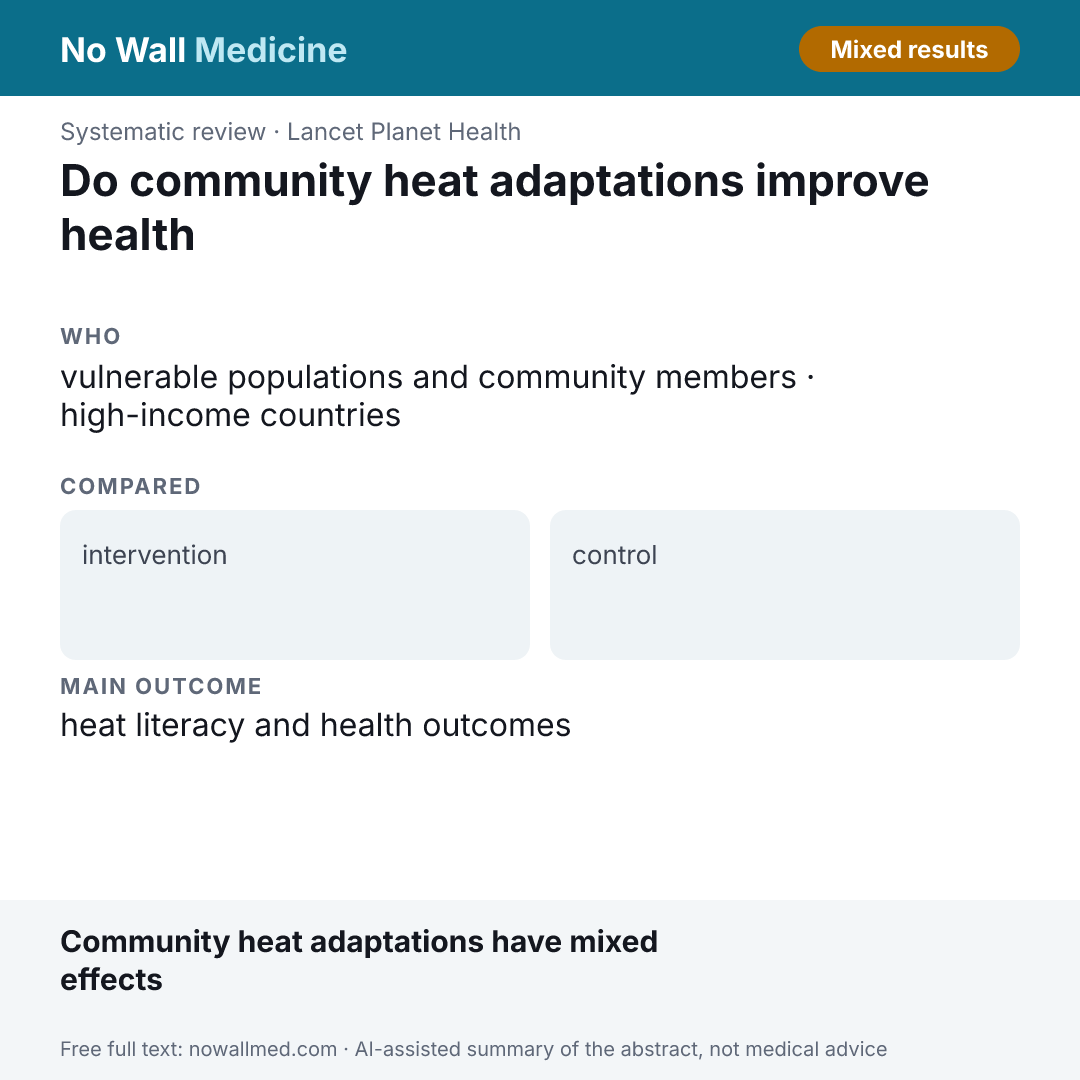
Community-based heat adaptation interventions for improving heat literacy, behaviours, and health outcomes: a systematic review
Systematic reviewMixed results
Do community heat adaptations improve health
Who
vulnerable populations and community members · high-income countries
Compared
intervention
control
Main outcome
heat literacy and health outcomes
Bottom line: Community heat adaptations have mixed effects
Lancet Planet Health · 2025-04-18 · Save PNG
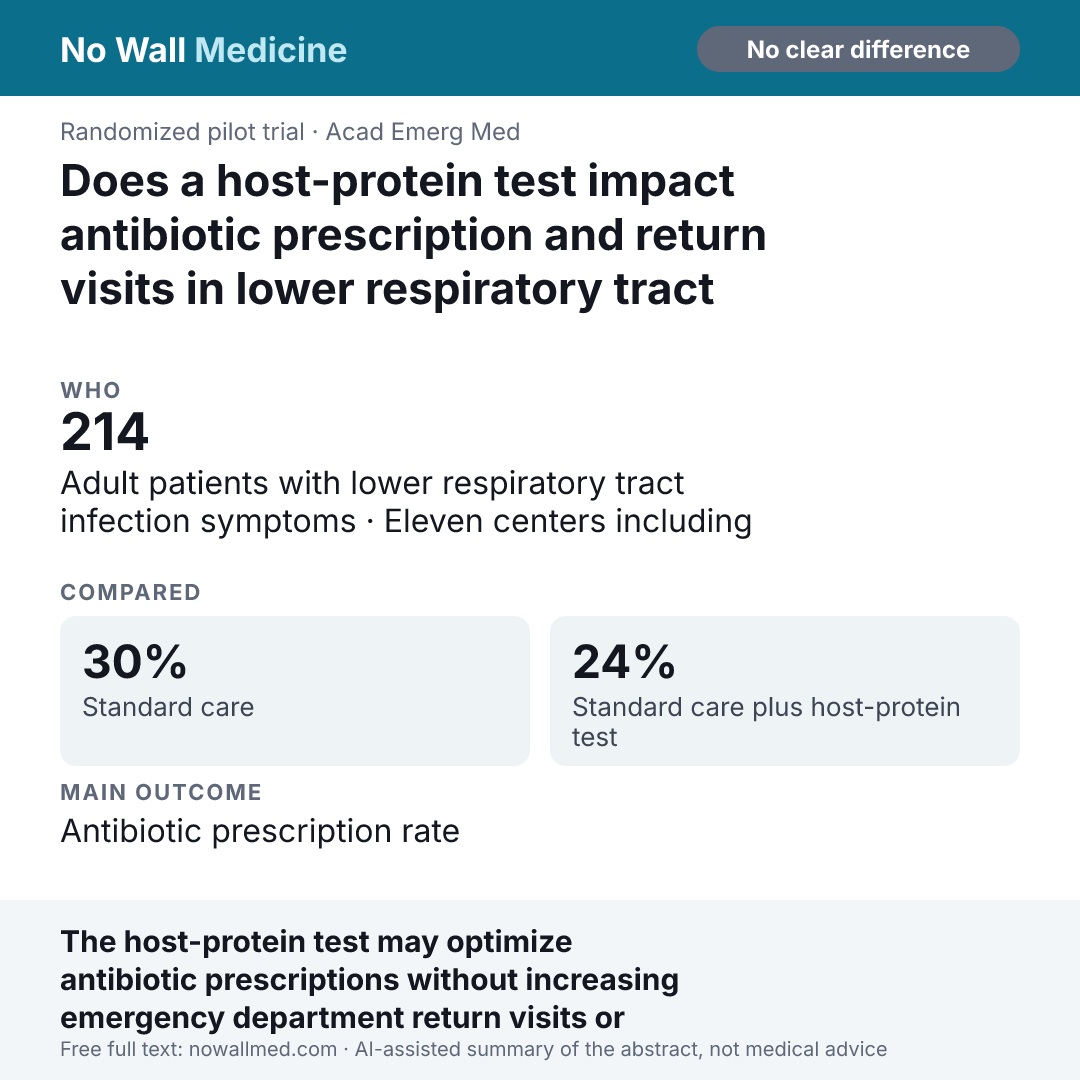
Effect of host-protein test (TRAIL/IP-10/CRP) on antibiotic prescription and emergency department or urgent care center return visits: The JUNO pilot randomized controlled trial
Randomized pilot trialNo clear difference
Does a host-protein test impact antibiotic prescription and return visits in lower respiratory tract infections?
Who
214
Adult patients with lower respiratory tract infection symptoms · Eleven centers including emergency departments and urgent care centers
Compared
30%Standard care (95% CI 22% to 40%)
24%Standard care plus host-protein test (95% CI 17% to 33%)
Main outcome
Antibiotic prescription rate
Result: absolute difference of -6% (95% CI -18% to 6%)
Bottom line: The host-protein test may optimize antibiotic prescriptions without increasing emergency department return visits or hospitalizations.
Acad Emerg Med · 2025-04-18 · Save PNG