Visual abstracts
New randomized trials and meta-analyses from leading journals at a glance: who was studied, what was compared, and what was found. Every paper is free to read in full.
All specialtiesCardiology 2286Oncology 1942Gastroenterology & Hepatology 862Infectious Disease 1424Neurology 916Psychiatry & Mental Health 1085Pulmonology 954Critical Care 633Endocrinology & Diabetes 1198Pediatrics 1335Surgery 1152Orthopedics & Sports Medicine 415Neurosurgery 282Cardiothoracic & Vascular Surgery 246Plastic & Reconstructive Surgery 346Nephrology 480Rheumatology 317Hematology 491Dermatology 265Ophthalmology 268Obstetrics & Gynecology 753Public & Global Health 423Radiology & Imaging 315Anesthesiology 455Urology 387ENT (Otolaryngology) 293Emergency Medicine 258Allergy & Immunology 140Geriatrics 486Family Medicine & Primary Care 268Medical Genetics & Genomics 243Pathology & Laboratory Medicine 75Physical Medicine & Rehabilitation 389Palliative Care 192Nutrition 598Digital Health & AI 1145General Medicine 171
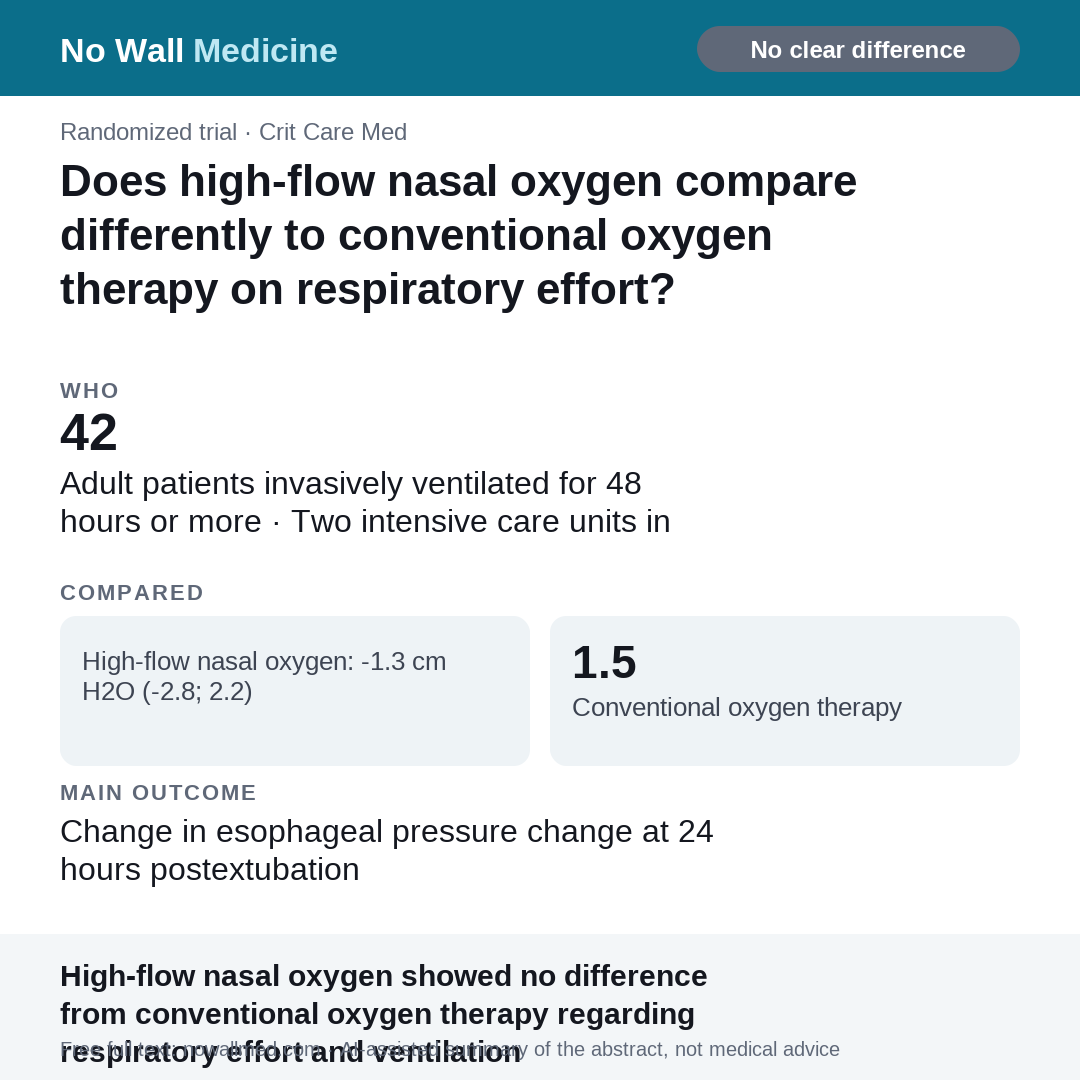
Physiological Effects of High-Flow Nasal Oxygen Compared With Conventional Oxygen Therapy: A Randomized Trial in Postextubation Patients
Randomized trialNo clear difference
Does high-flow nasal oxygen compare differently to conventional oxygen therapy on respiratory effort?
Who
42
Adult patients invasively ventilated for 48 hours or more · Two intensive care units in The Netherlands
Compared
High-flow nasal oxygen: -1.3 cm H2O (-2.8; 2.2)
1.5Conventional oxygen therapy (0.0; 5.1)
Main outcome
Change in esophageal pressure change at 24 hours postextubation
Bottom line: High-flow nasal oxygen showed no difference from conventional oxygen therapy regarding respiratory effort and ventilation distribution.
Crit Care Med · 2025-12-15Download image
Early Parenting Support on Child Development Through Age 6: The Smart Beginnings Model
Single-blind, 2-site randomized clinical trialBenefit found
Does the Smart Beginnings model impact child academic skills through age 6?
Who
403
Mother-infant dyads · 2 sites
Compared
Smart Beginnings model
Standard pediatric care
Main outcome
Child academic skills at age 6
Result: receptive vocabulary ES=0.04, oral comprehension ES=0.05, letter-word recognition ES=0.04, phonemic decoding ES=0.04, applied problems ES=0.05
Bottom line: The Smart Beginnings model positively impacts child academic outcomes at age 6 through parental cognitive stimulation and preacademic skills.
Pediatrics · 2025-12-15Download image

Taxonomic and functional shifts in the microbiome of severely obese, prediabetic patients: Ketogenic diet versus energy-matched standard diet
Randomised trialBenefit found
How does a ketogenic diet affect the gut microbiome in severely obese, prediabetic patients?
Who
Severely obese, prediabetic patients with body mass index greater than 35
Compared
Ketogenic diet: significant reduction of alpha diversity
Isocaloric standard diet
Main outcome
Gut microbiome composition and function
Bottom line: A short-term ketogenic diet acutely remodels the gut microbiome's taxonomic and functional landscape independent of caloric intake.
Diabetes Obes Metab · 2025-12-15Download image

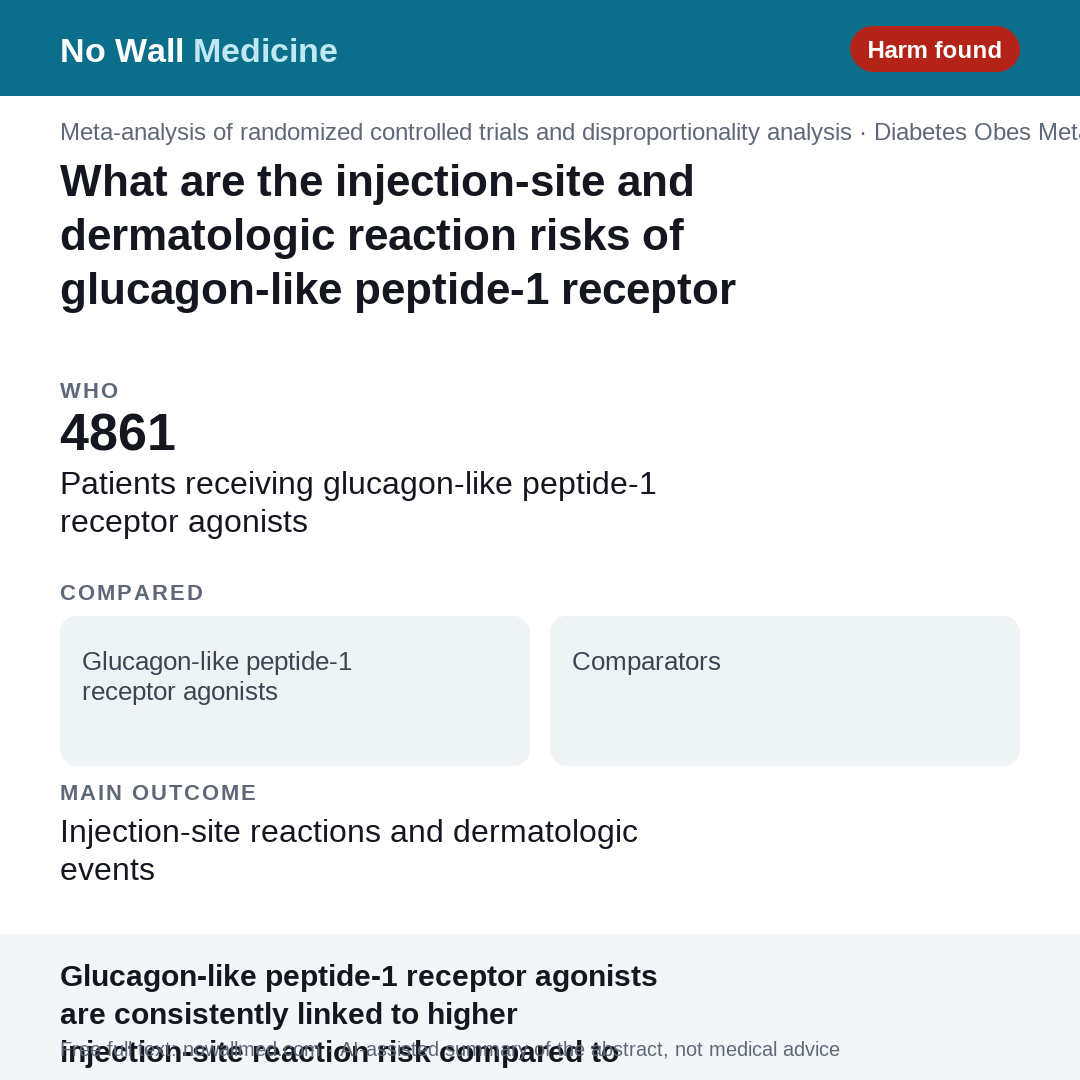
Injection-site and dermatologic reactions associated with glucagon-like peptide-1 receptor agonists: Insights from meta-analysis of randomised controlled trials and real-world evidence
Meta-analysis of randomized controlled trials and disproportionality analysisHarm found
What are the injection-site and dermatologic reaction risks of glucagon-like peptide-1 receptor agonists?
Who
4861
Patients receiving glucagon-like peptide-1 receptor agonists
Compared
Glucagon-like peptide-1 receptor agonists
Comparators
Main outcome
Injection-site reactions and dermatologic events
Result: risk ratio 3.55 (95% confidence interval, 2.35-5.36)
Bottom line: Glucagon-like peptide-1 receptor agonists are consistently linked to higher injection-site reaction risk compared to comparators.
Diabetes Obes Metab · 2025-12-15Download image
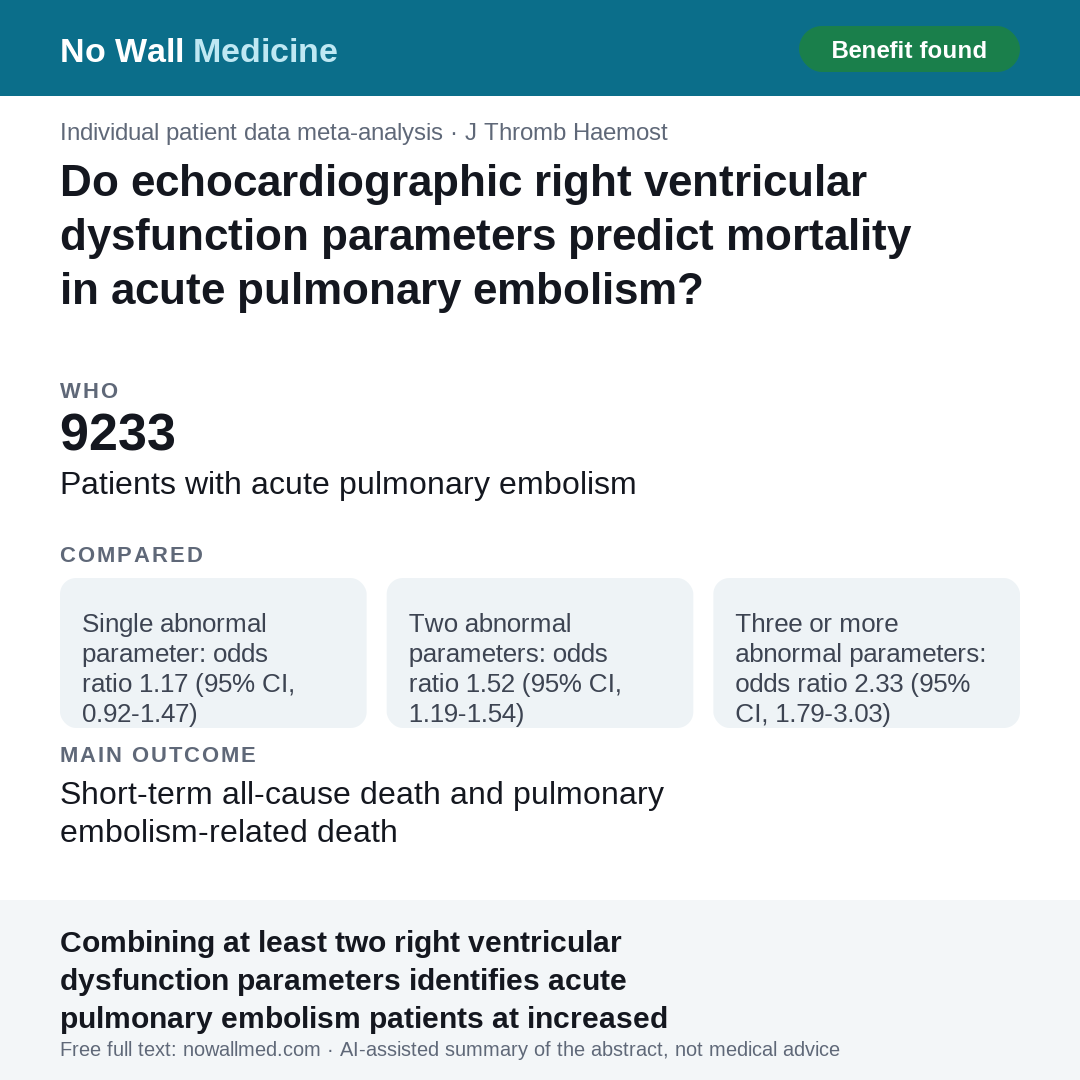
Right ventricular dysfunction on echocardiography to predict mortality in acute pulmonary embolism: an individual patient data meta-analysis
Individual patient data meta-analysisBenefit found
Do echocardiographic right ventricular dysfunction parameters predict mortality in acute pulmonary embolism?
Who
9233
Patients with acute pulmonary embolism
Compared
Single abnormal parameter: odds ratio 1.17 (95% CI, 0.92-1.47)
Two abnormal parameters: odds ratio 1.52 (95% CI, 1.19-1.54)
Three or more abnormal parameters: odds ratio 2.33 (95% CI, 1.79-3.03)
Main outcome
Short-term all-cause death and pulmonary embolism-related death
Result: odds ratio 2.33 (95% CI, 1.79-3.03) for three or more parameters
Bottom line: Combining at least two right ventricular dysfunction parameters identifies acute pulmonary embolism patients at increased risk for death.
J Thromb Haemost · 2025-12-15Download image
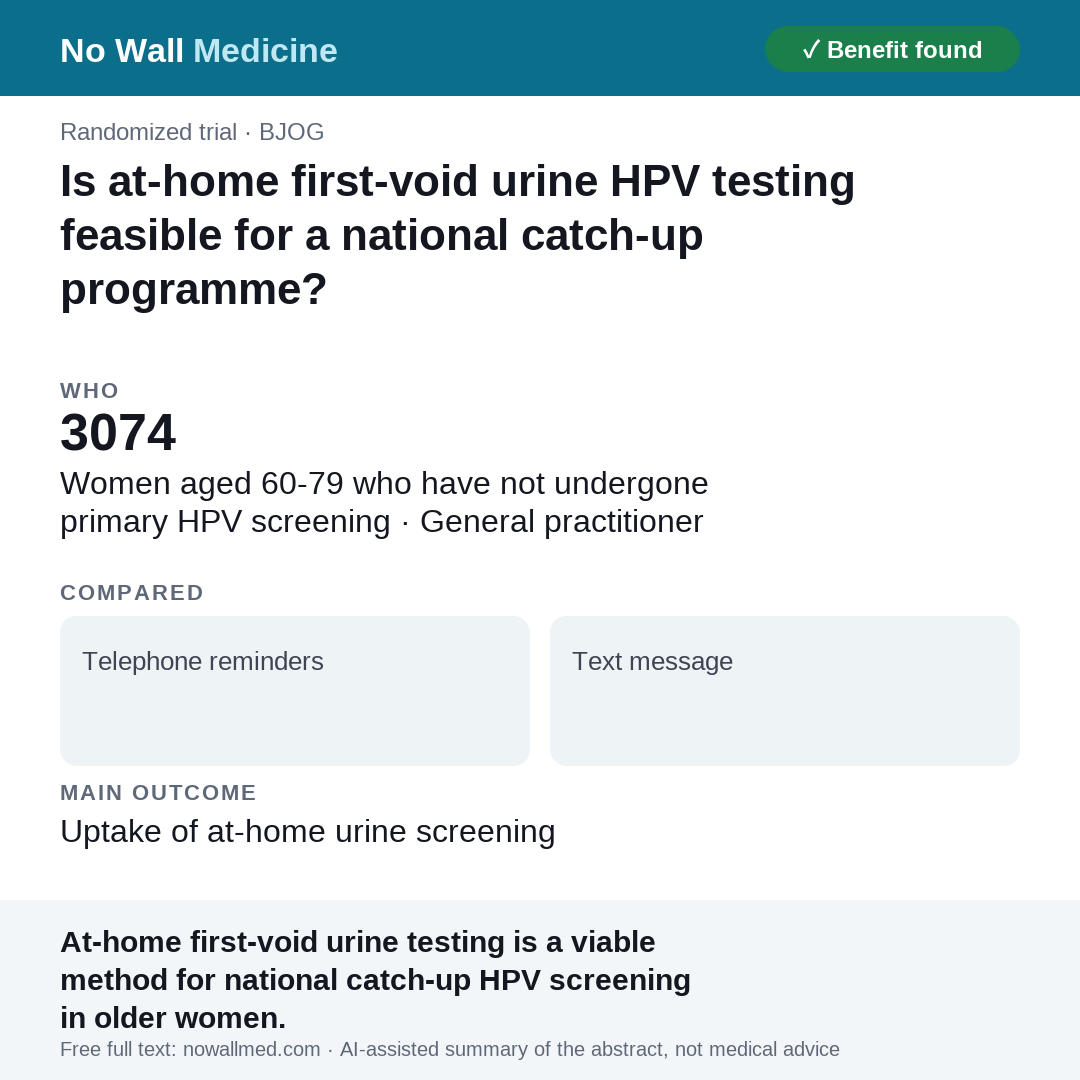
The Use of First-Void Urine to Screen Women Aged 60-79 for HPV in the UK: The Catch-Up Screen Study
Randomized trialBenefit found
Is at-home first-void urine HPV testing feasible for a national catch-up programme?
Who
3074
Women aged 60-79 who have not undergone primary HPV screening · General practitioner practices in Hull and Manchester, United Kingdom
Compared
Telephone reminders
Text message
Main outcome
Uptake of at-home urine screening
Result: 5% absolute increase in response for telephone compared to text
Bottom line: At-home first-void urine testing is a viable method for national catch-up HPV screening in older women.
BJOG · 2025-12-15Download image
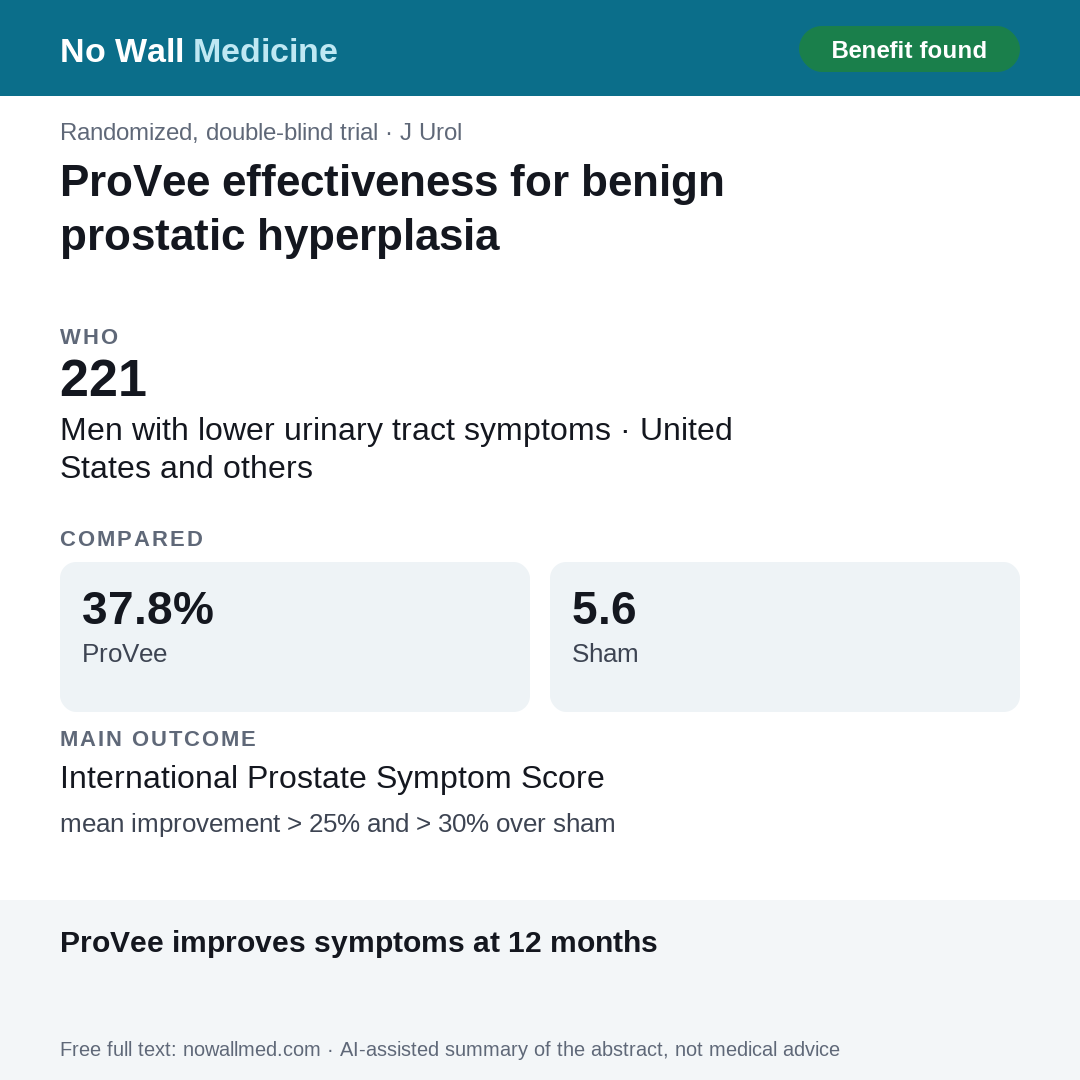
12-Month Outcomes From a Randomized, Sham-Controlled Trial Evaluating a Novel Prostatic Urethral Stent for the Treatment of Benign Prostatic Hyperplasia
Randomized, double-blind trialBenefit found
ProVee effectiveness for benign prostatic hyperplasia
Who
221
Men with lower urinary tract symptoms · United States and others
Compared
37.8%ProVee
5.6Sham
Main outcome
International Prostate Symptom Score
Result: mean improvement > 25% and > 30% over sham
Bottom line: ProVee improves symptoms at 12 months
J Urol · 2025-12-15Download image
GERD and Upper Aerodigestive Tract Cancer Risk: A Systematic Review and Meta-Analysis
Systematic review and meta-analysisBenefit found
Does gastroesophageal reflux disease increase the risk of upper aerodigestive tract cancers?
Who
1,768,394
Adults with gastroesophageal reflux disease
Compared
Gastroesophageal reflux disease
No gastroesophageal reflux disease
Main outcome
Risk of specific upper aerodigestive tract cancers
Result: relative risk 1.65 (95% CI 1.19-2.31) for laryngeal cancer
Bottom line: Gastroesophageal reflux disease is significantly associated with an increased risk of laryngeal cancer.
Laryngoscope · 2025-12-15Download image

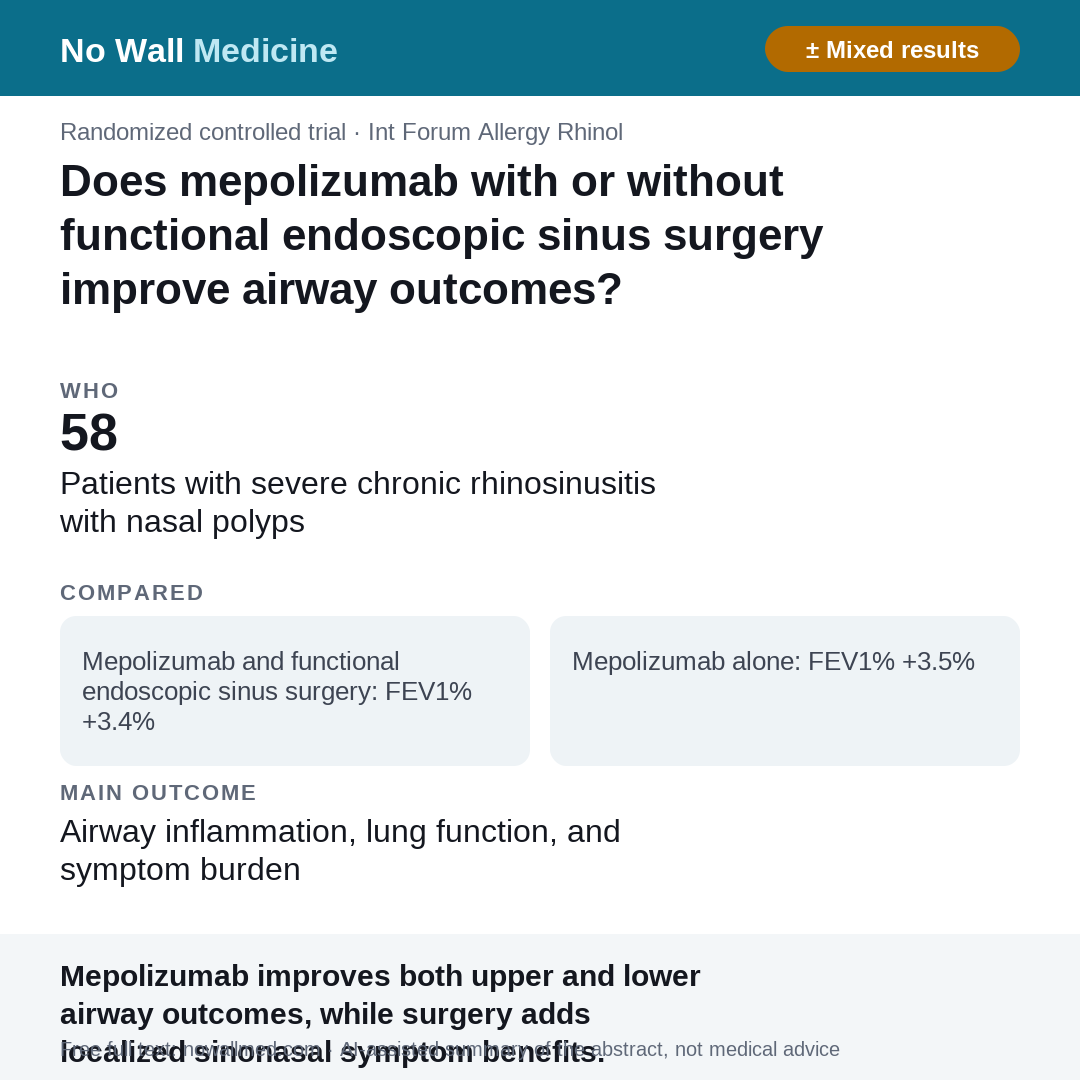
The Global Airways in Practice: Long-term Effects of Mepolizumab With or Without FESS on Type 2 Inflammation in Patients With CRSwNP
Randomized controlled trialMixed results
Does mepolizumab with or without functional endoscopic sinus surgery improve airway outcomes?
Who
58
Patients with severe chronic rhinosinusitis with nasal polyps
Compared
Mepolizumab and functional endoscopic sinus surgery: FEV1% +3.4%
Mepolizumab alone: FEV1% +3.5%
Main outcome
Airway inflammation, lung function, and symptom burden
Bottom line: Mepolizumab improves both upper and lower airway outcomes, while surgery adds localized sinonasal symptom benefits.
Int Forum Allergy Rhinol · 2025-12-15Download image
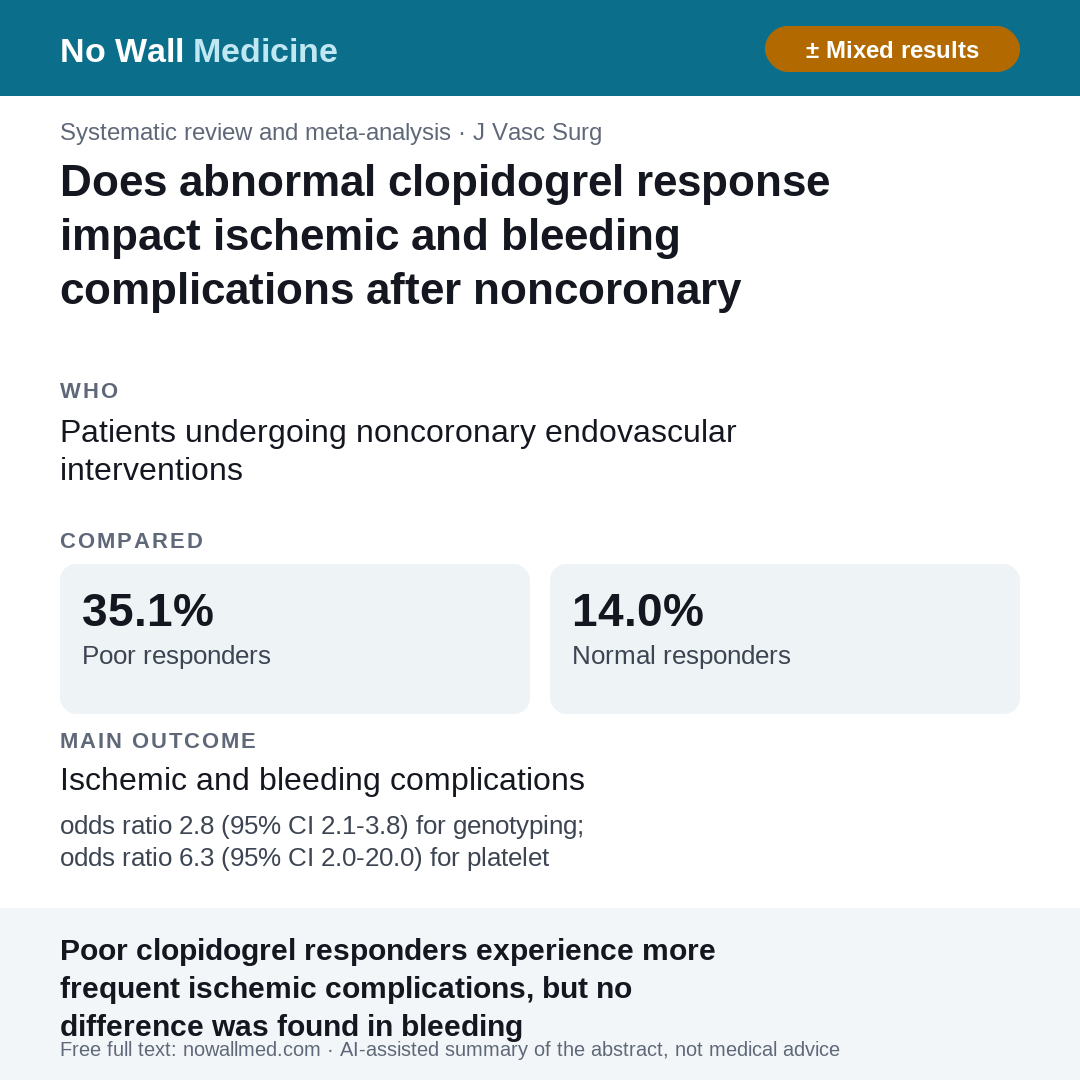
A systematic review and meta-analysis of the impact of clopidogrel responsiveness on ischemic and bleeding complications after noncoronary endovascular procedures
Systematic review and meta-analysisMixed results
Does abnormal clopidogrel response impact ischemic and bleeding complications after noncoronary endovascular procedures?
Who
Patients undergoing noncoronary endovascular interventions
Compared
35.1%Poor responders
14.0%Normal responders
Main outcome
Ischemic and bleeding complications
Result: odds ratio 2.8 (95% CI 2.1-3.8) for genotyping; odds ratio 6.3 (95% CI 2.0-20.0) for platelet function testing
Bottom line: Poor clopidogrel responders experience more frequent ischemic complications, but no difference was found in bleeding complications.
Limitation: The low number of papers precluded a formal comparison of effectiveness of genotyping versus platelet function testing.
J Vasc Surg · 2025-12-15Download image
Impact of retinal thickness fluctuations with ranibizumab versus aflibercept in neovascular age-related macular degeneration (SALT): 12-month results from a multicentre, randomised, phase IV trial
Randomised, multicentre, phase IV trialMixed results
How do retinal thickness fluctuations compare between ranibizumab and aflibercept in neovascular age-related macular degeneration?
Who
Patients with neovascular age-related macular degeneration · Multicentre
Compared
Ranibizumab: 23.53 (18.58 to 28.49) µm
Aflibercept: 30.06 (25.04 to 35.07) µm
Main outcome
Central subfield retinal thickness stability
Result: -6.53 (-12.47 to -0.58 µm)
Bottom line: Ranibizumab showed better retinal stability than aflibercept, but fluctuations did not correlate with visual outcomes at month 12.
Br J Ophthalmol · 2025-12-15Download image
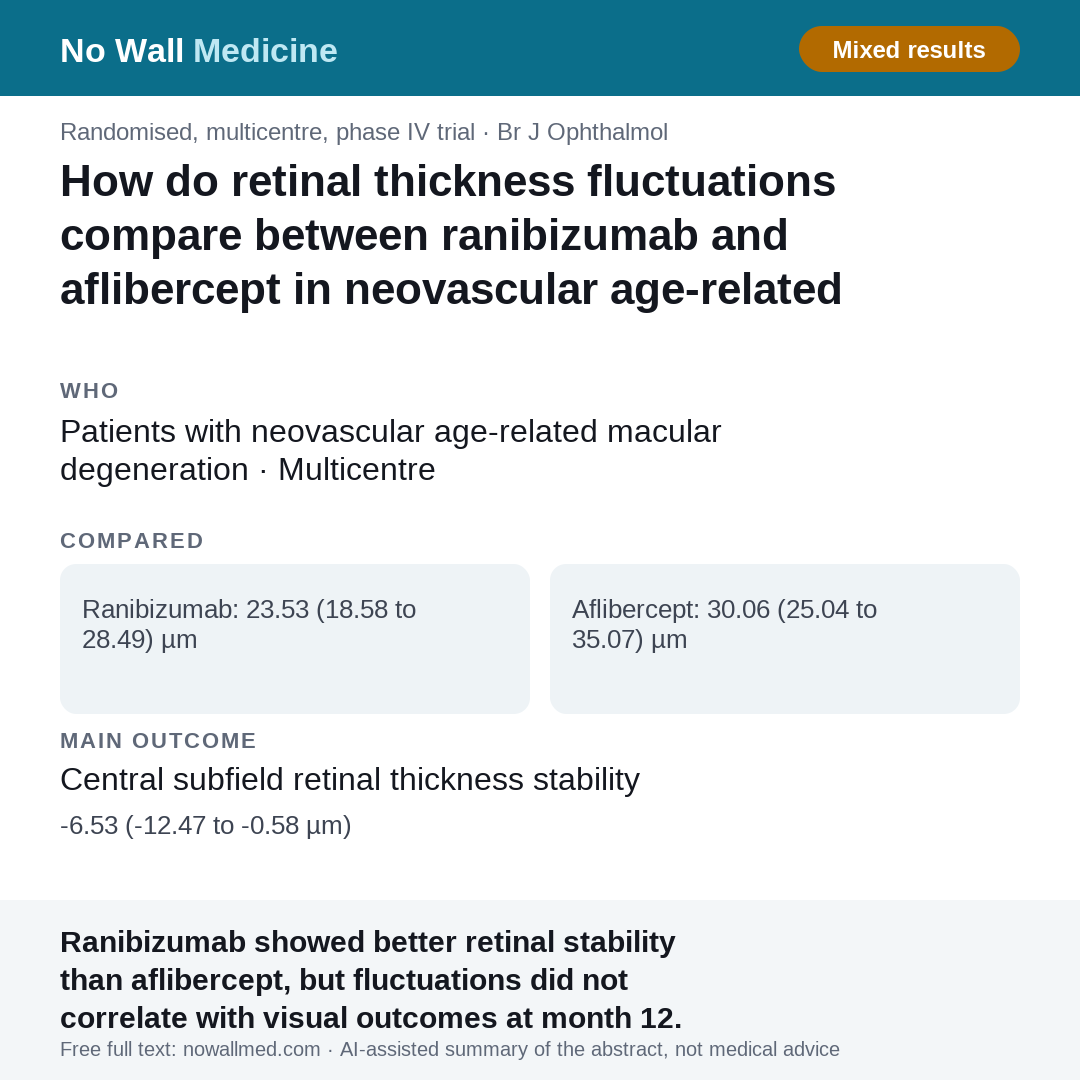
Noninvasive respiratory support for preoxygenation in emergency intubation: a systematic review and network meta-analysis
Network meta-analysis of 15 randomized clinical trialsBenefit found
Is noninvasive respiratory support more effective than conventional oxygen therapy for preoxygenation?
Who
2939
Critically ill adult patients requiring emergency endotracheal intubation
Compared
Conventional oxygen therapy
High-flow oxygen therapy: mean difference 1.50
Noninvasive ventilation: mean difference 3.30
Main outcome
lowest recorded peripheral capillary oxygen saturation during emergency intubation
Result: mean difference for HFOT 1.50 (95% CI 0.43-2.58); NIV 3.30 (95% CI 1.81-4.79)
Bottom line: Noninvasive respiratory support improves oxygen saturation during emergency intubation compared to conventional oxygen therapy, though evidence certainty is low.
ERJ Open Res · 2025-12-15Download image
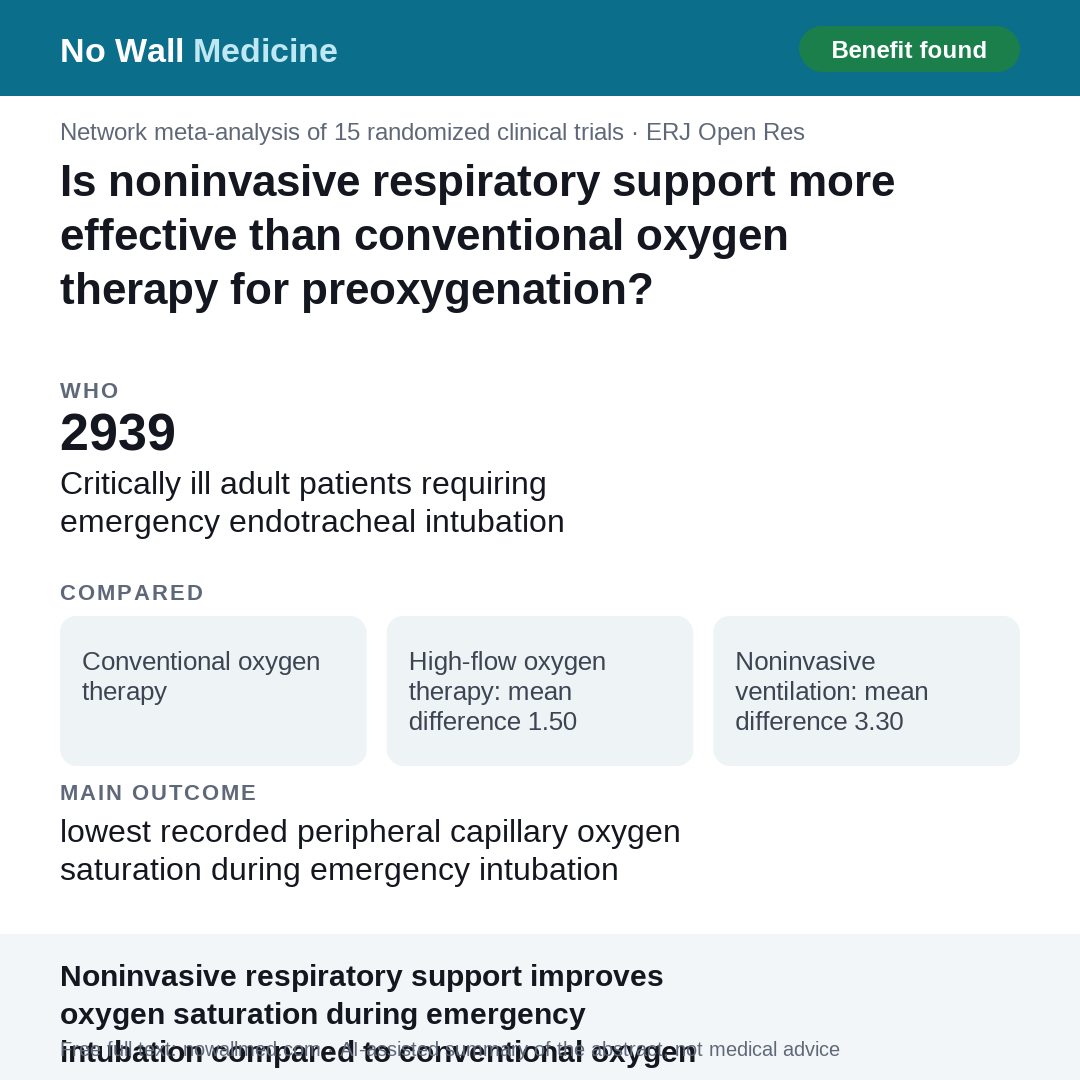
Associations of preserved ratio impaired spirometry with cardiometabolic comorbidities: a systematic review and meta-analysis
Systematic review and meta-analysisHarm found
Is preserved ratio impaired spirometry associated with cardiometabolic comorbidities?
Who
500000
Participants with preserved ratio impaired spirometry and normal spirometry
Compared
Preserved ratio impaired spirometry
Normal spirometry
Main outcome
Prevalence of cardiometabolic comorbidities
Result: diabetes OR 2.08 (95% CI 1.78-2.42), hypertension OR 1.78 (95% CI 1.55-2.03), ischaemic heart disease OR 2.05 (95% CI 1.59-2.64), heart failure OR 2.82 (95% CI 1.40-5.67), hypercholesterolaemia OR 1.46 (95% CI 1.16-1.85)
Bottom line: Preserved ratio impaired spirometry is strongly associated with diabetes, hypertension, ischaemic heart disease, heart failure, and hypercholesterolaemia.
ERJ Open Res · 2025-12-15Download image
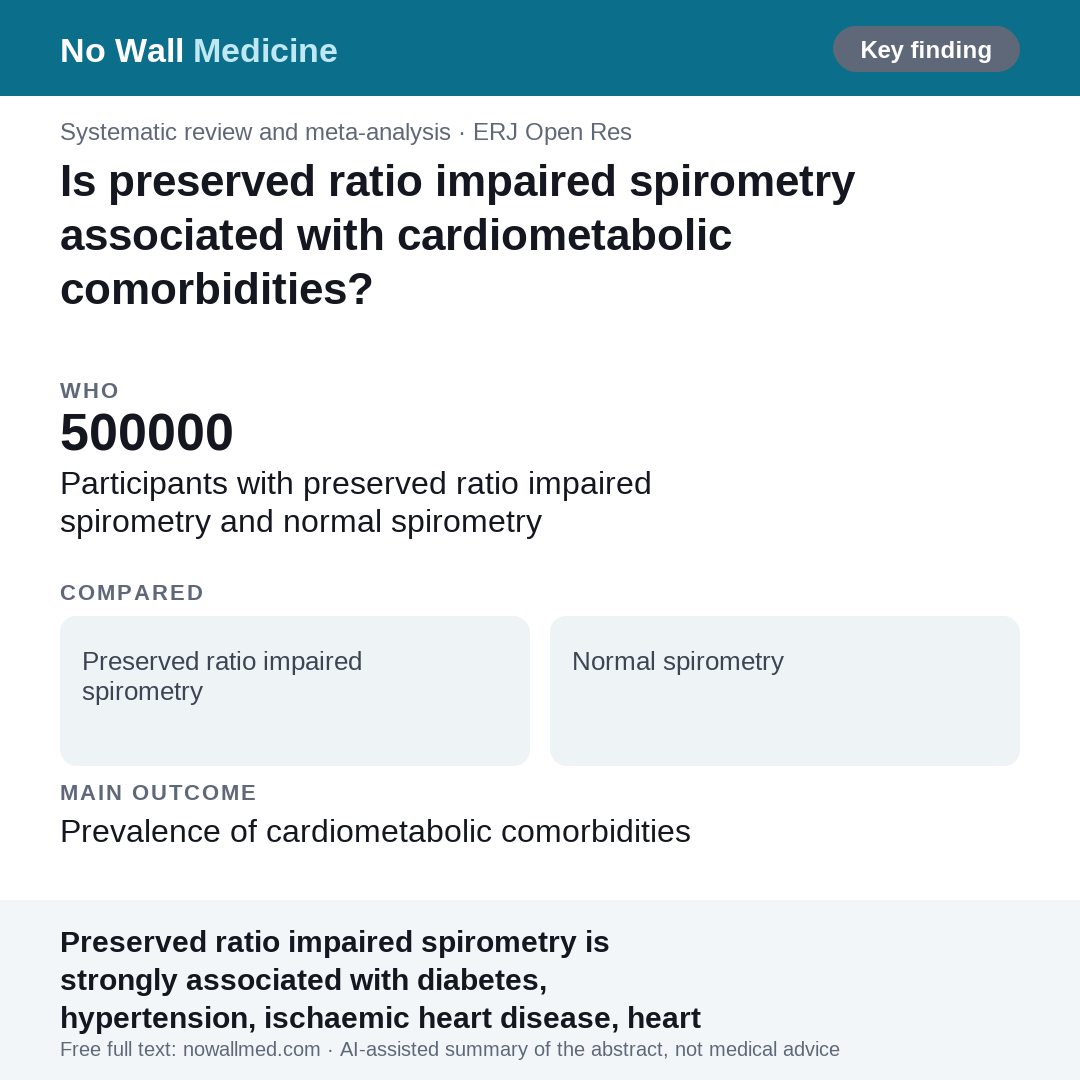
TQB2440 compared with reference pertuzumab for HER2-positive, ER/PgR-negative, early or locally advanced breast cancer: a multicenter, randomized, double-blind, parallel-controlled, phase III equivalence trial
Randomized, double-blind, parallel-controlled, phase III equivalence trialBenefit found
Is TQB2440 equivalent to reference pertuzumab in HER2-positive early or locally advanced breast cancer?
Who
412
Patients with HER2-positive, ER/PgR-negative, early or locally advanced breast cancer · multicenter
Compared
58.9%TQB2440
58.1%reference pertuzumab
Main outcome
total pathological complete response assessed by independent review committee
Result: relative risk 1.02 (90% confidence interval 0.89-1.16)
Bottom line: TQB2440 showed equivalent efficacy and comparable safety to reference pertuzumab in treating HER2-positive early or locally advanced breast cancer.
ESMO Open · 2025-12-15Download image
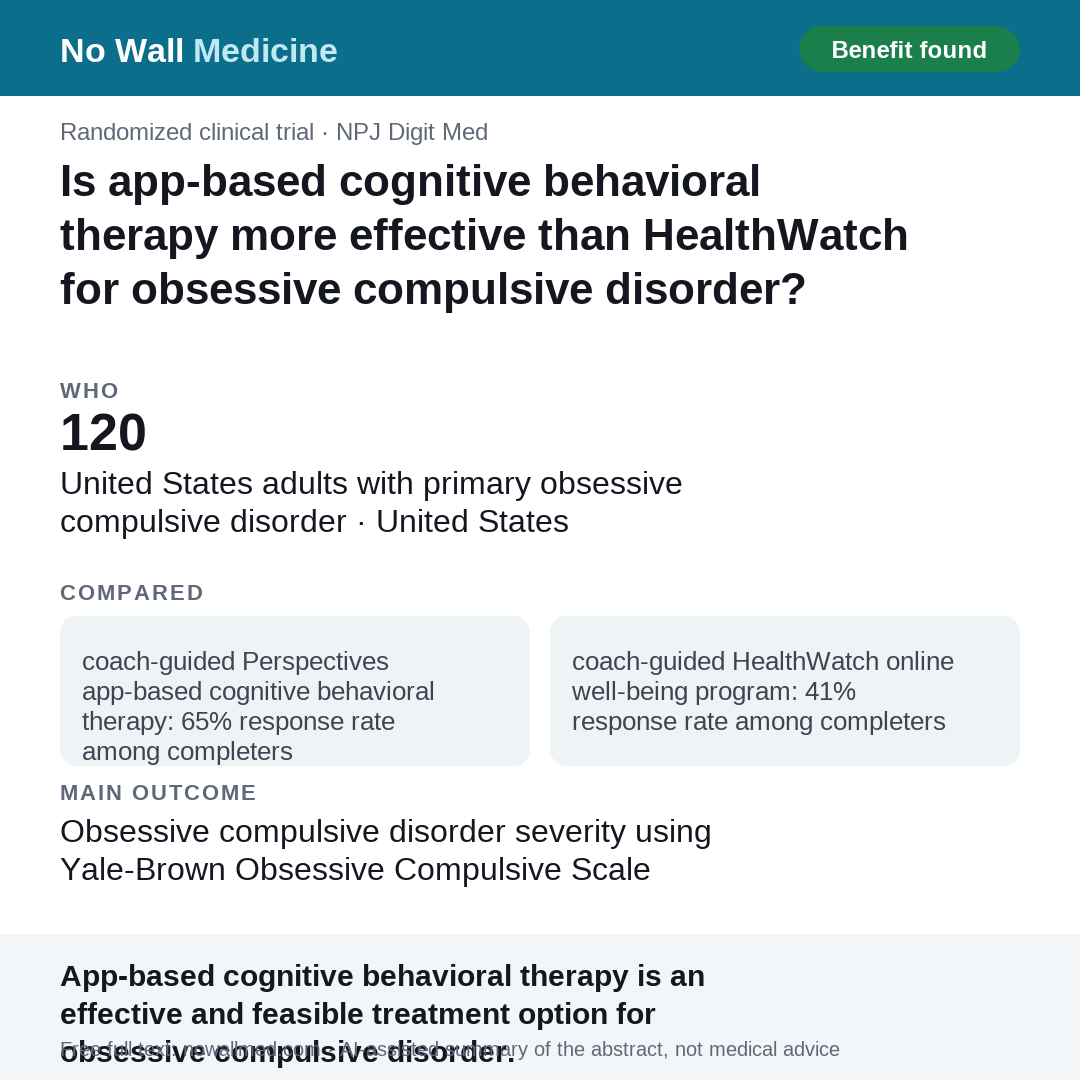
A randomized clinical trial of app cognitive behavior therapy vs. HealthWatch for obsessive compulsive disorder
Randomized clinical trialBenefit found
Is app-based cognitive behavioral therapy more effective than HealthWatch for obsessive compulsive disorder?
Who
120
United States adults with primary obsessive compulsive disorder · United States
Compared
coach-guided Perspectives app-based cognitive behavioral therapy: 65% response rate among completers
coach-guided HealthWatch online well-being program: 41% response rate among completers
Main outcome
Obsessive compulsive disorder severity using Yale-Brown Obsessive Compulsive Scale
Result: effect size -0.47 (p = 0.079)
Bottom line: App-based cognitive behavioral therapy is an effective and feasible treatment option for obsessive compulsive disorder.
Limitation: The primary outcome showed only a trend level group difference at post-treatment.
NPJ Digit Med · 2025-12-15Download image
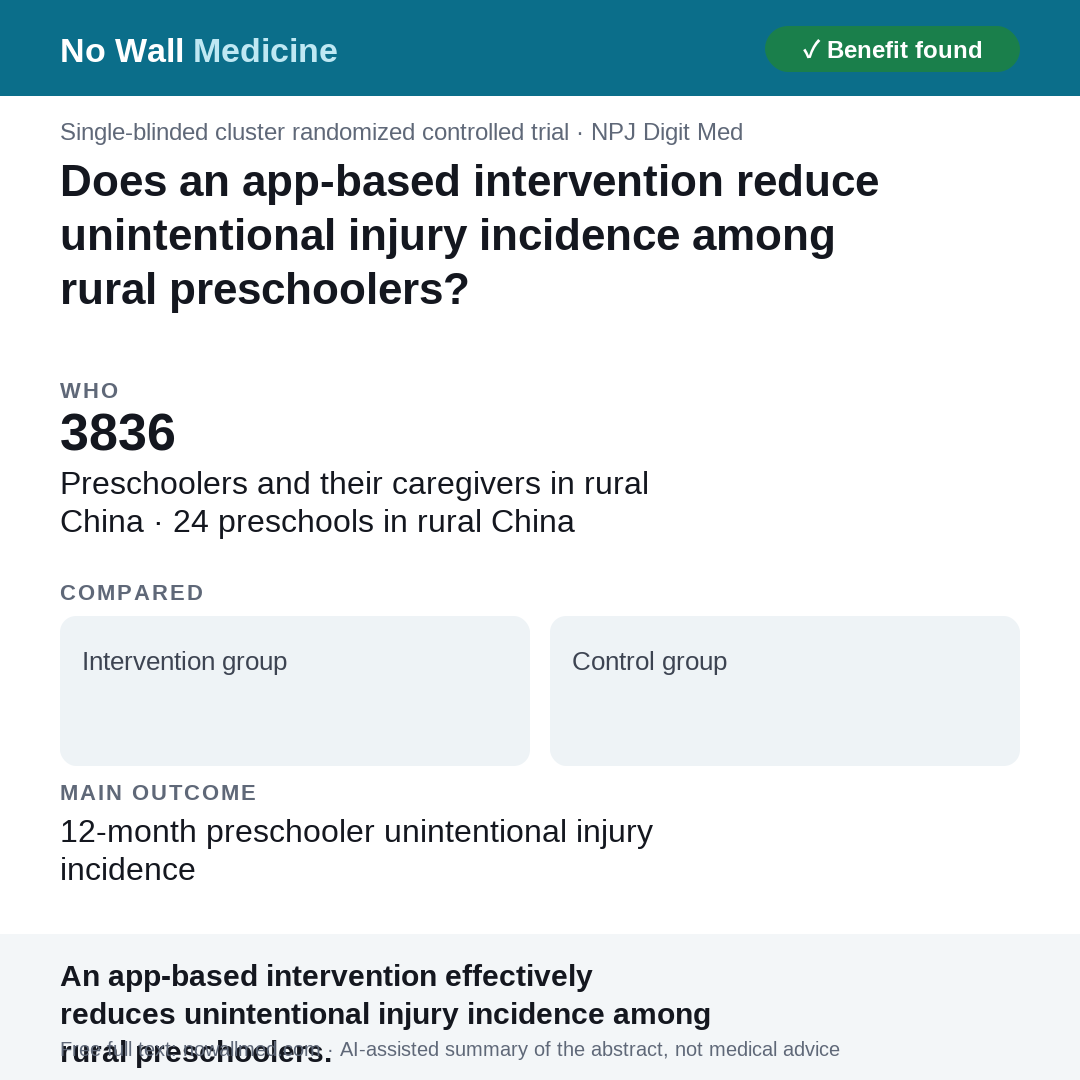
App-based prevention of preschooler unintentional injury in rural China: a cluster randomized controlled trial
Single-blinded cluster randomized controlled trialBenefit found
Does an app-based intervention reduce unintentional injury incidence among rural preschoolers?
Who
3836
Preschoolers and their caregivers in rural China · 24 preschools in rural China
Compared
Intervention group
Control group
Main outcome
12-month preschooler unintentional injury incidence
Result: adjusted relative risk 0.93 (95% CI: 0.86, 0.98)
Bottom line: An app-based intervention effectively reduces unintentional injury incidence among rural preschoolers.
NPJ Digit Med · 2025-12-15Download image
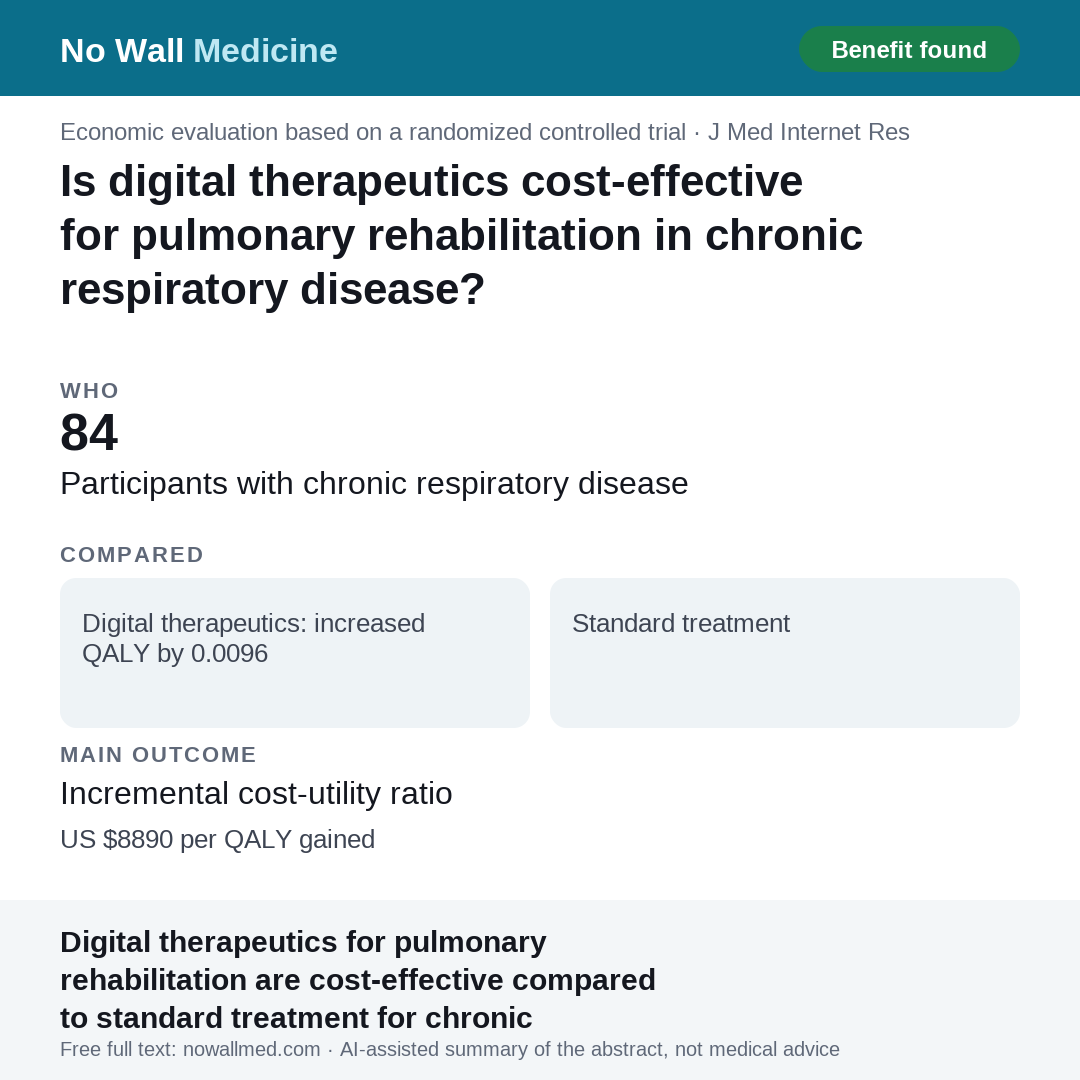
Cost-Utility Analysis and Value-Based Pricing of Digital Therapeutics for Pulmonary Rehabilitation in Chronic Respiratory Disease: Economic Evaluation Based on a Randomized Controlled Trial
Economic evaluation based on a randomized controlled trialBenefit found
Is digital therapeutics cost-effective for pulmonary rehabilitation in chronic respiratory disease?
Who
84
Participants with chronic respiratory disease
Compared
Digital therapeutics: increased QALY by 0.0096
Standard treatment
Main outcome
Incremental cost-utility ratio
Result: US $8890 per QALY gained
Bottom line: Digital therapeutics for pulmonary rehabilitation are cost-effective compared to standard treatment for chronic respiratory disease.
J Med Internet Res · 2025-12-15Download image
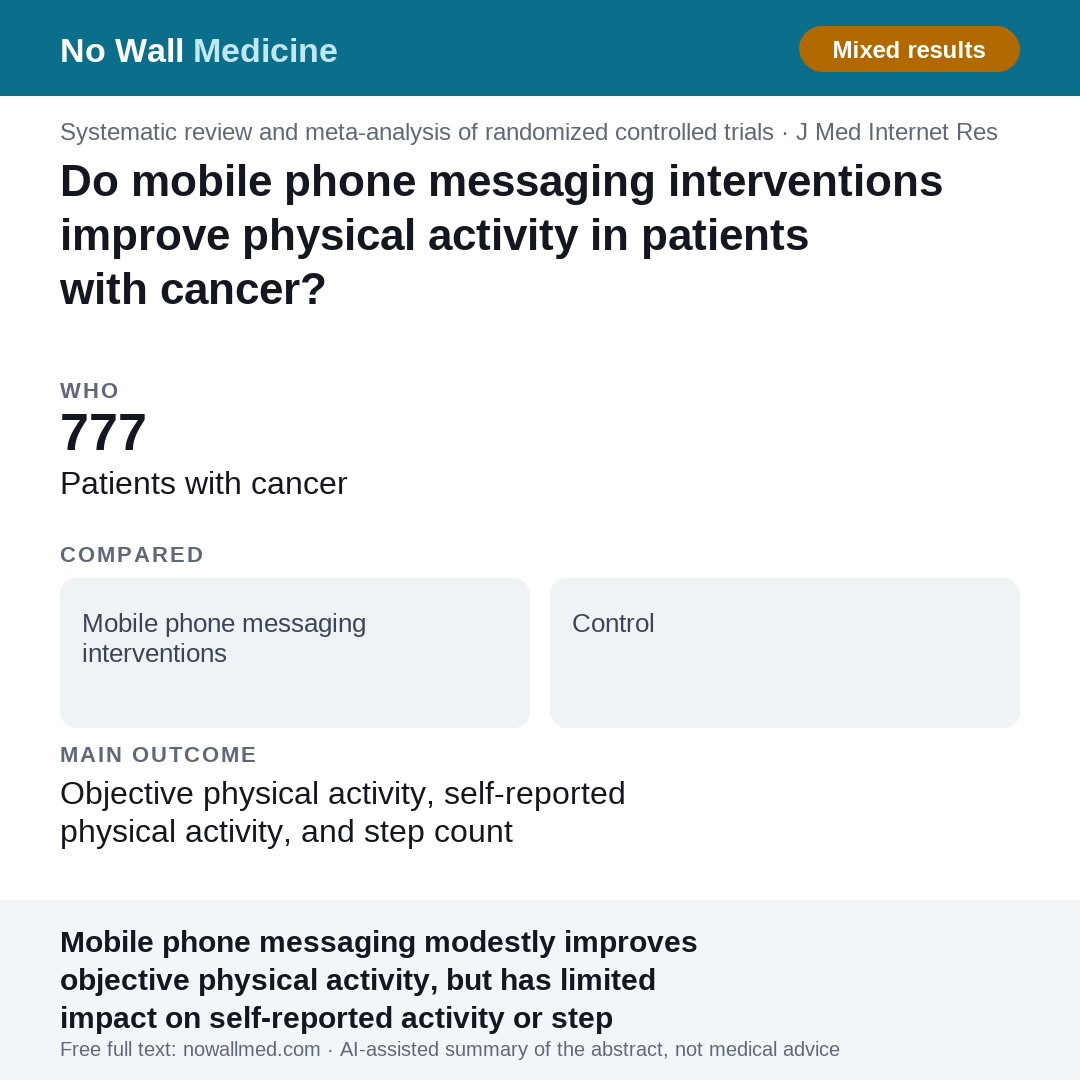
Mobile Phone Messaging-Based Interventions to Improve Physical Activity in Patients With Cancer: Systematic Review and Meta-Analysis
Systematic review and meta-analysis of randomized controlled trialsMixed results
Do mobile phone messaging interventions improve physical activity in patients with cancer?
Who
777
Patients with cancer
Compared
Mobile phone messaging interventions
Control
Main outcome
Objective physical activity, self-reported physical activity, and step count
Result: standardized mean difference 0.37 (95% CI 0.10 to 0.64) for objective physical activity
Bottom line: Mobile phone messaging modestly improves objective physical activity, but has limited impact on self-reported activity or step count.
Limitation: Evidence for sustained long-term benefit remains limited.
J Med Internet Res · 2025-12-15Download image
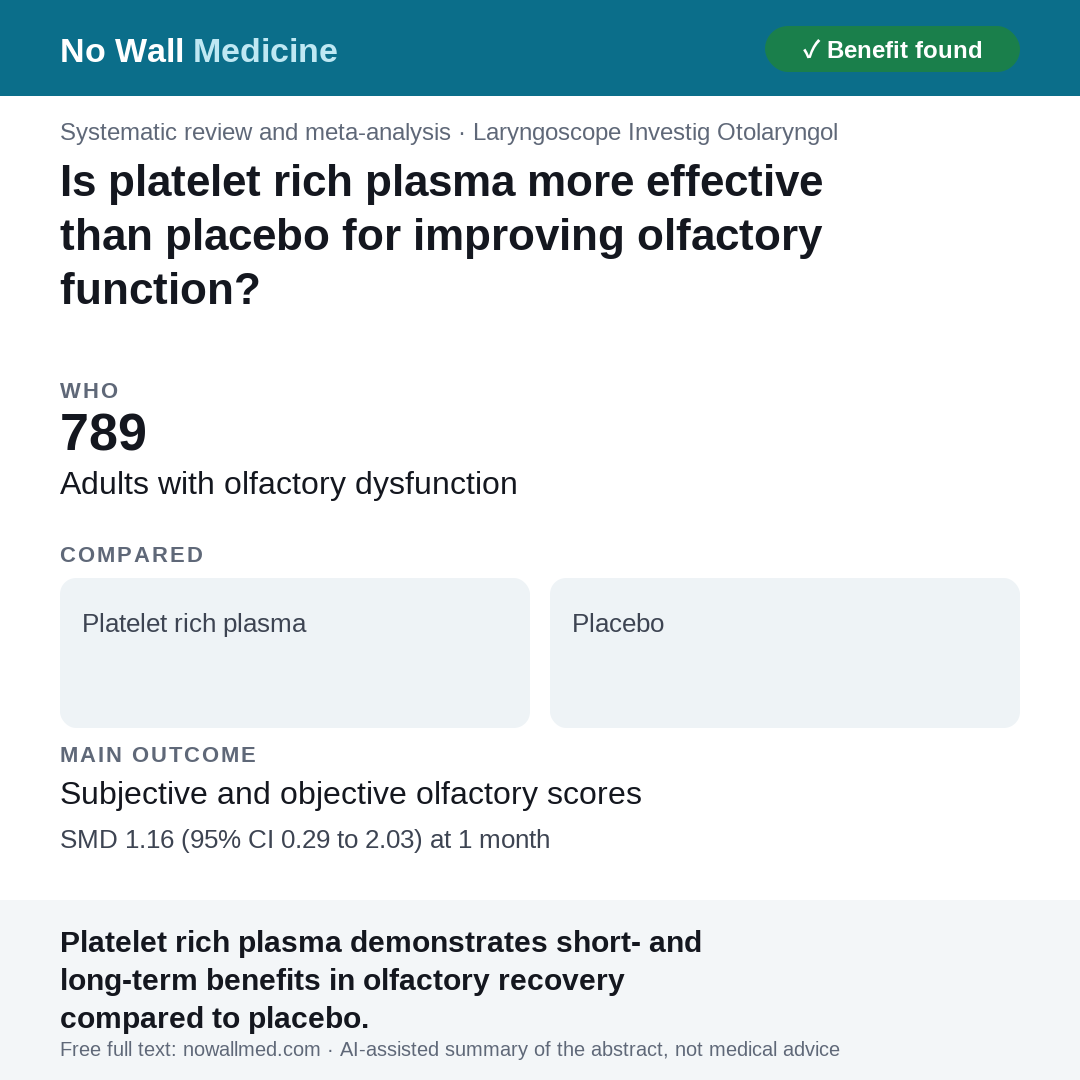
Efficacy of Platelet Rich Plasma Versus Placebo for Improvement in Olfactory Function in Adults With Olfactory Dysfunction: A Systematic Review and Meta-Analysis
Systematic review and meta-analysisBenefit found
Is platelet rich plasma more effective than placebo for improving olfactory function?
Who
789
Adults with olfactory dysfunction
Compared
Platelet rich plasma
Placebo
Main outcome
Subjective and objective olfactory scores
Result: SMD 1.16 (95% CI 0.29 to 2.03) at 1 month
Bottom line: Platelet rich plasma demonstrates short- and long-term benefits in olfactory recovery compared to placebo.
Limitation: Standardization of protocols and further high-quality randomized controlled trials are needed.
Laryngoscope Investig Otolaryngol · 2025-12-15Download image
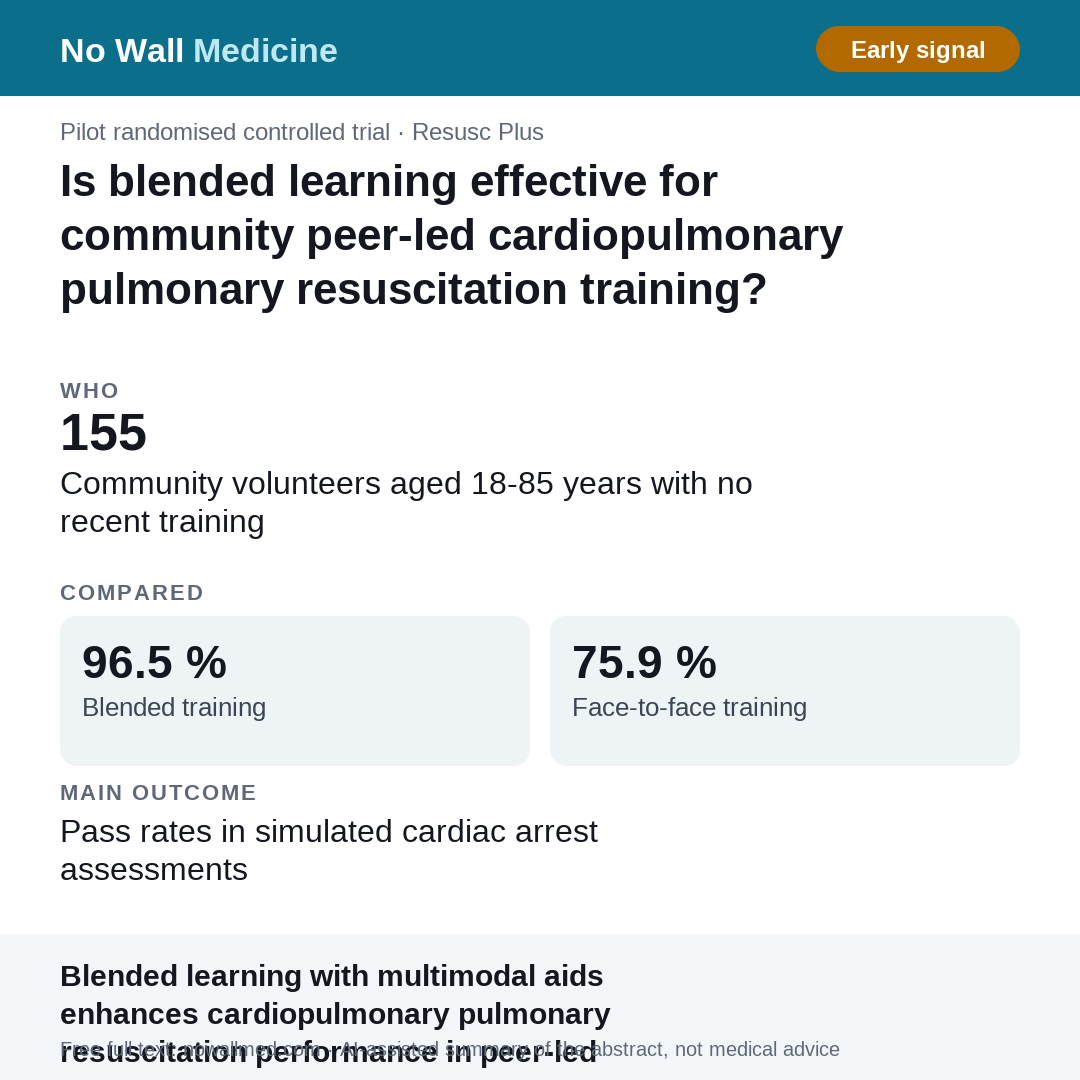
Exploration of 'generational' peer-led CPR training in the Australian community using blended learning approaches: a pilot randomised controlled trial
Pilot randomised controlled trialBenefit found
Is blended learning effective for community peer-led cardiopulmonary pulmonary resuscitation training?
Who
155
Community volunteers aged 18-85 years with no recent training
Compared
96.5 %Blended training (55/57, 95 % CI: 87.9-99.6 %)
75.9 %Face-to-face training (44/58, 95 % CI: 62.8-86.1 %)
Main outcome
Pass rates in simulated cardiac arrest assessments
Bottom line: Blended learning with multimodal aids enhances cardiopulmonary pulmonary resuscitation performance in peer-led community training.
Resusc Plus · 2025-12-15Download image