Visual abstracts
New randomized trials and meta-analyses from leading journals at a glance: who was studied, what was compared, and what was found. Every paper is free to read in full.
All specialtiesCardiology 855Oncology 770Gastroenterology & Hepatology 311Infectious Disease 626Neurology 354Psychiatry & Mental Health 430Pulmonology 370Critical Care 259Endocrinology & Diabetes 484Pediatrics 542Surgery 349Orthopedics & Sports Medicine 166Neurosurgery 115Cardiothoracic & Vascular Surgery 87Plastic & Reconstructive Surgery 144Nephrology 197Rheumatology 108Hematology 183Dermatology 81Ophthalmology 97Obstetrics & Gynecology 266Public & Global Health 168Radiology & Imaging 104Anesthesiology 128Urology 162ENT (Otolaryngology) 114Emergency Medicine 103Allergy & Immunology 58Geriatrics 160Family Medicine & Primary Care 111Medical Genetics & Genomics 91Pathology & Laboratory Medicine 27Physical Medicine & Rehabilitation 149Palliative Care 81Nutrition 223Digital Health & AI 462General Medicine 101
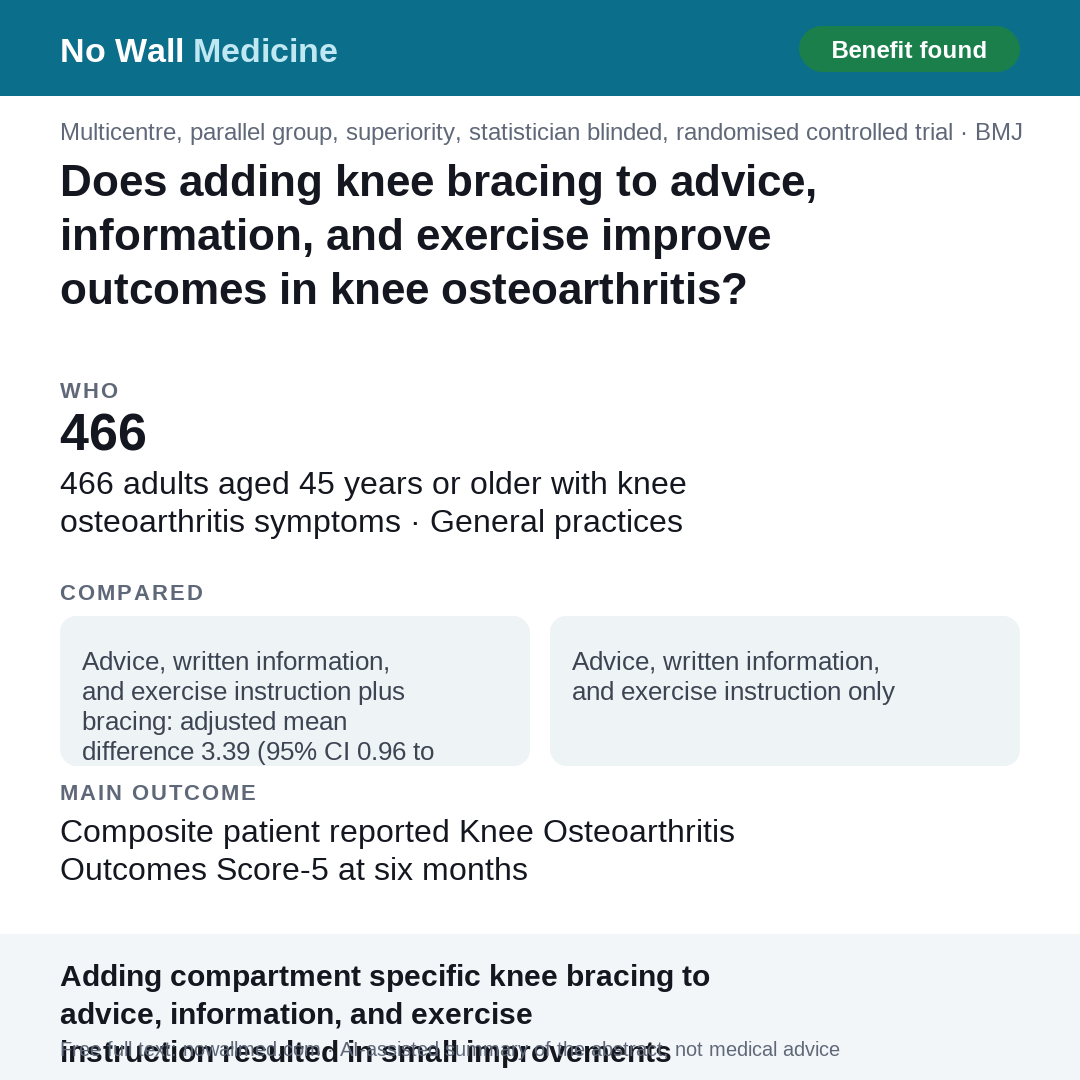
Provision of knee bracing for knee osteoarthritis (PROP OA): multicentre, parallel group, superiority, statistician blinded, randomised controlled trial
Multicentre, parallel group, superiority, statistician blinded, randomised controlled trialBenefit found
Does adding knee bracing to advice, information, and exercise improve outcomes in knee osteoarthritis?
Who
466
466 adults aged 45 years or older with knee osteoarthritis symptoms · General practices and community in England
Compared
Advice, written information, and exercise instruction plus bracing: adjusted mean difference 3.39 (95% CI 0.96 to 5.82)
Advice, written information, and exercise instruction only
Main outcome
Composite patient reported Knee Osteoarthritis Outcomes Score-5 at six months
Result: adjusted mean difference 3.39 (95% CI 0.96 to 5.82)
Bottom line: Adding compartment specific knee bracing to advice, information, and exercise instruction resulted in small improvements in patient reported outcomes.
BMJ · 2026-01-26Download image
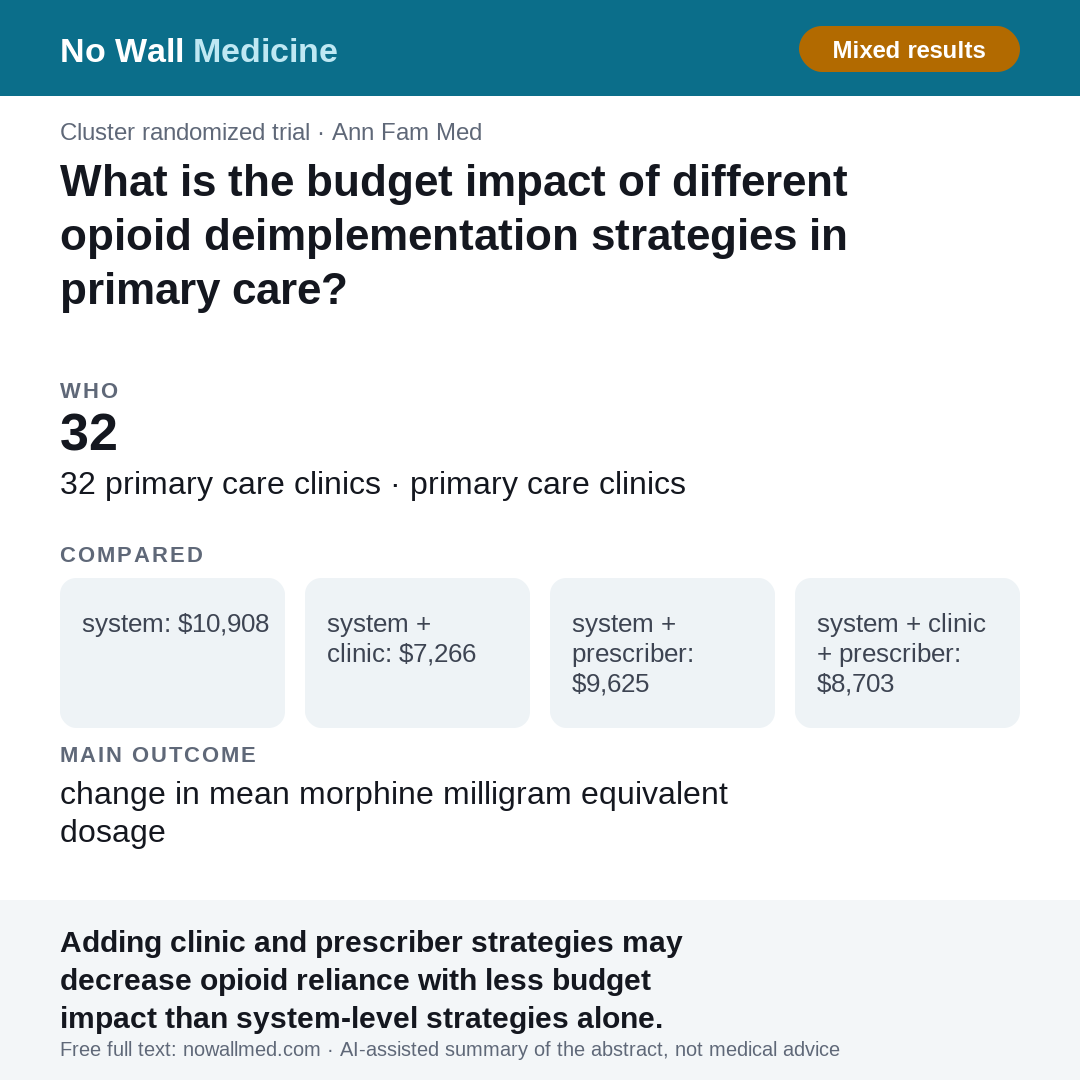
Budget Impact Analysis of the Balanced Opioid Initiative: A Cluster Randomized Trial Aimed at Deprescribing Opioids for Chronic Pain in Primary Care Settings
Cluster randomized trialMixed results
What is the budget impact of different opioid deimplementation strategies in primary care?
Who
32
32 primary care clinics · primary care clinics
Compared
system: $10,908
system + clinic: $7,266
system + prescriber: $9,625
system + clinic + prescriber: $8,703
Main outcome
change in mean morphine milligram equivalent dosage
Bottom line: Adding clinic and prescriber strategies may decrease opioid reliance with less budget impact than system-level strategies alone.
Ann Fam Med · 2026-01-26Download image
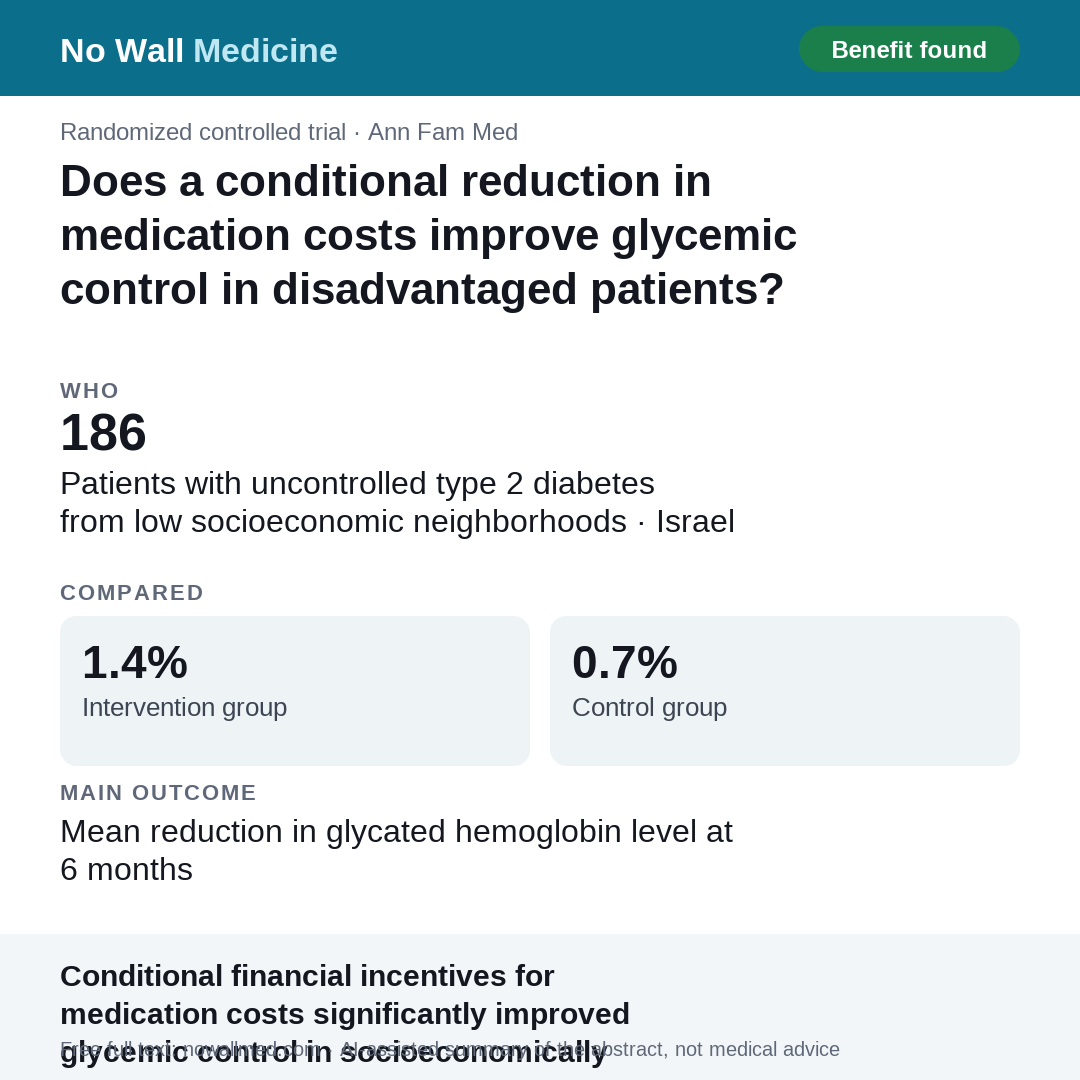
Incentives and Equity: A Randomized Controlled Trial to Improve Glycemic Control in Socioeconomically Disadvantaged Patients With Diabetes
Randomized controlled trialBenefit found
Does a conditional reduction in medication costs improve glycemic control in disadvantaged patients?
Who
186
Patients with uncontrolled type 2 diabetes from low socioeconomic neighborhoods · Israel
Compared
1.4%Intervention group (95% CI, 1.1%-1.7%)
0.7%Control group (95% CI, 0.3%-1.0%)
Main outcome
Mean reduction in glycated hemoglobin level at 6 months
Result: difference = 0.7%; 95% CI, 0.3%-1.2%
Bottom line: Conditional financial incentives for medication costs significantly improved glycemic control in socioeconomically disadvantaged patients with type 2 diabetes.
Ann Fam Med · 2026-01-26Download image
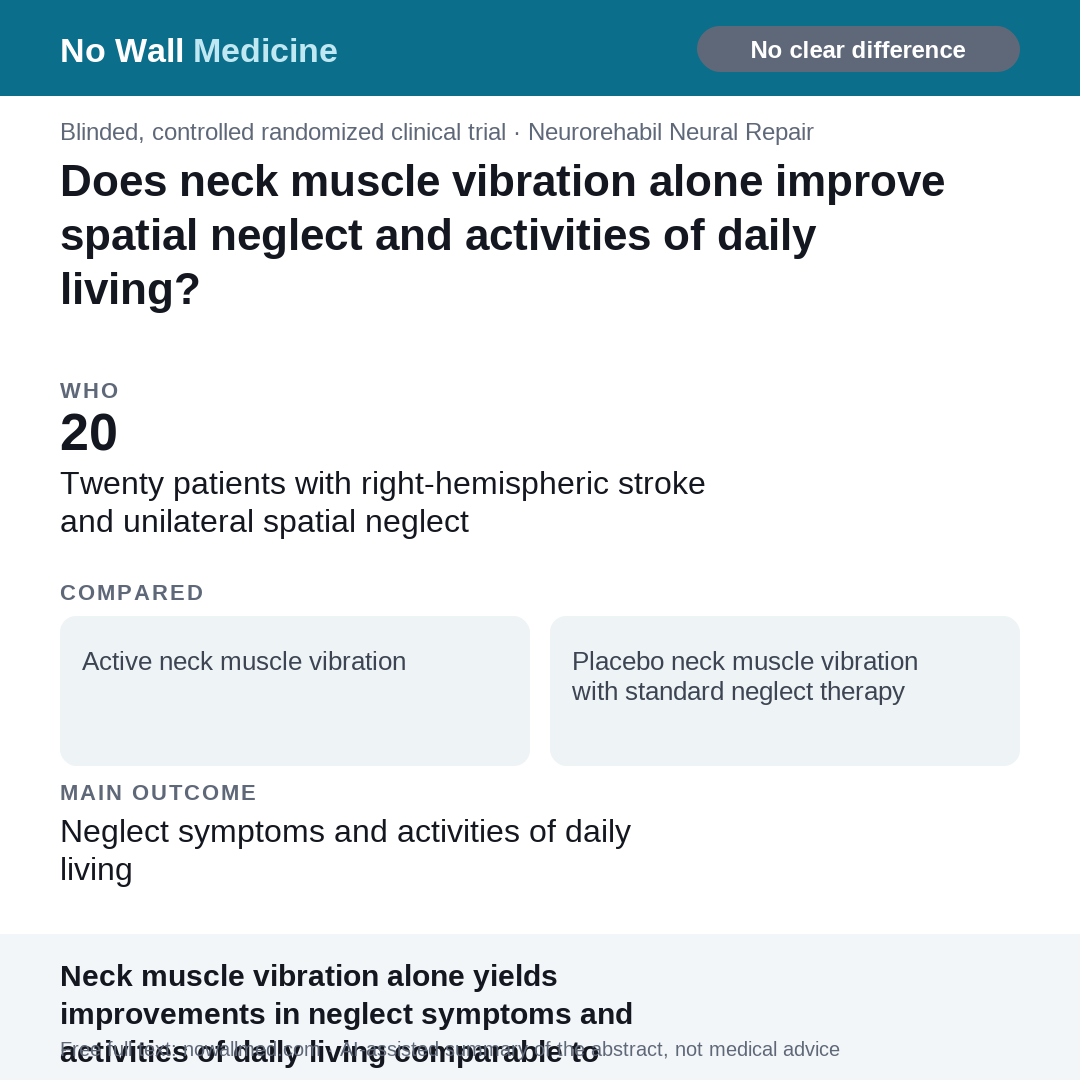
A Blinded, Controlled Randomized Clinical Trial on the Efficacy of Neck Muscle Vibration in Patients with Post-Stroke Spatial Neglect
Blinded, controlled randomized clinical trialNo clear difference
Does neck muscle vibration alone improve spatial neglect and activities of daily living?
Who
20
Twenty patients with right-hemispheric stroke and unilateral spatial neglect
Compared
Active neck muscle vibration
Placebo neck muscle vibration with standard neglect therapy
Main outcome
Neglect symptoms and activities of daily living
Bottom line: Neck muscle vibration alone yields improvements in neglect symptoms and activities of daily living comparable to standard neglect therapy.
Neurorehabil Neural Repair · 2026-01-26Download image
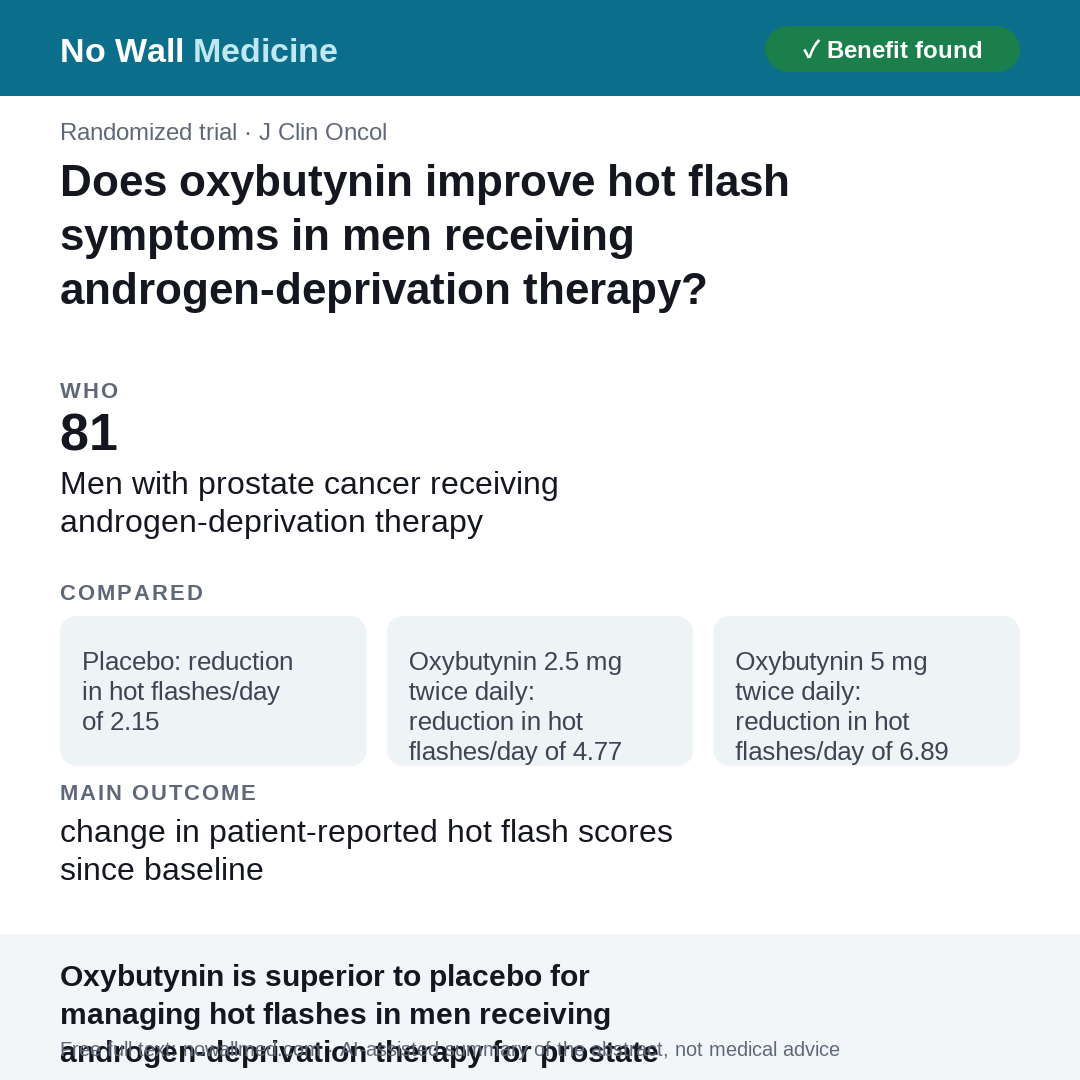
Alliance A222001: Oxybutynin Versus Placebo for the Treatment of Hot Flashes in Patients Receiving Androgen-Deprivation Therapy for Prostate Cancer
Randomized trialBenefit found
Does oxybutynin improve hot flash symptoms in men receiving androgen-deprivation therapy?
Who
81
Men with prostate cancer receiving androgen-deprivation therapy
Compared
Placebo: reduction in hot flashes/day of 2.15
Oxybutynin 2.5 mg twice daily: reduction in hot flashes/day of 4.77
Oxybutynin 5 mg twice daily: reduction in hot flashes/day of 6.89
Main outcome
change in patient-reported hot flash scores since baseline
Bottom line: Oxybutynin is superior to placebo for managing hot flashes in men receiving androgen-deprivation therapy for prostate cancer.
J Clin Oncol · 2026-01-26Download image
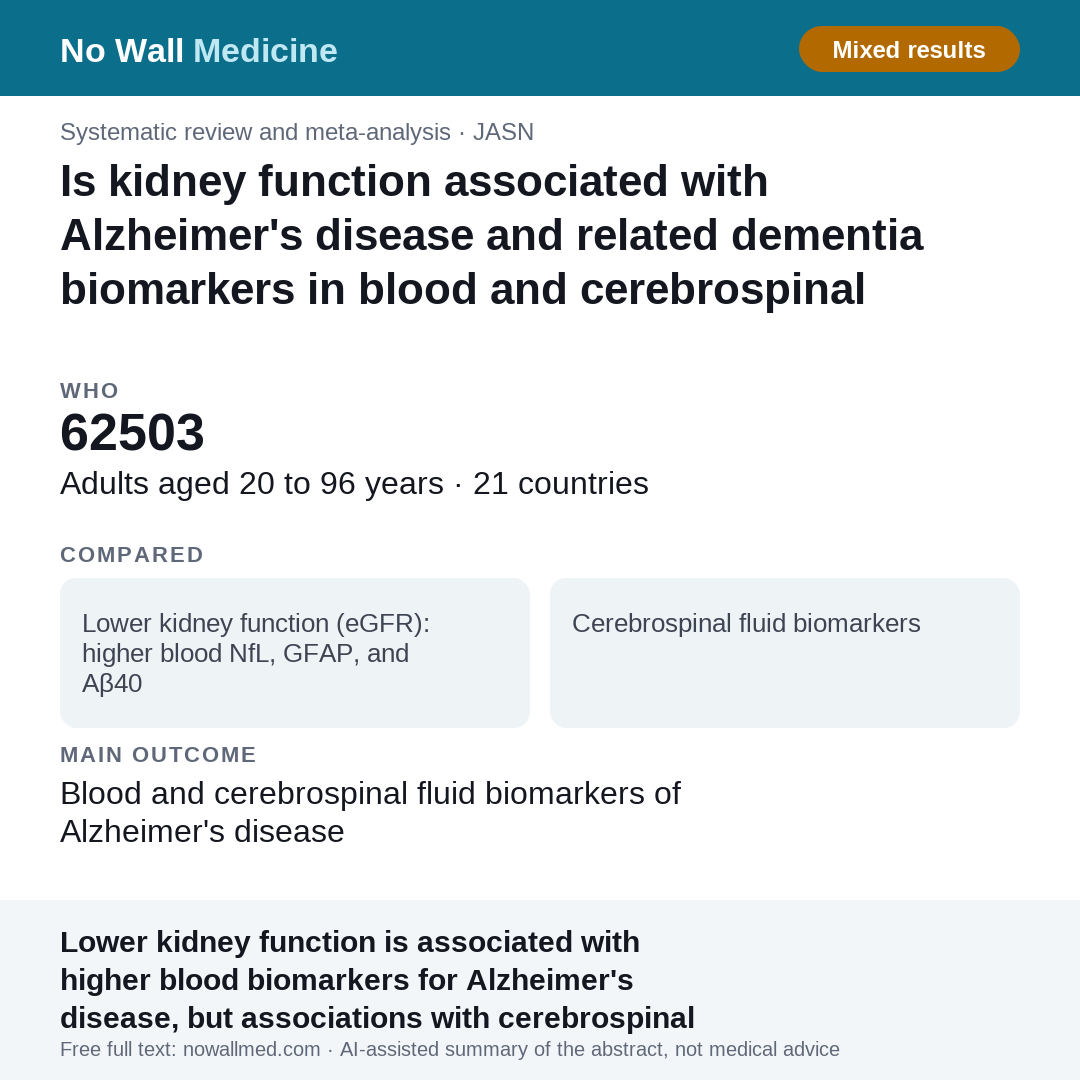
Kidney Function and Blood and Cerebrospinal Fluid Biomarkers in Alzheimer's Disease and Related Dementias: Systematic Review and Meta-Analysis
Systematic review and meta-analysisMixed results
Is kidney function associated with Alzheimer's disease and related dementia biomarkers in blood and cerebrospinal fluid?
Who
62503
Adults aged 20 to 96 years · 21 countries
Compared
Lower kidney function (eGFR): higher blood NfL, GFAP, and Aβ40
Cerebrospinal fluid biomarkers
Main outcome
Blood and cerebrospinal fluid biomarkers of Alzheimer's disease
Result: every 1 ml/min per 1.73 m2 lower eGFR was associated with 0.19 pg/ml higher NfL (95% CI, 0.12 to 0.25), 0.11 pg/ml higher GFAP (95% CI, 0.04 to 0.18), and 0.29 pg/ml higher Aβ40 (95% CI, 0.01 to 0.56)
Bottom line: Lower kidney function is associated with higher blood biomarkers for Alzheimer's disease, but associations with cerebrospinal fluid biomarkers were inconsistent.
JASN · 2026-01-26Download image
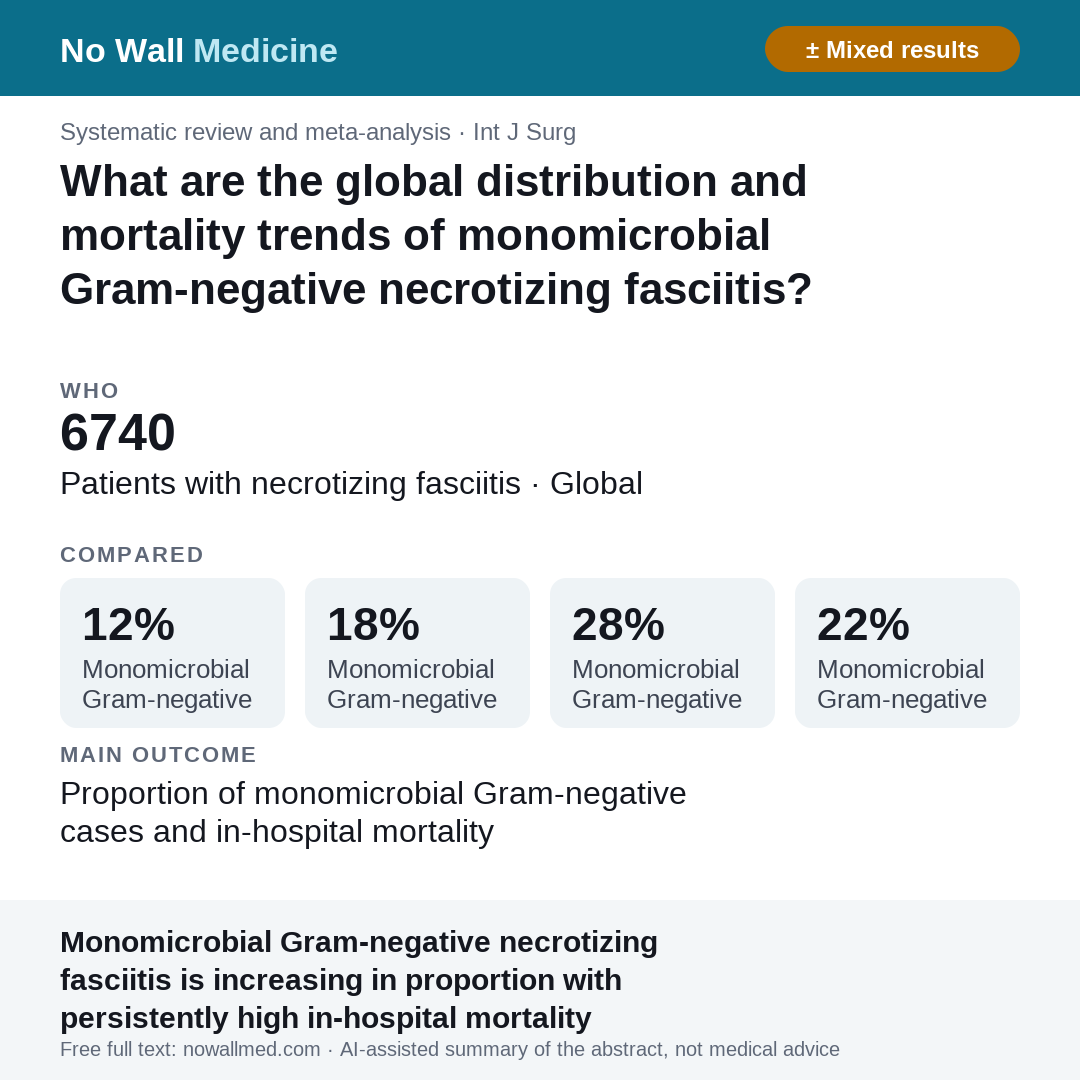
Global epidemiology and mortality trends of necrotizing fasciitis: a systematic review and meta-analysis with a focus on monomicrobial Gram-negative infections
Systematic review and meta-analysisMixed results
What are the global distribution and mortality trends of monomicrobial Gram-negative necrotizing fasciitis?
Who
6740
Patients with necrotizing fasciitis · Global
Compared
12%Monomicrobial Gram-negative before 2000
18%Monomicrobial Gram-negative from 2000 onward
28%Monomicrobial Gram-negative mortality before 2000
22%Monomicrobial Gram-negative mortality from 2000 onward
Main outcome
Proportion of monomicrobial Gram-negative cases and in-hospital mortality
Bottom line: Monomicrobial Gram-negative necrotizing fasciitis is increasing in proportion with persistently high in-hospital mortality rates.
Int J Surg · 2026-01-26Download image
Adverse events following cervical spine self-manipulation: A systematic review
Systematic reviewHarm found
What are the adverse events following cervical spine self-manipulation?
Who
24
Individuals reporting adverse events after cervical spine self-manipulation
Compared
Mild adverse events: n = 4, 17%
Moderate adverse events: n = 7, 29%
Severe adverse events: n = 9, 38%
Catastrophic adverse events: n = 4, 17%
Main outcome
Adverse event severity
Bottom line: Cervical self-manipulation has the potential for serious harms, including catastrophic events and fatalities, though evidence of commonality is lacking.
Limitation: With very low certainty, the practice has the potential for serious harms.
PM R · 2026-01-26Download image

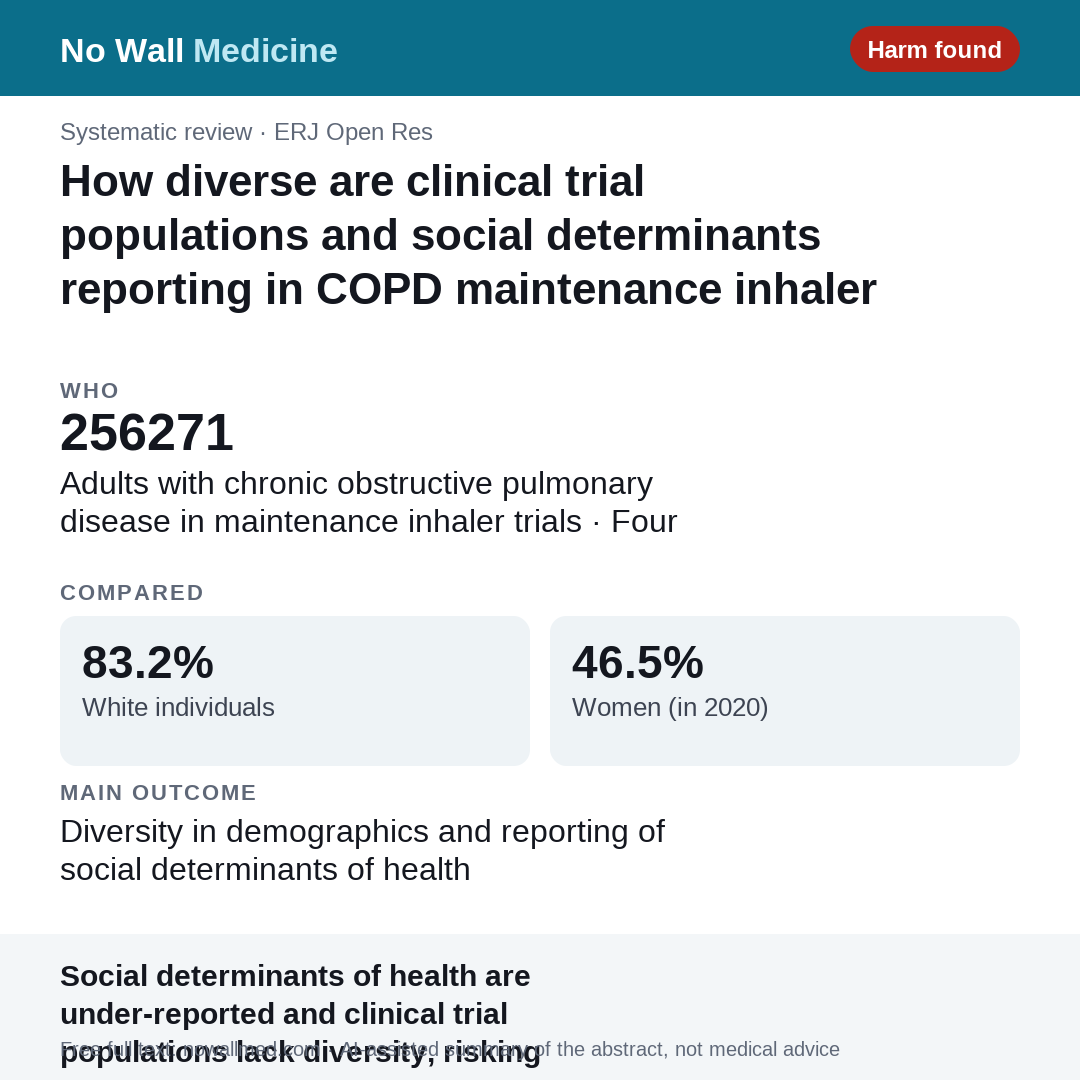
Diversity and inclusivity in clinical trial populations for maintenance inhaler therapy in people with COPD: a systematic review
Systematic reviewHarm found
How diverse are clinical trial populations and social determinants reporting in COPD maintenance inhaler trials?
Who
256271
Adults with chronic obstructive pulmonary disease in maintenance inhaler trials · Four clinical trial databases
Compared
83.2%White individuals (130086)
46.5%Women (in 2020)
Main outcome
Diversity in demographics and reporting of social determinants of health
Bottom line: Social determinants of health are under-reported and clinical trial populations lack diversity, risking suboptimal care for diverse groups.
ERJ Open Res · 2026-01-26Download image
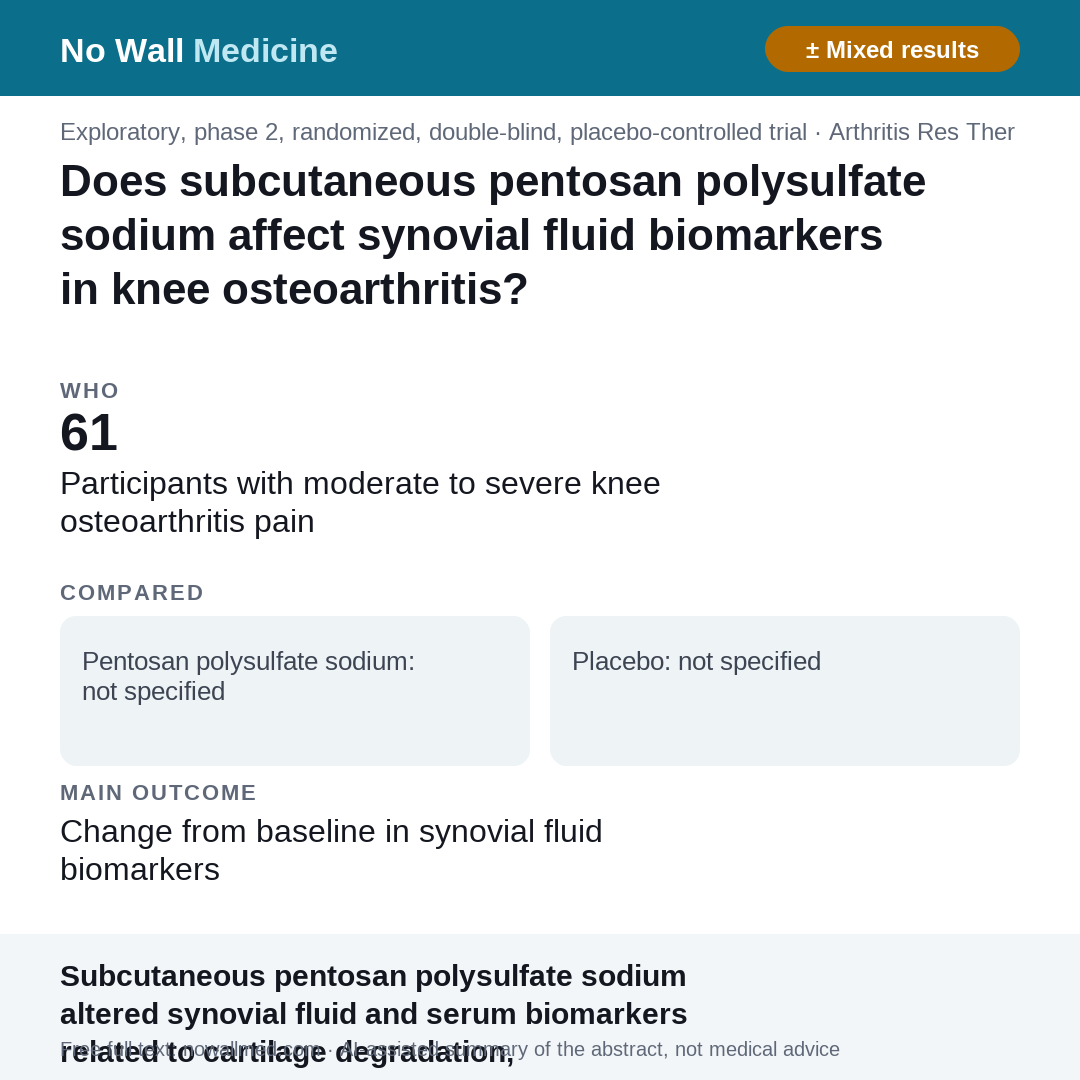
Effects of pentosan polysulfate sodium on synovial fluid biomarkers in moderate to severe knee osteoarthritis: an exploratory, phase 2, randomized, double-blind, placebo-controlled trial
Exploratory, phase 2, randomized, double-blind, placebo-controlled trialMixed results
Does subcutaneous pentosan polysulfate sodium affect synovial fluid biomarkers in knee osteoarthritis?
Who
61
Participants with moderate to severe knee osteoarthritis pain
Compared
Pentosan polysulfate sodium: not specified
Placebo: not specified
Main outcome
Change from baseline in synovial fluid biomarkers
Result: ARGS decreased -74.01% (-137.57, -10.45; p=0.024) at Day 168
Bottom line: Subcutaneous pentosan polysulfate sodium altered synovial fluid and serum biomarkers related to cartilage degradation, inflammation, and pain.
Arthritis Res Ther · 2026-01-26Download image
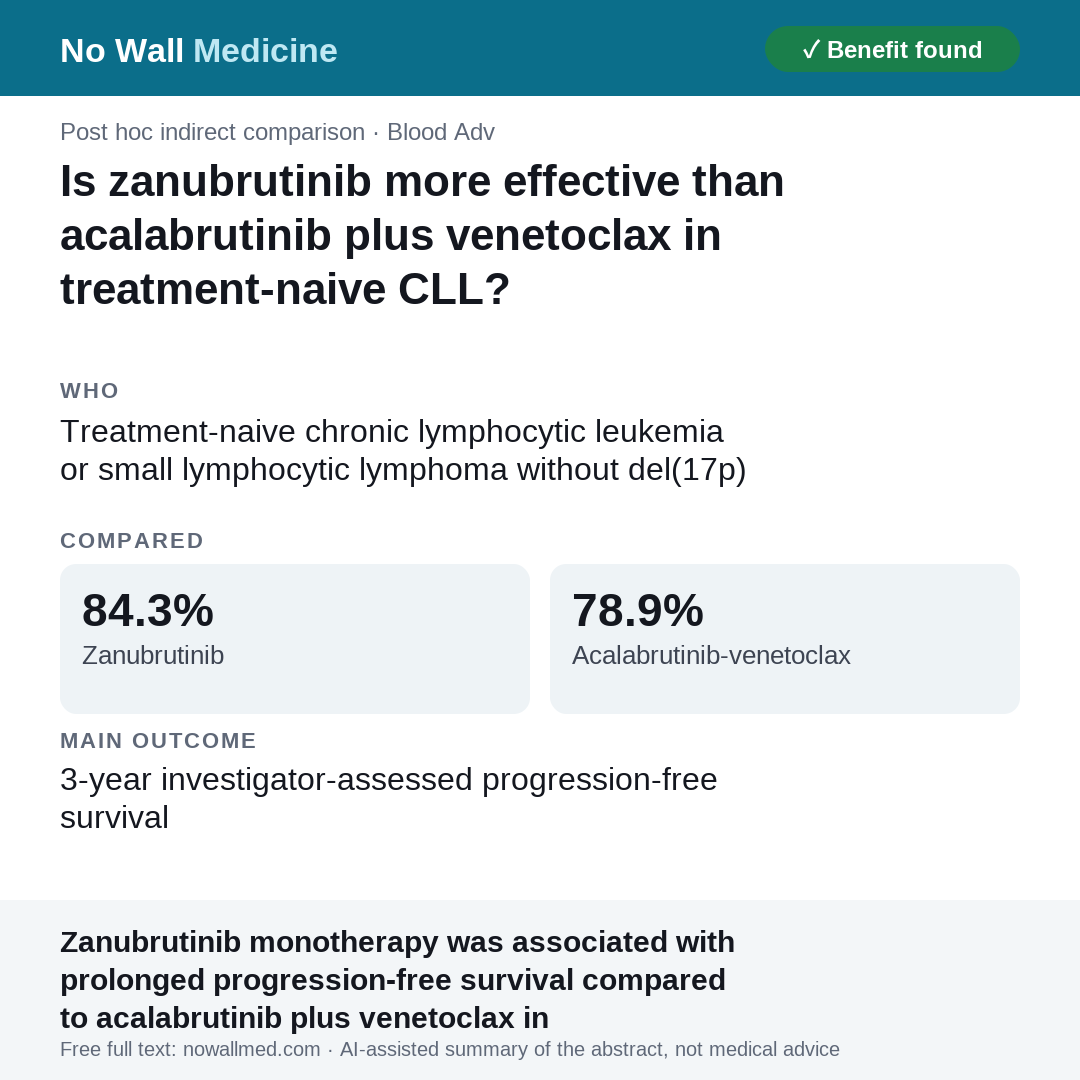
An indirect comparison of zanubrutinib vs acalabrutinib plus venetoclax in patients with treatment-naive CLL
Post hoc indirect comparisonBenefit found
Is zanubrutinib more effective than acalabrutinib plus venetoclax in treatment-naive CLL?
Who
Treatment-naive chronic lymphocytic leukemia or small lymphocytic lymphoma without del(17p)
Compared
84.3%Zanubrutinib
78.9%Acalabrutinib-venetoclax
Main outcome
3-year investigator-assessed progression-free survival
Result: hazard ratio 0.45 (95% CI 0.23-0.88)
Bottom line: Zanubrutinib monotherapy was associated with prolonged progression-free survival compared to acalabrutinib plus venetoclax in treatment-naive patients.
Blood Adv · 2026-01-26Download image
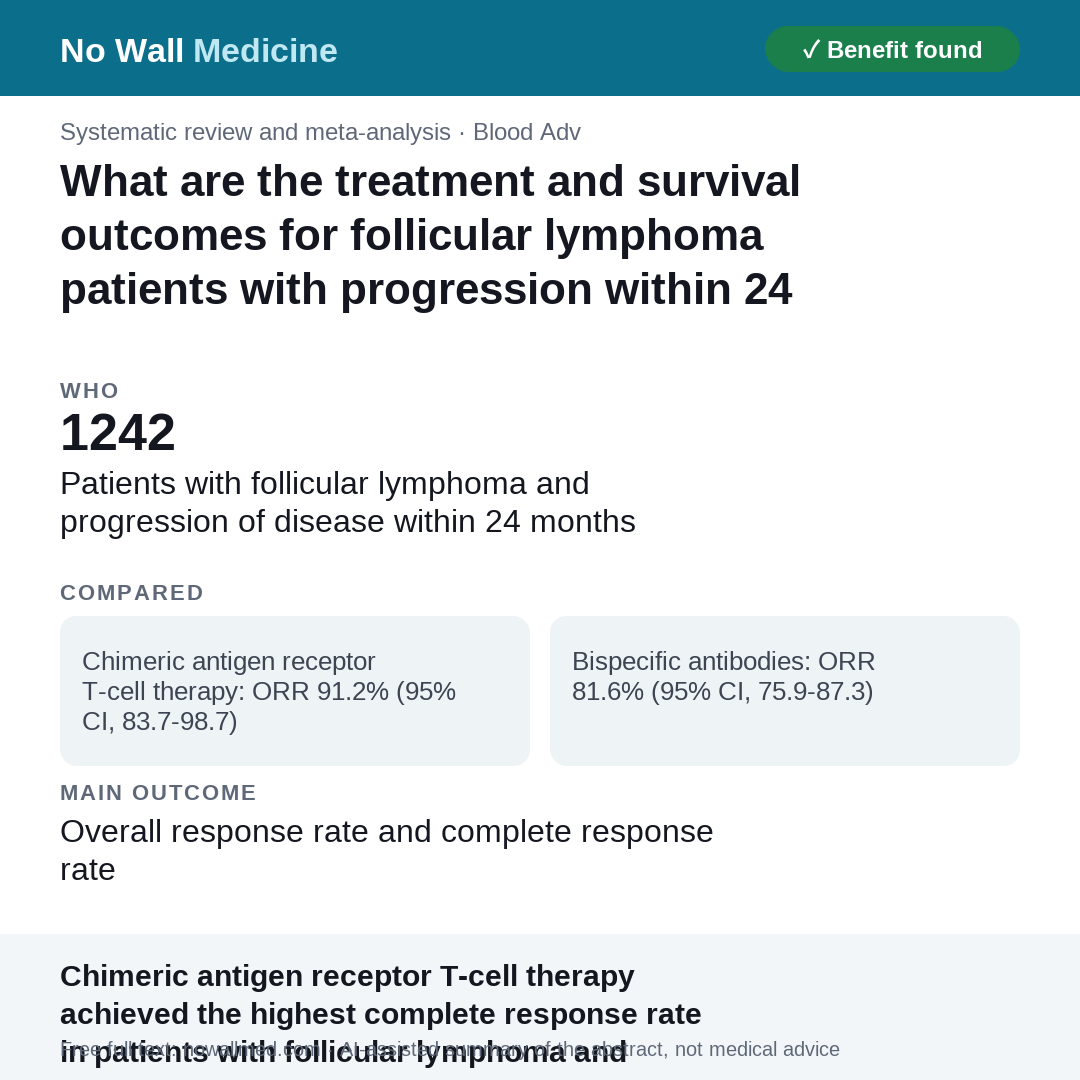
Treatment and survival outcomes for patients with follicular lymphoma and POD24: a systematic review and meta-analysis
Systematic review and meta-analysisBenefit found
What are the treatment and survival outcomes for follicular lymphoma patients with progression within 24 months?
Who
1242
Patients with follicular lymphoma and progression of disease within 24 months
Compared
Chimeric antigen receptor T-cell therapy: ORR 91.2% (95% CI, 83.7-98.7)
Bispecific antibodies: ORR 81.6% (95% CI, 75.9-87.3)
Main outcome
Overall response rate and complete response rate
Bottom line: Chimeric antigen receptor T-cell therapy achieved the highest complete response rate in patients with follicular lymphoma and progression within 24 months.
Blood Adv · 2026-01-26Download image
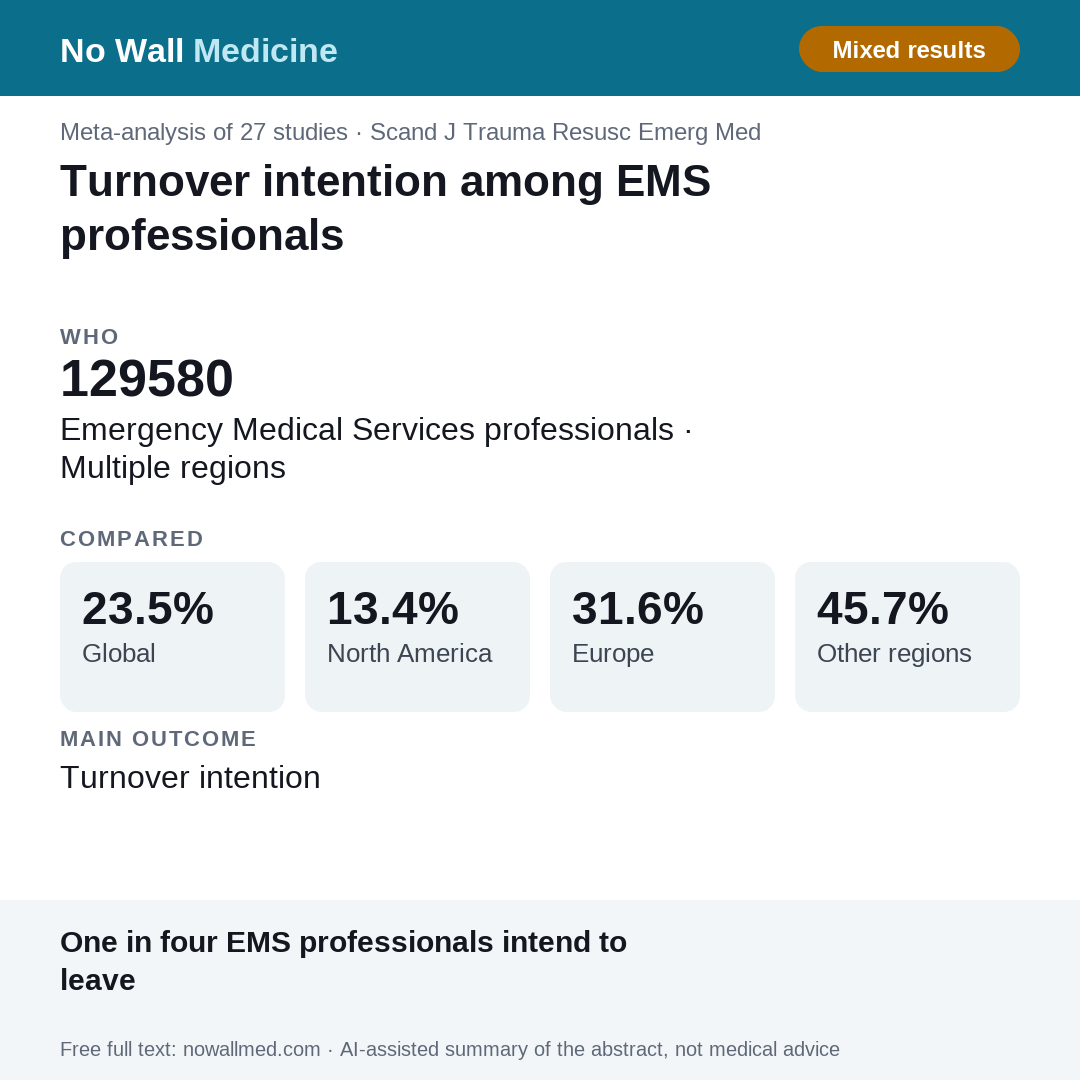
Turnover intention and its predictors among Emergency Medical Services (EMS) professionals: a systematic review and meta-analysis
Meta-analysis of 27 studiesMixed results
Turnover intention among EMS professionals
Who
129580
Emergency Medical Services professionals · Multiple regions
Compared
23.5%Global (95% CI: 16.6%-32.1%)
13.4%North America
31.6%Europe
45.7%Other regions
Main outcome
Turnover intention
Bottom line: One in four EMS professionals intend to leave
Scand J Trauma Resusc Emerg Med · 2026-01-26Download image
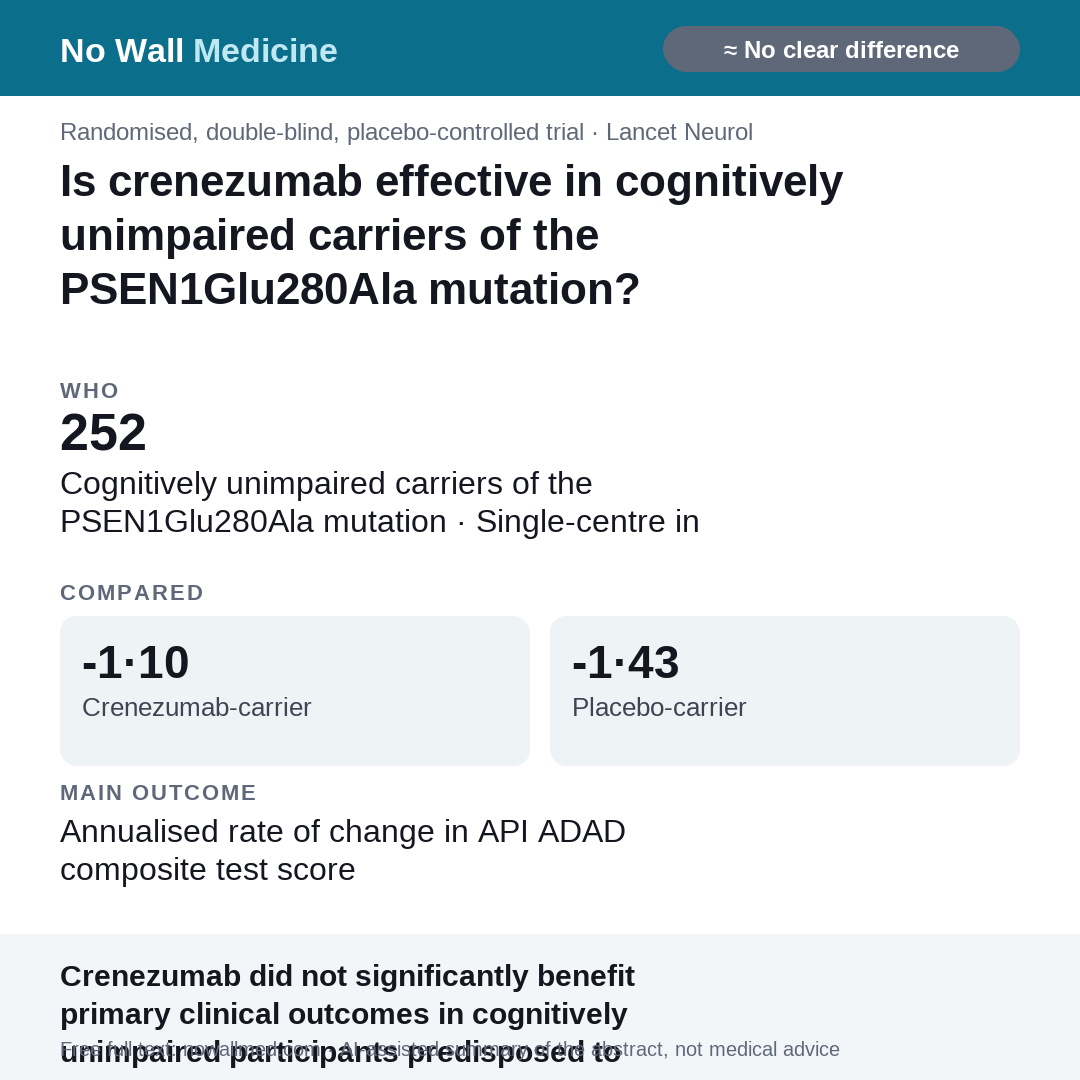
Safety and efficacy of crenezumab in cognitively unimpaired carriers of the PSEN1Glu280Ala mutation at risk for autosomal-dominant Alzheimer's disease in Colombia (API ADAD Colombia Trial): a phase 2, randomised, double-blind, placebo-controlled trial
Randomised, double-blind, placebo-controlled trialNo clear difference
Is crenezumab effective in cognitively unimpaired carriers of the PSEN1Glu280Ala mutation?
Who
252
Cognitively unimpaired carriers of the PSEN1Glu280Ala mutation · Single-centre in Medellín, Colombia
Compared
-1·10Crenezumab-carrier (SE 0·29)
-1·43Placebo-carrier (0·29)
Main outcome
Annualised rate of change in API ADAD composite test score
Result: between-group difference 0·33 (95% CI -0·48 to 1·13)
Bottom line: Crenezumab did not significantly benefit primary clinical outcomes in cognitively unimpaired participants predisposed to autosomal-dominant Alzheimer's disease.
Funded by: US National Institute on Aging (NIA), Banner Alzheimer's Institute
Lancet Neurol · 2026-01-25Download image
Safety and efficacy of adjunct dexamethasone in adults with herpes simplex virus encephalitis in the UK (DexEnceph): a multicentre, observer-blind, randomised, phase 3, controlled trial
Multicentre, observer-blind, randomised, phase 3, controlled trialNo clear difference
Does adjunct dexamethasone improve outcomes in adults with herpes simplex virus encephalitis?
Who
94
Adults with herpes simplex virus encephalitis · 53 hospitals in the United Kingdom
Compared
Dexamethasone plus aciclovir: 71 [SD 26]
Aciclovir alone: 69 [SD 25]
Main outcome
Verbal memory score at 26 weeks
Result: adjusted difference 1·77 (95% CI -9·57 to 13·12)
Bottom line: Adjunct dexamethasone plus aciclovir did not improve verbal memory scores compared to aciclovir alone in adults with herpes simplex virus encephalitis.
Funded by: National Institute for Health and Care Research
Lancet Neurol · 2026-01-25Download image

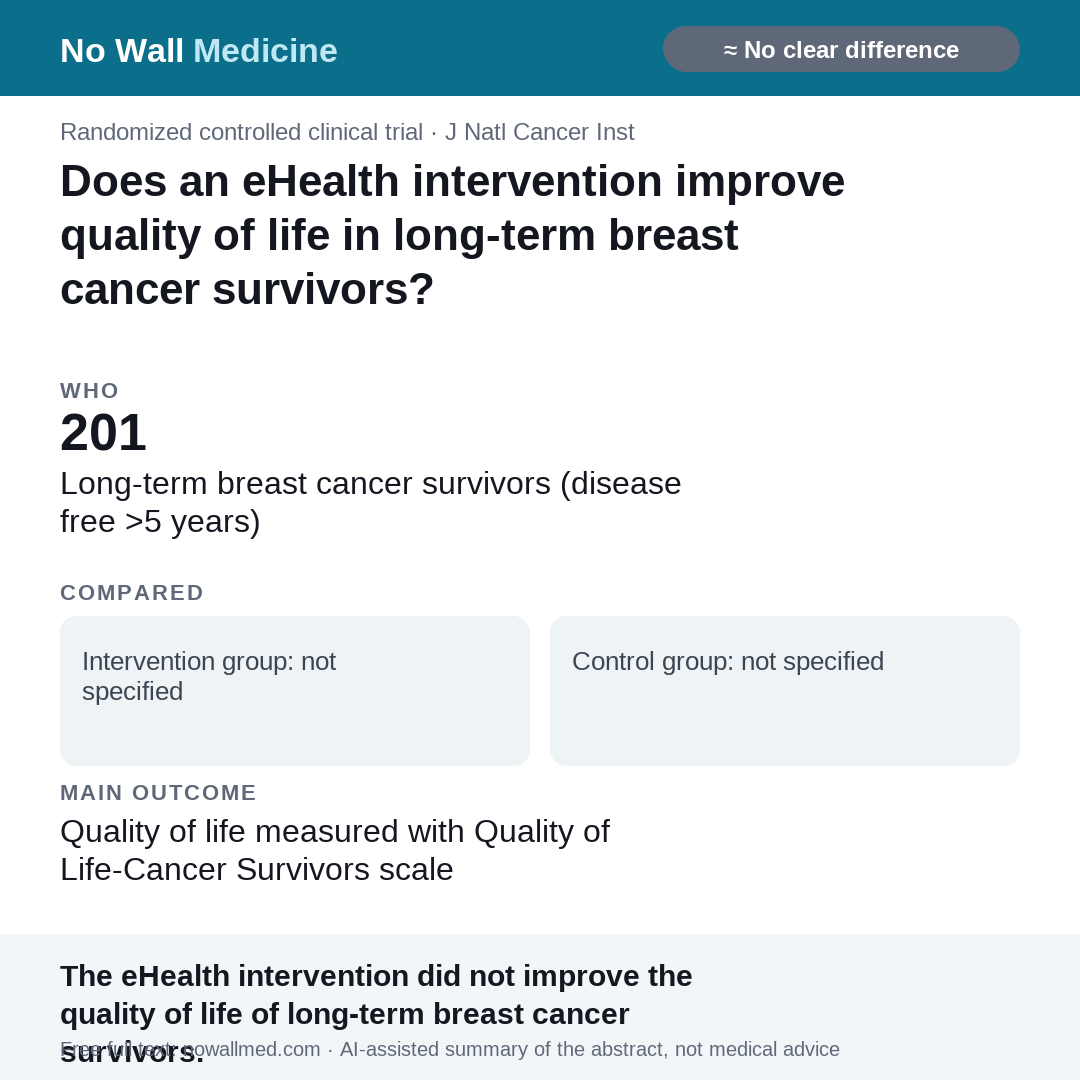
EHealth intervention for quality of life in long-term breast cancer survivors: randomized controlled trial
Randomized controlled clinical trialNo clear difference
Does an eHealth intervention improve quality of life in long-term breast cancer survivors?
Who
201
Long-term breast cancer survivors (disease free >5 years)
Compared
Intervention group: not specified
Control group: not specified
Main outcome
Quality of life measured with Quality of Life-Cancer Survivors scale
Result: difference-in-differences = 0.11 (95% confidence interval = -0.10 to 0.32)
Bottom line: The eHealth intervention did not improve the quality of life of long-term breast cancer survivors.
J Natl Cancer Inst · 2026-01-25Download image
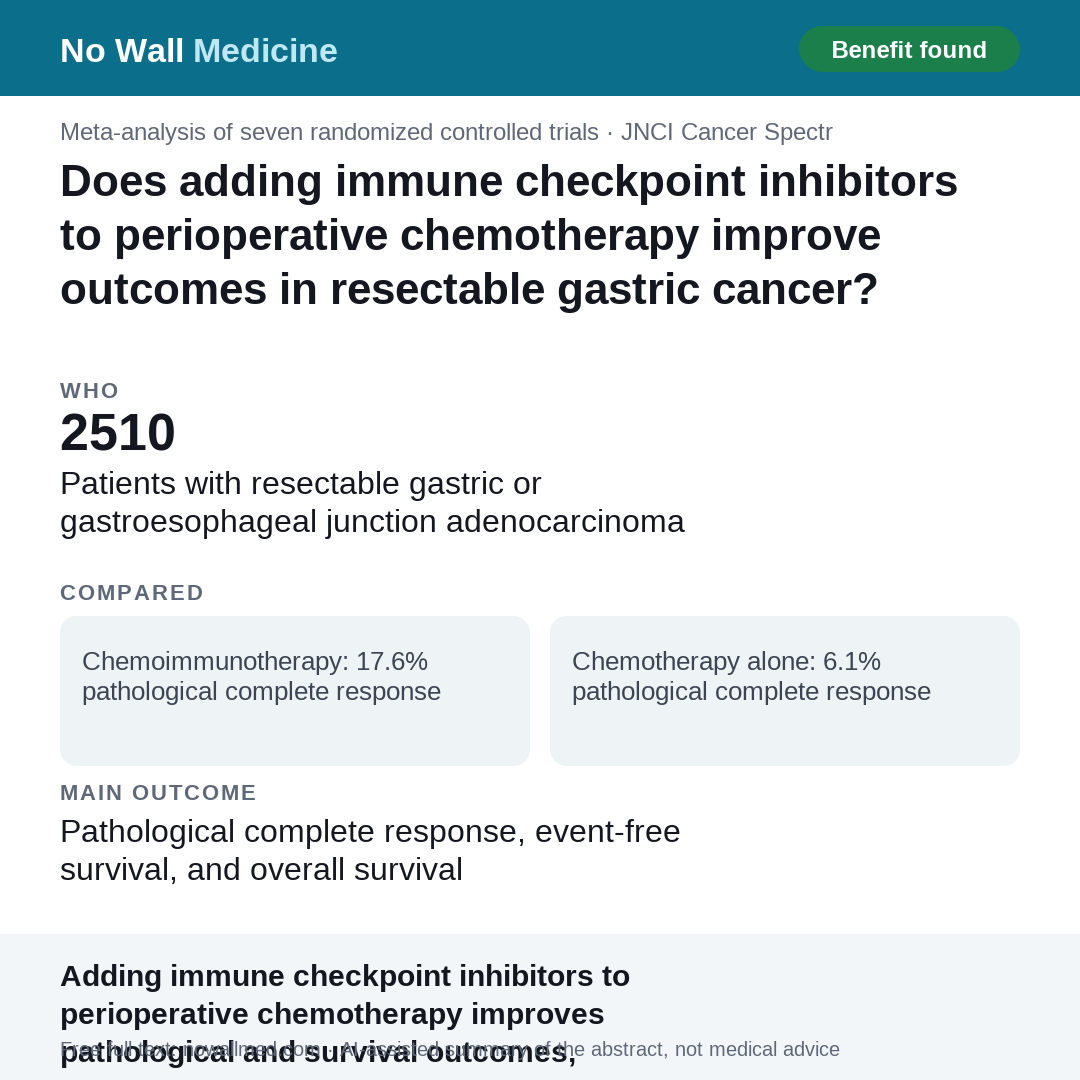
Perioperative chemoimmunotherapy for patients with gastric or gastroesophageal junction cancer: a systematic review and meta-analysis
Meta-analysis of seven randomized controlled trialsBenefit found
Does adding immune checkpoint inhibitors to perioperative chemotherapy improve outcomes in resectable gastric cancer?
Who
2510
Patients with resectable gastric or gastroesophageal junction adenocarcinoma
Compared
Chemoimmunotherapy: 17.6% pathological complete response
Chemotherapy alone: 6.1% pathological complete response
Main outcome
Pathological complete response, event-free survival, and overall survival
Result: hazard ratio 0.76 (95% CI 0.66 to 0.86) for event-free survival
Bottom line: Adding immune checkpoint inhibitors to perioperative chemotherapy improves pathological and survival outcomes, especially in PD-L1 positive patients.
JNCI Cancer Spectr · 2026-01-25Download image
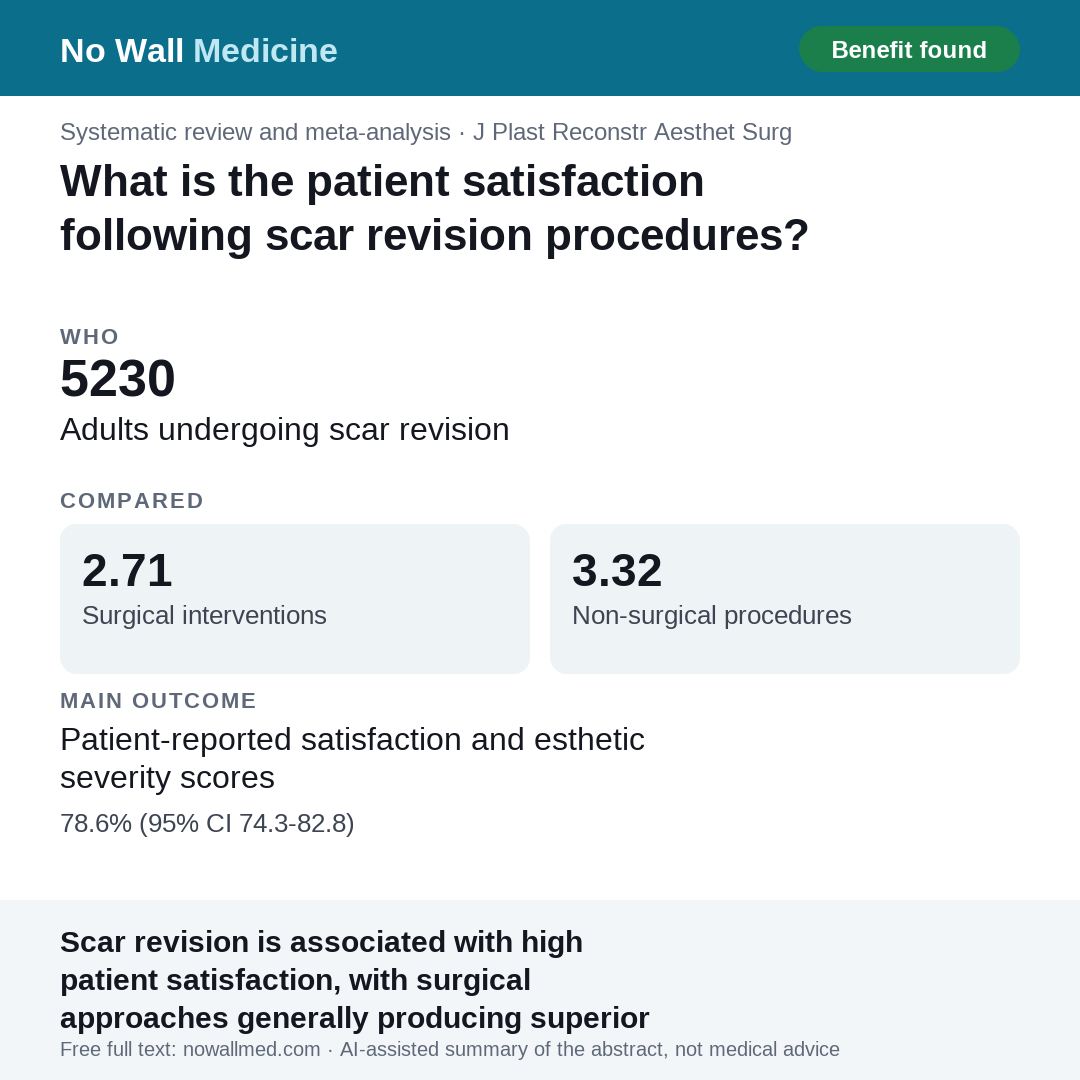
Patient satisfaction following scar revision: A systematic review and meta-analysis
Systematic review and meta-analysisBenefit found
What is the patient satisfaction following scar revision procedures?
Who
5230
Adults undergoing scar revision
Compared
2.71Surgical interventions (95% CI 2.32-3.11)
3.32Non-surgical procedures (95% CI 2.92-3.71)
Main outcome
Patient-reported satisfaction and esthetic severity scores
Result: 78.6% (95% CI 74.3-82.8)
Bottom line: Scar revision is associated with high patient satisfaction, with surgical approaches generally producing superior patient-reported outcomes.
Limitation: Need for standardized patient-reported outcome measures and improved reporting of psychosocial factors.
J Plast Reconstr Aesthet Surg · 2026-01-24Download image
Interpreting the natural history and pathogenesis of Nipah virus disease through clinical data, to inform clinical trial design: a systematic review
Systematic reviewUnclear result
What are the clinical characteristics and pathogenesis of Nipah virus disease?
Who
717
Patients with Nipah virus disease
Compared
All cases: median case-fatality rate 69% (IQR 31-88%)
Survivors: 51 (26%) of 197 survivors presenting with persistent neurological deficits
Main outcome
Clinical characteristics, pathogenesis, and case-fatality rate
Bottom line: Nipah virus disease has high mortality and diverse clinical symptoms, requiring prospective observational studies to inform future clinical trials.
Limitation: Clinical management varied widely, with incomplete reporting limiting insights.
Lancet Microbe · 2026-01-24Download image

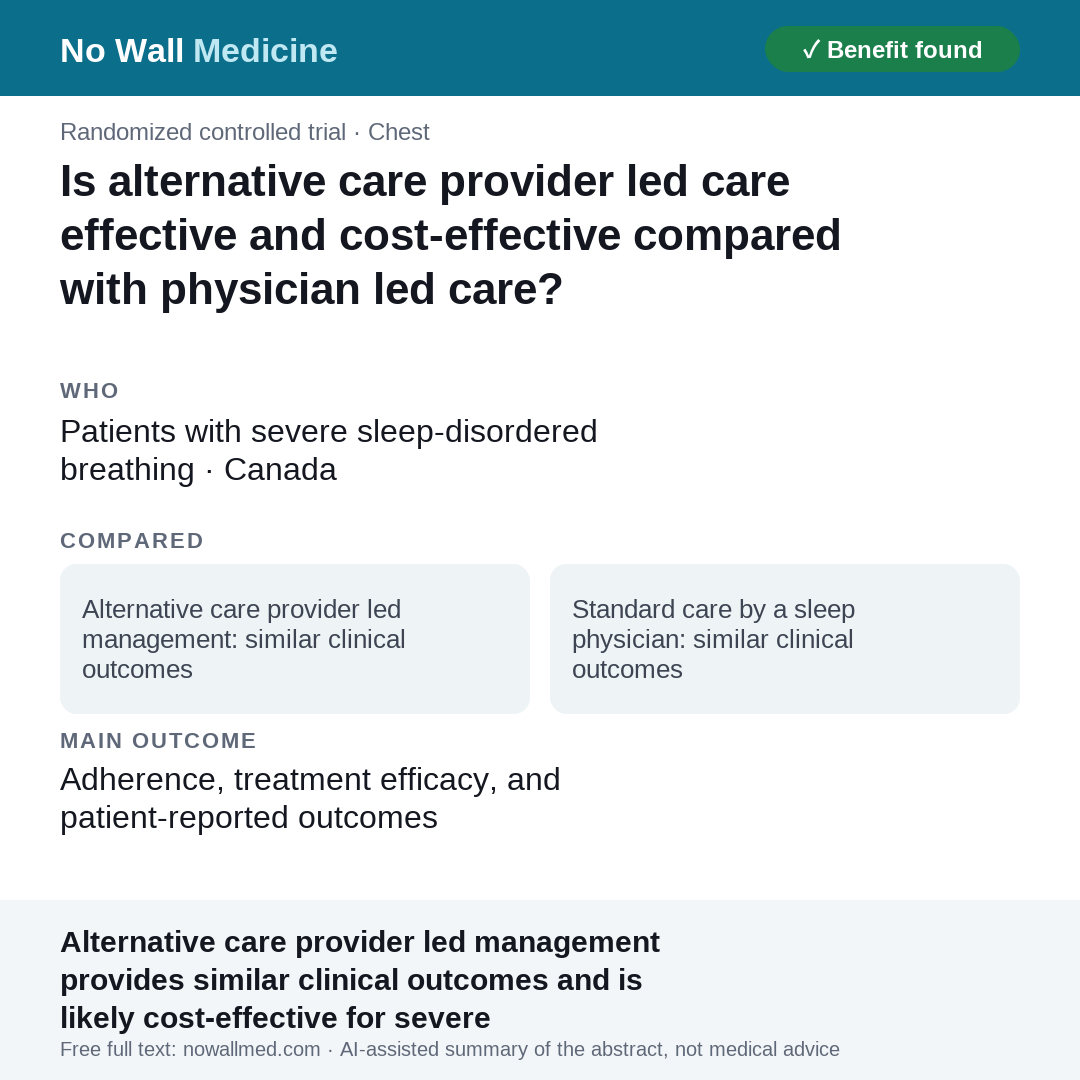
Twelve-Month Follow-Up and Economic Evaluation of an Alternative Care Provider Clinic for Severe Sleep-Disordered Breathing
Randomized controlled trialBenefit found
Is alternative care provider led care effective and cost-effective compared with physician led care?
Who
Patients with severe sleep-disordered breathing · Canada
Compared
Alternative care provider led management: similar clinical outcomes
Standard care by a sleep physician: similar clinical outcomes
Main outcome
Adherence, treatment efficacy, and patient-reported outcomes
Result: -$34,580 per quality-adjusted life year
Bottom line: Alternative care provider led management provides similar clinical outcomes and is likely cost-effective for severe sleep-disordered breathing.
Chest · 2026-01-24Download image