Visual abstracts
New randomized trials and meta-analyses from leading journals at a glance: who was studied, what was compared, and what was found. Every paper is free to read in full.
All specialtiesCardiology 3535Oncology 3033Gastroenterology & Hepatology 1393Infectious Disease 2482Neurology 1425Psychiatry & Mental Health 1674Pulmonology 1515Critical Care 1013Endocrinology & Diabetes 1809Pediatrics 2147Surgery 1870Orthopedics & Sports Medicine 655Neurosurgery 417Cardiothoracic & Vascular Surgery 423Plastic & Reconstructive Surgery 492Nephrology 767Rheumatology 569Hematology 795Dermatology 439Ophthalmology 392Obstetrics & Gynecology 1215Public & Global Health 682Radiology & Imaging 495Anesthesiology 724Urology 583ENT (Otolaryngology) 388Emergency Medicine 382Allergy & Immunology 220Geriatrics 750Family Medicine & Primary Care 409Medical Genetics & Genomics 452Pathology & Laboratory Medicine 115Physical Medicine & Rehabilitation 551Palliative Care 326Nutrition 1062Digital Health & AI 1658General Medicine 253
Vericiguat and mortality in heart failure and reduced ejection fraction: the VICTOR trial
Double-blind, placebo-controlled, randomized trialBenefit found
Does vericiguat reduce cardiovascular death and all-cause mortality in heart failure patients?
Who
6105
Ambulatory patients with heart failure and reduced ejection fraction
Compared
vericiguat: 292 cardiovascular deaths (5.7 deaths per 100 patient-years)
placebo: 346 cardiovascular deaths (6.8 deaths per 100 patient-years)
Main outcome
cardiovascular death
Result: hazard ratio 0.83 (95% CI 0.71-0.97)
Bottom line: Vericiguat was associated with reductions in cardiovascular death and all-cause mortality in patients with heart failure.
Eur Heart J · 2025-08-30Download image

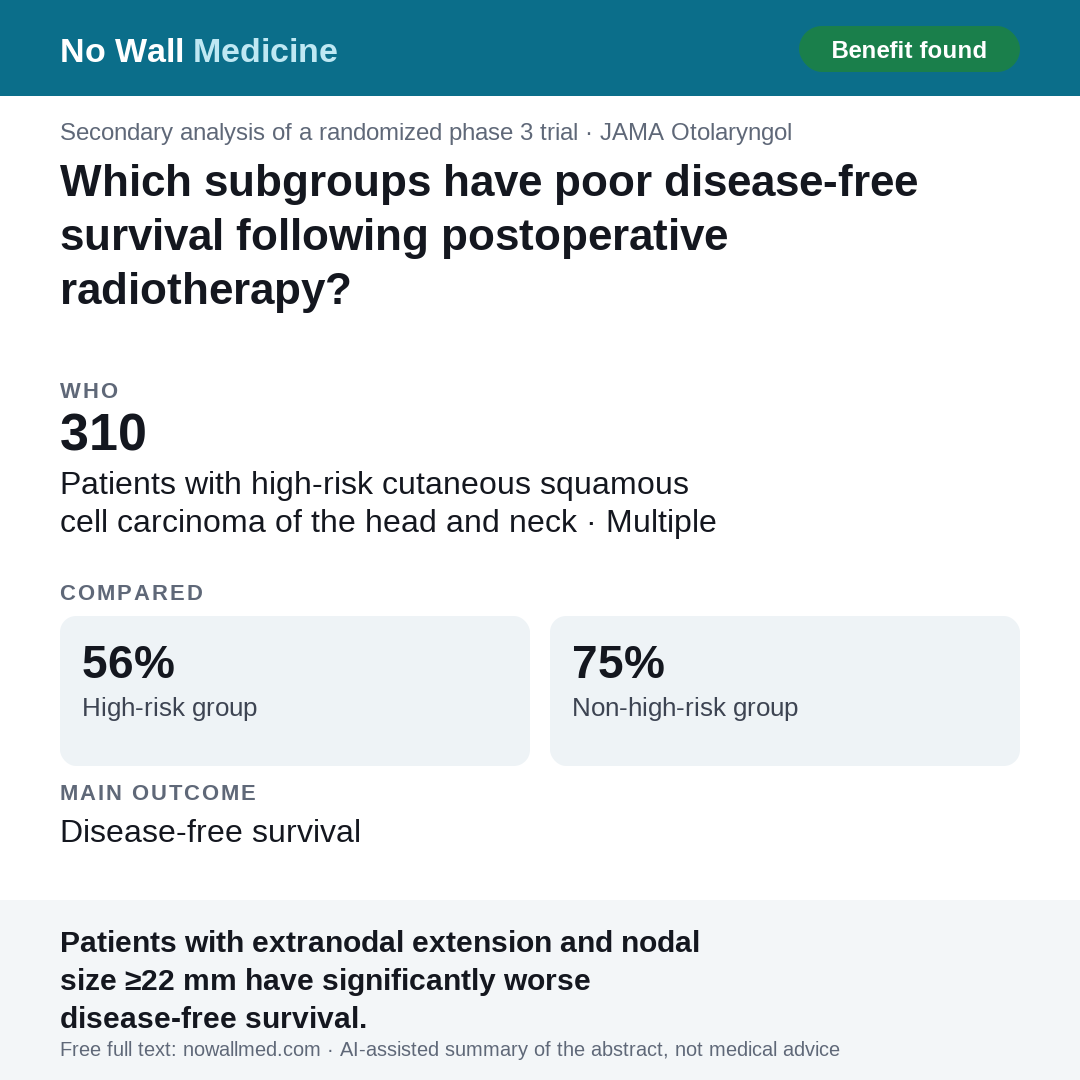
Prognostic Subgroups for Disease-Free Survival With Cutaneous Squamous Cell Carcinoma of the Head and Neck: A Secondary Analysis of a Randomized Clinical Trial
Secondary analysis of a randomized phase 3 trialBenefit found
Which subgroups have poor disease-free survival following postoperative radiotherapy?
Who
310
Patients with high-risk cutaneous squamous cell carcinoma of the head and neck · Multiple centers in Australia
Compared
56%High-risk group (95% CI, 45%-66%)
75%Non-high-risk group (95% CI, 68%-81%)
Main outcome
Disease-free survival
Result: hazard ratio 2.0 (95% CI, 1.3-3.1)
Bottom line: Patients with extranodal extension and nodal size ≥22 mm have significantly worse disease-free survival.
JAMA Otolaryngol · 2025-08-30Download image
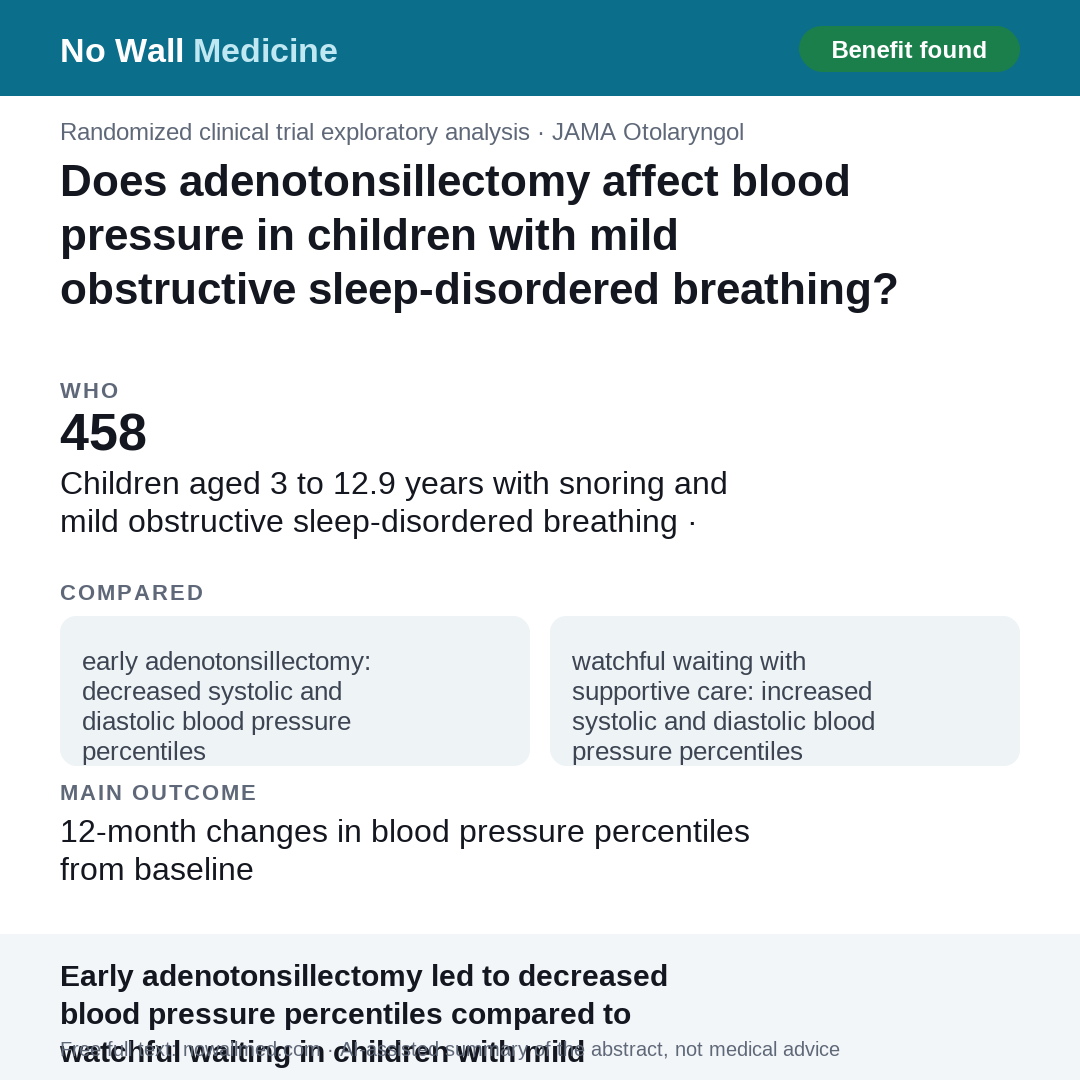
Adenotonsillectomy and Blood Pressure in Children With Mild Obstructive Sleep-Disordered Breathing: An Exploratory Analysis of the PATS Randomized Clinical Trial
Randomized clinical trial exploratory analysisBenefit found
Does adenotonsillectomy affect blood pressure in children with mild obstructive sleep-disordered breathing?
Who
458
Children aged 3 to 12.9 years with snoring and mild obstructive sleep-disordered breathing · 7 tertiary pediatric centers in the US
Compared
early adenotonsillectomy: decreased systolic and diastolic blood pressure percentiles
watchful waiting with supportive care: increased systolic and diastolic blood pressure percentiles
Main outcome
12-month changes in blood pressure percentiles from baseline
Result: systolic blood pressure difference -9.02 (95% CI, -14.77 to -3.28)
Bottom line: Early adenotonsillectomy led to decreased blood pressure percentiles compared to watchful waiting in children with mild obstructive sleep-disordered breathing.
JAMA Otolaryngol · 2025-08-30Download image
Evaluating measurement quality and feasibility of neurocognitive screening instruments for adult survivors of out-of-hospital cardiac arrest: A systematic review
Systematic reviewUnclear result
What are the measurement properties, interpretability, and feasibility of neurocognitive screening instruments?
Who
Adult survivors of out-of-hospital cardiac arrest
Compared
Montreal Cognitive Assessment: pooled AUC: 0.80 (95% CI: 0.67 to 0.93)
IQCODE-CA: inconsistent results
Main outcome
measurement properties, interpretability, and feasibility of neurocognitive screening instruments
Result: pooled AUC: 0.80 (95% CI: 0.67 to 0.93)
Bottom line: Insufficient evidence of essential measurement properties limits instrument choice for screening neurocognitive function in cardiac arrest survivors.
Limitation: Insufficient evidence of essential measurement properties and limited evidence of score interpretability and feasibility.
Resuscitation · 2025-08-30Download image

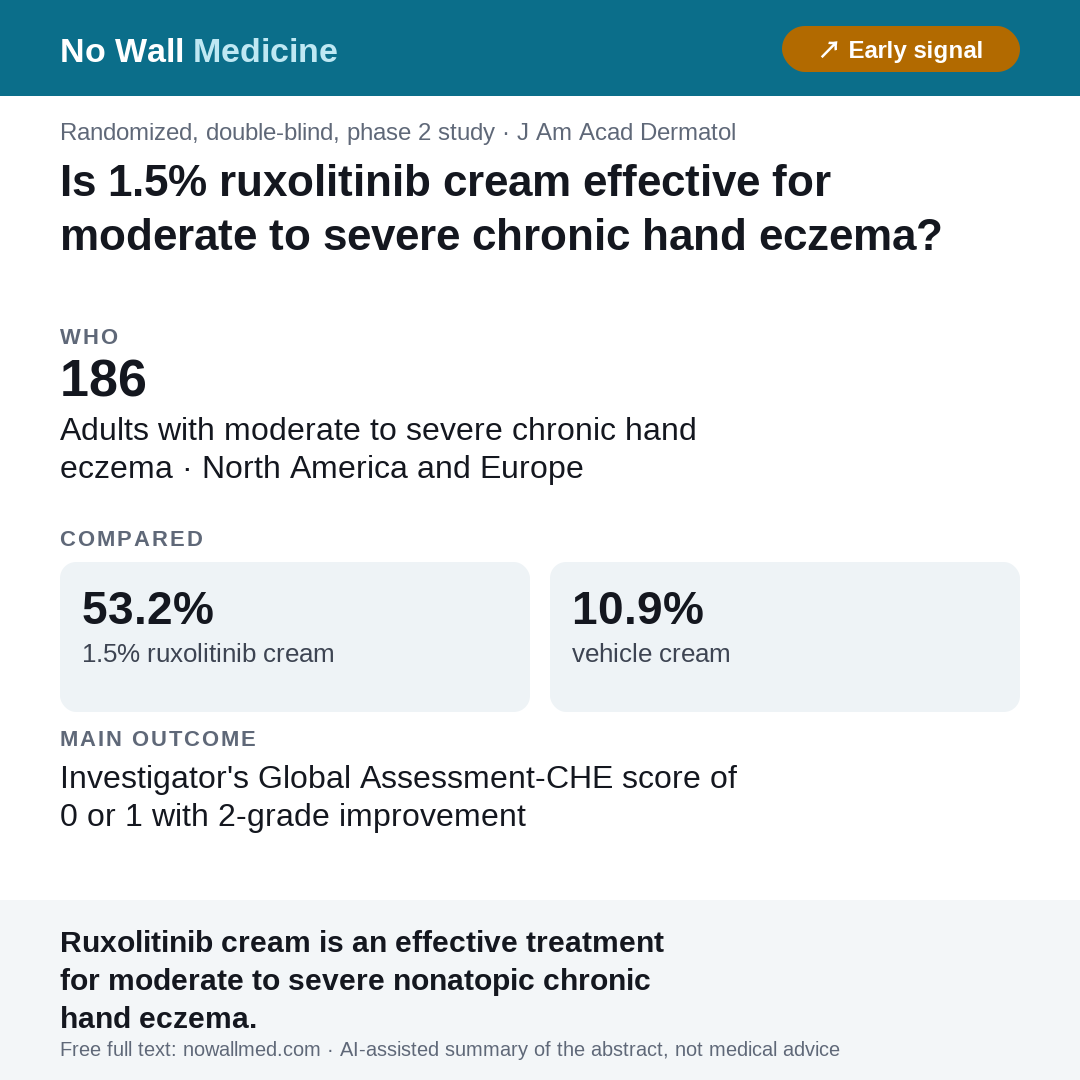
Efficacy and safety of ruxolitinib cream for the treatment of moderate to severe chronic hand eczema: Results from a 16-week, multicenter, randomized, double-blind study
Randomized, double-blind, phase 2 studyBenefit found
Is 1.5% ruxolitinib cream effective for moderate to severe chronic hand eczema?
Who
186
Adults with moderate to severe chronic hand eczema · North America and Europe
Compared
53.2%1.5% ruxolitinib cream
10.9%vehicle cream
Main outcome
Investigator's Global Assessment-CHE score of 0 or 1 with 2-grade improvement
Bottom line: Ruxolitinib cream is an effective treatment for moderate to severe nonatopic chronic hand eczema.
Limitation: Relatively small sample size.
J Am Acad Dermatol · 2025-08-30Download image
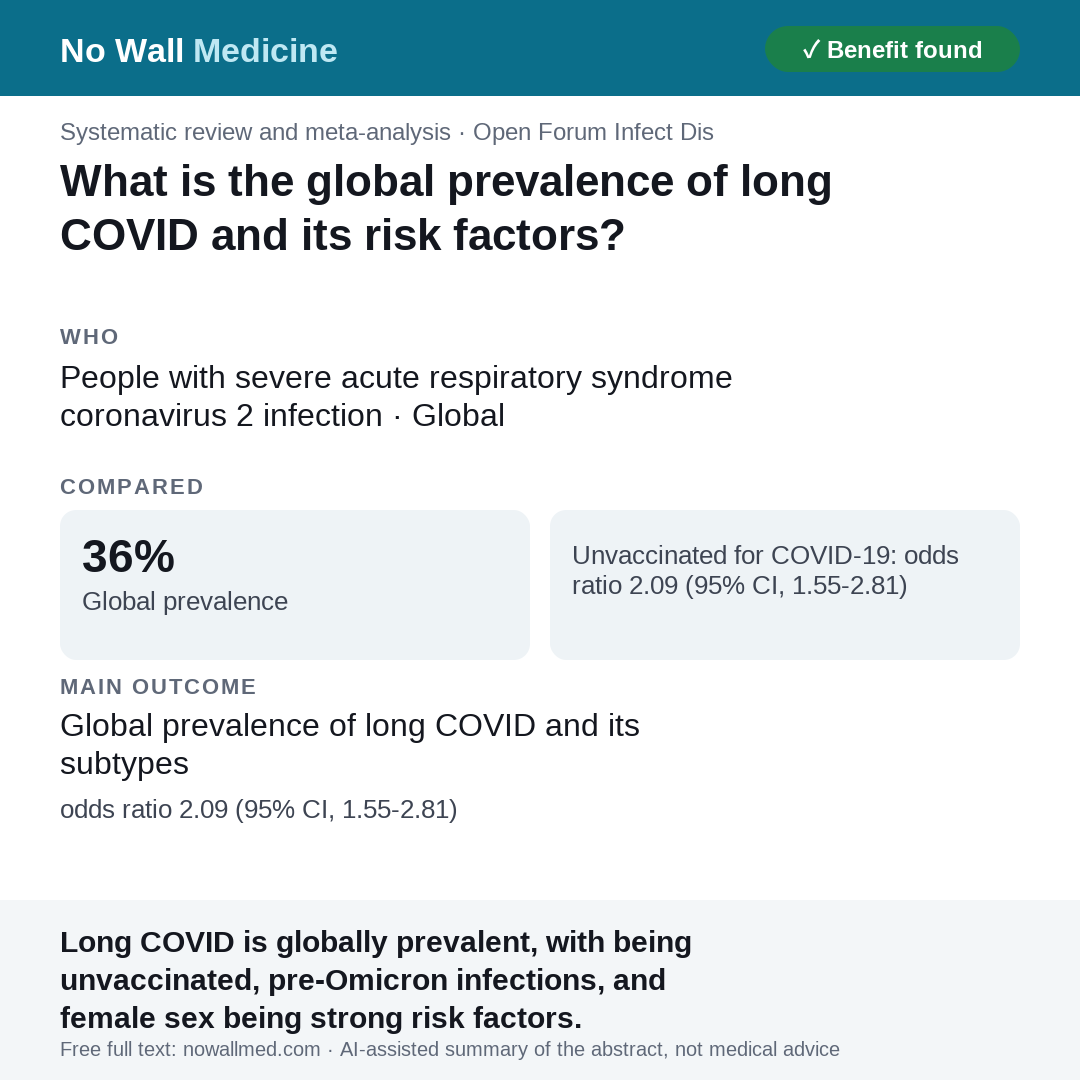
Global Prevalence of Long COVID, Its Subtypes, and Risk Factors: An Updated Systematic Review and Meta-analysis
Systematic review and meta-analysisBenefit found
What is the global prevalence of long COVID and its risk factors?
Who
People with severe acute respiratory syndrome coronavirus 2 infection · Global
Compared
36%Global prevalence (95% confidence interval [CI], 33%-40%)
Unvaccinated for COVID-19: odds ratio 2.09 (95% CI, 1.55-2.81)
Main outcome
Global prevalence of long COVID and its subtypes
Result: odds ratio 2.09 (95% CI, 1.55-2.81)
Bottom line: Long COVID is globally prevalent, with being unvaccinated, pre-Omicron infections, and female sex being strong risk factors.
Limitation: Heterogeneity of estimates across populations argues the need for well-designed follow-up studies.
Open Forum Infect Dis · 2025-08-30Download image
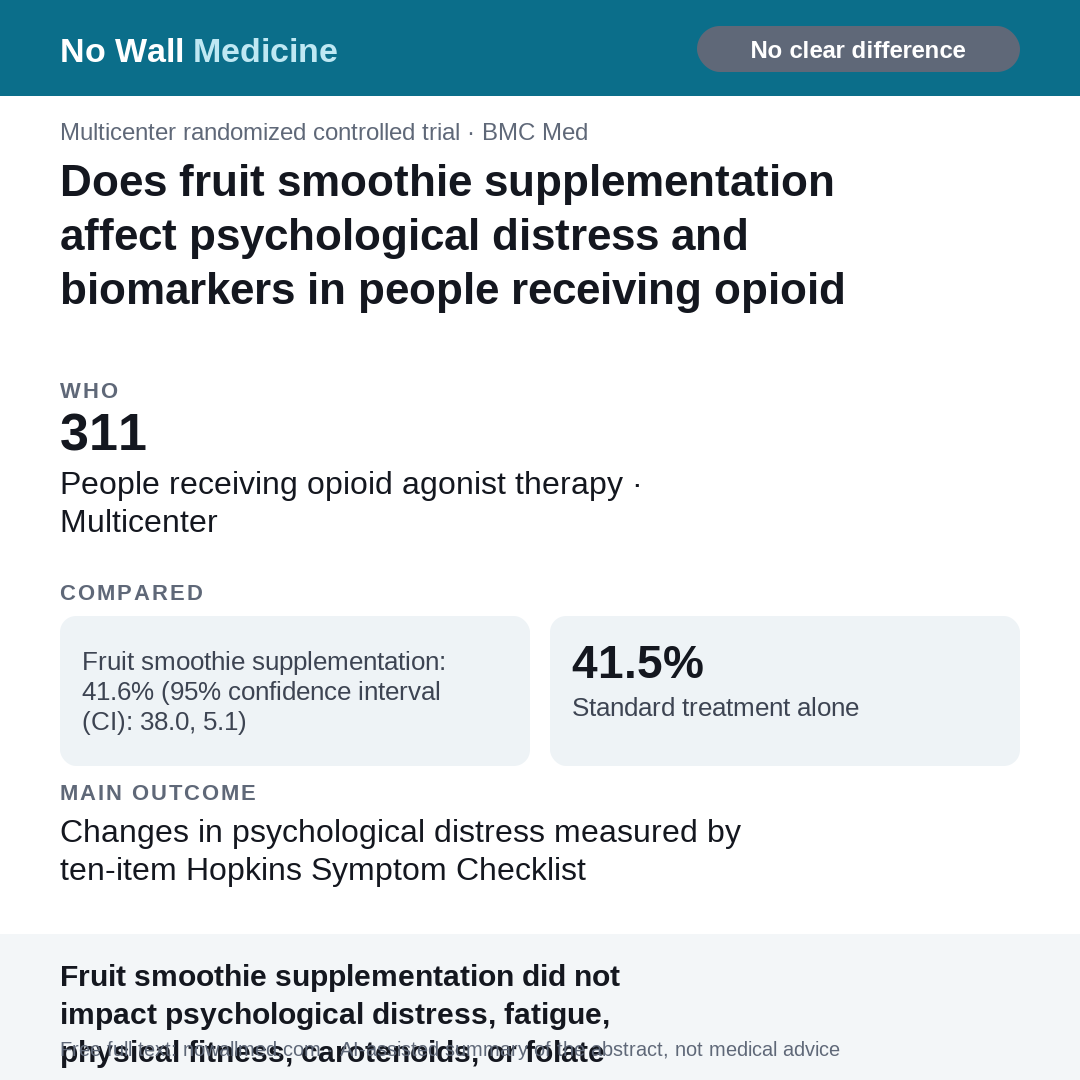
The effect of fruit smoothie supplementation on psychological distress and biomarkers among people with opioid dependence receiving opioid agonist therapy: a randomized controlled trial
Multicenter randomized controlled trialNo clear difference
Does fruit smoothie supplementation affect psychological distress and biomarkers in people receiving opioid agonist therapy?
Who
311
People receiving opioid agonist therapy · Multicenter
Compared
Fruit smoothie supplementation: 41.6% (95% confidence interval (CI): 38.0, 5.1)
41.5%Standard treatment alone (CI: 37.1, 45.8)
Main outcome
Changes in psychological distress measured by ten-item Hopkins Symptom Checklist
Result: -0.14%; CI: -4.49, 2.22
Bottom line: Fruit smoothie supplementation did not impact psychological distress, fatigue, physical fitness, carotenoids, or folate biomarkers in this population.
Limitation: Data indicates suboptimal adherence to the intervention.
BMC Med · 2025-08-29Download image
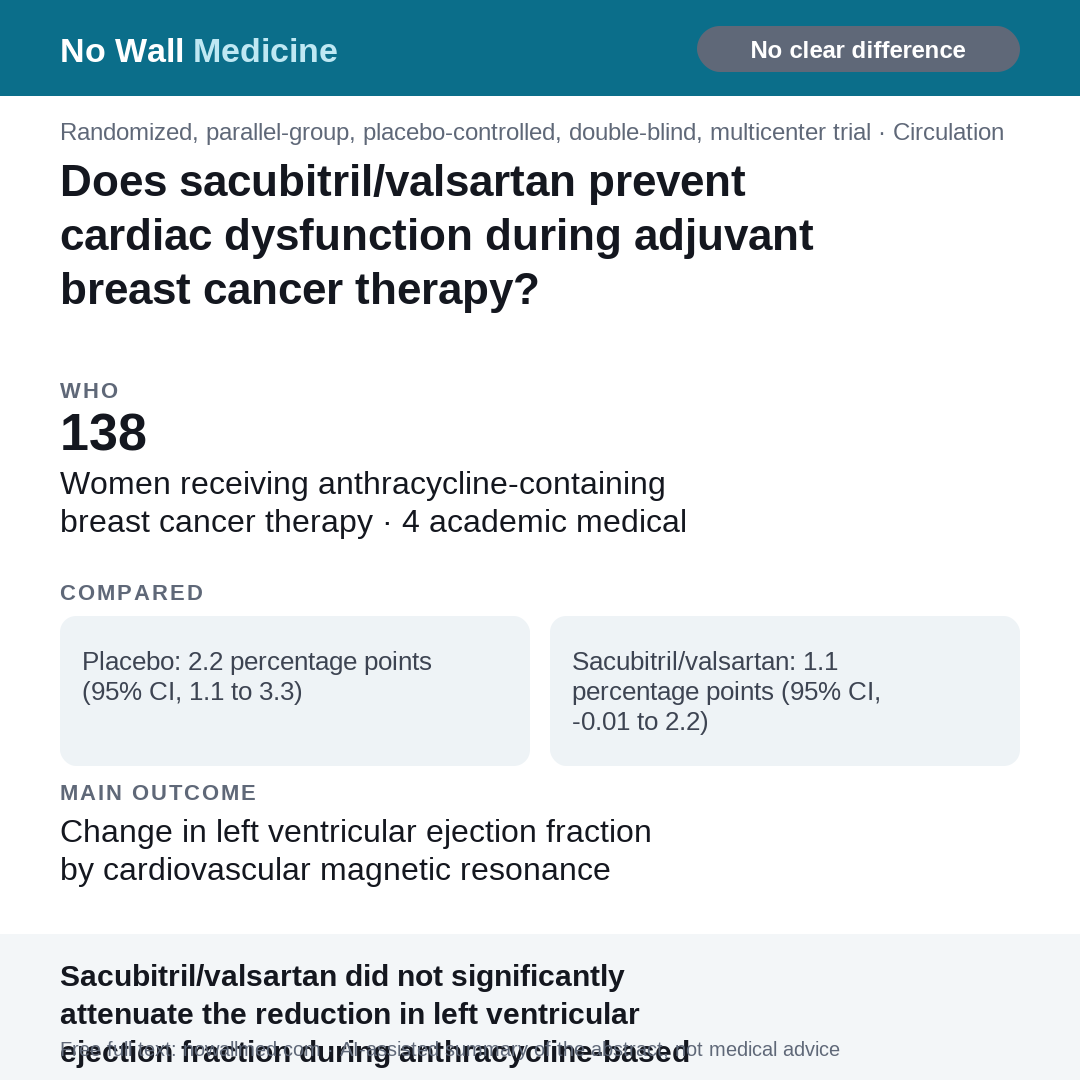
Sacubitril/Valsartan and Prevention of Cardiac Dysfunction During Adjuvant Breast Cancer Therapy: The PRADA II Randomized Clinical Trial
Randomized, parallel-group, placebo-controlled, double-blind, multicenter trialNo clear difference
Does sacubitril/valsartan prevent cardiac dysfunction during adjuvant breast cancer therapy?
Who
138
Women receiving anthracycline-containing breast cancer therapy · 4 academic medical centers in Norway
Compared
Placebo: 2.2 percentage points (95% CI, 1.1 to 3.3)
Sacubitril/valsartan: 1.1 percentage points (95% CI, -0.01 to 2.2)
Main outcome
Change in left ventricular ejection fraction by cardiovascular magnetic resonance
Result: 1.1 percentage points (95% CI, -0.4 to 2.7)
Bottom line: Sacubitril/valsartan did not significantly attenuate the reduction in left ventricular ejection fraction during anthracycline-based breast cancer treatment.
Circulation · 2025-08-29Download image
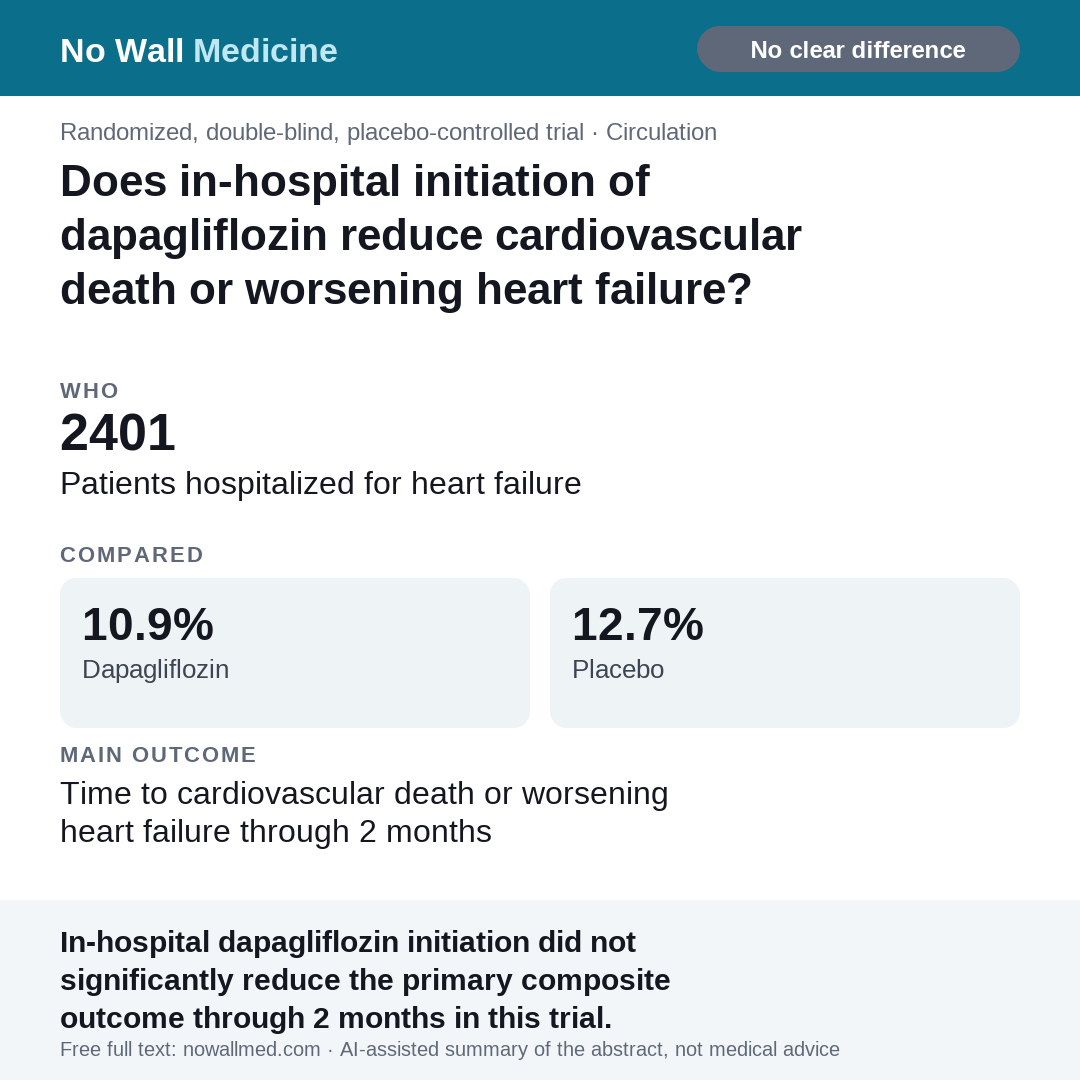
Dapagliflozin in Patients Hospitalized for Heart Failure: Primary Results of the DAPA ACT HF-TIMI 68 Randomized Clinical Trial and Meta-Analysis of Sodium-Glucose Cotransporter-2 Inhibitors in Patients Hospitalized for Heart Failure
Randomized, double-blind, placebo-controlled trialNo clear difference
Does in-hospital initiation of dapagliflozin reduce cardiovascular death or worsening heart failure?
Who
2401
Patients hospitalized for heart failure
Compared
10.9%Dapagliflozin
12.7%Placebo
Main outcome
Time to cardiovascular death or worsening heart failure through 2 months
Result: hazard ratio 0.86 (95% CI, 0.68-1.08)
Bottom line: In-hospital dapagliflozin initiation did not significantly reduce the primary composite outcome through 2 months in this trial.
Circulation · 2025-08-29Download image
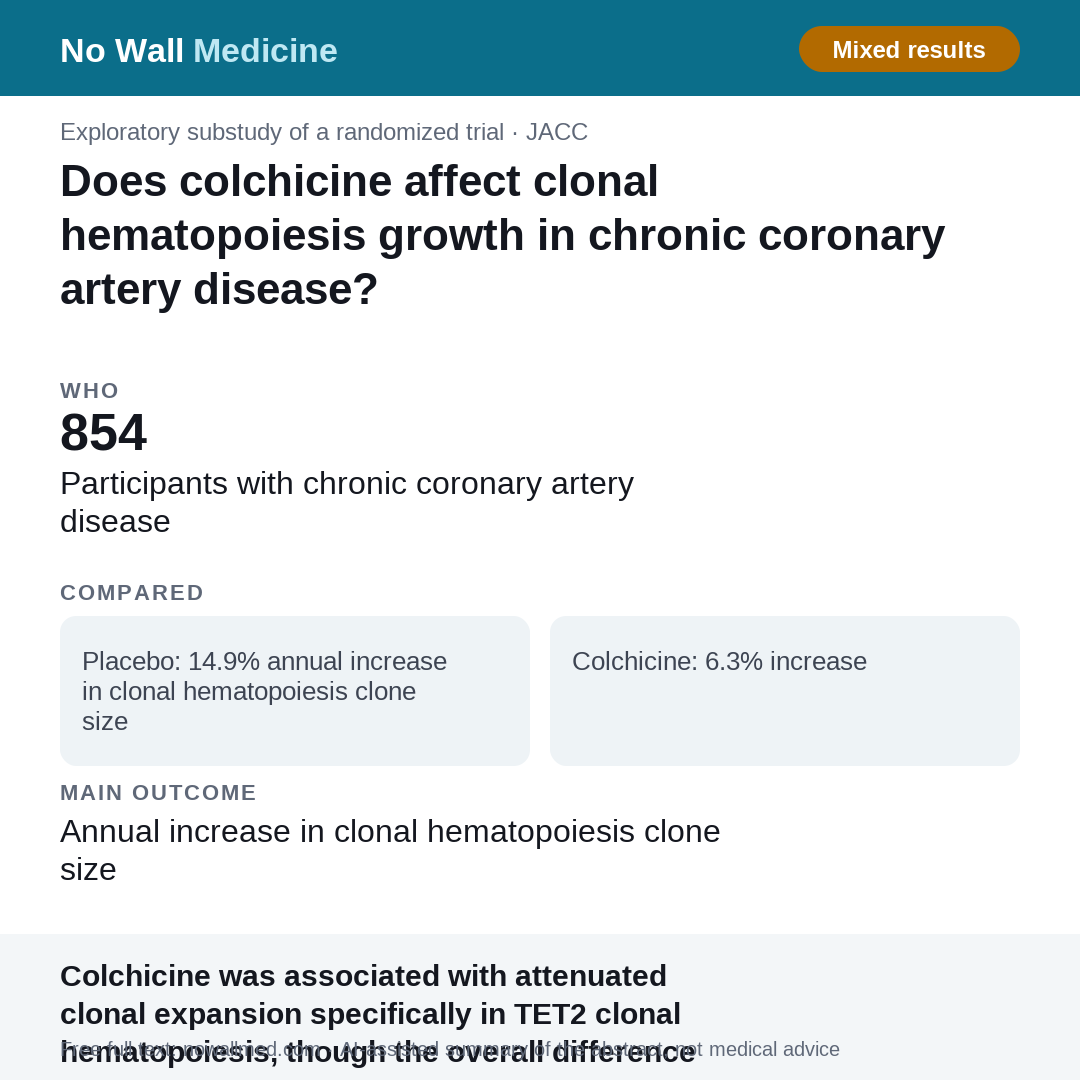
Colchicine and Longitudinal Dynamics of Clonal Hematopoiesis: An Exploratory Substudy of the LoDoCo2 Trial
Exploratory substudy of a randomized trialMixed results
Does colchicine affect clonal hematopoiesis growth in chronic coronary artery disease?
Who
854
Participants with chronic coronary artery disease
Compared
Placebo: 14.9% annual increase in clonal hematopoiesis clone size
Colchicine: 6.3% increase
Main outcome
Annual increase in clonal hematopoiesis clone size
Result: Pinteraction = 0.13
Bottom line: Colchicine was associated with attenuated clonal expansion specifically in TET2 clonal hematopoiesis, though the overall difference was not significant.
Limitation: This was an exploratory substudy requiring further validation in prospective studies.
JACC · 2025-08-29Download image
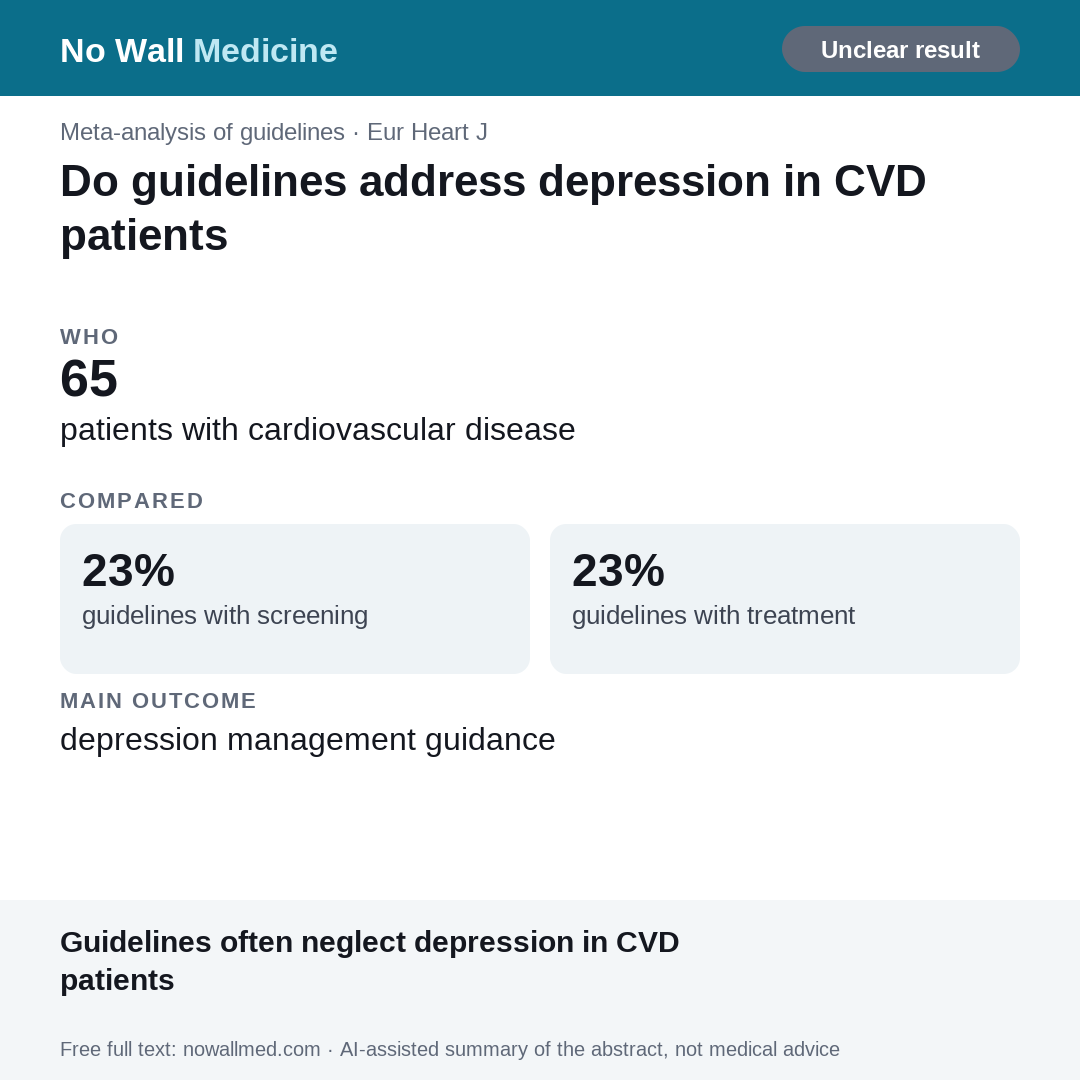
Depression and cardiovascular disease: mind the gap in the guidelines
Meta-analysis of guidelinesUnclear result
Do guidelines address depression in CVD patients
Who
65
patients with cardiovascular disease
Compared
23%guidelines with screening
23%guidelines with treatment
Main outcome
depression management guidance
Bottom line: Guidelines often neglect depression in CVD patients
Eur Heart J · 2025-08-29Download image
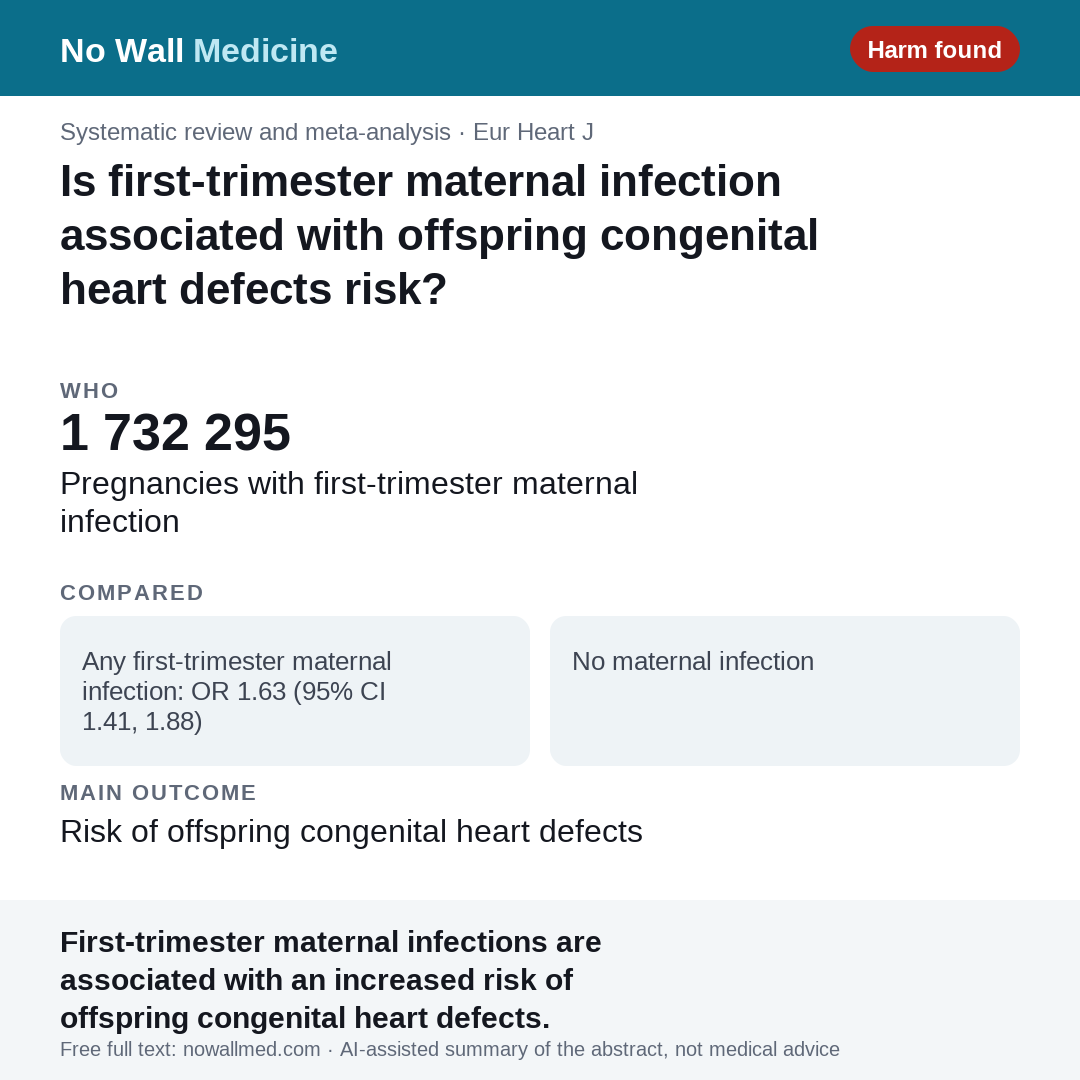
First trimester maternal infections and offspring congenital heart defects: a meta-analysis
Systematic review and meta-analysisHarm found
Is first-trimester maternal infection associated with offspring congenital heart defects risk?
Who
1 732 295
Pregnancies with first-trimester maternal infection
Compared
Any first-trimester maternal infection: OR 1.63 (95% CI 1.41, 1.88)
No maternal infection
Main outcome
Risk of offspring congenital heart defects
Result: odds ratio 1.63 (95% CI 1.41, 1.88)
Bottom line: First-trimester maternal infections are associated with an increased risk of offspring congenital heart defects.
Eur Heart J · 2025-08-29Download image
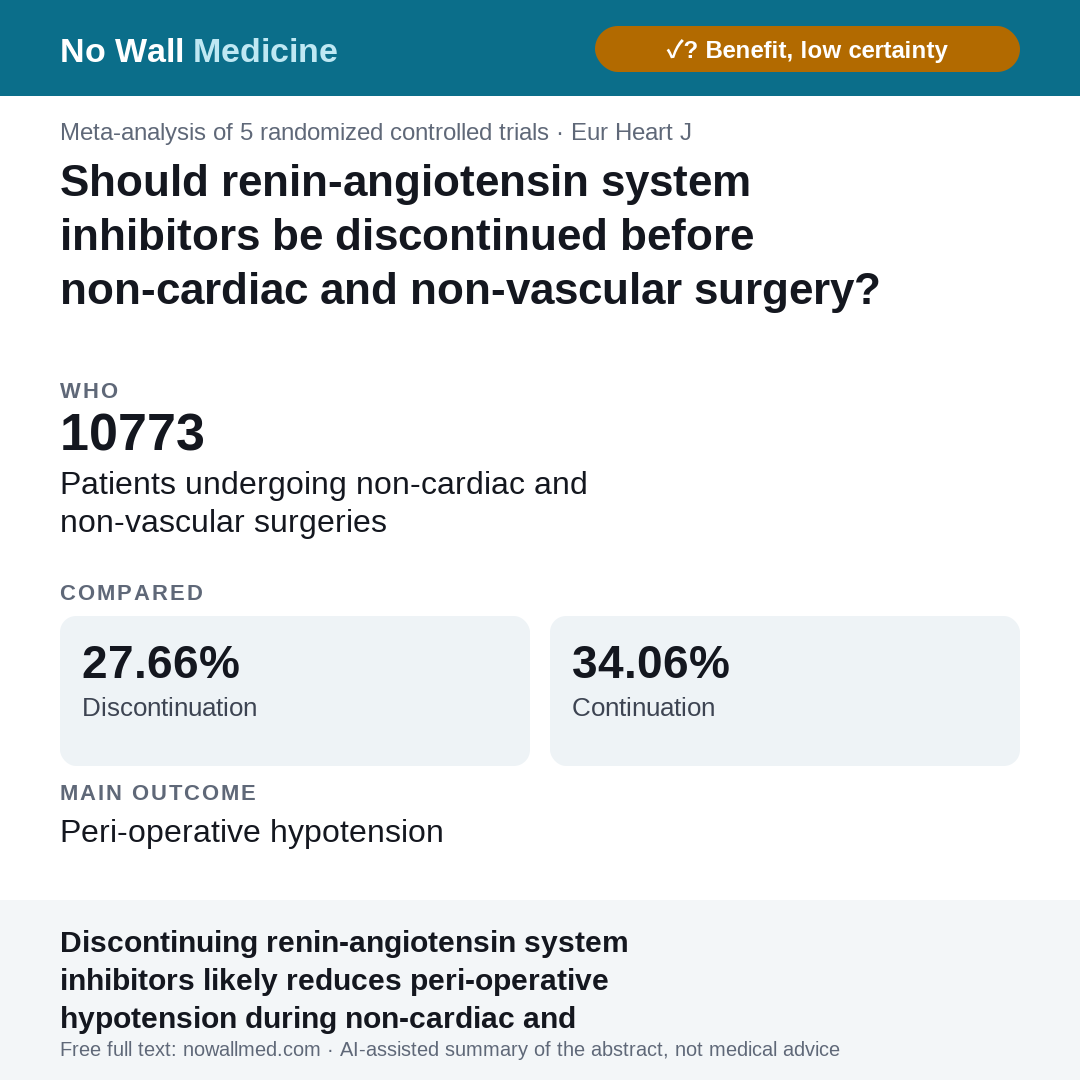
Discontinuation of renin-angiotensin system inhibitors before non-cardiac surgery: a meta-analysis
Meta-analysis of 5 randomized controlled trialsBenefit found
Should renin-angiotensin system inhibitors be discontinued before non-cardiac and non-vascular surgery?
Who
10773
Patients undergoing non-cardiac and non-vascular surgeries
Compared
27.66%Discontinuation
34.06%Continuation
Main outcome
Peri-operative hypotension
Result: risk ratio 0.81 (95% CI 0.73-0.89)
Bottom line: Discontinuing renin-angiotensin system inhibitors likely reduces peri-operative hypotension during non-cardiac and non-vascular surgery.
Eur Heart J · 2025-08-29Download image
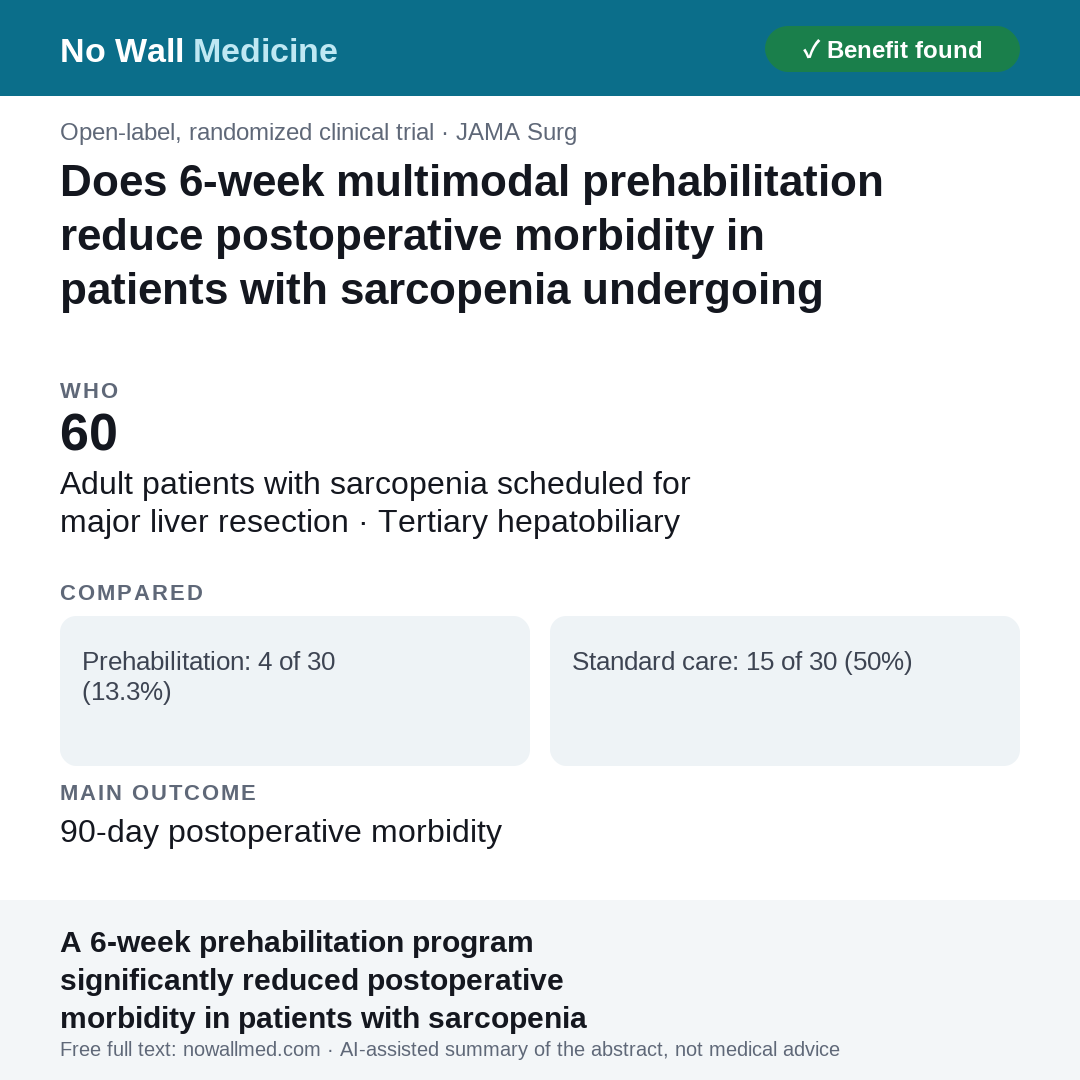
Tricuspid valve replacement outcomes by baseline tricuspid regurgitation severity: the TRISCEND II trial
Multicentre, prospective randomized trialBenefit found
Does transcatheter tricuspid valve replacement benefit patients stratified by baseline tricuspid regurgitation severity?
Who
400
Patients with symptomatic, severe or massive/torrential tricuspid regurgitation · Multicentre
Compared
Transcatheter tricuspid valve replacement
Control medical therapy
Main outcome
Primary safety and effectiveness endpoint win ratio
Result: severe 1.64 (95% CI 1.11 to 2.43) and massive/torrential 2.20 (1.55 to 3.14)
Bottom line: Transcatheter tricuspid valve replacement provides clinical benefits regardless of baseline tricuspid regurgitation severity.
Eur Heart J · 2025-08-29Download image
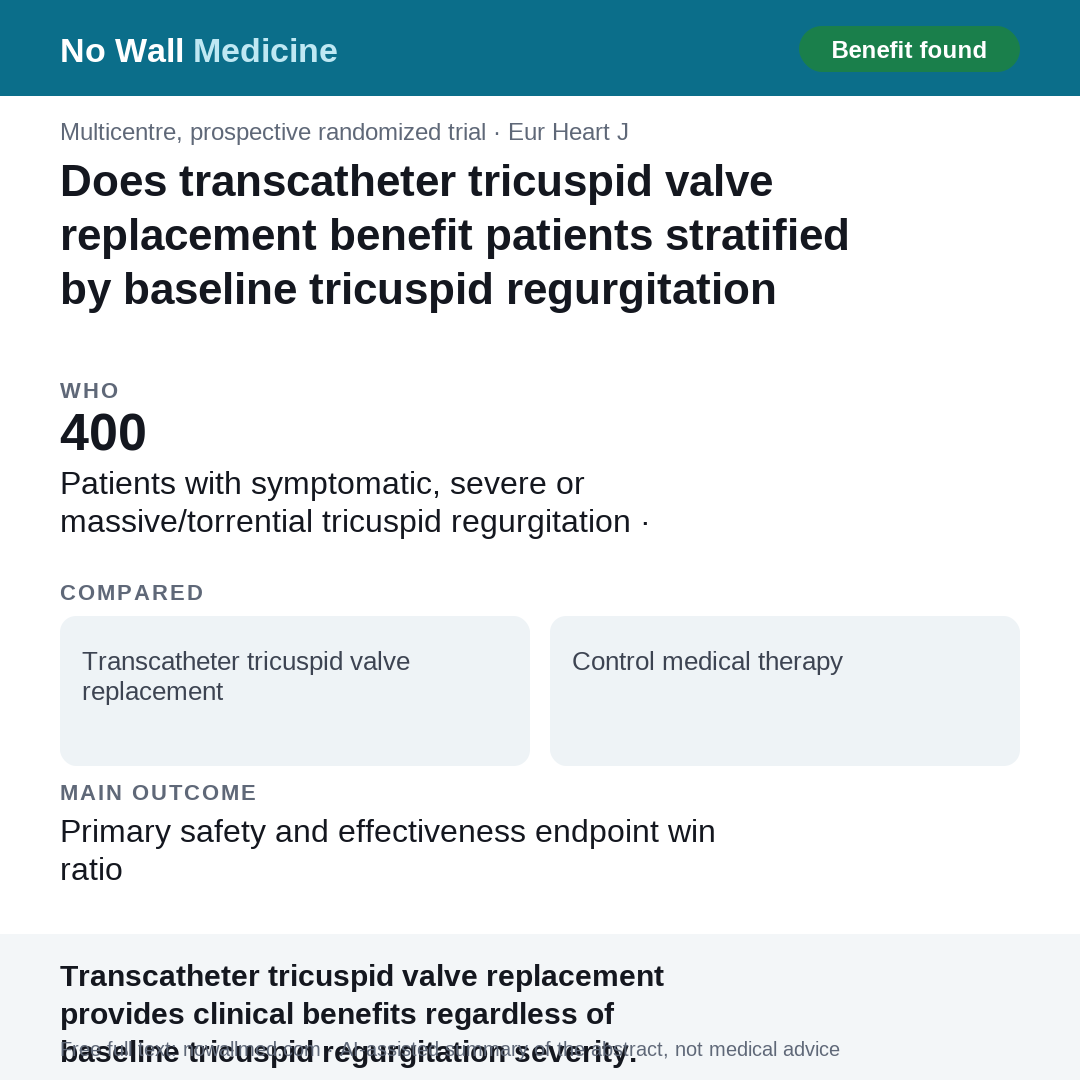
Antipsychotic Drugs and Dysregulated Glucose Homeostasis: A Systematic Review and Meta-Analysis
Meta-analysis of 127 trialsHarm found
Antipsychotic drugs affect glucose homeostasis
Who
35952
Patients with severe mental illness or healthy volunteers
Compared
0.72 mg/dLAntipsychotic
Placebo
Main outcome
Fasting glucose levels
Result: mean difference 0.72 mg/dL (95% CI 0.54-1.08)
Bottom line: Antipsychotic drugs disrupt glucose homeostasis
JAMA Psychiatry · 2025-08-29Download image
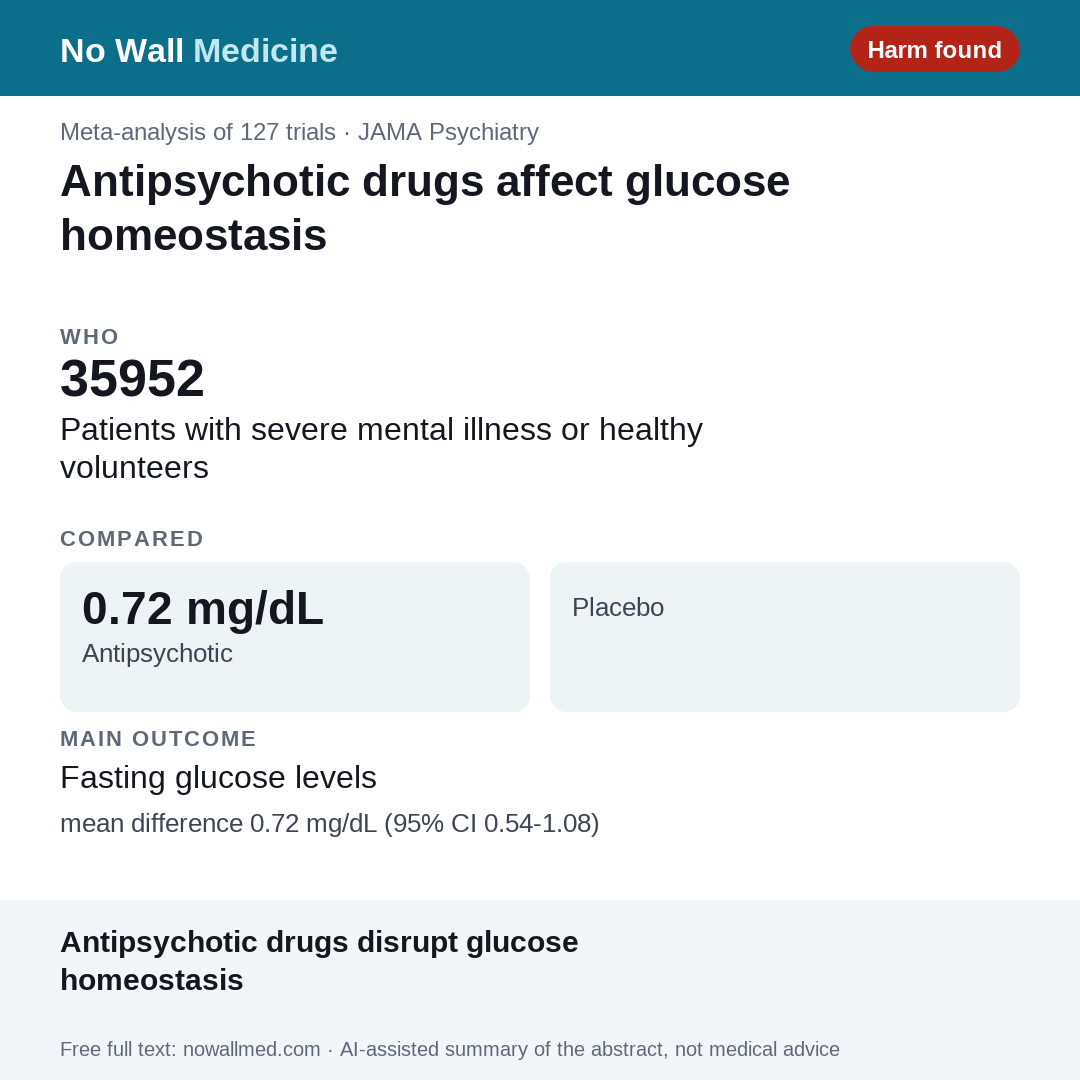
Impact of Parental or First-Degree Family History of Diabetes on Diabetes Incidence and Progression During Long-term Follow-up in the Diabetes Prevention Program Outcomes Study
Analysis of randomized trial participantsBenefit found
Does first-degree family history affect diabetes incidence during long-term follow-up?
Who
3,072
Adults with prediabetes from the Diabetes Prevention Program
Compared
Any family history: hazard ratio 1.21 (95% CI 1.06, 1.38)
Parental history: hazard ratio 1.19 (1.04, 1.35)
Sibling history: hazard ratio 1.15 (0.91, 1.44)
Main outcome
incident diabetes based on American Diabetes Association criteria
Result: hazard ratio 1.21 (95% CI 1.06, 1.38) for any family history
Bottom line: Parental history increased type 2 diabetes risk, which was only partially explained by polygenic risk score.
Diabetes Care · 2025-08-29Download image
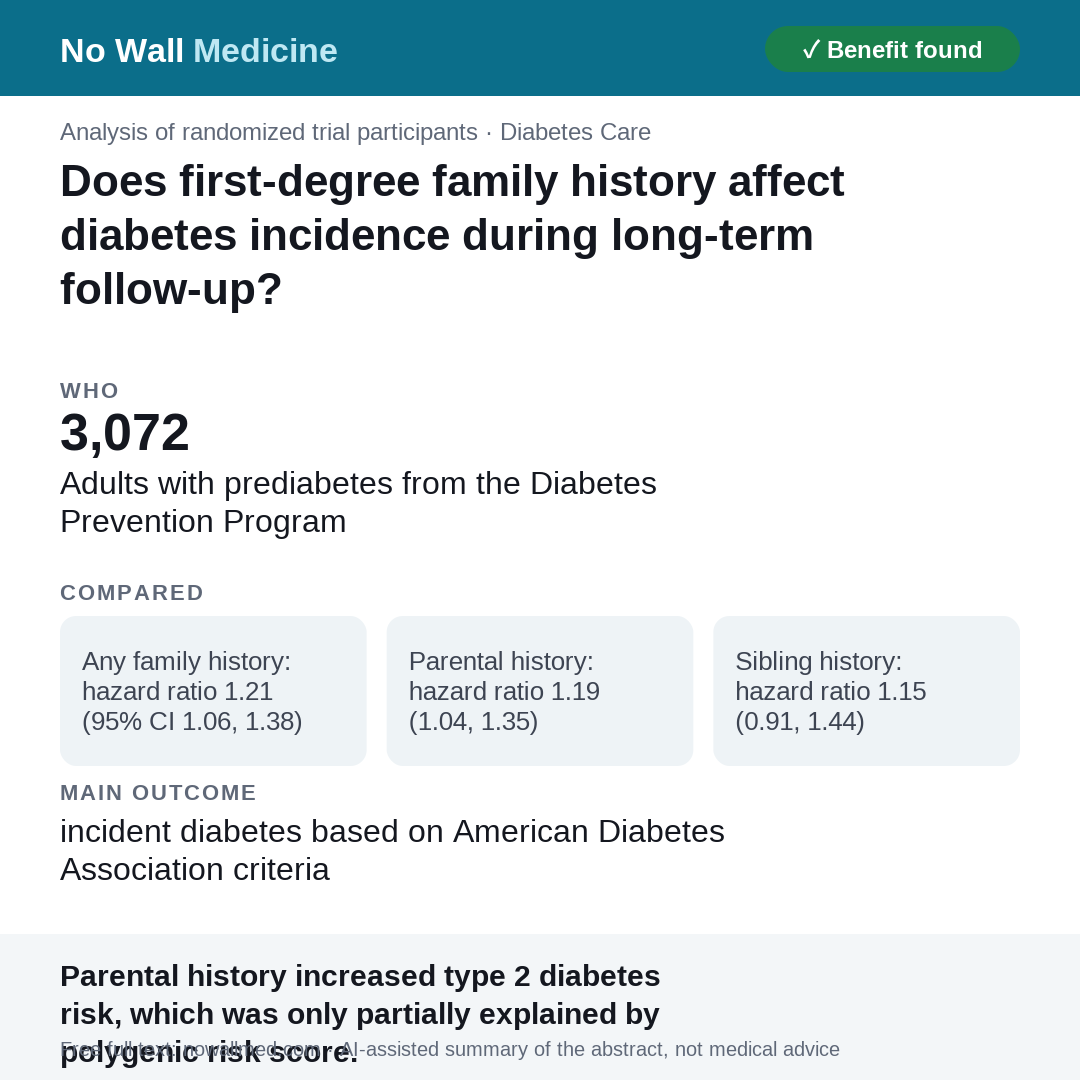
Prehabilitation With Exercise and Nutrition to Reduce Morbidity of Major Hepatectomy in Patients With Sarcopenia: The PREHEP Randomized Clinical Trial
Open-label, randomized clinical trialBenefit found
Does 6-week multimodal prehabilitation reduce postoperative morbidity in patients with sarcopenia undergoing major hepatectomy?
Who
60
Adult patients with sarcopenia scheduled for major liver resection · Tertiary hepatobiliary referral center in Italy
Compared
Prehabilitation: 4 of 30 (13.3%)
Standard care: 15 of 30 (50%)
Main outcome
90-day postoperative morbidity
Result: odds ratio 0.15 (95% CI 0.04-0.55)
Bottom line: A 6-week prehabilitation program significantly reduced postoperative morbidity in patients with sarcopenia undergoing major liver resection.
JAMA Surg · 2025-08-29Download image
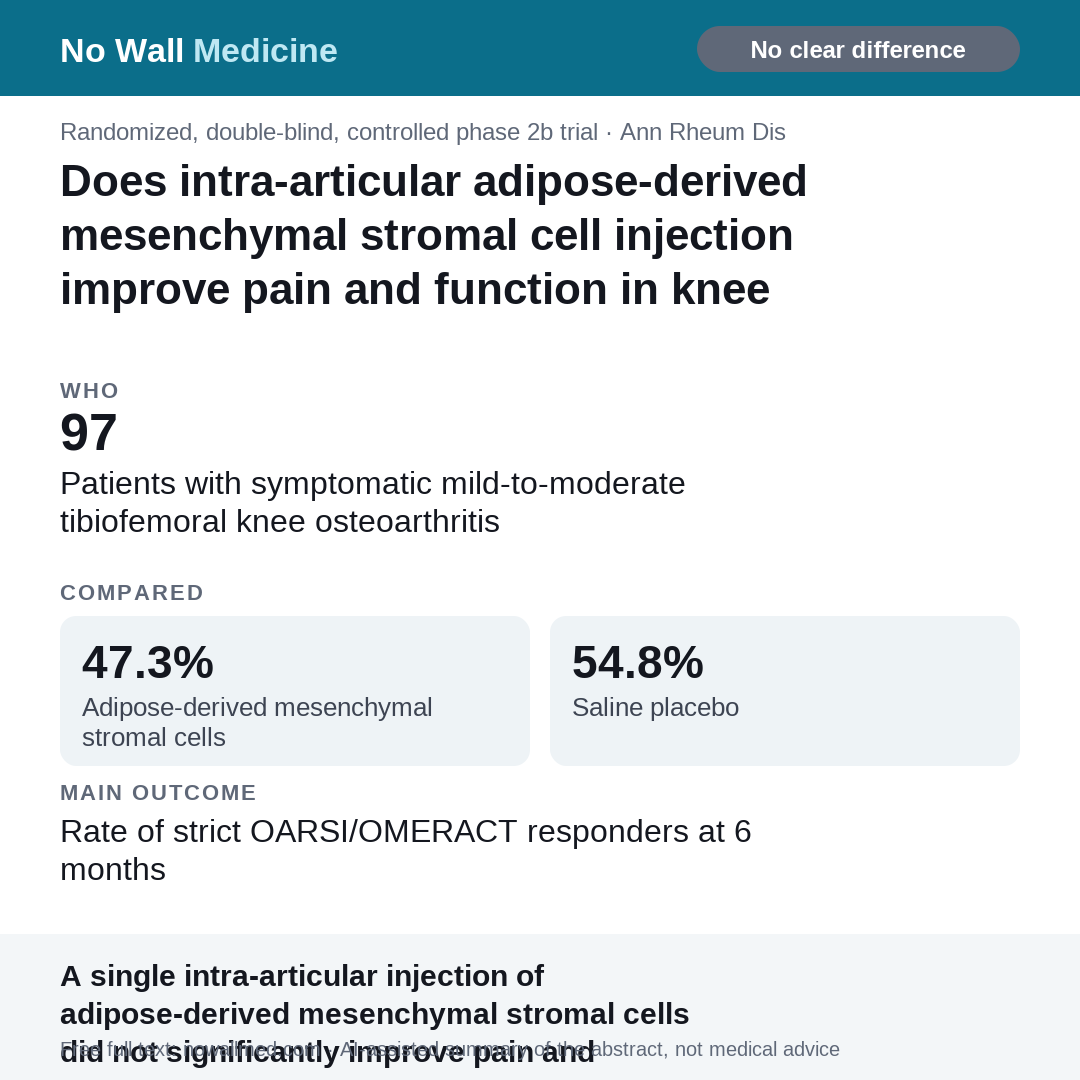
Effect of intra-articular adipose-derived mesenchymal stromal cell versus placebo injection on pain and function in patients with knee osteoarthritis: the ADIPOA2 phase 2b randomised clinical trial
Randomized, double-blind, controlled phase 2b trialNo clear difference
Does intra-articular adipose-derived mesenchymal stromal cell injection improve pain and function in knee osteoarthritis?
Who
97
Patients with symptomatic mild-to-moderate tibiofemoral knee osteoarthritis
Compared
47.3%Adipose-derived mesenchymal stromal cells
54.8%Saline placebo
Main outcome
Rate of strict OARSI/OMERACT responders at 6 months
Result: relative risk 0.86 (95% CI 0.58-1.28)
Bottom line: A single intra-articular injection of adipose-derived mesenchymal stromal cells did not significantly improve pain and function compared to placebo.
Ann Rheum Dis · 2025-08-29Download image
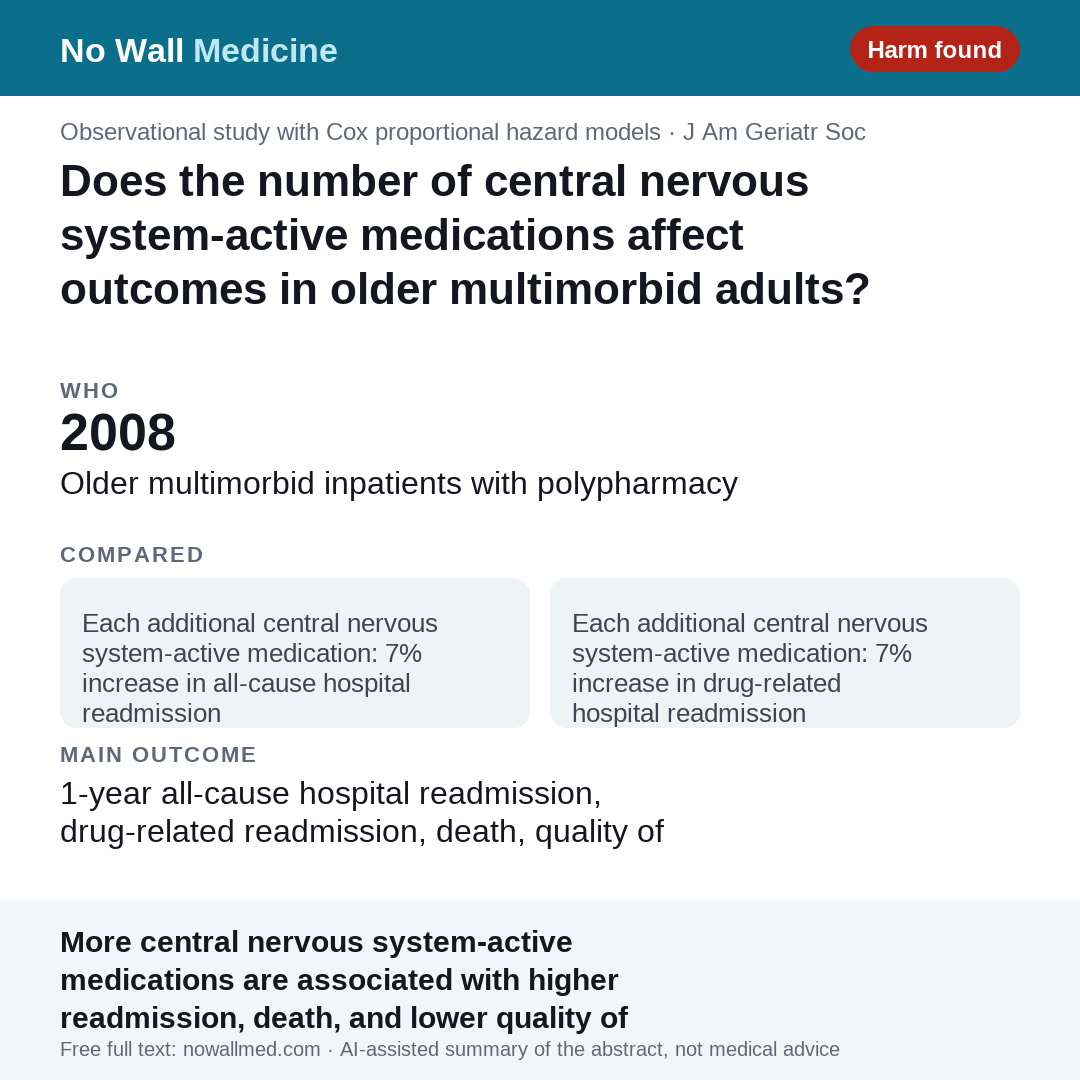
Central Nervous System-Active Medications and Risk of Hospital Readmission in Older Multimorbid Adults
Observational study with Cox proportional hazard modelsHarm found
Does the number of central nervous system-active medications affect outcomes in older multimorbid adults?
Who
2008
Older multimorbid inpatients with polypharmacy
Compared
Each additional central nervous system-active medication: 7% increase in all-cause hospital readmission
Each additional central nervous system-active medication: 7% increase in drug-related hospital readmission
Main outcome
1-year all-cause hospital readmission, drug-related readmission, death, quality of life, functional status
Result: hazard ratio 1.07 (95% confidence interval 1.03 to 1.12)
Bottom line: More central nervous system-active medications are associated with higher readmission, death, and lower quality of life.
J Am Geriatr Soc · 2025-08-29Download image
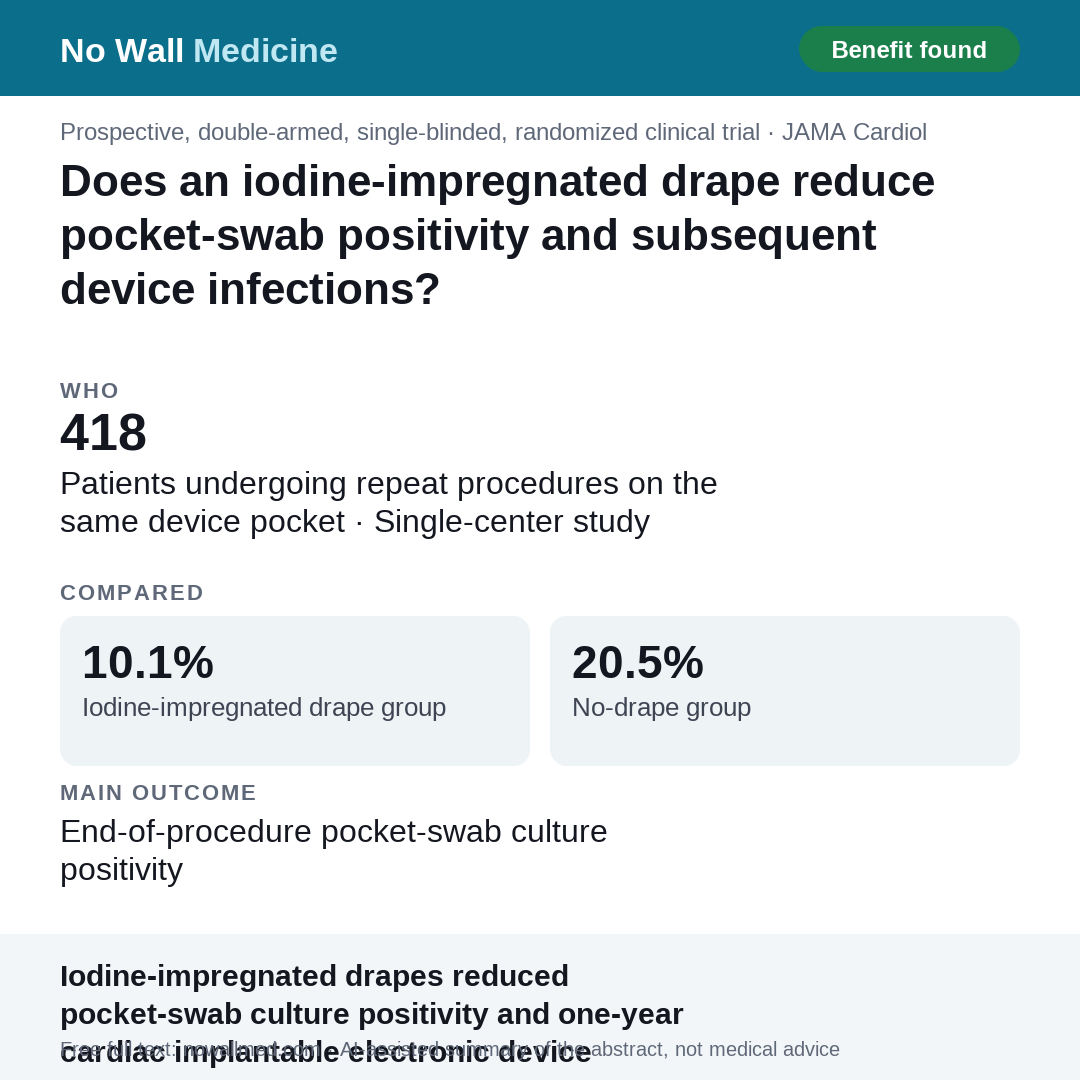
Iodinated Adhesive Drapes for Repeat Cardiac Implantable Device Implantation: A Randomized Clinical Trial
Prospective, double-armed, single-blinded, randomized clinical trialBenefit found
Does an iodine-impregnated drape reduce pocket-swab positivity and subsequent device infections?
Who
418
Patients undergoing repeat procedures on the same device pocket · Single-center study
Compared
10.1%Iodine-impregnated drape group
20.5%No-drape group
Main outcome
End-of-procedure pocket-swab culture positivity
Result: relative risk reduction 0.50 (95% CI, 0.24-0.75)
Bottom line: Iodine-impregnated drapes reduced pocket-swab culture positivity and one-year cardiac implantable electronic device infection rates.
JAMA Cardiol · 2025-08-29Download image