Visual abstracts
New randomized trials and meta-analyses from leading journals at a glance: who was studied, what was compared, and what was found. Every paper is free to read in full.
All specialtiesCardiology 857Oncology 770Gastroenterology & Hepatology 311Infectious Disease 626Neurology 354Psychiatry & Mental Health 430Pulmonology 370Critical Care 260Endocrinology & Diabetes 484Pediatrics 542Surgery 351Orthopedics & Sports Medicine 166Neurosurgery 115Cardiothoracic & Vascular Surgery 87Plastic & Reconstructive Surgery 144Nephrology 197Rheumatology 108Hematology 183Dermatology 82Ophthalmology 97Obstetrics & Gynecology 266Public & Global Health 168Radiology & Imaging 105Anesthesiology 130Urology 162ENT (Otolaryngology) 115Emergency Medicine 103Allergy & Immunology 58Geriatrics 160Family Medicine & Primary Care 111Medical Genetics & Genomics 91Pathology & Laboratory Medicine 27Physical Medicine & Rehabilitation 149Palliative Care 81Nutrition 223Digital Health & AI 462General Medicine 101
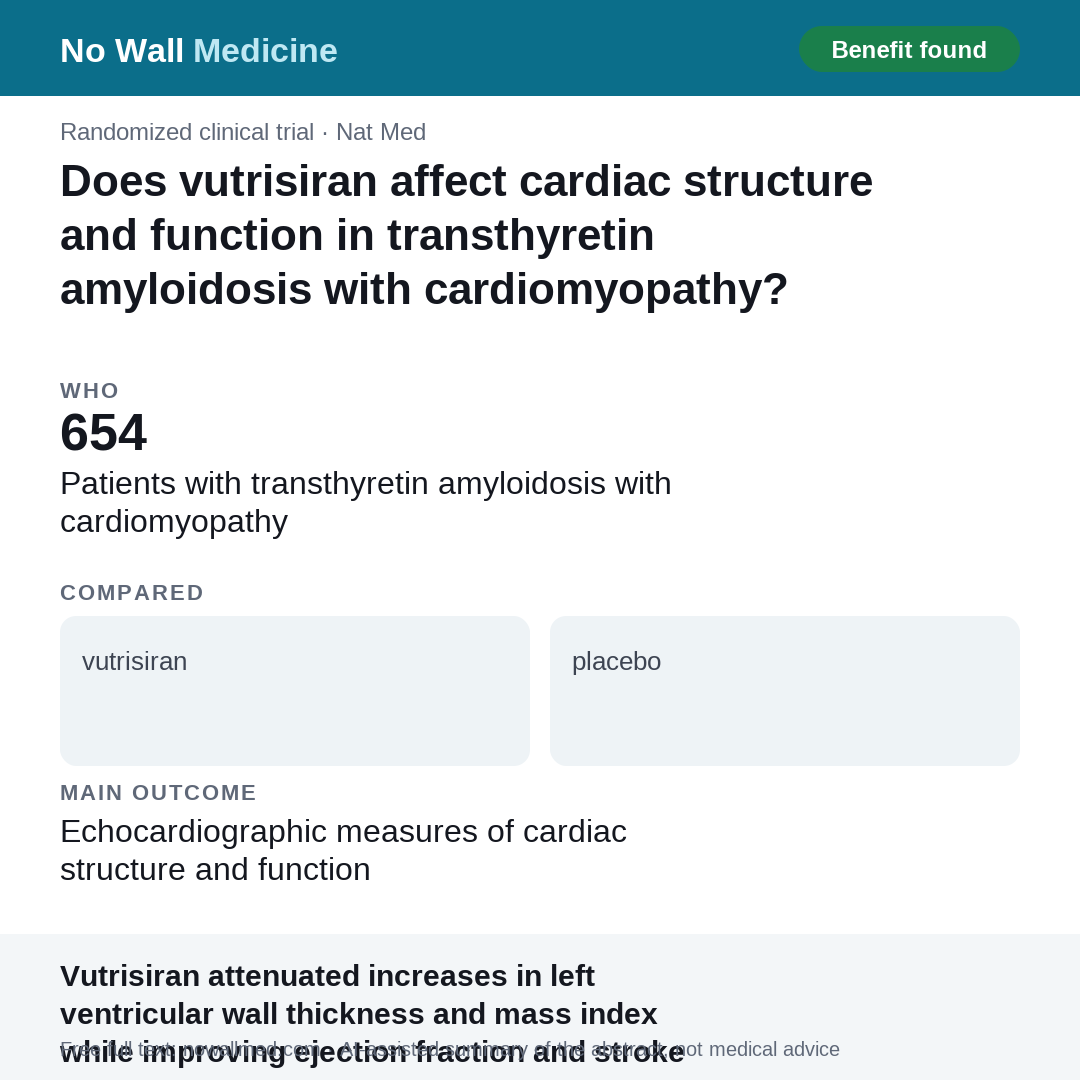
Effects of vutrisiran on cardiac structure and function in patients with transthyretin amyloidosis with cardiomyopathy: secondary outcomes of the HELIOS-B trial
Randomized clinical trialBenefit found
Does vutrisiran affect cardiac structure and function in transthyretin amyloidosis with cardiomyopathy?
Who
654
Patients with transthyretin amyloidosis with cardiomyopathy
Compared
vutrisiran
placebo
Main outcome
Echocardiographic measures of cardiac structure and function
Bottom line: Vutrisiran attenuated increases in left ventricular wall thickness and mass index while improving ejection fraction and stroke volume.
Nat Med · 2025-08-06Download image
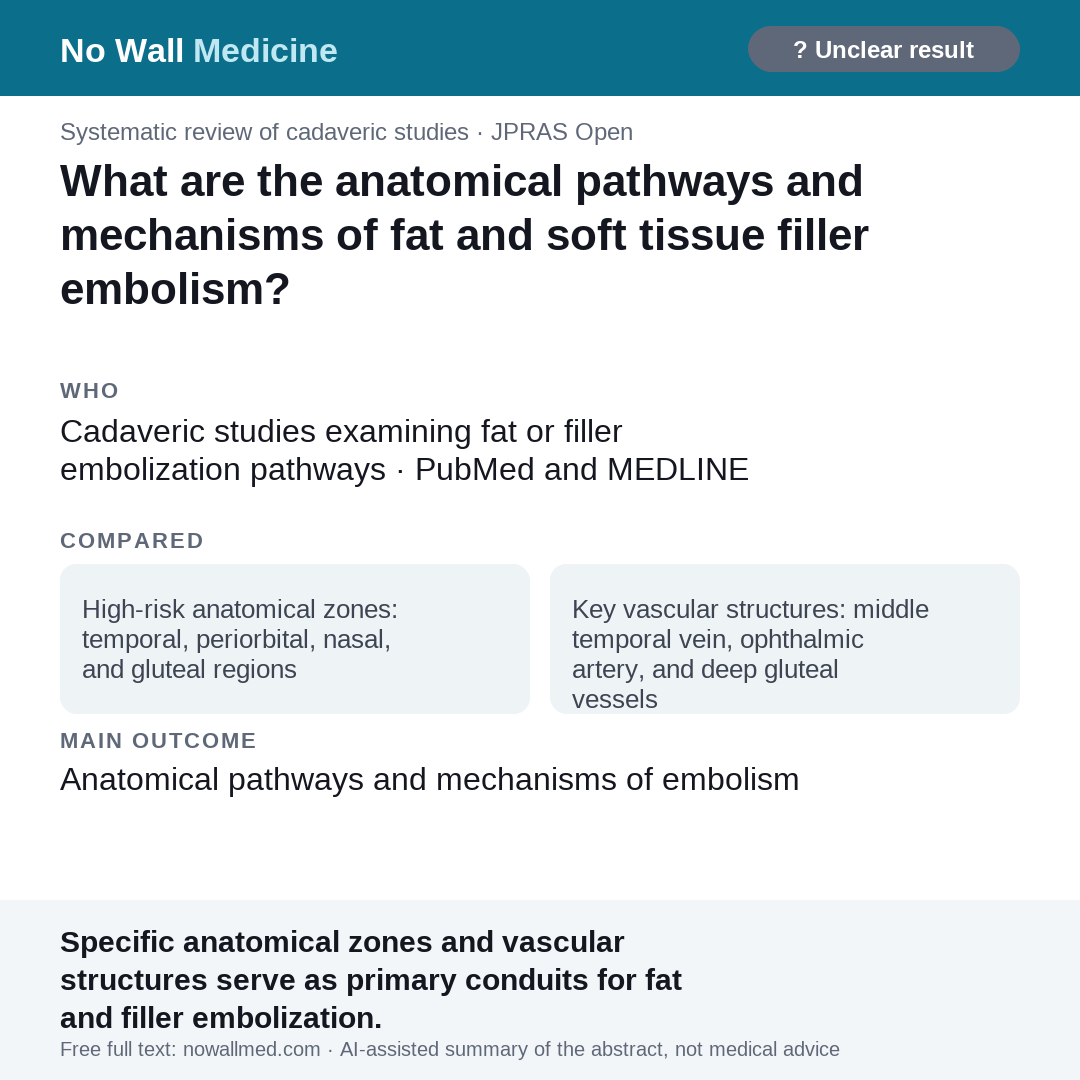
Mechanisms of fat and soft tissue filler embolism following aesthetic injections: A cadaveric systematic review
Systematic review of cadaveric studiesUnclear result
What are the anatomical pathways and mechanisms of fat and soft tissue filler embolism?
Who
Cadaveric studies examining fat or filler embolization pathways · PubMed and MEDLINE
Compared
High-risk anatomical zones: temporal, periorbital, nasal, and gluteal regions
Key vascular structures: middle temporal vein, ophthalmic artery, and deep gluteal vessels
Main outcome
Anatomical pathways and mechanisms of embolism
Bottom line: Specific anatomical zones and vascular structures serve as primary conduits for fat and filler embolization.
Limitation: Differences from in vivo conditions and variations in injection techniques.
JPRAS Open · 2025-08-06Download image
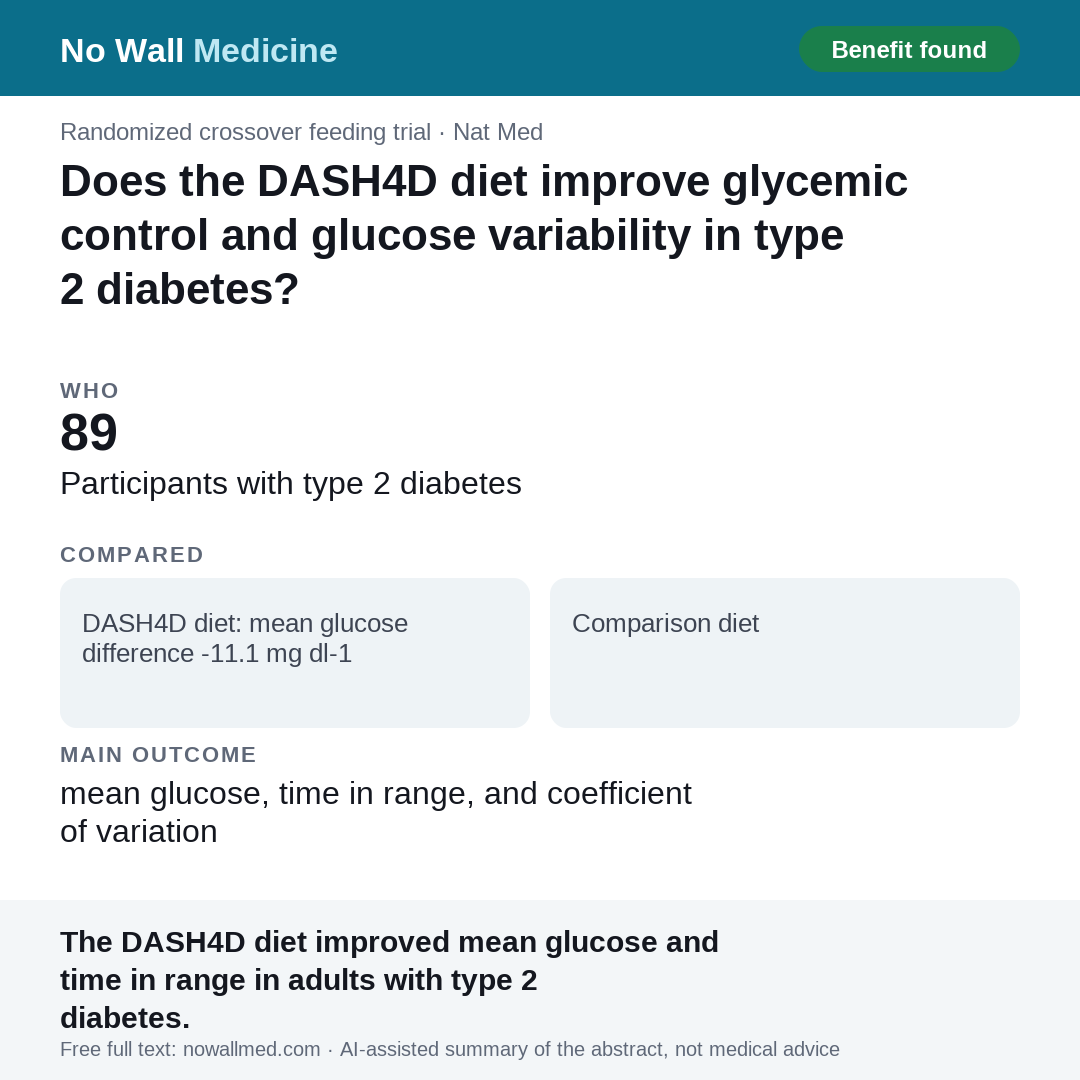
DASH4D diet for glycemic control and glucose variability in type 2 diabetes: a randomized crossover trial
Randomized crossover feeding trialBenefit found
Does the DASH4D diet improve glycemic control and glucose variability in type 2 diabetes?
Who
89
Participants with type 2 diabetes
Compared
DASH4D diet: mean glucose difference -11.1 mg dl-1
Comparison diet
Main outcome
mean glucose, time in range, and coefficient of variation
Result: mean difference -11.1 mg dl-1 (P < 0.001)
Bottom line: The DASH4D diet improved mean glucose and time in range in adults with type 2 diabetes.
Nat Med · 2025-08-05Download image
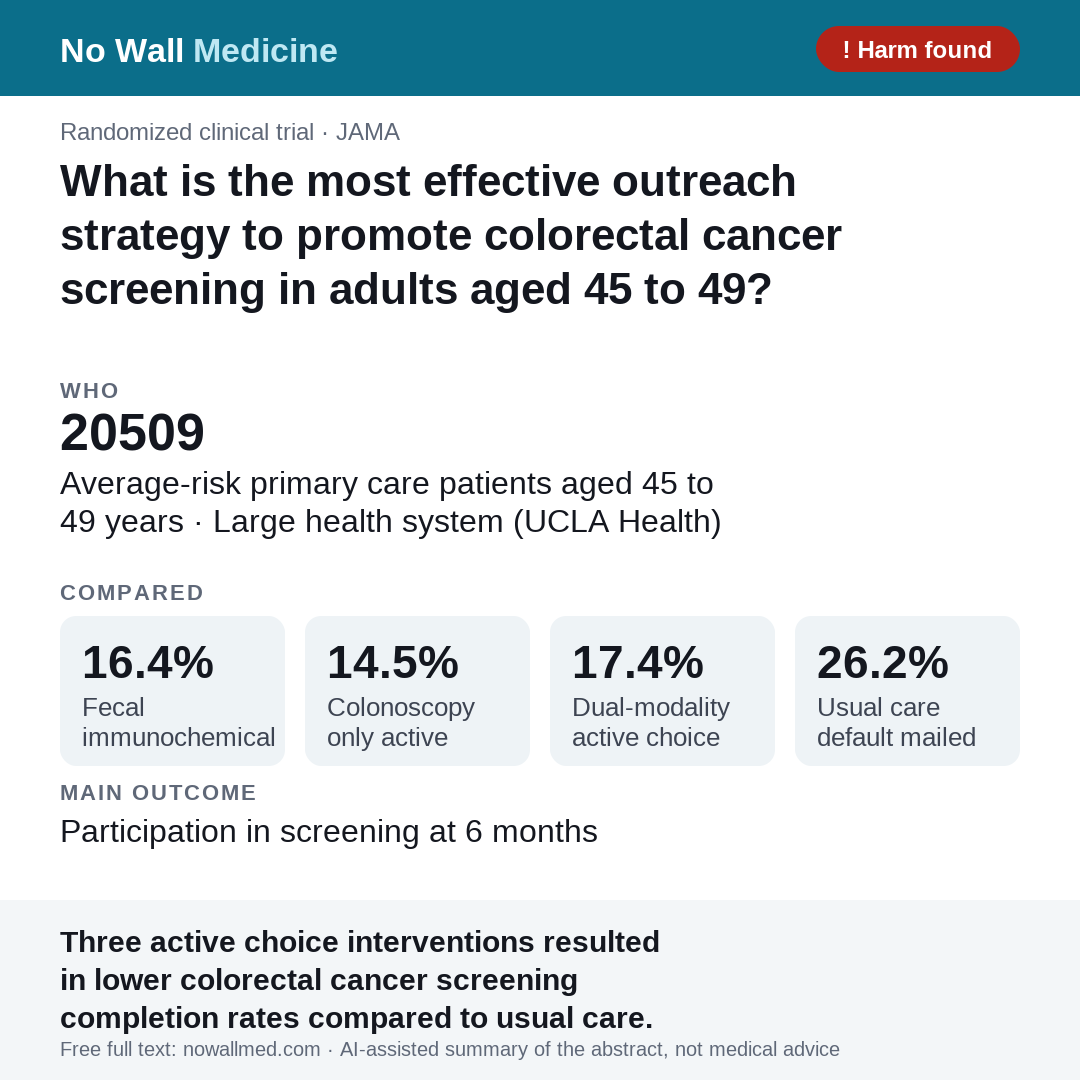
Population Health Colorectal Cancer Screening Strategies in Adults Aged 45 to 49 Years: A Randomized Clinical Trial
Randomized clinical trialHarm found
What is the most effective outreach strategy to promote colorectal cancer screening in adults aged 45 to 49?
Who
20509
Average-risk primary care patients aged 45 to 49 years · Large health system (UCLA Health)
Compared
16.4%Fecal immunochemical test only active choice
14.5%Colonoscopy only active choice
17.4%Dual-modality active choice
26.2%Usual care default mailed fecal immunochemical test
Main outcome
Participation in screening at 6 months
Bottom line: Three active choice interventions resulted in lower colorectal cancer screening completion rates compared to usual care.
JAMA · 2025-08-04Download image
Ultraprocessed or minimally processed diets following healthy dietary guidelines on weight and cardiometabolic health: a randomized, crossover trial
Randomized, crossover controlled feeding trialBenefit found
Does a minimally processed diet lead to more weight loss than ultraprocessed diets?
Who
55
55 adults in England with body mass index 25 to 40 · England
Compared
-2.06%Minimally processed food (95% CI, -2.99, -1.13)
-1.05%Ultraprocessed food (95% CI, -1.98, -0.13)
Main outcome
Percent weight change from baseline to week 8
Result: difference in percent weight change -1.01% (95% CI, -1.87, -0.14)
Bottom line: Minimally processed diets resulted in significantly greater weight loss than ultraprocessed diets following national dietary guidelines.
Nat Med · 2025-08-04Download image

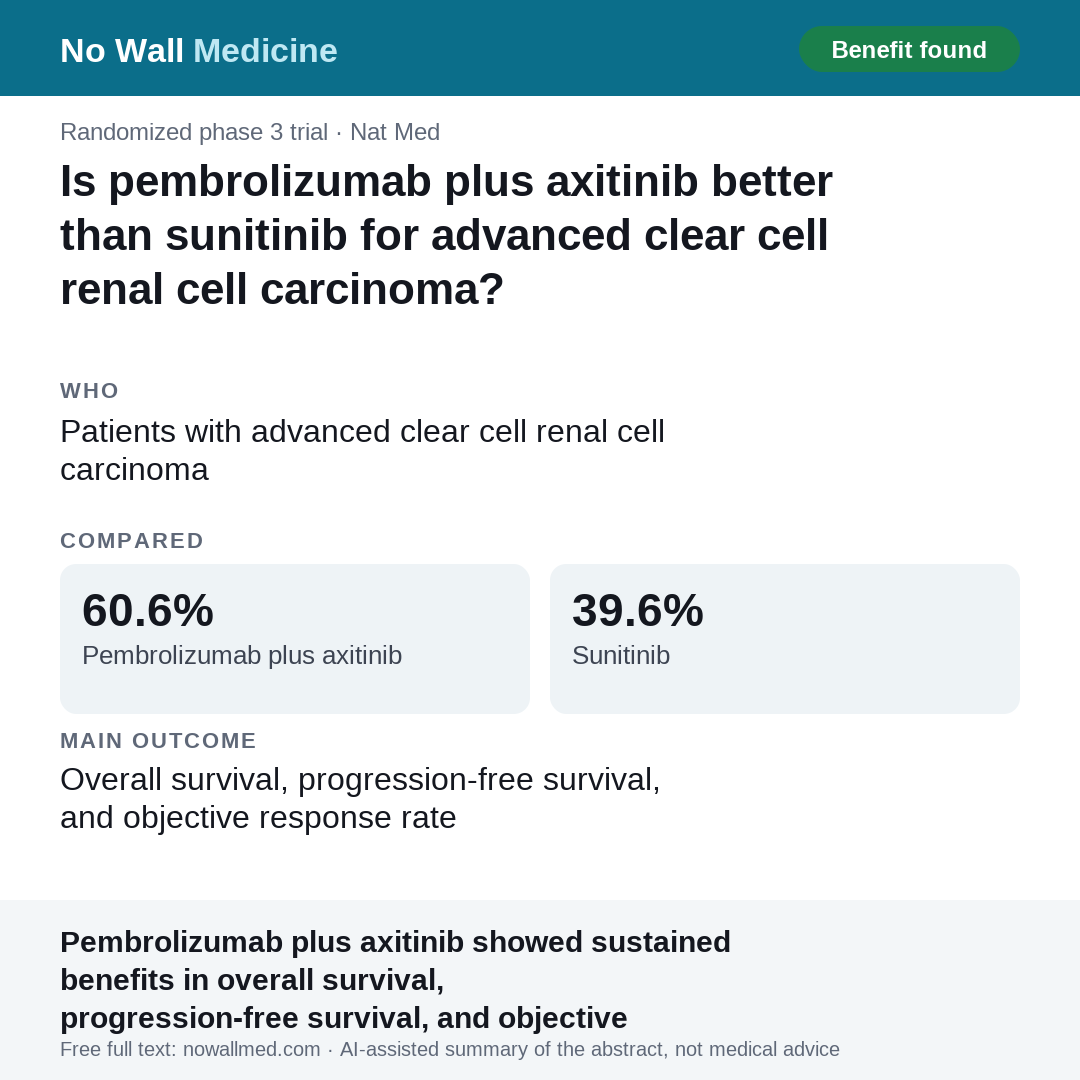
Pembrolizumab plus axitinib versus sunitinib for advanced clear cell renal cell carcinoma: 5-year survival and biomarker analyses of the phase 3 KEYNOTE-426 trial
Randomized phase 3 trialBenefit found
Is pembrolizumab plus axitinib better than sunitinib for advanced clear cell renal cell carcinoma?
Who
Patients with advanced clear cell renal cell carcinoma
Compared
60.6%Pembrolizumab plus axitinib
39.6%Sunitinib
Main outcome
Overall survival, progression-free survival, and objective response rate
Result: hazard ratio 0.84 (95% confidence interval 0.71-0.99)
Bottom line: Pembrolizumab plus axitinib showed sustained benefits in overall survival, progression-free survival, and objective response rate over sunitinib.
Nat Med · 2025-08-01Download image
Sex related differences in efficacy and safety of antithrombotic therapy in patients with coronary artery disease: systematic review and meta-analysis
Systematic review and meta-analysisNo clear difference
Are there sex related differences in antithrombotic therapy efficacy and safety in coronary artery disease?
Who
274433
Patients with established coronary artery disease
Compared
More intensive antithrombotic therapies: 3064 deaths
Less intensive antithrombotic therapies: 2954 deaths
Main outcome
All cause death, myocardial infarction, and major bleeding
Result: interaction hazard ratio 1.06 (95% CI 0.94 to 1.19) for death
Bottom line: Antithrombotic therapies provided consistent efficacy and safety outcomes in both women and men.
BMJ · 2025-07-29Download image

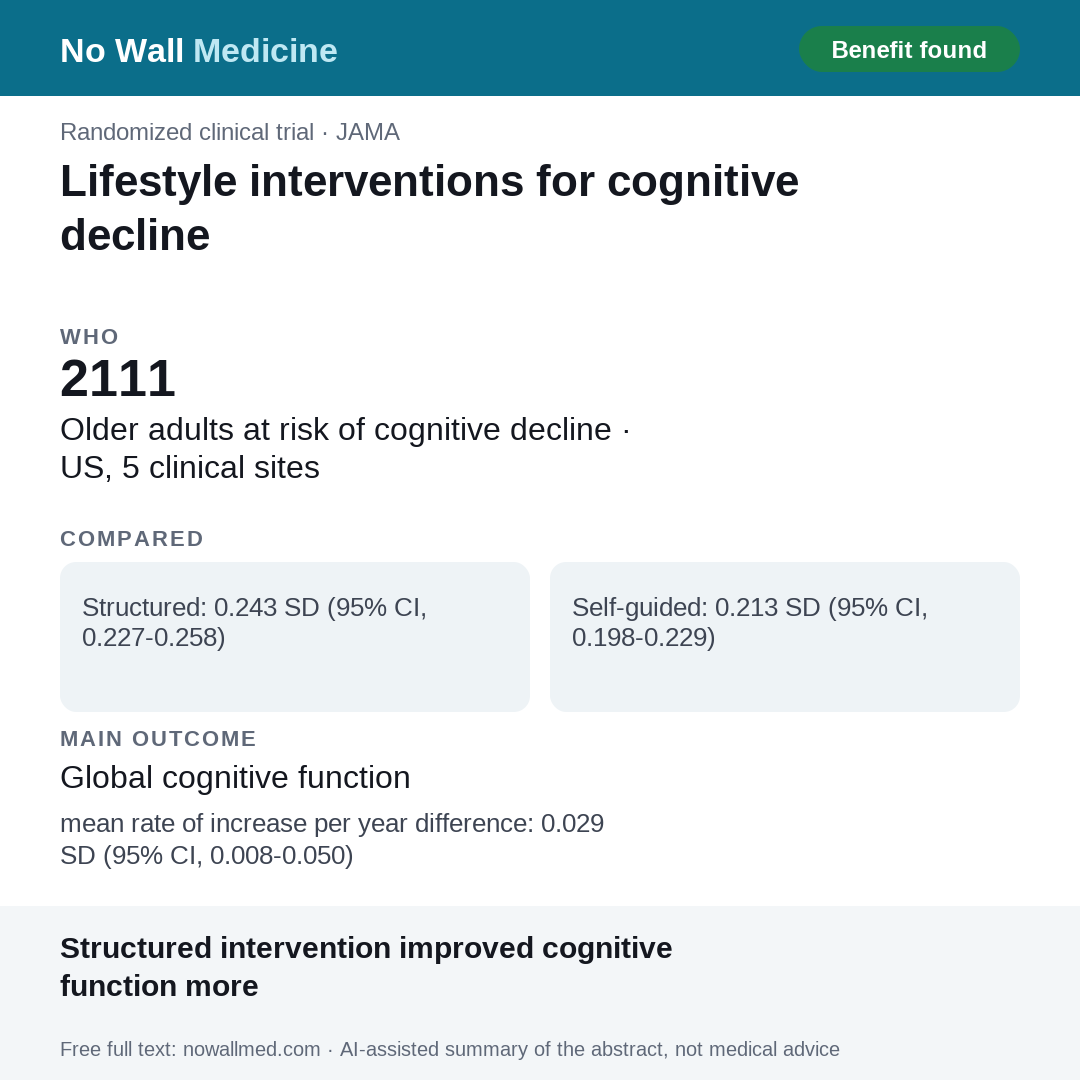
Structured vs Self-Guided Multidomain Lifestyle Interventions for Global Cognitive Function: The US POINTER Randomized Clinical Trial
Randomized clinical trialBenefit found
Lifestyle interventions for cognitive decline
Who
2111
Older adults at risk of cognitive decline · US, 5 clinical sites
Compared
Structured: 0.243 SD (95% CI, 0.227-0.258)
Self-guided: 0.213 SD (95% CI, 0.198-0.229)
Main outcome
Global cognitive function
Result: mean rate of increase per year difference: 0.029 SD (95% CI, 0.008-0.050)
Bottom line: Structured intervention improved cognitive function more
JAMA · 2025-07-28Download image
Comparison of dual therapies for hypertension treatment in India: a randomized clinical trial
Multicenter, single-blinded randomized clinical trialNo clear difference
Which dual antihypertensive combination is most effective for hypertension treatment in India?
Who
1981
Indians aged 30-79 years with hypertension · Multicenter, India
Compared
amlodipine-perindopril: ~14/8 mmHg
perindopril-indapamide: ~14/8 mmHg
amlodipine-indapamide: ~14/8 mmHg
Main outcome
mean change in 24-hour ambulatory systolic blood pressure
Bottom line: All three dual antihypertensive combinations were equally effective and well tolerated in Indian patients.
Nat Med · 2025-07-25Download image

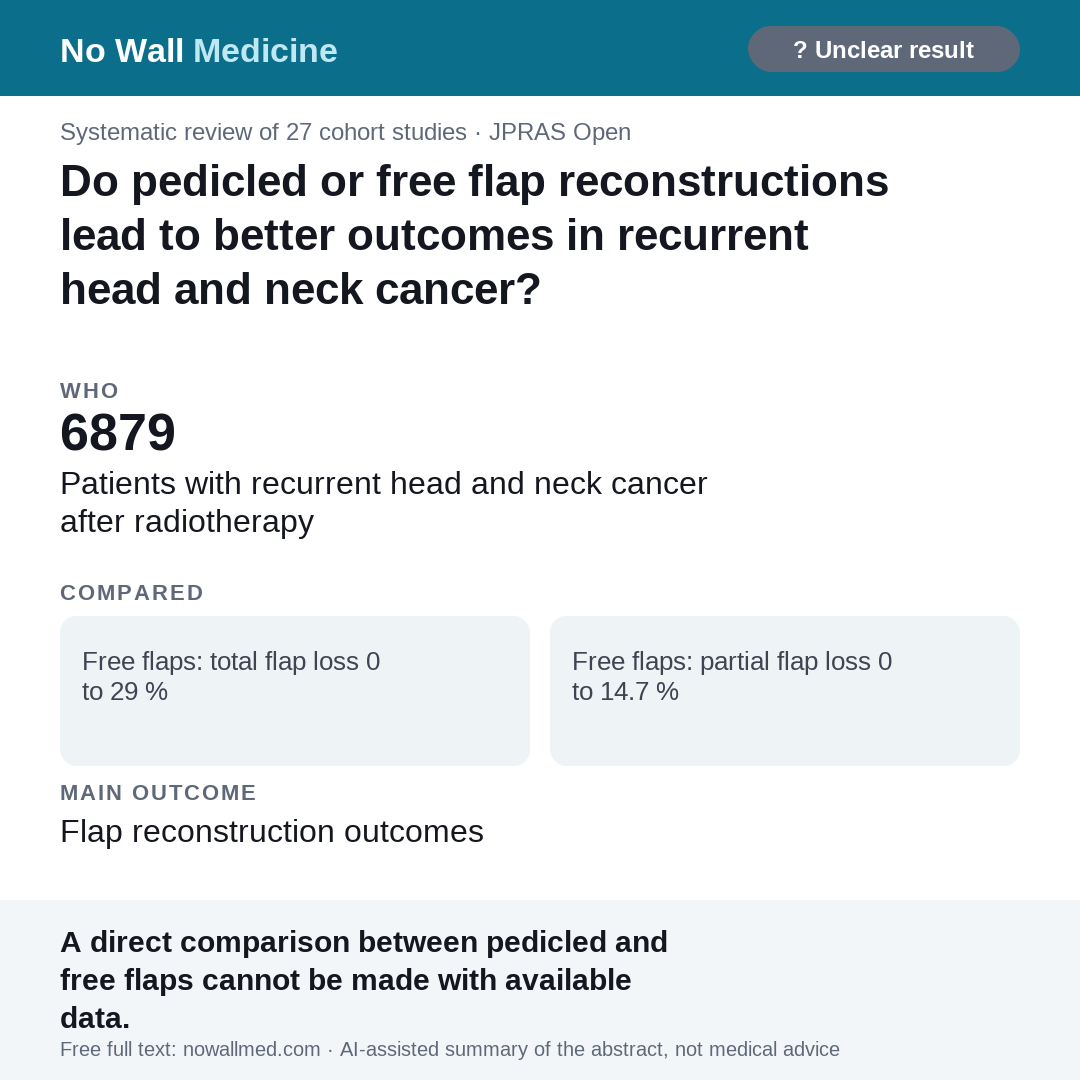
Salvage flap reconstruction for recurrent head and neck cancer after radiotherapy: A systematic review
Systematic review of 27 cohort studiesUnclear result
Do pedicled or free flap reconstructions lead to better outcomes in recurrent head and neck cancer?
Who
6879
Patients with recurrent head and neck cancer after radiotherapy
Compared
Free flaps: total flap loss 0 to 29 %
Free flaps: partial flap loss 0 to 14.7 %
Main outcome
Flap reconstruction outcomes
Bottom line: A direct comparison between pedicled and free flaps cannot be made with available data.
Limitation: Heterogeneity in study designs and poor reporting of patient-relevant outcomes.
JPRAS Open · 2025-07-25Download image
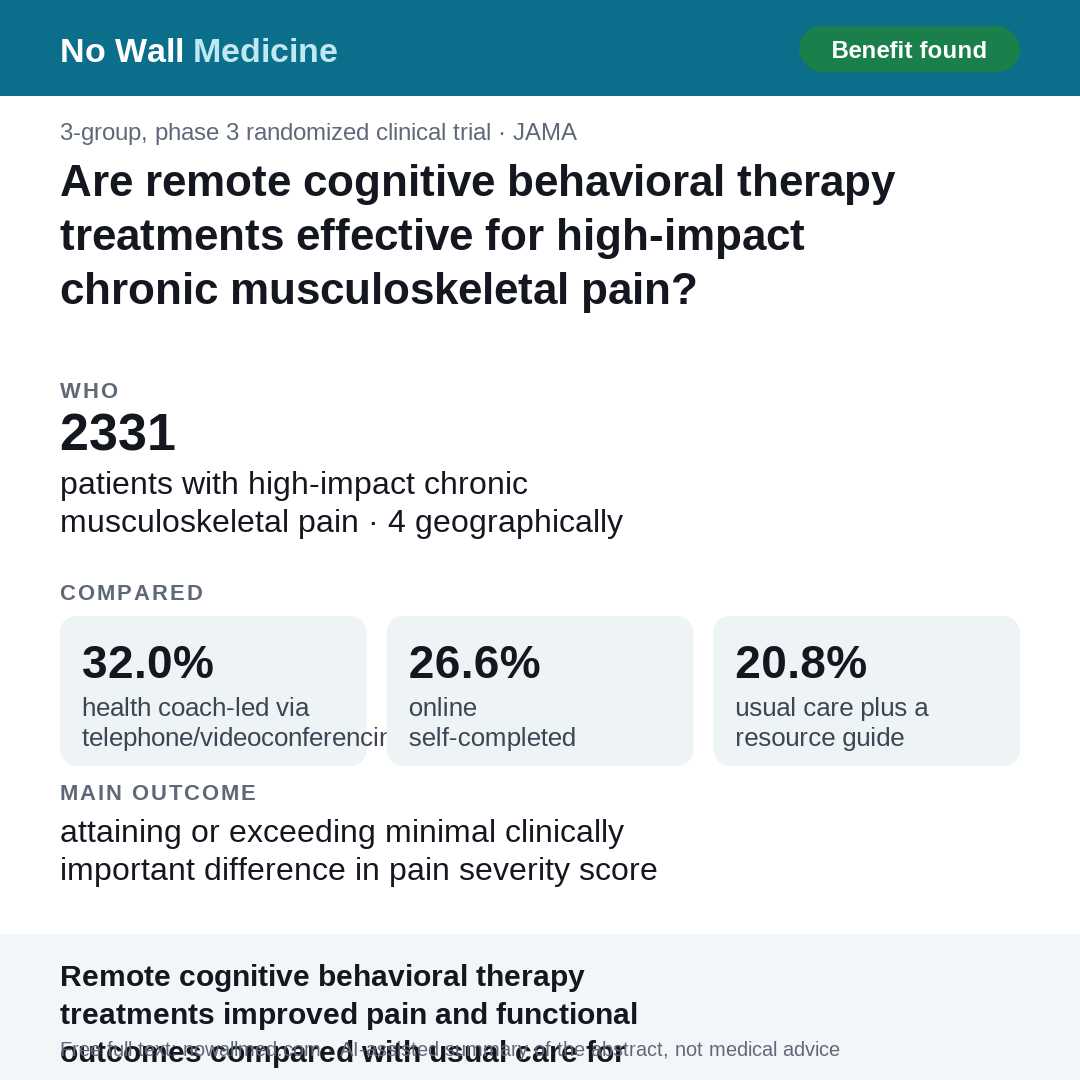
Telehealth and Online Cognitive Behavioral Therapy-Based Treatments for High-Impact Chronic Pain: A Randomized Clinical Trial
3-group, phase 3 randomized clinical trialBenefit found
Are remote cognitive behavioral therapy treatments effective for high-impact chronic musculoskeletal pain?
Who
2331
patients with high-impact chronic musculoskeletal pain · 4 geographically diverse health care systems in the US
Compared
32.0%health coach-led via telephone/videoconferencing (95% CI, 29.3-35.0)
26.6%online self-completed program (95% CI, 23.4-30.2)
20.8%usual care plus a resource guide (95% CI, 18.0-24.0)
Main outcome
attaining or exceeding minimal clinically important difference in pain severity score
Result: relative risk 1.54 (95% CI, 1.30-1.82) for health coach vs usual care
Bottom line: Remote cognitive behavioral therapy treatments improved pain and functional outcomes compared with usual care for chronic pain.
JAMA · 2025-07-23Download image
Effect of processed electroencephalography-guided anesthesia on postoperative delirium: an updated systematic review and meta-analysis
Systematic review and meta-analysis of randomized controlled trialsBenefit found
Does processed electroencephalography-guided anesthesia reduce postoperative delirium incidence?
Who
4523
Adult surgical patients
Compared
Processed electroencephalography-guided general anesthesia
Standard care
Main outcome
Postoperative delirium incidence
Result: risk ratio 0.81 (95% CI 0.69-0.95)
Bottom line: Processed electroencephalography-guided anesthesia reduces postoperative delirium incidence, especially in elderly patients and non-cardiac surgeries.
Limitation: Effectiveness may vary due to differences in practice, anesthetic protocols, and cultural factors.
Int J Surg · 2025-07-15Download image

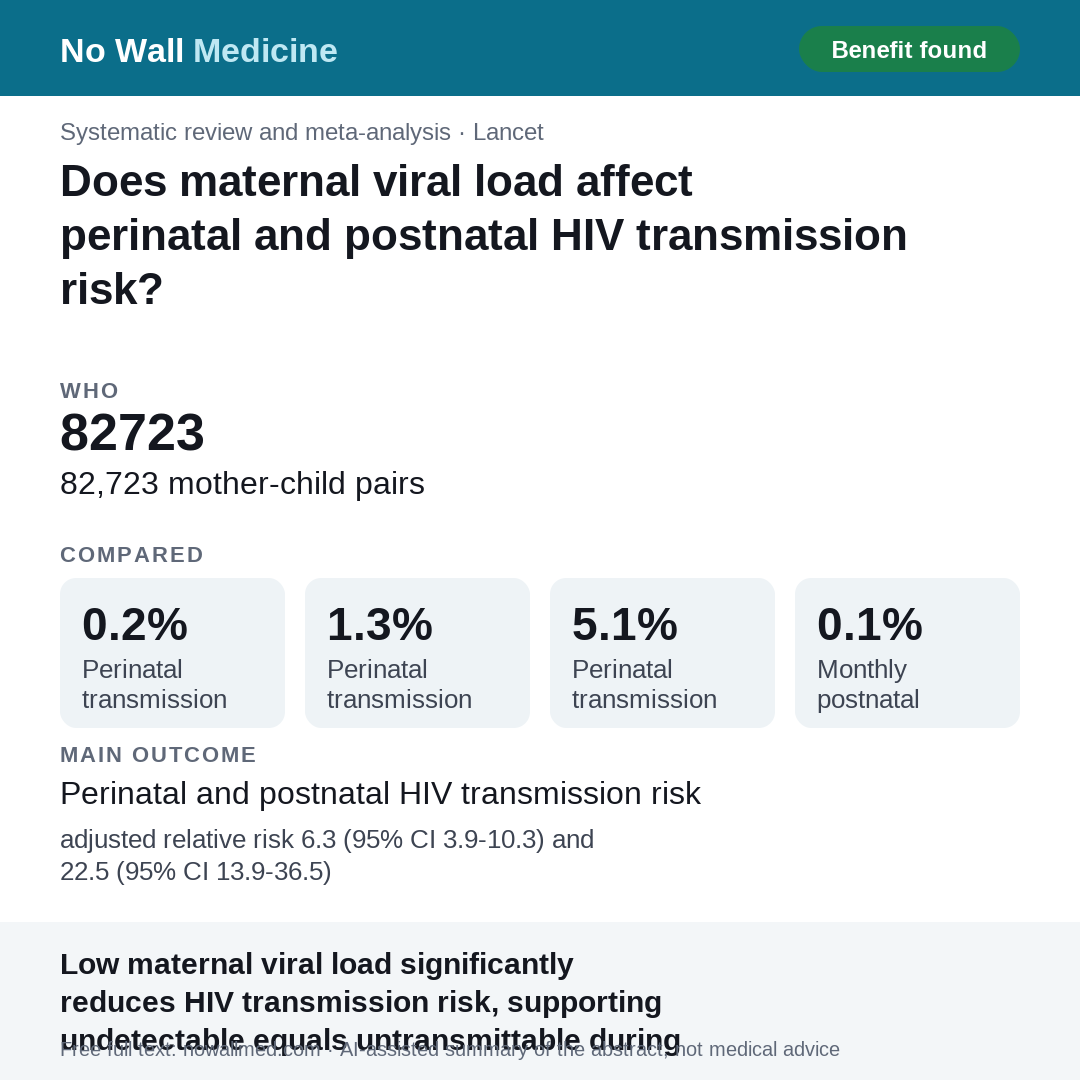
Estimating the effect of maternal viral load on perinatal and postnatal HIV transmission: a systematic review and meta-analysis
Systematic review and meta-analysisBenefit found
Does maternal viral load affect perinatal and postnatal HIV transmission risk?
Who
82723
82,723 mother-child pairs
Compared
0.2%Perinatal transmission <50 copies per mL (95% CI 0.2-0.3)
1.3%Perinatal transmission 50-999 copies per mL (1.0-1.7)
5.1%Perinatal transmission ≥1000 copies per mL (2.6-7.9)
0.1%Monthly postnatal transmission <50 copies per mL (0.0-0.4)
Main outcome
Perinatal and postnatal HIV transmission risk
Result: adjusted relative risk 6.3 (95% CI 3.9-10.3) and 22.5 (95% CI 13.9-36.5)
Bottom line: Low maternal viral load significantly reduces HIV transmission risk, supporting undetectable equals untransmittable during pregnancy and birth.
Funded by: National Institutes of Health, WHO, and Massachusetts General Hospital
Lancet · 2025-07-10Download image
Targeting the angiopoietin-like protein 3/8 complex with a monoclonal antibody in patients with mixed hyperlipidemia: a phase 1 trial
Randomized trialBenefit found
Is LY3475766 safe and effective
Who
48
Adults with mixed hyperlipidemia
Compared
LY3475766
Placebo
Main outcome
Lipoprotein levels
Bottom line: LY3475766 reduces bad lipids and increases good
Limitation: Effects on cardiovascular risk unknown
Nat Med · 2025-07-10Download image
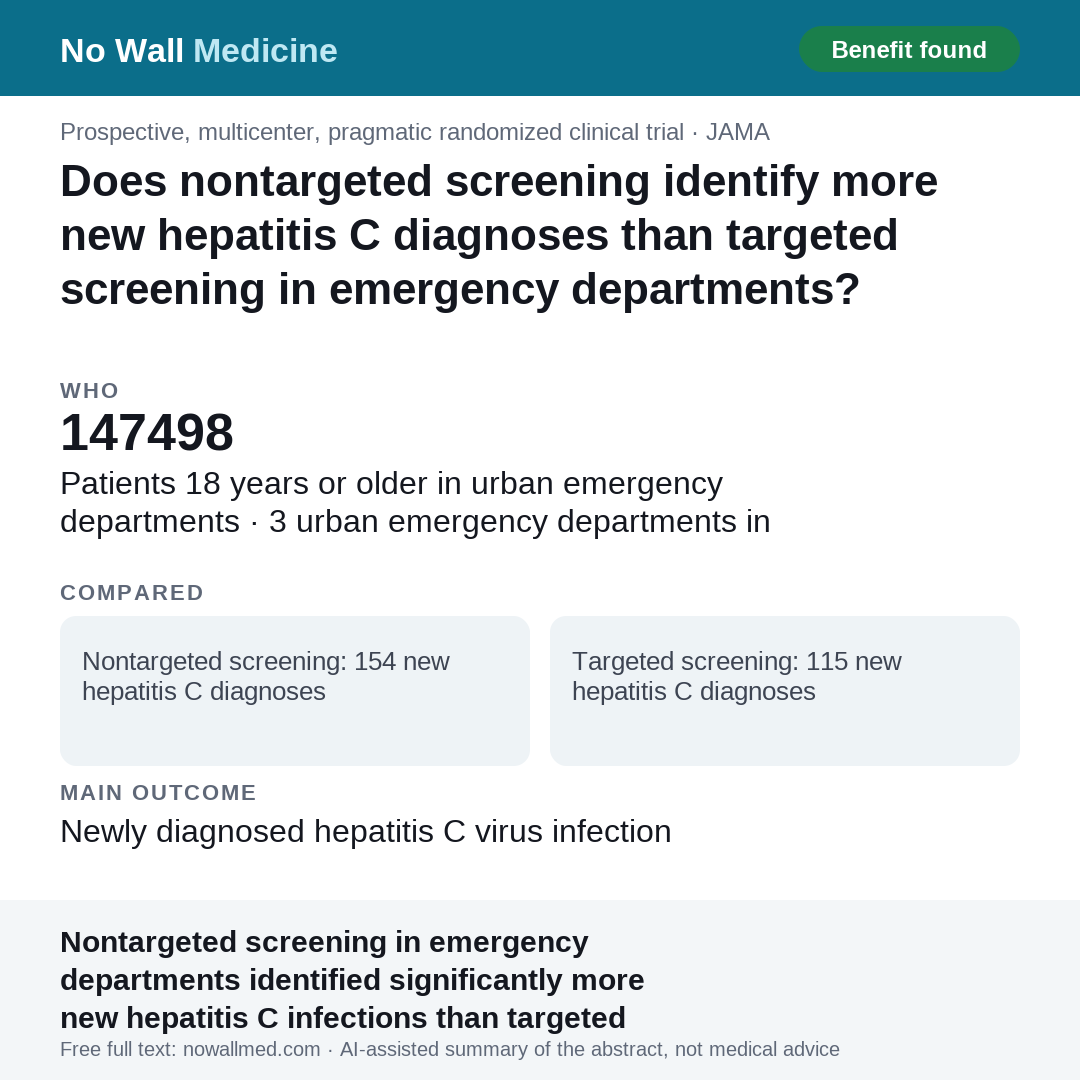
Hepatitis C Screening in Emergency Departments: The DETECT Hep C Randomized Clinical Trial
Prospective, multicenter, pragmatic randomized clinical trialBenefit found
Does nontargeted screening identify more new hepatitis C diagnoses than targeted screening in emergency departments?
Who
147498
Patients 18 years or older in urban emergency departments · 3 urban emergency departments in Colorado, Maryland, and Mississippi
Compared
Nontargeted screening: 154 new hepatitis C diagnoses
Targeted screening: 115 new hepatitis C diagnoses
Main outcome
Newly diagnosed hepatitis C virus infection
Result: relative risk 1.34 (95% CI 1.05-1.70)
Bottom line: Nontargeted screening in emergency departments identified significantly more new hepatitis C infections than targeted screening.
Limitation: Small proportions of newly diagnosed patients were linked to follow-up care and treatment.
JAMA · 2025-07-09Download image
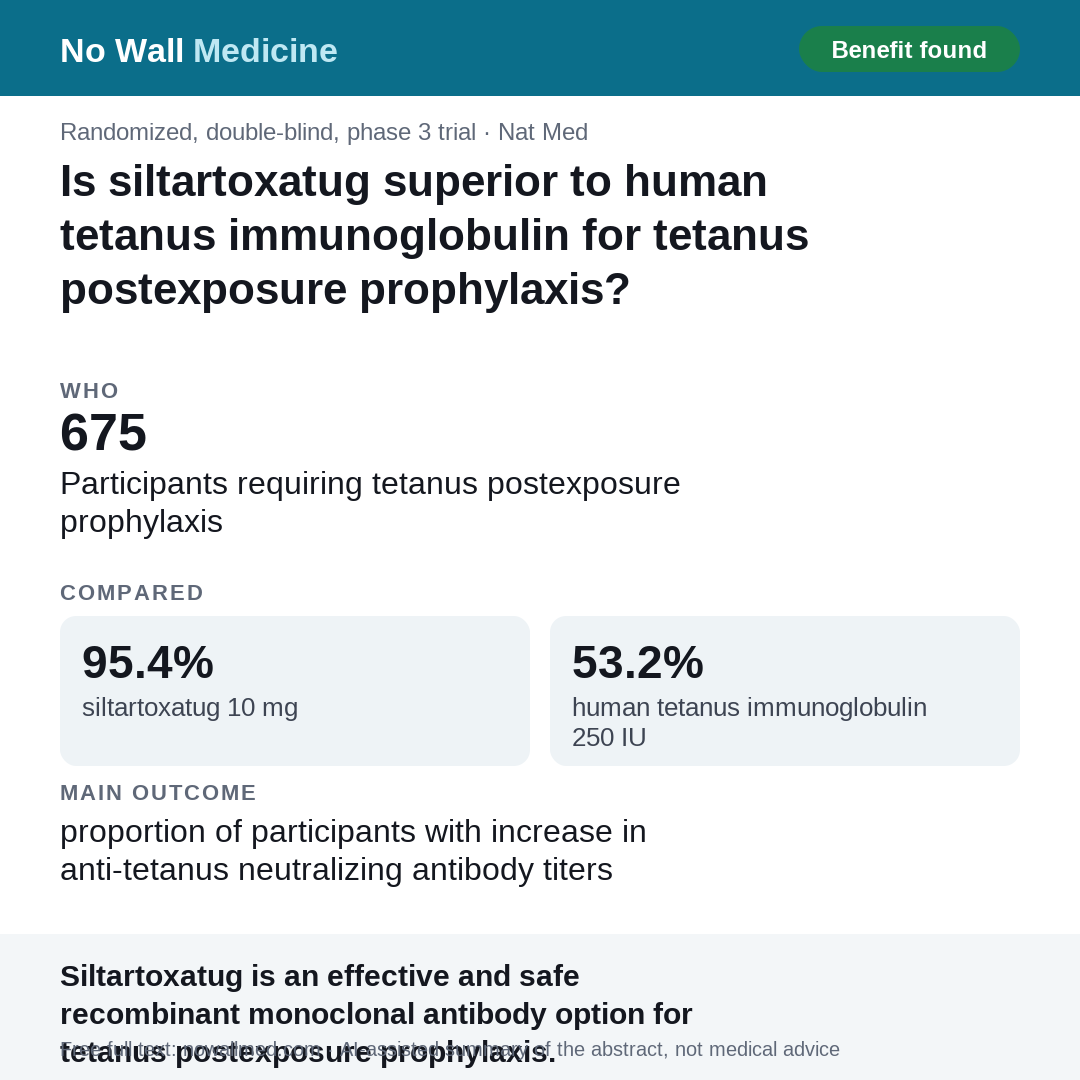
Recombinant monoclonal antibody siltartoxatug versus plasma-derived human tetanus immunoglobulin for tetanus: a randomized, double-blind, active-controlled, phase 3 trial
Randomized, double-blind, phase 3 trialBenefit found
Is siltartoxatug superior to human tetanus immunoglobulin for tetanus postexposure prophylaxis?
Who
675
Participants requiring tetanus postexposure prophylaxis
Compared
95.4%siltartoxatug 10 mg
53.2%human tetanus immunoglobulin 250 IU
Main outcome
proportion of participants with increase in anti-tetanus neutralizing antibody titers
Result: intergroup difference 42.3% (95% confidence interval, 35.5-49.1; P < 0.0001)
Bottom line: Siltartoxatug is an effective and safe recombinant monoclonal antibody option for tetanus postexposure prophylaxis.
Nat Med · 2025-07-08Download image
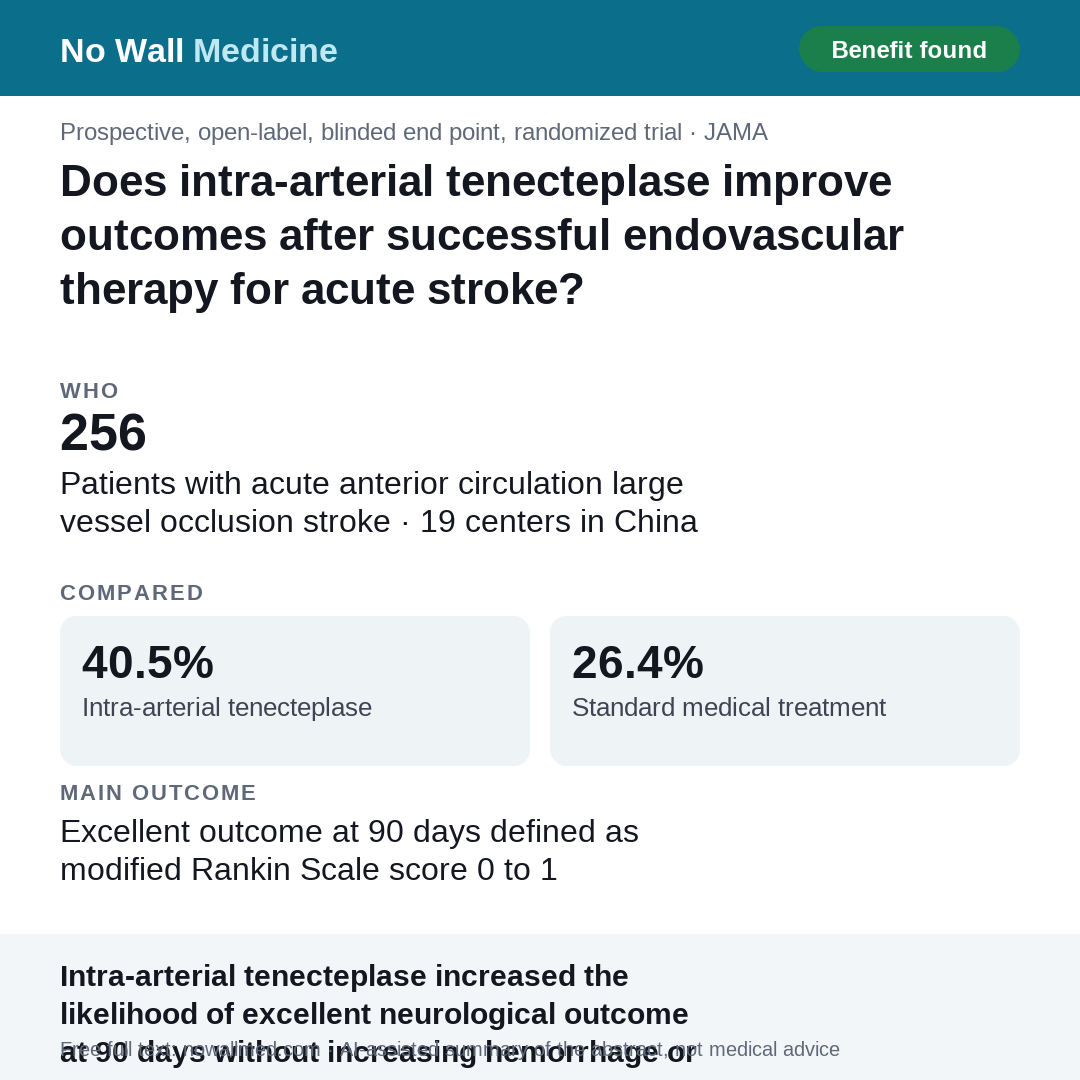
Intra-arterial Tenecteplase for Acute Stroke After Successful Endovascular Therapy: The ANGEL-TNK Randomized Clinical Trial
Prospective, open-label, blinded end point, randomized trialBenefit found
Does intra-arterial tenecteplase improve outcomes after successful endovascular therapy for acute stroke?
Who
256
Patients with acute anterior circulation large vessel occlusion stroke · 19 centers in China
Compared
40.5%Intra-arterial tenecteplase
26.4%Standard medical treatment
Main outcome
Excellent outcome at 90 days defined as modified Rankin Scale score 0 to 1
Result: relative risk 1.44 (95% CI 1.06-1.95)
Bottom line: Intra-arterial tenecteplase increased the likelihood of excellent neurological outcome at 90 days without increasing hemorrhage or mortality.
Limitation: None of the seven prespecified secondary efficacy end points showed a significant difference.
JAMA · 2025-07-05Download image
Impact of physician assistants on quality of care: rapid review
Rapid systematic reviewMixed results
How do physician assistants compare with physicians regarding quality of care?
Who
40
Patients in economically developed countries · Economically developed countries
Compared
Physician assistants
Physicians
Main outcome
Safety, effectiveness, patient centredness, timeliness, efficiency, and equity
Bottom line: Physician assistants practice safely and effectively under direct supervision, but evidence for indirect supervision in undifferentiated settings is limited.
Limitation: Most studies were retrospective observational studies of weak quality and no post-covid-19 data were found.
BMJ · 2025-07-03Download image

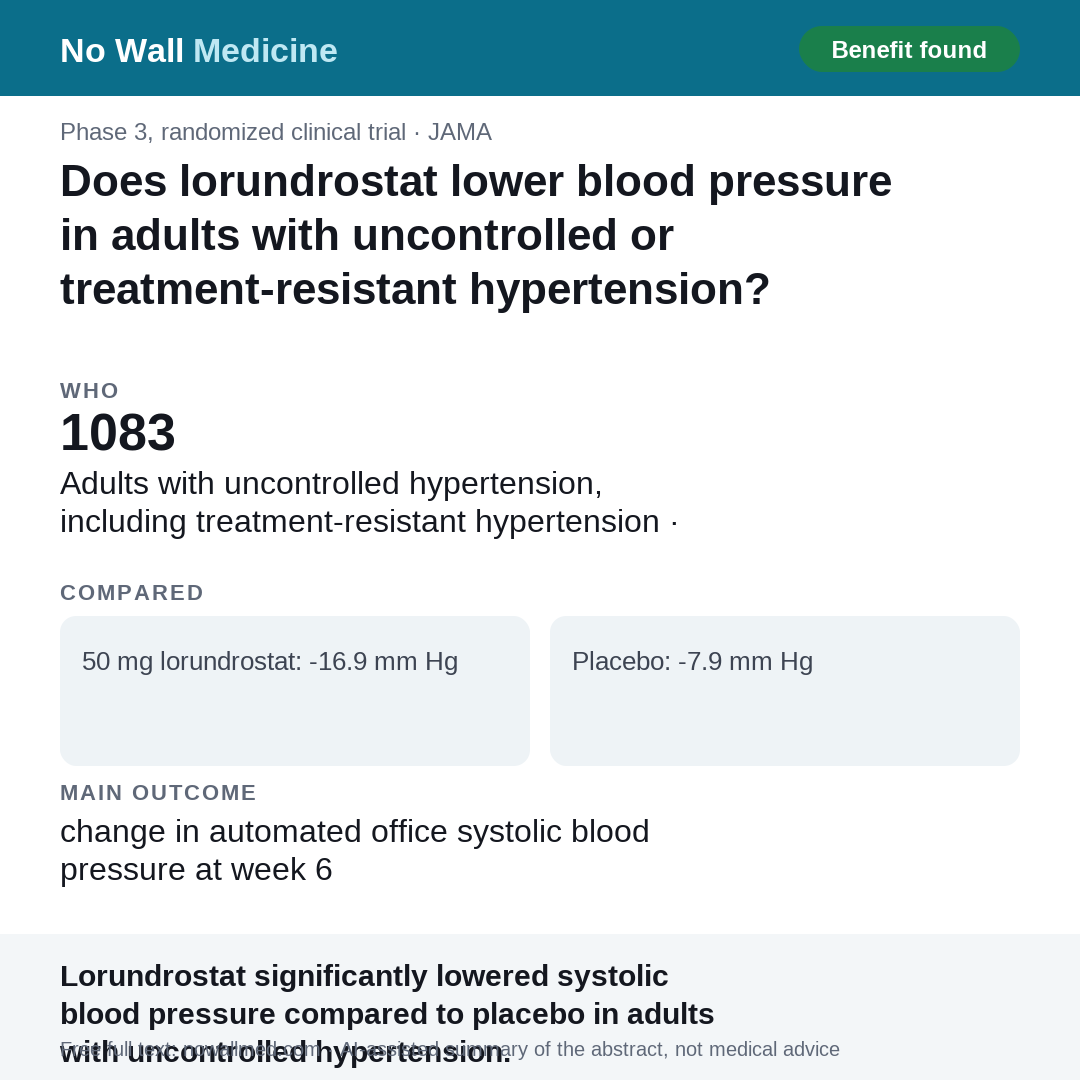
Lorundrostat in Participants With Uncontrolled Hypertension and Treatment-Resistant Hypertension: The Launch-HTN Randomized Clinical Trial
Phase 3, randomized clinical trialBenefit found
Does lorundrostat lower blood pressure in adults with uncontrolled or treatment-resistant hypertension?
Who
1083
Adults with uncontrolled hypertension, including treatment-resistant hypertension · 159 clinic sites across 13 countries
Compared
50 mg lorundrostat: -16.9 mm Hg
Placebo: -7.9 mm Hg
Main outcome
change in automated office systolic blood pressure at week 6
Result: least-squares mean difference, -9.1 mm Hg (95% CI, -13.3 to -4.9 mm Hg)
Bottom line: Lorundrostat significantly lowered systolic blood pressure compared to placebo in adults with uncontrolled hypertension.
JAMA · 2025-07-01Download image
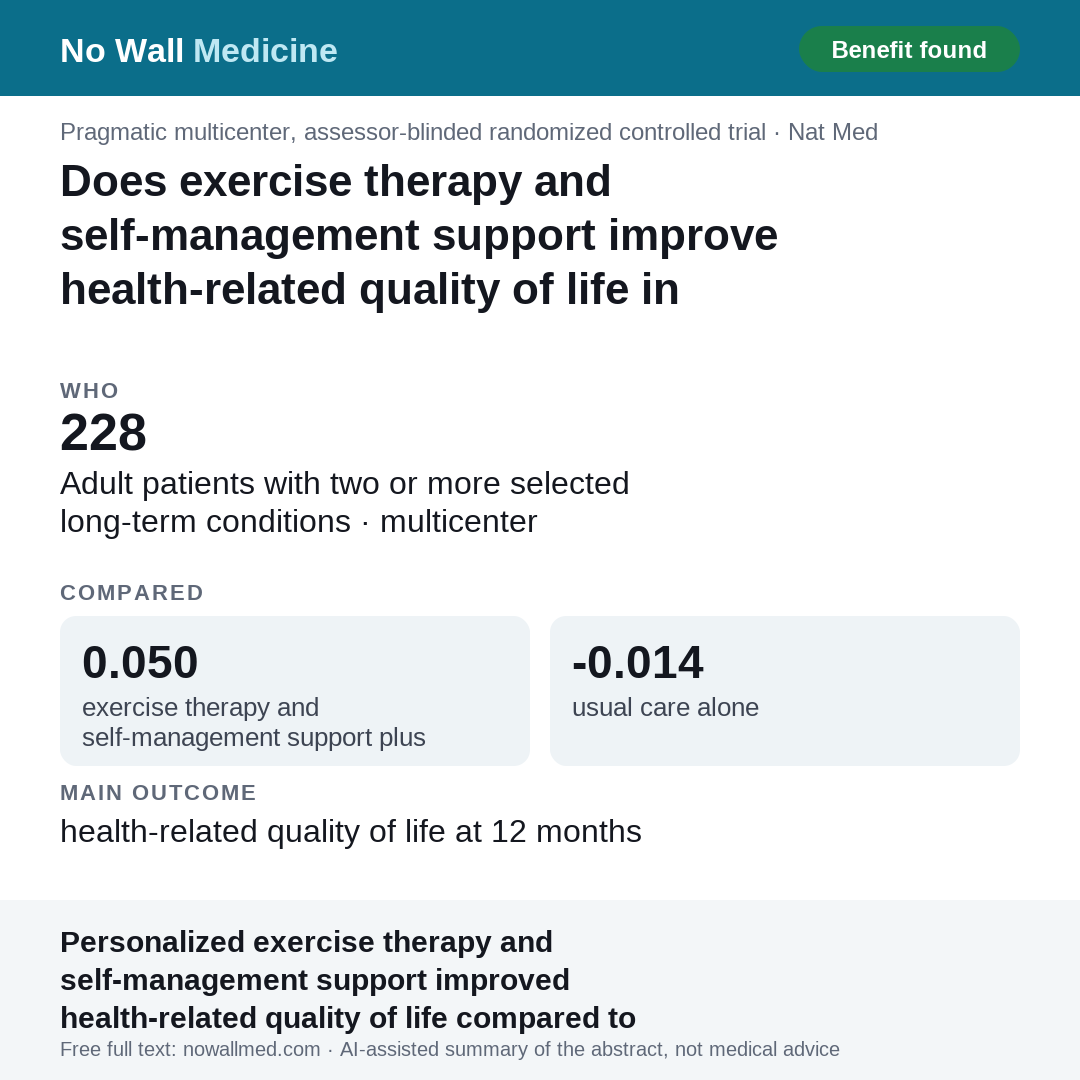
Exercise therapy and self-management support for individuals with multimorbidity: a randomized and controlled trial
Pragmatic multicenter, assessor-blinded randomized controlled trialBenefit found
Does exercise therapy and self-management support improve health-related quality of life in individuals with multimorbidity?
Who
228
Adult patients with two or more selected long-term conditions · multicenter
Compared
0.050exercise therapy and self-management support plus usual care
-0.014usual care alone
Main outcome
health-related quality of life at 12 months
Result: adjusted mean difference, 0.064 points (95% CI: 0.014-0.115)
Bottom line: Personalized exercise therapy and self-management support improved health-related quality of life compared to usual care alone in adults with multimorbidity.
Limitation: The clinical relevance of the results remains unclear.
Nat Med · 2025-06-30Download image