Visual abstracts
New randomized trials and meta-analyses from leading journals at a glance: who was studied, what was compared, and what was found. Every paper is free to read in full.
All specialtiesCardiology 4833Oncology 4115Gastroenterology & Hepatology 1934Infectious Disease 3825Neurology 1901Psychiatry & Mental Health 2256Pulmonology 2082Critical Care 1346Endocrinology & Diabetes 2572Pediatrics 2940Surgery 2525Orthopedics & Sports Medicine 926Neurosurgery 534Cardiothoracic & Vascular Surgery 671Plastic & Reconstructive Surgery 591Nephrology 1124Rheumatology 823Hematology 1104Dermatology 620Ophthalmology 543Obstetrics & Gynecology 1684Public & Global Health 1056Radiology & Imaging 641Anesthesiology 962Urology 754ENT (Otolaryngology) 503Emergency Medicine 489Allergy & Immunology 313Geriatrics 982Family Medicine & Primary Care 541Medical Genetics & Genomics 675Pathology & Laboratory Medicine 157Physical Medicine & Rehabilitation 751Palliative Care 424Nutrition 1580Digital Health & AI 2195General Medicine 321
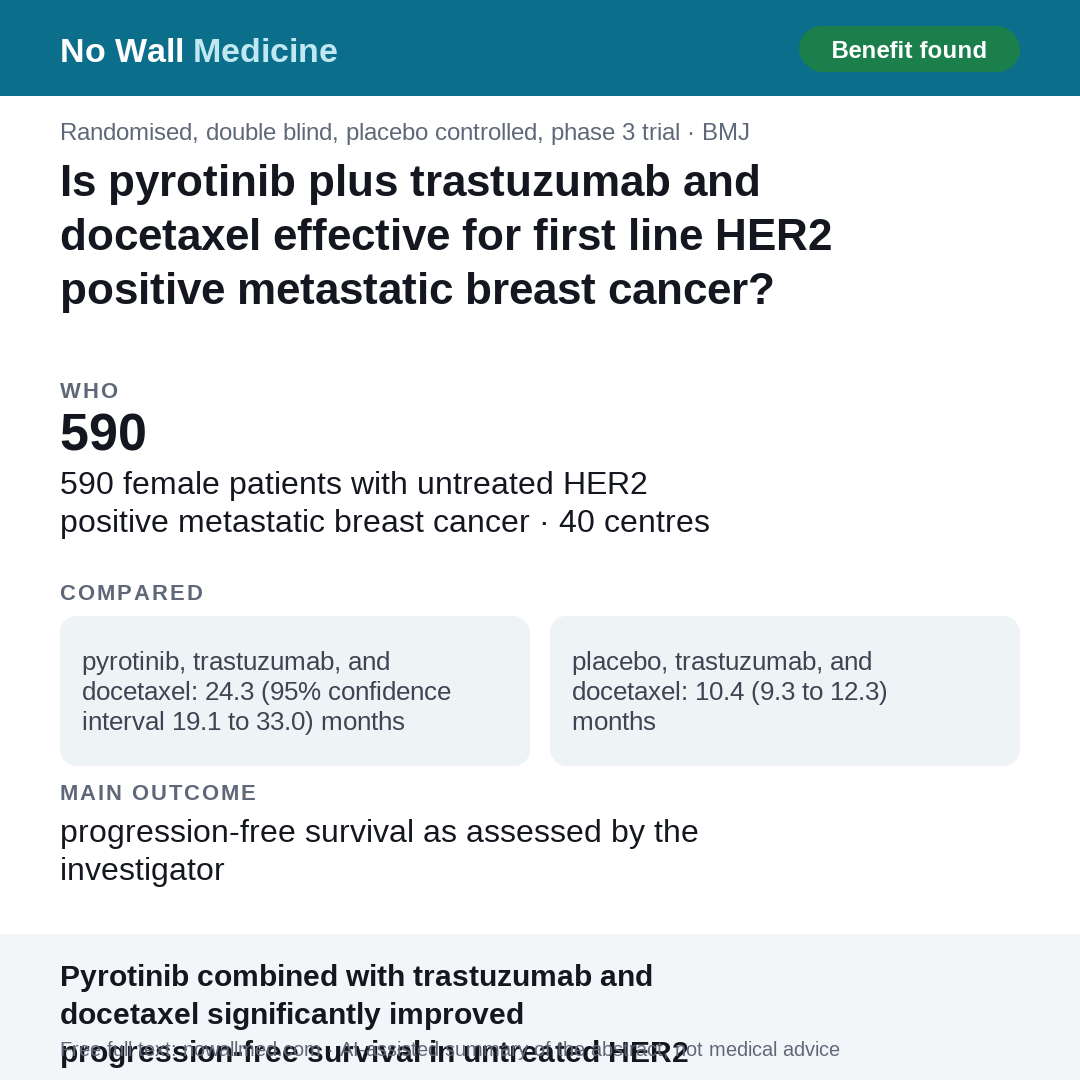
Pyrotinib versus placebo in combination with trastuzumab and docetaxel as first line treatment in patients with HER2 positive metastatic breast cancer (PHILA): randomised, double blind, multicentre, phase 3 trial
Randomised, double blind, placebo controlled, phase 3 trialBenefit found
Is pyrotinib plus trastuzumab and docetaxel effective for first line HER2 positive metastatic breast cancer?
Who
590
590 female patients with untreated HER2 positive metastatic breast cancer · 40 centres in China
Compared
pyrotinib, trastuzumab, and docetaxel: 24.3 (95% confidence interval 19.1 to 33.0) months
placebo, trastuzumab, and docetaxel: 10.4 (9.3 to 12.3) months
Main outcome
progression-free survival as assessed by the investigator
Result: hazard ratio 0.41 (95% confidence interval 0.32 to 0.53)
Bottom line: Pyrotinib combined with trastuzumab and docetaxel significantly improved progression-free survival in untreated HER2 positive metastatic breast cancer.
BMJ · 2023-10-31Download image
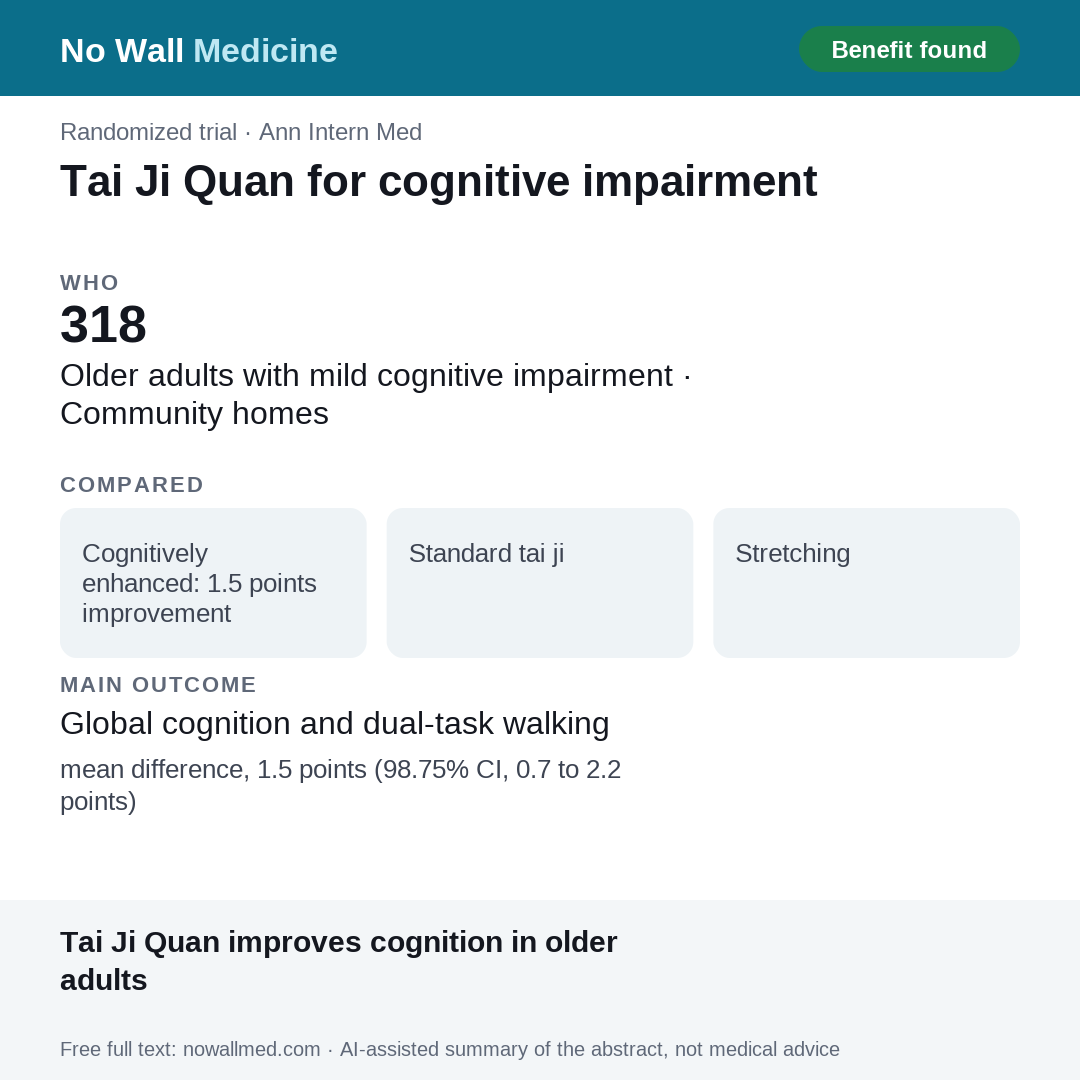
Clinical Effectiveness of Cognitively Enhanced Tai Ji Quan Training on Global Cognition and Dual-Task Performance During Walking in Older Adults With Mild Cognitive Impairment or Self-Reported Memory Concerns : A Randomized Controlled Trial
Randomized trialBenefit found
Tai Ji Quan for cognitive impairment
Who
318
Older adults with mild cognitive impairment · Community homes
Compared
Cognitively enhanced: 1.5 points improvement
Standard tai ji
Stretching
Main outcome
Global cognition and dual-task walking
Result: mean difference, 1.5 points (98.75% CI, 0.7 to 2.2 points)
Bottom line: Tai Ji Quan improves cognition in older adults
Limitation: No nonexercise control group
Funded by: National Institute on Aging
Ann Intern Med · 2023-10-31Download image
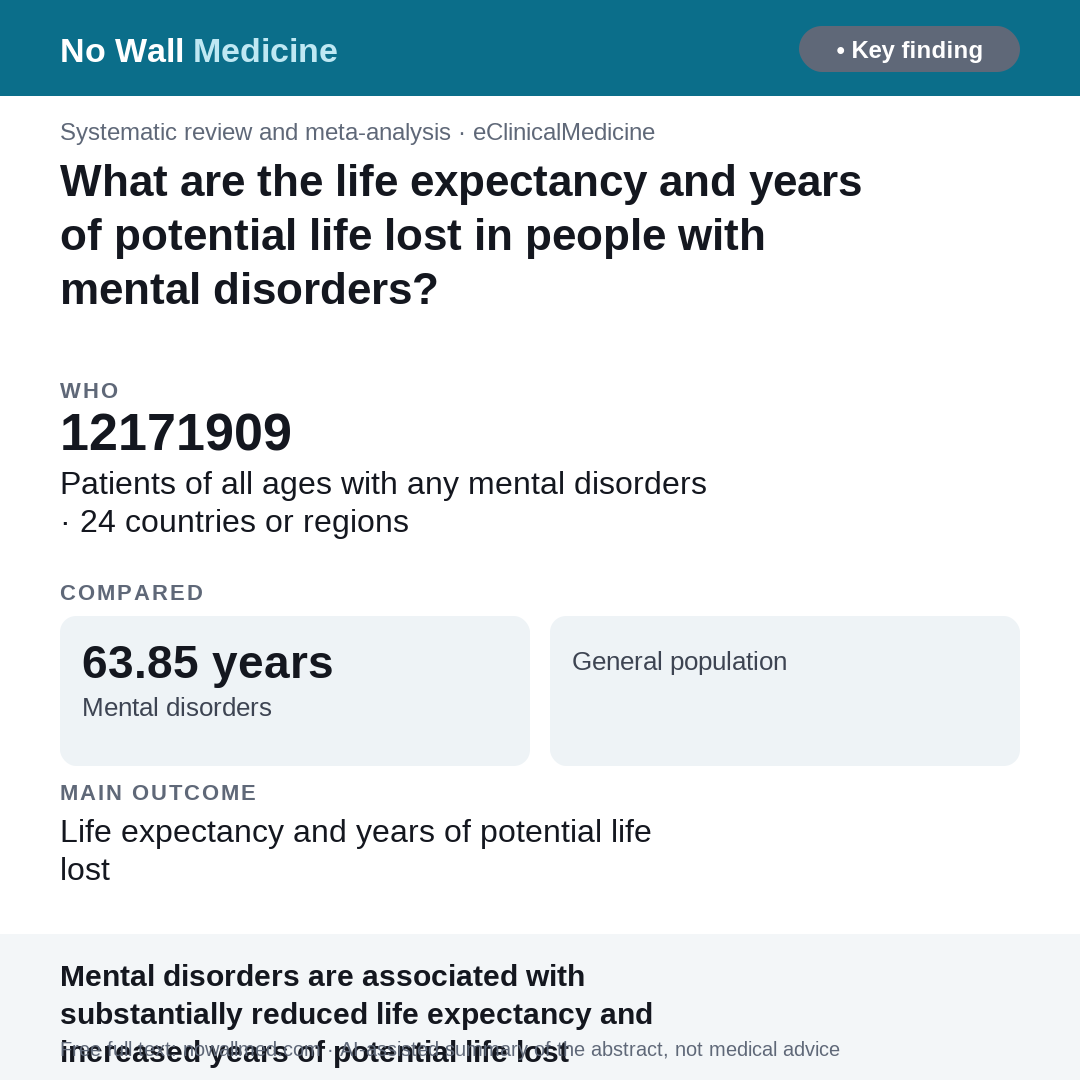
Life expectancy and years of potential life lost in people with mental disorders: a systematic review and meta-analysis
Systematic review and meta-analysisHarm found
What are the life expectancy and years of potential life lost in people with mental disorders?
Who
12171909
Patients of all ages with any mental disorders · 24 countries or regions
Compared
63.85 yearsMental disorders (95% CI 62.63-65.06)
General population
Main outcome
Life expectancy and years of potential life lost
Result: pooled YPLL was 14.66 years (95% CI 13.88-15.98)
Bottom line: Mental disorders are associated with substantially reduced life expectancy and increased years of potential life lost across various diagnoses.
Limitation: Significant cross-study heterogeneity was observed.
eClinicalMedicine · 2023-10-31Download image
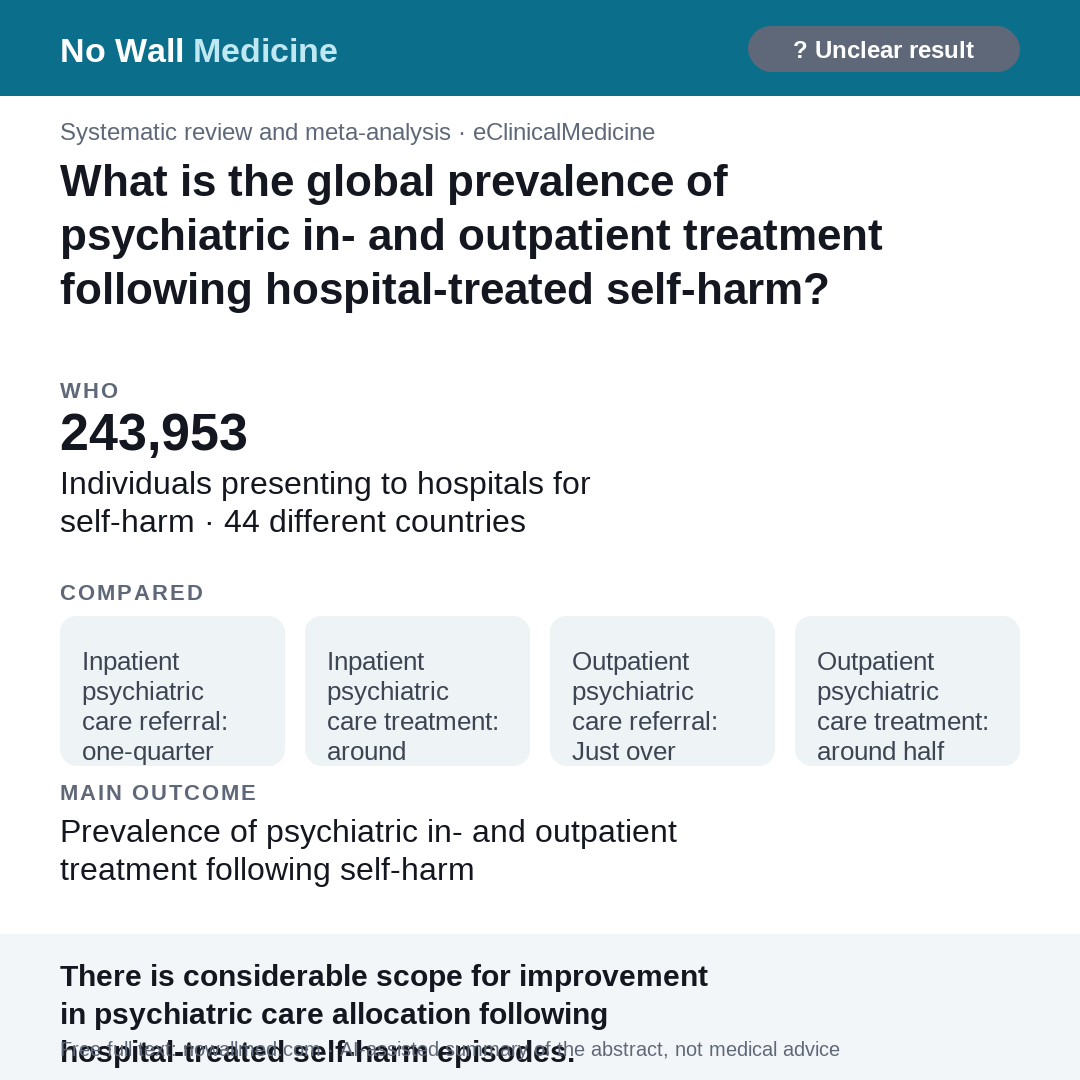
Global prevalence of psychiatric in- and out-patient treatment following hospital-presenting self-harm: a systematic review and meta-analysis
Systematic review and meta-analysisUnclear result
What is the global prevalence of psychiatric in- and outpatient treatment following hospital-treated self-harm?
Who
243,953
Individuals presenting to hospitals for self-harm · 44 different countries
Compared
Inpatient psychiatric care referral: one-quarter
Inpatient psychiatric care treatment: around one-fifth
Outpatient psychiatric care referral: Just over one-third
Outpatient psychiatric care treatment: around half
Main outcome
Prevalence of psychiatric in- and outpatient treatment following self-harm
Bottom line: There is considerable scope for improvement in psychiatric care allocation following hospital-treated self-harm episodes.
eClinicalMedicine · 2023-10-31Download image
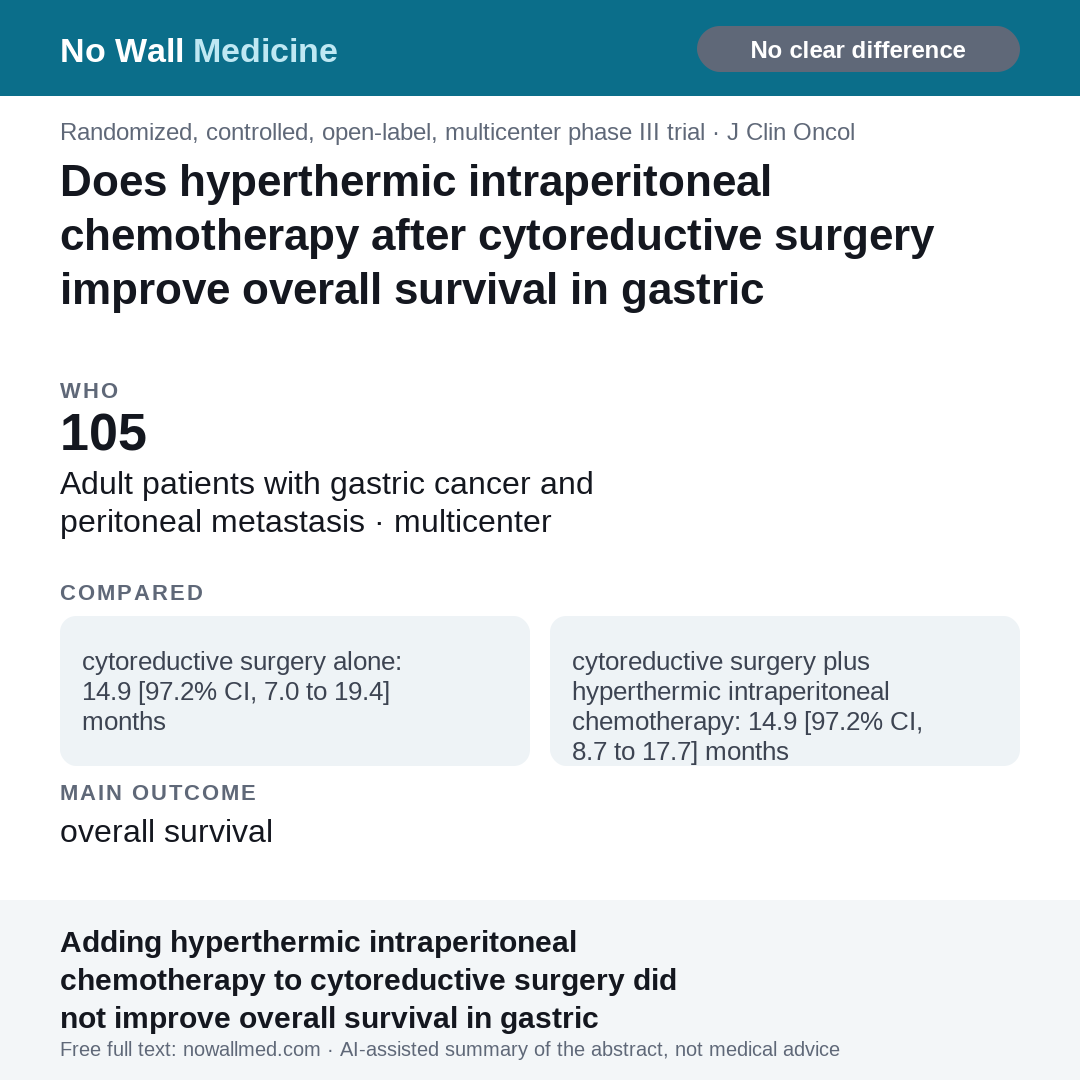
Effect of Hyperthermic Intraperitoneal Chemotherapy on Cytoreductive Surgery in Gastric Cancer With Synchronous Peritoneal Metastases: The Phase III GASTRIPEC-I Trial
Randomized, controlled, open-label, multicenter phase III trialNo clear difference
Does hyperthermic intraperitoneal chemotherapy after cytoreductive surgery improve overall survival in gastric cancer?
Who
105
Adult patients with gastric cancer and peritoneal metastasis · multicenter
Compared
cytoreductive surgery alone: 14.9 [97.2% CI, 7.0 to 19.4] months
cytoreductive surgery plus hyperthermic intraperitoneal chemotherapy: 14.9 [97.2% CI, 8.7 to 17.7] months
Main outcome
overall survival
Bottom line: Adding hyperthermic intraperitoneal chemotherapy to cytoreductive surgery did not improve overall survival in gastric cancer patients.
J Clin Oncol · 2023-10-31Download image
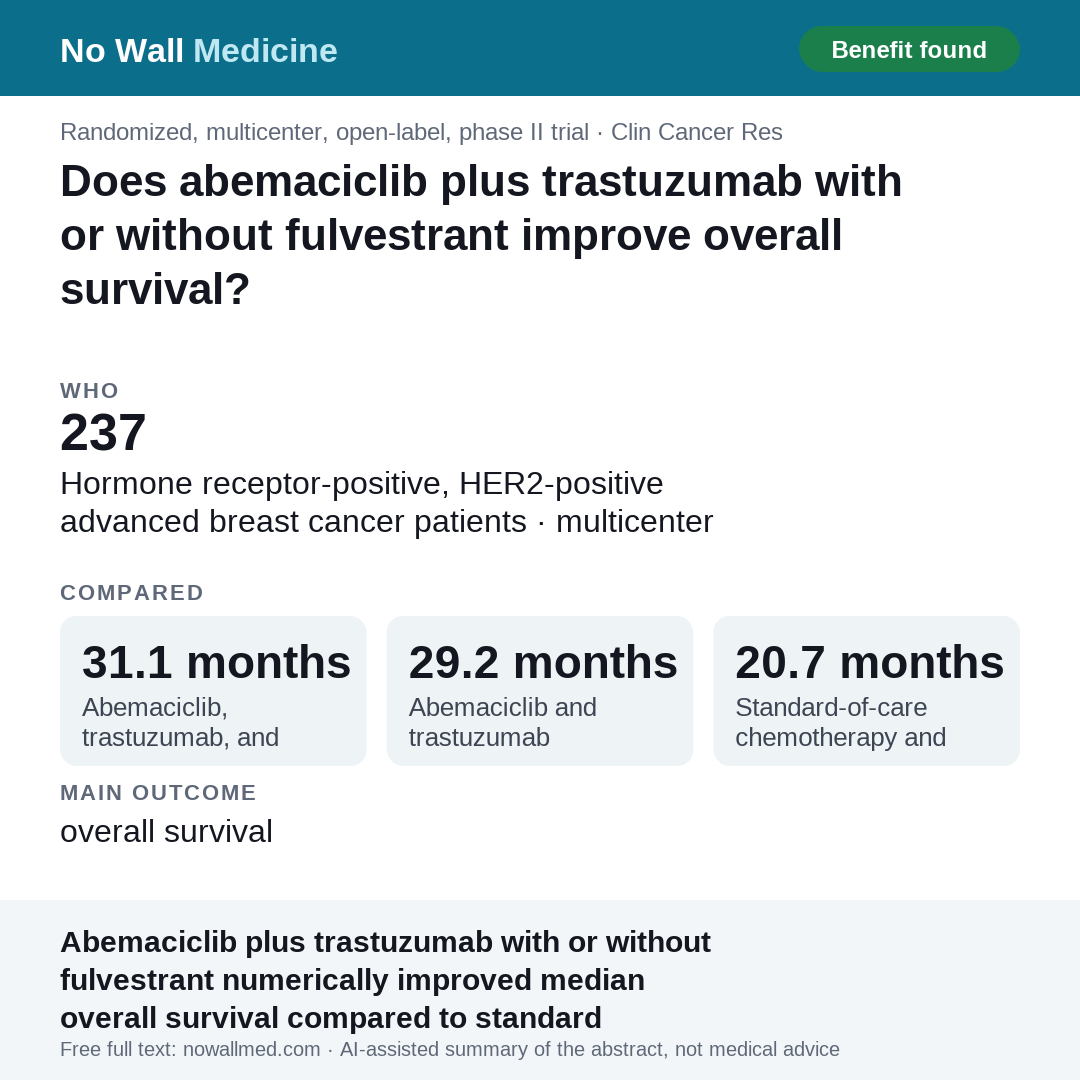
Overall Survival and Exploratory Biomarker Analyses of Abemaciclib plus Trastuzumab with or without Fulvestrant versus Trastuzumab plus Chemotherapy in HR+, HER2+ Metastatic Breast Cancer Patients
Randomized, multicenter, open-label, phase II trialEarly signal
Does abemaciclib plus trastuzumab with or without fulvestrant improve overall survival?
Who
237
Hormone receptor-positive, HER2-positive advanced breast cancer patients · multicenter
Compared
31.1 monthsAbemaciclib, trastuzumab, and fulvestrant
29.2 monthsAbemaciclib and trastuzumab
20.7 monthsStandard-of-care chemotherapy and trastuzumab
Main outcome
overall survival
Result: hazard ratio 0.71 (95% CI, 0.48-1.05)
Bottom line: Abemaciclib plus trastuzumab with or without fulvestrant numerically improved median overall survival compared to standard chemotherapy.
Clin Cancer Res · 2023-10-31Download image
Timing of Goals of Care Discussions in Nursing Homes: A Systematic Review
Systematic reviewBenefit found
Does the timing of goals of care discussions impact end of life outcomes?
Who
Adult populations in nursing home settings · Nursing homes
Compared
Earlier discussions: lower rates of hospitalization and lower health care costs
Discussions within a month of death
Main outcome
End of life outcomes
Bottom line: Earlier goals of care discussions in nursing homes are associated with lower hospitalization rates and lower costs.
J Am Med Dir Assoc · 2023-10-31Download image

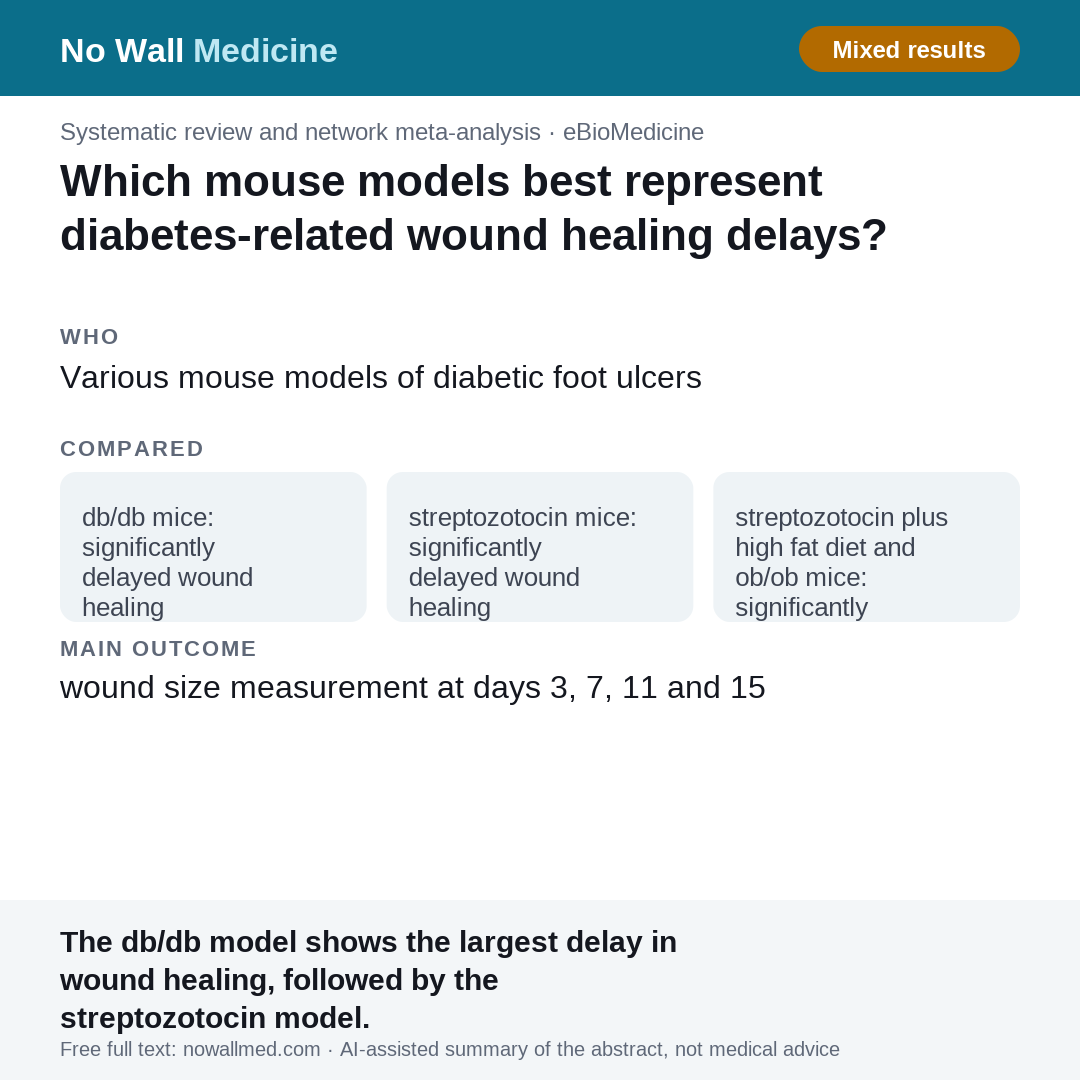
Mouse models of diabetes-related ulcers: a systematic review and network meta-analysis
Systematic review and network meta-analysisMixed results
Which mouse models best represent diabetes-related wound healing delays?
Who
295
Various mouse models of diabetic foot ulcers
Compared
db/db mice: significantly delayed wound healing
streptozotocin mice: significantly delayed wound healing
streptozotocin plus high fat diet and ob/ob mice: significantly delayed wound healing
Main outcome
wound size measurement at days 3, 7, 11 and 15
Bottom line: The db/db model shows the largest delay in wound healing, followed by the streptozotocin model.
Limitation: Results for streptozotocin plus high fat diet and ob/ob mice rely on limited studies.
Funded by: Agence Nationale de la Recherche
eBioMedicine · 2023-10-31Download image
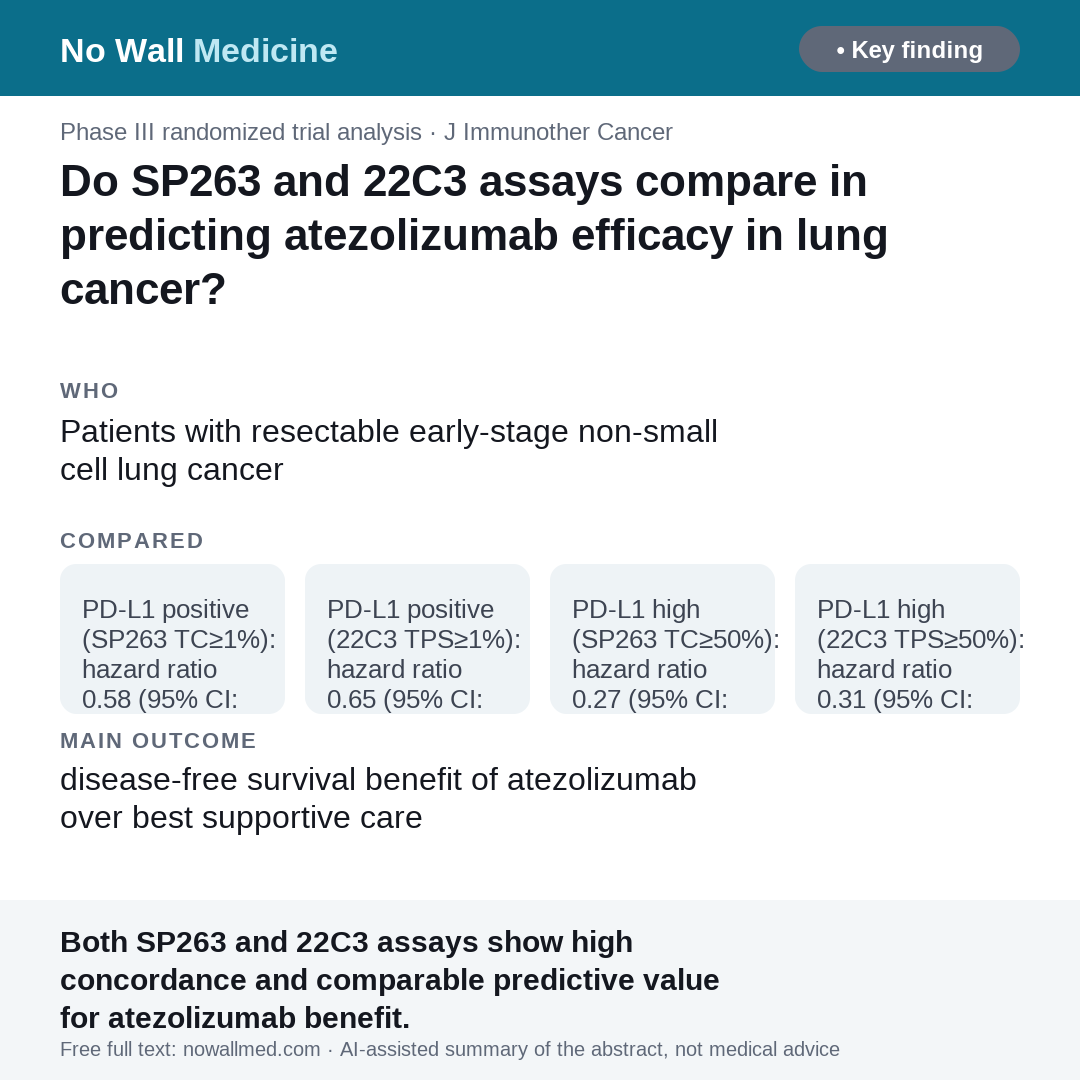
Comparison of SP263 and 22C3 immunohistochemistry PD-L1 assays for clinical efficacy of adjuvant atezolizumab in non-small cell lung cancer: results from the randomized phase III IMpower010 trial
Phase III randomized trial analysisBenefit found
Do SP263 and 22C3 assays compare in predicting atezolizumab efficacy in lung cancer?
Who
Patients with resectable early-stage non-small cell lung cancer
Compared
PD-L1 positive (SP263 TC≥1%): hazard ratio 0.58 (95% CI: 0.40 to 0.85)
PD-L1 positive (22C3 TPS≥1%): hazard ratio 0.65 (95% CI: 0.45 to 0.95)
PD-L1 high (SP263 TC≥50%): hazard ratio 0.27 (95% CI: 0.14 to 0.53)
PD-L1 high (22C3 TPS≥50%): hazard ratio 0.31 (95% CI: 0.16 to 0.60)
Main outcome
disease-free survival benefit of atezolizumab over best supportive care
Bottom line: Both SP263 and 22C3 assays show high concordance and comparable predictive value for atezolizumab benefit.
J Immunother Cancer · 2023-10-31Download image
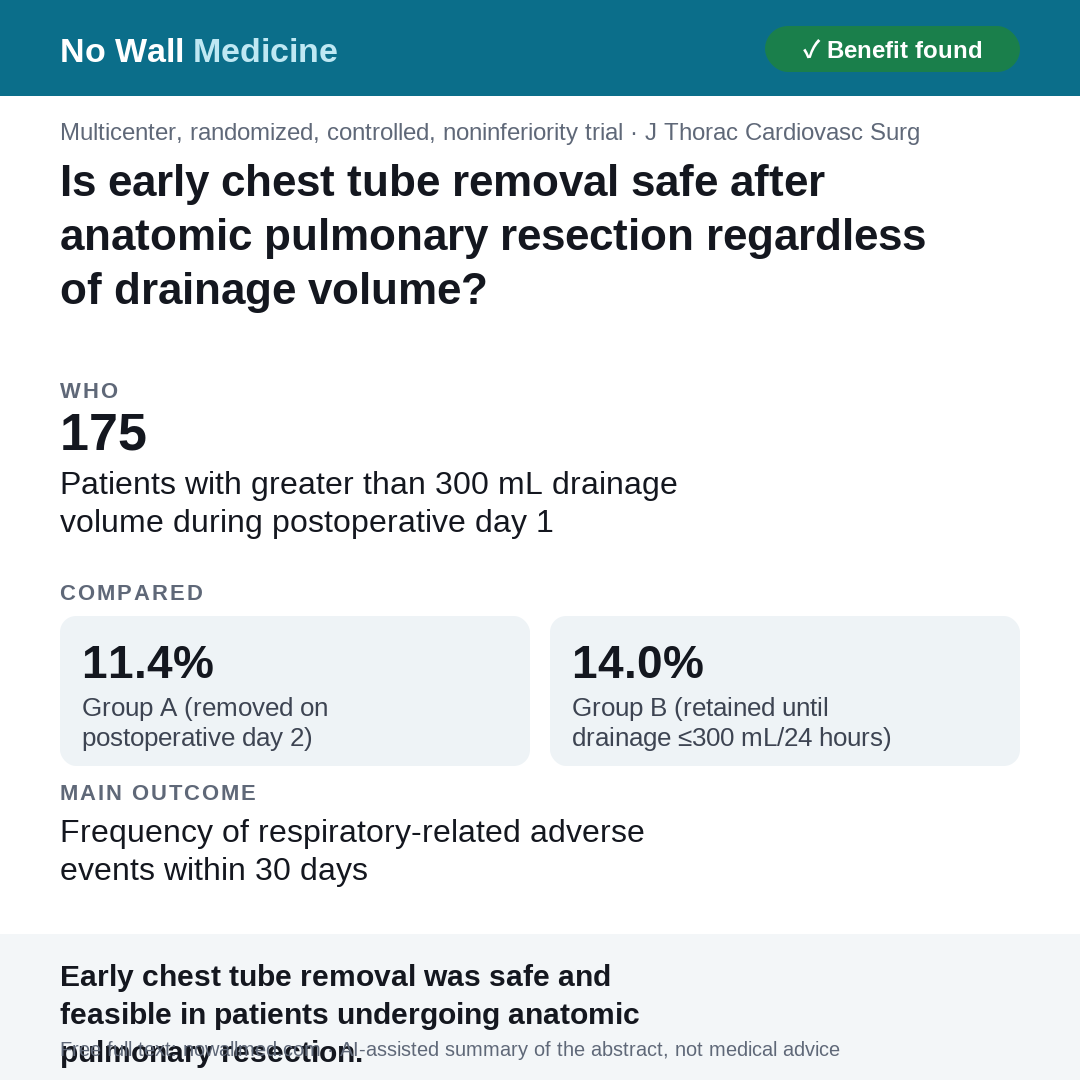
Early chest tube removal regardless of drainage volume after anatomic pulmonary resection: A multicenter, randomized, controlled trial
Multicenter, randomized, controlled, noninferiority trialBenefit found
Is early chest tube removal safe after anatomic pulmonary resection regardless of drainage volume?
Who
175
Patients with greater than 300 mL drainage volume during postoperative day 1
Compared
11.4%Group A (removed on postoperative day 2)
14.0%Group B (retained until drainage ≤300 mL/24 hours)
Main outcome
Frequency of respiratory-related adverse events within 30 days
Bottom line: Early chest tube removal was safe and feasible in patients undergoing anatomic pulmonary resection.
J Thorac Cardiovasc Surg · 2023-10-30Download image
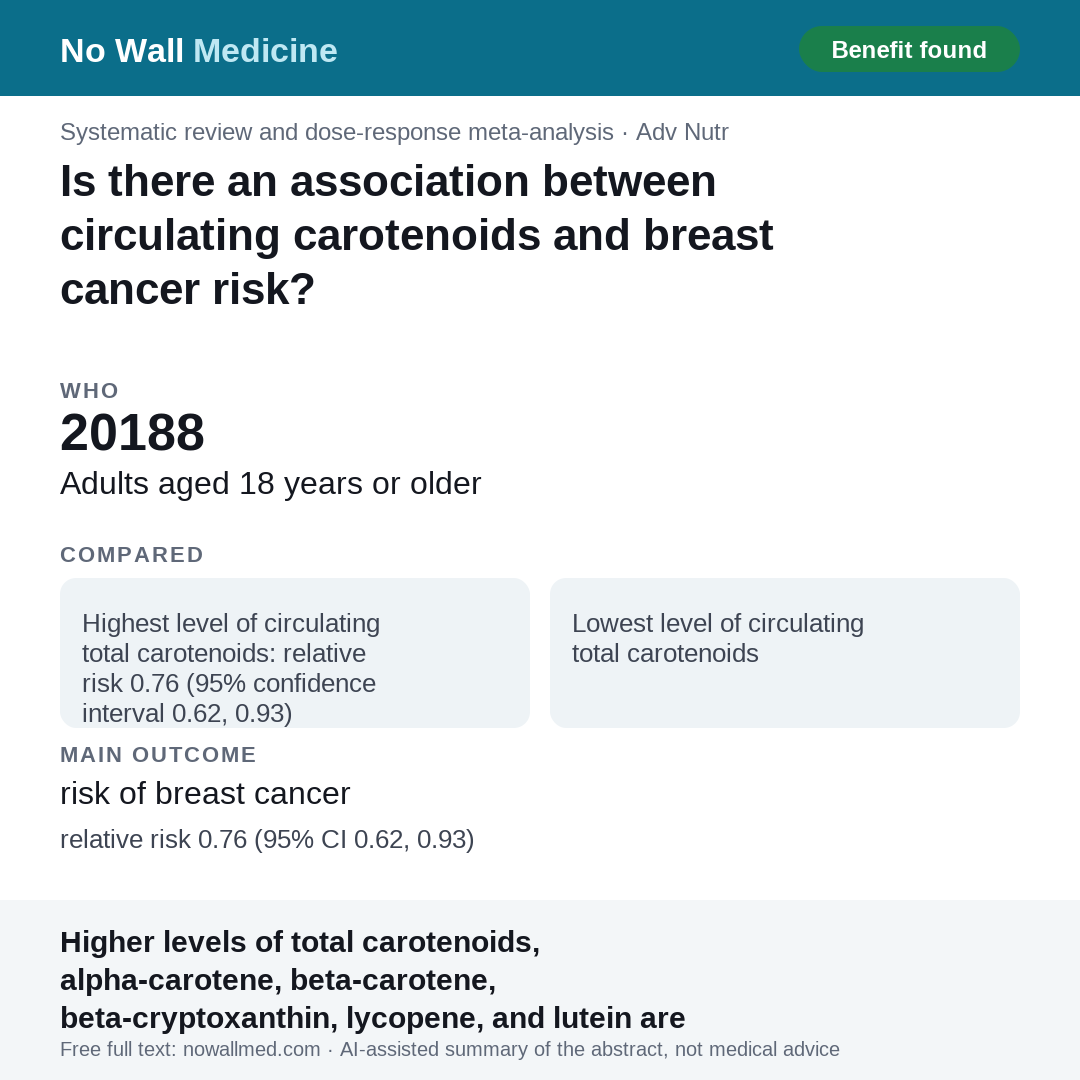
The Association between Circulating Carotenoids and Risk of Breast Cancer: A Systematic Review and Dose-Response Meta-Analysis of Prospective Studies
Systematic review and dose-response meta-analysisBenefit found
Is there an association between circulating carotenoids and breast cancer risk?
Who
20188
Adults aged 18 years or older
Compared
Highest level of circulating total carotenoids: relative risk 0.76 (95% confidence interval 0.62, 0.93)
Lowest level of circulating total carotenoids
Main outcome
risk of breast cancer
Result: relative risk 0.76 (95% CI 0.62, 0.93)
Bottom line: Higher levels of total carotenoids, alpha-carotene, beta-carotene, beta-cryptoxanthin, lycopene, and lutein are related to decreased breast cancer risk.
Adv Nutr · 2023-10-30Download image
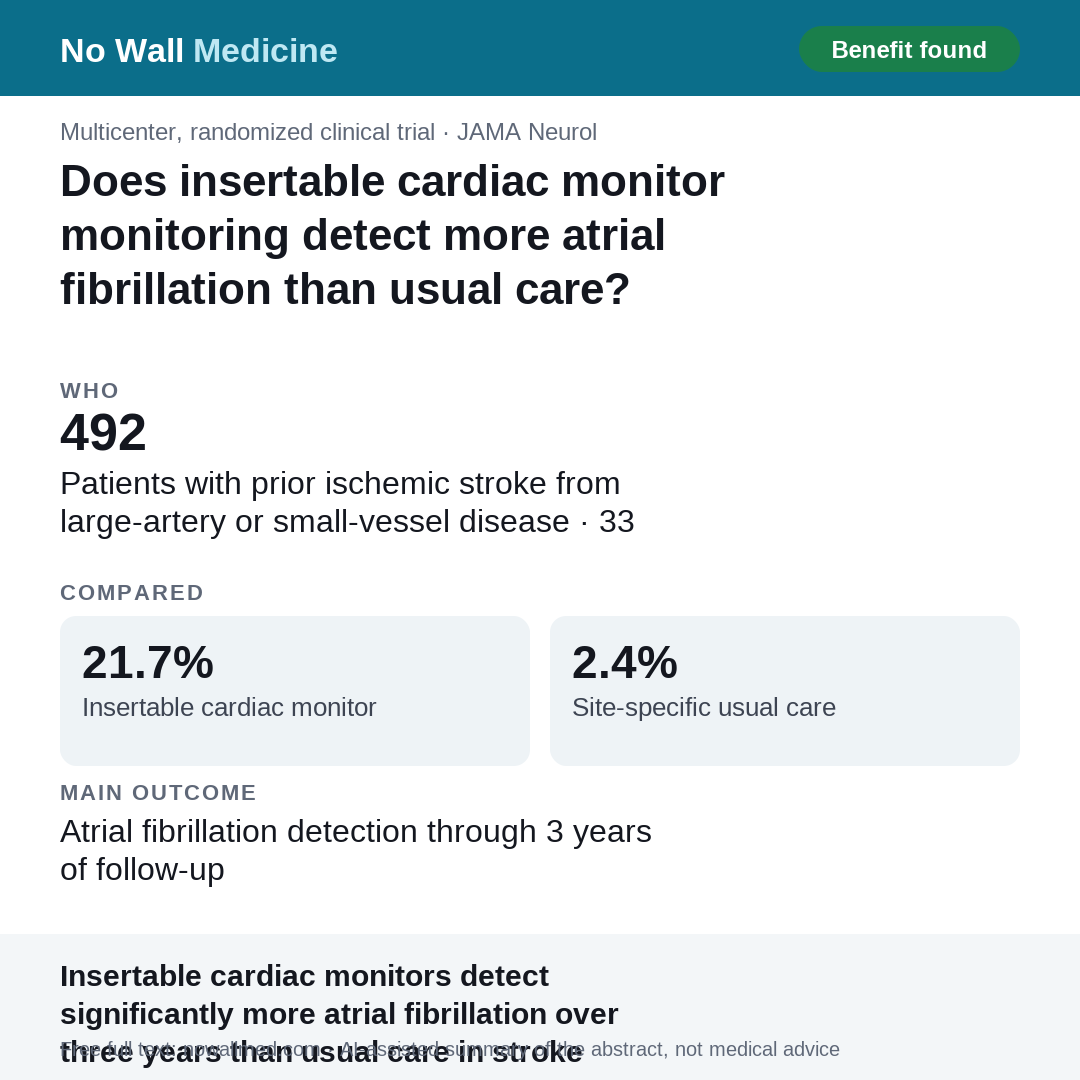
Atrial Fibrillation In Patients With Stroke Attributed to Large- or Small-Vessel Disease: 3-Year Results From the STROKE AF Randomized Clinical Trial
Multicenter, randomized clinical trialBenefit found
Does insertable cardiac monitor monitoring detect more atrial fibrillation than usual care?
Who
492
Patients with prior ischemic stroke from large-artery or small-vessel disease · 33 sites in the United States
Compared
21.7%Insertable cardiac monitor (46 patients)
2.4%Site-specific usual care (5 patients)
Main outcome
Atrial fibrillation detection through 3 years of follow-up
Result: hazard ratio 10.0 (95% CI 4.0-25.2)
Bottom line: Insertable cardiac monitors detect significantly more atrial fibrillation over three years than usual care in stroke patients.
JAMA Neurol · 2023-10-30Download image
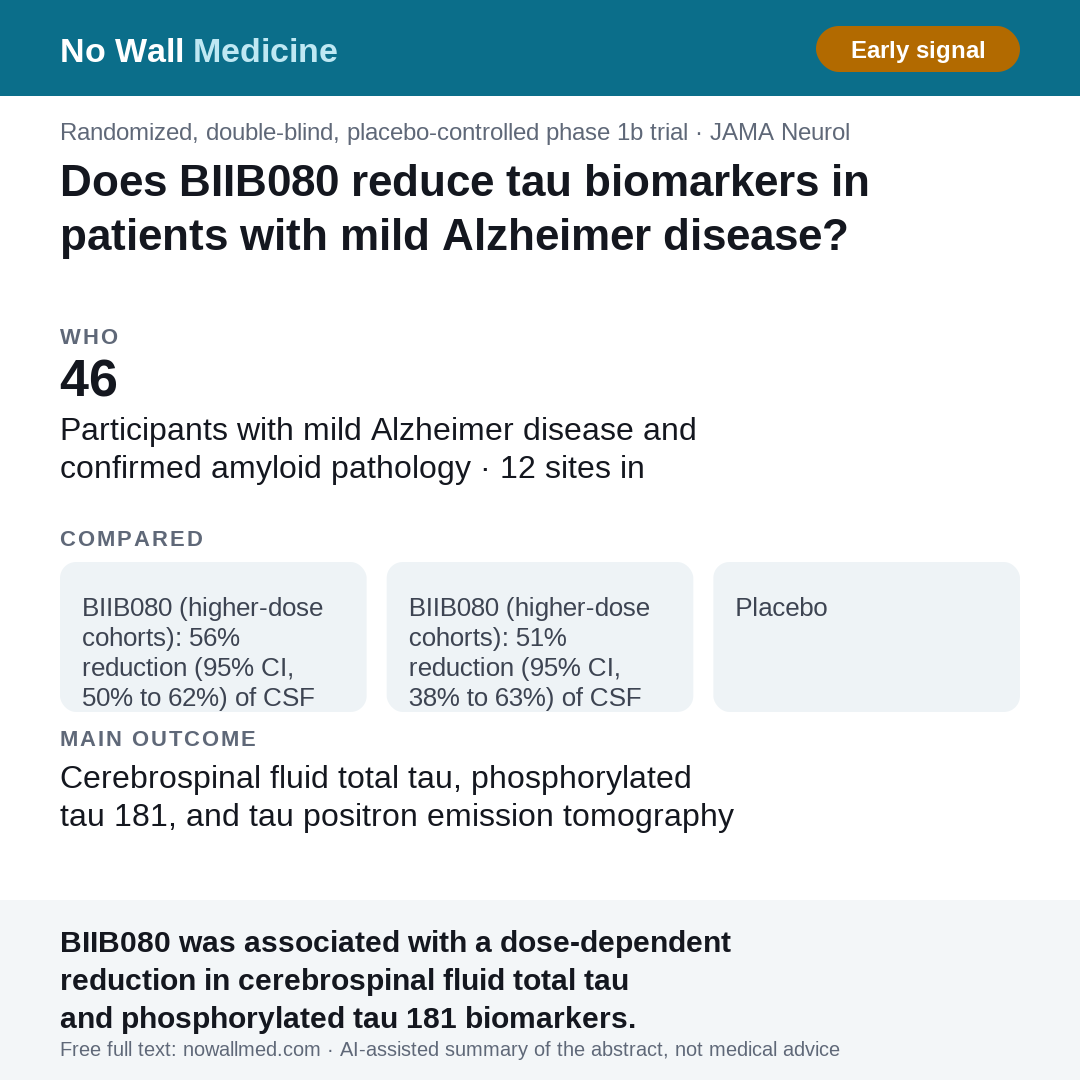
Exploratory Tau Biomarker Results From a Multiple Ascending-Dose Study of BIIB080 in Alzheimer Disease: A Randomized Clinical Trial
Randomized, double-blind, placebo-controlled phase 1b trialEarly signal
Does BIIB080 reduce tau biomarkers in patients with mild Alzheimer disease?
Who
46
Participants with mild Alzheimer disease and confirmed amyloid pathology · 12 sites in Canada and Europe
Compared
BIIB080 (higher-dose cohorts): 56% reduction (95% CI, 50% to 62%) of CSF total tau
BIIB080 (higher-dose cohorts): 51% reduction (95% CI, 38% to 63%) of CSF phosphorylated tau 181
Placebo
Main outcome
Cerebrospinal fluid total tau, phosphorylated tau 181, and tau positron emission tomography
Bottom line: BIIB080 was associated with a dose-dependent reduction in cerebrospinal fluid total tau and phosphorylated tau 181 biomarkers.
JAMA Neurol · 2023-10-30Download image
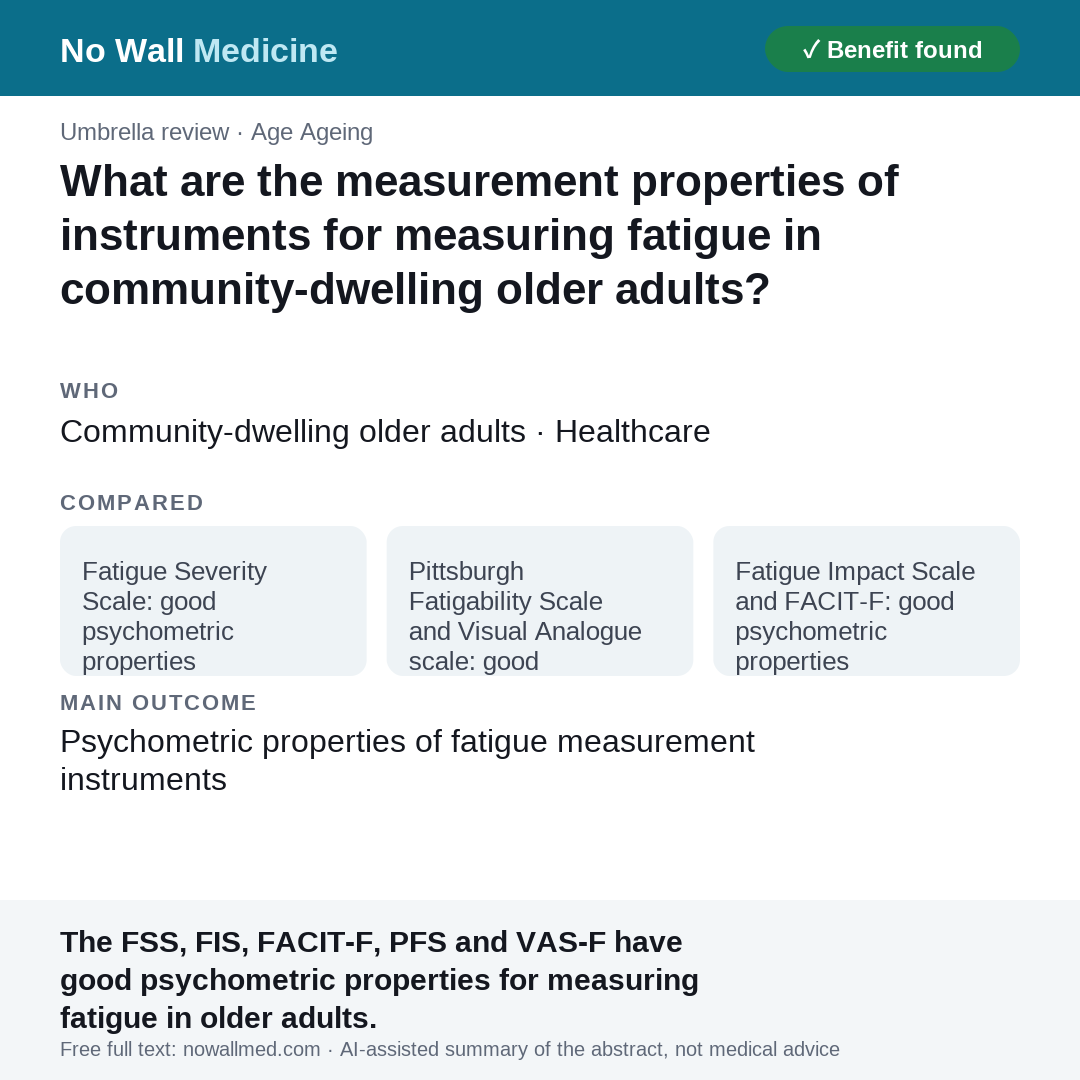
Measurement properties of instruments to measure the fatigue domain of vitality capacity in community-dwelling older people: an umbrella review of systematic reviews and meta-analysis
Umbrella reviewBenefit found
What are the measurement properties of instruments for measuring fatigue in community-dwelling older adults?
Who
Community-dwelling older adults · Healthcare
Compared
Fatigue Severity Scale: good psychometric properties
Pittsburgh Fatigability Scale and Visual Analogue scale: good psychometric properties
Fatigue Impact Scale and FACIT-F: good psychometric properties
Main outcome
Psychometric properties of fatigue measurement instruments
Bottom line: The FSS, FIS, FACIT-F, PFS and VAS-F have good psychometric properties for measuring fatigue in older adults.
Age Ageing · 2023-10-30Download image
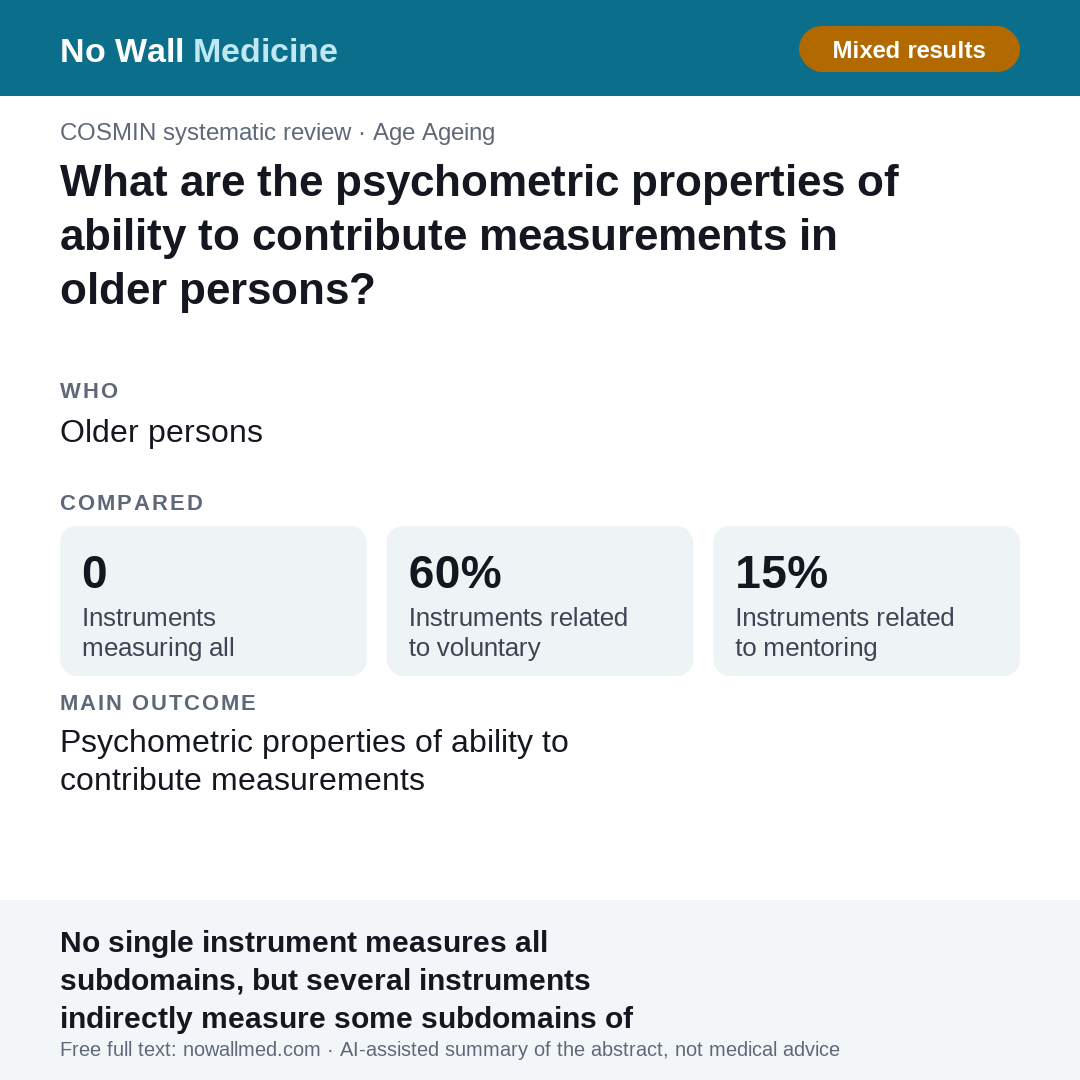
Psychometric properties of ability to contribute measurements as a domain of functional ability of older persons: a COSMIN systematic review
COSMIN systematic reviewMixed results
What are the psychometric properties of ability to contribute measurements in older persons?
Who
Older persons
Compared
0Instruments measuring all subdomains
60%Instruments related to voluntary activities (n = 12)
15%Instruments related to mentoring (n = 3)
Main outcome
Psychometric properties of ability to contribute measurements
Bottom line: No single instrument measures all subdomains, but several instruments indirectly measure some subdomains of ability to contribute.
Limitation: A very limited overview of their scope and limitations for their application was observed.
Age Ageing · 2023-10-30Download image
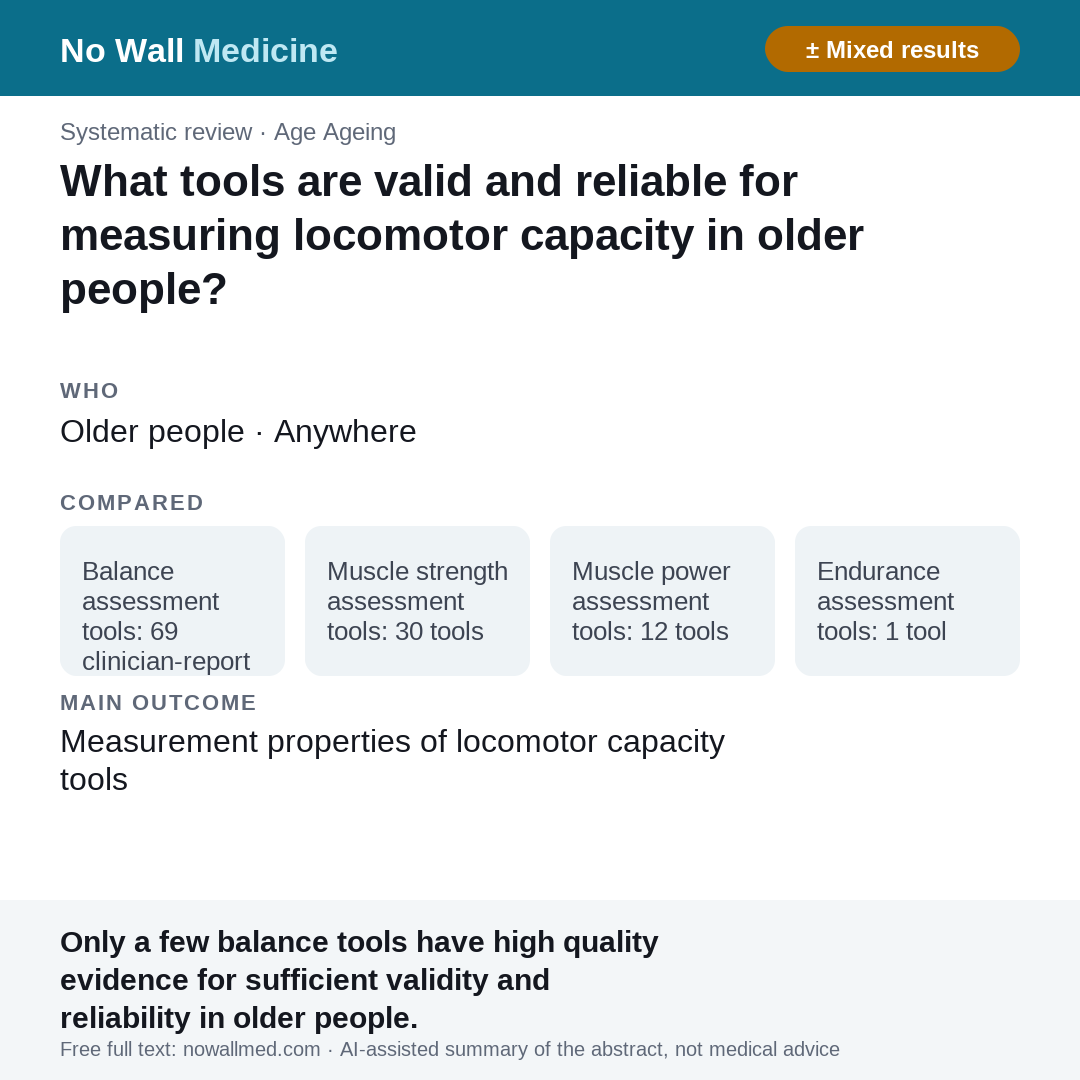
Measures of attributes of locomotor capacity in older people: a systematic literature review following the COSMIN methodology
Systematic reviewMixed results
What tools are valid and reliable for measuring locomotor capacity in older people?
Who
Older people · Anywhere
Compared
Balance assessment tools: 69 clinician-report or objective assessment tools
Muscle strength assessment tools: 30 tools
Muscle power assessment tools: 12 tools
Endurance assessment tools: 1 tool
Main outcome
Measurement properties of locomotor capacity tools
Bottom line: Only a few balance tools have high quality evidence for sufficient validity and reliability in older people.
Age Ageing · 2023-10-30Download image
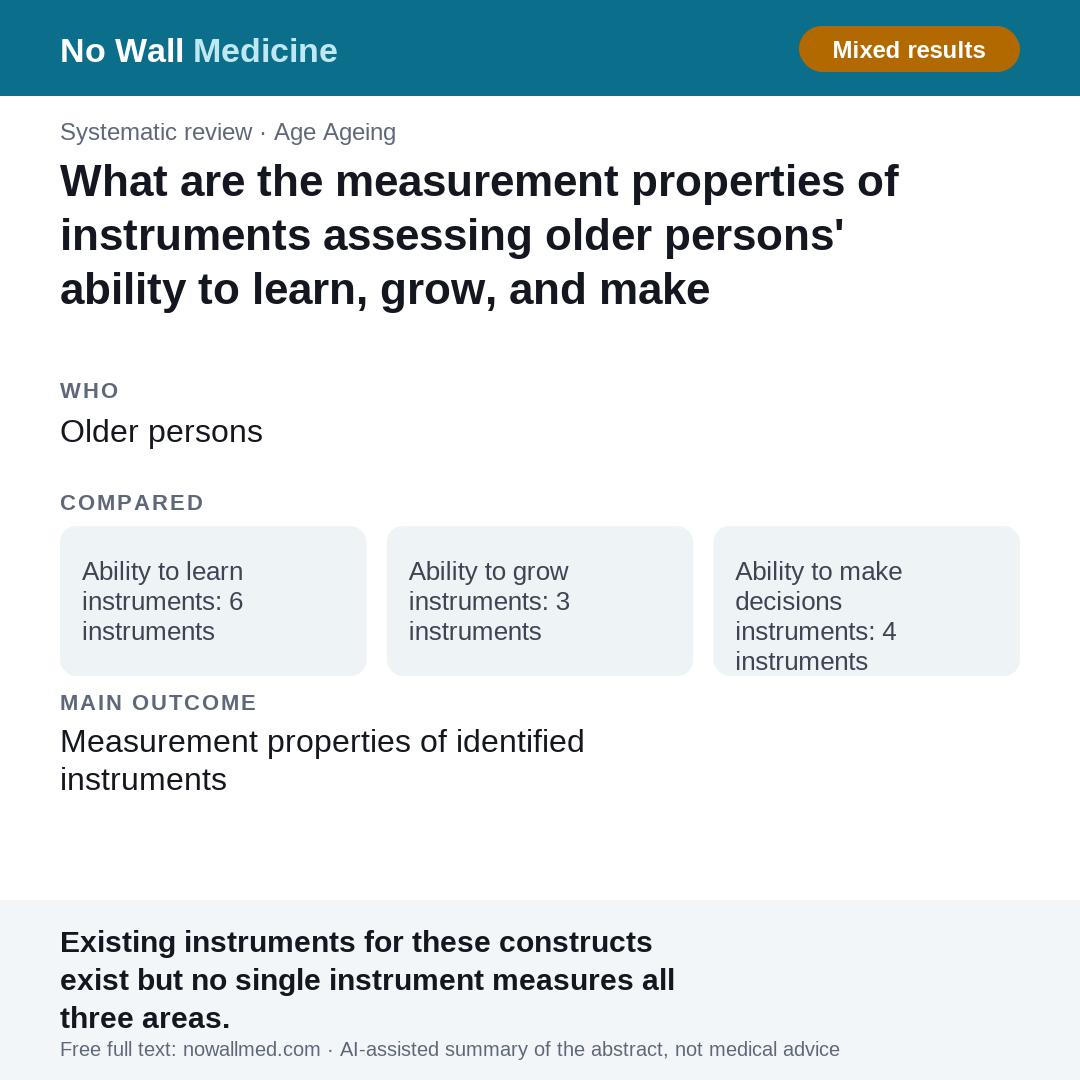
Measures of ability to learn, grow and make decisions among older persons: a systematic review of measurement properties
Systematic reviewMixed results
What are the measurement properties of instruments assessing older persons' ability to learn, grow, and make decisions?
Who
Older persons
Compared
Ability to learn instruments: 6 instruments
Ability to grow instruments: 3 instruments
Ability to make decisions instruments: 4 instruments
Main outcome
Measurement properties of identified instruments
Bottom line: Existing instruments for these constructs exist but no single instrument measures all three areas.
Limitation: The quality of evidence was low due to limited related validation studies.
Age Ageing · 2023-10-30Download image
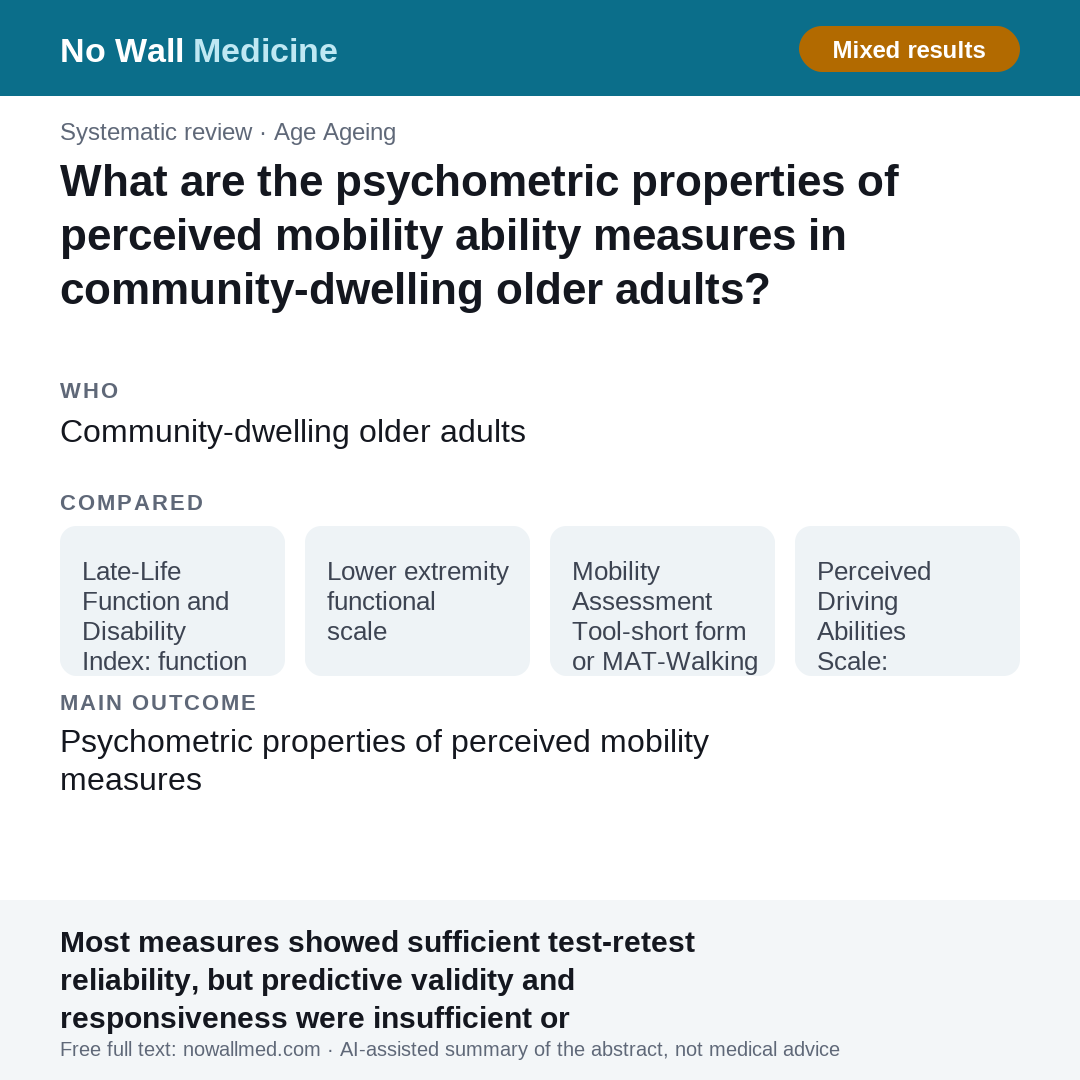
Measures of perceived mobility ability in community-dwelling older adults: a systematic review of psychometric properties
Systematic reviewMixed results
What are the psychometric properties of perceived mobility ability measures in community-dwelling older adults?
Who
Community-dwelling older adults
Compared
Late-Life Function and Disability Index: function component
Lower extremity functional scale
Mobility Assessment Tool-short form or MAT-Walking
Perceived Driving Abilities Scale: insufficient reliability (low)
Main outcome
Psychometric properties of perceived mobility measures
Bottom line: Most measures showed sufficient test-retest reliability, but predictive validity and responsiveness were insufficient or inconsistent.
Limitation: No available comprehensive mobility measure was identified that covered all mobility domains.
Age Ageing · 2023-10-30Download image
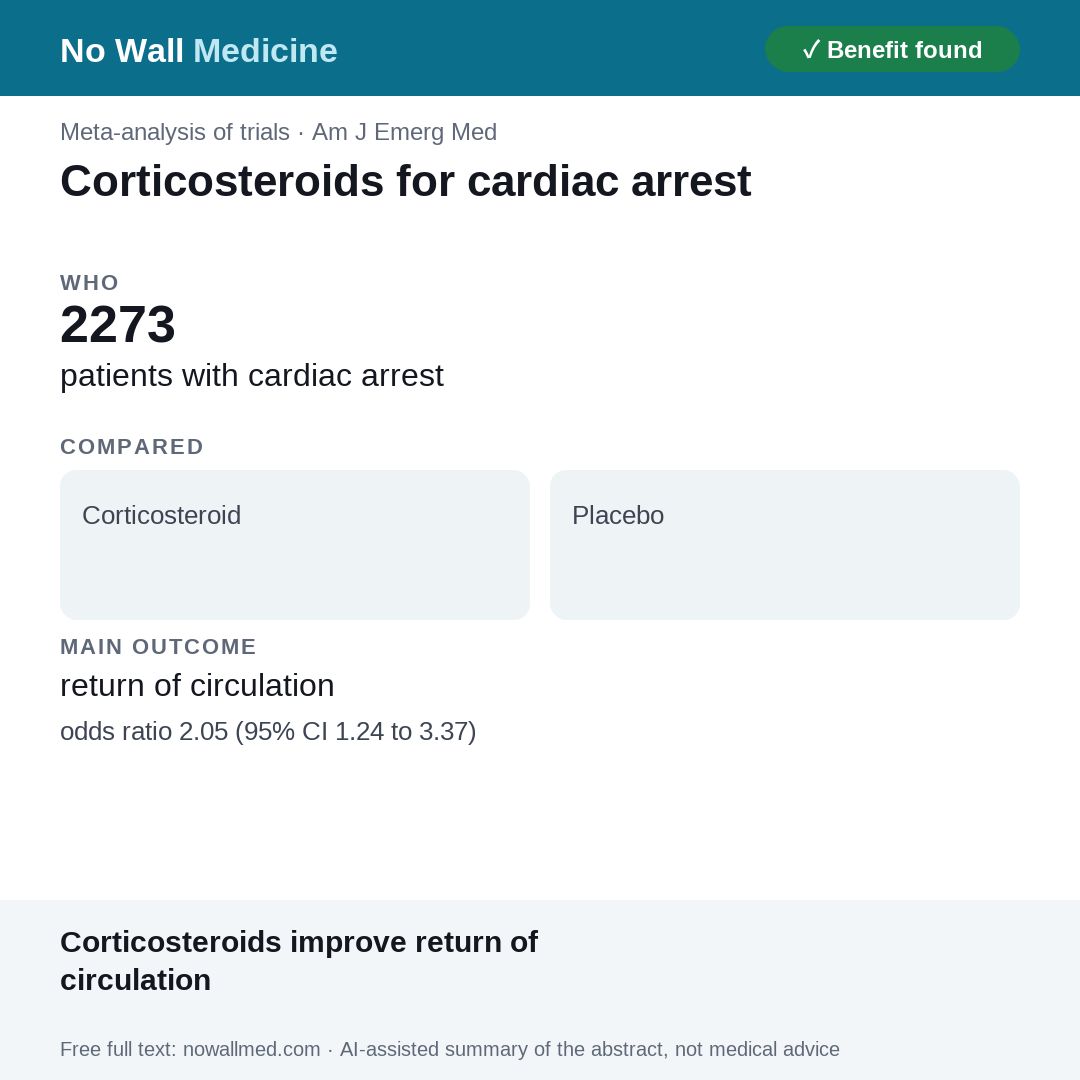
Efficacy and safety of corticosteroid therapy in patients with cardiac arrest: A meta-analysis of randomized controlled trials
Meta-analysis of trialsBenefit found
Corticosteroids for cardiac arrest
Who
2273
patients with cardiac arrest
Compared
Corticosteroid
Placebo
Main outcome
return of circulation
Result: odds ratio 2.05 (95% CI 1.24 to 3.37)
Bottom line: Corticosteroids improve return of circulation
Limitation: uncertainty for neurological outcomes
Am J Emerg Med · 2023-10-30Download image
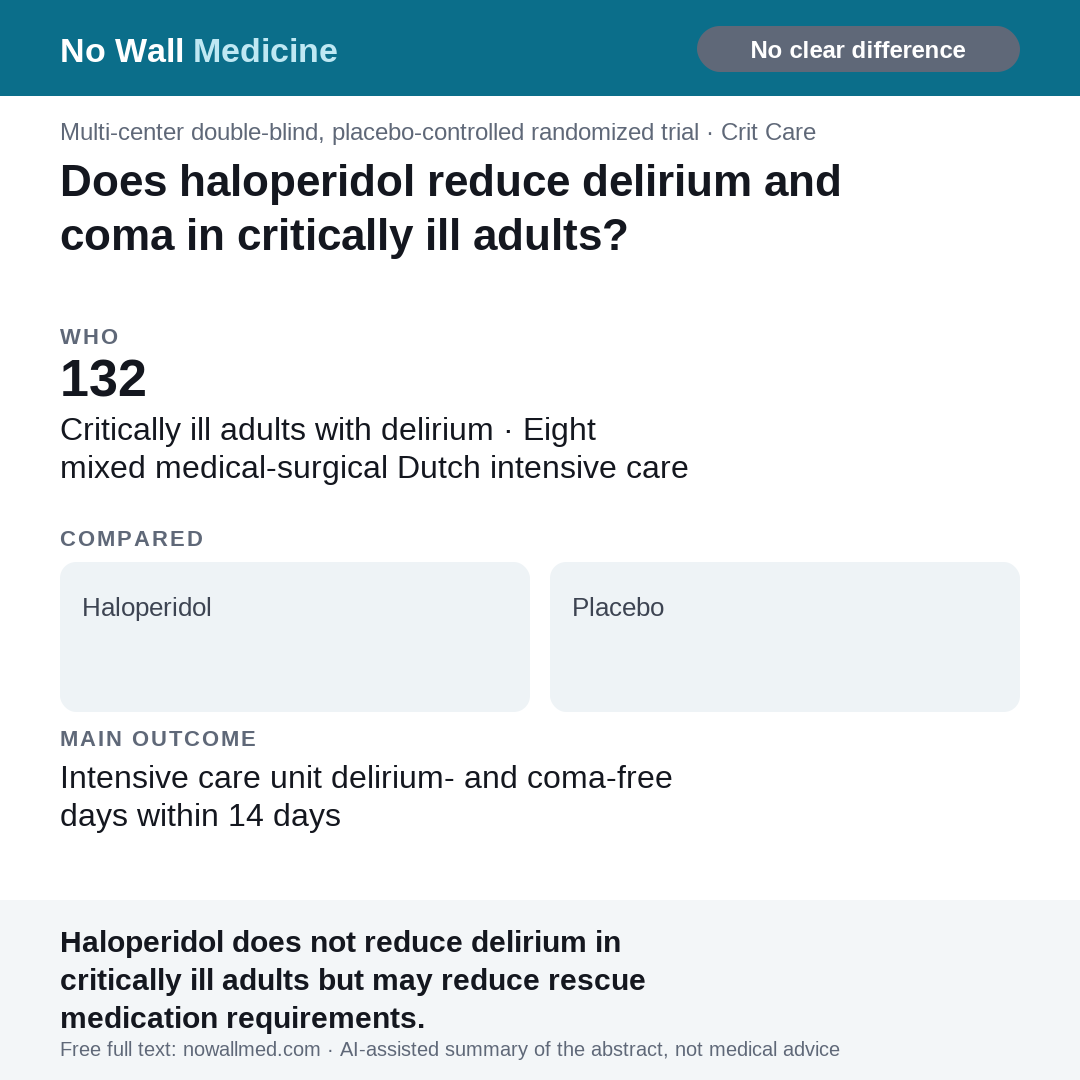
Efficacy of haloperidol to decrease the burden of delirium in adult critically ill patients: the EuRIDICE randomized clinical trial
Multi-center double-blind, placebo-controlled randomized trialNo clear difference
Does haloperidol reduce delirium and coma in critically ill adults?
Who
132
Critically ill adults with delirium · Eight mixed medical-surgical Dutch intensive care units
Compared
Haloperidol
Placebo
Main outcome
Intensive care unit delirium- and coma-free days within 14 days
Result: adjusted relative risk 0.98 (95% CI 0.73-1.31)
Bottom line: Haloperidol does not reduce delirium in critically ill adults but may reduce rescue medication requirements.
Limitation: The trial was terminated prematurely for primary endpoint futility.
Crit Care · 2023-10-30Download image