Visual abstracts
New randomized trials and meta-analyses from leading journals at a glance: who was studied, what was compared, and what was found. Every paper is free to read in full.
All specialtiesCardiology 4877Oncology 4138Gastroenterology & Hepatology 1942Infectious Disease 3837Neurology 1905Psychiatry & Mental Health 2273Pulmonology 2143Critical Care 1365Endocrinology & Diabetes 2580Pediatrics 2980Surgery 2559Orthopedics & Sports Medicine 931Neurosurgery 537Cardiothoracic & Vascular Surgery 674Plastic & Reconstructive Surgery 591Nephrology 1133Rheumatology 823Hematology 1109Dermatology 621Ophthalmology 543Obstetrics & Gynecology 1686Public & Global Health 1058Radiology & Imaging 648Anesthesiology 986Urology 764ENT (Otolaryngology) 503Emergency Medicine 511Allergy & Immunology 313Geriatrics 981Family Medicine & Primary Care 562Medical Genetics & Genomics 676Pathology & Laboratory Medicine 159Physical Medicine & Rehabilitation 757Palliative Care 444Nutrition 1588Digital Health & AI 2201General Medicine 321
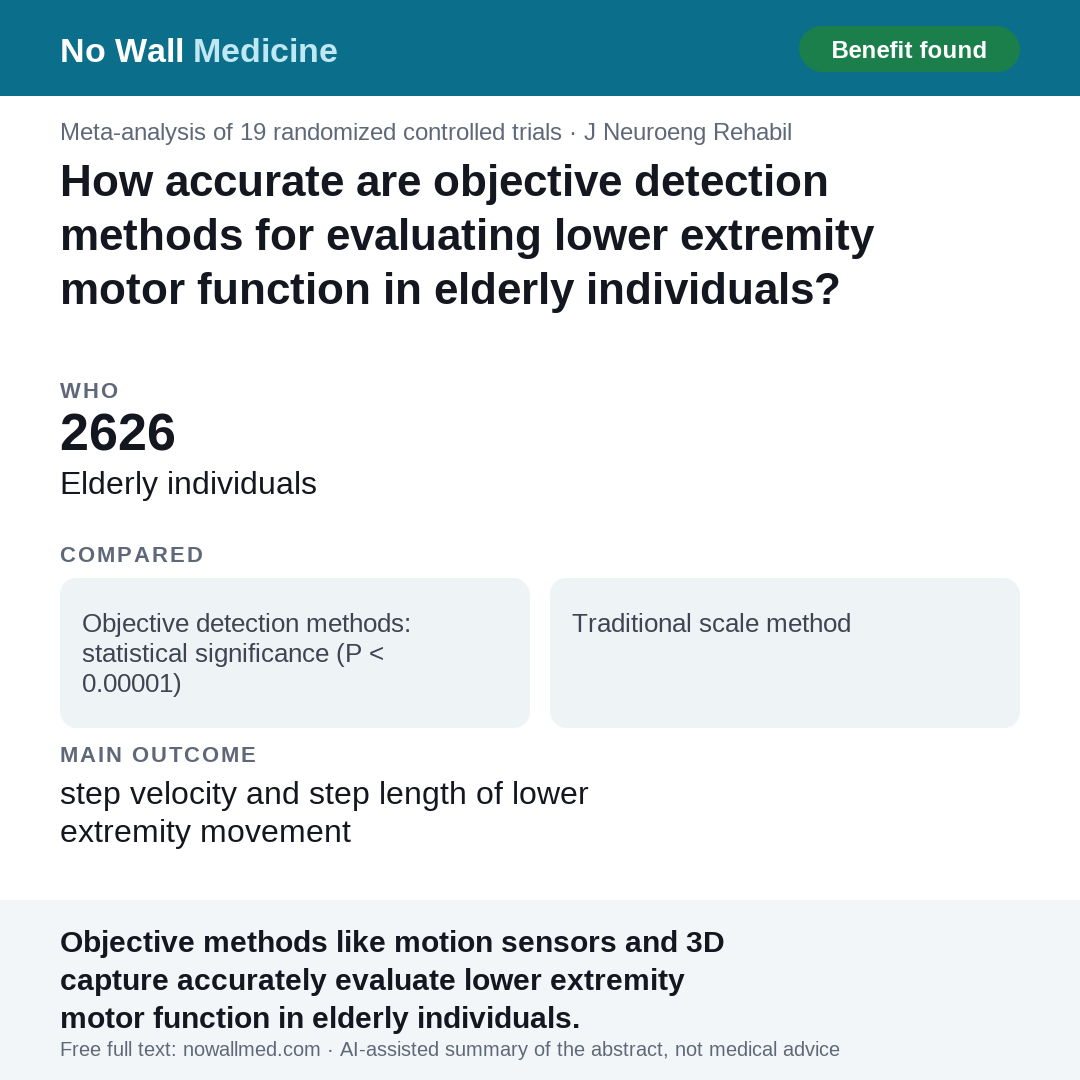
Meta-analysis of the quantitative assessment of lower extremity motor function in elderly individuals based on objective detection
Meta-analysis of 19 randomized controlled trialsBenefit found
How accurate are objective detection methods for evaluating lower extremity motor function in elderly individuals?
Who
2626
Elderly individuals
Compared
Objective detection methods: statistical significance (P < 0.00001)
Traditional scale method
Main outcome
step velocity and step length of lower extremity movement
Result: SMD=-0.98, 95%CI(-1.23, -0.72) for step velocity; SMD=-1.40, 95%CI(-1.77, -1.02) for step length
Bottom line: Objective methods like motion sensors and 3D capture accurately evaluate lower extremity motor function in elderly individuals.
Limitation: High heterogeneity in observational gait analysis and inertial measurement units due to different calculation formulas.
J Neuroeng Rehabil · 2024-06-26Download image
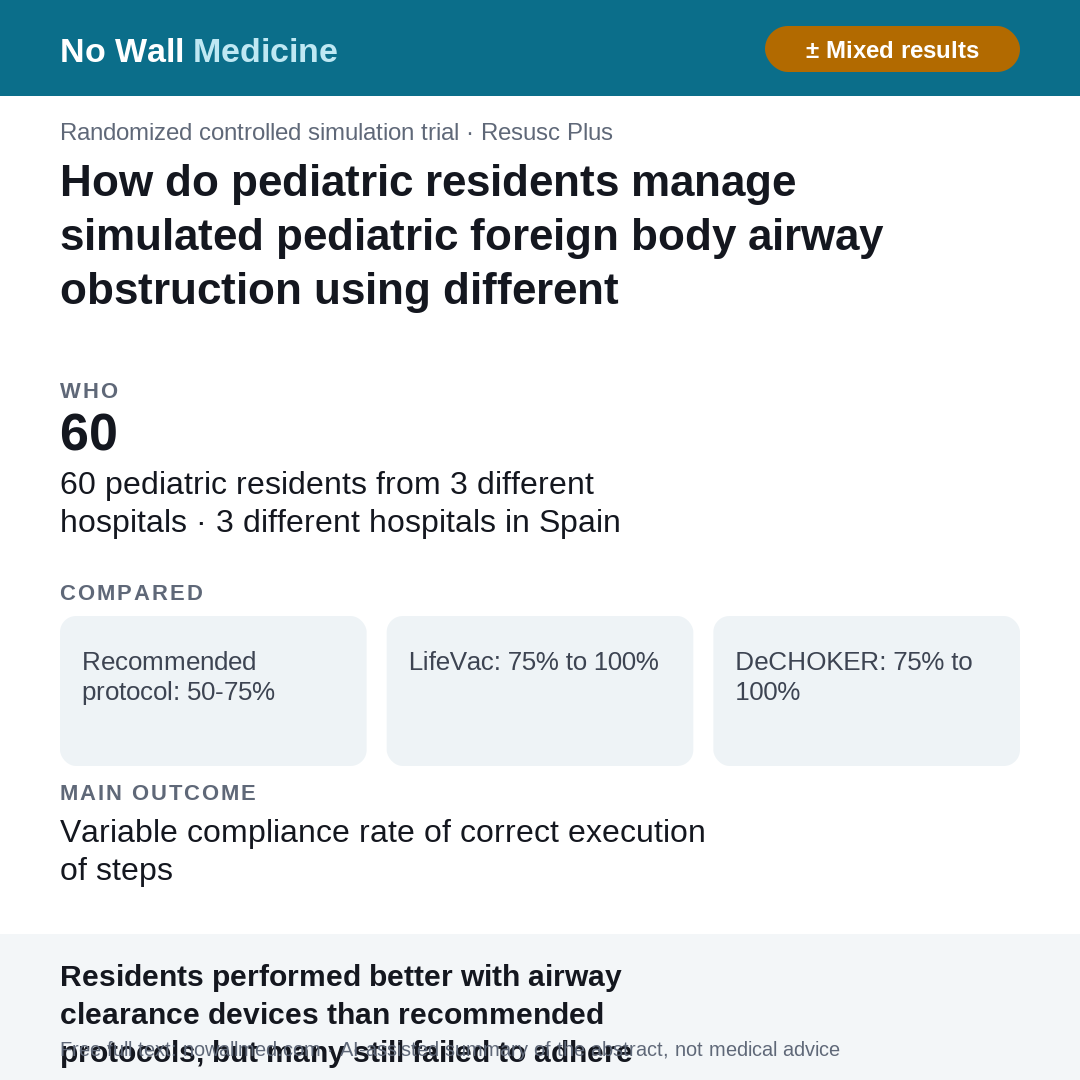
Knowledge and skills of pediatric residents in managing pediatric foreign body airway obstruction using novel airway clearance devices in Spain: A randomized simulation trial
Randomized controlled simulation trialMixed results
How do pediatric residents manage simulated pediatric foreign body airway obstruction using different interventions?
Who
60
60 pediatric residents from 3 different hospitals · 3 different hospitals in Spain
Compared
Recommended protocol: 50-75%
LifeVac: 75% to 100%
DeCHOKER: 75% to 100%
Main outcome
Variable compliance rate of correct execution of steps
Bottom line: Residents performed better with airway clearance devices than recommended protocols, but many still failed to adhere to proper steps.
Resusc Plus · 2024-06-26Download image
A portable thermal ablation device for cervical cancer prevention in a screen-and-treat setting: a randomized, noninferiority trial
Randomized controlled trialBenefit found
Is thermal ablation noninferior to cryotherapy or electrosurgical excision for cervical precancer?
Who
3124
Women positive on visual inspection with acetic acid in Zambia · Zambia
Compared
74.0%Thermal ablation
71.1%Cryotherapy
71.4%Electrosurgical excision
Main outcome
Treatment success
Bottom line: Portable thermal ablation is a safe and effective noninferior alternative to cryotherapy or surgical excision for cervical precancer.
Nat Med · 2024-06-25Download image

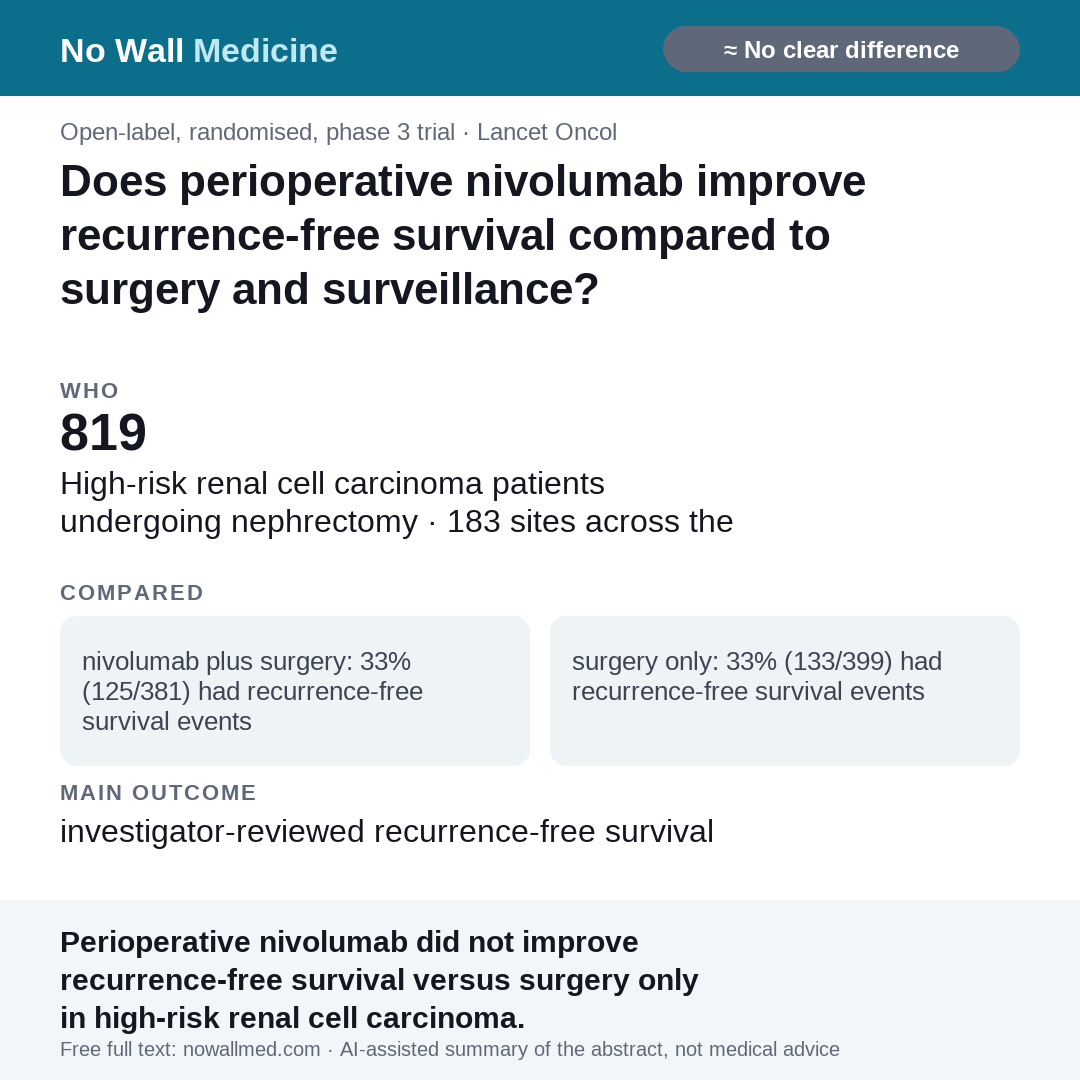
Perioperative nivolumab versus observation in patients with renal cell carcinoma undergoing nephrectomy (PROSPER ECOG-ACRIN EA8143): an open-label, randomised, phase 3 study
Open-label, randomised, phase 3 trialNo clear difference
Does perioperative nivolumab improve recurrence-free survival compared to surgery and surveillance?
Who
819
High-risk renal cell carcinoma patients undergoing nephrectomy · 183 sites across the USA and Canada
Compared
nivolumab plus surgery: 33% (125/381) had recurrence-free survival events
surgery only: 33% (133/399) had recurrence-free survival events
Main outcome
investigator-reviewed recurrence-free survival
Result: hazard ratio 0·94 (95% CI 0·74-1·21)
Bottom line: Perioperative nivolumab did not improve recurrence-free survival versus surgery only in high-risk renal cell carcinoma.
Funded by: National Institutes of Health National Cancer Institute and Bristol Myers Squibb
Lancet Oncol · 2024-06-25Download image
Granulocyte-macrophage colony-stimulating factor neutralisation in patients with axial spondyloarthritis in the UK (NAMASTE): a randomised, double-blind, placebo-controlled, phase 2 trial
Randomised, double-blind, placebo-controlled, phase 2 trialNo clear difference
Does namilumab efficacy in patients with moderate-to-severe active axial spondyloarthritis?
Who
42
Patients aged 18-75 with moderate-to-severe active axial spondyloarthritis · Nine hospitals in the United Kingdom
Compared
Namilumab: 14 of 36
Placebo: three of six
Main outcome
Proportion of participants with ASAS 20% improvement at week 12
Result: estimated between-group difference 6·8%
Bottom line: Namilumab did not show efficacy compared with placebo in patients with active axial spondyloarthritis, but was generally well tolerated.
Funded by: Izana Bioscience, NIHR, and Clinical Research Facility
Lancet Rheumatol · 2024-06-25Download image
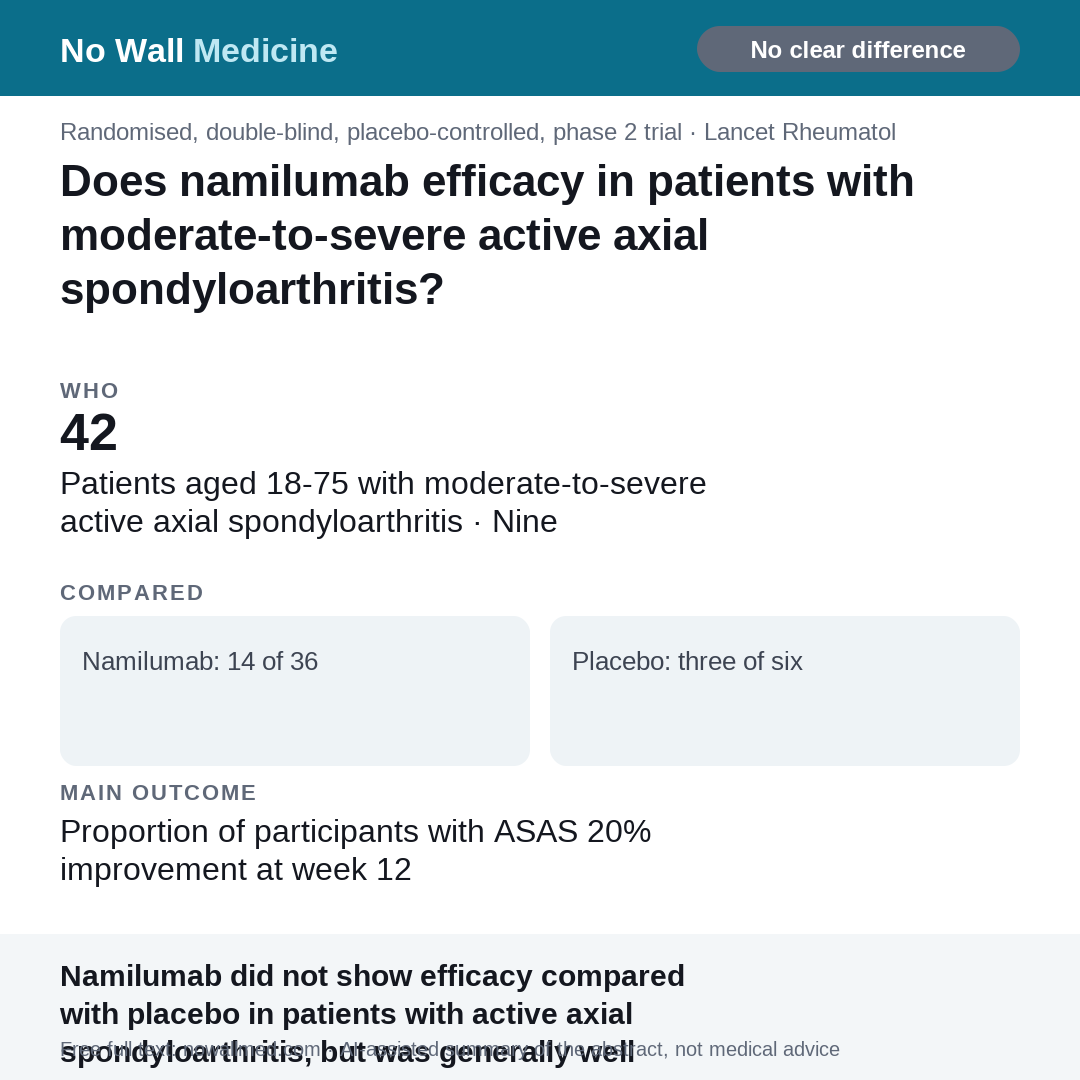
No Effect of Methylnaltrexone on Acute Pancreatitis Severity: A Multicenter Randomized Controlled Trial
Double-blind, randomized, placebo-controlled trialNo clear difference
Does methylnaltrexone affect acute pancreatitis severity?
Who
105
Adult patients with acute pancreatitis and systemic inflammatory response syndrome · 4 Danish centers
Compared
134.3 pointsMethylnaltrexone
130.5 pointsPlacebo
Main outcome
Pancreatitis Activity Scoring System score after 48 hours
Result: difference 3.8, 95% confidence interval -40.1 to 47.6
Bottom line: Methylnaltrexone treatment did not reduce acute pancreatitis severity compared to placebo.
Am J Gastroenterol · 2024-06-25Download image
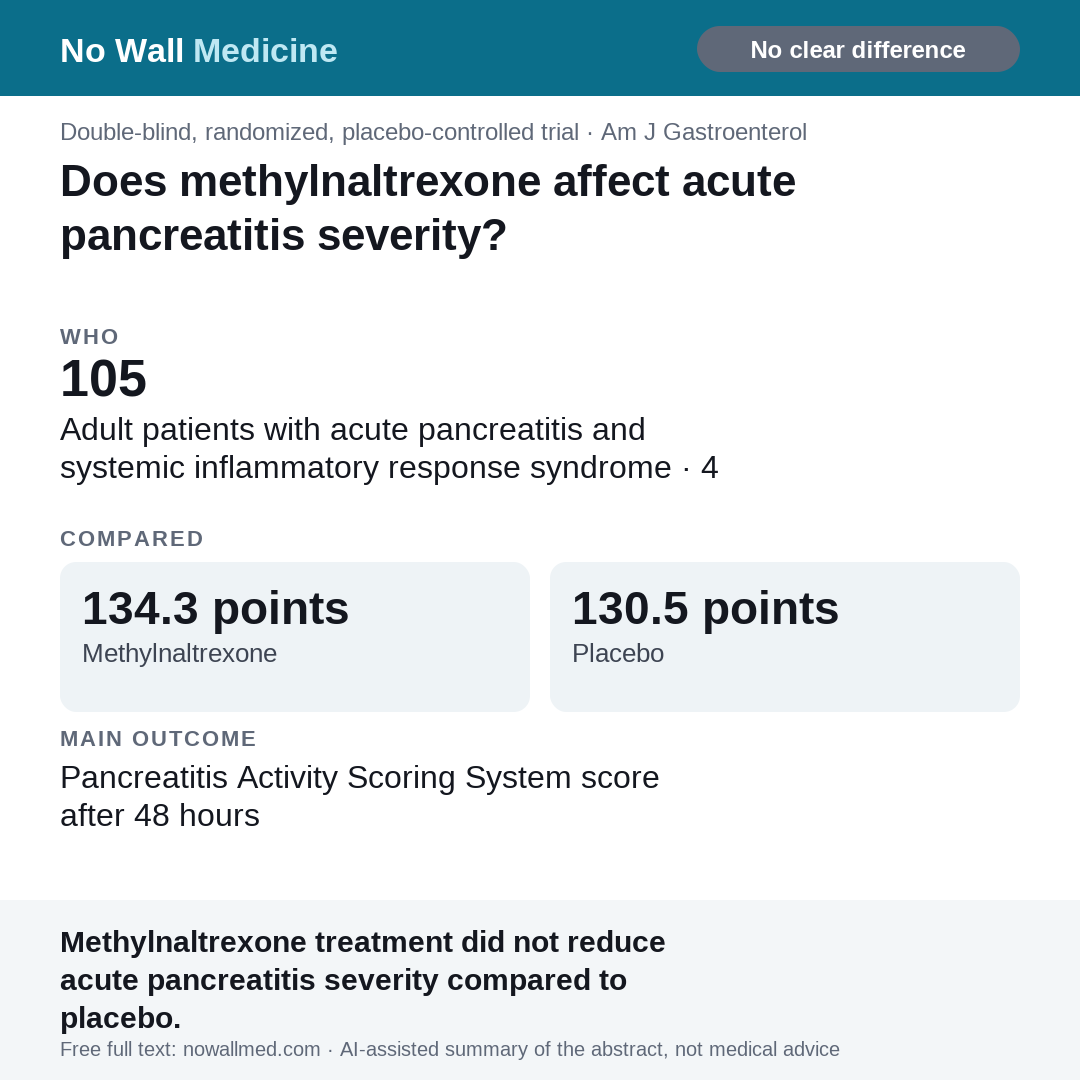
Effects of mild hypercapnia on myocardial injury after out-of-hospital cardiac arrest. A sub-study of the TAME trial
Randomized, prospective, single-centre sub-studyBenefit found
Does mild hypercapnia increase myocardial injury after out-of-hospital cardiac arrest?
Who
57
Comatose out-of-hospital cardiac arrest patients with acute myocardial infarction · Single-centre
Compared
Targeted mild hypercapnia: 2136 (IQR: 861-4462) ng/L
Normocapnia: 5165 (IQR: 2773-7519) ng/L
Main outcome
Peak high-sensitive cardiac troponin T in acute myocardial infarction patients
Bottom line: In patients with acute myocardial infarction, mild hypercapnia was associated with lower cardiac troponin T and improved cardiac performance.
Resuscitation · 2024-06-25Download image

The correlation between menstrual characteristics and fertility in women of reproductive age: a systematic review and meta-analysis
Systematic review and meta-analysisMixed results
What is the correlation between menstrual characteristics and fertility in women of reproductive age?
Who
399966
Women of reproductive age
Compared
Short or long menstrual cycle: insignificant pregnancy impact
Late age at menarche: OR, 0.92 (95% CI, 0.91-0.93)
Short duration of menstrual bleeding: OR, 0.86 (95% CI, 0.84-0.88)
Main outcome
Clinical pregnancy and miscarriage
Bottom line: Late menarche and short bleeding duration link to diminished fertility, while cycle length changes may increase miscarriage risk.
Fertil Steril · 2024-06-25Download image

Disparities in ABO blood type determination across diverse ancestries: a systematic review and validation in the All of Us Research Program
Systematic review and validation studyHarm found
Are tag single-nucleotide polymorphisms suitable for determining ABO blood types across diverse ancestries?
Who
Diverse populations from 1000 Genomes and All of Us Research Program · All of Us Research Program
Compared
African ancestry: median r2 = 0.443
East Asian ancestry: r2 = 0.946
European ancestry: r2 = 0.869
Main outcome
Linkage between tag single-nucleotide polymorphisms and functional variants
Bottom line: Tag single-nucleotide polymorphisms lack transferability across ancestries, potentially causing blood type misinference and exacerbating genomic research disparities.
J Am Med Inform Assoc · 2024-06-25Download image

Accrual and statistical power failure in published adjuvant phase III oncology trials: a comprehensive analysis from 2013 to 2023
Systematic reviewHarm found
What is the prevalence of accrual and statistical power failure in adjuvant phase III oncology trials?
Who
282
Adjuvant phase III oncology randomized controlled trials
Compared
37.9%Trials with power failure
21.9%Trials without power failure
Main outcome
Statistically significant results in superiority trials
Result: odds ratio not reported (P = 0.04)
Bottom line: Nearly 40% of adjuvant phase III trials experienced power failure, which significantly reduced the likelihood of statistically significant results.
ESMO Open · 2024-06-25Download image
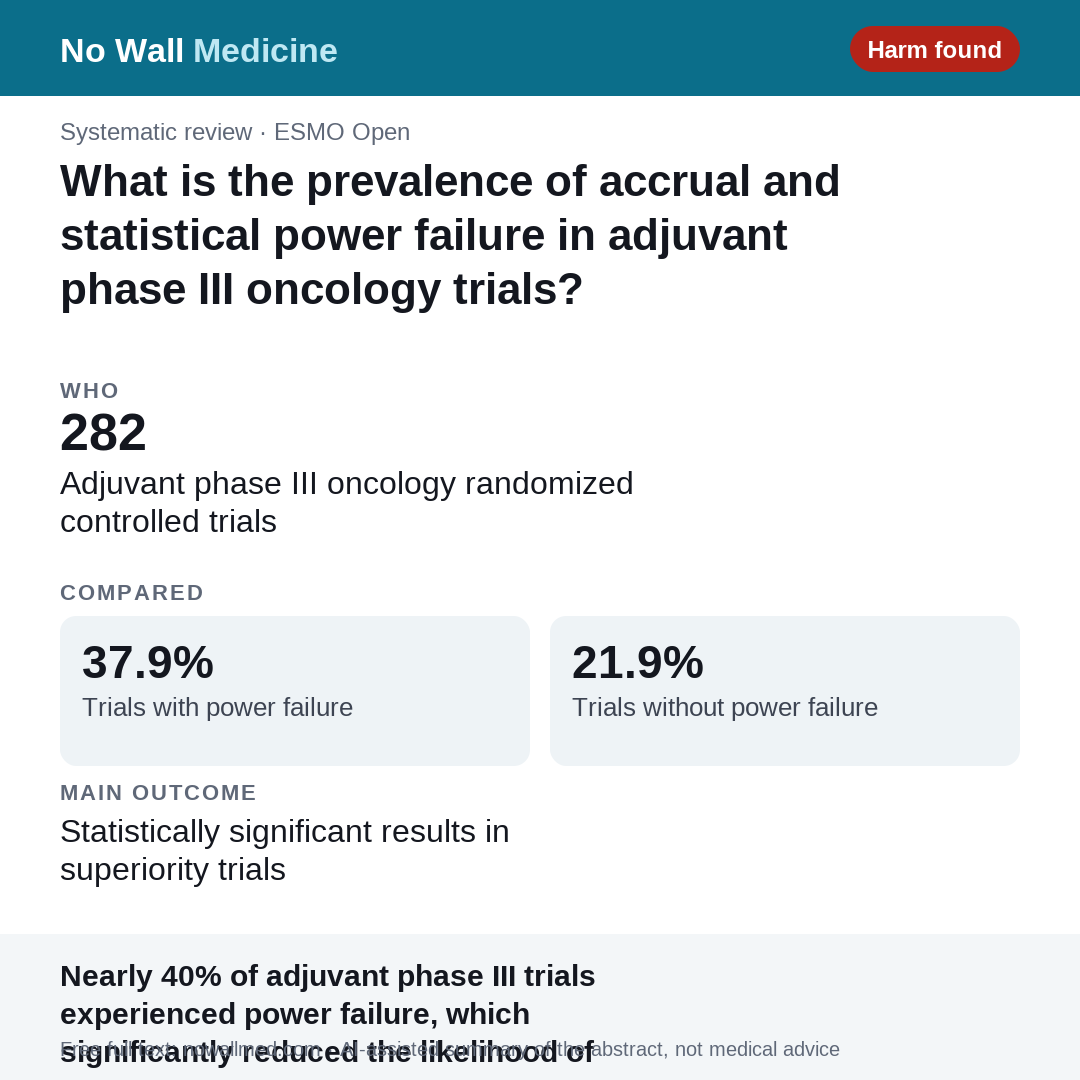
Short-term Outcomes of Pancreatoduodenectomy in Patients with Liver Cirrhosis: A Systematic Review and Meta-analysis
Systematic review and meta-analysisHarm found
What are the short-term outcomes of pancreatoduodenectomy in patients with liver cirrhosis?
Who
18,184
Patients undergoing pancreatoduodenectomy
Compared
With liver cirrhosis
Without liver cirrhosis
Main outcome
Short-term outcomes after pancreatoduodenectomy
Result: odds ratio 3.94 for postoperative mortality
Bottom line: Liver cirrhosis increases postoperative mortality, major complications, pancreatic fistula, blood loss, and hospital stay after pancreatoduodenectomy.
Limitation: Whether risks increase with disease severity or decrease with optimization requires future research.
Ann Surg Open · 2024-06-25Download image
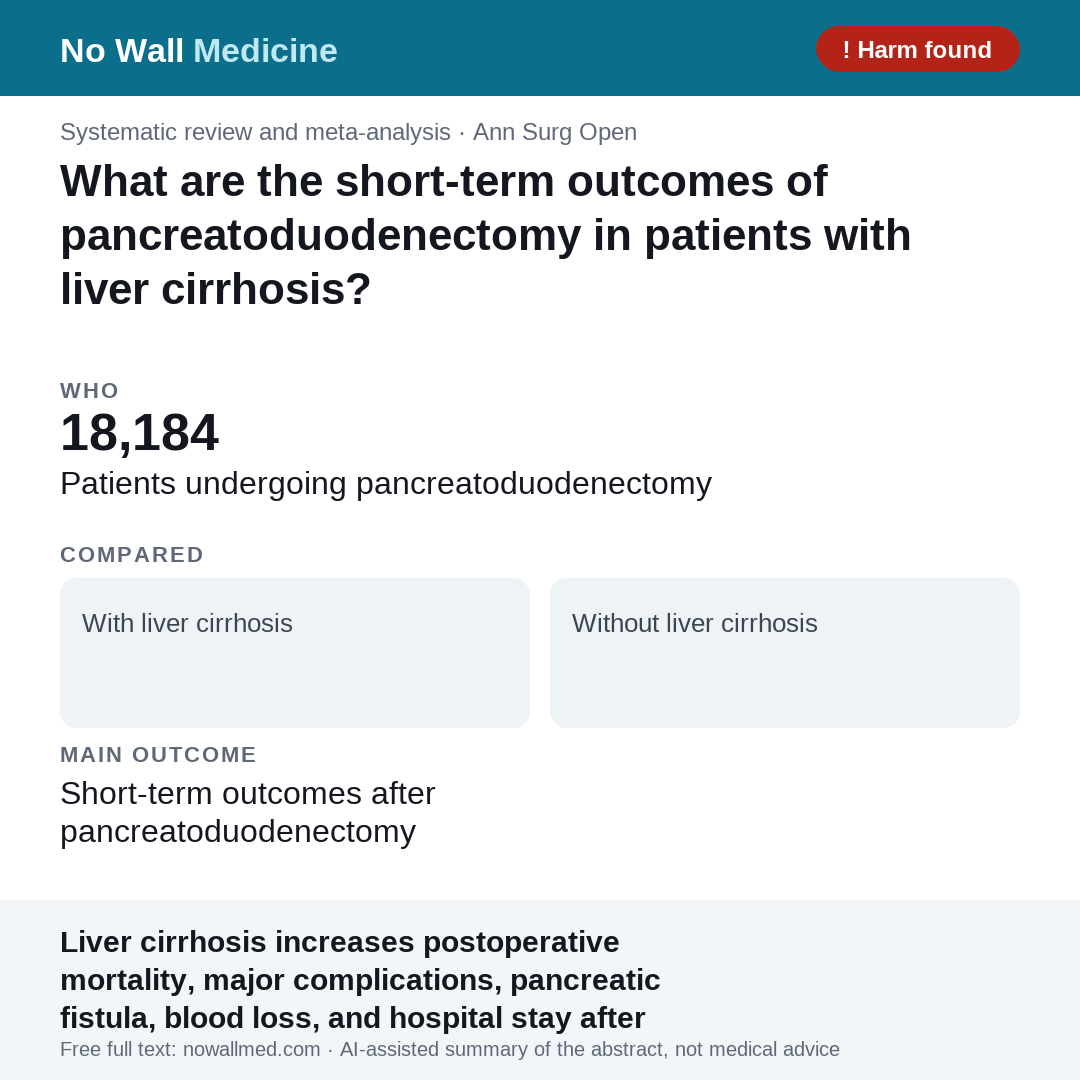
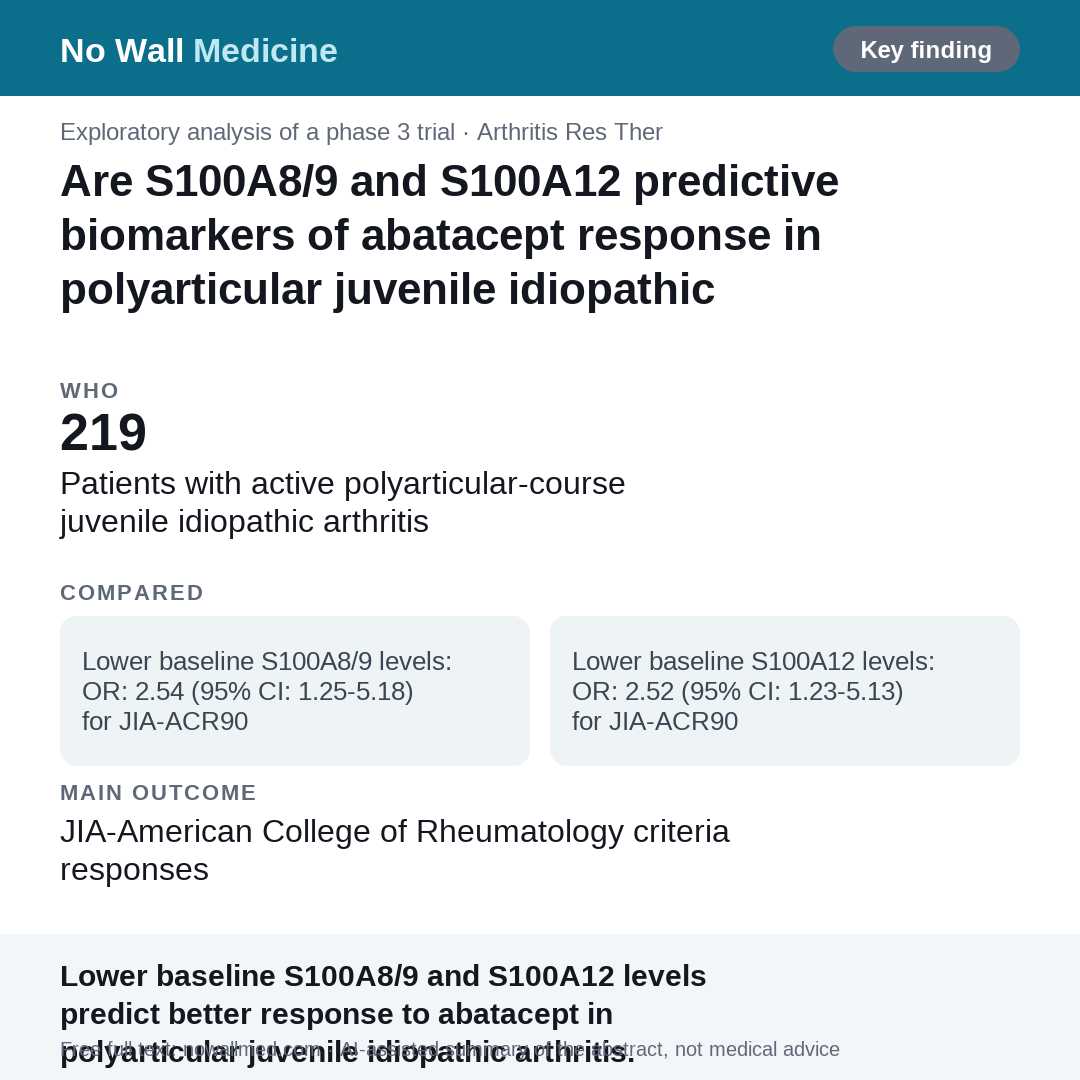
S100 proteins as potential predictive biomarkers of abatacept response in polyarticular juvenile idiopathic arthritis
Exploratory analysis of a phase 3 trialBenefit found
Are S100A8/9 and S100A12 predictive biomarkers of abatacept response in polyarticular juvenile idiopathic arthritis?
Who
219
Patients with active polyarticular-course juvenile idiopathic arthritis
Compared
Lower baseline S100A8/9 levels: OR: 2.54 (95% CI: 1.25-5.18) for JIA-ACR90
Lower baseline S100A12 levels: OR: 2.52 (95% CI: 1.23-5.13) for JIA-ACR90
Main outcome
JIA-American College of Rheumatology criteria responses
Bottom line: Lower baseline S100A8/9 and S100A12 levels predict better response to abatacept in polyarticular juvenile idiopathic arthritis.
Arthritis Res Ther · 2024-06-25Download image
Effectiveness of Web-Based Mindfulness-Based Interventions for Patients With Cancer: Systematic Review and Meta-Analyses
Systematic review and meta-analysis of randomized controlled trialsBenefit found
Are web-based mindfulness-based interventions effective for patients with cancer?
Who
1613
Cancer patients aged 18 years or older
Compared
App- and website-based mindfulness-based interventions
Standard care
Main outcome
Quality of life, sleep, anxiety, depression, distress, stress, fear, and posttraumatic growth
Result: SMD 0.37 (95% CI 0.18-0.57) for quality of life
Bottom line: Web-based mindfulness interventions improve quality of life, sleep, anxiety, depression, distress, and perceived stress in cancer patients.
Limitation: Further research is needed to optimize and customize interventions for individual symptoms.
J Med Internet Res · 2024-06-25Download image

Minimally invasive posterior cervical foraminotomy versus anterior cervical fusion and arthroplasty: Systematic review and updated meta-analysis
Systematic review and meta-analysisMixed results
Is minimally invasive posterior cervical foraminotomy as effective as anterior surgical approaches?
Who
Patients with cervical disc herniation or cervical foraminal stenosis
Compared
Minimally invasive posterior cervical foraminotomy
Anterior cervical discectomy and fusion
Cervical disc arthroplasty
Main outcome
Efficacy including surgical duration, hospital stay, complications, and reoperation rates
Bottom line: Minimally invasive posterior cervical foraminotomy is recommended despite mixed results regarding complication and reoperation rates.
Limitation: Findings are preliminary and require longer follow-up periods and larger sample sizes.
Brain Spine · 2024-06-25Download image

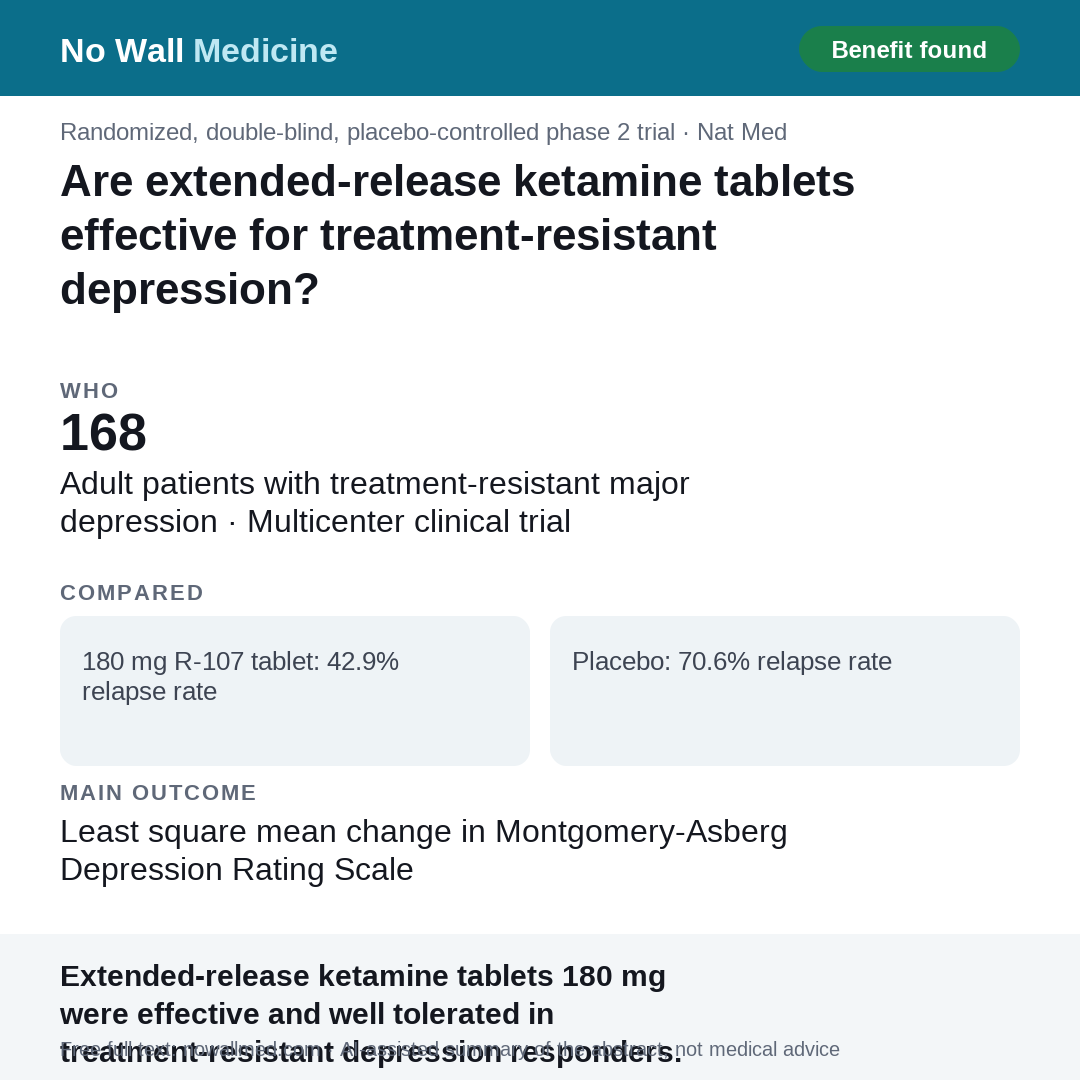
Extended-release ketamine tablets for treatment-resistant depression: a randomized placebo-controlled phase 2 trial
Randomized, double-blind, placebo-controlled phase 2 trialBenefit found
Are extended-release ketamine tablets effective for treatment-resistant depression?
Who
168
Adult patients with treatment-resistant major depression · Multicenter clinical trial
Compared
180 mg R-107 tablet: 42.9% relapse rate
Placebo: 70.6% relapse rate
Main outcome
Least square mean change in Montgomery-Asberg Depression Rating Scale
Result: -6.1 (95% confidence interval 1.0 to 11.16, P = 0.019)
Bottom line: Extended-release ketamine tablets 180 mg were effective and well tolerated in treatment-resistant depression responders.
Nat Med · 2024-06-24Download image
Safety and pharmacokinetics of VRC07-523LS administered via different routes and doses (HVTN 127/HPTN 087): A Phase I randomized clinical trial
Randomized, partially blinded Phase I clinical trialBenefit found
What are the safety and pharmacokinetics of VRC07-523LS via different routes and doses?
Who
124
Healthy adults without HIV · Multicenter
Compared
Intravenous (2.5, 5, 20 mg/kg): Peak GM concentrations 29.0, 58.5, and 257.2 μg/mL
Subcutaneous (2.5, 5 mg/kg): Peak GM concentrations 10.8 and 22.8 μg/mL
Intramuscular (2.5 mg/kg): Peak GM concentration 16.4 μg/mL
Placebo
Main outcome
Safety and serum concentrations of VRC07-523LS
Result: mean half-life of 42 days (95% CI: 40.5, 43.5)
Bottom line: VRC07-523LS was safe and well tolerated across various doses and routes with a long half-life.
PLOS Med · 2024-06-24Download image

Heterologous versus homologous COVID-19 booster vaccinations for adults: systematic review with meta-analysis and trial sequential analysis of randomised clinical trials
Systematic review and meta-analysis of 29 randomized clinical trialsMixed results
Are heterologous versus homologous COVID-19 booster regimens better or safer?
Who
12,538
Adults receiving COVID-19 booster vaccinations
Compared
Heterologous booster regimens
Homologous booster regimens
Main outcome
All-cause mortality, symptomatic and severe COVID-19, and safety
Result: RR 0.86 (95% CI 0.33 to 2.26) for all-cause mortality
Bottom line: Heterologous boosters may cause more non-serious adverse events but showed no significant difference in mortality or COVID-19 severity.
Limitation: Current sample sizes were not enough to infer differences of effects for any outcomes.
BMC Med · 2024-06-24Download image

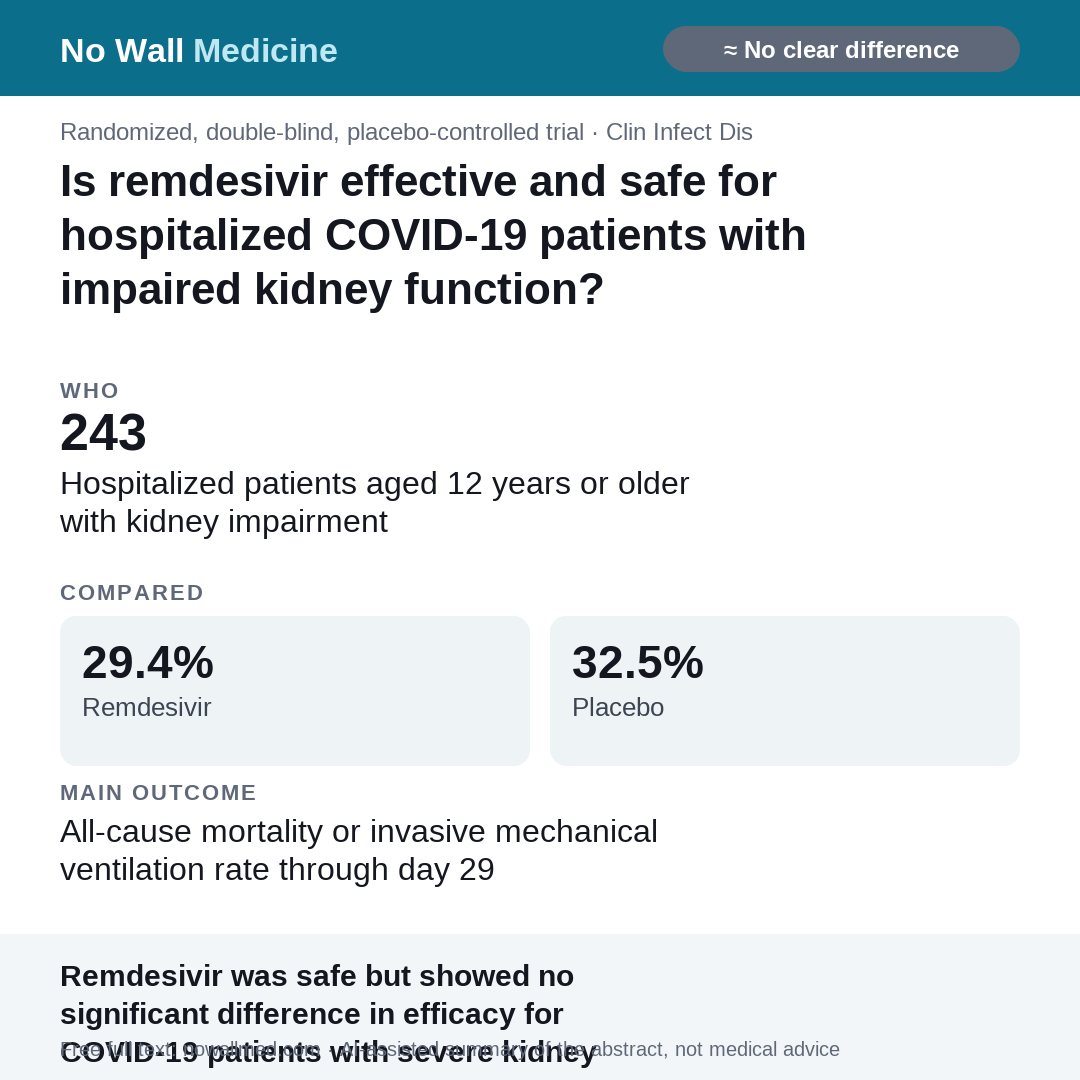
Efficacy and Safety of Remdesivir in People With Impaired Kidney Function Hospitalized for COVID-19 Pneumonia: A Randomized Clinical Trial
Randomized, double-blind, placebo-controlled trialNo clear difference
Is remdesivir effective and safe for hospitalized COVID-19 patients with impaired kidney function?
Who
243
Hospitalized patients aged 12 years or older with kidney impairment
Compared
29.4%Remdesivir
32.5%Placebo
Main outcome
All-cause mortality or invasive mechanical ventilation rate through day 29
Bottom line: Remdesivir was safe but showed no significant difference in efficacy for COVID-19 patients with severe kidney impairment.
Clin Infect Dis · 2024-06-24Download image
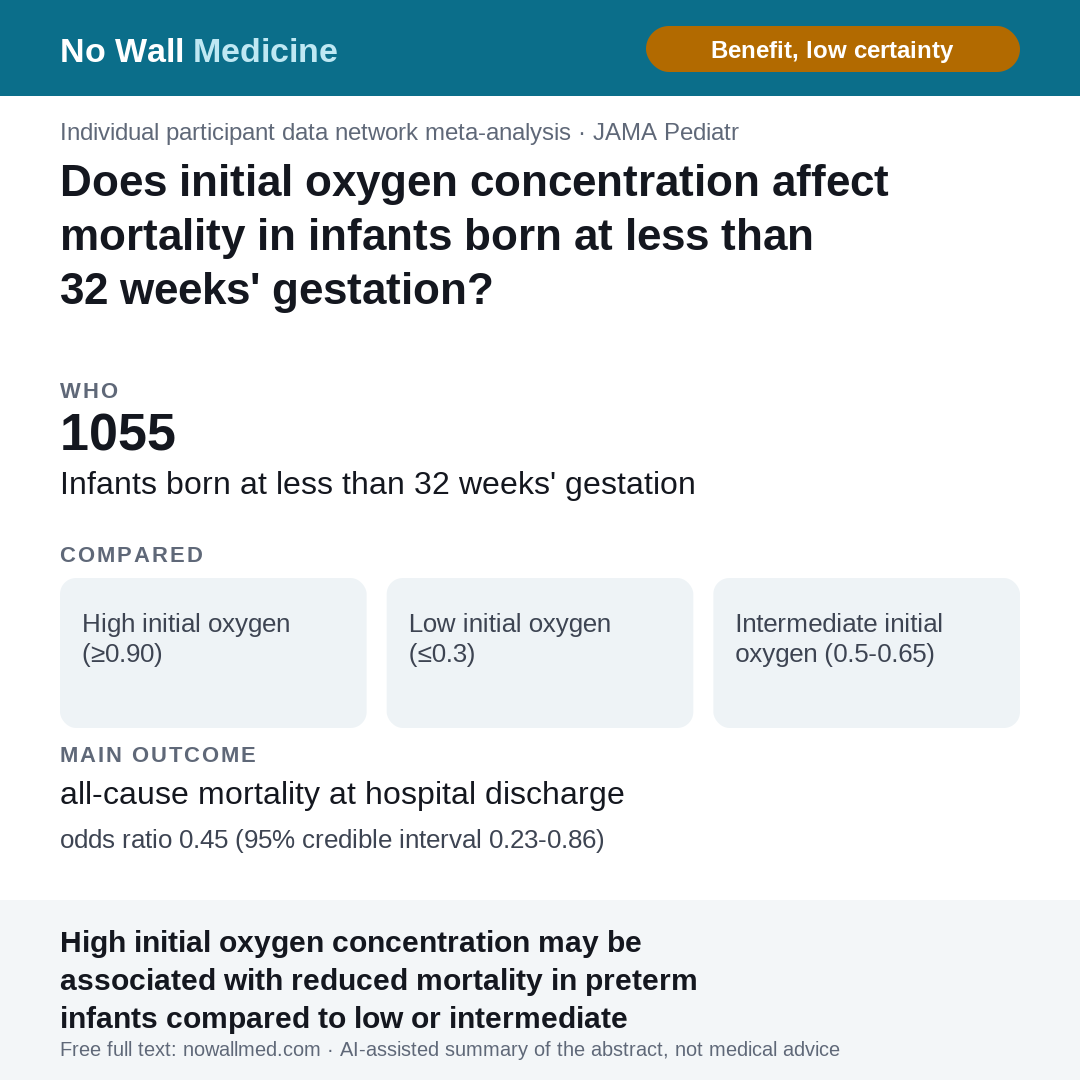
Initial Oxygen Concentration for the Resuscitation of Infants Born at Less Than 32 Weeks' Gestation: A Systematic Review and Individual Participant Data Network Meta-Analysis
Individual participant data network meta-analysisBenefit found
Does initial oxygen concentration affect mortality in infants born at less than 32 weeks' gestation?
Who
1055
Infants born at less than 32 weeks' gestation
Compared
High initial oxygen (≥0.90)
Low initial oxygen (≤0.3)
Intermediate initial oxygen (0.5-0.65)
Main outcome
all-cause mortality at hospital discharge
Result: odds ratio 0.45 (95% credible interval 0.23-0.86)
Bottom line: High initial oxygen concentration may be associated with reduced mortality in preterm infants compared to low or intermediate concentrations.
JAMA Pediatr · 2024-06-24Download image
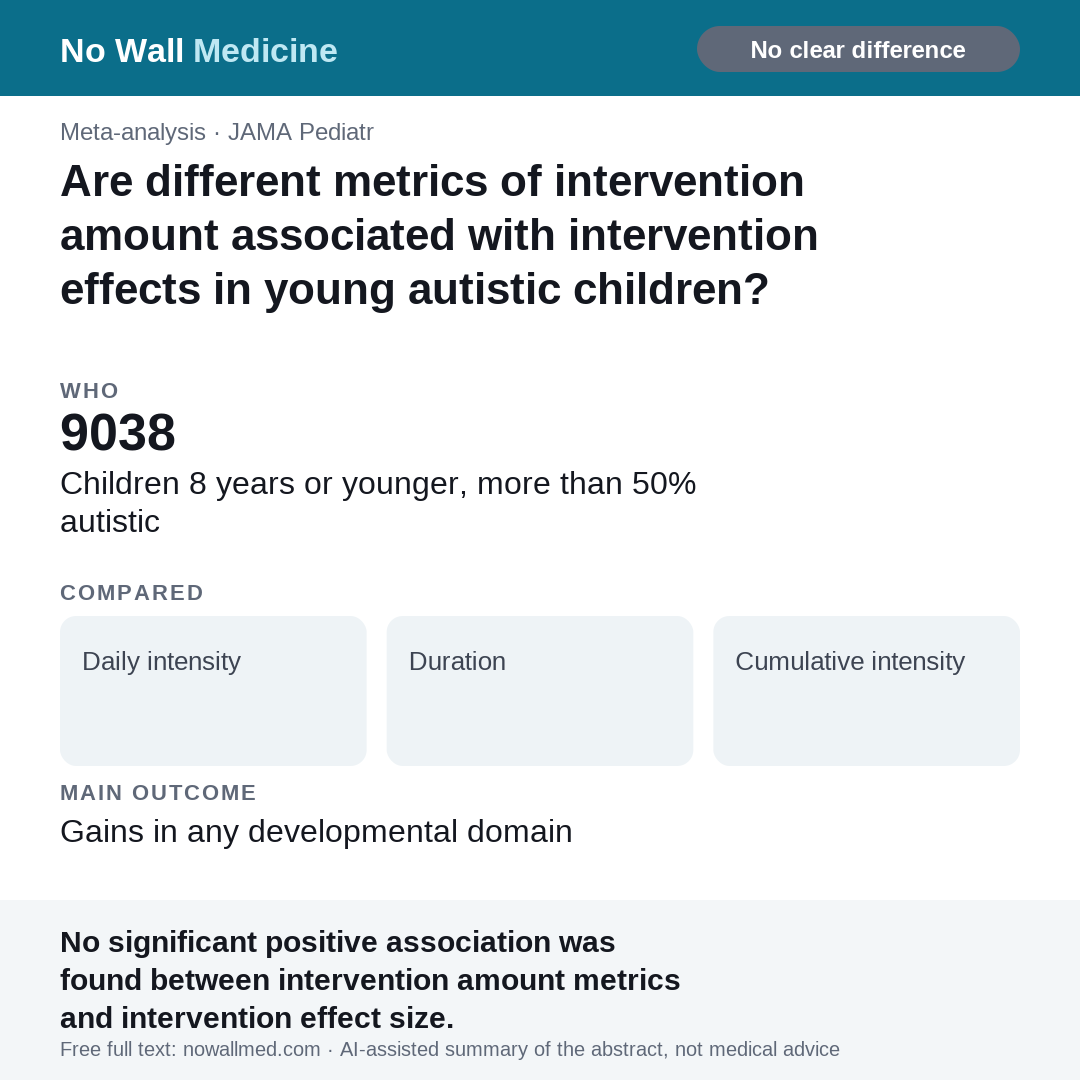
Determining Associations Between Intervention Amount and Outcomes for Young Autistic Children: A Meta-Analysis
Meta-analysisNo clear difference
Are different metrics of intervention amount associated with intervention effects in young autistic children?
Who
9038
Children 8 years or younger, more than 50% autistic
Compared
Daily intensity
Duration
Cumulative intensity
Main outcome
Gains in any developmental domain
Bottom line: No significant positive association was found between intervention amount metrics and intervention effect size.
JAMA Pediatr · 2024-06-24Download image