Visual abstracts
New randomized trials and meta-analyses from leading journals at a glance: who was studied, what was compared, and what was found. Every paper is free to read in full.
All specialtiesCardiology 4833Oncology 4115Gastroenterology & Hepatology 1934Infectious Disease 3825Neurology 1901Psychiatry & Mental Health 2256Pulmonology 2082Critical Care 1346Endocrinology & Diabetes 2572Pediatrics 2940Surgery 2525Orthopedics & Sports Medicine 926Neurosurgery 534Cardiothoracic & Vascular Surgery 671Plastic & Reconstructive Surgery 591Nephrology 1124Rheumatology 823Hematology 1104Dermatology 620Ophthalmology 543Obstetrics & Gynecology 1684Public & Global Health 1056Radiology & Imaging 641Anesthesiology 962Urology 754ENT (Otolaryngology) 503Emergency Medicine 489Allergy & Immunology 313Geriatrics 982Family Medicine & Primary Care 541Medical Genetics & Genomics 675Pathology & Laboratory Medicine 157Physical Medicine & Rehabilitation 751Palliative Care 424Nutrition 1580Digital Health & AI 2195General Medicine 321
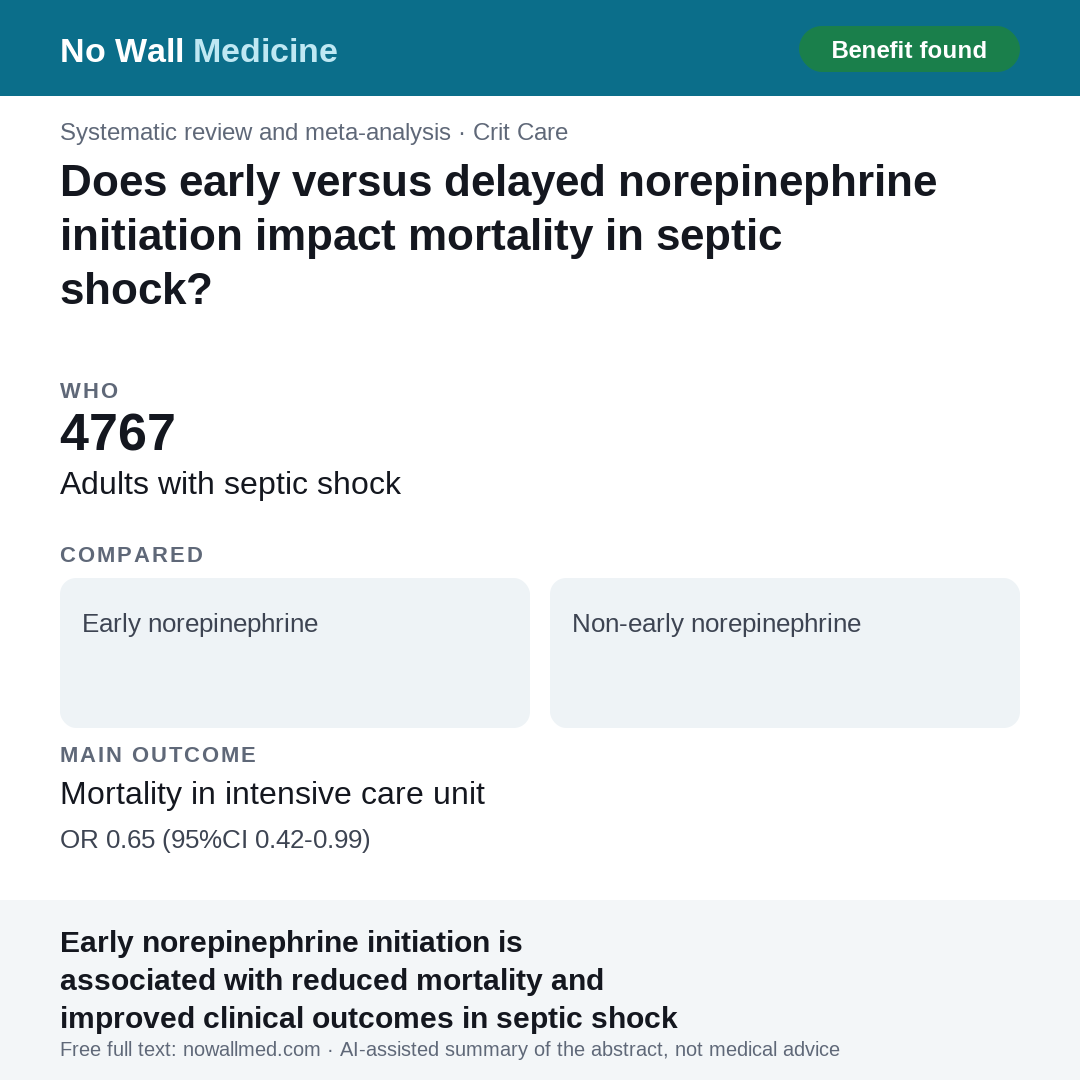
Early norepinephrine for patients with septic shock: an updated systematic review and meta-analysis with trial sequential analysis
Systematic review and meta-analysisBenefit found
Does early versus delayed norepinephrine initiation impact mortality in septic shock?
Who
4767
Adults with septic shock
Compared
Early norepinephrine
Non-early norepinephrine
Main outcome
Mortality in intensive care unit
Result: OR 0.65 (95%CI 0.42-0.99)
Bottom line: Early norepinephrine initiation is associated with reduced mortality and improved clinical outcomes in septic shock patients.
Limitation: Trial sequential analysis indicated more data are needed to confirm findings.
Crit Care · 2025-05-06Download image
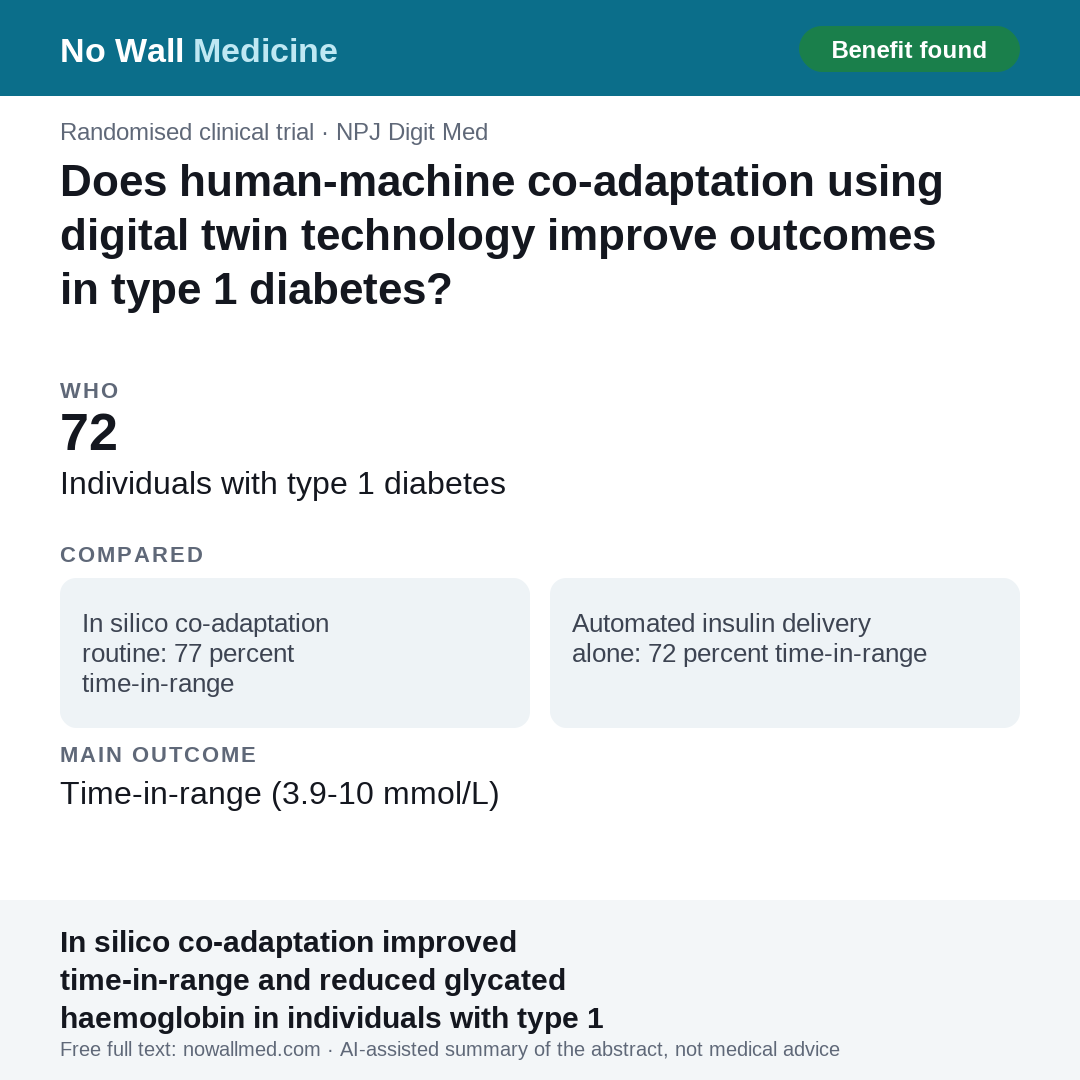
Human-machine co-adaptation to automated insulin delivery: a randomised clinical trial using digital twin technology
Randomised clinical trialBenefit found
Does human-machine co-adaptation using digital twin technology improve outcomes in type 1 diabetes?
Who
72
Individuals with type 1 diabetes
Compared
In silico co-adaptation routine: 77 percent time-in-range
Automated insulin delivery alone: 72 percent time-in-range
Main outcome
Time-in-range (3.9-10 mmol/L)
Bottom line: In silico co-adaptation improved time-in-range and reduced glycated haemoglobin in individuals with type 1 diabetes.
NPJ Digit Med · 2025-05-06Download image
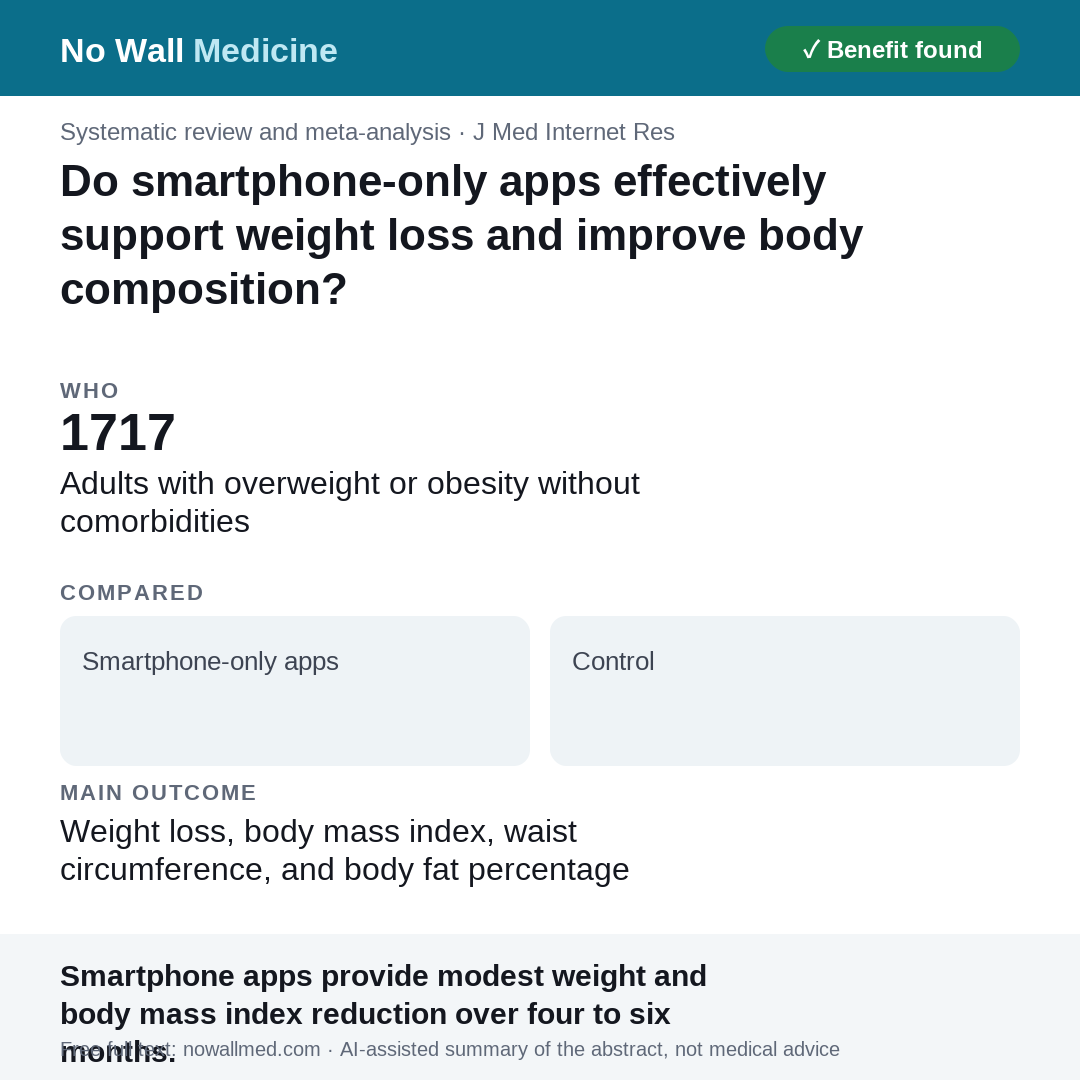
The Role of Mobile Apps in Obesity Management: Systematic Review and Meta-Analysis
Systematic review and meta-analysisBenefit found
Do smartphone-only apps effectively support weight loss and improve body composition?
Who
1717
Adults with overweight or obesity without comorbidities
Compared
Smartphone-only apps
Control
Main outcome
Weight loss, body mass index, waist circumference, and body fat percentage
Result: standardized mean difference -0.33 (95% CI -0.48 to -0.17)
Bottom line: Smartphone apps provide modest weight and body mass index reduction over four to six months.
Limitation: Effectiveness appears limited beyond six months with a tendency for weight regain.
J Med Internet Res · 2025-05-06Download image
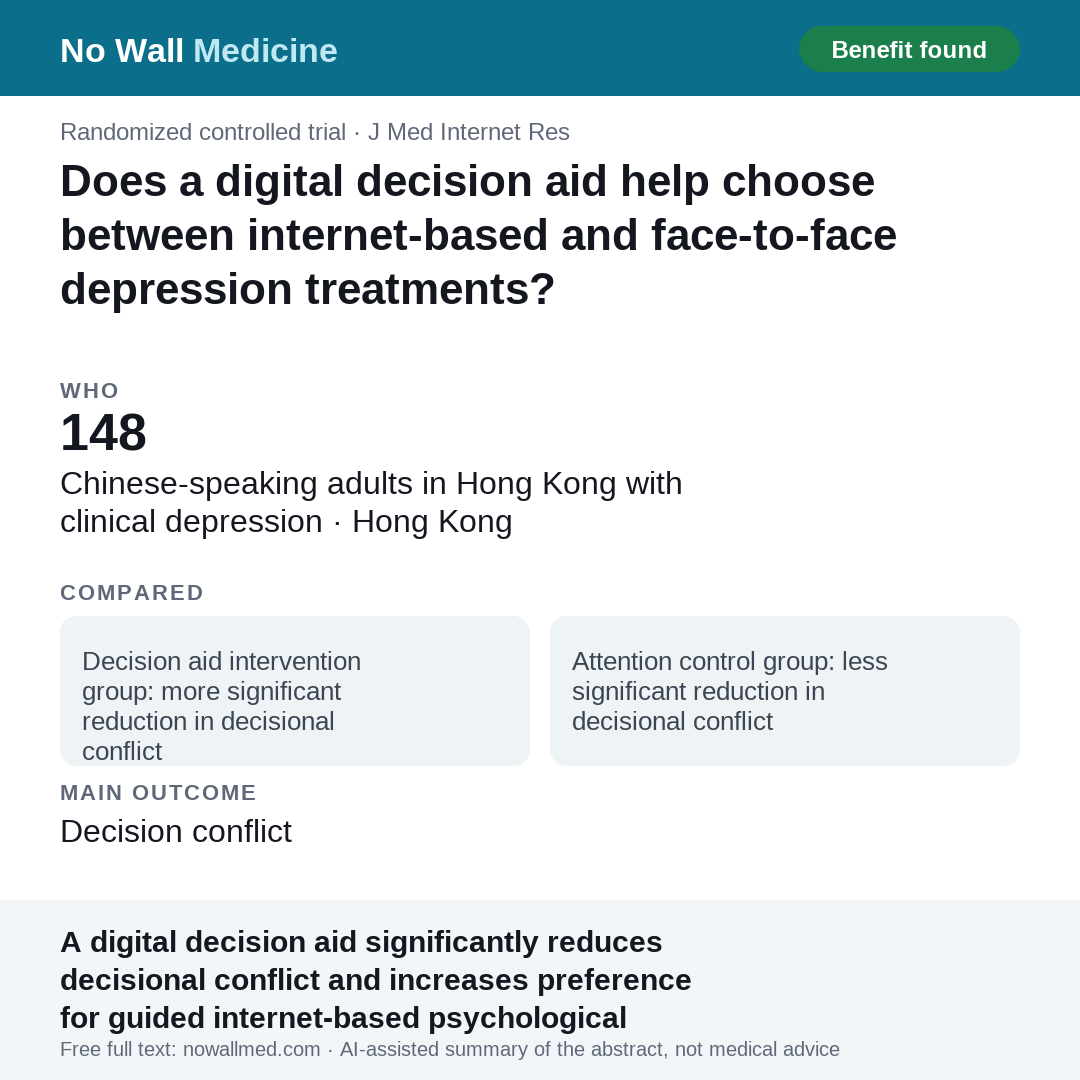
Impact of a Digital Decision Aid When Choosing Between Face-to-Face and Guided Internet-Based Psychological Interventions for Depression Among Chinese-Speaking Participants in Hong Kong: Randomized Controlled Trial
Randomized controlled trialBenefit found
Does a digital decision aid help choose between internet-based and face-to-face depression treatments?
Who
148
Chinese-speaking adults in Hong Kong with clinical depression · Hong Kong
Compared
Decision aid intervention group: more significant reduction in decisional conflict
Attention control group: less significant reduction in decisional conflict
Main outcome
Decision conflict
Result: odds ratio 2.26 (95% CI 1.11-4.60) for preference
Bottom line: A digital decision aid significantly reduces decisional conflict and increases preference for guided internet-based psychological interventions.
Limitation: Future research should explore behavioral and long-term impact and generalizability in applied settings.
J Med Internet Res · 2025-05-06Download image
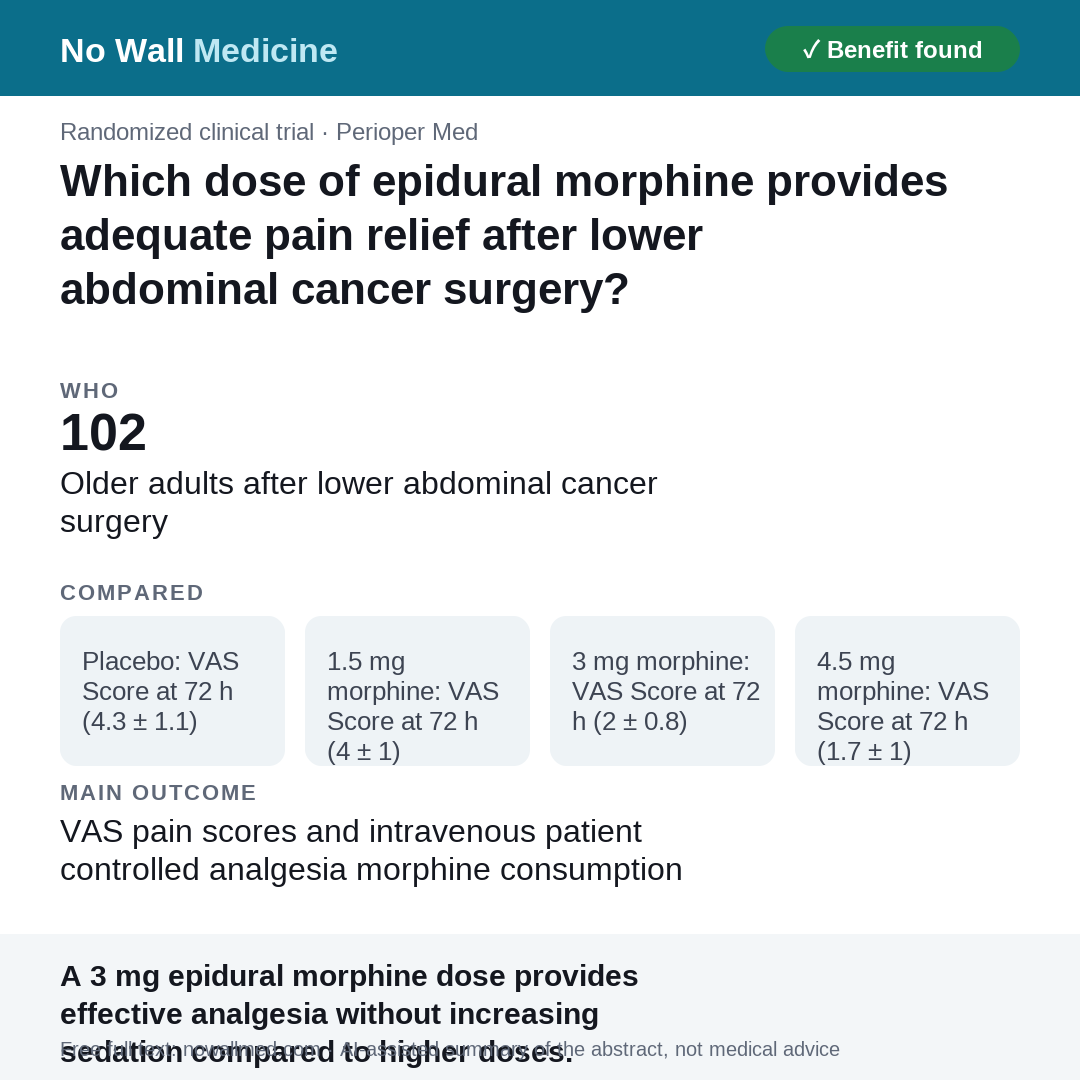
Dosage of epidural morphine analgesia after lower abdominal cancer surgery: a randomized clinical trial among the older adults
Randomized clinical trialBenefit found
Which dose of epidural morphine provides adequate pain relief after lower abdominal cancer surgery?
Who
102
Older adults after lower abdominal cancer surgery
Compared
Placebo: VAS Score at 72 h (4.3 ± 1.1)
1.5 mg morphine: VAS Score at 72 h (4 ± 1)
3 mg morphine: VAS Score at 72 h (2 ± 0.8)
4.5 mg morphine: VAS Score at 72 h (1.7 ± 1)
Main outcome
VAS pain scores and intravenous patient controlled analgesia morphine consumption
Bottom line: A 3 mg epidural morphine dose provides effective analgesia without increasing sedation compared to higher doses.
Perioper Med · 2025-05-06Download image
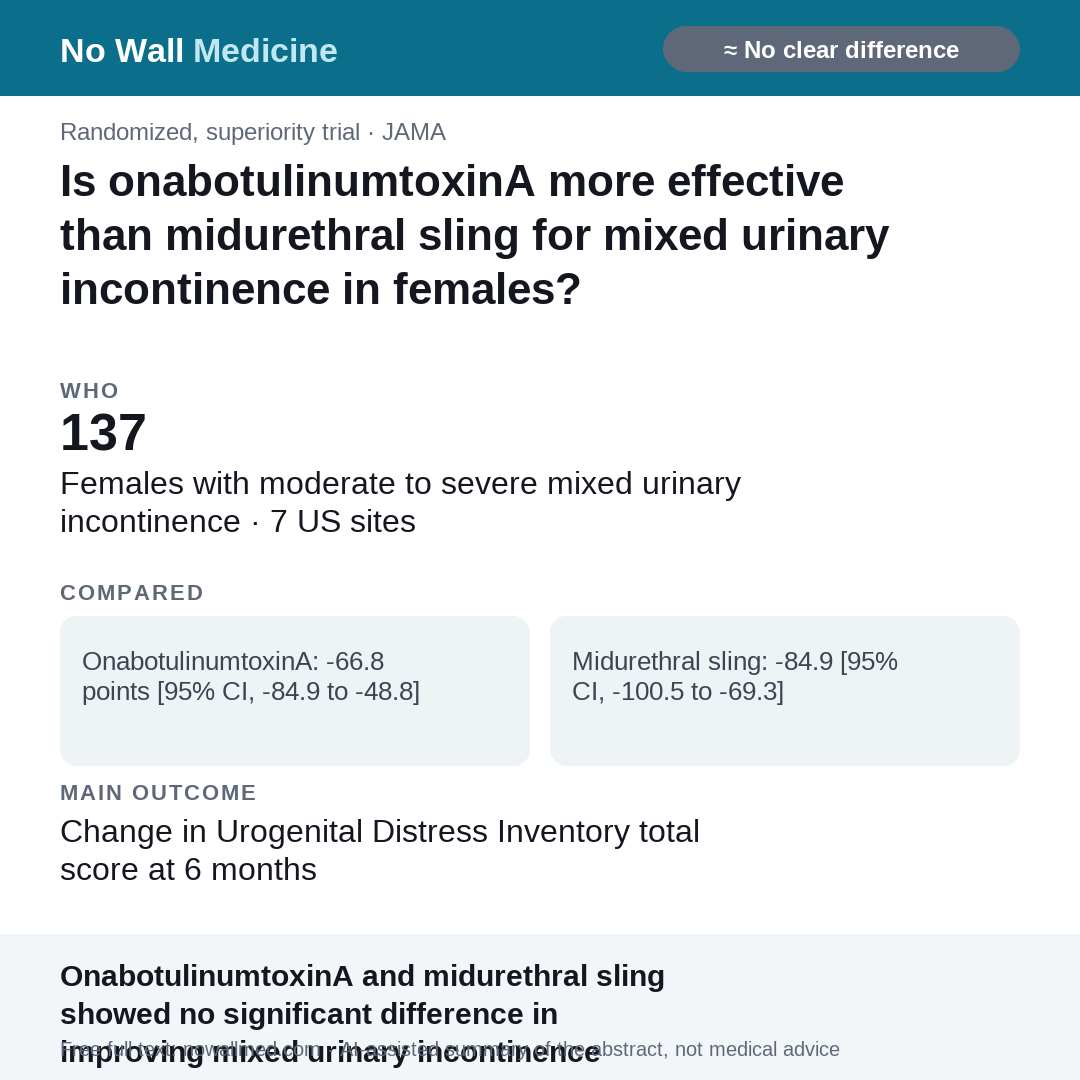
Midurethral Sling vs OnabotulinumtoxinA in Females With Urinary Incontinence: The MUSA Randomized Clinical Trial
Randomized, superiority trialNo clear difference
Is onabotulinumtoxinA more effective than midurethral sling for mixed urinary incontinence in females?
Who
137
Females with moderate to severe mixed urinary incontinence · 7 US sites
Compared
OnabotulinumtoxinA: -66.8 points [95% CI, -84.9 to -48.8]
Midurethral sling: -84.9 [95% CI, -100.5 to -69.3]
Main outcome
Change in Urogenital Distress Inventory total score at 6 months
Result: mean difference, 18.1 points [95% CI, -4.6 to 40.7]
Bottom line: OnabotulinumtoxinA and midurethral sling showed no significant difference in improving mixed urinary incontinence symptoms at 6 months.
JAMA · 2025-05-05Download image
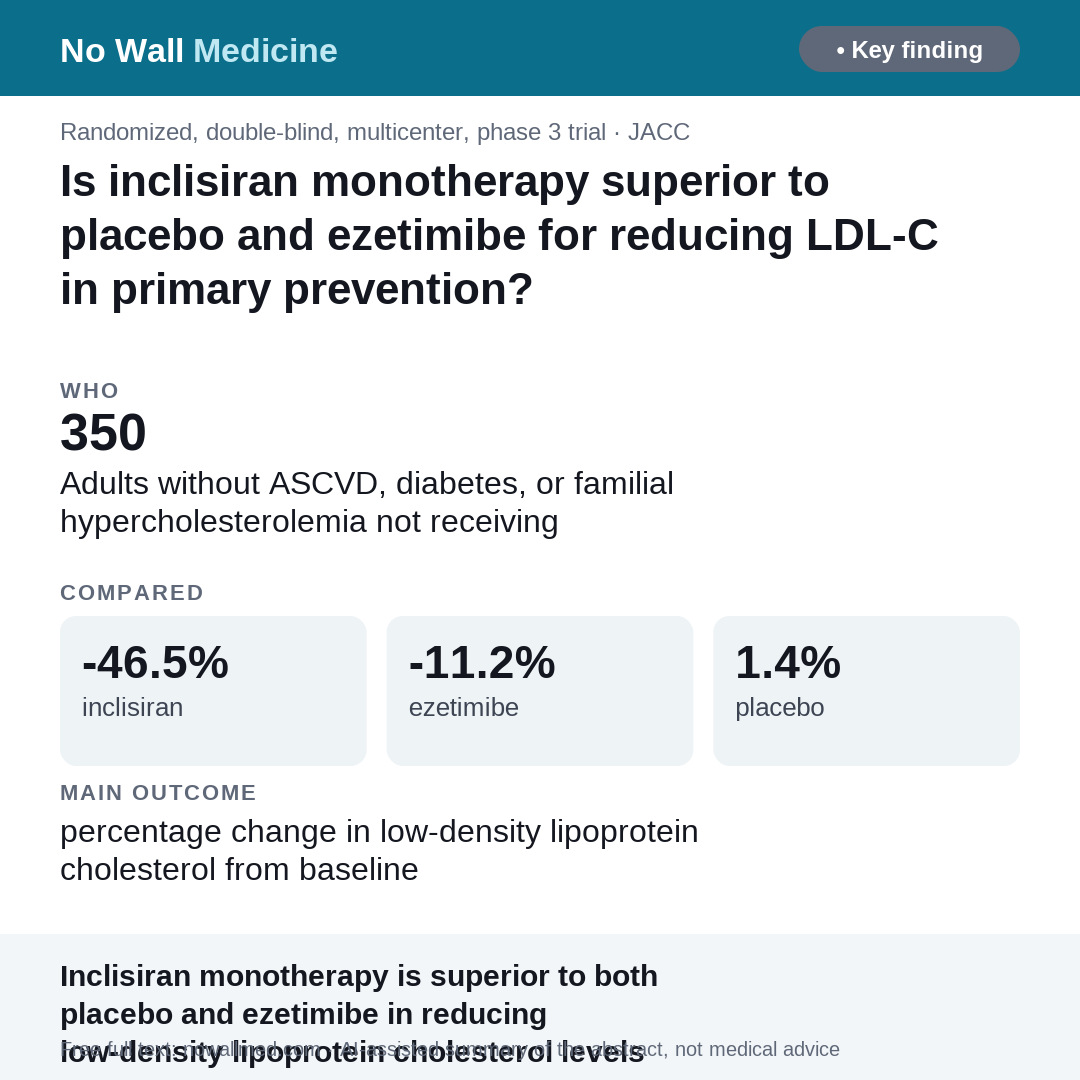
Safety and Lipid-Lowering Efficacy of Inclisiran Monotherapy in Patients Without ASCVD: The VICTORION-Mono Randomized Clinical Trial
Randomized, double-blind, multicenter, phase 3 trialBenefit found
Is inclisiran monotherapy superior to placebo and ezetimibe for reducing LDL-C in primary prevention?
Who
350
Adults without ASCVD, diabetes, or familial hypercholesterolemia not receiving lipid-lowering therapy · multicenter
Compared
-46.5%inclisiran
-11.2%ezetimibe
1.4%placebo
Main outcome
percentage change in low-density lipoprotein cholesterol from baseline
Result: -47.9% vs placebo and -35.4% vs ezetimibe (both P < 0.0001)
Bottom line: Inclisiran monotherapy is superior to both placebo and ezetimibe in reducing low-density lipoprotein cholesterol levels over 6 months.
JACC · 2025-05-05Download image
CT Perfusion Imaging After Selection for Late-Window Endovascular Stroke Treatment: Secondary Analysis of the MR CLEAN-LATE Randomized Trial
Post hoc secondary analysis of a randomized clinical trialMixed results
Do computed tomography perfusion parameters modify endovascular treatment effects in late-window stroke?
Who
313
Patients with anterior circulation large vessel occlusion and present collateral flow · 18 Dutch stroke intervention centers
Compared
Endovascular treatment
Best medical management alone
Main outcome
Functional outcome at 90 days measured by modified Rankin Scale
Result: adjusted common odds ratio 6.89 (95% CI 2.96-16.04) for penumbras of 120 mL or more
Bottom line: Penumbra volume modifies endovascular treatment effect, but core volume and mismatch ratio do not assist in patient selection.
Limitation: This is a post hoc secondary analysis of a randomized clinical trial.
JAMA Neurol · 2025-05-05Download image

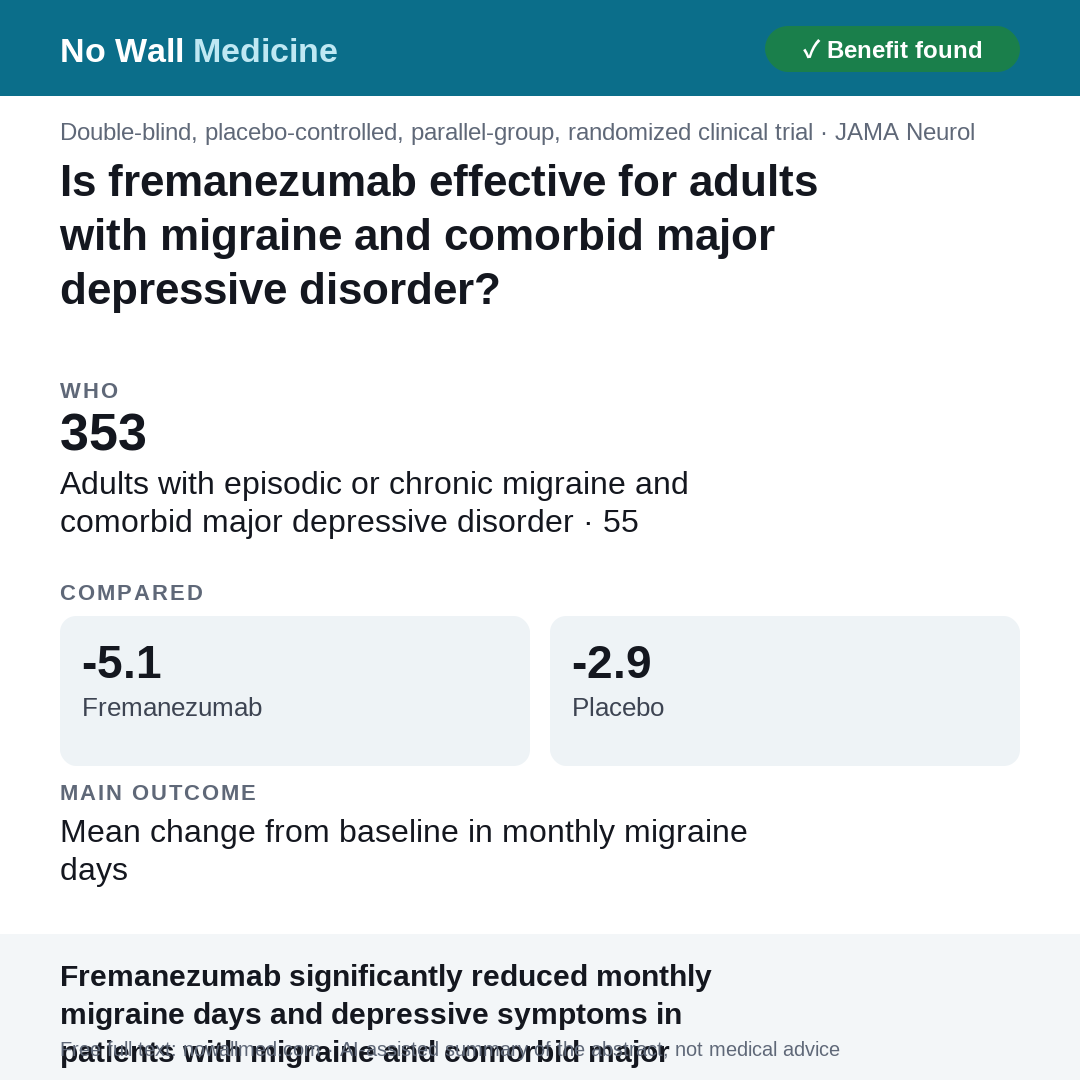
Fremanezumab for the Treatment of Patients With Migraine and Comorbid Major Depressive Disorder: The UNITE Randomized Clinical Trial
Double-blind, placebo-controlled, parallel-group, randomized clinical trialBenefit found
Is fremanezumab effective for adults with migraine and comorbid major depressive disorder?
Who
353
Adults with episodic or chronic migraine and comorbid major depressive disorder · 55 centers across 12 countries
Compared
-5.1Fremanezumab
-2.9Placebo
Main outcome
Mean change from baseline in monthly migraine days
Bottom line: Fremanezumab significantly reduced monthly migraine days and depressive symptoms in patients with migraine and comorbid major depressive disorder.
JAMA Neurol · 2025-05-05Download image
Corticosteroids for adult patients hospitalised with non-viral community-acquired pneumonia: a systematic review and meta-analysis
Systematic review and meta-analysis of 30 randomized controlled trialsBenefit found
Do corticosteroids benefit adult patients hospitalised with non-viral community-acquired pneumonia?
Who
7519
Hospitalised adult patients with suspected or probable non-viral community-acquired pneumonia
Compared
Corticosteroids
Control
Main outcome
Short-term mortality (28-30 days)
Result: relative risk 0.82 (95% CI 0.74-0.91)
Bottom line: Corticosteroids probably reduce short-term mortality and the need for invasive mechanical ventilation in hospitalised patients with community-acquired pneumonia.
Intensive Care Med · 2025-05-05Download image

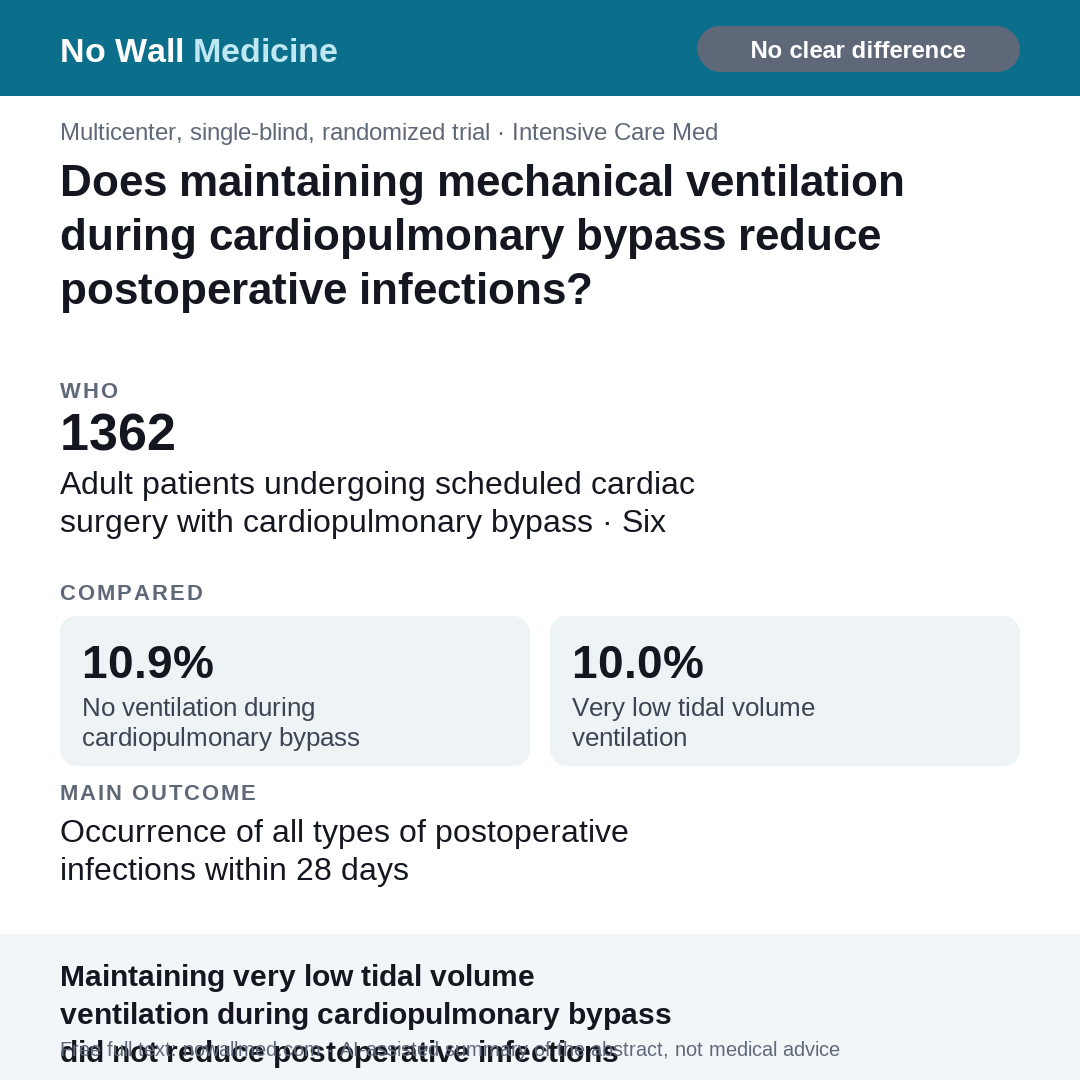
Maintaining ventilation with very low tidal volume and positive-end expiratory pressure versus no ventilation during cardiopulmonary bypass for cardiac surgery in adults: a randomized clinical trial
Multicenter, single-blind, randomized trialNo clear difference
Does maintaining mechanical ventilation during cardiopulmonary bypass reduce postoperative infections?
Who
1362
Adult patients undergoing scheduled cardiac surgery with cardiopulmonary bypass · Six hospitals in France
Compared
10.9%No ventilation during cardiopulmonary bypass (74/680)
10.0%Very low tidal volume ventilation (68/682)
Main outcome
Occurrence of all types of postoperative infections within 28 days
Result: relative risk 0.92 (95% CI 0.67-1.25)
Bottom line: Maintaining very low tidal volume ventilation during cardiopulmonary bypass did not reduce postoperative infections compared to stopping ventilation.
Intensive Care Med · 2025-05-05Download image
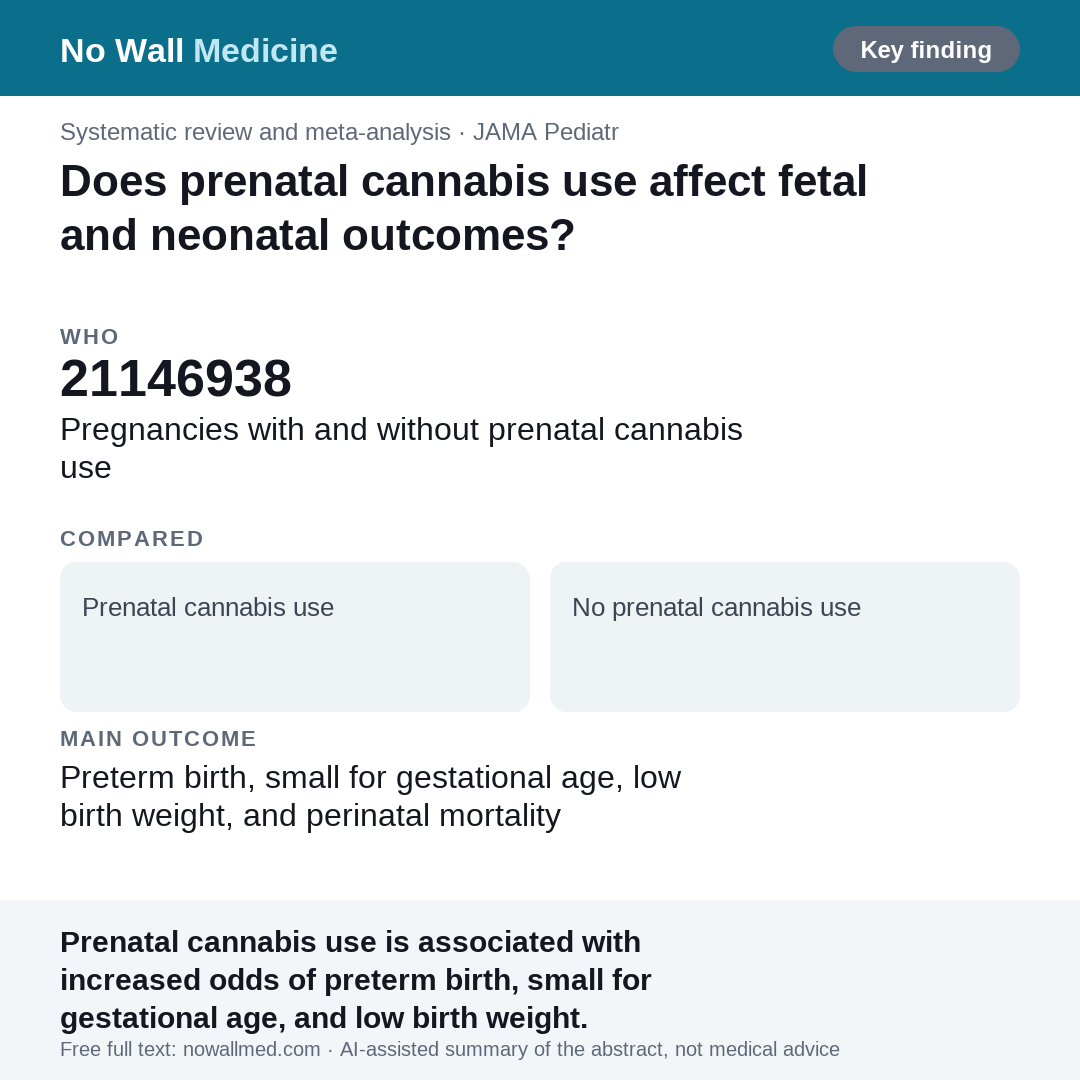
Prenatal Cannabis Use and Neonatal Outcomes: A Systematic Review and Meta-Analysis
Systematic review and meta-analysisHarm found
Does prenatal cannabis use affect fetal and neonatal outcomes?
Who
21146938
Pregnancies with and without prenatal cannabis use
Compared
Prenatal cannabis use
No prenatal cannabis use
Main outcome
Preterm birth, small for gestational age, low birth weight, and perinatal mortality
Result: low birth weight odds ratio 1.75 (95% CI, 1.41-2.18)
Bottom line: Prenatal cannabis use is associated with increased odds of preterm birth, small for gestational age, and low birth weight.
JAMA Pediatr · 2025-05-05Download image
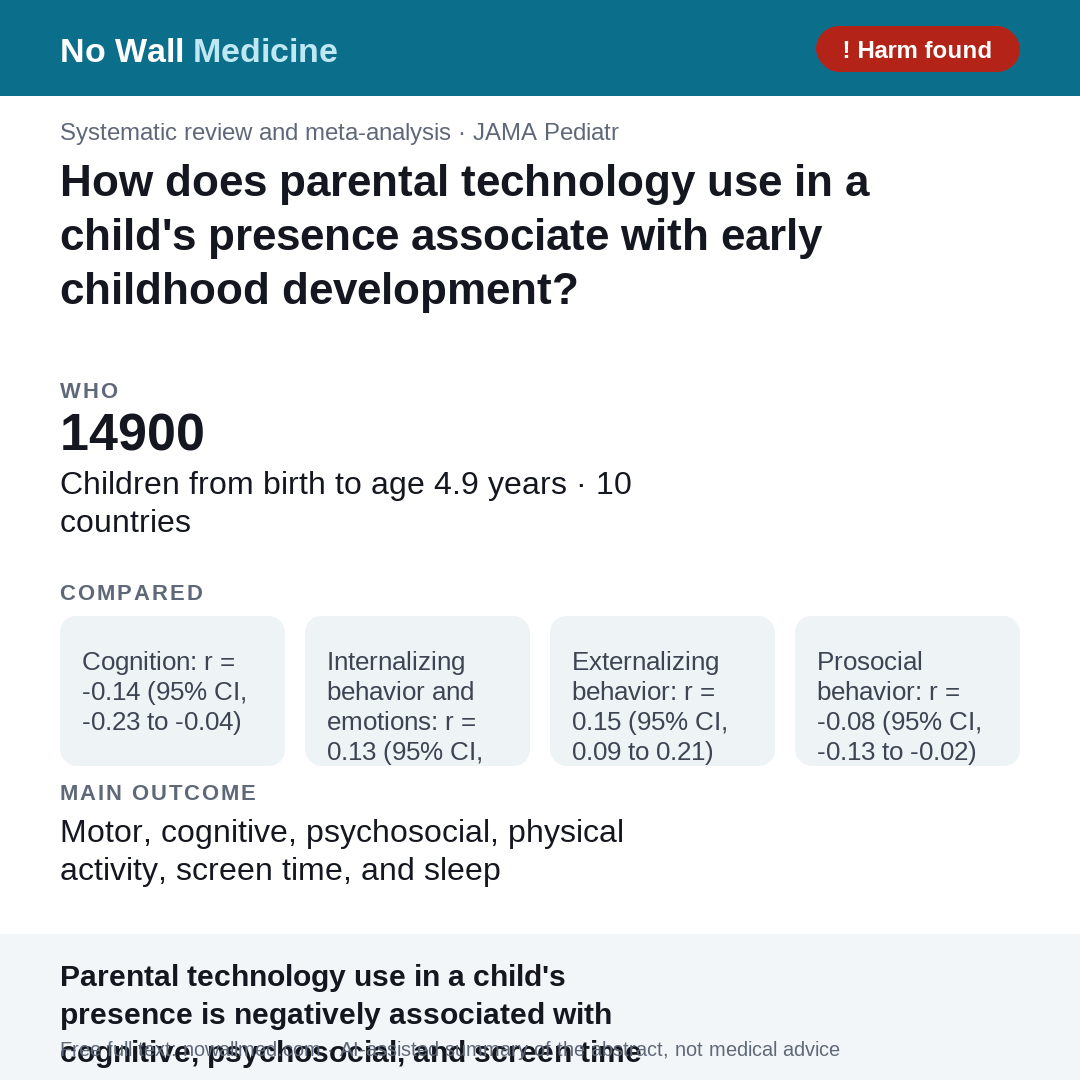
Parental Technology Use in a Child's Presence and Health and Development in the Early Years: A Systematic Review and Meta-Analysis
Systematic review and meta-analysisHarm found
How does parental technology use in a child's presence associate with early childhood development?
Who
14900
Children from birth to age 4.9 years · 10 countries
Compared
Cognition: r = -0.14 (95% CI, -0.23 to -0.04)
Internalizing behavior and emotions: r = 0.13 (95% CI, 0.08 to 0.19)
Externalizing behavior: r = 0.15 (95% CI, 0.09 to 0.21)
Prosocial behavior: r = -0.08 (95% CI, -0.13 to -0.02)
Main outcome
Motor, cognitive, psychosocial, physical activity, screen time, and sleep
Bottom line: Parental technology use in a child's presence is negatively associated with cognitive, psychosocial, and screen time outcomes.
Limitation: No study examined motor development, physical activity, or sleep.
JAMA Pediatr · 2025-05-05Download image
Genome-wide meta-analysis of heavy menstrual bleeding reveals 36 risk loci
Genome-wide meta-analysisBenefit found
What are the genetic risk loci associated with heavy menstrual bleeding?
Who
Women of reproductive age with heavy menstrual bleeding · 5 biobanks from several ancestries
Compared
Heavy menstrual bleeding cases: 84 633
Controls: 598 195
Main outcome
Genetic association with heavy menstrual bleeding
Bottom line: The study identified 36 genetic signals, including 33 novel loci, associated with heavy menstrual bleeding.
Blood · 2025-05-05Download image

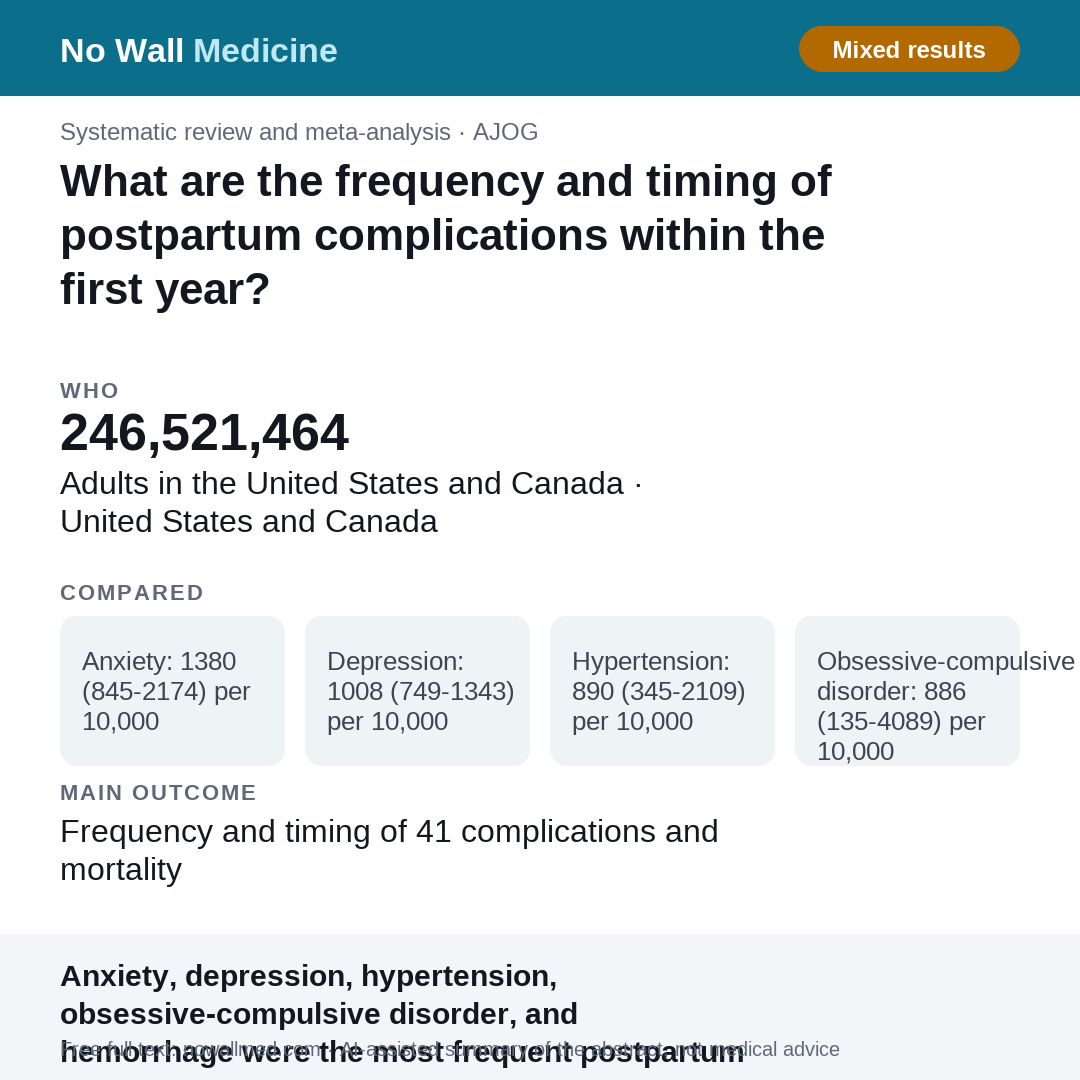
Frequency and timing of complications within the first postpartum year in the United States and Canada: a systematic review and meta-analysis
Systematic review and meta-analysisMixed results
What are the frequency and timing of postpartum complications within the first year?
Who
246,521,464
Adults in the United States and Canada · United States and Canada
Compared
Anxiety: 1380 (845-2174) per 10,000
Depression: 1008 (749-1343) per 10,000
Hypertension: 890 (345-2109) per 10,000
Obsessive-compulsive disorder: 886 (135-4089) per 10,000
Main outcome
Frequency and timing of 41 complications and mortality
Bottom line: Anxiety, depression, hypertension, obsessive-compulsive disorder, and hemorrhage were the most frequent postpartum complications reported.
AJOG · 2025-05-05Download image
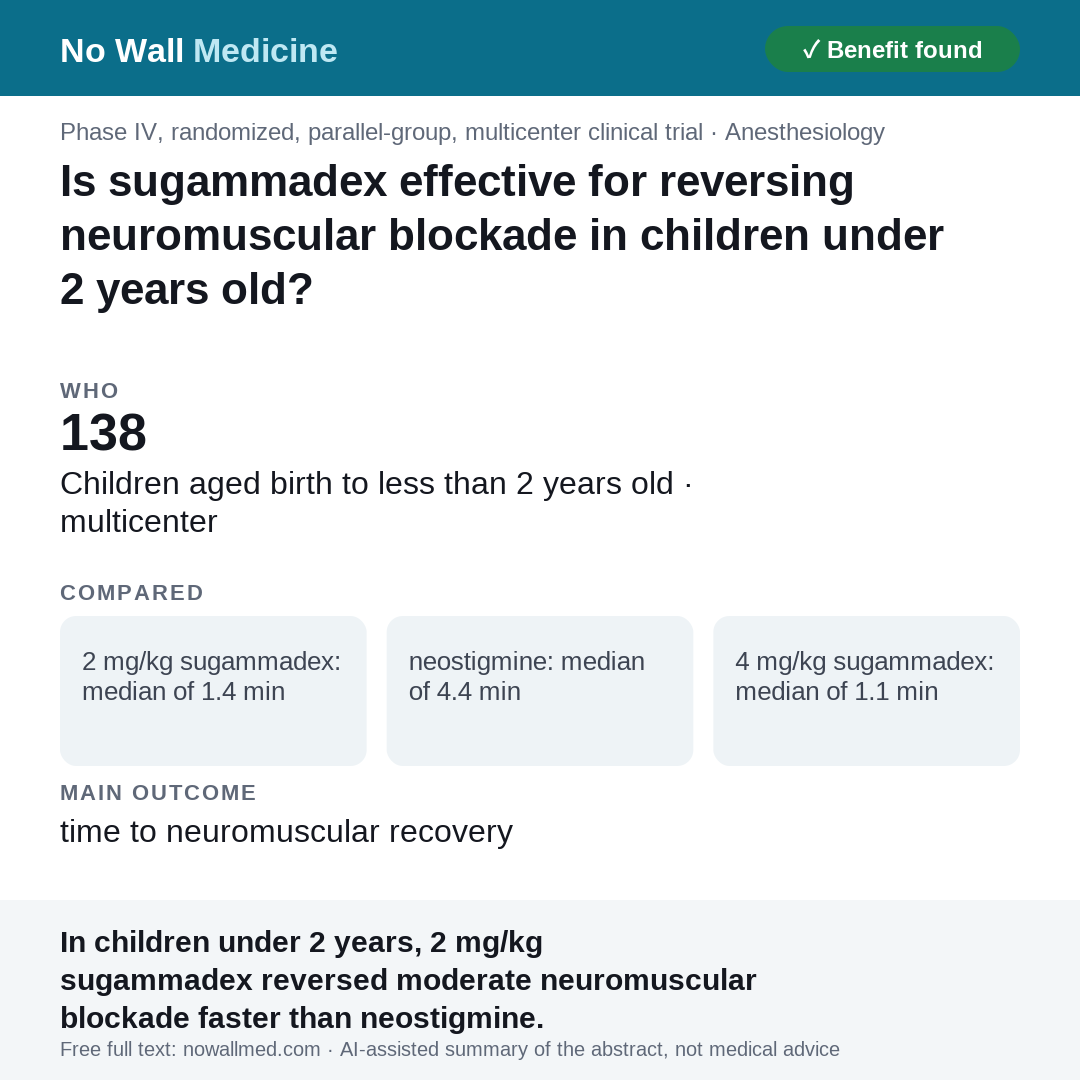
Sugammadex for Reversal of Neuromuscular Blockade in Neonates and Infants Less than 2 Years Old: Results from a Phase IV Randomized Clinical Trial
Phase IV, randomized, parallel-group, multicenter clinical trialBenefit found
Is sugammadex effective for reversing neuromuscular blockade in children under 2 years old?
Who
138
Children aged birth to less than 2 years old · multicenter
Compared
2 mg/kg sugammadex: median of 1.4 min
neostigmine: median of 4.4 min
4 mg/kg sugammadex: median of 1.1 min
Main outcome
time to neuromuscular recovery
Result: hazard ratio 2.40 (95% CI 1.37 to 4.18)
Bottom line: In children under 2 years, 2 mg/kg sugammadex reversed moderate neuromuscular blockade faster than neostigmine.
Anesthesiology · 2025-05-05Download image
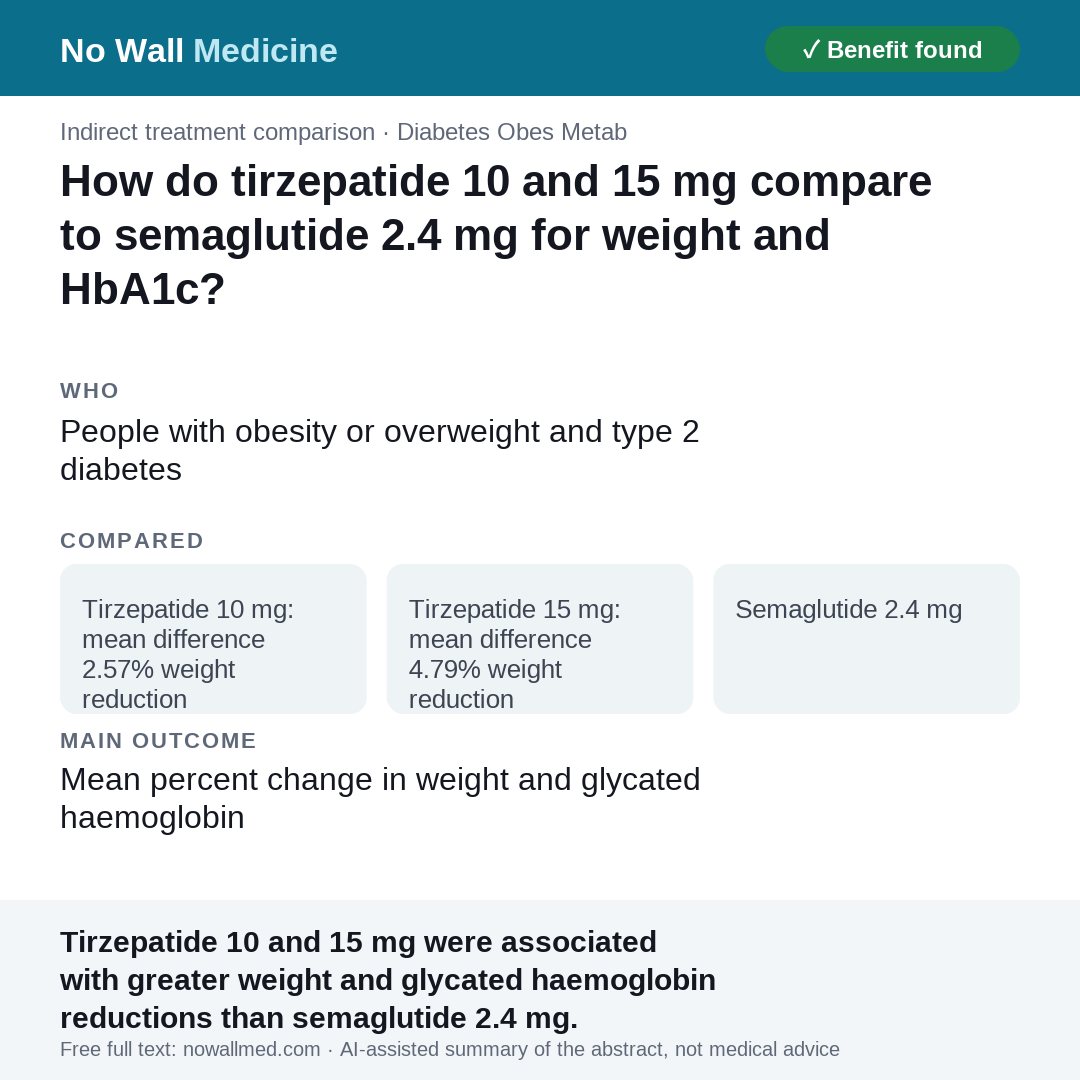
Tirzepatide 10 and 15 mg versus semaglutide 2.4 mg in people with obesity or overweight with type 2 diabetes: An indirect treatment comparison
Indirect treatment comparisonBenefit found
How do tirzepatide 10 and 15 mg compare to semaglutide 2.4 mg for weight and HbA1c?
Who
People with obesity or overweight and type 2 diabetes
Compared
Tirzepatide 10 mg: mean difference 2.57% weight reduction
Tirzepatide 15 mg: mean difference 4.79% weight reduction
Semaglutide 2.4 mg
Main outcome
Mean percent change in weight and glycated haemoglobin
Result: odds ratio 15 mg: 1.76, 95% CI 1.04-2.97
Bottom line: Tirzepatide 10 and 15 mg were associated with greater weight and glycated haemoglobin reductions than semaglutide 2.4 mg.
Diabetes Obes Metab · 2025-05-05Download image
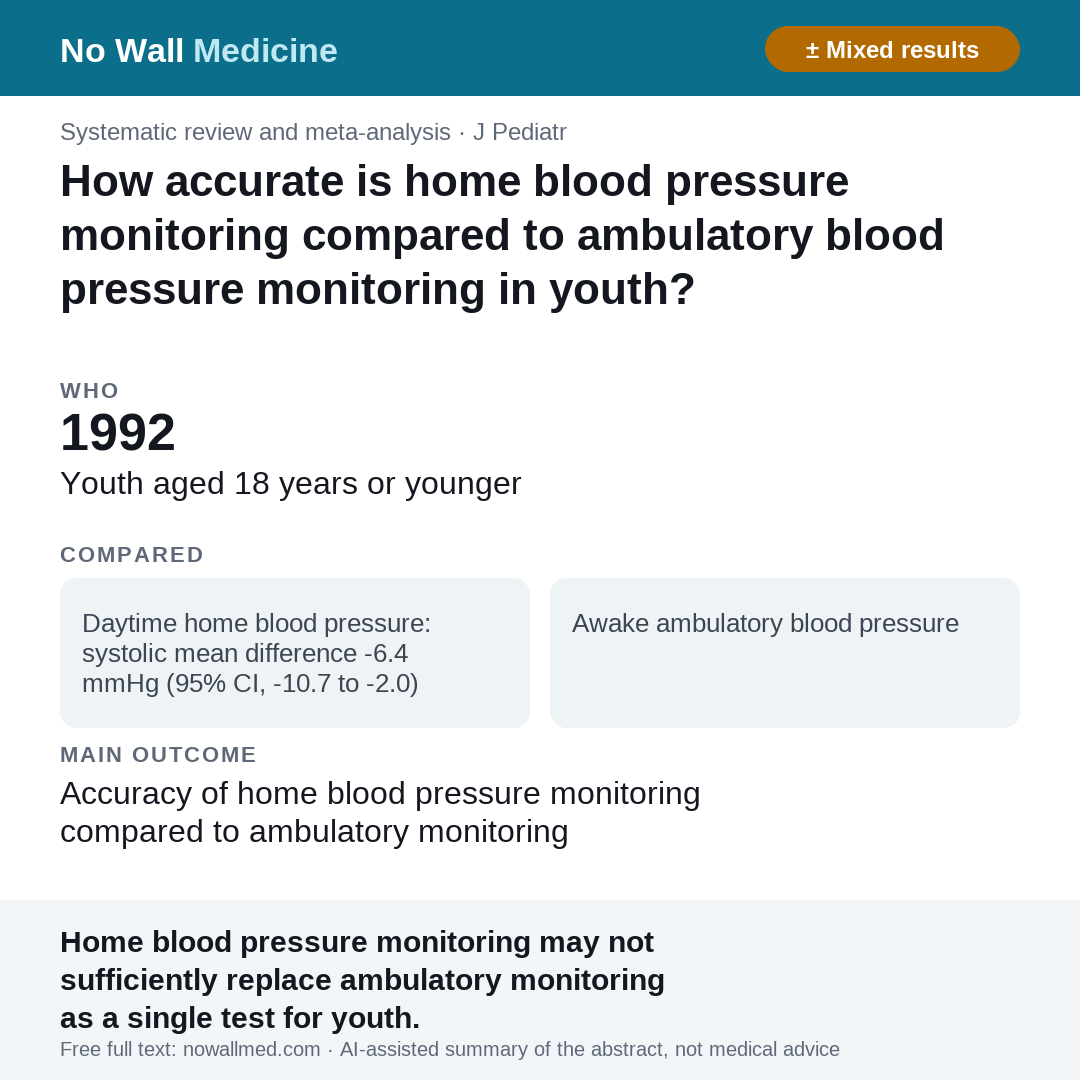
Accuracy of Home Blood Pressure Monitoring in Youth: A Systematic Review and Meta-Analysis
Systematic review and meta-analysisMixed results
How accurate is home blood pressure monitoring compared to ambulatory blood pressure monitoring in youth?
Who
1992
Youth aged 18 years or younger
Compared
Daytime home blood pressure: systolic mean difference -6.4 mmHg (95% CI, -10.7 to -2.0)
Awake ambulatory blood pressure
Main outcome
Accuracy of home blood pressure monitoring compared to ambulatory monitoring
Result: systolic MD, -6.4 mmHg [95% CI, -10.7 to -2.0]
Bottom line: Home blood pressure monitoring may not sufficiently replace ambulatory monitoring as a single test for youth.
Limitation: Different hypertension thresholds and home blood pressure monitoring protocols.
J Pediatr · 2025-05-05Download image
Human and non-human primate female in vitro gametogenesis toward meiotic entry: a systematic review
Systematic reviewUnclear result
What is the progress of meiotic entry in human and non-human primate in vitro gametogenesis?
Who
Human and non-human primate female germ cells
Compared
Human and non-human primate
Mice: complete oogenesis has been successfully achieved
Main outcome
Meiotic entry from pluripotent stem cells or fetal germ cells
Bottom line: Meiotic entry is a key milestone, but extending mouse success to primates remains a major hurdle.
Fertil Steril · 2025-05-05Download image

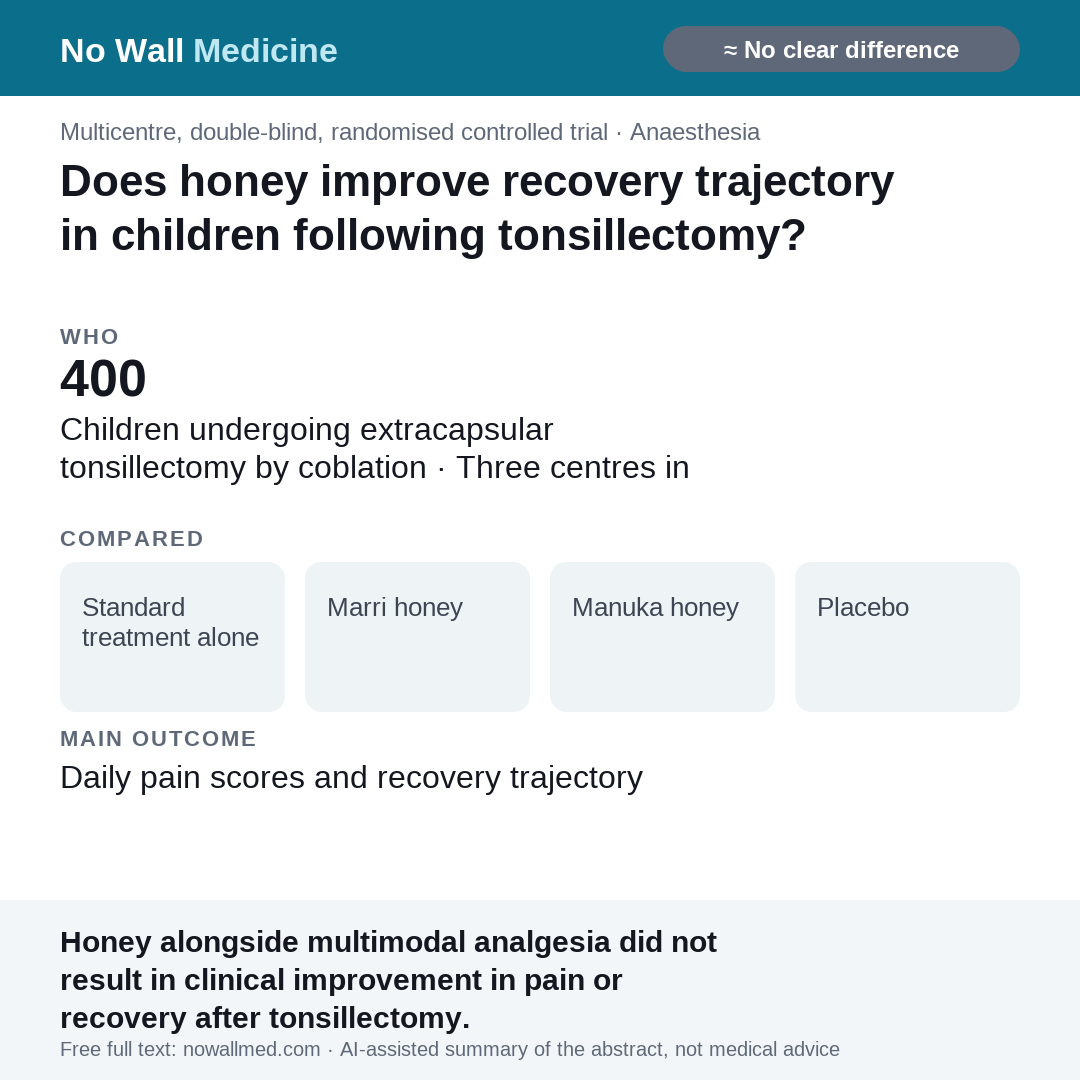
Impact of honey on post-tonsillectomy pain in children (BEE PAIN FREE Trial): a multicentre, double-blind, randomised controlled trial
Multicentre, double-blind, randomised controlled trialNo clear difference
Does honey improve recovery trajectory in children following tonsillectomy?
Who
400
Children undergoing extracapsular tonsillectomy by coblation · Three centres in Western Australia
Compared
Standard treatment alone
Marri honey
Manuka honey
Placebo
Main outcome
Daily pain scores and recovery trajectory
Bottom line: Honey alongside multimodal analgesia did not result in clinical improvement in pain or recovery after tonsillectomy.
Anaesthesia · 2025-05-05Download image