Visual abstracts
New randomized trials and meta-analyses from leading journals at a glance: who was studied, what was compared, and what was found. Every paper is free to read in full.
All specialtiesCardiology 4795Oncology 4083Gastroenterology & Hepatology 1916Infectious Disease 3786Neurology 1885Psychiatry & Mental Health 2240Pulmonology 2061Critical Care 1334Endocrinology & Diabetes 2553Pediatrics 2913Surgery 2498Orthopedics & Sports Medicine 922Neurosurgery 532Cardiothoracic & Vascular Surgery 665Plastic & Reconstructive Surgery 585Nephrology 1114Rheumatology 814Hematology 1097Dermatology 619Ophthalmology 539Obstetrics & Gynecology 1659Public & Global Health 1042Radiology & Imaging 637Anesthesiology 959Urology 751ENT (Otolaryngology) 497Emergency Medicine 484Allergy & Immunology 310Geriatrics 974Family Medicine & Primary Care 538Medical Genetics & Genomics 662Pathology & Laboratory Medicine 156Physical Medicine & Rehabilitation 746Palliative Care 422Nutrition 1566Digital Health & AI 2190General Medicine 319
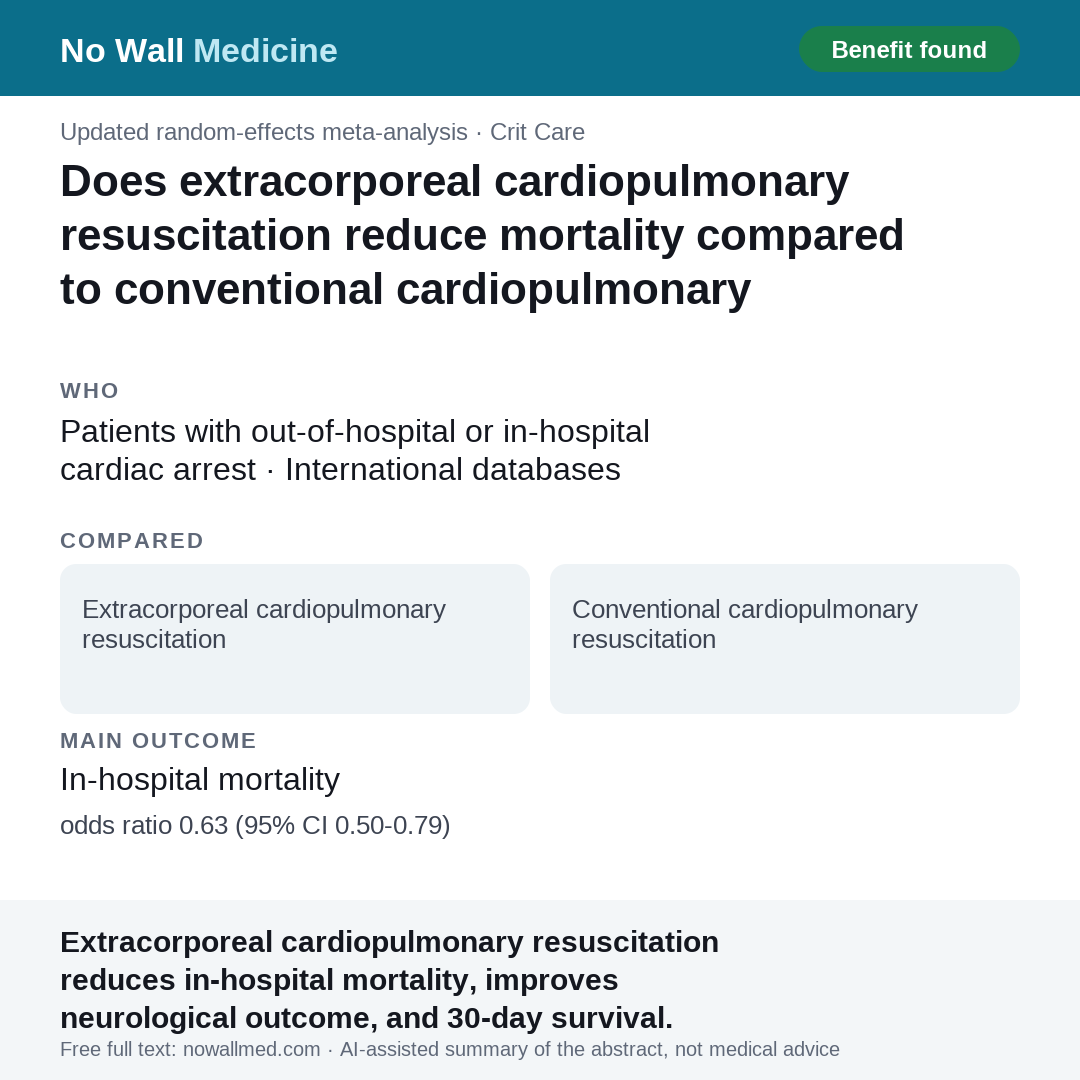
Extracorporeal cardiopulmonary resuscitation versus conventional CPR in cardiac arrest: an updated meta-analysis and trial sequential analysis
Updated random-effects meta-analysisBenefit found
Does extracorporeal cardiopulmonary resuscitation reduce mortality compared to conventional cardiopulmonary resuscitation?
Who
Patients with out-of-hospital or in-hospital cardiac arrest · International databases
Compared
Extracorporeal cardiopulmonary resuscitation
Conventional cardiopulmonary resuscitation
Main outcome
In-hospital mortality
Result: odds ratio 0.63 (95% CI 0.50-0.79)
Bottom line: Extracorporeal cardiopulmonary resuscitation reduces in-hospital mortality, improves neurological outcome, and 30-day survival.
Crit Care · 2024-02-21Download image
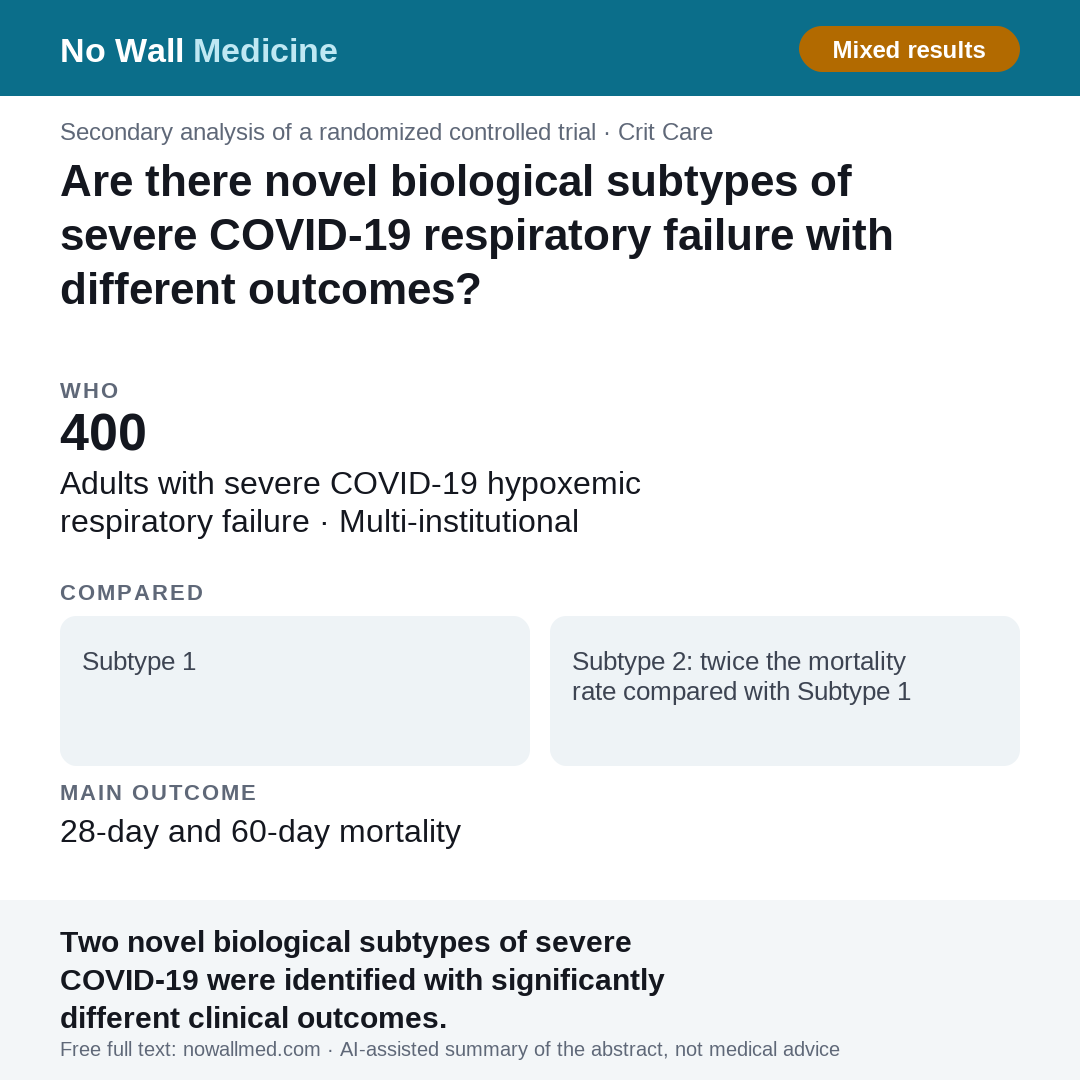
Novel subtypes of severe COVID-19 respiratory failure based on biological heterogeneity: a secondary analysis of a randomized controlled trial
Secondary analysis of a randomized controlled trialMixed results
Are there novel biological subtypes of severe COVID-19 respiratory failure with different outcomes?
Who
400
Adults with severe COVID-19 hypoxemic respiratory failure · Multi-institutional
Compared
Subtype 1
Subtype 2: twice the mortality rate compared with Subtype 1
Main outcome
28-day and 60-day mortality
Bottom line: Two novel biological subtypes of severe COVID-19 were identified with significantly different clinical outcomes.
Crit Care · 2024-02-21Download image
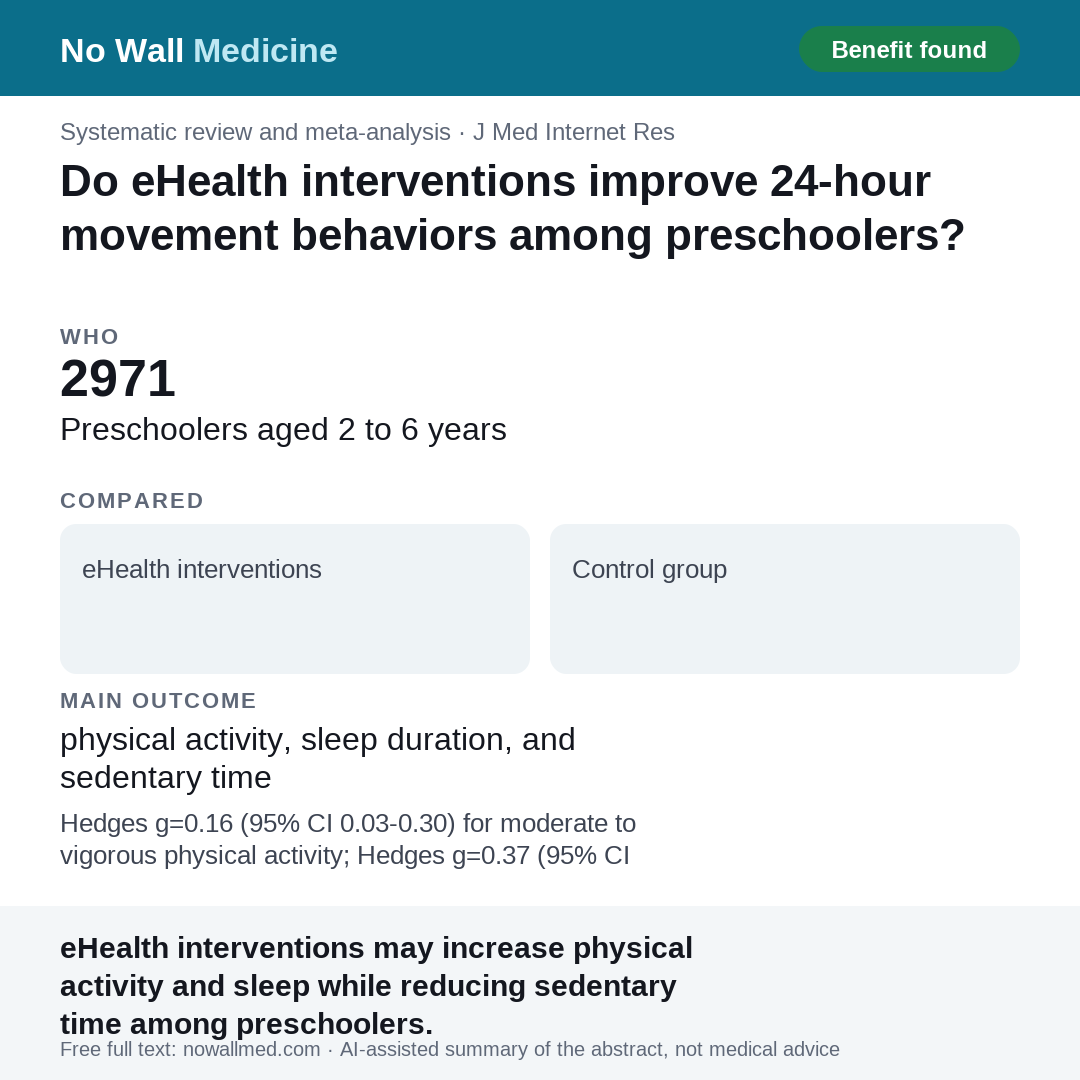
Effects of eHealth Interventions on 24-Hour Movement Behaviors Among Preschoolers: Systematic Review and Meta-Analysis
Systematic review and meta-analysisBenefit found
Do eHealth interventions improve 24-hour movement behaviors among preschoolers?
Who
2971
Preschoolers aged 2 to 6 years
Compared
eHealth interventions
Control group
Main outcome
physical activity, sleep duration, and sedentary time
Result: Hedges g=0.16 (95% CI 0.03-0.30) for moderate to vigorous physical activity; Hedges g=0.37 (95% CI 0.02-0.72) for total physical activity; Hedges g=-0.15 (95% CI -0.27 to -0.02) for sedentary time; Hedges g=0.47 (95% CI 0.18-0.75) for sleep duration
Bottom line: eHealth interventions may increase physical activity and sleep while reducing sedentary time among preschoolers.
Limitation: Need for larger sample sizes, more rigorous comparative trials, and exploration of long-term effects.
J Med Internet Res · 2024-02-21Download image
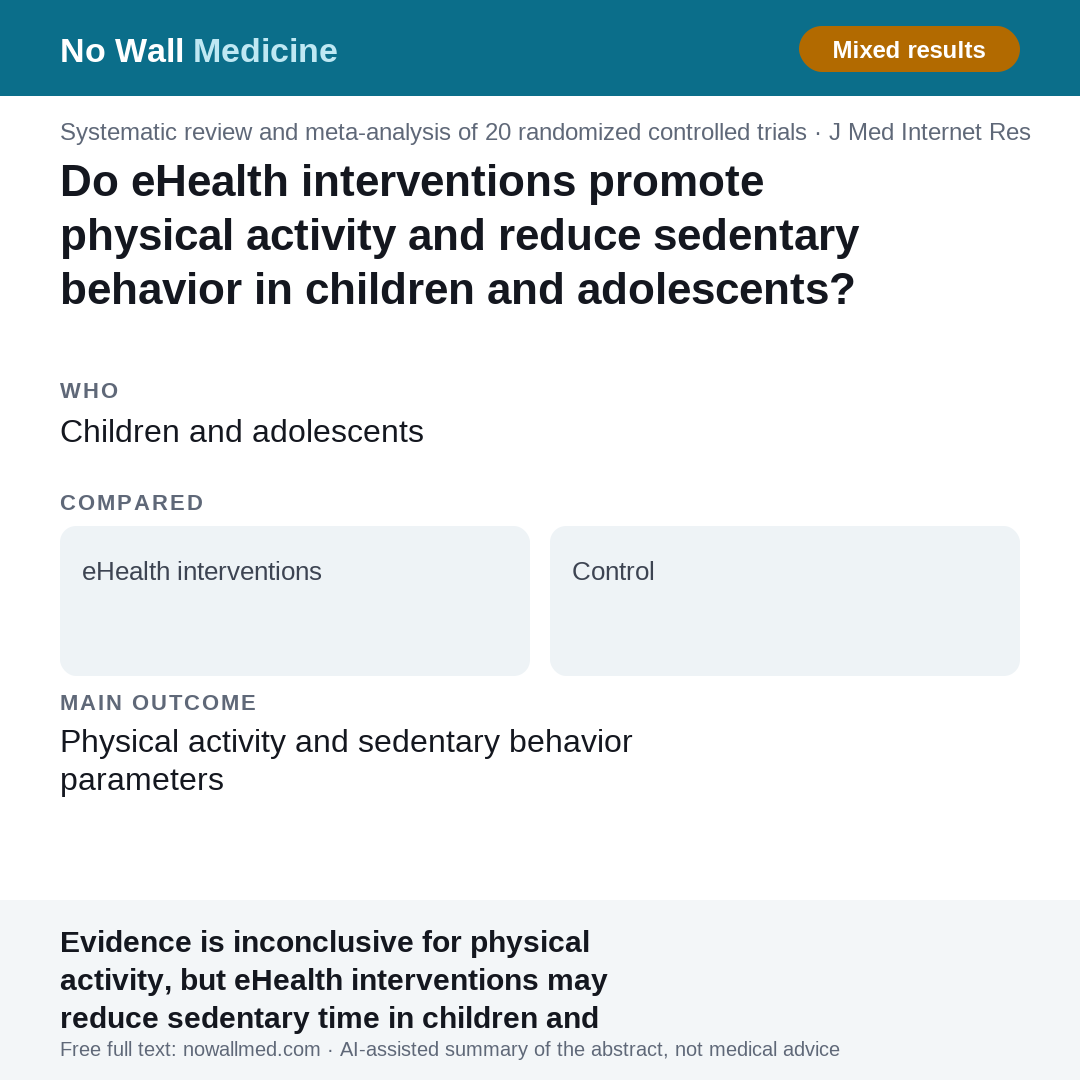
Effectiveness of eHealth Interventions Promoting Physical Activity in Children and Adolescents: Systematic Review and Meta-Analysis
Systematic review and meta-analysis of 20 randomized controlled trialsMixed results
Do eHealth interventions promote physical activity and reduce sedentary behavior in children and adolescents?
Who
Children and adolescents
Compared
eHealth interventions
Control
Main outcome
Physical activity and sedentary behavior parameters
Bottom line: Evidence is inconclusive for physical activity, but eHealth interventions may reduce sedentary time in children and adolescents.
Limitation: Scarcity of evidence, overall risk of bias, and low to very low certainty of evidence.
J Med Internet Res · 2024-02-21Download image
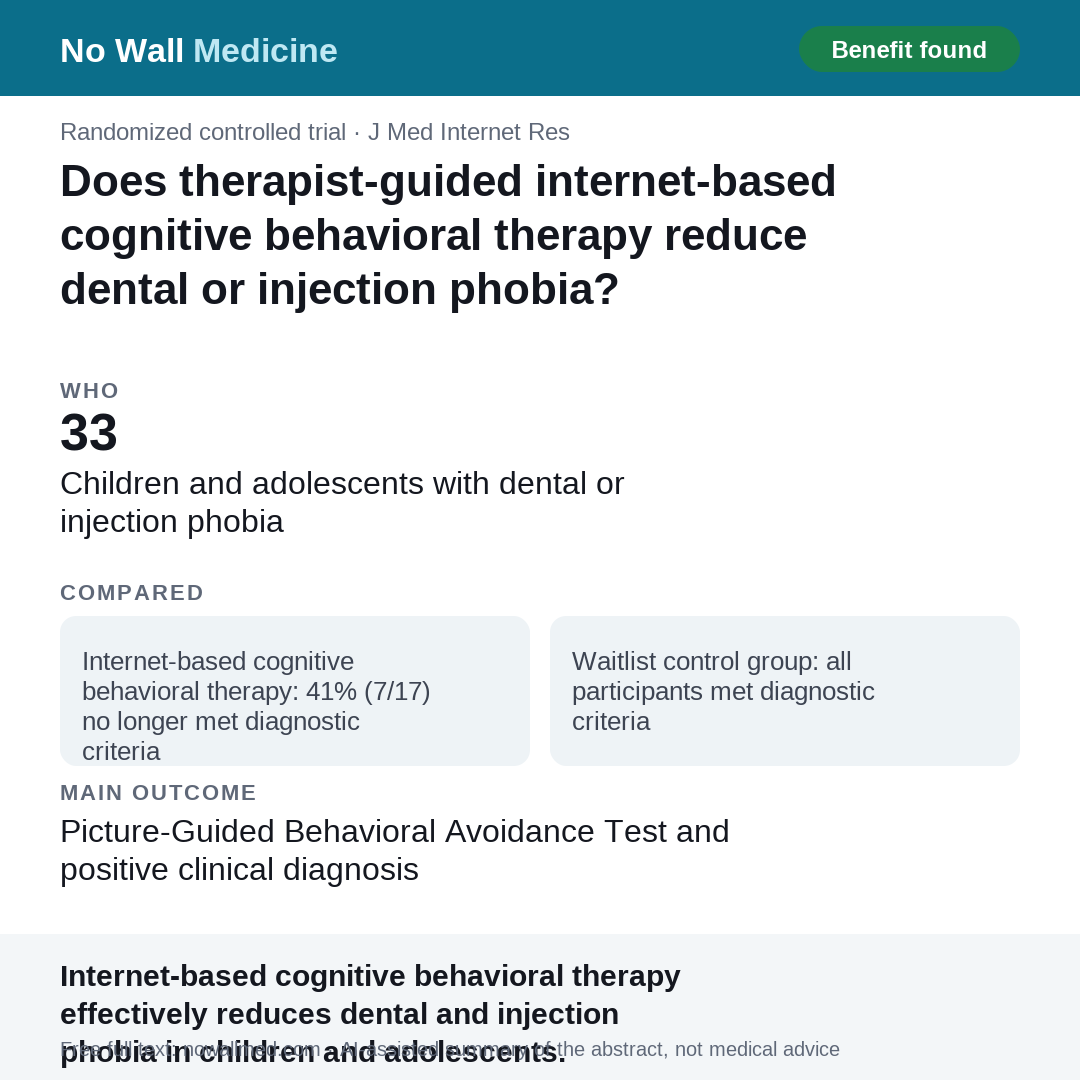
Internet-Based Cognitive Behavioral Therapy for Children and Adolescents With Dental or Injection Phobia: Randomized Controlled Trial
Randomized controlled trialBenefit found
Does therapist-guided internet-based cognitive behavioral therapy reduce dental or injection phobia?
Who
33
Children and adolescents with dental or injection phobia
Compared
Internet-based cognitive behavioral therapy: 41% (7/17) no longer met diagnostic criteria
Waitlist control group: all participants met diagnostic criteria
Main outcome
Picture-Guided Behavioral Avoidance Test and positive clinical diagnosis
Bottom line: Internet-based cognitive behavioral therapy effectively reduces dental and injection phobia in children and adolescents.
J Med Internet Res · 2024-02-21Download image
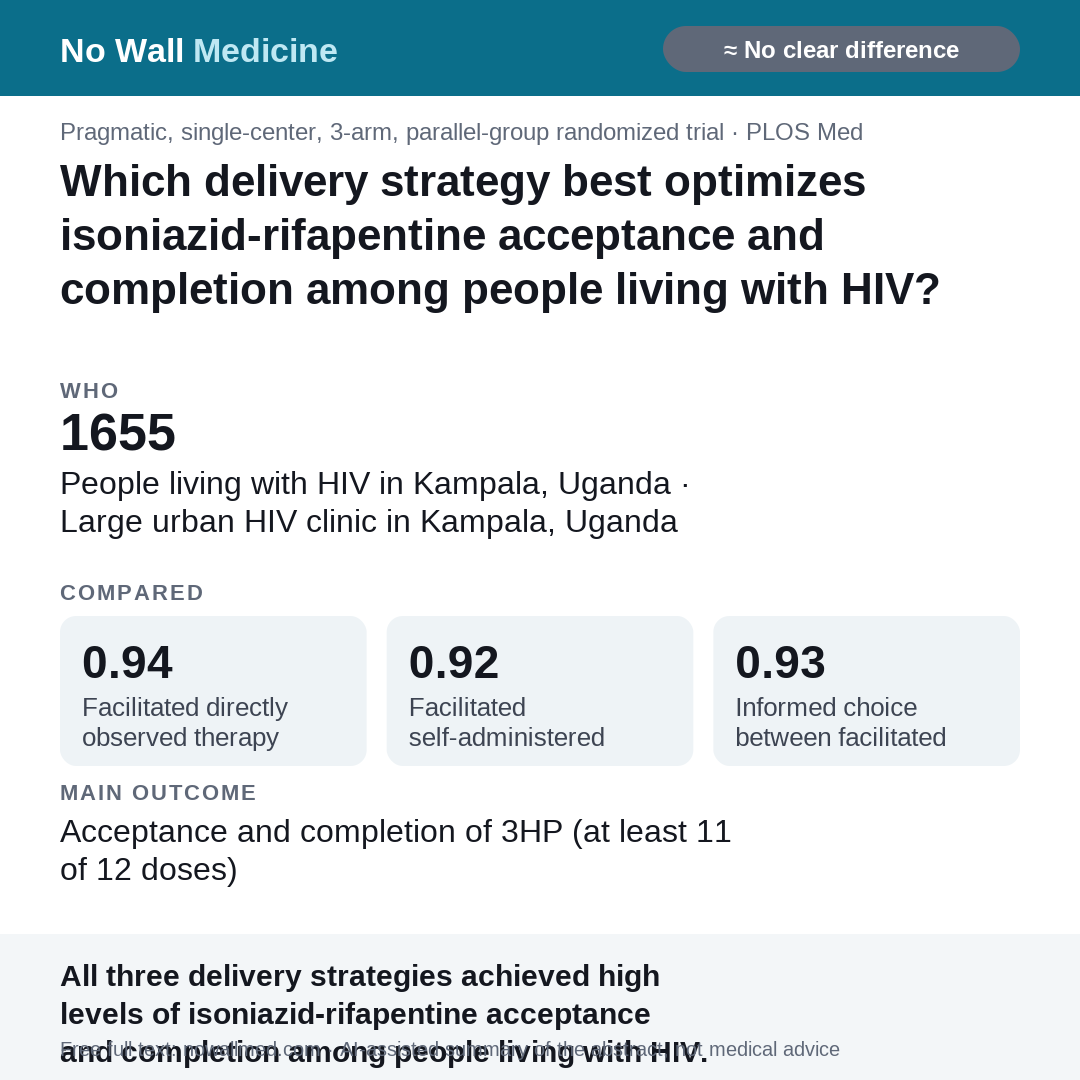
Comparison of 3 optimized delivery strategies for completion of isoniazid-rifapentine (3HP) for tuberculosis prevention among people living with HIV in Uganda: A single-center randomized trial
Pragmatic, single-center, 3-arm, parallel-group randomized trialNo clear difference
Which delivery strategy best optimizes isoniazid-rifapentine acceptance and completion among people living with HIV?
Who
1655
People living with HIV in Kampala, Uganda · Large urban HIV clinic in Kampala, Uganda
Compared
0.94Facilitated directly observed therapy
0.92Facilitated self-administered therapy
0.93Informed choice between facilitated DOT and SAT
Main outcome
Acceptance and completion of 3HP (at least 11 of 12 doses)
Bottom line: All three delivery strategies achieved high levels of isoniazid-rifapentine acceptance and completion among people living with HIV.
Limitation: The study was conducted in a single center.
PLOS Med · 2024-02-20Download image
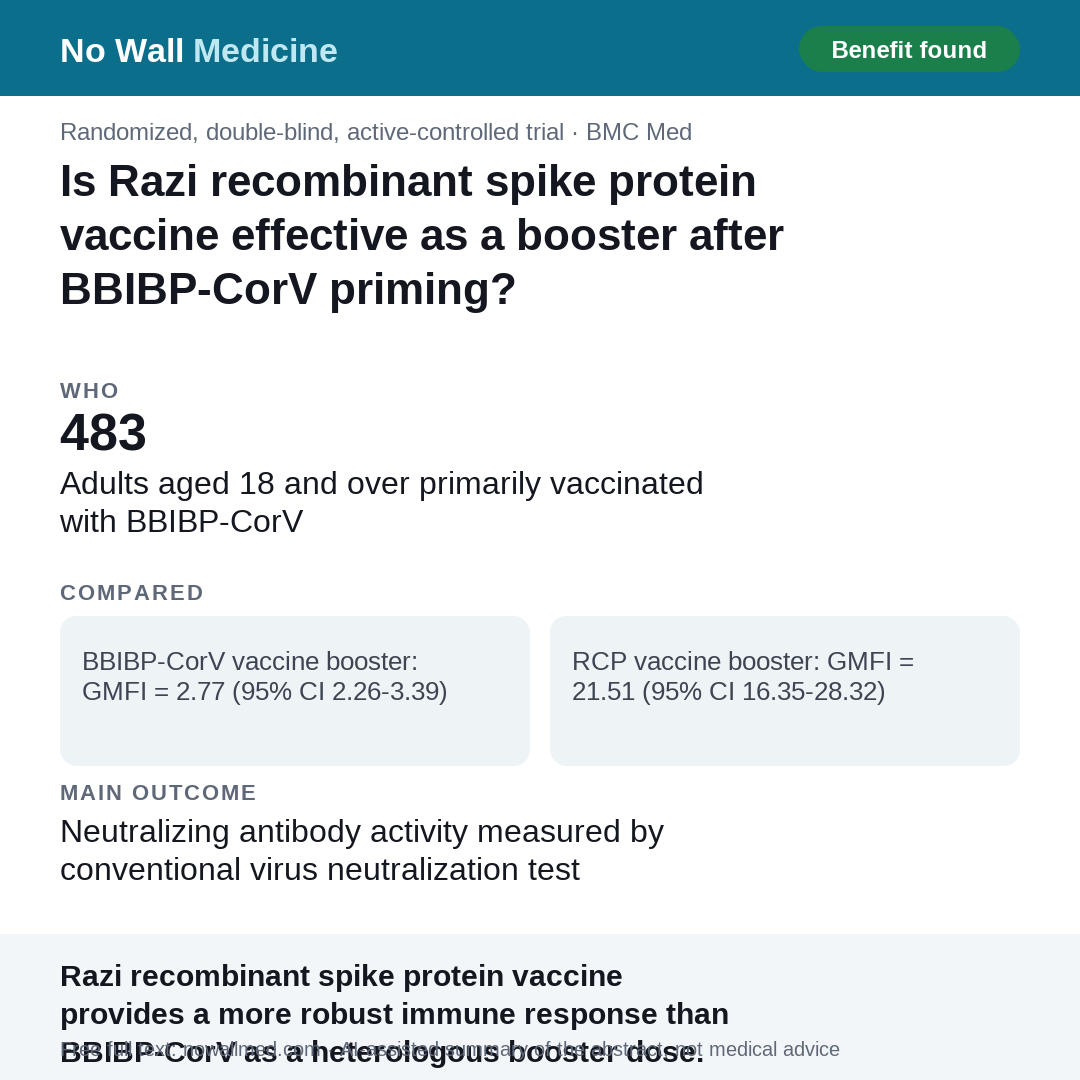
Immunogenicity and safety of RAZI recombinant spike protein vaccine (RCP) as a booster dose after priming with BBIBP-CorV: a parallel two groups, randomized, double blind trial
Randomized, double-blind, active-controlled trialBenefit found
Is Razi recombinant spike protein vaccine effective as a booster after BBIBP-CorV priming?
Who
483
Adults aged 18 and over primarily vaccinated with BBIBP-CorV
Compared
BBIBP-CorV vaccine booster: GMFI = 2.77 (95% CI 2.26-3.39)
RCP vaccine booster: GMFI = 21.51 (95% CI 16.35-28.32)
Main outcome
Neutralizing antibody activity measured by conventional virus neutralization test
Result: GMR 6.81 (5.32-8.72) on day 14, 1.77 (1.15-2.72) on day 90, and 2.37 (1.62-3.47) on day 180
Bottom line: Razi recombinant spike protein vaccine provides a more robust immune response than BBIBP-CorV as a heterologous booster dose.
BMC Med · 2024-02-20Download image
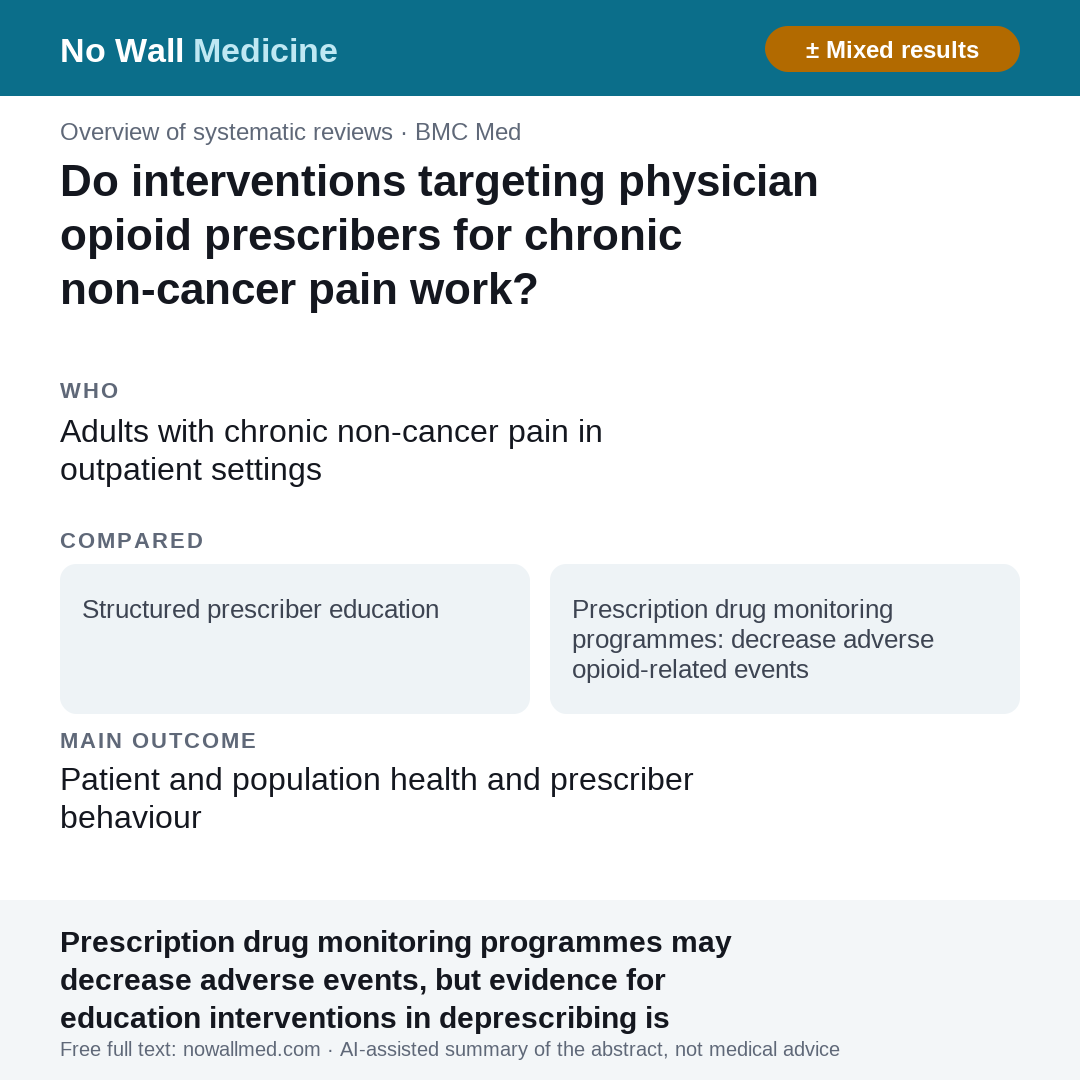
Efficacy of interventions targeted at physician prescribers of opioids for chronic non-cancer pain: an overview of systematic reviews
Overview of systematic reviewsMixed results
Do interventions targeting physician opioid prescribers for chronic non-cancer pain work?
Who
Adults with chronic non-cancer pain in outpatient settings
Compared
Structured prescriber education
Prescription drug monitoring programmes: decrease adverse opioid-related events
Main outcome
Patient and population health and prescriber behaviour
Bottom line: Prescription drug monitoring programmes may decrease adverse events, but evidence for education interventions in deprescribing is uncertain.
BMC Med · 2024-02-20Download image
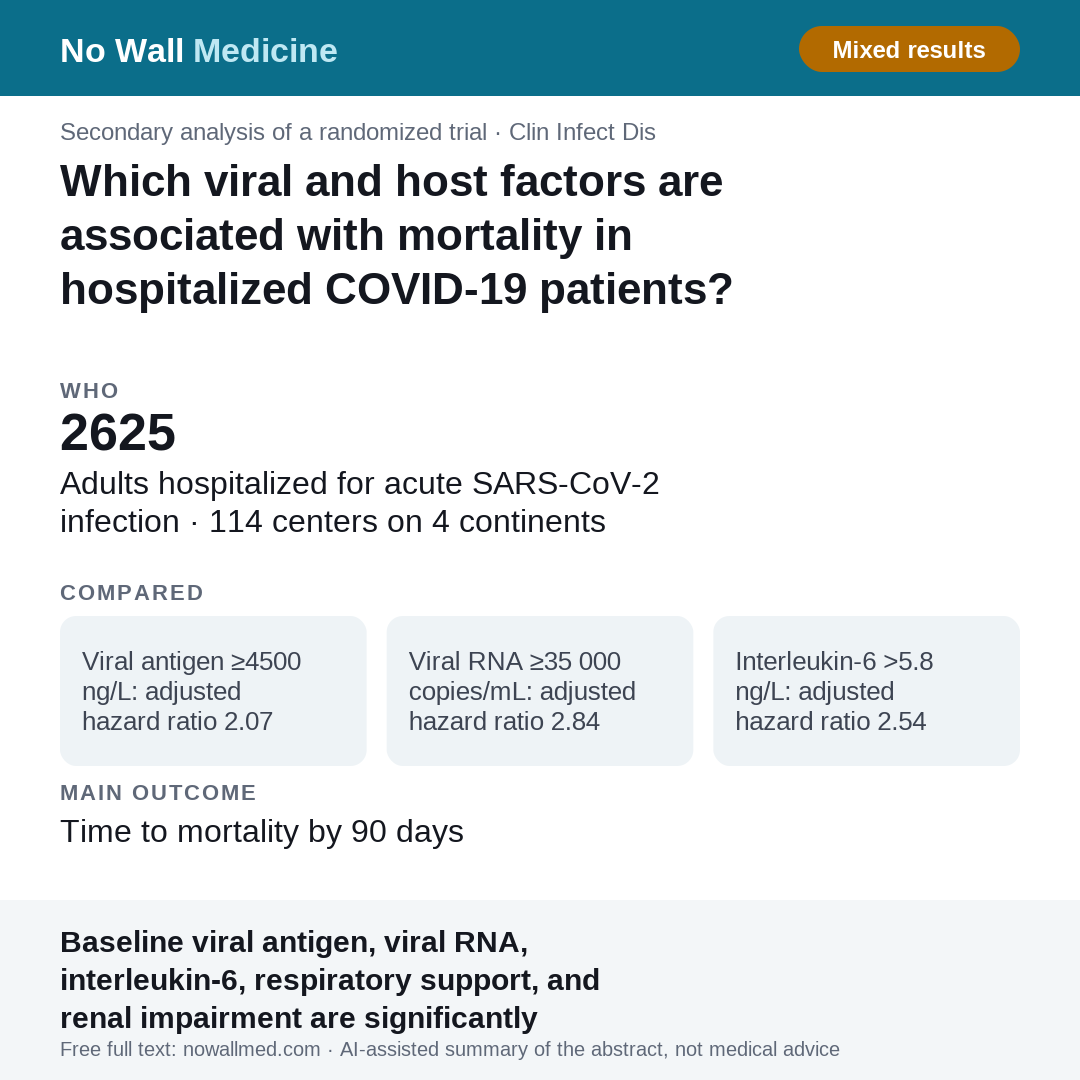
Viral and Host Factors Are Associated With Mortality in Hospitalized Patients With COVID-19
Secondary analysis of a randomized trialMixed results
Which viral and host factors are associated with mortality in hospitalized COVID-19 patients?
Who
2625
Adults hospitalized for acute SARS-CoV-2 infection · 114 centers on 4 continents
Compared
Viral antigen ≥4500 ng/L: adjusted hazard ratio 2.07
Viral RNA ≥35 000 copies/mL: adjusted hazard ratio 2.84
Interleukin-6 >5.8 ng/L: adjusted hazard ratio 2.54
Main outcome
Time to mortality by 90 days
Bottom line: Baseline viral antigen, viral RNA, interleukin-6, respiratory support, and renal impairment are significantly associated with COVID-19 mortality risk.
Clin Infect Dis · 2024-02-20Download image
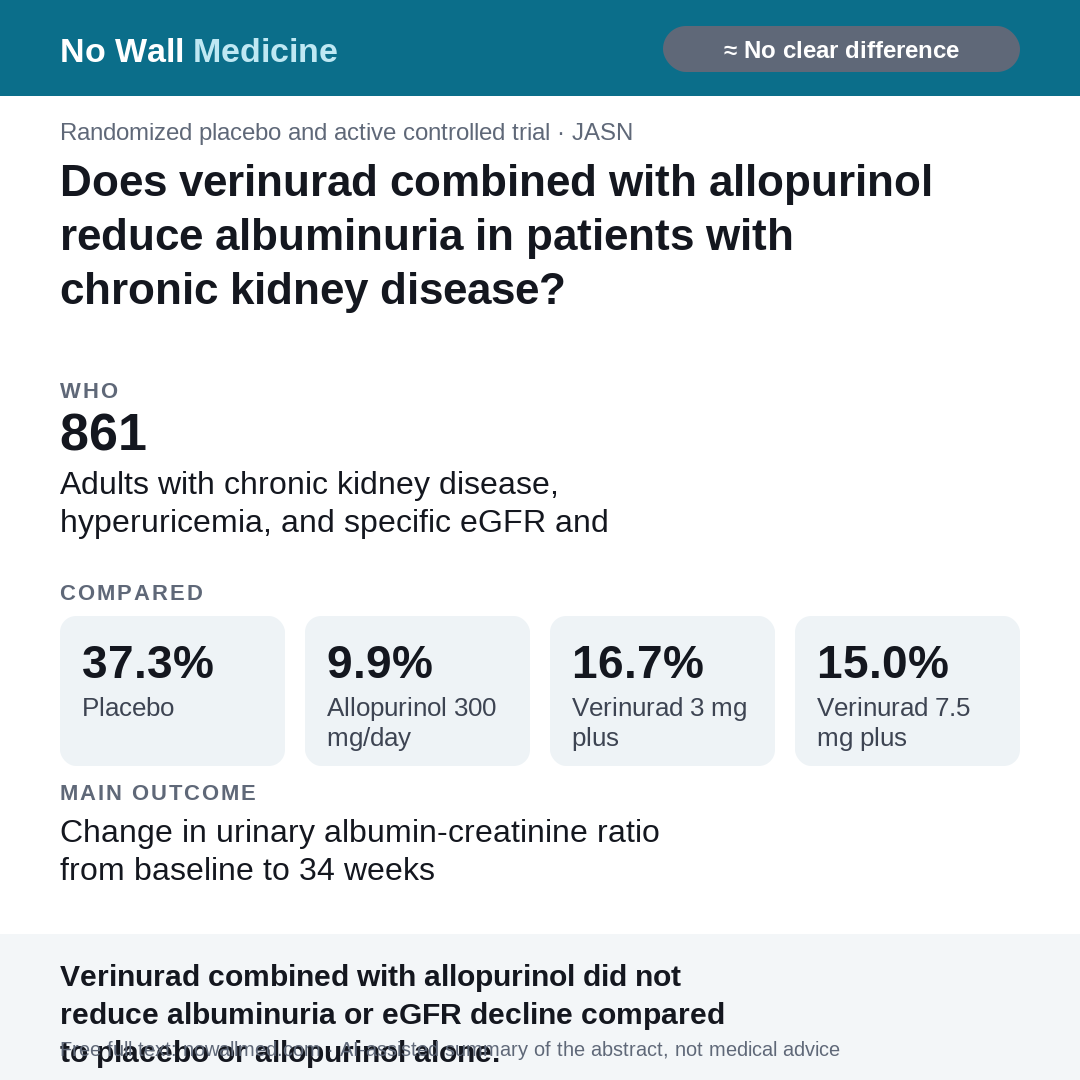
Combination Treatment with Verinurad and Allopurinol in CKD: A Randomized Placebo and Active Controlled Trial
Randomized placebo and active controlled trialNo clear difference
Does verinurad combined with allopurinol reduce albuminuria in patients with chronic kidney disease?
Who
861
Adults with chronic kidney disease, hyperuricemia, and specific eGFR and albuminuria levels
Compared
37.3%Placebo (95% CI, 16.6 to 61.8)
9.9%Allopurinol 300 mg/day (95% CI, -6.6 to 29.4)
16.7%Verinurad 3 mg plus allopurinol (95% CI, -0.6 to 37.1)
15.0%Verinurad 7.5 mg plus allopurinol (95% CI, -1.85 to 34.6)
Main outcome
Change in urinary albumin-creatinine ratio from baseline to 34 weeks
Bottom line: Verinurad combined with allopurinol did not reduce albuminuria or eGFR decline compared to placebo or allopurinol alone.
JASN · 2024-02-20Download image
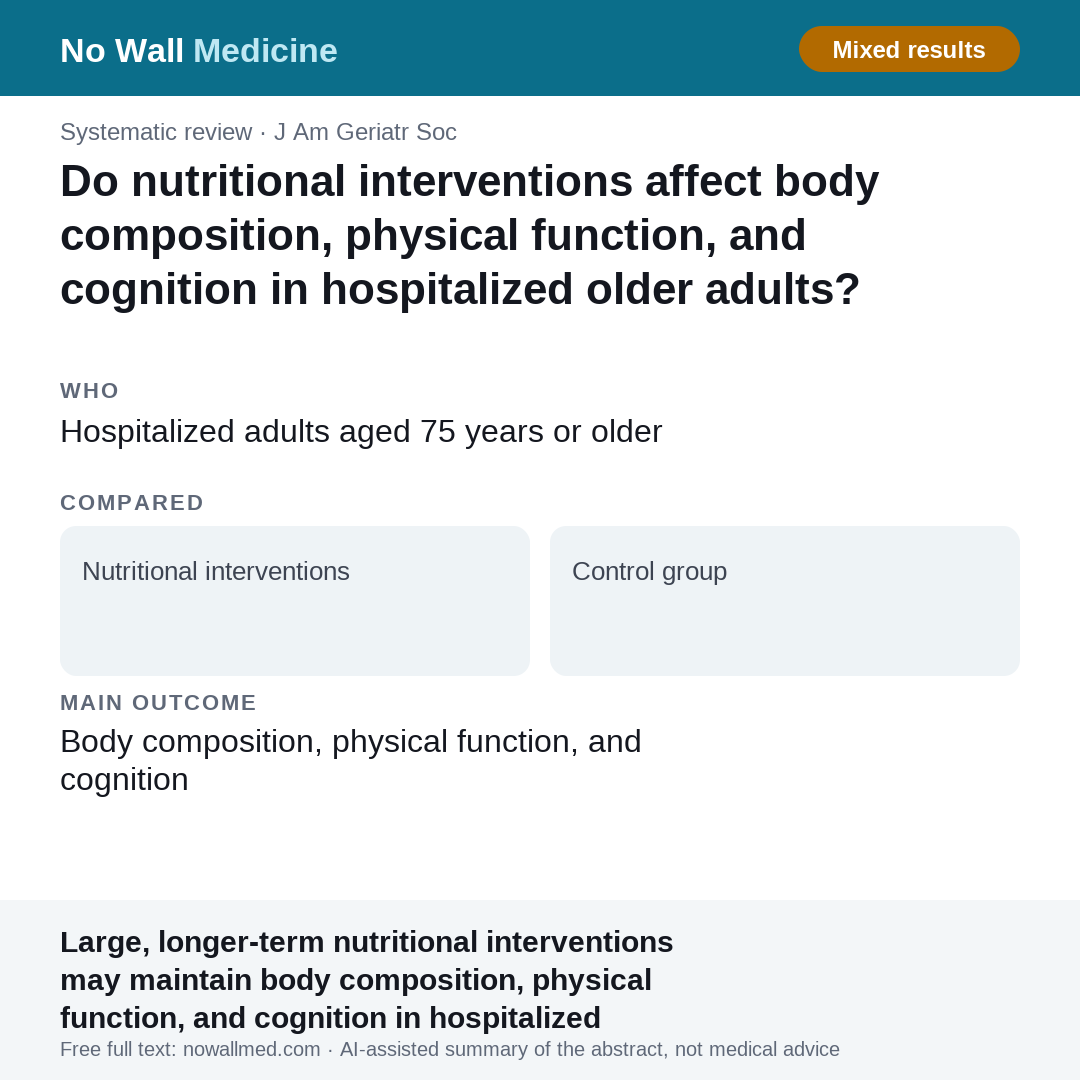
Nutrition interventions for body composition, physical function, cognition in hospitalized older adults: A systematic review of individuals 75 years and older
Systematic reviewMixed results
Do nutritional interventions affect body composition, physical function, and cognition in hospitalized older adults?
Who
Hospitalized adults aged 75 years or older
Compared
Nutritional interventions
Control group
Main outcome
Body composition, physical function, and cognition
Bottom line: Large, longer-term nutritional interventions may maintain body composition, physical function, and cognition in hospitalized adults aged 75 years and older.
J Am Geriatr Soc · 2024-02-20Download image
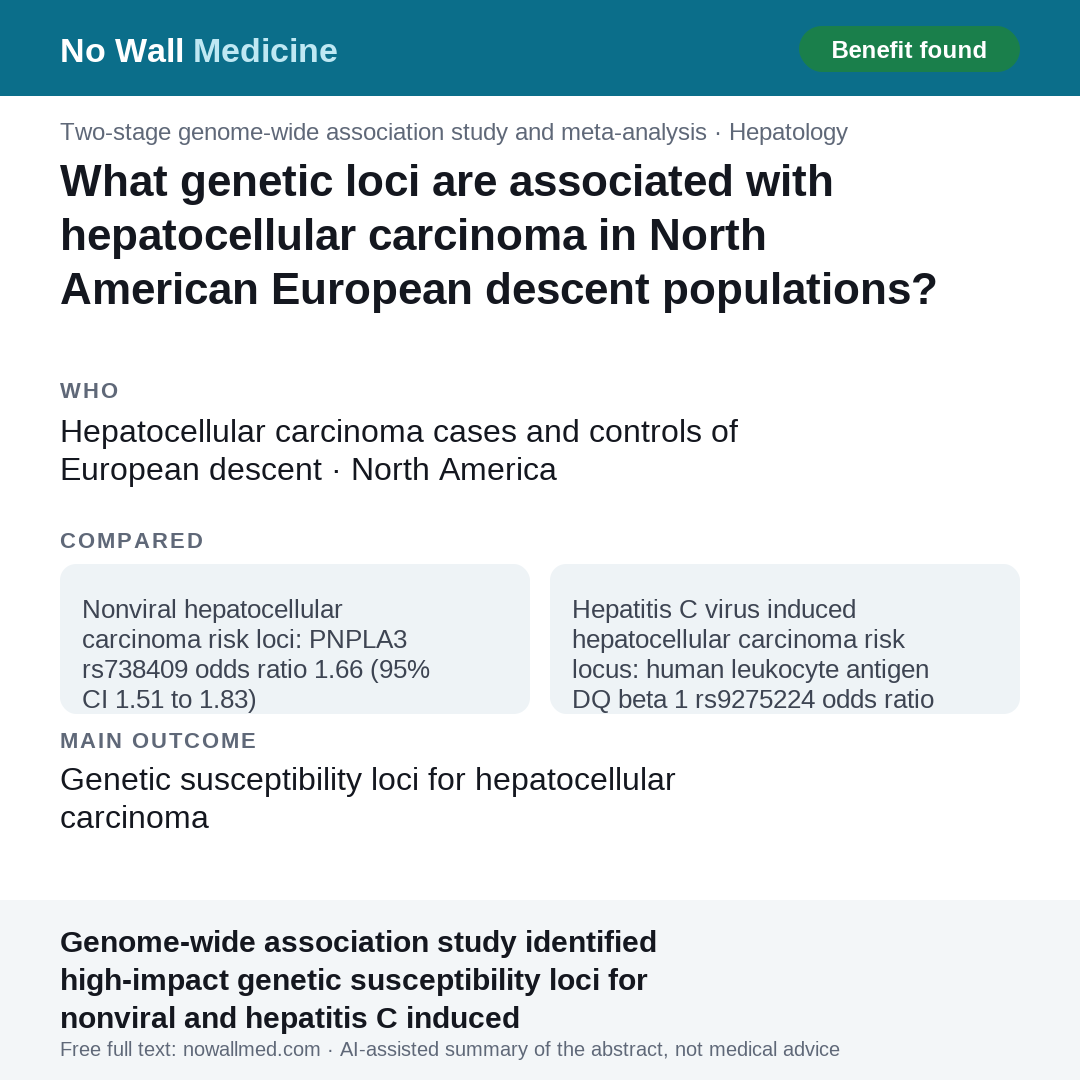
Genome-wide association study identifies high-impact susceptibility loci for HCC in North America
Two-stage genome-wide association study and meta-analysisBenefit found
What genetic loci are associated with hepatocellular carcinoma in North American European descent populations?
Who
Hepatocellular carcinoma cases and controls of European descent · North America
Compared
Nonviral hepatocellular carcinoma risk loci: PNPLA3 rs738409 odds ratio 1.66 (95% CI 1.51 to 1.83)
Hepatitis C virus induced hepatocellular carcinoma risk locus: human leukocyte antigen DQ beta 1 rs9275224 odds ratio 0.79 (95% CI 0.74 to 0.84)
Main outcome
Genetic susceptibility loci for hepatocellular carcinoma
Bottom line: Genome-wide association study identified high-impact genetic susceptibility loci for nonviral and hepatitis C induced hepatocellular carcinoma.
Hepatology · 2024-02-20Download image
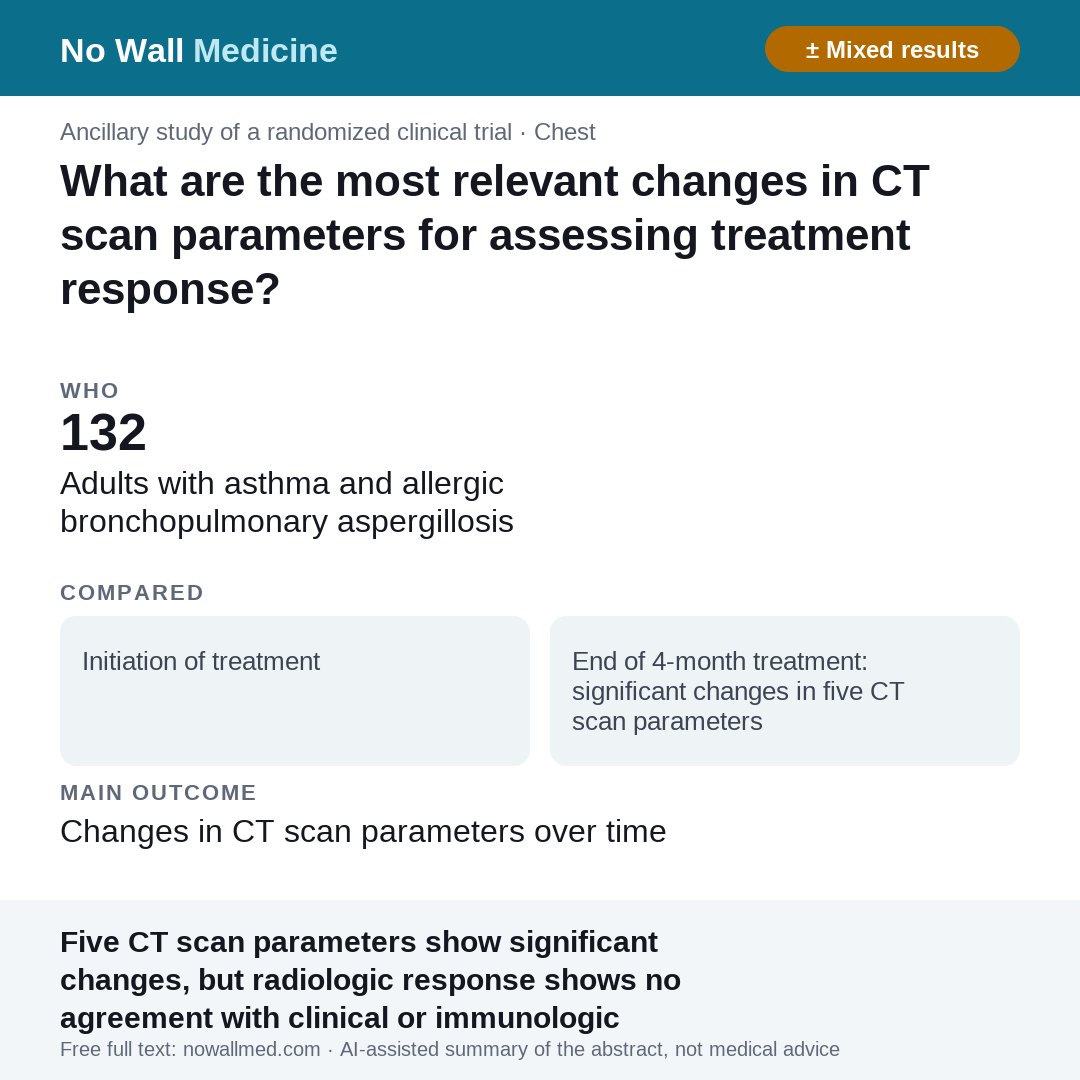
CT Imaging Assessment of Response to Treatment in Allergic Bronchopulmonary Aspergillosis in Adults With Bronchial Asthma
Ancillary study of a randomized clinical trialMixed results
What are the most relevant changes in CT scan parameters for assessing treatment response?
Who
132
Adults with asthma and allergic bronchopulmonary aspergillosis
Compared
Initiation of treatment
End of 4-month treatment: significant changes in five CT scan parameters
Main outcome
Changes in CT scan parameters over time
Bottom line: Five CT scan parameters show significant changes, but radiologic response shows no agreement with clinical or immunologic responses.
Chest · 2024-02-20Download image
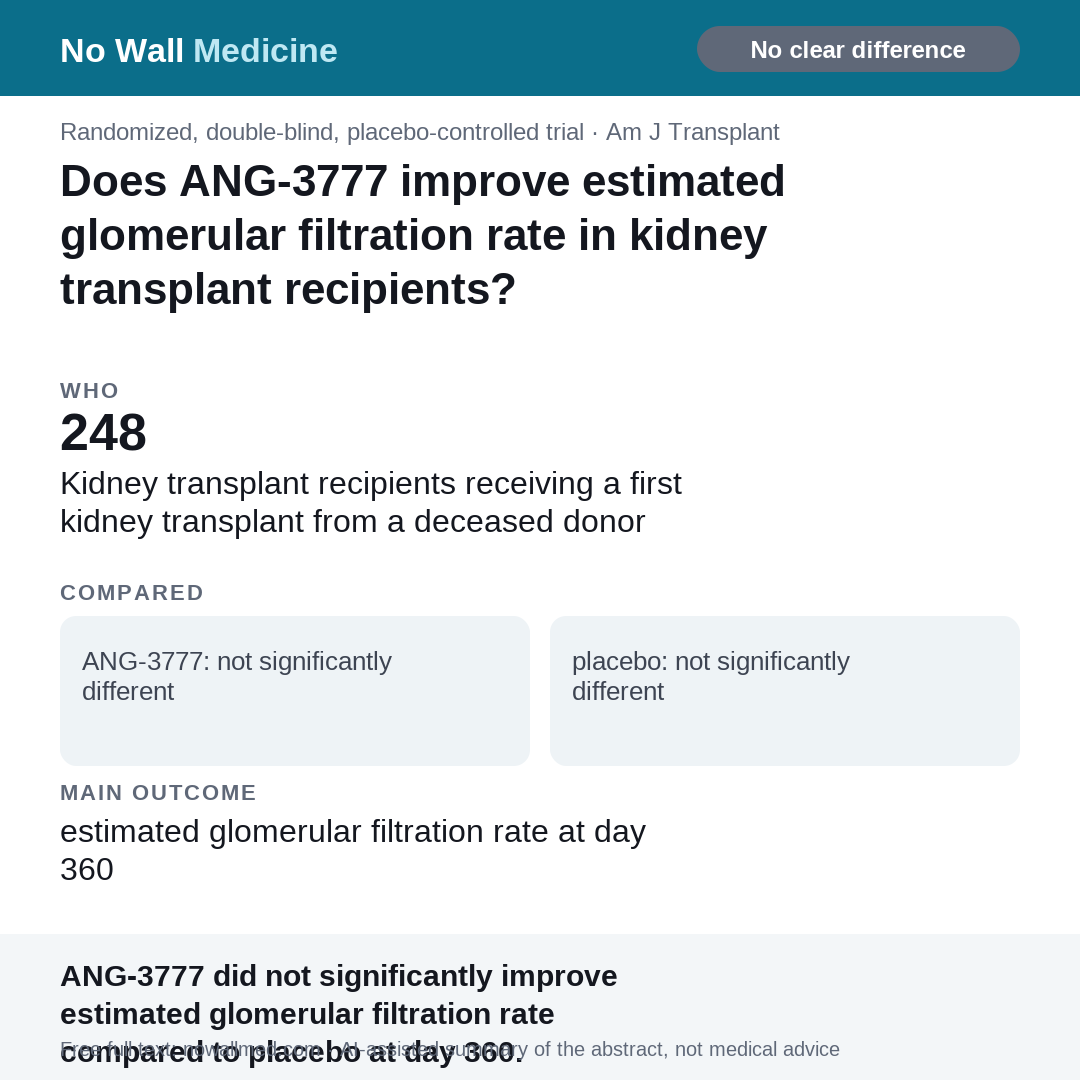
The hepatocyte growth factor mimetic, ANG-3777, in kidney transplant recipients with delayed graft function: Results from a randomized phase 3 trial
Randomized, double-blind, placebo-controlled trialNo clear difference
Does ANG-3777 improve estimated glomerular filtration rate in kidney transplant recipients?
Who
248
Kidney transplant recipients receiving a first kidney transplant from a deceased donor
Compared
ANG-3777: not significantly different
placebo: not significantly different
Main outcome
estimated glomerular filtration rate at day 360
Bottom line: ANG-3777 did not significantly improve estimated glomerular filtration rate compared to placebo at day 360.
Am J Transplant · 2024-02-20Download image
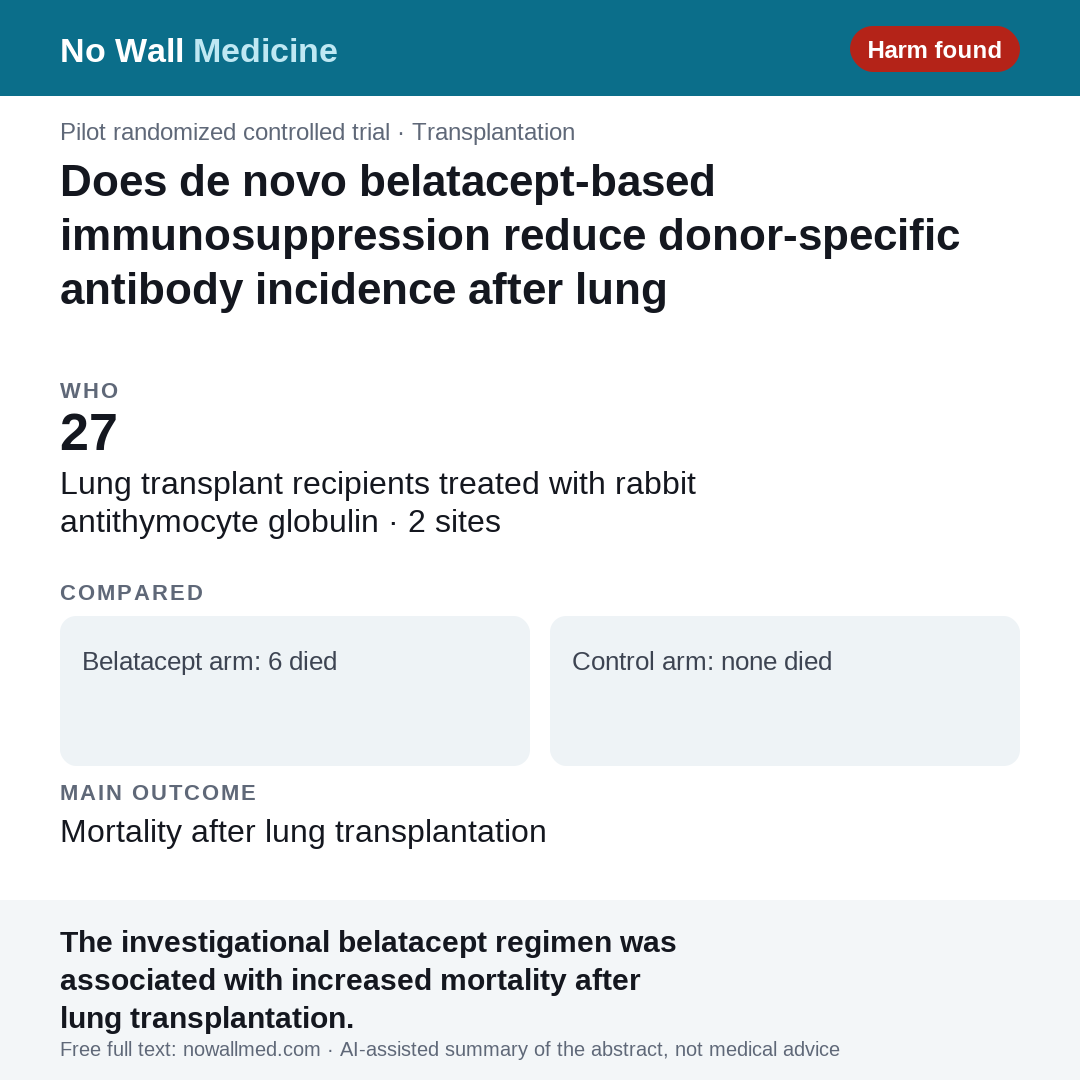
A Pilot Randomized Controlled Trial of De Novo Belatacept-based Immunosuppression After Lung Transplantation
Pilot randomized controlled trialHarm found
Does de novo belatacept-based immunosuppression reduce donor-specific antibody incidence after lung transplantation?
Who
27
Lung transplant recipients treated with rabbit antithymocyte globulin · 2 sites
Compared
Belatacept arm: 6 died
Control arm: none died
Main outcome
Mortality after lung transplantation
Result: log rank P = 0.008
Bottom line: The investigational belatacept regimen was associated with increased mortality after lung transplantation.
Transplantation · 2024-02-20Download image
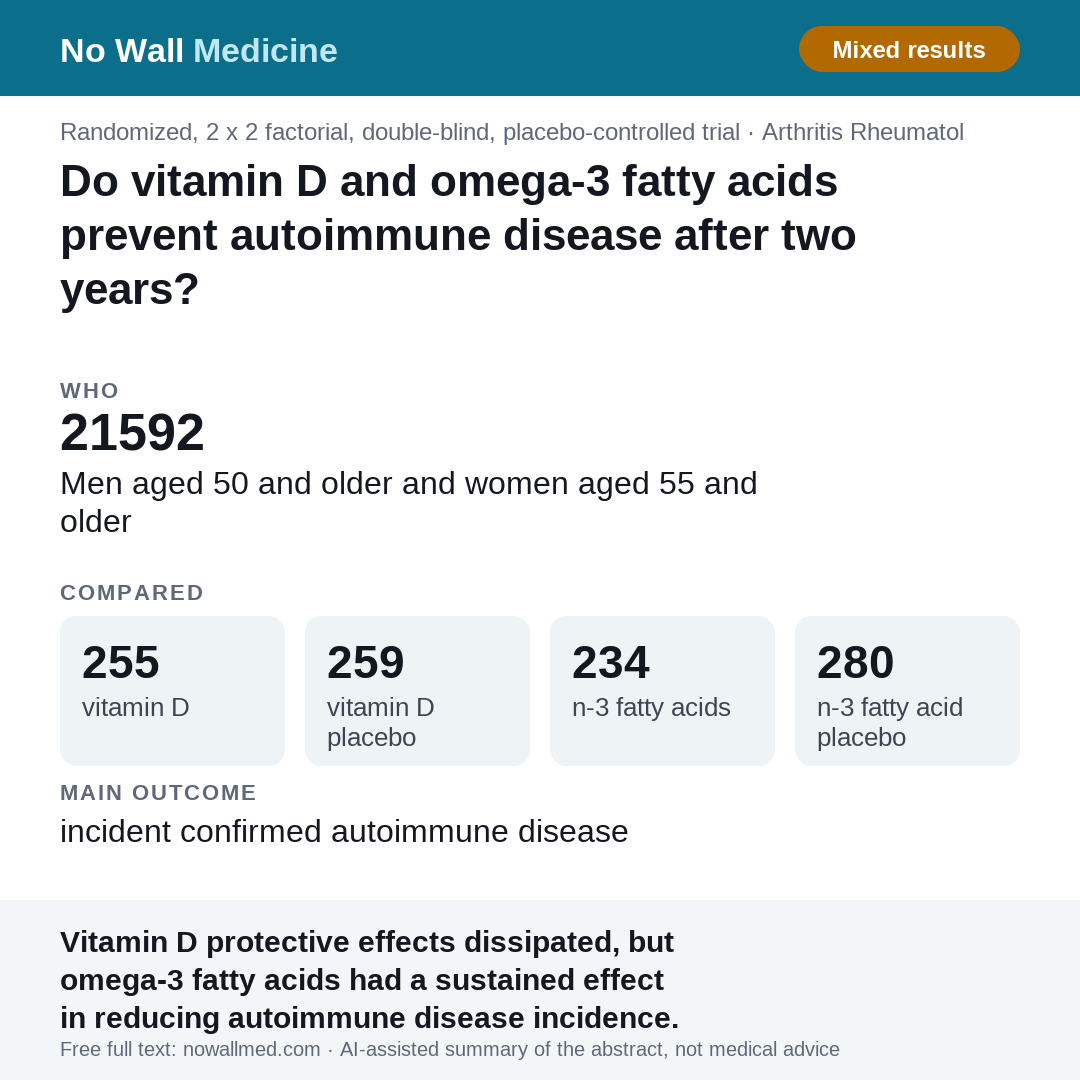
Vitamin D and Marine n-3 Fatty Acids for Autoimmune Disease Prevention: Outcomes Two Years After Completion of a Double-Blind, Placebo-Controlled Trial
Randomized, 2 x 2 factorial, double-blind, placebo-controlled trialMixed results
Do vitamin D and omega-3 fatty acids prevent autoimmune disease after two years?
Who
21592
Men aged 50 and older and women aged 55 and older
Compared
255vitamin D
259vitamin D placebo
234n-3 fatty acids
280n-3 fatty acid placebo
Main outcome
incident confirmed autoimmune disease
Result: hazard ratio 0.83 (95% CI 0.70-0.99) for n-3 fatty acids
Bottom line: Vitamin D protective effects dissipated, but omega-3 fatty acids had a sustained effect in reducing autoimmune disease incidence.
Arthritis Rheumatol · 2024-02-20Download image
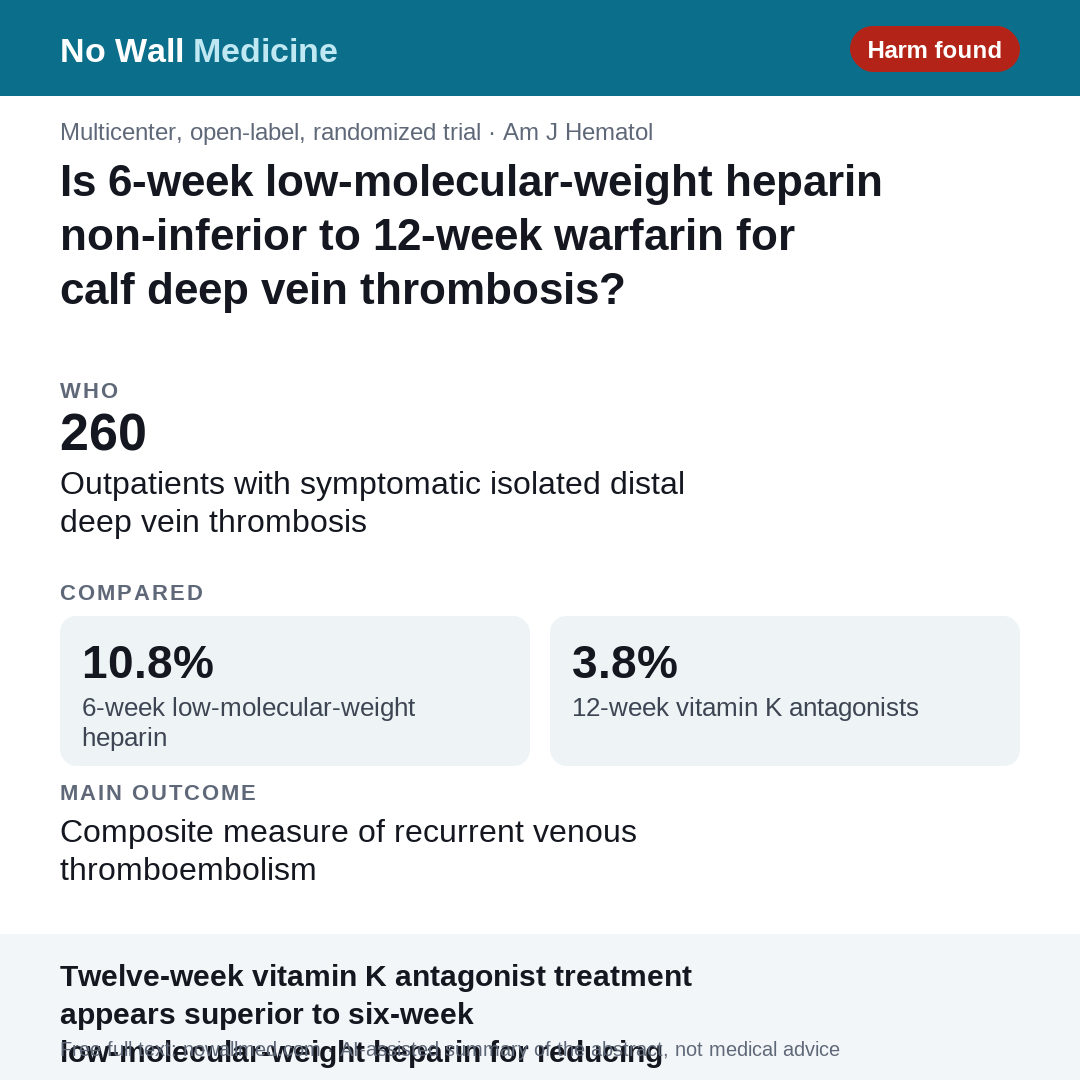
Six-week low-molecular-weight heparin versus 12-week warfarin for calf deep vein thrombosis: A randomized, prospective, open-label study
Multicenter, open-label, randomized trialHarm found
Is 6-week low-molecular-weight heparin non-inferior to 12-week warfarin for calf deep vein thrombosis?
Who
260
Outpatients with symptomatic isolated distal deep vein thrombosis
Compared
10.8%6-week low-molecular-weight heparin
3.8%12-week vitamin K antagonists
Main outcome
Composite measure of recurrent venous thromboembolism
Result: hazard ratio 2.8 (95% CI 1.04-7.55)
Bottom line: Twelve-week vitamin K antagonist treatment appears superior to six-week low-molecular-weight heparin for reducing recurrent venous thromboembolism.
Am J Hematol · 2024-02-20Download image
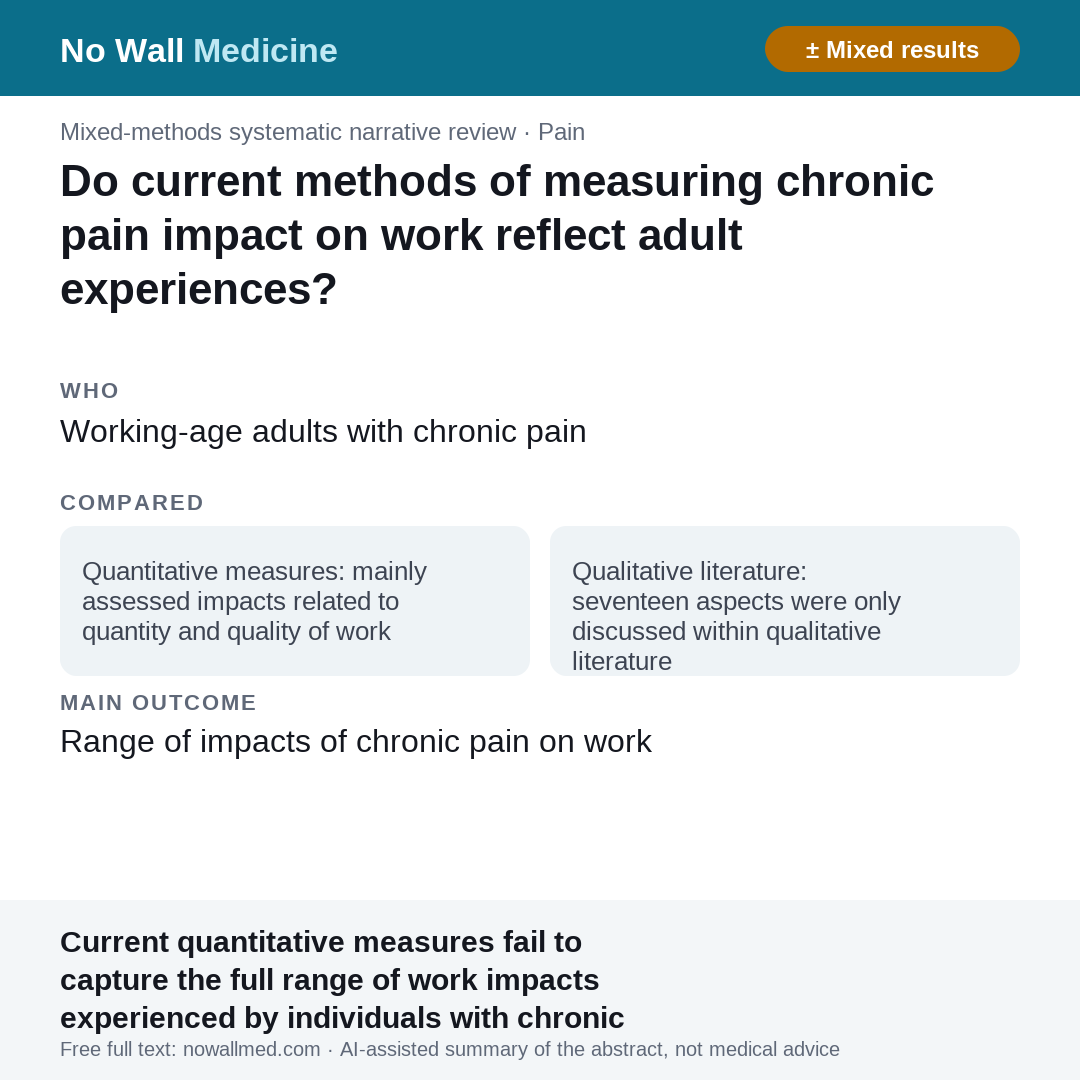
Do current methods of measuring the impact of chronic pain on work reflect the experience of working-age adults? An integrated mixed-methods systematic narrative review
Mixed-methods systematic narrative reviewMixed results
Do current methods of measuring chronic pain impact on work reflect adult experiences?
Who
Working-age adults with chronic pain
Compared
Quantitative measures: mainly assessed impacts related to quantity and quality of work
Qualitative literature: seventeen aspects were only discussed within qualitative literature
Main outcome
Range of impacts of chronic pain on work
Bottom line: Current quantitative measures fail to capture the full range of work impacts experienced by individuals with chronic pain.
Pain · 2024-02-20Download image
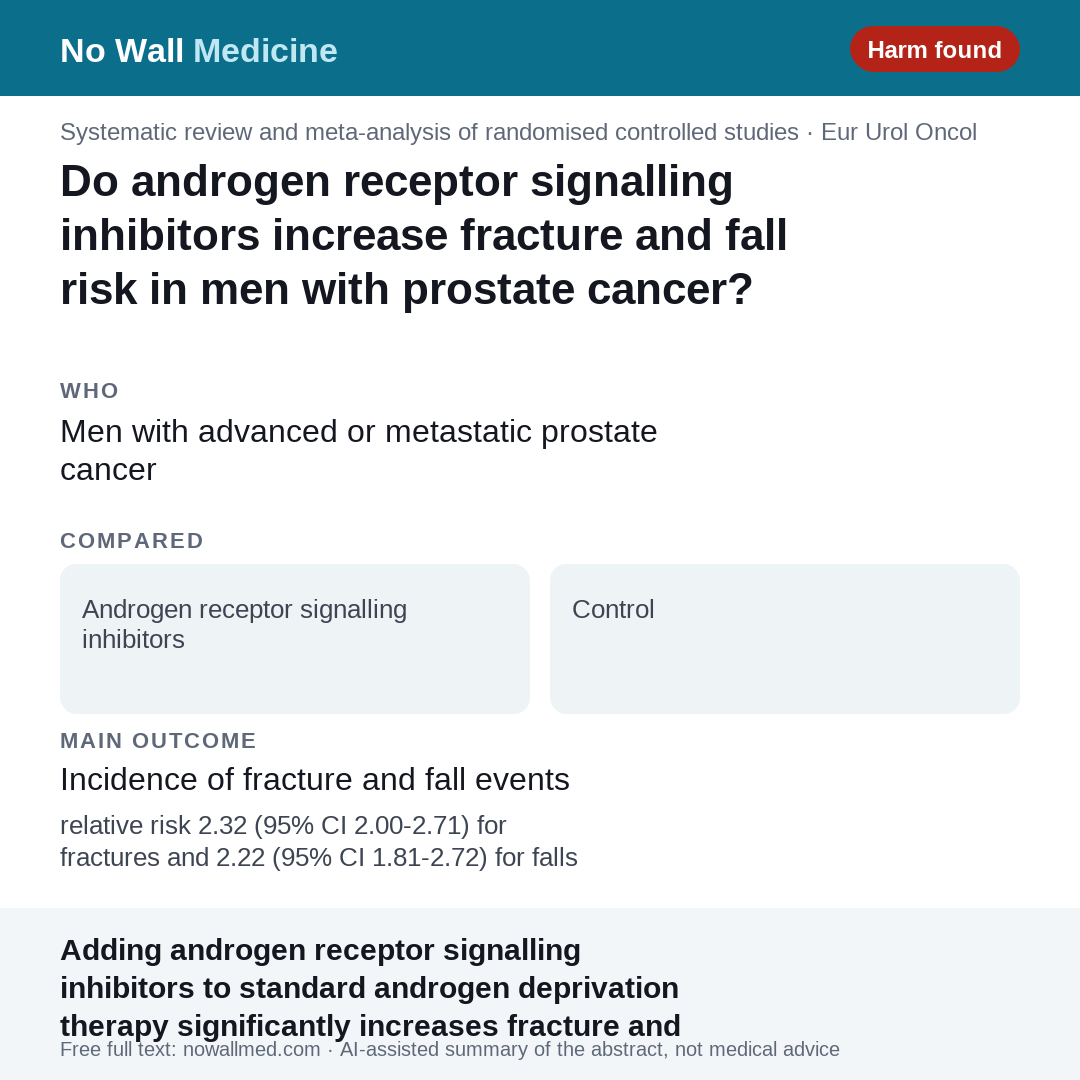
Risk of Fractures and Falls in Men with Advanced or Metastatic Prostate Cancer Receiving Androgen Deprivation Therapy and Treated with Novel Androgen Receptor Signalling Inhibitors: A Systematic Review and Meta-analysis of Randomised Controlled Trials
Systematic review and meta-analysis of randomised controlled trialsHarm found
Do androgen receptor signalling inhibitors increase fracture and fall risk in men with prostate cancer?
Who
Men with advanced or metastatic prostate cancer
Compared
Androgen receptor signalling inhibitors
Control
Main outcome
Incidence of fracture and fall events
Result: relative risk 2.32 (95% CI 2.00-2.71) for fractures and 2.22 (95% CI 1.81-2.72) for falls
Bottom line: Adding androgen receptor signalling inhibitors to standard androgen deprivation therapy significantly increases fracture and fall risk in men.
Limitation: Inability to distinguish fragility from pathological fractures and potential for a competing risk bias.
Eur Urol Oncol · 2024-02-20Download image
What is the power of a genomic multidisciplinary team approach? A systematic review of implementation and sustainability
Systematic review of 17 papersBenefit found
What is the power of a genomic multidisciplinary team approach?
Who
Patients undergoing genomic diagnosis and management
Compared
Genomic MDT approach: 10-78% diagnostic yield
Without MDT
Main outcome
Diagnostic yield and management impact
Result: increased yield of 6-25% attributed to the MDT
Bottom line: The genomic MDT approach appears to be highly effective and efficient, facilitating higher diagnostic rates and improved patient management.
Limitation: Lack of implementation science based research addressing cost, sustainability, scale up, and equity of access
Eur J Hum Genet · 2024-02-20Download image