Visual abstracts
New randomized trials and meta-analyses from leading journals at a glance: who was studied, what was compared, and what was found. Every paper is free to read in full.
All specialtiesCardiology 2454Oncology 2087Gastroenterology & Hepatology 934Infectious Disease 1522Neurology 979Psychiatry & Mental Health 1142Pulmonology 1022Critical Care 679Endocrinology & Diabetes 1272Pediatrics 1431Surgery 1246Orthopedics & Sports Medicine 446Neurosurgery 300Cardiothoracic & Vascular Surgery 270Plastic & Reconstructive Surgery 369Nephrology 509Rheumatology 346Hematology 530Dermatology 280Ophthalmology 289Obstetrics & Gynecology 797Public & Global Health 445Radiology & Imaging 334Anesthesiology 490Urology 412ENT (Otolaryngology) 306Emergency Medicine 277Allergy & Immunology 153Geriatrics 515Family Medicine & Primary Care 282Medical Genetics & Genomics 262Pathology & Laboratory Medicine 77Physical Medicine & Rehabilitation 408Palliative Care 206Nutrition 639Digital Health & AI 1198General Medicine 177
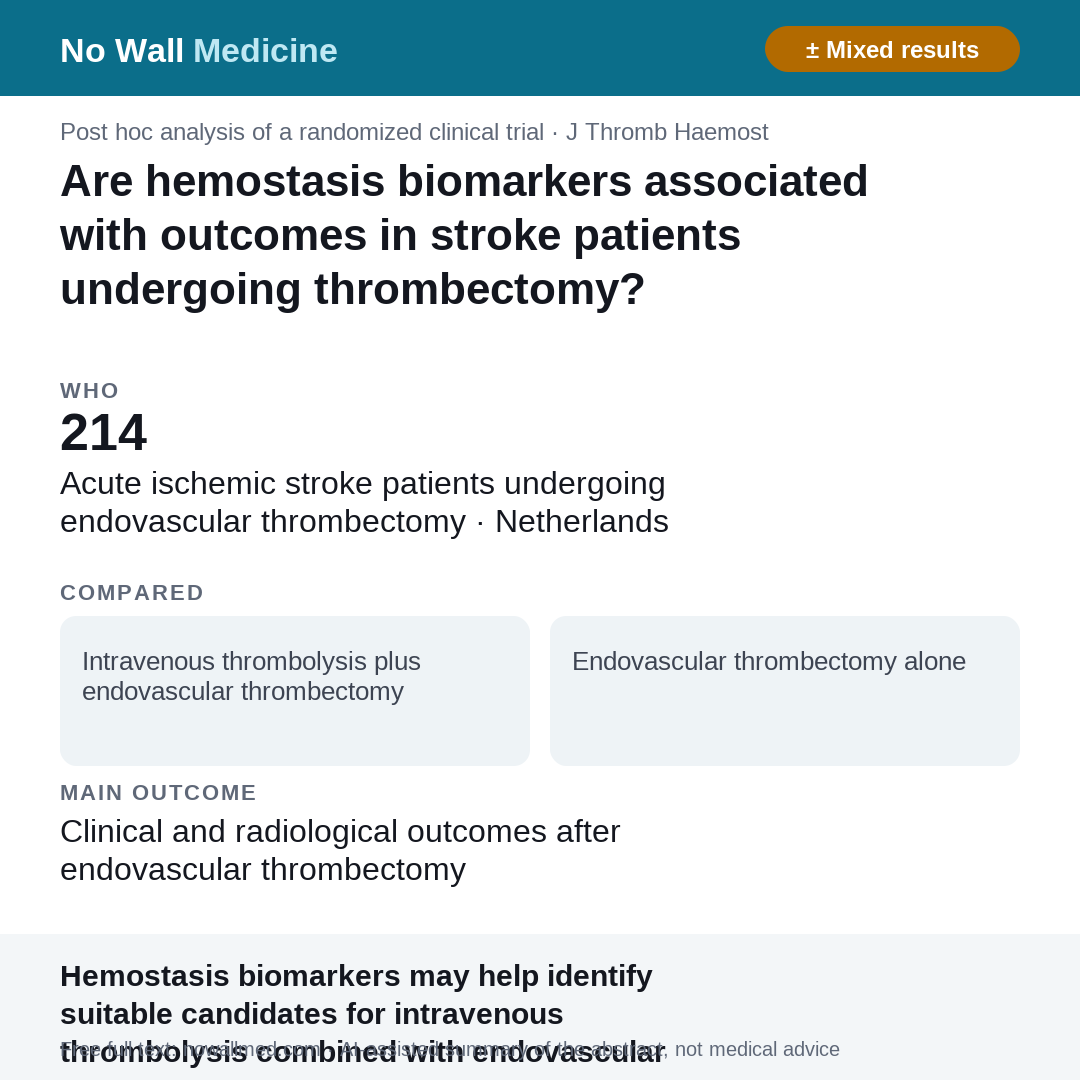
Association of primary and secondary hemostasis biomarkers with acute ischemic stroke outcome in patients undergoing thrombectomy, with or without thrombolytics: post hoc analysis of the Multicenter Randomized Clinical Trial of Endovascular Treatment for Acute Ischemic Stroke in the Netherlands-NO IV
Post hoc analysis of a randomized clinical trialMixed results
Are hemostasis biomarkers associated with outcomes in stroke patients undergoing thrombectomy?
Who
214
Acute ischemic stroke patients undergoing endovascular thrombectomy · Netherlands
Compared
Intravenous thrombolysis plus endovascular thrombectomy
Endovascular thrombectomy alone
Main outcome
Clinical and radiological outcomes after endovascular thrombectomy
Bottom line: Hemostasis biomarkers may help identify suitable candidates for intravenous thrombolysis combined with endovascular thrombectomy.
J Thromb Haemost · 2024-10-21Download image
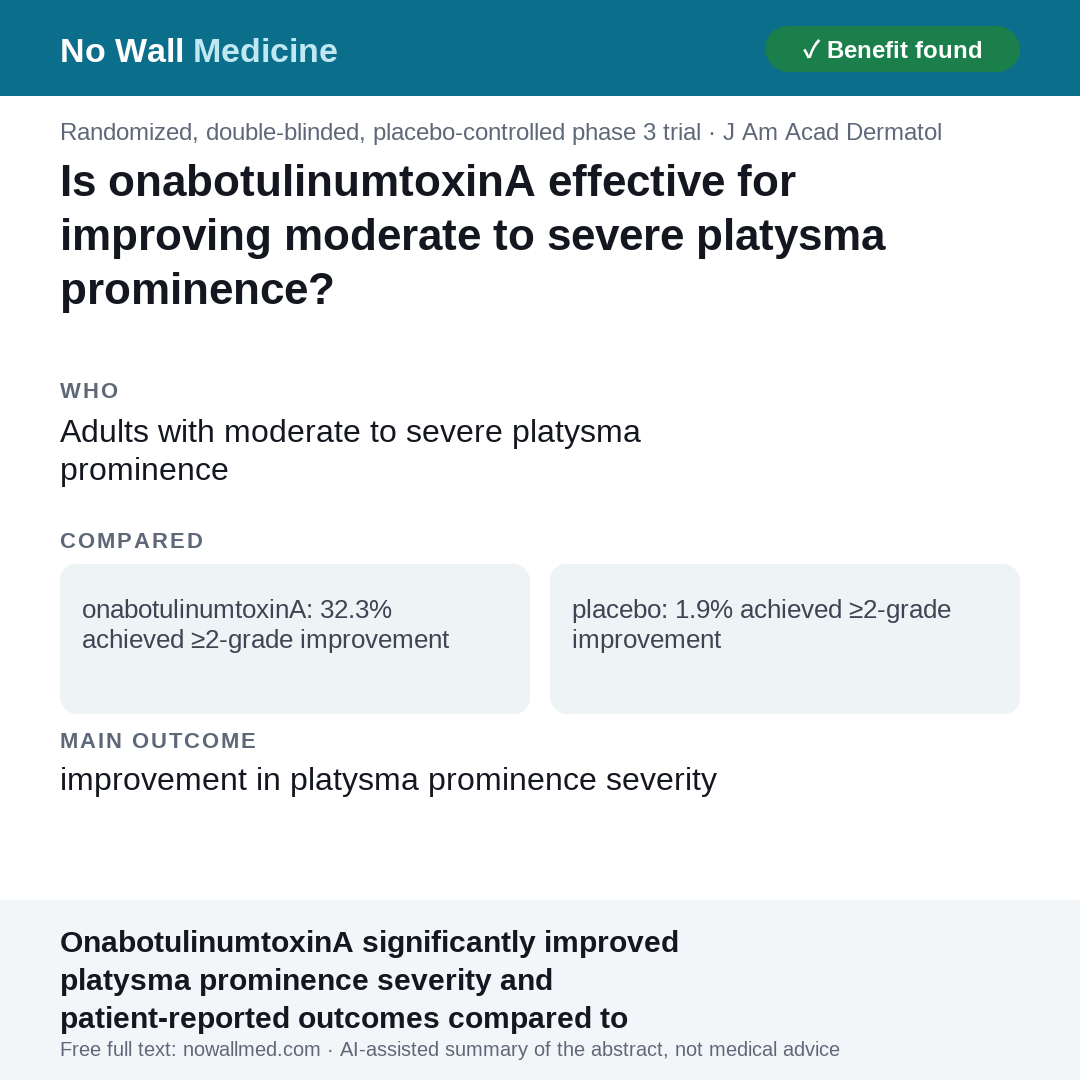
Improvement of platysma prominence with onabotulinumtoxinA: Safety and efficacy results from a randomized, double-blinded, placebo-controlled phase 3 trial
Randomized, double-blinded, placebo-controlled phase 3 trialBenefit found
Is onabotulinumtoxinA effective for improving moderate to severe platysma prominence?
Who
Adults with moderate to severe platysma prominence
Compared
onabotulinumtoxinA: 32.3% achieved ≥2-grade improvement
placebo: 1.9% achieved ≥2-grade improvement
Main outcome
improvement in platysma prominence severity
Bottom line: OnabotulinumtoxinA significantly improved platysma prominence severity and patient-reported outcomes compared to placebo.
Limitation: A single onabotulinumtoxinA treatment was evaluated.
J Am Acad Dermatol · 2024-10-21Download image
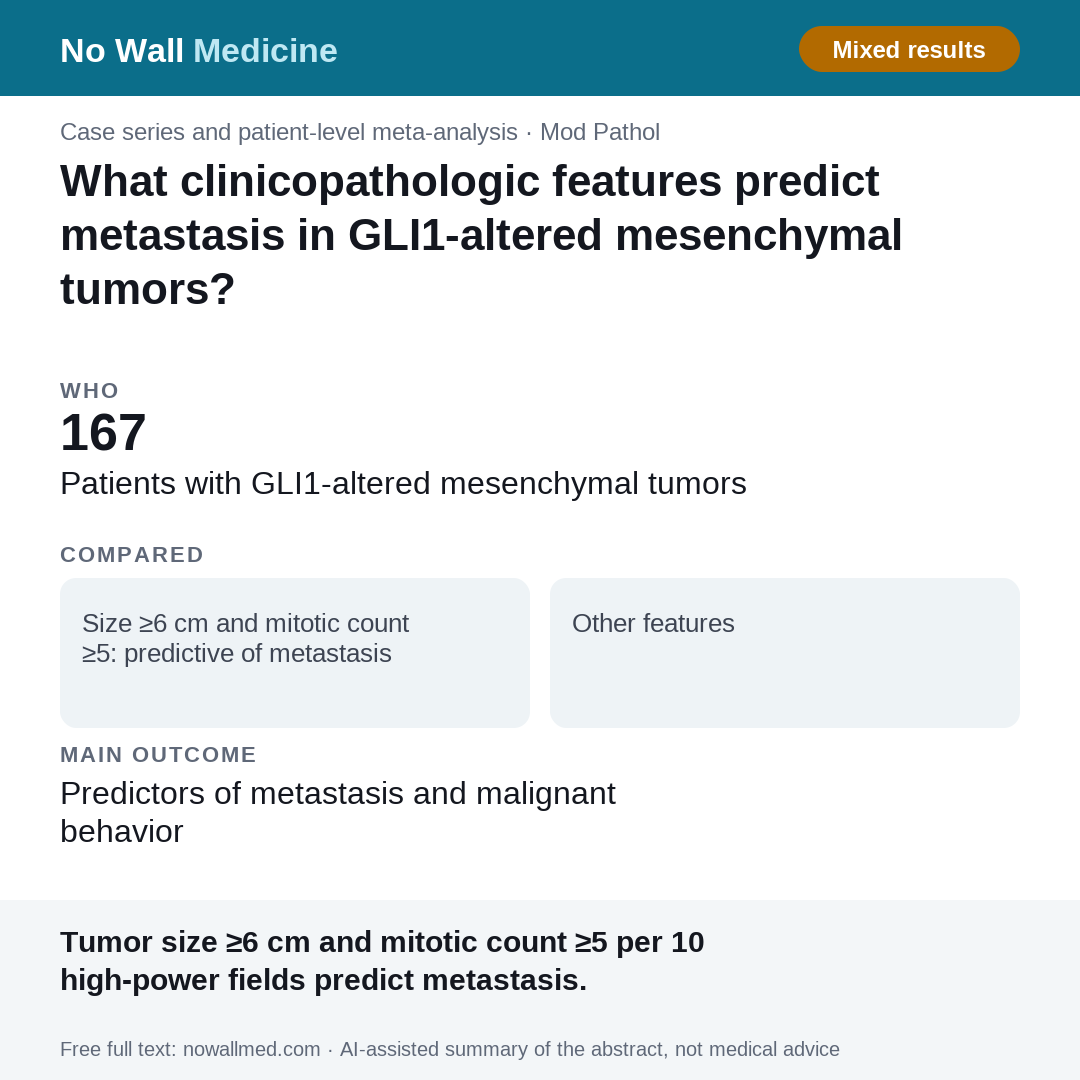
GLI1-Altered Mesenchymal Tumor-Multiomic Characterization of a Case Series and Patient-Level Meta-analysis of One Hundred Sixty-Seven Cases for Risk Stratification
Case series and patient-level meta-analysisMixed results
What clinicopathologic features predict metastasis in GLI1-altered mesenchymal tumors?
Who
167
Patients with GLI1-altered mesenchymal tumors
Compared
Size ≥6 cm and mitotic count ≥5: predictive of metastasis
Other features
Main outcome
Predictors of metastasis and malignant behavior
Bottom line: Tumor size ≥6 cm and mitotic count ≥5 per 10 high-power fields predict metastasis.
Mod Pathol · 2024-10-21Download image
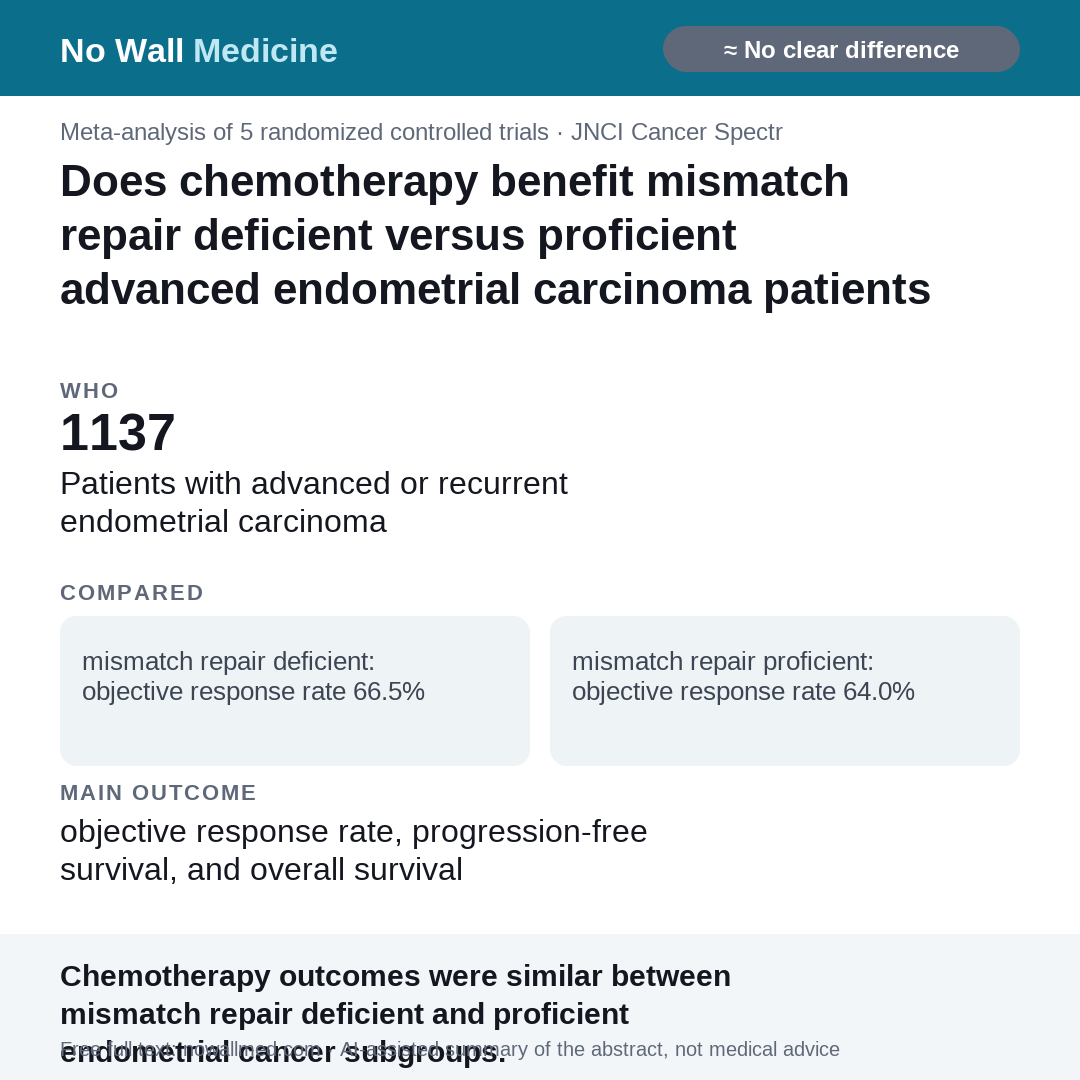
Impact of chemotherapy on patients with mismatch repair deficient advanced endometrial carcinomas-a meta-analysis
Meta-analysis of 5 randomized controlled trialsNo clear difference
Does chemotherapy benefit mismatch repair deficient versus proficient advanced endometrial carcinoma patients differently?
Who
1137
Patients with advanced or recurrent endometrial carcinoma
Compared
mismatch repair deficient: objective response rate 66.5%
mismatch repair proficient: objective response rate 64.0%
Main outcome
objective response rate, progression-free survival, and overall survival
Result: hazard ratio 0.93 (95% CI 0.77 to 1.12)
Bottom line: Chemotherapy outcomes were similar between mismatch repair deficient and proficient endometrial cancer subgroups.
JNCI Cancer Spectr · 2024-10-21Download image
Plasma Radiofrequency Tuboplasty and Cartilage Underlay Myringoplasty for Repairing Chronic Large Perforation with Eustachian Tube Dysfunction
Randomized trialBenefit found
Does adding plasma radiofrequency tuboplasty to endoscopic cartilage myringoplasty improve outcomes for chronic large perforation?
Who
61
Patients with chronic large perforation and Eustachian tube dysfunction
Compared
Endoscopic cartilage myringoplasty: 86.7% graft success rate
Endoscopic cartilage myringoplasty plus plasma radiofrequency tuboplasty: 96.8% graft success rate
Main outcome
Eustachian tube score, questionnaire scores, hearing, and graft success
Bottom line: Adding plasma radiofrequency tuboplasty improves Eustachian tube scores and questionnaire scores without affecting graft success rate.
J Otolaryngol Head Neck Surg · 2024-10-21Download image

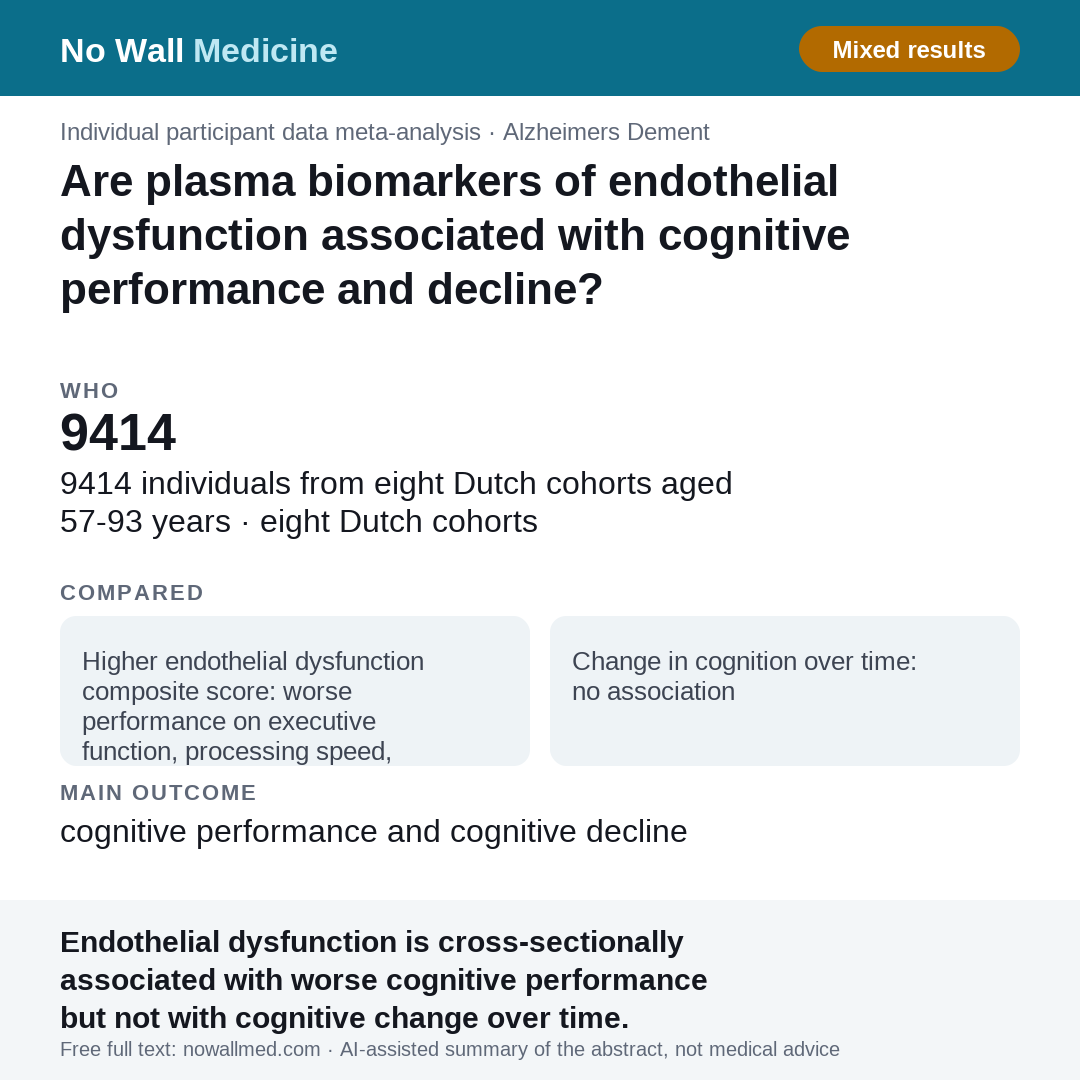
Biomarkers of endothelial dysfunction and cognition: A two-step IPD meta-analysis
Individual participant data meta-analysisMixed results
Are plasma biomarkers of endothelial dysfunction associated with cognitive performance and decline?
Who
9414
9414 individuals from eight Dutch cohorts aged 57-93 years · eight Dutch cohorts
Compared
Higher endothelial dysfunction composite score: worse performance on executive function, processing speed, delayed memory, and attention
Change in cognition over time: no association
Main outcome
cognitive performance and cognitive decline
Result: pooled beta-range: -0.04, -0.02
Bottom line: Endothelial dysfunction is cross-sectionally associated with worse cognitive performance but not with cognitive change over time.
Alzheimers Dement · 2024-10-20Download image
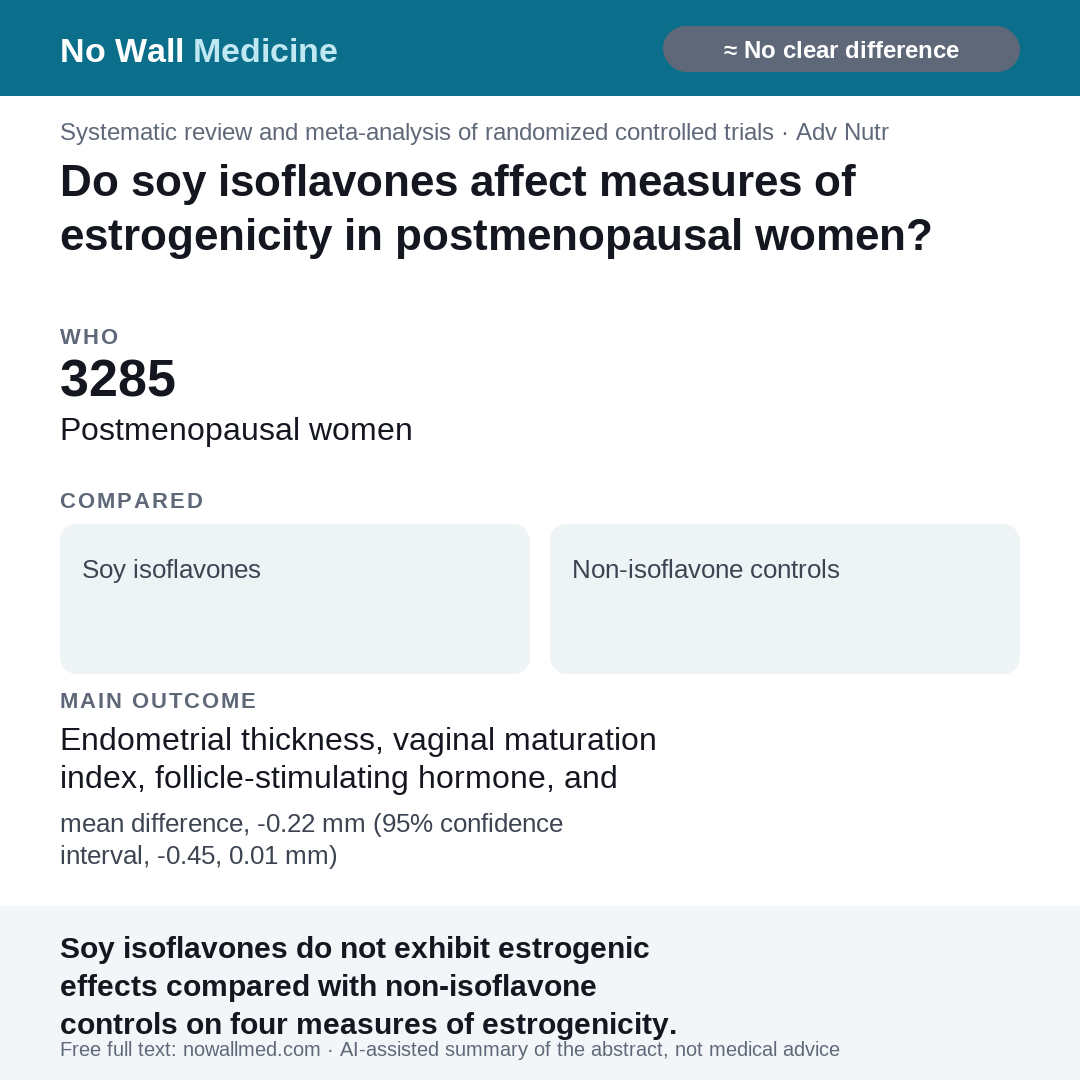
Effect of Soy Isoflavones on Measures of Estrogenicity: A Systematic Review and Meta-Analysis of Randomized Controlled Trials
Systematic review and meta-analysis of randomized controlled trialsNo clear difference
Do soy isoflavones affect measures of estrogenicity in postmenopausal women?
Who
3285
Postmenopausal women
Compared
Soy isoflavones
Non-isoflavone controls
Main outcome
Endometrial thickness, vaginal maturation index, follicle-stimulating hormone, and estradiol
Result: mean difference, -0.22 mm (95% confidence interval, -0.45, 0.01 mm)
Bottom line: Soy isoflavones do not exhibit estrogenic effects compared with non-isoflavone controls on four measures of estrogenicity.
Adv Nutr · 2024-10-20Download image
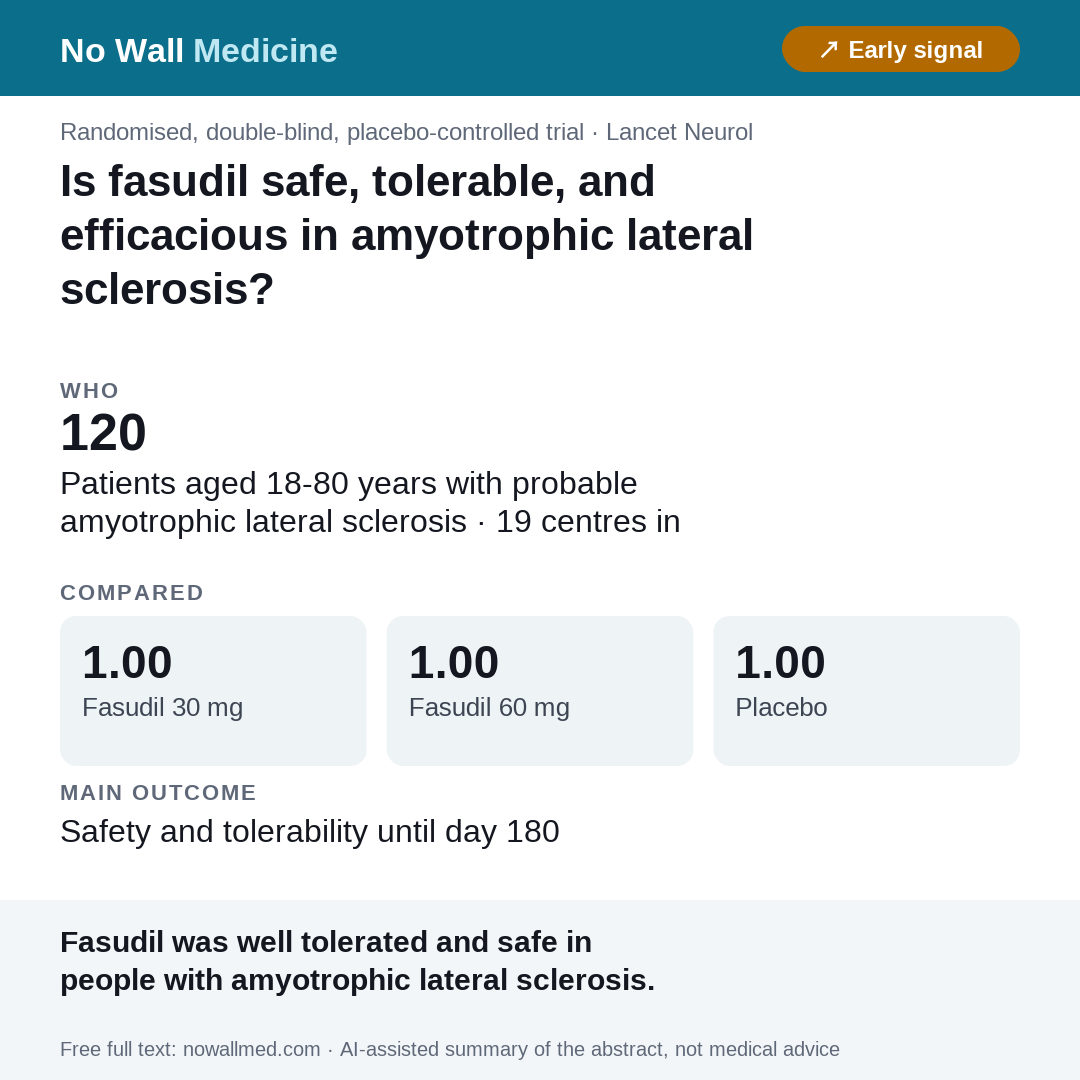
Safety, tolerability, and efficacy of fasudil in amyotrophic lateral sclerosis (ROCK-ALS): a phase 2, randomised, double-blind, placebo-controlled trial
Randomised, double-blind, placebo-controlled trialBenefit found
Is fasudil safe, tolerable, and efficacious in amyotrophic lateral sclerosis?
Who
120
Patients aged 18-80 years with probable amyotrophic lateral sclerosis · 19 centres in Germany, France, and Switzerland
Compared
1.00Fasudil 30 mg (95% CI 0.89 to 1.00)
1.00Fasudil 60 mg (95% CI 0.90 to 1.00)
1.00Placebo (95% CI 0.91 to 1.00)
Main outcome
Safety and tolerability until day 180
Result: difference in proportions 0.00 (95% CI -0.11 to 0.10; p>0.99) for 30 mg vs placebo
Bottom line: Fasudil was well tolerated and safe in people with amyotrophic lateral sclerosis.
Funded by: Framework of the E-Rare Joint Transnational Call 2016
Lancet Neurol · 2024-10-19Download image
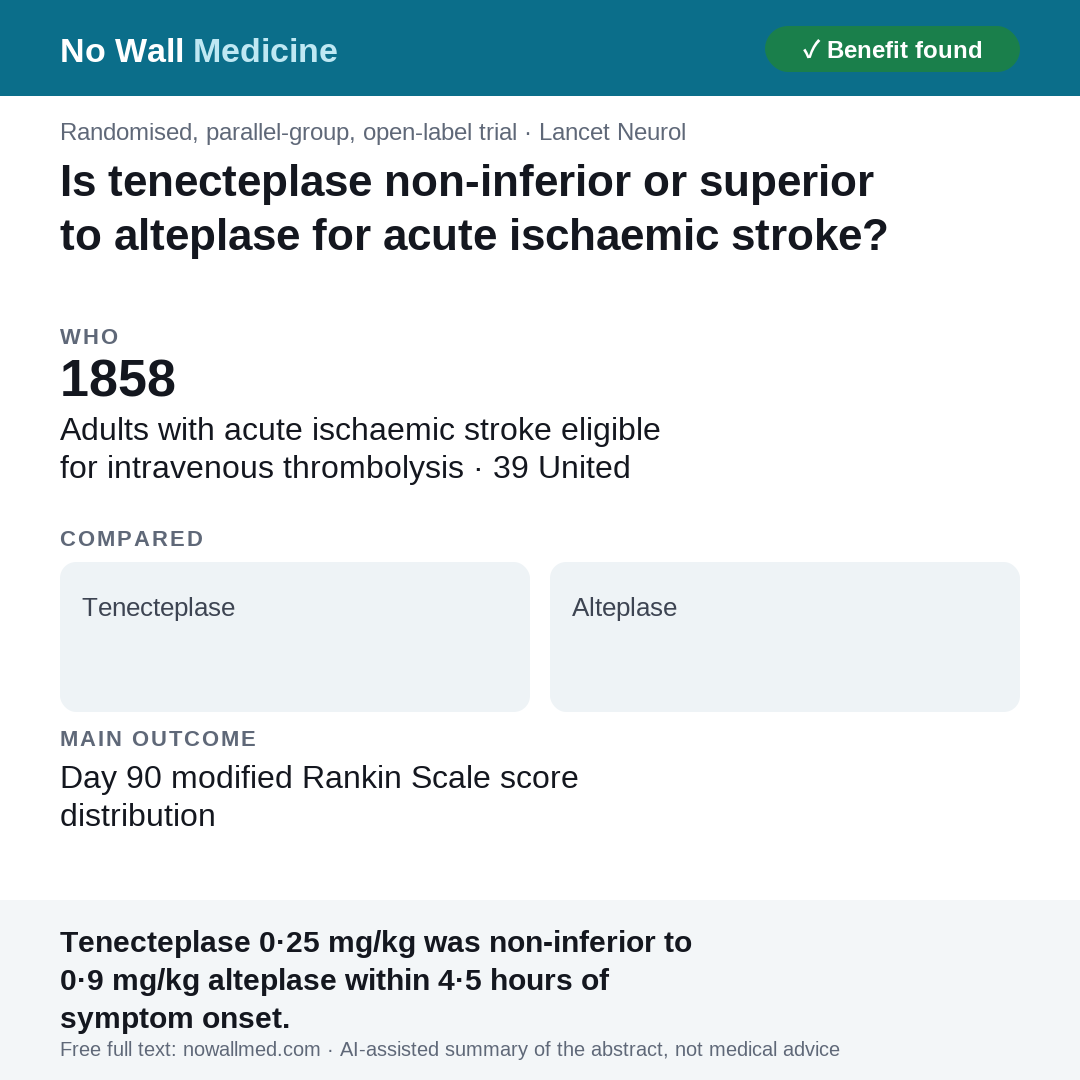
Tenecteplase versus alteplase for acute stroke within 4·5 h of onset (ATTEST-2): a randomised, parallel group, open-label trial
Randomised, parallel-group, open-label trialBenefit found
Is tenecteplase non-inferior or superior to alteplase for acute ischaemic stroke?
Who
1858
Adults with acute ischaemic stroke eligible for intravenous thrombolysis · 39 United Kingdom stroke centres
Compared
Tenecteplase
Alteplase
Main outcome
Day 90 modified Rankin Scale score distribution
Result: odds ratio 1·07 (95% CI 0·90-1·27)
Bottom line: Tenecteplase 0·25 mg/kg was non-inferior to 0·9 mg/kg alteplase within 4·5 hours of symptom onset.
Funded by: The Stroke Association and British Heart Foundation
Lancet Neurol · 2024-10-19Download image
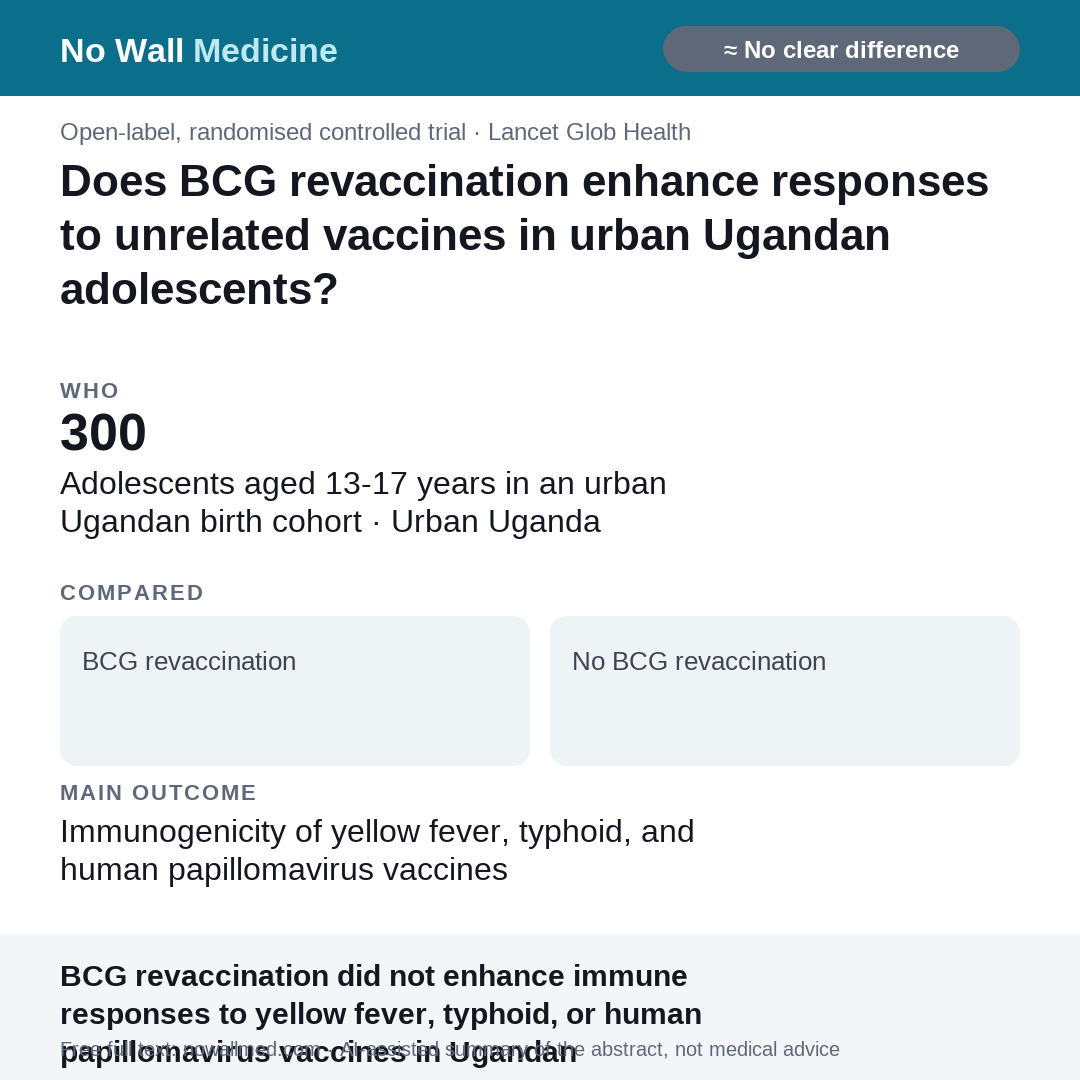
The effect of BCG revaccination on the response to unrelated vaccines in urban Ugandan adolescents (POPVAC C): an open-label, randomised controlled trial
Open-label, randomised controlled trialNo clear difference
Does BCG revaccination enhance responses to unrelated vaccines in urban Ugandan adolescents?
Who
300
Adolescents aged 13-17 years in an urban Ugandan birth cohort · Urban Uganda
Compared
BCG revaccination
No BCG revaccination
Main outcome
Immunogenicity of yellow fever, typhoid, and human papillomavirus vaccines
Result: GMR 0.95 (95% CI 0.75-1.19) for yellow fever PRNT50
Bottom line: BCG revaccination did not enhance immune responses to yellow fever, typhoid, or human papillomavirus vaccines in Ugandan adolescents.
Lancet Glob Health · 2024-10-19Download image
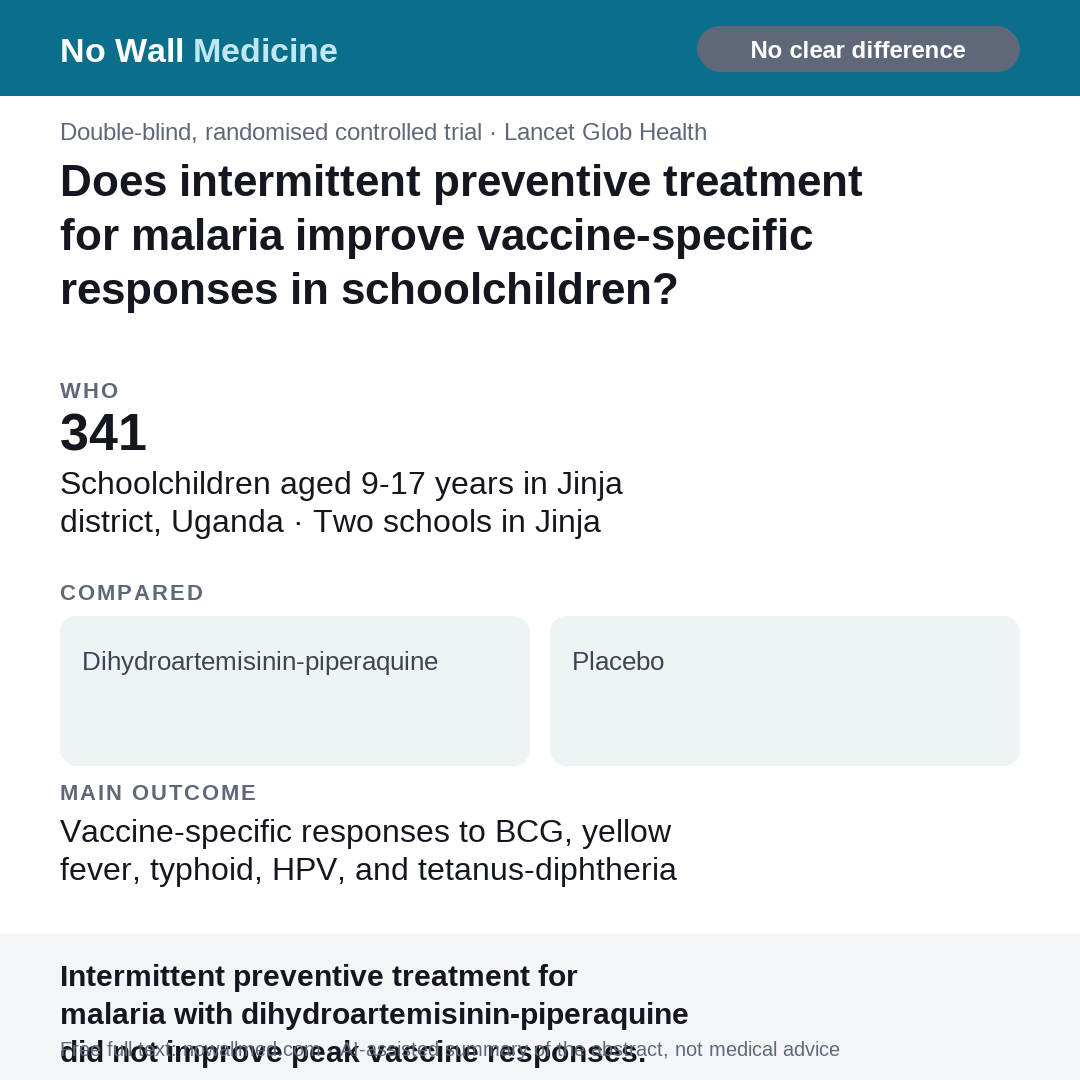
The effect of intermittent preventive treatment for malaria with dihydroartemisinin-piperaquine on vaccine-specific responses among schoolchildren in rural Uganda (POPVAC B): a double-blind, randomised controlled trial
Double-blind, randomised controlled trialNo clear difference
Does intermittent preventive treatment for malaria improve vaccine-specific responses in schoolchildren?
Who
341
Schoolchildren aged 9-17 years in Jinja district, Uganda · Two schools in Jinja district, Uganda
Compared
Dihydroartemisinin-piperaquine
Placebo
Main outcome
Vaccine-specific responses to BCG, yellow fever, typhoid, HPV, and tetanus-diphtheria
Bottom line: Intermittent preventive treatment for malaria with dihydroartemisinin-piperaquine did not improve peak vaccine responses.
Funded by: UK Medical Research Council
Lancet Glob Health · 2024-10-19Download image
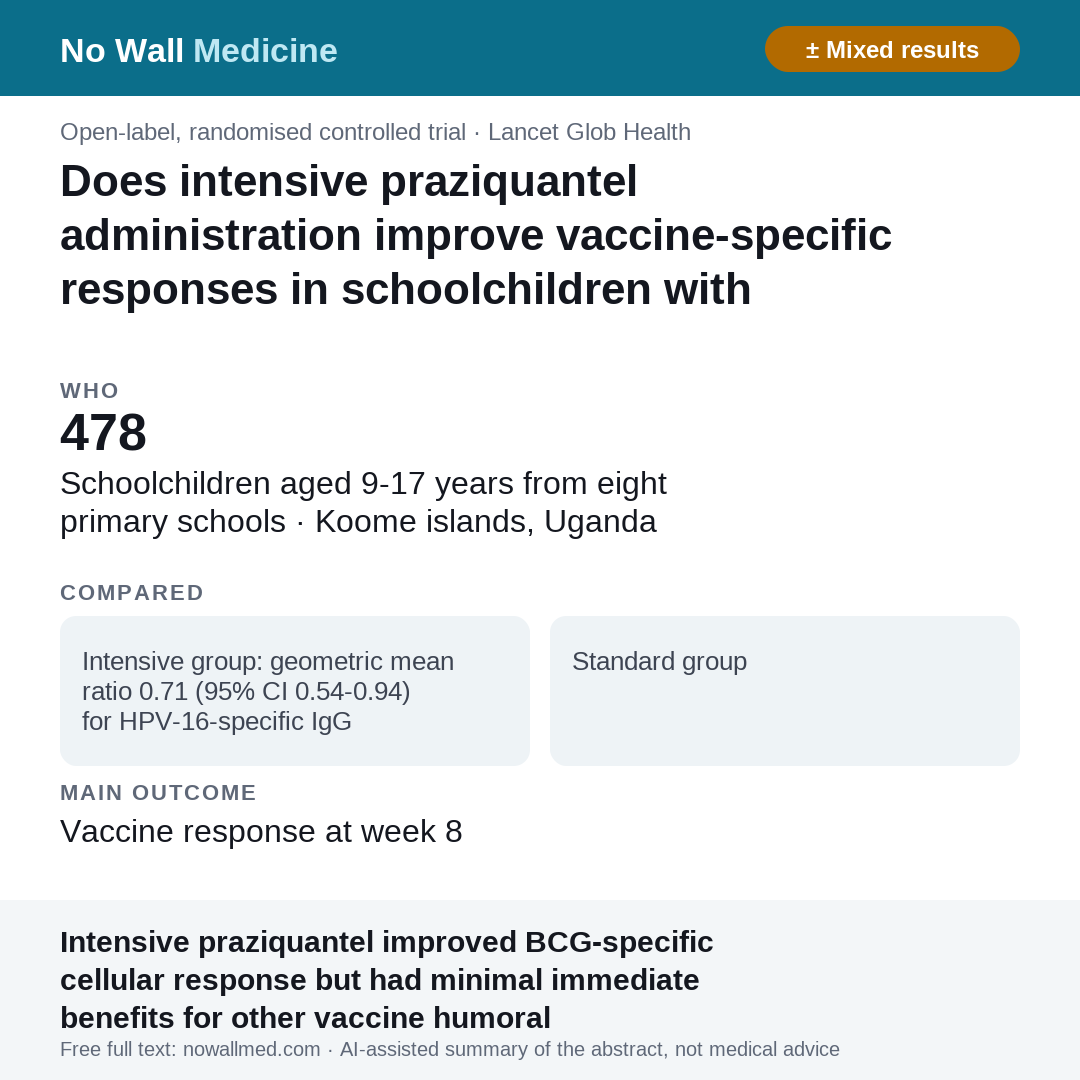
The effect of intensive praziquantel administration on vaccine-specific responses among schoolchildren in Ugandan schistosomiasis-endemic islands (POPVAC A): an open-label, randomised controlled trial
Open-label, randomised controlled trialMixed results
Does intensive praziquantel administration improve vaccine-specific responses in schoolchildren with Schistosoma mansoni?
Who
478
Schoolchildren aged 9-17 years from eight primary schools · Koome islands, Uganda
Compared
Intensive group: geometric mean ratio 0.71 (95% CI 0.54-0.94) for HPV-16-specific IgG
Standard group
Main outcome
Vaccine response at week 8
Result: geometric mean ratio 0.71 (95% CI 0.54-0.94)
Bottom line: Intensive praziquantel improved BCG-specific cellular response but had minimal immediate benefits for other vaccine humoral responses.
Funded by: UK Medical Research Council
Lancet Glob Health · 2024-10-19Download image
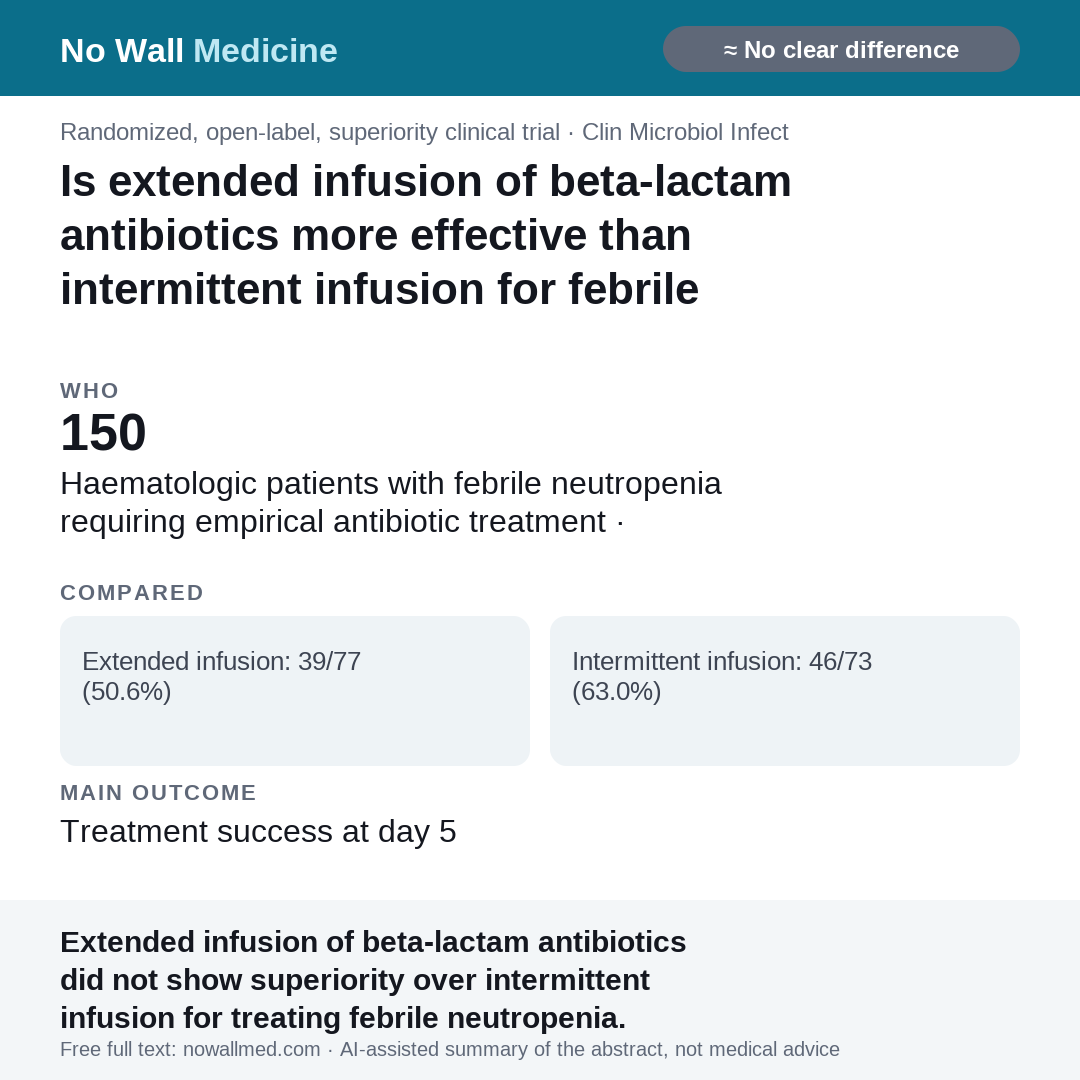
Efficacy of extended infusion of β-lactam antibiotics for the treatment of febrile neutropenia in haematologic patients (BEATLE): a randomized, multicentre, open-label, superiority clinical trial
Randomized, open-label, superiority clinical trialNo clear difference
Is extended infusion of beta-lactam antibiotics more effective than intermittent infusion for febrile neutropenia?
Who
150
Haematologic patients with febrile neutropenia requiring empirical antibiotic treatment · Four Spanish university hospitals
Compared
Extended infusion: 39/77 (50.6%)
Intermittent infusion: 46/73 (63.0%)
Main outcome
Treatment success at day 5
Result: risk difference -12.4% (95% CI -29.4 to 4.7; p 0.17)
Bottom line: Extended infusion of beta-lactam antibiotics did not show superiority over intermittent infusion for treating febrile neutropenia.
Clin Microbiol Infect · 2024-10-19Download image
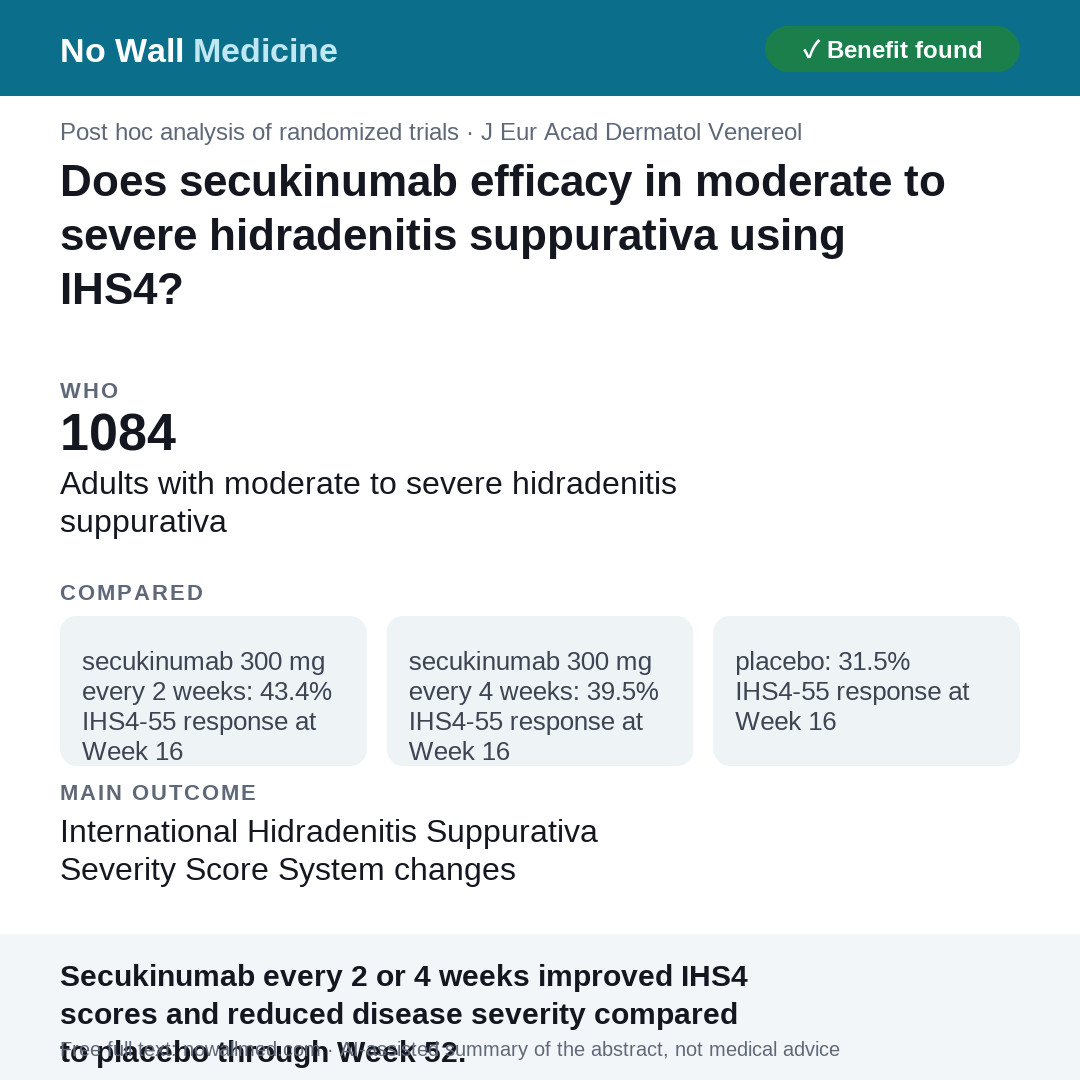
Secukinumab efficacy in patients with hidradenitis suppurativa assessed by the International Hidradenitis Suppurativa Severity Score System (IHS4): A post hoc analysis of the SUNSHINE and SUNRISE trials
Post hoc analysis of randomized trialsBenefit found
Does secukinumab efficacy in moderate to severe hidradenitis suppurativa using IHS4?
Who
1084
Adults with moderate to severe hidradenitis suppurativa
Compared
secukinumab 300 mg every 2 weeks: 43.4% IHS4-55 response at Week 16
secukinumab 300 mg every 4 weeks: 39.5% IHS4-55 response at Week 16
placebo: 31.5% IHS4-55 response at Week 16
Main outcome
International Hidradenitis Suppurativa Severity Score System changes
Bottom line: Secukinumab every 2 or 4 weeks improved IHS4 scores and reduced disease severity compared to placebo through Week 52.
J Eur Acad Dermatol Venereol · 2024-10-19Download image
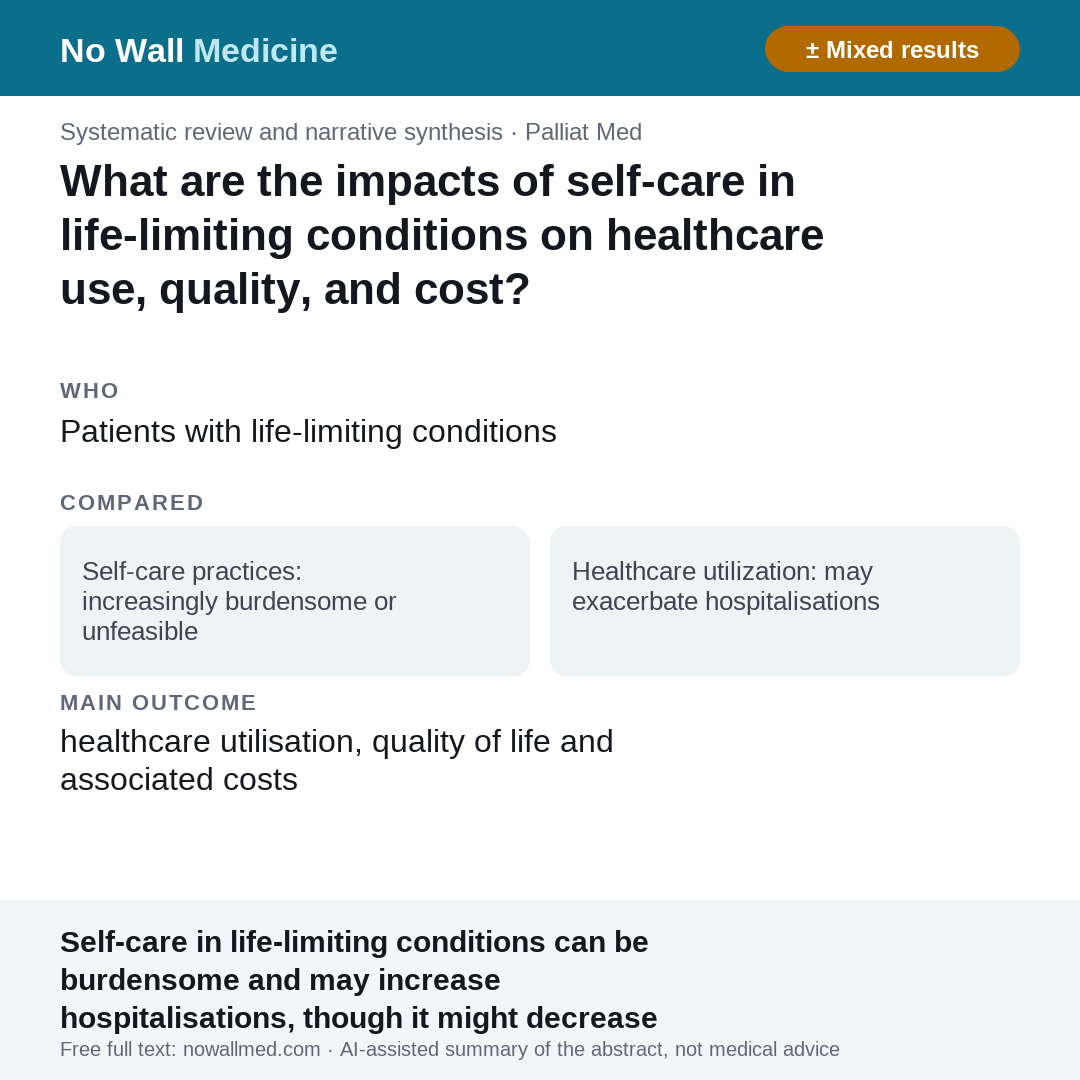
Self-care towards the end of life: A systematic review and narrative synthesis on access, quality and cost
Systematic review and narrative synthesisMixed results
What are the impacts of self-care in life-limiting conditions on healthcare use, quality, and cost?
Who
33
Patients with life-limiting conditions
Compared
Self-care practices: increasingly burdensome or unfeasible
Healthcare utilization: may exacerbate hospitalisations
Main outcome
healthcare utilisation, quality of life and associated costs
Bottom line: Self-care in life-limiting conditions can be burdensome and may increase hospitalisations, though it might decrease care costs.
Palliat Med · 2024-10-19Download image
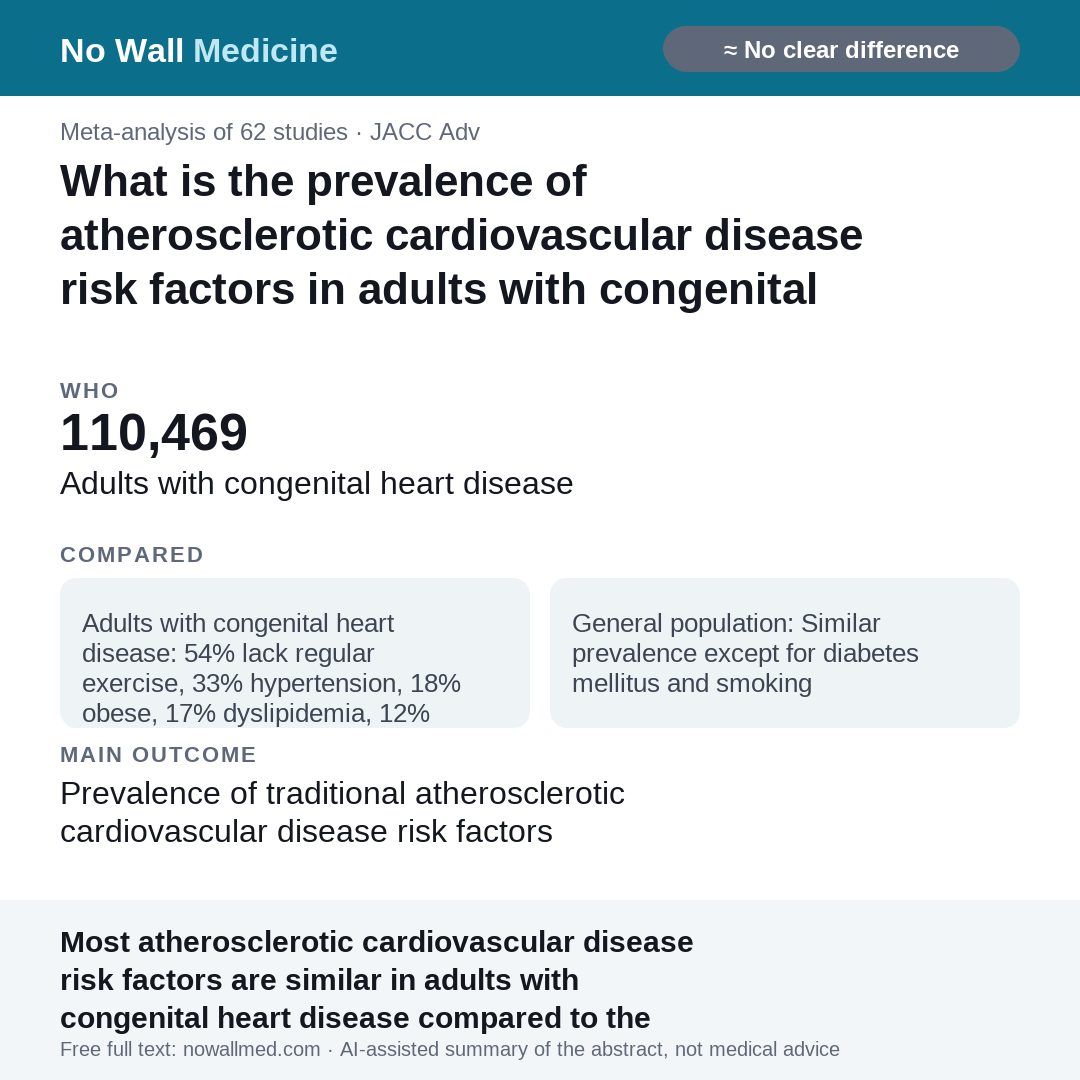
Atherosclerotic Risk Factor Prevalence in Adults With Congenital Heart Disease: A Meta-Analysis
Meta-analysis of 62 studiesNo clear difference
What is the prevalence of atherosclerotic cardiovascular disease risk factors in adults with congenital heart disease?
Who
110,469
Adults with congenital heart disease
Compared
Adults with congenital heart disease: 54% lack regular exercise, 33% hypertension, 18% obese, 17% dyslipidemia, 12% smokers, 7% diabetes mellitus
General population: Similar prevalence except for diabetes mellitus and smoking
Main outcome
Prevalence of traditional atherosclerotic cardiovascular disease risk factors
Bottom line: Most atherosclerotic cardiovascular disease risk factors are similar in adults with congenital heart disease compared to the general population.
JACC Adv · 2024-10-19Download image
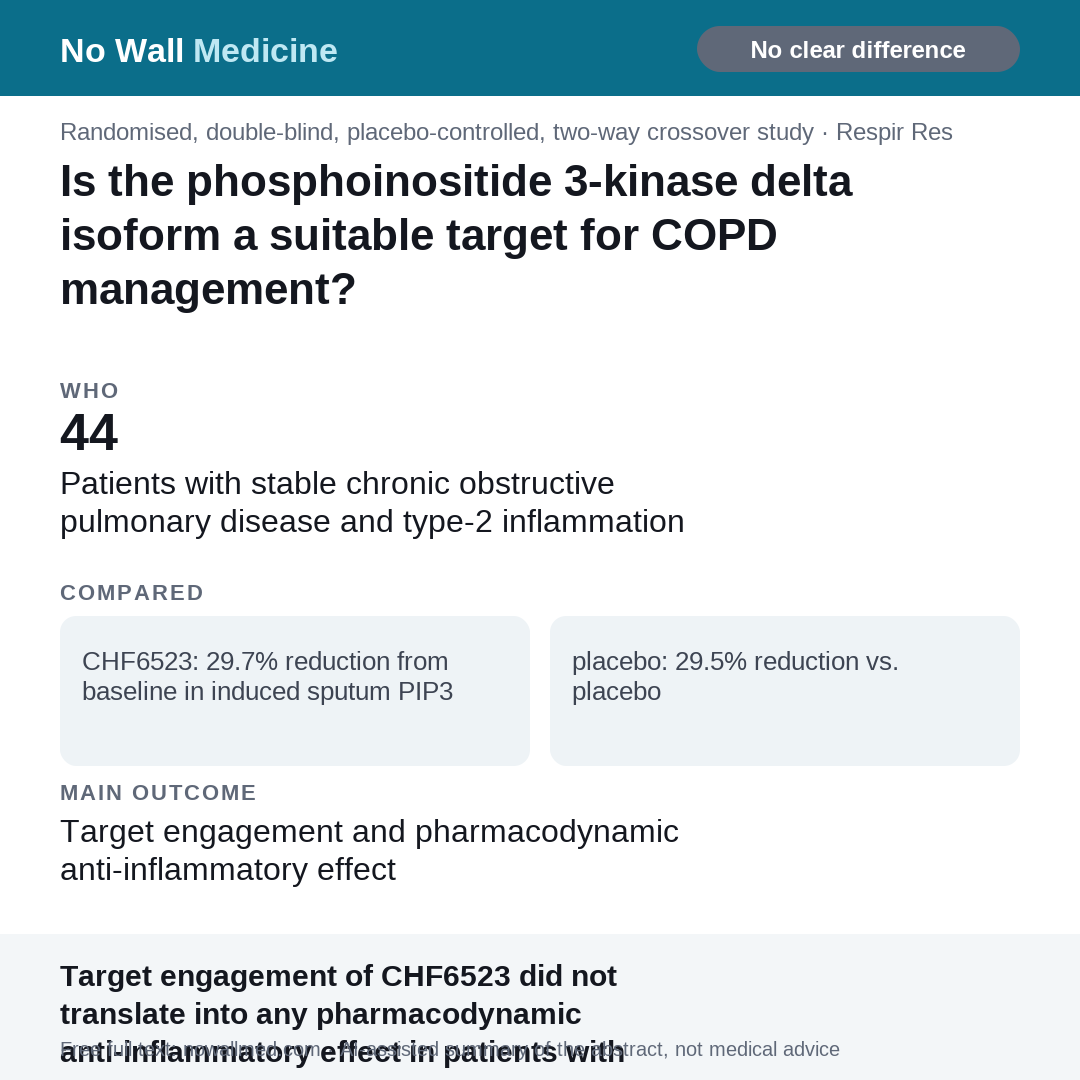
CHF6523 data suggest that the phosphoinositide 3-kinase delta isoform is not a suitable target for the management of COPD
Randomised, double-blind, placebo-controlled, two-way crossover studyNo clear difference
Is the phosphoinositide 3-kinase delta isoform a suitable target for COPD management?
Who
44
Patients with stable chronic obstructive pulmonary disease and type-2 inflammation
Compared
CHF6523: 29.7% reduction from baseline in induced sputum PIP3
placebo: 29.5% reduction vs. placebo
Main outcome
Target engagement and pharmacodynamic anti-inflammatory effect
Result: adjusted ratio 0.705 (95% CI 0.580 to 0.856)
Bottom line: Target engagement of CHF6523 did not translate into any pharmacodynamic anti-inflammatory effect in patients with stable COPD.
Respir Res · 2024-10-19Download image
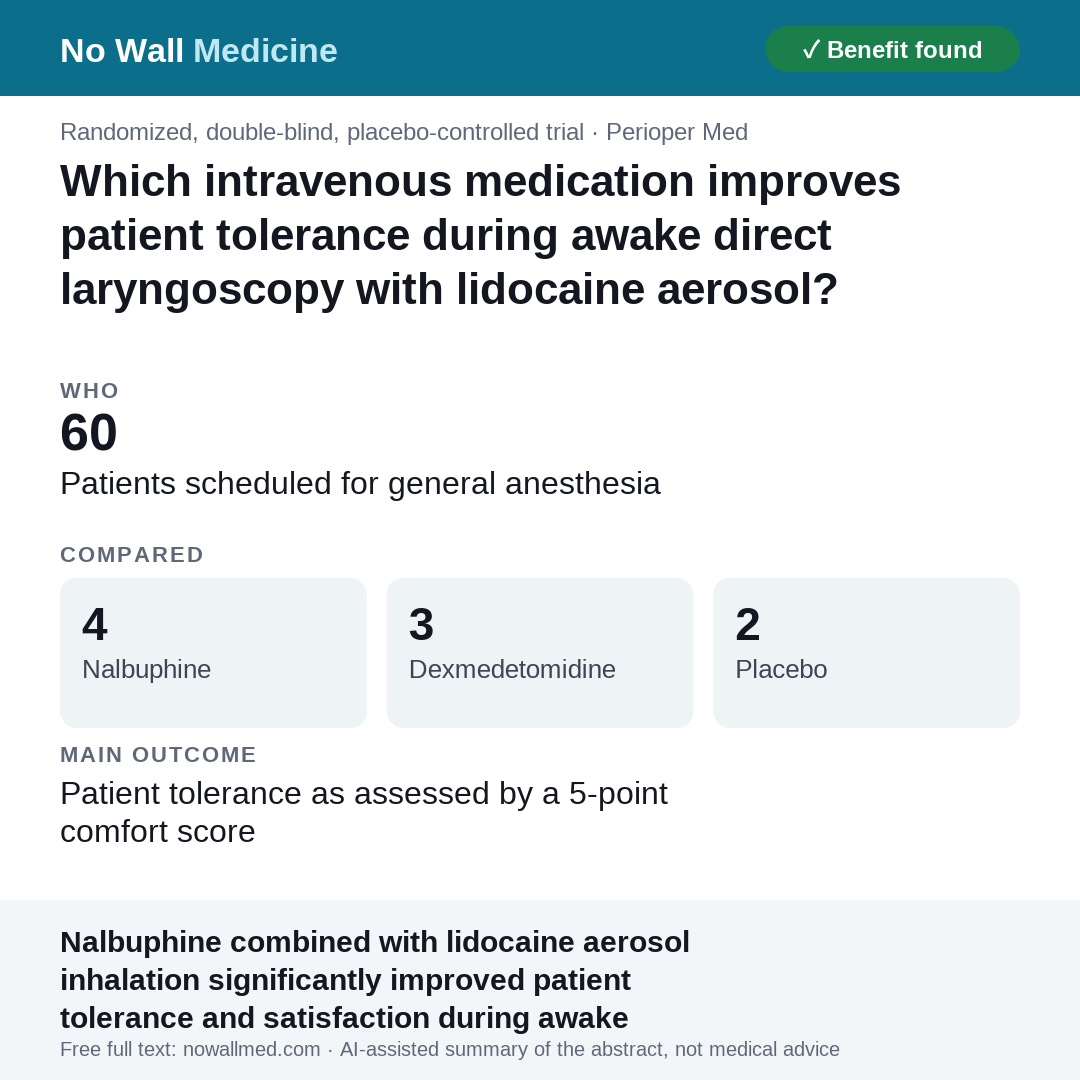
Comparison of intravenous nalbuphine and dexmedetomidine in combination with lidocaine aerosol inhalation in awake direct laryngoscopy: a randomized, double-blind, placebo-controlled trial
Randomized, double-blind, placebo-controlled trialBenefit found
Which intravenous medication improves patient tolerance during awake direct laryngoscopy with lidocaine aerosol?
Who
60
Patients scheduled for general anesthesia
Compared
4Nalbuphine (3,4)
3Dexmedetomidine (2,2.75)
2Placebo (2,2,75)
Main outcome
Patient tolerance as assessed by a 5-point comfort score
Bottom line: Nalbuphine combined with lidocaine aerosol inhalation significantly improved patient tolerance and satisfaction during awake direct laryngoscopy.
Perioper Med · 2024-10-19Download image
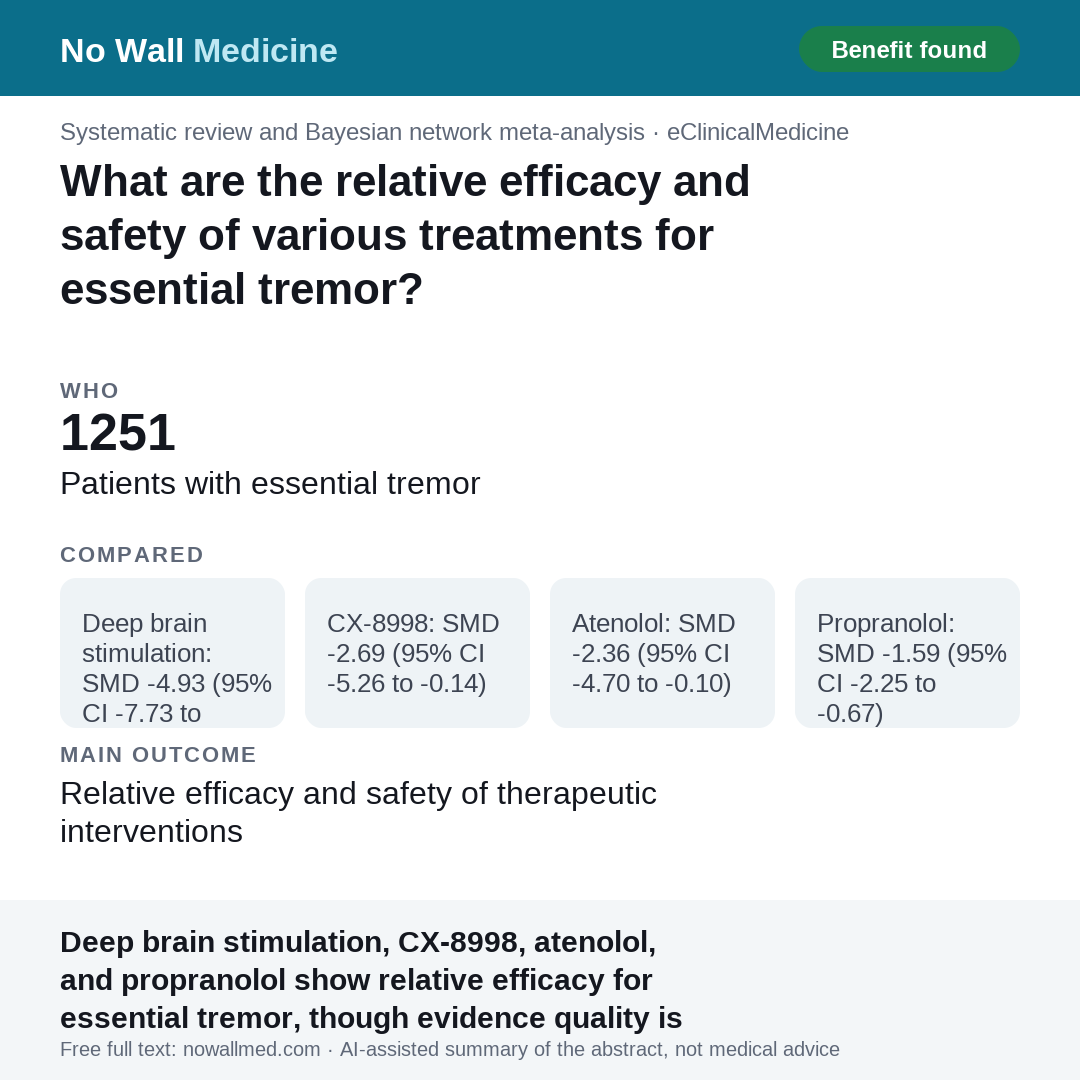
Treatment for essential tremor: a systematic review and Bayesian Model-based Network Meta-analysis of RCTs
Systematic review and Bayesian network meta-analysisBenefit found
What are the relative efficacy and safety of various treatments for essential tremor?
Who
1251
Patients with essential tremor
Compared
Deep brain stimulation: SMD -4.93 (95% CI -7.73 to -2.13)
CX-8998: SMD -2.69 (95% CI -5.26 to -0.14)
Atenolol: SMD -2.36 (95% CI -4.70 to -0.10)
Propranolol: SMD -1.59 (95% CI -2.25 to -0.67)
Main outcome
Relative efficacy and safety of therapeutic interventions
Bottom line: Deep brain stimulation, CX-8998, atenolol, and propranolol show relative efficacy for essential tremor, though evidence quality is low.
Limitation: The evidence level for conclusions was low or very low.
Funded by: National Nature Science Foundation of China
eClinicalMedicine · 2024-10-18Download image
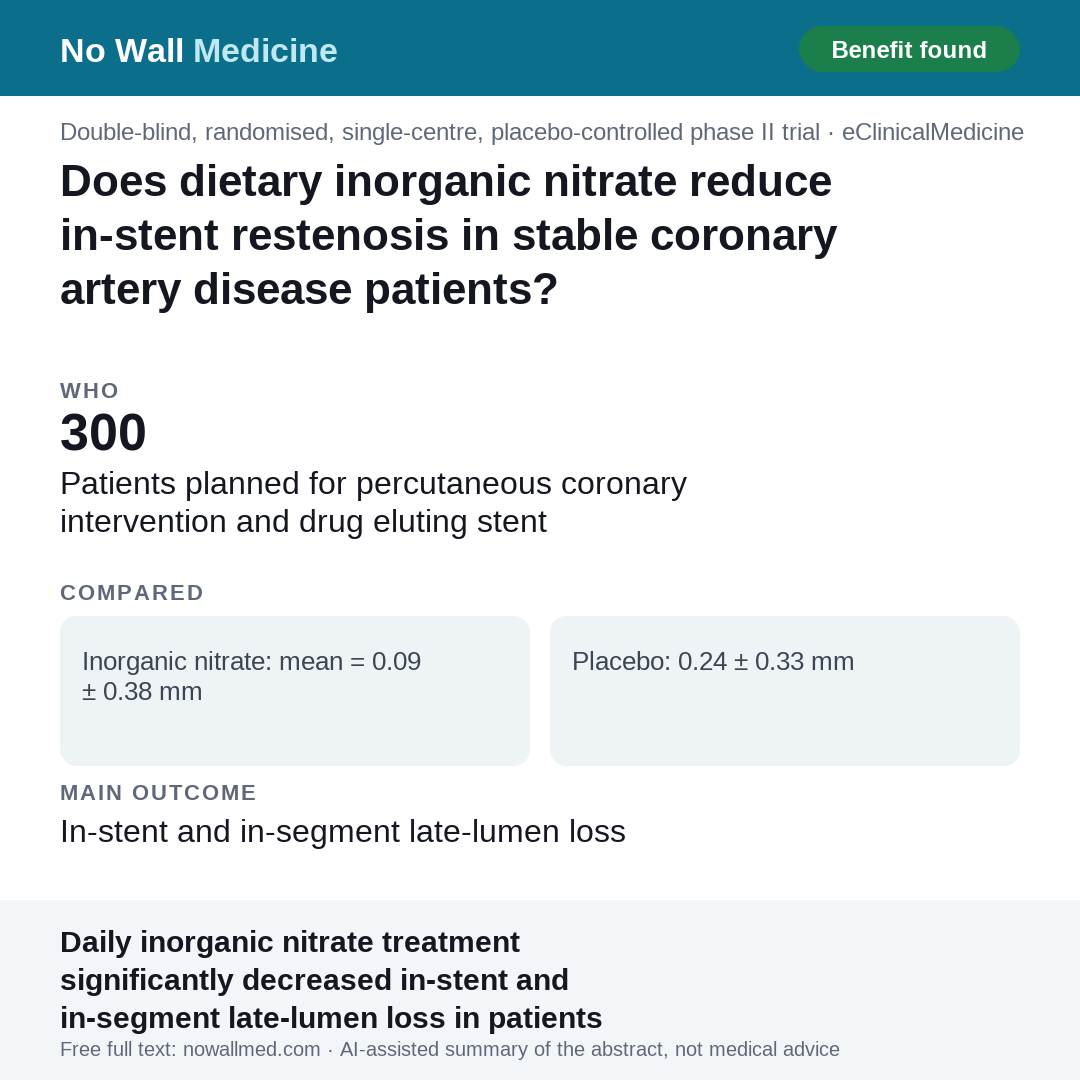
The NITRATE-OCT study-inorganic nitrate reduces in-stent restenosis in patients with stable coronary artery disease: a double-blind, randomised controlled trial
Double-blind, randomised, single-centre, placebo-controlled phase II trialBenefit found
Does dietary inorganic nitrate reduce in-stent restenosis in stable coronary artery disease patients?
Who
300
Patients planned for percutaneous coronary intervention and drug eluting stent implantation · Single-centre
Compared
Inorganic nitrate: mean = 0.09 ± 0.38 mm
Placebo: 0.24 ± 0.33 mm
Main outcome
In-stent and in-segment late-lumen loss
Result: in-stent LLL decreased by 0.16 mm (95% CI:0.06-0.25)
Bottom line: Daily inorganic nitrate treatment significantly decreased in-stent and in-segment late-lumen loss in patients undergoing percutaneous coronary intervention.
Funded by: National Institute for Health and Care Research and British Heart Foundation
eClinicalMedicine · 2024-10-18Download image