Visual abstracts
New randomized trials and meta-analyses from leading journals at a glance: who was studied, what was compared, and what was found. Every paper is free to read in full.
All specialtiesCardiology 3795Oncology 3261Gastroenterology & Hepatology 1506Infectious Disease 2740Neurology 1511Psychiatry & Mental Health 1789Pulmonology 1626Critical Care 1074Endocrinology & Diabetes 1956Pediatrics 2299Surgery 2017Orthopedics & Sports Medicine 713Neurosurgery 442Cardiothoracic & Vascular Surgery 459Plastic & Reconstructive Surgery 514Nephrology 831Rheumatology 618Hematology 854Dermatology 477Ophthalmology 418Obstetrics & Gynecology 1316Public & Global Health 744Radiology & Imaging 515Anesthesiology 780Urology 618ENT (Otolaryngology) 417Emergency Medicine 405Allergy & Immunology 236Geriatrics 787Family Medicine & Primary Care 446Medical Genetics & Genomics 507Pathology & Laboratory Medicine 130Physical Medicine & Rehabilitation 587Palliative Care 347Nutrition 1150Digital Health & AI 1761General Medicine 266
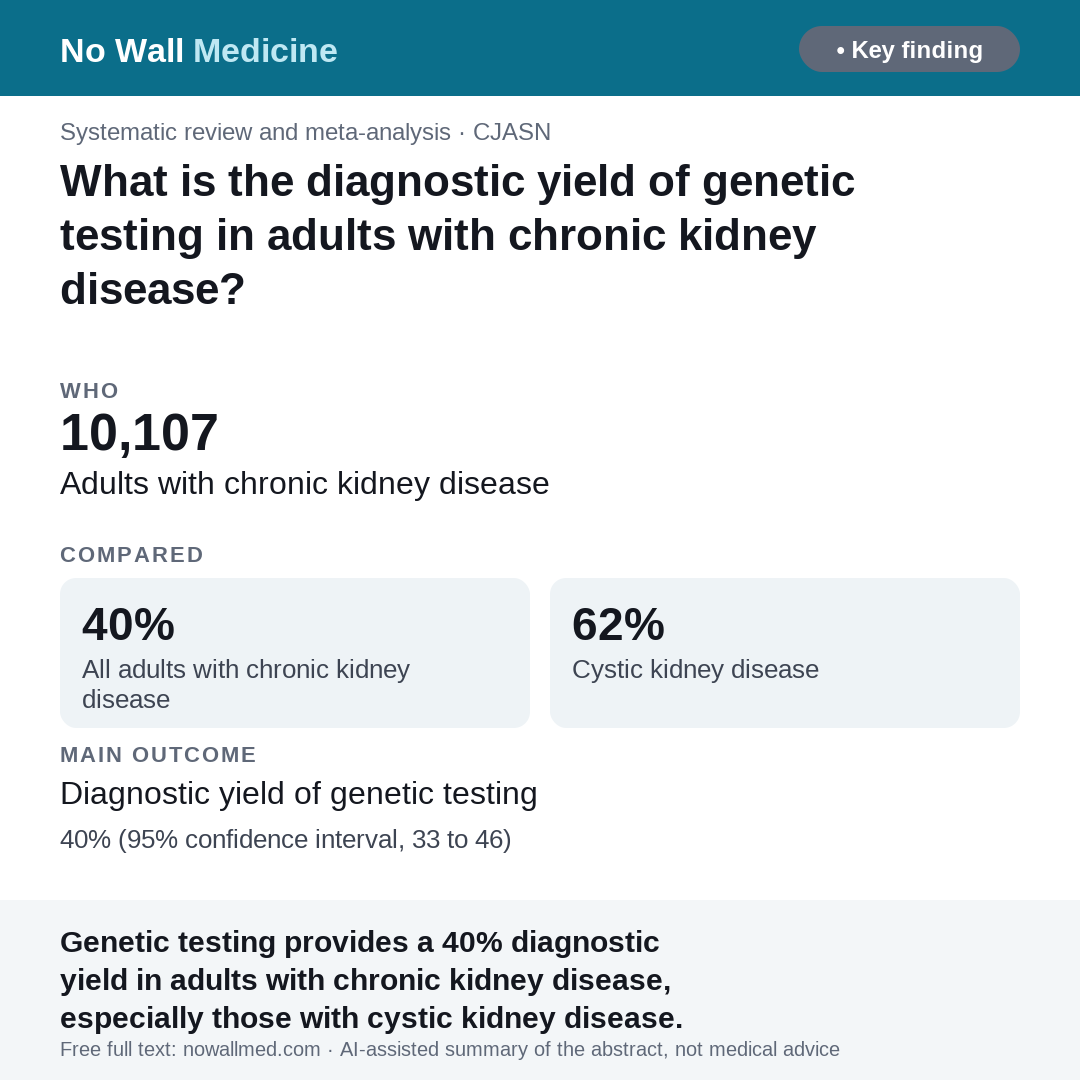
Utility of Genetic Testing in Adults with CKD: A Systematic Review and Meta-Analysis
Systematic review and meta-analysisBenefit found
What is the diagnostic yield of genetic testing in adults with chronic kidney disease?
Who
10,107
Adults with chronic kidney disease
Compared
40%All adults with chronic kidney disease (95% confidence interval, 33 to 46)
62%Cystic kidney disease (95% confidence interval, 57 to 68)
Main outcome
Diagnostic yield of genetic testing
Result: 40% (95% confidence interval, 33 to 46)
Bottom line: Genetic testing provides a 40% diagnostic yield in adults with chronic kidney disease, especially those with cystic kidney disease.
Limitation: Heterogeneity in reporting, testing technologies, and cohort characteristics.
CJASN · 2024-09-19Download image
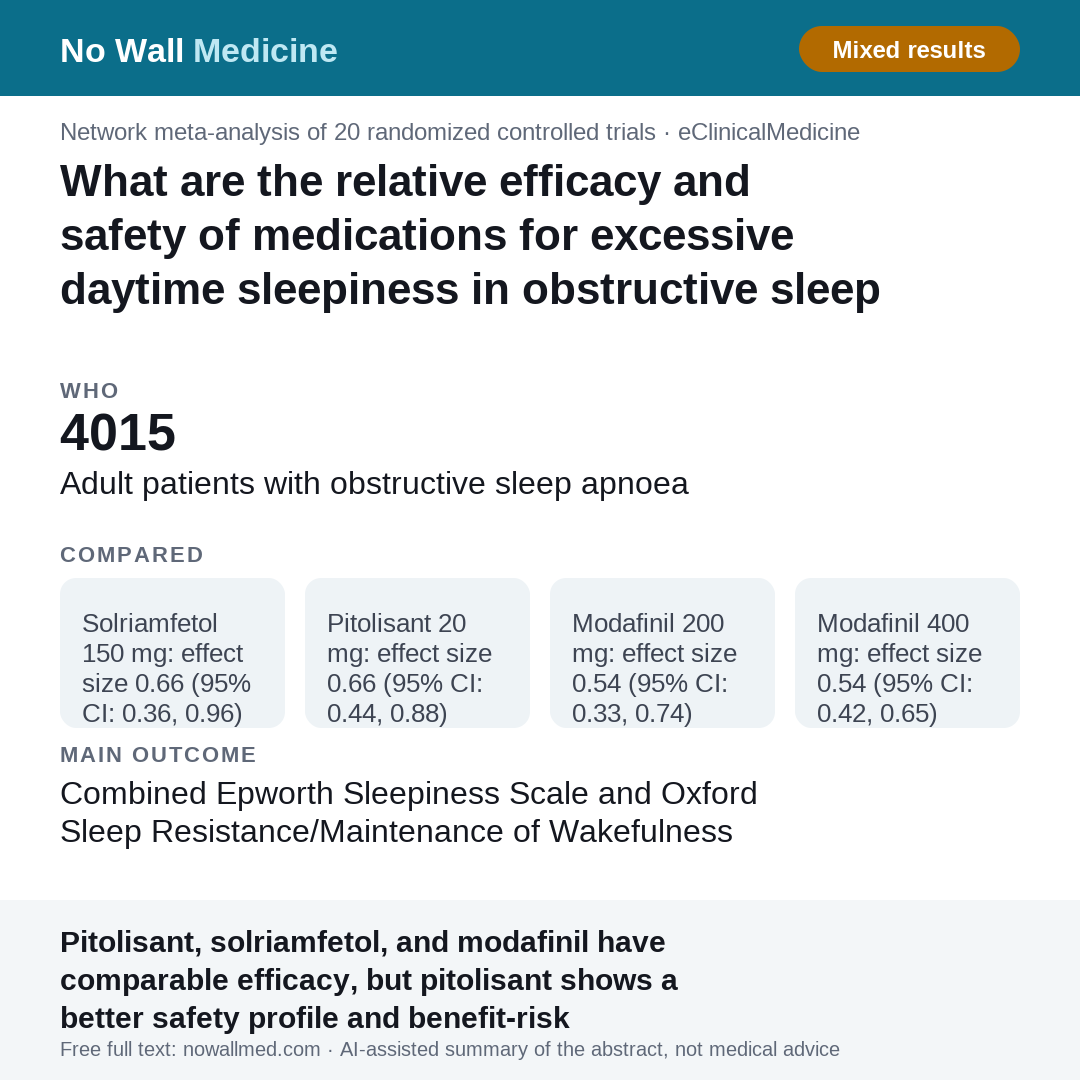
Comparative efficacy, safety and benefit/risk of alerting agents for excessive daytime sleepiness in patients with obstructive sleep apnoea: a network meta-analysis
Network meta-analysis of 20 randomized controlled trialsMixed results
What are the relative efficacy and safety of medications for excessive daytime sleepiness in obstructive sleep apnoea?
Who
4015
Adult patients with obstructive sleep apnoea
Compared
Solriamfetol 150 mg: effect size 0.66 (95% CI: 0.36, 0.96)
Pitolisant 20 mg: effect size 0.66 (95% CI: 0.44, 0.88)
Modafinil 200 mg: effect size 0.54 (95% CI: 0.33, 0.74)
Modafinil 400 mg: effect size 0.54 (95% CI: 0.42, 0.65)
Main outcome
Combined Epworth Sleepiness Scale and Oxford Sleep Resistance/Maintenance of Wakefulness Test Z-scores
Bottom line: Pitolisant, solriamfetol, and modafinil have comparable efficacy, but pitolisant shows a better safety profile and benefit-risk ratio.
Funded by: Bioprojet
eClinicalMedicine · 2024-09-19Download image
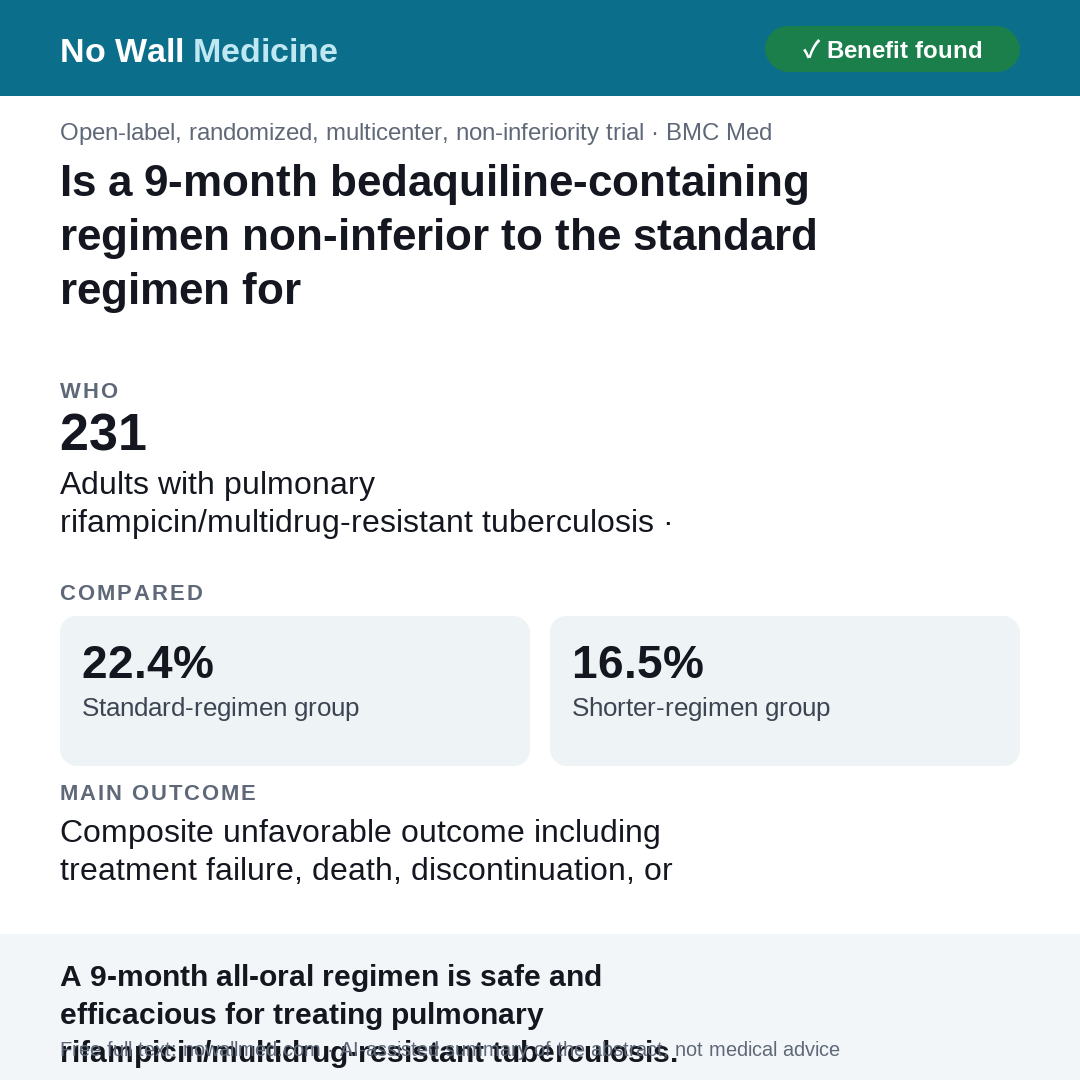
Nine months of bedaquiline, linezolid, levofloxacin, clofazimine, and cycloserine chemotherapy for rifampicin/multidrug-resistant tuberculosis: a multicenter, randomized, open-label non-inferiority trial in China
Open-label, randomized, multicenter, non-inferiority trialBenefit found
Is a 9-month bedaquiline-containing regimen non-inferior to the standard regimen for rifampicin/multidrug-resistant tuberculosis?
Who
231
Adults with pulmonary rifampicin/multidrug-resistant tuberculosis · Sixteen hospitals in China
Compared
22.4%Standard-regimen group
16.5%Shorter-regimen group
Main outcome
Composite unfavorable outcome including treatment failure, death, discontinuation, or loss to follow-up
Result: risk difference 5.9 percentage points (97.5% CI -5.8 to 17.5)
Bottom line: A 9-month all-oral regimen is safe and efficacious for treating pulmonary rifampicin/multidrug-resistant tuberculosis.
BMC Med · 2024-09-19Download image
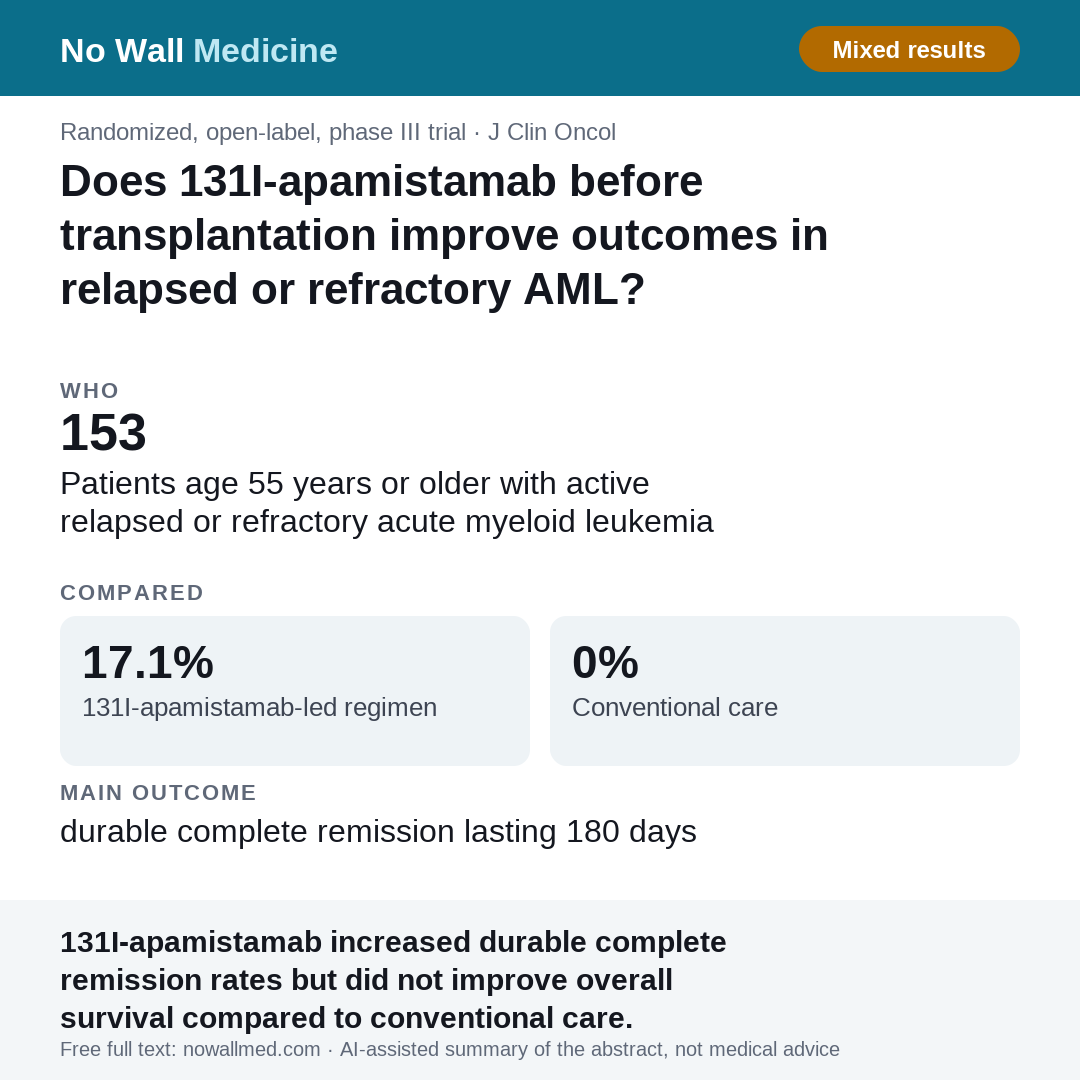
Randomized Phase III SIERRA Trial of 131I-Apamistamab Before Allogeneic Hematopoietic Cell Transplantation Versus Conventional Care for Relapsed/Refractory AML
Randomized, open-label, phase III trialMixed results
Does 131I-apamistamab before transplantation improve outcomes in relapsed or refractory AML?
Who
153
Patients age 55 years or older with active relapsed or refractory acute myeloid leukemia
Compared
17.1%131I-apamistamab-led regimen (95% CI, 9.4 to 27.5)
0%Conventional care (95% CI, 0 to 4.7)
Main outcome
durable complete remission lasting 180 days
Result: hazard ratio 0.23 (95% CI 0.15 to 0.34) for event-free survival
Bottom line: 131I-apamistamab increased durable complete remission rates but did not improve overall survival compared to conventional care.
J Clin Oncol · 2024-09-19Download image
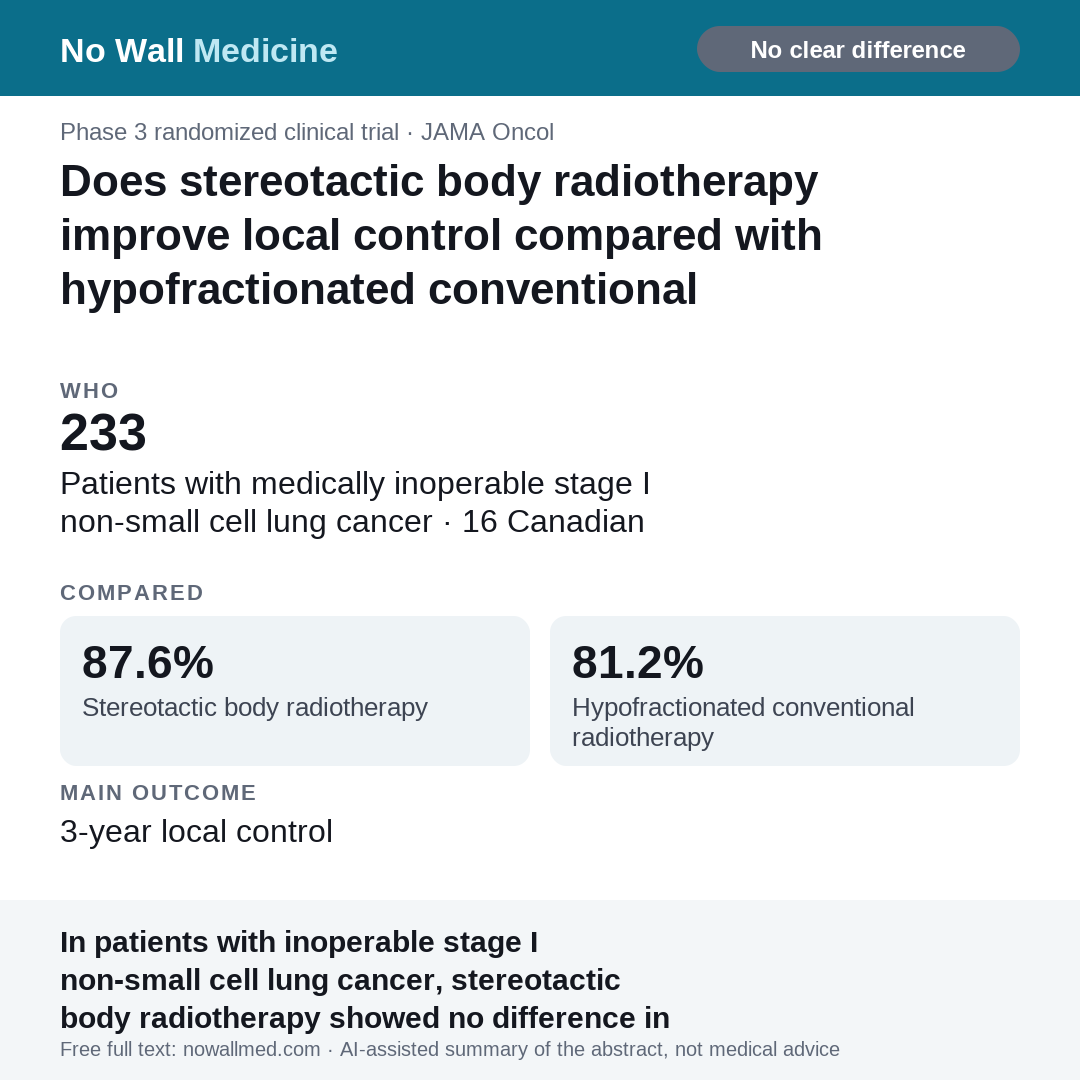
Stereotactic vs Hypofractionated Radiotherapy for Inoperable Stage I Non-Small Cell Lung Cancer: The LUSTRE Phase 3 Randomized Clinical Trial
Phase 3 randomized clinical trialNo clear difference
Does stereotactic body radiotherapy improve local control compared with hypofractionated conventional radiotherapy?
Who
233
Patients with medically inoperable stage I non-small cell lung cancer · 16 Canadian centers
Compared
87.6%Stereotactic body radiotherapy (95% CI, 81.9%-93.4%)
81.2%Hypofractionated conventional radiotherapy (95% CI, 71.9%-90.5%)
Main outcome
3-year local control
Result: hazard ratio 0.61 (95% CI, 0.31-1.20)
Bottom line: In patients with inoperable stage I non-small cell lung cancer, stereotactic body radiotherapy showed no difference in local control compared with conventional radiotherapy.
Limitation: further research is necessary to determine if SBRT is more effective for peripheral and central non-small cell lung cancer
JAMA Oncol · 2024-09-19Download image
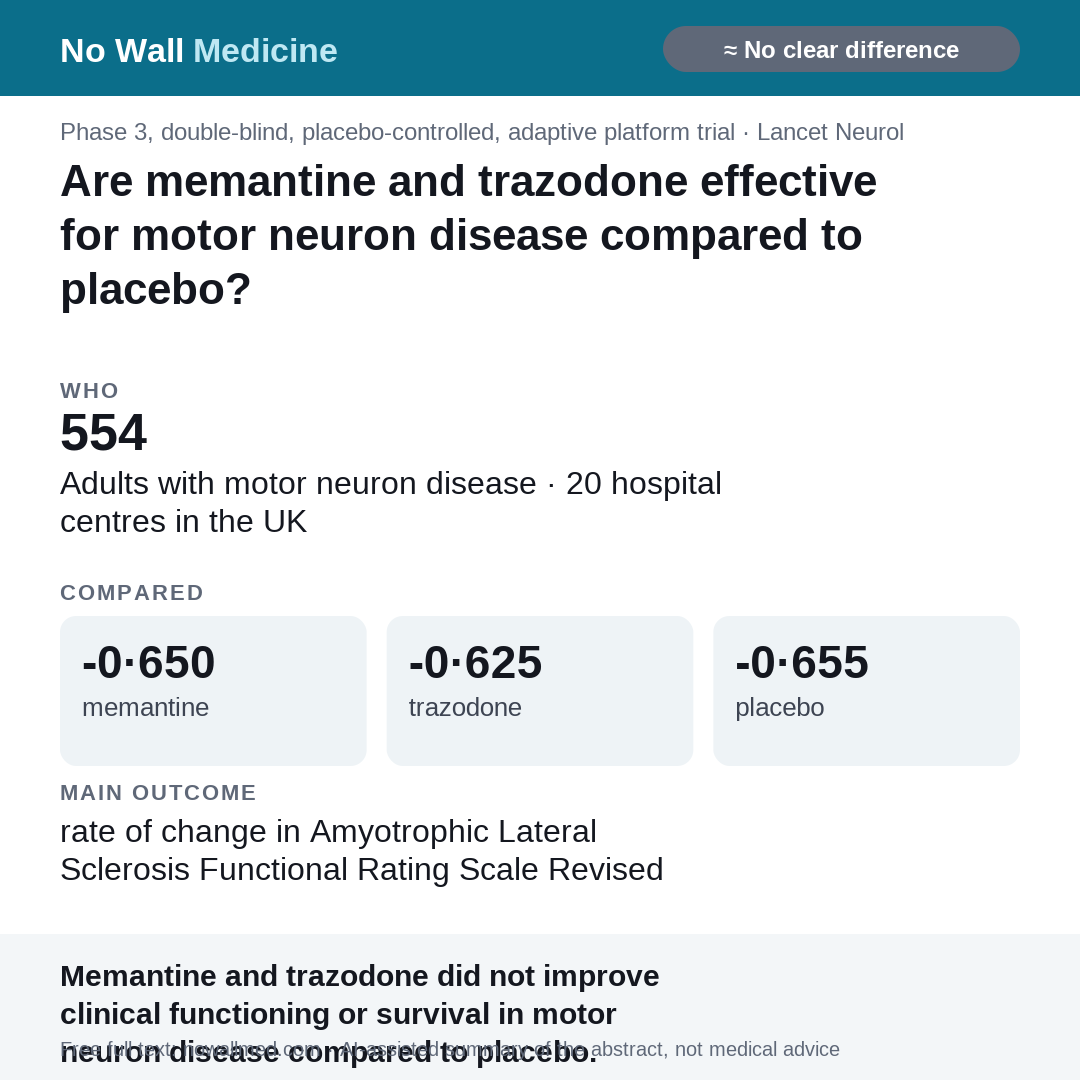
Safety and efficacy of memantine and trazodone versus placebo for motor neuron disease (MND SMART): stage two interim analysis from the first cycle of a phase 3, multiarm, multistage, randomised, adaptive platform trial
Phase 3, double-blind, placebo-controlled, adaptive platform trialNo clear difference
Are memantine and trazodone effective for motor neuron disease compared to placebo?
Who
554
Adults with motor neuron disease · 20 hospital centres in the UK
Compared
-0·650memantine
-0·625trazodone
-0·655placebo
Main outcome
rate of change in Amyotrophic Lateral Sclerosis Functional Rating Scale Revised
Result: memantine versus placebo estimated mean difference 0·033, one-sided 90% CI lower level -0·085
Bottom line: Memantine and trazodone did not improve clinical functioning or survival in motor neuron disease compared to placebo.
Funded by: Euan MacDonald Centre, MND Scotland, My Name'5 Doddie Foundation, Baillie Gifford
Lancet Neurol · 2024-09-19Download image
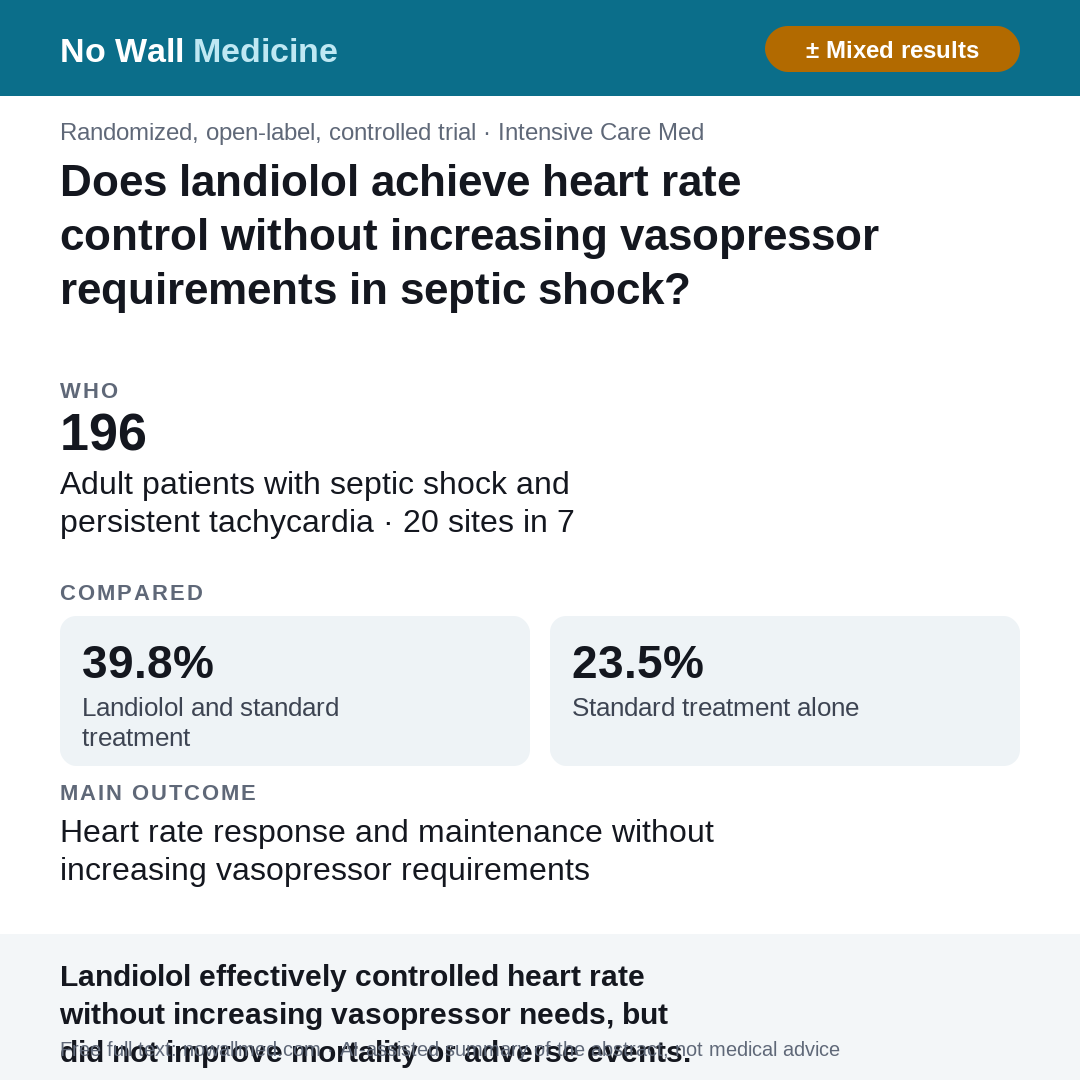
Landiolol for heart rate control in patients with septic shock and persistent tachycardia. A multicenter randomized clinical trial (Landi-SEP)
Randomized, open-label, controlled trialMixed results
Does landiolol achieve heart rate control without increasing vasopressor requirements in septic shock?
Who
196
Adult patients with septic shock and persistent tachycardia · 20 sites in 7 European countries
Compared
39.8%Landiolol and standard treatment (39/98)
23.5%Standard treatment alone (23/98)
Main outcome
Heart rate response and maintenance without increasing vasopressor requirements
Result: between-group difference of 16.5% (95% CI 3.4-28.8%; p = 0.013)
Bottom line: Landiolol effectively controlled heart rate without increasing vasopressor needs, but did not improve mortality or adverse events.
Intensive Care Med · 2024-09-19Download image
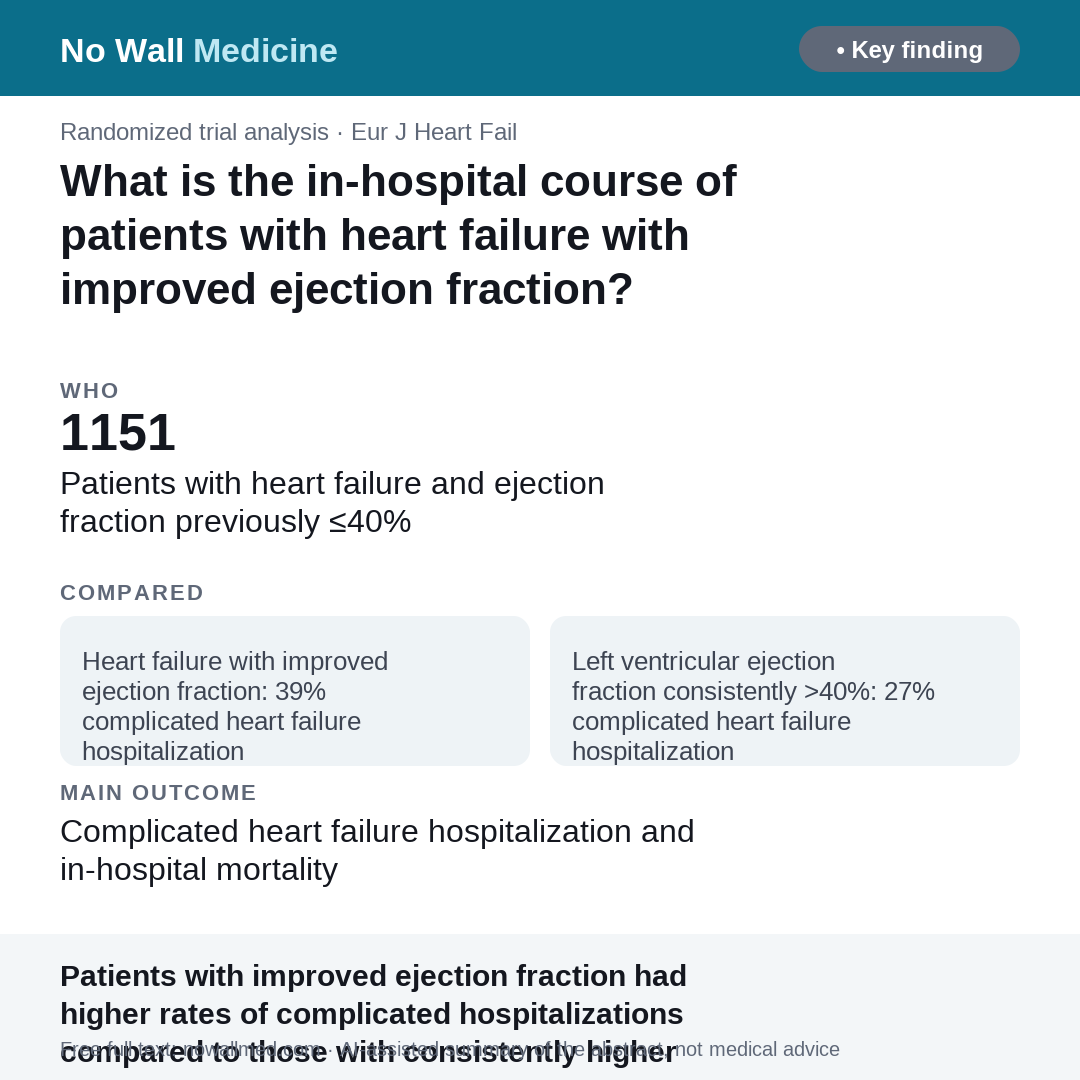
In-hospital course of patients with heart failure with improved ejection fraction in the DELIVER trial
Randomized trial analysisHarm found
What is the in-hospital course of patients with heart failure with improved ejection fraction?
Who
1151
Patients with heart failure and ejection fraction previously ≤40%
Compared
Heart failure with improved ejection fraction: 39% complicated heart failure hospitalization
Left ventricular ejection fraction consistently >40%: 27% complicated heart failure hospitalization
Main outcome
Complicated heart failure hospitalization and in-hospital mortality
Bottom line: Patients with improved ejection fraction had higher rates of complicated hospitalizations compared to those with consistently higher ejection fraction.
Eur J Heart Fail · 2024-09-19Download image
Contraception use and changes in young women with newly diagnosed breast cancer
Secondary analysis of a cluster randomized trialMixed results
How did contraception use and changes occur among young women with newly diagnosed breast cancer?
Who
312
Patients with newly diagnosed breast cancer age 45 years or younger · 54 US oncology practices
Compared
Before breast cancer diagnosis: 39% highly effective methods
3 months after diagnosis: 52% highly effective methods
Main outcome
Contraceptive use and changes in methods
Bottom line: Highly effective contraceptive use increased, but nearly half used less than highly effective methods after diagnosis.
Fertil Steril · 2024-09-19Download image

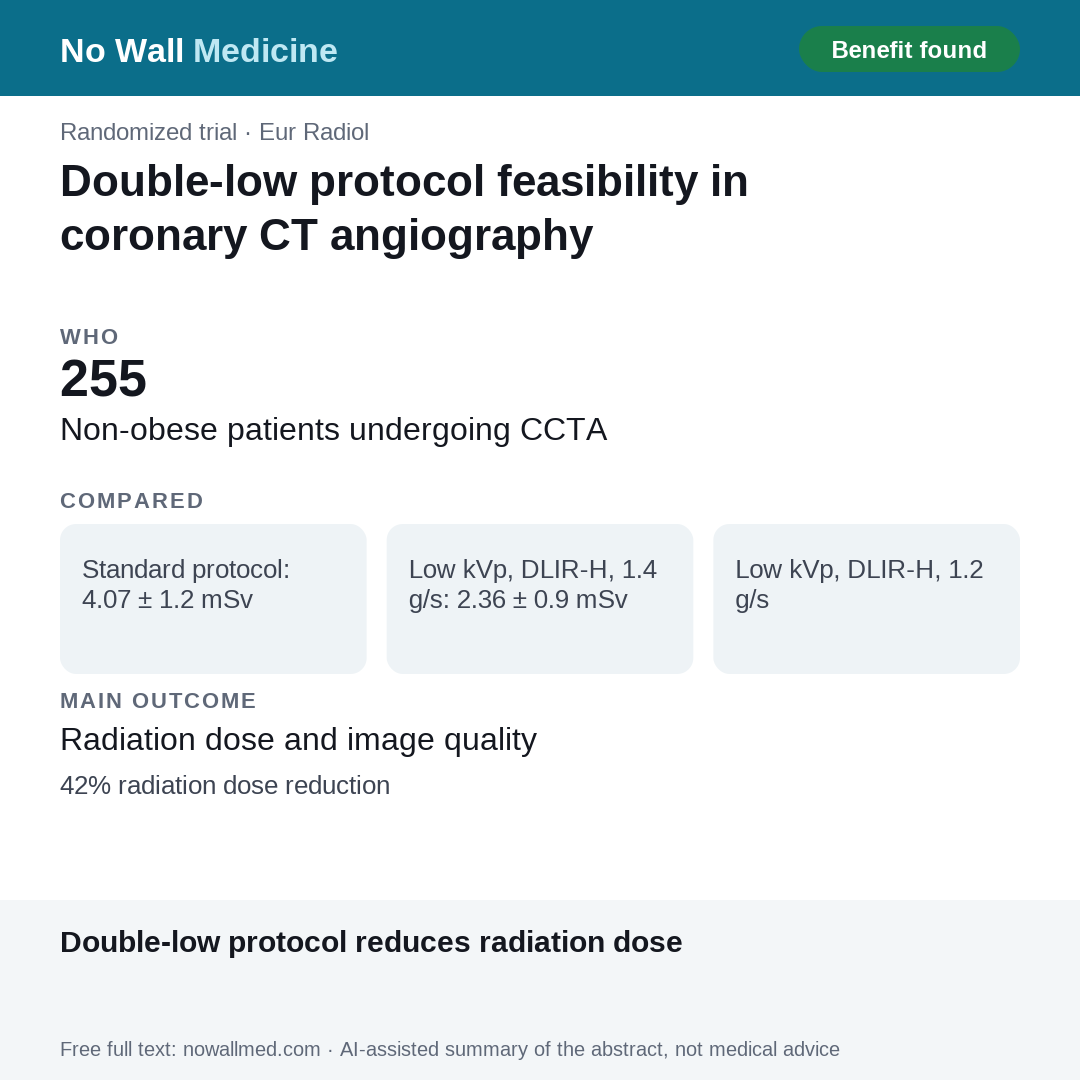
Deep learning reconstruction algorithm and high-concentration contrast medium: feasibility of a double-low protocol in coronary computed tomography angiography
Randomized trialBenefit found
Double-low protocol feasibility in coronary CT angiography
Who
255
Non-obese patients undergoing CCTA
Compared
Standard protocol: 4.07 ± 1.2 mSv
Low kVp, DLIR-H, 1.4 g/s: 2.36 ± 0.9 mSv
Low kVp, DLIR-H, 1.2 g/s
Main outcome
Radiation dose and image quality
Result: 42% radiation dose reduction
Bottom line: Double-low protocol reduces radiation dose
Eur Radiol · 2024-09-19Download image
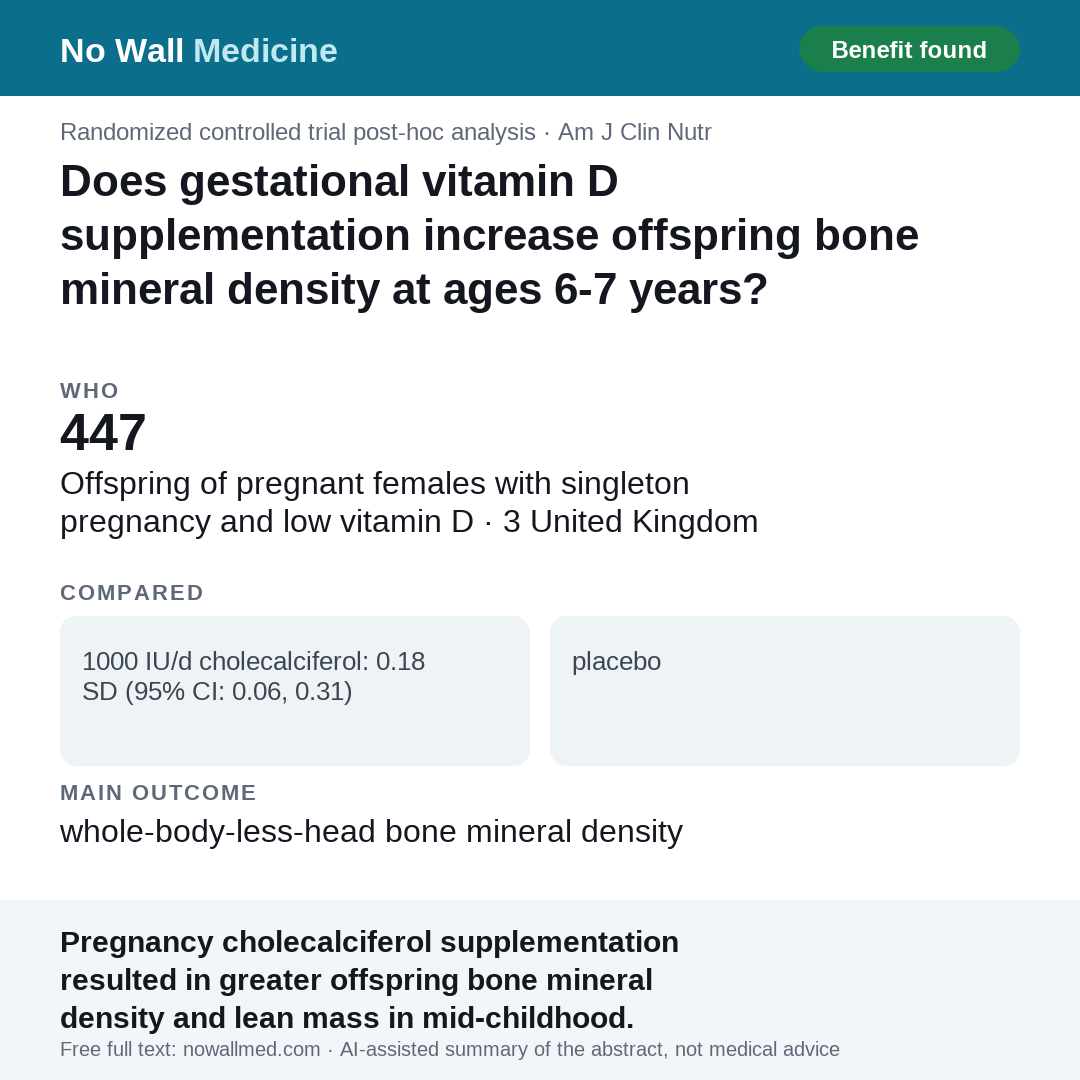
Pregnancy vitamin D supplementation and offspring bone mineral density in childhood follow-up of a randomized controlled trial
Randomized controlled trial post-hoc analysisBenefit found
Does gestational vitamin D supplementation increase offspring bone mineral density at ages 6-7 years?
Who
447
Offspring of pregnant females with singleton pregnancy and low vitamin D · 3 United Kingdom hospitals
Compared
1000 IU/d cholecalciferol: 0.18 SD (95% CI: 0.06, 0.31)
placebo
Main outcome
whole-body-less-head bone mineral density
Result: 0.18 SD (95% CI: 0.06, 0.31)
Bottom line: Pregnancy cholecalciferol supplementation resulted in greater offspring bone mineral density and lean mass in mid-childhood.
Am J Clin Nutr · 2024-09-19Download image
Pearl millet instant beverage powder enriched with baobab pulp to improve iron and anaemia status of adolescent girls in rural Ghana: a study protocol for a cluster randomised controlled trial
Three-arm cluster randomised controlled trialUnclear result
Does baobab pulp-fortified pearl millet beverage improve iron and anaemia status in adolescent girls?
Who
258
Anaemic adolescent girls in Kumbungu District, Ghana · Kumbungu District of Ghana
Compared
Baobab pulp-fortified pearl millet beverage
Unfortified pearl millet beverage
Routine weekly iron-folate supplementation
Main outcome
Serum ferritin and haemoglobin concentrations
Bottom line: This study protocol aims to investigate if baobab-fortified pearl millet beverage improves iron and anaemia status.
Br J Nutr · 2024-09-19Download image

Medication adherence to inhalation therapy and the risk of COPD exacerbations: a systematic review with meta-analysis
Systematic review and meta-analysisHarm found
Does medication adherence to inhalation therapy affect the risk of COPD exacerbations?
Who
Patients with chronic obstructive pulmonary disease
Compared
Poor adherence: OR 1.40
Good adherence
Main outcome
Risk of chronic obstructive pulmonary disease exacerbations
Result: odds ratio 1.40 (95% CI 1.21 to 1.62)
Bottom line: Poor adherence to inhaler medication is associated with a 40% increased risk of chronic obstructive pulmonary disease exacerbations.
BMJ Open Respir Res · 2024-09-19Download image

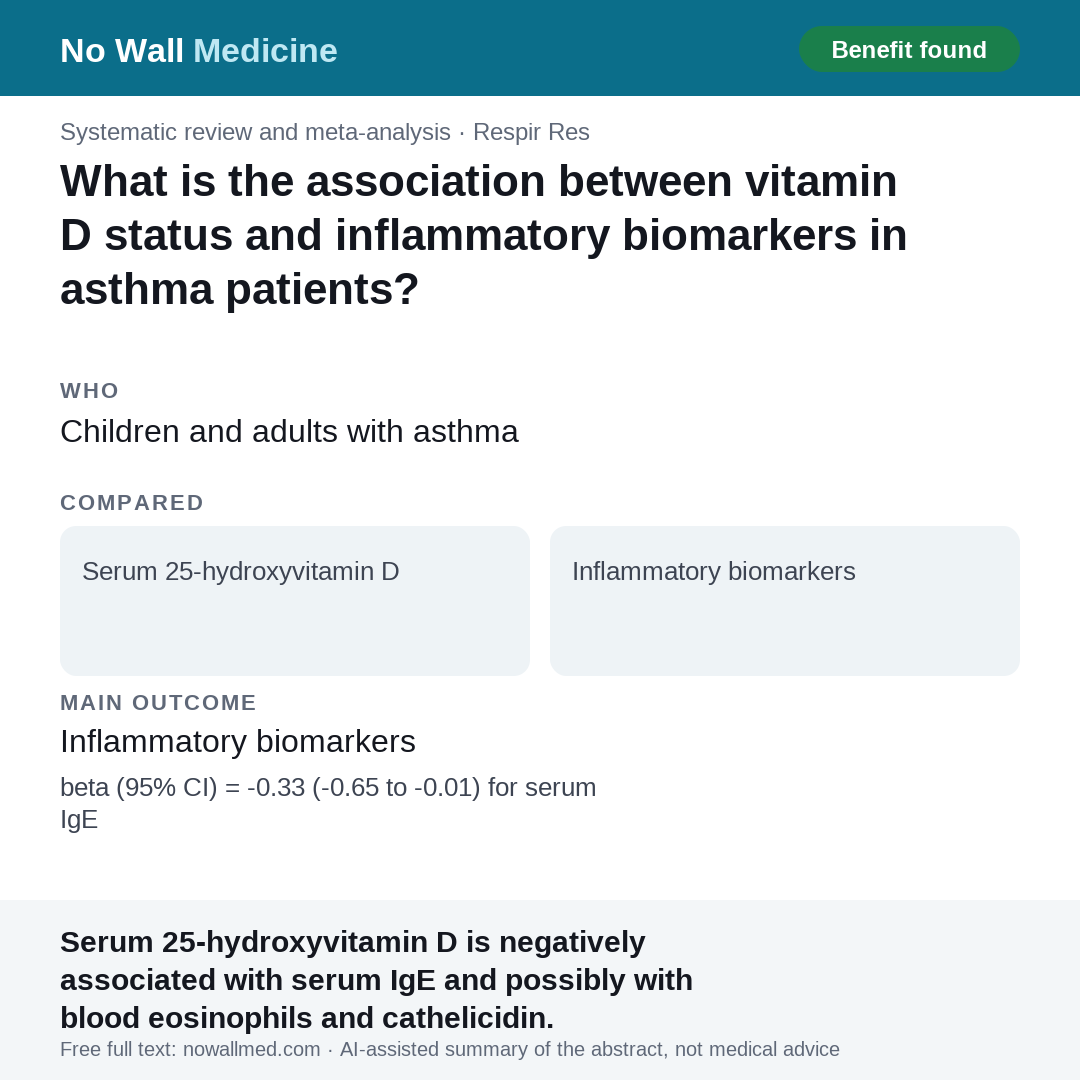
Associations between vitamin D status and biomarkers linked with inflammation in patients with asthma: a systematic review and meta-analysis of interventional and observational studies
Systematic review and meta-analysisBenefit found
What is the association between vitamin D status and inflammatory biomarkers in asthma patients?
Who
Children and adults with asthma
Compared
Serum 25-hydroxyvitamin D
Inflammatory biomarkers
Main outcome
Inflammatory biomarkers
Result: beta (95% CI) = -0.33 (-0.65 to -0.01) for serum IgE
Bottom line: Serum 25-hydroxyvitamin D is negatively associated with serum IgE and possibly with blood eosinophils and cathelicidin.
Limitation: Future research should employ rigorous methodologies and standardized reporting for meta-analysis aggregation.
Respir Res · 2024-09-19Download image
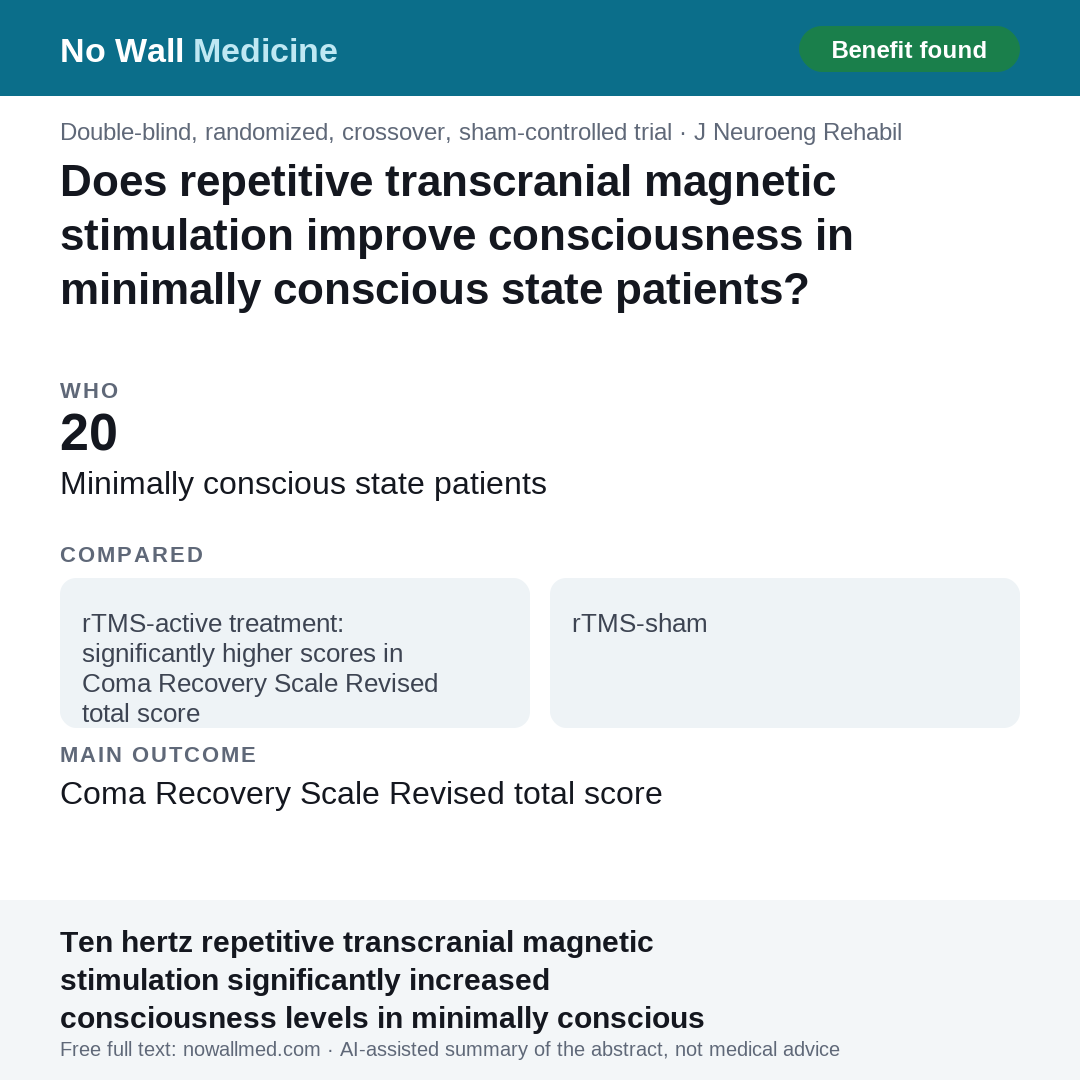
Perturbational complexity index in assessing responsiveness to rTMS treatment in patients with disorders of consciousness: a cross-over randomized controlled trial study
Double-blind, randomized, crossover, sham-controlled trialBenefit found
Does repetitive transcranial magnetic stimulation improve consciousness in minimally conscious state patients?
Who
20
Minimally conscious state patients
Compared
rTMS-active treatment: significantly higher scores in Coma Recovery Scale Revised total score
rTMS-sham
Main outcome
Coma Recovery Scale Revised total score
Bottom line: Ten hertz repetitive transcranial magnetic stimulation significantly increased consciousness levels in minimally conscious state patients.
J Neuroeng Rehabil · 2024-09-19Download image
Efficacy of robot-assisted gait training on lower extremity function in subacute stroke patients: a systematic review and meta-analysis
Meta-analysis of 24 randomized controlled trialsBenefit found
Does robot-assisted gait training improve lower extremity function in subacute stroke patients?
Who
Patients with subacute stroke
Compared
Robot-assisted gait training
Conventional gait training
Main outcome
Lower extremity function, balance, walking ability, and endurance
Result: MD = 2.10, 95%CI (0.62, 3.59) for Fugl-Meyer Assessment for Lower Extremity
Bottom line: Robot-assisted gait training enhances lower extremity function, balance, walking ability, and endurance compared to conventional gait training.
Limitation: The quality of evidence for improvements in gait speed remains low.
J Neuroeng Rehabil · 2024-09-19Download image

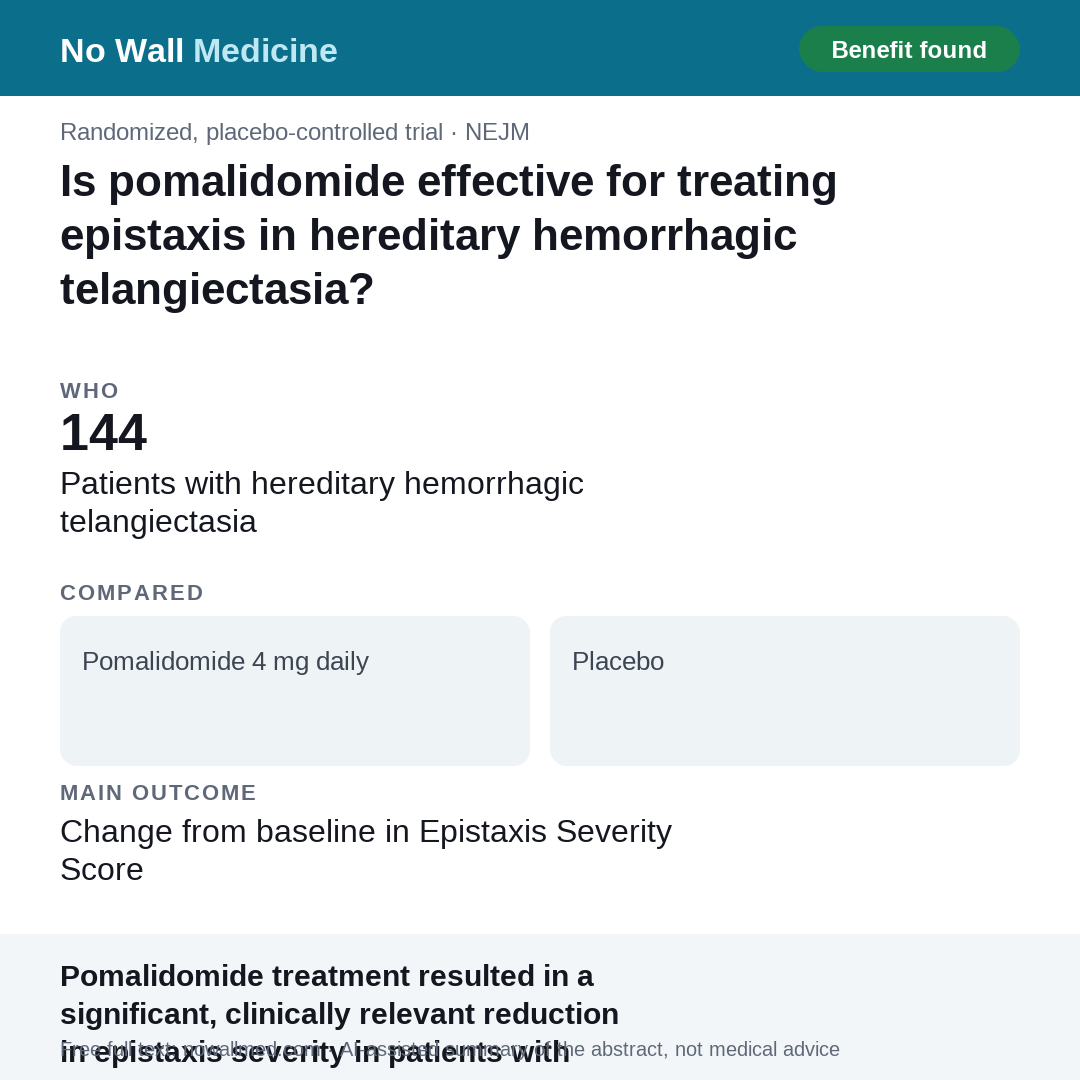
Pomalidomide for Epistaxis in Hereditary Hemorrhagic Telangiectasia
Randomized, placebo-controlled trialBenefit found
Is pomalidomide effective for treating epistaxis in hereditary hemorrhagic telangiectasia?
Who
144
Patients with hereditary hemorrhagic telangiectasia
Compared
Pomalidomide 4 mg daily
Placebo
Main outcome
Change from baseline in Epistaxis Severity Score
Result: mean difference -0.94 points (95% CI -1.57 to -0.31)
Bottom line: Pomalidomide treatment resulted in a significant, clinically relevant reduction in epistaxis severity in patients with hereditary hemorrhagic telangiectasia.
Funded by: National Heart, Lung, and Blood Institute
NEJM · 2024-09-18Download image
Comparative effects of drug interventions for the acute management of migraine episodes in adults: systematic review and network meta-analysis
Systematic review and network meta-analysisBenefit found
Which oral monotherapies are most effective for acute migraine management in adults?
Who
89445
Adults with a diagnosis of migraine
Compared
Active interventions
Placebo
Main outcome
Pain freedom at two hours and sustained pain freedom to 24 hours
Result: odds ratios from 1.73 (95% CI 1.27 to 2.34) to 5.19 (4.25 to 6.33)
Bottom line: Eletriptan, rizatriptan, sumatriptan, and zolmitriptan were most effective for acute migraine treatment.
Limitation: Confidence in accordance with CINeMA ranged from high to very low.
BMJ · 2024-09-18Download image

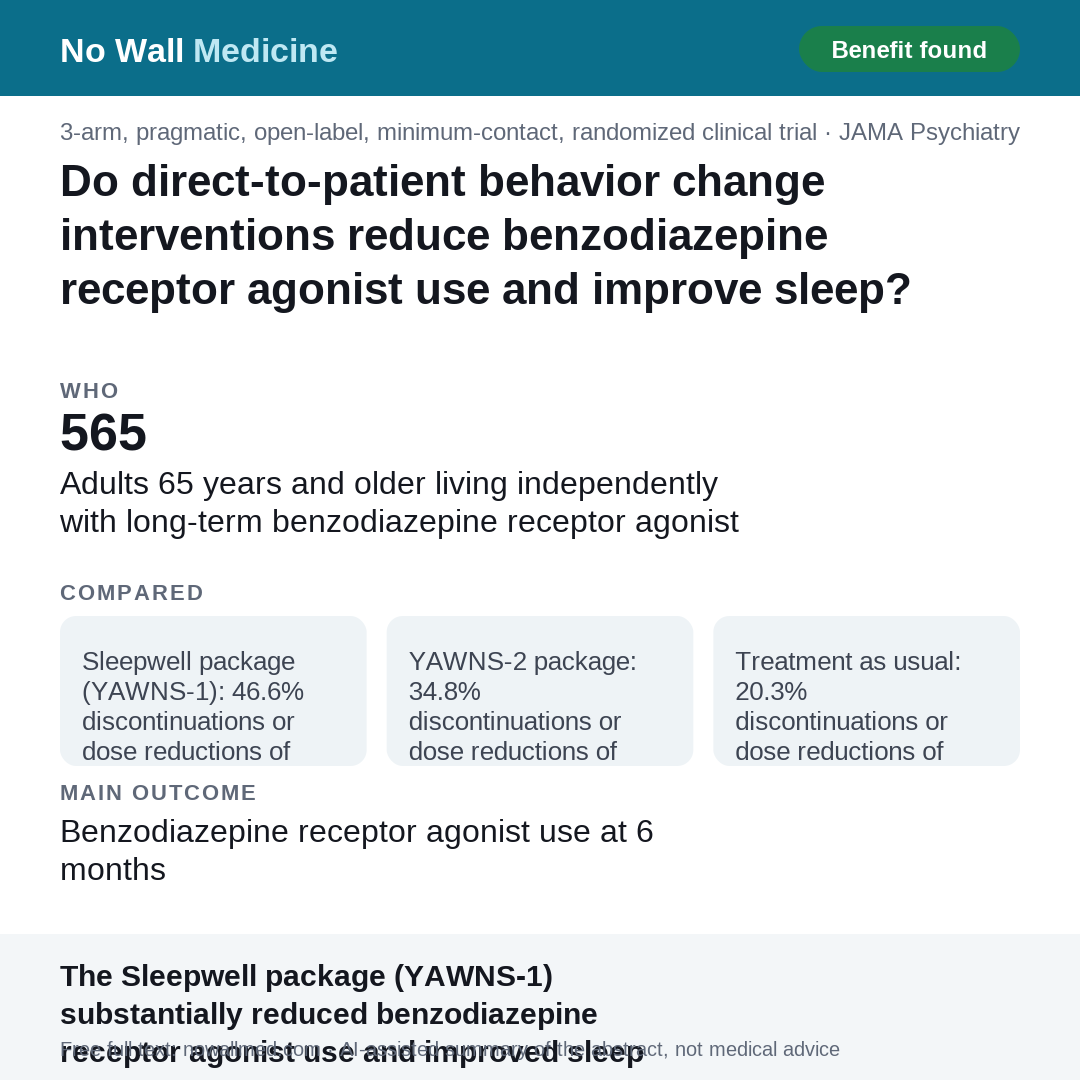
Patient Self-Guided Interventions to Reduce Sedative Use and Improve Sleep: The YAWNS NB Randomized Clinical Trial
3-arm, pragmatic, open-label, minimum-contact, randomized clinical trialBenefit found
Do direct-to-patient behavior change interventions reduce benzodiazepine receptor agonist use and improve sleep?
Who
565
Adults 65 years and older living independently with long-term benzodiazepine receptor agonist use and insomnia · Communities across New Brunswick, Canada
Compared
Sleepwell package (YAWNS-1): 46.6% discontinuations or dose reductions of 25% or greater
YAWNS-2 package: 34.8% discontinuations or dose reductions of 25% or greater
Treatment as usual: 20.3% discontinuations or dose reductions of 25% or greater
Main outcome
Benzodiazepine receptor agonist use at 6 months
Bottom line: The Sleepwell package (YAWNS-1) substantially reduced benzodiazepine receptor agonist use and improved sleep outcomes in older adults.
JAMA Psychiatry · 2024-09-18Download image
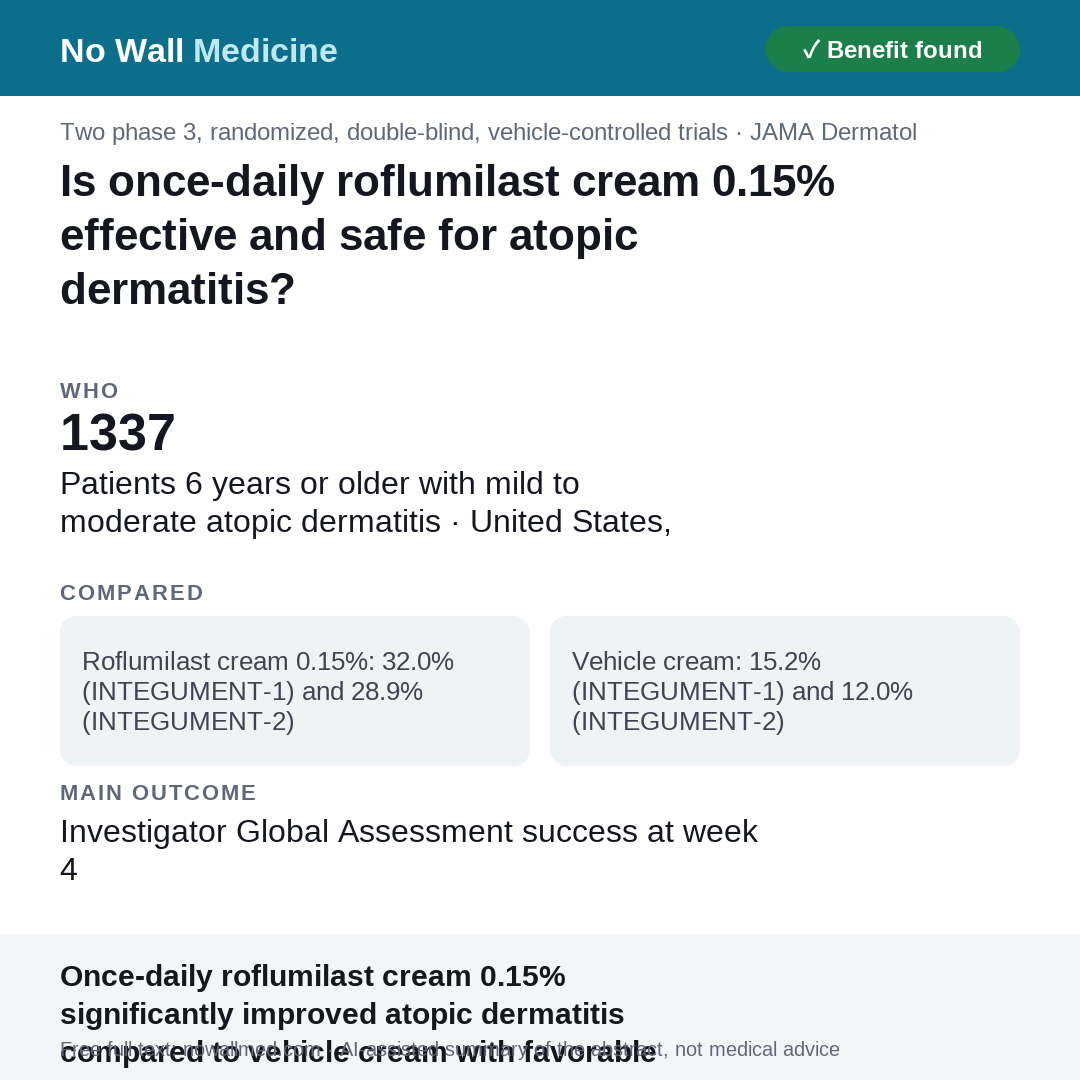
Roflumilast Cream, 0.15%, for Atopic Dermatitis in Adults and Children: INTEGUMENT-1 and INTEGUMENT-2 Randomized Clinical Trials
Two phase 3, randomized, double-blind, vehicle-controlled trialsBenefit found
Is once-daily roflumilast cream 0.15% effective and safe for atopic dermatitis?
Who
1337
Patients 6 years or older with mild to moderate atopic dermatitis · United States, Canada, and Poland
Compared
Roflumilast cream 0.15%: 32.0% (INTEGUMENT-1) and 28.9% (INTEGUMENT-2)
Vehicle cream: 15.2% (INTEGUMENT-1) and 12.0% (INTEGUMENT-2)
Main outcome
Investigator Global Assessment success at week 4
Bottom line: Once-daily roflumilast cream 0.15% significantly improved atopic dermatitis compared to vehicle cream with favorable safety.
JAMA Dermatol · 2024-09-18Download image