Visual abstracts
New randomized trials and meta-analyses from leading journals at a glance: who was studied, what was compared, and what was found. Every paper is free to read in full.
All specialtiesCardiology 4763Oncology 4042Gastroenterology & Hepatology 1902Infectious Disease 3756Neurology 1872Psychiatry & Mental Health 2214Pulmonology 2042Critical Care 1319Endocrinology & Diabetes 2544Pediatrics 2889Surgery 2479Orthopedics & Sports Medicine 917Neurosurgery 525Cardiothoracic & Vascular Surgery 656Plastic & Reconstructive Surgery 574Nephrology 1107Rheumatology 810Hematology 1090Dermatology 611Ophthalmology 532Obstetrics & Gynecology 1645Public & Global Health 1037Radiology & Imaging 617Anesthesiology 957Urology 745ENT (Otolaryngology) 494Emergency Medicine 481Allergy & Immunology 309Geriatrics 972Family Medicine & Primary Care 533Medical Genetics & Genomics 659Pathology & Laboratory Medicine 156Physical Medicine & Rehabilitation 734Palliative Care 421Nutrition 1560Digital Health & AI 2133General Medicine 318
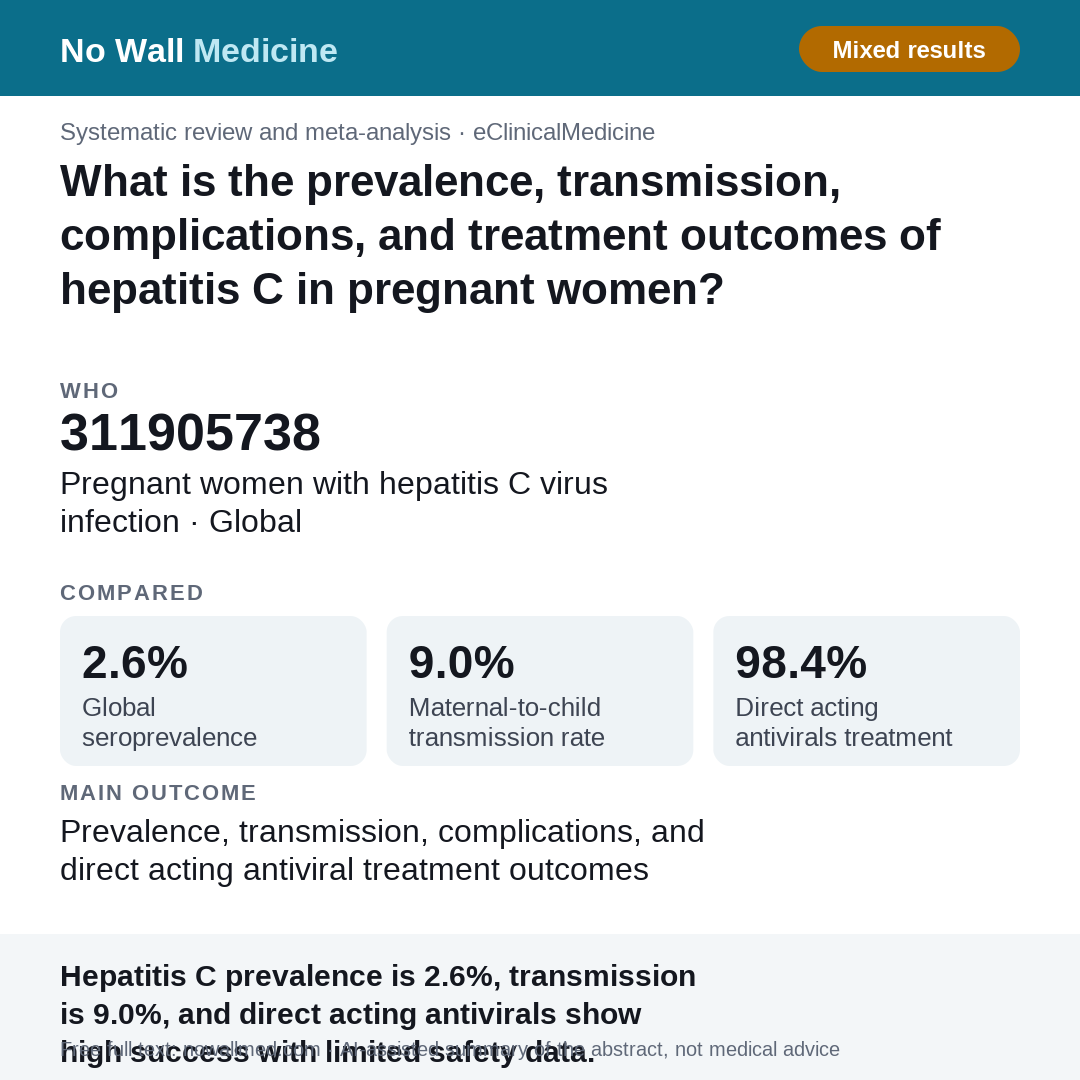
Global epidemiology, natural history, maternal-to-child transmission, and treatment with DAA of pregnant women with HCV: a systematic review and meta-analysis
Systematic review and meta-analysisMixed results
What is the prevalence, transmission, complications, and treatment outcomes of hepatitis C in pregnant women?
Who
311905738
Pregnant women with hepatitis C virus infection · Global
Compared
2.6%Global seroprevalence (95% CI: 2.0-3.2)
9.0%Maternal-to-child transmission rate (95% CI: 6.6-11.7)
98.4%Direct acting antivirals treatment (SVR12)
Main outcome
Prevalence, transmission, complications, and direct acting antiviral treatment outcomes
Bottom line: Hepatitis C prevalence is 2.6%, transmission is 9.0%, and direct acting antivirals show high success with limited safety data.
Limitation: Limited data suggest that direct acting antivirals are safe in pregnant women.
eClinicalMedicine · 2024-07-13Download image
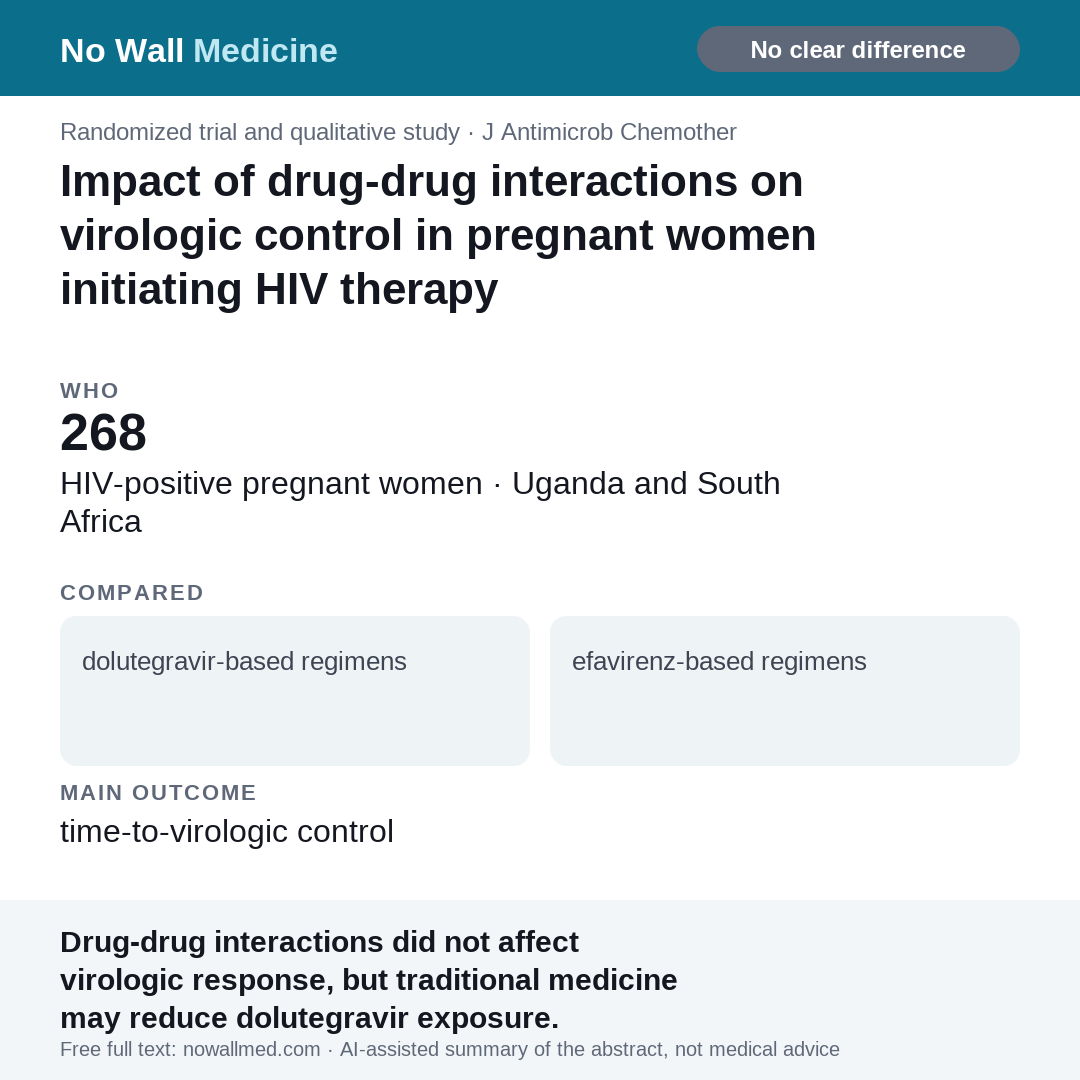
Clinical, pharmacological, and qualitative characterization of drug-drug interactions in pregnant women initiating HIV therapy in Sub-Saharan Africa
Randomized trial and qualitative studyNo clear difference
Impact of drug-drug interactions on virologic control in pregnant women initiating HIV therapy
Who
268
HIV-positive pregnant women · Uganda and South Africa
Compared
dolutegravir-based regimens
efavirenz-based regimens
Main outcome
time-to-virologic control
Bottom line: Drug-drug interactions did not affect virologic response, but traditional medicine may reduce dolutegravir exposure.
J Antimicrob Chemother · 2024-07-13Download image
Impact and effect of imaging referral guidelines on patients and radiology services: a systematic review
Systematic review and narrative synthesisBenefit found
What is the impact of imaging referral guidelines on patients and radiology services?
Who
Patients and radiologists · Not specified
Compared
With imaging referral guidelines: reduced patient radiation doses and waiting times
Without imaging referral guidelines
Main outcome
Outcomes for patients, radiologists, and radiology services
Bottom line: Imaging referral guidelines improve healthcare quality and outcomes while reducing radiation, waiting times, and costs.
Eur Radiol · 2024-07-13Download image

Ivermectin therapy for young children with scabies infection: a multicentre phase 2 non-randomized trial
Multicentre, phase 2 non-randomized trialEarly signal
Is a 3 mg ivermectin dose effective for young children with scabies?
Who
100
Children aged 2-4 years, weighing 10-14 kg with scabies · Five health centres in Lao People's Democratic Republic
Compared
3 mg ivermectin dose: 815 μg h/L
Historical control group: 953 μg h/L
Main outcome
Mean plasma ivermectin exposure
Result: p = 0.256
Bottom line: A 3 mg ivermectin dose achieves comparable drug exposure and is effective for young children with scabies.
Funded by: Thrasher Foundation Early Career Research Award
Lancet Reg Health West Pac · 2024-07-13Download image

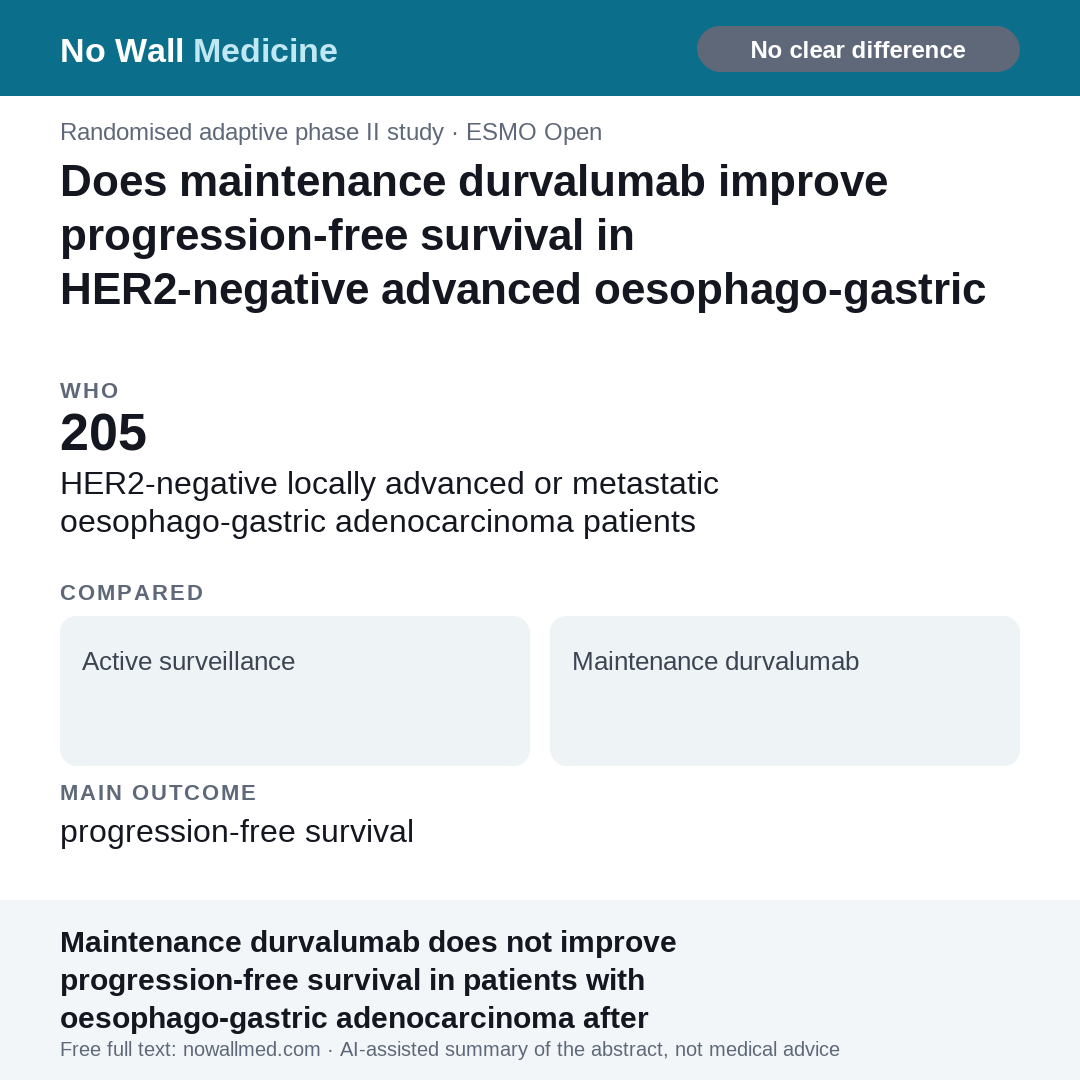
Maintenance durvalumab after first-line chemotherapy in patients with HER2-negative advanced oesophago-gastric adenocarcinoma: results from the randomised PLATFORM study
Randomised adaptive phase II studyNo clear difference
Does maintenance durvalumab improve progression-free survival in HER2-negative advanced oesophago-gastric adenocarcinoma?
Who
205
HER2-negative locally advanced or metastatic oesophago-gastric adenocarcinoma patients
Compared
Active surveillance
Maintenance durvalumab
Main outcome
progression-free survival
Result: hazard ratio 0.84, P = 0.13
Bottom line: Maintenance durvalumab does not improve progression-free survival in patients with oesophago-gastric adenocarcinoma after first-line chemotherapy.
ESMO Open · 2024-07-13Download image
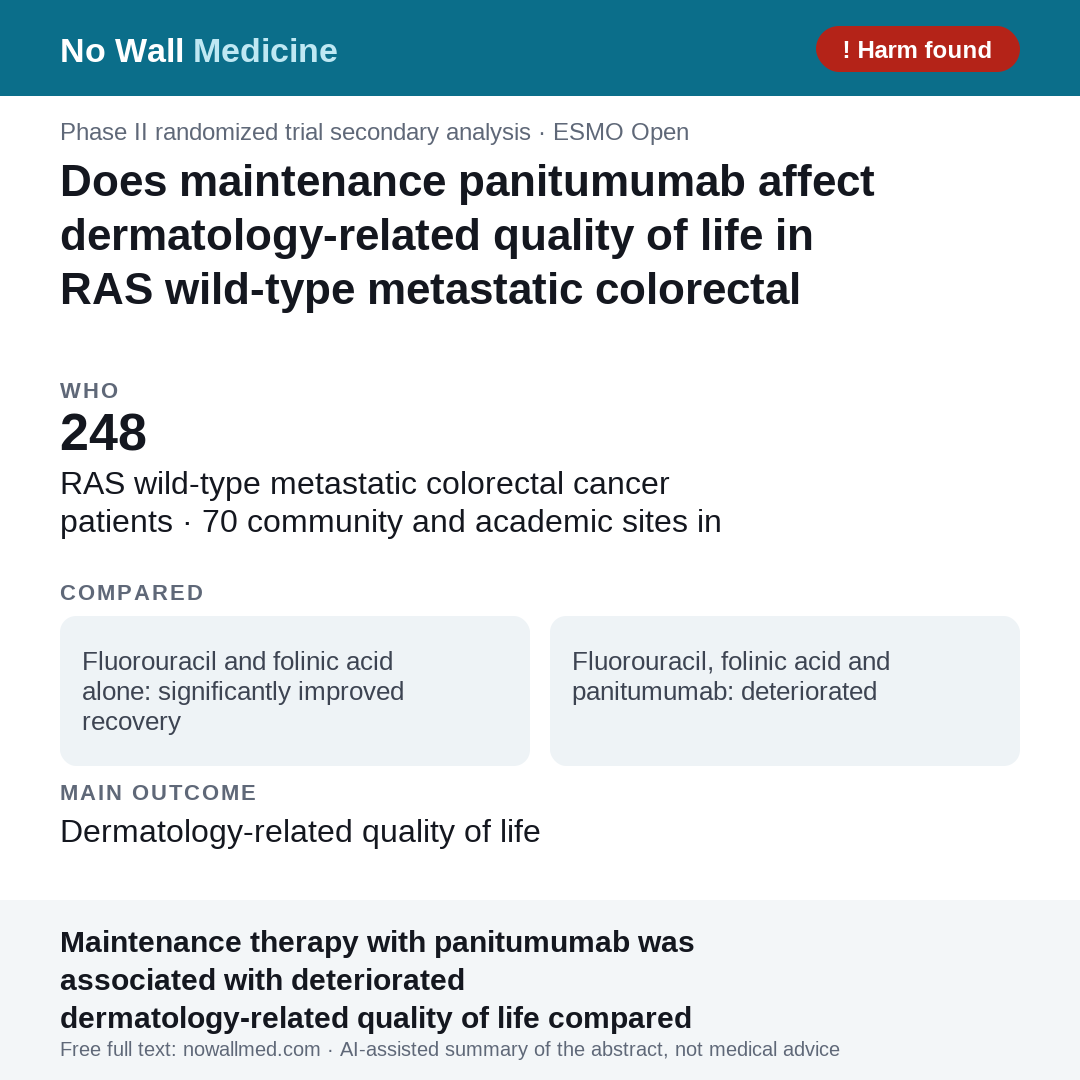
Dermatology-related quality-of-life outcomes in patients with RAS wild-type metastatic colorectal cancer treated with fluorouracil and folinic acid with or without panitumumab (Pmab) maintenance after FOLFOX + Pmab induction: a prespecified secondary analysis of the phase II randomized PanaMa (AIO KRK 0212) trial
Phase II randomized trial secondary analysisHarm found
Does maintenance panitumumab affect dermatology-related quality of life in RAS wild-type metastatic colorectal cancer?
Who
248
RAS wild-type metastatic colorectal cancer patients · 70 community and academic sites in Germany
Compared
Fluorouracil and folinic acid alone: significantly improved recovery
Fluorouracil, folinic acid and panitumumab: deteriorated
Main outcome
Dermatology-related quality of life
Result: Skindex-16 mean difference at cycle 6 -16.53 (95% CI -22.68 to -10.38)
Bottom line: Maintenance therapy with panitumumab was associated with deteriorated dermatology-related quality of life compared to fluorouracil and folinic acid alone.
ESMO Open · 2024-07-13Download image
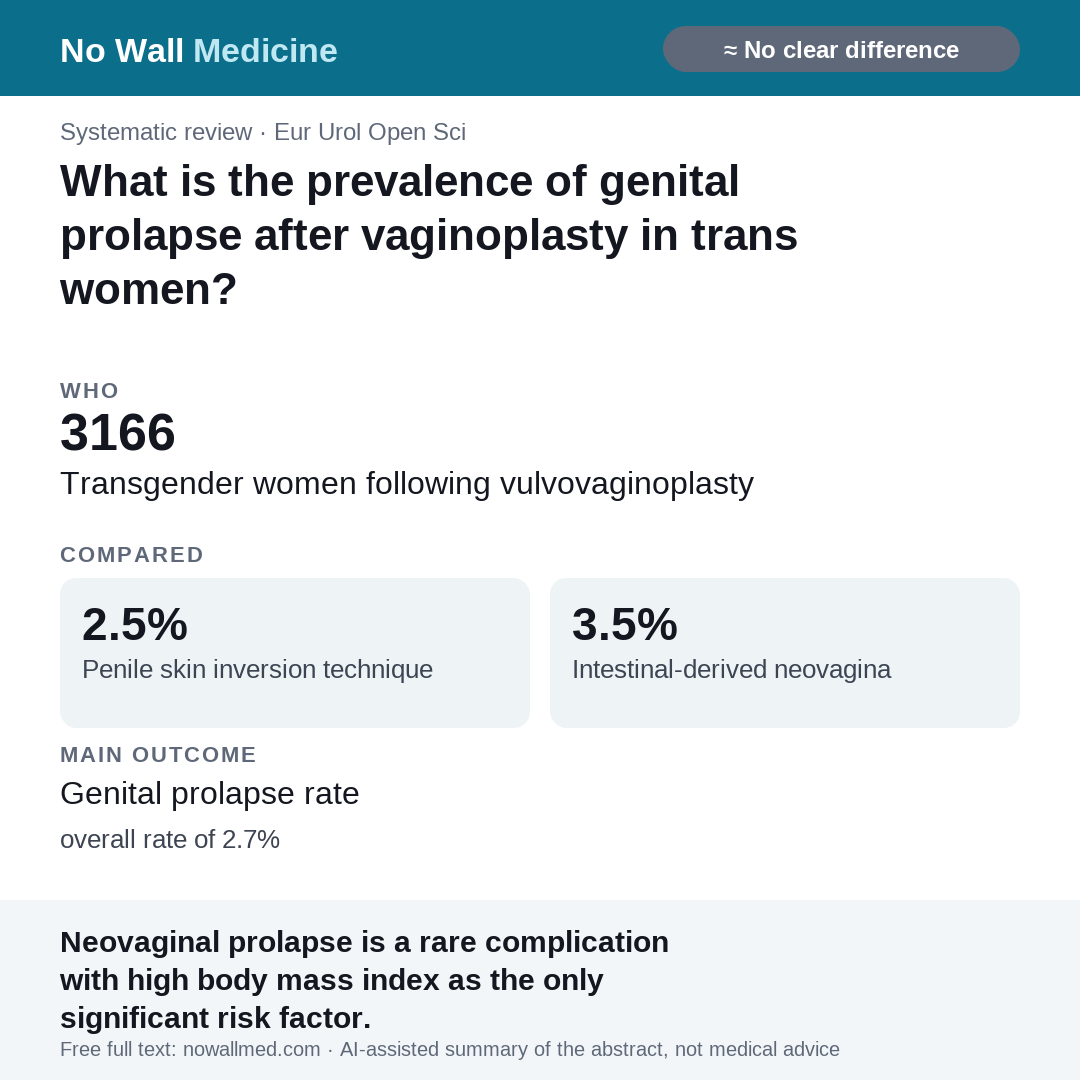
Systematic Review of Neovaginal Prolapse After Vaginoplasty in Trans Women
Systematic reviewNo clear difference
What is the prevalence of genital prolapse after vaginoplasty in trans women?
Who
3166
Transgender women following vulvovaginoplasty
Compared
2.5%Penile skin inversion technique
3.5%Intestinal-derived neovagina
Main outcome
Genital prolapse rate
Result: overall rate of 2.7%
Bottom line: Neovaginal prolapse is a rare complication with high body mass index as the only significant risk factor.
Limitation: Most studies were retrospective case series of low to intermediate quality.
Eur Urol Open Sci · 2024-07-13Download image
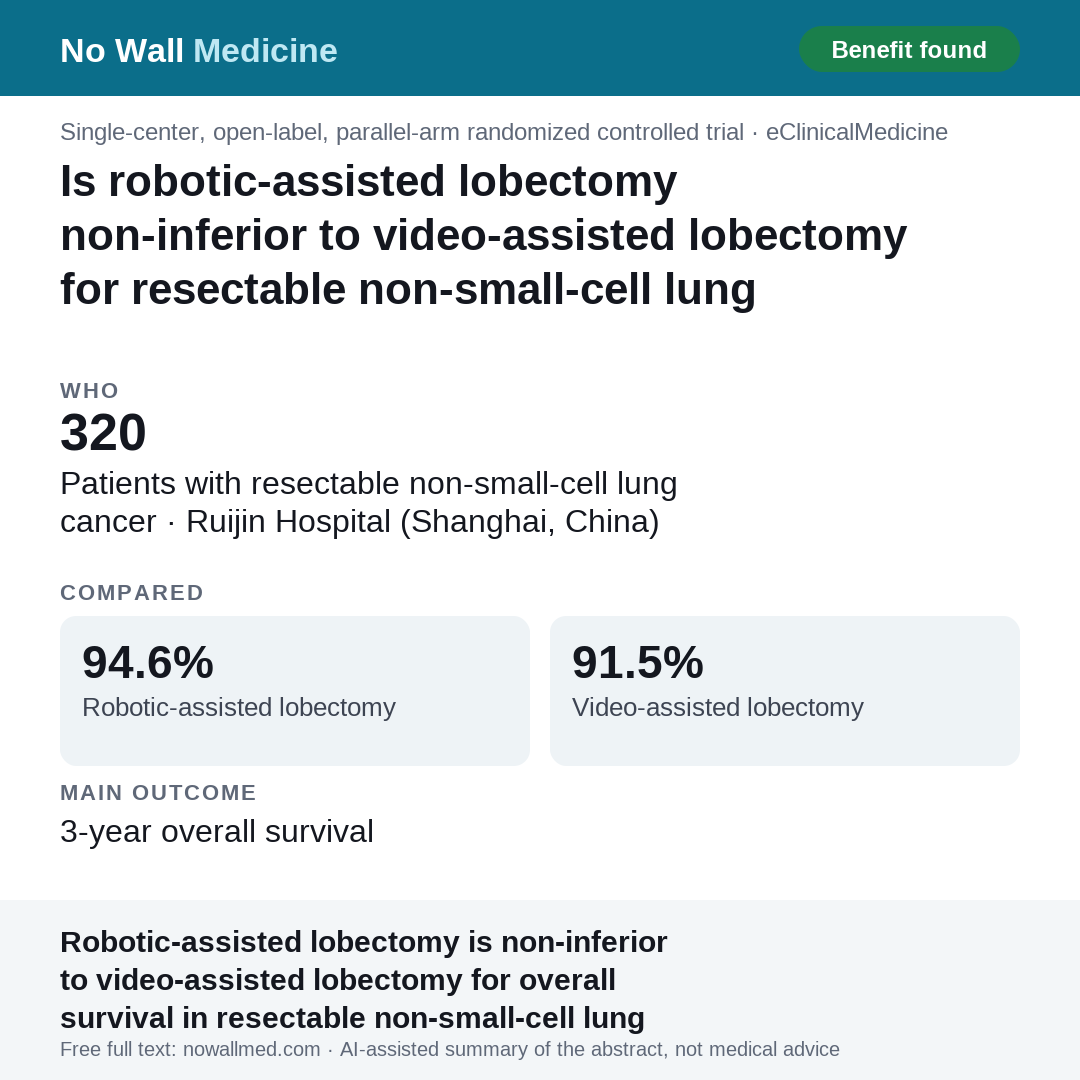
Robotic-assisted versus video-assisted lobectomy for resectable non-small-cell lung cancer: the RVlob randomized controlled trial
Single-center, open-label, parallel-arm randomized controlled trialBenefit found
Is robotic-assisted lobectomy non-inferior to video-assisted lobectomy for resectable non-small-cell lung cancer?
Who
320
Patients with resectable non-small-cell lung cancer · Ruijin Hospital (Shanghai, China)
Compared
94.6%Robotic-assisted lobectomy (95% CI, 91.0-98.3)
91.5%Video-assisted lobectomy (95% CI, 87.2-96.0)
Main outcome
3-year overall survival
Result: hazard ratio 0.65 (95% CI 0.33-1.28)
Bottom line: Robotic-assisted lobectomy is non-inferior to video-assisted lobectomy for overall survival in resectable non-small-cell lung cancer.
Funded by: National Natural Science Foundation of China and others
eClinicalMedicine · 2024-07-12Download image
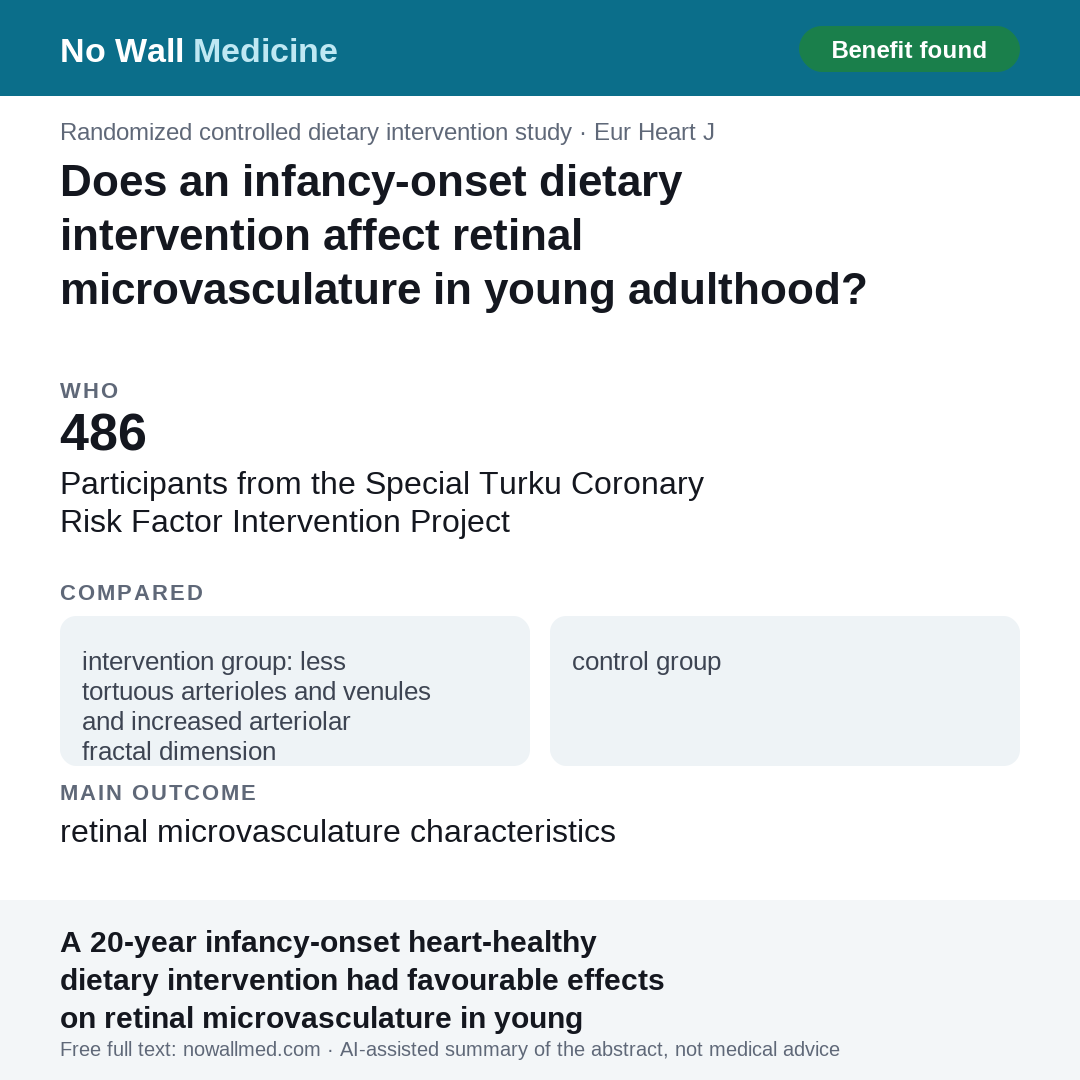
Randomized 20-year infancy-onset dietary intervention, life-long cardiovascular risk factors and retinal microvasculature
Randomized controlled dietary intervention studyKey finding
Does an infancy-onset dietary intervention affect retinal microvasculature in young adulthood?
Who
486
Participants from the Special Turku Coronary Risk Factor Intervention Project
Compared
intervention group: less tortuous arterioles and venules and increased arteriolar fractal dimension
control group
Main outcome
retinal microvasculature characteristics
Bottom line: A 20-year infancy-onset heart-healthy dietary intervention had favourable effects on retinal microvasculature in young adulthood.
Eur Heart J · 2024-07-12Download image
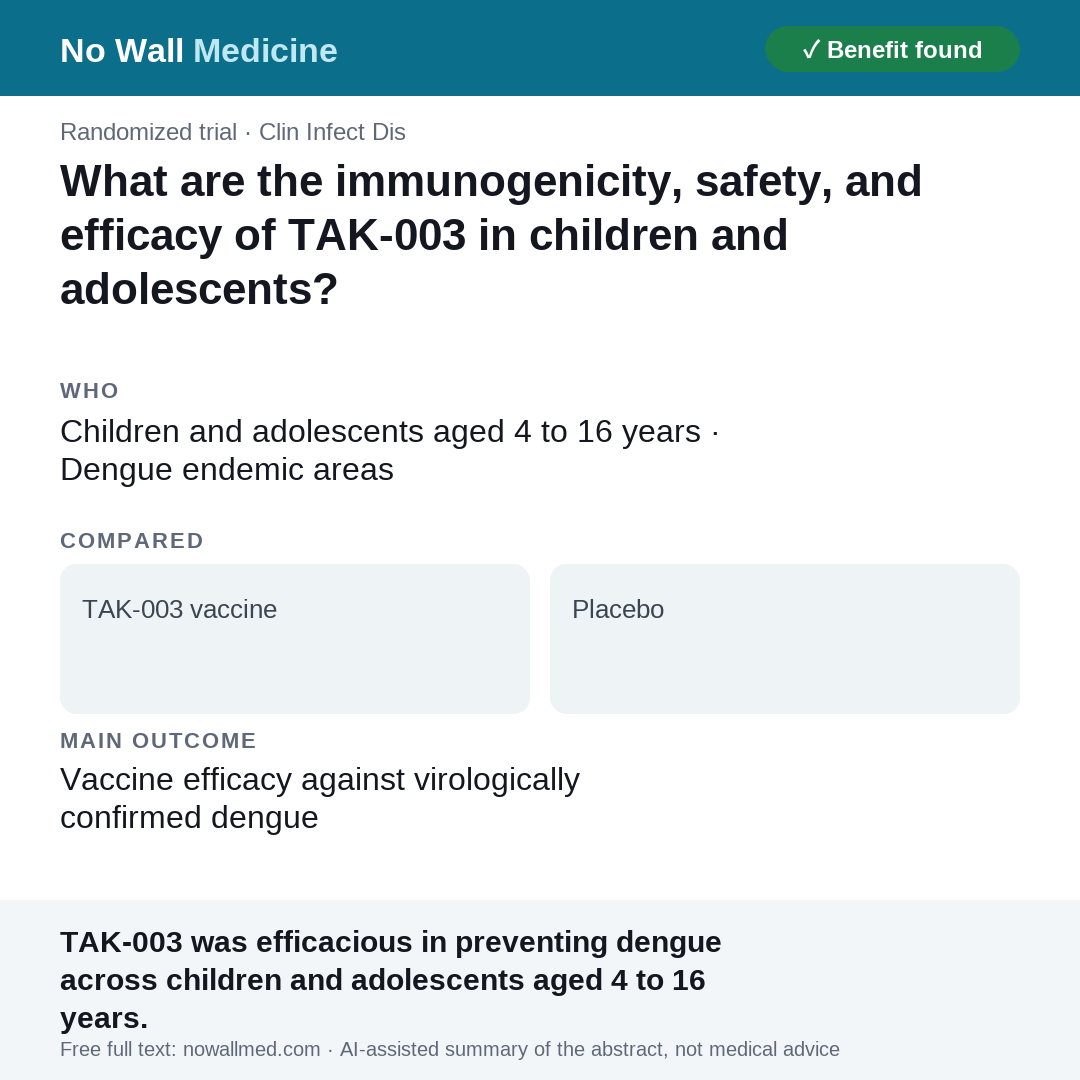
Immunogenicity, Safety, and Efficacy of a Tetravalent Dengue Vaccine in Children and Adolescents: An Analysis by Age Group
Randomized trialBenefit found
What are the immunogenicity, safety, and efficacy of TAK-003 in children and adolescents?
Who
Children and adolescents aged 4 to 16 years · Dengue endemic areas
Compared
TAK-003 vaccine
Placebo
Main outcome
Vaccine efficacy against virologically confirmed dengue
Bottom line: TAK-003 was efficacious in preventing dengue across children and adolescents aged 4 to 16 years.
Limitation: Lower efficacy in 4-5 year-olds may be confounded by serotype distribution and small sample size.
Clin Infect Dis · 2024-07-12Download image
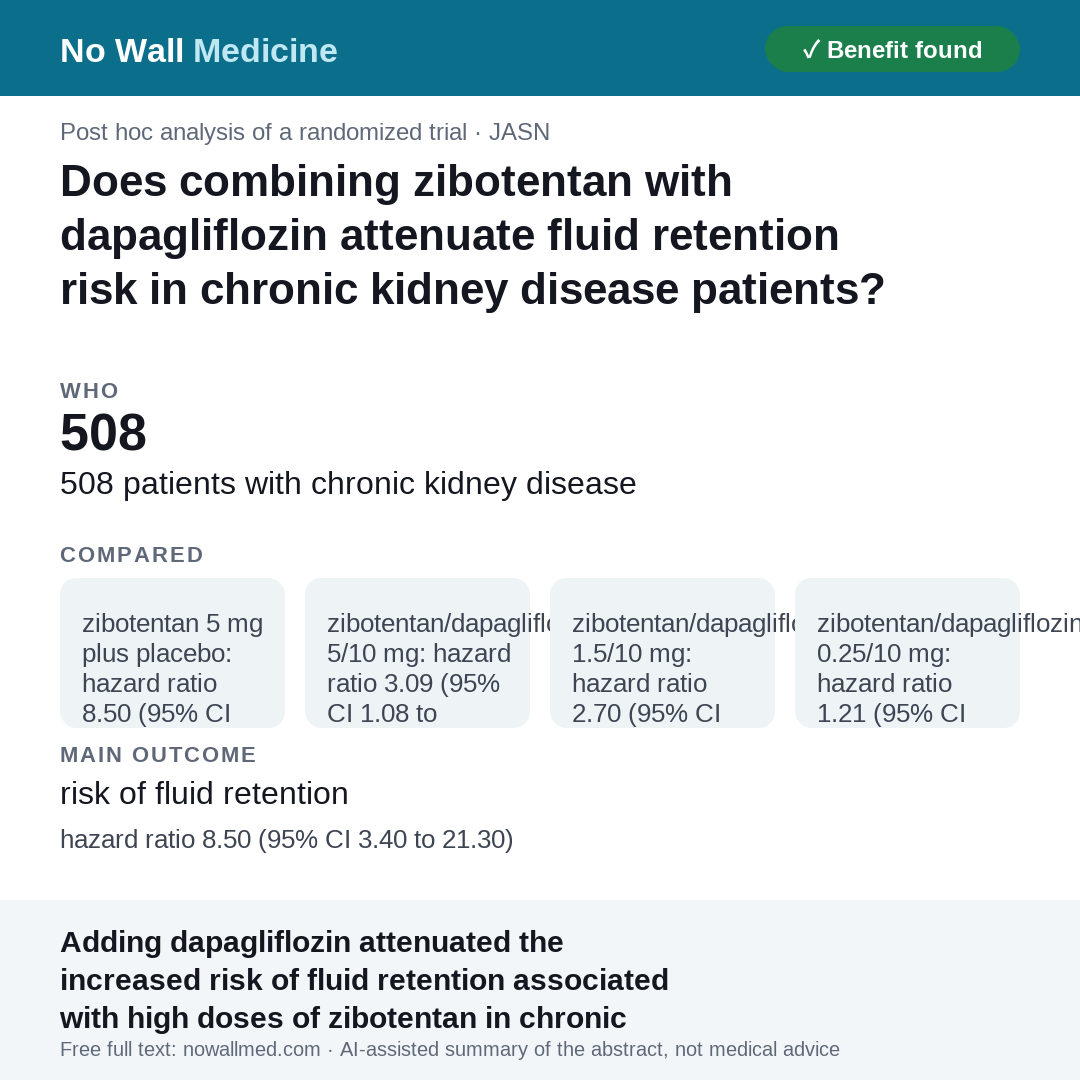
Effects of Zibotentan Alone and in Combination with Dapagliflozin on Fluid Retention in Patients with CKD
Post hoc analysis of a randomized trialBenefit found
Does combining zibotentan with dapagliflozin attenuate fluid retention risk in chronic kidney disease patients?
Who
508
508 patients with chronic kidney disease
Compared
zibotentan 5 mg plus placebo: hazard ratio 8.50 (95% CI 3.40 to 21.30)
zibotentan/dapagliflozin 5/10 mg: hazard ratio 3.09 (95% CI 1.08 to 8.80)
zibotentan/dapagliflozin 1.5/10 mg: hazard ratio 2.70 (95% CI 1.44 to 5.07)
zibotentan/dapagliflozin 0.25/10 mg: hazard ratio 1.21 (95% CI 0.50 to 2.91)
Main outcome
risk of fluid retention
Result: hazard ratio 8.50 (95% CI 3.40 to 21.30)
Bottom line: Adding dapagliflozin attenuated the increased risk of fluid retention associated with high doses of zibotentan in chronic kidney disease.
Limitation: This was a post hoc analysis of the ZENITH-CKD trial
JASN · 2024-07-12Download image
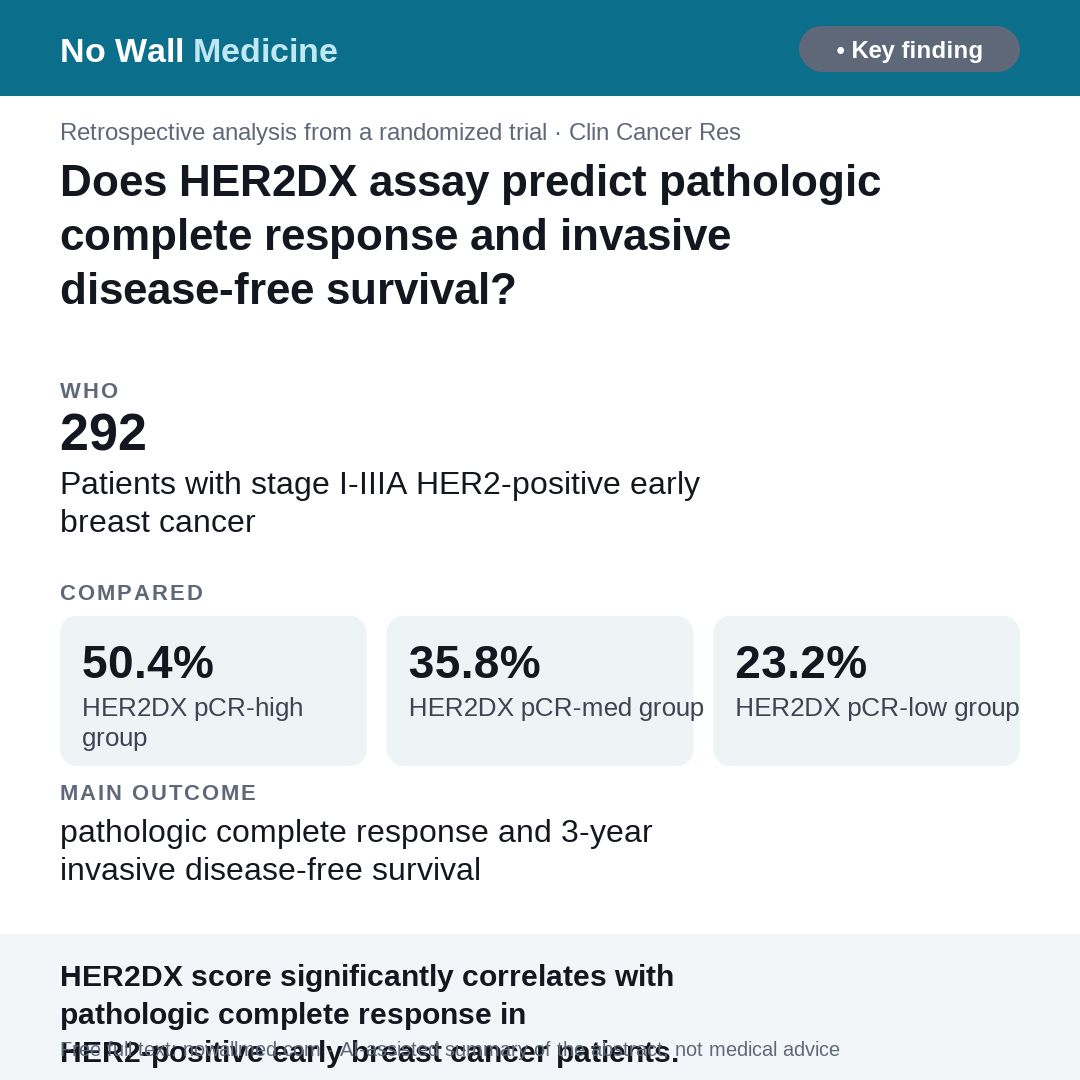
HER2DX Genomic Assay in HER2-Positive Early Breast Cancer Treated with Trastuzumab and Pertuzumab: A Correlative Analysis from the PHERGain Phase II Trial
Retrospective analysis from a randomized trialKey finding
Does HER2DX assay predict pathologic complete response and invasive disease-free survival?
Who
292
Patients with stage I-IIIA HER2-positive early breast cancer
Compared
50.4%HER2DX pCR-high group
35.8%HER2DX pCR-med group
23.2%HER2DX pCR-low group
Main outcome
pathologic complete response and 3-year invasive disease-free survival
Result: OR, 1.29; 95% confidence interval (CI), 1.10-1.54
Bottom line: HER2DX score significantly correlates with pathologic complete response in HER2-positive early breast cancer patients.
Clin Cancer Res · 2024-07-12Download image
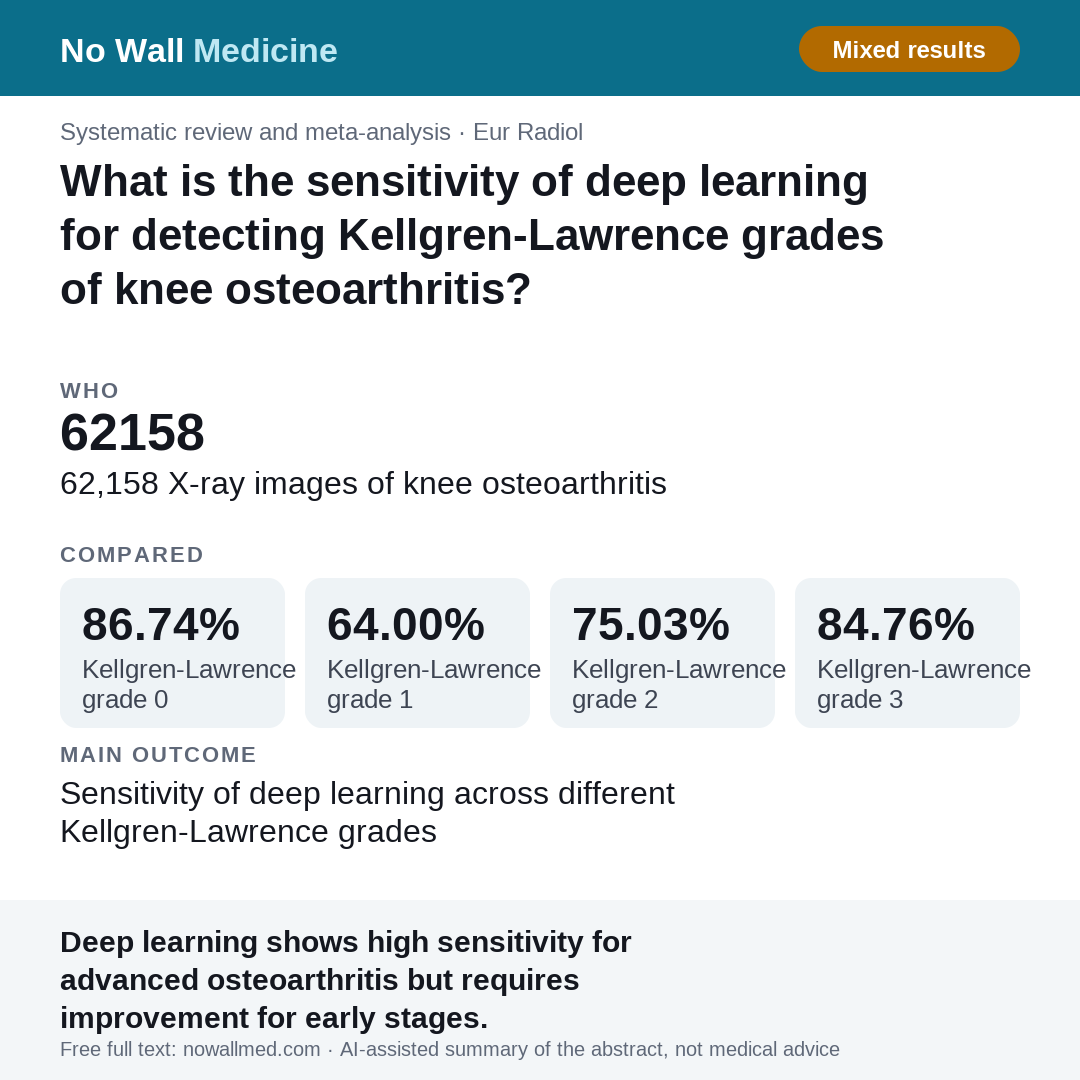
The value of deep learning-based X-ray techniques in detecting and classifying K-L grades of knee osteoarthritis: a systematic review and meta-analysis
Systematic review and meta-analysisMixed results
What is the sensitivity of deep learning for detecting Kellgren-Lawrence grades of knee osteoarthritis?
Who
62158
62,158 X-ray images of knee osteoarthritis
Compared
86.74%Kellgren-Lawrence grade 0 (95% CI: 80.01%-92.28%)
64.00%Kellgren-Lawrence grade 1 (95% CI: 51.81%-75.35%)
75.03%Kellgren-Lawrence grade 2 (95% CI: 66.00%-83.09%)
84.76%Kellgren-Lawrence grade 3 (95% CI: 78.34%-90.25%)
Main outcome
Sensitivity of deep learning across different Kellgren-Lawrence grades
Bottom line: Deep learning shows high sensitivity for advanced osteoarthritis but requires improvement for early stages.
Limitation: Requires further research and reliable data to provide specific clinical recommendations.
Eur Radiol · 2024-07-12Download image
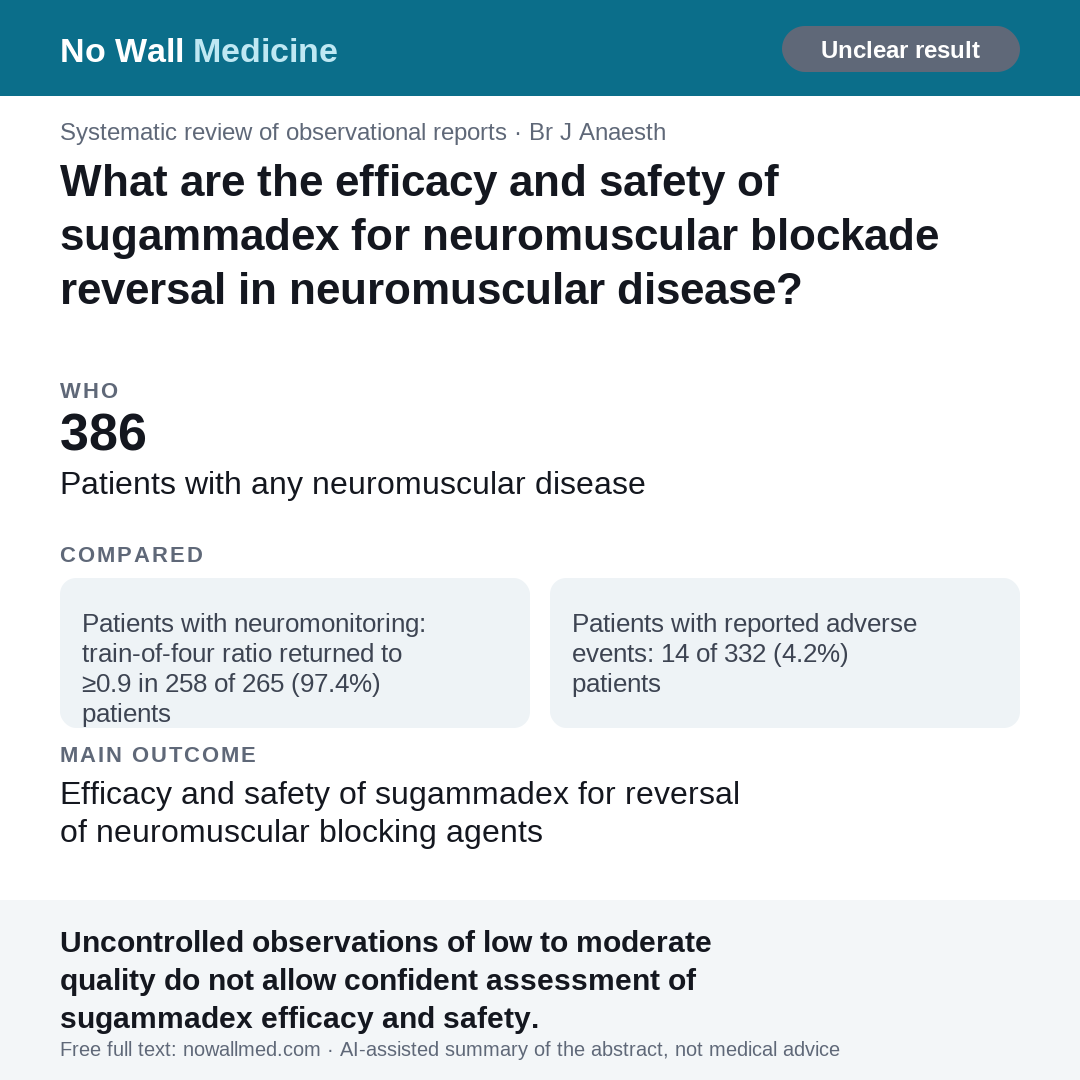
Sugammadex and neuromuscular disease: a systematic review with assessment of reporting quality and content validity
Systematic review of observational reportsUnclear result
What are the efficacy and safety of sugammadex for neuromuscular blockade reversal in neuromuscular disease?
Who
386
Patients with any neuromuscular disease
Compared
Patients with neuromonitoring: train-of-four ratio returned to ≥0.9 in 258 of 265 (97.4%) patients
Patients with reported adverse events: 14 of 332 (4.2%) patients
Main outcome
Efficacy and safety of sugammadex for reversal of neuromuscular blocking agents
Bottom line: Uncontrolled observations of low to moderate quality do not allow confident assessment of sugammadex efficacy and safety.
Br J Anaesth · 2024-07-12Download image
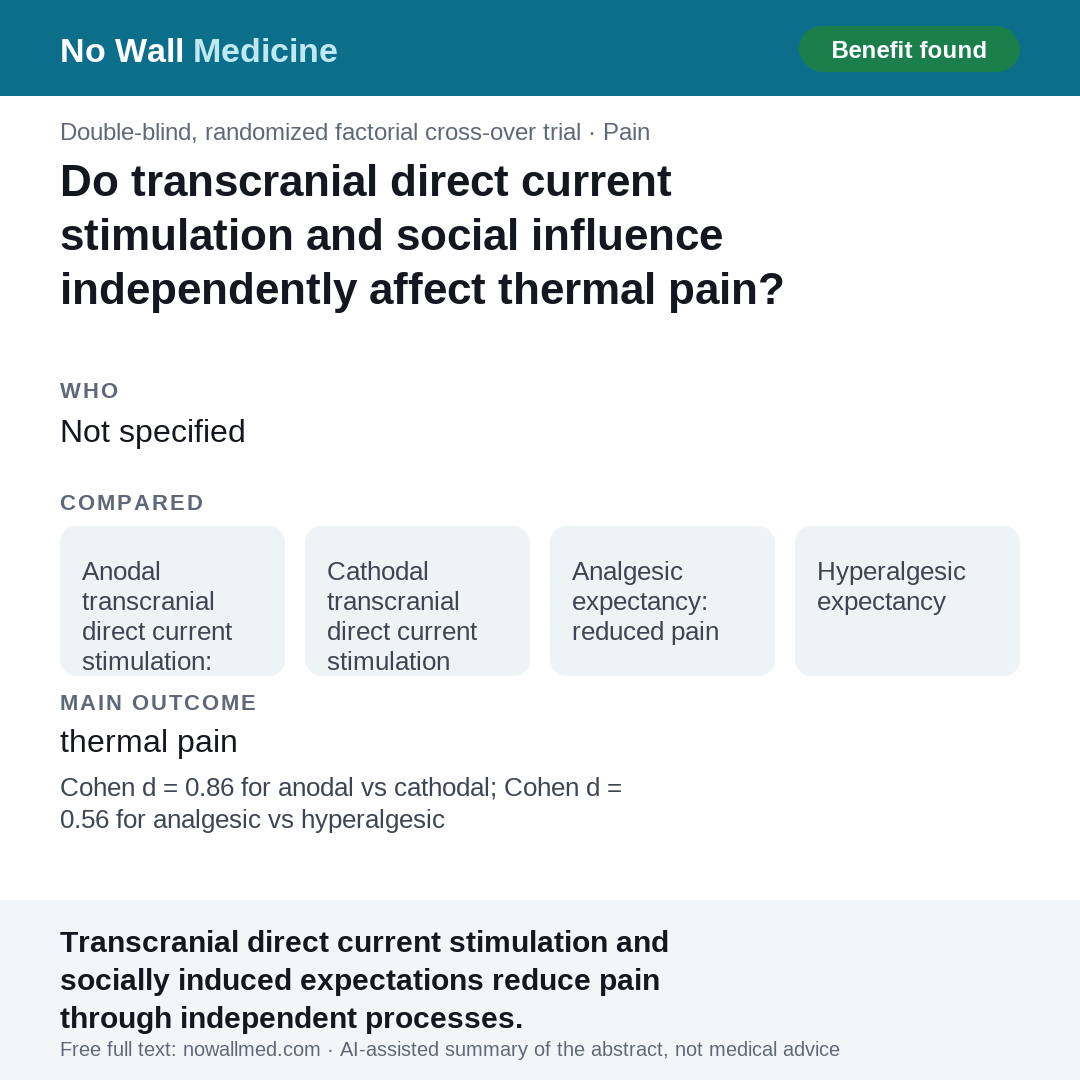
Independent effects of transcranial direct current stimulation and social influence on pain
Double-blind, randomized factorial cross-over trialBenefit found
Do transcranial direct current stimulation and social influence independently affect thermal pain?
Who
Not specified
Compared
Anodal transcranial direct current stimulation: reduced pain
Cathodal transcranial direct current stimulation
Analgesic expectancy: reduced pain
Hyperalgesic expectancy
Main outcome
thermal pain
Result: Cohen d = 0.86 for anodal vs cathodal; Cohen d = 0.56 for analgesic vs hyperalgesic
Bottom line: Transcranial direct current stimulation and socially induced expectations reduce pain through independent processes.
Pain · 2024-07-12Download image
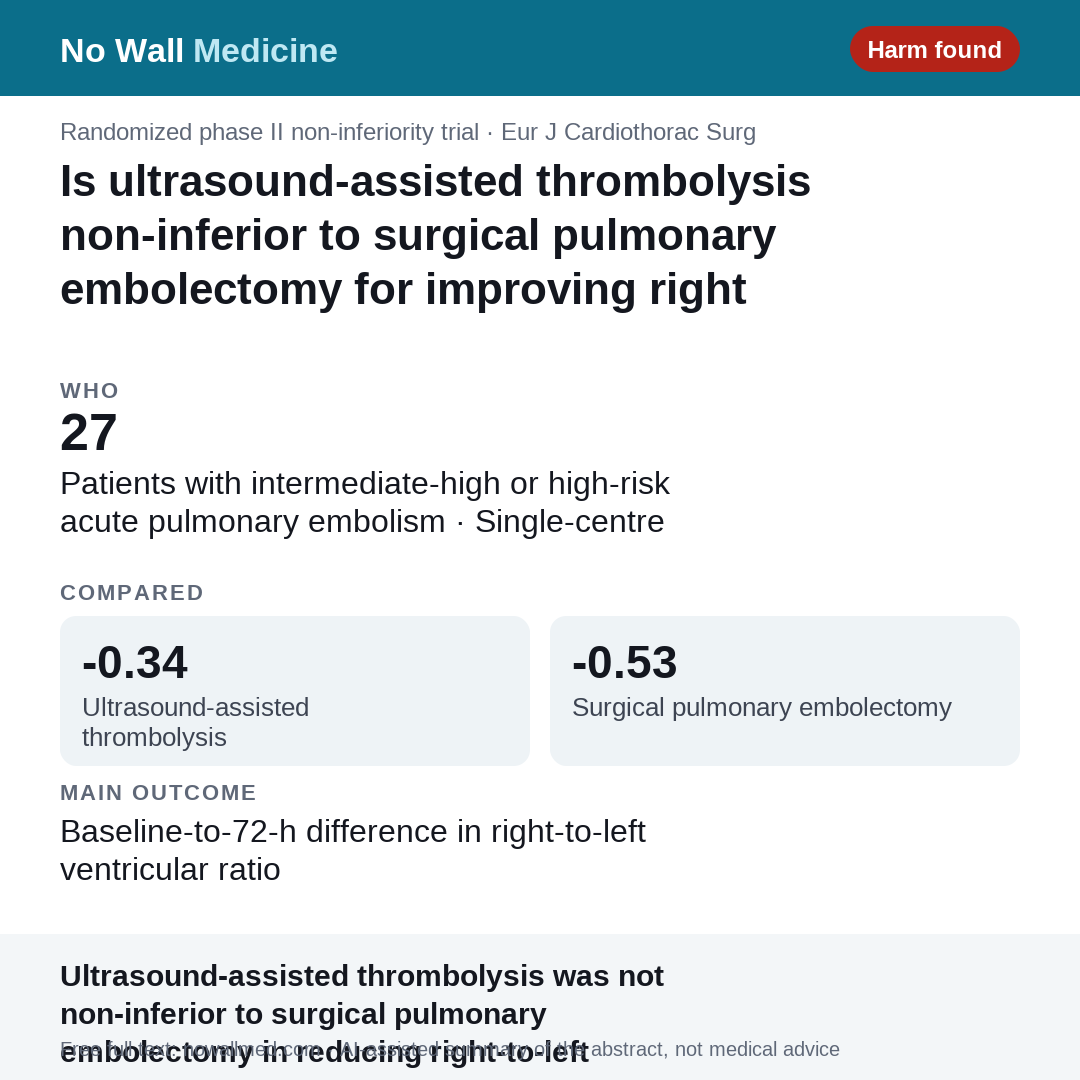
Ultrasound-assisted catheter-directed thrombolysis versus surgical pulmonary embolectomy for intermediate-high or high-risk pulmonary embolism: a randomized phase II non-inferiority trial
Randomized phase II non-inferiority trialHarm found
Is ultrasound-assisted thrombolysis non-inferior to surgical pulmonary embolectomy for improving right ventricular function?
Who
27
Patients with intermediate-high or high-risk acute pulmonary embolism · Single-centre
Compared
-0.34Ultrasound-assisted thrombolysis (95% CI -0.50 to -0.18)
-0.53Surgical pulmonary embolectomy (95% CI -0.68 to -0.38)
Main outcome
Baseline-to-72-h difference in right-to-left ventricular ratio
Result: mean difference: 0.152; 95% CI 0.032-0.271
Bottom line: Ultrasound-assisted thrombolysis was not non-inferior to surgical pulmonary embolectomy in reducing right-to-left ventricular ratio.
Eur J Cardiothorac Surg · 2024-07-12Download image
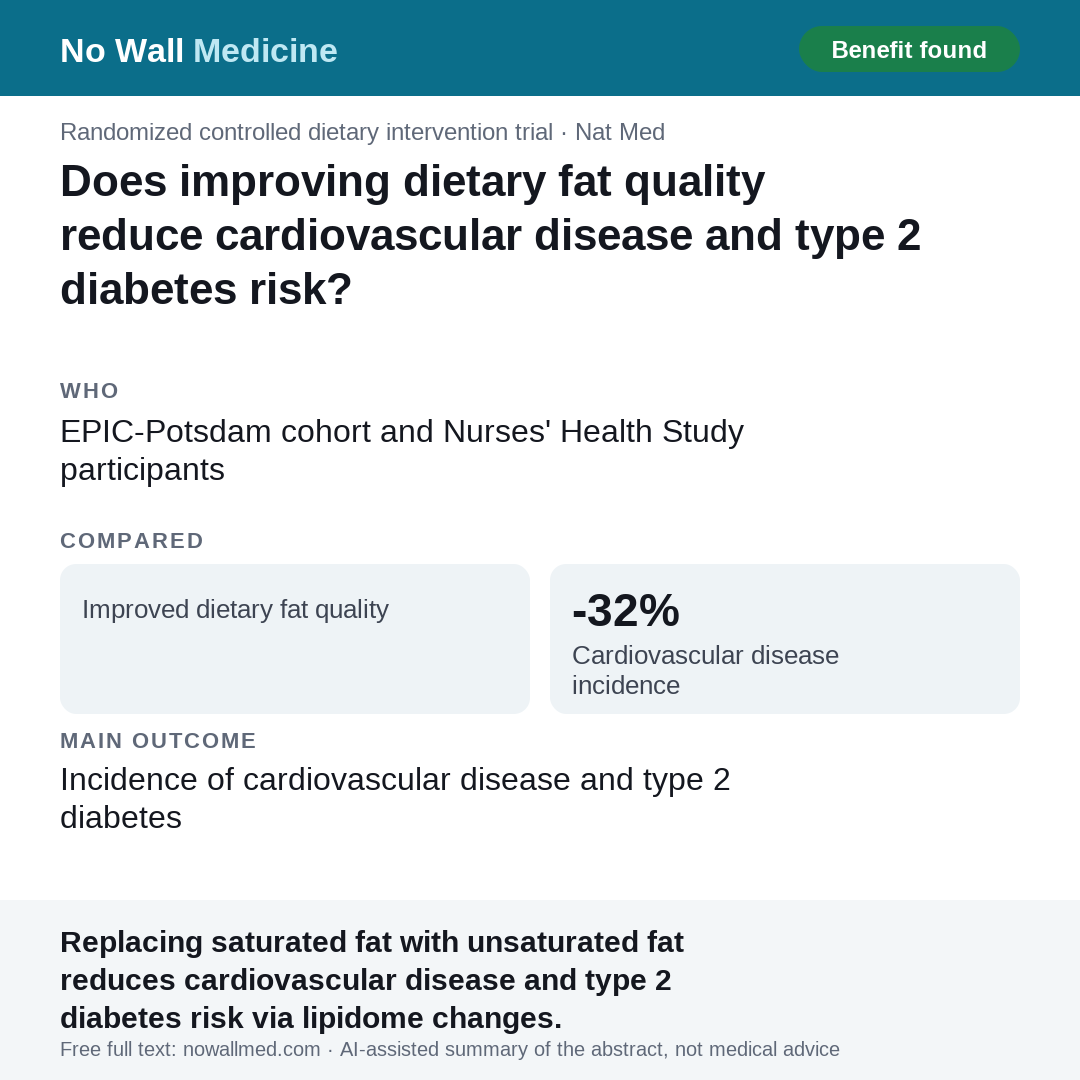
Lipidome changes due to improved dietary fat quality inform cardiometabolic risk reduction and precision nutrition
Randomized controlled dietary intervention trialKey finding
Does improving dietary fat quality reduce cardiovascular disease and type 2 diabetes risk?
Who
EPIC-Potsdam cohort and Nurses' Health Study participants
Compared
Improved dietary fat quality
-32%Cardiovascular disease incidence
Main outcome
Incidence of cardiovascular disease and type 2 diabetes
Result: -32% (95% CI: -21% to -42%)
Bottom line: Replacing saturated fat with unsaturated fat reduces cardiovascular disease and type 2 diabetes risk via lipidome changes.
Nat Med · 2024-07-11Download image
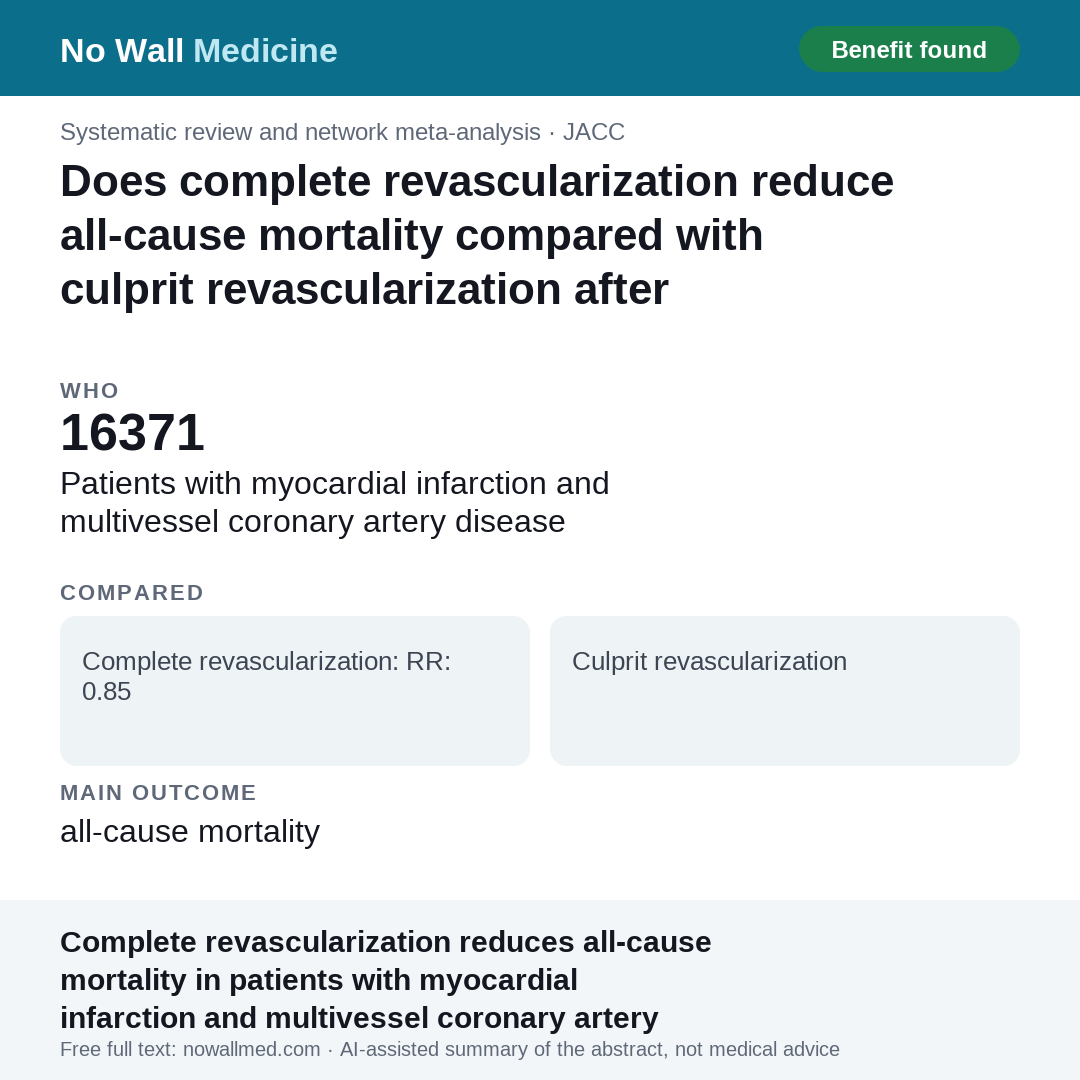
Percutaneous Coronary Revascularization Strategies After Myocardial Infarction: A Systematic Review and Network Meta-Analysis
Systematic review and network meta-analysisBenefit found
Does complete revascularization reduce all-cause mortality compared with culprit revascularization after myocardial infarction?
Who
16371
Patients with myocardial infarction and multivessel coronary artery disease
Compared
Complete revascularization: RR: 0.85
Culprit revascularization
Main outcome
all-cause mortality
Result: RR: 0.85 (95% CI: 0.74-0.99)
Bottom line: Complete revascularization reduces all-cause mortality in patients with myocardial infarction and multivessel coronary artery disease.
JACC · 2024-07-11Download image
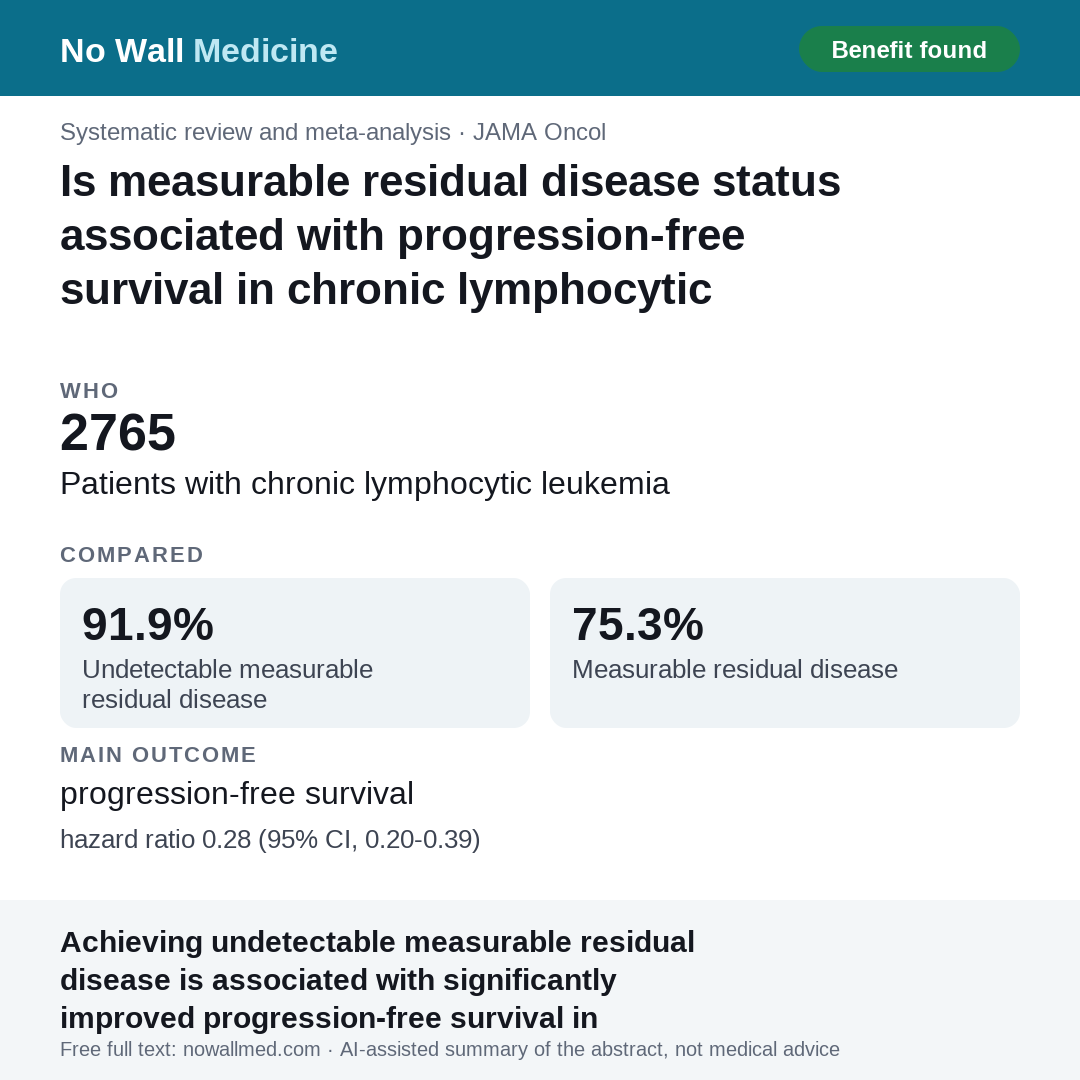
Measurable Residual Disease and Clinical Outcomes in Chronic Lymphocytic Leukemia: A Systematic Review and Meta-Analysis
Systematic review and meta-analysisBenefit found
Is measurable residual disease status associated with progression-free survival in chronic lymphocytic leukemia?
Who
2765
Patients with chronic lymphocytic leukemia
Compared
91.9%Undetectable measurable residual disease (95% CI, 88.8%-95.2%)
75.3%Measurable residual disease (95% CI, 64.7%-87.6%)
Main outcome
progression-free survival
Result: hazard ratio 0.28 (95% CI, 0.20-0.39)
Bottom line: Achieving undetectable measurable residual disease is associated with significantly improved progression-free survival in chronic lymphocytic leukemia.
JAMA Oncol · 2024-07-11Download image
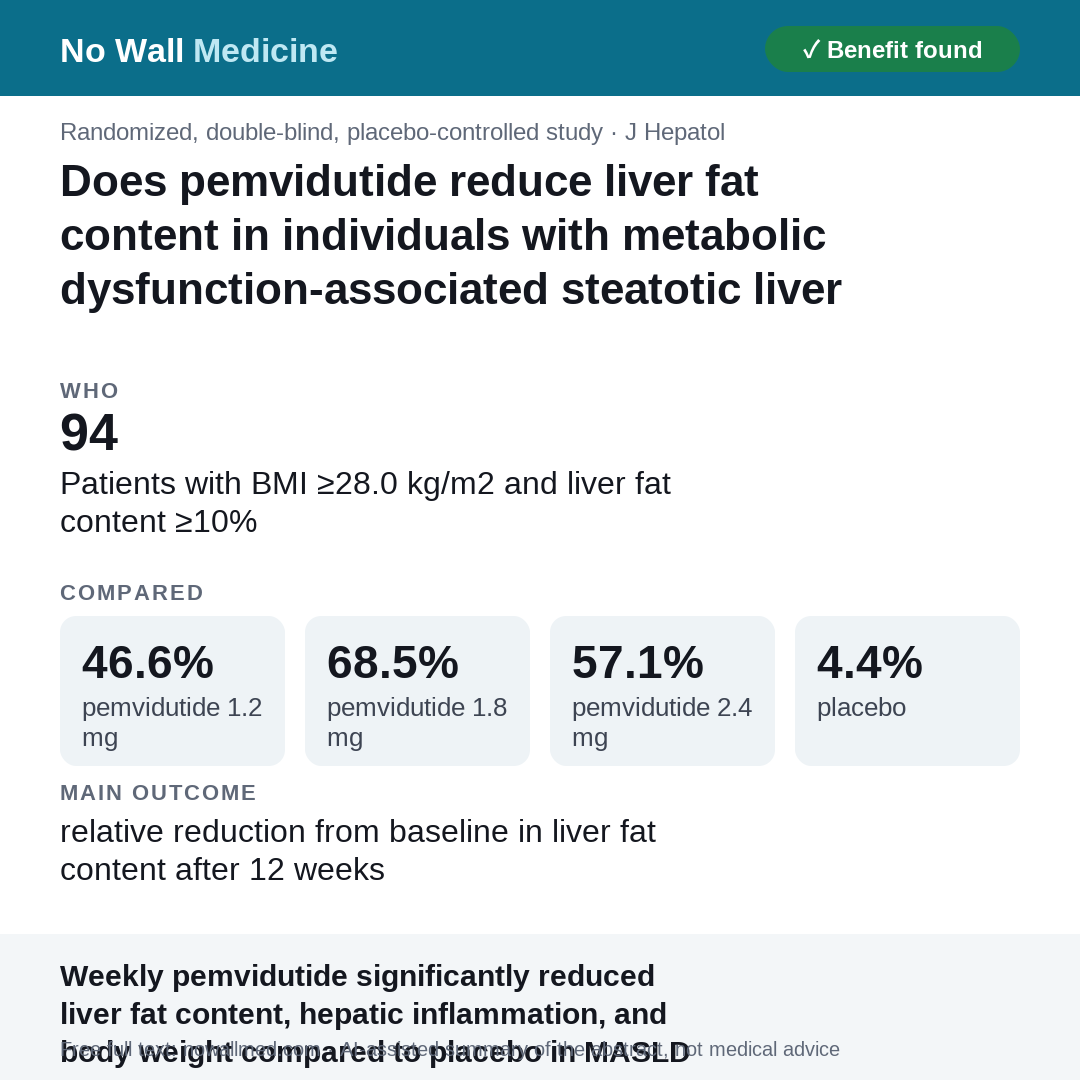
Effect of pemvidutide, a GLP-1/glucagon dual receptor agonist, on MASLD: A randomized, double-blind, placebo-controlled study
Randomized, double-blind, placebo-controlled studyBenefit found
Does pemvidutide reduce liver fat content in individuals with metabolic dysfunction-associated steatotic liver disease?
Who
94
Patients with BMI ≥28.0 kg/m2 and liver fat content ≥10%
Compared
46.6%pemvidutide 1.2 mg (95% CI -63.7 to -29.6)
68.5%pemvidutide 1.8 mg (95% CI -84.4 to -52.5)
57.1%pemvidutide 2.4 mg (95% CI -76.1 to -38.1)
4.4%placebo (95% CI -20.2 to 11.3)
Main outcome
relative reduction from baseline in liver fat content after 12 weeks
Bottom line: Weekly pemvidutide significantly reduced liver fat content, hepatic inflammation, and body weight compared to placebo in MASLD patients.
J Hepatol · 2024-07-11Download image