Visual abstracts
New randomized trials and meta-analyses from leading journals at a glance: who was studied, what was compared, and what was found. Every paper is free to read in full.
All specialtiesCardiology 4763Oncology 4042Gastroenterology & Hepatology 1902Infectious Disease 3756Neurology 1872Psychiatry & Mental Health 2214Pulmonology 2042Critical Care 1319Endocrinology & Diabetes 2544Pediatrics 2889Surgery 2479Orthopedics & Sports Medicine 917Neurosurgery 525Cardiothoracic & Vascular Surgery 656Plastic & Reconstructive Surgery 574Nephrology 1107Rheumatology 810Hematology 1090Dermatology 611Ophthalmology 532Obstetrics & Gynecology 1645Public & Global Health 1037Radiology & Imaging 617Anesthesiology 957Urology 745ENT (Otolaryngology) 494Emergency Medicine 481Allergy & Immunology 309Geriatrics 972Family Medicine & Primary Care 533Medical Genetics & Genomics 659Pathology & Laboratory Medicine 156Physical Medicine & Rehabilitation 734Palliative Care 421Nutrition 1560Digital Health & AI 2133General Medicine 318
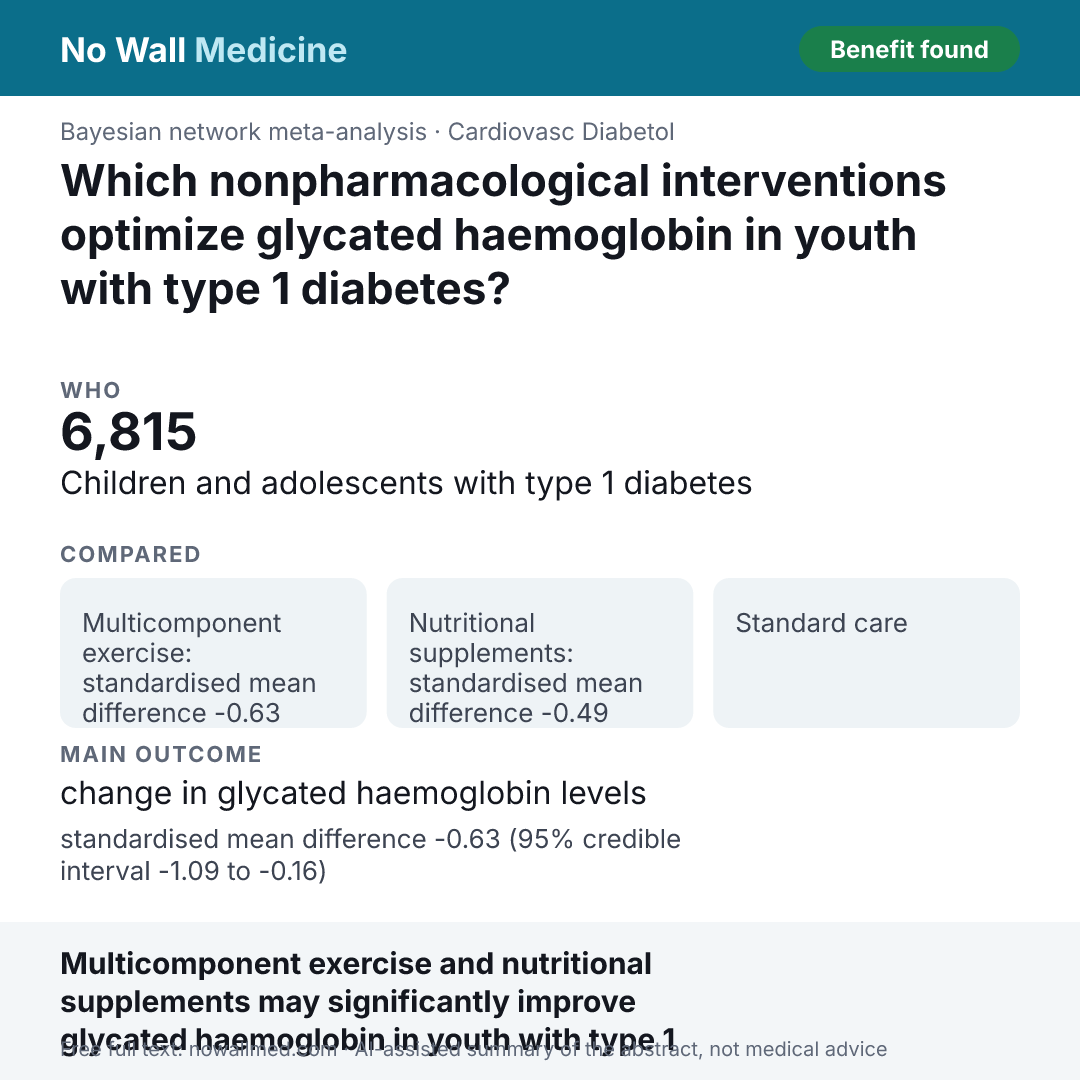
Nonpharmacological interventions on glycated haemoglobin in youth with type 1 diabetes: a Bayesian network meta-analysis
Bayesian network meta-analysisBenefit found
Which nonpharmacological interventions optimize glycated haemoglobin in youth with type 1 diabetes?
Who
6,815
Children and adolescents with type 1 diabetes
Compared
Multicomponent exercise: standardised mean difference -0.63
Nutritional supplements: standardised mean difference -0.49
Standard care
Main outcome
change in glycated haemoglobin levels
Result: standardised mean difference -0.63 (95% credible interval -1.09 to -0.16)
Bottom line: Multicomponent exercise and nutritional supplements may significantly improve glycated haemoglobin in youth with type 1 diabetes.
Limitation: additional research to confirm their efficacy is required
Cardiovasc Diabetol · 2024-07-01 · Save PNG
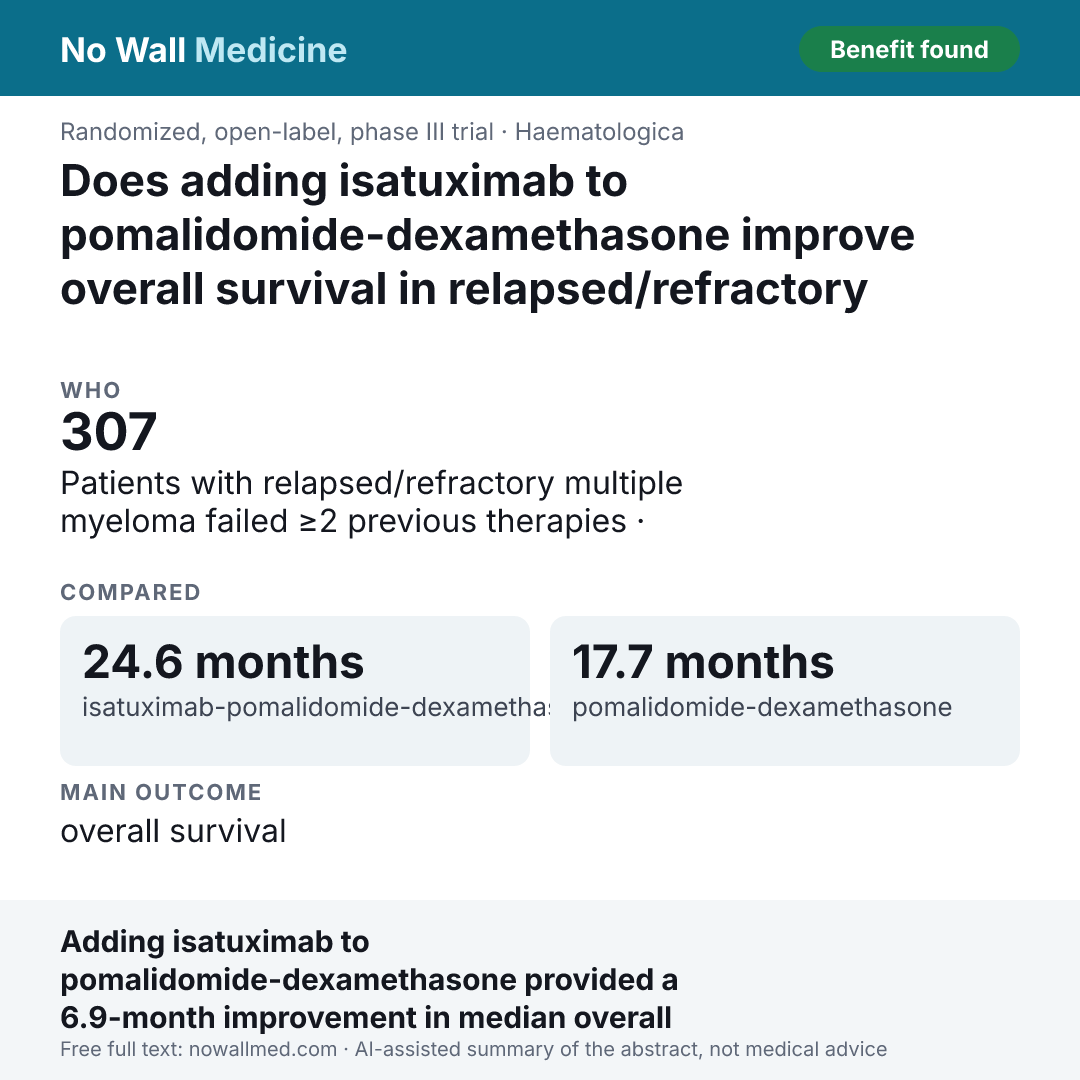
Isatuximab-pomalidomide-dexamethasone versus pomalidomide-dexamethasone in patients with relapsed and refractory multiple myeloma: final overall survival analysis
Randomized, open-label, phase III trialBenefit found
Does adding isatuximab to pomalidomide-dexamethasone improve overall survival in relapsed/refractory multiple myeloma?
Who
307
Patients with relapsed/refractory multiple myeloma failed ≥2 previous therapies · Multicenter
Compared
24.6 monthsisatuximab-pomalidomide-dexamethasone (95% CI: 20.3-31.3)
17.7 monthspomalidomide-dexamethasone (95% CI: 14.4- 26.2)
Main outcome
overall survival
Result: hazard ratio=0.78; 95% CI: 0.59-1.02
Bottom line: Adding isatuximab to pomalidomide-dexamethasone provided a 6.9-month improvement in median overall survival.
Haematologica · 2024-07-01 · Save PNG
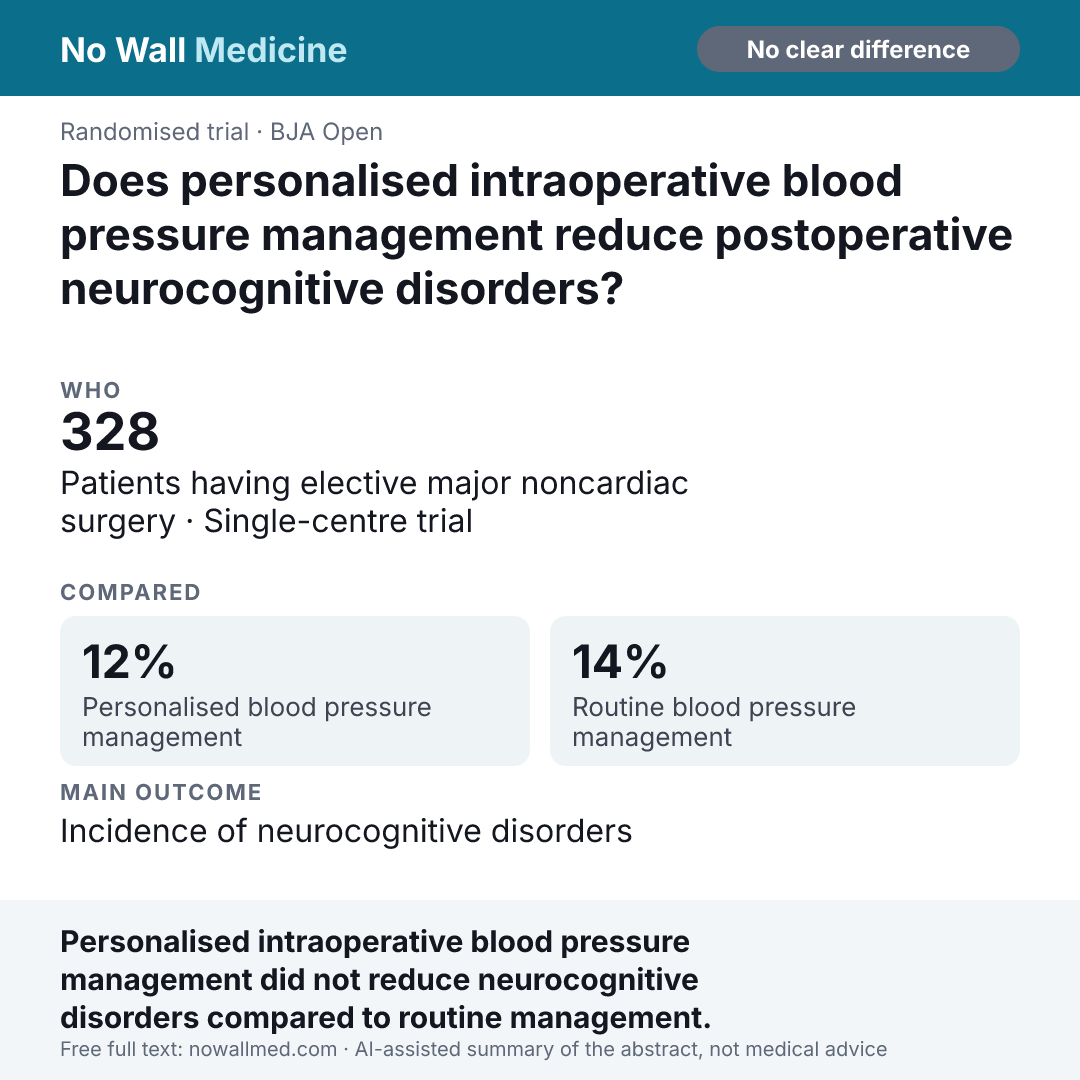
Personalised blood pressure management during major noncardiac surgery and postoperative neurocognitive disorders: a randomised trial
Randomised trialNo clear difference
Does personalised intraoperative blood pressure management reduce postoperative neurocognitive disorders?
Who
328
Patients having elective major noncardiac surgery · Single-centre trial
Compared
12%Personalised blood pressure management
14%Routine blood pressure management
Main outcome
Incidence of neurocognitive disorders
Result: odds ratio 0.84 (95% CI 0.40-1.75)
Bottom line: Personalised intraoperative blood pressure management did not reduce neurocognitive disorders compared to routine management.
BJA Open · 2024-07-01 · Save PNG
Efficacy, tolerability, and bone density outcomes of elagolix with add-back therapy for endometriosis-associated pain: twelve months of an ongoing randomized phase 3 trial
Randomized, double-blind, phase 3 trialBenefit found
Does elagolix with add-back therapy improve endometriosis-associated pain and bone density?
Who
679
Premenopausal women with moderate-to-severe endometriosis-associated pain
Compared
62.8%elagolix with add-back therapy (dysmenorrhea responders)
23.7%placebo (dysmenorrhea responders)
Main outcome
proportion of responders in dysmenorrhea and nonmenstrual pelvic pain
Bottom line: Elagolix with add-back therapy significantly improved dysmenorrhea and nonmenstrual pelvic pain compared to placebo.
AJOG · 2024-06-30 · Save PNG

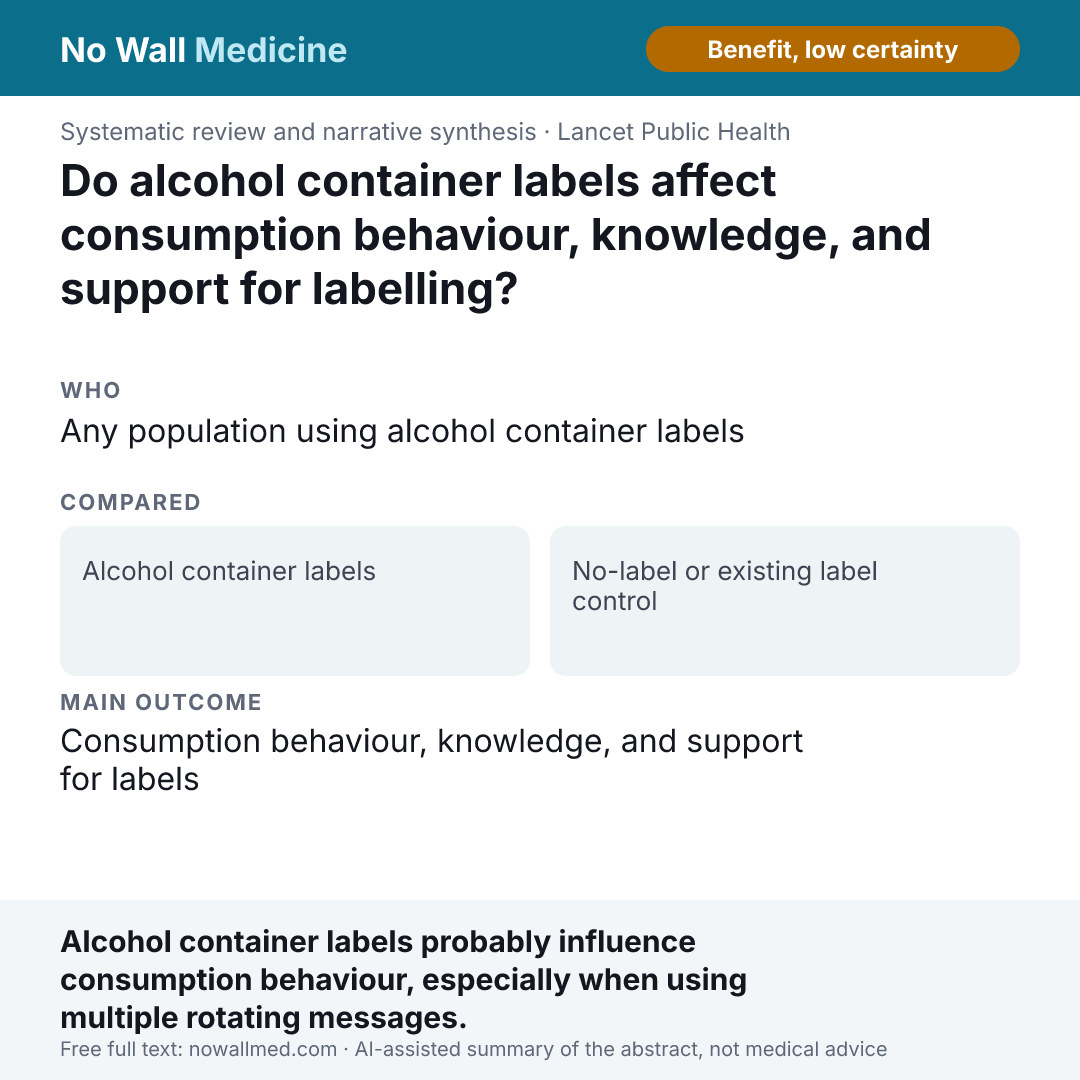
The effects of alcohol container labels on consumption behaviour, knowledge, and support for labelling: a systematic review
Systematic review and narrative synthesisBenefit, low certainty
Do alcohol container labels affect consumption behaviour, knowledge, and support for labelling?
Who
Any population using alcohol container labels
Compared
Alcohol container labels
No-label or existing label control
Main outcome
Consumption behaviour, knowledge, and support for labels
Bottom line: Alcohol container labels probably influence consumption behaviour, especially when using multiple rotating messages.
Limitation: Heterogeneity in label designs and outcome measurements.
Lancet Public Health · 2024-06-29 · Save PNG
A modified flexible GnRH antagonist protocol using antagonist early cessation and a gonadotropin step-down approach improves live birth rates in fresh cycles: a randomized controlled trial
Open label randomized controlled trialBenefit found
Does a modified GnRH antagonist protocol improve live birth rates in fresh elective single embryo transfer?
Who
546
Patients with normal ovarian response undergoing fresh elective single embryo transfer
Compared
Modified GnRH antagonist protocol: 38.1% [104/273]
Conventional antagonist protocol: 27.5% [75/273]
Main outcome
Live birth rates per fresh elective single embryo transfer cycle
Result: relative risk 1.39 (95% CI 1.09-1.77)
Bottom line: A modified GnRH antagonist protocol with gonadotropin step-down improves live birth rates in patients with normal ovarian response.
Limitation: Subjects were not blinded to treatment allocation and results may not apply to older patients.
Funded by: National Key Research & Development Program of China and Beijing Health Promotion Association
Hum Reprod · 2024-06-29 · Save PNG

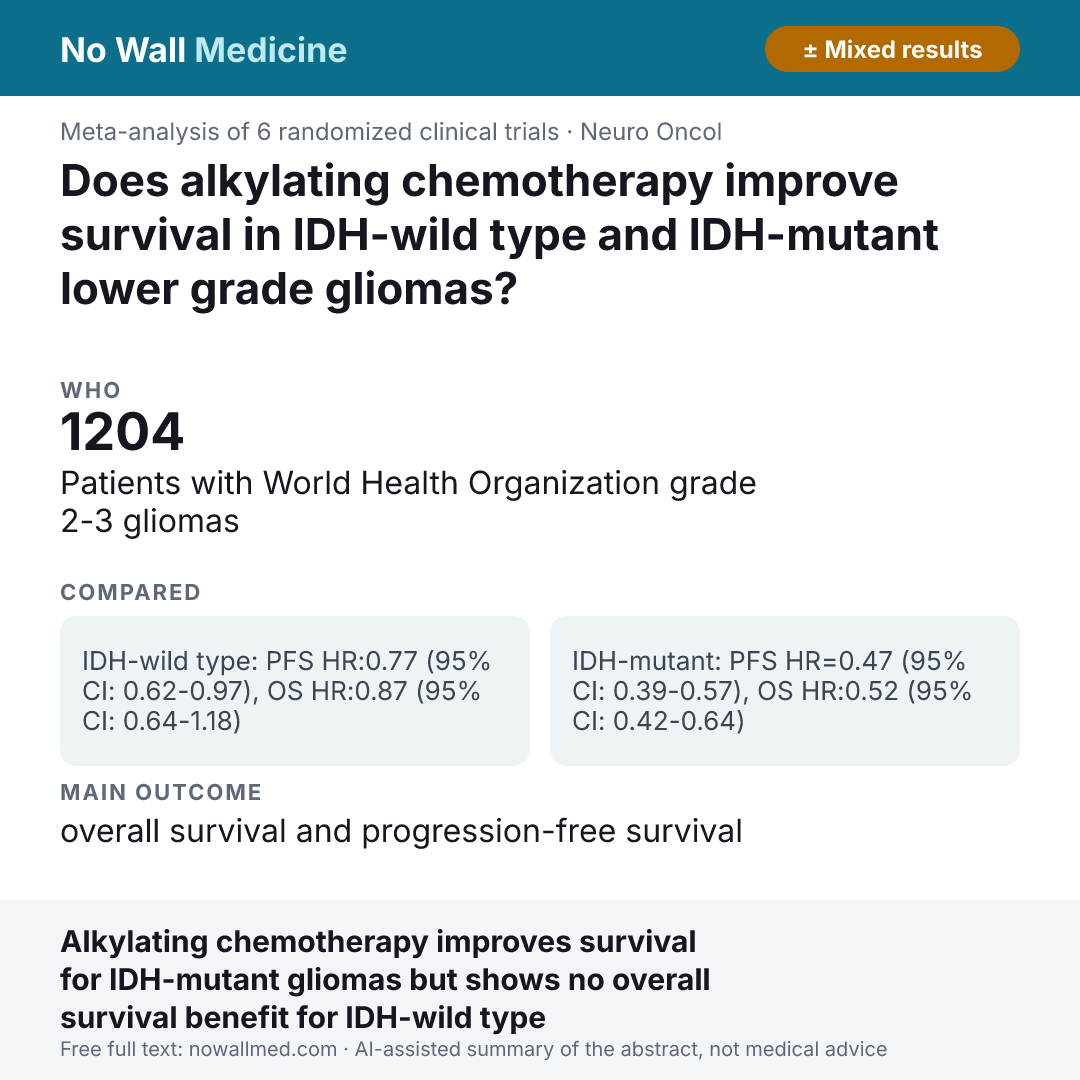
The IDH paradox: Meta-analysis of alkylating chemotherapy in IDH-wild type and -mutant lower grade gliomas
Meta-analysis of 6 randomized clinical trialsMixed results
Does alkylating chemotherapy improve survival in IDH-wild type and IDH-mutant lower grade gliomas?
Who
1204
Patients with World Health Organization grade 2-3 gliomas
Compared
IDH-wild type: PFS HR:0.77 (95% CI: 0.62-0.97), OS HR:0.87 (95% CI: 0.64-1.18)
IDH-mutant: PFS HR=0.47 (95% CI: 0.39-0.57), OS HR:0.52 (95% CI: 0.42-0.64)
Main outcome
overall survival and progression-free survival
Result: IDH-mutant OS HR:0.52 (95% CI: 0.42-0.64), IDH-wild type OS HR:0.87 (95% CI: 0.64-1.18)
Bottom line: Alkylating chemotherapy improves survival for IDH-mutant gliomas but shows no overall survival benefit for IDH-wild type lower-grade gliomas.
Limitation: little evidence supporting an overall survival benefit from alkylating chemotherapy for IDH-wild type diffuse histologic lower-grade gliomas
Neuro Oncol · 2024-06-29 · Save PNG
Recommendations to advance digital health equity: a systematic review of qualitative studies
Systematic review of qualitative studiesUnclear result
What are the strategies, facilitators, and barriers to advancing digital health equity?
Who
Qualitative studies on digital technology and health inequities
Compared
Outreach programmes
Co-design approaches
Main outcome
Strategies, facilitators, and barriers to digital health equity implementation
Bottom line: Digital health equity requires user-friendly designs, supportive infrastructure, and educational support to improve access and literacy.
NPJ Digit Med · 2024-06-29 · Save PNG

Cabozantinib and nivolumab with or without live bacterial supplementation in metastatic renal cell carcinoma: a randomized phase 1 trial
Open-label, randomized, phase 1 trialMixed results
Does CBM588 supplementation improve outcomes with cabozantinib and nivolumab in metastatic renal cell carcinoma?
Who
30
Participants with locally advanced or metastatic renal cell carcinoma
Compared
Cabozantinib, nivolumab, and CBM588: 74% (14 of 19) objective response rate
Cabozantinib and nivolumab: 20% (2 of 10) objective response rate
Main outcome
Change in relative abundance of Bifidobacterium species
Bottom line: CBM588 addition showed improved objective response rate but did not change Bifidobacterium abundance or alpha diversity.
Limitation: Further investigation is needed to confirm findings and characterize the underlying mechanism.
Nat Med · 2024-06-28 · Save PNG

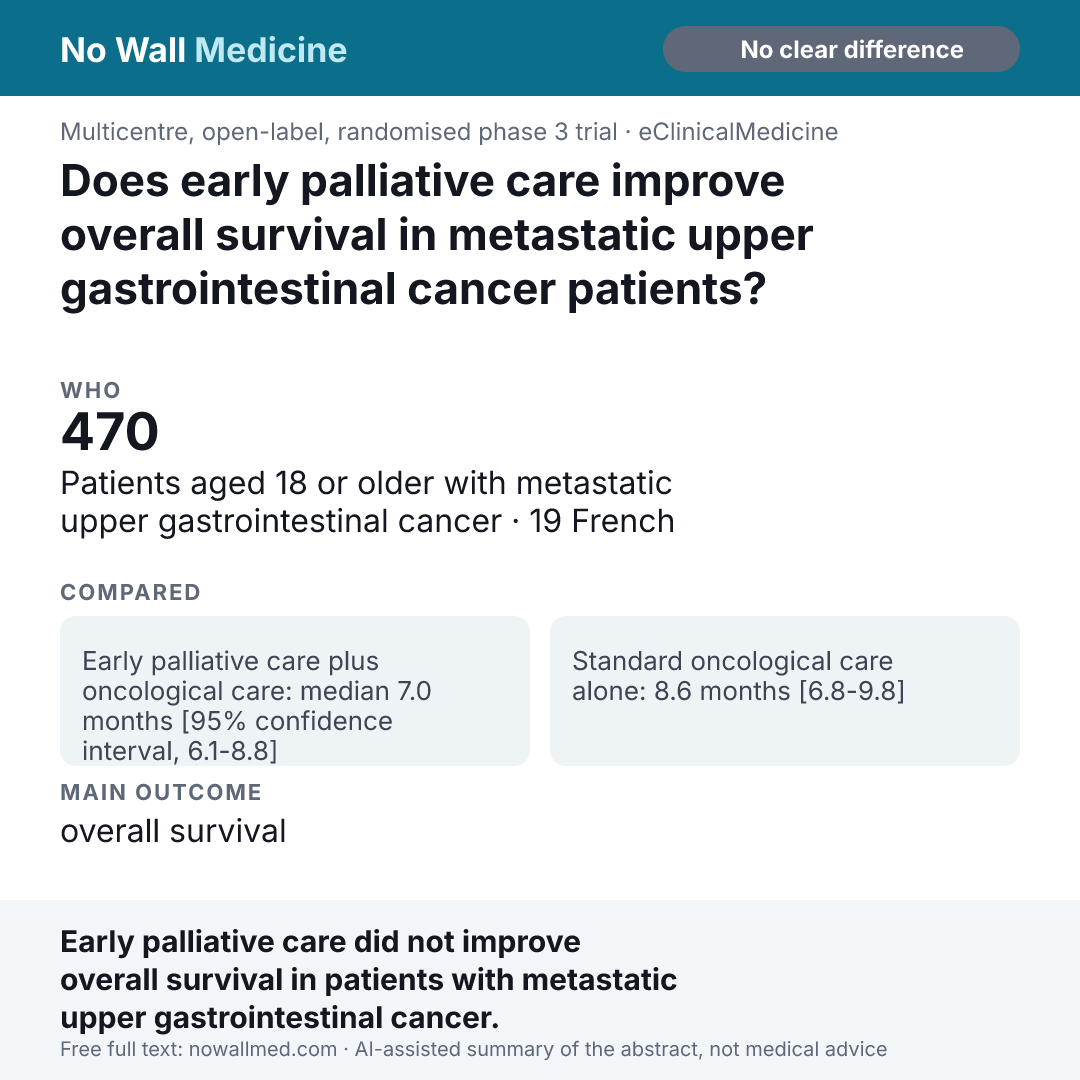
Early palliative care and overall survival in patients with metastatic upper gastrointestinal cancers (EPIC): a multicentre, open-label, randomised controlled phase 3 trial
Multicentre, open-label, randomised phase 3 trialNo clear difference
Does early palliative care improve overall survival in metastatic upper gastrointestinal cancer patients?
Who
470
Patients aged 18 or older with metastatic upper gastrointestinal cancer · 19 French centres
Compared
Early palliative care plus oncological care: median 7.0 months [95% confidence interval, 6.1-8.8]
Standard oncological care alone: 8.6 months [6.8-9.8]
Main outcome
overall survival
Result: stratified hazard ratio 1.04 [0.86-1.26]
Bottom line: Early palliative care did not improve overall survival in patients with metastatic upper gastrointestinal cancer.
Funded by: Programme Hospitalier de Recherche Clinique, Ligue Contre le Cancer, Conseil Régional du Nord-Pas-de-Calais
eClinicalMedicine · 2024-06-28 · Save PNG
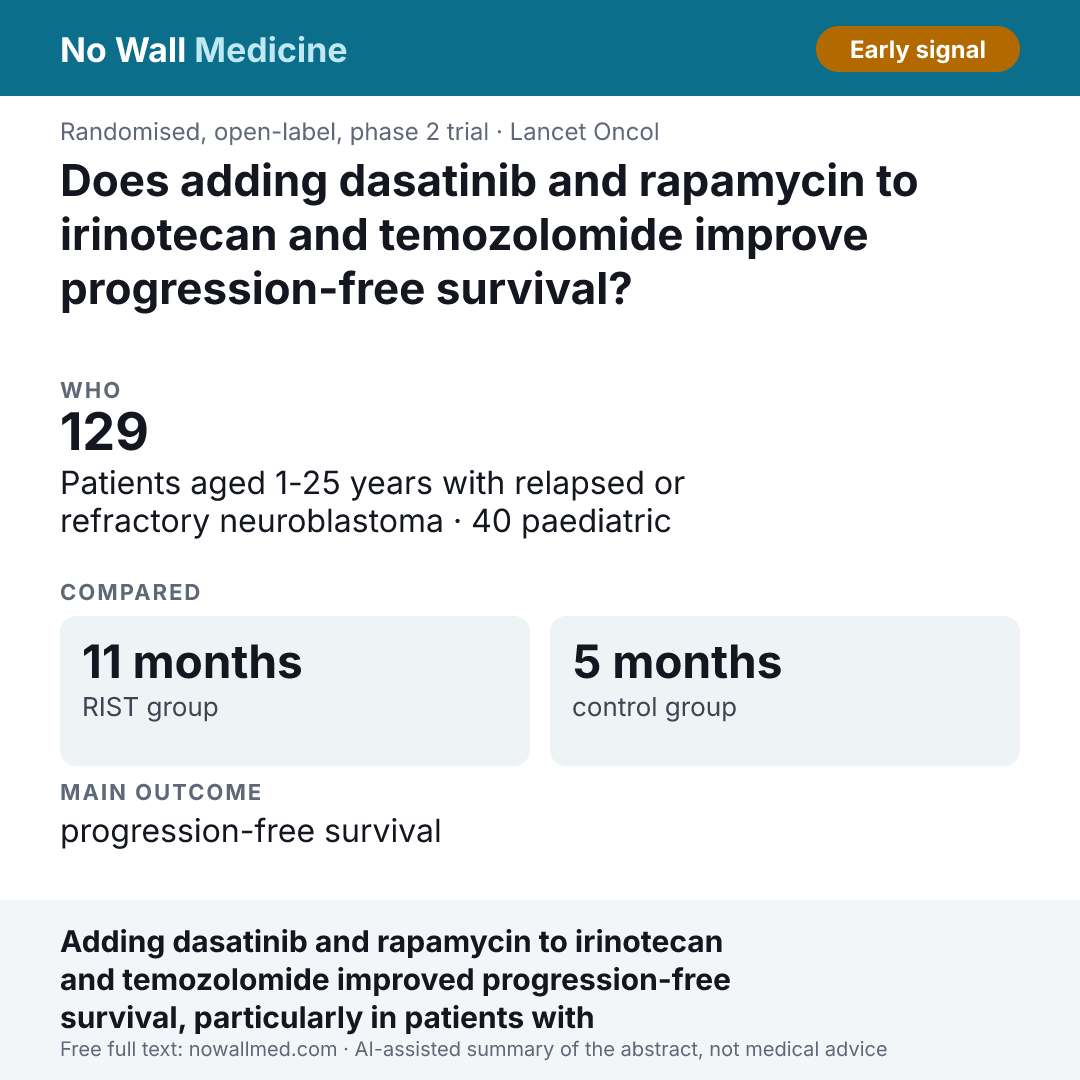
Irinotecan and temozolomide in combination with dasatinib and rapamycin versus irinotecan and temozolomide for patients with relapsed or refractory neuroblastoma (RIST-rNB-2011): a multicentre, open-label, randomised, controlled, phase 2 trial
Randomised, open-label, phase 2 trialEarly signal
Does adding dasatinib and rapamycin to irinotecan and temozolomide improve progression-free survival?
Who
129
Patients aged 1-25 years with relapsed or refractory neuroblastoma · 40 paediatric oncology centres in Germany and Austria
Compared
11 monthsRIST group (95% CI 7-17)
5 monthscontrol group (2-8)
Main outcome
progression-free survival
Result: hazard ratio 0·62, one-sided 90% CI 0·81
Bottom line: Adding dasatinib and rapamycin to irinotecan and temozolomide improved progression-free survival, particularly in patients with amplified MYCN.
Funded by: Deutsche Krebshilfe
Lancet Oncol · 2024-06-28 · Save PNG
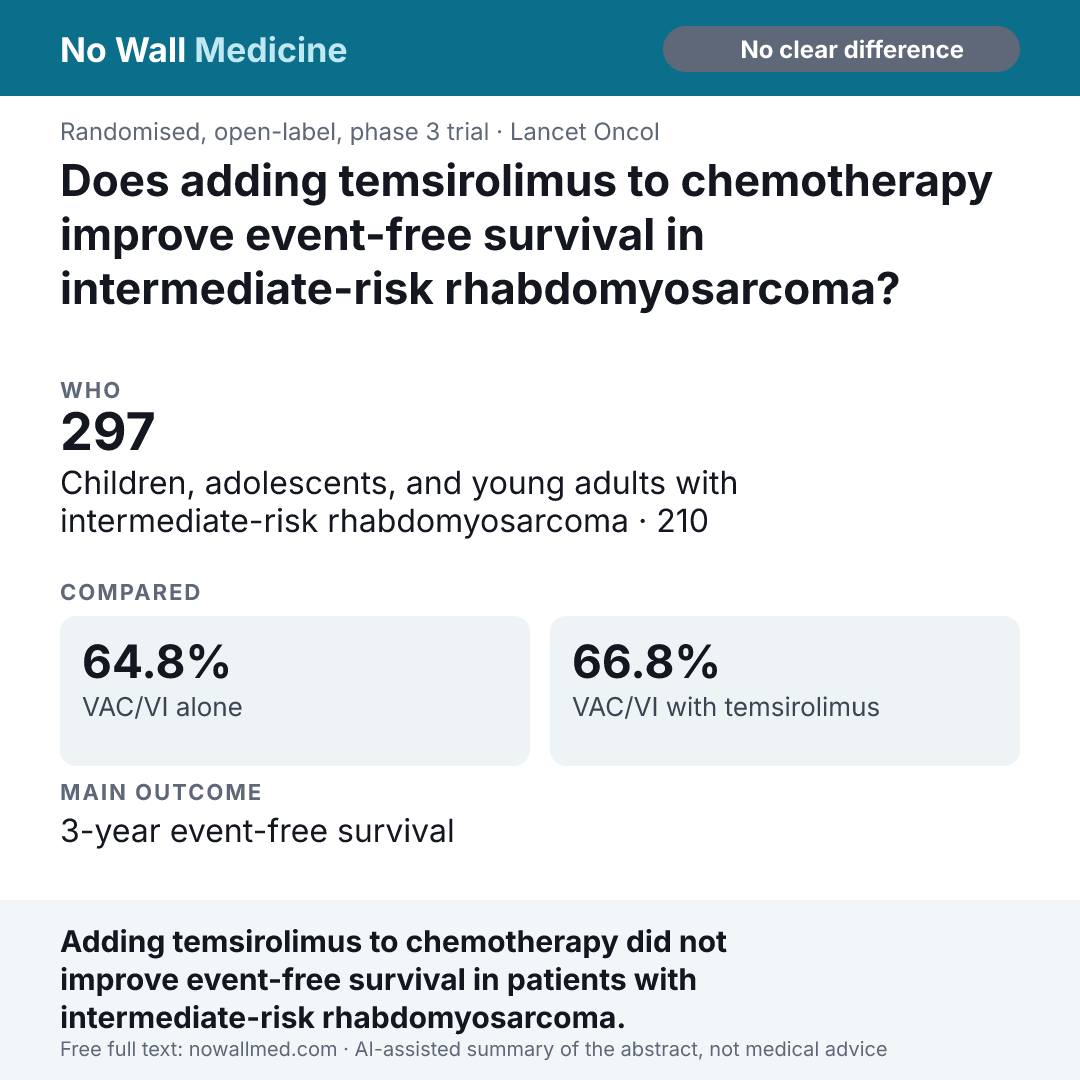
Addition of temsirolimus to chemotherapy in children, adolescents, and young adults with intermediate-risk rhabdomyosarcoma (ARST1431): a randomised, open-label, phase 3 trial from the Children's Oncology Group
Randomised, open-label, phase 3 trialNo clear difference
Does adding temsirolimus to chemotherapy improve event-free survival in intermediate-risk rhabdomyosarcoma?
Who
297
Children, adolescents, and young adults with intermediate-risk rhabdomyosarcoma · 210 institutions in Australia, Canada, New Zealand, and USA
Compared
64.8%VAC/VI alone (95% CI 55.5-74.1)
66.8%VAC/VI with temsirolimus (57.5-76.2%)
Main outcome
3-year event-free survival
Result: hazard ratio 0.86 (95% CI 0.58-1.26)
Bottom line: Adding temsirolimus to chemotherapy did not improve event-free survival in patients with intermediate-risk rhabdomyosarcoma.
Funded by: Children's Oncology Group
Lancet Oncol · 2024-06-28 · Save PNG
Dupilumab Improves Health-Related Quality of Life and a Range of Symptoms in Patients With Eosinophilic Esophagitis
Randomized trialBenefit found
Does dupilumab improve health-related quality of life and symptoms in eosinophilic esophagitis?
Who
Adults and adolescents aged 12 years or older with eosinophilic esophagitis
Compared
weekly dupilumab 300 mg: improved scores across all individual items
placebo
Main outcome
health-related quality of life and eosinophilic esophagitis symptoms
Result: EoE-SQ Frequency least squares mean difference vs placebo part A -1.7 (95% CI -2.9 to -0.5)
Bottom line: Dupilumab improved health-related quality of life, dysphagia impression, and non-dysphagia symptoms in patients with eosinophilic esophagitis.
Am J Gastroenterol · 2024-06-28 · Save PNG

A randomised phase II study of extended pleurectomy/decortication preceded or followed by chemotherapy in patients with early-stage pleural mesothelioma: EORTC 1205
Randomized phase 2 trialUnclear result
Does the sequence of surgery and chemotherapy affect success in early-stage pleural mesothelioma?
Who
69
Treatment-naïve, borderline resectable T1-3 N0-1 M0 mesothelioma patients · Multicentric
Compared
70.0%Immediate surgery (21 out of 30 patients)
50.0%Deferred surgery (17 out of 34 patients)
Main outcome
Rate of success at 20 weeks
Bottom line: Both immediate or deferred surgery sequences are feasible with low mortality but high treatment-related morbidity.
Eur Respir J · 2024-06-28 · Save PNG

Characteristics and outcomes of patients developing pulmonary hypertension associated with proteasome inhibitors
Registry analysis, pharmacovigilance analysis, and meta-analysisHarm found
Are proteasome inhibitors associated with pulmonary arterial hypertension?
Who
Patients treated with carfilzomib or bortezomib · French registry and World Health Organization global database
Compared
carfilzomib: significantly higher risk of dyspnoea, severe dyspnoea and pulmonary hypertension
bortezomib
Main outcome
Pulmonary arterial hypertension and related symptoms
Bottom line: Proteasome inhibitors may induce pulmonary arterial hypertension, with carfilzomib showing a stronger signal than bortezomib.
Eur Respir J · 2024-06-28 · Save PNG

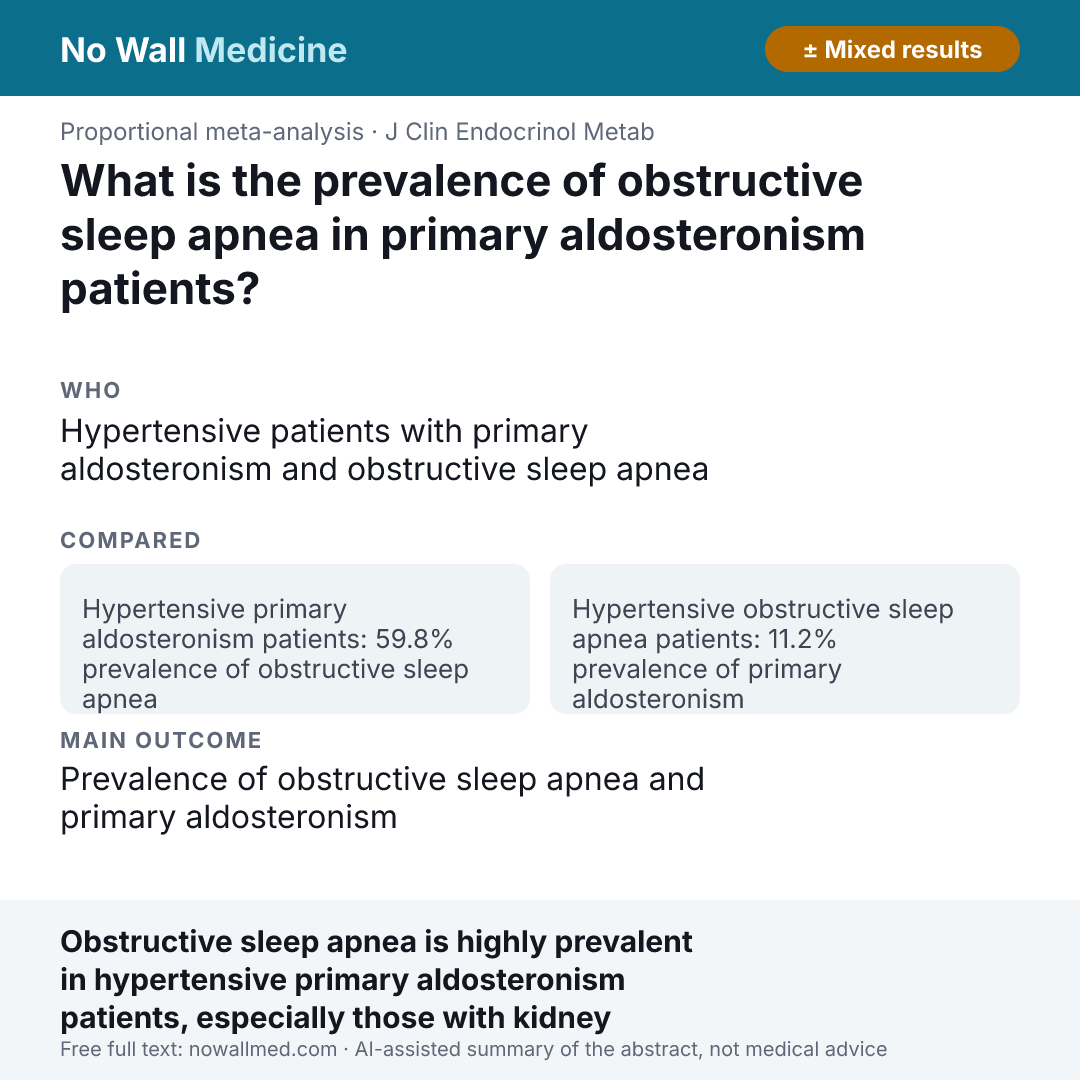
The Prevalence of Obstructive Sleep Apnea in Patients With Primary Aldosteronism
Proportional meta-analysisMixed results
What is the prevalence of obstructive sleep apnea in primary aldosteronism patients?
Who
Hypertensive patients with primary aldosteronism and obstructive sleep apnea
Compared
Hypertensive primary aldosteronism patients: 59.8% prevalence of obstructive sleep apnea
Hypertensive obstructive sleep apnea patients: 11.2% prevalence of primary aldosteronism
Main outcome
Prevalence of obstructive sleep apnea and primary aldosteronism
Bottom line: Obstructive sleep apnea is highly prevalent in hypertensive primary aldosteronism patients, especially those with kidney hyperfiltration.
J Clin Endocrinol Metab · 2024-06-28 · Save PNG
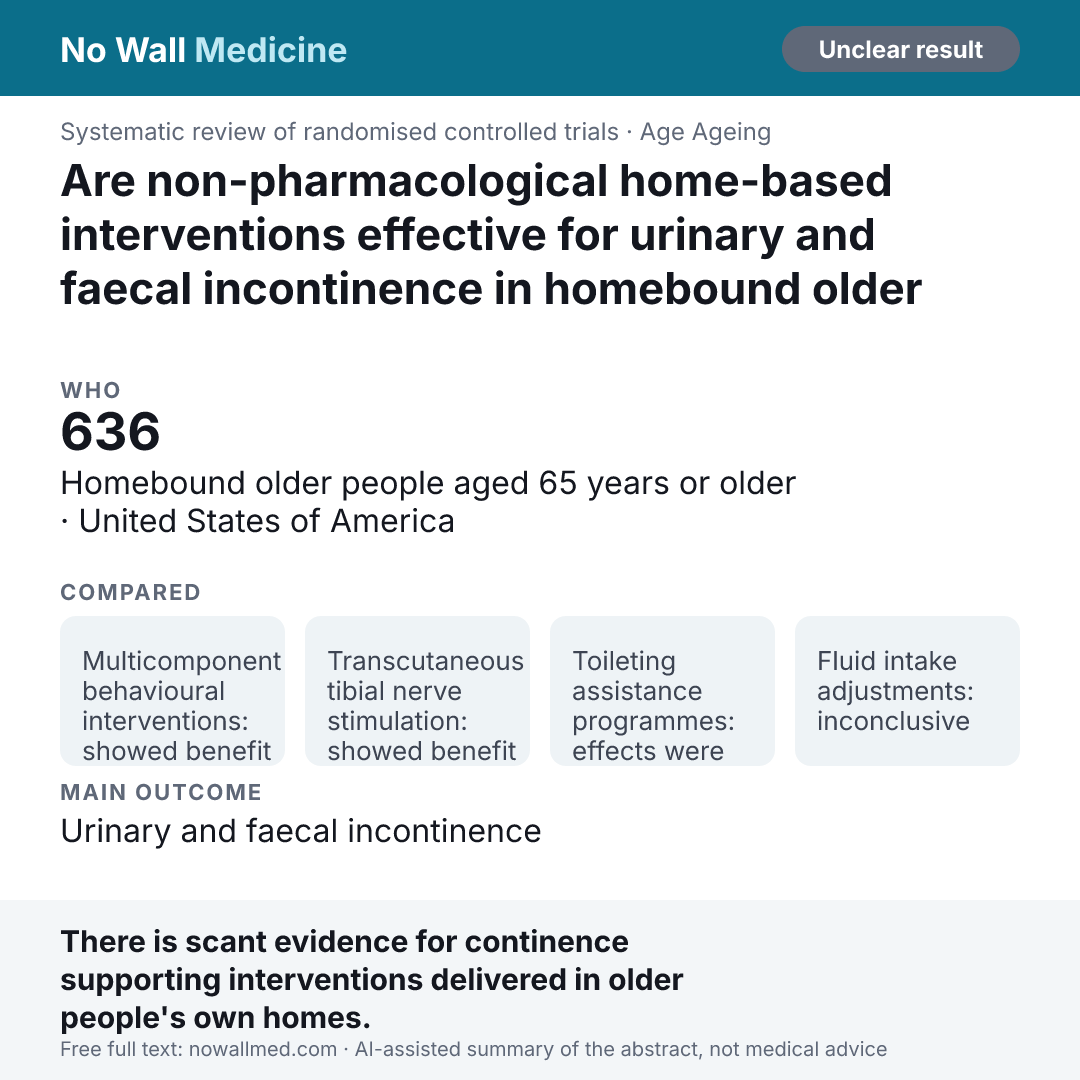
Effectiveness of non-pharmacological interventions delivered at home for urinary and faecal incontinence with homebound older people: systematic review of randomised controlled trials
Systematic review of randomised controlled trialsUnclear result
Are non-pharmacological home-based interventions effective for urinary and faecal incontinence in homebound older people?
Who
636
Homebound older people aged 65 years or older · United States of America
Compared
Multicomponent behavioural interventions: showed benefit
Transcutaneous tibial nerve stimulation: showed benefit
Toileting assistance programmes: effects were not all significant
Fluid intake adjustments: inconclusive
Main outcome
Urinary and faecal incontinence
Bottom line: There is scant evidence for continence supporting interventions delivered in older people's own homes.
Limitation: There is scant evidence and no faecal incontinence interventions met the criteria.
Age Ageing · 2024-06-28 · Save PNG
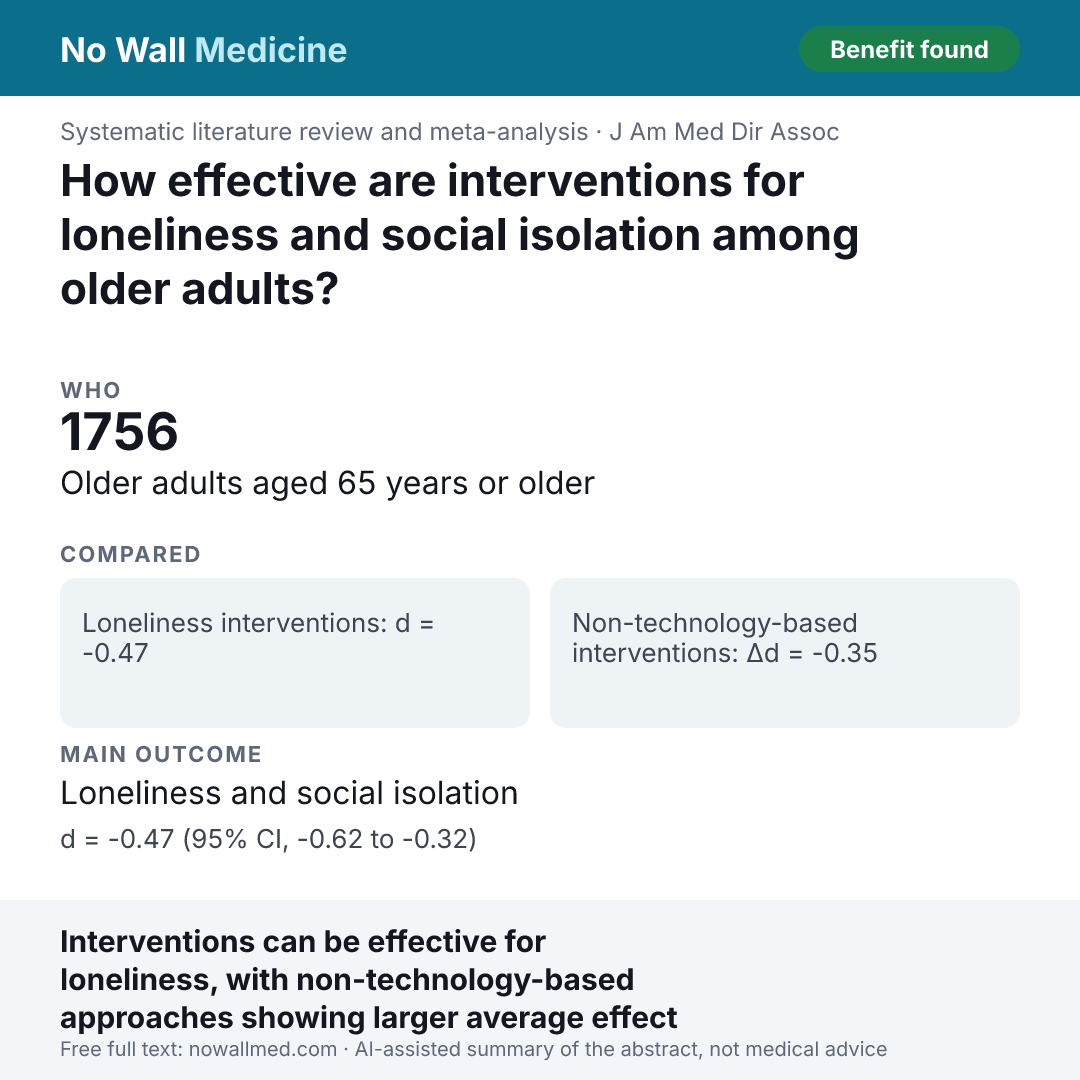
Facing the Next "Geriatric Giant"-A Systematic Literature Review and Meta-Analysis of Interventions Tackling Loneliness and Social Isolation Among Older Adults
Systematic literature review and meta-analysisBenefit found
How effective are interventions for loneliness and social isolation among older adults?
Who
1756
Older adults aged 65 years or older
Compared
Loneliness interventions: d = -0.47
Non-technology-based interventions: Δd = -0.35
Main outcome
Loneliness and social isolation
Result: d = -0.47 (95% CI, -0.62 to -0.32)
Bottom line: Interventions can be effective for loneliness, with non-technology-based approaches showing larger average effect sizes.
Limitation: Substantial between-study heterogeneity could not be explained by various factors.
J Am Med Dir Assoc · 2024-06-28 · Save PNG
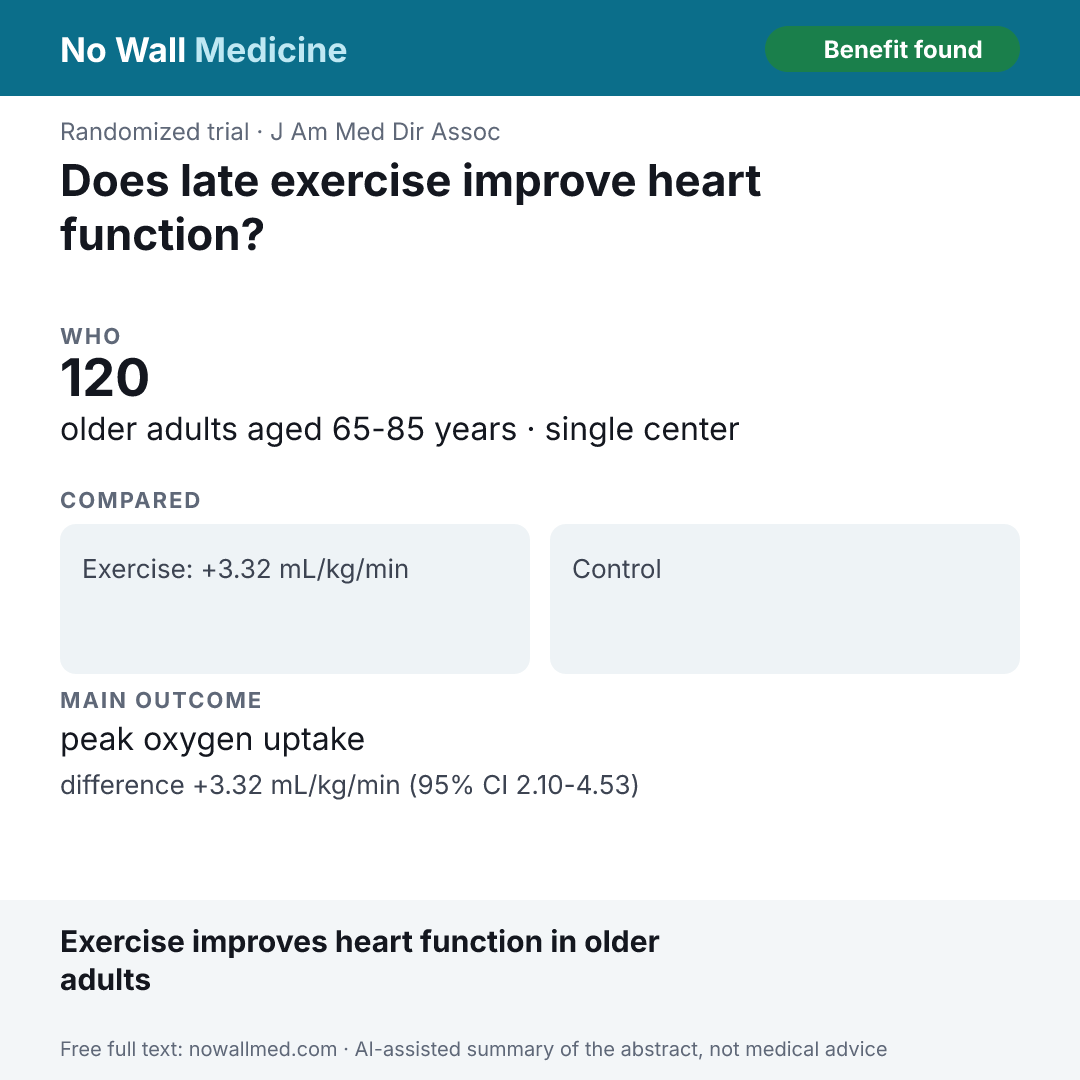
Impact of 12-Month Late-in-Life Exercise Training on Cardiopulmonary Reserve, Static Cardiac Structure, and Function: A Randomized Clinical Trial
Randomized trialBenefit found
Does late exercise improve heart function?
Who
120
older adults aged 65-85 years · single center
Compared
Exercise: +3.32 mL/kg/min
Control
Main outcome
peak oxygen uptake
Result: difference +3.32 mL/kg/min (95% CI 2.10-4.53)
Bottom line: Exercise improves heart function in older adults
J Am Med Dir Assoc · 2024-06-28 · Save PNG
Controversy. On pump or off pump: what will I do when I grow up? A narrative systematic review
Narrative systematic reviewUnclear result
Should coronary artery bypass grafting be performed on a beating heart or with cardiopulmonary bypass?
Who
Patients undergoing coronary artery bypass grafting
Compared
off-pump coronary artery bypass grafting
on-pump coronary artery bypass grafting
Main outcome
coronary surgical revascularization outcomes
Bottom line: The review discusses the historical transition and current controversy regarding off-pump versus on-pump coronary artery bypass grafting.
Eur J Cardiothorac Surg · 2024-06-28 · Save PNG