Visual abstracts
New randomized trials and meta-analyses from leading journals at a glance: who was studied, what was compared, and what was found. Every paper is free to read in full.
All specialtiesCardiology 4662Oncology 3934Gastroenterology & Hepatology 1858Infectious Disease 3652Neurology 1817Psychiatry & Mental Health 2171Pulmonology 2058Critical Care 1305Endocrinology & Diabetes 2442Pediatrics 2824Surgery 2441Orthopedics & Sports Medicine 876Neurosurgery 508Cardiothoracic & Vascular Surgery 625Plastic & Reconstructive Surgery 581Nephrology 1049Rheumatology 781Hematology 1060Dermatology 598Ophthalmology 513Obstetrics & Gynecology 1621Public & Global Health 987Radiology & Imaging 616Anesthesiology 944Urology 731ENT (Otolaryngology) 487Emergency Medicine 485Allergy & Immunology 300Geriatrics 947Family Medicine & Primary Care 538Medical Genetics & Genomics 647Pathology & Laboratory Medicine 153Physical Medicine & Rehabilitation 724Palliative Care 424Nutrition 1491Digital Health & AI 2107General Medicine 307
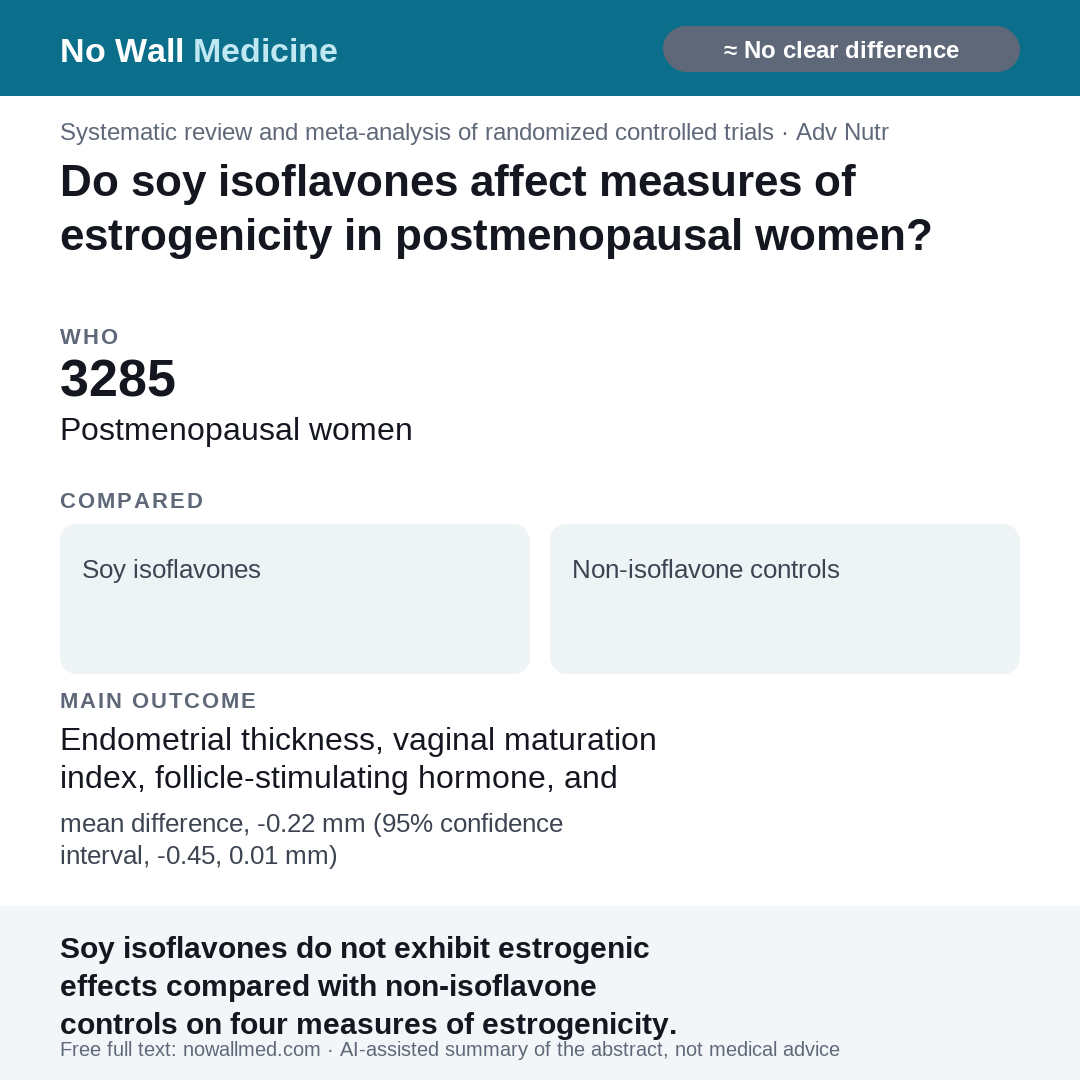
Effect of Soy Isoflavones on Measures of Estrogenicity: A Systematic Review and Meta-Analysis of Randomized Controlled Trials
Systematic review and meta-analysis of randomized controlled trialsNo clear difference
Do soy isoflavones affect measures of estrogenicity in postmenopausal women?
Who
3285
Postmenopausal women
Compared
Soy isoflavones
Non-isoflavone controls
Main outcome
Endometrial thickness, vaginal maturation index, follicle-stimulating hormone, and estradiol
Result: mean difference, -0.22 mm (95% confidence interval, -0.45, 0.01 mm)
Bottom line: Soy isoflavones do not exhibit estrogenic effects compared with non-isoflavone controls on four measures of estrogenicity.
Adv Nutr · 2024-10-20Download image
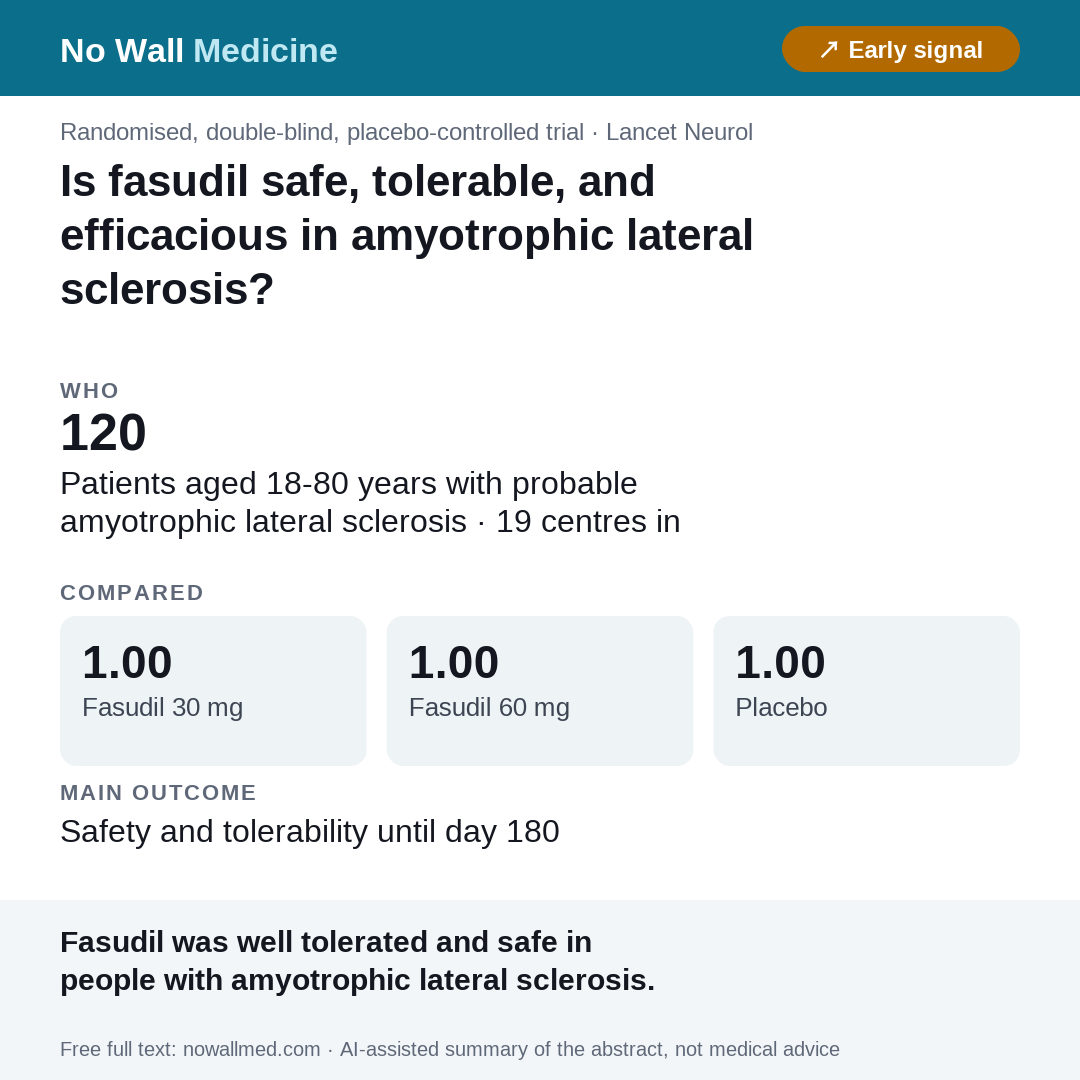
Safety, tolerability, and efficacy of fasudil in amyotrophic lateral sclerosis (ROCK-ALS): a phase 2, randomised, double-blind, placebo-controlled trial
Randomised, double-blind, placebo-controlled trialBenefit found
Is fasudil safe, tolerable, and efficacious in amyotrophic lateral sclerosis?
Who
120
Patients aged 18-80 years with probable amyotrophic lateral sclerosis · 19 centres in Germany, France, and Switzerland
Compared
1.00Fasudil 30 mg (95% CI 0.89 to 1.00)
1.00Fasudil 60 mg (95% CI 0.90 to 1.00)
1.00Placebo (95% CI 0.91 to 1.00)
Main outcome
Safety and tolerability until day 180
Result: difference in proportions 0.00 (95% CI -0.11 to 0.10; p>0.99) for 30 mg vs placebo
Bottom line: Fasudil was well tolerated and safe in people with amyotrophic lateral sclerosis.
Funded by: Framework of the E-Rare Joint Transnational Call 2016
Lancet Neurol · 2024-10-19Download image
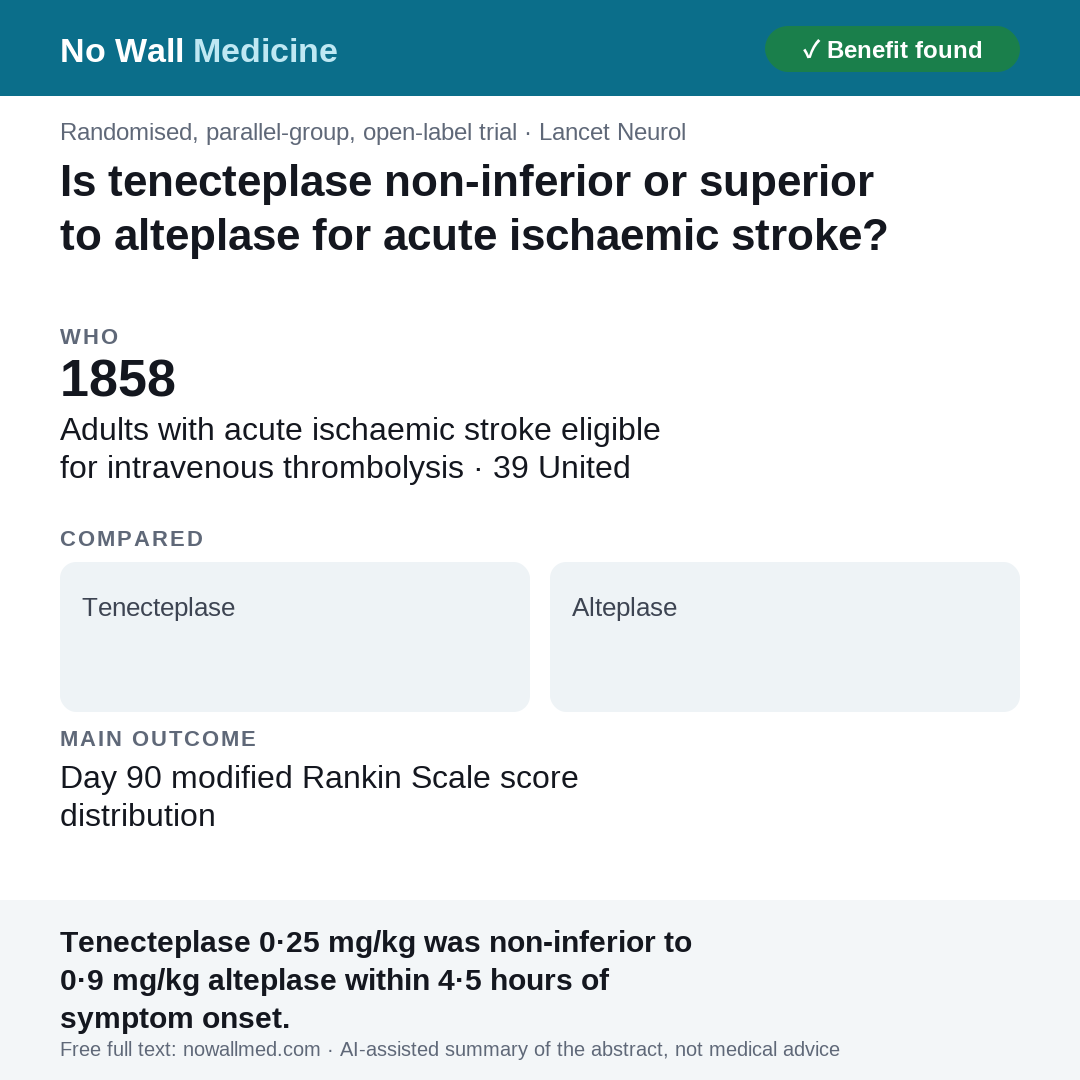
Tenecteplase versus alteplase for acute stroke within 4·5 h of onset (ATTEST-2): a randomised, parallel group, open-label trial
Randomised, parallel-group, open-label trialBenefit found
Is tenecteplase non-inferior or superior to alteplase for acute ischaemic stroke?
Who
1858
Adults with acute ischaemic stroke eligible for intravenous thrombolysis · 39 United Kingdom stroke centres
Compared
Tenecteplase
Alteplase
Main outcome
Day 90 modified Rankin Scale score distribution
Result: odds ratio 1·07 (95% CI 0·90-1·27)
Bottom line: Tenecteplase 0·25 mg/kg was non-inferior to 0·9 mg/kg alteplase within 4·5 hours of symptom onset.
Funded by: The Stroke Association and British Heart Foundation
Lancet Neurol · 2024-10-19Download image
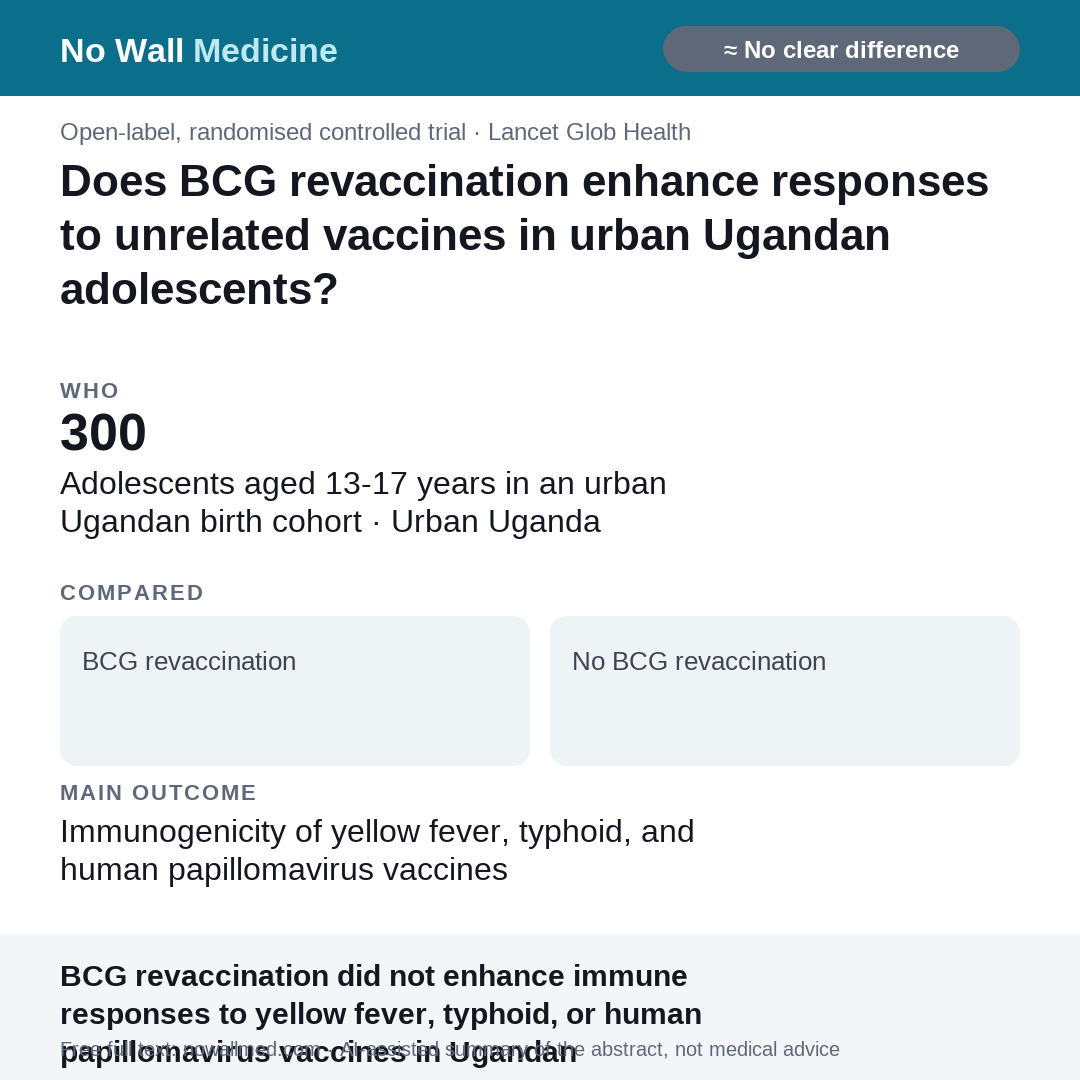
The effect of BCG revaccination on the response to unrelated vaccines in urban Ugandan adolescents (POPVAC C): an open-label, randomised controlled trial
Open-label, randomised controlled trialNo clear difference
Does BCG revaccination enhance responses to unrelated vaccines in urban Ugandan adolescents?
Who
300
Adolescents aged 13-17 years in an urban Ugandan birth cohort · Urban Uganda
Compared
BCG revaccination
No BCG revaccination
Main outcome
Immunogenicity of yellow fever, typhoid, and human papillomavirus vaccines
Result: GMR 0.95 (95% CI 0.75-1.19) for yellow fever PRNT50
Bottom line: BCG revaccination did not enhance immune responses to yellow fever, typhoid, or human papillomavirus vaccines in Ugandan adolescents.
Lancet Glob Health · 2024-10-19Download image
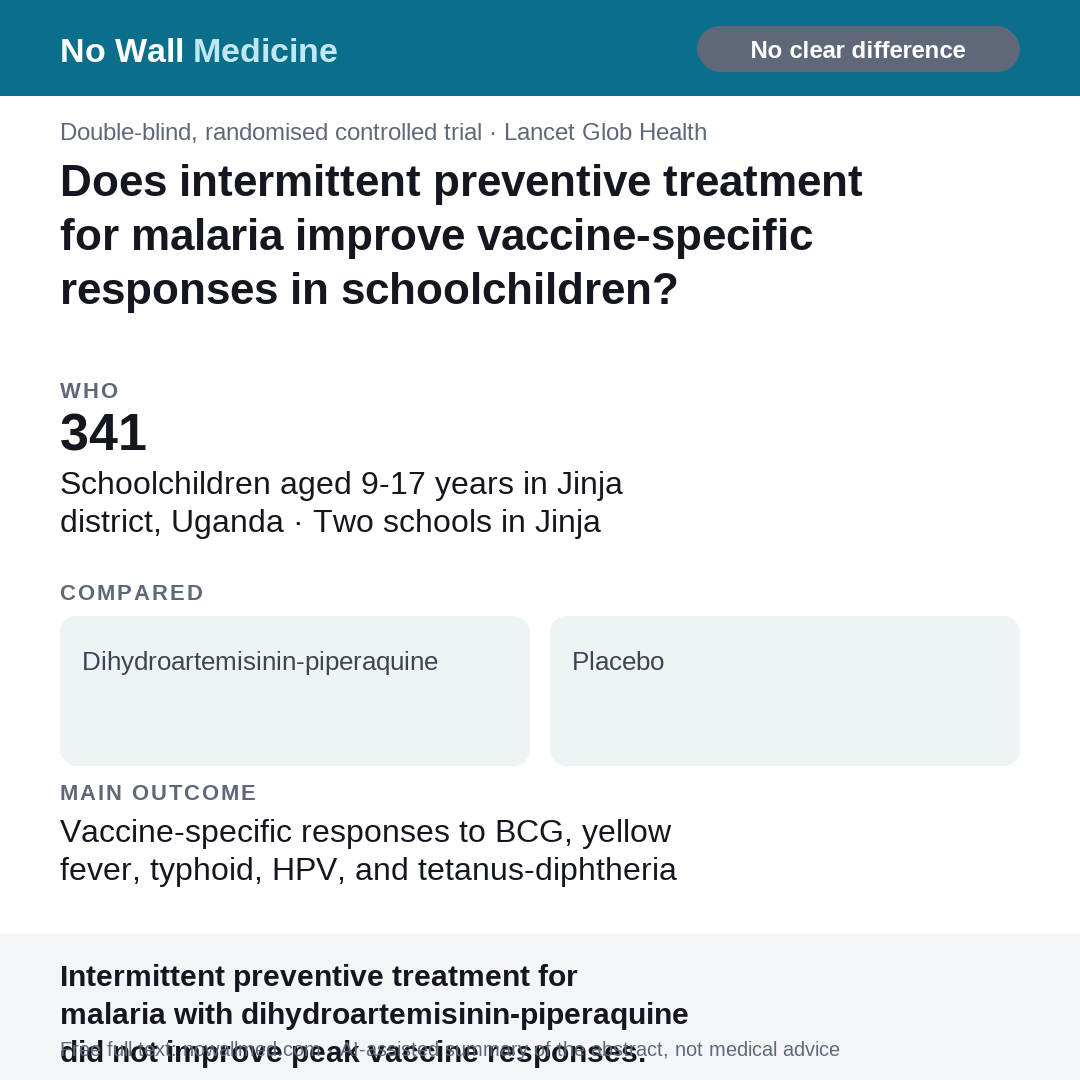
The effect of intermittent preventive treatment for malaria with dihydroartemisinin-piperaquine on vaccine-specific responses among schoolchildren in rural Uganda (POPVAC B): a double-blind, randomised controlled trial
Double-blind, randomised controlled trialNo clear difference
Does intermittent preventive treatment for malaria improve vaccine-specific responses in schoolchildren?
Who
341
Schoolchildren aged 9-17 years in Jinja district, Uganda · Two schools in Jinja district, Uganda
Compared
Dihydroartemisinin-piperaquine
Placebo
Main outcome
Vaccine-specific responses to BCG, yellow fever, typhoid, HPV, and tetanus-diphtheria
Bottom line: Intermittent preventive treatment for malaria with dihydroartemisinin-piperaquine did not improve peak vaccine responses.
Funded by: UK Medical Research Council
Lancet Glob Health · 2024-10-19Download image
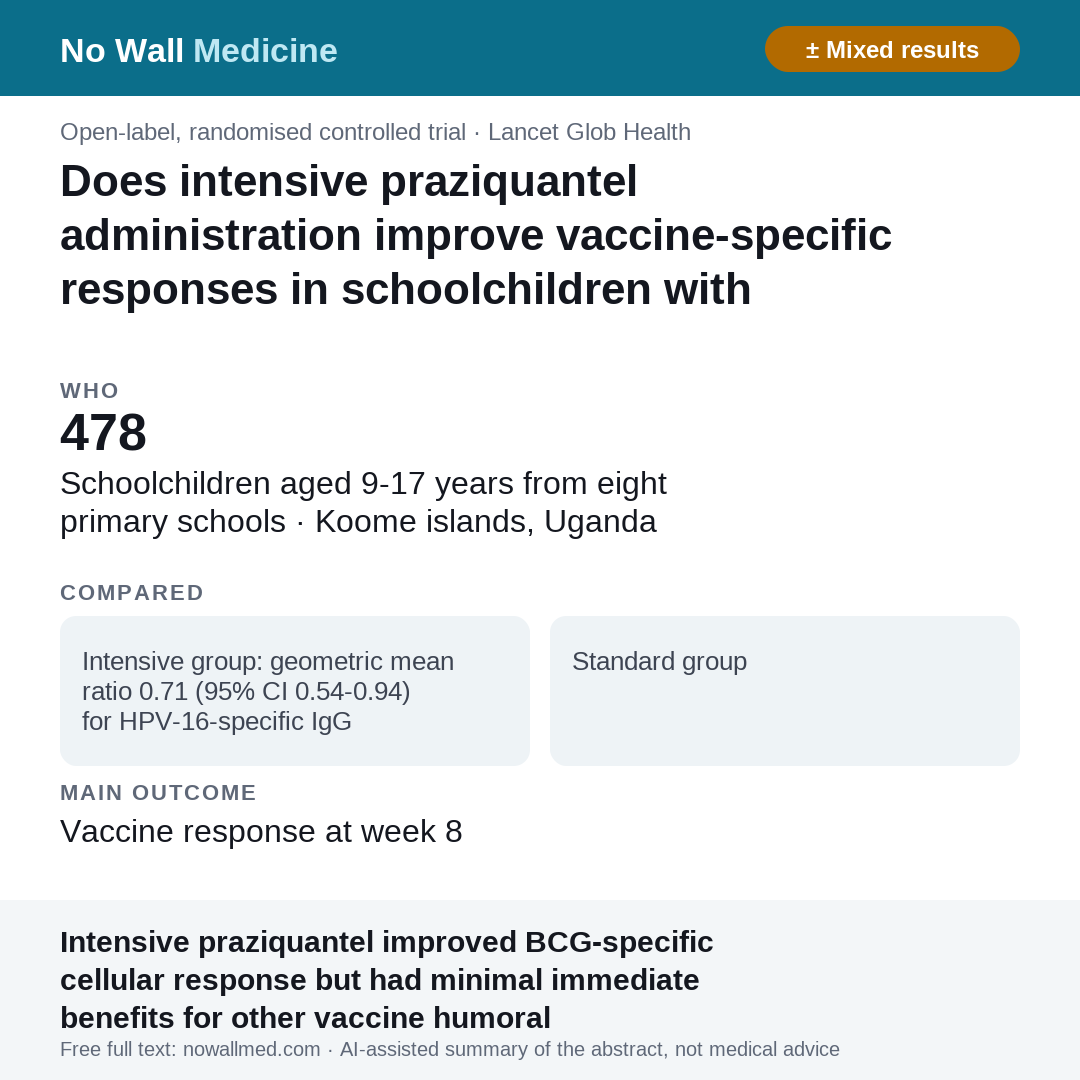
The effect of intensive praziquantel administration on vaccine-specific responses among schoolchildren in Ugandan schistosomiasis-endemic islands (POPVAC A): an open-label, randomised controlled trial
Open-label, randomised controlled trialMixed results
Does intensive praziquantel administration improve vaccine-specific responses in schoolchildren with Schistosoma mansoni?
Who
478
Schoolchildren aged 9-17 years from eight primary schools · Koome islands, Uganda
Compared
Intensive group: geometric mean ratio 0.71 (95% CI 0.54-0.94) for HPV-16-specific IgG
Standard group
Main outcome
Vaccine response at week 8
Result: geometric mean ratio 0.71 (95% CI 0.54-0.94)
Bottom line: Intensive praziquantel improved BCG-specific cellular response but had minimal immediate benefits for other vaccine humoral responses.
Funded by: UK Medical Research Council
Lancet Glob Health · 2024-10-19Download image
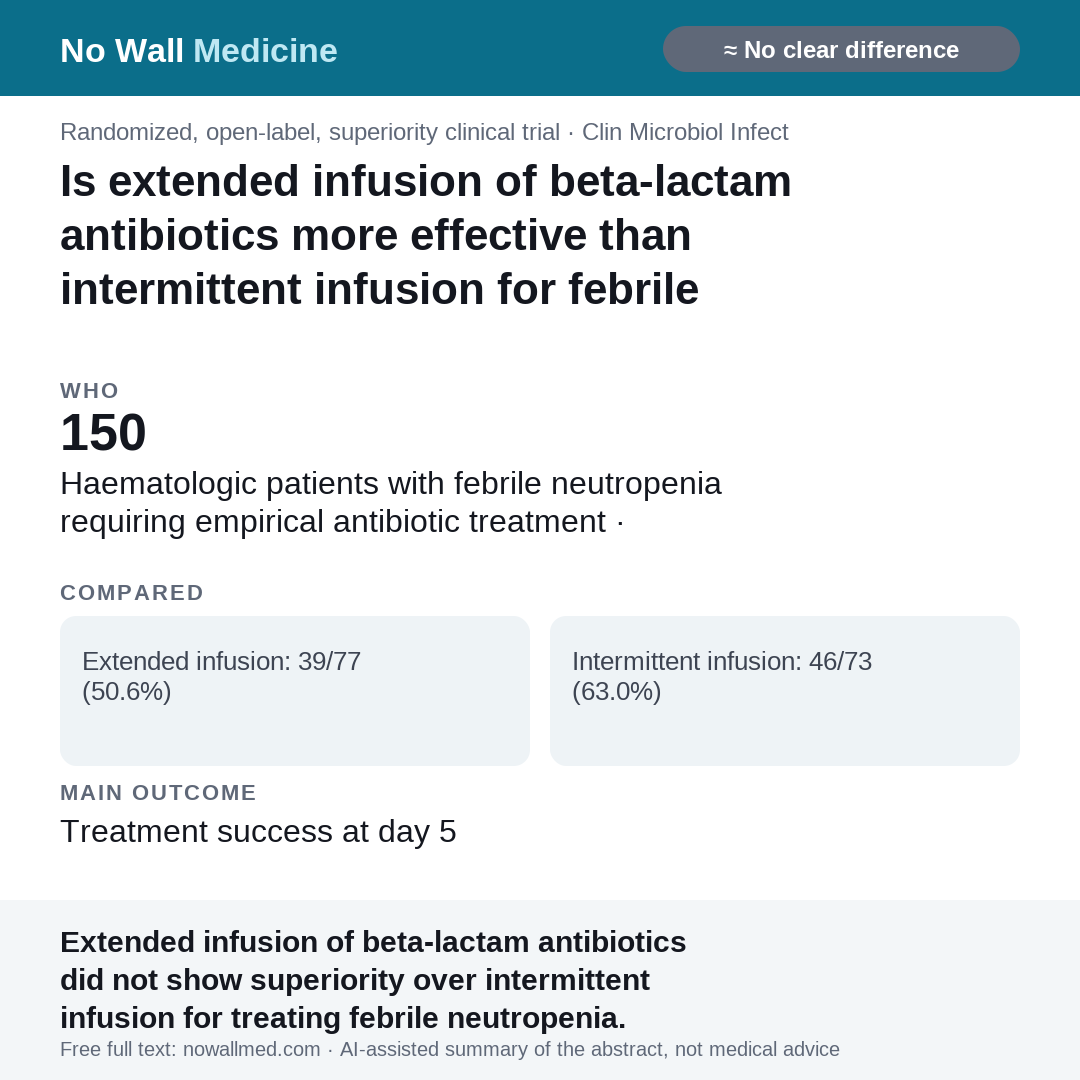
Efficacy of extended infusion of β-lactam antibiotics for the treatment of febrile neutropenia in haematologic patients (BEATLE): a randomized, multicentre, open-label, superiority clinical trial
Randomized, open-label, superiority clinical trialNo clear difference
Is extended infusion of beta-lactam antibiotics more effective than intermittent infusion for febrile neutropenia?
Who
150
Haematologic patients with febrile neutropenia requiring empirical antibiotic treatment · Four Spanish university hospitals
Compared
Extended infusion: 39/77 (50.6%)
Intermittent infusion: 46/73 (63.0%)
Main outcome
Treatment success at day 5
Result: risk difference -12.4% (95% CI -29.4 to 4.7; p 0.17)
Bottom line: Extended infusion of beta-lactam antibiotics did not show superiority over intermittent infusion for treating febrile neutropenia.
Clin Microbiol Infect · 2024-10-19Download image
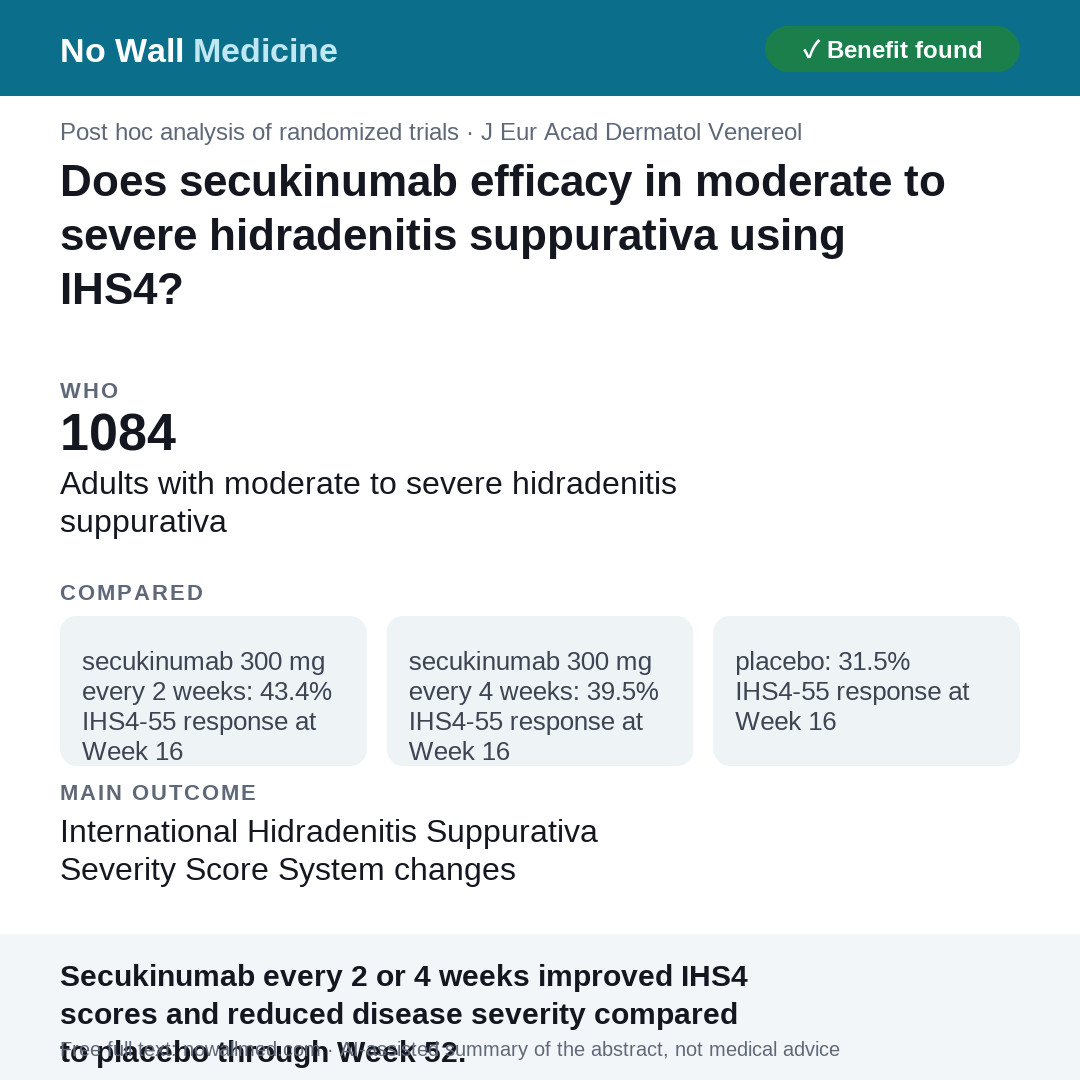
Secukinumab efficacy in patients with hidradenitis suppurativa assessed by the International Hidradenitis Suppurativa Severity Score System (IHS4): A post hoc analysis of the SUNSHINE and SUNRISE trials
Post hoc analysis of randomized trialsBenefit found
Does secukinumab efficacy in moderate to severe hidradenitis suppurativa using IHS4?
Who
1084
Adults with moderate to severe hidradenitis suppurativa
Compared
secukinumab 300 mg every 2 weeks: 43.4% IHS4-55 response at Week 16
secukinumab 300 mg every 4 weeks: 39.5% IHS4-55 response at Week 16
placebo: 31.5% IHS4-55 response at Week 16
Main outcome
International Hidradenitis Suppurativa Severity Score System changes
Bottom line: Secukinumab every 2 or 4 weeks improved IHS4 scores and reduced disease severity compared to placebo through Week 52.
J Eur Acad Dermatol Venereol · 2024-10-19Download image
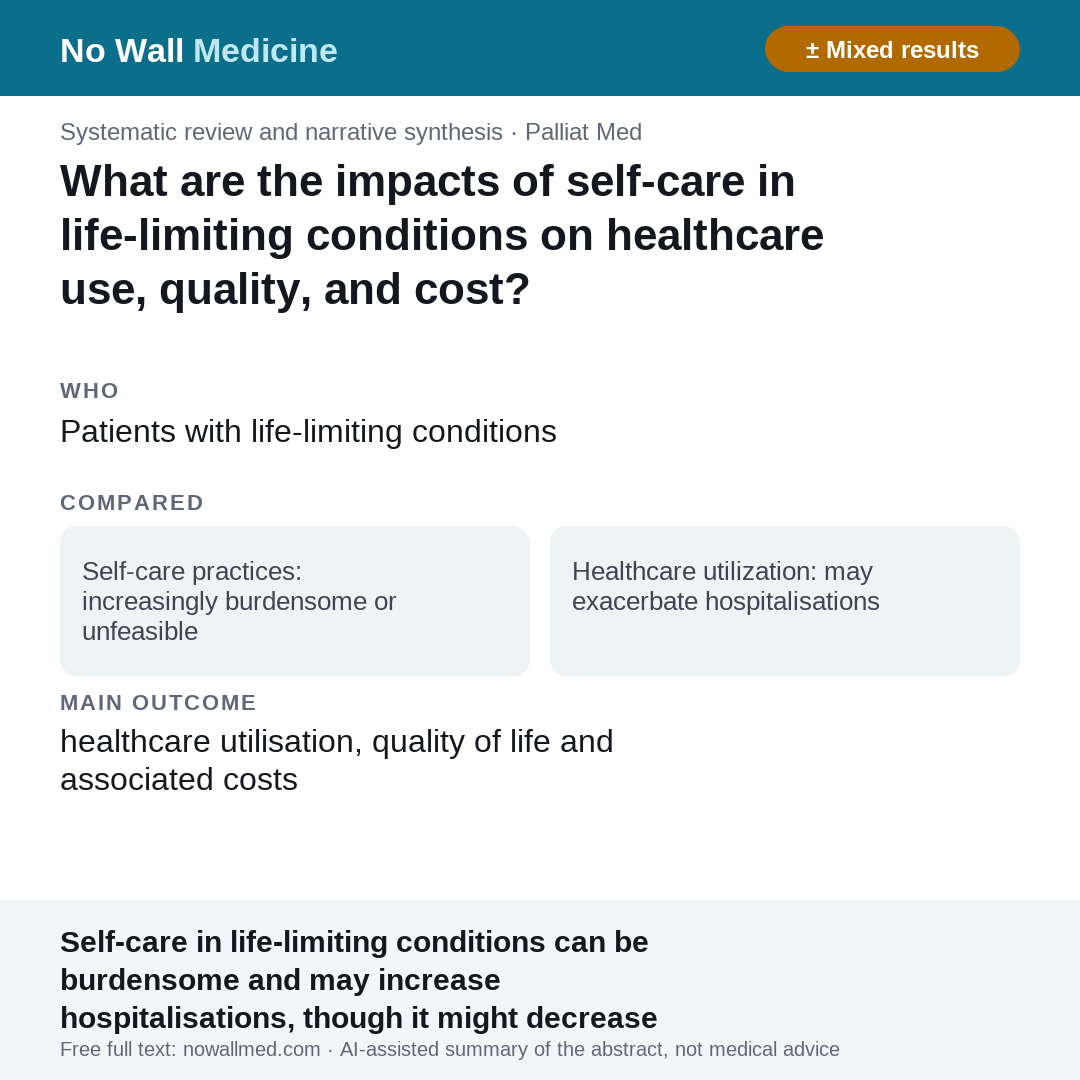
Self-care towards the end of life: A systematic review and narrative synthesis on access, quality and cost
Systematic review and narrative synthesisMixed results
What are the impacts of self-care in life-limiting conditions on healthcare use, quality, and cost?
Who
33
Patients with life-limiting conditions
Compared
Self-care practices: increasingly burdensome or unfeasible
Healthcare utilization: may exacerbate hospitalisations
Main outcome
healthcare utilisation, quality of life and associated costs
Bottom line: Self-care in life-limiting conditions can be burdensome and may increase hospitalisations, though it might decrease care costs.
Palliat Med · 2024-10-19Download image
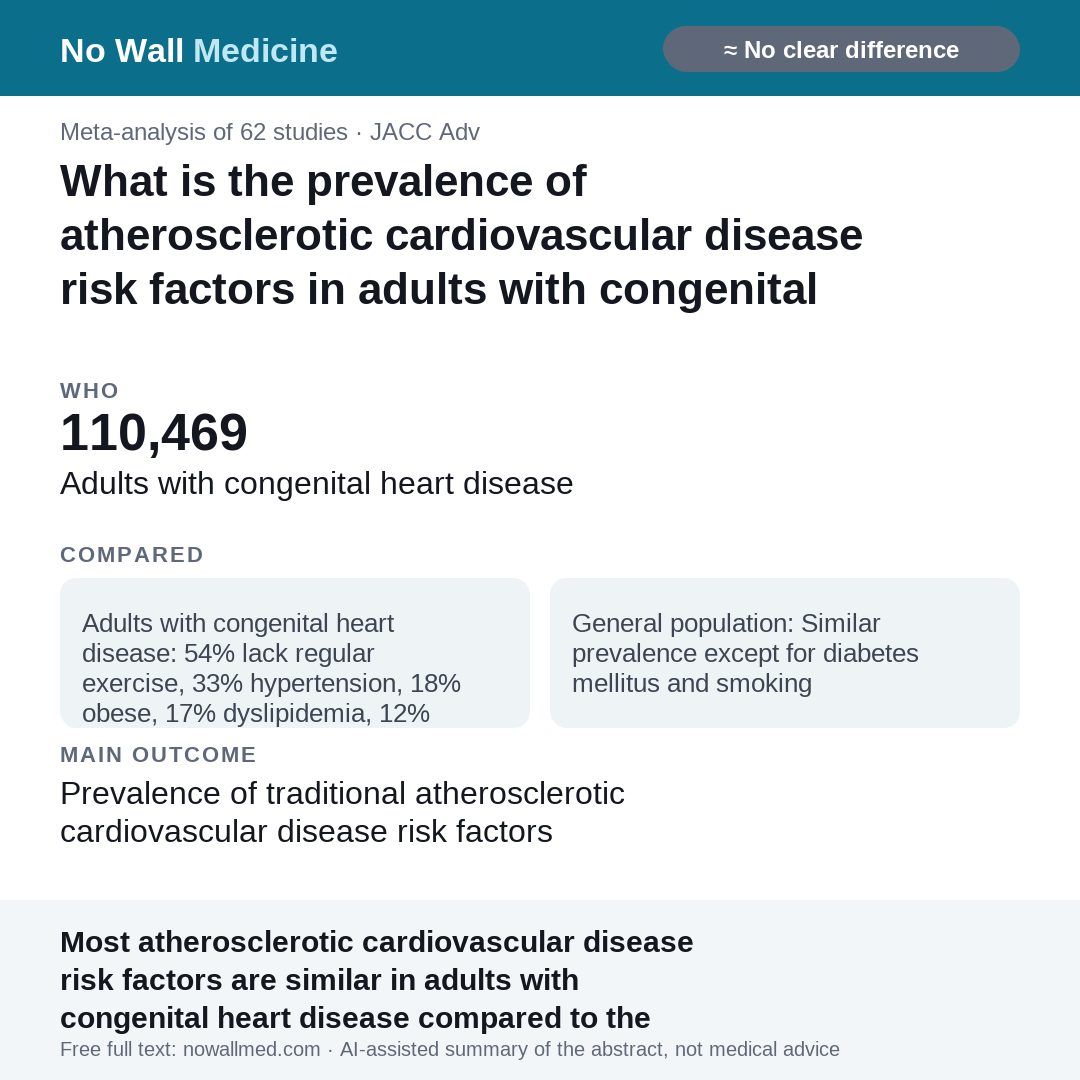
Atherosclerotic Risk Factor Prevalence in Adults With Congenital Heart Disease: A Meta-Analysis
Meta-analysis of 62 studiesNo clear difference
What is the prevalence of atherosclerotic cardiovascular disease risk factors in adults with congenital heart disease?
Who
110,469
Adults with congenital heart disease
Compared
Adults with congenital heart disease: 54% lack regular exercise, 33% hypertension, 18% obese, 17% dyslipidemia, 12% smokers, 7% diabetes mellitus
General population: Similar prevalence except for diabetes mellitus and smoking
Main outcome
Prevalence of traditional atherosclerotic cardiovascular disease risk factors
Bottom line: Most atherosclerotic cardiovascular disease risk factors are similar in adults with congenital heart disease compared to the general population.
JACC Adv · 2024-10-19Download image
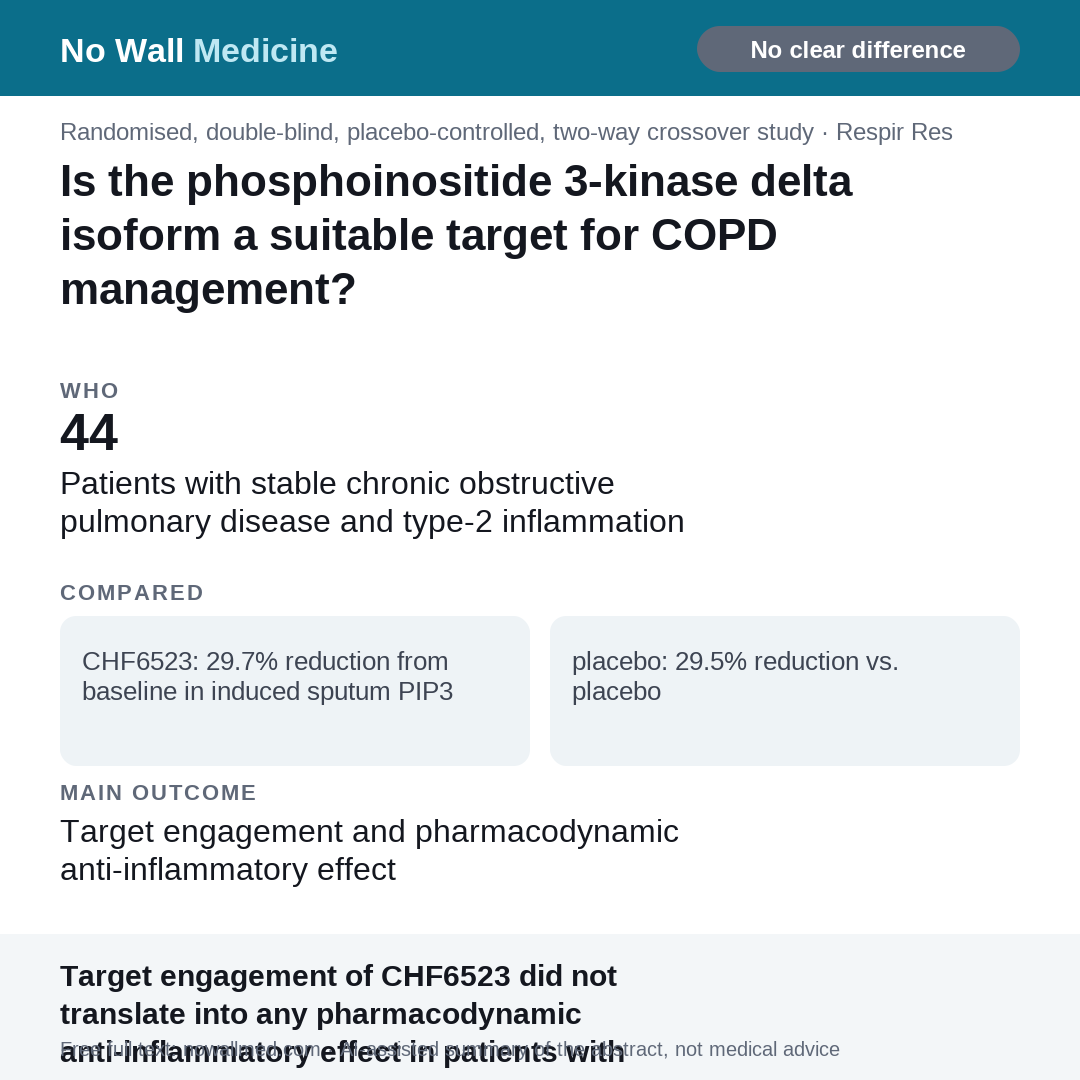
CHF6523 data suggest that the phosphoinositide 3-kinase delta isoform is not a suitable target for the management of COPD
Randomised, double-blind, placebo-controlled, two-way crossover studyNo clear difference
Is the phosphoinositide 3-kinase delta isoform a suitable target for COPD management?
Who
44
Patients with stable chronic obstructive pulmonary disease and type-2 inflammation
Compared
CHF6523: 29.7% reduction from baseline in induced sputum PIP3
placebo: 29.5% reduction vs. placebo
Main outcome
Target engagement and pharmacodynamic anti-inflammatory effect
Result: adjusted ratio 0.705 (95% CI 0.580 to 0.856)
Bottom line: Target engagement of CHF6523 did not translate into any pharmacodynamic anti-inflammatory effect in patients with stable COPD.
Respir Res · 2024-10-19Download image
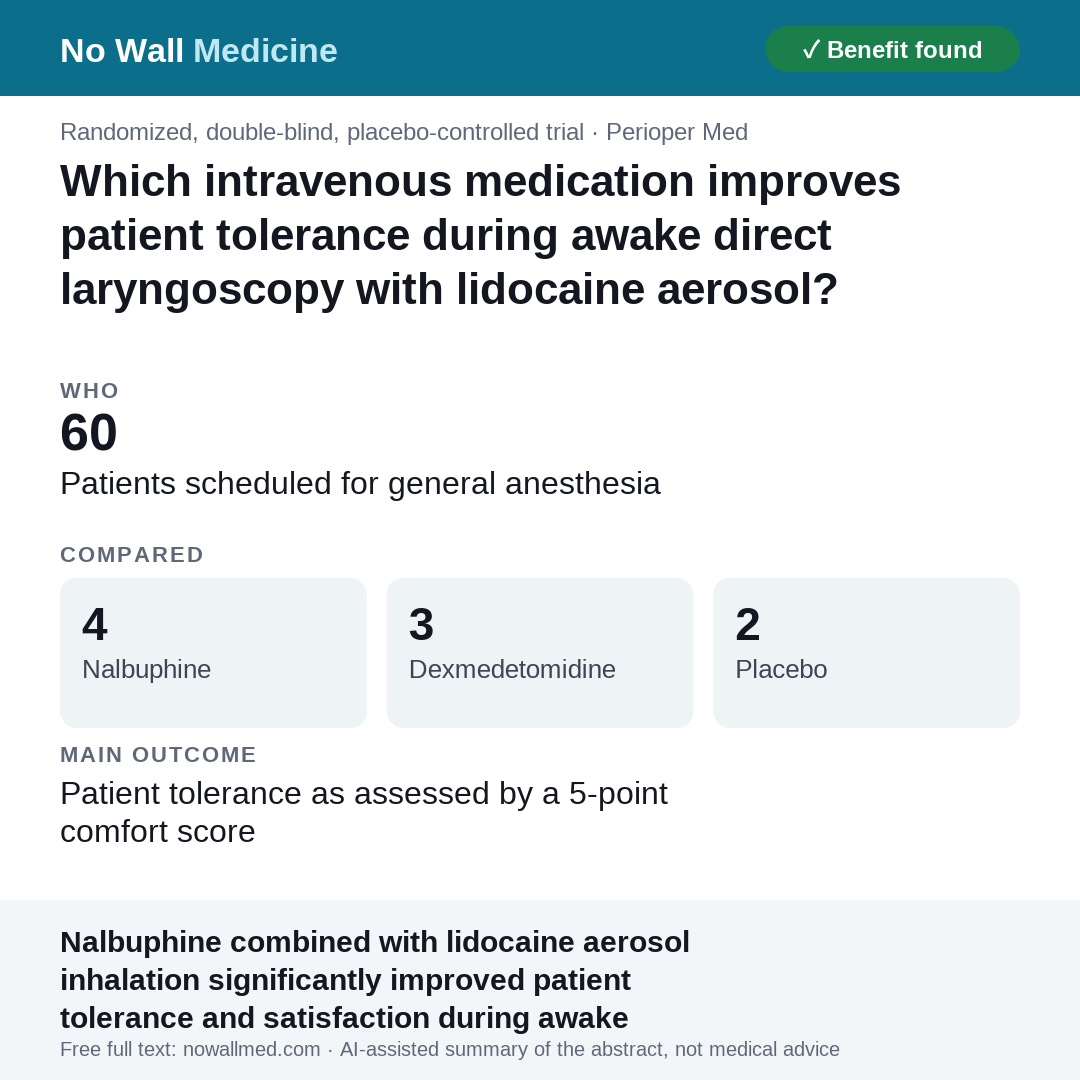
Comparison of intravenous nalbuphine and dexmedetomidine in combination with lidocaine aerosol inhalation in awake direct laryngoscopy: a randomized, double-blind, placebo-controlled trial
Randomized, double-blind, placebo-controlled trialBenefit found
Which intravenous medication improves patient tolerance during awake direct laryngoscopy with lidocaine aerosol?
Who
60
Patients scheduled for general anesthesia
Compared
4Nalbuphine (3,4)
3Dexmedetomidine (2,2.75)
2Placebo (2,2,75)
Main outcome
Patient tolerance as assessed by a 5-point comfort score
Bottom line: Nalbuphine combined with lidocaine aerosol inhalation significantly improved patient tolerance and satisfaction during awake direct laryngoscopy.
Perioper Med · 2024-10-19Download image
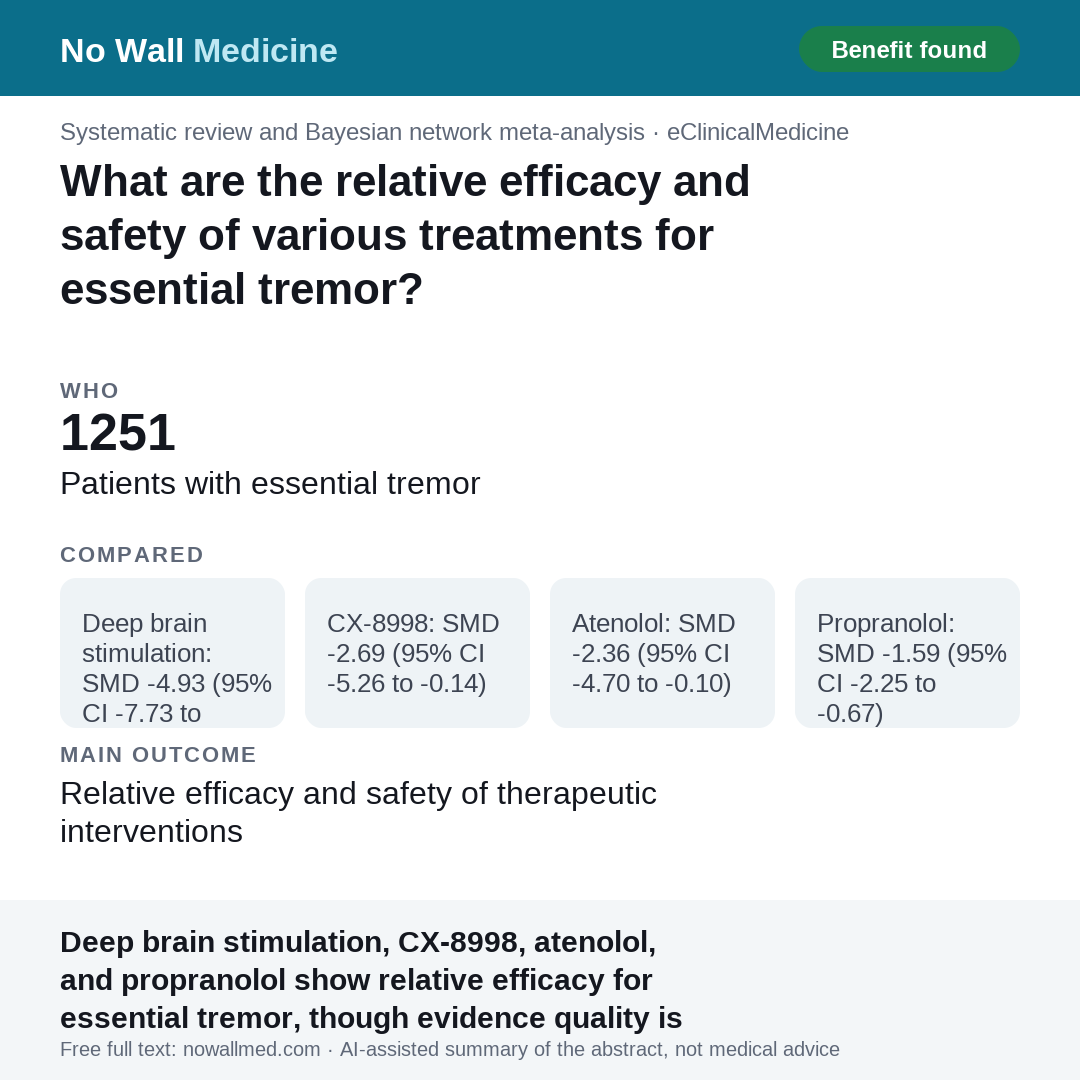
Treatment for essential tremor: a systematic review and Bayesian Model-based Network Meta-analysis of RCTs
Systematic review and Bayesian network meta-analysisBenefit found
What are the relative efficacy and safety of various treatments for essential tremor?
Who
1251
Patients with essential tremor
Compared
Deep brain stimulation: SMD -4.93 (95% CI -7.73 to -2.13)
CX-8998: SMD -2.69 (95% CI -5.26 to -0.14)
Atenolol: SMD -2.36 (95% CI -4.70 to -0.10)
Propranolol: SMD -1.59 (95% CI -2.25 to -0.67)
Main outcome
Relative efficacy and safety of therapeutic interventions
Bottom line: Deep brain stimulation, CX-8998, atenolol, and propranolol show relative efficacy for essential tremor, though evidence quality is low.
Limitation: The evidence level for conclusions was low or very low.
Funded by: National Nature Science Foundation of China
eClinicalMedicine · 2024-10-18Download image
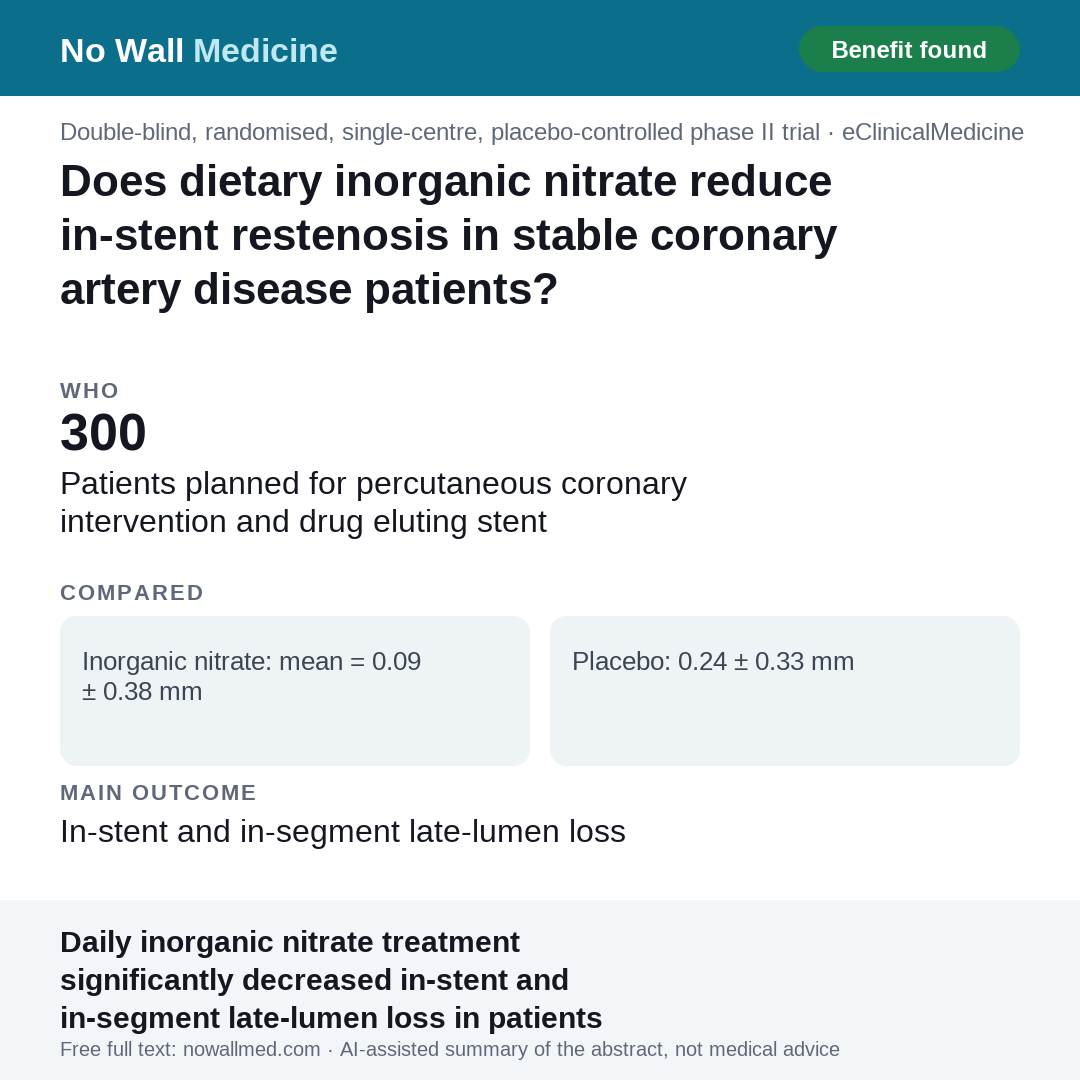
The NITRATE-OCT study-inorganic nitrate reduces in-stent restenosis in patients with stable coronary artery disease: a double-blind, randomised controlled trial
Double-blind, randomised, single-centre, placebo-controlled phase II trialBenefit found
Does dietary inorganic nitrate reduce in-stent restenosis in stable coronary artery disease patients?
Who
300
Patients planned for percutaneous coronary intervention and drug eluting stent implantation · Single-centre
Compared
Inorganic nitrate: mean = 0.09 ± 0.38 mm
Placebo: 0.24 ± 0.33 mm
Main outcome
In-stent and in-segment late-lumen loss
Result: in-stent LLL decreased by 0.16 mm (95% CI:0.06-0.25)
Bottom line: Daily inorganic nitrate treatment significantly decreased in-stent and in-segment late-lumen loss in patients undergoing percutaneous coronary intervention.
Funded by: National Institute for Health and Care Research and British Heart Foundation
eClinicalMedicine · 2024-10-18Download image
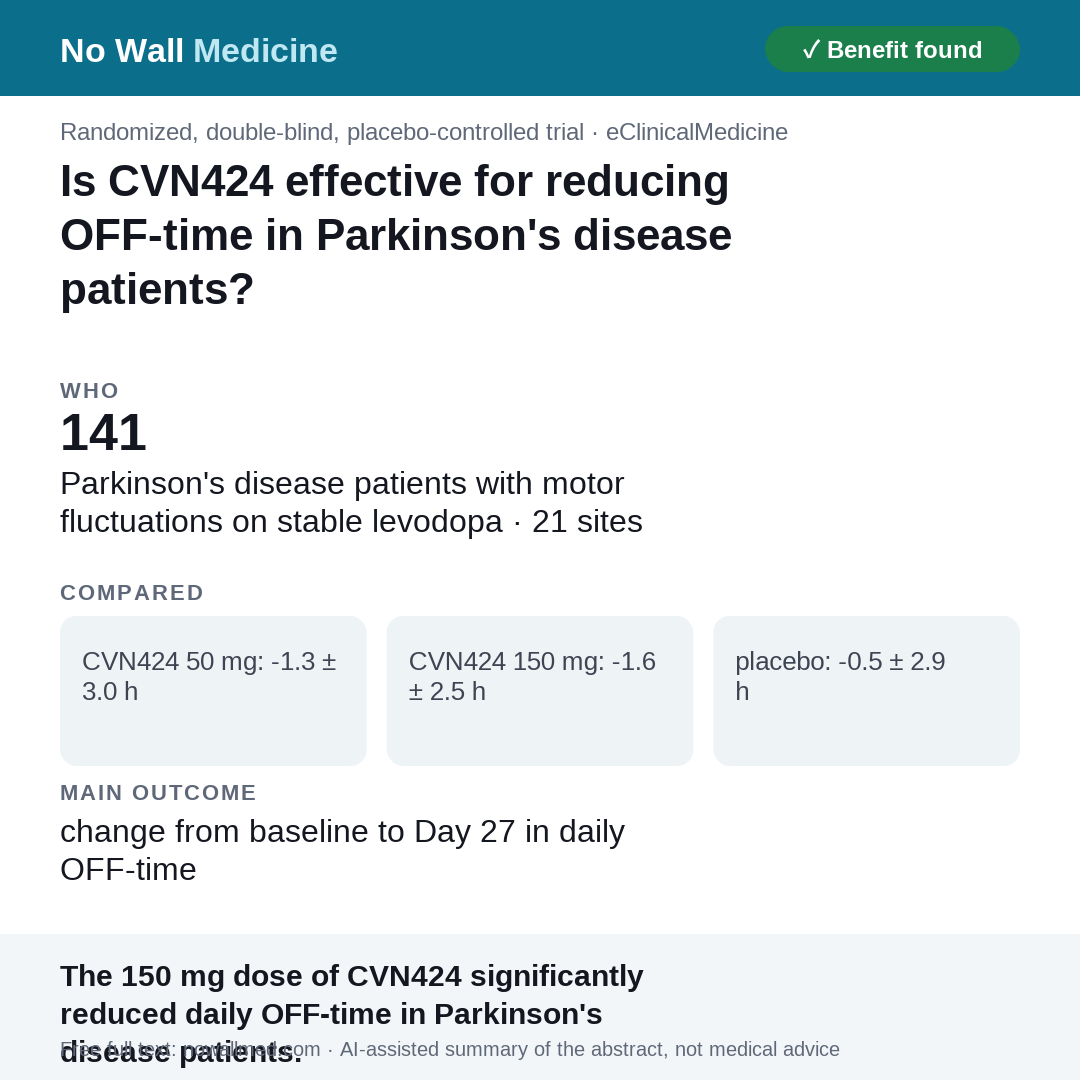
CVN424, a GPR6 inverse agonist, for Parkinson's disease and motor fluctuations: a double-blind, randomized, phase 2 trial
Randomized, double-blind, placebo-controlled trialBenefit found
Is CVN424 effective for reducing OFF-time in Parkinson's disease patients?
Who
141
Parkinson's disease patients with motor fluctuations on stable levodopa · 21 sites across the United States
Compared
CVN424 50 mg: -1.3 ± 3.0 h
CVN424 150 mg: -1.6 ± 2.5 h
placebo: -0.5 ± 2.9 h
Main outcome
change from baseline to Day 27 in daily OFF-time
Result: 1.3 ± 0.56 h, [95 CI% -2.41 to -0.19]
Bottom line: The 150 mg dose of CVN424 significantly reduced daily OFF-time in Parkinson's disease patients.
Limitation: short study duration and small sample size
Funded by: Cerevance
eClinicalMedicine · 2024-10-18Download image
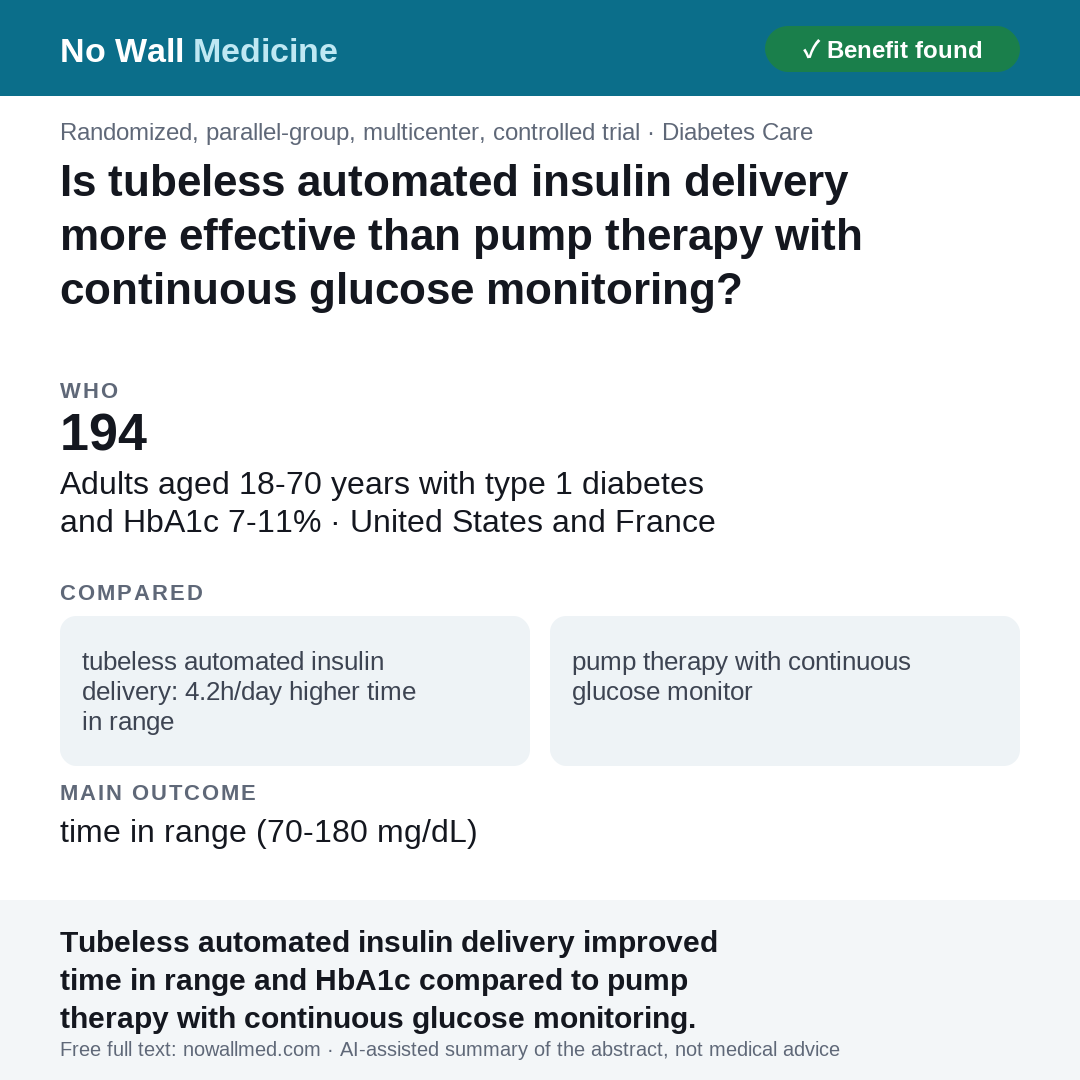
Diagnostic performance of deep learning for infectious keratitis: a systematic review and meta-analysis
Systematic review and meta-analysisNo clear difference
What is the diagnostic accuracy of deep learning for infectious keratitis?
Who
56,011
Patients with corneal images for infectious keratitis diagnosis
Compared
Deep learning: sensitivity 89.2% (82.2-93.6)
Ophthalmologists: sensitivity 82.2% (71.5-89.5)
Main outcome
Diagnostic sensitivity and specificity for infectious keratitis
Result: sensitivity 89.2% (82.2-93.6) versus 82.2% (71.5-89.5); P = 0.20
Bottom line: Deep learning shows good diagnostic accuracy for infectious keratitis and comparable performance to ophthalmologists.
Limitation: Image-based analysis did not account for potential correlation within individuals and had limited external validation.
Funded by: NIH, Wellcome Trust, MRC, Fight for Sight, BHP, and ESCRS
eClinicalMedicine · 2024-10-18Download image
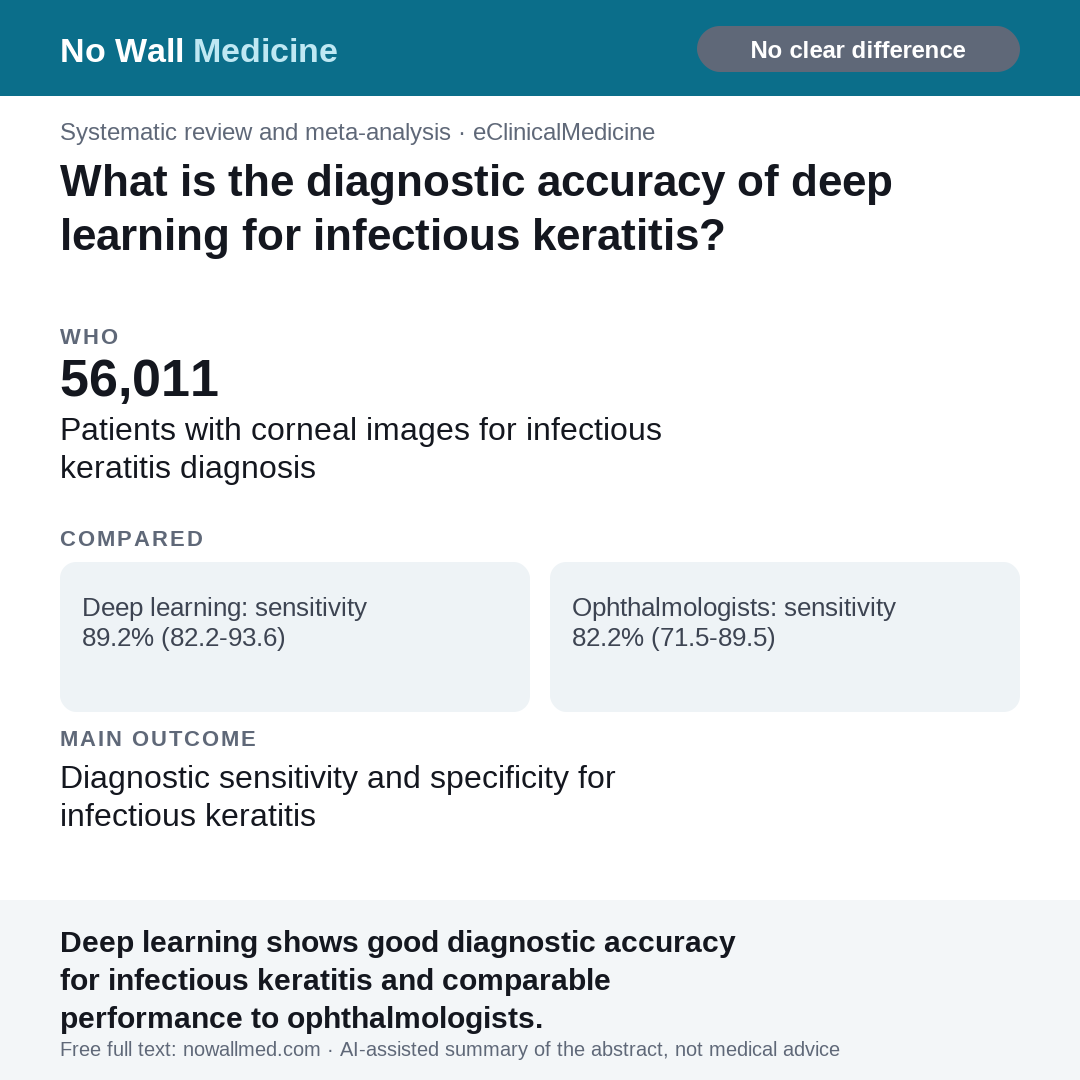
Atezolizumab Plus Chemotherapy With or Without Bevacizumab in Advanced Biliary Tract Cancer: Clinical and Biomarker Data From the Randomized Phase II IMbrave151 Trial
Randomized, double-blind, phase II trialMixed results
Does adding bevacizumab to atezolizumab and chemotherapy improve outcomes in advanced biliary tract cancer?
Who
162
Patients with previously untreated advanced biliary tract cancer
Compared
8.3 monthsAtezolizumab plus bevacizumab plus chemotherapy
7.9 monthsAtezolizumab plus placebo plus chemotherapy
Main outcome
progression-free survival
Result: hazard ratio 0.67 (95% CI 0.46 to 0.95)
Bottom line: Adding bevacizumab to atezolizumab and chemotherapy modestly improves progression-free survival but does not improve overall survival.
J Clin Oncol · 2024-10-18Download image
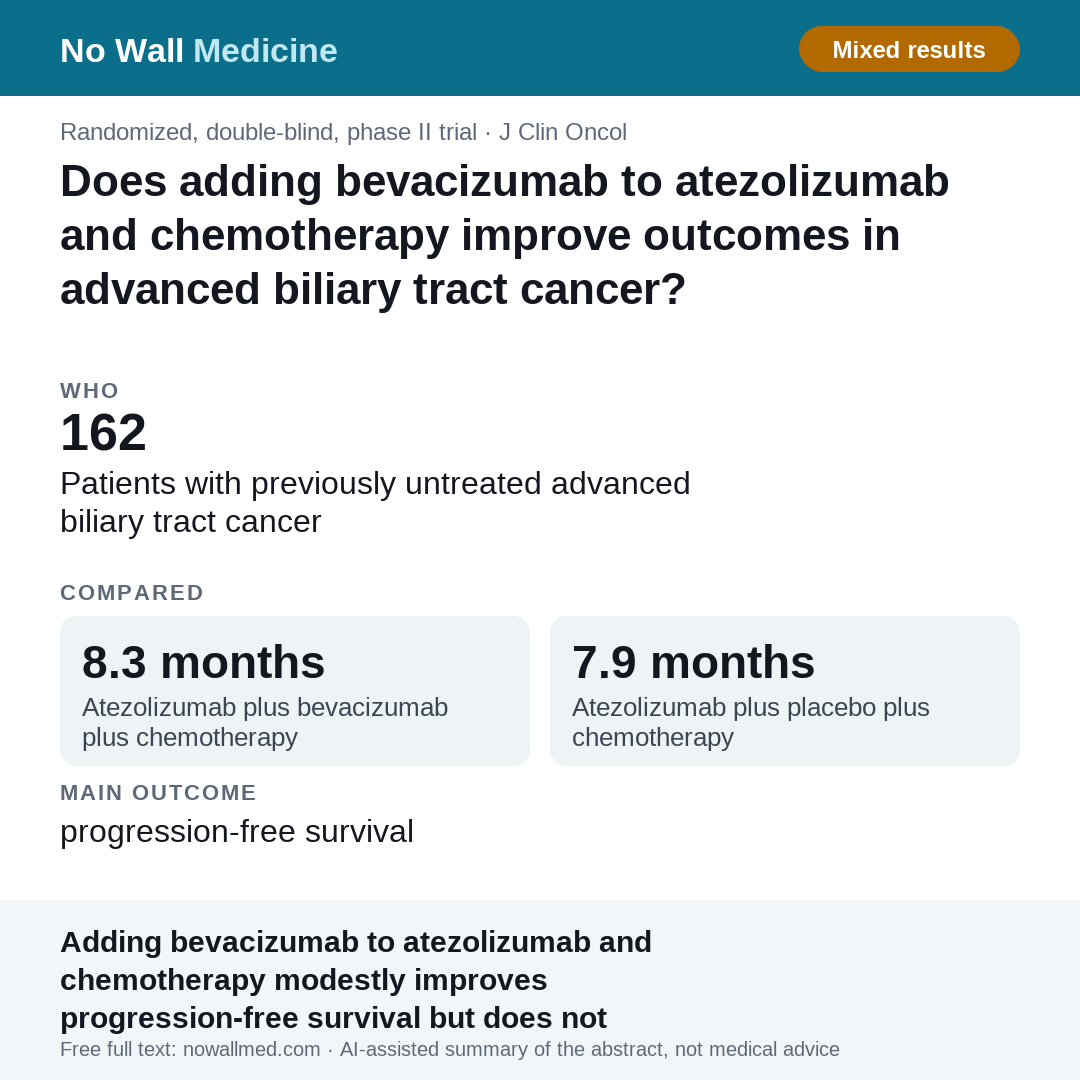
Comparative Efficacy of Advanced Therapies for Management of Moderate-to-Severe Ulcerative Colitis: 2024 American Gastroenterological Association Evidence Synthesis
Systematic review and network meta-analysisMixed results
What is the comparative efficacy of advanced therapies for moderate-to-severe ulcerative colitis?
Who
Adults with moderate-to-severe ulcerative colitis
Compared
Biologically naïve patients: risankizumab and ozanimod ranked highest for induction of clinical remission
Biologic-exposed patients: upadacitinib, tofacitinib, and ustekinumab ranked highest for achieving remission
Main outcome
Induction and maintenance of clinical remission
Bottom line: Risankizumab and ozanimod are best for induction in naïve patients, while upadacitinib, tofacitinib, and ustekinumab excel in biologic-exposed patients.
Gastroenterology · 2024-10-18Download image
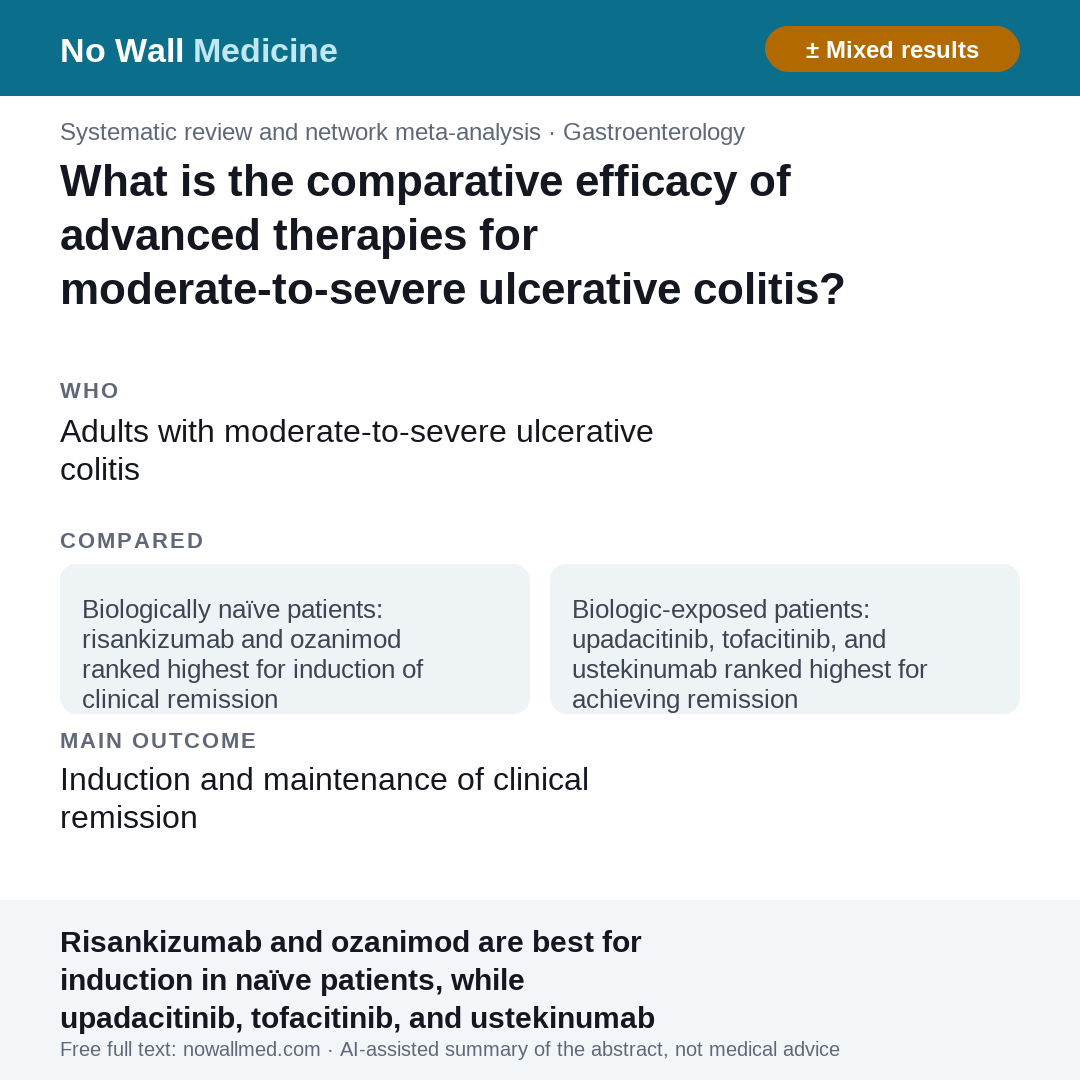
Efficacy and Safety of a Tubeless AID System Compared With Pump Therapy With CGM in the Treatment of Type 1 Diabetes in Adults With Suboptimal Glycemia: A Randomized, Parallel-Group Clinical Trial
Randomized, parallel-group, multicenter, controlled trialBenefit found
Is tubeless automated insulin delivery more effective than pump therapy with continuous glucose monitoring?
Who
194
Adults aged 18-70 years with type 1 diabetes and HbA1c 7-11% · United States and France
Compared
tubeless automated insulin delivery: 4.2h/day higher time in range
pump therapy with continuous glucose monitor
Main outcome
time in range (70-180 mg/dL)
Result: mean difference 17.5% (95% CI 14.0%, 21.1%)
Bottom line: Tubeless automated insulin delivery improved time in range and HbA1c compared to pump therapy with continuous glucose monitoring.
Diabetes Care · 2024-10-18Download image
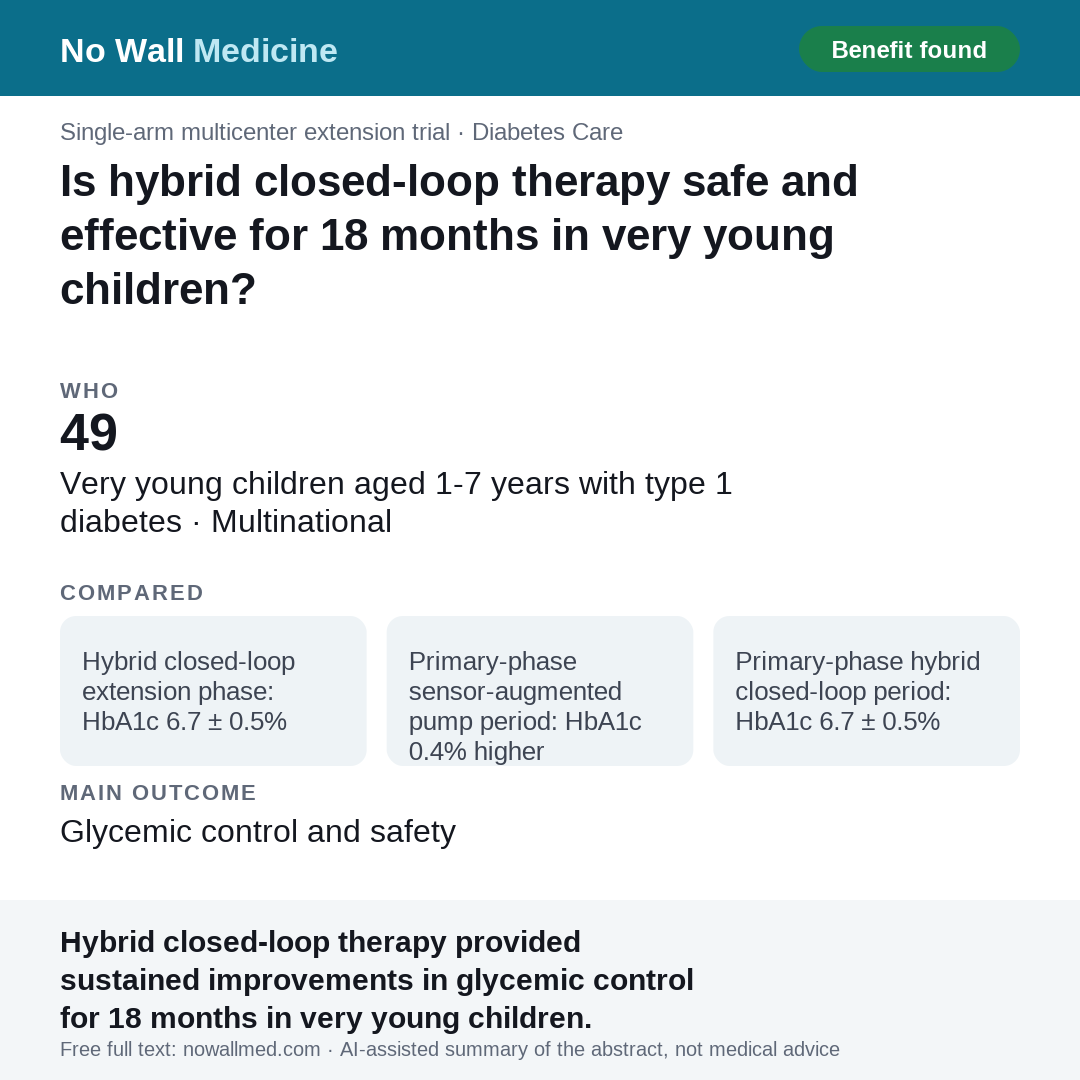
Eighteen-Month Hybrid Closed-Loop Use in Very Young Children With Type 1 Diabetes: A Single-Arm Multicenter Trial
Single-arm multicenter extension trialBenefit found
Is hybrid closed-loop therapy safe and effective for 18 months in very young children?
Who
49
Very young children aged 1-7 years with type 1 diabetes · Multinational
Compared
Hybrid closed-loop extension phase: HbA1c 6.7 ± 0.5%
Primary-phase sensor-augmented pump period: HbA1c 0.4% higher
Primary-phase hybrid closed-loop period: HbA1c 6.7 ± 0.5%
Main outcome
Glycemic control and safety
Bottom line: Hybrid closed-loop therapy provided sustained improvements in glycemic control for 18 months in very young children.
Diabetes Care · 2024-10-18Download image