Visual abstracts
New randomized trials and meta-analyses from leading journals at a glance: who was studied, what was compared, and what was found. Every paper is free to read in full.
All specialtiesCardiology 4877Oncology 4138Gastroenterology & Hepatology 1942Infectious Disease 3837Neurology 1905Psychiatry & Mental Health 2273Pulmonology 2143Critical Care 1365Endocrinology & Diabetes 2580Pediatrics 2980Surgery 2559Orthopedics & Sports Medicine 931Neurosurgery 537Cardiothoracic & Vascular Surgery 674Plastic & Reconstructive Surgery 591Nephrology 1133Rheumatology 823Hematology 1109Dermatology 621Ophthalmology 543Obstetrics & Gynecology 1686Public & Global Health 1058Radiology & Imaging 648Anesthesiology 986Urology 764ENT (Otolaryngology) 503Emergency Medicine 511Allergy & Immunology 313Geriatrics 981Family Medicine & Primary Care 562Medical Genetics & Genomics 676Pathology & Laboratory Medicine 159Physical Medicine & Rehabilitation 757Palliative Care 444Nutrition 1588Digital Health & AI 2201General Medicine 321
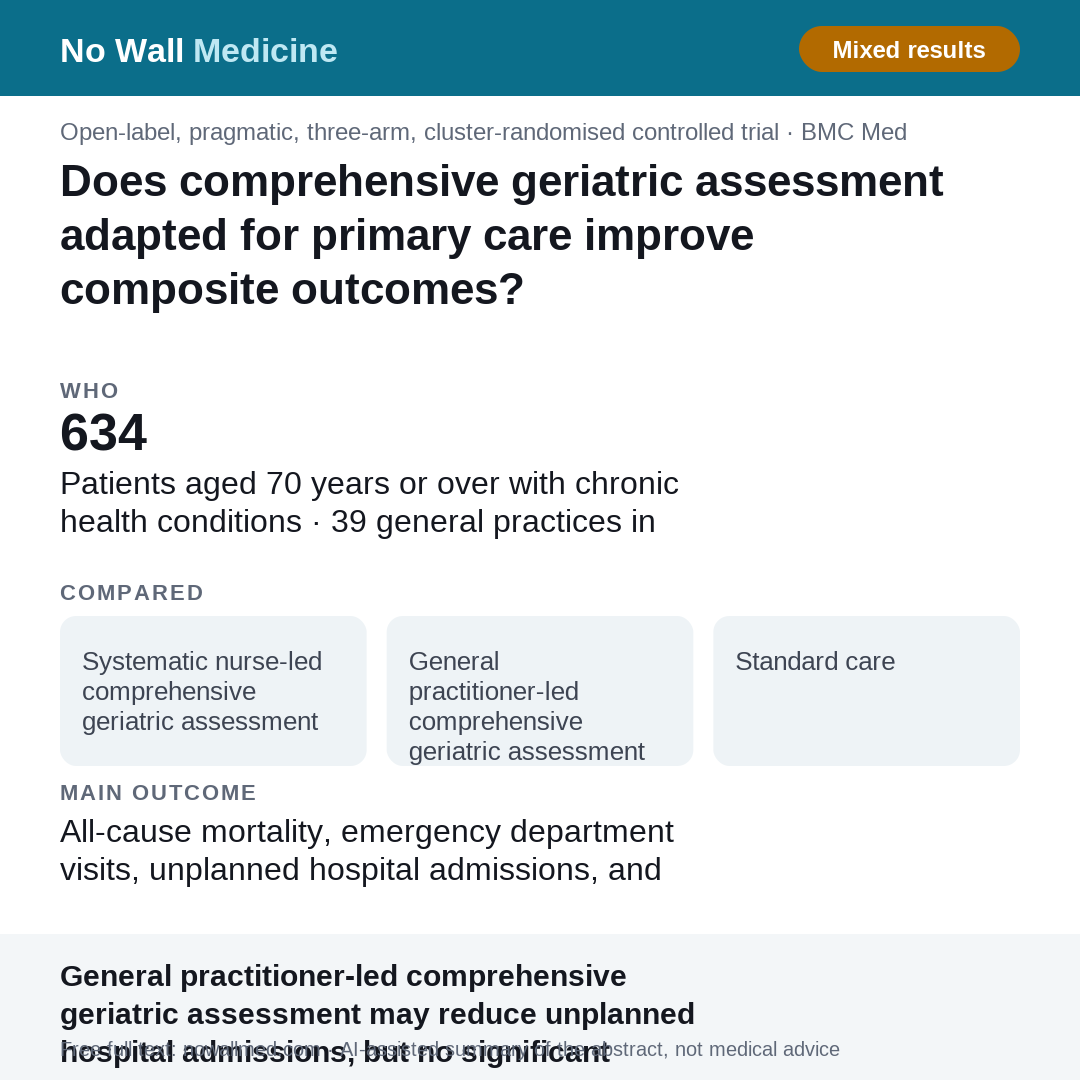
Effectiveness of comprehensive geriatric assessment adapted to primary care when provided by a nurse or a general practitioner: the CEpiA cluster-randomised trial
Open-label, pragmatic, three-arm, cluster-randomised controlled trialMixed results
Does comprehensive geriatric assessment adapted for primary care improve composite outcomes?
Who
634
Patients aged 70 years or over with chronic health conditions · 39 general practices in France
Compared
Systematic nurse-led comprehensive geriatric assessment
General practitioner-led comprehensive geriatric assessment
Standard care
Main outcome
All-cause mortality, emergency department visits, unplanned hospital admissions, and institutionalisation
Result: adjusted odds ratio 0.60 (95% CI 0.39-0.93) for GP-led vs control
Bottom line: General practitioner-led comprehensive geriatric assessment may reduce unplanned hospital admissions, but no significant effect on mortality or quality of life.
BMC Med · 2024-09-27Download image
CERS1 is a biomarker of Staphylococcus aureus abundance and atopic dermatitis severity
Randomized, double-blind trialBenefit found
Is CERS1 a biomarker of Staphylococcus aureus abundance
Who
71
Adults with moderate-to-severe atopic dermatitis · Multicenter
Compared
Dupilumab
Placebo
Main outcome
Staphylococcus aureus abundance
Result: CERS1 positively correlated with S aureus abundance
Bottom line: CERS1 is a biomarker of S aureus abundance
Funded by: National Institutes of Health
JACI · 2024-09-27Download image

Eight-year efficacy and safety of tenofovir alafenamide for treatment of chronic hepatitis B virus infection: Final results from two randomised phase 3 trials
Two randomized phase 3 trialsBenefit found
What are the eight-year efficacy and safety of tenofovir alafenamide for chronic hepatitis B?
Who
1298
Patients with chronic hepatitis B virus infection
Compared
69%Tenofovir alafenamide (missing-equals-failure analysis)
Tenofovir disoproxil fumarate
Main outcome
Achievement of hepatitis B virus DNA less than 29 IU/mL
Bottom line: Long-term tenofovir alafenamide treatment showed high viral suppression rates and favorable safety with no resistance development.
Aliment Pharmacol Ther · 2024-09-27Download image

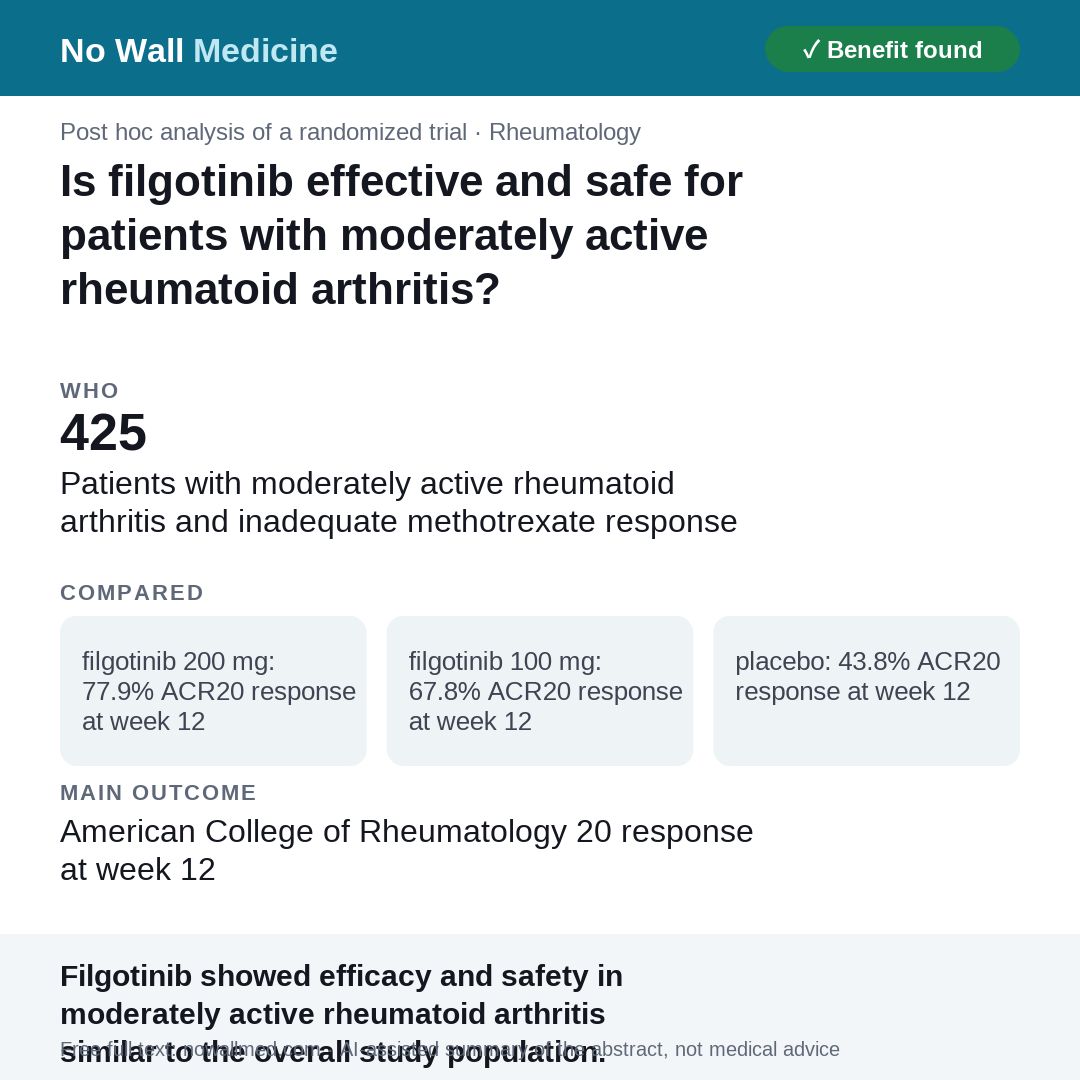
Efficacy and safety of filgotinib in patients with moderately active rheumatoid arthritis and an inadequate response to methotrexate
Post hoc analysis of a randomized trialBenefit found
Is filgotinib effective and safe for patients with moderately active rheumatoid arthritis?
Who
425
Patients with moderately active rheumatoid arthritis and inadequate methotrexate response
Compared
filgotinib 200 mg: 77.9% ACR20 response at week 12
filgotinib 100 mg: 67.8% ACR20 response at week 12
placebo: 43.8% ACR20 response at week 12
Main outcome
American College of Rheumatology 20 response at week 12
Bottom line: Filgotinib showed efficacy and safety in moderately active rheumatoid arthritis similar to the overall study population.
Limitation: This was a post hoc subgroup analysis of the FINCH 1 trial.
Rheumatology · 2024-09-27Download image
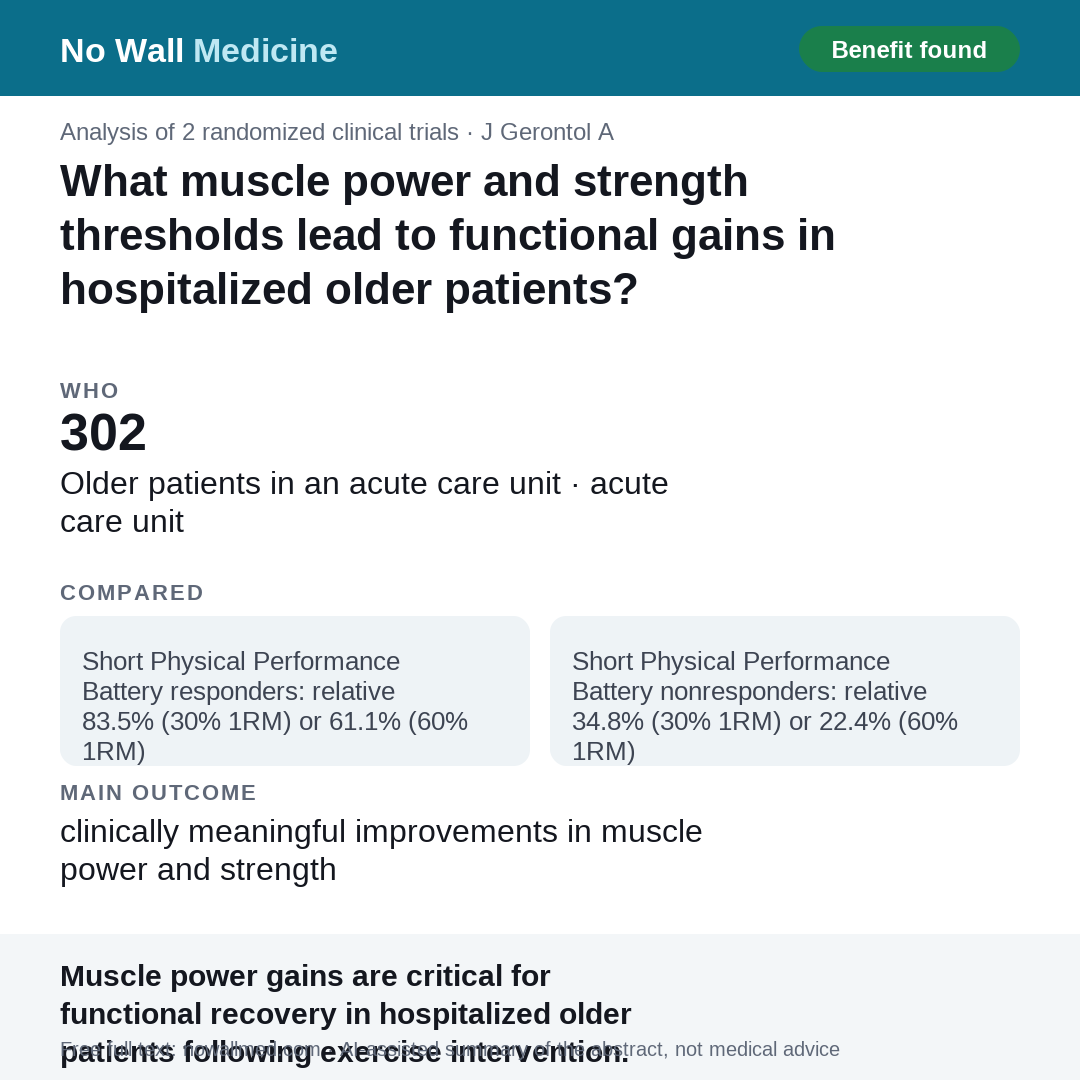
Identifying Clinically Meaningful Muscle Power Enhancements and Their Functional Correlates in Hospitalized Older Patients
Analysis of 2 randomized clinical trialsBenefit found
What muscle power and strength thresholds lead to functional gains in hospitalized older patients?
Who
302
Older patients in an acute care unit · acute care unit
Compared
Short Physical Performance Battery responders: relative 83.5% (30% 1RM) or 61.1% (60% 1RM)
Short Physical Performance Battery nonresponders: relative 34.8% (30% 1RM) or 22.4% (60% 1RM)
Main outcome
clinically meaningful improvements in muscle power and strength
Bottom line: Muscle power gains are critical for functional recovery in hospitalized older patients following exercise intervention.
J Gerontol A · 2024-09-27Download image
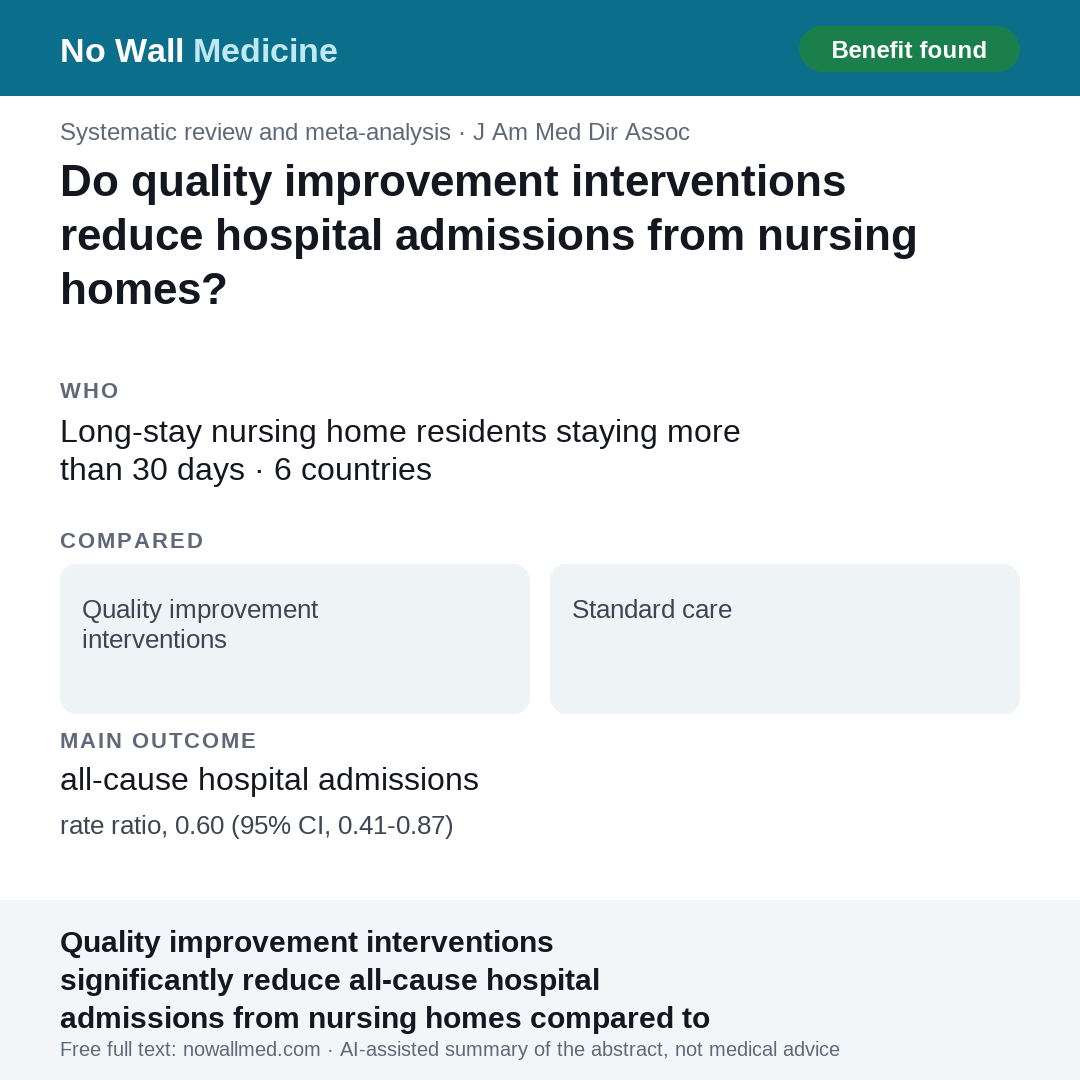
Impact of Quality Improvement Interventions on Hospital Admissions from Nursing Homes: A Systematic Review and Meta-Analysis
Systematic review and meta-analysisBenefit found
Do quality improvement interventions reduce hospital admissions from nursing homes?
Who
Long-stay nursing home residents staying more than 30 days · 6 countries
Compared
Quality improvement interventions
Standard care
Main outcome
all-cause hospital admissions
Result: rate ratio, 0.60 (95% CI, 0.41-0.87)
Bottom line: Quality improvement interventions significantly reduce all-cause hospital admissions from nursing homes compared to standard care.
Limitation: Findings require confirmation through future experimental research.
J Am Med Dir Assoc · 2024-09-27Download image
"Vaccinating your child during an emergency is more important than ever": a randomised controlled trial on message framing among Ukrainian refugees in Poland, 2023
Randomized controlled trialBenefit found
Do different message frames affect vaccination intention among Ukrainian refugee mothers in Poland?
Who
1,910
Ukrainian refugee mothers residing in Poland · Poland
Compared
Control group
Trust in the Polish health system
Ease of access to vaccination
Risk aversion: increased vaccination intention and clicking on the vaccine scheduling link
Main outcome
Intention to vaccinate a child and clicking a scheduling link
Result: adjusted odds ratio 2.35 (95% confidence interval 1.25-4.42)
Bottom line: A risk aversion message significantly increased vaccination intention and clicking on a vaccination scheduling link among Ukrainian refugee mothers.
Euro Surveill · 2024-09-27Download image

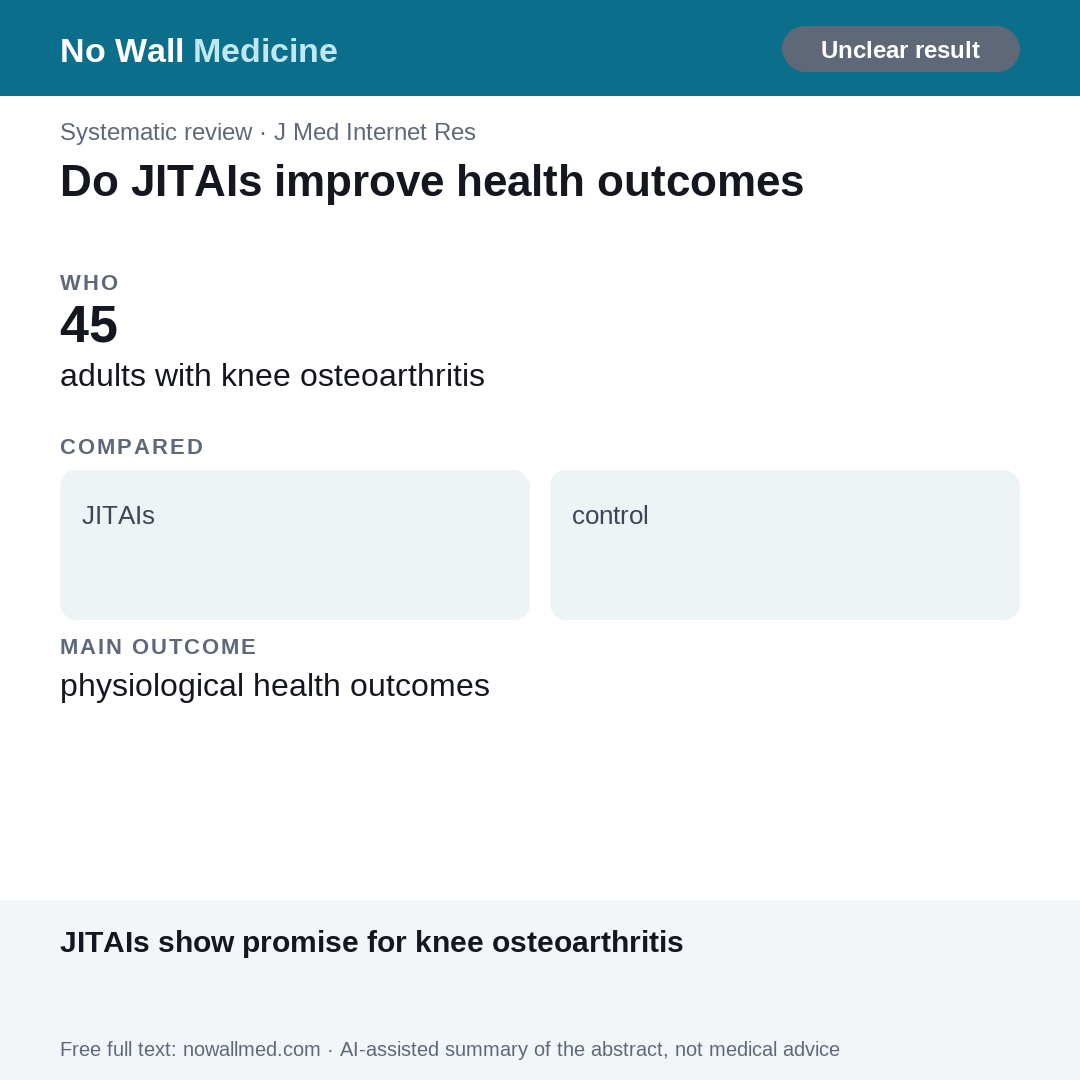
Just-in-Time Adaptive Interventions for Behavior Change in Physiological Health Outcomes and the Use Case for Knee Osteoarthritis: Systematic Review
Systematic reviewUnclear result
Do JITAIs improve health outcomes
Who
45
adults with knee osteoarthritis
Compared
JITAIs
control
Main outcome
physiological health outcomes
Bottom line: JITAIs show promise for knee osteoarthritis
J Med Internet Res · 2024-09-27Download image
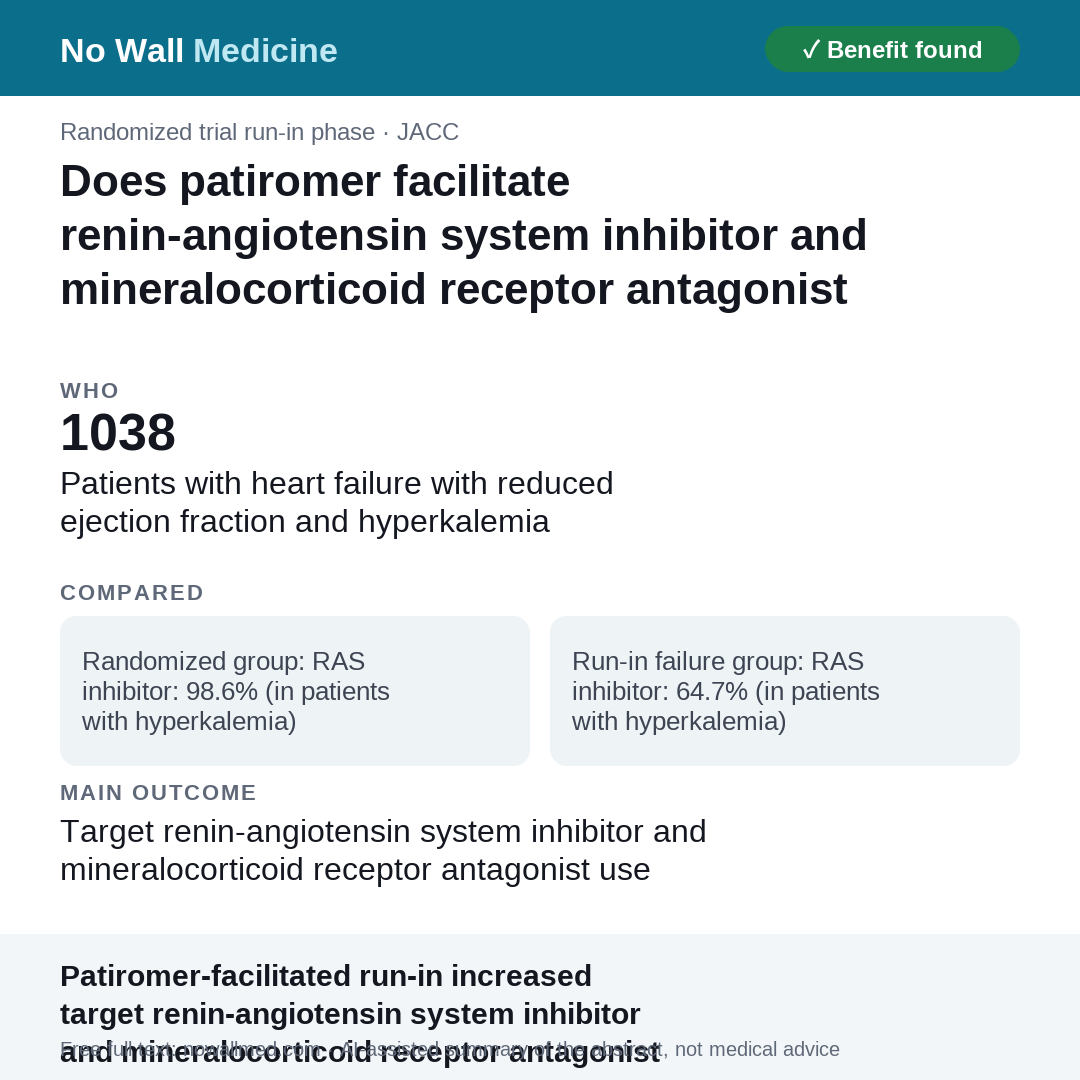
Patiromer Facilitates Angiotensin Inhibitor and Mineralocorticoid Antagonist Therapies in Patients With Heart Failure and Hyperkalemia
Randomized trial run-in phaseBenefit found
Does patiromer facilitate renin-angiotensin system inhibitor and mineralocorticoid receptor antagonist optimization?
Who
1038
Patients with heart failure with reduced ejection fraction and hyperkalemia
Compared
Randomized group: RAS inhibitor: 98.6% (in patients with hyperkalemia)
Run-in failure group: RAS inhibitor: 64.7% (in patients with hyperkalemia)
Main outcome
Target renin-angiotensin system inhibitor and mineralocorticoid receptor antagonist use
Bottom line: Patiromer-facilitated run-in increased target renin-angiotensin system inhibitor and mineralocorticoid receptor antagonist use in patients with heart failure.
JACC · 2024-09-26Download image
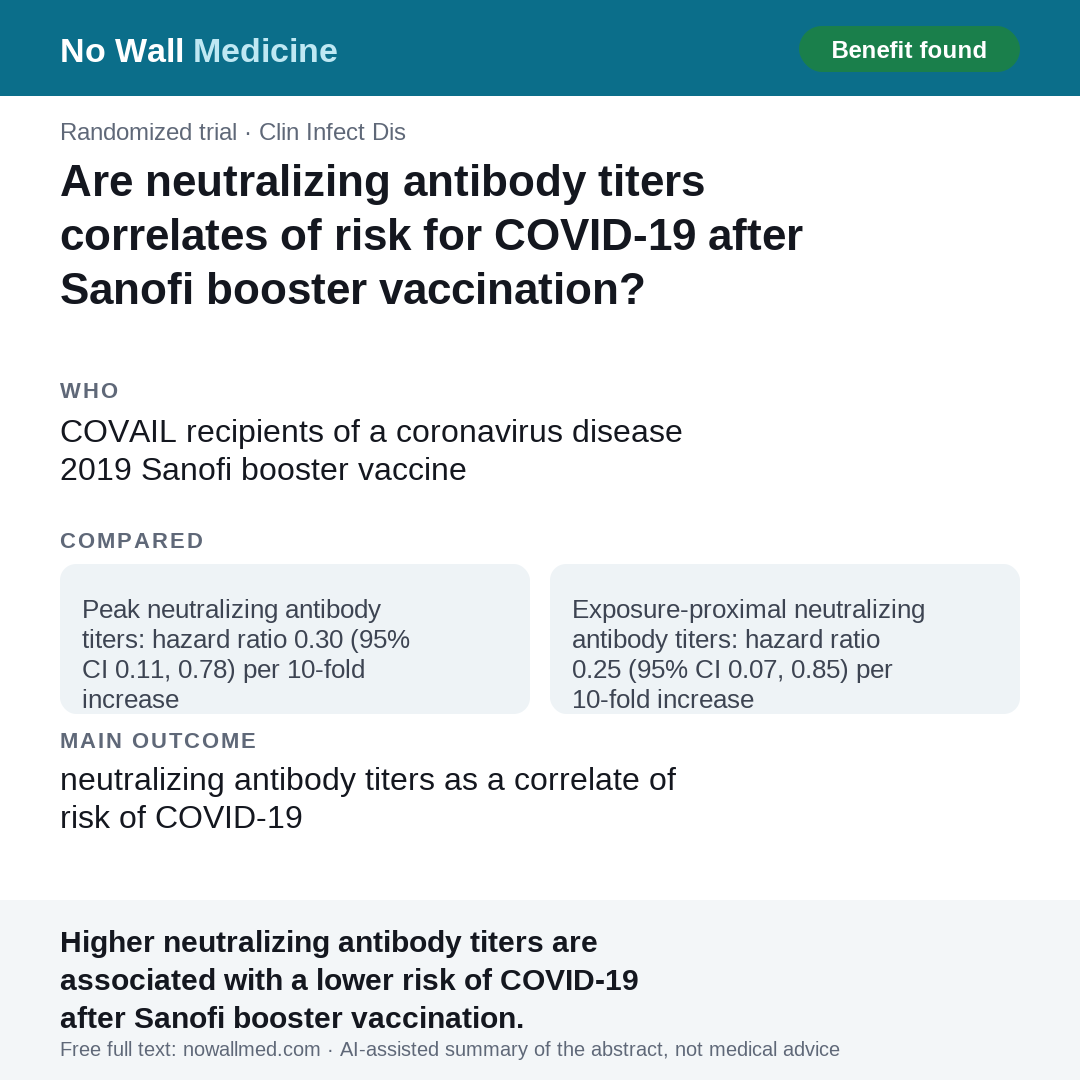
Neutralizing Antibody Immune Correlates for a Recombinant Protein Vaccine in the COVAIL Trial
Randomized trialBenefit found
Are neutralizing antibody titers correlates of risk for COVID-19 after Sanofi booster vaccination?
Who
COVAIL recipients of a coronavirus disease 2019 Sanofi booster vaccine
Compared
Peak neutralizing antibody titers: hazard ratio 0.30 (95% CI 0.11, 0.78) per 10-fold increase
Exposure-proximal neutralizing antibody titers: hazard ratio 0.25 (95% CI 0.07, 0.85) per 10-fold increase
Main outcome
neutralizing antibody titers as a correlate of risk of COVID-19
Result: hazard ratio 0.30 (95% CI 0.11, 0.78) and 0.25 (95% CI 0.07, 0.85)
Bottom line: Higher neutralizing antibody titers are associated with a lower risk of COVID-19 after Sanofi booster vaccination.
Clin Infect Dis · 2024-09-26Download image
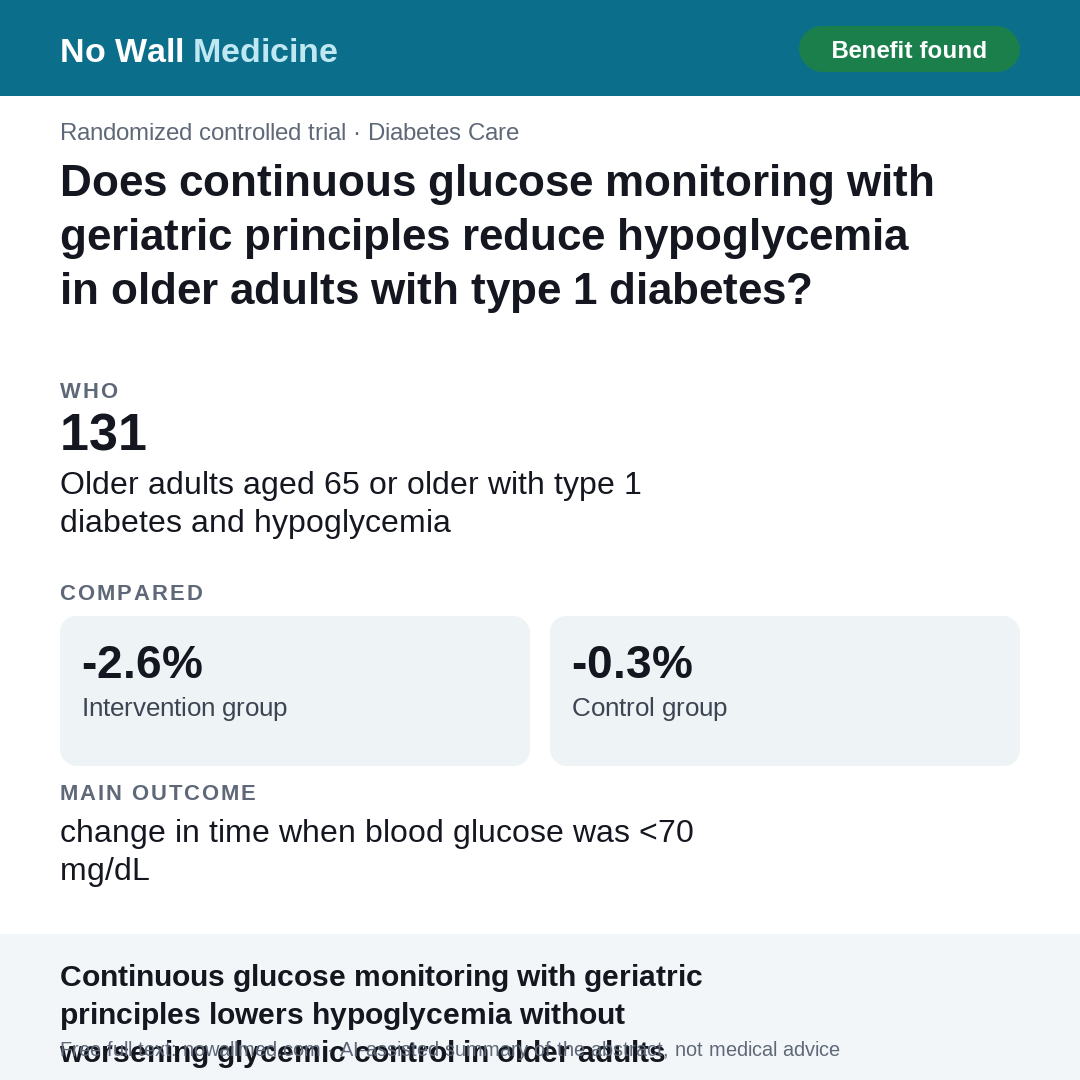
Continuous Glucose Monitoring With Geriatric Principles in Older Adults With Type 1 Diabetes and Hypoglycemia: A Randomized Controlled Trial
Randomized controlled trialBenefit found
Does continuous glucose monitoring with geriatric principles reduce hypoglycemia in older adults with type 1 diabetes?
Who
131
Older adults aged 65 or older with type 1 diabetes and hypoglycemia
Compared
-2.6%Intervention group
-0.3%Control group
Main outcome
change in time when blood glucose was <70 mg/dL
Result: median difference, -2.3% (95% CI -3.7%, -1.3%)
Bottom line: Continuous glucose monitoring with geriatric principles lowers hypoglycemia without worsening glycemic control in older adults with type 1 diabetes.
Diabetes Care · 2024-09-26Download image
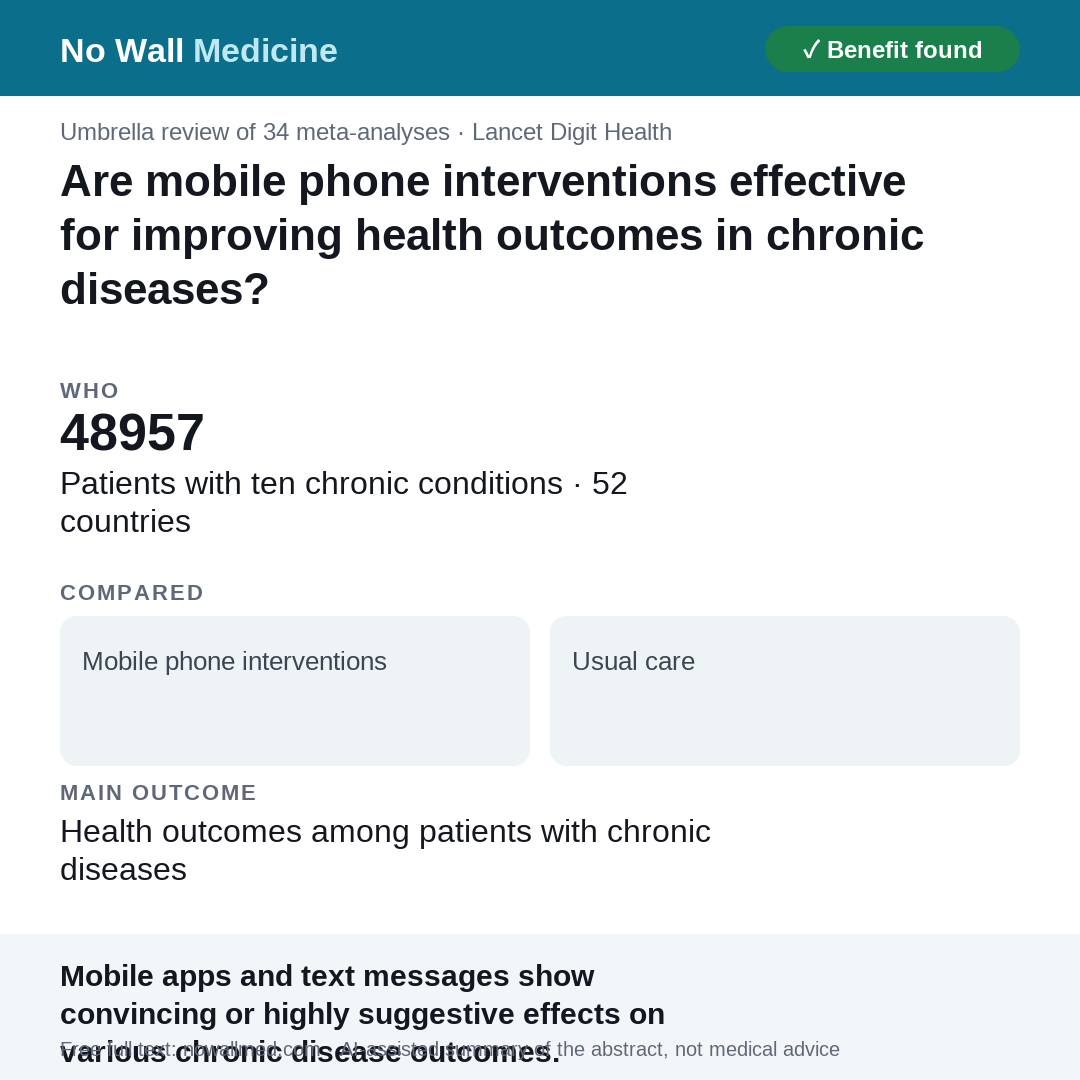
Mobile phone interventions to improve health outcomes among patients with chronic diseases: an umbrella review and evidence synthesis from 34 meta-analyses
Umbrella review of 34 meta-analysesBenefit found
Are mobile phone interventions effective for improving health outcomes in chronic diseases?
Who
48957
Patients with ten chronic conditions · 52 countries
Compared
Mobile phone interventions
Usual care
Main outcome
Health outcomes among patients with chronic diseases
Result: glycated haemoglobin reduction d=0·44
Bottom line: Mobile apps and text messages show convincing or highly suggestive effects on various chronic disease outcomes.
Limitation: Scarcity of reporting on moderators, publication bias, and little research in low-income countries.
Lancet Digit Health · 2024-09-26Download image
A systematic review of antibiotic drug shortages and the strategies employed for managing these shortages
Systematic reviewMixed results
What are the patterns, causes, effects, and management strategies of antibiotic shortages?
Who
74
Healthcare workers and patient populations affected by antibiotic shortages · Global, 82.4% in high-income countries
Compared
Piperacillin-tazobactam shortages: 21/74 (28.4%)
WHO Watch category antibiotics: 27/54 (51%)
Main outcome
Patterns, causes, health system effects, and management strategies
Bottom line: Antibiotic shortages cause increased hospital stays and treatment failure, but clinical outcome data remains limited.
Limitation: Robust economic impact analysis of shortages is unavailable.
Clin Microbiol Infect · 2024-09-26Download image

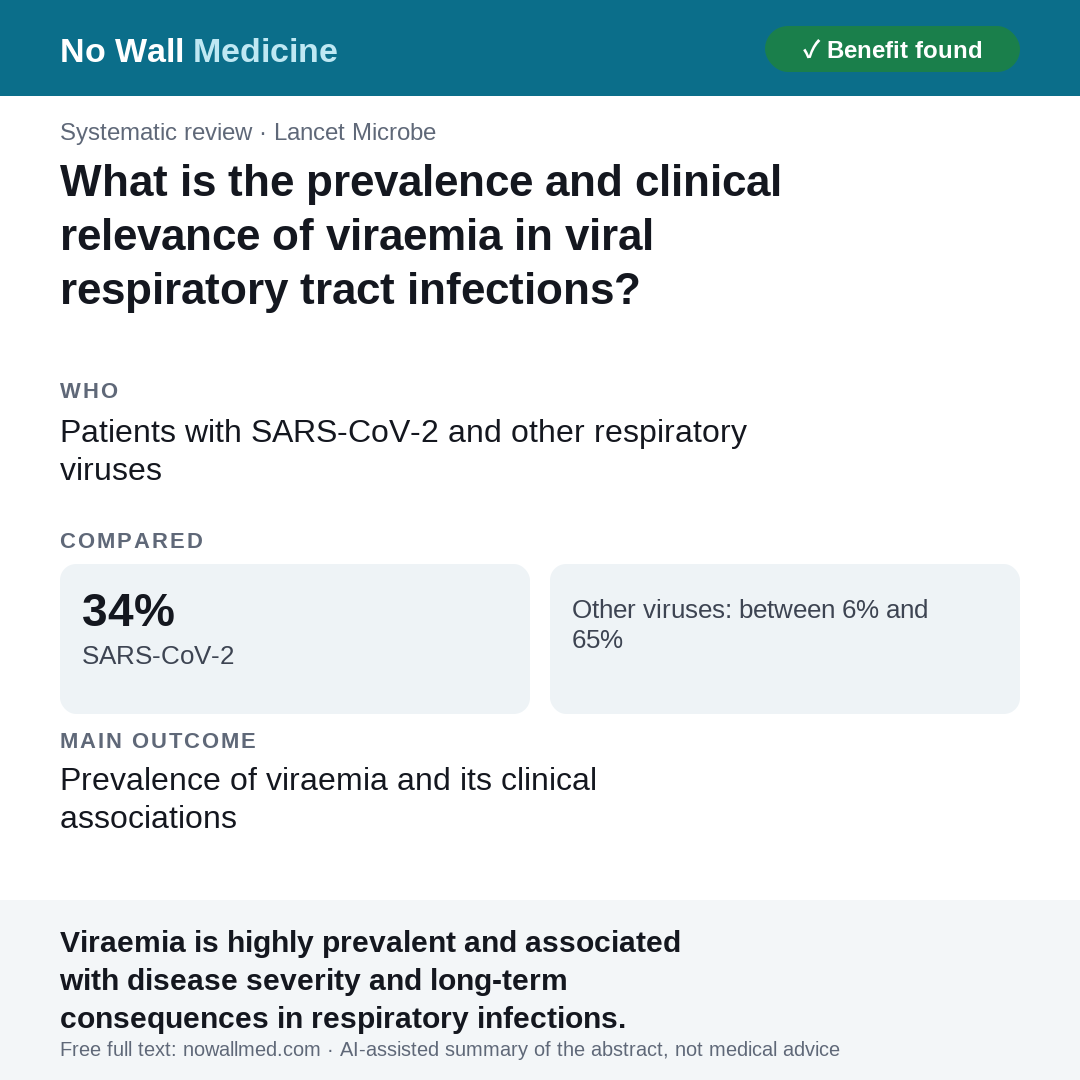
Prevalence and clinical relevance of viraemia in viral respiratory tract infections: a systematic review
Systematic reviewBenefit found
What is the prevalence and clinical relevance of viraemia in viral respiratory tract infections?
Who
202
Patients with SARS-CoV-2 and other respiratory viruses
Compared
34%SARS-CoV-2
Other viruses: between 6% and 65%
Main outcome
Prevalence of viraemia and its clinical associations
Bottom line: Viraemia is highly prevalent and associated with disease severity and long-term consequences in respiratory infections.
Lancet Microbe · 2024-09-26Download image
Genome-wide meta-analysis of ascertainment and symptom structures of major depression in case-enriched and community cohorts
Genome-wide meta-analysisMixed results
What are the symptom structures of major depression in case-enriched and community cohorts?
Who
Participants from three case-enriched and three community cohorts · Multiple international cohorts
Compared
Case-enriched cohorts
Community cohorts
Main outcome
Symptom structures and genetic association data
Bottom line: Symptom structures vary by cohort type and require accounting for measurement design and symptom directionality.
Psychol Med · 2024-09-26Download image

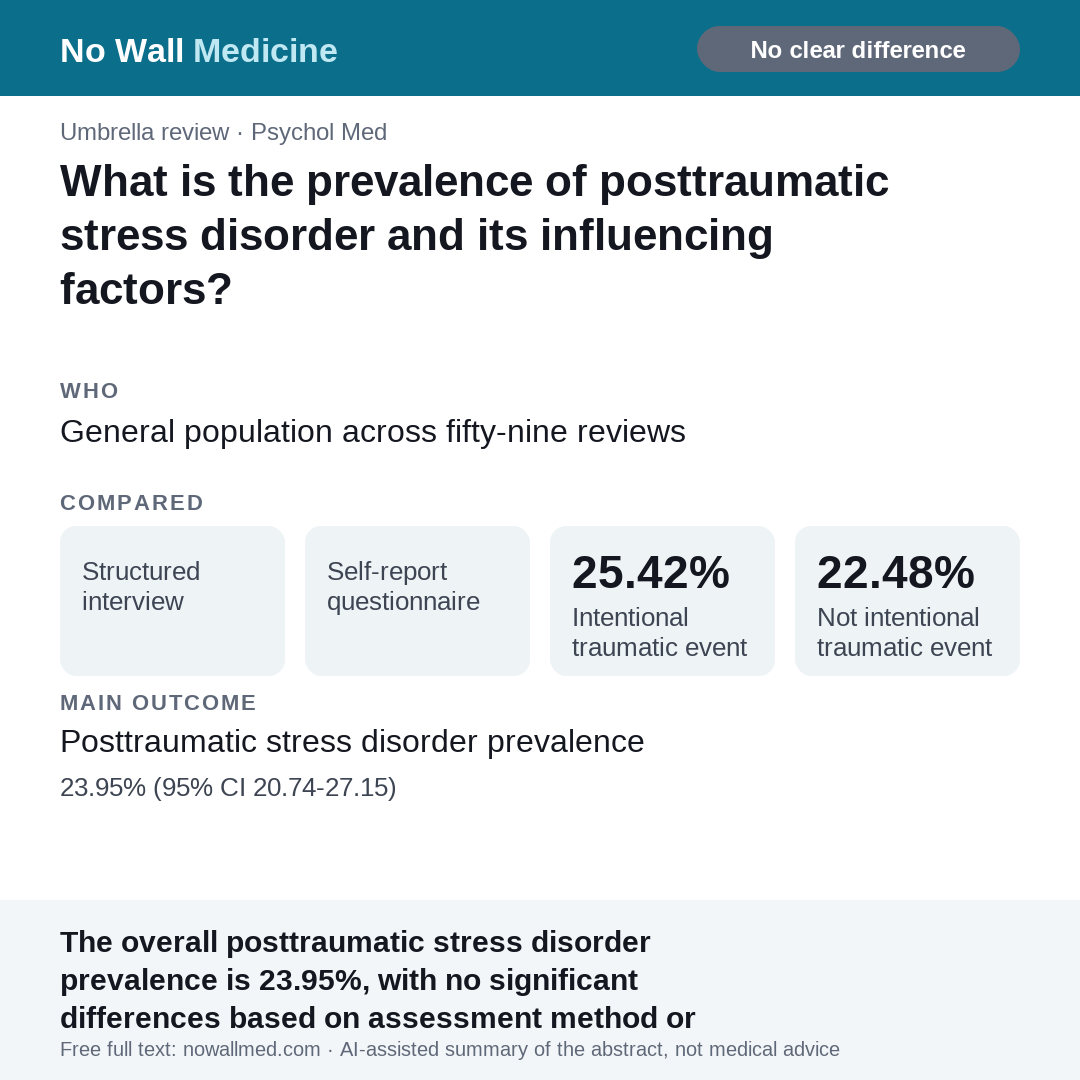
Posttraumatic stress disorder (PTSD) prevalence: an umbrella review
Umbrella reviewNo clear difference
What is the prevalence of posttraumatic stress disorder and its influencing factors?
Who
General population across fifty-nine reviews
Compared
Structured interview
Self-report questionnaire
25.42%Intentional traumatic event (95% CI 19.76-31.09)
22.48%Not intentional traumatic event (95% CI 17.22-27.73)
Main outcome
Posttraumatic stress disorder prevalence
Result: 23.95% (95% CI 20.74-27.15)
Bottom line: The overall posttraumatic stress disorder prevalence is 23.95%, with no significant differences based on assessment method or event nature.
Limitation: A high level of heterogeneity between meta-analyses.
Psychol Med · 2024-09-26Download image
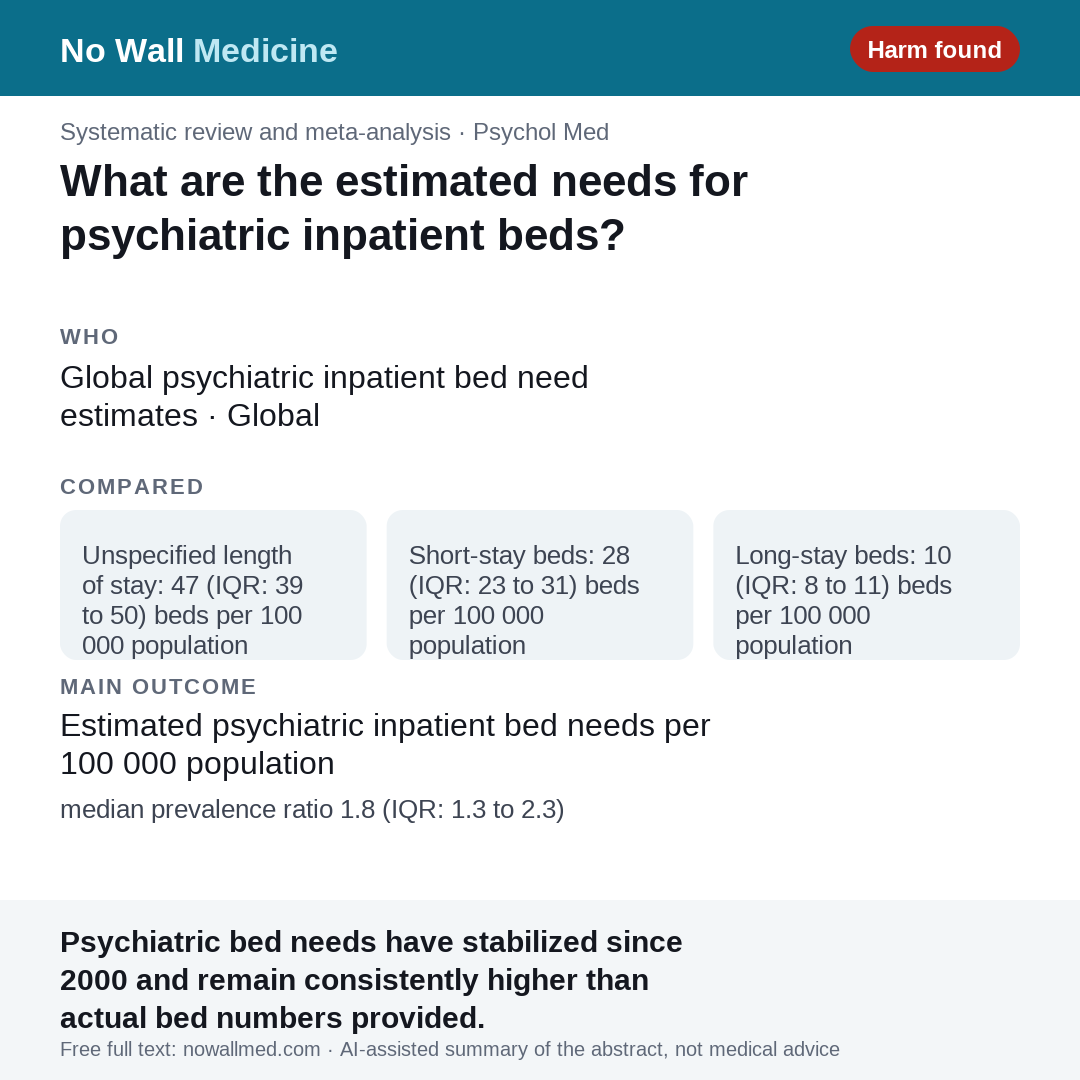
Need estimates of psychiatric beds: a systematic review and meta-analysis
Systematic review and meta-analysisHarm found
What are the estimated needs for psychiatric inpatient beds?
Who
Global psychiatric inpatient bed need estimates · Global
Compared
Unspecified length of stay: 47 (IQR: 39 to 50) beds per 100 000 population
Short-stay beds: 28 (IQR: 23 to 31) beds per 100 000 population
Long-stay beds: 10 (IQR: 8 to 11) beds per 100 000 population
Main outcome
Estimated psychiatric inpatient bed needs per 100 000 population
Result: median prevalence ratio 1.8 (IQR: 1.3 to 2.3)
Bottom line: Psychiatric bed needs have stabilized since 2000 and remain consistently higher than actual bed numbers provided.
Psychol Med · 2024-09-26Download image
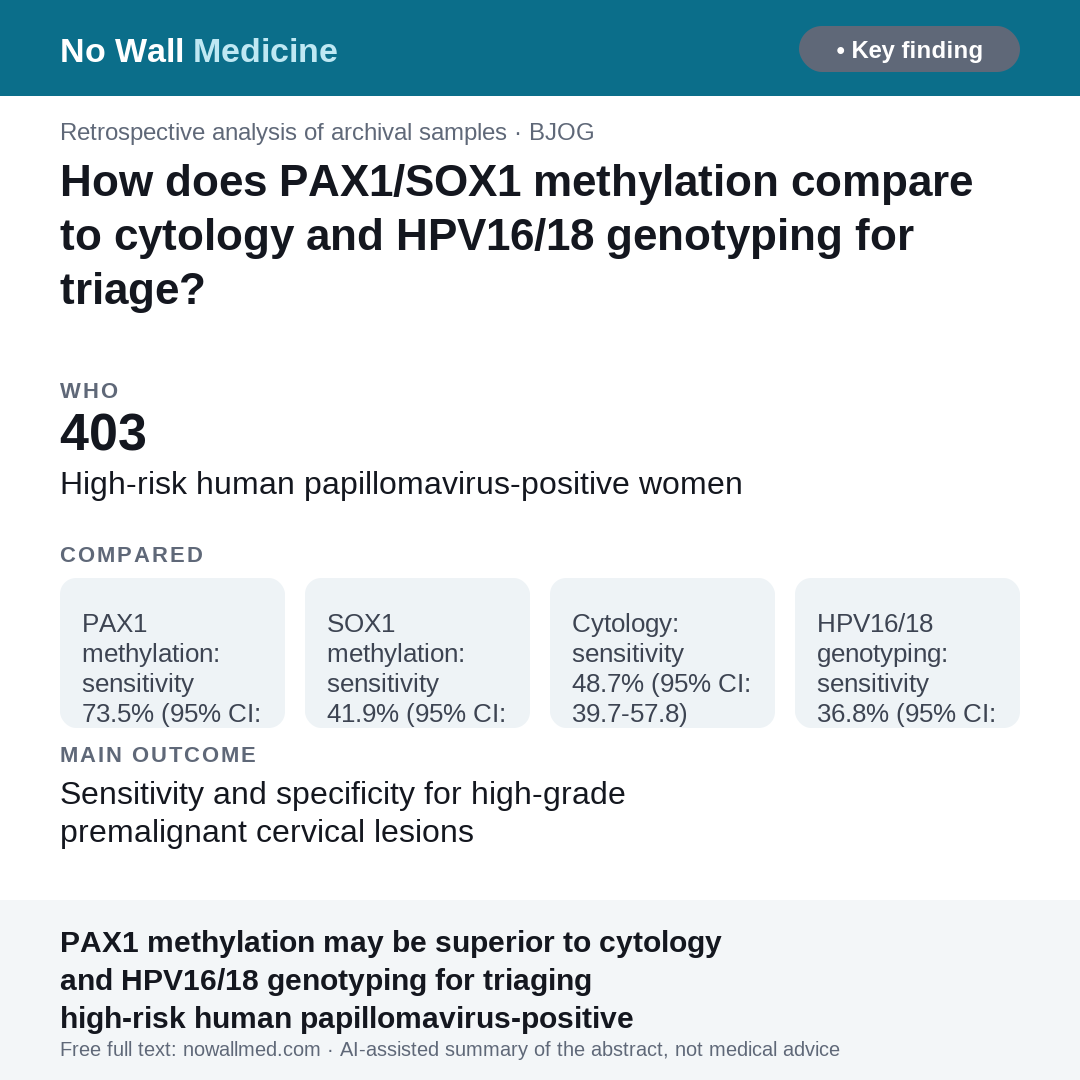
PAX1/SOX1 DNA Methylation Versus Cytology and HPV16/18 Genotyping for the Triage of High-Risk HPV-Positive Women in Cervical Cancer Screening: Retrospective Analysis of Archival Samples
Retrospective analysis of archival samplesBenefit found
How does PAX1/SOX1 methylation compare to cytology and HPV16/18 genotyping for triage?
Who
403
High-risk human papillomavirus-positive women
Compared
PAX1 methylation: sensitivity 73.5% (95% CI: 65.5-81.5)
SOX1 methylation: sensitivity 41.9% (95% CI: 32.9-50.8)
Cytology: sensitivity 48.7% (95% CI: 39.7-57.8)
HPV16/18 genotyping: sensitivity 36.8% (95% CI: 28.0-45.5)
Main outcome
Sensitivity and specificity for high-grade premalignant cervical lesions
Result: PAX1 AUC 0.72
Bottom line: PAX1 methylation may be superior to cytology and HPV16/18 genotyping for triaging high-risk human papillomavirus-positive women.
BJOG · 2024-09-26Download image
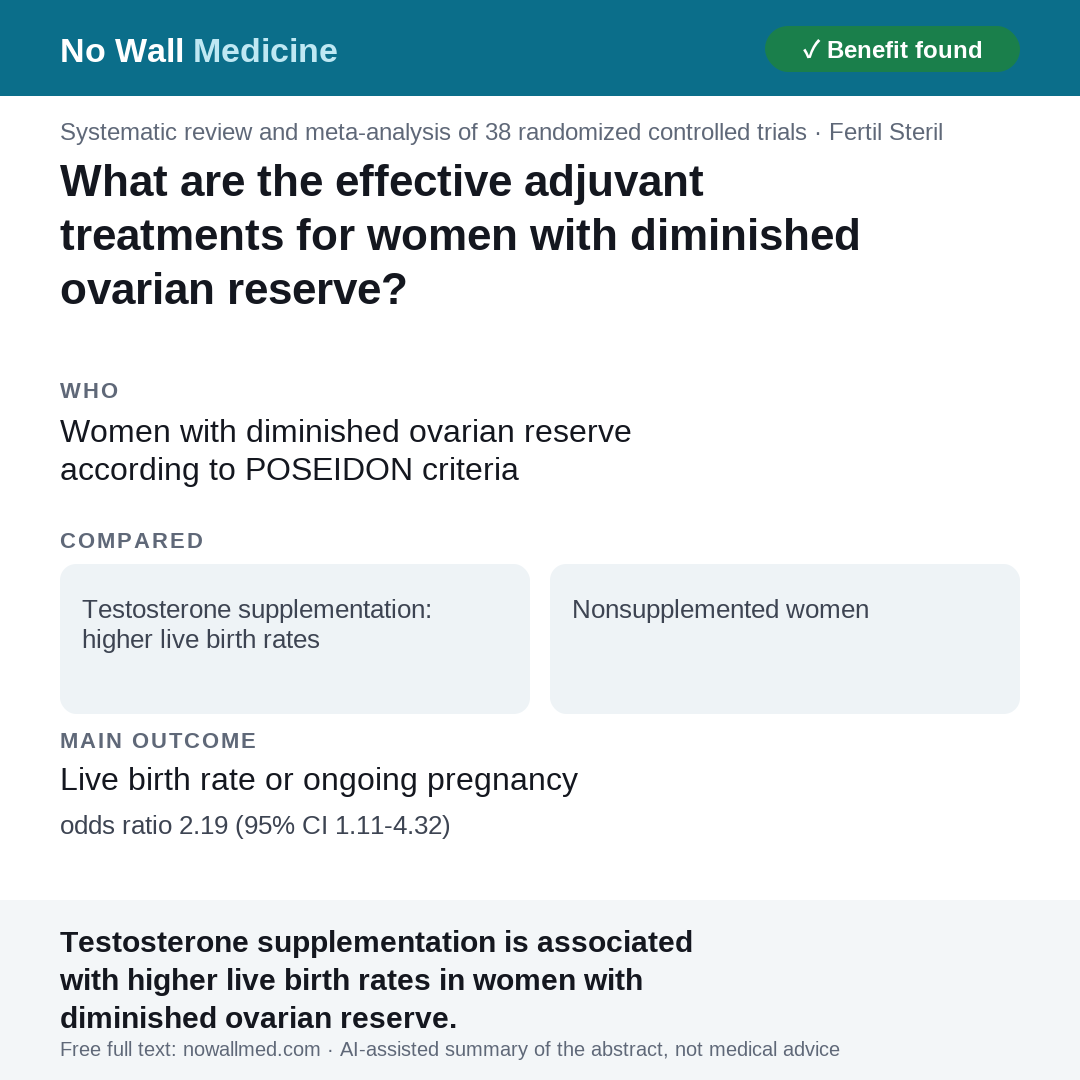
Therapeutic management in women with a diminished ovarian reserve: a systematic review and meta-analysis of randomized controlled trials
Systematic review and meta-analysis of 38 randomized controlled trialsBenefit found
What are the effective adjuvant treatments for women with diminished ovarian reserve?
Who
Women with diminished ovarian reserve according to POSEIDON criteria
Compared
Testosterone supplementation: higher live birth rates
Nonsupplemented women
Main outcome
Live birth rate or ongoing pregnancy
Result: odds ratio 2.19 (95% CI 1.11-4.32)
Bottom line: Testosterone supplementation is associated with higher live birth rates in women with diminished ovarian reserve.
Fertil Steril · 2024-09-26Download image
Postnatal outcome of fetal cortical malformations: systematic review
Systematic reviewMixed results
What is the postnatal neurodevelopmental outcome for fetuses diagnosed with cortical malformations of development?
Who
371
Fetuses diagnosed with malformations of cortical development
Compared
Live births with neurodevelopmental follow-up: 23.3% (7/30) normal neurodevelopmental outcome
Live births with neurodevelopmental follow-up: 23 exhibiting various levels of neurodevelopmental delay
Main outcome
Postnatal neurodevelopmental outcome
Bottom line: Available data suggest either normal neurodevelopment or neurodevelopmental delay in liveborn cases with neurological follow-up.
Limitation: There is a paucity of data on postnatal neurological development in fetuses diagnosed with malformations of cortical development.
Ultrasound Obstet Gynecol · 2024-09-26Download image