Visual abstracts
New randomized trials and meta-analyses from leading journals at a glance: who was studied, what was compared, and what was found. Every paper is free to read in full.
All specialtiesCardiology 4877Oncology 4138Gastroenterology & Hepatology 1942Infectious Disease 3837Neurology 1905Psychiatry & Mental Health 2273Pulmonology 2143Critical Care 1365Endocrinology & Diabetes 2580Pediatrics 2980Surgery 2559Orthopedics & Sports Medicine 931Neurosurgery 537Cardiothoracic & Vascular Surgery 674Plastic & Reconstructive Surgery 591Nephrology 1133Rheumatology 823Hematology 1109Dermatology 621Ophthalmology 543Obstetrics & Gynecology 1686Public & Global Health 1058Radiology & Imaging 648Anesthesiology 986Urology 764ENT (Otolaryngology) 503Emergency Medicine 511Allergy & Immunology 313Geriatrics 981Family Medicine & Primary Care 562Medical Genetics & Genomics 676Pathology & Laboratory Medicine 159Physical Medicine & Rehabilitation 757Palliative Care 444Nutrition 1588Digital Health & AI 2201General Medicine 321
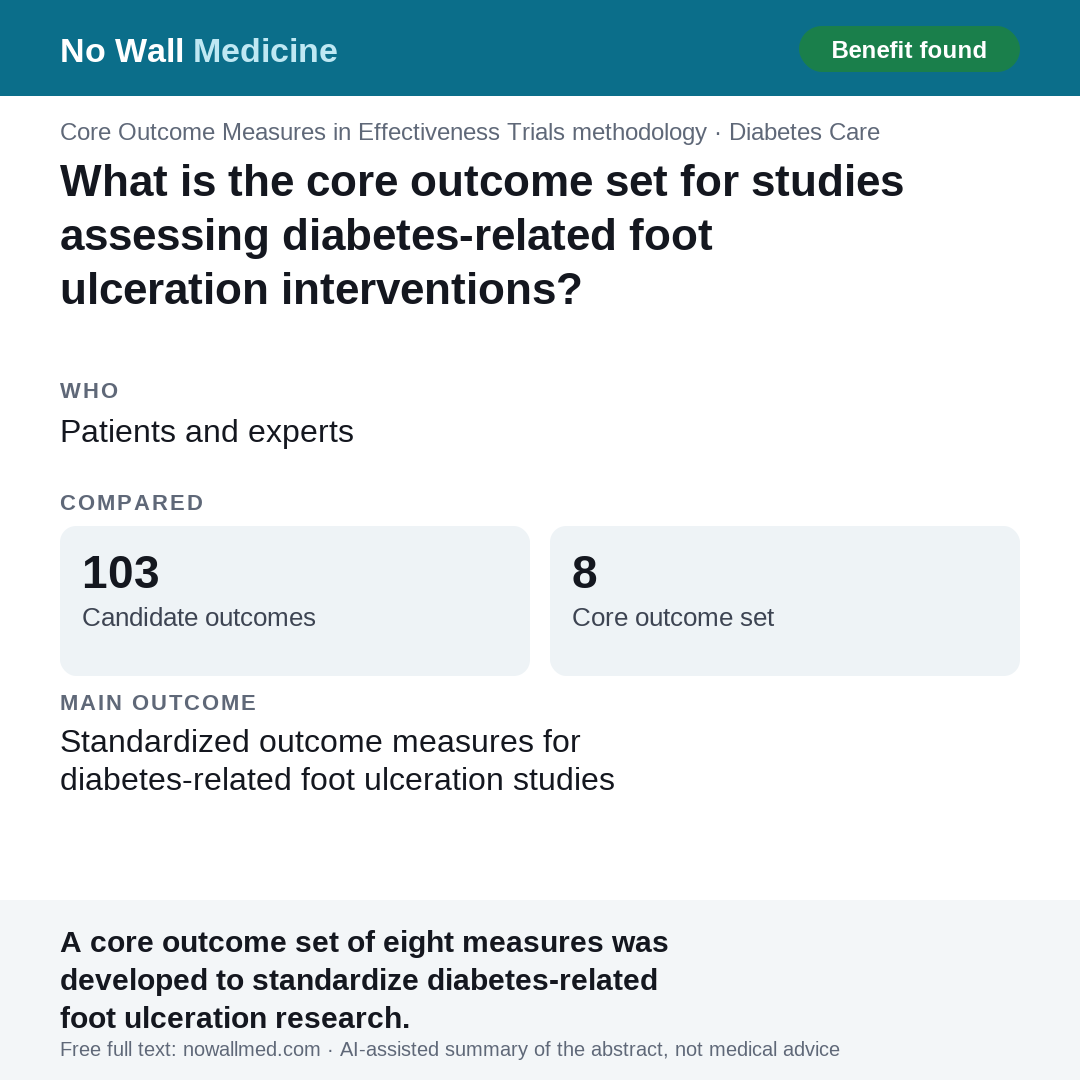
Development of a Core Outcome Set for Studies Assessing Interventions for Diabetes-Related Foot Ulceration
Core Outcome Measures in Effectiveness Trials methodologyBenefit found
What is the core outcome set for studies assessing diabetes-related foot ulceration interventions?
Who
Patients and experts
Compared
103Candidate outcomes
8Core outcome set
Main outcome
Standardized outcome measures for diabetes-related foot ulceration studies
Bottom line: A core outcome set of eight measures was developed to standardize diabetes-related foot ulceration research.
Diabetes Care · 2024-09-06Download image
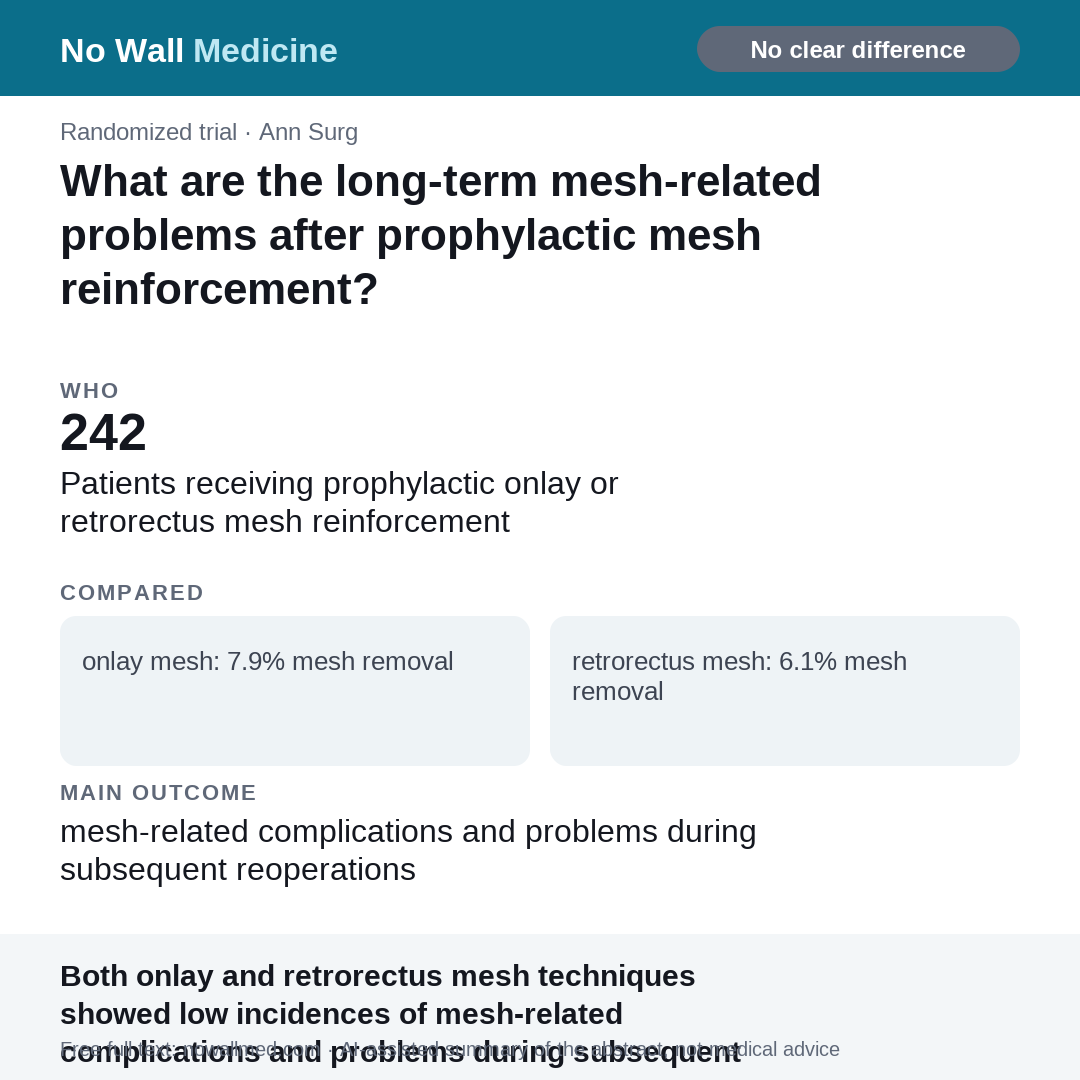
Prophylactic Mesh-related Reoperations and Mesh-related Problems During Subsequent Relaparotomies: Long-term Results From the PRIMA Trial
Randomized trialNo clear difference
What are the long-term mesh-related problems after prophylactic mesh reinforcement?
Who
242
Patients receiving prophylactic onlay or retrorectus mesh reinforcement
Compared
onlay mesh: 7.9% mesh removal
retrorectus mesh: 6.1% mesh removal
Main outcome
mesh-related complications and problems during subsequent reoperations
Bottom line: Both onlay and retrorectus mesh techniques showed low incidences of mesh-related complications and problems during subsequent reoperations.
Ann Surg · 2024-09-06Download image
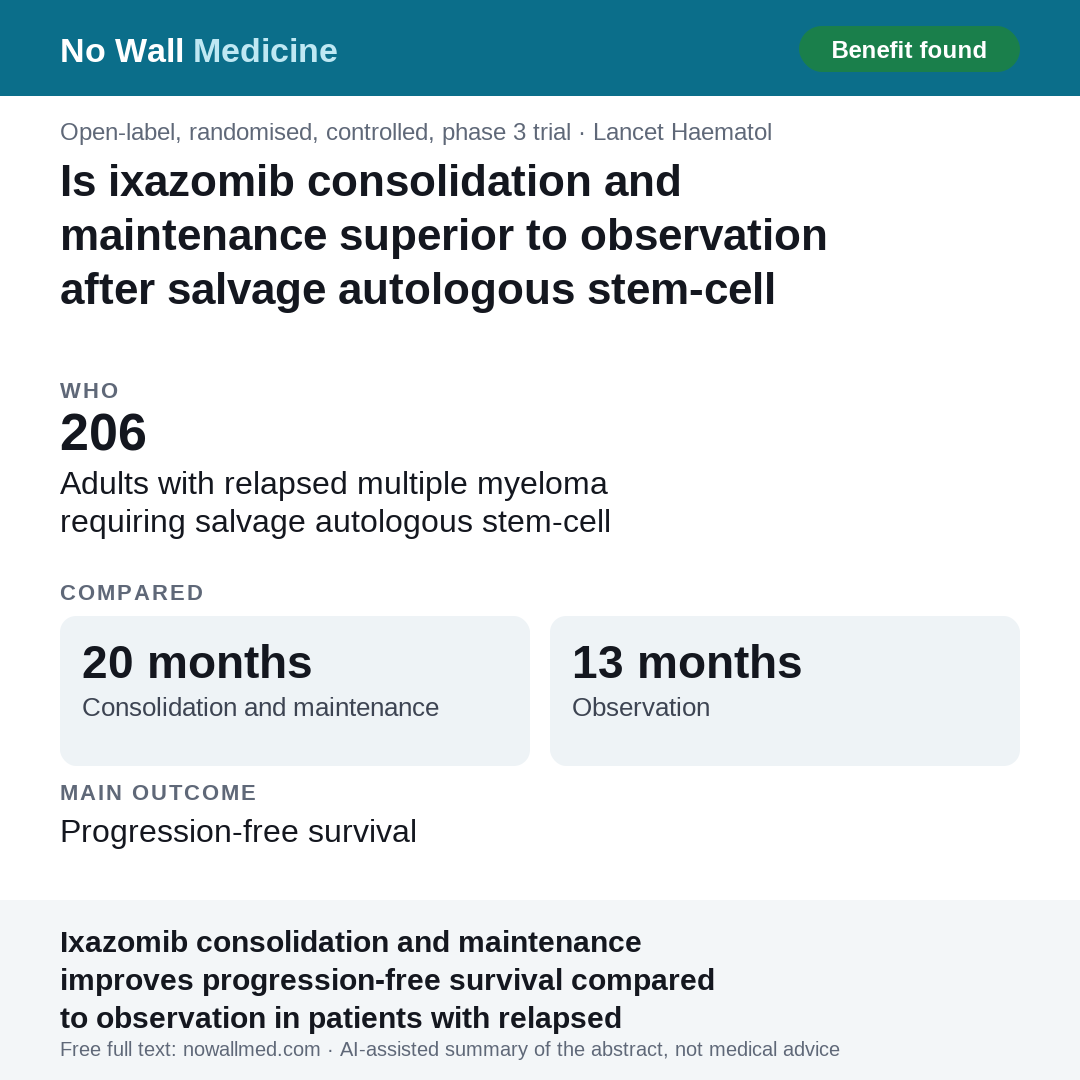
Ixazomib as consolidation and maintenance versus observation in patients with relapsed multiple myeloma eligible for salvage autologous stem-cell transplantation (Myeloma XII [ACCoRD]): interim analysis of a multicentre, open-label, randomised, phase 3 trial
Open-label, randomised, controlled, phase 3 trialBenefit found
Is ixazomib consolidation and maintenance superior to observation after salvage autologous stem-cell transplantation?
Who
206
Adults with relapsed multiple myeloma requiring salvage autologous stem-cell transplantation · 79 hospitals in the United Kingdom
Compared
20 monthsConsolidation and maintenance (95% CI 15-29)
13 monthsObservation (11-18)
Main outcome
Progression-free survival
Result: hazard ratio 0·55 (95% CI 0·39-0·78)
Bottom line: Ixazomib consolidation and maintenance improves progression-free survival compared to observation in patients with relapsed multiple myeloma.
Funded by: Cancer Research UK, Takeda Oncology
Lancet Haematol · 2024-09-06Download image
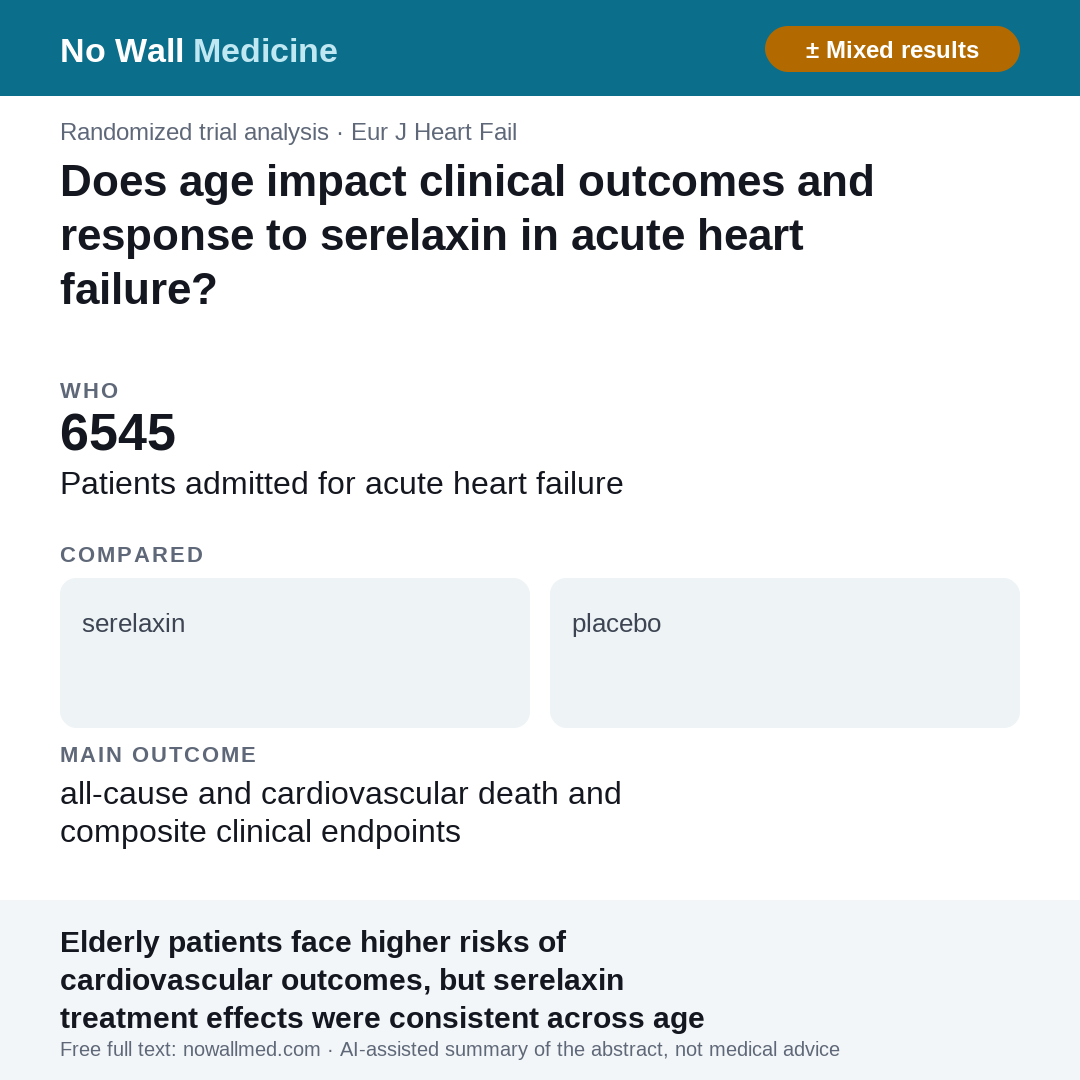
Impact of age on clinical outcomes and response to serelaxin in patients with acute heart failure: An analysis from the RELAX-AHF-2 trial
Randomized trial analysisMixed results
Does age impact clinical outcomes and response to serelaxin in acute heart failure?
Who
6545
Patients admitted for acute heart failure
Compared
serelaxin
placebo
Main outcome
all-cause and cardiovascular death and composite clinical endpoints
Bottom line: Elderly patients face higher risks of cardiovascular outcomes, but serelaxin treatment effects were consistent across age categories.
Eur J Heart Fail · 2024-09-06Download image
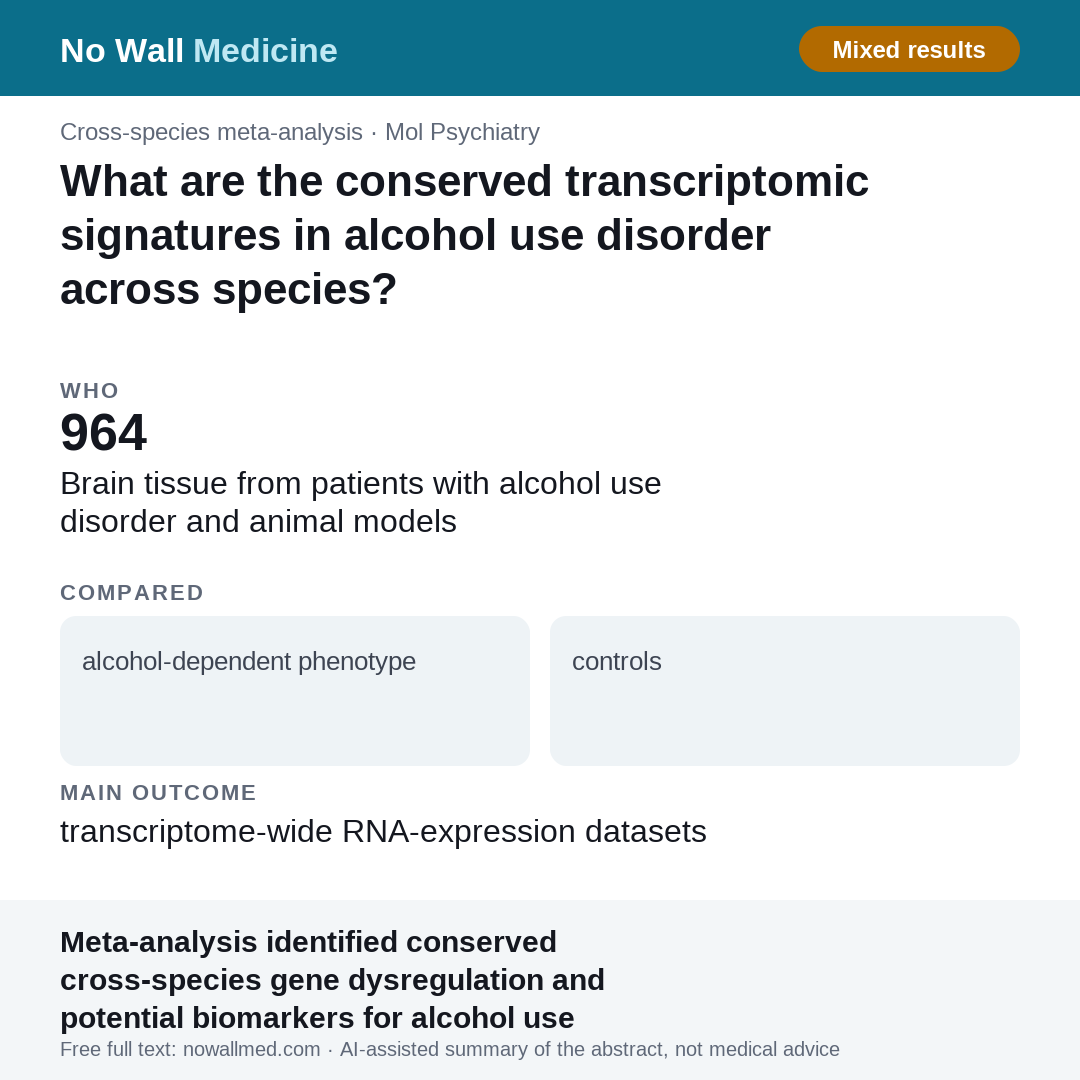
A systematic review and meta-analysis on the transcriptomic signatures in alcohol use disorder
Cross-species meta-analysisMixed results
What are the conserved transcriptomic signatures in alcohol use disorder across species?
Who
964
Brain tissue from patients with alcohol use disorder and animal models
Compared
alcohol-dependent phenotype
controls
Main outcome
transcriptome-wide RNA-expression datasets
Bottom line: Meta-analysis identified conserved cross-species gene dysregulation and potential biomarkers for alcohol use disorder.
Limitation: Previous studies suffer from large heterogeneity and small sample sizes.
Mol Psychiatry · 2024-09-06Download image
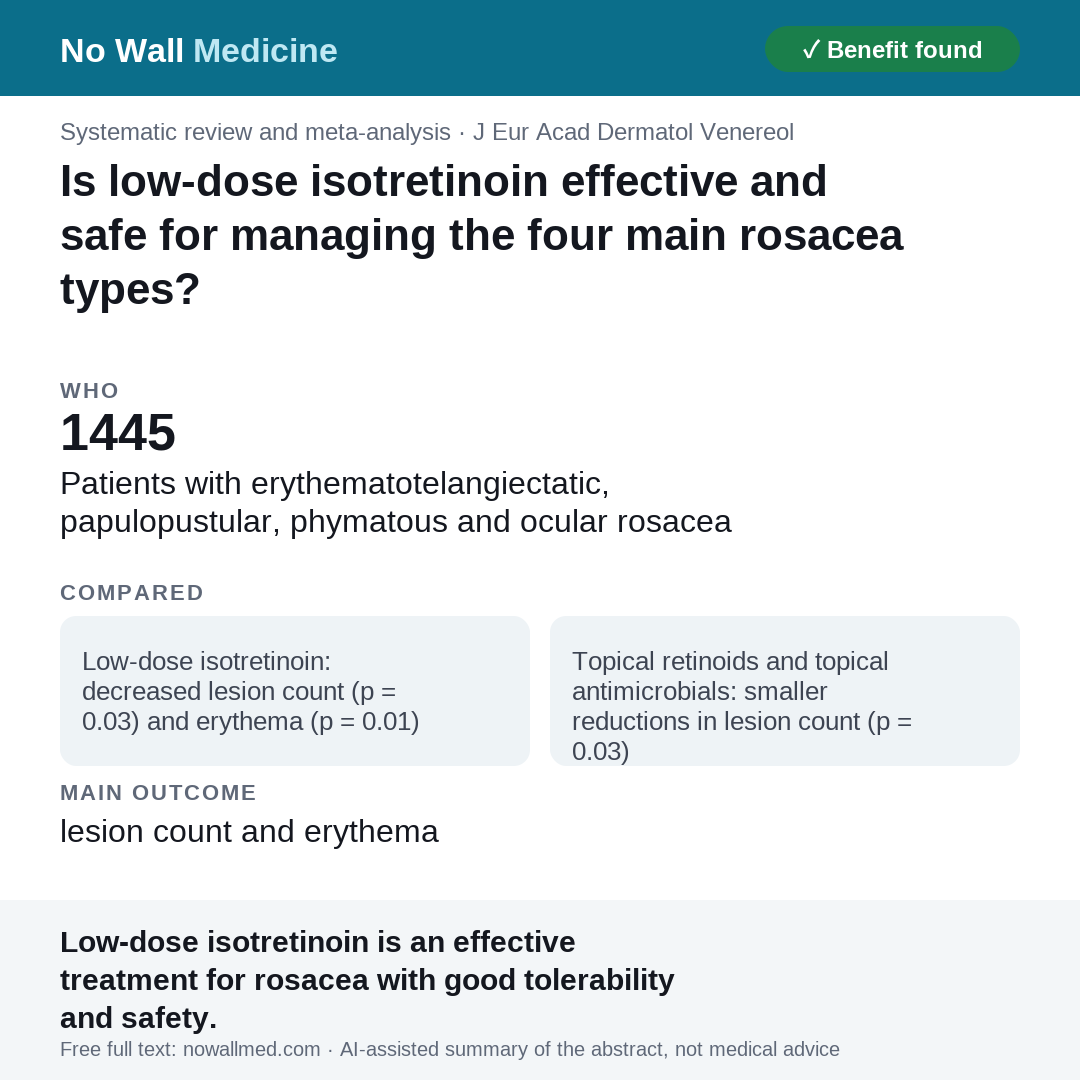
Low-dose isotretinoin for the management of rosacea: A systematic review and meta-analysis
Systematic review and meta-analysisBenefit found
Is low-dose isotretinoin effective and safe for managing the four main rosacea types?
Who
1445
Patients with erythematotelangiectatic, papulopustular, phymatous and ocular rosacea
Compared
Low-dose isotretinoin: decreased lesion count (p = 0.03) and erythema (p = 0.01)
Topical retinoids and topical antimicrobials: smaller reductions in lesion count (p = 0.03)
Main outcome
lesion count and erythema
Result: standardized mean difference > 0.8 for lesion count and erythema
Bottom line: Low-dose isotretinoin is an effective treatment for rosacea with good tolerability and safety.
Limitation: Study design heterogeneity limited more comprehensive comparisons.
J Eur Acad Dermatol Venereol · 2024-09-06Download image
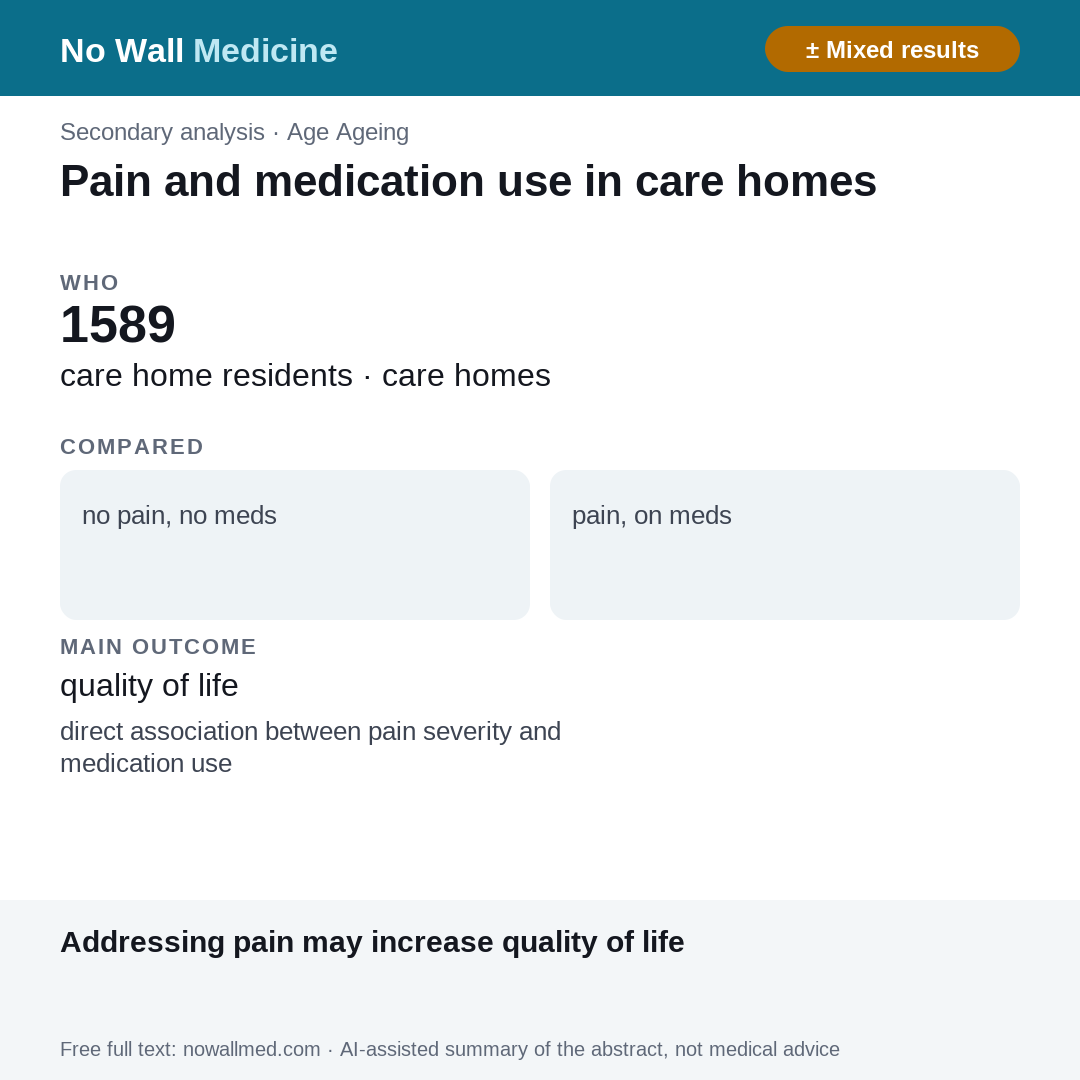
Quality of life, pain and use of analgesic, anxiolytic and antidepressant medication, in people living in care homes
Secondary analysisMixed results
Pain and medication use in care homes
Who
1589
care home residents · care homes
Compared
no pain, no meds
pain, on meds
Main outcome
quality of life
Result: direct association between pain severity and medication use
Bottom line: Addressing pain may increase quality of life
Age Ageing · 2024-09-06Download image
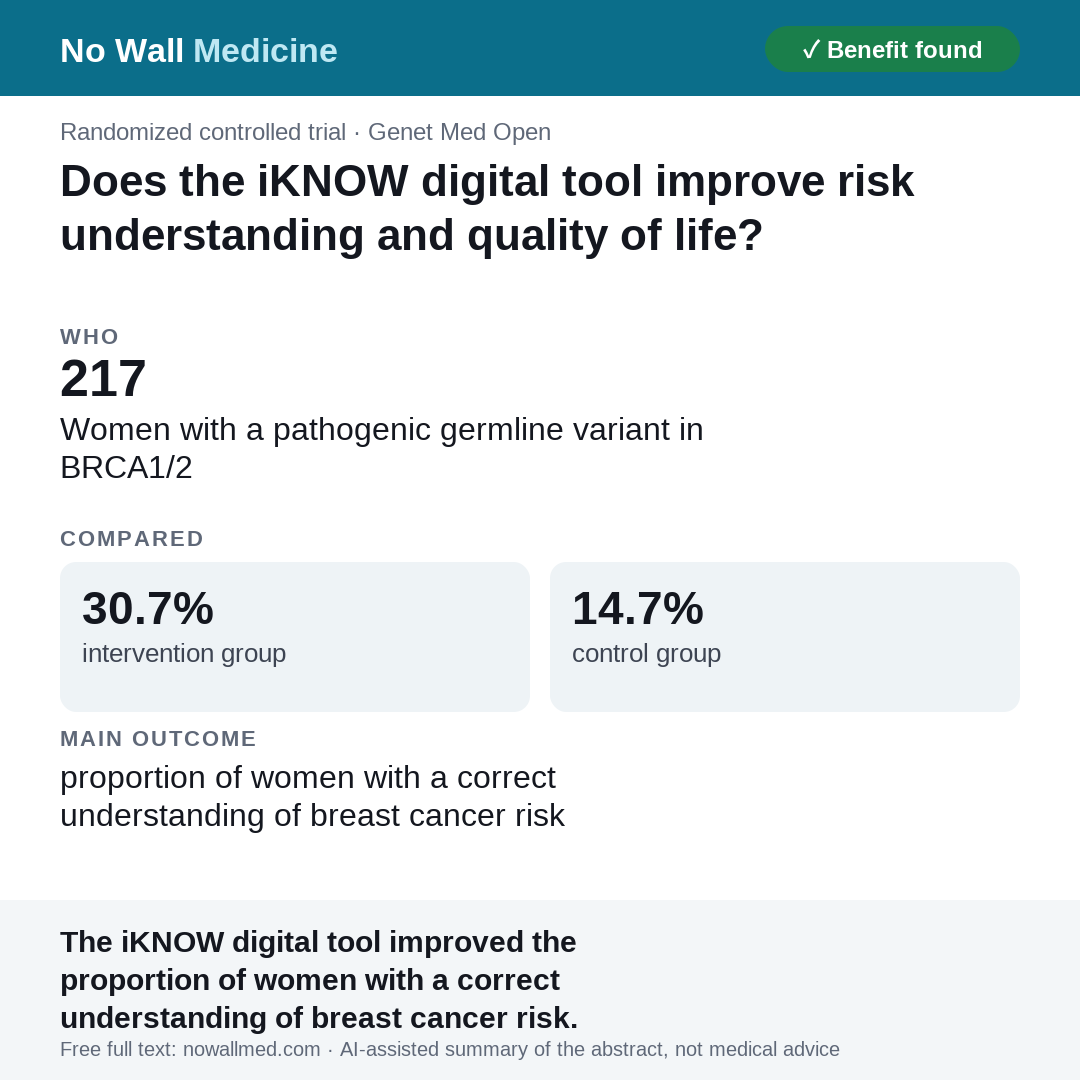
iKNOW-Supporting the counseling of women with hereditary risk of breast and ovarian cancer with digital technologies: A randomized controlled trial
Randomized controlled trialBenefit found
Does the iKNOW digital tool improve risk understanding and quality of life?
Who
217
Women with a pathogenic germline variant in BRCA1/2
Compared
30.7%intervention group
14.7%control group
Main outcome
proportion of women with a correct understanding of breast cancer risk
Bottom line: The iKNOW digital tool improved the proportion of women with a correct understanding of breast cancer risk.
Genet Med Open · 2024-09-06Download image
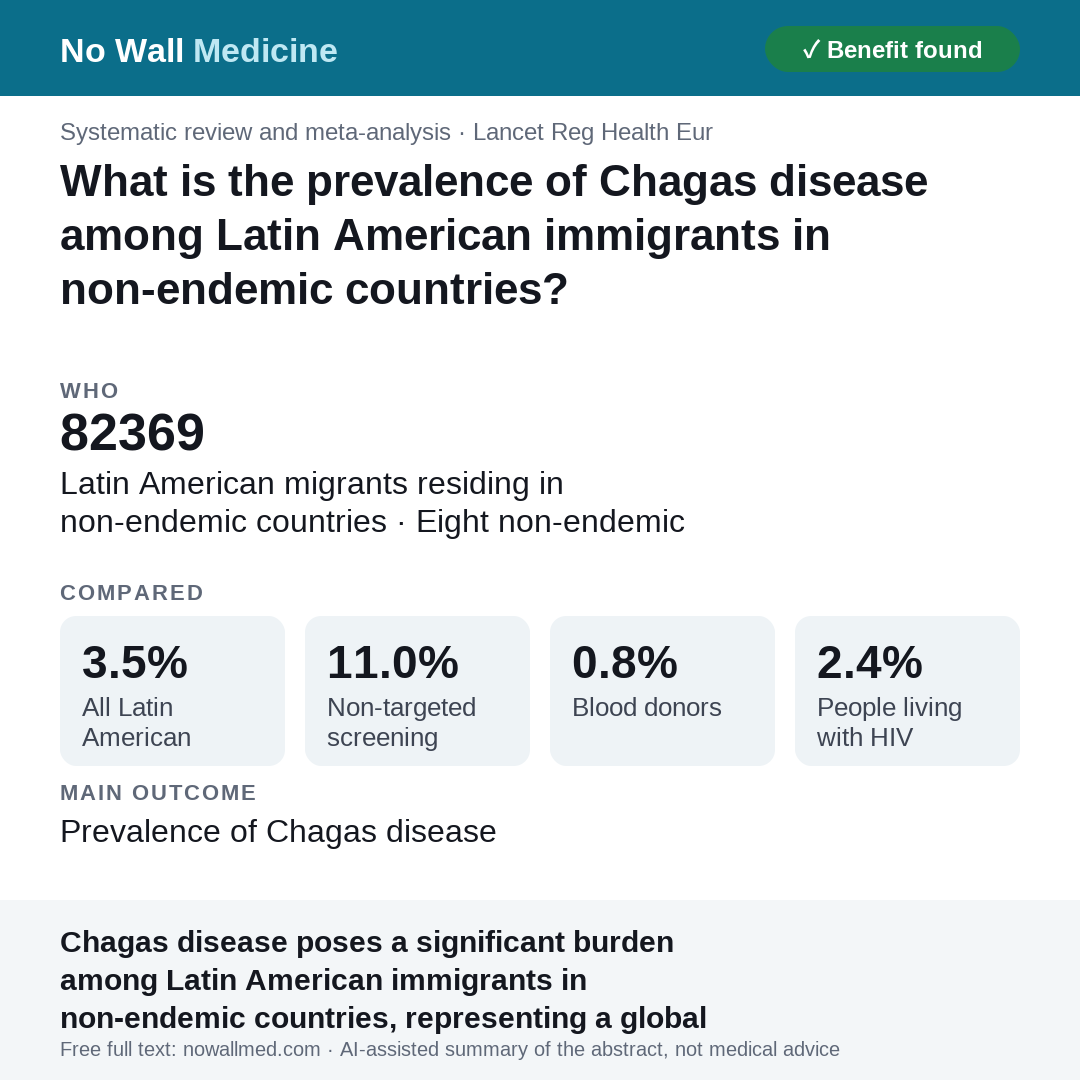
Prevalence of Chagas disease among Latin American immigrants in non-endemic countries: an updated systematic review and meta-analysis
Systematic review and meta-analysisBenefit found
What is the prevalence of Chagas disease among Latin American immigrants in non-endemic countries?
Who
82369
Latin American migrants residing in non-endemic countries · Eight non-endemic countries
Compared
3.5%All Latin American migrants (95% CI: 2.5-4.7)
11.0%Non-targeted screening (95% CI: 7.7-15.5)
0.8%Blood donors (95% CI: 0.2-3.4)
2.4%People living with HIV (95% CI: 1.4-4.3)
Main outcome
Prevalence of Chagas disease
Result: 3.5% (95% CI: 2.5-4.7)
Bottom line: Chagas disease poses a significant burden among Latin American immigrants in non-endemic countries, representing a global health challenge.
Funded by: World Heart Federation and Novartis Pharma AG
Lancet Reg Health Eur · 2024-09-06Download image
Poststroke Cognitive Impairment and the Risk of Recurrent Stroke and Mortality: Systematic Review and Meta-Analysis
Systematic review and meta-analysisHarm found
Does poststroke cognitive impairment increase risks of recurrent stroke and mortality?
Who
39412
Patients with ischemic stroke
Compared
Patients with poststroke cognitive impairment
Patients without poststroke cognitive impairment
Main outcome
Recurrent stroke and mortality
Result: recurrent stroke hazard ratio 1.59 (95% CI 1.29-1.94); mortality hazard ratio 2.07 (95% CI 1.65-2.59)
Bottom line: Poststroke cognitive impairment is significantly associated with increased risks of recurrent stroke and all-cause mortality.
Limitation: The average effect of mortality risk differed across study period and study design.
J Am Heart Assoc · 2024-09-06Download image

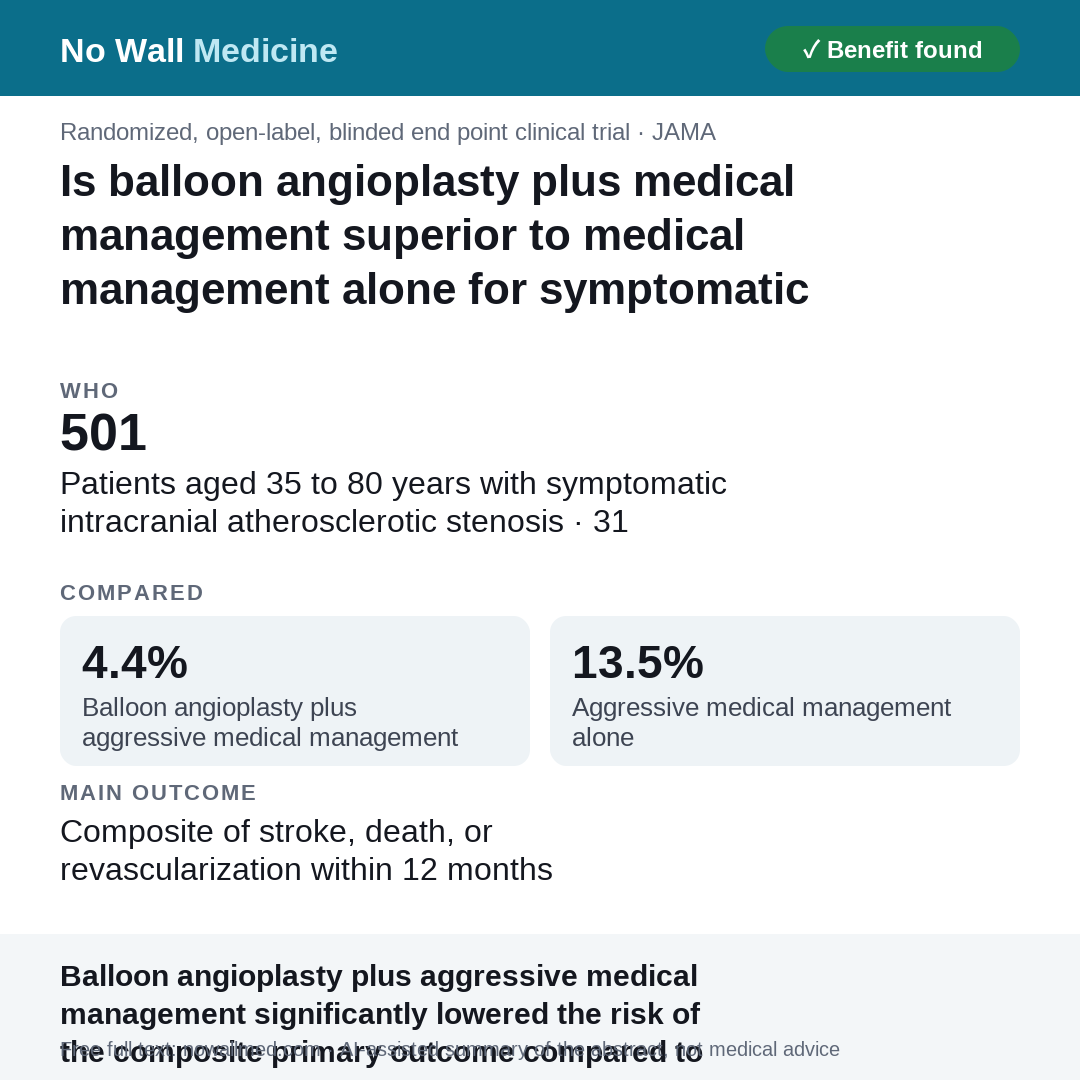
Balloon Angioplasty vs Medical Management for Intracranial Artery Stenosis: The BASIS Randomized Clinical Trial
Randomized, open-label, blinded end point clinical trialBenefit found
Is balloon angioplasty plus medical management superior to medical management alone for symptomatic intracranial atherosclerotic stenosis?
Who
501
Patients aged 35 to 80 years with symptomatic intracranial atherosclerotic stenosis · 31 centers across China
Compared
4.4%Balloon angioplasty plus aggressive medical management
13.5%Aggressive medical management alone
Main outcome
Composite of stroke, death, or revascularization within 12 months
Result: hazard ratio 0.32 (95% CI 0.16-0.63)
Bottom line: Balloon angioplasty plus aggressive medical management significantly lowered the risk of the composite primary outcome compared to medical management alone.
Limitation: The risk of stroke or death within 30 days of balloon angioplasty should be considered.
JAMA · 2024-09-05Download image
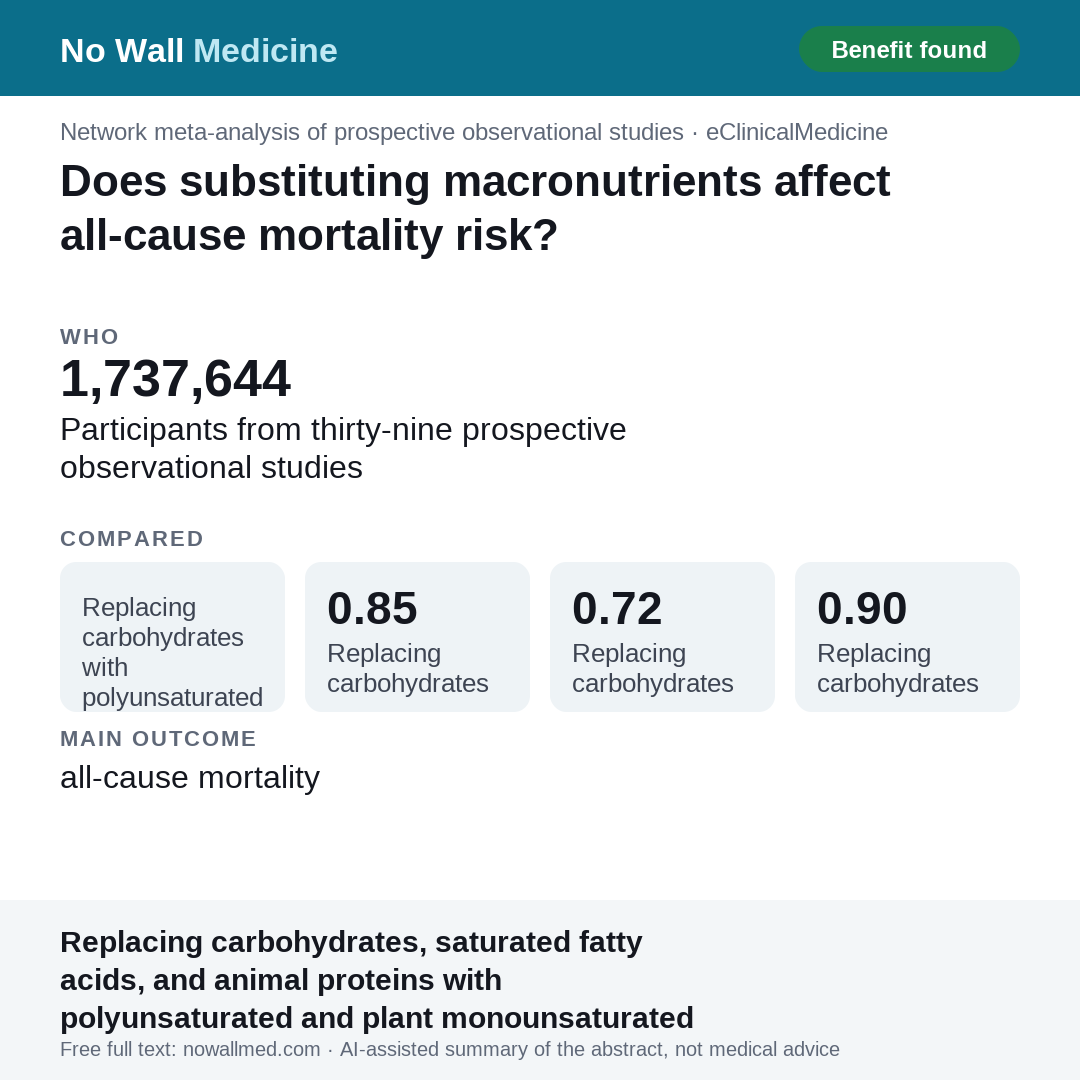
Association between substituting macronutrients and all-cause mortality: a network meta-analysis of prospective observational studies
Network meta-analysis of prospective observational studiesBenefit found
Does substituting macronutrients affect all-cause mortality risk?
Who
1,737,644
Participants from thirty-nine prospective observational studies
Compared
Replacing carbohydrates with polyunsaturated fatty acids: HR 0.90 (95%CI 0.84, 0.95)
0.85Replacing carbohydrates with n-6 polyunsaturated fatty acids (0.77, 0.94)
0.72Replacing carbohydrates with n-3 polyunsaturated fatty acids (0.59, 0.86)
0.90Replacing carbohydrates with plant monounsaturated fatty acids (0.85, 0.95)
Main outcome
all-cause mortality
Bottom line: Replacing carbohydrates, saturated fatty acids, and animal proteins with polyunsaturated and plant monounsaturated fatty acids reduces mortality risk.
Limitation: Moderate certainty of evidence was found for the associations.
eClinicalMedicine · 2024-09-05Download image
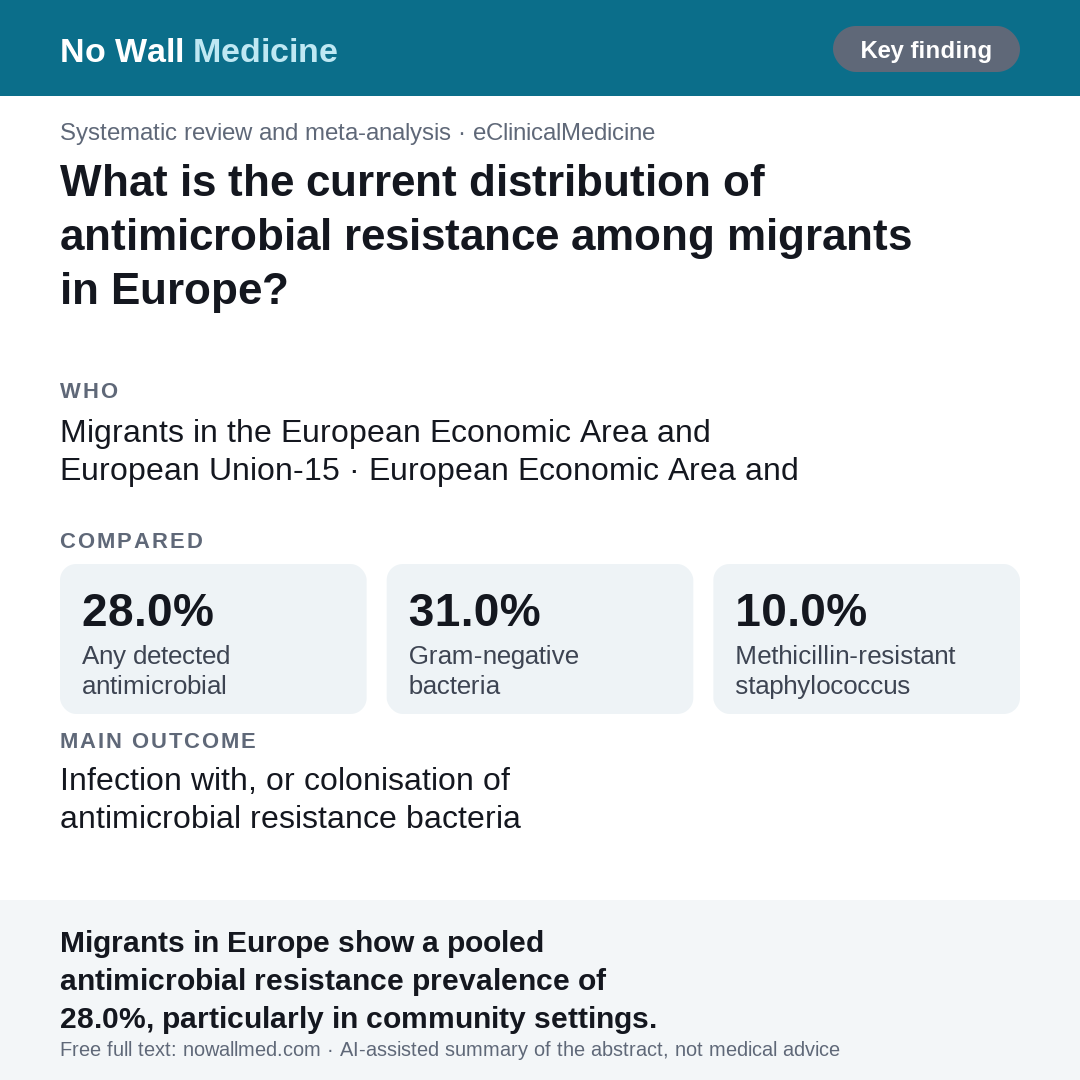
Antimicrobial resistance among migrants in Europe: a systematic review and meta-analysis - update from 2017 to 2023
Systematic review and meta-analysisBenefit found
What is the current distribution of antimicrobial resistance among migrants in Europe?
Who
Migrants in the European Economic Area and European Union-15 · European Economic Area and European Union-15 countries
Compared
28.0%Any detected antimicrobial resistance (95% CI 18.0%-41.0%)
31.0%Gram-negative bacteria (95% CI 20.0%-44.0%)
10.0%Methicillin-resistant staphylococcus aureus (95% CI 5.0%-16.0%)
Main outcome
Infection with, or colonisation of antimicrobial resistance bacteria
Bottom line: Migrants in Europe show a pooled antimicrobial resistance prevalence of 28.0%, particularly in community settings.
Limitation: Studies investigating antimicrobial resistance in migrants are highly heterogenous.
eClinicalMedicine · 2024-09-05Download image
Clinical decision support systems for maternity care: a systematic review and meta-analysis
Systematic review and meta-analysisBenefit found
What is the impact of clinical decision support systems on maternity care outcomes?
Who
87
Clinical decision support systems in maternity settings · High-Income and Low- and Middle-Income countries
Compared
Clinical decision support systems
Control
Main outcome
Odds of achieving desired outcomes
Result: odds ratio 1.69 (95% confidence interval 1.24-2.30)
Bottom line: Clinical decision support systems are associated with improved outcomes in maternity care settings.
Limitation: Substantial variation in effects, aims, system types, context, study designs, and outcomes.
eClinicalMedicine · 2024-09-05Download image

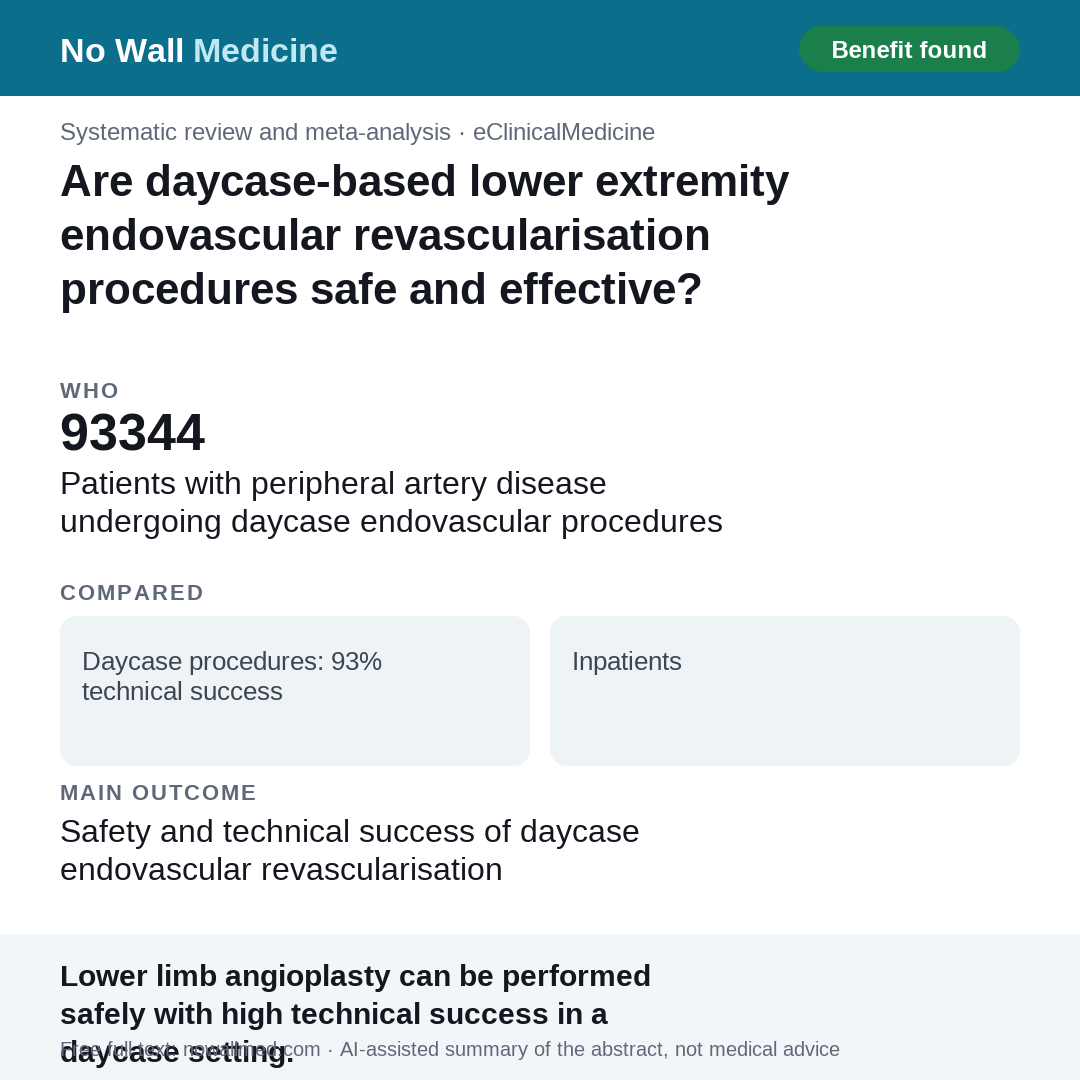
Safety and procedural success of daycase-based endovascular procedures in lower extremity arteries of patients with peripheral artery disease: a systematic review and meta-analysis
Systematic review and meta-analysisBenefit found
Are daycase-based lower extremity endovascular revascularisation procedures safe and effective?
Who
93344
Patients with peripheral artery disease undergoing daycase endovascular procedures
Compared
Daycase procedures: 93% technical success
Inpatients
Main outcome
Safety and technical success of daycase endovascular revascularisation
Result: no significant difference in complication rates -0.8% (95% CI -1.9 to 0.3%)
Bottom line: Lower limb angioplasty can be performed safely with high technical success in a daycase setting.
Funded by: European Partnership on Metrology, European Union, UK Research and Innovation, Medical Research Council
eClinicalMedicine · 2024-09-05Download image
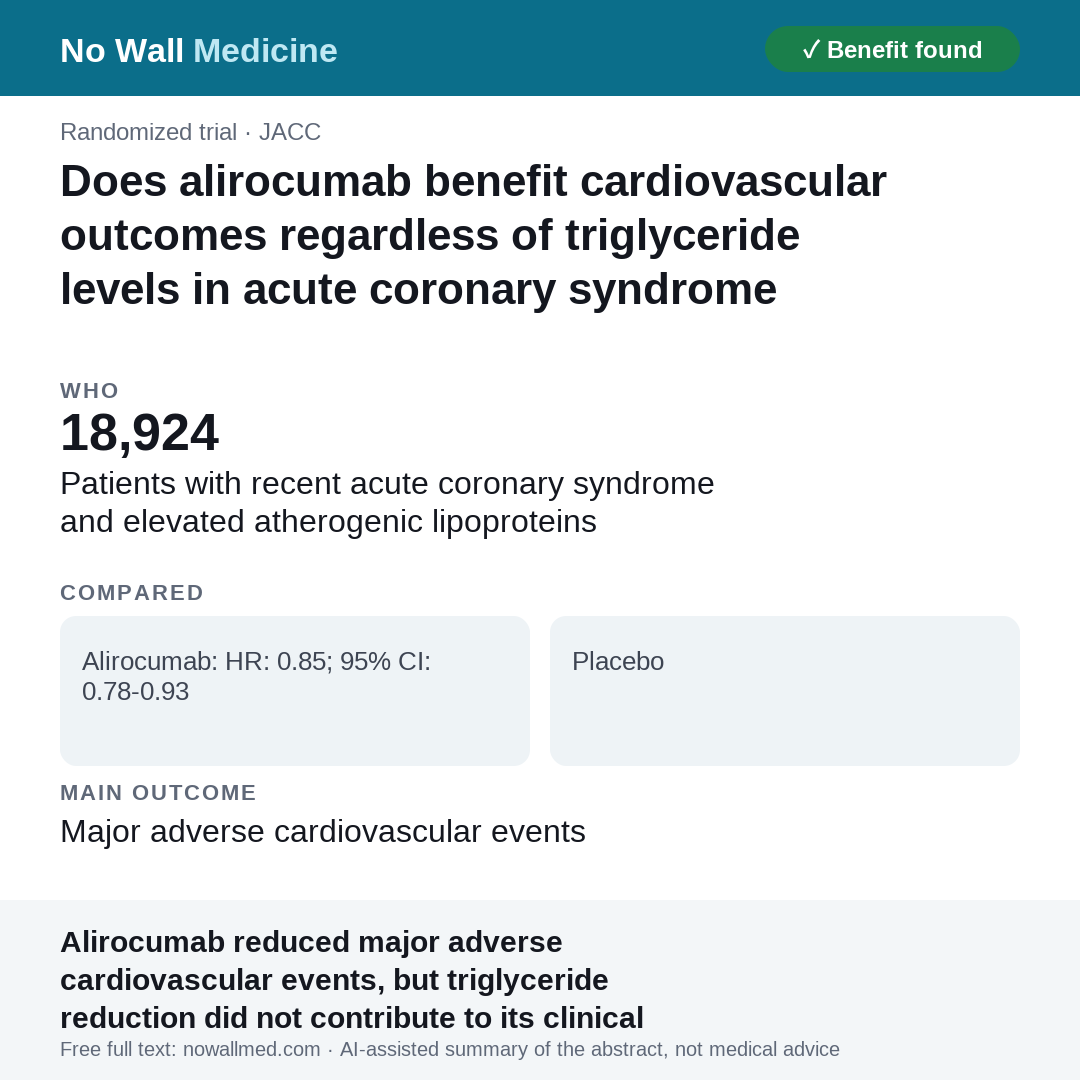
Triglyceride Levels, Alirocumab Treatment, and Cardiovascular Outcomes After an Acute Coronary Syndrome
Randomized trialBenefit found
Does alirocumab benefit cardiovascular outcomes regardless of triglyceride levels in acute coronary syndrome patients?
Who
18,924
Patients with recent acute coronary syndrome and elevated atherogenic lipoproteins
Compared
Alirocumab: HR: 0.85; 95% CI: 0.78-0.93
Placebo
Main outcome
Major adverse cardiovascular events
Result: HR: 0.85 (95% CI 0.78-0.93)
Bottom line: Alirocumab reduced major adverse cardiovascular events, but triglyceride reduction did not contribute to its clinical benefit.
JACC · 2024-09-05Download image
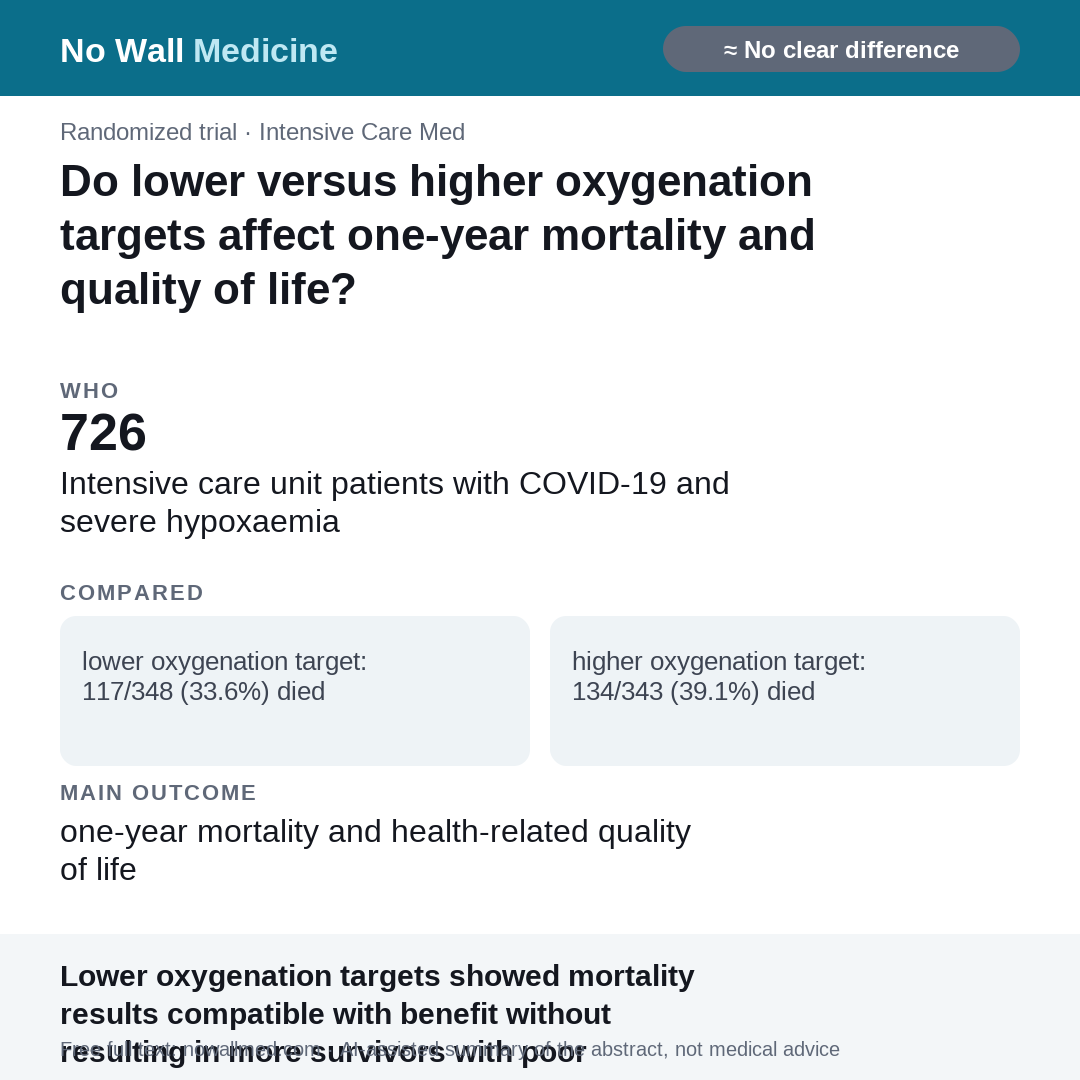
Long-term mortality and health-related quality of life with lower versus higher oxygenation targets in intensive care unit patients with COVID-19 and severe hypoxaemia
Randomized trialNo clear difference
Do lower versus higher oxygenation targets affect one-year mortality and quality of life?
Who
726
Intensive care unit patients with COVID-19 and severe hypoxaemia
Compared
lower oxygenation target: 117/348 (33.6%) died
higher oxygenation target: 134/343 (39.1%) died
Main outcome
one-year mortality and health-related quality of life
Result: adjusted risk ratio 0.85; 98.6% confidence interval 0.66-1.09
Bottom line: Lower oxygenation targets showed mortality results compatible with benefit without resulting in more survivors with poor quality of life.
Intensive Care Med · 2024-09-05Download image
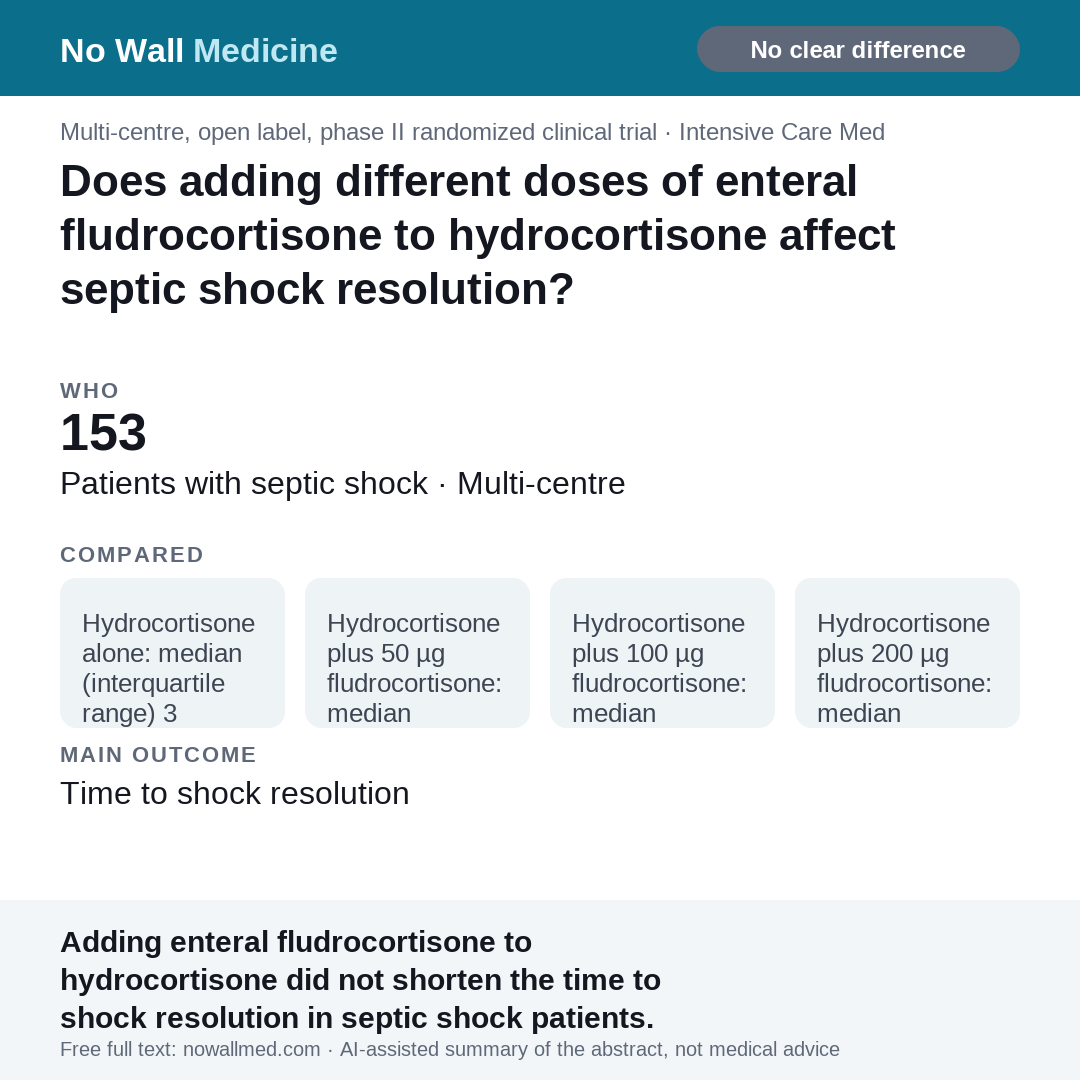
Fludrocortisone dose-response relationship in septic shock: a randomised phase II trial
Multi-centre, open label, phase II randomized clinical trialNo clear difference
Does adding different doses of enteral fludrocortisone to hydrocortisone affect septic shock resolution?
Who
153
Patients with septic shock · Multi-centre
Compared
Hydrocortisone alone: median (interquartile range) 3 (2.5-4.5) days
Hydrocortisone plus 50 µg fludrocortisone: median (interquartile range) 3 (2-4) days
Hydrocortisone plus 100 µg fludrocortisone: median (interquartile range) 3 (2-6) days
Hydrocortisone plus 200 µg fludrocortisone: median (interquartile range) 3 (2-5.5) days
Main outcome
Time to shock resolution
Bottom line: Adding enteral fludrocortisone to hydrocortisone did not shorten the time to shock resolution in septic shock patients.
Intensive Care Med · 2024-09-05Download image
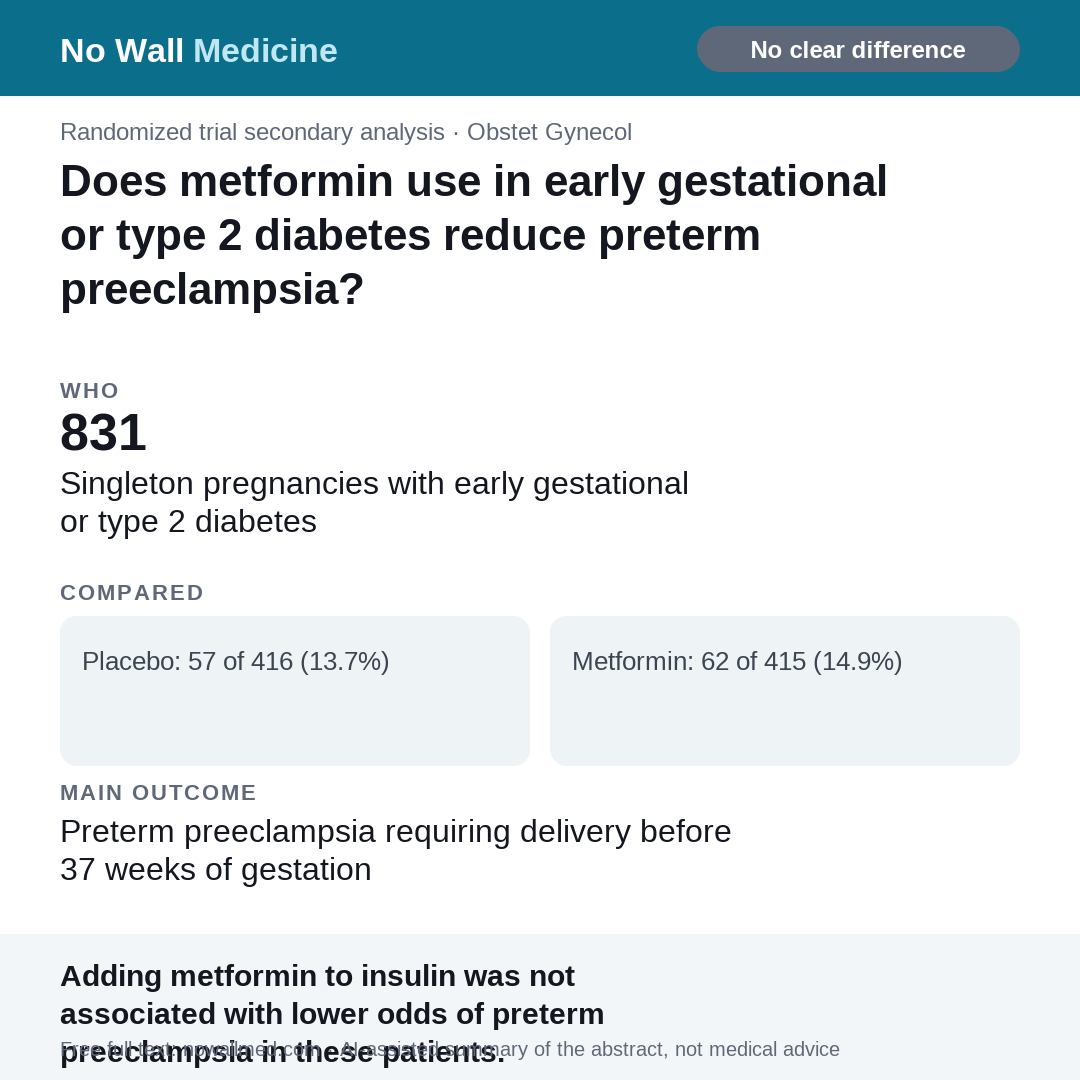
Association Between Metformin Use in Early Gestational or Type 2 Diabetes in Pregnancy and Preterm Preeclampsia
Randomized trial secondary analysisNo clear difference
Does metformin use in early gestational or type 2 diabetes reduce preterm preeclampsia?
Who
831
Singleton pregnancies with early gestational or type 2 diabetes
Compared
Placebo: 57 of 416 (13.7%)
Metformin: 62 of 415 (14.9%)
Main outcome
Preterm preeclampsia requiring delivery before 37 weeks of gestation
Result: adjusted odds ratio 1.04 (95% CI, 0.70-1.56)
Bottom line: Adding metformin to insulin was not associated with lower odds of preterm preeclampsia in these patients.
Obstet Gynecol · 2024-09-05Download image
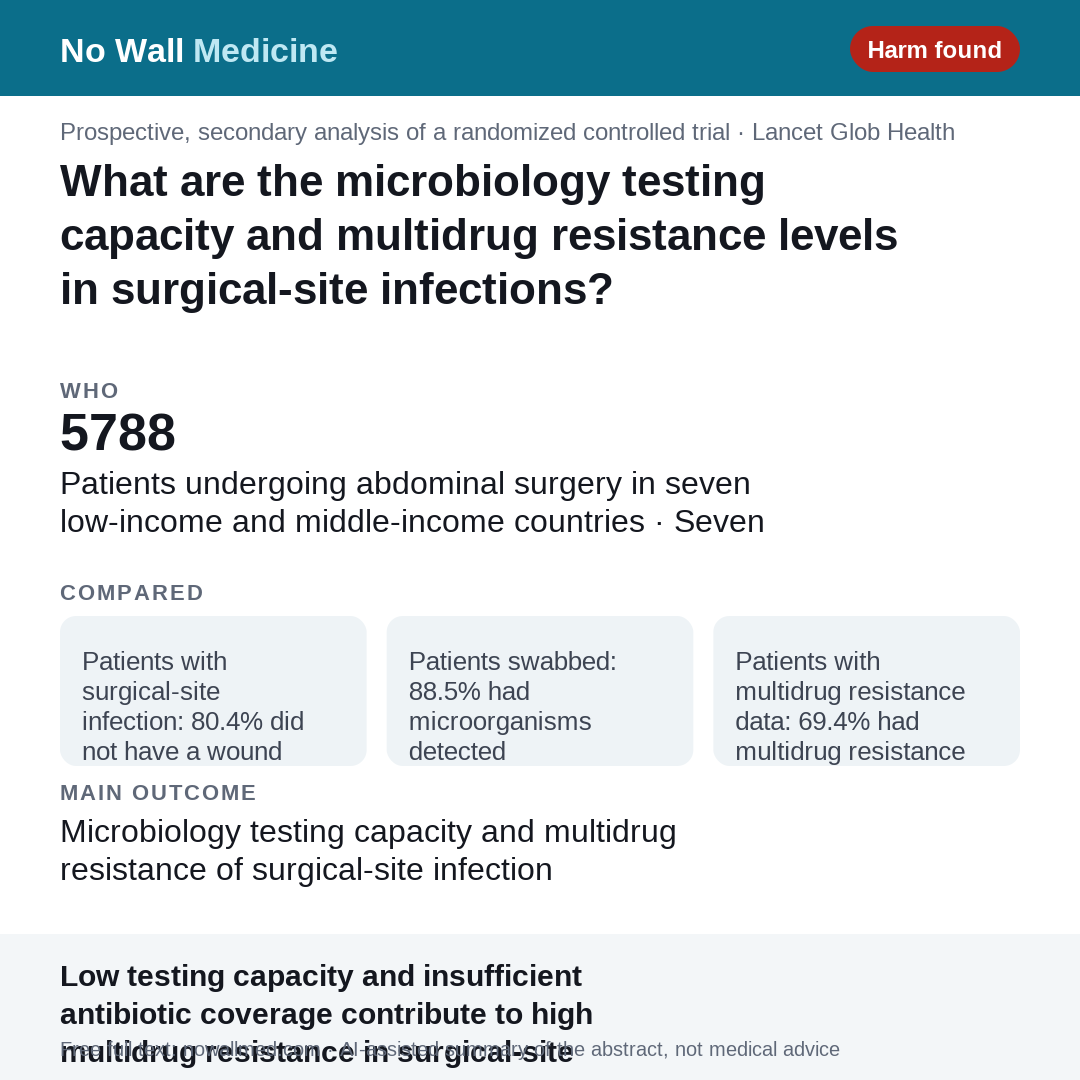
Microbiology testing capacity and antimicrobial drug resistance in surgical-site infections: a post-hoc, prospective, secondary analysis of the FALCON randomised trial in seven low-income and middle-income countries
Prospective, secondary analysis of a randomized controlled trialHarm found
What are the microbiology testing capacity and multidrug resistance levels in surgical-site infections?
Who
5788
Patients undergoing abdominal surgery in seven low-income and middle-income countries · Seven low-income and middle-income countries
Compared
Patients with surgical-site infection: 80.4% did not have a wound swab
Patients swabbed: 88.5% had microorganisms detected
Patients with multidrug resistance data: 69.4% had multidrug resistance
Main outcome
Microbiology testing capacity and multidrug resistance of surgical-site infection microorganisms
Bottom line: Low testing capacity and insufficient antibiotic coverage contribute to high multidrug resistance in surgical-site infections in low-income countries.
Funded by: National Institute for Health and Care Research
Lancet Glob Health · 2024-09-05Download image