Visual abstracts
New randomized trials and meta-analyses from leading journals at a glance: who was studied, what was compared, and what was found. Every paper is free to read in full.
All specialtiesCardiology 4763Oncology 4042Gastroenterology & Hepatology 1902Infectious Disease 3756Neurology 1872Psychiatry & Mental Health 2214Pulmonology 2042Critical Care 1319Endocrinology & Diabetes 2544Pediatrics 2889Surgery 2479Orthopedics & Sports Medicine 917Neurosurgery 525Cardiothoracic & Vascular Surgery 656Plastic & Reconstructive Surgery 574Nephrology 1107Rheumatology 810Hematology 1090Dermatology 611Ophthalmology 532Obstetrics & Gynecology 1645Public & Global Health 1037Radiology & Imaging 617Anesthesiology 957Urology 745ENT (Otolaryngology) 494Emergency Medicine 481Allergy & Immunology 309Geriatrics 972Family Medicine & Primary Care 533Medical Genetics & Genomics 659Pathology & Laboratory Medicine 156Physical Medicine & Rehabilitation 734Palliative Care 421Nutrition 1560Digital Health & AI 2133General Medicine 318
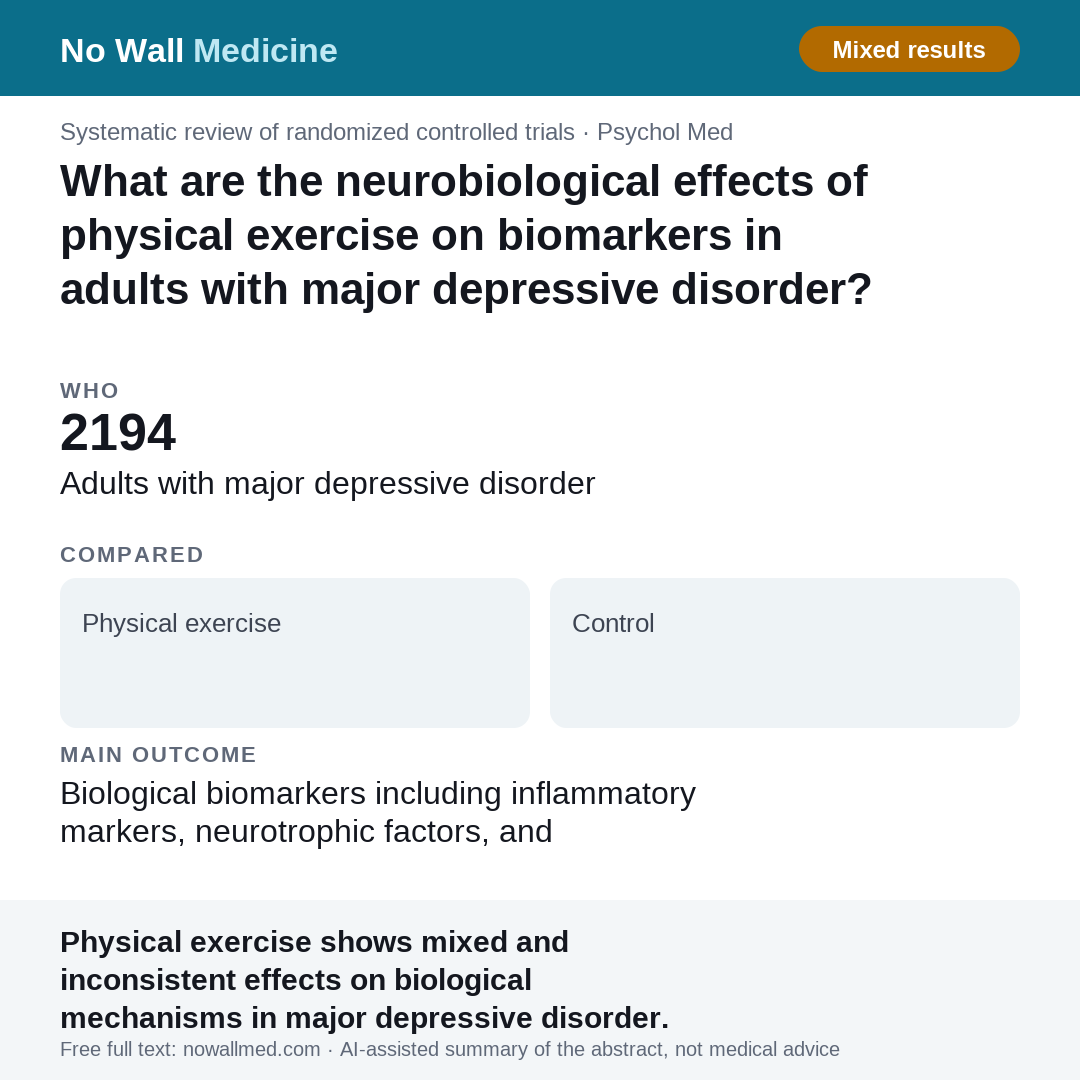
Disentangling the biological mechanisms underlying the effects of physical exercise in major depressive disorder: a comprehensive systematic review of randomized controlled trials
Systematic review of randomized controlled trialsMixed results
What are the neurobiological effects of physical exercise on biomarkers in adults with major depressive disorder?
Who
2194
Adults with major depressive disorder
Compared
Physical exercise
Control
Main outcome
Biological biomarkers including inflammatory markers, neurotrophic factors, and stress-response systems
Bottom line: Physical exercise shows mixed and inconsistent effects on biological mechanisms in major depressive disorder.
Limitation: Small sample sizes, varying methodologies, and a predominant focus on biochemical markers.
Psychol Med · 2025-07-16Download image
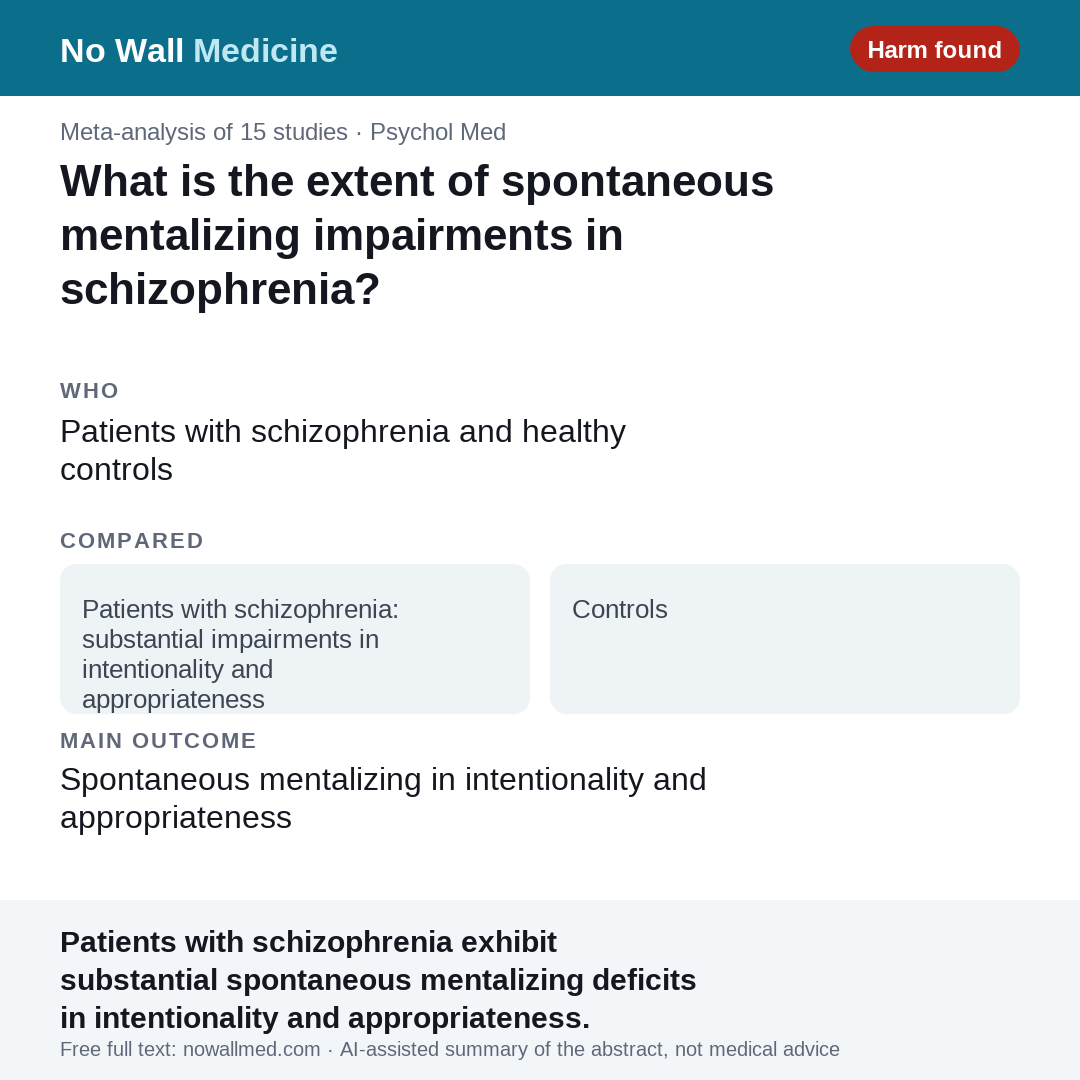
Spontaneous mentalizing in patients with schizophrenia spectrum disorders: a meta-analysis
Meta-analysis of 15 studiesHarm found
What is the extent of spontaneous mentalizing impairments in schizophrenia?
Who
Patients with schizophrenia and healthy controls
Compared
Patients with schizophrenia: substantial impairments in intentionality and appropriateness
Controls
Main outcome
Spontaneous mentalizing in intentionality and appropriateness
Bottom line: Patients with schizophrenia exhibit substantial spontaneous mentalizing deficits in intentionality and appropriateness.
Psychol Med · 2025-07-16Download image
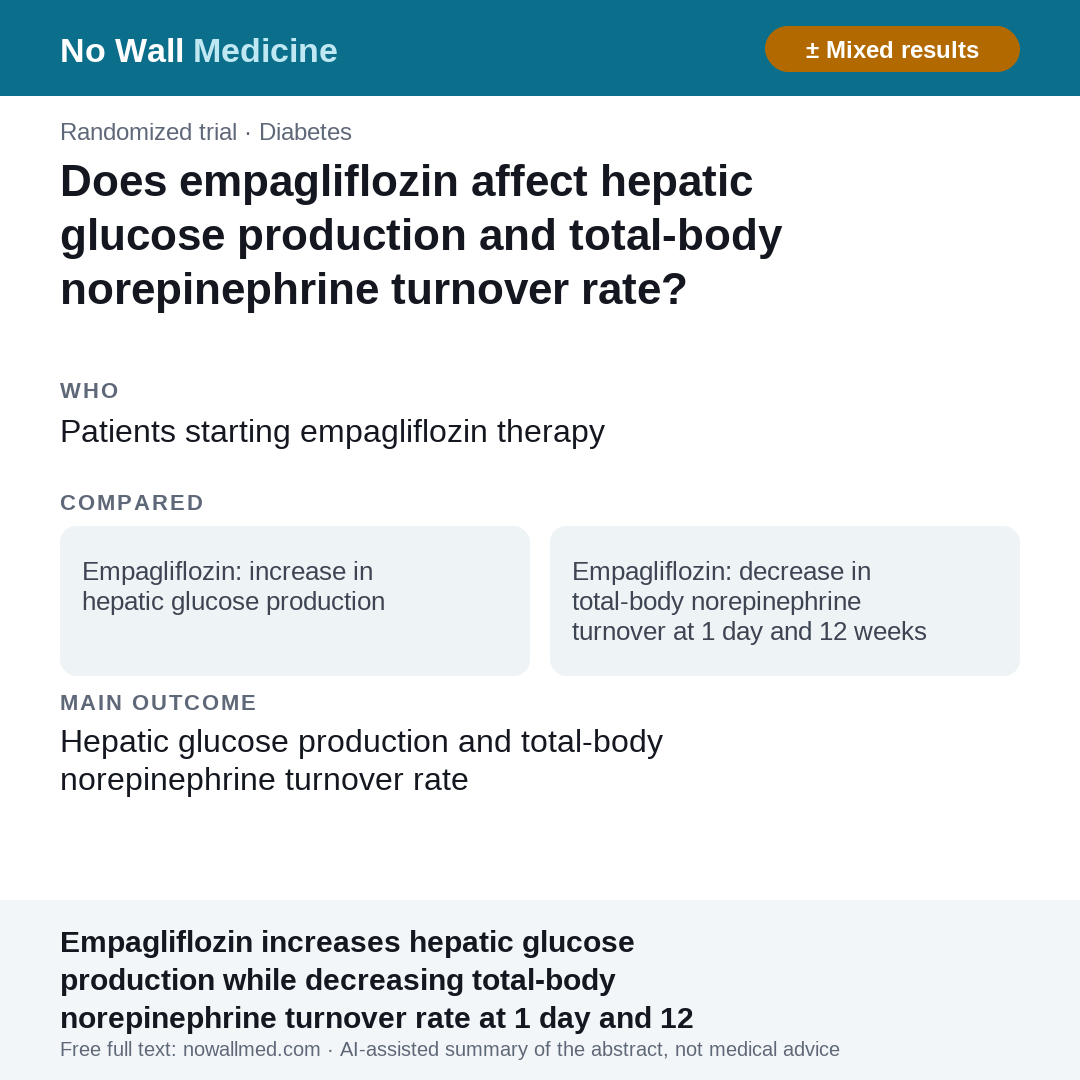
Empagliflozin Enhances Hepatic Glucose Production and Reduces Total-Body Norepinephrine Turnover Rate: A Randomized Trial
Randomized trialMixed results
Does empagliflozin affect hepatic glucose production and total-body norepinephrine turnover rate?
Who
Patients starting empagliflozin therapy
Compared
Empagliflozin: increase in hepatic glucose production
Empagliflozin: decrease in total-body norepinephrine turnover at 1 day and 12 weeks
Main outcome
Hepatic glucose production and total-body norepinephrine turnover rate
Bottom line: Empagliflozin increases hepatic glucose production while decreasing total-body norepinephrine turnover rate at 1 day and 12 weeks.
Diabetes · 2025-07-16Download image
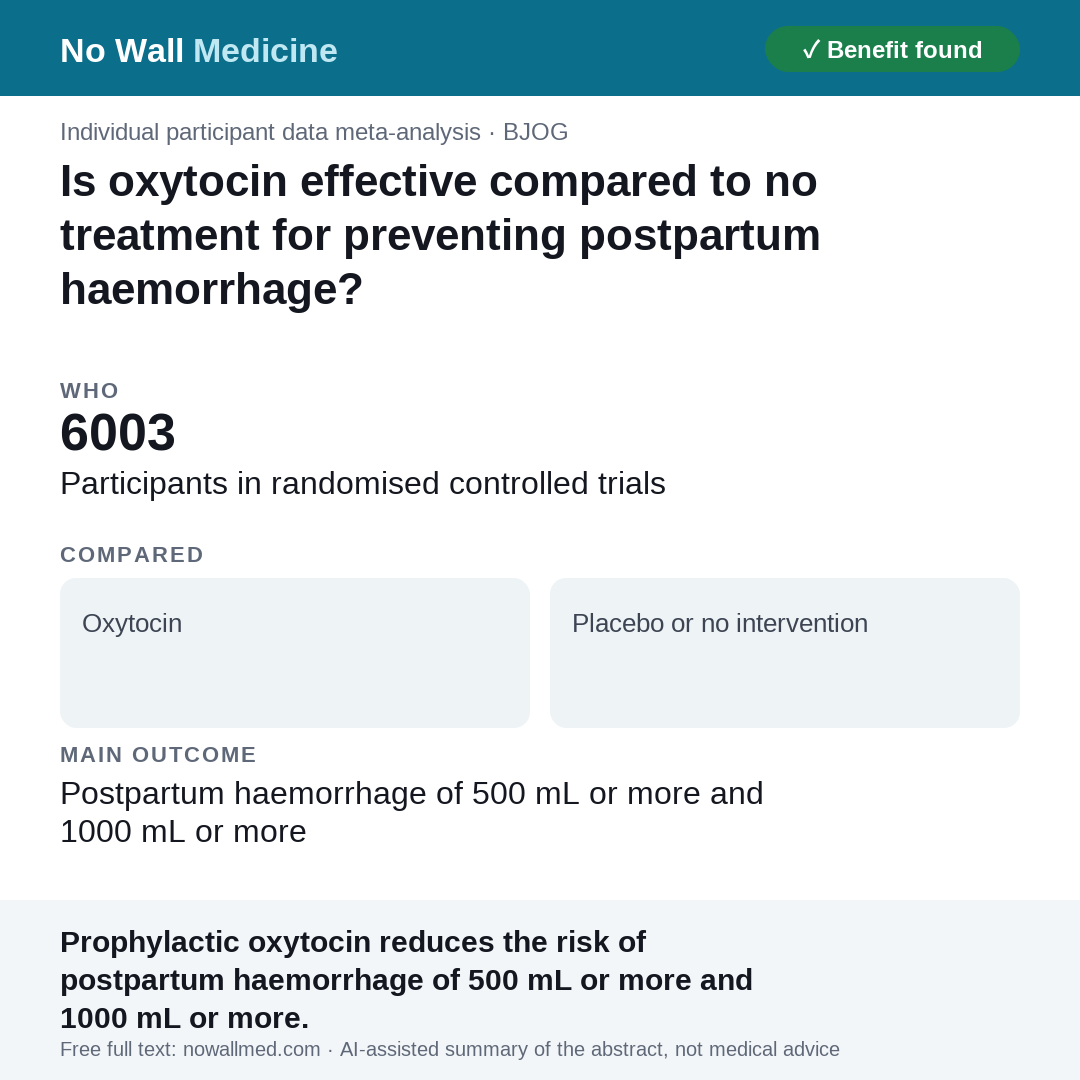
The Effectiveness of Oxytocin for Preventing Postpartum Haemorrhage: An Individual Participant Data Meta-Analysis
Individual participant data meta-analysisBenefit found
Is oxytocin effective compared to no treatment for preventing postpartum haemorrhage?
Who
6003
Participants in randomised controlled trials
Compared
Oxytocin
Placebo or no intervention
Main outcome
Postpartum haemorrhage of 500 mL or more and 1000 mL or more
Result: aOR 0.53 (95% CI 0.45 to 0.62) for PPH ≥ 500 mL
Bottom line: Prophylactic oxytocin reduces the risk of postpartum haemorrhage of 500 mL or more and 1000 mL or more.
BJOG · 2025-07-16Download image
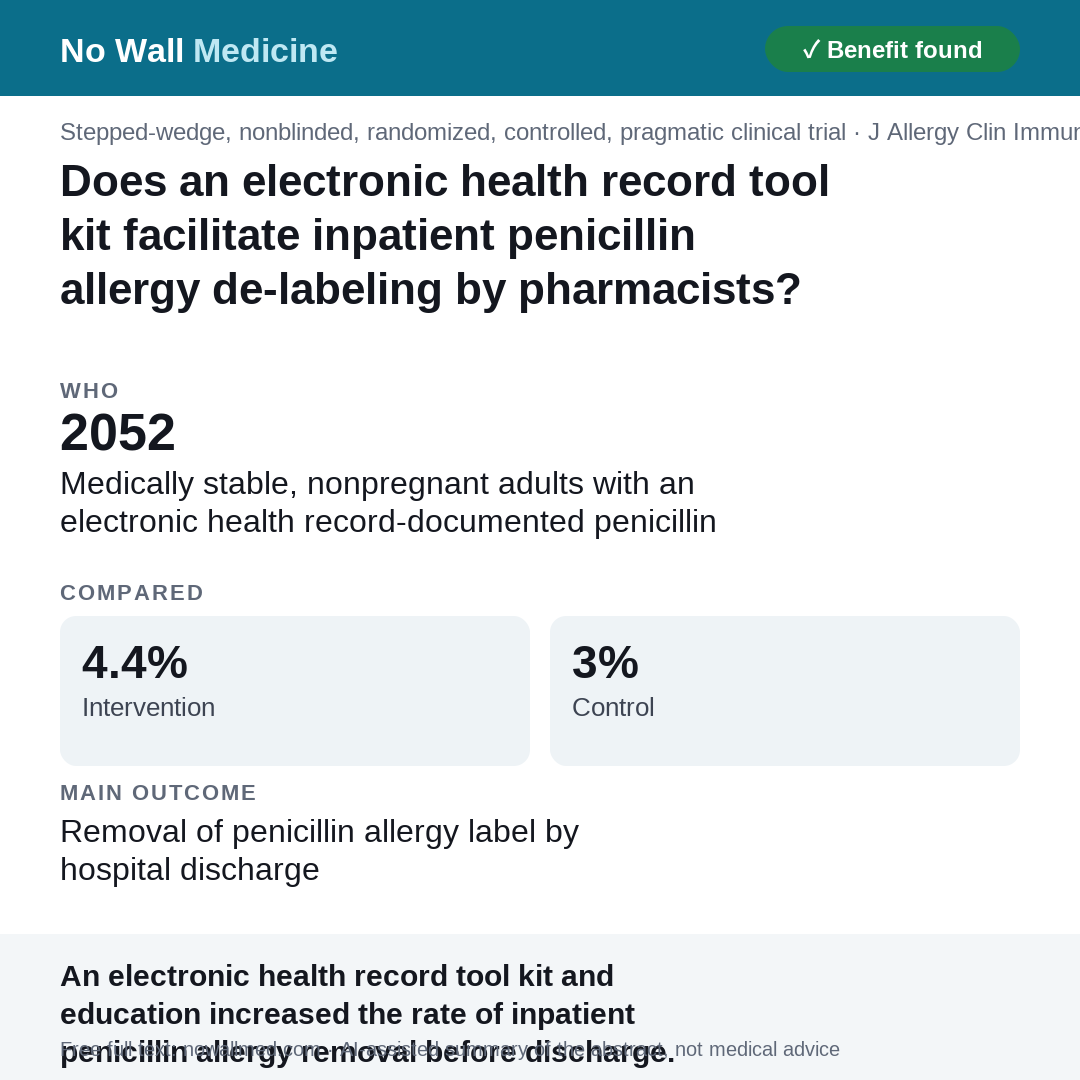
The Pragmatic Removal of Penicillin Allergy Electronic Health Record Labels (PROPEL) Trial: A Randomized Clinical Trial
Stepped-wedge, nonblinded, randomized, controlled, pragmatic clinical trialBenefit found
Does an electronic health record tool kit facilitate inpatient penicillin allergy de-labeling by pharmacists?
Who
2052
Medically stable, nonpregnant adults with an electronic health record-documented penicillin allergy label · 12 inpatient medical units
Compared
4.4%Intervention (45 of 1,018)
3%Control (31 of 1,034)
Main outcome
Removal of penicillin allergy label by hospital discharge
Result: adjusted odds ratio = 2.05 (95% CI, 1.08-3.91)
Bottom line: An electronic health record tool kit and education increased the rate of inpatient penicillin allergy removal before discharge.
J Allergy Clin Immunol Pract · 2025-07-16Download image
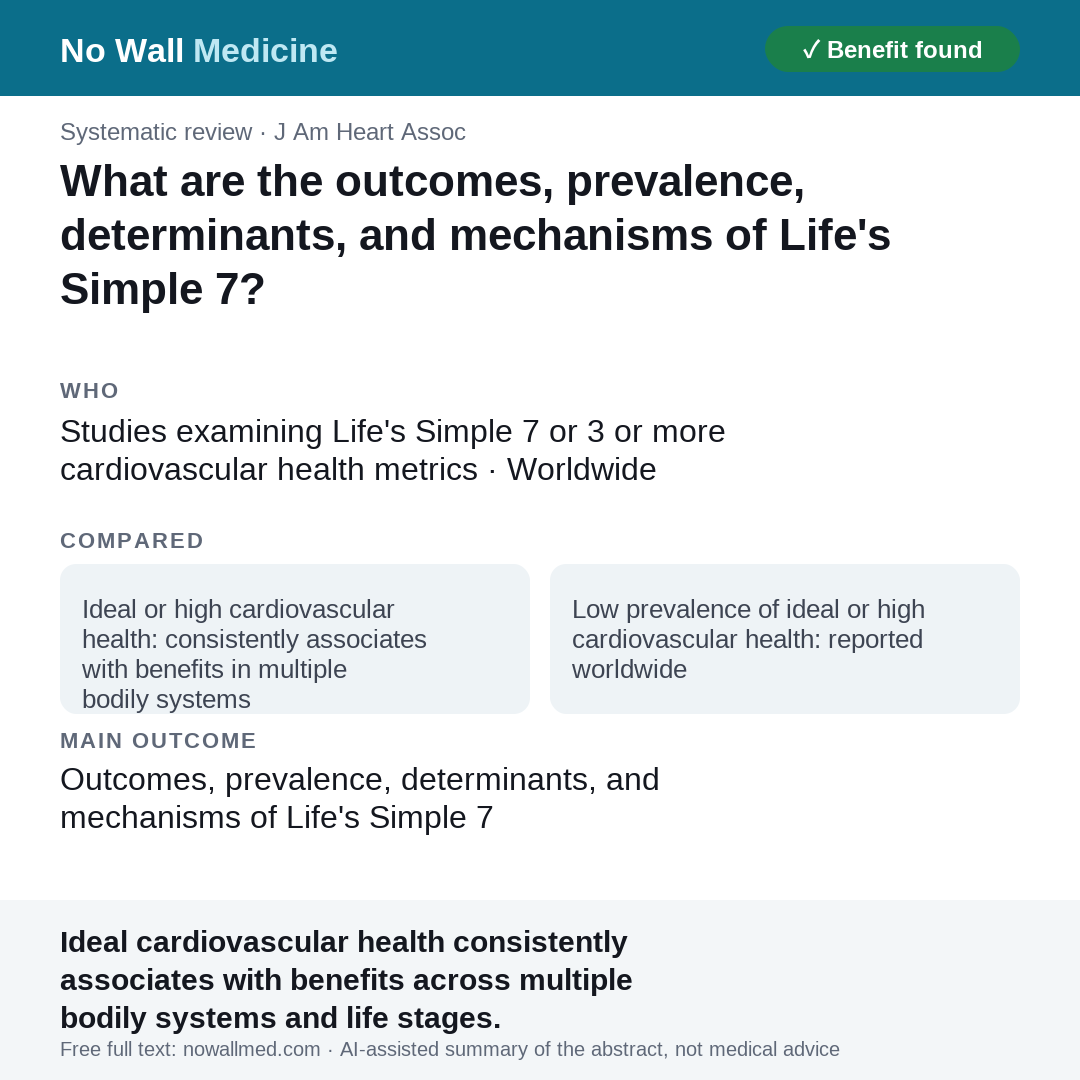
Cardiovascular Health, 2010 to 2020: A Systematic Review of a Decade of Research on Life's Simple 7
Systematic reviewBenefit found
What are the outcomes, prevalence, determinants, and mechanisms of Life's Simple 7?
Who
Studies examining Life's Simple 7 or 3 or more cardiovascular health metrics · Worldwide
Compared
Ideal or high cardiovascular health: consistently associates with benefits in multiple bodily systems
Low prevalence of ideal or high cardiovascular health: reported worldwide
Main outcome
Outcomes, prevalence, determinants, and mechanisms of Life's Simple 7
Bottom line: Ideal cardiovascular health consistently associates with benefits across multiple bodily systems and life stages.
Limitation: Publication bias and overrepresentation of studies reporting significant associations cannot be excluded.
J Am Heart Assoc · 2025-07-16Download image
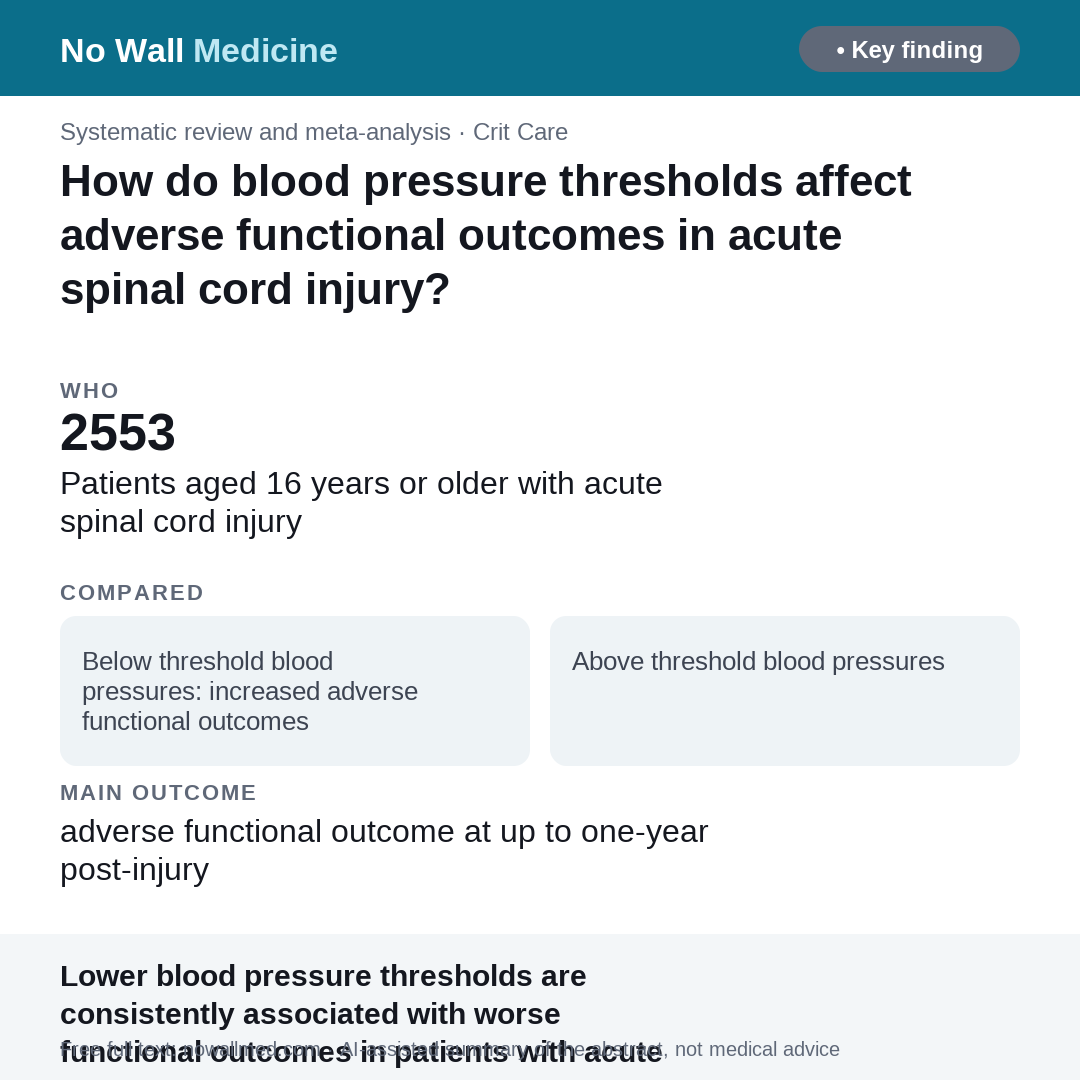
Effect of blood pressure threshold on adverse outcomes in patients with acute spinal cord injury: a systematic review and meta-analysis
Systematic review and meta-analysisKey finding
How do blood pressure thresholds affect adverse functional outcomes in acute spinal cord injury?
Who
2553
Patients aged 16 years or older with acute spinal cord injury
Compared
Below threshold blood pressures: increased adverse functional outcomes
Above threshold blood pressures
Main outcome
adverse functional outcome at up to one-year post-injury
Result: adjusted odds ratio 1.04 (95% CI 1.03-1.05)
Bottom line: Lower blood pressure thresholds are consistently associated with worse functional outcomes in patients with acute spinal cord injury.
Limitation: Observational nature of the data and high heterogeneity.
Crit Care · 2025-07-16Download image
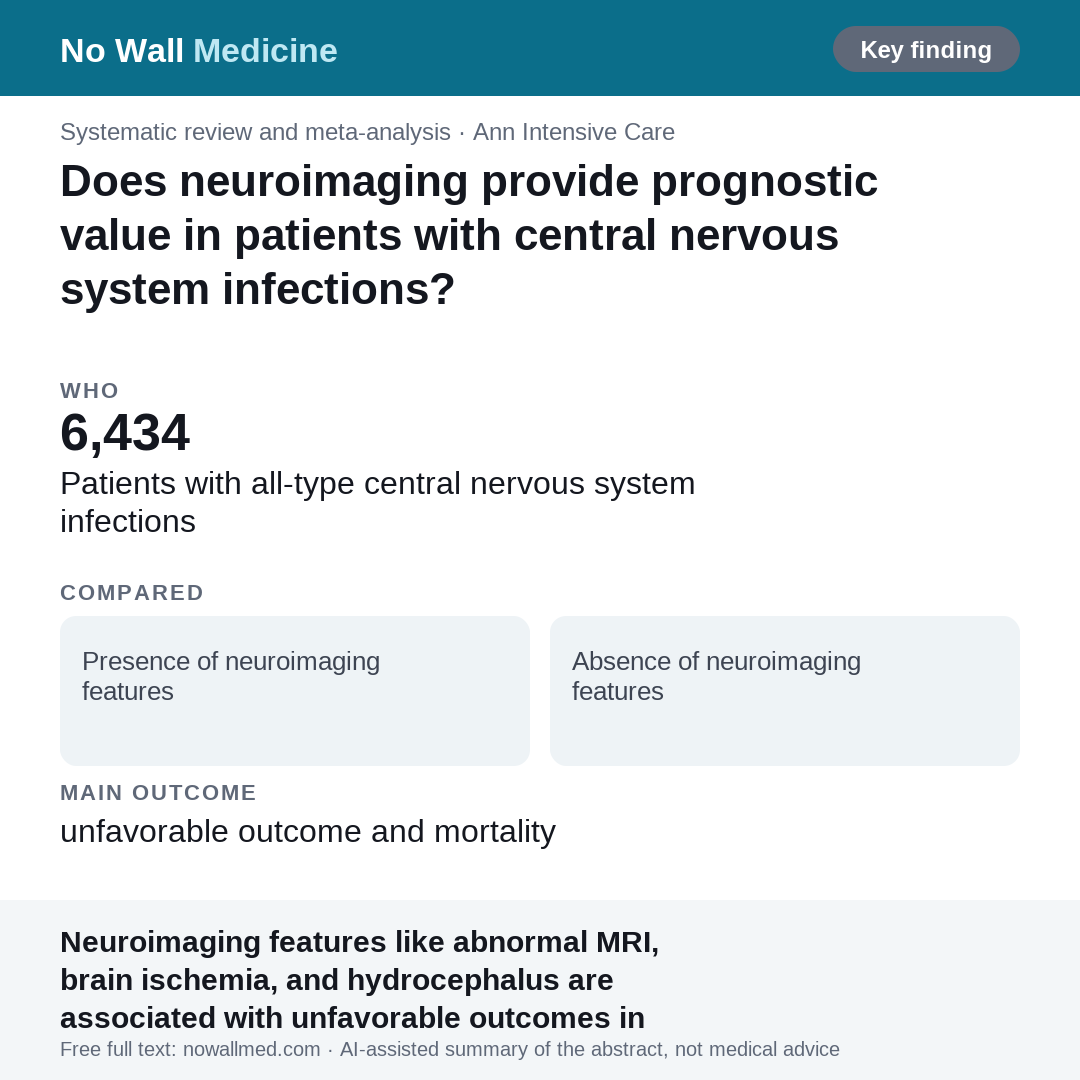
Neuroimaging for prognosis of central nervous system infections: a systematic review and meta-analysis
Systematic review and meta-analysisKey finding
Does neuroimaging provide prognostic value in patients with central nervous system infections?
Who
6,434
Patients with all-type central nervous system infections
Compared
Presence of neuroimaging features
Absence of neuroimaging features
Main outcome
unfavorable outcome and mortality
Result: Abnormal MRI odds ratio 3.55 (95%CI 1.81-6.96)
Bottom line: Neuroimaging features like abnormal MRI, brain ischemia, and hydrocephalus are associated with unfavorable outcomes in central nervous system infections.
Ann Intensive Care · 2025-07-16Download image
Economic costs of health and social care for a child with a life-limiting condition in their last year of life: a systematic review
Systematic reviewUnclear result
What are the economic costs of health and social care for children with life-limiting conditions?
Who
Children with a life-limiting condition in their last year of life
Compared
Younger children: more intensive and higher cost care
Specialist paediatric palliative care: overall lower costs
Main outcome
Economic costs of health and social care services
Bottom line: Reliable economic cost estimates could not be determined due to limited and heterogenic data.
Limitation: Limited and heterogenic data prevented a reliable robust estimate of economic costs.
BMJ Paediatr Open · 2025-07-16Download image

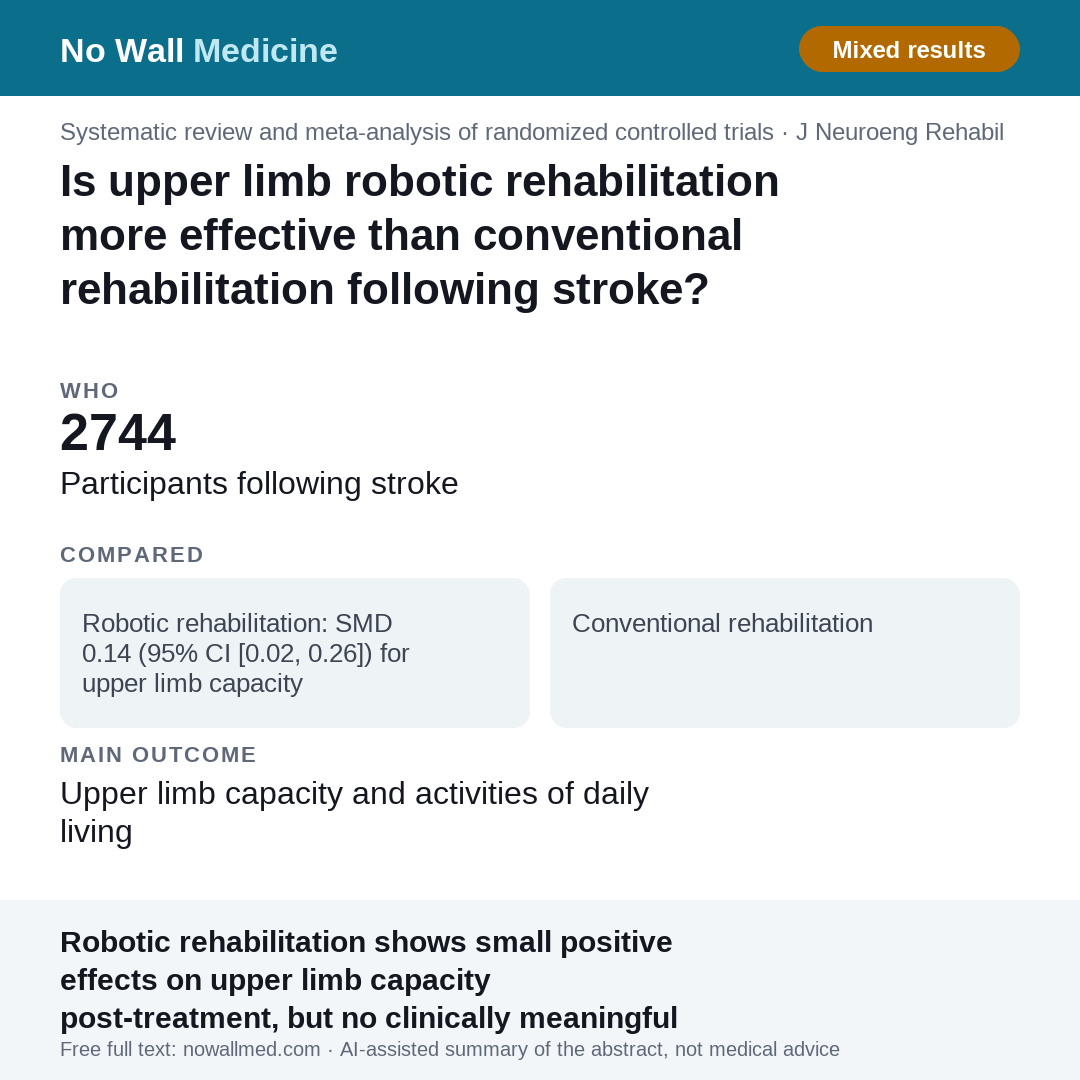
Upper limb robotic rehabilitation following stroke: a systematic review and meta-analysis investigating efficacy and the influence of device features and program parameters
Systematic review and meta-analysis of randomized controlled trialsMixed results
Is upper limb robotic rehabilitation more effective than conventional rehabilitation following stroke?
Who
2744
Participants following stroke
Compared
Robotic rehabilitation: SMD 0.14 (95% CI [0.02, 0.26]) for upper limb capacity
Conventional rehabilitation
Main outcome
Upper limb capacity and activities of daily living
Result: SMD 0.14 (95% CI [0.02, 0.26])
Bottom line: Robotic rehabilitation shows small positive effects on upper limb capacity post-treatment, but no clinically meaningful improvements in capacity or activities of daily living.
J Neuroeng Rehabil · 2025-07-16Download image
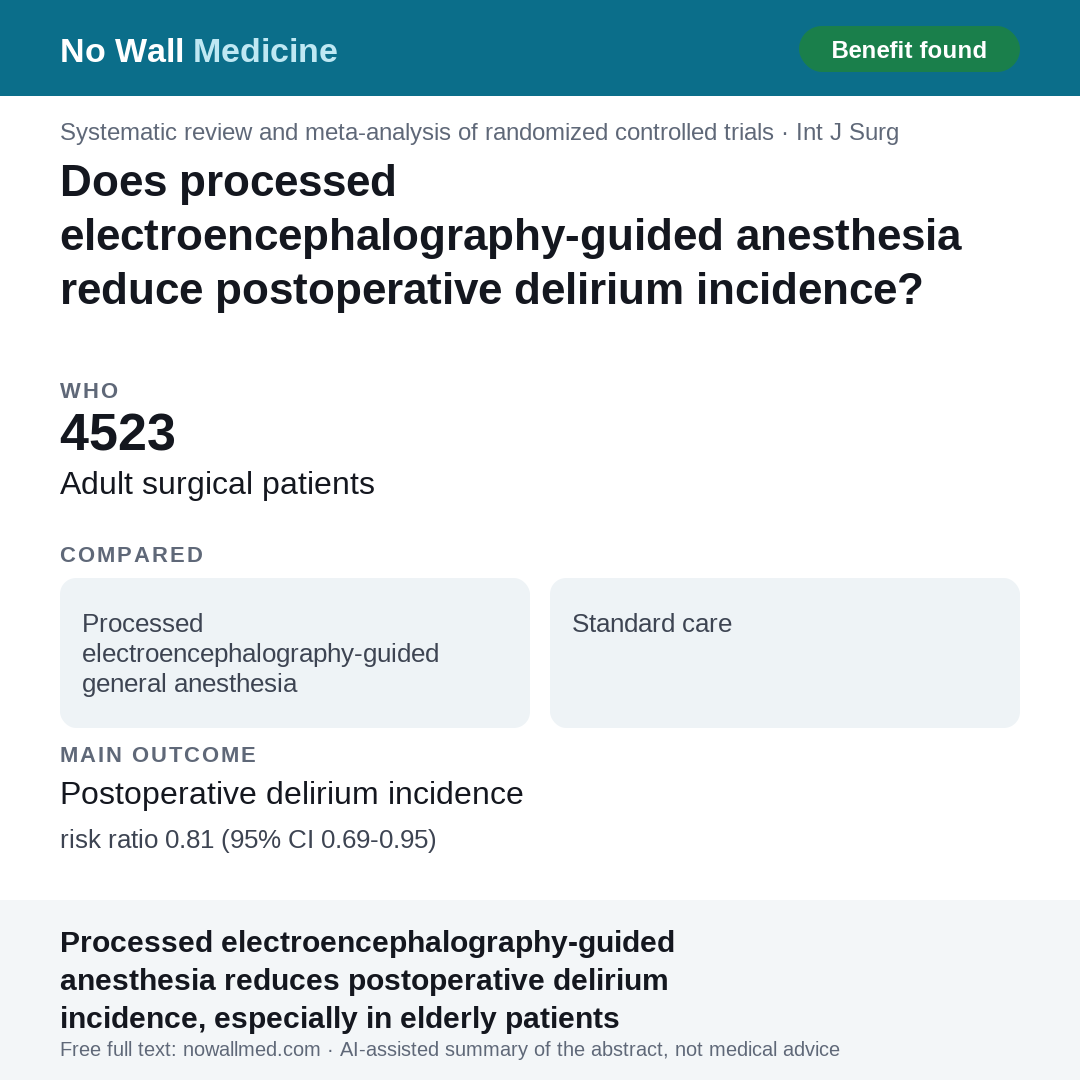
Effect of processed electroencephalography-guided anesthesia on postoperative delirium: an updated systematic review and meta-analysis
Systematic review and meta-analysis of randomized controlled trialsBenefit found
Does processed electroencephalography-guided anesthesia reduce postoperative delirium incidence?
Who
4523
Adult surgical patients
Compared
Processed electroencephalography-guided general anesthesia
Standard care
Main outcome
Postoperative delirium incidence
Result: risk ratio 0.81 (95% CI 0.69-0.95)
Bottom line: Processed electroencephalography-guided anesthesia reduces postoperative delirium incidence, especially in elderly patients and non-cardiac surgeries.
Limitation: Effectiveness may vary due to differences in practice, anesthetic protocols, and cultural factors.
Int J Surg · 2025-07-15Download image
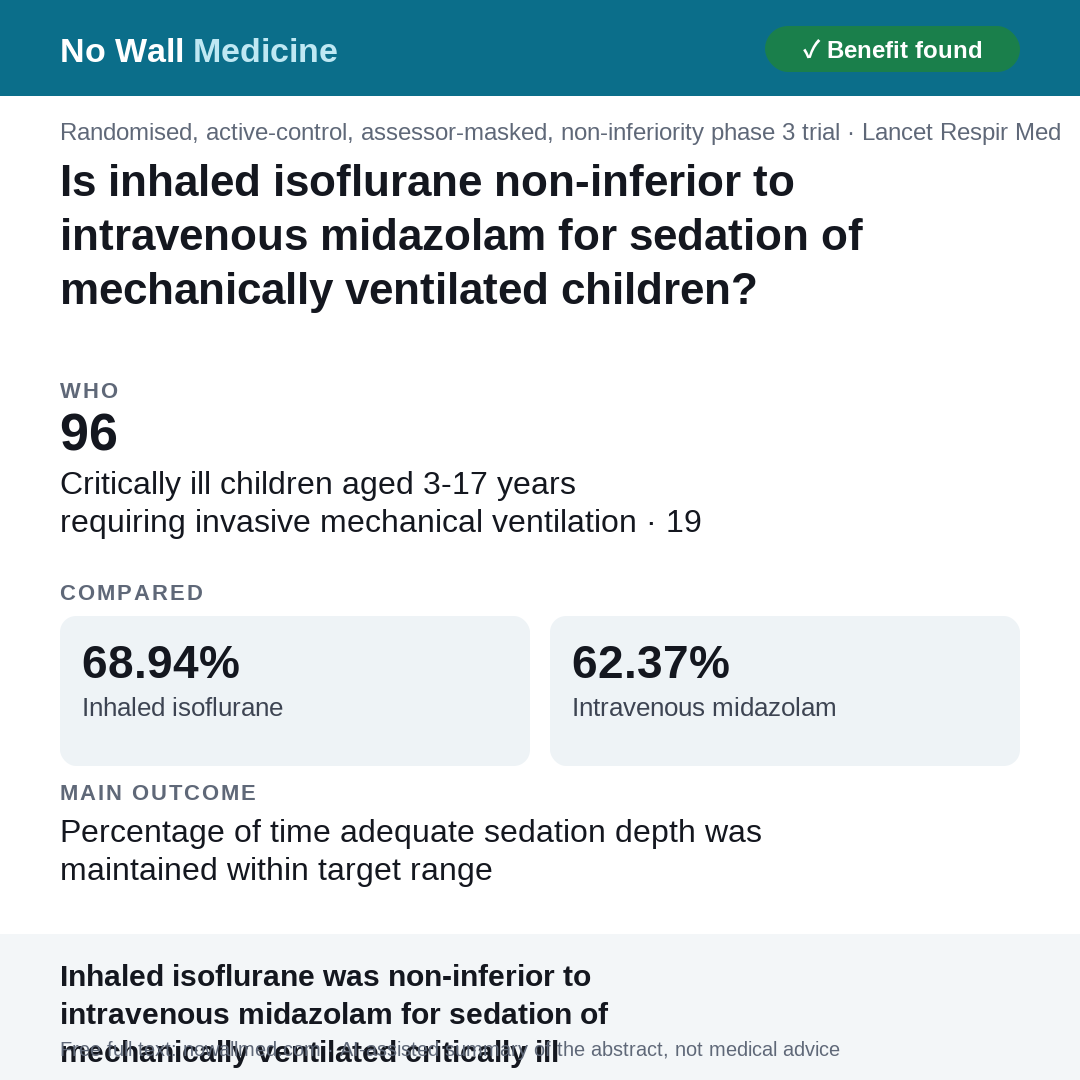
Inhaled isoflurane for sedation of mechanically ventilated children in intensive care (IsoCOMFORT): a multicentre, randomised, active-control, assessor-masked, non-inferiority phase 3 trial
Randomised, active-control, assessor-masked, non-inferiority phase 3 trialBenefit found
Is inhaled isoflurane non-inferior to intravenous midazolam for sedation of mechanically ventilated children?
Who
96
Critically ill children aged 3-17 years requiring invasive mechanical ventilation · 19 paediatric intensive care units in Spain, France, Germany, and UK
Compared
68.94%Inhaled isoflurane (95% CI 52.83-85.05)
62.37%Intravenous midazolam (44.70-80.04)
Main outcome
Percentage of time adequate sedation depth was maintained within target range
Result: least-squares mean difference 6.57 percentage points (95% CI -8.99 to 22.13)
Bottom line: Inhaled isoflurane was non-inferior to intravenous midazolam for sedation of mechanically ventilated critically ill children.
Funded by: Sedana Medical, Stockholm, Sweden
Lancet Respir Med · 2025-07-15Download image
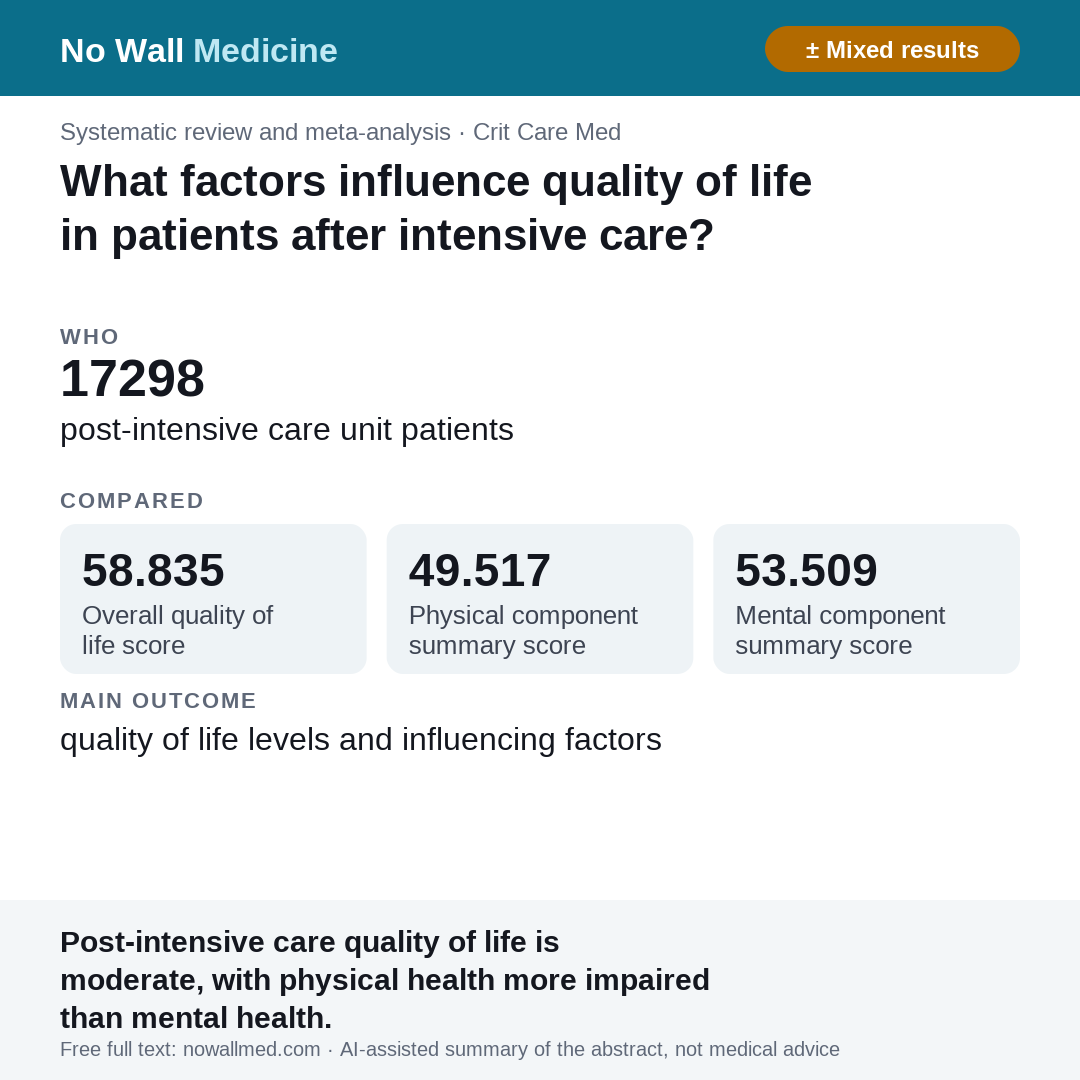
Factors Influencing Quality of Life After Intensive Care: A Systematic Review and Meta-Analysis
Systematic review and meta-analysisMixed results
What factors influence quality of life in patients after intensive care?
Who
17298
post-intensive care unit patients
Compared
58.835Overall quality of life score (95% CI, 52.935-64.735)
49.517Physical component summary score (95% CI, 45.781-53.253)
53.509Mental component summary score (95% CI, 50.301-56.718)
Main outcome
quality of life levels and influencing factors
Bottom line: Post-intensive care quality of life is moderate, with physical health more impaired than mental health.
Crit Care Med · 2025-07-15Download image
Global, regional, and national health-care inefficiency and associated factors in 201 countries, 1995-2022: a stochastic frontier meta-analysis for the Global Burden of Disease Study 2023
Stochastic frontier meta-analysisMixed results
What were the health-care inefficiency levels and associated factors from 1995 to 2022?
Who
201 countries · Global
Compared
Low spending ($100 per capita): US$92 (95% uncertainty interval 43-239) per capita
High spending ($5000 per capita): US$11 213 (8031-57 754) per capita
Main outcome
Health-adjusted life expectancy inefficiency and cost of additional healthy life
Bottom line: Health spending inefficiency fluctuated globally, with better governance and government funding associated with more efficient health-care spending.
Funded by: Bill & Melinda Gates Foundation
Lancet Glob Health · 2025-07-15Download image

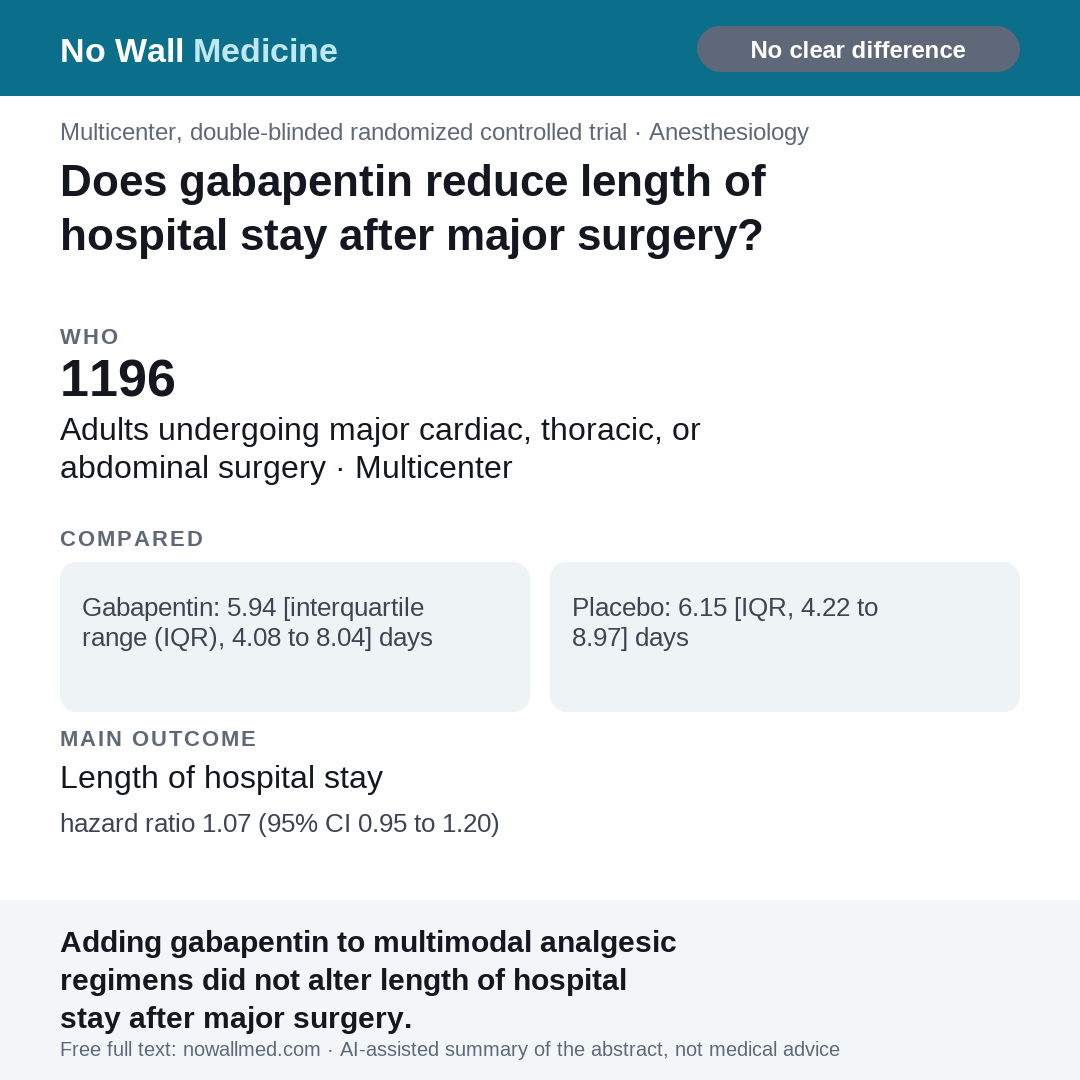
Gabapentin for Pain Management after Major Surgery: A Placebo-controlled, Double-blinded, Randomized Clinical Trial (the GAP Study)
Multicenter, double-blinded randomized controlled trialNo clear difference
Does gabapentin reduce length of hospital stay after major surgery?
Who
1196
Adults undergoing major cardiac, thoracic, or abdominal surgery · Multicenter
Compared
Gabapentin: 5.94 [interquartile range (IQR), 4.08 to 8.04] days
Placebo: 6.15 [IQR, 4.22 to 8.97] days
Main outcome
Length of hospital stay
Result: hazard ratio 1.07 (95% CI 0.95 to 1.20)
Bottom line: Adding gabapentin to multimodal analgesic regimens did not alter length of hospital stay after major surgery.
Anesthesiology · 2025-07-15Download image
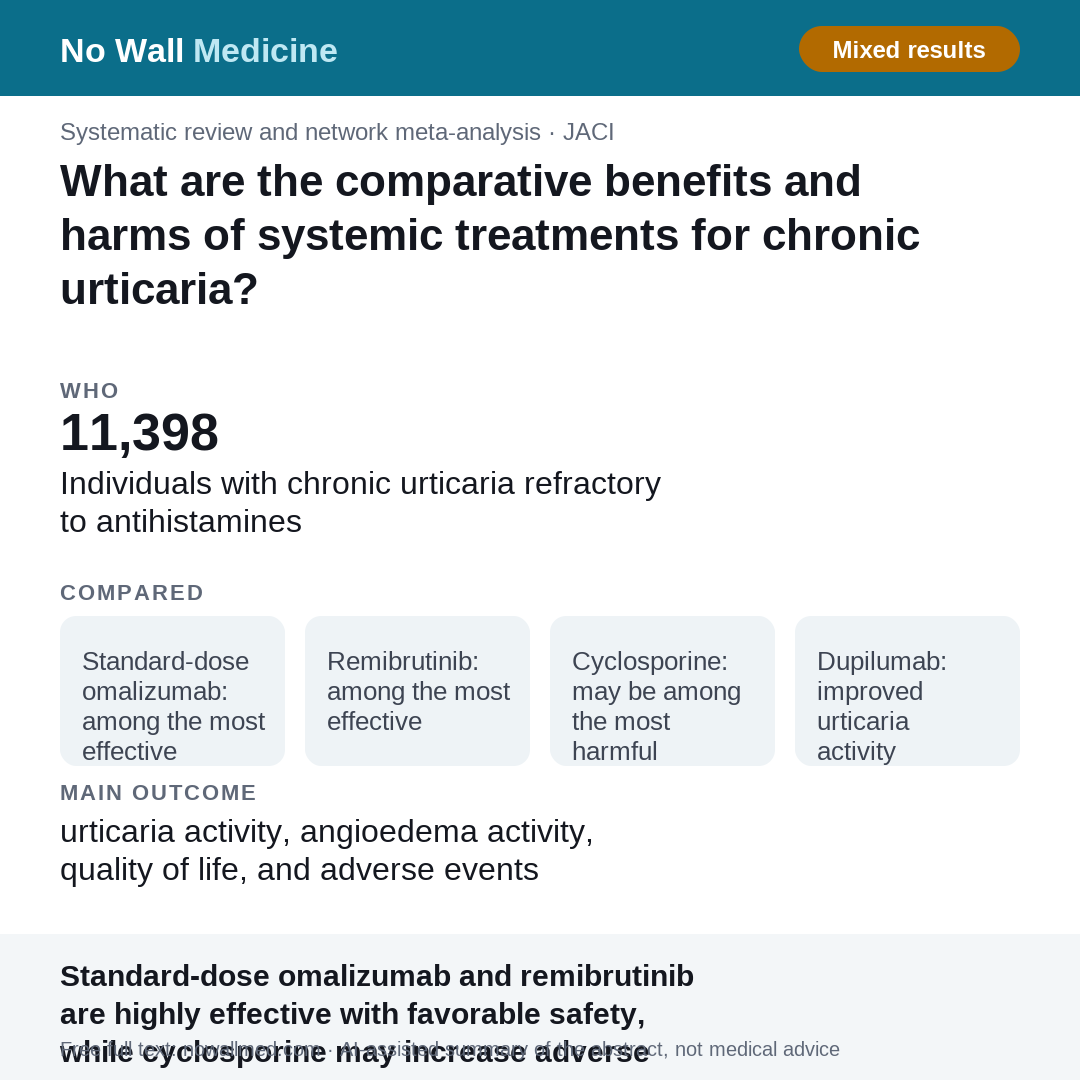
Comparative efficacy and safety of biologics and systemic immunomodulatory treatments for chronic urticaria: Systematic review and network meta-analysis
Systematic review and network meta-analysisMixed results
What are the comparative benefits and harms of systemic treatments for chronic urticaria?
Who
11,398
Individuals with chronic urticaria refractory to antihistamines
Compared
Standard-dose omalizumab: among the most effective
Remibrutinib: among the most effective
Cyclosporine: may be among the most harmful
Dupilumab: improved urticaria activity
Main outcome
urticaria activity, angioedema activity, quality of life, and adverse events
Bottom line: Standard-dose omalizumab and remibrutinib are highly effective with favorable safety, while cyclosporine may increase adverse events.
Limitation: The safety profile of remibrutinib is less certain.
JACI · 2025-07-15Download image
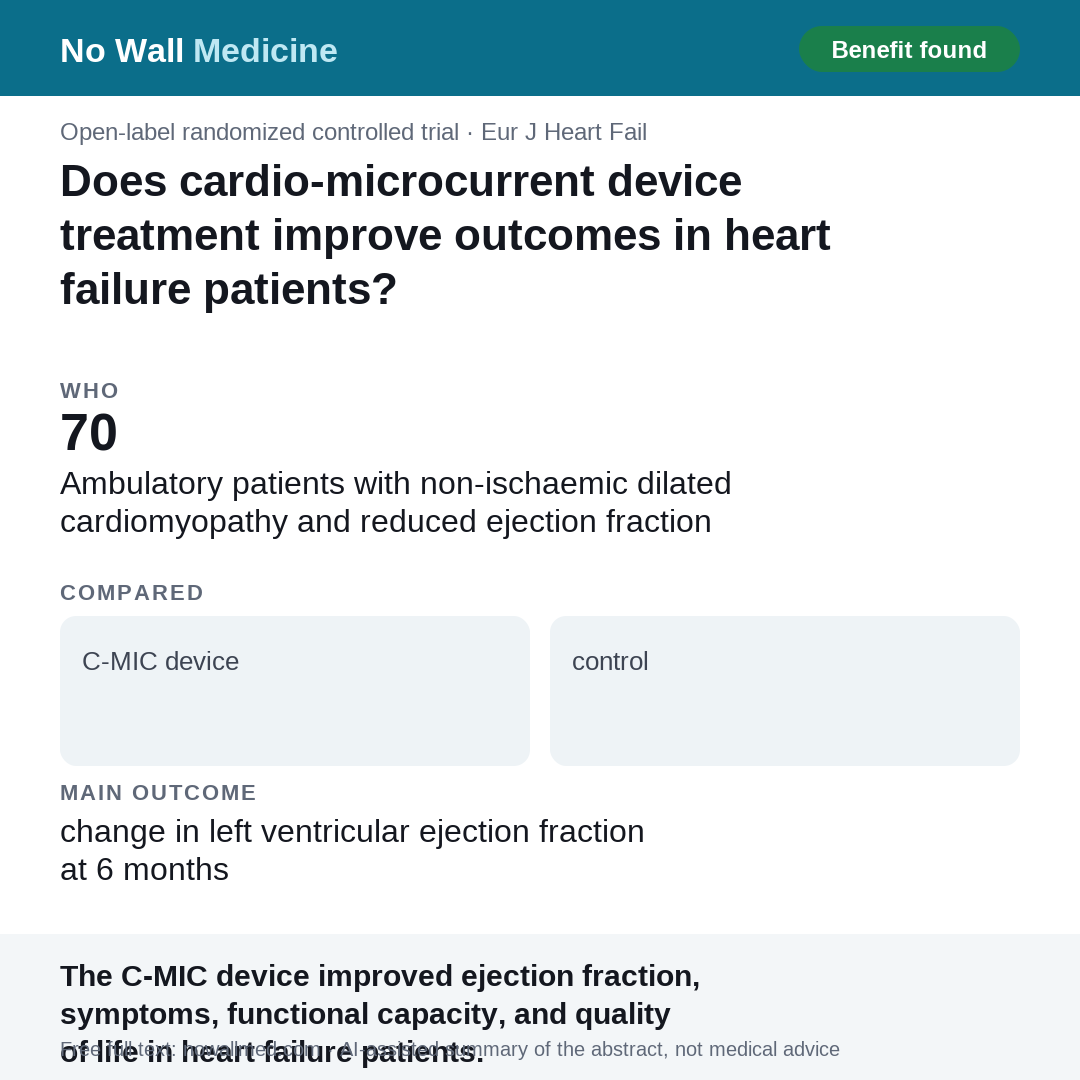
Cardio-microcurrent device treatment for heart failure with reduced ejection fraction: Results from the C-MIC II open-label randomized controlled trial
Open-label randomized controlled trialBenefit found
Does cardio-microcurrent device treatment improve outcomes in heart failure patients?
Who
70
Ambulatory patients with non-ischaemic dilated cardiomyopathy and reduced ejection fraction
Compared
C-MIC device
control
Main outcome
change in left ventricular ejection fraction at 6 months
Result: mean difference: 5.1% (95% confidence interval 3.1-7.1%)
Bottom line: The C-MIC device improved ejection fraction, symptoms, functional capacity, and quality of life in heart failure patients.
Eur J Heart Fail · 2025-07-15Download image
Efficacy and safety of earlier switching to an oral antibiotic therapy for the treatment of Gram-positive bloodstream infections: a systematic review and meta-analysis
Meta-analysis of 27 observational studiesKey finding
Is early switch to oral antibiotics effective and safe for Gram-positive bloodstream infections?
Who
6015
Patients with Gram-positive bloodstream infections
Compared
Early switch to oral therapy: 30-day mortality OR 0.33 (95% CI 0.13, 0.83)
Intravenous therapy
Main outcome
30-day all-cause mortality
Result: OR 0.33 (95% CI 0.13, 0.83)
Bottom line: Early switch to oral therapy was linked to lower 30-day and 90-day mortality in Gram-positive bloodstream infections.
J Antimicrob Chemother · 2025-07-15Download image

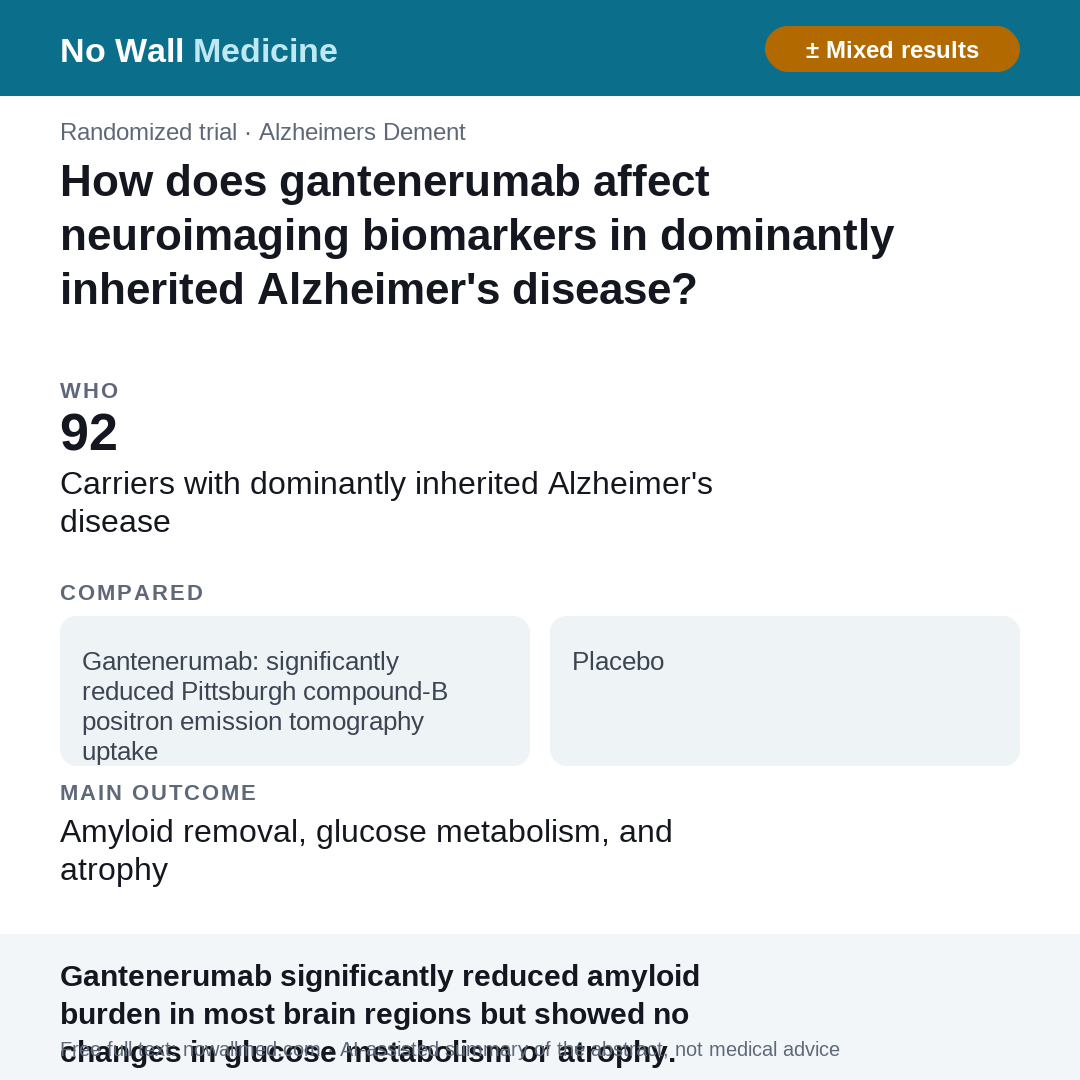
Regional effects of gantenerumab on neuroimaging biomarkers in the DIAN-TU-001 trial
Randomized trialMixed results
How does gantenerumab affect neuroimaging biomarkers in dominantly inherited Alzheimer's disease?
Who
92
Carriers with dominantly inherited Alzheimer's disease
Compared
Gantenerumab: significantly reduced Pittsburgh compound-B positron emission tomography uptake
Placebo
Main outcome
Amyloid removal, glucose metabolism, and atrophy
Bottom line: Gantenerumab significantly reduced amyloid burden in most brain regions but showed no changes in glucose metabolism or atrophy.
Alzheimers Dement · 2025-07-15Download image
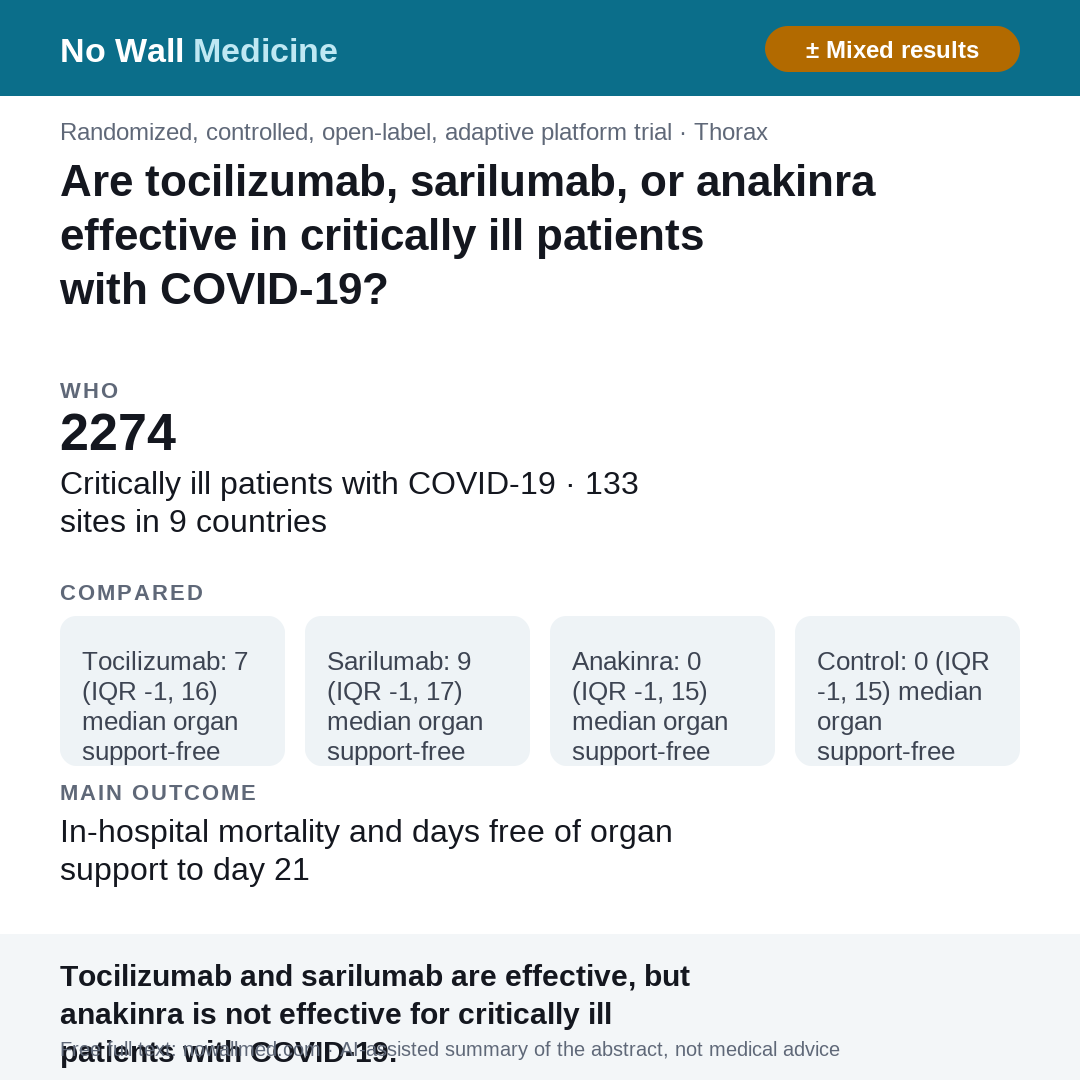
Tocilizumab, sarilumab and anakinra in critically ill patients with COVID-19: a randomised, controlled, open-label, adaptive platform trial
Randomized, controlled, open-label, adaptive platform trialMixed results
Are tocilizumab, sarilumab, or anakinra effective in critically ill patients with COVID-19?
Who
2274
Critically ill patients with COVID-19 · 133 sites in 9 countries
Compared
Tocilizumab: 7 (IQR -1, 16) median organ support-free days
Sarilumab: 9 (IQR -1, 17) median organ support-free days
Anakinra: 0 (IQR -1, 15) median organ support-free days
Control: 0 (IQR -1, 15) median organ support-free days
Main outcome
In-hospital mortality and days free of organ support to day 21
Result: adjusted ORs 1.46 (95% CrI 1.13, 1.87), 1.50 (95% CrI 1.13, 2.00) and 0.99 (95% CrI 0.74, 1.35)
Bottom line: Tocilizumab and sarilumab are effective, but anakinra is not effective for critically ill patients with COVID-19.
Thorax · 2025-07-15Download image