Visual abstracts
New randomized trials and meta-analyses from leading journals at a glance: who was studied, what was compared, and what was found. Every paper is free to read in full.
All specialtiesCardiology 4763Oncology 4043Gastroenterology & Hepatology 1903Infectious Disease 3756Neurology 1872Psychiatry & Mental Health 2216Pulmonology 2044Critical Care 1319Endocrinology & Diabetes 2544Pediatrics 2889Surgery 2480Orthopedics & Sports Medicine 917Neurosurgery 525Cardiothoracic & Vascular Surgery 656Plastic & Reconstructive Surgery 574Nephrology 1107Rheumatology 810Hematology 1090Dermatology 611Ophthalmology 532Obstetrics & Gynecology 1645Public & Global Health 1037Radiology & Imaging 619Anesthesiology 958Urology 745ENT (Otolaryngology) 494Emergency Medicine 481Allergy & Immunology 309Geriatrics 972Family Medicine & Primary Care 534Medical Genetics & Genomics 659Pathology & Laboratory Medicine 156Physical Medicine & Rehabilitation 734Palliative Care 421Nutrition 1560Digital Health & AI 2137General Medicine 318
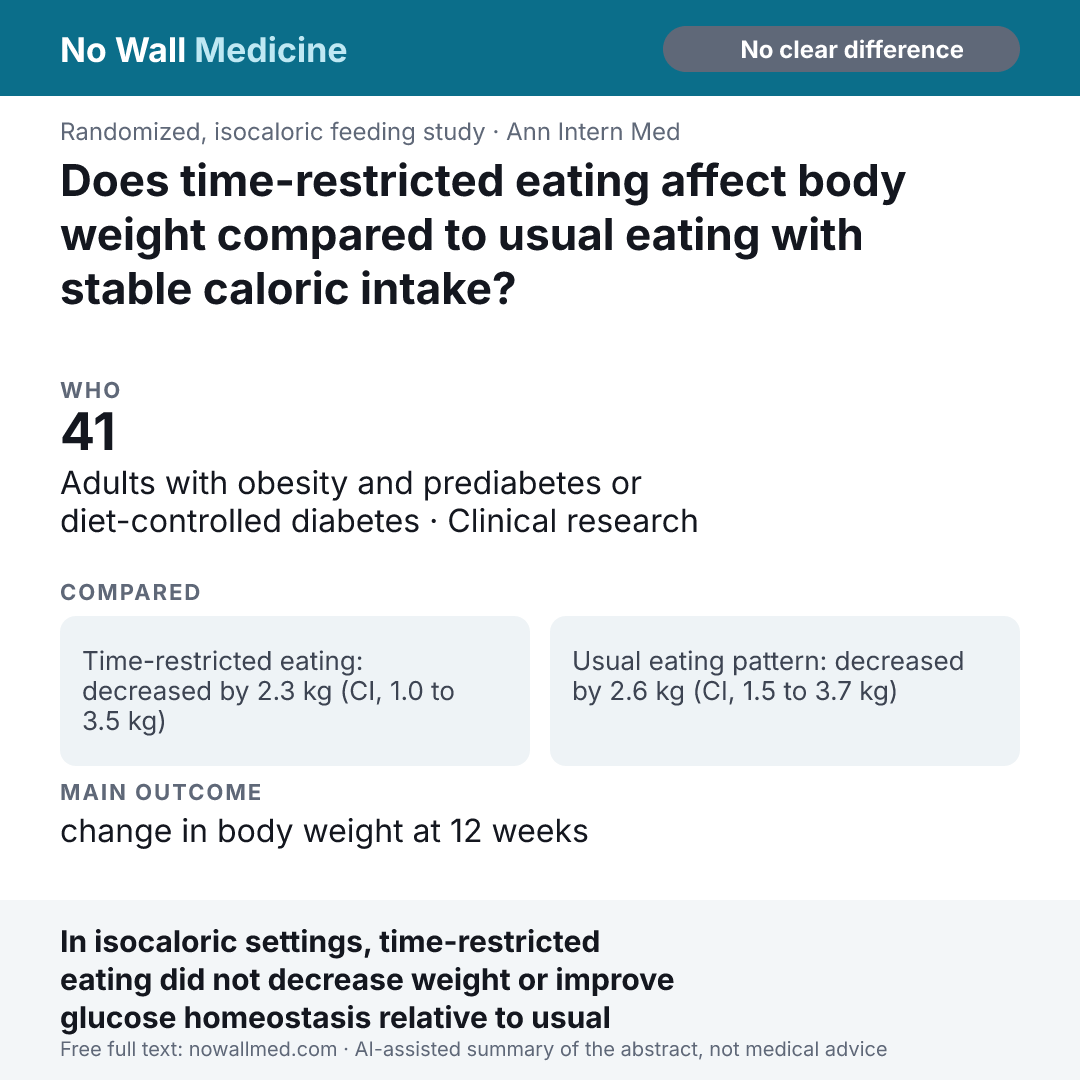
Effect of Isocaloric, Time-Restricted Eating on Body Weight in Adults With Obesity : A Randomized Controlled Trial
Randomized, isocaloric feeding studyNo clear difference
Does time-restricted eating affect body weight compared to usual eating with stable caloric intake?
Who
41
Adults with obesity and prediabetes or diet-controlled diabetes · Clinical research unit
Compared
Time-restricted eating: decreased by 2.3 kg (CI, 1.0 to 3.5 kg)
Usual eating pattern: decreased by 2.6 kg (CI, 1.5 to 3.7 kg)
Main outcome
change in body weight at 12 weeks
Result: average difference 0.3 kg (CI, -1.2 to 1.9 kg)
Bottom line: In isocaloric settings, time-restricted eating did not decrease weight or improve glucose homeostasis relative to usual eating.
Limitation: Small, single-site study; baseline differences in weight by group.
Funded by: American Heart Association
Ann Intern Med · 2024-04-19 · Save PNG
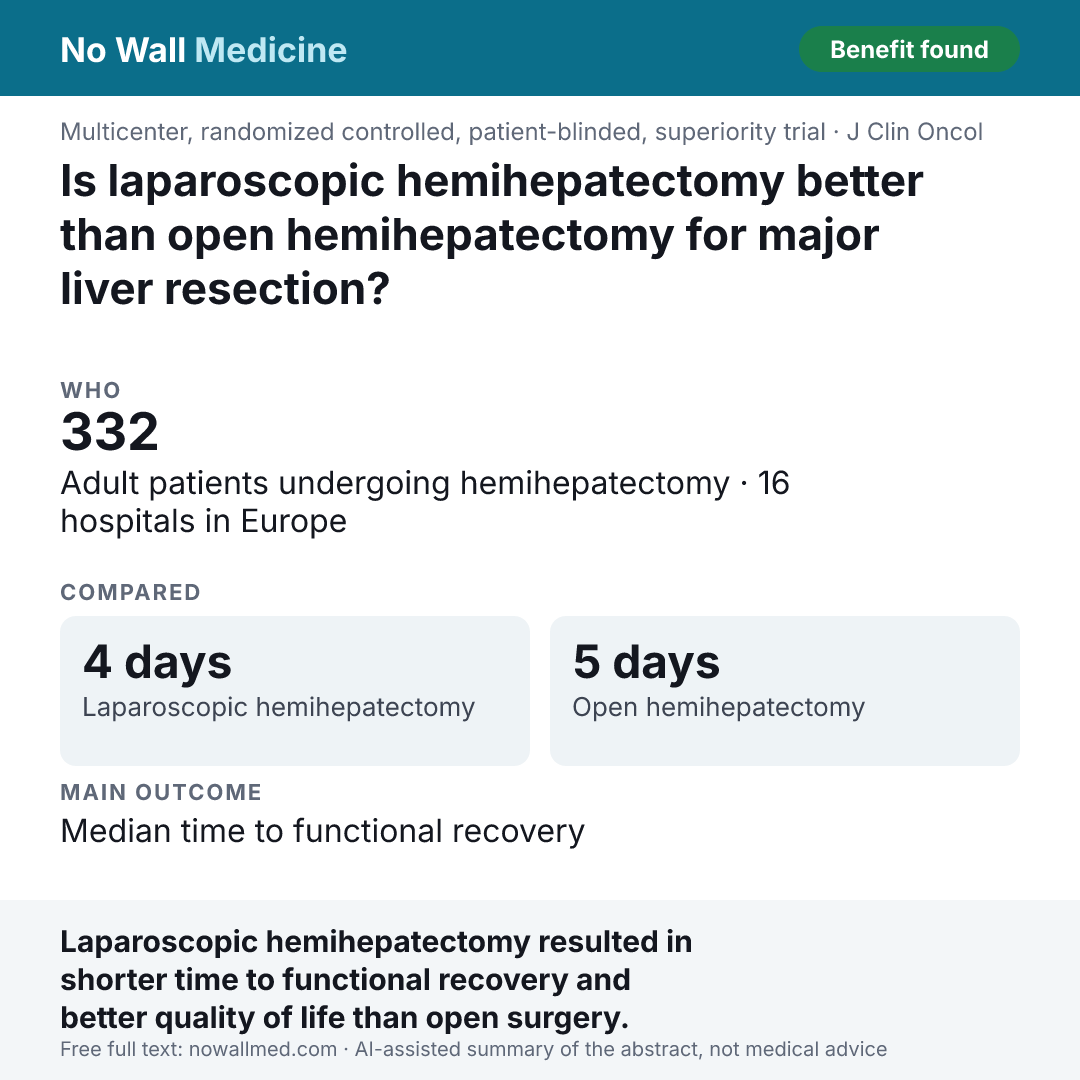
Laparoscopic Versus Open Hemihepatectomy: The ORANGE II PLUS Multicenter Randomized Controlled Trial
Multicenter, randomized controlled, patient-blinded, superiority trialBenefit found
Is laparoscopic hemihepatectomy better than open hemihepatectomy for major liver resection?
Who
332
Adult patients undergoing hemihepatectomy · 16 hospitals in Europe
Compared
4 daysLaparoscopic hemihepatectomy
5 daysOpen hemihepatectomy
Main outcome
Median time to functional recovery
Result: difference, -17.5% (96% CI, -25.6 to -8.4)
Bottom line: Laparoscopic hemihepatectomy resulted in shorter time to functional recovery and better quality of life than open surgery.
J Clin Oncol · 2024-04-19 · Save PNG
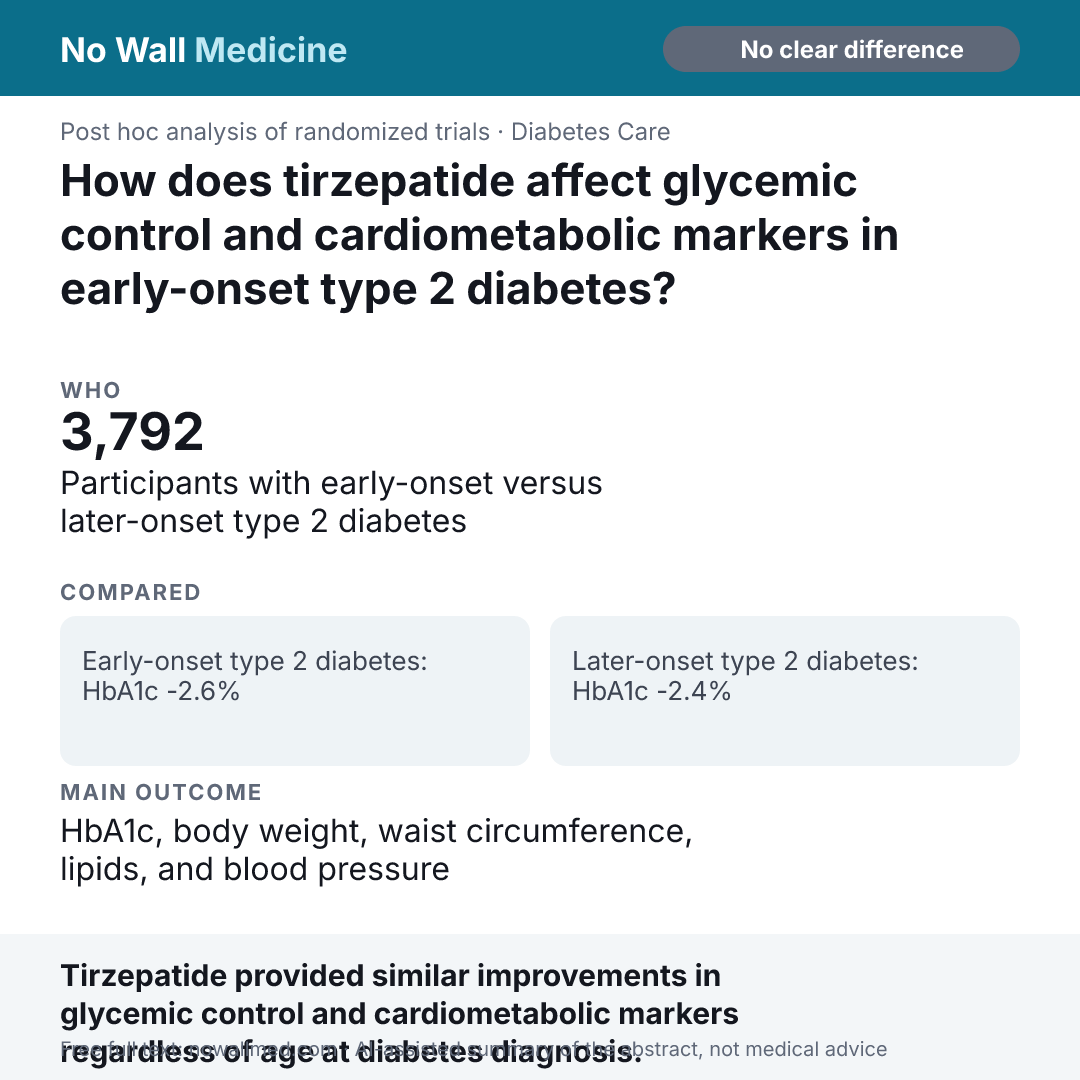
Early-Onset Type 2 Diabetes and Tirzepatide Treatment: A Post Hoc Analysis From the SURPASS Clinical Trial Program
Post hoc analysis of randomized trialsNo clear difference
How does tirzepatide affect glycemic control and cardiometabolic markers in early-onset type 2 diabetes?
Who
3,792
Participants with early-onset versus later-onset type 2 diabetes
Compared
Early-onset type 2 diabetes: HbA1c -2.6%
Later-onset type 2 diabetes: HbA1c -2.4%
Main outcome
HbA1c, body weight, waist circumference, lipids, and blood pressure
Bottom line: Tirzepatide provided similar improvements in glycemic control and cardiometabolic markers regardless of age at diabetes diagnosis.
Diabetes Care · 2024-04-19 · Save PNG
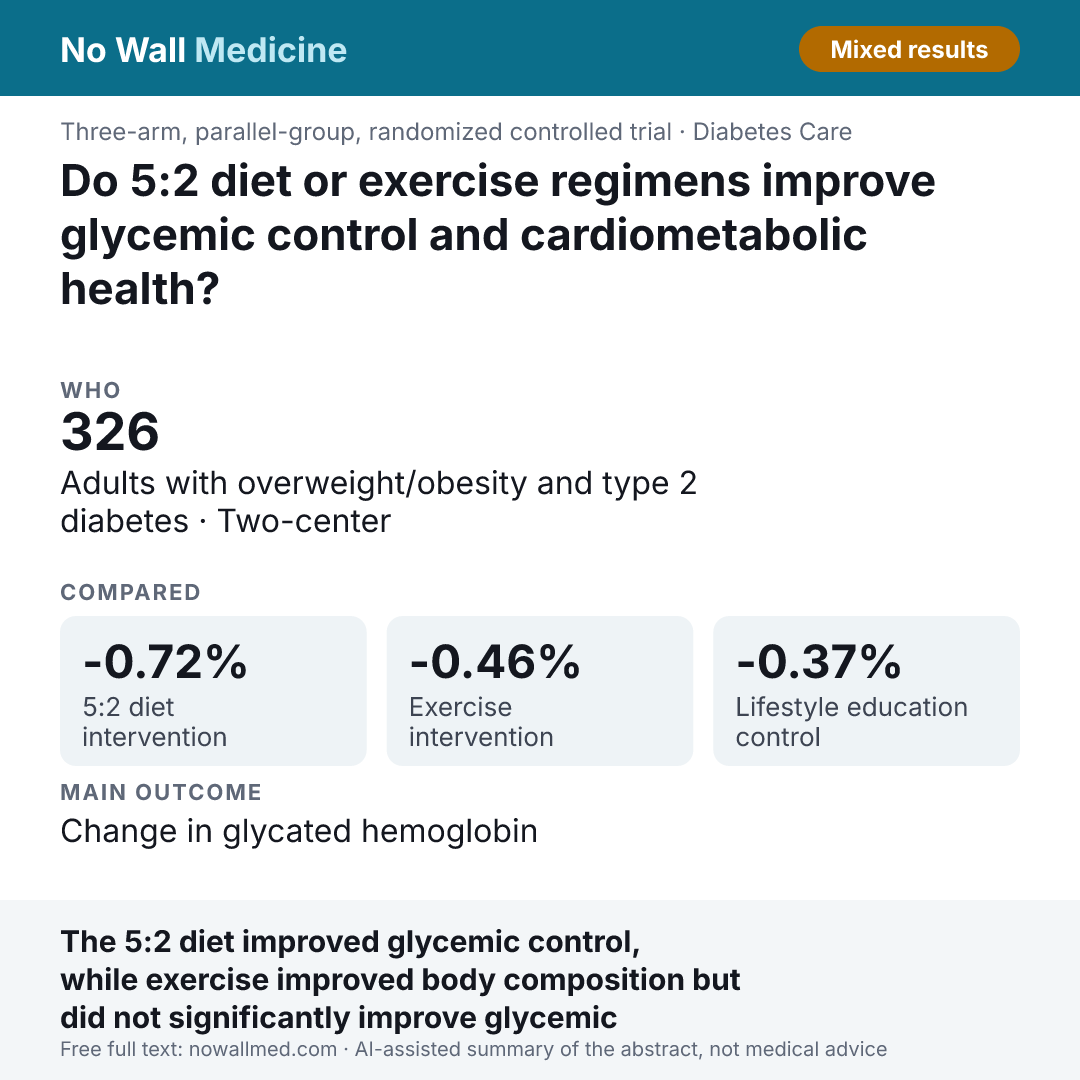
Effect of 5:2 Regimens: Energy-Restricted Diet or Low-Volume High-Intensity Interval Training Combined With Resistance Exercise on Glycemic Control and Cardiometabolic Health in Adults With Overweight/Obesity and Type 2 Diabetes: A Three-Arm Randomized Controlled Trial
Three-arm, parallel-group, randomized controlled trialMixed results
Do 5:2 diet or exercise regimens improve glycemic control and cardiometabolic health?
Who
326
Adults with overweight/obesity and type 2 diabetes · Two-center
Compared
-0.72%5:2 diet intervention (95% CI -0.95 to -0.48)
-0.46%Exercise intervention (95% CI -0.70 to -0.23)
-0.37%Lifestyle education control (95% CI -0.60 to -0.15)
Main outcome
Change in glycated hemoglobin
Result: diet vs. control -0.34 (95% CI -0.58 to -0.11)
Bottom line: The 5:2 diet improved glycemic control, while exercise improved body composition but did not significantly improve glycemic control.
Diabetes Care · 2024-04-19 · Save PNG
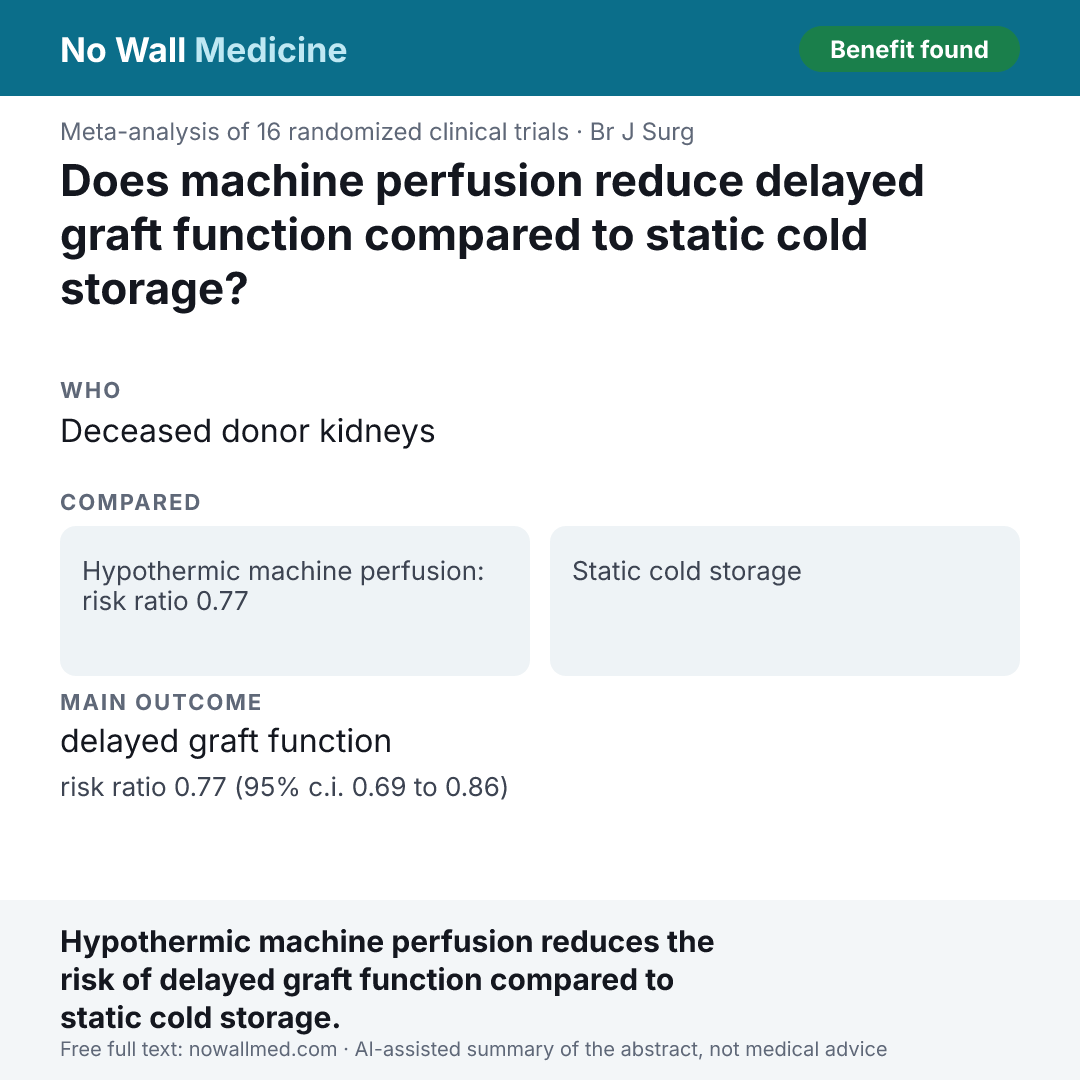
Ex vivo kidney machine perfusion: meta-analysis of randomized clinical trials
Meta-analysis of 16 randomized clinical trialsBenefit found
Does machine perfusion reduce delayed graft function compared to static cold storage?
Who
Deceased donor kidneys
Compared
Hypothermic machine perfusion: risk ratio 0.77
Static cold storage
Main outcome
delayed graft function
Result: risk ratio 0.77 (95% c.i. 0.69 to 0.86)
Bottom line: Hypothermic machine perfusion reduces the risk of delayed graft function compared to static cold storage.
Br J Surg · 2024-04-19 · Save PNG
Re-attendance in supplemental breast MRI screening rounds of the DENSE trial for women with extremely dense breasts
Observational analysis of a randomized trialBenefit found
What are the re-attendance rates for supplemental breast MRI screening rounds?
Who
Women with extremely dense breasts in the DENSE trial
Compared
81.3%Second MRI screening round (3458/4252)
85.2%Third MRI screening round (2693/3160)
Main outcome
Re-attendance rates for subsequent MRI screening rounds
Bottom line: Willingness of women with dense breasts to re-attend ongoing MRI screening is high.
Eur Radiol · 2024-04-19 · Save PNG

Assessment and report of individual symptoms in studies of delirium in postoperative populations: a systematic review
Systematic reviewUnclear result
Delirium symptoms in postoperative adults
Who
11377
postoperative adults
Compared
delirium patients
all patients
Main outcome
delirium symptoms
Bottom line: 78 delirium symptoms reported
Age Ageing · 2024-04-19 · Save PNG

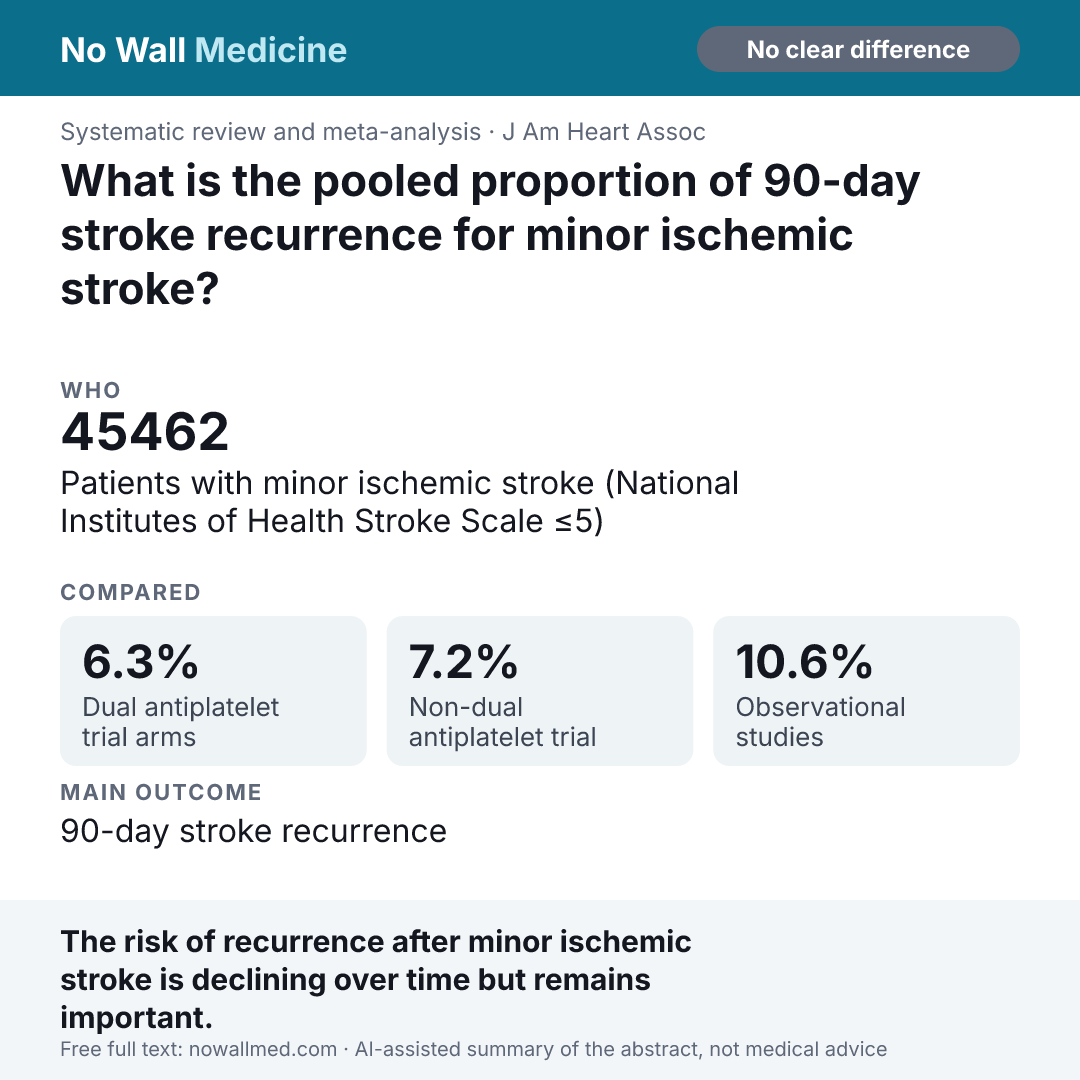
Ninety-Day Stroke Recurrence in Minor Stroke: Systematic Review and Meta-Analysis of Trials and Observational Studies
Systematic review and meta-analysisNo clear difference
What is the pooled proportion of 90-day stroke recurrence for minor ischemic stroke?
Who
45462
Patients with minor ischemic stroke (National Institutes of Health Stroke Scale ≤5)
Compared
6.3%Dual antiplatelet trial arms (95% CI, 4.5-8.0)
7.2%Non-dual antiplatelet trial arms (95% CI, 4.7-9.6)
10.6%Observational studies (95% CI, 7.0-14.2)
Main outcome
90-day stroke recurrence
Result: 8.6% (95% CI, 6.5-10.7)
Bottom line: The risk of recurrence after minor ischemic stroke is declining over time but remains important.
J Am Heart Assoc · 2024-04-19 · Save PNG
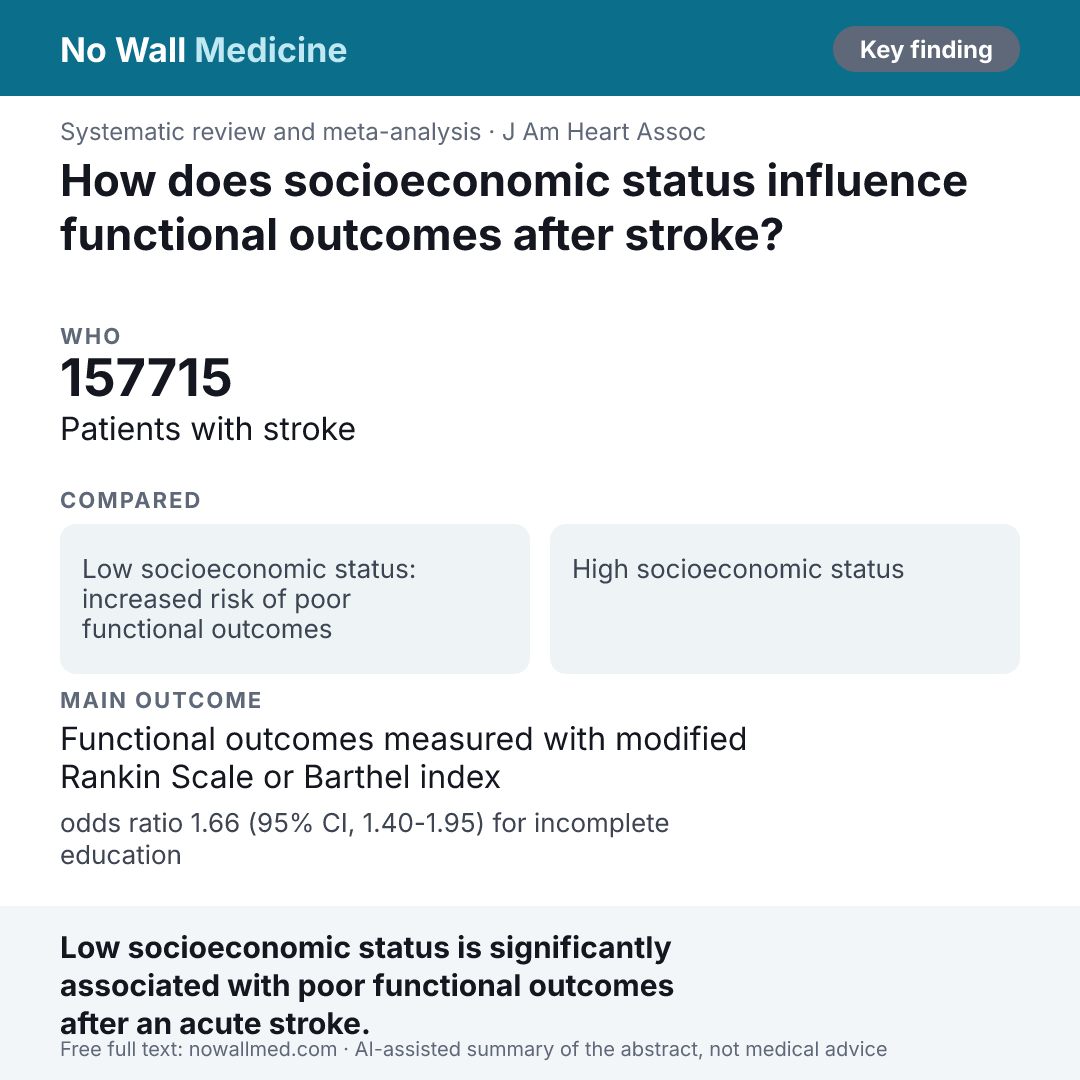
Influence of Socioeconomic Status on Functional Outcomes After Stroke: A Systematic Review and Meta-Analysis
Systematic review and meta-analysisKey finding
How does socioeconomic status influence functional outcomes after stroke?
Who
157715
Patients with stroke
Compared
Low socioeconomic status: increased risk of poor functional outcomes
High socioeconomic status
Main outcome
Functional outcomes measured with modified Rankin Scale or Barthel index
Result: odds ratio 1.66 (95% CI, 1.40-1.95) for incomplete education
Bottom line: Low socioeconomic status is significantly associated with poor functional outcomes after an acute stroke.
Limitation: Further research is needed to understand causal mechanisms and disparities.
J Am Heart Assoc · 2024-04-19 · Save PNG
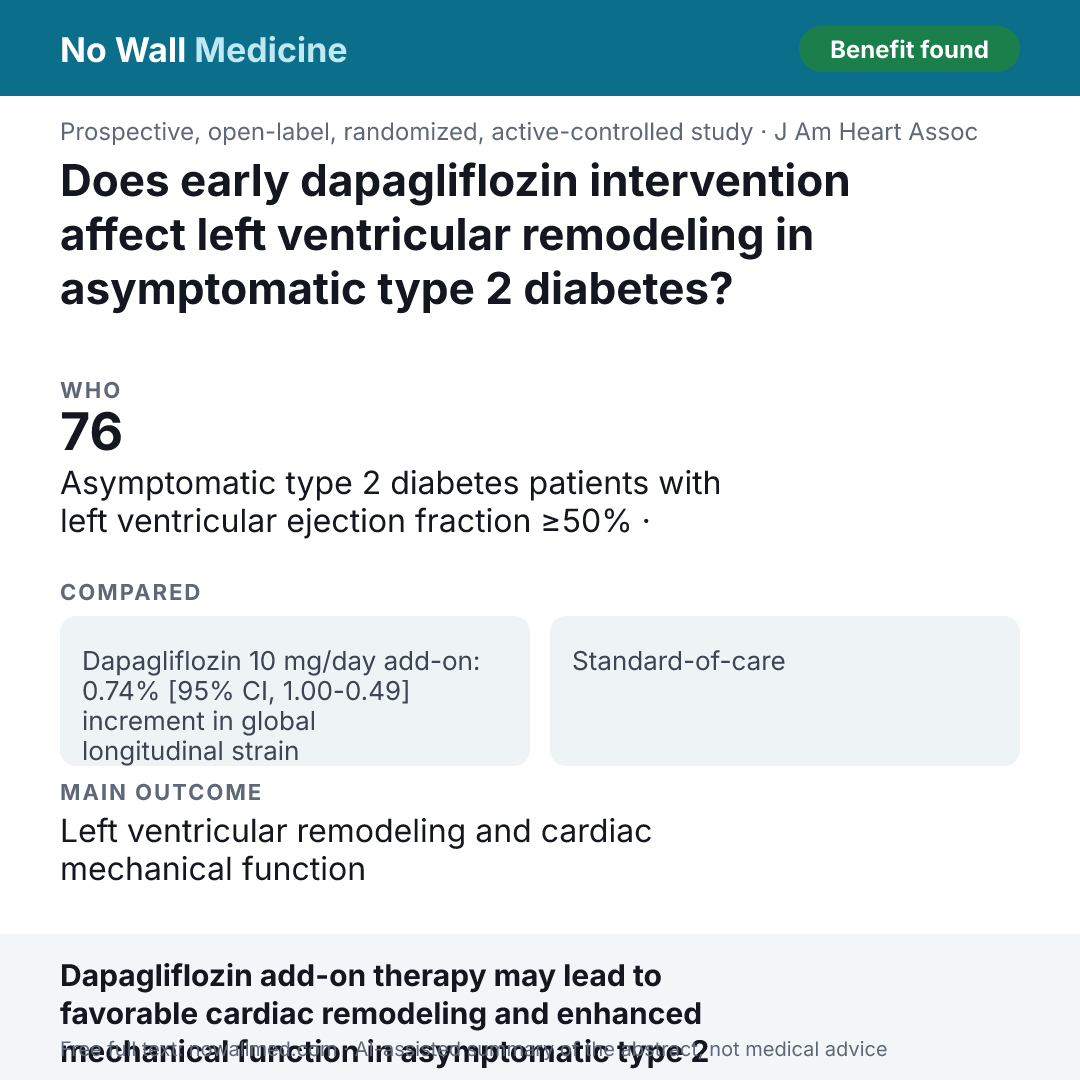
ELUCIDATE Trial: A Single-Center Randomized Controlled Study
Prospective, open-label, randomized, active-controlled studyBenefit found
Does early dapagliflozin intervention affect left ventricular remodeling in asymptomatic type 2 diabetes?
Who
76
Asymptomatic type 2 diabetes patients with left ventricular ejection fraction ≥50% · Single-center
Compared
Dapagliflozin 10 mg/day add-on: 0.74% [95% CI, 1.00-0.49] increment in global longitudinal strain
Standard-of-care
Main outcome
Left ventricular remodeling and cardiac mechanical function
Result: 1.68 mm [95% CI, 0.53-2.84] reduction in left ventricular dimension
Bottom line: Dapagliflozin add-on therapy may lead to favorable cardiac remodeling and enhanced mechanical function in asymptomatic type 2 diabetes.
J Am Heart Assoc · 2024-04-19 · Save PNG
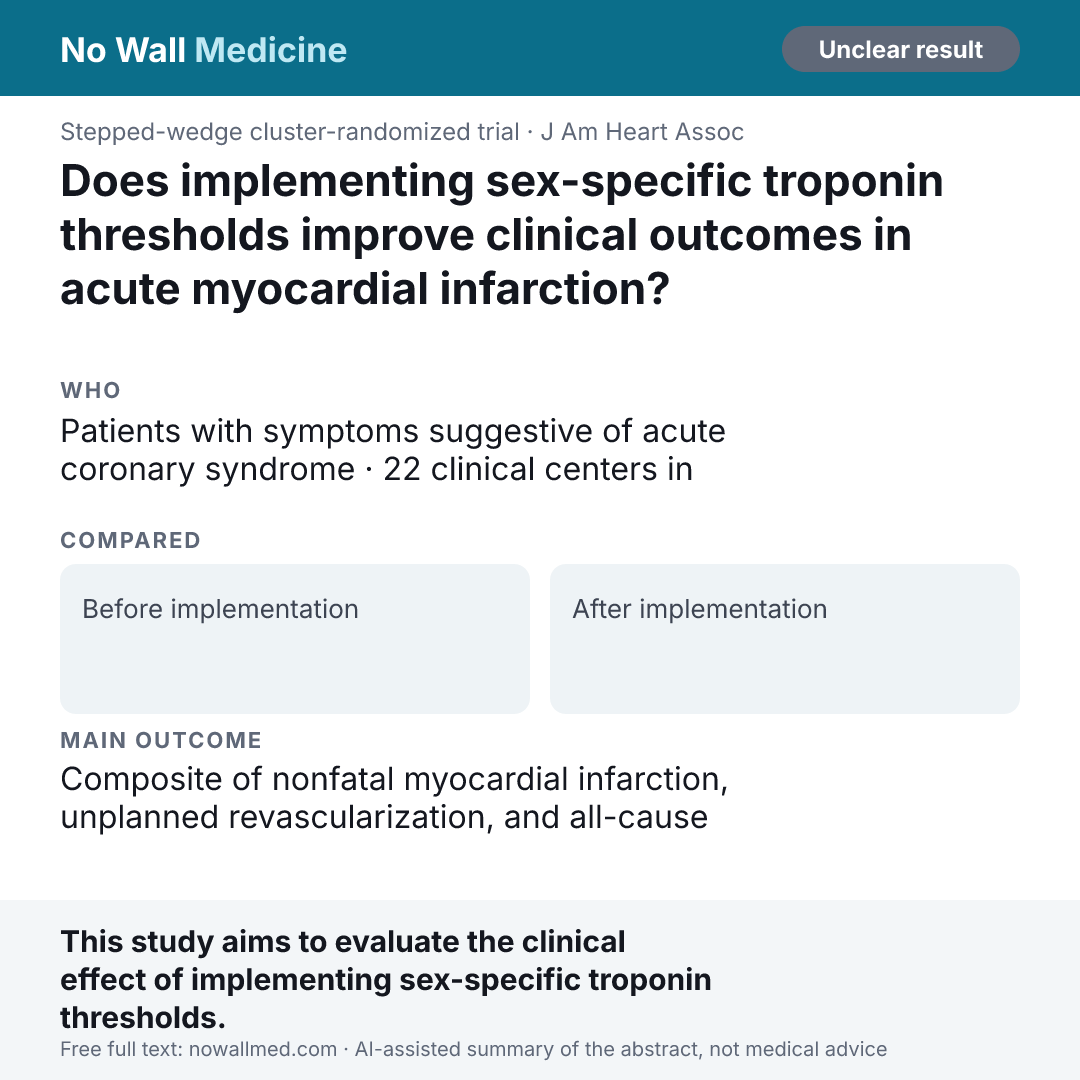
DANSPOT: A Multicenter Stepped-Wedge Cluster-Randomized Trial of the Reclassification of Acute Myocardial Infarction: Rationale and Study Design
Stepped-wedge cluster-randomized trialUnclear result
Does implementing sex-specific troponin thresholds improve clinical outcomes in acute myocardial infarction?
Who
Patients with symptoms suggestive of acute coronary syndrome · 22 clinical centers in Denmark
Compared
Before implementation
After implementation
Main outcome
Composite of nonfatal myocardial infarction, unplanned revascularization, and all-cause mortality
Bottom line: This study aims to evaluate the clinical effect of implementing sex-specific troponin thresholds.
J Am Heart Assoc · 2024-04-19 · Save PNG
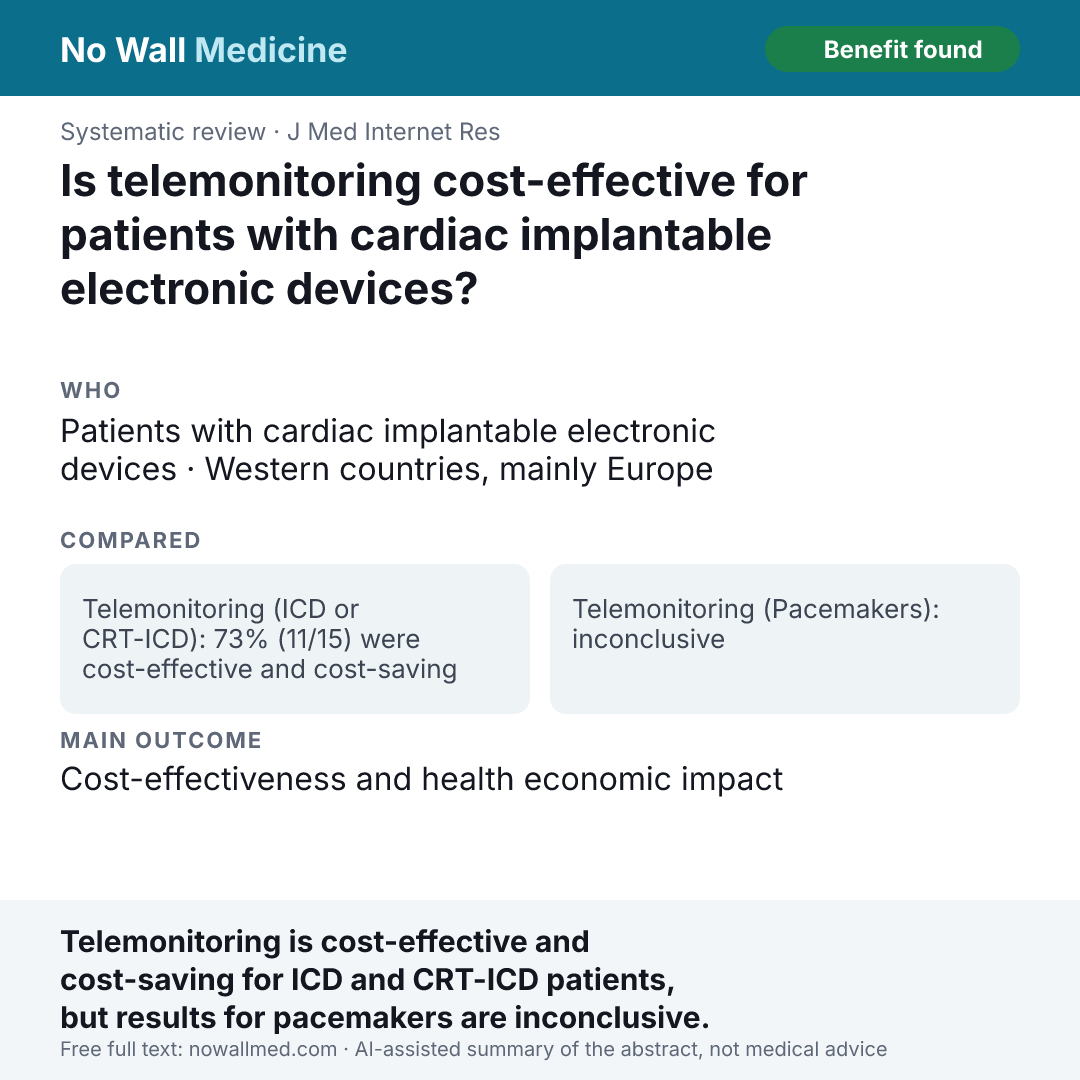
Investigating the Cost-Effectiveness of Telemonitoring Patients With Cardiac Implantable Electronic Devices: Systematic Review
Systematic reviewBenefit found
Is telemonitoring cost-effective for patients with cardiac implantable electronic devices?
Who
Patients with cardiac implantable electronic devices · Western countries, mainly Europe
Compared
Telemonitoring (ICD or CRT-ICD): 73% (11/15) were cost-effective and cost-saving
Telemonitoring (Pacemakers): inconclusive
Main outcome
Cost-effectiveness and health economic impact
Bottom line: Telemonitoring is cost-effective and cost-saving for ICD and CRT-ICD patients, but results for pacemakers are inconclusive.
Limitation: Results for telemonitoring of patients with pacemakers were inconclusive.
J Med Internet Res · 2024-04-19 · Save PNG
The Role of Sentinel Lymph Node Biopsy in the Management of Merkel Cell Carcinoma: A Systematic Review and Meta-analysis
Systematic review and meta-analysisBenefit found
What is the role of sentinel lymph node biopsy in Merkel cell carcinoma management?
Who
Patients diagnosed with Merkel cell carcinoma candidates for sentinel lymph node biopsy
Compared
Positive sentinel lymph node: hazard ratio 3.36
Negative sentinel lymph node
Main outcome
Overall survival and disease recurrence
Result: hazard ratio 3.36 (P < 0.001)
Bottom line: Sentinel lymph node biopsy informs adjuvant treatment use, which is associated with improved overall survival.
Plast Reconstr Surg Glob Open · 2024-04-19 · Save PNG

An Omicron-specific, self-amplifying mRNA booster vaccine for COVID-19: a phase 2/3 randomized trial
Randomized trialKey finding
Is Omicron-specific mRNA booster vaccine effective?
Who
3140
Healthy adults with two doses of COVID-19 vaccine · Multicenter
Compared
GEMCOVAC-OM: significantly higher neutralizing antibody titers
ChAdOx1 nCoV-19: not significantly higher neutralizing antibody titers
GEMCOVAC-19: lower IgG titers
Main outcome
Neutralizing antibody titers
Result: noninferior and superior
Bottom line: Omicron-specific mRNA booster vaccine is safe and effective
Nat Med · 2024-04-18 · Save PNG

Addressing barriers and identifying facilitators to support informed consent and recruitment in the Cavernous malformations A Randomised Effectiveness (CARE) pilot phase trial: insights from the integrated QuinteT recruitment intervention (QRI)
Pilot phase randomized trial with integrated interventionEarly signal
Can the QuinteT recruitment intervention improve informed consent and recruitment in the CARE trial?
Who
72
People with symptomatic cerebral cavernous malformation · Multiple trial sites
Compared
With QuinteT Recruitment Intervention: 72 participants recruited
Target recruitment: 60 participants
Main outcome
Informed consent and recruitment numbers
Bottom line: The integrated recruitment intervention helped exceed the recruitment target for the pilot trial.
Funded by: National Institute for Health and Care Research
eClinicalMedicine · 2024-04-18 · Save PNG

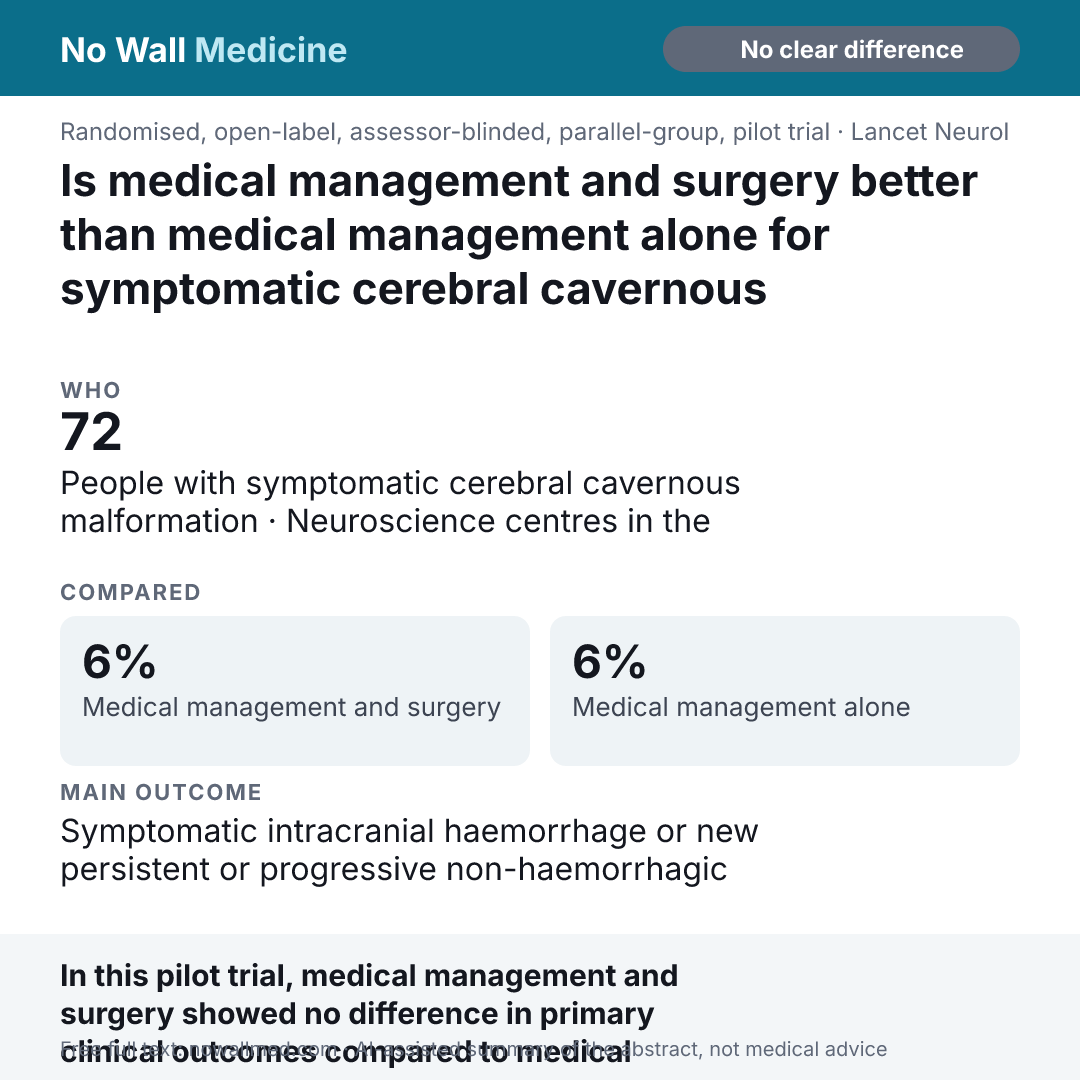
Medical management and surgery versus medical management alone for symptomatic cerebral cavernous malformation (CARE): a feasibility study and randomised, open, pragmatic, pilot phase trial
Randomised, open-label, assessor-blinded, parallel-group, pilot trialNo clear difference
Is medical management and surgery better than medical management alone for symptomatic cerebral cavernous malformation?
Who
72
People with symptomatic cerebral cavernous malformation · Neuroscience centres in the United Kingdom and Ireland
Compared
6%Medical management and surgery (2/33)
6%Medical management alone (2/34)
Main outcome
Symptomatic intracranial haemorrhage or new persistent or progressive non-haemorrhagic focal neurological deficit
Result: 8.0%, 95% CI 2.0-32.1 per year vs 7.5%, 1.9-30.1 per year
Bottom line: In this pilot trial, medical management and surgery showed no difference in primary clinical outcomes compared to medical management alone.
Funded by: National Institute for Health and Care Research
Lancet Neurol · 2024-04-18 · Save PNG
Lasix for the prevention of de novo postpartum hypertension: a randomized placebo-controlled trial (LAPP Trial)
Randomized triple-masked placebo-controlled clinical trialNo clear difference
Does oral furosemide reduce the risk for de novo postpartum hypertension?
Who
82
High-risk postpartum patients without antenatal hypertensive disorders · Single university-based tertiary care medical center
Compared
Oral furosemide: 88.9±7.4 mm Hg
Placebo: 86.8±7.1 mm Hg
Main outcome
Mean arterial pressure averaged over 24 hours before discharge
Result: absolute difference, 2.1 mm Hg; 95% confidence interval, -1.2 to 5.3
Bottom line: Furosemide did not significantly reduce average mean arterial pressure compared to placebo in high-risk postpartum patients.
AJOG · 2024-04-18 · Save PNG

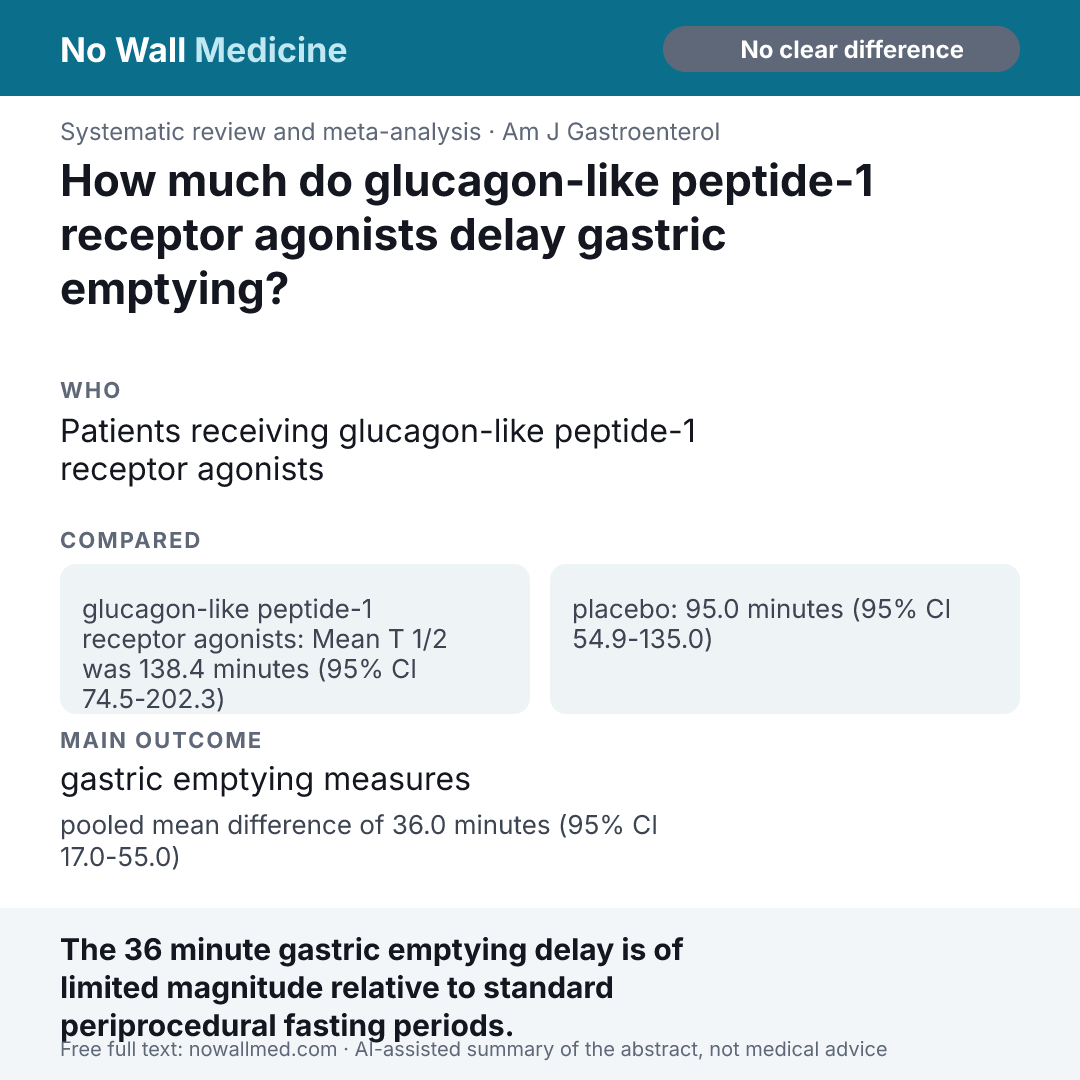
Quantified Metrics of Gastric Emptying Delay by Glucagon-Like Peptide-1 Agonists: A Systematic Review and Meta-Analysis With Insights for Periprocedural Management
Systematic review and meta-analysisNo clear difference
How much do glucagon-like peptide-1 receptor agonists delay gastric emptying?
Who
Patients receiving glucagon-like peptide-1 receptor agonists
Compared
glucagon-like peptide-1 receptor agonists: Mean T 1/2 was 138.4 minutes (95% CI 74.5-202.3)
placebo: 95.0 minutes (95% CI 54.9-135.0)
Main outcome
gastric emptying measures
Result: pooled mean difference of 36.0 minutes (95% CI 17.0-55.0)
Bottom line: The 36 minute gastric emptying delay is of limited magnitude relative to standard periprocedural fasting periods.
Am J Gastroenterol · 2024-04-18 · Save PNG
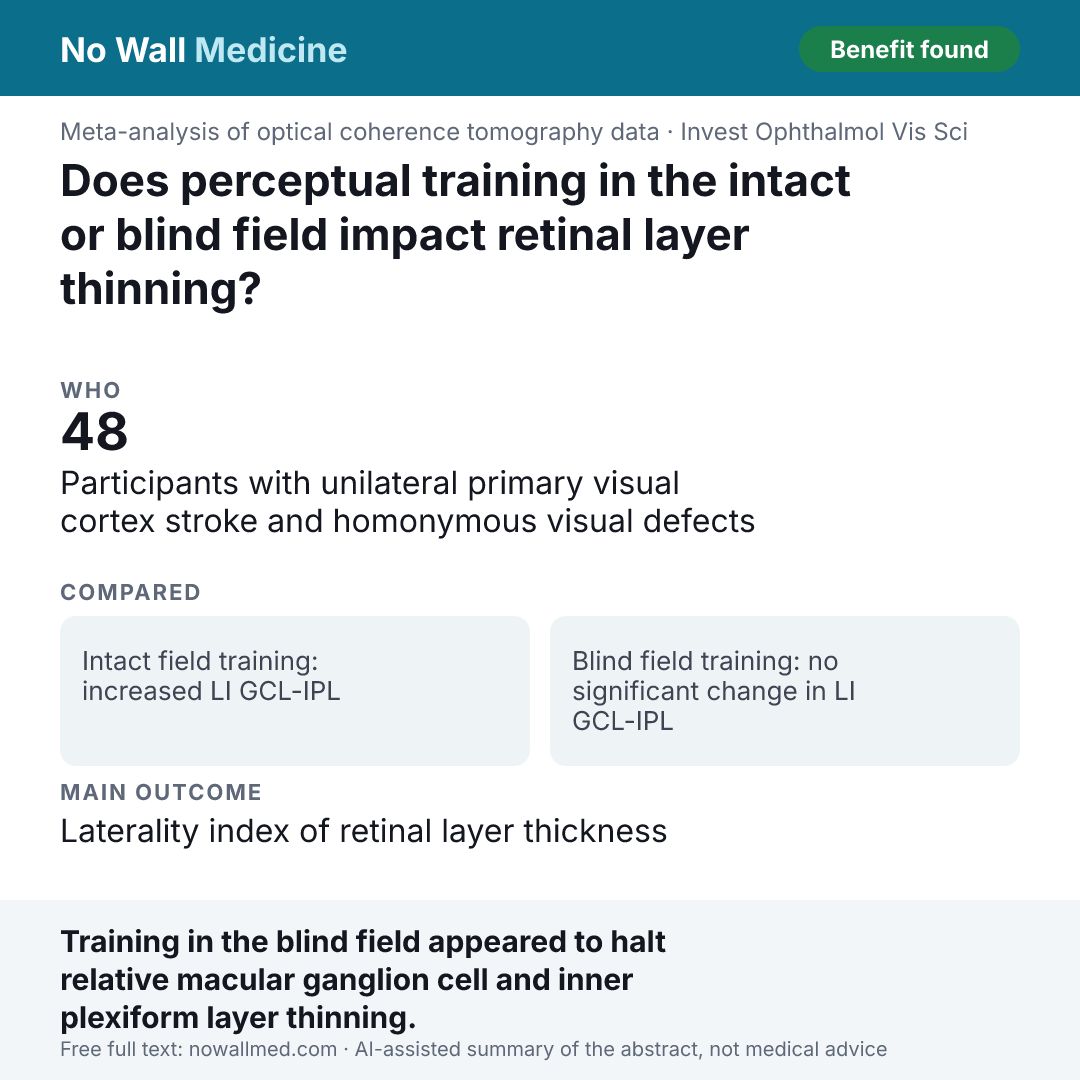
Training in Cortically Blinded Fields Appears to Confer Patient-Specific Benefit Against Retinal Thinning
Meta-analysis of optical coherence tomography dataBenefit found
Does perceptual training in the intact or blind field impact retinal layer thinning?
Who
48
Participants with unilateral primary visual cortex stroke and homonymous visual defects
Compared
Intact field training: increased LI GCL-IPL
Blind field training: no significant change in LI GCL-IPL
Main outcome
Laterality index of retinal layer thickness
Bottom line: Training in the blind field appeared to halt relative macular ganglion cell and inner plexiform layer thinning.
Invest Ophthalmol Vis Sci · 2024-04-18 · Save PNG
An umbrella review of health co-benefits from actions to reduce greenhouse gas emissions
Umbrella review of 26 reviewsBenefit found
What are the health co-benefits from actions to reduce greenhouse gas emissions?
Who
200 mitigation actions across various sectors and countries · Global, including high, middle, and lower middle-income countries
Compared
Energy sector actions: substantial health co-benefits in lower middle-income countries
Diet and clean cookstove actions: greatest health benefits
Main outcome
Health co-benefits from greenhouse gas emission reduction actions
Bottom line: Reducing greenhouse gas emissions provides large health benefits through reduced air pollution, healthier diets, and increased physical activity.
Funded by: Wellcome Trust and the Oak Foundation
Lancet Planet Health · 2024-04-18 · Save PNG