Visual abstracts
New randomized trials and meta-analyses from leading journals at a glance: who was studied, what was compared, and what was found. Every paper is free to read in full.
All specialtiesCardiology 4763Oncology 4043Gastroenterology & Hepatology 1903Infectious Disease 3756Neurology 1872Psychiatry & Mental Health 2216Pulmonology 2044Critical Care 1319Endocrinology & Diabetes 2544Pediatrics 2889Surgery 2480Orthopedics & Sports Medicine 917Neurosurgery 525Cardiothoracic & Vascular Surgery 656Plastic & Reconstructive Surgery 574Nephrology 1107Rheumatology 810Hematology 1090Dermatology 611Ophthalmology 532Obstetrics & Gynecology 1645Public & Global Health 1037Radiology & Imaging 619Anesthesiology 958Urology 745ENT (Otolaryngology) 494Emergency Medicine 481Allergy & Immunology 309Geriatrics 972Family Medicine & Primary Care 534Medical Genetics & Genomics 659Pathology & Laboratory Medicine 156Physical Medicine & Rehabilitation 734Palliative Care 421Nutrition 1560Digital Health & AI 2137General Medicine 318
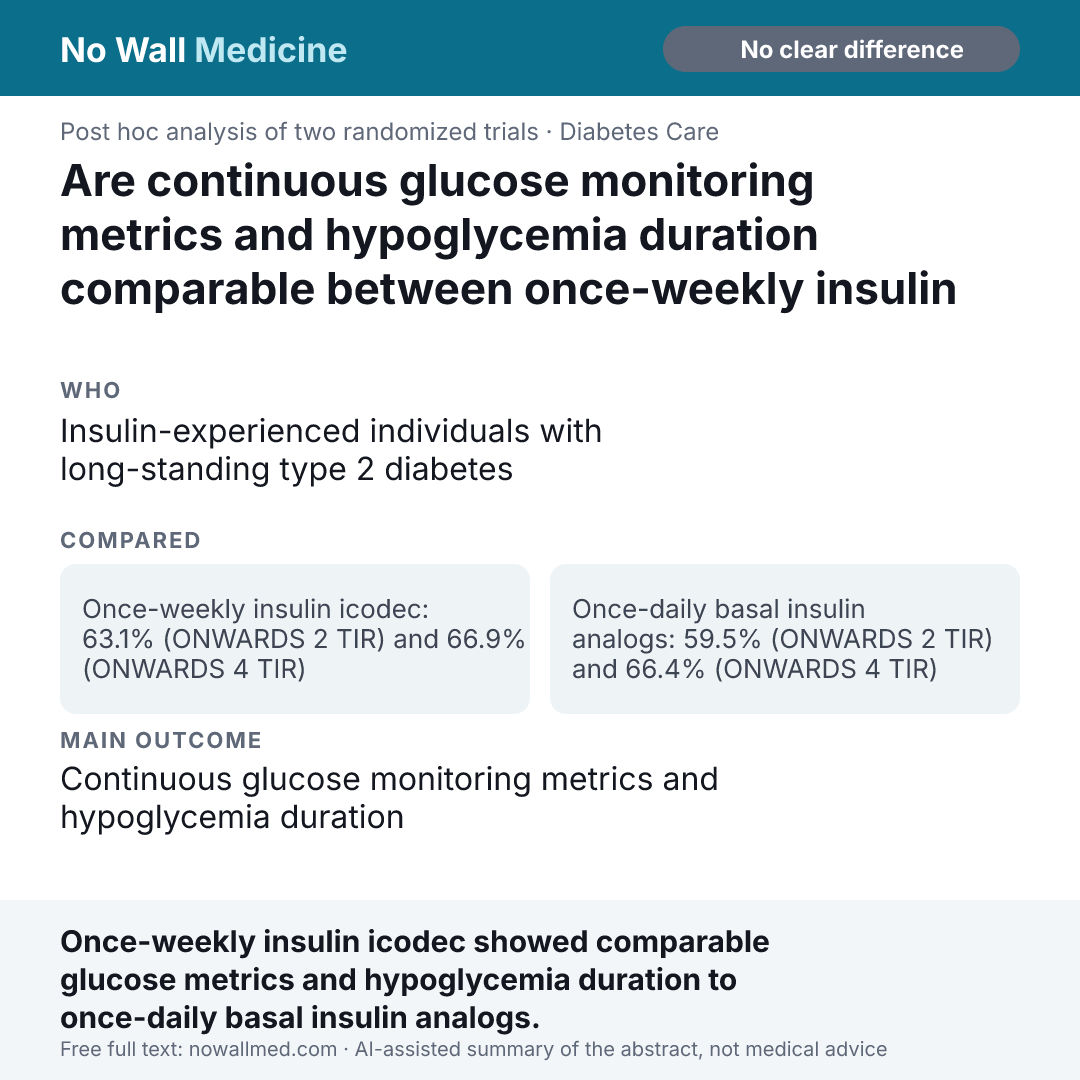
Continuous Glucose Monitoring-Based Metrics and Hypoglycemia Duration in Insulin-Experienced Individuals With Long-standing Type 2 Diabetes Switched From a Daily Basal Insulin to Once-Weekly Insulin Icodec: Post Hoc Analysis of ONWARDS 2 and ONWARDS 4
Post hoc analysis of two randomized trialsNo clear difference
Are continuous glucose monitoring metrics and hypoglycemia duration comparable between once-weekly insulin icodec and once-daily basal insulin?
Who
Insulin-experienced individuals with long-standing type 2 diabetes
Compared
Once-weekly insulin icodec: 63.1% (ONWARDS 2 TIR) and 66.9% (ONWARDS 4 TIR)
Once-daily basal insulin analogs: 59.5% (ONWARDS 2 TIR) and 66.4% (ONWARDS 4 TIR)
Main outcome
Continuous glucose monitoring metrics and hypoglycemia duration
Bottom line: Once-weekly insulin icodec showed comparable glucose metrics and hypoglycemia duration to once-daily basal insulin analogs.
Diabetes Care · 2024-02-21 · Save PNG
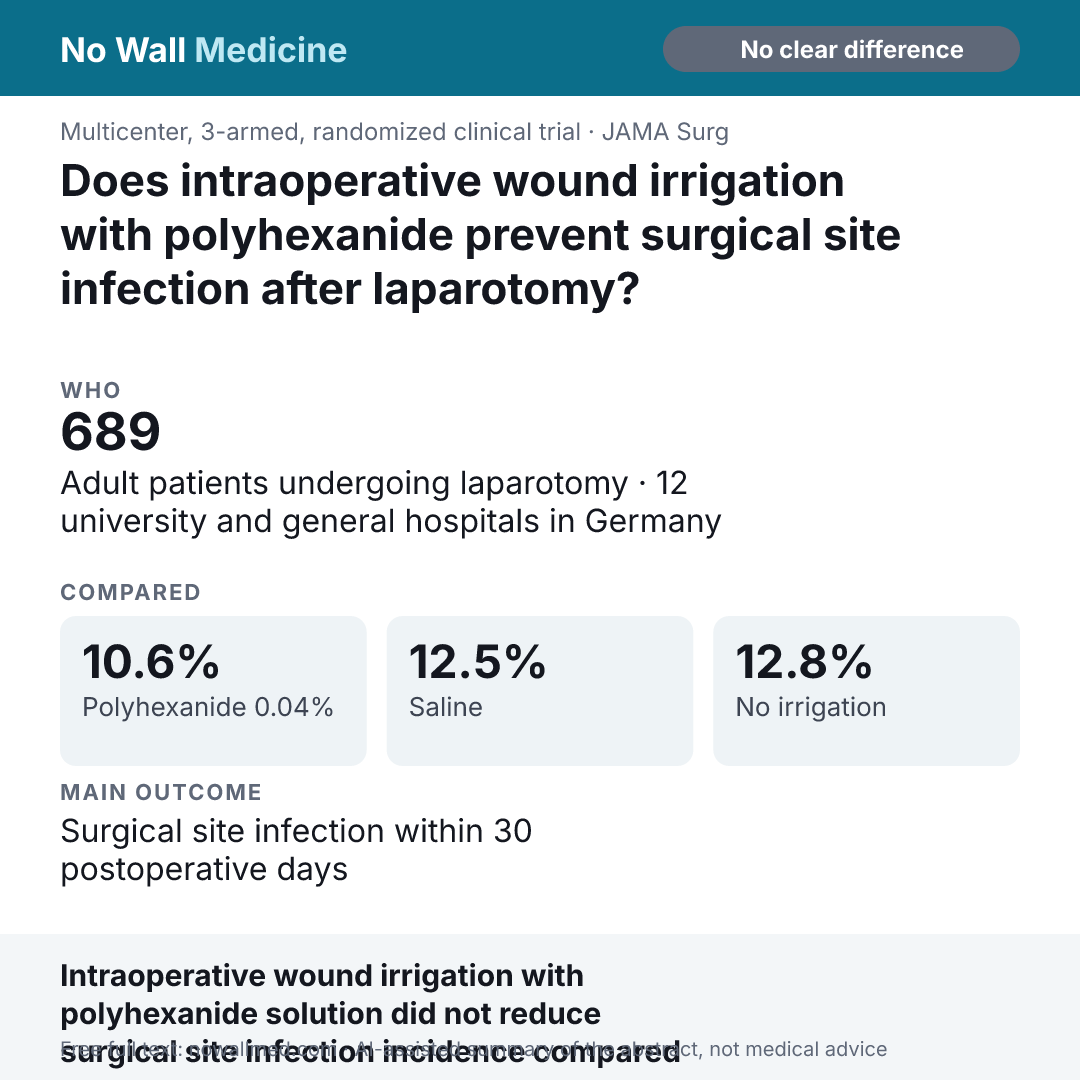
Intraoperative Wound Irrigation for the Prevention of Surgical Site Infection After Laparotomy: A Randomized Clinical Trial by CHIR-Net
Multicenter, 3-armed, randomized clinical trialNo clear difference
Does intraoperative wound irrigation with polyhexanide prevent surgical site infection after laparotomy?
Who
689
Adult patients undergoing laparotomy · 12 university and general hospitals in Germany
Compared
10.6%Polyhexanide 0.04% (31/292)
12.5%Saline (37/295)
12.8%No irrigation (13/102)
Main outcome
Surgical site infection within 30 postoperative days
Result: hazard ratio 1.23 (95% CI 0.64-2.36) vs HR 1.19 (95% CI 0.74-1.94)
Bottom line: Intraoperative wound irrigation with polyhexanide solution did not reduce surgical site infection incidence compared to saline or no irrigation.
JAMA Surg · 2024-02-21 · Save PNG
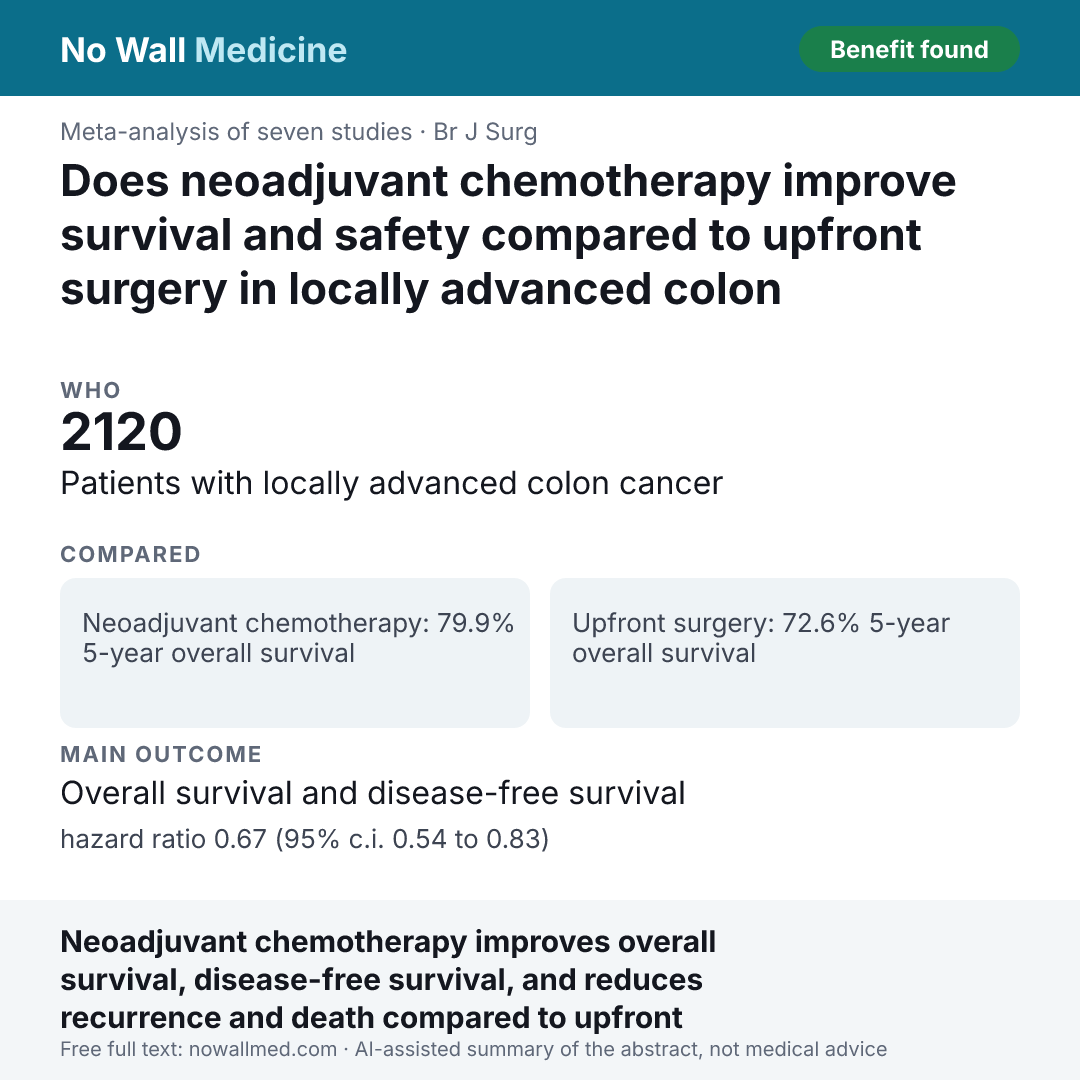
Survival and safety after neoadjuvant chemotherapy or upfront surgery for locally advanced colon cancer: meta-analysis
Meta-analysis of seven studiesBenefit found
Does neoadjuvant chemotherapy improve survival and safety compared to upfront surgery in locally advanced colon cancer?
Who
2120
Patients with locally advanced colon cancer
Compared
Neoadjuvant chemotherapy: 79.9% 5-year overall survival
Upfront surgery: 72.6% 5-year overall survival
Main outcome
Overall survival and disease-free survival
Result: hazard ratio 0.67 (95% c.i. 0.54 to 0.83)
Bottom line: Neoadjuvant chemotherapy improves overall survival, disease-free survival, and reduces recurrence and death compared to upfront surgery.
Br J Surg · 2024-02-21 · Save PNG
Paediatric, maternal, and congenital mpox: a systematic review and meta-analysis
Systematic review and meta-analysisMixed results
What are the outcomes of paediatric, maternal, and congenital mpox?
Who
Paediatric, maternal, and congenital mpox cases · Global databases
Compared
Paediatric cases: 11% case fatality ratio
Pregnancies: half resulted in fetal death
Main outcome
Paediatric case fatality ratio
Result: 11% (95% CI 4-20)
Bottom line: The paediatric case fatality ratio was 11%, with significant knowledge gaps in prevention and treatment for these populations.
Lancet Glob Health · 2024-02-21 · Save PNG

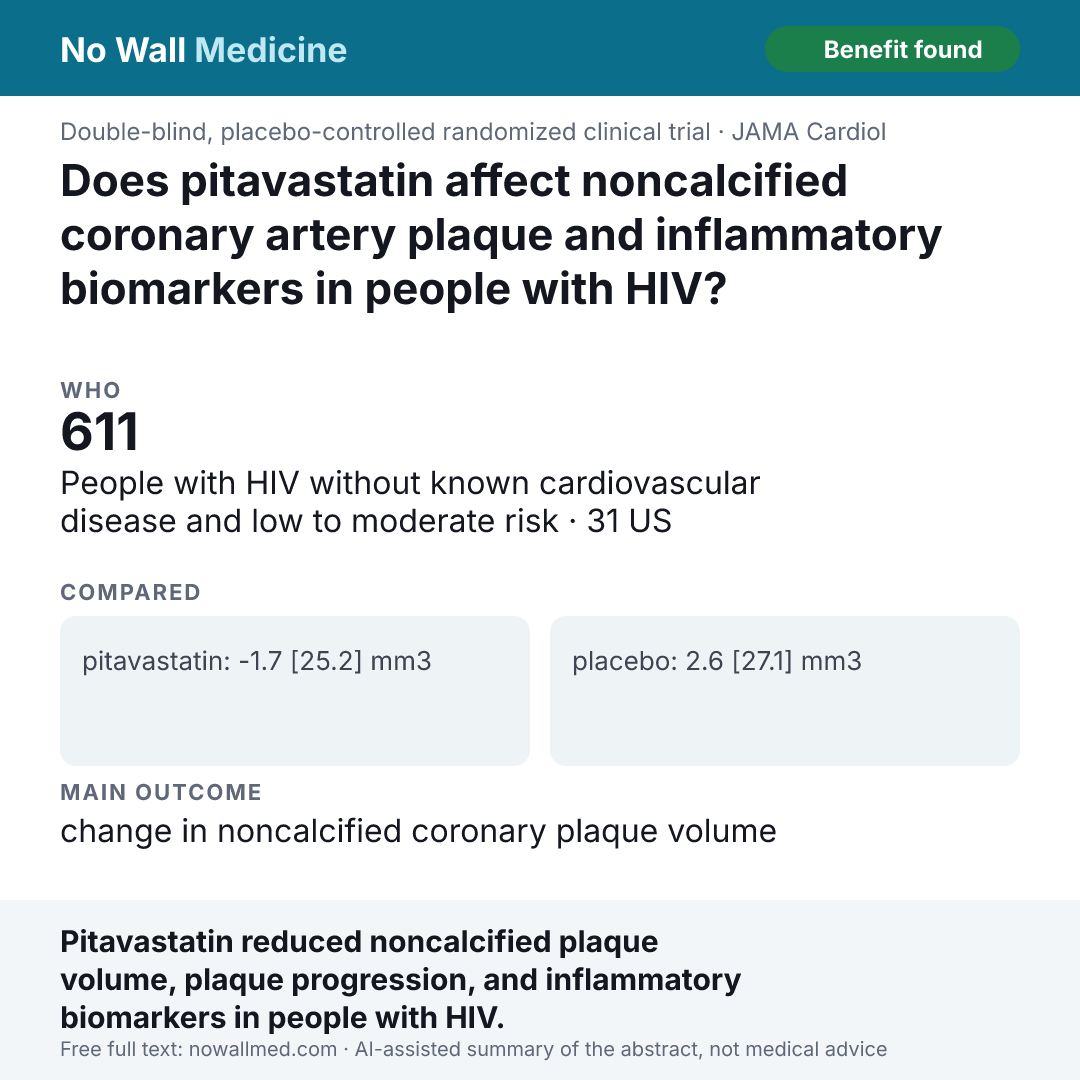
Effects of Pitavastatin on Coronary Artery Disease and Inflammatory Biomarkers in HIV: Mechanistic Substudy of the REPRIEVE Randomized Clinical Trial
Double-blind, placebo-controlled randomized clinical trialBenefit found
Does pitavastatin affect noncalcified coronary artery plaque and inflammatory biomarkers in people with HIV?
Who
611
People with HIV without known cardiovascular disease and low to moderate risk · 31 US clinical research sites
Compared
pitavastatin: -1.7 [25.2] mm3
placebo: 2.6 [27.1] mm3
Main outcome
change in noncalcified coronary plaque volume
Result: relative risk 0.67 (95% CI 0.52-0.88)
Bottom line: Pitavastatin reduced noncalcified plaque volume, plaque progression, and inflammatory biomarkers in people with HIV.
JAMA Cardiol · 2024-02-21 · Save PNG
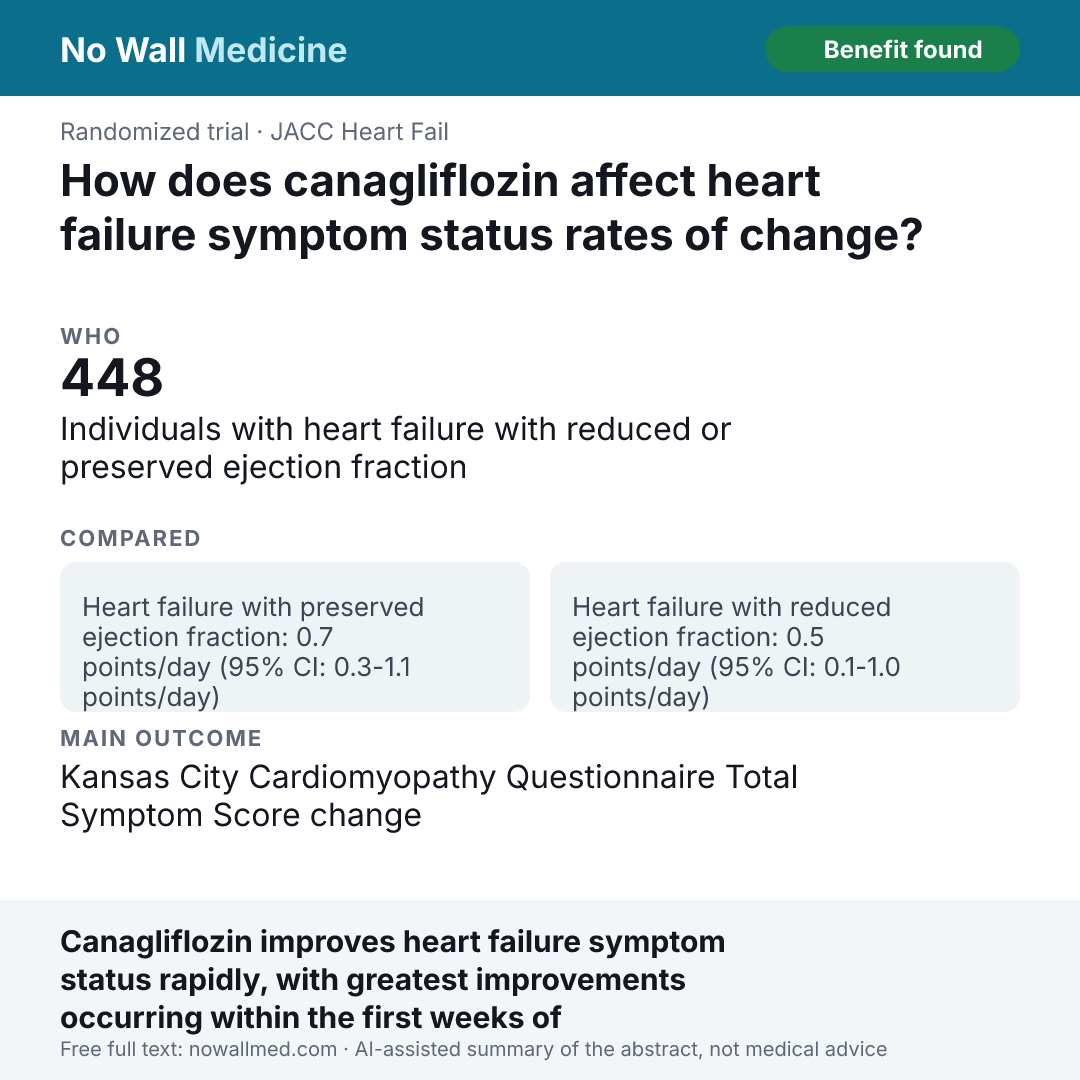
Early Longitudinal Change in Heart Failure Health Status Following Initiation of Canagliflozin
Randomized trialBenefit found
How does canagliflozin affect heart failure symptom status rates of change?
Who
448
Individuals with heart failure with reduced or preserved ejection fraction
Compared
Heart failure with preserved ejection fraction: 0.7 points/day (95% CI: 0.3-1.1 points/day)
Heart failure with reduced ejection fraction: 0.5 points/day (95% CI: 0.1-1.0 points/day)
Main outcome
Kansas City Cardiomyopathy Questionnaire Total Symptom Score change
Result: 0.2 points/day (95% CI: -0.4 to 0.7 points/day)
Bottom line: Canagliflozin improves heart failure symptom status rapidly, with greatest improvements occurring within the first weeks of treatment.
JACC Heart Fail · 2024-02-21 · Save PNG
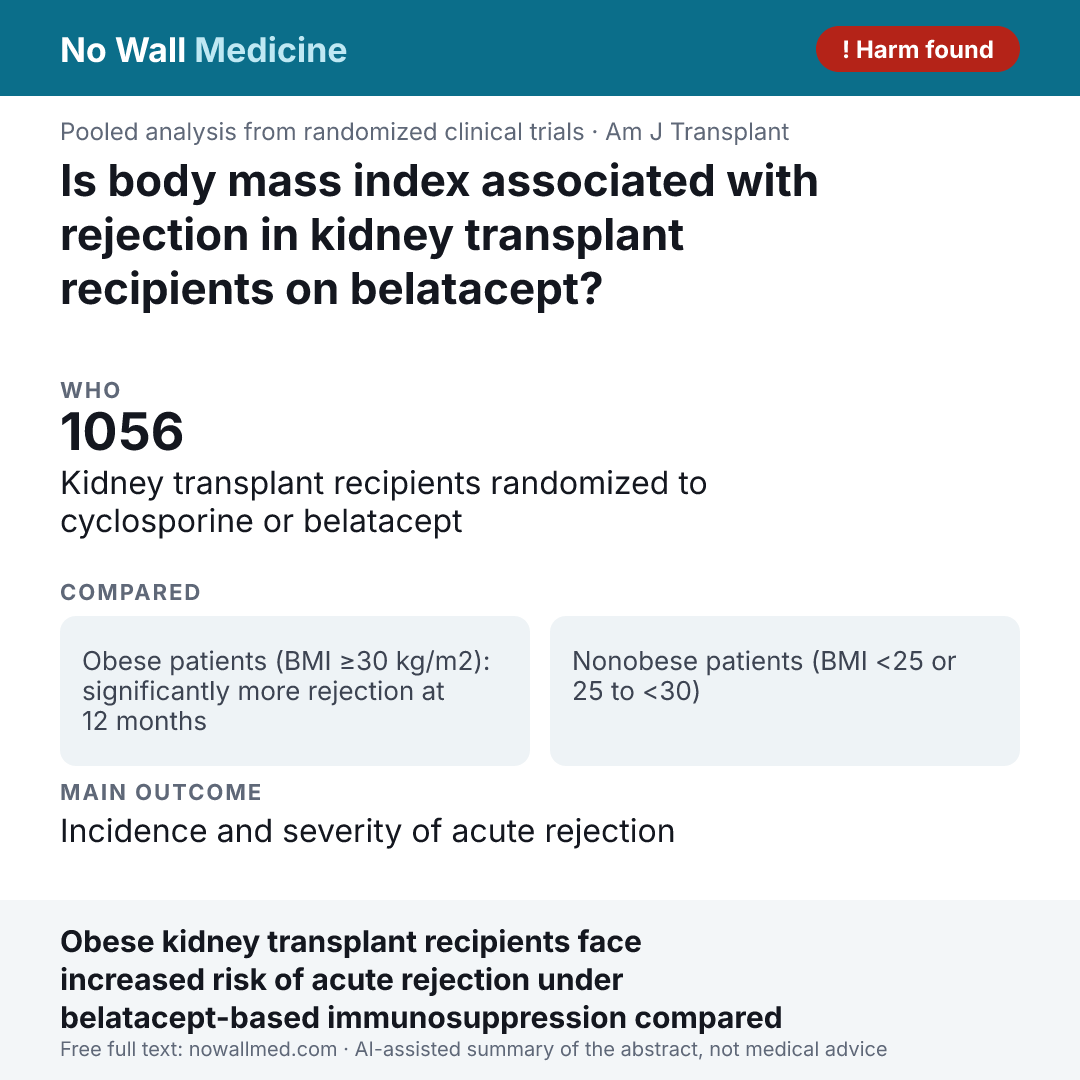
Obesity is associated with a higher incidence of rejection in patients on belatacept: A pooled analysis from the BENEFIT/BENEFIT-EXT clinical trials
Pooled analysis from randomized clinical trialsHarm found
Is body mass index associated with rejection in kidney transplant recipients on belatacept?
Who
1056
Kidney transplant recipients randomized to cyclosporine or belatacept
Compared
Obese patients (BMI ≥30 kg/m2): significantly more rejection at 12 months
Nonobese patients (BMI <25 or 25 to <30)
Main outcome
Incidence and severity of acute rejection
Bottom line: Obese kidney transplant recipients face increased risk of acute rejection under belatacept-based immunosuppression compared to nonobese patients.
Am J Transplant · 2024-02-21 · Save PNG
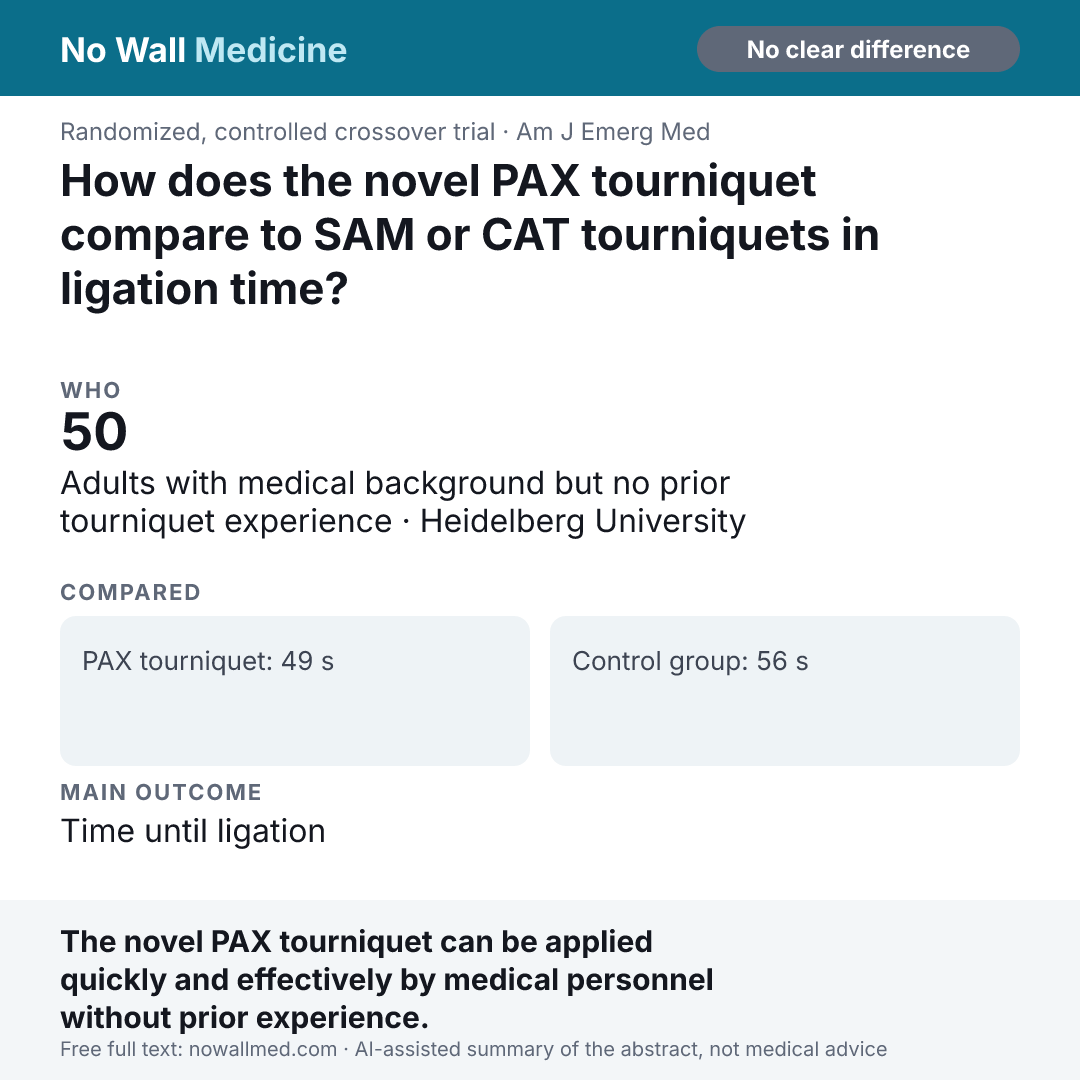
Evaluating time until ligation in a novel tourniquet - A crossover randomized-controlled trial
Randomized, controlled crossover trialNo clear difference
How does the novel PAX tourniquet compare to SAM or CAT tourniquets in ligation time?
Who
50
Adults with medical background but no prior tourniquet experience · Heidelberg University Hospital
Compared
PAX tourniquet: 49 s
Control group: 56 s
Main outcome
Time until ligation
Bottom line: The novel PAX tourniquet can be applied quickly and effectively by medical personnel without prior experience.
Am J Emerg Med · 2024-02-21 · Save PNG
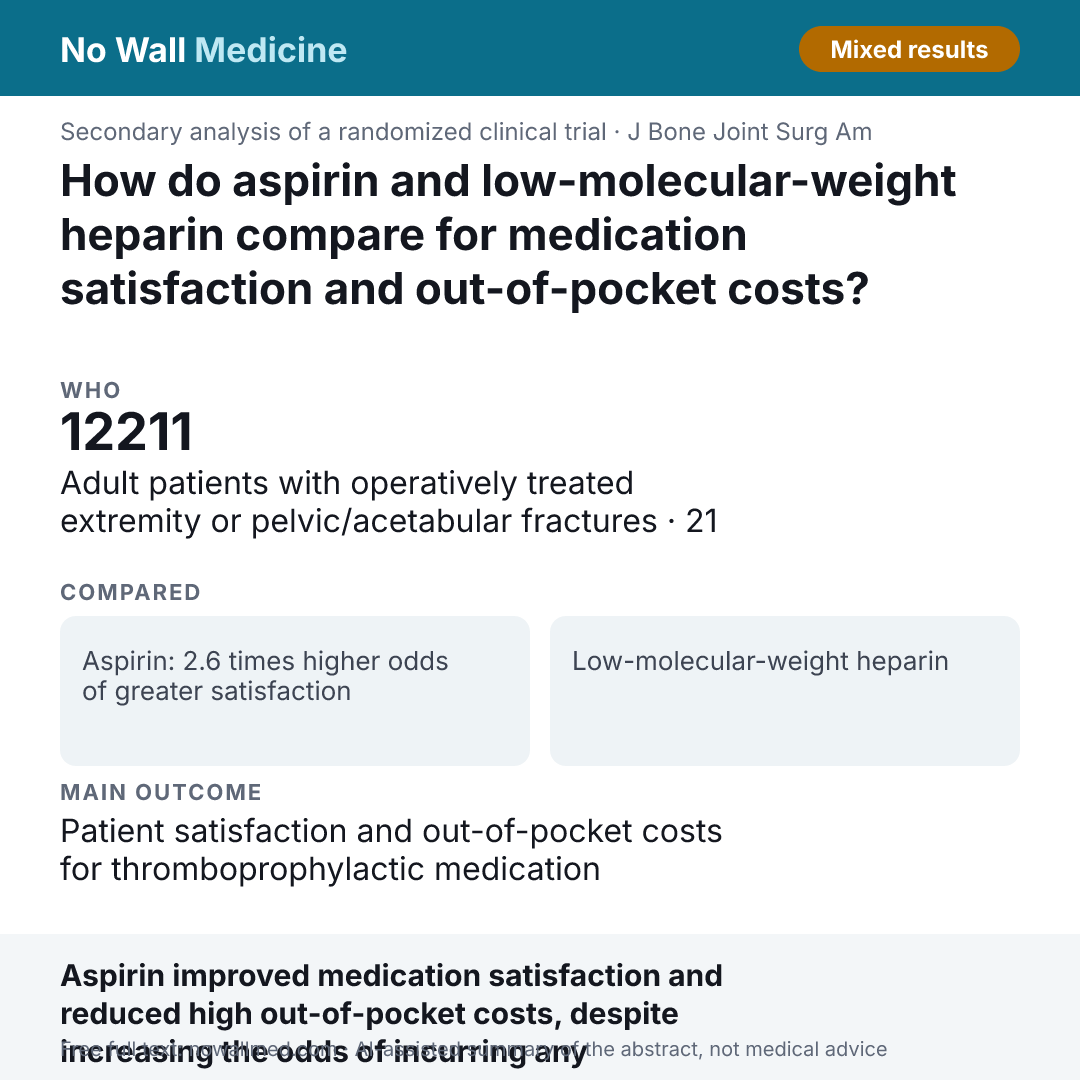
Effect of Aspirin Versus Low-Molecular-Weight Heparin Thromboprophylaxis on Medication Satisfaction and Out-of-Pocket Costs: A Secondary Analysis of a Randomized Clinical Trial
Secondary analysis of a randomized clinical trialMixed results
How do aspirin and low-molecular-weight heparin compare for medication satisfaction and out-of-pocket costs?
Who
12211
Adult patients with operatively treated extremity or pelvic/acetabular fractures · 21 trauma centers in the U.S. and Canada
Compared
Aspirin: 2.6 times higher odds of greater satisfaction
Low-molecular-weight heparin
Main outcome
Patient satisfaction and out-of-pocket costs for thromboprophylactic medication
Result: odds ratio 2.59 (95% CI 2.39 to 2.80) for satisfaction
Bottom line: Aspirin improved medication satisfaction and reduced high out-of-pocket costs, despite increasing the odds of incurring any out-of-pocket costs.
J Bone Joint Surg Am · 2024-02-21 · Save PNG
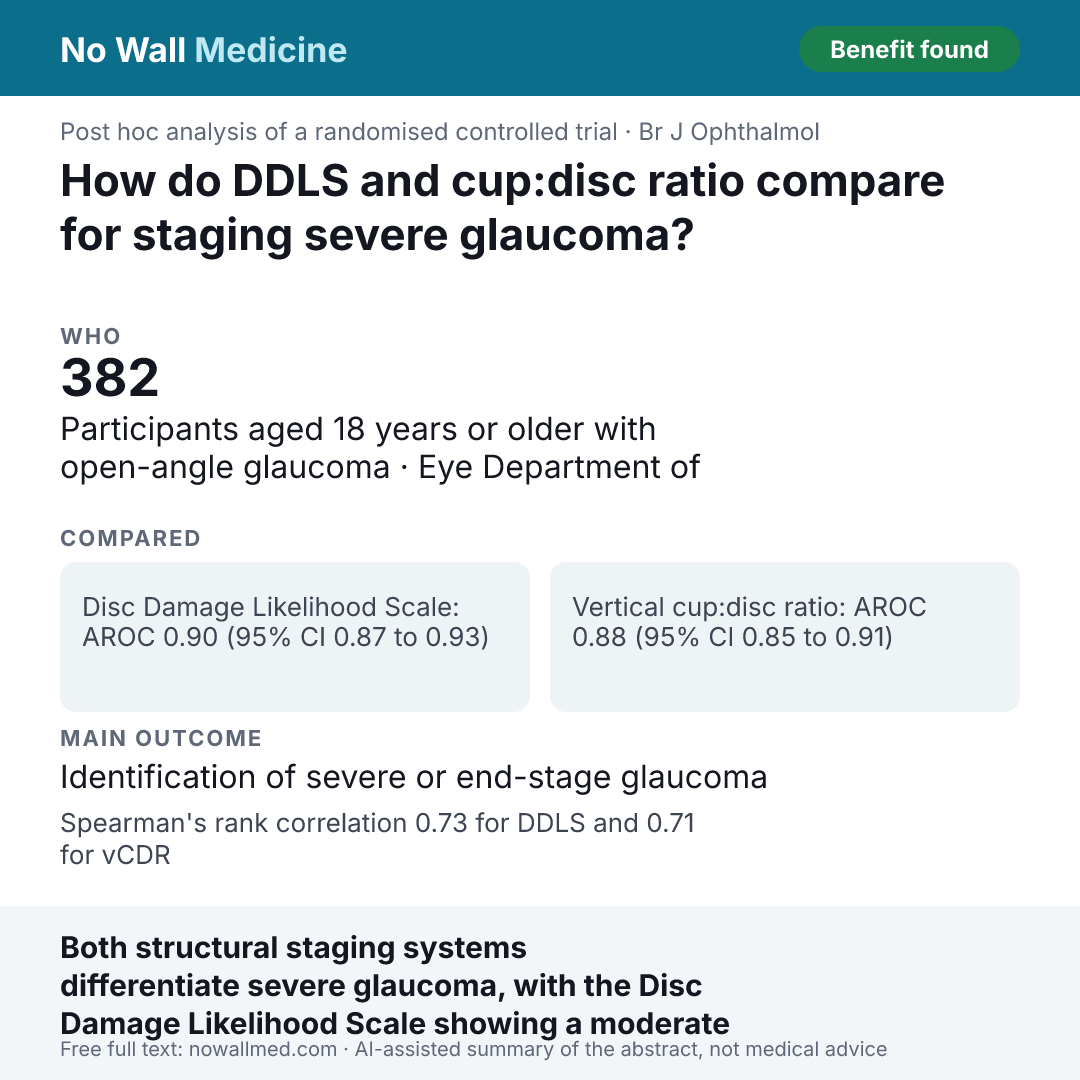
Differentiating stages of functional vision loss from glaucoma using the Disc Damage Likelihood Scale and cup:disc ratio
Post hoc analysis of a randomised controlled trialBenefit found
How do DDLS and cup:disc ratio compare for staging severe glaucoma?
Who
382
Participants aged 18 years or older with open-angle glaucoma · Eye Department of Kilimanjaro Christian Medical Centre, Tanzania
Compared
Disc Damage Likelihood Scale: AROC 0.90 (95% CI 0.87 to 0.93)
Vertical cup:disc ratio: AROC 0.88 (95% CI 0.85 to 0.91)
Main outcome
Identification of severe or end-stage glaucoma
Result: Spearman's rank correlation 0.73 for DDLS and 0.71 for vCDR
Bottom line: Both structural staging systems differentiate severe glaucoma, with the Disc Damage Likelihood Scale showing a moderate advantage over cup:disc ratio.
Br J Ophthalmol · 2024-02-21 · Save PNG
Clinical care of childhood sexual abuse: a systematic review and critical appraisal of guidelines from European countries
Systematic review and critical appraisalHarm found
What is the quality and reporting of national clinical practice guidelines for childhood sexual abuse in Europe?
Who
National clinical practice guidelines from 34 COST Action 19106 Network Countries · European countries
Compared
National clinical practice guidelines: lacked many components compared to WHO reference standards
WHO reference standards
Main outcome
Quality and reporting of clinical practice guidelines
Bottom line: Many European countries lack guidelines, and existing ones often fall short in safety, risk assessment, and mental health interventions.
Funded by: International Centre for Missing and Exploited Children
Lancet Reg Health Eur · 2024-02-21 · Save PNG

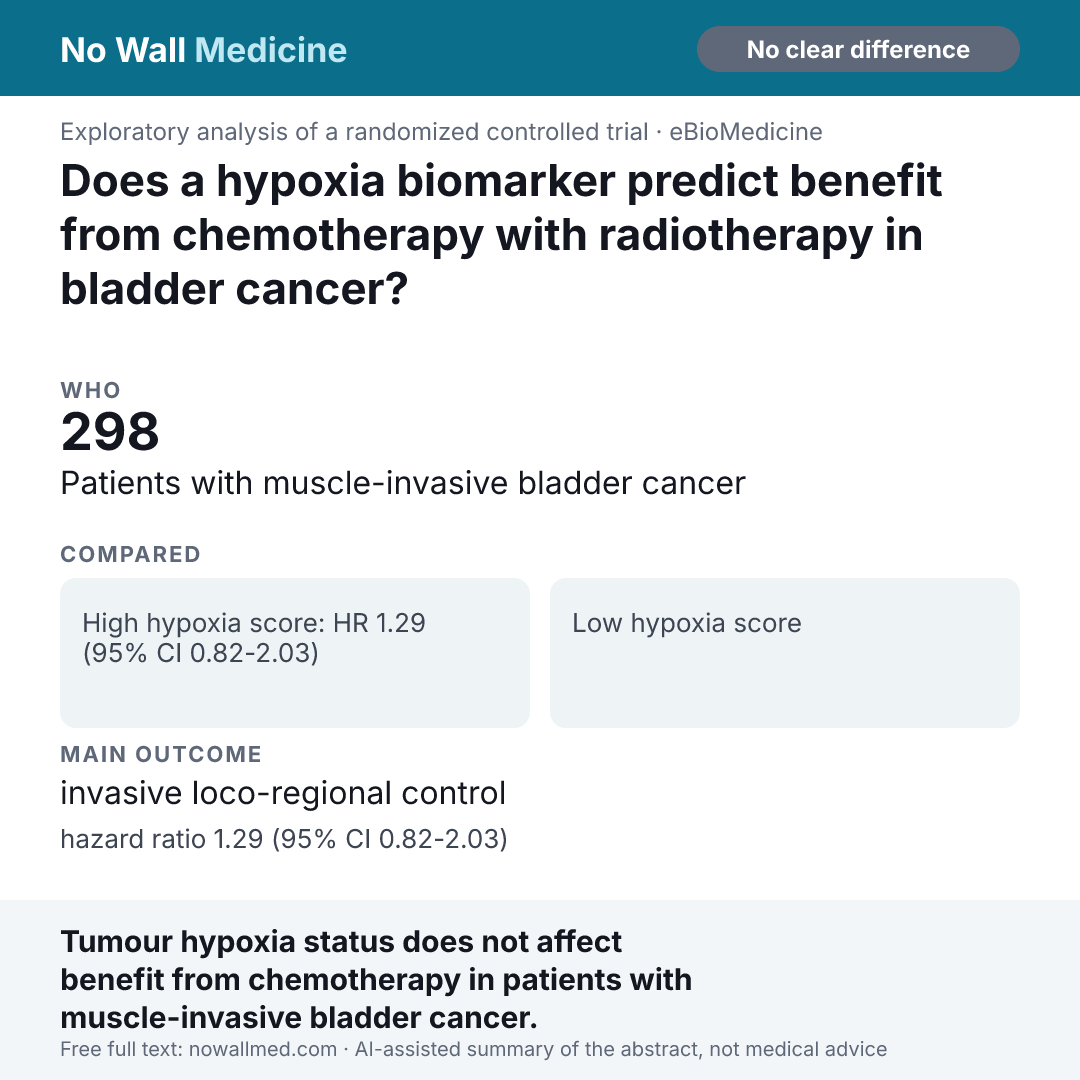
A hypoxia biomarker does not predict benefit from giving chemotherapy with radiotherapy in the BC2001 randomised controlled trial
Exploratory analysis of a randomized controlled trialNo clear difference
Does a hypoxia biomarker predict benefit from chemotherapy with radiotherapy in bladder cancer?
Who
298
Patients with muscle-invasive bladder cancer
Compared
High hypoxia score: HR 1.29 (95% CI 0.82-2.03)
Low hypoxia score
Main outcome
invasive loco-regional control
Result: hazard ratio 1.29 (95% CI 0.82-2.03)
Bottom line: Tumour hypoxia status does not affect benefit from chemotherapy in patients with muscle-invasive bladder cancer.
Funded by: Cancer Research UK, NIHR, MRC
eBioMedicine · 2024-02-21 · Save PNG
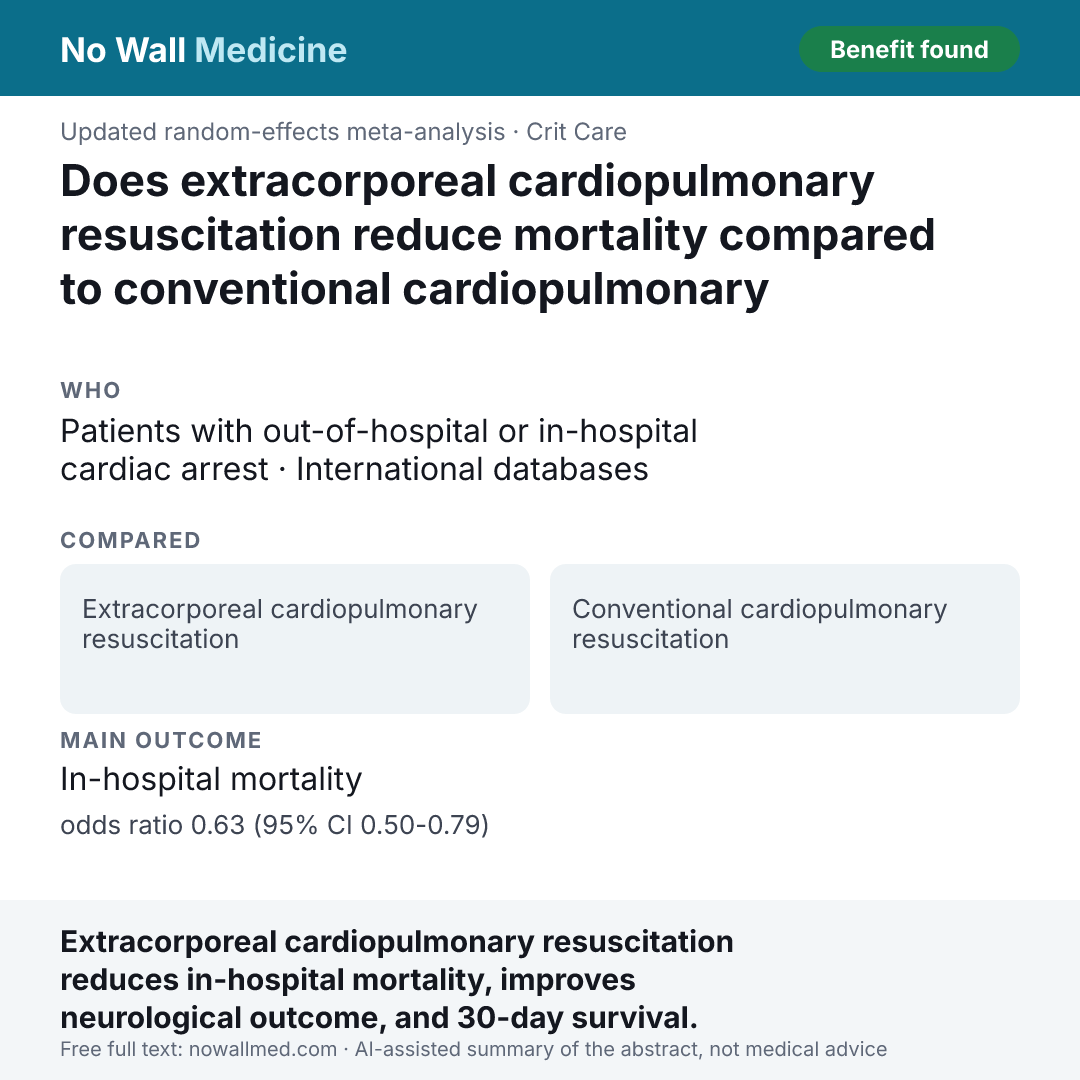
Extracorporeal cardiopulmonary resuscitation versus conventional CPR in cardiac arrest: an updated meta-analysis and trial sequential analysis
Updated random-effects meta-analysisBenefit found
Does extracorporeal cardiopulmonary resuscitation reduce mortality compared to conventional cardiopulmonary resuscitation?
Who
Patients with out-of-hospital or in-hospital cardiac arrest · International databases
Compared
Extracorporeal cardiopulmonary resuscitation
Conventional cardiopulmonary resuscitation
Main outcome
In-hospital mortality
Result: odds ratio 0.63 (95% CI 0.50-0.79)
Bottom line: Extracorporeal cardiopulmonary resuscitation reduces in-hospital mortality, improves neurological outcome, and 30-day survival.
Crit Care · 2024-02-21 · Save PNG
Novel subtypes of severe COVID-19 respiratory failure based on biological heterogeneity: a secondary analysis of a randomized controlled trial
Secondary analysis of a randomized controlled trialMixed results
Are there novel biological subtypes of severe COVID-19 respiratory failure with different outcomes?
Who
400
Adults with severe COVID-19 hypoxemic respiratory failure · Multi-institutional
Compared
Subtype 1
Subtype 2: twice the mortality rate compared with Subtype 1
Main outcome
28-day and 60-day mortality
Bottom line: Two novel biological subtypes of severe COVID-19 were identified with significantly different clinical outcomes.
Crit Care · 2024-02-21 · Save PNG

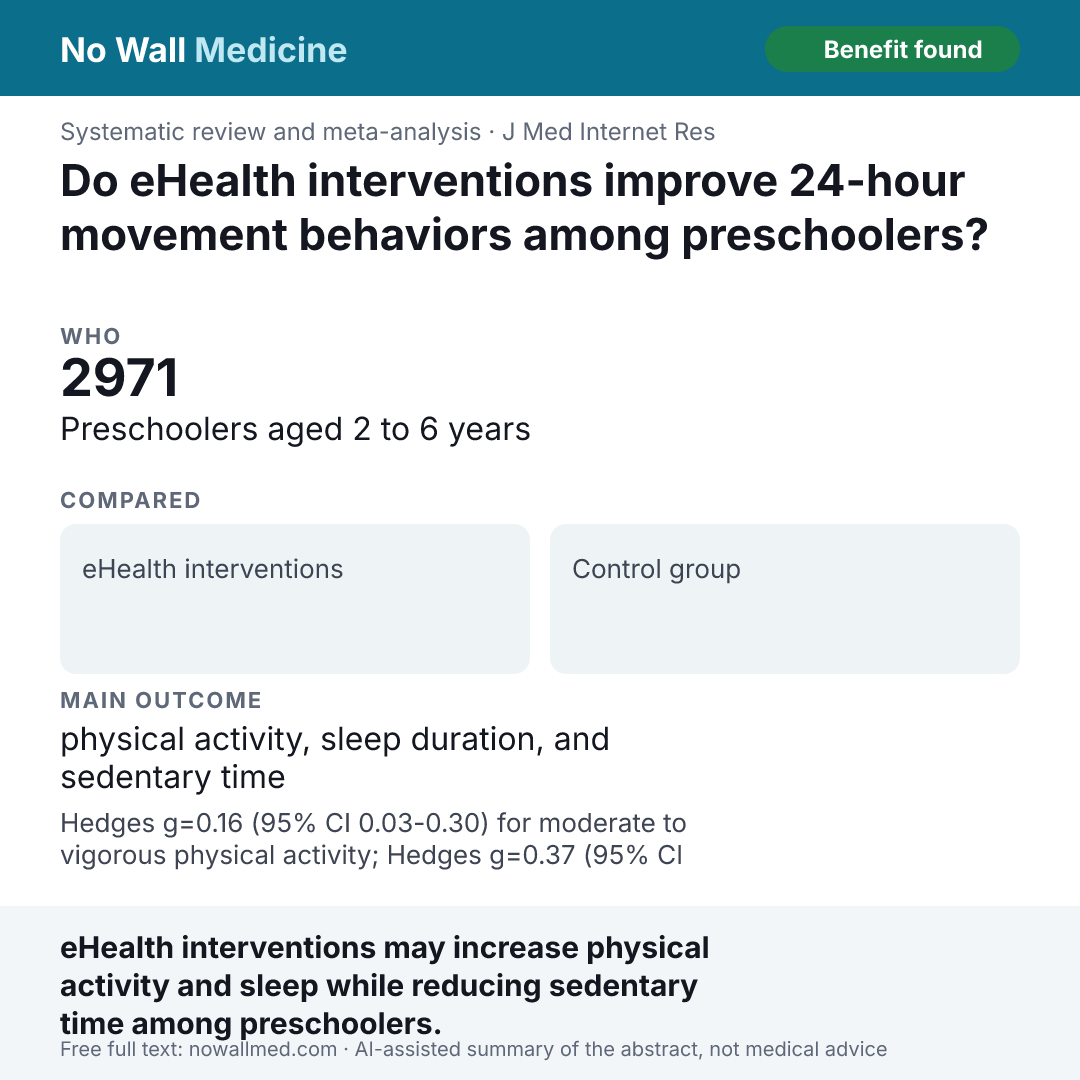
Effects of eHealth Interventions on 24-Hour Movement Behaviors Among Preschoolers: Systematic Review and Meta-Analysis
Systematic review and meta-analysisBenefit found
Do eHealth interventions improve 24-hour movement behaviors among preschoolers?
Who
2971
Preschoolers aged 2 to 6 years
Compared
eHealth interventions
Control group
Main outcome
physical activity, sleep duration, and sedentary time
Result: Hedges g=0.16 (95% CI 0.03-0.30) for moderate to vigorous physical activity; Hedges g=0.37 (95% CI 0.02-0.72) for total physical activity; Hedges g=-0.15 (95% CI -0.27 to -0.02) for sedentary time; Hedges g=0.47 (95% CI 0.18-0.75) for sleep duration
Bottom line: eHealth interventions may increase physical activity and sleep while reducing sedentary time among preschoolers.
Limitation: Need for larger sample sizes, more rigorous comparative trials, and exploration of long-term effects.
J Med Internet Res · 2024-02-21 · Save PNG
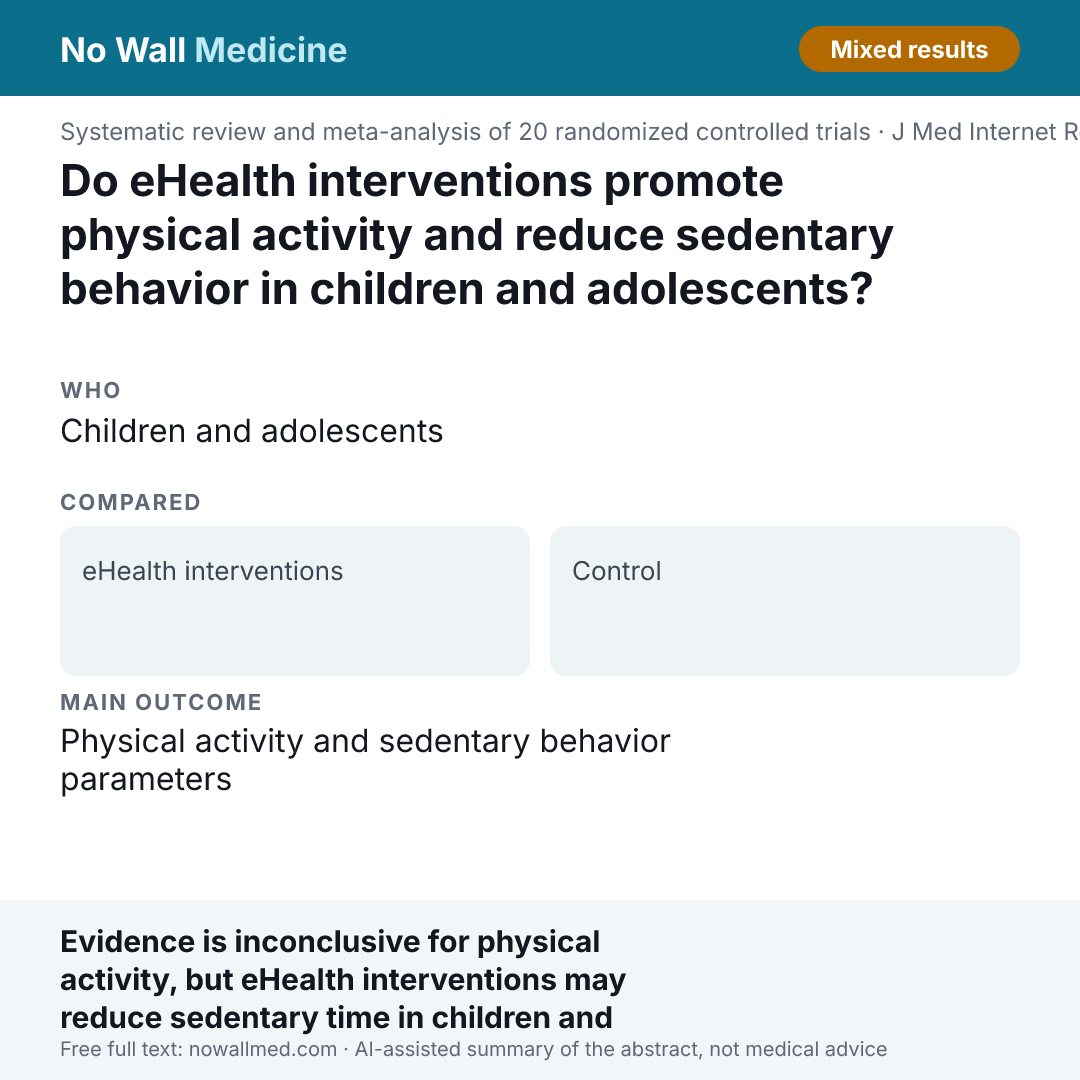
Effectiveness of eHealth Interventions Promoting Physical Activity in Children and Adolescents: Systematic Review and Meta-Analysis
Systematic review and meta-analysis of 20 randomized controlled trialsMixed results
Do eHealth interventions promote physical activity and reduce sedentary behavior in children and adolescents?
Who
Children and adolescents
Compared
eHealth interventions
Control
Main outcome
Physical activity and sedentary behavior parameters
Bottom line: Evidence is inconclusive for physical activity, but eHealth interventions may reduce sedentary time in children and adolescents.
Limitation: Scarcity of evidence, overall risk of bias, and low to very low certainty of evidence.
J Med Internet Res · 2024-02-21 · Save PNG
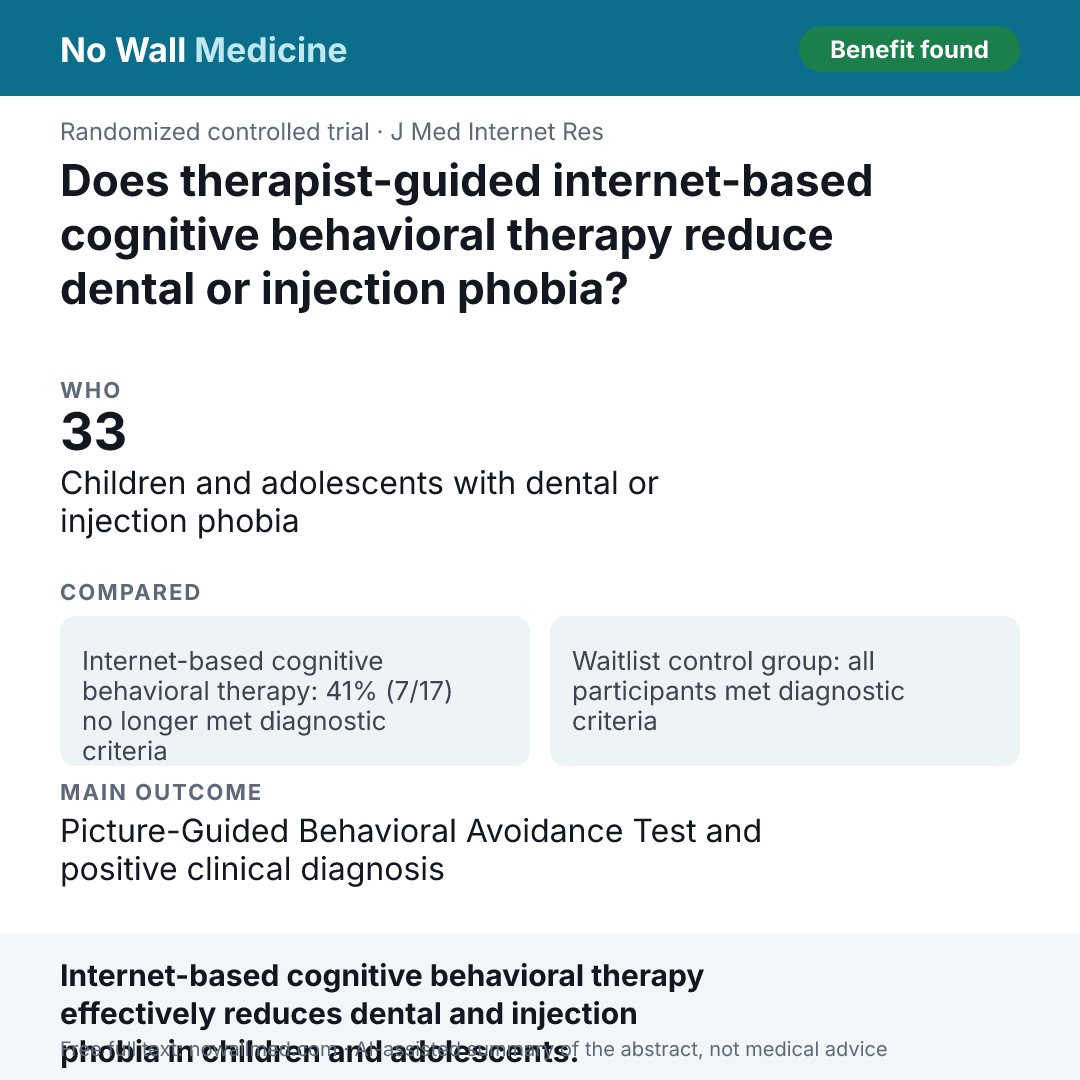
Internet-Based Cognitive Behavioral Therapy for Children and Adolescents With Dental or Injection Phobia: Randomized Controlled Trial
Randomized controlled trialBenefit found
Does therapist-guided internet-based cognitive behavioral therapy reduce dental or injection phobia?
Who
33
Children and adolescents with dental or injection phobia
Compared
Internet-based cognitive behavioral therapy: 41% (7/17) no longer met diagnostic criteria
Waitlist control group: all participants met diagnostic criteria
Main outcome
Picture-Guided Behavioral Avoidance Test and positive clinical diagnosis
Bottom line: Internet-based cognitive behavioral therapy effectively reduces dental and injection phobia in children and adolescents.
J Med Internet Res · 2024-02-21 · Save PNG
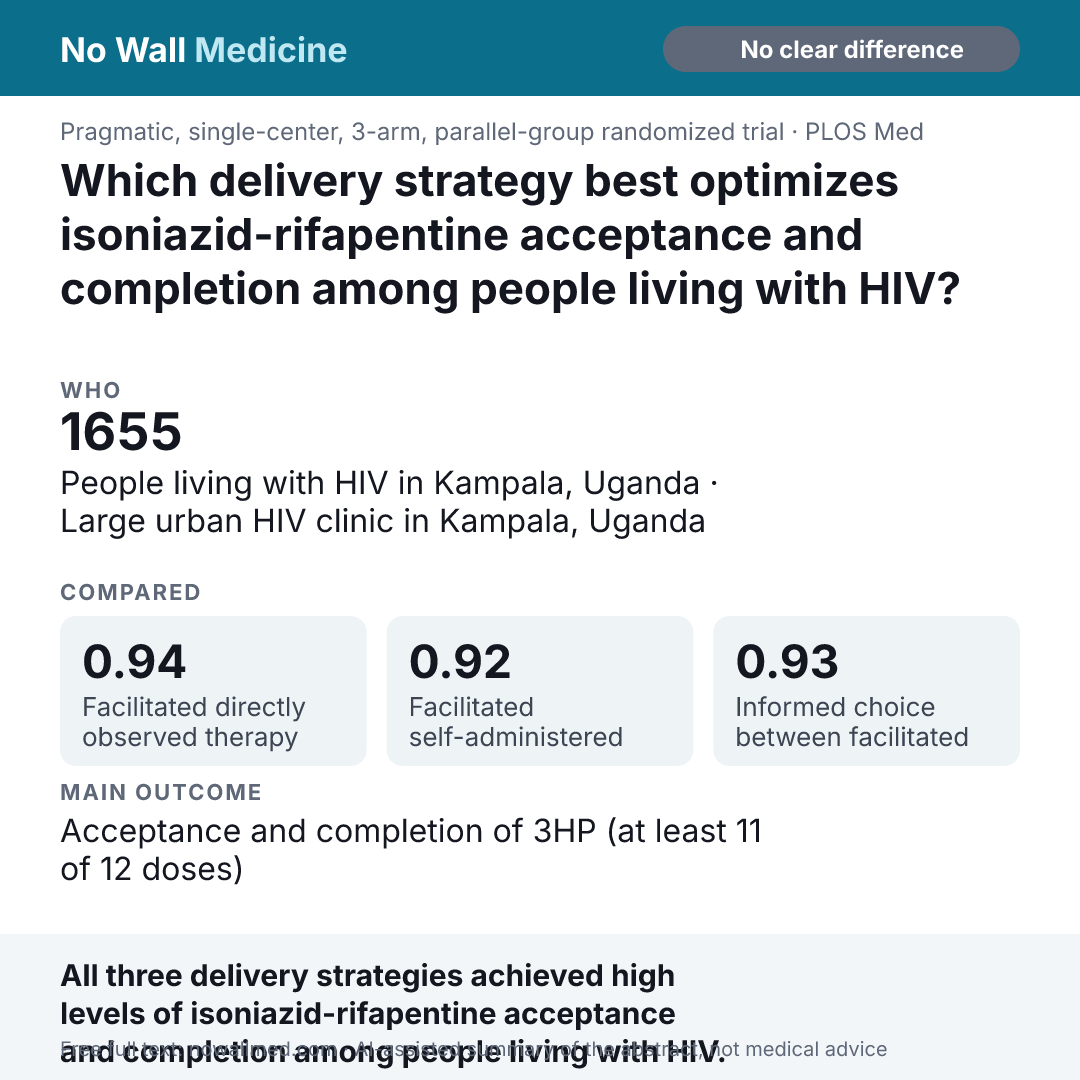
Comparison of 3 optimized delivery strategies for completion of isoniazid-rifapentine (3HP) for tuberculosis prevention among people living with HIV in Uganda: A single-center randomized trial
Pragmatic, single-center, 3-arm, parallel-group randomized trialNo clear difference
Which delivery strategy best optimizes isoniazid-rifapentine acceptance and completion among people living with HIV?
Who
1655
People living with HIV in Kampala, Uganda · Large urban HIV clinic in Kampala, Uganda
Compared
0.94Facilitated directly observed therapy
0.92Facilitated self-administered therapy
0.93Informed choice between facilitated DOT and SAT
Main outcome
Acceptance and completion of 3HP (at least 11 of 12 doses)
Bottom line: All three delivery strategies achieved high levels of isoniazid-rifapentine acceptance and completion among people living with HIV.
Limitation: The study was conducted in a single center.
PLOS Med · 2024-02-20 · Save PNG
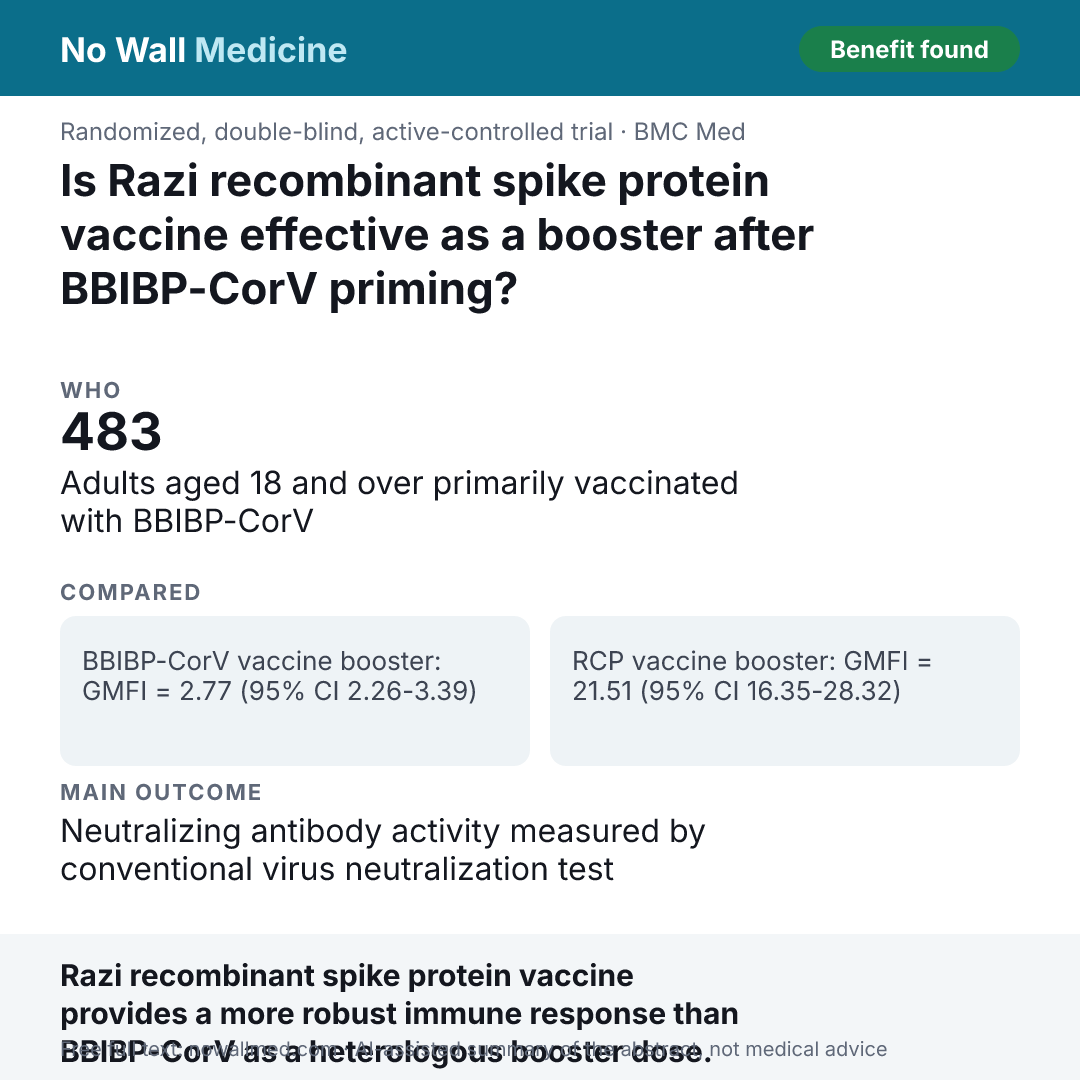
Immunogenicity and safety of RAZI recombinant spike protein vaccine (RCP) as a booster dose after priming with BBIBP-CorV: a parallel two groups, randomized, double blind trial
Randomized, double-blind, active-controlled trialBenefit found
Is Razi recombinant spike protein vaccine effective as a booster after BBIBP-CorV priming?
Who
483
Adults aged 18 and over primarily vaccinated with BBIBP-CorV
Compared
BBIBP-CorV vaccine booster: GMFI = 2.77 (95% CI 2.26-3.39)
RCP vaccine booster: GMFI = 21.51 (95% CI 16.35-28.32)
Main outcome
Neutralizing antibody activity measured by conventional virus neutralization test
Result: GMR 6.81 (5.32-8.72) on day 14, 1.77 (1.15-2.72) on day 90, and 2.37 (1.62-3.47) on day 180
Bottom line: Razi recombinant spike protein vaccine provides a more robust immune response than BBIBP-CorV as a heterologous booster dose.
BMC Med · 2024-02-20 · Save PNG
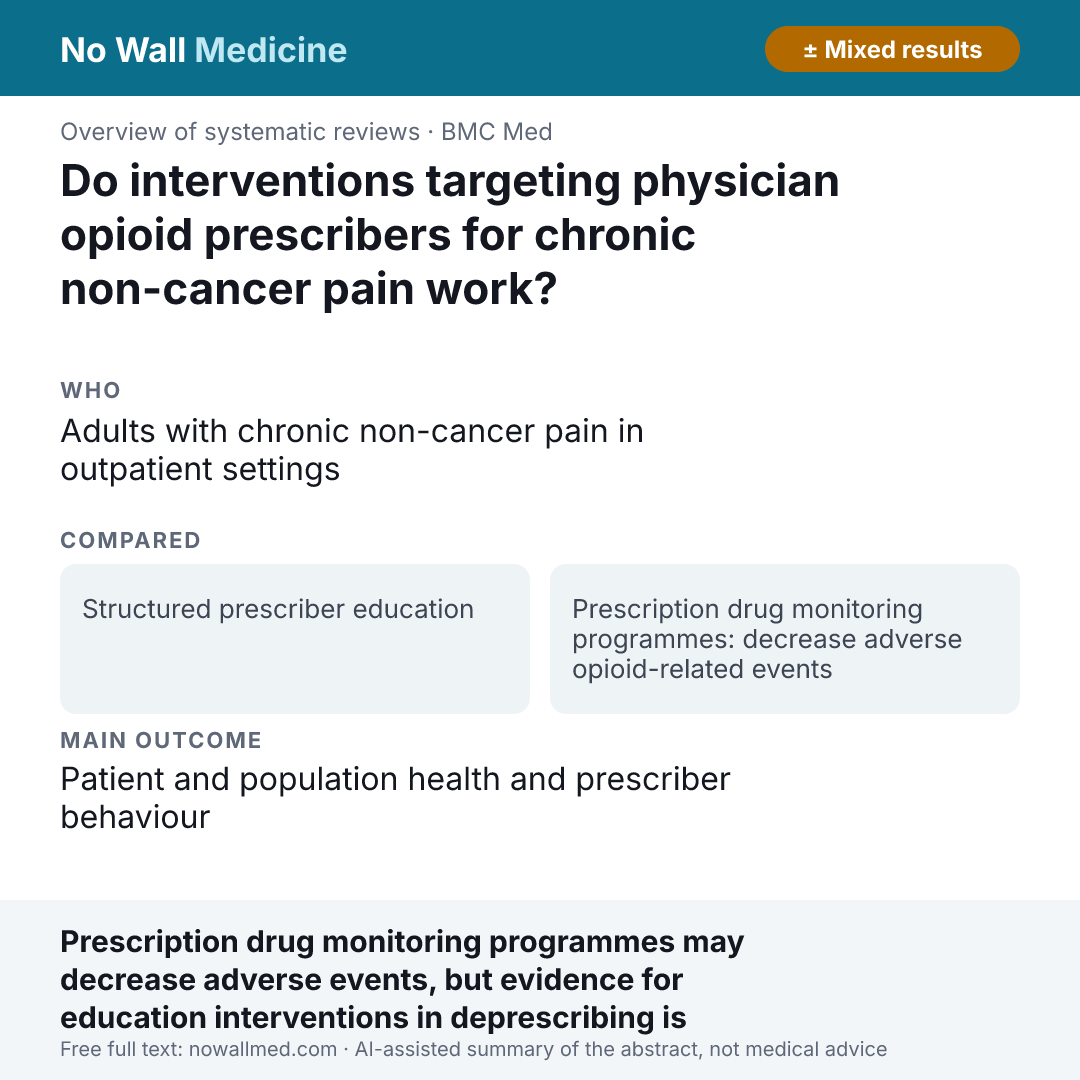
Efficacy of interventions targeted at physician prescribers of opioids for chronic non-cancer pain: an overview of systematic reviews
Overview of systematic reviewsMixed results
Do interventions targeting physician opioid prescribers for chronic non-cancer pain work?
Who
Adults with chronic non-cancer pain in outpatient settings
Compared
Structured prescriber education
Prescription drug monitoring programmes: decrease adverse opioid-related events
Main outcome
Patient and population health and prescriber behaviour
Bottom line: Prescription drug monitoring programmes may decrease adverse events, but evidence for education interventions in deprescribing is uncertain.
BMC Med · 2024-02-20 · Save PNG