Visual abstracts
New randomized trials and meta-analyses from leading journals at a glance: who was studied, what was compared, and what was found. Every paper is free to read in full.
All specialtiesCardiology 4765Oncology 4048Gastroenterology & Hepatology 1906Infectious Disease 3759Neurology 1874Psychiatry & Mental Health 2217Pulmonology 2046Critical Care 1323Endocrinology & Diabetes 2545Pediatrics 2891Surgery 2482Orthopedics & Sports Medicine 917Neurosurgery 526Cardiothoracic & Vascular Surgery 657Plastic & Reconstructive Surgery 574Nephrology 1108Rheumatology 810Hematology 1090Dermatology 611Ophthalmology 532Obstetrics & Gynecology 1646Public & Global Health 1037Radiology & Imaging 620Anesthesiology 958Urology 745ENT (Otolaryngology) 494Emergency Medicine 481Allergy & Immunology 309Geriatrics 973Family Medicine & Primary Care 534Medical Genetics & Genomics 659Pathology & Laboratory Medicine 156Physical Medicine & Rehabilitation 736Palliative Care 421Nutrition 1561Digital Health & AI 2136General Medicine 316
Safety, Tolerability, and Immunogenicity of an mRNA-Based Respiratory Syncytial Virus Vaccine in Healthy Young Adults in a Phase 1 Clinical Trial
Randomized, observer-blind, placebo-controlled phase 1 trialEarly signal
What are the safety and immunogenicity of mRNA-1345 in healthy young adults?
Who
Healthy adults aged 18 to 49 years
Compared
mRNA-1345 (50, 100, or 200 µg): RSV-A neutralizing antibody geometric mean fold rise: 20.0-23.5
Placebo
Main outcome
Safety, tolerability, and immunogenicity
Bottom line: A single mRNA-1345 injection was well tolerated and induced a durable neutralizing antibody response in healthy young adults.
J Infect Dis · 2024-02-01 · Save PNG

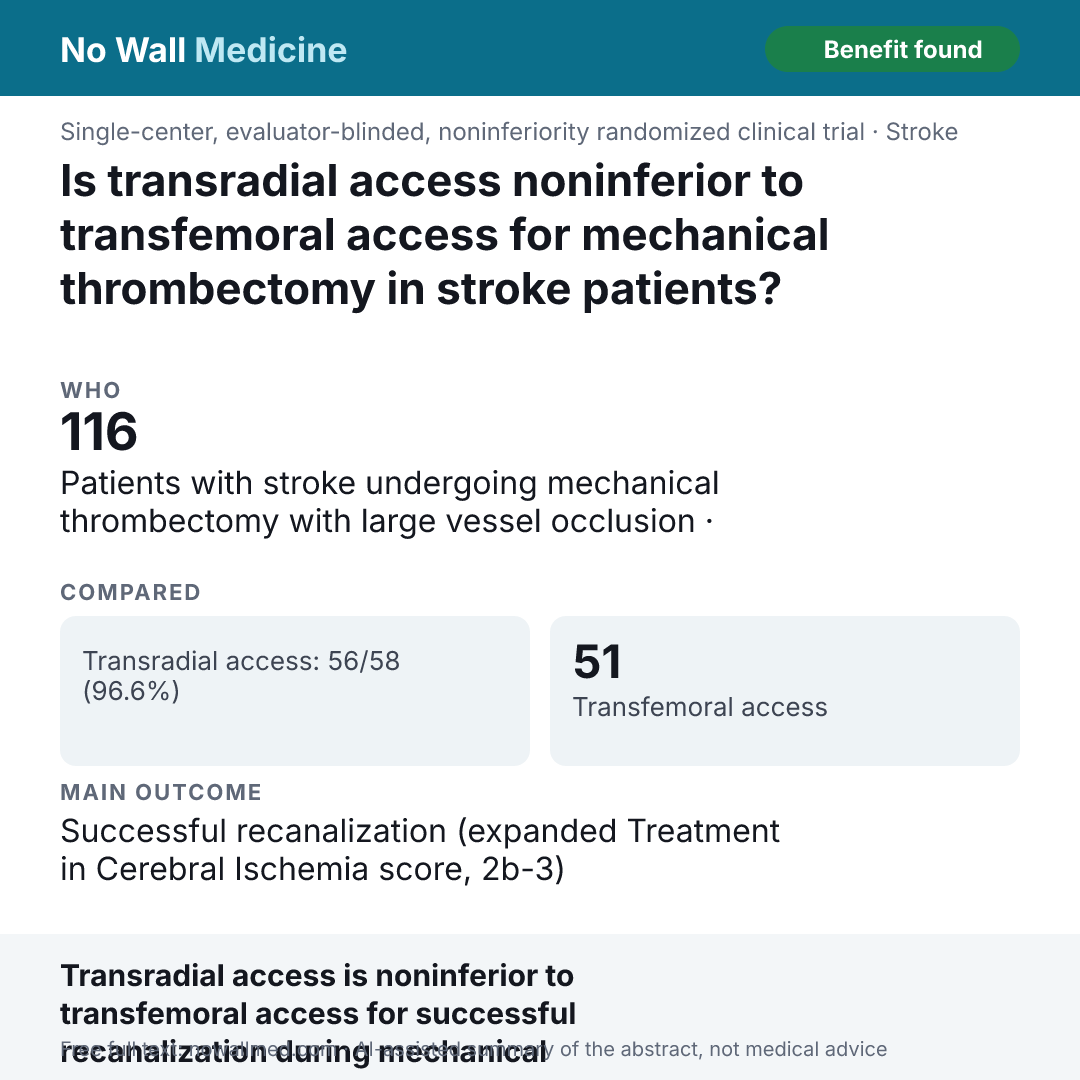
Radial Versus Femoral Access for Mechanical Thrombectomy in Patients With Stroke: A Noninferiority Randomized Clinical Trial
Single-center, evaluator-blinded, noninferiority randomized clinical trialBenefit found
Is transradial access noninferior to transfemoral access for mechanical thrombectomy in stroke patients?
Who
116
Patients with stroke undergoing mechanical thrombectomy with large vessel occlusion · Single-center
Compared
Transradial access: 56/58 (96.6%)
51Transfemoral access (87.9%)
Main outcome
Successful recanalization (expanded Treatment in Cerebral Ischemia score, 2b-3)
Result: adjusted 1 side risk difference -5.0% (95% CI, -6.61% to +13.1%)
Bottom line: Transradial access is noninferior to transfemoral access for successful recanalization during mechanical thrombectomy in stroke patients.
Stroke · 2024-02-01 · Save PNG
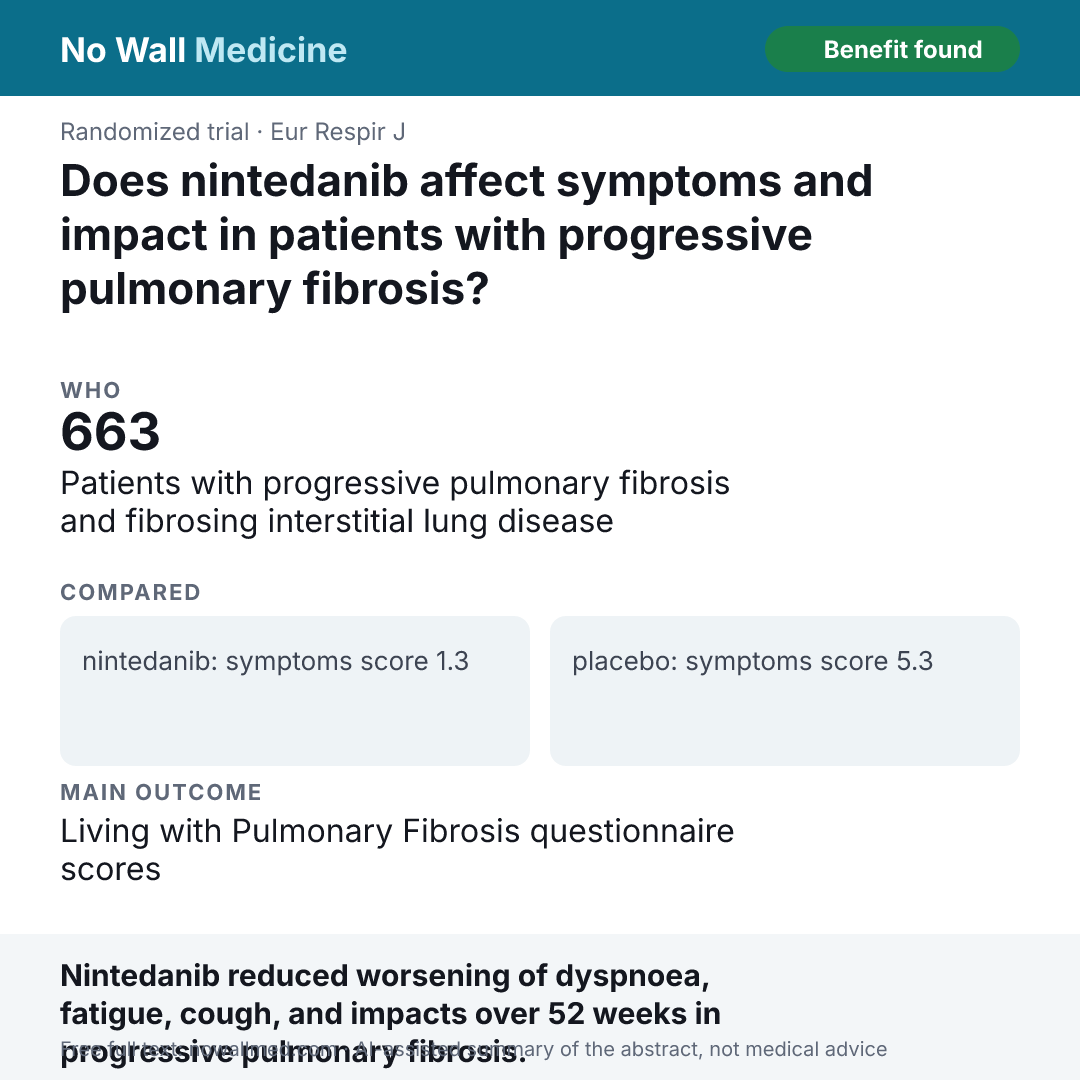
Effects of nintedanib on symptoms in patients with progressive pulmonary fibrosis
Randomized trialBenefit found
Does nintedanib affect symptoms and impact in patients with progressive pulmonary fibrosis?
Who
663
Patients with progressive pulmonary fibrosis and fibrosing interstitial lung disease
Compared
nintedanib: symptoms score 1.3
placebo: symptoms score 5.3
Main outcome
Living with Pulmonary Fibrosis questionnaire scores
Bottom line: Nintedanib reduced worsening of dyspnoea, fatigue, cough, and impacts over 52 weeks in progressive pulmonary fibrosis.
Eur Respir J · 2024-02-01 · Save PNG
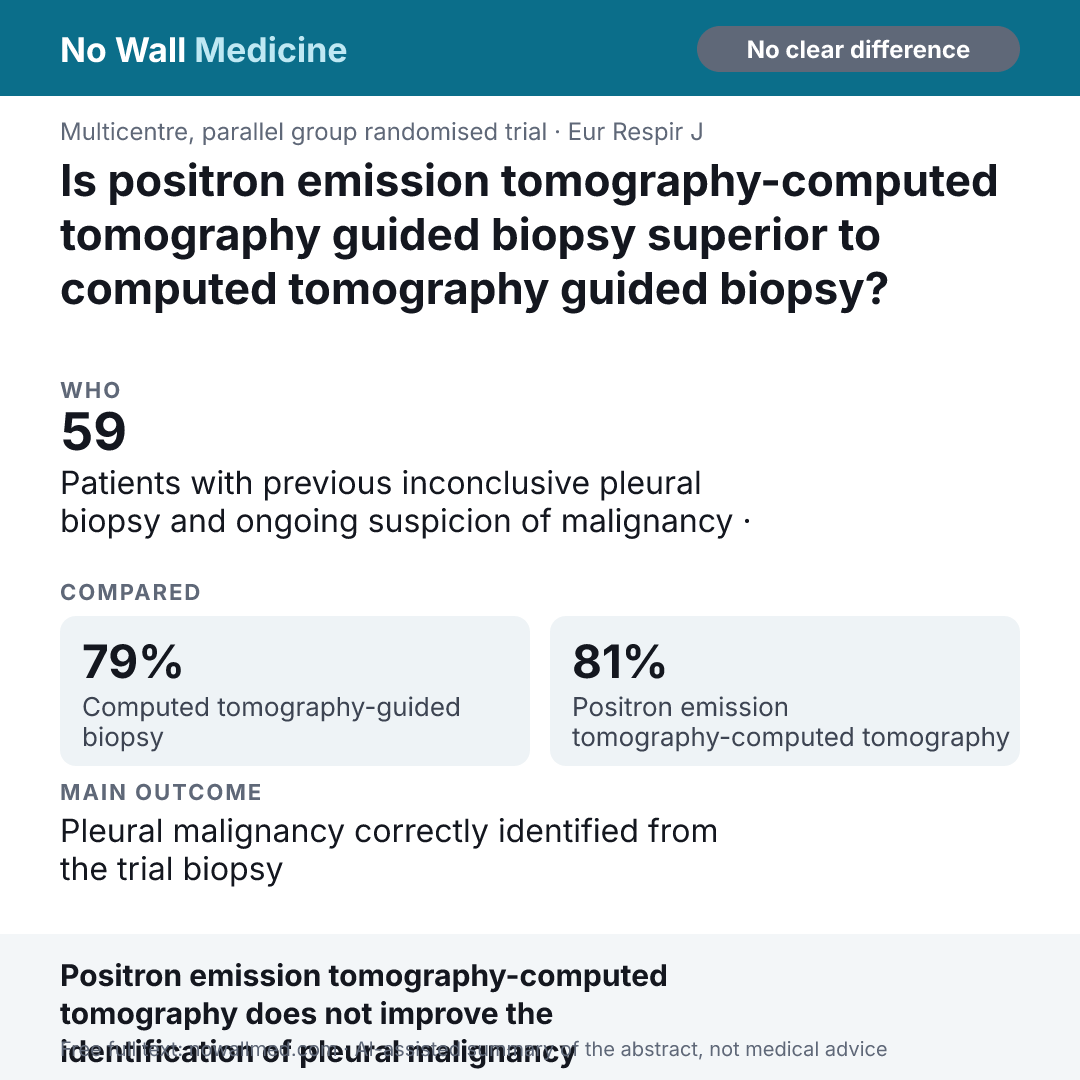
PET-CT-guided versus CT-guided biopsy in suspected malignant pleural thickening: a randomised trial
Multicentre, parallel group randomised trialNo clear difference
Is positron emission tomography-computed tomography guided biopsy superior to computed tomography guided biopsy?
Who
59
Patients with previous inconclusive pleural biopsy and ongoing suspicion of malignancy · Eight United Kingdom hospital sites
Compared
79%Computed tomography-guided biopsy (95% CI 54-94%)
81%Positron emission tomography-computed tomography followed by targeted biopsy (95% CI 54-96%)
Main outcome
Pleural malignancy correctly identified from the trial biopsy
Result: risk ratio 1.03 (95% CI 0.83-1.29)
Bottom line: Positron emission tomography-computed tomography does not improve the identification of pleural malignancy compared to standard computed tomography-guided biopsy.
Eur Respir J · 2024-02-01 · Save PNG
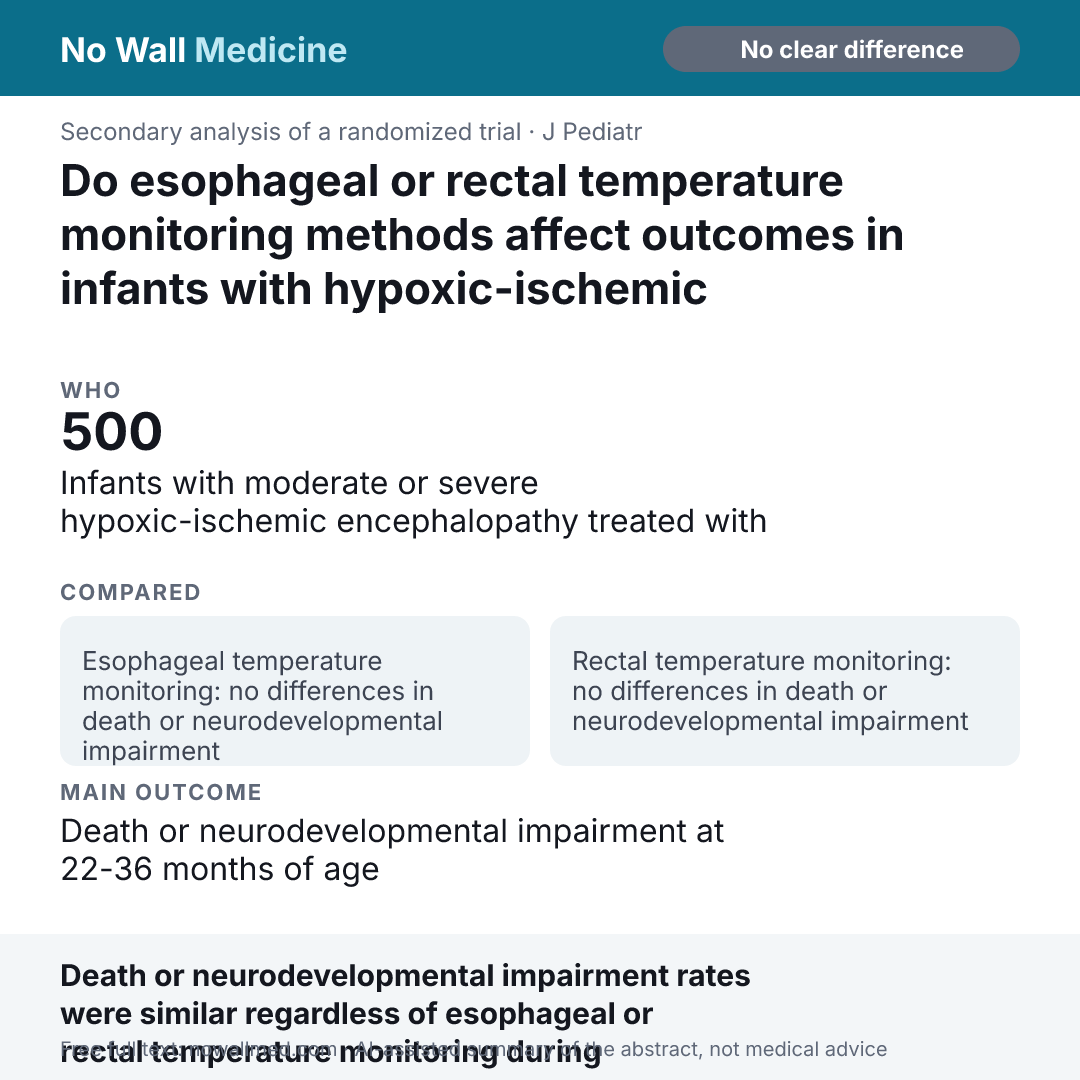
Esophageal Versus Rectal Temperature Monitoring During Whole-Body Therapeutic Hypothermia for Hypoxic-Ischemic Encephalopathy: Association with Short- and Long-Term Outcomes
Secondary analysis of a randomized trialNo clear difference
Do esophageal or rectal temperature monitoring methods affect outcomes in infants with hypoxic-ischemic encephalopathy?
Who
500
Infants with moderate or severe hypoxic-ischemic encephalopathy treated with whole-body therapeutic hypothermia · Multicenter
Compared
Esophageal temperature monitoring: no differences in death or neurodevelopmental impairment
Rectal temperature monitoring: no differences in death or neurodevelopmental impairment
Main outcome
Death or neurodevelopmental impairment at 22-36 months of age
Bottom line: Death or neurodevelopmental impairment rates were similar regardless of esophageal or rectal temperature monitoring during therapeutic hypothermia.
J Pediatr · 2024-02-01 · Save PNG
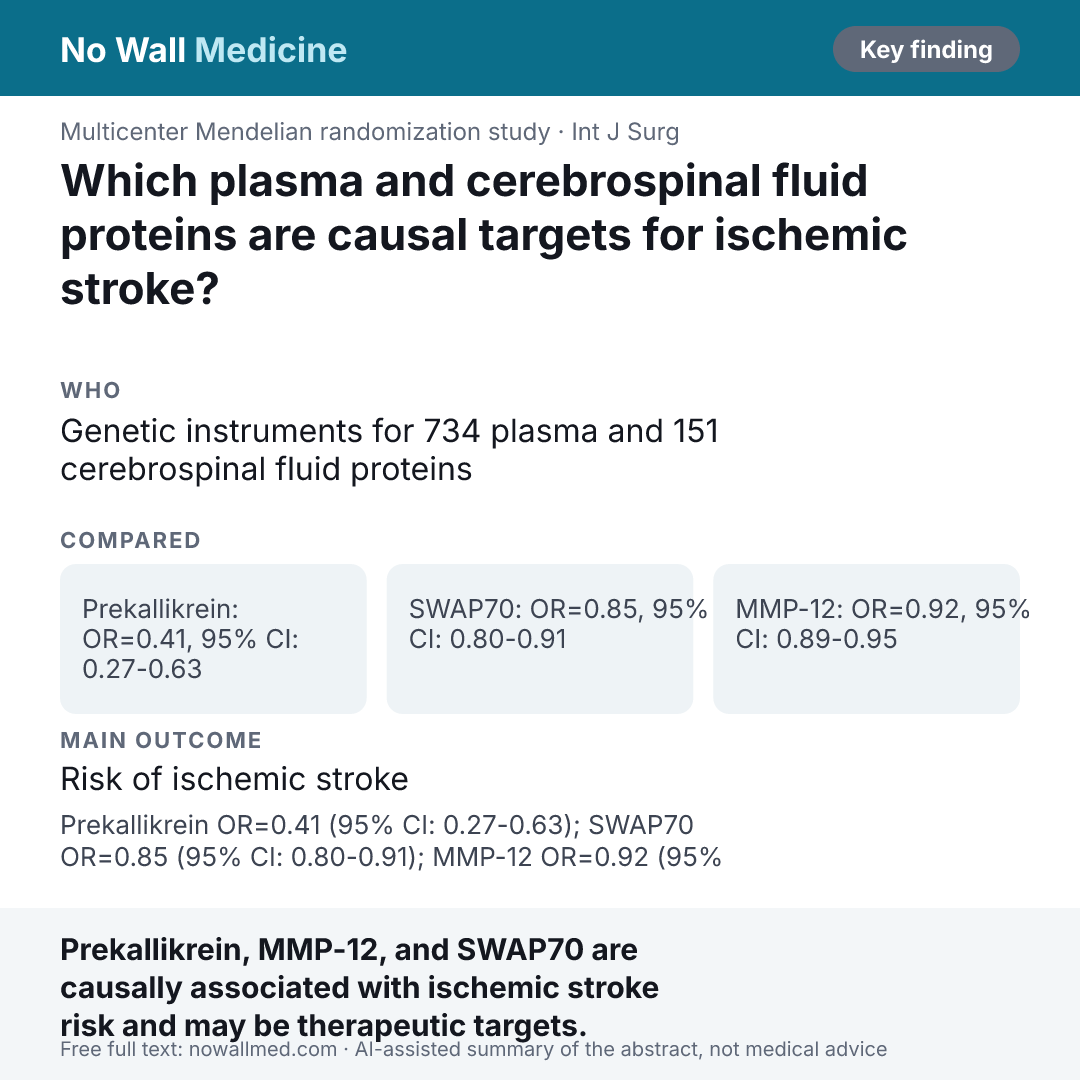
Promising therapeutic targets for ischemic stroke identified from plasma and cerebrospinal fluid proteomes: a multicenter Mendelian randomization study
Multicenter Mendelian randomization studyKey finding
Which plasma and cerebrospinal fluid proteins are causal targets for ischemic stroke?
Who
Genetic instruments for 734 plasma and 151 cerebrospinal fluid proteins
Compared
Prekallikrein: OR=0.41, 95% CI: 0.27-0.63
SWAP70: OR=0.85, 95% CI: 0.80-0.91
MMP-12: OR=0.92, 95% CI: 0.89-0.95
Main outcome
Risk of ischemic stroke
Result: Prekallikrein OR=0.41 (95% CI: 0.27-0.63); SWAP70 OR=0.85 (95% CI: 0.80-0.91); MMP-12 OR=0.92 (95% CI: 0.89-0.95)
Bottom line: Prekallikrein, MMP-12, and SWAP70 are causally associated with ischemic stroke risk and may be therapeutic targets.
Int J Surg · 2024-02-01 · Save PNG
Is antibiotic prophylaxis generally safe and effective in surgical and nonsurgical scenarios? Evidence from an umbrella review of randomized controlled trials
Meta-analysis of 725 trialsBenefit, low certainty
Is antibiotic prophylaxis safe and effective?
Who
surgical and medical patients
Compared
Antibiotic prophylaxis
Control
Main outcome
infection occurrences
Bottom line: Antibiotic prophylaxis is generally effective
Int J Surg · 2024-02-01 · Save PNG

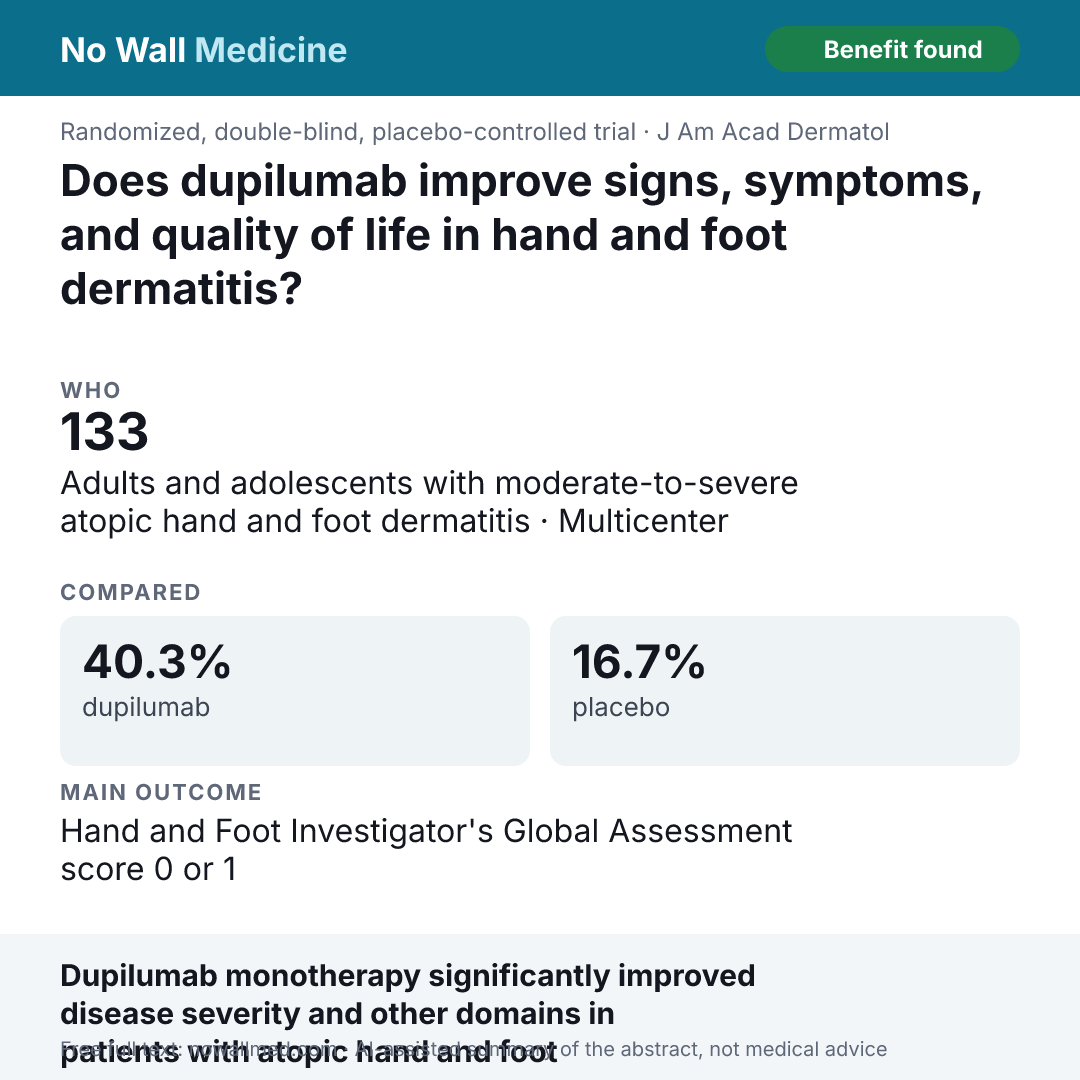
Dupilumab treatment improves signs, symptoms, quality of life, and work productivity in patients with atopic hand and foot dermatitis: Results from a phase 3, randomized, double-blind, placebo-controlled trial
Randomized, double-blind, placebo-controlled trialBenefit found
Does dupilumab improve signs, symptoms, and quality of life in hand and foot dermatitis?
Who
133
Adults and adolescents with moderate-to-severe atopic hand and foot dermatitis · Multicenter
Compared
40.3%dupilumab
16.7%placebo
Main outcome
Hand and Foot Investigator's Global Assessment score 0 or 1
Bottom line: Dupilumab monotherapy significantly improved disease severity and other domains in patients with atopic hand and foot dermatitis.
Limitation: Short-term, 16-week treatment period.
J Am Acad Dermatol · 2024-02-01 · Save PNG
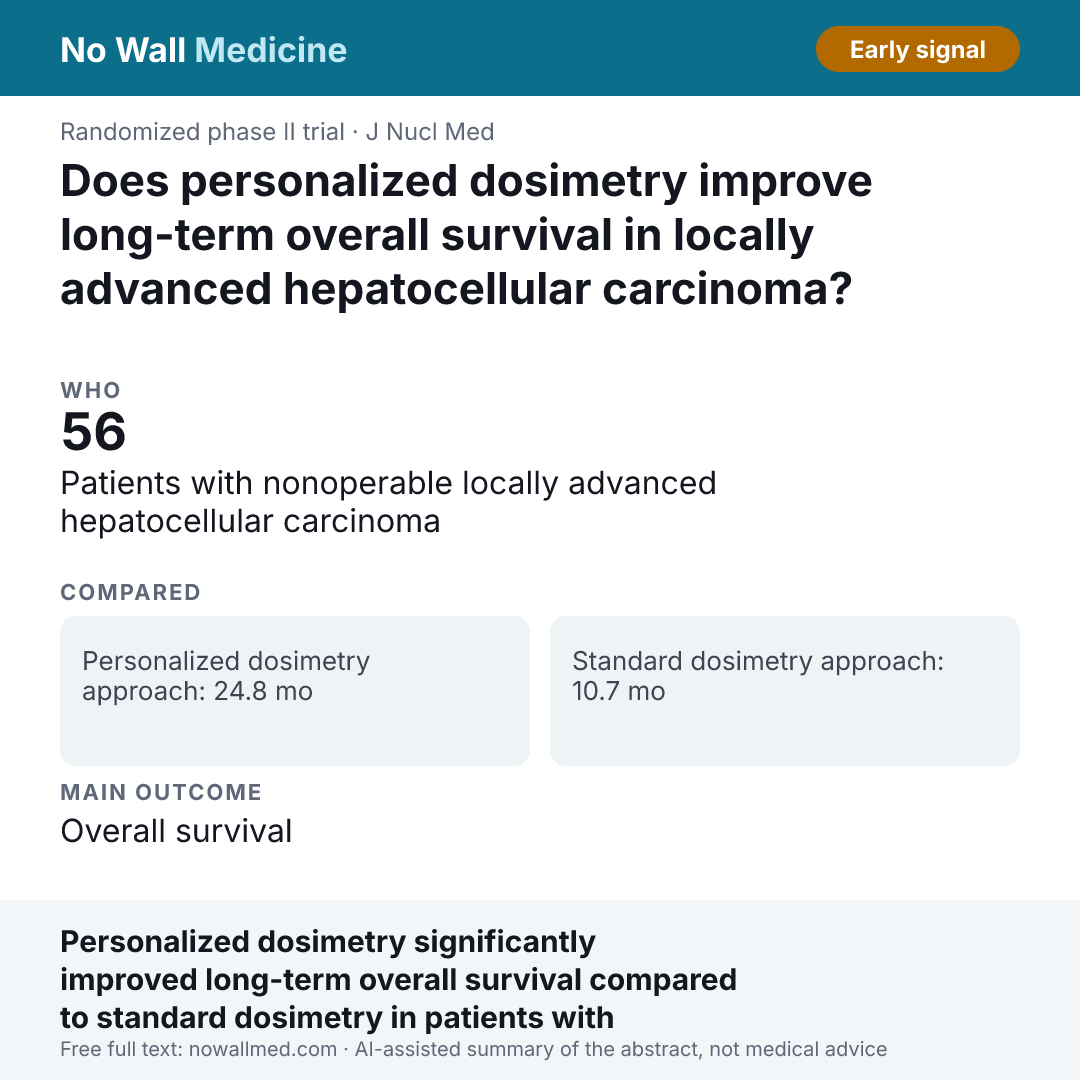
Long-Term Overall Survival After Selective Internal Radiation Therapy for Locally Advanced Hepatocellular Carcinomas: Updated Analysis of DOSISPHERE-01 Trial
Randomized phase II trialEarly signal
Does personalized dosimetry improve long-term overall survival in locally advanced hepatocellular carcinoma?
Who
56
Patients with nonoperable locally advanced hepatocellular carcinoma
Compared
Personalized dosimetry approach: 24.8 mo
Standard dosimetry approach: 10.7 mo
Main outcome
Overall survival
Result: hazard ratio 0.51 (95% CI 0.29 to 0.9)
Bottom line: Personalized dosimetry significantly improved long-term overall survival compared to standard dosimetry in patients with locally advanced hepatocellular carcinoma.
J Nucl Med · 2024-02-01 · Save PNG
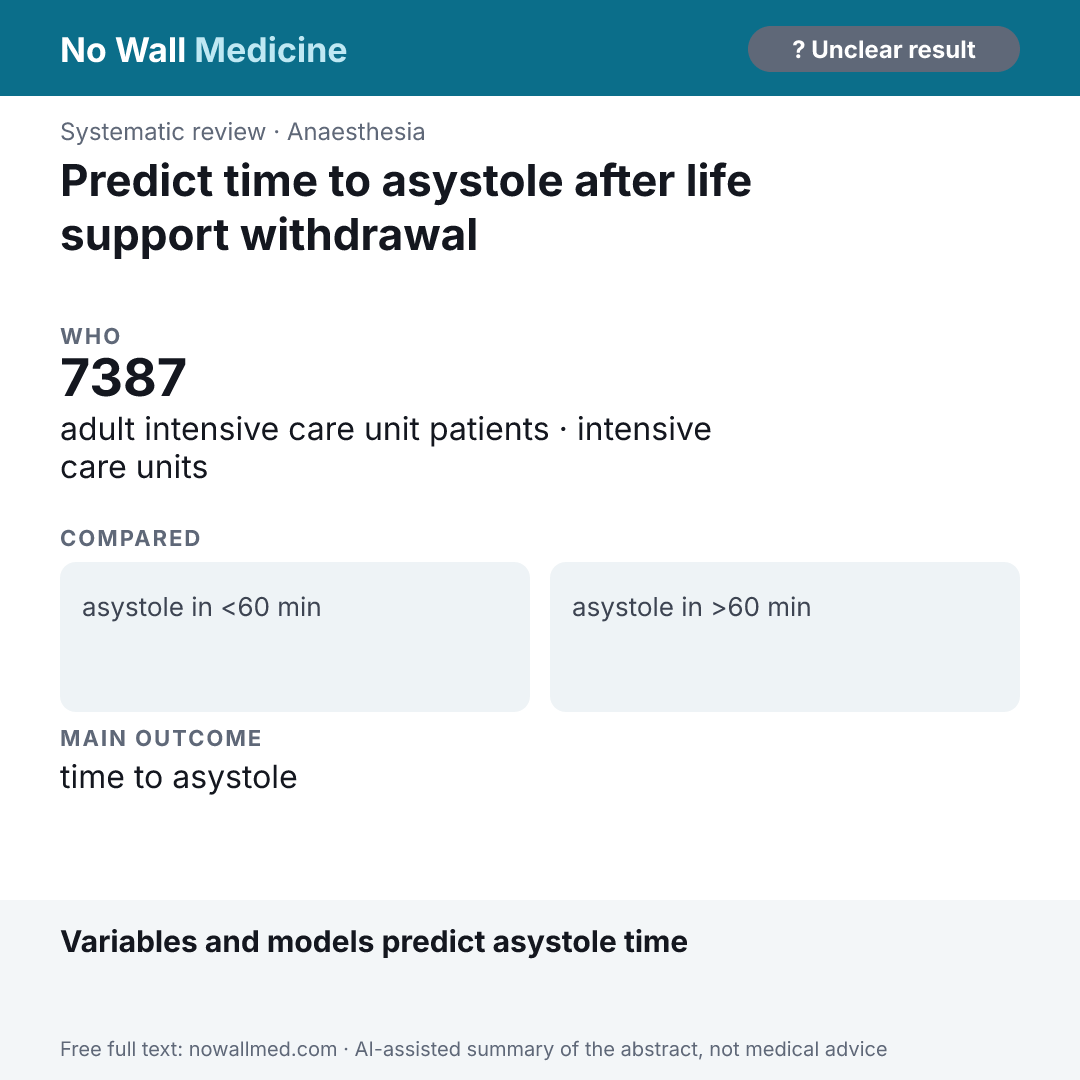
Predicting time to asystole following withdrawal of life-sustaining treatment: a systematic review
Systematic reviewUnclear result
Predict time to asystole after life support withdrawal
Who
7387
adult intensive care unit patients · intensive care units
Compared
asystole in <60 min
asystole in >60 min
Main outcome
time to asystole
Bottom line: Variables and models predict asystole time
Anaesthesia · 2024-02-01 · Save PNG
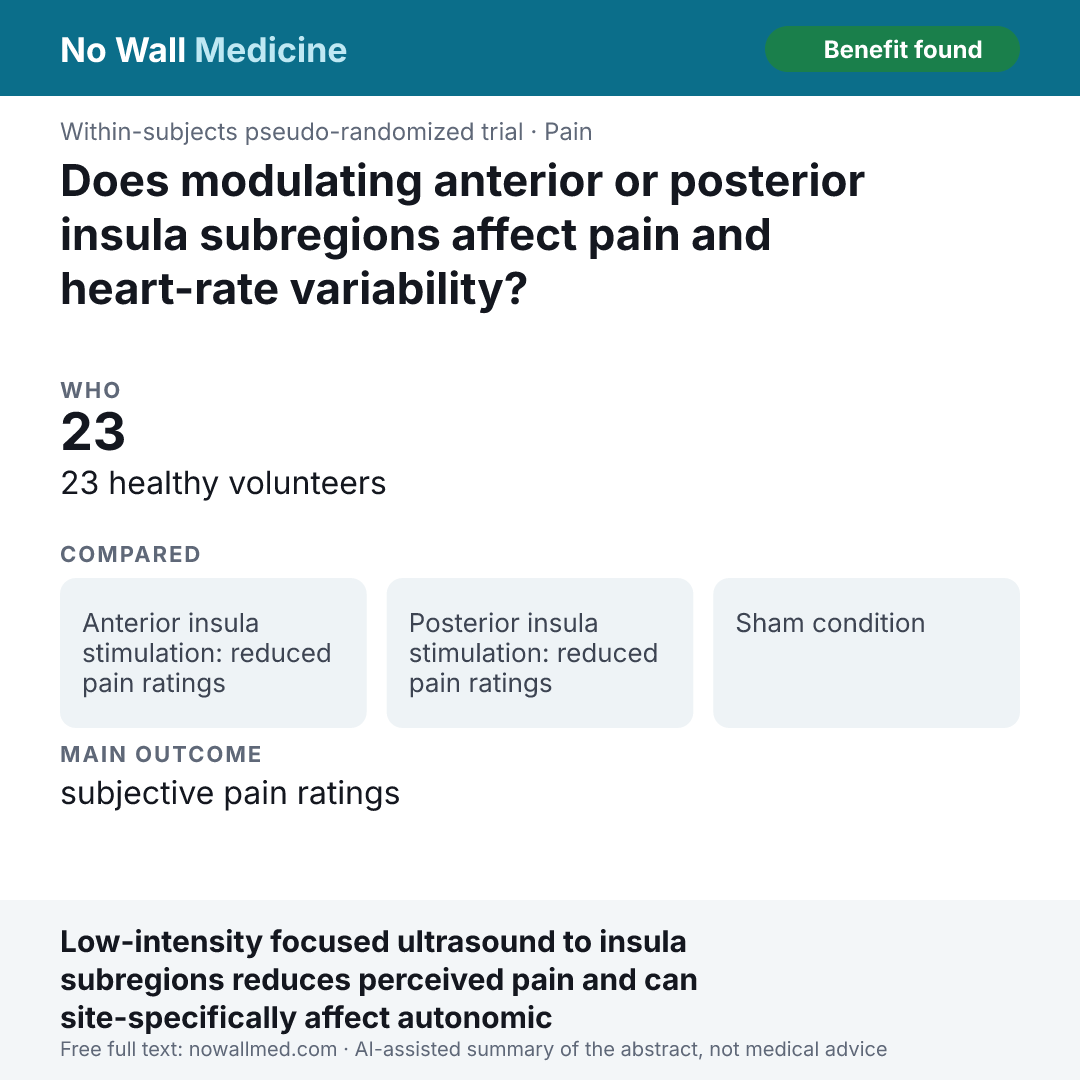
Noninvasive neuromodulation of subregions of the human insula differentially affect pain processing and heart-rate variability: a within-subjects pseudo-randomized trial
Within-subjects pseudo-randomized trialBenefit found
Does modulating anterior or posterior insula subregions affect pain and heart-rate variability?
Who
23
23 healthy volunteers
Compared
Anterior insula stimulation: reduced pain ratings
Posterior insula stimulation: reduced pain ratings
Sham condition
Main outcome
subjective pain ratings
Bottom line: Low-intensity focused ultrasound to insula subregions reduces perceived pain and can site-specifically affect autonomic reactivity.
Pain · 2024-02-01 · Save PNG
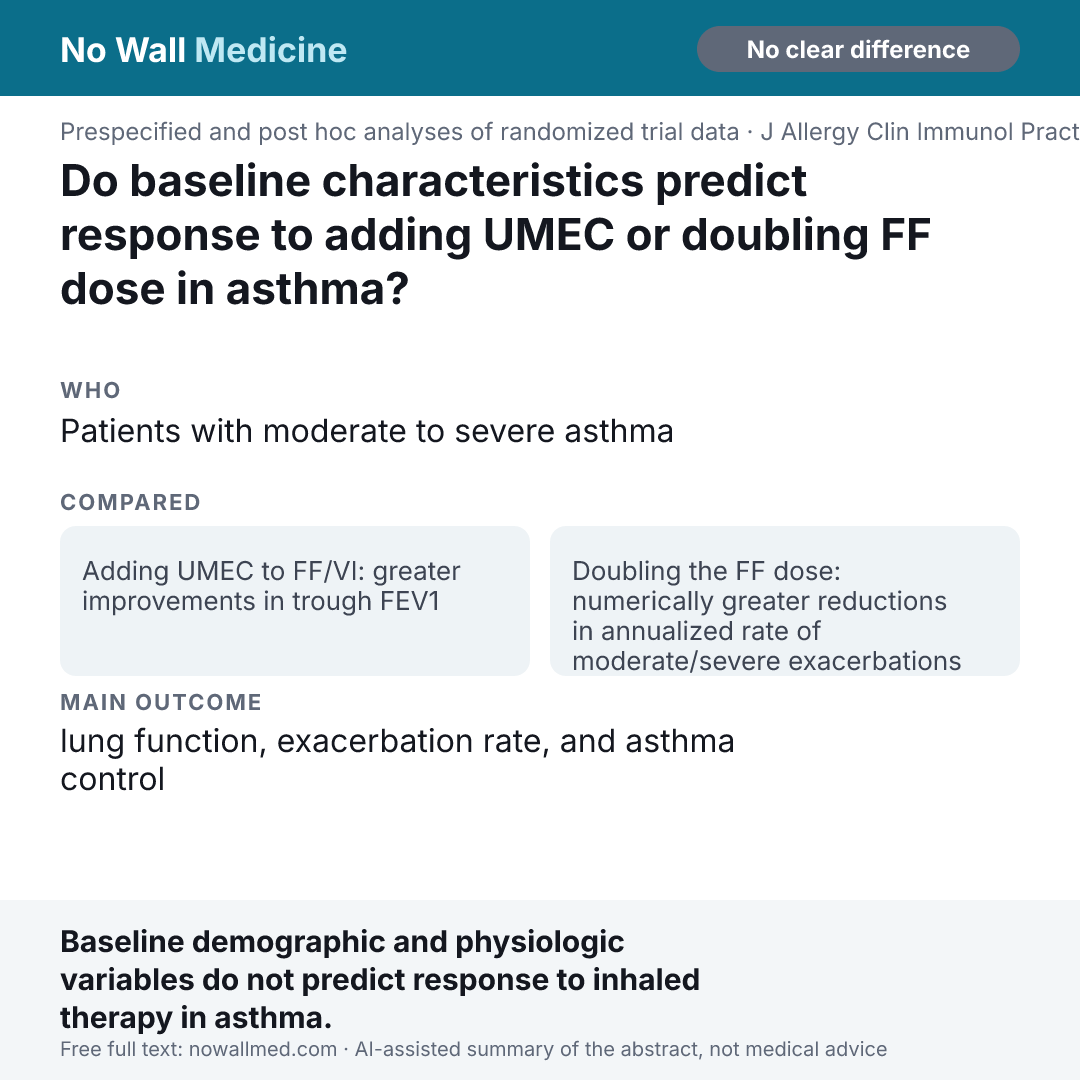
Baseline Characteristics and ICS/LAMA/LABA Response in Asthma: Analyses From the CAPTAIN Study
Prespecified and post hoc analyses of randomized trial dataNo clear difference
Do baseline characteristics predict response to adding UMEC or doubling FF dose in asthma?
Who
Patients with moderate to severe asthma
Compared
Adding UMEC to FF/VI: greater improvements in trough FEV1
Doubling the FF dose: numerically greater reductions in annualized rate of moderate/severe exacerbations
Main outcome
lung function, exacerbation rate, and asthma control
Bottom line: Baseline demographic and physiologic variables do not predict response to inhaled therapy in asthma.
J Allergy Clin Immunol Pract · 2024-02-01 · Save PNG
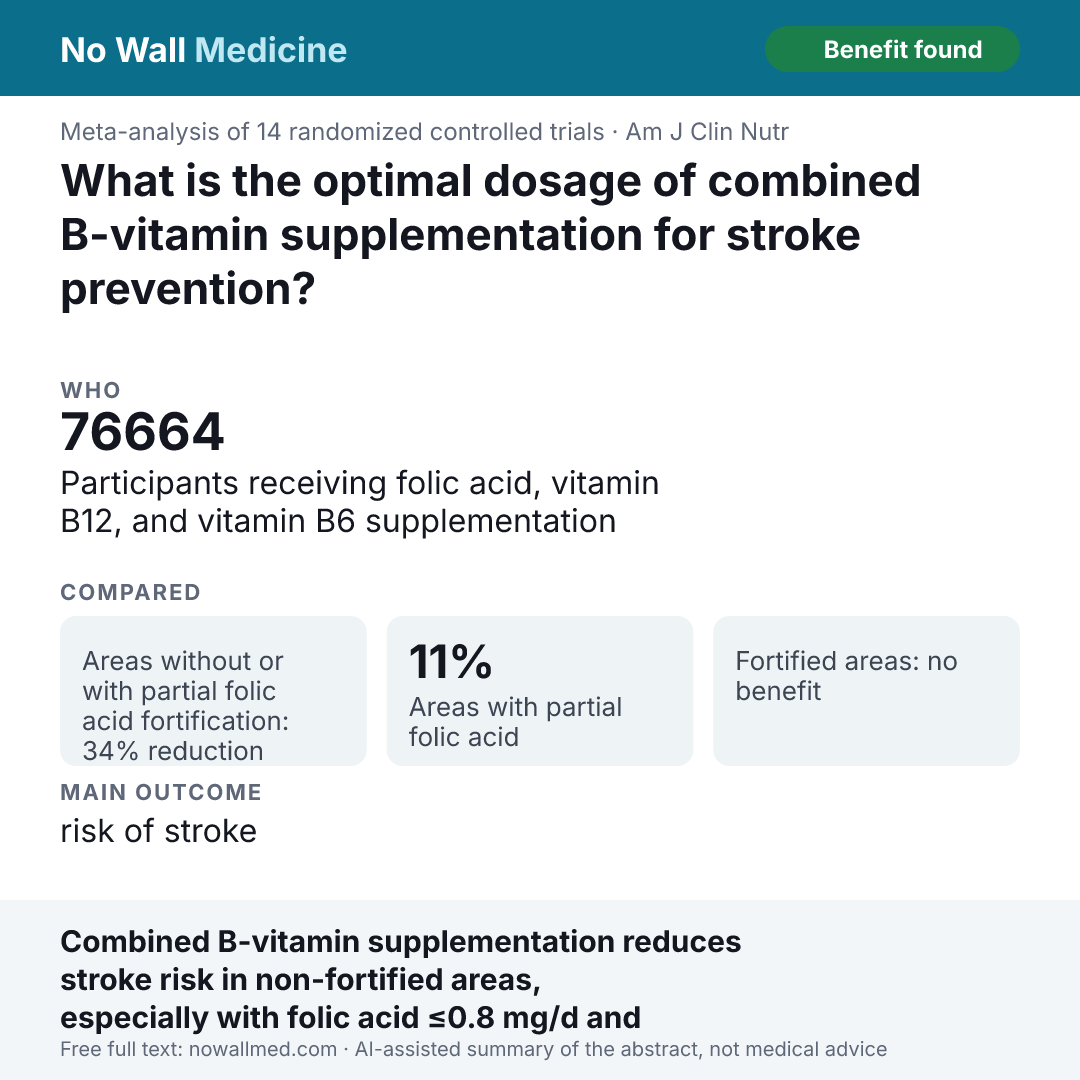
Dosage exploration of combined B-vitamin supplementation in stroke prevention: a meta-analysis and systematic review
Meta-analysis of 14 randomized controlled trialsBenefit found
What is the optimal dosage of combined B-vitamin supplementation for stroke prevention?
Who
76664
Participants receiving folic acid, vitamin B12, and vitamin B6 supplementation
Compared
Areas without or with partial folic acid fortification: 34% reduction
11%Areas with partial folic acid fortification
Fortified areas: no benefit
Main outcome
risk of stroke
Result: RR: 0.66; 95% confidence interval (CI): 0.50, 0.86
Bottom line: Combined B-vitamin supplementation reduces stroke risk in non-fortified areas, especially with folic acid ≤0.8 mg/d and vitamin B12 ≤0.4 mg/d.
Am J Clin Nutr · 2024-02-01 · Save PNG
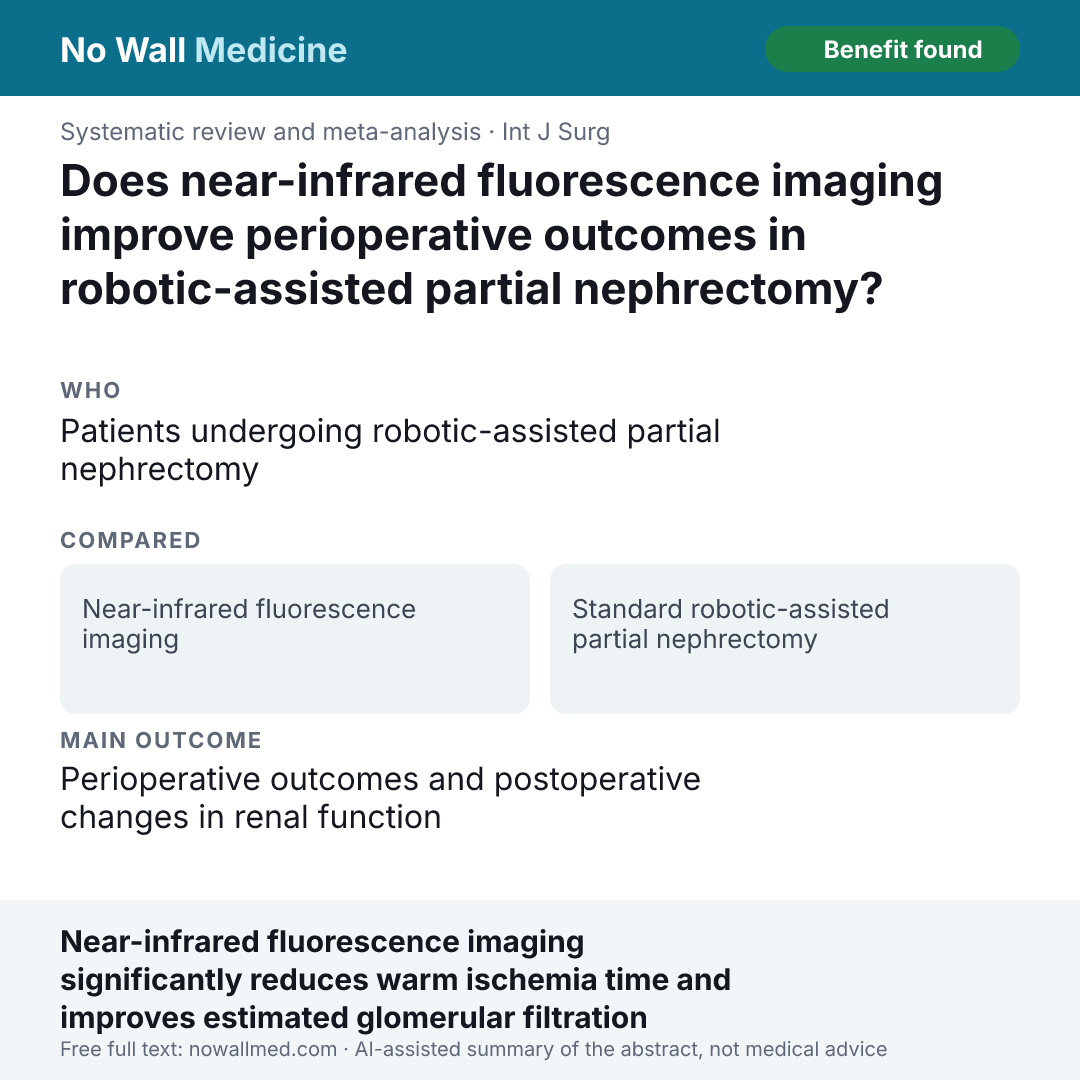
Comparison of perioperative outcomes of selective arterial clipping guided by near-infrared fluorescence imaging using indocyanine green versus undergoing standard robotic-assisted partial nephrectomy: a systematic review and meta-analysis
Systematic review and meta-analysisBenefit found
Does near-infrared fluorescence imaging improve perioperative outcomes in robotic-assisted partial nephrectomy?
Who
Patients undergoing robotic-assisted partial nephrectomy
Compared
Near-infrared fluorescence imaging
Standard robotic-assisted partial nephrectomy
Main outcome
Perioperative outcomes and postoperative changes in renal function
Bottom line: Near-infrared fluorescence imaging significantly reduces warm ischemia time and improves estimated glomerular filtration rate at discharge.
Int J Surg · 2024-02-01 · Save PNG
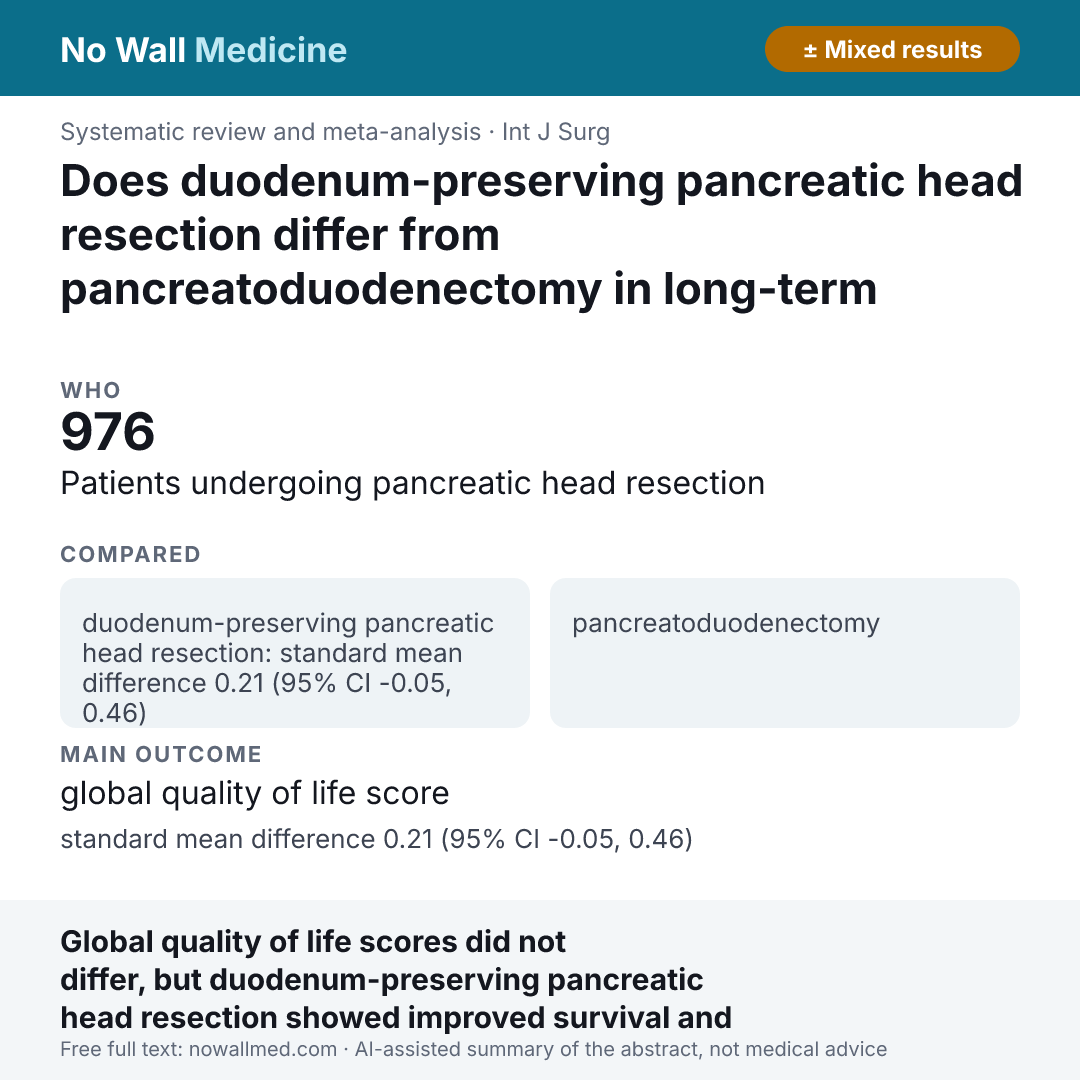
Long-term quality of life between duodenum-preserving pancreatic head resection and pancreatoduodenectomy: a systematic review and meta-analysis
Systematic review and meta-analysisMixed results
Does duodenum-preserving pancreatic head resection differ from pancreatoduodenectomy in long-term quality of life?
Who
976
Patients undergoing pancreatic head resection
Compared
duodenum-preserving pancreatic head resection: standard mean difference 0.21 (95% CI -0.05, 0.46)
pancreatoduodenectomy
Main outcome
global quality of life score
Result: standard mean difference 0.21 (95% CI -0.05, 0.46)
Bottom line: Global quality of life scores did not differ, but duodenum-preserving pancreatic head resection showed improved survival and lower symptom scores.
Limitation: The follow-up length may be an important source of heterogeneity.
Int J Surg · 2024-02-01 · Save PNG
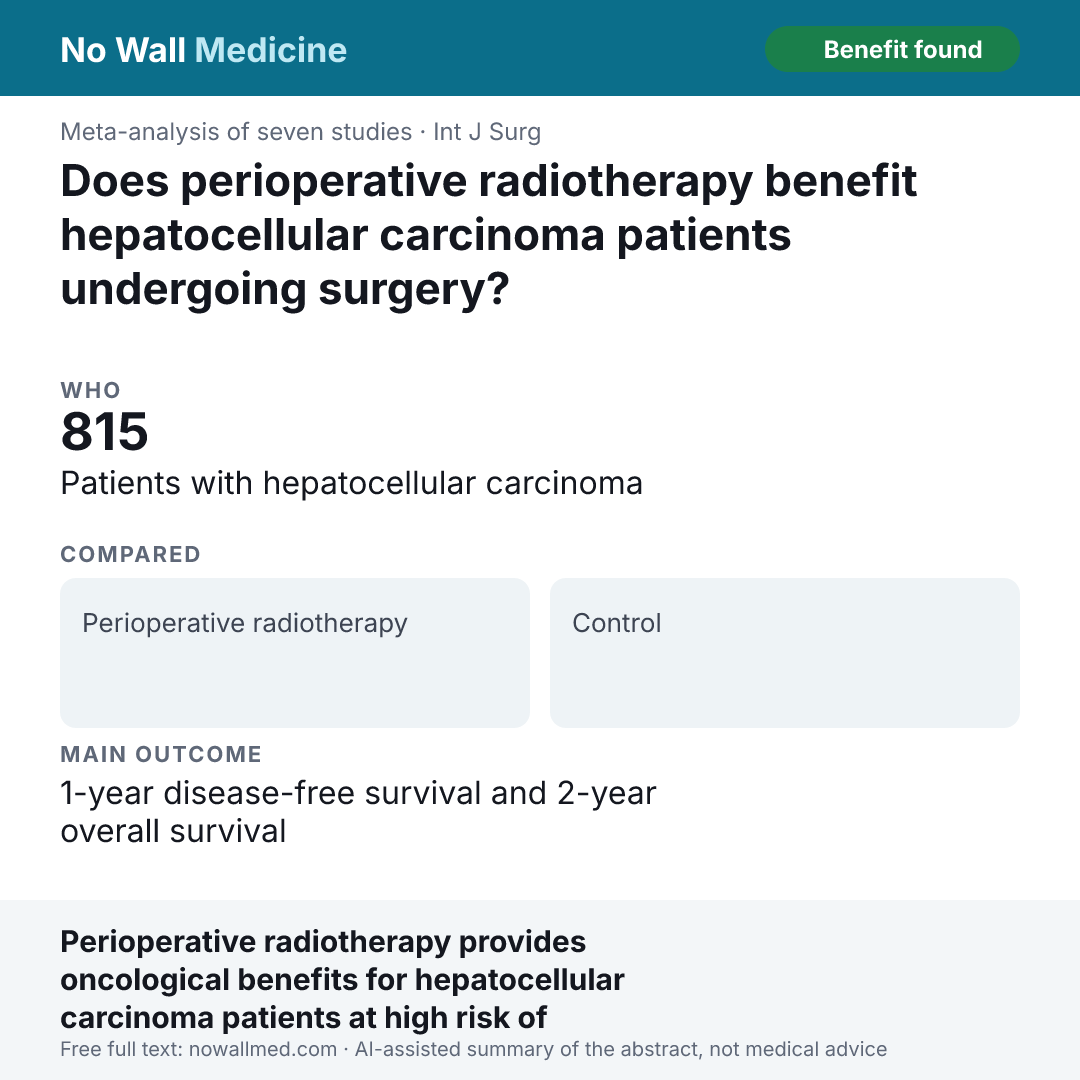
Benefit of perioperative radiotherapy for hepatocellular carcinoma: a quality-based systematic review and meta-analysis
Meta-analysis of seven studiesBenefit found
Does perioperative radiotherapy benefit hepatocellular carcinoma patients undergoing surgery?
Who
815
Patients with hepatocellular carcinoma
Compared
Perioperative radiotherapy
Control
Main outcome
1-year disease-free survival and 2-year overall survival
Result: OR 0.359 (95% CI: 0.246-0.523) for 1-year DFS; OR 0.371 (95% CI: 0.293-0.576) for 2-year OS
Bottom line: Perioperative radiotherapy provides oncological benefits for hepatocellular carcinoma patients at high risk of recurrence.
Int J Surg · 2024-02-01 · Save PNG
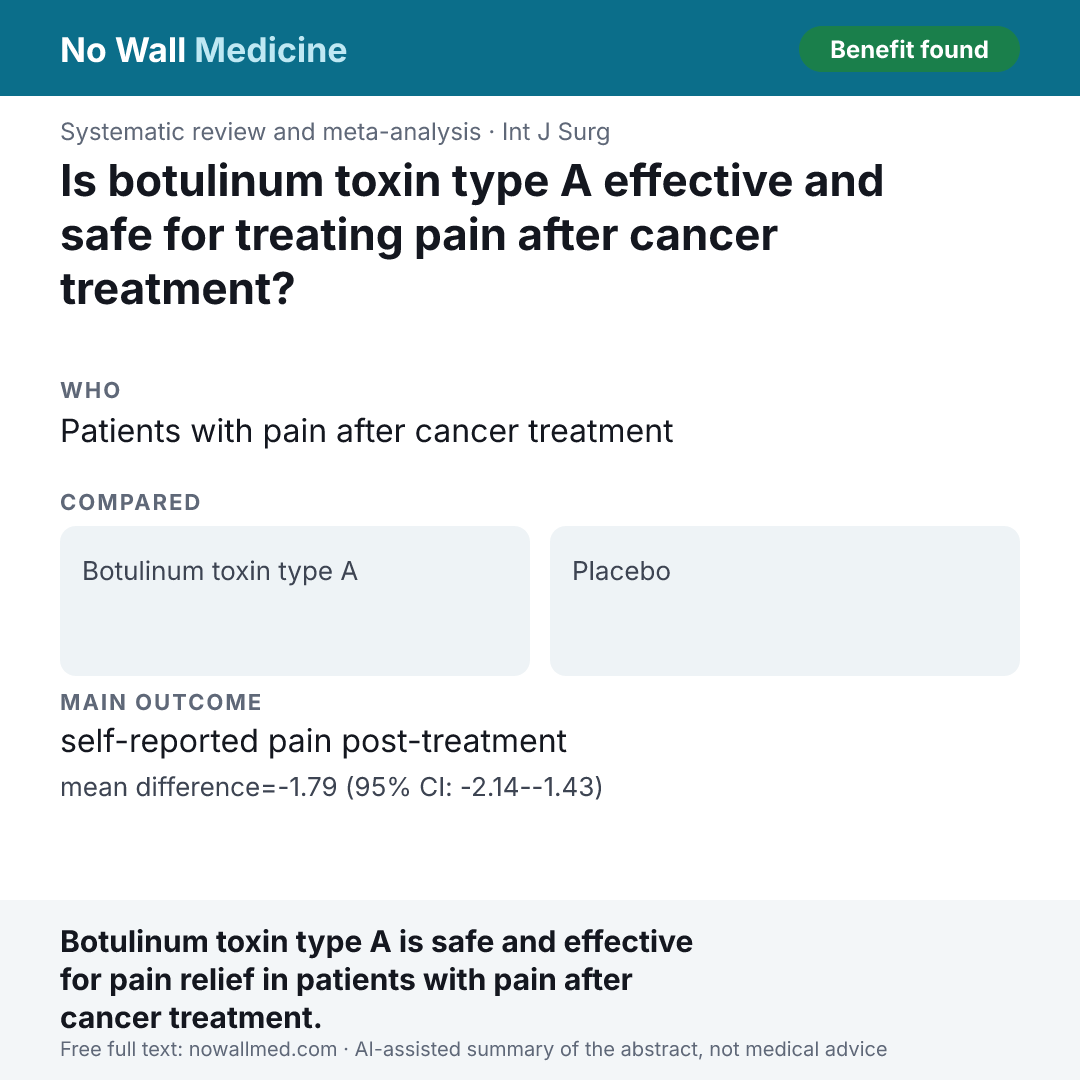
The application and therapeutic effect of botulinum toxin type a (BTX-A) in the treatment of patients with pain after cancer treatment: a systematic review and meta-analysis
Systematic review and meta-analysisBenefit found
Is botulinum toxin type A effective and safe for treating pain after cancer treatment?
Who
Patients with pain after cancer treatment
Compared
Botulinum toxin type A
Placebo
Main outcome
self-reported pain post-treatment
Result: mean difference=-1.79 (95% CI: -2.14--1.43)
Bottom line: Botulinum toxin type A is safe and effective for pain relief in patients with pain after cancer treatment.
Int J Surg · 2024-02-01 · Save PNG
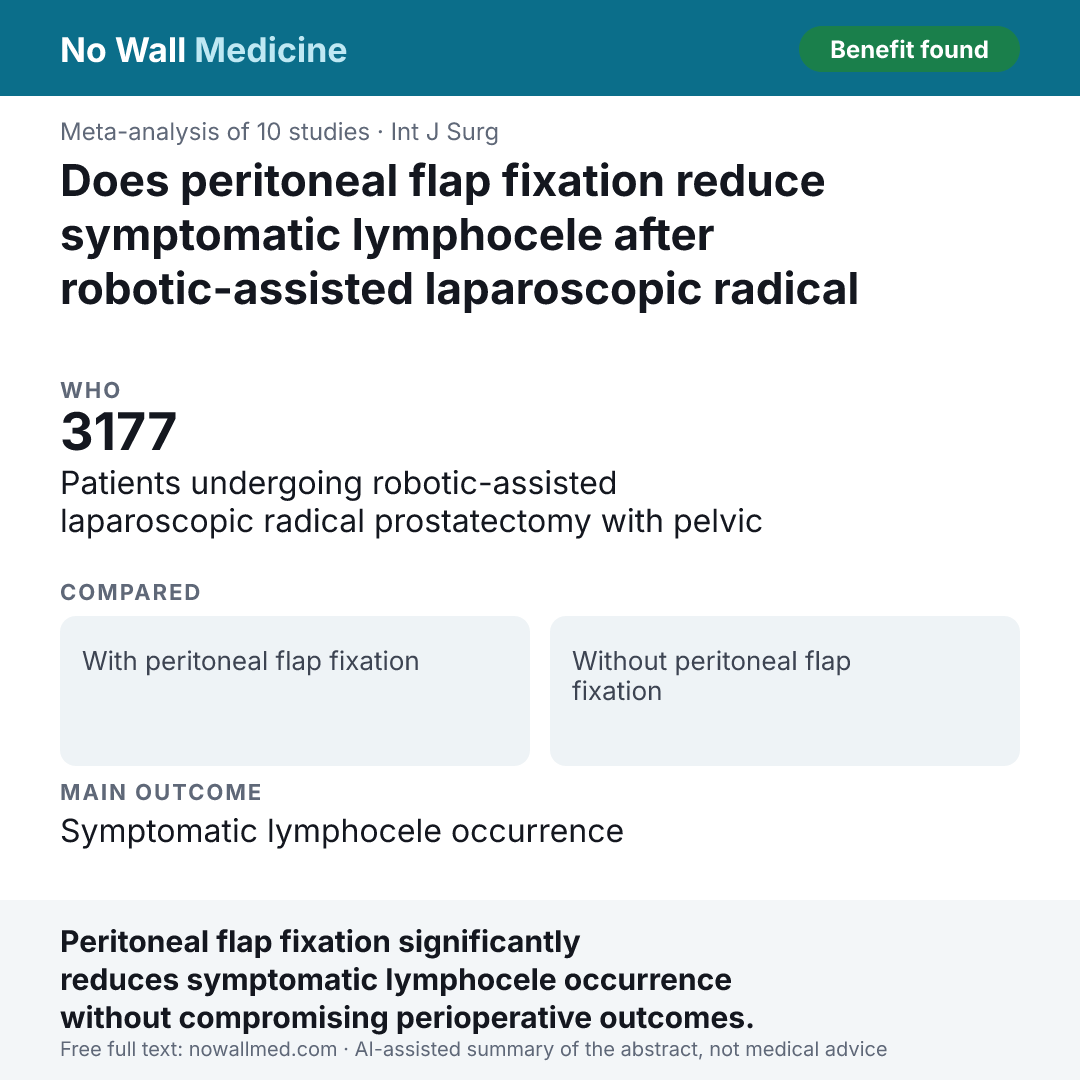
The efficacy of peritoneal flap fixation on symptomatic lymphocele formation following robotic-assisted laparoscopic radical prostatectomy with pelvic lymph node dissection: a systematic review and meta-analysis
Meta-analysis of 10 studiesBenefit found
Does peritoneal flap fixation reduce symptomatic lymphocele after robotic-assisted laparoscopic radical prostatectomy?
Who
3177
Patients undergoing robotic-assisted laparoscopic radical prostatectomy with pelvic lymph node dissection
Compared
With peritoneal flap fixation
Without peritoneal flap fixation
Main outcome
Symptomatic lymphocele occurrence
Result: risk ratio 0.35 (95% CI: 0.24-0.50)
Bottom line: Peritoneal flap fixation significantly reduces symptomatic lymphocele occurrence without compromising perioperative outcomes.
Int J Surg · 2024-02-01 · Save PNG
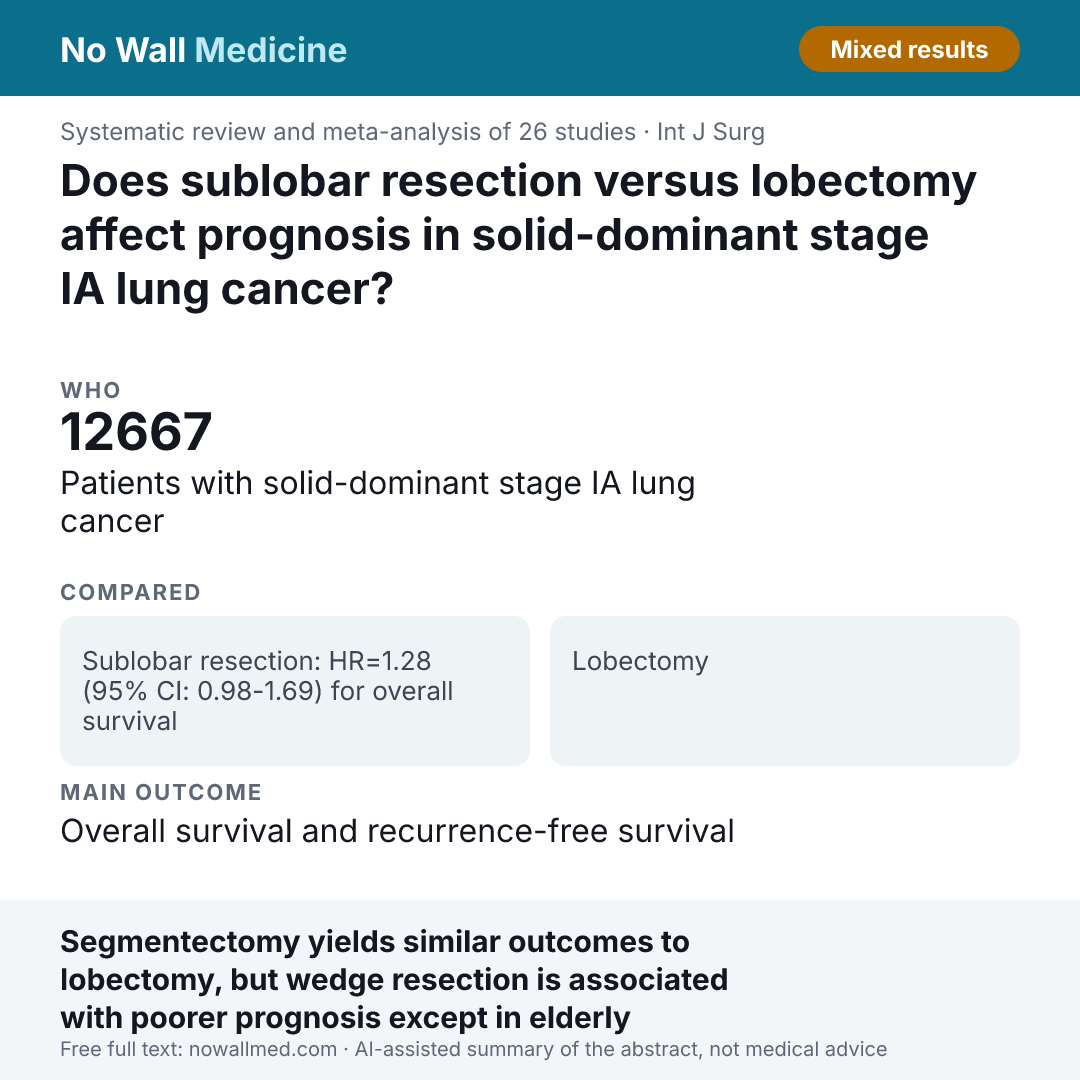
Differential efficacy of segmentectomy and wedge resection in sublobar resection compared to lobectomy for solid-dominant stage IA lung cancer: a systematic review and meta-analysis
Systematic review and meta-analysis of 26 studiesMixed results
Does sublobar resection versus lobectomy affect prognosis in solid-dominant stage IA lung cancer?
Who
12667
Patients with solid-dominant stage IA lung cancer
Compared
Sublobar resection: HR=1.28 (95% CI: 0.98-1.69) for overall survival
Lobectomy
Main outcome
Overall survival and recurrence-free survival
Result: hazard ratio 1.28 (95% CI: 0.98-1.69) for overall survival
Bottom line: Segmentectomy yields similar outcomes to lobectomy, but wedge resection is associated with poorer prognosis except in elderly patients.
Int J Surg · 2024-02-01 · Save PNG
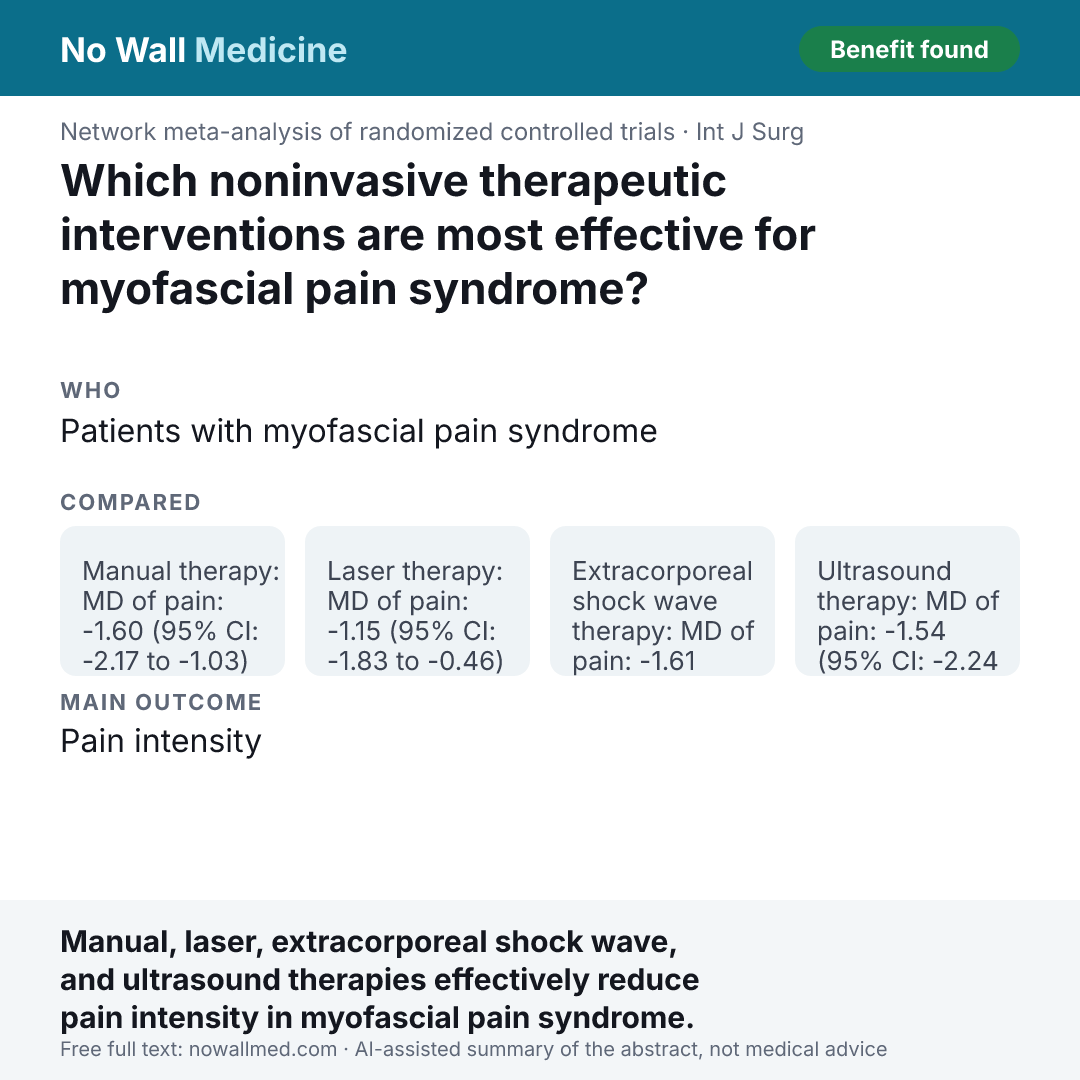
Comparative effectiveness of noninvasive therapeutic interventions for myofascial pain syndrome: a network meta-analysis of randomized controlled trials
Network meta-analysis of randomized controlled trialsBenefit found
Which noninvasive therapeutic interventions are most effective for myofascial pain syndrome?
Who
Patients with myofascial pain syndrome
Compared
Manual therapy: MD of pain: -1.60 (95% CI: -2.17 to -1.03)
Laser therapy: MD of pain: -1.15 (95% CI: -1.83 to -0.46)
Extracorporeal shock wave therapy: MD of pain: -1.61 (95% CI: -2.43 to -0.78)
Ultrasound therapy: MD of pain: -1.54 (95% CI: -2.24 to -0.84)
Main outcome
Pain intensity
Bottom line: Manual, laser, extracorporeal shock wave, and ultrasound therapies effectively reduce pain intensity in myofascial pain syndrome.
Int J Surg · 2024-02-01 · Save PNG