Visual abstracts
New randomized trials and meta-analyses from leading journals at a glance: who was studied, what was compared, and what was found. Every paper is free to read in full.
All specialtiesCardiology 4548Oncology 3854Gastroenterology & Hepatology 1819Infectious Disease 3559Neurology 1774Psychiatry & Mental Health 2129Pulmonology 2008Critical Care 1279Endocrinology & Diabetes 2380Pediatrics 2766Surgery 2389Orthopedics & Sports Medicine 860Neurosurgery 501Cardiothoracic & Vascular Surgery 605Plastic & Reconstructive Surgery 572Nephrology 1022Rheumatology 760Hematology 1034Dermatology 581Ophthalmology 500Obstetrics & Gynecology 1581Public & Global Health 957Radiology & Imaging 601Anesthesiology 923Urology 716ENT (Otolaryngology) 481Emergency Medicine 479Allergy & Immunology 291Geriatrics 927Family Medicine & Primary Care 527Medical Genetics & Genomics 634Pathology & Laboratory Medicine 150Physical Medicine & Rehabilitation 691Palliative Care 407Nutrition 1444Digital Health & AI 2073General Medicine 299
Visual Field Progression in the Ocular Hypertension Treatment Study
Prospective clinical trial with extended follow-upMixed results
What is the rate of visual field loss before and after primary open angle glaucoma diagnosis?
Who
282
Participants who developed primary open angle glaucoma during the study
Compared
All primary open angle glaucoma eyes: -0.40 ± 0.64 SD dB/year
Optic disc primary open angle glaucoma only eyes: -0.19 ± 0.4 dB/yr.
Visual field primary open angle glaucoma eyes: -0.54 ± 0.7 dB/yr.
Main outcome
Slopes of mean deviation by linear regression
Bottom line: Some participants experienced rapid visual field loss after developing primary open angle glaucoma, requiring careful follow-up.
Am J Ophthalmol · 2024-12-06Download image

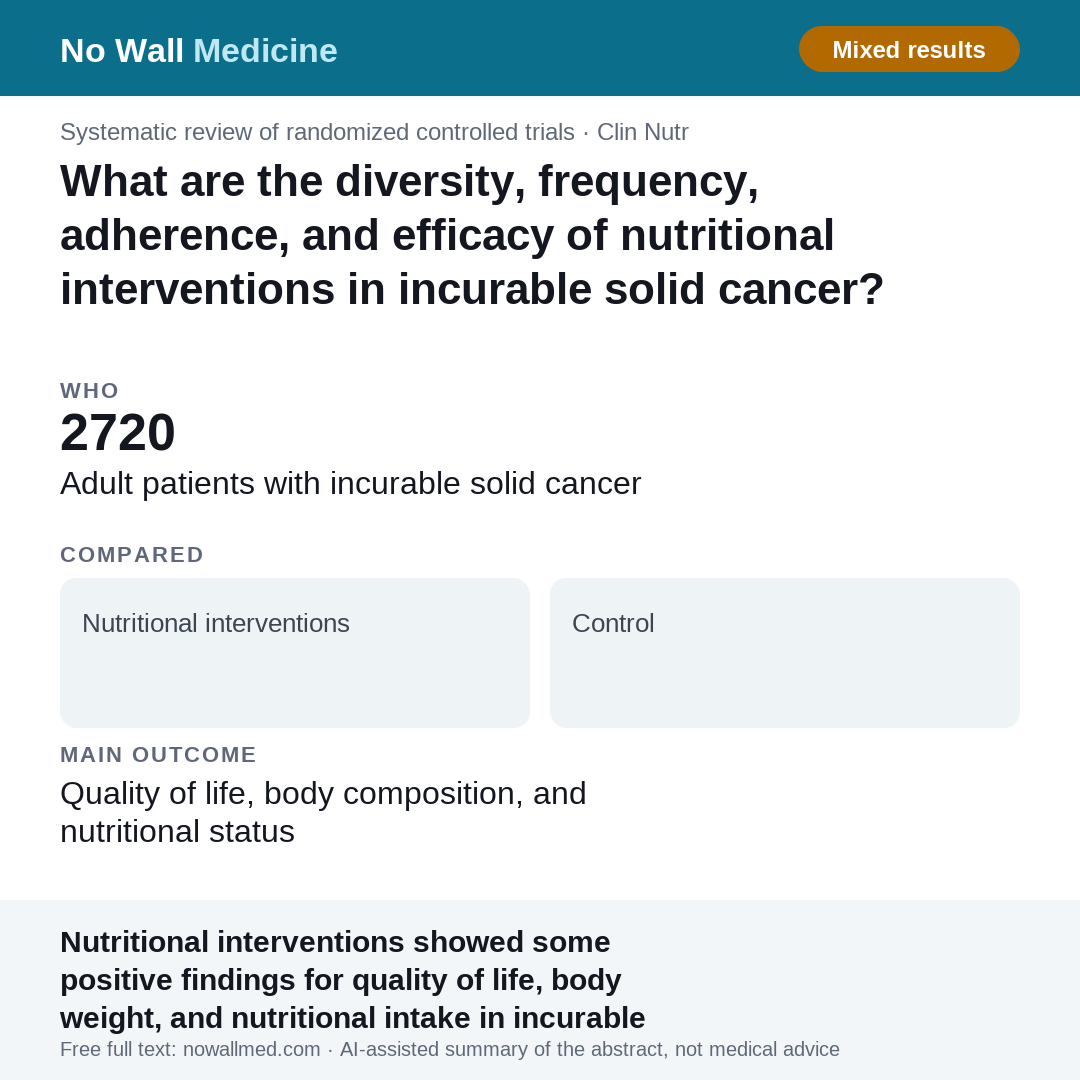
Nutritional interventions in randomised clinical trials for people with incurable solid cancer: A systematic review
Systematic review of randomized controlled trialsMixed results
What are the diversity, frequency, adherence, and efficacy of nutritional interventions in incurable solid cancer?
Who
2720
Adult patients with incurable solid cancer
Compared
Nutritional interventions
Control
Main outcome
Quality of life, body composition, and nutritional status
Bottom line: Nutritional interventions showed some positive findings for quality of life, body weight, and nutritional intake in incurable cancer.
Limitation: There was heterogeneity between the studies.
Clin Nutr · 2024-12-06Download image
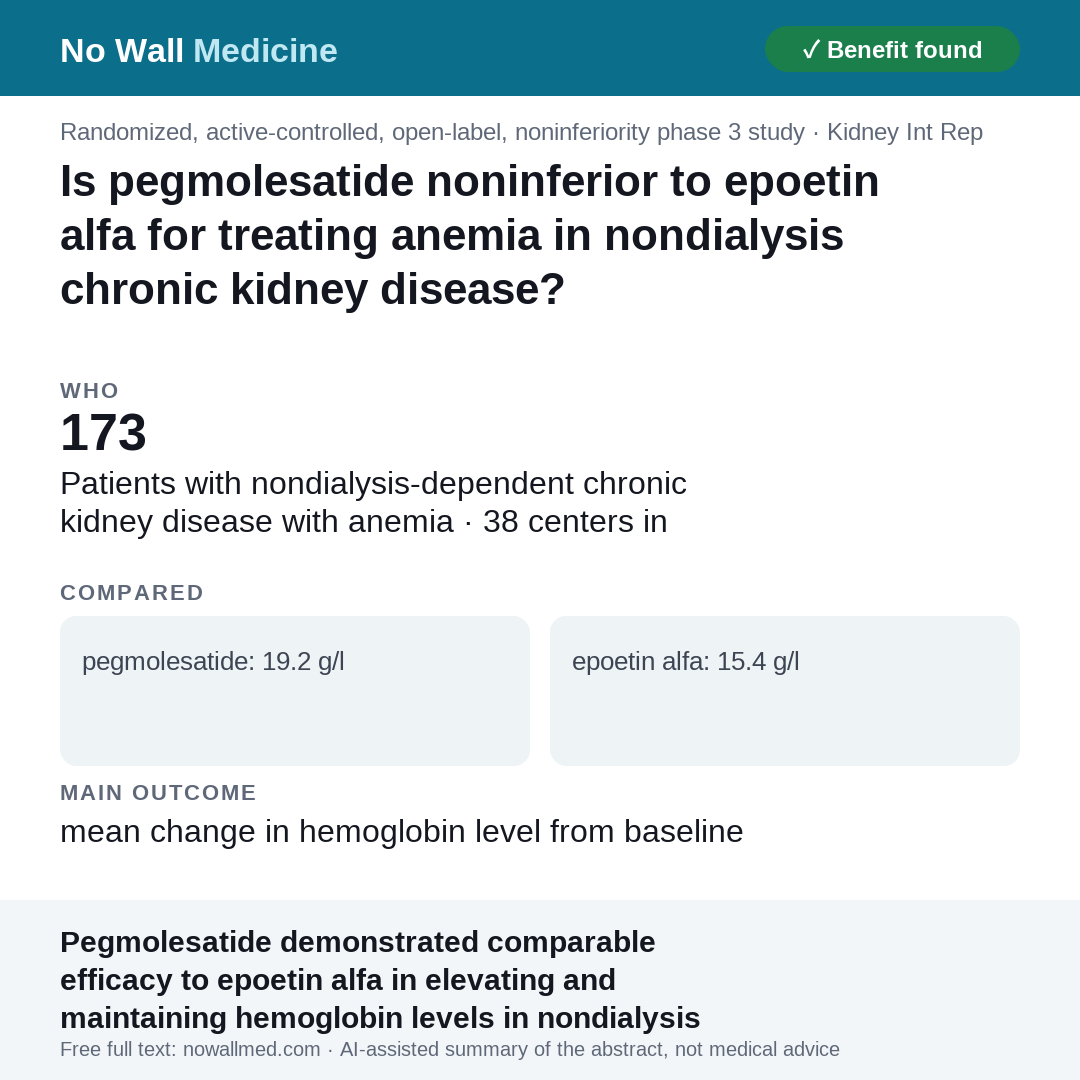
Randomized Trial of Pegmolesatide for the Treatment of Anemia in Patients With Nondialysis CKD
Randomized, active-controlled, open-label, noninferiority phase 3 studyBenefit found
Is pegmolesatide noninferior to epoetin alfa for treating anemia in nondialysis chronic kidney disease?
Who
173
Patients with nondialysis-dependent chronic kidney disease with anemia · 38 centers in China
Compared
pegmolesatide: 19.2 g/l
epoetin alfa: 15.4 g/l
Main outcome
mean change in hemoglobin level from baseline
Result: between-group difference of 3.8 g/l (95% CI: 0.7-6.9)
Bottom line: Pegmolesatide demonstrated comparable efficacy to epoetin alfa in elevating and maintaining hemoglobin levels in nondialysis chronic kidney disease patients.
Kidney Int Rep · 2024-12-06Download image
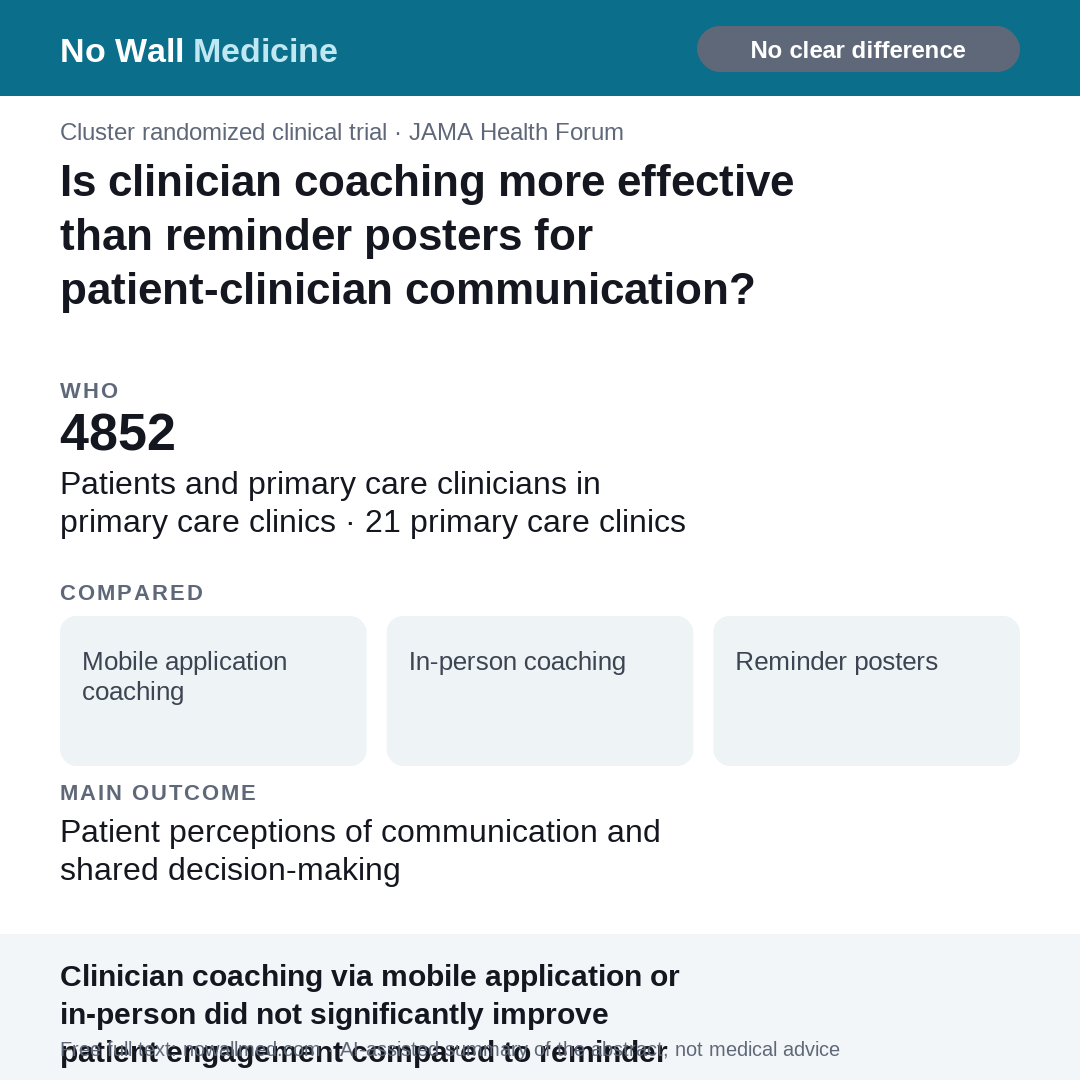
Patient-Clinician Communication Interventions Across Multiple Primary Care Sites: A Cluster Randomized Clinical Trial
Cluster randomized clinical trialNo clear difference
Is clinician coaching more effective than reminder posters for patient-clinician communication?
Who
4852
Patients and primary care clinicians in primary care clinics · 21 primary care clinics in 3 US health systems
Compared
Mobile application coaching
In-person coaching
Reminder posters
Main outcome
Patient perceptions of communication and shared decision-making
Result: marginal difference, high-tech vs ASK, -0.021 (95% CI, -0.073 to 0.030)
Bottom line: Clinician coaching via mobile application or in-person did not significantly improve patient engagement compared to reminder posters.
Limitation: There were differences across systems and alternative outcome measures may be needed.
JAMA Health Forum · 2024-12-06Download image
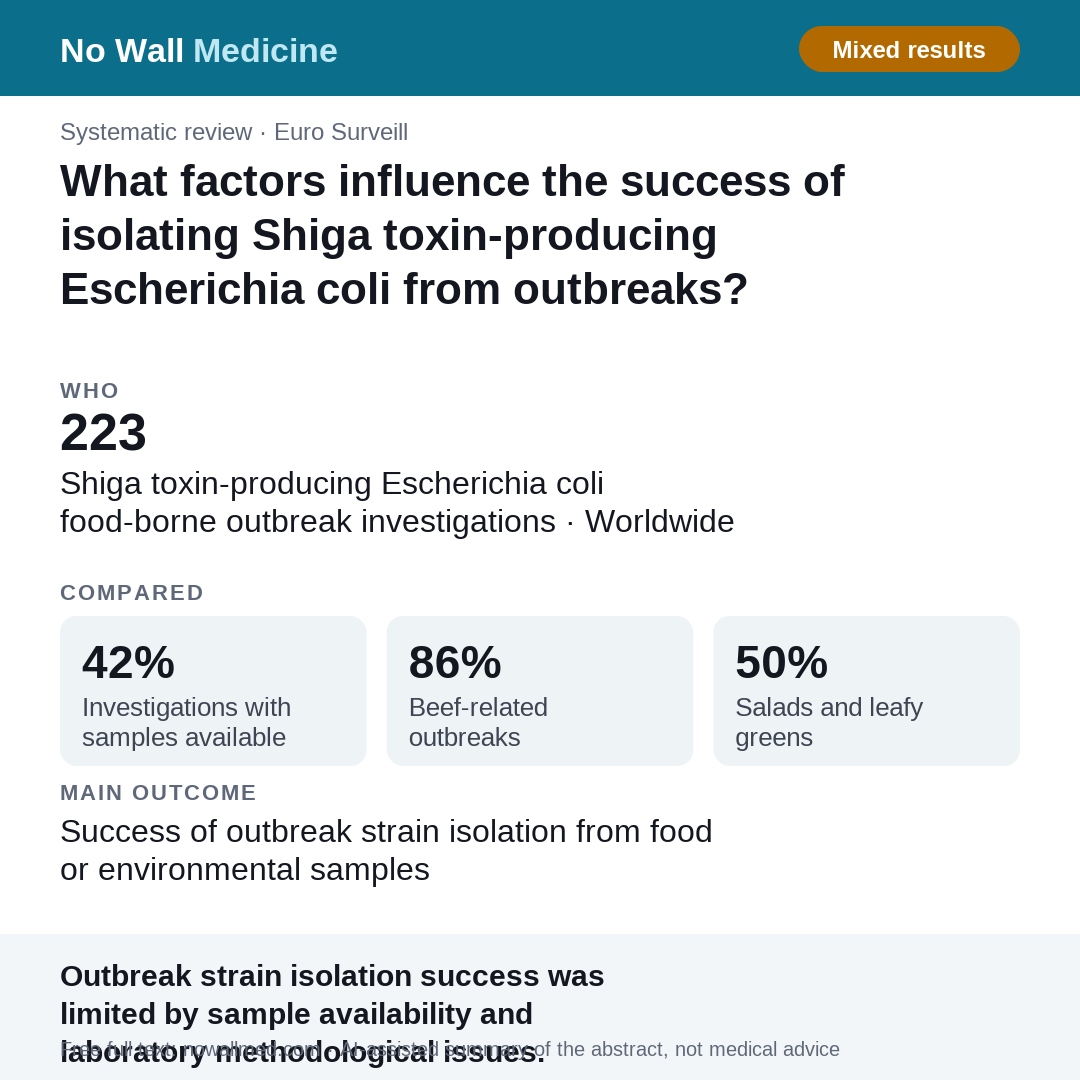
Reasons for difficulties in isolating the causative organism during food-borne outbreak investigations using STEC as a model pathogen: a systematic review, 2000 to 2019
Systematic reviewMixed results
What factors influence the success of isolating Shiga toxin-producing Escherichia coli from outbreaks?
Who
223
Shiga toxin-producing Escherichia coli food-borne outbreak investigations · Worldwide
Compared
42%Investigations with samples available (94/223)
86%Beef-related outbreaks
50%Salads and leafy greens
Main outcome
Success of outbreak strain isolation from food or environmental samples
Bottom line: Outbreak strain isolation success was limited by sample availability and laboratory methodological issues.
Euro Surveill · 2024-12-06Download image
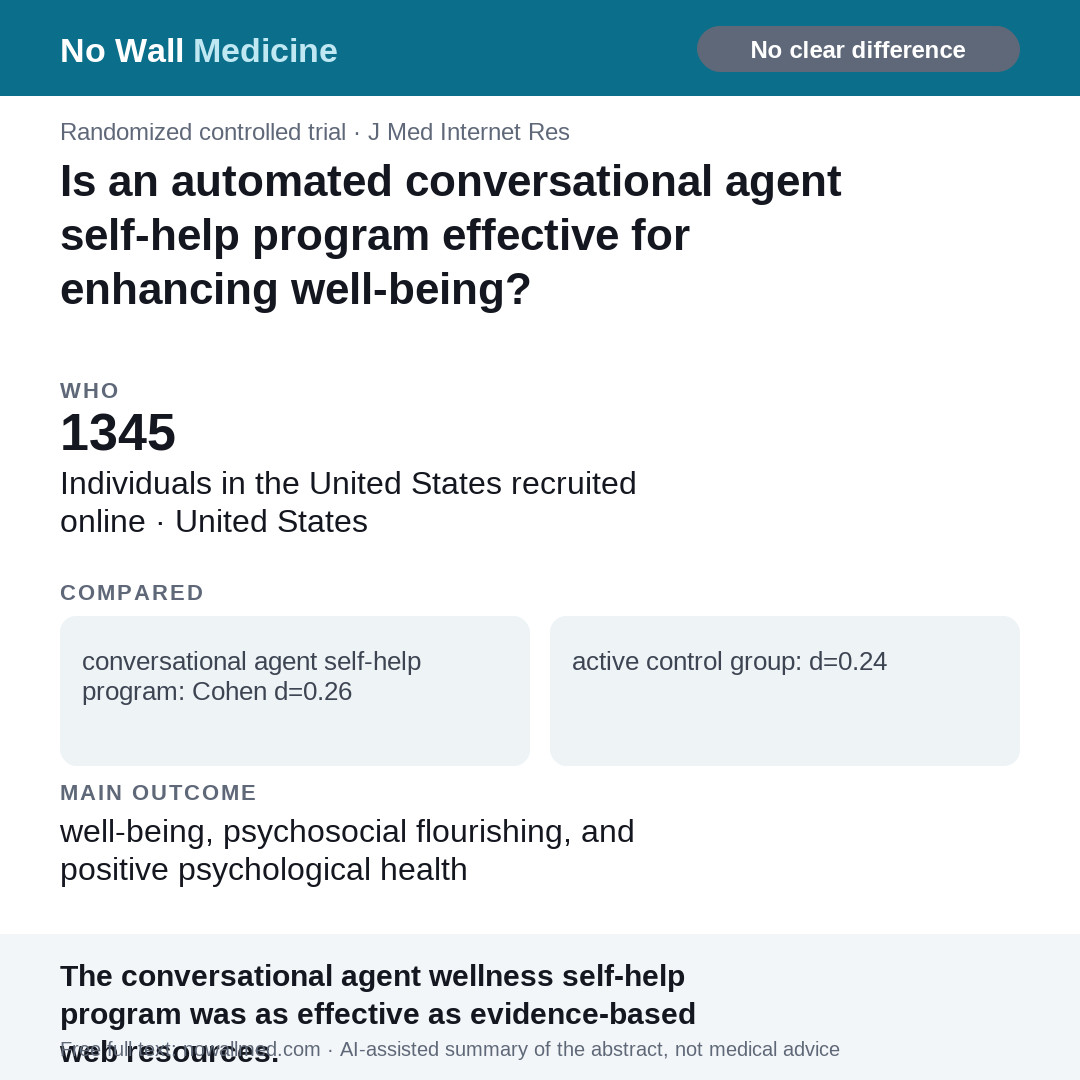
An Automated Conversational Agent Self-Help Program: Randomized Controlled Trial
Randomized controlled trialNo clear difference
Is an automated conversational agent self-help program effective for enhancing well-being?
Who
1345
Individuals in the United States recruited online · United States
Compared
conversational agent self-help program: Cohen d=0.26
active control group: d=0.24
Main outcome
well-being, psychosocial flourishing, and positive psychological health
Bottom line: The conversational agent wellness self-help program was as effective as evidence-based web resources.
Limitation: Only a portion of participants were actively involved and long-term stability is unknown.
J Med Internet Res · 2024-12-06Download image
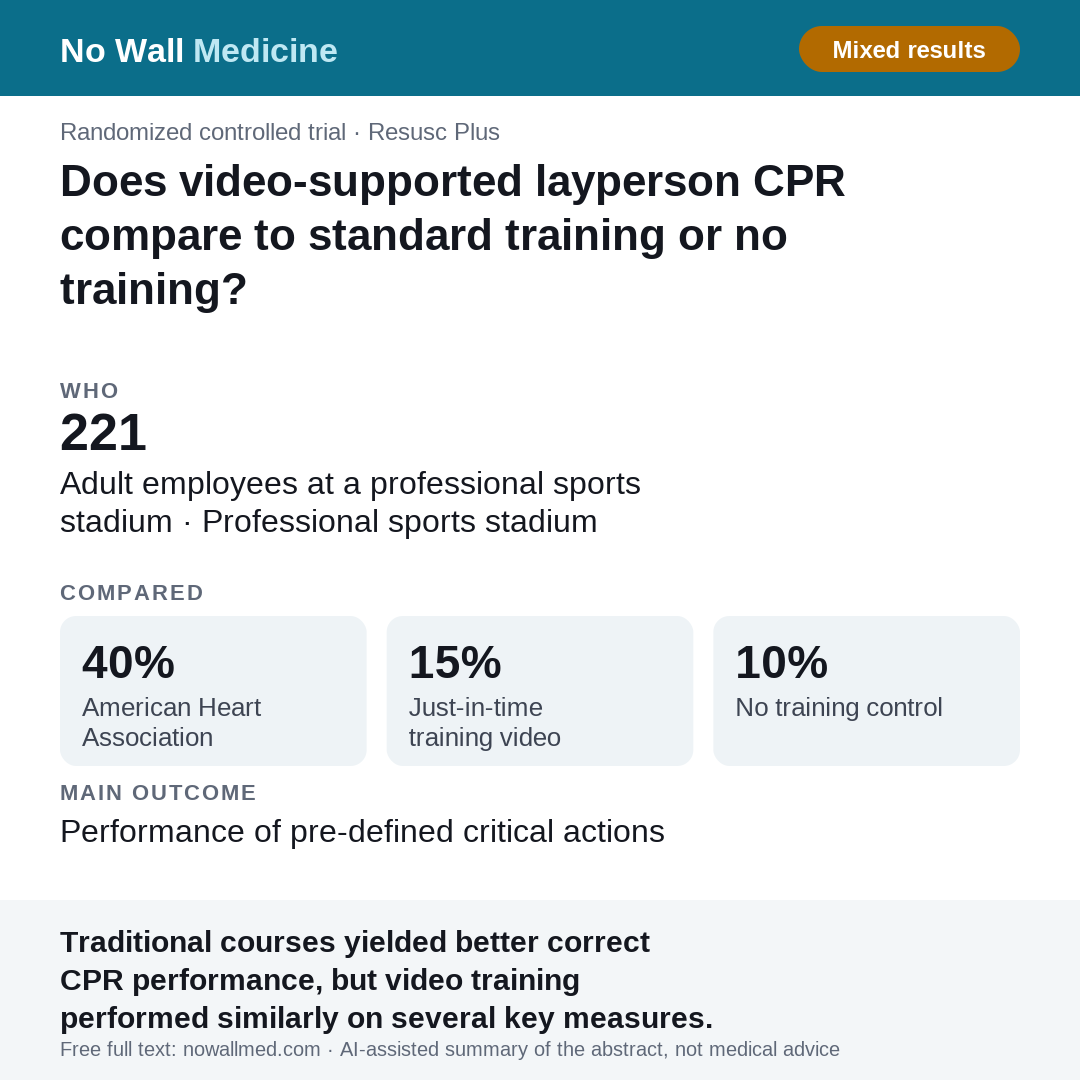
Evaluating video-supported layperson CPR compared to a standard training course: A randomized controlled trial
Randomized controlled trialMixed results
Does video-supported layperson CPR compare to standard training or no training?
Who
221
Adult employees at a professional sports stadium · Professional sports stadium
Compared
40%American Heart Association HeartSaver course (95%CI 28-51)
15%Just-in-time training video (95%CI 8-26)
10%No training control (95%CI 4-19)
Main outcome
Performance of pre-defined critical actions
Bottom line: Traditional courses yielded better correct CPR performance, but video training performed similarly on several key measures.
Resusc Plus · 2024-12-06Download image
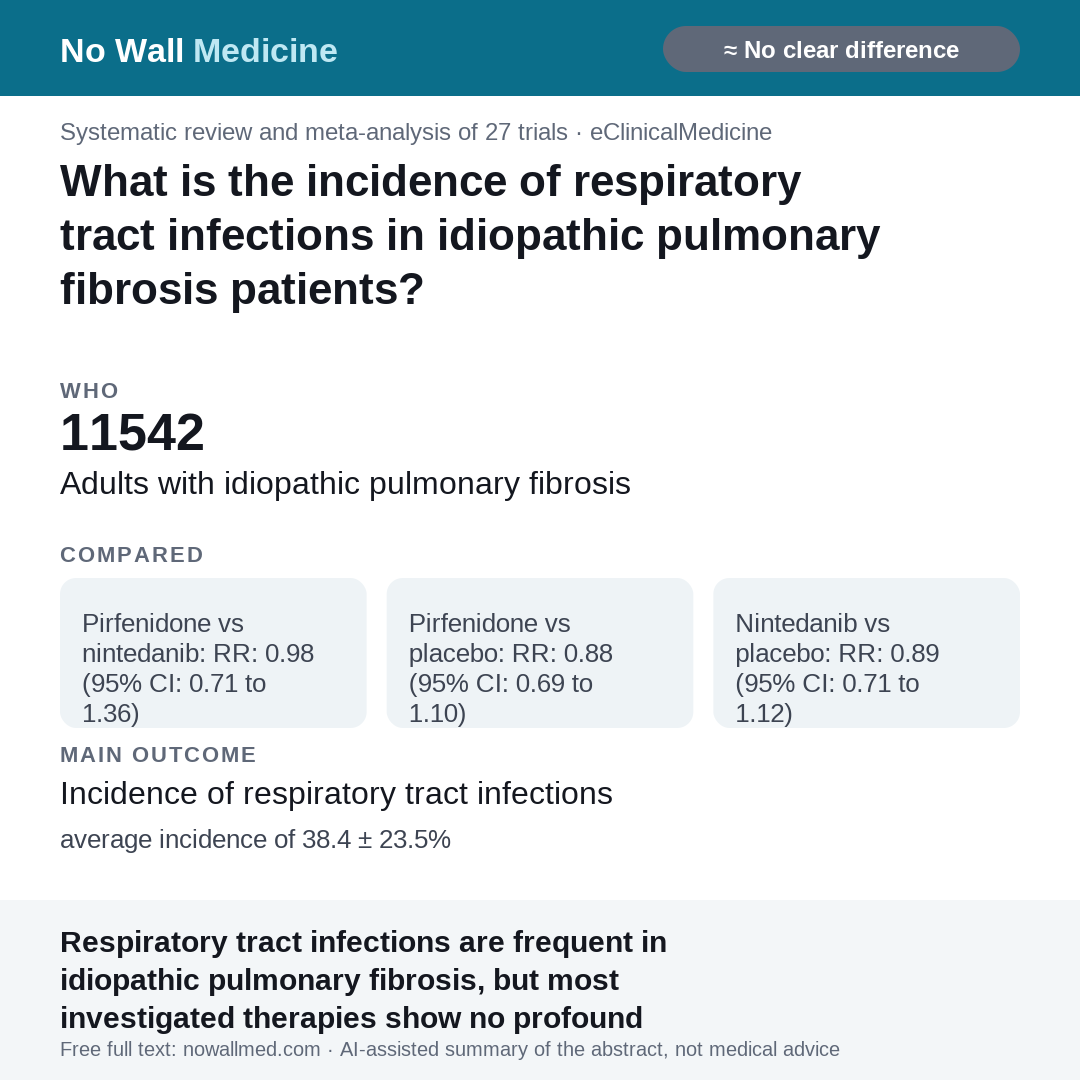
Treatable traits in idiopathic pulmonary fibrosis: focus on respiratory tract infections-a systematic review and a meta-analysis
Systematic review and meta-analysis of 27 trialsNo clear difference
What is the incidence of respiratory tract infections in idiopathic pulmonary fibrosis patients?
Who
11542
Adults with idiopathic pulmonary fibrosis
Compared
Pirfenidone vs nintedanib: RR: 0.98 (95% CI: 0.71 to 1.36)
Pirfenidone vs placebo: RR: 0.88 (95% CI: 0.69 to 1.10)
Nintedanib vs placebo: RR: 0.89 (95% CI: 0.71 to 1.12)
Main outcome
Incidence of respiratory tract infections
Result: average incidence of 38.4 ± 23.5%
Bottom line: Respiratory tract infections are frequent in idiopathic pulmonary fibrosis, but most investigated therapies show no profound impact on infection risk.
eClinicalMedicine · 2024-12-05Download image
Genetic vulnerability and adverse mental health outcomes following mild traumatic brain injury: a meta-analysis of CENTER-TBI and TRACK-TBI cohorts
Meta-analysis of two prospective observational cohort studiesBenefit found
Are polygenic risk scores associated with PTSD and depression after mild traumatic brain injury?
Who
1869
Patients aged 17 years or older with mild traumatic brain injury · Multicenter studies in Europe and the United States
Compared
High PTSD polygenic risk score
Low PTSD polygenic risk score
High major depressive disorder polygenic risk score
Low major depressive disorder polygenic risk score
Main outcome
Probable post-traumatic stress disorder and depression at 6 months
Result: pooled odds ratio 1.55 (95% CI 1.30-1.84) for PTSD; pooled OR 1.26 (95% CI 1.03-1.53) for depression
Bottom line: Polygenic risk scores for PTSD and depression are significantly associated with these outcomes following mild traumatic brain injury.
Limitation: The overlap between major depressive disorder polygenic risk score and depression was less robust than PTSD associations.
Funded by: European Union, Hannelore Kohl Stiftung, Integra LifeSciences, NIH, DOD, NFL, DOE, One Mind
eClinicalMedicine · 2024-12-05Download image

Major Bleeding and Mortality After Revascularization of Left Main Disease
Randomized trialMixed results
What are the rates and outcomes of major bleeding after left main coronary artery disease revascularization?
Who
1905
Patients with unprotected left main coronary artery disease
Compared
7.9%Percutaneous coronary intervention
14.8%Coronary artery bypass grafting
Main outcome
5-year major bleeding rates and subsequent mortality
Result: adjusted hazard ratio 2.71 (95% CI 1.95-3.77)
Bottom line: Coronary artery bypass grafting had higher 5-year major bleeding rates, but percutaneous coronary intervention had more postdischarge bleeding events.
JACC · 2024-12-05Download image

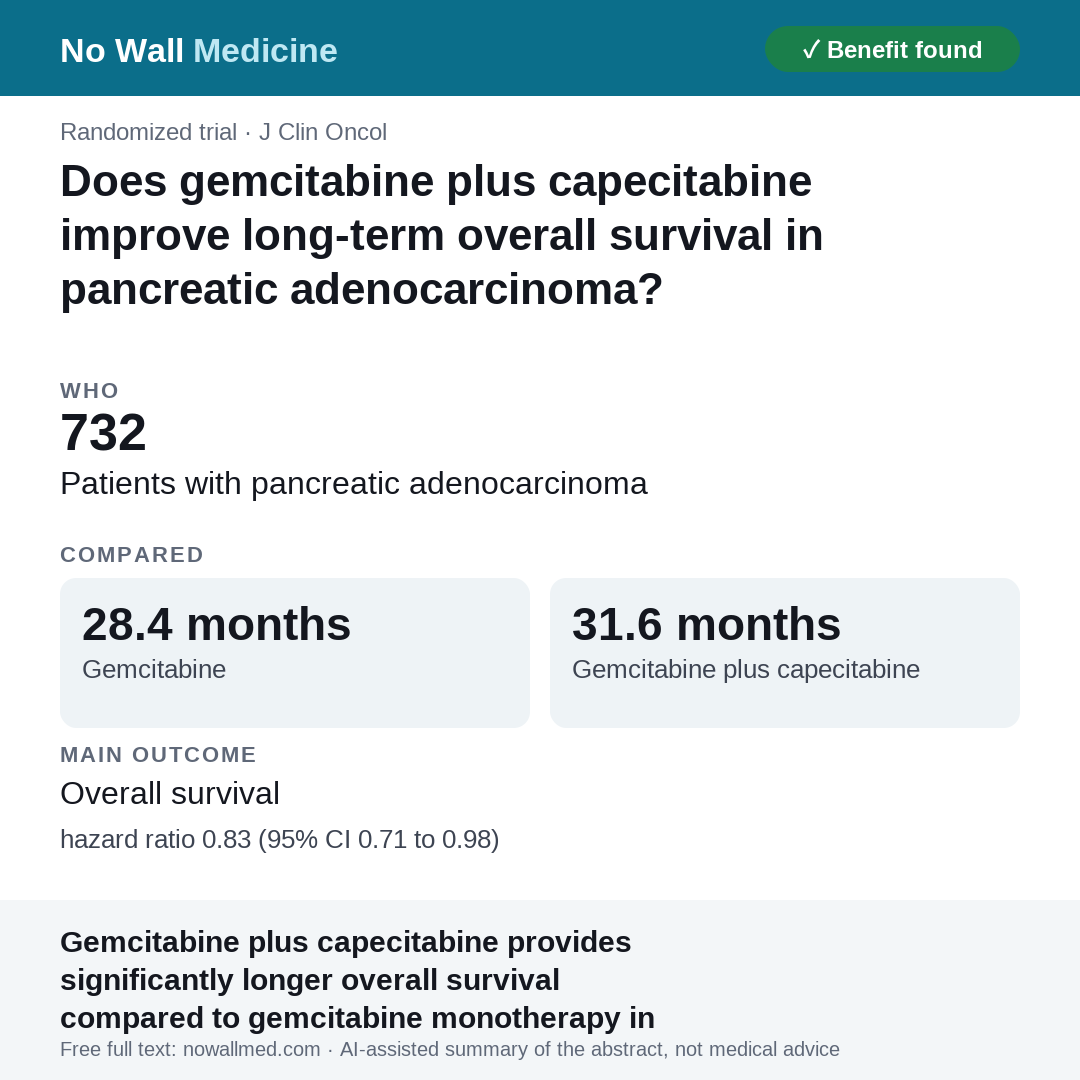
Pancreatic Adenocarcinoma: Long-Term Outcomes of Adjuvant Therapy in the ESPAC4 Phase III Trial
Randomized trialBenefit found
Does gemcitabine plus capecitabine improve long-term overall survival in pancreatic adenocarcinoma?
Who
732
Patients with pancreatic adenocarcinoma
Compared
28.4 monthsGemcitabine (25.2-32.0)
31.6 monthsGemcitabine plus capecitabine (26.5-38.0)
Main outcome
Overall survival
Result: hazard ratio 0.83 (95% CI 0.71 to 0.98)
Bottom line: Gemcitabine plus capecitabine provides significantly longer overall survival compared to gemcitabine monotherapy in pancreatic adenocarcinoma.
J Clin Oncol · 2024-12-05Download image
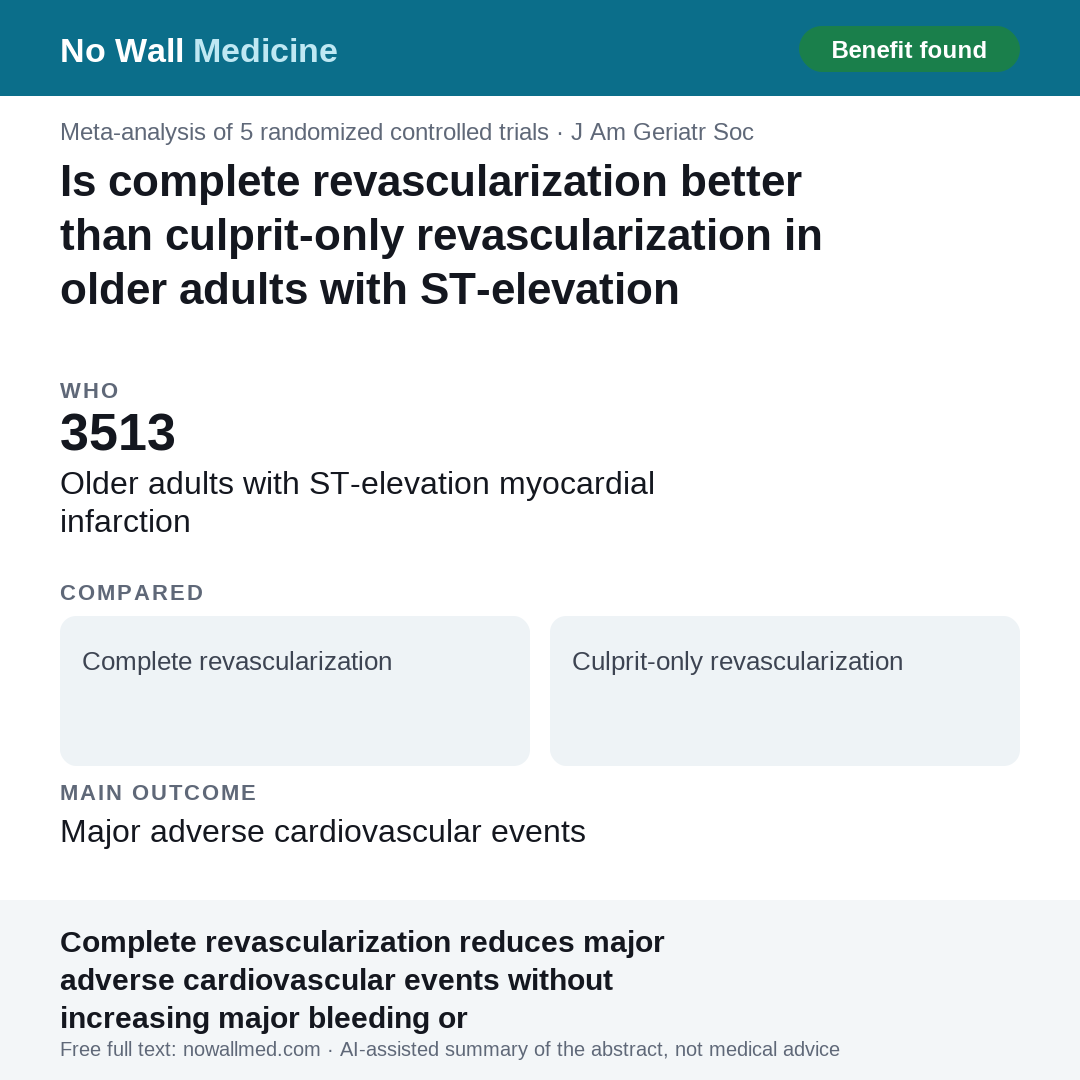
Complete revascularization versus culprit-only revascularization in older adults with ST-elevation myocardial infarction: Systematic review and meta-analysis of randomized controlled trials
Meta-analysis of 5 randomized controlled trialsBenefit found
Is complete revascularization better than culprit-only revascularization in older adults with ST-elevation myocardial infarction?
Who
3513
Older adults with ST-elevation myocardial infarction
Compared
Complete revascularization
Culprit-only revascularization
Main outcome
Major adverse cardiovascular events
Result: hazard ratio 0.60 (95% CI 0.37-0.99)
Bottom line: Complete revascularization reduces major adverse cardiovascular events without increasing major bleeding or contrast-associated acute kidney injury in older adults.
J Am Geriatr Soc · 2024-12-05Download image
From placenta to the foetus: a systematic review of in vitro models of stress- and inflammation-induced depression in pregnancy
Systematic reviewHarm found
How do stress and inflammation in pregnancy affect placental and fetal cells in vitro?
Who
50
Placental cells and fetal neural progenitor cells
Compared
Placental cells with cortisol or cytokines: decreased nutrient transporter expression and steroidogenic enzyme activity
Neural progenitor cells with cortisol or cytokines: decreases in proliferation and differentiation
Main outcome
cellular and molecular mechanisms of stress and inflammation
Bottom line: Stress and inflammation detrimentally impact placental regulation and adversely affect fetal neurogenesis in in vitro models.
Limitation: No study combined placental cells and neural progenitor cells.
Mol Psychiatry · 2024-12-05Download image

A genome-wide association meta-analysis links hidradenitis suppurativa to common and rare sequence variants causing disruption of the Notch and Wnt/β-catenin signaling pathways
Genome-wide association meta-analysisBenefit found
What sequence variants associate with hidradenitis suppurativa?
Who
4814 hidradenitis suppurativa cases and 1.2 million controls · Denmark, Iceland, Finland, United Kingdom, and United States
Compared
hidradenitis suppurativa cases
controls
Main outcome
association of sequence variants with hidradenitis suppurativa
Bottom line: Eight independent sequence variants in Notch and Wnt/β-catenin signaling pathways associate with hidradenitis suppurativa.
Limitation: Limited racial diversity may prevent identification of variants important in non-Caucasian populations.
J Am Acad Dermatol · 2024-12-05Download image

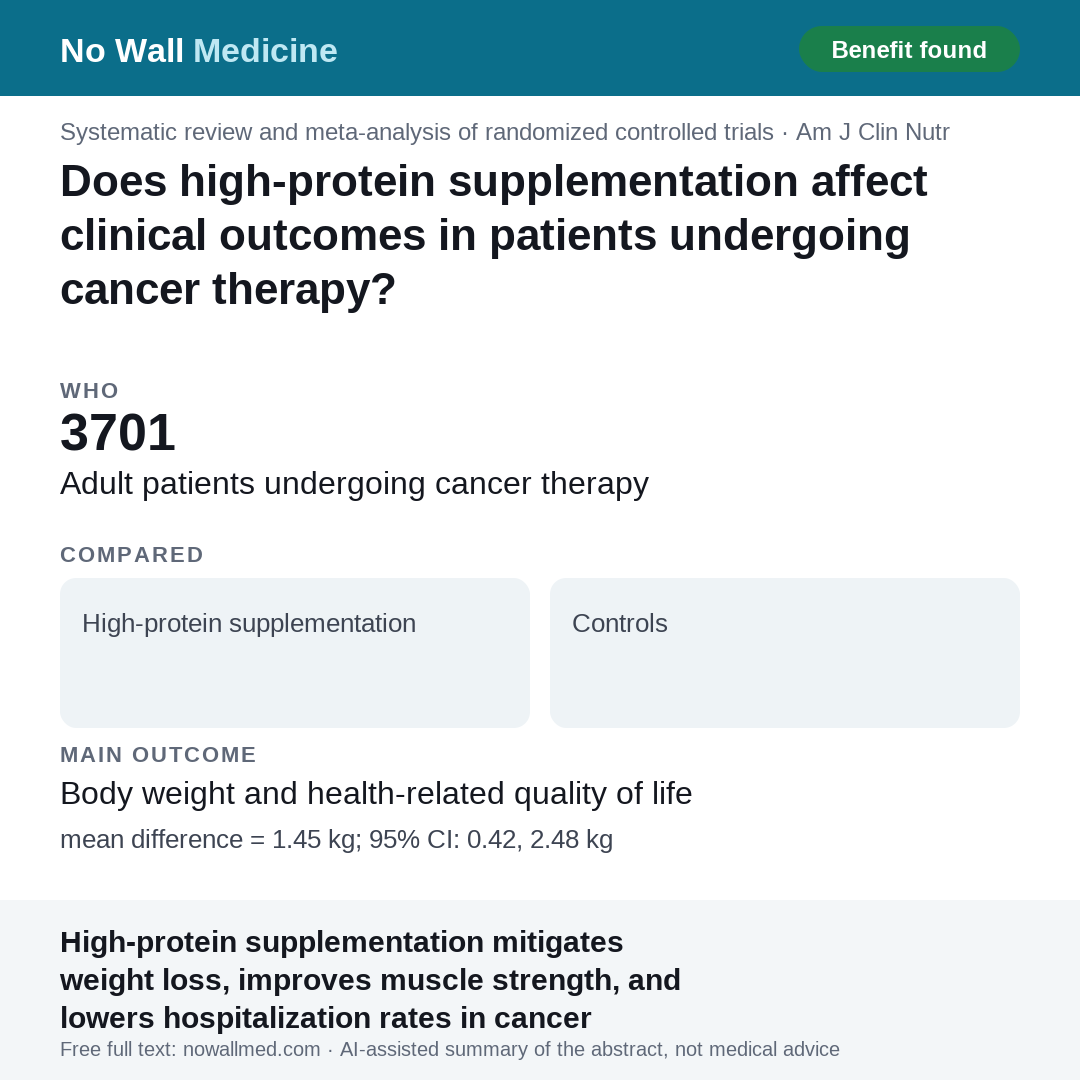
Effects of high-protein supplementation during cancer therapy: a systematic review and meta-analysis
Systematic review and meta-analysis of randomized controlled trialsBenefit found
Does high-protein supplementation affect clinical outcomes in patients undergoing cancer therapy?
Who
3701
Adult patients undergoing cancer therapy
Compared
High-protein supplementation
Controls
Main outcome
Body weight and health-related quality of life
Result: mean difference = 1.45 kg; 95% CI: 0.42, 2.48 kg
Bottom line: High-protein supplementation mitigates weight loss, improves muscle strength, and lowers hospitalization rates in cancer patients.
Limitation: High risk of bias observed in existing studies and need for more robust trials.
Am J Clin Nutr · 2024-12-05Download image
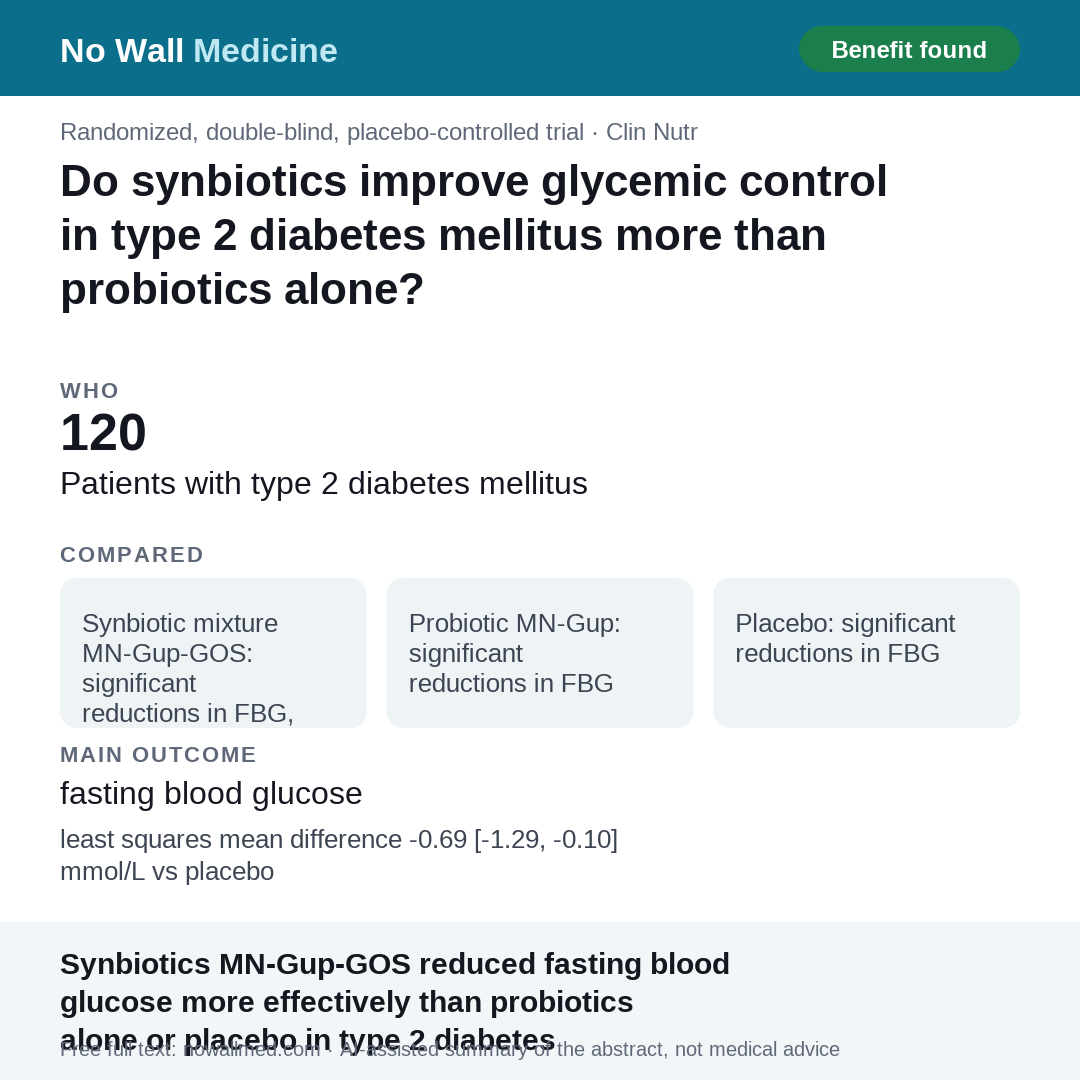
Effects of synbiotics surpass probiotics alone in improving type 2 diabetes mellitus: A randomized, double-blind, placebo-controlled trial
Randomized, double-blind, placebo-controlled trialBenefit found
Do synbiotics improve glycemic control in type 2 diabetes mellitus more than probiotics alone?
Who
120
Patients with type 2 diabetes mellitus
Compared
Synbiotic mixture MN-Gup-GOS: significant reductions in FBG, HbA1c, serum insulin, and HOMA-IR
Probiotic MN-Gup: significant reductions in FBG
Placebo: significant reductions in FBG
Main outcome
fasting blood glucose
Result: least squares mean difference -0.69 [-1.29, -0.10] mmol/L vs placebo
Bottom line: Synbiotics MN-Gup-GOS reduced fasting blood glucose more effectively than probiotics alone or placebo in type 2 diabetes patients.
Clin Nutr · 2024-12-05Download image
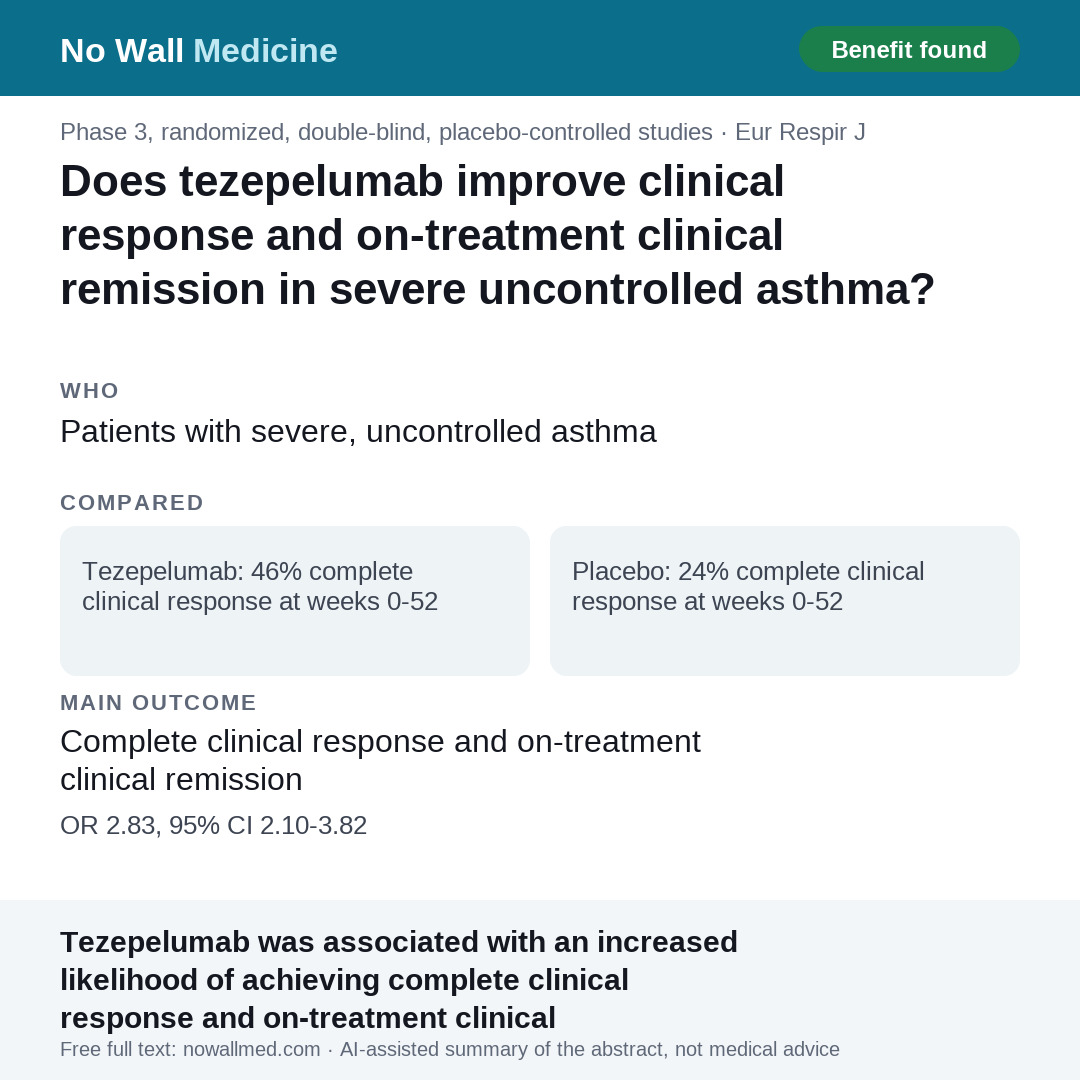
Clinical response and on-treatment clinical remission with tezepelumab in a broad population of patients with severe, uncontrolled asthma: results over 2 years from the NAVIGATOR and DESTINATION studies
Phase 3, randomized, double-blind, placebo-controlled studiesBenefit found
Does tezepelumab improve clinical response and on-treatment clinical remission in severe uncontrolled asthma?
Who
Patients with severe, uncontrolled asthma
Compared
Tezepelumab: 46% complete clinical response at weeks 0-52
Placebo: 24% complete clinical response at weeks 0-52
Main outcome
Complete clinical response and on-treatment clinical remission
Result: OR 2.83, 95% CI 2.10-3.82
Bottom line: Tezepelumab was associated with an increased likelihood of achieving complete clinical response and on-treatment clinical remission.
Eur Respir J · 2024-12-05Download image
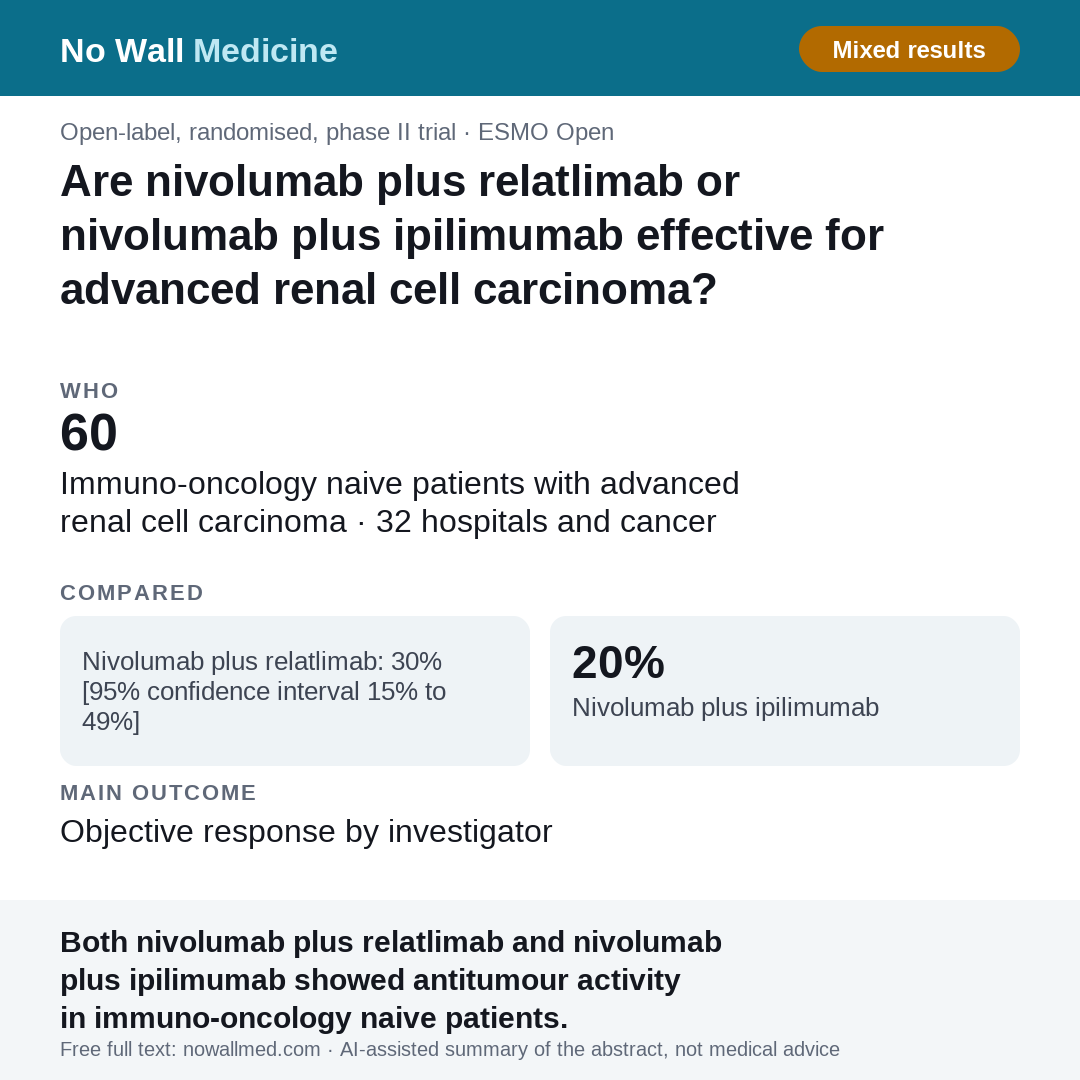
Nivolumab plus relatlimab and nivolumab plus ipilimumab for patients with advanced renal cell carcinoma: results from the open-label, randomised, phase II FRACTION-RCC trial
Open-label, randomised, phase II trialMixed results
Are nivolumab plus relatlimab or nivolumab plus ipilimumab effective for advanced renal cell carcinoma?
Who
60
Immuno-oncology naive patients with advanced renal cell carcinoma · 32 hospitals and cancer centres across six countries
Compared
Nivolumab plus relatlimab: 30% [95% confidence interval 15% to 49%]
20%Nivolumab plus ipilimumab (95% CI 8% to 39%)
Main outcome
Objective response by investigator
Bottom line: Both nivolumab plus relatlimab and nivolumab plus ipilimumab showed antitumour activity in immuno-oncology naive patients.
ESMO Open · 2024-12-05Download image
Effect of stellate ganglion block on perioperative myocardial injury following thoracoscopic surgery for lung cancer (SGBMI): protocol for a single-centre, randomised controlled trial
Double-blind, randomised trialUnclear result
Does stellate ganglion block reduce perioperative myocardial injury following thoracoscopic surgery for lung cancer?
Who
248
Patients with cardiovascular risk factors undergoing thoracoscopic surgery · Shanghai Pulmonary Hospital
Compared
stellate ganglion block
sham procedure
Main outcome
myocardial injury within 30 days of the follow-up
Bottom line: This protocol describes a trial to test if stellate ganglion block reduces myocardial injury.
BMJ Open Respir Res · 2024-12-05Download image

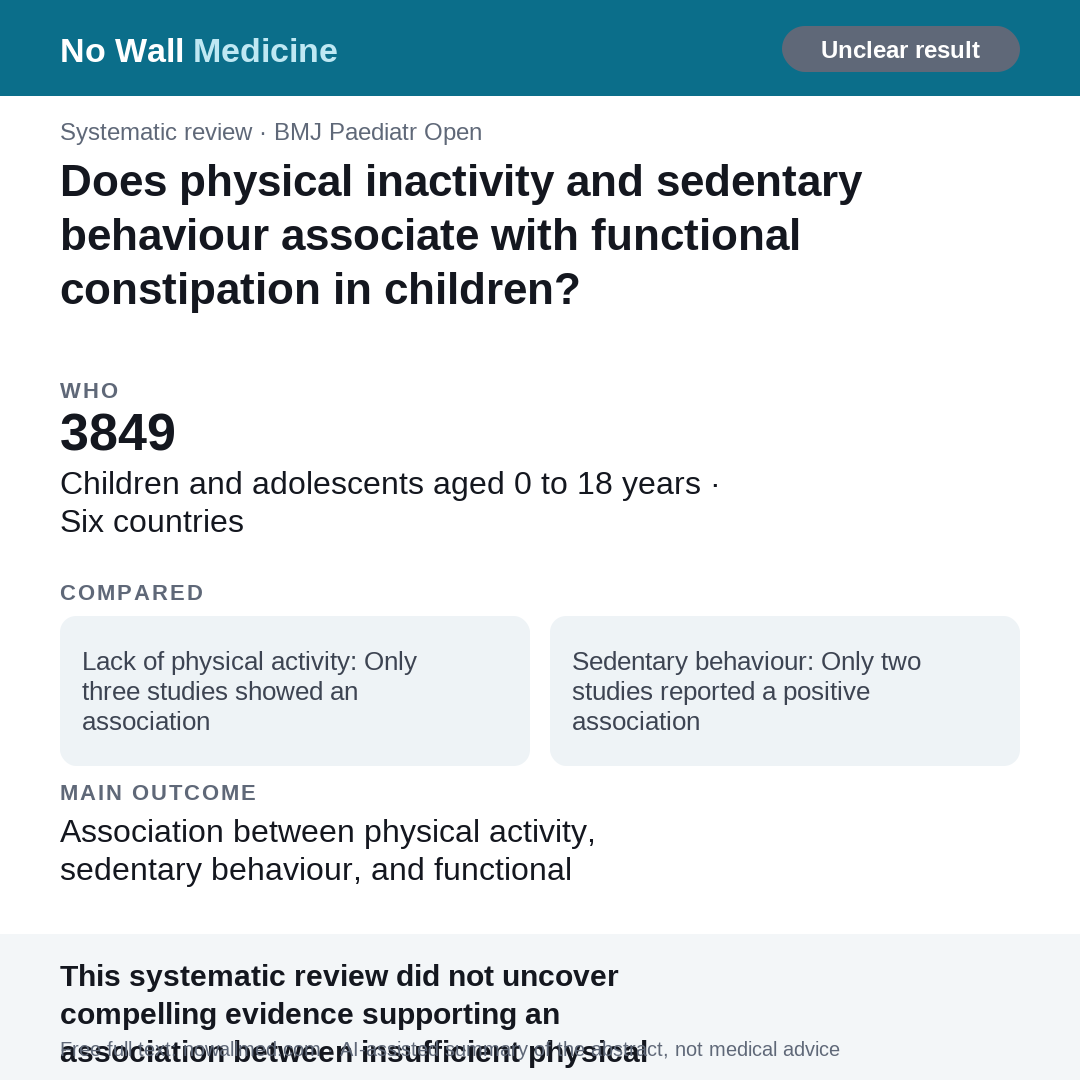
Impact of physical inactivity and sedentary behaviour on functional constipation in children and adolescents: a systematic review
Systematic reviewUnclear result
Does physical inactivity and sedentary behaviour associate with functional constipation in children?
Who
3849
Children and adolescents aged 0 to 18 years · Six countries
Compared
Lack of physical activity: Only three studies showed an association
Sedentary behaviour: Only two studies reported a positive association
Main outcome
Association between physical activity, sedentary behaviour, and functional constipation
Bottom line: This systematic review did not uncover compelling evidence supporting an association between insufficient physical activity, sedentary behaviour, and functional constipation.
Limitation: All nine studies included in the systematic review were rated as having high risk of bias.
BMJ Paediatr Open · 2024-12-05Download image