Visual abstracts
New randomized trials and meta-analyses from leading journals at a glance: who was studied, what was compared, and what was found. Every paper is free to read in full.
All specialtiesCardiology 4832Oncology 4114Gastroenterology & Hepatology 1934Infectious Disease 3824Neurology 1899Psychiatry & Mental Health 2256Pulmonology 2082Critical Care 1345Endocrinology & Diabetes 2572Pediatrics 2940Surgery 2525Orthopedics & Sports Medicine 926Neurosurgery 534Cardiothoracic & Vascular Surgery 671Plastic & Reconstructive Surgery 591Nephrology 1124Rheumatology 823Hematology 1104Dermatology 620Ophthalmology 543Obstetrics & Gynecology 1684Public & Global Health 1056Radiology & Imaging 641Anesthesiology 962Urology 754ENT (Otolaryngology) 503Emergency Medicine 489Allergy & Immunology 313Geriatrics 981Family Medicine & Primary Care 541Medical Genetics & Genomics 675Pathology & Laboratory Medicine 157Physical Medicine & Rehabilitation 751Palliative Care 424Nutrition 1580Digital Health & AI 2195General Medicine 321
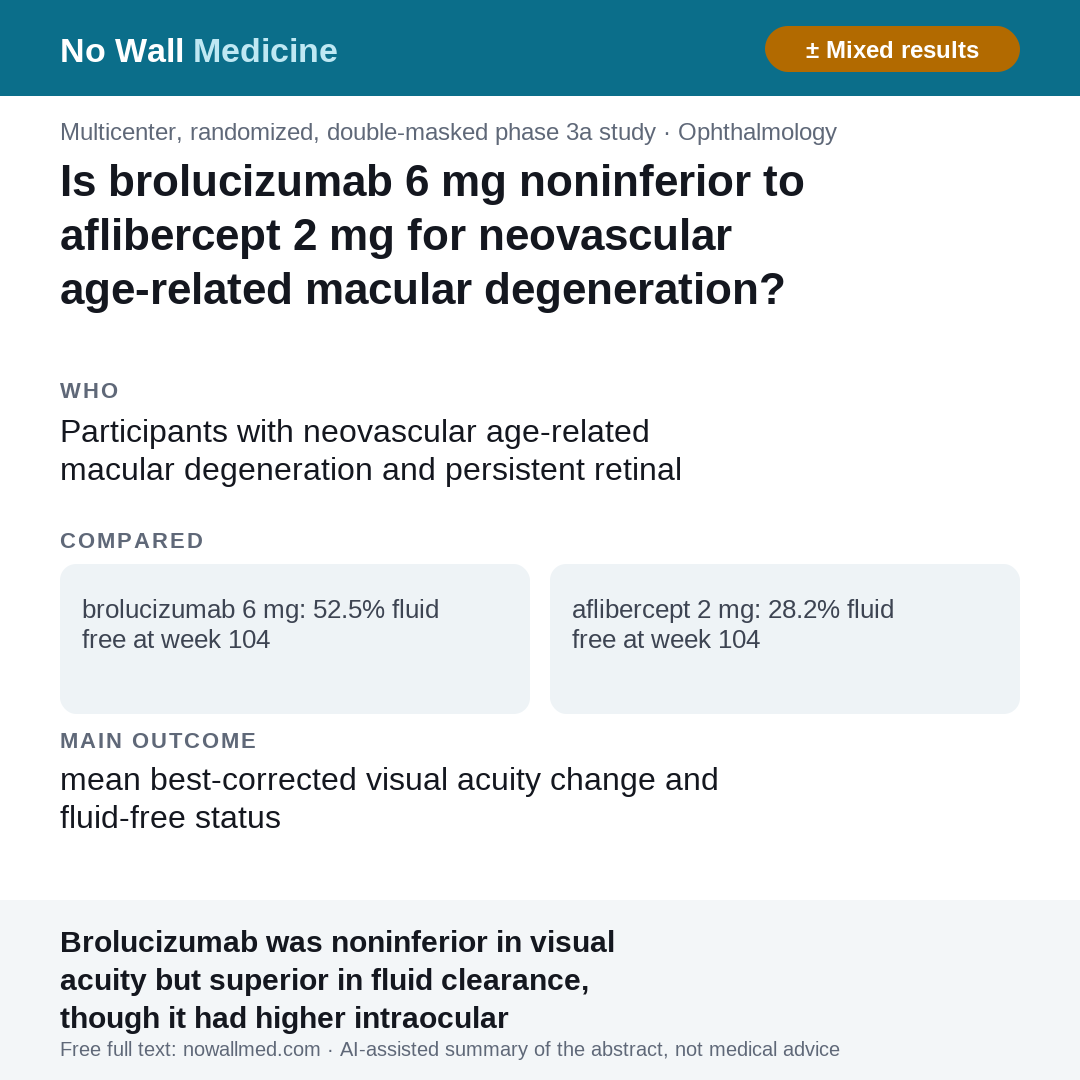
MERLIN: Two-Year Results of Brolucizumab in Participants with Neovascular Age-Related Macular Degeneration and Persistent Retinal Fluid
Multicenter, randomized, double-masked phase 3a studyMixed results
Is brolucizumab 6 mg noninferior to aflibercept 2 mg for neovascular age-related macular degeneration?
Who
Participants with neovascular age-related macular degeneration and persistent retinal fluid · Multicenter
Compared
brolucizumab 6 mg: 52.5% fluid free at week 104
aflibercept 2 mg: 28.2% fluid free at week 104
Main outcome
mean best-corrected visual acuity change and fluid-free status
Result: least squares mean difference, -0.4 ETDRS letters; 95% confidence interval, -3.7 to 3.0
Bottom line: Brolucizumab was noninferior in visual acuity but superior in fluid clearance, though it had higher intraocular inflammation incidence.
Ophthalmology · 2024-09-07Download image
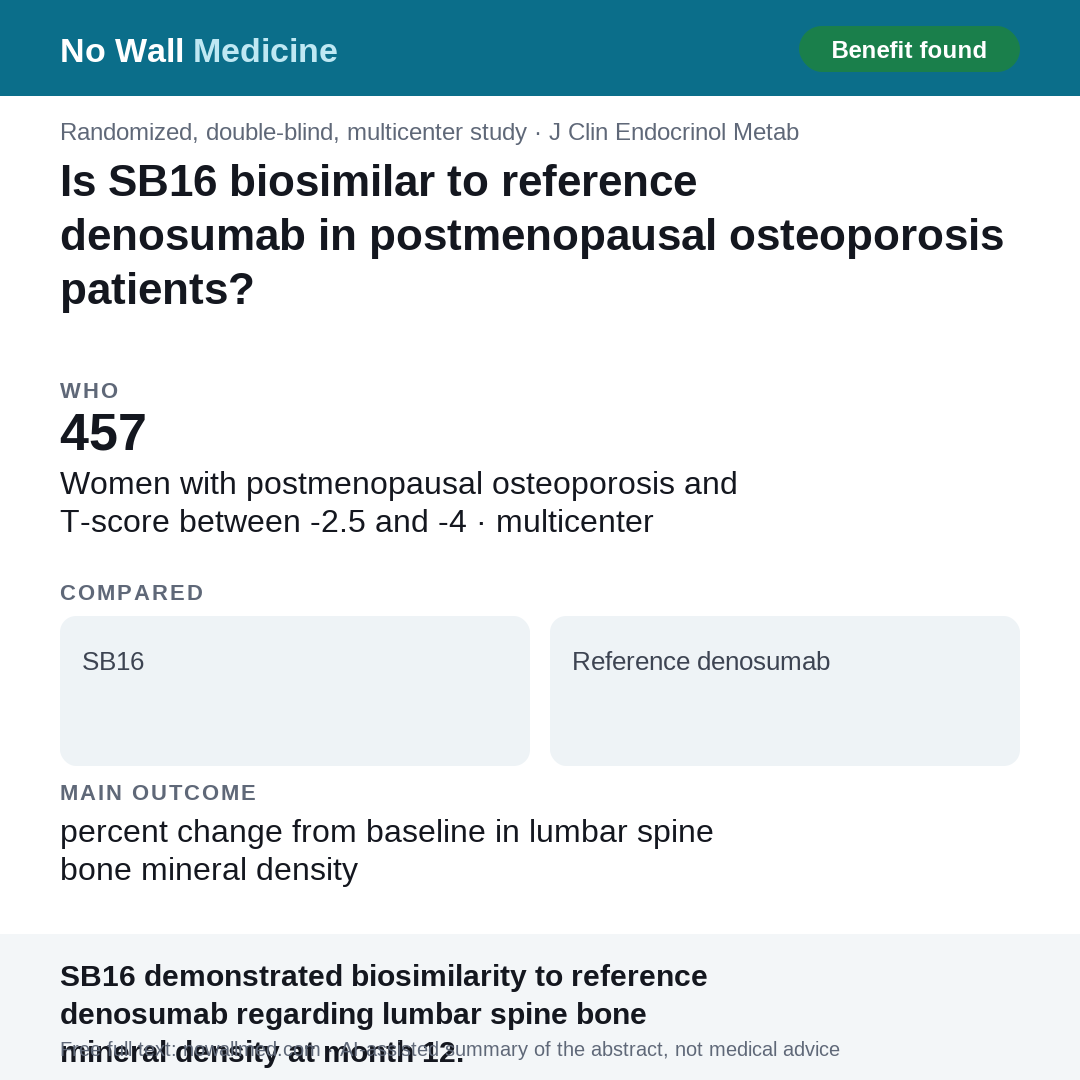
Proposed Denosumab Biosimilar SB16 vs Reference Denosumab in Postmenopausal Osteoporosis: Phase 3 Results Up to Month 12
Randomized, double-blind, multicenter studyBenefit found
Is SB16 biosimilar to reference denosumab in postmenopausal osteoporosis patients?
Who
457
Women with postmenopausal osteoporosis and T-score between -2.5 and -4 · multicenter
Compared
SB16
Reference denosumab
Main outcome
percent change from baseline in lumbar spine bone mineral density
Result: least-squares mean difference 0.33% (90% CI, -0.25 to 0.91)
Bottom line: SB16 demonstrated biosimilarity to reference denosumab regarding lumbar spine bone mineral density at month 12.
J Clin Endocrinol Metab · 2024-09-07Download image
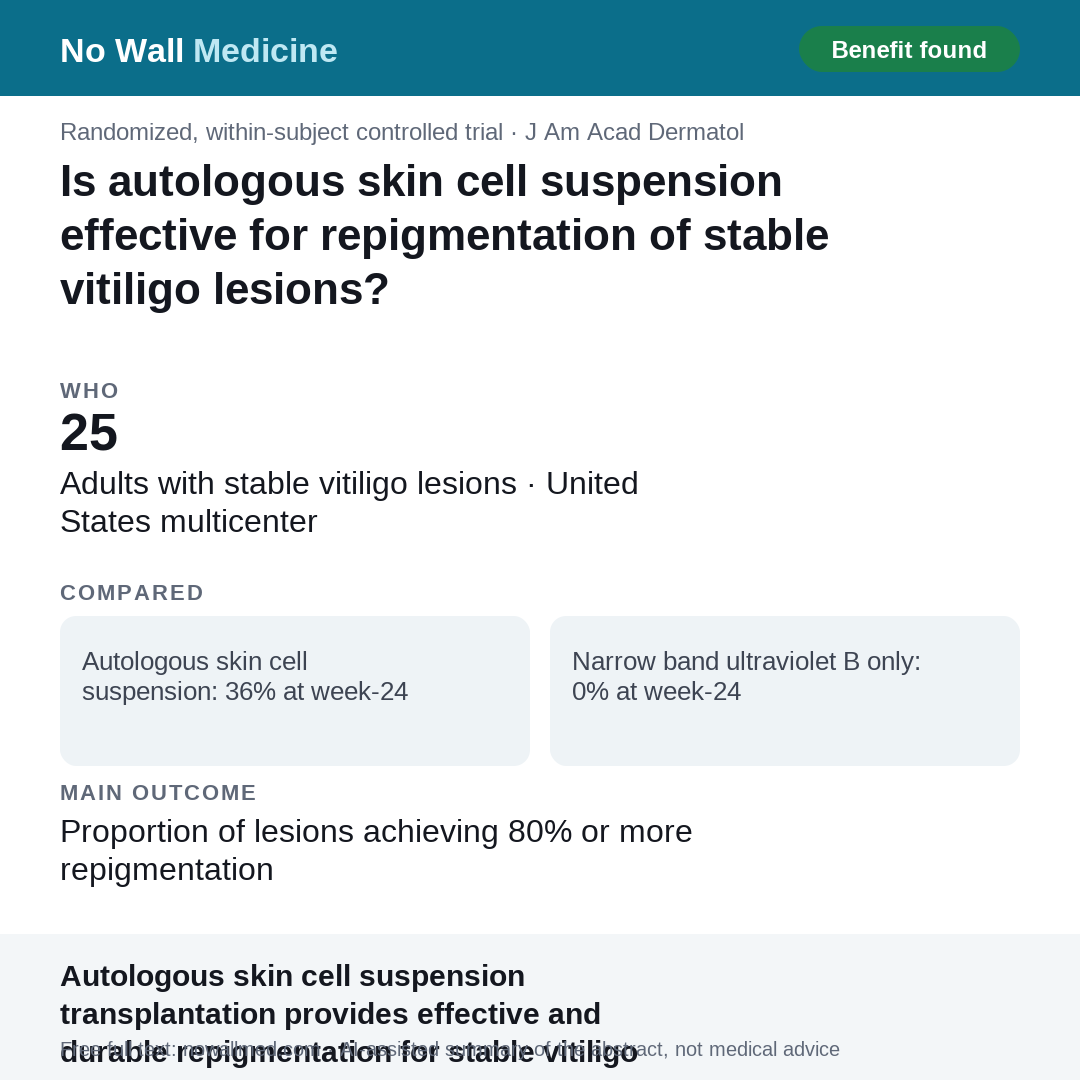
Effective and durable repigmentation for stable vitiligo: A randomized within-subject controlled trial assessing treatment with autologous skin cell suspension transplantation
Randomized, within-subject controlled trialBenefit found
Is autologous skin cell suspension effective for repigmentation of stable vitiligo lesions?
Who
25
Adults with stable vitiligo lesions · United States multicenter
Compared
Autologous skin cell suspension: 36% at week-24
Narrow band ultraviolet B only: 0% at week-24
Main outcome
Proportion of lesions achieving 80% or more repigmentation
Bottom line: Autologous skin cell suspension transplantation provides effective and durable repigmentation for stable vitiligo lesions.
Limitation: Study sample size limited robust subgroup analyses.
J Am Acad Dermatol · 2024-09-07Download image
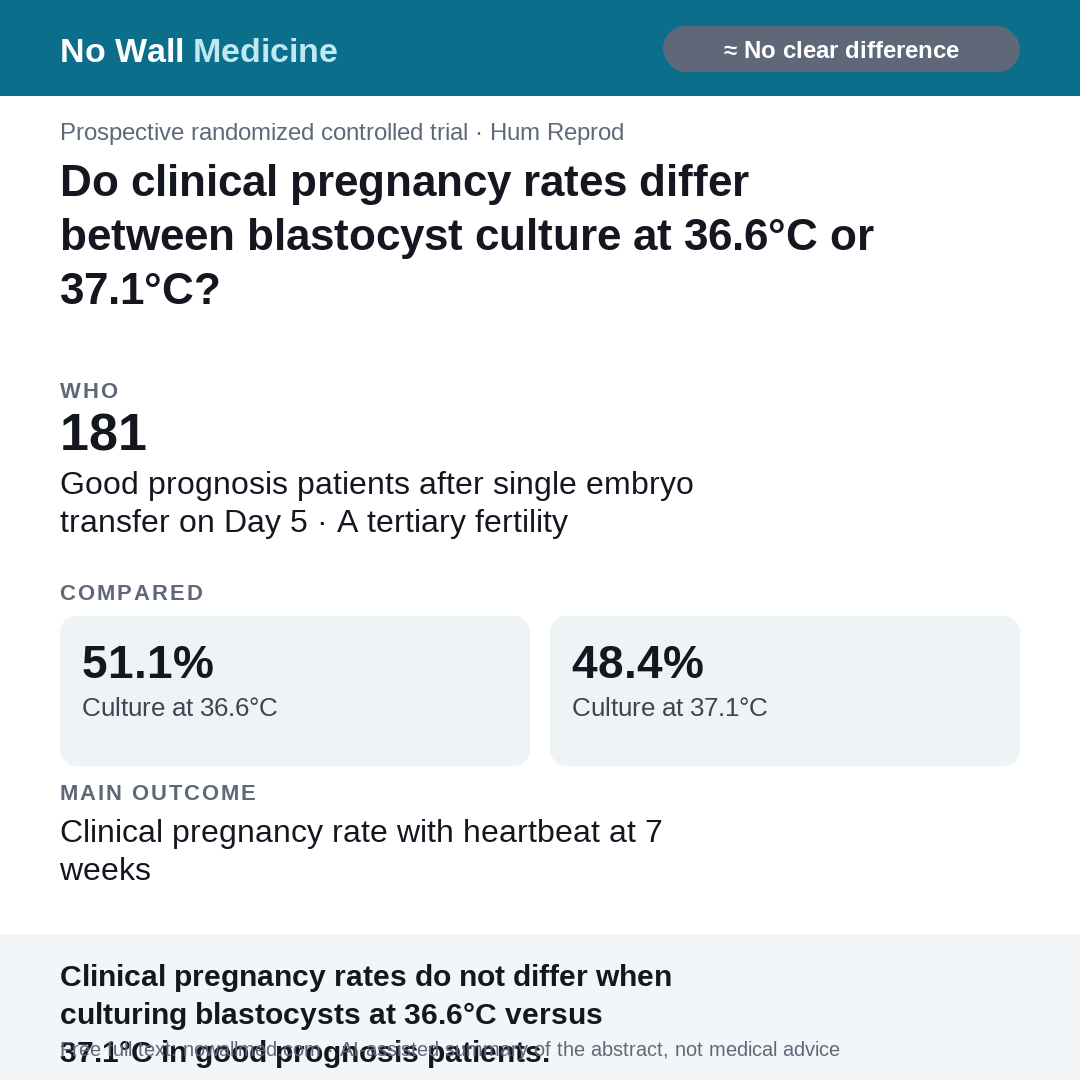
Clinical pregnancy rates after blastocyst culture at a stable temperature of 36.6°C versus 37.1°C: a prospective randomized controlled trial
Prospective randomized controlled trialNo clear difference
Do clinical pregnancy rates differ between blastocyst culture at 36.6°C or 37.1°C?
Who
181
Good prognosis patients after single embryo transfer on Day 5 · A tertiary fertility centre
Compared
51.1%Culture at 36.6°C (46/90)
48.4%Culture at 37.1°C (44/91)
Main outcome
Clinical pregnancy rate with heartbeat at 7 weeks
Result: odds ratio 1.11 (95% CI 0.59 to 2.08)
Bottom line: Clinical pregnancy rates do not differ when culturing blastocysts at 36.6°C versus 37.1°C in good prognosis patients.
Limitation: Only selected patients with expected good prognosis were eligible for the study.
Hum Reprod · 2024-09-07Download image
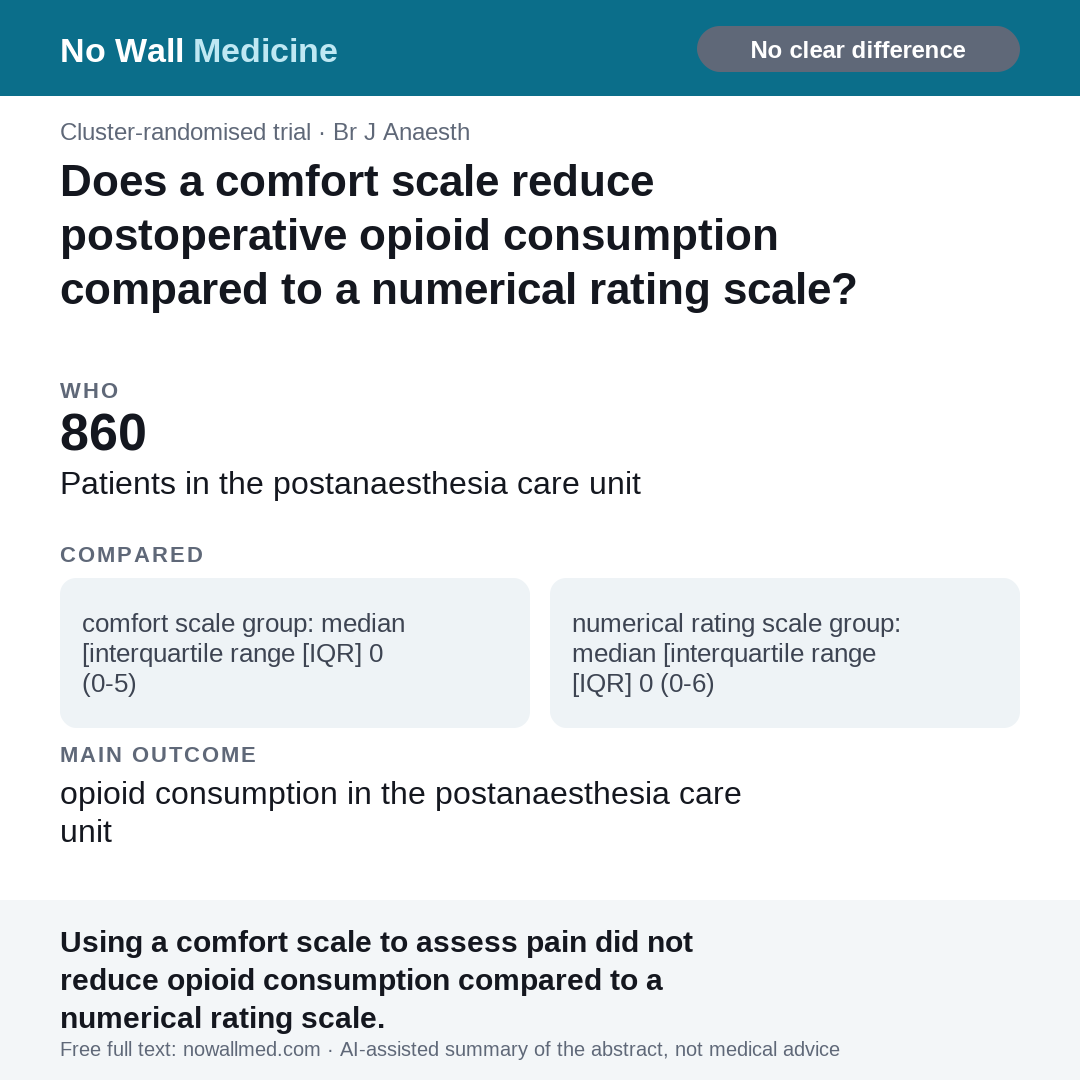
Effect of a comfort scale compared with a pain numerical rate scale on opioids consumption in postanaesthesia care unit: the COMFORT study
Cluster-randomised trialNo clear difference
Does a comfort scale reduce postoperative opioid consumption compared to a numerical rating scale?
Who
860
Patients in the postanaesthesia care unit
Compared
comfort scale group: median [interquartile range [IQR] 0 (0-5)
numerical rating scale group: median [interquartile range [IQR] 0 (0-6)
Main outcome
opioid consumption in the postanaesthesia care unit
Bottom line: Using a comfort scale to assess pain did not reduce opioid consumption compared to a numerical rating scale.
Limitation: Further studies focusing on patients at risk of increased postoperative opioid consumption are necessary.
Br J Anaesth · 2024-09-07Download image
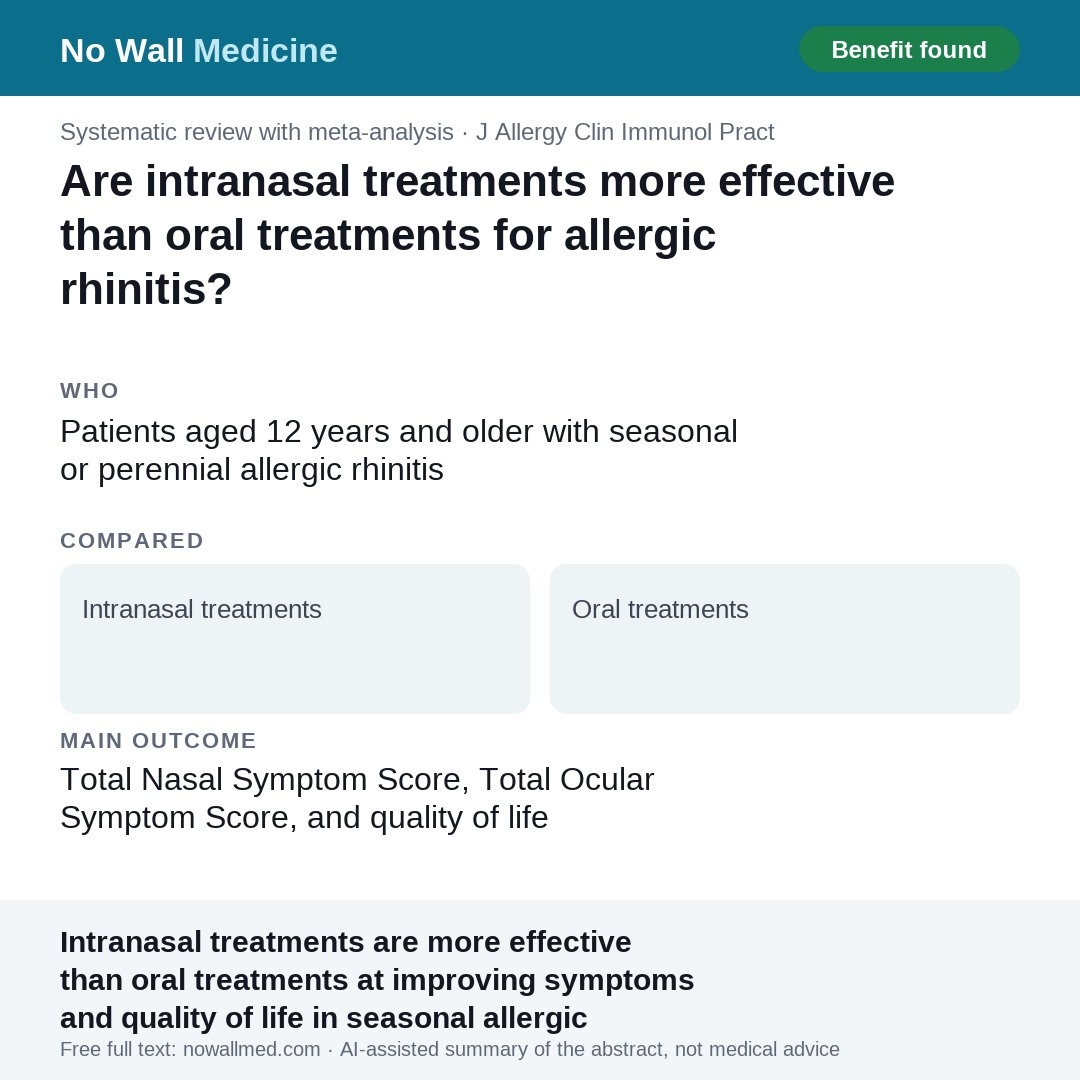
Intranasal Versus Oral Treatments for Allergic Rhinitis: A Systematic Review With Meta-Analysis
Systematic review with meta-analysisBenefit found
Are intranasal treatments more effective than oral treatments for allergic rhinitis?
Who
35
Patients aged 12 years and older with seasonal or perennial allergic rhinitis
Compared
Intranasal treatments
Oral treatments
Main outcome
Total Nasal Symptom Score, Total Ocular Symptom Score, and quality of life
Result: Superiority of intranasal treatments was found for all assessed outcomes
Bottom line: Intranasal treatments are more effective than oral treatments at improving symptoms and quality of life in seasonal allergic rhinitis.
Limitation: Most studies displayed an unclear risk of bias.
J Allergy Clin Immunol Pract · 2024-09-07Download image
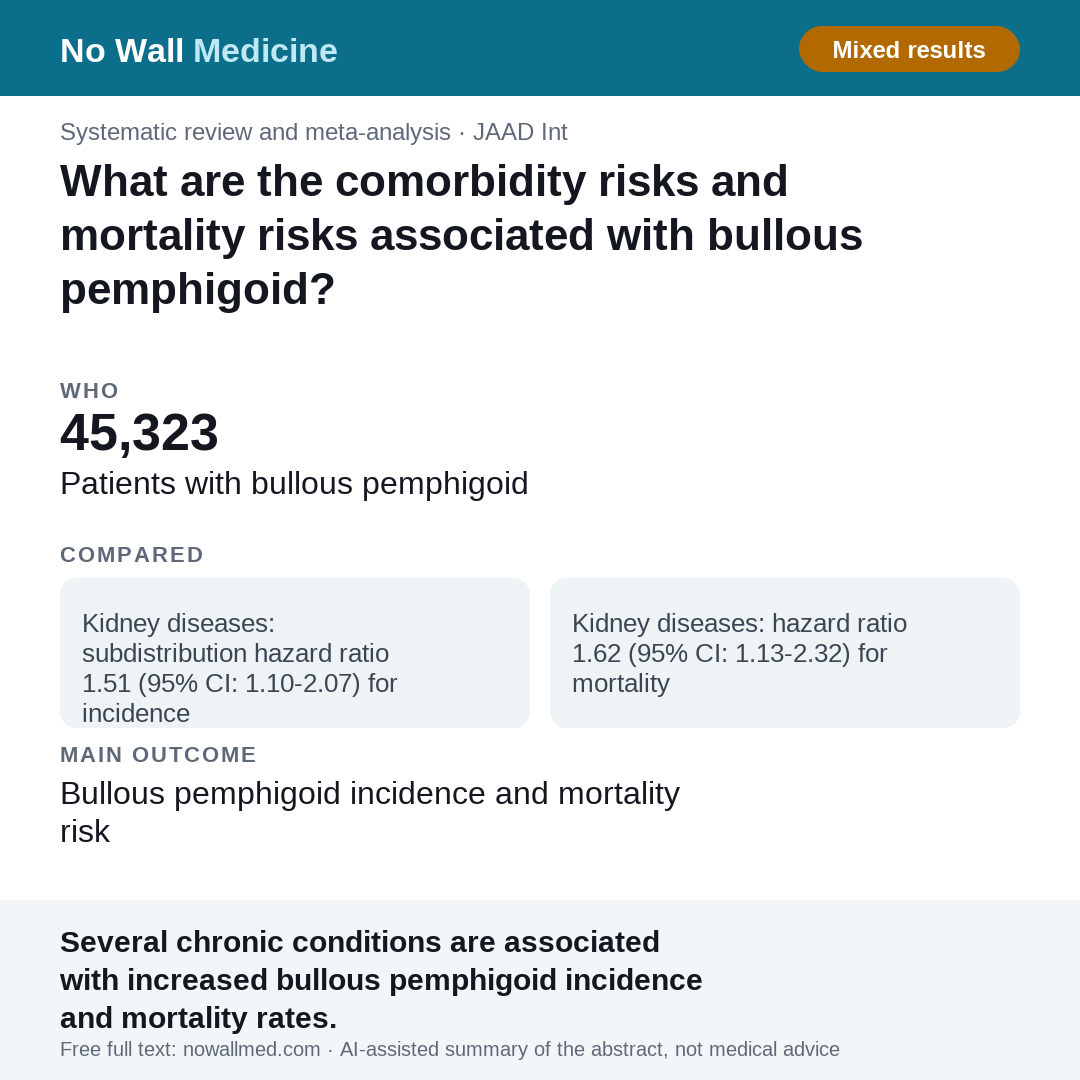
Chronic disease associated with bullous pemphigoid risk: A systematic review and meta-analysis
Systematic review and meta-analysisMixed results
What are the comorbidity risks and mortality risks associated with bullous pemphigoid?
Who
45,323
Patients with bullous pemphigoid
Compared
Kidney diseases: subdistribution hazard ratio 1.51 (95% CI: 1.10-2.07) for incidence
Kidney diseases: hazard ratio 1.62 (95% CI: 1.13-2.32) for mortality
Main outcome
Bullous pemphigoid incidence and mortality risk
Bottom line: Several chronic conditions are associated with increased bullous pemphigoid incidence and mortality rates.
Limitation: Mostly case-control, prospective, and retrospective observational studies, alongside data heterogeneity.
JAAD Int · 2024-09-07Download image
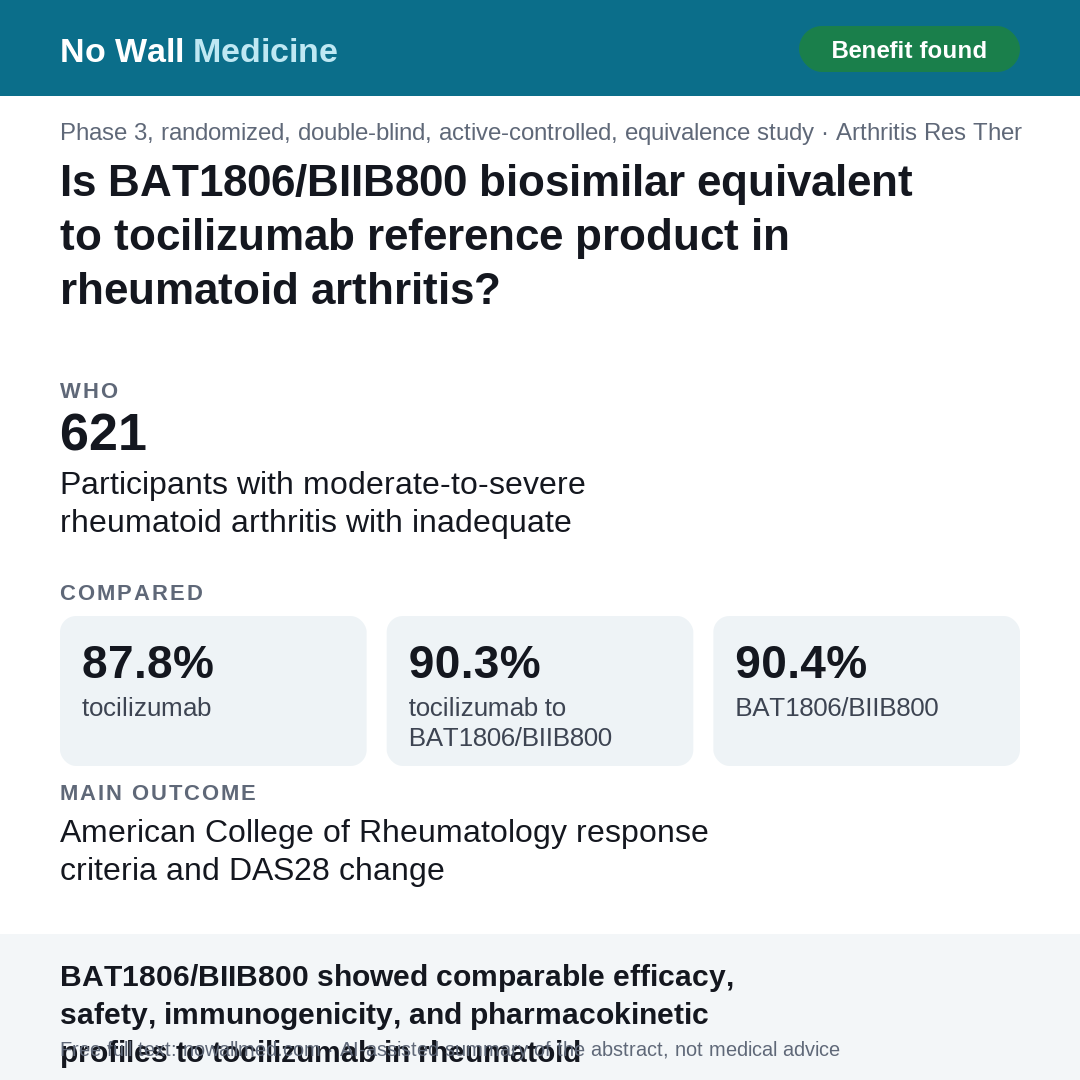
A phase 3, randomized, double-blind, active-controlled clinical trial to compare BAT1806/BIIB800, a tocilizumab biosimilar, with tocilizumab reference product in participants with moderate-to-severe rheumatoid arthritis with inadequate response to methotrexate: treatment period 2 analysis (week 24 to week 48)
Phase 3, randomized, double-blind, active-controlled, equivalence studyBenefit found
Is BAT1806/BIIB800 biosimilar equivalent to tocilizumab reference product in rheumatoid arthritis?
Who
621
Participants with moderate-to-severe rheumatoid arthritis with inadequate methotrexate response · multicenter, multiregional
Compared
87.8%tocilizumab
90.3%tocilizumab to BAT1806/BIIB800
90.4%BAT1806/BIIB800
Main outcome
American College of Rheumatology response criteria and DAS28 change
Bottom line: BAT1806/BIIB800 showed comparable efficacy, safety, immunogenicity, and pharmacokinetic profiles to tocilizumab in rheumatoid arthritis.
Arthritis Res Ther · 2024-09-07Download image
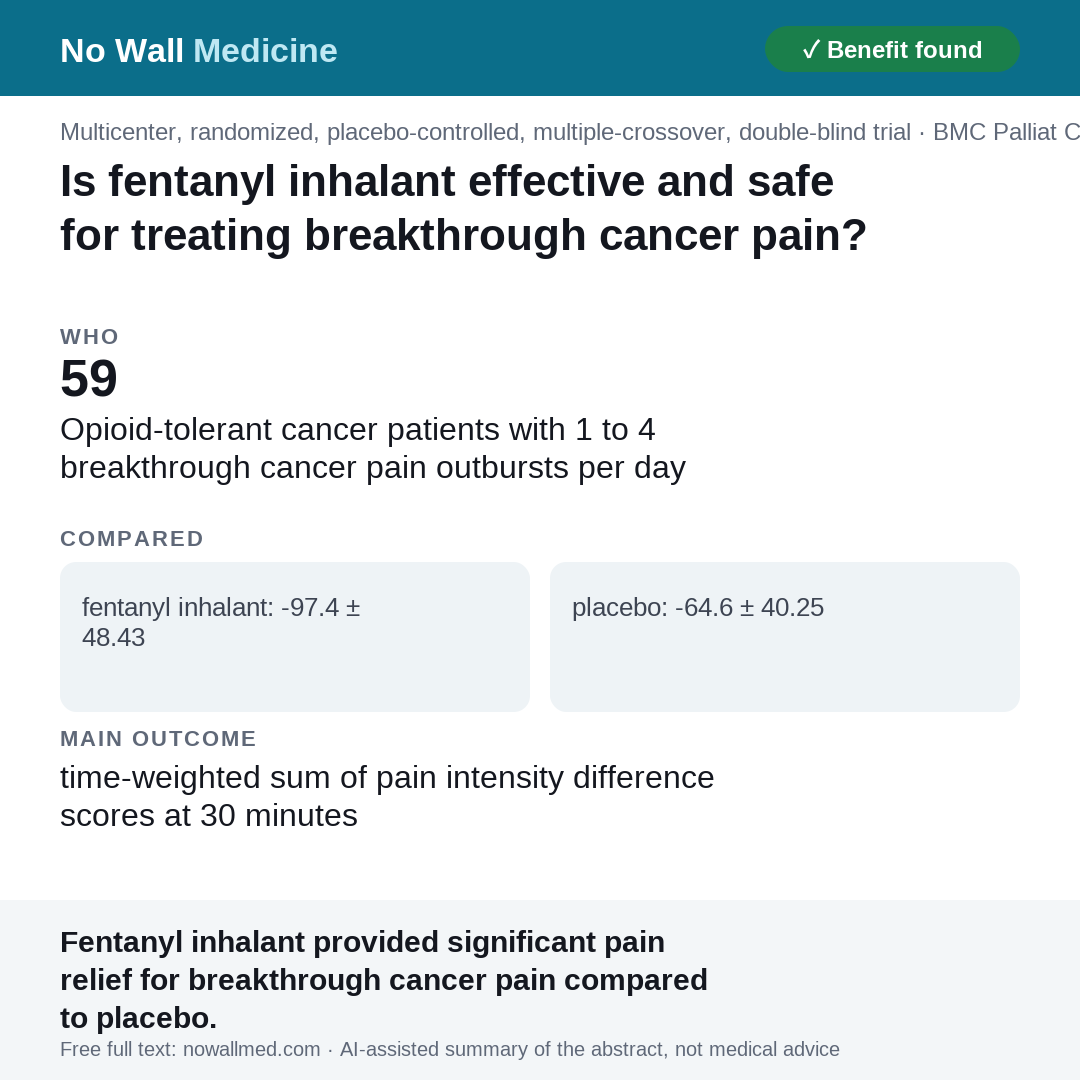
Efficacy and safety of fentanyl inhalant for the treatment of breakthrough cancer pain: a multicenter, randomized, double-blind, placebo-controlled trial
Multicenter, randomized, placebo-controlled, multiple-crossover, double-blind trialBenefit found
Is fentanyl inhalant effective and safe for treating breakthrough cancer pain?
Who
59
Opioid-tolerant cancer patients with 1 to 4 breakthrough cancer pain outbursts per day
Compared
fentanyl inhalant: -97.4 ± 48.43
placebo: -64.6 ± 40.25
Main outcome
time-weighted sum of pain intensity difference scores at 30 minutes
Result: p < 0.001
Bottom line: Fentanyl inhalant provided significant pain relief for breakthrough cancer pain compared to placebo.
BMC Palliat Care · 2024-09-07Download image
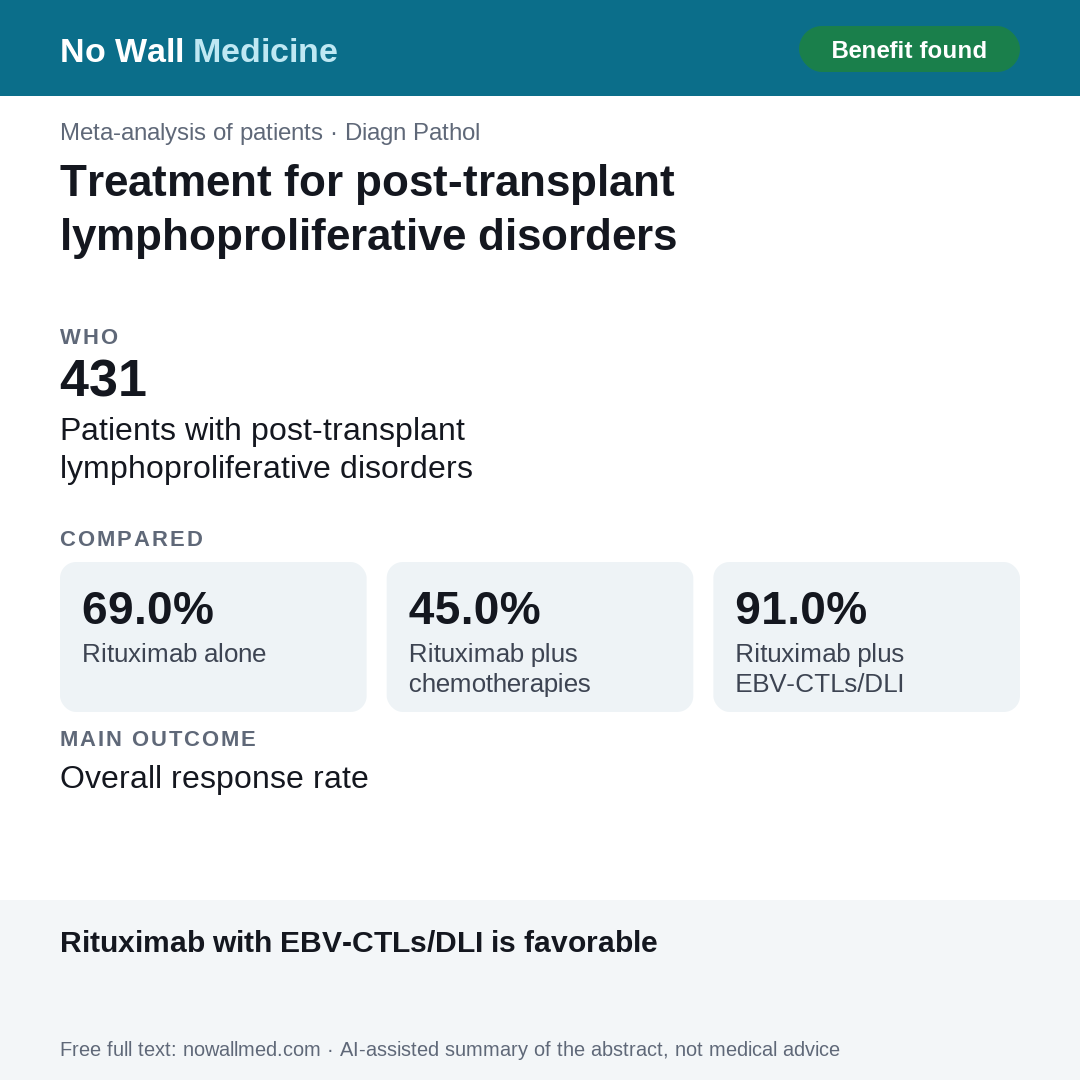
Post-transplant lymphoproliferative disorders after allogeneic hematopoietic stem cell transplantation: a case report, meta-analysis, and systematic review
Meta-analysis of patientsBenefit found
Treatment for post-transplant lymphoproliferative disorders
Who
431
Patients with post-transplant lymphoproliferative disorders
Compared
69.0%Rituximab alone (95% CI: 0.47-0.84)
45.0%Rituximab plus chemotherapies (95% CI: 0.15-0.80)
91.0%Rituximab plus EBV-CTLs/DLI (95% CI: 0.83-0.96)
Main outcome
Overall response rate
Bottom line: Rituximab with EBV-CTLs/DLI is favorable
Diagn Pathol · 2024-09-07Download image
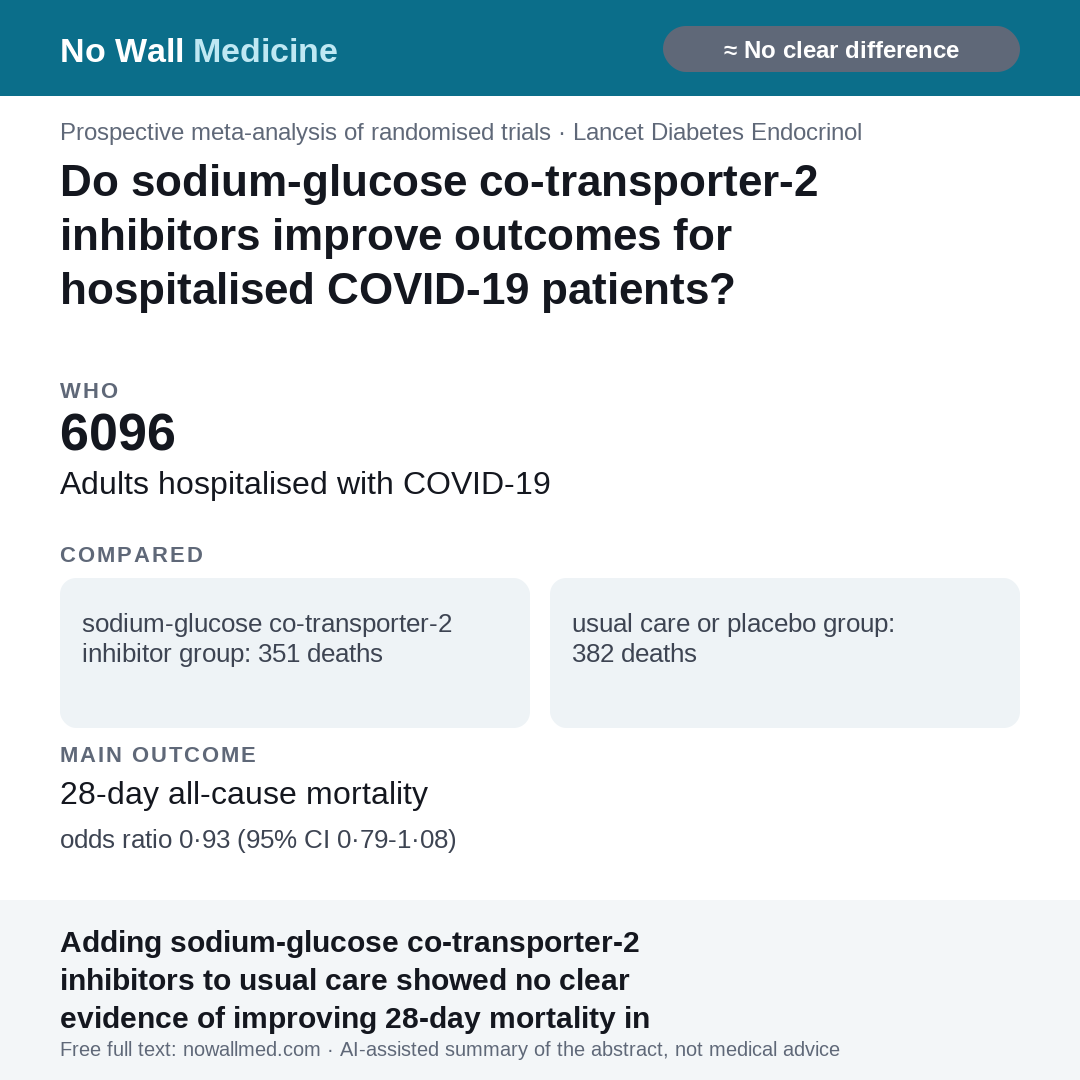
Sodium-glucose co-transporter-2 inhibitors for hospitalised patients with COVID-19: a prospective meta-analysis of randomised trials
Prospective meta-analysis of randomised trialsNo clear difference
Do sodium-glucose co-transporter-2 inhibitors improve outcomes for hospitalised COVID-19 patients?
Who
6096
Adults hospitalised with COVID-19
Compared
sodium-glucose co-transporter-2 inhibitor group: 351 deaths
usual care or placebo group: 382 deaths
Main outcome
28-day all-cause mortality
Result: odds ratio 0·93 (95% CI 0·79-1·08)
Bottom line: Adding sodium-glucose co-transporter-2 inhibitors to usual care showed no clear evidence of improving 28-day mortality in hospitalised COVID-19 patients.
Lancet Diabetes Endocrinol · 2024-09-06Download image
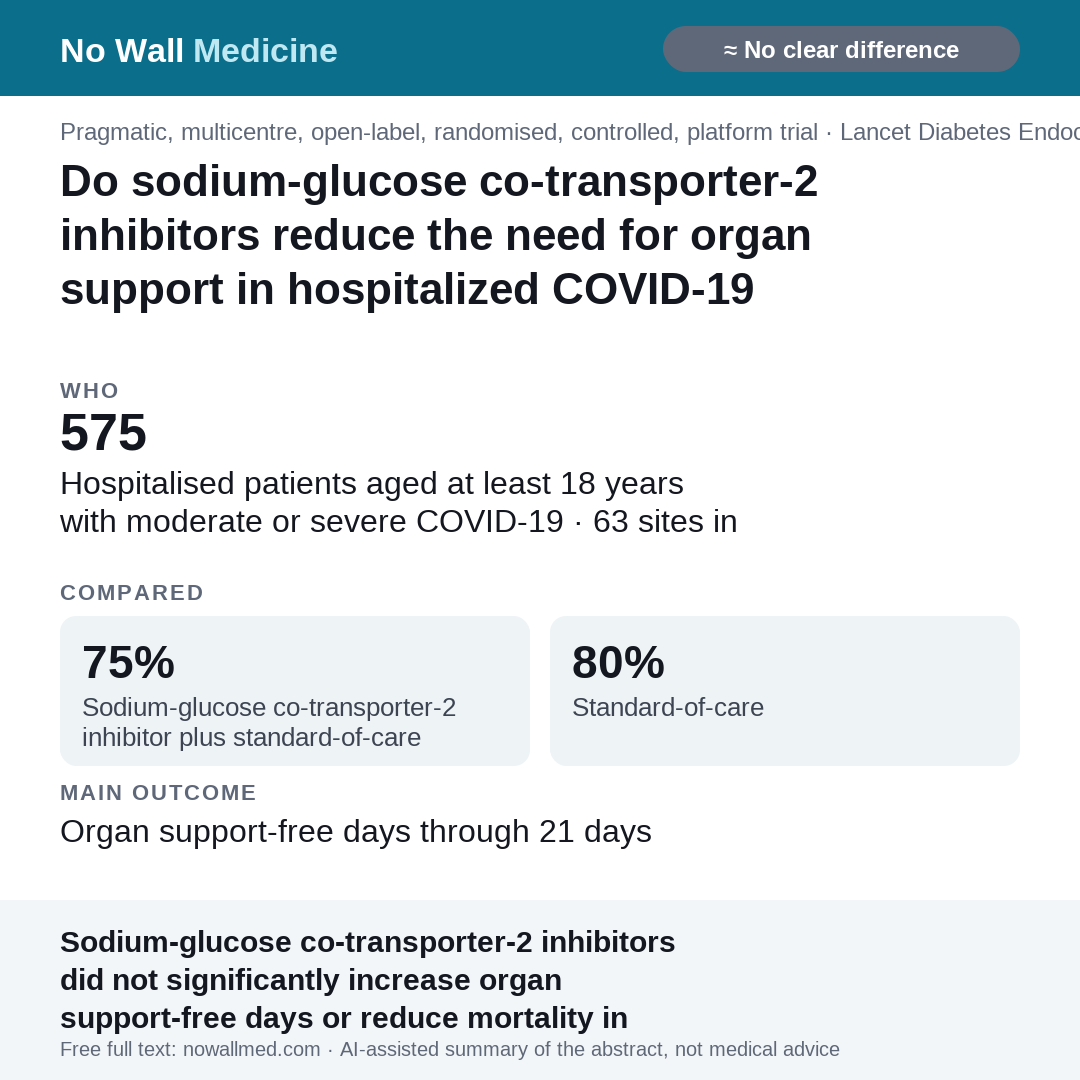
Effect of sodium-glucose co-transporter-2 inhibitors on survival free of organ support in patients hospitalised for COVID-19 (ACTIV-4a): a pragmatic, multicentre, open-label, randomised, controlled, platform trial
Pragmatic, multicentre, open-label, randomised, controlled, platform trialNo clear difference
Do sodium-glucose co-transporter-2 inhibitors reduce the need for organ support in hospitalized COVID-19 patients?
Who
575
Hospitalised patients aged at least 18 years with moderate or severe COVID-19 · 63 sites in USA, Spain, Brazil, Italy, and Mexico
Compared
75%Sodium-glucose co-transporter-2 inhibitor plus standard-of-care (215/285)
80%Standard-of-care (231/288)
Main outcome
Organ support-free days through 21 days
Result: adjusted odds ratio 0·74 (95% Credible Interval 0·48-1·13)
Bottom line: Sodium-glucose co-transporter-2 inhibitors did not significantly increase organ support-free days or reduce mortality in hospitalized COVID-19 patients.
Funded by: National Institutes of Health
Lancet Diabetes Endocrinol · 2024-09-06Download image
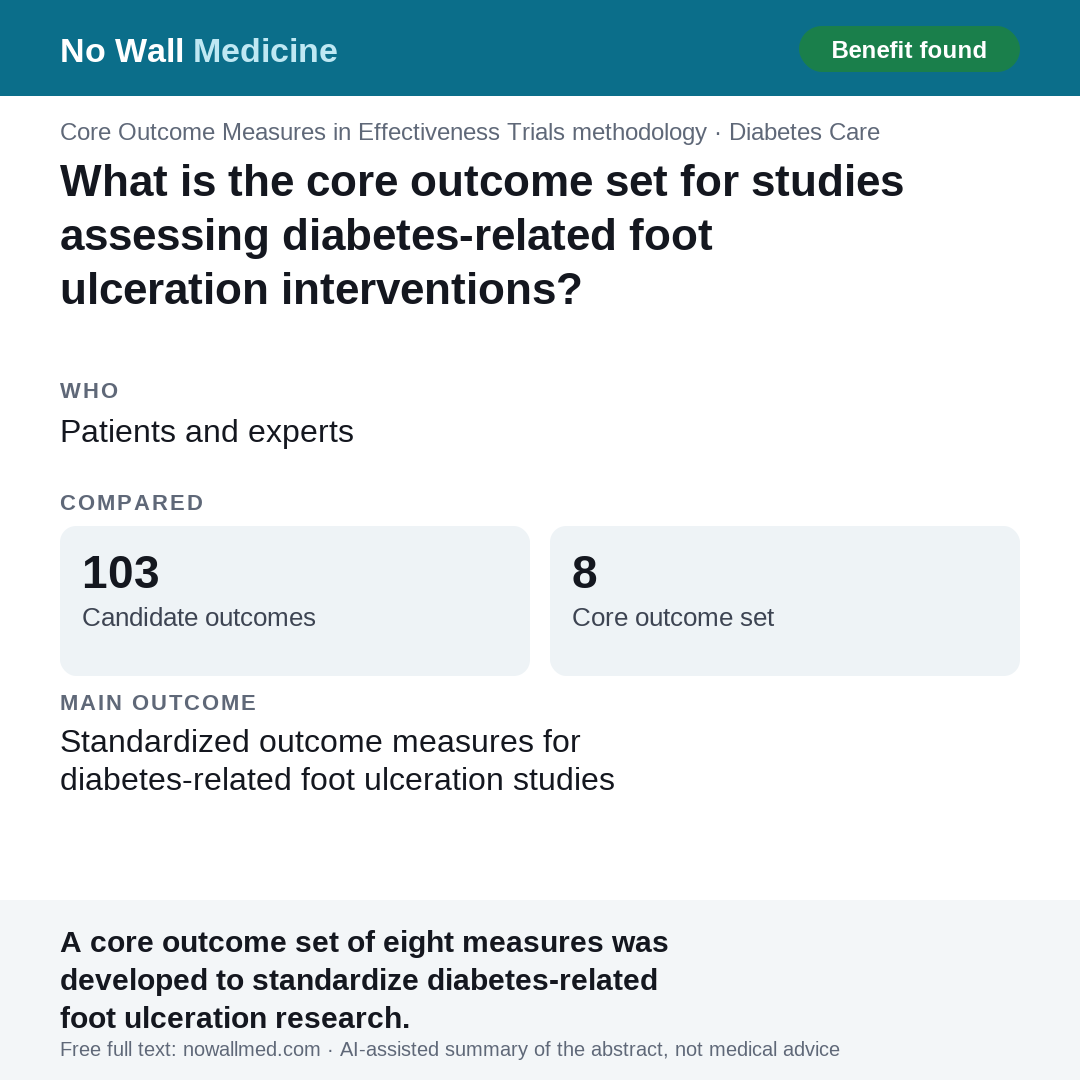
Development of a Core Outcome Set for Studies Assessing Interventions for Diabetes-Related Foot Ulceration
Core Outcome Measures in Effectiveness Trials methodologyBenefit found
What is the core outcome set for studies assessing diabetes-related foot ulceration interventions?
Who
Patients and experts
Compared
103Candidate outcomes
8Core outcome set
Main outcome
Standardized outcome measures for diabetes-related foot ulceration studies
Bottom line: A core outcome set of eight measures was developed to standardize diabetes-related foot ulceration research.
Diabetes Care · 2024-09-06Download image
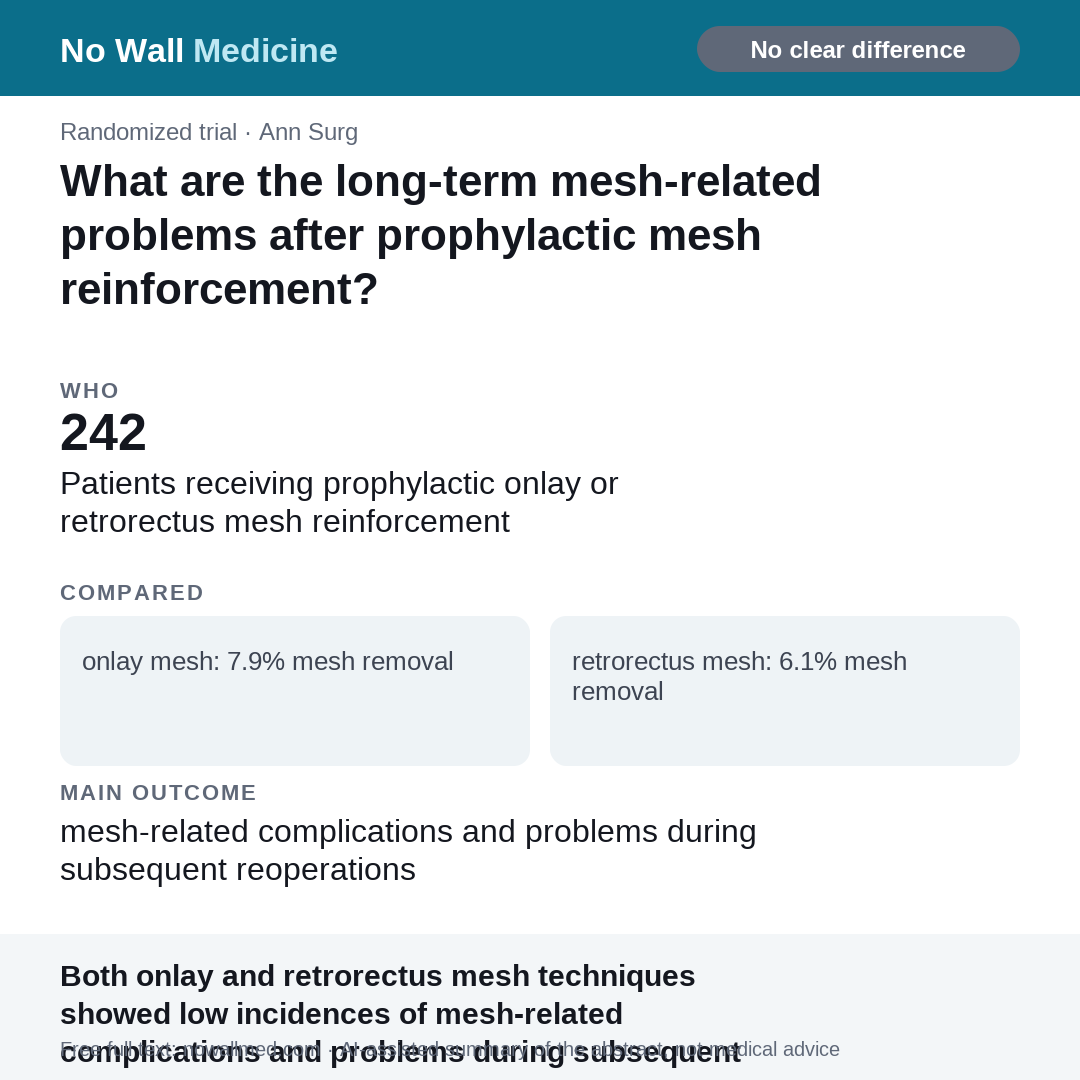
Prophylactic Mesh-related Reoperations and Mesh-related Problems During Subsequent Relaparotomies: Long-term Results From the PRIMA Trial
Randomized trialNo clear difference
What are the long-term mesh-related problems after prophylactic mesh reinforcement?
Who
242
Patients receiving prophylactic onlay or retrorectus mesh reinforcement
Compared
onlay mesh: 7.9% mesh removal
retrorectus mesh: 6.1% mesh removal
Main outcome
mesh-related complications and problems during subsequent reoperations
Bottom line: Both onlay and retrorectus mesh techniques showed low incidences of mesh-related complications and problems during subsequent reoperations.
Ann Surg · 2024-09-06Download image
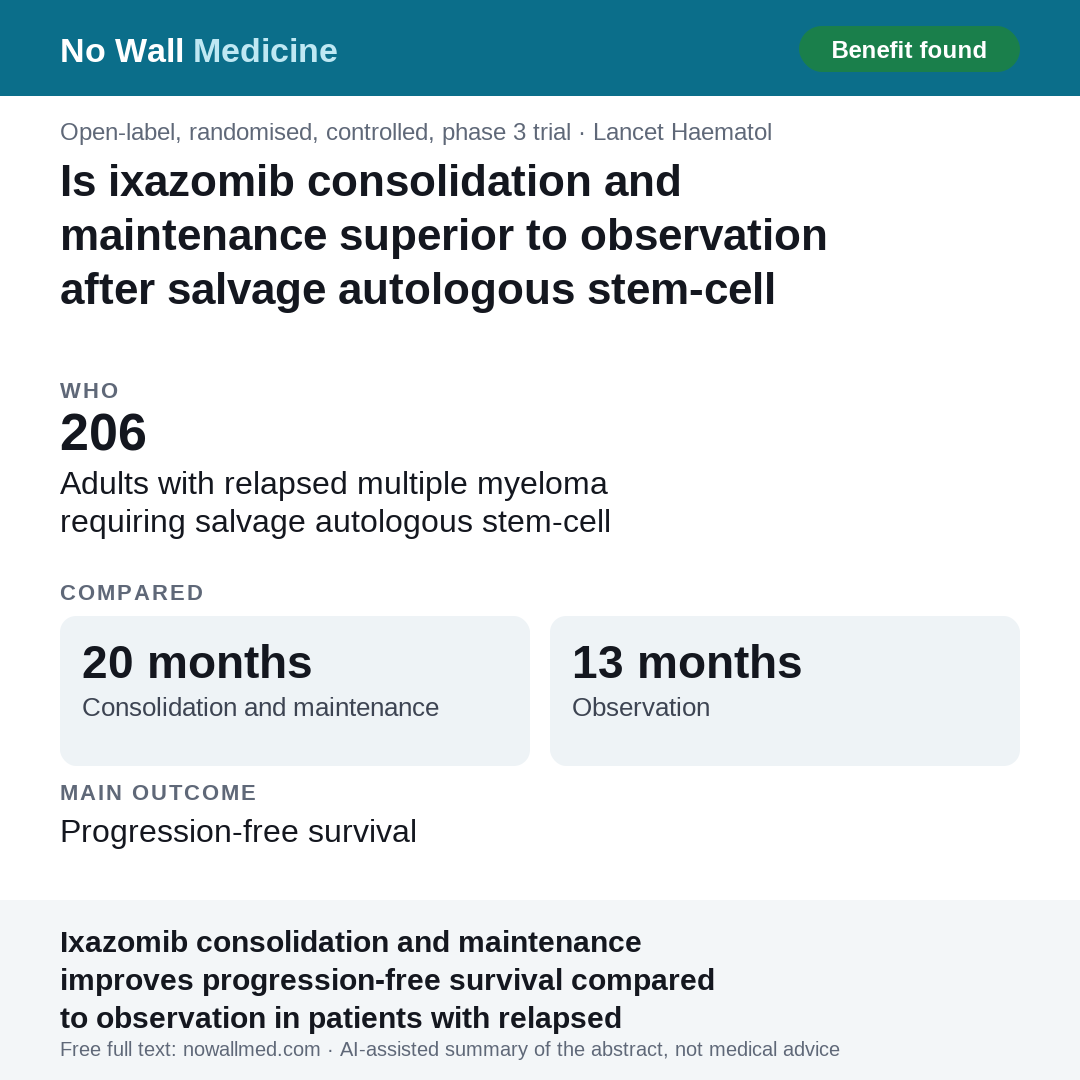
Ixazomib as consolidation and maintenance versus observation in patients with relapsed multiple myeloma eligible for salvage autologous stem-cell transplantation (Myeloma XII [ACCoRD]): interim analysis of a multicentre, open-label, randomised, phase 3 trial
Open-label, randomised, controlled, phase 3 trialBenefit found
Is ixazomib consolidation and maintenance superior to observation after salvage autologous stem-cell transplantation?
Who
206
Adults with relapsed multiple myeloma requiring salvage autologous stem-cell transplantation · 79 hospitals in the United Kingdom
Compared
20 monthsConsolidation and maintenance (95% CI 15-29)
13 monthsObservation (11-18)
Main outcome
Progression-free survival
Result: hazard ratio 0·55 (95% CI 0·39-0·78)
Bottom line: Ixazomib consolidation and maintenance improves progression-free survival compared to observation in patients with relapsed multiple myeloma.
Funded by: Cancer Research UK, Takeda Oncology
Lancet Haematol · 2024-09-06Download image
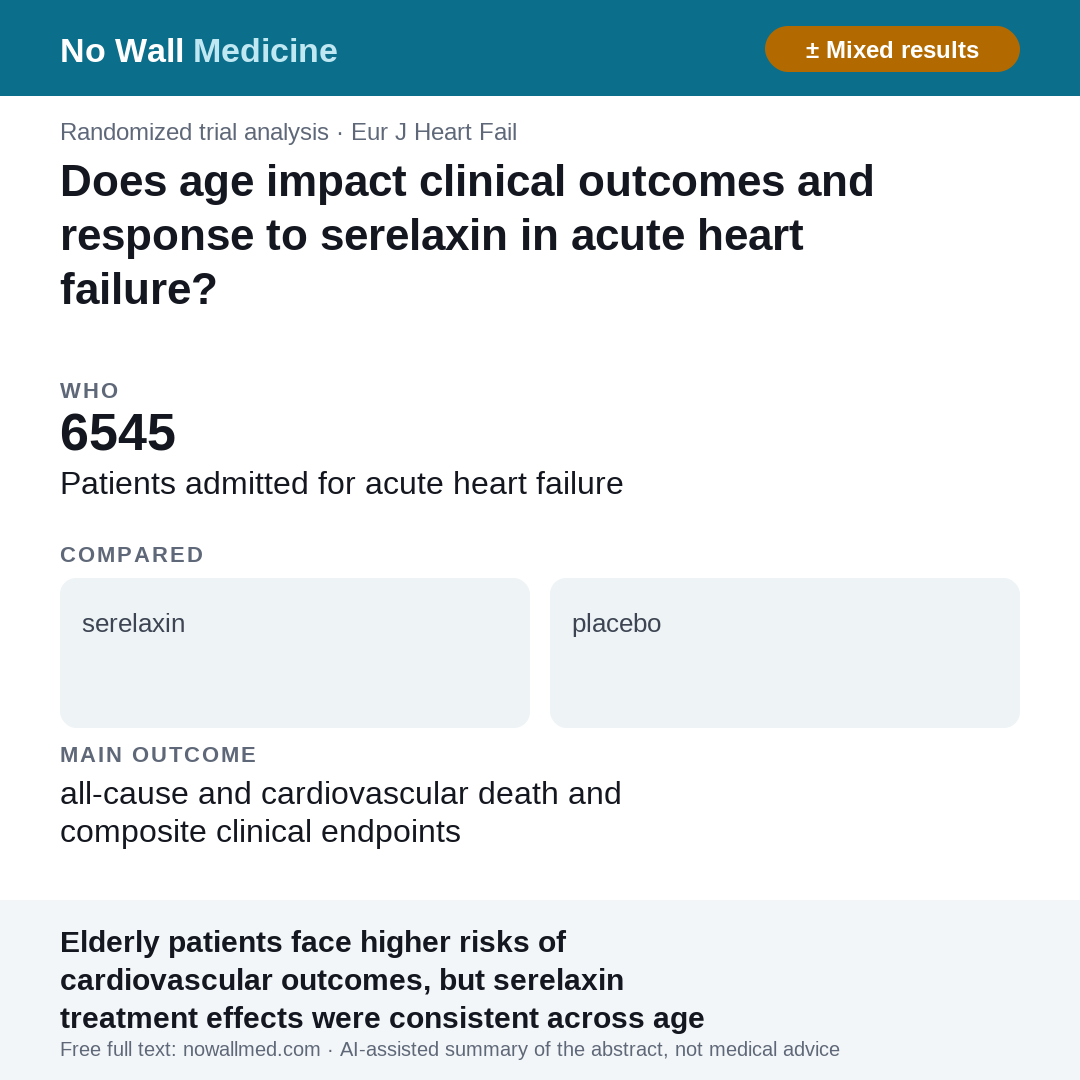
Impact of age on clinical outcomes and response to serelaxin in patients with acute heart failure: An analysis from the RELAX-AHF-2 trial
Randomized trial analysisMixed results
Does age impact clinical outcomes and response to serelaxin in acute heart failure?
Who
6545
Patients admitted for acute heart failure
Compared
serelaxin
placebo
Main outcome
all-cause and cardiovascular death and composite clinical endpoints
Bottom line: Elderly patients face higher risks of cardiovascular outcomes, but serelaxin treatment effects were consistent across age categories.
Eur J Heart Fail · 2024-09-06Download image
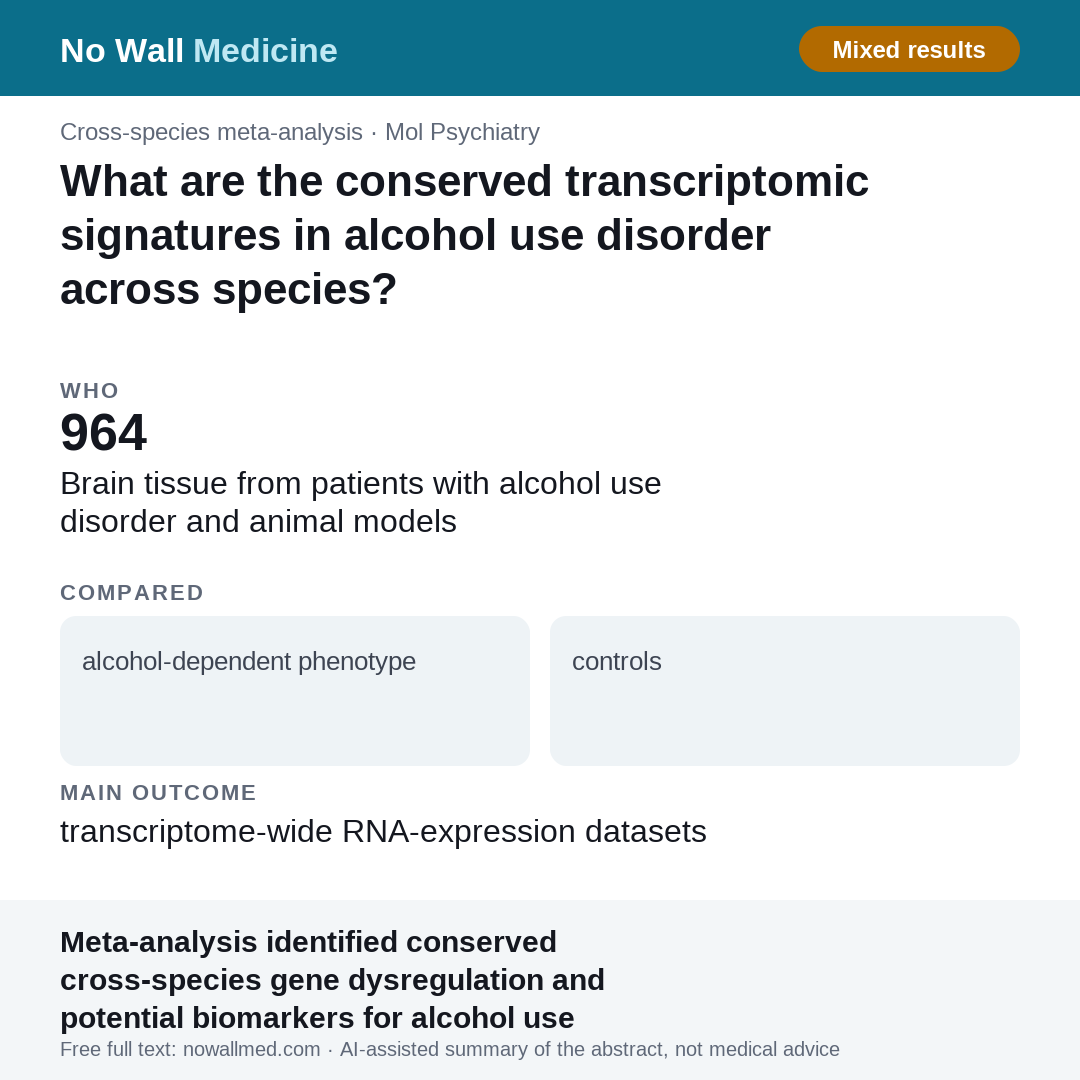
A systematic review and meta-analysis on the transcriptomic signatures in alcohol use disorder
Cross-species meta-analysisMixed results
What are the conserved transcriptomic signatures in alcohol use disorder across species?
Who
964
Brain tissue from patients with alcohol use disorder and animal models
Compared
alcohol-dependent phenotype
controls
Main outcome
transcriptome-wide RNA-expression datasets
Bottom line: Meta-analysis identified conserved cross-species gene dysregulation and potential biomarkers for alcohol use disorder.
Limitation: Previous studies suffer from large heterogeneity and small sample sizes.
Mol Psychiatry · 2024-09-06Download image
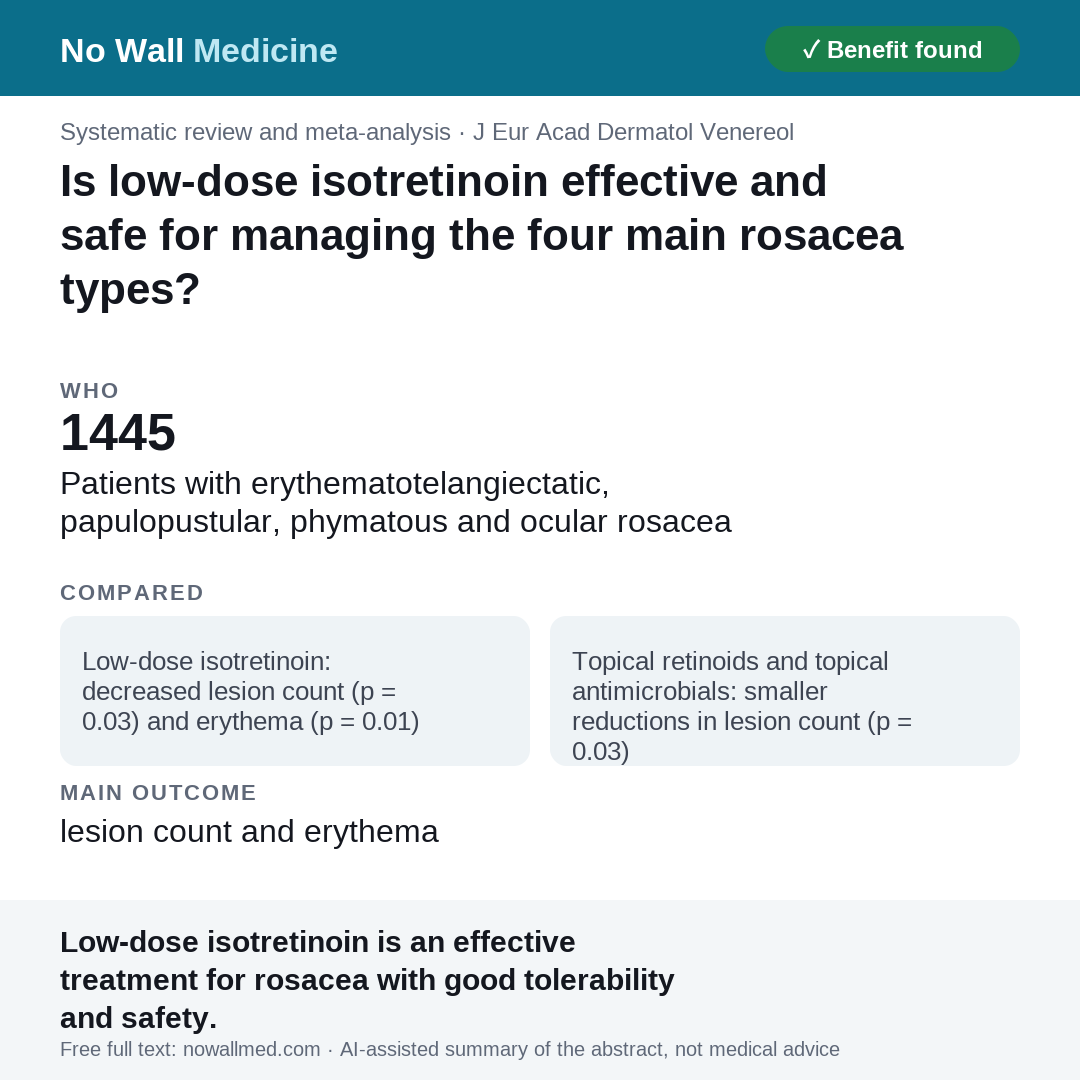
Low-dose isotretinoin for the management of rosacea: A systematic review and meta-analysis
Systematic review and meta-analysisBenefit found
Is low-dose isotretinoin effective and safe for managing the four main rosacea types?
Who
1445
Patients with erythematotelangiectatic, papulopustular, phymatous and ocular rosacea
Compared
Low-dose isotretinoin: decreased lesion count (p = 0.03) and erythema (p = 0.01)
Topical retinoids and topical antimicrobials: smaller reductions in lesion count (p = 0.03)
Main outcome
lesion count and erythema
Result: standardized mean difference > 0.8 for lesion count and erythema
Bottom line: Low-dose isotretinoin is an effective treatment for rosacea with good tolerability and safety.
Limitation: Study design heterogeneity limited more comprehensive comparisons.
J Eur Acad Dermatol Venereol · 2024-09-06Download image
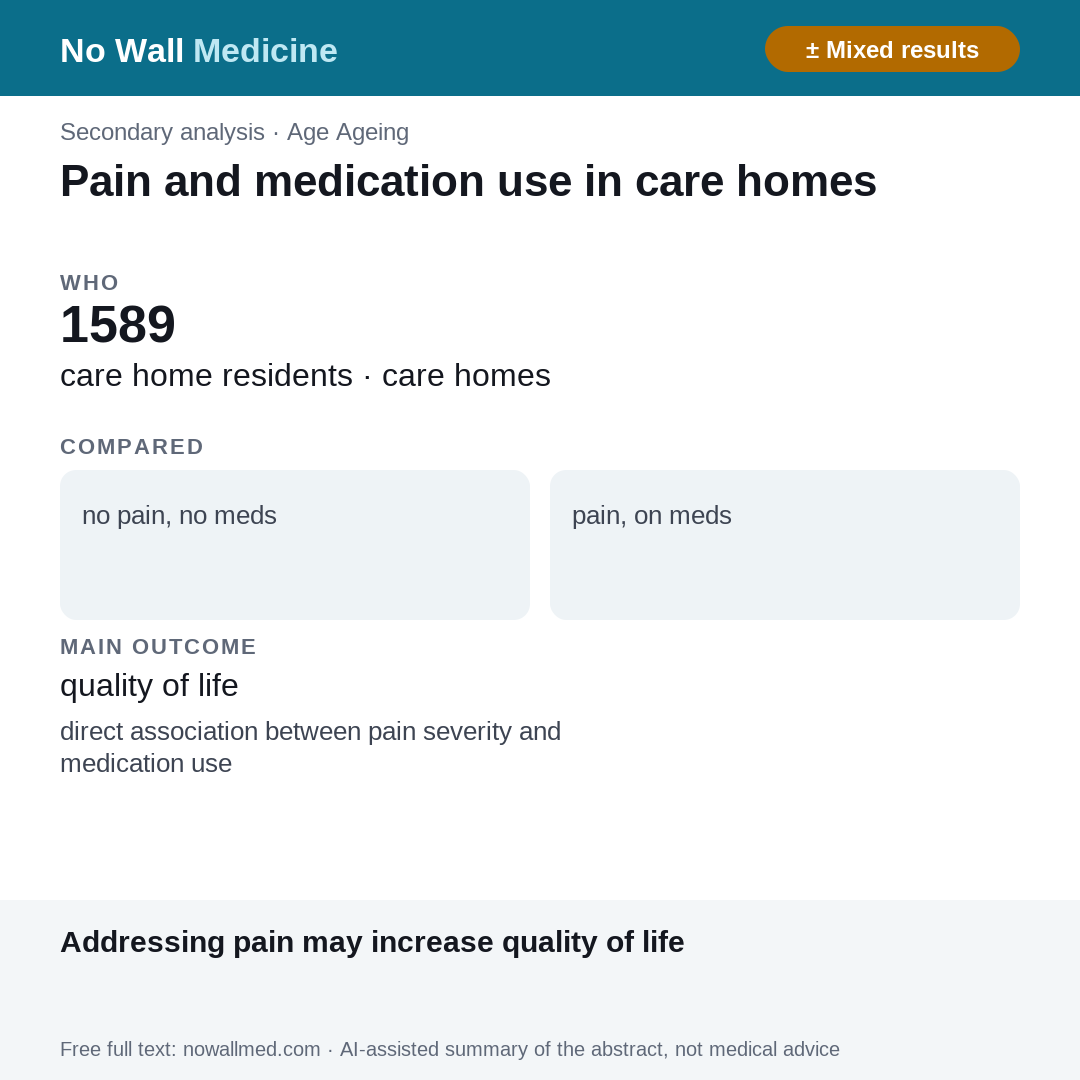
Quality of life, pain and use of analgesic, anxiolytic and antidepressant medication, in people living in care homes
Secondary analysisMixed results
Pain and medication use in care homes
Who
1589
care home residents · care homes
Compared
no pain, no meds
pain, on meds
Main outcome
quality of life
Result: direct association between pain severity and medication use
Bottom line: Addressing pain may increase quality of life
Age Ageing · 2024-09-06Download image
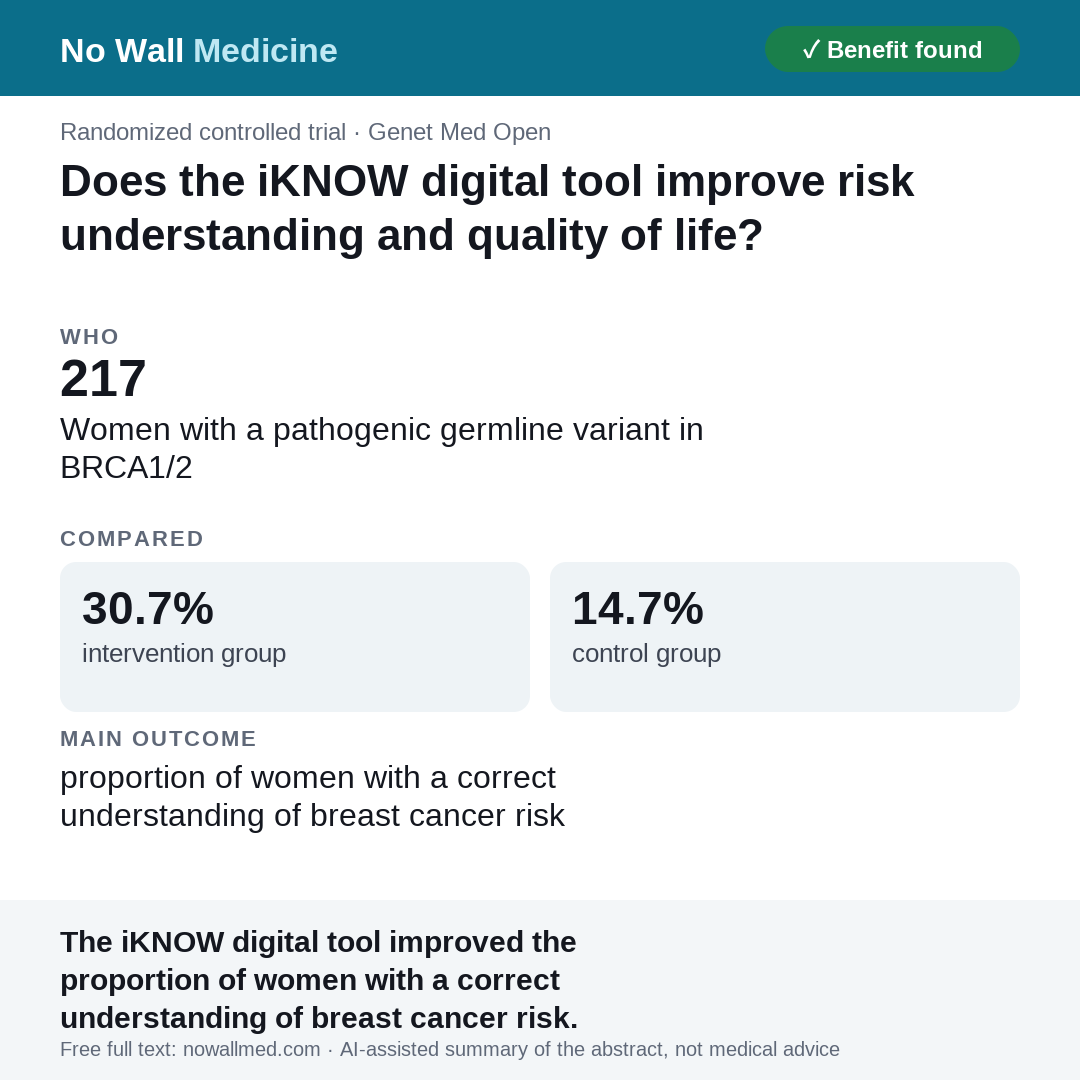
iKNOW-Supporting the counseling of women with hereditary risk of breast and ovarian cancer with digital technologies: A randomized controlled trial
Randomized controlled trialBenefit found
Does the iKNOW digital tool improve risk understanding and quality of life?
Who
217
Women with a pathogenic germline variant in BRCA1/2
Compared
30.7%intervention group
14.7%control group
Main outcome
proportion of women with a correct understanding of breast cancer risk
Bottom line: The iKNOW digital tool improved the proportion of women with a correct understanding of breast cancer risk.
Genet Med Open · 2024-09-06Download image