Visual abstracts
New randomized trials and meta-analyses from leading journals at a glance: who was studied, what was compared, and what was found. Every paper is free to read in full.
All specialtiesCardiology 1272Oncology 1109Gastroenterology & Hepatology 452Infectious Disease 835Neurology 521Psychiatry & Mental Health 637Pulmonology 541Critical Care 375Endocrinology & Diabetes 701Pediatrics 753Surgery 580Orthopedics & Sports Medicine 241Neurosurgery 172Cardiothoracic & Vascular Surgery 137Plastic & Reconstructive Surgery 192Nephrology 270Rheumatology 169Hematology 262Dermatology 128Ophthalmology 141Obstetrics & Gynecology 398Public & Global Health 250Radiology & Imaging 163Anesthesiology 240Urology 232ENT (Otolaryngology) 175Emergency Medicine 135Allergy & Immunology 88Geriatrics 259Family Medicine & Primary Care 155Medical Genetics & Genomics 134Pathology & Laboratory Medicine 39Physical Medicine & Rehabilitation 224Palliative Care 112Nutrition 326Digital Health & AI 646General Medicine 116
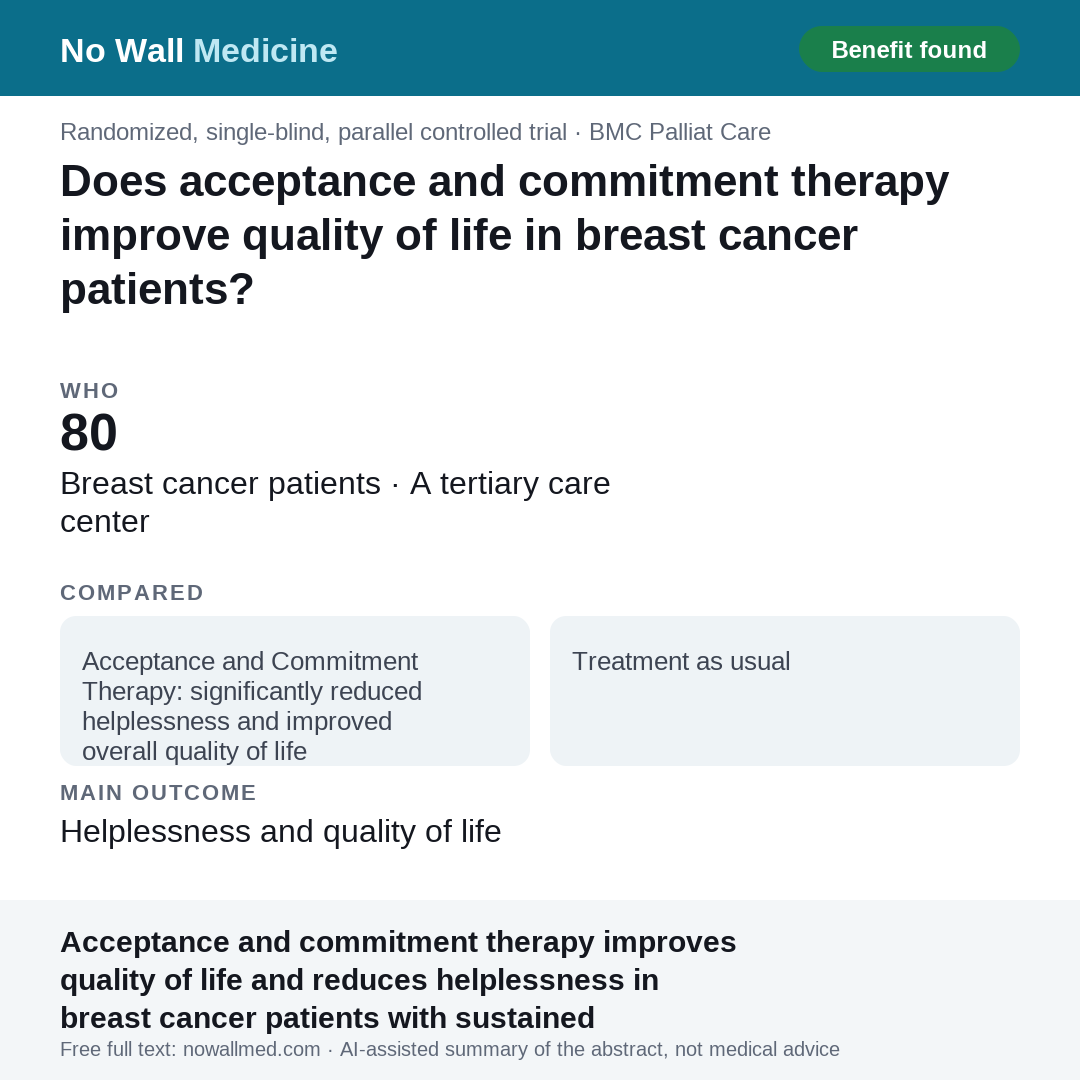
Acceptance and commitment therapy improves the quality of life of breast cancer patients by reducing helplessness: a randomized controlled trial
Randomized, single-blind, parallel controlled trialBenefit found
Does acceptance and commitment therapy improve quality of life in breast cancer patients?
Who
80
Breast cancer patients · A tertiary care center
Compared
Acceptance and Commitment Therapy: significantly reduced helplessness and improved overall quality of life
Treatment as usual
Main outcome
Helplessness and quality of life
Bottom line: Acceptance and commitment therapy improves quality of life and reduces helplessness in breast cancer patients with sustained effects.
BMC Palliat Care · 2026-03-05Download image
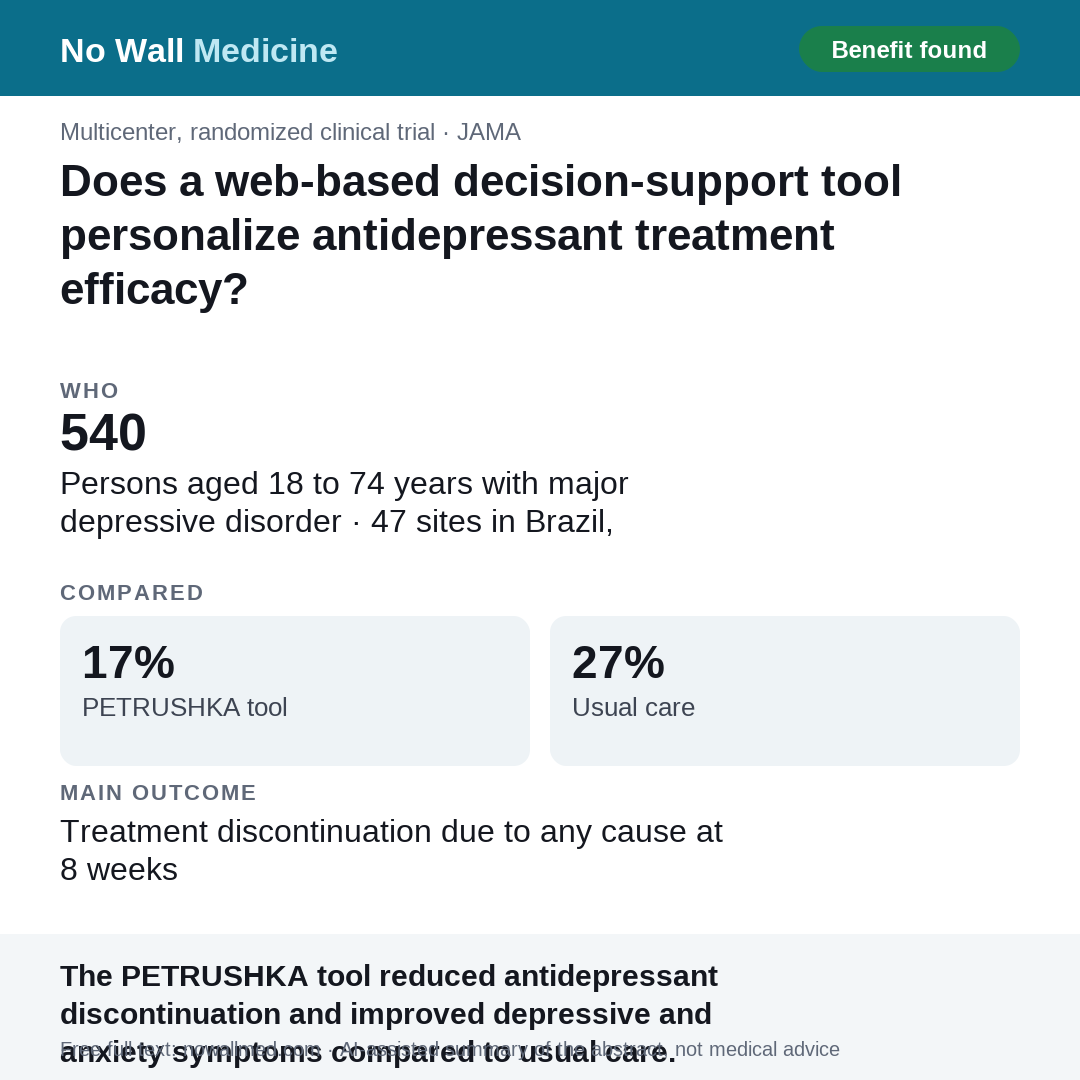
A Decision-Support System to Personalize Antidepressant Treatment in Major Depressive Disorder: A Randomized Clinical Trial
Multicenter, randomized clinical trialBenefit found
Does a web-based decision-support tool personalize antidepressant treatment efficacy?
Who
540
Persons aged 18 to 74 years with major depressive disorder · 47 sites in Brazil, Canada, and the UK
Compared
17%PETRUSHKA tool (41/241)
27%Usual care (69/252)
Main outcome
Treatment discontinuation due to any cause at 8 weeks
Result: adjusted relative risk 0.62 (95% CI 0.44 to 0.88)
Bottom line: The PETRUSHKA tool reduced antidepressant discontinuation and improved depressive and anxiety symptoms compared to usual care.
Limitation: Lack of a double-blind design and the large amount of missing data
JAMA · 2026-03-04Download image
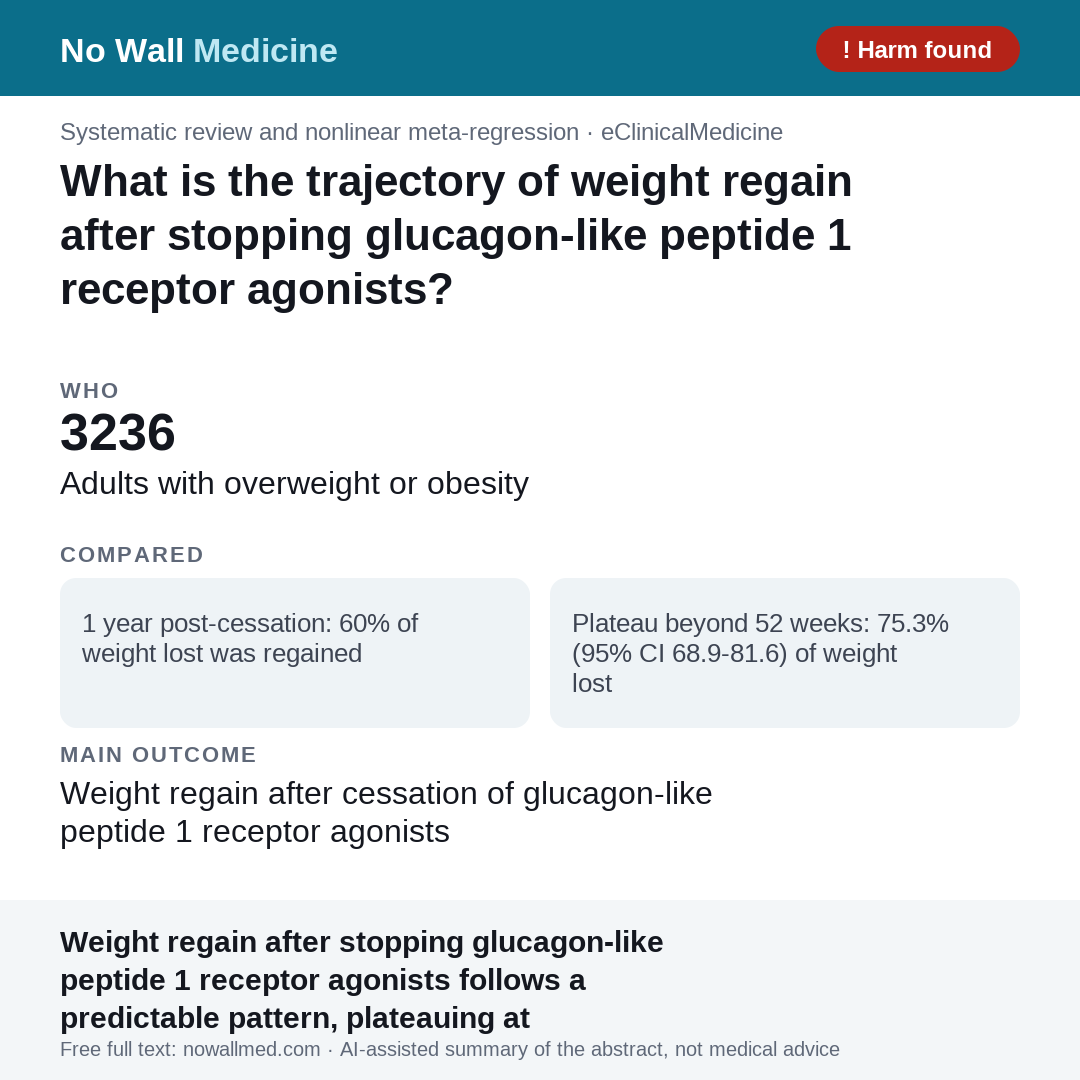
Trajectory of weight regain after cessation of GLP-1 receptor agonists: a systematic review and nonlinear meta-regression
Systematic review and nonlinear meta-regressionHarm found
What is the trajectory of weight regain after stopping glucagon-like peptide 1 receptor agonists?
Who
3236
Adults with overweight or obesity
Compared
1 year post-cessation: 60% of weight lost was regained
Plateau beyond 52 weeks: 75.3% (95% CI 68.9-81.6) of weight lost
Main outcome
Weight regain after cessation of glucagon-like peptide 1 receptor agonists
Result: 75.3% (95% CI 68.9-81.6) plateau of weight lost
Bottom line: Weight regain after stopping glucagon-like peptide 1 receptor agonists follows a predictable pattern, plateauing at approximately 75.3% of weight lost.
Limitation: Most studies were assessed to have a moderate risk of bias.
eClinicalMedicine · 2026-03-04Download image
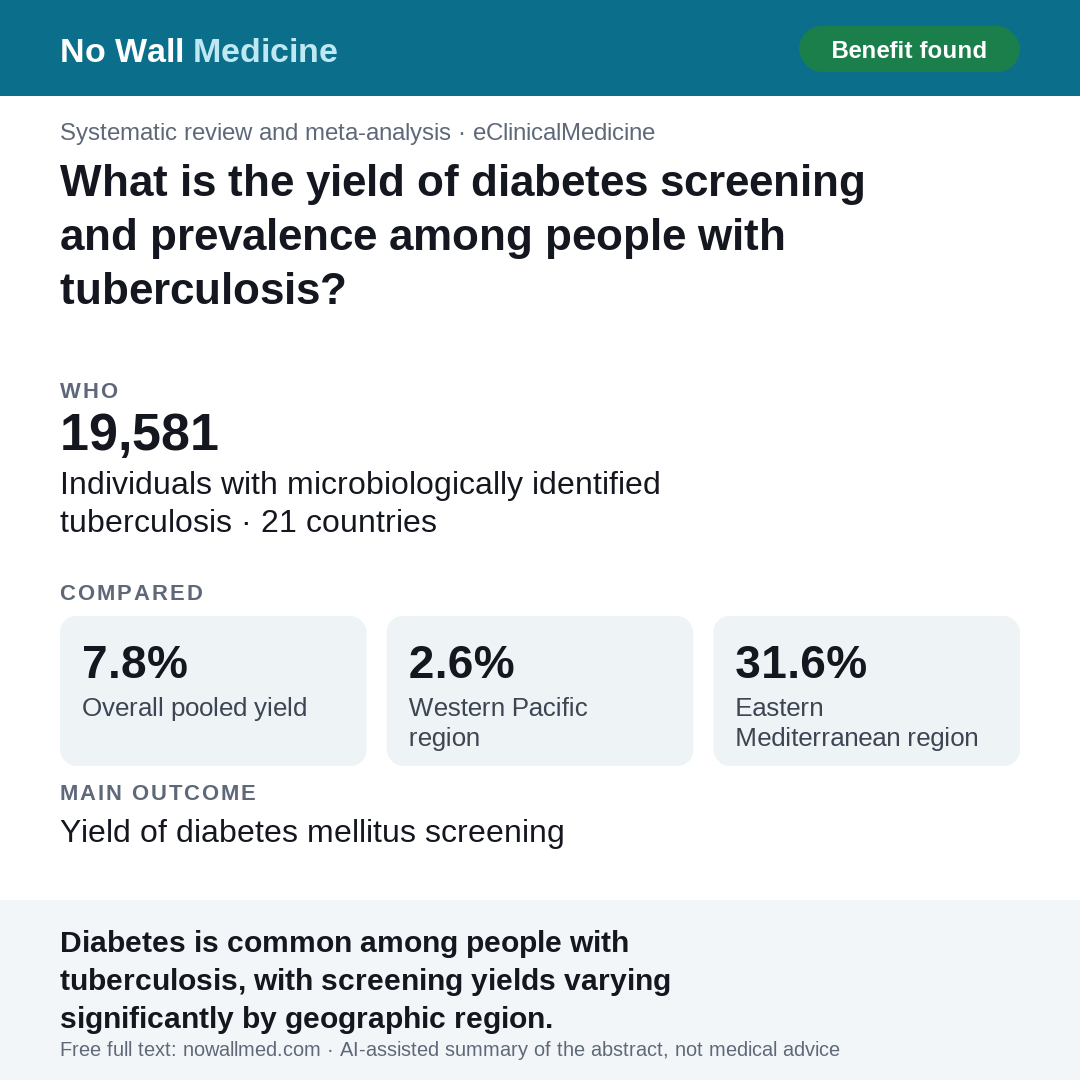
Diabetes screening among people with tuberculosis: a systematic review and meta analysis
Systematic review and meta-analysisBenefit found
What is the yield of diabetes screening and prevalence among people with tuberculosis?
Who
19,581
Individuals with microbiologically identified tuberculosis · 21 countries
Compared
7.8%Overall pooled yield (95% CI: 5.1-11.1)
2.6%Western Pacific region (95% CI: 1.5-4.0)
31.6%Eastern Mediterranean region (95% CI: 12.4-54.3)
Main outcome
Yield of diabetes mellitus screening
Result: 7.8% (95% CI: 5.1-11.1)
Bottom line: Diabetes is common among people with tuberculosis, with screening yields varying significantly by geographic region.
Limitation: Substantial heterogeneity across studies and lack of comparison groups without tuberculosis.
Funded by: World Health Organization
eClinicalMedicine · 2026-03-04Download image
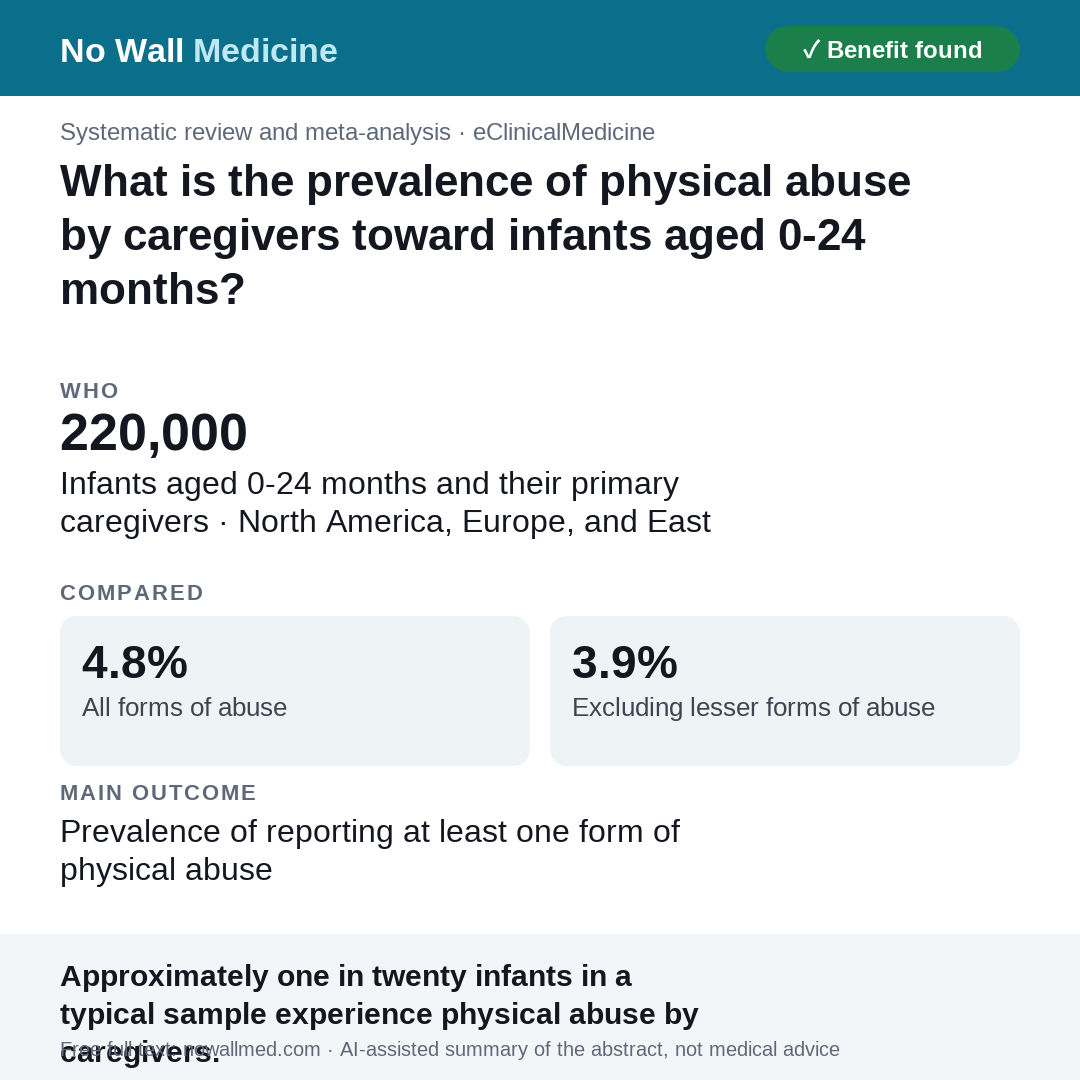
Prevalence of physical abuse by caregivers toward infants aged 0-24 months: a systematic review and meta-analysis
Systematic review and meta-analysisBenefit found
What is the prevalence of physical abuse by caregivers toward infants aged 0-24 months?
Who
220,000
Infants aged 0-24 months and their primary caregivers · North America, Europe, and East Asia
Compared
4.8%All forms of abuse
3.9%Excluding lesser forms of abuse
Main outcome
Prevalence of reporting at least one form of physical abuse
Result: 4.8%, 95% CI [2.6%, 7.5%]
Bottom line: Approximately one in twenty infants in a typical sample experience physical abuse by caregivers.
Limitation: Estimates are likely underreported due to the gap between self-reports and official statistics.
eClinicalMedicine · 2026-03-04Download image
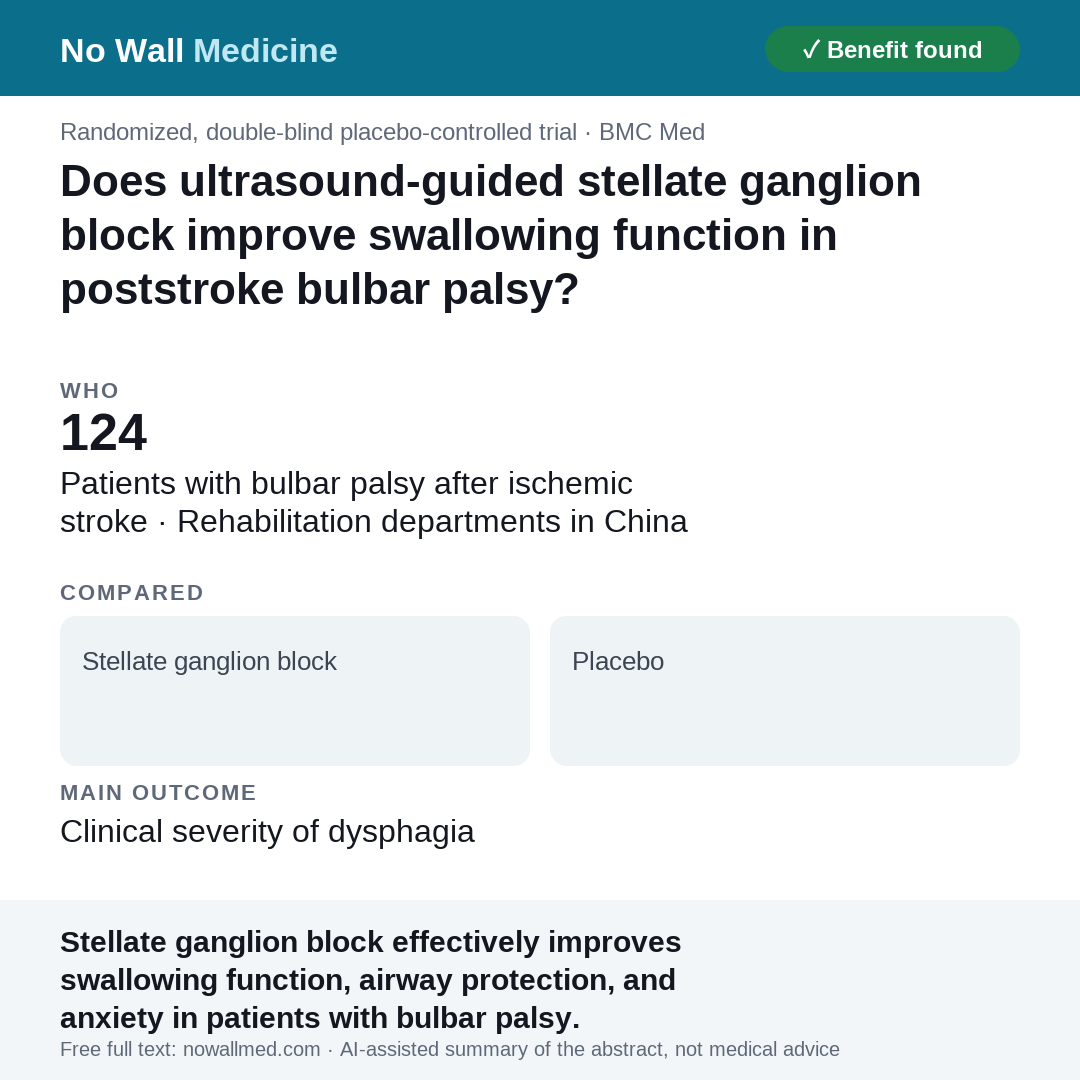
Effects of ultrasound-guided stellate ganglion block in poststroke bulbar palsy: a double-blind placebo-controlled trial
Randomized, double-blind placebo-controlled trialBenefit found
Does ultrasound-guided stellate ganglion block improve swallowing function in poststroke bulbar palsy?
Who
124
Patients with bulbar palsy after ischemic stroke · Rehabilitation departments in China
Compared
Stellate ganglion block
Placebo
Main outcome
Clinical severity of dysphagia
Bottom line: Stellate ganglion block effectively improves swallowing function, airway protection, and anxiety in patients with bulbar palsy.
BMC Med · 2026-03-04Download image
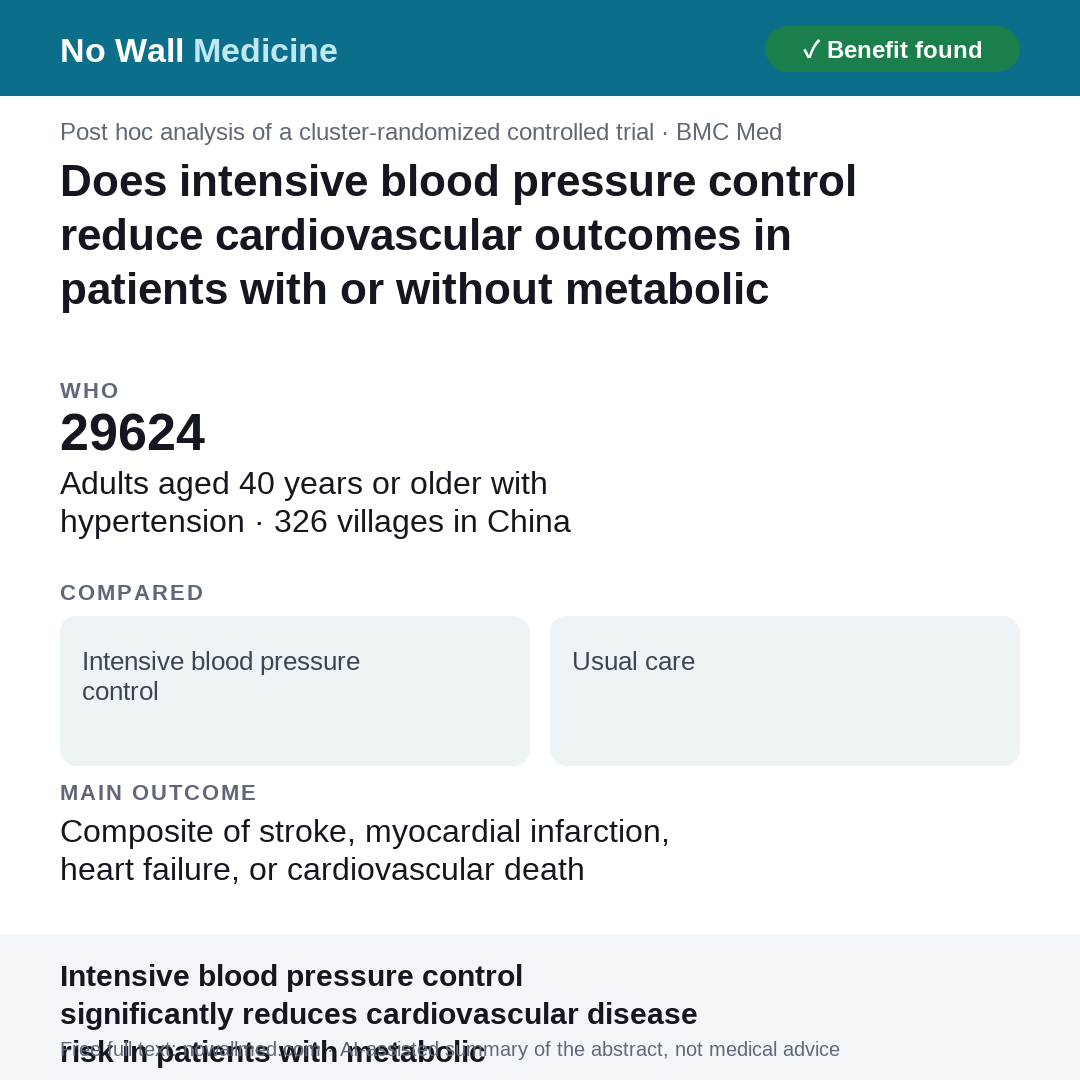
Cardiovascular outcomes of intensive blood pressure control in patients with and without metabolic dysfunction-associated fatty liver disease: post hoc analysis of the CRHCP trial
Post hoc analysis of a cluster-randomized controlled trialBenefit found
Does intensive blood pressure control reduce cardiovascular outcomes in patients with or without metabolic dysfunction-associated fatty liver disease?
Who
29624
Adults aged 40 years or older with hypertension · 326 villages in China
Compared
Intensive blood pressure control
Usual care
Main outcome
Composite of stroke, myocardial infarction, heart failure, or cardiovascular death
Result: adjusted HR, 0.69; 95% CI, 0.61-0.78
Bottom line: Intensive blood pressure control significantly reduces cardiovascular disease risk in patients with metabolic dysfunction-associated fatty liver disease.
Limitation: Findings require confirmation in future prospective clinical trials.
BMC Med · 2026-03-04Download image
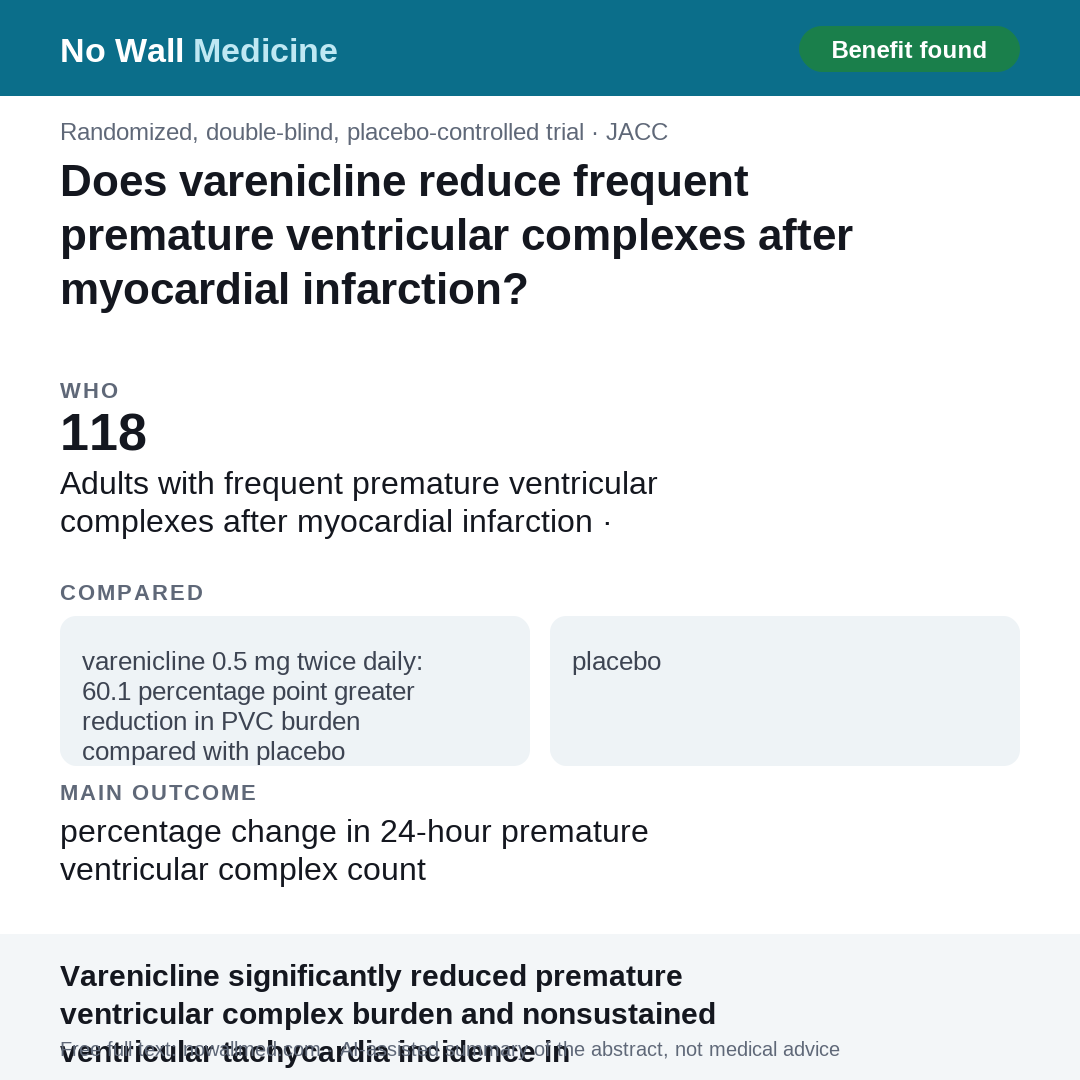
Varenicline and Ventricular Ectopy After Myocardial Infarction: A Randomized Phase 2 Study
Randomized, double-blind, placebo-controlled trialBenefit found
Does varenicline reduce frequent premature ventricular complexes after myocardial infarction?
Who
118
Adults with frequent premature ventricular complexes after myocardial infarction · Multicenter
Compared
varenicline 0.5 mg twice daily: 60.1 percentage point greater reduction in PVC burden compared with placebo
placebo
Main outcome
percentage change in 24-hour premature ventricular complex count
Result: 60.1 percentage point greater reduction (95% CI: 21.3-98.8 percentage points)
Bottom line: Varenicline significantly reduced premature ventricular complex burden and nonsustained ventricular tachycardia incidence in post-myocardial infarction patients.
JACC · 2026-03-04Download image
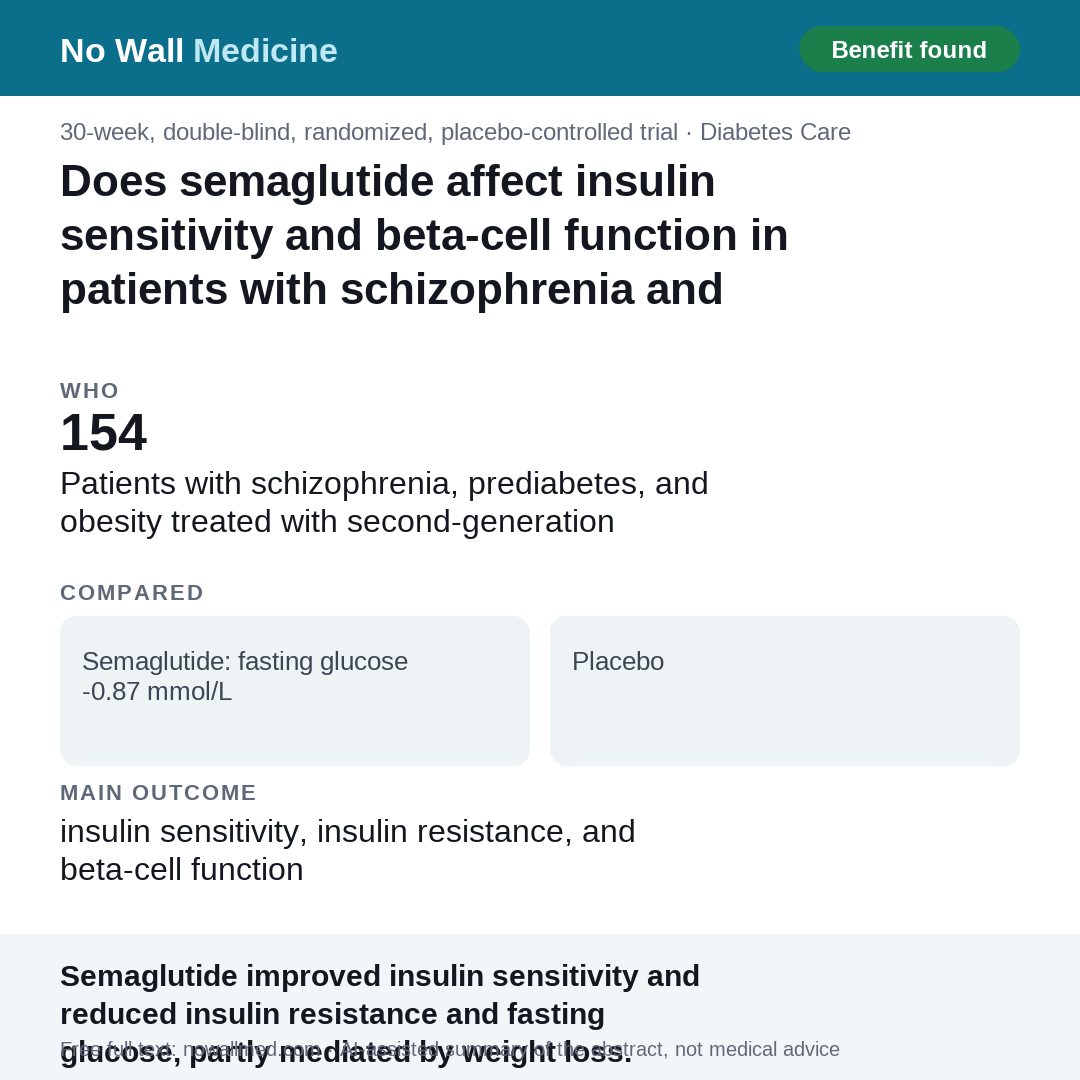
Semaglutide Effects on Insulin Sensitivity and β-Cell Function in Patients With Schizophrenia, Prediabetes, and Obesity Treated With Second-Generation Antipsychotics: Findings From the HISTORI Trial, a 30-Week Randomized, Placebo-Controlled Trial With Semaglutide 1.0 mg Weekly
30-week, double-blind, randomized, placebo-controlled trialBenefit found
Does semaglutide affect insulin sensitivity and beta-cell function in patients with schizophrenia and prediabetes?
Who
154
Patients with schizophrenia, prediabetes, and obesity treated with second-generation antipsychotics
Compared
Semaglutide: fasting glucose -0.87 mmol/L
Placebo
Main outcome
insulin sensitivity, insulin resistance, and beta-cell function
Result: fasting glucose -0.87 mmol/L (95% CI -1.15, -0.59)
Bottom line: Semaglutide improved insulin sensitivity and reduced insulin resistance and fasting glucose, partly mediated by weight loss.
Diabetes Care · 2026-03-04Download image
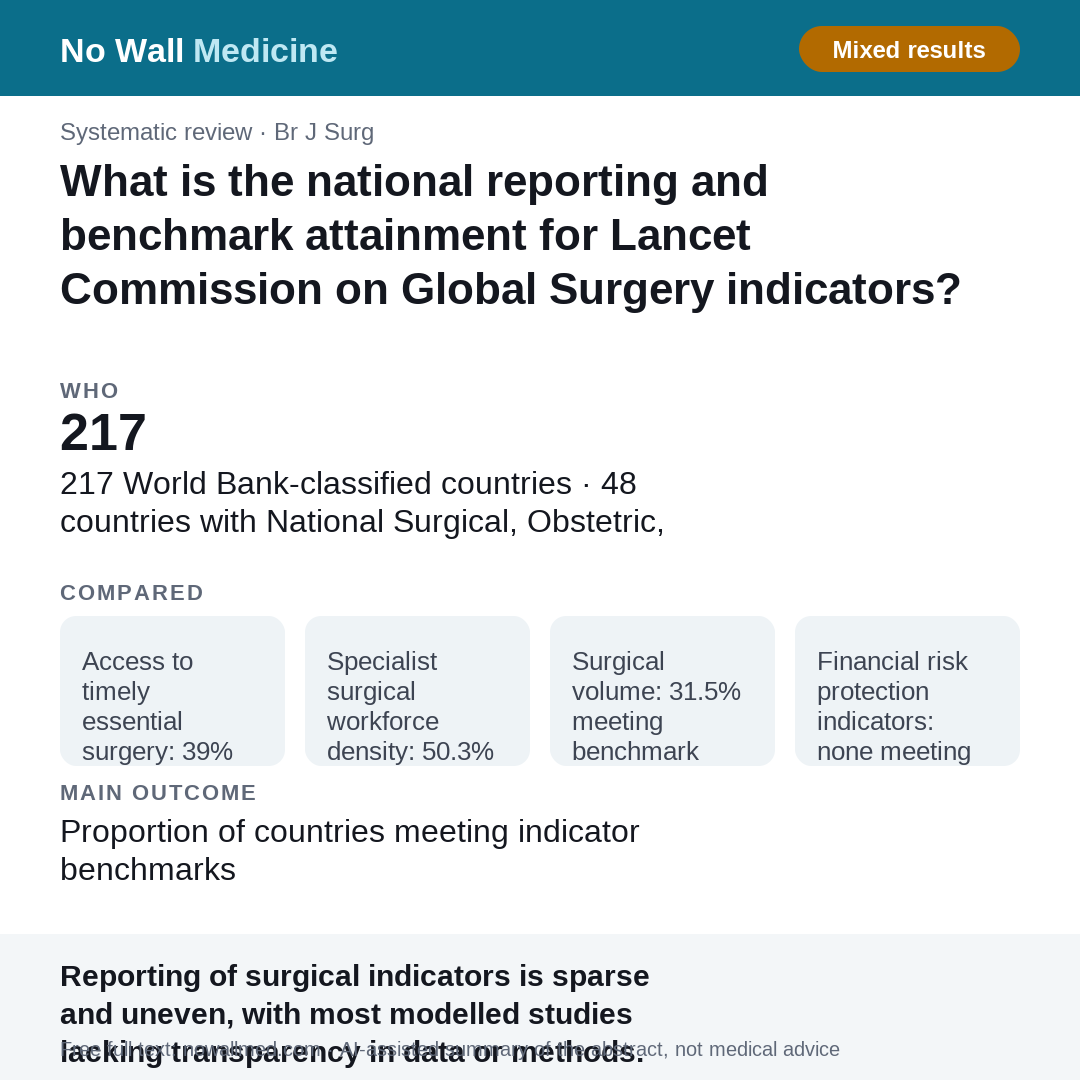
Systematic review of the Lancet Commission on Global Surgery indicators with quality assessment of modelled estimates
Systematic reviewMixed results
What is the national reporting and benchmark attainment for Lancet Commission on Global Surgery indicators?
Who
217
217 World Bank-classified countries · 48 countries with National Surgical, Obstetric, and Anaesthesia Plans
Compared
Access to timely essential surgery: 39% meeting benchmark
Specialist surgical workforce density: 50.3% meeting benchmark
Surgical volume: 31.5% meeting benchmark
Financial risk protection indicators: none meeting either benchmark
Main outcome
Proportion of countries meeting indicator benchmarks
Bottom line: Reporting of surgical indicators is sparse and uneven, with most modelled studies lacking transparency in data or methods.
Br J Surg · 2026-03-04Download image
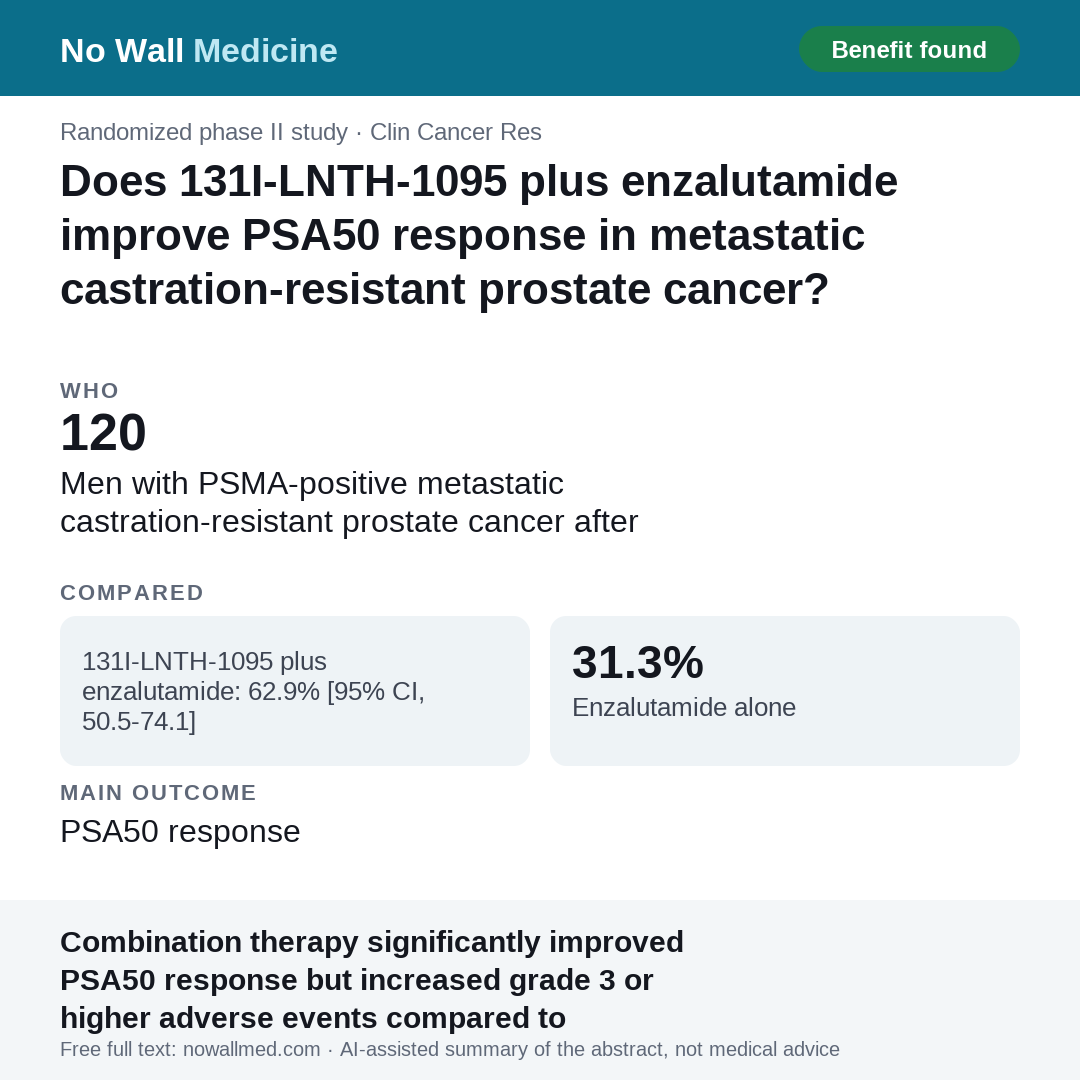
131I-LNTH-1095 Radioligand Therapy plus Enzalutamide versus Enzalutamide Alone in Men with PSMA-Avid Metastatic Castration-Resistant Prostate Cancer: A Phase II Study
Randomized phase II studyBenefit found
Does 131I-LNTH-1095 plus enzalutamide improve PSA50 response in metastatic castration-resistant prostate cancer?
Who
120
Men with PSMA-positive metastatic castration-resistant prostate cancer after abiraterone progression
Compared
131I-LNTH-1095 plus enzalutamide: 62.9% [95% CI, 50.5-74.1]
31.3%Enzalutamide alone (16.1-50)
Main outcome
PSA50 response
Bottom line: Combination therapy significantly improved PSA50 response but increased grade 3 or higher adverse events compared to enzalutamide alone.
Clin Cancer Res · 2026-03-04Download image
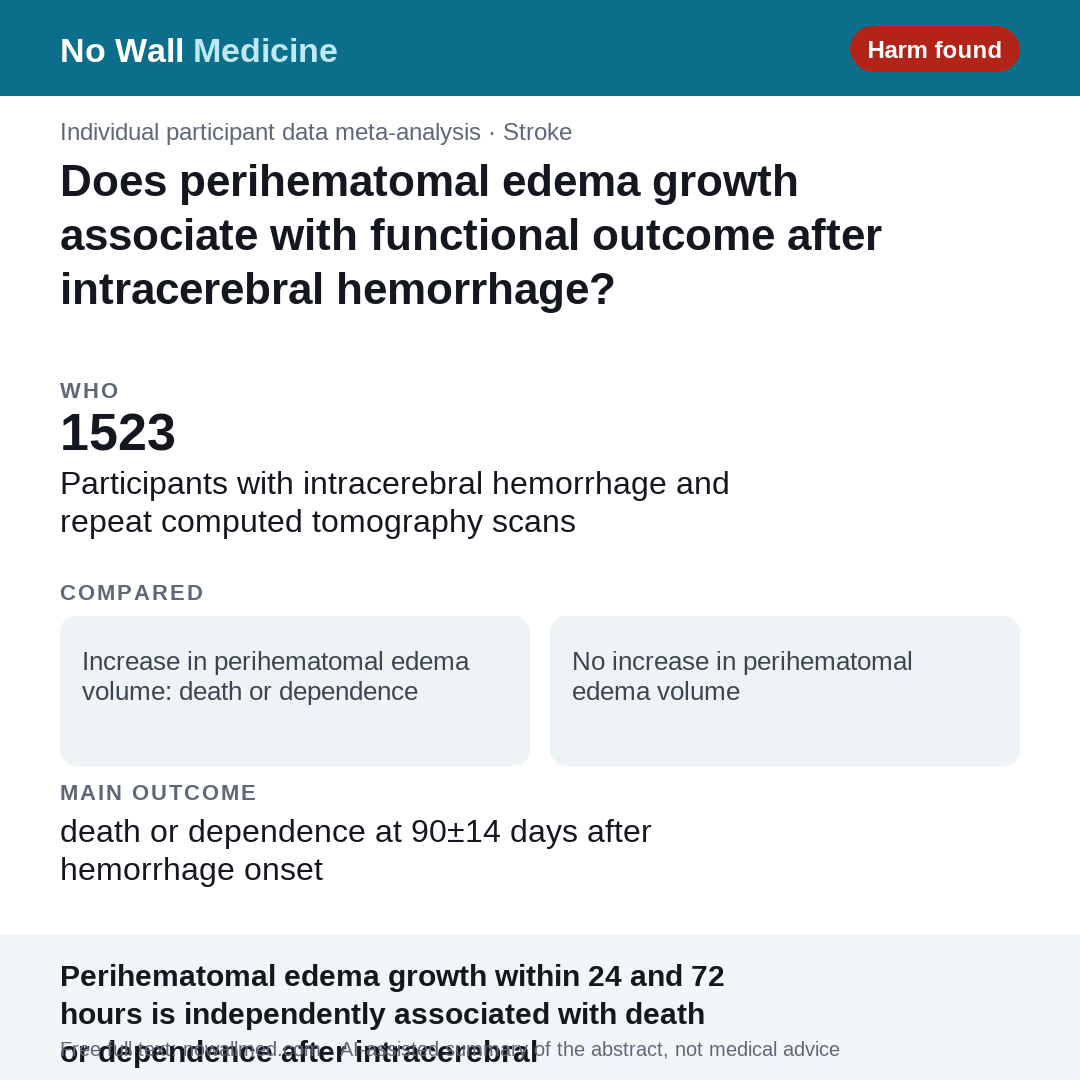
Perihematomal Edema and Functional Outcome After Intracerebral Hemorrhage: A Meta-Analysis of Individual Participant Data
Individual participant data meta-analysisHarm found
Does perihematomal edema growth associate with functional outcome after intracerebral hemorrhage?
Who
1523
Participants with intracerebral hemorrhage and repeat computed tomography scans
Compared
Increase in perihematomal edema volume: death or dependence
No increase in perihematomal edema volume
Main outcome
death or dependence at 90±14 days after hemorrhage onset
Result: adjusted odds ratio 1.04 per mL increase (95% CI 1.01-1.06)
Bottom line: Perihematomal edema growth within 24 and 72 hours is independently associated with death or dependence after intracerebral hemorrhage.
Stroke · 2026-03-04Download image
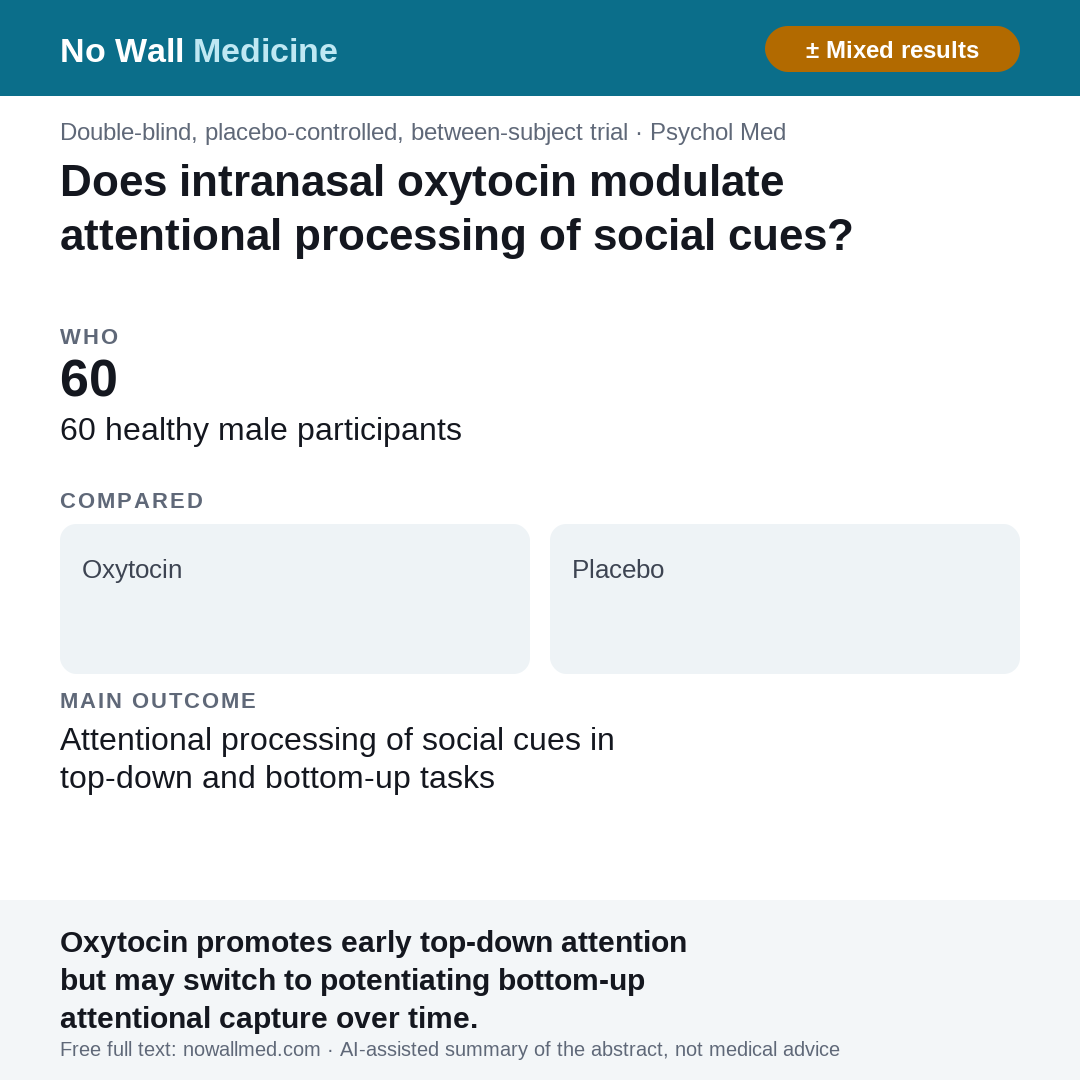
Oxytocin facilitates top-down and bottom-up attention to emotional faces in a general and temporal-dependent manner
Double-blind, placebo-controlled, between-subject trialMixed results
Does intranasal oxytocin modulate attentional processing of social cues?
Who
60
60 healthy male participants
Compared
Oxytocin
Placebo
Main outcome
Attentional processing of social cues in top-down and bottom-up tasks
Bottom line: Oxytocin promotes early top-down attention but may switch to potentiating bottom-up attentional capture over time.
Psychol Med · 2026-03-04Download image
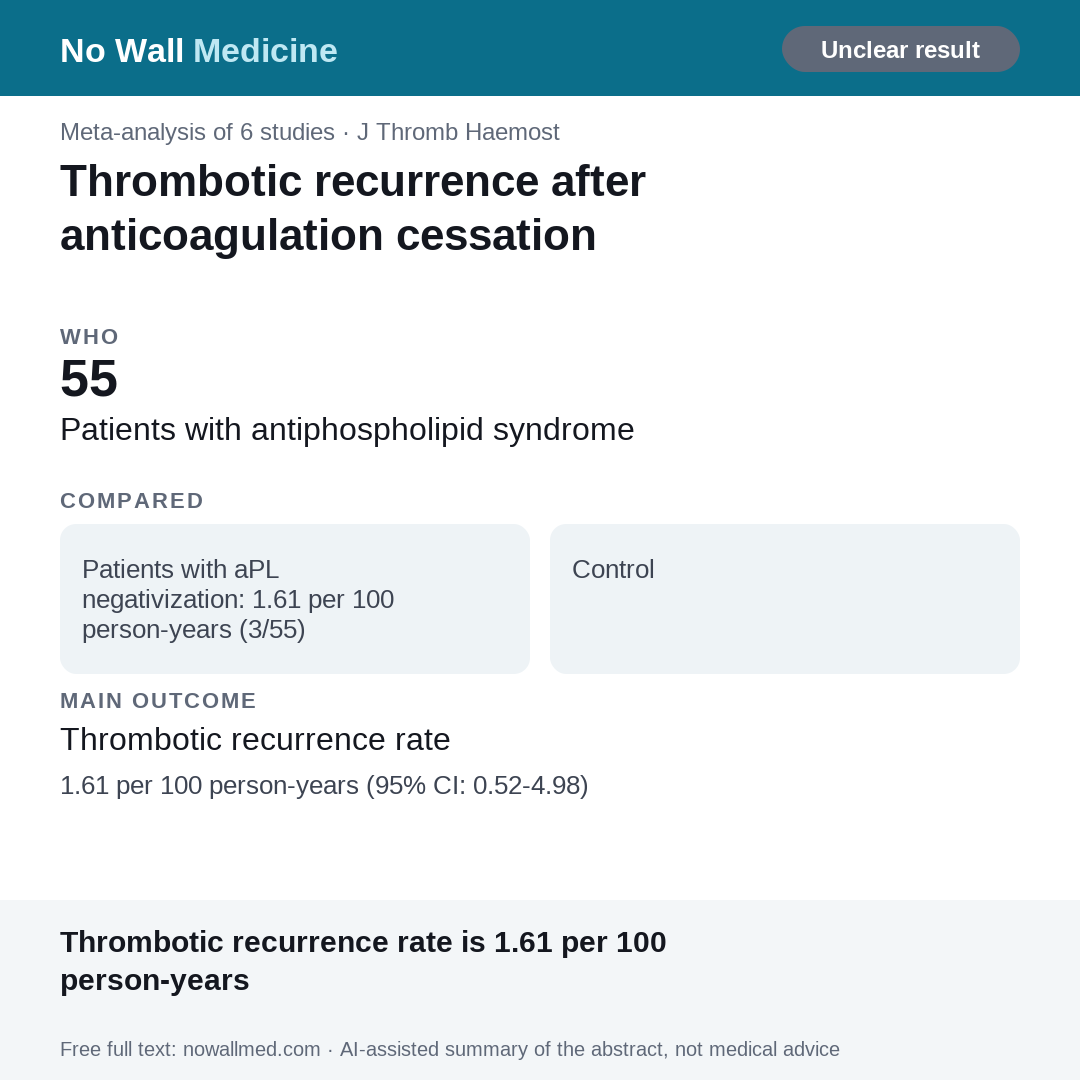
Thrombotic recurrence after anticoagulation cessation in patients with antiphospholipid syndrome and antiphospholipid antibody negativization: a systematic review and meta-analysis
Meta-analysis of 6 studiesUnclear result
Thrombotic recurrence after anticoagulation cessation
Who
55
Patients with antiphospholipid syndrome
Compared
Patients with aPL negativization: 1.61 per 100 person-years (3/55)
Control
Main outcome
Thrombotic recurrence rate
Result: 1.61 per 100 person-years (95% CI: 0.52-4.98)
Bottom line: Thrombotic recurrence rate is 1.61 per 100 person-years
Limitation: Limited by data quality
J Thromb Haemost · 2026-03-04Download image
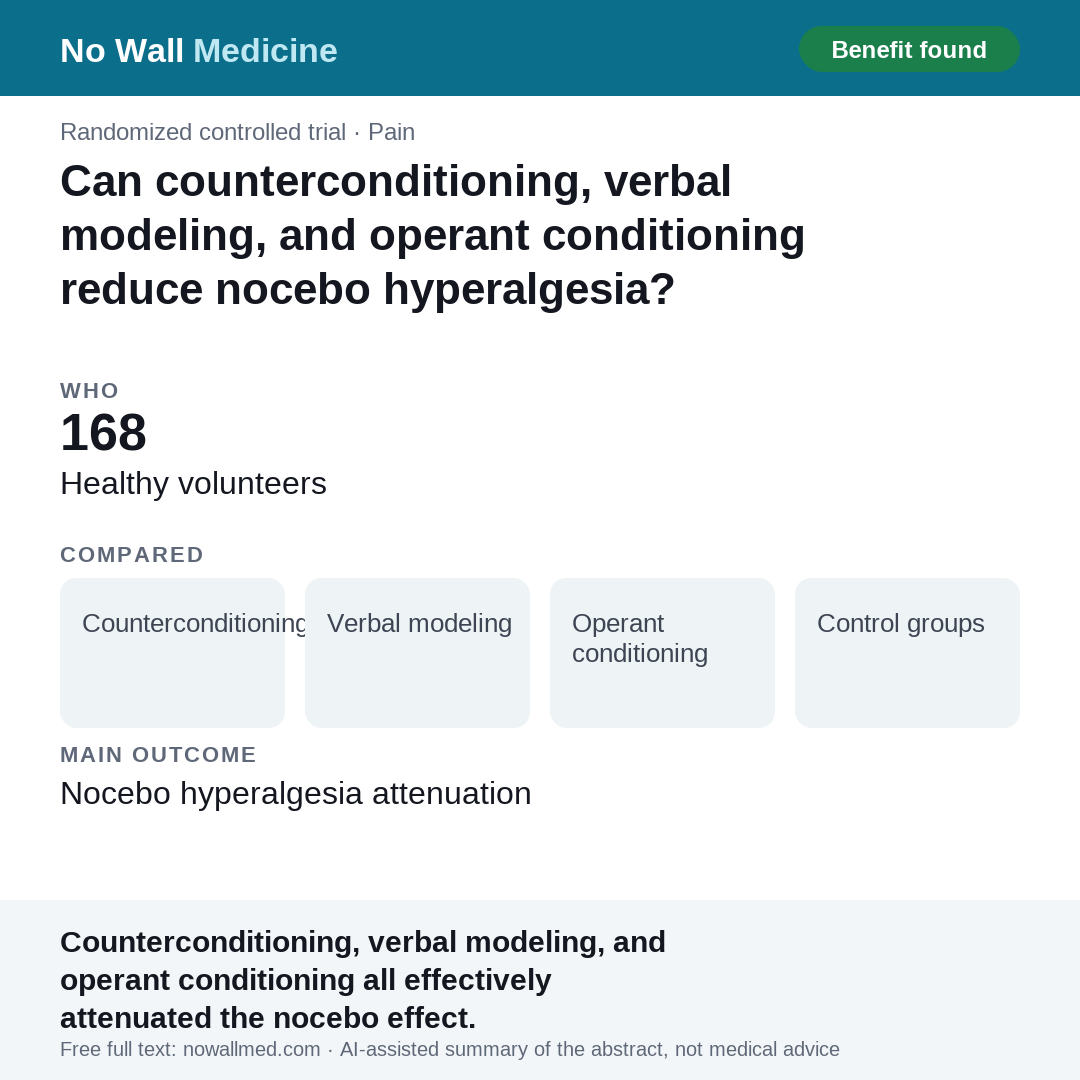
Verbal modeling, counterconditioning, and operant conditioning are effective in nocebo hyperalgesia attenuation
Randomized controlled trialBenefit found
Can counterconditioning, verbal modeling, and operant conditioning reduce nocebo hyperalgesia?
Who
168
Healthy volunteers
Compared
Counterconditioning
Verbal modeling
Operant conditioning
Control groups
Main outcome
Nocebo hyperalgesia attenuation
Bottom line: Counterconditioning, verbal modeling, and operant conditioning all effectively attenuated the nocebo effect.
Pain · 2026-03-04Download image
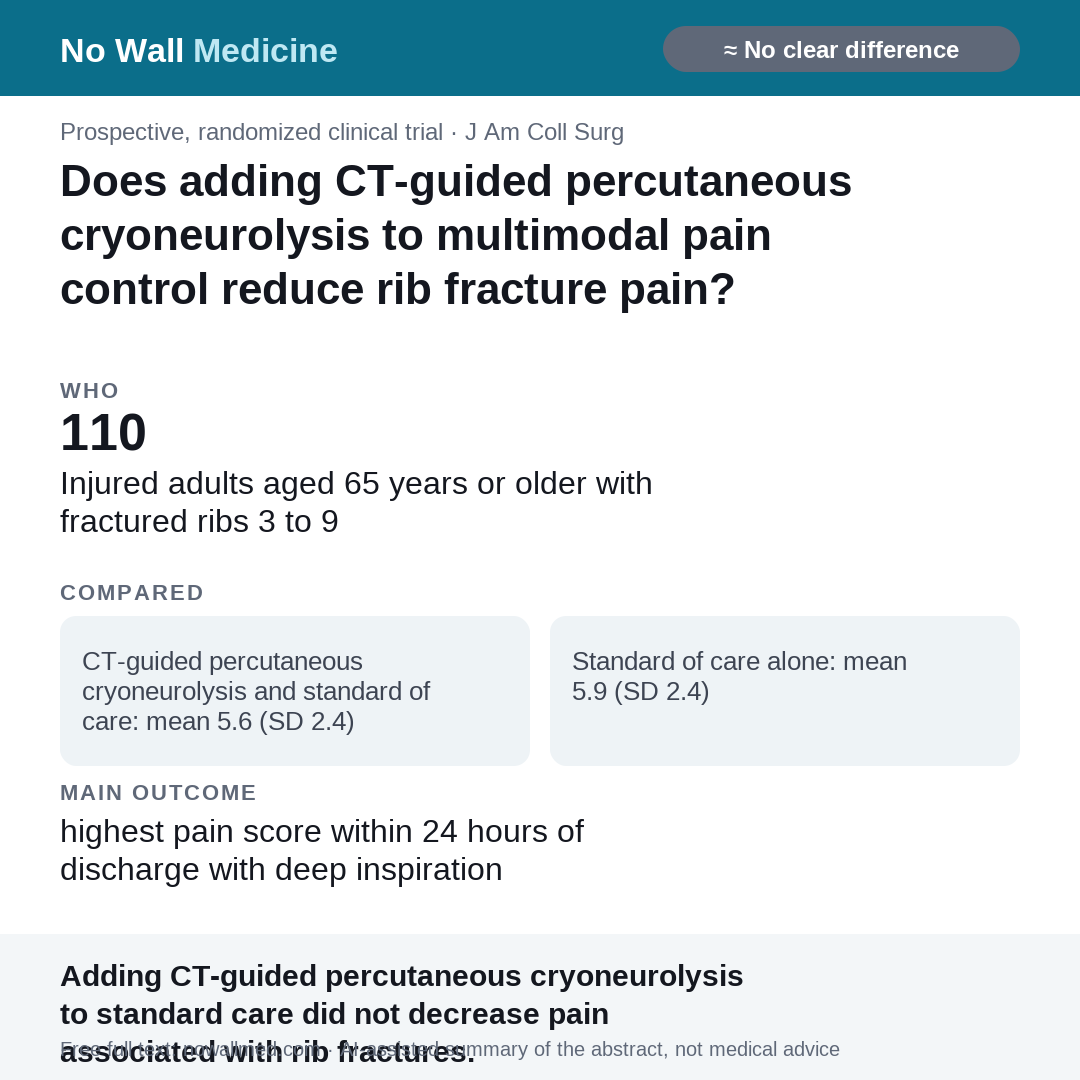
Early Percutaneous Cryoneurolysis for Pain Control After Rib Fracture for Older Patients: A Prospective Randomized Clinical Trial
Prospective, randomized clinical trialNo clear difference
Does adding CT-guided percutaneous cryoneurolysis to multimodal pain control reduce rib fracture pain?
Who
110
Injured adults aged 65 years or older with fractured ribs 3 to 9
Compared
CT-guided percutaneous cryoneurolysis and standard of care: mean 5.6 (SD 2.4)
Standard of care alone: mean 5.9 (SD 2.4)
Main outcome
highest pain score within 24 hours of discharge with deep inspiration
Bottom line: Adding CT-guided percutaneous cryoneurolysis to standard care did not decrease pain associated with rib fractures.
J Am Coll Surg · 2026-03-04Download image
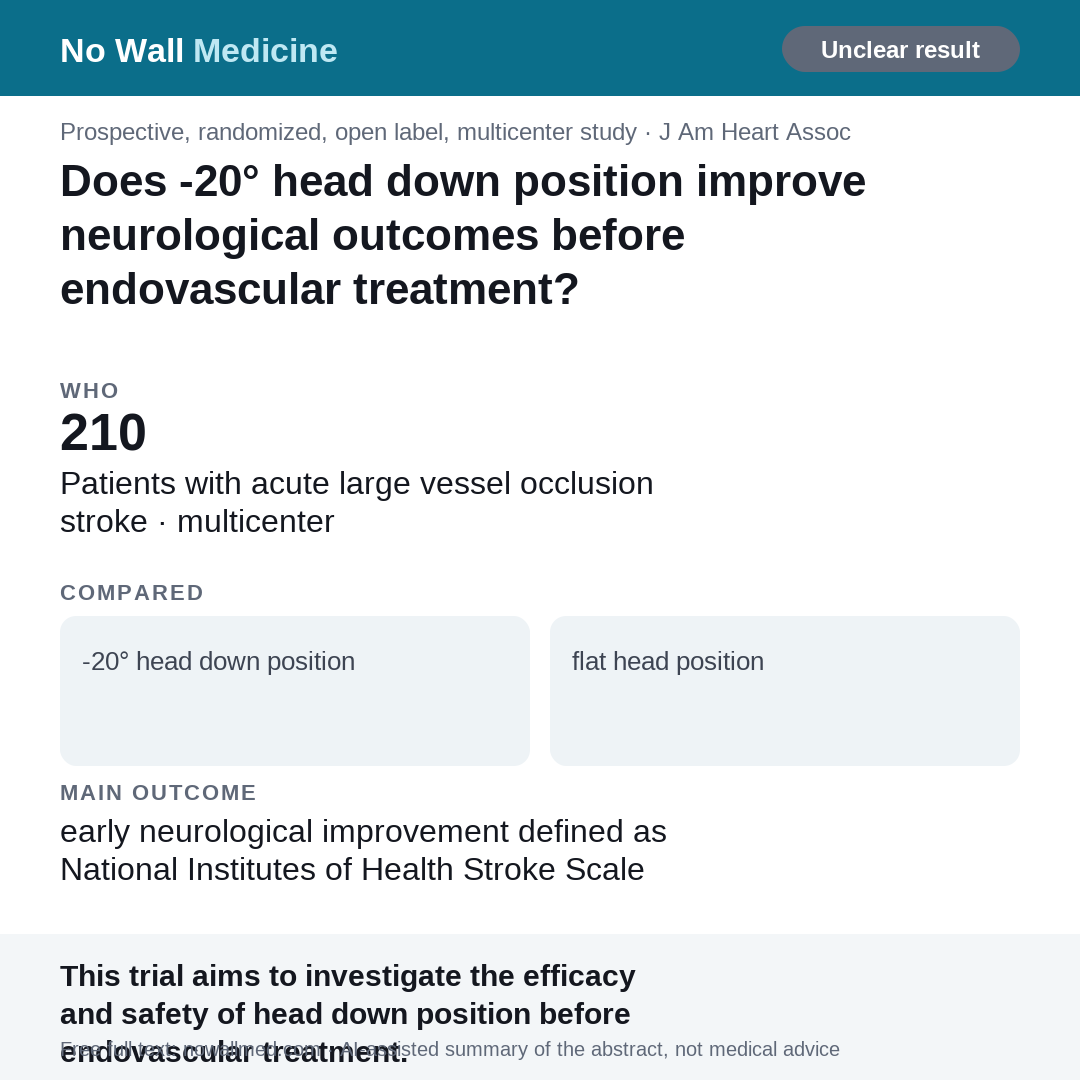
Head Down Position Before Endovascular Treatment for Large Vessel Occlusion: Clinical Trial Design
Prospective, randomized, open label, multicenter studyUnclear result
Does -20° head down position improve neurological outcomes before endovascular treatment?
Who
210
Patients with acute large vessel occlusion stroke · multicenter
Compared
-20° head down position
flat head position
Main outcome
early neurological improvement defined as National Institutes of Health Stroke Scale reduction
Bottom line: This trial aims to investigate the efficacy and safety of head down position before endovascular treatment.
J Am Heart Assoc · 2026-03-04Download image
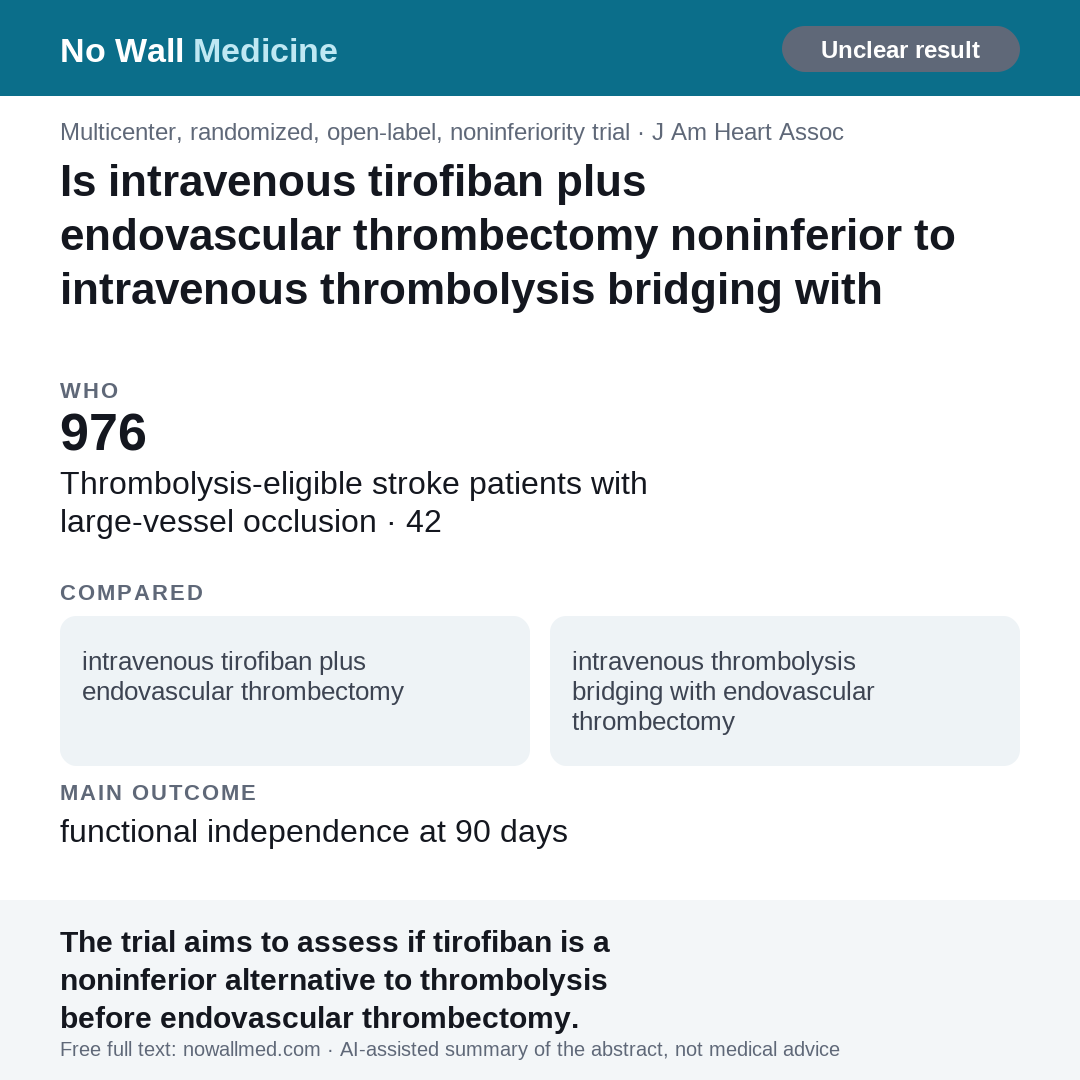
ADJUVANT Randomized Controlled Trial: Rationale and Design
Multicenter, randomized, open-label, noninferiority trialUnclear result
Is intravenous tirofiban plus endovascular thrombectomy noninferior to intravenous thrombolysis bridging with endovascular thrombectomy?
Who
976
Thrombolysis-eligible stroke patients with large-vessel occlusion · 42 thrombectomy-capable centers in China
Compared
intravenous tirofiban plus endovascular thrombectomy
intravenous thrombolysis bridging with endovascular thrombectomy
Main outcome
functional independence at 90 days
Bottom line: The trial aims to assess if tirofiban is a noninferior alternative to thrombolysis before endovascular thrombectomy.
J Am Heart Assoc · 2026-03-04Download image
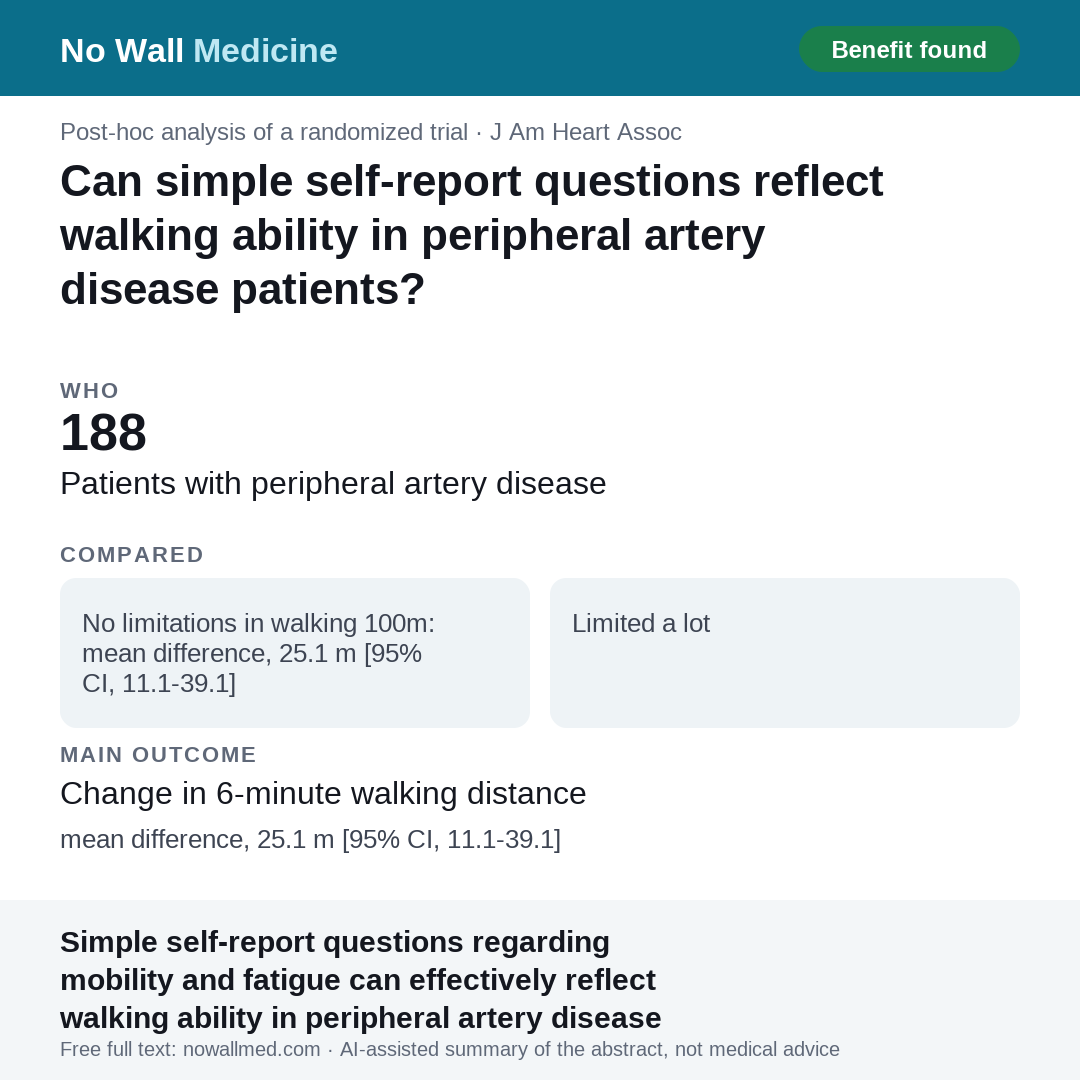
Remote Self-Report Assessment of Walking Impairment in Peripheral Artery Disease
Post-hoc analysis of a randomized trialBenefit found
Can simple self-report questions reflect walking ability in peripheral artery disease patients?
Who
188
Patients with peripheral artery disease
Compared
No limitations in walking 100m: mean difference, 25.1 m [95% CI, 11.1-39.1]
Limited a lot
Main outcome
Change in 6-minute walking distance
Result: mean difference, 25.1 m [95% CI, 11.1-39.1]
Bottom line: Simple self-report questions regarding mobility and fatigue can effectively reflect walking ability in peripheral artery disease patients.
J Am Heart Assoc · 2026-03-04Download image
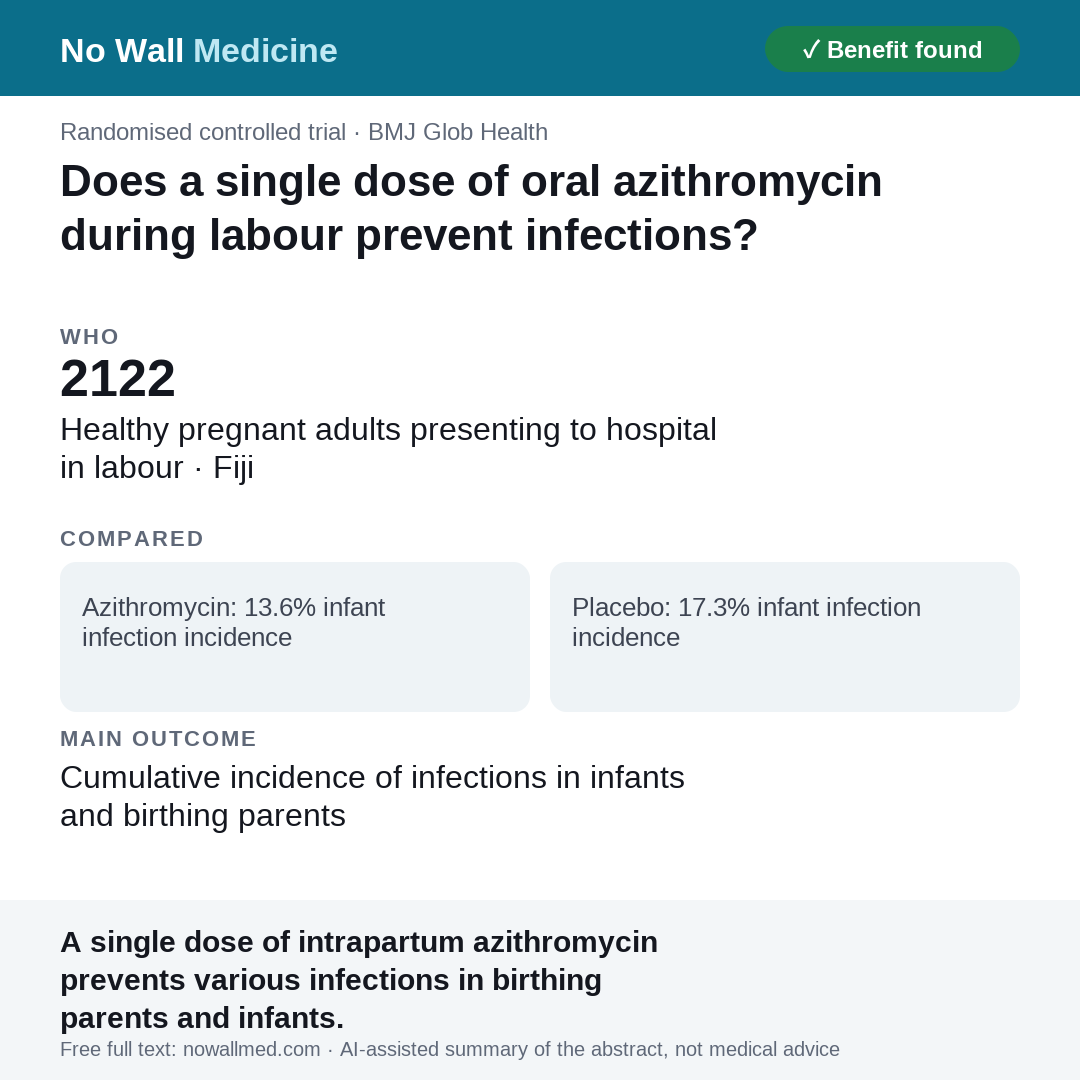
The efficacy of a single dose of oral azithromycin in labour to prevent infections in infants and birthing parents in Fiji: secondary outcomes from a randomised controlled trial
Randomised controlled trialBenefit found
Does a single dose of oral azithromycin during labour prevent infections?
Who
2122
Healthy pregnant adults presenting to hospital in labour · Fiji
Compared
Azithromycin: 13.6% infant infection incidence
Placebo: 17.3% infant infection incidence
Main outcome
Cumulative incidence of infections in infants and birthing parents
Result: risk ratio 0.79 (95% CI 0.63 to 0.99)
Bottom line: A single dose of intrapartum azithromycin prevents various infections in birthing parents and infants.
Limitation: Further research is required to characterise impacts on antimicrobial resistance and the infant microbiome.
BMJ Glob Health · 2026-03-04Download image