Visual abstracts
New randomized trials and meta-analyses from leading journals at a glance: who was studied, what was compared, and what was found. Every paper is free to read in full.
All specialtiesCardiology 2805Oncology 2381Gastroenterology & Hepatology 1085Infectious Disease 1789Neurology 1128Psychiatry & Mental Health 1294Pulmonology 1170Critical Care 775Endocrinology & Diabetes 1443Pediatrics 1659Surgery 1452Orthopedics & Sports Medicine 510Neurosurgery 341Cardiothoracic & Vascular Surgery 313Plastic & Reconstructive Surgery 407Nephrology 586Rheumatology 424Hematology 608Dermatology 332Ophthalmology 320Obstetrics & Gynecology 924Public & Global Health 521Radiology & Imaging 391Anesthesiology 566Urology 465ENT (Otolaryngology) 324Emergency Medicine 311Allergy & Immunology 175Geriatrics 597Family Medicine & Primary Care 321Medical Genetics & Genomics 323Pathology & Laboratory Medicine 92Physical Medicine & Rehabilitation 450Palliative Care 243Nutrition 762Digital Health & AI 1337General Medicine 201
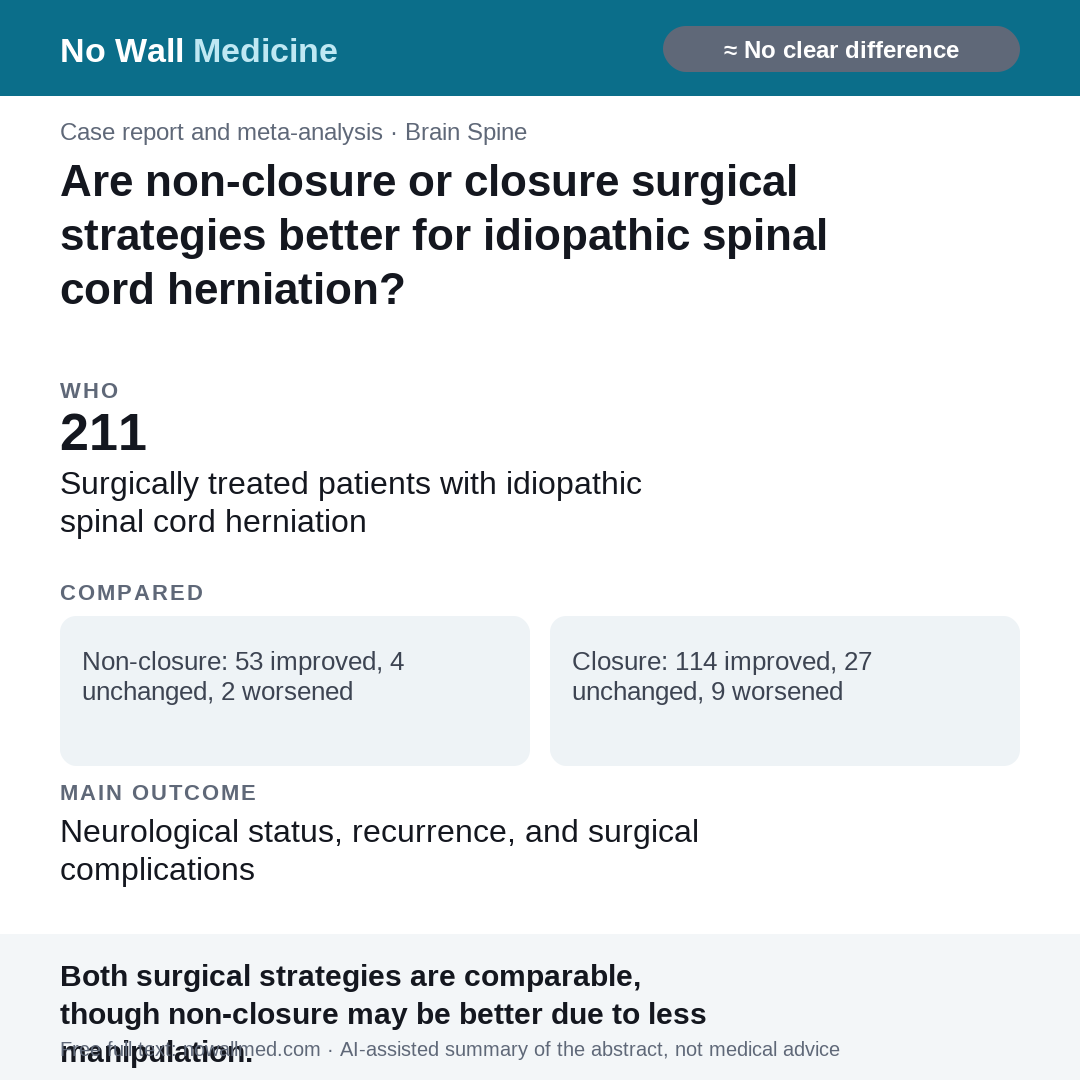
Surgical Treatment of Idiopathic spinal cord herniation: A Case Report under Neuromonitoring and Meta-analysis of 211 reviewed Cases
Case report and meta-analysisNo clear difference
Are non-closure or closure surgical strategies better for idiopathic spinal cord herniation?
Who
211
Surgically treated patients with idiopathic spinal cord herniation
Compared
Non-closure: 53 improved, 4 unchanged, 2 worsened
Closure: 114 improved, 27 unchanged, 9 worsened
Main outcome
Neurological status, recurrence, and surgical complications
Result: adjusted POR 2.53 (95% CI 0.69-9.31)
Bottom line: Both surgical strategies are comparable, though non-closure may be better due to less manipulation.
Brain Spine · 2026-02-02Download image
The effect of postoperative rehabilitation on outcomes in patients with degenerative cervical myelopathy (DCM): A systematic review
Systematic reviewBenefit found
What are the effects of postoperative rehabilitation on clinical outcomes following degenerative cervical myelopathy surgery?
Who
766
Patients undergoing degenerative cervical myelopathy surgery
Compared
Mixed rehabilitation interventions: consistent improvements in neurological function, quality of life, and self-efficacy
Other rehabilitation interventions
Main outcome
clinical outcomes including function, pain, and neurological recovery
Bottom line: Mixed rehabilitation interventions show promise for improving neurological function and quality of life after surgery.
Limitation: High risk of bias, poor methodological detail, and lack of standardization.
Brain Spine · 2026-02-02Download image

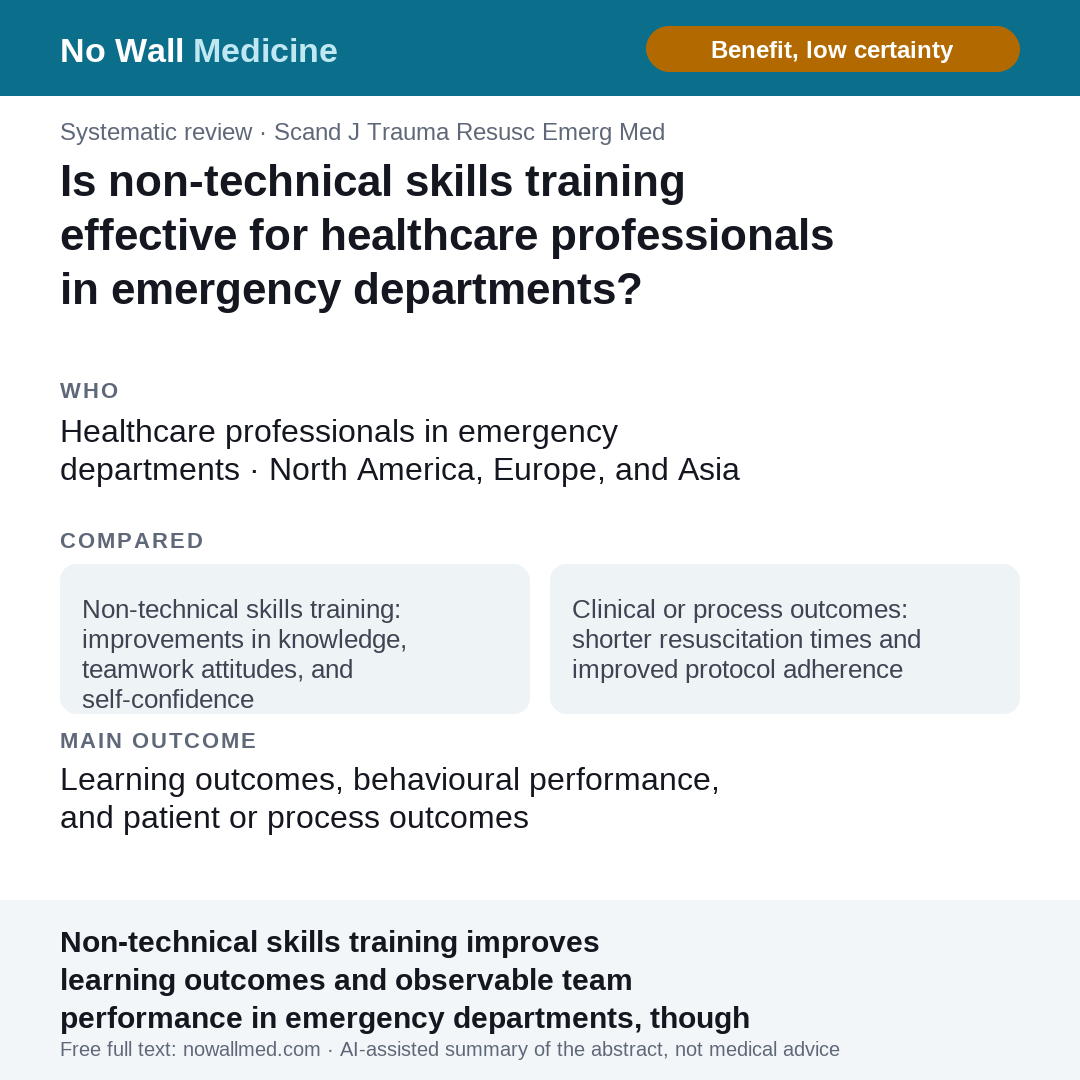
Effectiveness of non-technical skills training for healthcare professionals in emergency departments: a systematic review
Systematic reviewBenefit found
Is non-technical skills training effective for healthcare professionals in emergency departments?
Who
Healthcare professionals in emergency departments · North America, Europe, and Asia
Compared
Non-technical skills training: improvements in knowledge, teamwork attitudes, and self-confidence
Clinical or process outcomes: shorter resuscitation times and improved protocol adherence
Main outcome
Learning outcomes, behavioural performance, and patient or process outcomes
Bottom line: Non-technical skills training improves learning outcomes and observable team performance in emergency departments, though patient outcome evidence is limited.
Limitation: Methodological heterogeneity and limited evidence for clinical or process outcomes.
Scand J Trauma Resusc Emerg Med · 2026-02-02Download image
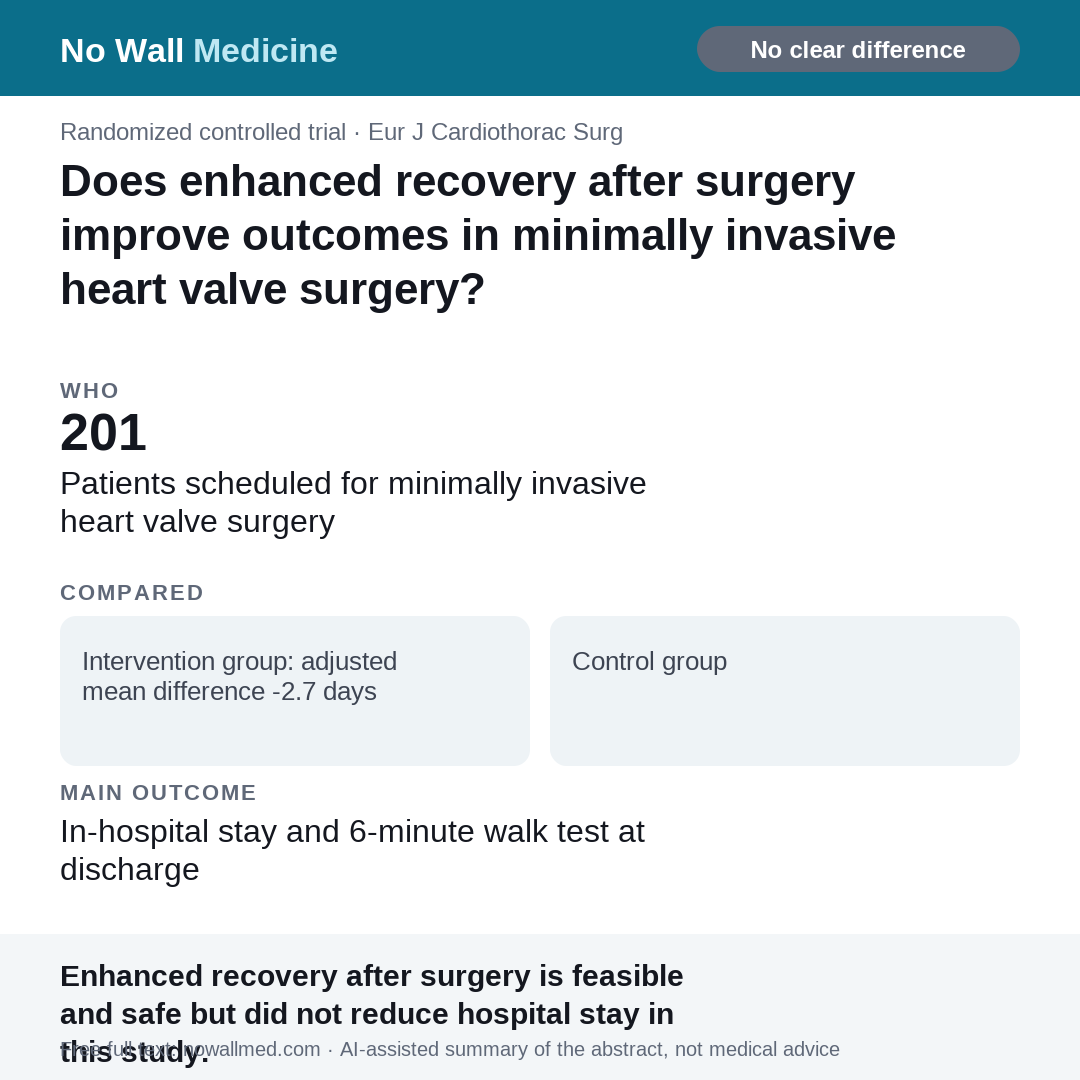
Interdisciplinary and Cross-Sectoral Perioperative Care Model in Cardiac Surgery: ERAS Implementation in the Setting of Minimally Invasive Heart Valve Surgery (INCREASE)-Results of a Randomized Controlled Trial
Randomized controlled trialNo clear difference
Does enhanced recovery after surgery improve outcomes in minimally invasive heart valve surgery?
Who
201
Patients scheduled for minimally invasive heart valve surgery
Compared
Intervention group: adjusted mean difference -2.7 days
Control group
Main outcome
In-hospital stay and 6-minute walk test at discharge
Result: adjusted mean difference -2.7 days, 95% confidence interval (-6.3, 0.9)
Bottom line: Enhanced recovery after surgery is feasible and safe but did not reduce hospital stay in this study.
Eur J Cardiothorac Surg · 2026-02-01Download image
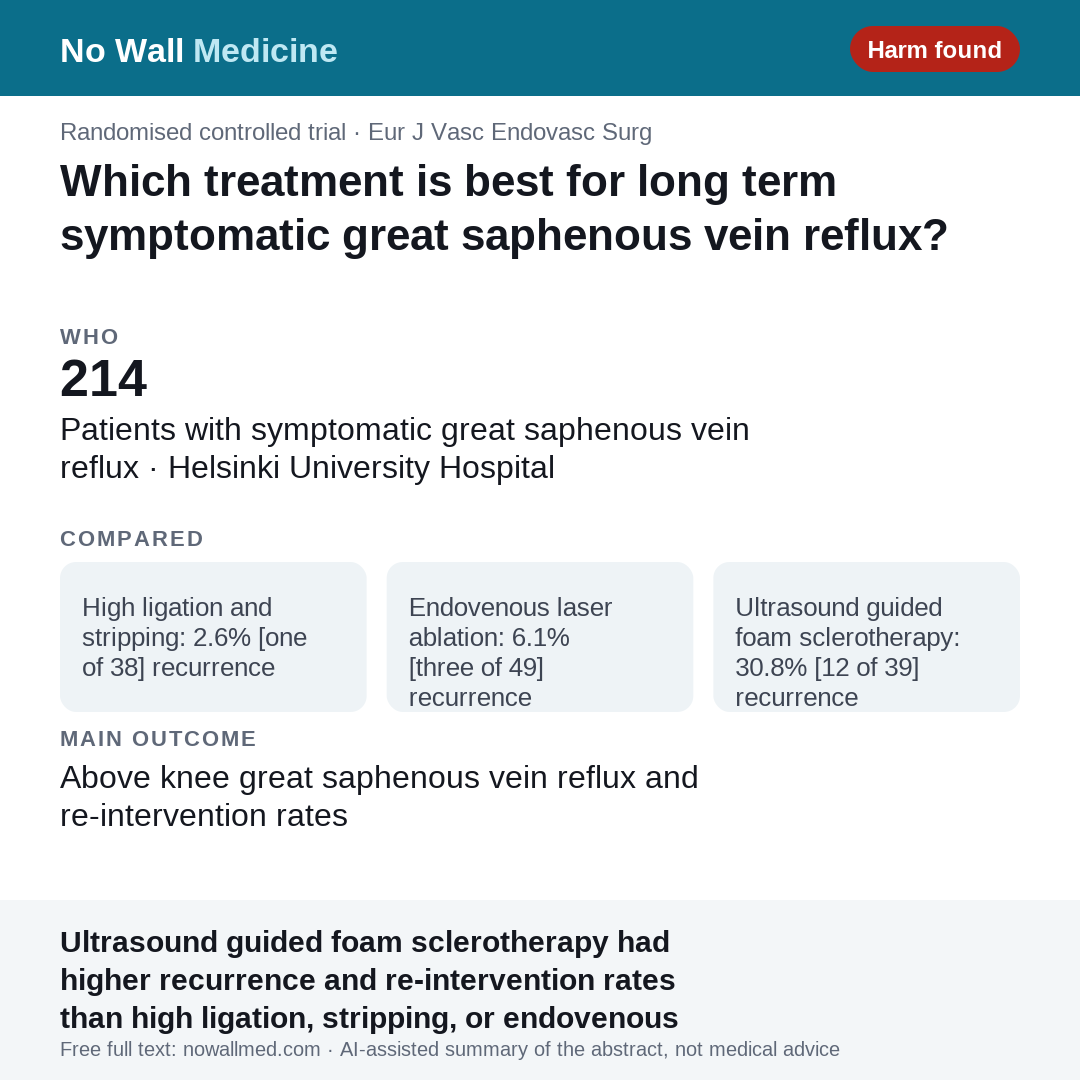
Fourteen Year Outcomes of a Randomised Controlled Trial Comparing Endovenous Laser Ablation, High Ligation and Stripping, and Ultrasound Guided Foam Sclerotherapy for Great Saphenous Varicose Veins
Randomised controlled trialHarm found
Which treatment is best for long term symptomatic great saphenous vein reflux?
Who
214
Patients with symptomatic great saphenous vein reflux · Helsinki University Hospital
Compared
High ligation and stripping: 2.6% [one of 38] recurrence
Endovenous laser ablation: 6.1% [three of 49] recurrence
Ultrasound guided foam sclerotherapy: 30.8% [12 of 39] recurrence
Main outcome
Above knee great saphenous vein reflux and re-intervention rates
Result: risk ratio 11.7 (95% CI 1.6 - 85.6) vs HLS; risk ratio 5.0 (95% CI 1.5 - 16.6) vs EVLA
Bottom line: Ultrasound guided foam sclerotherapy had higher recurrence and re-intervention rates than high ligation, stripping, or endovenous laser ablation.
Eur J Vasc Endovasc Surg · 2026-02-01Download image
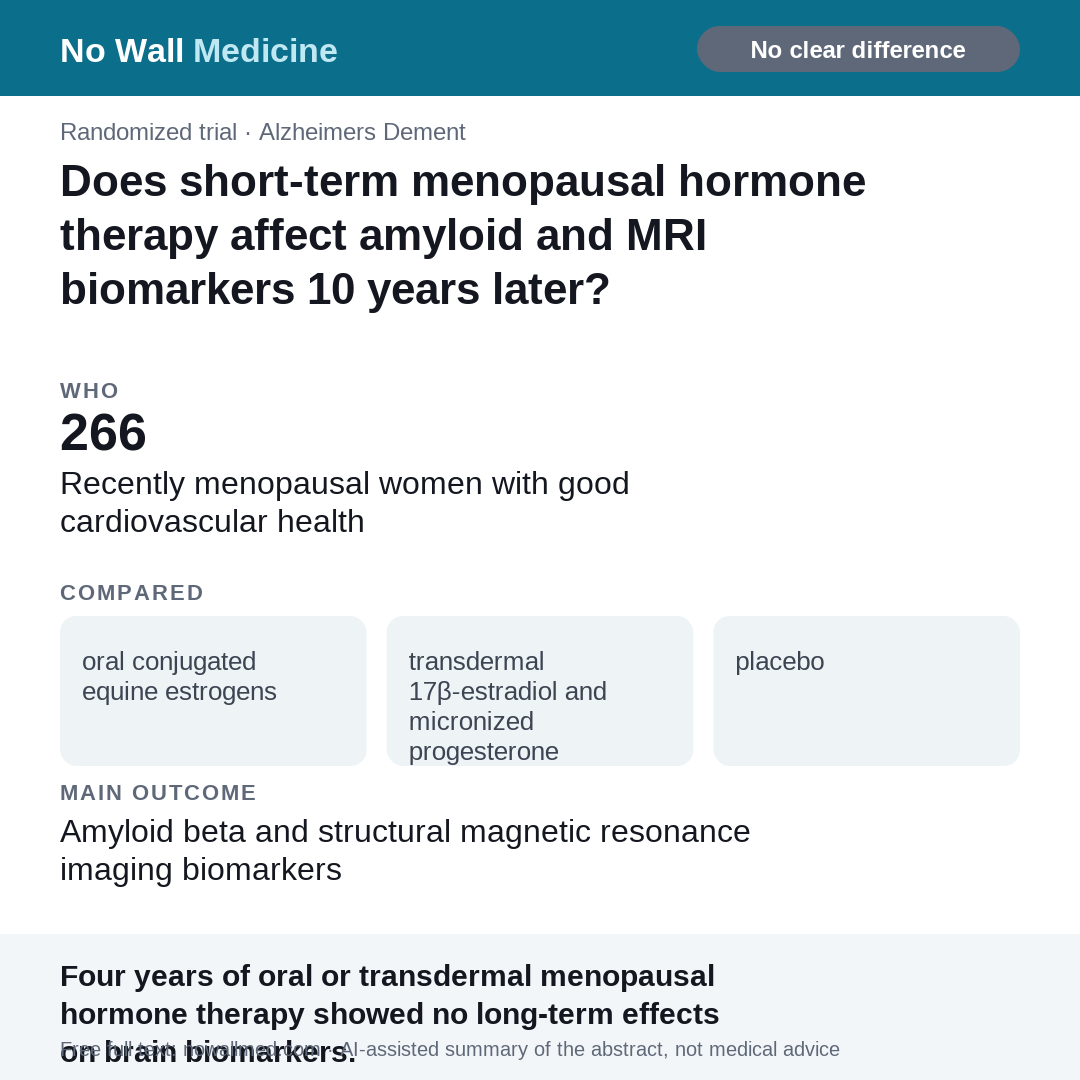
Long-term amyloid PET and MRI outcomes in a menopausal hormone therapy trial
Randomized trialNo clear difference
Does short-term menopausal hormone therapy affect amyloid and MRI biomarkers 10 years later?
Who
266
Recently menopausal women with good cardiovascular health
Compared
oral conjugated equine estrogens
transdermal 17β-estradiol and micronized progesterone
placebo
Main outcome
Amyloid beta and structural magnetic resonance imaging biomarkers
Bottom line: Four years of oral or transdermal menopausal hormone therapy showed no long-term effects on brain biomarkers.
Alzheimers Dement · 2026-01-31Download image
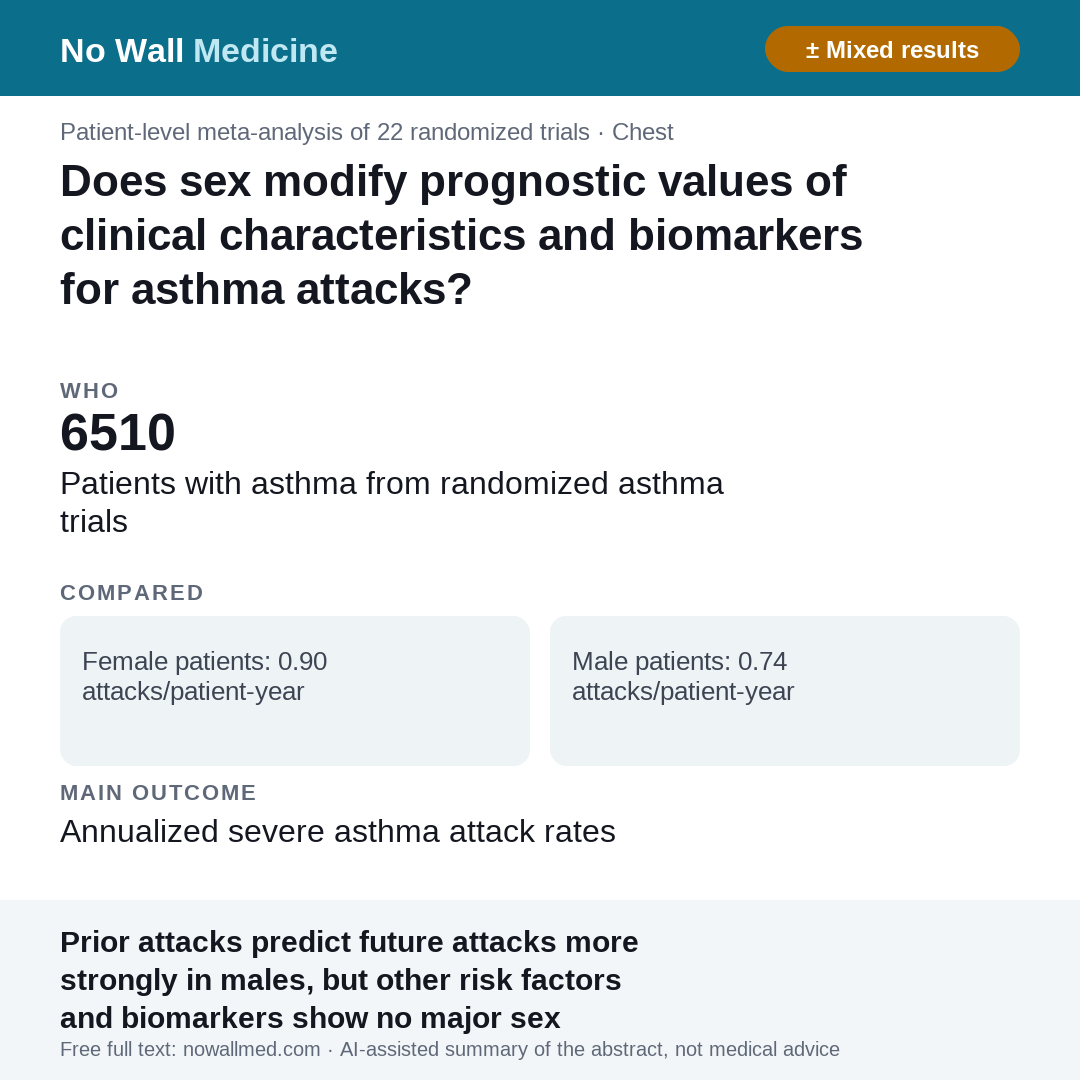
Impact of Sex on Prediction of Asthma Attacks by Clinical Risk Factors and Type 2 Biomarkers
Patient-level meta-analysis of 22 randomized trialsMixed results
Does sex modify prognostic values of clinical characteristics and biomarkers for asthma attacks?
Who
6510
Patients with asthma from randomized asthma trials
Compared
Female patients: 0.90 attacks/patient-year
Male patients: 0.74 attacks/patient-year
Main outcome
Annualized severe asthma attack rates
Bottom line: Prior attacks predict future attacks more strongly in males, but other risk factors and biomarkers show no major sex differences.
Chest · 2026-01-31Download image
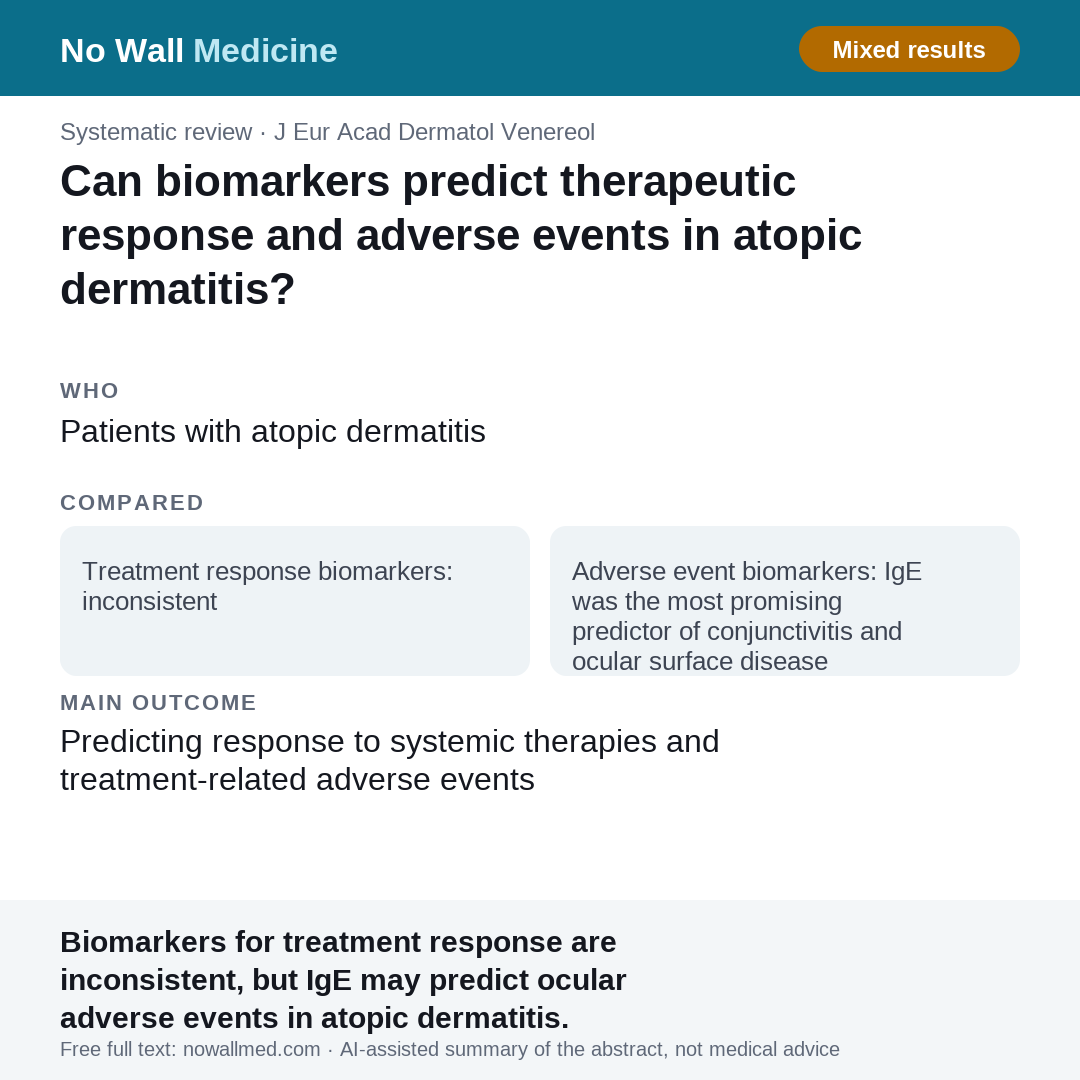
Biomarkers for therapeutic response and adverse outcomes in atopic dermatitis: A systematic review
Systematic reviewMixed results
Can biomarkers predict therapeutic response and adverse events in atopic dermatitis?
Who
Patients with atopic dermatitis
Compared
Treatment response biomarkers: inconsistent
Adverse event biomarkers: IgE was the most promising predictor of conjunctivitis and ocular surface disease
Main outcome
Predicting response to systemic therapies and treatment-related adverse events
Bottom line: Biomarkers for treatment response are inconsistent, but IgE may predict ocular adverse events in atopic dermatitis.
Limitation: Clinical heterogeneity and multifactorial aetiology complicate finding robust predictive biomarkers.
J Eur Acad Dermatol Venereol · 2026-01-31Download image
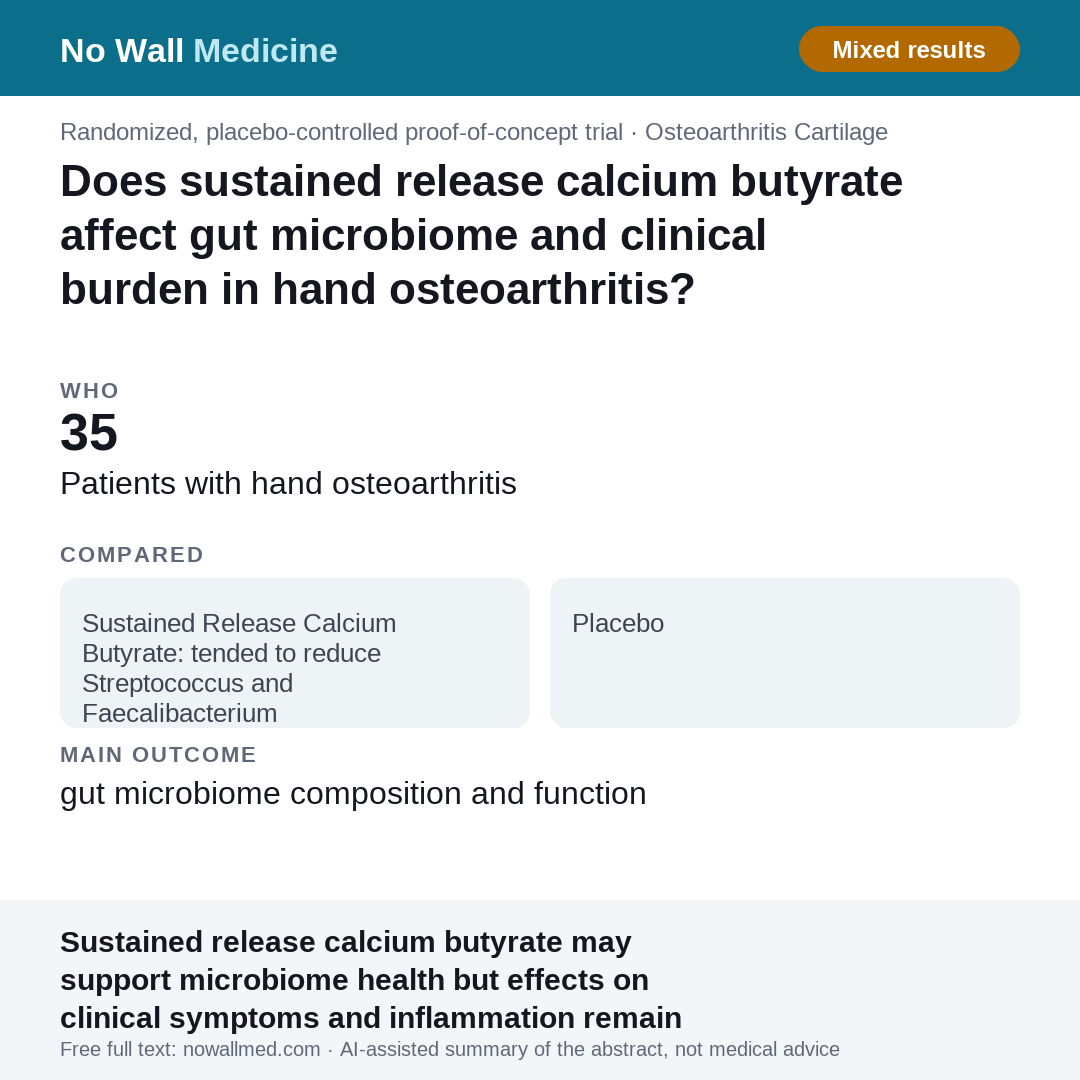
Effectiveness of Sustained Release Calcium Butyrate on the microbiome and clinical burden in osteoarthritis of the hand: A proof-of-concept placebo-controlled randomized trial
Randomized, placebo-controlled proof-of-concept trialMixed results
Does sustained release calcium butyrate affect gut microbiome and clinical burden in hand osteoarthritis?
Who
35
Patients with hand osteoarthritis
Compared
Sustained Release Calcium Butyrate: tended to reduce Streptococcus and Faecalibacterium
Placebo
Main outcome
gut microbiome composition and function
Bottom line: Sustained release calcium butyrate may support microbiome health but effects on clinical symptoms and inflammation remain unclear.
Osteoarthritis Cartilage · 2026-01-31Download image
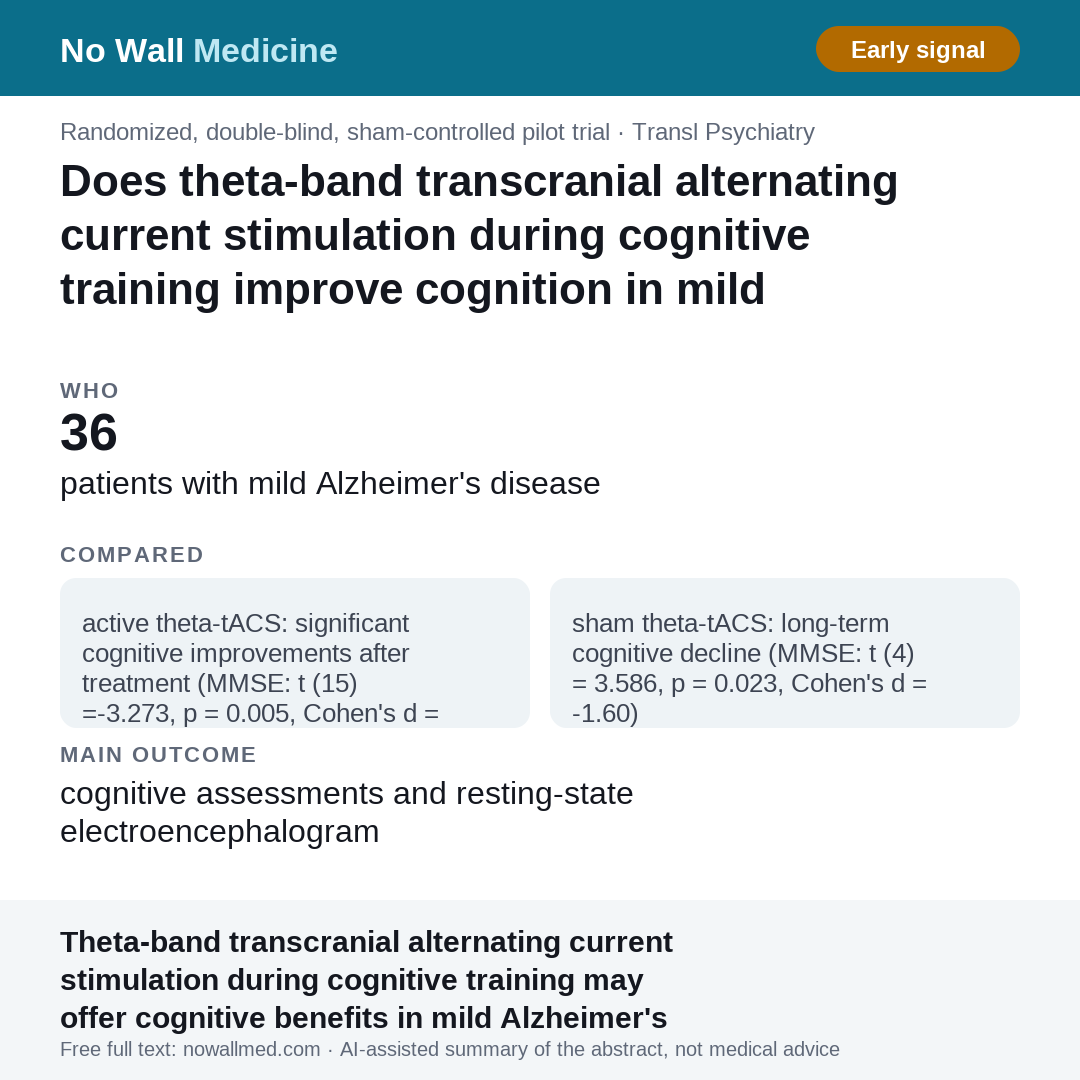
Randomized, double-blind, sham-controlled pilot trial of theta-band transcranial alternating current stimulation during cognitive training in mild Alzheimer's disease
Randomized, double-blind, sham-controlled pilot trialBenefit found
Does theta-band transcranial alternating current stimulation during cognitive training improve cognition in mild Alzheimer's disease?
Who
36
patients with mild Alzheimer's disease
Compared
active theta-tACS: significant cognitive improvements after treatment (MMSE: t (15) =-3.273, p = 0.005, Cohen's d = 0.82)
sham theta-tACS: long-term cognitive decline (MMSE: t (4) = 3.586, p = 0.023, Cohen's d = -1.60)
Main outcome
cognitive assessments and resting-state electroencephalogram
Bottom line: Theta-band transcranial alternating current stimulation during cognitive training may offer cognitive benefits in mild Alzheimer's disease.
Transl Psychiatry · 2026-01-31Download image
Socioeconomic position and the gut microbiota: a narrative synthesis of the association and recommendations
Narrative systematic reviewMixed results
Does socioeconomic position associate with gut microbiota diversity, composition, or function?
Who
26
Participants of any age, ethnicity, or location · Global
Compared
High-income countries: greater alpha diversity in advantaged groups
Low- and middle-income countries: greater alpha diversity in disadvantaged groups
Main outcome
Gut microbiota diversity, composition, and function
Bottom line: Socioeconomic-related differences in the gut microbiota are evident globally, though patterns vary by country income level.
Gut Microbes · 2026-01-31Download image

Escitalopram promotes recovery from hand paresis in cortical sensori-motor stroke: a randomized, double-blind, placebo-controlled longitudinal study
Randomized, double-blind, placebo-controlled longitudinal studyBenefit found
Does early escitalopram administration influence recovery of within-hand motor dexterity after sensorimotor stroke?
Who
Patients with first-ever sensorimotor stroke affecting the pre- or postcentral gyrus
Compared
Escitalopram: greater improvement in Jebsen–Taylor Test subtest 1 and finger gaiting
Placebo: increased activity in the left mediodorsal thalamus at nine months
Main outcome
Within-hand motor dexterity and neural activation
Bottom line: Early escitalopram administration may facilitate recovery of fine motor control by supporting normalization of cortical and subcortical networks.
Limitation: Based on a small, highly specific cohort.
J Neuroeng Rehabil · 2026-01-31Download image

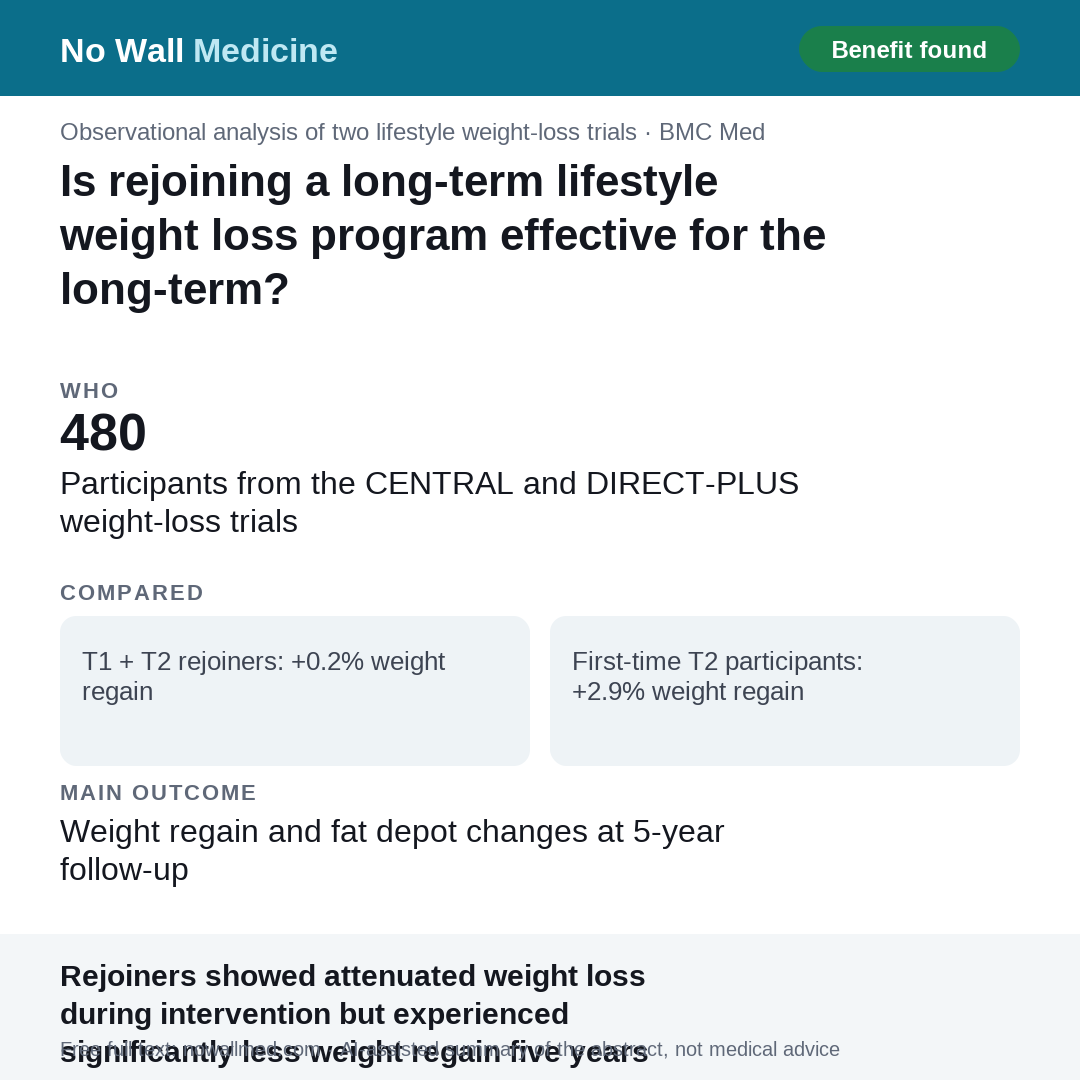
How effective is rejoining a long-term weight loss program? The 5- and 10-year MRI-assessed Follow Interventions Trial (FIT) project
Observational analysis of two lifestyle weight-loss trialsBenefit found
Is rejoining a long-term lifestyle weight loss program effective for the long-term?
Who
480
Participants from the CENTRAL and DIRECT-PLUS weight-loss trials
Compared
T1 + T2 rejoiners: +0.2% weight regain
First-time T2 participants: +2.9% weight regain
Main outcome
Weight regain and fat depot changes at 5-year follow-up
Result: weight regain +0.2% vs. +2.9% (FDR < 0.05)
Bottom line: Rejoiners showed attenuated weight loss during intervention but experienced significantly less weight regain five years later.
BMC Med · 2026-01-30Download image
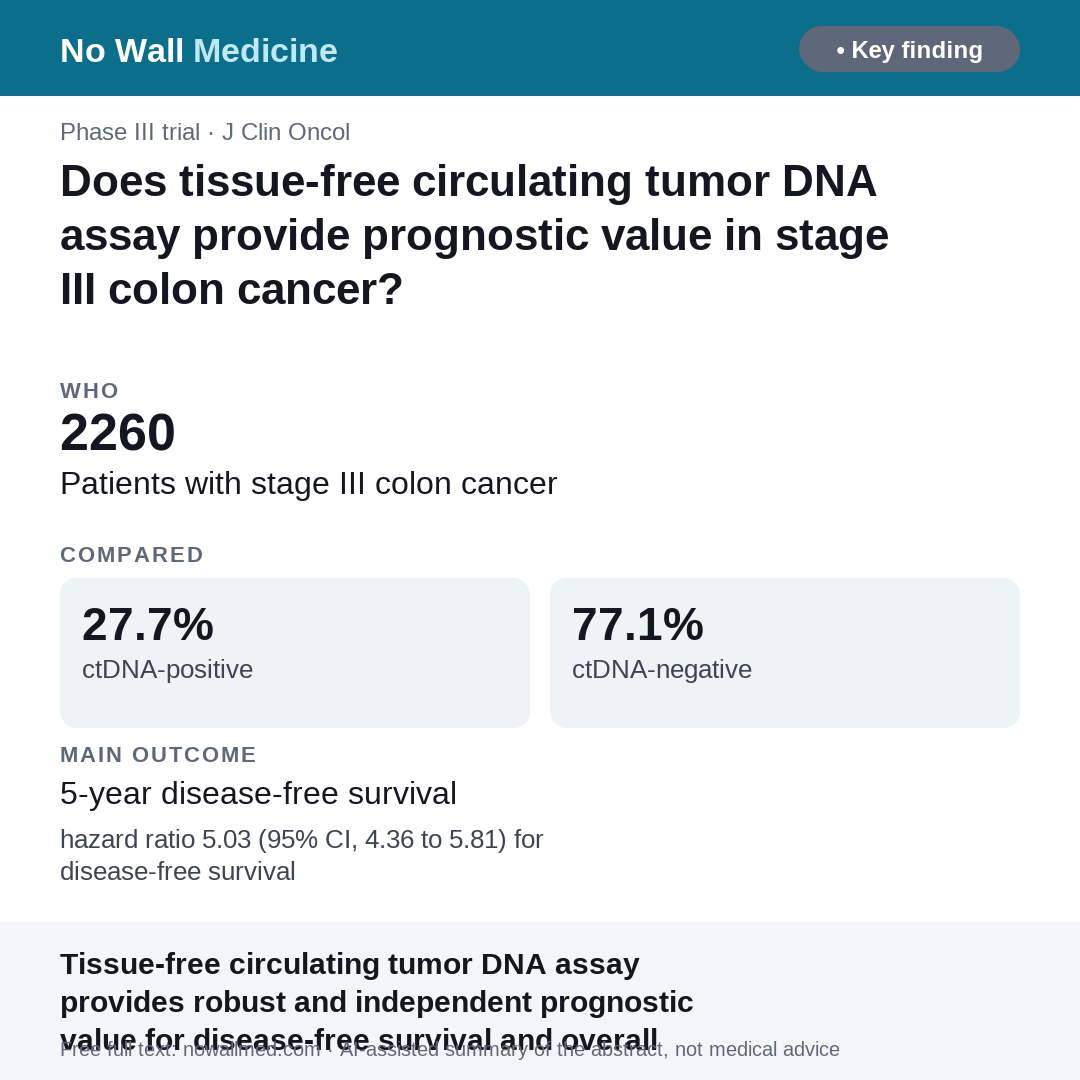
Tissue-Free Circulating Tumor DNA Assay and Patient Outcome in a Phase III Trial of FOLFOX-Based Adjuvant Chemotherapy (Alliance N0147)
Phase III trialBenefit found
Does tissue-free circulating tumor DNA assay provide prognostic value in stage III colon cancer?
Who
2260
Patients with stage III colon cancer
Compared
27.7%ctDNA-positive (95% CI, 23.8 to 32.2)
77.1%ctDNA-negative (95% CI, 75.1 to 79.1)
Main outcome
5-year disease-free survival
Result: hazard ratio 5.03 (95% CI, 4.36 to 5.81) for disease-free survival
Bottom line: Tissue-free circulating tumor DNA assay provides robust and independent prognostic value for disease-free survival and overall survival.
J Clin Oncol · 2026-01-30Download image
A systematic review to guide measles exposure periods for contact tracing
Systematic reviewUnclear result
Measles virus airborne transmissibility duration
Who
people in public spaces · public environments
Compared
low humidity: 120 min
high humidity: 29 min
Main outcome
measles virus survival time
Bottom line: Virus survives 29 to 120 minutes
Limitation: limited research from 1964 to 1987
Funded by: U.S. Centers for Disease Control
eBioMedicine · 2026-01-30Download image

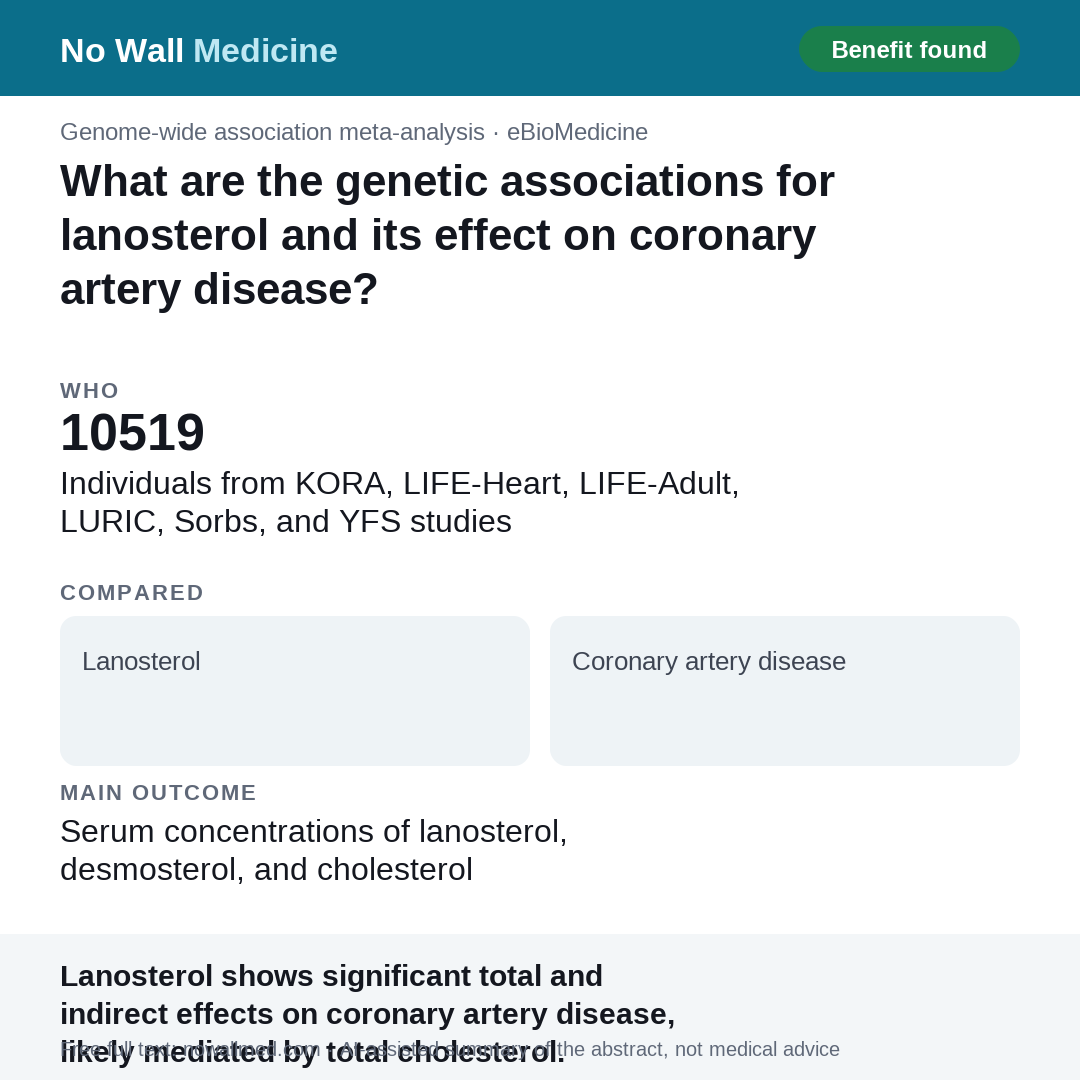
A genome-wide association meta-analysis of cholesterol synthesis intermediates identifies three associations for lanosterol
Genome-wide association meta-analysisBenefit found
What are the genetic associations for lanosterol and its effect on coronary artery disease?
Who
10519
Individuals from KORA, LIFE-Heart, LIFE-Adult, LURIC, Sorbs, and YFS studies
Compared
Lanosterol
Coronary artery disease
Main outcome
Serum concentrations of lanosterol, desmosterol, and cholesterol
Bottom line: Lanosterol shows significant total and indirect effects on coronary artery disease, likely mediated by total cholesterol.
Funded by: Ministry for science and health of the Rhineland-Palatinate
eBioMedicine · 2026-01-30Download image
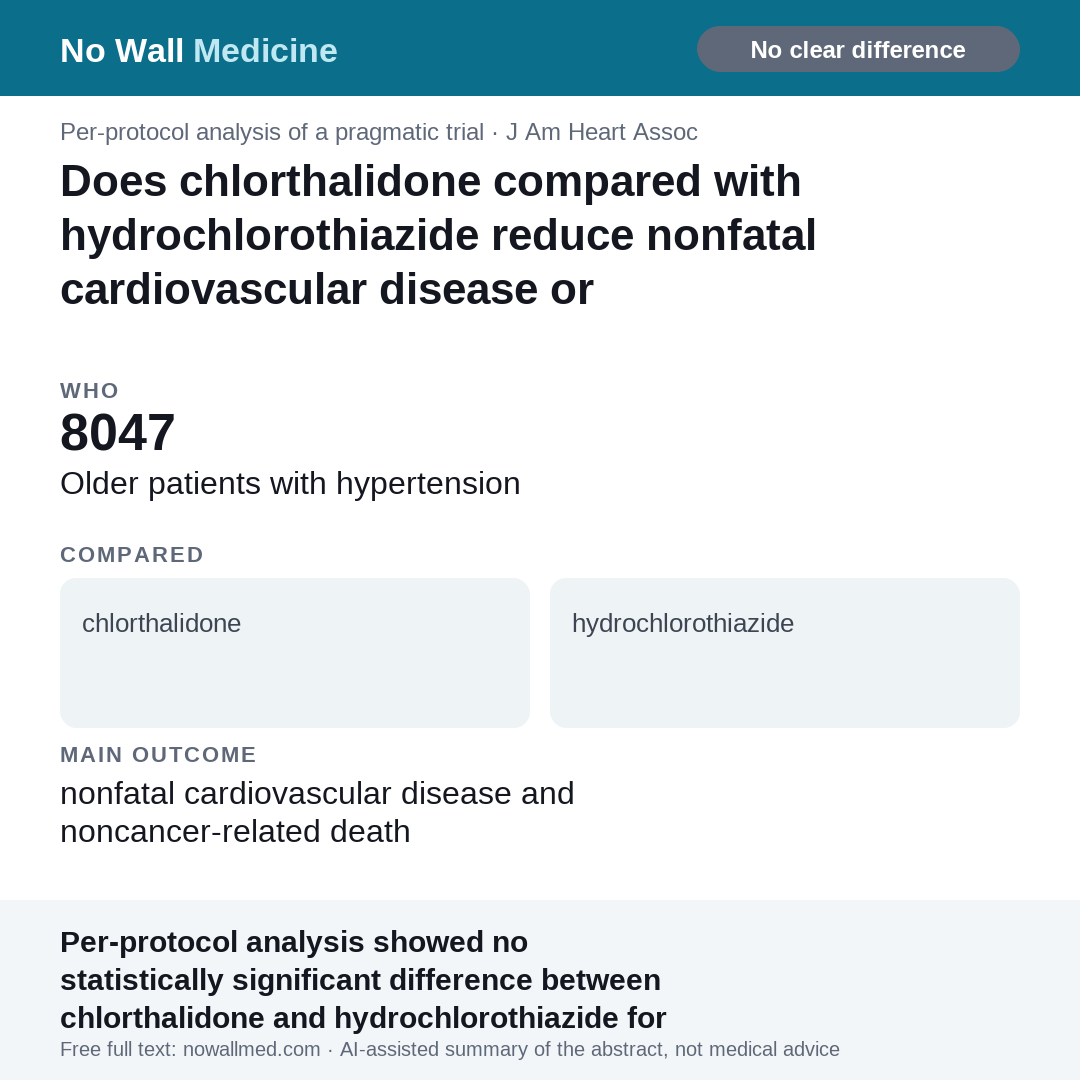
Per-Protocol Analysis of Chlorthalidone Versus Hydrochlorothiazide for Cardiovascular Event Prevention-Diuretic Comparison Project
Per-protocol analysis of a pragmatic trialNo clear difference
Does chlorthalidone compared with hydrochlorothiazide reduce nonfatal cardiovascular disease or noncancer-related death?
Who
8047
Older patients with hypertension
Compared
chlorthalidone
hydrochlorothiazide
Main outcome
nonfatal cardiovascular disease and noncancer-related death
Result: risk ratio 1.36 (95% CI 0.96-2.12)
Bottom line: Per-protocol analysis showed no statistically significant difference between chlorthalidone and hydrochlorothiazide for preventing major cardiovascular events.
Limitation: Difference was not statistically significant using dispensation data to identify adherence.
J Am Heart Assoc · 2026-01-30Download image
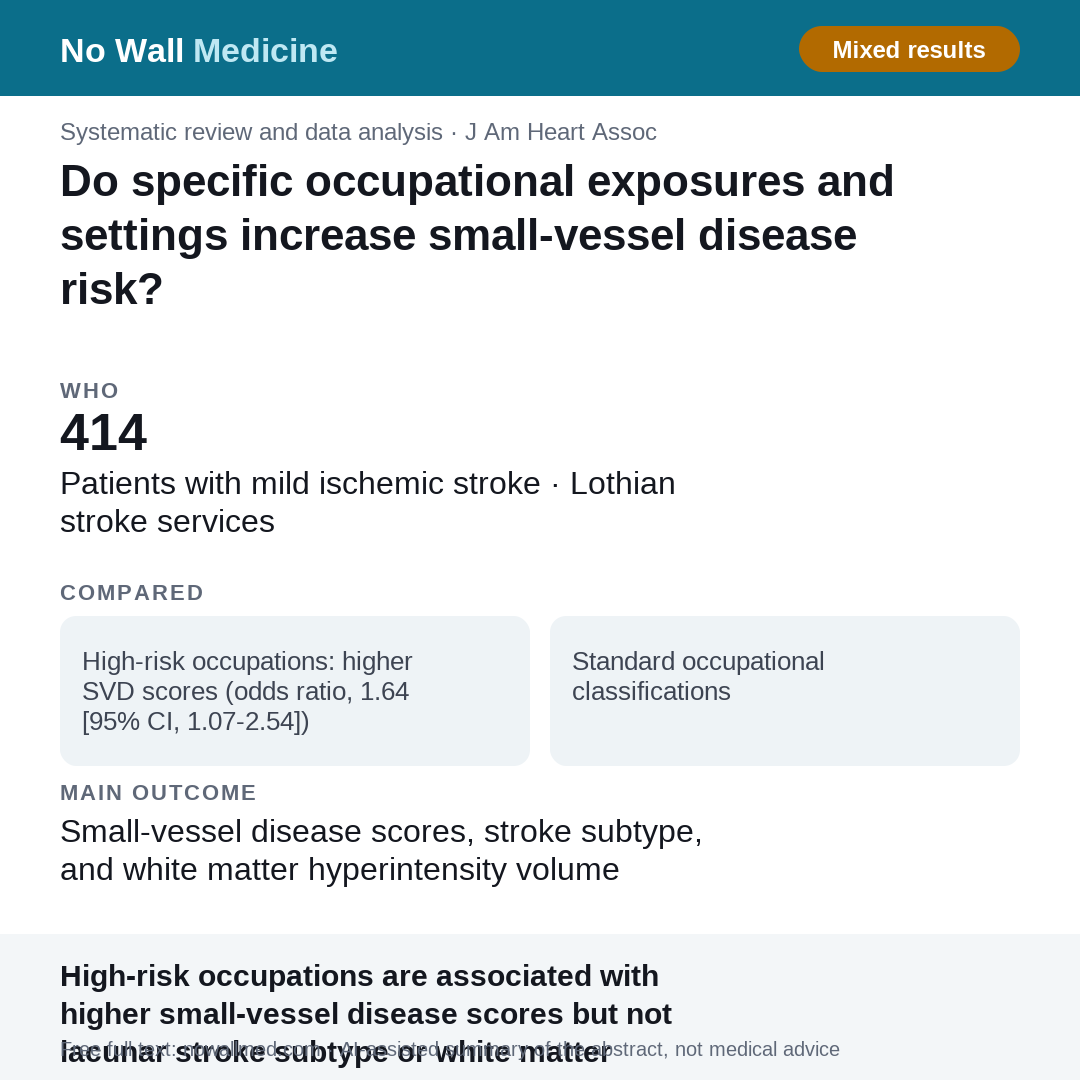
Stroke, Small-Vessel Disease, and Occupation: Systematic Review and Data Analysis
Systematic review and data analysisMixed results
Do specific occupational exposures and settings increase small-vessel disease risk?
Who
414
Patients with mild ischemic stroke · Lothian stroke services
Compared
High-risk occupations: higher SVD scores (odds ratio, 1.64 [95% CI, 1.07-2.54])
Standard occupational classifications
Main outcome
Small-vessel disease scores, stroke subtype, and white matter hyperintensity volume
Result: odds ratio, 1.64 [95% CI, 1.07-2.54]
Bottom line: High-risk occupations are associated with higher small-vessel disease scores but not lacunar stroke subtype or white matter hyperintensity volume.
Limitation: The systematic review shows limited data on stroke-occupation associations.
J Am Heart Assoc · 2026-01-30Download image
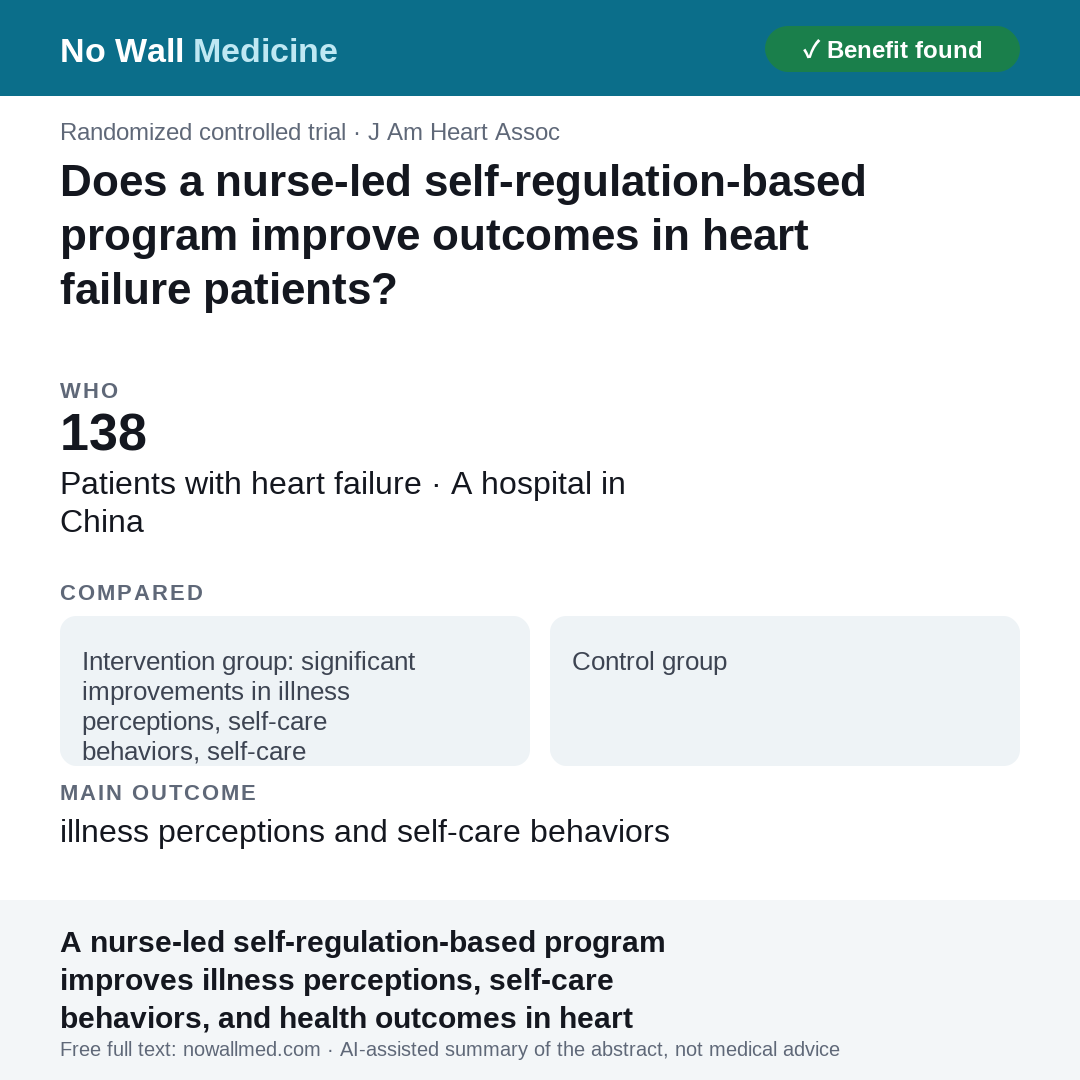
Effects of a Nurse-Led Common-Sense Model of Self-Regulation-Based Heart Failure Self-Care Program on Patient Outcomes: A Randomized Controlled Trial
Randomized controlled trialBenefit found
Does a nurse-led self-regulation-based program improve outcomes in heart failure patients?
Who
138
Patients with heart failure · A hospital in China
Compared
Intervention group: significant improvements in illness perceptions, self-care behaviors, self-care self-efficacy, health-related quality of life, depression, symptom burden, and sleep quality
Control group
Main outcome
illness perceptions and self-care behaviors
Bottom line: A nurse-led self-regulation-based program improves illness perceptions, self-care behaviors, and health outcomes in heart failure patients.
J Am Heart Assoc · 2026-01-30Download image
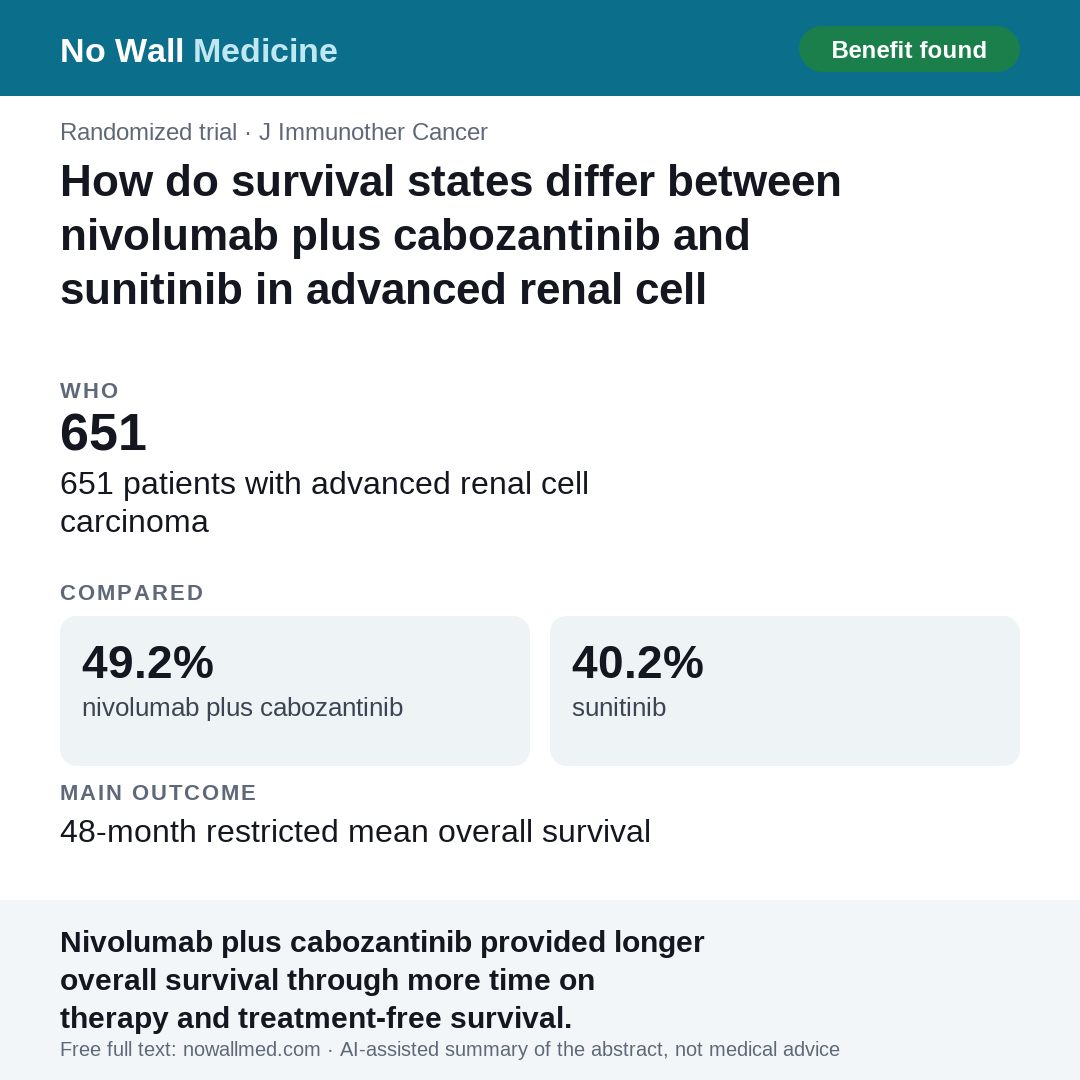
Partitioned overall survival: comprehensive analysis of survival states over 4 years in CheckMate 9ER comparing first-line nivolumab plus cabozantinib versus sunitinib in advanced renal cell carcinoma
Randomized trialBenefit found
How do survival states differ between nivolumab plus cabozantinib and sunitinib in advanced renal cell carcinoma?
Who
651
651 patients with advanced renal cell carcinoma
Compared
49.2%nivolumab plus cabozantinib
40.2%sunitinib
Main outcome
48-month restricted mean overall survival
Result: difference in 48-month mean treatment-free survival 2.4 (95% CI 0.8 to 3.9)
Bottom line: Nivolumab plus cabozantinib provided longer overall survival through more time on therapy and treatment-free survival.
J Immunother Cancer · 2026-01-30Download image